
A CREATIVE ADULT IS A CHILD WHO SURVIVED
Explore without limits – bold, daring, unapologetic. Carve a formidable path filled with desire, allure and a captivating presence.
Explore without limits – bold, daring, unapologetic. Carve a formidable path filled with desire, allure and a captivating presence.
É DITEURS
Karim Aeid, Martin Mackenzie, Patrick Ludi
DIRECTEUR DE LA R É DACTION
Karim Aeid
DIRECTEUR CR É ATIF
Martin Mackenzie
DIRECTEUR ASSOCI É EYES ARABIA Abdennor Idrissi
CONCEPTION GRAPHIQUE www.eyes.studio
DIGITAL MARKETING
Evany Colloud
R É DACTION
Evany Colloud, Megan Tomos, Mai Yackout, Karim Aeid, Martin Mackenzie
PHOTOGRAPHIE
Elena Kuznetsova
R É ALISATION VIDEO
Louis-Victor Majerus
PARUTION
2 éditions par année
TIRAGE 25’000 exemplaires
DISTRIBUTION www.7days.swiss, www.kkiosk.ch
Genève, Lausanne, Montreux, Neuchâtel, Zürich, Bâle, Berne, Lucerne, Gstaad, Verbier, Crans-Montana, Saint-Moritz, Saas-Fee, Zermatt, Andermatt
CONTRIBUTIONS POUR CETTE É DITION
Nicholas Foulkes, Richard Mille, Patek Philippe, F.P. Journe, Cartier, La Réserve Genève Hotel & Spa, Ilaria Resta, Audemars Piguet, Jonathan Brinbaum, Bvlgari, Vacheron Constantin, Amouage, De Bethune, Kevin Germanier, Caran d’Ache, Jaeger-LeCoultre, Marli, Chanel, Rolex, Rolls-Royce Motorcars Geneva, Pegasus Automative Group, Brough Superior, Bernina Gran Turismo, Ferrari, Tudor, Tag Heuer, Tiffany & Co., Zayed National Museum, Fendi, Louis Vuitton, Takashi Murakami, Piaget, Andhy Warhol Foundation for the Visual Arts, MB&F, Montblanc, Loewe, Jacob & Co., Longitude 131°, La Dolce Vita Orient Express, Rolex Switzerland Sail GP, RH Paris, Iris, Bar des Prés, Veuve Clicquot, Jacquemus, Brasserie 1519, W Verbier, Izakaya, Belvedere Vodka, Omega, Giovana Schmitz
REMERCIEMENTS
Salah Aeid, Maha Aeid, Sarah Aeid, Deniz Drücke, Ilyan Drücke, Ella Drücke, Rubina AlHneiti, Esmée Mackenzie
CONCEPTION GRAPHIQUE www.eyes.studio
EYES MAGAZINE
Rue Cécile Biéler-Butticaz, 12 CH - 1207 Genève +41 (0) 22 310 09 35 www.eyesmagazine.ch
EYES ARABIA
Ontario Tower 1701-32 Dubai, UAE +971(0) 566 44 7776 www.eyesarabia.com
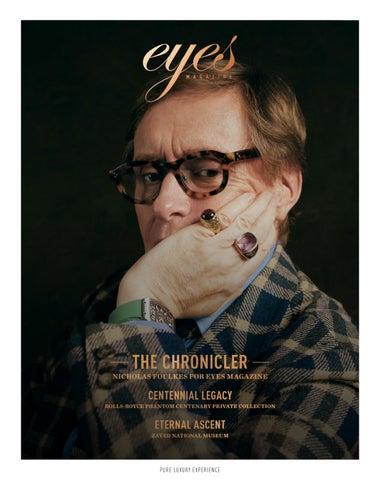
COUVERTURE
Nicholas Foulkes for Eyes Magazine
Watch Richard Mille
Photography Elena Kuznetsova
IMPRIM É EN SUISSE

Tous droits de reproduction réservés à Eyes Magazine. Toute réimpression, copie complète ou partielle ainsi que toute utilisation sur des supports optiques ou électroniques est soumise à l’approbation préalable de la direction de la publication.
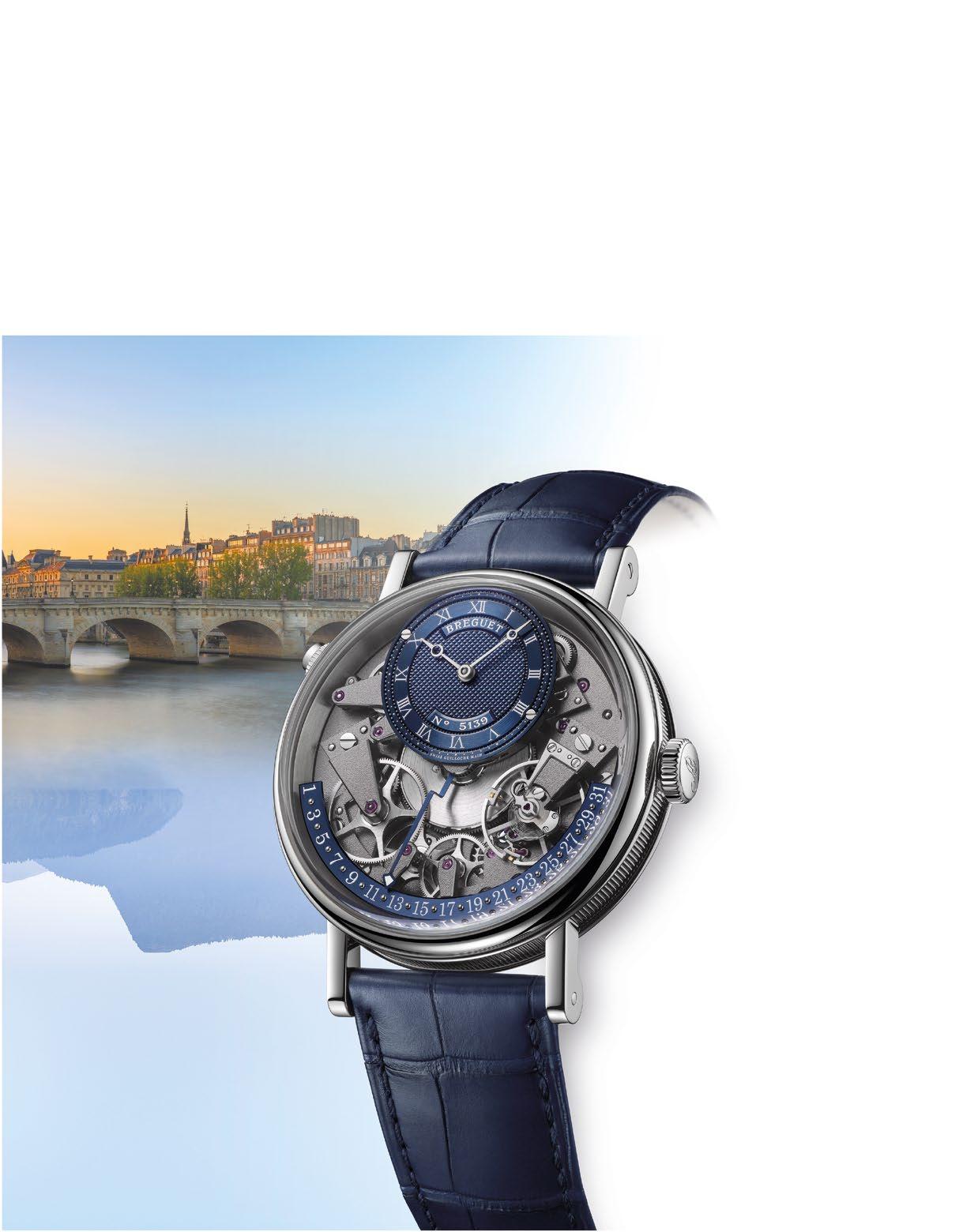
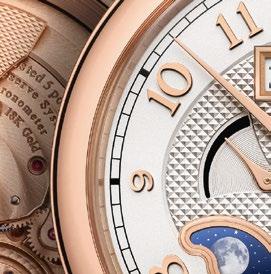
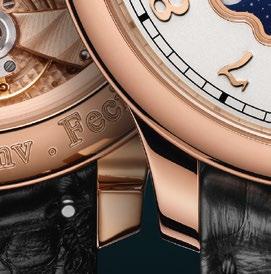
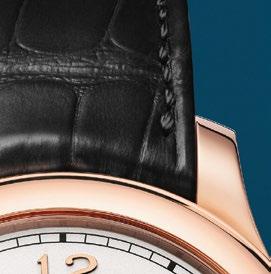
A.-L. Breguet redefined the art of horology with his inventions. His pursuit of perfection continues to inspire those shaping the future. The Tradition Quantième Rétrograde 7597 celebrates this extraordinary legacy. One invention at a time
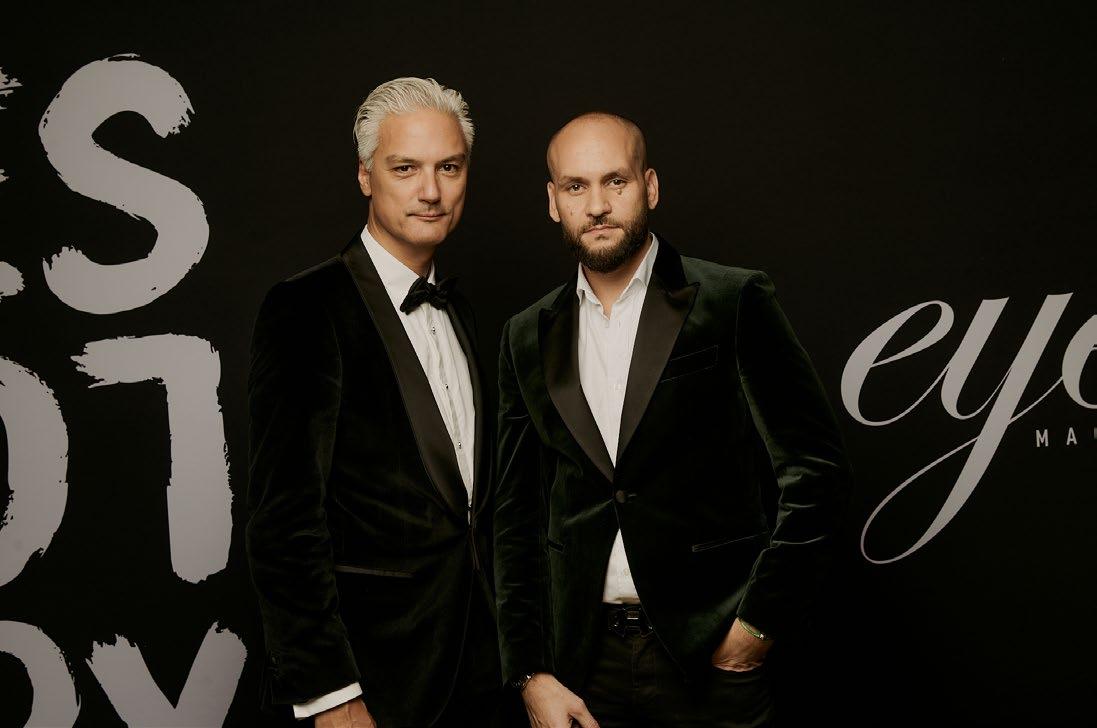
Chaque nouvelle édition commence par une question simple : qu’est-ce qui mérite vraiment notre attention ? Dans un monde saturé d’images et de rapidité, ralentir le regard devient un véritable acte de discernement. Observer, comprendre, contextualiser, c’est choisir la profondeur plutôt que la vitesse, la résonance plutôt que l’effet immédiat. Ce numéro est né de cette exigence : offrir le temps de contempler ce qui, autrement, resterait à la surface.
Notre Cover Story avec Nicholas Foulkes s’inscrit pleinement dans cette démarche. Historien du style et observateur du luxe, il explore depuis longtemps les liens subtils entre goût, esthétique et mémoire culturelle. Il ne voit pas le luxe comme une succession de tendances éphémères, mais comme une continuité, où chaque geste et chaque détail racontent une histoire. À travers son regard, la montre se révèle comme un objet culturel à part entière, porteur d’histoire et d’émotion. Chaque création devient le reflet d’une narration silencieuse que seul un œil attentif peut déceler.
Depuis toujours, nous invitons nos lecteurs à aller au-delà de l’objet, à plonger au cœur du produit, de son savoir-faire et de son histoire. Notre signature Pure Luxury Experience célèbre cette exploration intime et sensorielle, révélant l’émotion et la vie qui se cachent derrière chaque pièce d’exception. En parcourant ces pages, je vous invite, chers lecteurs, à ralentir, à observer avec attention chaque lieu, chaque image et chaque récit. Voir autrement, plus lentement et plus profondément, est peutêtre aujourd’hui la plus accomplie des formes de luxe.
KARIM AEID, DIRECTEUR DE LA RÉDACTION
When creation is a true passion, each day is an opportunity to reflect on innovation while honoring heritage. In the world of luxury, where tradition, craftsmanship, and vision intersect, this dialogue between past and future has never been more relevant.
Where once products and traditional branding defined the industry, a deeper dimension of luxury has emerged. Increasingly, it is defined not merely by what we own, but by what we experience. The Pure Luxury Experience, our philosophy since 2009, has now become a defining principle within the modern luxury universe.
It is precisely this vision that continues to inspire the creation of Eyes, that has always been more than a magazine. It is a reflection of a shared mindset, built on quality, experience, and craftsmanship. These are values that define not only our publication, but also the exceptional partners and creators who accompany us on this journey. Together, we do not simply publish a magazine. We cultivate a community of like-minded individuals who share a passion for heritage, savoir-faire, and excellence, all carefully crafted within our Atelier of Luxury Communication
Before you lies our latest signature creation, the 26th print edition of Eyes Magazine. An exclusive collectible designed not only to be read, but to be felt, admired, and experienced, because pure luxury is never just seen, it is lived.
MARTIN MACKENZIE, CREATIVE DIRECTOR
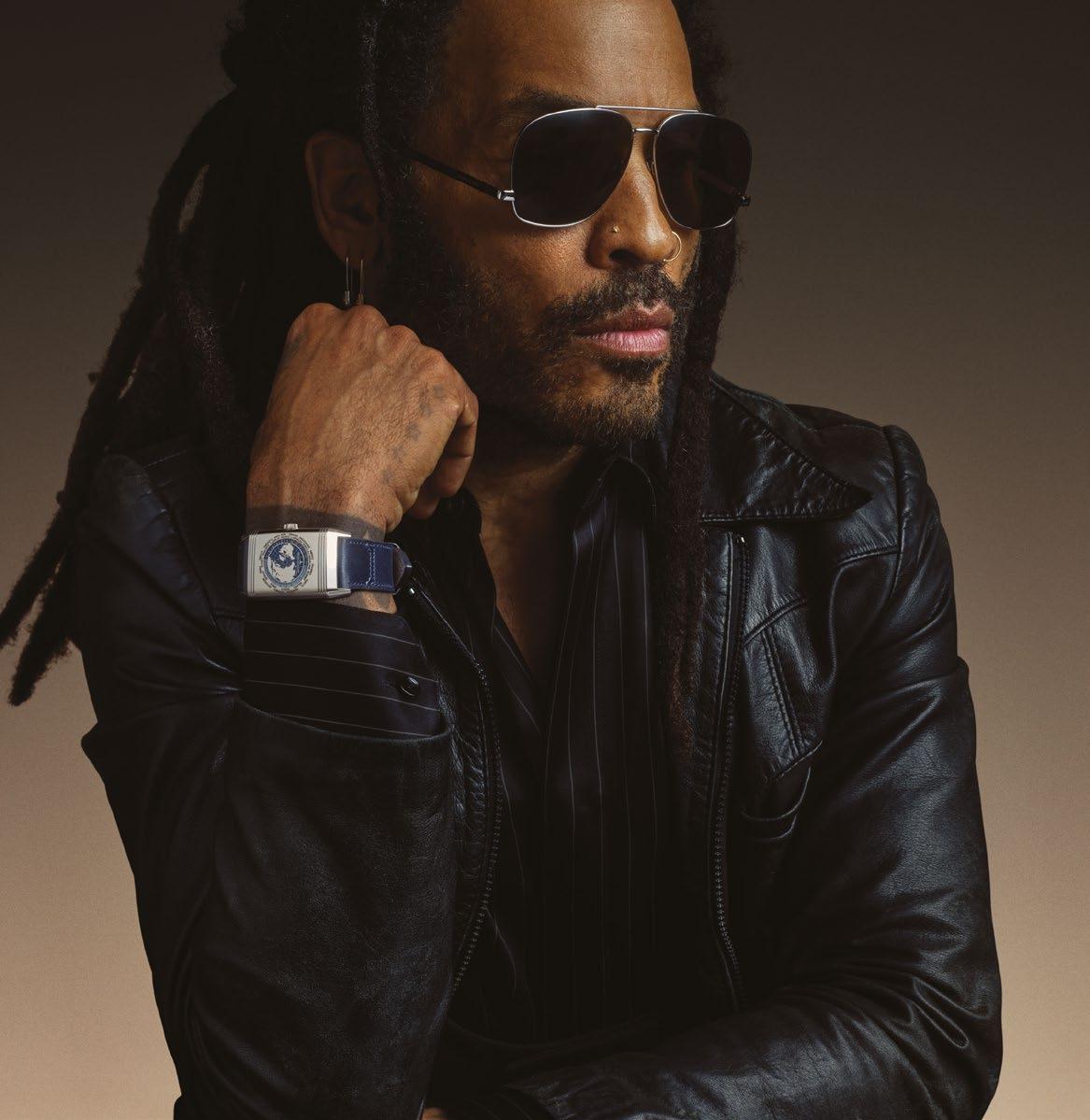





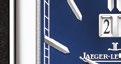



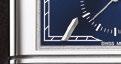
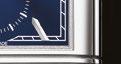








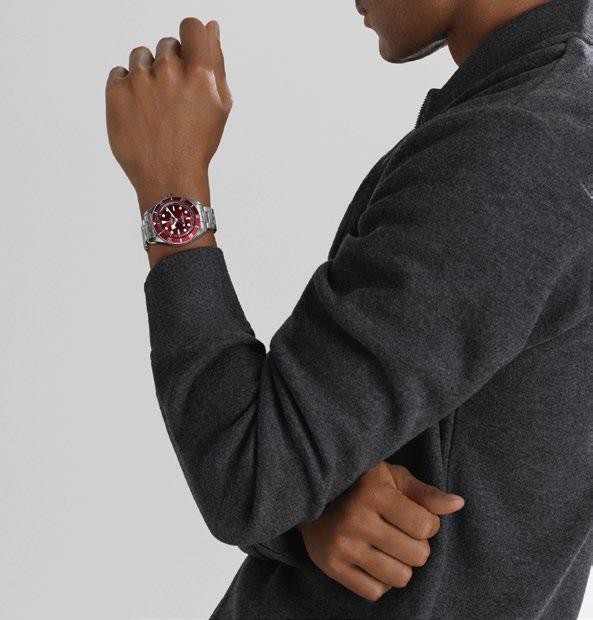
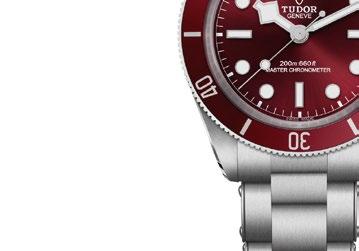
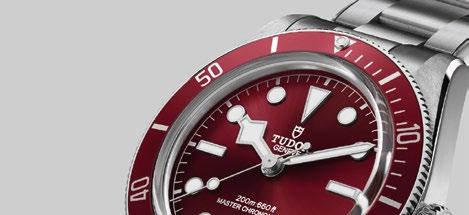




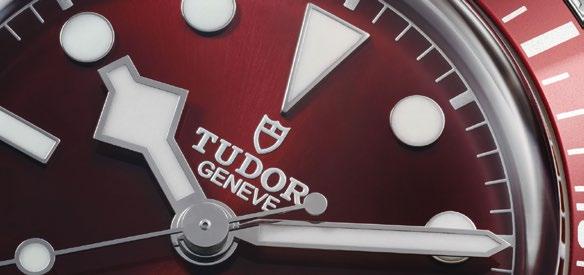
Qu’est-ce qui nous pousse à nous dépasser ? À braver l’inconnu ? À nous aventurer au-delà de nos propres limites ? C’est l’état d’esprit à l’origine de la marque TUDOR. Celui incarné par chaque montre TUDOR. Notamment la TUDOR Black Bay 58, une montre de plongée en acier d’un diamètre de 39 mm, bordeaux, couleur signature de TUDOR, et certifiée Master Chronometer par METAS. Certains se contentent de suivre. D’autres sont nés pour oser.
Bernina
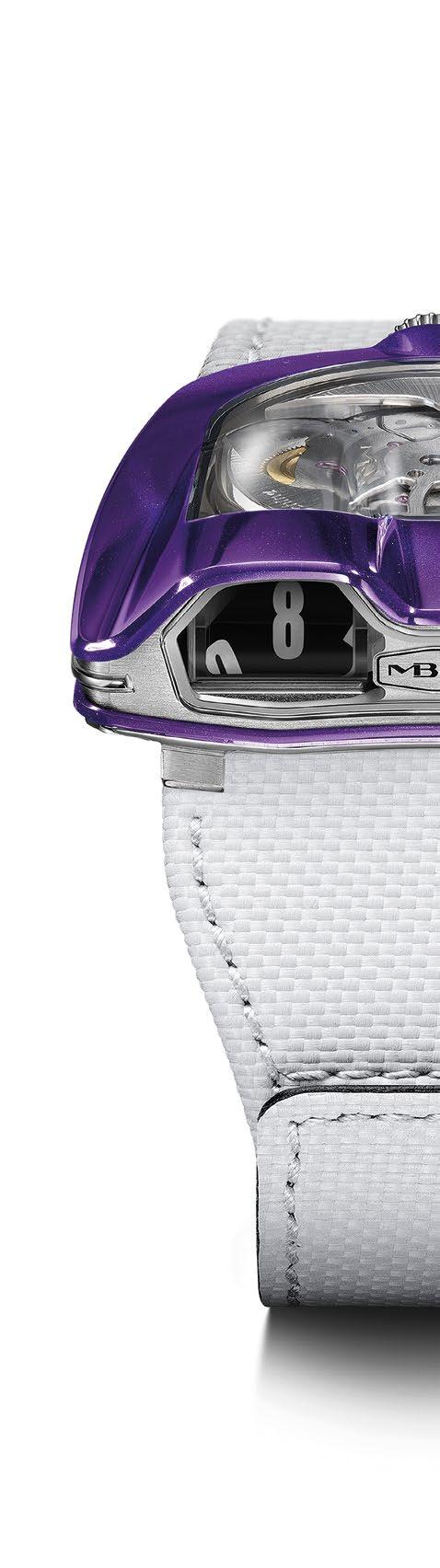
MB&F | Montblanc | Bvlgari | Loewe X Jacob & Co. DRIVE DESIGN
TUDOR | TAG Heuer | Tiffany & Co.
Zayed
Palazzo
Louis
Andy
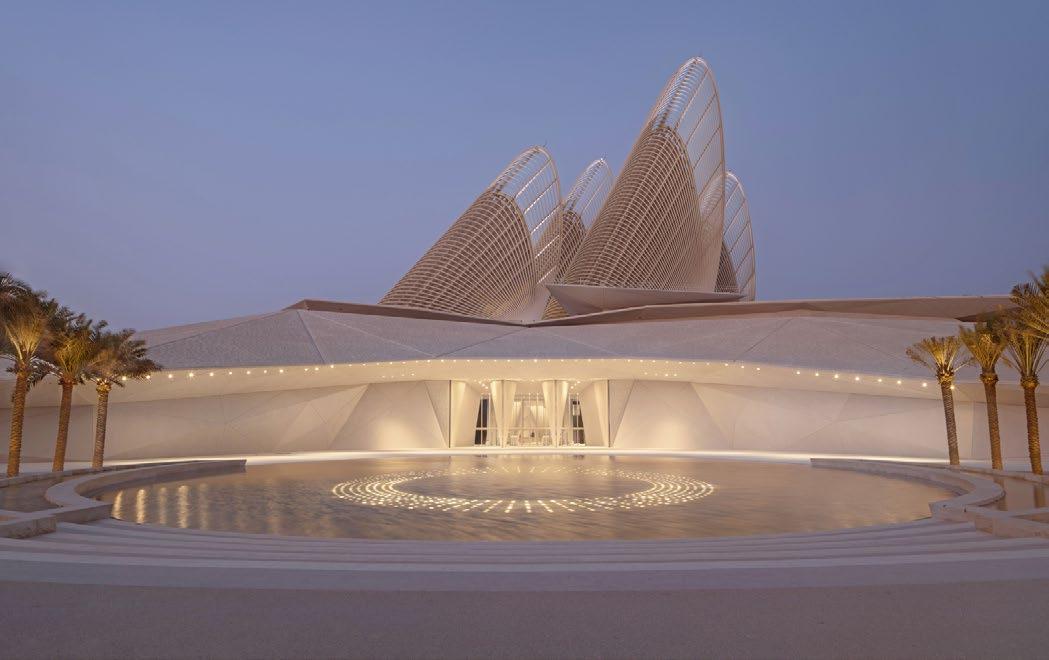
ZAYED NATIONAL MUSEUM P.86
Rolex
RH
Bar
Veuve Clicquot X Jacquemus
Limited
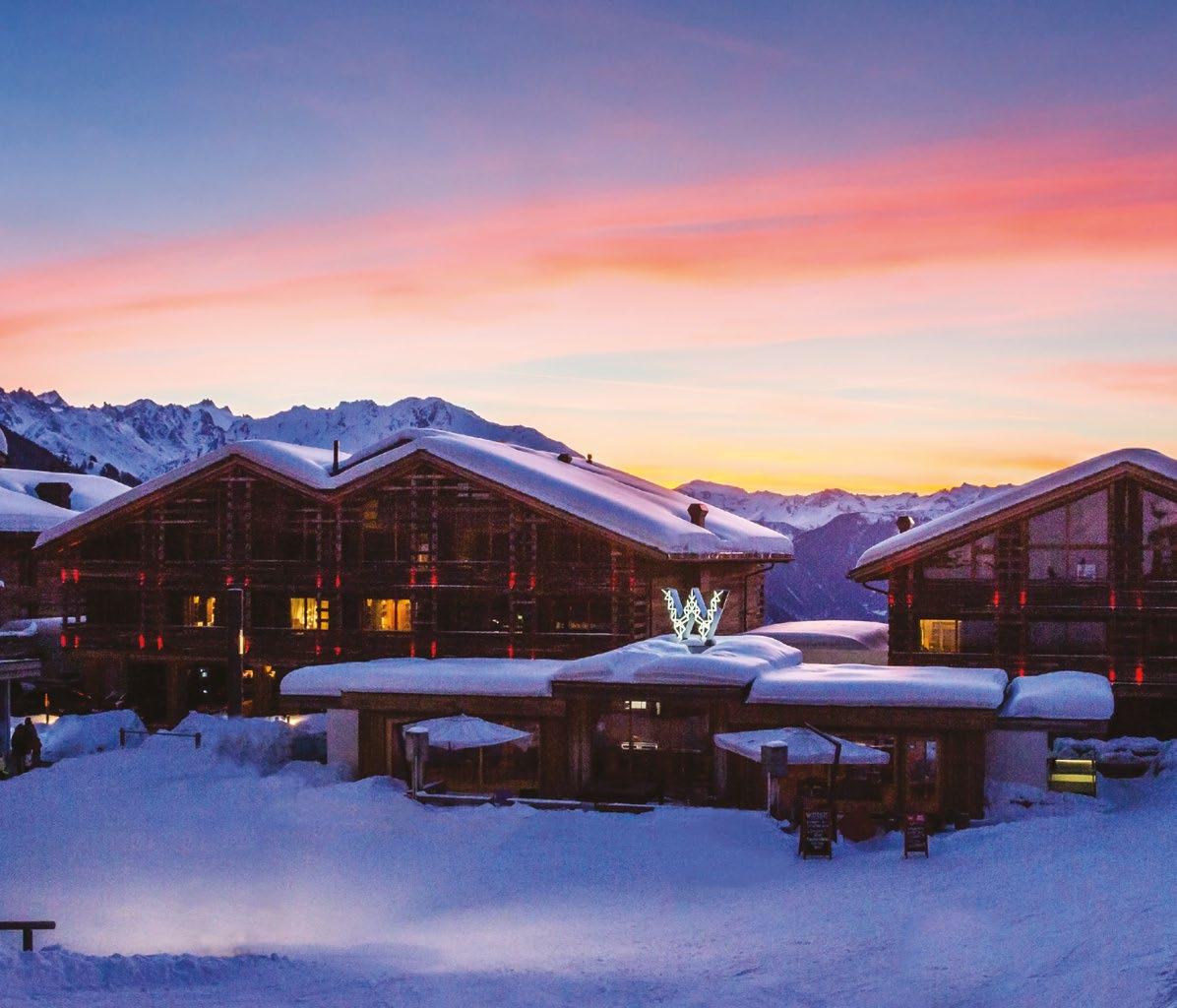
Brasserie 1519 at W Verbier
Izakaya
The
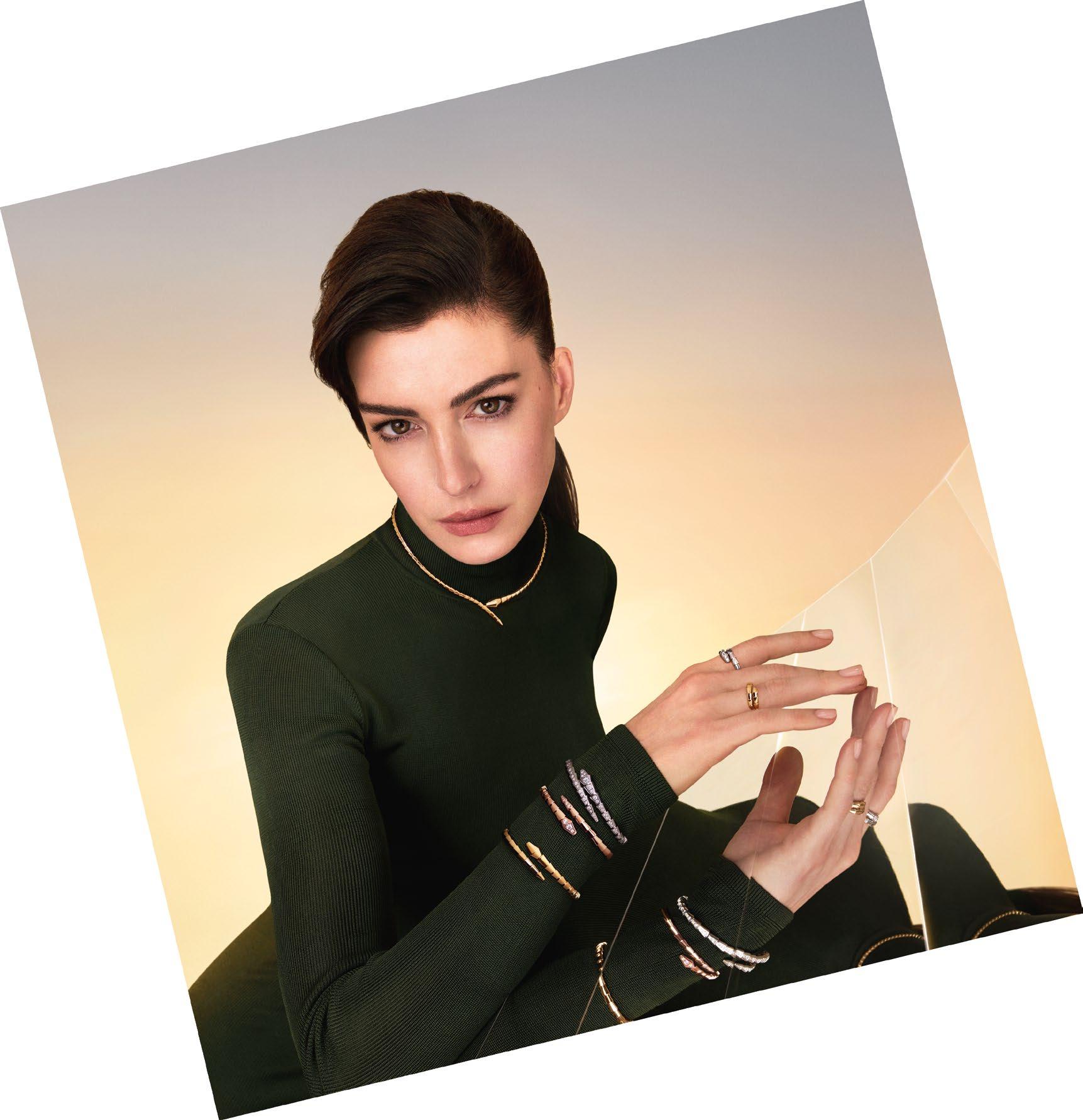
Bvlgari Boutique & Hotel President Geneva
Milano Cortina
Giovana Schmitz












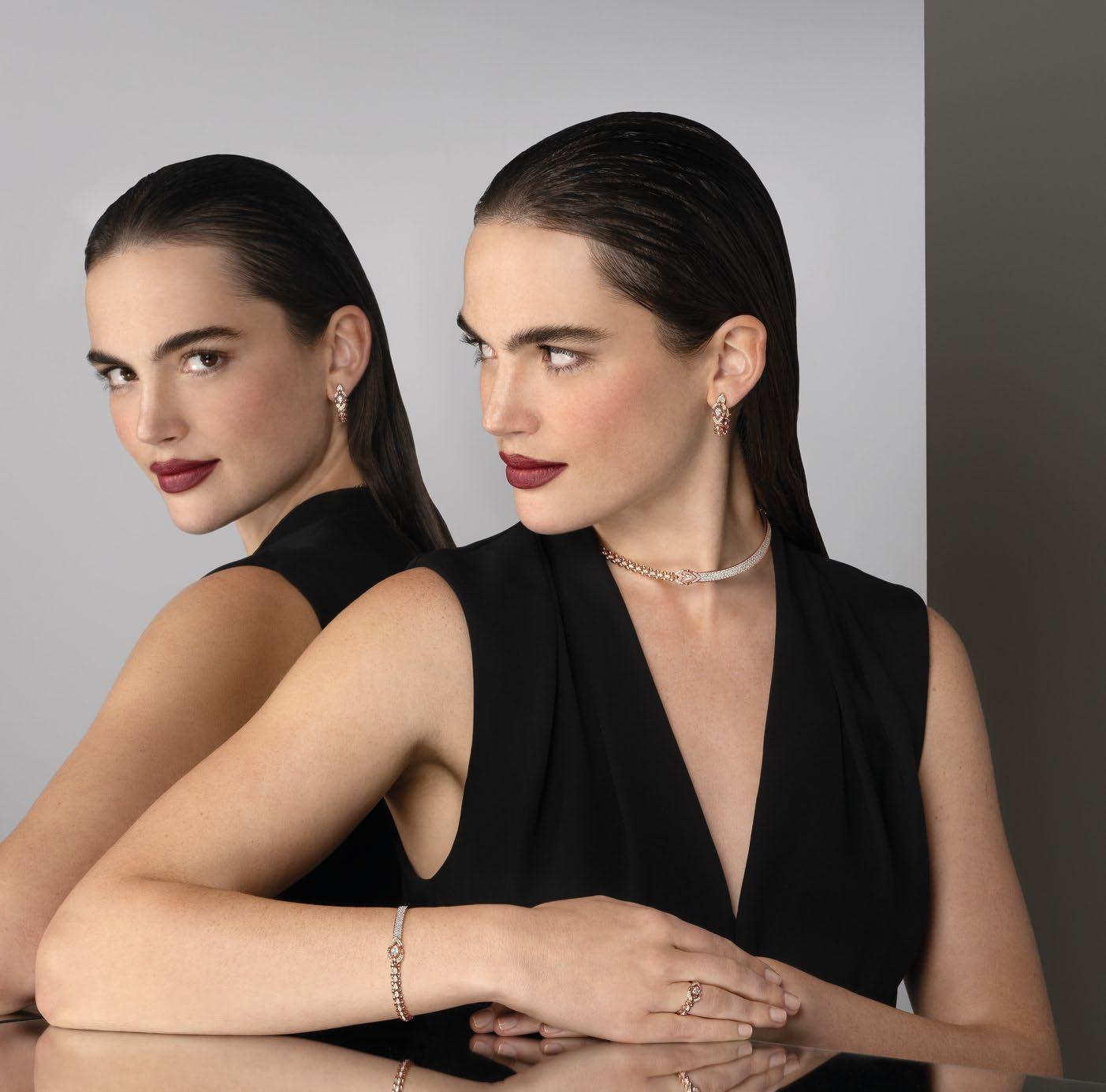
THE MODERNIST | THE IMBUED
MODERNIST n. A PERSON ISPIRED BY THE MODERN WAYS AND TENDENCIES.
TEXT: MEGAN TOMOS
Ilaria Resta’s path to the summit of Swiss watchmaking was far from linear. Before stepping into the role of CEO at Audemars Piguet in 2024, she had already built a remarkable career. When we met her at Dubai Watch Week, we discovered a leader shaped by a genuine mosaic of international experiences. Her transition into haute horlogerie was, as she admits, entirely unexpected, yet AP recognized in her a leader unburdened by convention.
This mindset permeates her vision for Audemars Piguet. “The identity of AP involves respecting our roots,” she reflects. “But at the same time, we have branches on our tree that reach very high.” Her leadership embodies this duality: firmly anchored in Le Brassus while embracing creative ambitions that look confidently to the future. She is placed at the centre of the organisation rather than above it, fostering a culture where collaboration sparks faster and bolder ideas.
With Dubai marking the final stop of the brand’s global anniversary exhibition tour, Resta reflected on how the one hundred fiftieth celebration has become a defining milestone under her stewardship. “We wanted to share our story with the world,” she explains. The travelling House of Wonder exhibition was conceived not only for clients but for all those curious about Audemars Piguet.
For Resta, connection is not rhetoric but strategy. “We do not think in terms of clients. We call our partners friends of the brand. By creating connection, you inspire better ideas,” she says, highlighting her commitment to building community both within and beyond the industry. This philosophy also informs the evolution of the Maison. Audemars Piguet no longer categorises its watches by gender, a choice aligned with her belief in inclusivity and creative freedom.
Looking ahead, she hints at a new chapter guided by deeper technical synergy. “You can expect continuous innovation, and even more interconnected innovation,” she affirms. “Materials, movements, and designs will no longer develop in isolation but will come together as a unified ecosystem of creativity“. For the first female CEO in the brand’s history, one truth stands out with clarity: Audemars Piguet honours its roots by daring, once again, to reinvent them.
Le parcours d’Ilaria Resta vers le sommet de l’horlogerie suisse n’a rien d’une trajectoire linéaire. Avant de devenir CEO d’Audemars Piguet en 2024, elle avait déjà construit une carrière exceptionnelle. Lors de notre rencontre à Dubai Watch Week, nous découvrons une dirigeante façonnée par une mosaïque d’expériences internationales. Sa transition vers la haute horlogerie fut, comme elle l’admet, totalement inattendue. Pourtant, Audemars Piguet a vu en elle une leader libre des conventions.
Cet état d’esprit imprègne toute sa vision de la Maison. « L’identité d’AP repose sur le respect de nos racines, mais nos branches s’élèvent très haut », confie-t-elle. Son leadership incarne cette dualité : solidement ancrée au Brassus, elle porte néanmoins des ambitions créatives résolument tournées vers l’avenir. Au cœur de l’organisation plutôt qu’au-dessus, elle cultive une culture où la collaboration stimule des idées audacieuses et rapides.
Alors que Dubai marquait la dernière étape de la tournée mondiale célébrant le 150ème anniversaire de la Maison, Ilaria Resta revient sur ce jalon historique. « Nous voulions partager notre histoire avec le monde », explique-t-elle. L’exposition itinérante House of Wonder a été pensée non seulement pour les clients, mais pour tous ceux qui souhaitent découvrir l’univers Audemars Piguet.
Pour Ilaria Resta, la connexion n’est pas une rhétorique, mais une stratégie. « Nous ne parlons pas de clients. Nous parlons d’amis de la marque. En créant de la connexion, vous inspirez de meilleures idées. » Cette philosophie se reflète également dans l’évolution de la marque : Audemars Piguet ne classe plus ses montres par genre, un choix aligné avec son engagement en faveur d’une créativité plus libre et inclusive.
En regardant vers l’avenir, elle laisse entrevoir un nouveau chapitre guidé par une synergie technique renforcée. « Attendez-vous à une innovation continue, et encore plus interconnectée », affirme-telle. « Matériaux, mouvements et designs ne se développeront plus séparément, mais convergeront pour former un véritable écosystème créatif ». Pour la première femme à occuper le poste de CEO dans l’histoire de la Maison, une évidence s’impose : Audemars Piguet honore ses racines en osant, une fois de plus, les réinventer.
WWW.AUDEMARSPIGUET.COM
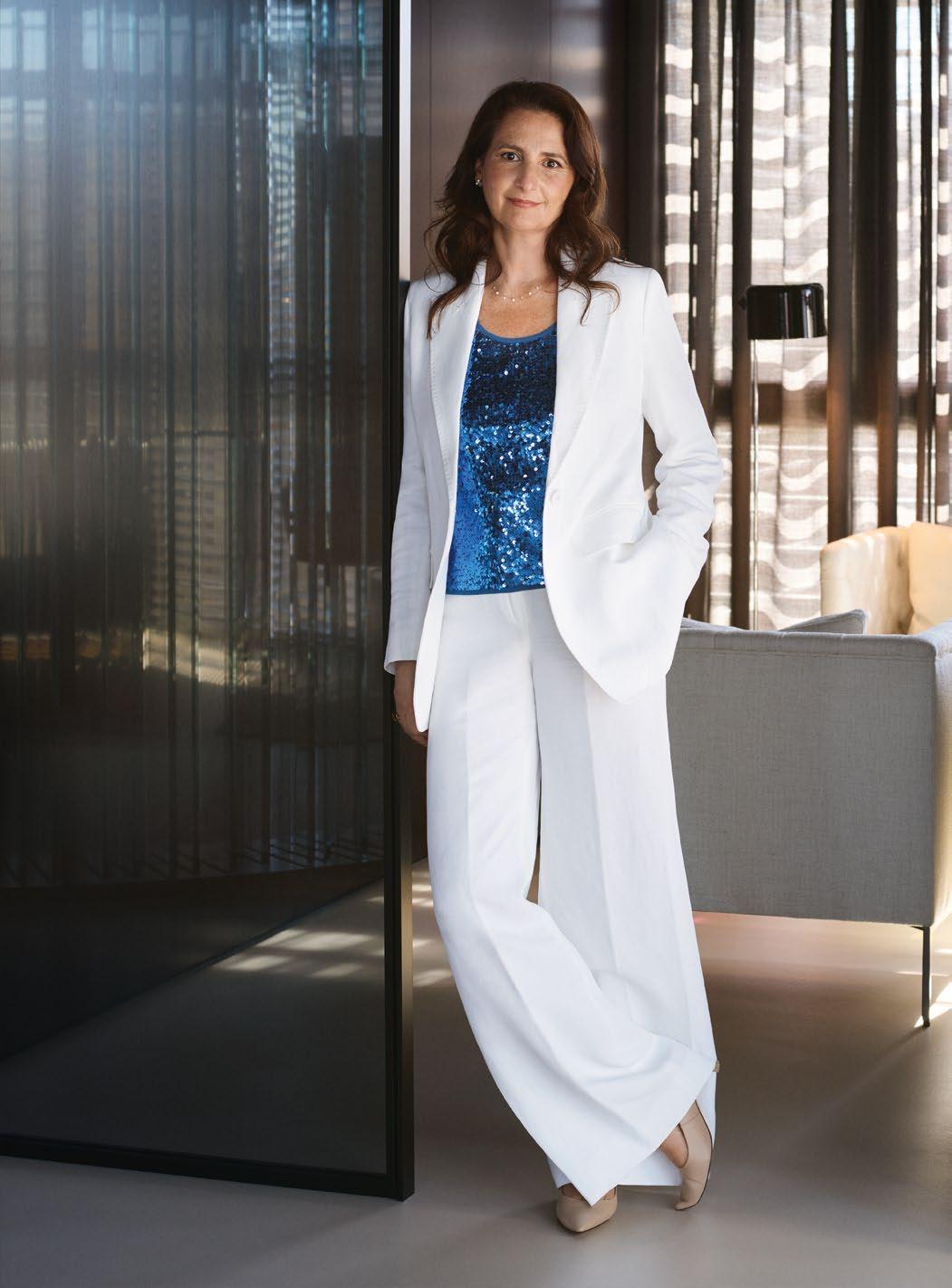
“ BY CREATING CONNECTION, YOU INSPIRE BETTER IDEAS. ”
ILARIA RESTA, CEO OF AUDEMARS PIGUET
TEXT: EVANY COLLOUD
"He moves guided more by emotion than by calculation, with that rare loyalty reserved for what feels self-evident. It was during the Geneva Watch Days that we met Jonathan Brinbaum, Managing Director of the Watches Division at Bvlgari. He is one of those who do not confuse trajectory with career. For ten years, he has evolved within the Roman Maison, not out of professional strategy, but out of genuine attachment. “I fell in love with the brand,” he confides simply. A love inseparable from a city: Rome. French by origin and Swiss for several years, he recalls discovering the Italian capital around fifteen years ago, as if it were an inevitability.
Within Bvlgari, Jonathan Brinbaum found instinctively what he was seeking: the freedom to go further. “Bvlgari has always had this ability to work with symbols, to push creativity, and to do things other brands don’t do.” A guiding thread that has accompanied him from day one, whether in perfumes yesterday or watchmaking today.
For the executive, watchmaking was by no means a late-blooming passion. It is rooted in childhood, a passion passed down by his father and ritualized by a watch anticipated each year. Today, Jonathan Brinbaum recreates these moments with his son. Time becomes a bond. “There is a sense of permanence, a sense of tradition in watchmaking, which I have always loved,” he confides.
For him, the vision of watchmaking at Bvlgari is above all that of a maison that surprises while remaining true to its identity. “Bvlgari was built on disruptive innovation,” he affirms. Whether it is the Finissimo collection and its records, the development of feminine watchmaking combining jewelry and haute mécanique, or the deliberate blurring of codes between men’s and women’s watches, each creation follows the same logic: making watches that are different where they are least expected, without ever losing sight of the Maison’s Roman heritage.
Jonathan Brinbaum does not speak of a career. He speaks of loyalty, the kind that binds a man to a house and to its evolution. “For a long time, Bvlgari was a jeweler that made watches. Today, we are a jewelerwatchmaker.” A transformation he has accompanied from the very beginning, guided by an emotion, a city, and a vision.
« Il avance guidé par l’émotion plus que par le calcul, avec cette fidélité rare que l’on réserve aux évidences. C’est à l’occasion des Geneva Watch Days que nous avons rencontré Jonathan Brinbaum, Directeur Général de la division Montres chez Bvlgari. Il fait partie de ceux qui ne confondent pas trajectoire et carrière : depuis dix ans, il évolue au sein de la Maison romaine, non par stratégie professionnelle, mais par attachement sincère. « Je suis tombé amoureux de la marque », confie-t-il simplement. Un amour indissociable d’une ville : Rome. Français d’origine et Suisse depuis plusieurs années, il raconte avoir découvert la capitale italienne il y a une quinzaine d’années, et l’avoir adoptée comme une évidence.
Au sein de Bvlgari, Jonathan Brinbaum trouve ce qu’il cherchait instinctivement : la liberté d’aller plus loin. « Il y a toujours eu chez Bvlgari cette capacité à traiter les symboles, à pousser la créativité et à faire des choses que les autres marques ne font pas. » Un fil rouge qui l’accompagne depuis le premier jour, qu’il s’agisse de parfums hier ou d’horlogerie aujourd’hui.
Pour le dirigeant, l’horlogerie ne relève pourtant pas d’une passion tardive. Elle s’ancre dans l’enfance, transmise par un père et ritualisée par une montre attendue chaque année. Aujourd’hui, Jonathan Brinbaum recrée ces instants avec son fils. Le temps devient lien. « Il y a dans l’horlogerie un côté pérennité, un côté tradition, qui m’a toujours plu », confie-t-il.
Pour lui, la vision de l’horlogerie chez Bvlgari est avant tout celle d’une Maison qui surprend tout en restant fidèle à son identité. « Bvlgari s’est construite dans une innovation de rupture », affirme-t-il. Qu’il s’agisse de la collection Finissimo et de ses records, du développement d’une horlogerie féminine alliant joaillerie et haute mécanique, ou du brouillage volontaire des codes entre montres masculines et féminines, chaque création suit la même logique : faire des montres différentes là où on ne les attend pas, sans jamais perdre de vue l’héritage romain de la Maison.
Jonathan Brinbaum ne parle pas de carrière. Il parle de fidélité, celle qui lie un homme à une maison et à son évolution. « Pendant longtemps, Bvlgari était un joaillier qui faisait des montres. Aujourd’hui, nous sommes un joaillier-horloger. » Une transformation qu’il accompagne, guidé dès le départ par une émotion, une ville, une vision. WWW.BVLGARI.COM
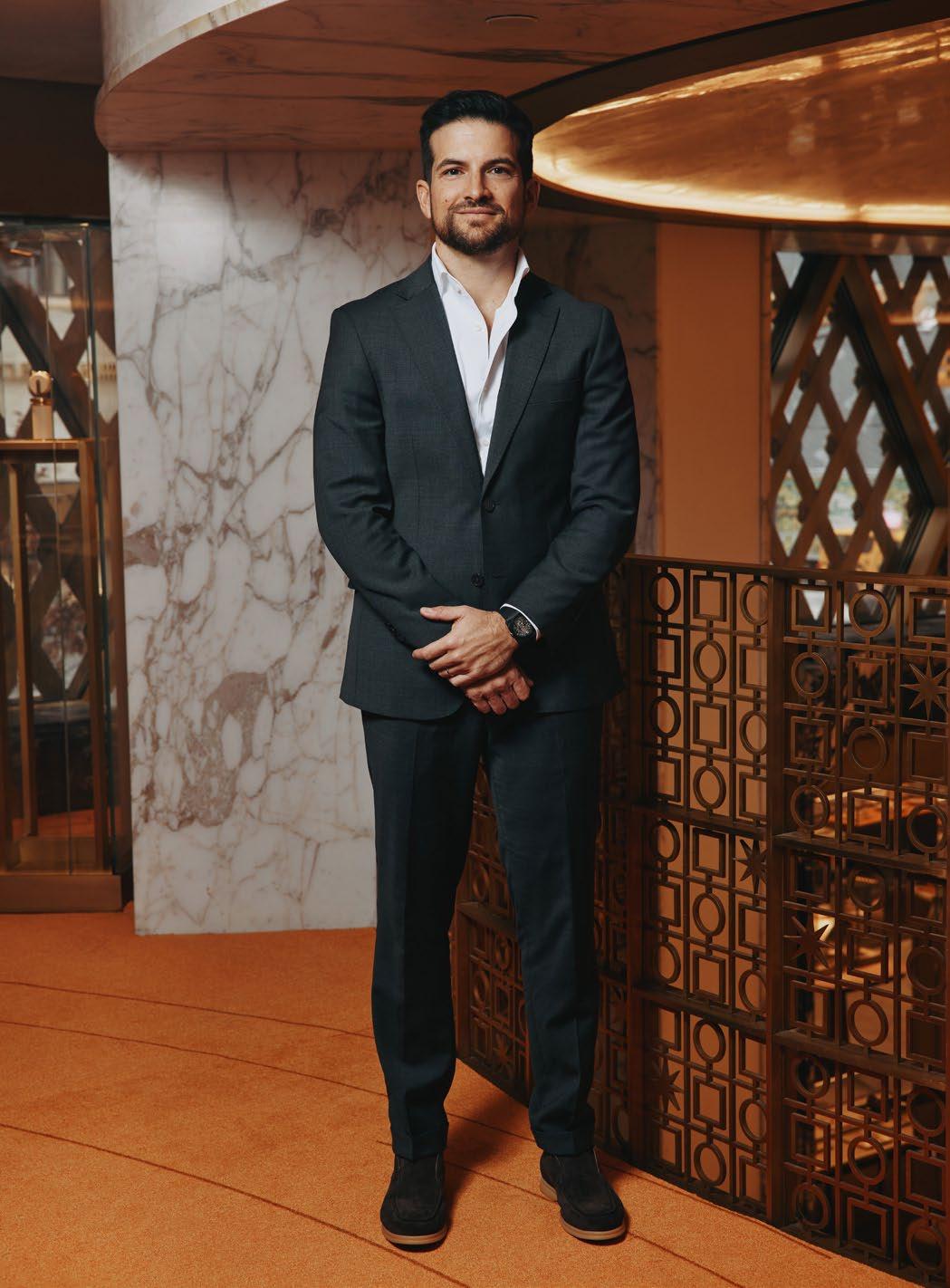
“ THERE IS A SENSE OF PERMANENCE IN WATCHMAKING, WHICH I HAVE ALWAYS LOVED. ”
JONATHAN BRINBAUM, MANAGING DIRECTOR OF THE WATCHES DIVISION AT BVLGARI
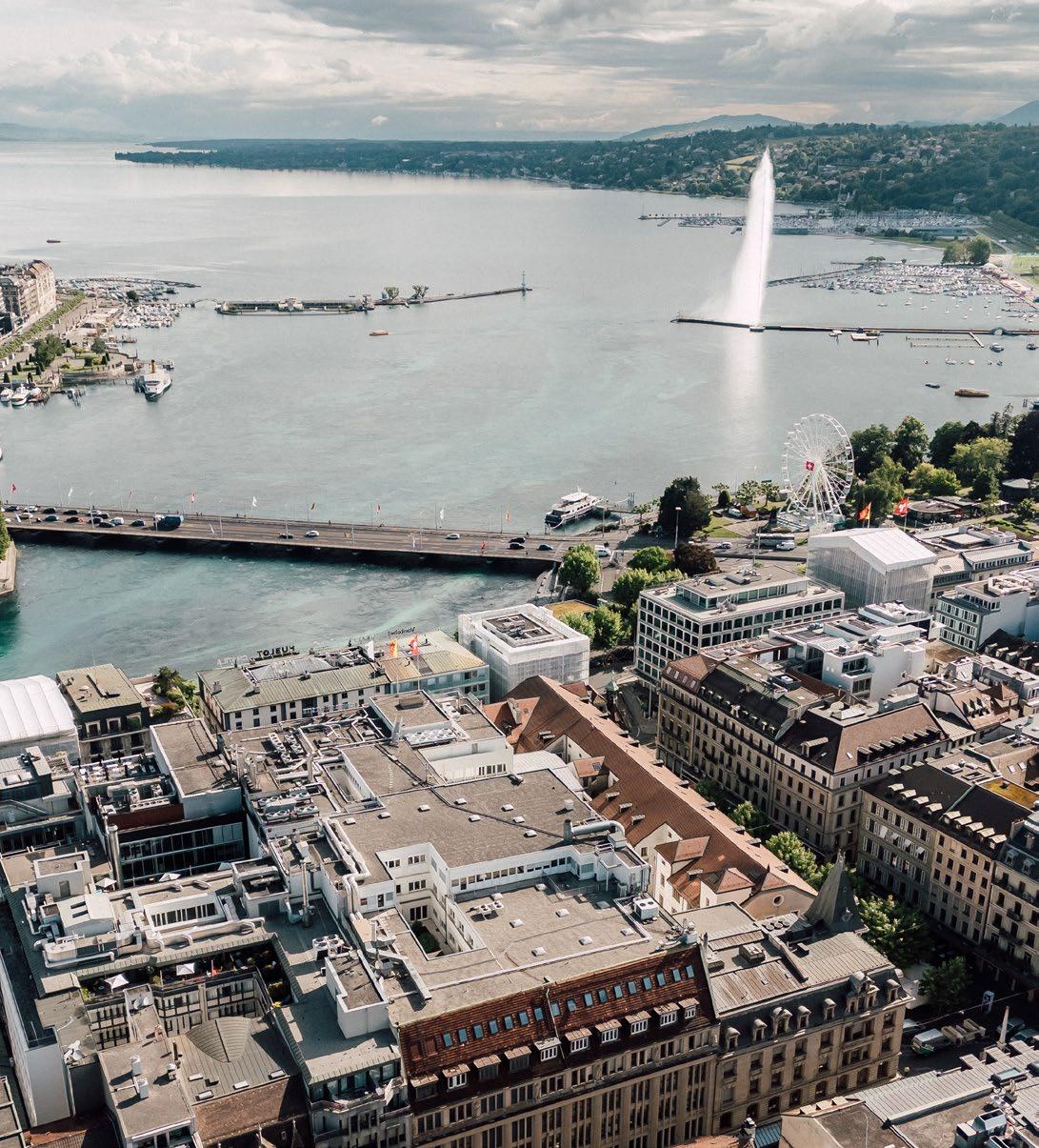
THE CHRONICLER | QUEST OF TIME ESSENTIELS HOMME | CREATIVE RESISTANCE CELESTIAL CRAFT | ESSENTIELS FEMME
NICHOLAS FOULKES FOR EYES MAGAZINE
TEXT MEGAN TOMOS
PRODUCTION EYES.STUDIO
PROJECT & ART DIRECTION KARIM AEID
PHOTOGRAPHY ELENA KUZNETSOVA
VIDEOGRAPHY LOUIS-VICTOR MAJERUS
LOCATION LA RESERVE GENÈVE HOTEL & SPA
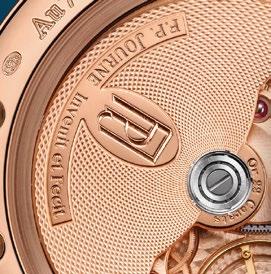
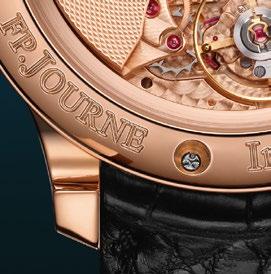
WATCHES RICHARD MILLE, PATEK PHILIPPE, F.P. JOURNE, CARTIER
TEXT: MEGAN TOMOS | PHOTOGRAPHY: ELENA KUZNETSOVA
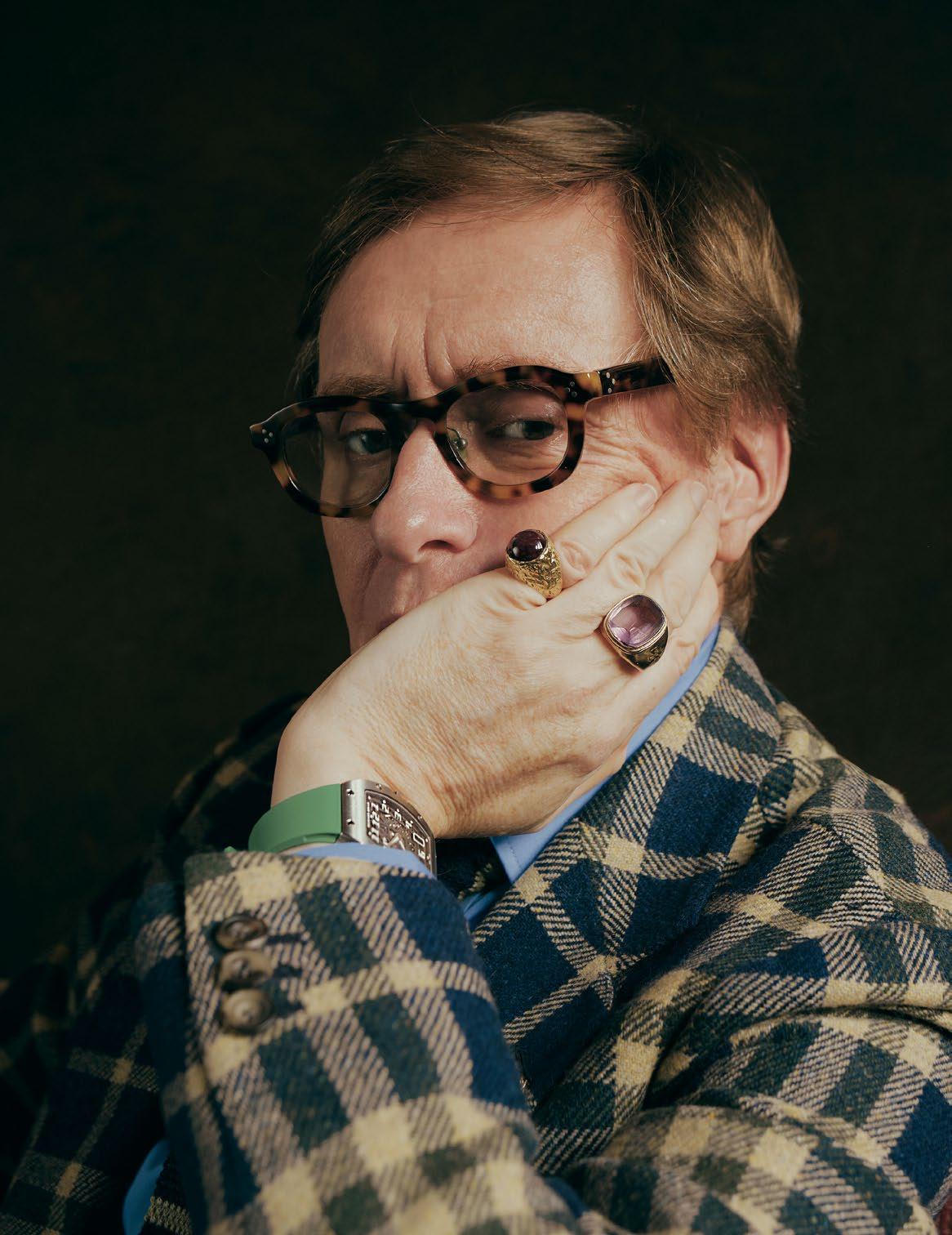
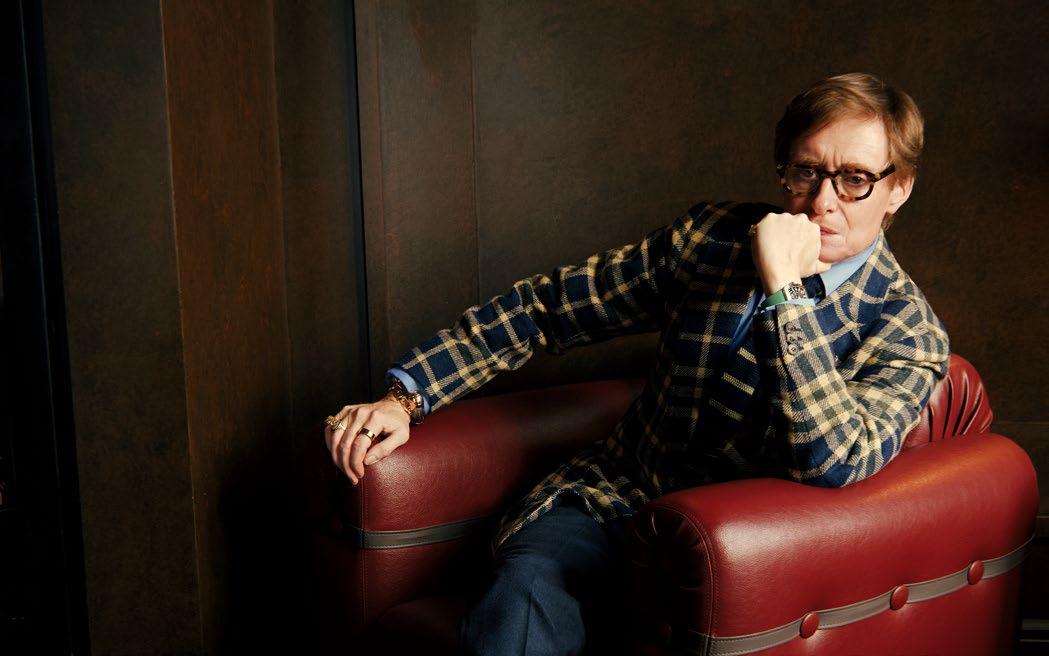
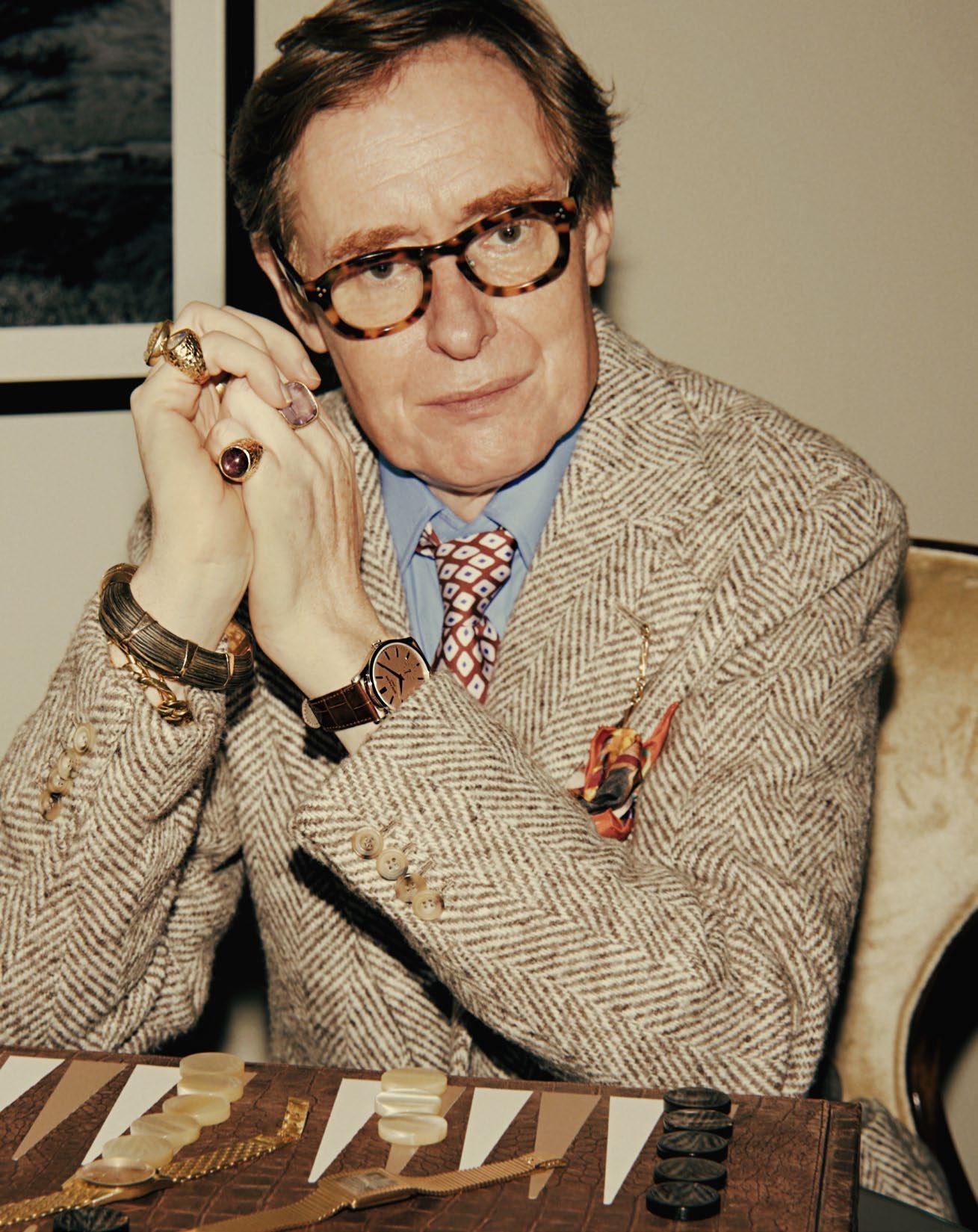
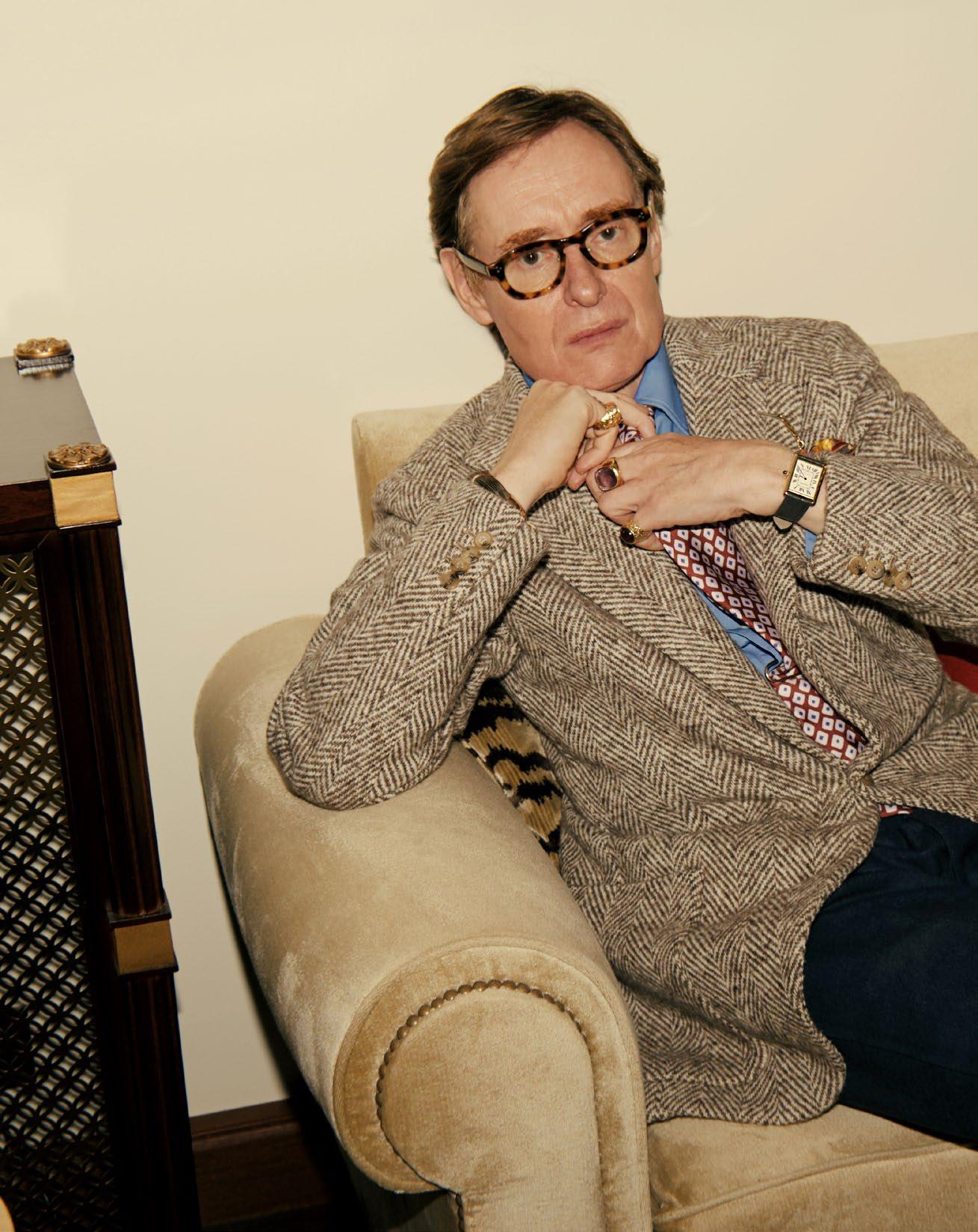
In the rarefied world of luxury, Nicholas Foulkes is neither a brand ambassador nor an industry executive, neither a trend forecaster nor a collector in pursuit of exclusivity. Instead, he is a conscience. A historian of taste and a chronicler of craft, he is one of the most respected figures in the watch world. As watch enthusiasts, we had long dreamed of featuring him on our cover. When we finally met him at the Patek Philippe stand during Watches and Wonders 2025, the encounter felt immediately natural. A few words sufficed, an intuition shared. “Yes, let’s do it!” he said. Conceived between London and Geneva and brought to life a few months later in November at the Grand Prix d’Horlogerie de Genève, where he served his final year as President of the Jury, this Cover Story emerged as a natural, sincere, and profoundly coherent collaboration.
Nicholas Foulkes is, first and foremost, a historian. A British author and journalist with nearly 30 books to his name, he is best known for his trilogy of 19th-century social histories, but his authority extends far beyond the archives. He has shaped how we understand watches as cultural artefacts, through landmark works on Patek Philippe, Jaeger-LeCoultre’s Reverso, and a series of books penned for Rolex. Yet what struck us immediately was not pedigree, but energy. His style, intellectual yet unpretentious in its essence, feels rare in an industry increasingly dominated by polish.
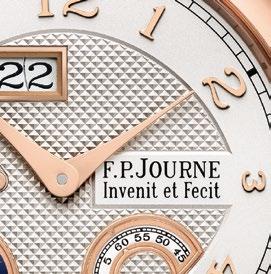
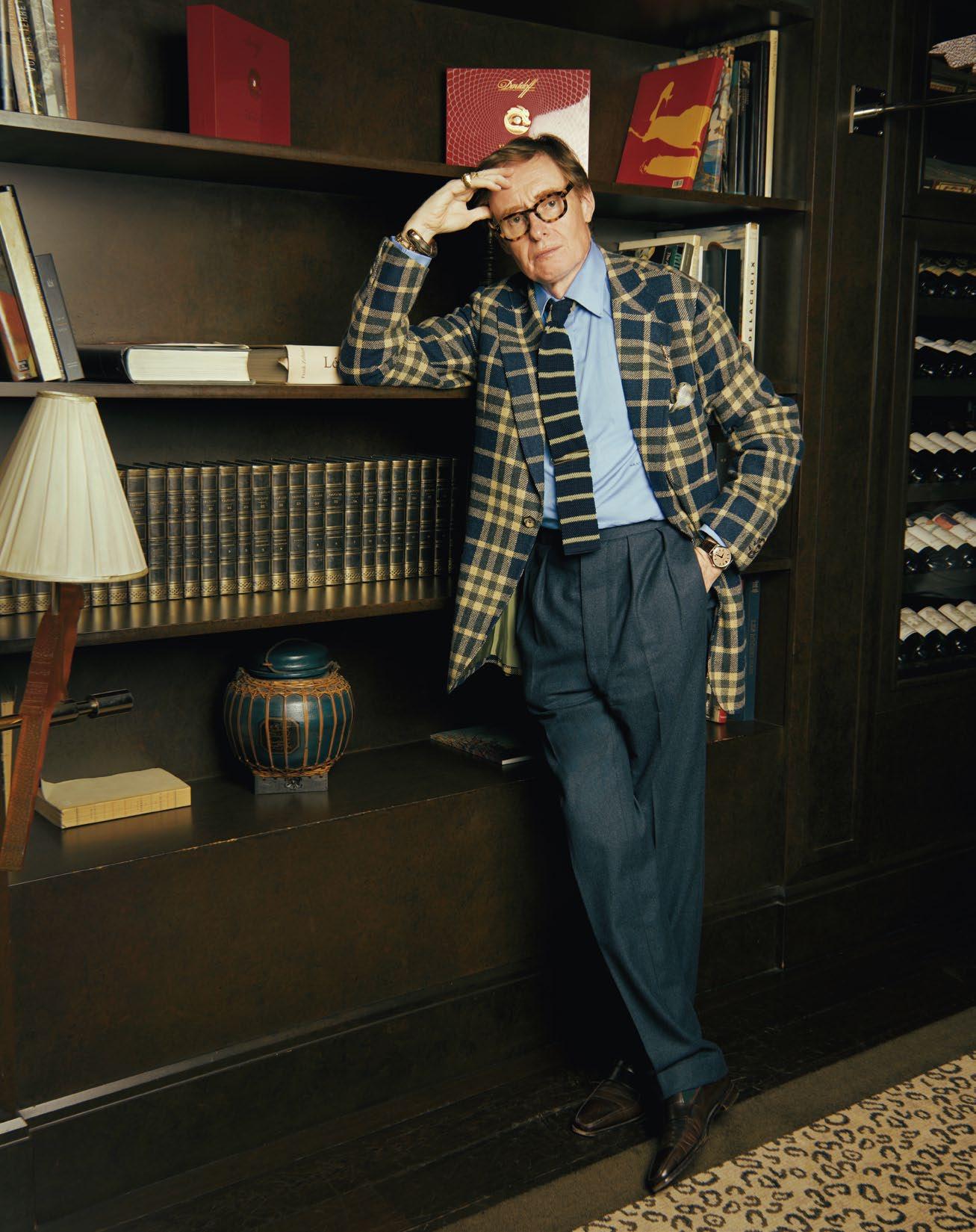
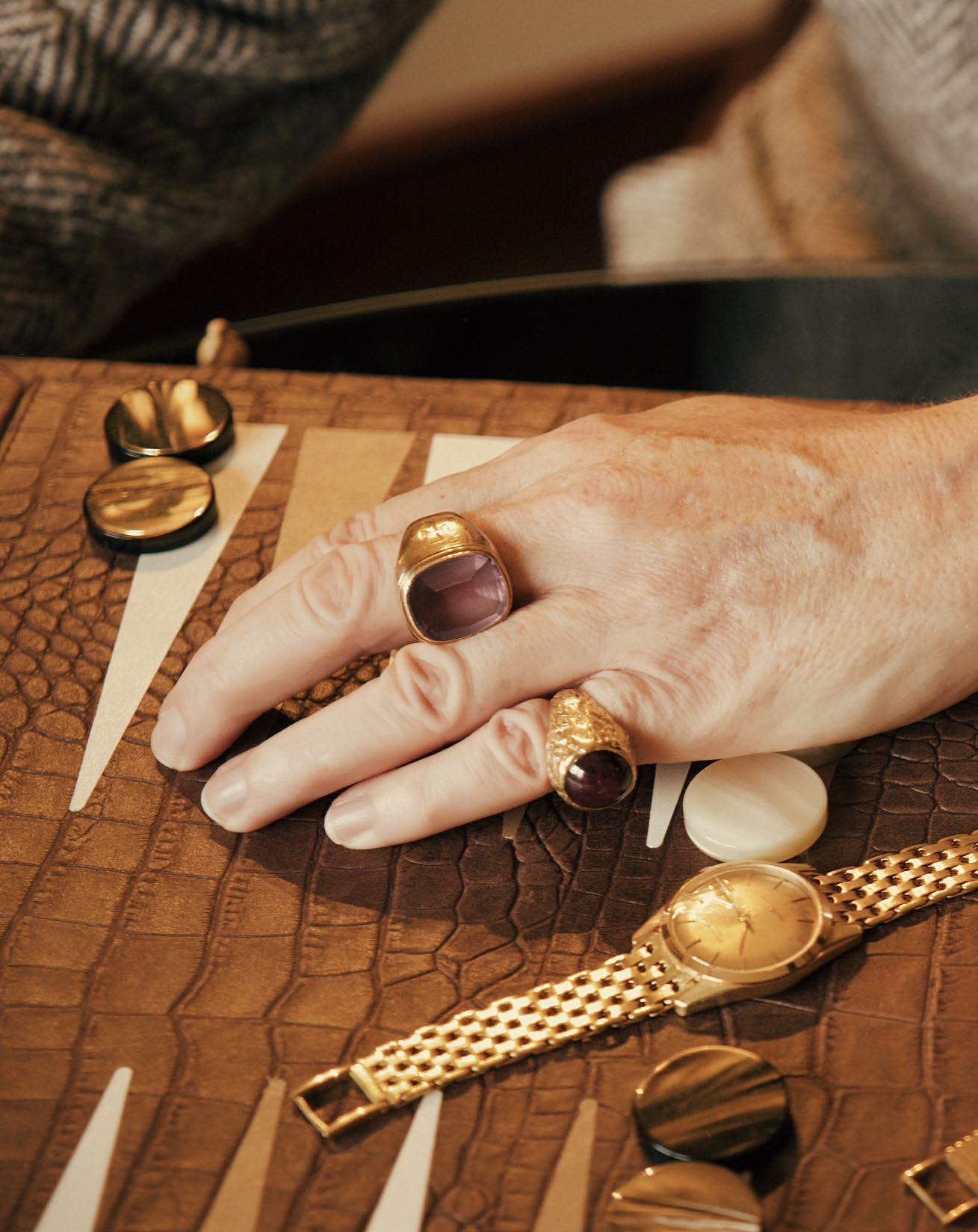
Beyond his work, Foulkes is distinguished by a natural elegance, an unapologetic dandyism, and a presence that leaves a lasting impression. For the shoot, only one location felt right: La Réserve Genève Hotel & Spa. An iconic institution and Foulkes’ favourite retreat in the city, it perfectly reflects his sensibility: discreet elegance, embraced tradition, and a refusal of the superfluous. For him, Geneva is not merely a professional base, it is a lifelong fascination. “England in the 70s was a disaster,” he tells us. “It was dirty, scruffy… Geneva represented something almost unattainable. Blue skies, glamour, private banks, watch companies. It had a mythical quality for me, and it still does.” That sense of myth ran through the entire experience. For this cover story, we chose to show him exactly as he is, with no stylist dictating taste, no brand choreography. The clothes were his own, taken from his wardrobe. The watches were selected together according to his preferences: a Richard Mille RM 67-01, a Patek Philippe Calatrava 6196P-00, a Tank Louis Cartier, an F.P. Journe Chronomètre Souverain, as well as a few vintage pieces from his own collection. “I don’t really see myself as a collector,” he says. “I’m an enthusiast, an amateur in the old French sense. I buy watches because they interest me.”
Throughout the shoot, Nicholas Foulkes was fully himself, generous with anecdotes and naturally inclined toward conversation. Between takes, he animated discussions, speaking of craftsmen, creators, and moments in time. This is, perhaps, the key to understanding Foulkes. His fascination is never with luxury as an abstract concept, but with “an emotional relationship with an inanimate object,” he explains. “But it’s also about quality, taste, appropriateness, and understanding the cultural position of these items. The more the word ‘luxury’ is used, the less distinct it becomes.” It’s a philosophy shaped by decades of observation. Long before “luxury journalism” existed, Foulkes was writing about watches, cigars, tailoring and automobiles because they mattered. “I started in the late 80s, when there was no watch journalism in the UK at all”, he reflects. What interested him then, and still does, are people: “Hans Wilsdorf fighting to put Rolex on a dial; entrepreneurs like Richard Mille leaving everything behind to pursue an idea; watchmakers like François-Paul Journe who are known for building up to a quality rather than down to a price.”
As President of the GPHG jury, Nicholas Foulkes has a privileged vantage point on the evolution of the industry. “It’s become a career choice rather than a vocation,” he reflects. “There was a time when individuals could buy brands and run them in interesting ways. Now, too often, decisions are codified by marketing meetings.” Still, he remains optimistic. Cycles repeat. Craft endures. Yet what also endures is his belief in narrative. “For me, it’s much more interesting to talk about the people who made a watch, the people who wore it, and what they did,” he says. “Not reeling off serial numbers.” It’s why his writing resonates far beyond collectors. It places objects back into life. What ultimately defines Nicholas Foulkes is not authority, though he possesses it in abundance, but perspective. He belongs to a diminishing group of thinkers for whom luxury is not about scale or spectacle, but about meaning accumulated over time. Craft, he believes, endures precisely because it is rooted in human intention rather than trend. Where others may be obsessed with speed, Foulkes remains committed to slowness, to looking closely, thinking carefully, and understanding that time itself was never something to be conquered.
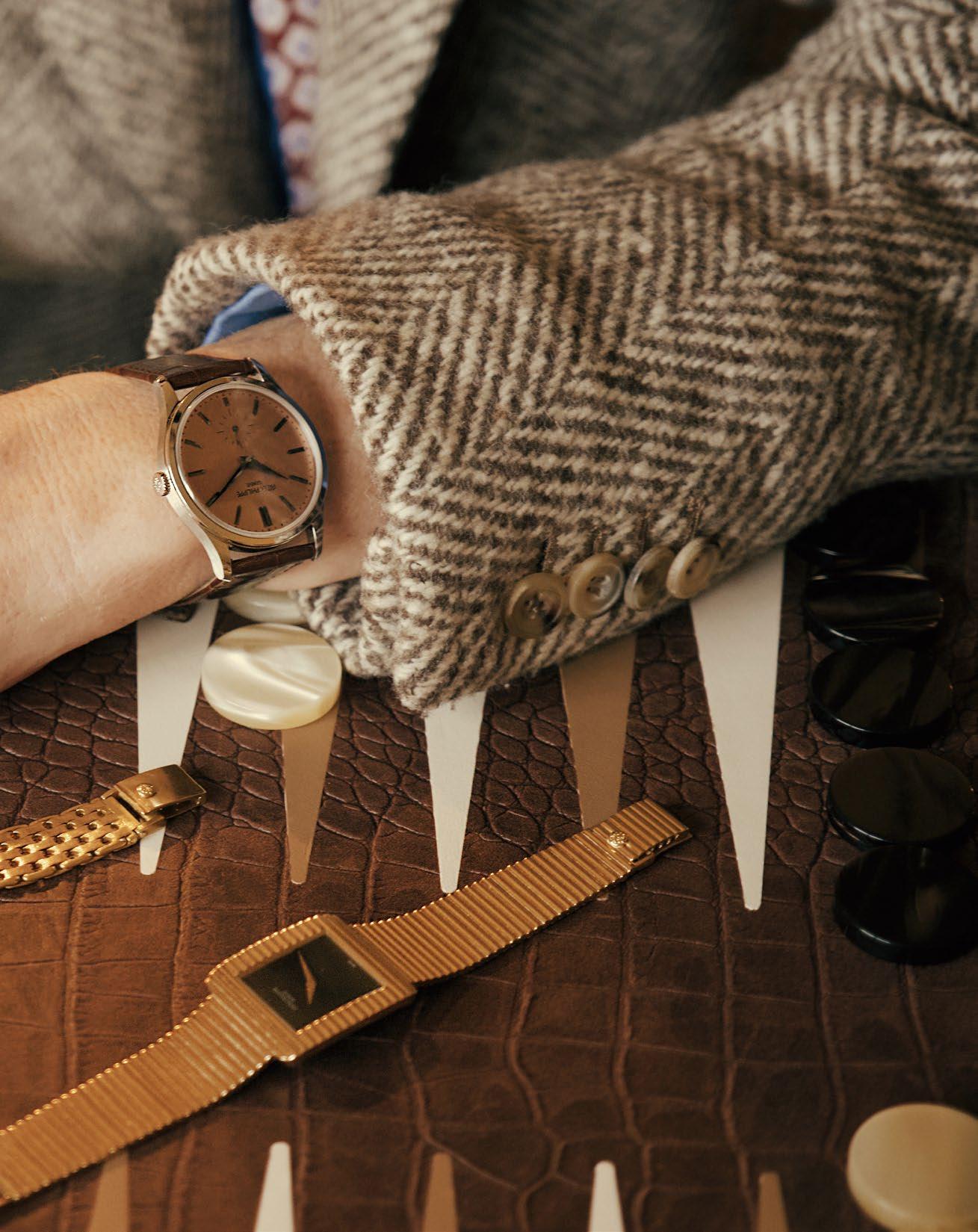
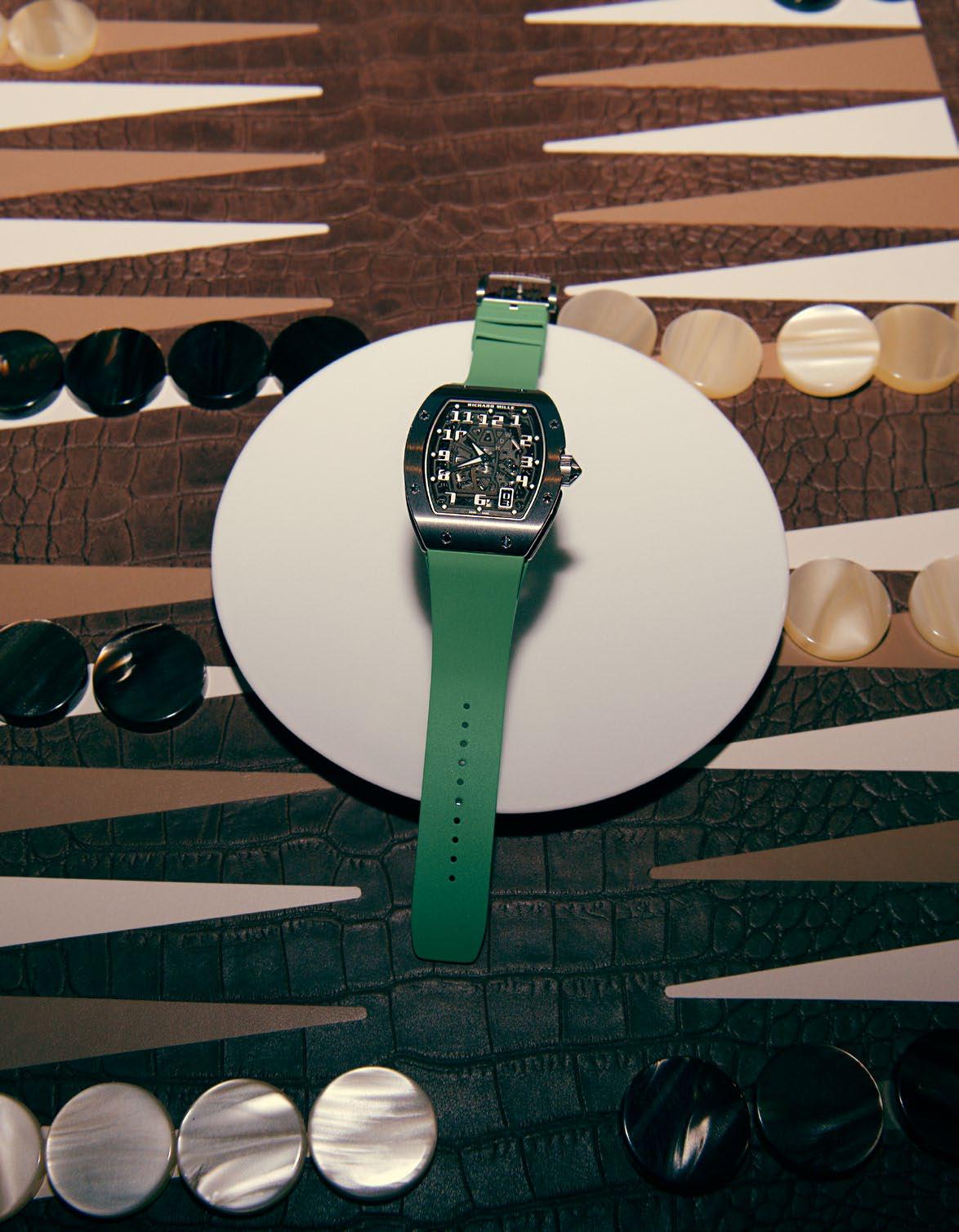
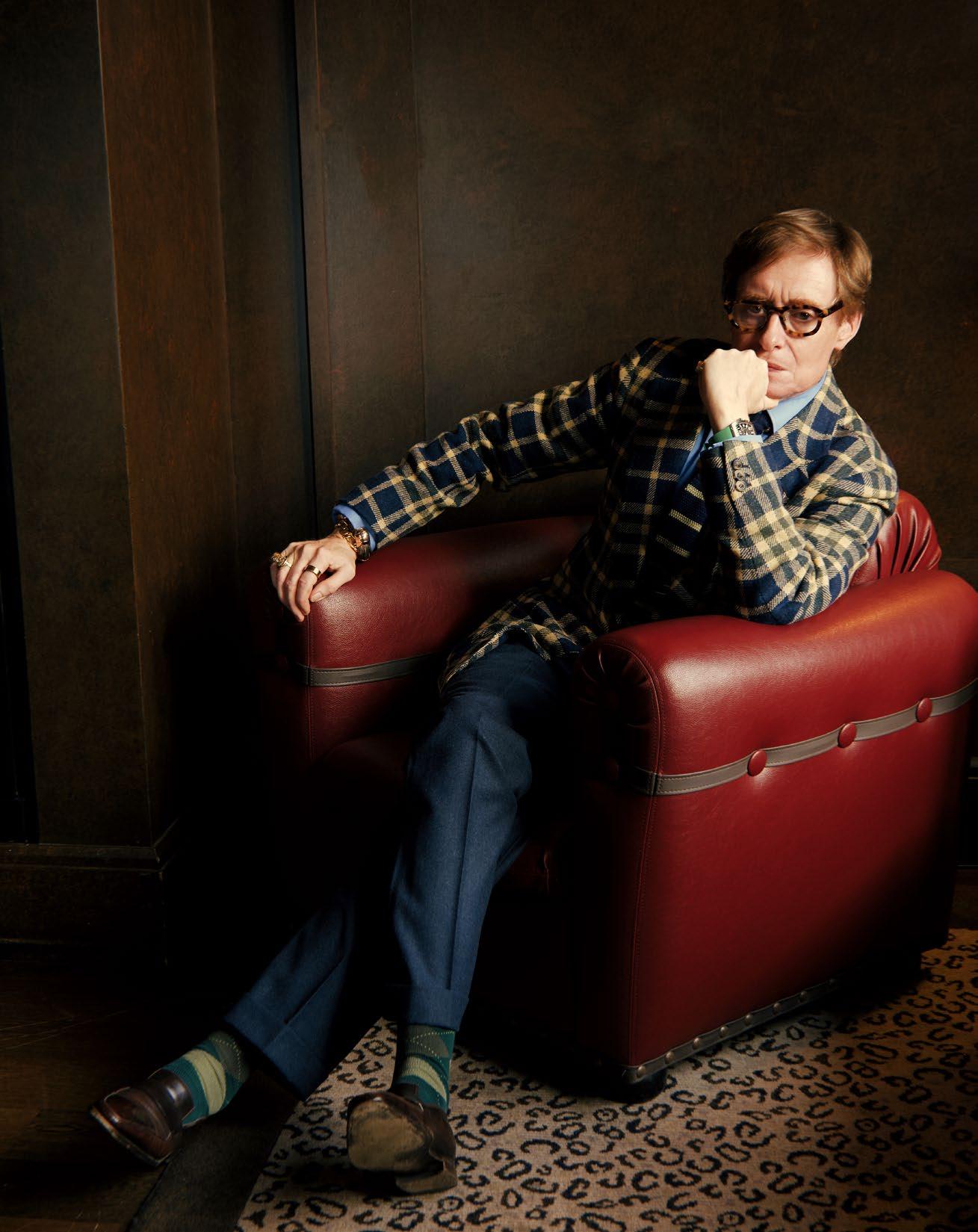
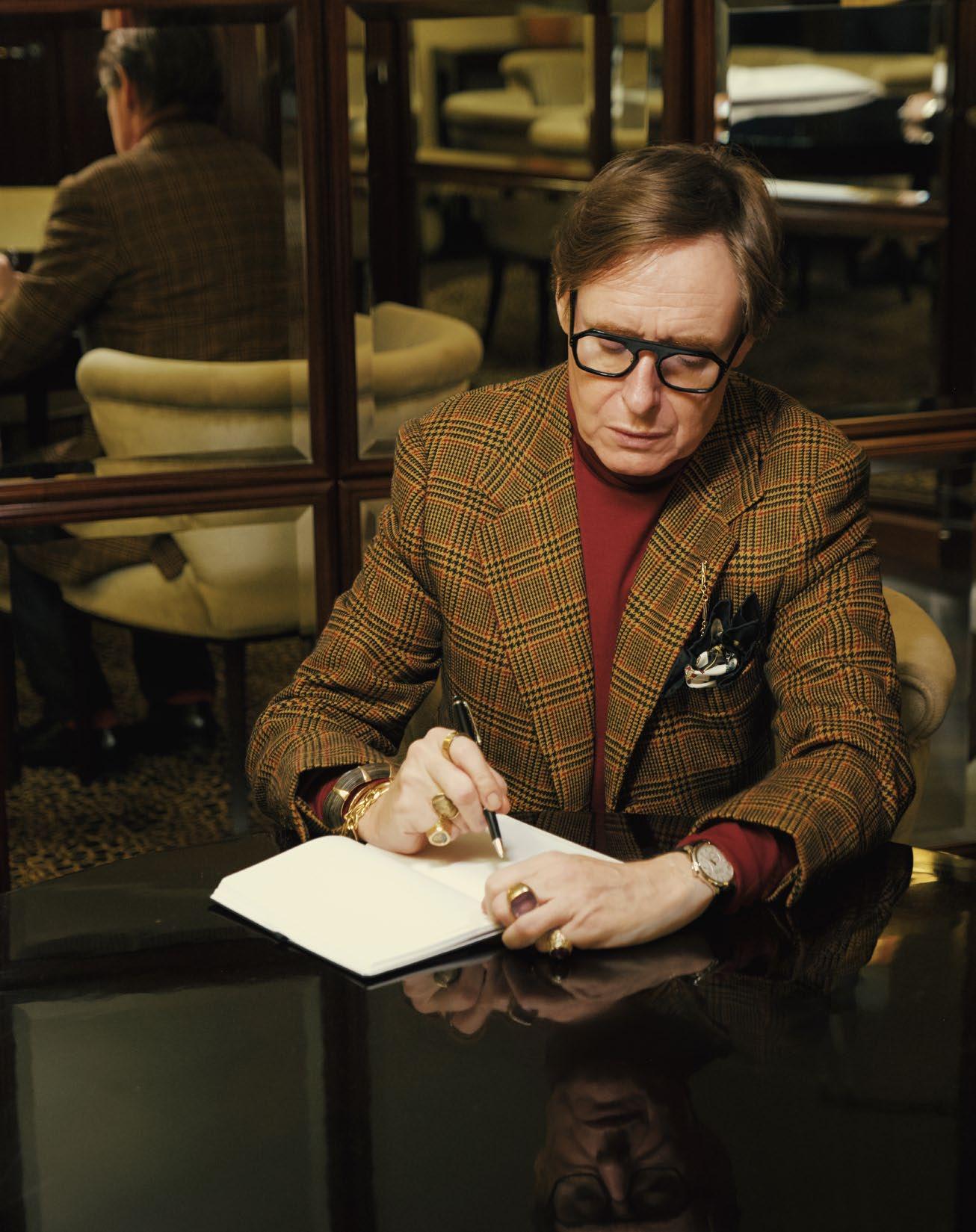
Dans l’univers feutré du luxe, Nicholas Foulkes n’est ni ambassadeur, ni dirigeant, ni prescripteur de tendances, ni collectionneur en quête d’exclusivité. Il occupe une place plus rare encore : celle d’une conscience. Historien du goût et chroniqueur du savoir-faire, il est l’une des figures les plus respectées de l’univers horloger. Passionnés de montres, nous rêvions de l’avoir en couverture depuis longtemps. Lorsque nous le croisons enfin, au stand Patek Philippe lors de Watches & Wonders 2025, la rencontre s’impose comme une évidence. Quelques mots suffisent, une intuition partagée. « Oui, faisons-le ! », lance-t-il. Pensée entre Londres et Genève, puis réalisée quelques mois plus tard, en novembre, lors du Grand Prix d’Horlogerie de Genève où il était président du jury pour la dernière fois, cette CoverStorydevient une collaboration naturelle, sincère et profondément cohérente.
Historien, auteur et journaliste britannique, Nicholas Foulkes compte près de trente ouvrages à son actif. Connu pour sa trilogie consacrée à l’histoire sociale du XIXème siècle, il a également beaucoup écrit sur les univers du luxe et de l’horlogerie. Il a profondément influencé notre manière de lire les montres comme des véritables objets culturels. Ses livres consacrés à Patek Philippe, à la Reverso de Jaeger-LeCoultre, ainsi qu’une série d’ouvrages pour Rolex font aujourd’hui référence. Plus que son autorité, c’est son énergie qui frappe d’abord : une curiosité intacte, une rigueur sans raideur, et un regard à la fois vif et exigeant. Dans un univers où la mise en scène domine de plus en plus, son style, à la fois intellectuel et accessible, reste singulier.
Au-delà de son œuvre, Foulkes se distingue par une élégance naturelle, un dandysme assumé et une présence qui marque les esprits. Pour le shooting, un seul lieu s’imposait : La Réserve Genève Hotel & Spa. Institution emblématique et refuge favori de Foulkes, il reflète parfaitement sa sensibilité : élégance discrète, tradition assumée, refus du superflu. Pour lui, Genève dépasse le simple cadre professionnel ; elle relève d’un mythe personnel. « L’Angleterre des années 70 était un désastre », nous confie-t-il. « Genève représentait quelque chose d’inaccessible : ciel bleu, glamour, banques privées, horlogerie de prestige. » Cette aura imprègne toute l’expérience. Pour cette Cover Story, nous avons choisi de le montrer tel qu’il est, sans styliste imposant un goût, sans chorégraphie de marques. Les tenues sont les siennes, issues de sa garde-robe. Les montres ont été sélectionnées ensemble, selon ses préférences : une Richard Mille RM 67-01, une Patek Philippe Calatrava 6196P-00, une Tank Louis Cartier, un Chronomètre Souverain de F.P. Journe, ainsi que quelques pièces vintage de sa propre collection. « Je ne me considère pas vraiment comme un collectionneur », confie-t-il. « Je suis un passionné, un amateur au sens ancien français. J’achète des montres parce qu’elles m’intéressent. »
Tout au long du shooting, Nicholas Foulkes se révèle pleinement lui-même : généreux en anecdotes et naturellement tourné vers l’échange. Entre deux prises, il anime les conversations, évoque les artisans, les créateurs, les moments d’histoire. C’est sans doute là que se révèle la clé de son regard. Sa fascination ne va jamais vers le luxe comme concept abstrait, mais vers ce qu’il appelle « une relation émotionnelle avec un objet inanimé », indissociable, selon lui, de la compréhension de sa place culturelle. « Plus le mot « luxe » est employé, plus il perd de sa singularité », confie-t-il. Une philosophie façonnée par des décennies d’observation. « J’ai commencé à la fin des années 80, à une époque où il n’existait pratiquement aucun journalisme horloger au Royaume-Uni », se souvient-il. Bien avant que le milieu ne trouve ses codes, Foulkes écrivait déjà sur les montres, les cigares, le tailoring ou l’automobile, parce que ces univers avaient du sens pour lui. Ce qui l’a toujours animé, ce sont les histoires derrière les individus : « Hans Wilsdorf luttant pour imposer Rolex sur un cadran ; des entrepreneurs comme Richard Mille quittant tout pour suivre une vision ; des horlogers comme François-Paul Journe perfectionnant leurs montres vers la qualité, jamais vers le prix ».
En tant que président du jury du GPHG, Nicholas Foulkes bénéficie d’un point de vue privilégié sur l’évolution de l’industrie. « Il fut un temps où des personnalités pouvaient reprendre des marques et les diriger de manière inventive. Aujourd’hui, trop souvent, les décisions se prennent dans des réunions marketing », observe-t-il. Et pourtant, il reste résolument optimiste. Les cycles passent. L’artisanat demeure. Mais ce qui subsiste surtout, c’est sa foi dans le récit. « Ce qui m’intéresse vraiment, c’est de parler des personnes qui ont fabriqué une montre, de celles qui l’ont portée et de ce qu’elles ont accompli. Pas d’énumérer des numéros de série. » Plus qu’une autorité, Foulkes incarne une perspective. Celle d’un cercle de penseurs de plus en plus rare, pour qui le luxe n’est ni affaire d’échelle ni de spectacle, mais de sens accumulé avec le temps. Un luxe enraciné dans l’intention humaine, jamais dans la tendance. Là où d’autres s’obsèdent pour la vitesse, lui choisit la lenteur : regarder attentivement, penser avec rigueur et comprendre que le temps n’a jamais été destiné à être conquis, mais à être compris.
1964 Born in Great Britain
1986 Graduated from the University of Oxford
1990s Began his career as a journalist writing for publications including the Financial Times, Vanity Fair and The Economist
2004 Published Scandalous Society: Passion and Celebrity in the Nineteenth Century
2007 Named Havana Man of the Year
2014 Published The Impossible Collection of Watches
2017 Published Patek Philippe: The Authorized Biography
2017 Published Cigars: A Guide
2020 Published Reverso for Jaeger-LeCoultre
2021 Appointed President of the Jury of the Grand Prix d'Horlogerie de Genève (GPHG)
2024 Published Oyster Perpetual Submariner – The Watch That Unlocked the Deep for Rolex
2025 Published Oyster Perpetual Datejust – A Watch that Made History for Rolex
2025 Final year as President of the Jury of the GPHG
TEXT: EVANY COLLOUD
Since 1755, Vacheron Constantin has moved forward without rupture, carried by a continuity that defies time. An unbroken lineage of artisans, of passed-down gestures, of movements that convey a vision rather than an era. Over the centuries, this quiet consistency has become a signature: a watchmaking philosophy defined not by fashion or urgency, but by mastery and longevity. In 2025, on the occasion of its 270th anniversary, the Maison chose to celebrate this journey not by looking back, but through a creation that captures its essence and extends its vision.
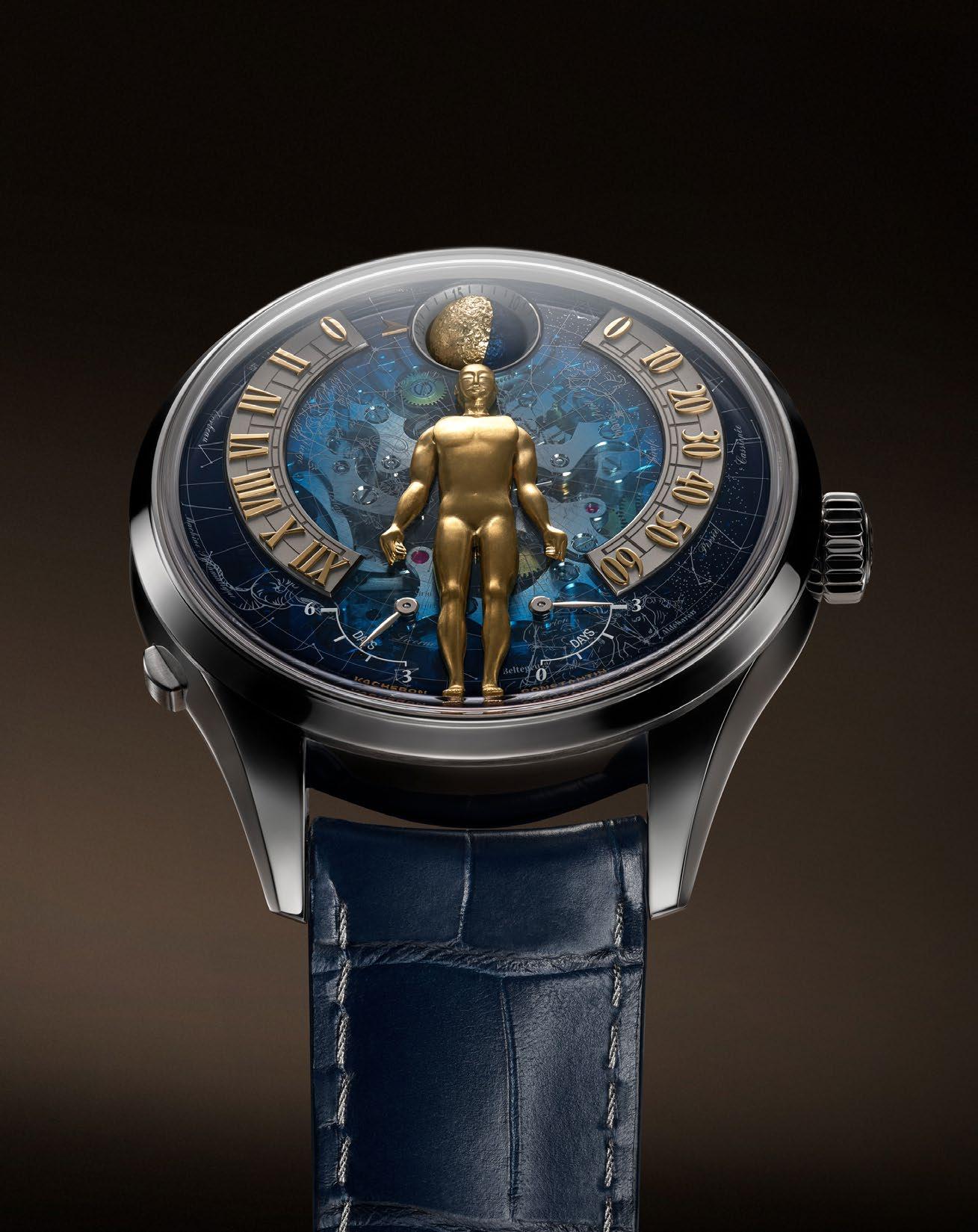
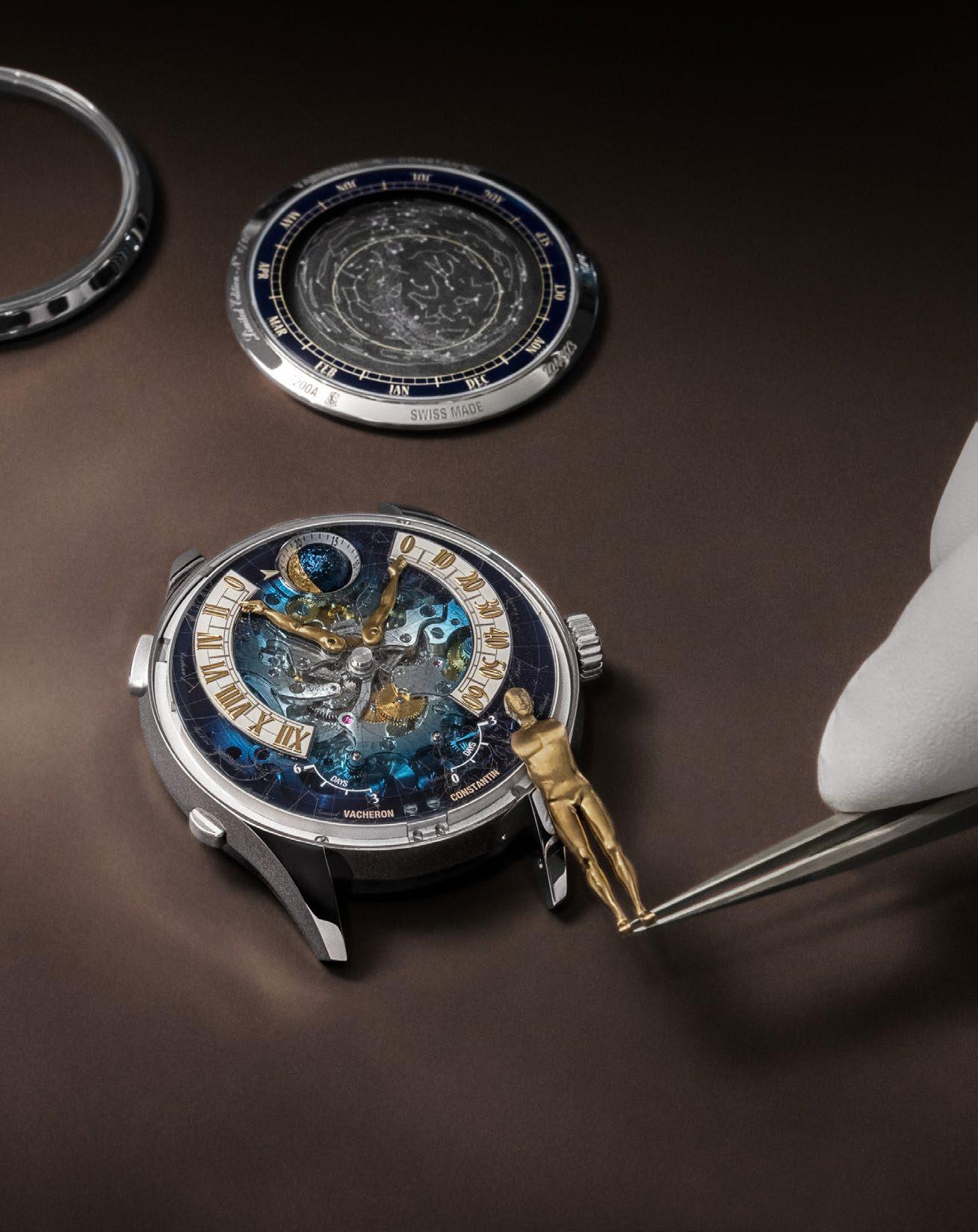
This masterpiece takes the form of the watch Métiers d’Art – Hommage à La Quête du Temps, a horological work that goes beyond mere timekeeping to enter the realm of mechanical storytelling. It is not read as a traditional watch, but as an artistic composition where every element contributes to a narrative of time. At the center of the dial, a three-dimensional figurine serves as the visual anchor for two bi-retrograde indicators for hours and minutes. Surrounding it, the celestial vault faithfully reproduces the sky over Geneva in 1755, the founding year of the Manufacture, while a three-dimensional moon and a suspended celestial arrangement complete this universe where time seems suspended, almost contemplative.
Its inspiration originates from La Quête du Temps Mécanique d'Art, a monumental clock created for this anniversary. The watch is neither a reduction nor a reproduction of it, but a sensitive transposition. It conveys, on the scale of the wrist, an artistic vision born in monumentality, while preserving its symbolic and poetic charge intact.
Behind this apparent visual simplicity lies an architecture of rare rigor. The mechanical heart of the watch comprises 512 components, an extremely complex architecture, yet entirely concealed behind a sense of inevitability. Caliber 3670, protected by four patents and operating at high frequency, orchestrates the ensemble with controlled regularity, almost imperceptible. Superimposed sapphire crystals, patinated titanium, white gold, and polished surfaces interact with subtlety, composing a presence that is both dense and muted. Here, time is not announced by sound; it manifests through an internal rhythm, a mastered breath.
This anniversary is defined neither by a date nor a number. The Métiers d’Art – Hommage à La Quête du Temps crystallizes what the Manufacture has patiently built over the centuries: a rare ability to transcend technical prowess and anchor watchmaking in a cultural, artistic, and profoundly timeless dimension.
Depuis 1755, Vacheron Constantin avance sans rupture, portée par une continuité qui défie le temps. Une lignée ininterrompue d’artisans, de gestes transmis, de mouvements qui racontent une vision plutôt qu’une époque. Au fil des siècles, cette constance silencieuse est devenue une signature, celle d’une horlogerie qui ne se définit ni par la mode ni par l’urgence, mais par la maîtrise et la durée. En 2025, à l’occasion de son 270ème anniversaire, la Maison a choisi de célébrer cette trajectoire non par un retour en arrière, mais par une création qui en recueille l’essence et en prolonge la vision.
Cette réalisation prend la forme de la montre Métiers d’Art – Hommage à La Quête du Temps, une œuvre horlogère qui dépasse la fonction de mesure pour entrer dans le registre de la mise en scène mécanique. Elle ne se lit pas comme une montre au sens traditionnel, mais comme une composition artistique où chaque élément participe à une narration du temps. Au centre du cadran, une figurine tridimensionnelle devient le point d’ancrage visuel de deux indications bi-rétrogrades pour les heures et les minutes. Autour d’elle, la voûte céleste reproduit fidèlement le ciel de Genève en 1755, date fondatrice de la Manufacture, tandis qu’une lune tridimensionnelle et une composition céleste suspendue complètent cet univers où le temps semble suspendu, presque contemplatif.
Son inspiration trouve son origine dans La Quête du Temps Mécanique d’Art, horloge monumentale conçue pour cet anniversaire. La montre n’en est ni la réduction ni la reproduction, mais la transposition sensible. Elle traduit, à l’échelle du poignet, une vision artistique née dans la monumentalité, en conservant intacte sa charge symbolique et poétique.
Derrière cette apparente évidence visuelle se déploie une architecture d’une rare exigence. Le cœur mécanique de cette montre réunit 512 composants, une complexité extrême entièrement effacée derrière une sensation d’évidence. Le calibre 3670, protégé par quatre brevets et animé par une haute fréquence, orchestre l’ensemble avec une régularité maîtrisée, presque imperceptible. Glaces saphir superposées, titane patiné, or blanc et surfaces polies dialoguent avec subtilité, composant une présence dense et feutrée. Ici, le temps ne s’annonce pas par un son : il se révèle dans un rythme interne, un souffle maîtrisé.
Cet anniversaire ne se résume ni à une date ni à un chiffre. La montre Métiers d’Art – Hommage à La Quête du Temps cristallise ce que la Manufacture a patiemment construit au fil des siècles : une capacité rare à dépasser la prouesse technique pour inscrire l’horlogerie dans une dimension culturelle, artistique et profondément intemporelle.

TEXT: EVANY COLLOUD
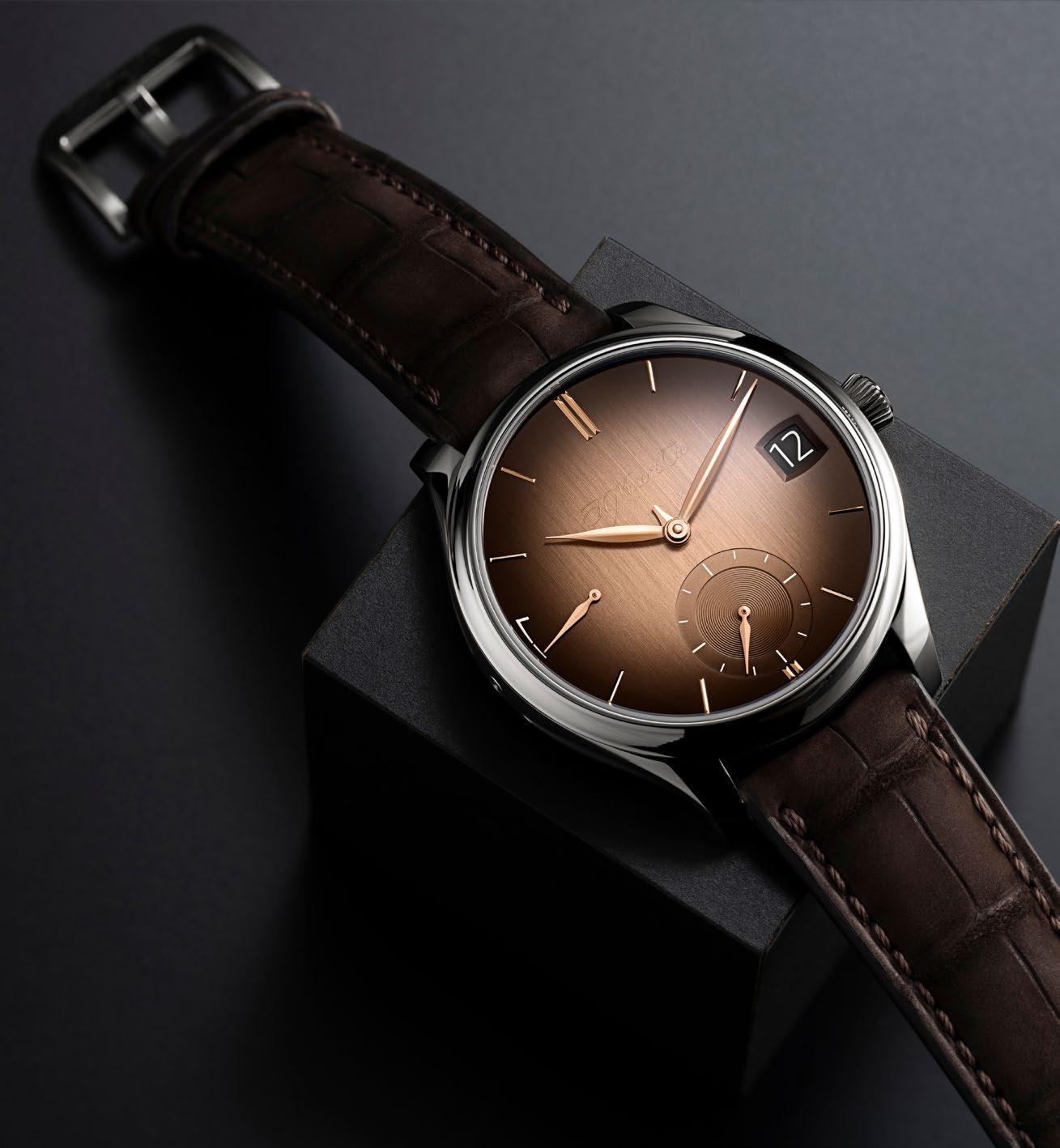
In the hushed world of independent fine watchmaking, H. Moser & Cie. cultivates an elegance that is recognizable at first glance, perfectly embodied by the Endeavour Perpetual Calendar Smoked Salmon. Its dial, tinted in smoky brown copper tones, catches the light with the depth and warmth of an aged whisky, while the vertical brushing softened by the Maison’s signature gradient creates an almost liquid, shifting, hypnotic depth. Behind this refined sobriety lies the manufacture calibre HMC 800, one of the most intuitive perpetual calendars on the market, featuring a central month hand, a discreet power-reserve indicator at nine o’clock, and a logo that fades into transparency to give full space to the essentials. The 42 mm white-gold case paired with a brown alligator strap completes an aesthetic that is both rare and exquisitely balanced, a timepiece that captivates as much through the intelligence of its construction as through the richness of its nuances.
Dans l’univers de la haute horlogerie indépendante, H. Moser & Cie. cultive une élégance qui s’impose au premier regard. L’Endeavour Perpetual Calendar Smoked Salmon en est une démonstration subtile. Son cadran, teinté d’un cuivre brun aux reflets fumés, capture la lumière avec l’intensité d’un whisky vieilli. La finition verticale, adoucie par le dégradé emblématique de la Maison, confère à chaque pièce une profondeur presque liquide, changeante et hypnotique. Derrière cette sobriété étudiée se déploie le calibre manufacture HMC 800, l’un des calendriers perpétuels les plus intuitifs du marché. Une aiguille centrale indique les mois, la réserve de marche s’affiche discrètement à neuf heures, et le logo s’efface en transparence pour laisser toute la place à l’essentiel. Le boîtier en or blanc de 42 mm, associé à un bracelet en alligator brun, signe une esthétique rare et raffinée. Une pièce qui séduit autant par l’intelligence de sa conception que par la richesse de ses nuances.
WWW.H-MOSER.COM | CHF 54'000.-
TEXT: MAI YACKOUT
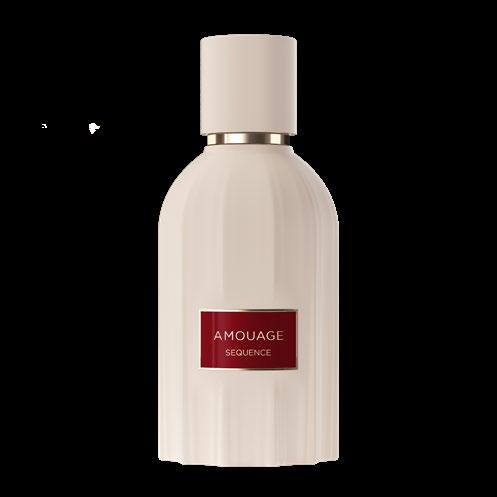
Time becomes something you can feel in Amouage Essences Act II. This trilogy of fragrances unfolds like a quiet meditation on eternity, structured, layered and deeply expressive. Line 618 explores harmony through balance and proportion. Remain captures intensity suspended in stillness. Sequence, by contrast, moves in fluid cycles, offering the collection’s most compelling expression of time in motion. Crafted with rare ingredients and refined through the house’s signature doubleinfusion ageing process, each scent reveals its depth slowly, rewarding patience rather than immediacy. Housed in Amouage’s sculptural flacon, the second trilogy of Essences reflects a mastery of emotional perfumery, where scent becomes memory and time leaves a trace.
Le temps devient tangible dans Amouage Essences Act II. Cette trilogie de fragrances se déploie comme une méditation silencieuse sur l’éternité, structurée, nuancée et profondément expressive. Line 618 explore l’harmonie à travers l’équilibre et la proportion. Remain saisit l’intensité suspendue dans le calme. Sequence, en revanche, évolue en cycles fluides, offrant l’expression la plus saisissante du temps en mouvement. Conçues à partir d’ingrédients rares et sublimées par le processus de double infusion emblématique de la maison, chaque fragrance révèle sa profondeur lentement, récompensant la patience plutôt que l’immédiateté. Logée dans le flacon sculptural d’Amouage, la seconde trilogie d’Essence illustre la maîtrise de la parfumerie émotionnelle, où le parfum devient mémoire et le temps laisse sa trace.
TEXT: EVANY COLLOUD
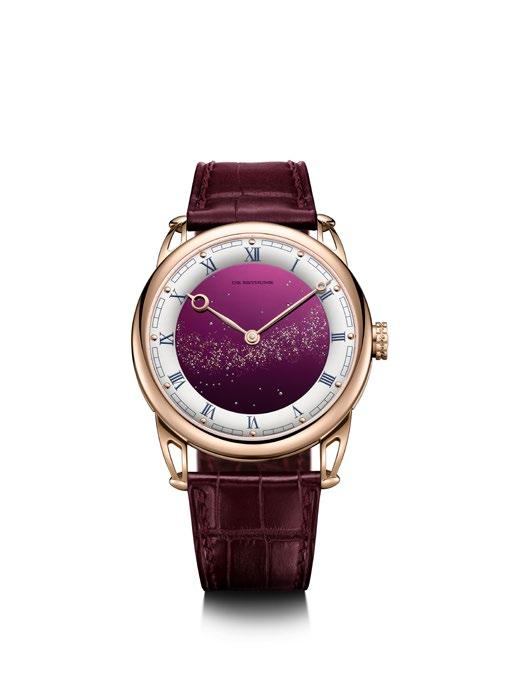
De Bethune continues its celestial odyssey with a creation that condenses infinity into a 40 mm case. The Starry Varius unveils a glowing night sky, crafted in mirror-polished titanium with reddish hues, achieved through thermal oxidation. Hand-set with gold and palladium microparticles, the dial becomes a unique celestial map. True to the spirit of the collection, it allows each owner to choose their own sky, based on a specific location and date. A celebration of the invisible, this poetic watch explores a shifting concept of time, mirroring the cosmos.
De Bethune poursuit son odyssée céleste avec une création qui condense l’infini dans un boîtier de 40 mm. La Starry Varius dévoile un ciel nocturne incandescent, façonné dans un titane poli-miroir aux nuances rougeoyantes, obtenu par oxydation thermique. Constellé à la main de microparticules d’or et de palladium, le cadran devient une cartographie céleste unique. Fidèle à l’esprit de la collection, il permet à chacun de choisir son ciel, en fonction d’un lieu géographique et d’une date précise. Célébration de l’invisible, cette montre-poème explore un temps mouvant, à l’image du cosmos.
TEXT: EVANY COLLOUD
Against the streamlined aesthetics that dominate today’s runways, Kevin Germanier champions excess. Color, volume, texture, accumulation. Everything in his work thrives on visual intensity and the drama of the garment. Trained at Central Saint Martins, the Swiss designer quickly established a signature unmistakable in a landscape saturated with ideas. His creations circulated early on the international stage, worn by Lady Gaga and Beyoncé, earning admiration from the world’s most discerning eyes for their audacity and originality. In January 2025, he reached a decisive milestone by officially entering the exclusive circle of Haute Couture, becoming the first Swiss designer to present his own house.
Germanier’s work follows a simple yet radical principle: to create only from what already exists. Dormant stock, unsold textiles, decommissioned beads and sequins become his raw materials. His universe, almost dreamlike, oscillates between the future and craftsmanship, between invention and memory. Silhouettes seem to emerge from a parallel world, yet each piece is the result of a painstakingly precise process and a collective effort. In his ateliers, hands multiply. From Valais knitters to artisans from elsewhere, fashion becomes a space of collaboration, a territory where transmission and creation meet and nourish one another.
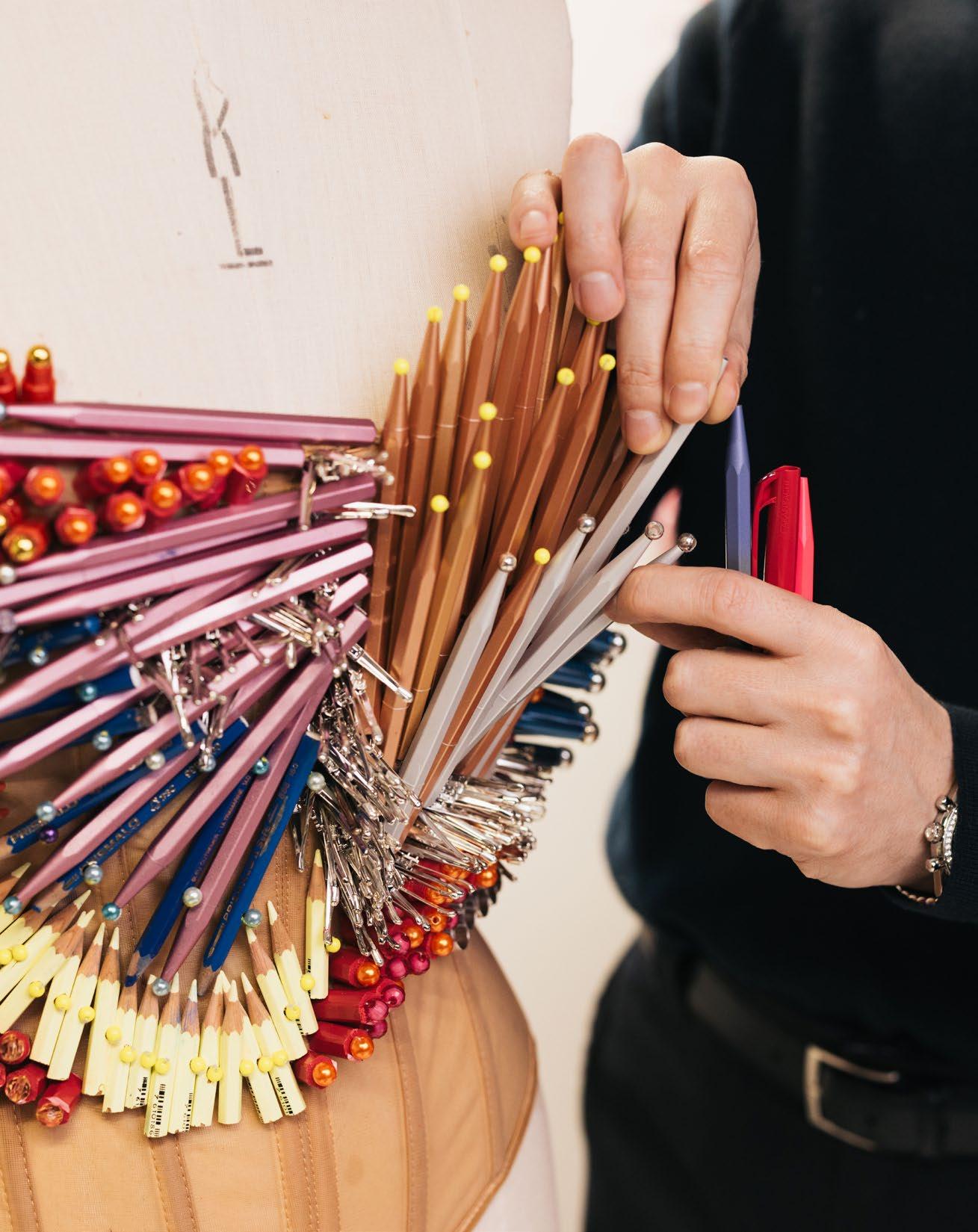
While Germanier shines beyond borders, he never forgets his roots. For his very first Haute Couture show, he chose to honor Switzerland, almost as an intimate signature. On that occasion, he unveiled a spectacular dress, created in collaboration with Caran d’Ache, constructed entirely from pencils and pens collected from the brand’s Geneva boutiques. Childhood tools were transformed into luxury materials, and color into memory. This piece, a tribute to his origins, affirms that Swiss excellence can be expressed in Haute Couture through an approach both sustainable and profoundly creative.
This return to his roots continued in Lausanne at Mudac, which granted the designer full artistic freedom, a unique way to explore his creativity and invite the public into his universe. More than a conventional exhibition, Les Monstrueuses immerse visitors in his mental atelier. Iconic pieces, fragments, raw materials, hybrid figures, and meticulous gestures reveal the craftsmanship that brings his creations to life. The museum becomes a living space where every object, material, and gesture seems to converse, unveiling a world where precision, imagination, and rigor combine to fully embody Kevin Germanier’s vision.
The Swiss designer does not merely theorize sustainable fashion. He practices it, shapes it, and reinvents it. He transforms what already exists, elevates what seemed destined to vanish, and turns every material and every gesture into an act of creative resistance. In an industry often trapped in a relentless, fast-paced, and disposable rhythm, he carves his own path with freedom and rigor, reminding us that Haute Couture can be art, reflection, and commitment. His work singularly critiques overconsumption and disposability, proving that fashion can be simultaneously sustainable, demanding, and profoundly creative.
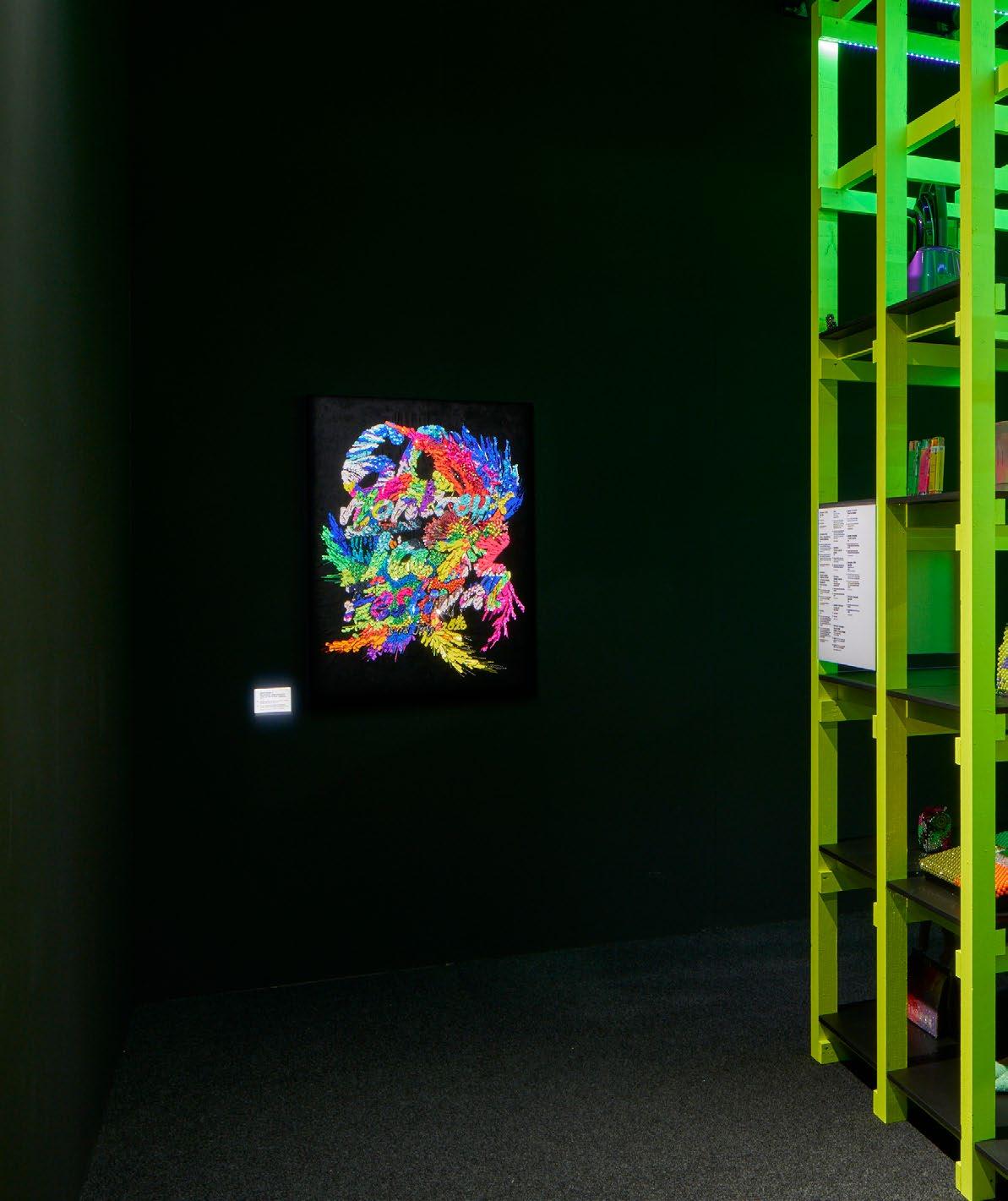
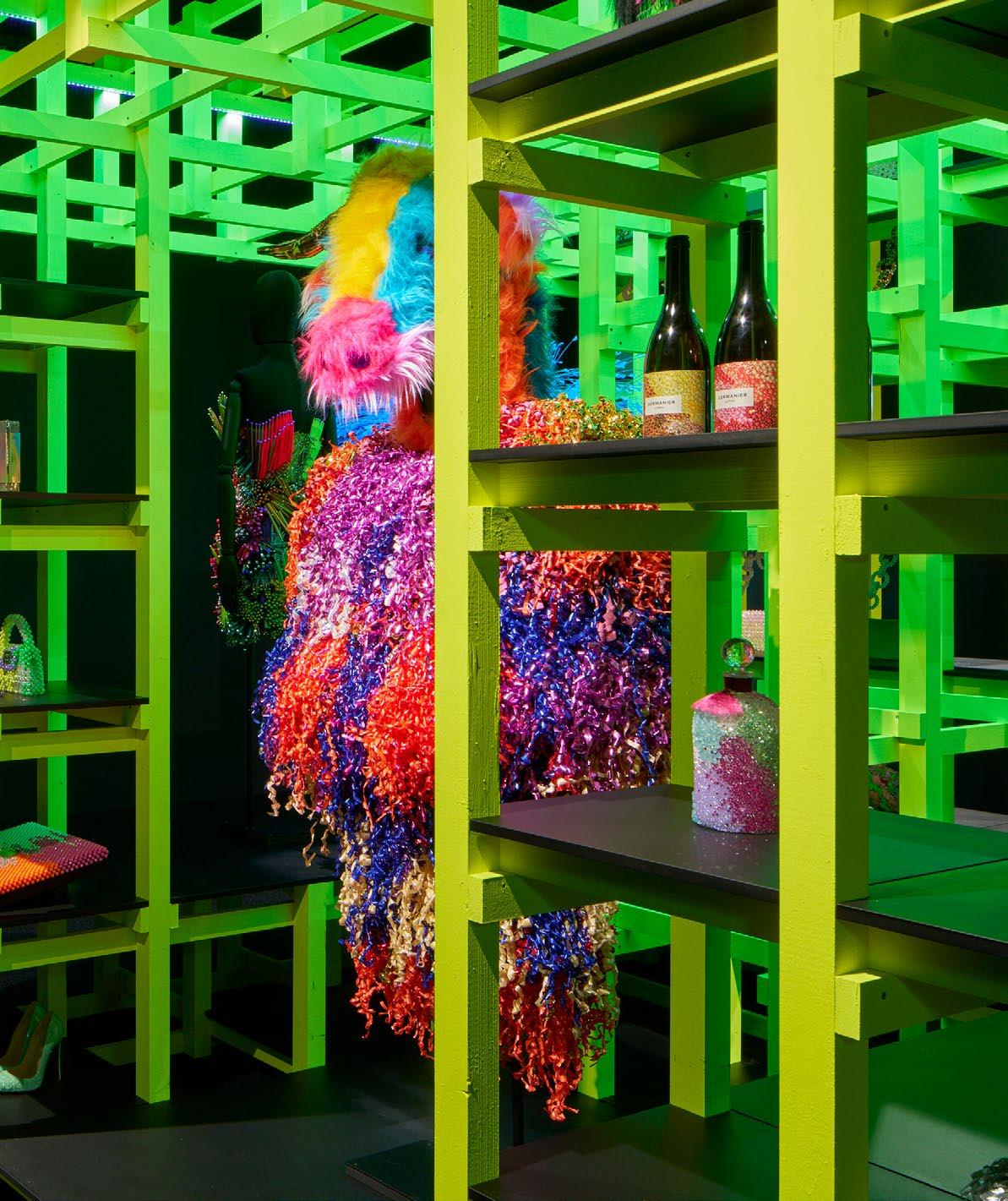
À contre-courant des esthétiques épurées qui dominent aujourd’hui les défilés, Kevin Germanier revendique l’excès. Couleur, volume, matière, accumulation, tout chez lui repose sur l’intensité visuelle et la dramaturgie du vêtement. Formé à la Central Saint Martins, le Suisse impose rapidement une signature identifiable dans un paysage saturé de propositions. Très tôt, ses pièces circulent sur les scènes internationales, portées par Lady Gaga ou encore Beyoncé. Elles suscitent l’admiration des plus grands grâce à leur audace et leur originalité. En janvier 2025, il franchit un cap décisif dans sa carrière en entrant officiellement dans le cercle fermé de la Haute Couture, devenant le premier créateur suisse à y présenter sa propre maison.
Son travail repose sur un principe simple et radical : ne produire qu’à partir de l’existant. Stocks dormants, textiles invendus, perles et paillettes déclassées deviennent ses matières premières.
Son univers, presque chimérique, oscille entre futur et artisanat, entre invention et mémoire. Les silhouettes semblent jaillir d’un monde parallèle, mais chaque pièce repose sur un processus long, d’une précision extrême et d’un travail collectif. Dans ses ateliers, les mains se multiplient. Des tricoteuses valaisannes aux artisanes venues d’ailleurs, la mode devient un espace de coopération, un territoire où transmission et création se rencontrent et se nourrissent mutuellement.
Si Kevin Germanier rayonne au-delà des frontières, il n’en oublie rien de ses racines. Lors de son tout premier défilé Haute Couture, il choisit de mettre la Suisse à l’honneur, presque comme une signature intime. C’est à cette occasion qu’il présente une robe spectaculaire, imaginée en collaboration avec Caran d’Ache et réalisée à partir de crayons et stylos collectés dans les différentes boutiques de la maison genevoise. L’outil de l’enfance se mue en matière de luxe, la couleur en mémoire. Cette pièce, hommage à ses origines, affirme que l’excellence suisse peut s’écrire en Haute Couture dans une démarche à la fois durable et profondément créative.
Ce retour aux sources se poursuit à Lausanne, au Mudac, qui a offert au créateur une carte blanche, une manière unique d’appréhender sa créativité et de faire découvrir au public son univers. Plus qu’une simple exposition, Les Monstrueuses plongent le visiteur dans son atelier mental. On y découvre pièces emblématiques, fragments, matières à nu, figures hybrides et gestes minutieux, comme un hommage à l’artisanat qui donne vie à ses créations. Le musée devient un espace vivant où chaque objet, chaque matériau et chaque geste semblent dialoguer entre eux, révélant un univers créatif où la précision, la fantaisie et l’exigence se conjuguent pour incarner pleinement l’imaginaire de Kevin Germanier.
Le créateur suisse ne se contente pas de théoriser la mode durable, il la pratique, la façonne et la réinvente. Il transforme ce qui existe déjà, sublime ce qui semblait voué à disparaître et fait de chaque matériau, de chaque geste, un acte de résistance créative. Dans une industrie souvent prisonnière d’un rythme effréné, toujours plus rapide et moins durable, il trace sa voie avec liberté et exigence, rappelant que la Haute Couture peut être à la fois un art, une réflexion et un engagement. Son travail dénonce avec singularité la surconsommation et le jetable, et prouve avec force qu’il est possible d’avoir une mode à la fois durable, exigeante et profondément créative.
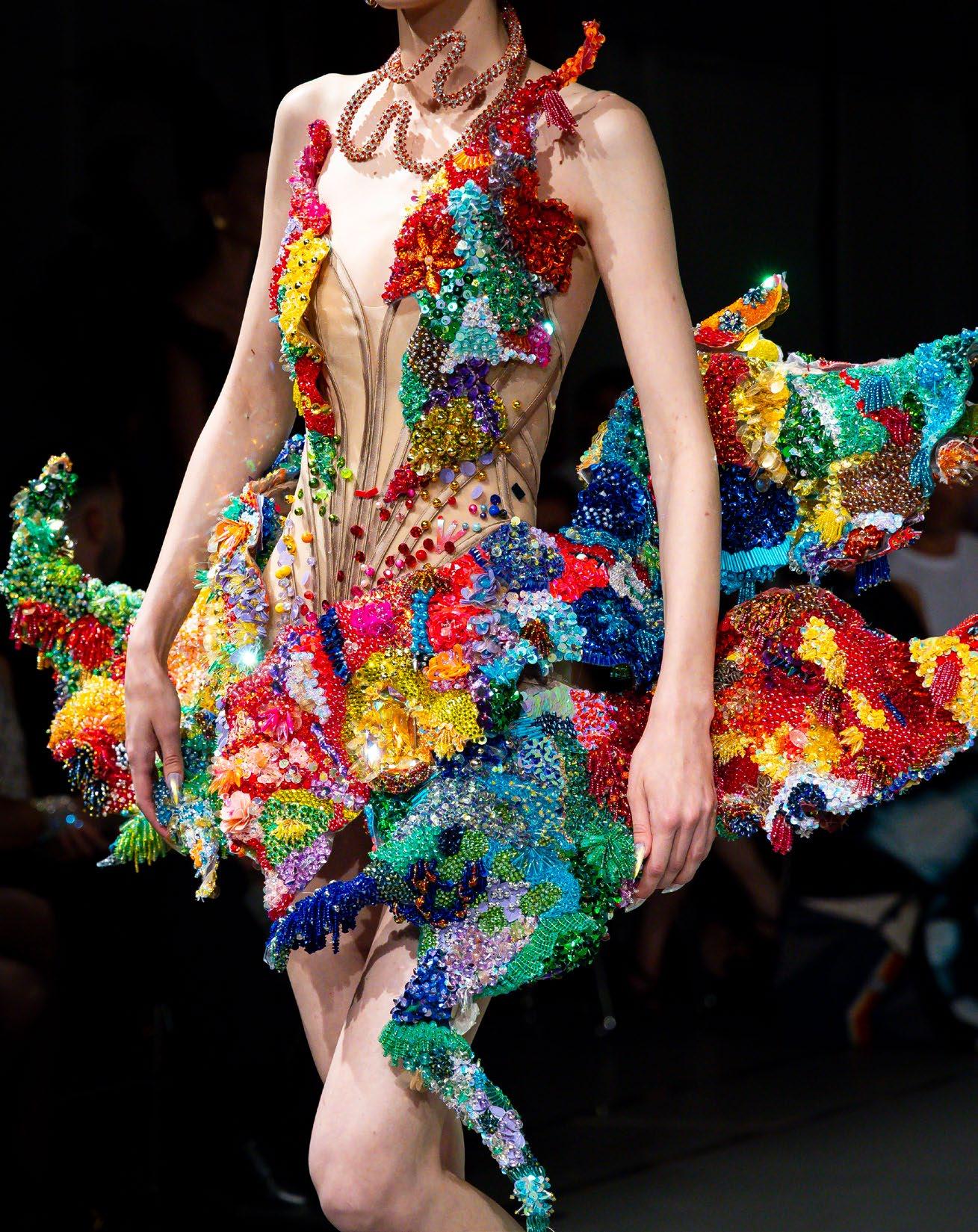
TEXT: MEGAN TOMOS
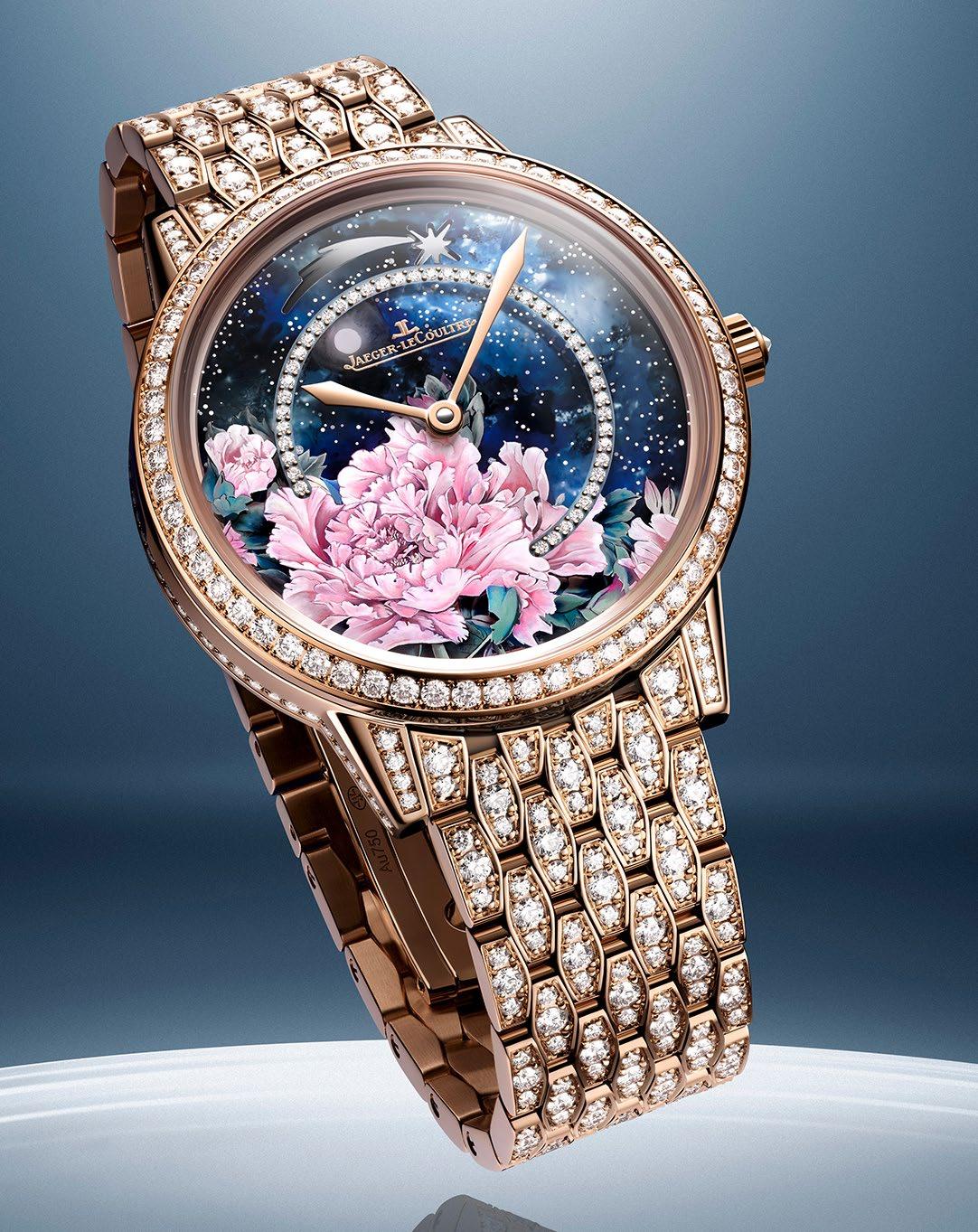
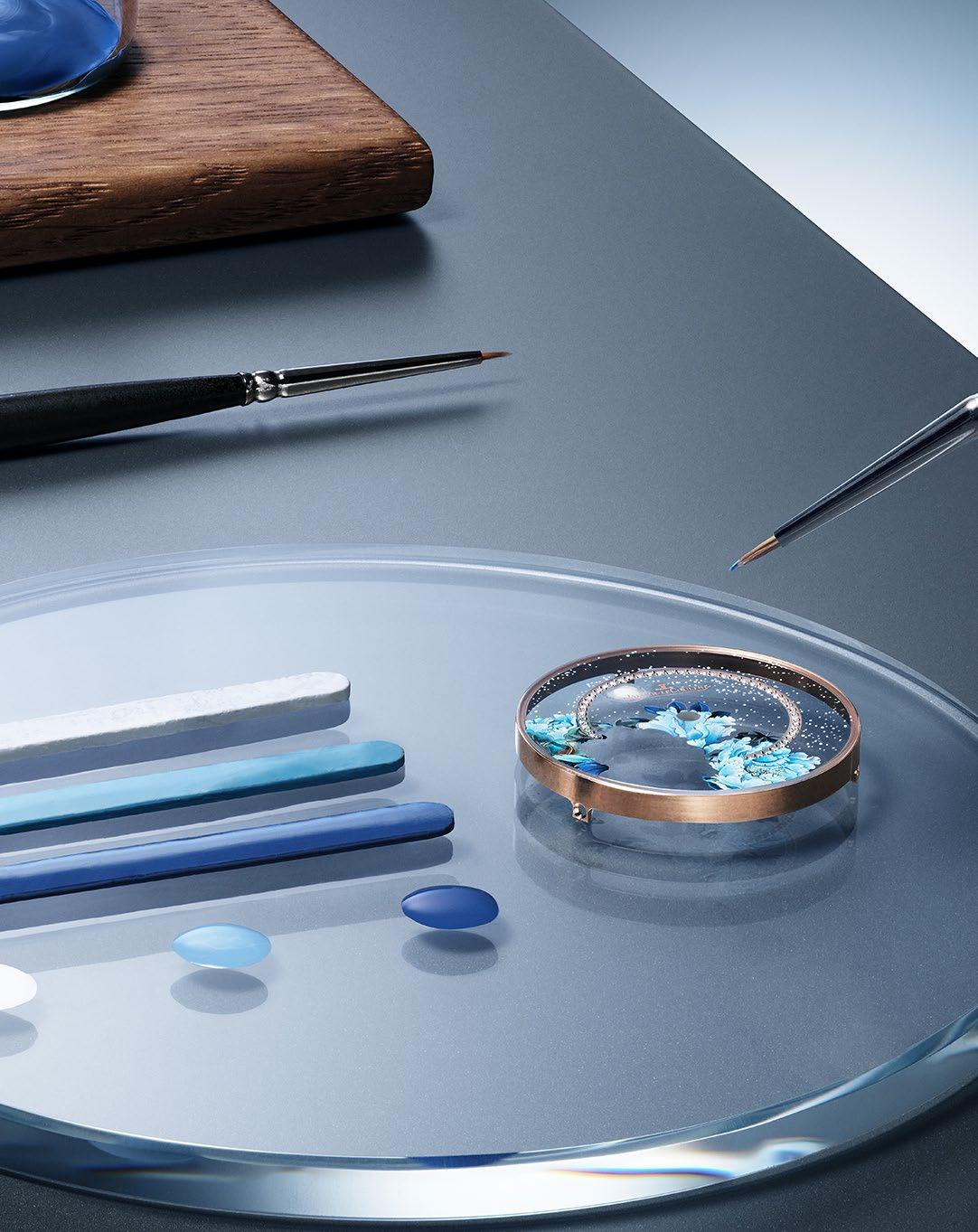
There are complications that measure time, and complications that momentarily suspend it. Jaeger-LeCoultre’s latest chapter of the Rendez-Vous Shooting Star leans quietly toward the latter. It isn’t a watch built to make an entrance or command a room. Instead, it’s the sort of piece you find yourself returning to throughout the day, catching the way light moves across the dial or how the star appears at moments you weren’t expecting.
The Shooting Star complication first arrived in 2022, yet this new interpretation feels far more intimate. The dial becomes a miniature theatre, its stage set with hand-painted peonies drifting across a three-layer composition. Inside Jaeger-LeCoultre’s Atelier des Métiers Rares, artisans work in near-monastic calm, painting contours freehand and reversing sapphire discs to tint foliage before turning them back to detail each petal. Every dial is completed in a single sitting, no breaks, no corrections, giving the artwork a sense of continuity and intention that machines cannot replicate. The result is a tableau with the clarity of a photograph and the softness of a memory.
And beneath this floating garden lies a rotating disc of mother-of-pearl, airbrushed into deep midnight gradients. A laser-cut shooting star on its surface reveals a final silvery layer below, creating a brief streak of brightness whenever the disc glides into alignment. It’s a gesture so subtle that it feels almost like a secret between the watch and the wearer.
Naturally, diamonds heighten the quiet spectacle, tracing the star’s path and encircling the bezel. One variation leans into radiance with an entirely paved rose-gold bracelet set with more than 600 stones; the blue peony model opts for restraint, pairing its celestial dial with a glossy alligator strap. They read like two interpretations of the same sky, one shimmering, one serene.
In a world calibrated by schedules and speed, the Rendez-Vous Shooting Star offers a different rhythm. It reminds you to pause, to look closely, and to allow something unexpected to interrupt the pace. Sometimes, the most memorable moments are the ones that arrive unannounced, much like a flash of light across a quiet night sky.
Il existe des complications qui mesurent le temps, et d’autres qui en suspendent fugitivement le cours. Avec la Rendez-Vous Shooting Star, Jaeger-LeCoultre s’inscrit dans cette seconde catégorie. Plus qu’une montre, la pièce évoque l’apparition imprévisible d’un phénomène céleste rare, une étoile filante qui traverse le cadran au gré des mouvements du poignet avant de disparaître, laissant derrière elle une sensation presque intime, comme un instant volé au rythme du monde.
Introduite pour la première fois en 2022, la complication Shooting Star se dévoile ici dans une interprétation plus douce et plus romantique. Le cadran se transforme en tableau miniature, orné de pivoines peintes à la main. Fleur symbole de prospérité, d’abondance et d’illumination, la pivoine apporte à cette scène céleste une poésie délicate, contrastant avec la rigueur horlogère qui structure l’ensemble. Chaque fleur semble flotter, suspendue entre ciel et mécanique.
Réalisé au sein de l’Atelier des Métiers Rares de la Manufacture, le cadran repose sur une architecture complexe de trois disques superposés. Les motifs floraux sont peints à la main sur un disque de saphir transparent selon une technique de peinture inversée, où chaque couche est appliquée avec une précision extrême afin de créer profondeur et luminosité. Chaque cadran est exécuté en une seule séance, sans reprise possible, conférant à l’œuvre une continuité et une intention que seule la main humaine peut offrir.
Sous ce jardin suspendu, un disque mobile en nacre, délicatement dégradé de nuances nocturnes, orchestre l’apparition de l’étoile filante. Découpée au laser, celle-ci se révèle de manière aléatoire lorsque le disque entre en rotation, laissant apparaître un éclat argenté furtif. Ce moment de lumière, volontairement discret, se vit comme un secret partagé entre la montre et celle qui la porte, renforçant le caractère personnel de l’expérience.
Le spectacle est subtilement souligné par un sertissage de diamants qui dessine la trajectoire de l’étoile et illumine la lunette. Deux interprétations prolongent cette vision céleste : la version pivoine rose, plus lumineuse, montée sur un bracelet en or rose entièrement pavé, et la variante pivoine bleue, plus épurée, associée à un bracelet en alligator brillant. Dans un monde régi par la vitesse et la précision, la Rendez-Vous Shooting Star invite à ralentir, à observer et à accepter l’inattendu. En effet, les instants les plus précieux sont souvent ceux qui surgissent sans prévenir, comme une étoile filante dans le silence de la nuit.

TEXT: EVANY COLLOUD
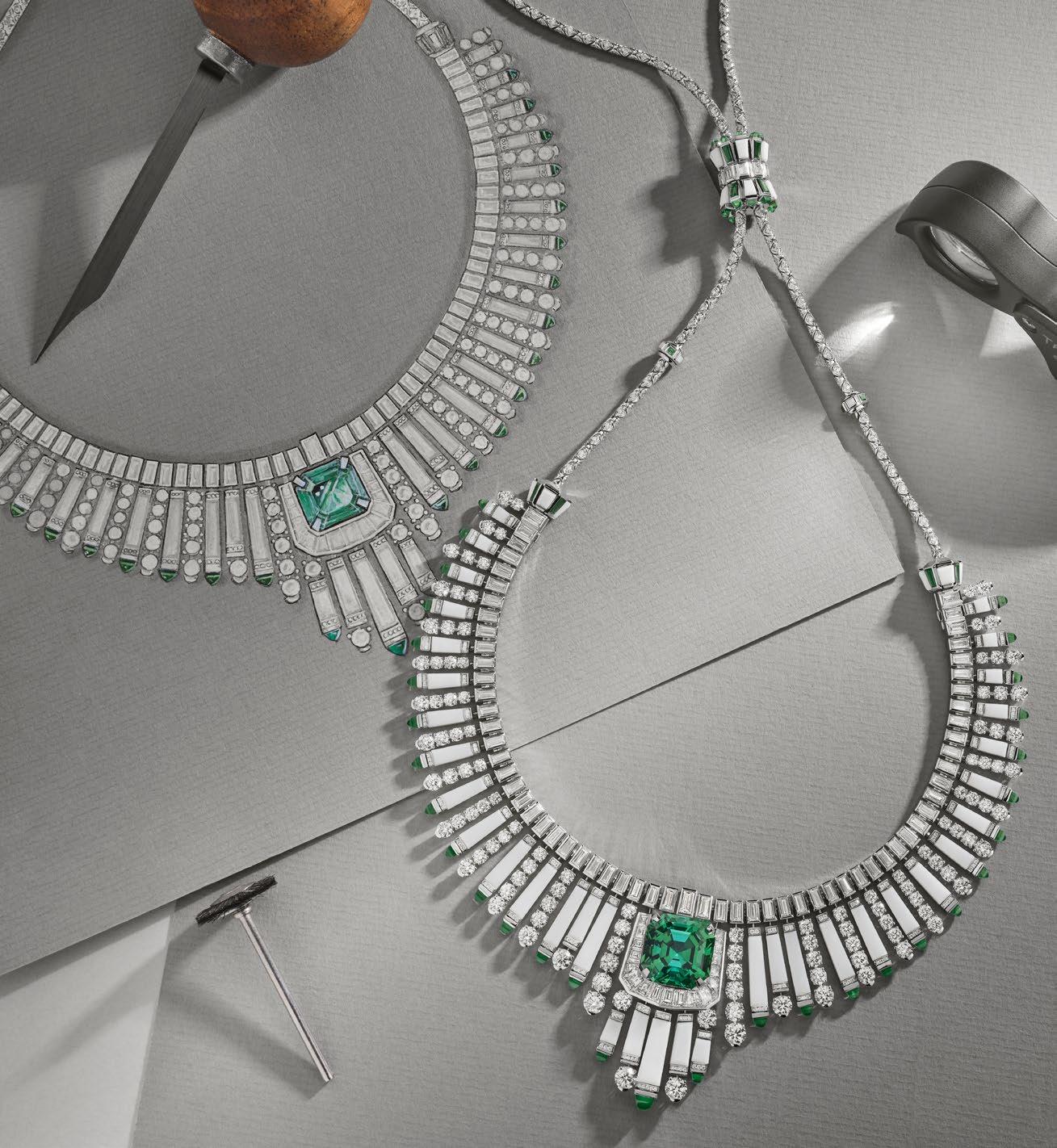
With A New York Affair, her very first haute joaillerie collection, Marli asserts a bold new creative ambition, inspired by the vibrant energy and iconic architecture of Manhattan. Conceived as a striking statement, the collection pays tribute to the symbols that define New York’s unique identity. Among its standout pieces, the Lady Liberty Green Tourmaline necklace emerges as one of the most emblematic creations. A true homage to the power of the Statue of Liberty, its neoclassical architecture, evoking the monument’s crown and pedestal, frames a green tourmaline of magnetic depth. The stone’s chromatic intensity dialogues with a sophisticated setting of brilliant and baguette-cut diamonds, revealing exceptional craftsmanship and a flawlessly executed design. Anchored in New York energy, this creation is conceived to transcend borders and assert its presence with timeless elegance.
Avec A New York Affair, sa toute première collection de haute joaillerie, Marli affirme une nouvelle ambition créative, inspirée par l’énergie vibrante et l’architecture emblématique de Manhattan. Pensée comme une déclaration forte, cette collection rend hommage aux symboles qui façonnent l’identité new-yorkaise. Parmi les pièces qui la composent, le collier Lady Liberty Green Tourmaline s’impose comme l’une des créations les plus emblématiques. Véritable hommage à la puissance de la Statue de la Liberté, son architecture néoclassique évoquant la tiare et le piédestal du monument encadre une tourmaline verte à la profondeur magnétique. L’intensité chromatique de la pierre dialogue avec un sertissage sophistiqué de diamants taille brillant et baguette, révélant un savoir-faire d’exception et une construction parfaitement maîtrisée. Cette création, ancrée dans l’énergie new-yorkaise, est pensée pour traverser les latitudes et affirmer sa présence.
TEXT: MEGAN TOMOS
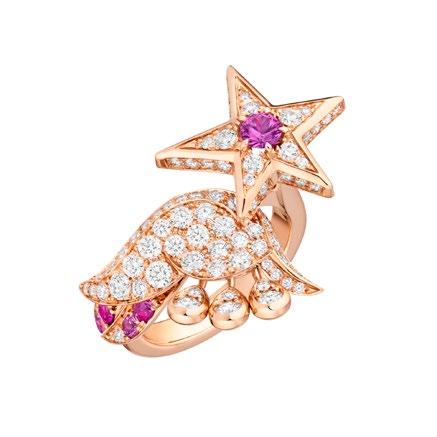
From Chanel’s Reach for the Stars High Jewelry collection, the Pretty Wings Sapphire Ring captures the fleeting poetry of golden hour, the luminous instant when the sky softens into pink and gold. Crafted in pink gold and set with natural polished diamonds and a brilliant-cut pink sapphire, its openwork design evokes delicate wings suspended in motion. Light as lace yet precise in construction, the piece reflects Gabrielle Chanel’s enduring emblem of freedom, transforming radiance and movement into a jewel that rests on the skin with effortless, celestial elegance.
La bague Pretty Wings en saphir, de la collection Reach for the Stars High Jewelry de Chanel, saisit la poésie fugace de l’heure dorée, cet instant lumineux où le ciel se pare de rose et d’or. Façonnée en or rose et sertie de diamants polis naturels ainsi que d’un saphir rose taille brillant, sa structure ajourée évoque des ailes délicates suspendues dans le mouvement. Légère comme de la dentelle, mais d’une précision exemplaire, la pièce reflète l’emblème intemporel de liberté de Gabrielle Chanel, transformant lumière et mouvement en un bijou qui repose sur la peau avec une élégance naturelle et céleste.
TEXT: KARIM AEID
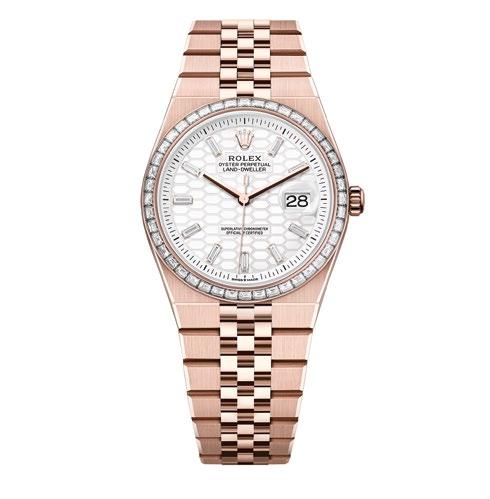
Unveiled in 2025, the Oyster Perpetual Land-Dweller embodies Rolex’s contemporary vision: bold, precise, and resolutely forward-looking. Crafted in 18 ct Everose gold, this 36 mm version captivates with its diamond-set Oyster case and integrated Flat Jubilee bracelet, offering a fluid and refined silhouette. Its white honeycomb-motif dial, accented with baguette-cut hour markers, illuminates the design. Powered by the calibre 7135, it combines watchmaking excellence with fine jewelry craftsmanship, designed for women who express their individuality with elegance.
Dévoilée en 2025, l’Oyster Perpetual Land-Dweller incarne la vision contemporaine de Rolex : audacieuse, précise et résolument tournée vers l’avenir. Déclinée en or Everose 18 ct, cette version 36 mm séduit par son boîtier Oyster serti de diamants et son bracelet Flat Jubilee intégré, à la ligne fluide et raffinée. Son cadran blanc au décor nid d’abeille, ponctué d’index taille baguette, illumine l’ensemble. Animée par le calibre 7135, elle conjugue excellence horlogère et finesse joaillière, pensée pour les femmes qui affirment leur singularité avec élégance.
WWW.ROLEX.COM | CHF 88'000.-
CENTENNIAL LEGACY | RACING ALTITUDE UNCOMPROMISING HERITAGE | ESSENTIELS
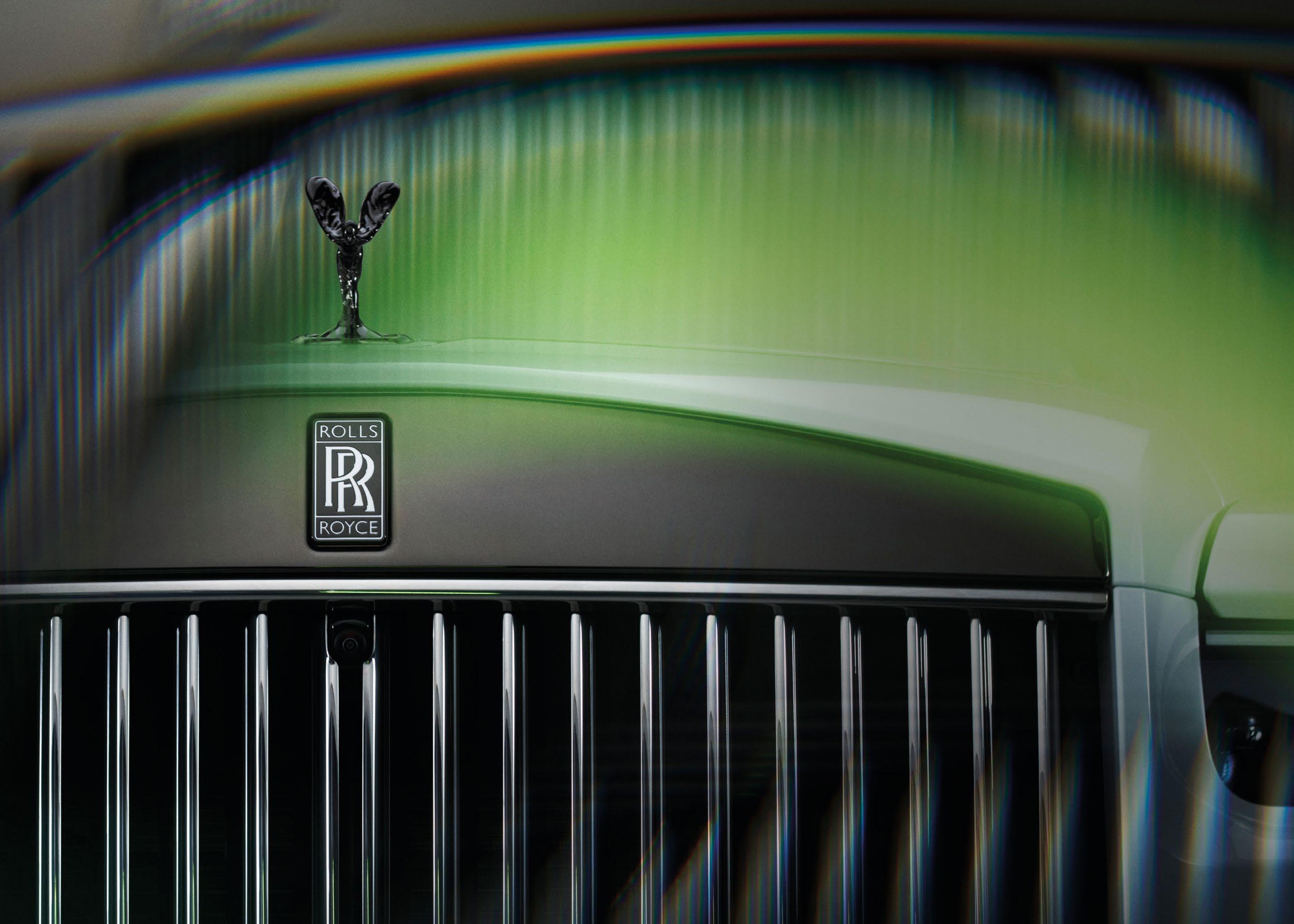
ROLLS-ROYCE PHANTOM CENTENARY PRIVATE COLLECTION
TEXT: MEGAN TOMOS
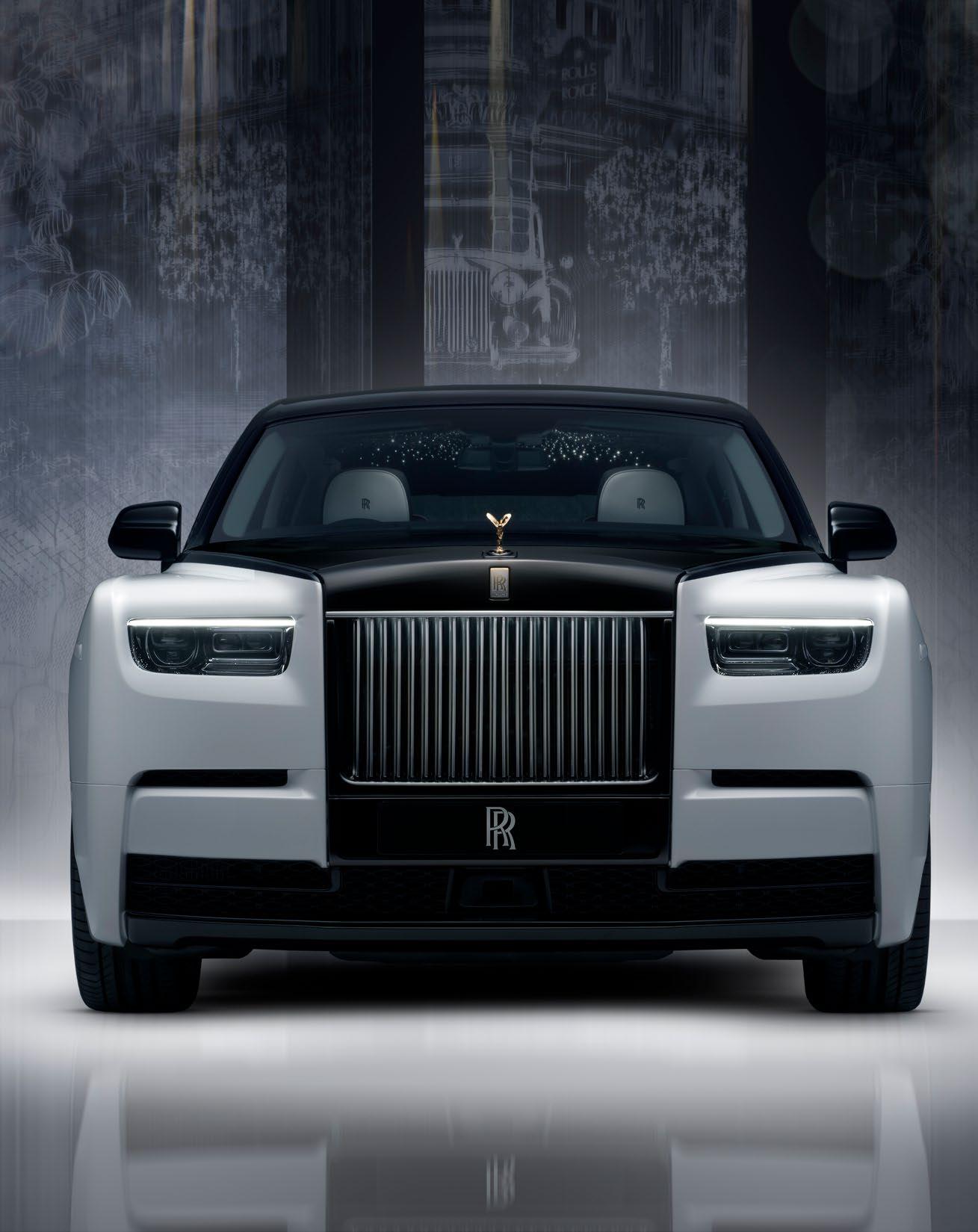
For a century, Phantom has existed beyond fashion, beyond trend, beyond comparison. Chosen by those who shape eras rather than follow them, it has become the ultimate expression of authority and discernment, a constant presence at moments where history quietly turns. To mark 100 years of this extraordinary nameplate, Rolls-Royce Motor Cars presents the Phantom Centenary Private Collection, an ultra-rare series of just 25 motor cars, conceived not as a celebration of the past, but as a measured reflection on legacy, continuity, and enduring relevance.
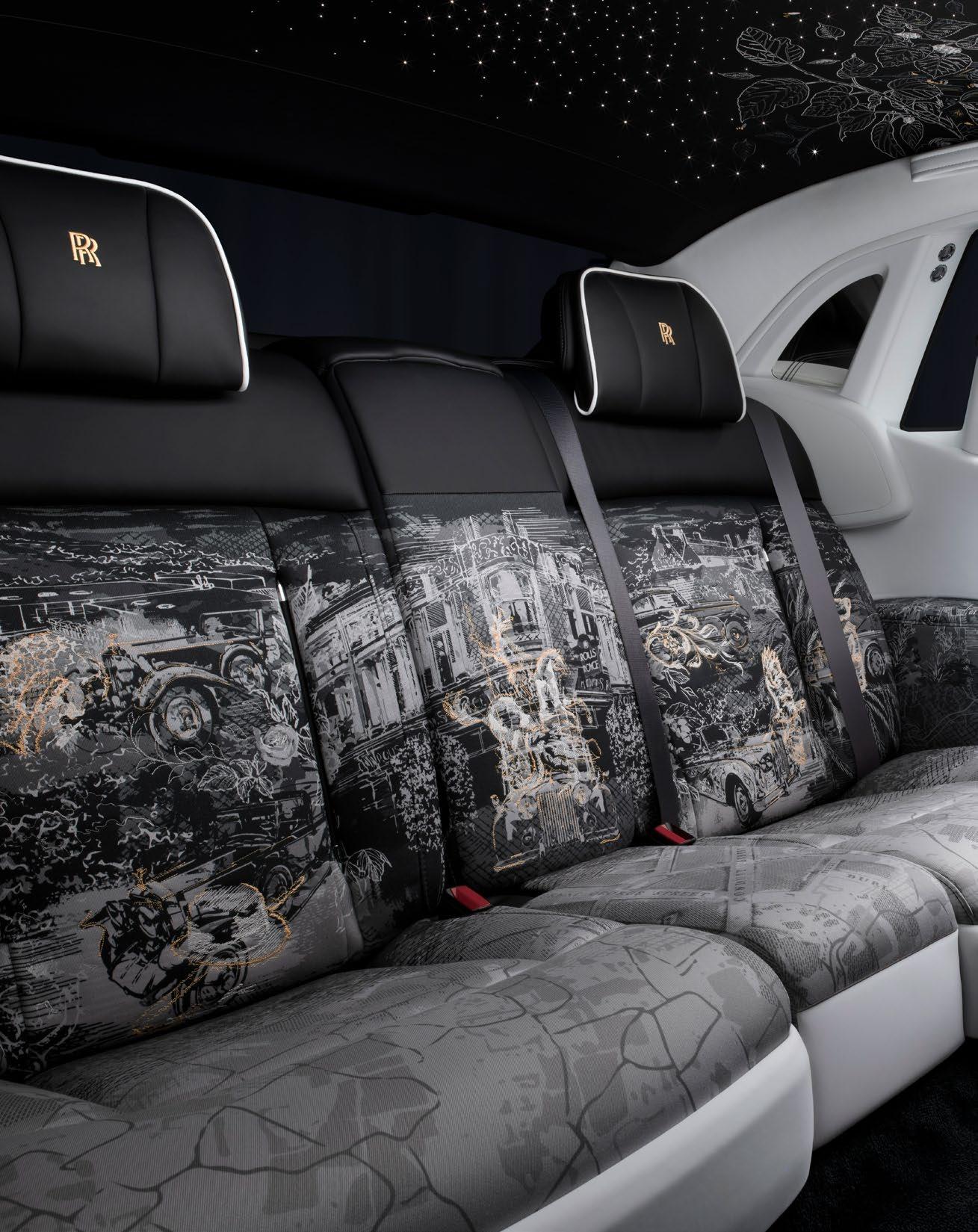
Developed over three years and realised through more than 40,000 hours of bespoke craftsmanship, the Centenary Private Collection transforms Phantom VIII into a narrative object. Designers and artisans immersed themselves in the marque’s history, distilling a century of defining figures, journeys, places, and moments into 77 hand-sketched motifs. These are not ornamental details, but fragments of memory, woven through every surface to create a motor car that reads like a deliberate, deeply layered anthology—one to be revisited rather than simply admired.
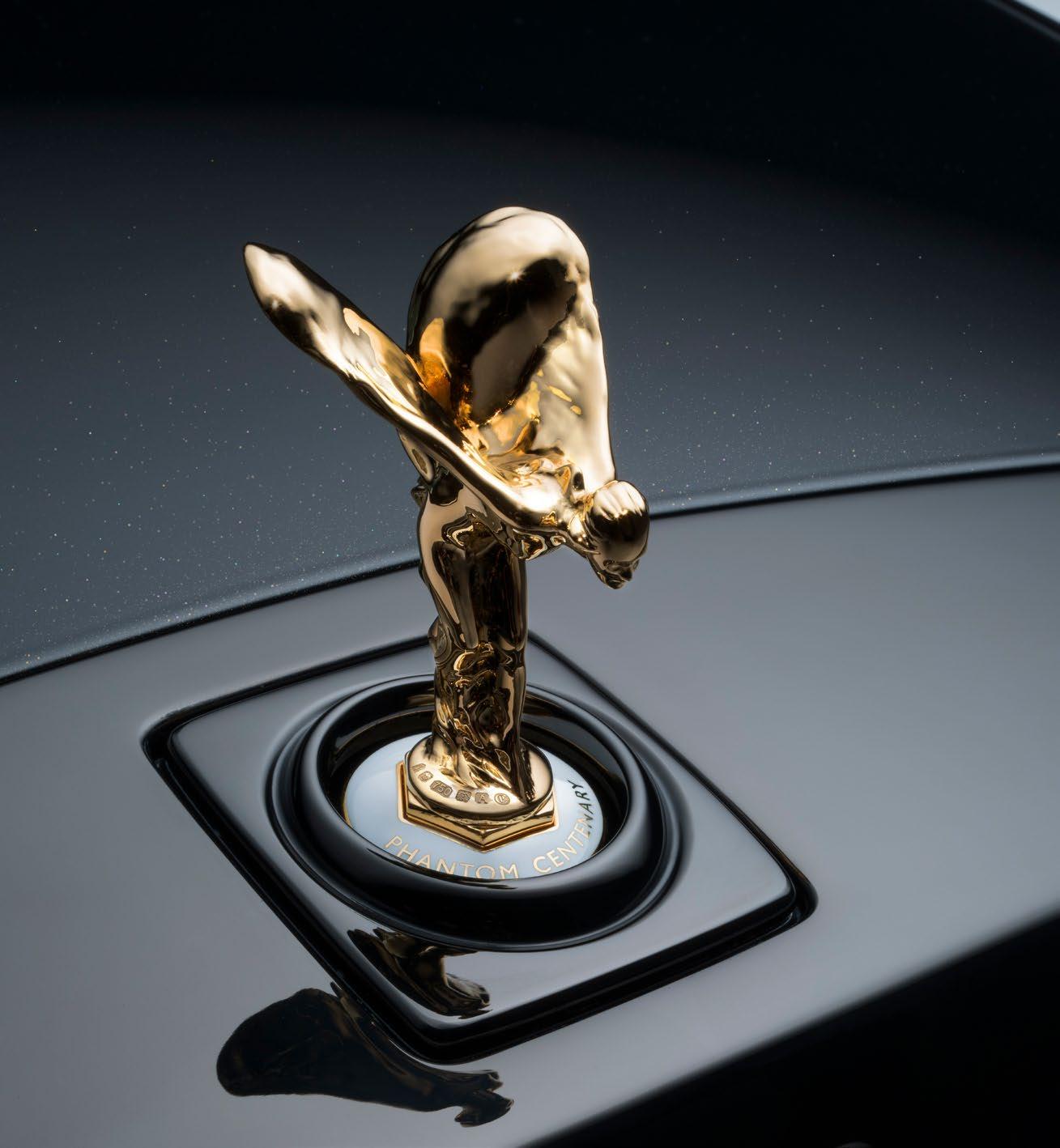
The exterior carries a cinematic restraint in its own right, recalling the quiet glamour of Phantom’s golden age. A bespoke two-tone finish, infused with champagne-hued crushed glass, gives the bodywork a depth that shifts subtly with light and movement. At its prow stands a reimagined Spirit of Ecstasy, cast in solid gold from a 1925 reference, hallmarked and enamelled to mark the centenary. Even the disc wheels are engraved with meaning, each bearing 25 lines that together form a century.
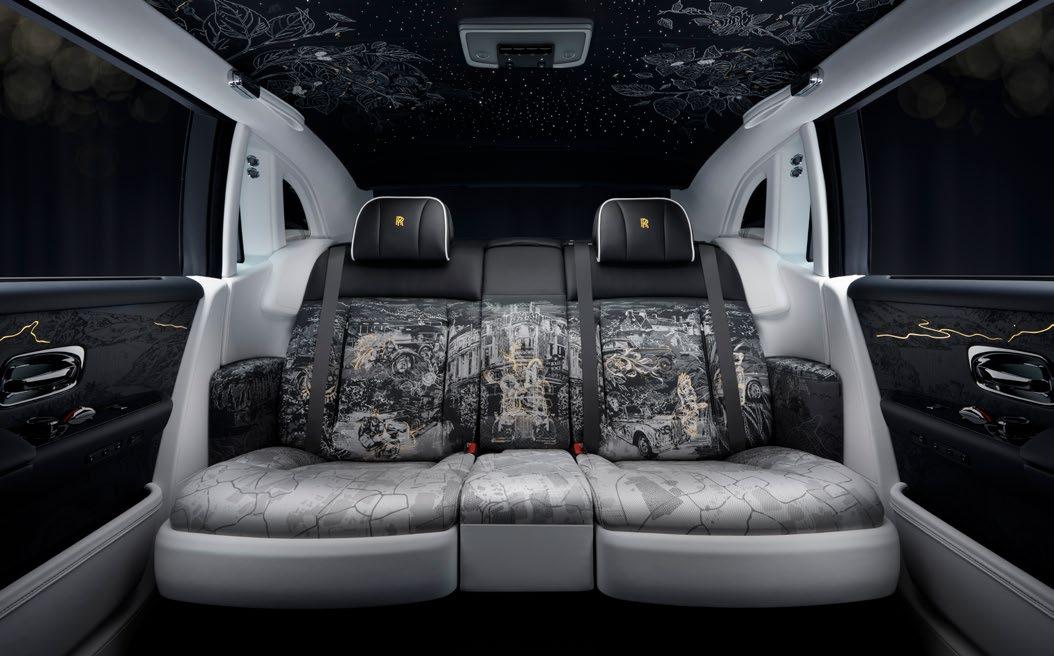
Inside, Phantom’s story unfolds with extraordinary nuance. The rear seats present a contemporary interpretation of tapestry, developed with a couture atelier and completed with over 160,000 stitches. High-resolution printed scenes depict historic locations and landmark Phantoms, overlaid with embroidery that abstractly references seven significant owners across generations. Elsewhere, laser-etched leather, sculptural aluminium, and the most intricate woodwork ever created by RollsRoyce combine marquetry, gold leaf, and three-dimensional ink to map Phantom’s most formative journeys.
Crowning the interior, a Starlight Headliner glows with 440,000 stitches, embedding symbols from the marque’s history among constellations of light. Beneath this artistry lies the quiet authority of the 6.75-litre V12, effortlessly and discreetly celebrated in gold. The Phantom Centenary Private Collection is, at its core, a rare affirmation of what Rolls-Royce has always understood: that true luxury is not defined by spectacle, but by permanence, intention, and time well honoured.
CENTENARY PRIVATE COLLECTION
CYLINDERS V12 TWIN-TURBO
LITRES 6,7
HP 571
NM 900
0 TO 100 KM/H 5,4 SECONDS
PRICE ON REQUEST
Depuis un siècle, la Phantom dépasse la mode, les tendances et toute comparaison. Choisie par ceux qui façonnent les époques plutôt que par ceux qui s’y adaptent, elle incarne le summum de l’autorité et du discernement, se faisant présence aux instants où l’histoire s’écrit en silence. Pour célébrer les 100 ans de ce nom légendaire, Rolls-Royce Motor Cars dévoile la Phantom Centenary Private Collection, une série ultra-limitée de 25 exemplaires, pensée non pas comme un hommage au passé, mais comme une réflexion raffinée sur l’héritage, la continuité et l’intemporalité du luxe.
Fruit de trois années de développement et de plus de 40 000 heures d’artisanat sur mesure, la Centenary Private Collection transforme la Phantom VIII en un objet narratif vivant. Designers et artisans se sont immergés dans l’histoire de la marque, condensant un siècle de figures emblématiques, de voyages, de lieux et de moments en 77 motifs dessinés à la main. Ces détails ne sont pas de simples ornements : ce sont des fragments de mémoire, tissés dans chaque surface, offrant une lecture de l’automobile comme une anthologie riche, stratifiée, à contempler et à revisiter sans fin.
L’extérieur se distingue par une sobriété cinématographique qui évoque le glamour discret de l’âge d’or de la Phantom. La carrosserie bicolore, infusée de verre concassé aux reflets champagne, capte la lumière avec une profondeur subtile, changeante selon chaque mouvement. À sa proue, la Spirit of Ecstasy réinterprétée, coulée en or massif d’après un modèle de 1925, poinçonnée et émaillée, célèbre le centenaire. Les jantes elles-mêmes portent un sens : chacune est gravée de 25 lignes, symbolisant un siècle de légende.
À l’intérieur, la Phantom raconte son histoire avec une nuance rare. Les sièges arrière offrent une interprétation contemporaine de la tapisserie, réalisée avec un atelier de couture et plus de 160 000 points de broderie. Des scènes imprimées en haute résolution évoquent des lieux historiques et des Phantom emblématiques, surmontées de broderies faisant écho à sept propriétaires majeurs à travers les générations. Cuir gravé au laser, aluminium sculptural et le plus fin travail du bois jamais réalisé par Rolls-Royce se combinent à la marqueterie, aux feuilles d’or et à l’encre tridimensionnelle pour dessiner les voyages les plus emblématiques de la Phantom.
Le Starlight Headliner couronne l’habitacle, scintillant de 440 000 étoiles, intégrant des symboles historiques de la marque au sein de constellations lumineuses. Sous cette œuvre d’art, le V12 6,75 litres s’affirme avec une autorité silencieuse, sublimée par des touches d’or. La Phantom Centenary Private Collection incarne, au fond, l’essence même du luxe selon Rolls-Royce : non pas le spectacle, mais la permanence, l’intention et le temps respecté.
TEXT:
MEGAN TOMOS
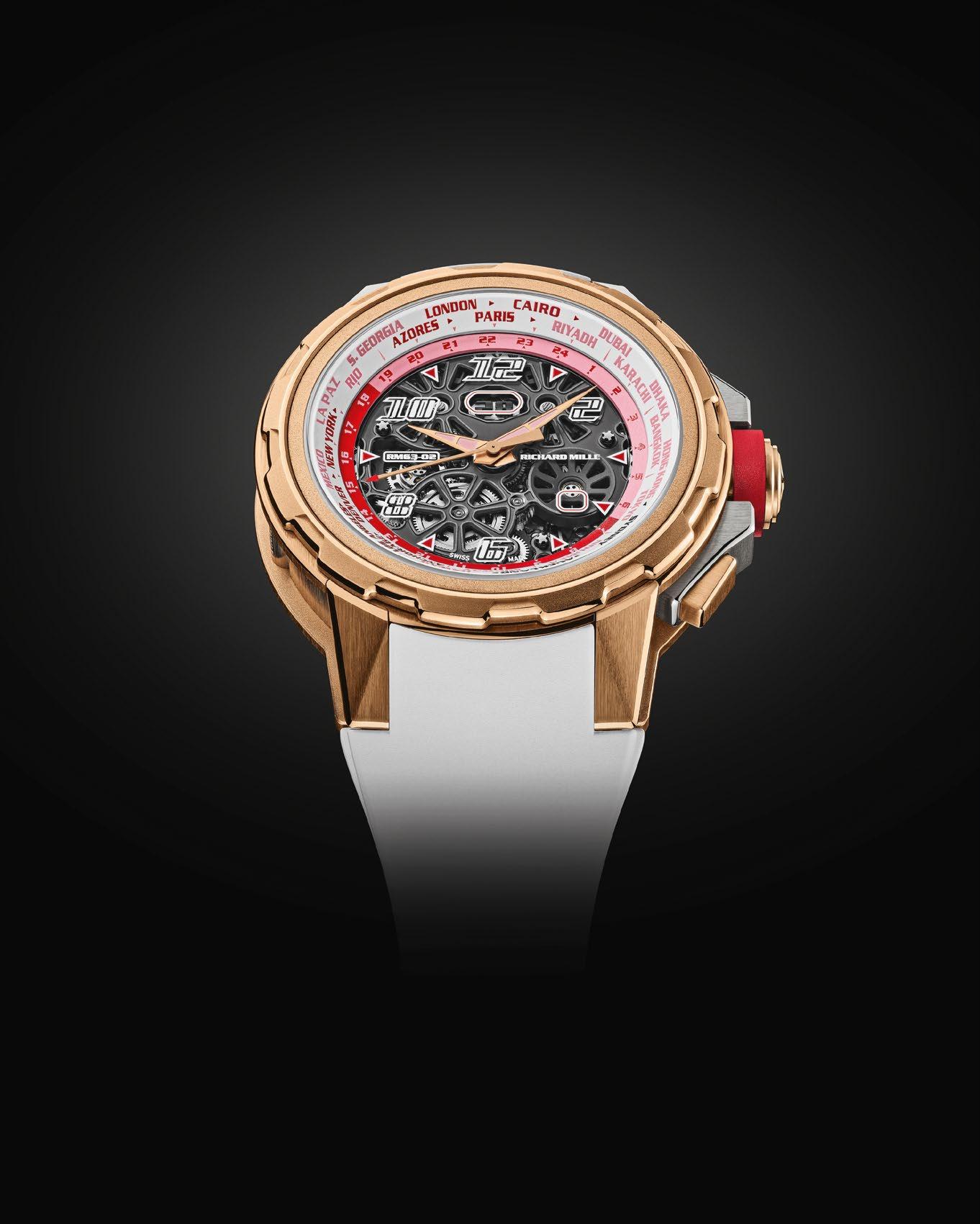
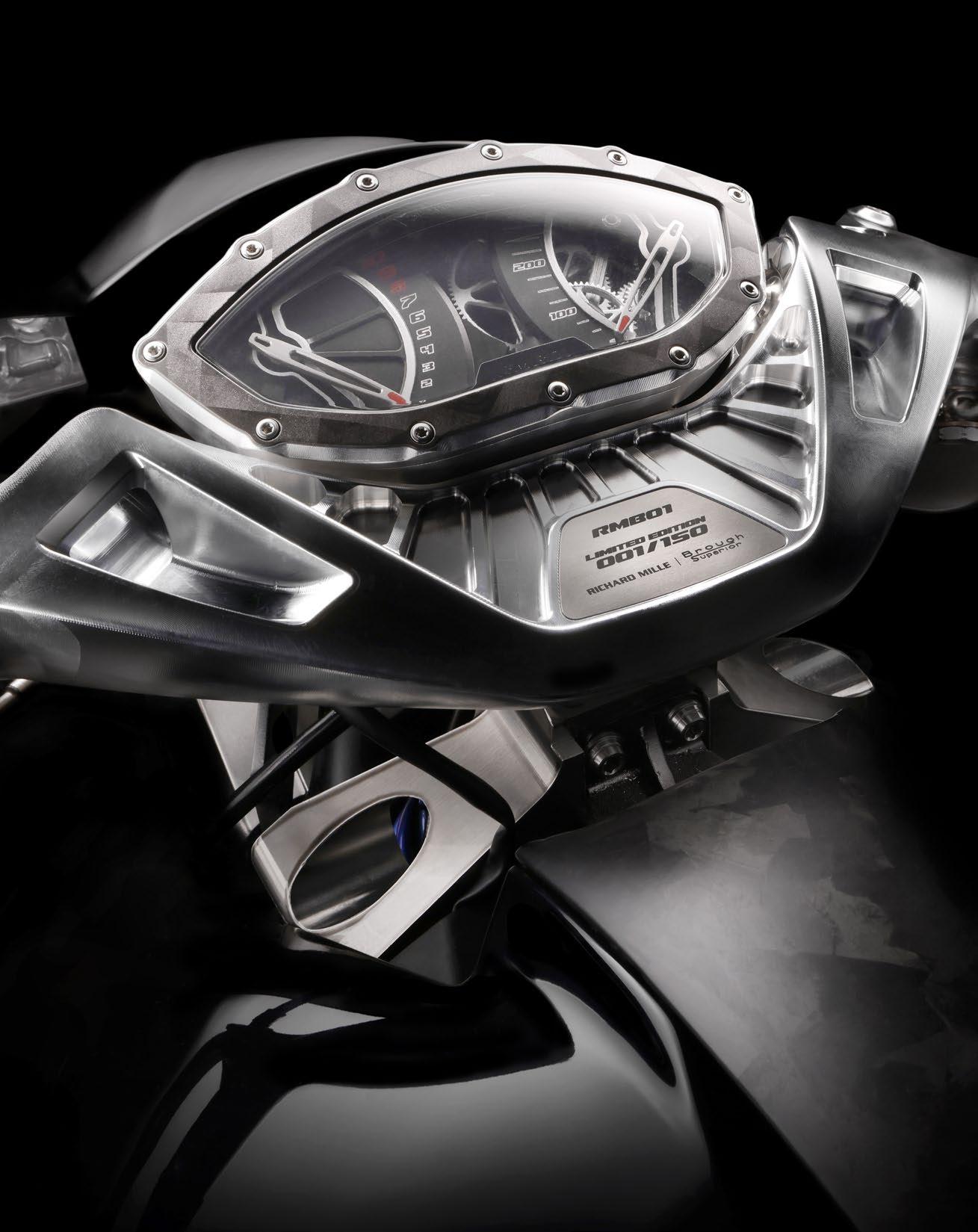
In the Richard Mille worldview, watchmaking mechanics exist not merely as static objects, but as precision in motion. With the RMB01, that philosophy leaves the wrist entirely. In collaboration with Brough Superior, the storied maker of hand-built motorcycles, the brand unveils a trackfocused motorcycle, limited to just 150 pieces. It carries the same uncompromising logic, purity and performance found in Richard Mille’s most complex calibres, only now translated into a new, full-scale universe of speed and sculptural engineering.
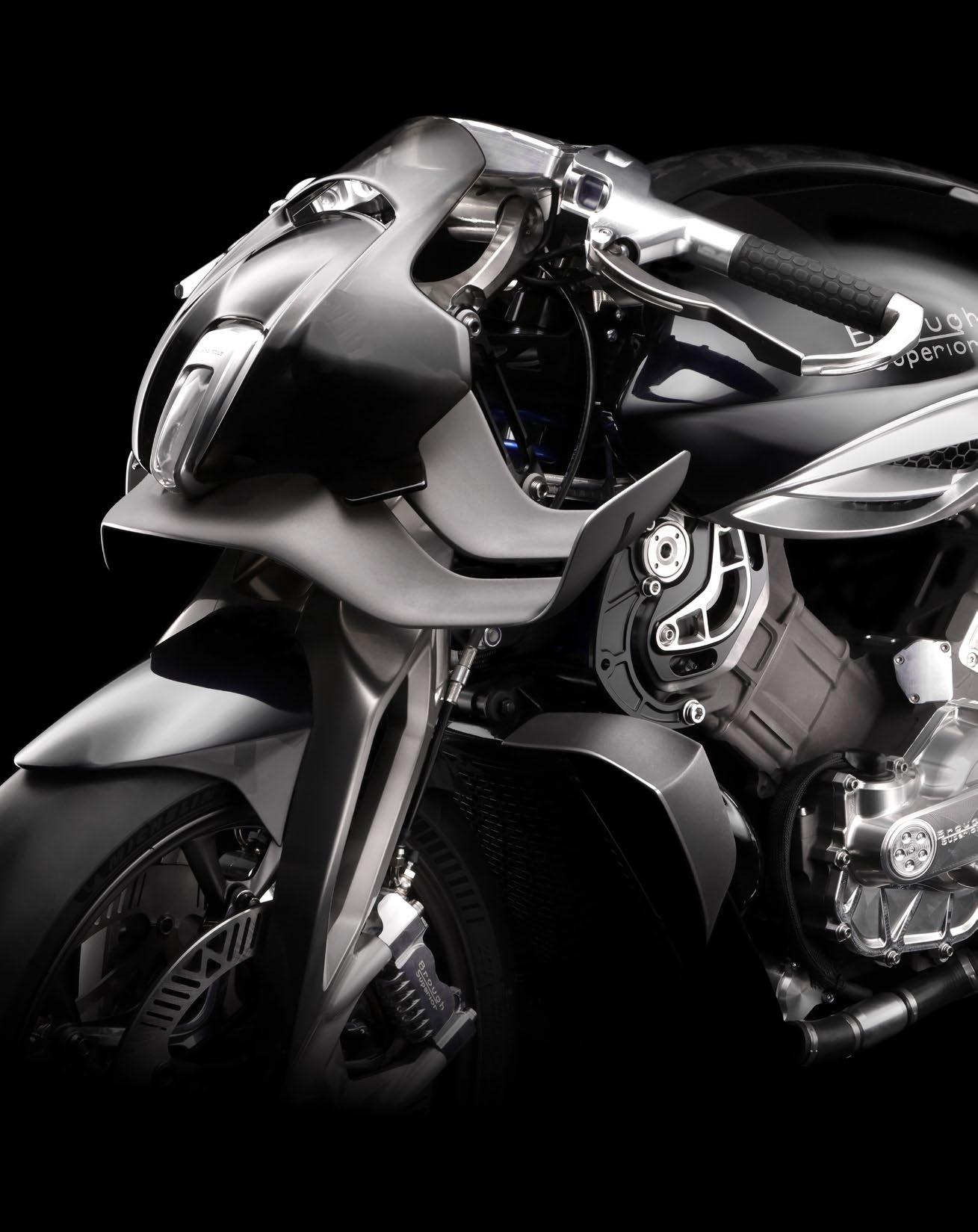
The design draws deeply from the origins of motor racing. Inspired by the stripped-down boardtrackers of the 1910s, America’s first true racing motorcycles, the RMB01 channels the radical simplicity of those early machines, with a wholly exposed engine, a slim tank, a minimalist seat and that unmistakable dropper racing stance. Yet in the hands of Richard Mille and Brough Superior, these archival cues become something resolutely modern. Taut elliptical lines and extensive skeletonisation shape a silhouette that is at once muscular and weightless, suspended around a backbone-like structure that gives the bike its airborne presence, as though captured mid-acceleration even when still.
Such fluidity is the product of a creative dialogue as meticulous as the machine itself. Many hallmarks of Richard Mille’s watchmaking appear throughout the bike’s architecture. Aluminium alloys, titanium and forged carbon echo the maison’s avant-garde material palette, while divided rims mimic the layered geometry of a gear train. Engine casings evoke the sculptural depth of tourbillon movements, and even the hand-finishing reflects haute horlogerie’s most exacting traditions. Every surface is refined, hollowed or shaped with a total absence of compromise, reaffirming the brands’ shared commitment to innovation and extreme craftsmanship.
At its heart lies a hand-built Brough Superior V-twin, crafted with exceptional mastery. The signature Fior-type double wishbone fork adds a choreography of moving parts, bringing balance and precision that again feel almost horological in their delicacy. Offered in three striking liveries, Nocturnal Sapphire, Selene and Pearl of Speed, the RMB01 pairs performance with a sculptural serenity rarely seen in motorcycle design.
Entirely conceived and hand-crafted in France, the RMB01 stands as a tourbillon reborn for the racetrack. It is, ultimately, a creation for collectors who demand excellence without concession, and a machine with the soul of a timepiece, the posture of a race thoroughbred, and the presence to redefine what mechanical luxury can be.
RICHARD MILLE X BROUGH SUPERIOR RMB01
HP 130
CYLINDERS VTWIN
LITRES 0,997
PRICE ON REQUEST
Dans l’univers Richard Mille, la mécanique horlogère ne se limite jamais à un objet statique. Elle est pensée comme une précision en mouvement. Avec la RMB01, cette philosophie quitte littéralement le poignet. En collaboration avec Brough Superior, illustre maison de motos artisanales, la marque dévoile une machine conçue pour la piste, éditée à seulement 150 exemplaires. Elle porte en elle la même logique d’exigence absolue, la même pureté et la même performance que les calibres les plus complexes de Richard Mille, transposées cette fois dans un nouvel univers, grandeur nature, où vitesse et ingénierie sculpturale se rencontrent.
Le design plonge ses racines dans les origines du sport mécanique. Inspirée des légendaires boardtrackers des années 1910, premières véritables motos de course américaines, la RMB01 reprend leur radicalité : moteur entièrement apparent, réservoir affiné, selle minimaliste et position de pilotage inclinée si caractéristique. Mais entre les mains de Richard Mille et Brough Superior, ces références d’archives se métamorphosent en une vision résolument contemporaine. Des lignes elliptiques tendues et une large squelettisation dessinent une silhouette à la fois musclée et aérienne, articulée autour d’une structure dorsale qui semble suspendre la moto dans l’espace comme saisie en pleine accélération.
Cette fluidité est le résultat d’un dialogue créatif aussi minutieux que la machine elle-même. Les codes de l’horlogerie Richard Mille imprègnent l’architecture du modèle. Alliages d’aluminium, titane et carbone forgé rappellent la palette avant-gardiste de la maison, tandis que les jantes scindées évoquent la géométrie stratifiée d’un train d’engrenages. Les carters moteur font écho à la profondeur sculpturale d’un tourbillon et même le travail de finition reflète les traditions les plus exigeantes de la haute horlogerie. Chaque surface est raffinée, évidée ou façonnée sans la moindre concession, réaffirmant l’engagement commun des deux maisons pour l’innovation et l’excellence artisanale.
Au cœur de la RMB01 bat un V-twin Brough Superior assemblé à la main, conçu avec une maîtrise hors pair. La fourche Fior à double triangle ajoute une véritable chorégraphie de pièces en mouvement, apportant un équilibre et une précision qui, une fois encore, relèvent presque de l’horlogerie dans leur délicatesse. Proposée en trois livrées spectaculaires, Nocturnal Sapphire, Selene et Pearl of Speed, la RMB01 associe performance et sérénité sculpturale, une signature rare dans le design motocycliste.
Entièrement imaginée et façonnée à la main en France, la RMB01 se présente comme un tourbillon réinventé pour le circuit. Elle s’adresse aux collectionneurs en quête d’excellence sans compromis, et incarne une machine avec l’âme d’une montre, la prestance d’une véritable bête de course et la puissance de redéfinir ce que peut être le luxe mécanique.
TEXT: EVANY COLLOUD
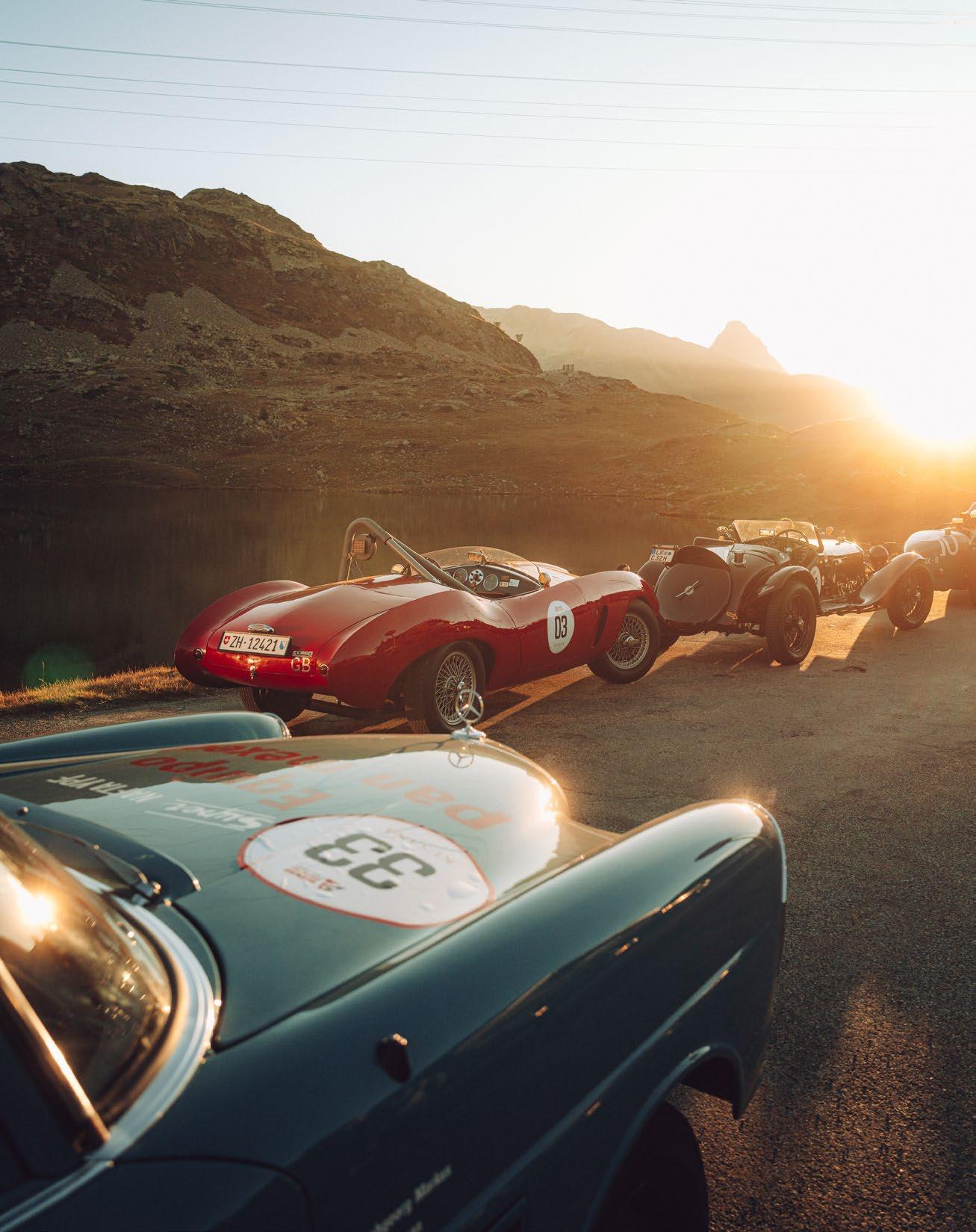
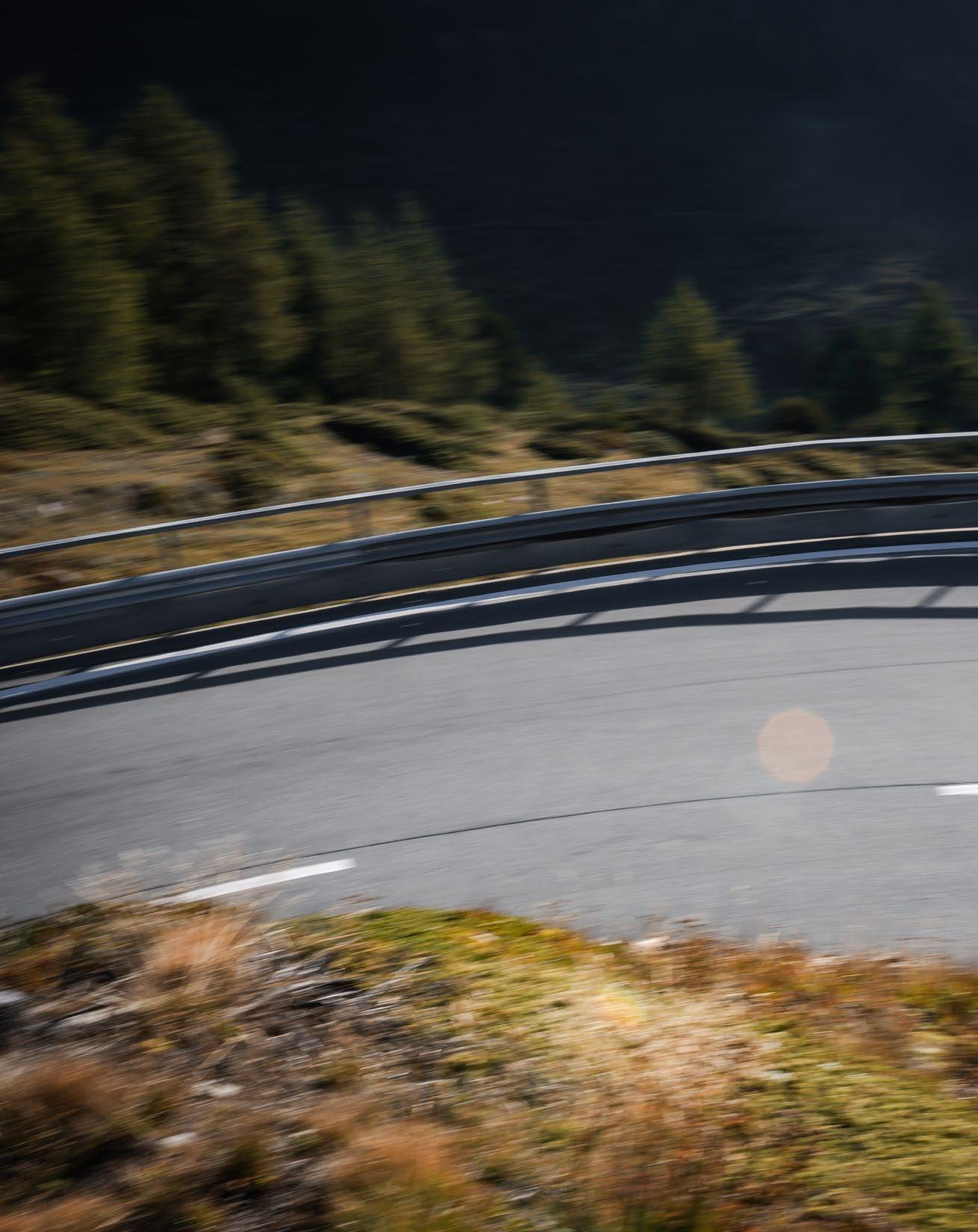
The Bernina Gran Turismo is, above all, a celebration of automotive heritage, a gathering where exceptional models rarely seen together come together. It showcases a fascinating selection of cars, each telling a page of motorsport history. The lineup combines pre-war Grand Prix machines, endurance icons, and rally legends, offering enthusiasts a true journey through the decades.
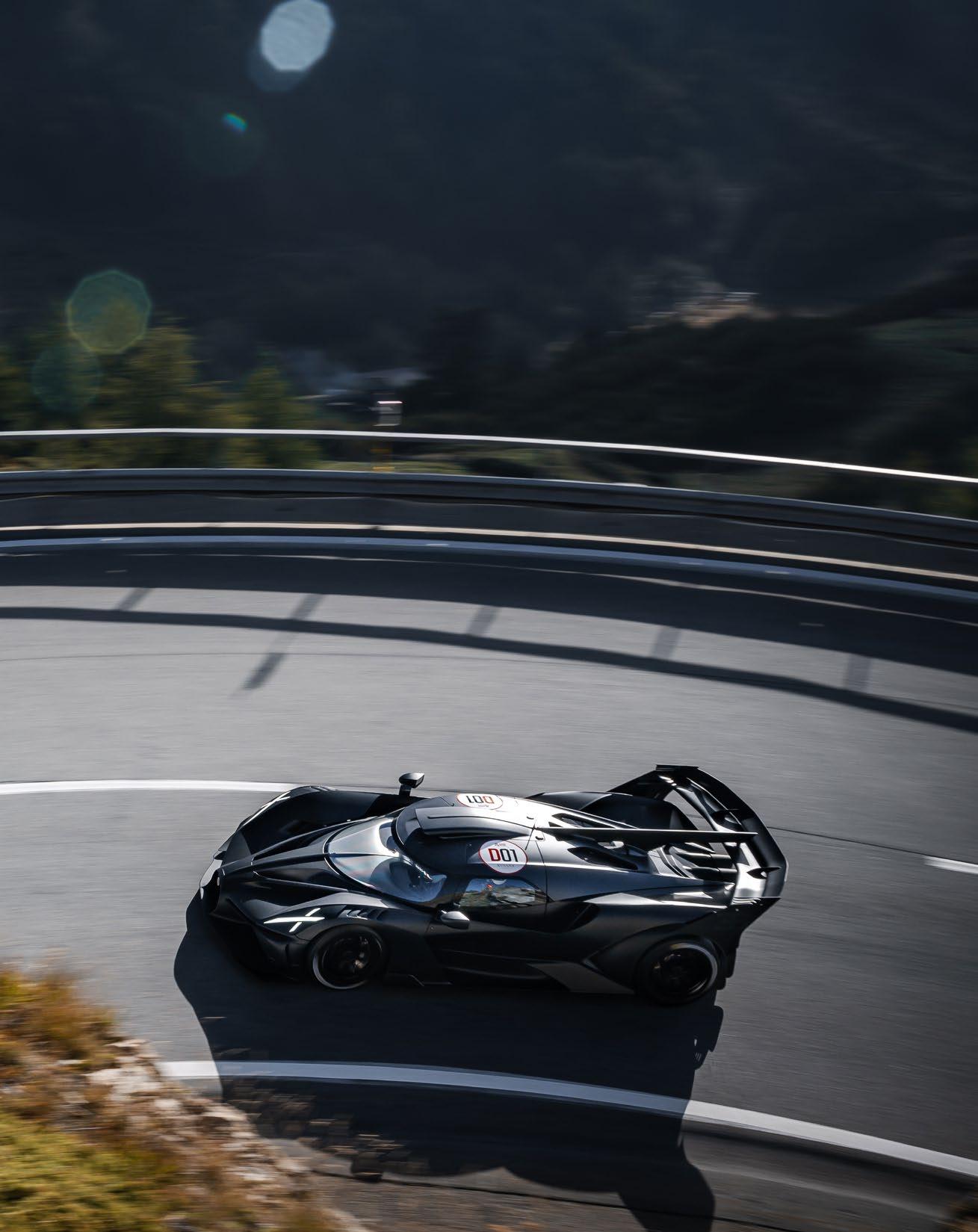
Among the treasures on display are the Bugatti Type 59 Sports, considered one of the rarest racing cars of its era, the Ferrari 250 GT SWB SEFAC Competition, the Lancia Rally 037 Group B, as well as several Mercedes-Benz 300 SL and 190 SL in their racing versions. The highly anticipated appearance of the Bugatti Bolide, driven by Fritz Burkard, Andy Wallace, and Mate Rimac, illustrates the Bernina Gran Turismo’s ability to combine heritage, innovation, and key figures of the automotive world.
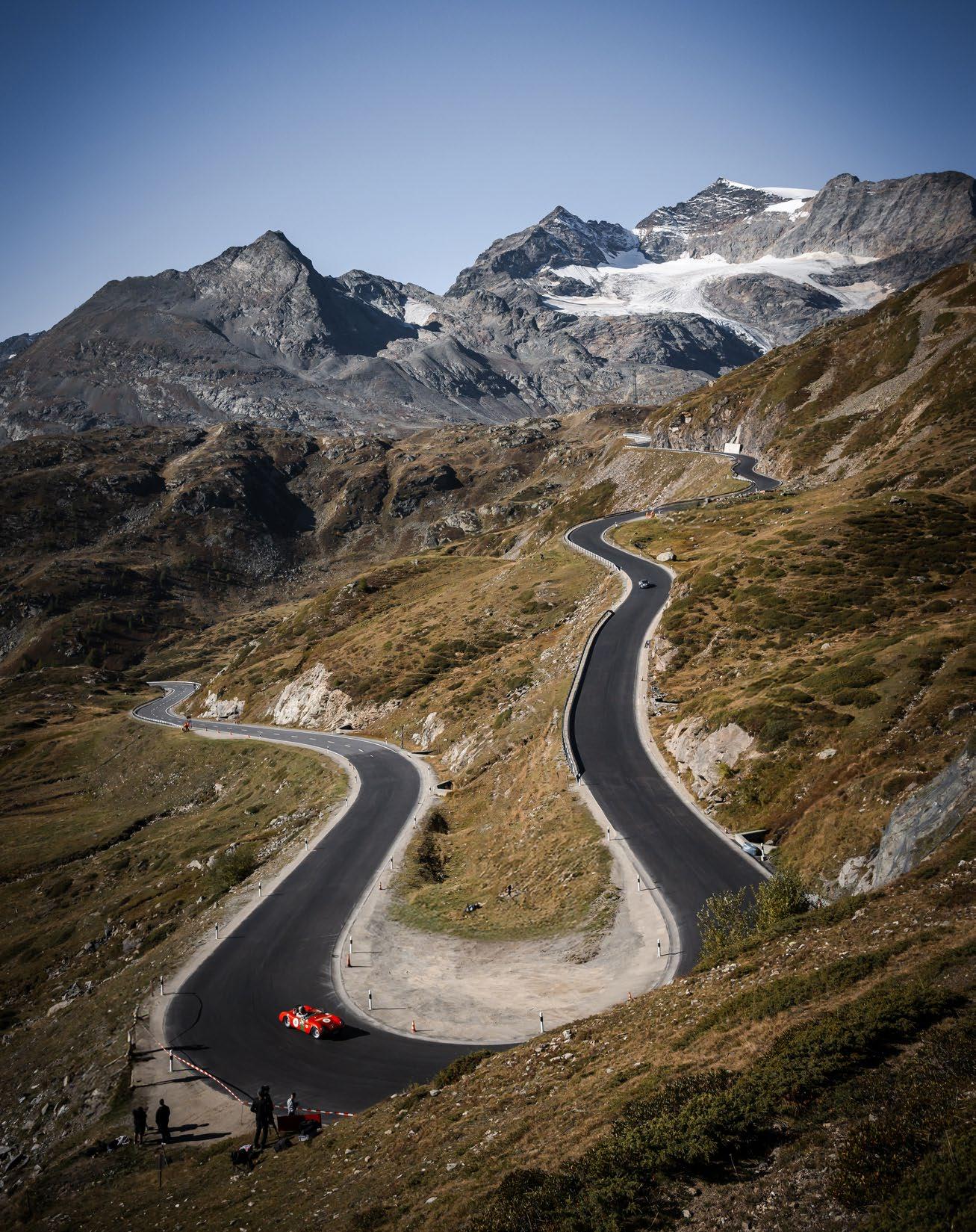
Beyond its exceptional lineup, the Bernina Gran Turismo has established itself as an unmissable annual event and one of Europe’s most exclusive hill climbs. Held on the legendary Bernina Pass, between St. Moritz and Poschiavo, its most recent edition took place in September 2025, marking ten years of modern revival and a century of motorized travel in the Grisons. Building on this success, the event will return from September 11 to 13, 2026, continuing a tradition where precision, performance, and automotive heritage meet in an extraordinary setting.
The landscape in which the cars compete gives the Bernina Gran Turismo a unique dimension. The 5.7-kilometer course, featuring more than fifty turns, climbs to 2,300 meters in the heart of the Alps. The road winds through high-altitude forests, rocky cliffs, and open panoramas that seem to stretch endlessly. Each ascent becomes a living tableau, where engine power contrasts with the purity of the scenery. The silence of the high mountains, broken by the roar of the cars, creates an almost theatrical atmosphere. Spectators, whether positioned along the route or watching live, discover a landscape that enhances every automotive silhouette. The setting becomes a true protagonist, shaping the identity of the event and offering an unparalleled visual experience.
The atmosphere of the Bernina Gran Turismo goes far beyond competition. Thanks to live broadcasts and experiences offered in St. Moritz, such as simulators allowing visitors to try the climb themselves, the event reaches a wider audience than those present along the road. Everywhere, the atmosphere remains warm, welcoming, and focused on sharing, strengthening the connection between drivers, teams, and spectators. Luca Moiso, event director, explains that the identity of the Bernina Gran Turismo lies in the meeting of automotive heritage and mountain landscapes, a simple yet rare combination that creates a truly memorable experience.
Le Bernina Gran Turismo est avant tout une célébration du patrimoine automobile, un rendez-vous où se côtoient des modèles d’exception rarement réunis ailleurs. Il présente une sélection fascinante de voitures, chacune racontant une page de l’histoire du sport mécanique. Le plateau mêle machines de Grand Prix d’avant-guerre, icônes de l’endurance et légendes du rallye, offrant aux passionnés un véritable voyage à travers les décennies.
Parmi les joyaux présents, on distingue la Bugatti Type 59 Sports, considérée comme l’une des plus rares voitures de compétition de son époque, la Ferrari 250 GT SWB SEFAC Competition, la Lancia Rally 037 Group B, ainsi que plusieurs Mercedes-Benz 300 SL et 190 SL dans leurs versions de course. L’apparition remarquée de la Bugatti Bolide, pilotée par Fritz Burkard, Andy Wallace et Mate Rimac, illustre la capacité du Bernina Gran Turismo à réunir patrimoine, innovation et figures majeures du monde automobile.
Au-delà de son plateau exceptionnel, le Bernina Gran Turismo s’impose comme un rendez-vous annuel incontournable et l’une des courses de côte les plus exclusives d’Europe. Organisé sur le légendaire col de la Bernina, entre St. Moritz et Poschiavo, il a tenu sa dernière édition en septembre 2025, marquant dix ans de renaissance moderne et un siècle de circulation motorisée dans les Grisons. Fort de ce succès, l’événement fera son retour du 11 au 13 septembre 2026, poursuivant une tradition où précision, performance et patrimoine automobile se rencontrent dans un cadre exceptionnel.
Le décor dans lequel évoluent les véhicules confère au Bernina Gran Turismo une dimension unique. Le tracé, long de 5,7 kilomètres et ponctué de plus de cinquante virages, culmine à 2 300 mètres au cœur des Alpes. La route serpente entre forêts d’altitude, parois minérales et panoramas ouverts qui semblent s’étendre à l’infini. Chaque montée se transforme en tableau vivant, où la puissance des moteurs contraste avec la pureté des paysages. Le silence de la haute montagne, rompu par le passage des voitures, crée une atmosphère presque théâtrale. Les spectateurs, qu’ils se placent le long du tracé ou suivent l’événement en direct, découvrent un paysage qui magnifie chaque silhouette automobile. Le décor devient un véritable protagoniste, façonnant l’identité de l’événement et offrant une expérience visuelle incomparable.
L’ambiance du Bernina Gran Turismo dépasse largement le cadre de la compétition. Grâce à la diffusion en direct et aux expériences proposées à St. Moritz, comme les simulateurs permettant de tenter soi-même la montée, l’événement s’ouvre à un public plus large que celui présent au bord de la route. Partout, l’atmosphère reste chaleureuse, accessible et tournée vers le partage, renforçant la proximité entre pilotes, équipes et spectateurs. Luca Moiso, directeur de l’événement, explique que l’identité du Bernina Gran Turismo repose sur la rencontre entre patrimoine automobile et paysage de montagne, une combinaison simple mais rare qui crée une expérience mémorable. WWW.BERNINA-GRANTURISMO.COM
TEXT: MARTIN MACKENZIE
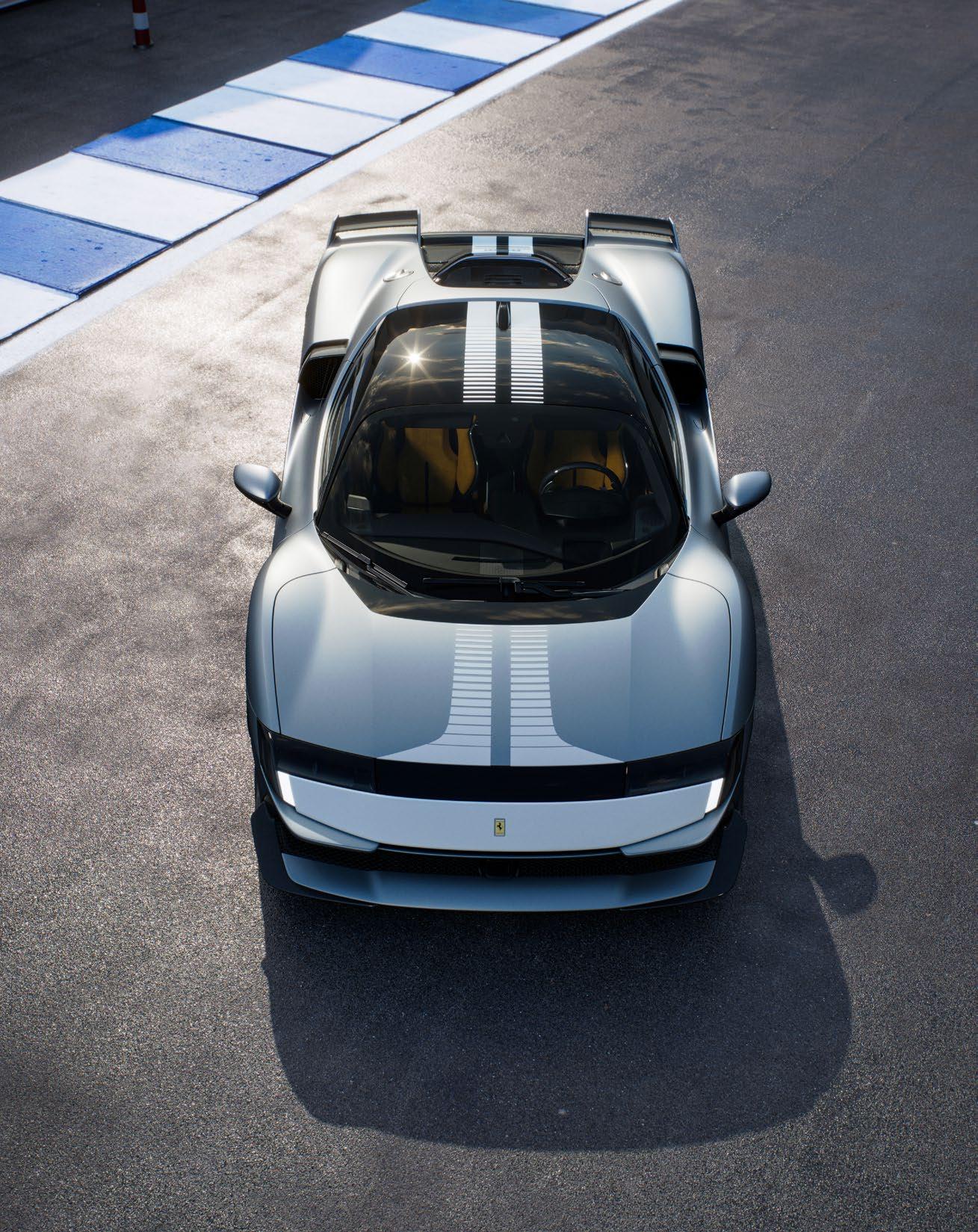
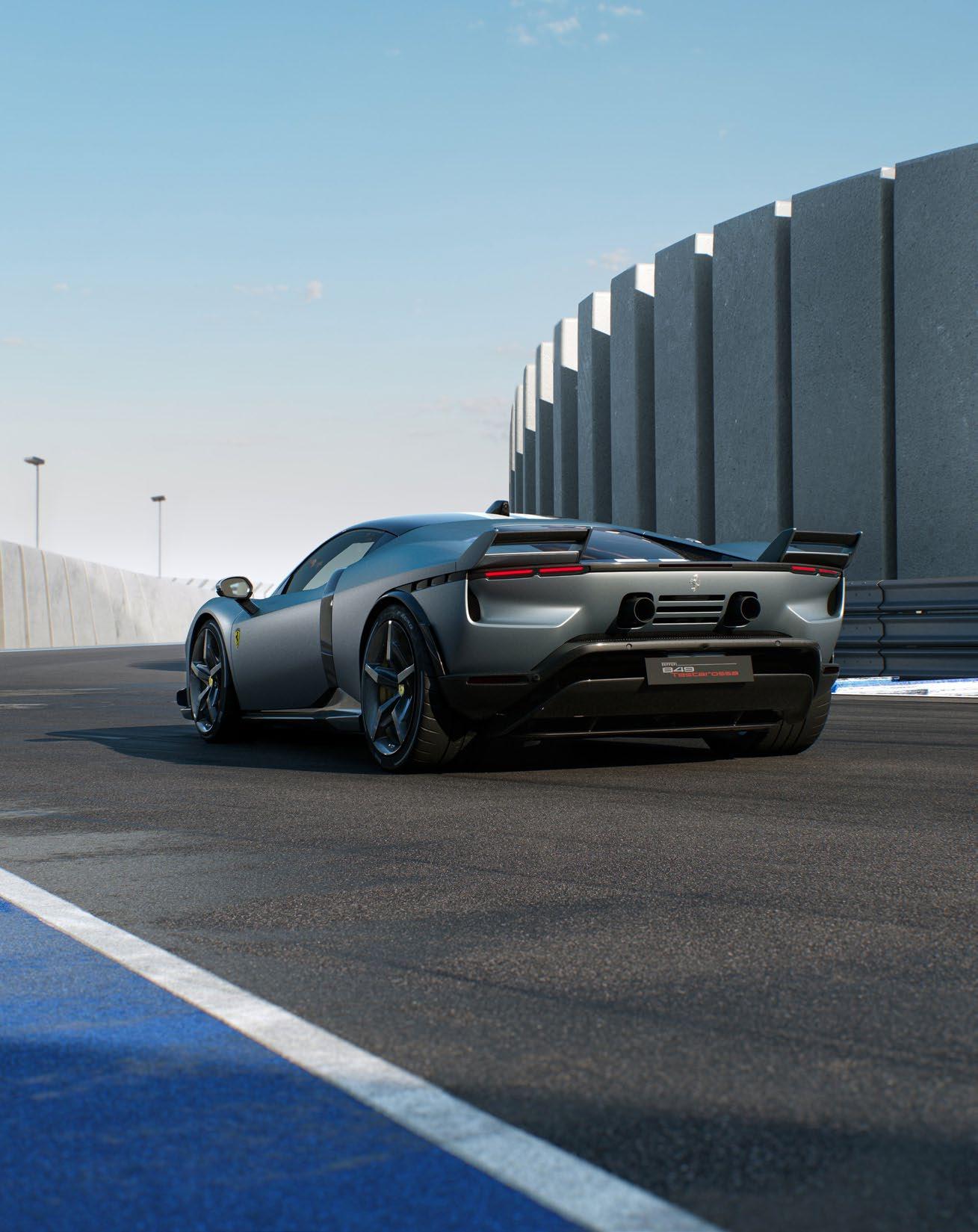
The return of the Testarossa name is never a casual decision. With the unveiling of the 849 Testarossa, Ferrari reclaims one of the most evocative designations in its history and positions it at the very summit of the range. This new hybrid plug-in super sports berlinetta replaces the SF90 Stradale, and surpasses it in every measurable dimension.
From the first kilometres behind the wheel, the figures become tangible reality. The completely reengineered twin-turbo V8 delivers 830 cv on its own, while three electric motors contribute a further 220 cv, bringing total output to a remarkable 1050 cv. The result is one of the highest outputs ever achieved by a series-production Ferrari. Yet the numbers tell only part of the story. The new, largestever turbochargers fitted to a road-going Ferrari generate relentless acceleration, while refined calibration strategies minimise lag and preserve the immediacy that defines the marque’s V8 lineage.
The hybrid architecture, derived from Ferrari’s motorsport expertise, integrates two front electric motors enabling torque vectoring and all-wheel drive, alongside a rear MGU-K unit inspired directly by Formula 1. The result is devastating longitudinal thrust and extraordinary lateral precision. Through fast corners, the car feels anchored, its electronic systems working seamlessly with revised suspension geometry and the ABS Evo braking system to provide clarity and confidence at the limit.
In Assetto Fiorano specification, the 849 Testarossa sharpens its focus even further. A 30 kg weight reduction, achieved through extensive use of carbon fibre and titanium, including 20-inch carbon fibre wheels and lightweight tubular seats, enhances responsiveness under acceleration and braking. Aerodynamic revisions are equally dramatic. Enlarged front flicks and additional vortex generators optimise airflow, while at the rear, twin high-incidence wings replace the twin-tail architecture. The effect is striking both visually and dynamically, effectively tripling rear downforce compared to the standard configuration without significant drag penalty.
At 250 km/h, total downforce reaches 415 kg, 25 kg more than the SF90 Stradale, while cooling efficiency improves by 15 percent. The synergy between form and function is unmistakable, with styling cues inspired by 1970s Sports Prototypes expressed through sharp, architectural lines and muscular volumes.
Inside, the cockpit blends single-seater inspiration with refined craftsmanship. The central sail motif integrates an F80-inspired gear-change gate, while the new steering wheel restores tactile mechanical buttons, including the iconic red engine start control. Despite its extreme performance envelope, comfort and ergonomics remain uncompromised.
The 849 Testarossa Assetto Fiorano is a technological manifesto, a car conceived for those who demand the ultimate expression of performance, innovation and heritage in one uncompromising statement.
CYLINDERS V8, TWIN-TURBO
LITRES 4,0
ELECTRIC MOTORS 3
COMBINED HP 1050
0 TO 100 KM/H 2,3 SECONDS
TOP SPEED 330 KM/H
PRICE ON REQUEST
Le retour du nom Testarossa n’est jamais anodin. Avec le dévoilement de la 849 Testarossa, Ferrari réactive l’une des appellations les plus évocatrices de son histoire et la positionne au sommet absolu de sa gamme. Cette nouvelle berlinette super sportive hybride rechargeable remplace la Ferrari SF90 Stradale et la surpasse dans toutes les dimensions mesurables.
Dès les premiers kilomètres au volant, les chiffres prennent une dimension tangible. Le twin-turbo V8 entièrement réingénieré développe à lui seul 830 ch, tandis que trois moteurs électriques apportent 220 ch supplémentaires, portant la puissance totale à un impressionnant 1050 ch. Cette puissance place la voiture parmi les niveaux les plus élevés jamais atteints par une Ferrari de série. Pourtant, les chiffres ne racontent qu’une partie de l’histoire. Les nouveaux turbocompresseurs, les plus imposants jamais montés sur une Ferrari de route, délivrent des accélérations fulgurantes, tandis que des stratégies de calibration affinées minimisent le temps de réponse et préservent l’immédiateté qui caractérise la lignée des V8 de la marque.
L’architecture hybride, issue de l’expertise de Ferrari en sport automobile, intègre deux moteurs électriques sur l’essieu avant permettant le torque vectoring et la transmission intégrale, ainsi qu’un MGU-K arrière directement inspiré de la Formule 1. Cette configuration produit une poussée longitudinale saisissante et une précision latérale exceptionnelle. Dans les enchaînements rapides, la voiture semble littéralement rivée à l’asphalte, ses systèmes électroniques travaillant en parfaite harmonie avec une géométrie de suspension revue et le système de freinage ABS Evo, garantissant lisibilité et confiance à la limite.
En configuration Assetto Fiorano, la 849 Testarossa affirme encore davantage son caractère. Une réduction de poids de 30 kg, obtenue grâce à l’utilisation intensive de fibre de carbone et de titane incluant des jantes carbone de 20 pouces et des sièges tubulaires allégés, améliore la réactivité à l’accélération comme au freinage. Les évolutions aérodynamiques sont tout aussi spectaculaires. Des flicks avant élargis et des générateurs de vortex supplémentaires optimisent les flux d’air, tandis qu’à l’arrière deux ailes à forte incidence remplacent l’architecture à double dérive. L’effet est saisissant, visuellement comme dynamiquement, triplant l’appui arrière par rapport à la configuration standard sans pénalité significative en traînée.
À 250 km/h, l’appui total atteint 415 kg, soit 25 kg de plus que la SF90 Stradale, tandis que l’efficacité du refroidissement progresse de 15 %. La synergie entre forme et fonction est évidente, avec des références stylistiques aux Sport Prototypes des années 1970 traduites par des lignes architecturales acérées et des volumes puissamment sculptés.
À bord, le cockpit marie inspiration monoplace et raffinement artisanal. Le motif central en voile intègre une grille de sélection inspirée de la Ferrari F80, tandis que le nouveau volant réintroduit des commandes mécaniques tactiles, dont l’iconique bouton rouge de démarrage. Malgré des performances extrêmes, confort et ergonomie demeurent irréprochables.
La 849 Testarossa Assetto Fiorano s’impose comme un manifeste technologique, une supercar destinée à ceux qui exigent l’expression ultime de la performance, de l’innovation et de l’héritage dans une déclaration sans compromis.
TEXT: MEGAN TOMOS
TUDOR expands its storied Ranger lineage with new models that distill nearly a century of expedition DNA into a modern statement of resilience and understated sophistication. Born in 1929 and tested everywhere from the ice fields of Greenland to the sun-scorched dunes of the Empty Quarter, and even across the demanding terrains of the Dakar Rally, the Ranger has always been a watch for those who move through the world with purpose. The latest evolution introduces a streamlined 36mm case and a refined “Dune White” dial, a subtle nod to vast desert landscapes. Staying true to its blend of traditional craftsmanship and toolwatch spirit, the Ranger remains robust, reliable and beautifully uncomplicated, featuring satin-brushed steel, luminous numerals, Manufacture Calibres and TUDOR’s signature T-fit clasp. Shaped by endurance and designed for modern explorers, it is an instrument for those who value purity, precision and a sense of adventure woven quietly into every detail, from polar horizons to desert heat and the legendary routes of the Dakar.
Avec la nouvelle Ranger Dune White, TUDOR poursuit l’enrichissement d’une lignée née en 1929 et forgée au rythme des grandes expéditions. Des glaces du Groenland aux dunes incandescentes de l’Empty Quarter, jusqu’aux terrains exigeants le Rallye Dakar, la Ranger accompagne depuis près d’un siècle ceux qui explorent le monde avec intention et authenticité. Pour 2025, la maison présente une évolution subtile mais déterminante : un boîtier de 36 mm aux lignes épurées et un cadran « Dune White », inspiré des horizons désertiques. L’esthétique demeure fidèle à l’esprit originel, un équilibre précis entre outil d’exploration et savoir-faire, avec son acier satiné, ses chiffres luminescents, ses calibres Manufacture et le fermoir T-fit signature de TUDOR. Résolument fonctionnelle mais pensée avec une élégance discrète, la nouvelle Ranger s’adresse aux explorateurs contemporains, à ceux qui voient dans une montre non seulement un instrument fiable mais aussi une expression de pureté, de précision et d’aventure intérieure, celle qui mène des pôles gelés aux déserts vibrant sous le soleil, et des pistes du Dakar aux frontières du quotidien.
WWW.TUDORWATCH.COM | CHF 3'175.-

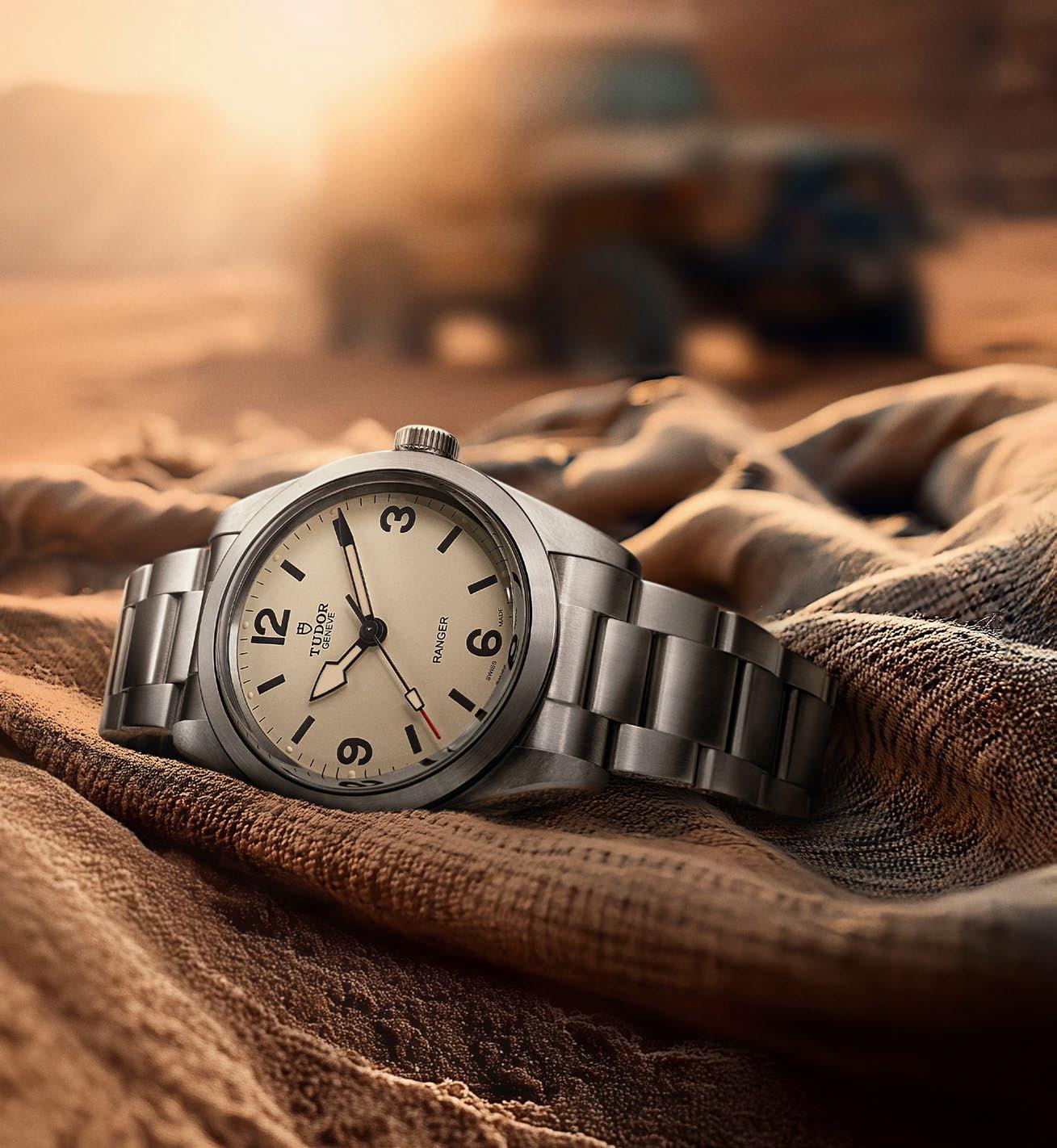
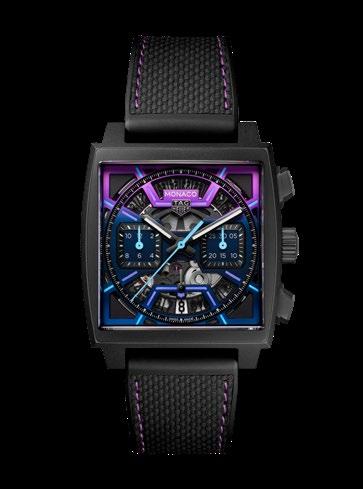
TEXT: KARIM AEID
An icon of motorsport, the TAG Heuer Monaco Chronograph is reimagined in a limited edition inspired by nighttime Formula 1 racing. Its 39 mm square case in black DLC-coated titanium houses a skeletonized dial with violet and blue hues, evoking the transition from day to night. Powered by the automatic TH20-00 calibre, it combines performance with bold character. Limited to 600 pieces, this Monaco captures the adrenaline, speed, and daring spirit of night-driving enthusiasts.
Icône de la course automobile, la TAG Heuer Monaco Chronograph se réinvente dans une édition limitée inspirée des courses nocturnes de Formule 1. Son boîtier carré de 39 mm en titane DLC noir abrite un cadran squeletté aux reflets violet et bleu, évoquant le passage du jour à la nuit.
Animée par le calibre automatique TH20-00, elle conjugue performance et caractère. Produite à 600 exemplaires, cette Monaco capture l’adrénaline, la vitesse et l’audace des passionnés de conduite nocturne.
WWW.TAGHEUER.COM | CHF 11'000.-
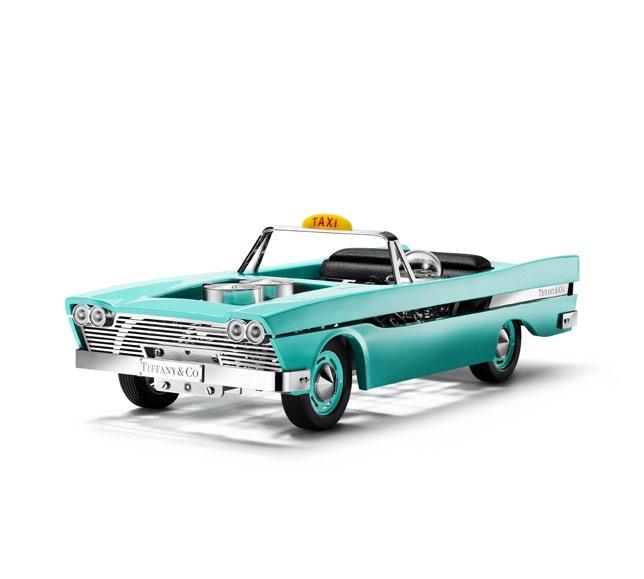
TEXT: KARIM AEID
Since 2022, Tiffany & Co. has been reinventing watchmaking with its Time Objects, true kinetic art pieces for the home. The Tiffany Taxi, a nod to 1950s New York cabs, is crafted in aluminum and finished in Tiffany Blue. Powered by a manually wound mechanical movement by L’Epée 1839 with an eight-day power reserve, it features two independent mechanisms: one for the time, the other for a miniature V8 engine, creating a piece where design and mechanics are in full motion.
Depuis 2022, Tiffany & Co. réinvente l’horlogerie avec ses Time Objects, véritables œuvres d’art cinétiques. La Tiffany Taxi, clin d’œil aux taxis new-yorkais des années 1950, est façonnée en aluminium et peinte en Tiffany Blue. Animée par un mouvement mécanique à remontage manuel signé L’Epée 1839 avec huit jours de réserve de marche, elle combine deux mécanismes : l’un pour l’heure, l’autre pour un moteur V8 miniature, offrant une expérience où design et mécanique roulent à plein régime.

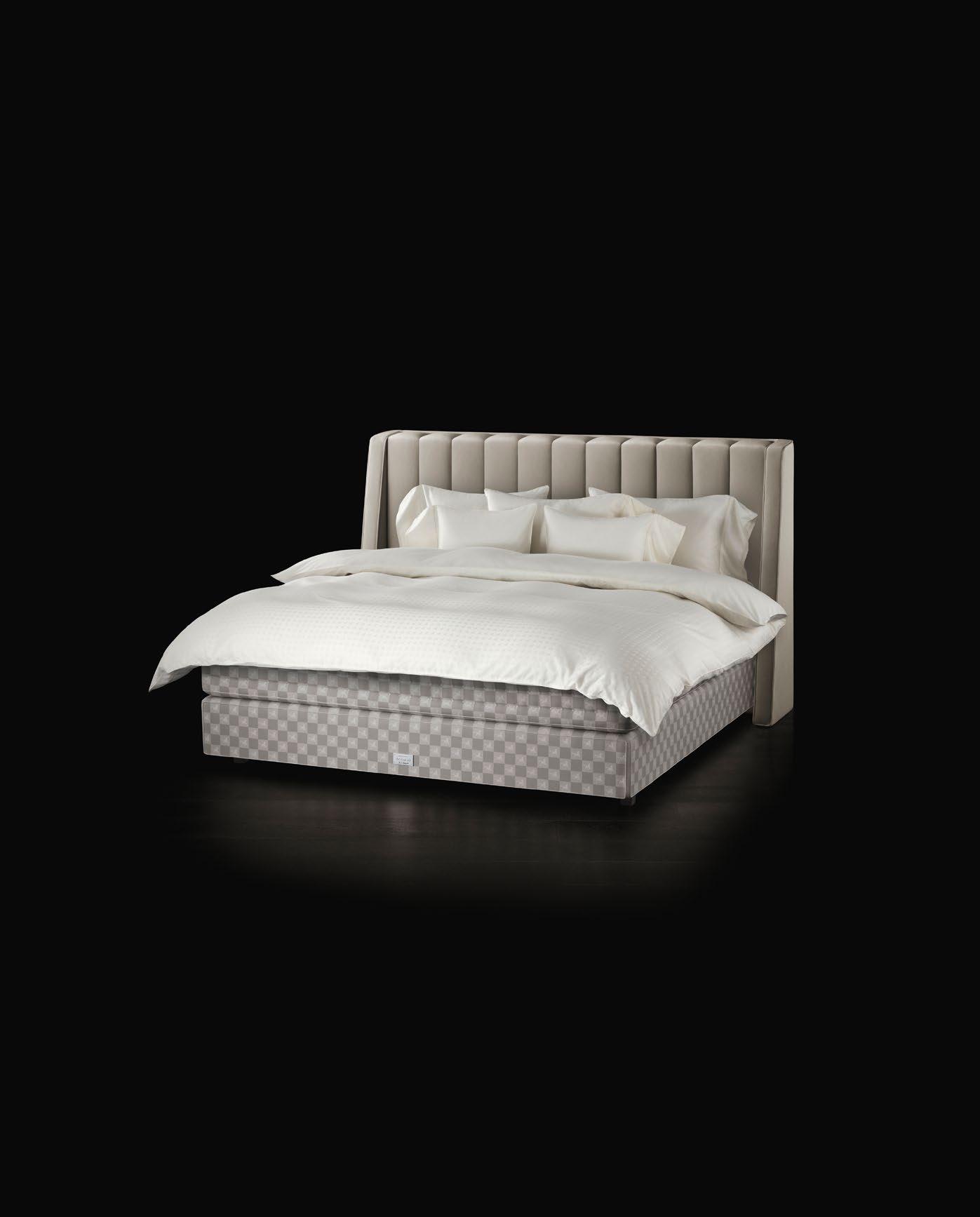


ETERNAL ASCENT | TEMPLE OF REFINEMENT LIMITLESS CREATIVITY | LIVING ART | ESSENTIELS
ZAYED NATIONAL MUSEUM
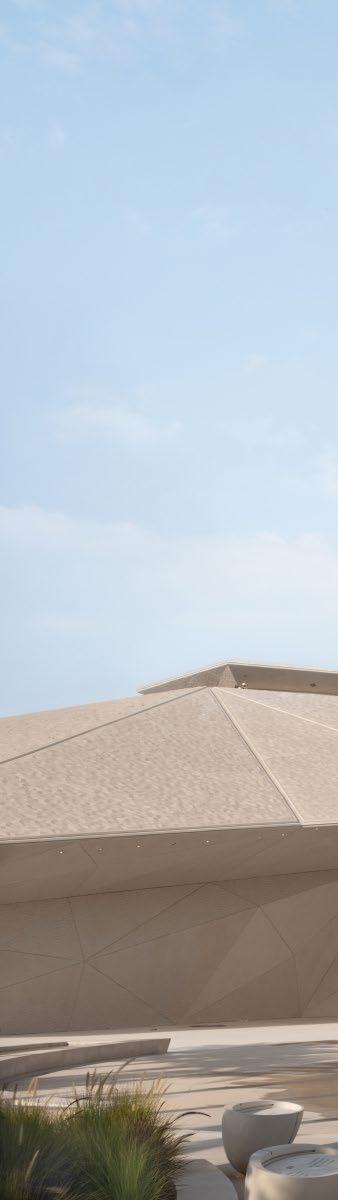
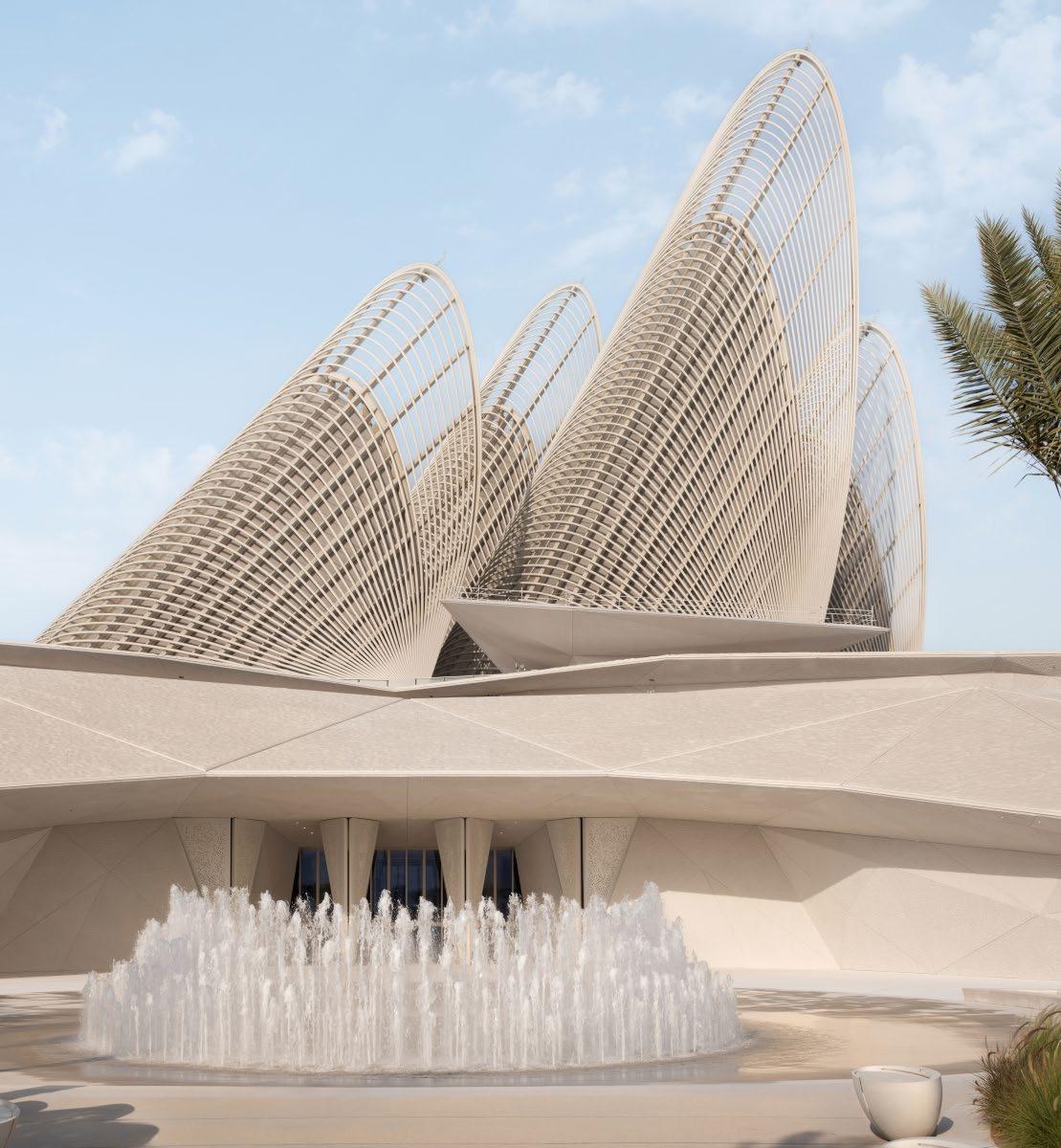
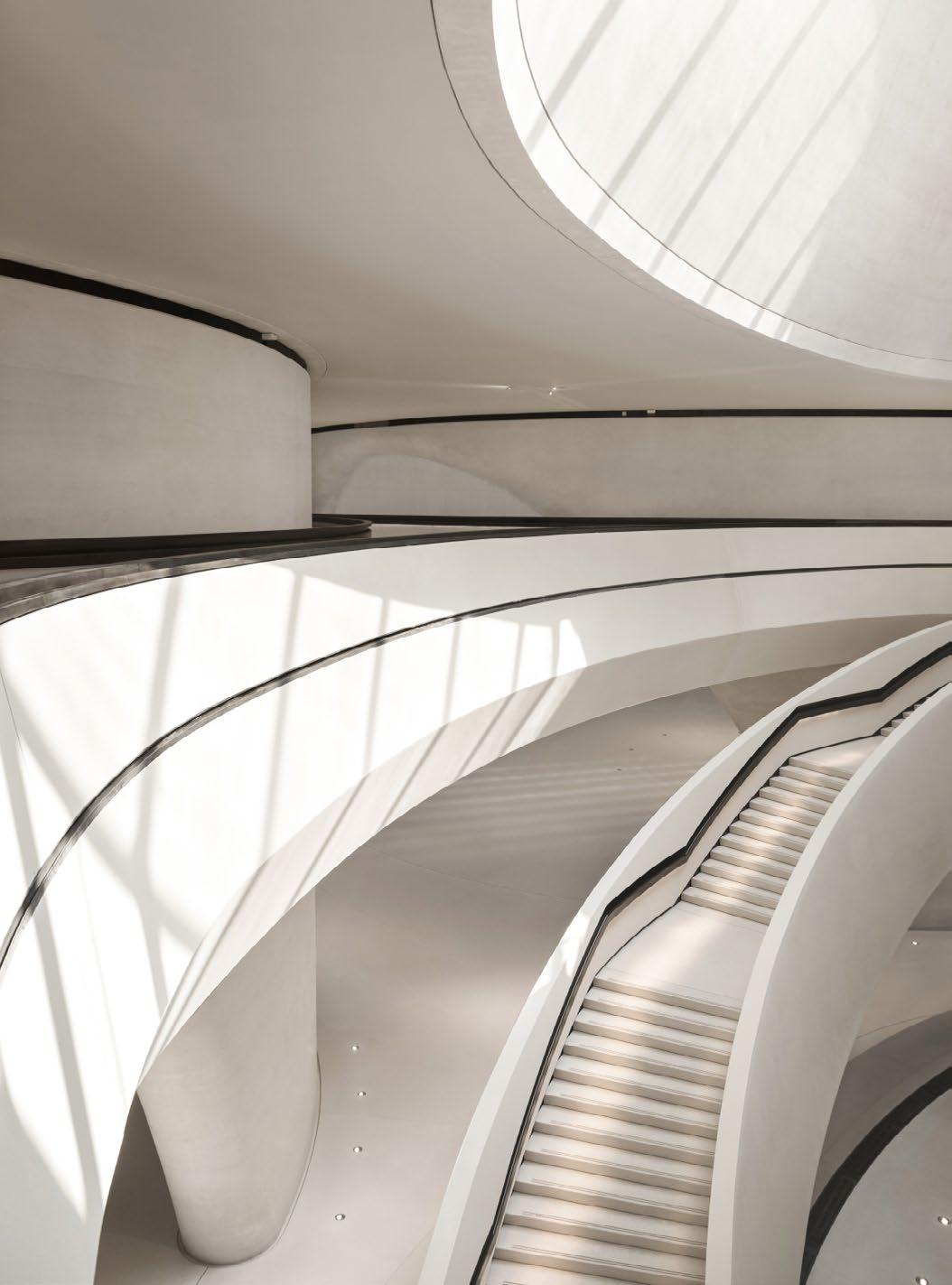
TEXT: MEGAN TOMOS
Long before a visitor steps through its doors, the Zayed National Museum announces itself on the horizon. Its sweeping steel wings, inspired by the arc of a falcon in flight, rise above Abu Dhabi’s Saadiyat Cultural District as if catching the desert wind. Yet the architecture is only the prologue. Inside, the national museum of the United Arab Emirates unfolds a narrative as much about design as it is about identity, forming an intricate dialogue between the land and its people.
Opening its doors in late 2025, the Zayed National Museum reflects the architectural vision of Pritzker Prize–winning Lord Norman Foster and his studio, Foster + Partners, whose approach blends technological mastery with cultural resonance. The building’s five steel wings rise dramatically from the desert floor, each an ode to Sheikh Zayed bin Sultan Al Nahyan’s lifelong passion for falconry. Inside, Foster’s design continues this interplay of heritage and innovation. Light wells soften the monumentality of the interior, circulation pathways follow the natural flow of the landscape, and galleries are arranged along a narrative spine, guiding visitors from deep time to modern history.
The Al Masar Garden, a 600-metre outdoor gallery tracing a path from the Saadiyat shoreline to the museum’s soaring entrance, is conceived as a living landscape of oases and desert textures. Inside, the atrium’s monumental volume immediately restores a sense of scale, both architectural and historical. Here, the Magan Boat sits like an anchor in time: an 18-metre reconstruction of an ancient vessel built with reeds, palm fibre, and goat hair, the result of years of research to create a coherent spatial experience.
The Zayed National Museum is deeply rooted in the UAE’s cultural fabric. Its 1,500 objects, generously donated by families, cultural organisations, and collectors across the Emirates, compose a story that has, until now, been largely preserved through oral history. The gallery dedicated to Sheikh Zayed frames his life not through grand symbols but through intimate details: a well-worn rattan stick, a personal Quran, and an exact replica of his Chrysler. Further galleries expand the narrative outward: the UAE’s diverse biomes rendered through sculptural forms and mineral studies, and the region’s ancient history traced through pottery, copperware, and the enigmatic Hili Grand Tomb.
Design becomes a quiet but persistent thread throughout. Whether it is a coin linking Arabian and Hellenistic cultures, or the silhouette of a Bronze Age tool, each object becomes evidence of innovation across millennia. Even the museum’s architecture functions as an archive of ideas, with its towers doubling as thermal chimneys, sustainable engineering responding to desert conditions, and interior galleries balancing serenity with spectacle. In a landscape where design is often measured by ambition, the Zayed National Museum stands apart through the singular clarity of its purpose.
Bien avant qu’un visiteur ne franchisse ses portes, le Zayed National Museum se fait déjà remarquer à l’horizon. Ses larges ailes en acier, inspirées de l’arc d’un faucon en plein vol, s’élèvent au-dessus du Saadiyat Cultural District d’Abu Dhabi, comme pour capturer le vent du désert. Pourtant, l’architecture n’est que le prologue de l’expérience. À l’intérieur, le musée national des Émirats arabes unis déploie un récit où design et identité s’entrelacent, établissant un dialogue subtil entre la terre et ses habitants.
Inauguré fin 2025, le musée porte la signature de Lord Norman Foster, lauréat du prix Pritzker, et de son studio Foster + Partners. Chaque aile d’acier s’élève avec élégance, hommage silencieux à la passion de Sheikh Zayed bin Sultan Al Nahyan pour la fauconnerie. À l’intérieur, la scénographie prolonge ce dialogue entre héritage et innovation : les puits de lumière caressent les volumes monumentaux, les circulations suivent les courbes naturelles du paysage, et les galeries s’enchaînent comme un fil narratif, guidant le visiteur des origines antiques jusqu’aux heures contemporaines.
Le jardin Al Masar, galerie extérieure de 600 mètres reliant le rivage de Saadiyat à l’entrée du musée, se déploie tel un paysage vivant où dunes et oasis se fondent dans une harmonie organique. Dans l’atrium, l’immensité des volumes restitue instantanément un sentiment de plénitude et de mesure. Le Magan Boat y trône comme un repère intemporel : 18 mètres de reconstruction d’un navire ancien, en roseaux, fibres de palmier et poils de chèvre, fruit d’une recherche minutieuse, offrant une expérience spatiale unique et enveloppante.
Le musée s’ancre profondément dans le patrimoine culturel des Émirats. Ses 1 500 objets, offerts par des familles, institutions et collectionneurs, racontent des histoires longtemps transmises par la tradition orale. La galerie dédiée à Sheikh Zayed révèle sa vie à travers des détails intimes : un bâton de rotin patiné, un Coran personnel, ou encore la réplique exacte de sa Chrysler. D’autres espaces célèbrent la diversité des biomes émiratis, traduits en formes sculpturales et études minérales, tandis que l’histoire ancienne de la région se découvre à travers poterie, objets en cuivre et le mystérieux tombeau Hili Grand Tomb.
Le design se fait fil conducteur, discret mais omniprésent. Qu’il s’agisse d’une monnaie reliant cultures arabes et hellénistiques ou de la silhouette d’un outil de l’âge du bronze, chaque objet témoigne d’un souffle créatif millénaire. Même l’architecture devient un manifeste : les tours, pensées comme des cheminées thermiques, intègrent une ingénierie durable adaptée au climat désertique, tandis que les galeries intérieures conjuguent sérénité et spectacle. Dans un paysage où le design se mesure souvent à l’audace, le Zayed National Museum impose sa présence par la pureté et la cohérence de son intention, offrant une expérience où chaque détail invite à l’émerveillement, à la contemplation et à la découverte.
WWW.ZAYEDNATIONALMUSEUM.AE
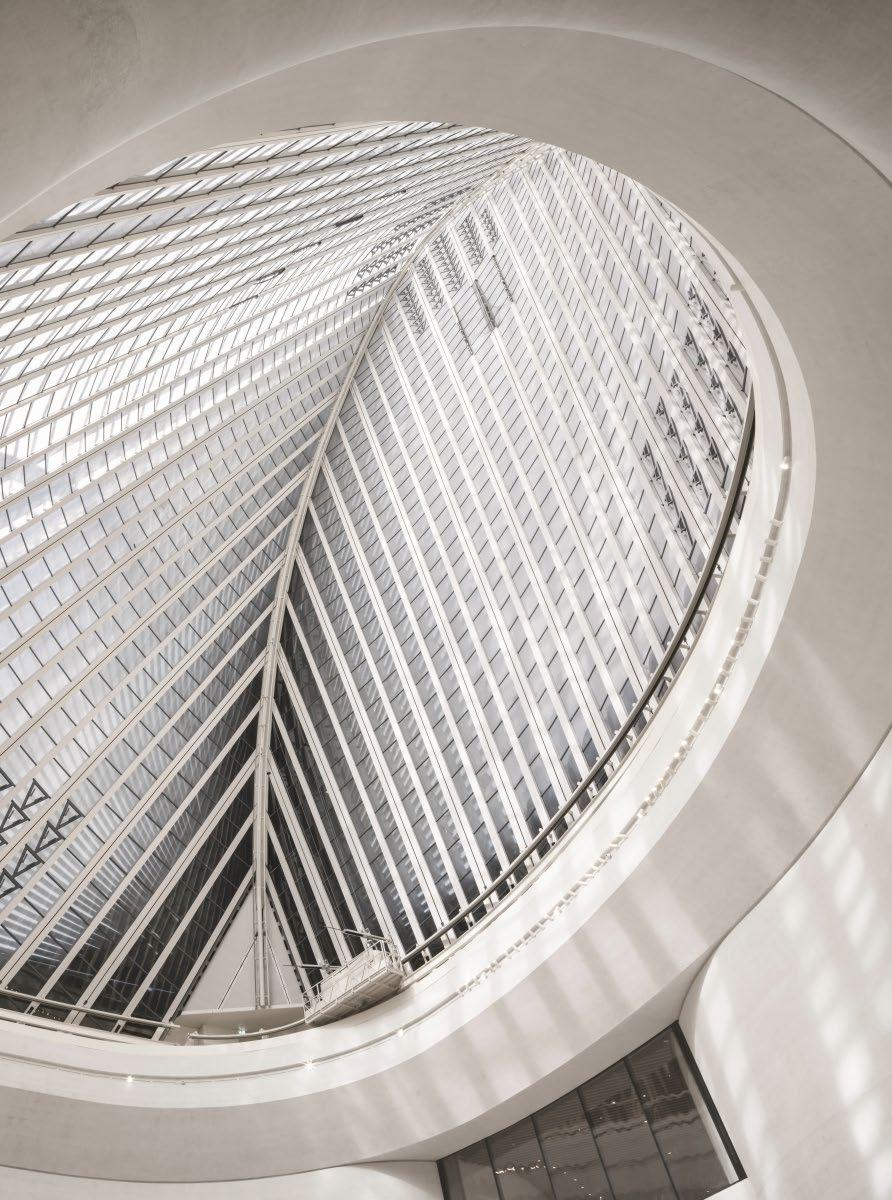
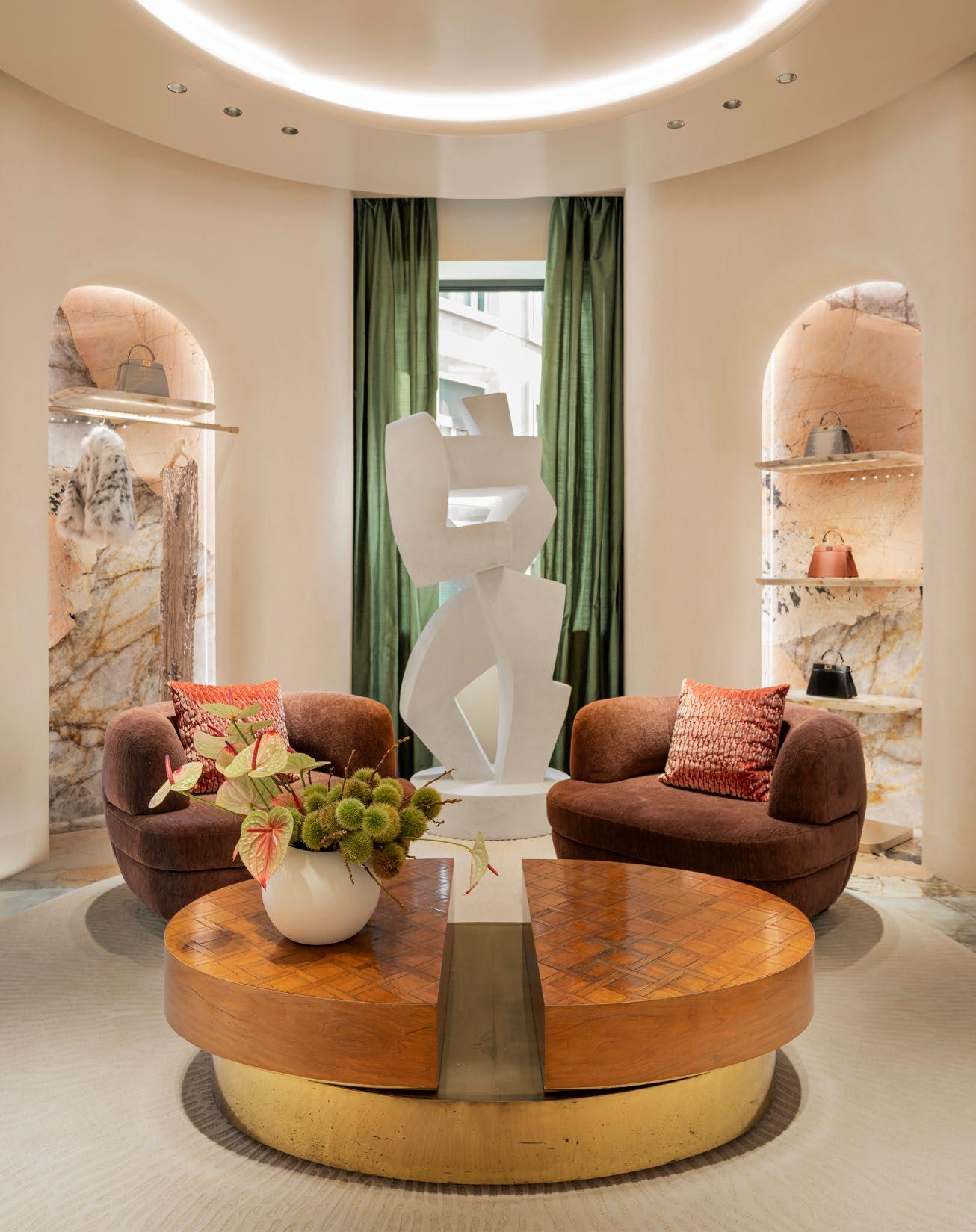
PALAZZO FENDI
TEXT: EVANY COLLOUD
At the heart of Via Montenapoleone, one of the most iconic streets in Milan, Palazzo Fendi stands as an address where architecture, design, and exceptional craftsmanship converge. Housed in a rationalist building from the 1930s designed by Emilio Lancia, the space preserves the geometric rigor of its era while embracing the Maison’s contemporary vision. Behind its light stone façade, materials converse with one another in perfect harmony. Marble, glass, and metal shape an environment where every detail reflects Fendi’s precision and coherence.
The Palazzo is far more than a boutique. It offers a carefully curated journey designed as an immersion into the House’s culture. Iconic pieces coexist with artworks, design objects, and exclusive installations, creating a continuous dialogue between tradition and modernity. In these spaces, where everything seems placed with deliberate subtlety, one perceives the pursuit of balance and the reverence for the time required to create. Visitors are invited to stroll, to observe, to soak in a particular Italian art of living defined by precision and elegance. Every room, every perspective, tells a story of luxury that eschews ostentation in favor of meticulous craftsmanship and the quality of materials.
This experience extends naturally into the culinary realm at Langosteria, the restaurant housed within the Palazzo. The collaboration between the two Houses is expressed through contemporary Mediterranean cuisine, built around exceptional ingredients and subtle combinations. Here, elegance is evident in the controlled simplicity of each dish and the precision of the service. The atmosphere perfectly mirrors the spirit of the Palazzo, blending refinement and modernity to offer visitors a suspended moment, in line with Fendi’s exacting stylistic standards.
With this address, Milan welcomes far more than a new fashion showcase. Palazzo Fendi emerges as a cultural destination where every element aligns with a coherent vision of excellence, nourished by the beauty of materials, mastery of craftsmanship, and the desire to create spaces that tell a story. This approach asserts a strong signature and confirms Fendi’s place among Italian maisons that shape contemporary elegance with both precision and modernity.
Au cœur de la Via Montenapoleone, l’une des artères les plus emblématiques de la capitale lombarde, le Palazzo Fendi s’impose comme une adresse où se rencontrent architecture, design et artisanat d’exception. Installé dans un bâtiment rationaliste des années trente signé par Emilio Lancia, le lieu préserve la rigueur géométrique de son époque tout en l’ouvrant à la vision contemporaine de la Maison. Derrière la façade de pierre claire, les matières se répondent avec justesse : le marbre, le verre et le métal dessinent un espace où chaque détail exprime la précision et la cohérence du geste Fendi.
Le Palazzo ne se limite pas à sa fonction de boutique. Il propose un véritable parcours, conçu comme une immersion dans la culture de la Maison. Les pièces iconiques côtoient œuvres d’art, objets de design et installations exclusives, créant un dialogue constant entre tradition et modernité. Dans ces espaces où tout semble placé avec une intention discrète, on perçoit la recherche d’équilibre et la valorisation du temps nécessaire à la création. Le visiteur est invité à flâner, à observer, à s’imprégner d’un certain art de vivre italien, fait de précision et d’élégance. Chaque salle, chaque perspective raconte une façon de concevoir le luxe qui refuse l’ostentation pour privilégier la justesse du trait et l’importance des matières.
Cette expérience trouve un prolongement naturel dans l’univers culinaire porté par le restaurant Langosteria, installé au sein du Palazzo. La rencontre entre les deux maisons s’exprime à travers une cuisine méditerranéenne contemporaine, construite autour de produits d’exception et d’associations subtiles. Ici, l’élégance se lit dans la simplicité maîtrisée des plats et la précision du service. L’atmosphère prolonge parfaitement l’esprit du Palazzo grâce à une alliance de raffinement et de modernité, pensée pour offrir au visiteur un moment suspendu, fidèle à l’exigence stylistique de Fendi.
Avec cette adresse, Milan accueille bien plus qu’un nouvel écrin dédié à la mode. Le Palazzo Fendi s’impose comme une destination culturelle où chaque élément s’inscrit dans une vision cohérente de l’excellence, nourrie par la beauté des matériaux, la maîtrise des savoir-faire et la volonté de créer des espaces qui racontent une histoire. Cette approche affirme une signature forte et confirme la place de Fendi parmi les maisons italiennes qui définissent, avec précision et modernité, les contours de l’élégance contemporaine.
WWW.FENDI.COM
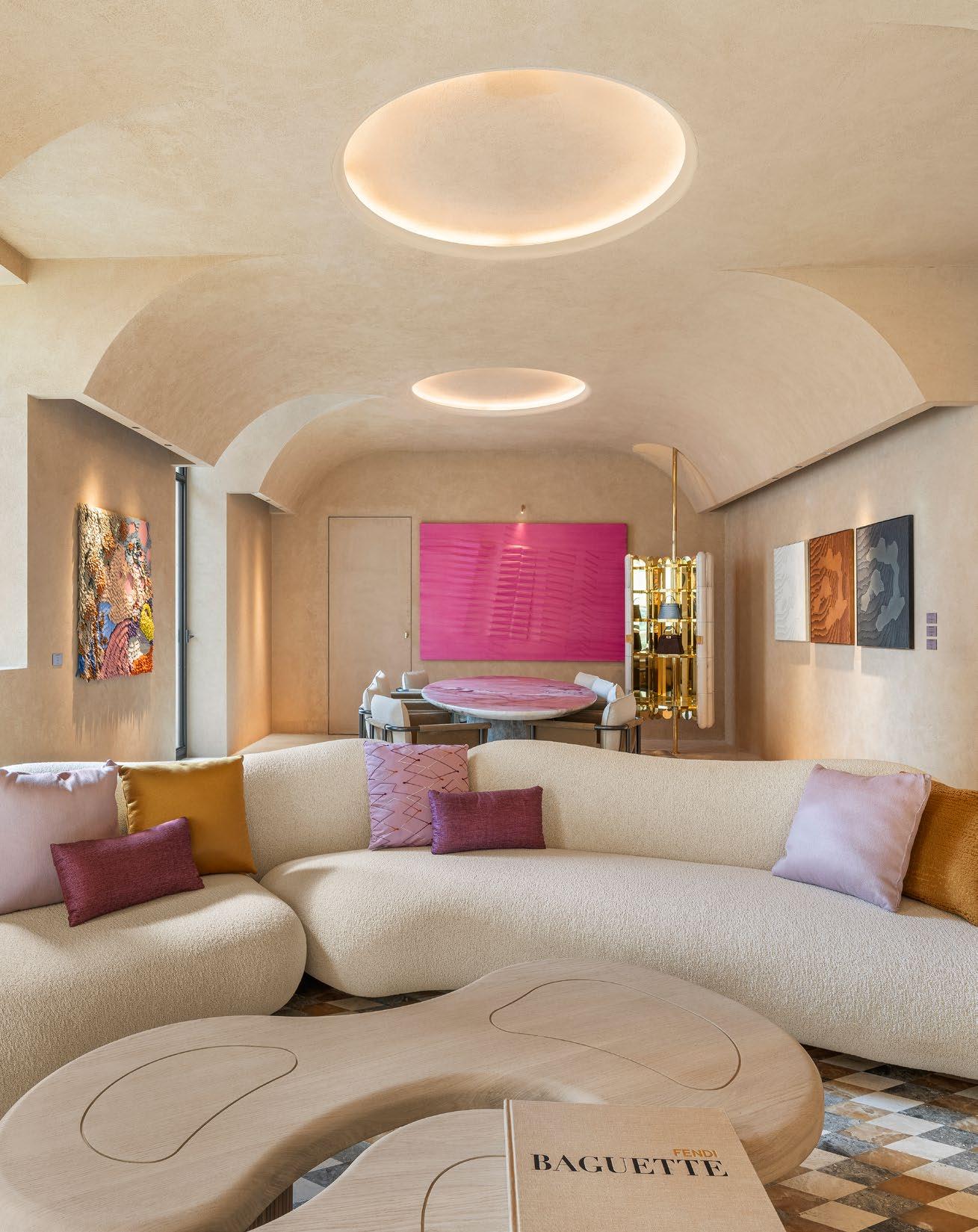
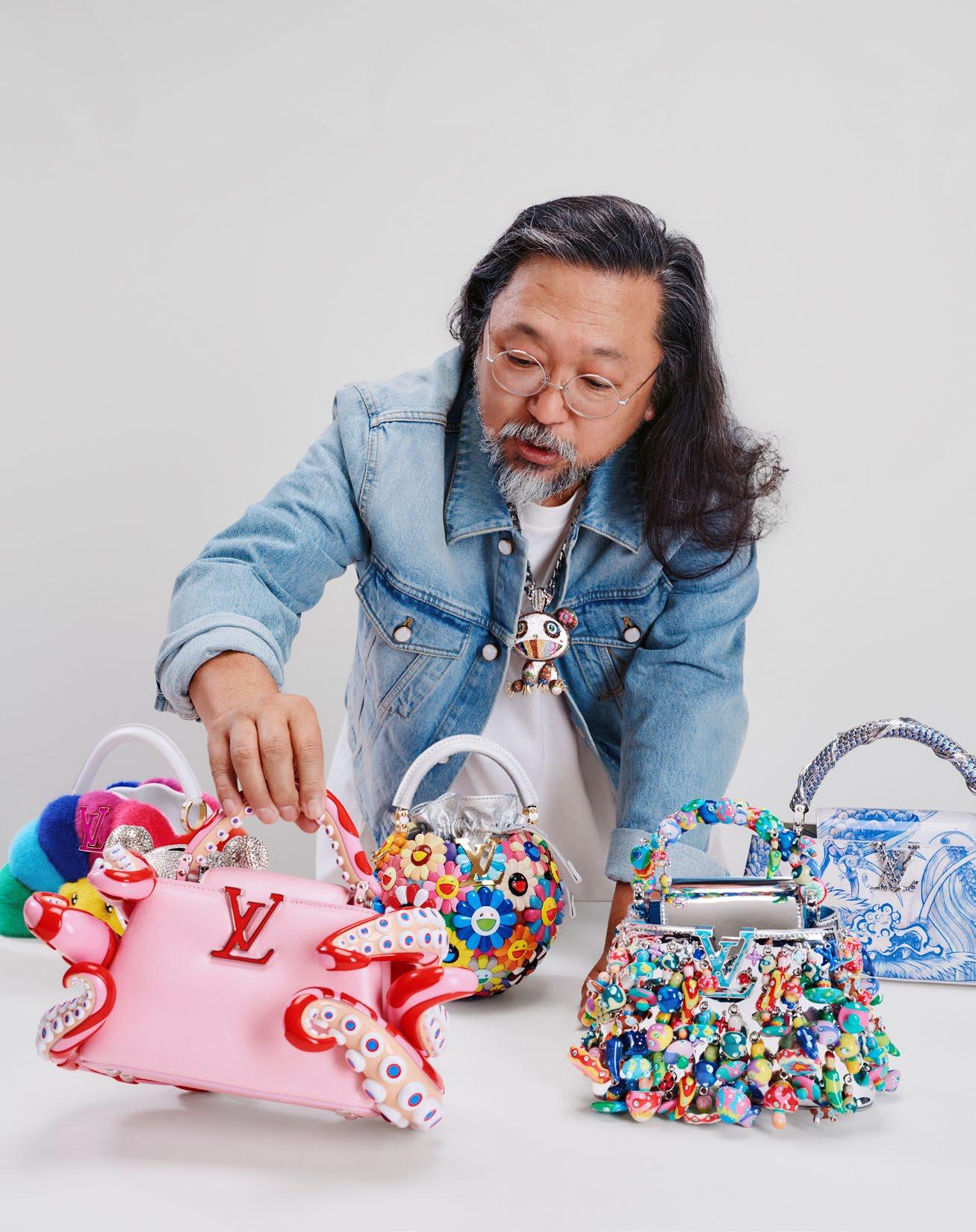
TEXT: EVANY COLLOUD
Since its launch in 2019, the Artycapucines collection has established itself as one of the most daring artistic projects of Louis Vuitton. Built around the Capucines bag, named after the street where the Maison opened its first boutique in 1854, it offers contemporary artists a new form of expression, transforming a fashion accessory into a true work of art.
More than thirty international creators have revisited this iconic model, demonstrating with each edition that the Capucines can serve both as a manifesto of craftsmanship and a playground for creative experimentation. This drive to merge contemporary art with exceptional artisanal skill reflects a long tradition of artistic collaborations dear to the Maison, dating back to the 1920s and continuing today through major partnerships and the opening of the Louis Vuitton Foundation.
For this seventh edition, Louis Vuitton entrusted the entire collection to Takashi Murakami, an essential figure in contemporary Japanese art. His instantly recognizable visual language is expressed through monumental works, sculptures, and films exhibited in the world’s leading museums. It is this prolific universe that informs Artycapucines VII, a series of eleven pieces where the artist completely reinvents the Capucines, sometimes even reshaping its forms. Each creation reflects a facet of his aesthetic, blending explosive joy, humor, strangeness, and melancholy.
Presented for the first time at Art Basel Paris, the collection engages in an expanded dialogue between contemporary art and high-precision craftsmanship, asserting the Capucines as a platform where Murakami can condense, reinterpret, or amplify the themes that have fueled his work for thirty years. This collaboration embodies a new maturity, serving not only as a continuation of his historic exchanges with Louis Vuitton, but also as a rare opportunity to explore, through a single object, the breadth of his imagination and the cultural depth that make him one of the most influential artists of his generation.
By combining Murakami’s boundless creativity with the expertise of Louis Vuitton artisans, Artycapucines VII once again demonstrates the power of dialogue between art and craftsmanship. More than a collection, it writes a new chapter in the Maison’s artistic history, affirming the Capucines as one of the most accomplished expressions of contemporary creation.
Depuis son lancement en 2019, la collection Artycapucines s’est imposée comme l’un des projets artistiques les plus audacieux de la Maison Louis Vuitton. Conçue autour du sac Capucines, dont le nom rend hommage à la rue où la Maison ouvrit sa première boutique en 1854, elle offre aux artistes contemporains une nouvelle forme d’expression, transformant un objet de mode en véritable œuvre d’art.
Plus de trente créateurs internationaux ont ainsi revisité ce modèle iconique, montrant à chaque édition que le Capucines peut devenir à la fois un manifeste de savoir-faire et un terrain d’expérimentation créative. Cette volonté d’allier art contemporain et artisanat d’exception s’inscrit dans une longue tradition de collaborations artistiques chère à la Maison, qui remonte aux années 1920 et se poursuit aujourd’hui à travers des partenariats majeurs et l’ouverture de la Fondation Louis Vuitton.
Pour cette septième édition, Louis Vuitton confie l’intégralité de la collection à Takashi Murakami, figure incontournable de l'art contemporain japonais. Son langage visuel, reconnaissable entre mille, s’exprime à travers des œuvres monumentales, des sculptures et des films exposés dans les plus grands musées du monde. C’est cet univers foisonnant qui nourrit l’Artycapucines VII, une série de onze pièces où l’artiste réinvente entièrement le Capucines, parfois jusqu’à en redessiner les formes. Chaque création traduit une facette de son esthétique, mêlant joie explosive, humour, étrangeté et mélancolie.
Présentée pour la première fois à Art Basel Paris, la collection s’inscrit dans un dialogue élargi entre art contemporain et artisanat de haute précision, affirmant le Capucines comme un lieu d’expression où Murakami peut condenser, détourner ou magnifier les thèmes qui irriguent depuis trente ans son travail. Cette collaboration témoigne d’une maturité nouvelle, constituant non seulement un prolongement de ses échanges historiques avec Louis Vuitton, mais aussi une occasion rare d’explorer, à travers un même objet, l’étendue de son imaginaire et la richesse culturelle qui font de lui l’un des artistes les plus influents de sa génération.
En réunissant l’imagination débordante de Murakami et l’expertise des artisans Louis Vuitton, Artycapucines VII illustre une fois encore la puissance du dialogue entre art et savoir-faire. Plus qu’une collection, elle écrit une nouvelle page de l’histoire artistique de la Maison, confirmant le Capucines comme l’une des expressions les plus abouties de la création contemporaine. WWW.LOUISVUITTON.COM
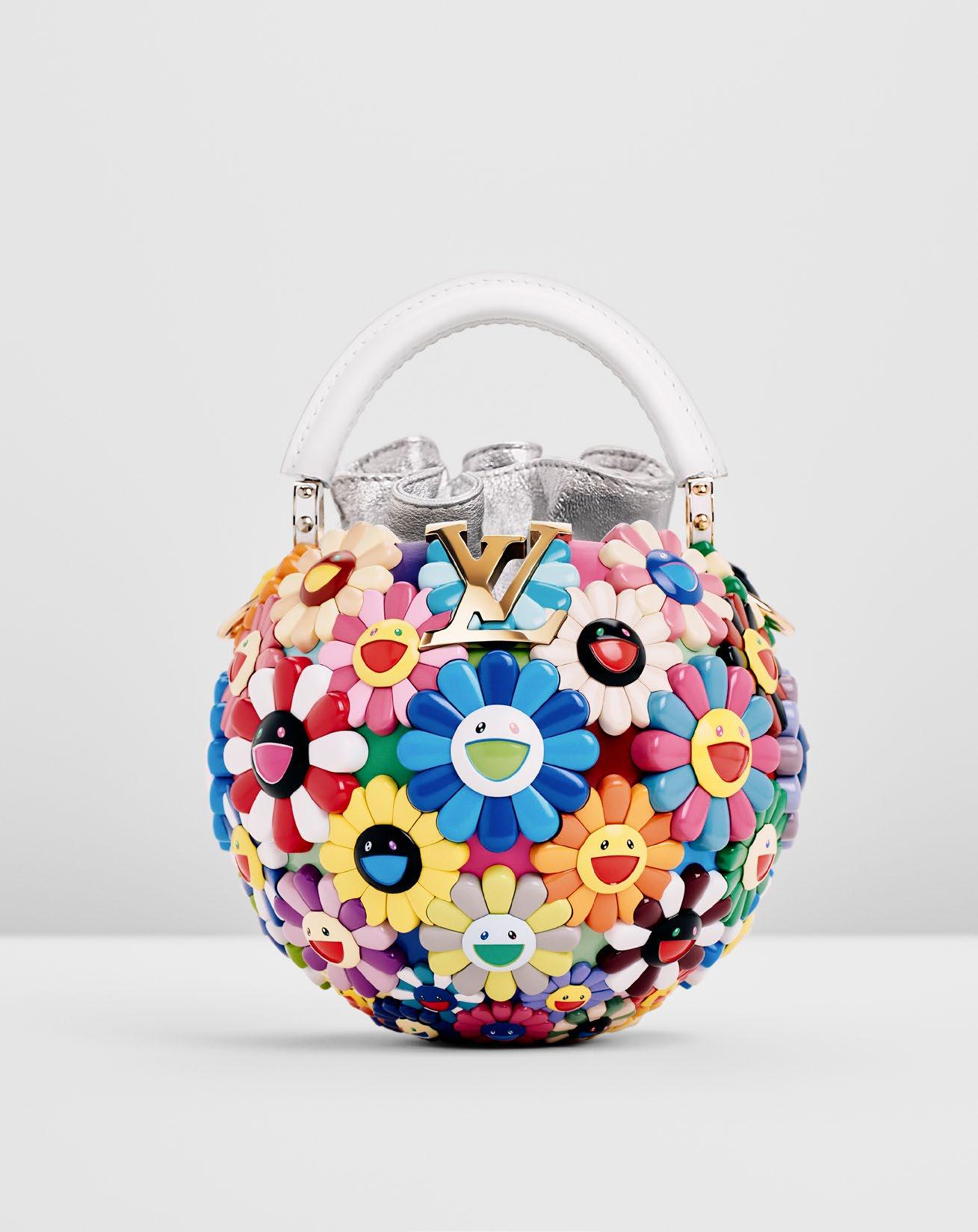
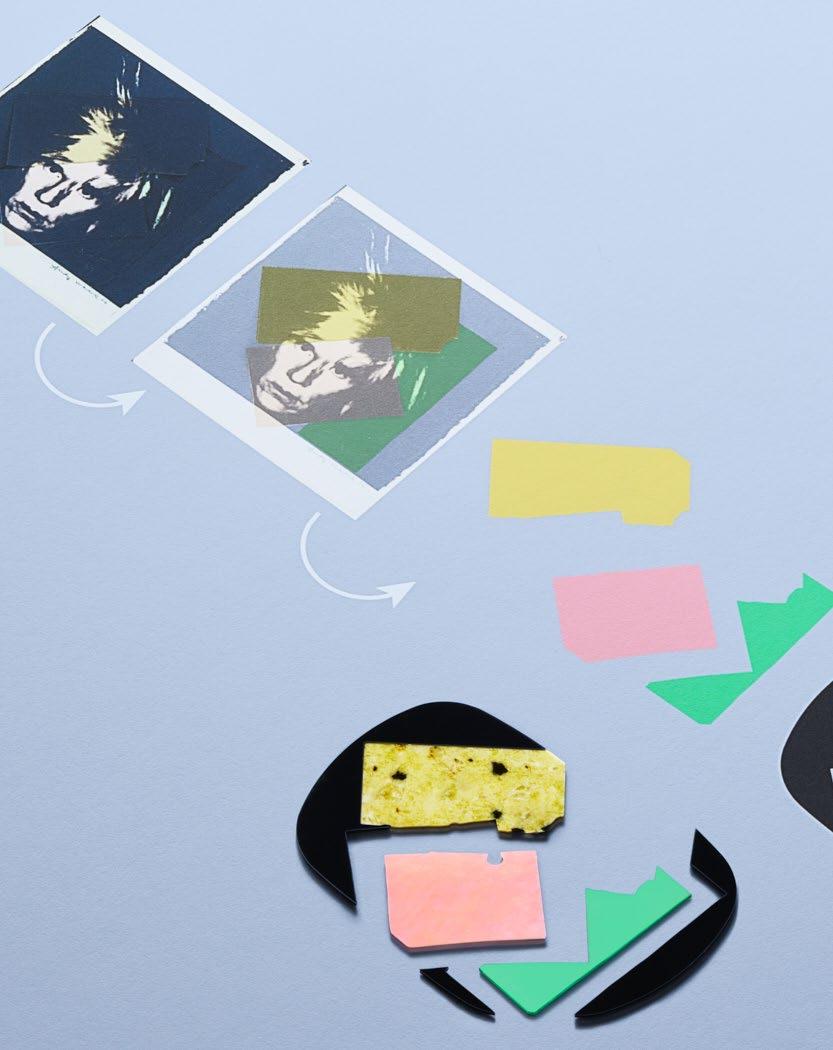
PIAGET ANDY WARHOL WATCH 'COLLAGE ' LIMITED EDITION
TEXT: MEGAN TOMOS
There are collaborations that feel expected and others that feel inevitable, and the meeting of Piaget and Andy Warhol Foundation for the Visual Arts sits firmly in the latter. The Andy Warhol Watch 'Collage' Limited Edition extends a conversation between the Maison and the artist’s legacy that feels both avant-garde and entirely natural. It is a piece shaped not only by horology, but by the language of art and design, where métier d’art techniques and Pop Art’s irreverent clarity meet on equal ground.
Piaget has long approached watchmaking as a form of cultural craftsmanship. The Maison’s ateliers treat gold, stone and proportion in a way closer to a design studio than a traditional manufacturer. Warhol lived with objects in the same spirit. He collected pieces that held visual tension, sculptural presence and cultural meaning. His seven Piaget watches were among the most striking in his archive, chosen for their architecture and their ability to feel modern regardless of era.
Collage feels like a natural continuation of that story. Rather than echoing one of Warhol’s icons, the watch seeks the energy behind them. The dial reads like a fragment of a larger artwork. Black onyx sets the tone, while pieces of yellow Namibian serpentine, pink opal and green chrysoprase are shaped and fitted with the quiet precision of an atelier that understands the value of restraint. The arrangement draws inspiration from Warhol’s polaroid collages of the mid 1980s, works that explored identity through repetition, colour and angular distortion.
The stepped yellow gold case feels almost architectural. Its presence is warm, generous and unmistakably Piaget. There is a sense of 1970s sculptural glamour in its silhouette, the kind Warhol himself gravitated towards, yet the watch sits firmly within a contemporary design language. Turn it over and you find an engraved interpretation of Warhol’s self portrait, a mere quiet reminder of the collaboration rather than a signature flourish.
Inside, the in-house 501P1 movement keeps the piece anchored in Piaget’s watchmaking tradition. The real story, however, lies in the meeting of two creative philosophies. Both Piaget and Warhol believed that art can live in objects worn, collected and passed on. The Andy Warhol Watch 'Collage' Limited Edition honours that shared belief. It feels less like a commemorative edition and more like a thoughtful continuation of a conversation between design and culture, one that still resonates today.
Il est des collaborations qui s’imposent avec une évidence rare. Celle entre Piaget et Andy Warhol Foundation for the Visual Arts appartient à cette catégorie subtile où l’intuition artistique rencontre la précision horlogère. La montre Andy Warhol « Collage » en édition limitée prolonge un dialogue intime entre la Maison et l’héritage de l’artiste, un échange à la fois audacieux, instinctif et étrangement naturel. Ici, l’horlogerie dépasse sa fonction pour s’exprimer dans le langage de l’art et du design, où le savoir-faire des métiers d’art rencontre l’irrévérence limpide du Pop Art sur un territoire de création commune.
Depuis toujours, Piaget aborde l’horlogerie comme un artisanat culturel, façonné avec le regard d’un studio de design plus qu’avec celui d’une maison horlogère traditionnelle. Dans ses ateliers, l’or, la pierre et les proportions deviennent matière à réflexion, harmonie et lumière. Warhol évoluait lui aussi au milieu d’objets dotés d’une présence sculpturale et d’une portée culturelle. Ses sept montres Piaget, parmi les pièces les plus remarquables de ses archives, étaient choisies pour leur architecture, leur force visuelle et leur capacité à demeurer résolument modernes à travers les décennies.
La création Collage apparaît comme la continuation naturelle de cette histoire. Plutôt que de reproduire une icône warholienne, la pièce capture l’énergie intérieure qui animait son œuvre. Le cadran se lit comme le fragment d’une composition plus vaste : l’onyx noir en définit la profondeur, tandis que la serpentine jaune de Namibie, l’opale rose et la chrysoprase verte sont taillées et assemblées avec une précision silencieuse, signature d’un atelier qui maîtrise parfaitement l’art de la retenue. L’ensemble fait écho aux collages Polaroid réalisés par Warhol au milieu des années 1980, des explorations sensibles de l’identité par la répétition, la couleur et les distorsions angulaires.
Le boîtier en or jaune, construit en niveaux, évoque presque une micro-architecture. Sa présence est chaleureuse, généreuse, indéniablement Piaget. Il porte encore en filigrane ce glamour sculptural des années 1970 qui fascinait Warhol, tout en s’inscrivant dans un vocabulaire résolument contemporain du design. En retournant la montre, un autoportrait gravé de l’artiste apparaît, non comme une signature ostentatoire mais comme un clin d’œil discret, un murmure échangé entre deux univers.
À l’intérieur, le mouvement manufacture 501P1 inscrit la pièce dans la tradition horlogère de Piaget. Mais l’essentiel réside dans la rencontre de deux visions créatives. Piaget et Warhol partageaient la conviction que l’art peut vivre dans les objets que l’on porte, que l’on collectionne, que l’on transmet. La montre Andy Warhol « Collage » rend hommage à cette idée commune. Elle s’apparente moins à une édition commémorative qu’à la prolongation réfléchie d’un dialogue entre design et culture, un dialogue qui, aujourd’hui encore, résonne avec force.
WWW.PIAGET.COM
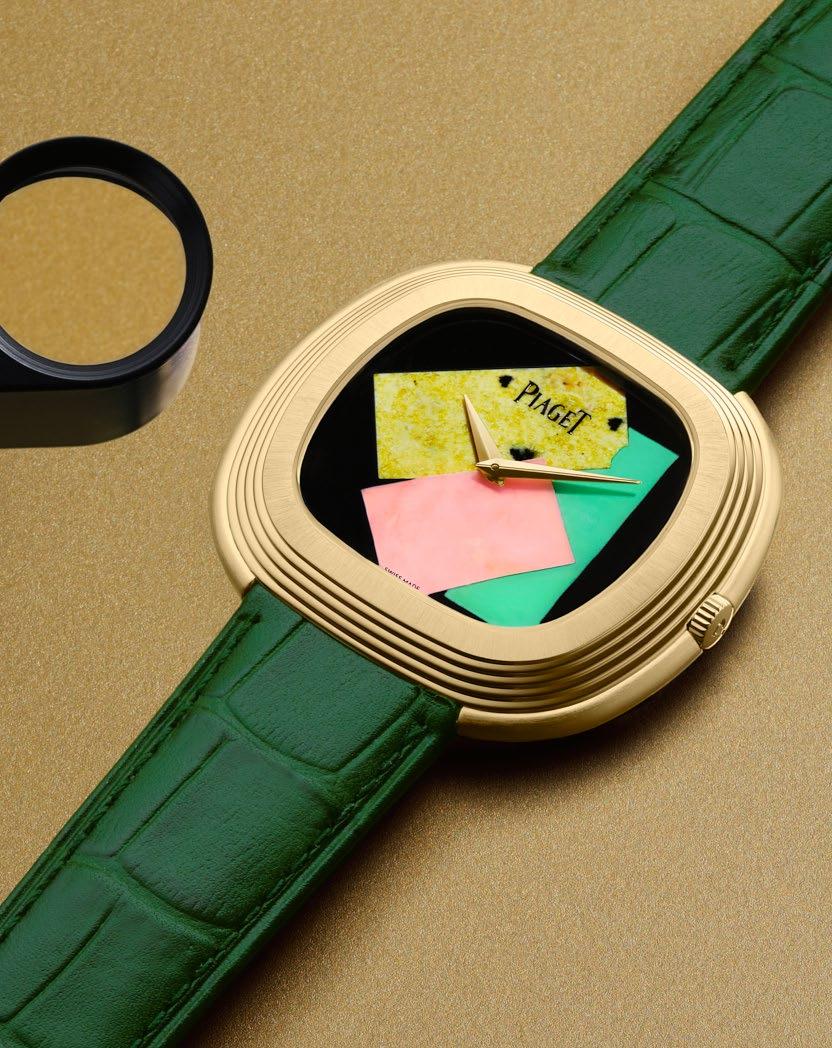
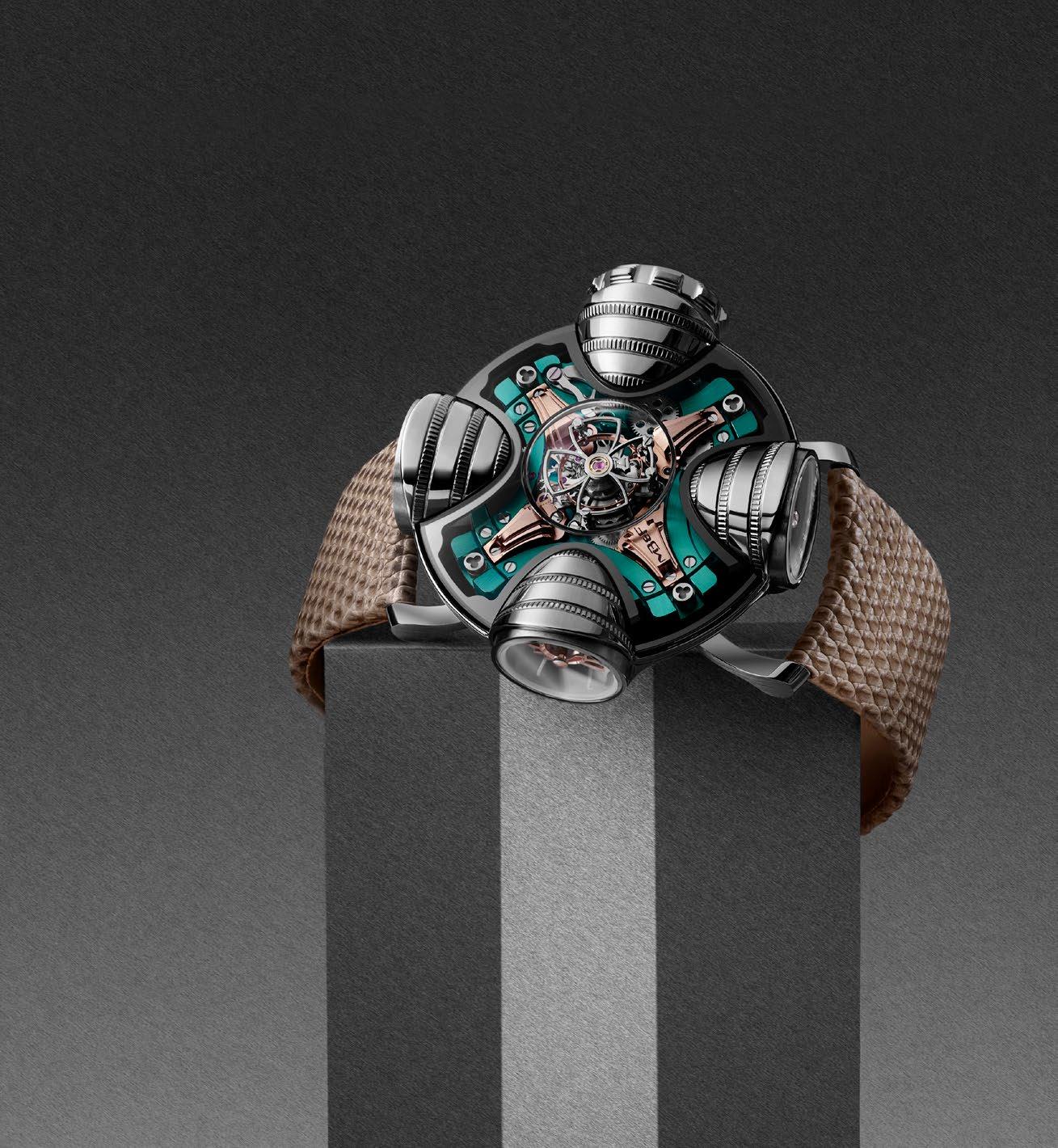

TEXT: EVANY COLLOUD
In the exclusive calendar of events that shape the horological year, MB&F’s creations stand out as unmissable appointments. To celebrate its 20th anniversary, the Maison unveils at Dubai Watch Week a new chapter in its Horological Machine saga with the HM11 Art Deco, a timepiece that transcends mere timekeeping to become wearable architecture, a tribute to the radical elegance of the 1930s. The genesis of this masterpiece dates back to 2023 with the HM11 Architect, envisioned by Maximilian Büsser and Eric Giroud. That creation had already redefined the wristwatch, transforming it into a piece of portable architecture. For 2025, Maximilian Maertens offers a radical reinterpretation, trading neo-futuristic fluidity for the sharp lines and geometric rhythm of Art Deco. With radiating sunbeam patterned dials, vertical bridges evoking ornamental masonry, and fluted sapphire domes inspired by iconic skyscrapers, the HM11 Art Deco emerges as a miniature city-graphic, sculptural, and utterly mesmerizing.
Dans le calendrier très fermé des événements qui sculptent l’année horlogère, les créations de MB&F s’imposent comme des rendez-vous incontournables. Pour célébrer ses 20 ans, la Maison dévoile lors de la Dubai Watch Week un nouveau chapitre de sa saga Horological Machine avec la HM11 Art Deco, une pièce qui dépasse le simple instrument de mesure du temps pour devenir une architecture à porter, hommage à l’élégance radicale des années 1930. La genèse de ce chef-d’œuvre remonte à 2023, avec la HM11 Architect, imaginée par Maximilian Büsser et Eric Giroud. Celle-ci avait déjà redéfini la montre en la transformant en pièce d’architecture portable. Pour 2025, Maximilian Maertens en propose une réinterprétation radicale, troquant la fluidité néo-futuriste pour les lignes tendues et le rythme géométrique de l’Art déco. Dotée de cadrans à motifs « sunbeam » aux reflets lumineux, de ponts verticaux évoquant une maçonnerie ornementale et de dômes en saphir strié inspirés des gratte-ciels iconiques : la HM11 Art Deco s’impose comme une ville miniature, graphique et sculpturale.
TEXT: MEGAN TOMOS
Montblanc turns the page on one of its most enduring icons with the Meisterstück White, a luminous reimagining of the writing instrument that has defined excellence for over a century. First introduced in 1924, the Meisterstück has long been a companion to thinkers, creators, and visionaries. In this new chapter, Montblanc refines the classic silhouette through a serene palette inspired by the Maison’s own white emblem, translating heritage into modern, quiet luxury. Crafted in the Classique size and available as a fountain pen, rollerball, and ballpoint, the Meisterstück White features a white precious resin cap and barrel, accented with platinum-coated fittings. At its heart, the fountain pen’s rhodiumcoated 14K gold nib bears the signature Meisterstück motif, hand-finished by Montblanc’s artisans in Hamburg. More than a writing instrument, the Meisterstück White stands as a considered addition to Montblanc’s lineage of crafted objects, shaped by the same devotion to handwork, restraint, and the enduring ritual of writing and creating.
Montblanc dévoile le Meisterstück White, une réinterprétation lumineuse de l’un de ses instruments d’écriture les plus emblématiques, symbole d’excellence depuis plus d’un siècle. Dévoilé en 1924, le Meisterstück accompagne les esprits créatifs et les visionnaires. Dans cette nouvelle édition, il se pare d’une silhouette classique sublimée par une palette blanche inspirée de l’emblème iconique de la Maison. Cette esthétique traduit l’héritage Montblanc dans une élégance contemporaine et raffinée. Disponible au format Classique en stylo plume, roller et bille, le Meisterstück White séduit par son corps et son capuchon en résine précieuse blanche, ponctués de détails platinés. La plume en or 14 carats rhodié du stylo plume, gravée du motif signature Meisterstück, est façonnée à la main par les artisans de Hambourg, alliant maîtrise technique et savoir-faire artisanal. Plus qu’un instrument d’écriture, le Meisterstück White incarne un art de vivre, mêlant rigueur, raffinement et le plaisir intemporel de l’écriture et de la création. WWW.MONTBLANC.COM | CHF 805.-

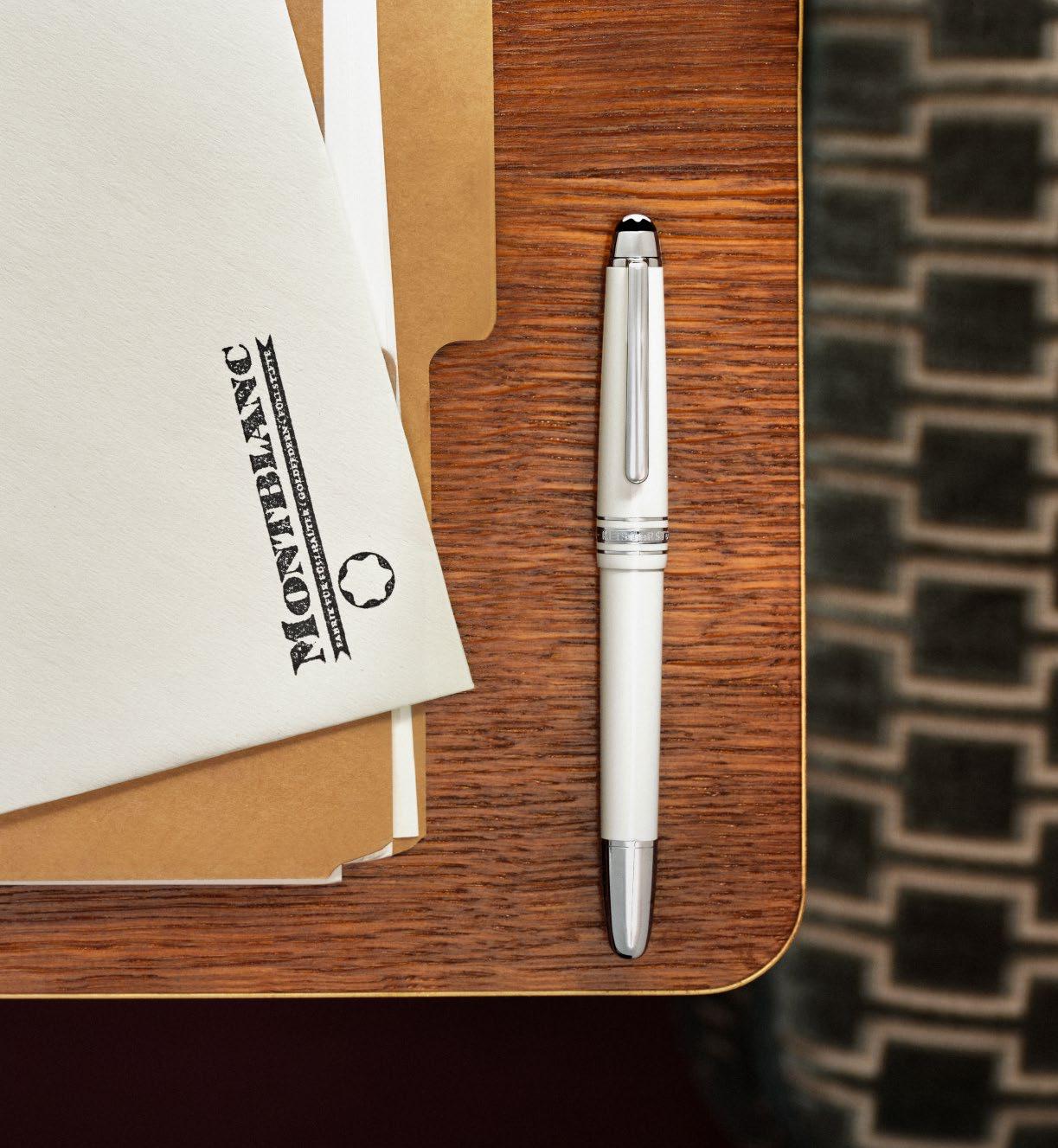
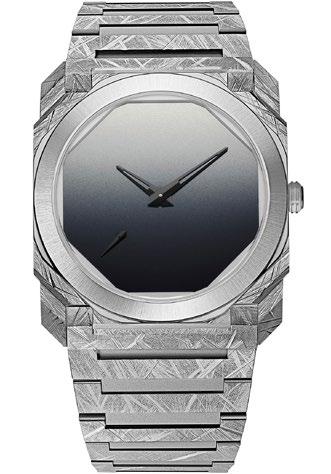
TEXT: EVANY COLLOUD
In Bvlgari’s sculptural universe, the Octo Finissimo takes on a new dimension under the influence of Lee Ufan. The watch transforms into a pure, mirror-polished surface, where two black hands draw lines evoking the tension between presence and absence. The sandblasted and polished titanium reveals a precise architecture, sealed with the artist’s signature. Limited to 150 pieces and powered by the ultra-thin BVL 138 caliber, it offers a contemplative experience, celebrating minimalism as the ultimate expression of luxury.
Dans l’univers sculptural de Bvlgari, l’Octo Finissimo prend une nouvelle dimension sous l’impulsion de Lee Ufan. La montre se transforme en une surface épurée, polie comme un miroir, où deux aiguilles noires dessinent des lignes évoquant la tension entre présence et absence. Le titane sablé et poli révèle une architecture précise, scellée par la signature de l’artiste. Éditée à 150 pièces et animée par le calibre ultraplat BVL 138, elle offre une expérience contemplative, célébrant l’épure comme la forme ultime du luxe. WWW.BULGARI.COM | PRICE ON REQUEST
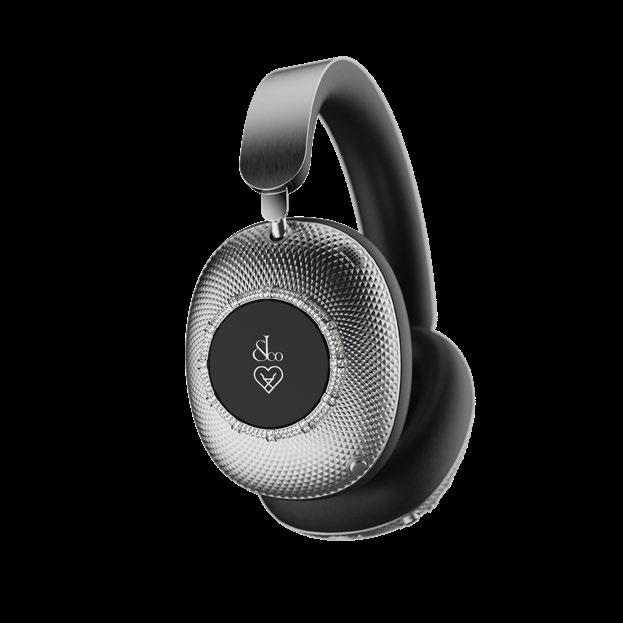
TEXT: MEGAN TOMOS
This ultra-rare collaboration between Loewe and Jacob & Co., limited to just five pieces, transforms high-performance headphones into a collectible work of art. The Ice Diamond model represents their most refined expression, entirely handcrafted and encircled by a 14K white-gold ring set with 12.47 carats of radiant diamonds, including 456 brilliant-cut stones forming a luminous halo around the earcups. Beneath this brilliance lies Germanengineered acoustic precision, combining high-resolution sound with adaptive active noise cancellation and intelligent AI, delivering a sculptural, sensorial listening experience.
Cette collaboration ultra-rare entre Loewe et Jacob & Co., limitée à seulement cinq pièces, transforme des écouteurs haute performance en un véritable objet de collection. Le modèle Ice Diamond en représente l’expression la plus raffinée, entièrement réalisé à la main et ceint d’un anneau en or blanc 14 carats, serti de 12,47 carats de diamants scintillants, dont 456 pierres taille brillant formant un halo lumineux autour des oreillettes. Sous cet éclat se cache une précision acoustique allemande, alliant son haute résolution, réduction active du bruit adaptative et intelligence artificielle, offrant une expérience d’écoute sculpturale et sensorielle.
































DESERT SERENITY | TIMELESS REVERIE AMBITION FOR PERFECTION | DESIGN SANCTUARY
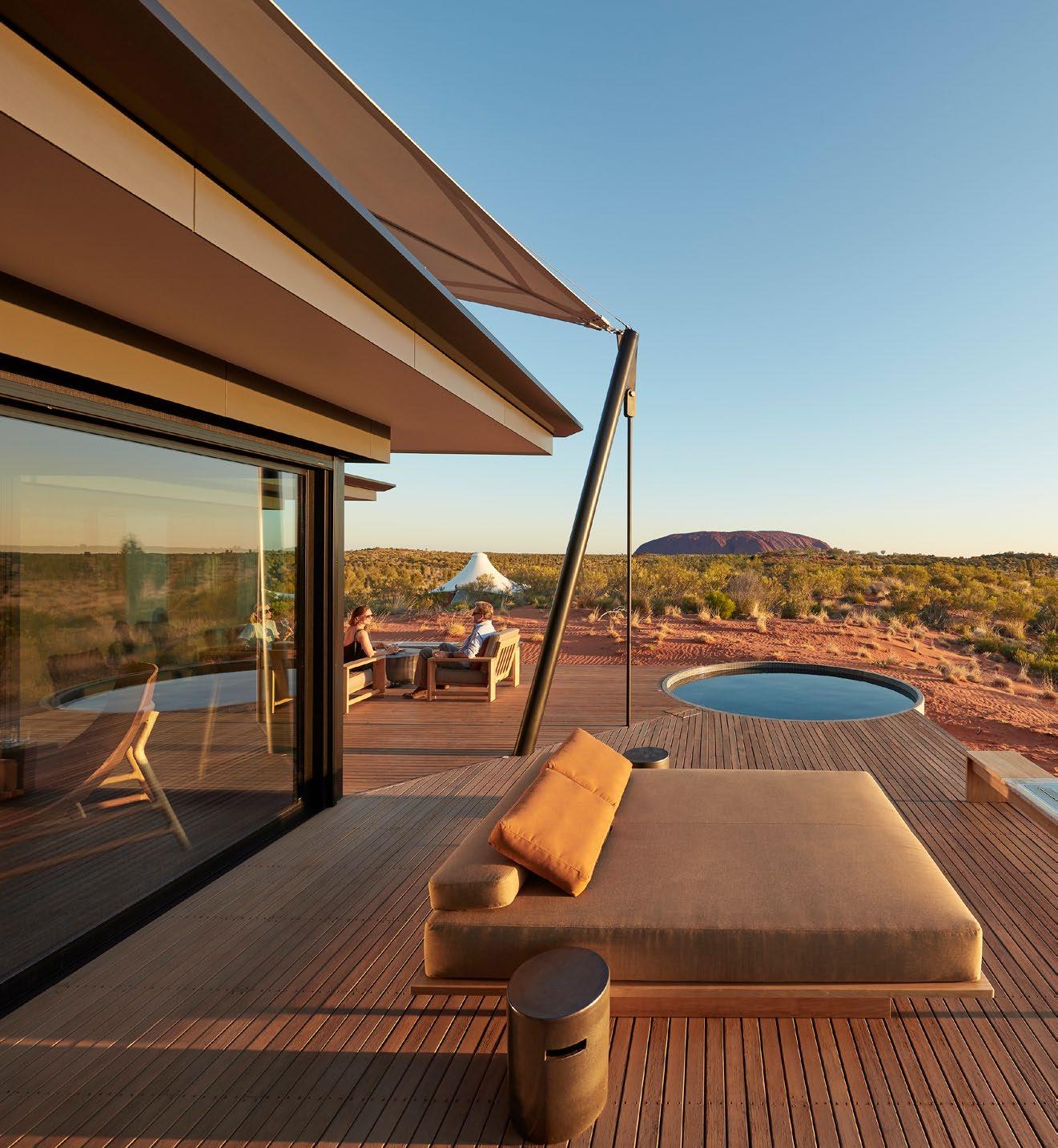
LONGITUDE 131°
TEXT: EVANY COLLOUD
It begins as a single point on the map, a precise coordinate, the 131st meridian that leads to one of the most moving “elsewheres” on the planet. At the heart of this magnetic landscape where ochre turns to pure gold under the declining sun and the horizon breathes with raw infinity rises Longitude 131°. More than a lodge, it is a suspension in time, a promise of absolute serenity floating above the dunes of Uluru-Kata Tjuta National Park. In this mineral ocean where every hour reshapes the texture of the light, it offers a rare pause where the world’s clock finally consents to slow down, inviting travellers into the silent luxury and elemental poetry of the Australian Outback.
The pavilions appear like suspended cocoons, lightly hovering above the desert. Their interiors favour noble textures and materials that soothe, with tones that melt seamlessly into the surrounding landscape. Inside, nothing is ostentatious. Luxury reveals itself through the suppleness of patinated leather, the quiet vibration of handcrafted fabrics or the soft light brushing the wood. Yet it is when one walks toward the panoramic glass that true luxury emerges. The gaze stretches toward Uluru, resting in the landscape like a mineral jewel. The rock shifts colour as the hours pass, rosy at dawn, copper beneath the sun, then glowing with deep crimson as night approaches. It can be contemplated from the bed, the bathtub or a lounge chair, each moment unveiling a new emotion. In the intimate setting of Longitude 131°, this act of looking becomes almost unreal, for there is nowhere else where the horizon gathers Uluru and the sacred silhouettes of Kata Tjuta in a single breath.
When the last light fades behind the dunes, Longitude 131° reveals its most exclusive ritual: a dinner set directly on the sand, where a few lanterns create an intimate circle in the immensity of the night. Contemporary cuisine highlights Australian produce and the delicate flavours of the bush. This dinner is more than an immersion; it is a way of inhabiting the desert for an evening, a singular and unforgettable moment that lingers long after one has left the red dunes.
When the lanterns dim and the night deepens, the experience continues at the Spa Kinara. Treatments inspired by ancestral local traditions combine warm oils infused with wild plants and desert stones still carrying the heat of the day. In this calm and cocooned atmosphere, tensions dissolve while the natural scents of the desert bring immediate comfort, allowing a deep serenity to settle before returning to one’s pavilion.
Longitude 131° stands apart through its rare alchemy between natural setting and exceptional service. It is this singular harmony, impossible to recreate elsewhere, that makes Longitude 131° a place like no other, a sanctuary where one understands that certain experiences exist only at the perfect meeting point between a land and those who have learned how to honour it.
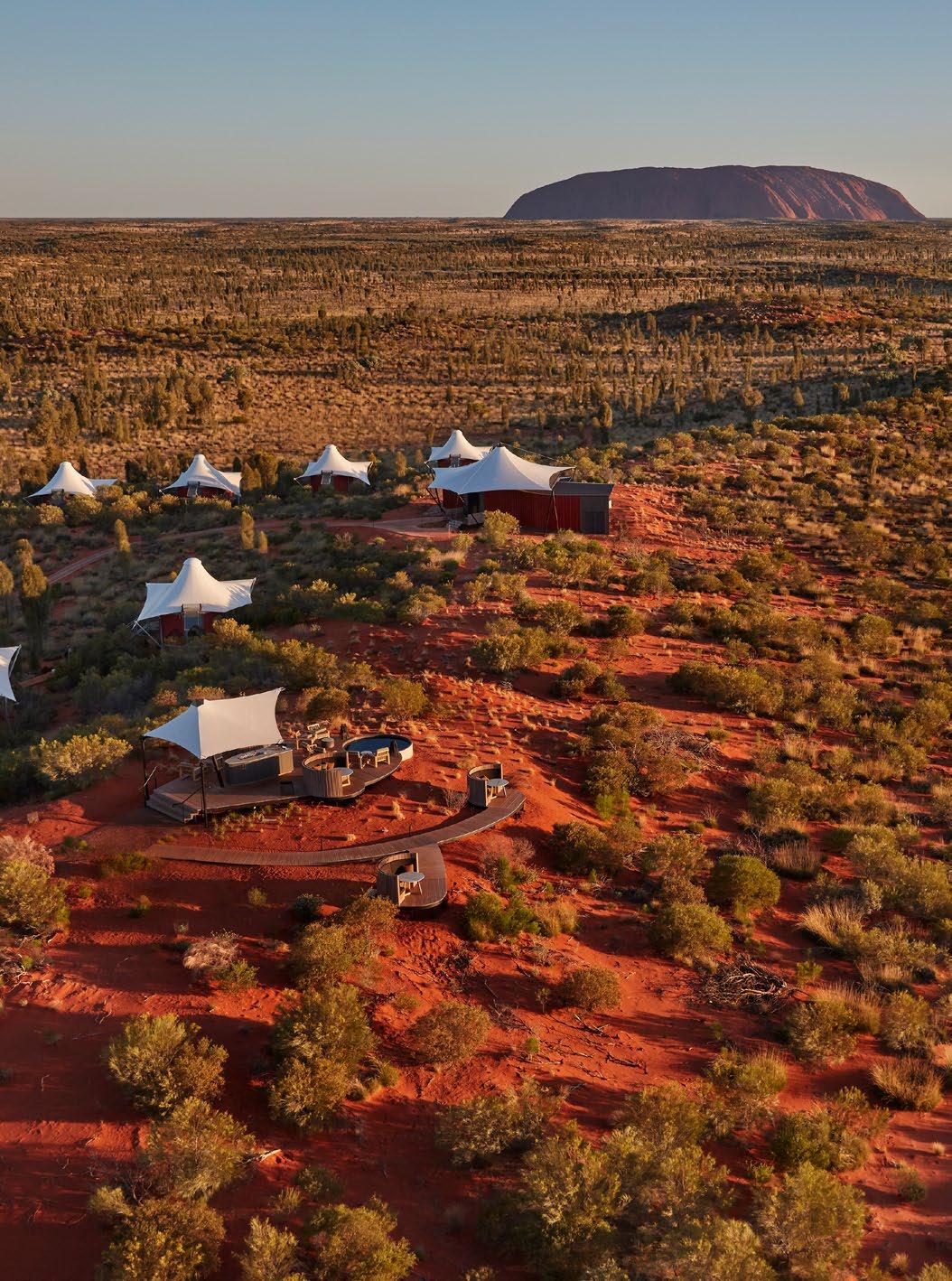
C’est un point sur la carte, une coordonnée précise, le 131e méridien qui mène à l’un des ailleurs les plus bouleversants de la planète. Au cœur de ce paysage magnétique où l’ocre semble se muer en or pur sous le soleil déclinant, où l’horizon respire une infinité brute, s’élève le Longitude 131°. Plus qu'un lodge, c’est une suspension, une promesse tenue de sérénité absolue, flottant au-dessus des dunes du parc national d’Uluru-Kata Tjuta. Dans cet océan minéral où chaque heure redéfinit la texture de la lumière, il devient la halte d’exception où l’horloge du monde semble enfin accepter de ralentir, invitant à une immersion rare dans le luxe silencieux et la poésie brute de l’Outback australien.
Les pavillons se dévoilent comme des cocons suspendus, légèrement en équilibre au-dessus des dunes. Leur décor privilégie les matières nobles, les textures apaisantes, les nuances qui se fondent dans la palette du paysage. À l’intérieur, rien d’ostentatoire : le luxe s’exprime dans la douceur d’un fauteuil en cuir patiné, la vibration discrète d’un textile artisanal ou encore la lumière qui glisse sur les boiseries. Mais c’est en s’avançant vers la baie vitrée que le véritable luxe s’impose. Le regard se perd vers Uluru, posé dans le paysage tel un joyau minéral. La roche change de nuance au fil des heures, rosée à l’aube, cuivrée sous le soleil, embrasée de pourpre lorsque la nuit approche. On l’observe depuis le lit, la baignoire ou une chaise longue, et chaque instant révèle une émotion nouvelle. Dans l’écrin intime de Longitude 131°, cette contemplation prend une dimension presque irréelle, car nulle part ailleurs l’horizon ne réunit dans un même souffle Uluru et les courbes sacrées de Kata Tjuta.
Quand la lumière s’efface derrière les dunes, Longitude 131° dévoile son rituel le plus exclusif : un dîner dressé à même le sable, où quelques lanternes suffisent à créer un cercle intime au cœur de l’immensité nocturne. Dans les assiettes, une cuisine contemporaine magnifie avec délicatesse les produits australiens et les saveurs du bush. Ce dîner n’est pas seulement une immersion, c’est une manière d’habiter le désert le temps d’une soirée. Une expérience singulière, rare, inimitable, et incontestablement l’un de ces moments qui demeurent longtemps après avoir quitté les dunes rouges.
Lorsque le dîner s’achève et que les lanternes s’éteignent une à une, la parenthèse se prolonge au Spa Kinara. Les soins, inspirés des traditions ancestrales locales, mêlent huiles chaudes infusées de plantes sauvages et pierres du désert encore tièdes. Dans cette atmosphère calme et feutrée, les tensions se relâchent progressivement tandis que les parfums naturels du désert procurent une sensation immédiate de bien-être, invitant à retrouver une sérénité profonde avant de regagner son pavillon.
Longitude 131° se distingue par une alchimie rare entre décor naturel et prestations uniques. C’est cette harmonie singulière, impossible à reproduire ailleurs, qui fait de Longitude 131° un refuge incomparable, un lieu où l’on comprend que certaines expériences ne naissent qu’à la rencontre parfaite entre un territoire et ceux qui savent l’honorer.
TEXT: MEGAN TOMOS | PHOTOGRAPHY: MR. TRIPPER
Once, travel was an art form. A measured, imaginative act shaped as much by anticipation as by movement. The world’s great journeys were less about crossing distance and more about entering a state of reverie. In an age defined by speed, that ritual has thinned; arrival has replaced awe. Yet the longing for something slower, deeper, and exquisitely crafted persists. True luxury now lies in reclaiming time itself, in choosing experiences that unfold rather than rush, that invite contemplation rather than consumption.
La Dolce Vita Orient Express redefines the landscape of Italy through motion. Each of its six trains carries a rarefied intimacy, just sixty-two passengers at a time, housed across twelve Deluxe Cabins, eighteen Suites, and a singular La Dolce Vita Suite that anchors the collection. Every carriage becomes a conversation between heritage and modernity, orchestrated by Milan’s Dimorestudio with a distinctly Italian intelligence. Walnut panels, polished brass, and velvets in operatic hues evoke the glamour of the country’s cultural golden age: Fellini’s Rome, Loren’s silhouette, the elegance of a world that moved at the pace of a gaze. The result is not nostalgia but refinement: a contemporary portrait of Italy seen through the architecture of memory.
Beyond the interior lies a living gallery framed by the window. Vineyards stitched across Tuscan hills, Ligurian ports glowing in morning light, Sicilian cliffs suspended over volcanic seas, each scene appearing like a fresco in motion. The itineraries are choreographed as sensorial compositions, shifting mood and tempo with the landscape. On board, the experience deepens through gastronomy shaped by Michelin-starred mastery: Fassona tartare, an ode to Piedmont; ricotta brioches whispering of Sicily; cacio e pepe that tastes like Rome in its purest form. Here, food is not an indulgence but an interpretation of place.
What elevates La Dolce Vita Orient Express above the realm of luxury travel is its quiet assertion: that elegance is inseparable from intention. Through restored heritage carriages and revived rail lines, it honours Italy’s deep railway history while offering a blueprint for sustainable sophistication. The train becomes a sanctuary of slowness in a rushing world, a reminder that the richest journeys are those that ask us to linger. To board is not merely to travel across Italy, but to encounter it with a timeless passage, carried gently and deliberately along the rails.
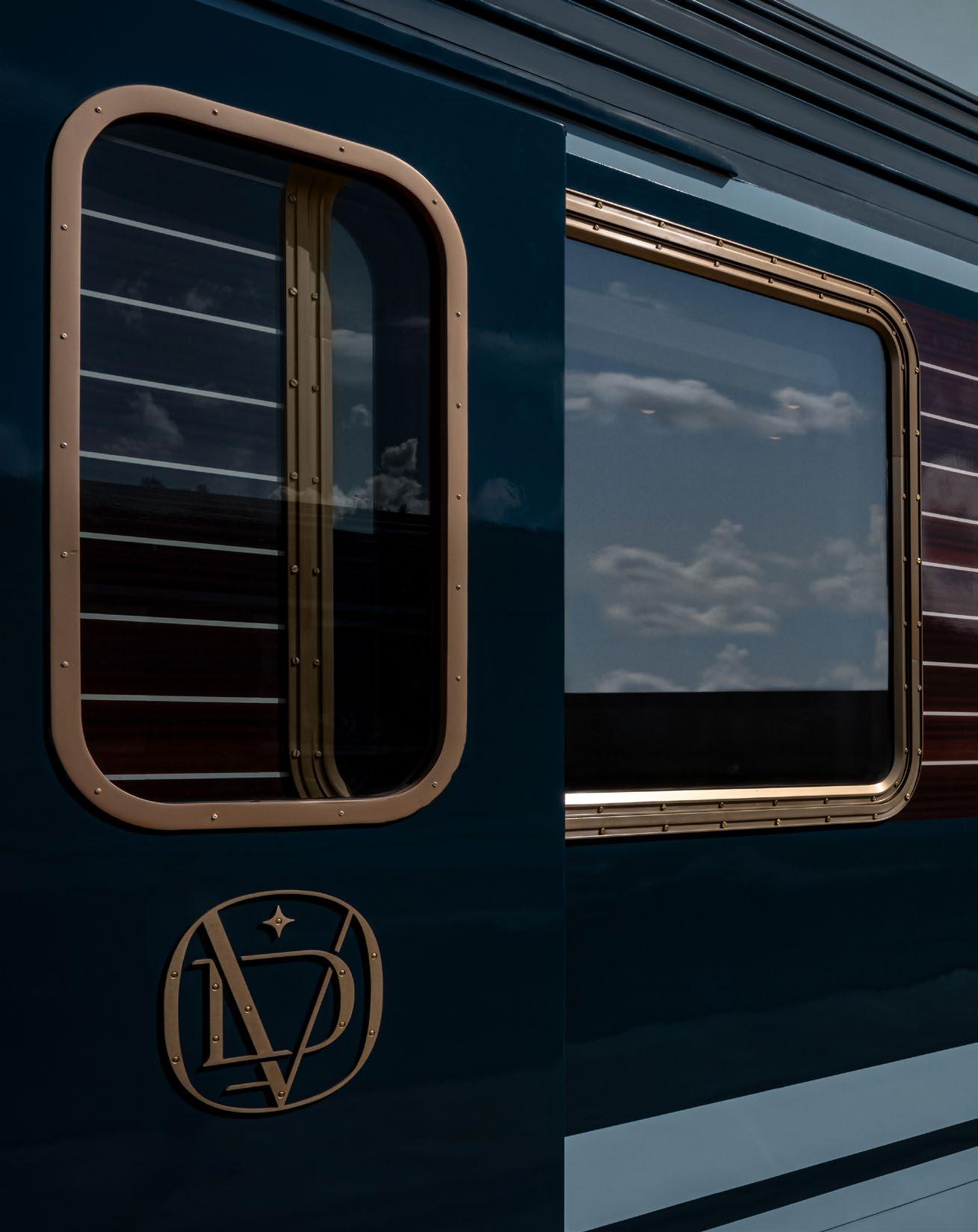
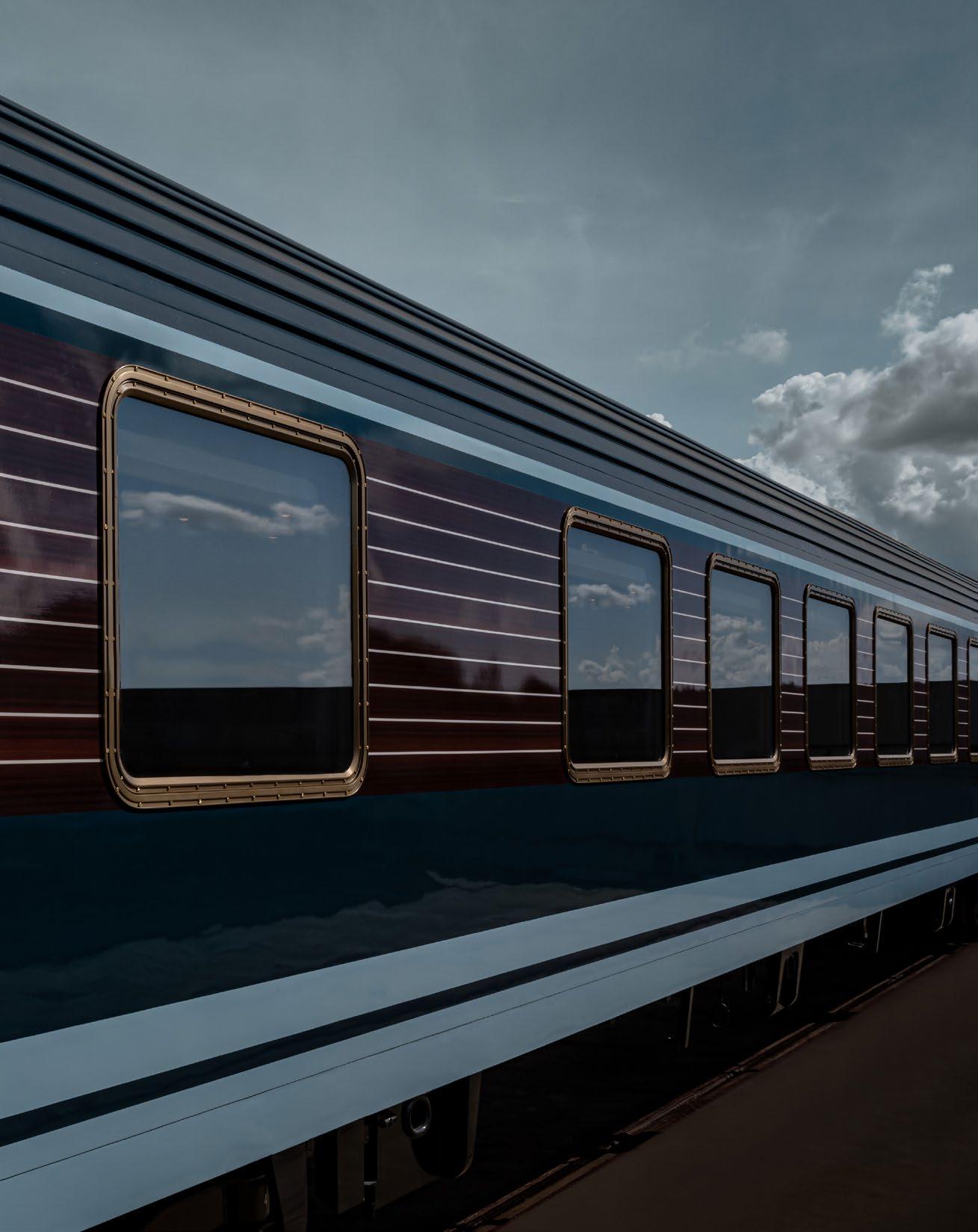
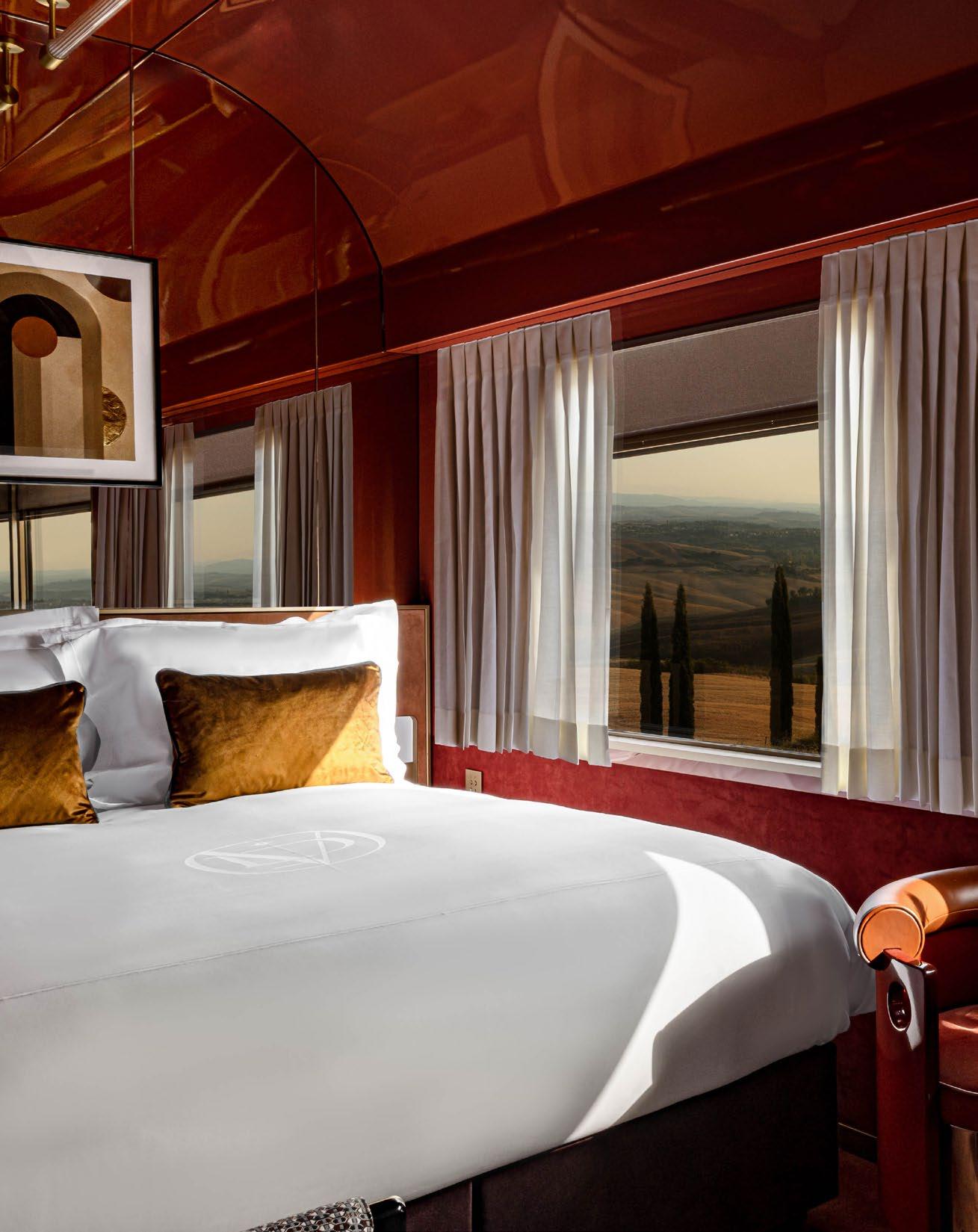
Autrefois, voyager était un art. Un geste mesuré, imaginatif, façonné autant par l’anticipation que par le mouvement lui-même. Les grandes traversées du monde n’étaient pas une question de distance, mais l’entrée dans un état de rêverie. À l’ère de la vitesse, ce rituel s’est amenuisé : l’arrivée a remplacé l’émerveillement. Pourtant, le désir d’un voyage plus lent, plus profond, exquisément conçu, demeure. Le véritable luxe réside aujourd’hui dans la reconquête du temps, dans le choix d’expériences qui se déploient, qui invitent à la contemplation plutôt qu’à la consommation.
La Dolce Vita Orient Express redéfinit le paysage italien par le mouvement. Chacun de ses six trains offre une intimité rare : soixante-deux passagers au maximum, logés dans douze cabines Deluxe, dix-huit suites et une suite unique, La Dolce Vita Suite, joyau de la collection. Chaque wagon dialogue avec l’histoire et la modernité, orchestré par le Dimorestudio de Milan avec une intelligence résolument italienne. Panneaux en noyer, laiton poli, velours aux teintes opératiques : tout évoque le glamour de l’âge d’or culturel de l’Italie. Rome de Fellini, silhouette de Loren, élégance d’un monde qui vivait au rythme du regard. Pas de nostalgie ici, mais un raffinement pur : un portrait contemporain de l’Italie, vu à travers l’architecture de la mémoire.
Au-delà des intérieurs, une galerie vivante se déroule au fil des fenêtres. Vignobles toscans, ports liguriens baignés de lumière matinale, falaises siciliennes suspendues au-dessus de mers volcaniques : chaque scène se révèle comme une fresque en mouvement. Les itinéraires sont chorégraphiés comme des compositions sensorielles, modulant humeur et tempo au gré du paysage. À bord, la gastronomie étoilée enrichit l’expérience : tartare de Fassona en écho au Piémont, brioches à la ricotta murmurant la Sicile, cacio e pepe incarnant Rome dans sa forme la plus pure. Ici, chaque plat n’est pas indulgence, mais interprétation du lieu.
Ce qui élève La Dolce Vita Orient Express au-delà du simple voyage de luxe, c’est son élégance silencieuse : intention et beauté ne font qu’un. Les wagons patrimoniaux restaurés et les lignes ferroviaires redécouvertes célèbrent l’histoire profonde de l’Italie tout en proposant une vision durable de la sophistication. Le train devient un sanctuaire de lenteur dans un monde pressé, un rappel que les voyages les plus riches sont ceux qui invitent à s’attarder. Embarquer ici, ce n’est pas seulement traverser l’Italie : c’est la rencontrer par un passage intemporel, porté avec délicatesse, le long des rails.
TEXT: EVANY COLLOUD
Launched in 2019, SailGP has rapidly ascended to the pinnacle of international sailing and is now regarded as one of the most visually arresting and technologically advanced competitions in the world. Twelve national teams compete on strictly identical F50s, foiling catamarans capable of exceeding 100 km/h. With equipment parity ensured, victory depends entirely on strategic audacity, the ability to decipher the slightest shifts in the wind, and the virtuosity of the crews.
On 20 and 21 September 2025, the Rolex Switzerland Sail Grand Prix made its debut on Lake Geneva, marking an unprecedented moment for the city. Rolex’s decision to anchor this event in Geneva was deliberate. By lending its name to the competition, the Maison offered its birthplace a landmark occasion that unites two universes driven by the same ambition for perfection. On the water as in watchmaking, excellence is achieved through mastery of the invisible, uncompromising precision in every detail, and the elegance of movement that defines true expertise.
For two days, Lake Geneva, usually a serene mirror, transformed into a breathtaking stage. Reflections of Mont-Blanc and the iconic Jet d’Eau framed the F50s as they carved luminous, gravity-defying trajectories across the surface, propelled by the capricious breath of the wind. On land, the atmosphere was equally electric. More than 8,500 spectators gathered at the Race Stadium, joined by thousands more lining the quays, the shores, and the lake itself aboard private boats drawn close to the spectacle.
The regattas unfolded in a series of high-intensity races culminating in a gripping final. Germany by Deutsche Bank claimed victory ahead of Australia and Switzerland. Racing at home, Sébastien Schneiter and his team delivered a daring and resilient performance that ignited the enthusiasm of the Swiss public and secured a prestigious podium finish. “Taking part in another final here, at home, makes the experience even more special,” the skipper shared, visibly moved by the unique atmosphere. Russell Coutts, CEO and co-founder of SailGP, echoed this sentiment, praising the passion of the fans and the majestic setting Geneva offered to the world.
More than a sporting competition, the Rolex Switzerland Sail Grand Prix stands as a celebration of shared values and a tribute to precision, innovation, and the relentless pursuit of excellence. This inaugural Geneva edition, marked by peak speeds of 53.2 km/h despite unpredictable winds, has opened a defining chapter and positioned Lake Geneva as one of the most compelling new stages on the global sailing circuit.
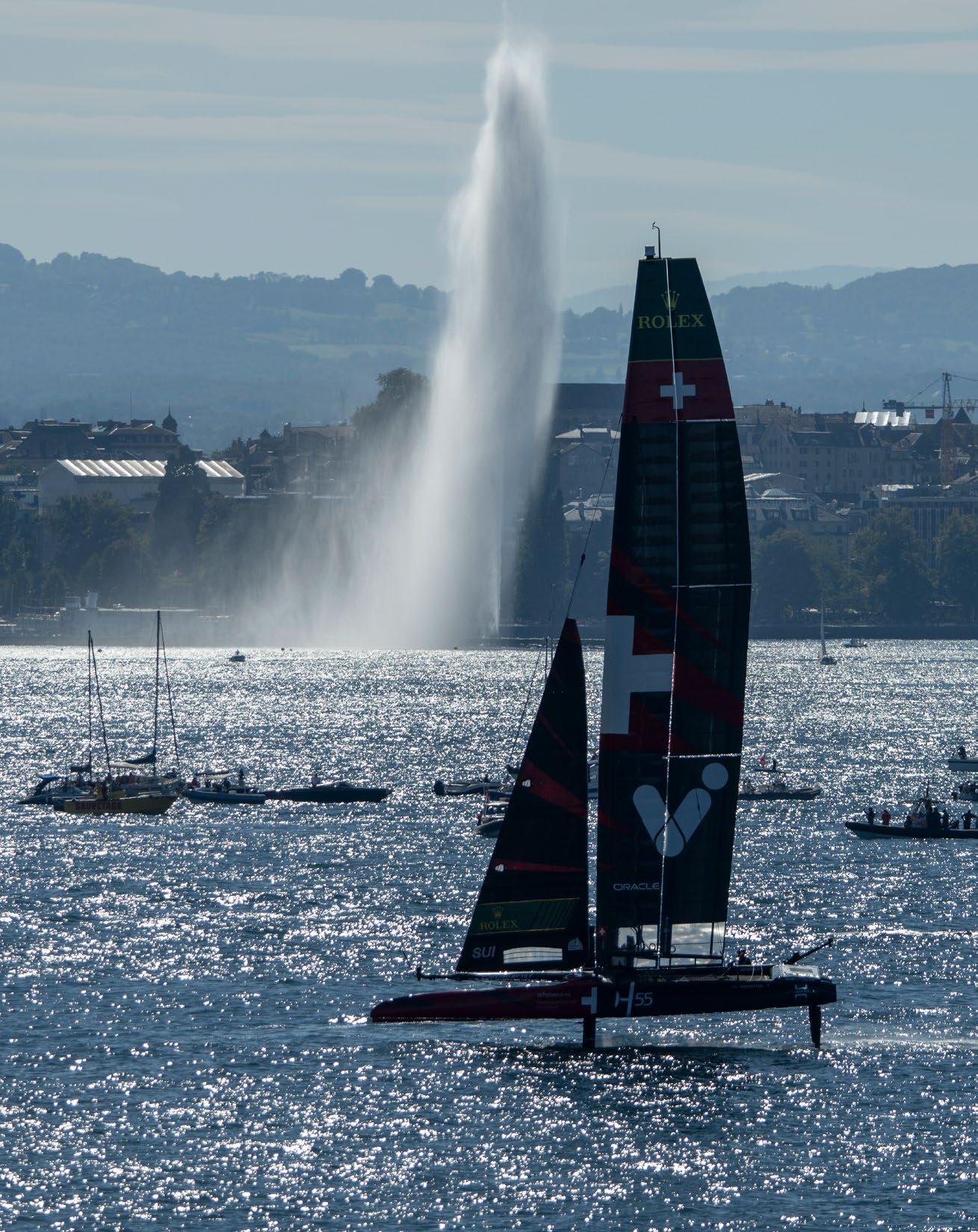
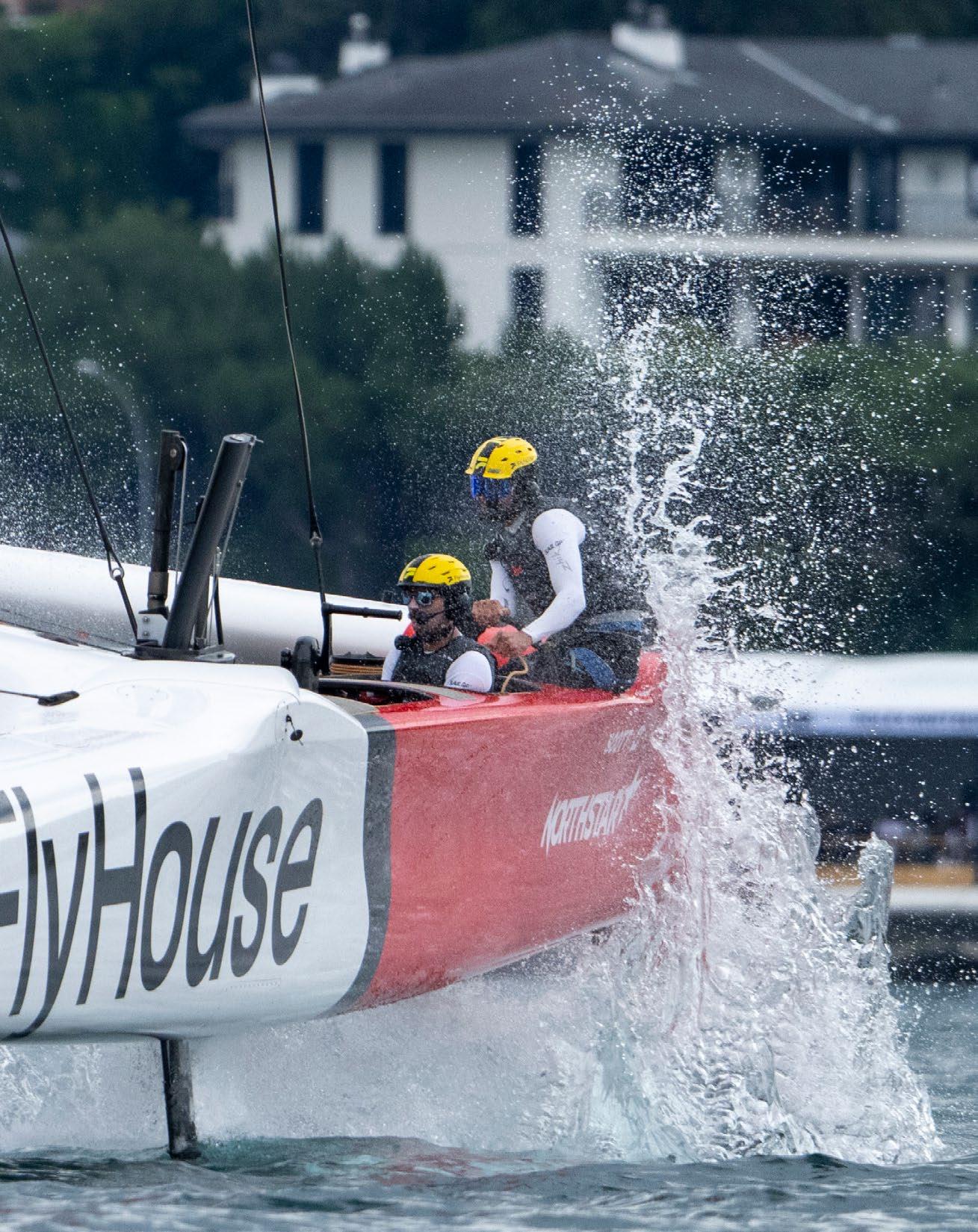
Né en 2019, le SailGP s’est imposé en quelques années comme l’une des compétitions nautiques les plus spectaculaires au monde. Douze équipes nationales s’affrontent à armes égales sur des F50, catamarans volants capables d’atteindre les cent kilomètres heure. Puisque les bateaux sont les mêmes, seule l’audace des manœuvres, la lecture du vent et la virtuosité des équipages font la différence.
Les 20 et 21 septembre 2025, pour la première fois, le Rolex Switzerland Sail Grand Prix a pris possession du Léman. La Maison horlogère n’a pas choisi Genève au hasard. En inscrivant son nom au cœur de la compétition, Rolex a voulu offrir à sa ville une première historique, réunissant deux univers qui partagent la même quête de perfection. Sur l’eau comme dans l’horlogerie, tout repose sur la maîtrise de l’invisible, la rigueur du détail et l’élégance du geste.
Le lac, miroir paisible d’ordinaire, s’est mué en scène grandiose. Dans le reflet du Mont-Blanc et sous l’élan du Jet d’Eau, les F50 ont tracé des lignes effervescentes, défiant la gravité et les caprices du vent. À terre, l’émotion n’était pas moindre. Plus de 8’500 spectateurs ont assisté aux régates depuis le Race Stadium, rejoints par des milliers d’autres massés sur les quais, les rives et même depuis l’eau.
Pendant deux jours, les douze nations engagées se sont affrontées dans une série de régates uniques. Lors de la finale, c’est l’équipe Germany by Deutsche Bank qui s’est imposée devant l’Australie et la Suisse. À domicile, Sébastien Schneiter et son équipe ont fait chavirer le public avec une navigation audacieuse et tenace, offrant à la Suisse une place sur le podium. « Participer à une nouvelle finale ici, à la maison, rend l’expérience encore plus spéciale », a confié le skipper helvétique, visiblement ému par l’ambiance unique. Même sentiment pour Russell Coutts, CEO et co-fondateur de SailGP, qui a salué « un moment vraiment spécial » et souligné la passion des fans ainsi que le décor spectaculaire offert par Genève.
Plus qu’une compétition, le Rolex Switzerland Sail Grand Prix est la célébration d’une même quête de précision et d’excellence, où la voile et Rolex se rejoignent dans l’art de repousser les limites. Cette première édition genevoise, marquée par des pointes à 53,2 km/h malgré une météo capricieuse, a ouvert un chapitre fondateur et inscrit le Léman parmi les nouvelles scènes incontournables du sport international. WWW.SAILGP.COM
RH PARIS
TEXT: EVANY COLLOUD
At 23 Avenue des Champs-Élysées, just steps away from Avenue Montaigne, a new address has claimed its place on the Parisian map. RH Paris marks the first European outpost of the Californian brand that has, over the decades, redefined the very notion of design and living. More than a store, it is an immersive experience at the crossroads of architecture, furniture, art, and hospitality, opening a new chapter in the cultural narrative of the French capital.
Founded in the 1980s under the name Restoration Hardware, RH initially attracted connoisseurs of classic-inspired furnishings. Over time, the brand reinvented its purpose, transforming furniture into a manifesto and retail spaces into curated living environments. Now present in the United States, the United Kingdom, Belgium, Spain, and Paris, RH continues its international expansion with a singular vision of contemporary luxury.
From the moment one steps through the gilded doors, the frenetic pace of the avenue fades away. After crossing a meticulously designed garden, visitors enter a sanctuary of design, an immersive gallery spanning several thousand square meters across seven levels, each conceived as a distinct stage. Beyond a gate adorned with gold leaf, a path lined with boxwood leads to an entrance guarded by an interpretation of Leonardo da Vinci’s Vitruvian Man, a subtle tribute to proportion, balance, and the dialogue between eras. Each floor unfolds its own narrative, telling the story of RH’s collections while echoing the broader history of design through refined classical and contemporary references.
RH Paris extends far beyond architecture and objects. Conceived almost as a private club, the space also functions as a true center of hospitality. Guests may linger over coffee, enjoy lunch, or spend an entire day without ever feeling immersed in a retail environment. At the RH Garden, set beneath a glass roof inspired by the Grand Palais, one dines in serene light as Paris reflects softly across carefully crafted surfaces. One level above, the bar presents a cocktail menu curated by Colin Field, the legendary mixologist formerly of the Ritz, in an atmosphere that is intimate and discreet. At the very top, one of the capital’s most exclusive rooftops reveals a sweeping panorama, from the Eiffel Tower to the Grand Palais and the Louvre, like a living postcard.
Throughout the visit, one truth becomes evident. RH Paris does not seek to impress through spectacle, but through subtlety. It offers a refined and contemporary vision of luxury, where design does not dominate, but accompanies. This is not a place to buy or to be seen, but to be immersed, inspired, and ultimately transformed, leaving with a lasting sense of emotion and elegance.
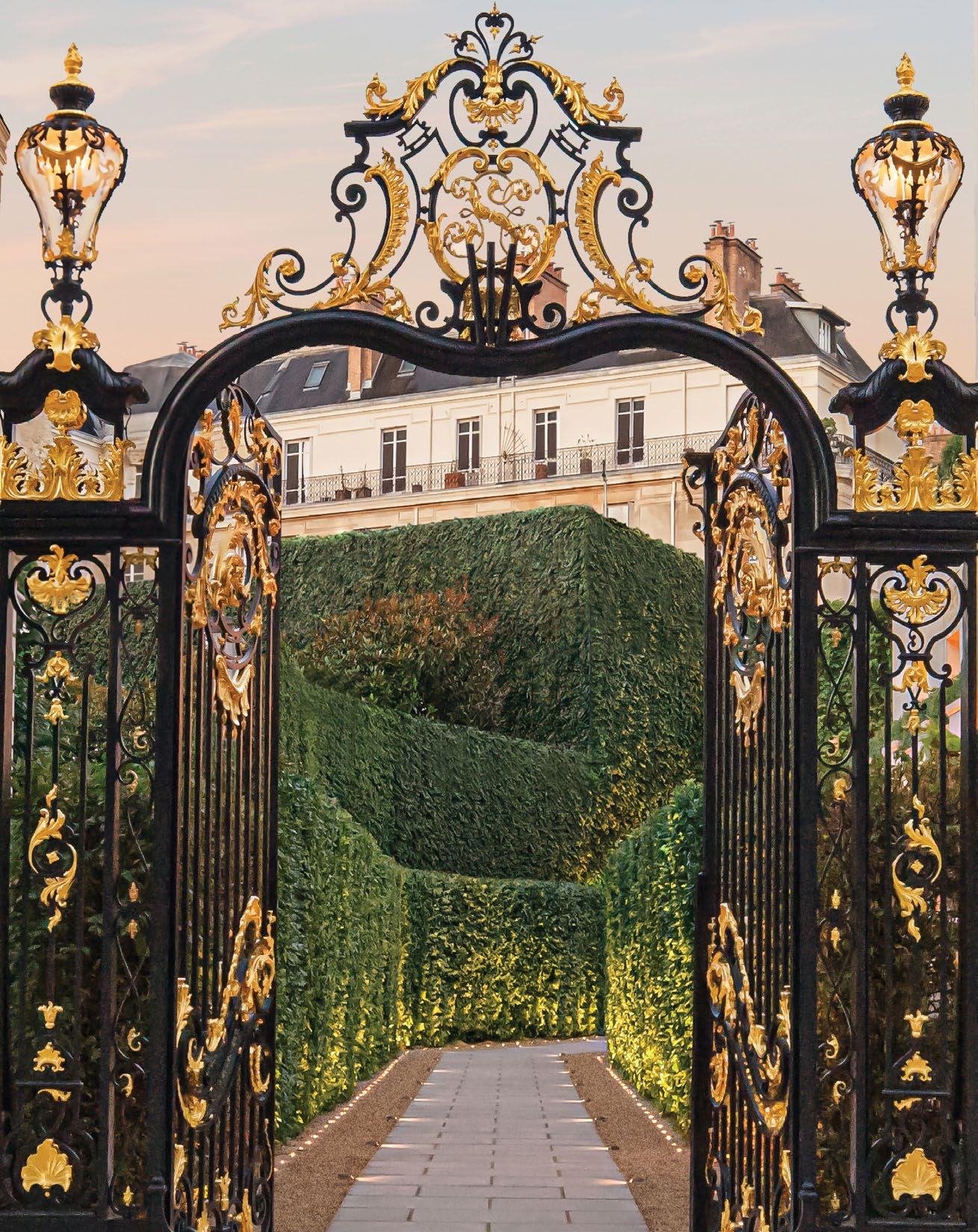
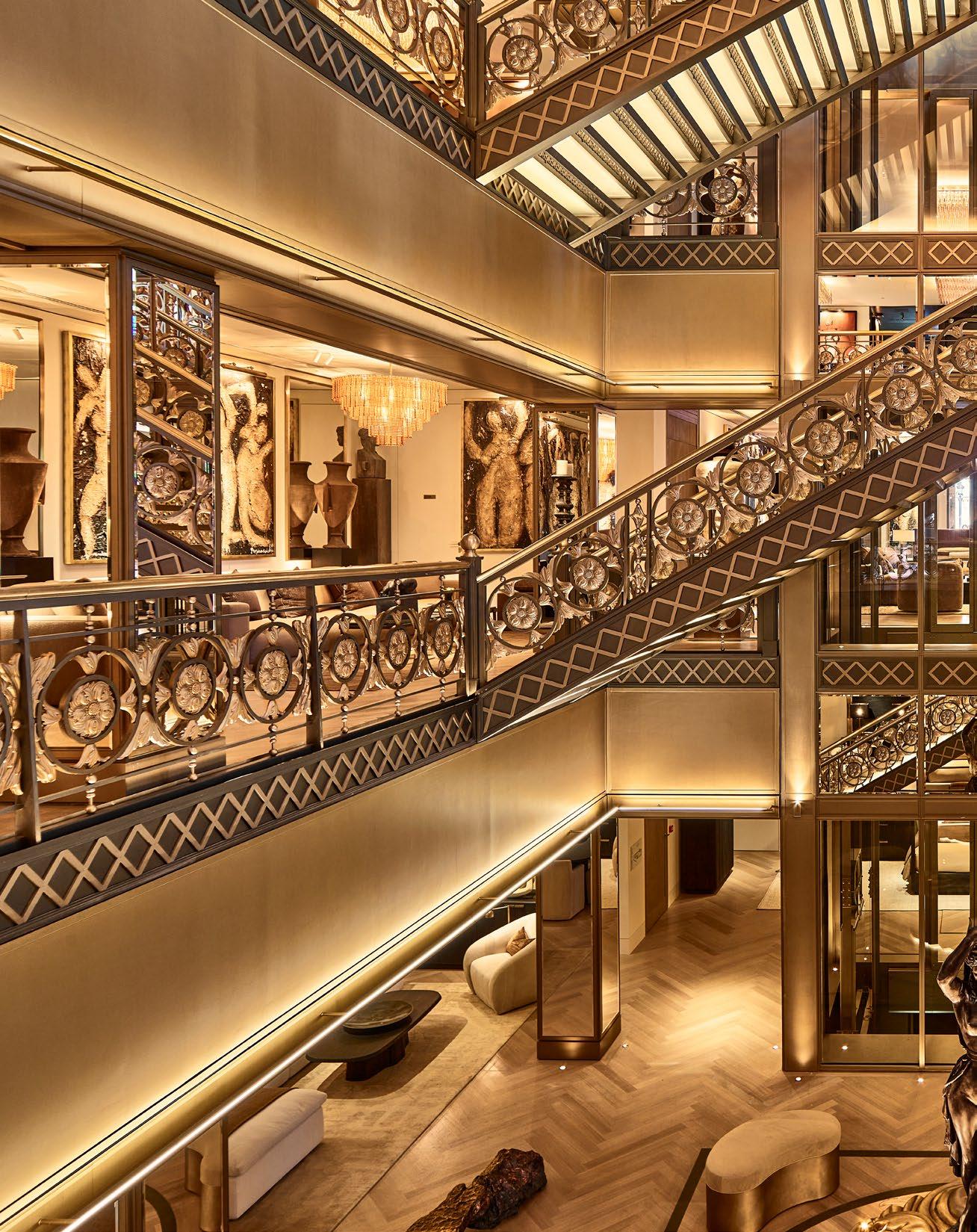
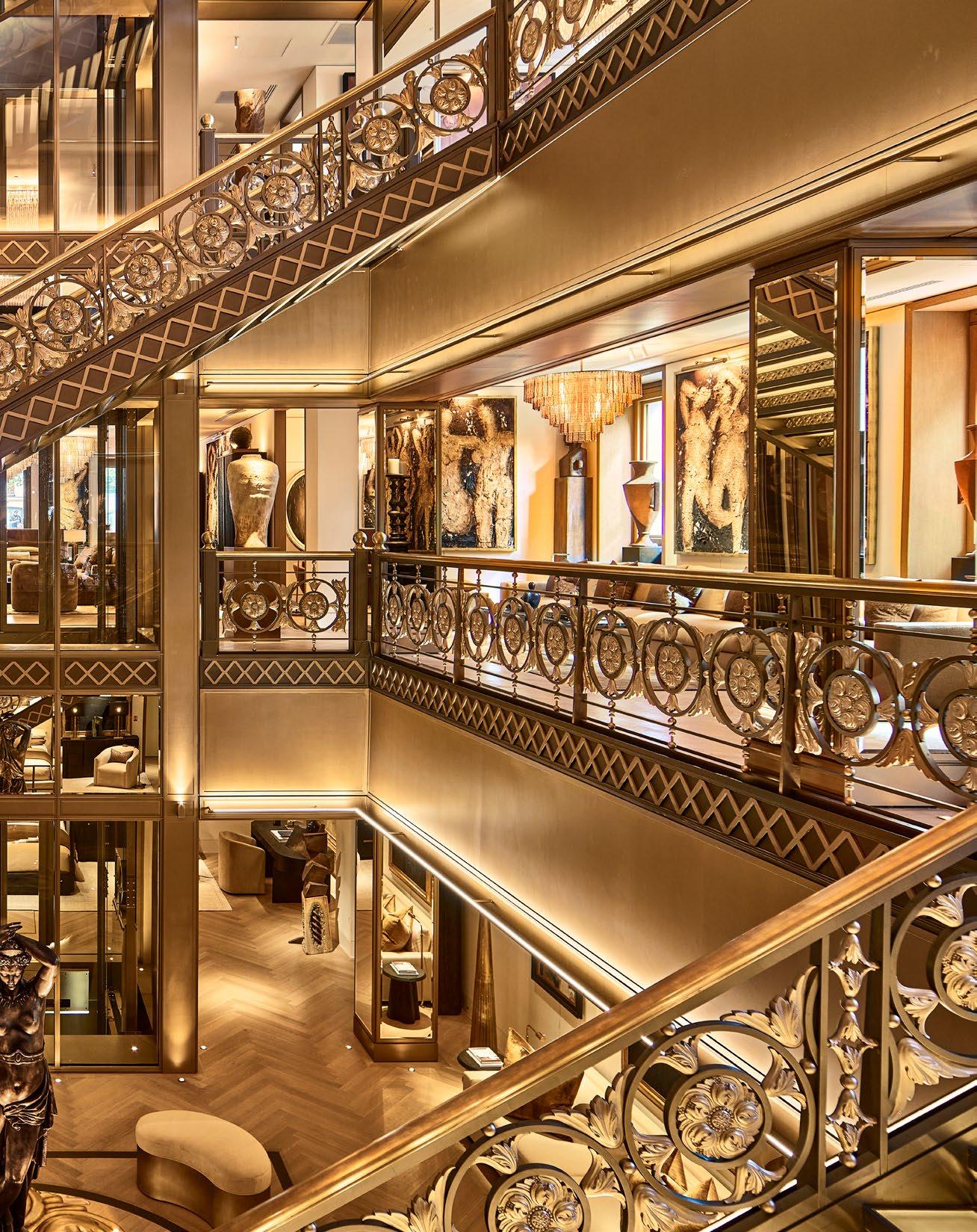
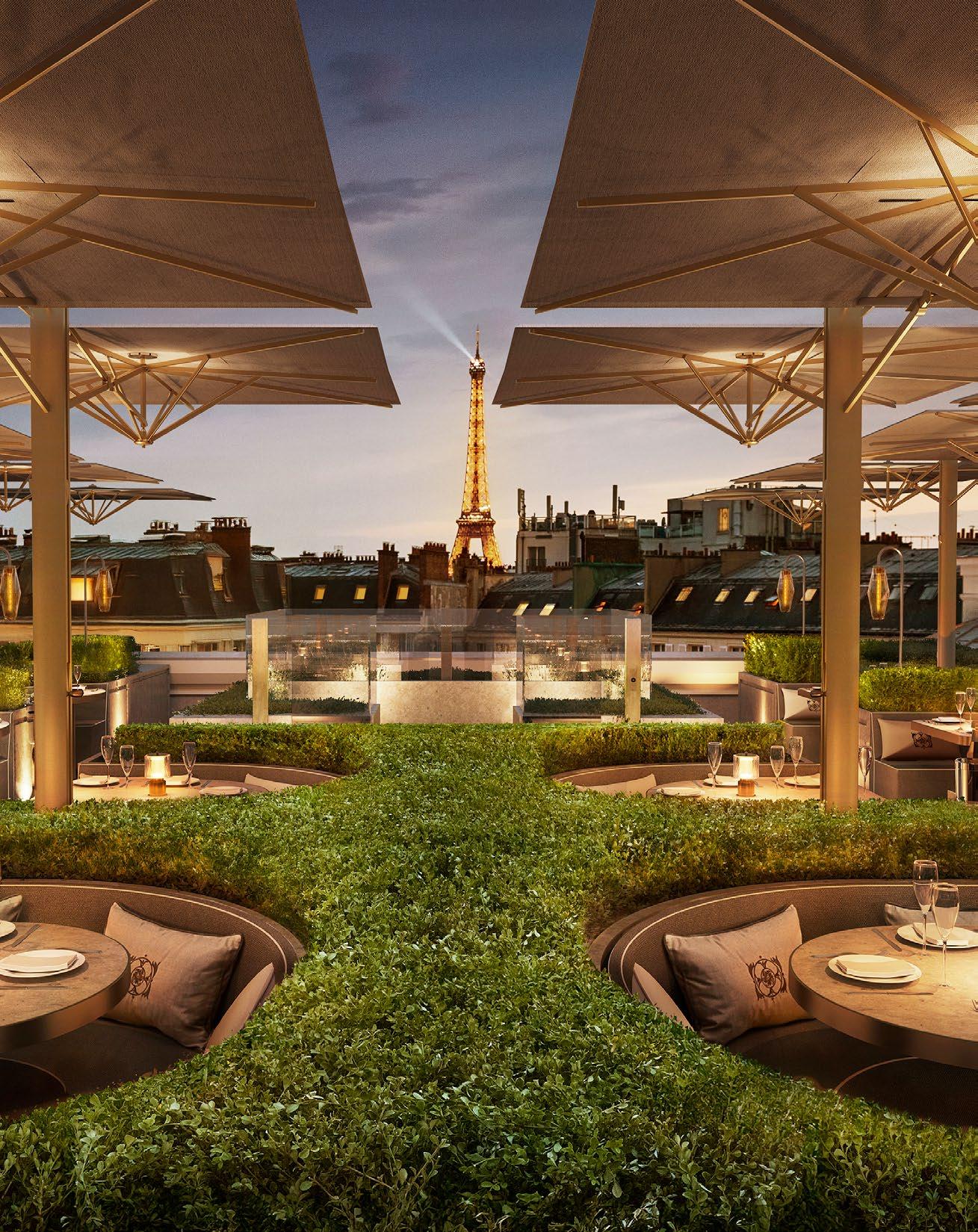
Au 23 avenue des Champs-Élysées, à deux pas de l’avenue Montaigne, une nouvelle adresse inscrit son nom dans le paysage parisien. RH Paris signe la première implantation européenne de la maison californienne, qui a su métamorphoser, au fil des décennies, l’idée même du design et de l’habitat. Ici, il ne s’agit pas simplement d’un magasin, mais d’une expérience à la croisée de l’architecture, du mobilier, de l’art et de l’hospitalité, qui résonne comme une nouvelle page de l’histoire culturelle de la capitale.
Née dans les années 1980 sous le nom Restoration Hardware, RH fut d’abord un repaire d’amateurs de mobilier d’inspiration classique. Rapidement, la marque a réinventé sa vocation, transformant le meuble en manifeste et l’espace commercial en véritable environnement de vie. Aujourd’hui présente aux États-Unis, en Angleterre, en Belgique, en Espagne et désormais à Paris, elle poursuit son expansion avec une vision singulière du luxe contemporain.
Dès que l’on franchit les portes dorées, le rythme effréné de l’avenue s’efface. Après avoir traversé un jardin soigneusement dessiné, on pénètre dans un sanctuaire du design : une galerie immersive de plusieurs milliers de mètres carrés, déployée sur sept niveaux, chacun pensé comme une scène à part entière. Derrière un portail orné de feuilles d’or, une allée de buis mène à une entrée gardée par une interprétation du Vitruvian Man de Léonard de Vinci, clin d’œil manifeste aux notions de proportions, de mesure et de dialogue entre les époques. Chaque étage raconte une histoire singulière, celle du mobilier RH mais aussi, plus largement, celle du design, convoquant subtilement les références classiques et contemporaines qui ont façonné notre idée de l’habitat.
RH Paris ne se limite pas à l’architecture et aux objets. Pensé presque comme un club privé, le lieu se veut également un véritable centre d’hospitalité. On peut s’y installer le temps d’un café, d’un déjeuner ou d’une journée entière sans jamais avoir l’impression d’être dans un espace commercial. Au Jardin RH, installé sous une verrière inspirée du Grand Palais, on déjeune dans le calme, on dîne dans une lumière feutrée, tandis que Paris se reflète dans des surfaces soigneusement travaillées. Un étage plus haut, le bar propose une carte de cocktails signée par Colin Field, figure incontournable passée par le Ritz. L’ambiance y est confidentielle, presque intimiste. Tout en haut, l’un des rooftops les plus exclusifs de la capitale dévoile un panorama exceptionnel, entre Tour Eiffel, Grand Palais et Louvre, comme une carte postale vivante.
Au fil de la visite, une évidence s’impose : RH Paris ne cherche pas à séduire par l’effet spectaculaire, mais à proposer une nouvelle manière de vivre le luxe. Ici, le design ne s’impose pas, il accompagne. Il ne s’agit ni d’acheter ni de se montrer, mais de se laisser envelopper par une atmosphère, de puiser une inspiration, et de repartir avec une émotion durable.
WWW.RH.COM
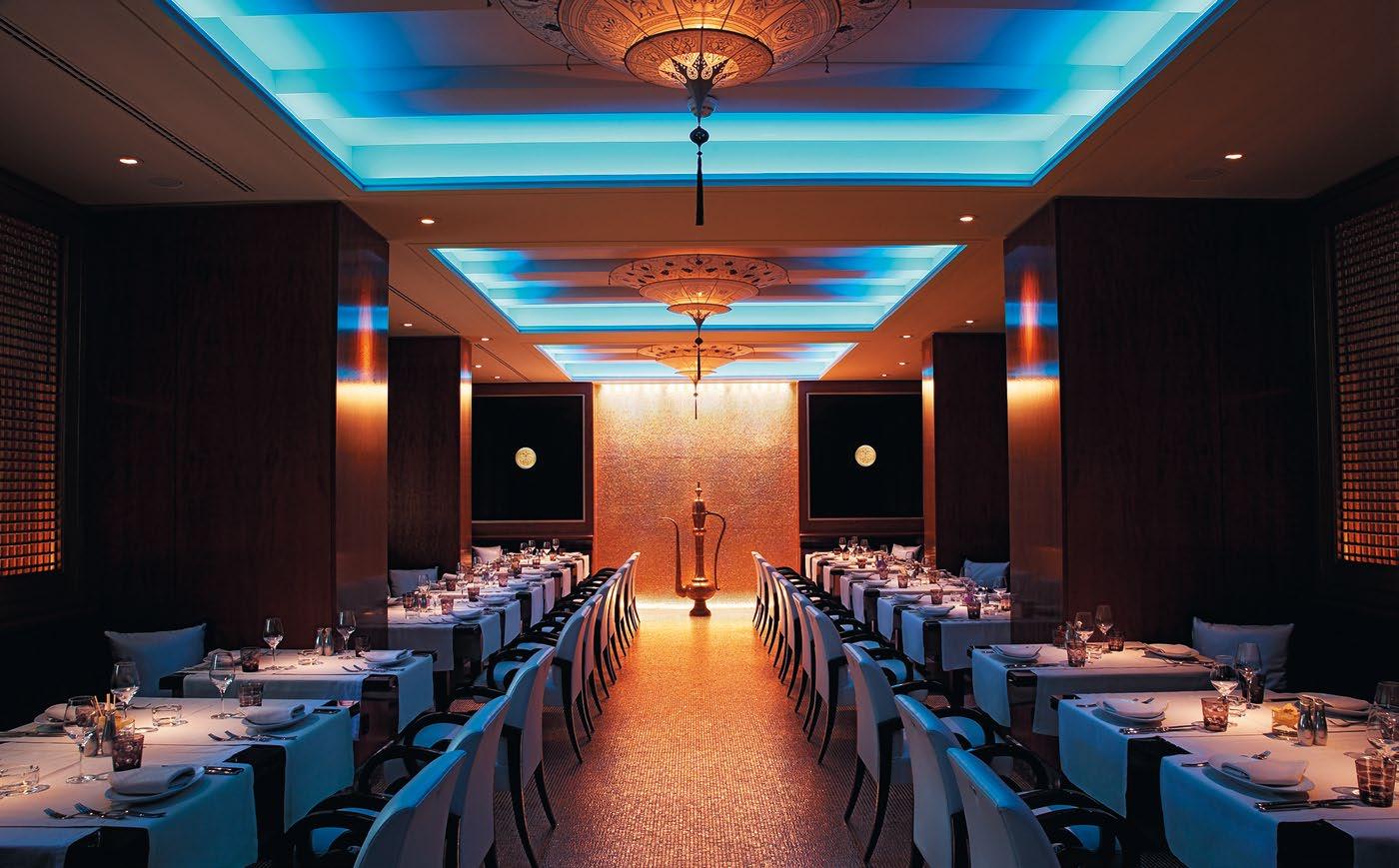


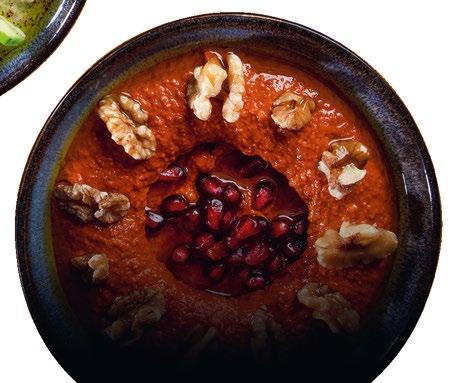
EXPEDITION DINING | ELEVATED INDULGENCE
ANCESTRAL WHISPER | CULINARY HEIGHTS
INTERMEZZO | SHAKEN

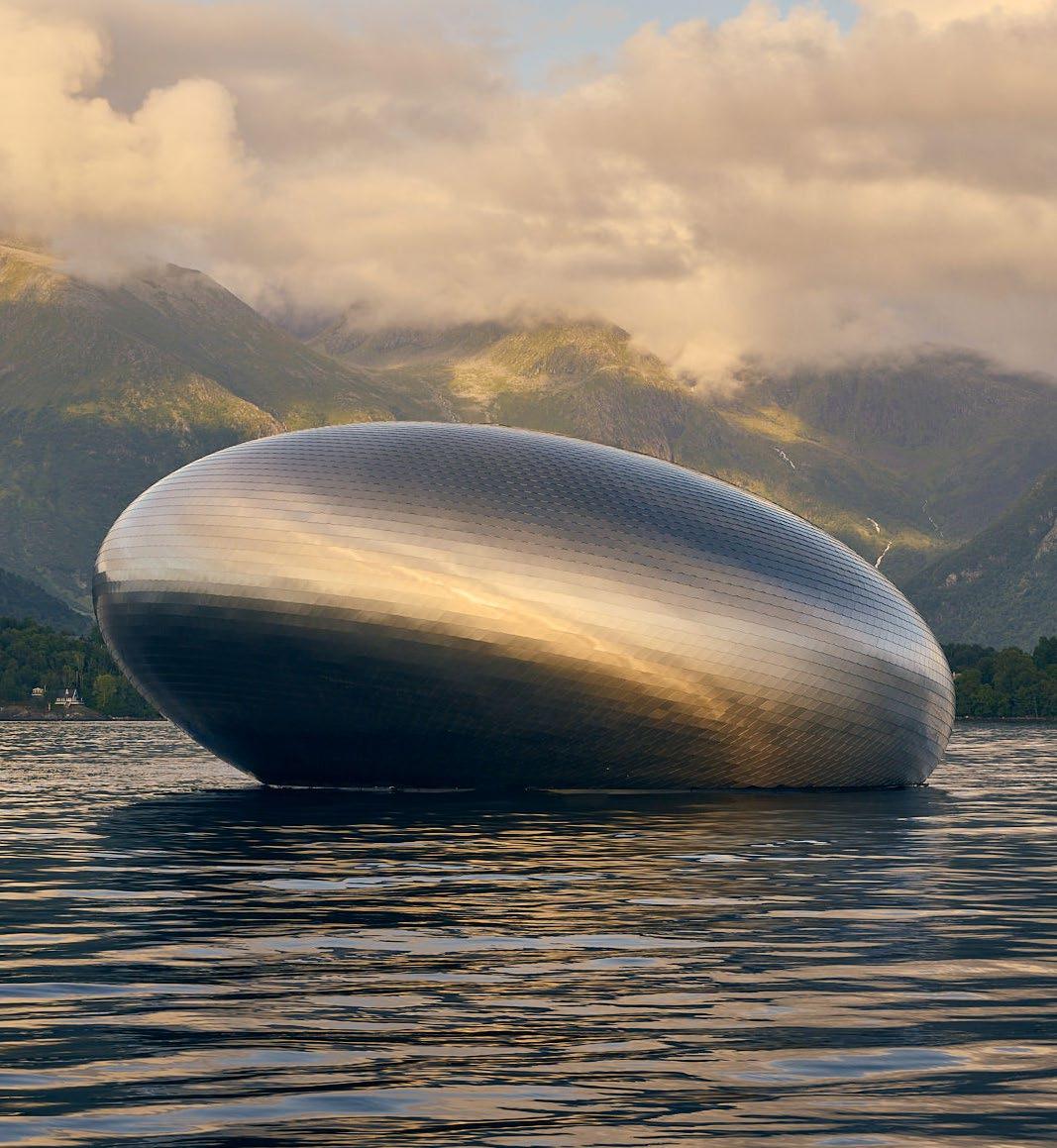
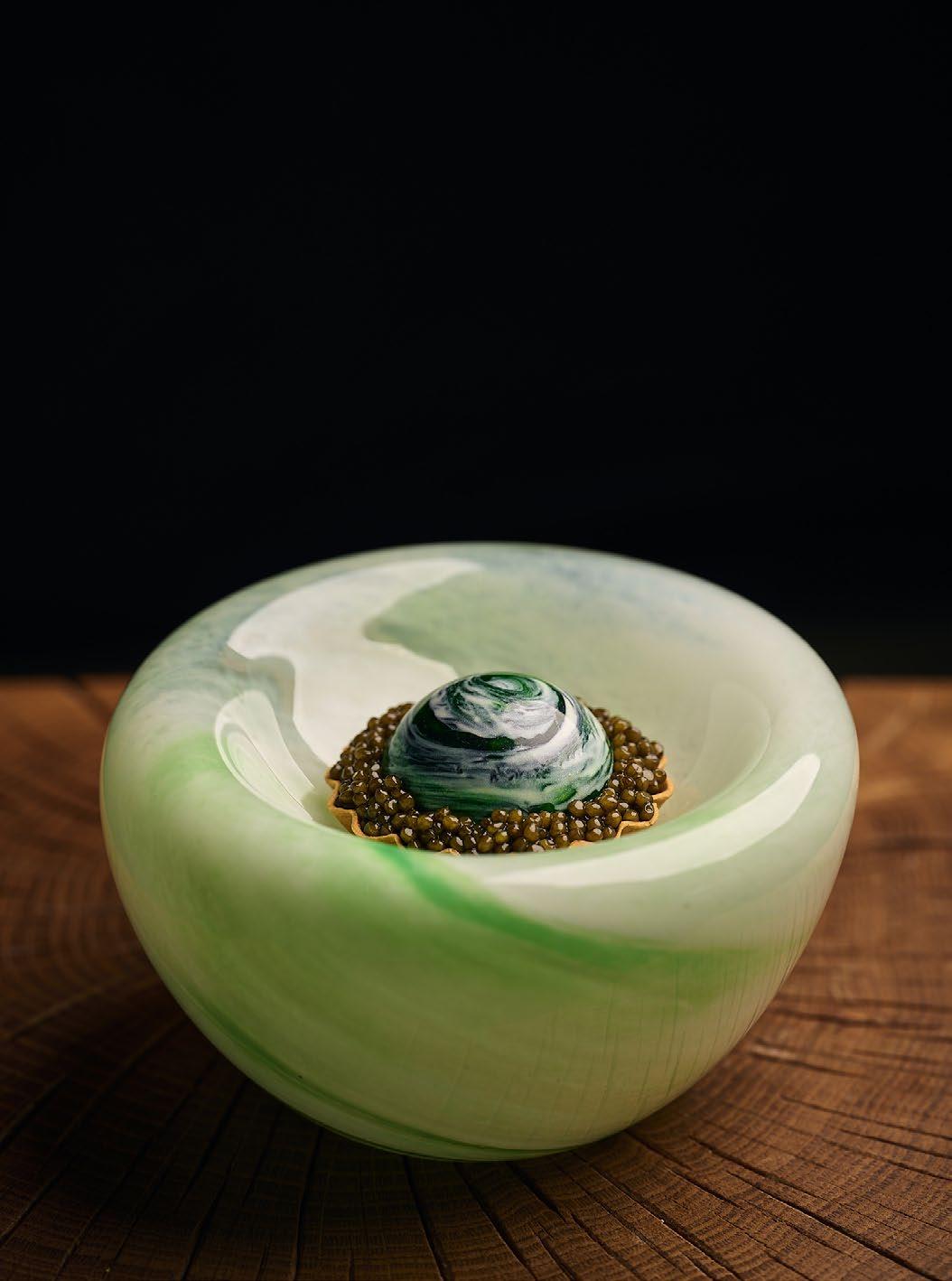
TEXT: EVANY COLLOUD
Set in the dazzling floating structure of Salmon Eye, anchored in the heart of a Norwegian fjord, Iris has found its ideal home. The experience, known as “Expedition Dining,” is led by Danish chef Anika Madsen, whose reputation stems from her passion for little-known marine ingredients and her deep commitment to sustainability. This exclusive concept takes twenty-four guests each evening on an unforgettable journey that begins with an electric-boat crossing of the fjord and culminates in an eighteen-course tasting menu served in the panoramic dining room of Salmon Eye.
Chef Anika Madsen brings to Iris a culinary vision that is both imaginative and profoundly purposeful. Known for her work at the helm of Fasangården and Roxie in Copenhagen, she now channels her talent into the Norwegian fjord. Her menu reads like a story that, while undeniably delicious, also raises questions about the threats facing our global food systems and offers forward-thinking ideas for the future. Settling on the small island of Sniltsveitøy allows her to work in direct proximity to the sea’s resources, exploring exceptional local ingredients such as invasive red sea urchin and a variety of wild seaweeds.
The dining experience unfolds as a sequence of revelations. Weather permitting, one course is even served atop Salmon Eye, flame-grilled outdoors, allowing guests to savour the crisp fjord air. Beyond the treasures of the sea, each creation highlights exceptional regional ingredients from the land, including game, sheep’s milk and refined local ciders. At Iris, luxury resides in this absolute traceability and in the profound connection to its producers. Each dish is meticulously linked to the fishermen and artisans who make it possible, embodying a philosophy of uncompromising ultra-local sourcing. Even the name Iris evokes the Greek messenger who travels between the realms of sea and sky.
More than a culinary feat, Iris is also an architectural and philosophical vision. Salmon Eye is a spectacular floating structure inspired by the form of a fish’s eye. This extraordinary installation is one of the world’s largest visitable floating experience centres, dedicated to exploring innovative ways to nourish the planet through sustainable marine life and responsible aquaculture. The project was initiated and is owned by Eide Fjordbruk, the world’s first and only CarbonNeutralcertified salmon producer. By uniting cutting-edge gastronomy with a global mission, Iris stands as a vital laboratory for this vision, offering an experience that nourishes both palate and mind while redefining the very notion of responsible luxury.
C’est dans l’éblouissante structure flottante du Salmon Eye, posée au milieu d’un fjord norvégien, que le restaurant Iris a trouvé son ancrage. L’expérience, baptisée « Expedition Dining », est menée par la cheffe danoise Anika Madsen, dont la réputation repose sur sa passion pour les ingrédients marins méconnus et son engagement envers la durabilité. Ce concept exclusif entraîne chaque soir vingt-quatre convives dans un voyage inoubliable qui commence par une traversée en bateau électrique avant de culminer avec un menu dégustation de dix-huit plats servi dans la salle à manger panoramique du Salmon Eye.
La cheffe Anika Madsen apporte à Iris une vision culinaire à la fois créative et profondément engagée. Récompensée pour son travail à la tête des restaurants Fasangården et Roxie à Copenhague, elle met désormais son talent au service du fjord norvégien. Son menu raconte une histoire qui, tout en étant délicieuse, interroge les menaces qui pèsent sur notre alimentation et ouvre des pistes d’innovation pour l’avenir. S’installer sur la petite île de Sniltsveitøy lui permet de travailler au plus près des ressources marines, d’explorer des produits locaux d’une qualité exceptionnelle, comme l’oursin rouge invasif ou différentes variétés d’algues.
L’expérience culinaire elle-même se déploie comme une succession de découvertes. Lorsque la météo le permet, un plat est même servi sur le toit du Salmon Eye, grillé à la flamme en plein air, permettant aux convives de savourer l’air vif du fjord. Au-delà des produits de la mer, chaque création célèbre également des ingrédients terrestres régionaux d’exception, tels que le gibier, le lait de brebis ou les cidres locaux. Le luxe, chez Iris, réside dans cette traçabilité absolue et dans la connexion directe aux producteurs. Chaque plat est lié, parfois jusqu’au geste, aux pêcheurs et artisans qui en sont les sources, reflétant une philosophie d’approvisionnement résolument ultra-local. Quant au nom Iris, il évoque la messagère grecque, celle qui relie les mondes marins et célestes.
Bien plus qu’une expérience gastronomique, Iris se révèle aussi comme une prouesse architecturale et une véritable vision philosophique. Le Salmon Eye est une œuvre flottante spectaculaire, inspirée de la forme d’un œil de poisson. Cette structure hors normes compte parmi les plus grands centres d’expérience flottants visitables au monde, entièrement dédié à l’exploration des solutions permettant de mieux nourrir la planète grâce à la vie marine durable et à une aquaculture responsable. Le projet est initié et détenu par Eide Fjordbruk, premier et unique producteur de saumon au monde certifié CarbonNeutral. En fusionnant haute gastronomie et mission globale, Iris s’impose comme un laboratoire essentiel de cette vision, offrant une expérience puissante qui nourrit à la fois le palais et l’esprit tout en redéfinissant les contours d’un luxe véritablement responsable.
WWW.RESTAURANTIRIS.NO
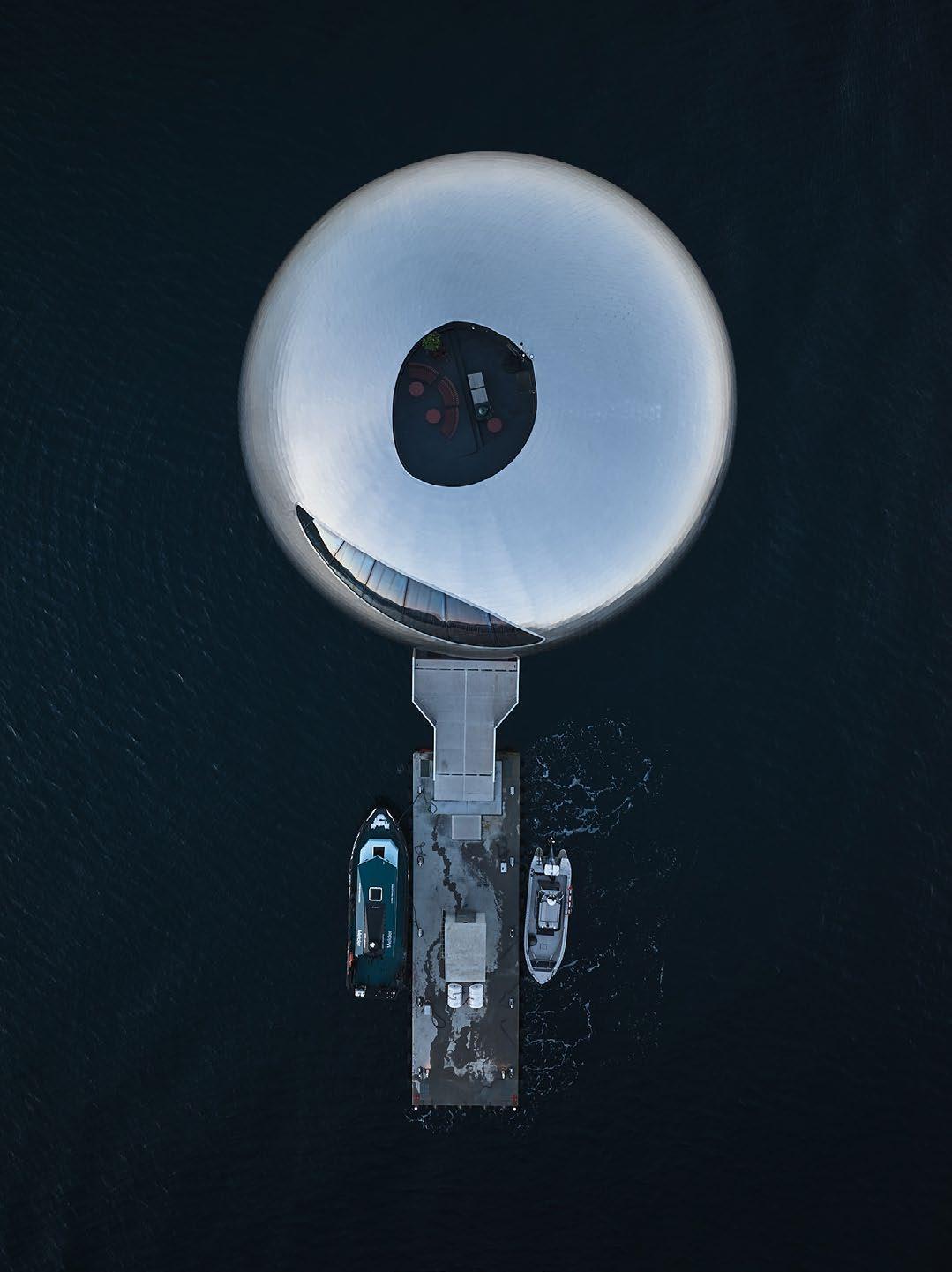
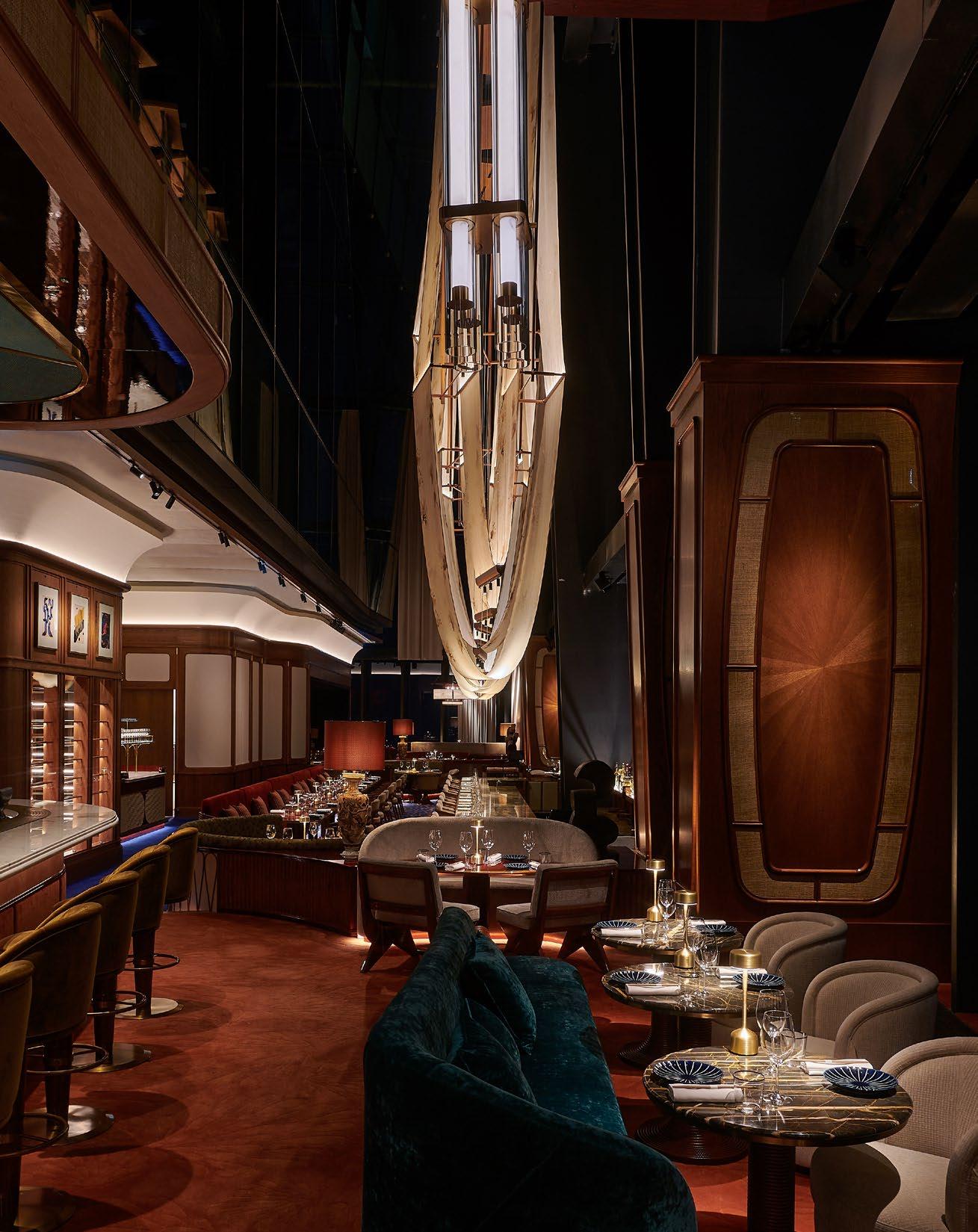
TEXT: MEGAN TOMOS
At 51 floors above Dubai, where the city begins to feel abstract and the noise fades into geometry and light, Bar des Prés makes its case quietly. Rather than chasing scale and superlatives, Chef Cyril Lignac’s Parisian export earns attention plate by plate, view by view. Perched atop ICD Brookfield Place and Franco-Japanese at its core, Bar des Prés occupies the space between precision and pleasure, where Japanese technique sharpens French indulgence, and every detail feels deliberately considered.
You may come for the food, though much of the experience lies in the design. Floor-to-ceiling windows pull the city into the room, offering sweeping views that stretch from the soft curves of Jumeirah Mosque to the architectural punctuation of Emirates Towers. By day, sunlight washes the dining room in vibrancy; by night, Dubai becomes a constellation that heightens the ritual of dining. Designed by Lázaro Rosa-Violán, the interiors echo the original Paris location while speaking fluently in a Dubai dialect. Mustard-toned marble tables, peacock-embroidered fabrics, and sinuous lines nod to Left Bank elegance, while bamboo, rattan, and copper accents introduce a subtle East Asian restraint. A signature blue anchors the space, cool and composed, allowing the skyline to do the talking.
At the centre of the room sits the Sushi Counter, a ten-seat front row to the restaurant’s philosophy. Here, craft is part of the experience, yet never theatrical. Knives move with intention, rice is treated with reverence, and every gesture feels purposeful. Beyond it, the main dining room offers a menu that favours balance over bravado. Do not expect unnecessary flourishes or excess for the sake of spectacle. Here, precision, restraint, and confidence in technique run the show.
Expect the light, silky precision of nigiri and sashimi alongside French-inspired creations such as truffle-topped wagyu tartare, delicate miso-glazed seabass, and a playful take on the classic beef bourguignon with Japanese dashi. Starters like the yuzu-infused ceviche and delicate uni tempura set the tone, while desserts ranging from matcha crème brûlée to pistachio macarons finish the meal with lingering sweetness. Whether for a sunlit power lunch, a golden-hour martini, or a late-night dinner above the city’s glow, Bar des Prés is a reminder that flavours should, on any occasion, unfold like conversation. '
À 51 étages au-dessus de Dubaï, là où la ville commence à se faire abstraite et où le bruit s’efface au profit de la géométrie et de la lumière, Bar des Prés s’impose avec discrétion. Plutôt que de rechercher l’échelle ou les superlatifs, l’export parisien du chef Cyril Lignac séduit, assiette après assiette, vue après vue. Perché au sommet de l’ICD Brookfield Place et profondément ancré dans un esprit franco-japonais, Bar des Prés évolue dans l’espace entre précision et plaisir, où la technique japonaise affine l’indulgence française et où chaque détail semble pensé, jamais ostentatoire.
On vient pour la cuisine, certes, mais une grande partie de l’expérience réside dans le design. Les baies vitrées du sol au plafond invitent la ville à entrer dans le restaurant, offrant des vues spectaculaires qui s’étendent des courbes douces de la mosquée de Jumeirah à la silhouette emblématique des Emirates Towers. Le jour, la lumière inonde la salle de son énergie ; la nuit, Dubaï devient constellation et sublime le rituel du repas. Signés par Lázaro Rosa-Violán, les intérieurs rappellent le lieu originel parisien tout en parlant avec fluidité le dialecte de Dubaï. Les tables en marbre jaune moutarde, les tissus brodés de paon et les lignes sinueuses évoquent l’élégance de la Rive Gauche, tandis que le bambou, le rotin et les touches de cuivre apportent une discrète retenue asiatique. Un bleu signature ancre l’espace, frais et posé, laissant le skyline raconter sa propre histoire.
Au centre de la salle trône le Sushi Counter, un comptoir de dix places qui offre une place au premier rang de la philosophie du restaurant. Ici, l’artisanat fait partie de l’expérience, mais jamais de manière théâtrale. Les couteaux s’animent avec intention, le riz est traité avec révérence, et chaque geste a une raison d’être. Derrière lui, la salle principale propose un menu qui privilégie l’équilibre à l’esbroufe.
N’attendez ni superflu ni excès pour l’effet. Ici, précision, retenue et confiance dans la technique dictent le rythme.
On retrouve la légèreté et la finesse du nigiri et des sashimis, aux côtés de créations inspirées de la cuisine française telles que le tartare de wagyu truffé, le bar délicatement laqué au miso, ou une interprétation ludique du bœuf bourguignon classique au dashi japonais. Les entrées, comme le ceviche infusé au yuzu ou la tempura d’uni délicate, donnent le ton, tandis que les desserts, du crème brûlée au matcha aux macarons à la pistache, concluent le repas sur une douceur persistante. Que ce soit pour un déjeuner d’affaires baigné de soleil, un martini au moment doré, ou un dîner tardif au-dessus des lumières de la ville, Bar des Prés rappelle que les saveurs doivent, en toute occasion, se déployer comme une conversation. WWW.BARDESPRES.COM
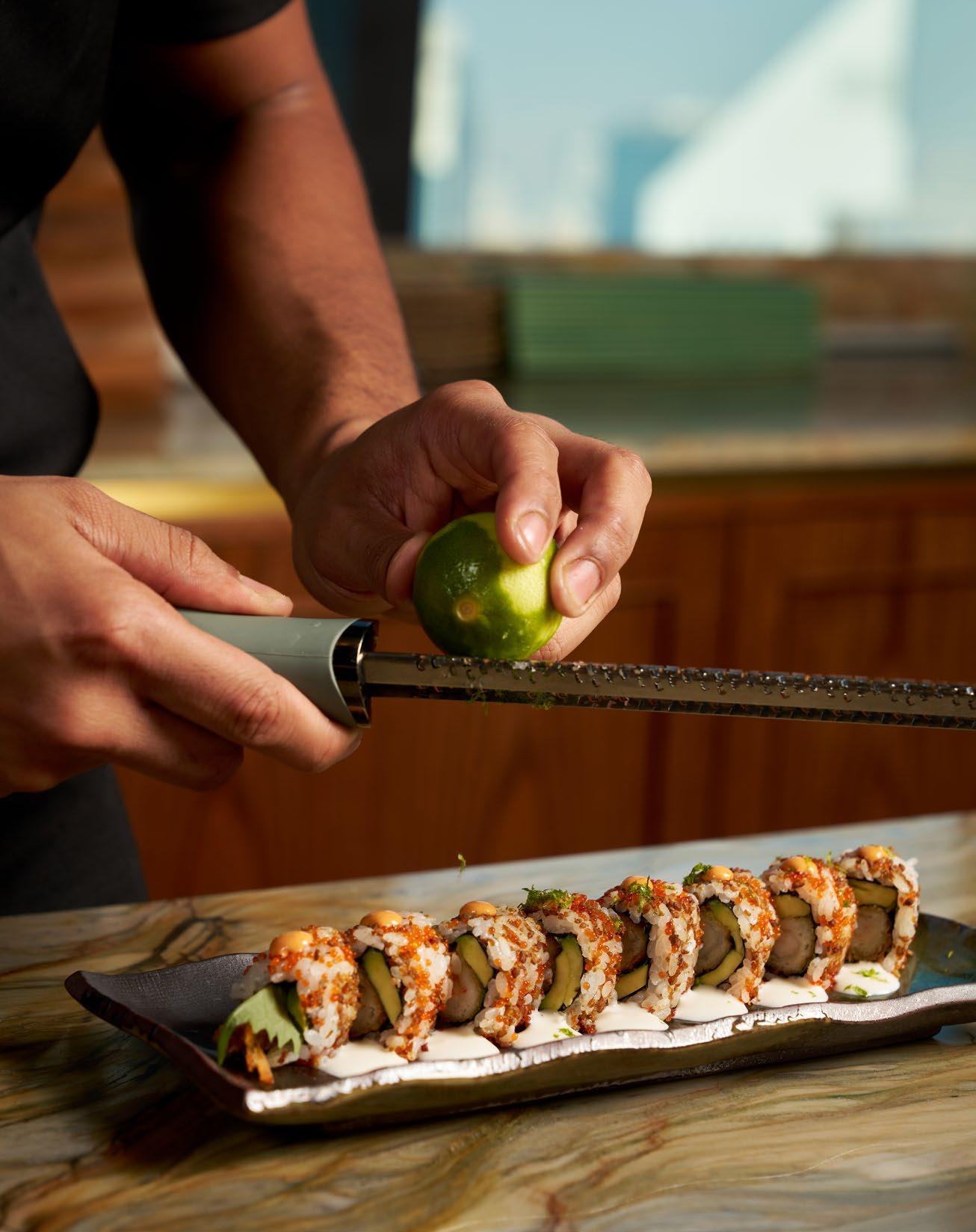
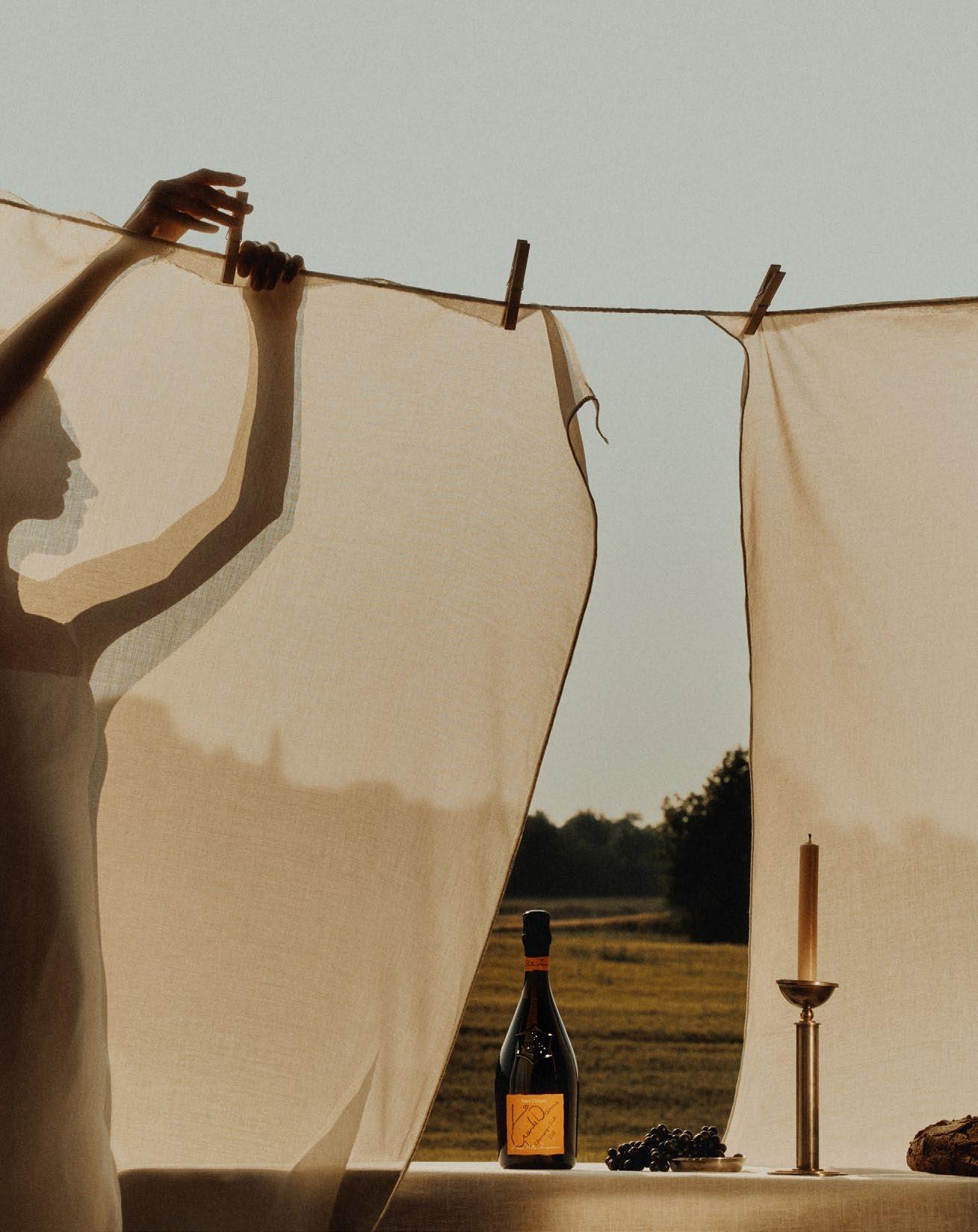
TEXT: EVANY COLLOUD
In 1877, Veuve Clicquot made yellow its signature. More than a century later, Simon Porte Jacquemus brings it to life once again, infused with the light of his native Provence. This is no coincidence, but a continuity, the story of two houses speaking the same language, that of gesture and creation. For the release of La Grande Dame 2018, the French designer offers a radiant reinterpretation, both a tribute to artisanal craftsmanship and a celebration of the creative power of the women who shaped these two legacies.
This color becomes the guiding thread of the collaboration. At Veuve Clicquot, yellow embodies optimism and elegance. At Jacquemus, it shines like the sun of his southern homeland. It appears on a label with irregular contours, crossed by subtle embossed rays, and on a draped white linen recalling the trousseaux of the past and the simple gesture of chilling a bottle in a damp cloth. Tradition and modernity merge here, carried by embroidered details reminiscent of handwritten notes, intimate and discreet.
At the heart of this encounter is a story of women. Madame Clicquot, a pioneer who led the House in 1805 when few women held such power, and Simon’s mother, an eternal muse inspiring every creative gesture. Between them is woven a symbolic link, transformed here into a cuvée celebrating feminine strength and the art of passing on knowledge.
The collaboration extends to Le Rafraîchissoir, a rare piece that reimagines the art of champagne service. Inspired by Medici vases and created with a master Parisian silversmith, the object is handcrafted in silver-plated metal, the result of over forty hours of work. Produced to order and limited to fifty pieces, it embodies both the precision of craftsmanship and the poetry of the object.
And then there is the champagne. La Grande Dame 2018, the twenty-fifth vintage of the House, reflects the art of Pinot Noir as imagined by Madame Clicquot: powerful yet delicate, precise and luminous, animated by a solar freshness. This cuvée finds its natural place in the world of Jacquemus, where emotion is born from the simplicity of materials and the sincerity of gestures. More than a limited edition, this union is an invitation to celebrate the moments that matter, with optimism and poetry.
En 1877, Veuve Clicquot faisait du jaune sa signature. Plus d’un siècle plus tard, Simon Porte Jacquemus en fait vibrer l’écho, infusé de sa Provence natale. Ce n’est pas un hasard, mais une continuité : celle de deux maisons qui parlent la même langue, celle du geste et de la création. À l’occasion du millésime La Grande Dame 2018, le créateur français signe une réinterprétation solaire, à la fois hommage au savoir-faire artisanal et célébration de la puissance créative des femmes qui ont façonné ces deux histoires.
Cette couleur devient alors le fil conducteur de la collaboration. Chez Veuve Clicquot, le jaune incarne l’optimisme et l’allure. Chez Jacquemus, il vibre comme le soleil de son Sud natal. On le retrouve sur une étiquette aux contours irréguliers, traversée de subtils rayons embossés, et sur un drapé de lin blanc évoquant les trousseaux d’antan et le geste simple consistant à rafraîchir une bouteille dans un linge humide. Tradition et modernité s’y fondent, portées par des détails brodés, semblables à des notes manuscrites, intimes et discrètes.
Au cœur de cette rencontre, il y a une histoire de femmes. Celle de Madame Clicquot, pionnière qui dirigea la Maison dès 1805, à une époque où peu de femmes accédaient à ce pouvoir. Et celle de la mère de Simon, muse éternelle qui inspire chacun de ses gestes créatifs. Entre elles se tisse un lien symbolique, ici transformé en une cuvée célébrant la force féminine et l’art de la transmission.
Cette collaboration se prolonge avec Le Rafraîchissoir, une pièce rare qui revisite l’art du service du champagne. Inspiré des vases Médicis et réalisé avec un maître orfèvre parisien, cet objet est façonné à la main en métal argenté, fruit de plus de quarante heures de travail. Édité sur commande et limité à cinquante exemplaires, il incarne à la fois la précision du savoir-faire et la poésie de l’objet.
Et puis, il y a le champagne. La Grande Dame 2018, vingt-cinquième millésime de la Maison, reflète l’art du Pinot Noir tel que l’imaginait Madame Clicquot : puissant mais délicat, précis et lumineux, animé d’une fraîcheur solaire. Une cuvée qui trouve naturellement sa place dans l’univers de Jacquemus, où l’émotion naît de la simplicité des matières et de la sincérité des gestes. Plus qu’une édition limitée, cette alliance est une invitation à célébrer les moments qui comptent, avec optimisme et poésie.
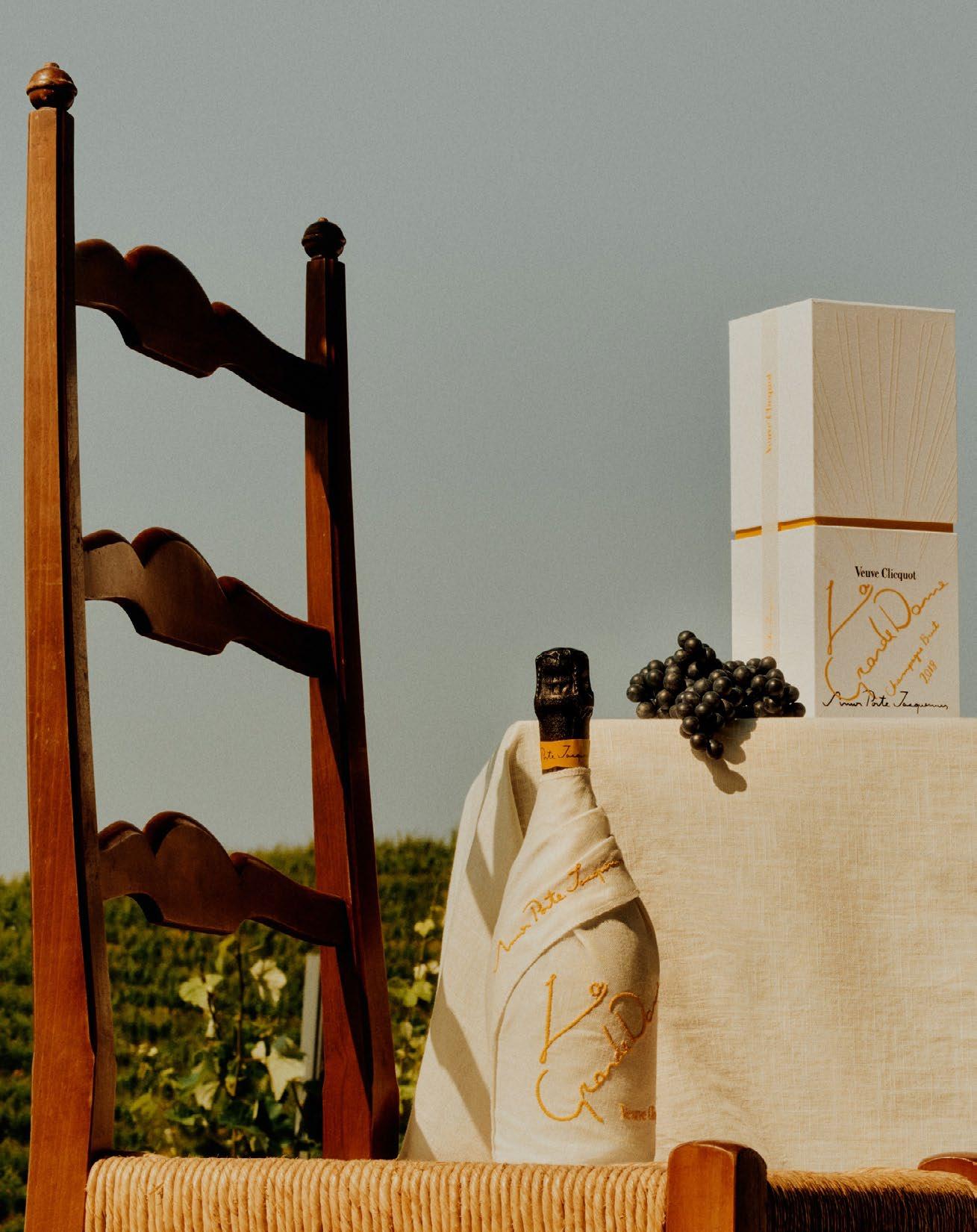
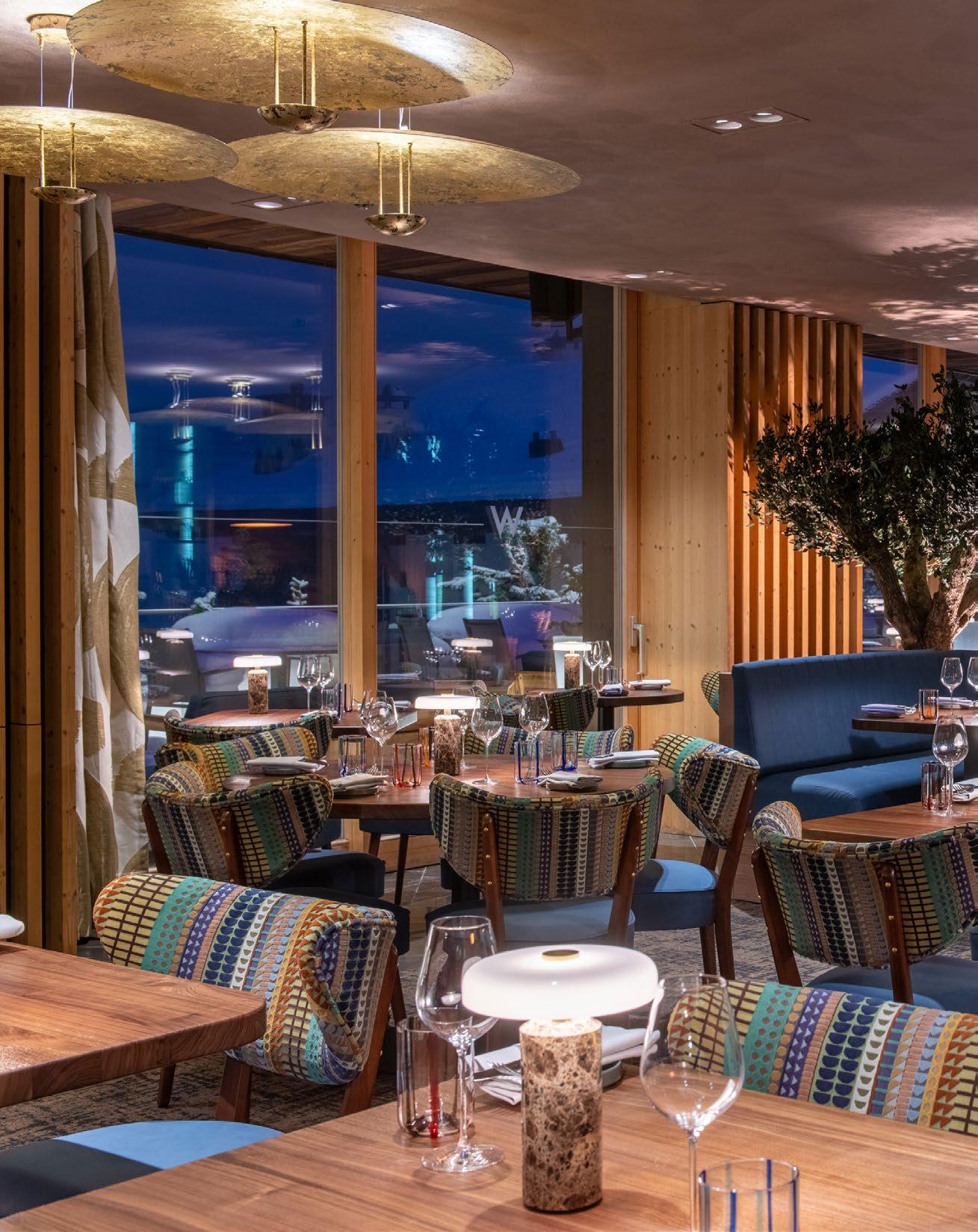
TEXT: EVANY COLLOUD
In Verbier, the W enhances its gastronomic landscape with Brasserie 1519, a contemporary reinterpretation of the alpine brasserie. Situated at 1,519 meters above sea level, it continues the hotel’s DNA while asserting a unique culinary identity, blending alpine traditions with Mediterranean touches. The project represents a natural evolution of W Verbier’s previous dining concepts, with a clear ambition: to offer cuisine that is accessible, generous, and sincere, appealing to both local and international guests.
To bring this vision to life, the two-Michelin-starred Spanish chef Sergi Arola has partnered with Jean-Philippe Dupas, the hotel’s executive chef. Together, they have created an evolving menu where the comfort of alpine dishes meets the creativity and warmth of southern cuisine. Charcoal-grilled items form the foundation, while sharing plates, including tapas, coca pizzas, and comforting pasta or rice dishes, reflect Sergi Arola’s southern spirit. Bolder creations, such as Jean-Philippe Dupas’s signature tartares, offer true sensory experiences centered on the quality of the ingredients.
The décor mirrors this cultural fusion. Raw materials and contemporary lines create a warm space, where Mediterranean-blue seating, solid walnut tables, and olive trees establish an elegant and comfortable atmosphere, evoking discreet luxury that is attentive to detail without ever being ostentatious.
More than a restaurant, Brasserie 1519 is designed as a convivial meeting place, naturally integrated into the daily life of Verbier. After skiing, conversations continue, punctuated by special experiences and occasional collaborations. Here, conviviality, creativity, and a sense of place take precedence over decorative effect, and luxury is expressed above all through precision and harmony.
À Verbier, le W enrichit son paysage gastronomique avec la Brasserie 1519, une relecture contemporaine de la brasserie alpine. Située à 1519 mètres d’altitude, elle s’inscrit dans la continuité de l’ADN de l’hôtel tout en affirmant une identité culinaire unique, mêlant traditions alpines et touches méditerranéennes. Le projet prolonge l’évolution naturelle des précédents concepts de restauration du W Verbier avec une ambition claire : proposer une cuisine accessible, généreuse et sincère, capable de séduire autant la clientèle locale qu’internationale.
Pour concrétiser cette vision, le chef espagnol doublement étoilé Sergi Arola s’associe à JeanPhilippe Dupas, chef exécutif de l’établissement. Ensemble, ils élaborent une carte évolutive, où le confort des plats montagnards rencontre la créativité et la chaleur de la cuisine du Sud. Les grillades au charbon de bois en constituent la base, tandis que des assiettes à partager, entre tapas, coca pizzas et plats de pâtes ou de riz, reflètent l’esprit méridional cher à Sergi Arola. Des propositions plus audacieuses, comme les tartares signatures de Jean-Philippe Dupas, offrent de véritables expériences sensorielles centrées sur le produit.
Le décor reflète ce mariage de cultures. Matières brutes et lignes contemporaines créent un espace chaleureux, où les assises bleu Méditerranée, les tables en noyer massif et les oliviers installent une atmosphère élégante et confortable, évoquant un luxe discret attentif aux détails sans jamais être ostentatoire.
La Brasserie 1519 dépasse le cadre du restaurant pour devenir un lieu de rendez-vous à part entière, inscrit dans le quotidien de Verbier. Après une journée sur les pistes, les conversations s’étirent, ponctuées d’expériences et de collaborations choisies. Ici, la convivialité et la créativité s’imposent naturellement, tandis que le luxe se révèle dans l’équilibre, la justesse et l’attention portée au lieu.
WWW.WVERBIER-RESTAURANTS.COM
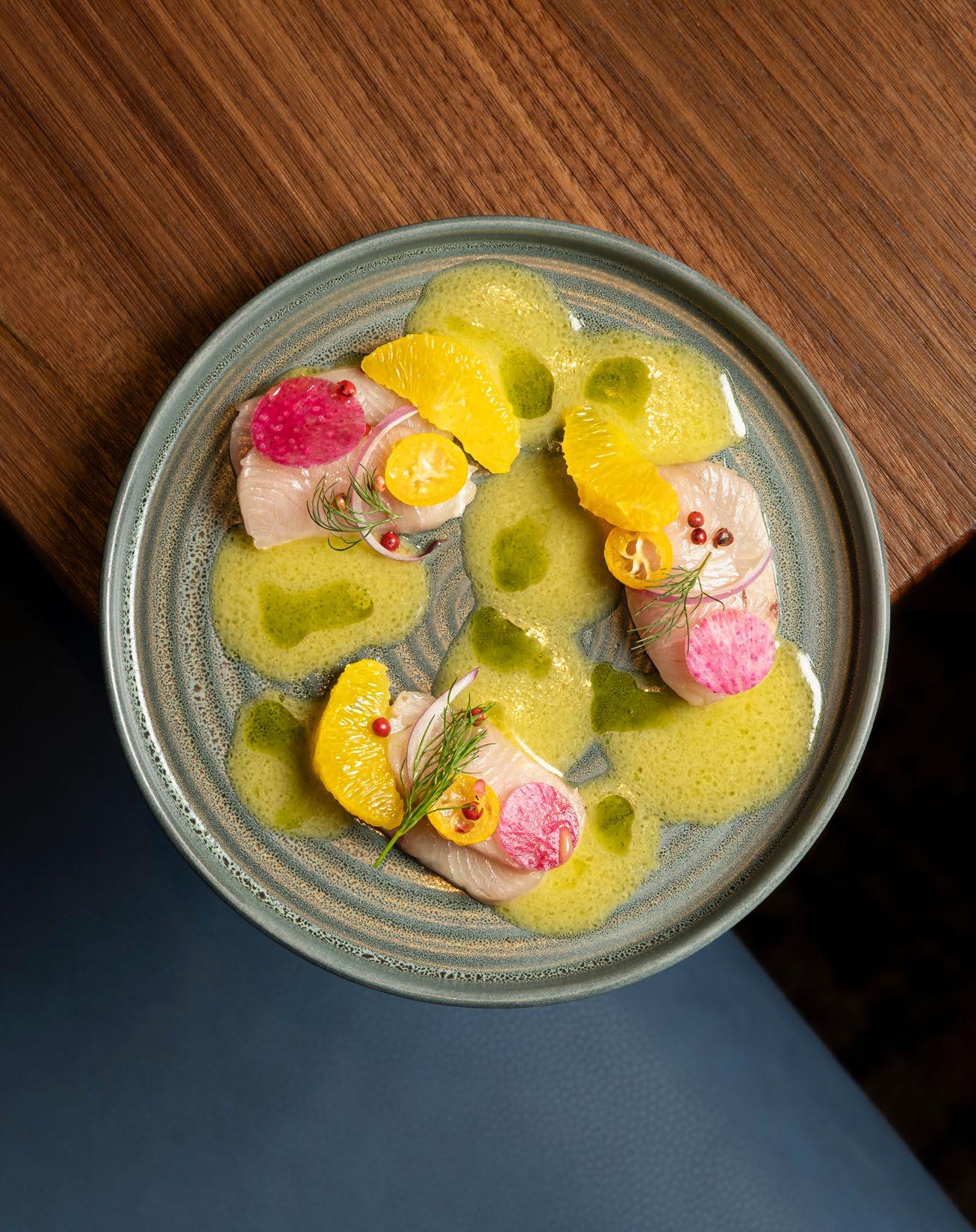
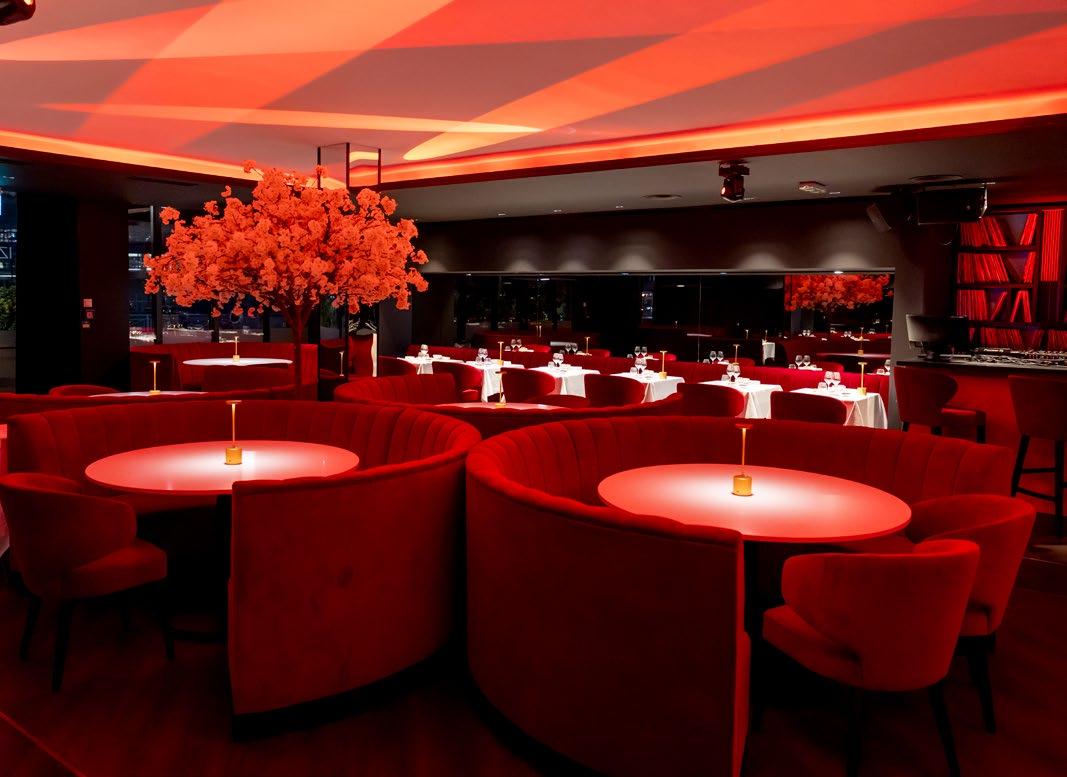
TEXT: KARIM AEID
This winter, Geneva welcomed Izakaya, a new restaurant inspired by star chef Danny Khezzar, recently awarded 18/20 by Gault&Millau. Situated along the Rhône, just steps from the Mandarin Oriental, the venue evokes both the vibrant energy of Tokyo and the refined charm of Geneva. Guided by a love of flavor and sharing, Danny Khezzar envisioned a creative space where cuisine and cocktails come together in a bold Japanese-inspired approach. In a warm and intimate setting, the Franco-Japanese fusion menu unfolds around shareable creations: exceptional sushi crafted by a master, and binchotan-grilled dishes revealing inventive flavors where authenticity meets creativity. The cocktail bar, a true sensory stage, offers signature creations accompanied by a daily music program, turning each evening into a unique experience. Izakaya is more than a restaurant: it is an invitation to travel, a subtle blend of celebration, creativity, and refinement that redefines Geneva’s gastronomic scene.
Cet hiver, Genève a accueilli Izakaya, nouvelle table inspirée du chef étoilé Danny Khezzar, récemment salué 18/20 par le Gault&Millau. Situé face au Rhône, à deux pas du Mandarin Oriental, le lieu évoque à la fois l’énergie vibrante de Tokyo et le charme raffiné de Genève. Guidé par l’amour du goût et du partage, Danny Khezzar a imaginé un espace de création où cuisine et cocktails s’unissent dans une audacieuse inspiration japonaise. Dans un décor feutré et chaleureux, la cuisine fusion franco-japonaise se déploie autour de créations à partager : sushis d’exception orchestrés par un maître, grill binchotan révélant des saveurs inédites où authenticité et inventivité se rencontrent. Le bar à cocktails, véritable théâtre sensoriel, propose des créations d’auteur au rythme d’une programmation musicale quotidienne, transformant chaque soirée en moment singulier. Izakaya n’est pas seulement un restaurant : c’est une invitation au voyage, un subtil mélange de fête, de créativité et de raffinement qui redéfinit la scène gastronomique genevoise.
WWW.IZAKAYA.GROUP
TEXT: EVANY COLLOUD
60ml Belvedere 10 Vodka
7.5ml Dry Vermouth
1 Olive
Designed as a contemporary take on the classic martini, the Belvedere 10 Martini showcases an exceptional vodka, made from a single harvest and distilled only once to preserve its full purity and aromatic depth. Its silky texture reveals delicate notes of coconut, vanilla, and white pepper, bringing nuance and subtlety to every sip. Served perfectly chilled, this creation expresses remarkable precision and finesse, transforming a timeless ritual into a truly luxurious experience.
Pensé comme une interprétation contemporaine du grand martini classique, le Belvedere 10 Martini met en lumière une vodka d’exception, issue d’une seule récolte et distillée une seule fois pour préserver toute sa pureté et sa profondeur aromatique. Sa texture soyeuse révèle de délicates notes de noix de coco, de vanille et de poivre blanc, apportant relief et subtilité à chaque gorgée. Servie parfaitement glacée, cette création exprime une précision et une finesse remarquables, transformant un rituel intemporel en expérience résolument luxueuse.
Always driven by a pursuit of excellence, Belvedere is crafted in Poland at one of the oldest continuously operating distilleries, producing vodka since 1910. Part of the Moët Hennessy group and internationally recognized for its purity and complex aromatics, it embodies an ancestral expertise preserved by the Rye Masters. Its structured, elegant profile reveals notes of almond, vanilla, and white pepper, a silky texture, and a perfectly balanced finish.
Toujours guidée par une quête d’excellence, Belvedere est élaborée en Pologne dans l’une des plus anciennes distilleries encore en activité, où la vodka est produite depuis 1910. Maison du groupe Moët Hennessy et reconnue à l’international pour sa pureté et sa complexité aromatique, elle incarne un savoir-faire ancestral perpétué par les Maîtres Distillateurs de seigle. Son profil, structuré et élégant, révèle des notes d’amande, de vanille et de poivre blanc, une texture soyeuse et une finale parfaitement équilibrée.
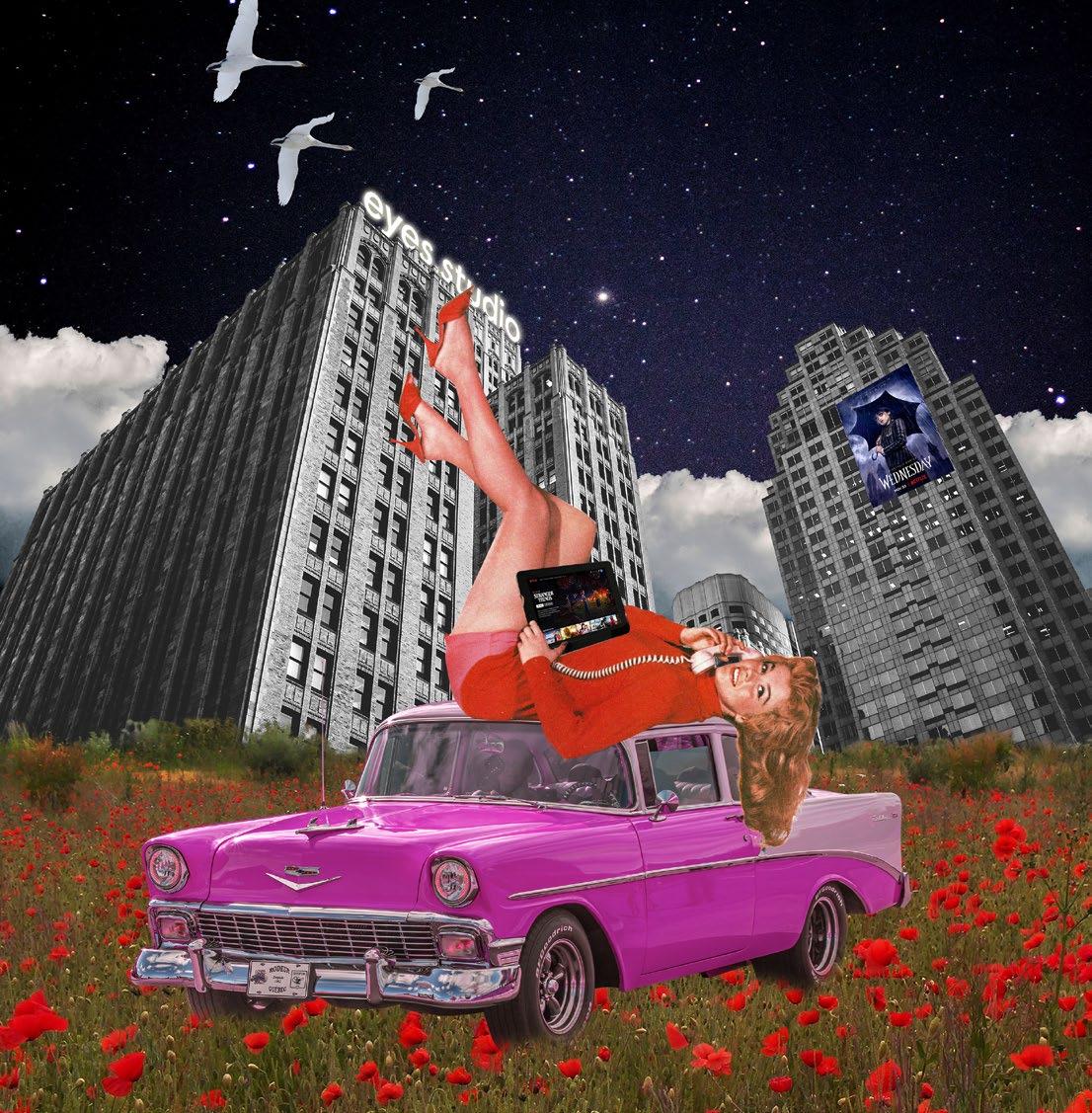
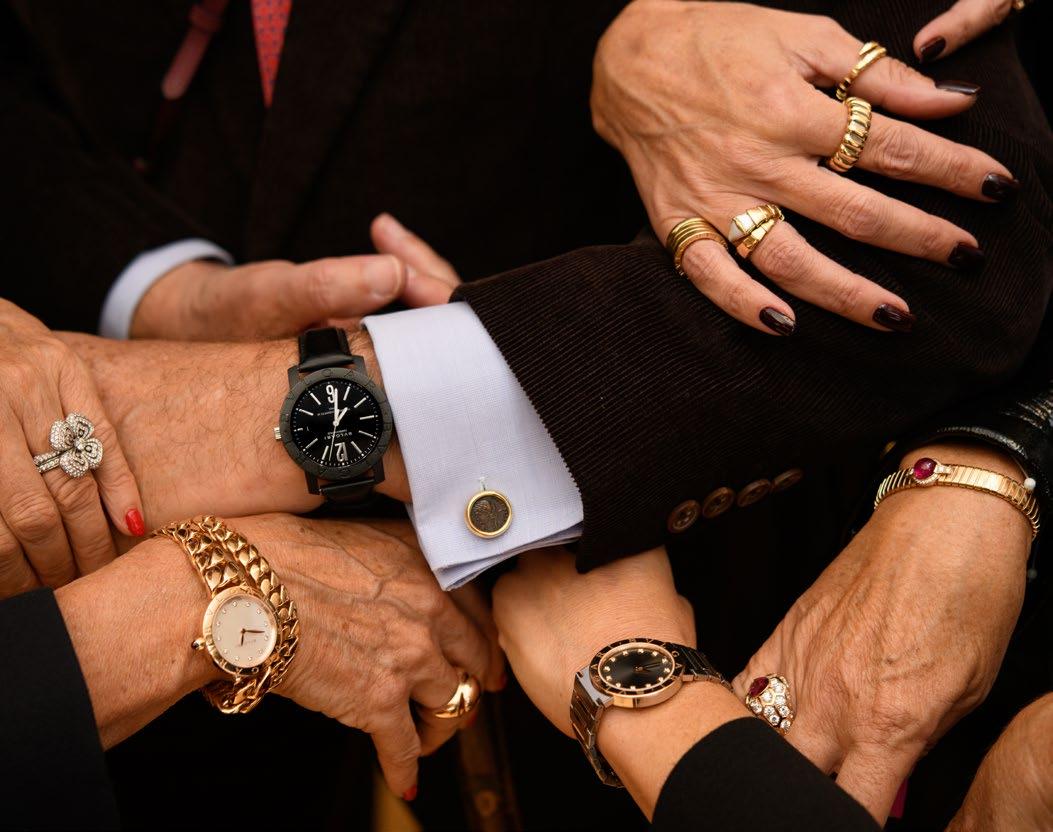
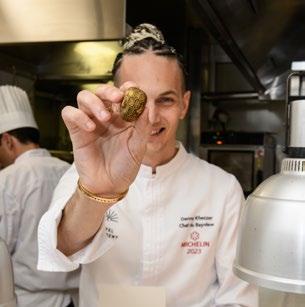
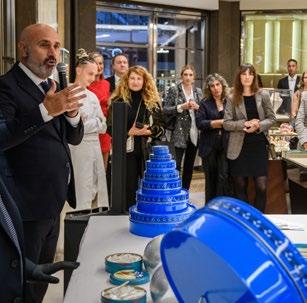
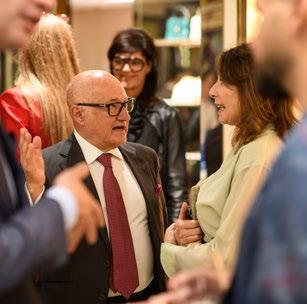
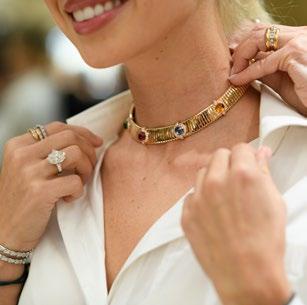
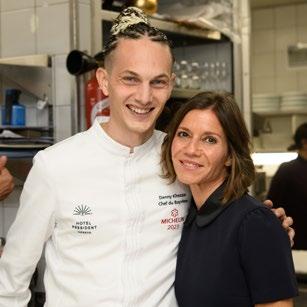
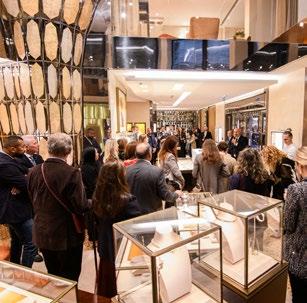
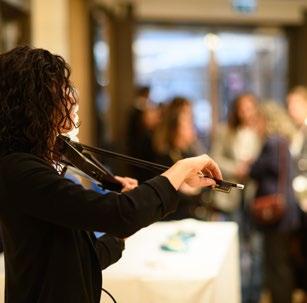
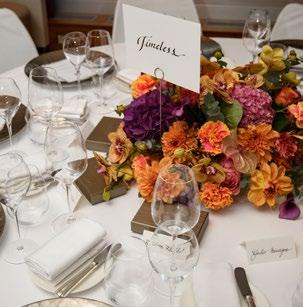
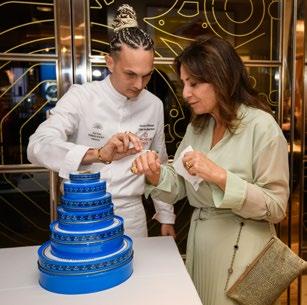
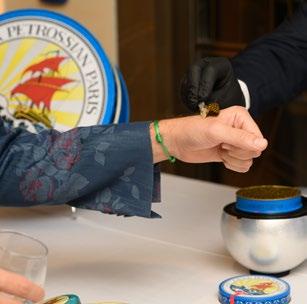
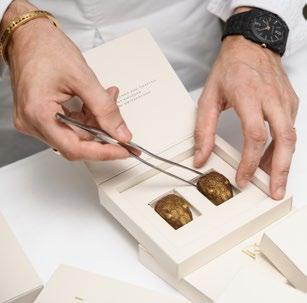
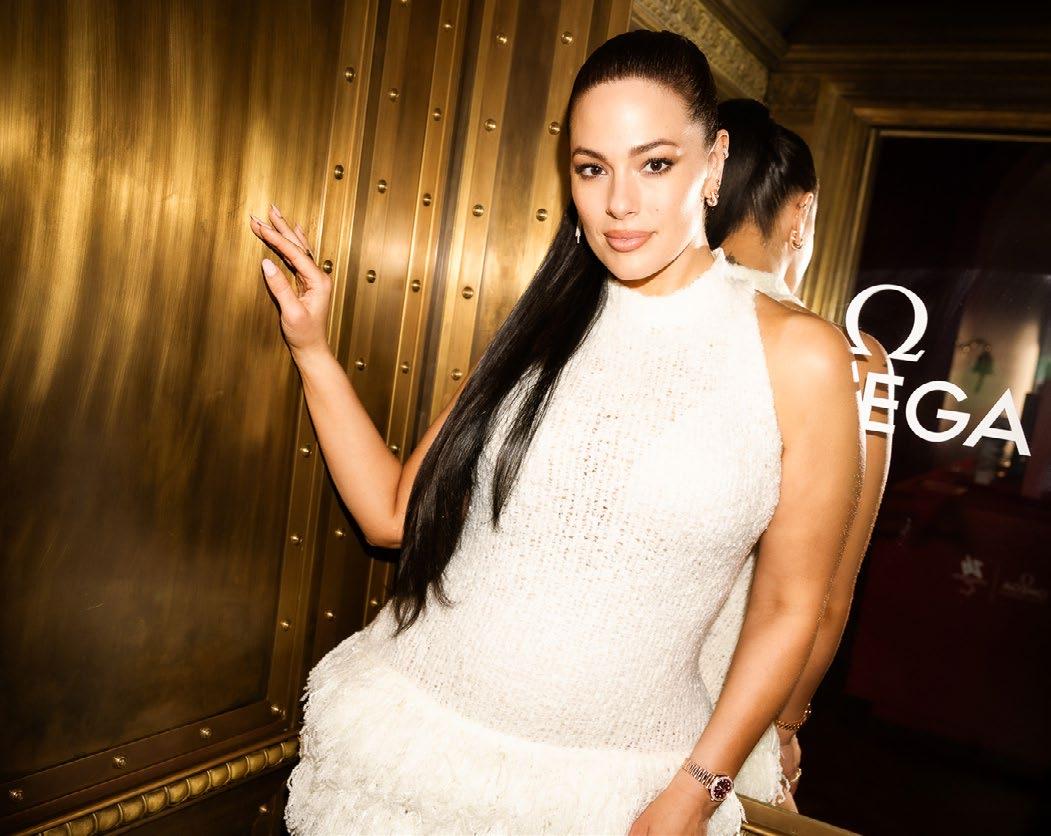
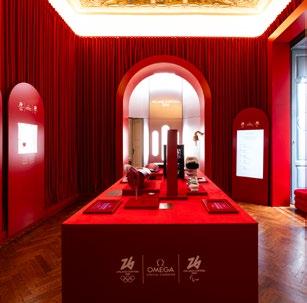
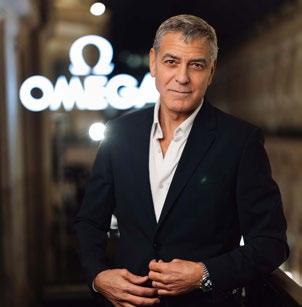


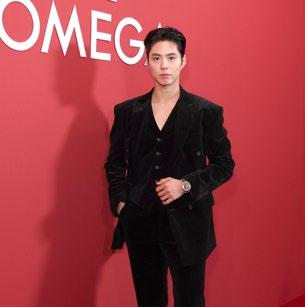
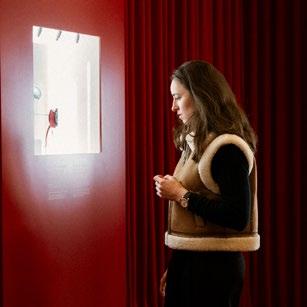
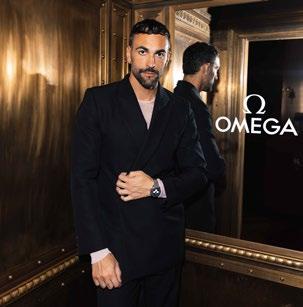

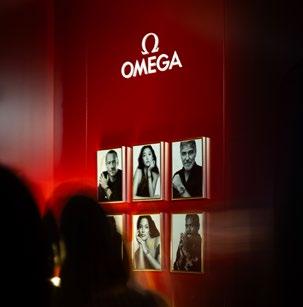
TEXT: EVANY COLLOUD
Born in Brazil and shaped by life across Europe and Asia, Giovana Schmitz is a model and content creator based in Switzerland, embodying a modern and cosmopolitan elegance. She invites her audience into a world of fashion, travel, and family life, where each moment reflects her distinctive aesthetic. With a natural sense of style and authenticity, Giovana turns everyday experiences into gestures of grace.

HOW DO YOU BUILD YOUR PERSONAL STYLE IN A FASHION WORLD THAT IS CONSTANTLY EVOLVING?
I let my style to evolve organically without losing its identity. I see trends as something fun, and when embraced in a personal way, that’s what fashion is really about. I simply choose what resonates with me. As fashion is constantly changing, I focus on timeless pieces, strong silhouettes, and contrasts that feel natural to me. I take inspiration from the past, from real life, and from how I feel in the moment, because the phase you’re living in always influences how you dress, and I find that very powerful..
HOW WOULD YOU DESCRIBE YOUR SIGNATURE LOOK?
A blazer or jacket paired with shorts is undeniably my signature, with or without tights depending on the season. I love the contrast it creates, mixing oversized, structured pieces with something shorter and more delicate. This balance between boldness and minimalism perfectly defines my style.
IS THERE A PIECE YOU HAVE OWNED FOR YEARS AND NEVER GROW TIRED OF?
My black Jacquemus blazer is one of my favorite pieces, with its classic, impeccably tailored cut. Investing in a quality blazer truly changes everything. The cut is immediately noticeable, and for me, it’s an essential piece I can wear for years.
Coco Chanel and Yves Saint Laurent inspire me for the way they transformed the female wardrobe, bringing strength, freedom, and confidence to everyday wear. More recently, Anthony Vaccarello has been a major influence with his modern vision of femininity. His work is powerful, timeless, and emotionally charged, exactly what I seek in fashion.
I’m a big fan of Japanese food, so my favorite restaurants in the city are Kozan, Nagomi, and of course Sachi at the Mandarin Oriental. I recently discovered Omusubi Café and their delicious ramen. When it comes to coffee, there are so many exciting new places right now, like Mimiche and Overflow, but of course my absolute favorite is Melrose Kitchen.
INSTAGRAM : @GIGISCHMITZ_