
The Extern Approach
Helping to empower lives and build resilient communities

BUILDING RESILIENT COMMUNITIES. Resilience is about the ability to bounce back from life’s challenges; to recover from adversity and not get overwhelmed. Yet every day we work with people who are in vulnerable and marginalised situations, families and communities facing increasingly complex challenges that they are struggling to manage alone and without access to other services.
We are here to give everyone the support they need to manage and to overcome whatever difficulties they may be facing. We are here to help people and communities regain self-trust and self-belief and to build the resilience that will see them through whatever life may throw at them in the future.
HELPING TO EMPOWER LIVES. Despair is an appalling condition. It feeds off isolation, it induces inertia, it leads to a dark, sorrowful place. And it blights the lives of so many in our society. Yet no matter what an individual’s situation may be, we are here, reaching out a hand that offers practical, life-changing, empowering support. Clasp it, and we will support you to move forward. Leave it, and we’ll still be here, ready when you are.


Chair’s Welcome
It is my privilege as Interim Chair of Extern to introduce our 2024–2025 Annual Report. This year has demonstrated once again the vital role Extern plays in supporting young people, adults and families who are living with significant challenges.
Across our services, staff have continued to show exceptional skill, compassion and resilience as they support people experiencing crisis, instability or disadvantage. The stories in this report highlight the impact of early intervention and sustained, person-centred support.
Among the powerful stories shared this year are, our Intensive Family Support Service in Drogheda continued to work with young people who are vulnerable to coercion, exploitation or disengagement from education. Through trust-based relationships and whole-family support, the team is helping families regain stability and young people to see new possibilities for their futures.
The Youth Diversion Project in North Bay is providing structured activities, mentoring and opportunities to grow confidence, including through involvement in An Gaisce.
The Janus Programme and its Social and Educational Survival Group illustrate the difference that tailored oneto-one support and positive outdoor experiences can make for young people who have had a difficult start in life. Similarly, the Bail Supervision Scheme is helping young people remain safely at home while meeting their legal responsibilities. Each of these projects reflects Extern’s commitment to meeting young people where they are and offering support that is both practical and respectful.
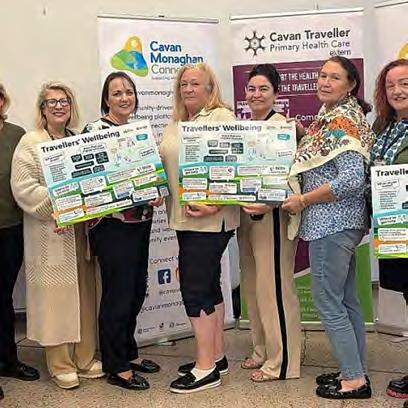
In Cavan, our Traveller Primary Healthcare Programme continues its vital work in partnership with the Traveller community. This year saw new initiatives in health education, community connection and mental health awareness, driven by dedicated Traveller Community Health Workers who bring lived experience, trust and cultural expertise to their roles. Their efforts are helping to reduce barriers to healthcare and empower women and families to advocate for their wellbeing.
The stories in this report demonstrate the expanse of skills and expertise of our staff. Their work can be incredibly challenging, often taking place in emotionally complex environments. We remain committed to supporting them through leadership development, trauma-informed practices and organisational initiatives that strengthen wellbeing and provide opportunities to learn and grow.
Extern operates in a landscape of increasing need and limited resources, and we could not do this work alone. I extend our sincere thanks to our funders, partner agencies and community organisations who collaborate with us every day. Their support ensures we can continue to deliver essential services and respond effectively to the needs of those who engage our services.
Finally, I wish to acknowledge my fellow Board members for their leadership and governance. Their guidance helps ensure that Extern remains a strong, accountable and values-driven organisation. Thank you for taking the time to read this report and for your interest in Extern’s work. Across the Republic of Ireland, we remain steadfast in our mission to support people to live safer, healthier and more connected lives.
Dr Lynne McMordie, Interim Chairperson
Our Vision
A society where everyone who faces crisis, discrimination, difficult personal challenges or societal inequalities, receives understanding and support towards a better tomorrow. Extern will play its part and will work to achieve this as a Trauma Informed Organisation.
Our Mission
To deliver quality trauma informed services that tackle the biggest problems and challenges people face, and to support them to be safe, flourish, feel valued and hopeful. We will ensure that their voice is heard, always.

CEO’s Welcome
This year has shown just how deeply the cost of living crisis is affecting people across the island of Ireland. For many of the individuals and families Extern walks alongside, rising daily costs are not an inconvenience but a tipping point into real hardship.
Essentials many take for granted — food, heating, clothing — have become difficult choices. Homelessness has also continued to rise, leaving more adults, families and children without stability or support. The effects of isolation, family breakdown and declining mental health are visible in every corner of our work, with a growing crisis among young people where the pain of suicide and self-harm reverberates through families and communities.
In the midst of these pressures I have been continually struck by the resilience, compassion and professionalism of Extern staff. Their work is increasingly complex and emotionally demanding, yet they show up every day with a commitment that is both humbling and inspiring. We know recruitment remains challenging in some areas and that the emotional load of frontline work can be heavy. That is why our trauma informed journey is so important. It is not a slogan but a long-term organisational commitment to ensure staff have the training, support and environments they need to stay safe and feel valued. I am pleased that staff turnover has reduced to under 12 per cent and we will continue striving to improve pay, conditions and wellbeing supports across both jurisdictions.
Financial pressures continue to shape the wider community and voluntary sector and Extern is no exception. We are fortunate to have strong, honest relationships with our commissioners, built on trust and a shared understanding of what can be delivered within finite resources. But it is also clear that stand-still budgets are effectively cuts, especially as compliance demands continue to grow. Our new fundraising strategy will be an important step toward strengthening Extern’s long-term sustainability, allowing us to invest more directly in our services, our leadership and our people.
I am proud of how much we achieved this year. We retained and grew key services, expanded significantly in the disability sector in the Republic of Ireland. Staff across the organisation contributed to shaping our new five-year strategy, launched in May 2025, which sets an ambitious direction: to ensure that no matter where you live on the island of Ireland, you can access the support you need. We also responded to increasing demand from people seeking asylum and continued to innovate in how we design and deliver our services. As always, our volunteers and our Board members across the organisation deserve special thanks. Their commitment underpins so much of what we do.
Looking ahead I remain hopeful. I believe government will increasingly recognise the value of social care and the impact organisations like Extern deliver every day. With continued investment and a growing base of self-funded activity, we will reach further and support more people than ever before.
Leslie Ann Scott, Chief Executive Officer
Our Values
Safety
We will focus on ensuring the physical, mental and emotional safety of both our staff and the people we serve.
Choice
We believe in the importance of choice. This means giving people options and respecting their rights and responsibilities.
Collaboration
We will work together, openly and honestly. Every interaction will be respectful and inclusive so that we deliver our services effectively. By advocating with others, we will influence policies that create positive changes in society.
Trustworthiness
We will make sure our guidelines, policies and behaviours promote honesty and respect amongst our staff, service users and funding partners.
Empowerment
We will help people reach their personal goals by offering guidance and support. When people feel empowered, they grow in confidence and enjoy a more fulfilled life with a strengthened sense of purpose and worth.
We are Extern
We stand with people, supporting them toward a better tomorrow
We stand with people
Every day we meet people at the hardest moments of their lives — young people carrying trauma, adults overwhelmed by addiction or mental health crisis, families in conflict, individuals leaving custody needing supports and communities living with long-term disadvantage. Many meet us feeling judged or written off. Some feel they have exhausted their options. Others are simply tired from struggling on their own.
We meet them without judgement. We meet them with compassion, respect and practical support. We listen. We build trust. We work at a pace that feels safe. When change may be slow, uneven or uncertain we are there supporting people with the next step… and beyond.
We support people
Many of the people we support have experienced a lifetime of instability — systems that have failed them, broken routines, unsafe relationships and not knowing where to turn. Extern is often the difference between someone returning to crisis or finding the confidence to try again.
The Extern difference is a quiet, persistent belief that people can change, families can heal and communities can grow stronger — when someone stands with them supporting them towards a better tomorrow.
As a community and voluntary organisation, our primary purpose is to provide services to support adults, young people, families and children who are facing some of the most complex challenges in society.
We offer practical support, trusted relationships and consistent care that help people stay safer, strengthen stability and take steps toward brighter futures. Our work is rooted in compassion, evidence-informed practice and a commitment to meeting people where they are.
Across Ireland, we partner closely with statutory and community agencies to ensure support is joined-up, timely and tailored to individual need. The stories that follow reflect the resilience of the people we work with and the dedication of our staff, who continue to deliver life-changing support in complex environments.
Inside this report
BAIL SUPERVISION
SCHEME – DUBLIN (PAGE 7-8)
Extern’s Bail Supervision Scheme provides a community-based alternative to detention for young people on remand, helping them comply with bail conditions, reduce offending and reconnect with family and education.
INTENSIVE FAMILY SUPPORT SERVICE –DROGHEDA
(PAGE 09-10)
Working within the Drogheda policing district, our Intensive Family Support Service provides holistic, early intervention support to young people and families affected by coercion or family breakdown.
JANUS PROGRAMME & SOCIAL AND EDUCATIONAL SURVIVAL GROUP (PAGE
11-12)
Janus offers intensive one-to-one support to young people aged 10–17, helping them remain safely at home, in school and within their communities.
TRAVELLER PRIMARY HEALTHCARE – CAVAN
(PAGE 13-14)
Our Traveller Healthcare Programme, delivered by Traveller Community Health Workers, promotes wellbeing, confidence and access to health services for Traveller women and families.
YOUTH DIVERSION –NORTH BAY, DUBLIN
(PAGE17-18)
The North Bay Youth Diversion Project supports young people aged 12–17 who may be disengaged from school, influenced by harmful peer groups or struggling with emotional or behavioural challenges.
SUPPORT SERVICES: ORGANISATIONAL DEVELOPMENT
(PAGE 19-20)
Alongside frontline work, Extern is strengthening its internal culture through leadership development, coaching, trauma-informed values and staff wellbeing initiatives.
Keeping young people at home, in school and out of custody
Bail Supervision Scheme – Dublin
The Bail Supervision Scheme (BSS) provides a practical alternative to detaining young people while they await trial. Instead of being remanded to Oberstown Children Detention Campus, eligible young people can remain at home with their families, supported by Extern’s intensive intervention. The aim is to help them comply with bail conditions, reduce offending and strengthen family relationships, while giving the Children Court confidence in their progress.
Young people at risk of detention
Referrals to the Bail Supervision Scheme usually involve young people aged 16 to 17 who have appeared before the Children Court for repeated or serious offending. Many have been out of school for long periods, are involved in substance use or are mixing with peers who negatively influence their behaviour. Families are often under pressure, routines may have broken down and carers can feel unsure how to regain stability or support their child effectively.
The Dublin BSS team supports families across Dublin, Louth, Meath, Kildare and Wicklow. The programme is delivered by three Multisystemic Therapists, each working with up to four families at a time. Overall, the team supports between

eight and twelve families at any given point, with engagement typically lasting three to five months. The work is intensive, with therapists visiting families three to five times each week, often during evenings or weekends, to provide support when it is most needed.
How the scheme works
BSS is delivered using Multisystemic Therapy (MST), an approach that considers the wider influences on a young person’s behaviour. Therapists work with families to explore what is happening at home, at school, with peers and within the community and how these factors shape behaviour. All work takes place in the family home and is tailored to each household’s circumstances.
Therapists support parents to set boundaries, rebuild routines and respond to difficulties in a calm, consistent way. They work closely with Tusla where child protection concerns exist, ensuring families receive coordinated support. Progress is reported regularly to the Children Court, providing judges with a fuller picture of the young person’s life beyond the charge sheet and highlighting the efforts being made to support change.
Participation in the scheme is described as voluntary, but engagement forms part of the young person’s bail conditions. Family involvement is essential, though many carers feel discouraged by the time a young person reaches the programme. Small, practical changes can help rebuild connection. In one case, a young person dealing substances from his bedroom had become isolated from family life. With guidance from the BSS team, changes were made that helped restore trust and encourage re-engagement at home.
Positive change in practice
The outcomes achieved through the Bail Supervision Scheme can be significant. Young people often begin listening again to parents and carers and relationships at home become more stable. Offending may reduce or stop, and interactions with Gardaí can improve. Many young people return to education, sometimes after years away, or become involved in activities such as football, youth clubs or community groups that help establish positive routines.
YOUTH JUSTICE REFORM SUPPORT
Managing risk and supporting safety
The work of the Bail Supervision Scheme is not without challenge. The team regularly manages situations involving safety concerns, including intimidation, threats and community pressure. Families can be under strain and the work requires calm, consistent practice and strong professional boundaries. Team members support one another closely to manage these risks and sustain effective practice..
Why this work matters
At its core, the Bail Supervision Scheme is grounded in the belief that change is possible. With steady, structured support, young people can begin to rethink patterns of behaviour and make different choices. The scheme allows them to remain at home, stay connected to education or training and be seen for their potential rather than their offences. It also gives families the guidance and confidence they need to support change and helps the court make informed decisions that prioritise rehabilitation over custody.
LOCATIONS:
Dublin, Cork, Limerick, Athy, Naas, Drogheda
HIGHLIGHT:
Extern supported 283 young people across 9 projects nationwide – including Bail Support Schemes in Dublin, Limerick and Cork, four Youth Diversion Projects, Janus Justice, and Intensive Family Support Service in Drogheda.

Helping families become agents of their own change
Intensive Family Support Service, Drogheda
Early intervention is essential when supporting young people who are at risk of leaving school early or becoming drawn into criminality. Much of the work of Extern’s Intensive Family Support Service (IFSS) is grounded in this principle.
Commissioned by the Department of Justice in 2021 and operating within the Drogheda policing district, IFSS delivers a comprehensive programme of support to young people experiencing family or educational breakdown. The service also provides a community mentor programme for people living in Drogheda, County Louth.
We work closely with referral partners including the Probation Service, the Garda Síochána and Tusla – the Child Family Agency. Self-referrals are also accepted. All referrals are assessed to ensure they meet the required criteria and, once approved, support is holistic and inclusive. While a referral may relate to one individual, our work involves the entire household so that families can work together to become agents of their own change.
Trust-based relationships
Intensive support takes time and is built on trust. Project workers spend around 70 percent of their working week in direct contact with

young people and families. The remaining time is equally important and may involve securing training opportunities, liaising with schools or resolving practical issues such as housing or payments.
All families we work with share one common risk: exposure to coercion by criminal networks and organised crime groups. Within this context, our aims are clear: to reduce the impact of criminality on young people and their families and to increase access to pro-social opportunities that promote safer, healthier lives.
Our Four Pillars
The IFSS team works with young people, families and community supports to identify alternative pathways. Our work is guided by Four Pillars that also inform reporting to the Department of Justice and the local advisory committee:
• Community Efficacy: supporting individuals to build confidence and engage positively within their communities.
• Pro-Social Development: encouraging engagement with education, training and employment.
• Family Support: helping families identify and sustain positive change.
• Network Disruption: reducing the influence of criminal networks through supervision, safeguarding and structured activity. Any concerns are reported to TUSLA and Garda Síochána as required.
How we work
IFSS is a voluntary service and engagement is by choice, helping establish commitment from the outset. Support typically lasts six to nine months, though this may vary depending on individual need.
The team comprises two Community Mentors, three Project Workers and an Administrative Support role, which has strengthened structure and reporting. Each Project Worker usually supports two-three families. Between April 2024 and March 2025, IFSS supported 34 cases, predominantly male and 97 percent of Irish origin. Referrals came primarily from Garda Síochána, alongside TUSLA, the Probation Service and self-referrals.
A community-based approach
Our base in a local football club places us at the heart of the community. It provides a familiar, neutral space where families feel comfortable meeting with schools or other agencies. The sporting environment also offers positive role models, reinforcing messages around teamwork, commitment and belonging.

YOUTH JUSTICE REFORM SUPPORT
COMMISSIONERS:
Department of Justice
SERVICE USERS SUPPORTED:
283
LOCATIONS:
Dublin, Cork, Limerick, Athy, Naas, Drogheda
HIGHLIGHT:
Extern supported 283 young people across 9 projects nationwide – including Bail Support Schemes in Dublin, Limerick and Cork, four Youth Diversion Projects, Janus Justice, and Intensive Family Support Service in Drogheda.
Proximity to the local Men’s Shed has enabled collaborative programmes for young people who may have disengaged from education or been groomed into criminal behaviour. Activities include practical learning, literacy support and hands-on projects such as maintaining facilities or building structures. These experiences promote confidence, skill development and positive adult relationships.
While most participants are male, women and girls are also supported. Mothers and grandmothers often play a key role in advocating for families, while fathers who have been estranged from their children are supported to rebuild relationships and peer connections.
Reflective practice
Reflective Practice is an important part of trauma-informed care. In early 2025, the team began trialling a Reflective Practice model, creating space for staff to process experiences, share learning and strengthen their collective approach.
Through steady, person-centred support, IFSS continues to help families stabilise, build resilience and move away from cycles of harm. Each positive outcome strengthens not only individual families, but the wider community.
Individual support for young people and their families
Extern’s Janus Programme
This programme works intensively with young people primarily aged 10 to 17 who may be experiencing emotional or behavioural difficulties, whether they are living at home, in the community or within the care system.
The focus is on meeting each young person where they are, offering consistent one-to-one support that helps them stay connected to their homes, schools and communities.
Every programme is tailored, with key workers supporting both the young person and their family to strengthen routines, relationships and everyday stability. Referrals come primarily through Tusla Social Work teams.
Young people we support
The young people who come to Extern often arrive at a point where life feels unsettled and overwhelming. Many are out of school or attending only intermittently, finding it difficult to manage classroom expectations or stay engaged in learning. Others are coping with
family conflict, instability or periods in foster or residential care. Some have begun spending time with peers who may encourage risk-taking behaviour, leaving them exposed to situations that can quickly escalate.
Extern’s role is to interrupt that cycle with patience and consistency. By providing structured activities alongside one-to-one support, we offer safe alternatives to spending time in risky environments. This gives young people the chance to build positive relationships and begin to see new possibilities for themselves. With steady encouragement, many start to reconnect with education, rebuild relationships at home and develop the confidence to make safer, healthier choices.


FAMILY AND YOUTH SUPPORTS
COMMISSIONERS: Tusla - the Child Family Agency
SERVICE USERS SUPPORTED: 588
LOCATIONS:
Dublin, Kildare, Galway, Roscommon, Midlands, Cavan, Monaghan, Louth
HIGHLIGHT:
Through Extern’s Family and Youth Support services, 588 children, young people and families received the support they needed to strengthen relationships, overcome challenges, and create safer, more positive futures.
What Janus means to young people
Each young person in Janus follows an individual programme tailored to their needs. Some may cope well at school but struggle at home, so project staff tailor interventions and build programmes for young people that are proportionate to their needs. Engagement is voluntary and typically lasts 6-9 months, with some young people staying beyond that subject to need. Janus is not designed to resolve every difficulty, particularly where serious trauma is involved, but it can help stabilise routines, rebuild confidence and reconnect young people with positive activities in their own communities.
Below are two examples of group work that were supported by extern staff with the involvement of young people on the Janus programme:
The Social & Educational Survival Group
The Social & Educational Survival Group, delivered by Extern at Roscor Youth Village in County Fermanagh, provides structured respite and developmental opportunities for young people aged 8–17. The programme is designed to build resilience, independence and teamwork through a combination of preparation sessions and an immersive outdoor residential experience. One of our Janus teams participated with a group of young of young people from North Dublin.
Over a six week lead in period, participants engage in weekly sessions focused on risk management, first aid, outdoor safety, personal hygiene in a camping environment and group building activities. This preparation ensures young people feel confident and equipped ahead of their residential stay.
The programme culminates in a three day adventure during which participants learn practical survival skills such as fire lighting, safe fire management, outdoor cooking and sleeping under the stars. For many, these are first time experiences that significantly increase confidence and personal achievement.
Practical educational elements are embedded throughout. Orienteering and map reading tasks strengthen numeracy, while following instructions and collaborating on problem solving activities support literacy and communication skills.
The programme consistently delivers strong positive outcomes. Young people return home with enhanced self-esteem, stronger peer relationships and improved teamwork and
leadership skills. In some cases, the experience has had a lasting influence on future aspirations, including inspiring one participant to apply to the Defence Forces.
Child in Care Fora in the Midwest Extern has been a key partner in the Child in Care Fora alongside Tusla, supporting young people with care experience to share their insights and influence improvements within the care system. Through the Fora, young people have highlighted what works well, identified challenges, and offered constructive suggestions for enhancing practices and policies to ensure that their lived experience directly informs service development.

A significant achievement of the Fora has been the creation of a “Child in Care Passport,” a tool designed to hold essential personal information in one place. Its purpose is to reduce repetitive questioning and streamline interactions across multiple services. The initiative has gained strong support, including positive feedback from Tusla CEO Kate Duggan, who met with the group and indicated openness to exploring a national rollout.
On 24 February 2025, to mark Care Day 2025, Tusla, Extern and care experienced young people launched “A Guide to Me”—a resource created by young people, for young people. Developed collaboratively with Tusla social workers and Extern staff, the guide aims to support children and young people as they navigate transitions within the care system.

Supporting Traveller health and wellbeing in Cavan
Traveller Primary Healthcare Project
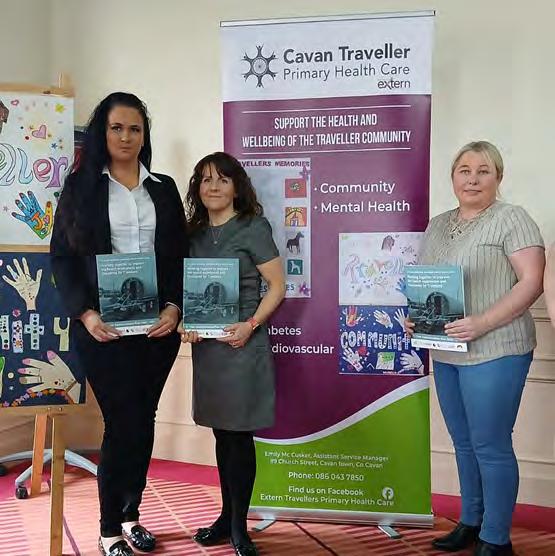
We have been delivering the Traveller Primary Healthcare Project in Cavan for more than 14 years, supporting Traveller families to access health information, essential services and practical guidance around wellbeing.
Our Primary Healthcare Workers come from the Traveller community, which helps build trust and ensures our work is informed by lived experience. Over the past year we made positive progress while also adapting to pressure and change.
Building skills and cultural confidence
A significant milestone during the year was our involvement in the regional launch of the National Traveller Health Action Plan. The event brought together health services, community organisations, local authorities and Traveller representatives. We spoke about the importance of cultural competency and the social determinants of health and members of our team shared their experiences of delivering frontline support. Public speaking can be challenging for staff who are more accustomed to working quietly and it was a proud moment to see them step forward and be heard.
Connecting with the community
In 2024 we introduced monthly coffee mornings as a new way of reaching Traveller women. Held in a local café in Cavan town, these sessions
offer a relaxed space to talk, share concerns and hear from guest speakers from counselling, mental health and community services. Up to 15 women attend each month, encouraging engagement with supports that might otherwise feel inaccessible.
Education remains a strong strand of our work. We continue to work closely with the local Education and Training Board, which provides tutors for free accredited courses. Local libraries across County Cavan offer space at no charge, allowing courses to run without venue costs. Training in health and fitness, nutrition, stress management, mindfulness and mental health awareness has been well attended. Several women have achieved QQI Level 3 accreditation, often their first formal qualification. Many travel independently each week to take part, reflecting growing confidence and motivation.
Collaboration and partnership
Collaboration is central to the Traveller Primary Healthcare Project. We work closely with the HSE, local councils, social welfare services, community resource centres and national
RACIAL AND ETHNIC MINORITY SUPPORTS
COMMISSIONERS: Health Service Executive (HSE)
SERVICE USERS SUPPORTED: 211
LOCATIONS: Meath, Cavan, Louth
HIGHLIGHT:
Extern’s Traveller Primary Healthcare service supported 211 individuals, improving access to healthcare, building trust, and promoting healthier outcomes within the Traveller community.

organisations. Our longstanding partnership with the Irish Heart Foundation remains highly valued. Each year, the organisation provides a free one-day health check for the Traveller community, with the same nurses and driver returning annually. This consistency helps build trust and reduces anxiety for participants. We also host an annual Breast Cancer Awareness coffee morning each October.
In October 2024 we marked Traveller Mental Health Day by joining with a Traveller Primary Healthcare Project in Leitrim to walk the Cuilcagh Boardwalk Trail. It was a challenging but positive experience that brought women together to focus on wellbeing and mutual support.
A year of transition
During the year our team reduced from five members to four when a colleague moved on to new opportunities. While we were pleased for them, their departure created additional pressure. Recruitment has been challenging. Elements of standard recruitment processes, including online applications, vetting and navigating HR systems, can feel daunting for potential applicants from the Traveller community so we will continue to explore ways of making the process more accessible.

In response, we reorganised our work to make the best use of available capacity. This included sharing responsibilities differently and encouraging staff to engage more actively with partner agencies. Confidence-building has been an important focus. Staff work daily with people experiencing trauma and crisis and then return home to communities facing similar pressures. Supporting them to speak up and represent the project has strengthened their confidence and sense of value.
Looking ahead
Mental health remains one of the most significant issues affecting Traveller families, particularly around suicide and its wider impact. In the year ahead we hope to work with partners to develop a coordinated Crisis Response Plan to support families following serious incidents and bring together services such as the HSE, Garda Síochána and community organisations.
Despite the pressures of the year, our team has continued to show commitment, flexibility and care. Our focus remains on providing accessible, culturally informed healthcare support that helps Traveller families feel heard, respected and better supported in their health and wellbeing.
Building safer futures for young people
North Bay Youth Diversion Project
Extern’s North Bay Youth Diversion Project supports young people aged 12 to 17 who may be struggling with school engagement, family relationships, emotional wellbeing or the influence of negative peer groups. Many arrive feeling disconnected from education, community and sometimes from their families. Our role is to meet them where they are, offer steady and compassionate support and help them move towards safer, more positive futures.
Much of the work is delivered on a one-to-one basis, as trusted relationships are the foundation for meaningful change. Youth Justice Workers invest time in listening, building rapport and providing a consistent presence in young people’s lives. Trauma-informed practice underpins everything we do, ensuring young people feel safe, respected and understood.
Creating safer pathways
North Bay supports young people who may be at risk of entering the youth justice system, disengaging from school or becoming influenced by harmful peer networks. Our work includes individual mentoring, structured group activities that promote confidence and social skills, emotional support and guidance around decision-making. We also help young people rebuild relationships at home and stay

connected to education, training or employment pathways.
Each young person has a tailored plan informed by structured assessment, observation and relational understanding. Young people are actively involved in setting their goals, which helps ensure support feels collaborative rather than imposed and encourages a greater sense of ownership over progress.
Standing beside young people and families
Referrals come from Garda Youth Diversion Officers, schools, social care agencies and families. Some young people have had previous contact with Gardaí, while others are referred due to emerging concerns around behaviour, emotional wellbeing or persistent school refusal.

Family support is a vital part of the project. During the year, structured support was provided to nine families through home visits, restorative conversations and practical guidance. Families were supported to improve communication, set boundaries and manage conflict more calmly. Many reported improved relationships, clearer expectations and greater stability at home.
Support young people can trust Staff are trained in Therapeutic Crisis Intervention, trauma-informed care and safeguarding. Challenging moments are approached as opportunities for learning, helping young people understand emotions, recognise triggers and practise healthier coping strategies over time.
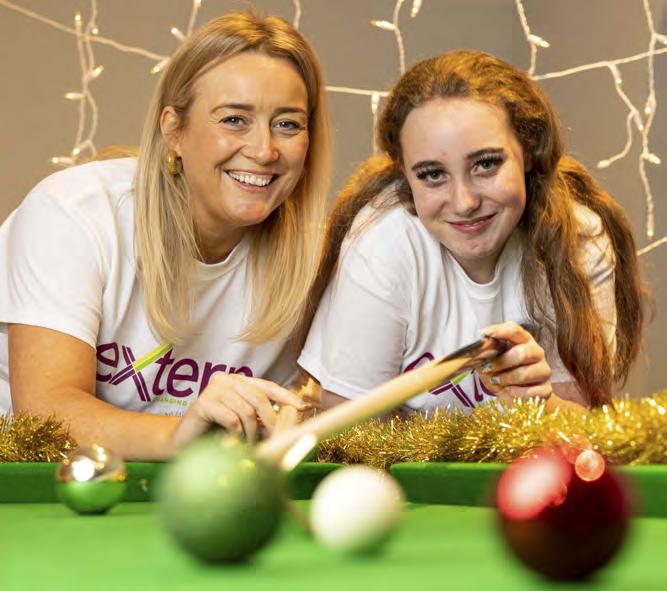
Group work is carefully planned to offer safe, positive experiences and a sense of belonging. During the year, young people took part in activities such as fishing trips, go-karting, pool competitions and gaming sessions in North Bay’s premises. These shared experiences helped build confidence, teamwork and positive peer connections, particularly for young people who had previously struggled socially.
Education remained a priority. North Bay supported two young people through blended learning via iScoil after disengagement from mainstream education. One completed a QQI Level 3 qualification, a significant achievement following a prolonged period out of school. Strong partnerships with local youth services, education providers and community organisations ensured joined-up support around each young person.
Milestones that matter
Across the year, young people demonstrated meaningful progress, including:
• reduced contact with Gardaí, in some cases stopping altogether
• improved emotional regulation and reduced impulsivity
• stronger engagement with education or alternative learning

• improved family relationships and stability
• participation in training such as SafePass, Manual Handling and music production
• achievement of a QQI Level 3 qualification by one young person
These outcomes reflect both the resilience of the young people and the consistency of the support provided.
A step forward through An Gaisce
With additional funding from An Gaisce, four young people began working towards the Bronze Award. While a small element of the overall project, it offered structure, goal-setting and a sense of achievement, helping participants build confidence, motivation and pride in what they could accomplish.
Looking ahead
North Bay will continue to strengthen its relationship-centred, trauma-informed approach. Priorities include refining early intervention pathways, maintaining education supports, strengthening family work and expanding positive group activities. Above all, the project remains committed to walking alongside young people with patience and consistency, helping them feel safer, more confident and better equipped for the future.
YOUTH JUSTICE REFORM SUPPORT
LOCATIONS: Dublin, Cork, Limerick, Athy, Naas, Drogheda

Strengthening leadership and culture at every level
Organisational Development at Extern
Extern’s staff work in some of the most demanding environments in the voluntary and community sector. Whether supporting people through homelessness, addiction, mental health crisis, exploitation or family breakdown, frontline teams carry significant responsibility every day.
During 2024–25, Extern took an important step in strengthening how we support our workforce by introducing a dedicated Organisational Development (OD) Lead role. This investment reflects our recognition that staff wellbeing, leadership capability and organisational culture are central to delivering safe, effective services and sustaining Extern’s work over the long term.
Extern has a strong tradition of developing talent from within, with many managers having progressed from frontline roles. While this creates committed and values-led leaders, the transition into management can be challenging without structured support. The OD function has been introduced to provide that support, helping staff grow in confidence and capability as they move through the organisation.
Building leadership capability: the People Management Toolkit
One of the major achievements during the reporting year was the development and rollout of the People Management Toolkit. This suite of five modules was designed in direct consultation with managers, ensuring it reflected the realities of their roles. The sessions focus on practical leadership skills including decision making, team development and managing difficult conversations in a constructive and supportive way.
The Toolkit builds on Extern’s existing values rather than replacing them. It helps managers translate their compassion and commitment into effective leadership practice, while developing the additional skills needed to manage people, budgets and operational


C
demands. The workshops are voluntary and flexible, allowing participants to focus on the areas most relevant to them. They are also open to staff who aspire to leadership roles, offering early insight into the responsibilities involved. Feedback has been consistently positive, highlighting the value of having practical, relevant support.
Introducing coaching across the organisation
Another significant development during the year was the introduction of professional coaching as an internal support. Coaching is now available to staff at all levels, providing a confidential space to explore goals, challenges and development needs.
During the reporting year, 16 staff members engaged in one-to-one coaching, with plans to expand this provision. Many valued the opportunity to reflect on their leadership style, career direction or work-related pressures. Coaching supports reflective practice and thoughtful decision making, which are particularly important for staff managing complex situations and responsibilities.
Supporting staff wellbeing
Extern continued to invest in staff wellbeing, with a particular focus on supporting women experiencing menopause-related challenges. Given that the majority of our workforce is female, we recognised the importance of providing targeted and practical support.
Through our partnership with Henpicked, specialists in workplace menopause awareness, we developed a menopause policy and introduced a Digital Menopause Café. This online space allows staff to connect, share experiences and access information in a supportive environment. These initiatives have been well received and reflect Extern’s commitment to creating a workplace where people feel understood and supported throughout different stages of life.
Embedding trauma-informed values
A further milestone during the year was the development of Extern’s trauma-informed organisational values, launched as part of the five-year strategy in spring 2025. These values guide how we work internally as well as how we support service users. They emphasise compassion, safety, empowerment and choice, helping staff navigate difficult situations while maintaining professional boundaries and personal wellbeing.
The OD function plays a central role in embedding these values across teams, ensuring they inform supervision, leadership approaches and everyday practice.
A culture of continuous imp rovement

Extern remains committed to continuous improvement through the Investors in People framework. Our Silver accreditation reflects progress made to date, while feedback from the mid-point pulse survey indicates strong foundations for further development. This progress is underpinned by the commitment of staff and managers and the growing focus on organisational learning and support.
Looking ahead
As demand for Extern’s services continues to grow, the structures introduced this year will help ensure staff feel valued, equipped and supported to deliver high-quality, compassionate services. Strengthening leadership and organisational culture remains central to sustaining Extern’s work and supporting the people who make it possible every day.

Reference and Administrative Details
Chair
Dr Lynne McMordie (appointed 15 April 2025, Interim Chair from 21 November 2025)
Aideen D’Arcy (Chair from 15 April 2025, resigned 21 November 2025)
Niall O’Sullivan (interim Chair from 25 January 2025 until 15 April 2025)
Eavann Murphy (resigned 25 January 2025)
Other Trustees
Ian McAvoy (resigned 21 November 2025)
Marian Quinn
Niall O’Sullivan (resigned 21 November 2025)
Dr Joan Broder
Noreen Wright (appointed 15 April 2025)
Stephen McCormick (appointed 15 April 2025, resigned 21 November 2025)
Shane McLaughlin (appointed 15 April 2025)
Dr Lynne McMordie (appointed 15 April 2025)
Stephen Leach (appointed 15 April 2025, resigned 12 October 2025)
Tony O’Donovan (appointed 17 June 2025)
Fiona McGinley (appointed 23 September 2025)
Stephen O’Boyle (resigned 25 July 2024)
Clodagh Lynam (resigned 1 October 2024)
Company Secretary
Leslie Ann Scott (appointed 15 April 2025)
Colin Hayburn (resigned 30 November 2024)
Management Team
Colin Hayburn (to November 2024)
Leslie Ann Scott, CEO (from December 2024)
Leslie Ann Scott, COO (to November 2024)
Jonathan Carroll, Director of People and Organisational Development
Pauline Flynn, Director of Finance and Corporate Services
Kieran Murphy, Interim Director of Finance and Corporate Services (from January 2025)
Sharon Hearty, Director of Communications, Engagement and Partnerships
Deirdre O’Driscoll, Director of Services ROI
Mal Byrne, Director of Mental Health and Addictions Services (from April 2024)
Emma Purdon, Director of Communities and Family Services (from April 2024)
Principal Bankers:
Bank of Ireland
Naas, Co. Kildare
Auditors:
Moore NI
Donegall House, 7 Donegall
Square North, Belfast BT1 5GB
Principal Solicitors:
Beauchamps
Riverside Two, Sir John Rogerson’s Quay, Dublin 2, D02 KV60
Registered Office
1st Floor, Block 4
Monread Leisure & Commercial Centre, Monread Avenue
Naas, Co. Kildare, W91 YWX3
Charity Commission No. CHY15770 & 20055318
Company Reg No: 383201
Extern Ireland
Extern Ireland
Statement of Financial Activities (incorporating an Income & Expenditure account) for the Year Ended 31 March, 2025







Bray Local Drug & Alcohol Taskforce
ESB / Energy for Generations Fund
GAISCE The President’s Award
Hospital Saturday Fund
Irish Youth Foundation
Lidl Ireland
Limerick & Clare Education and Training Board
Limerick Enterprise Partnership
The Scott Bader Charity Fund Additional funding from: