
The Extern Approach
Helping to empower lives and build resilient communities
BUILDING RESILIENT COMMUNITIES. Resilience is about the ability to bounce back from life’s challenges; to recover from adversity and not get overwhelmed. Yet every day we work with people who are in vulnerable and marginalised situations, families and communities facing increasingly complex challenges that they are struggling to manage alone and without access to other services.
We are here to give everyone the support they need to manage and to overcome whatever difficulties they may be facing. We are here to help people and communities regain self-trust and self-belief and to build the resilience that will see them through whatever life may throw at them in the future.
HELPING TO EMPOWER LIVES. Despair is an appalling condition. It feeds off isolation, it induces inertia, it leads to a dark, sorrowful place. And it blights the lives of so many in our society. Yet no matter what an individual’s situation may be, we are here, reaching out a hand that offers practical, life-changing, empowering support. Clasp it, and we will support you to move forward. Leave it, and we’ll still be here, ready when you are.
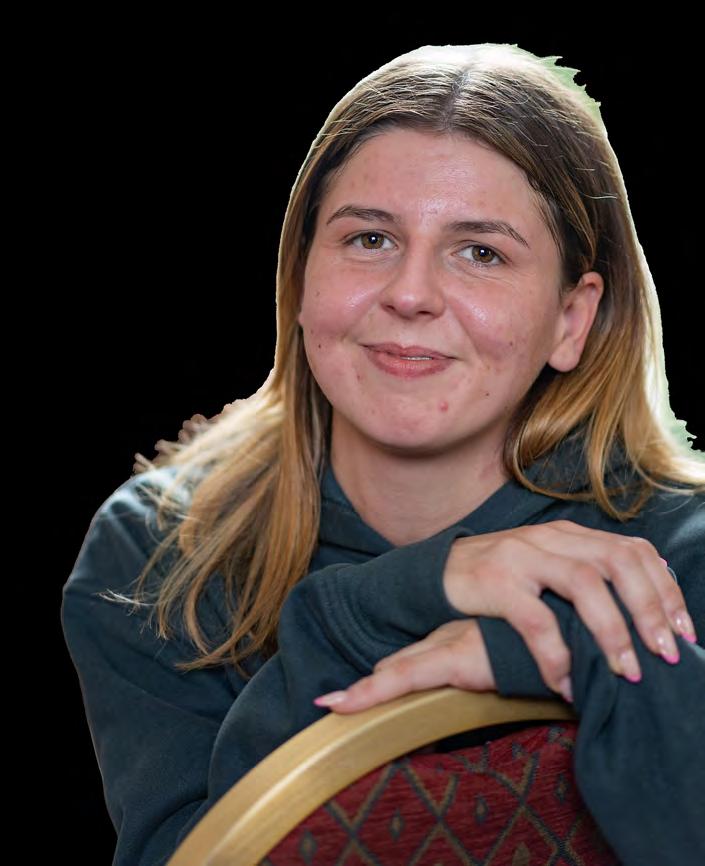

Chair’s Welcome
Across Northern Ireland this year, Extern continued to stand beside people facing some of the most difficult circumstances of their lives.
As Interim Chair of the Board, I am proud of the dedication, professionalism and compassion shown by our staff, volunteers and partners, who work tirelessly to support individuals, families and communities at times of real need. Their commitment reflects the values on which Extern was founded and remains evident across all our services.
This 2024-2025 Annual Report highlights the breadth of our work and the difference it makes every day. This year’s work is reflected in stories such as our Enhanced Needle and Syringe Exchange Service in Belfast which continues to provide life-saving harm reduction support, delivered with dignity and without judgement. We also marked the first full year of the Prisoner Support Project, which is helping people serving short custodial sentences prepare for release and reduce the cycle of reoffending.
Supporting young people remains a vital part of our work. Through the Shared Island Creative Arts Project, young people from different communities are using creativity and performance to express themselves, build relationships and explore their experiences in a safe and supportive environment. The Barista Academy, delivered through our Refugee Resettlement Service, has provided young people with practical skills, confidence and new pathways into education and employment, while also promoting integration and community connection. The Communities in Transition programme continues to strengthen wellbeing and resilience in areas facing long-standing challenges by supporting Community Champions and locally led initiatives.
Behind all of this work is a skilled and committed workforce. The Board recognises that Extern’s services are delivered in emotionally demanding and complex environments. During the year, we continued to strengthen internal supports through leadership development, coaching and trauma-informed practice. Our staff are Extern’s greatest strength and their wellbeing is central to our effectiveness as an organisation.
Extern does not work in isolation. Pressures linked to homelessness, addiction, mental ill health and poverty continue to grow across Northern Ireland. In this context, strong partnerships with government departments, health and justice agencies, local authorities and the voluntary sector are essential. I extend sincere thanks to all those who support our work through funding, collaboration and shared commitment. I also thank my fellow Board members for their guidance and oversight, ensuring Extern remains accountable, transparent and focused on the people we serve.
As you read this report, I hope you will see not only the outcomes achieved, but also the care, integrity and humanity that underpin all our work. Extern remains committed to supporting people across Northern Ireland to feel safer, more connected and more hopeful about their futures.
Dr Lynne McMordie, Interim Chairperson
Our Vision
A society where everyone who faces crisis, discrimination, difficult personal challenges or societal inequalities, receives understanding and support towards a better tomorrow. Extern will play its part and will work to achieve this as a Trauma Informed Organisation.
Our Mission
To deliver quality trauma informed services that tackle the biggest problems and challenges people face, and to support them to be safe, flourish, feel valued and hopeful. We will ensure that their voice is heard, always.

CEO’s Welcome
This year has shown just how deeply the cost of living crisis is affecting people across the island of Ireland. For many of the individuals and families Extern walks alongside, rising daily costs are not an inconvenience but a tipping point into real hardship.
Essentials many take for granted — food, heating, clothing — have become difficult choices. Homelessness has also continued to rise, leaving more adults, families and children without stability or support. The effects of isolation, family breakdown and declining mental health are visible in every corner of our work, with a growing crisis among young people where the pain of suicide and self-harm reverberates through families and communities.
In the midst of these pressures I have been continually struck by the resilience, compassion and professionalism of Extern staff. Their work is increasingly complex and emotionally demanding, yet they show up every day with a commitment that is both humbling and inspiring. We know recruitment remains challenging in some areas and that the emotional load of frontline work can be heavy. That is why our trauma informed journey is so important. It is not a slogan but a long-term organisational commitment to ensure staff have the training, support and environments they need to stay safe and feel valued. I am pleased that staff turnover has reduced to under 12 per cent and we will continue striving to improve pay, conditions and wellbeing supports across both jurisdictions.
Financial pressures continue to shape the wider community and voluntary sector and Extern is no exception. We are fortunate to have strong, honest relationships with our commissioners, built on trust and a shared understanding of what can be delivered within finite resources. But it is also clear that stand-still budgets are effectively cuts, especially as compliance demands continue to grow. Our new fundraising strategy will be an important step toward strengthening Extern’s long-term sustainability, allowing us to invest more directly in our services, our leadership and our people.
I am proud of how much we achieved this year. We retained and grew key services and successfully retendered important programmes in Northern Ireland. Staff across the organisation contributed to shaping our new fiveyear strategy, launched in May 2025, which sets an ambitious direction: to ensure that no matter where you live on the island of Ireland, you can access the support you need. We also responded to increasing demand from people seeking asylum and continued to innovate in how we design and deliver our services. As always, our volunteers and our Board members across the organisation deserve special thanks. Their commitment underpins so much of what we do.
Looking ahead I remain hopeful. I believe government will increasingly recognise the value of social care and the impact organisations like Extern deliver every day. With continued investment and a growing base of selffunded activity, we will reach further and support more people than ever before.
Leslie Ann Scott, Chief Executive Officer
Our Values
Safety
We will focus on ensuring the physical, mental and emotional safety of both our staff and the people we serve.
Choice
We believe in the importance of choice. This means giving people options and respecting their rights and responsibilities.
Collaboration
We will work together, openly and honestly. Every interaction will be respectful and inclusive so that we deliver our services effectively. By advocating with others, we will influence policies that create positive changes in society.
Trustworthiness
We will make sure our guidelines, policies and behaviours promote honesty and respect amongst our staff, service users and funding partners.
Empowerment
We will help people reach their personal goals by offering guidance and support. When people feel empowered, they grow in confidence and enjoy a more fulfilled life with a strengthened sense of purpose and worth.
We are Extern
We stand with people, supporting them toward a better tomorrow
We stand with people
Every day we meet people at the hardest moments of their lives — young people carrying trauma, adults overwhelmed by addiction or mental health crisis, families in conflict, individuals leaving custody needing supports and communities living with long-term disadvantage. Many meet us feeling judged or written off. Some feel they have exhausted their options. Others are simply tired from struggling on their own.
We meet them without judgement. We meet them with compassion, respect and practical support. We listen. We build trust. We work at a pace that feels safe. When change may be slow, uneven or uncertain we are there supporting people with the next step… and beyond.
We support people
Many of the people we support have experienced a lifetime of instability — systems that have failed them, broken routines, unsafe relationships and not knowing where to turn. Extern is often the difference between someone returning to crisis or finding the confidence to try again.
The Extern difference is a quiet, persistent belief that people can change, families can heal and communities can grow stronger — when someone stands with them supporting them towards a better tomorrow.
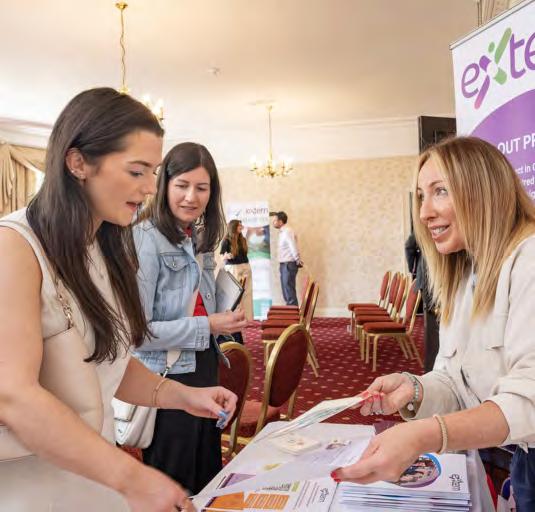
As a community and voluntary organisation, our primary purpose is to provide services to support adults, young people, families and children who are facing some of the most complex challenges in society.
Our teams work in communities, prisons, accommodation services and specialist projects, providing practical help and emotional support when people need it most. We focus on strengthening safety, stability and wellbeing and on helping individuals build connections that support long-term change. Across all our services, we meet people where they are and offer support that is respectful, skilled and grounded in real understanding.
BARISTA ACADEMY / REFUGEE EMPLOYABILITY PROJECT (PAGE 07-08)
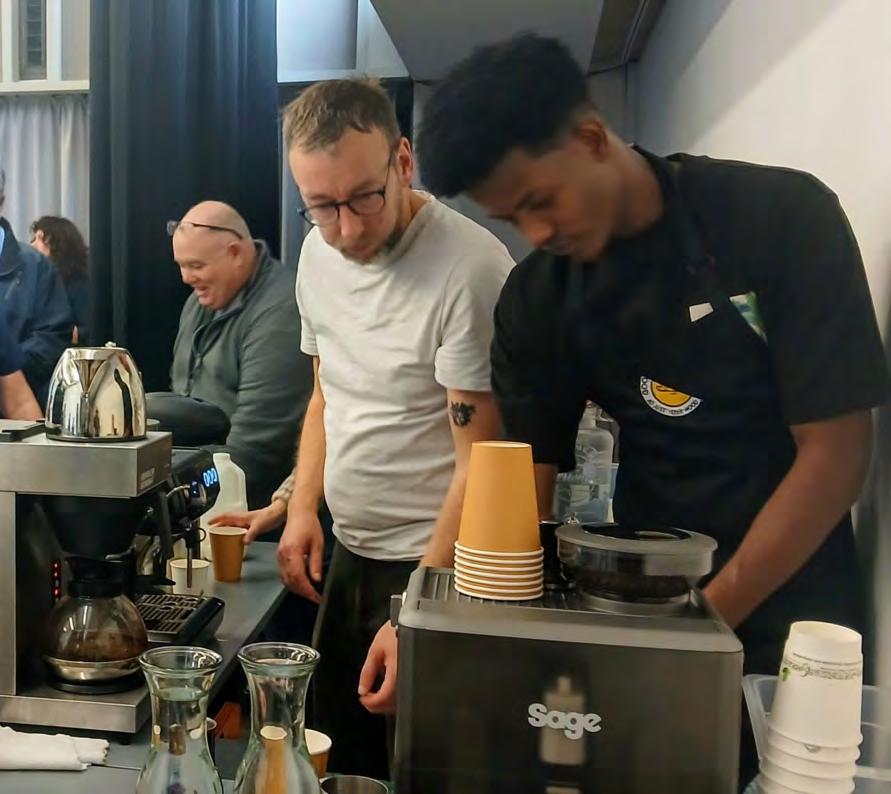
The Barista Academy supports young refugees to develop practical skills, improve language and confidence and explore pathways into education and employment.
COMMUNITIES IN TRANSITION (CIT) (PAGE 09-10)
CIT works with individuals and neighbourhoods affected by paramilitary influence, improving health and wellbeing while building long-term community capacity.
SHARED ISLAND CREATIVE ARTS PROJECT (PAGE 11-12)
This cross-border theatre initiative brings young people together to explore identity, storytelling and lived experience through the arts.
MUST HOSTEL, COOKSTOWN (PAGE 13-14)
MUST Hostel offers temporary supported accommodation for adults experiencing homelessness, helping residents regain stability, rebuild routines and prepare for independent living.
ENHANCED NEEDLE & SYRINGE EXCHANGE SERVICE, BELFAST (PAGE 15-16)
Our Needle Exchange provides harm-reduction support for people who inject substances, offering sterile equipment, wound care and access to wider health services.
ORGANISATIONAL DEVELOPMENT / SUPPORT SERVICES (PAGE 19-20)
Extern’s new Organisational Development function strengthens leadership, supports staff wellbeing and embeds trauma-informed values across the organisation.
PRISONER SUPPORT PROJECT (PAGE 17-18)
The Prisoner Support Project works with people serving short custodial sentences, offering therapeutic support in custody and practical help on release.

Espresso yourself
Building skills and confidence at the Barista Academy
Extern’s NI Refugee Resettlement Service supports individuals and families who have fled war and challenging circumstances in their countries of birth and have resettled in Northern Ireland. All have been granted refugee status and leave to remain in the UK. Within this service, the Barista Academy supports young people from Afghanistan and other countries to develop practical skills, build confidence and explore educational and employment opportunities.
The Refugee Resettlement Service currently supports around 125 families. Within this wider group, the Barista Project focuses primarily on young people aged 16 and over, many of whom arrive with limited English, few opportunities and significant barriers to employment. Some also experience discrimination or social isolation as they try to find their place in a new society.
The challenge was how best to support these creative and ambitious young people to build confidence, strengthen communication skills and integrate more fully into the wider community. Traditional entry points such as classroombased learning or employability training did not always feel like the right place to start. What was needed was an approach that felt accessible, practical and engaging from the outset.
A safe, nurturing environment
The answer emerged over a good cup of coffee. The idea was simple: to create a formal Barista Training Programme that would appeal to young refugees while offering a usable, recognised qualification. Alongside barista training, the programme would develop communication and language skills, introduce customer care and marketing, include event management experience and offer site visits to local businesses.
Crucially, it would provide a safe, nurturing environment where young people could build independence, develop confidence and begin to engage more fully with life in Northern Ireland, always from a position of dignity and respect. And so the Barista Academy was born.
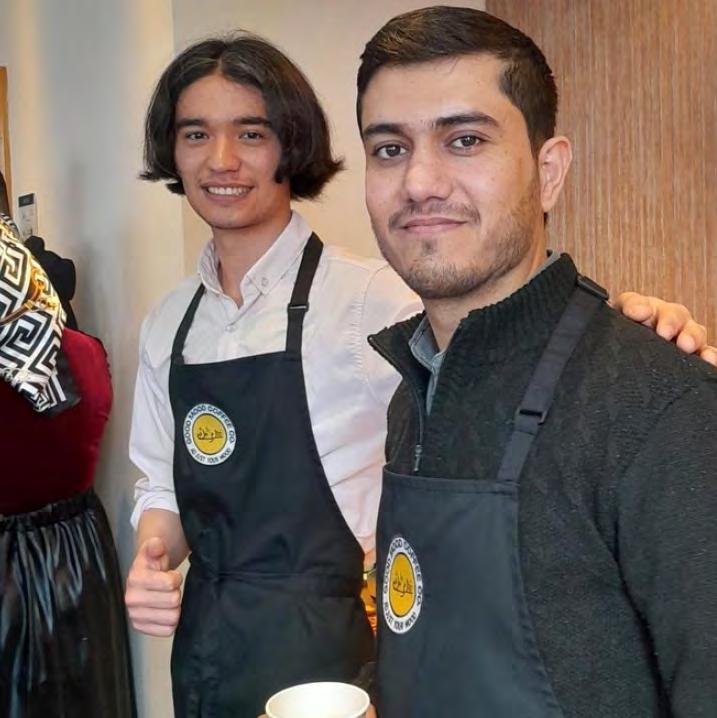
“I had only been in Northern Ireland for four months and everything felt new — the culture, the weather, the language. I did not know how to find work or education. This programme gave me space to ask questions and the key workers guided me as I adjusted to my new life. My confidence has grown a lot. I am now applying for jobs and recently attended my first interview. Without this project, I would not have had these opportunities.”
Ali’s story
We already had access to a training centre, so we applied for and secured a £45K grant from the RTÉ Toy Show Appeal. This enabled us to purchase barista equipment and establish a pop-up coffee shop in Belfast city centre. Working with Specialist Beverages, participants developed and launched their own brand, Good Mood Coffee Co. Funding also supported additional hospitality-focused training, including OCN courses in Employability and Cooking.
Out and about Extern’s Barista Academy is about more than coffee. Alongside serving customers each week at Good Mood Coffee Co., participants have taken their skills out to community events including the L’Arche Belfast Spring Fair, as well as festivals, conferences and business gatherings. Feedback from these events has been consistently positive and has helped highlight the talent and potential within our refugee communities.
MENTORING RACIAL & ETHNIC MINORITY SUPPORTS
COMMISSIONERS:
The Executive Office, Department for Communities, Community Foundation Northern Ireland
SERVICE USERS SUPPORTED: 414
LOCATIONS: Northern Ireland-wide
HIGHLIGHT:
During 2024–25, Extern supported 294 people through our Ukrainian Refugee Services, providing vital assistance to individuals and families rebuilding their lives. Our teams offered practical support, advocacy and guidance to help people settle safely, access services and move towards stability and independence.
Brewing fresh opportunities
The Barista Academy supports young people to take positive steps towards their future by focusing on three core outcomes: strengthening access to education and employment through practical training, encouraging integration by building connections within the community, and promoting wellbeing through purposeful activity and a sense of belonging.
Programme highlights
To date, over 46 young refugees have completed the barista training. Participants have also visited local businesses across Belfast, gaining practical insight into workplace environments. Some have gone on to access courses through the Open University, while others have secured employment, demonstrating the confidence and capability developed through the programme.

Barista Academy Project
Delivering Long-Term Support to Communities in Transition
Extern’s Communities in Transition (CIT) Project, funded by the Executive Office, works with individuals and communities affected by paramilitary influence and control. The project aims to improve health and wellbeing, helping people move towards lives free from the impact of paramilitarism.
Now in its seventh year, Extern’s CIT team delivers community-based Health & Wellbeing projects across Larne, Carrickfergus and Greater Shankill. A key objective is to provide accessible services while recruiting and upskilling Community Champions who can respond to wellbeing issues or signpost people to appropriate help. Alongside direct support for individuals, funding has enabled the creation of peer support groups that deliver long-term, sustainable benefit within each community.
Community Champions
Community Champions are central to the CIT model. They represent a lasting legacy of skills within their communities, ensuring support continues regardless of future funding. To date, around 65 Champions have been trained across Larne, Carrickfergus and Shankill.
Champions are mentored in core skills such as mental health and first aid training, suicide awareness and bespoke drug and alcohol programmes. These tools empower them to respond quickly and effectively to local needs, building resilience at a community level.

Unconditional Support
Our Community Champions have been instrumental in launching new activity groups that bring people together and offer practical outlets for wellbeing. These include:
• Embrace: a cold-water dipping group that meets daily, offering both physical and mental health benefits. The group also hosts 12 annual “dry” sessions where members of the community can access one-to-one therapeutic support and engage in wellbeing discussions.
• Acupuncture Clinic: run exclusively by Champions, this clinic provides free weekly sessions in Larne. With over 1,500 participants across the year, it has become one of the project’s most popular services.
• Momentum: a closed support group for vulnerable men in Larne, Carrickfergus, and Shankill. It helps reduce isolation, promote emotional wellbeing, and support men facing challenges around mental health, addiction, trauma, and identity.
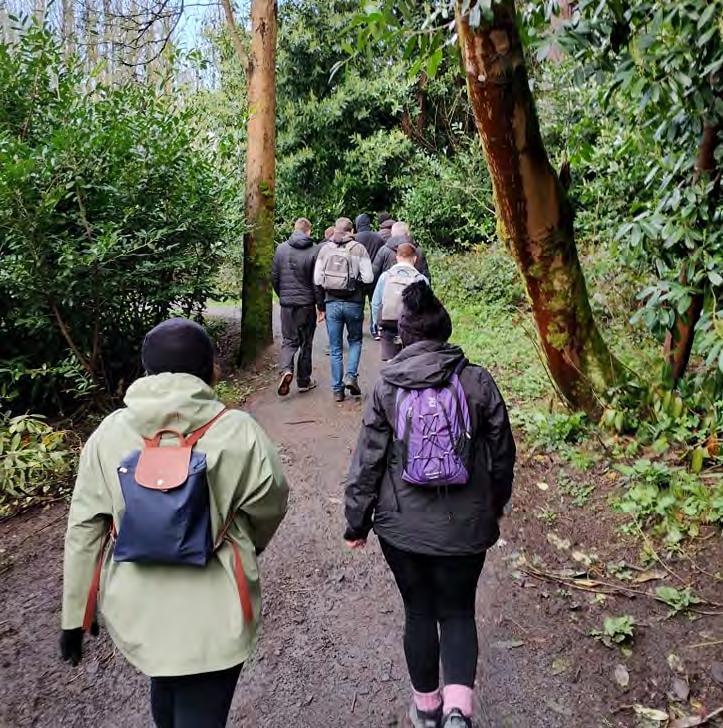
These initiatives may appear simple, but they connect people, build trust and create supportive environments where recovery can take root. Activities such as cold-water dipping and acupuncture are also proven to reduce conditions like anxiety and depression.
Whatever It Takes
Therapeutic support through statutory agencies is often limited to six to eight sessions. While valuable, this timeframe may not meet the needs of those whose lives have been deeply shaped by paramilitarism. Extern’s CIT team instead takes a long-term, person-centred approach. Support continues for as long as it is needed, with staff walking alongside individuals on their journey to recovery.
Many who engage with the project are living with inter-generational trauma directly linked to the Troubles, as well as substance abuse and/or the effects of exploitation, both physical and sexual. Yet time and again, the combination of professional support and community-led initiatives has helped people achieve remarkable transformations.
Looking Ahead
CIT will continue to work with local networks and partners to nurture initiatives that meet the evolving needs of communities. Funding challenges remain, but collaboration with the PSNI, Health Trusts, Education Authorities, MLAs, charities, and housing bodies will ensure continued focus on improving health and wellbeing in areas once marked by paramilitary control.

Communities in Transition
This Works
Jean, a young woman in her late twenties, came to the Larne CIT team at rock bottom. A chronic and chaotic drug user, she had lost her home and family relationships, was sofa-surfing, physically unwell and struggling with paranoia.
With steady guidance from the CIT team and local Community Champions, Jean gradually turned her life around over three years. She is now drug-free, working two jobs, living in her own home, and has rebuilt her relationship with her family.
Jean has also become a Community Champion herself, contributing to the wellbeing of others while continuing her own journey of recovery. With support from Extern, she recently completed a Leaf Course, equipping her to share her story in a safe, boundaried way that inspires others in her community.
MENTAL WELL-BEING
COMMISSIONERS: Public Health Agency, Department of Communities, Community Foundation Northern Ireland, The Executive Office, The Special EU Programmes Body (SEUPB)
SERVICE USERS SUPPORTED: 3297
LOCATIONS: Belfast, Derry/Londonderry, Carrickfergus, Larne
HIGHLIGHT:
During 2024–25, Extern’s Reach Out project supported 2,517 people, delivering timely outreach, advice and practical support to individuals facing complex challenges. Through early intervention and consistent engagement, the project helped people stay safe, access essential services and move towards improved wellbeing and stability.
Creating connection through creativity
The Shared Island Creative Arts Project
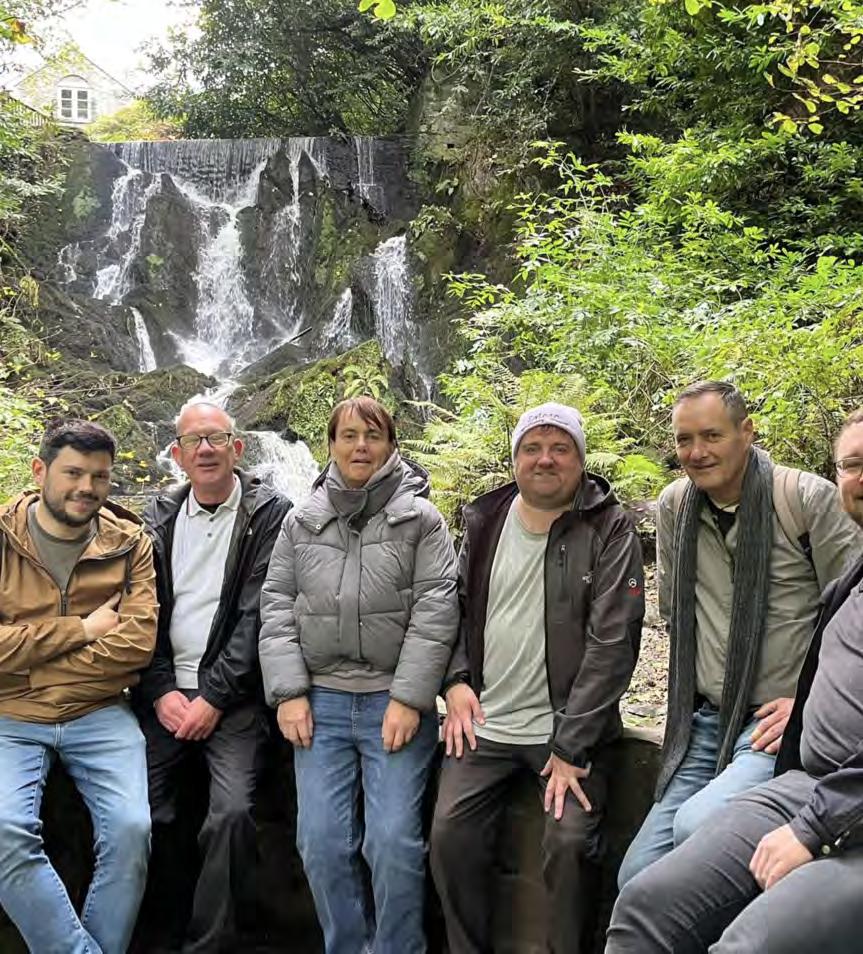
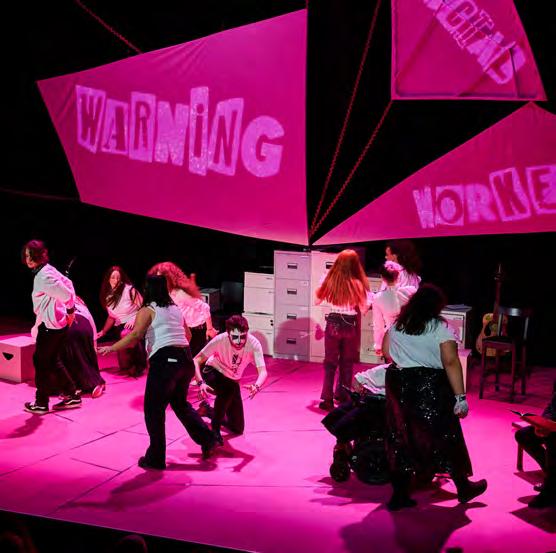
The Shared Island Creative Arts Project is a cross-border theatre initiative involving up to 20 young people aged 16 to 24 from Greater Belfast, Drogheda and Dublin.
Delivered through the Shared Island Creative Youth Partnerships scheme as part of the Creative Ireland Programme 2023–2027, the project brings young people from different backgrounds together through creativity, storytelling and performance.
Many participants live with complex needs, including trauma, instability or challenging home environments. The project provides a safe, supported space where they can express themselves, build confidence and explore new ways of understanding their experiences.
Our work follows the Creative Youth Work approach, which prioritises trust, strong relationships and engagement at a pace that
feels safe for each young person. Creativity becomes the bridge that allows participants to reflect on their lives and connect with others who may share similar emotions, even when their experiences differ.
Working with young people who see the world differently
The young people involved carry significant emotional weight, yet they also show insight, compassion and creativity. We refer to them as our young artists because that is how they think, feel and engage with the world. Our guiding belief is simple: we do not work with art for its own sake. We work with arts that can transform — arts that communicate, express, entertain and change.

FAMILY AND YOUTH SUPPORTS
COMMISSIONERS:
Western Health & Social Care Trust, South Eastern Health and Social Care Trust, Belfast Health and Social Care Trust, Public Health Agency, Department of Health/Strategic Planning and Performance Group, Creative Ireland Programme
SERVICE USERS SUPPORTED: 1305
LOCATIONS: Northern Ireland-wide
HIGHLIGHT:
Extern’s Youth Engagement Service supported 740 young people last year, helping them build confidence, develop skills, and engage positively with education, training, and their communities.
A project delivered in five stages
Stage One – Building the group
Young people were recruited through Extern projects across the island, with all contact managed through key workers to ensure safety and consistency. While recruitment in Northern Ireland was straightforward, involving young people from the Republic of Ireland required additional reassurance. Distance, unfamiliarity and understandable concerns meant trust had to be built gradually.

Once established, the group came together for three residentials at Roscor Youth Village in county Fermanagh. These focused on confidence building, relationship development, introductory arts techniques and creating a shared group identity.
Stage Two – Sharing lived experience through art
Participants were invited to respond to artwork of their own choosing, including songs, poems, films or scenes from plays. Through guided questions, they explored what resonated with them and why. This helped young people connect with emotions in the art and gently begin sharing their own stories. Themes such as abandonment, anger, hope, fear and resilience emerged, building empathy within the group.
This stage also introduced the project’s four creative intentions: to communicate, to express, to entertain and to change.
Stage Three – Creating their own art
In stage three, Belfast writer Dr Tony Macaulay worked with the group, bringing professional expertise alongside a strong youth work background. With his support, young people developed original artistic responses rooted in their lived experience. One participant with mobility difficulties created a comedy performance titled Just Roll With It, exploring the impact of disability on his mental health and his role supporting a parent through anxiety. His work reflected not only challenge but also humour and resilience.
Stage
Four
– Writing the play
During the reporting year the project progressed to writing a full performance to be staged in Belfast and Drogheda in 2025. The resulting piece, Still We Weave When Growing Up Pulls You Apart, brings together drama, character work and personal experience to form a collective story about identity and resilience.
Stage Five – Performances
The final performances will take place in 2025 and fall outside the reporting year. However, the preparation completed this year has fully equipped the young people for this final stage.
Impact and emerging outcomes
The Shared Island Creative Arts Project builds emotional literacy, strengthens wellbeing and gives young people tools to manage conflict and understand their reactions. Through drama, participants learn to recognise triggers, express difficult emotions safely and view situations from different perspectives.
Young people also develop confidence, problem-solving skills and a renewed sense of possibility. For many, this is the first time they have felt genuinely recognised for their strengths. By bringing young people together across communities and borders, the project supports the wider aims of the Shared Island Initiative, fostering connection, understanding and shared experience.
Providing safety, stability and hope in rural Mid-Ulster
MUST Hostel, Cookstown
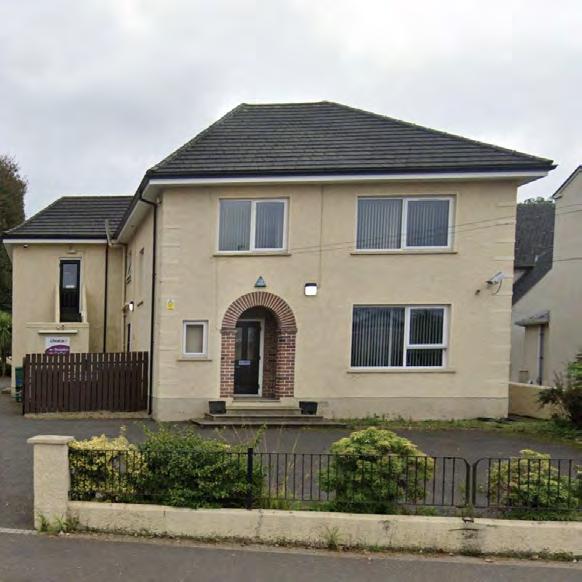
MUST (Mid-Ulster and South Tyrone) Hostel in Cookstown provides temporary supported accommodation for single adults aged 18 to 65 who are experiencing homelessness.
We accommodate up to 20 residents at any one time, offering 16 single rooms and four selfcontained apartments for both men and women.
We work closely with the Northern Ireland Housing Executive and we are also a probationapproved hostel, partnering with the Probation Board for Northern Ireland (PBNI). This enables us to provide supervised accommodation for some individuals who are subject to licence conditions or other restrictions, while supporting them to move towards safer, more stable lives.
Our approach is flexible and person centred. Many residents arrive after long periods of instability, trauma, poor mental health or justice involvement. Creating a calm, predictable and respectful environment is central to everything we do.
A rural setting that supports recovery
Our rural location can give residents space to reset, away from some of the pressures that can escalate risk. For many, this supports wellbeing and emotional regulation. At the same time, limited public transport and fewer nearby services can make it harder for residents to attend appointments or access specialist supports. We work proactively to reduce these barriers through planning, support with travel and strong relationships with external agencies.
Supporting wellbeing and meaningful routine
A key focus this year was helping residents make positive use of their time. Without structure, people can become isolated and the risk of returning to harmful behaviours can increase.
Through successful grant applications, we strengthened our wellbeing offer. A Public Health grant supported a health and nature-
Hostel

themed programme shaped by resident feedback, with sessions on mindfulness and the benefits of spending time outdoors. A Council grant also enabled gym passes and group exercise classes such as Zumba, helping residents build routine and confidence.
We also introduced Thursday activity nights to create a safe, sociable space in the Hostel. Quizzes, bingo and karaoke have helped residents connect with one another and enjoy positive experiences in a supportive setting.
Staffing and consistency
We responded positively to staffing pressures during the year and in order to maintain continuity for residents, we focused on communication, handovers and shared practice to maintain consistent support. More recently, recruitment has improved, strengthening team stability.
Responding to substance use and risk
During the year we observed an increase in substance use issues, including intravenous drug use, crack cocaine and heroin. Alcohol and drugs are not permitted on site, but we recognise that people may arrive with entrenched dependencies. Our approach is low threshold and high tolerance, with a clear focus on harm reduction and safety.
All staff are trained to respond to overdoses. We keep open communication with residents, noticing patterns and exploring what might be driving increased use, then supporting access to appropriate services.

Wraparound, key worker support
Each resident is allocated a key worker and together they identify goals and priorities. Support can include benefits, registering with a GP, addressing practical needs and, where appropriate, rebuilding family connections. In the lead-up to move-on, support becomes more intensive, helping residents manage appointments, housing processes and daily routines. Residents may stay up to two years and this reflects the shortage of housing stock.
Working with partners
We maintain strong relationships with probation officers and other stakeholders. This joined-up approach helps us anticipate challenges early and respond before issues escalate. During the year we also received more calls from people in the wider community who were experiencing homelessness or a mental health crisis. Where possible, we respond with care and signpost people to appropriate support.
Looking ahead
MUST Hostel remains a vital service for adults experiencing homelessness in Mid-Ulster and South Tyrone. By combining safe accommodation with structure, wellbeing activities and practical support, we help residents stabilise and take steps towards a more secure future.
SUPPORT ACCOMMODATION & HOUSING
COMMISSIONERS:
Northern Ireland Housing Executive, Belfast Health & Social care Trust, Supporting People, Radius Housing SERVICE USERS SUPPORTED: 1991
LOCATIONS: Belfast, Newcastle, Mid-Ulster, Newtownards, Enniskillen, North Down
HIGHLIGHT:
Extern’s Floating Support Services reached 392 people in 2024–25, offering practical support and guidance that helped individuals live safely, confidently, and with dignity in their own homes.
Delivering life-saving support to substance users
The service enables people who inject substances such as heroin or cocaine to safely dispose of used needles, receive sterile injecting equipment and gain access to vital health services.
The NSES provides a compassionate, Drug use and injecting drug use in Belfast is rising at an alarming rate, with drugrelated deaths now among the highest in Europe. Extern’s new Enhanced Needle and Syringe Exchange Service (NSES) in Belfast City Centre is helping to address this urgent issue.
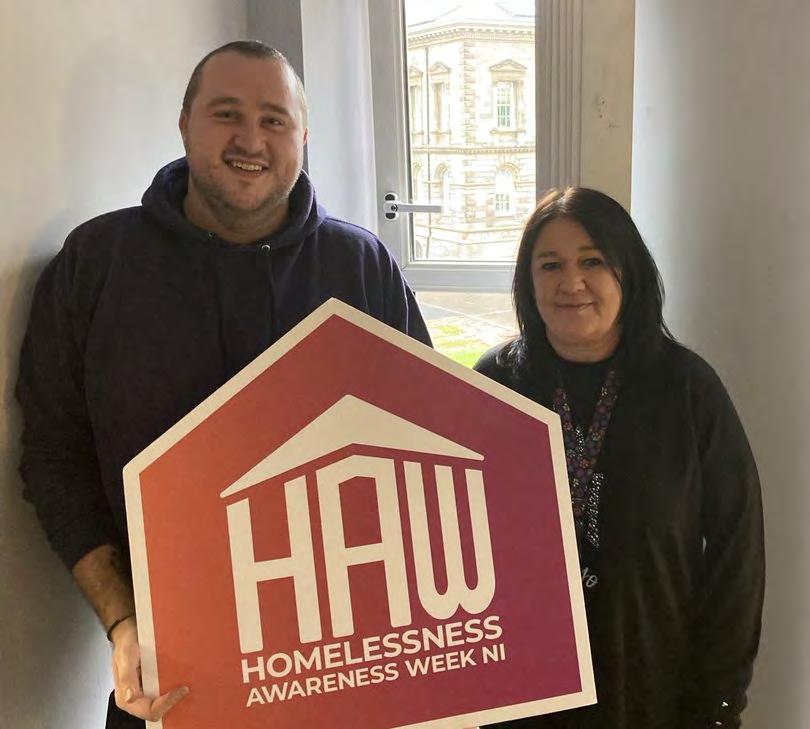
Operating seven days per week—9am to 9pm Monday to Friday, and 9am to 5pm on weekends—the NSES has supported people since 2011. Now, thanks to funding from the Public Health Agency (PHA), the service has relocated from its Rosemary Street site to larger, more accessible premises at 102 Royal Avenue. Alongside access to clean injecting equipment, individuals can receive blood-borne virus testing, wound care, and advice on safer injecting practices. Staff also provide referrals to wider health and support services.
The Enhanced Needle and Syringe Exchange plays a vital role in reducing the risks associated with injecting drug use, including the transmission of blood-borne viruses such as Hepatitis B, C, and HIV. An outreach element of the service also helps collect and safely dispose of discarded sharps, protecting the wider community while raising awareness of harm reduction.
A safe, friendly space Polysubstance use—where individuals use more than one drug at a time—is an increasing issue across Belfast. Substance users also face significant social stigma, often due to misunderstanding and fear around addiction.
HARM REDUCTION AND RECOVERY
COMMISSIONERS:
Public Health Agency, Policing & Community Safety Partnership, Belfast City Council
SERVICE USERS SUPPORTED: 3867
LOCATIONS: Northern Ireland-wide
HIGHLIGHT: Throughout 2024–25, Extern supported 1,563 people through its Street Injecting Support Service, providing compassionate, practical, and tailored support to promote safety, wellbeing, and stability.

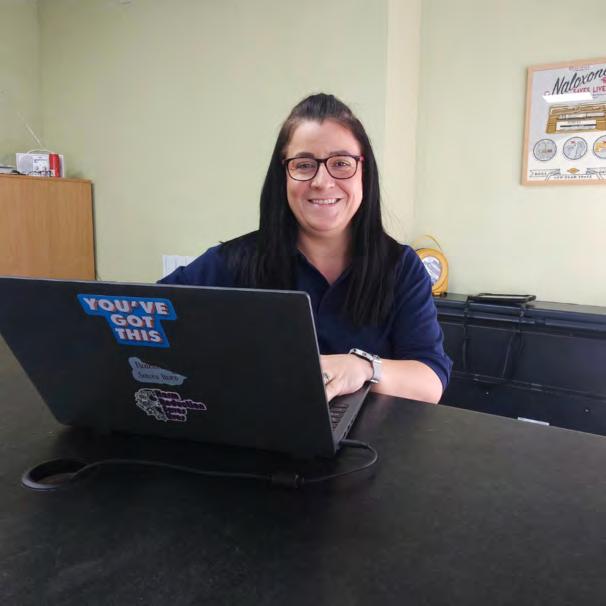
welcoming space where people feel safe and respected. Extern’s team is empathetic, highly skilled and deeply committed to supporting some of the most vulnerable members of society. Staff members help service users to feel comfortable and open, ensuring that those most at risk can access life-saving resources.
Practical medical support
Many service users do not have a GP and are reluctant to attend hospital emergency departments. To bridge this gap, Health Hub nurses visit the Needle Exchange weekly, offering a vital lifeline by addressing a range of health concerns. Staff are also trained to provide wound care, including dressing minor injuries caused by injecting drug use.
Take Home Naloxone Programme
Naloxone is an emergency antidote for overdoses caused by heroin and other opioids, reversing the effects that slow or stop breathing. Across the year, staff at the Needle Exchange responded to several overdose incidents, successfully administering Naloxone and saving lives.
Extern also supports the Public Health Agency’s Take Home Naloxone programme, distributing packs directly to those at risk of opioid overdose and ensuring they have access to this life-saving resource.
Working with others
Collaboration is central to the NSES approach. Staff work alongside other citycentre organisations, including The Welcome Centre, Welcome Outreach, The Drug Outreach Team, The People’s Kitchen, and the SOS Bus.
Many service users are homeless so the Needle Exchange team encourage them to engage with the Housing Executive and Extern’s own Multi-Disciplinary Homeless Support Team (MDHST). This provides access to temporary accommodation to meet immediate needs, alongside longer-term housing support.
Towards a safer, healthier future Extern’s Enhanced Needle and Syringe Exchange Service is more than a health intervention: it is a compassionate, practical response to one of the most pressing public health challenges in Belfast today. By reducing harm, saving lives and offering dignity and care to those often pushed to the margins of society, the NSES is helping to create a safer, healthier future for individuals and the wider community alike.

Robert,40s, former service user
“I’ve come to know the Needle Exchange team very closely over the past ten years, not just as a service user, but more recently as a service user activist. Certainly as a user, I found their service to be absolutely invaluable and a lot of people like me would have been very stuck without them. The needle exchange opening was like a light going on. For one thing it wasn’t set in a chemist shop which was very clinical and very scary. It was more relaxed. More on your level. And they had time to listen to you if you were in trouble. They were just really good at keeping you informed. Whether it be detox or housing, if they could help you with it, they would. I’m very proud of them and what they do.”
Supporting rehabilitation through connection and consistency
Prisoner Support Project
The Prisoner Support Project is one of Extern’s newest initiatives. Established in January 2024, it supports people serving short custodial sentences in HMP Maghaberry who are at high risk of returning to custody soon after release.
These individuals often move through the justice system quickly, serving sentences of one year or less. The brevity of their time in custody leaves little space for meaningful rehabilitation and many return to the same circumstances, pressures and risks they faced before entering prison. As a result, reoffending among this group can reach 51 percent within three months of release.
The Prisoner Support Project was created to interrupt this cycle. Our aim is to provide individuals with the stability, confidence and support they need to break patterns of repeat offending and begin shaping a different path. Most of those referred to the project are adult men aged roughly 21 to 50.
Many have been caught in a long-running cycle of low-level offending linked to substance or alcohol dependency. Theft to fund addiction is common. Alongside this, many carry the impact of difficult home environments, trauma, domestic violence or previous abuse. Years of

instability can result in low self-esteem and many genuinely do not believe they deserve a better life. We work with individuals facing complex challenges and our approach is grounded in Extern’s belief that every person is capable of change and of building a safer, more stable life with the right support.
How the project works
The project is built around the Good Lives Model, which focuses on strengths and encourages gradual, sustainable change. It combines therapeutic support inside the prison with practical help during and after release.
Two Extern key workers are based within Maghaberry. They deliver a structured programme called Let’s Talk, which helps people understand their triggers for offending, recognise the reasons behind substance use and explore safer ways of responding to stress. This work begins in custody, allowing trust to build early.

Before release, we arrange a warm handover meeting with a community social worker. This identifies immediate needs such as securing benefits, registering with a GP, arranging accommodation or addressing early mental health concerns. Many people leaving custody feel overwhelmed by these tasks and without support they often slip back into familiar patterns simply because they cannot manage the demands placed on them.
On release, if someone is returning to Greater Belfast, our team meets them on arrival in the city and begins support straightaway. If they are returning to another area, we identify suitable local services or refer them into Extern’s Floating Support Service. No one should leave custody without a safety net.
Engagement ideally lasts up to six months, but progress varies. Some people disengage once an urgent need has been met then return later when ready. Others engage consistently. Trust takes time, especially for those who feel let down by services and systems. Our role is to remain steady and present.
Practical support that makes a difference
The transition from custody to community can be difficult. Around 90 percent of the people we work with leave prison without secure housing. Without stability it becomes almost impossible to address substance use or mental health concerns. We therefore put significant focus on housing support, benefits advice and helping individuals rebuild routines that reduce crisis.
We also provide intensive wraparound support and can respond to emergencies when needed. Engagement usually involves meeting twice a week, offering practical help, therapeutic reflection and guidance around safer decision
making. A major part of the work is simply helping individuals feel there is someone in their corner.
By June 2025, 130 people had taken part in therapeutic work inside the prison and 63 had been referred to community support. Early data indicates that reoffending among those engaging with the programme has reduced to 33 percent, with a general reoffending rate of 27 percent for those supported through the project. An external evaluation by Queen’s University Belfast is under way.

Working as a team
The work can be demanding. Many of those we support are dealing with trauma, mental health difficulties or the pressures of addiction. For staff this means carrying high levels of emotional and practical responsibility. The team provides strong peer support for one another and shares values that align closely with Extern’s mission: to walk alongside people during their most difficult moments and help them find a safer way forward.
Looking ahead
The Prisoner Support Project operates as a pilot until March 2026. As we look to the future, we hope the value of the work will continue to be recognised across the justice, health and housing systems. The challenges faced by short-term prisoners do not sit neatly within one sector and addressing them requires coordinated responses across multiple services.
Our aim remains simple: to support people leaving custody so they feel less alone, more hopeful and better equipped to make changes that keep them out of prison and help them move towards a safer, healthier life.

Strengthening our leadership and our culture at every level
Organisational Development at Extern
Extern’s staff work in some of the most demanding environments in the voluntary and community sector. Whether supporting people through homelessness, addiction, mental health crisis, exploitation or family breakdown, frontline teams carry significant responsibility every day.
During 2024–25, Extern took an important step in strengthening how we support our workforce by introducing a dedicated Organisational Development (OD) Lead role. This investment reflects our recognition that staff wellbeing, leadership capability and organisational culture are central to delivering safe, effective services and sustaining Extern’s work over the long term. Extern has a strong tradition of developing talent from within, with many managers having progressed from frontline roles. While this creates committed and values-led leaders, the transition into management can be challenging without structured support.
The OD function has been introduced to provide that support, helping staff grow in confidence and capability as they move through the organisation.
Building leadership capability: The People Management Toolkit
One of the major achievements during the reporting year was the development and rollout of the People Management Toolkit. This suite of five modules was designed in direct consultation with managers, ensuring it reflected the realities of their roles. The sessions focus on practical leadership skills including decision making, team development and managing difficult conversations in a constructive and supportive way.
The Toolkit builds on Extern’s existing values rather than replacing them. It helps managers translate their compassion and commitment into effective leadership practice, while


developing the additional skills needed to manage people, budgets and operational demands. The workshops are voluntary and flexible, allowing participants to focus on the areas most relevant to them. They are also open to staff who aspire to leadership roles, offering early insight into the responsibilities involved. Feedback has been consistently positive, highlighting the value of having practical, relevant support.
Introducing coaching across the organisation
Another significant development during the year was the introduction of professional coaching as an internal support. Coaching is now available to staff at all levels, providing a confidential space to explore goals, challenges and development needs.
During the reporting year, 16 staff members engaged in one-to-one coaching, with plans to expand this provision. Many valued the opportunity to reflect on their leadership style, career direction or work-related pressures. Coaching supports reflective practice and thoughtful decision making, which are particularly important for staff managing complex situations and responsibilities.
Supporting staff wellbeing
Extern continued to invest in staff wellbeing, with a particular focus on supporting women experiencing menopause-related challenges. Given that the majority of our workforce is female, we recognised the importance of providing targeted and practical support.
Through our partnership with Henpicked, specialists in workplace menopause awareness, we developed a menopause policy and introduced a Digital Menopause Café. This online space allows staff to connect, share experiences and access information in a supportive environment. These initiatives have been well received and reflect Extern’s commitment to creating a workplace where people feel understood and supported throughout different stages of life.
Embedding trauma-informed values
A further milestone during the year was the development of Extern’s trauma-informed organisational values, launched as part of the five-year strategy in spring 2025. These values guide how we work internally as well as how we support service users. They emphasise compassion, safety,
empowerment and choice, helping staff navigate difficult situations while maintaining professional boundaries and personal wellbeing.
The OD function plays a central role in embedding these values across teams, ensuring they inform supervision, leadership approaches and everyday practice.
A culture of continuous imp rovement
Extern remains committed to continuous improvement through the Investors in People framework. Our Silver accreditation reflects progress made to date, while feedback from the mid-point pulse survey indicates strong foundations for further development. This progress is underpinned by the commitment of staff and managers and the growing focus on organisational learning and support.
Looking ahead

As demand for Extern’s services continues to grow, the structures introduced this year will help ensure staff feel valued, equipped and supported to deliver high-quality, compassionate services. Strengthening leadership and organisational culture remains central to sustaining Extern’s work and supporting the people who make it possible every day.
Reference and Administrative Details
Chair
Dr Lynne McMordie (Interim Chair from 21 November 2025)
Aideen D’Arcy (Chair from 15 April 2025, resigned 21 November 2025)
Shane McLaughlin (interim Chair from 25 January 2025 until 15 April 2025)
Ian McAvoy (resigned 25 January 2025)
Other Trustees
Stephen Leach (resigned 12 October 2025)
Shane McLaughlin
Noreen Wright
Ian McAvoy (resigned 23 January 2025, appointed 15 April 2025, resigned 21 November 2025)
Stephen McCormick (appointed 23 January 2025, resigned 21 November 2025)
Dr Joan Broder (appointed 15 April 2025)
Niall O’Sullivan (appointed 15 April 2025, resigned 21 November 2025)
Marian Quinn (appointed 15 April 2025)
Tony O’Donovan (appointed 17 June 2025)
Paul Doran (resigned 19 June 2025)
Fiona McGinley (appointed 23 September 2025)
Company Secretary
Leslie Ann Scott (appointed 15 April 2025)
Ian McAvoy (resigned 23 January 2025)
Management Team
Colin Hayburn (to November 2024)
Leslie Ann Scott, CEO (from December 2024)
Leslie Ann Scott, COO (to November 2024)
Jonathan Carroll, Director of People and Organisational Development
Pauline Flynn, Director of Finance and Corporate Services
Kieran Murphy, Interim Director of Finance and Corporate Services (from January 2025)
Sharon Hearty, Director of Communications, Engagement and Partnerships
Deirdre O’Driscoll, Director of Services Ireland
Mal Byrne, Director of Mental Health and Addictions Services (from April 2024)
Emma Purdon, Director of Communities and Family Services (from April 2024)
Principal Bankers:
Bank of Ireland
1 Donegall Square South
Belfast BT1 5LR
Principal Solicitors:
Worthingtons Solicitors
24-38 Gordon Street
Belfast BT1 2LG
Auditors:
Moore NI
Donegall House
7 Donegall Square North
Belfast BT1 5GB
Registered Office :
Hydepark House
3 McKinney Road
Newtownabbey BT36 4PE
Company Reg. No.
NI016083
HMRC Charity No. XN48714
Commission NIC105869
Extern Northern Ireland
Statement of Financial Activities (incorporating an Income & Expenditure account) for the Year Ended 31 March, 2024
Extern Northern Ireland
Statement of Financial Activities (incorporating an Income & Expenditure account) for the Year Ended 31 March, 2025
Net income / (expenditure) for the year
Reconciliation of funds:
Our services are funded by commissioner partners:















Additional funding from:
B&Q
British Red Cross
Charities Aid Foundation (CAF) Gleeds Foundation
Enkalon Foundation
ESB / Energy for Generations
Homeless Connect / Goodwill Christmas Grant
Hospital Saturday Fund
Laing Family Trust
Larne Football Club – Brighter Futures Foundation
Maguire Fuels
Mid & East Antrim Council

Mid Ulster Loneliness Together Network
National Institute for Health and Care
Research
Public Health Agency through the Clear Project and Developing Healthy Communities
Sainsbury's
TK Maxx & Homesense Foundation
UK Shared Prosperity Fund
Vodafone
Warrenpoint Port Community Fund
W5