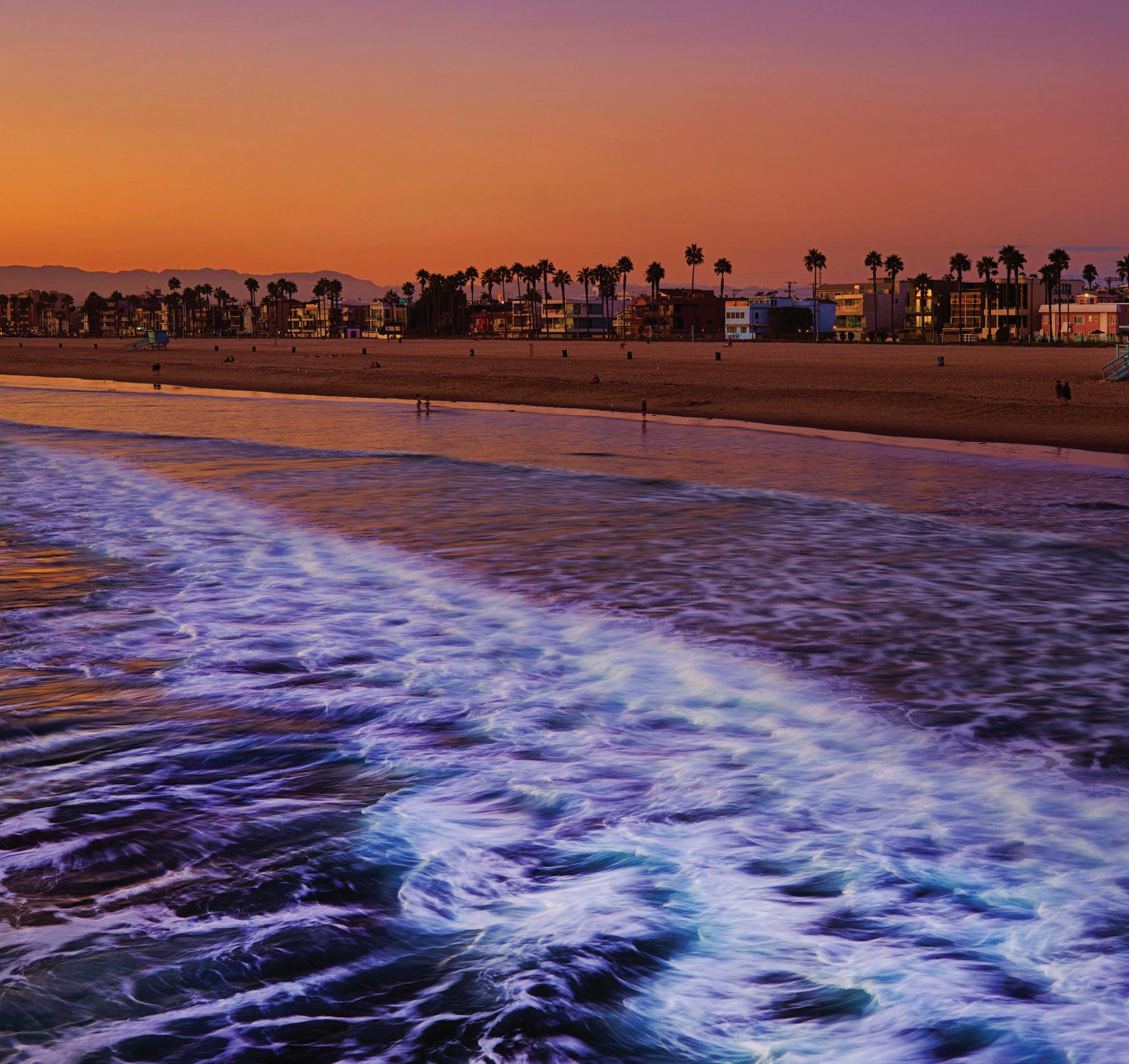
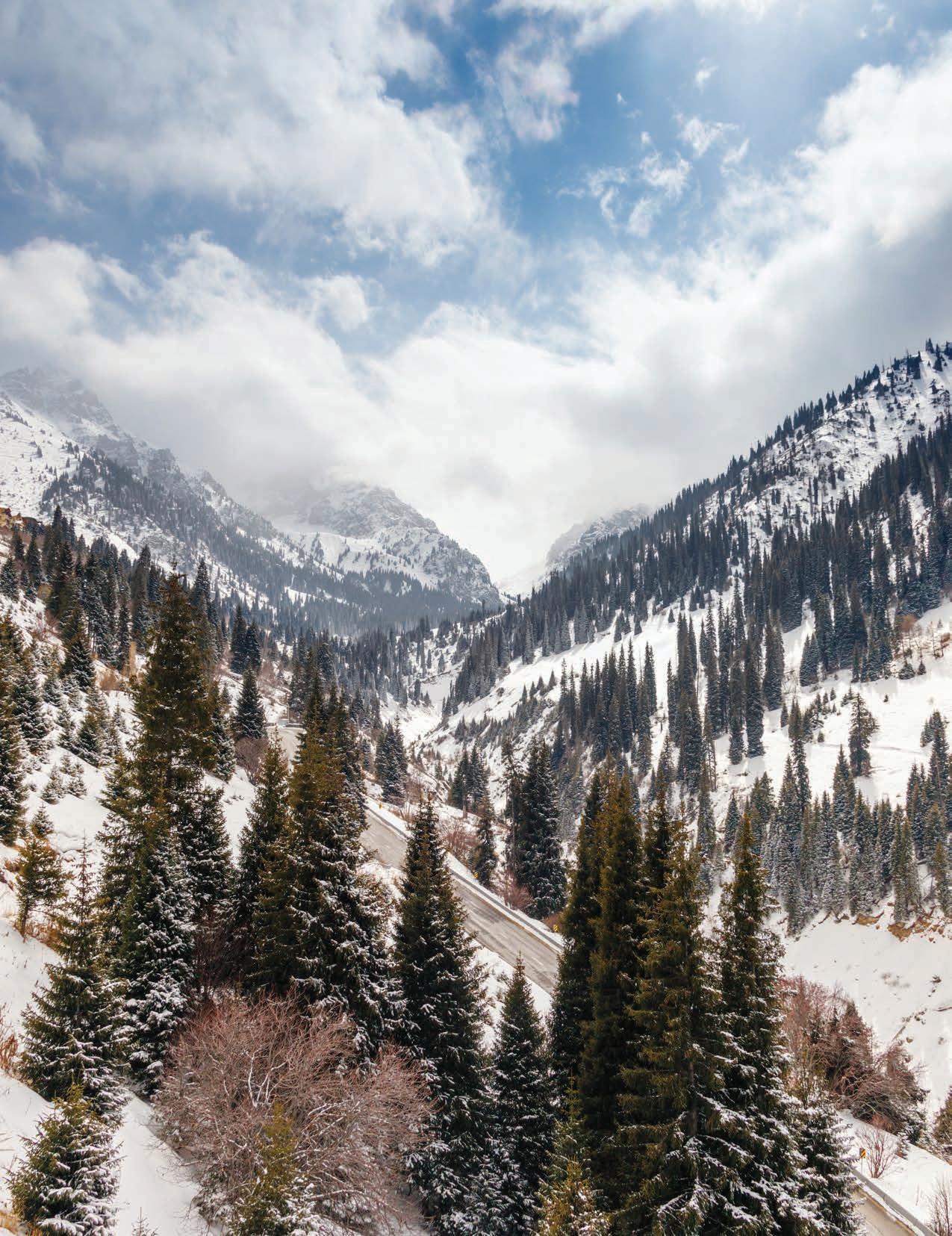




Winter may be the season outside our window, but for many travelers this is the perfect moment to begin planning where they will go once the days grow longer and the sun warms the prairie again. Jamestown, North Dakota is one of those places that becomes a refreshing and uplifting escape once the chill of winter fades. This inviting community blends small-town charm, rich history, and wide-open scenery that welcome visitors as soon as warm weather returns.
Wh en spring arrives in Jamestown, the prairies come alive with soft color and open skies. Trails around the river and local parks begin to fill with families, walkers, and cyclists who come to enjoy fresh air after months indoors. The frontier spirit that defines the city becomes even more vibrant as Frontier Village reopens for the season. Boardwalks, historic buildings, and recreated pioneer settings create an atmosphere that brings childhood curiosity right back to the surface.
Warm weather is also the best time to explore the National Buffalo Museum and the surrounding grounds. As the grasslands turn green, the resident bison herd becomes an unforgettable sight against the wide North Dakota horizon. Visitors often describe a visit here as both calming and inspiring. It is a reminder of the powerful natural history that has shaped the prairie for generations.
Downtown Jamestown shines in the warmer months. Local cafés open their doors to patio seating, and community events fill the calendar with warm hospitality. Travelers can enjoy small shops, local dining, and summer festivals that reflect the pride and spirit of the community. The slower pace of this small city makes it easy to relax, recharge, and experience an authentic slice of life on the northern plains.
For outdoor enthusiasts, warm weather unlocks the full beauty of the region. Fishing spots, walking trails, scenic overlooks, and peaceful lakes become ideal places to enjoy a quiet morning or a glowing prairie sunset. Whether visitors prefer simple relaxation or light adventure, the area offers plenty of opportunities to enjoy nature without crowds or rushing.
While Jamestown remains peaceful and picturesque during the winter months, this editorial is an invitation to think ahead. As spring approaches and summer draws near, Jamestown becomes a rejuvenating destination filled with heritage, welcoming locals, and wide-open landscapes that leave room to breathe and explore.
If you are already planning your warm weather getaways, keep Jamestown, North Dakota at the top of your list. The season of sunshine is on its way, and this community is ready to welcome you when it arrives. 3
As winter settles across the country, touching everything from snow-covered mountain towns to the quiet charm of coastal escapes, we invite you to step into a season filled with wonder, warmth, and discovery.
This issue of Explore USA Magazine celebrates the magic that winter brings to America’s smaller destinations. These are the tucked-away ski villages, the festive main streets glowing with holiday lights, and the serene southern hideaways where sunshine still lingers.

Inside these pages, you will find stories created to spark your imagination and inspire your next getaway. We highlight communities where locals still wave from the porch, where winter traditions thrive, and where travelers are welcomed like old friends. Expect cozy cabins, steaming mugs of local cocoa, snowy adventures, winter festivals, and a few warm-weather surprises for anyone dreaming of sunshine.


We believe every season tells a story, and winter might be the most beautiful chapter of all. Whether you are chasing powdery slopes, wandering historic streets dusted in snow, or escaping to southern warmth, this issue invites you to explore, dream, and reconnect with the simple joy of traveling through America’s hidden gems.
Pour something warm, settle in, and enjoy this special Winter Edition of Explore USA Magazine.

Explore USA Magazine
CEO Robert Lynn
Editor-in-Chief
Samantha Bellamy
Sales Director
Ashley Smith
Account Managers
Jordan Fields, Casey Monroe, Taylor Brooks, Devin Carter
Contributing Writers
Riley Green, Morgan Lake, Avery Rivers















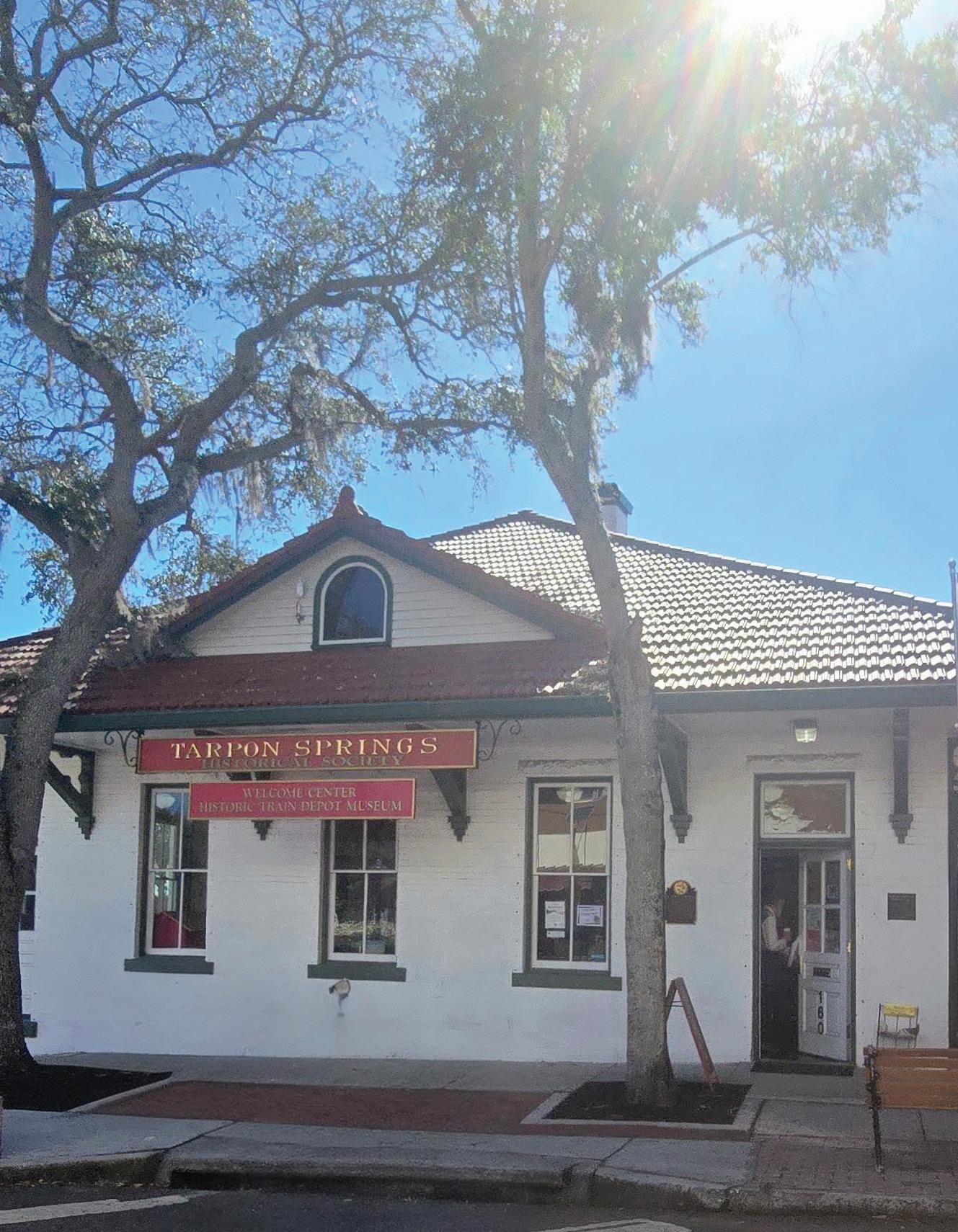
The Tarpon Springs Area Historical Society can be reached at (727) 937-8997. Visit us Wednesday through Saturday from 11 a.m. until 3 p.m. at 160 E. Tarpon Ave., Tarpon Springs, FL 34689.

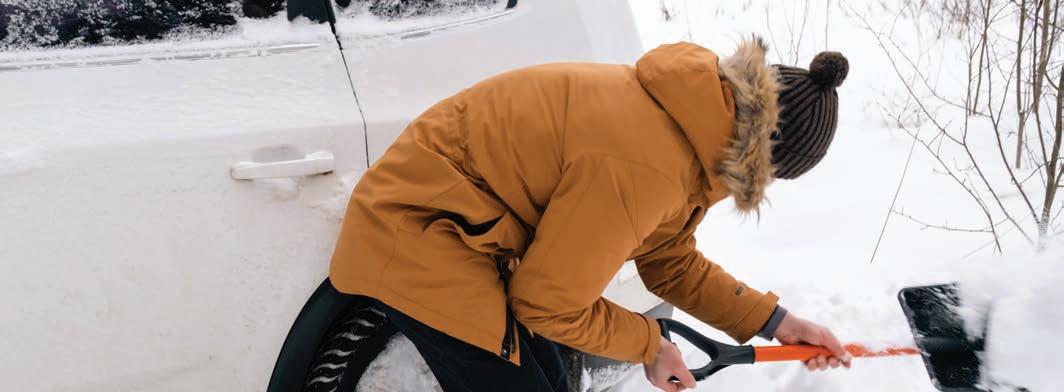

Winter Safety Essentials: Your Guide to Staying Safe, Warm and Prepared This Season
Winter travel brings snowy landscapes, cozy cabins, festive small towns, and crisp morning air that turns simple moments into lasting memories. Along with that beauty comes a set of challenges that every traveler and family should prepare for. Whether you are driving on icy roads, heading out for a ski weekend, or enjoying winter at home, taking simple precautions can make the season safer and more enjoyable.
This guide highlights the most important winter safety tips to help keep you and your loved ones protected. These include vehicle preparation, cold weather health, home safety, outdoor awareness, and emergency readiness. Prepare Your Vehicle Before Winter
Snow, ice, and freezing temperatures can make driving risky, but preparation helps reduce danger. Check your tires and consider winter tires in colder regions. Keep your fuel tank at least half full to prevent frozen fuel lines. Pack an emergency kit that includes blankets, hand warmers, a flashlight, snacks, water, and a small shovel. Test your battery, wipers, and headlights before taking long trips. Keep your phone fully charged and bring a power bank.

Cold roads require slower and more controlled driving. Reduce your speed and increase your distance from the vehicle in front of you. Avoid sudden braking or sharp turns. Learn how your brakes respond on icy pavement. If you hit black ice, stay calm, avoid slamming the brakes, and steer gently in the direction you want to travel. If road conditions look unsafe, consider waiting for them to improve.
The right clothing makes a major difference in cold weather. Wear a moisture-wicking base layer, add an insulating middle layer, and finish with a windproof and waterproof outer layer. Protect your hands, feet, and head with quality winter gear. Bring extra dry layers if you plan to spend time outdoors.
Know the Signs of Frostbite and Hypothermia
Cold-related health issues can appear quickly. Frostbite often begins with tingling, numbness, or pale skin. Hypothermia may cause uncontrollable shivering, slurred speech, or confusion. If symptoms appear, get indoors and warm up slowly.
Freezing temperatures can cause damage inside the home. Let faucets drip slightly during hard freezes. Open cabinets under sinks to allow warm air to circulate. Know where your main water shutoff is located. Inspect and maintain your heating system. Keep space heaters away from anything flammable.
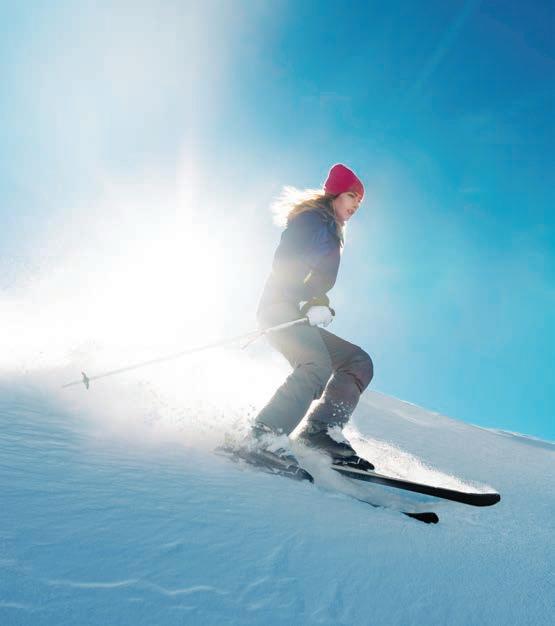
Winter sports and recreation are enjoyable but require caution. Warm up before skiing or snowboarding. Stay on marked trails. Check ice thickness before walking on lakes. Carry a small first aid kit when hiking. Drink water even if you do not feel thirsty.
Keep Pets Safe
Pets feel the cold just like people do. Limit outdoor time in freezing temperatures. Use pet-safe ice melt. Check paws for ice buildup. Never leave pets inside cold vehicles. Provide warm indoor bedding.




Heating equipment increases fire risk during the colder months. Test smoke and carbon monoxide alarms regularly. Keep flammable items away from heat sources. Do not leave fireplaces or space heaters unattended. Clean chimneys and dryer vents to prevent buildup.
Every household and vehicle should have a winter-ready kit. Essential items include water, non-perishable food, medications, flashlights, blankets, extra batteries, and a battery-powered radio. Vehicles should also have an ice scraper, jumper cables, snacks, and warm clothing.

The first snowfall never arrives with urgency. It drifts. It lingers. It takes its time. You might be standing at your window, half paying attention to the world outside, when suddenly you notice the flakes small at first, swirling in an unhurried dance that feels almost intentional. Within minutes, the familiar landscape begins its gentle transformation, as if winter has pulled a soft white blanket from the sky and tucked the world in for a slower, quieter kind of day.
Snow has a way of stopping us where we stand. Not because it shouts for attention, but because it whispers. It softens edges, slows life, and brings with it a hush we rarely experience in our busy, plugged-in lives. We don’t just see snow we feel it. And that feeling is what people have tried to describe for centuries: magical, calming, peaceful, healing. But it’s more than poetry. It’s something deeper, woven into the way our senses respond to winter’s gentlest weather.
One of the first things snow does is change the very sound of the world. The moment those flakes begin to settle, everyday noise begins to fade. That’s because fresh snow absorbs sound, catching vibrations inside its delicate, airy structure. What’s left is a kind of quiet that feels rare and sacred. Even in a busy neighborhood, snow creates a pocket of silence where your thoughts suddenly seem easier to hear. Your breathing slows. Your shoulders drop a little. It’s as if winter itself is giving you permission to rest. There’s also something about the pace of a snowy day that naturally invites slowness. Roads become slick. Footsteps require attention. The world moves differently. The errands we meant to run, the places we planned to be they suddenly feel less urgent. It’s one of the only times modern life still bows to nature’s rhythm. And that shift away from speed and toward presence does something soothing to the mind. Humans have always needed seasons of rest, reflection, and stillness. Snow simply reminds us of what we’ve forgotten.
Fo r many, snow awakens memories long buried under the weight of adulthood. Childhood winters were filled with a kind of uncomplicated joy warm mittens, sledding down small hills, the excitement of canceled school days, hot chocolate steaming on a kitchen table. Even if your childhood didn’t include real winters, you probably still remember snowy scenes from movies and books, stories and holidays. Snow, in a way, carries nostalgia inside every flake. It brings back a softness, a simplicity, an innocence we often miss.


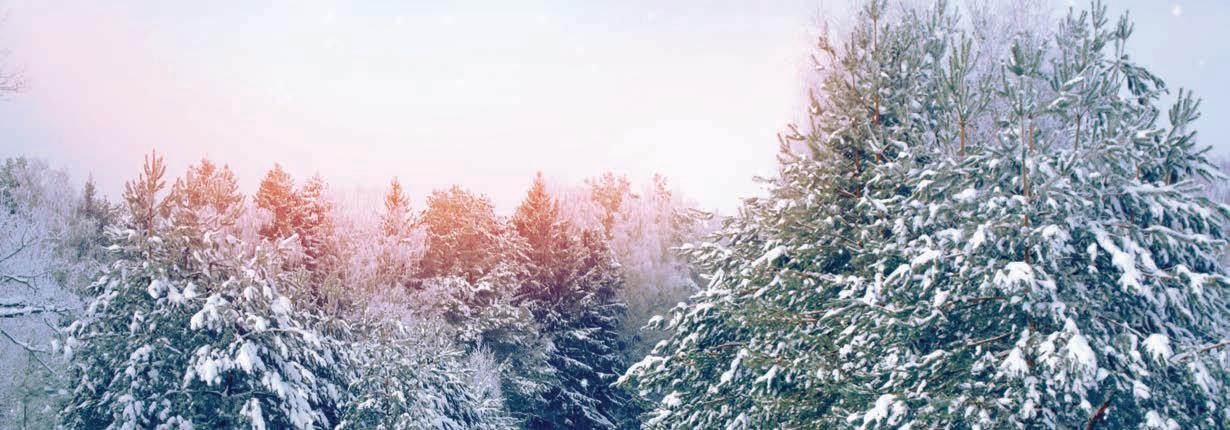
And then there’s the beauty of it all how overnight, snow turns ordinary places into something cinematic. A messy yard becomes a clean white canvas. Bare trees turn sculptural. Streets glow under lamplight, flakes falling like tiny stars. Snow doesn’t just cover the landscape it transforms it. This visual quiet has a calming influence of its own, reducing the clutter our eyes constantly process. For a moment, the world looks peaceful. Balanced. Fresh.
The funny thing about snow is that it changes everything without forcing anything. It doesn’t ask us to be still, but we become still. It doesn’t demand silence, but we fall into it. It doesn’t insist we notice beauty, but suddenly we do. And in that quiet noticing, something opens inside us a small, welcome shift that reminds us of the gentler parts of being human. Maybe that’s why people instinctively walk to the nearest window when the first flakes begin to fall. They want to feel it. To remember something. To breathe differently. Snow gives us a rare gift: a moment where the world slows enough for us to catch up with ourselves.
In the end, snow is more than weather. It’s a feeling one that wraps the world in stillness, invites reflection, awakens memories, and offers a softness we don’t often experience in everyday life. It’s nature’s quiet way of saying: pause, breathe, be here. 17

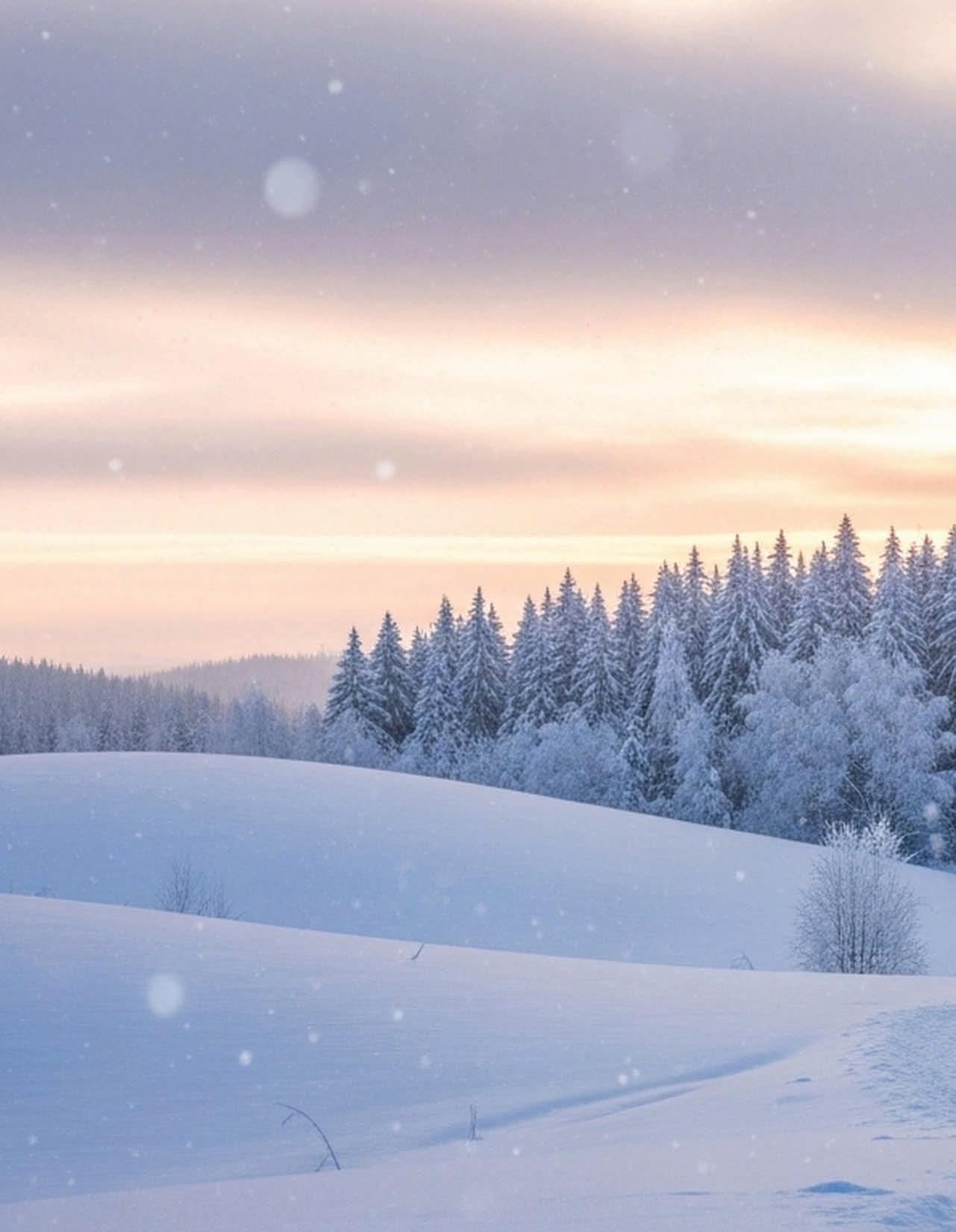
For travelers who want snow dusted streets, crackling fireplaces, and mountain view adventures, America’s cozy ski towns deliver. From intimate alpine villages to family friendly snowy hideaways, we spotlight the winter destinations where warm hospitality meets powder perfect slopes and unforgettable cold weather magic.

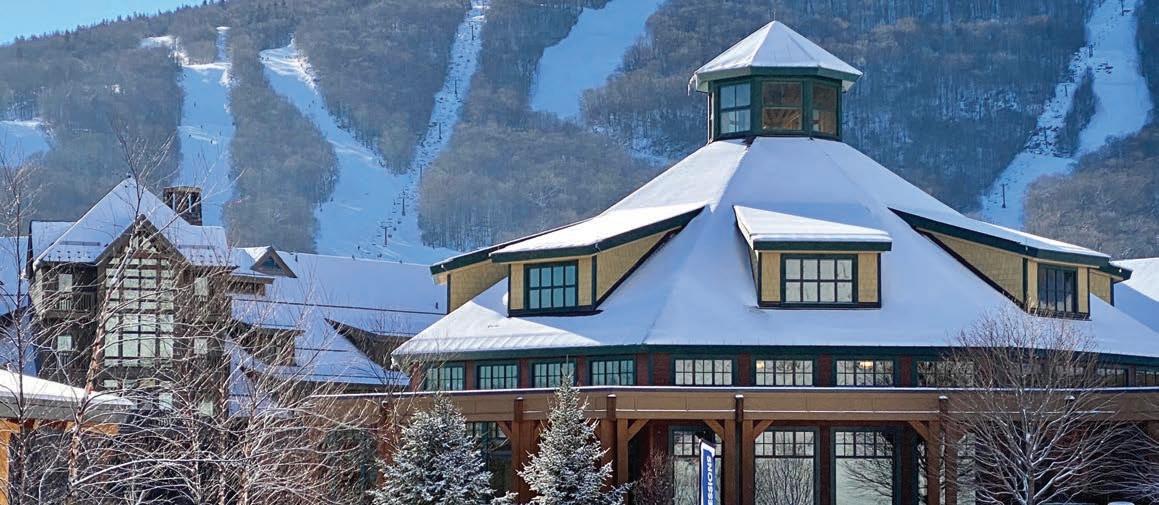
Stowe, Vermont is one of the most picturesque winter destinations in New England. It is known for its charming village center, scenic mountain backdrop, and warm small-town atmosphere that feels perfect for cozy winter getaways. While Stowe Mountain Resort draws skiers from all over the country, the town itself remains grounded in its traditional New England character. This blend of local charm, snowy landscapes, and approachable winter activities makes Stowe an ideal feature for your Cozy Ski Towns section.
During the winter months, Stowe feels like a storybook village. Snow settles on the rooftops of colonial buildings and church steeples, while Main Street glows softly with holiday lights and shop window displays. The village is filled with cafés, bakeries, general stores, and small restaurants that offer warm comfort on cold winter days. Visitors often describe Stowe as a peaceful place where time slows just enough to appreciate the simple magic of the season.
Skiers and snowboarders enjoy the variety of terrain found at Stowe Mountain Resort. The mountain provides options for beginners, families, and confident intermediate skiers. The surrounding forest and rolling ridgelines create beautiful views from almost every trail. Visitors love how easy it is to travel between the village and the slopes, which makes Stowe feel like one connected winter experience rather than two separate areas.

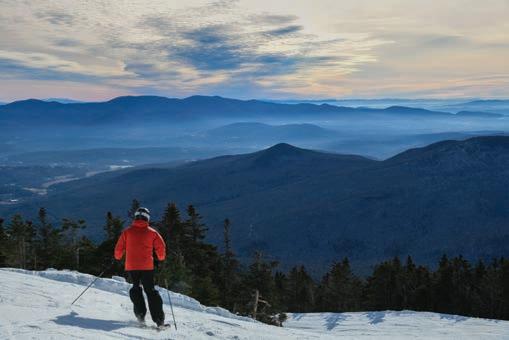

Beyond skiing, Stowe offers a wide range of winter recreation. There are cross-country ski centers, groomed snowshoe trails, sleigh rides, scenic pathways, and frozen landscapes perfect for photography. The Stowe Recreation Path is especially popular in winter and offers peaceful views of the river, covered bridges, and snow-coated meadows. Ice skating and winter festivals add to the seasonal charm.
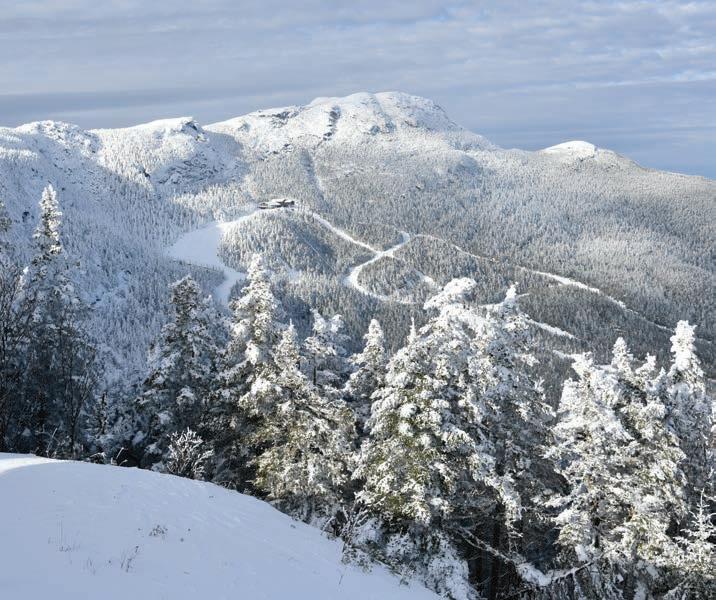
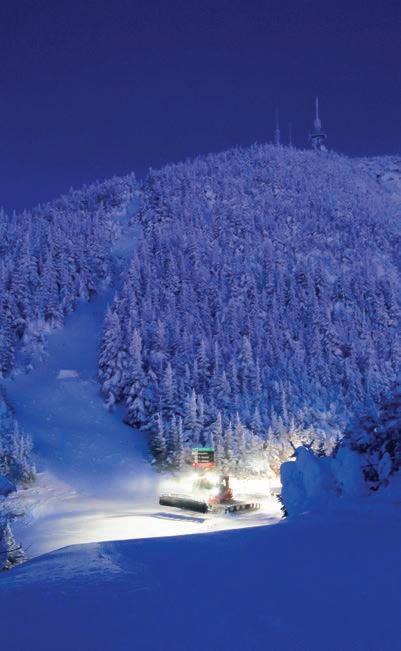
What makes Stowe special is the feeling of warmth that radiates from the community. Locals greet visitors with friendliness, and the town’s small size creates an intimate and welcoming atmosphere. Visitors enjoy evenings spent in cozy inns, fireside lounges, and rustic restaurants. Whether travelers come for skiing, scenic beauty, or simply to relax in a winter setting, Stowe provides a charming and inviting escape that captures the essence of New England winter.

Travelers searching for a welcoming ski town in Utah will feel right at home in Park City, one of the most inviting winter destinations in the West. This mountain community combines beautiful scenery, a friendly atmosphere, and easy access to world class skiing. It offers the perfect mix of small town warmth and big mountain adventure.
Park City’s historic Main Street feels like a winter postcard. Colorful buildings line the road, warm lights glow in the windows, and visitors can stroll past galleries, restaurants, and shops after a day on the slopes. The town sits just minutes from two major ski areas, which makes it one of the most convenient winter destinations in the region.
The nearby slopes at Park City Mountain and Deer Valley Resort offer a variety of terrain for every skill level. Guests can enjoy groomed runs, scenic trails, and wide open bowls surrounded by towering peaks. Skiers and snowboarders love the reliable snowfall, while non skiers enjoy the cozy lodges, winter events, and scenic routes around town.
Park City is full of winter experiences off the slopes as well. Travelers can enjoy sleigh rides, snowshoeing, and hot chocolate by a crackling fire. Many visitors come for the peaceful mountain setting, where the cold air and quiet nights create a relaxing retreat. The town’s welcoming nature makes it easy for families, couples, and solo travelers to settle in and enjoy the season.
What makes Park City special is its balance of adventure and comfort. Visitors can spend the morning exploring snowy mountain trails and the evening enjoying a warm meal in town. Everything feels close, convenient, and inviting. It is a cozy winter destination that highlights the best of Utah’s mountain culture.
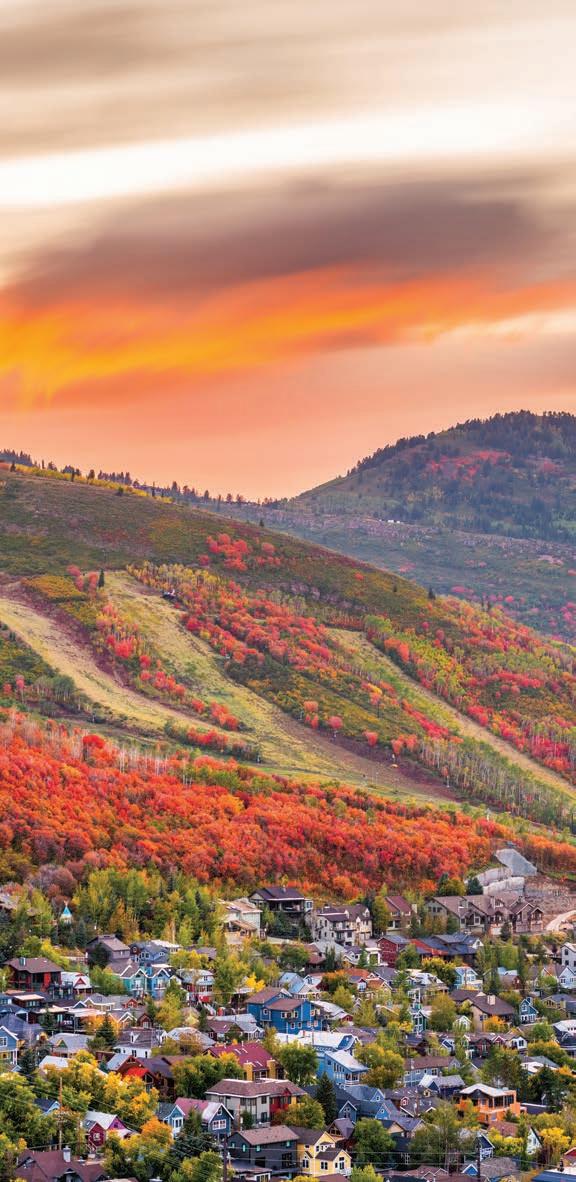
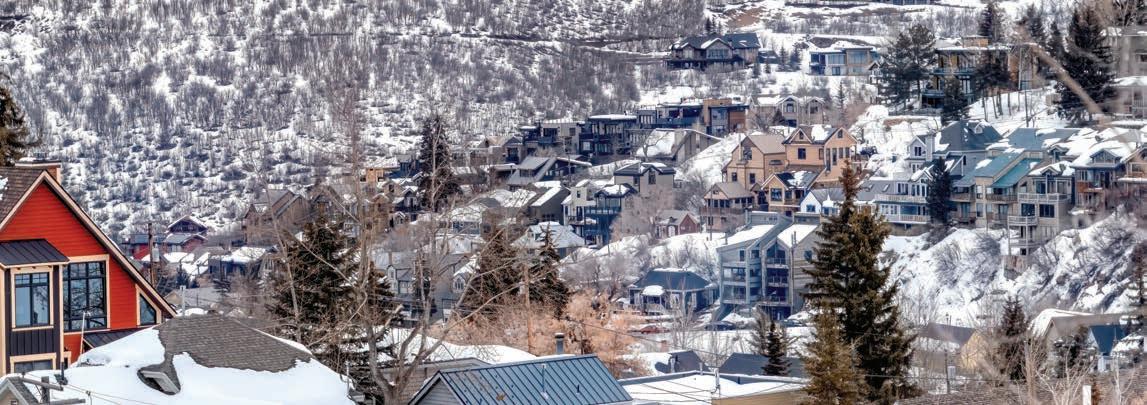
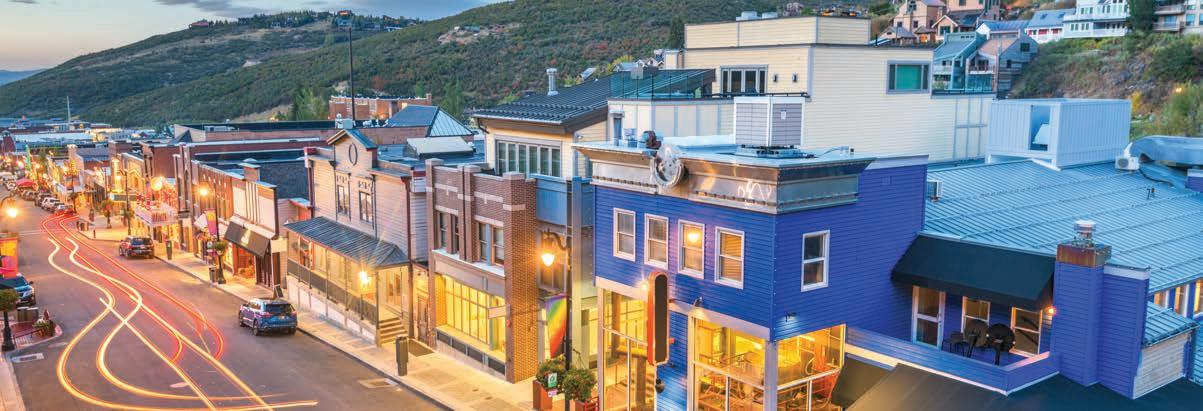
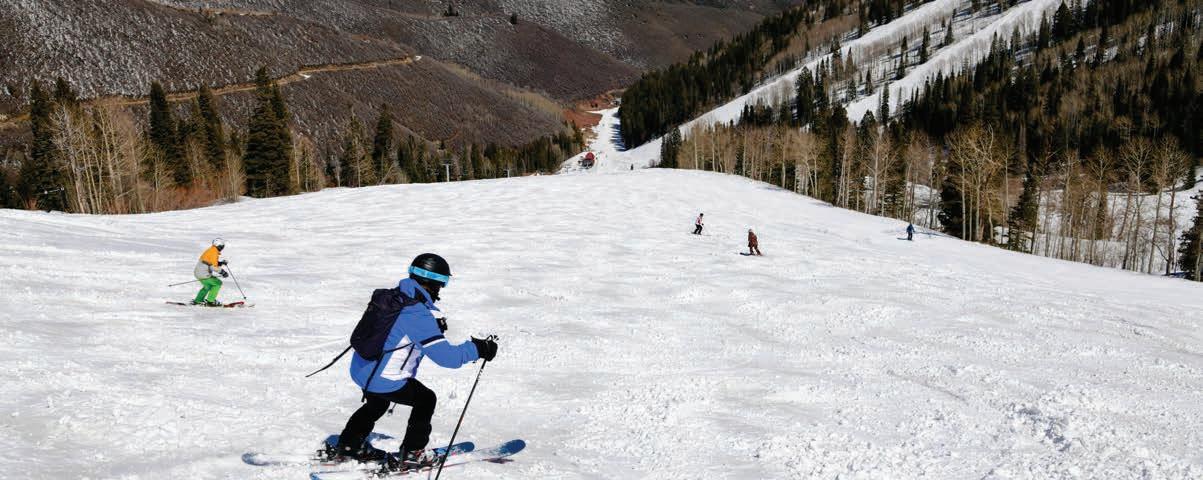

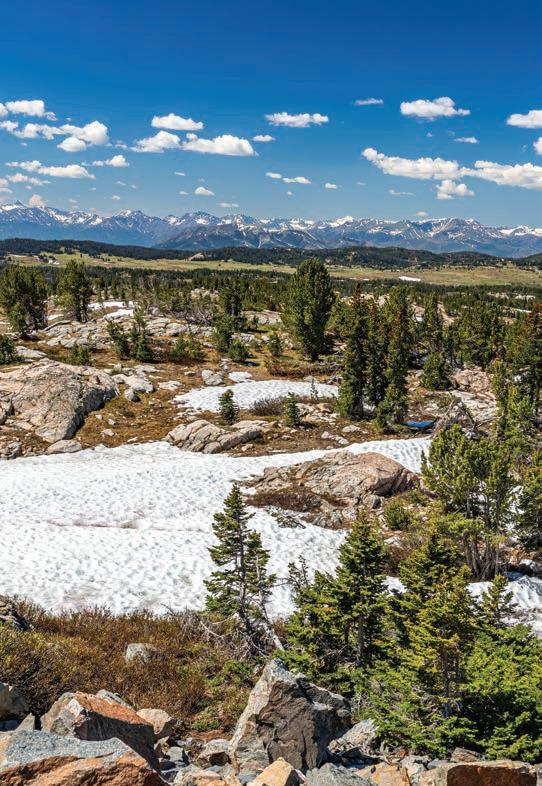
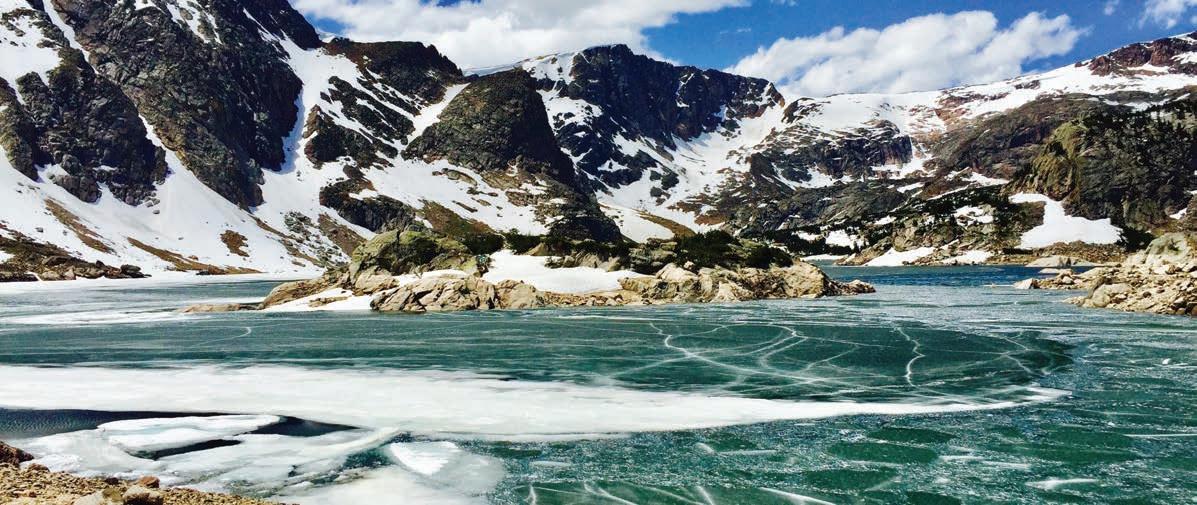
Red Lodge sits along the Beartooth foothills in southern Montana and blends mountain scenery with a welcoming small town atmosphere. It is the kind of winter destination where people wave as you walk by, shop windows glow with warm light, and snowy peaks rise just beyond the edge of town. Red Lodge is relaxed, inviting, and full of character, which makes it a great fit for travelers who want a quiet and cozy ski town experience.
Red Lodge Mountain offers uncrowded slopes, steady snowfall, and scenic runs that appeal to skiers of all levels. Beginners can start on gentle learning terrain near the base while intermediate skiers enjoy wide open groomers with long gliding turns. Advanced skiers often head for steeper pitches and tree runs that give the resort a classic Montana feel. What sets Red Lodge apart is its easygoing rhythm. Lift lines are short, the mountain is simple to navigate, and the views of the Beartooth Range add a striking backdrop to every run. It is a mountain where families, couples, and groups of all ages can feel right at home.
Red Lodge has one of the most charming small downtowns in Montana. Brick buildings from the early mining days line the streets, now home to cafés, boutiques, gear shops, and laid back restaurants. In winter, strings of lights and snow covered rooftops turn the area into a cozy winter postcard. You can walk the entire downtown by foot, stopping for hot chocolate, browsing local crafts, or settling into a warm booth for a hearty Montana meal. The slower pace and friendly attitude make evenings here feel relaxed and comfortable.
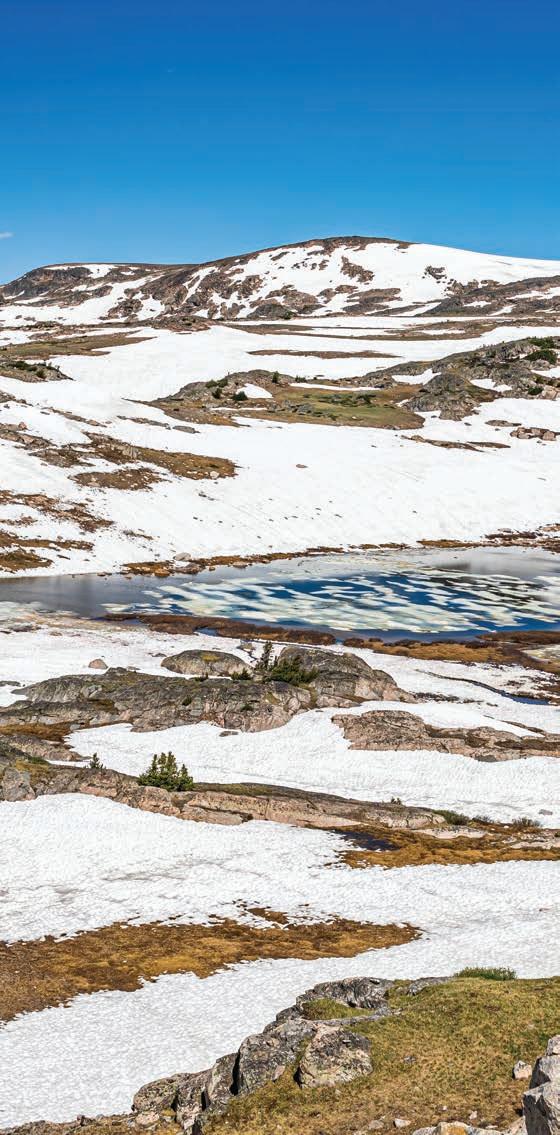
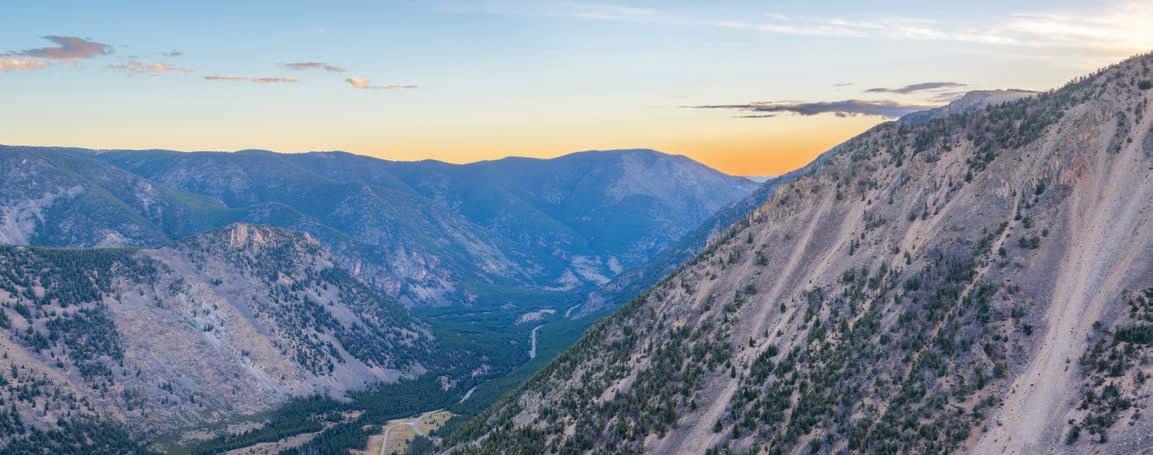
While downhill skiing is a major draw, Red Lodge offers many ways to enjoy the winter landscape. Cross country skiers and snowshoers can explore nearby trails that wind through quiet forests and open meadows. Winter wildlife viewing is common in the surrounding valleys, and guided snowmobile tours bring guests deeper into Montana’s backcountry.
For visitors who enjoy scenic drives, the Beartooth region provides beautiful winter views. Although the famous Beartooth Highway closes during the snowy months, lower valley routes still lead to sweeping overlooks, canyon scenery, and peaceful winter settings that feel untouched and serene.
Lodging in Red Lodge includes historic inns, rustic cabins, boutique style lodges, and comfortable vacation rentals. Many are located near the downtown district, which makes it easy to enjoy dining and shopping without driving. Fireplaces, wood accents, and welcoming hosts give many stays the feel of a classic mountain retreat. Guests who prefer more space can choose cabins tucked into the pines or vacation homes with views of the

Located in the Cascade Mountains, Leavenworth, Washington is one of the most unique and visually striking winter towns in the United States. The entire village is styled after a Bavarian alpine community, which gives it a magical and festive appearance during the snowy season. With its stunning mountain views, cheerful winter lights, and warm small-town personality, Leavenworth fits beautifully into your Cozy Ski Towns category.
Winter in Leavenworth is unforgettable. Snow blankets the rooftops of Bavarian-themed buildings, and the entire downtown glows with string lights, wreaths, and holiday decorations. The streets are lined with shops, bakeries, chocolate stores, cafés, and restaurants that fill the air with warm
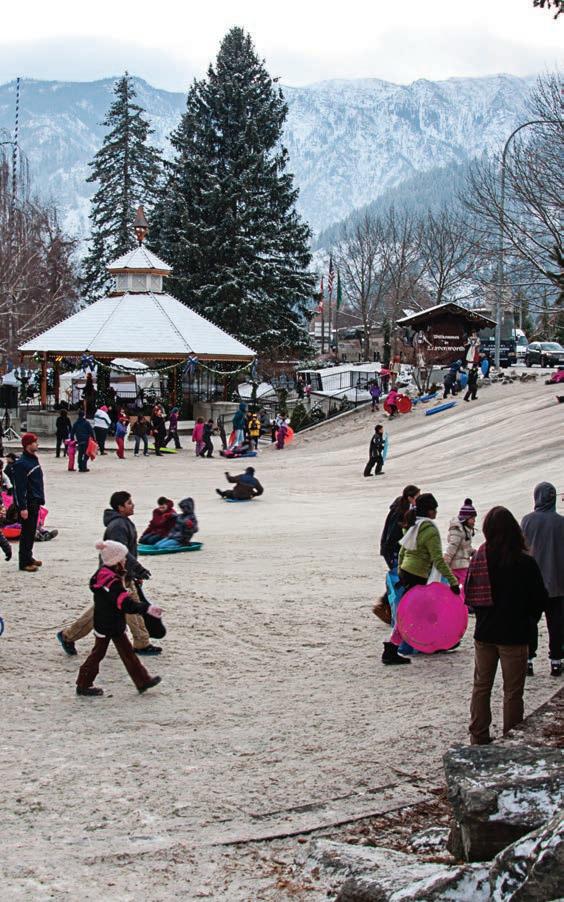


Although Leavenworth is known for its Christmas Lights Festival and festive winter events, the surrounding area offers plenty of opportunities for skiing and snow play. The small and beginner-friendly Leavenworth Ski Hill sits just outside town and provides approachable terrain that is perfect for families, children, and casual skiers. The hill offers tubing lanes, cross-country trails, and gentle downhill areas that make winter recreation stress-free and enjoyable.
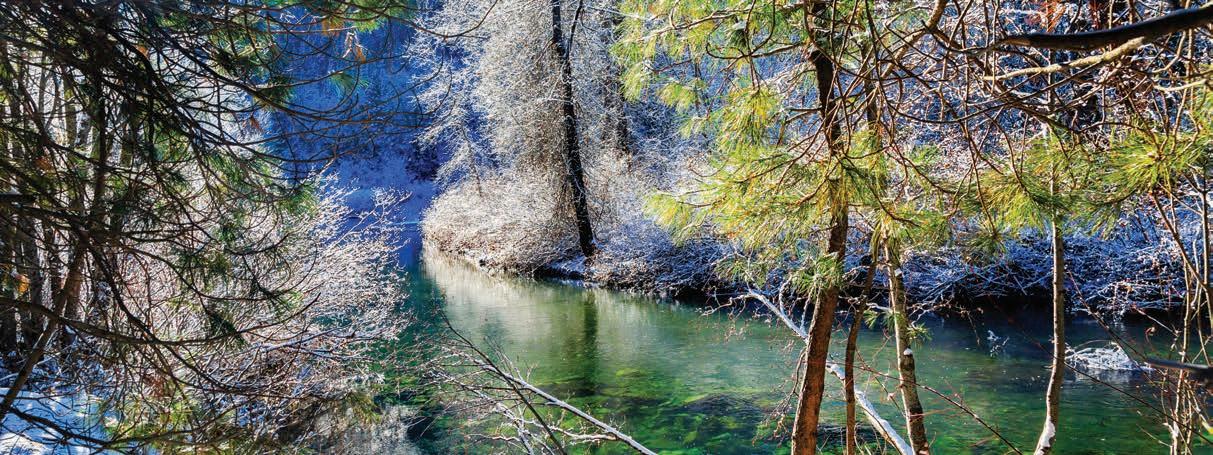
For visitors seeking more adventure, the nearby mountains offer additional winter activities such as snowshoeing, Nordic skiing, sledding, and scenic winter hikes. The Icicle Creek area is especially beautiful in winter and provides access to peaceful snowy landscapes. Heated walkways, warm lodges, and fire pits around town add to the cozy, welcoming feeling that makes Leavenworth so appealing.
What truly sets Leavenworth apart is its personality. The Bavarian theme adds charm without feeling overly commercial. Restaurants serve hearty, comforting meals, and many shops offer handmade goods and local treats. The town’s architecture, warm lighting, and festive spirit create a magical ambiance that pairs perfectly with winter travel photography and editorial layouts.
Leavenworth offers an inviting blend of beauty, charm, and winter recreation. It is a place where visitors can enjoy lighthearted fun, scenic mountain views, and peaceful snowy strolls. It is cozy, friendly, photogenic, and full of seasonal charm, making it an ideal fit for your winter magazine feature.

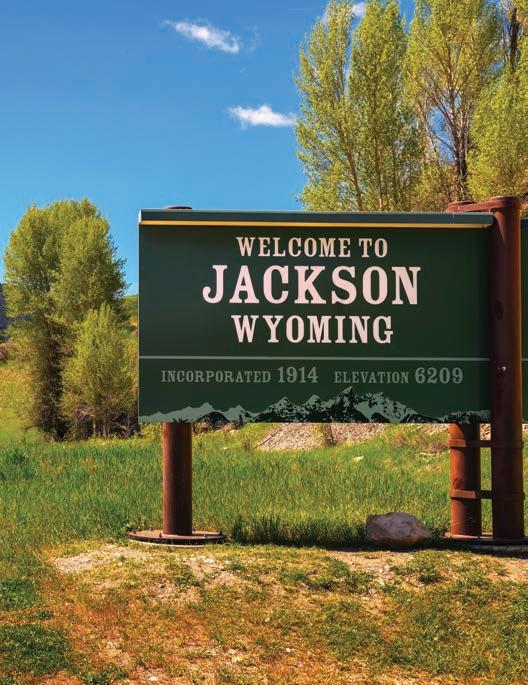
A Winter Escape in the Shadow of the Grand Tetons Winter travelers searching for a cozy mountain getaway will find one of the West’s most memorable destinations in Jackson. This welcoming town sits at the southern edge of the Grand Teton National Park, where towering peaks rise sharply above snow covered valleys. The scenery alone makes Jackson one of the most breathtaking winter towns in America, but its charm, character, and outdoor adventures take it even further.
Just outside of town is Jackson Hole Mountain Resort, a legendary ski destination known for long runs, deep snow, and dramatic mountain views. Skiers and snowboarders enjoy a mix of steep terrain, smooth groomers, and wide open bowls that stretch across the slopes of Rendezvous Mountain. For travelers who prefer a gentler pace, the resort also offers beginner friendly areas and cozy lodge spaces that make it easy to relax between runs.
Closer to town is Snow King Mountain, a local favorite with night skiing, tubing, and approachable terrain. Its location right on the edge of Jackson creates a laid back experience that families and first time skiers appreciate. Visitors can take a few runs, grab a warm drink, and enjoy views of the town lights from the mountain.
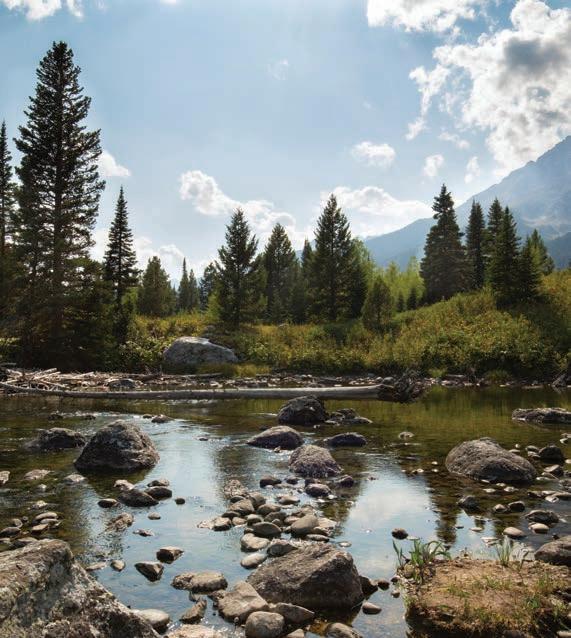
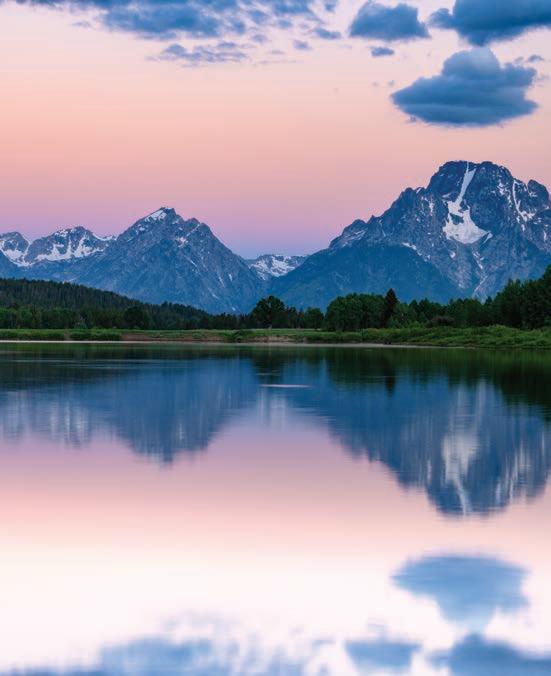
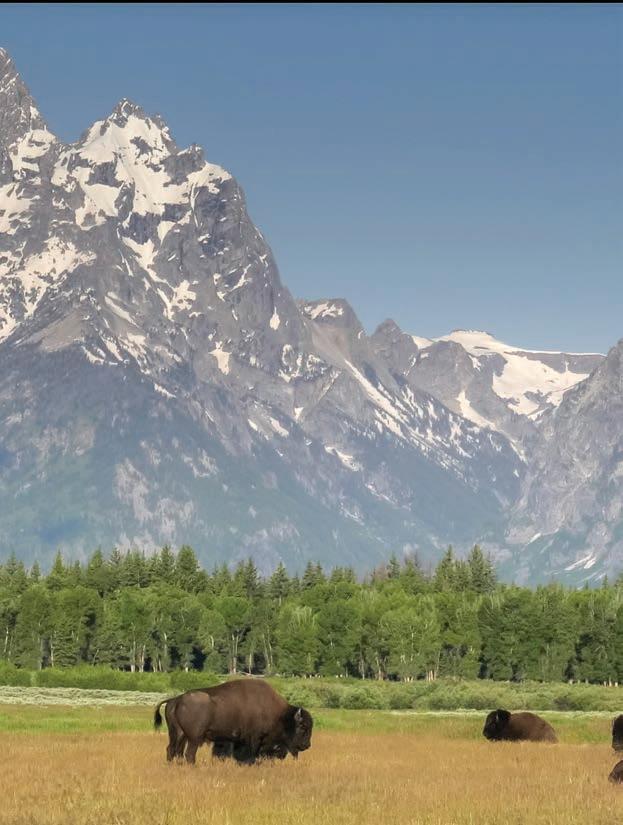
The presence of Grand Teton National Park adds incredible depth to the Jackson winter experience. Snow covered meadows, frosted forests, and iconic mountain peaks create endless opportunities for wildlife watching and photography. Elk, moose, bison, and bald eagles are often spotted throughout the season. Scenic drives through the park reveal quiet winter landscapes that feel untouched and peaceful.
Jackson itself is warm and inviting. The wooden storefronts along Town Square are decorated with lights, and the famous antler arches create a classic Western setting. After spending time in the snow, visitors can explore art galleries, enjoy local shops, or settle into a cozy restaurant with a view of the mountains. Horse drawn sleigh rides through the nearby National Elk Refuge offer another memorable winter experience. What makes Jackson such an appealing cozy ski town is the combination of wild scenery and comfortable small town charm. The mountains feel vast and dramatic, yet the town remains friendly, easy to explore, and full of character. It is a place where travelers can enjoy big mountain adventure during the day and peaceful winter evenings in a welcoming community.
Jackson showcases the very best of Wyoming’s winter season and stands as one of the most beautiful and inviting ski towns in the country.



Winter brings a slower rhythm to life. The cold settles in, the days grow shorter, and kitchens across America come alive with familiar aromas that feel like home. From simmering soups to oven baked classics, winter comfort foods create the kind of warmth that wraps around you like a favorite blanket. They bring families together, spark memories from childhood, and remind us that even the coldest season can feel inviting when something delicious is cooking.
Across the country, every region has its own idea of what comfort food means. Some look forward to slow cooked stews that fill the house with rich layers of flavor. Others crave sweet baked treats that make the whole kitchen smell like cinnamon and vanilla. No matter where you are, winter is the season when food becomes more than just a meal. It becomes comfort, connection, and celebration.
Below are a few cozy dishes that capture the heart of winter and give readers a reason to gather around the table. These recipes are simple, warming, and perfect for bringing a little joy to the darker days of the season.
For mornings when the temperature dips below freezing, a warm French toast bake brings comfort before the day even begins. This easy recipe is perfect for families, weekend brunch, or holiday mornings.
Cube thick slices of brioche or bakery bread. Layer the cubes in a baking dish. Whisk together eggs, milk, sugar, cinnamon, and vanilla, and pour over the bread. Let it soak for at least 30 minutes, then bake until golden and fluffy. Serve with powdered sugar, warm maple syrup, or fresh berries.

CINNAMON SWIRL FRENCH TOAST BAKE
Cinnamon Swirl French Toast Bake
Soft, warm, and lightly sweet. Ideal for winter mornings and holiday brunch.
Ingredients
• 1 loaf brioche or bakery bread
• 6 eggs
• 2 cups milk
• 1 cup sugar
• 1 tablespoon cinnamon
• 1 teaspoon vanilla
• Butter for greasing
Directions
Cut the bread into cubes and place in a greased baking dish.
Whisk together eggs, milk, sugar, cinnamon, and vanilla.
Pour the mixture over the bread and let it soak for at least 30 minutes.
Bake until puffed and golden.
Dust with powdered sugar before serving.
Winter is a season for rich desserts, and a warm chocolate brownie served straight from the skillet is the ultimate treat. It is gooey in the center, crispy around the edges, and makes any night feel special.
Melt butter and chocolate together. Stir in sugar, eggs, flour, and a touch of cocoa powder. Pour into a greased cast iron skillet and bake until the edges set but the center stays soft. Serve warm with a scoop of ice cream or enjoy on its own.

Winter is the perfect time for indulgence, and few dishes feel as comforting as homemade mac and cheese. Baked until golden on top, it strikes the perfect balance of creamy, cheesy, and crisp.
Cook elbow macaroni and set aside. In a saucepan, melt butter and whisk in flour to form a smooth roux. Slowly add milk and stir until thickened. Mix in sharp cheddar and a little mozzarella until silky. Combine with the pasta, transfer to a baking dish, top with breadcrumbs and more cheese, and bake until bubbling and lightly browned.
Winter comfort foods do more than satisfy hunger. They invite us to slow down, gather with loved ones, and savor the moments that matter. Whether it is a family recipe passed down for generations or a new dish that becomes a cold weather tradition, these meals have a way of turning an ordinary day into something memorable. As the season unfolds, let your kitchen be a place of warmth, flavor, and comfort.
WARM SKILLET BROWNIE
Warm Chocolate Skillet Brownie
A gooey center with crisp edges. Perfect for cold winter nights.
Ingredients
• 1 stick butter
• 1 cup chocolate chips or chopped chocolate
• 1 cup sugar
• 2 eggs
• 1 cup flour
• 2 tablespoons cocoa powder
• Pinch of salt

Creamy, rich, and baked until golden. This is the perfect winter comfort dish.
Ingredients
• 1 pound elbow macaroni
• 4 tablespoons butter
• 4 tablespoons flour
• 3 cups milk
• 3 cups shredded cheddar
• 1 cup shredded mozzarella
• 1 cup breadcrumbs
• Salt and pepper to taste
Directions
Cook the macaroni and set aside.
Melt the butter in a saucepan. Add flour and whisk until smooth.
Slowly pour in the milk and stir until thickened. Add both cheeses and stir until melted. Combine the sauce with the macaroni.
Transfer to a baking dish, top with breadcrumbs, and bake until golden.
Add smoked paprika for extra flavor.
Winter has always been a season with a rhythm of its own a slower, more deliberate time of year when life naturally leans toward the handmade, the heartfelt, and the home-centered. Before central heating and grocery stores made cold months easier, winter shaped the way people lived. It forced families to rely on their resourcefulness, creativity, and one another. And in the process, it created traditions skills once essential for survival that are now quietly slipping into history.
Yet there is something deeply comforting about these old winter practices. They carry a warmth you can feel even now: the soft glow of firelight, the sound of stories traveling through generations, the rhythmic motion of hands working together. Today, these skills are no longer needed for survival, but they remain meaningful for living well.



One of winter’s most cherished traditions was the quilting circle. Quilting began as a necessity layers of fabric stitched tightly to guard against the bitter cold. But over time, it became much more. Women gathered in warm rooms lit by lamps or daylight, stitching piece by piece while telling stories, sharing news, and passing down wisdom. The steady rhythm of needle and thread created a calm backdrop for connection.
There is something beautiful about imagining this today: neighbors coming together, not rushing, not checking phones, but contributing to something created with patience and purpose. Quilting circles weren’t just about blankets; they were about community. And in a time when connection often feels digital and fleeting, this old winter ritual still has a place.

Long before technology made preservation effortless, winter provided the solution. Ice harvesting was once one of the most important winter tasks. Families cut massive blocks of ice from frozen lakes, hauled them out with teams of people, and packed them in sawdust-insulated icehouses creating a natural refrigeration system that lasted into summer.
The work was grueling and cold, but it was also communal. Entire towns worked side by side, transforming nature’s freeze into a resource that kept food safe months later. While we may never return to cutting ice by hand, this skill reminds us of a time when seasons weren’t inconveniences they were partners. Winter was a provider, not an obstacle.
There’s a quiet satisfaction in that idea, a reminder that our ancestors lived in harmony with the natural world rather than forcing it into convenience.
Winter nights once stretched long and dark, and families turned naturally toward the oldest form of connection: storytelling. This was the season when folklore, family history, and lessons wrapped in narrative were shared around the fire. Children listened with wide eyes. Elders passed down memories. Stories traveled through generations like heirlooms.
Today we scroll, stream, and swipe through entertainment but the intimacy of spoken storytelling is fading. Imagine reviving this winter tradition: phones put away, lights softened, a family gathered together and taking turns sharing something meaningful. No scripts, no screens just human voices and shared presence.
There is a warmth in that scene that no device could replace. Handmade Winter Comforts: Skills Rooted in Patience
Winter once signaled a season of creation. Knitting, baking, weaving, carving, candle-making these weren’t casual hobbies but essential skills that filled long evenings with purpose. Each task offered something deeply therapeutic long before the word “therapy” existed.
Kneading dough, stitching wool, pouring candles, carving wood these movements calm the mind, anchor the body, and slow the world down. Today, psychologists point out exactly what our great-grandparents already knew: that repetitive handwork reduces stress, builds focus, and cultivates presence.

The South is calling with culture, flavor, and unforgettable experiences. Journey through the heart of Texas, Louisiana, and Alabama as we uncover smalltown treasures, coastal escapes, lively festivals, and warm Southern welcomes. This regional spotlight reveals the must-see destinations shaping the soul and charm of the Gulf States.

Georgetown Texas is known for its welcoming atmosphere, colorful architecture, and a town square that feels like it was designed for relaxed weekend exploring. Located just north of Austin, this Hill Country community blends small city comforts with the slower pace travelers look for when planning an easy escape. Georgetown’s walkable streets, preserved historic buildings, outdoor recreation, and year round events make it a natural fit for visitors who want a peaceful Texas getaway without feeling too far removed from larger cities.

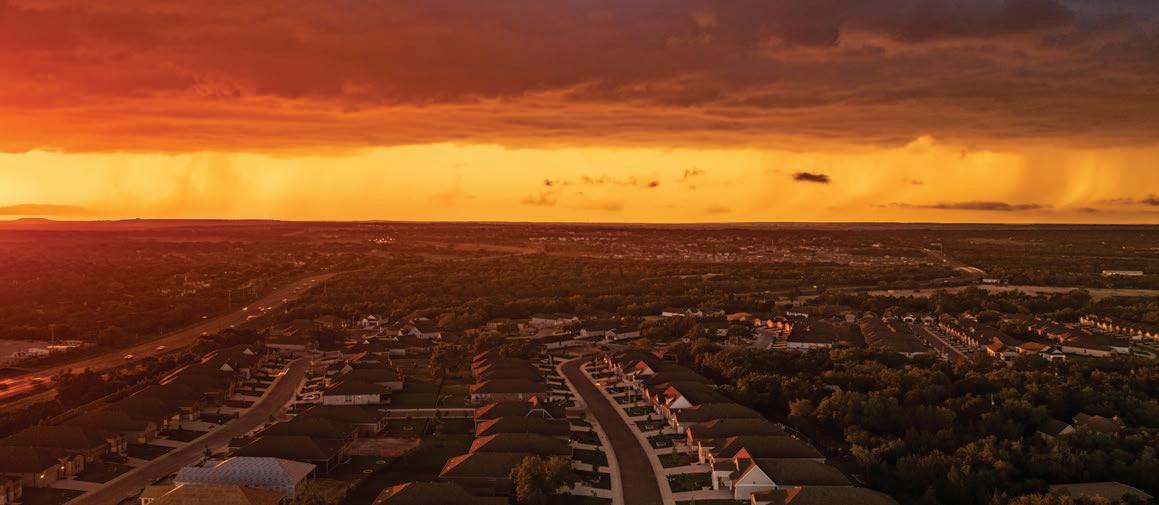
The centerpiece of the community is the Georgetown Square. It is often referred to as one of the most beautiful town squares in the state because of its Victorian era storefronts, shaded sidewalks, and local shops that line every corner. Travelers can browse through boutiques, art galleries, coffee shops, and small restaurants as they take in the charm of the area. Seasonal markets and outdoor concerts frequently bring the square to life which gives families and couples plenty to enjoy while staying in the heart of town.
Georgetown also offers easy access to outdoor activities. Blue Hole Park is one of the most photographed locations in the region. The park features a natural lagoon bordered by limestone cliffs where visitors can swim, picnic, or simply enjoy the scenery. A short drive away, the San Gabriel River Trail provides miles of peaceful paths for hiking and biking along the water. Lake Georgetown offers boating, fishing, and beautiful overlooks that showcase the wide open landscapes of Central Texas.

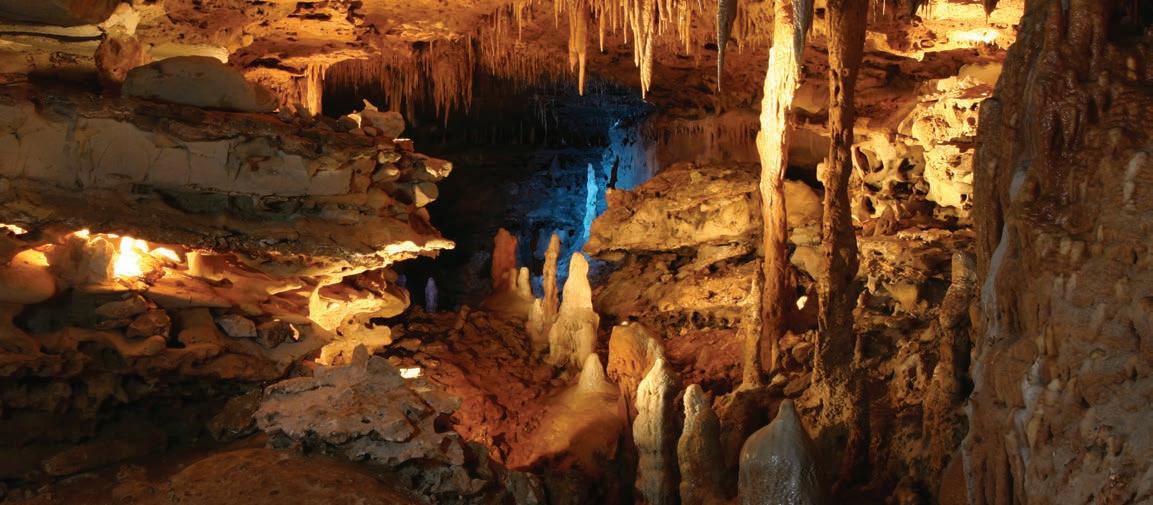
Another standout attraction is Inner Space Cavern. This natural underground wonder was discovered in the 1960s and has become one of the most unique places to explore in the state. Guided tours take visitors through chambers filled with formations, ancient rock structures, and hidden passageways. It is an experience that appeals to families and adventure seekers and it adds something memorable to any weekend itinerary.
Georgetown’s blend of outdoor enjoyment, history, and small town style makes it a destination that is easy to feature and even easier to enjoy. Visitors find a balanced mix of activities and relaxation which continues to draw new travelers to this growing Hill Country city. Whether you are exploring the scenic parks, shopping on the square, or discovering the cavern beneath the surface, Georgetown provides a refreshing look at the natural and cultural beauty of Texas.
Tucked among the rolling hills of Central Texas, Fredericksburg blends a small town atmosphere with a landscape that feels made for lingering. The community began as a German settlement in the mid eighteen hundreds and many of the early traditions still influence the town today. Visitors immediately notice the stone storefronts, wide sidewalks and historic buildings that line the main commercial area. The district is compact enough to explore on foot and busy enough to offer something interesting on nearly every block.
Fredericksburg’s past is part of its appeal. Families who settled here more than a century ago left behind a collection of churches, civic sites and sturdy homes that still anchor the community. Today those same structures house galleries, bakeries, small boutiques and restaurants. Throughout the year the town hosts a variety of cultural events that showcase music, food and local craftsmanship, which adds energy to the slower pace of Hill Country life.
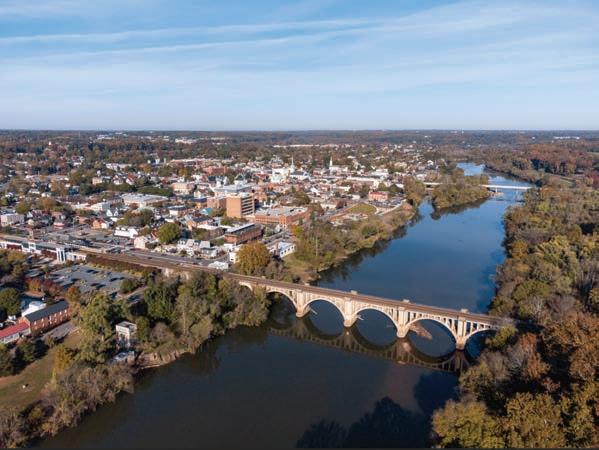
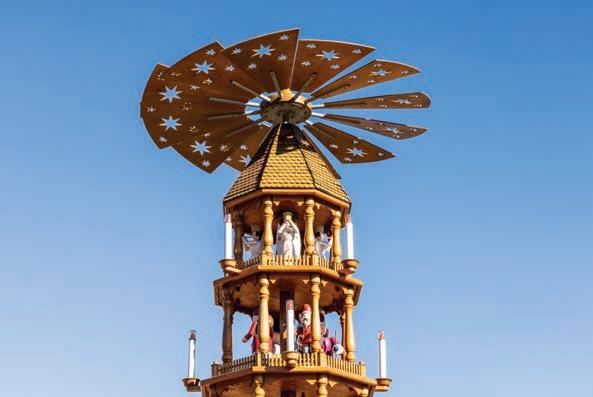
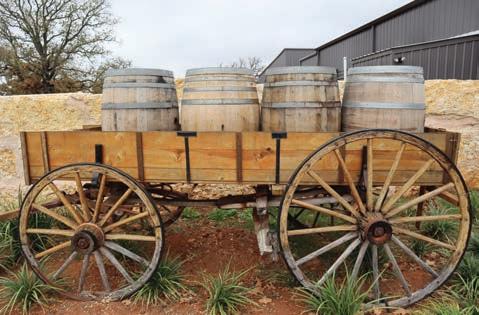




Main Street is the center of activity for many visitors. It stretches for several blocks and offers an easy mix of historic character and modern shops. Bakeries serve traditional pastries, local restaurants offer hearty Texas meals and several tasting rooms bring samples from area vineyards straight into town. The Hill Country wine scene has grown steadily in recent years, and Fredericksburg has become one of the most recognized gateways to the region. The outskirts of town feature dozens of vineyards, scenic overlooks and small farms that give travelers a peaceful look at rural Texas.
Outdoor activities also play a major role here. One of the most popular nature areas is Enchanted Rock, a massive pink granite dome that rises just north of Fredericksburg. Trails lead to sweeping Hill Country views, and on clear nights the park becomes a favorite spot for stargazing. Spring brings wildflower season, when roadsides and fields burst into color and provide ideal photography opportunities for your two page layout.
Fredericksburg offers a balance of history, scenery and community charm without the bustle of larger cities. For your magazine spread, this destination works beautifully with images of Main Street architecture, vineyard landscapes, blooming fields and the rocky profile of Enchanted Rock. Together they create
A bayside community known for peaceful streets, waterfront sunsets and a strong creative spirit
On the eastern shore of Mobile Bay sits Fairhope, a town known for quiet neighborhoods, art filled streets and views that stretch across the water toward the setting sun. The community began in the late eighteen hundreds with a group of settlers who wanted to build a cooperative town that valued shared spaces and civic involvement. Over time it grew into a small city with tree lined avenues, a walkable downtown and a reputation for being one of the most scenic spots along the Gulf Coast region of Alabama.
Fairhope’s downtown district sets the tone for the entire community. Flowerbeds line the sidewalks, local shops occupy restored storefronts and cafes spill light onto the street in the early evening. The pace is slow and relaxed. Visitors browse bookstores, view displays in small galleries and enjoy the variety of local restaurants. The atmosphere feels welcoming without being crowded, which makes it ideal for travelers who appreciate charm over noise.
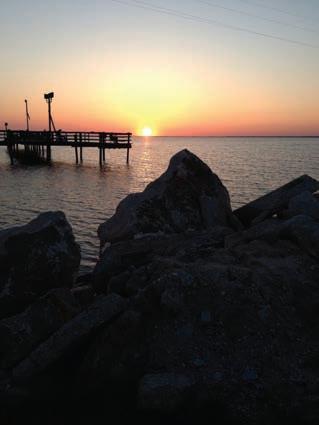
A short walk from downtown brings you to the Fairhope Pier, one of the most photographed locations on Mobile Bay. The long wooden structure extends out over calm water and provides a panoramic view of the coastline. People come here to fish, enjoy the salt air or watch the sun sink behind the horizon. The pier is surrounded by a bayfront park with walking paths, open lawns and shaded benches that overlook the water. This area gives your magazine plenty of opportunities for wide landscape images, sunset shots and peaceful coastal scenes.
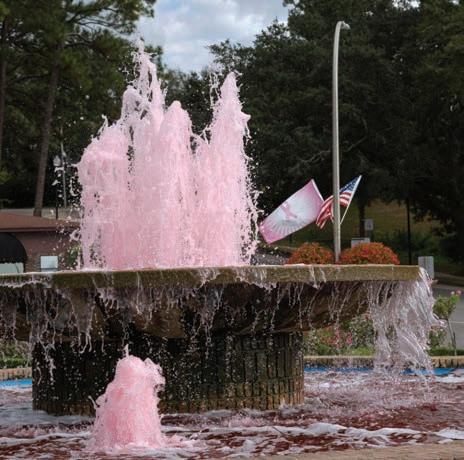

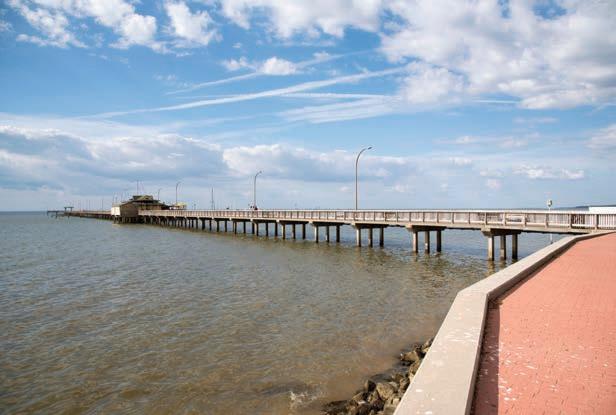
Fairhope is also known for its creative energy. The town supports a thriving arts community that hosts festivals, gallery nights and annual celebrations. Street corners often display public art or sculptures, and many local businesses display the work of regional artists. This artistic influence gives the town a distinctive personality that blends naturally with its waterfront location.
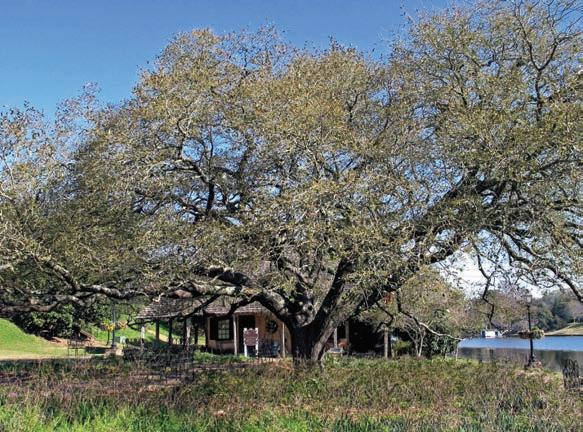
Outdoor activities extend beyond the pier. Small parks, nature trails and scenic overlooks are scattered throughout the area. Along the bay, the water is calm enough for kayaking and paddleboarding when weather allows. Inland, visitors find quiet residential streets framed by large live oak trees that have been part of the town for generations.
Fairhope’s setting on Mobile Bay adds another layer to the experience. Breezes roll in from the water, summer evenings often feel softer than those farther inland and the reflective surface of the bay gives photographers beautiful lighting during the golden hour. For visitors, the combination of natural scenery and small town charm creates an escape that feels removed from larger city life while still providing everything needed for a comfortable stay.


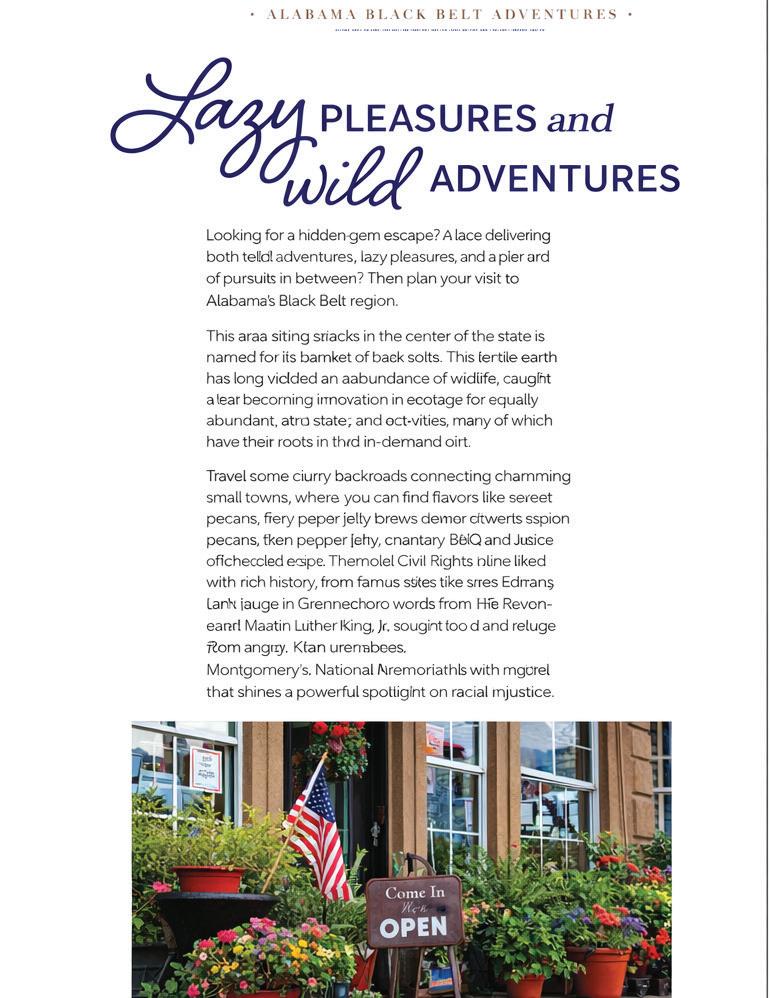
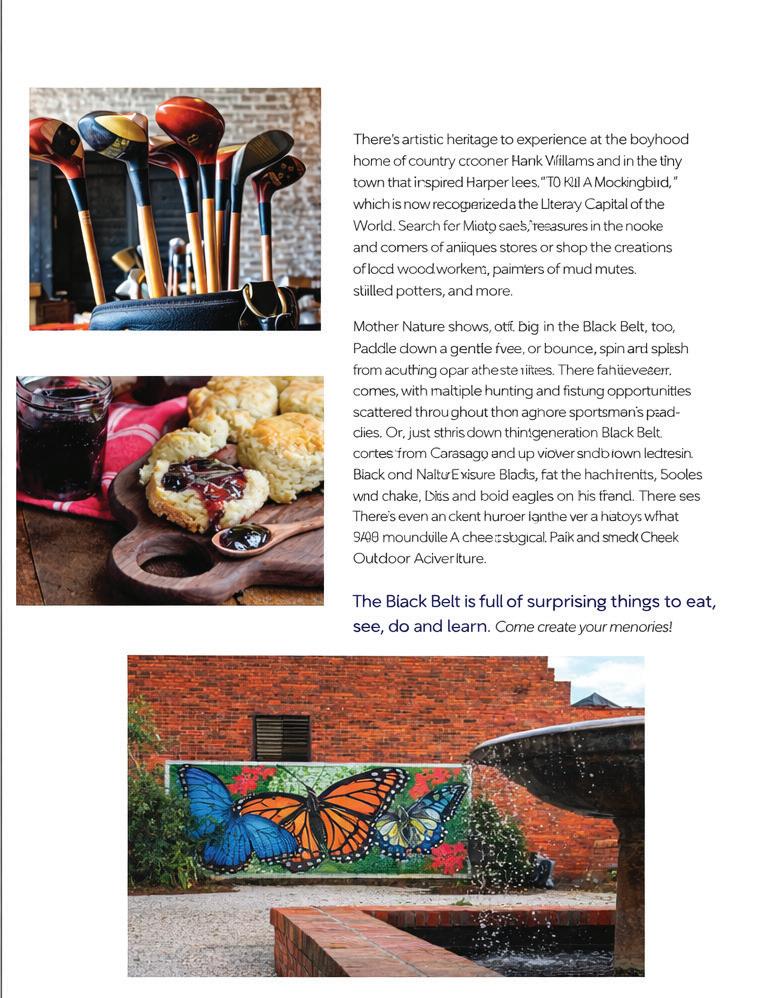
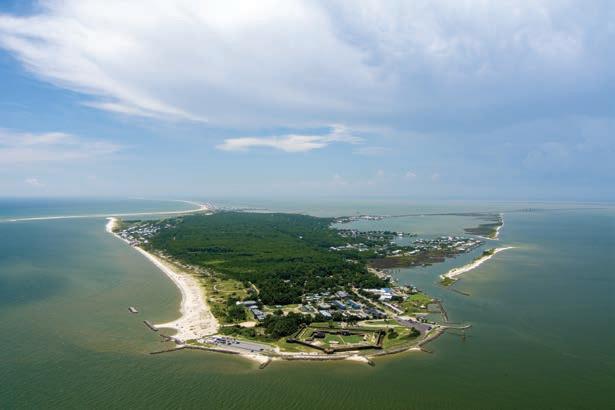
Travelers looking for a peaceful coastal getaway in Alabama will find a welcoming retreat on Dauphin Island. Known for gentle waves, soft sand, and incredible sunsets, this barrier island offers one of the most relaxed destinations on the Gulf Coast. It is a place where visitors can slow down, explore nature, and enjoy an atmosphere that feels far removed from busy beach towns.
One of the most popular spots on the island is the Audubon Bird Sanctuary, which features wooded trails, quiet ponds, and abundant wildlife. Bird watchers travel from all over the country to experience the island during migration seasons, and even casual nature lovers enjoy the peaceful walks through the sanctuary’s shaded pathways.
History is a major part of the island as well. Fort Gaines stands along the shoreline and offers a close look at the coastal defenses that once protected Mobile Bay. Visitors can tour the grounds, walk through old brick tunnels, and enjoy views of the water from the top of the fort’s walls.
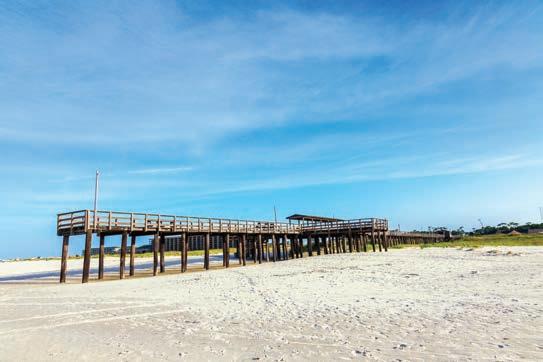



Travelers looking for a peaceful coastal getaway in Alabama will find a welcoming retreat on Dauphin Island. Known for gentle waves, soft sand, and incredible sunsets, this barrier island offers one of the most relaxed destinations on the Gulf Coast. It is a place where visitors can slow down, explore nature, and enjoy an atmosphere that feels far removed from busy beach towns.
One of the most popular spots on the island is the Audubon Bird Sanctuary, which features wooded trails, quiet ponds, and abundant wildlife. Bird watchers travel from all over the country to experience the island during migration seasons, and even casual nature lovers enjoy the peaceful walks through the sanctuary’s shaded pathways.
History is a major part of the island as well. Fort Gaines stands along the shoreline and offers a close look at the coastal defenses that once protected Mobile Bay. Visitors can tour the grounds, walk through old brick tunnels, and enjoy views of the water from the top of the fort’s walls.

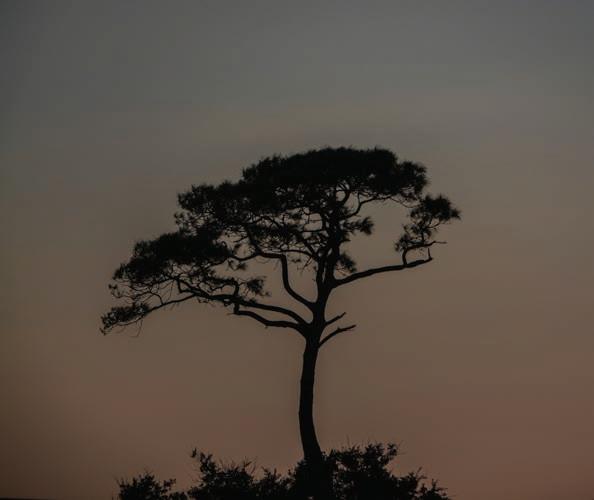
Historic streets, riverfront scenery and a culture shaped by three centuries of life along the Cane River
Natchitoches sits along a quiet curve of Cane River Lake in north central Louisiana and holds the distinction of being one of the oldest communities in the region. Its long history is visible in the brick lined streets, wrought iron balconies and riverside terraces that give the town its signature look. The downtown district invites slow wandering, with shops, cafes and galleries housed inside buildings that reflect French, Spanish and early American influences.
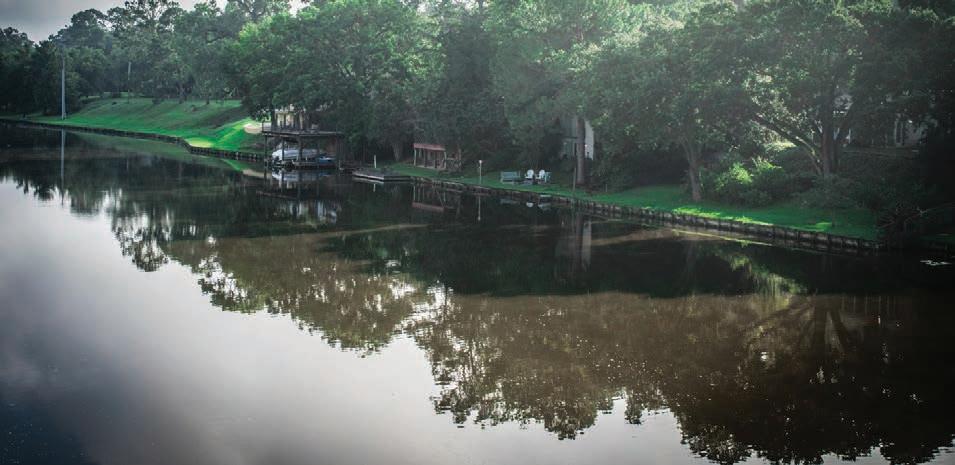
One of the city’s most recognizable features is its riverfront. Walkways follow the water’s edge and offer views of gardens, terraces and the rooftops of historic homes. The atmosphere is relaxed and scenic, especially during the golden hour when the light reflects across the calm surface of the river. A replica of the early colonial fort sits nearby and provides visitors with a glimpse into the settlement’s earliest chapter.
Beyond the downtown blocks stretches the wider Cane River region, an area known for its cultural significance and deep roots in Louisiana’s Creole history. The landscape includes historic churches, farming communities and preserved plantation sites that help tell the complex story of the people who lived and worked along the river for generations. Touring the region gives visitors a clearer understanding of how agriculture, family traditions and cultural identity shaped the area.


Natchitoches is also known for its seasonal celebrations, and none is more iconic than its holiday lights. Each winter the riverfront glows with illuminated displays, fireworks and weekend festivities that draw families from across the state. The tradition stretches back decades and has become a defining part of the town’s identity. Even outside the main festival weekend, the season creates a warm atmosphere throughout the historic district.
Daily life in Natchitoches includes the influence of its local university, independent restaurants that feature regional flavors and shops that carry handmade goods. The community balances its role as a regional center with the charm of a small historic town. Paddling trips, boat tours and quiet walks along the river round out the experience for visitors who want to appreciate the slower pace.

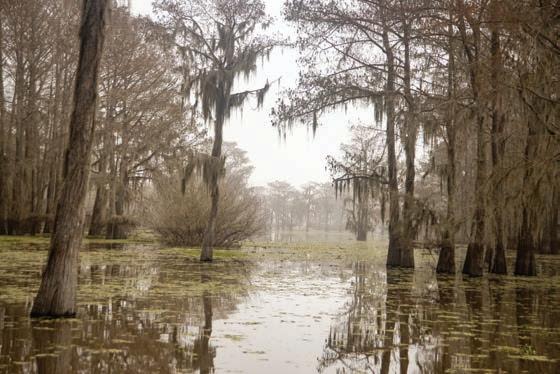
Travelers looking for an unforgettable adventure in Louisiana will find it deep within the Atchafalaya Basin, the largest wetland and swamp ecosystem in the United States. This enormous wilderness stretches across the heart of the state and offers an experience unlike anywhere else in the South. The Basin is known for enormous cypress forests, slow moving bayous, and wildlife encounters that make every visit feel like a true exploration.
One of the best ways to see the Basin is by joining a guided swamp tour. Skilled captains navigate through winding waterways lined with ancient cypress trees draped in Spanish moss. The water reflects the sky and trees like a mirror, creating a scene that stays with visitors long after the tour ends. Along the way, travelers often see great blue herons, turtles, osprey, and alligators resting along the banks. The wildlife is active year round, which keeps each tour lively and exciting.
Even with its dramatic scenery, the Atchafalaya Basin is surprisingly peaceful. The quiet hum of the boat, the rustle of birds in the trees, and the gentle flow of the water combine to create a calming atmosphere. Visitors experience the wilderness up close without feeling rushed. The Basin is large enough to provide a sense of solitude, even though it sits close to small towns and scenic highways.
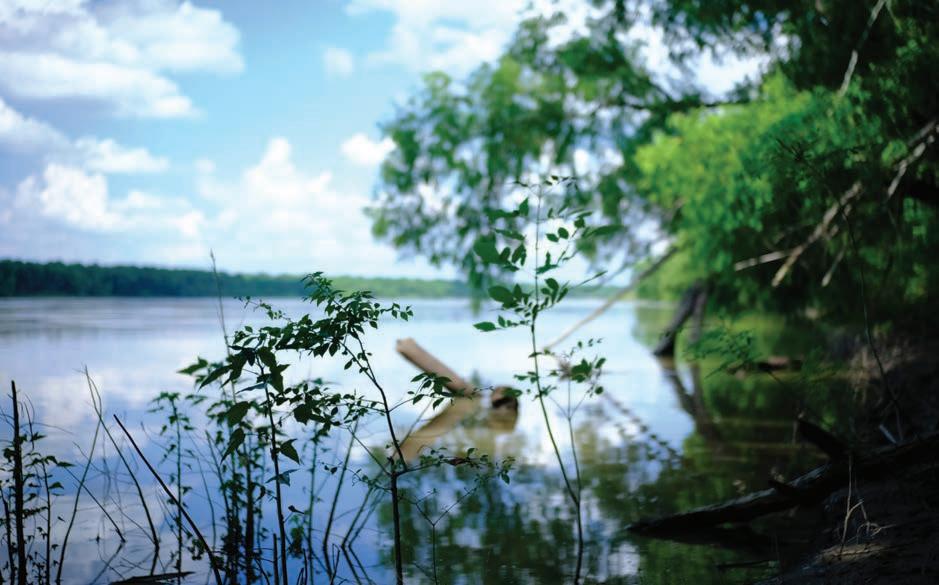
For those interested in exploring on their own, several areas are accessible for kayaking and photography. The soft morning light filtering through the trees draws photographers from all over the country. The Basin is also known for incredible sunsets that turn the water gold and orange, creating a spectacular finish to any day on the water.
Nearby communities offer small restaurants, local seafood, and friendly southern hospitality. Many travelers choose to stay a night or two so they can enjoy a second day on the water or a visit to the nearby Atchafalaya National Wildlife Refuge, which protects thousands of acres of wetlands and bottomland forest.
What makes the Atchafalaya Basin truly exciting is its sense of discovery. Every bend in the bayou reveals something new. It is the kind of place where visitors can feel the authentic spirit of Louisiana. The Basin’s mix of beauty, wildlife, and adventure creates an experience that stands out from traditional destinations.
For readers exploring Louisiana, the Atchafalaya Basin is a reminder that the state’s wild landscapes are just as captivating as its famous cities. It is a destination that invites travelers to slow down, look closer,

Winter has a way of quieting the world, but it never leaves it silent. Instead, it creates a different kind of music one made not of loud crescendos or bold rhythms, but of subtle notes, small details, and moments you only notice when the pace of life finally slows enough to hear them. Step outside during the coldest months of the year, and you’ll find a season filled with sound: gentle, layered, and unexpectedly beautiful.
The soundtrack of winter isn’t a single composition. It’s a collection of soft moments that weave together: the muffled hush of falling snow, the low hum of wind slipping between bare branches, the creak of ice stretching across a frozen lake, the crunch and squeak of snow underfoot. These sounds don’t shout for your attention they invite you. They draw you closer. They remind you to be present.
Ask anyone who has walked outside after a snowfall, and they will tell you the same thing: the quiet feels almost enchanted. The science behind it is simple snow’s airy structure absorbs sound waves, muting the environment but the effect is anything but ordinary. That reduction in noise turns even the busiest street into a peaceful moment. It creates space in your mind, opening room for thought, reflection, and a surprising sense of calm.
But winter’s soundtrack is more than silence. It’s made up of nature’s instruments, each playing its part. Walk along the edge of a frozen lake, and you might hear deep, echoing cracks long, stretching vibrations that roll across the surface. These sounds happen when the ice expands or contracts and can be as haunting as they are mesmerizing. They’re the drums of winter, ancient and earthy.
Look up into a grove of bare trees on a windy day, and their branches become flutes whistling, bending, shifting tone with every change in air. Without leaves, the wind moves through them differently, clearer and crisper, creating melodies that feel delicate and almost fragile. Sometimes it’s a soft whoosh. Sometimes a whistle. Sometimes a whisper.



Under your boots, winter creates another form of percussion entirely. Fresh snow crunches lightly, a crisp rhythm that changes depending on temperature. Colder snow squeaks sharply, a sound unique to subfreezing days. Snowpack that has melted and refrozen groans slightly underfoot. Each step becomes its own small note in the season’s song.
And then there are the animals the unexpected soloists in winter’s orchestra. Owls call through dark evenings with soft, rhythmic hoots carried far by the cold air. Coyotes yip and howl in the distance, their voices echoing across fields or forest edges. Even the smallest creatures make themselves known: winter birds hopping between branches, their tiny feet sending a gentle tap through frosty bark. These sounds remind us that winter, despite its stillness, is far from lifeless.
Humans, too, leave their mark on winter’s soundscape. The scrape of a shovel at dawn carries a sense of routine and responsibility. The laughter of children sledding or building snowmen brings warmth to even the coldest day. Skates gliding over ice create a clean, slicing sound smooth and metallic that seems to match the clarity of the air. Indoors, a different soundtrack emerges: the crackle of a fireplace, the whistle of a kettle, the steady hum of a heater warming a room where hands wrap around mugs and families settle into blankets.
These are the sounds we remember long after winter has passed the subtle notes that become nostalgia. You might not realize it until years later, but winter audio moments carve themselves into memory. The crunch of snow might bring you back to childhood snow days. The whisper of wind through trees might remind you of winter hikes or holiday evenings. The hollow boom of ice on a lake might transport you instantly to a place you once stood, breath visible in the cold air, listening.
There is something profoundly grounding about paying attention to these sounds. In a world where noise is constant traffic, notifications, conversations, screens winter’s music feels like an invitation to listen differently. It encourages you to slow down, to tune in, to notice the quiet details you normally overlook. Winter’s soundtrack is not just about what you hear; it’s about how you hear it. It teaches presence.
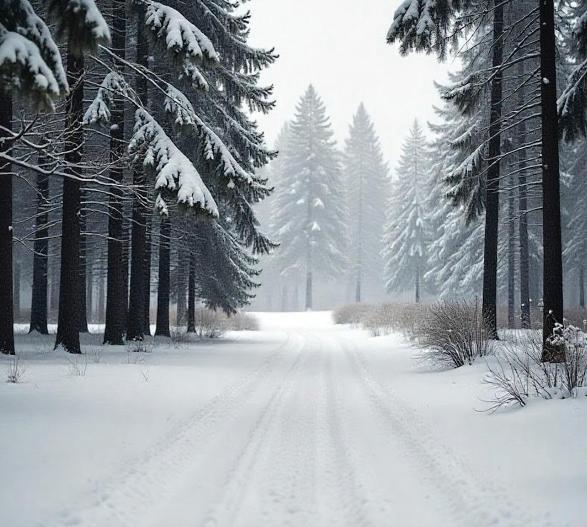
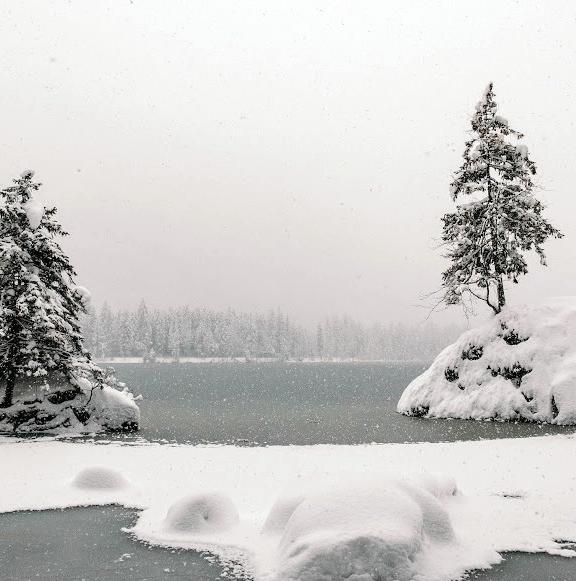

When winter settles across the mountains of America, something magical happens. The air becomes crisp and clean. Pines stand tall under blankets of powder. Ski villages glow with warm lights, and the scent of firewood and hot cocoa fills the cold evening air. Across the country, a handful of ski destinations rise above the rest. These places offer world-class terrain, unforgettable scenery, exceptional hospitality, and the feeling of winter culture at its finest.
This feature highlights the Top 5 Ski Resorts in the USA. Each location was chosen for its slopes, snow quality, terrain variety, family-friendly atmosphere, lodging, and overall winter identity. Whether you are carving down steep runs, riding a scenic gondola, sipping coffee inside a mountainside lodge, or exploring a snowy village, these resorts create winter memories that stay with you long after the season ends.
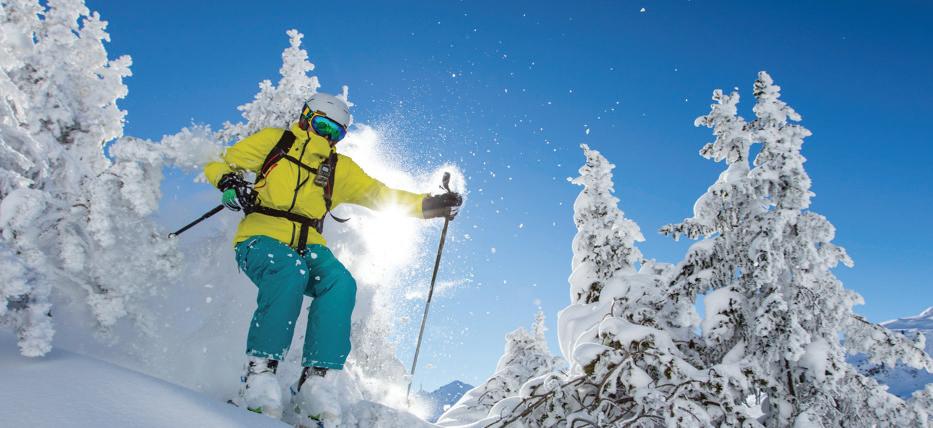
Vail is more than a ski resort. It is a winter world of its own with thousands of acres of skiable terrain. Visitors can explore wide open bowls filled with soft powder, glade runs that feel like secret adventures, and long groomed cruisers that stretch for miles. The famous Back Bowls alone attract skiers from around the world.
Vail Village creates an atmosphere that feels warm and inviting. Heated walkways, boutique storefronts, luxury hotels, and fire lit patios give visitors places to relax and enjoy winter at its best. When the lights begin to glow against the snow, the village becomes one of the most charming winter scenes in the country.
Why Vail Leads the Nation:
• Massive terrain suited for all skill levels
• Unmatched powder days and beautiful scenery
• High end lodging, dining, and village experiences
• A polished winter atmosphere from morning to night
Jackson Hole is the ultimate destination for skiers who crave real mountain challenge. The resort is known for its dramatic vertical drop, intense expert terrain, and the iconic Aerial Tram that carries visitors high above the valley floor. The mountain is home to some of the steepest in bounds runs in the country. Even so, there are gentle beginner slopes near the base that make the resort accessible for families and newcomers.
The surrounding Teton landscape creates an atmosphere that feels cinematic. Sharp peaks rise above deep valleys, and the snow covered scenery looks like something from a winter postcard. After skiing, the town of Jackson offers western charm, cozy saloons, art galleries, and unique winter wildlife tours.
Why Jackson Hole Is Unforgettable:
• Thrilling terrain for experienced skiers
• Some of the deepest and most memorable snow in America
• A mountain town filled with culture and character
• Easy access to spectacular national park winter tours
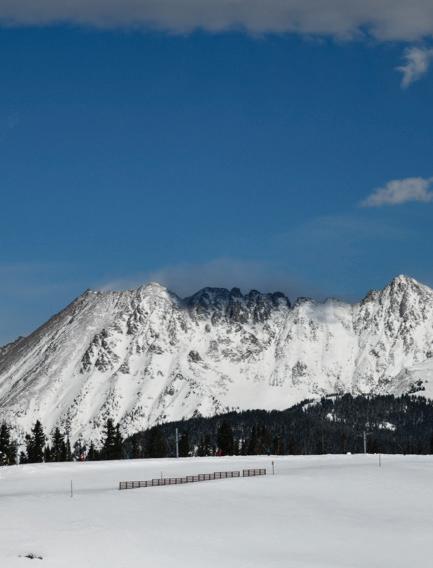

Park City Mountain is the largest ski resort in the United States, and its size gives visitors room to explore without limits. The terrain stretches across multiple peaks and valleys, allowing skiers to spend entire days without repeating a single run. Families appreciate the gentle beginner zones, while intermediate and advanced skiers enjoy long trails, bowls, and terrain parks.
One of the biggest advantages of Park City is accessibility. The resort is located only a short drive from Salt Lake City International Airport. This convenience makes it a popular choice for travelers who want a simple, quick, and stress free ski vacation.
The town of Park City is filled with artistic energy. Historic Main Street features restaurants, galleries, boutiques, cafes, and nightlife. The combination of crisp mountain air and historic charm creates a winter experience that feels both lively and relaxing.
Why Park City Stands Out:
• Largest ski resort in the country
• Fast and easy travel for visiting skiers
• Terrain suited for families and mixed skill groups
• A vibrant downtown with great food and culture

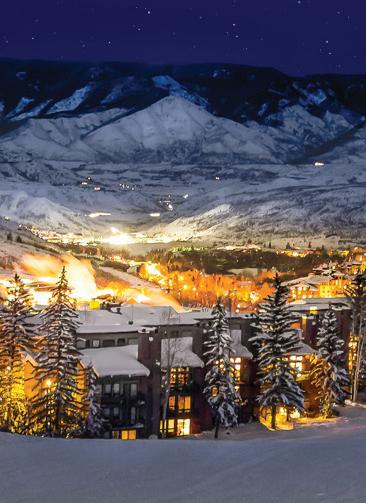
4. Aspen Snowmass • Colorado
Four Mountains. One Legendary Winter Escape.
Aspen Snowmass includes four unique mountains, each offering its own character and terrain. Aspen Mountain features steep and challenging runs that appeal to experienced skiers. Snowmass is famous for long, rolling trails that families love. Aspen Highlands attracts advanced skiers with its legendary Highland Bowl. Buttermilk is ideal for beginners and is home to popular terrain parks.
The town of Aspen is one of the most glamorous winter destinations in the country. It blends luxury shopping, fine dining, cultural events, and mountain town charm. The atmosphere feels both sophisticated and welcoming.
Why Aspen Snowmass Is Iconic:
• Four mountains with endless variety
• A ski town known for style, culture, and elegance
• High end lodging and extraordinary culinary options
• Perfect for extended winter vacations
Big Sky offers one of the most peaceful and majestic ski experiences in America. The resort is known for its beautiful wilderness surroundings, wide open terrain, and some of the shortest lift lines you will find at a major resort. The enormous vertical rise creates long and scenic runs that reward both beginners and advanced skiers.
The Lone Peak Tram is one of Big Sky’s most famous attractions. It lifts visitors to an impressive summit with 360 degree views of mountains, forests, and pristine landscapes. Travelers describe the resort as calm, refreshing, and full of natural beauty.
Why Big Sky Is a Top 5 Resort:
• Vast terrain with very little crowding
• Breathtaking summit views from Lone Peak
• A peaceful atmosphere perfect for couples and families
• A blend of wilderness and modern resort comfort
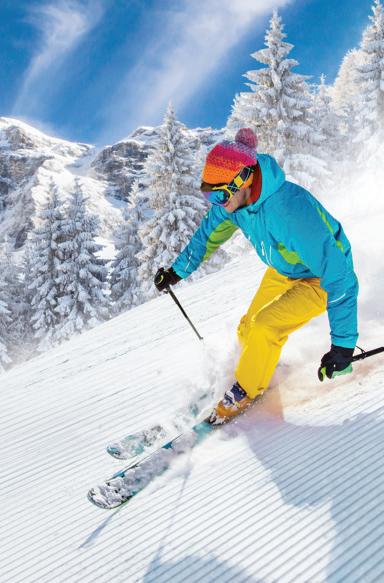

From rugged peaks in Wyoming to glamorous villages in Colorado, massive terrain in Utah, and peaceful wilderness in Montana, the five resorts in this feature represent the finest winter destinations in the United States. Each resort offers its own personality, culture, and style. Whether you want adrenaline, luxury, scenery, or family memories, these destinations offer winter at its absolute best.
Explore. Savor. Transform.




As winter settles in, it’s only natural to start looking ahead to the places that shine when the days grow longer and the air turns warm again. Across the country, countless destinations come alive with sunshine, outdoor adventures, and the easygoing energy of the warmer months. From lakes and coastlines to small towns and scenic retreats, these warm-weather spots remind us that brighterdays aren’t far away.


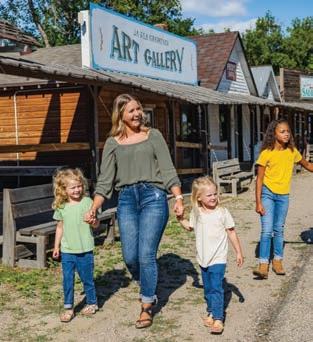
Whether you stay for the day or for the weekend, Jamestown offers something simple and lasting. It’s a place where families come together, stories begin, and traditions take root.
When summer arrives in the northern plains, it brings long days, open skies, and a pace that invites travelers to slow down and stay awhile.
In Jamestown, North Dakota, warm weather isn’t about rushing from one attraction to the next. It’s about space, sunshine, and experiences that feel grounded, authentic, and memorable!
Outdoor recreation sets the tone. Just minutes from downtown, the Jamestown Reservoir becomes a hub of summer activity. Calm mornings are ideal for fishing, kayaking, or paddleboarding, while afternoons lend themselves to boating, shoreline picnics, and time spent soaking up the sun. With room to spread out and water that feels refreshingly accessible, the reservoir offers an easy, welcoming way to enjoy warm days outdoors and escape the crowds.
From the water, the experience continues onto land. Jamestown features more than 35 miles of hiking and biking trails. These trails are perfect for early morning walks, scenic bike rides, or golden-hour strolls when the prairie light stretches long into the evening. In summer, wildflowers bloom, birds fill the air, and the trail system becomes one of the best ways to experience the landscape up close.
Jamestown’s warm-weather appeal also comes with a sense of place. One that blends outdoor fun with history and culture in a way that feels accessible for all ages. A visit to the iconic World’s Largest Buffalo is a must, especially in summer when the surrounding grounds invite travelers to linger, take photos, and enjoy the open air. Nearby, Frontier Village brings the region’s pioneer story to life through historic buildings, artifacts, and shaded pathways that make exploring comfortable even on warm afternoons.
Just beyond the village, visitors can experience one of Jamestown’s most distinctive summer offerings at the North American Bison Discovery Center. While the center tells the broader story of the bison’s role in North American history, summer is when that story truly comes alive. Seasonal pasture tours give visitors the chance to see live bison roaming the prairie. It’s a powerful and memorable experience that connects people directly to the land, the animals, and the history that shaped the region.


Plan your visit at
As winter winds down, St. Augustine offers a warm, uplifting coastal getaway that blends sunshine, culture, and relaxation. Known as the oldest city in the United States, this medium-sized Florida gem sits along the Atlantic Coast, where early spring and pre-summer days feel warm enough to melt away any lingering winter gloom. Palm trees sway, ocean air fills the streets, and the historic district glows with golden light long before much of the country sees its first warm day.
Travelers seeking a place to plan their summer escapes will find St. Augustine the perfect choice. The city offers the comfort of warm weather, the charm of old-world architecture, and miles of sandy shoreline that begin heating up well ahead of peak season.
St. Augustine’s historic district is filled with old coquina buildings, narrow brick streets, and ancient oak trees. While this is a destination rich in heritage, it is also a vibrant warm-weather getaway with beach access, waterfront cafés, outdoor dining, and open-air attractions that come alive as temperatures rise.
Planning early lets travelers enjoy:
• Beautiful weather before summer humidity arrives
• Fewer crowds at major sites
• Easier beach parking and reservations
• Outdoor events beginning to return
• More comfortable exploration throughout the day

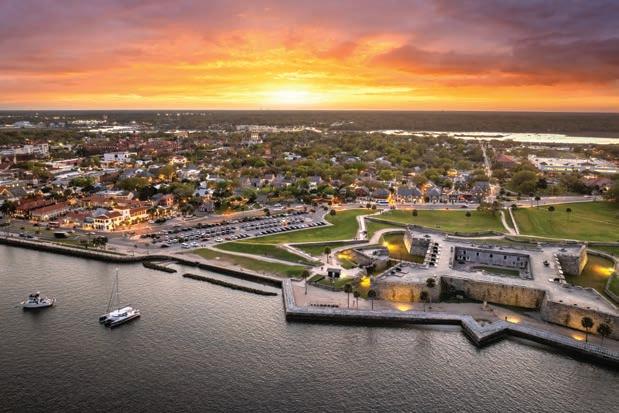
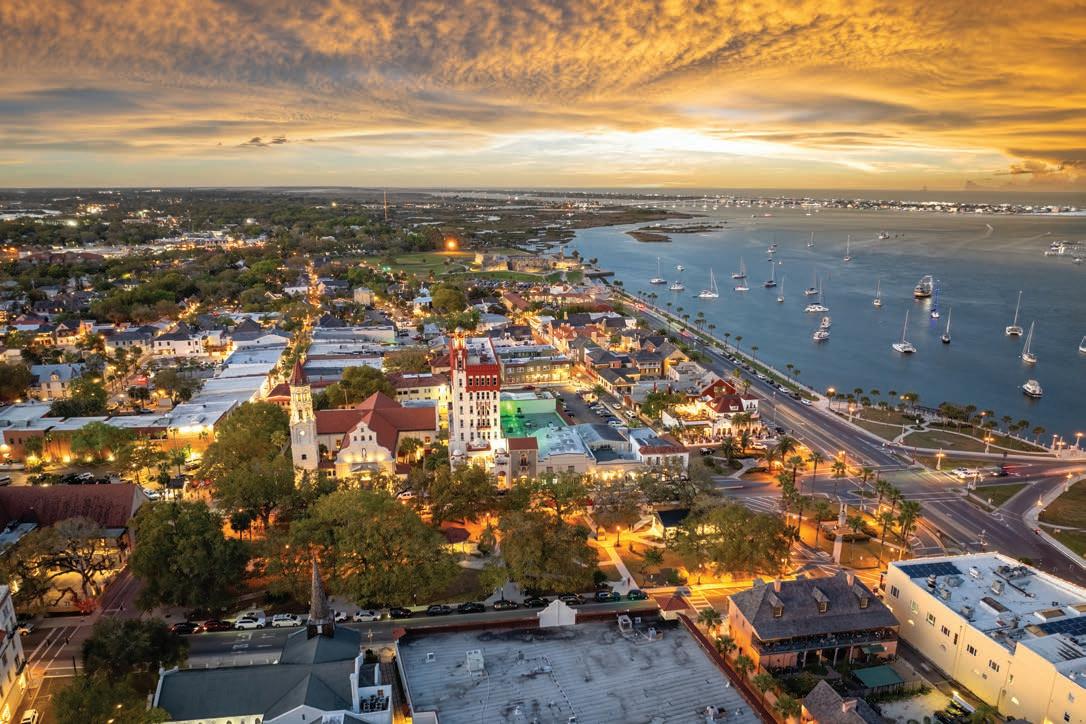
St. Augustine Beach and nearby Vilano Beach offer wide stretches of sand, soft waves, and room to spread out even during the busier spring months. The Atlantic often warms enough for wading, beach strolling, shell hunting, or relaxing in the sun while the rest of the country is still wearing jackets.
Scenic fishing piers, beachside restaurants, and surf shops add to the charm, giving visitors an early taste of summer living.
While the city is known for its history, spring and early summer bring activities that feel fully aligned with warm-weather travel:
• Dolphin tours and eco-boat excursions
• Outdoor markets and artisan fairs
• Sunset sails along Matanzas Bay
• Beach horseback riding opportunities
• Oceanfront dining with colorful skies
The combination of sunshine, ocean views, and historic charm provides a warm, gentle break from winter and an ideal lead-in to the summer months.
While winter still lingers across much of the country, the Alabama Gulf Coast quietly begins to warm long before the rest of the United States. Gulf Shores, a medium-sized coastal destination known for its clear water and wide beaches, becomes a refreshing escape for travelers dreaming of summer. It is a place where the color of the ocean, the feel of soft sand, and the rhythm of warm breezes show up just when people need them most.
For many, the colder months come with a need for something to look forward to. Gulf Shores delivers that sense of hope and early warmth. The temperature climbs earlier here than in other beach regions, and the town has a relaxed, welcoming style that encourages visitors to unwind. Even before summer officially begins, families and couples can enjoy days that feel like a preview of the season ahead.
Gulf Shores is big enough to offer attractions, restaurants, boardwalks, and activities, yet small enough to keep its local charm. The beaches stretch for miles with fine, pale sand that is soft underfoot. Clear surf rolls in with gentle waves, giving the shoreline a calming rhythm that quiets the winter blues almost instantly.
Planning a trip now allows travelers to enjoy:
• Lower seasonal crowds
• Warm spring temperatures
• Early-summer water activities
• Attractive rental rates before peak season
• A peaceful atmosphere that feels untouched
Visitors can spend their mornings walking the shoreline, exploring nature reserves, or enjoying coffee with views of the Gulf. Afternoons are perfect for dolphin cruises, kayaking, biking through state parks, or relaxing under an umbrella with a good book. The evenings bring warm breezes, seafood meals, and beautiful sunsets that stretch across the water.
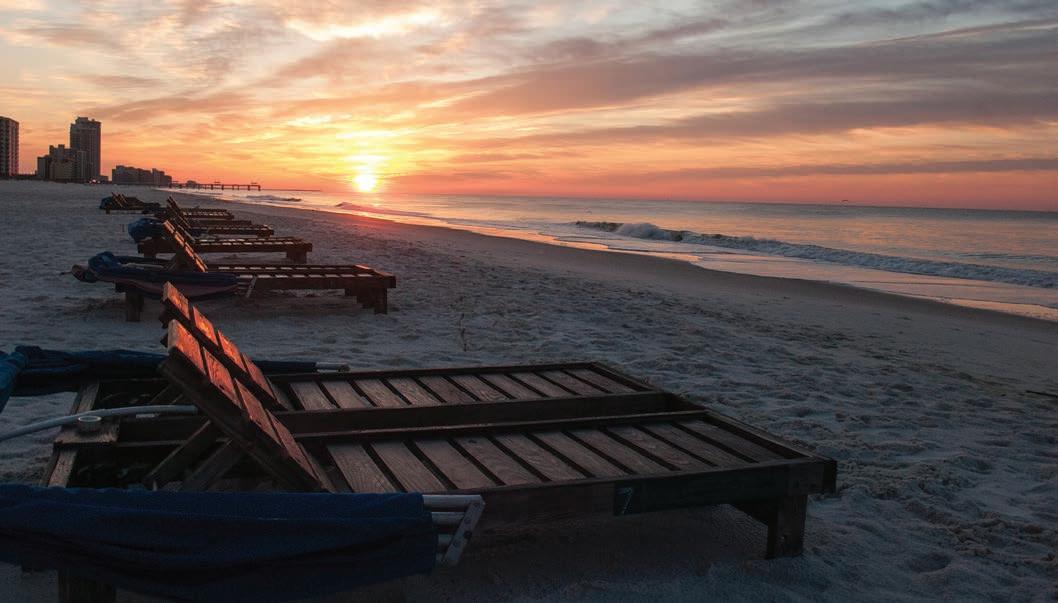



Gulf State Park, a major highlight, offers more than twenty miles of trails winding through dunes, marshes, and coastal forests. The park is a favorite for birdwatchers, cyclists, hikers, and families who want outdoor space without noise or crowds. Visitors may see osprey, wading birds, sea turtles, or even the occasional alligator relaxing in the sun.
Just a few minutes from the beach, Bon Secour National Wildlife Refuge adds another layer of peaceful beauty with immaculate dunes, quiet trails, and pristine coastal habitats.
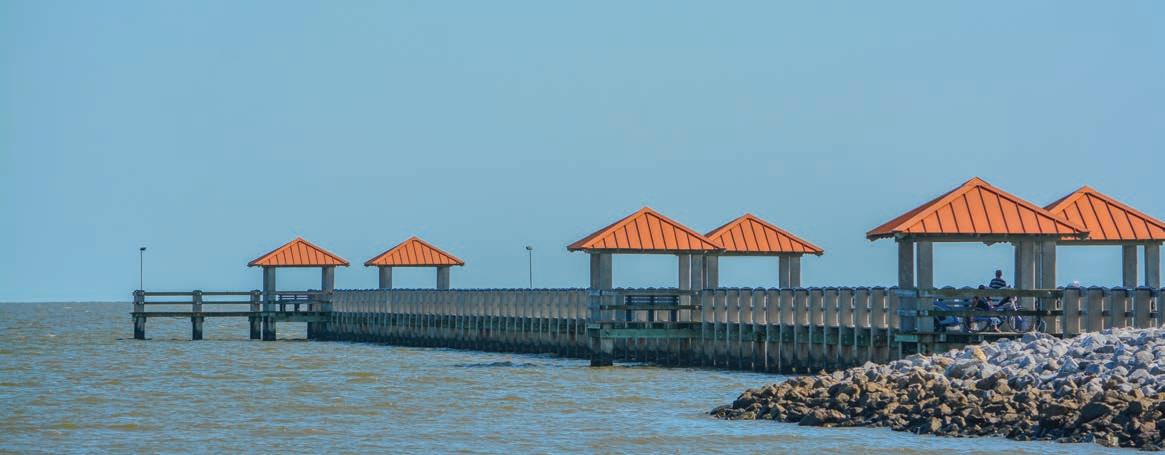
Gulfport is one of those places where warm weather arrives early and lingers long into the year. Its relaxed Gulf Coast setting creates a getaway that mixes sunny days, ocean views, and inviting local charm. Travelers come for the beaches, but they stay for the seafood, the culture, and the pace that feels easy from the moment you arrive.
At Jones Park and the Gulfport Harbor, visitors enjoy long walks on the waterfront, colorful sunsets, and the sound of gulls over the boats. The soft sand beaches stretch out for miles, offering a peaceful place to unwind. Families spread out across the shoreline, couples stroll along the pier, and fishermen cast lines toward the horizon. Gulfport’s beaches have a calm, steady rhythm that feels comforting.
Just inland, the city has a lively mix of shops, restaurants, and coastal experiences. Fresh Gulf seafood is always within reach, with local spots serving shrimp, oysters, and coastal flavors that define the region. The Fishbone Alley arts district brings an unexpected burst of color to downtown with murals, lights, and open air gathering spaces that give Gulfport a playful streak.





Outdoor lovers have no shortage of choices. Charter boats head out daily for dolphin cruises and fishing trips. Ship Island excursions offer a day of swimming in clear water and exploring a protected national seashore. For families, the aquarium brings the marine world to life with touch tanks and Gulf themed exhibits. Warm temperatures make these activities enjoyable nearly all year.
Gulfport has grown in recent years while keeping its welcoming personality. The city blends resort style amenities with a friendly coastal identity, making it a destination that feels both comfortable and refreshing. It works well for travelers who want sunshine, good food, approachable attractions, and a slower pace without losing access to plenty of things to do.
As you begin planning for warmer weather, Gulfport stands out as a bright choice on the Gulf Coast. Its beaches, culture, and easygoing atmosphere create a warm weather escape that invites visitors to relax, explore, and return again soon.


What’s Blooming for Spring
Spring brings a burst of color across the country flower-filled trails, blossoming small towns, and scenic spots where nature comes alive in spectacular fashion. This section explores the destinations that shine brightest during the spring bloom, offering unforgettable views, fresh air adventures, and charming seasonal festivals.
As winter loosens its grip, Savannah feels like it has been waiting all year for this moment. Mild breezes move through archways of live oaks, bright azaleas spill over garden walls, and the city’s famous squares turn into pockets of color and fragrance. For travelers looking for a spring getaway that feels both timeless and fresh, this coastal Georgia gem fits perfectly into the story of what is blooming for spring.
Spring arrives early in Savannah, so the city’s historic core becomes an open air garden long before summer’s heat settles in. Cobblestone streets and brick sidewalks guide visitors through a patchwork of leafy squares, each one framed by historic homes, wrought iron balconies, and rows of flowering shrubs. The scene feels almost cinematic when the azaleas reach their peak, layering pink, purple, and white blossoms against the soft green of the moss draped trees.
Forsyth Park is the heart of Savannah in bloom. Its broad lawns invite picnics and slow walks beneath towering oaks, while the iconic white fountain becomes a natural focal point for spring photos. Flower beds around the fountain and along the park’s walkways are planted with seasonal color, so visitors are rarely far from tulips, pansies, or other bright annuals that signal the changing season. Benches line the paths, giving travelers a front row seat to local life as joggers, dog walkers, and families drift by.
Beyond the park, Savannah’s gardens and green spaces offer even more ways to enjoy the season. The Coastal Georgia Botanical Gardens, just outside the historic district, highlight camellias, roses, and other plants that thrive in the region’s mild climate. Walking paths weave through themed gardens, ponds, and groves of bamboo, giving visitors plenty of peaceful corners for photos or quiet reflection. At nearby historic sites, long avenues of live oaks provide a dramatic backdrop for spring blooms and soft golden light.
Spring is also one of the best times to explore Savannah’s architecture and neighborhoods. Historic homes open their doors for seasonal tours, showcasing manicured courtyards overflowing with potted plants and trailing vines. In the Victorian District and creative Starland District, colorful houses, small galleries, and murals create a lively contrast to the more formal streets of the old city. Window boxes overflowing with flowers and small sidewalk planters add pops of color at every turn.
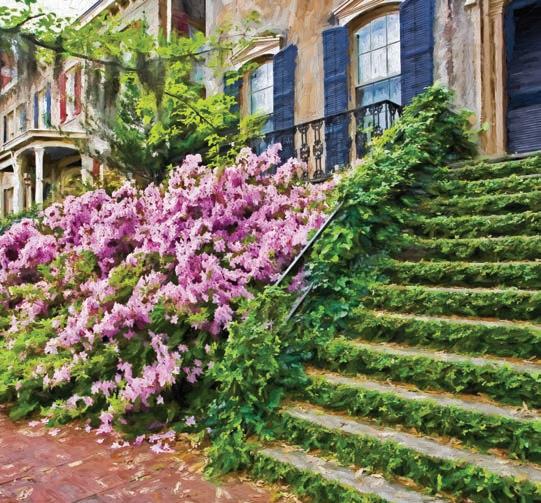
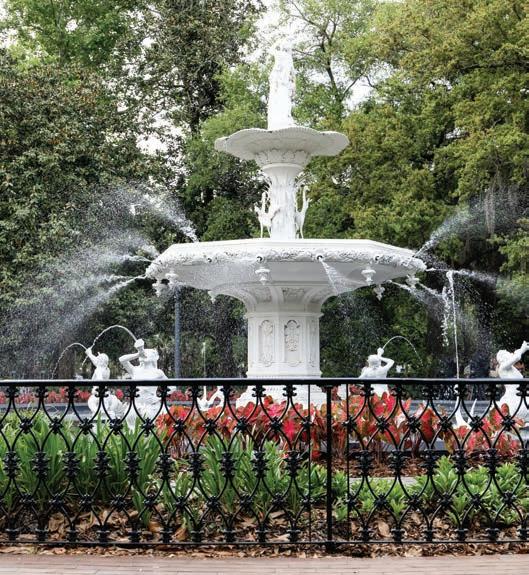
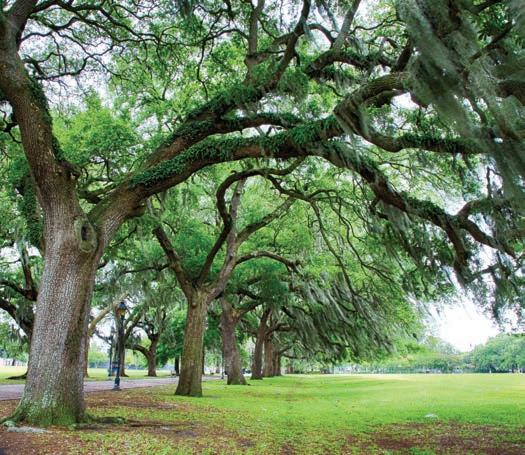
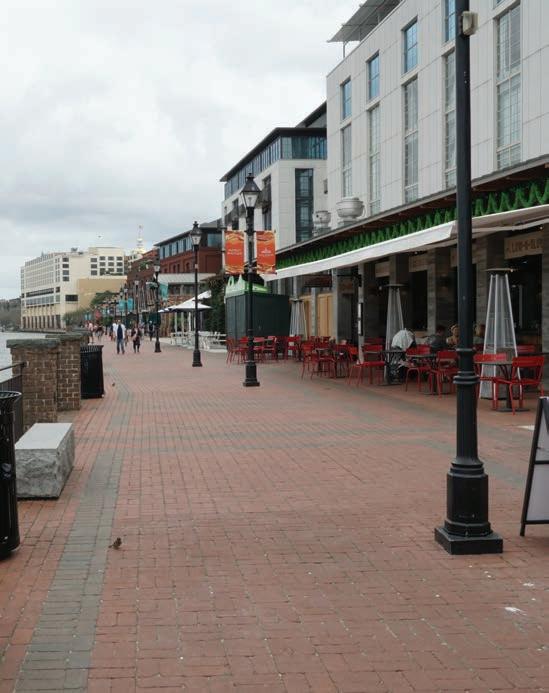
The season’s energy continues at the riverfront, where the Savannah River provides a shimmering backdrop for afternoon strolls. Old warehouses have been transformed into shops, galleries, and restaurants, many with patios and balconies that take full advantage of the mild weather. It is easy to spend an evening here watching riverboats glide by while enjoying local seafood, Lowcountry dishes, and spring cocktails built around fresh fruit and herbs.
Savannah’s culinary scene embraces the season in other ways as well. Restaurants lean into lighter plates, seasonal vegetables, and farm to table ingredients. Courtyard dining becomes especially popular as days grow longer, with string lights, flowering planters, and the sound of fountains adding to the atmosphere. Coffee shops and bakeries open their doors to the street, so visitors can sit outside with a pastry and simply watch the city move at its unhurried pace.
For travelers who enjoy being on the move, spring in Savannah invites exploration on foot, by bike, or by carriage. Walking tours highlight everything from history and architecture to gardens and ghost stories, and many routes feel especially magical when the city is wrapped in blossoms. Bicycles offer a relaxed way to cover more ground, while carriage rides provide a classic way to see the squares and streets at an easy pace.
Because spring sits between the chill of winter and the busier summer months, it is a strategic time for visitors and destinations alike. Travelers enjoy comfortable temperatures, colorful scenery, and lively but not overwhelming crowds. Local inns, bed and breakfasts, and boutique hotels often highlight their private courtyards, rooftop terraces, and shaded porches, inviting guests to spend more time outside and soak up the season.
From its azalea lined squares to its grand park fountain and riverside views, Savannah offers a vivid answer to what is blooming for spring. The city’s blend of historic charm, colorful gardens, and easy coastal air makes it a natural fit for travelers who want their spring getaway to feel both refreshing and rooted in place. Whether visitors are drawn by the flowers, the food, the architecture, or the simple joy of wandering beautiful streets, Savannah in spring delivers a season worth returning to again and again.

Your early look at the color and life waiting just around the corner
As winter settles into its final stretch, many travelers begin to look forward to the bright renewal that spring brings. Across the United States, communities welcome the season with vibrant flower festivals that celebrate beauty, tradition, and the landscapes that define their region. Before the warmer days arrive, here is a look at two of the most beloved springtime events and the destinations that host them. Each offers a breath of color and a reminder that spring is closer than it feels.

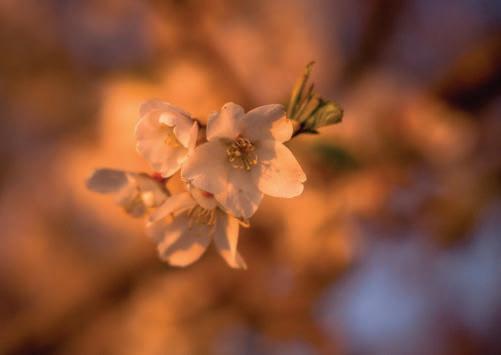
Every spring, the nation’s capital becomes a celebration of color as thousands of cherry trees bloom around the Tidal Basin. The National Cherry Blossom Festival honors the historic 1912 gift of cherry trees from Tokyo to Washington, and today the festival stands as one of America’s most recognizable spring events.
Set against views of the Jefferson Memorial, the Washington Monument, and the calm waters of the Tidal Basin, the blossoms create a soft pink canopy that draws visitors from across the world. The festival spans several weeks from late March through early April and includes cultural performances, parades, waterfront activities, and family-friendly events throughout the city.
Washington, D.C. in spring feels alive in a way that is hard to capture in any other season. Neighborhoods like Georgetown, Capitol Hill, and Dupont Circle fill with outdoor dining and local markets,

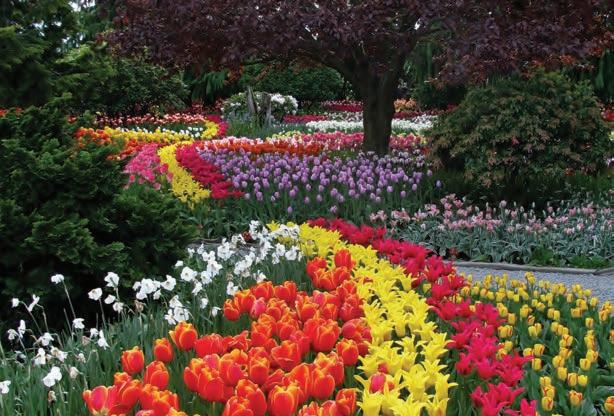
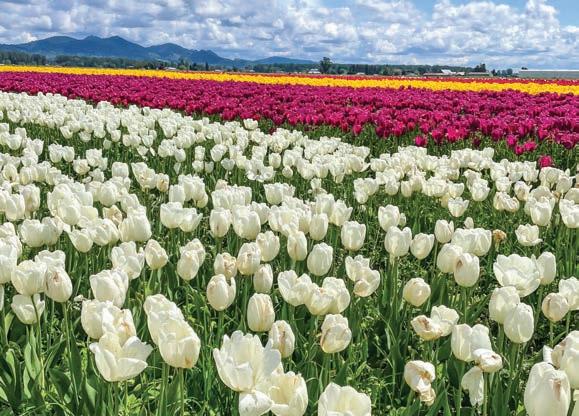
Each spring, fields across Skagit Valley transform into sweeping ribbons of red, yellow, purple, and pink as millions of tulips burst into bloom. The Skagit Valley Tulip Festival held every April is one of the most recognized flower events in the Pacific Northwest. What makes it special is that it is not hosted in a single park or garden. Instead, the festival is spread across an entire valley, allowing visitors to explore the rural backroads and enjoy open farmland painted with color.
Skagit Valley sits roughly an hour north of Seattle, in a landscape shaped by farms, river flats, and distant mountain views. During tulip season, local growers open their fields and display gardens for visitors to wander, photograph, and enjoy. Flower stands, farm shops, and small-town cafés add to the charm. Mount Vernon and La Conner two of the region’s most welcoming communities serve as home bases for travelers, offering boutique shops, waterfront dining, and a slow-paced atmosphere that feels perfectly suited for a spring getaway. The timing of the blooms shifts slightly each year, depending on the weather, but the festival takes place for the entire month of April. Whether guests come for a quick weekend drive or a longer scenic stay, the tulip fields offer one of the most colorful welcomes to spring found anywhere in the country.

While winter still holds on for a little longer, these spring festivals remind us that brighter days are coming. The promise of fresh blooms, outdoor strolls, and colorful landscapes offers the perfect transition from snowy scenery to new beginnings. As readers enjoy the final pages of this winter issue, consider these destinations an early invitation to welcome spring with open arms.
When the skies come alive before the flowers do
Spring does not always announce itself with blossoms. Sometimes it begins with movement, sound, and the awakening of nature long before the first green leaves unfold. In Kearney, Nebraska, spring blooms in the sky. Each year, this quiet Great Plains destination becomes the setting for one of the most extraordinary wildlife events in North America. It is not widely known, yet it captures the true spirit of the season better than almost anywhere else.
From late February through early April, tens of thousands of sandhill cranes gather along the Platte River as part of their long migration north. For a few remarkable weeks, the landscape transforms into a living, shifting canvas of wings, color, and sound. The migration becomes Kearney’s version of spring’s first bloom a reminder that nature’s renewal arrives in many forms.
Kearney is a medium-sized, easygoing community surrounded by open prairie, farmland, and a gentle stretch of the Platte River. On the surface, it may look like a typical Nebraska town, but its location places it at the center of a natural crossroads that has guided wildlife for centuries. The cranes pause here to rest, feed, and gather strength for their journey, and their presence signals the shift from winter’s stillness to spring’s movement.
Visitors often begin their mornings along the river, where the day’s first light reveals hundreds of cranes standing together in the shallow water. As the sun rises, the birds lift off in waves that ripple across the sky. Their calls echo for miles, creating a soundtrack that feels ancient and powerful.
In the evening, the reverse happens. Cranes return in large groups, gliding across pink and gold horizons that look almost painted. It is peaceful, but also energizing a spring awakening in its purest form.
This moment is different every day, and that is what draws travelers here year after year.
What makes this event so fitting for a spring-themed issue is not simply the spectacle itself. It is the feeling it brings. Spring is about renewal, awakening, and the return of life after months of quiet. In Kearney, that renewal isn’t found in gardens or flower beds.
It is found in:
• movement returning to the landscape
• the rhythm of nature shifting forward
• early morning light filled with motion instead of winter stillness
• skies that feel full again
It is a different kind of bloom one made of wings instead of petals.
Travelers describe it as peaceful, emotional, and unforgettable. Many say it feels like watching the season change right in front of them.


Kearney makes a perfect base for this spring experience. The town offers a comfortable mix of local restaurants, coffee shops, walking trails, and Great Plains scenery that begins to thaw and soften as spring approaches. Nearby nature centers offer guided crane-viewing tours, photography sessions, and educational programs that help visitors understand the migration and the region’s history.
The surrounding countryside is equally memorable, with rural roads, river overlooks, and quiet sunset viewpoints that help travelers slow down and enjoy the landscape. Spring arrives with subtle beauty here, reflected in the soft greens returning to the fields and the longer daylight stretching across open horizons.
This is not a loud, crowded destination. It is slow, calm, and refreshing a perfect counterbalance to winter.
Featuring Kearney in your What’s Blooming for Spring section gives readers something they will not expect. It shows that spring in America is more than floral festivals and warm-weather escapes. It is about:
• renewal
• movement
• seasonal transitions
• the return of life
And in this case, spring blooms not from the ground, but from the sky.
The sandhill crane migration offers a front-row seat to a seasonal shift that feels honest, natural, and deeply memorable a perfect reminder on the final pages of your winter issue that spring is on its way.
You can almost hear the train’s haunting steam whistle announcing its arrival. In the heart of downtown Tarpon Springs, a Welcome Center invites visitors to explore the over a century old train station. The Tarpon Springs Area Historical Society calls this 1909 depot home and operates the Depot Museum for everyone to take a journey back in time. The Historical Society traces the captivating beginnings of the town, incorporated in 1887, along with the people and events that shaped it. Over a million visitors each year visit Tarpon Springs to experience its fascinating and culturally rich history.
The Depot served the Atlantic Coast Line Railroad in its new brick building, which replaced the original wooden station destroyed by a 1908 fire. In 2005, a restoration was completed, restoring its original tile roof complete with dormers. The interior preserves its original floorplan with an added archive room and storage spaces. The original heart pine floors, Station Manager’s office, ticket windows, “separate but equal” waiting rooms, and freight warehouse area showcase displays from bygone days. This depot continued to serve passengers until the 1970s and freight until the 1980s.
Tarpon Springs is situated on the Gulf of Mexico with tributaries flowing into the Anclote River. Many Bahamian and Key West spongers, also referred to as hookers, harvested sponges and operated their fisheries near the coast. Two-man dinghies used a glass-bottomed bucket to see underwater and a long pole to hook the sponge. The invention used in the Mediterranean, of a rubberized diving suit with a pumped-in air supply, helmet, and weights, dramatically transformed the industry. John Cheyney and John Cocoris, brought approximately 500 Greek hard helmet sponge divers to Tarpon Springs from the Mediterranean, thus creating a thriving sponging industry in this area. This made Tarpon Springs the largest sponge port in the United States. Other businesses soon emerged to create a rounded industry: building boats, lending money to boat owners, and supplying tools and equipment for the sponge fleet. Serving this Greek community, restaurants, coffee houses, and grocery stores expanded. In 1907, the Sponge Exchange was established as a non-profit organization by 50 local buyers to provide a safe place for storing sponges and an area to host silent auctions. Some of these buildings have survived many changes over the years, and today the Sponge Exchange operates as a shopping center.
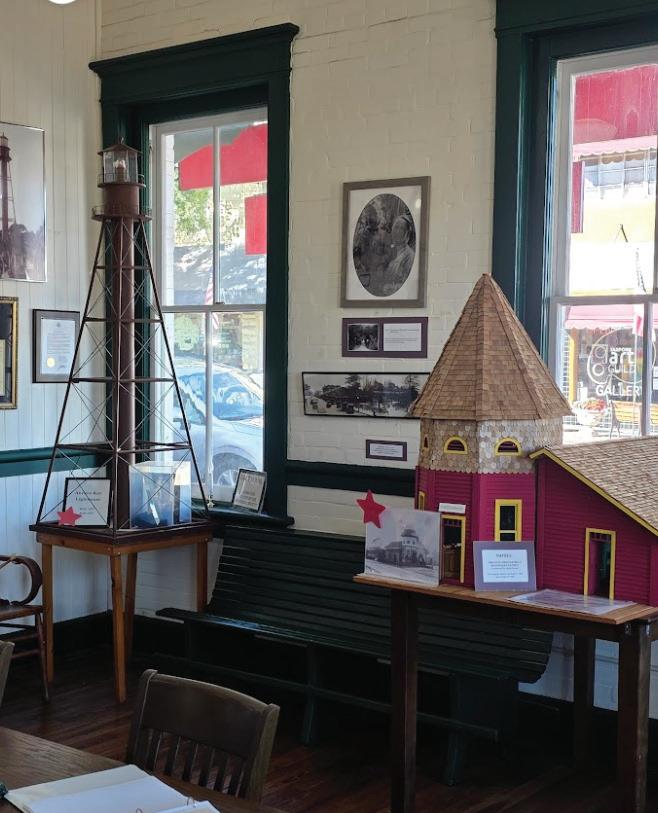




Tarpon Springs has a diverse background. African Americans settled there in the early 1880s, working in the lumber mills, citrus industry, and sponging industry. Famous artists and wealthy northerners came to winter in Florida’s warmth. George Inness and his son George Inness, Jr., were among them. Florida’s first female physician, Dr. Mary Jane Safford, located here from Vermont to be with her brother Anson P.K. Safford. He played a key role in much of the town’s growth and development. Together with other wealthy northerners, they contributed to the town’s growth. They brought different types of northern lumber and built exquisite Victorian houses along Spring Bayou.
The Historical Society gathers oral histories from residents, organizes “Tales of Tarpon” talks, and hosts annual special events, which may include the Remembrance Tea, Historic House Tour, Vintage Fashion Show, Society Picnic, Vintage Car Show, and Cemetery Tour. These events aim to educate the public and preserve the area’s history for future generations. The Society also keeps an extensive collections of historic photographs; copies are available for purchase by the public. Donations of documents, oral histories, and artifacts related to the history of the Tarpon Springs area are gratefully accepted.
The Tarpon Springs Area Historical Society’s Mission Statement is: “To collect, preserve, interpret, and exhibit the history of the Tarpon Springs area, and to promote education, research, and preservation of historical points of interest.”
Discover the intriguing history of Tarpon Springs through the extensive collection at the Historic Depot. From artifacts that highlight local heritage to displays of the historic train depot’s past, there is something for everyone to enjoy.
The Tarpon Springs Area Historical Society can be reached at (727) 937-8997. Visit us Wednesday through Saturday from 11 a.m. until 3 p.m. at 160 E. Tarpon Ave., Tarpon Springs, FL 34689. 79
Sring doesn’t burst into the world it tiptoes in, gently at first. After months of muted skies, bare trees, and winter’s quiet hush, the earth begins its slow return to color. A hint of green on the hillside. A small bud on a branch. A soft patch of purple hidden at the base of a fence line. These early signs feel like whispers, small reminders that the world is waking up again. And somehow, those first colors hit us deeper than we expect.
For months, winter has wrapped everything in whites, grays, and soft shadows. Then one day, without warning, the palette changes. The air smells different. The sunlight lingers a little longer. And the landscape begins its slow shift from quiet monochrome to a gentle watercolor wash of greens, yellows, pinks, and purples.
Spring’s colors aren’t just beautiful they affect us emotionally, mentally, even physically. They reach into our senses and stir something inside that has been resting through the winter.
The First Brush of Green Green is always the first hint of what’s coming. Before petals open or blossoms appear, small shoots push through the thawing soil, and fresh grass begins to brighten the ground. After months of bare trees and frost-covered landscapes, green feels like hope itself. It signals renewal. Balance. Growth.
Studies have shown that exposure to green improves attention span, lowers anxiety, and restores mental clarity. But you don’t need science to feel it. Just the simple act of looking at the first patch of spring grass or the first green buds on a tree can lift something heavy from the mind. It’s a reminder that life is coming back.
It’s no accident that green is the color most associated with healing and in spring, it becomes nature’s first message: We begin again.




Once green settles in, spring’s second language arrives: flowers. They emerge in waves yellow daffodils, pink cherry blossoms, purple lilacs. Each one brings its own emotional tone to the season.
Yellow flowers like daffodils and buttercups are pure energy. After the stillness of winter, their bright petals feel like sunrise on the ground. They spark enthusiasm and invite us to shake off the lingering heaviness of the cold months.
Pink petals especially the soft pastels of cherry blossoms carry a sense of joy, affection, and tenderness. They remind us of fleeting beauty and the delicate nature of new beginnings. In Japan, cherry blossom season is celebrated not just for the flowers themselves, but for the emotions they stir: appreciation, connection, gratitude for the brief moments that make life meaningful.
Then there are the purples lavender fields, lilacs, wild violets. These colors feel imaginative, dreamy, creative. Purple often signals surprise in nature, arriving suddenly and in unexpected places. A cluster of violets along a sidewalk. A blooming lilac bush outside a window. They encourage us to notice the small wonders that appear as spring unfolds.
Across the world, spring colors hold symbolic weight. In India’s Holi festival, pigments fly through the air in celebration of life, joy, and community. In many European traditions, flower garlands mark the welcome of longer days. In the U.S., the soft pastels of Easter represent rebirth and hope.
Even without cultural context, color speaks a universal language and spring’s palette always says the same thing: light returns.




Faith Fighters for America is a nonprofit platform that allows individuals and families to share their story and request assistance through a simple, one-minute video submission. These stories are reviewed by our internal team and then presented to our member community, who have the opportunity to vote on the stories that resonate most deeply with them.
In addition to individual supporters, we also create opportunities for corporate donors and brand partners to collaborate with us on meaningful, transparent community initiatives.
Our goal is simple: to use influence, exposure, and collective action to help people where they need it most in real, tangible ways.
That support might look like:
Help with a gas, electric, or water bill
A night or two in a hotel during a difficult moment Assistance covering an unexpected expense that caused someone to fall behind faithfightersforamerica.com
Short-term relief paired with long-term guidance
We believe deeply in paying it forward. While some people may be looking for immediate help, our mission goes beyond simply providing a solution for today.
Rather than just giving someone a fish, we also aim to teach people how to fish — financially, emotionally, and physically. Through education, resources, and mentorship, we work to help individuals become stronger, healthier, and more self-sustaining versions of themselves. Faith Fighters for America exists to make helping others transparent, human, and participatory turning compassion into action and stories into real impact.
Mission:
“Faith Fighters For America unites communities with compassion, making every act of giving a shared and visible moment of kindness.”
Vision:
“Our vision is to create a transparent movement where everyone can see and celebrate how helping neighbors becomes a story that inspires us all.” Faith Fighters for America is a faith-based 501(c)(3) nonprofit organization dedicated to strengthening communities through compassion, service, and shared purpose.
At our core, we believe that faith is not passive — it is something lived out through action, unity, and service to others.
We create a platform that: Amplifies stories of hope, resilience, and inspiration Connects people to meaningful acts of kindness Supports community-driven outreach projects Encourages individuals to participate, not just observe Our focus is on real people, real stories, and real impact — from everyday acts of generosity to larger community initiatives.

In a time when many feel disconnected or unheard, Faith Fighters for America exists to:
Unite people across backgrounds
Turn belief into action
Show that service, faith, and unity are still powerful forces for good
Our Mission statement
One Nation.
One Spirit.
One Mission.







Shorter name. Infinitely more possibilities. As your neighborhood travel experts, we are committed to providing every travel opportunity by air, land, and sea!
Whether your next extraordinary vacation is overseas or closer to home, we offer cruise vacations, vacation packages, all-inclusive resorts, coach and rail tours, home and villa rentals and travel insurance, as well as flights, hotels, car rentals, activities, and enriching excursions from the best in the business, worldwide.
You can choose to book with us by phone, by email, in one of our 300+ retail stores, or through one of multiple online booking platforms, all with the personalized service and support of a friendly Vacation Consultant from your own local community.
We are passionate travelers ourselves and are backed by the #1 name in travel. We will use our resources to compare and explore every option for your perfect vacation, all while taking advantage of our value-packed Expedia® Extras!