
Virtual Employees in Singapore: The Rise of Virtual Staff
In today's fast-paced business environment, the concept of virtual employees has gained significant traction, especially in Singapore. This document explores the benefits, challenges, and best practices for integrating virtual staff into your organization. As companies increasingly seek flexibility and cost-efficiency, understanding how to effectively manage virtual employees becomes crucial for success.
Understanding Virtual Employees
Virtual employees, or remote staff, are individuals who work from locations outside of the traditional office setting. They leverage technology to perform their tasks, communicate with team members, and contribute to organizational goals. In Singapore, the rise of virtual employees has been fueled by advancements in technology, changing workforce dynamics, and the need for businesses to adapt to a globalized market.
Benefits of Hiring Virtual Staff
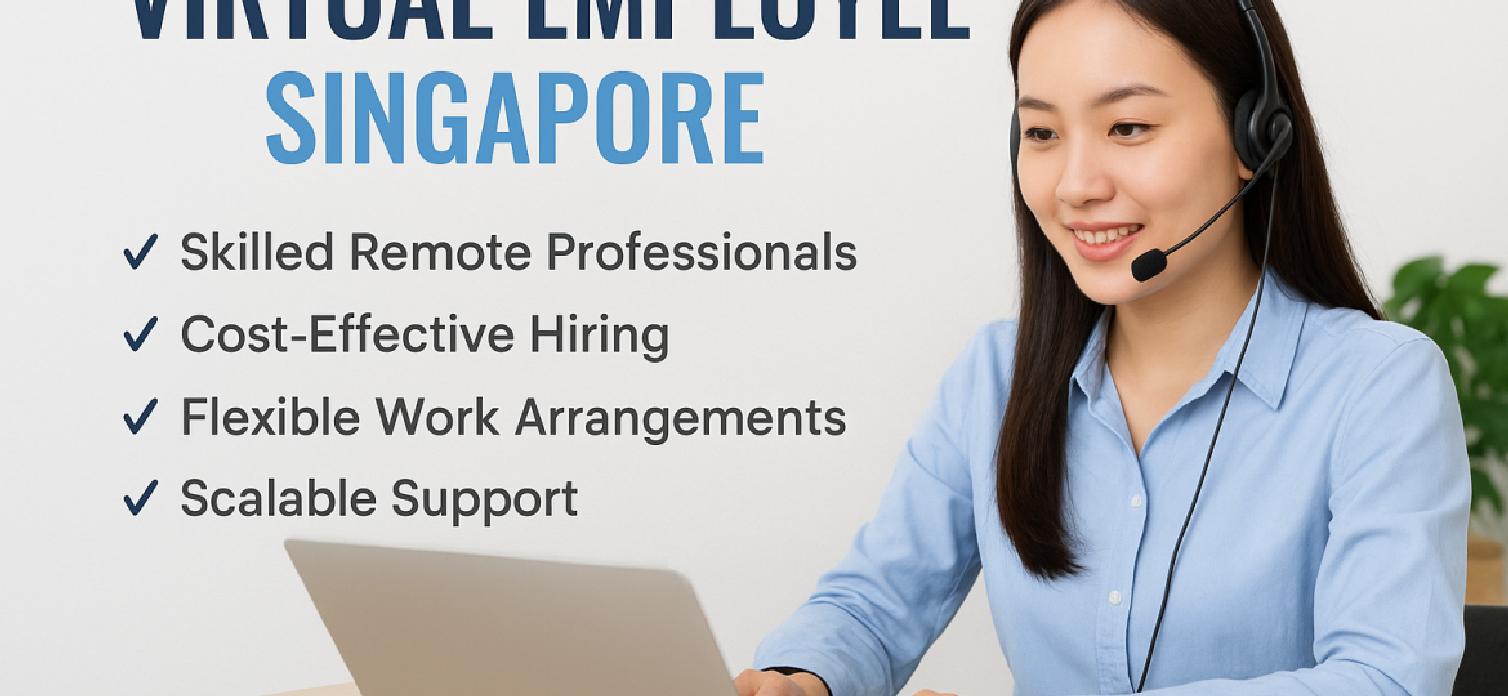
1. Cost Efficiency: Hiring virtual employees can significantly reduce overhead costs associated with office space, utilities, and equipment. Companies can allocate these savings to other critical areas of their business.
2. Access to Global Talent: Virtual staffing allows organizations to tap into a diverse talent pool beyond geographical limitations. This is particularly beneficial for specialized roles where local talent may be scarce.
3. Increased Flexibility: Virtual employees often have more flexible schedules, which can lead to increased productivity. This flexibility allows businesses to operate across different time zones and meet client needs more effectively.
4. Enhanced Work-Life Balance: Remote work can improve employee satisfaction and retention by providing a better work-life balance. Employees can manage their time more effectively, leading to higher morale and reduced turnover.
Challenges of Managing Virtual Employees
Navigating the Hurdles of Virtual Employee Management
Communication Barriers
Misunderstandings and miscommunications
Isolation
Disconnected from company culture
Performance Monitoring
Tracking productivity is challenging
Technology Dependence
Rely heavily on technology
Best Practices for Integrating Virtual Staff
1. Clear Onboarding Process: Develop a comprehensive onboarding process that familiarizes virtual employees with company policies, tools, and culture. This will help them feel more integrated from the start.
2. Utilize Collaboration Tools: Invest in collaboration tools such as Slack, Zoom, or Microsoft Teams to facilitate communication and project management. These tools can help bridge the gap between remote employees and the rest of the team.
3. Regular Check-Ins: Schedule regular one-on-one meetings and team check-ins to discuss progress, address concerns, and provide feedback. This fosters a sense of connection and accountability.
4. Encourage Social Interaction: Create opportunities for virtual employees to interact socially, such as virtual coffee breaks or team-building activities. This can help strengthen relationships and improve team dynamics.
5. Set Clear Expectations: Clearly define roles, responsibilities, and performance expectations for virtual employees. This clarity will help them understand their contributions to the organization.
Legal Considerations in Singapore
When hiring virtual employees in Singapore, it is essential to be aware of the legal implications. Employers must comply with local labor laws, including employment contracts, tax obligations, and employee rights. Consulting with legal experts can help ensure that your organization adheres to all regulations.
Conclusion
The trend of hiring virtual employees in Singapore is likely to continue growing as businesses seek innovative ways to enhance productivity and reduce costs. By understanding the benefits and challenges associated with virtual staffing, organizations can implement effective strategies to manage remote teams successfully. Embracing this shift not only positions companies for success in a competitive market but also fosters a more flexible and diverse workforce.
References
• Singapore Ministry of Manpower. (2023). Employment Standards.
• Remote Work Statistics. (2023). Global Workplace Analytics.
• Harvard Business Review. (2023). Managing Remote Teams: Best Practices. For more details, please feel free to contact us:
Exiga Software Solutions Pte Ltd 60 Paya Lebar Rd, #13-12 Paya Lebar Square, Singapore 409051
call:+65 6492 6783 whats app:+65 8876 6151 Email:sales@exigasoftware.com.sg enquiry@virtualstaff.com.sg
You may Contact Sales : (9.00AM – 1.00AM)
Working Day: Monday – Saturday