
Virtual Employee: Indian Virtual Staff
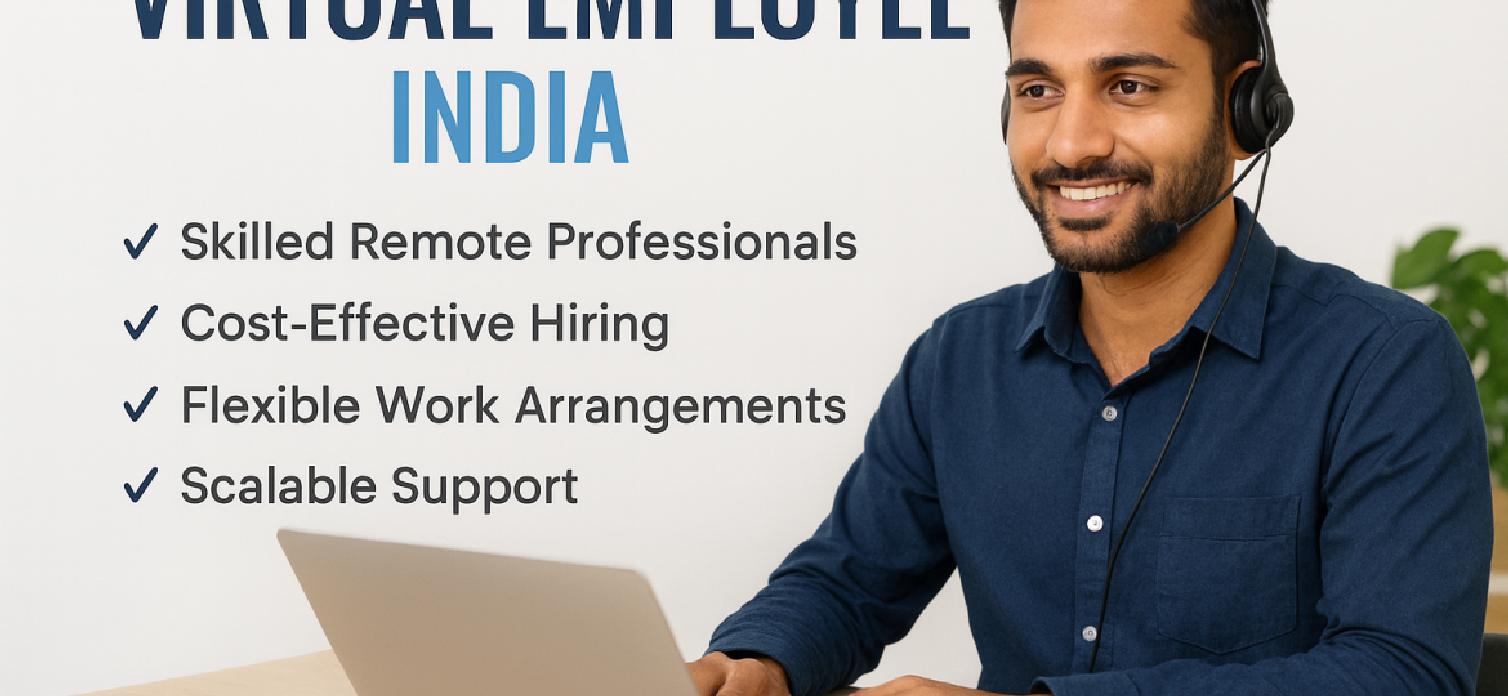
In today's fast-paced business environment, the concept of virtual employees has gained significant traction, particularly in India. This document explores the benefits, challenges, and best practices associated with hiring Indian virtual staff. By leveraging the skills of a diverse workforce, businesses can enhance productivity, reduce costs, and tap into a wealth of talent that spans various industries.
Introduction to Virtual Employees
Virtual employees are remote workers who provide services to businesses without being physically present in the office. This model has become increasingly popular due to advancements in technology, which allow seamless communication and collaboration across geographical boundaries. Indian virtual staff, in particular, have emerged as a preferred choice for many companies worldwide due to their proficiency in English, technical skills, and cost-effectiveness.
Benefits of Hiring Indian Virtual Staff
1. Cost-Effectiveness
One of the most compelling reasons to hire Indian virtual staff is the cost savings. Labor costs in India are significantly lower than in many Western countries, allowing businesses to access skilled professionals at a fraction of the cost. This enables companies to allocate resources more efficiently and invest in other critical areas of their operations.
2. Access to a Diverse Talent Pool
India boasts a large and diverse workforce with expertise in various fields, including IT, customer service, marketing, and finance. This diversity allows businesses to find the right talent that fits their specific needs, whether they require software developers, graphic designers, or virtual assistants.
3. Flexibility and Scalability
Hiring virtual employees provides businesses with the flexibility to scale their workforce up or down based on project demands. This adaptability is particularly beneficial for startups and small businesses that may not have the resources to hire full-time employees.
4. Increased Productivity
Virtual employees often work in environments that suit them best, leading to increased job satisfaction and productivity. With fewer office distractions and the ability to create their own schedules, many virtual staff members can deliver high-quality work efficiently.
Challenges of Hiring Indian Virtual Staff
1. Communication Barriers
While many Indian professionals are proficient in English, there can still be communication challenges due to cultural differences and varying accents. It is essential for businesses to establish clear communication channels and set expectations from the outset.
2. Time Zone Differences
India operates on a different time zone compared to many Western countries, which can lead to delays in communication and project timelines. Companies must be mindful of these differences and plan accordingly to ensure smooth collaboration.
3. Trust and Accountability
Building trust with virtual employees can be challenging, especially when teams are dispersed. Implementing tools for project management and regular check-ins can help foster accountability and ensure that tasks are completed on time.
Best Practices for Hiring Indian Virtual Staff
1. Define Clear Job Descriptions
Before hiring, it is crucial to define clear job descriptions that outline the skills, experience, and responsibilities required for the role. This clarity will help attract the right candidates and set expectations from the beginning.
2. Use Reliable Hiring Platforms
Utilizing reputable hiring platforms can streamline the recruitment process. Websites like Upwork, Freelancer, and LinkedIn offer access to a vast pool of talent and provide tools for vetting candidates.
3. Conduct Thorough Interviews
Interviews should focus not only on technical skills but also on cultural fit and communication abilities. Consider using video interviews to gauge candidates' interpersonal skills and ensure they align with your company’s values.
4. Implement Effective Onboarding
A well-structured onboarding process is essential for integrating virtual employees into your team. Provide them with the necessary resources, tools, and training to help them succeed in their roles.
5. Foster a Collaborative Culture
Encourage collaboration among virtual staff by using project management tools and communication platforms like Slack or Microsoft Teams. Regular team meetings can also help build camaraderie and keep everyone aligned on goals.
Hiring Indian Virtual Staff
Collaborative Culture
Encourages teamwork and alignment
Effective Onboarding
Integrates virtual employees into the team
Thorough Interviews
Assesses technical and cultural fit
Clear Job Descriptions
Ensures attracting the right candidates
Reliable Hiring Platforms
Streamlines recruitment with access to talent