EXPERT SPOTLIGHT
Artem Gonchakov: Finding Purpose Beyond the Script
EXPERT SPOTLIGHT
Dr. Stephanie Duguid : Empowering Women to Lead Authentically
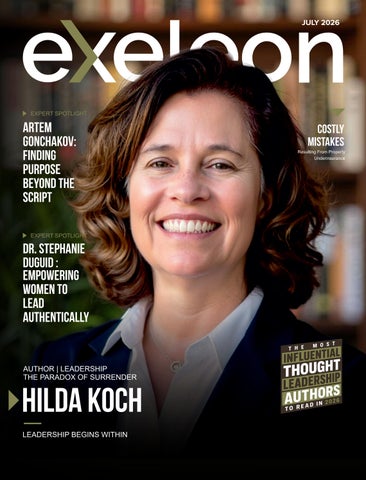
AUTHOR | LEADERSHIP THE PARADOX OF SURRENDER
EXPERT SPOTLIGHT
Artem Gonchakov: Finding Purpose Beyond the Script
EXPERT SPOTLIGHT
Dr. Stephanie Duguid : Empowering Women to Lead Authentically
AUTHOR | LEADERSHIP THE PARADOX OF SURRENDER
LEADERSHIP BEGINS WITHIN
exeleon_magazine

exeleon_magazine

exeleon_magazine

exeleon_magazine


exeleon_magazine



exeleon_magazine

exeleon_magazine
exeleon_magazine


exeleon_magazine



600 N Broad St 5 Middletown, DE 19709, United States +1 302-907-9110 Embracing Excellence
Editor-in-Chief –
Art Director –
Managing Editor -
Creative Director –
Daryl Yeung
Naomi Lam
Matt Reis Akshay Panzade
Project Manager –
Marketing Manager –
Customer Relationship –
Business Development –Richard Dann Sofia Brown
Natasha Green Hitesh Patil, Josh Wilder, Anish Miller
Copyright © Exeleon Media LLC. All rights reserved. The design, images, and content in this issue should not be reproduced in any manner or by any means, i.e. mechanical, electronic, recording, photocopying, or otherwise, without any permission from Exeleon Media.
Leadership has often been associated with control, authority and the ability to project certainty. Yet the leaders who leave the deepest impact are frequently those willing to question themselves, confront uncomfortable truths and recognise that inuence begins within.
In this latest issue, The Most Inuential Thought Leadership Authors to Read in 2026, we celebrate writers whose ideas encourage readers to examine familiar subjects from a different perspective. These authors are not simply contributing to existing conversations. They are challenging assumptions, introducing new frameworks and helping leaders respond to complex personal and professional realities with greater clarity
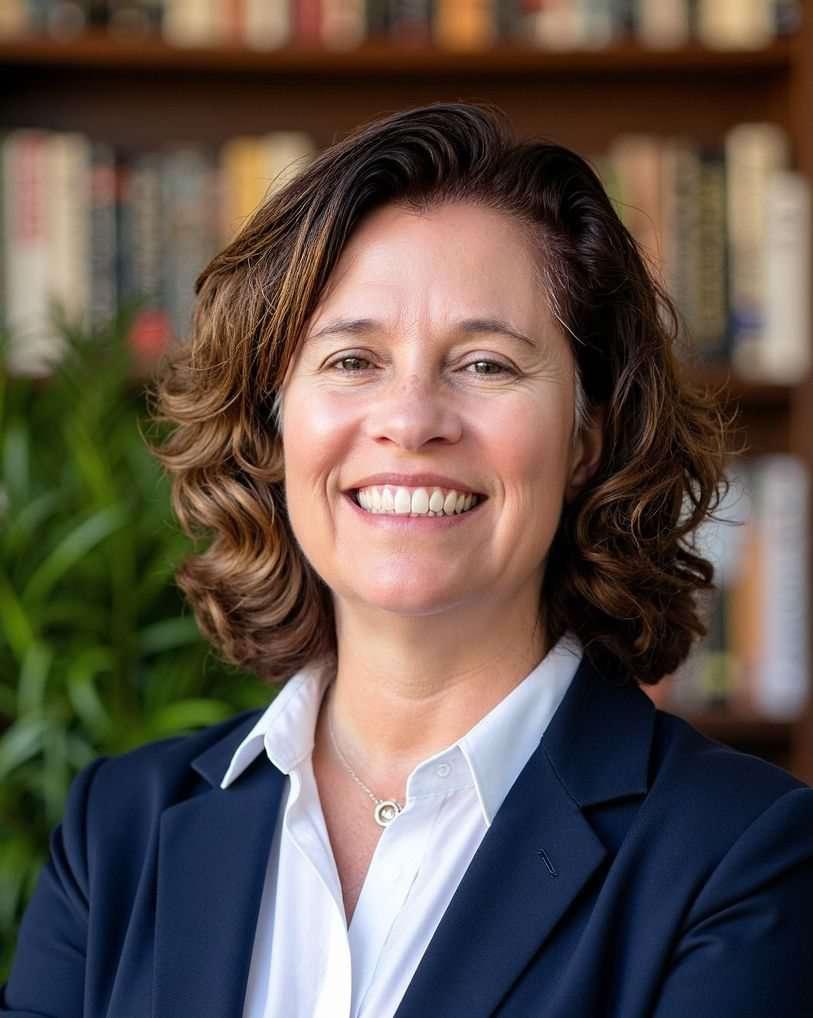
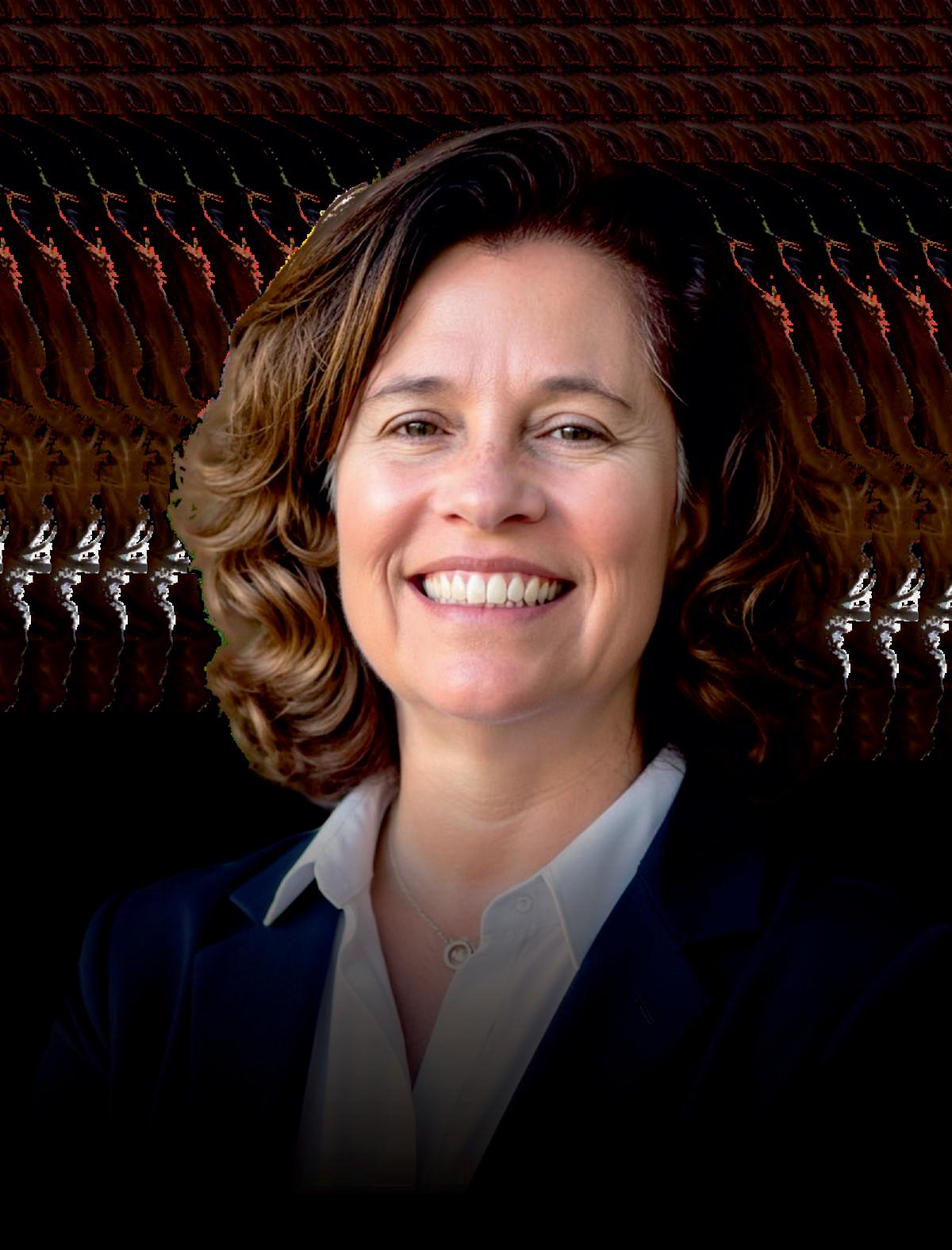
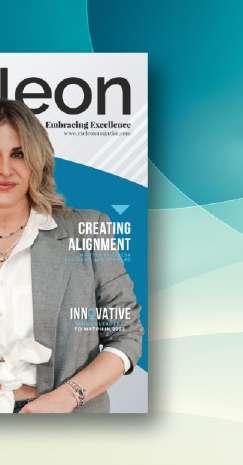
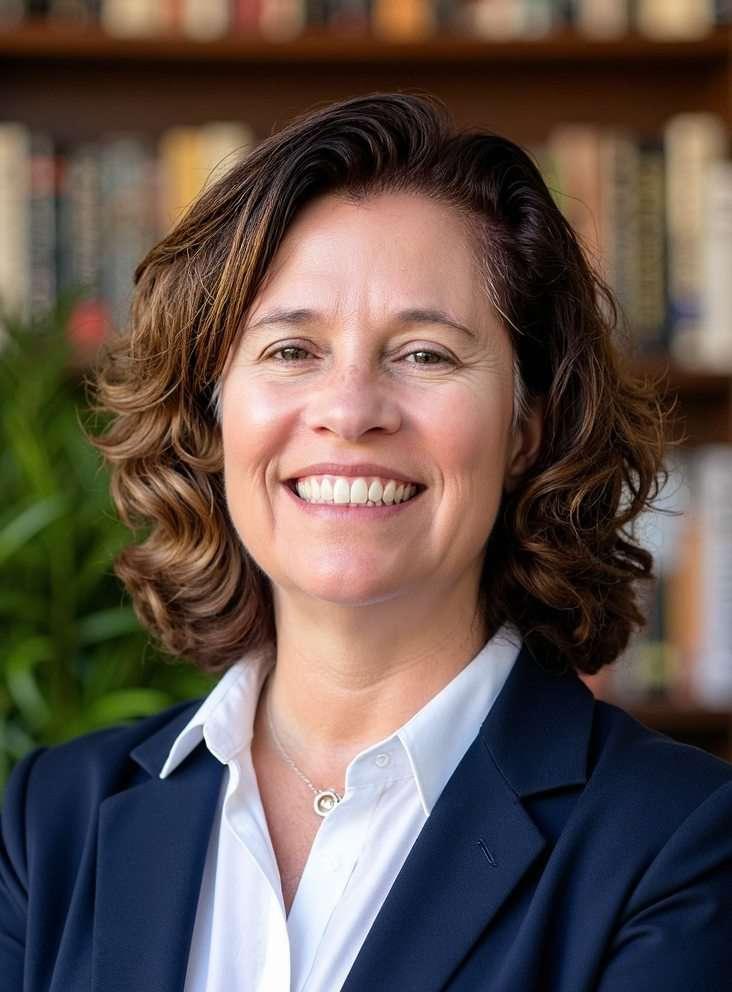
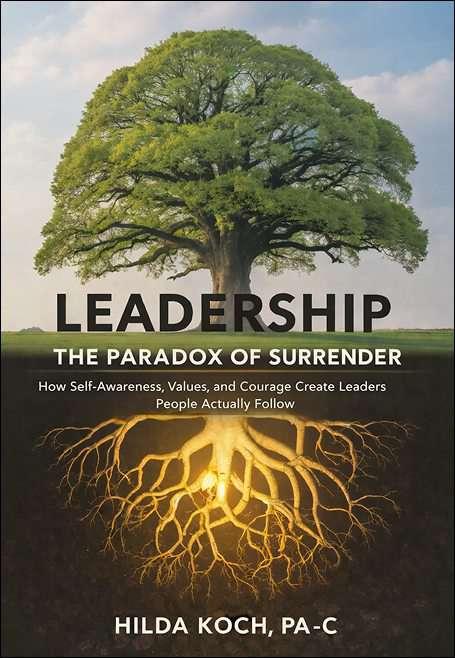
Gracing the cover is Hilda Koch, author of Leadership: The Paradox of Surrender. Her work offers a thoughtful alternative to leadership models built around control and constant performance. At the centre of her philosophy is “Point A,” the honest internal place from which meaningful inuence, responsible choices and lasting change can emerge.
Koch’s message is particularly relevant at a time when leaders are expected to appear condent even when circumstances are uncertain. She invites them to step away from performance, acknowledge what is true and understand surrender not as weakness, but as the courage to release what no longer serves them. Through this process, leadership becomes more authentic, grounded and human.
Alongside Koch, this issue introduces authors whose work spans leadership, personal growth, business, culture and transformation. Each brings a distinct voice, yet all share a commitment to ideas that encourage reection and action.
We hope their stories inspire you to explore new perspectives, reconsider established beliefs and discover books that remain with you long after the nal page.
Daryl Yeung Editor-in-Chief
HILDA KOCH
ARTEM GONCHAKOV




My understanding of leadership did not begin in a boardroom, a classroom, or a leadership seminar It began at the bedside.
As a physician assistant student at County USC Medical Center, I trained in an environment where the mantra was simple: “See one. Do one. Teach one.” Every day, I witnessed leadership in action. I watched physicians, residents, nurses, and healthcare professionals navigate life-and-death situations under immense pressure. During medical codes and emergencies, leadership became impossible to hide. Some leaders inspired calm, condence, and collaboration. Others created confusion, fear, and hesitation.
What struck me most was that the difference rarely came down to intelligence or technical expertise. The leaders who had the greatest impact were often those who possessed self-awareness, humility, and the ability to connect with others. They listened. They empowered. They created trust. The less effective leaders often relied on authority, control, or ego.
Over the next twenty-ve years in healthcare, I continued to observe these patterns. I saw that leadership was not
about position or title. It was not about having all the answers. Leadership was inuence. More importantly, leadership was a reection of who we are.
That realization ultimately led me to write The Paradox of Surrender.
The Leadership Assignment I Failed
Ironically, the book emerged from an experience where I completely failed the assignment.
Less than a year ago, I attended a leadership camp designed to help leaders gain clarity about their future and how to lead. One of the most anticipated exercises was a Vision Quest. We were sent into the wilderness alone for forty-eight hours without electronic devices, books, or human contact. We were given trail mix, water, toilet paper, and whatever personal items we deemed essential.
I arrived expecting answers. I thought I would emerge with a detailed vision for my future—a one-year plan, a ve-year strategy, and a roadmap for becoming a more effective leader. Instead, I found something entirely different.
True leadership begins not by gaining more control, but by surrendering the need for it. “ “
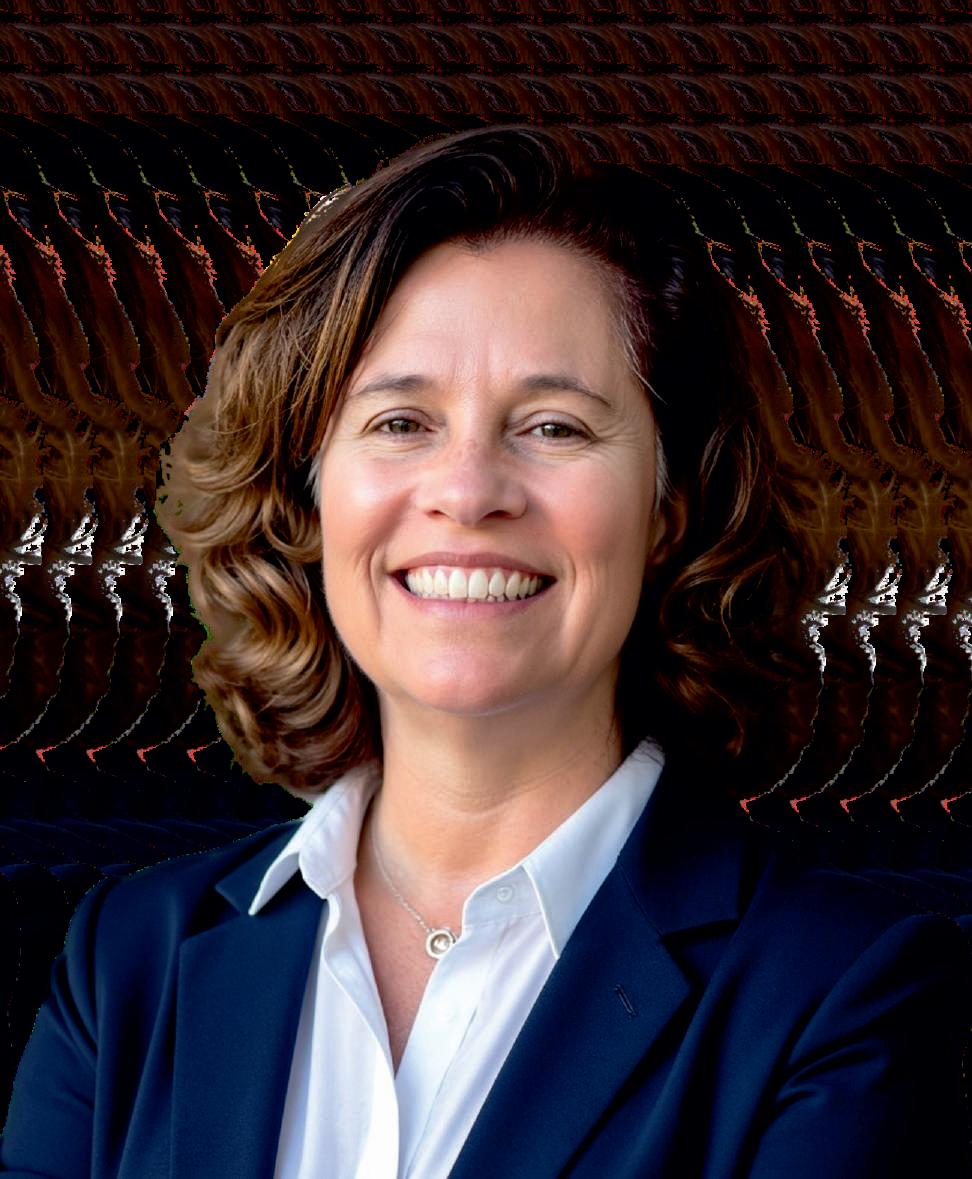
In the silence, stripped of distractions, titles, responsibilities, and expectations, I was left with only myself.
What emerged was not a vision for leadership but a deeper understanding of self.
I realized that many of us spend our lives trying to lead others before we have taken the time to understand ourselves. We focus on changing our teams, our organizations, our circumstances, and even the people around us. Yet we rarely pause long enough to ask the most important questions: Who am I? What do I value? What fears are driving my decisions? What am I protecting?
The vision I returned with was not the one I expected. It was the vision to write a book.
At the heart of that book is a simple truth: You cannot lead others if you do not rst know yourself.
One of the concepts I explore is what I call Point A.
Point A is your true starting point. Not the version of yourself you present to the world. Not the person you hope to become. Not the story you tell yourself about who you are. Point A is where you honestly are today.
Finding Point A requires courage because it demands radical honesty.
Many people can easily list their values. They will tell you family is important. They will tell you health matters. They will tell you integrity, friendship, and personal growth are priorities. But our lives reveal our values more accurately than our words ever will.
If family is our highest priority, are we fully present when we are with the people we love? If health matters, do our daily habits support that belief? If authenticity is important, are we willing to show up as ourselves, even when it feels uncomfortable?
The gap between what we say we value and how we actually live often reveals the truth about where we are.
This is why Point A can be so difcult to nd. It requires us to confront inconsistencies, defenses, fears,
and patterns that we may have spent years avoiding. Yet without knowing our starting point, meaningful change is impossible.
The greatest obstacle I have encountered in leadership is not a lack of skill or knowledge. It is fear.
Fear shows up in countless forms. Fear of failure. Fear of rejection. Fear of being wrong. Fear of losing control. Fear of appearing weak.
Many traditional leadership models encourage us to hide these fears behind authority, certainty, and control. We are taught that leaders should have all the answers and never show vulnerability. We are taught that strength comes from maintaining power and projecting condence.
My experience has taught me something very different.
The leaders people trust most are not those who appear perfect. They are those who are willing to be human.
Vulnerability is often misunderstood as weakness when, in reality, it is one of the greatest expressions of courage. When leaders admit mistakes, ask questions, seek feedback, and acknowledge uncertainty, they create trust. They give others permission to do the same.
I have also learned that the tighter we try to control people, the less inuence we ultimately have. Control may produce compliance, but it rarely inspires commitment. True leadership is not about managing people. It is about empowering them.
When we stop protecting ourselves, people begin trusting us.
My work in healthcare reinforced this lesson every day.
For more than twenty-ve years, I have had the privilege of caring for people during some of the most vulnerable moments of their lives. I have delivered difcult diagnoses. I have witnessed fear, grief, resilience, hope, and extraordinary courage.
One lesson became abundantly clear: we never truly know what another person is carrying.
It is never a good time for bad news.
The patient sitting across from us may be facing the most difcult day of their life. The coworker beside us may be struggling silently The stranger we encounter may be carrying burdens we cannot see.
Because of this, I have come to believe that leadership often lives in the smallest moments.
A warm smile; a listening ear; a moment of patience; a simple act of kindness.
Every interaction gives us an opportunity to make a difference. Leadership is not always found in grand speeches or strategic decisions. Often, it is found in our willingness to be present, compassionate, and fully human.
My hope for this book is that it invites readers to begin with themselves.
Before trying to lead others, pause and reect. Understand your values. Examine your fears. Recognize your defense mechanisms. Explore the stories that shape your behavior. Become curious about who you are beneath the roles you play
Leadership is not about becoming someone else. It is about becoming more fully yourself.
As individuals become more authentic, organizations become healthier Teams become more engaged. Relationships become stronger Trust grows. Fear diminishes. People stop managing appearances and start building genuine connections.
My vision extends far beyond leadership development. It is about helping people reconnect with themselves.
When people know who they are, they make different choices.
When they make different choices, they lead differently
You cannot lead others if you do not first know yourself. “ “
And when enough people lead from a place of authenticity, courage, and self-awareness, the ripple effect extends far beyond the workplace. It transforms families, communities, organizations, and lives.
The paradox is that true leadership begins not by gaining more control, but by surrendering the need for it.
In that surrender, we discover who we truly are and from that place, we can nally lead.
hildakoch.com
www.amazon.com

Ready to fuel your ambition and receive your dose of inspiration directly to your digital doorstep? Subscribe to Exeleon Magazine today, and enjoy the following perks:
• Convenience at Your Fingertips
• Exclusive Extras
• Community Connection

For many professionals, success is measured through promotions, prestigious titles, nancial milestones, and external recognition.
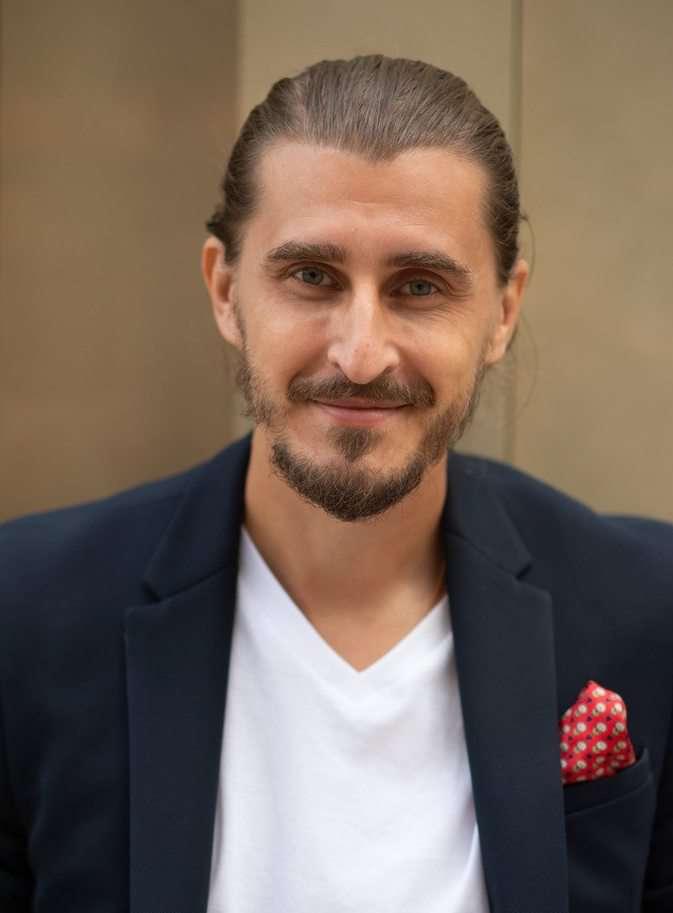
Artem Gonchakov achieved all of those things. From growing up in a small Ukrainian city to holding leadership positions at some of the world’s most recognized nancial and technology companies, including Deutsche Bank, Bank of America, ServiceNow, Twitter, and now serving as CEO of Simplifai, his career reects what many would describe as the American Dream.
Yet behind the accomplishments was a persistent question that success alone could not answer: Why did these achievements feel so empty?
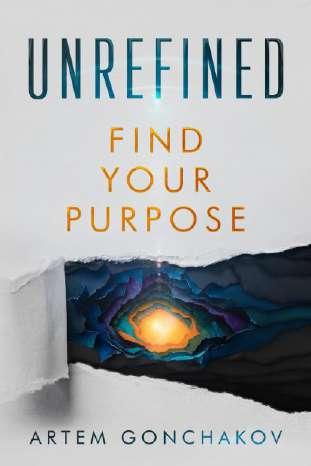
That question set Artem on a years-long journey into psychology, philosophy, self-discovery, and personal transformation. The result is Unrened: Find Your Purpose, a book that challenges conventional denitions of success and introduces readers to a practical framework for building a life aligned with their own values rather than society’s expectations.
In this exclusive Author Spotlight Interview with Exeleon Magazine, Artem shares the experiences that shaped his philosophy, the dangers of the “Follower’s Mindset,” the importance of personal accountability, and why

Bring Structure to your life and business “ “

nding purpose is less about waiting for inspiration and more about learning to think for yourself.
Artem, before becoming an author, you spent years pursuing what many would consider a successful life. Can you briey take us through your journey?
I grew up in a small city in Ukraine, spending most of my time alone, without the social playbook most people take for granted. That isolation forced me to rely on myself, and it taught me one skill I’ve used my whole life: nding my own way through difcult situations.
From there, I followed the script. University, a rst job in software testing, then a climb through some of the biggest names in nance and tech: Deutsche Bank, Bank of America, a VP role on Wall Street, ServiceNow, Twitter during the Elon Musk transition. Today I’m the CEO of Simplifai, an AI company automating insurance claims.
On paper, it was the American Dream. But here’s the strange part. Every milestone left me cold. I’d close a multi-milliondollar deal, share the news, watch everyone celebrate, and feel nothing. A brief high, then numbness. The gap between what I achieved and what I actually wanted kept widening. That gap is what eventually became the book.
Your book discusses the idea of building a life that genuinely feels like your own. How did your personal journey shape the philosophy behind Unrened: Find Your Purpose?
Everything in the book was lived rst. I spent about 17 years digging into psychology and philosophy, trying to understand why a “successful” life felt so empty. It was messy. I bounced from one personal issue to another while climbing the career ladder, including an early divorce I now see was the result of following society’s timeline instead of my own.
Along the way, I noticed something. Every time I changed in a meaningful way, it came through a kind of reset: a moment when, almost instantly, you become a different person and there’s no going back. I started documenting these resets and the conditions that produced them. Those notes eventually became the system in the book, which I call Personal Maturity.
So, the philosophy isn’t theory I researched. It’s a map of the terrain I crossed, organized so that someone else doesn’t have to spend 17 years wandering it alone.

Many leaders and professionals struggle with balancing external expectations and internal fulllment. How can individuals recognize when they are living according to someone else s denition of success? ’
The clearest signal is your emotional reaction to your own wins. When I bought my rst apartment, everyone congratulated me on becoming a property owner. I felt absolutely nothing. Same with promotions, deals, titles. If your achievements consistently produce a shrug instead of meaning, that s your evidence. You re collecting what I call ’ ’ Borrowed Success: repeating success stories already written and validated by other people, instead of creating your own.
There s a simple test. Take your current goals and ask of ’ each one: where did this come from? Some will trace back to genuine desire. Many will trace back to parents, peers, employers, or advertising. You don t have to drop the ’ borrowed ones immediately. Just label them honestly Awareness alone changes how you spend your energy
The other signal is fear. If your big decisions are driven mainly by fear of losing something, acceptance, stability, status, you re probably running someone else s program. I ’ ’ let that fear steer me for years, even when the path felt wrong.
You introduce the concept of the follower s mindset in “ ’ ” your book. Could you explain what this means and how it quietly inuences people s decisions, careers, and ’ relationships?
The Follower s Mindset is what happens when we stop ’ thinking critically and outsource our direction to others. It starts innocently As children we follow our parents. Then school, then university, then a career, each stage rewarding compliance and punishing deviation. By adulthood, many of us have never actually practiced deciding for ourselves. Following along feels safer, so we wait for instructions and try not to stand out.
It shows up everywhere. We follow gurus and inuencers who promise answers. We take jobs because they re stable, ’ “ ” marry on society s timeline, buy things to avoid losing ’ “ money I did all of it. Society said get a stable job, so I did, ” even though what I really wanted was to play soccer. Society said start a family, so I married at 25, clearly not ready.
To be fair, rules and structure matter. Society would collapse without them. The problem isn’t following per se. It’s following without ever questioning. A lack of critical


thinking is what creates the Follower’s Mindset, and it quietly costs people their careers, relationships, and sense of self. The antidote is exactly what Socrates said: to nd yourself, think for yourself.
Throughout your own transformation, what was the most difcult belief, habit, or mindset that you had to challenge?
The belief that safety equals staying in line. Underneath every struggle I had, I eventually found one root cause: fear. Fear of losing acceptance, stability, status. That fear made me hand my decisions to other people, because transferring responsibility felt like relief.
Changing that core belief was harder than any promotion I ever earned. Some changes took me years. One of the hardest practical steps was rebuilding my social environment. I once realized I’d built a circle of people who never reached out unless I contacted them rst. So I stopped contacting them. Almost no one called. I effectively removed 90 percent of the people from my life, and I never regretted it. The space that opened up is where the real work happened.
The lesson I’d pass on: the fears guiding your biggest decisions rarely materialize. Mine almost never did. I stayed paralyzed for years over outcomes that never arrived.
What message do you hope readers carry with them long after they nish reading Unrened: Find Your Purpose?
That nding your purpose doesn’t have to be monumental, and you can begin at any stage of life. People imagine purpose arrives as a lightning bolt. In reality it’s built, piece by piece, through self-discovery and honest reection. The system in the book exists to make that process practical: a dream worth chasing, a vision, a mission, values, and the identity to carry it all.
If readers keep only one thing, I’d want it to be extreme accountability. You are the architect of your life. The moment you take complete responsibility for your existence, even for the negative events and difcult people, everything starts to move. That single shift is the most powerful antidote to the Follower’s Mindset I know
And underneath it all: it’s never too late. Your past isn’t baggage. It’s data. You already know which achievements left you cold and which moments made you feel alive. That’s the raw material for designing what comes next.
Looking ahead, what is your broader vision and mission? How do you hope your work, ideas, and future projects will impact people around the world?
My own Life Purpose is what I call Absolute Freedom, and my broader vision ows from it: a world where far more people nd the courage to pursue their own purpose instead of borrowing someone else’s. Most of what exists today came from people who imagined something bigger and dared to challenge established wisdom. We need more of them, and I believe society should make that path less punishing.
My mission runs on two tracks. With Simplifai, I’m proving that AI can take over tedious, repetitive work, starting with insurance claims, and free human time for things that matter. With my writing and the Arty Finch platform, I’m building practical tools that help people move from awareness to transformation in their daily lives, not just on the page.
The book was step one. If it sparks even one reset in a reader, one of those moments where you become a different person and there’s no going back, then it has done its job. Everything I build from here is designed to multiply those moments.
gonchakov.com
www.amazon.com



Think of an industry that nearly everyone utilizes but almost no one understands. Now, give your answer out loud. If you said insurance, you are spot on! Insurance is a conundrum. It offers protection of nancial assets but since many do not understand the insurance products they purchase, their intention to protect their assets may not be fully realized.
In fact, according to recent research from The Hanover Insurance Group (The Hanover’s 2026 Home Report: The Coverage Condence Gap), nine in ten homeowners worry about protecting their homes but many do not know what their policies include. While most view coverage as important, few have taken steps to conrm what their policies include.
Insurance is a contract between you and the insurance company whereby certain specic risks are transferred to a carrier for an agreed upon dollar amount. Risk transfer is just one method of controlling risk exposures. Others include avoidance, prevention, reduction, and acceptance. But this article focuses solely upon transfer of risk via insurance.
Why Insurance Should Be Viewed as More Than a Requirement
People are often forced into purchasing insurance. Think bank car liens, mortgages, liens on business inventory, and various types of contracts between parties. Each of these involve protection of someone else’s interest, so insurance purchasers may simply desire to buy the insurance they are required by others to buy. But, in my opinion, this is the wrong attitude.
One thing that both individuals and businesses share is the need to protect owned property. For individuals, this can mean a home and the personal property inside, and for businesses it is the commercial building that is owned or leased, along with the business property that allows them to operate. For example, this can include a contractor’s tools and equipment, while for manufacturers, it includes production machinery
The Ongoing Problem of Property Underinsurance
Underinsurance of property has been an ongoing issue for decades. Especially during the past couple of years, insurers have attempted to address this issue by




encouraging their policyholders to increase the insurable limits of property. Unfortunately, many individuals and businesses are still signicantly underinsured in the area of property This is problematic for both insurance companies, due to inadequate rate for their exposure, and for policyholders, who must often pay dollar amounts above their policy limits to replace damaged property.
For each type of property, it is incumbent upon the owner to establish the value of their insured property. Think back to when you last discussed your property’s worth with your insurance agent. Who established the insurable value of your house? Your commercial building? Personal property, machinery, and so on? Know this: in all of my years in the insurance industry I have yet to encounter an agent or insurance carrier that has addressed underinsurance of individual or business personal property.
Banks generally require a property limit that is high enough to cover their interest (i.e., mortgage), but this approach can leave you underinsured. And, if you are underinsured, it is important to realize that there may be a dollar amount gap that will need to be paid out-of-pocket by you.
Who Is Responsible for Determining Property Values?
But, wait. Doesn’t your insurance agent have a duty to determine the limit of insurance on homes, commercial buildings, personal property, and other types of property you own? In most cases, the answer is no. You are in the best position to know the value of what you own and to establish its value. In fact, courts in most states have held that the majority of insurance agents have a duty only to “procure” (obtain) the coverages and limits that you request.
What can be done to overcome the problem of underinsurance of property? Before suggesting some actions to take, keep these three things in mind:
• First, know that limits suggested by third parties, such as banks, parties to a contract, and more, should be considered the bare minimum amount of coverage, and their limit will likely not fully protect you.
• Second, you need to own the valuation process. You are the one who will incur a negative nancial impact for underinsurance if you must pay for a gap of coverage limits out-of-pocket.
• Third, make use of available tools to arrive at adequate property values. Be advised that valuations should always be on a “replacement cost” basis so that you are insuring your property for the cost of its replacement.
Some ways to arrive at property valuations include:
Ask your insurance agent if they have home replacement cost software in their agency. If not, ask if they can access such software via the insurance carrier who will be quoting your home.
Caveat: It is important that you provide accurate information to your insurance agent (i.e., correct square footage, improvements, and more), and that you review the replacement cost estimate when you receive it to see if it contains errors.
The same approach used for a home can be applied to a commercial building. Your agent or insurance company should be able to provide a replacement cost estimation using software at their disposal. Generally, they will use Marshall & Swift by CoreLogic.
A second way to arrive at a commercial building value is to have a knowledgeable contractor provide a quote to rebuild your building.
A third way to determine replacement cost is to hire an appraiser
One of the most accurate ways to determine the replacement cost of business personal property, as well as property items located inside your home, is to focus on the most expensive items and then obtain replacement costs for these items. For instance, contact the manufacturer of a production machine to obtain its current replacement cost, and contact a retailer for the current price of a new valuable item in your home (i.e., an expensive pool table).
Note: Appraisals can also be obtained for individual items such as jewelry, antiques, various collectables, and so forth.
Insurance is a wonderful product. It removes some of the fear of losing potentially signicant nancial assets because certain risks have been transferred to an insurance company. However, some individuals and businesses have a false sense of security just because they bought an insurance policy but don’t really understand what they have purchased.
My career has been focused upon educating individuals and businesses about potential insurance problem areas and helping them avoid nancial mistakes as a result. Inside the Insurance Industry – Fourth Edition: Insurance Help for Individuals and Businesses was written with this purpose in mind.
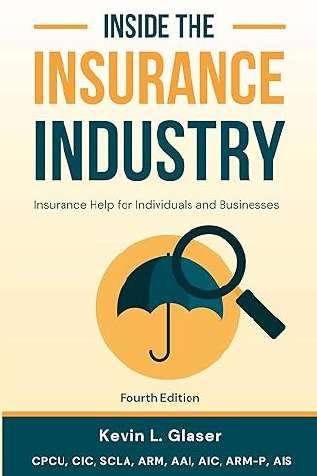
Kevin Glaser owns a national fee-only property and casualty consulting rm that serves businesses, government entities, and afuent individuals. He specializes in insurance program design, litigation support, expert witness services, and risk management audits. Gaining rst-hand experience while at both large and small insurers, he has worked in several insurance roles, including underwriting, marketing, management and claims. Glaser has had involvement in nearly sixty legal cases and has also taught insurance courses focused on coverages. His most recent consumer-focused insurance book is Inside the Insurance Industry – Fourth Edition: Insurance Help for Individuals and Businesses
Disclaimer
The information presented is provided with the understanding that no legal or other professional advice is being rendered. Since insurance policies vary greatly from company to company, the information provided should be viewed as general in nature and is intended solely to raise awareness of potential problem areas. The author of this article assumes no liability for errors, omissions, or for damage arising from the use of information contained herein.
www.amazon.com
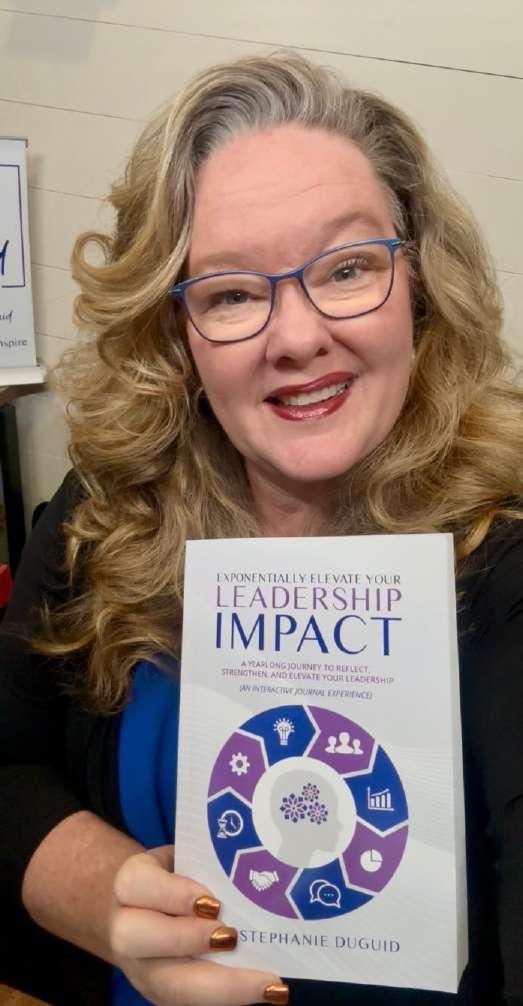
When Dr. Stephanie Duguid stepped into her rst classroom, she had no idea that the third day of her teaching career would be the most pivotal moment of her life. It was the day she lost her mother to a tragic car accident. Rather than being derailed by grief, Stephanie found purpose in the pain. She made a powerful decision: to channel her mother’s legacy of connection and compassion into every aspect of her work.
“My mom always knew I’d end up in education, even when I tried not to,” Stephanie reects. “She and my grandmother were incredible communicators. My mom had a way of making people feel truly seen and included. She was even trained as the Welcome Wagon Woman in our community, which enhanced her natural gift for creating belonging.”
Stephanie’s path to leadership wasn’t conventional. But her story is proof that true leadership doesn’t come from chasing titles. It comes from how you treat people and the environments you create.
From the Classroom to the Boardroom
Stephanie’s journey in education spans more than three decades, encompassing both K-12 and higher education. What started as a way to honor her mother’s memory quickly evolved into a mission to support not just students but also faculty, staff, and administrators. Her
understanding of leadership shifted early on.
“Leadership is not about holding a title or position,” she says. “It’s about how you inuence, connect with, and treat others. The heart of leadership is in relationships.” That guiding principle led her to establish Do Good Leadership, a platform designed to empower women to lead with authenticity, strength, and clarity
After 25 years of working alongside educators and leaders, Stephanie noticed a pattern. Women wanted to grow, but many lacked the support and condence needed to rise in their careers. They were missing tools in communication, connection, authenticity, and positivity. She knew something had to change.
“I wanted to create a program that gave women the tools and encouragement they needed to step into leadership with condence,” she explains.
The mission of Do Good Leadership is clear: to exponentially elevate leadership impact Through mentorship, keynotes, workshops, and coaching programs, Stephanie helps women unlock their potential without having to mold themselves into someone else’s version of a leader. Instead, her programs guide women to lead with their own voice, their own strengths, and their own story.




Stephanie’s original program, Women in Education Growing in Leadership, was a 90-day experience focused on building condence and clarity. It quickly became clear that her impact could extend beyond education alone.
“Over time, I realized the program needed to expand,” she says. “Women weren’t just looking for condence. They wanted a structured process that tied reection, action, and long-term growth together.”
That realization led to the creation of her agship program: Exponentially Elevate Your Leadership Impact with 9 Key Steps to Success. This 10-week guided journey is built around her unique framework, The Leadership Dance, and unfolds in three key phases:
• Reect: Participants begin by examining their experiences and habits, asking deep questions like, “Am I truly aligned with my purpose?” They learn to reframe obstacles as opportunities.
• Strengthen: This phase focuses on building resilience through self-care, emotional intelligence, and intentional connection.
• Elevate: Women begin to lead with purpose, uplifting others, stepping into collaboration, and embracing bold leadership.
The tenth and nal week, The Empowered Journey, brings it all together. Participants reect on their growth, celebrate their progress, and build a roadmap for continued impact.
“The realignment has made the program more powerful,” Stephanie says. “It’s no longer just for women in education. It’s for any woman ready to lead with authenticity.”
to Strong
Throughout her work, Stephanie often meets women who feel disconnected from their power. They arrive lost, stuck, or stagnant. The challenges they face are consistent and deeply human:
• Imposter Syndrome: Despite their qualications, many doubt themselves.
• Lack of Mentorship: Without role models who reect their own experiences, women often feel isolated.
• Burnout and Overwhelm: With so many responsibilities, leadership can seem out of reach.
Stephanie understands these struggles intimately. Her own story, stepping into the classroom under tragic circumstances, gave her rsthand experience with grief, growth, and grit.
“I know what it feels like to be thrown into unexpected challenges,” she says. “But I also know that those challenges can spark purpose. My role is to help women reframe those moments and realize they already have what it takes to lead.”
With more than 100 conference keynotes under her belt, Stephanie is no stranger to the stage. Her message, however, always comes back to one core idea: leadership is about people, purpose, growth, and connection.
Whether she’s speaking to educators, business leaders, or women’s organizations, she adapts her message to meet the moment. Still, she always grounds her talks in universal leadership skills: communication, emotional intelligence, and empowerment.
“Losing my mom so early taught me the importance of authentic communication,” she says. “I want every person in the room to walk away with practical steps they can take. But more importantly, I want them to leave feeling uplifted and equipped to make a difference.”
Stephanie believes that institutions have an important role to play in helping women rise. Her recommendations are simple, but impactful:
1. Create Pathways, Not Pipelines: Leadership development should offer multiple entry points. Flexibility is key
2. Mentorship and Sponsorship: Women need mentors for guidance and sponsors who advocate on their behalf.
3. Encourage Authenticity: “Wear your own shoes,” she says, quoting a colleague. “Leadership becomes most powerful when it’s authentic.”
Stephanie knows from experience that when women are encouraged to lead as themselves, they do more than succeed—they thrive.
This year has been one of major milestones for Stephanie. Her new book, Exponentially Elevate Your Leadership Impact: A Yearlong Journey to Reect, Strengthen, and Elevate Your Leadership, recently launched on Amazon and became a bestseller in seven categories.
“It’s a week-by-week guide lled with afrmations, reections, and lessons,” she explains. “It’s the book I wish I'd had when I rst lost my mom.”
Alongside the book, she launched book value packs that offer bonuses based on order size. Larger orders include access to added resources, keynotes, and even workshops.
Stephanie also created The Do Good Leadership Music Collection, a series of curated Spotify playlists designed to inspire leaders through music. Whether someone needs a reset or a condence boost, the playlists offer a unique and uplifting resource.
Looking forward, Stephanie is working on a series of books that will break down each phase of her leadership framework. Each book will come with a companion workbook to help readers put lessons into practice. She continues to reach women through her podcast, also titled Exponentially Elevate Your Leadership Impact.
For Stephanie, leadership is personal. It began with honoring her mother's memory and evolved into helping others nd their strength.
“Through Do Good Leadership, my book, and my programs, I help women step into leadership with clarity, courage, and authenticity,” she says.
Her mother’s legacy lives on not just in Stephanie’s work but also through a memorial scholarship the family supports at a local college. It is a tting tribute to a woman who built belonging wherever she went.
“Leadership is not about titles or positions,” Stephanie says again. “It’s about inuence. It’s about how you treat people, how you connect, and how you inspire others to rise with you.”
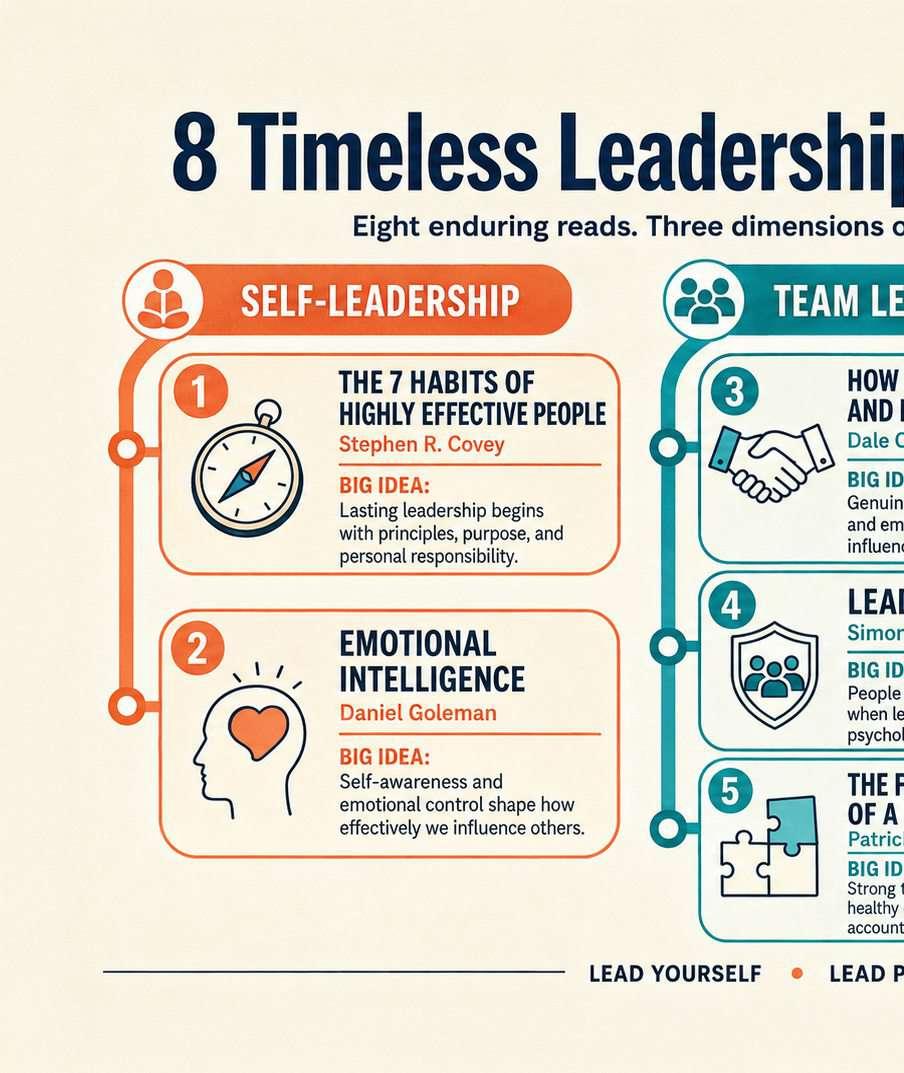
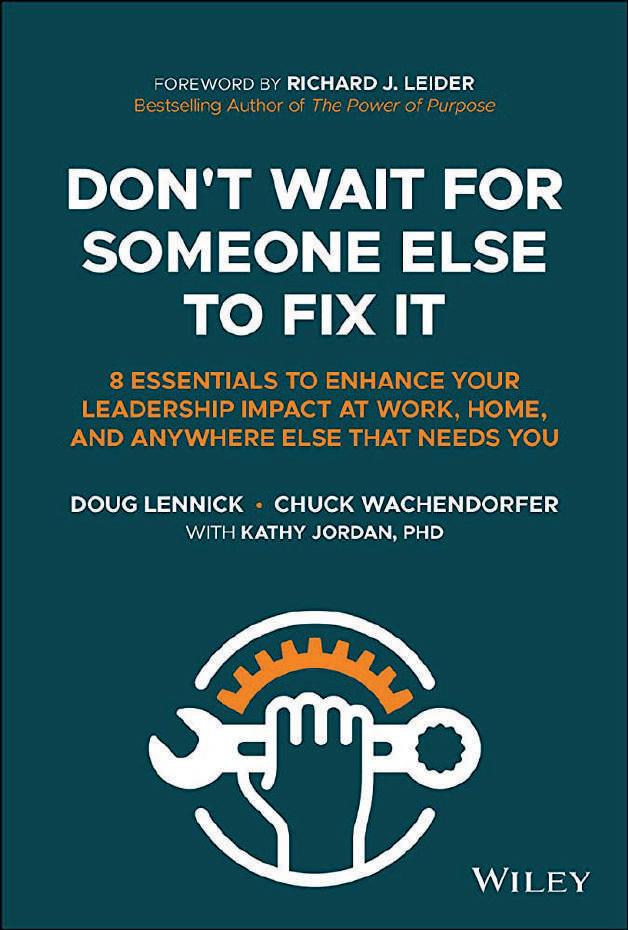
If you expect to be an effective leader who creates positive results, you
can’t do it alone. You need a team of followers willing to be exible in accomplishing the mission and goals you want to achieve with their help. In many cases, engaging your team in support of positive goals will mean helping your followers change their behavior. You may need to encourage them to do more of some things, less of other things, and in some cases, adopt completely new behaviors. The catch is that you can’t make people do anything. The only person whose behavior you can control is your own. Therefore, any change in others’ behavior needs to begin with you, the leader, changing your own. You need to manage yourself. If you are not getting the results you’d like from others, you must make different choices. Only when your behavior as a leader begins to change can you inuence others to change their behavior
That’s the essence of the leadership logic chain.
The best way to make the leadership logic chain come alive in your pursuit of leadership effectiveness is to follow this four-step process:
1. Develop awareness of your effectiveness as a leader
2. Decide to adopt new behaviors
3. Demonstrate new behaviors
4. Give those you inuence a chance to change their behavior in response
Step 1: Develop awareness of your effectiveness as a leader
Being a successful leader begins with paying attention to what you’re doing, that is, being consistently aware of what's working and not working in your thoughts and actions as a leader





Self-awareness is not just a crucial component of the leadership logic chain. It is fundamental to leadership intelligence. And you ll discover in Chapter 4, “Get to ’ Know Your Real Self,” paying attention to your thoughts, feelings, and behavior is vital. For now, try to spot triggers for unproductive behavior, such as times of the day or certain kinds of people. One leader we know became irritable like clockwork every day around 3:00 PM. If her team met around that time, they could count on her being sarcastic and unreceptive to their ideas. Her employees coped by making jokes about “the three o clock monster.” It ’ wasn t until a brave colleague approached her about her ’ mid-afternoon drop in civility that she learned to avoid scheduling meetings at that time and to take a 10-minute break for some deep breathing and a healthy snack.
Noticing patterns is another form of self-awareness and one of the most powerful ways to gather information about your leadership effectiveness. Patterns are thoughts, feelings, or actions that you repeat over and over, as if on “autopilot,” in response to certain situations. Some patterns may work well for you as a leader; for example, when interviewing job candidates, you always make a point of sharing your values and asking about theirs. Including a discussion of mutual values during each selection process gives you essential information about whether a prospective employee is a good t for you and your team. When your values and those of a promising candidate are aligned, you also get a jump start on emotional bonding with a likely new team member.
When you re aware of successful patterns, you can expand ’ their use to other situations where they may have even more impact. For example, you could use awareness of the benets of discussing values with job candidates to expand this practice to others, thus enhancing your inuence with peers, clients, family members, and friends.
Other patterns don t work so well. None of us is perfect. We ’ all get trapped in unproductive patterns at some point in our lives. Certain patterns may once have been positive, helping you accomplish important goals earlier in your life or leadership roles. But as you grew and developed, they became negative or limiting.
Negative patterns often persist precisely because they served as success strategies in the past. We were rewarded for following those patterns and in the absence of selfawareness, continued them out of habit, even when they no longer produced successful results. That was the case with Randy, CEO of a large nancial services business. Randy
was a superstar who rose quickly in his career thanks to his smarts and strong work ethic. But Randy was somewhat of a “Lone Ranger,” conscientious to a fault, expecting far more of himself than others. Eventually, the very conscientiousness that had propelled him to the top took its toll on him. As Chuck coached Randy, he opened up about how overwhelmed he had felt with all that was going on in his rm. “I just feel like I have 15 balls in the air all the time, and I can't let any of them drop,’ he explained. ‘I don’t know how much longer I can go at this pace. Maybe I’ll hang in there for another ve years, then retire because I’ll be all out of gas by then.” Chuck sensed that Randy was about to burn out. So, Chuck suggested, “What if you shared some of those responsibilities with your executive team?” ‘But these are my responsibilities,’ Randy countered. “I can’t just ofoad my job on them.” Chuck was empathetic. “I can appreciate where you’re coming from,” he said. “You don’t want to overwhelm your team. But have you ever thought about who might want your job someday? Empowering them to do some of what you do now could be a great development opportunity. Sharing your CEO responsibilities might also inspire them to create development opportunities for their own teams.”
Randy sat quietly for a few moments. Then he took a deep breath, exhaled slowly, and replied, “It never occurred to me that I might be denying them growth opportunities, that they might want to step up and demonstrate that they could handle more.” Randy saw that he didn't need to stay stuck in a negative pattern. He could improve his own life and, at the same time, create opportunities for others on his team. Randy immediately started talking about what projects he could share and with whom. Then Chuck asked, ‘Ok, let’s say you’ve done that. What would you do with your new free time?’ “I’ve always wanted to learn how to y,” Randy said with a big grin. True to form, Randy didn’t waste any time. He enrolled in ying lessons, and within a year earned his pilot's license, got his instrument rating, and bought his own plane. Empowering others allowed Randy to renew his energy for life outside of work while providing leadership development opportunities for his executive team. Win-win.
Randy’s story is just one example of the need to recognize patterns that become less effective as you mature, and your team or organization grows. When you’re a leader, everything around you is constantly changing. That’s why self-awareness is so central to your success. Some behavior patterns that helped you when you led a team of ve people don’t work when you’re leading an organization of 500. Patterns you relied on when leading a group of experienced professionals may not cut it when leading a group of
rookies. When what you’ve been doing no longer seems to be working, consider how and why your previously successful behaviors aren’t working for you anymore.
DOUG LENNICK, co-author of DON’T WAIT FOR SOMEONE ELSE TO FIX IT, is the founding CEO of think2perform, a high performance leadership development rm serving small and large organizations in a variety of industries. He has been in leadership roles for nearly 40 years and is widely recognized as an expert in the science of human behavior
CHUCK WACHENDORFER, co-author of DON’T WAIT FOR SOMEONE ELSE TO FIX IT, is President of Distribution at think2perform. He is a renowned leadership development professional and has worked with clients including American Express, Wells Fargo, Comerica Bank, TD Wealth of Canada, Charles Schwab, and others. His insights on leadership have been featured extensively in media such as CNN Money, Forbes, Fortune, and The Denver Post.
You can learn more at:
Excerpted with permission from the publisher, Wiley, from Don’t Wait for Someone Else to Fix It by Doug Lennick and Chuck Wachendorfer. Copyright © 2023 by John Wiley & Sons, Inc. All rights reserved.











































Learn the proven strategies and secrets of successful authors as Morgan Gist MacDonald of Paper Raven Books shares the path to writing bestselling books.
From studying sociology to becoming an author to now launching over 100s of books through your publishing
company. What has been this journey like for you?
Growing a service-based business in an industry that is changing rapidly has challenged me to create entirely new best practices and success paths for my authors, from the ground up.
20 years ago, there was no such thing as a book coach. If you pitched an idea for a book to a traditional publisher and were accepted, you’d work with the publisher’s acquisition editor while you were writing your book.
Once people were able to self-publish, though, they still needed that help in developing a manuscript, so they started looking for professionals who could help with actually structuring and writing a book. When I started, that’s exactly what I was doing, helping people to organize, write, and develop the content of their books.
Then, my clients started asking me to help them publish their books. I knew how to write a book and how to edit a book, but I really didn’t know anything about publishing and marketing. So, I wrote my own book and went through the self-publishing process, tried dozens of different approaches to marketing, and I optimized the process as I went along.



CEO | Paper Raven Books
Now, I’ve developed best practices and systems and grown a team of editors, designers, formatters, marketers, and project managers, who all work together on the 50+ books a year we launch at Paper Raven Books. And with every single book we launch, we look at what’s changing in the industry, what are still best practices, and what pieces can be optimized to create even better sales, rankings, and reviews for our authors’ books.
Writing a book can be a daunting task and extremely overwhelming. Talk to us about your own experience writing your rst book.
When I started writing my own book, I’d recently had my third baby, so I was typically awake for a 4 am feeding. I would stay up and write from about 5am to 6am, when my other two children would wake up and be ready to start the day. I spent a couple of weeks just developing the structure of the book, and then I wrote the rst draft in those quiet early mornings for about two months.
Fortunately, I had worked with enough clients through writing their books that I felt fairly condent that if I could get something like 30 or 40 hours of writing time in, that would be enough to develop a solid rst draft, that I could then revise and publish.
For most of the writers my team and I work with, if we can help them create a structure in the beginning, and then optimize each writing session, something like 40 hours to 80 hours of writing time is enough to write a rst draft that would then go through a few rounds of revisions before being ready to publish.
As a rst-time author, how can one gain visibility and attract media attention to boost their overall sales?
The place where most readers discover new books is the Amazon bookstore, so we recommend that rst-time authors focus on optimizing the book’s sales page on Amazon. Choose a launch week, where you’re going to put the ebook on promotion (free or $.99), and gather a launch team of 50 people who are going to download that ebook and leave a review during your selected launch week.
We also recommend reaching out to book promotion sites (like cravebooks.com) to let their lists of readers know about the new book that’s running an ebook promotion.
When you can stack a couple hundred sales or downloads of an ebook in a short amount of time, it'll pop the title to the top of the category, which will increase the visibility of the book. Now, you’ll want to select your book’s categories carefully. In the Amazon bookstore, ebooks may select 10 categories, so we recommend rst-time authors nd very niche categories that are nested inside of larger, relevant categories.
For instance, if you’re writing a book on leadership, you could launch the book in the very large, highly competitive category of “Business & Money.” The problem is that if your book is not doing well, relative to the other books in that category, you'll fall in the rankings, and Amazon’s algorithm will push your book to the bottom of the category
However, if you launch your book in a smaller category that’s nested inside of Business & Money, you'll have a better shot of doing well, relative to the books that are specically categorized there. So, if you could choose this category: Business & Money > Entrepreneurship & Small Business > Entrepreneurship.
Your book is then launched inside of the smaller category, “Entrepreneurship,” which only requires 91 downloads or sales to become a #1. Now, hitting #1 in a category is fun, and, more importantly, it triggers the Amazon bookstore algorithm to show your book widely in the next category up, in this case, “Entrepreneurship & Small Business.”
With this type of strategy, you’re triggering the Amazon algorithm to show the book more widely in increasingly more competitive categories, so you can get visibility for your book in those larger categories.
Once your book has at least a thousand downloads or sales, a few #1 rankings, and 50+ reviews, now any additional promotion you do for the book is more likely to be effective. Most people who nd your book online or hears about your book on a podcast will look at the Amazon sales page before they buy, so we want to make sure that sales page is a high-converting sales page that’s stacked with sales, #1 rankings, and great reviews.


What according to you are the three biggest mistakes authors make that impact their long-term sales and visibility?
First, authors tend to forget to think about how readers actually buy a new book. These days, most readers are going to the Amazon bookstore to buy books. More than 70% of books (eBooks, physical books, audio books) are bought through the Amazon bookstore.
When authors are developing a book idea, they tend to go into what I would call an “untested market,” meaning they haven’t identied what readers are searching for in a book like this. Reader’s search patterns are especially important. For instance, when readers go to the Amazon bookstore and search for a book, are they really typing in something like “business book?” Or are they typing in something that’s a little more specic to their situation, like “business lessons about failure.” Turns out, when you do the research into keywords, “business lessons about failure” is searched approximately 1,214 times per month, currently, with only
84 other books listed with that keyword phrase. One of the tools we use to do this is Publisher Rocket, and there are other tools, too.
In the context of bringing a new book to market, what this means is that if you tag your book with the keyword “business lessons about failure,” the book will be served as a search result to 1,200 people every month—and not just people, book buyers who are actively searching for a book like yours!
Steven Adjei is an entrepreneur, healthcare consultant, author, and poet. When he released his book, Pay The Price, others had recommended he simply publish a business book and try to get it into bookstores, like everyone else. Steven had some innovative ideas in his book, including stories about ethics in entrepreneurship, passion and pain entrepreneurs encounter in their journey, plus motivational poetry woven in and a companion playlist available for free access. When we helped Steven publish and launch his book, we tested the market, searching for
Authors who build meaningful relationships with their readers will always have an advantage. A great book doesn’t simply generate sales—it creates conversations, communities, and lasting connections. “
keyword phrases that would put his book in front of the right readers, keyword phrases that included “business” and “entrepreneurship,” yes, but also “ethics,” “passion,” “pain.” You can test the market of your book, ahead of time, by seeing what your ideal readers are searching for in online bookstores.
The second mistake most authors make is not having a clear way for the reader to become their customer, which I refer to as an “untested customer journey.”
In the book world, by default, the readers who purchase a book are customers of the bookstore. Amazon, Barnes and Noble, and any independent bookstore will happily accept the payment and customer information from a book buyer and never release that information to the author of that book.
For many authors, though, being able to contact those readers is the best way to grow an author brand and base of fans. Whether you would like those readers to become clients for your back-end products and services or simply continue buying the books you release every year, it’s so much easier for an author to grow when they have a tried-and-true customer journey from one book into the bigger business.
When Dr. Terry Pease published and launched her book, Love, Dignity, & Parkinson’s, we helped her include a companion workbook and journal that a reader could access for free by scanning a QR code. Now, every person who scans that QR code and provides their email address, Dr. Pease is able to reach out to and offer additional coaching to, inside her business.
The third mistake most authors make is actually in the writing part of the process, especially because most of us were never taught how to structure a book and write 40,000+ words that transition smoothly from chapter to chapter in a compelling narrative arc.
For many authors, writing a book is a little like dumping information onto a page and hoping the reader can follow. I call this an “untested concept.” The author has accumulated a lot of ideas, experiences, and stories, but putting them all in one book does not always make for a great reader experience.
When Dr. John Martin rst wrote his book, Psychology Condential, he wanted to provide the reader with a collection of funny, poignant, touching stories from his career as a psychologist and professor. Many of his patients and students had had clarifying moments by learning psychological principles, and he wanted to create a story-telling version of that experience. To his credit, Dr. John had many, many stories that he could draw on. And where our book coaching team helped was to curate those stories and craft a compelling structure that guided the reader through a series
of experiences, chapter-by-chapter. Dr. John’s book is a fantastic read, in itself, and he is frequently requested to campuses and events to tell more of his stories to students, faculty, and folks interested in how psychology informs life.
So, those three together, if you can test your market, customer journey, and content, will help any writer develop a book that will sell, grow your business, and create a lasting impression for your readers.
How is Paper Raven Books helping authors gain visibility, market their book, and most importantly, nd customers?
At Paper Raven Books, we help our authors to self-publish professionally. Our team of book coaches, editors, designers, formatters, marketers, and project managers work with authors, one-on-one, to write, publish, launch, and market their books. Our authors are truly selfpublished, which enables them to retain the creative vision, legal rights, and prots from the books.
And we bring our 8 years of experience and best practices, so that we can help the author get the most of their book. We help to make sure the book fullls the author’s intention to serve a specic type of reader, who could then work with the author in a deeper way We help to create a customer journey, so that those readers can easily become a client or customer of the author
We help to optimize the book for visibility on the Amazon platform, so that even people who are discovering the book for the rst time are eager to buy the book and leave a review, which builds the foundation for the books’ longterm sales. We help our authors get on to podcasts and other peoples’ platforms, so they can spread the word about their book, mission, and message.
As the Founder and CEO of Paper Raven Books, what role do you play in the day-to-day proceedings of the company?
I am involved in architecting each piece of our customers’ journeys, from the ads they see for our company, to being invited to a workshop, speaking with one of our sales reps, and then choosing a package that ts their publishing needs.
I meet with a few clients each week, I host an all-client meeting once a week, and I meet with each department, to make sure they have what they need to serve our clients to the best of their abilities.
What do you think is the future for the publishing industry? What role do you think modern technology will be playing?
I believe that direct-to-consumer sales is the future for most authors and readers.
Right now, we buy eBooks through Amazon because so many of us have Kindles. What if we were able to buy eBooks from any website and instantly, easily drop those eBooks to our e-reading device? That would massively disrupt Amazon’s hold on the book market.
At the same time, I believe that many readers will still want to go to bookstores, not necessarily to purchase specic books, but for that experience of browsing through bookshelves and discovering something new, surrounded by the smell of paper, the sound of an espresso machine, and the buzz of being around other book lovers.
Right now, bookstores simply sell books. I wonder what it could look like to be a member of a bookstore, able to browse and while enjoying beverages, as much as you wanted. And when you nd something you like, scan a code and have it delivered to your device or your door at the same hour. Something like that could be very possible with open-source e-readers, audiobook apps, and print-ondemand.
Not to mention NFTS, Web 3.0, and all of the technology that’s allowing peer-to-peer exchanges. Much of that has yet to be proven in the broader marketplace, but there’s a lot of excitement about what’s possible with new and emerging versions of books and bookstores.
So, yes, I’m excited about the future for authors, readers, publishers, and bookstores—it’s a whole industry, lled with people who love books.
@morgan-gist-macdonald paperravenbooks.com @morgangmac @morgangistmacdonald www.amazon.com



Google is facing a proposed class-
action lawsuit accusing the technology company of using millions of copyrighted books without permission to train its Gemini articial intelligence models.
The case was led in a New York federal court by Hachette Book Group, Cengage Learning, Elsevier, bestselling author Scott Turow and his publishing company, S.C.R.I.B.E.
The plaintiffs allege that Google copied books originally provided for limited use through services such as Google Books, Google Play Books and Google Scholar These agreements reportedly allowed Google to sell ebooks, display previews or make publications searchable, but not to use their content for commercial AI training.
The complaint also claims that Google collected material from internet sources, including suspected piracy websites and

content behind paywalls. According to the publishers, the company used these works without obtaining additional licences or compensating authors and rights holders.
The lawsuit argues that Gemini does more than learn from copyrighted material. It can reportedly generate stories and other content that directly competes with the writers whose work may have been included in its training data. The plaintiffs also claim the AI system can imitate the creative choices and expressive elements of individual authors.
Books named in reports about the complaint include N. K. Jemisin’s The Fifth Season and Lemony Snicket’s Who Could That Be at This Hour?
The plaintiffs are seeking damages, an injunction against further alleged infringement and the destruction of unauthorised copies used to develop Google’s AI systems. Google had not publicly responded to requests for comment reported by Al Jazeera and The Guardian
The case joins a growing series of legal disputes involving AI companies, authors and publishers. Its outcome could help determine whether technology companies must obtain licences and compensate copyright holders before using protected works to train commercial AI models.
Aused bookstore in Iowa Falls has launched a
Banned Book Club, transforming an unexpected conversation about controversial literature into a new community gathering focused on reading and free expression.
Colossus Books created the club after its owner faced questions about which books the store would refuse to carry. Rather than developing a list of prohibited titles, the encounter inspired the bookstore to invite readers to examine books that have been banned or challenged elsewhere.
The club gives participants an opportunity to read these works in full and discuss the ideas, characters and themes that have made them the subjects of controversy. Its reading list has included Joseph Heller's Catch-22, a satirical novel that has faced challenges over its language, sexual references and treatment of war.
Meetings are intended to encourage thoughtful conversation rather than require members to share the same opinion. By bringing readers together, the bookstore hopes participants will form their own conclusions about disputed books instead of relying only on criticism or isolated passages.
The initiative arrives as debates over access to literature continue across the United States. Schools and libraries have faced growing pressure to remove or restrict books
dealing with sexuality, race, gender, history and other sensitive subjects. PEN America recorded 6,870 instances of book bans across 23 states and 87 public school districts during the 2024-25 academic year
Supporters of restrictions often argue that certain material is unsuitable for younger readers. Authors, librarians and free-expression organisations have warned that broad removal policies can prevent readers from encountering important experiences and perspectives.
For Colossus Books, the Banned Book Club offers a local response to a national debate. What began with an unexpected line of questioning has become an opportunity for community members to read closely, exchange views and better understand why certain stories continue to attract opposition.
The club’s upcoming meetings and selected titles are shared through the bookstore’s social media pages. Times Citizen rst reported the story


Aused bookstore in Iowa Falls has launched a
Banned Book Club, transforming an unexpected conversation about controversial literature into a new community gathering focused on reading and free expression.
Colossus Books created the club after its owner faced questions about which books the store would refuse to carry. Rather than developing a list of prohibited titles, the encounter inspired the bookstore to invite readers to examine books that have been banned or challenged elsewhere.
The club gives participants an opportunity to read these works in full and discuss the ideas, characters and themes that have made them the subjects of controversy. Its reading list has included Joseph Heller’s Catch-22, a satirical novel that has faced challenges over its language, sexual references and treatment of war
Meetings are intended to encourage thoughtful conversation rather than require members to share the same opinion. By bringing readers together, the bookstore hopes participants will form their own conclusions about disputed books instead of relying only on criticism or isolated passages.
The initiative arrives as debates over access to literature continue across the United States. Schools and libraries have faced growing pressure to remove or restrict books dealing with sexuality, race, gender, history and other sensitive subjects. PEN America recorded 6,870 instances of book bans across 23 states and 87 public school districts during the 2024-25 academic year.
Supporters of restrictions often argue that certain material is unsuitable for younger readers. Authors, librarians and free-expression organisations have warned that broad removal policies can prevent readers from encountering important experiences and perspectives.
For Colossus Books, the Banned Book Club offers a local response to a national debate. What began with an unexpected line of questioning has become an opportunity for community members to read closely, exchange views and better understand why certain stories continue to attract opposition.
The club’s upcoming meetings and selected titles are shared through the bookstore’s social media pages. Times Citizen rst reported the story.