Innovation in biotechnology has always been driven by those willing to
challenge conventional thinking and pursue solutions to some of humanity's most complex healthcare challenges. In this edition of Exeleon, we celebrate the leaders, researchers, entrepreneurs, and visionaries who are advancing the future of medicine through scientic excellence and bold leadership.
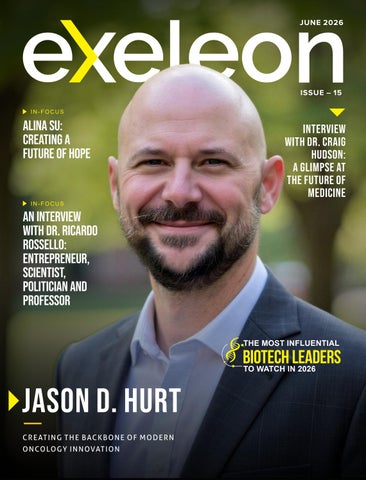
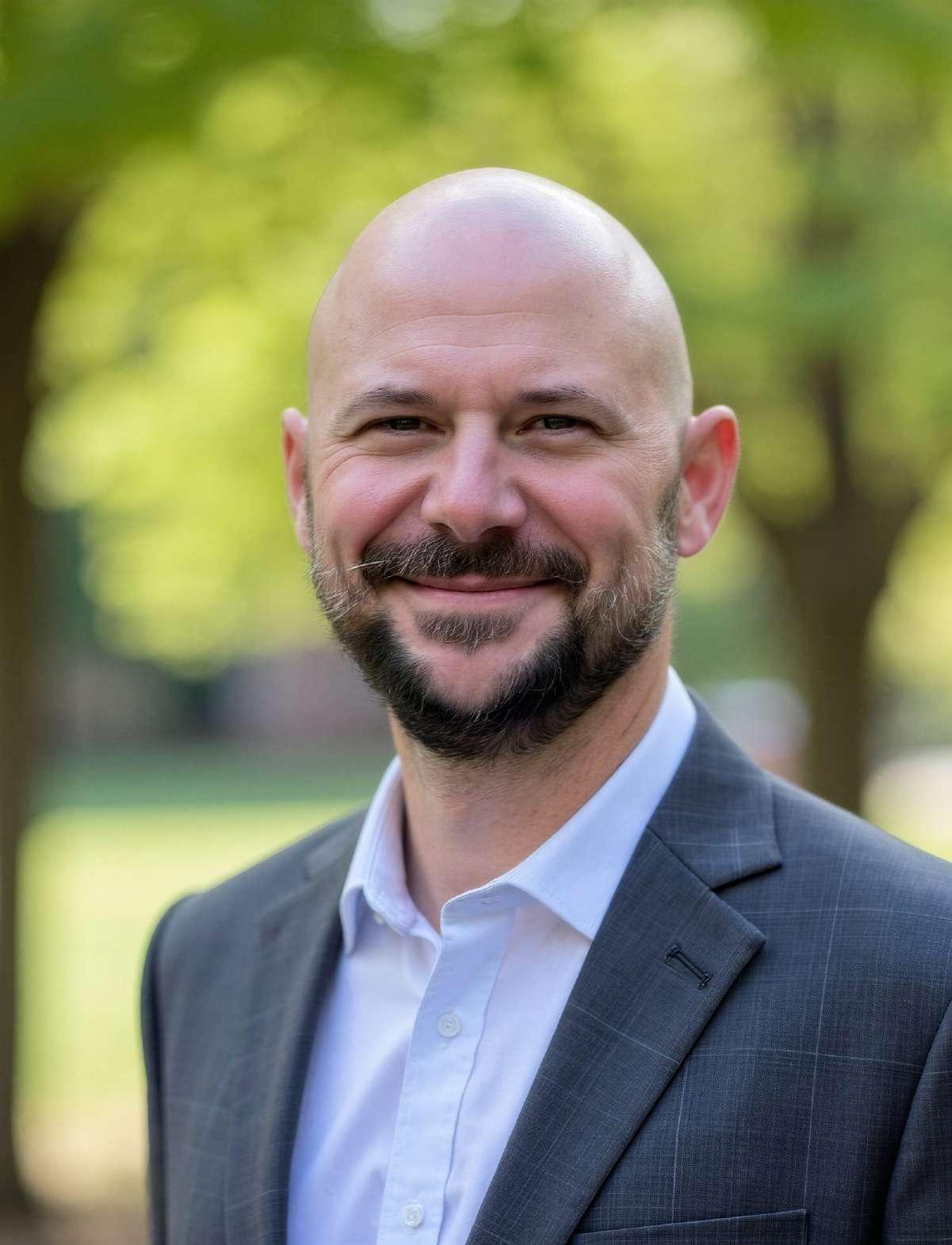
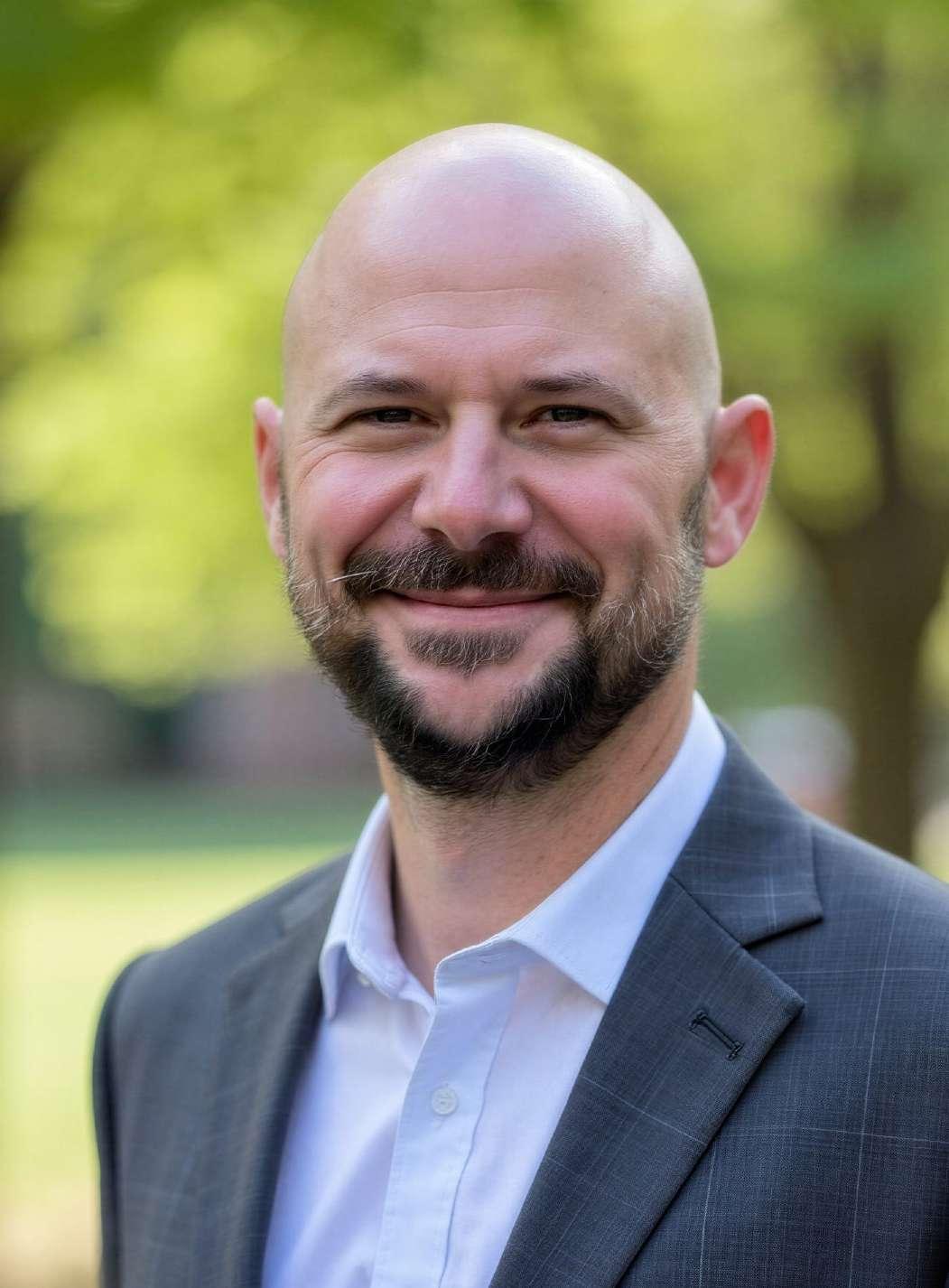
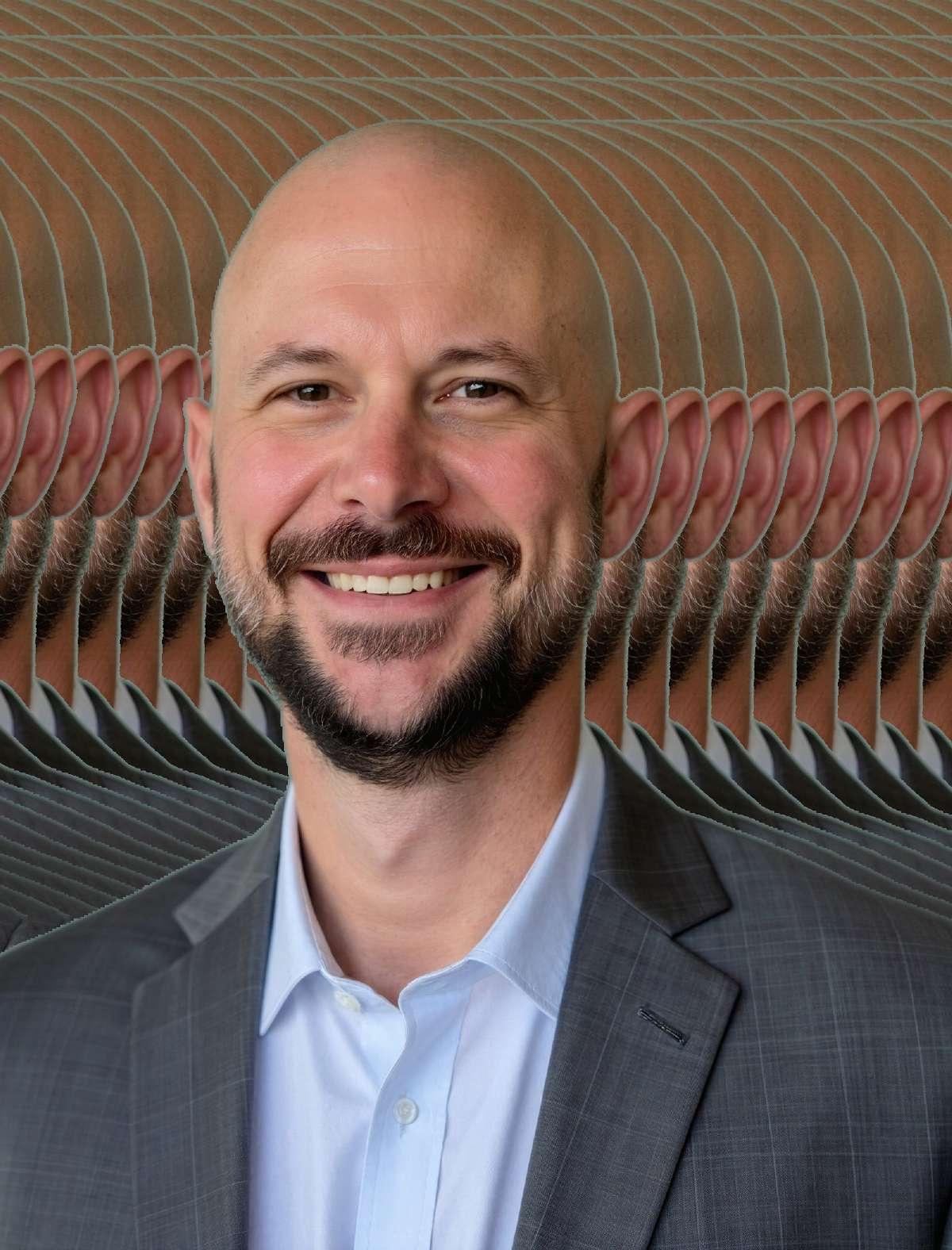
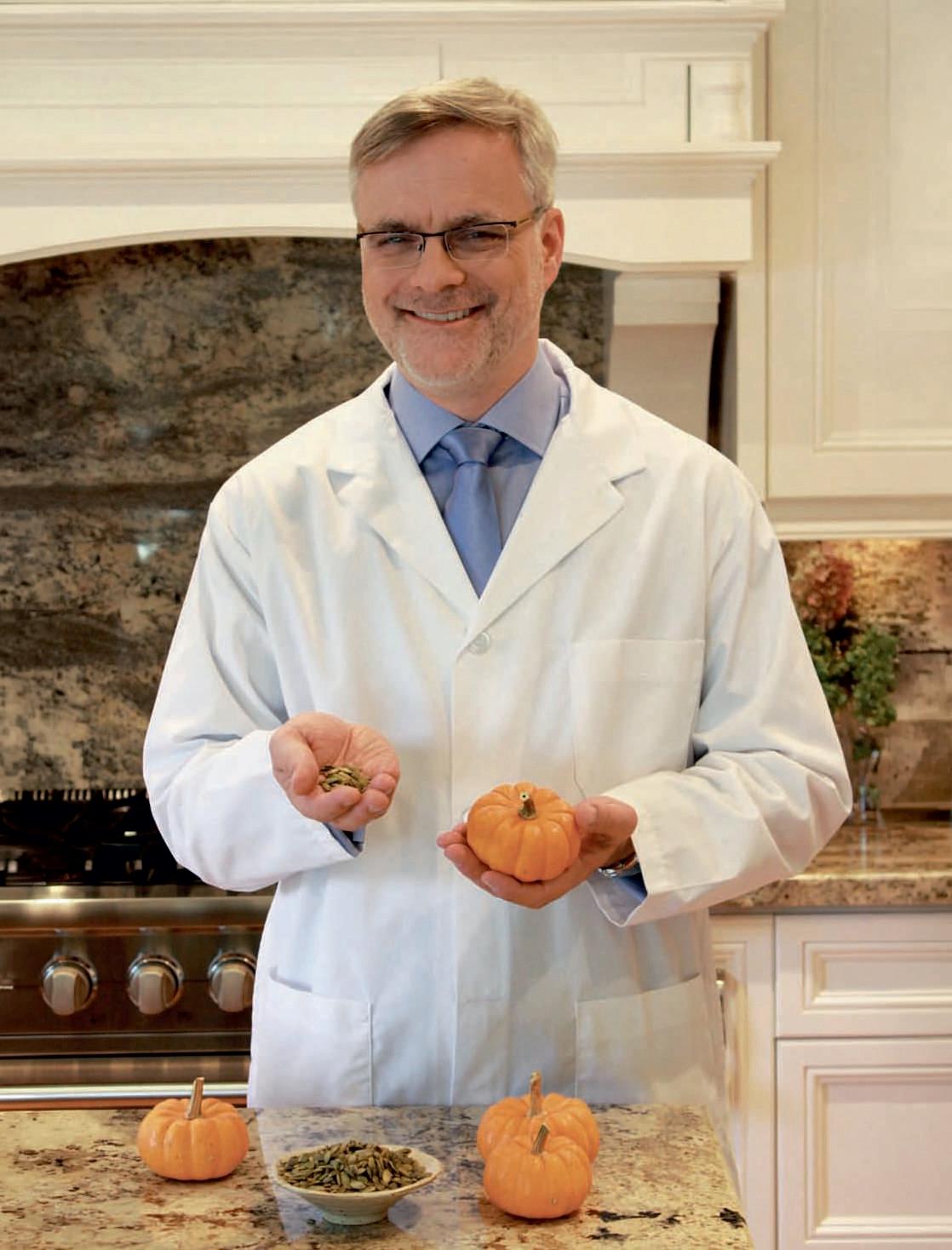
Our cover features Dr. Jason D. Hurt, Founder and CEO of Theragnostic Insights, a physician-executive whose career has spanned oncology, drug development, and the rapidly evolving eld of radiopharmaceuticals. With more than two decades of experience in clinical development and cancer therapeutics, Dr. Hurt has established himself as a respected voice in an industry that is reshaping how cancer is diagnosed and treated.
As the biotech industry enters a new era marked by precision medicine, targeted therapies, articial intelligence, and next-generation diagnostics, leaders like Dr. Hurt demonstrate the importance of combining scientic expertise with strategic vision.
His work reects a broader movement across the life sciences sector where innovation is no longer conned to laboratories but extends into clinical implementation, regulatory strategy, and the creation of ecosystems capable of bringing breakthrough therapies to patients faster.
We hope this issue offers valuable insights into the opportunities, challenges, and breakthroughs dening today's biotechnology landscape, while inspiring the next generation of leaders who will shape the future of healthcare.
Daryl Yeung Editor-in-Chief
JASON HURT 12
C
ALINA SU 22
RICARDO ROSSELLO
LEADERS
Founderand
CEO
ofTheragnosticInsights
Jason D. Hurt
There are moments in medicine when an emerging eld begins to shift from promise to inevitability.
Radiopharmaceuticals have entered that phase. Across oncology, physicians, biotech innovators, and investors are increasingly recognizing the power of therapies that can precisely target tumors while limiting damage to surrounding tissue. Yet behind the scientic breakthroughs and growing momentum lies a complicated reality. Developing these therapies requires far more than great science. It demands infrastructure, coordination, operational expertise, and leaders capable of navigating one of the most technically demanding spaces in modern medicine.
Few understand that complexity more intimately than Dr Jason D. Hurt, Founder and CEO of Theragnostic Insights.
With a career spanning clinical medicine, oncology, drug development, and executive leadership, Dr. Hurt has spent years working at the intersection of innovation and execution. His journey into radiopharmaceuticals was not part of a carefully designed master plan. Instead, it evolved through resilience, adaptation, and a willingness to embrace uncertainty when life forced him to reconsider the path he originally imagined for himself.
Today, through Theragnostic Insights, he is helping build the operational backbone required to move next-generation radiopharmaceutical therapies from laboratory concepts into real-world patient care.
A Childhood Dream Redirected by Adversity
For Dr. Hurt, medicine was never simply a profession, it was a calling that stemmed from his childhood.
“I wanted to be a physician from the time I was a child,” he explains. “One of my earliest memories was watching a pediatrician treat my brother and being fascinated by the ability to solve a problem and help someone immediately. From that moment on, I knew medicine was my path.”
After graduating from medical school in 2004 and completing residency training in 2008, he appeared headed toward a traditional clinical career Then everything changed.
During his nal year of residency, Dr. Hurt developed bilateral chronic uveitis, a condition that signicantly affected his vision. As the disease progressed, he realized he would need to rethink his future in clinical practice. For many physicians, such a moment could have felt devastating. Instead, it became the catalyst for a completely different trajectory
“That led me into drug development, which proved to be one of the best decisions of my career,” he says.
He began his transition within the CRO sector, where he immersed himself in clinical trial design, regulatory strategy, and operational execution. Over time, he moved into leadership positions within biotech companies, gaining a broader understanding of how therapies move through development pipelines and eventually reach patients.
Then, in 2018, another dening opportunity emerged when he was recruited by Orano Med as Chief Medical Ofcer to lead Lead-212 targeted therapies.
The timing could not have been more signicant. The approvals of therapies like Lutathera and Pluvicto were beginning to reshape oncology treatment paradigms, and radiopharmaceuticals were rapidly gaining momentum.
“What drew me in was the combination of science, precision medicine, logistics, and patient impact,” he explains. “It remains one of the most exciting elds in oncology.”
Understanding Complexity Beyond Medicine
One of the dening characteristics of successful drug development leaders is the ability to operate beyond the boundaries of their original expertise. Dr. Hurt learned early that medicine alone was not enough.
“Drug development is inherently cross-functional,” he says. “Success depends on the ability to work effectively with teams and workows that may be well outside your own formal expertise.”
That includes regulatory affairs, manufacturing, clinical operations, biostatistics, nance, quality systems, commercial strategy, and, in radiopharmaceuticals specically, the additional layers of isotope logistics, radiochemistry, imaging, and nuclear medicine infrastructure.
“A leader does not need to be the deepest expert in every discipline,” he explains, “but they do need to understand how those functions connect and how decisions in one area affect another.”
This systems-level perspective would later become foundational to the creation of Theragnostic Insights.
Why Radiopharmaceuticals Are Changing Oncology
The excitement surrounding radiopharmaceuticals is not rooted in hype. It is rooted in precision.
These therapies combine targeted treatment strategies with the proven power of radiation, delivering therapeutic payloads directly to cancer cells while reducing damage to healthy tissue. For patients with difcult-to-treat cancers, the potential is transformative.
“Radiopharmaceuticals are exciting because they combine the precision of targeted therapy with the proven power of radiation,” Dr. Hurt says. “These treatments can deliver radiation directly to tumor cells while helping spare normal tissue.”
Yet in his view, the industry is still in its early stages.
“We have seen the success of Lutathera and Pluvicto, but that is only the beginning,” he explains.
The eld is rapidly expanding into breast cancer, lung cancer, brain tumors, hematologic malignancies, and a wide range of additional solid tumors. Innovation around alpha emitters, antibody-based approaches, and combination therapies continues to accelerate.
One of the areas he nds particularly promising is theranostics, where imaging technologies help identify ideal patients and personalize treatment strategies.
“Two of the biggest opportunities are moving these therapies earlier in treatment and advancing theranostics,” he says.
But despite the science advancing quickly, Dr. Hurt recognized a growing disconnect between discovery and execution.
Building Theragnostic Insights
That realization became the foundation for Theragnostic Insights.
“I saw an extraordinary wave of innovation in radiopharmaceuticals, but also a major gap between promising science and the infrastructure required to translate that science into real patient impact,” he explains.
One of the most signicant problems was the shortage of specialized clinical trial sites capable of efciently running radiopharmaceutical studies. Unlike traditional oncology trials, these programs require highly specialized imaging capabilities, radiation safety systems, isotope logistics, radiopharmacy expertise, and operational teams familiar with both nuclear medicine and oncology workows.
“There were simply too few sites built for that purpose,” Dr. Hurt says.
At the same time, development processes remained highly fragmented. Sponsors often relied on separate vendors and organizations for imaging, trial operations, manufacturing coordination, regulatory guidance, and radiation safety.
“When those functions are disconnected, timelines slip, communication suffers, and execution risk increases,” he explains.
Theragnostic Insights was designed to solve exactly that problem through a more integrated development model. Speed also became a critical focus.
“In biotechnology, delays are expensive,” Dr. Hurt says. “Every month lost to slow startup, poor enrollment, or operational inefciency can impact nancing, milestones, and ultimately patient access.”
Beyond infrastructure, he also saw the need to guide companies entering the radiopharmaceutical space for the rst time. Many biotech organizations possess groundbreaking science but lack experience with isotope supply chains, dosimetry, imaging endpoints, or the unique regulatory requirements specic to radiopharmaceutical development.
Theragnostic Insights now serves as both a strategic advisor and execution partner capable of helping companies navigate that complexity.
Leadership Built on Integrity
Dr. Hurt’s leadership philosophy is deeply inuenced by value-based leadership principles he studied during his MBA program at Xavier University under Professor Paul Fiorelli.
“The most important thing I learned was that leadership begins with integrity,” he says. “People need to know that their leader will be honest, consistent, and willing to make the right decision even when it is difcult.”
That philosophy shapes how he builds teams and cultures.
“Teams perform best when expectations are high, priorities are well dened, and accountability is shared across the organization,” he explains.
He believes exceptional performance comes from aligning talented individuals with roles that t their strengths while fostering transparency and open communication throughout the organization.
“In complex environments such as drug development, problems grow when they are hidden and improve when they are addressed early,” he says.
Equally important, he believes leaders must embody the standards they expect from others.
“If you ask for discipline, accountability, urgency, and professionalism, you have to demonstrate those qualities yourself,” he says. “Teams watch actions more than words.”
The Founder’s Mindset
Transitioning from corporate leadership to entrepreneurship brought its own set of lessons.
“In a startup environment, you often have to make decisions quickly with limited data, limited capital, and no guarantee that the path is correct,” Dr. Hurt explains.
That environment forced him to become comfortable with ambiguity while learning to prioritize speed, adaptability, and capital efciency.
“As a founder, every dollar, every hire, every delay, and every opportunity cost matters,” he says.
Entrepreneurship also introduced a far more personal level of resilience.
“In corporate roles, challenges are real, but the machine keeps moving,” he explains. “As a founder, setbacks feel more personal because the mission, reputation, and future of the company are directly tied to your decisions.”
Still, he views the transition as transformative.
“Corporate leadership taught me how to execute within organizations,” he says. “Entrepreneurship has taught me how to create one.”
Building the Future of Radiopharmaceutical Development
Looking ahead, Dr. Hurt’s vision for Theragnostic Insights is ambitious.
“My vision for Theragnostic Insights is to become the leading infrastructure and execution partner for radiopharmaceutical development,” he says. “The organization sponsors turn to when they need to move innovative therapies from concept to clinic quickly, intelligently, and with condence.”
Central to that vision is the creation of specialized clinical infrastructure built specically for radiopharmaceutical programs rather than forcing these therapies into systems never designed to support them.
He envisions a network of high-performing clinical centers capable of supporting all phases of radiopharmaceutical development, from rst-in-human studies to registrational trials.
“If sponsors can access a trusted network with standardized quality, faster activation, and deep domain expertise, it can materially shorten development timelines and reduce execution risk across the industry,” he explains.
Just as importantly, he hopes to expand patient access beyond major academic institutions.
“By expanding specialized capabilities into additional markets and community-based settings, we can bring innovative therapies closer to where patients live and broaden participation in clinical research,” he says.
For Dr. Hurt, the mission ultimately comes back to patients.
“It means helping life-changing therapies reach patients sooner,” he says. “It means expanding treatment options for people with cancers that have limited alternatives.”
Unlock Your
DIGITAL SUBSCRIPTION!
Ready to fuel your ambition and receive your dose of inspiration directly to your digital doorstep? Subscribe to Exeleon Magazine today, and enjoy the following perks:
• Convenience at Your Fingertips
• Exclusive Extras
• Community Connection
Founder and CEO | NovaXS BioTech Corp
Alina Su
CREATING A FUTURE OF HOPE
It is said that there is no better exercise for the heart than reaching out to lift people up. It is liberating, empowering, and transformational. It is powerful!
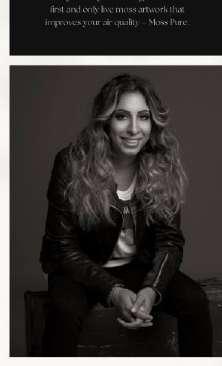
With the same intention of lifting people up and create a better future, Alina Su is spearheading a transformational vision through her company NovaXS Biotech Corp
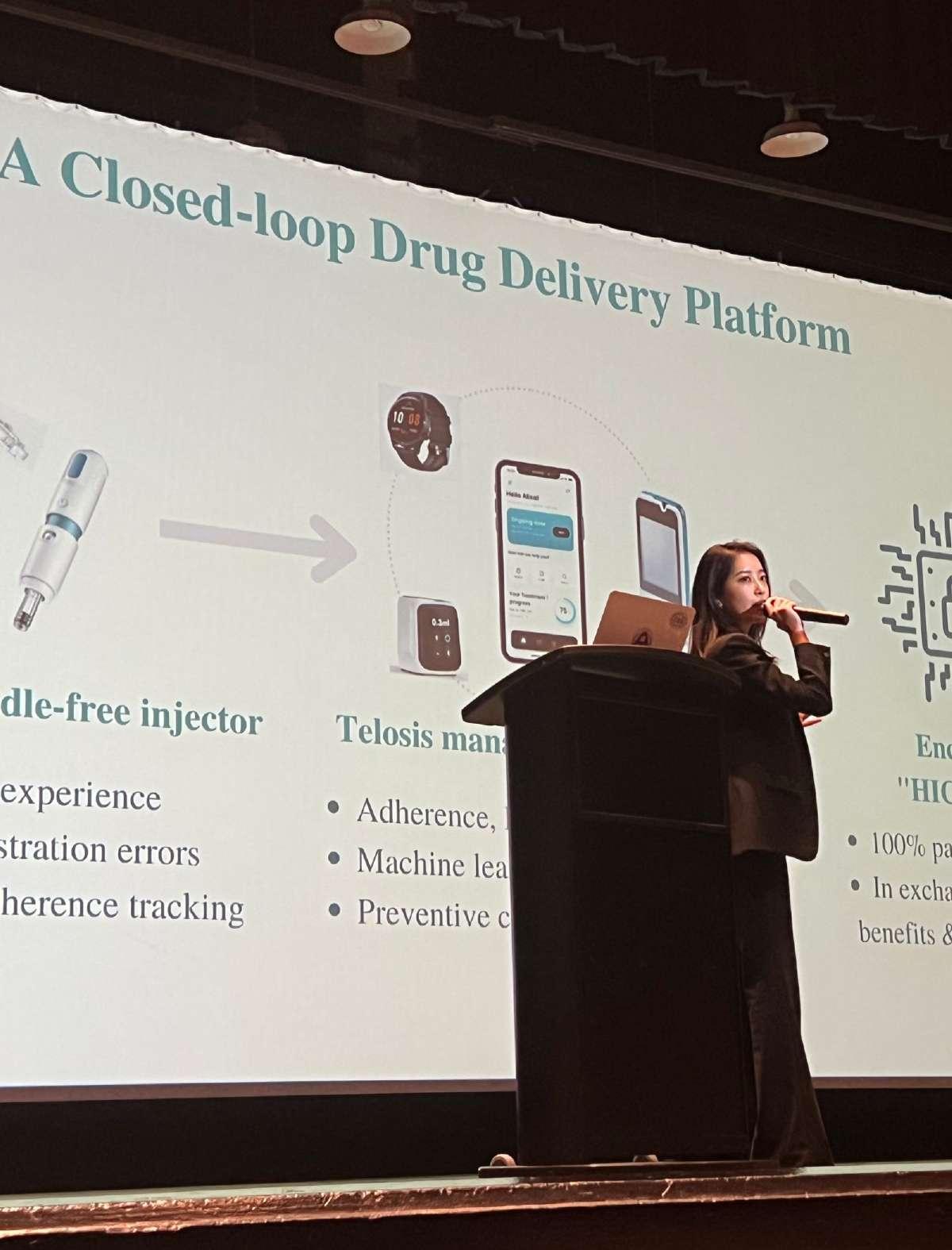
NovaXS is a smart medical device startup building a drug delivery platform to make it easier for people to get access to quality healthcare.
In this Exclusive Interview, the young and powerful entrepreneur talks about her journey, challenges, and her vision for the future.
What according to you makes one a powerful entrepreneur? How do you integrate the same thought into your leadership?
A powerful entrepreneur is someone who takes responsibility for human beings’ wellness and creates a better future. Powerful entrepreneurs design the future, align their own vision and act on it daily. Rome wasn’t built in a day and building our future will not be any different.
Creating positive change in the world is what powerful entrepreneurs do every day As a leader, I am an actionoriented type. I outline and execute a strategy that makes my vision a reality. Instead of sitting around and
philosophizing about how to change the world, I focus on creating real changes like the many patients we help every day at NovaXS.
Talk to us about your growing up years. What is your earliest memory as an entrepreneur that you can remember?
Growing up, I remember being very curious and always asking questions. I love school and being in the lab. Since starting my company NovaXS, I’ve considered myself a researcher and student before a businessperson. That being said, I am also a problem-solver and a good entrepreneur who focuses on solving a problem, not selling a product.
My earliest memory of this is when I had to balance three different roles as an entrepreneur, researcher, and student. My morning started with attending my classes and simultaneously nishing my breakfast while reading industry-related news and improving the company’s product design. I would brainstorm in the afternoon, go to the lab to research regenerative medicine, and discuss drug-device combinations with my professor, and our scientic advisory board from Harvard, ex-Pzer, UC Berkeley.
I would then talk to investors about new updates and receive feedback and make a second round of edits on my pitch deck. I would sit in MBA classes in Biotechnology Entrepreneurship and Business Case Analysis at 9 PM.
Finally, I get to go home to think back and summarize all that I did today. I always nd myself sleeping with my glasses on, with a pen and book in my hand since I barely have time to sleep. I learned how to become a good business leader from my dad and grandpa, who were serial entrepreneurs their whole lives. They had a large impact on me being the entrepreneur that I am today.
What prompted your interest and subsequently your foray into healthcare and tech space?
My inquisitive nature and imagination worked hand in hand with my love for science. Wanting to understand my sister’s medical condition pushed me to study bioengineering at the University of California, Berkeley, and obtain a degree in Public Health and Bioengineering. Today I am a Ph.D. student at Harvard Medical School, furthering my education in Biological and Biomedical Sciences.
As a student, I ourish in the lab studying gene editing and degenerative diseases. Throughout my lab work, I've noticed how people navigate the healthcare system and often cannot access the necessary care.
What led you to start NovaXS, BioTech Corp.? What was the pain point you wanted to address through this platform?
When I was growing up, my sister was diagnosed with a chronic condition requiring her to make a one-hour roundtrip to the nearest hospital every day for three years to get multiple shots.
Looking back on my childhood, I reect on the time I spent nding ways to support my sister through her treatments. I am naturally curious, and I remember thinking of ways to improve such an agonizing process.
When I realized my sister is not alone in the struggle to access quality healthcare, I wanted to use my expertise for good and take action.
Did you know that one in four adults and two in three children have a needle phobia and that 50% of medications for chronic diseases aren’t taken as prescribed? My goal is to make healthcare treatments more accessible.
I assembled a team of my classmates, professors, mentors, and friends to start NovaXS Biotech Corp, a smart medical device startup building a drug delivery platform to make it easier for people to get access to quality healthcare.
What have been some of the biggest challenges in your journey as a young Entrepreneur, Investor, and Inventor?
One of the biggest challenges has been ghting the stereotypes people have about me. As a young female entrepreneur, my ability is often questioned, and I have to go above and beyond to prove that I deserve a seat at the table.
But I remind myself that these stereotypes are not true and are projections of others' insecurities in themselves. I acknowledge when I am being treated unfairly and do not let it prevent me from doing my best work. I am determined, strong, and capable of doing anything I set my mind to.
What does a day in the life of Alina Su look like? How do you ensure work-life balance?
A goal of mine is to have a long-lasting career helping people access quality healthcare, so I realize the importance of a healthy work-life balance. To start my day on the right foot, I meditate with a peaceful mind and catch up on the latest news.
Creating a ritual for my morning routine sets me on the right track and keeps me motivated. I am the most creative in the afternoons, which I set aside for collaboration with my team. Since my team is all around the world, I usually have meetings with our partners overseas in the evenings.
After those meetings, my workday ends, and I get to indulge in my guilty pleasures. One of my favorite things to do after a hectic day is to read a good book and escape for a while.
What would be your advice for entrepreneurs and business leaders in the healthcare space?
I would tell entrepreneurs to connect with others and prioritize building relationships with clients and investors. It requires time and patience, but if you can create longlasting relationships in this industry, you will be able to nd ways to make your business relationships mutually benecial.
I also recommend enrolling in accelerator programs like mHub MedTech Accelerator and Berkeley SkyDeck, which give business leaders access to resources and mentors to help ne-tune product development, leadership strategies, and much more.
Finally, what does the future look like for NovaXS? What are you most excited about in the coming years?
One day our app will help people with chronic illnesses self-administer treatments and provide their doctors’ data on treatment monitoring. The app will connect to an injector that doesn't require needles. You just hold it to your skin, and pressure pushes the medicine into your body.
More injectable therapies are looking for more effective and convenient delivery methods that improve the patient experience. NovaXS is taking a patient-centric approach to make self-injections easy and centering our work around remote healthcare optimization.
For the millions of people who deal with chronic conditions like diabetes or growth hormone deciencies or for hopeful families going the IVF route, I hope that NovaXS will play a role in making their lives easier.
GENE THERAPY’S DEFINING MOMENT
Why the Biotech Industry Is Watching FDA’s Latest Shift
For much of the past three years, the biotechnology sector has faced a difcult reality.
Funding slowed. Public market valuations declined. Regulatory scrutiny increased. Many companies developing advanced therapies found themselves navigating a more cautious environment than the one that fueled the biotech boom of the early 2020s.
Now, a recent decision involving gene therapy developer uniQure is generating renewed optimism across the industry and raising a larger question:
Could 2026 become the year gene therapy regains momentum?
A Decision That Caught the Industry’s Attention
On June 17, 2026, Dutch biotechnology company uniQure announced that the U.S. Food and Drug Administration (FDA) had reversed its previous position regarding the company’s Huntington’s disease gene therapy, AMT-130.
The agency informed the company that existing clinical trial data could serve as the primary basis for an accelerated approval application, allowing uniQure to move forward without conducting an additional large-scale trial that regulators had previously requested. The company plans to submit its application during the third quarter of 2026.
The market reaction was immediate. uniQure shares surged more than 75% following the announcement as investors
viewed the decision as a potential sign of a more exible regulatory environment for innovative therapies targeting serious diseases.
While the news directly affects one company, its implications may extend far beyond a single treatment.
The Promise of AMT-130
Huntington’s disease is a rare, inherited neurological disorder that progressively damages nerve cells in the brain. The disease currently has no approved therapy capable of slowing or stopping its progression.
uniQure’s investigational therapy, AMT-130, is designed to reduce production of the toxic huntingtin protein believed to drive the disease. Clinical data released by the company showed patients receiving higher doses experienced substantially slower disease progression compared with expected outcomes from historical patient data. The therapy has also received both Breakthrough Therapy and Regenerative Medicine Advanced Therapy designations from the FDA.
The program has been closely watched because it represents one of the most advanced gene therapy candidates targeting a neurodegenerative disorder.
From Regulatory Roadblock to Regulatory Opportunity
What makes this story particularly signicant is the dramatic shift in the regulatory journey.
WHERE SCIENCE MEETS POSSIBILITY
In 2024, the FDA had aligned with uniQure on key elements of an accelerated approval pathway using Phase 1/2 data and external controls. However, by late 2025 and early 2026, regulators questioned whether the evidence was sufcient and suggested an additional study, creating uncertainty around the program’s future.
The latest reversal effectively reopens a pathway that many believed had become increasingly difcult for advanced therapies.
For biotechnology executives and investors, the decision suggests that regulators may be willing to consider alternative evidence pathways when evaluating treatments for severe diseases with limited therapeutic options.
Why the Entire Biotech Sector Is Paying Attention
The signicance of the FDA’s decision extends well beyond Huntington’s disease.
Gene therapies have long been considered one of medicine's most transformative technologies. Unlike conventional
drugs that often require lifelong administration, many gene therapies aim to provide long-lasting benets from a single treatment.
However, the eld has struggled with several challenges:
• Complex clinical trial designs
• Small patient populations
• High development costs
• Manufacturing complexity
• Regulatory uncertainty
Many biotech companies have found it difcult to generate sufcient clinical data under traditional approval frameworks, particularly when developing therapies for rare diseases.
The uniQure decision may signal a willingness to evaluate innovative therapies through more exible regulatory approaches while maintaining patient safety standards. Analysts have suggested that recent regulatory developments could create new opportunities for companies developing treatments for serious unmet medical needs.
A Broader Shift in Industry Sentiment
The optimism surrounding uniQure is occurring at a notable moment for the biotechnology sector
The industry’s largest annual gathering, the BIO International Convention, takes place in San Diego from June 22 to June 25, bringing together thousands of biotechnology leaders, investors, pharmaceutical companies, and innovators from around the world.
As companies prepare to discuss partnerships, licensing deals, and investment opportunities, regulatory clarity has become one of the most important topics inuencing business decisions.
For emerging biotech companies, faster and more predictable approval pathways can signicantly affect access to capital, partnership opportunities, and long-term growth prospects.
WHAT COMES NEXT
While uniQure still faces important milestones before AMT130 reaches patients, the FDA’s latest decision has already reshaped conversations throughout the biotech industry.
The outcome of this application could inuence how future gene therapies are evaluated, particularly for rare and lifethreatening diseases where traditional clinical trial models are difcult to execute.
For patients, it represents renewed hope.
For investors, it may signal a more supportive environment for innovation.
And for the biotechnology industry, it could mark the beginning of a new chapter in the evolution of gene therapy
Whether 2026 ultimately becomes a turning point for the sector remains to be seen. But one thing is clear: gene therapy is once again at the center of the biotech conversation.
RICARDOROSSELLO
An Interview with Entrepreneur, Scientist, Politician and Professor
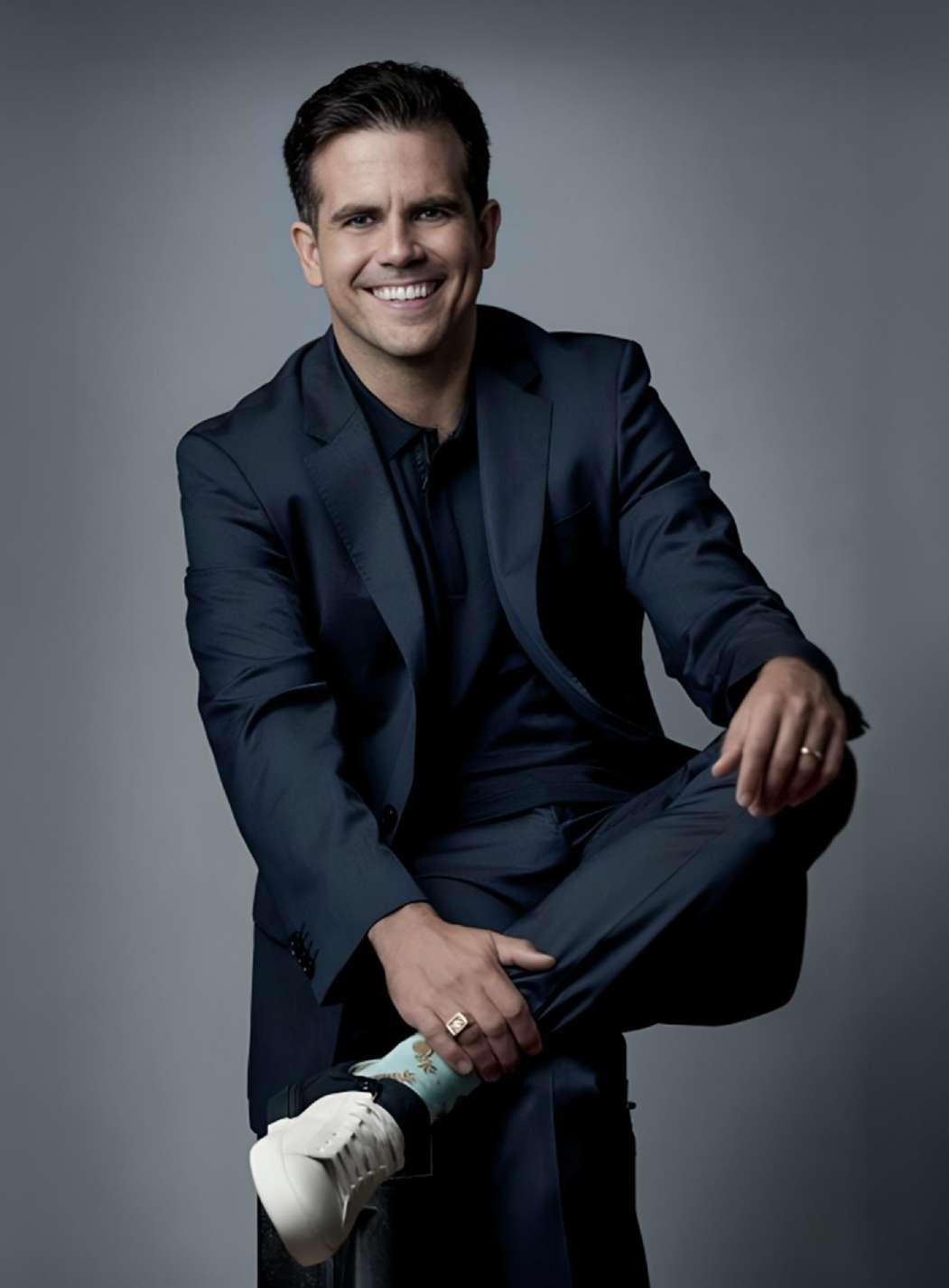
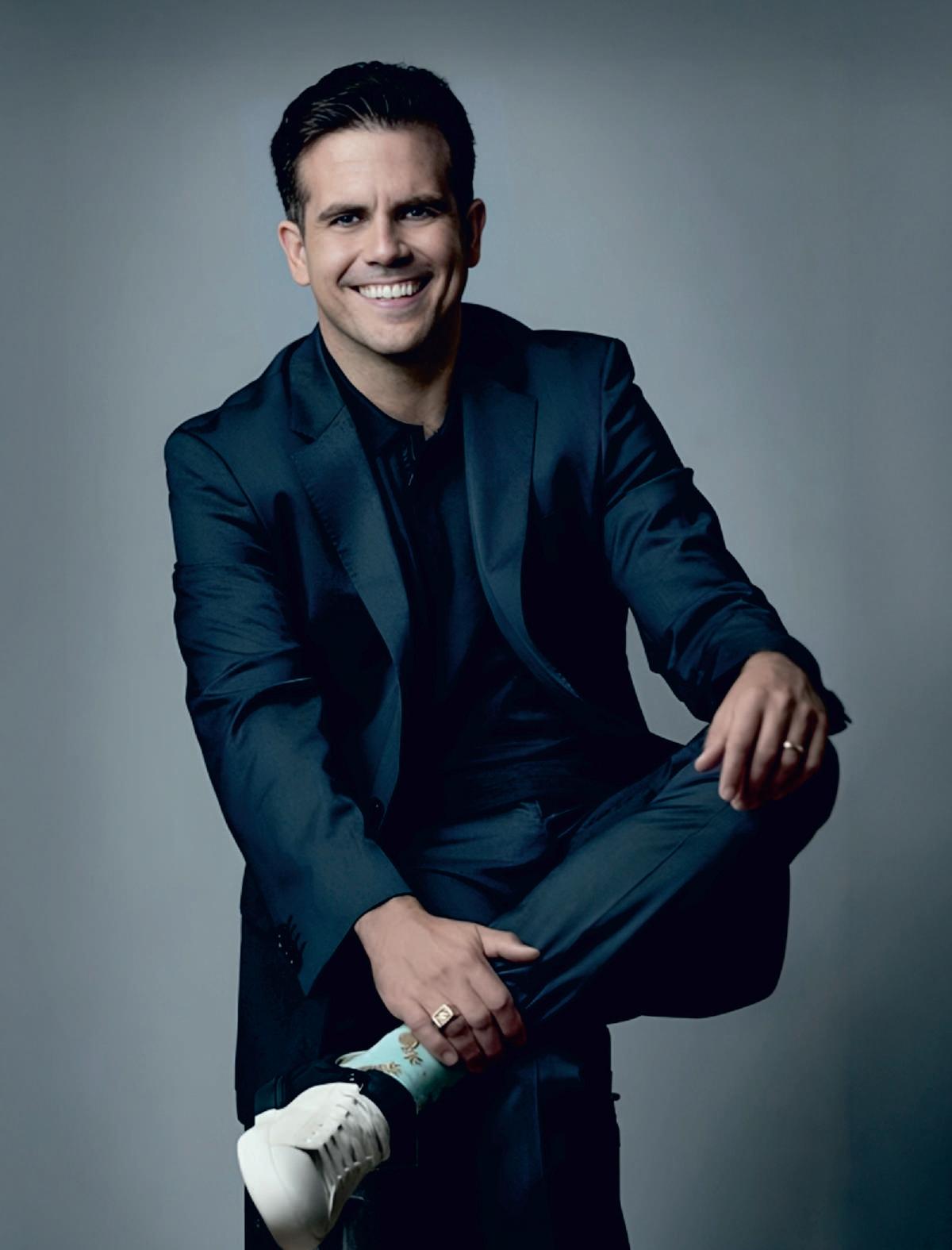
Dr. Ricardo Rossello is the Chief Visionary Ofcer (CVO) of the Regenerative Medicine Institute (RMI Health), where he leads groundbreaking research on longevity and regenerative therapies aimed at enhancing human life and well-being. A trained scientist and former Governor of Puerto Rico, Dr. Rossello has combined his passion for public service and scientic innovation to explore how advances in biotechnology can positively impact global health.
His latest book, The Reformer's Dilemma, advocates for a ‘radical middle’ in U.S. politics, stressing the importance of rationality, collaboration, and foresight in an era marked by rising extremism in the political landscape. Through both his research and writings, Dr. Rosselló is committed to pioneering solutions that address today’s societal challenges, from healthcare to governance.
How did your scientic career in regenerative medicine evolve, and what brought you to focus on longevity at RMI Health?
I distinctly remember a class I had with my mentor at MIT, Robert Langer. In it, he introduced the idea of stem cells. ‘Imagine a resource that can generate any part of the body and that can potentially be grown indenitely” he said. I was immediately captivated. I’ve always had an innate curiosity, but since that moment, I have been fascinated by how scientic advancements and research can serve to improve human life. I knew exactly what I wanted to work on after that day
My academic background in biomedical engineering and molecular biology laid the foundation for my work at RMI Health. In my studies and my work today, I’ve focused on
the potential for stem cell research to regenerate tissues, tackle illness, and, revolutionize our approach to aging. Our work offers real potential to tackle age-related diseases – an area that has received a big boost in support as well as funding since the World Health Organization ofcially classied aging as a disease. But longevity research is about more than just extending life; it’s about extending quality of life, which is why RMI Health's mission is so important to me.
What excites you most about the future of longevity research and the work you’re doing at RMI Health?
We are entering an era where science can fundamentally reshape how we age. The work we are doing at RMI Health is advancing therapies that could slow down and even reverse age-related decline. From cellular regeneration to optimizing immune function, these breakthroughs could change people’s lives. It’s incredibly exciting to be on the front lines of this revolution.
Your new book, The Reformer's Dilemma, calls for a ‘radical middle’ in U.S. politics. What inspired you to write it, and what do you mean by the ‘radical middle’?
The Reformer’s Dilemma was born out of my experience both as a politician and as a citizen observing the growing polarization in the U.S. and around the world. The 'radical middle’ represents a shift in the linear denition that clogs a vast number of us in between the extreme left and extreme right. The basis for it is understanding that these two extremes are behaviorally the same and they are codependent. As such, how can the vast majority of us, over 80%, create a counterweight to those extremes? The
proposed solution is creating a behaviorally opposite group; a movement. Where the extremes are dogmatic, unclear, uncompromising, simplistic, and driven by fear; the radical middle should create a space for rationality, compromise, embracing complexity and collaboration, clarity, and driven by foresight. It’s about rejecting the extremes on both sides of the political spectrum and working toward progress that benets the broader population. This isn’t about compromising values but about nding common ground to move forward as a society
How does your experience as Governor of Puerto Rico inuence your views on political reform and the message in your book?
My time as Governor taught me that reform, no matter how necessary, is never easy You’re constantly balancing competing interests, and the louder, more extreme voices often drown out those who seek thoughtful, sustainable solutions. Puerto Rico faced immense challenges, from economic crises to natural disasters, and those experiences shaped my belief that we need leaders who are willing to engage and navigate complex issues and engage with people across the spectrum.
How do you see the future of political reform in the U.S., and what role do you hope your work—both in science and politics—will play in shaping it?
I believe political reform will come from the ground up, through a renewed focus on civic engagement and community-driven initiatives. I also believe that foresight can combat fear to enable productive discussions and outcomes. These two are the focus of the mission of my foundation.
My hope is that the work I’m doing, whether through longevity research or my advocacy for political moderation, inspires a new generation of leaders who value innovation, collaboration, and resilience. We need people who aren’t afraid to challenge the status quo but who do so in a way that brings people together rather than drives them apart.
Effective leadership requires the courage to embrace complexity, foster collaboration, and pursue solutions that serve the greater good. “
Interview with DR.CRAIGHUDSON A Glimpse at the Future of Medicine
Dr. Craig Hudson has earned a sterling reputation in the eld of medicine as a psychiatrist, medical researcher, and innovative entrepreneur. He is the founder of Biosential Inc., which he established with his partner Susan in 1999.
At Biosential, he is able to combine his interests in clinical psychiatry and biotechnology. For him, it is of utmost importance to provide all patients with tailored solutions that t their individual needs.
What started yourjourney into the eld of medicine?
My interest in studying medicine started during my undergraduate years at the University of Waterloo where I became interested in research science. I took a summer job as a research assistant to Dr. Phil Bryden who was conducting research on handedness. I became hooked on neuroscience, and on research from a clinical perspective. This drew me to medical school and, ultimately, training in psychiatry
What are some of the greatest achievements in your careerso far?
I have enjoyed my clinical work and watching people's lives improve directly from clinical intervention, but I would have to say I see my greatest achievements as resulting from my research.
I am proud of my tryptophan research and my discovery of an enzyme that helps the brain recover from injury. The absence of this recovery gene in certain groups has signicant ramications for treatment and future pharmacotherapy development.
What are the biggest obstacles you have faced in your practice, and how did you overcome them?
I would not say I have experienced obstacles to clinical practice; I have learned a lot over the years about how systems work and my place in them. I have developed entrepreneurial skills as a direct result of this, for which I am grateful.
I have blazed a trail for myself in response to where my research has taken me and value that this has provided a unique platform to improve the lives and health of many people.
What trends in healthcare do you expect to take charge in the future, and how will they improve patient care?
I think there are a number of important trends that will inuence the future of medicine. One big trend is telemedicine, which has increased access to care for patients, especially in remote or underprivileged communities. It allows timely consultations as well as timely follow-ups which are critical in ensuring the health outcomes are improved.
Other trends like personalized medicine where treatments are adjusted according to the genetic makeup of the patient are already happening and have great potential. This trend allows us to offer more efcient and focused therapies. I think immunotherapy also holds great potential.
What advice would you give to someone who wants to pursue medicine as a career?
The best advice I can give is that a foundation in science is very important. The impact of organic chemistry in medicine and research is greater than what is currently perceived.
Organic chemistry is the foundation of many aspects of modern medicine, and I believe it holds the key to the most powerful advances in the medical eld.
CEO of Medicus Pharma
DR.RAZABOKHARI Accelerating Innovation in Global Healthcare
Dr. Raza Bokhari’s journey spans continents and industries, from the practice of medicine to the boardrooms of biotech. A Philadelphia Business Journal “40 Under 40” honoree and recognized change agent, Raza has built a career around identifying high-potential healthcare ventures and unlocking their path to growth.
With deep expertise in life sciences, biotech, and healthcare services, he is known for turning around struggling companies and scaling innovation through strategic capital acess, operational excellence, and visionary leadership.
Leading Medicus Pharma on a Global Stage
As Executive Chairman & CEO of Medicus Pharma (NASDAQ: MDCX), Dr. Bokhari is steering the Philadelphia-based biotech company through an ambitious phase of global expansion. Medicus specializes in accelerating underfunded, de-risked, clinical-stage assets in dermatology, urology, and vaccine development, using a thesis-driven model to move breakthrough therapeutics to market more efciently.
Highlights include:
• SkinJect, a dissolvable microneedle patch for basal cell carcinoma (BCC), which achieved more than 50% clinical clearance in Phase 1 and is now in Phase 2 trials across the U.S., Europe, and UAE targeting ~$2B market.
• Teverelix, a next-gen treatment for advanced prostate cancer patients with high CV risk prole and preventing relapse of acute urinary retention, due to enlarged prostate.. The asset has two FDA-approved Phase 2 trials, targeting collecting ~$6B+ market.
• A collaboration with HelixNano to develop needle-free thermostable mRNA vaccines using Medicus' microneedle delivery platform — aiming to revolutionize global vaccine accessibility
Track Record of High-Value Exits
Before Medicus, Dr. Bokhari served as Executive Chairman & CEO of FSD Pharma (Nasdaq: HUGE), where he led its pivot from medicinal cannabis to a clinical-stage pharmaceutical R&D company, raising nearly $100M in institutional capital. His early entrepreneurial wins include the recapitalization and sale of Lakewood Pathology Associates and Parkway Clinical; transactions that delivered outsized returns including an IRR of 137%.
Leadership, Legacy & Giving Back
Dr. Bokhari is also the Managing Partner at RBx Capital, LP, and has served on boards of leading civic and policy institutions including the World Affairs Council of Philadelphia, The Franklin Institute, and Foreign Policy Research Institute. He has addressed professional organizations, universities, and the US Congressional Caucus on Capitol Hill.
In recognition of his $1M gift to Temple University, Fox Business School named its Innovation & Entrepreneurship Institute suite in his honor. A lifelong Eagles fan and avid golfer, Raza continues to inspire as a founder, philanthropist, and force in global healthcare innovation.
INTRODUCING THE NUCLEATE LEADERSHIP COUNCIL of
NBiotech Leaders to Support the Next Generation
ucleate is proud to announce the launch of the
Nucleate Leadership Council (NLC), a new community of biotech leaders and disruptors committed to supporting the next generation of scientists and entrepreneurs.
Nucleate was built to ensure that early-career scientists don't have to navigate the path-to-impact alone (read our 2024–2025 Impact Report here). Today, Nucleate supports a global community spanning thousands of trainees, founders, operators, and industry professionals across 40+ chapters in more than 20 countries. As the biotech industry continues to evolve during a period of signicant uncertainty, the NLC brings together individuals who believe deeply in the importance of mentorship, community, and leaving the ladder down for the next generation.
“We created Nucleate because scientists and founders often lack access to the mentorship and networks needed to navigate careers in the biotech industry,” said Oliver Dodd, Co-Founder and Executive Director of Nucleate. “We
created the NLC to strengthen our programs through a philanthropic board of leaders who can advise us on strategies and best practices to support the rapidly changing needs of our community.”
“The future of biotechnology depends on whether we are willing to invest in the next generation of leaders,” said Greg Erman, Inaugural Chairman of the Nucleate Leadership Council. “Nucleate has built an extraordinary global network of innovators, and the NLC will provide crucial strategic guidance to help shape the future of the organization.”
“As one of the rst founders supported through Nucleate’s programming, I’ve experienced rsthand how transformative this community can be for earlystage biotech entrepreneurs,” said Cheri Ackerman Araromi, Co-Founder & CEO of Concerto Biosciences, “Nucleate played a pivotal role in Concerto’s origin story, and today our core technology has produced an atopic dermatitis drug advancing to Phase 2, as well as
groundbreaking activities in personal care and food. The Leadership Council is my opportunity to pay that forward and ensure the next generation of founders has access to the same mentorship and community that kickstarted our journey.”
Members of the NLC will serve as advocates for the next generation of biotech leaders while helping shape and strengthen Nucleate’s long-term future. Through this organization, members will have opportunities to engage with emerging founders, support Nucleate’s global community and programming, and contribute to building a more connected, accessible, and mission-driven biotech ecosystem for years to come.
To view more details about the Nucleate Leadership Council and to see a list of the leaders and disruptors who have Co-Founded the NLC and pledged to support the next generation of biotech innovation, please visit the Leadership Council page. The NLC is an invite-only initiative. Leaders interested in learning more or requesting an invitation may contact oliver@nucleate.org or be referred by an existing member of the NLC.
About Nucleate
Nucleate is a nonprot 501(c)(3) organization dedicated to empowering the next generation of biotech leaders. With chapters spanning 45 geographic regions and participation from over 280 academic institutions, Nucleate sparks new intellectual communities and embeds emerging talent within a global biotech community. Through open-access educational programming, Nucleate helps democratize biotech innovation — removing barriers and helping founders concentrate on building transformational technologies.
Biology-as-Infrastructure The Next Biotech Business Model
Biotechnology is entering a structural
transition. For decades, most biotech companies were built around individual products: a single drug, a single platform, or a narrow therapeutic pipeline. Today, a different model is beginning to emerge — biology as infrastructure.
In this new framework, the value of a company is no longer dened only by the molecules it develops, but by the biological systems it builds to predict, evaluate, and accelerate therapeutic decisions. Organoid platforms, organ-on-chip systems, multi-omics integration, AIguided biological modeling, and human-relevant validation systems are becoming foundational infrastructure for the next generation of drug development.
This shift is driven by a growing recognition that the largest bottleneck in pharma is not discovery capacity, but predictive failure. Traditional preclinical systems frequently fail to forecast human outcomes, leading to
enormous nancial losses in late-stage clinical trials. As a result, pharmaceutical companies are increasingly investing in platforms capable of reducing uncertainty before clinical development begins.
Infrastructure-oriented biotech companies operate differently from traditional therapeutic startups. Their products are not only drugs, but reproducible systems, datasets, predictive engines, and standardized validation frameworks. These platforms can support multiple therapeutic areas simultaneously, creating scalable and recurring value across the industry.
The next major biotech companies may not be those that produce the most drug candidates, but those that become essential infrastructure for how therapies are evaluated, optimized, and translated into clinical success.
- Written by Jack (Jie) Huang | Chief Scientist, Founder, and CEO at CSTEAM Biotechnology
K-Bio Gains Global Spotlight at BIO USA 2026
outh Korea’s biotechnology sector is set to make a strong impression at the 2026 BIO International Convention (BIO
S USA), taking place in San Diego from June 22 to 25. For the first time, the world’s largest biotech partnering event will feature an official session dedicated to the Korean biotech industry, highlighting the growing global influence of K-Bio.
Atotal of 51 Korean pharmaceutical and biotech companies will participate in the Korea Pavilion, showcasing innovative drug pipelines, platform technologies, and business strategies while pursuing global partnerships, technology licensing, and joint development opportunities.
Leading CDMO companies Samsung Biologics and Lotte Biologics will focus on expanding relationships with international clients and highlighting their growing manufacturing capabilities. Samsung Biologics plans to showcase its expanded global production network, while Lotte Biologics will introduce its upcoming Songdo Plant 1 and customized manufacturing services.
Biotech innovators includingABL Bio, Oscotec, Curacle, and Mabtrix will present key drug development programs and seek licensing and collaboration opportunities.Areas of focus include oncology, neurological disorders, retinal diseases, kidney disease, and antibody-based therapies.
Industry leaders view the introduction of an official Korean session as a significant milestone for the country’s biotech ecosystem. The event is expected to strengthen Korea’s position in the global life sciences market while creating new opportunities for investment, partnerships, and innovation.