IN-FOCUS
From Side Project to a Global Utility Powering
3700+ Calculators
IN-FOCUS Why Most Transformations Fail and How Focus Changes Everything
Interviews and Performance Reviews Out, “Stay Interviews” In
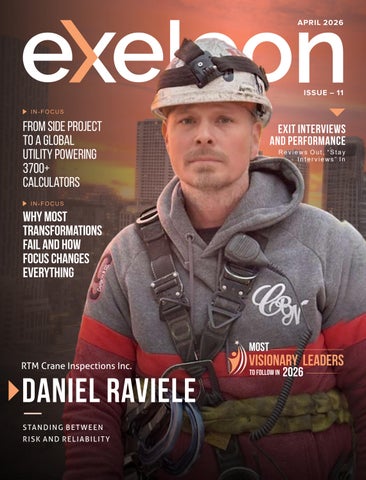
RTM Crane Inspections Inc.
IN-FOCUS
From Side Project to a Global Utility Powering
3700+ Calculators
IN-FOCUS Why Most Transformations Fail and How Focus Changes Everything
Interviews and Performance Reviews Out, “Stay Interviews” In
RTM Crane Inspections Inc.
STANDING BETWEEN RISK AND RELIABILITY
To Follow In 2026 Most
exeleon_magazine
exeleon_magazine
exeleon_magazine

exeleon_magazine



exeleon_magazine


exeleon_magazine
exeleon_magazine
exeleon_magazine

exeleon_magazine



Embracing Excellence
600 N Broad St 5 Middletown, DE 19709, United States +1 302-907-9110
Editor-in-Chief –
Art Director –
Managing Editor -
Creative Director –
Daryl Yeung
Naomi Lam
Matt Reis
Akshay Panzade
Project Manager –
Marketing Manager –
Customer Relationship –
Sofia Brown
Business Development –Richard Dann
Natasha Green
Matt Hale, Josh Wilder, Anish Miller
Copyright © Exeleon Media LLC. All rights reserved. The design, images, and content in this issue should not be reproduced in any manner or by any means, i.e. mechanical, electronic, recording, photocopying, or otherwise, without any permission from Exeleon Media.
In every era, progress has been shaped by individuals who see beyond the present and act with quiet conviction. Visionary leadership is not dened by titles, inuence, or visibility. It is dened by clarity of purpose and the courage to pursue it even when the path ahead is uncertain.
As we curate this issue of Visionary Leaders to Follow, one truth becomes evident. Visionaries do not simply anticipate the future. They actively shape it, often in ways that challenge convention and disrupt the expected. Their strength lies not only in their ideas, but in their ability to inspire belief in others. They generate momentum where hesitation once existed and provide direction in moments of doubt.
What sets these leaders apart is their relationship with change. While many respond to it, visionaries stay ahead of it. They observe shifts in culture, technology, and human behavior with intent, then translate those insights into meaningful action. They are both thoughtful and decisive.
At the same time, there is a grounded humility in their leadership. They recognize that vision without people lacks impact. They invest deeply in teams, foster creativity, and build environments where innovation can grow naturally and consistently.
This issue celebrates such leaders. Not because they claim certainty, but because they ask sharper questions. Not because they follow established paths, but because they create new ones with intent and resilience.
As editors, we believe the future belongs to those who imagine differently and commit fully to bringing that vision to life.
Daryl Yeung Editor-in-Chief
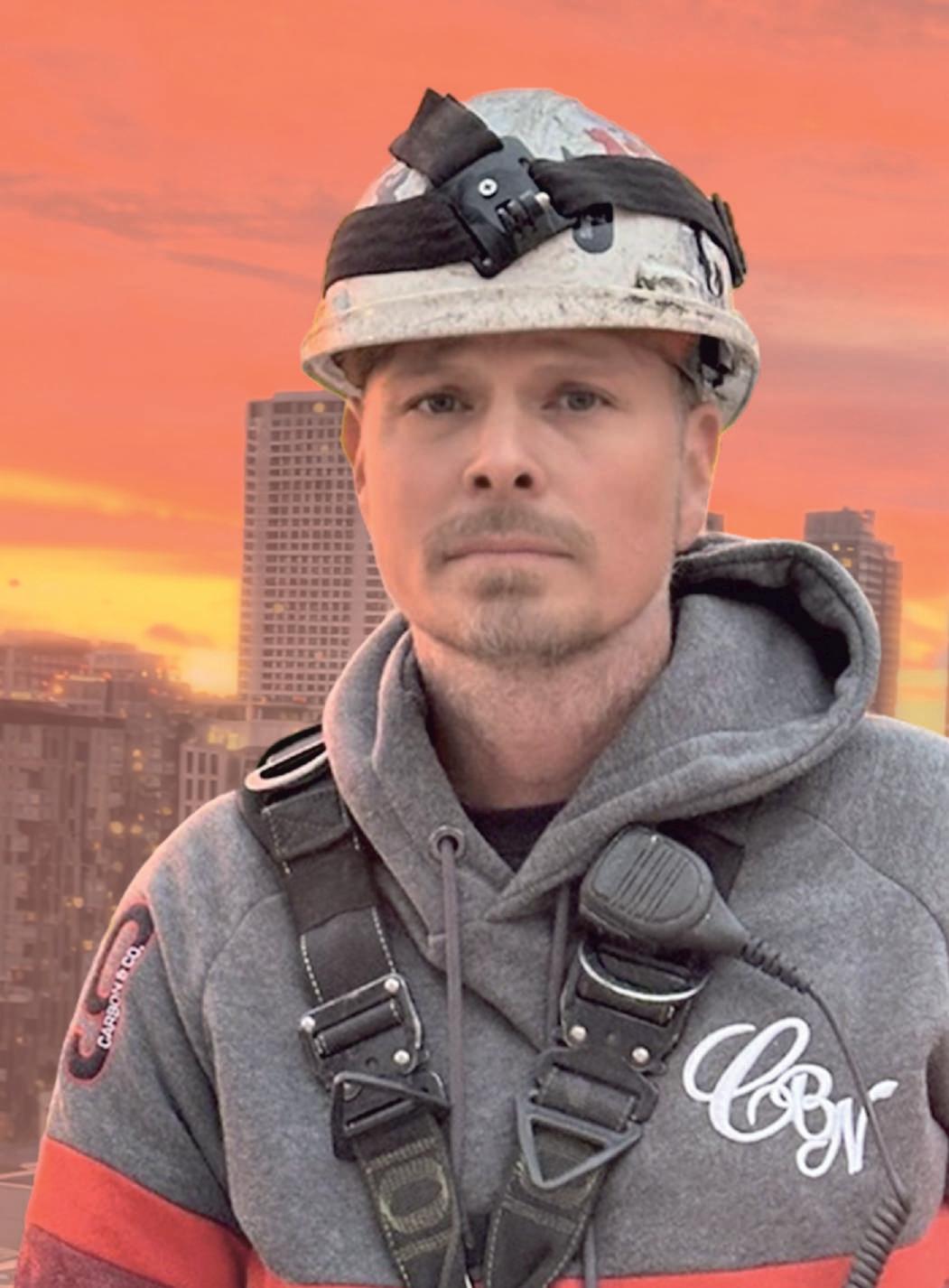
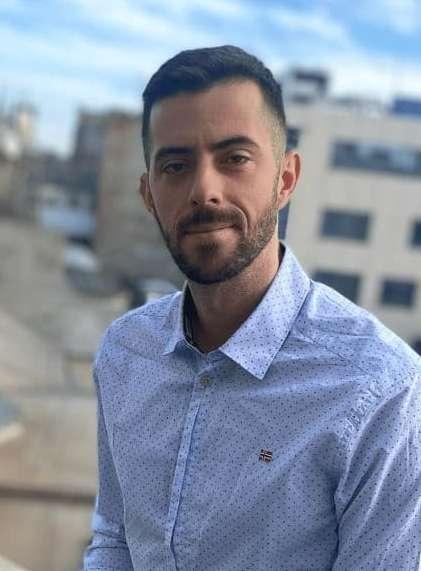



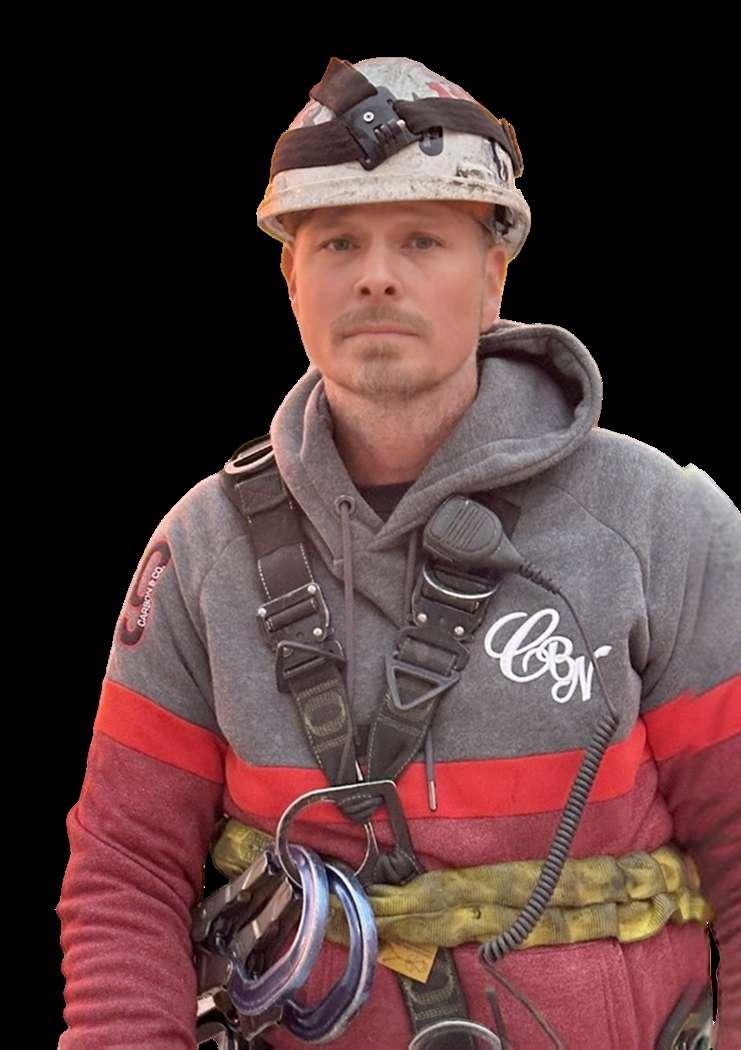
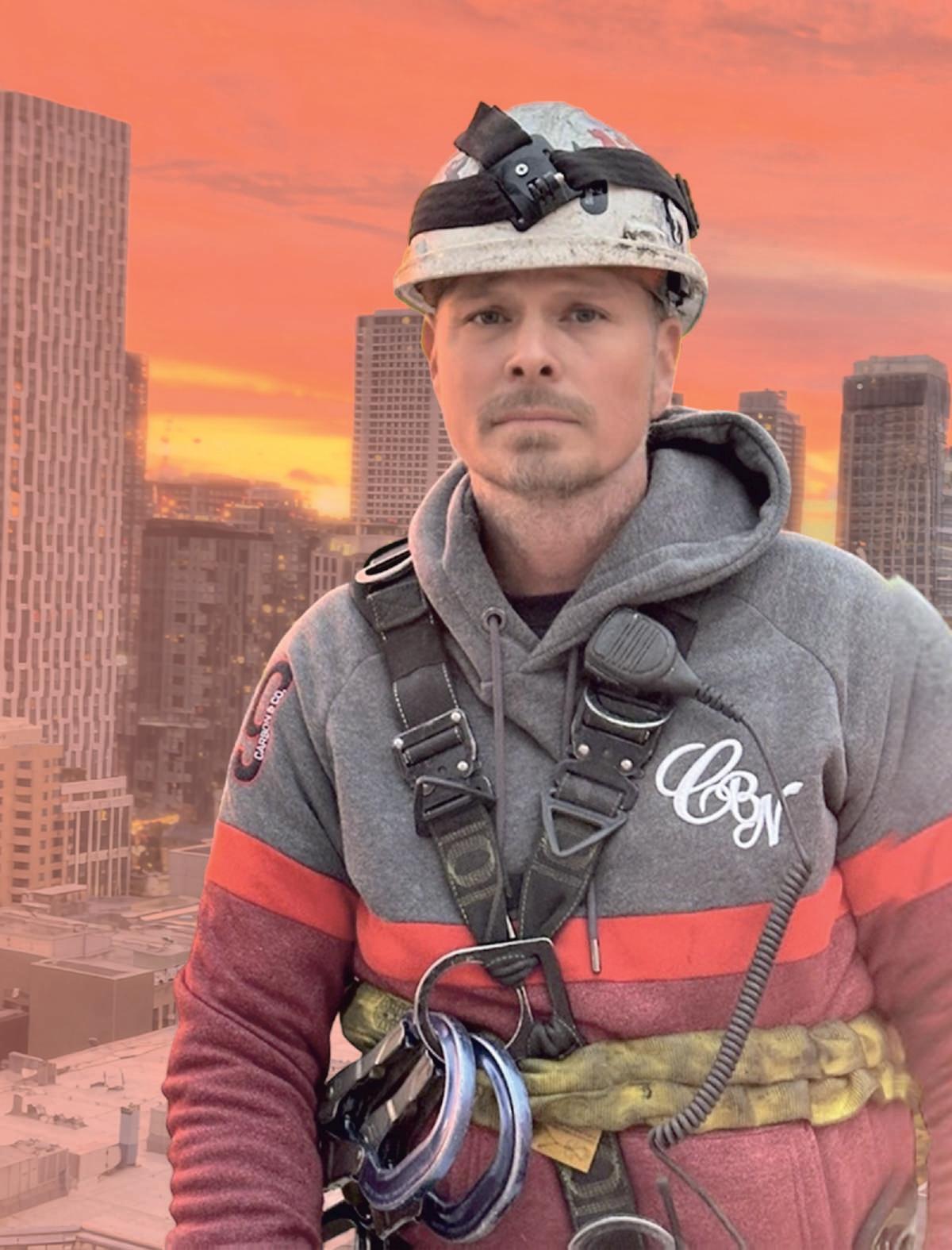
Every skyline tells a story. Behind every rising tower, every stretch of steel and glass reaching into the sky, there is a silent force making it possible. Tower cranes, towering above cities, serve as the backbone of modern construction. Yet behind those cranes, ensuring their safety, precision, and reliability, stand professionals whose work often goes unseen. Daniel Raviele is one of those professionals. His career has been dened not by what he builds, but by how he protects what others build, ensuring that progress never comes at the cost of safety.
For Daniel, the journey into tower crane inspection did not begin as a calculated career decision. It began with fascination. Early in his career, while working on construction sites with Avenue Building Corporation, he found himself drawn to the cranes that dominated the skyline. These machines were more than equipment.

They were lifelines for the entire operation.
“My initial interest in tower crane inspection grew out of a fascination with how these massive machines shape skylines and enable complex construction projects,” he explains. “They are truly the backbone of high-rise work. They are the heart of the job.”
What began as curiosity soon became purpose.
Finding Purpose on the Job Site
Working closely with crane maintenance crews exposed Daniel to the complexity and precision required to operate these machines safely. Each lift demanded coordination between operators, riggers, engineers, and inspectors. Every movement had consequences. Every component mattered.
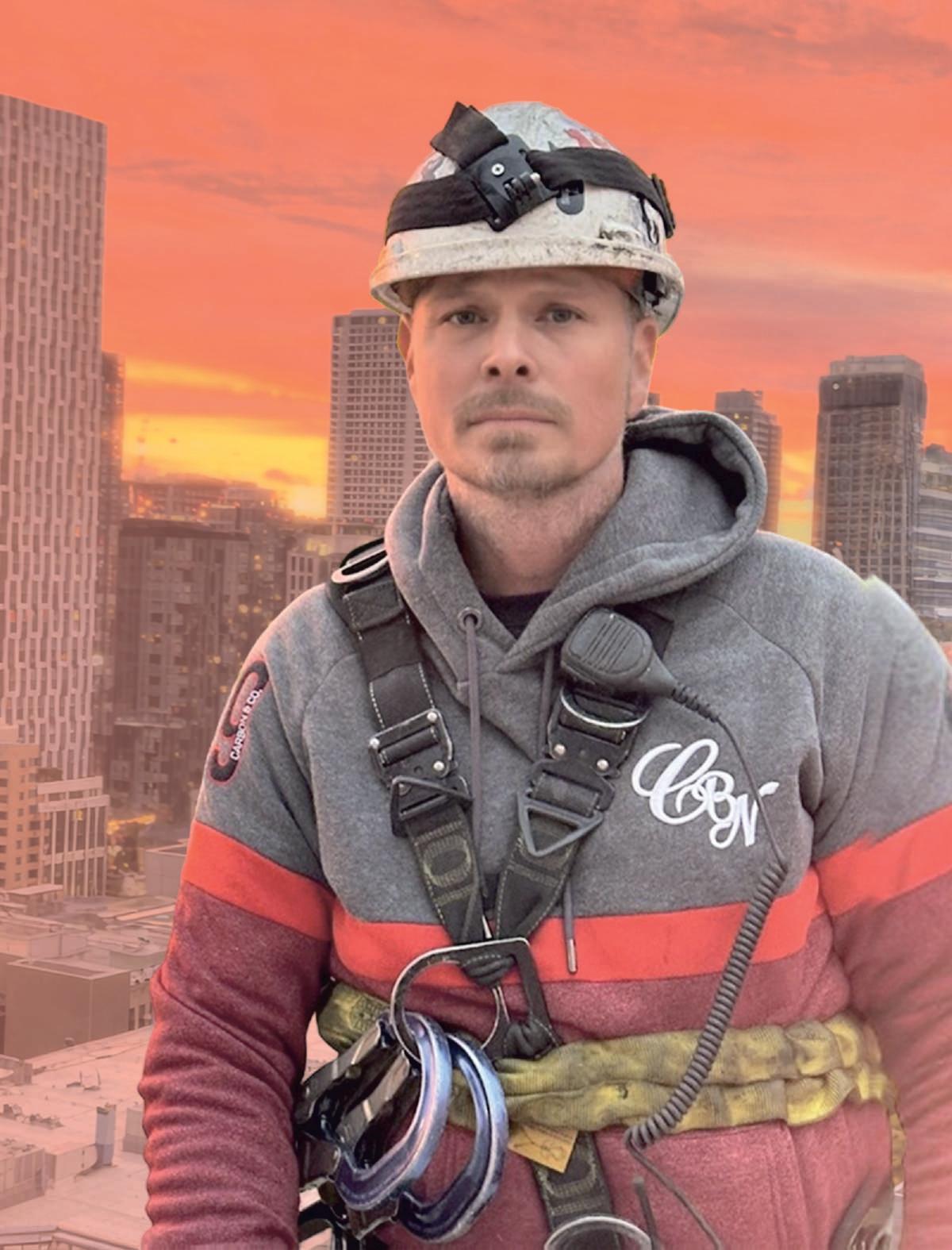
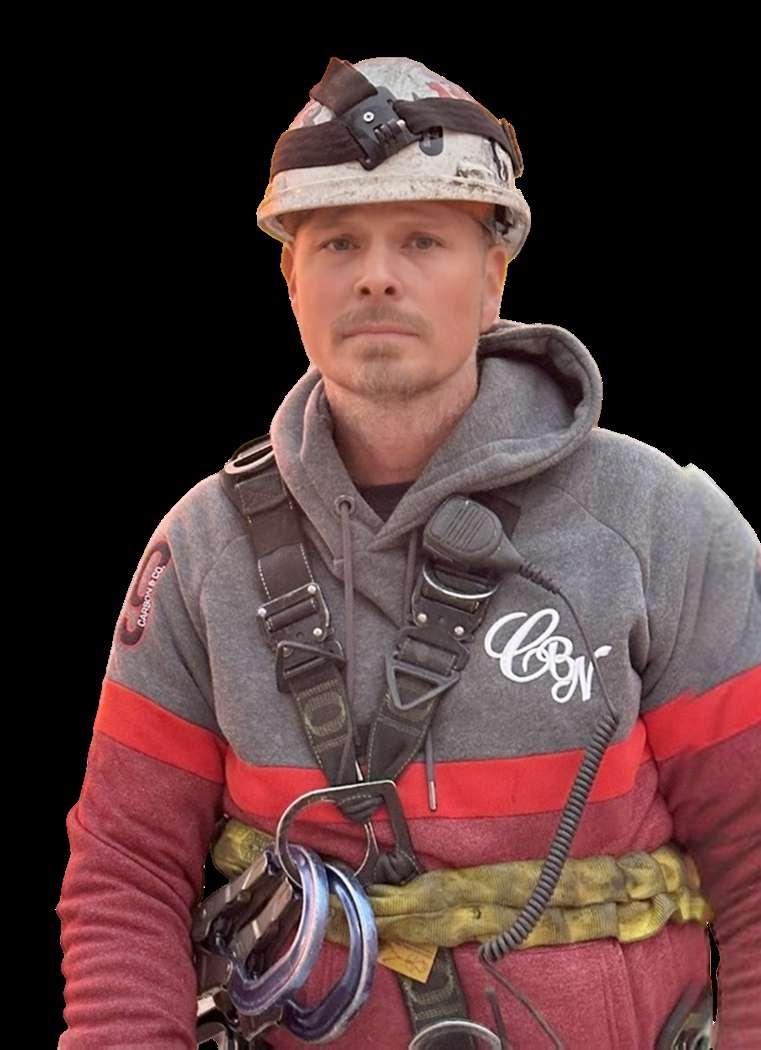
An early opportunity to work directly within the tower crane maintenance division deepened his understanding of the mechanical and structural forces involved. He saw rsthand how load dynamics, structural alignment, and mechanical integrity determined the safety of operations.
But one moment in particular would permanently shape his perspective.
During a major high-rise project early in his career, Daniel was part of the maintenance team when a routine lift revealed a minor fault in the crane’s setup. The issue was caught in time, preventing what could have become a serious incident. Yet the experience left a lasting impression.
“That experience really opened my eyes to how even small oversights can have serious consequences,” he recalls. “From that point on, I became deeply focused on safety, especially crane inspection, where attention to detail truly saves lives.”
It was a turning point. The responsibility was no longer abstract. It was personal.
From that moment forward, Daniel understood that crane inspection was not simply technical work. It was work that carried profound human impact.
Building Expertise Through Discipline and Certication
Daniel’s commitment to safety and technical excellence led him to pursue rigorous professional certications early in his career. Among his most signicant achievements was earning both his Canadian Welding Bureau Welding Supervisor and Welding Inspector certications.
“It was a rigorous process that required deep technical knowledge and practical experience,” he says. “It opened doors to more complex inspections and leadership roles.”
These certications enabled him to evaluate structural integrity with precision, ensuring that welds and load-
bearing components met strict safety standards. He also obtained certication in Magnetic Particle NonDestructive Testing, a specialized method used to detect surface and subsurface defects in ferromagnetic materials.
This technique allows inspectors to identify cracks or structural weaknesses that may not be visible to the naked eye. It is a skill that requires both technical understanding and trained intuition.
For Daniel, certication was never simply about credentials. It was about capability. It was about ensuring that he possessed the knowledge and tools necessary to protect lives and projects alike.
His dedication extended beyond personal advancement. Over time, he also contributed to improving inspection protocols, increasing efciency while reducing risk. Mentoring junior inspectors became another dening aspect of his career
“Helping others achieve their certications has been incredibly fullling,” he says. “It strengthens the safety culture and ensures long-term impact.”
Few environments test an inspector’s resolve like a tower crane perched atop a high-rise building. The work demands not only technical expertise but composure under pressure.
One of Daniel’s most challenging experiences came during a critical climbing process. A tower crane positioned on a building needed to be secured properly as a severe storm approached. High winds threatened the stability of the structure.
In that moment, there was no room for hesitation.
“I carefully assessed the structure, adjusted supports, and conrmed every brace was secure so the crane could withstand the storm,” he recalls.
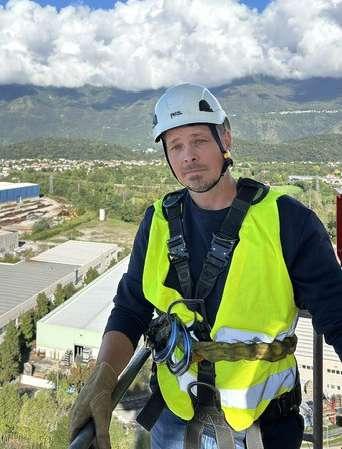
The experience reinforced a fundamental truth. Safety depends on foresight. Preparation. And calm decisionmaking when conditions are uncertain.
“That moment taught me the importance of precision, foresight, and staying calm under pressure,” he says.
The lesson has stayed with him throughout his career
Balancing Tradition and Technology
The construction industry continues to evolve, introducing new technologies designed to enhance efciency and safety. Drone inspections, digital monitoring systems, and advanced diagnostics have become increasingly common.
Yet Daniel maintains a rm belief in the importance of direct, hands-on inspection.
“When I started as a crane inspector, most assessments relied on manual checks, which I believe is still the best way to conduct inspections,” he explains. “You need to be physically present on the crane to ensure you are able to detect any discrepancies.”
While he acknowledges the value of technological tools, he emphasizes that technology should complement, not replace, human judgment and physical inspection.
The future, he believes, lies in integration. Combining advanced tools with experienced professionals ensures the highest standards of safety
Ongoing education remains essential. Daniel regularly participates in workshops, pursues certications, and stays current with regulatory changes. Continuous learning allows him to adapt while maintaining the integrity of his inspection methods.
Behind every successful professional stands the inuence of mentors who help shape perspective and discipline. For
Daniel, that mentor was Dave Hannah, a senior inspector with decades of experience.
“He taught me that attention to detail and a proactive approach to safety can prevent incidents before they happen,” Daniel reects.
This philosophy became foundational. Safety, he learned, is not something added to a checklist. It is a mindset.
Today, Daniel carries that lesson forward by mentoring the next generation of inspectors. Through hands-on training and collaboration, he shares real-world knowledge that extends beyond theory.
Mentorship, for him, is about building a culture of vigilance. It is about ensuring that safety is understood not as an obligation, but as a shared responsibility
After two decades in the industry, Daniel’s career reached a new milestone with the founding of RTM Crane Inspections Inc. Establishing his own company represented both a professional evolution and a personal commitment to advancing safety standards.
Working alongside leading companies such as Avenue Building Corporation, Total Crane Erection and Dismantle, and Total Design Engineering Firm provided him with the opportunity to apply his experience on complex projects while building strong partnerships.
These collaborations reinforced his reputation as a trusted inspector capable of navigating high-stakes environments.
His vision for RTM Crane Inspections extends beyond business success. He aims to contribute to the advancement of inspection standards while mentoring future professionals.
“I’m passionate about mentoring the next generation of inspectors,” he says. “Helping them navigate both technical challenges and the realities of high-stakes work.”

Looking back, Daniel’s career reects a consistent philosophy. Safety is not achieved through shortcuts. It is achieved through discipline, attention to detail, and unwavering commitment.
His advice to aspiring inspectors is grounded in experience.
“Embrace ongoing learning, and never compromise on safety,” he says. “The highs, like preventing incidents on critical sites, are incredibly rewarding. The lows teach resilience, meticulous planning, and the value of teamwork.”
He also emphasizes the importance of maintenance and prevention.
“Ensuring tower cranes are maintained properly and regularly is the best way to ensure safety.”

And then, with a touch of humor that reects the realities of working hundreds of feet above ground, he offers one nal piece of advice.
“Don’t look down.”
The Silent Guardians of Progress
Daniel Raviele’s work exists largely outside public view
Yet his impact is visible in every crane that operates safely, every project completed without incident, and every worker who returns home at the end of the day
His career stands as a testament to the professionals who operate behind the scenes, ensuring that progress never comes at the cost of safety.

Ready to fuel your ambition and receive your dose of inspiration directly to your digital doorstep? Subscribe to Exeleon Magazine today, and enjoy the following perks:
• Convenience at Your Fingertips
• Exclusive Extras
• Community Connection

When it comes to solving problems through simplicity, few tools have had the impact of Omni Calculator. Built on the belief that knowledge should be accessible, practical, and free, the platform now features nearly 3,700 calculators across categories like nance, health, math, chemistry, and more.
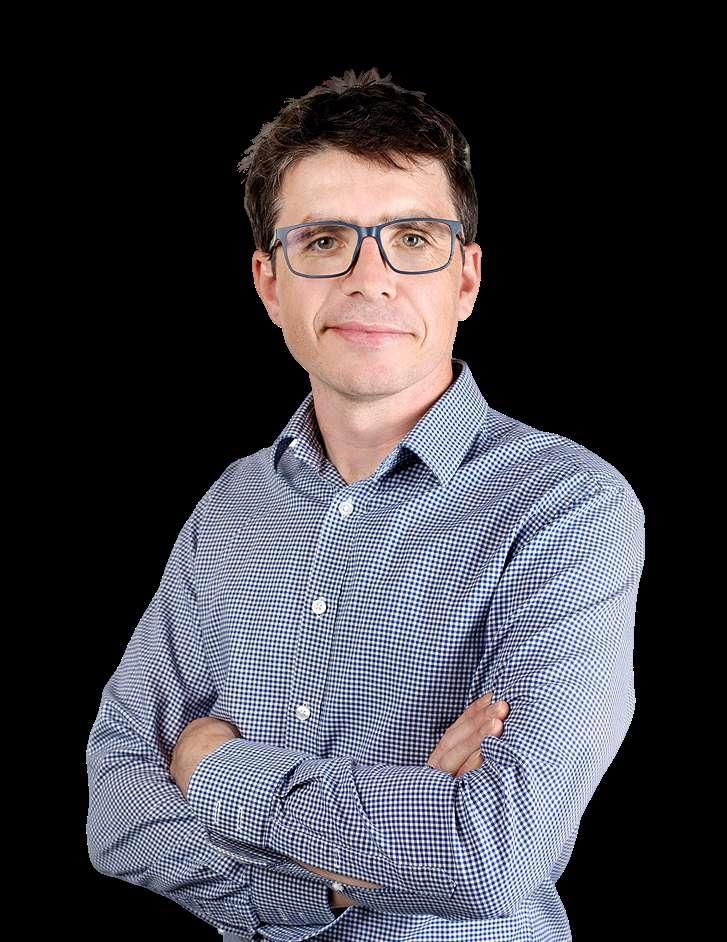
At the center of this success story is Mateusz Mucha, a founder who turned a personal learning project into a go-to global solution for millions. In this interview, Mateusz reects on the early spark, the bold decisions, and the unwavering vision behind Omni's growth.
Omni Calculator began as a hobby project you built while still in high school. What problem were you originally trying to solve, and what drew you to building calculators in the rst place?
Originally, I just wanted to learn JavaScript. Back then, a lot of websites were still pretty static, and JavaScript allowed you to make something happen live on the page. I was fascinated by the potential, so to learn the language—and as a math guy—I decided to build a calculator. My rst project (before the margin calculator) was a very simple percentage calculator, and the cool thing about it was that it worked both ways. You could enter any two of the three elds, and the empty one would be calculated. This is true for almost every Omni calculator to this day, and that was something quite revolutionary on the internet back then.
One of your earliest innovations was creating calculators that work in any direction, without xed inputs or outputs. How did that idea come about, and why was it so important to you?
As I mentioned above, the main reason for it was to learn the technology that allows for creating tools on the web—JavaScript—and to create something that people would actually like to use (because who doesn’t want their work to be shared and appreciated?). The idea seems simple today, but it wasn’t very common back then, which is why the calculator gained initial traction.
In 2014, you decided to turn a side project into a real business. What made you believe Omni Calculator could become something much bigger?
When I created the percentage calculator and got some trafc from it, my friends encouraged me to make other variations, like a “percentage off calculator” or a “margin calculator” for people to calculate real-life things. Being quite new to the business game, I said it was stupid because you could calculate all those things using my existing percentage calculator. But after some time, I decided to actually create them and host them on the website, and it turned out everyone was using the other calculators and no one was using my percentage calculator anymore. It was an extremely valuable lesson: people want products tailored to their problems—the fewer the steps, the better. Basically, since then, we ve been trying ’ to create calculators for every possibility, and in 2026, here we are, with almost 3,700 calculators and counting.


You made the bold decision to keep Omni Calculator completely free. What challenges came with that choice, and how did it shape your growth strategy?
It was quite easy back then to position yourself at the top of Google Search, and the trafc provided ad income. Even if there were other options, like doing jobs for corporations to create tailored tools just for them, the vision of creating tools for anyone, anywhere—with a constant feedback loop of what to improve and the autonomy to do any project you want—meant I never even considered those other options.
Managing a business with millions of users requires balancing quality, scale, and speed. How do you ensure accuracy and trust across hundreds of calculators?
I love this question because it allows me to switch focus from me to my team, which is denitely what I'm most proud of when it comes to Omni. At the beginning, it was just me, but very early on I started hiring people, and eventually, we scaled to the small-to-medium-sized company that we are today. Our website runs great, looks great, and the numbers are coming out correct because we have experts on board—we have a great IT team, we have great marketing people, and, to answer your question, we have a great content team. The people who create our calculators are experts in their elds. We prioritize education, which is why most of our content creators have PhDs in their elds and why we can create extremely complicated calculators that work awlessly.
Looking back, what leadership lessons stand out most from building a multi-million-dollar business without traditional growth tactics?
Focus and something I call action bias. You can sit, think, and plan, and then think about the plan, then change it, then think about what s wrong ’ with it, then plan again, and in the loop we go. I know it s not ’ groundbreaking or sexy, but you really have to put the hours in to get the results out—no theory can teach you as much as practice.
As Omni Calculator continues to grow, what is your long-term vision for the company and its impact on global access to knowledge?
The ultimate goal is to have tools that allow the user to calculate anything they want without any extra steps—come in with the inputs they have and come out with the answer as quickly and efciently as possible. There’s really nothing more to it. We’ve been working towards this goal since the beginning of the company’s existence, and the goal has never changed.

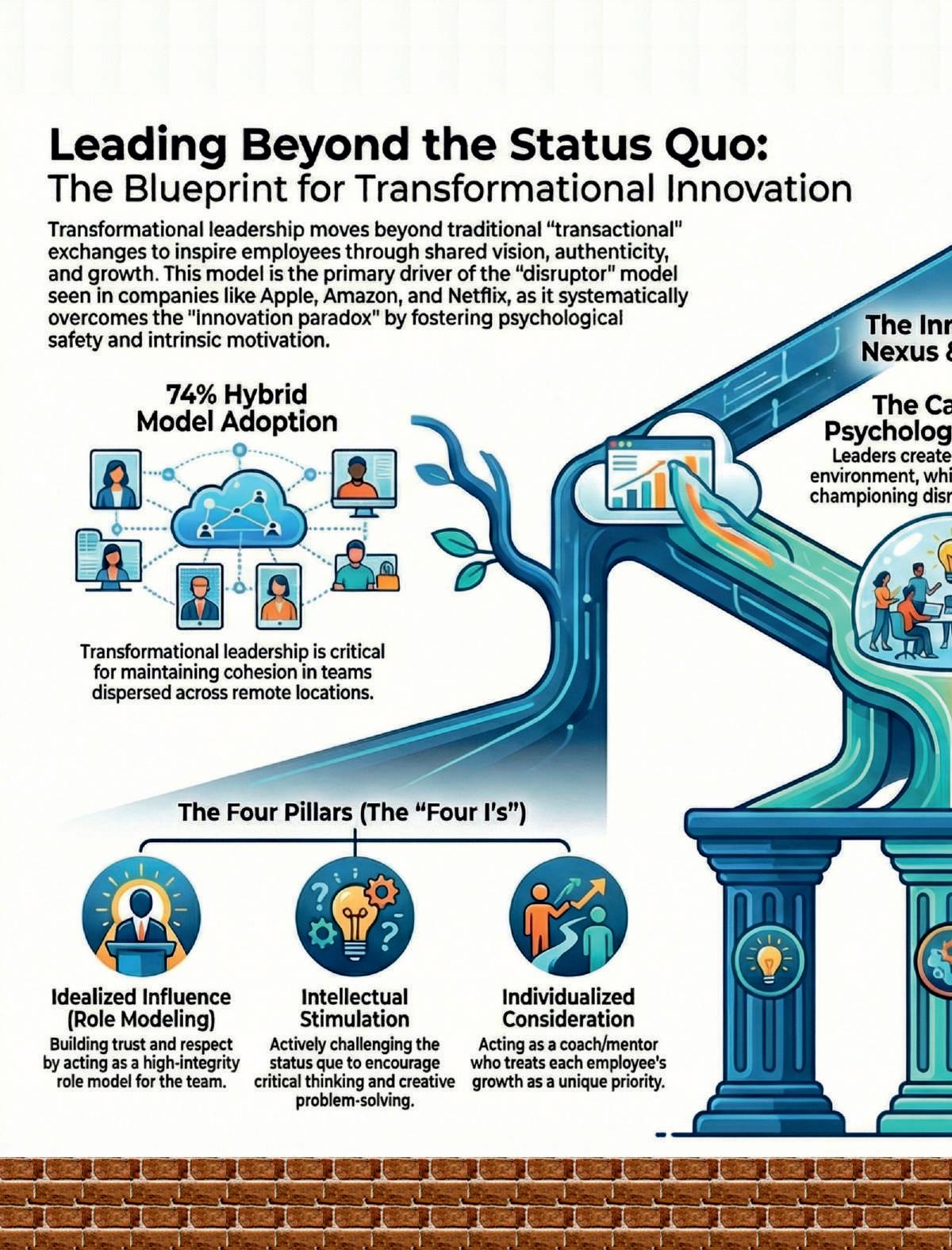
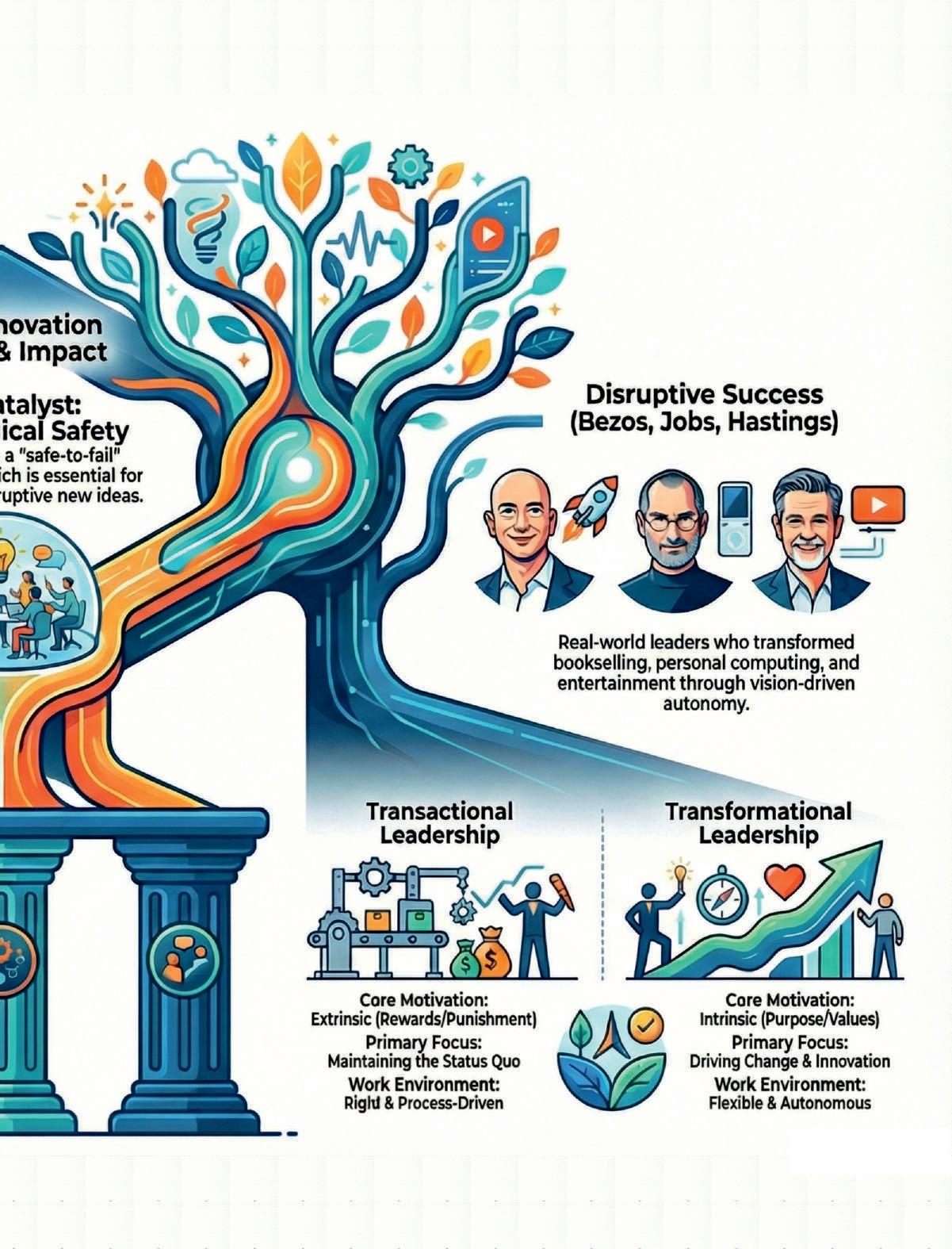
Timeless frameworks from leaders who transformed companies and defined generations—wisdom that never goes out of style.


Traditional leadership: Leader at top, employees at bottom. Servant leadership: Flip it. Leader's job is removing obstacles for their team. Satya Nadella transformed Microsoft's culture by asking 'How can I help you succeed?' instead of 'Why didn't you hit targets?' Revenue grew from $77B to $198B. Servant leaders don't diminish authority—they multiply impact. Your team's success IS your success. When they win, you've led.
This week, ask every direct report: 'What obstacle can I remove for you?' Then actually remove it.


Patrick Lencioni's hierarchy of team failure: (1) Absence of Trust leads to (2) Fear of Conflict, which creates (3) Lack of Commitment, resulting in (4) Avoidance of Accountability, ending in (5) Inattention to Results. Most leaders focus on results. Elite leaders build trust first. Trust enables productive conflict. Conflict enables commitment. Commitment enables accountability. Accountability drives results. Fix the foundation, not the symptom.
L
Diagnose where your team breaks down. Start at trust, not results. The pyramid builds from bottom up.


Ancient Greek wisdom: The fox knows many things, the hedgehog knows one big thing. Jim Collins studied 1,435 companies over 5 years. Hedgehog leaders (one clear vision, relentlessly pursued) outperformed fox leaders (scattered focus, many initiatives) by 5x. Apple under Jobs: 'We say no to 1,000 things to say yes to the few that matter.' Amazon: 'Customer obsession.' One North Star beats ten priorities. Complexity is easy. Simplicity is leadership.
L
Write your organization's ONE hedgehog concept. If you can't, you don't have one yet. Get clear.


Admiral James Stockdale survived 8 years as Vietnam POW. Who didn't survive? The optimists who said 'We'll be out by Christmas.' Broken when Christmas passed. Stockdale's insight: Confront brutal facts of reality AND maintain unwavering faith you'll prevail. Leaders who sugarcoat reality demoralize teams. Leaders who only focus on problems create despair. The paradox: Face the brutal truth while never doubting ultimate success. This is crisis leadership.
In your next crisis: Name the brutal facts explicitly. Then declare unwavering faith in the outcome. Both.

Golden Rule: Treat others how you want to be treated. Platinum Rule: Treat others how THEY want to be treated. You prefer direct feedback? Your team member might need gentle coaching. You want autonomy? They might need structure. Great leaders adapt their style to each person. One-size-fits-all leadership creates one-size-fits-all mediocrity. Study your team's working styles, communication preferences, motivation triggers. Flex your approach. That's influence.
L
Ask each team member: 'How do you prefer to receive feedback? Make decisions? Be recognized?' Then adapt.

Jim Collins found leaders who took companies from good to great share paradoxical traits: Personally humble (credit others for success) + Professionally fierce (blame themselves for failures). They're ambitious for the company, not themselves. Darwin Smith (Kimberly-Clark) was shy, awkward, unknown—yet transformed the company 4x market average for 20 years. Contrast with celebrity CEOs who shine bright and flame out fast. Ego serves self. Humility serves mission.
Audit your last success: Did you credit your team publicly? Your last failure: Did you own it? Flip if needed.
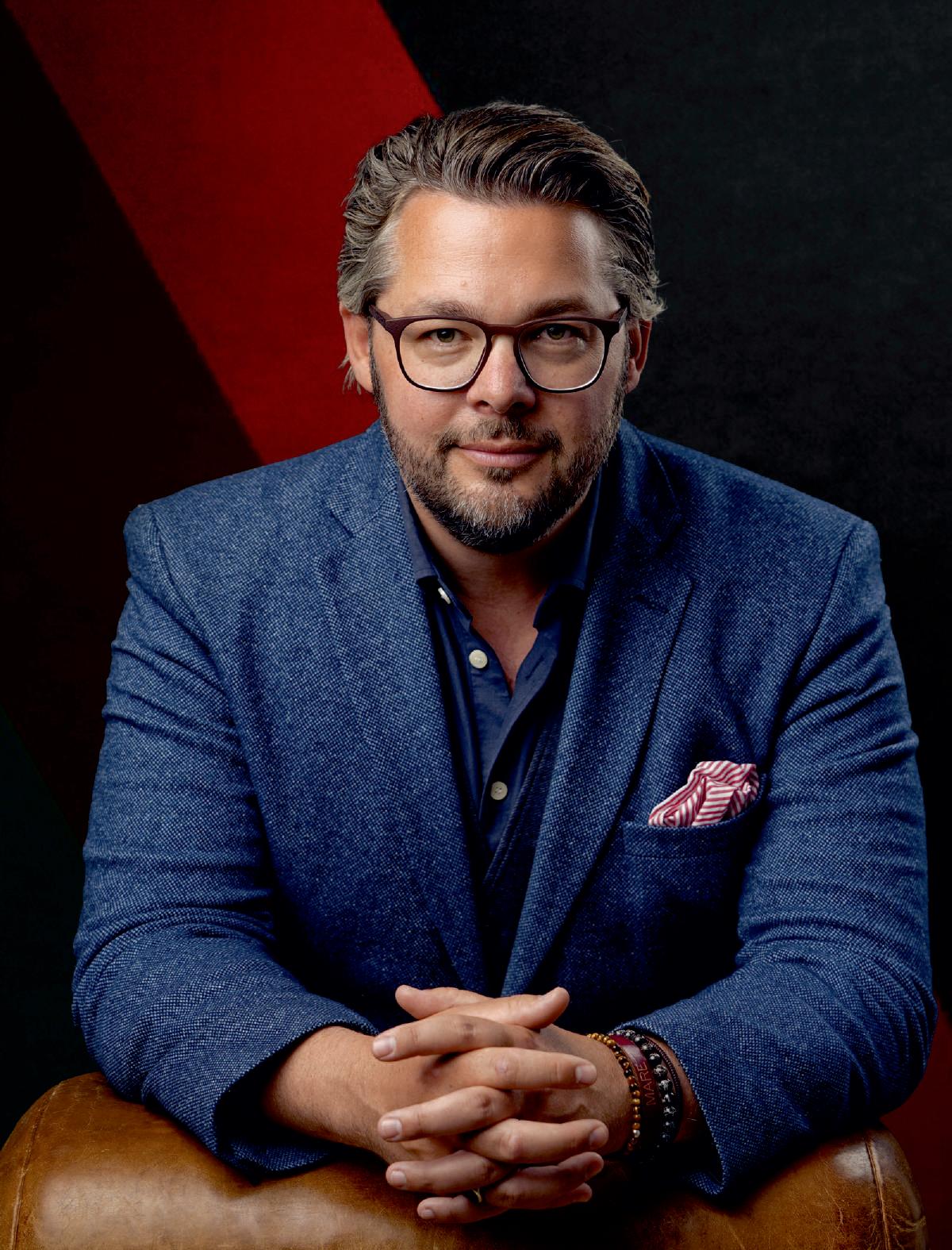

After more than two decades working at the intersection of strategy, technology, and organizational change, René Esteban has seen nearly every version of transformation success and failure imaginable. From early e-commerce waves to today's AI-driven disruption, he has advised global enterprises under intense pressure to modernize, scale, and stay relevant.
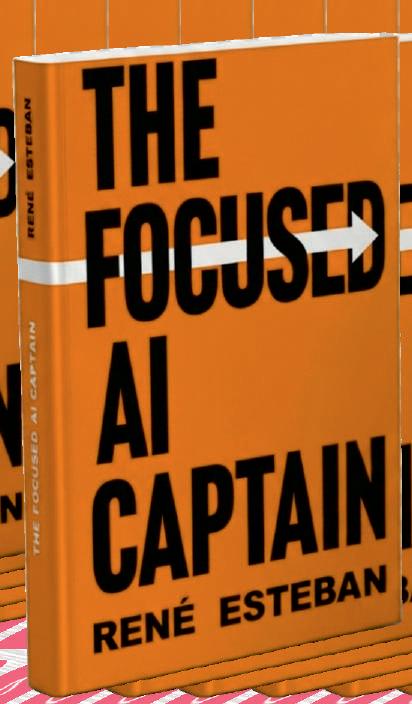
As Founder and CEO of FocusFirst, and author of The Focused AI Captain, René is known for cutting through hype with clarity. His work challenges a popular assumption in modern business: that failed transformations are technology problems. Instead, he argues they are almost always people, design, and focus problems.
In this conversation, René reects candidly on the failures that shaped him, the patterns he sees across hundreds of transformation programs, and why slowing down at the start is often the fastest way forward.
You have more than two decades of experience leading strategy, change, and transformation across multiple technological waves. Looking back, what moments or failures most shaped how you think about transformation today?
Honestly? The failures shaped me far more than the wins.
My rst real job in transformation was leading e-commerce for a DAX-40 company. I was young, I had the CEO behind me, and I thought that meant I could bulldoze through anything. I couldn’t. The sales teams saw us as a threat to their commissions and they fought back - hard. We eventually gured out that we had to redesign their incentive structure so they weren't punished for online sales in their territory. Only then did they become allies. That taught me something I've never forgotten: you can have the best technology and the strongest executive sponsorship, but if people feel threatened, they'll nd ways to slow you down.
Later, I made a different kind of mistake. I was so focused on getting things delivered that I didn’t pay enough attention to whether people were actually adopting them. We'd celebrate go-live and move on to the next thing, then wonder six months later why adoption was at. I was measuring the wrong things.
These days, when I walk into a new engagement, I assume I'm going to encounter both of those problems - fear and premature celebration. Usually I'm right.
Before founding FocusFirst, you worked closely with large global organizations under intense pressure to deliver results. What gaps did you consistently observe in how companies approached change?
The most common one is rushing to solutions before really understanding the starting point. I’ve seen leadership teams authorize massive technology investments based on a vision deck and some vendor demos, without ever asking: “Do we actually have the organizational readiness to absorb this?” It’s like buying a Speed Boat when you haven’t learned to drive.
The budget split is another giveaway. Most organizations put 80% of their transformation budget into technology and 20% into everything else—training, change management, process redesign. The companies that actually scale their initiatives ip that ratio. They invest 70% in people and processes, 20% in infrastructure, and only 10% in the algorithms themselves. That sounds counterintuitive until you realize the algorithms are useless if nobody trusts them or knows how to use them.
And then there’s the “declare victory and move on” problem. Go-live gets celebrated, the project team disbands, and everyone assumes the transformation is done. It’s not. It’s barely started. The real work is making the new way of working stick when nobody’s watching anymore.

You have worked on more than 250 global transformation programs. From that experience, what patterns separate transformations that succeed from those that quietly fail?
The successful ones usually have one clear goal that everyone can articulate. Not ve strategic priorities—one. When I ask people at different levels of an organization “What are we trying to achieve?”, and they give me the same answer, that’s a good sign. When I get ve different answers, we have a problem.
Another pattern: the organizations that succeed are the ones that were honest about their starting point. They did the diagnostic work. They admitted where they were weak. The ones that fail often skipped that step because someone in leadership didn’t want to hear uncomfortable truths.
I’ve also noticed that the successful transformations almost always have someone - usually not the most senior person - who just refuses to let adoption slip. They track it obsessively. They follow up when numbers drop. They notice when a team is struggling and intervene early. It's not glamorous work, but it makes all the difference.
The pattern I see in failures? Lots of activity, lots of pilots, lots of announcements, but when you look closely, nothing actually changed in how people work.
Your book, The Focused AI Captain, challenges the assumption that failed AI initiatives are a technology problem. What made you realize that organizational design is the real bottleneck?
I kept seeing the same thing over and over: organizations would run successful pilots, prove the technology worked, and then... nothing. The pilot would just sit there. No scaling, no broader adoption, no business impact.
At rst I thought maybe the pilots weren’t compelling enough. But that wasn’t it. The ROI was often clear. The problem was everything around the technology - unclear ownership, processes that didn’t accommodate the new tools, middle managers who felt bypassed, employees who were never trained properly.
What really drove it home for me was watching how people actually behave. In a lot of organizations, employees have access to approved AI tools that went through months of security review And what do they do?
They use ChatGPT on their personal phones instead because it's easier and nobody told them why the company tool matters. That’s not a technology failure. That’s a change management failure.
The organizations that get real value from AI aren't the ones with the most sophisticated models. They’re the ones that did the unglamorous work of preparing their people and redesigning their workows.
As someone who advises C-suite leaders globally, what do you believe today’s executives misunderstand most about leading through rapid AI driven change?
There’s enormous pressure right now to move fast. I get it - the board is asking about AI, competitors are announcing initiatives, nobody wants to be left behind. But this pressure often leads to what I call “pilot theater”: launching lots of experiments to show activity, without any real plan to scale them. Not focused.
The executives who actually end up moving fastest are, counterintuitively, the ones who slow down at the beginning. They take time to align their leadership team, to be honest about organizational readiness, to think through how roles will change. That upfront, focused investment pays off later because they’re not constantly reghting resistance and confusion.
The other big misunderstanding is treating AI like it’s just another IT project. It’s not. When AI works well, it changes how decisions get made, how work gets allocated, how people collaborate. Those are organizational design questions, not technology questions. I’ve watched technically brilliant AI deployments fail because nobody thought through what happens to the people whose jobs just changed.
You are recognized as an innovator, speaker, and advisor, yet your work emphasizes focus and simplicity. How do you personally stay focused in an environment full of noise and hype?
I’m not sure I’d call myself an expert at focus - I’m human, so I struggle with it like everyone else. However, what helps me is having a small number of questions I keep returning to. The main one is: “What problem are we actually trying to solve?” It sounds obvious, but it’s amazing how often I catch myself (or a client) drifting toward a solution before we've really nailed down the problem.
I also try to be ruthless about what I read. There’s so much AI content out there right now, and most of it is either hype or repackaged hype. I’ve found that talking to practitioners - people actually implementing this stuff - is worth more than reading ten trend reports.
The other thing, honestly, is having people around me who will tell me when I’m wrong. It’s easy to fall in love with your own ideas, especially when you’re the one running the company. My colleagues are pretty good at bringing me back to earth.
Looking ahead, what is your long-term vision for FocusFirst and for the leaders who apply the principles outlined in The Focused AI Captain?
I want FocusFirst to be the place leaders turn when they’re serious about transformation but tired of the usual consulting playbook. We’re building solutions that work in the real world, not just in pitch decks. The goal is to make good transformation practice accessible - not everyone can afford a Big Four rm for two years, but everyone deserves practical guidance.
For the people who read the book, I hope they come away feeling like transformation is something they can actually do. Not that it’s easy - it isn’t - but that it’s not some mystical capability only certain organizations possess. The principles are learnable. The frameworks are practical. You can start applying them Monday morning.
If I'm being honest about the long-term vision, it's pretty simple: I want fewer transformation programs to fail. The failure rate right now is embarrassing for our entire industry. I think we can do better, and I'm trying to do my part.




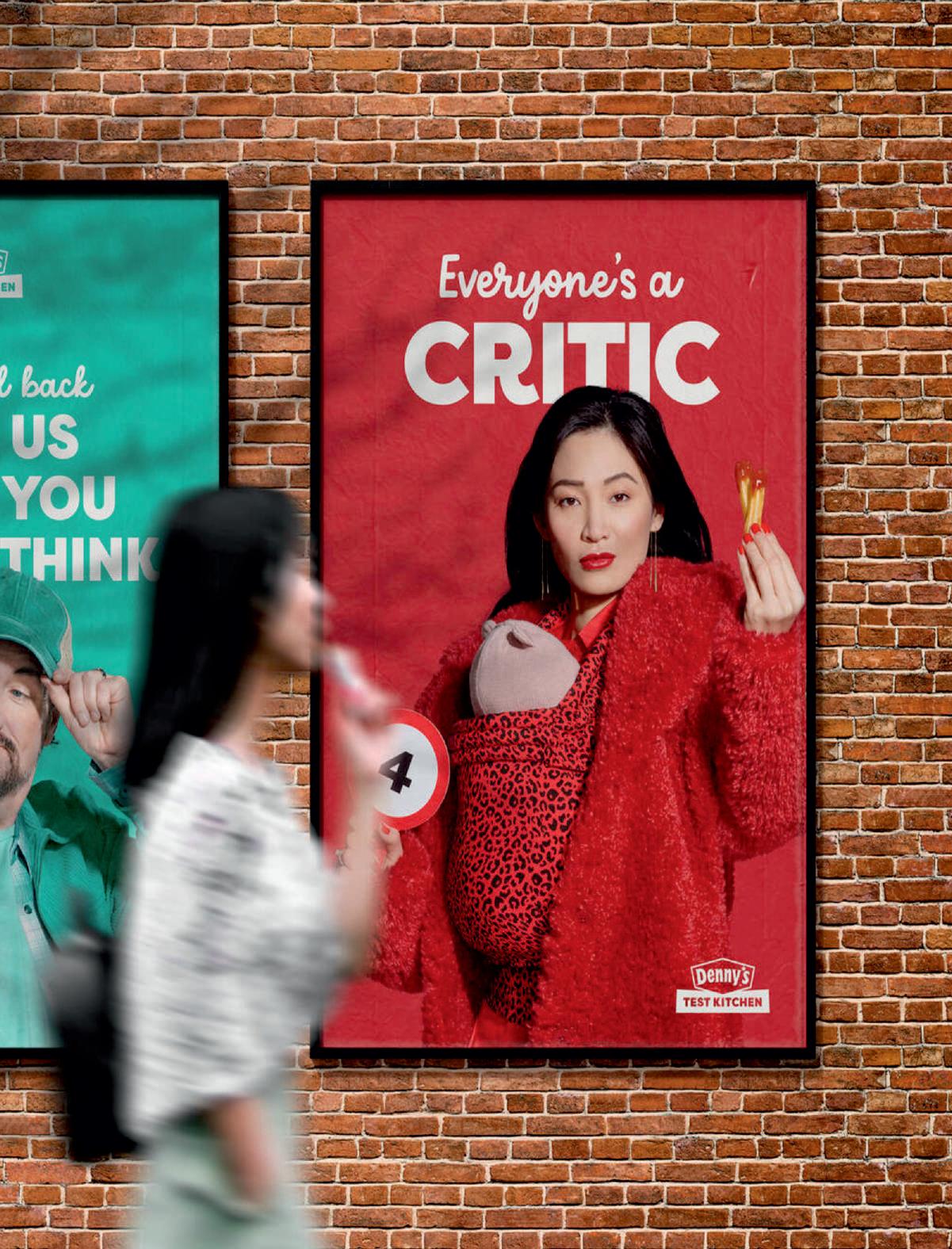
Performance reviews and exit interviews have long been used to gather insights from employees. They are held year by year, without fail, that employees sometimes become indifferent toward them. While they’ve proved to be benecial, these xed methods might not be the optimal solutions for the current business landscape.
Nowadays, performance reviews and exit interviews seem to have lost favor with both employees and managers alike. Some critics have deemed them “pointless,” and for good reason: they’re too passive to get vital feedback and enforce change in the workplace. By the time issues are brought to light, your employees might already have one foot out the door
If these methods are outdated, how exactly do we get information without overstepping boundaries? In this article, we discuss stay interviews and why they might be today's best approach to staying in the know.
Stay interviews allow for real-time discussions
Stay interviews are also called pulse interviews. As the name implies, these mini, informal interviews are usually done to get a pulse on the current workplace dynamics and people’s sentiments. While exit interviews and performance evaluations work in the same way, they’re too late to make effective change. By the time you’re made aware of it, that pulse? Flatline.
This is what stay interviews address. They allow for real-time discussions of important business or personal matters that might affect your daily operations.
With immediate knowledge, you, along with your employees, get to shift to problem-solving for faster resolution of any concerns — no more waiting until the end of the year or, worse, an employee’s last working day.
Let's face it: with packed schedules, leaders don't have the luxury of time to know the status quo at all times. But these short, casual conversations give you a quicker reality check. More importantly, you get to plan ahead — and better — with more insight.
Stay interviews empower employees to have a voice
Stay interviews don’t just benet managers. They are also helpful for employees — maybe much more.
Studies have noted that employees often refuse to speak up because of certain “inhibitors,” such as fear of repercussions, learned helplessness, or a lack of trust. Formal settings like scheduled evaluations and interviews do little to overcome these too, as the power distance between manager and employee remains evident because of how they’re structured. What worked better? Open feedback mechanisms.
Employees work the eld on the daily, and they have a closer proximity to everything happening in the ofce. As such, they can offer a more reliable, rsthand perspective when it comes to the work environment and improvements needed by the company. In the same way, whatever is going on with them — physically, mentally, and so on — affects your business.
Asking how they are and listening to what they have to say are simple yet signicantly impactful acts. Let them have the oor, and you’d be surprised at how much you don’t know. By allowing them to share their concerns and feedback, you make them feel valued and respected. With this small action, you get to boost their morale, which could potentially improve performance, offering security for both you and them.
A quick 30-minute conversation can positively impact your leadership. By reaching out, you show that you’re someone they can rely on, and that builds trust. When done consistently, you get something even more priceless: loyalty
Engaging in meaningful discussions about work or even personal life shows that you care. It reduces the distance between you and your staff. With this act of support and recognition, you offer employees security not just emotionally but also in your capacity.
This trust, combined with genuine support, displays leadership that goes beyond the stats. It is one where people are at the core of the business, not treated as disposable machines.
Stay interviews may be more informal than regular employee review methods, but they impact the company more holistically. Employees with managers who actively gather feedback are often better performers. Some studies also found reduced turnover rates in workplaces where one-on-ones or routine check-ins were conducted.
Ofces that have regular work and personal life check-ins see lower burnout among staff. It also creates for a more functional team, as employees and leaders become more transparent and engaged with the work.
At my company, OysterLink, we make sure to have one-on-one sessions with our team members not just to catch up on task progress but, more notably, to check in on everyone beyond work. Based on what our staff have shared, we’ve developed wellness programs and improved ofce regulations to enhance the workplace. Done right, these stay interviews offer more than great insights. They enable more efcient management.
Overall, stay interviews make for better leaders and better employees. But while it’s easy to chat with your teams, what will evidently make them stay is if they see real progress.
As a leader, it is your job to do more than just listen. You have the responsibility to keep things in check.
So, the next time you conduct a stay interview, make sure to follow through and implement concrete actions. With real change comes safety, and you get to work with the best employees for many years to come.

ASAs a small-business entrepreneur, you’re used to being scrappy and nding creative ways to compete with big businesses that have vast resources. The meteoric rise of AI is changing the game, leveling the playing eld and, in many ways, putting everyone back to square one. Now, companies of all sizes are experimenting, trying to gure out where to start, what value AI can bring, and how to manage the change. For small businesses, this is a rare opportunity to move quickly and even gain an edge over larger, more complex organizations.
Of course, you don’t have to experiment blindly With a little strategic planning and a deep understanding of what internal and external audiences want out of AIpowered solutions, you can capitalize on their ability to innovate quickly and bring new products to market faster
To make the most of this opportunity, consider these strategies to minimize risk and maximize the benets of AI:

Every great AI strategy starts with humans at the helm. While “human in the loop” (HITL) means a person reviews or intervenes in an AI-automated process, “human at the helm” (HATH) is about people driving the strategic direction of AI. This means applying context, deriving value, providing judgment, leading with empathy, and taking risks. This approach recognizes that innovation can come from anywhere: give 20 people access to an LLM, and they’ll use it in at least 20 different ways.
According to a recent Cox Business survey, 60% of Gen Z and millennial employees feel positive about Ai’s growing role at work, but fewer than 10% of Gen Z employees believe they have real inuence over tech decisions. Rather than leaving real-world experience on the table, ask how your employees are already using AI and look for ways to integrate those actions into your operations. You’ll uncover new use cases, and your team will feel a greater stake in the solution’s success.


If you’re a one-person team, solicit feedback from someone you trust, such as a former colleague, a mentor, or a friend at a professional organization, and see if their perspective could improve your strategy.
Empowering your team with AI means more than just providing tools; it requires building a framework to capture and repeat great ideas. The challenge with AI is that it’s amorphous, and structure is needed. And this has to be done regularly. AI tech and capabilities are progressing rapidly, and so will the skills of your people, including their ability to prompt and interact with AI.
The constant news of AI breakthroughs and overnight success stories can make it seem as if you’re falling behind, and throwing AI at all your operations in hopes of improving efciency could be tempting. In the long run, though, adopting a solution in search of a problem will lead to greater spending without a clear ROI.
Instead, identify a single project or daily task you want AI to streamline. Track your own time over a week, and if you have a team, spend a few minutes chatting with each employee about any processes holding their productivity back. Try to identify trends of timeconsuming tasks, such as lling out contracts or compiling direct mail addresses, and determine the monetary value of getting that time back.
Remember, starting small doesn’t mean small value. Small improvements across multiple, interconnected areas applied consistently can add up to huge gains. The capabilities of general-use LLMs are broadening by the day There’s no need to look at specialized AI products or companies, at least to start. Many may be a ash in the pan anyway (remember the .com bubble bursting?). Again, remember to have your people involved. AI puts the power of the solution in their hands. Listen to what the biggest issues are, collaborate on solving the problem, and then iterate and constantly improve.
Think of AI as a relationship
First, everyone has to get to know AI, then come to love and understand it. Learn how to communicate with it, and know that miscommunications happen all the time. Have the right expectations, AI will make mistakes. Constant care, feeding, and feedback are needed to get it to where you want it to be. And it’s always evolving and changing, and needs to change with your needs and circumstances.
As with all cutting-edge technologies, you should expect some hiccups when implementing AI. Even though the tech may seem intuitive, gearing it to your business’s specic needs can take some training. But AI also comes with heightened security risks. Cox’s survey found 63% of younger employees occasionally or frequently use personal apps or software for work. It's a new form of shadow IT, and if employees are feeding generative AI condential information, that private data could nd its way to competitors.
As you adopt AI solutions, develop guidelines both for partners and employees. You'll want to ensure that if any outside vendors can access your AI models, their system is secured from outside attacks that could ultimately reach your network. These guidelines can also address appropriate uses for AI and establish which employees have direct platform access. Preparing for bumpy rollouts and threats from bad actors now will help you weather the storm if the time comes.
People are going to use AI on any device, anywhere, so ongoing education and reminders about risks and best practices are essential. Any vendors need to have security as a top concern.
Seize the moment
Don’t let risk slow your innovation. Find a clear use case, work with your team or a trusted colleague to verify your implementation strategy is the right approach and have a backup plan if you experience risks along the way That’s how you navigate the maze of AI platforms as a small business and come out with a technology that changes your business for good.

- Written by Sarah Kim, Vice President of Commercial Marketing at Cox Business






































-Written by Matt Reck
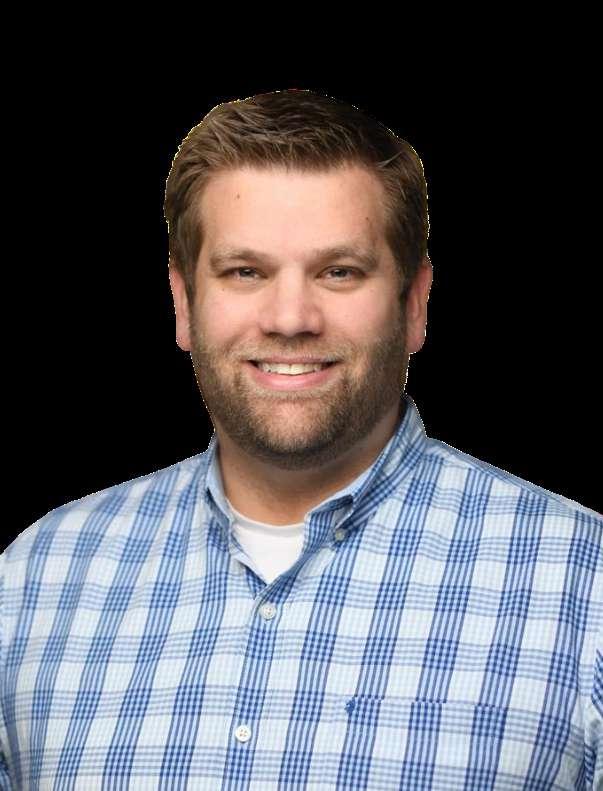
Anyone who’s been watching Fortra over the past few years knows that we’ve gone through an intense period of inorganic – or M&A driven – growth. Since 2020, we have completed 19 strategic acquisitions and become a leader in cybersecurity across Data Security and Brand Protection. M&A can be one of the best ways to accelerate an organization forward, but it can also be a signicant destroyer of value if it drives an organization to lose focus or creates a culture clash.
What we’ve learned through this journey, ironically, is that in order to execute M&A that ends up having a good nancial return, you have to anchor your acquisition criteria in the nonmonetary components of the deal:
First, the acquisition must align with your organization's overall strategy. As leaders, we need to ask: does it help us do something better or faster than we can do it ourselves?
Second, the organization you are acquiring must be a cultural match. In a phrase, life’s too short. You can get to cost synergies quickly, but it takes a lot longer to become “one company” and start to drive growth after a poor t.
Of course, the nancial story – purchase price, synergies, etc. – is important, but only if you have rst answered the questions above. These principles have come out of trial and error, but they’re the lessons that have risen to the top, both from my previous career in nance and in my role leading Fortra today.



“Does this acquisition align with our organizational strategy?” This question is easy to ask, but difcult to answer. If your organization has an unclear, overly general, or poorly articulated strategy, it is impossible.
The more clearly you can articulate where you are going and who you are trying to be as an organization, the easier it will be to try and evaluate things practically against that vision.
As leaders, we should be constantly simplifying and rening our vision of where we are going in the market and, from an M&A perspective, should simplify our strategic evaluation to some version of the following: Would buying this company help us achieve that faster or better than if we did it ourselves? If the answer is yes, we need to dig in; if the answer is no, we move on.
Another way to look at this question: if you are unclear about where you are going or what you are trying to create, acquisitions can do nothing but distract you.
Companies and corporations are just groups of people who choose to work together to achieve a common purpose. It can be easy to think of the large corporation as its own entity with its own inertia, but at its core it is just a group of people. People have tremendous capacity for achievement and creativity, and an organization that creates the right environment for innovation, ownership, and achievement can harness that to immeasurable benet.
That “environment” is what people and innumerable business cliches refer to as “culture.” It is notoriously difcult to change - think years, not months - in order to make an impact. Except through M&A. Putting the people of two organizations together by denition creates something new on the other side. It can be a net benet if there is strong cultural alignment, but it can also be toxic if not, and in that case – it takes years to adjust. No amount of near-term cost synergies can offset the impact of a full-scale culture clash.
As a result, we should ask: “Is there a strong cultural t and alignment of values between our organization and the acquisition target?” If yes, we dig in and if the answer is “no,” we move on.
I have learned a lot about M&A through trial and error. Over time, I’ve seen how organizations that grow through acquisition become shaped by the people and capabilities they bring in. In many cases, a signicant portion of the workforce joins through acquired businesses, and the longterm strength of the organization depends on how well those teams are integrated and empowered.
One example that reinforced this lesson was the acquisition of a publicly traded company in the secure managed le transfer space. While the nancials made sense, what ultimately determined the deal’s success was strategic alignment and cultural compatibility The acquired team became deeply integrated into the broader organization, contributing beyond their original scope. Years later, the sustained performance of that business validated what the numbers alone could not predict at the outset.
As I reect on repeated acquisitions and the evolution of our approach, I nd myself circling back to an adage that captures the lesson more clearly than anything else:
Price is important, but there is not a price low enough to make up for a strategic or cultural misstep.
When I look at leaders evaluating their rst acquisition, my impulse is to remind them to keep strategy top of mind. Know why it is you are buying this business – if it answers questions 1 and 2, then be aggressive and get it done!
Matt Reck is CEO of Fortra. Prior to this, he was CFO, responsible for ensuring the nancial health of the organization as it grows its offerings and scales operations around the globe. Matt joined Fortra in January 2020 from Digital River, where he spent nearly six years in nancial leadership positions. In his time at Fortra he has served as Chief Financial Ofcer, President, and now CEO. Prior to Digital River, Matt worked for several years in private equity and investment banking.