IN - FOCUS
Alvin Fu: Evolving with Technology
IN - FOCUS
Ashok Dudhat: Connecting Businesses with Talent
GLOBAL MARKETING THOUGHT LEADER
IN - FOCUS
IN - FOCUS
Ashok Dudhat: Connecting Businesses with Talent
GLOBAL MARKETING THOUGHT LEADER
LEADERS
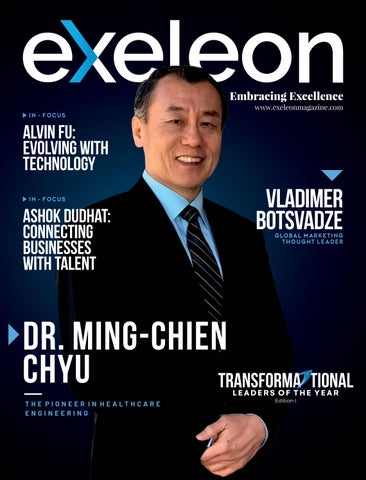
THE PIONEER IN HEALTHCARE ENGINEERING


Embracing Excellence

Editor-in-Chief –
Art Director –
Managing Editor -
Creative Director –
Contributing Editors –
Daryl Yeung (Story-Tailor)
Naomi Lam (Design Ninja)
Matt Reis (Wordster)
Adam Waring (Grafista)
Ian O'Shea, Matt Hale, &
John Riggs (Three Musketeers)
Content Curator –
Cathy G. (Explorer)
Sales
Project Manager –
Marketing Manager –
Senior BDM –BDM –
Josh Wilder (Cultivator)
Mike Jackson (Marketeer)
Katherine Price (Sustainer)
Richard Dann (Facilitator)
For any advertising related information, please contact info@exeleonmagazine.com. Submissions as well as contributions to the magazine are welcome.
Take
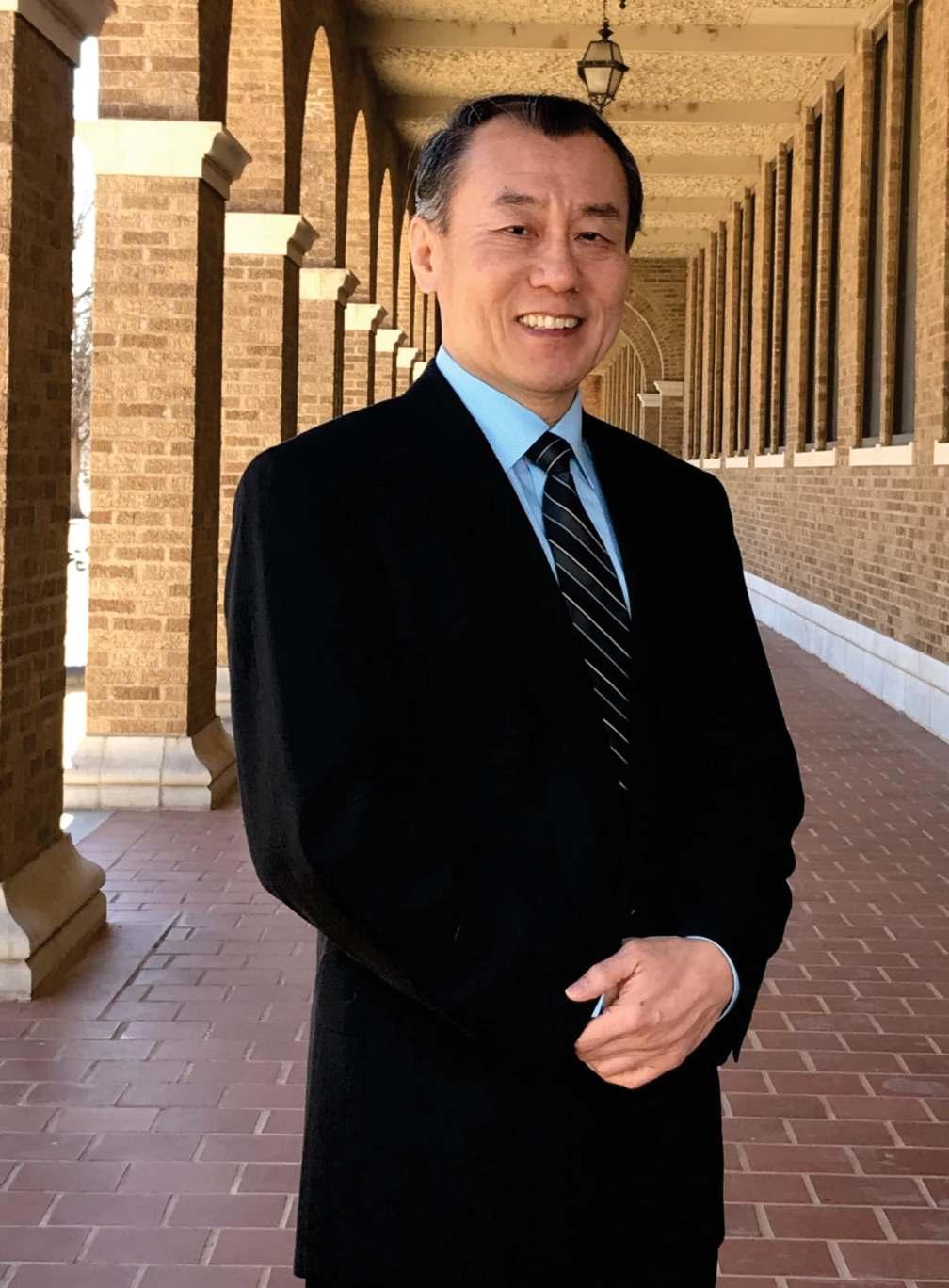

Professor | Texas Tech University
Founder | HEALS


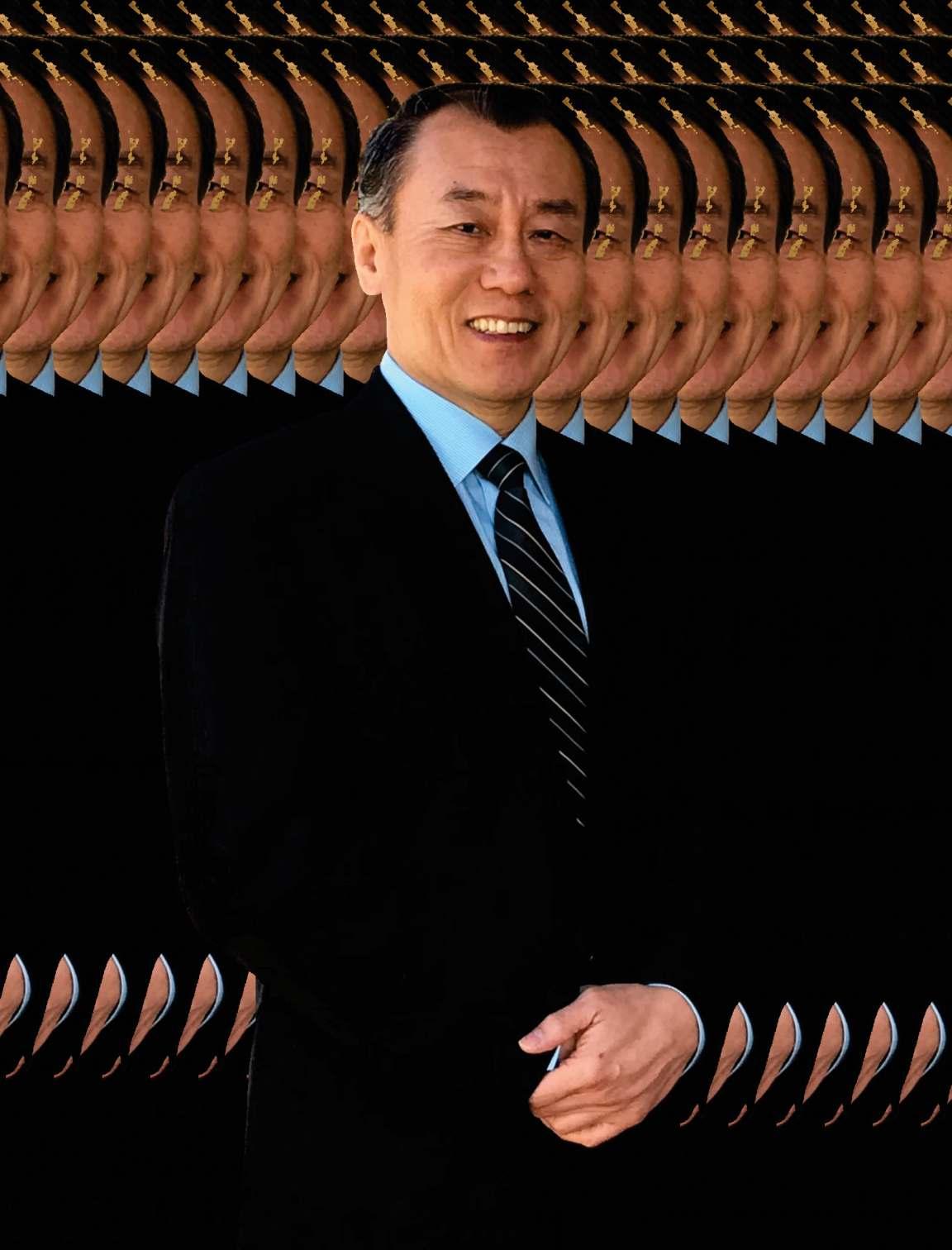



AAdvancements in technology have impacted our lives in every possible manner. From how we receive information to how we perceive information, from how we communicate to how we lead our mundane lifestyle – we are amidst a tech bubble.
Although perhaps undervalued in the eyes of the average person, the healthcare industry is no different in this technological revolution.
While data analytics and smart devices have already penetrated the healthcare industry, advancements in technologies such as AI and IoT are slated to not only reduce the overall cost, but also expand the reach of the industry and save millions of lives.
However, to facilitate this massive transformation, there's a need for experts who can bridge the gap between healthcare and engineering.
Dr. Ming-Chien Chyu, Founding President of Healthcare Engineering Alliance Society (HEALS) is one such erudite personality who has been at the forefront of this unique intersection for over 15 years.
“Engineering has been playing a crucial role in serving healthcare, bringing about revolutionary advances in healthcare. Many healthcare problems have benefited from engineering solutions, while many advancements in healthcare stem from breakthroughs in engineering/technology. Healthcare engineering encompasses engineering involved in all aspects
of healthcare,” mentions a passionate Dr. Chyu.
A transformational leader in every right, Dr. Chyu spearheads over 15,000 members and followers in a quest to bridge the gap between healthcare and engineering, advancing the industry, and promoting collaborative and innovative exchanges between the two domains.
As the Cover Feature of Exeleon's Transformational Leaders issue, we dive into the journey of Dr. MingChien Chyu and into the world of healthcare engineering.
As an engineering professor, Dr. Chyu helped many of his students explore job opportunities in the healthcare industry. In doing so, his interactions with healthcare industry employers and engineers in the healthcare sector led him towards a realization.
“I learned about the deficiency of the current engineering curricula and how engineering students need to be better trained to work in healthcare,” he recalls. Owing to this realization, Dr. Chyu began exploring the industry and introduced several programs that would tackle this burgeoning deficiency.
Furthermore, Dr. Chyu was inspired by his wife, Professor Chwan-Li (Leslie) Shen, Texas Tech University School of Medicine. He mentions, “I learned about the unmet needs facing healthcare professionals, which motivated me to develop innovative approaches and platforms to address those and other issues, and to introduce those challenges to the students in my class.”
Over the years, Dr. Chyu has garnered a lot of support from members of HEALS and his followers across the globe. Additionally, the support from the government (FDA and NIH in particular), healthcare industry, and Texas Tech University has further elevated the pursuit for his passion.
Talking about this journey, he mentions, “It was an incredible journey from 'not sure about what I am doing' to exciting connection with more and more people sharing the same passion and being able to help people with different needs on a daily basis. That is the major impetus that drives me moving down this road every day with great enjoyment.”
Over the course of his journey, Dr. Chyu has helped medical doctors as well as healthcare professionals by elevating their inventions and developments towards manufacturing and commercialization.
As a professor in Mechanical Engineering, Dr. Chyu has worked in the field of healthcare engineering for over 15 years, founding several organizations and platforms to integrate healthcare and engineering, contributing to uplifting the industry. His achievements and innovative measures over the years have made him a pioneer in the healthcare engineering space and beyond.
BRINGING BETTER PATIENT OUTCOMES WITH CLINICAL INVENTIONS
Dr. Chyu paved the way for

engineering professors and researchers to connect with clinicians to make sure their inventions can really benefit patient outcomes. He did so by creating a platform that empowered healthcare professionals, engineers, researchers, inventors, consultants, entrepreneurs, and companies to collaborate on projects leading to commercialization of new medical devices and technologies.
On the working front, the platform comes alive through a compilation of technical projects that addresses unmet needs. These needs are mostly in patient care, that originate from clinicians, engineers, and medical device/technology companies seeking collaborations on the research, design, prototyping, testing, clinical trial, regulation, FDA clearance/approval, manufacture, capital funding, etc. Moreover, the platform works as an excellent learning portal as it allows engineering students to work alongside clinicians, engineers, and companies on real-world healthcare projects.
Making way into novel medical devices, Dr. Chyu established a powerful, comprehensive, userfriendly medical device platform that provides systematic state-ofthe-technology information for all
medical devices (210,000), including the most recent, cleared/approved by FDA.
Dr. Chyu cites one of the most crucial challenges that engineering researchers face while conducting healthcare research is finding the right platform to publish their results.
He mentions, “On one end, their papers might be rejected by engineering journals for too much healthcare contents and hard to find qualified engineering reviewers to review their manuscripts, and on the other hand, it can also get rejected by healthcare/biomedical journals for too much engineering contents and no qualified reviewers.” The same problem likewise persists for healthcare/biomedical researchers trying to publish their engineering papers.
Addressing the same, Dr. Chyu founded, as the Founding Editor-inChief, the Journal of Healthcare Engineering, one of the first journals that publish scientific articles in the intersection of healthcare and engineering, and encourage collaborative research in this field focusing on impact on patient outcomes.
Alongside the journal, Dr. Chyu also introduced the Healthcare Engineering Online Communities that brings healthcare and engineering communities together. The information-rich portal provides relevant, up-to-date information covering more than 500 topics including the likes of AI, IoT, 3D Printing, Engineering for Cancer Diagnosis, Surgery, and Nanomedicine.
Dr. Chyu has made significant contributions to helping engineering students and young engineers succeed in healthcare industry and helping healthcare industry recruit qualified engineers. The healthcare industry needs more qualified engineers from various engineering disciplines in terms of both quantity and quality.
However, he mentions, “Most existing engineering curricula cover very little or no healthcare except biomedical engineering, but healthcare industry needs to hire far more engineers from other engineering disciplines than biomedical engineering, particularly computer, chemical, electrical, and mechanical engineers.”
To bridge this gap, Dr. Chyu came up with a program that invites medical experts with knowledge of


The healthcare industry is currently one of the world's largest and fastestgrowing industries. With this fast-paced growth, the demand for healthcare engineering professionals is only going to increase. Dr. Chyu predicts, “As healthcare changes rapidly and becomes increasingly complex under technological, economic, social, and regulatory impacts, it is anticipated that Healthcare Engineering will play a role of growing importance in almost every aspect of healthcare and will also be a major factor that advances healthcare.”
He mentions that engineering students need to be encouraged to consider jobs in healthcare as it offers remarkable growth opportunities, interdisciplinary challenges, and favorable long-term career prospects and stability. Moreover, it enables these young minds to directly contribute to the welfare of human life and health as an engineer.
He advices aspiring engineers in this space by saying, “Irrespective of specialties, engineers need to work with and learn from healthcare professionals, particularly clinicians, about how to design and manufacture things that can really help clinicians in patient care. Proactively seeking close collaboration to the other side is the key.”
As technology continues to create new areas for engineers to work in healthcare, and the fusion of engineering with health sciences leads to a greater demand for engineers, Healthcare Engineering will be recognized as one of the most important professions where engineers make major contributions directly beneiting human health.
“
Engineering has been playing a crucial role in serving healthcare, bringing about revolutionary advances in healthcare.
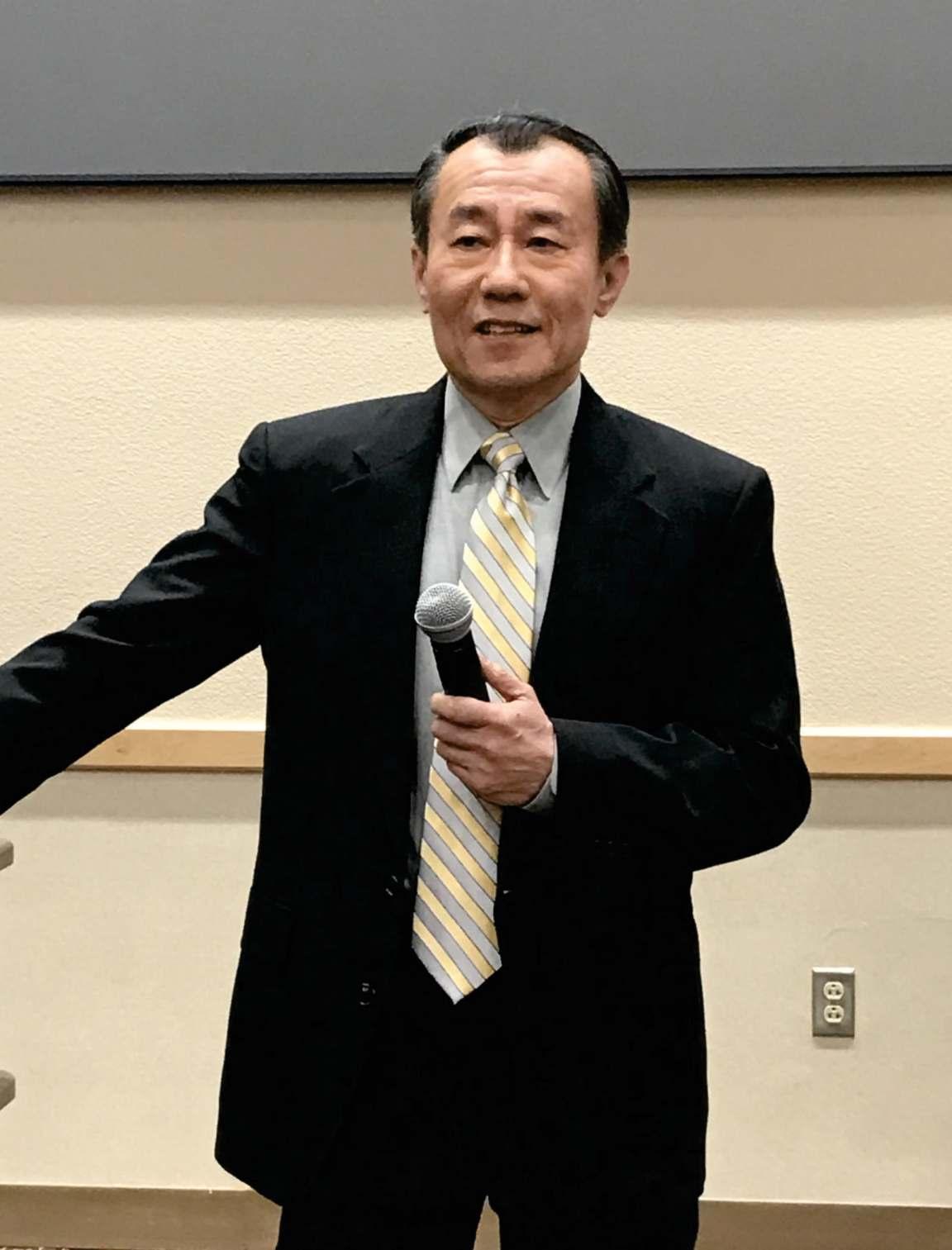
engineering and medical innovation to deliver lectures to engineering students. The course emphasizes healthcare issues and problems that need precise engineering solutions. Also invited as guest lecturers are engineering leaders from the healthcare industry as well as medical school professors with engineering degrees. These experts with dual expertise turn out to be most effective in teaching healthcare to engineering students. The transformational leader also works with healthcare engineering experts and industry leaders on how to better prepare engineering students for healthcare employment, as well as university professors and administrators on how to enhance their curricula.
In helping prepare engineering students for jobs in healthcare, Dr. Chyu also developed a healthcare engineering certificate program featuring the innovative CuttingEdge Courses Customized (CeCoCu), which allows individuals to selfdecide the course topic, objectives, and scope of their learning, based on their own backgrounds, interests, career strategies, and market opportunities.
Dr. Chyu claims, “This certificate program was also designed to help practicing engineers transition from other sectors of industry to healthcare, as well as help healthcare professionals learn to apply engineering to their practice, problem solving, and advancing healthcare.”
JOBS AND MENTORING PLATFORMS
Another feat among his long list of achievements was Dr. Chyu's founding of one of the world's first graduate healthcare engineering degree programs. He also pioneered the first platform that assists engineers and engineering students in finding employment and internships in the healthcare business, as well as a platform that assists healthcare industry firms in recruiting skilled engineers and engineering students.
The Healthcare Engineering Mentoring Program (HEMP), in his own words, is “a platform where healthcare engineering professionals and leaders volunteer to share their knowledge, skills, and experience to help engineering students prepare for occupations in the healthcare/medical technology industry, and to help young healthcare engineers thrive.”
Going forward, Ming points out that Healthcare Engineering professionals will face challenges
associated with issues such as the continued rise in healthcare costs, the quality and safety of healthcare, management of common diseases and pandemic, care of the aging population, the impact of high technology, increasing demands for regulatory compliance, risk management, and reducing litigation risk.
In such a scenario, healthcare engineers will play a significant role in creating, developing, and implementing cutting-edge devices and systems attributed to advances in electronics, information technology, miniaturization, material science, optics, and other fields.
Looking at his personal journey, Dr. Chyu concludes by mentioning that he will continue doing what he does between healthcare and engineering: “Everyone has been talking about it; I am just someone actually doing it.”
“Dr. Chyu has been a pioneer in the field of healthcare engineering and was one of the early advocates for applying engineering practices to efforts to enhance the delivery of healthcare.”
-James P. Bagian, MD, PE, US National Academy of Medicine, US National Academy of Engineering, former NASA Astronaut
“Dr. Chyu may have already secured a historical position in the development of healthcare engineering.”



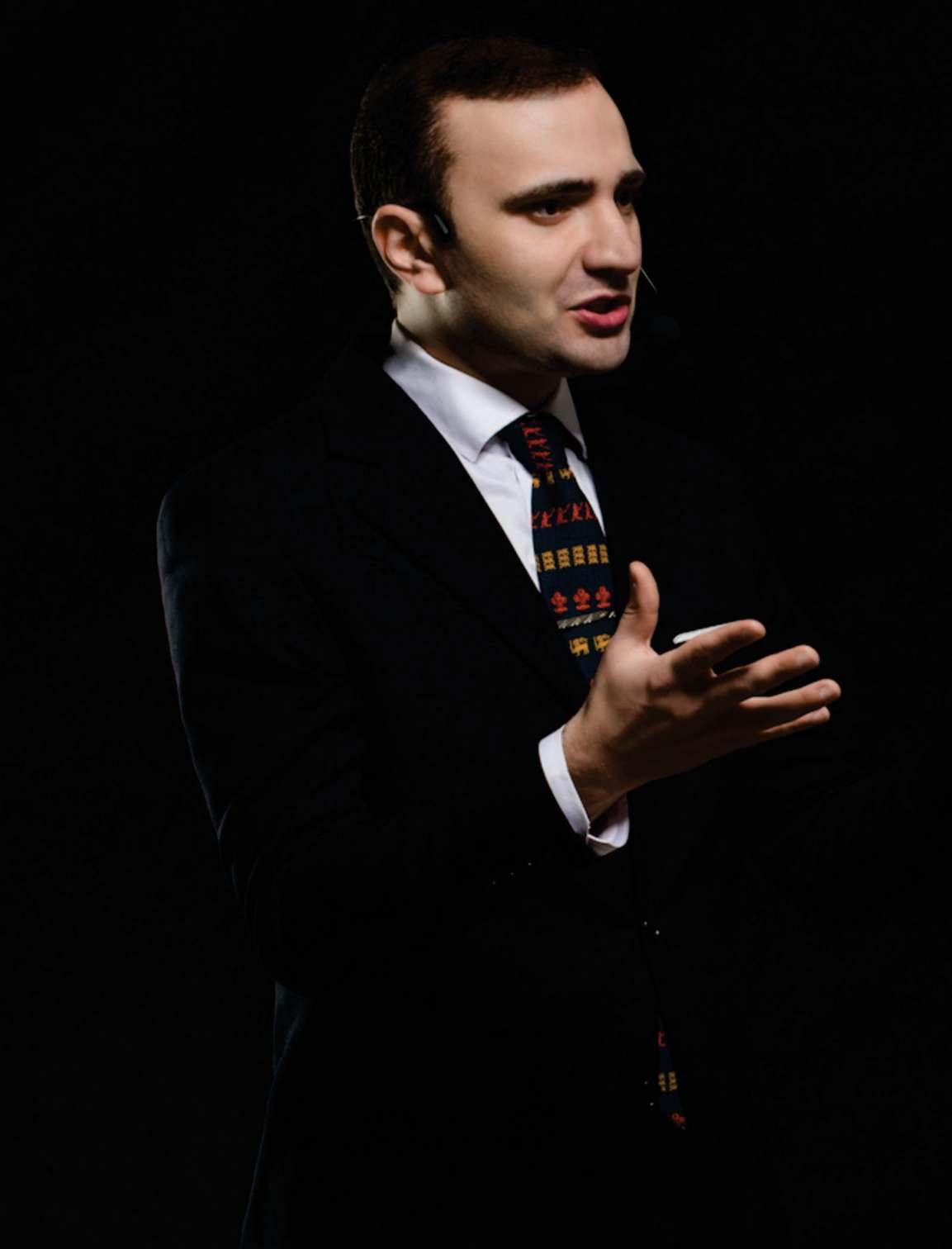
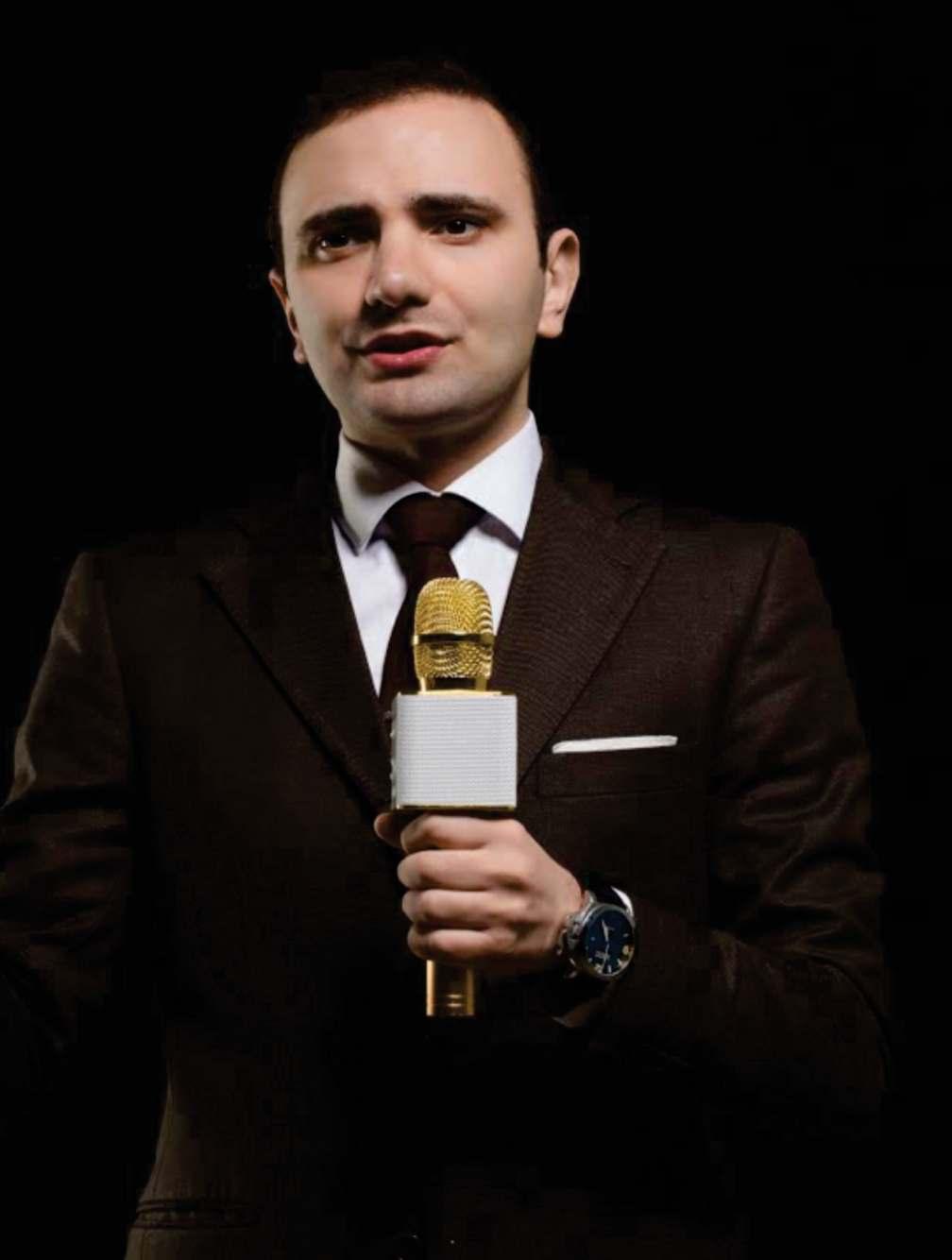
Marketing Consultant, Professor, Mentor, Speaker and Trainer
When we talk about
transformational leaders, few names stand out as much as Vladimer Botsvadze.
A globally renowned, multi-awardwinning, digital transformation and social media inluencer, Vladimer has been at the forefront of business excellence for years. His list of awards and accomplishments have positioned him as a pioneer across the globe.
In an Exclusive Interview with Exeleon Magazine, Vladimer shares his ideas and beliefs that have propelled him to be the recognized leader that he is today.
What according to you makes for a transformative leader? How do you integrate the same thought into your leadership?
I believe a transformative leader lives in the future, writes short, fast blogs, and tweets to people to keep them updated, shows total dedication to improving the product and is obsessed with every detail, builds an inluential proile and recognizes the power of media engagement. A transformative leader builds a personal brand and masters social media, also fosters a spirit of partnership and creates partnerships at all levels to build and distribute his ideas.
I've shaped my name into one of the biggest personal brands and transformed the marketing industry. I'm widely recognized for my visionary leadership and trailblazing innovation. As a keynote speaker, I've
spoken for high-proile clients. As an extensively experienced marketing leader, I've led a number of top businesses to success. I've capitalized on my status to support start-ups and consult them on strategies to maximize their success. I've left my mark on technology and I'm considered a marketing icon to many.
I've been committed to inspiring business executives with my impressive career success and utilized my natural entrepreneurialism to become a self-made inluencer. Established globally as a marketing thought leader, I've changed the face of global marketing with my presence and contribution. A natural-born entrepreneur, that's why I've earned the trust of top executives, events, think tanks, and speakers' bureaus. Vladimer Botsvadze is one of the biggest names in global marketing. Having spearheaded one of the biggest personal brands, I've continued to show the same results in other ventures.
Surpassing all major competitors, continually focusing on selfeducation, and reinventing myself, I've become a dominant global authority on digital transformation. Continually named on the prestigious Thinkers360 list of thought leaders, I've been ranked as the No. 1 Global Marketing Thought Leader by Thinkers360, a testament to my supreme success. As a motivational igure, I've gone from 0 followers to 130,000 followers in 6 years by consistently working 16 hours a day. I inspire audiences to think outside the box and set new standards for maximizing their online success.
Talk to us about your growing up years. What prompted your interest and subsequently your foray into the marketing space?
I have built a powerful online presence through social media channels and I'm proud to be hugely followed. I have shared my marketing and entrepreneurial knowledge through tweets, blog posts, YouTube videos, interviews, and keynote speeches. I have jumped into the conversations and built the relationships with the world's most powerful people on Twitter. The best way is to deliver results and my results always speak for themselves. When I started getting exposure, I used my longterm marketing plan to become successful in many areas. I have always believed in creating my path rather than following the crowd. I enjoy marching to a different drummer and following my passion. I share positive stories and inspirational talks with my audiences. My personal brand is one of the most sought-after and fastestgrowing personal brands worldwide.
Being a mentor, serial entrepreneur, professor, industry expert, keynote speaker, inluencer, trainer, to name a few, how do you ensure work-life balance?
Hobbies are a fun way to decompress from the day. I give myself a break and get away from my work. I take time to enjoy my accomplishments in a way that is meaningful to me. The right schedule helps me bring a sense of control to my life. As a result, I keep the boundary between working and
non-working hours. I always explore new ways to exercise, go out for a run, and sometimes search for home workout videos on YouTube. It's imperative to stay social and connected. I catch up over to-go coffee in a park rather than sitting in a busy café.
More and more brands are shifting focus on storytelling as an effective marketing strategy? Do you think storytelling is a powerful medium?
Storytelling is the best way for marketers to deliver their messages. A good story has the power to enchant an audience and leave a lasting impression. Our brains not only process visuals faster, but they retain and transmit much more information when it's delivered visually. 90% of the information transmitted to the brain is visual. Visuals are processed 60,000X faster in brain than text. 90% of all human communication is nonverbal. 83% of human learning is visual. We remember 80% of what we see/do. Customers are more likely to recommend brands with whom they have an emotional connection. People will remember a story up to 22X more than they will a list of facts and igures. Brand storytelling throughout a content strategy can increase the value of service or product by more than 20%.
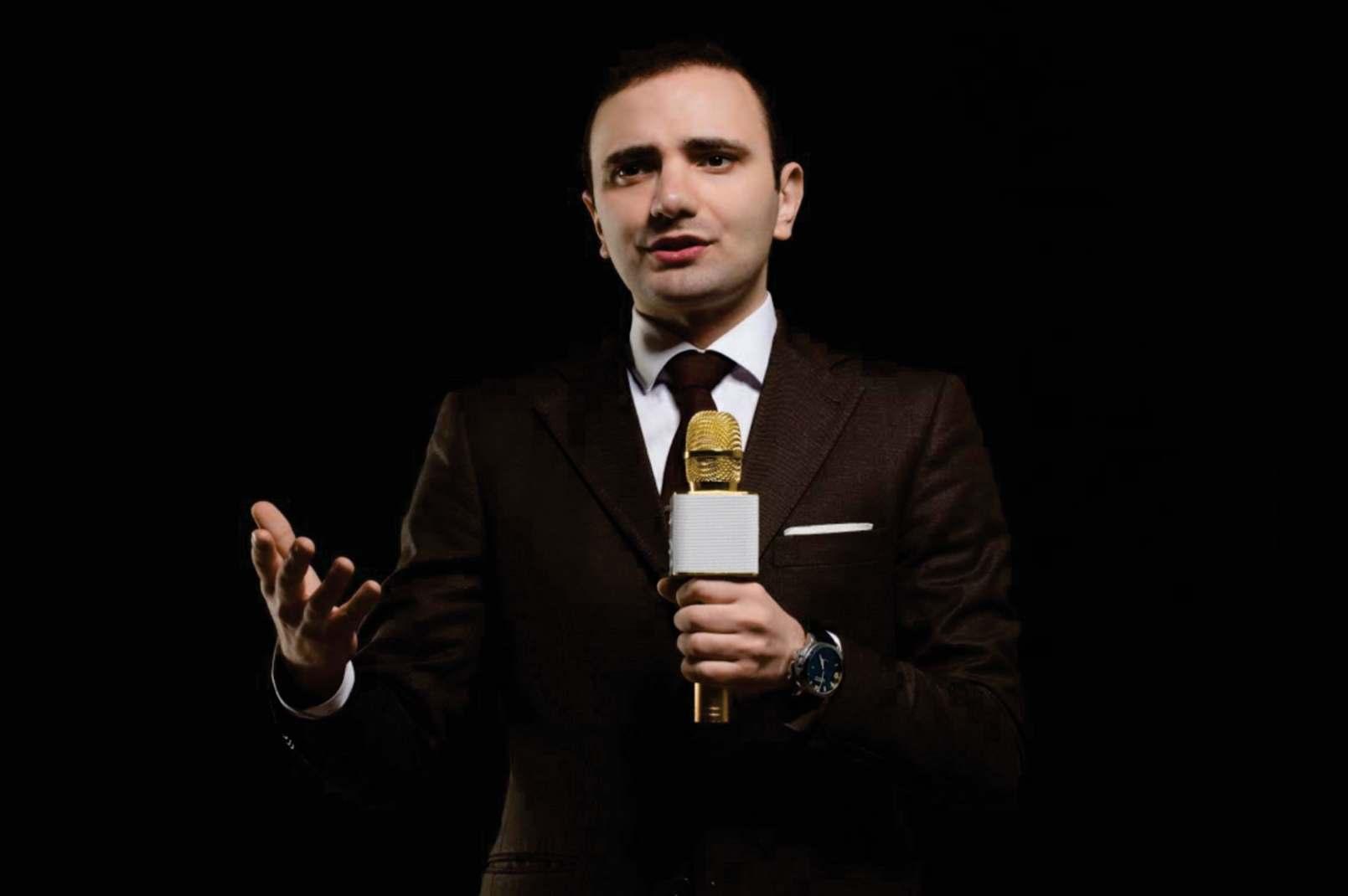
Having worked with some of the largest companies as well as some of the most promising startups, what are the biggest challenges businesses are facing today?
Top brands and startups need to
create content consistently at scale across 8-10 social media networks to win in the long term. Marketing teams need to make capital out of Twitter to connect with consumers. Brands should never circle the wagons because they must come to grips with their consumers online and answer every kind of question. When brands run podcasts, they stand a chance of taking their success to the next level. I take a dim view of ofline marketing and digital marketing is the backbone of success for corporations. ROI of social media is trillions of dollars at scale and we transitioned from a TV
society to a primary mobile society. Everything is changing faster than what managers think.
Startups that become unicorns are those startups that have a strong social media presence. As a result, they ride the crest of a wave. It goes without saying, marketing teams should take a step back, rethink their marketing strategies, and become as regular as clockwork across top social media platforms. In business different strokes for different folks, some people think social media is not worth a dime and they waste their money on TV,
radio, billboards, and print magazines, and getting nothing in return, and such brands experience a catch-22 situation, whereas future-focused brands prepare the ground by going into overdrive on social media. In my experience, social media is worth its weight in gold and it has always stood me in good stead.
From winning multiple global accolades to building a worldclass reputation and expertise. What has been the journey like for you?
I'm an inluential marketing igure and I've created a robust following on social media where my content reaches millions of people worldwide. One of the most outstanding aspects of my work is the ability to simplify some of the most complex digital transformations on the market.
I'm paving the way for other marketers to follow in my footsteps. One of my earliest prominent moves was building my Twitter from scratch. I've worked hard on educating audiences online in order to ensure success for future generations. My resume has led me to appear on a plethora of radio shows and podcasts including Irish Tech News, The Business Power Hour, Thought Leader Magazine, Building My Legacy, The Next 100 Days, Take The Lead, Engati CX, etc.
Known as one of the world's leading marketing thought leaders, I spend an incredible amount of time touring the world as a speaker. With many successful projects to my name, I've been called upon to talk at Digital Talk Forum, Asia Retail Summit, AI Conversational Summit, Global Marketing Summit, etc. Staying many steps ahead of the competition, I deliver a wealth of tips to apply to marketing growth. My insights leave audiences full of ideas to take the next steps in becoming an international success.
My leadership spans decades, sectors, and countries. I provide actionable insights obtained from over 15 years of spearheading one of the fastest-growing personal brands. From humble beginnings when I started building my personal brand in a coffee shop, my
captivating story resonates with a wide audience.
Looking at the journey, what would you have done differently if you were to start again?
I truly take pride in my journey and I have achieved everything to the best of my ability. My career has been in the fast lane and my No. 1 Global Marketing Thought Leader ranking is the jewel in the crown. It's always a race against time during my weekdays because I've so many ongoing projects. My talks strike the right note because my expertise is at the cutting edge. I'm an omnivorous reader and a good book holds a house of gold. My success journey has taken a turn for the better when I started tweeting actively. I've come a long way for my success.
I have a way with storytelling and content creation, and nowadays I possess a gold mine of information, as a result, I'm frequently invited to the world's best events and podcasts. I seize the day, having lots of get-up-and-go, being a mover and shaker, doing my level best, and having many irons in the ire. Time is on my side when I'm passionate about what I do. From the vantage point of the present, I've always ired on all cylinders and disrupted every industry I entered. Social media has paved the way for my exponential growth. On a shoestring budget, I've spearheaded one of the fastest-growing personal brands. I'm grateful for small mercies and the sky is the limit.
Finally what does the future look like for you? What projects are you excited about to be

associated with?
I'm a people-focused catalyst for accelerated success. Brands want rock-solid results, proof over promise, and greater ROI, and I deliver more than expected. From New York to Sydney, I'm a global audience favorite. I turn the marketing managers of today into the global marketing leaders of
tomorrow. My audiences always feel inspired to use my practical strategies to improve their results and keeping up with changes in technology development is the best way for brands to stay competitive. I've provided unrivaled contributions to the technology ecosystem.
I utilize my expertise at the helm of
my personal brand to inspire audiences on how to build brands with drive and passion. From keynote talks to ireside chats, I'm a motivational speaker who inspires everyone with my practical marketing strategies. My presentations act as a powerful catalyst for digital transformation. I drive companies forward to help them become number one in their
industries. I'm one of the most booked marketing speakers around the world and my average satisfaction rating is 97%. When looking for a speaker with the best expertise in the top-level technology, I'm the perfect choice for corporate events.

Ashok Dudhat
Founder & CEO | Tech Jobs Fair
There are plenty of
reasons why people start a business. For some entrepreneurs, it is a mere form of capitalizing on inancial opportunities. For others, it is a chance to provide a better, faster, smarter, or even cheaper solution to what's available in the market.
Then there are those who see an unmet demand or gap in the market that they themselves have experienced and want to bring forth a change.
Ashok Dudhat, Founder & CEO of Tech Jobs Fair, indeed falls under the latter bracket as he worked towards illing a gap in the industry that is directly
responsible for the growth of many businesses.
As a veteran of the IT industry, Ashok noted a discrepancy between the job seekers' ability to reach a company and organizations' failed attempts to secure a talented workforce. He then went on to lay the foundation of a bridge that unites the two fronts for collective success.
Exeleon looks into the inspiring journey of this transformational leader.
What according to you makes one a transformational leader? How do you integrate the same thought into your
A transformational leader, in my opinion, is one who fosters followers' motivation and good growth, exhibits high moral standards in the workplace and encourages others to do the same. He/she encourages an ethical work atmosphere by establishing clear principles, goals, and standards, motivates people to shift from a selfinterested perspective to one where they are working for the general good and building company culture and allows workers to make decisions and take responsibility for projects while providing coaching and mentorship.
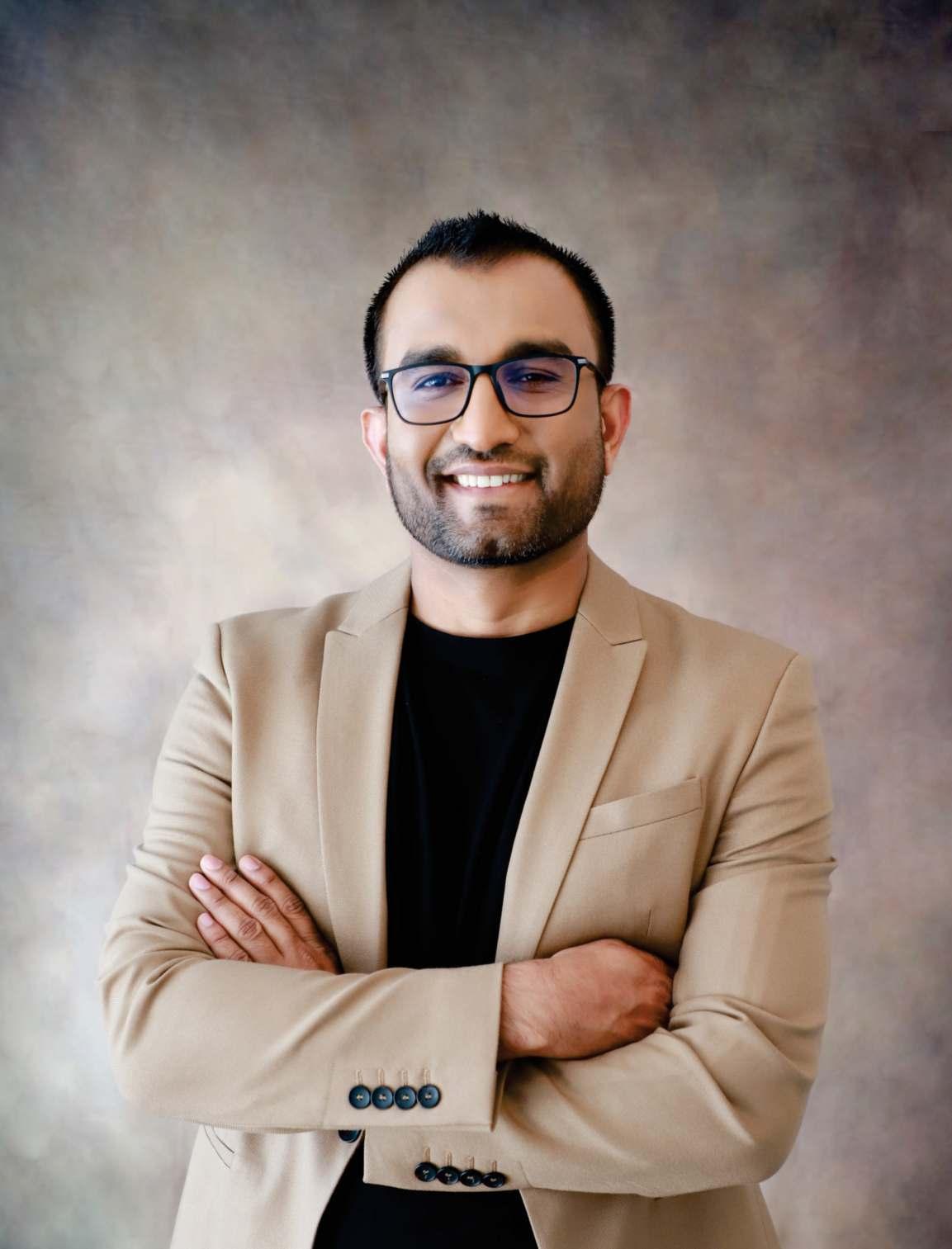
I work on myself as a leader before I start making changes to our team and our organization. It's important to look at how I function as a leader by being empathetic, charismatic, and inspirational. These traits may not appear to be learnable, but there are steps I take as a leader to develop them, for instance, taking time to sit down and get to know the people I work with on an individual level and in a context that's broader than just their role in the organization.
I believe in creating a proper company culture, as it encourages the sharing of suggestions, improvements, and ideas from team members at every tier of the company. More often than not, the most creative ideas come from employees
within an organization.
Talk to us about your growingup years. What prompted your interest and subsequently your foray into the IT space?
I hold a bachelor's degree in Computer Science and a Master's in Software Engineering for Industrial applications. I have more than 10 years of experience in different IT industries, such as e-commerce, turbine materials, as well as in-service and medical sectors. I work with CadCam Solutions, and some other companies like Siemens, Cortado, Aideon, and Cubeware in Germany and abroad. On one hand, I am a tech guy, so I love technology and therefore I am always eager to learn about new technologies - and to work with them. On the other hand, my
entrepreneurial skills have always motivated me to try creative and innovative ideas and projects. Teamwork and the possibility to draw a connection between my efforts and the organization's bottom line is my great passion. When my team and I have an idea that works then it inspires me to go further. It might sound like a cliché, but it is true in my case: I love to be involved in projects that can have a good impact on the world.
My irst start-up project was Germany Startup Jobs, which I started in 2014. It still exists today, and it is a website that provides job seekers an opportunity to browse and apply to some of the fastest-growing startups in Germany. Later on, in 2017, I created another project
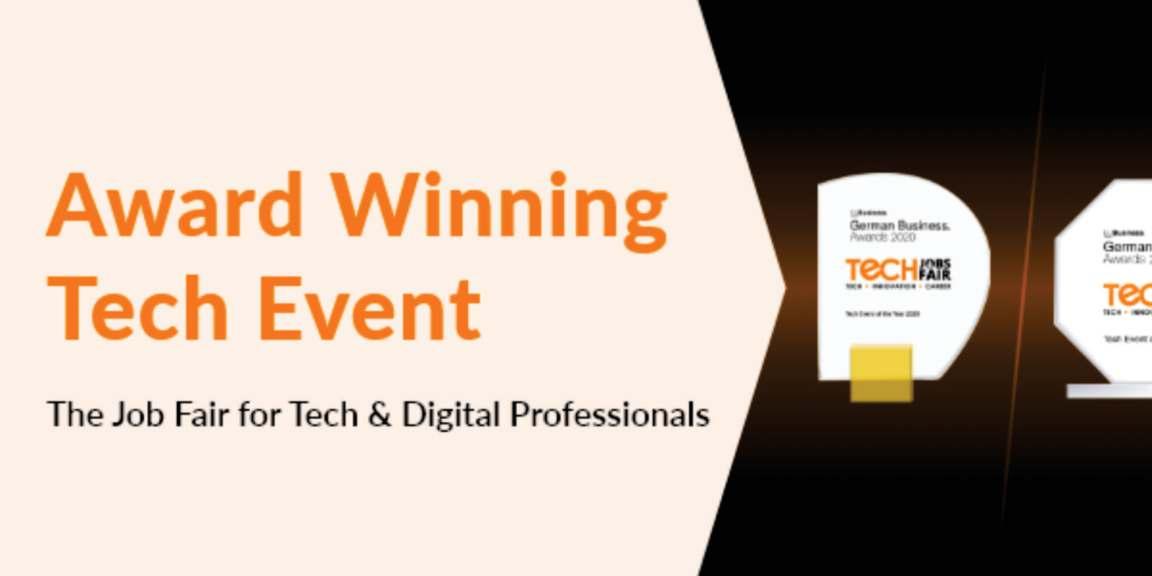
called ‘WP Event Manager”, a lightweight, scalable, and fullfeatured event management plugin for adding event listing functionality to WordPress websites. Tech Jobs Fair, a tech focused branding and recruiting event, is my most recent project, which is currently present in several countries. A tech guy with an entrepreneurial spirit, I have learned many things in my 10-year career journey. It was mostly learning by doing, which is a great way to grow and test your ideas for new projects.
What was the idea that led to the information of the Tech Job Fair? What was the pain point you wanted to address in the market?
It all started with my own experience in Germany. While
studying, I faced multiple challenges, and among all those, a job was the most challenging aspect, and that was the time when I decided to support many other candidates facing such challenges - this way a ray of Tech Jobs Fair lashes.
And when I deep dived into this concept, I found the challenges of the other side of the coin as well, the pain point of recruiters and HR managers. What irst led me to the stafing and recruiting industry was, therefore, my own personal experience. In Germany, I had a limited visa period to ind a job in the country. While I was busy looking for a job, there were other things to take into consideration: keeping track of my expenses and reaching my professional goals in a limited
period of time. I didn't want just any job, I wanted to start my career. So, this idea came to me: to create a system where one can add their CV and automatically apply it to skill-matching jobs. This made the whole application process faster and that's how I built my irst project, the portal Germany Startup Jobs. Step by step, and as I expanded my network in Germany, this idea ultimately evolved until I reached the Tech Jobs Fair concept, and later the other two job platforms I created, Tech Job Wall and Hire Tech Talent.
How has the stafing and recruiting industry changed in recent years? How is TJF making an impact in the industry?
Stafing and recruiting are now
more complex than ever. Candidates have different options; many companies need to adapt and ind new strategies. As mentioned before, another way I've been trying to bring a change in this industry is by putting a great amount of effort into our latest project Hire Tech Talent. I see it as a revolution in the tech hiring industry, as it is made for people. We often use words like 'candidates', 'talents', 'job seekers', but we should not forget that we're dealing with people here.
Hire Tech Talent comes in to make their life easier and remove some of the most popular hurdles of applying to a new job: people ind it time-consuming, lack motivation after a while, or even feel overwhelmed. Hire Tech Talent is very convenient as people can create a one-time tech proile, get access to multiple events and get the chance to be employed in 15 countries.
Looking back at your journey, what would you have done differently when starting out?
I realized I wasn't prepared when I thought I was. Companies that I wished to work with turned me down. Nonetheless, I used my failures and rejections to my advantage. For a while, I felt upset and was too harsh on myself. But I needed to get back on my feet, so I devised a strategy that involved working on modest projects for my portfolio, learning independently, and attending conferences and meetings. Even if it's a little step,
it may make a difference. I eventually designed and founded my own company.
Yes, we will eventually fail or be rejected. However, this should not be used as an excuse to give up. Despite the fact that I am a timid and quiet person, I have learned the importance of stepping outside of my comfort zone. I had the opportunity to meet a large number of new individuals in the IT sector. I learn a lot from them, but I also try my best to share what I've learned.
“Opportunities don't happen, you create them.” -Chris Grosser
What would be your advice for aspiring and emerging entrepreneurs in the tech industry?
My message to aspiring business leaders would be to work hard towards your goals, be persistent, stay focused and keep your motivation on high levels. In the end, what you give will be what you get.
Finally, what does the future look like for you and TJF?
I want to build Tech Jobs Fair as a worldwide brand. My goal is to keep moving forward and, at the same time, remain aligned with our company's objectives. We want to gain the complete trust and support of our audience, which will motivate us to move ahead in our mission of contributing to everyone
associated with us signiicantly.
We are planning the global expansion of the Tech Jobs Fair, starting with London, Paris, Barcelona, Amsterdam, and Dublin. I want TJF to be a global brand and to create a startup and tech ecosystem around the globe. I hope to help more people from tech backgrounds to ind employment, motivate them to do tech innovation, and educate them about entrepreneurship.
We are aiming to establish Tech World - Tech Communities across the world. Aspiring business leaders' message: Work hard toward your goal with passion and keep persistence to achieve it. Keep motivating yourself and keep motivating things around you and help more and more people now and people will help you directly or indirectly in your goal.
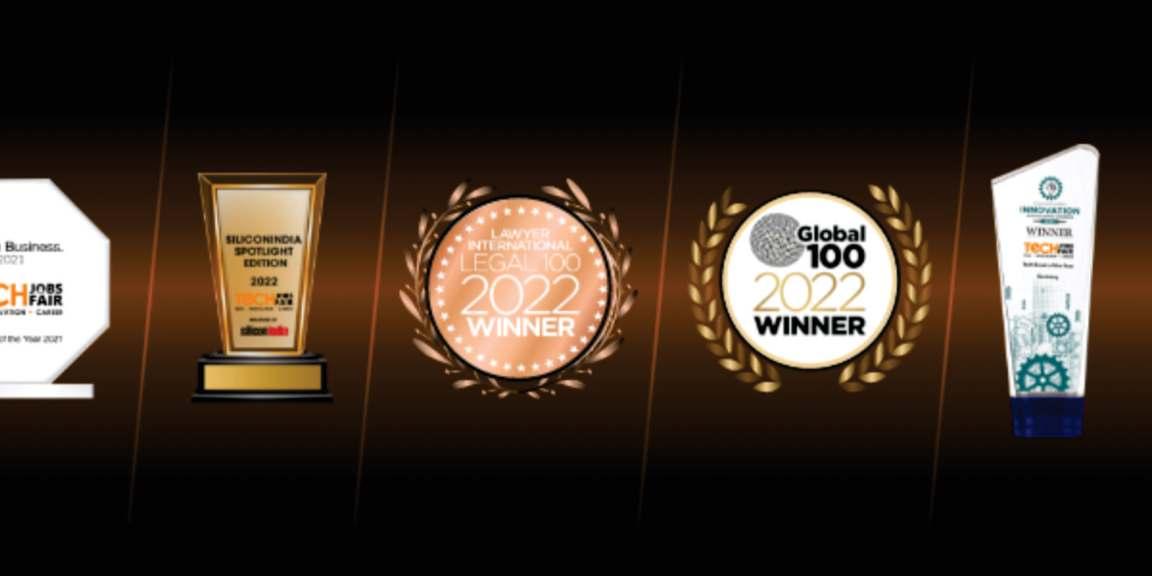
Award List of Ashok Dudhat
Ÿ Top 10 Indian Leaders In Germany - 2022
Ÿ Featured in the Top 100 Innovators and Entrepreneurs magazine
Ÿ World’s Best Emerging Leaders 2021-2022
Ÿ The 10 Most Inluential Business Leaders to Follow in 2022





nlike most things in life,
including life itself, technology never stops. It goes through periods of evolution, innovation, and repeated examinations; however, it never ceases to stop.
Among one of the key reasons behind the ever-growing advancement cycle of technology are humans themselves.
Our willingness to ind answers to our curiosity, placing no limitations on our imagination, evolving with time, and not giving up even in the most dificult situations are all major contributors to technological advancements.
This contribution is, however, not limited to scientists, researchers, or
lab workers. Entrepreneurs, Investors, Artists, Business Personalities, Tech Students, Innovators, Societies, Governments, etc. are all drivers to this giant wheel we refer to as Technology.
Alvin Fu was one such curious leader who wanted to a part of this evolution chain. He recognized the sheer potential the industry carried and was determined to contribute towards its betterment.
Featuring in Exeleon Magazine as a Transformational Leader, we look into the story of Alvin Fu, a 20-year veteran in the industry and the CTO of Bryn Mawr Communications, a medical media, live, and virtual education, and marketing services company. It particularly lays focus on vision, cardiovascular, dermatology,
aesthetics, and neurology ields.


For Alvin, his father was his guiding light. He recalls how during the weekends his father took him to a bookstore at MIT.

“He would ind some books and study computer science, while I was engaged in the magazine aisles for anything related to cars, drivers, and motor trends.”
Back in grade-school, Alvin didn't make much of these weekend trips. However, he soon realized, “My father was setting himself up for future success by taking initiative to transition his career based on where technology was headed. Thereby, migrating from his impressive
educational credentials in industrial and mechanical engineering to becoming a self-taught computer scientist.”
This transition paved the path for his father's successful career and is something that Alvin integrates in his approach as well.
As a kid, Alvin was one with the curious mind and imaginative eyes. “I was always a tinkerer, taking apart my toys and putting them back together, sometimes well, sometimes with a few parts' leftover.”
Moreover, being good in math and science further strengthened his direction towards the tech space.
For him it was clear, “In the late 90's wireless technologies were starting to make serious advancements and I knew I wanted to be part of the evolution that would one day be part of everyday life, which is indeed the case now.”

Alvin graduated from Penn State University with a degree in Electrical Engineering, with specialization in wireless communications.
Following this, he spent a majority of his time working in startups, thereby allowing him to take on various roles and gain a wealth of experience at a number of professional areas and verticals.
Most of Alvin's work responsibility focused on engineering, design, development, and testing wireless geolocation solutions, which was a niche ield during the time.
He mentions, 'Many of the solutions our teams developed were and still are state-of-the-art and best-in-class technologies providing geospatial capabilities and intelligence to various public and private sectors, as well as consumer devices.”
At the time, Big Data and Analytics were starting to create a lot of buzz in the industry. Working with globally deployed technologies, meant working with enormous amounts of data in various forms.
“Naturally, my work in location intelligence data shoveled me into working with data lakes, data warehouses, and data transformation and processing –cloud infrastructures were gaining traction and taking over the locallyhosted serve model.”
This led Alvin to Bryn Mawr Communications, wherein he was brought-in to design and execute a data strategy to begin the transformation of being a traditional publisher of medical media and content to a digitally focused multimedia powerhouse reaching and educating physicians worldwide through various channels.
As the CTO of Bryn Mawr Communications, Alvin wears multiple hats. His primarily role is centered around data automation, data intelligence, research design, and integration of MarTech solutions. Moreover, his role involves inding innovative methods and custom solutions to reach the company's target audiences.
“In addition to this I oversee Email Marketing, Social Media Marketing,

Digital Advertising, Business Operations, and Data/Analytics Operations.” He further adds, “I am also heavily involved in supporting Business Development and Sales, and Support along with being a liaison between various departments and our web development company, Fyra. I am hands-on with all the above and wouldn't want it any other way.”
Over the years, many of the people that Alvin have mentored and managed have gone on to attain management positions at large companies across the globe.
This further showcases the inluence Alvin has had over his peers during this journey and is what rightfully makes him a transformational leader.

The pathway he has taken has enabled him today to lead a diverse lifestyle. His passion for automobiles has led him to own a small collection of cars. Moreover, he holds several small businesses and rental properties to his name.
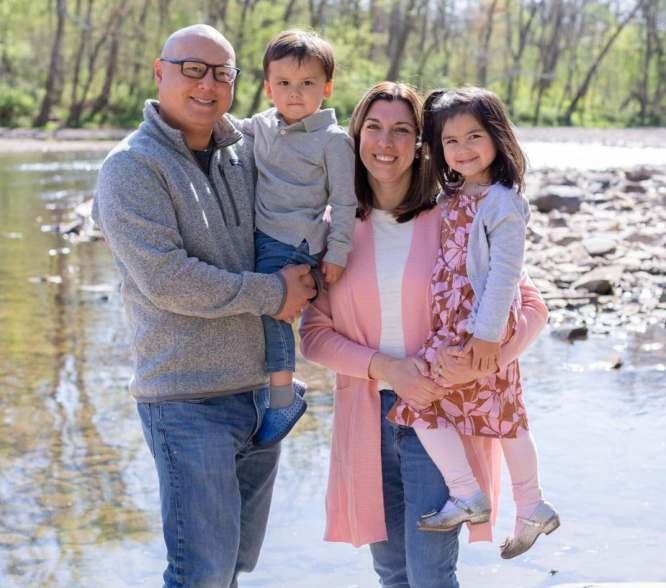
However, the one thing that Alvin is the proudest of and grateful for is his family: his wife Erin, and his two little kids Brady and Makena.
According to Alvin, a leader can be deined in a lot of ways and the deinition, in itself, can be interpreted in a lot of ways. However, one thing that stands out for him is the willingness to always ind a way, no matter how dificult it might seem.
“As a leader in the corporate world, I work under the assumption that nothing is impossible,” he asserts.

Moreover, Alvin notes down 8 effective guiding principles that have allowed him to attain continuous growth and expansion.
1.As a leader, my job is to guide, not dictate; empower the talented people around you.
2.Recognize there is ALWAYS room for improvement; apply continuous improvement via feedback loops in day-to-day operations.
3.Lead by example: attitude, work ethic, morals, productivity.
4.Put aside paper credentials and treat all colleagues with the same respect.
5.Listen and learn from everyone around you, no matter their credentials or seniority. You'd be surprised what even the “quietest” professionals can produce when they feel their opinions and talent are valued.
6.There is no “my team” or “my group”. A team is collection and collaboration of talent.
7.Control what you can control and drown out the noise.
8.Provide positive energy – it's contagious.
It is fascinating for Alvin today to look at how high school kids write codes from scratch and build robots for competitions with ease. “Owing to the shift in curriculum and opportunities, students ranging from high school to college graduates today are much more technologically
advanced than I was right out of school.”
In addition to the guiding principles, he advices these young tech aspirants to never assume themselves to be the smartest person in the room.
“Always look for ways to learn from others. Resources these days are plentiful; think outside the box and do your own research.”
According to Alvin, the talent pool at Bryn Mawr Communications is incredible and the company has always been at the forefront since its inception two decades ago.
He notes, “Since I've joined approx. 3 years ago, our growth trajectory


from personnel, skillsets, to inancial health is on a steep positive incline and revenues are the highest we've ever seen, driven by tactics and capabilities in digital.”
He further points out that the owners have made signiicant investments to forge ahead with the company's continued growth.
In the coming years, the company will be working hard to streamline its processes and continue to innovate its offerings at a rapid pace.
“We expect Bryn Mawr Communications to continue to be the leader in physician education in our medical specialty focus,” he concludes.




Sometimes the most incredible things
happen to us when we least expect it. Embracing these happy accidents enable us to seize opportunities that is not only fulilling but also life-altering.
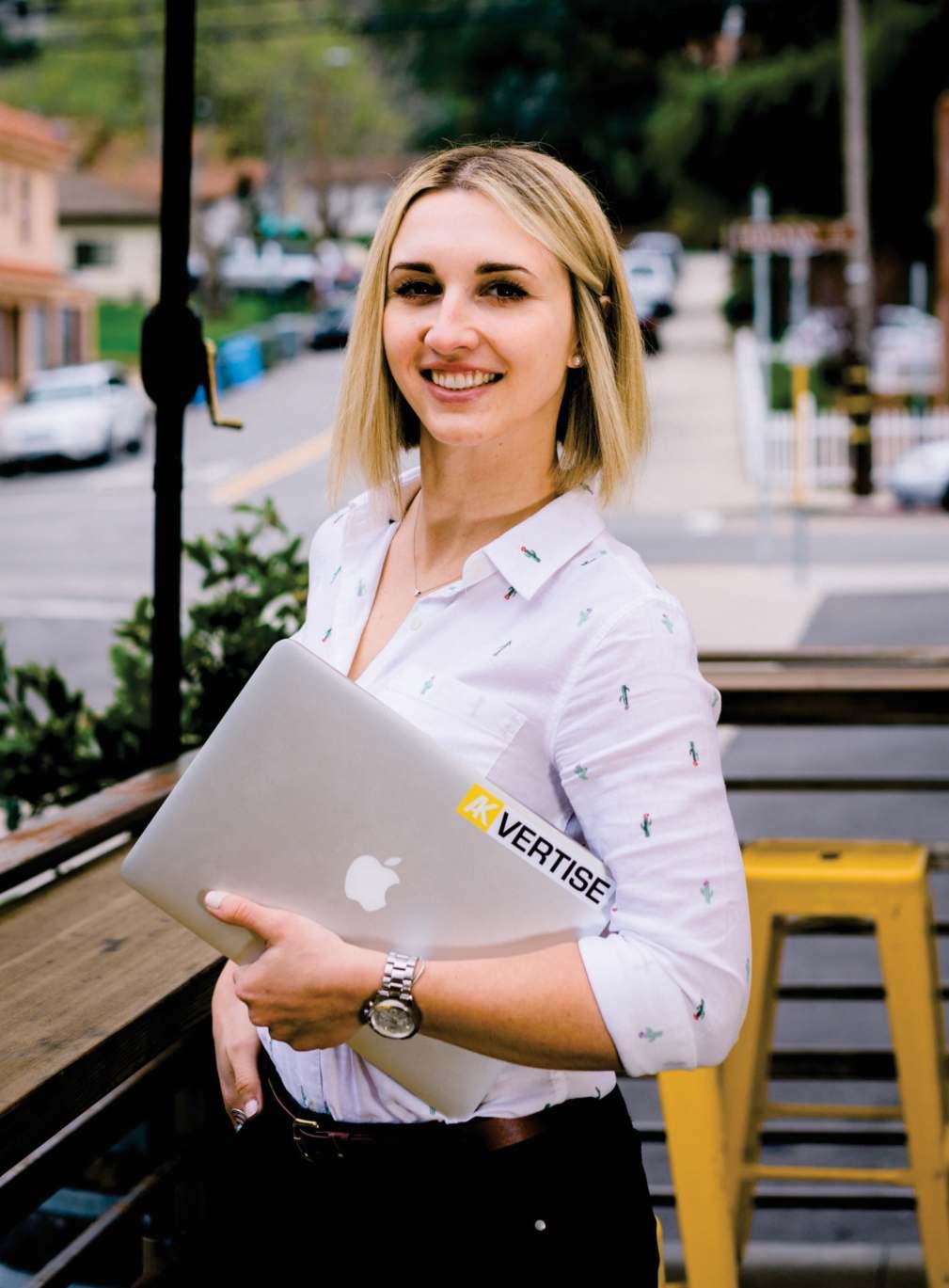
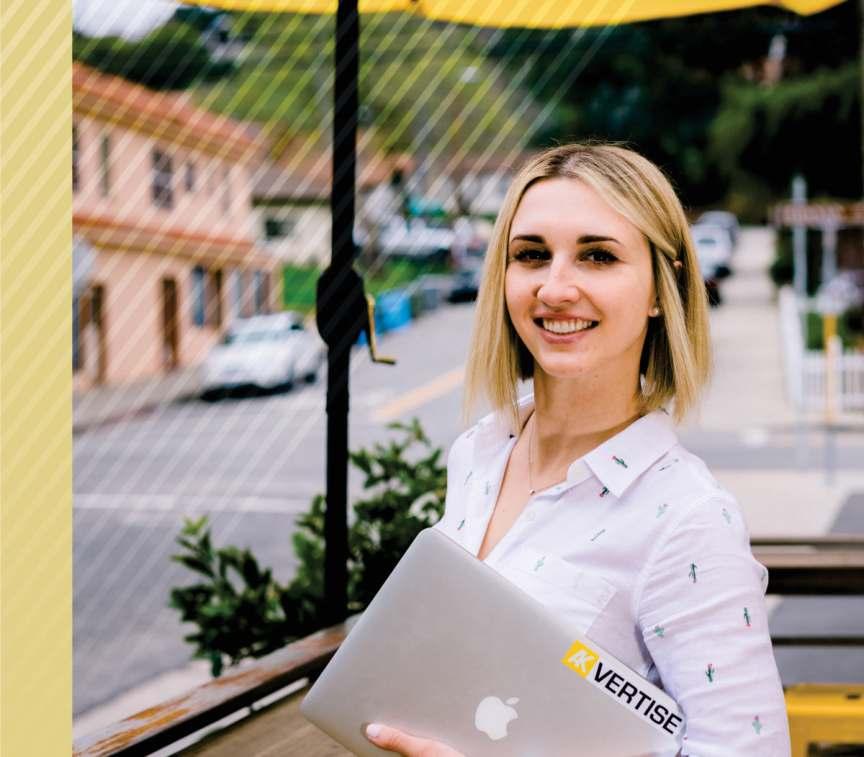
For Akvile DeFazio landing an ecommerce marketing internship without any prior experience or degree in marketing and communications was that opportunity.
She embraced this opportunity, overcame adversities, found her direction, and then leveraged this into her long-term vision. Today, she is the Founder and President of AKvertise, a remote advertising agency.
In this Exclusive Interview, Akvile unwraps her journey, talks about marketing, and much more.
What according to you makes for a

transformational leader? How do you integrate the same thought into your leadership ?
Being an honest person, with a vision, that takes calculated risks, is intuitive but also uses data to inform decisions, is organized, inclusive, a strong communicator and equally, a listener, and is future-forward thinking are a few characteristics that make for a transformational leader. Those and some other qualities have led me to where I am today with my business and have guided me through life. While we're all works in progress, it has helped me to connect with and observe other leaders I respect and admire to learn from them as well.
Talk to us about your growing up years. What prompted your interest and subsequently your foray into the digital



marketing space?
It's far from a linear journey, but in summary, I wanted to pursue a creative yet helpful career since I was a child. But as Lithuanian immigrants in North America, with few belongings, escaping the Cold War, my parents encouraged me to go into medicine as it was a secure ield.
I eventually went into physical therapy but felt like I did it for the wrong reasons. I then applied for an ecommerce marketing internship and landed it as the “wild card” that was the only applicant that didn't have a marketing, communications, or business degree.
I have a bottomless bowl of gratitude to this day for that opportunity. I later got hired full-time, but the 2008 recession hit and pay cuts were implemented and my school loans kicked in. I then went on to work at other in-house brands ranging from outdoor gear/apparel to pet insurance, publications, and global conferences.
Eight years ago, I felt stagnant and yearned for more authority and responsibility, so I decided to take the leap and start my own advertising agency. I wanted to work with more brands and help them achieve their goals utilizing and expanding upon my expertise that I had gained through my prior experiences. As we celebrate eight years in business this year, it feels incredibly fulilling to be able to have accomplished the creative, helpful, and secure career and lifestyle I had wanted for decades and worked towards.
As the President of AKvertise, what role do you play in the day-to-day proceedings of the company?
We are intentionally a small company, as we continue to be nimble yet mighty as specialists in our ield, so I am very much intertwined with the business, our accounts, and client relations on a daily basis. Developing new relationships is something I enjoy and do successfully, as is putting together strategies for client campaigns. After all, my name is in the business, and I aim to remain a pillar of it.
What is the approach/process followed by you to ensure optimal client satisfaction?
Being proactive about sharing what is going well and equally what campaigns are not performing well, with
hypotheses as to why and what we want to do next in order to improve performance. Being forthcoming is honest and helps strengthen relationships. Hiding information is not the business we are in, and I'm pleased to say that in our eight years, we have not yet been ired, so I hope that speaks to our caliber of work and the relationships we build.
Looking at your journey, what would you have done differently if you were to start again?
I would have worked at an agency before launching my own as I had a very steep learning curve by not having had that experience. I enjoyed being the only advertiser on the team working in-house but later realized it limited my periphery of trends and insights, whereas agencies have more visibility with access to more accounts, industries, platforms, and features. Having had in-house and agency experience would have been invaluable.
In order to survive in today's cutthroat marketing world, what do you think is essential for businesses to follow ?
While the marketing industry is quite vast and competitive in certain ways, I have found that it's the opposite of cutthroat. It's been an incredibly welcoming, collaborative, knowledge, and resource sharing community. There is competition, but for the most part, it's friendly and there is more than enough work to go around for everyone to be successful.
Every business needs marketing and advertising services be it in-house or through an agency, and there are more businesses than agencies in the world. In terms of what's essential for success, marketers need to be visible by being active online, sharing their challenges and their successes, create content that is informative, helpful, and insightful, and as long as people know who you are, what you specialize in, how you can help them accomplish their goals, and if you are genuine in your efforts and intentions, business will come your way through your efforts.
What would be your advice for aspiring and emerging business leaders?
Read leadership and psychology books so you can better understand others, what motivates them, and how to

lead and grow teams and businesses. It also would be beneicial to connect with other leaders, learn from them, work with them, read about their work, and don't hold back to ask if you can shadow them for a day. I wouldn't be where I am today with my own business if it weren't from having friends, mentors, and contacts. Leveling up your professional circle will help you also level up your own abilities.
Finally, what does the future look like for you, both personally and professionally?

It is plentiful in contentment and fulillment. While balance is constantly in lux, I am building a life and business that allows me to support my family, have the many freedoms I want and need when it comes to time and inances, while also mutually helping our clients and my own business succeed.


Author and
Transformational Coach
Since early 2021, the Great Resignation
continues to cause havoc in the employment world as millions of workers are making a mass exodus. More than ever, business leaders and employers need to think smart to ensure their work environments appeal to the post-Covid generation of workers, while also recognizing some of the fundamental leadership failures that drive good employees away.
Leaders globally are grappling to understand what is fueling the Great Resignation. Research suggests that in the aftermath of Covid, people are rethinking their careers, acknowledging their long-standing job dissatisfaction, desiring a better work-life balance, and increasingly preferring the lexibility that remote work allows.
To adapt to this post-Covid generation of employees, employers need to ensure that their work environment appeals to the generation of workers, and this includes recognizing and addressing some of the fundamental leadership failures that are known to drive employees away.
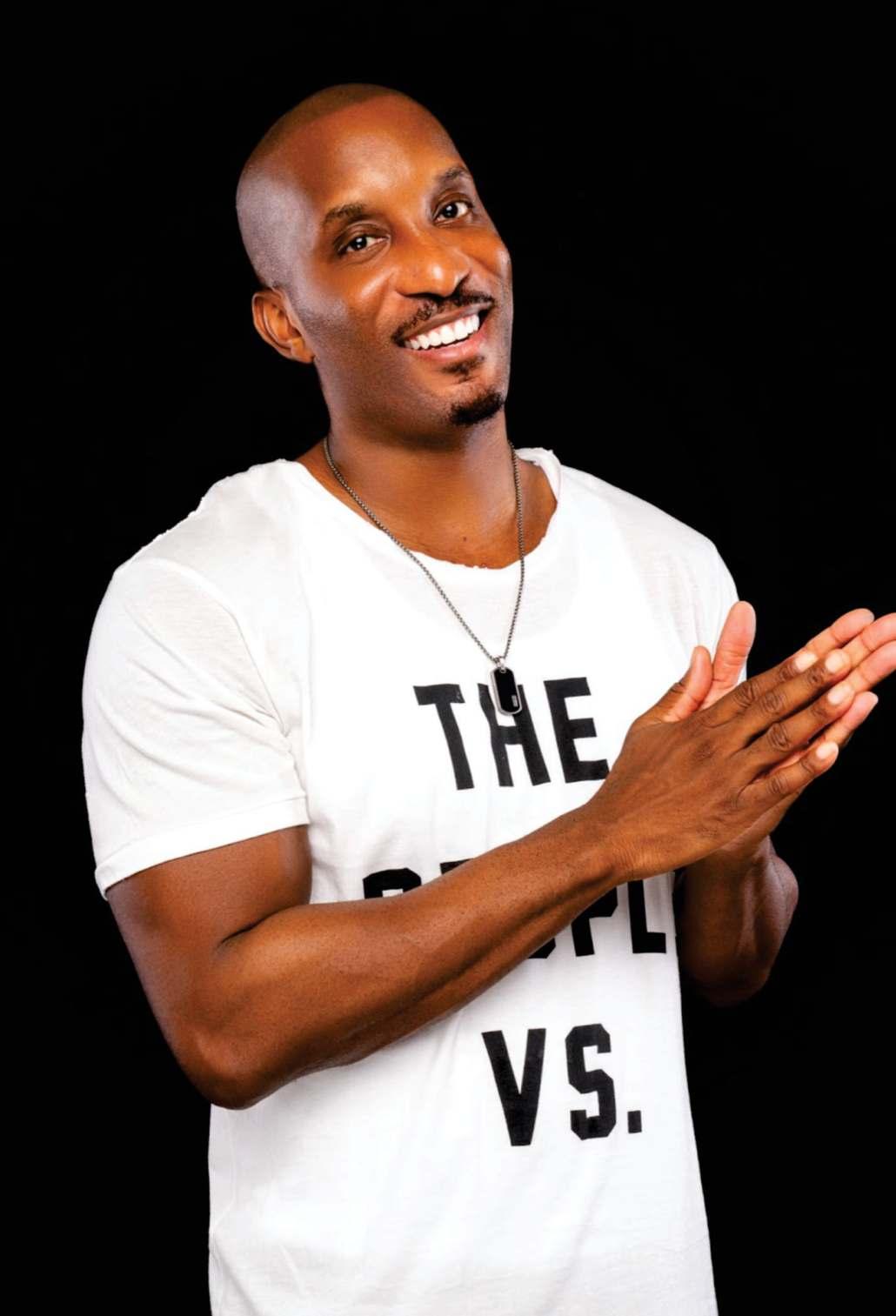
Dr. Dharius Daniels, an emotional intelligence expert, author of Relational Intelligence: The
People Skills You Need For The Life Of Purpose You Want and former professor at Princeton University, identiies four crucial leadership failures and provides insights on how to rectify these.
Leadership failure 1: Not recognizing employees as the primary customers
Employees are initially drawn to work for a company because of the company's reputation. Ultimately however, good employees stick around because of how well a company looks after them. Employees should therefore be treated as the primary customer. This means that the employee should be treated, cared for, managed, and responded to in ways that are consistent with what the company wants for their customers.
Managing employees in this way not only sets a good example, but also increases one of the most important assets of any company – credibility. What credibility brings is trust. As Steven Covey says, every relationship “moves at the speed of trust”. Employees want to work with and work for a company that they can trust. If they can't trust the company, then there is no credibility.
Leadership failure 2: Not recognizing the difference between leadership and management
'Leadership' is a buzzword in corporate culture but, in reality, what we see in most companies is a management culture and not proper leadership.
Management is important and is part of leadership responsibility. Managers have to make people follow, but leaders make people want to follow. Managers bring about compliance but what leaders are able to create is buy-in. When there is buy-in, it increases the likelihood of an employee bringing their best self to work and giving their best effort.
If leaders recognize the difference between management and leadership, it increases their likelihood of recruiting and retaining good employees and of having a team that gives their best effort and will go beyond the regular call of duty.
Leadership failure 3: Not recognizing that inances are no longer the only valued compensation
A recent development, speciically when considering the work patterns of the millennium generation, is that inances are no longer the only valued compensation.
Current studies reveal that this is the irst generation in a long time to not out earn the previous generation. It is not because this generation isn't capable or competent, but because there are things that they value more than money, such as being part of something that means something, and that values them. They value lexibility more than inances.
An example is the idea of golden handcuffs: paying employees so well that they tolerate toxicity in their working environment because of the inancial compensation. It may have worked for previous
generations, but it will not work for companies that thrive in the future.
Leadership failure 4: Not recognizing that EQ is the IQ multiplier
Given the reality of the Great Resignation, it is important to realize that what employees don't want to return to, is the toxicity in the culture they were part of. They are not avoiding work, or wanting to stay at home, but they've had a glimpse of what it's like to work in peace.
Emotional Intelligence (EQ) should be seen as a core leadership competency.
The four qualities of EQ
1. Self- Awareness: How well you are aware of yourself as a leader.
2. Self-Management: Your ability to manage yourself based on what you know about yourself, as the irst person any leader must lead, is oneself.
3. Social Awareness: Your ability to discern the difference in others and their relationship management.
4. Relationship Management: The ability to distinguish how different people communicate and are motivated, and your ability to lead and respond accordingly.
Being an emotionally intelligent leader - able to manage yourself and others - is key and critical to recruiting and maintaining good employees in a post-COVID work world.
culture and not proper leadership.
Management is important and is part of leadership responsibility. Managers have to make people follow, but leaders make people want to follow. Managers bring about compliance but what leaders are able to create is buy-in. When there is buy-in, it increases the likelihood of an employee bringing their best self to work and giving their best effort.
If leaders recognize the difference between management and leadership, it increases their likelihood of recruiting and retaining good employees and of having a team that gives their best effort and will go beyond the regular call of duty.
Leadership failure 3: Not recognizing that inances are no longer the only valued compensation
A recent development, speciically when considering the work patterns of the millennium generation, is that inances are no longer the only valued compensation.
Current studies reveal that this is the irst generation in a long time to not out earn the previous generation. It is not because this generation isn't capable or competent, but because there are things that they value more than money, such as being part of something that means something, and that values them. They value lexibility more than inances.
An example is the idea of golden handcuffs: paying employees so well that they tolerate toxicity in their working environment because of the inancial compensation. It may have worked for previous generations, but it will not work for companies that thrive in the future.
Leadership failure 4: Not recognizing that EQ is the IQ multiplier
Given the reality of the Great Resignation, it is importa to realize that what employees don't want to return to, i the toxicity in the culture they were part of. They are not avoiding work, or wanting to stay at home, but they've had a glimpse of what it's like to work in peace.
distinguish how different people communicate and are motivated, and your ability to lead and
Being an emotionally intelligent leader - able to manage yourself and others - is key and critical to recruiting and