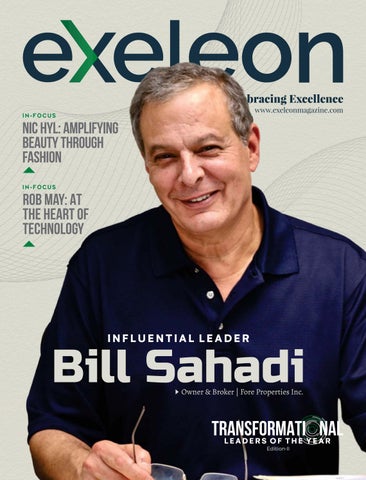
Most Transformational Leaders of the Year Edition V | Bill Sahadi
IN-FOCUS
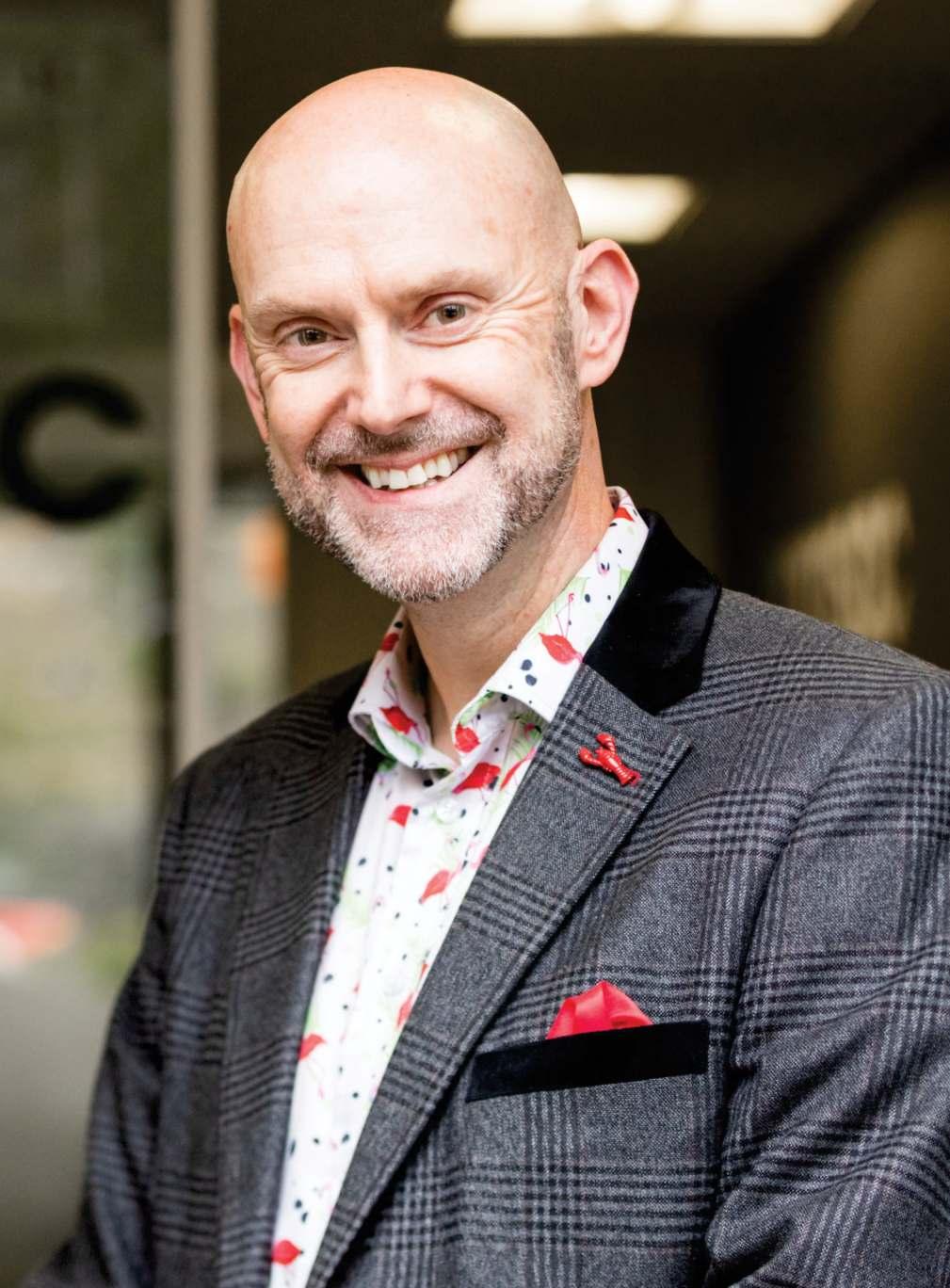
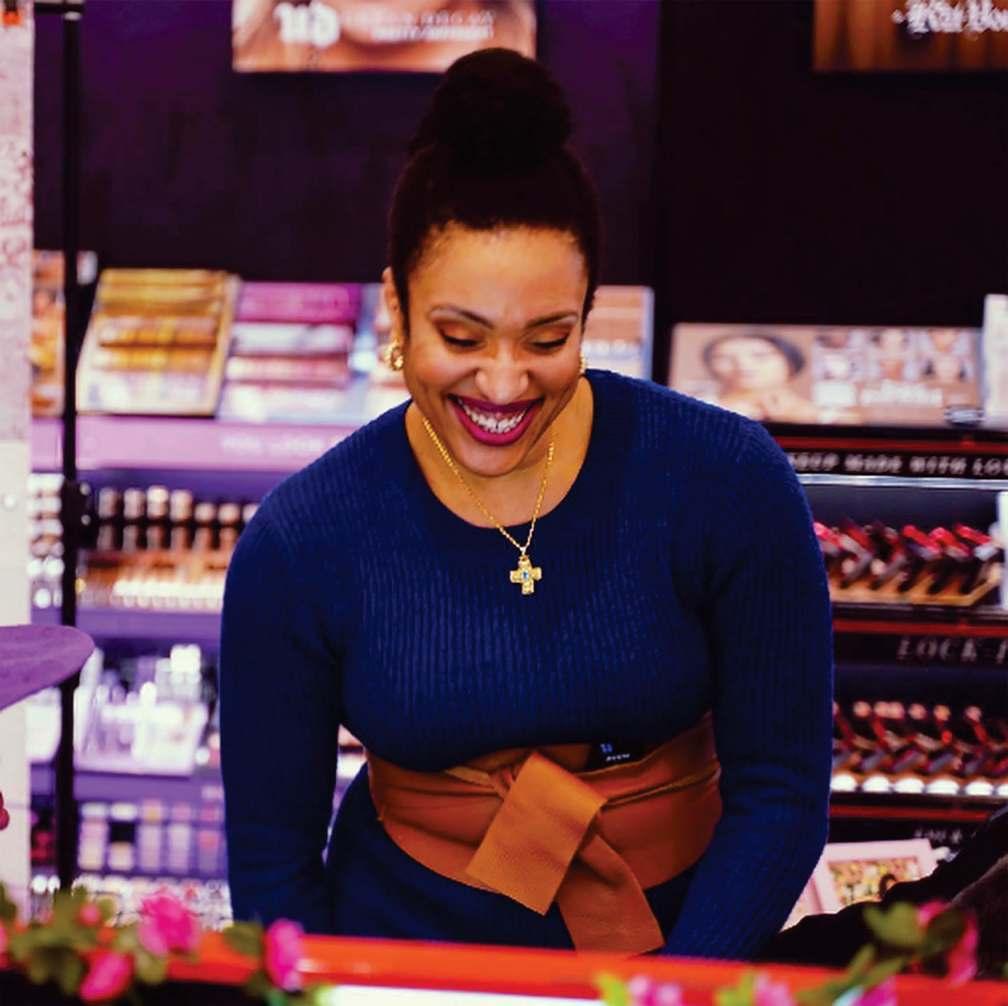
Nic Hyl: Amplifying Beauty Through Fashion
IN-FOCUS
Rob May: At the Heart of Technology
Editor-in-Chief –
Art Director –
Managing Editor -
Creative Director –
Contributing Editors –
Content Curator –
Daryl Yeung (Story-Tailor)
Naomi Lam (Design Ninja)
Matt Reis (Wordster)
Adam Waring (Grafista)
Ian O'Shea, Matt Hale, &
John Riggs (Three Musketeers)
Cathy G. (Explorer)
Sales
Project Manager –
Marketing Manager –
Josh Wilder (Cultivator)
Mike Jackson (Marketeer)
Katherine Price (Sustainer)
Richard Dann (Facilitator)
For any advertising related information, please contact info@exeleonmagazine.com. Submissions as well as contributions to the magazine are welcome.
Take
BILL SAHADI
ROB MAY 22
DAYNA ALTMAN
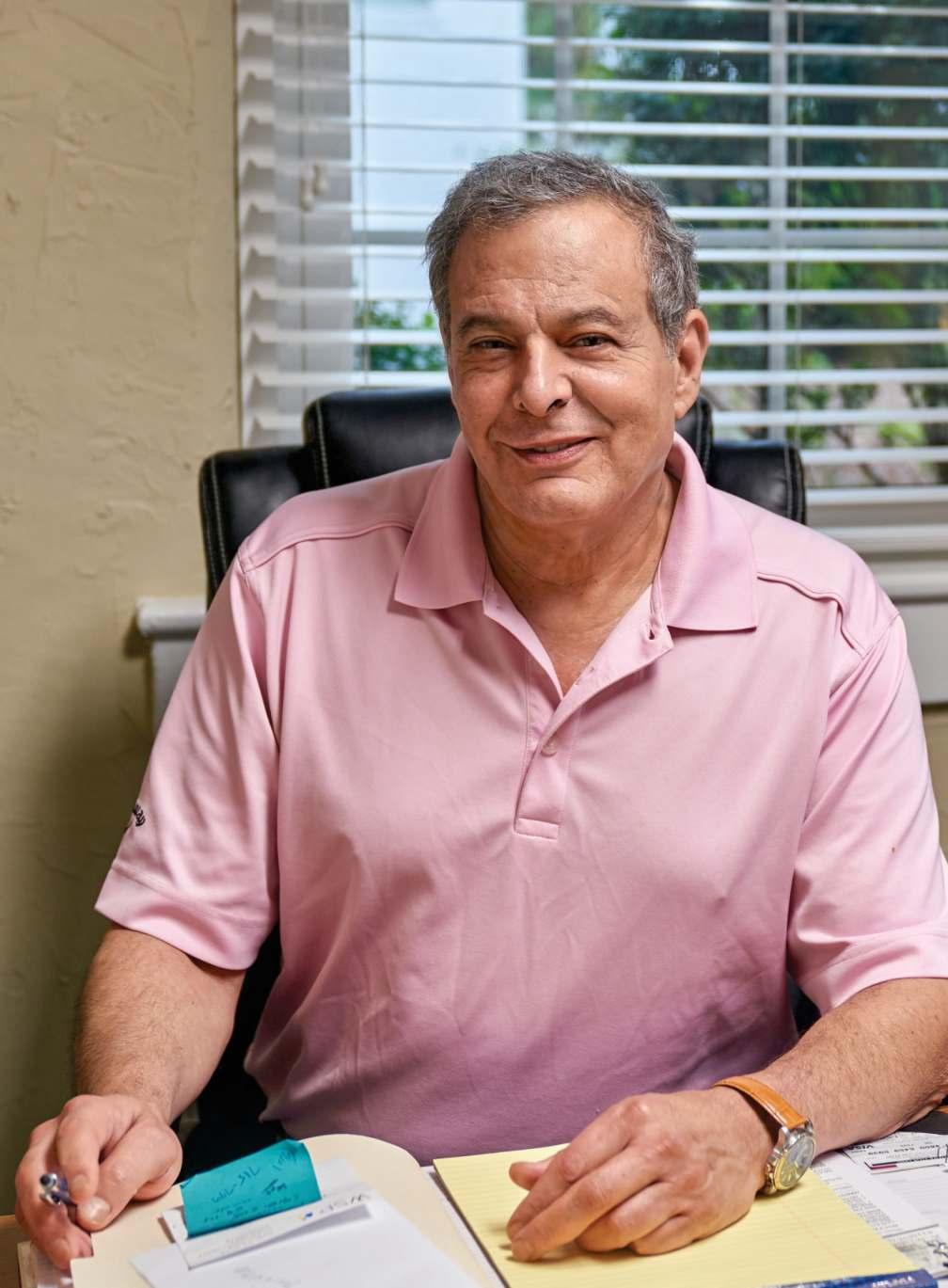
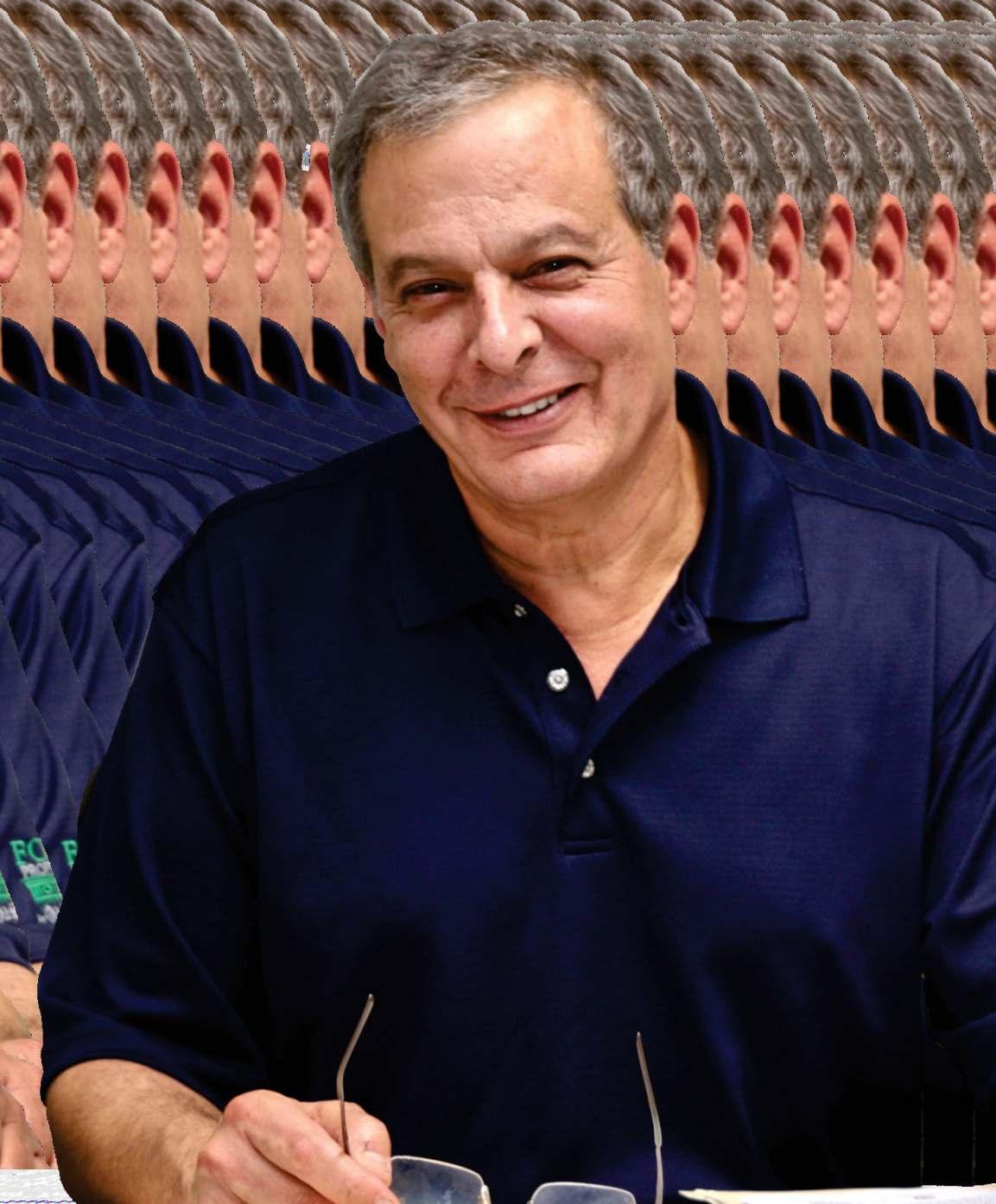
Bill Sahadi SPINNING REAL
PASSION INTO SUCCESS
Owner & Broker | Fore Properties Inc.
EEntrepreneurship is a humbling mountain to conquer. It involves consistently taking risks, pivoting in the face of adversity, and making a strong lasting impact on people's lives. However, many ambitious leaders unfortunately run into a wall during their entrepreneurial journey by making the wrong move or fumbling in their vision.
While every industry requires intent and hustle, one such industry that needs steady hands is the real estate sector. It is crucial to not just have a strong mindset but also a kind heart to manage someone's resources and engage it in the most balanced manner possible.
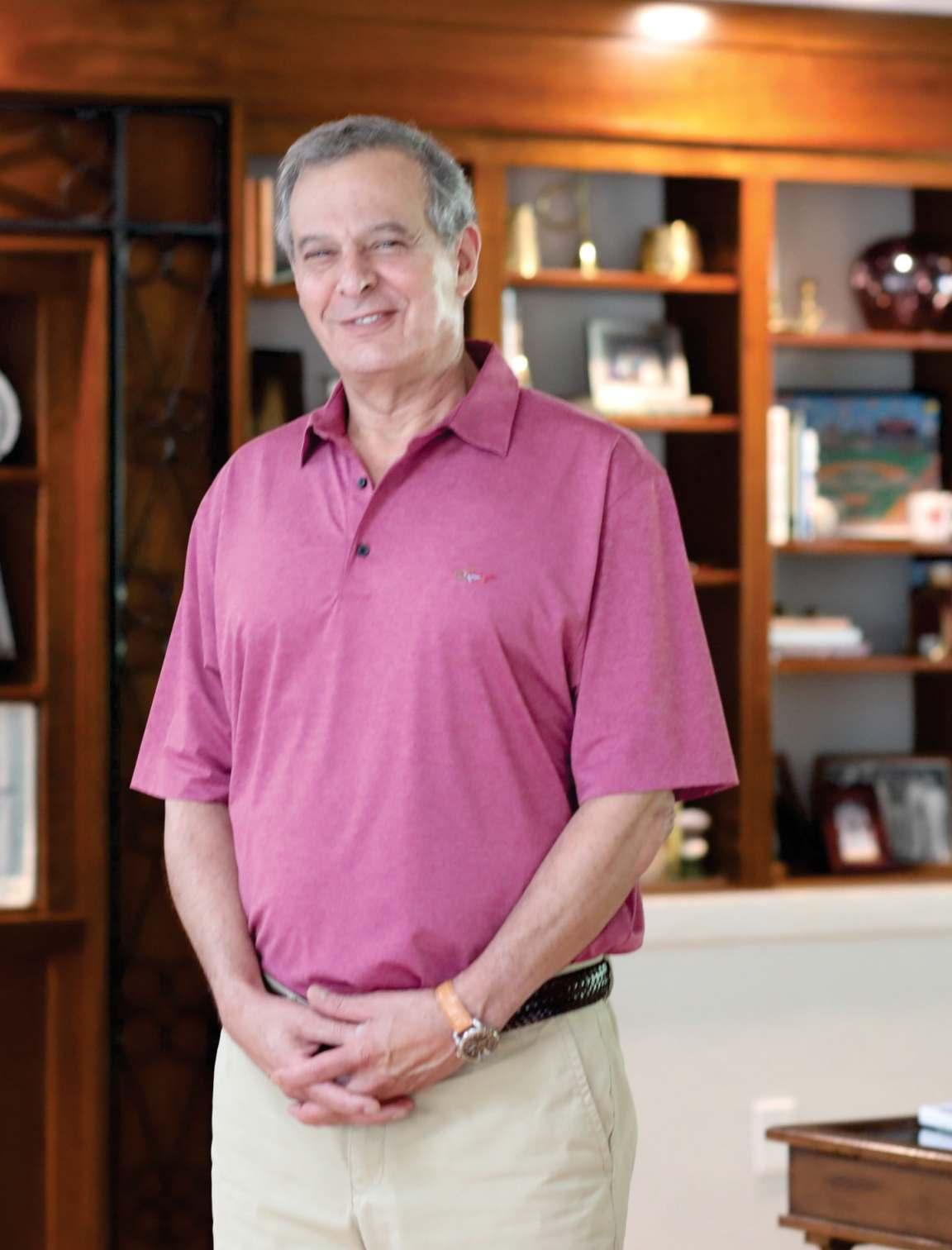
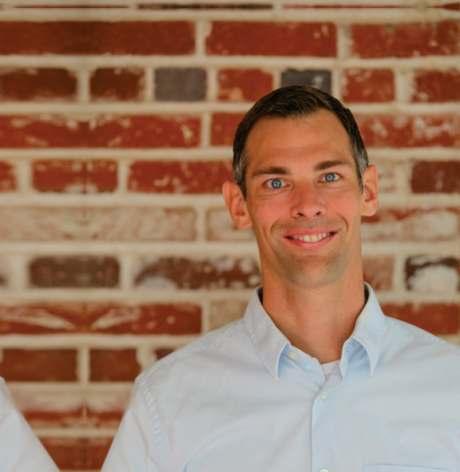
A pioneering example in the realty sector is Bill Sahadi. Bill is the owner and broker of Fore Properties Realty Inc. and believes in doing the 'right thing' in every endeavor. He believes in putting his lofty ideals to use for the beneit of his entire community and being a mentor whenever he can.
In fact, Bill also integrates the thought of inluential leadership in all aspects of his life. Inluential leaders are not made in a day. Persistence, resilience, and the intent to make a difference drives them towards their goals.
As a Certiied Residential Specialist (CRS), Bill believes in sharing his principles as 'a truth'. He does this to encourage other brokers to embrace these principles into their own personality and style. He feels that it's important to set an example
in everything you do like treating clients fairly, managing expectations based on curiosity and not judgment, and practicing what you preach by taking an active part in real estate investment.
HIS FIRST SPARKLING INTEREST
Our prime years build a solid foundation of values, ethics, and beliefs. It's a phase to experiment, expand your horizons, and truly realize your potential.
Similarly, during his younger years, Bill was on a quest to understand and explore his passions. He navigated through how the world works, asked questions, and challenged assumptions because he looked at things differently.
Eventually, he found his way to real estate and started to learn the ropes of what had always been a strong interest. Little did he know that he would be creating a successful real estate business a few years down the line.
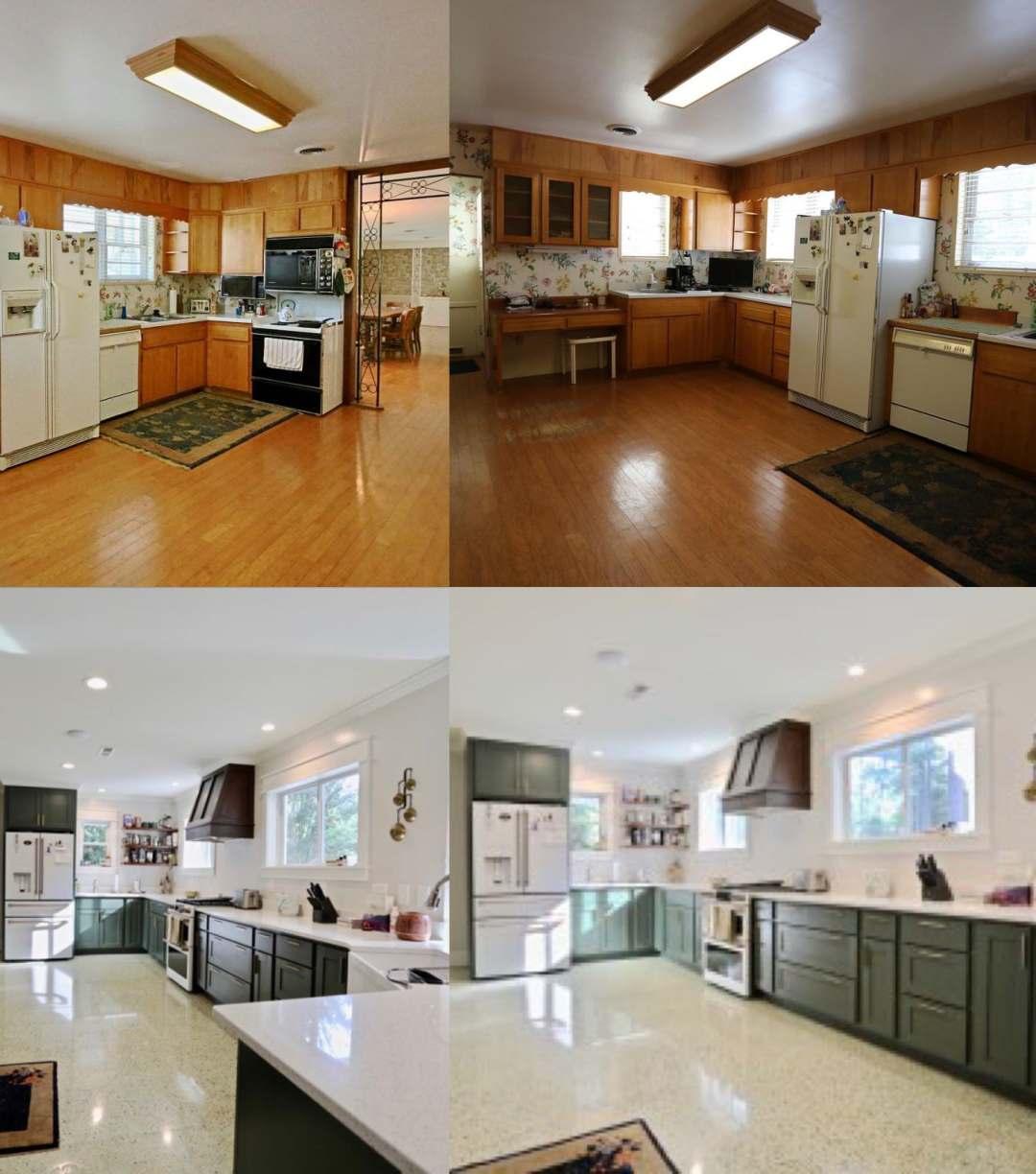
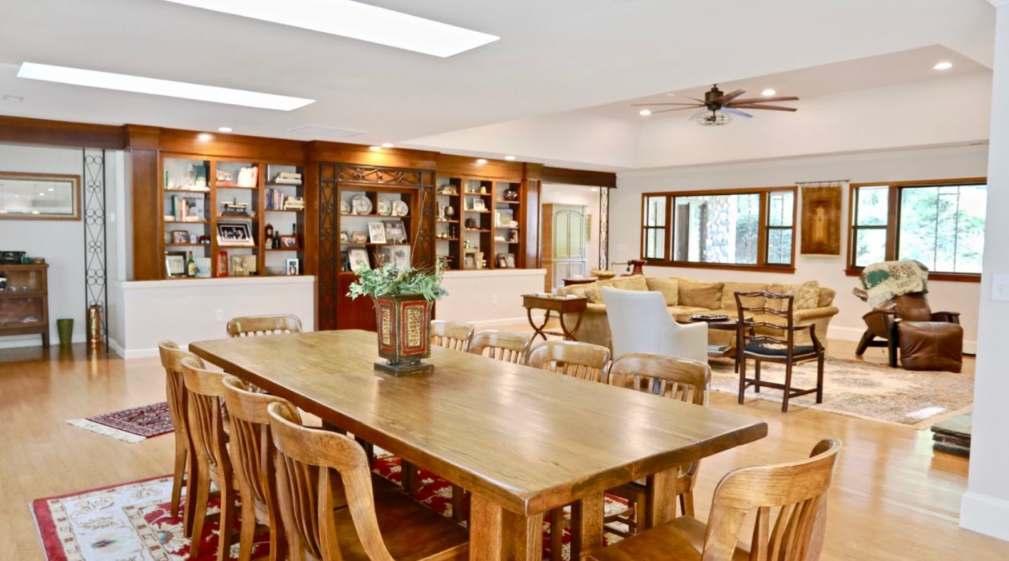
“I am a great believer in investing in something you know; something you can touch; and something you can improve,” he says. “The soup to nuts renovation I recently completed on a midcentury 1940's home was a labor of love, which I now call home. The previous owner lived there for 58 years and raised 7 children. Bringing the home up to current standards in every way and retaining the original spirit of the property is the best expression of what I feel about our real estate business. Renovating a home like this is a practical application of putting my passion to work.”
He believes real estate spoke to his independent and entrepreneurial spirit more directly than anything. He further adds, “The full control and responsibility of owning real estate always spoke rd to me more directly than 3 party investments.”
GOING THE EXTRA MILE WITH HIS HEART
Independence and autonomy are the two factors that prompted the inception of Fore Properties Realty Inc. “I never looked to others to make me successful. I wanted to create and foster an environment of independent contractors who
were initiators and not reactors,” he says. “Brokers who always think the grass is greener elsewhere miss an important point. There is no 'projecting' when you are an independent contractor. Own it and don't blame others. It's also an insight into who they are really thinking of.”
Bill's company is composed of the most supportive, ethical, and caring real estate professionals who relate to a common thread — their shared passion to serve others. According to Bill, this is the secret sauce when it comes to delivering the most memorable and reliable real estate experience for all his clients.
With over 22 years of experience in serving clients, Bill's attitude is what pushes the company by leaps. In his own words, he believes in “working with a servant's heart and genuinely having your client's interest at the forefront.”
His empathy towards his clients is of paramount importance to the entire client experience. This includes understanding their motivation, setting realistic priorities, and educating them in the most effective way possible.
HIS DYNAMIC CONTRIBUTIONS
Bill embraces his servant leadership style in his day-to-day proceedings of the irm. His regular day is wrapped in many important tasks like overseeing every single transaction, answering any client questions around the clock, thinking ahead, and collaborating with unique people.
He also takes keen interest in coaching and mentoring people so that they have a better idea and more clarity about the bigger picture. He also mentions that mentoring and guiding younger agents is at the top of his list.
One of his goals is to mold new ambitious brokers into iercely independent brokers and fuel them to be self-generators. He wants them to ask, 'What can I give to a client?' rather than, 'What is being given to me?'
CHASING SUCCESS WITH NO FEAR
Bill has been a strong proponent of deining your own metrics of success. This is not to say that his journey was smooth-sailing and wrinkle-free.
When quizzed about the one thing that he would do differently when he started out, he quickly remarks – “I only wish I had started my career earlier in my life, rather than stay tied to a prior profession that generated income but not the passion my spirit required. I've always had good instincts, but I just had to learn to trust them.”
Bill has never retreated in fear and continued to persevere despite the roadblocks. According to him, his biggest roadblock during his journey was “maybe expecting too much out of others and being disappointed in their inability to be givers and not takers.”
While it is a privilege and honor to practice as a real estate broker, Bill feels it also comes with a huge responsibility. Therefore, he vouches for an approach where there is consistent information shared across the buyers and sellers' radar to make more informed decisions to get both parties across the inish line in a win-win manner.
Apart from being a real-estate leader, he is also an agent of meaningful change. Bill has always been engaged to the Moore County Community since he moved there in 1999. After his involvement in community work with local nonproit agencies, Bill accepted an offer to volunteer to host a radio show host called All Things Real Estate in 2009. The show's name changed to All Things Moore County and gave him the opportunity to talk about different topics surrounding the community with remarkable people. WEEB 97.1 FM, 104.1 FM, 990 AM.
He feels loyalty has always been both — his strength and weakness. “It's one lesson I don't think I'll ever learn. It's hard to change your nature, but I gladly accept it,” he asserts.
Bill infuses his authenticity and honesty to his business at every level. He does not believe in 'Fake it until you make it,' and echoes the fact that it takes a robust system to ensure future growth.
This holds true to the simple yet signiicant lesson that his father taught him – “to never take the responsibility of making a decision away from a client. Present the news and facts accurately.”
One pivotal piece of advice that Bill has for aspiring and emerging leaders is to constantly believe in yourself and your efforts. He also suggests to never feel entitled to things on a platter and to always “Initiate, Self-generate and not listen to your fears.”
ACCELERATING THE FIRM'S FUTURE
For over two decades, Bill has organically built a reputable team consisting of real estate professionals, from attorneys and lenders to contractors. His wealth of knowledge and relationships continues to propel him to an even bigger and brighter future.
With the business' life span of about 22 years, Bill and his team have already made a signiicant mark on the Moore County community as a non-franchised boutique irm. Along with his 13 years stint as a radio host of a local show, All Things Moore County, they have solidiied their presence in the growing community.
When talking about the upcoming plans for Fore Properties, Bill Sahadi is illed with enthusiasm and optimism. He fully believes in his team's ability to foster stronger client relationships. He does this by treating them as an equal contributor in every step of the journey. Additionally, he also aims to raise them as well-rounded and experienced brokers.
Moreover, Bill has also helped facilitate new relationships between individuals and other business individuals to assist them and Moore County in growth for the greater good. Bill thinks that the real estate business is at the doorstep of momentous change and the nature of how they do business has direct relevance to how the independent contractor conducts and grows their base.
However, he also emphasizes on the changing role of technology in the real estate sector. He feels that the principles of what his team does and how they do it will never change, but
the electronic platforms and social media outlets will provide new challenges & opportunities to the independent contractors of tomorrow.
Bill's clients think the world of him, and he wishes his greatest contribution to be to those brokers that he had the privilege of mentoring and coaching. “Being able to make an indelible impression on someone else's life is the greatest gift of all,” he concludes.
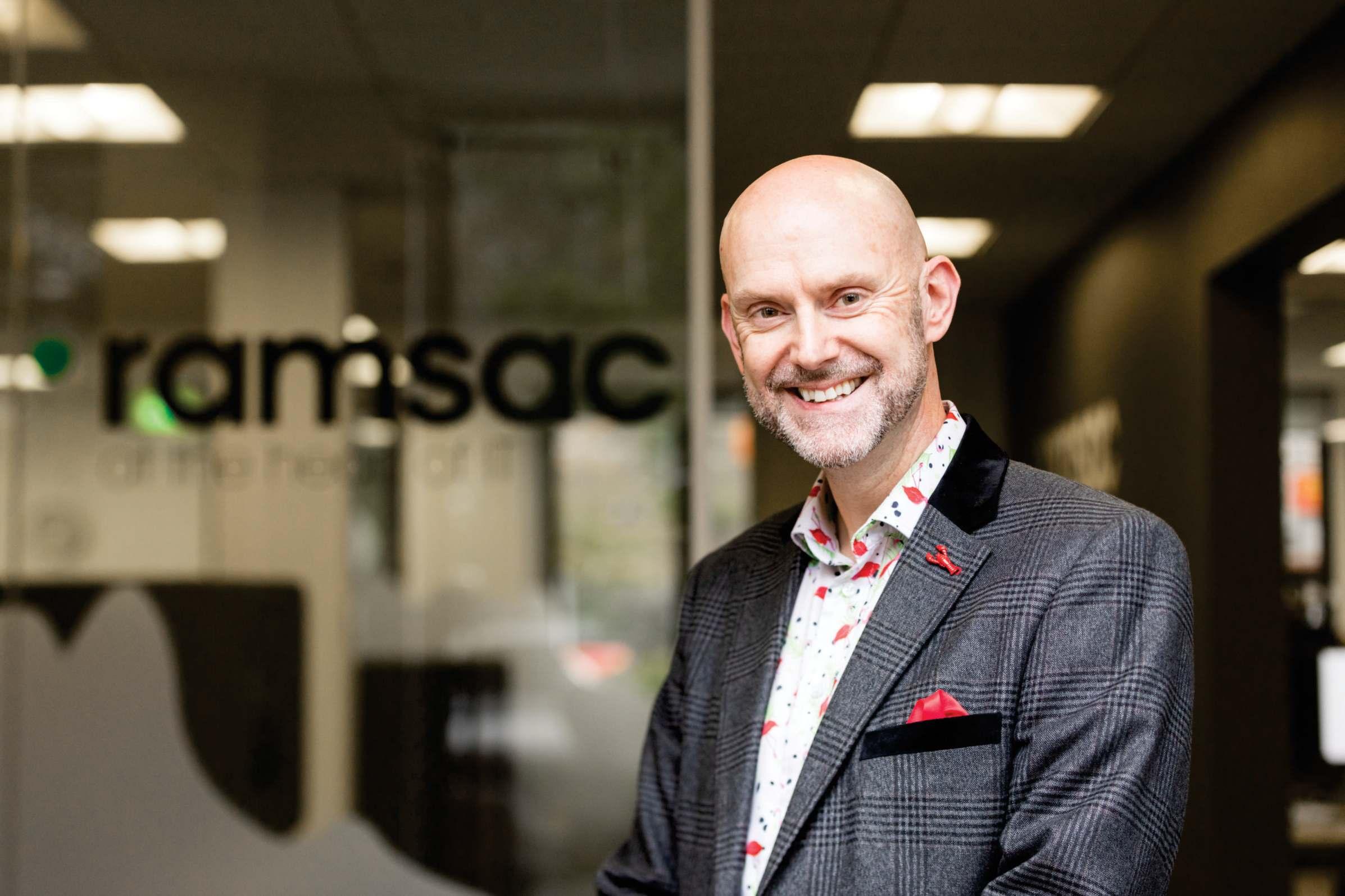
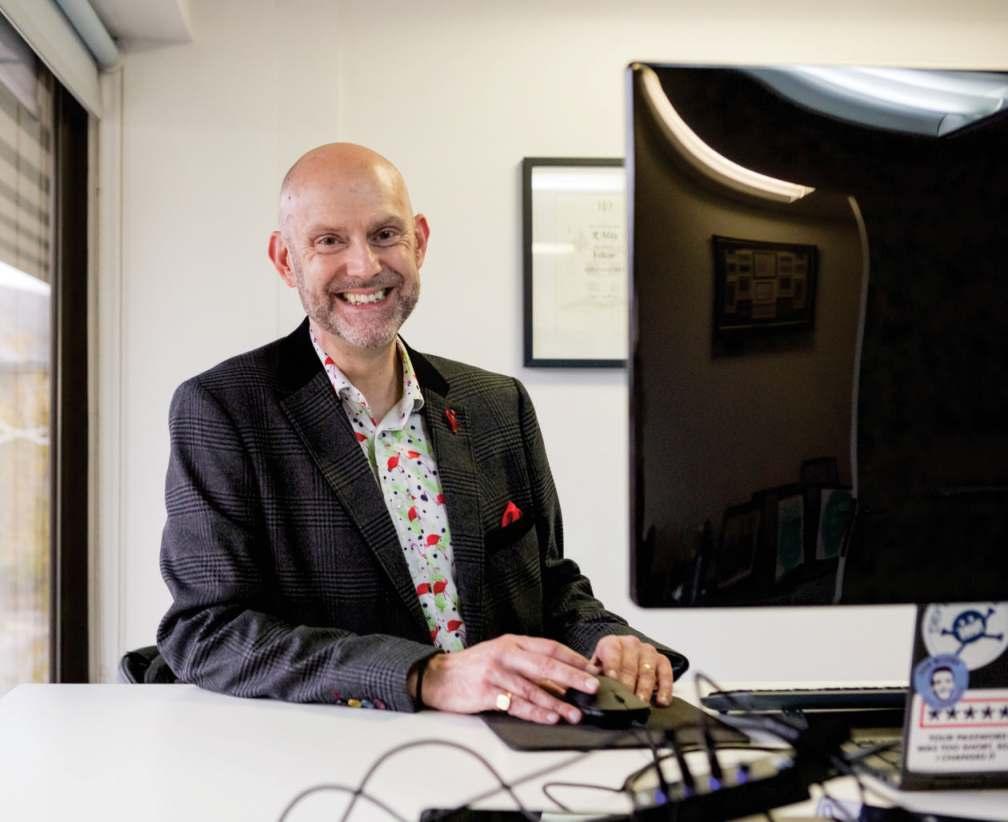
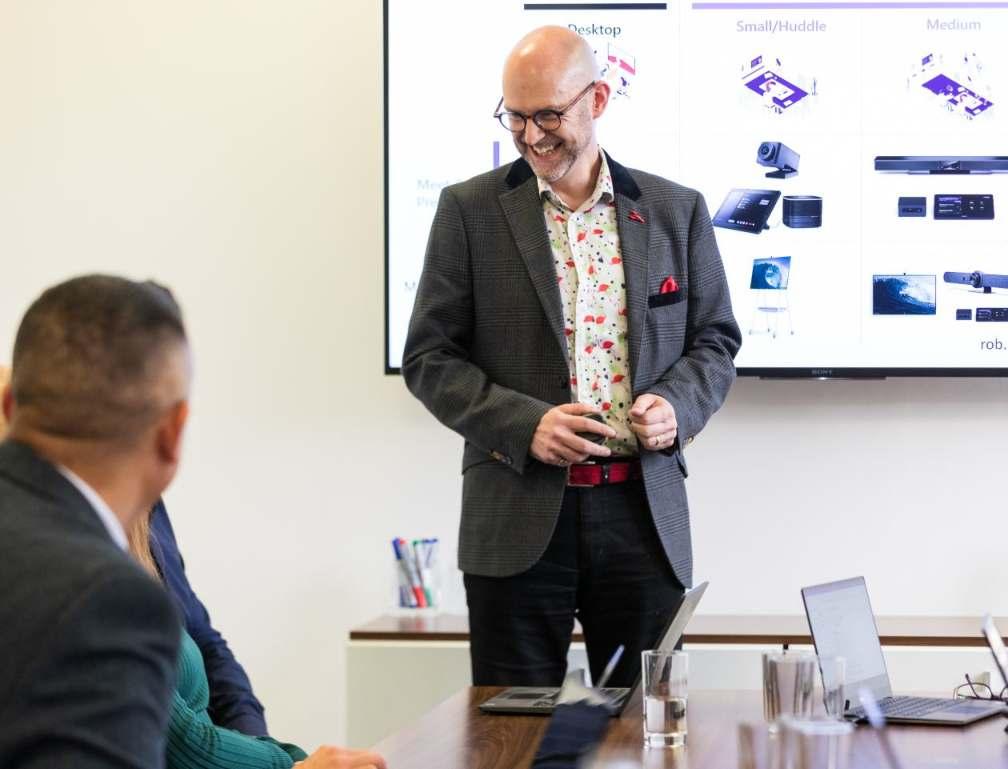
CyberSecurity space, Rob May is the Founder and MD of ramsac — an independent IT infrastructure consultancy. With ramsac, Rob is on a mission to deliver the best out of the technology by providing proactive management, and jargon-free IT support. Moreover, he also aspires to accelerate growth eficiently and securely.
Rob is a huge believer in life-long learning and is currently enjoying writing his next book 'Preparing for Interruption.' In this Exclusive Interview, Rob May talks about leadership, ramsac, his journey, technology, and much more.
What according to you makes one a transformational leader? How do you integrate the same thought into your leadership?
To me transformational leadership is about inspiring and motivating employees, encouraging them to be the best they can be, not just for the business but for themselves and their future. I'm a huge believer in lifelong learning, personally I've ensured that I've attended training and development of one sort or another, every month for the last
twenty-ive years, this journey has helped shape me and my thinking and that's relected in and shared within the entire business.
Six years ago, I launched the ramsac academy within the business, this is something I personally lead and a vehicle to share my learnings, thoughts, and experiences with my colleagues at every level of their career journey. The academy looks at all areas of work success, positivity, communication, leadership, time management, vulnerability and so on.
Talk to us about your growing up years. What is your earliest memory as a leader that you can remember?
I've been doing this a long time now, in fact I'm about to celebrate thirty years in this role. If I relect on the early years, I think the biggest learnings came from the realization that just because something is important to you, it doesn't mean it is the same for everyone else. This could relate the importance of salary or what car someone drives, or whether it's more important to spend budget on advertising or a makeover for the working environment. Some of this
Founder & Managing Director
ramsac
comes from personal drivers and some of it comes from your own experiences.
We are a service organization and therefore Service Level Agreements (SLA's) are vital to us because our clients judge us by them. What we value won't it every single potential client and therefore there must also be client it (which sometimes we get wrong). But it's important that your team buy into a set of standards that you agree is the experience that your clients will enjoy.
We did an exercise a number of years ago on customer WOW'swhat is it that makes a customer say wow. I started the exercise with discussing the experience of stopping at a hotel, we listed all the elements of a hotel stay e.g., having a bed and a shower etc., a lock on the door, and when we had all those listed, we put them under 'customer expectation' these aren't wow's, if you turn up at a hotel and there's no bed you're going to complain.
We were then looking for wow's but what was interesting to me, is that we all look at things differently. I had one member of staff saying that they'd stopped in a hotel and there were a leet of limos available to them on demand and that was certainly a wow, I equally had a member of staff saying that they'd checked in to a hotel and there were bathrobes in the room which for them was remarkable, very different perspectives based on life experiences and the resultant ilter we apply to our expectations.
What led to the formation of ramsac? What was the idea
behind the name of the company?
Early in my career I found I had the ability to see problems, not from a negative perspective, rather in terms of something not making sense to me along with suggestions for how I would tackle the situation if it were me. All the time I worked in an environment where that was a good thing, we all excelled, and I was happy. Unfortunately, I ended up in an international corporation where my approach didn't it their model, I felt very unsettled and unhappy and decided to do something about it.
I'd experienced a lot of in-house empire building and I could see that many people in the technology world seemed to think it was a good idea to make the industry appear as complicated as possible. I believe that if you make someone feel comfortable with a theory or a product, helping them to feel good about it and grow in their knowledge, you are far more likely to build trust and long-term relationships and that was what we set out to do as ramsac.
I'm often asked about the name ramsac which is an acronym for the values of the business. All of our staff are Reliable, Approachable, Motivated, Skillful, Adaptable and Committed. Our values are extremely important, in addition to the acronym there is the core understanding that we do the right things, and we do things right. The combination of these is a permission to act, anyone who makes a decision based on this framework cannot be wrong, it might go wrong but they would have the backing of everyone to sort
the issue as the decision was made for the right reasons and in line with our drive to always do the right thing.
What is the approach followed by the company in order to ensure optimal client satisfaction?
We've always measured and celebrated customer satisfaction. Whether that's a cybersecurity forensics response, a 100-day project or simply a support call, we measure performance, delivery but most importantly satisfaction. Customers feed back on their experience and each month we celebrate with 'I am ramsac' awards.
Being the Founder and MD, what role do you play in the day-to-day proceedings of the company?
In the early days of ramsac I was very hands on in technology delivery but these days my role is to guide the board, drive direction and be an ambassador both for the business but also our industry.
Being a Speaker, Author, Entrepreneur, Industry Expert, to name a few, how do you ensure work-life balance?
Work-life balance is a misnomer that I suspect few manage to achieve, I think what is far more likely is work-life harmony, the question is, do the things that you do, the time that they take and the commitment they require it in with the needs of the other elements in your life? I do a lot of speaking internationally on cybersecurity and I get tremendous satisfaction from this, it energizes me and the people that I have met in doing so,
have opened many doors in different areas of my life. When I'm inspired myself, I'm far more likely to be inspiring to others.
What has the journey been like for Rob May over the years? Looking back, what would you have done differently if you were to start again?
The journey has been tremendous, I've learned so much and frankly I continue to do so. In terms of what would I do differently, in the early
days we didn't think we had the budget to pay for top dollar advice, the reality is, most expensive advisers are expensive for a reason and their experiences, contacts and inluence on your business is worth investing in as early as possible.
What would be your advice for emerging leaders and entrepreneurs in the current changing work environment?
People talk about new normal; the reality is that whatever today is, is normality. The role of a businessperson is to respond and
adapt to customer and employee needs and provide the best possible solutions to those stakeholders. The big challenge that we all face right now is ensuring an equal experience, this means thinking about everyone, whoever and wherever they are and working out what we need to do to make it equal for all.
Finally, what does the future look like for you, both personally and professionally?
The future is exciting. I work in an industry that is hugely in demand
and I spend my time with people whom I can inspire and they in turn inspire me. Our business grew signiicantly as a result of Covid, and we are now in a position to really beneit from that and maximize on the opportunities we have before us. Personally, I love every day whether I'm at work, on a stage or in one of my advisory roles, I'm also currently enjoying writing my next book 'Preparing for Interruption'.
David Pawlan
Leading Transparency in the Software Development Economy
TIn a world where anyone can innovate freely, there is still a barrier because software development is a pain point for far too many.
Driven to ix the problems in this process, a 24-year-old entrepreneur started to ind sustainable solutions for it. David Pawlan is the founder of Aloa— a platform for outsourcing software development for startups. Four years later, since his college days, David has grown Aloa to a multi-milliondollar business.
As an ardent believer in changing the world, he is also involved in social initiatives like Fifth Star Funds. David, along with other Chicago entrepreneurs, recognized the inequality in the entrepreneurial landscape and decided to make a difference by helping startups grow.
His ultimate goal is to create wholesome environments that empower innovators to plan, experiment and build incredible things. In an Exclusive Interview, David talks about his journey and Aloa.
What according to you makes one a transformational leader? How do you integrate the same thought into your leadership?
In my opinion, all leadership should be built upon the values of transformational leadership. An effective leader is one who empowers those they are leading to a point
where the leader is no longer needed. That is exactly how I view it as an integration to business leadership. My goal is always to eliminate my own job, and it's the most fun part of it. In this way, I'm helping to build an effective and self-suficient organization.
Talk to us about your growing up years. What prompted your interest and subsequently your foray into the tech space?
I've always had an entrepreneurial spirit, but I really was never a tech kid. I didn't play video games; they never really caught my attention. My interest in tech I think is just a consequence of the way the world is moving.
Brief us about Aloa and what led to the inception of this platform.
Aloa is a platform for outsourcing software development for startups. You can think of us as software outsourcing infrastructure.
While in college, we were building out apps and doing student tech consulting. We wanted to expand our development team, so we began looking for resources. We looked domestically, but it was too expensive, so we outsourced. We had a horrible experience. To us, that didn't make sense. Why haven't we been able to igure out a predictable and consistent experience for software, the most remote industry there is.
At Aloa, we believe in a world where anyone
can innovate freely, and at this point, we see software development as a barrier to innovation for far too many. So, rather than trying to build a blanket solution as a dev shop, we studied the pain points themselves and fell in love with the problem of outsourcing software development itself.
Four years later, since those college days, we've grown Aloa to a multimillion-dollar business. We've vetted through 10,000+ software irms around the world and have qualiied just 8 to be in our Network.
We built Aloa Manage so anyone, even non-technicals, can manage their dev team. We built AloaPay so clients don't have to deal with foreign transaction fees or international tax compliance. A dedicated Account Manager will curate a match to the proper irm in our network. We'll build out custom development strategies and continuously audit. The beauty is that we've automated so much of our process that we can do all of this at the same rate as other outsourcing competitors. In our opinion, just providing you a developer isn't suficient.
Being the Co-Founder, what role do you play in the day-to-day proceedings of the company?
As a Co-Founder, you're wearing tons of different hats. My main role is deinitely sales and lead generation as ultimately that is what keeps the lights on. However, most recently I've been spearheading a lot of our marketing efforts as well as working on process and operational eficiency. I'll also serve as our legal liaison
and help out with taxes. There are no two days that are the same!
What is the approach followed by the company when it comes to providing optimal client satisfaction?
We're a very mission driven company, so that is what truly guides our decision-making. Each one of us tries to act sellessly: what would I truly do if I were in their position? We lead with empathy, resonate with the client experience, and ensure that we prioritize the core mission of what we're doing. As long as we maintain our integrity and quality of service, the proits will come.
You are an ardent believer in changing the world. Talk to us about some of your social involvements and why it is important for you.
The most important social involvement I have is being the CoFounder of Fifth Star Funds. Along with other Chicago entrepreneurs, we recognized the inequality in the entrepreneurial landscape and decided to dedicate our nights and weekends to make a difference.
Only 1% of VC capital goes towards Black founders, and more curiously, from 2009-2017, only .0006% of VC funding went to Black women. Now, let's take this one step further. The average Black-owned startup has roughly $500 of outside equity when starting. The average Whiteowned startup has roughly $18,500 of outside equity.
Fifth Star Funds is a venture philanthropy evergreen fund seeking to address the funding
epidemic in America where only 1% of venture capital is awarded to Black founders. We accomplish this by investing in Black tech founders in Chicago at the early stage “Friends & Family” round. We believe the funding gap at this stage is the most critical to address, as centuries of inequity have prevented these potential entrepreneurs from having the initial capital to start their businesses. 100% of all returns from our investments are reinvested into the fund, so as the startups we invest in grow, the fund inherently does too, making our impact compounding.
What has the journey been like for David Pawlan over the years? Looking back, what would you have done differently if you were to start again?
It’s been a journey of perseverance. I've always been starting things, always trying to build companies. When talking about it to others, I always say it just feels like I'm playing a real-life version of Rollercoaster Tycoon. I always had a little side business growing up. My Senior year of High School and Freshman year of College I dove into my irst oficial startup. It failed. I learned a ton. In my Senior year I joined the Aloa founding team and I haven't looked back ever since.
This second part of the question is pretty funny to me because I'm actually working really hard on myself to avoid that thought exercise. I need to stop looking back and questioning every little decision, it's debilitating. So, I guess in this context, I'd say that I'd tell my younger self to stop looking
back. Be present. Live in the moment. The past is the past. You can learn from it, but your mind should be on the present, on what is in front of you, not behind.
What would be your advice for aspiring and emerging business leaders?
The two biggest lessons I've learned are actually related to one
another. The irst is to fall in love with the problem, not the solution. If you are in love with the problem, then any roadblock or set back is actually a step forward, because you found another way that doesn't work. In the same vein, do something because you're passionate about it, not because you're chasing the money.
Entrepreneurship is really hard. Money won't come right away. You're going to fall. You're going to cry. You're going to question everything. Only passion, a true intrinsic motivator, a belief in what you're doing, will be suficient to push you through the journey with a smile on your face.
What has been the biggest roadblock during your journey? What has been your biggest learning?
I myself am my biggest roadblock. I'm really hard on myself. Confrontation scares me. I take things too personally. I'm not sure what my biggest learning is yet because I'm still in the thick of it.
Finally, what does the future look like for you and Aloa?
We believe in a world where anyone can innovate freely. We want to change the world, and we won't stop short of doing just that. Today it's software, creating a pathway where non-technical entrepreneurs and tech-giants alike can predictably build their technology. I'm so proud of our team and what we've accomplished, but we're far from the inish line.
I don't know what we'll be in 10 years, but I do know that as long as we continue to follow our mission, we're going to create the proper environments to let innovators do some truly incredible things.
CONFORMITY IN THE WORKPLACE
THE ROLE OF AN AUTHENTIC DEVIL’S ADVOCATE
BY: THOMAS J. BUSSEN (DBA, JD, MBA)
The scholar Solomon Asch illustrated in his now classic conformity experiments from the 1950's how people – even individualists – can be willing to conform to avoid the decidedly uncomfortable position of dissenting with the group. Asch gathered college students to participate in what he termed a “vision test”. In reality, a single study participant was unknowingly accompanied to the experiment by a series of actors following Asch's instructions.
The participant and his fellow actors were shown a paper with a line on the left side and three lines of different lengths on the right. Their task was to choose which of the three lines matches the length of the line on the left.. The actors stated their answers one by one, with the actual participant answering last.
While the answer was obvious – a “clear and simple fact” as Asch writes, in some cases the actors were instructed to unanimously answer incorrectly. Instead of answering C, as in the above example, the actors might all claim the correct answer was B. Asch wanted to know how the study-participants would respond when group consensus arrived at an obviously incorrect answer.
Faced with the prospect of opposing the group, 37% of the time participants conformed by giving the wrong answer (and 75% of the participants conformed at least once throughout the experiment). While 37% might not sound like a high number, consider that ordinarily – when the actors did not answer incorrectly – the correct answer was offered more than 99% of the time.
Future researchers sought to understand the cognitive mechanisms leading to this
result. The scholar Gregory Berns replicated the Asch experiment but added a modern twist by putting the participants under an MRI machine while they answered. He found that the part of the brain associated with decision making went quiet when the actors answered incorrectly. Instead, the areas of the brain which relate to visual perception lit up. What did this mean? Simply put, it suggested that at least some of the participants, when faced with actors answering incorrectly, didn't simply go along with the wrong answer. Instead, their minds stepped into the breach, changing their very visual perceptions of the task and allowing them to convince themselves that the actors answers were correct. This proved, cognitively speaking, an easier load to bear than either dissenting from the group or knowingly answering incorrectly.
The business implications of this study have long been clear to researchers. It offered some of the irst results of what is today known as groupthink. Whereas debate and idea generation lead to the optimal decision making, groupthink holds that teams members may fail to adequately probe and challenge the consensus of the group. Those that once thought differently may, according to Berns' research, convince themselves that the majority must be right. The more complex the decision – recall, Asch's visual experiment was simple –the more likely one is to conform to group consensus.
What to do about all this? Some suggest a Devil's Advocate as a tactic to raise questions and empower others in the group to do likewise. But as Wharton's Adam Grant illustrated, we ought to prefer an “Authentic Devil's Advocate”.
DISCOURAGING CONFORMITY WITH A DEVIL'S ADVOCATE?
Imagine this scenario: Your company is trying to decide whether to open a new ofice in Peru or Kenya. Before you come to your own decision, the boss suggests that Peru may be the best option. He encourages other suggestions, but the rest of the team quickly agrees with the plan. Do you dissent? To do so would require going against both your boss, and your team.
We know from Asch's conformity experiment that for most of us, the answer is no – we'll hold our tongues. In fact, Berns' research tells us that we're likely to quickly convince ourselves that Peru is indeed the best option,
regardless of whether we would have come to that conclusion independently.
As if this weren't enough, we also know that once we've come to this conclusion – that Peru is the place to be –we'll now seek all possible evidence to conirm this decision. This is known as the conirmation bias. It means that once we identify Peru as the ideal option, we'll give less weight to information that presents Kenya favorably and more notice to that which portrays Kenya negatively.
This scenario is in fact the basis of a real study involving over two hundred German business and governmental leaders. In the study, participants were given access to equal numbers of articles on both Peru and Kenya and asked to choose one as the location of a future corporate ofice. Those favoring Peru read 26 percent fewer articles about Kenya.In so doing, the conirmation bias played out – the team members conirmed the accuracy of their original choice by selectively choosing which information to consider and ignore. The result was increased conidence in their original choice.
To summarize, we know from Asch that we are likely to conform to group consensus. We know from the Berns MRI experiment that our minds may dampen any prospect of dissent by convincing us that the group must be right. And we know from conirmation bias that once decided, we are likely to seek information to reinforce this decision.
We return to the famous Asch experiments for a possible solution to this cognitive jumble. Asch decided to close out his experiments by bringing in one, just one, “supporting partner”. While the rest of the actors continued to provide obviously incorrect answers, this partner was prepped to provide the correct answer before the test subject answered himself. Here's what happened in Asch's own telling:
“The presence of a supporting partner depleted the majority of much of its power. …subjects answered incorrectly only one fourth as often as under the pressure of a unanimous majority. The weakest persons did not yield as readily. Most interesting were the reactions to the partner. Generally the feeling toward him was one of warmth and closeness; he was credited with inspiring conidence.”
This result led to the idea of a “Devils' Advocate”, a person ready and willing – even assigned by team leaders - to disagree with the others in the group. Many researchers would go on to argue that appointing a Devil's Advocates is a viable solution to groupthink. By explicitly tasking an individual to raise concerns about the otherwise accepted decisions of the organization, so the thinking goes, the others in the room may be willing to raise concerns themselves.
But it turns out that in the business context, this simple solution to groupthink is not quite as effective as once thought. As Wharton's Grant relays, Devil's Advocates are relatively unpersuasive. This could be because group members know that the Devil's Advocate is just playing the role of the dissenter, and so disregard the argument. Or, it may be that people argue more effectively for positions that they genuinely believe in. To argue truly persuasively, we need “Authentic” Devil's Advocates.
Let's return now to the study in which participants were asked to choose between Peru and Kenya as the location of a future ofice. Once chosen, the researchers put in place an assigned Devil's Advocate, tasked with challenging the group consensus.
Initially, the tactic appeared effective. Instead of reading 26% more articles about Peru, now the teams on average read about the same numbers of Peruvian and
ABOUT THE AUTHOR
Kenyan articles. The catch? The inal decision rarely changed, with conidence in the original decision dropping by only four percent. The groups, by reading more Kenyan articles, had made the Devil's Advocate feel heard, but they had not truly listened.
AN AUTHENTIC DEVIL'S ADVOCATE IS AN AUTHENTIC DISSENTER
But what about an Devil's Advocate- not just authentic someone assigned to disagree with the group, but someone that actually and sincerely holds a differing opinion? When researchers assigned someone that had sincerely indicated a preference for Kenya, the groups now read 14% articles about Kenya than Peru – more recall, they originally read 26% more about Peru. In addition, their conidence in their original decision has now dropped by 15%.
In a related experiment, Charlan Nemethfoundthat Authentic Devil's Advocates generated 48% more solutions to problems than did assigned Devil's Advocates. The solutions, moreover, were of a higher quality. The solution to Asch's experiment, to Bern's MRI, and to the conirmation bias, then, are all clear: Forget about the Devil's Advocate methodology. That is little more than window-dressing. Instead, to prevent groupthink, ind an Devil's Advocate. authentic
Dr. Thomas J. Bussen (DBA, JD, MBA) is the author of several cross-cultural books. This article is partially excerpted from Shaping the Global Leader (2019), a book which presents a userfriendly framework for cross-cultural management. He is also the author of Culturally Incorrect: A Call for Radical Evolution (expected, 2022). Culturally Incorrect presents a sharp critique of an American culture dominated by competition and selfenhancement, and offers an alternative, more inclusive and globally minded ideology. Bussen is a Professor of International Business at the African Leadership University in Rwanda and a cross-cultural management coach. To read more of his crosscultural and social justice writings, visit biggsandbussen.com.
Dayna Altman
Author & Mental Health Entrepreneur
Healing and Empowering People Through Acceptance
Since the dawn of time, staying true to life and sharing stories has been part of humanity. We have always told stories to pass on knowledge and lessons to future generations. We are constantly learning, making new discoveries through storytelling.
However, the most signiicant advantage that humans have garnered with storytelling is our ability to embrace our and others' stories, giving us strength and the will to carry on in dificult times. These stories show us that we are not alone in this world, and it is support from others during harsh times that motivate us to move forward and lourish in living the life everyone deserves.
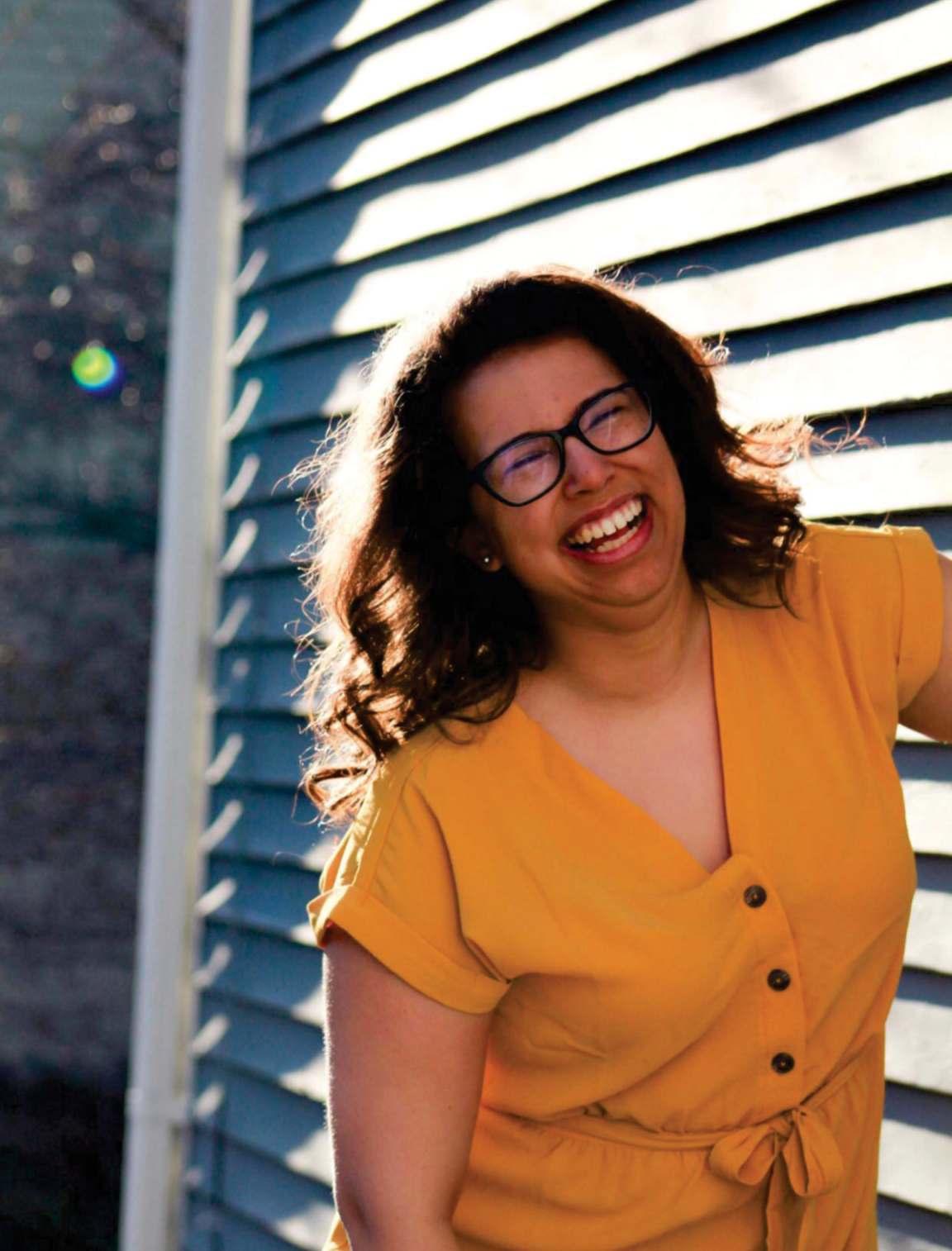
Dayna Altman, a mental health entrepreneur, author, and public health professional, couldn't be a better example to showcase the power storytelling has in healing people. Overcoming and learning from the challenges that started in her college years, Dayna embarked on a journey to help others by creating her organizations specializing in mental health advocacy.
Exeleon exhibits the empowering story of this bold entrepreneur.
THE PROACTIVE MINDSET
Dayna can distinctly remember how she has always been a leader, even from a young age. Growing up, she loved musical theatre and every other aspect related to dancing, acting, or singing. Even so, she created her own show during her second-grade year. “I coordinated a rehearsal schedule with my friends' parents. I did the costumes and set design as well as the advertising,” shares Dayna.
And when the show was over, all Dayna could think of was when she would be able to do something like that again. This was the active mindset with which Dayna grew up, and 20 years later, she still feels the same. She says, “Every time I get to lead an initiative and work on a project that I love, I am so grateful and can't wait to do it again!”
However, before she could take this proactive mind into the open world, Dayna saw herself struggling with mental health issues, taking a signiicant toll on her life.
ACCEPTING THE IMPERFECTIONS
Dayna began struggling with her mental health at the start of her college years. It was there when she decided to jot down her experiences in hopes of publishing a book about living with mental illness someday.
What worked for Dayna was the acceptance of her struggles and her will to embrace the imperfections the fate had thrown at her. Those early years when she couldn't accept it, Dayna was in the perception that something was wrong with her, and she needed to be happy all the time. “I think something that held me back from getting help earlier on was not really 'knowing' about mental health or seeing other people openly speak about their struggles,” shares Dayna. “Had I seen someone living openly and simultaneously talking about their mental health struggle, I think things would have unfolded differently.”
And this is what Dayna has been doing by now. She has led an authentic life by staying true to her
life's imperfections. Her work is inspired by her struggles and being the person who embraced it. “I like to both lead and live authentically, which means living with mental illness.”
This strength to live up to herself empowered Dayna to help others with her book Bake it Till You Make it: Breaking Bread, Building Resilience . It is a cookbook with recipes, stories, and resource pages that encourages people to realize their inherent power in their own stories. It combines the mental health stories and recipes of over forty different contributors.
The book humanizes mental health and mitigates people's discomfort when talking about it by using recipes and food. Tied together with resource pages and a diverse number of perspectives, the book is written in such a way that anyone can pick it up and feel the greater sense of living with imperfections.
CONTINUING THE PROACTIVE MINDSET
Dayna picks up after her childhood habit of longing after productive work even after so many years. To her, it is essential to lead by example, especially with vulnerability and authenticity. In Dayna's dictionary, a transformational leader is someone who has a passion for what they are doing and believes in their message, so many others want to become a part of it.
And as a leader in the mental health space, Dayna does not pretend to appear 'perfect' or 'completely recovered' and takes on the
leadership role in an authentic manner. “I show up like me and do my best as well as speak to what I am passionate about and what I know. I have found that vulnerability and authenticity are contagious,” shares Dayna. She continues, “Leading with vulnerability has not only allowed me to help inspire others, but it has also allowed me to create meaningful relationships with people who wanted to be 'seen and heard'.”
Dayna describes being humane as the solution to understanding the current gap in the mental health industry. In her opinion, the more the subject is humanized, and people are reminded that they are not alone, the more acceptance will be followed, and there will be more ways to help struggling people. Whether it is in a big way through a community event, book, or workshop, Dayna wants people to be invited to be vulnerable and want to be supported.
That's also the reason why Dayna inspires emerging and aspiring women leaders to get rid of any reasons to hide their struggles. She advices, “Struggling with your mental health is not shameful; in fact, it probably makes you an even more in-tune and empathetic leader. You do not have to struggle alone, nor do you have to lead alone.”
A WILL TO DO BETTER
Dayna's journey has been long and circuitous, and she has overcome a lot of roadblocks to reach where she is today. Her journey has also been painful, but these moments brought her the most clarity in what she wants to achieve today. However, the most challenging road
for her has been the judgment and pressure she put on herself.
Dayna says, “I put so much pressure on myself to continue to churn out products and inspiration and be a beacon of light for everyone at all times. When I am learning in reality, the best thing I can do is be honest and be myself, even if it is messy and not necessarily pretty.” And for the
next phase of her life, she wants to continue to learn that and practice what she preaches. She wants to grow by what she is inspired by and not think about the extra pressure of feeling good enough.
And to do that, Dayna imagines a future where there will be a continuation and broadening of all things Bake it Till You Make it. She
will mix everything from new books, workshops, and multimedia elements to live by her mission.
On the personal side of things, Dayna hopes to continue to live authentically and continue to be close to those she loves, both metaphorically and literally.
Amplifying Beauty Nic Hyl Through Fashion
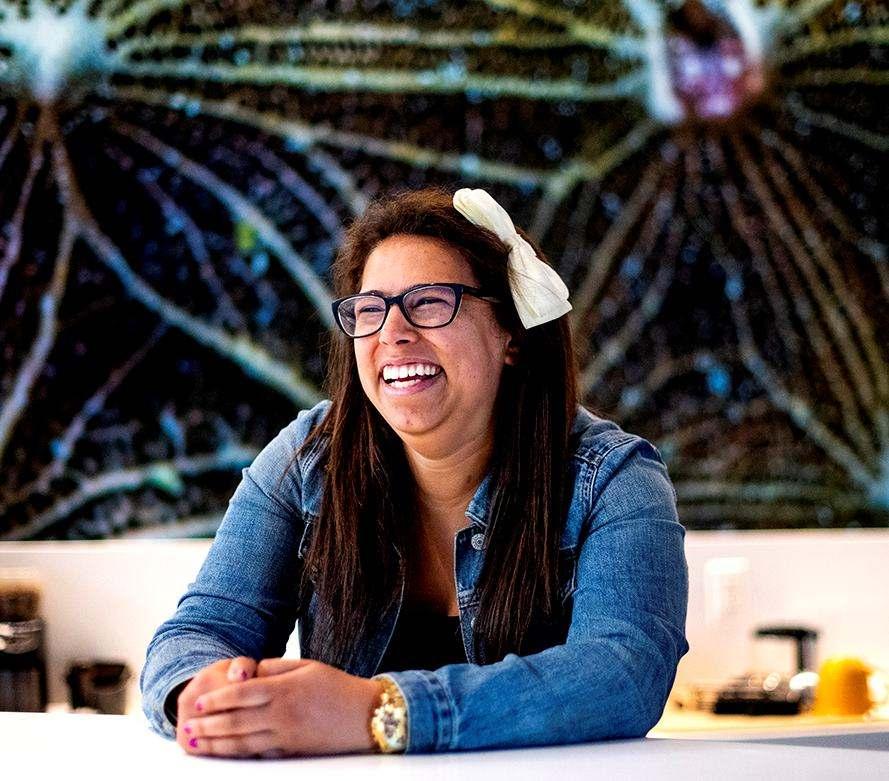
ic Hyl is the Creative Director and Founder of Nic Hyl Clothing that combines the best of everything she believes in and loves. She fuses together her Jamaican heritage and Florida upbringing and takes pride in presenting them to the world.
As a transformational leader, she believes in inding learning lessons from her mistakes and creating her own journey. The motto of her brand is to Live Beautifully and that is ingrained in every fabric of her company. Nic's wise experience in the fashion industry propels her mission —to end fast fashion by producing long-lasting clothes and helping local businesses to develop and manufacture all of her products in the United States.
She is a passionate entrepreneur who plans to add a wholesale division to Nic Hyl Clothing and grow her program Nic Hyl Fashion University, wherein emerging fashion professionals can save money and create beautiful products consistently. Read more of her story in this Exclusive Interview with Nic Hyl.
What according to you makes one a transformational leader? How do you integrate the same thought into your leadership?
NH: I think a transformational leader understands that mistakes will happen and rather than admonish their team for the mistakes, uses it as a learning lesson to
grow and better the company. As well as implementing trainings from lessons learned from the opportunities the mistakes brought about. I integrate this in my leadership by showing additional, more effective ways a solution can be approached, by asking what dificulties were experienced throughout the course of completing said task, and treating my team members with respect and dignity, regardless of what problems we experienced along the way.
Talk to us about your growing up years. What is your earliest memory as a leader that you can remember?
NH: I was always a pretty conident person. I was bullied a lot as a child, so I had to learn very early on how to have conidence and love myself as I am. That brought about a natural leadership that you don't often ind in young children. My irst memory of leadership would probably be me telling my dad and older brother what to do whenever my mom wasn't at home; my dad would always tell my mom that “she bosses us around when you're not here”.
What prompted your interest and subsequently your foray into the fashion designing space?
NH: I've always LOVED fashion. I can't remember a time when I wasn't drawn to it. My maternal grandmother was a fashion designer herself and my paternal
grandmother was an expert seamstress. One of my grandfathers was a furniture designer. It's in my blood.
Moving into the design world was less obvious for me. I irst went to school for Psychology and Forensic Science and graduated with a BS in psychology. It wasn't until I was on my way to grad school that I realized that was not an industry I would have long term happiness in. My mom saw how unhappy I was with my career choice and suggested I go back to school for fashion design because of how much I've always loved it. I did. The rest is history.
Talk to us about Nic Hyl Clothing and what led to the inception of this platform.
NH: Nic Hyl Clothing combines the best of everything I am and love. It's really well designed and well-made pieces that nod to my Jamaican heritage and Florida upbringing. It fuses together all that I've learned from my career in the fashion industry + my desire to end fast fashion by producing clothes that are made to last and it also satisies my commitment to help other small and local businesses by only developing, producing, and manufacturing all of my pieces in the United States.
Being the Creative Director and Founder, what role do you play in the day-to-day proceedings of the company?
NH: Nic Hyl Clothing is an independently owned and operated brand. So, I do all of the operations of the business still. We're actually a really small team with just myself,
my assistant, and my husband. I outsource work to other small and local businesses when needed. But we're able to do so much on our own because of the speciic set of skills and knowledge that we own. I manage creative, budgeting, marketing, operations, sourcing, development, and production. As we continually grow, I will remove things off of my plate and delegate where necessary. But for now, I'm extremely hands on.
What is the approach followed by the company when it comes to providing optimal client satisfaction?
NH: The motto of the brand is Live Beautifully. So that is ingrained in everything we do. We speak to our customers (and teams) with respect and dignity and really try to approach it from a point of view of wanting our customers to come back again and again; that's the goal of business, to acquire a customer and keep them. You can't do that if you treat your customers poorly. We're honest, fair, respectful, engaging, understanding and create value wherever we can. We always want our customers to feel beautiful. That starts from the irst interaction and how we treat them.
What has the journey been like for Nic Hyl over the years? Looking back, what would you have done differently if you were to start again?
NH: Because it's an independently owned business, the journey has been slow because I don't take out loans to operate the business. But I own the business out right and have complete autonomy with the brand. I'm also extremely well trained so
my journey was probably as easy as it could be, and it was still dificult at times.
The only thing I think I would do differently if I had to do it all over again is understanding the marketing piece of it more before I started. But even then, I don't necessarily regret that because the parts of the business that I did/do know are much harder to learn.
What would be your advice for aspiring and emerging women leaders in the fashion industry?
NH: Really understand where in the marketplace you and your business are going to it and have a purpose, and really understand the business of fashion. People think that fashion is just about pretty clothes. But it's so much more than that. It's marketing, economics, macroeconomics, global affairs, environmental, technical, artistic, business, inancials, and legal all wrapped up in one. So much of what happens in the world is either impacted by fashion, or fashion is impacted by it.
What has been the biggest roadblock during your journey? What has been your biggest learning?
NH: My biggest roadblock…… hmmm. I haven't had one. I ind solutions to whatever problems exist. At the end of the day, I still need to get done the things I need to get done. If a roadblock exists, I igure out a solution. That said, the problem that took the longest to solve is always capital. To that end I apply for grants and have even created another business to help with income when needed. As business owners we have to get
creative with how we generate income, especially for fashion businesses that require large investments 6-12 months before you sell products. We often work at a deicit so iguring out how to survive during the investment phase is key.
Biggest learning (from my parents) I would say is to treat people with kindness. You'd be surprised how much more quickly and easily you can get things done when you show genuine respect and kindness to people, regardless of how big or small their role is. It's such a fast-
moving industry also, that you never know today someone could be the janitor or doorman, and tomorrow they're heading up the magazine you're pitching for press.
Finally, what does the future look like for you, both personally and professionally?
NH: My future is bright. Personally, my husband and I want to start a family and spend more time with our families. Professionally, it would be to continue to grow the brand; we just added a wholesale division to Nic Hyl Clothing. Also, to
grow my program Nic Hyl Fashion University. It's a program where I show emerging fashion designers, fashion professionals and anyone looking to make their own product how to solve their PD and production problems so they can save money and create beautiful products consistently. I also just started doing public speaking and I'm excited to book more speaking engagements for 2022.