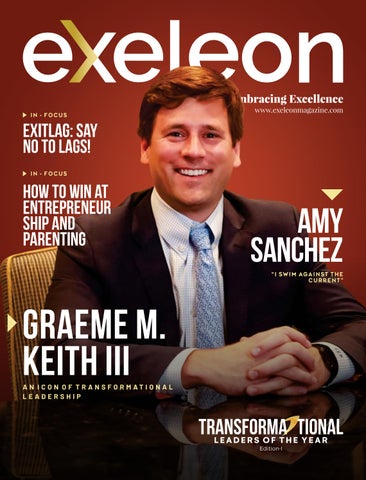
Most Transformational Leaders of 2022 Edition II | Graeme M Keith III
Embracing Excellence
Editor-in-Chief –
Art Director –
Managing Editor -
Creative Director –
Contributing Editors –
Content Curator –
Daryl Yeung (Story-Tailor)
Naomi Lam (Design Ninja)
Matt Reis (Wordster)
Adam Waring (Grafista)
Ian O'Shea, Matt Hale, &
John Riggs (Three Musketeers)
Cathy G. (Explorer)
Sales
Project Manager –
Marketing Manager –
Senior BDM –BDM –
Josh Wilder (Cultivator)
Mike Jackson (Marketeer)
Katherine Price (Sustainer)
Richard Dann (Facilitator)
For any advertising related information, please contact info@exeleonmagazine.com. Submissions as well as contributions to the magazine are welcome.
Take a moment and let us know about our magazine; whether it be about the design or a possible mistake, we would appreciate any feedback from your end. You can reach out to daryl@exeleonmagazine.com. 600
JORDAN FISCHER
GRAEME M.
M.
An Icon of Transformational Leadership
The concept of a
'transformational leader' has long been a fertile ground for stereotypes.
A stoic and hard-charging captain of the ship; the strong and charismatic CEO; the pioneering visionary; or the unstoppable force of creative energy.
These stereotypes exist because we see them and read about them. They get the press headline, inspire biopics, make waves, and prompt conversations.
However, beyond these predetermined stereotypes, there exists a few leaders who are truly genuine
with their thoughts and actions.
These leaders go above and beyond to listen, innovate, ideate, and translate a vision into reality.
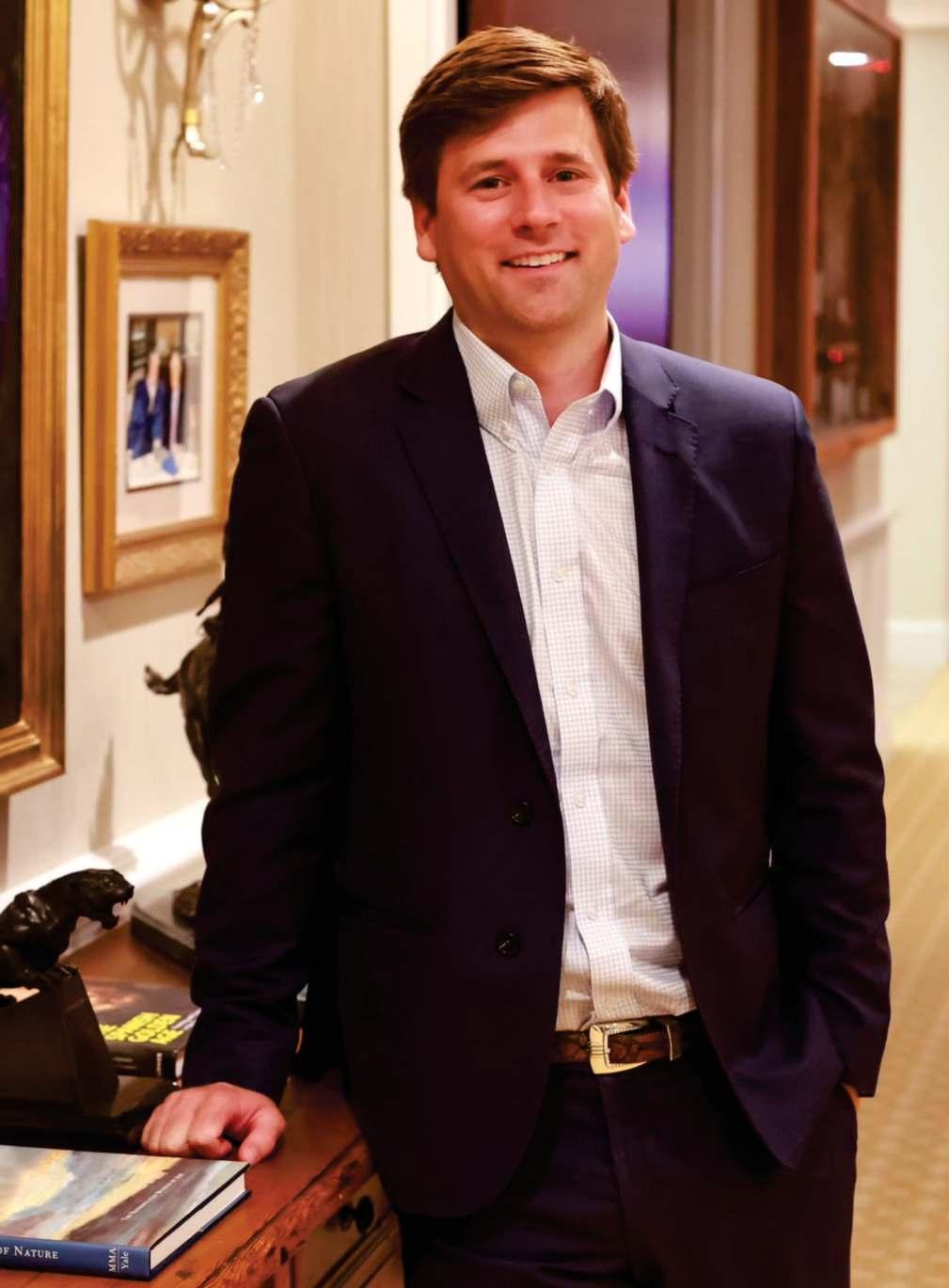
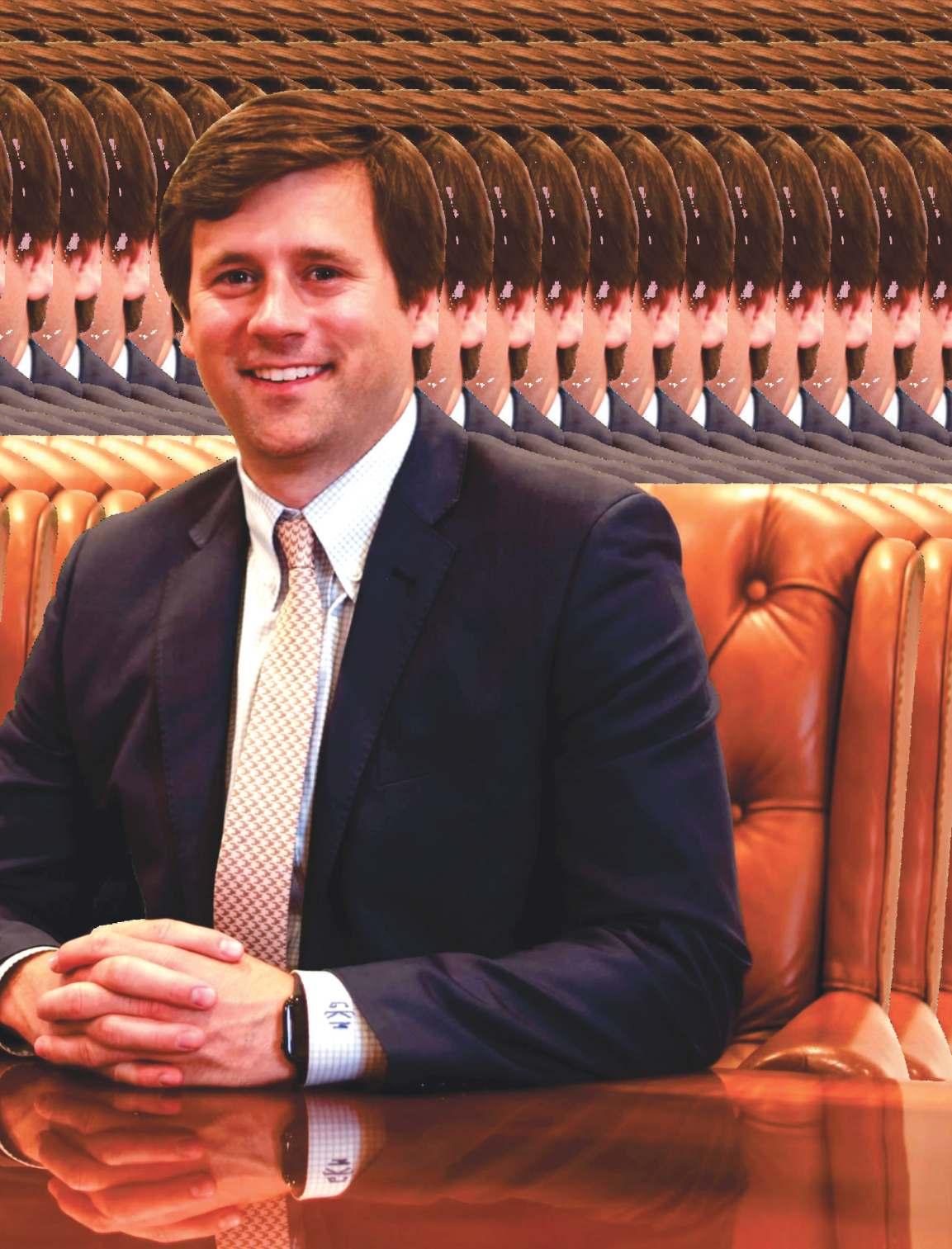
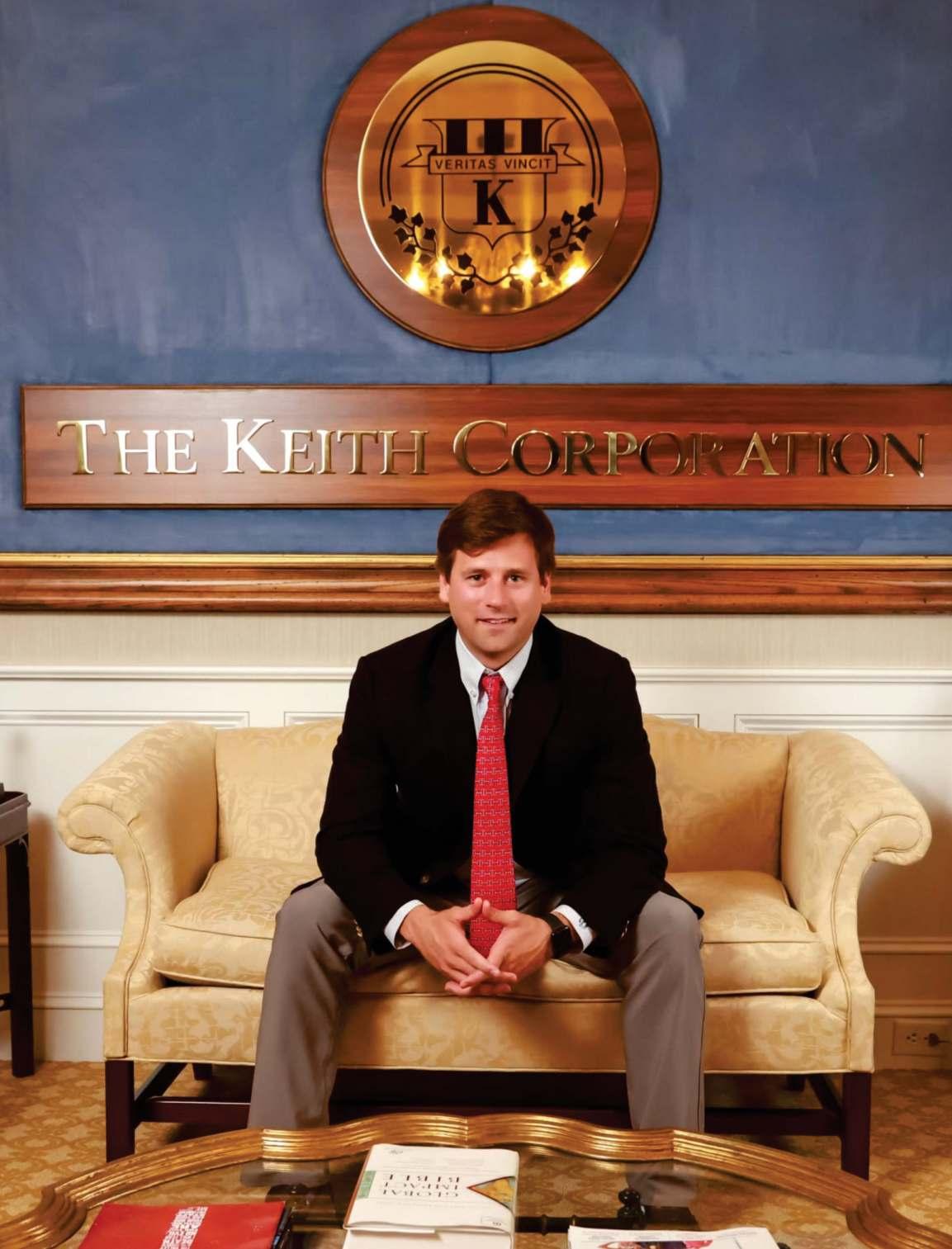
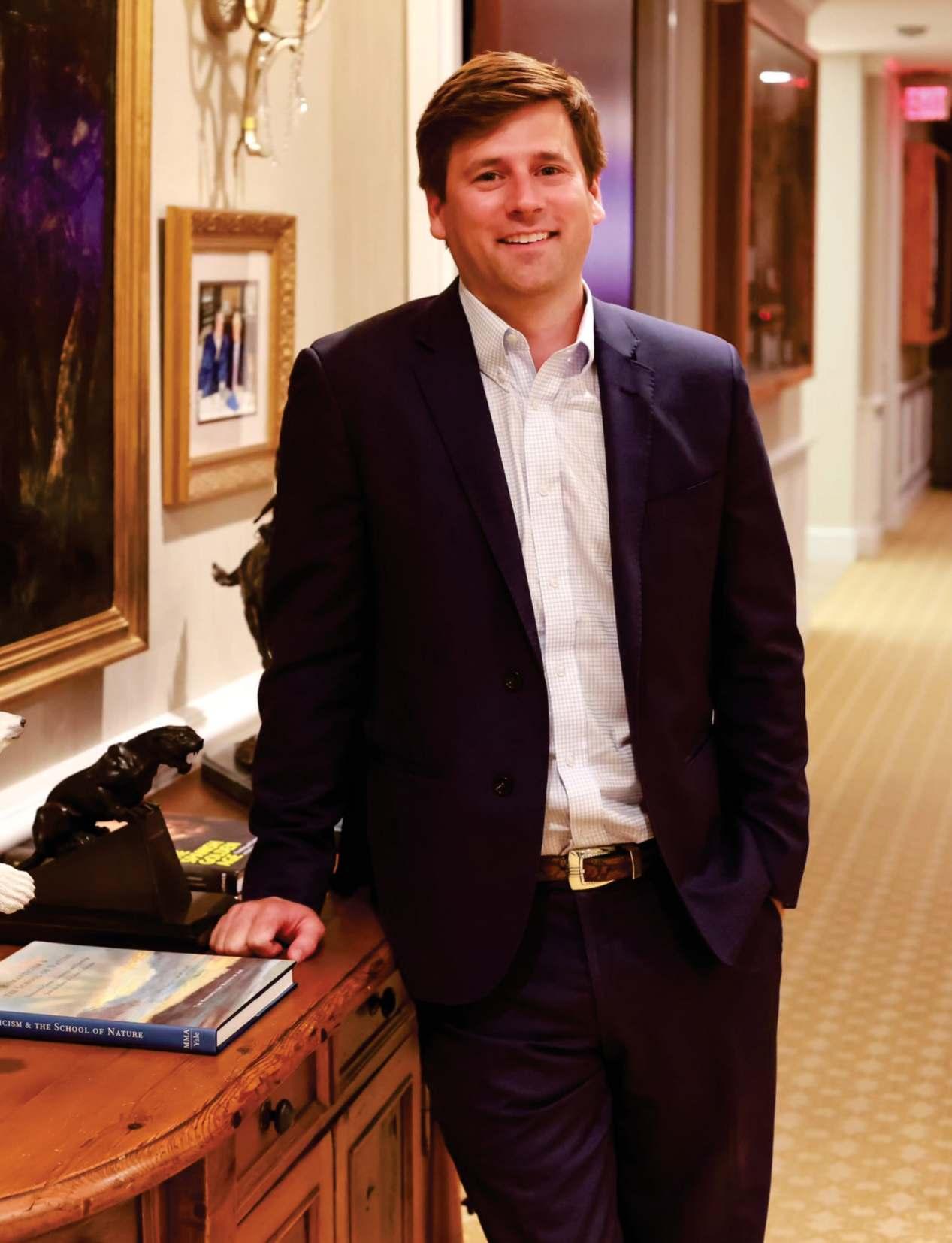
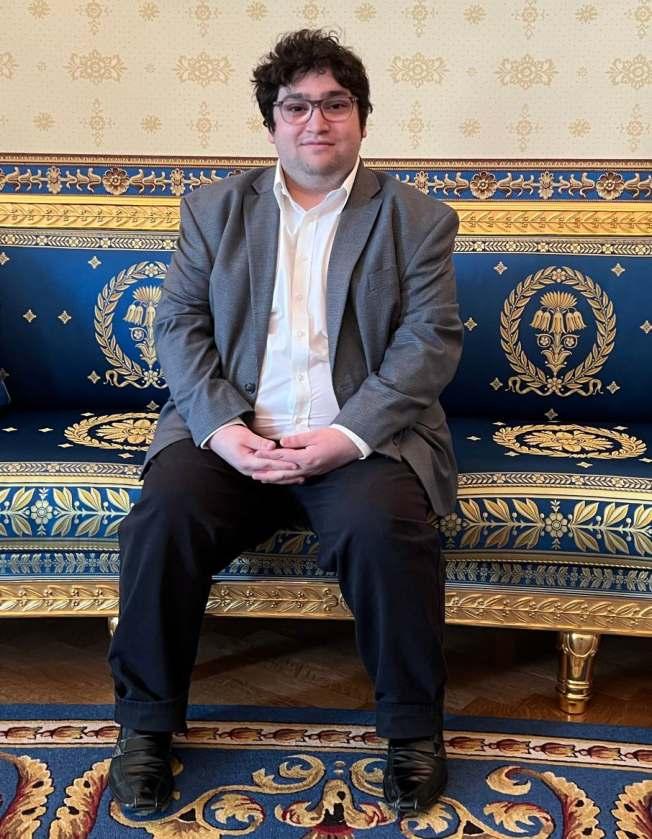
Meet Graeme M. Keith, a thirdgeneration leader, Development Partner at The Keith Corporation (TKC), and the Chief Operating Oficer of MedChat.
Graeme is an example of a transformational leader who has gone beyond the stereotypical notions of leadership and forged a unique pathway of success in his journey. Fittingly, Exeleon Magazine covers Graeme M. Keith III as the
face of its latest Transformational Business Leaders issue.
‘I TRY TO BE THE WEAKEST LINK’
Both at MedChat and The Keith Corp., as well as all the other companies he is involved with, Graeme has integrated a philosophy that echoes his leadership style and approach.
He mentions, “All of the companies I'm involved in have a very similar philosophy: I try to be the weakest link on the team. If I am the weakest link, I feel like we're going to have a very competitive team.”
Graeme inherited this philosophy from his time competing in, and winning, mud runs and adventure races across the country and believes it to be applicable for all forms of business.
“If you want to be faster, train with faster athletes. If you want to be smarter, spend time with smarter people. If you want to be more successful, surround yourself with people who are more successful than yourself.”
At TKC, there lies an incredible team of dealmakers, project managers, accountants, administrative professionals, etc. At MedChat, there is a dedicated team of developers and engineers, alongside an extremely talented sales, implementation, and customer success team.
Graeme makes sure to surround himself with these people as it enables him to improve and grow, as well as increase the likelihood of a successful venture.
He explains, “One of the greatest misconceptions about leadership is that it's the leader who drives the results, but in my opinion, it's the exact opposite. The leader may chart the course, but it's the team that is most responsible for the outcomes.”
SPORTS AND LEADERSHIP
For Graeme, his philosophies related to leadership stretch back to his sporting days. It was through sports and athletics, he learned the disciplines of hard work, persistence, mental toughness, and the importance of a short memory.
“Sports have always been a huge part of my life and many of the most important lessons in life, I learned through sports,” he recalls.
During his time at Wake Forest University, Graeme was a member of the #1 nationally ranked Demon Deacon basketball team.
As someone always objectively in touch with reality, Graeme admits
that he was not blessed with prodigious athletic ability and was rarely the most talented person on the team.
However, he had an incredible work ethic that could challenge even the most talented athletes. “You may beat me because you're better than me, but you will never beat me because you outwork me.”
Following his career of organized sports, Graeme was determined to further challenge himself; physically, mentally, and emotionally. And he did so through 24-hour Adventure Races, Ironman Triathlons, and more such activities.
Among the list of things he has learned from sports and as an athlete, he emphasizes persistence to be one of the greatest things. “Always show up, even when you don't feel like it. The law of compounding effort shows that small, consistent efforts make a huge difference over the course of a year.”
STANDARDS OF EXCELLENCE
Headquartered in Charlotte, North Carolina, TKC is a privately held, fullservice commercial real estate irm. With its ever-growing portfolio and footprint (TKC has projects in 36 states and 5 countries), TKC stands out for its absolute commitment in delivering the highest level of service to its clients.
Since joining TKC in 2011, Graeme Keith III has been actively involved with multiple divisions of the company, including property management, IT, marketing, brokerage, and development. Over the past 10 years, he has completed well over $500 million in deals and spearheads multiple projects across the United States.
Alongside TKC, Graeme is the COO of MedChat, which is a modern Patient Access & Messaging platform utilized by hundreds of healthcare organizations. The company helps teams easily deploy custom chatbots
that enhance communication and automate worklows.
As a transformational leader, he makes sure to integrate his philosophy of building great teams that buys into the strategy/direction of the company. For this, he claims a leader needs to earn the trust of their team.
“Faith is belief in something unseen and, often, team members can't necessarily see the vision that the leader has. So, the leader must build trust with their team so that they can have faith in the direction their Leader is charting.”
THE JOURNEY
Just like anyone else, Graeme's journey has had its share of good and bad days. “The peaks are high, but the trenches can be rough,” he says.
When Graeme irst entered the business world, he recalls riding on a
roller coaster of emotions. With time and experience, he has learned to stay steady throughout the highs and the lows and maintain a positive attitude.
He further mentions how grateful and fortunate he is to have a great relationship with his father, who has seen the highest of highs himself. He makes sure to grasp and apply the incredible wisdom that his father imparts onto him daily.
“My father believes it's 'wise to learn from experience, but it's wiser to learn from the experience of others' and freely shares the lessons he's learned with me. Without my father, there is no way I would be where I am.”
However, amidst the positives in his journey, Graeme mentions that he would prefer to enjoy the journey a little more if he were to start again. He explains, “I am hyper goaloriented, which lends itself to passing a lot of milestones without
taking the time to celebrate or enjoy them.”
Every day in the life of Graeme brings forth a different experience, a different challenge; one which he loves and embraces. “I may be negotiating a lease in the morning, sending out invoices for MedChat at lunch, developing a go-to market strategy for a new venture early afternoon and presenting at a non-proit Board meeting after that.”
Graeme loves the diverse nature of his job and working hard comes naturally to him. However, he makes sure to be consistent every day when it comes to spending time with his son. “The single constant I have every day is spending several hours with him and it's the highlight of my day, every day.”
Graeme realizes work-life balance is crucial in today's fast-paced world. “If you don't have it, you can't operate at a high level for a prolonged period of time.”
At the same time, he admits worklife balance looks different for everyone but inding what recharges you is a fundamental piece to operating at a high-level on a consistent basis.
WORDS OF WISDOM
When asked to give advice to aspiring and emerging leaders, Graeme mentions two things:
Ÿ Keep your head down and focus on your end goal. Despite what you may see on
‘‘ One of the greatest misconceptions about leadership is that it’s the leader who drives the results, but in my opinion, it’s the exact opposite. The leader may chart the course, butit’stheteamwhois most responsible for theoutcomes. ‘‘
social media, there are no shortcuts to success.
Ÿ Your reputation and character are precious and should never be put on the line. No amount of success is worth risking them. Thomas Paine said it best: “Character, unlike money, is much easier kept than recovered.”
Graeme's innovation thesis is simple: “Skate to where the puck is going, not to where it is.” In order to do that, one has to limit their implicit biases associated with the industry to think creatively and ask yourself a lot of “what if” questions from a macro industry perspective.
He shares an interaction he had with a well-known venture
capitalist in Silicon Valley to highlight this further: “When you create change from within an industry, you create evolutionary change. When you create change from outside an industry, you create revolutionary change” because you don't have the same legacy constraints through which you're evaluating the problems. Often times “because we've always done it this way” doesn't mean it's the best way to do something and can be the largest impediment to progress and innovation, so we try to evaluate our industry holistically de novo on a regular basis.
GOING FORWARD
Professionally, Graeme believes his love for innovation and creating something will drive him towards new and exciting opportunities. Moreover, he mentions “I think the web3 movement has the potential of being the most disruptive movement since the creation of the internet and I hope to be involved in that space in a meaningful way.”
From a personal standpoint, Graeme has a lot of goals that he wants to achieve and tick off his bucket list. “They run the gamut from hiking the entire Appalachian Trail to seeing Mavericks or Jaws (big wave suring spots) from the water to driving 200mph in a car and making someone's lifelong dream come true.”
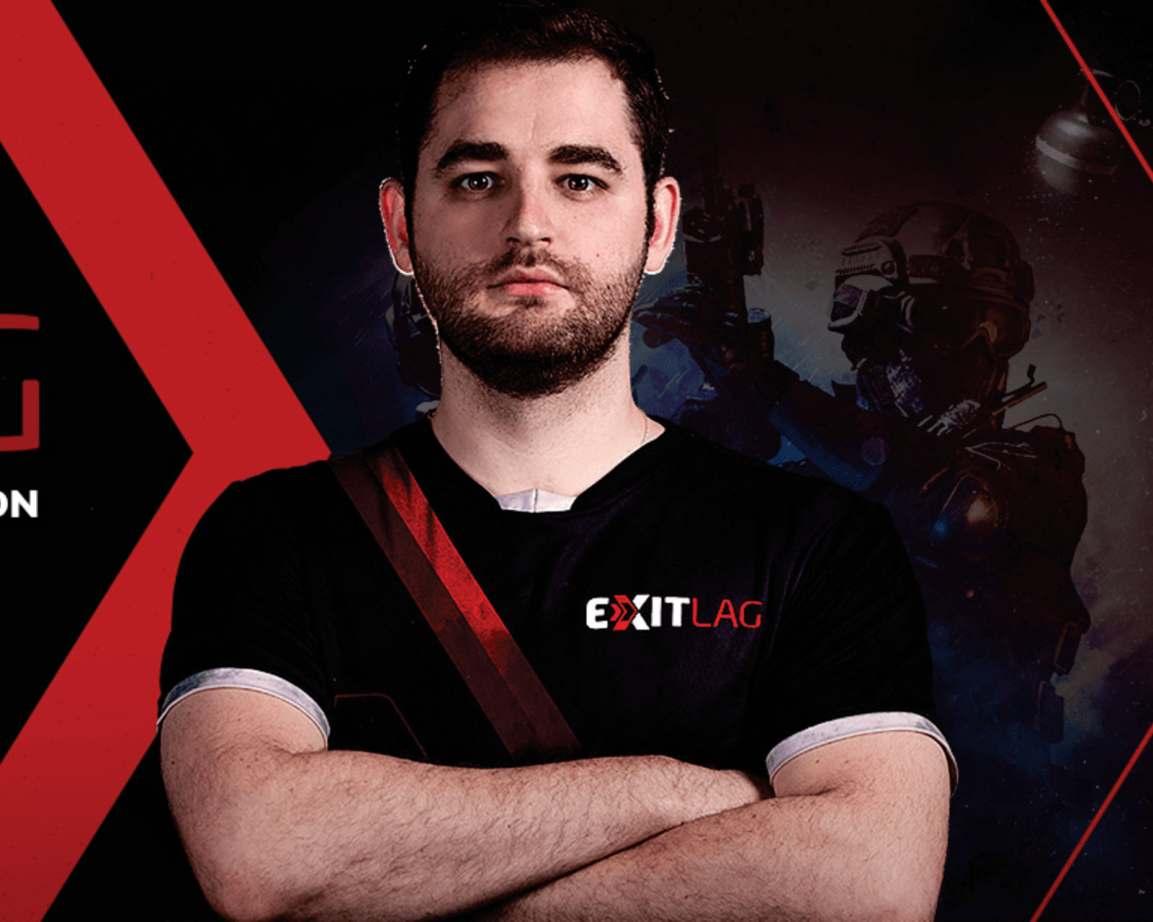
Say No to Lags! ExitLag
In this month's Company Spotlight, we
are looking into ExitLag, an innovative one-of-a-kind platform that helps address issues related to lagging during gameplay. Developed by Leandro Sandmann and Fabiano Skowronski, ExitLag helps people around the world improve their connection and enhance their gaming experience.
Leandro talks with Exeleon Magazine about ExitLag, his gaming journey, and the future of the company in this interview.
Talk to us about your growing up years. What hooked you to online gaming?
I was only 11 years old when a friend of mine introduced me to the MMORPG called Tibia. Launched in 1997, it was one of the irst in the industry. It was around the same time that I also started to learn
programming language. I was instantly hooked on both. Fast forward a bit, and I put that experience to use, creating gamerelated applications until ExitLag was born.
What led to the start formation of ExitLag? What was the pain point you wanted to address?
I made a lot of friends playing Tibia, one of them was Fabiano, Exitlag's co-founder. Because all the Tibia servers were located outside of our home country of Brazil, we struggled with lag issues and packet loss. These issues would affect our game. Fabiano did some tests and found out that the change in routes could optimize our experience while gaming, which was like a miracle back then. We began to work on a solution for ourselves, but soon all our friends were asking to use it as well. The network of people using it started to grow
Leandro Sandmann
COMPANY SPOTLIGHT
and we started a subscription business without even noticing it at irst. Over the years, we started to increase the number of games we would support and improved the technology to be the best it could be. We realized that it was a problem for gamers worldwide.
What were the challenges/complications that you faced when building this software?
It was hard to scale quickly at
times. There was some unexpected growth and it was hard to keep the pace with how fast things were moving. We also spent a lot of days and nights focused on improving the technology and making sure it was the best it could be. I remember investing a lot of time into creating a product that would be resistant to DDoS attacks without sacriicing high performance. Our proprietary multi-path technology was also a big leap in performance for our users and we were very happy to
be able to deliver it to them.
What has been the response thus far from the gaming community about the software?
We get a lot of great messages, but more and more, people are saying that ExitLag is indispensable as a network optimizer. Of course, this makes us really happy. From casual to competitive gamers, everyone wants to have lower latency and a better experience while playing.
How has the gaming industry changed in recent years? What can we potentially expect in the coming years?
The gaming industry has experienced absurd growth in the last three years and has become the most prominent entertainment market in the world, surpassing the popularity of movies and music combined. I think, over the next few years, we will have even more players embrace e-Sports, especially with the explosion of
technological advancements like the 5G.
What does the future look like for ExitLag? What are you most excited about?
Exciting! We are thrilled about the launch of ExitLag Mobile. So far, the feedback received through the closed beta test has been remarkable. I think we are set to make history by pioneering the market with a gaming accessory for network on mobile devices, but
there are still a lot of challenges ahead. We want to be present on consoles and routers eventually, which constitutes more work on our end. But our mission remains the same: to help every player out there, no matter where in the world they may be playing, have the best gaming experience possible.
-
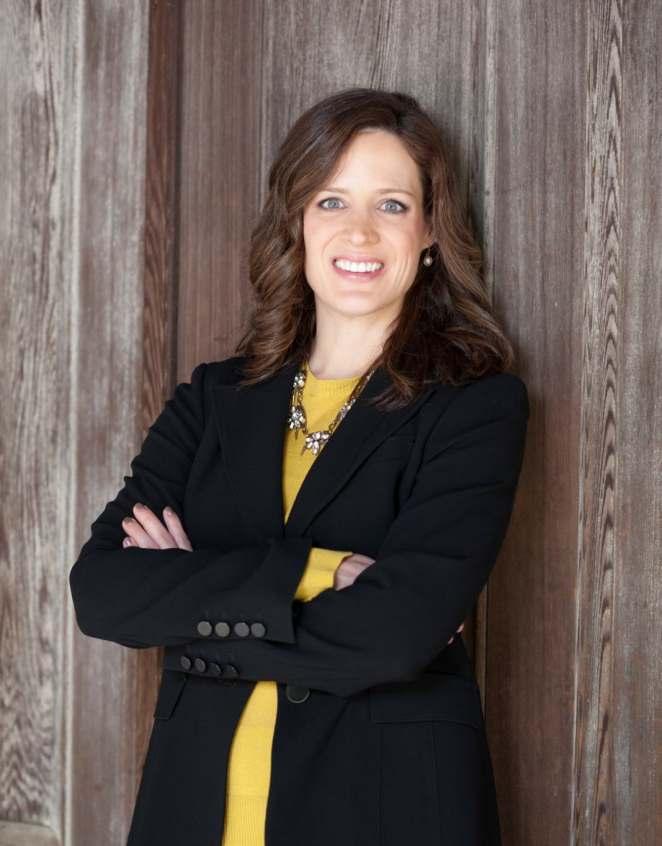
Amy SanchezExecutive Career & Leadership Coach
IN – FOCUS
“I SWIM AGAINST THE CURRENT”
What according to you makes one
a transformational leader? How do you integrate the same thought into your leadership?
A transformational leader is one who is operating with a positive mission at the forefront of their decision making. They lead from a place of trust and motivate their people through encouragement and coaching, while keeping the mission of the organization front and center.
Many times, corporate leaders will come to me for coaching when they feel burnt out, disengaged, or just generally seeking more fulillment. One of the ways I help them realign and rediscover an inspiring path forward is by helping them identify and connect with their values, their purpose, and an inspiring vision of how they want to show up as a leader. When they go through this work, they are more able to open themselves up to the potential of transformational leadership.
Talk to us about your growing up years. What is your earliest memory as a leader/entrepreneur that you remember?
My irst job out of college, I applied to become a pharmaceutical sales rep and didn't get the job. Determined to reapply once I had some tangible results, I took a role doing inside sales, matching travel nurses to shortterm hospital opportunities. It involved a lot of cold calling.
We had a “power hour” of cold calling daily. A lot of my peers dreaded this hour, but I loved it. I had already done a fair amount of travel at that time and, instead of selling the job or hospital, I would leave a message painting the image of the travel experience and excitement of change. My peers would largely leave a canned message on an answering machine (I'm dating myself here). I ended up becoming the top sales rep- I learned early to connect to the emotion and experience instead of focusing on the product. I also learned I love helping people create change
for the better.
What prompted you to become a coach and help corporate leaders and executives?
The insight I gained about my passion for helping others was reinforced when I eventually did get a role as a pharmaceutical sales rep. From there, I got my MBA and transitioned into marketing because I'm a big-picture person and enjoy strategic thinking. My last role before becoming a coach was working for a company who was thin on employees but growing like gang busters. I put everything I had into that job, worked long hours and was on an airplane almost every other week.
When I announced I was pregnant, they told me in order to keep my job, I had to move to the home ofice and pay out of pocket. That experience forced me to reexamine how I was spending my days and I had a hunch that if I was experiencing the dark side of corporate, others were too. But I knew there was a different/better way to treat people. So I decided to lean into what I loved and was intuitively good at- helping others create positive change in their lives to increase the level of fulillmentand impact- for themselves and others. I work with executives because I thrive when I'm working with smart, motivated people who have the ability to create large amounts of positive change, both through the people they inluence
and through their company's efforts. I see every client engagement as an opportunity to spread more positivity throughout the corporate space and help propel leaders to be able to solve big problems that will improve the planet.
What was the idea that led to the formation of Swim Against the Current? What was the idea behind its name?
I wanted a name that embodied what I do, how I do it, and felt personal. As it relates to what I do and how I do it - Swim Against the Current is about inding your authenticity so you can be reinspired and empowered to ind your path forward- even if it looks different than everyone else's and the path you were previously on.
I also work with companies and the purpose of my work with them is increase the vibration of leaders and the corporate workspace so they can improve productivity, eficiency, and make a greater impact.
From a personal standpoint, water is very healing for me- it's where I go when the world gets to be too much. (Healing and time and space to acknowledge where one is is the irst step towards change). I'm also a Pisces so the ish analogy it well.
Being the Founder and CEO, what role do you play in the dayto-day proceedings of the
company?
Everything. I make every decision for the company. I do have incredible support people who are an important part of allowing me to focus on the work I enjoy the most (an admin, a marketing agency, a lawyer, and a website support person).
Looking back at your journey, what would you have done different when starting out?
This one is hard because I believe everything happens for a reason. Perhaps I would have been less harsh on myself to igure it out and grow quickly but that's a theme throughout my life that I continuously work on.
What would be your advice for aspiring and emerging leaders and executives in today's work environment?
Take time to really understand yourself, what makes you tick, what you need to operate at your peak, and what your core values are. When you have a solid sense of self and recognize/give yourself credit for what you bring to the table, you have a greater capacity to serve others. This will also enable you to navigate your career with more intention.
Also, the corporate structure is largely set up to incentivize reaching company revenue goals. However, the way in which we do
that is often overlooked, both from an incentive and training standpoint. Focusing on task completion solely will only get you so far.
To really thrive as a leader and as a person, pay attention to how you treat yourself and others. That is the true measure of the value of a person. And when you love and respect yourself, you will have more capacity to focus on the bigger picture and a greater ability to trust others (which is at the crux of good leadership and ability to inluence).
Finally, what does the future look like for you and Swim Against the Current?
There are many exciting things brewing! Over the past couple of years, as I've successfully helped leaders transition into new roles, they've brought me back to do executive coaching and team building workshops, so that arm of my business continues to grow, along with the executive career coaching.
I know I will continue to support corporate leaders but the way in which I do that continues to expand as more success stories come from Swim Against the Current (as of now, I've helped over 200 corporate leaders successfully make positive career changes and transitions from companies like Johnson and Johnson, Pinterest, Samsung,
IN – FOCUS
Google, Pizer, and the list goes on…) I know that the key to my future is continuing to stay connected to my purpose and serving my clients to my full ability. That won't change!
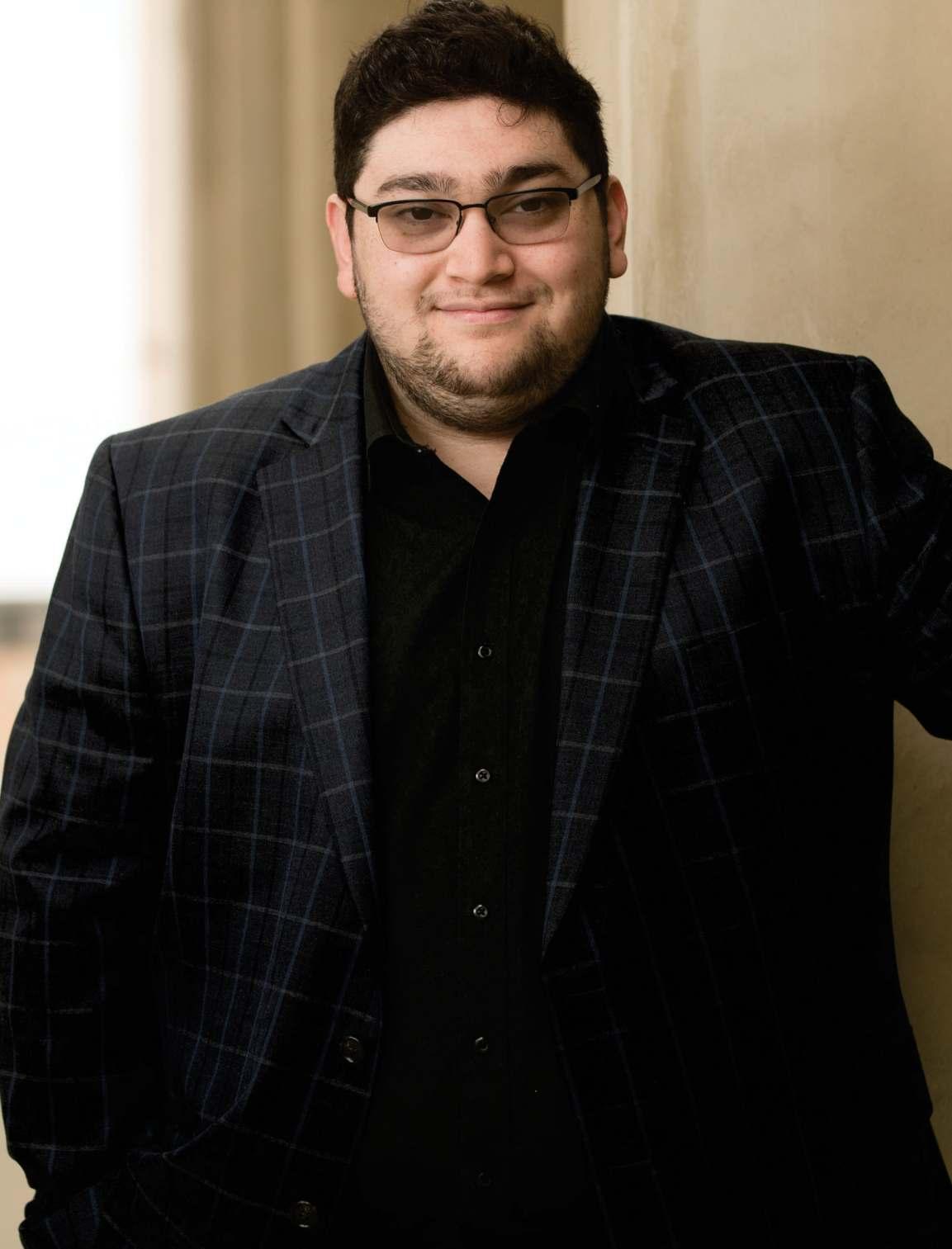
SZane Landin
ince the advent of time, storytelling
has had a powerful presence in our lives across every culture. Stories have helped shape our identity and our beliefs. It has helped us inspire, immerse, and imagine. It has made us connect and embrace.
Zane Landin is one thought leader who understands the value of storytelling and is determined to leverage its power to bring forth a change in the mental health space.
A transformational leader in every right, Zane Landin through his publication PositiveVibes Magazine aims to facilitate conversations related to mental health by sharing personal stories and experiences.
In this exclusive interview with Exeleon Magazine, Zane Landin talks about mental health, storytelling, and much more.
What according to you makes one a transformational leader? How do you integrate the same thought into your leadership?
I deine transformational leadership as proactively learning and being empathetic towards your team members and the environment you create. Transformational leadership inspires people to be the best versions of themselves in any capacity. This is something I am always considering, especially with PositiveVibes Magazine. We are always advocating for transformational positivity, which I believe is the optimistic attitude to being a transformational leader.
Transformational positivity is about using your past experiences and creating a better life for yourself by embracing uncertainty and supporting others around you. This is very different from toxic positivity because I am not saying people always need to be happy and joyful because that is impossible to achieve. Life is always going to change and evolve. Sometimes, we encounter tough times. Unfortunately, these circumstances are inevitable. People who recognize this will be better prepared to support themselves and manage their emotions.
Once someone can harness the power of transformational positivity and authenticity, they can begin to be a transformational leader. Since they understand what it is like to experience rejection, negativity, and hard times, they can inspire those around them. They can do this by opening up the space for them to be their authentic selves, empathize with what is going on in their life, and focus on bettering their strengths.
Talk to us about your growing up years and the inluence storytelling has had in your life.
I believe people think of storytelling as something that drives you towards an emotional experience. This may be a considerable aspect of storytelling. Still, we forget storytelling is constantly around us, whether on television, an email you read, or a book that moved you to tears. The way we speak, people using American Sign Language, the video game designer, the artist who creates different universes with nothing but paint, and even the person making a sales call are communicating and crafting a story for someone to be moved by. Without storytelling or communication, we wouldn't have civilization. We are all storytellers.
Like everyone, many movies, commercials, and books have impacted my life. The story of Kingdom Hearts is something I can say has positively shaped my life through adventure, characters, and music. I have experimented with many different forms of storytelling like drawing, writing, singing, and creating videos. I have been creating digital art lately, but my true identity is being a writer. Funny enough, I wasn't good at
IN – FOCUS
writing at all growing up. Through my sessions with my psychologist, I was advised to write about my experiences. They told me it would help me understand my emotions and be able to revisit them. I didn't appreciate writing until I explored poetry.
It was the irst time in my life that I didn't feel chained to a speciic writing style. I felt free being able to write about anything I wanted to. In my senior year of high school, I would write daily and carry a journal for when I would have 'word or phrase' moments. I think the Jane Schaffer method for writing essays trumped my creativity and stiled my interest in this art form. Poetry allowed me to be myself on paper. Imagination is a magical journey, and writing makes sense of everything. Writing helps you reach your destination.
What led you to start the PositiveVibes Magazine? What is the vision through this magazine?
I was a student at Cal Poly Pomona when the world was hit with COVID-19. During the time, I was taking a copyediting class for my degree requirement. For our inal project, I was tasked to create my own digital publication. I decided to frame the assignment around mental health and positivity. I thought mental health was something people were experiencing across the board because of the dire effects of COVID-19 with the isolation.
The mainstream media had the opportunity to tell the stories of mental health during the pandemic. I was disappointed they failed to do so. Even today, there isn't a massive
push for mental health awareness. Once the media openly discusses mental health, the attention will drive change. We started the digital magazine in May 2020 with an Instagram account.
The vision of the magazine was to write about different mental health topics. That all changed around two months in when someone reached out with interest in sharing their story. I never thought we would feature people. Their interest changed the entire trajectory of the magazine. Our primary focus has been on featuring everyday people with inspiring stories. Everyone has a powerful story with enriched history. We want readers to take away from these people and apply it to their lives. It is all about advocating for transformational positivity.
How are you planning to leverage the power of storytelling to transform conversations related to mental health?
It is what I do daily with the magazine and in my life. I always try to be vulnerable so other people can feel comfortable sharing their stories. We all have the power to open up the conversation and create a safe space for people to be their unapologetic selves. It only takes one person to dramatically shift the world. I am also interested in starting my own podcast series openly talking about mental health with other people with different experiences.
Mention some of the other initiatives that you are a part of that is making a difference in the mental health space.
I have been involved in several
IN – FOCUS
mental health initiatives at university, including Active Minds, Sources of Strength, NASPA's BACCHUS, and different systemwide and university-wide committees. I am currently involved in Speaks 2 Inspire, Letters to Strangers, Stability Network, and Best Buddies. Recently, I was invited to the White House for the irst-ever Mental Health Youth Action Forum, which came from MTV. 30 young advocates were chosen for this opportunity. The
forum was held back on May 16-18. Through the program, I became a more vigorous advocate and met Dr. Biden, Dr. Murthy, Selena Gomez, and President Biden. It was an experience I will truly never forget.
Looking at your journey, what would you have done different when starting out?
I am always in a dilemma when I am asked this question. I appreciate who I am today, and that person
wouldn't exist without my decisions. While there are many things I would have done differently, I believe in the power of the journey. While I wouldn't change too much, I would change spending more time with my mother. She passed away last January, and I wish I had more time with her. I know she is there for me in spirit and proud of my work because she was my biggest supporter and advocate.
What would be your advice for emerging leaders who want to contribute to the mental health space?
There are so many organizations making a difference in the mental health community. I advise inding an organization that aligns with what you are passionate about. These organizations are always looking for volunteers. This is a great way to take the irst step in the mental health space.
Finally, what does the future look like for you and PositiveVibes Magazine?
I am not a fortune teller, so I never know what the future holds. I am open to anything that comes my way. I believe in shaping our own destinies, but I also tell myself to be available to the different things' life may throw my way. I try to always appreciate what I have. I want to keep sharing amazing stories through the magazine because that is where my passion lies. I am excited about the future because we never know where it will lead us. We all should be open to everything and genuinely show up.
In n versa ti o n w ith Jordan Fischer
For Jordan Fischer, it was inevitable
to enter the ield of law. Growing up, she was surrounded by people who worked in law, including her father who owned a law practice irm.
She knew it was her calling to become a lawyer. Over the years, Jordan has built a unique reputation in the legal space by recognizing her opportunities and taking a leap of faith.
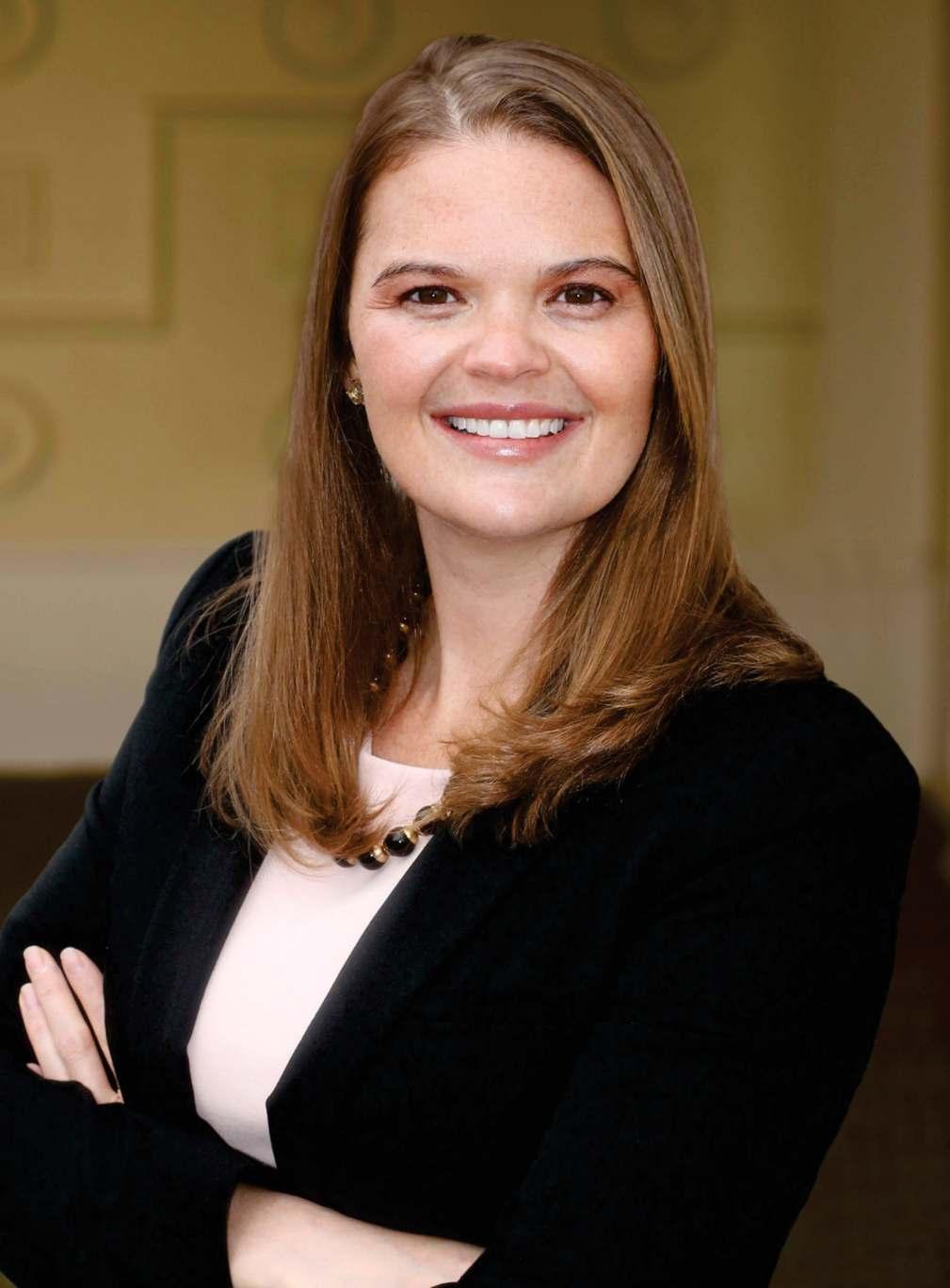
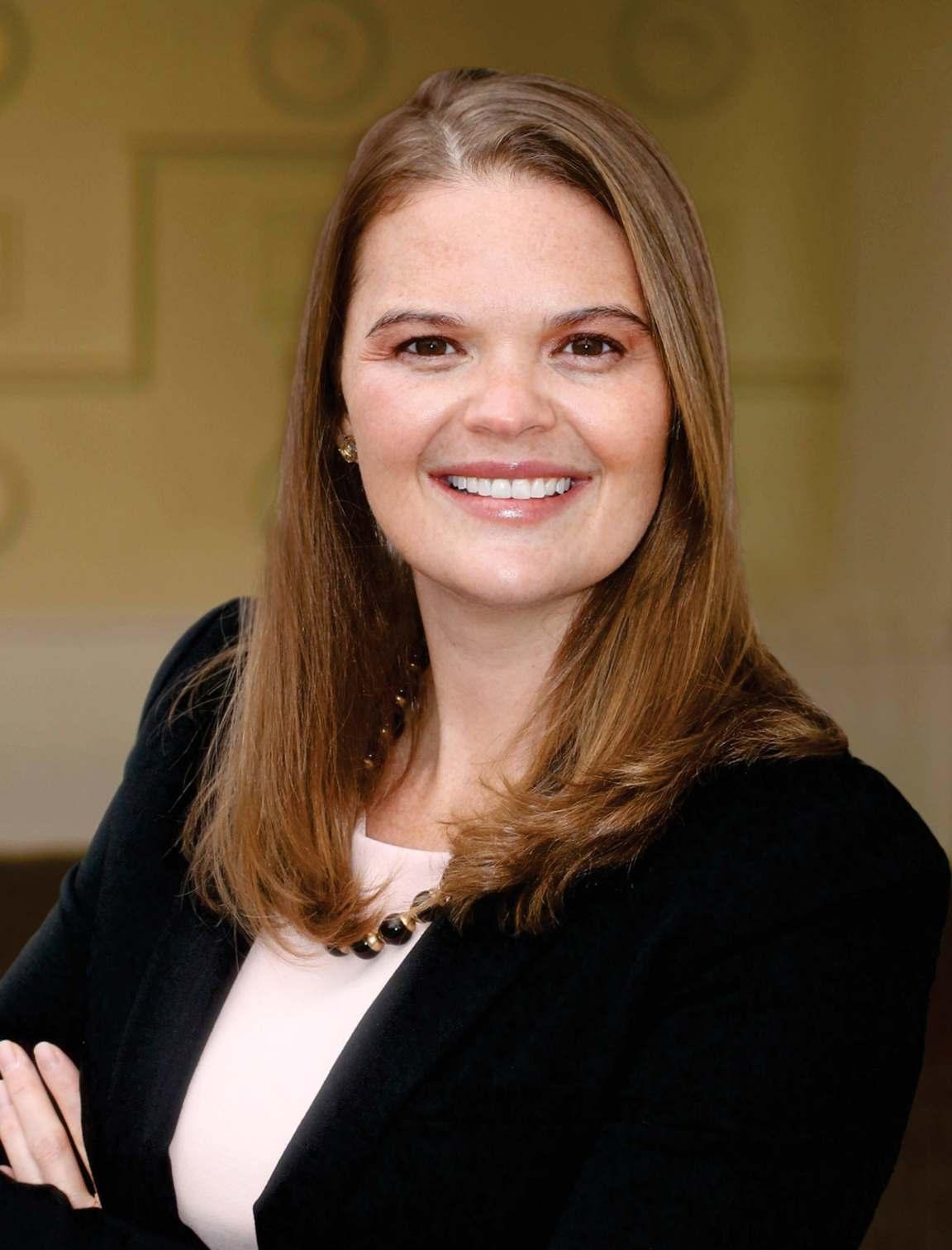
Today, she is the Global Privacy Team Lead at Octillo, a remote-based law irm that focuses exclusively on data privacy, cybersecurity, and technology law.
In this Exclusive Interview, Jordan Fischer talks about her journey, the legal industry, and Octillo.
What according to you makes one a
transformational leader? How do you integrate the same thought into your leadership?
Transformational leaders are willing to look outside of the box and explore the unknown. They ind ways to incorporate their team into brainstorming and solution-oriented approaches. A transformational leader understands that their role is to remove roadblocks and challenges for the team so that each team member can thrive and succeed in her role.
Talk to us about your growing up years. What is your earliest memory as a leader/entrepreneur that you can remember?
Growing up, I beneited from my parents that strongly supported my desire to
create new and unique opportunities, and they also encouraged me to continue to reach further. My leadership skills were honed early in my life through my girl scout troop, where I worked with fellow girl scouts to develop community projects and to learn key life-long skills.
What prompted your interest and subsequently your foray into the legal space?
My desire to pursue a legal career began before I was born, with my father owning his own law practice. In a sense, I grew up surrounded by the law, the people who work in the law, and the unique challenges lawyers are privileged to address. Through this early exposure, I continued to ind the law incredibly interesting. I liked the challenge of reading a rule and inding ways to interpret and apply that law. It felt like a natural step to become a lawyer.
Being the Global Privacy Team Lead, what role do you play in the day-to-day proceedings of the company?
Each member of our team is a pivotal part of our day-to-day operations. I see my core role as two-fold: irst, to work through any roadblocks for the team. Roadblocks could result from a need to research issues, organizing workloads, or addressing client expectations. Secondly, my role involves interfacing with clients on strategic initiatives and continuing to ind opportunities for us to provide value to those clients. Both roles go hand-in-hand and require a sound knowledge of the law and the business.
Talk to us about Octillo and what makes it stand out as a leading technology law irm?
Octillo is unique, both in the area of law it focuses on, as well as in the way we practice law. First, Octillo is a remote-based law irm that focuses exclusively on data privacy, cybersecurity, and technology law. Our irm provides legal insight and guidance in regulatory compliance, incident response, and complex litigation. Second, we understand that our clients are businesses with strategic initiatives and goals. We strive to develop creative solutions, both in how we solve problems and in how we relate to our clients and
provide our services. We use alternative pricing models that it a wide range of needs, allowing us to be a value-added partner for all our clients, regardless of size, industry, or legal ask.
Looking back at your journey, what would you have done different when starting out?
Honestly, I feel incredibly grateful for my journey, both the ups and downs. One thing I continue to work on is trusting myself and my own unique entrepreneurial path. It may not look like the careers of my colleagues or law school classmates and that is completely ine. In fact,
Finally, what does the future look like for you and Octillo?
The most exciting aspect of Octillo is that we are poised to really harness some unique opportunities in the future. We have an incredible team that is genuine, engaged, and prepared to address this incredibly dynamic and fast-paced area of the law. Our embrace of technology will allow us to continue to reimagine the way we practice law and provide key support to our clients to prepare for and address new regulatory spaces, changing technology, and an increasingly global economy.Theunknowninthisareaofthelawis bothscaryandexciting,butourteamisreadyto embracewhatevercomesnext.
IN – FOCUS
it allows me to really embrace my creativity to think out of the box and go for something completely new.
What would be your advice for aspiring and emerging leaders in the legal space?
Take the leap. It feels incredibly scary, and impossible, but it is the most rewarding experience. I have
learned so many new skills and experienced opportunities I never could have imagined had I not taken that leap. And, I have met incredible, generous people who have provided support to me in innumerable ways. This community is what I am so thankful for and those people I may never have met had I not taken the leap of faith in myself. Many members of this legal, technology, cybersecurity, and
privacy community played and continue to play a key role in my everyday growth and evolution as a lawyer, entrepreneur, and leader. I am forever grateful for this.
How to win at entrepreneurship and parenting
Iwant to be honest about
something I haven't shared before.
I've got two kids — age 3 and age 20 months.
And I coach some incredible entrepreneurs who are also parents.
We all want to win at entrepreneurship and at parenting — without compromising our success or sanity — so how can we do it?
The same solution comes up: WORK. LESS. IN. YOUR. BUSINESS.
Yes, you need to work less hours if you want to win at entrepreneurship and parenting.
Hear me out.
We need to screw the idea that you can work the exact same as before you had kids and everything in life will be smooth sailing.
You'd be lying to yourself or you're actually not there for your kids or for your partner or for yourself.
HERE'S ARE 8 WAYS TO WORK LESS WHILE GROWING YOUR BUSINESS:
1.Double your prices and cut your clients in half.
2.Finally stop F***ing around half the day and focus.
3.Hire a team member (or 100) and delegate the small stuff that doesn't move the needle.
Tracy Livingstone
1.Stay in your zone of genius. Do work that matters. Do work that brings in the money!
2.Fire sh** clients and people that don't add value to your life.
3.Work a 4-hour day (or week) in peak performance, low-states, and elevated emotion.
4.Automate as much as possible.
5.Understand that being easy on yourself, taking time off, sending your kids to day-care, sharing parenting duties, is completely normal and necessary. Do it more often.
BEFORE KIDS, I WORKED ALL THE TIME MAINLY TO FILL UP MY LIFE.
I'd bum around London to coffeeshops, networking events, coaching at all hours of the day, coming home late at night.
I loved it.
And then in my irst four years of business — I had two kids. That comes to 32 months (!!) out of 48 months experiencing pregnancy, birth, breastfeeding and postpartum recovery.
I stopped being an all-hours entrepreneur.
I stopped illing up my time with stuff that didn't move the needle.
And I implemented these 8 solutions that allowed me to increase my revenues every year.
I don't work on Fridays. I'm with my boys 5+ hours every day. And I sleep 8 hours at night.
WHY NOT DESIGN THE NEXT CHAPTER OF YOUR LIFE FROM A PLACE OF STRENGTH? POSSIBILITY? UPLEVELING?
That's how you will win at entrepreneurship and parenting.
What do you think? Agree or disagree?
Email me at tracey@livlitceo.com to share what does it take to win at entrepreneurship and parenting, from your perspective? I'd love to hear your experience and wisdom.
ABOUT TRACEY LIVINGSTON
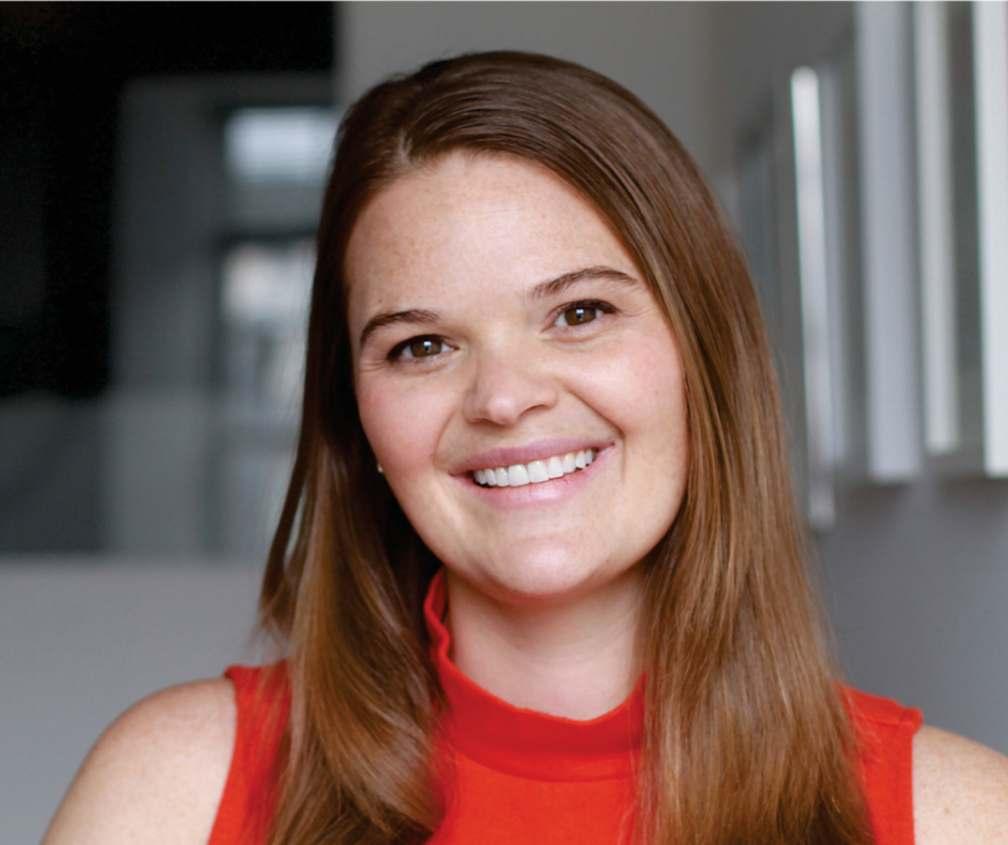
Tracey Livingston Howard is the Cofounder of Liv.Lit! and is a coach for highgrowth entrepreneurs and trainer in conlict resolution. Her coaching philosophy blends the science of peak performance with spirituality because she believes that: "leading a high growth company requires a high-growth version of you."
She has coached and trained over 2,500 people across 31 countries in 5 years. Her roster of clients include: LVMH Moët Hennessy Louis Vuitton, CVC Capital Partners, Deloitte, numerous YPO Members, Corporate Connections Members, and Forbes 30 Under 30 members.
Tracey is joyfully the mother to two young boys, Liam and Henry, and her husband Chris is also the Co-Founder and CFO of Liv.Lit!. She loves reading, writing, and running by the ocean at her current place of residence, Curacao.