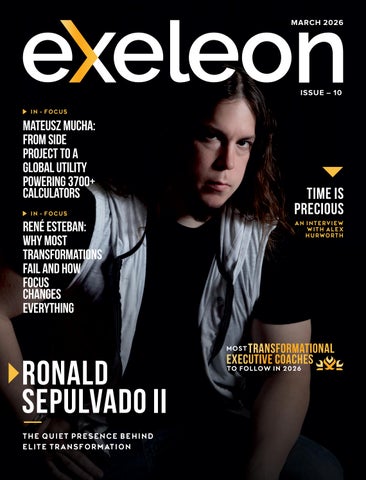
IN - FOCUS
Mateusz Mucha: From Side
Project to a Global Utility
Powering 3700+ Calculators
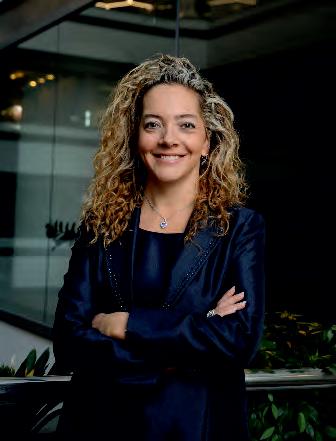
René Esteban: Why Most Transformations Fail and How Focus Changes Everything Time
IN - FOCUS
IN - FOCUS
Mateusz Mucha: From Side
Project to a Global Utility
Powering 3700+ Calculators
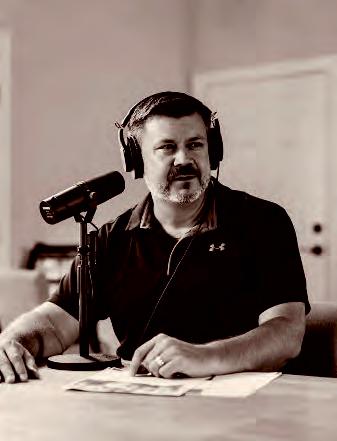
René Esteban: Why Most Transformations Fail and How Focus Changes Everything Time
IN - FOCUS
THE QUIET PRESENCE BEHIND ELITE TRANSFORMATION TO FOLLOW IN 2026 MOST
exeleon_magazine
exeleon_magazine

exeleon_magazine

exeleon_magazine



exeleon_magazine


exeleon_magazine

exeleon_magazine
exeleon_magazine

exeleon_magazine



Embracing Excellence
600 N Broad St 5 Middletown, DE 19709, United States +1 302-907-9110
Editor-in-Chief –
Art Director –
Naomi Lam
Managing EditorCreative Director –Daryl Yeung
Matt Reis Adam Waring
Project Manager –Marketing Manager –
Customer Relationship –
Business Development –
Richard Dann Sofia Brown
Natasha Green
Matt Hale, Josh Wilder, Anish Miller
For any advertising related information, please contact info@exeleonmagazine.com. Submissions as well as contributions to the magazine are welcome.
Take a moment and let us know about our magazine; whether it be about the design or a possible mistake, we would appreciate any feedback from your end. You can reach out to daryl@exeleonmagazine.com.
Executive Coaching Is No Longer a Luxury. It's a Leadership Necessity.
There was a time when executive coaching was seen as a quiet intervention, something reserved for leaders in crisis or transition. Today, that perception has shifted. Coaching has moved from the sidelines into the core of modern leadership.
The reason is simple. The role of a leader has changed faster than most systems can keep up with. Leaders are no longer just decision-makers. They are culture builders, communicators, crisis navigators, and vision carriers. With that expansion comes complexity, and complexity demands reection.
Executive coaching offers leaders something they rarely have access to: an unbiased space to think clearly. In organizations where every conversation carries weight and consequence, the ability to explore ideas without judgment becomes invaluable. It sharpens decision-making, strengthens self-awareness, and helps leaders recognize blind spots that often go unnoticed at the top.
What makes coaching especially relevant today is its focus on the inner game of leadership. Strategy can be learned. Execution can be delegated. But emotional intelligence, resilience, and clarity under pressure are built through guided introspection.
Forward-thinking organizations are recognizing this shift. They are not investing in coaching to x problems. They are investing to prevent them, to unlock potential before it becomes urgent.
In a world where leadership denes the pace and direction of growth, executive coaching is not an add-on. It is an advantage.
Dyl
Yeung
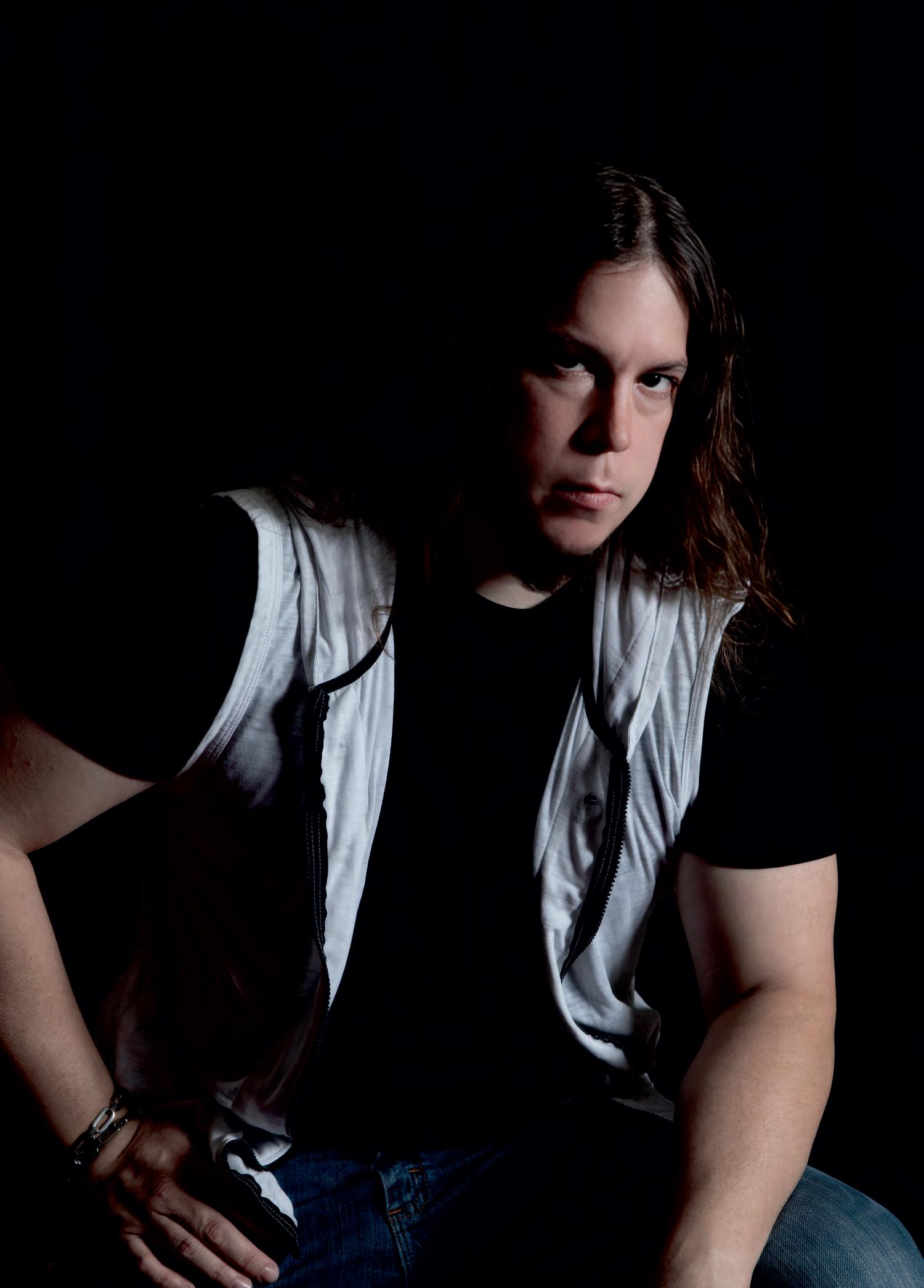
RONALD SEPULVADO




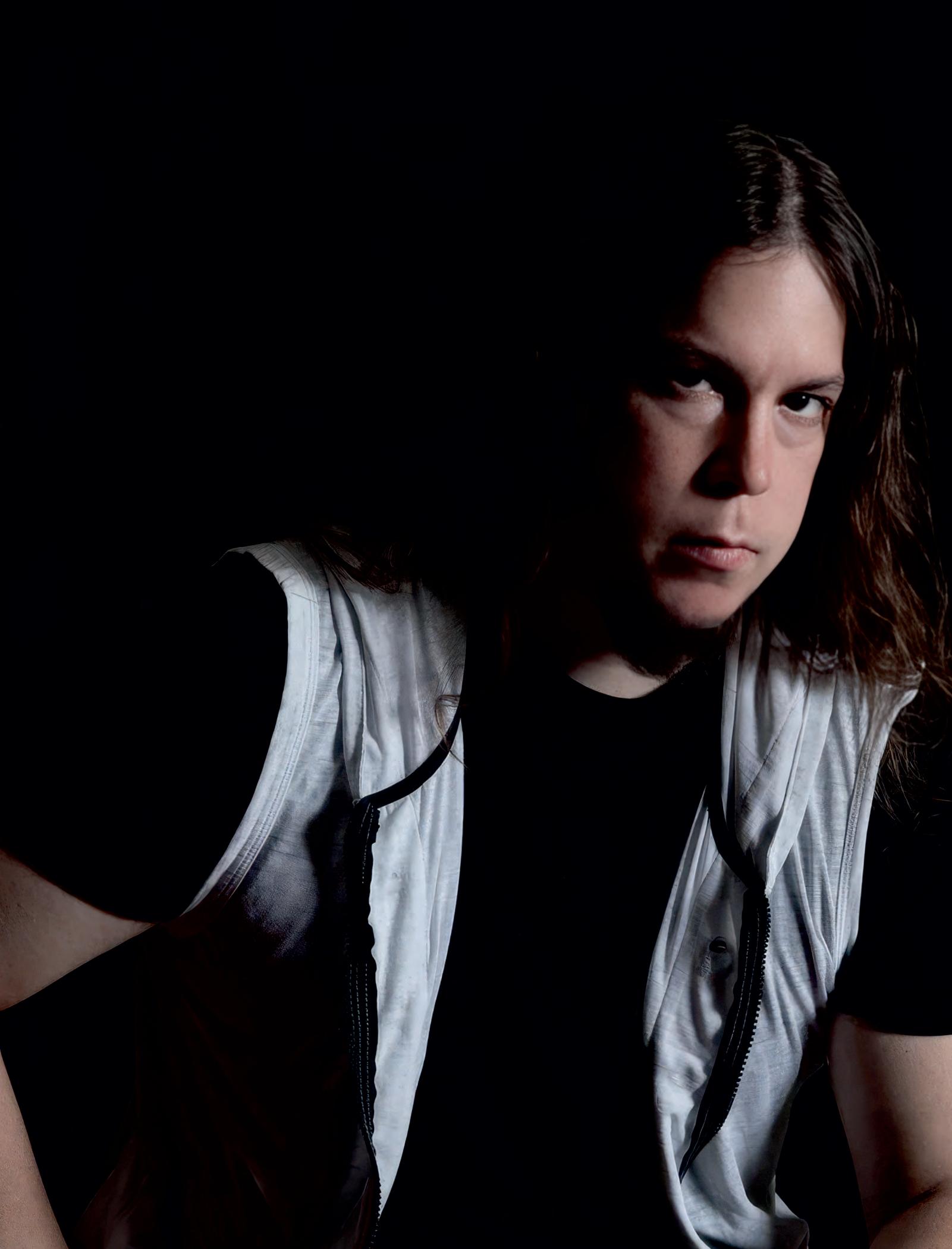



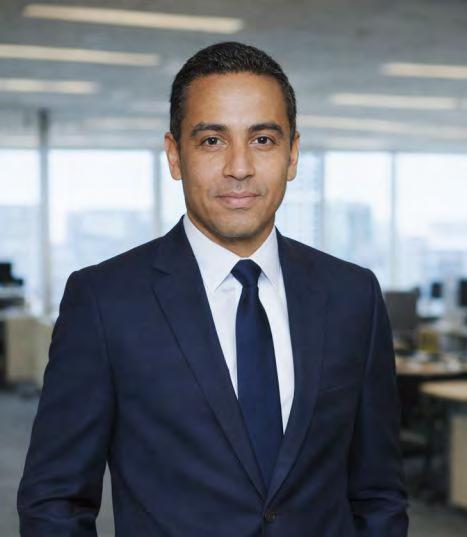
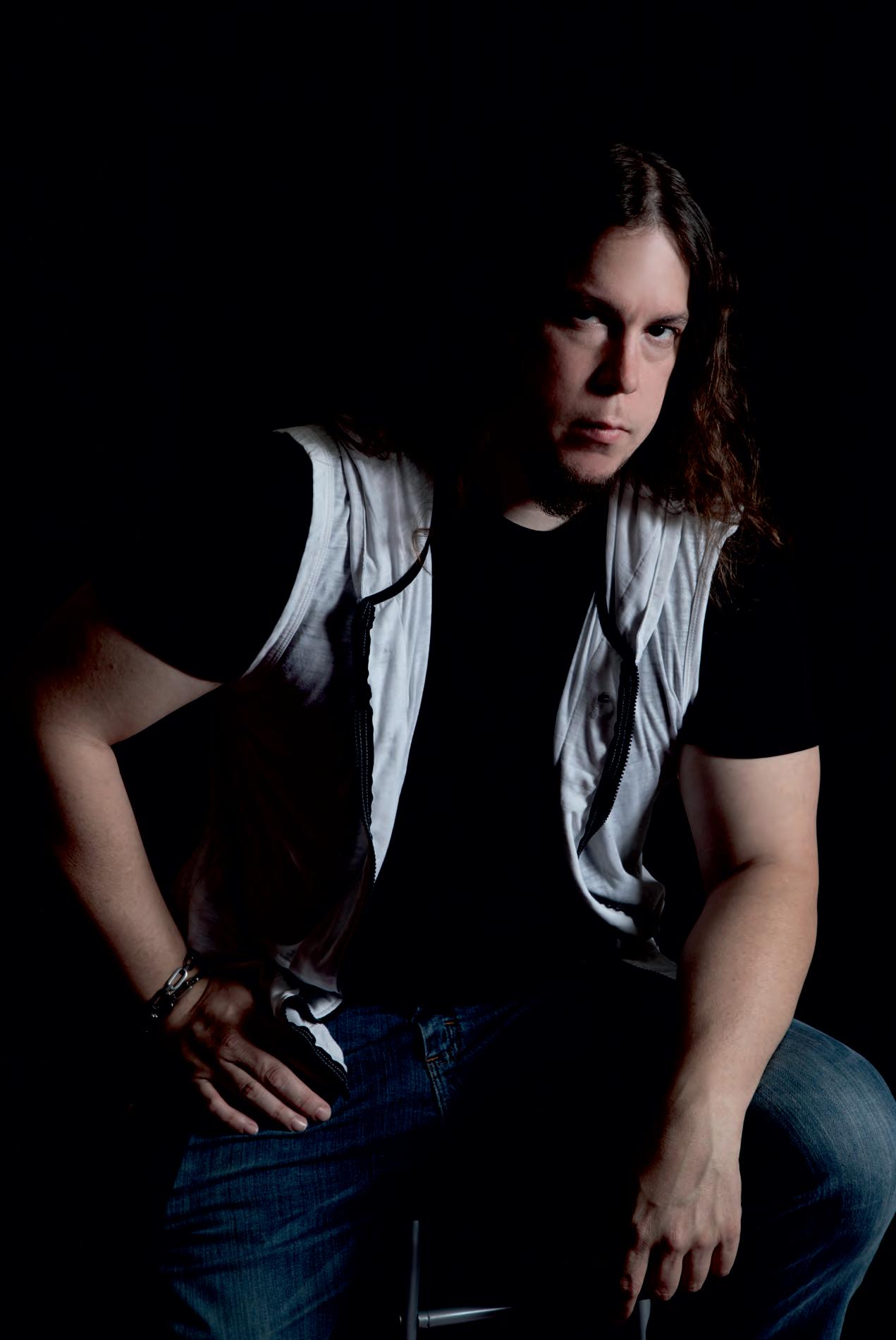
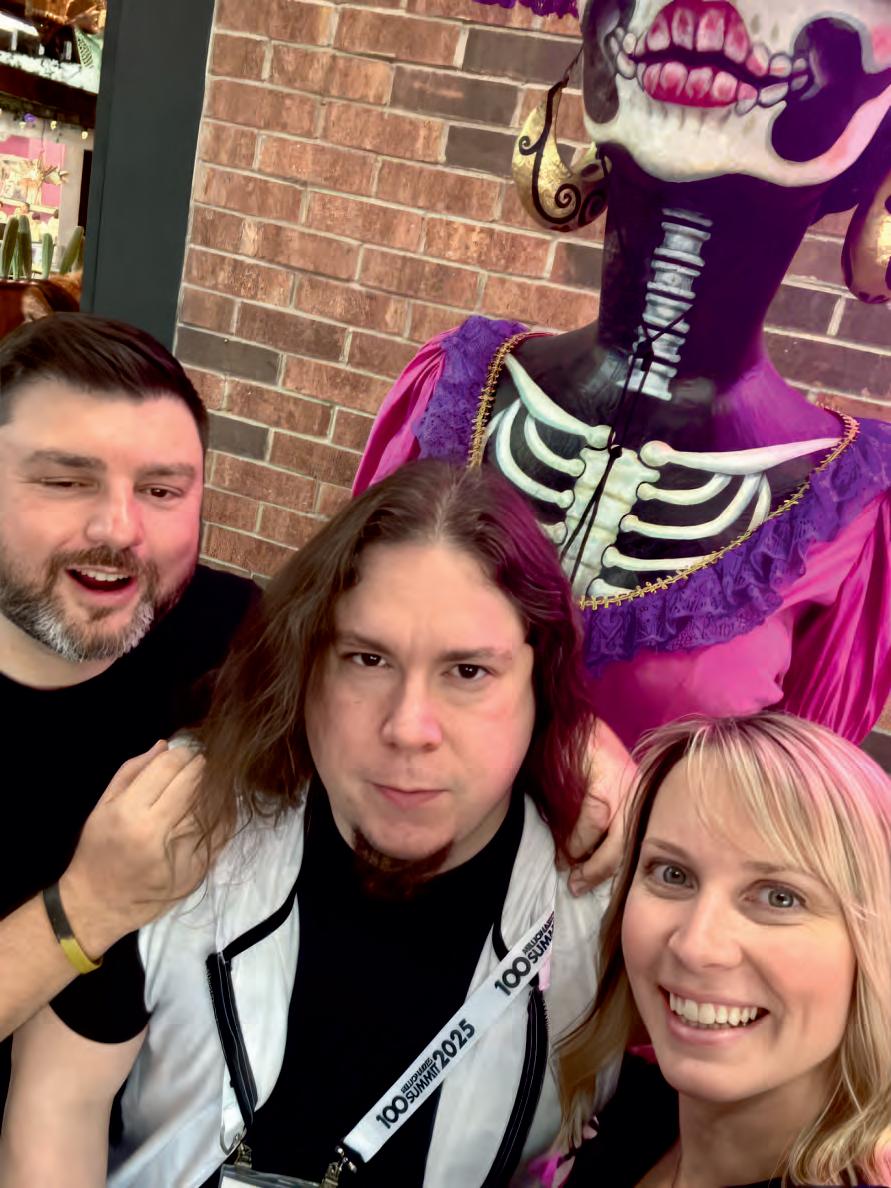
The modern coaching industry is filled with frameworks, certifications, formulas, and carefully packaged methodologies promising transformation. Yet, in the midst of this structured landscape, Ronald Sepulvado has built something entirely different. As the Owner and Operating Executive Coach of Absolution Coaching LLC, he has rejected the traditional playbook in favor of something far moredifficultandfarmorepowerful:presence.
Ron does not rely on scripts. He does not follow rigid lesson plans. He does not coach from a checklist. Instead, his work begins and ends with a singular focus on the person in front of him. His belief is simple but profound. People do not need to be fixed.They need to be seen, heard, and understood at alevelthatallowsthemtorediscoverthemselves.
His clients include executives, athletes, actors, and highperforming professionals across industries. Many come to him quietly, oen through referral, seeking clarity in moments where external success no longer provides internal certainty.To them, Ron is not a public personality or motivational figure. He is something far more personal. A guide.Amirror.Apresence.
His journey into coaching was neither linear nor conventional. It was shaped by curiosity, courage, and a willingnesstotrustinstinctlongbeforecredentials.
Ron's professional story begins with a decision that would dene his approach to life and work. After nishing high school, he chose not to attend college. It was not due to lack of opportunity, but rather a refusal to pursue something without clarity. He knew that entering college without purpose would be an expensive distraction, and he was unwilling to place that burden on his family.
Instead, he entered the workforce directly. His early career included roles operating a crawsh stand, working in a movie theater, managing an arcade, supervising construction projects, and eventually rising into management within the theater industry. Each role offered a different perspective on people, responsibility, and leadership.
Yet beneath the surface of these experiences was a quiet search for something more meaningful.
That moment arrived unexpectedly during a routine drive to work. Listening to NPR, he heard an interview with a life coach. The description was simple: someone who listened to people, asked questions, and helped them achieve their goals through clarity and accountability.
For Ron, the realization was immediate.
“I couldn't believe how perfect this job sounded to me,” he recalls. “I got no work done that day. This coaching thing was all I could think about.”
It was not a gradual transition. It was an awakening.
“People don’t want techniques. They want to be seen and heard in ways they can’t always articulate.”
Without formal training or credentials, Ron began in the simplest way possible. He showed up.
In Bossier City, Louisiana, along the Red River Boardwalk, he would sit on a concrete bench each Thursday and gather the courage to speak with strangers. He would ask a simple question: did they have a moment to talk?
Many said yes.
Those early conversations became his rst classroom. There were no frameworks. No timers. No expectations. Just two people sharing space and truth.
“I remember vividly the moments where I explained what I do, and people would pour themselves out to me,” he says.
It was in those unscripted exchanges that he discovered the foundation of his coaching philosophy. People were not looking for solutions as much as they were looking to be understood. They wanted clarity, not instruction. Presence, not performance.
By February 2016, he had begun coaching professionally.
Over time, his client base evolved. Initially working with individuals navigating personal challenges, he gradually expanded into coaching executives, athletes, and professionals operating at the highest levels. He discovered that success did not eliminate uncertainty. It simply changed its form.
“People's problems don't change
because of status or level of success,” he explains.
This realization shifted his focus toward working with high-performers seeking deeper alignment, clarity, and growth.
Like many professionals entering a new eld, Ron initially adopted traditional coaching tools. He created structured plans, client les, and formal strategies designed to present professionalism and credibility.
Yet something felt wrong.
“I focused so hard on appearing professional that actually being professional fell to the side,” he reects.
The tools that were meant to enhance his coaching had instead created distance between himself and his clients. Conversations became less authentic. Less alive. Less effective.
The breakthrough came when he made a radical decision. He removed the systems entirely.
No lesson plans. No scripts. No techniques.
Instead, he returned to the foundation that had dened his earliest conversations: presence.
He listened fully. Without agenda. Without interruption. Without trying to control the outcome.
The results were transformative.
“Turns out, that's what people really want,” he says. “People want to be
seen and heard in ways they can't always articulate.”
His coaching became less about delivering answers and more about helping individuals uncover their own truth.
Ron's coaching process begins with two deceptively simple questions.
Who are you?
What do you want?
These questions form the foundation of every coaching engagement. They are not asked casually. They are asked with intent.
“How someone answers tells me everything,” he explains.
Some respond with their career titles. Others share personal histories. Some struggle to answer at all.
The response reveals the level of selfawareness from which the individual is operating.
The second question, what do you want, builds upon the rst. It shifts focus from identity to direction.
Ron believes these questions are deeply connected.
“Who we are is a manifestation of our values. What we want is an expression of those same values projected into the future.”
His role is not to reshape clients into someone new. It is to help them align with who they already are.
“I'm not here to coach someone into who I think they should be,” he says. “I'm here to coach someone into who they really want to be.”
Working with executives and highperforming individuals presents unique challenges. Many have spent decades building identities around competence, authority, and control. Vulnerability does not come easily.
Ron approaches these relationships with deep respect.
“Being in a coaching conversation has become a sacred act to me,” he says. “I'm being permitted to sit with someone and experience their story.”
To protect this space, he established four foundational agreements with his clients, which he calls his pillars:
Courage. Truth. Motion. Names.
These pillars create an environment where transformation becomes possible. Courage allows difcult truths to surface. Truth ensures honesty. Motion creates forward movement. Names bring clarity to thoughts and emotions.
Once these agreements are in place, resistance fades.
“I haven't met anyone yet that isn't open to transformation once these agreements are in place,” he says.
Unlike many coaches who build public brands, Ron has intentionally maintained a low prole.
THE WORKING YEARS
Crawsh stand, movie theater, arcade management, construction supervision — each role deepened his understanding of people, leadership, and responsibility.
Driving to work, he hears a life coach described on the radio — someone who listened, asked questions, helped people achieve clarity. "I couldn't believe how perfect this job sounded to me.”
Without credentials, he sat on a concrete bench every Thursday and asked strangers if they had a moment to talk. Many said yes. His rst classroom had no walls.
COACHING PROFESSIONALLY BEGINS
Moved from personal conversations to professional practice. Client base expanded from individuals to executives, athletes, actors, and high-performers across industries.
THE TURNING POINT ABANDONING THE SYSTEM
After adopting structured plans and formal tools, he realized: "I focused so hard on appearing professional that actually being professional fell to the side." He removed all systems and returned to pure presence.

This decision was not accidental. It was strategic.
He recalls a conversation with a CEO who explained that working with highly visible coaches sometimes created unintended consequences. Public association shifted attention away from the client's accomplishments.
That insight reshaped Ron's approach.
He became what he describes as a “back-pocket coach.” Someone executives could work with privately, allowing them to retain full ownership of their growth.
“The CEO gets to keep the credit,” he explains.
This discretion has made him particularly valuable to leaders navigating complex personal and professional transitions.
Challenging Misconceptions About Coaching
Ron believes coaching is widely misunderstood.
Many associate it with motivational speeches, afrmations, or emotional support. While those elements may exist, they are not the essence of coaching.
“This isn't meant to be a profession focused on making the client feel good,” he says. “It's about helping them become and have more of what they want.”
True coaching produces measurable change. It reshapes perception, behavior, and decision-making.
He also challenges the belief that
“I’m not here to coach someone into who I think they should be. I’m here to help them become who they truly want to be.”
‘‘
coaching is only necessary during crisis.
“The most value comes from facilitating continued growth,” he explains.
Coaching is not about recovery. It is about expansion.
Building Absolution Coaching LLC and a Legacy of Impact
Through Absolution Coaching LLC, Ron has created a space dedicated to helping individuals reconnect with themselves at the deepest level. His work extends across industries, supporting those navigating leadership, identity, and purpose.
His mission is deeply personal.
The death of actor Robin Williams profoundly affected him. It reinforced his belief that external success does not guarantee internal peace.
“I want to be the person that, no matter how high you climb, you can nd to lean on,” he says.
His long-term vision is ambitious. He hopes to coach the leaders who will shape future generations.
“I'm certainly gunning for the spot of The Greatest Coach in History,” he says without hesitation.
This statement is not rooted in ego, but in commitment.
He believes coaching is one of the most powerful forces available for human development.
Ronald Sepulvado's journey reects a different kind of leadership. He did not follow a traditional path. He did not rely on institutional validation. He built his career through courage, conversation, and an unwavering belief in the power of presence.
Through Absolution Coaching LLC, he continues to guide individuals toward alignment with themselves. Not through instruction, but through understanding. Not through performance, but through presence.
And in doing so, he is quietly shaping leaders whose impact will extend far beyond the coaching conversation itself.









Ready to fuel your ambition and receive your dose of inspiration directly to your digital doorstep?
Subscribe to Exeleon Magazine today, and enjoy the following perks:
Convenience at Your Fingertips
Access each issue on your preferred digital device anytime, anywhere.
Dive deeper with bonus content, behind-the-scenes interviews, and special features reserved for our esteemed subscribers.
Community Connection
Join a network of likeminded individuals, share your story or interview, and be part of a thriving entrepreneurial community.
SIMPLY SCAN AND SUBSCRIBE
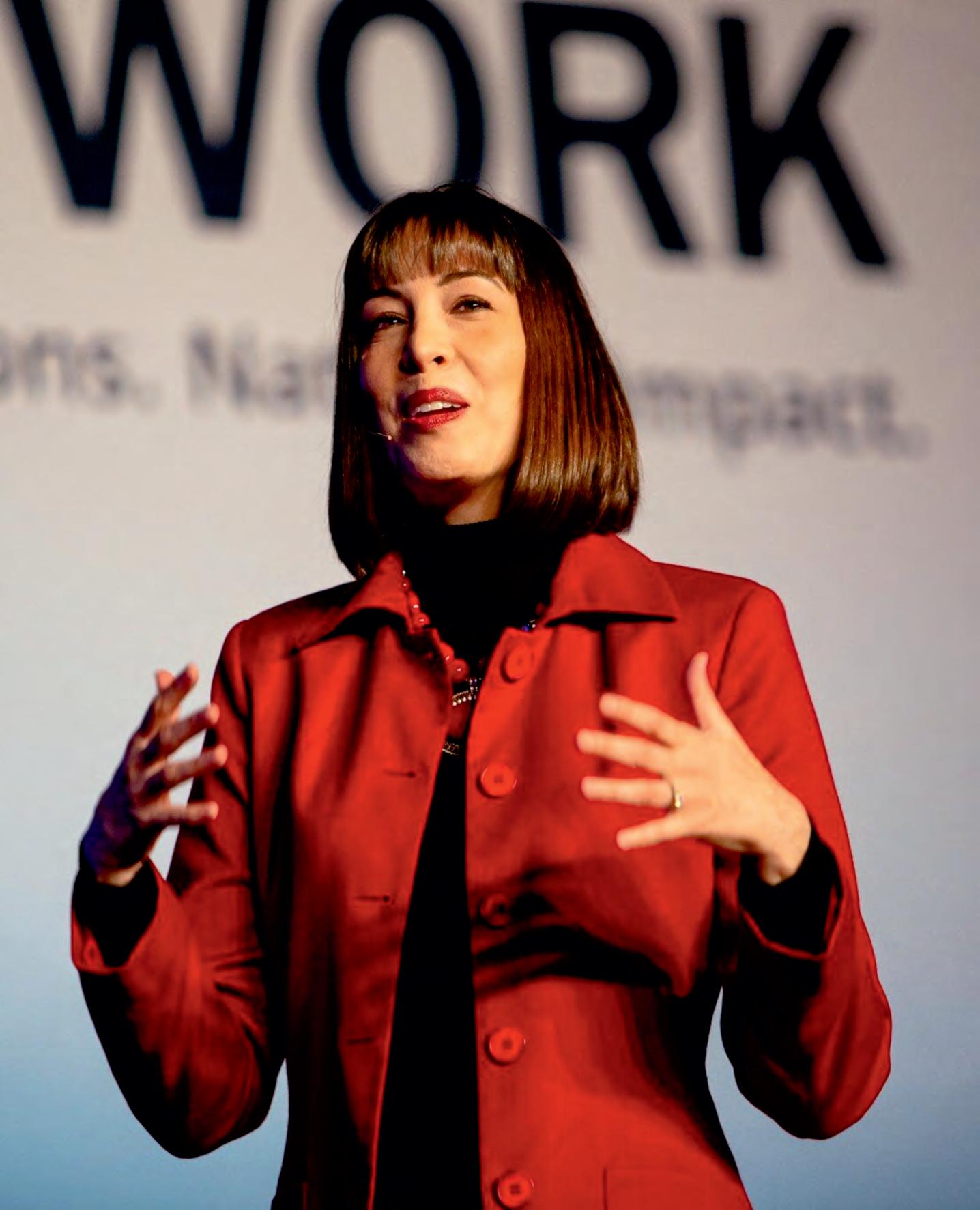
Inthisinterviewfeaturewith MeredithTurney,shesharesher passionforfosteringconsciousleadership andnurturingaconsciousculturewithin organizations.
Asanexecutivecoachwithadiverse clientelerangingfromleadersof internationalcorporationstothoseat smallnonproits,Meredithsharesher journeyfrombeinganemployeeto establishingherowncoachingbusiness, thechallengesshefaced,andthetriumphs shecelebratedalongtheway.
Meredithrelectsonthehurdlesof startingabusiness,balancingmotherhood withprofessionalaspirations,and overcomingthefearofnotbeingableto attractclients.Shealsohighlightsthe importanceofmentorsinherjourney, suchasRichLitvin,whoprovidedher
withbothencouragementandeducation.
Can you please introduce yourself, your business, and your specialization as a coach?
IamMeredithTurney,anexecutivecoach whospecializesinhelpingleadersbecome moreconsciousleadersandcreatinga moreconsciouscultureattheircompany. Myclientsrangefromleadersat internationalcorporationstosmall nonproits.
As a coach, what are some of the biggest challenges that you have faced in your journey?
Beforebecomingaprofessionalcoach,I wasanemployee.I'dneverbuilta businessbefore.Thereisasteeplearning curveforbuildingabusiness.Thankfully,
therearemanysuccessful coacheswhomentorand encourageothercoaches.Rich Litvinhasbeenasourceof encouragementandeducation forme.
IalsohadmyirstchildjustasI wasinishingmycoach training.Itwaschallengingto balancemydesiretobuildmy coachingbusinesswithmy desiretospendeveryprecious momentwithhim.Ialso struggledwiththefearthatno onewouldpaymetocoach them.Thankfully,thatisn'tthe case.Butatthebeginningit wasarealfear.
Can you share a success story or a signiicant achievement in your coaching career?
Theirstpaidclientisalwaysa signiicantmomentforcoaches.
Istillrememberthemoment myirstclientsentmea payment.Iwasnervousand excited.Anothersigniicant achievementishearingaclient sharethesuccessthey've achievedthroughcoachingwith me.Itisincrediblygratifying andthrillingtoexperiencetheir joywiththem.Theirsuccessis mysuccess.
Oneclientwasstrugglingbadly atwork.Wecoachedherfor6 months,andsheinallyhada breakthrough.Herlifeand workcompletelychanged.She's adifferentperson;joyfuland
optimistic.Itwasoursteady worktogetherthatempowered hertoshifthermindsetand makedecisionsthatledtothis new,morefulillinglife.
How do you measure the impact of your coaching on your clients or teams?
Imeasureimpactintwoways: First,clientfeedback.Whatis theirsubjectiveexperience?If theyarepersonallyfeeling differentandrealizingthe successtheywantedtoachieve, thatistheultimategoal.Once theirperceptiveandenergy shift,theycancreatewhatever theywant.Second,assessment andgoal-settingtools.The clientcanthenseeveryclear objectivebenchmarkstheyare achieving.
Forexample,ifanassessment showsaleaderneedstowork ontheirlisteningskills,we coacharoundthatandthenuse theassessmenttoseeifthose aroundthemarenoticinga difference.Ortheclientmay saytheywantapromotion.We worktogethertosetcleargoals thatwillhelpthemachievethat overarchinggoal.Ithelpsthem stayfocusedandfeelsuccess alongthewaytotheultimate goal.
What advice would you give to other women aspiring to be leaders in the coaching industry?
Investinyourself.There'sa sayingthatyoucanonlygoas deepwithaclientasyouhave goneyourself.Sogodeep;work onwhoyouareasaleaderand person.Whoyouareandhow youarewithyourclientsisthe bestwaytoserveyourclients powerfully.Justasyouwould withaclient,getclarityonhow youdeinesuccessand fulillment.Thenbecomethe personwhoachievesthat vision.
What are your future goals for your business and brand? What is your vision through coaching?
Myvisionistoincrease consciousleadershipand consciouscultureinthe workplace.Therearesomany unhappy,unfulilledpeopleat work.Mycoaching, communication,andtrainings areallfocusedonhelping peoplework,live,andBE happy.Themoreleadersfocus onbecomingconsciousleaders andcultivateaconscious culture,wewilldecreasethe epidemicofstressand unhappinessatwork.Wecan createcompanieswhere everyonecanthriveandreach newlevelsofsuccessand fulillment.

Battle-tested techniques from elite executive coaches—the habits and frameworks that separate good leaders from exceptional ones.

Top executives pause before responding. Not because they're slow—because they're strategic. A 3-5 second pause shows you're thinking, not reacting. It gives others permission to think too. When attacked in meetings, pause. When asked complex questions, pause. Obama famously paused before every answer. Critics called it hesitation. Coaches call it executive presence. The pause says: 'I control this conversation, not my emotions.’
COACHING PRINCIPLE

TRY THIS WEEK
Practice the 3-second rule: Breathe. Think. Then speak. Your authority increases with each pause.
If someone can do a task 70% as well as you, delegate it. Waiting for 100% keeps you stuck doing everything. Your 70% might be their 100% growth opportunity. Top executives delegate imperfectly and coach the gap. Micromanagers delegate at 95% and wonder why nothing gets delegated. The formula: Delegate at 70%, accept 70%, coach to 85%, watch them hit 95% faster than you did.
COACHING PRINCIPLE

TRY THIS WEEK
Audit your calendar. Anything you can do that others could do at 70%? Delegate it this week.
Type 1 decisions are one-way doors (irreversible, like selling your company). Type 2 are two-way doors (reversible, like launching a feature). Most executives treat all decisions as Type 1—agonizing, seeking consensus, delaying. Bezos says treat Type 2 decisions with 70% of the info you wish you had, made by small teams, fast. Reserve the heavy process only for true one-way doors. Speed on Type 2 decisions compounds into competitive advantage.
COACHING PRINCIPLE
TRY THIS WEEK
Before any decision ask: 'Is this a one-way or two-way door?' Treat them radically differently.

Executives have infinite time demands but finite energy. Elite coaches don't optimize calendars—they optimize energy cycles. Track what gives you energy (strategic thinking, client meetings, mentoring) versus drains it (emails, admin, politics). Schedule high-energy activities during your peak hours. Batch energy-draining tasks. Tony Schwartz research: Managing energy, not time, is the fundamental currency of high performance. One focused hour beats four distracted hours.
COACHING PRINCIPLE

TRY THIS WEEK
This week: Note energy levels after every activity. Redesign your calendar around energy, not importance.
Kim Scott's framework from coaching Apple and Google executives: Combine caring personally with challenging directly. Ruinous empathy: Care but don't challenge (nice but useless). Obnoxious aggression: Challenge but don't care (results but resentment). Manipulative insincerity: Neither care nor challenge (political, toxic). Radical candor: Both. 'I care about your success AND your work here isn't good enough.' Most executives fail by being too nice, not too harsh.
COACHING PRINCIPLE

TRY THIS WEEK
Pick one person this week. Give them feedback that's both caring AND challenging. Watch them grow.
Steve Jobs: 'I'm as proud of what we don't do as what we do.' When he returned to Apple in 1997, he killed 70% of products. Went from near bankruptcy to most valuable company. Executive coaches push clients to create 'stop doing' lists before 'to-do' lists. What meetings will you stop attending? What initiatives will you kill? What decisions will you stop making? Your constraint isn't time—it's focus. Addition feels productive. Subtraction creates breakthroughs.
COACHING PRINCIPLE
TRY THIS WEEK
Write 3 things you'll STOP doing this quarter. Killing the wrong things is more powerful than doing more things.
When it comes to solving problems through simplicity, few tools have had the impact of Omni Calculator. Built on the belief that knowledge should be accessible, practical, and free, the platform now features nearly 3,700 calculators across categories like finance, health, math, chemistry, and more.
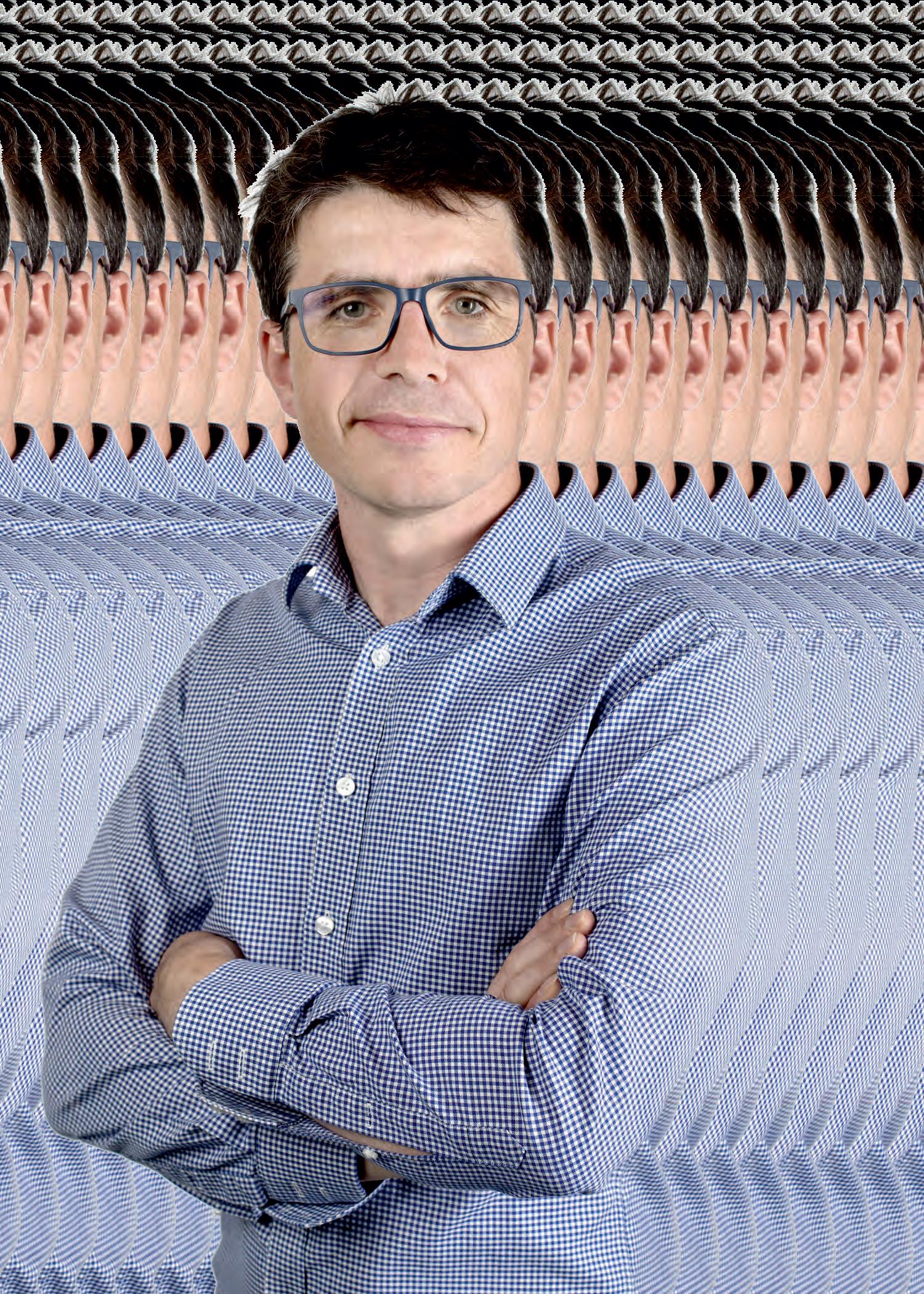
At the center of this success story is Mateusz Mucha, a founder who turned a personal learning project into a go-to global solution for millions. In this interview, Mateusz reflects on the early spark, the bold decisions, and the unwavering vision behind Omni's growth.
Omni Calculator began as a hobby project you built while still in high school. What problem were you originally trying to solve,
and what drew you to building calculators in the first place?
Originally, I just wanted to learn JavaScript. Back then, a lot of websites were still pretty static, and JavaScript allowed you to make something happen live on the page. I was fascinated by the potential, so to learn the language—and as a math guy—I decided to build a calculator. My first project (before the margin calculator) was a very simple percentage calculator, and the cool thing about it was that it worked both ways. You could enter any two of the three fields, and the empty one would be calculated. This is true for almost every Omni calculator to this day, and that was something quite revolutionary on the internet back then.

One of your earliest innovations was creating calculators that work in any direction, without fixed inputs or outputs. How did that idea come about, and why was it so important to you?
As I mentioned above, the main reason for it was to learn the technology that allows for creating tools on the web—JavaScript—and to create something that people would actually like to use (because who doesn't want their work to be shared and appreciated?). The idea
seems simple today, but it wasn't very common back then, which is why the calculator gained initial traction.
In 2014, you decided to turn a side project into a real business. What made you believe Omni Calculator could become something much bigger?
When I created the percentage calculator and got some traffic from it, my friends encouraged me to make other variations, like a “percentage off calculator” or a “margin calculator” for people to calculate real-life things. Being quite new to the business game, I said it was stupid because you could calculate all those things using my existing percentage calculator. But after some time, I decided to actually create them and host them on the website, and it turned out everyone was using the other calculators and no one was using my percentage calculator anymore.
It was an extremely valuable lesson: people want products tailored to their problems—the fewer the steps, the better. Basically, since then, we've been trying to create calculators for every possibility, and in 2026, here we are, with almost 3,700 calculators and counting.
You made the bold decision to keep Omni Calculator completely free. What challenges came with that choice, and how did it shape your growth strategy?
It was quite easy back then to position yourself at the top of Google Search, and the traffic provided ad income. Even if there were other options, like doing jobs for corporations to create tailored tools just for them, the vision of creating tools for anyone, anywhere—with a constant feedback loop of what to improve and the autonomy to do any project you want—meant I never even considered those other options.
Managing a business with millions of users requires balancing quality, scale, and speed. How do you ensure accuracy and trust across hundreds of calculators?
I love this question because it allows me to switch focus from me to my team, which is definitely what I'm most proud of when it comes to Omni.At the beginning, it was just me, but very early on I started hiring people, and eventually, we scaled to the small-to-medium-sized company that we are today. Our website runs great, looks great, and the numbers are coming out correct because we have experts on board—we have a great IT team, we have great marketing people, and, to answer your question, we have a great content team. The people who create our calculators are experts in their fields. We prioritize education, which is why most of our content creators have PhDs in their fields and why we can create extremely complicated calculators that work flawlessly.
Looking back, what leadership lessons stand out most from building a multi-million-dollar business without traditional growth tactics?
Focus and something I call action bias. You can sit, think, and plan, and then think about the plan, then change it, then think about what's wrong with it, then plan again, and in the loop we go. I know it's not groundbreaking or sexy, but you really have to put the hours in to get the results out—no theory can teach you as much as practice.
As Omni Calculator continues to grow, what is your long-term vision for the company and its impact on global access to knowledge?
The ultimate goal is to have tools that allow the user to calculate anything they want without any extra steps—come in with the inputs they have and come out with the answer as quickly and efficiently as possible. There's really nothing more to it. We've been working towards this goal since the beginning of the company's existence, and the goal has never changed.


After more than two decades
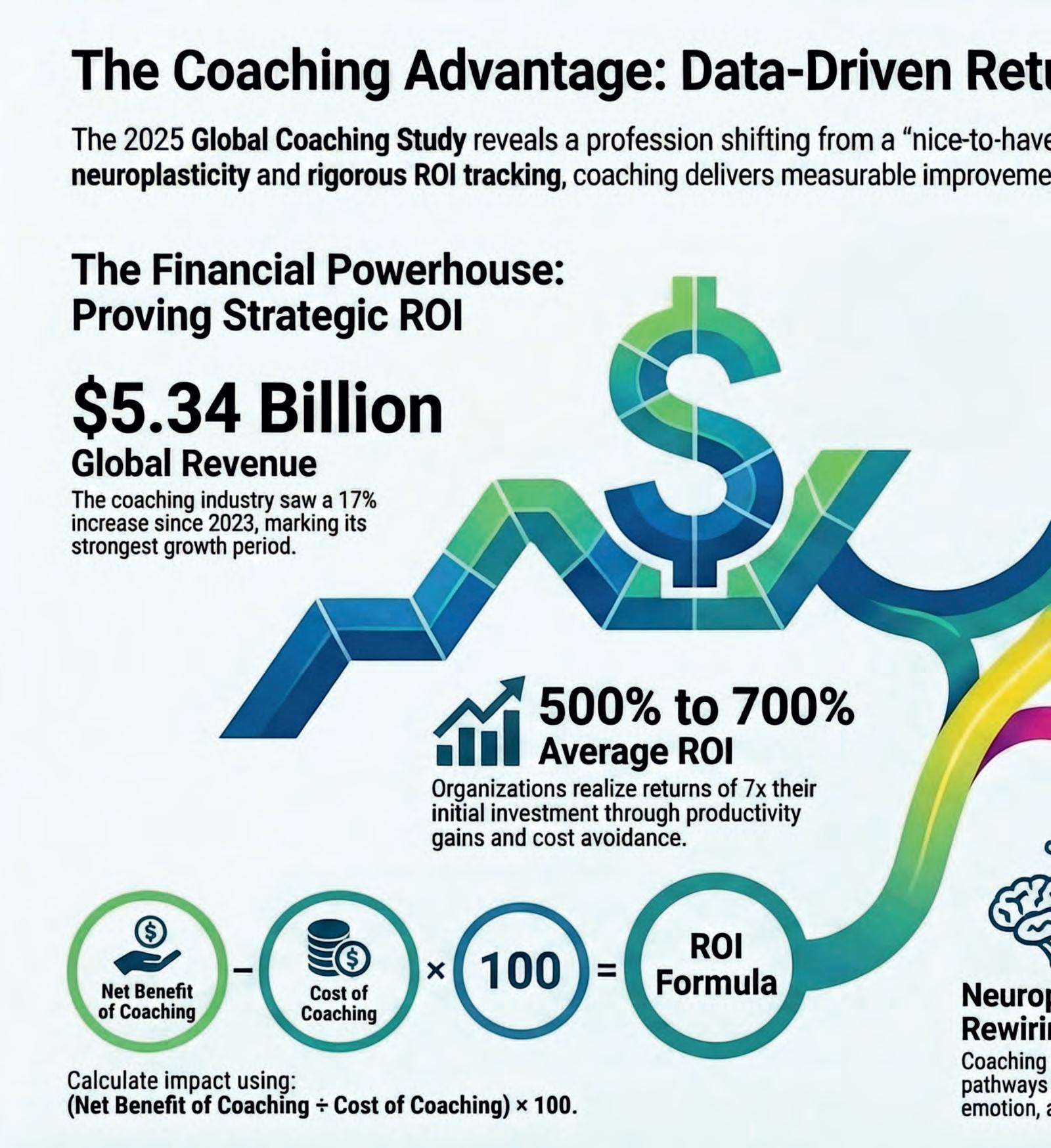
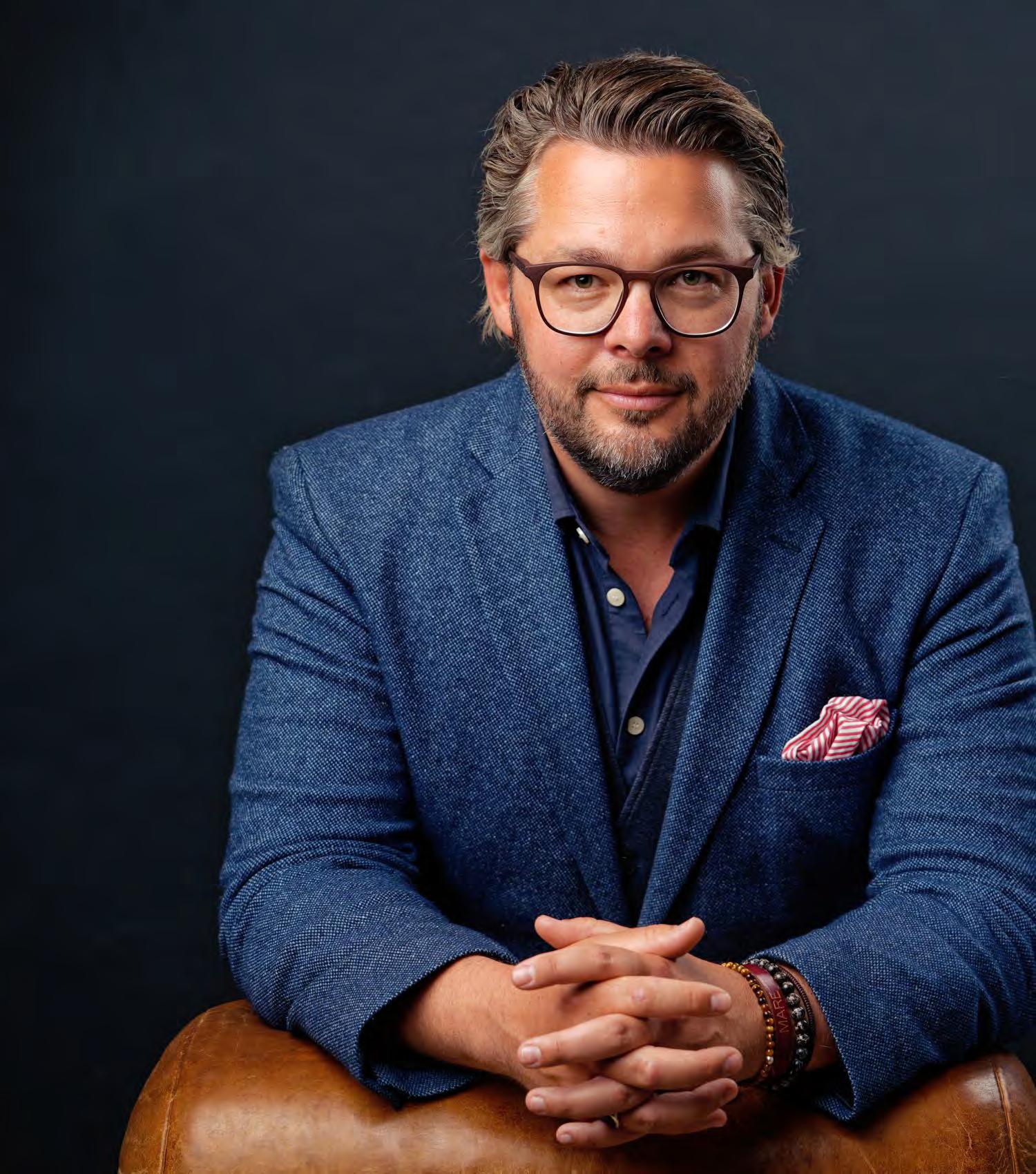
working at the intersection of strategy, technology, and organizational change, René Esteban has seen nearly every version of transformation success and failure imaginable. From early ecommerce waves to today'sAIdriven disruption, he has advised global enterprises under intense pressure to modernize, scale, and stay relevant.
As Founder and CEO of FocusFirst, and author of The FocusedAI Captain, René is known for cutting through hype with clarity. His work challenges a popular assumption in modern business: that failed transformations are technology
problems. Instead, he argues they are almost always people, design, and focus problems.
In this conversation, René reflects candidly on the failures that shaped him, the patterns he sees across hundreds of transformation programs, and why slowing down at the start is often the fastest way forward.
You have more than two decades of experience leading strategy, change, and transformation across multiple technological waves. Looking back, what moments or failures most shaped how you think about transformation today?
Honestly? The failures shaped me far more than the wins.
My first real job in transformation was leading e-commerce for a DAX-40 company. I was young, I had the CEO behind me, and I thought that meant I could bulldoze through anything. I couldn't. The sales teams saw us as a threat to their commissions and they fought back - hard. We eventually figured out that we had to redesign their incentive structure so they weren't punished for online sales in their territory. Only then did they become allies. That taught me something I've never forgotten: you can have the best technology and the strongest executive sponsorship, but if people feel threatened, they'll find ways to slow you down.
Later, I made a different kind of mistake. I was so focused on getting things delivered that I didn't pay enough attention to whether people were actually adopting them. We'd celebrate golive and move on to the next thing, then wonder six months later why adoption was flat. I was measuring the wrong things.
These days, when I walk into a new engagement, I assume I'm going to encounter both of those problems - fear and premature celebration. Usually I'm right.
Before founding FocusFirst, you worked closely with large global organizations under intense pressure to deliver results. What gaps did you consistently observe
in how companies approached change?
The most common one is rushing to solutions before really understanding the starting point. I've seen leadership teams authorize massive technology investments based on a vision deck and some vendor demos, without ever asking: "Do we actually have the organizational readiness to absorb this?" It's like buying a Speed Boat when you haven't learned to drive.
The budget split is another giveaway. Most organizations put 80% of their transformation budget into technology and 20% into everything else—training, change management, process redesign. The companies that actually scale their initiatives flip that ratio. They invest 70% in people and processes, 20% in infrastructure, and only 10% in the algorithms themselves. That sounds counterintuitive until you realize the algorithms are useless if nobody trusts them or knows how to use them.
And then there's the "declare victory and move on" problem. Go-live gets celebrated, the project team disbands, and everyone assumes the transformation is done. It's not. It's barely started. The real work is making the new way of working stick when nobody's watching anymore.
You have worked on more than 250 global transformation programs. From that experience,
what patterns separate transformations that succeed from those that quietly fail?
The successful ones usually have one clear goal that everyone can articulate. Not five strategic priorities—one. When I ask people at different levels of an organization "What are we trying to achieve?", and they give me the same answer, that's a good sign. When I get five different answers, we have a problem.
Another pattern: the organizations that succeed are the ones that were honest about their starting point. They did the diagnostic work. They admitted where they were weak. The ones that fail often skipped that step because someone in leadership didn't want to hear uncomfortable truths.
I've also noticed that the successful transformations almost always have someone - usually not the most senior person - who just refuses to let adoption slip. They track it obsessively. They follow up when numbers drop. They notice when a team is struggling and intervene early. It's not glamorous work, but it makes all the difference.
The pattern I see in failures? Lots of activity, lots of pilots, lots of announcements, but when you look closely, nothing actually changed in how people work.
As someone who advises C-suite leaders globally, what do you believe today's executives
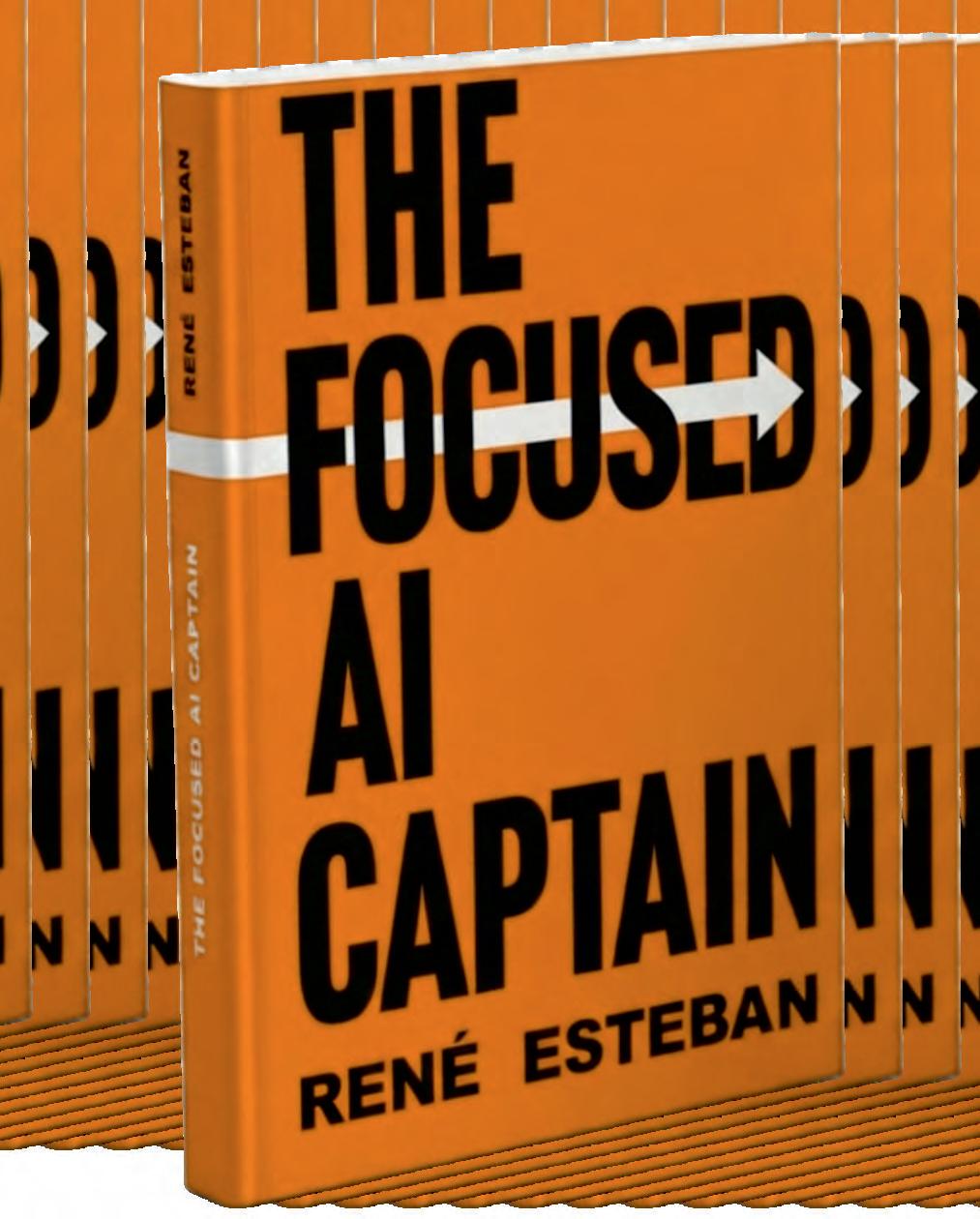
Your book, The Focused AI Captain, challenges the assumption that failedAI initiatives are a technology problem. What made you realize that organizational design is the real bottleneck?
I kept seeing the same thing over and over: organizations would run successful pilots, prove the technology worked, and then... nothing. The pilot would just sit there. No scaling, no broader adoption, no business impact.
At first I thought maybe the pilots weren't compelling enough. But that wasn't it. The ROI was often clear. The problem was everything around the technology - unclear ownership, processes that didn't accommodate the new tools, middle managers who felt bypassed, employees who were never trained properly.
What really drove it home for me was watching how people actually behave. In a lot of organizations, employees have access to approved AI tools that went through months of security review.And what do they do? They use ChatGPT on their personal phones instead because it's easier and nobody told them why the company tool matters. That's not a technology failure. That's a change management failure.
The organizations that get real value fromAI aren't the ones with the most sophisticated models. They're the ones that did the unglamorous work of preparing their people and redesigning their workflows.
misunderstand most about leading through rapidAI driven change?
There's enormous pressure right now to move fast. I get it - the board is asking aboutAI, competitors are announcing initiatives, nobody wants to be left behind. But this pressure often leads to what I call "pilot theater": launching lots of experiments to show activity, without any real plan to scale them. Not focused.
The executives who actually end up moving fastest are, counterintuitively, the ones who slow down at the beginning. They take time to align their leadership team, to be honest about organizational readiness, to think through how roles will change. That upfront, focused investment pays off later because they're not constantly firefighting resistance and confusion.
The other big misunderstanding is treatingAI like it's just another IT project. It's not. WhenAI works well, it changes how decisions get made, how work gets allocated, how people collaborate. Those are organizational design questions, not technology questions. I've watched technically brilliantAI deployments fail because nobody thought through what happens to the people whose jobs just changed.
You are recognized as an innovator, speaker, and advisor, yet your work emphasizes focus
and simplicity. How do you personally stay focused in an environment full of noise and hype?
I'm not sure I'd call myself an expert at focus - I'm human, so I struggle with it like everyone else. However, what helps me is having a small number of questions I keep returning to. The main one is: "What problem are we actually trying to solve?" It sounds obvious, but it's amazing how often I catch myself (or a client) drifting toward a solution before we've really nailed down the problem.
I also try to be ruthless about what I read. There's so muchAI content out there right now, and most of it is either hype or repackaged hype. I've found that talking to practitioners - people actually implementing this stuff - is worth more than reading ten trend reports.
The other thing, honestly, is having people around me who will tell me when I'm wrong. It's easy to fall in love with your own ideas, especially when you're the one running the company. My colleagues are pretty good at bringing me back to earth.
Looking ahead, what is your long-term vision for FocusFirst and for the leaders who apply the principles outlined in The Focused AI Captain?
I want FocusFirst to be the place
leaders turn when they're serious about transformation but tired of the usual consulting playbook. We're building solutions that work in the real world, not just in pitch decks. The goal is to make good transformation practice accessible - not everyone can afford a Big Four firm for two years, but everyone deserves practical guidance.
For the people who read the book, I hope they come away feeling like transformation is something they can actually do. Not that it's easyit isn't - but that it's not some mystical capability only certain organizations possess. The principles are learnable. The frameworks are practical. You can start applying them Monday morning.
If I'm being honest about the longterm vision, it's pretty simple: I want fewer transformation programs to fail. The failure rate right now is embarrassing for our entire industry. I think we can do better, and I'm trying to do my part.


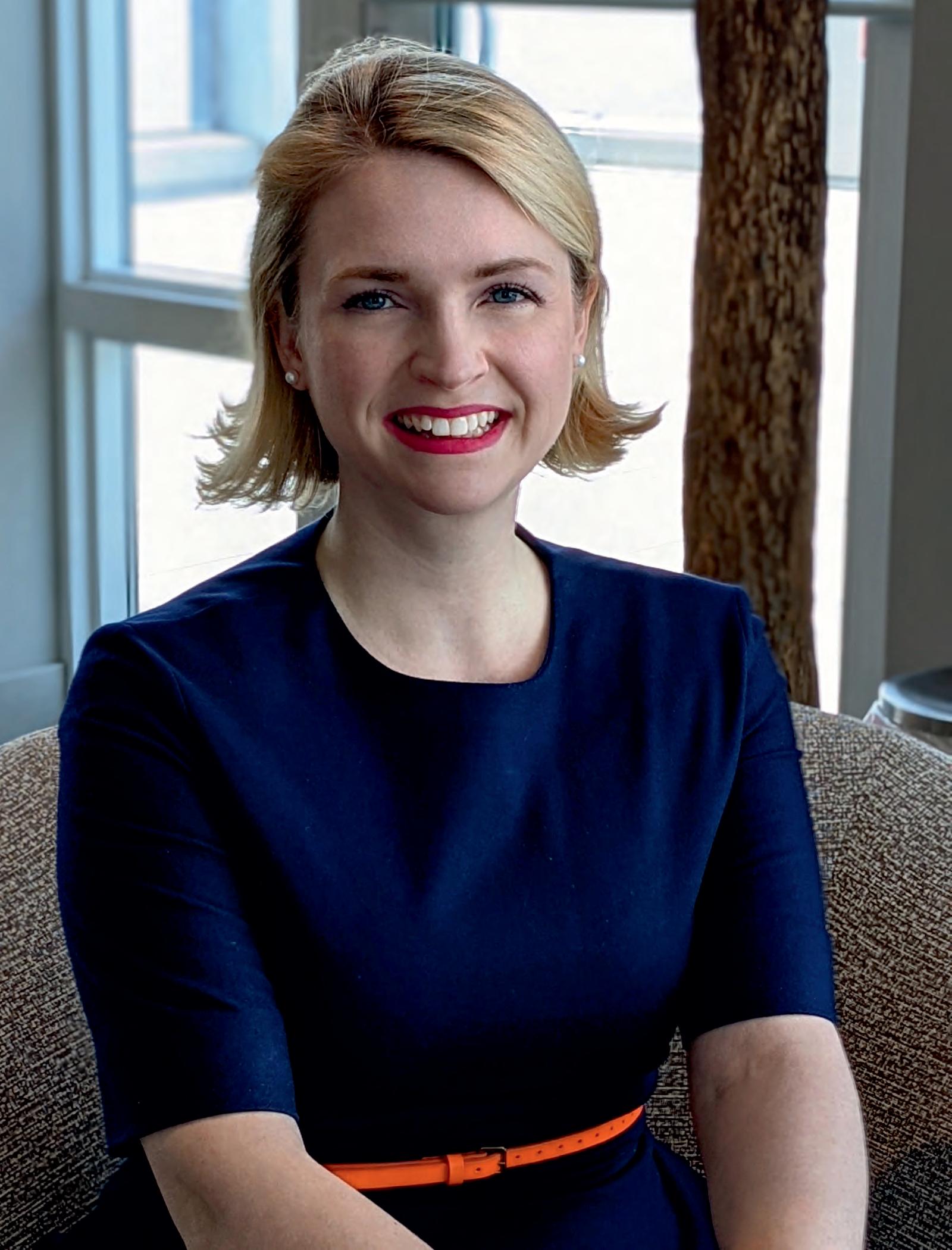
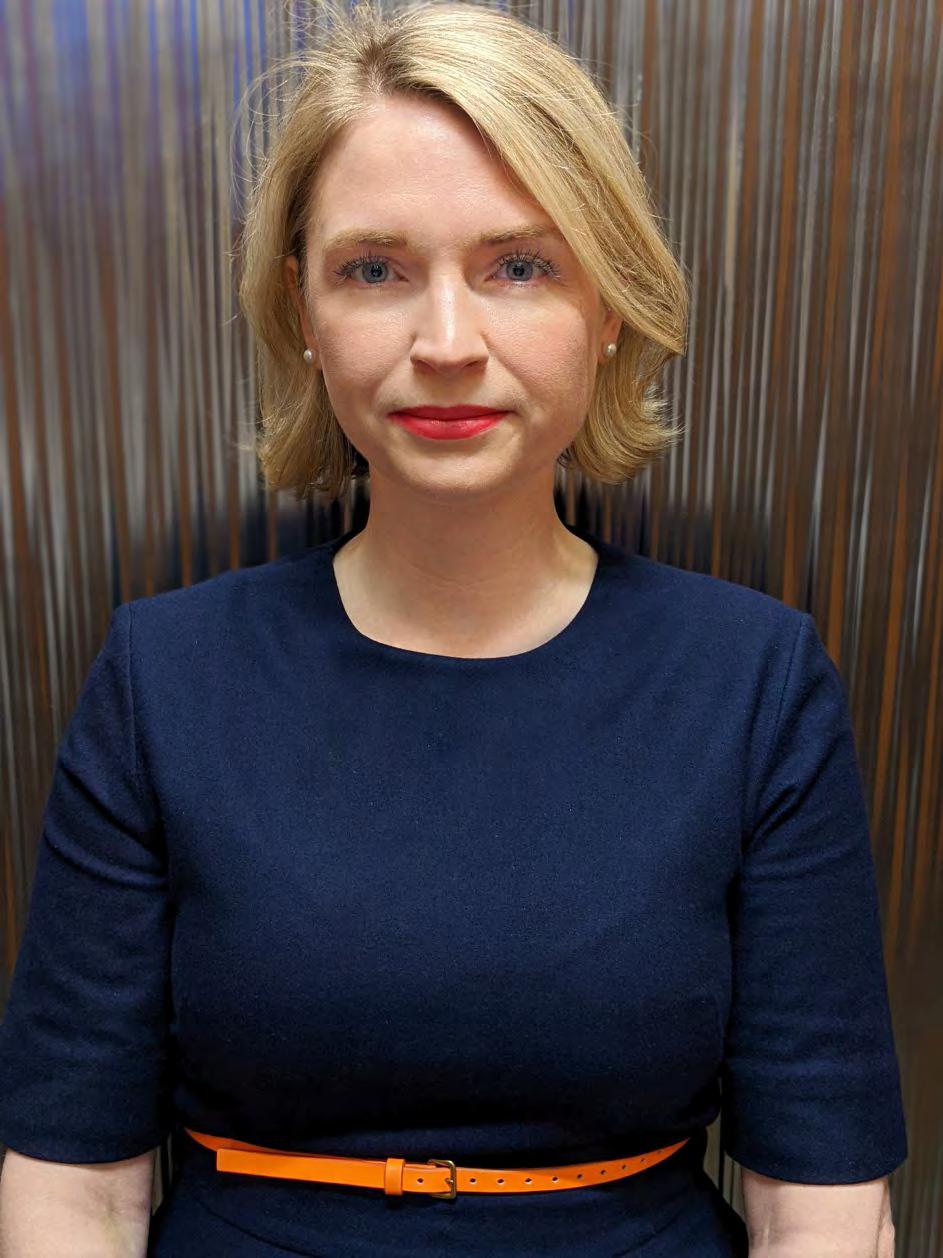
lexHurworthisadynamic executivecoachandconsultant whohasdedicatedovertwo decadestobuildingandimproving software,leadingthedesignandstrategy ofnumerousappsacrossglobalmarkets. Afteranextensivecareerintechnology, includingpivotalrolesincorporateand pandemicresponseprojects,Alex experiencedasigniicantcareershift.
A"TimeisPrecious"wasbornfromAlex's personaljourneyofovercomingburnout andrecognizingtheinitenatureoflife. Inthisinterview,Alexdiscussesher careerevolution,thepivotalmoments thatledtohertransitionintocoaching, theimpactofherglobalexperiences,and hervisionforempoweringothers throughleadership.Shealsoaddresses thebarrierswomenfaceintakingcareer risksandprovidesvaluableadvicefor organizationslookingtoadvancefemale leadership.
Relecting on your transition from tech leader to executive coach, what pivotal moments or insights prompted this shift in your career path?
I'vealwaysbeendrivenbyadesireto havearealimpact.Whilethatshowed throughtheappsandsoftwarewe created,mygreatestfulillmentcame fromdevelopingmydirectreports.After 20yearsinthecorporategrind,working relentlesslyonprojectsfortheCEO,CTO, andthenadditionallyaspartofNew YorkState'spandemicresponse,Iwas burnedout.Itwastimeforachange.
In2021,Idecidedtoleveragemy entrepreneurialspiritandstartmyown businessfocusedonpartneringwith organizationstosupportthemin elevatingtheirtalent'sleadership.This allowsmetochannelmyenergyinto whatI'mmostpassionateaboutempoweringotherstogrowasleaders.
You've had the opportunity to work in several global cities. How have these diverse cultural experiences inluenced your professional approach and leadership style?
Workingoverseastaughtmethe immensevalueofexperiencingdifferent cultures.Itwasahumblingreminder thatmyperceived"norms"arejustone
wayofviewingtheworld.This experiencehasmademevigilant aboutnotmakingassumptions aboutmyclientsordirectreports.
Eachpersonisunique,withtheir ownneedsandvalues.Totruly unlocksomeone'spotential,Imust nurtureandappreciatethemasan individual,nottreatthemaspartof amonolithicgroup.Thisapproach iscrucialtobringingoutthebestin others.
Can you tell us more about the genesis of 'Time is Precious'? What was the moment or motivation that sparked the idea for this venture?
Thisisdeeplypersonal.Ten monthsintothepandemic,Ihad myirstandonlypanicattack. Thoughnothingcomparedtothe heroicsoffrontlineworkers,Iwas burnedoutfromworkinguntil midnightmostnightsonaCOVID responseapp,alongsidemy regularduties.Thatpanicattack mademefeellikeIwasdying.It wasawake-upcallthatlifeis short.Oncethatprojectended,I knewIhadtoprioritizemywellbeingandinallypursuemydream ofstartingmyownbusiness.
NowthatI'vemadetheleap,I'm noticingmoreandmorefrequently howpeoplearedissatisiedwith theirworksituation,burntout,or knowingthey'recapableofmore, butparalyzedbyfearandthe powerfulinertiaofthestatusquo. It'seasiertosleepwalkthroughthe familiarroutine:wakeup,goto work,attendmeetings,gohome, repeat.Thepaycheckandbeneits furtherentrenchthecycle.Andin theblinkofaneye,oneyear becomestwo,threethenive.
Makingachangerequires venturingintotheunfamiliarand canberisky.Itmeansextrawork ontopofdailyduties-speakingup forapromotion,rallyingyourteam aroundanaudaciousidea,oreven leavingtostartyourownbusiness. Butthat'swheregrowthhappens whenyoumusterthecourageto disruptyourcomfortablepatterns.
So,Inamedmycompanyafterthat transformativeexperience,asa reminderofwhyI'mdoingthis. Dependingonwhatyoubelieve,we haveonelife.Let'smakethemost ofit!
What do you believe are the most signiicant barriers today that prevent women from taking more risks in their careers? How do you address these challenges in your coaching sessions?
Gendernormsdiscouragewomen fromvoicingtheiropinionsat work.Lackofconidenceand impostersyndromeareconstant hurdles.Thegenderpaygapand societalpressuresmeanmany womenlacktheinancialsafetynet totakeentrepreneurialrisks-it feelssaferstickingwithasteady paycheckandhealthinsurance.For mothers,thehighcostofchildcare makesreturningtowork economicallychallenging.There aresomanybarriersholding womenbackfrompursuingtheir ambitionsandstartingbusinesses.
MylastnameisHurworth(“herworth”).Ithinkthatisnoaccident! Mymissionistoelevatewomen intoleadershiproles,increasing theirwealthandindependenceso theycantakerisksprofessionally andpersonally.Iwantthemto speakupfearlessly,andtolearnto
quietenvoicesofself-doubtand second-guessing.Mycoaching helpsclientsgetcrystalclearon theirgoalsandmapsoutthe micro-stepstoachievethem. Throughlow-riskexperiments, theyseethatinactionisimpossible -thesesmallstepsbuild unstoppablemomentumtowards transformativechange.They realizetheirtruecapability, learningthatit'sactionthatcreates conidence,nottheotherway around.Theydon'tneedtowaitfor conidencebeforemakingmoves.
Igivemyclientsthetoolsand mindsettoboldlypursuewhat theywantwithoutrestraint.With inancialindependencecomesthe powertotakechancesandlead morepurposefullivesontheirown terms.
In your opinion, what are the essential elements for maintaining a fulilling professional life without compromising personal happiness and well-being?
Theessentialelementsfor maintainingafulilling professionallifewithoutsacriicing personalhappinessandwell-being areself-awarenessandthecourage totakepurposefulaction.Selfawarenessmeansdeep understandingyourcorevalues, priorities,andboundaries.
What'smostimportanttoyou? Whatlineswon'tyoucross?Get clearonyournon-negotiablesfora lifeofintegrity.Fromthatselfknowledge,youmusthavethe couragetogetintoactionandhave thosedificultyetcritical conversations.Voiceyourneeds, assertyourboundaries,standirm
onyourprinciples-allinan objective,compassionateway. Don'tletdiscomfortkeepyoufrom expressingwhattrulymatters.
Whenyouknowyourselfandcan communicateauthentically,you createthespacetohonorallparts ofwhoyouare-professional, personal,family,health,spirit.You
learntointegratetheseintoa cohesive,sustainablewayofliving andleadingthatfeelsdeeply aligned.It'snoteasy,butit'saskill thatcanbepracticed.Themore youexerciseyourvoicewithselfawareness,themorenaturaland empoweringitbecomestouphold yourvisionforarewarding professionaljourneyandalifeyou
feelgenuinelygoodabout.
Finally, what advice would you give to organizations looking to genuinely advance female leadership within their ranks?
Mytopthreerecommendations are:
1)Mandateunconsciousbias trainingtoincreaseawareness aroundgenderandminority biases,signalingleadership's commitment.
2)Offerequalparentalleave regardlessofgender.This allowsanyparenttobethe primarycaretakerwithout careerimpactstraditionally fallingonbirthingparents.
3)Provideleadershipskills training,investinginupskilling womenandcreatingmorerole models.
Byimplementingthese,we'll startdismantlingbiases,update outdatedcaregivingnorms,and empowerwomentostepinto theirpowerasleaders.It's aboutcreatinganequitable cultureofgrowthforall.










































Functional Brands is a health and wellness company with
headquarters in Lake Oswego, Oregon. The company specializes in the production and distribution of nutritional supplements for various health concerns, including prenatal wellness and autism.All products under the Functional Brands umbrella are made in the USA, in an FDA-compliant, cGMP-certified facility. Some of the brands in their portfolio include Kirkman®; P2i™ by Kirkman®; and Tru2u.health. The Kirkman® brand has a 75-year legacy available in 35 countries.
On November 5, 2025, Functional Brands officially began trading on the Nasdaq Capital Market under the ticker symbol MEHA, which stands for “Make Everyone HealthyAgain”. In this interview, CEO Eric Gripentrog reflects on the company's path to this milestone and its decision to go public.
Q: Functional Brands started trading on Nasdaq in early November 2025. What did that moment mean to you personally and professionally?
Eric Gripentrog: It was a meaningful moment for the team and me. There's a big feeling of responsibility that comes with going public. It puts a spotlight on our operations and how we execute our plans. I saw it as a moment to pause, reflect on the years of hard work that got us here, and focus on what comes next. It also reinforced the importance of being open and consistent in how we lead the business. That mindset guides my decisionmaking process going forward.
Q: The company chose a direct listing instead of a traditional IPO. Why was that the right path for Functional Brands?
Eric Gripentrog: Our choice to execute a direct listing was based on our existing shareholder base, and NASDAQ guidelines. We were expecting to execute an IPO earlier in 2025, but for reasons outside of our control, the IPO did not occur. So, we decided to pivot towards direct listing because we met the NASDAQ criteria. That choice helped us correspond with how we think
about progress and accountability.
Q: The mission behind the MEHAticker is “Making Everyone HealthyAgain.” How does that concept guide leadership decisions?
Eric Gripentrog: That mission forms how we think as a team every day. It's a reminder that our work impacts real people and families. When we review products or plans, we ask if they support healthier results clearly and honestly. It keeps us focused on quality, transparency, and trust. Those values help create consistency in teams and leadership, and they guide how we prioritize projects and resources. When choices become complex, the mission offers clarity and direction. It encourages us to think about the future and pay close attention to the impact of our decisions.
Q: Kirkman is a big part of the Functional Brands portfolio. Why is that legacy so important as the company grows?
Eric Gripentrog: Kirkman represents years of trust built with families and practitioners. That trust didn't happen in one day. We pay close attention to the manufacturing process so that every product has
consistent quality. Having our own facility allows us to stay closely involved in how products are made.As the company grows, that level of control helps us stay in tune with the standards people expect from the brand. It also supports confidence as we expand into new channels.
Q: What is something curious investors and customers know about the next chapter for Functional Brands?
Eric Gripentrog: The next chapter will involve steady progress. We are growing our reach through digital channels and improving how we connect with customers. We are also being thoughtful about how we invest and grow. Being a public company adds responsibility, and we take that seriously. Our focus remains on building trust, supporting health, and delivering long-term value through consistent work. That method forms how we measure success over time.