Julia Kolodkina: Building Brands, Communities, and Meaningful Growth IN - FOCUS IN - FOCUS
AI-Powered Customer Experience: From Chatbots to Predictive Personalization
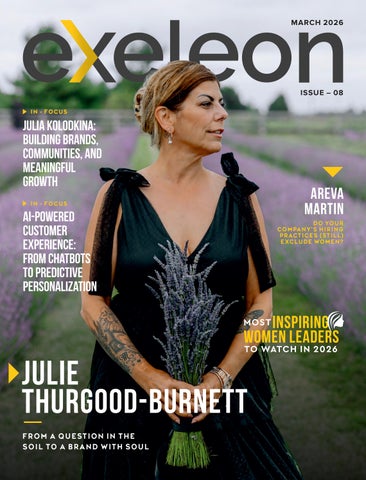
Julia Kolodkina: Building Brands, Communities, and Meaningful Growth IN - FOCUS IN - FOCUS
AI-Powered Customer Experience: From Chatbots to Predictive Personalization
exeleon_magazine

exeleon_magazine
exeleon_magazine
exeleon_magazine

exeleon_magazine


exeleon_magazine

exeleon_magazine
exeleon_magazine

exeleon_magazine



Embracing Excellence
600 N Broad St 5 Middletown, DE 19709, United States +1 302-907-9110
Editor-in-Chief –
Art Director –
Naomi Lam
Managing EditorCreative Director –Daryl Yeung
Matt Reis Adam Waring
Project Manager –Marketing Manager –
Customer Relationship –
Business Development –
Richard Dann Sofia Brown
Natasha Green
Matt Hale, Josh Wilder, Anish Miller
For any advertising related information, please contact info@exeleonmagazine.com. Submissions as well as contributions to the magazine are welcome.
Take a moment and let us know about our magazine; whether it be about the design or a possible mistake, we would appreciate any feedback from your end. You can reach out to daryl@exeleonmagazine.com.
Every year, International Women's Day arrives with celebration, recognition, and reection. It is a moment when the world pauses to acknowledge the achievements of women across industries, communities, and homes. Yet beyond the ceremonies and social media tributes lies a deeper story, one that deserves attention every single day.
Women have always been architects of progress. In boardrooms, classrooms, laboratories, farms, studios, and living rooms, they shape the direction of families, economies, and societies. Their work is not limited to titles or positions. Often it appears in quiet persistence, resilience in the face of barriers, and an unwavering commitment to growth.
But progress has never been automatic. The journey toward equality has been built through courage. Women have questioned norms, opened doors that were once closed, and created opportunities where none existed. Each generation has carried the responsibility of pushing boundaries a little further so the next generation can begin from a stronger place.
Today, we see inspiring examples everywhere. Entrepreneurs building companies from the ground up. Researchers leading scientic breakthroughs. Artists reshaping culture and conversation. Leaders guiding communities through complex challenges. Alongside them are countless women whose contributions may never make headlines but whose impact is deeply woven into everyday life.
At Exeleon Magazine, this Women's Day edition is dedicated to the voices, ideas, and achievements of women who are redening leadership, creativity, and resilience. Their stories are not simply about success. They are about determination, purpose, and the courage to challenge limitations.
When we listen to these stories, we begin to understand that empowerment is not a slogan. It is a process. It grows through opportunity, mentorship, representation, and belief.
Dyl Yeung
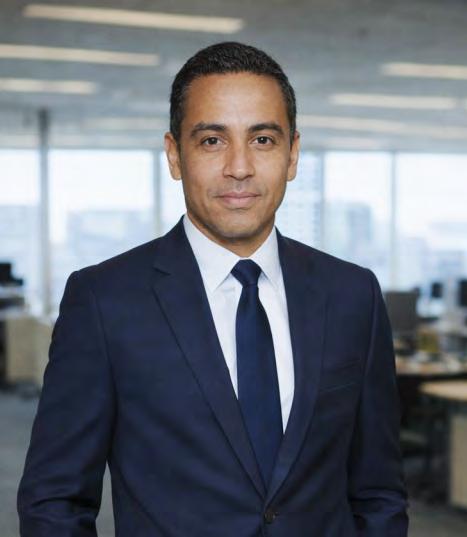

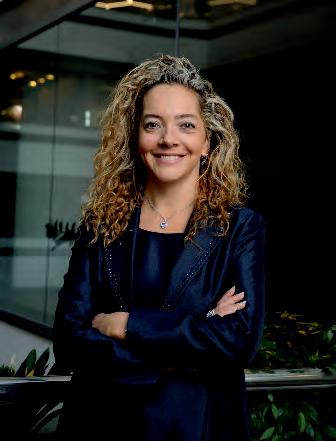
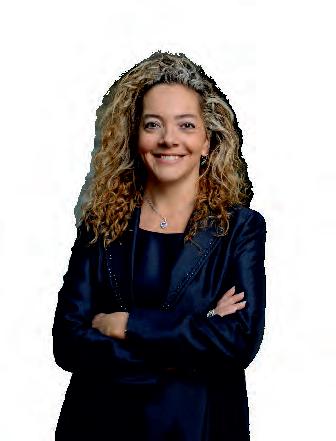
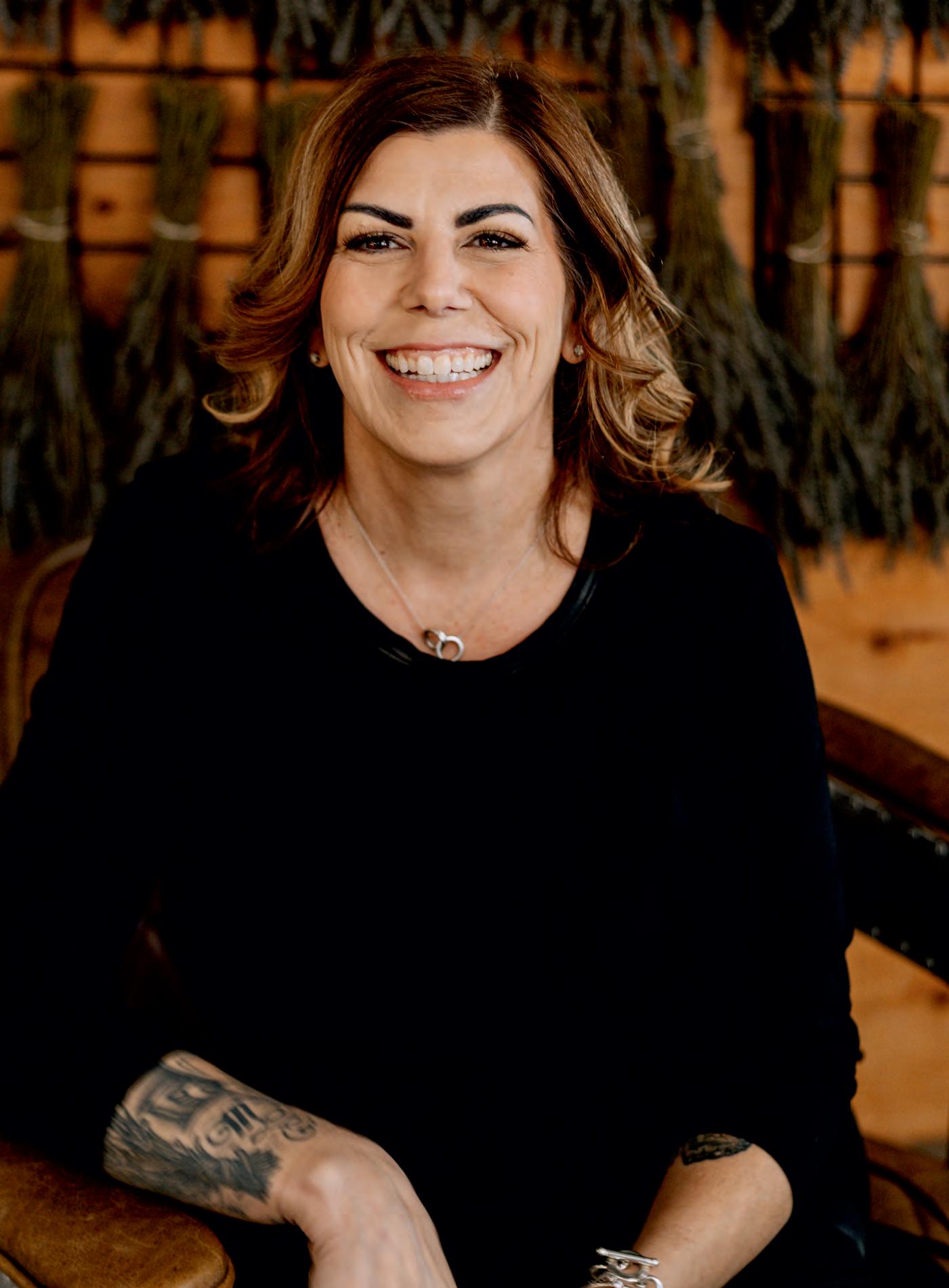
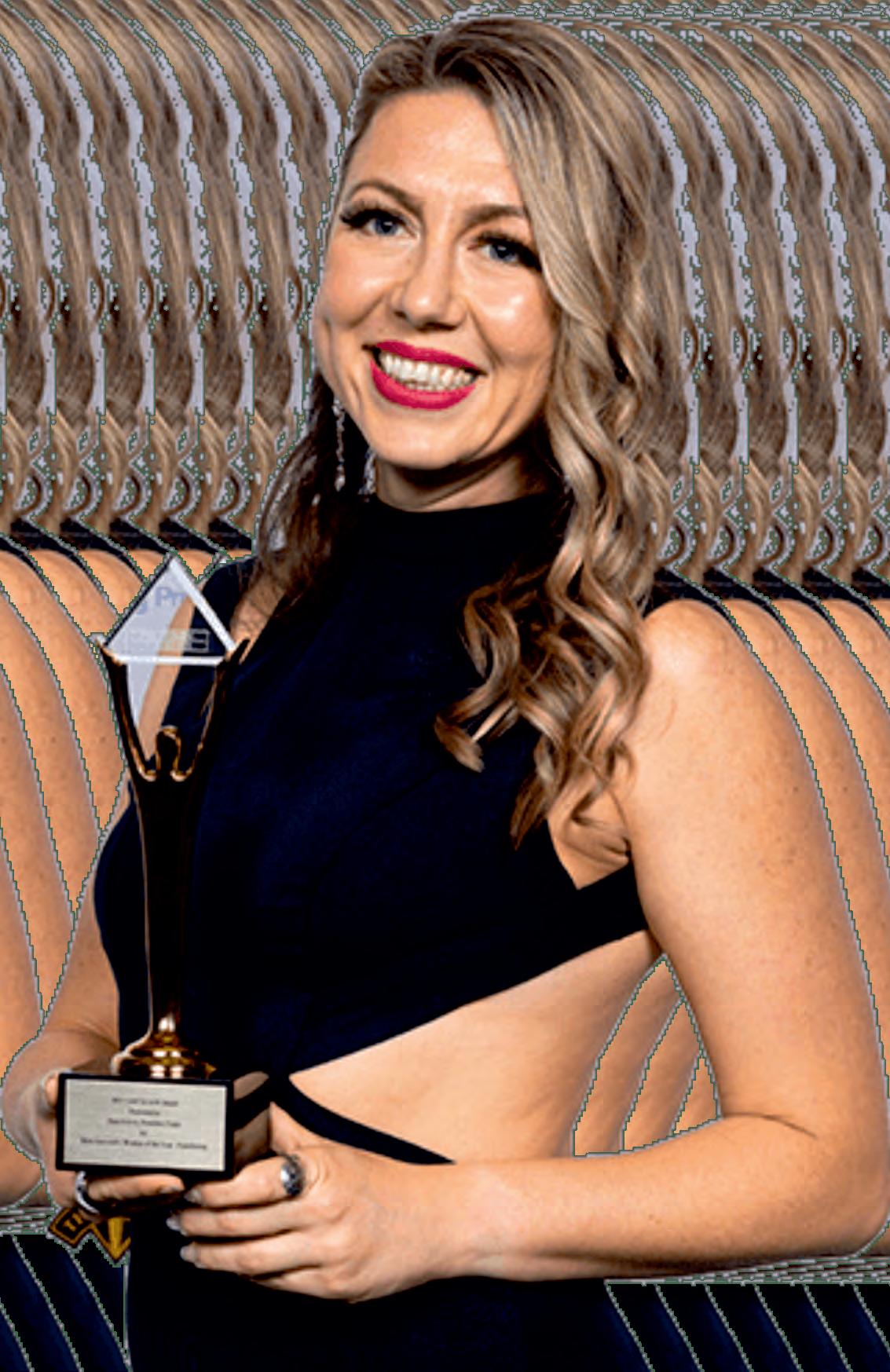
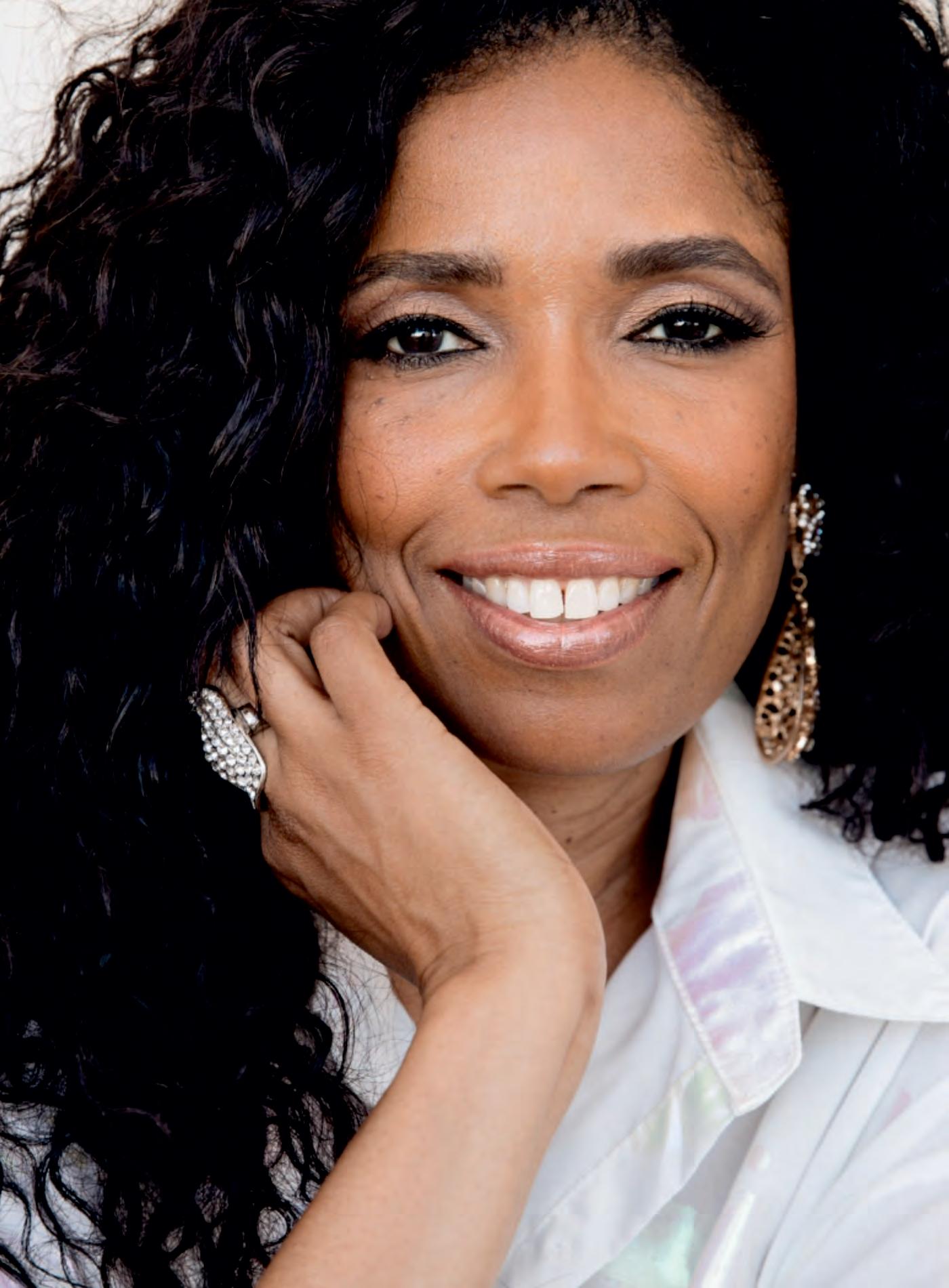



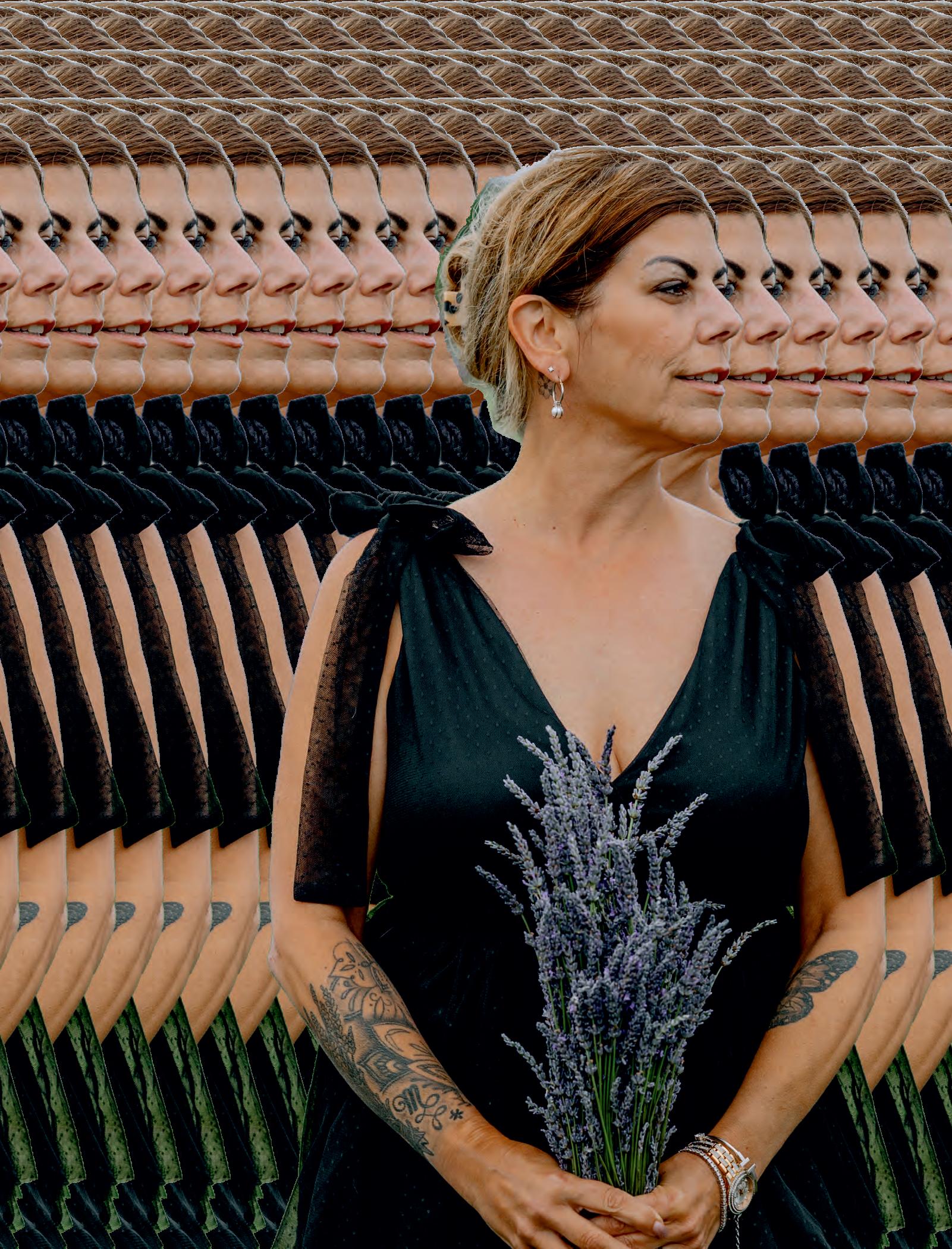
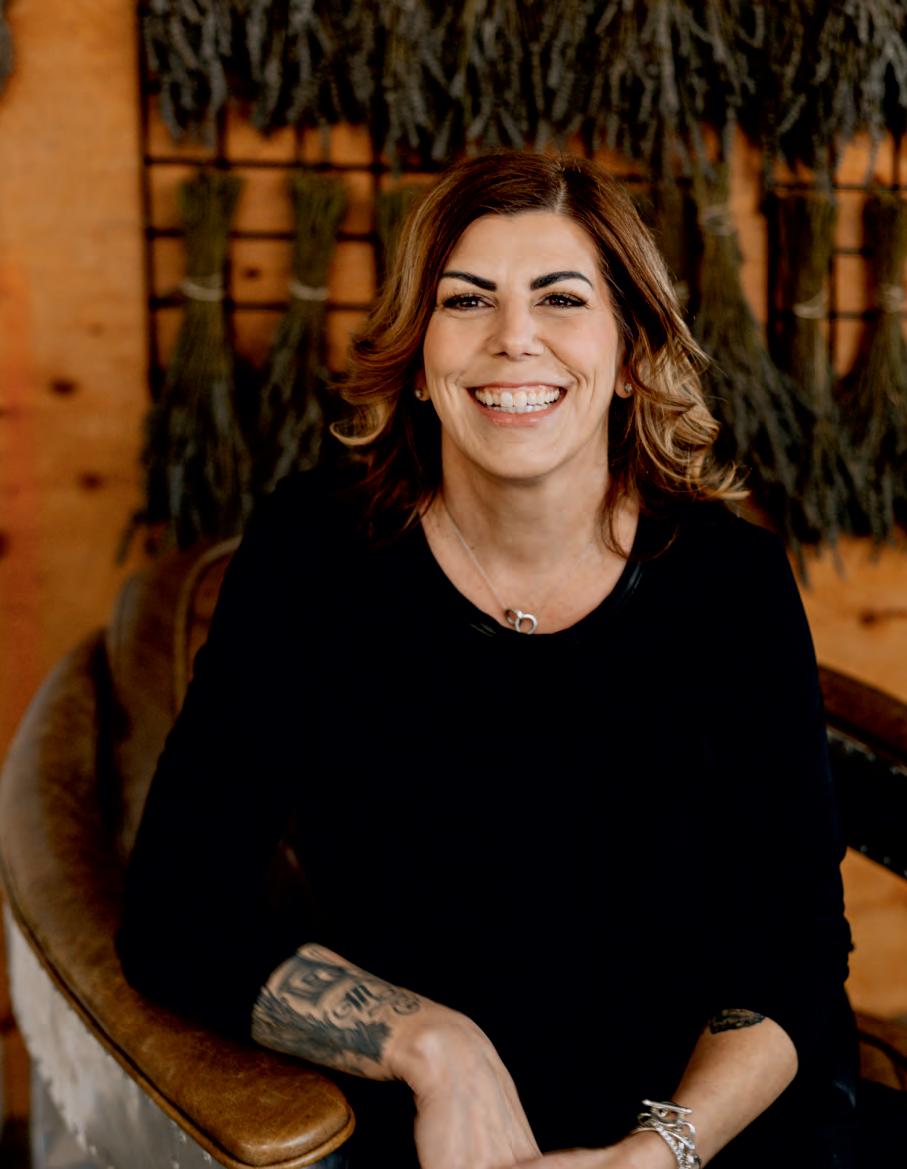
Founder and CEO
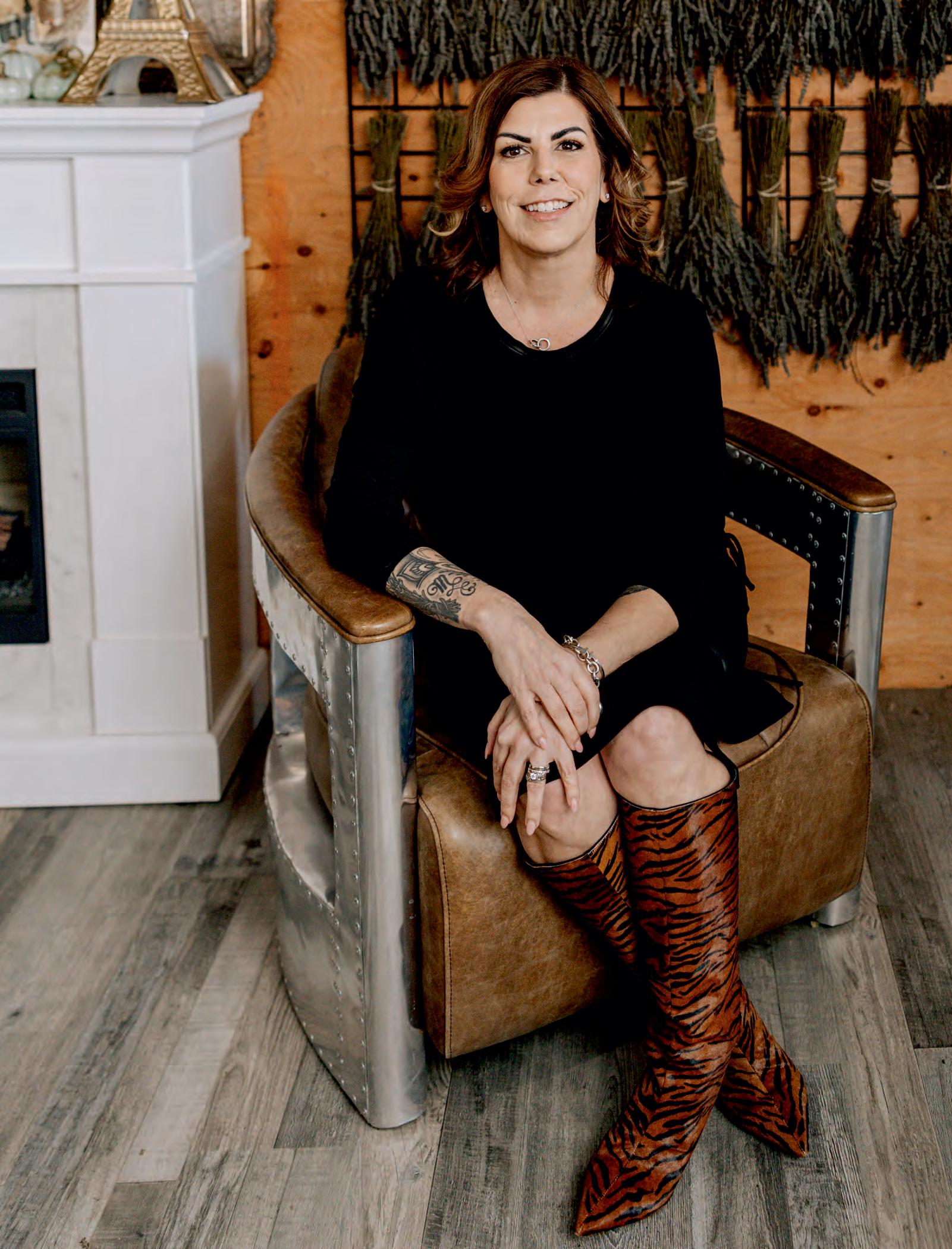
Hereward Farms



Some businesses are born from spreadsheets and
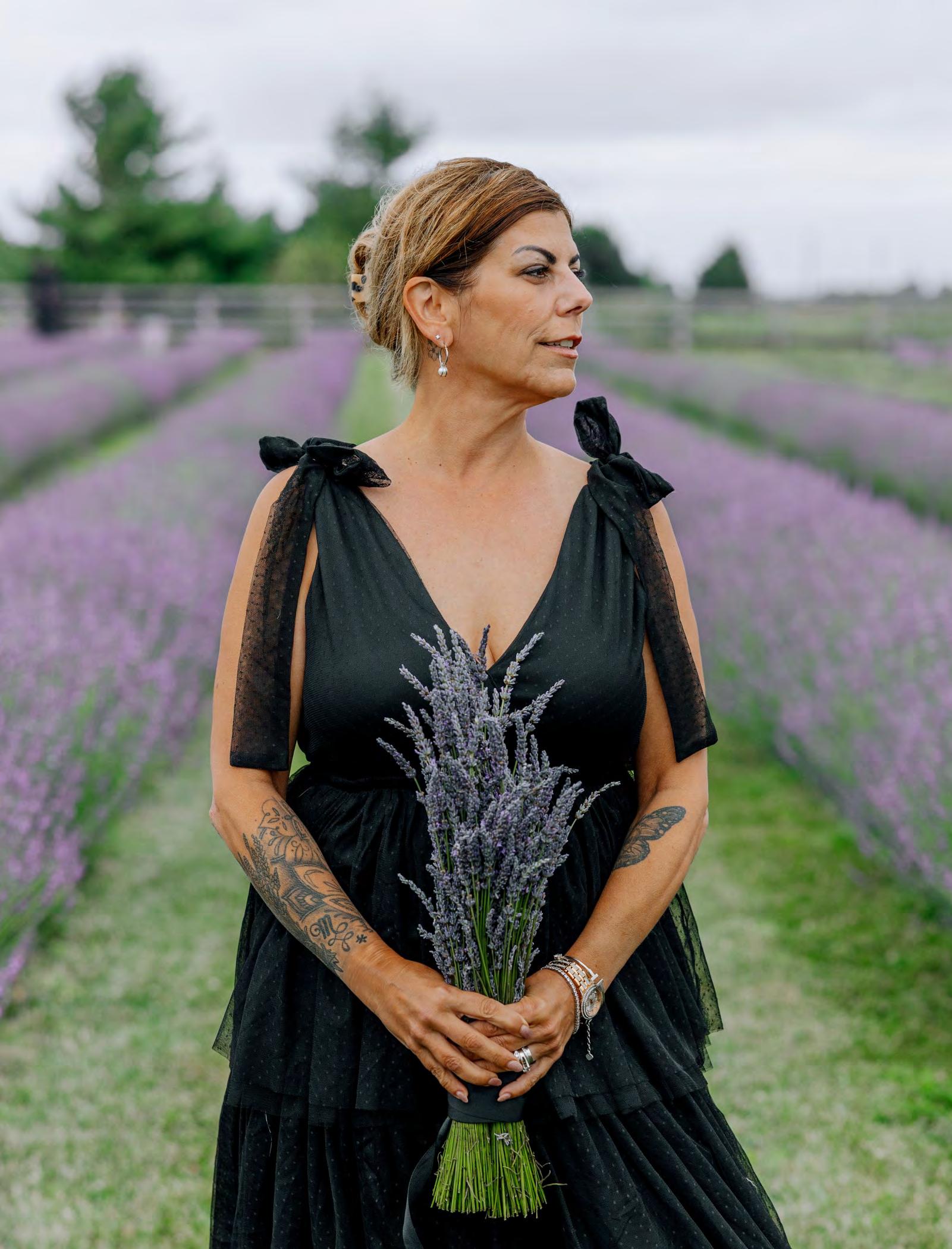
forecasts. Others begin with a quiet moment of curiosity. For Julie Thurgood-Burnett, the beginning of Hereward Farms came down to a single thought spoken aloud on her land in East Garafraxa, Ontario:
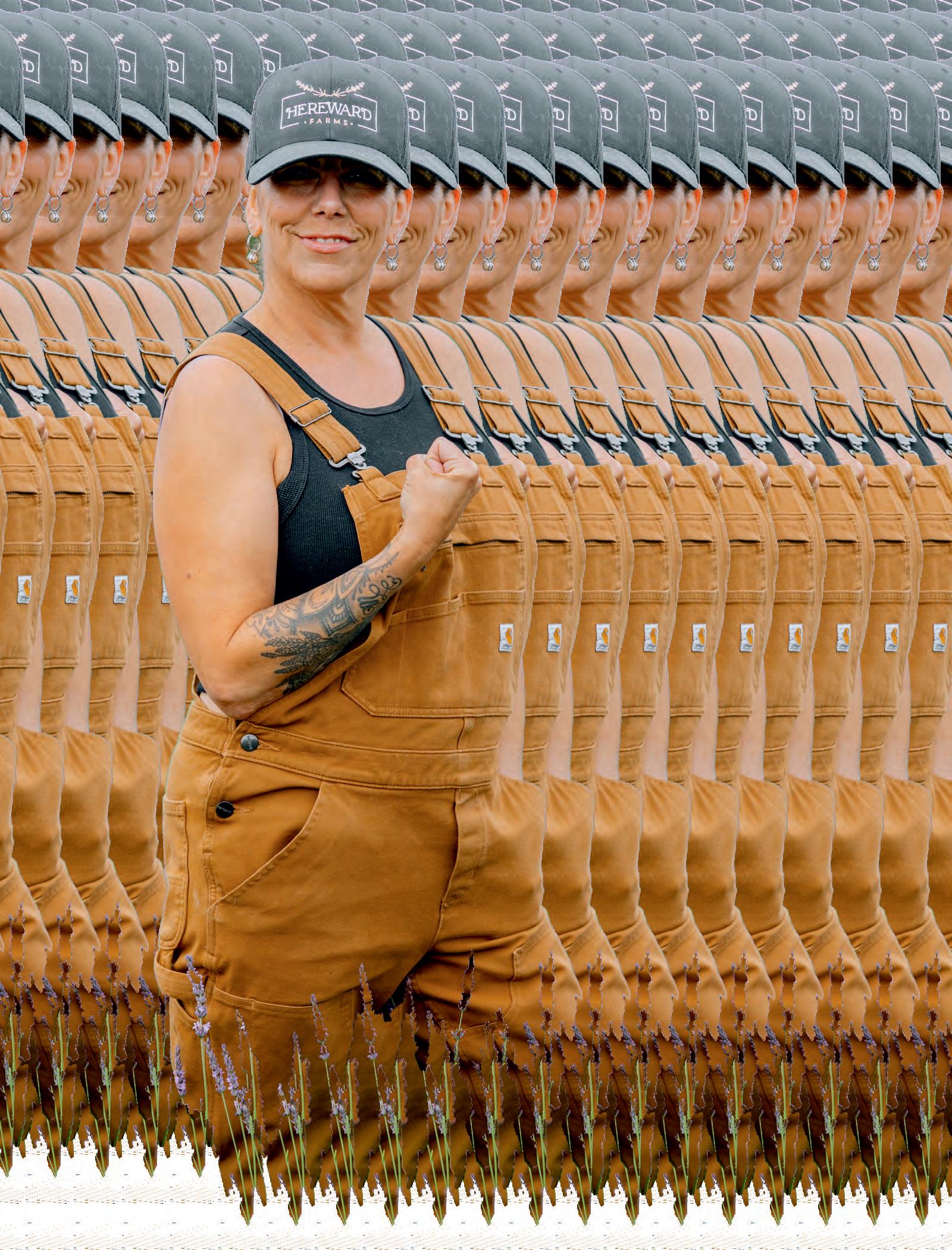
That question, asked without pressure or expectation, would go on to shape one ofCanada's most distinctive farmto-skin and farm-to-home brands. What started in 2020 as an experiment with just 40 lavender plants has since grown into a 250-acre working farm, home to more than 6,000 lavender plants, hundreds of thousands of sunflowers, and a full line of all-natural skincare and home products crafted entirely on-site.
Julie's journey is not just about farming. It is about listening to instinct, trusting curiosity, and building a business that feels as good as it looks.
BeforeJuliebecamesynonymous withlavenderieldsandcalm escapes,shewasirmlyplantedin theworldofmarketing.Strategy, branding,andstorytellingwere hertools.Sheunderstoodhowto builddesire,howtopositiona product,andhowtocreatetrust. However,somethingwasmissing.
“I'vealwaysbelievedinthepower ofnaturalproducts,”Juliesays. “Skincareandhomeessentials thatdidn'trelyonchemicalsbut insteadharnessedwhattheearth alreadygivesus.”
Whensheandherfamilystoodon theirlandinEastGarafraxa, surroundedbyopenieldsand possibility,theideaofHereward Farmshadnotyetfullyformed. Therewasnomasterplantoleave corporatelifebehind.Therewas onlycuriosityandawillingnessto try.
That willingness would change everything.
Planting40lavenderplantsisnot aboldbusinessmoveby conventionalstandards.ForJulie, thatwasthepoint.
“Therewasnoroadmapandoddly enough,thatwasliberating,”she relects.“Iwaslearning everythingasIwent.”
Theearlydayswereilledwith trial,error,andhands-on discovery.Learninghowtogrow
lavenderinOntario'sclimate. Understandingharvestcycles. Figuringouthowtodry,bundle, andpreserveitproperly. Explainingtovisitorswhy lavendermatteredintheirst place.
Juliewasnotchasingwhatother farmsweredoing.Shewasnot benchmarkinggrowthorracing towardscale.Shestayedirmlyin herownlane.
“Ifsomethingworks,itworks.Ifit doesn't,weadjustandmove forward,”sherecalls.“Uncertainty becamepartoftheprocess insteadofsomethingtofear.”
ThatmindsetallowedHereward Farmstogroworganically.Each decisionrespondedtowhatthe land,theplants,andthepeople wereaskingfornext.
Julie saw early on that Hereward Farms could offer something deeper than skincare or home goods – it could offer reconnection.
“People have become disconnected from where things come from,” she says. “Iwantedtosolvethat.”
The Lavender Lounge, Boutique, and Café became an extension of that vision. Openyear-round,itinvitesgueststoslow down, walk the fields, enjoy simple comforts, and breathe. It is not manufacturedcalm.Itisfelt.
Visitors come for the lavender and stay fortheatmosphere.Formany,itbecomes a ritual. A place to return to. And yes, as Julie adds with a smile, the butter tarts areworththedrive.
“We're not just selling lavender products,” she explains. “We're creating memories.”

Asinterestinthefarmgrew,so didarecurringquestionfrom visitorsandcustomers.
Sellingrawbundlesalonedid notfeelcomplete.Juliedidnot wantthelavendershenurtured tobecomedisconnectedfrom howitwasused.That realizationmarkedaturning point.
“Farm-to-skinandfarm-tohomebecameaphilosophy beforeitbecameabrand,”she explains.
Soonafter,HerewardFarms beganproducingall-natural skincareandhomeproducts usingonlythelavendergrown ontheirland.Oils,balms, soaps,andhomeessentials followed.Everyproductcarried atraceablestory.Julieknewthe soil.Sheknewtheharvest.She knewtheprocessbehindevery bottleandbar.
“Itclosedtheloop,”shesays. “Oncethatloopwasclosed, HerewardFarmsbecameabout trust.”
Atatimewhenmanybrands labelthemselvesnatural withoutfulltransparency,Julie choseclarityoverconvenience. Ingredientsare straightforward.Formulations arehonest.Trendsdonot overridevalues.
Hermarketingbackground playedacrucialrolehere.Julie understoodhoweasilytrust canbelostwhenbranding outpacesintegrity.
“Wedon'toverpromiseandwe don'thidebehindlanguage,” shesays.“Wefocusonclarity, consistency,andsubstance.”
Lavenderoftencomeswith preconceivednotions.Rustic. Traditional.Predictable.
HerewardFarmsisnoneof thosethings.
Juliebuiltabrandthatfeels groundedyetmodern,calmyet conident.Theresultsspeakfor themselves.HerewardFarms productsandstoryhavebeen featuredin Vogue, Vanity Fair, Elle Canada, The Globe and Mail, and the Toronto Star.
Thesefeaturesvalidatedwhat Juliealreadybelieved.Clean, Canadian,farm-grownbeauty couldbebothluxuriousand authentic.
Butrecognitionwasneverthe endgoal.Communitywas.
GrowthatHerewardFarmshas beenrapid,butneverreckless. From40lavenderplantsin 2020tomorethan6,000today, withplanstoaddanother
2,000plantsinspring2026, expansionhasfollowed intention.
Sunlowerswereaddedtothe ields,nownumberinginthe hundredsofthousands.New productlinescontinueto emerge.Thefarmnowspans 250acresofpurpose-driven land.
YetJulieremainsclearabout whatgrowthshouldnevercost.
“Expansionisexciting,butnot attheexpenseofsoul,”she says.
Sustainabilityisnota marketingphraseatHereward Farms.Nothinggoestowaste. Noteventhelavenderstems. Theoperationisdesignedto respectthelandasmuchasit beneitsfromit.
Being100percentCanadian, fromcultivationtoproduction, isapointofpride.Itreinforces transparencyand accountabilityineverystep.
Julieisnotjustafounderand CEO.Sheisalsoamother,a builder,andawomanwhohas navigatedbothtrialsand success.
“Balanceisn'tstatic,”shesays. “Itshiftsconstantly.”
Farminghastaughtherthat seasonschange,andsodo
priorities.Therearetimes whenthebusinessrequires moreofher,andtimeswhen familydoes.Insteadofforcing symmetry,shefocuseson presence.
“WhenI'mworking,I'mfully init.WhenI'mwithmy family,Iprotectthattime iercely.”
Herchildrenwitnessthe businessbeingbuilt.Theysee theresilience,theeffort,and thepridethatcomesfrom creatingsomething meaningful.ForJulie,that visibilitymatters.
“Leadershipdoesn'trequire perfection,”shesays.“It requiresintention.”
Julie'sstoryresonatesdeeply withwomenwhofeelapull towardsomethingdifferent yethesitatetoact.
“Youdon'thavetoleap,”she says.“Youjusthavetomove.”
Sheencouragescuriosityover certainty.Actionoverwaiting. Comparison,shebelieves,is thefastestwaytoloseyour ownpath.
“Conidencecomesafter action,notbeforeit,”she adds.“Followthecuriosity. Stayinyourlane.”
Permissionisnotrequired.
Neitherisexplanation.
WhenJulielookstothefuture, hervisionremainsgrounded.
HerewardFarmswill continuetogrow,but thoughtfully.Asabusiness,it willexpandproductlinesand experienceswithoutlosing integrity.Asaplace,itwill remainadestinationforcalm, connection,andauthenticity.
“Iwantpeopletoreturnhere toslowdown,”shesays.“To reconnectandbreathe.”
Atitscore,HerewardFarms willalwaysstandforchoosing better.Forhonoringtheland. Forcreatingsomething honestinaworldthatoften movestoofast.
Fromasinglequestioninthe soiltoabrandcelebrated acrossCanadaandbeyond, JulieThurgood-Burnetthas proventhatdreams,when tendedwithcare,cangrow wildly.


You don't have to leap, You just have to move.
leap, have










Ready to fuel your ambition and receive your dose of inspiration directly to your digital doorstep?
Subscribe to Exeleon Magazine today, and enjoy the following perks:
Convenience at Your Fingertips
Access each issue on your preferred digital device anytime, anywhere.
Dive deeper with bonus content, behind-the-scenes interviews, and special features reserved for our esteemed subscribers.
Community Connection
Join a network of likeminded individuals, share your story or interview, and be part of a thriving entrepreneurial community.

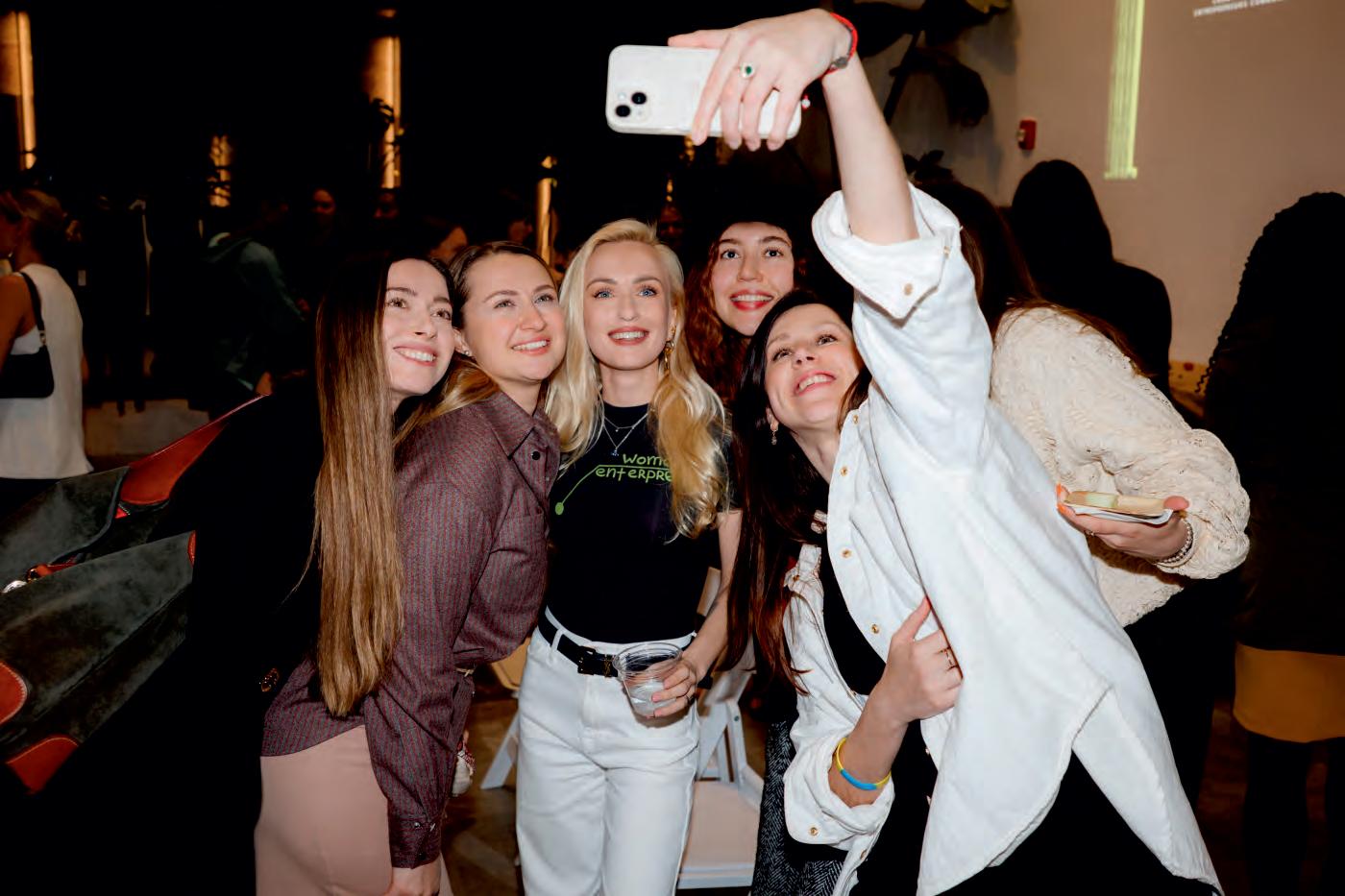
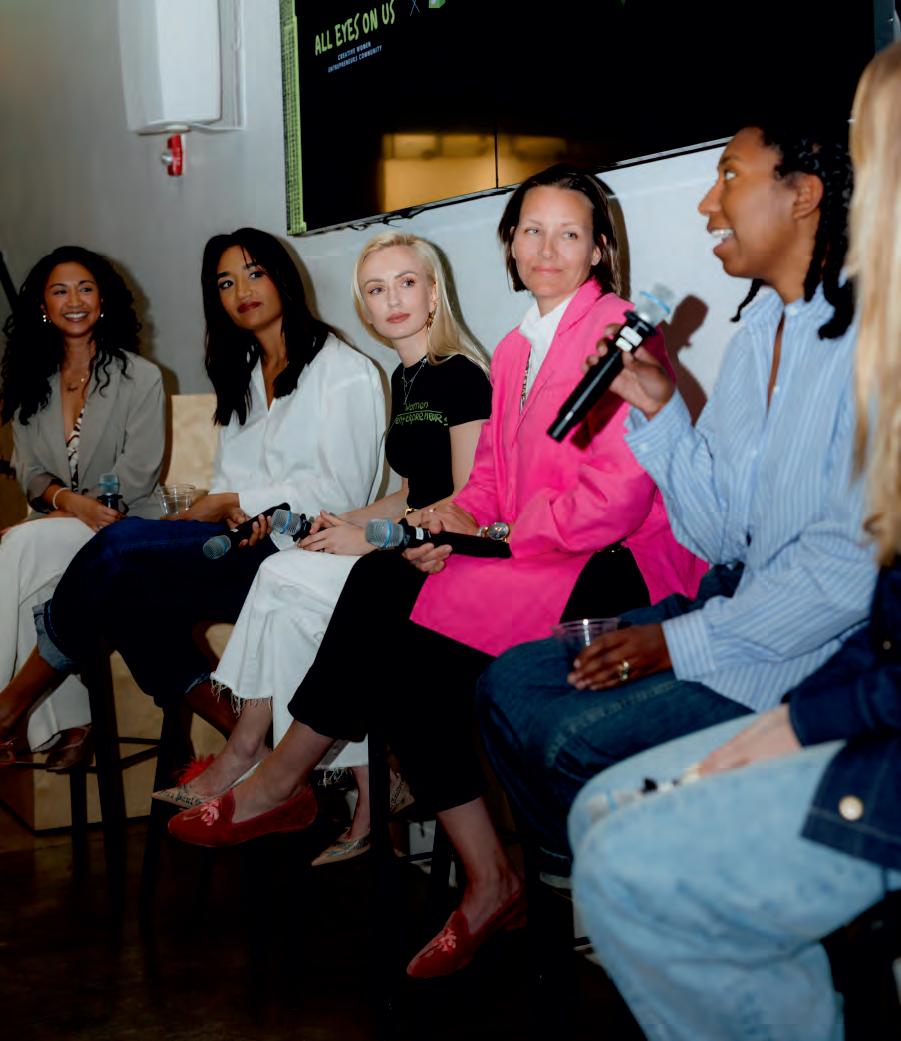
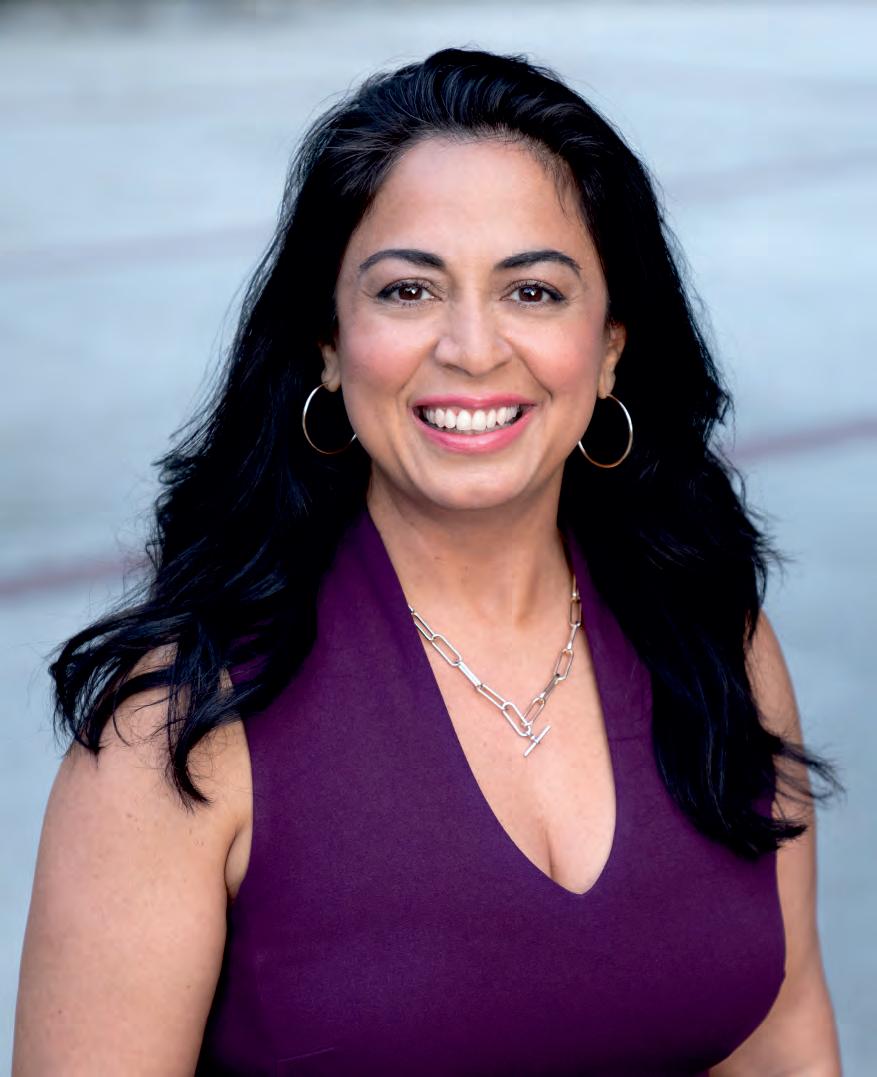
Building a brand today requires more than creativity or marketing expertise. It demands clarity of vision, strategic thinking, and the ability to understand people on a deeper level. Julia Kolodkina, Founder and CEO of Aliiiens and creator of the women entrepreneurs' community ALL EYES ON US, has built her career around these principles.
From starting her professional journey in Ukraine to leading brand strategy and growth initiatives across Europe and the United States, Julia has developed a distinctive perspective on leadership, branding, and entrepreneurship. Through Aliiiens, she works closely with founders to align brand strategy with long-term business growth, while ALL EYES ON US provides a supportive and honest community for ambitious women building companies and careers.
In this conversation with Exeleon Magazine, Julia reects on the experiences that shaped her leadership style, the philosophy behind Aliiiens' “Brand Venture Lab” model, and her vision for empowering both brands and women founders around the world.
You began your career in Ukraine and later built a global career across Europe and the U.S. Can you walk us through that journey and how it shaped the way you think about brands and leadership?
I started my career in Ukraine over a decade ago, in a very demanding environment. One of the biggest challenges was the extremely high level of competition. I was surrounded by intense workaholics and highly skilled professionals. At that time, I was younger and not always as condent as I am now, so learning how to communicate my value, not agree to less than I deserved, and stop underestimating myself became essential.


I was scared, but I did it anyway, and that, for me, is a very entrepreneurial mindset. Along the way, it became clear that you don't have to wait for something to happen. You can create opportunities yourself. What truly shaped me as a leader was the realization that responsibility, speed, and results matter more than titles. This became especially clear later while working in a large corporation in New York, where titles often mean very little. What really matters is who you are as a person, your level of professionalism, and your work ethic.
Now, as a founder, I see that people choose to work with me and my team
because of who I am, both personally and professionally. Most of our clients never ask about my past roles or titles. Instead, they pay attention to how I think, how I communicate, whether I keep my promises, and how I take responsibility. The same applies to my team.
After relocating to the U.S., you moved into senior strategy roles and eventually founded Aliiiens. What gap in the branding and growth space led you to start your own venture?
After working in senior strategy roles in the U.S., I kept seeing the same gap. Companies were usually getting
either beautiful branding or aggressive performance marketing, but rarely anything that was truly connected to growth or long-term brand thinking. I also saw how disconnected many branding agencies were from real business realities: revenue targets, fundraising timelines, and scaling teams.
Very few teams were able to align strategy and brand with execution that actually moved the business forward. Over time, it became clear that what founders really need is a deeper understanding of how to bring strategy, priorities, and implementation together without overcomplicating things.
That's exactly the gap Aliiiens was created to close. We share knowledge and frameworks, help clients build long-term strategic systems, and show them that marketing is a longterm investment if you know how to navigate it and make smart decisions about where to invest.
I also genuinely enjoy working directly with founders. Those conversations are always growthoriented, and that's where the strongest, often non-obvious insights are born. Quite often, clients fall back in love with their own businesses once they start seeing them from a new perspective. It's a deep, thoughtful, and very rewarding process on both sides.
Alongside Aliiiens, you founded ALL EYES ON US, a community for women entrepreneurs. What personal experiences made you realize this kind of space was needed?
ALL EYES ON US came from a very personal place. As a founder or a leader, you are rarely given permission to say “I don't know” or “this is hard.” Women are taught to be strong, condent, and successful, but very often we don't have a place or a community where we can be honest about what building something really looks like.
I felt that gap myself as an immigrant building from zero in a new country. I didn't want another “inspirational” community. Actually, the opposite of that. I wanted a place where incredibly capable, ambitious, and driven women could openly discuss leadership, money, growth, fear, and ambition. A place that provides both support and push.
I truly believe that ambitious women shouldn't build in isolation. And that's why ALL EYES ON US exists.
Aliiiens positions itself as a Brand Venture Lab rather than a traditional agency. What does that distinction mean in practice, and how does it change the outcomes for clients?
Calling Aliiiens a Brand Venture Lab reects how we actually work. In practice, it means we operate much closer to the business than a traditional agency. We're uent in both creative and venture language,
so our work goes beyond branding or campaigns. We get involved in unit economics, growth drivers, positioning, and long-term value creation, from early stages through scale and, eventually, exit.
This approach exists to close one of the biggest gaps in the agency model. Too often, agencies deliver ideas based on surface-level associations, or strategies that look good but don't affect revenue, can't scale, or only create short-term value. We don't work that way.
Instead, we act as long-term strategic

partners. For clients, this means brand decisions are directly connected to business outcomes. The result is not just stronger creative work, but brands that are built to grow, scale, and hold value over time.
One example is our client Mosaicist, a leading U.S. mosaic company with more than 25 years of experience creating bespoke mosaic work for pools, interiors, and large-scale architectural spaces. We recently led the company's rst rebrand in its 25year history. Following that, we are now developing a long-term strategy and implementation plan designed to support sustainable growth and, potentially, a future exit.
Before any potential exit, there is extensive foundational work required to build long-term value from the marketing side as well. For the founder, this company is a life project, and we approach that responsibility with seriousness and respect.
Your work blends bold brand strategy with AI-powered content and next-generation growth solutions. How do you ensure technology enhances creativity rather than replacing human connection?
I'm actually very deliberate about this, maybe even strict. I don't let technology decide what we say, only how quickly we can get there. The substance always has to come from people.
In our team, each project starts with a brainstorm. We share the craziest ideas, ask uncomfortable questions, and dig into the core of the business. Why this company exists, what it's afraid of, where it's performing instead of being honest, and where its real strength actually is. AI here is just a tool that helps us move faster. It supports us in analyzing the brainstorm, structuring insights, and drawing conclusions.
It makes our lives much easier by helping us test directions, explore formats, scale content, and take repetitive work off the table. The rest is on us. Otherwise everything starts to feel fake.
For me, creativity is a combination of courage, intuition, and life experience, something that resonates with people on a much deeper level. People always feel when something is supercial, and that's where trust disappears. As a brand builder, I know that trust and reputation are what drive long-term growth.
Emotional intelligence is central to your philosophy. Why do you believe it is becoming one of the most critical skills for leaders and brands today?
We live in a time where people are overwhelmed and skeptical because they are constantly ltering noise. Attention is fragile and trust becomes expensive. This is where emotional intelligence becomes a game changer. To make someone actually hear your message, you need to know how to read the room, when to push and when to pause, understand timing, and respond in a way that feels human.
Emotionally intelligent leaders also stand out by treating their teams properly. Your people need to feel seen and respected while executing your vision or strategy. When I notice someone who looks tired or overwhelmed, I often give a genuine compliment. Even small moments of human connection can be very powerful. Making that part of leadership matters.
For brands, emotional intelligence means understanding what your audience is actually feeling. I've noticed another shift: marketers increasingly ask AI for answers based on the data it already has but often forget to ask real people.
AI works with structured data, patterns, and past information. What it doesn't fully capture is the space between what people say and what they actually mean, the emotions and raw comments. That human layer is where the most important insights live. And that's exactly why emotional intelligence matters more than ever.
When you look ahead, what is your long-term vision for Aliiiens and ALL EYES ON US, and what kind of impact do you hope to leave on brands and women founders globally?
Long term, I see Aliiiens continuing in the role of being a partner to founders who are building
sustainable companies. We are known for being honest, reliable, and direct, even when the truth is uncomfortable. This is the feedback we hear most consistently from our clients, and it's what they value the most. My priority is to make sure Aliiiens continues to work this way as we grow.
I also want Aliiiens to be known for helping companies think bigger, move braver, and build real value from the inside out. Brands that come out of our work should be clearer, stronger, and harder to replace because they're not built on trends.
With ALL EYES ON US, I want it to be a space that changes how women experience ambition, with more honesty, condence, and ownership. I want to provide a place where women experience less loneliness and less pressure to t into someone else's vision of success.
If there's one impact I hope to leave, it's this: that brands stop chasing attention and start building meaning, and that women founders stop shrinking or over-explaining their ambition. I want both brands and women to feel more grounded in who they are and more fearless about where they're going.
Powerful concepts that will change how you lead, decide, and think—each in the time it takes to drink your coffee.

You've invested 5 years in a failing relationship, 10 years in a declining industry, $50K in a doomed venture. Logic says quit. Emotion says 'But I've invested so much!' This is the sunk cost fallacy—making decisions based on past investments rather than future value. Blockbuster kept investing in stores. Kodak kept investing in film. Your past investment is gone regardless. Only question: What maximizes future returns?
KEY METRIC
INSTANT TAKEAWAY
Ask 'If I were starting today, would I choose this?' not 'How much have I already invested?’

Economist Joseph Schumpeter's insight: Capitalism doesn't just build—it destroys. Every iPhone kills a Nokia. Every Netflix kills a Blockbuster. Every Tesla threatens a GM. This 'creative destruction' is the engine of progress but brutal for incumbents. The average company lifespan has dropped from 67 years (1920s) to 15 years (2020s). You're either disrupting or being disrupted. There's no standing still.
KEY METRIC
INSTANT TAKEAWAY
Disrupt yourself before someone else does. Build the thing that could kill your current business.

Red oceans are bloody competitive markets—everyone fighting over the same customers. Blue oceans are uncontested market spaces you create. Cirque du Soleil didn't compete with other circuses—eliminated animals, added theater, charged premium prices, created new category. Nintendo Wii didn't compete on graphics—targeted non-gamers with motion controls. Stop fighting in red oceans. Create blue ones.
KEY METRIC
INSTANT TAKEAWAY
Don't ask 'How do I beat competitors?' Ask 'How do I make competition irrelevant?’

'Institutions will try to preserve the problem to which they are the solution.' Police departments need crime. Hospitals need sickness. Consulting firms need confused clients. Not maliciously—it's structural. The organization's survival depends on the problem existing. This explains why 'solutions' often don't solve. Weight loss industry makes $72B while obesity rises. Check if your business model requires customers to keep failing.
KEY METRIC
INSTANT TAKEAWAY

Your incentives might be misaligned with your mission. Are you solving problems or farming them? MENTAL
Warren Buffett's rule: Stay inside your circle of competence. He understands insurance and consumer goods—made billions. Doesn't understand tech—avoided it for decades. Most failures come from operating outside your circle but not knowing it. The danger isn't what you don't know—it's what you think you know but don't. Expanding your circle is fine. Just know exactly where the boundary is.
KEY METRIC
INSTANT TAKEAWAY
Draw your circle of competence explicitly. Huge opportunities exist inside. Huge risks exist outside.

WWII: Military studied planes returning from combat, wanted to armor where bullet holes clustered. Statistician Abraham Wald said 'No—armor where there are NO holes.' Why? Planes hit in those spots didn't return. You only see survivors. Same with business: You study successful startups, ignore the 90% that failed. Read successful founders, not failed ones. Your sample is biased. The lessons might be exactly wrong.
INSTANT TAKEAWAY
KEY METRIC
Study failures as much as successes. The graveyard contains more lessons than the winner's circle.
Written by Paige Arnof-Fenn
In an AI-dominated marketplace, having
a strong brand today is essential for survival. You do not exist if you cannot be found online. Algorithms are deciding which businesses get noticed. Organizations without name recognition will be left behind as AI becomes the gatekeeper to consumer choices.
Now is the time to focus on brand building before this shift accelerates. As AI systems increasingly make autonomous decisions, your brand will become your most valuable asset, so creating a narrative around your brand must be a priority in a digital world.
If we learned anything during Covid, it is that your online presence is only growing in importance. I believe everyone is a brand today, not just LeBron James, Beyoncé, Serena Williams, and Taylor Swift.
Being invisible online is a terrible strategy, and if you do not brand yourself, others will brand you instead. Having a brand is what helps you stand out from all the noise and competition. Without a brand, you are a commodity and therefore compete on price.
You cannot be everywhere all the time, so choose high-impact activities that work for you and play to your strengths. The key is to pick your platform. It does not matter which ones you choose, just pick one or two that are authentic to you. They should look and sound like you and the brand you have built.
Whether your style is polished or informal, chatty or academic, humorous or snarky, your brand allows your personality to come through.
I believe people need to be on LinkedIn so they can be found easily. It adds credibility and transparency when the people you are meeting or working with know you have connections in
common. LinkedIn has become more than an online resume or rolodex. It is now the foundation for building trusted relationships in the digital economy.
You do not need to blog or be active on every social media platform, but you should be active on the ones where you are present. If your audience does not use Facebook, Twitter/X, or Instagram to nd you, then you do not need to make them a priority. For many professional service businesses like mine, leveraging LinkedIn matters the most.
Another reason startups and SMBs fail, in my experience, comes down to weak or nonexistent market research. Research is not about what you or your friends and family like. It is about your target audience and what motivates them to purchase.
As a small business owner, you have to be scrappy and move fast with a limited budget. Surveys can collect data on habits and behaviors, while focus groups allow you to probe deeper and test assumptions.
When real customers are willing to pay real money for your product or service, you have a real business.
Start with the basics. Who are
you, and why should anyone care? If you are not passionate about what you are doing, why should anyone else be?
There is a lot of noise in every category. If you do not have a unique story to tell or a new approach or idea that excites people, it is worth stopping and reassessing. Every great business is built on a great story, so start telling yours to potential customers and see if they buy what you are selling.
My advice is simple. Market research and testing should always be done with real customers, not with family and friends who may only tell you what they think you want to hear.
Make sure your website is keyword rich, mobile friendly, loads quickly, and produces
meaningful content. Today, that is the price of entry.
When I started my business 24 years ago, failure was never a consideration, despite the fact that most startups fail. There is no substitute for doing your homework so you can be prepared when opportunity appears.
The important thing is to keep moving forward and learn from every experience. You cannot wait for the perfect time to launch. You have to course correct as you receive feedback along the way. Being an entrepreneur means making decisions without perfect information. Get used to it, or nd another career path.
Paige Arnof-Fenn is the Founder & CEO of global branding and digital marketing rm Mavens & Moguls based in Cambridge, MA. Her clients include Microsoft, Virgin, The New York Times Company, Colgate, venture-backed startups as well as non prot organizations. She graduated from Stanford University and Harvard Business School. Paige serves on several Boards, is a popular speaker and columnist who has written for Entrepreneur and Forbes.


Written By Dani Peleva, Founder and CEO, Franchise Fame
The phrase “the customer is king” has become a mantra for businesses. Treating customers well assures loyalty, repeat sales, and word-of-mouth referrals, among other benets. But this requires strong customer service teams.
What used to be human-only support in the recent past is rapidly switching to articial intelligence or AI-driven engagement. While many think of AI as a major cost-saving measure, the truth is that introducing it in your customer service offering is about enhancing customer satisfaction.
That's why I believe that early AI adopters will give businesses a competitive advantage. In short, I see it as both a disruptor and an enabler in enhancing the customer experience. Below, I elaborate on the reasons why.
AI has many applications and it is starting to be adopted in the customer service setting by many businesses, which I see as innovators. What's happening with AI is that it is quickly evolving from rule-based bots to conversational AI powered by natural language processing (NLP).
In practice, this refers to chatbots and voice agents that are becoming the rst line of transformation. Traditional
customer support is being replaced with AI agents. This is highly benecial for businesses for many reasons, some of which are 24/7 availability, reduced costs, instant responses, and others.
Yes, there are limitations and ongoing improvements required, such as deciphering and interpreting tone, empathy, and accuracy. However, with the right balance between automation and escalation to human agents for complex or emotional cases, AI does a fantastic job.
AI-powered assistants can also help with personalization by learning from your customer relationship management (CRM) platform and your customer data. For example, it can leverage past orders, buying habits, and interactions on your ecommerce website to create curated recommendations, reminders, and take advantage of upselling opportunities.
Overall, AI can shorten and ease the path to purchase. It can do this through dynamic personalization as well.
In practice, this means that AI can change offers or website layouts in real time based on customer behavior. Additionally, it offers cross-channel personalization by integrating recommendations across email, apps, websites, and voice.
The Future of AI-Powered Journeys: Convenience at Scale
I already mentioned shortened user journeys but this is a point that I think needs a bit more attention.
AI has the power to eliminate friction with one-click reorders and predictive shopping lists. And if you thought voice or chat-based reordering was something futuristic, think again. It's actually becoming the norm.
Another aspect to consider is its ability to offer an anticipatory service.From reactive to proactive, AI can suggest what customers need before they ask.
The implications of this for loyalty and retention are huge. AI can help reduce decision fatigue for consumers by narrowing down their options. Plus, it offers opportunities to upsell and crosssell more naturally.
Beyond Customer Service: AI as a Personal Assistant
Beyond customer service, AI is also being adopted by consumers themselves. Daily applications range from booking restaurants, concert tickets, and travel to integration with calendars, health apps, and smart home ecosystems.
As such, AI is moving from being a support tool to a lifestyle companion. As trust and adoption increase, we are noting a shift in consumer behavior. Users are becoming comfortable giving AI
agents credit card access, despite the typical security and ethical considerations.
Also, the increased reliance on AI now spansimportant aspects such as decision-making beyond convenience (such as career advice, nancial planning, etc).
As both businesses and consumers adopt and become more comfortable with AI, changes are bound to occur. When it comes to customers, companies are likely to see heightened levels of consumer impatience as instant personalization requires speed and relevance.
As a result, businesses that lag behind risk losing customers rapidly. This scenario gives companies an important choice to make: it's either adopt AI or die.
This reality may be scary but when business survival is at stake, the decision should be a nobrainer: act now to gain a competitive edge through innovation as the bar becomes raised for all industries.
And one last comment on this point that relates to the psychological shift taking place. Customers are increasingly viewing companies as “intelligent” entities, not as faceless organizations. This means that personalization, innovation, speed, and efciency will be crucial.
•Stronger customer loyalty
•Data-driven growth and efciency
•Brand differentiation through personalized journeys Challenges
•Data privacy concerns
•Costs of AI adoption and integration
•Balancing automation with the human touch
•Regulatory challenges (GDPR, AI Act, and data security compliance)
•Risk of over-automation leading to depersonalization
•The need for continuous AI training to stay relevant as consumer behavior evolves
As AI becomes a standard part of business life, it offers opportunities that will naturally be accompanied by challenges. Here's a quick snapshot of what to expect:
Five Years from Now: The Next Era of AI-Powered CX
What do I foresee over the next ve years? Here are some of my predictions:
• Hyper-personalization as the standard: AI will be predicting not only what customers want, but when and why. For example, AI will curate entire shopping baskets, holidays, or wellness programs.
• Seamless cross-platform integration: AI agents will start syncing across devices, platforms, and services to manage daily life. This can result in a unied “AI concierge” for everything from shopping to healthcare.
• Customer patience near zero: Waiting times or irrelevant offers will be unacceptable.
“Personalization-rst” will become the baseline expectation.
• Business ecosystem transformation: Industries will be restructured around AI adoption. Companies failing to adapt will disappear or be acquired by AI-rst competitors.
As a nal comment, I expect AI to reach some level of emotional
intelligence with assistants capable of recognizing and responding to customer mood and tone. I also expect the rise of “AI-rst” brands born without traditional customer service teams, built entirely around predictive technology.
To recap my key points, what I foresee in the near future includes the rise of AI chatbots, personalization, shortened journeys, PA-like assistants, and rising customer expectations.
Without adapting to AI, some businesses risk extinction. That's why AI adoption is imperative.
Use it as not just a tool but the foundation of the next generation of your customers' experience.
It's the only way your business can thrive in such a competitive marketplace.


Sasha Lund
Embarking on a journey driven by a profound dedication to legacy building, Sasha Lund has emerged as a prominent figure in the realm of family business and business family advice. With a passion that stems from both her family heritage and future ambitions, Sasha, recognized as an award-winning, Forbes-featured international business leader, keynote speaker, and serial entrepreneur, has charted her own path with the establishment of Core Values Consulting.
Through this venture, Sasha oers unparalleled expertise, guiding multi-generational High Net Worth Individuals (HNWI) families in navigating crucial aspects such as succession planning, family governance, and the preservation of their family legacies.
In this exclusive interview, we delve into the unparalleled insights and experiences of Sasha Lund, uncovering the guiding principles behind her success and her unwavering commitment to securing healthy generational continuity and longevity for her clients.
What according to you makes one a visionary leader? How do you integrate the same thought into your leadership?
Ihaveoftenobservedleadershipgoingsideways.The visionhasbeenthere,buttheexecutionhasbeenpoorto non-existent.Resultsareoftendevastating,startingwith employeesleavingorbeingmadetoleave.
Havingavisionisfarfromenoughwhenrunningateam,a companyoranytypeoforganization.Itis–ofcourse–the irststep.Keepyoureyesontheprize,sotospeak. However,foravisionaryleadertodowhatsheneedsto dosuccessfully,namelyto lead, Ibelievethesecretsauce isacombinationofgrit,collaborationandmost importantly–creatingahealthycompanyculture.
PeterDruckersaidthat“cultureeatsstrategyfor breakfast”.Icouldn'tagreemore.Foravisiontobe executedsuccessfully,aleaderneedstotakeontheroleof ashipcaptain,meaningthattheentireleetneedsto knowwhatthedestinationis,wherethereareheading, andthattheweatherwillbeunpredictableattimes. However,everyonehasaroletoplayfortheshiptoreach itsdestinationsafelyandsuccessfully.Hence,engaging employees,understandingtheirstrengthsandplayto them,aswellastreatthemashumanbeings, that isreally whatvisionaryleadershipisabout.
Formepeoplealwayscomeirst.Itdoesnotmeanthat therearenochallengesorthateverybodyishappy24/7. However,ifyoucreateatrustedenvironmentinwhich peoplefeelthattheyareheardandrespected,theyare muchmorewillingtofacechallengestogetherwithyou andwilloftengotheextramilethatisrequired,knowing thatitisbothappreciatedandwon'tgounnoticed.
Talk to us about your growing up years. What is your earliest memory as a leader / entrepreneur that you can remember?
Growingupformewasquitedifferentfrommypeers.I amhalfSwedish,halfRussianandthroughlife circumstancesendeduplivinginBerlin,Germanyfrom
theageof11,whereIoftenhad stretchesofafewweekswithout adultsupervision.Thisledtome takingonaleadershiprolevery earlyon–leadingmyselfto adulthood.Ihavealwaysbeen incrediblycreative,whichIbelieve isacoretraitofanyentrepreneur.
Assuch,beforeIturned12,Iwrote acritiqueofamoviethatwasbeing shownattheInternationalFilm Festival Berlinale andsentitto them,resultingmebeinginvitedas ajurymemberforthechildren's sectionofthesecondbiggestilm festivalthefollowingyear.From thenonwards,Ibecamepartofthe ilmfestival,whilebeinginschool, doinghomework,takingonleading partsintheatreproductionsand playingviolin–allinalanguageI barelyspoke.Althoughthatwas challenging,thischallengeiswhat helpedmegrowacuriositymindset –aboutlanguages,culturesand people.Italsohelpedmerealize thathardworkdoespayoff–eventually.Andyes,youwillfail.A gazilliontimes.Butthatisok.
What prompted your interest and subsequently your foray into the legacy building space?
Havingbeenraisedinaverymulticulturalfamilywithstrongrootsin theilmandentertainment community,Iwasalwaysaround peoplewho“werebuilding something”.Legacyisaninteresting word–formeithasbothpositive andnegativeconnotations.Ihave workedwithpeoplewhobuild empiresforpureproit.Theydonot buildalegacywiththemindsetand thoughtofleavinganythingbehind fortheirfamiliesnecessarily,but
rathertoberememberedfortheir greatness–evenifitcoststhem theirrelationships.Havingsaid that,therearealsobeautiful stories:globalfamiliesthatIwork withwhohaveindeedbuilt empires,madetheirwealthbut wanttoleavebehindsomething thatwillhelpmaketheworlda betterplace.Ascliché asthat sounds,Ibelievethatiswhatthe worldneedsmoreof–especiallyin thecurrentpost-pandemicclimate. Moneymakestheworldgoround soletushelplegacyfamiliesbuild healthyempires.IlovewhenIhear storiesoffamilybusinesseswhere, say,thefamily'slawyerhasbeen withthefamilyforyearsandthen thelawyer'ssonjoins.Twolegacies workingsidebysideandhandin hand.Isn'tthatbeautiful?
Talk to us about Core Value Consulting. What is the approach / process followed by you to ensure optimal client satisfaction?
Firstofall,IdonotrefertopeopleI workwithasmyclients.Inmyline ofwork,itisincrediblyimportant tounderstandeachperson'sneeds andwants.Beingabletothen integratethoseintothefamily's overallvisionandmissionaswell asthebusinessgoalsiswhatmakes itbothchallengingbutalso incrediblystimulatingand interesting.Thecompanyiscalled Core Values forareason–Iama irmbelieverthatifyoudon'tstay truetoyourowncorevalues,you willnotsucceedatanythinginlife–professionallyorpersonally.
Ouraimistoguidemultigenerationalfamilybusinesses,as
wellasHNWIsfromthesportsand entertainmentworldontheirpath tosecuringhealthygenerational continuityandlongevity.Whatdoes thatmean?Buildingabusinessor accumulatingwealthishard enoughandrequiresavision,grit andteamoftrustedcompanions. However,growingthisandthen enablingthenextgenerationtotake oversuccessfully,isadifferent animalentirely.Especiallywhen familymembersareinvolved.
Formemyultimategoalisalways clientsatisfaction.Buthowdoyou measureandachievethatwhen workingwithseveralmembers fromthesamefamily?Formeit boilsdowntooneword: trust
Buildingtrustisalengthyprocess, butonethatisnecessary.Because onlyoncetrustisestablished,can youreallygetdowntotherootof manyproblemsthatareoften maskedbyother–quiteirrelevant –factors.Andintheendoftheday, weallwanttohealtheworldrather thanjustputtingalittlebandaidon it.Or–evenbetter:stopthewound fromformingentirely.
Being an award-winning business leader, keynote speaker, serial entrepreneur, and philanthropist, how do you ensure work-life balance?
Thisoneisinteresting…
Beinganentrepreneurmeansthat mymindisconstantlyspinning.IfI amnotwithoneofthefamiliesI serve,givingaspeechorrecording apodcast,mymindisoccupied withwritingdownnewideas, improvementsofexistingprocesses
orsimplyjottingdownthoughts.I amairmbelieverindisconnecting, especiallyfromtechdevices,such aslaptops,phonesandtablets. Havingsaidthat,Iverymuch dislikethetermwork-lifebalance.
Beinginthefortunatepositionof havingmyowncompanyofcourse comeswithplentyofbeneits,such asdecidingwhenIgoonvacation, takingasickdayorsleepingin sometimes.However,Ilovethe workIdoandassuchmymindis constantlypercolating,mostlywith excitement.Andbecauseworkis suchanintegralparttomylife,Ido notlikeseparatingthetwo.
Havingsaidthat,itisvitaltotake properbreaksandIthinkespecially whenyouworkinafast-passed environmentandhaveastimulating anddemandingjob,itusuallytakes awhileuntilyouareactuallyableto disconnect.Hence,Itendto encouragepeopletotaketwo weeksoffatonce.Forme,usually theirstweekisneededtoslow downandonlythenamIableto really“letgo”.HowdoIknow?My bodytellsme.Itoftentakesaweek untilIrealizehowtenseIhave been.
Myadvicetopeoplewouldbeto listenmoretotheirbodies.Doing mindfulnessexercisesonadailyor evenweeklybasis,coupledwith physicalexerciseandevensimplya coffeewithafriendcanhelpyou centeryourselfandrelax.
As a global leader, what would be your advice for women entrepreneurs trying to spread their wings at a global scale?
Attheriskofsayingsomething unpopular,Ihaveoftenobserved thatoneofthebiggestbarriersfor womenisotherwomen.Weat timescreateunnecessary competition,ratherthansupporting eachother.Surroundingyourself withafewchampions,whowill
haveyourback,helpyougrow,give youadviceandbeyourbiggestfan isofcourseeasiersaidthandone, butitreallydoeswork.
WhenIstartedout,Iunfortunately hadabosswhowasholdingme back.Sheevenwasboldenoughto

tellmethatshefeelsthreatenedbyme. So,Ileft.Andthatwasnotaneasy decision.However,alongthewayIfound mymentor,whomIlovetobitsandwho hasbeenahugesupporteranda fantasticadvisor(thankyou,Gregg!): bothonpersonalandprofessional matters.Now,heisaman,anditis alwaysgreattohavethesupportofany human,regardlessoftheirsex.
Havingsaidthat,whenIwasfortunate enoughtomeetmyirstcoupleoffemale rolemodels,whostartedguidingmeand alsoofferingmeopportunities,Irealized howIsomehowfeltapowerfromwithin methatIdidnotknowIhad.Having womensupportingotherwomenistruly magicalandinvaluable.
What does the future look like for Core Value Consulting? What are you most excited about?
Ilovechallengingmyselfbyworking withfamilieswithdiversesetsof dificultiesaswellasdifferentcultural backgrounds.Itexcitesmetohelp individualsandbusinesseswhilealso learningabouttheirculture–beittheir familycultureorthecultureofthe countrytheyarein.
Asforwhat'snext,Iamworkingona projectwithawomanIconsiderbrilliant onsomethingthatmightbe“thenextbig thing”forwomenacrosstheglobe.But you'llhavetowaittolearnmoreabout it…



One Book Entrepreneurs Must Read – War and Peace by Leo Tolstoy. Why? It encompasses a wide range of human experience and emotions. As an entrepreneur you need to be able to put yourself into other people's shoes while dealing with your own challenges.
One Tool / App that Everyone Should Use –Waking Up by Sam Harris (for mindfulness) and Masterclass (for learning pretty much anything you want)
One Podcast / Course that you would Recommend – My own: Legacy Talks with Sasha Lund, as well as Psycho, Schizo, Espresso with Bruce Dickinson
One Quote that Motivates you the Most –“If everything around seems dark, look again, you might be the light” - Rumi
One Investment Advice that you Follow –Trust your gut.
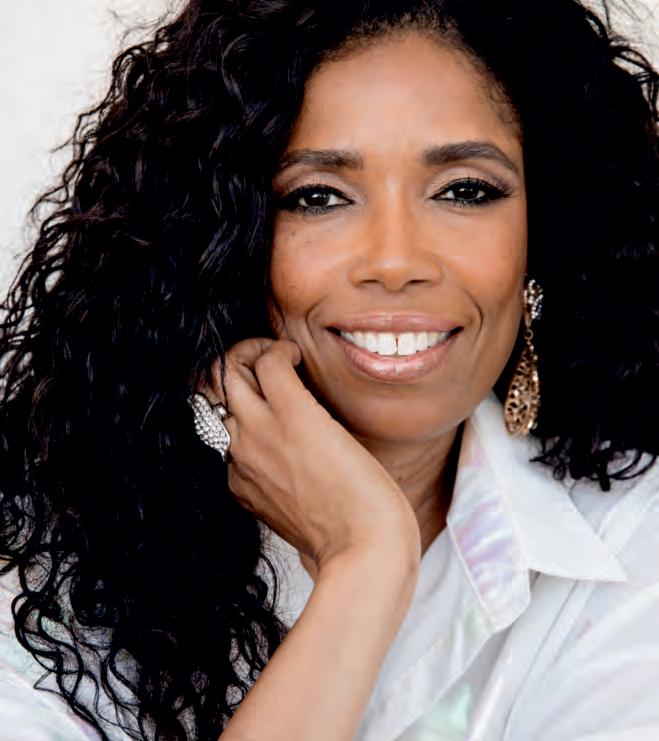
Do Your Company’s Hiring Practices (Still) Exclude Women?

Written By Areva Martin, Esq.
Diversity and inclusion statements are the avor of the week, particularly for companies looking to showcase their commitment to workplace equity. But the reality is—despite decades of promises in response to well-deserved scrutiny—the world's leading brands continue to fall far short of building diverse, inclusive workplaces. In fact, of all Fortune 500 companies, 55 are currently led by women, representing about 11% of the list, the highest number recorded so far.
How do your own company's hiring practices measure up? Asking these three simple questions will help you gauge if you're truly working toward a more equitable work environment, or if your hiring practices are simply lip service.
1. What percentage of your senior leadership roles are held by women?
Lean In and McKinsey and Company's Women in the Workplace research continues to highlight persistent gaps in corporate leadership. The most recent ndings show that for every 100 men promoted to manager, only about 93 women receive the same promotion, and the gap is even wider for women of color.
I recently had the occasion to look at the website of a rm I worked for as a summer associate back in law school. My class of associates included some of the most talented women and people of color I'd ever encountered. But when I look at the rm's leadership page today, it appears exactly as it did 30 years ago, with white men claiming all senior partner positions.
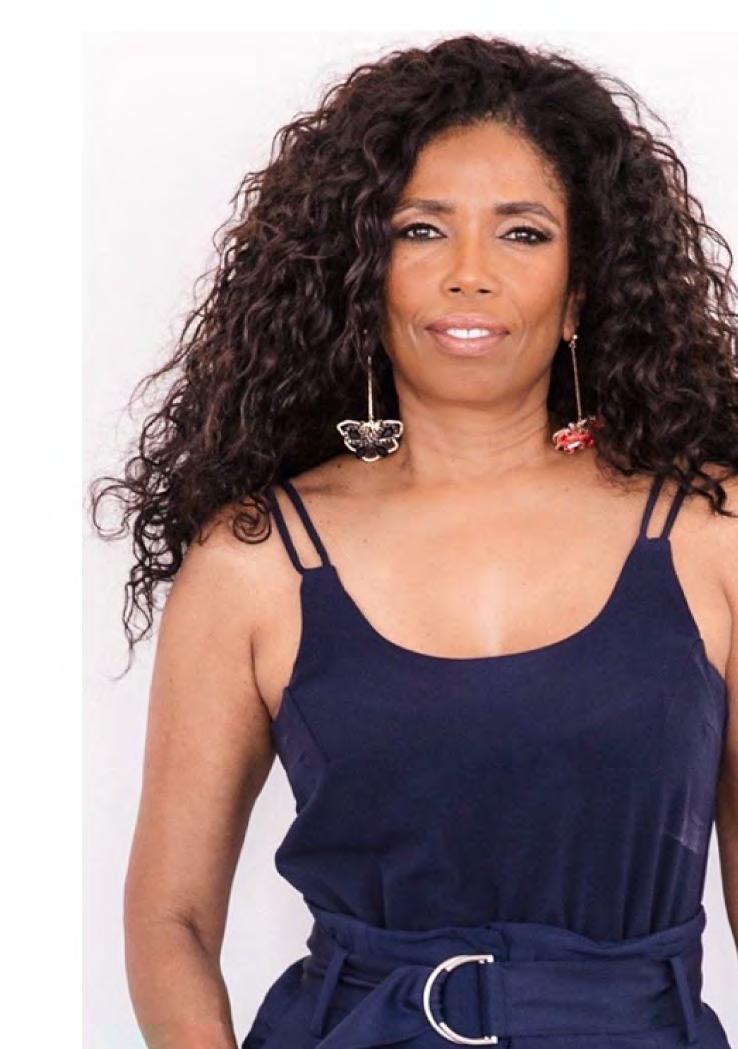

2. Is women's pay equal to that of their male counterparts?
Even among highly educated professionals, compensation gaps persist. Recent research from the Forté Foundation shows that women experience an average 52% salary increase after earning an MBA, while men see an average increase of about 73%, widening earnings differences over time.
A woman I interviewed for my book, Awakening: Ladies, Leadership, and the Lies We've Been Told, shared a story of how thrilled she was to nally earn a long-awaited promotion—and how devastated she was to discover that not only was she offered far lower pay than a man serving in an equivalent position, but that she'd also been underpaid throughout her career with the company. She fought for a fair compensation package but ultimately left the organization, feeling she'd been exploited beyond repair.
3. Do company leadership positions come with true power?
All too often, the “real” decision-making is funneled to men at the top, with female leaders relegated to the sidelines. Meanwhile, these same women are weighed down by extraordinary pressures their male peers don't face, including the pressure to be the face of inclusion while proving themselves above and beyond what's expected of their male counterparts.
Earlier this year, I participated in a highprole conference for a leading global organization. The person who brought me on, a Black woman, had recently been promoted to her organization's director of talent. I quickly felt tremendous pressure from her regarding my performance, even though I have a long and successful track record of presenting to similar audiences.
I soon learned that she was passing on the
stress she was feeling herself. She was struggling under the unbearable weight of impossible expectations and the fear that even a minor misstep could derail her career.
This personal anecdote is echoed in the stories of countless women I've met with and interviewed over the years. And the data tells the same story. As women ascend to positions of power, they nd themselves under the microscope and discover an impressive title doesn't bring the clout—or perks or paychecks—it would if they were white men.
If your commitment to equity is real, your organization needs to follow the data and look closely at the culture the women in your workforce encounter. When women are standing alone and apart at the top, outworking their peers and gathering more critiques than kudos, you can be certain you're setting them up to fail.
Areva Martin is one of the nation's leading voices in the media. An award-winning attorney, advocate, legal and social issues commentator, talk show host, and producer, she is a CNN/HLN legal analyst, former cohost of The Doctors and Face the Truth, and a regular contributor on Good Morning America, ABC World News Tonight, and Dr. Phil. She currently hosts The Special Report with Areva Martin and the radio talk show Areva Martin Out Loud. A Harvard Law School graduate, Martin founded Martin & Martin, LLP, a Los Angeles–based civil rights rm, and is the CEO of Butterly Health, Inc., a mental health technology company. A bestselling author, Martin has dedicated her fourth book, Awakening: Ladies, Leadership, and the Lies We've Been Told, to helping women worldwide recognize, own, and assert their limitless power. Learn more at arevamartin.com
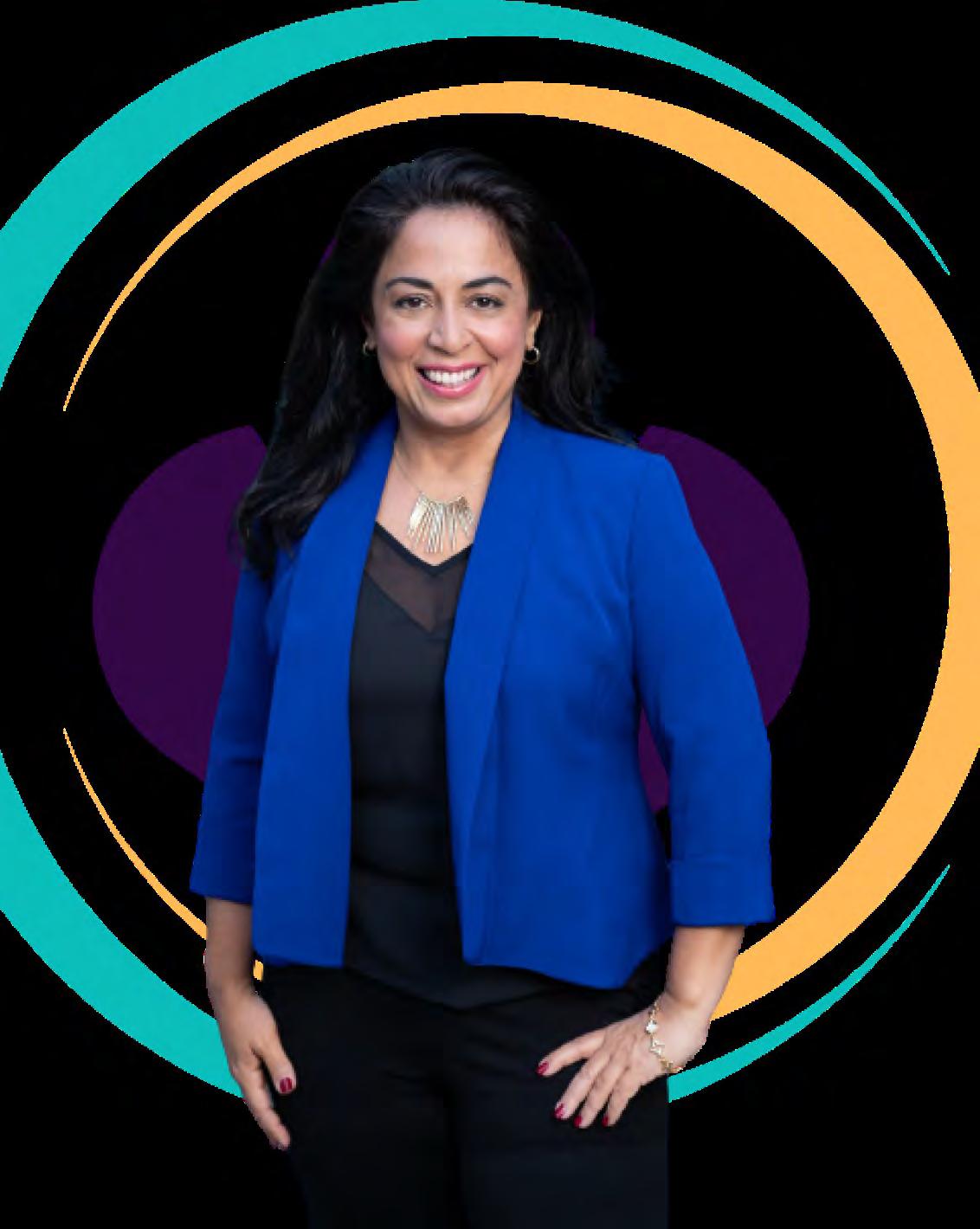
Inthisexclusiveinterview,wedelveinto thetransformativeworldofconscious leadershipwithCarolinaCaro,CEOand FounderofConsciousLeadershipPartners. Carolinabringsauniqueperspectiveto leadershipdevelopment,focusingon assistingleadersfrommulti-generational backgroundsinsheddingdetrimental generationalconditioningtounlocktheirfull potential.
Withanemphasisonintegrating mindfulnessandontologyintohercoaching practices,Carolinaisdedicatedtofostering environmentsthatencourageself-awareness andproactivebehavioralchanges.Through herinnovativePOCAmodel—Pause,
Observe,Choose,Act—sheaimstoequip leaderswiththetoolsnecessarytomake incrementalyetimpactfulchanges,paving thewayformoredynamicandinclusive workplaces.
Can you please introduce yourself, your business, and your specialization as a coach.
I'mCarolinaCaro,CEOandFounderof ConsciousLeadershipPartners,airmthatis dedicatedtoconsciousleadership developmentthroughcoaching,training,and speaking.Wespecializeinsupporting leadersfrommulti-generational organizationstounlearnanyunfavorable
GenerationalConditioninginorder toconsciouslydevelopbehaviors thatwillcultivatetheirleadership potential.
GenerationalConditioningincludes beliefs,behaviorsandsomatic experiencesthatareingrainedfrom theirformativeyearsthatinluence howtheyseetheworldandhow theyshowupasleaders.Tocreate future-forwardworkplacesthat leveragethestrengthsofour multigenerationalleaders,weneed toprovidethemwiththetoolsto discernwhichhabitsareserving themandwhichonesarenot.
As a coach, what are some of the biggest challenges that you have faced in your journey?
Therehavebeensomany challengesonthispath!Iwould dividethemupintotwosections, thepersonalchallengesandthen thechallengesofrunninga business.
Thepersonalchallengeshavebeen abouttheinnerworkthatcoaches needtodoonthemselvesto sharpentheirskills.I'vehadso manymentorssharewithmethat yourworkasacoachisonlyas goodashowdeepyou'rewillingto goonyourowndevelopment journey.Thatallowsyoutobemore mindfultomitigateanybiaseswith aclient,avoidthedesiretoixthe otherperson,givethemadviceor evenprojectyour"stuff"ontothem.
I'vehadmyownGenerational Conditioningtounlearnandmost ofthathasrevolvedaroundselfworthandexaminingmyscarcity beliefs(thatthereisn'tenoughlove, money,time,resourcesetc.).
Thebusinessdevelopmentsideis tiedintothepersonalspace becausesuccessisoftenarelection ofourself-worthandbeliefs.And there'salsothechallengeof managingsomanyaspectsofthe business(sales,marketing,admin, operationsetc.)inadditionto actuallycoaching-thatitcanoften beoverwhelming.
Then,there'sbringingonateam andallthenewchallengesthat comewiththat.ButIwouldn'ttrade itforanythingbecausethisismore thanajobforme,it'smycalling.
Can you share a success story or a signiicant achievement in your coaching career?
Iattributemanyofthesuccess storieswhereindividualshave experiencedatransformational shiftintheirperspectiveand behaviorstotheframeworkthatI developedinourpractice.Ispentso manyyearsstudyingdifferent modelsbuttheonethatinluenced methemostweremindfulnessbasedpractices(whichisabout heighteningtheawarenessofour thoughts,feelings,andthe sensationsinourbody)and ontology(whichisthenatureof being).
OurmodeliscalledthePOCAmodel forchange,inspiredbytheSpanish wordfor'small'.Andthisisto underlinethepowerofincremental stepsthatcanhaveabigimpact. TheacronymPOCAstandsfor Pause,Observe,ChooseandAct.
Whenindividualshavean opportunitytointentionallypause, thisiswhereself-awarenessbegins. Observeiswheretheycanbeginthe discernmentprocessofthe
behaviorsthatmaynotbe supportingthegoalstheywantto achieve.ThatleadstoChoosinga differentbehaviorthatwillbemore alignedwiththeiroutcomeand inallysteppingintoAction.
Onestorythatcomestomindisa leaderthatwascompletely unawareofhowherdefense mechanismsandcopingstrategies werecreatingatoxicwork environment.Whenshestartedto uncovertheseblindspots,her commitmenttochangewas profound.Itwasabigahamoment forhertorealizehowher GenerationalConditioninghadbeen inluencingherleadershipstyle.For her,therewerecontrolling tendenciesthatshehaddeveloped asayoungchildtobeableto managethroughturbulentfamily matters.Thattranslatedinto micromanagementwithherteam whowereveryfrustratedbyher style.
Whenshestarteddoingtheworkto recognizethathercurrent circumstancesdidnotwarrantthe defaultresponsesshewasusedto using,itchangedeverything.She becameamorecompassionateand collaborativeleader.Anditeven helpedhercircumstanceswithher family.It'sstorieslikethatwhich getmeupeverymorning.
How do you measure the impact of your coaching on your clients or teams?
Thecompaniesthathiremeto coachtheirleaderswanttoseean ROIontheinvestmentthattheyare makinginthecoachingprocess. That'swhyit'ssoimportantto workwiththecoachandthe executivesponsorfromthevery
beginningtoclearlydeinewhata successfulengagementlookslike.
Forexample,inthesuccessstoryI shared,wehadidentiiedthatwe wantedtoshiftthe micromanagementtendenciesfora leaderwhowouldbecomemoreof acoachtoherteam.Insteadof givingthemaish,shewouldteach themhowtoish.Andwhenshe steppedintobettersupportingher teammembersthatwaysothatshe didn'thavetojumpintodothe tasksherself,thatwasonemarker ofsuccessfortheengagement.
Thereareusually3-5cleartargets thatweaimforinanygiven engagementtodeinesuccess.
What advice would you give to other women aspiring to be leaders in the coaching industry?
I'moftenapproachedbypeople whoarethinkingaboutgoingdown thispathandIjustsay,"start!". Don'tspendtoomuchtimeinyour headbecauseyoumighttalk yourselfoutofeventrying.Andby actuallygettinginthering,you allowyourselftheopportunityto
grow,makemistakes,navigatethe challengesanddeterminewhether it'stherightpathforyou.
Iwouldalsosaythatit'simportant tohirehelpsoonerthanlater. Havingsupportistheonlywayto growandsometimeswedon't investinourselvesearlyenoughin theprocessbecauseitcanbescary tohireteammembers.Thisisone thingIwoulddeinitelychangeifI hadtogobackanddoitallover again.Iwouldhiresupportevenon apart-timebasisalmost immediately.
What are your future goals for your business and brand? What is your vision through coaching?
IlookatConsciousLeadership Partnersasamovementthatcanbe aportalforhealingandgrowthso thatcollectivelywecanbebetter leadersandoverallbetterpeople.I haveseenthechangethat individualsandteamexperienceas aresultoftheworkandit's completelytransformative.
I'dloveforourbrandtohavea globalpresenceandforthework wedotobeaccessibletomore peopleandmoreorganizations.We areinastateofgrowthrightnow andIwelcomethepartnershipsand collaborationsthatwillcomefrom beingopentoco-creatingthis visionwithothersbecauseittakes avillage.

OVER BRANDS HAVE SHARED 3500+