Technology has never moved faster than it does today. Every week introduces a new platform, a smarter system, or a breakthrough that promises to redene industries. Yet behind every innovation, every disruption, and every headline lies something far more important than technology itself: leadership.
The future of technology will not be shaped solely by algorithms, automation, or articial intelligence. It will be shaped by the people who choose how these tools are built, applied, and integrated into society. That responsibility belongs to today’s tech leaders.
What separates remarkable leaders from the rest is not simply their ability to innovate. It is their ability to create with purpose. The most inuential minds in technology are no longer focused only on scaling products or chasing valuation milestones. They are solving meaningful problems, building ethical systems, empowering communities, and creating solutions that make industries more efcient, accessible, and human.
Across startups, enterprises, and emerging ecosystems, we are witnessing a new generation of visionaries who understand that technology is ultimately about impact. They are redening healthcare through AI, transforming communication through intelligent platforms, strengthening cybersecurity, modernizing nance, and making information more accessible than ever before.
This edition of Exeleon Magazine celebrates those individuals. The innovators willing to challenge conventions, embrace uncertainty, and build what others once considered impossible.
Their stories are not just about success. They are about resilience, adaptability, and the courage to lead during a period of constant change.
As technology continues to evolve, one thing remains certain: true progress will always begin with bold leadership.
Daryl Yeung Editor-in-Chief
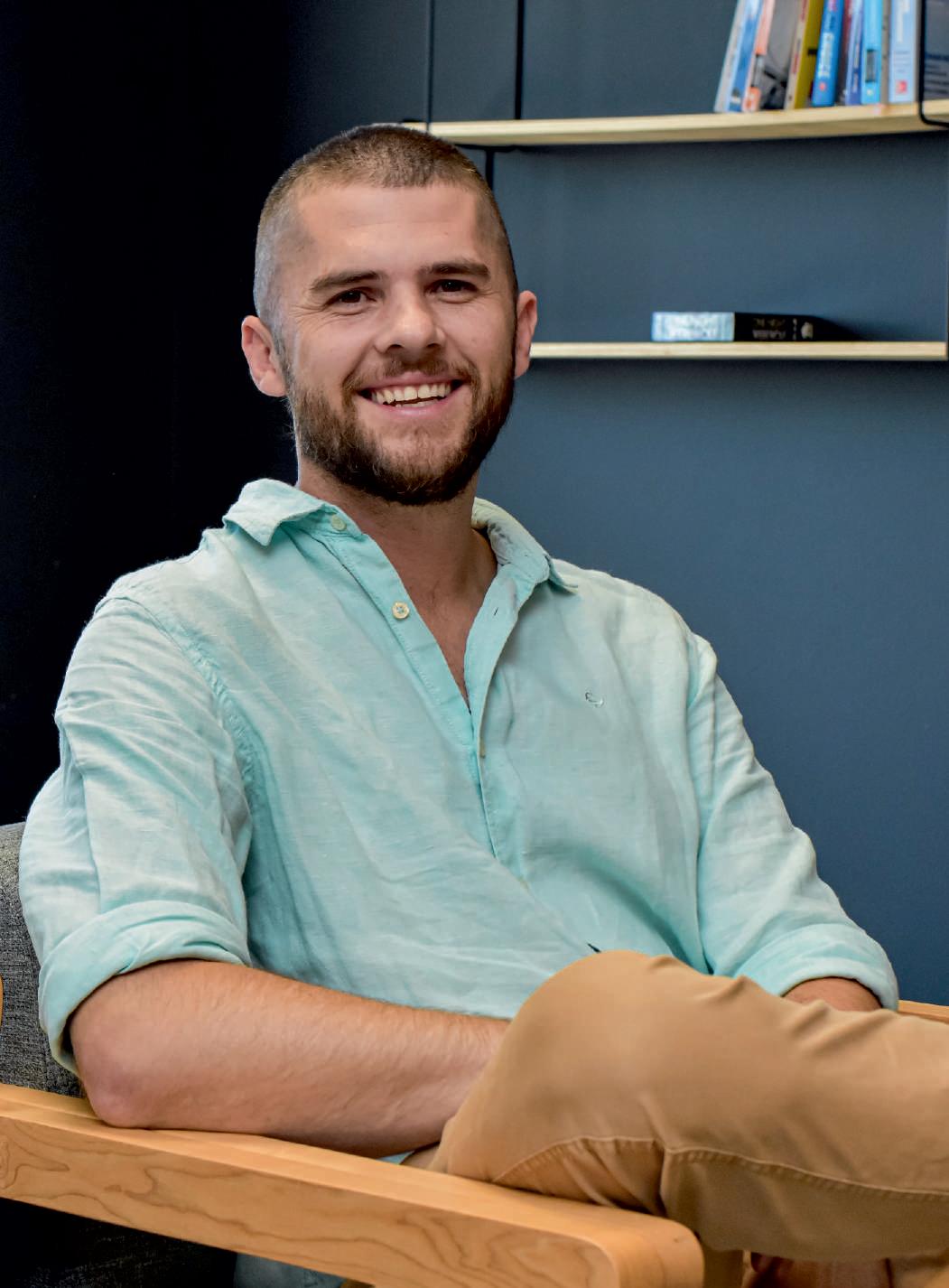
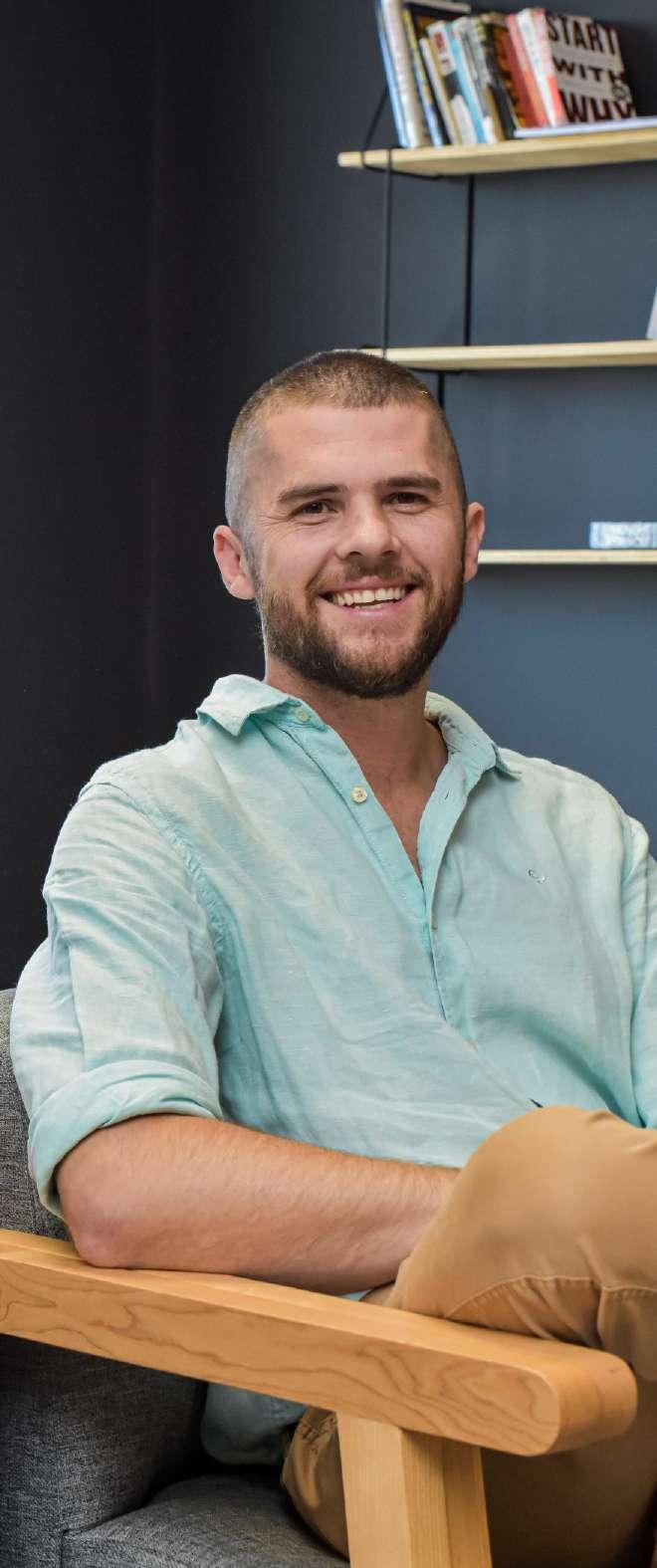
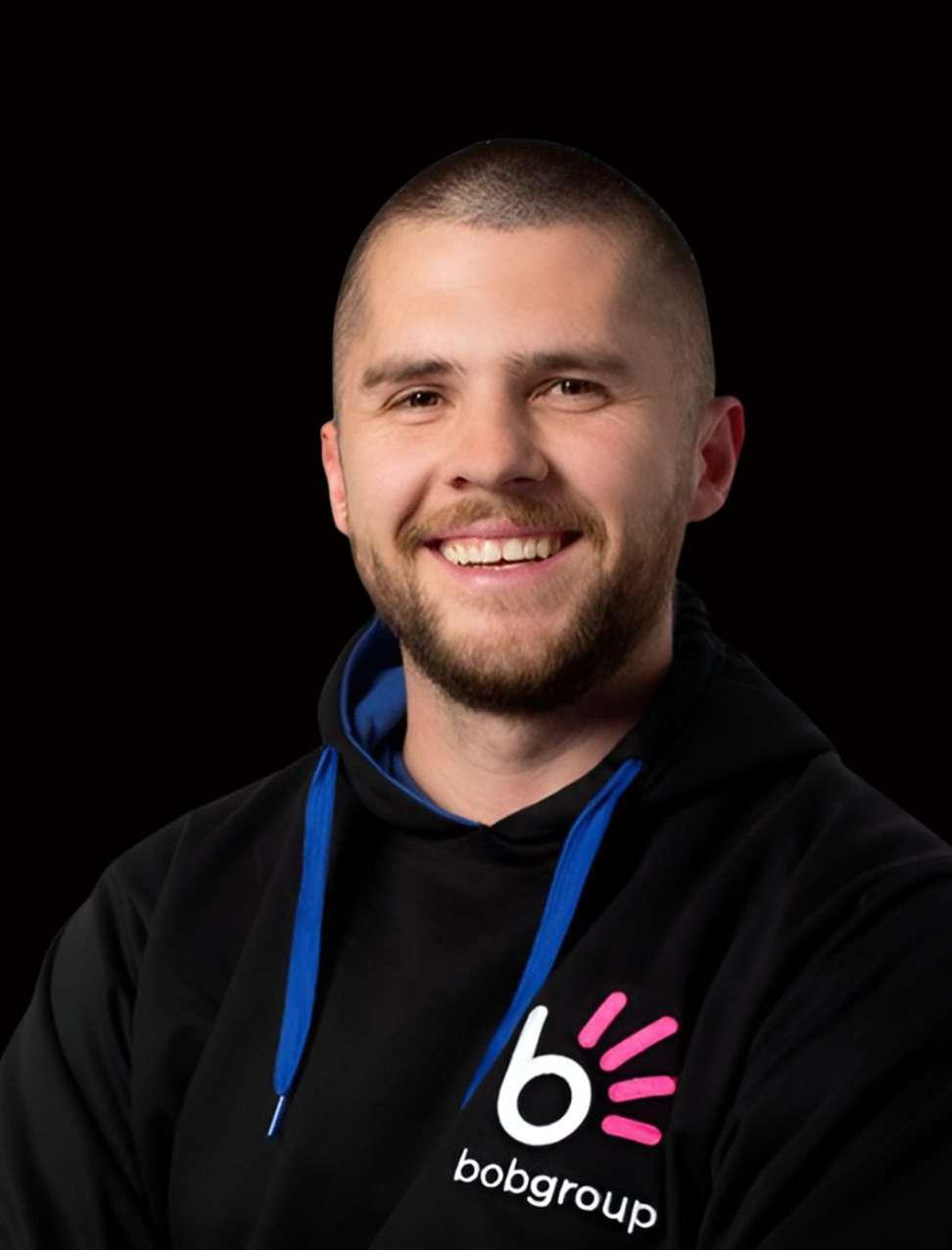
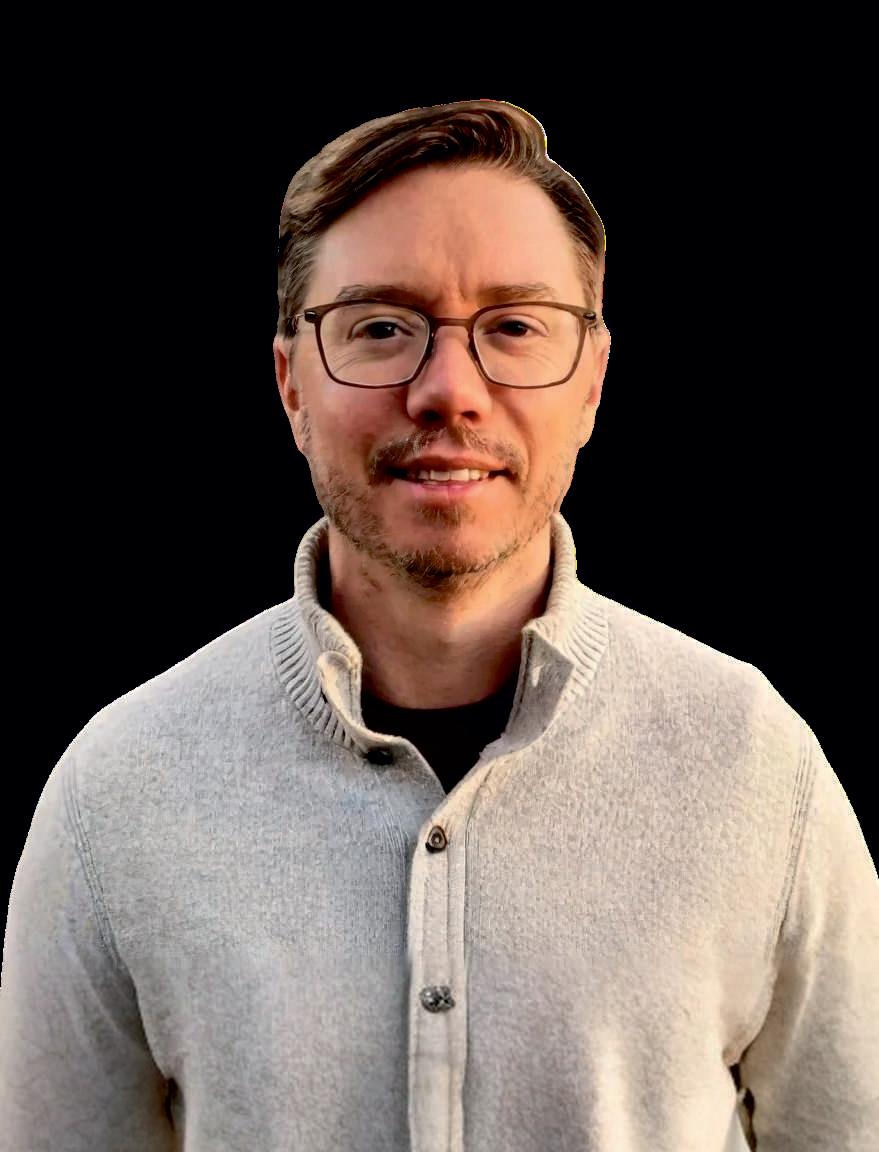
STEVEN BOWLES
CEO & Co-Founder at Shiplogic TO
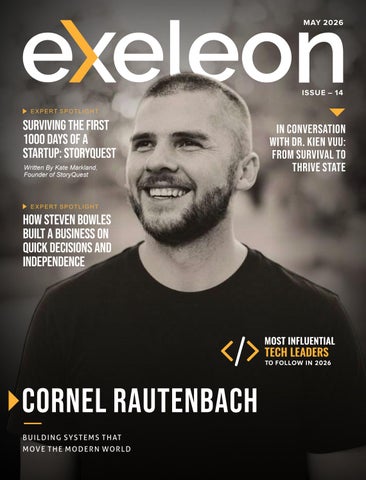
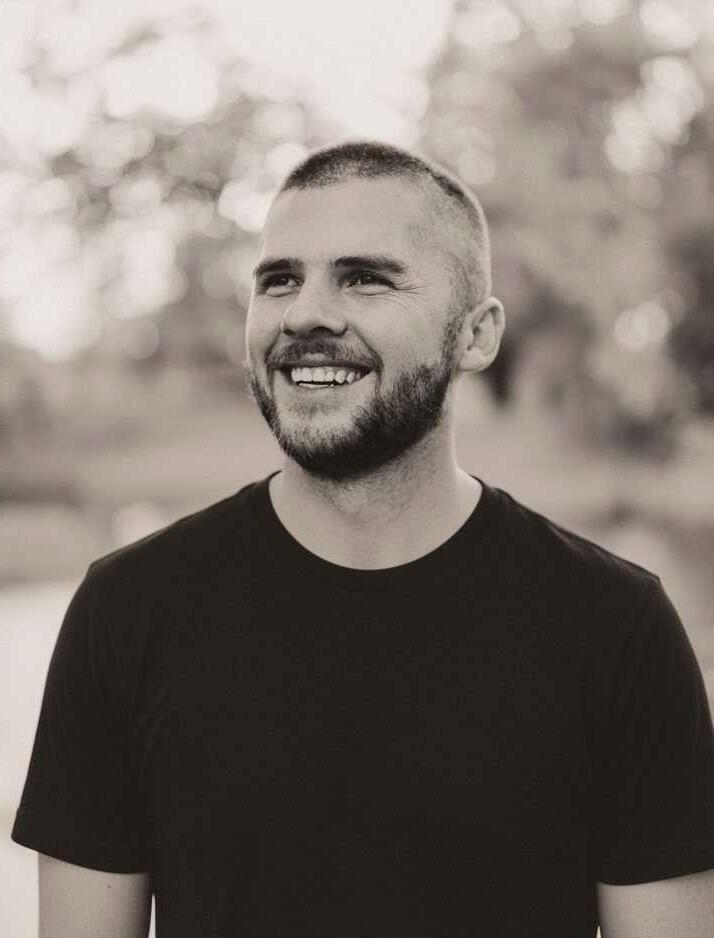
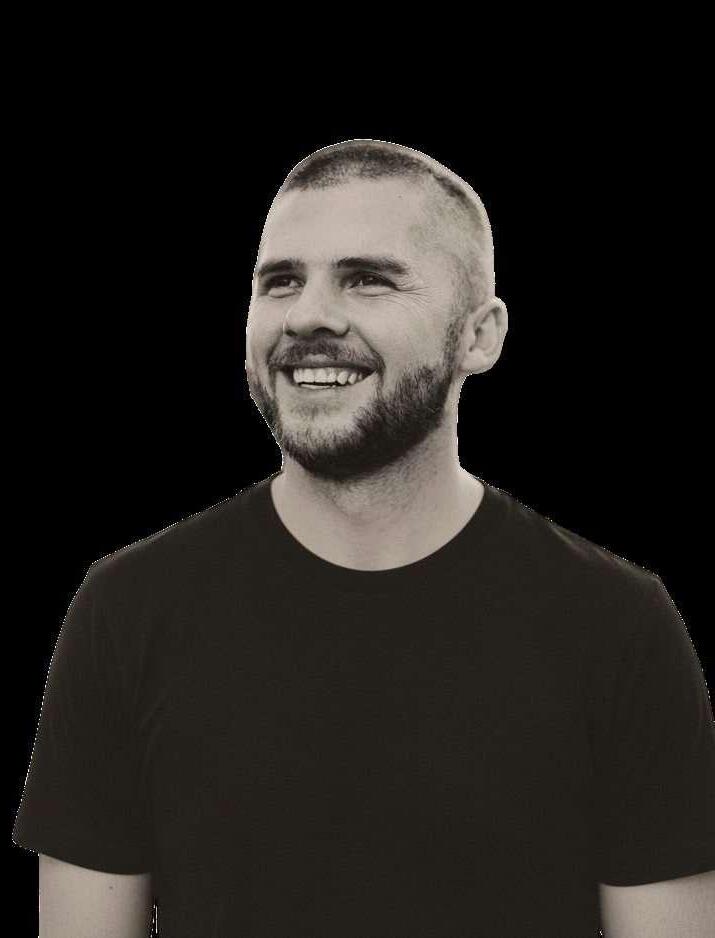
Rautenbach Cornel
Building Systems That Move the Modern World
“
Creating is one thing. Building something that works at scale and solves real problems is another beast entirely.
SSome careers are shaped by intention. Others are shaped by curiosity that refuses to fade.
For Cornel Rautenbach, the journey into technology and product building began long before titles like CEO or CTO entered the picture. It started with a simple instinct to create. As a teenager, he spent his time building small robots and writing simple games, driven not by external pressure, but by an internal need to understand how things work.
“Technology felt like the most accessible way to create,” he recalls. “All you needed was a computer and the willingness to learn.”
That early curiosity never disappeared. It evolved. Over time, his focus shifted from experimenting with personal projects to solving real-world problems. What began as exploration turned into a deeper understanding of systems, inefciencies, and opportunities to improve them.
Today, as CEO and Co-founder of Shiplogic, Cornel leads a platform that powers some of South Africa’s most trusted courier brands. His work sits at the intersection of software, logistics, and real-world infrastructure, where decisions made in code directly inuence how goods move through cities every day.
The Mindset of a Builder
Cornel’s career has never been dened by a single breakthrough moment. Instead, it has been shaped by consistent building, iteration, and learning.
Over the years, he has worked on multiple startups and side projects. Each project served a different purpose. Some explored algorithms, others focused on community or wellness, and some addressed operational inefciencies.
None of them became billion-dollar companies. That was never the point.
“The struggle itself is what motivates me,” he says. “The harder the problem, the more satisfying it is to solve.”
This perspective separates builders from planners. For Cornel, building is not just a profession. It is a way of thinking. Each project adds to a deeper understanding of patterns, failure points, and what it takes to create something that works in the real world.
Over time, that experience compounds. What once felt like isolated attempts becomes a foundation for better decisions.
“You start seeing patterns. What works, what doesn't, where things break,” he explains.
That pattern recognition would later play a crucial role in identifying one of the most overlooked challenges in logistics.
Learning at Scale: The Bob Group Years
Before stepping into his role at Shiplogic, Cornel served as CTO at Bob Group, where he led infrastructure and software development across multiple platforms, including payments, marketplaces, logistics, and parcel locker systems.
It was here that his understanding of scale deepened.
At Bob Group, technology was only one part of the equation. Systems had to operate across different functions, teams, and external integrations. Payments needed to connect with marketplaces. Logistics needed to sync with operational workows. Everything had to work together.
“You quickly realize that technology alone isn't enough,” he notes. “Your people, your culture, client relationships, cost structures, operational efciency, all of it matters.”
This experience forced him to think beyond features and into systems. It was no longer about building isolated tools. It was about building infrastructure that could support complex, interconnected operations.
Working alongside experienced leaders also shaped his perspective.
“Andy Higgins taught me a lot of what I know about the commercial side of running a business. He also taught me to stay humble, which is harder to learn and easier to forget.”
That balance between technical depth and commercial awareness became a dening element of his leadership style.
The Moment Logistics Became the Focus
The shift toward logistics was not random. It was driven by observation.
During the Covid period, the rapid growth of e-commerce exposed signicant inefciencies in existing logistics systems. Legacy platforms struggled to keep up with increasing demand, fragmented processes, and lack of integration.
For Cornel, this was not just a problem. It was an opportunity
“Covid accelerated e-commerce and logistics and exposed a lot of friction in legacy systems. That frustration is what led to Shiplogic.”
He saw a gap in the market. Many solutions focused on optimizing individual components such as tracking or routing. But these components were deeply interconnected. Improving one often created inefciencies elsewhere.
The industry did not need another tool. It needed a system.
Building Shiplogic: More Than Just Software
Shiplogic was built with a clear vision. It would not operate as a single-function platform. It would serve as the operational backbone of courier businesses.
The company itself was spun out of Bob Group in mid-2025 as an independent business, marking a signicant step in its evolution and focus.
“We focus on being operational infrastructure, not just another tool,” Cornel explains.
The platform manages the full lifecycle of a shipment, from creation to delivery and billing. This end-to-end visibility allows businesses to make better decisions at every stage.
What makes Shiplogic stand out is its exibility
Every courier operates differently
Workows vary. Pricing structures differ. Integration requirements can be complex. Instead of forcing clients into rigid systems, Shiplogic adapts to their needs.
“If a courier has specic workows or wants to integrate their own systems, we enable that,” he says.
This adaptability has become a competitive advantage. It also reects a deeper understanding of the industry. Logistics is not uniform. It is dynamic, operational, and highly dependent on context.
Being a South African business has also played a key role in building trust.
“Being close to our clients and acting as real partners, not just software vendors, has made a signicant difference,” Cornel adds.
Today, Shiplogic processes millions of shipments each month, supporting businesses that rely on efciency, reliability, and real-time visibility
Leadership Through Clarity and Ownership
Cornel’s leadership style reects his journey as a builder.
He believes in small teams with high ownership. Instead of complex hierarchies, he focuses on clarity. Every individual understands their responsibility and contributes directly to outcomes.
“Small teams, high ownership. That’s the model I believe in,” he says.
This approach creates accountability. It also encourages independent thinking.
“I don’t believe in over-structuring. Most value comes from people who can think independently and take responsibility for outcomes,” he explains.
At the same time, culture is not left to chance. Standards matter. Communication matters. The environment in which teams operate matters.
“A team that communicates directly and holds a high bar naturally improves. One that hides behind meetings and approvals stagnates,” he notes.
This balance between autonomy and accountability creates an environment where people can grow while delivering meaningful results.
A Hands-On Approach to Building
Despite leading a growing platform, Cornel remains closely involved in product development, strategy, and partnerships.
“I’m still in the code most weeks. Not because the team needs me there, but because losing touch with the product is how CEOs start making bad decisions.”
This involvement is not about control. It is about staying connected to the product and the people building it.
His focus is clear. Build solutions that are intuitive, engaging, and scalable. Create systems that solve real problems. Maintain a culture where teams can thrive.
“I care deeply about teams, culture, and creating environments where people can grow,” he adds.
This philosophy reinforces a key belief. Technology is only as strong as the people behind it.
The Future of Logistics and System Thinking
Looking ahead, Cornel sees logistics becoming more connected, more automated, and more data-driven.
“Logistics will become more real-time, more visible, more automated, and more interconnected,” he says.
In this evolving landscape, success will not be dened by physical assets alone. It will be dened by the efciency of systems.
“The companies that win won’t necessarily be the ones with the most assets, but the ones with the most efcient systems,” he explains.
Shiplogic’s role is to provide that system layer. A platform that allows courier businesses to operate efciently, integrate seamlessly, and adapt quickly.
The long-term vision is straightforward.
“If you’re moving parcels in South Africa, Shiplogic should be part of the stack,” Cornel says.
A Journey Dened by Building, Not Titles
Cornel Rautenbach’s journey is not dened by a single
company or milestone. It is dened by a consistent approach to building.
From early experiments with robots and games to leading a platform that powers large-scale logistics operations, the underlying mindset remains the same. Stay curious. Solve real problems. Learn through doing.
Each experience, whether successful or not, contributes to a deeper understanding of systems, people, and scale.
“Creating is one thing. Building something that works at scale and solves real problems is another beast entirely.”
That perspective continues to guide his work today.
In a world where technology often focuses on speed and surface-level solutions, Cornel’s approach stands out for its depth and practicality. He builds systems that work. Systems that scale. Systems that matter.
And in doing so, he is helping shape how goods move, how businesses operate, and how technology integrates into everyday life.
Ready to fuel your ambition and receive your dose of inspiration directly to your digital doorstep? Subscribe to Exeleon Magazine today, and enjoy the following perks:
• Convenience at Your Fingertips
• Exclusive Extras
• Community Connection
First 1000
Surviving the Days of a Startup StoryQuest
Written By Kate Markland, Founder of StoryQuest
Nobody tells you that the rst thousand days of building something feel nothing like the vision you had when you started. The vision is clean. The rst thousand days are not.
I built StoryQuest under conditions most business frameworks do not account for. A court order had reduced my contact with my twelve-year-old son to one hour a week on FaceTime. I was running four physiotherapy clinics. I had no team, no investment, and no certainty about when the legal situation would resolve.
What I built in those conditions has since been validated across nine UK schools with 465 children, presented to the British Psychological Society, evidence accepted by UK Parliament, and considered by UNICEF for international distribution. Stories Without Borders, our global story library, now connects children around the world.
Here is what the rst thousand days actually taught me.
The vision will mislead you if you let it
The vision I had for StoryQuest at the start was correct in its destination and wrong in almost every detail about how it would get there. I thought it would scale through schools approaching us. It scaled through research validation rst, which created the credibility that made schools approach us. I thought the book series would be
a side project. It became the proof of concept that demonstrated the methodology to every new partner
The lesson is not to abandon the vision. It is to hold it loosely enough that you can see what the work is actually telling you. The rst thousand days are a continuous conversation between what you set out to build and what the evidence is showing you. The founders who survive that period are the ones who listen to the evidence rather than defending the original plan.
Constraint is not the enemy of the rst thousand days. Diffusion is.
Every early-stage founder I have spoken to describes the same experience. Too many opportunities. Too many directions. Too many requests that feel important in the moment and pull you away from the thing that actually matters.
The constraint I was working inside, one hour a week, one person, one methodology, turned out to be the most useful structural feature of the rst thousand days. It removed the option of diffusion entirely There was only one thing. So that is what got built.
For founders who do not have an externally imposed constraint, the discipline is to create one
deliberately. What is the single thing that, if it works, proves the whole model?
Build that. Only that. Everything else is noise until that one thing is proven.
Validation is a consequence of conviction, not a precondition of it
The most common mistake I see in the rst thousand days is waiting. Waiting for the right partner to validate the methodology Waiting for the right institution to adopt it. Waiting for the right moment to publish the research.
This is not the same as ignoring feedback. Feedback from real users, real teachers, real children in real classrooms is essential data. But institutional validation is a lagging indicator. It conrms what the work has already demonstrated. Founders who wait for it before committing fully to the work are always twelve months behind the founders who did not wait.
The team you need in the rst thousand days is not the team you imagine
I did not build StoryQuest with a team of people in the conventional sense. I built it with a twelve-year-old who told stories, a school that said yes when every other school said not yet, and a small group of researchers who were willing to peerreview what we were nding.
None of those relationships looked like the advisory board or the founding team that business frameworks tell you to build rst. All of them were exactly right for what the work needed at each stage.
The rst thousand days will show you who actually shows up. Not who sounds impressive in the planning stage. Who is still there in month eight when the trajectory is unclear. Who asks useful questions rather than reassuring ones. Build with those people regardless of their titles.
What the rst thousand days are actually for
They are not for building a business in the shape you imagined. They are for nding out what you are actually building, who it is actually for, and whether you are the right person to keep building it.
I came out of the rst thousand days with a clearer answer to all three questions than I had going in. StoryQuest is a peer-to-peer methodology, not a teacher-delivered programme. It is for every child, not just children who are already engaged. And I am the right person to build it because the clinical discipline that made it possible is not separable from the founder You cannot replicate it by hiring someone else to deliver it.
That clarity is what the rst thousand days are for. Not the product launch, not the revenue milestone, not the partnership announcement.
The clarity. Everything after that is execution. @kate-markland www.storyquestglobal.com @katemarklandofcial
About the Author
Kate Markland is the founder of StoryQuest, co-author of the Amazon number one bestselling Adventures of Gabriel series, a former awardwinning chartered physiotherapist, and an International Editor for the International Journal of Medical and Allied Health Professions.
THE POWER OF SAYING YES
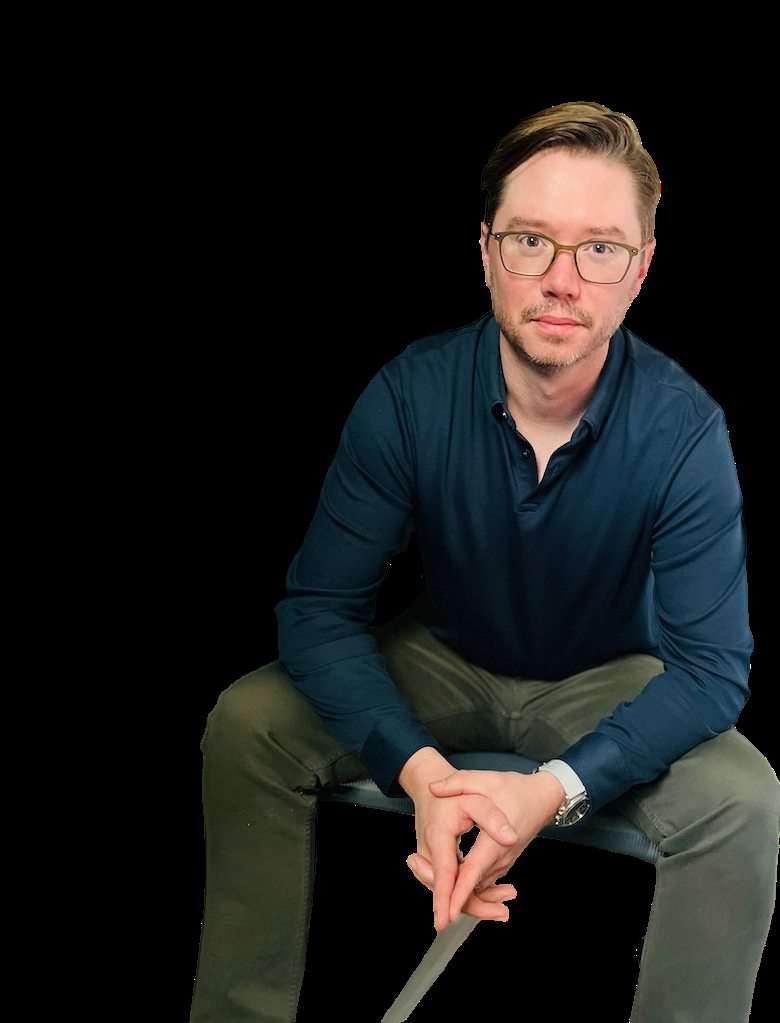
How Steven Bowles Built a Business on Quick Decisions and Independence
Founder I Catalyst Advisory
When Steven Bowles talks about what he
enjoys most about running his own company, he doesn’t start with the work itself. He starts with the speed.
“The ability to make a decision and just go is something I didn’t have before,” Steven Bowles says. “When an opportunity shows up, I don’t have to run it through a committee or wait for someone else to approve it. I can say yes and move.”
It’s a small thing on paper. In practice, it's shaped every part of how Steven Bowles built Catalyst Advisory, the independent wealth transfer planning rm he launched in the fall of 2022 out of Doylestown, Pennsylvania. From the way he structured the business to the clients he takes on, the approach is the same: stay independent, stay fast, and don’t let someone else’s structure limit what you can do.
Building for other people
Steven Bowles spent nearly two decades working inside other organizations before going out on his own. After graduating from Cairn University in 2003, he spent about nine years in outside sales and business development. He excelled at it, but the awareness that he was building value for someone else’s business, not his own, never fully went away
The turn came when he transitioned into wealth transfer planning, joining a family ofce advisory group where he spent seven years working with ultra-high-net-worth families. It was an incredible education. He learned how the wealthiest families in the country structure their nances, protect their assets, and move wealth to the next generation. He earned his Chartered Life Underwriter designation and took on broader responsibilities within the rm.
But it was still someone else’s vision. There were areas he wanted to expand into, and he couldn’t. The decisions about what the rm would offer and where it would grow belonged to other people.
“I launched Catalyst so I could build something based on my vision,” Steven says. “I wanted to keep working with high-net-worth families, but I also really wanted to help business owners with things like succession planning and business protection. There’s a lot of work that needs to be done in that space, and I couldn’t pursue it when I was operating inside someone else’s model.”
Independence by design
When his employer unexpectedly closed its doors and Steven Bowles found himself making the decision to go solo, the choices he made about how to structure Catalyst were deliberate. Every one of them traced back to the same idea: remove the things that slow you down or compromise your judgment.
He chose to be completely independent. He’s not captive to any insurance carrier or broker-dealer, which is more unusual in his industry than most people realize. A lot of advisors are contractually tied to specic product lines. Steven isn’t. He can access the entire market and recommend what actually ts a client’s situation, not what a carrier is pushing that quarter
“Clients pick up on that,” he says. “When they know your recommendation isn’t shaped by what pays you the highest commission, the trust is different. And trust is everything in this business.”
He chose to run without full-time employees. Catalyst operates with an outsourced back ofce and contractors handling specialized functions like underwriting, carrier
work, CRM, and marketing. It keeps the overhead low and the operation exible. He can scale up when the work demands it and pull back when it doesn’t, without the xed costs that would pressure him into taking on volume for volume’s sake.
He chose to work alongside his clients’ existing advisors rather than trying to replace them. When Steven Bowles comes into a client engagement, he’s coordinating with their attorney, their CPA, and their wealth manager. He’s looking for gaps in the planning and lling them, not competing with the people already at the table. It’s a collaborative model he watched work inside the family ofce, and he brought it with him.
None of these choices were defaults. Each one was about protecting the ability to act quickly and independently
Saying yes to visibility
That same instinct showed up in how Steven Bowles built his public prole. Within a couple of years of launching Catalyst, he had appeared on multiple podcasts, including Cash Flow Ninja, Migrate2Wealth, Real Estate Reserve, and the EntreProfessor podcast, among others. For a solo practitioner in wealth transfer and estate planning, that kind of media presence is extremely valuable. Most advisors in this space grow quietly through referrals and stay out of the public eye.
Steven Bowles took a different approach. Every podcast invitation was an opportunity to demonstrate expertise in front of an audience lled with exactly the people he serves: entrepreneurs, business owners, and real estate investors who have built signicant wealth and need help protecting it.
“Being independent means I can say yes to those things immediately,” he says. “I don’t have to clear it with a compliance department or get sign-off from a board. Someone asks me to be on their show, and if it’s a good t, I’m there.”
The compounding effect of that strategy has been real. Those appearances have introduced him to new referral relationships, brought in clients who heard him on a specic episode, and established him as a credible voice in a space that’s often short on people willing to explain complex topics in plain language. It’s a media footprint that most rms his size simply don’t build, and it happened because he was positioned to move quickly when the opportunities came.
The discipline of saying no
But Steven Bowles is quick to point out that the ability to say yes only works if you also know when to say no. He calls it one of the most important lessons he’s learned since starting the business.
“Not every opportunity is the right t, and not every potential client is someone I can serve the way they need to be served,” he says. “Early on, there’s a temptation to take everything that comes your way. But I’ve learned that being selective about where I spend my time leads to better outcomes for everyone.”
Because he’s not tied to a carrier’s production targets or a rm’s revenue quotas, he has the freedom to turn down work that isn’t a good match. He can focus on the situations where his specic background in family ofce strategy, advanced estate planning, and business protection actually makes a difference, rather than spreading thin as a generalist.
It’s the other side of the independence coin. The freedom to say yes quickly also means the freedom to say no clearly. Steven Bowles treats both as competitive advantages.
What comes next
A few years into running Catalyst, Steven Bowles is thinking about what the business looks like beyond him. He’s a father of three sons and has been open about his goal of building something that can eventually be
passed to the next generation. His oldest has already started showing interest in what his dad does, choosing “entrepreneur” as the subject of a school project.
“I’m not going to push them into anything,” Steven Bowles says. “But I’m building this with the hope that it'll be there for them if they want it. The idea of this becoming a multi-generational business is something I think about.”
It’s a tting ambition for someone whose professional life is spent helping other families build structures that outlast a single generation. Steven Bowles built Catalyst Advisory so he could make his own decisions. Now he’s building it so someone else can carry that forward.
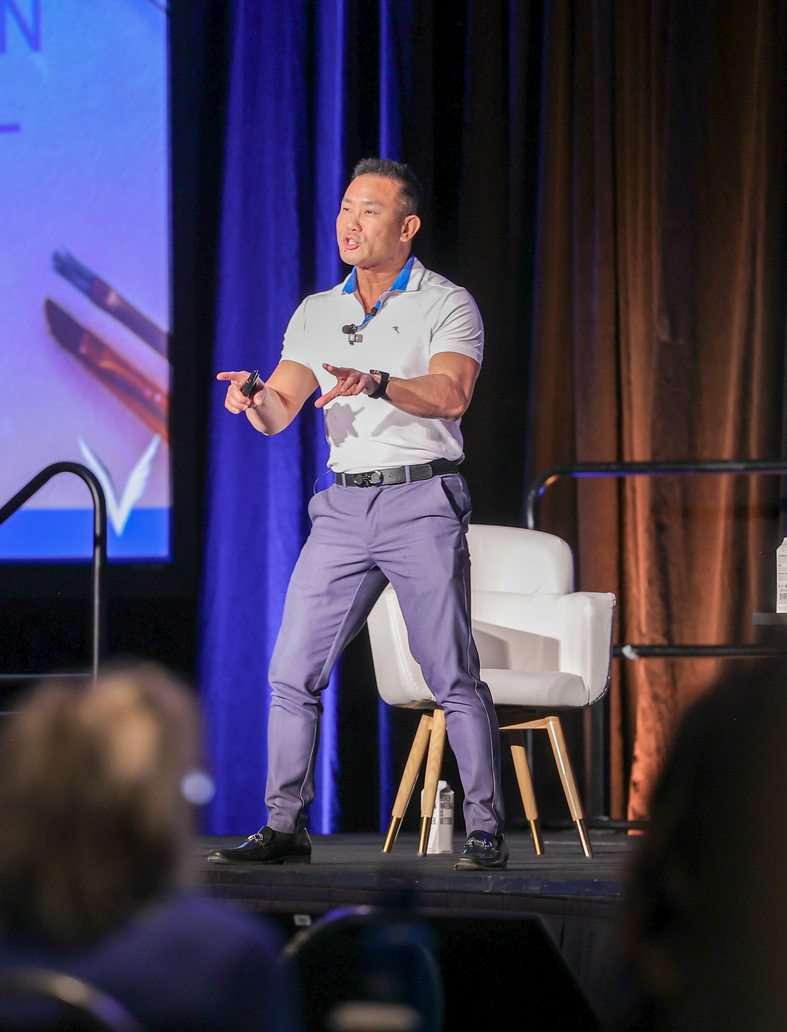
In Conversation with DR. KIEN VUU From Survival to Thrive State
For Dr. Kien Vuu, the pursuit of health became
deeply personal long before it evolved into a global mission. From surviving unimaginable circumstances as an infant refugee eeing Vietnam to becoming a triple board-certied physician and internationally recognized voice in longevity and human performance, his journey has been shaped by resilience, reection, and reinvention.
What makes Dr Vuu’s perspective unique is that it was not built solely inside hospitals or research labs. It was forged through lived experience, personal health struggles, and a realization that modern medicine often focuses more on treating illness than creating true wellbeing.
Today, through his Thrive State philosophy, Dr Vuu works with Fortune 500 leaders, athletes, and organizations, helping people understand how biology, mindset, stress, and purpose intersect to shape performance and longevity. In this conversation, he shares the experiences that transformed his understanding of health, leadership, and what it truly means to thrive.
Your journey from an infant boat refugee to a globally recognized physician and thought leader is deeply inspiring. Can you take us through the dening moments that shaped your path?
At eight months old, my parents put me on a boat to escape Vietnam. Our journey lasted eight months—many did not survive. After three more months in a refugee camp, we arrived in America with nothing: no money, no language, no roadmap.
Growing up here, I faced prejudice and moments where I was made to feel like an outsider. But those experiences fueled my determination to build a meaningful life. Medicine seemed like the answer. I persevered, became a physician, and built what looked like a successful career Then I hit a turning point that changed everything.
One patient, Ishmael, had terminal pancreatic cancer. Expecting despair, I was met by a huge smile: “Doctor, I may have cancer, but cancer doesn’t have me.” Despite his illness, he was more alive than anyone I knew That moment made me question what it truly means to live—not just survive or achieve, but to thrive.
You experienced a personal health crisis while practicing medicine. How did that moment shift your perspective from treating disease to focusing on human performance and longevity?
The irony was clear As a physician — trained to heal — I was overweight, diabetic, and battling high blood pressure. I followed all the recommended steps, yet I was unraveling beneath my white coat.
A Dalai Lama quote captured my experience: “Man sacrices his health to make money, then sacrices his money to get his health back.” I realized I had disconnected from my body while pursuing achievement.
What I realized was that modern medicine is largely built to treat disease, not to create health. Nobody was teaching people — or me — how to be truly well. So I went looking. I explored integrative medicine, the science of longevity, and the biology of stress. And what I found was that the body has an extraordinary capacity to heal when you stop ghting it and start working with it. I reversed my conditions — not through medication alone, but through a complete shift in how I was living. That experience became the foundation of everything I do now.
You often speak about moving from survival to a “Thrive State.” What does this concept truly mean, and why is it so important in today’s world?
The Thrive State is not a destination. It is a biological reality accessible to everyone—a state where the body’s chemistry is primed for healing, high performance, creativity, and connection. The opposite is what I call the survival state: chronically elevated cortisol, inammation, and a nervous system stuck in threat mode.
Here is the thing most people do not realize: the body cannot tell the difference between a physical threat and a psychological one. Your nervous system responds to a difcult conversation the same way it responds to a predator And when that stress response never fully turns off — which is the reality for most high performers today — it starts to cost you. Cognitively. Physically. In your relationships. In your leadership.
The Thrive State begins when you sleep well, move, nourish yourself, manage your inner dialogue, build real relationships, and reconnect with purpose. Your biology literally changes: gene expression shifts, inammation drops, and clear-thinking returns.
We get to choose this. That is the whole philosophy behind We Get To. Not that life is easy, not that there are no hard things — but that we have this breath, right now, and with it we have the power to choose who we are and how we show up. That choice is the most underutilized performance tool on the planet.
In high-performance environments, many leaders operate under constant stress. How does the nervous system impact leadership, decision-making, and overall performance?
The nervous system acts as the foundation for leadership. It inuences how you think, listen, respond under pressure, and inspire others
When a leader is chronically in survival mode, the amygdala takes over and the prefrontal cortex — where your best thinking lives — goes ofine. You become reactive instead of responsive. You lose access to empathy, creativity, and strategic thinking — the exact qualities that make great leaders great.
I see this constantly: brilliant leaders making fearbased decisions because their nervous system is depleted. The body keeps score, and eventually, that score appears in the boardroom.
The nervous system is trainable. Breathwork, recovery, and sleep optimization are biological interventions. Leaders who regulate their state stop being stress sources and become sources of safety—where teams excel.
You work with Fortune 500 leaders, athletes, and organizations. What are the most common patterns or challenges you see among high achievers?
The number one pattern: people who have achieved extraordinary things externally are running on an internal operating system still stuck in survival mode. They have the title, the income, the recognition — and they are exhausted, disconnected, quietly wondering if this is all there is. They have optimized everything except themselves.
The second pattern is identity fragility. High achievers tie their entire sense of self to their performance. When results dip — and they always do — the person collapses with them. My work is about building a stable ground underneath: an identity that does not depend on the next win or the next number on the scoreboard.
Disconnection is common—from their bodies, others, and meaning beyond metrics. The body sends constant signals, but high performers often override them for productivity That override has a compounding cost.
As a physician, author, and speaker, how do you translate complex science into actionable strategies that individuals and teams can actually apply?
I start with the body, not the brain. Most leadership development starts with mindset — which is important — but mindset without biology is like trying to upgrade software on a computer that is overheating. The hardware has to work rst.
I teach people to decode their own physiology. What cortisol does to decision-making. How sleep deprivation impairs cognition like intoxication. Once people grasp the biological ‘why,’ behavior change feels intuitive instead of forced.
I make strategies practical. The bioenergetic pillars—sleep, nutrition, movement, breath, mindset, relationships, environment—are levers. Everyone can nd one to shift their state today. The goal is momentum, not perfection. Small, consistent lifestyle changes yield compound returns in well-being and leadership.
Looking ahead, how do you see the future of human performance, longevity, and leadership evolving in the next decade?
We are at the most crucial inection point in human history. AI accelerates faster than most can grasp. The question remains: What does it mean to be human when machines outperform us in speed and efciency?
Humanity is our competitive advantage. Machines cannot replicate our capacity to feel, connect, and create meaning. The next decade's key leaders will be those who have done inner work and lead with genuine care.
Longevity science is revealing that biological age matters more than chronological age. Epigenetics shows that our lifestyle choices—sleep, stress management, connection, and meaning—are reshaping cellular aging. We’ll soon have tools to measure and optimize this process real-time.
But the technology is only as powerful as the human using it. The future of performance and longevity is not in a pill or a device. It is in the daily choice to live in a way that honors the extraordinary biology you were born with.
Remember: Your purpose is YOU—and YOU are your best medicine.
Founder
and
CEO of Aliiiens
JULIA KOLODKINA
Building Brands, Communities, and Meaningful Growth
Building a brand today requires more than creativity or marketing expertise. It demands clarity of
vision, strategic thinking, and the ability to understand people on a deeper level. Julia Kolodkina, Founder and CEO of Aliiiens and creator of the women entrepreneurs’ community ALL EYES ON US, has built her career around these principles.
From starting her professional journey in Ukraine to leading brand strategy and growth initiatives across Europe and the United States, Julia has developed a distinctive perspective on leadership, branding, and entrepreneurship. Through Aliiiens, she works closely with founders to align brand strategy with long-term business growth, while ALL EYES ON US provides a supportive and honest community for ambitious women building companies and careers.
In this conversation with Exeleon Magazine, Julia reects on the experiences that shaped her leadership style, the philosophy behind Aliiiens’ “Brand Venture Lab” model, and her vision for empowering both brands and women founders around the world.
You began your career in Ukraine and later built a global career across Europe and the U.S. Can you walk us through that journey and how it shaped the way you think about brands and leadership?
I started my career in Ukraine over a decade ago, in a very demanding environment. One of the biggest challenges was the extremely high level of competition. I was surrounded by intense workaholics and highly skilled professionals. At that time, I was younger and not always as condent as I am now, so learning how to communicate my value, not agree to less than I deserved, and stop underestimating myself became essential.
I was scared, but I did it anyway, and that, for me, is a very entrepreneurial mindset. Along the way, it became clear that you don’t have to wait for something to happen. You can create opportunities yourself. What truly shaped me as a leader was the realization that responsibility, speed, and results matter more than titles. This became especially clear later while working in a large corporation in New York, where titles often mean very little. What really matters is who you are as a person, your level of professionalism, and your work ethic.
Now, as a founder, I see that people choose to work with me and my team because of who I am, both personally and professionally. Most of our clients never ask about my past roles or titles. Instead, they pay attention to how I think, how I communicate, whether I keep my promises, and how I take responsibility. The same applies to my team.
After relocating to the U.S., you moved into senior strategy roles and eventually founded Aliiiens. What gap in the branding and growth space led you to start your own venture?
After working in senior strategy roles in the U.S., I kept seeing the same gap. Companies were usually getting either beautiful branding or aggressive performance marketing, but rarely anything that was truly connected to growth or long-term brand thinking. I also saw how disconnected many branding agencies were from real business realities: revenue targets, fundraising timelines, and scaling teams.
Very few teams were able to align strategy and brand with execution that actually moved the business forward. Over time, it became clear that what founders really need is a deeper understanding of how to bring strategy, priorities, and implementation together without overcomplicating things.
That’s exactly the gap Aliiiens was created to close. We share knowledge and frameworks, help clients build long-term strategic systems, and show them that marketing is a long-term investment if you know how to navigate it and make smart decisions about where to invest.
I also genuinely enjoy working directly with founders. Those conversations are always growthoriented, and that’s where the strongest, often nonobvious insights are born. Quite often, clients fall back in love with their own businesses once they start seeing them from a new perspective. It’s a deep, thoughtful, and very rewarding process on both sides.
Alongside Aliiiens, you founded ALL EYES ON US, a community for women entrepreneurs. What personal experiences made you realize this kind of space was needed?
ALL EYES ON US came from a very personal place. As a founder or a leader, you are rarely given permission to say “I don’t know” or “this is hard.” Women are taught to be strong, condent, and successful, but very often we don't have a place or a community where we can be honest about what building something really looks like.
I felt that gap myself as an immigrant building from zero in a new country. I didn’t want another “inspirational” community Actually, the opposite of that. I wanted a place where incredibly capable, ambitious, and driven women could openly discuss leadership, money, growth, fear, and ambition. A place that provides both support and push.
I truly believe that ambitious women shouldn’t build in isolation. And that’s why ALL EYES ON US exists.
Aliiiens positions itself as a Brand Venture Lab rather than a traditional agency. What does that distinction mean in practice, and how does it change the outcomes for clients?
Calling Aliiiens a Brand Venture Lab reects how we actually work. In practice, it means we operate much closer to the business than a traditional agency. We’re uent in both creative and venture language, so our work goes beyond branding or campaigns. We get involved in unit economics, growth drivers, positioning, and long-term value creation, from early stages through scale and, eventually, exit.
This approach exists to close one of the biggest gaps in the agency model. Too often, agencies deliver ideas based on surface-level associations, or strategies that look good but don’t affect revenue, can’t scale, or only create short-term value. We don’t work that way
Instead, we act as long-term strategic partners. For clients, this means brand decisions are directly connected to business outcomes. The result is not just stronger creative work, but brands that are built to grow, scale, and hold value over time.
One example is our client Mosaicist, a leading U.S. mosaic company with more than 25 years of experience creating bespoke mosaic work for pools, interiors, and large-scale architectural spaces. We recently led the company's rst rebrand in its 25year history. Following that, we are now developing a long-term strategy and implementation plan designed to support sustainable growth and, potentially, a future exit.
Before any potential exit, there is extensive foundational work required to build long-term value from the marketing side as well. For the founder, this company is a life project, and we approach that responsibility with seriousness and respect.
Your work blends bold brand strategy with AI-powered content and next-generation growth solutions. How do you ensure technology enhances creativity rather than replacing human connection?
I’m actually very deliberate about this, maybe even strict. I don’t let technology decide what we say, only how quickly we can get there. The substance always has to come from people.
In our team, each project starts with a brainstorm. We share the craziest ideas, ask uncomfortable questions, and dig into the core of the business. Why this company exists, what it’s afraid of, where it’s performing instead of being honest, and where its real strength actually is. AI here is just a tool that helps us move faster. It supports us in analyzing the brainstorm, structuring insights, and drawing conclusions.
It makes our lives much easier by helping us test directions, explore formats, scale content, and take repetitive work off the table. The rest is on us. Otherwise everything starts to feel fake.
For me, creativity is a combination of courage, intuition, and life experience, something that resonates with people on a much deeper level. People always feel when something is supercial, and that’s where trust disappears. As a brand builder, I know that trust and reputation are what drive long-term growth.
Emotional intelligence is central to your philosophy. Why do you believe it is becoming one of the most critical skills for leaders and brands today?
We live in a time where people are overwhelmed and skeptical because they are constantly ltering noise. Attention is fragile and trust becomes expensive. This is where emotional intelligence becomes a game changer To make someone actually hear your message, you need to know how to read the room, when to push and when to pause, understand timing, and respond in a way that feels human.
Emotionally intelligent leaders also stand out by treating their teams properly Your people need to feel seen and respected while executing your vision or strategy When I notice someone who looks tired or overwhelmed, I often give a genuine compliment. Even small moments of human connection can be very powerful. Making that part of leadership matters.
For brands, emotional intelligence means understanding what your audience is actually feeling. I’ve noticed another shift: marketers increasingly ask AI for answers based on the data it already has but often forget to ask real people.
AI works with structured data, patterns, and past information. What it doesn’t fully capture is the space between what people say and what they actually mean,
the emotions and raw comments. That human layer is where the most important insights live. And that’s exactly why emotional intelligence matters more than ever
When you look ahead, what is your long-term vision for Aliiiens and ALL EYES ON US, and what kind of impact do you hope to leave on brands and women founders globally?
Long term, I see Aliiiens continuing in the role of being a partner to founders who are building sustainable companies. We are known for being honest, reliable, and direct, even when the truth is uncomfortable. This is the feedback we hear most consistently from our clients, and it’s what they value the most. My priority is to make sure Aliiiens continues to work this way as we grow.
I also want Aliiiens to be known for helping companies think bigger, move braver, and build real value from the inside out. Brands that come out of our work should be clearer, stronger, and harder to replace because they're not built on trends.
With ALL EYES ON US, I want it to be a space that changes how women experience ambition, with more honesty, condence, and ownership. I want to provide a place where women experience less loneliness and less pressure to t into someone else’s vision of success.
If there’s one impact I hope to leave, it’s this: that brands stop chasing attention and start building meaning, and that women founders stop shrinking or over-explaining their ambition. I want both brands and women to feel more grounded in who they are and more fearless about where they're going.
@juliakolodkina
www.aliiiens.com
@porterlab_uwindsor
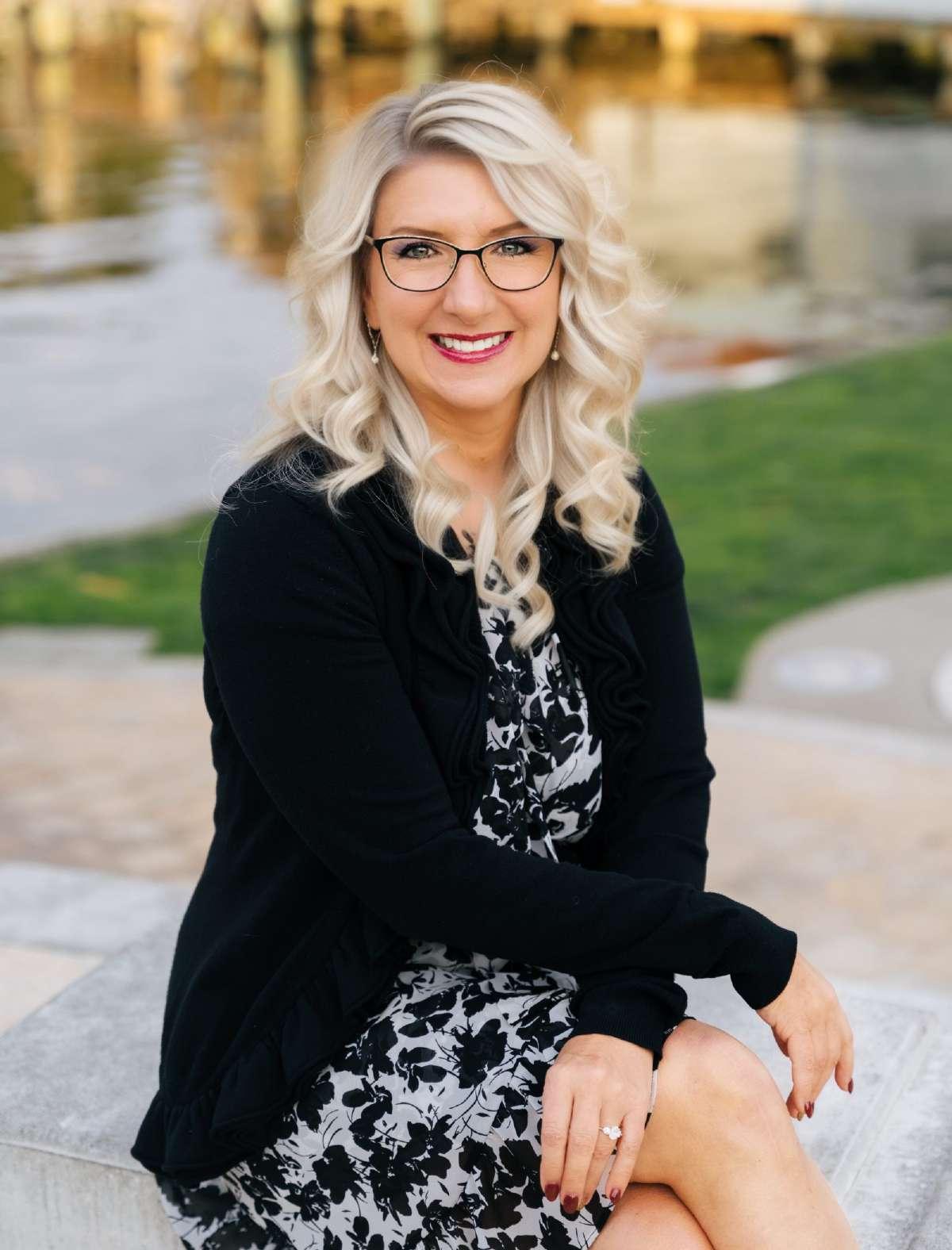
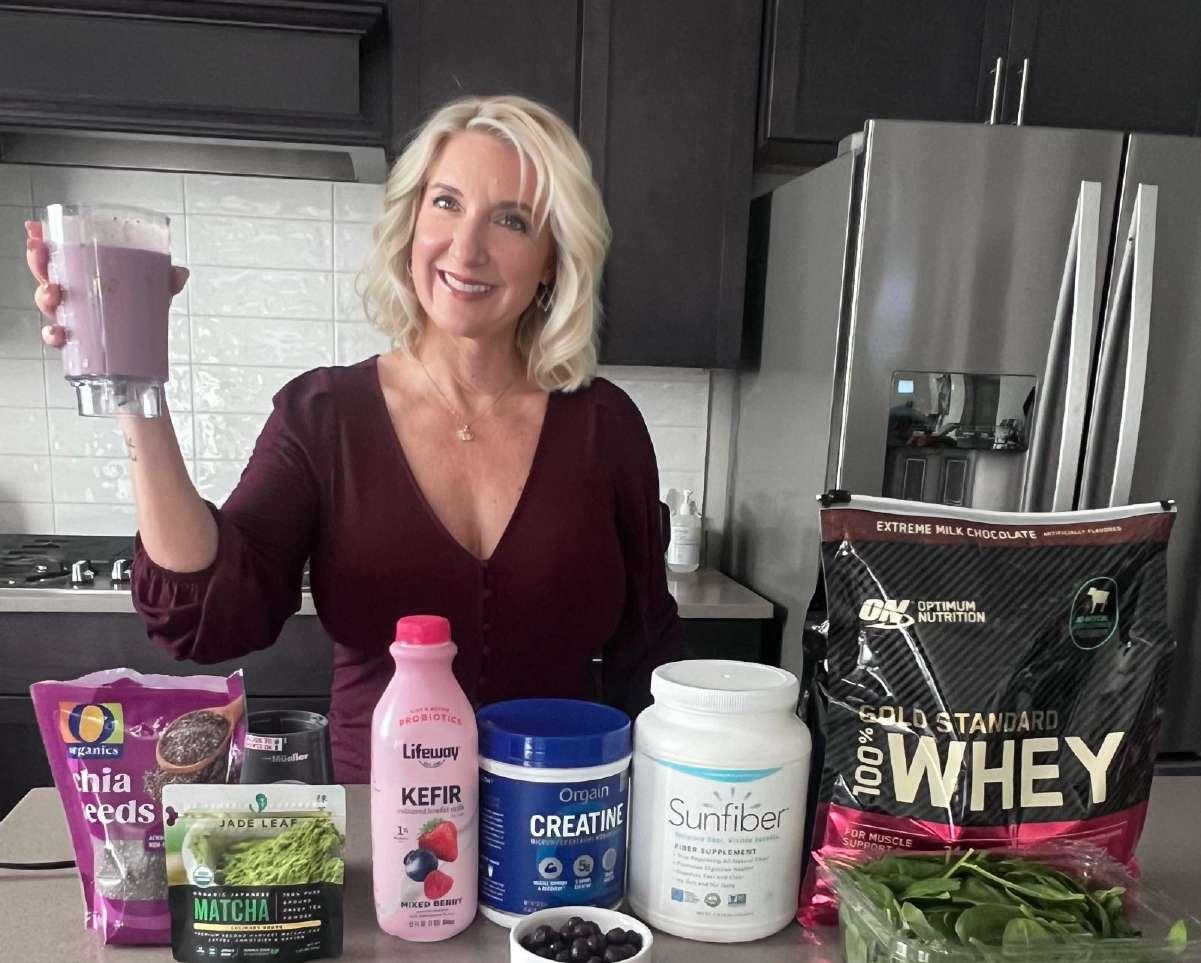
Dr. Kari Hamrick
Why Women’s Health Needs More Than Generic Advice
For more than three decades, Dr. Kari Hamrick has dedicated her career to helping individuals transform their health through nutrition, education, and sustainable lifestyle changes. Specializing in women’s health, particularly PCOS and menopause, Dr Hamrick combines clinical expertise with compassionate, personalized care to help women navigate hormonal transitions with condence rather than fear.
In this exclusive conversation, she shares the personal experiences that shaped her journey, the misconceptions surrounding hormonal health, and why redening wellness beyond the number on the scale is essential for long-term vitality.
Your career spans more than three decades across clinical practice, research, and education. Can you take us back to the beginning and share what inspired your journey into nutrition and dietetics?
At age 8, I lost my father to colon cancer, a disease we now know is highly preventable
through diet and lifestyle. As I got older, I became fascinated by how food could be medicine, not just fuel. I pursued my BS in Nutrition and Dietetics, followed by a registered dietetics internship and a PhD from Texas Woman’s University
I’ve spent over 34 years blending clinical work, public health, research, and education. Every chapter reinforced one truth: real food, eaten with awareness, has the power to transform lives. That foundation still drives every consultation I have with patients in my telehealth private practice.
You now specialize in women’s health, particularly PCOS and menopause. What led you to focus on this area, and what gaps did you see in traditional care?
Midlife women kept showing up in my practice feeling dismissed. They were told things like, “It’s just hormones,” or “Lose weight, and it'll get better.”
I saw brilliant, accomplished women
struggling with PCOS and menopause, while traditional care often defaulted to medication alone or generic advice. The gap was clear: women needed evidence-based nutrition and lifestyle strategies that addressed root causes like hormonal shifts, gut health, stress, and metabolism.
In my telehealth practice, I aim to ll that void with compassion and personalization, turning “the change” into a powerful upgrade.
Hormonal health is often misunderstood or overlooked. What are some of the biggest misconceptions women have about nutrition and hormone balance?
Women often think their hormones are broken. But they are not broken; they are changing. Nutrition doesn’t ght the change, it complements it.
There are three common misconceptions that stand out:
1. “Calories in, calories out.”
This is only partially true for women in menopause because it completely ignores how estrogen decline reshapes muscle and fat storage and slows down metabolism. Severe restriction can backre, triggering survival-mode fat storage and muscle loss. Nutrition must adapt, not just reduce.
2. “Hormone balance only comes from Hormone Replacement Therapy.”
While these tools have a place, food and lifestyle are the true foundation. Phytoestrogens from soy, axseeds, and legumes gently support estrogen receptors; protein helps preserve muscle and
promote satiety; ber and anti-inammatory foods help stabilize blood sugar and support gut health. Combined with stress management and movement, these create sustainable balance without relying solely on external hormones.
3. “Menopause means inevitable weight gain.” This is perhaps the most damaging myth I dismantle daily. Symptoms are real, but they are not a life sentence. Evidence shows targeted nutrition, strength training, sleep optimization, and mindset shifts can dramatically reduce or eliminate many issues.
Your approach emphasizes evidence-based nutrition combined with personalized care. How do you tailor your guidance to meet each individual’s unique needs?
I start with deep listening: medical history, labs, symptoms, food relationship, stressors, and goals. There are no cookie-cutter plans.
A busy executive with PCOS gets different protein timing and carb strategies than a menopausal woman battling night sweats and emotional eating. I collaborate with patients to create small, sustainable habits that last a lifetime.
Progress is measured by condence, skill mastery, and joy, not just numbers.
Your philosophy challenges traditional metrics like weight alone. How should individuals redene progress and success in their health journeys?
The scale only measures your relationship with gravity. It says nothing about strength, vitality, mood, or purpose.
Redene success through non-scale victories: stable energy, clothes tting better, fading hot ashes, and clearer thinking. I call these the “goddess metrics,” tracking how you feel and function as radiance is reclaimed.
When women shift their focus here, sustainable weight management follows naturally.
You place strong emphasis on building a
positive relationship with food. Why is this so important, especially for women dealing with conditions like binge eating or metabolic challenges?
Food is not the enemy; restriction fuels rebellion.
For women with binge eating, PCOS, or metabolic shifts, a punitive approach worsens cortisol, cravings, and guilt. A positive relationship built on mindful, intuitive eating reduces stress, supports gut-brain health, and creates consistency
When you heal your relationship with food, your body stops ghting you. I teach women to nourish without fear, break cycles of shame and yo-yo dieting, and balance hormones naturally.
Looking ahead, what is your vision for Nourish with Dr. Kari Hamrick, and what impact do you hope to make in the future of women’s health and nutrition?
I envision a world where midlife women feel empowered, not erased. A world where menopause is celebrated as a renewal, not endured.
Through my telehealth practice and my upcoming book, Embracing Menopause with Condence: A Holistic Approach to Midlife Health and Wellness, I want to mainstream practical, evidence-based nutrition that bridges clinical care and daily life.
My hope is that millions of women dance through the midlife transition with condence, vitality, and joy, redening aging as their most radiant chapter