8 self-care tips for busy CEOs that you may have heard of

Leadership Failures Driving the Great Resignation
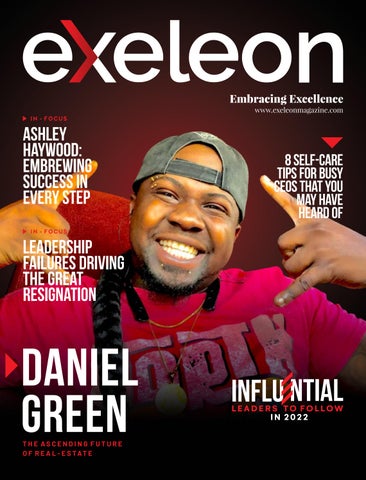
8 self-care tips for busy CEOs that you may have heard of
Leadership Failures Driving the Great Resignation
THE ASCENDING FUTURE OF REAL-ESTATE
LEADERS TO FOLLOW IN 2022



Embracing Excellence
Editor-in-Chief –
Art Director –
Managing Editor -
Creative Director –
Contributing Editors –
Content Curator –
Daryl Yeung (Story-Tailor)
Naomi Lam (Design Ninja)
Matt Reis (Wordster)
Adam Waring (Grafista)
Ian O'Shea, Matt Hale, &
John Riggs (Three Musketeers)
Cathy G. (Explorer)
Sales
Project Manager –
Marketing Manager –
Senior BDM –BDM –
Josh Wilder (Cultivator)
Mike Jackson (Marketeer)
Katherine Price (Sustainer)
Richard Dann (Facilitator)
For any advertising related information, please contact info@exeleonmagazine.com. Submissions as well as contributions to the magazine are welcome.
Take a moment and let us know about our magazine; whether it be about the design or a possible mistake, we would appreciate any feedback from your end. You can reach out to daryl@exeleonmagazine.com. 600





There are some people that learn to overcome hurdles and not let the fear of the unknown bog them down. They learn to accept change positively. They see it as a chance to grow and experience something different instead of staying put.
One such person whose thoughts became his words and thereafter his actions to shape his entrepreneurial life is Daniel Green, CEO and Founder of Green and Green Estates Incorporated.
Daniel is the voice of his company and has an invaluable perspective in the real estate industry. Infact, he has gained this wisdom by “being in the trenches for years.” It was only recently that he started his journey towards building and developing an empire of real-estate automation.
He says, “Once we reach that point of advance satisfaction, we understand that we will be leaders in this part of the real estate industry.” As an independent thinker, he gives his team opportunities to innovate and be creative. Right now, his team is focused on bridging the gap for others by building a roadmap and simultaneously, designing upcoming steps for themselves.
Daniel also recognizes that being a pioneer is a challenging journey, especially in the beginning. He considers every milestone to have a nuanced layer of risk as it is “very difficult, busy and costly.” But his purpose brims with promise, “As long as we have goals, I am going to continue to take my leadership test and pass with flying colors.”
Interestingly, Daniel's mindset is more aligned towards progress and not perfection. He acknowledges his duties and responsibilities, especially after being the top executive in 2021 and 2022.
He is enthusiastic about combining his ideas with his vision to do better and do more. He is driven to make the most out of his rich experiences, capital, family and most importantly, the respect he's gained from people.
Additionally, he thrives on collaboration and is actively looking for partnerships where everyone grows together. He takes pride in his team's talent as he moves ahead with his eyes on the prize — to win; today or tomorrow but definitely one day.
Daniel's early years were fascinating as he never shied away from experiments. He relentlessly pursued his “why” and always outthought others, especially his opponents. Soon, he developed awareness of the world around him and did not miss a beat to make the most out of any opportunity.
Looking back, he recalls one thoughtful incident where he


celebrated his curiosity. During his school days, he and his classmates were asked to make a project on kinetic energy and its process in the most simple way possible. In the next few days, Daniel learnt everything he could about this new topic and came up with a plan to make it a LIVE experiment.
He went to the extent of actually vacuuming the floor to understand the mechanism behind kinetic energy. After that, he assembled the vacuum hoses together and built a make-shift bridge. He then went two steps further and rolled one of his marbles through the hoses to see how the marble slowly moved towards the opposite direction.
To his credit, this experiment turned out to be a success and this “novel invention” made him stand out in the entire school.
Combing through yet another memory, at the age of mere 5, he remembers tagging along with his brother to his father's office. Being in the real estate industry, his father was just finishing up a house on McCormick Street in Sumter, SC.
Impressed with his father's work, a lady walking down the street turned into a customer as she quickly made up her mind to purchase the house. She didn't take too long to write the check for the down-payment and soon after, he and his brother received a check from their dad for all the work they did together. Daniel was over the moon!
But something didn't seem right when the lady got back to see the house again.

Apparently, she changed her mind about the house and 5-year-old Daniel realized the intricacies of this industry sooner than expected. She insisted on a refund and that meant Daniel and her brother had to give up their payment too.
This was one of his first experiences that taught him about the unpredictable and unforgiving nature
of entrepreneurship. However, he kept his spirits high and learnt that although he might not win today or tomorrow, but one day he will win.
A day in the life of Daniel Green is based on the triumphant theme of the song Rejuvenation by Juvenile. He
borrows the essence of hustle, power and victory and goes after what he wants, unabashedly.
It is his vision that makes client satisfaction the beating heart of his business. His team takes up the responsibility to make all the paperwork related to buying and selling real estate a cakewalk for their clients. “If I can buy that


Daniel's curiosity into the real estate industry grew through his dad and this really encouraged him to explore this field. “My passion for real estate blossomed when I was working with my dad doing fix and flips and buy and hold,” he shares enthusiastically.
He also believes that he'll continue to “live in the trenches for as long as he lives” due to the unpredictability of this industry. “Not struggling in the trenches, but advancing in them,” he soon clarifies.
Daniel almost feels like he was born into real estate because in some way he was associated with it from the beginning. “My dad was building his 2,664 square foot house which is now used as the office space for my company, Green & Green Estates Incorporated.”
However, this South Carolina-based entrepreneur had to face several obstacles to finally break through. For most part of his early entrepreneurial journey, he was living in hotel suites. This was the time when he started his
paperwork, rather than buying the physical property, banks will buy and sell for us along with the real estate agents,” he shares. “Mortgage companies love to be our friends because at the end of the day that debt gets paid,” he adds.
An entrepreneur is bound to face the fear of failure, but Daniel felt it and embraced it. His biggest challenge so
car dealership which was not set up as a business entity. He vividly remembers that he had only three cars— all Honda. With maximum power and effort, he managed to sell his last Honda because the consequences of not selling it would be dire— for him and his business.
The uncertainty led him down the dark road as he indulged in drugs and starved for days. Thereafter, this resulted in drug overuse, bad investments, bad deals and other troubling decisions.
In 2017, things started to look up when he finally found his footing in the trucking industry. He consistently built his blocks of business one after the other and did not let his pride get in the way.
That said, if it wasn't for those 3 Hondas being sold out, he wouldn't have made it this far in the entrepreneurial journey. Later, he started to dedicate his time in developing his interpersonal skills as he moved towards more progress.
far has been to save and organize all the data systematically. “The person with the most data wins in this game called overages,” he asserts. This is also due to the involvement of his company in multiple areas where the same data is used for any real estate transaction.
However, he regards every challenge as a learning experience. He is
especially attentive in making the most out of this data as he does not want to miss out on any potential transactions. “I think they call that double-dipping,” he laughs.
On a serious front, he wants to use these experiences to build his company as the only premium realestate brand in the world. For Daniel, the next step in establishing world
dominance is investing resources in cutting-edge technology and keeping up with the technological trends worldwide.
If Daniel were to start his journey again, he says he would start a GoFundMe due to the uncertain relationship with real estate transactions. “It would be a lot easier if we had more capital to play with,” he adds.
He also thinks that he would have pitched his business to more investors so that he could get more funds to run his business smoothly. “A lot of individuals or businesses who have big investors make their way to the top faster,” he shares.
Although his company has made big strides, he is satisfied with the exceptional pace with which he achieved the goals. He plans to finally quit and retire as a financially-sound person.
Daniel takes pride in the success of his business despite the hiccups along the journey and his one piece of advice for aspiring and emerging leaders is “to stick to it and fight through the adversity.”
He feels that when you fight, you are making sure you are making every effort worth it. Moreover, he suggests embracing your emotions, even if it means to cry and sweat to make things work for you. “Believe in yourself and do what it takes and most of all, stick with it because I can promise you the end result is way better than how it started,” he declares.
On a personal front, Daniel's future plan is to prepare for a distinguished career. Drawing an analogy with viticulture, he looks at his progress similar to the grapevines.
When not planning about his future, he enjoys creating music. He finds music to be an “art of sound that expresses ideas and emotions in significant forms through elements of rhythm, melody, harmony and color.” As an entrepreneur, he wishes to fulfill his ambition of being the best-in-class while contributing to his country as a responsible citizen.
On the professional front, Daniel is keen to take on projects that spread the word of Green & Green Estates Incorporated. “I'm looking for podcasts, radio stations, and TV shows/news media outlets to help us,” he adds. He has also drawn-out plans to expand his real estate company and wants to experience more growth while building his business.
In the coming years, he aims to hire more truckers and set up an office. He recognizes the changing patterns of work and encourages all of his employees to work virtually, right now. Another leaf from his future plans is to start a non-profit organization soon.
Daniel finds happiness and contentment in finding like-minded people and making a sizable impact in their life. He believes “making a difference in others' lives is not work, it's a mindset.”





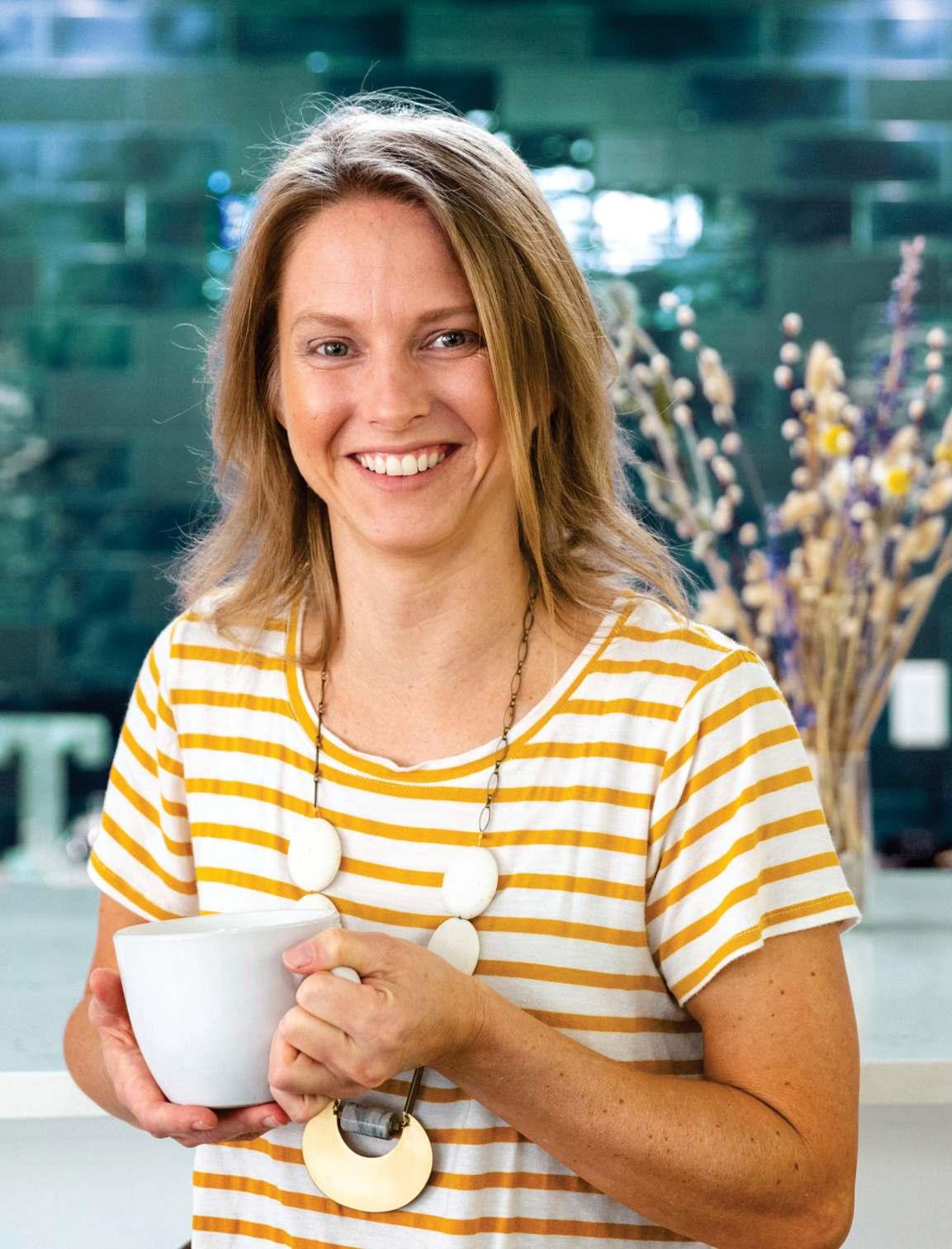
What according to you makes one a transformational leader? How do you integrate the same thought into your leadership?
A transformational leader is one that can transform lives and the Earth through their leadership. For me, this includes being impeccable with my diligence in sourcing ingredients and materials ethically and making products that truly beneit my customer's health and wellbeing.
Talk to us about your growing up years. What is your earliest memory as a leader that you can remember?
I was certainly a bit bossy as a young girl, which served me in some ways but not others. I was proactive with my friends, did well in school, and loved asking questions. Good leaders are the ones that aren't afraid to ask the questions everyone else is thinking but are too afraid to ask.
What started your love for Tea? How did this love go on to become the start of Embrew LLC?
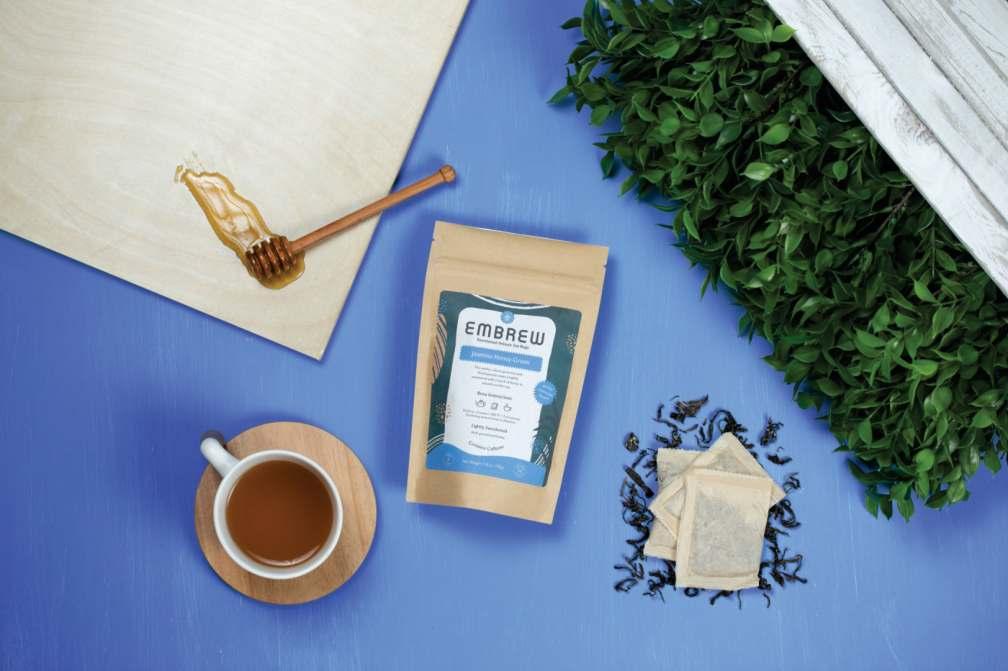
I've always loved tea, and just a little bit sweet. I found myself sweetening my cup the same way every single time and thought there should be a lightly sweetened tea bag that was already out on the market. After over 10 years of looking for one and coming up empty, I set out to create the irst high-end, lightly sweetened, tea bags and Embrew was born.
What makes Embrew stand out from the crowd?
Each Embrew tea bag has loose-leaf grade tea and natural sweeteners inside, so it simpliies the tea experience for those looking for premium lavor, but cringe at the thought of a grocery store tea bag or messing with loose leaves, infusers, or sticky honey. This is a big upgrade that no one else in the tea space has.
Being an entrepreneur, speaker, mother, and wife, how do you ensure work-life balance?
I ensure I have balance and avoid burnout by setting boundaries for myself in all aspects of my life allows me space to be me and do things just for me. I decide upfront how I want to spend my day, and make sure I don't compromise what I want to do versus what I “should” do.
What is the approach/process followed by you in order to ensure optimal quality in all your products?
We source our teas from different farms all over the world. The world is a huge place, but by buying directly from growers who we know by name, we've brought the human connection back into the process. Buying Direct-Trade products allows us transparency into the supply chain and ensure the farmers are respecting the land,
the plants and the people working hard to make a living. This means our customers have visibility as well so you can feel good about the farms you're supporting.
How is this different from the other tea products?
The majority of the growers who aren't part of a Fair-Trade Coop or selling directly to the manufacturer only receive about 10-15% of the money customers pay for the product, sometimes even less. This is because there are multiple hands buying and selling the raw materials through a long, cumbersome supply chain that drives up the prices and drives down the portion paid to the
farmers.
Most companies boast highquality tea, but as we all know, it's certainly a matter of taste.
Here's what we DON'T do:
1) We DON'T used overly processed, shredded, low-quality tea leaves.
2) We DON'T buy our products only knowing the country of origin where farming practices may be questionable for the environment or for human consumption.
3) We DON'T used bleached brew bags. Only unbleached bags with no tag, string or staple to reduce waste
and allow for composting.
We DO use high-quality tea leaves from growers with careful farming practices and use all compostable or biodegradable packaging.
What has the journey been like for Ashley Haywood over the years?
Every moment is full of different emotions, levels of motivation, and focus—but what's constant is looking for opportunities to give tea-loving people more me-time without having to clean up an infuser or mess with a sticky honey bear again.

Looking back, what would you have done differently if you were to start again?
If I could go back, I wouldn't change much, since I've learned a great deal from the journey. But I would tell me start-up entrepreneur self to have conidence in the building of something great. To love the process, not just focus on the endgoals.
What has been the biggest roadblock during your journey? What has been your biggest learning?
Time has been my biggest roadblock, along with my mental attitude. I never realized how much
my own expectations of myself hurt my progress of building the business with joy. Having the right headspace and intrinsic motivation is critical in trusting and building a business when you have no idea what you're doing.
I've learned time and time again that trying new things is good, even if they don't work, it's part of the process to get you to the thing that does inally work.
Finally, what does the future look like for you, both personally and professionally?
I'm working on an e-book about the dangers of caffeine, adding more speaking engagements this year, and focusing on PR
opportunities for Embrew and my personal brand. This will allow me to grow the business in a sustainable way without continuing to waste money on digital marketing that doesn't offer a good ROI. Personally, I plan to learn more about the tea herbs I can grow in my own backyard, chase my new obsession with mushrooms, and learn to move my body in more luid and feminine ways with acrobatic dance.


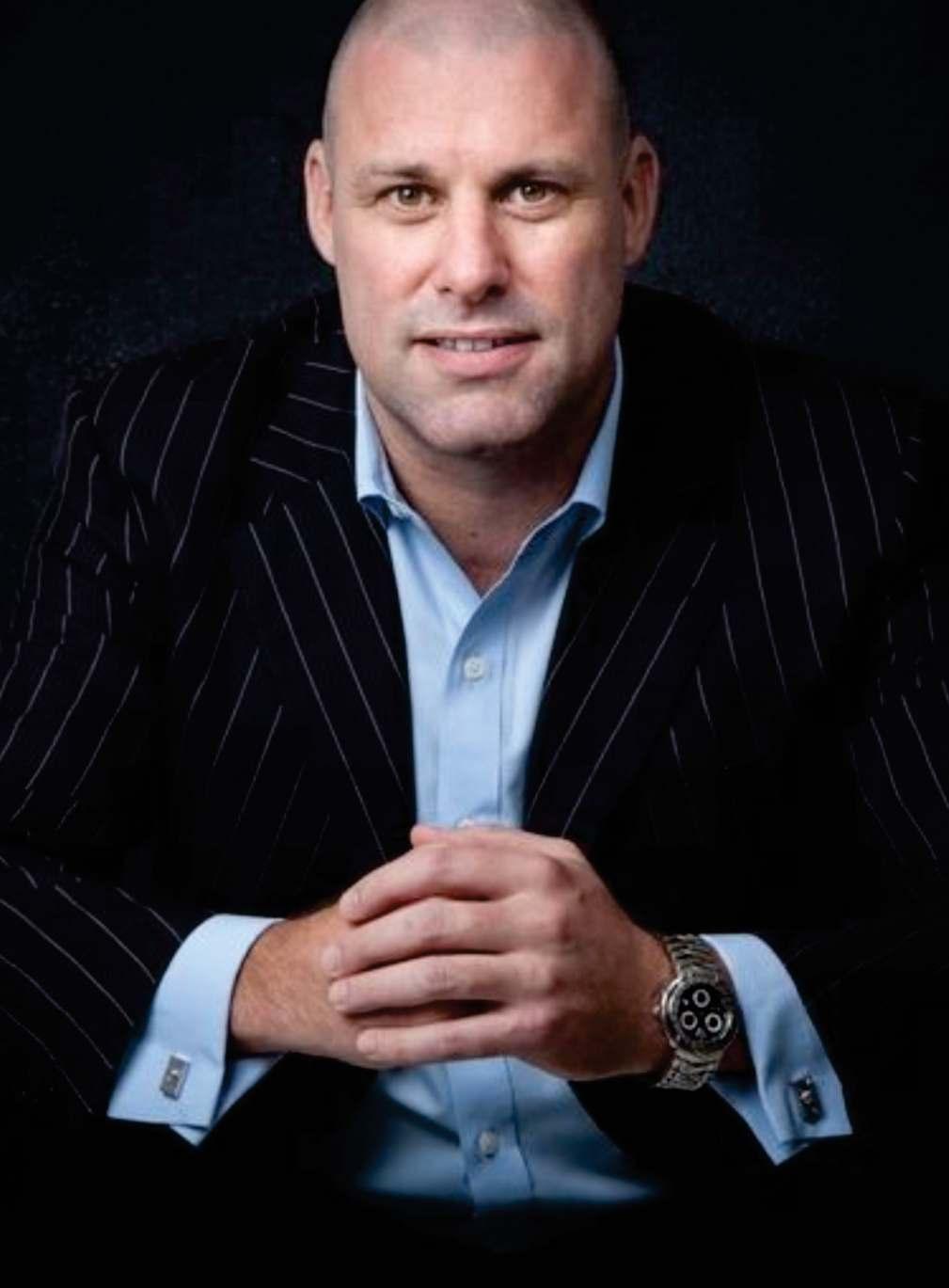
Trent Richards CEO,
Great leaders start with a clear vision and then ind a way to inspire and motivate their people to turn that vision into reality. This requires an understanding of what your team needs in order to work at their best, the ability to communicate with others clearly and effectively, and the intelligence
to aim high, remain lexible, and create the right processes for your business.
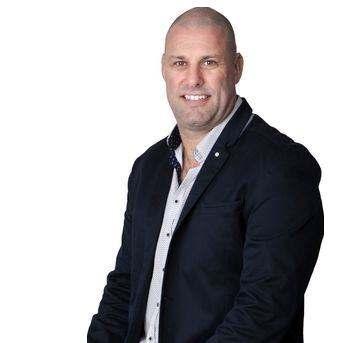
Trent Richards, CEO of Metrix Coin Ltd, also strives to live by the same philosophy and enjoys inding the best people for the job at hand and acting as the most robust support for them to achieve growth. He believes that by simply deining the end zone for each project
undertaken, collective success can be achieved alongside establishing a trusted leadership role that ensures that the end goal does not get out of reach.
Trent has worn several professional hats in his professional journey, spread across a number of verticals that ultimately led him to currently leading a digital currency company. Exeleon exhibits the same through this exclusive feature.

Trent can distinctly remember one school morning where he saw a man pushing a cart and dropping off a local newspaper to each household. His curious mind started to wonder how long it would take for the man to deliver the newspapers and back to the reill stack to pick up the new ones. He arrived at the most common deduction that it would take long for the man to walk to the reill stack, deliver again, and then return to his delivery run. Soon, he started
seeing the same man regularly on the way to school and back home delivering the papers.
That observation ignited a spark in Trent's mind to do the same job, but only had the papers delivered to his home. Perceiving the situation, he then recruited ive of his friends to provide 20% of the total supply with the same push bikes on the way to school. He recalls, “We met at my house at 7.30 am, and each added their stack to their custom bikes, and all arrived at school before 8.45 am with the entire delivery round completed. They each received 10% of the total
payment for the delivery round.” These short rounds of clever work generated a lot of good, early income for Trent.
As a few years went by, Trent understood that he did not like the school and only wanted to participate in it as required by the law. He was more inclined towards doing business. “I could see that school taught people how to get a job and how to work for 40 years and survive their retirement years inancially if they were lucky. I wanted to learn from business leaders who created the jobs, not working the jobs,” elaborates Trent.
Hence, when Trent was 17 years old, he started his business in the holiday industry, illing up empty hotel rooms with people for a discounted holiday. And before he could understand any better, the business transitioned into a fullledged marketing company as he surveyed his customers whilst they relaxed on holiday.
Subsequently, he only saw continuous growth in his entrepreneurial adventures, following his stint with the holiday industry. Trent turned to real estate, wherein he established a company selling investment property, followed by setting a Mortgage Broking Business, Financial Planning Business, Accountancy, Insurance Agency, Property Development, Land Acquisition Company, and Call Centers. The names on the list kept growing with a few 'fun' companies, including Nite Club, V8 Supercar Racing Team, Helicopter Aviation, and much more.
While this was all going well, years later, one of Trent's investments started to fall apart. The situation and Trent's will of seeing this investment through led him to become the CEO of Metrix Coin.
Over the few years of Metrix Coin's operations, the team at the business started to fall apart, affecting the overall sustainability of the project. For Trent, the situation demanded either of two things; join the team as a volunteer to turn it around or let the investment go in vain.
To Trent, the irst option seemed a better choice. “I decided to reach
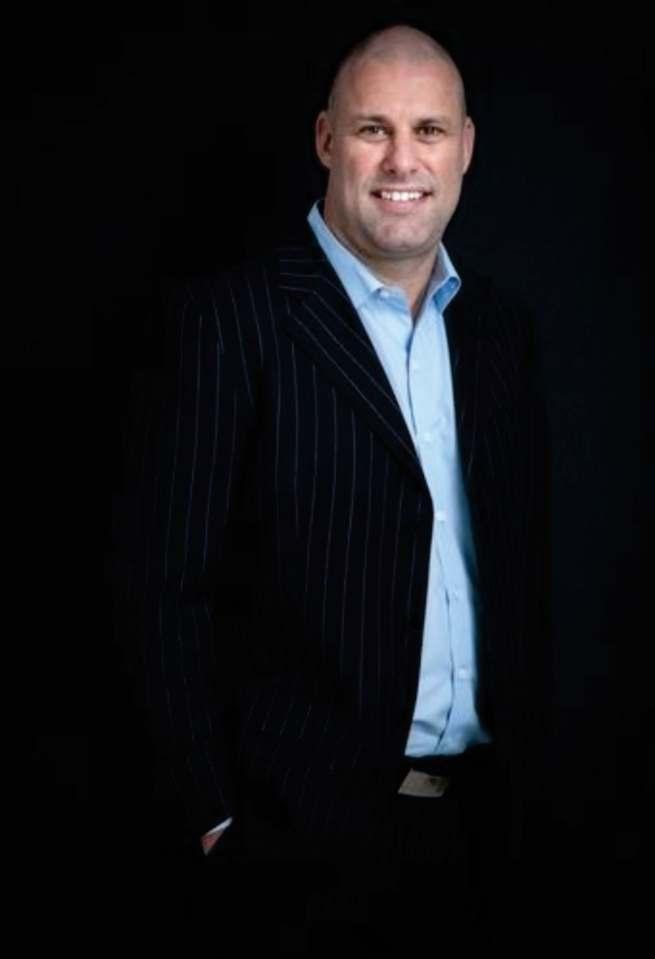
out to the team, who I knew very well over the years with many deals done between us. I came on board initially as a Business Development Manager and very soon after took the reins as the CEO,” details Trent. “I believe that since I have been the CEO, we have seen a signiicant turnaround in the project. We have
now listed on multiple Centralized Exchanges as well as created a wrapped version of MRX allowing us to list on many Decentralized Exchanges as well.”
For Trent and Mendix Coin to grow much, he has had to learn a lot about this continuously expanding
Trent has had a remarkable journey of the last two years, committing thousands of hours to his business, to his project. He is immensely proud of the current working team environment observing the enormous amounts of greatness the irm has achieved so far.
And for the future, Trent wants to grow the ecosystem of the irm, including Wage Street Gaming, MetriVerse NFT platform, Metrix Name Service, Metrix Alarm Clock, Web3 Development, and the in-progress Metrix Dollar DAO DeFi platform, to grow, even more, it has in the past couple of years.
All in all, Trent has lined up quite some things for the company and perceives the future to be bright.
and evolving space. While his earlier entrepreneurship ventures had 600+ staff members employed in over ive countries, his present team comprises community members around the globe. None of these people are paid for what they do. For Trent, this factor alone changes all the existing corporate ways of thinking and working. “The learning is simply ongoing!”
Trent also has quite a different style for leading the company from the front. He says, “Most CEOs meet on a monthly or quarterly timeline to plan the future Road Map and monitor their team's performance. I am personally the exact opposite to this and do not believe in simply sitting on a board to make conversation.” Hence, he proactively extends his skills to take on other
projects as well. His interest extends to cash low management, business development, team development, inter-project communications, partnerships, and much more.
Extending on the operational front, Trent believes that the real-life cases of his projects separate one from the other. And in the digital currency world, partnerships play an essential role in the space, which at the moment has worked splendidly for his business. For instance, the collaboration with Coins Paid allowed the irm to accept MRX, BTC, and ETH from external sources. The irm also removed the Paypal integration to strengthen the case for cryptocurrency further.
A GUIDE TO TRAVERSING THE DIGITAL CURRENCY LANDSCAPE
Being in the industry for over two years, Trent warns aspiring and emerging business leaders to stay vigilant against scammers. The current space occupies a chunk of people trying to scam other people. And businesses in this realm spend a lot of energy and resources on these scammers across all the platforms. The newcomers must be wary of such nuisances while conducting business operations in the space.






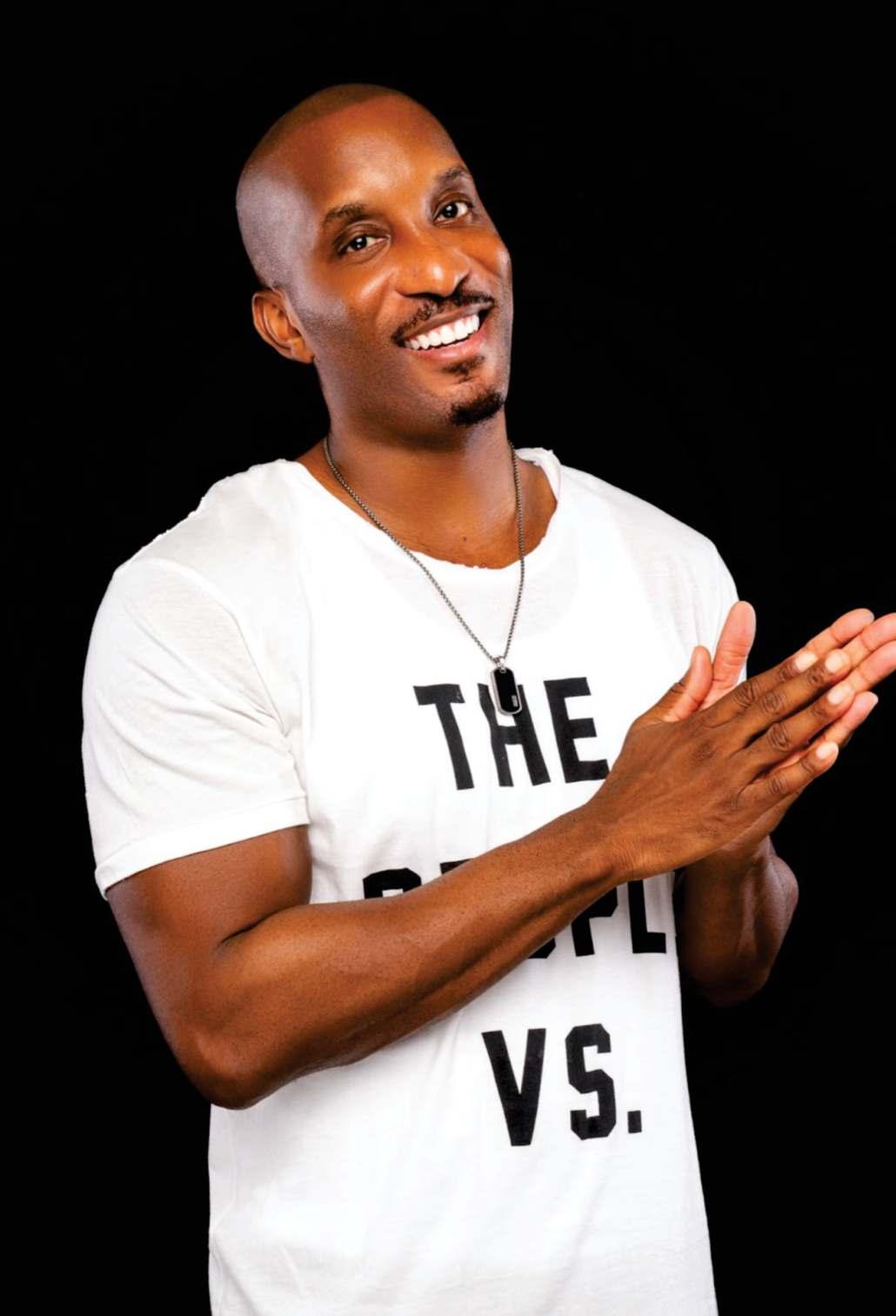
Author and
Transformational Coach
Since early 2021, the Great Resignation
continues to cause havoc in the employment world as millions of workers are making a mass exodus. More than ever, business leaders and employers need to think smart to ensure their work environments appeal to the post-Covid generation of workers, while also recognizing some of the fundamental leadership failures that drive good employees away.
Leaders globally are grappling to understand what is fueling the Great Resignation. Research suggests that in the aftermath of Covid, people are rethinking their careers, acknowledging their long-standing job dissatisfaction, desiring a better work-life balance, and increasingly preferring the lexibility that remote work allows.
To adapt to this post-Covid generation of employees, employers need to ensure that their work environment appeals to the generation of workers, and this includes recognizing and addressing some of the fundamental leadership failures that are known to drive employees away.
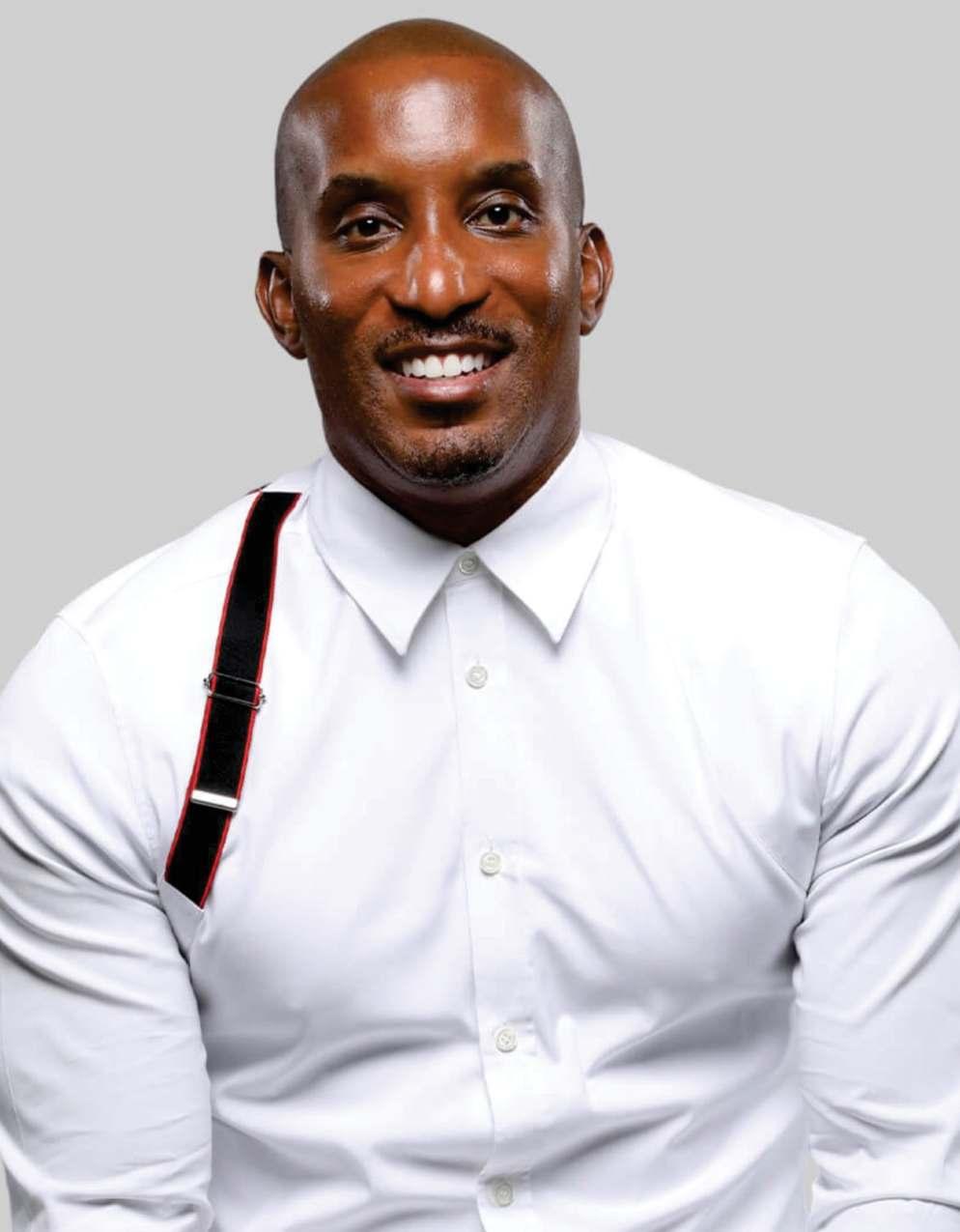
Dr. Dharius Daniels, an emotional intelligence expert, author of Relational Intelligence: The
People Skills You Need For The Life Of Purpose You Want and former professor at Princeton University, identiies four crucial leadership failures and provides insights on how to rectify these.
Leadership failure 1: Not recognizing employees as the primary customers
Employees are initially drawn to work for a company because of the company's reputation. Ultimately however, good employees stick around because of how well a company looks after them. Employees should therefore be treated as the primary customer. This means that the employee should be treated, cared for, managed, and responded to in ways that are consistent with what the company wants for their customers.
Managing employees in this way not only sets a good example, but also increases one of the most important assets of any company – credibility. What credibility brings is trust. As Steven Covey says, every relationship “moves at the speed of trust”. Employees want to work with and work for a company that they can trust. If they can't trust the company, then there is no credibility.
Leadership failure 2: Not recognizing the difference between leadership and management
'Leadership' is a buzzword in corporate culture but, in reality, what we see in most companies is a management culture and not proper leadership.
Management is important and is part of leadership responsibility. Managers have to make people follow, but leaders make people want to follow. Managers bring about compliance but what leaders are able to create is buy-in. When there is buy-in, it increases the likelihood of an employee bringing their best self to work and giving their best effort.
If leaders recognize the difference between management and leadership, it increases their likelihood of recruiting and retaining good employees and of having a team that gives their best effort and will go beyond the regular call of duty.
Leadership failure 3: Not recognizing that inances are no longer the only valued compensation
A recent development, speciically when considering the work patterns of the millennium generation, is that inances are no longer the only valued compensation.
Current studies reveal that this is the irst generation in a long time to not out earn the previous generation. It is not because this generation isn't capable or competent, but because there are things that they value more than money, such as being part of something that means something, and that values them. They value lexibility more than inances.
An example is the idea of golden handcuffs: paying employees so well that they tolerate toxicity in their working environment because of the inancial compensation. It may have worked for previous
generations, but it will not work for companies that thrive in the future.
Leadership failure 4: Not recognizing that EQ is the IQ multiplier
Given the reality of the Great Resignation, it is important to realize that what employees don't want to return to, is the toxicity in the culture they were part of. They are not avoiding work, or wanting to stay at home, but they've had a glimpse of what it's like to work in peace.
Emotional Intelligence (EQ) should be seen as a core leadership competency.
The four qualities of EQ
1. Self- Awareness: How well you are aware of yourself as a leader.
2. Self-Management: Your ability to manage yourself based on what you know about yourself, as the irst person any leader must lead, is oneself.
3. Social Awareness: Your ability to discern the difference in others and their relationship management.
4. Relationship Management: The ability to distinguish how different people communicate and are motivated, and your ability to lead and respond accordingly.
Being an emotionally intelligent leader - able to manage yourself and others - is key and critical to recruiting and maintaining good employees in a post-COVID work world.
culture and not proper leadership.
Management is important and is part of leadership responsibility. Managers have to make people follow, but leaders make people want to follow. Managers bring about compliance but what leaders are able to create is buy-in. When there is buy-in, it increases the likelihood of an employee bringing their best self to work and giving their best effort.
If leaders recognize the difference between management and leadership, it increases their likelihood of recruiting and retaining good employees and of having a team that gives their best effort and will go beyond the regular call of duty.
Leadership failure 3: Not recognizing that inances are no longer the only valued compensation
A recent development, speciically when considering the work patterns of the millennium generation, is that inances are no longer the only valued compensation.
Current studies reveal that this is the irst generation in a long time to not out earn the previous generation. It is not because this generation isn't capable or competent, but because there are things that they value more than money, such as being part of something that means something, and that values them. They value lexibility more than inances.
An example is the idea of golden handcuffs: paying employees so well that they tolerate toxicity in their working environment because of the inancial compensation. It may have worked for previous generations, but it will not work for companies that thrive in the future.
Leadership failure 4: Not recognizing that EQ is the IQ multiplier
Given the reality of the Great Resignation, it is importa to realize that what employees don't want to return to, i the toxicity in the culture they were part of. They are not avoiding work, or wanting to stay at home, but they've had a glimpse of what it's like to work in peace.
distinguish how different people communicate and are motivated, and your ability to lead and
Being an emotionally intelligent leader - able to manage yourself and others - is key and critical to recruiting and


It is said that vision is not just a picture
of what could be; rather it is an appeal to our better selves, a call to become something more.
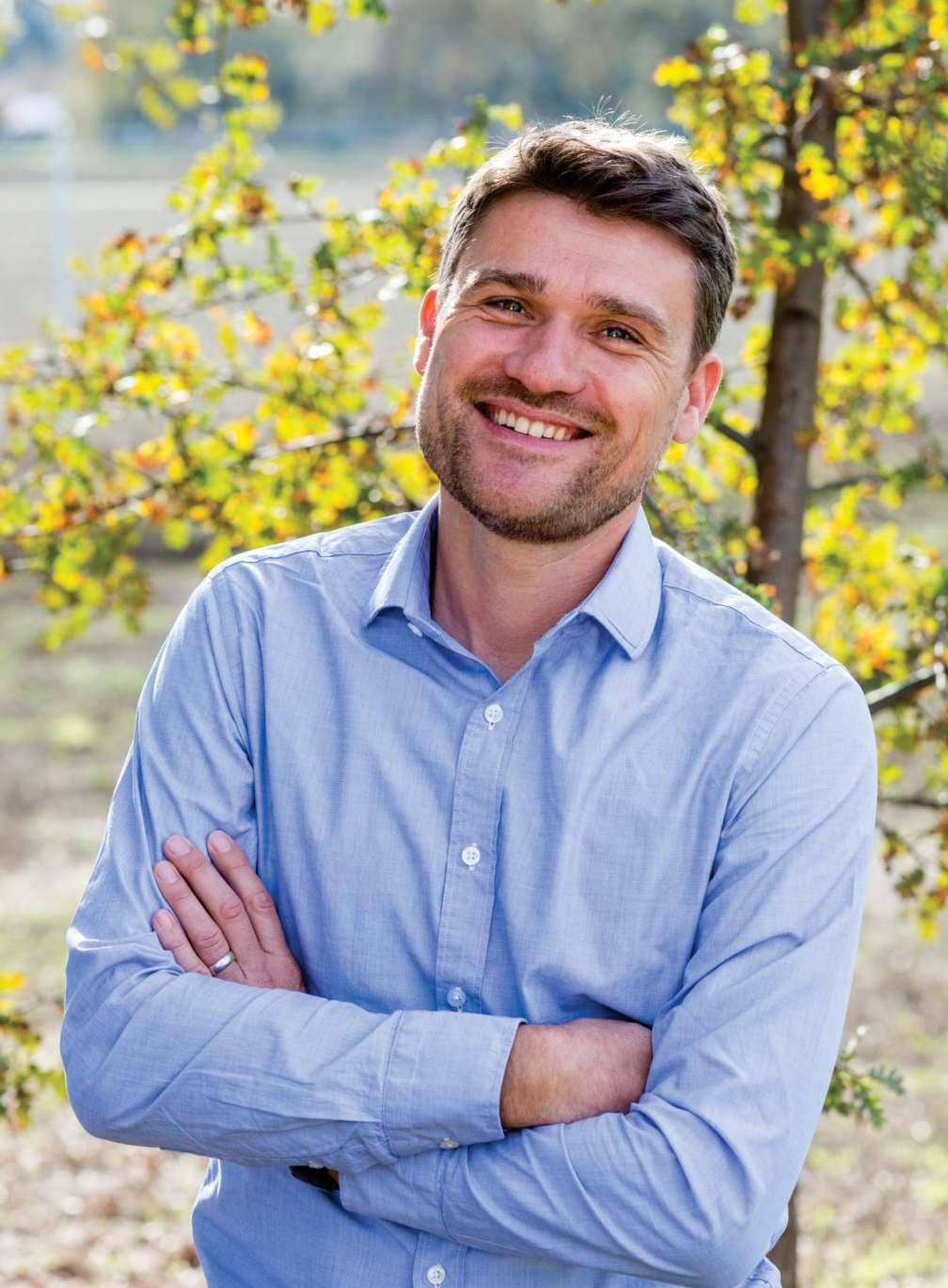
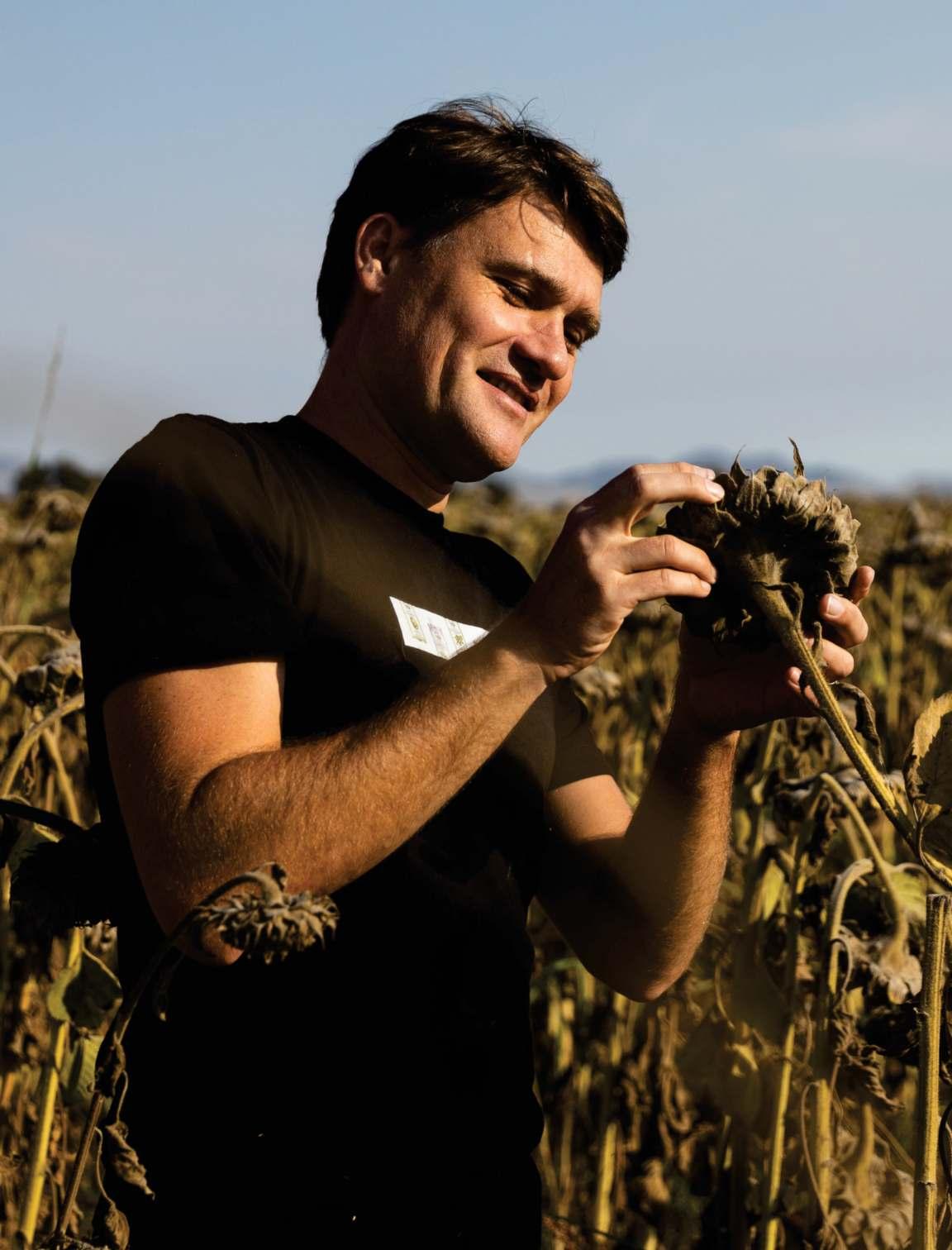
When Matthieu Kohlmeyer set out from France to Northern California, he had a vision to build a company from scratch. That vision led to the formation of La Tourangelle, a company producing specialty artisan oils that are natural and organic.
Two decades later, La Tourangelle stands out as a premier brand selling over 24 million bottles last year in the US with over 25,000 stores nationwide.
Exeleon proudly interviews the Founder of this incredible brand on his journey and dives into how more F&B brands can follow suit and apply sustainable methods in their business operations.
What according to you makes one an inluential leader? How do you integrate the same thought into your leadership?
Inluential leaders are driven by purpose. They decide to take action to make a difference and create solutions. The problems they are trying to solve can be small and local or large and global, no matter, their energy will create a

movement. This positive lywheel is beautiful to witness and so inspiring. I thrive to lead my business with passion and storytelling. By clearly articulating the “why” of our action and by sharing how we help make a difference, my goal is to make what we do less about work and more about mission.
Talk to us about your growing up years. What is your earliest memory as a leader that you can remember?
I grew up in Paris metro, France. Culture and travel were my main hobbies. Art exhibits, cultural events, and history is an endless source of inspiration and discovery in Paris. I feel that my youth was not spent leading but exploring through culture and arts but also travel. Travel included adventure- hitchhiking, train riding, meeting lots of folks, and learning. After I inished high school, it became clear that I wanted to be an entrepreneur. The fact that I started my irst business 9,000 miles away from my hometown is rooted in my passion for discovery.
What was the idea that led to the formation of La Tourangelle? How has the company changed the artisan oil market?
It all started with my desire for


entrepreneurship and adventure. I was casually engaged in various projects but once in business school, I discovered the CPG space through an internship at Unilever. As I was getting ready to travel across North America ahead of a semester at the MBA of University Laval in Canada, my father mentioned to me that one of his California-based nut oil suppliers had expressed interest in making French-style nut oils locally. I spent the summer researching the opportunity and then followed on to write La Tourangelle's business plan while inishing my graduate degree. The supplier was convinced and offered to fund the venture. I ended up graduating and starting the business right out of school. Since then, La Tourangelle has grown to bottle and sell over 24 million bottles last year in the US alone. We have elevated the specialty oils category and made high-quality specialty oils available to most by gaining distribution in over 40% of supermarkets in America.
How is the company helping make a big impact on tackling climate crisis? Why is it an important subject for you?
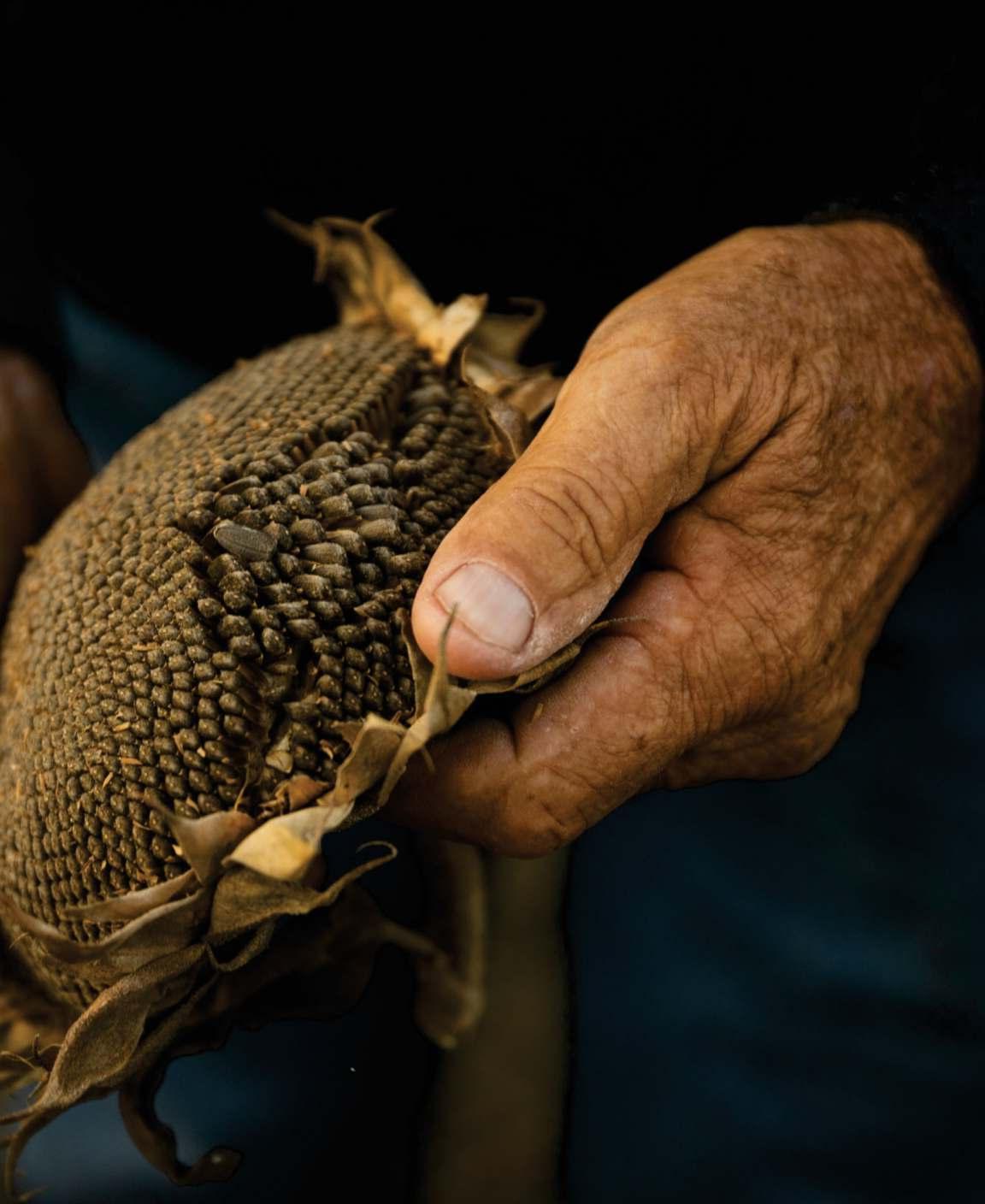
La Tourangelle is making good food. We believe that good food has to be good for the table, the community, and the planet. Agriculture and food are both major sources of global warming emissions AND a potential solution to global warming. By promoting regenerative agriculture and healthy soil build-up at scale, our agri-food system has the potential to sequester huge amounts of CO2. Simply detailed, regenerative farming is a holistic practice of land management that employs techniques such as crop rotation, cover cropping, composting, animal pasturing, and a complete absence of tilling to combat
climate change by capturing carbon in the soil while producing nutritionally dense crops. In essence, La Tourangelle could go from being a massive emitter to a massive sequester. This solution is not well understood by consumers. We believe that consumers want to make the right thing and that we can lean on their power to help farmers make the change. Oilseeds farming represents 100 million acres in the USA alone. This is a huge area of opportunity.
Being the CEO and Founder, what role do you play in the day-to-day proceedings of the company?
La Tourangelle has around 150 employees between California and France. I'm very involved in the day-to-day operations and actively lead our growth and initiatives. We have built a very strong team. I essentially split my time between supporting and coordinating our existing business, promoting innovation and internal entrepreneurship, and making a point to carve out time to meet new people and advise external projects to constantly enrich my vision and learn from others.
What is the process followed by the company to ensure optimal quality and results in its production?
Being a food business, quality is critical. We are IFS and BRC certiied and a irm believer in lean manufacturing. Quality is also offering the best food products leaning on our commitment to table, community, and planet. This constant search for better opens lots of opportunities and forces us to rethink how we operate.
What are the changes that F&B companies should be making to reduce
The fact that I started my first business 9,000 miles away from my hometownis rooted in my passion for discovery.
their environmental impact?
F&B companies hold a lot of power. They have the power to promote attributes and should leverage their strengths to promote better farming, better nutrition, and better packaging. It is my belief that F&B companies have a huge responsibility to make better choices and support initiatives that will have a massive environmental impact. The winners of tomorrow will be the ones that embrace their power and responsibility.
What is your vision with the brand? What does the future look like for La Tourangelle?
La Tourangelle is 20 years old but still a quickly growing company. I believe that we will double the size of our business in the next few years by continuing to expand our leadership in the premium oil market, by expanding into adjacent categories (nut butters, condiments, and dressings) and all this by leaning on our commitment to make delicious, healthy & sustainable food products.




W ri tt e n B y K al e e n C an e vari
True story. Being a CEO means
juggling balls that you didn't even know existed, which makes it easy for self-care to fall apart. Even if you *know* self-care is important and may even espouse the beneits of it to others, there's a good chance that you might not be doing it to the point that you're starting to notice a decline in how you feel.
So, let's talk about some simple ways to level up your self-care game and start feeling better — or at least more clear headed and less like you need to dive into a pool of coffee at 3 pm every day to survive. ;-)
1. Get some freaking exercise.
Look, I know you know that exercise is good for you, but hear me out. This isn't so you have to look a certain way and it
certainly doesn't have to be complicated or time consuming.
All I'm saying is that it makes sense that your body doesn't feel great if you're spending hours hunched over your computer and engaging in back to back ZOOM meetings until your eyes cross.
The thing that can really help this? Exercise. Even of the gentle, not-so-sweaty variety.
Here's some low bar ideas:
Ÿ Look at your calendar each day and see if any of your meetings can be phone based, so you can sneak in a walk at the same time.
Ÿ Find a short stretching routine on your favorite workout app or YouTube that
you can do at your desk.
Ÿ Look for an online Pilates mat or bodyweight class that you can do without breaking a sweat if you have limited time.
…or pick any movement modality that sounds fun to you and book it into your calendar — you know…that all knowing force that runs your life.
2. Establish a morning routine.
This doesn't need to be anything complicated or involved. It just needs to provide structure to your day and get you out of bed without hitting snooze every 5 minutes for an hour.
Enjoy your coffee? Make it a ritual.
Trying to igure out when to sneak in a quick workout or walk?
::Hint…Maybe you can sneak 10 minutes into your morning.::
Starting your day with a clear head and less chaos can set the tone for less stress when you get into the ofice, so consider what you need to do for yourself every morning to feel that way.
3. I know you're busy, but don't skip lunch.
Yes, you're looded with work, but this is not a Snickers commercial and no one wants to deal with a hangry CEO. Also, eating enough improves executive function, so if you want to be able to make good decisions prioritize eating enough during the day!
4. Have a bedtime routine.
You're smart. This is not rocket science. Taking the time to close the
laptop, wind down, and go to bed at the same time every night can help you get a better night's sleep, which improves overall health and helps you think more clearly.
Also, you're not in college anymore. All nighters should not be a regular thing and get some darn blue light blocking glasses already!
5. Cultivate a personalized mindfulness practice.
If you hate the idea of listening to a generic meditation, I totally get it. Wind chimes don't always do it for me either. Something that I've found to be helpful for myself and my clients is to create a more personalized version of recorded meditation. I started doing this when I realized that there are certain things I'll learn or realize in hindsight that I'll want or need to hear again in the future.
When I have one of these moments of wisdom, I write it down and then make a voice recording of it. Later, when I realize it's something I need to hear, I'll play back my recording to myself. For me, this has been more relevant and transformative than a more generic guided meditation. It gives me clarity when I am struggling to shift focus and a muchneeded pep talk that also aids in selfacceptance and appreciation.
6. Get a legitimate hobby. No, your company doesn't count.
This gives you something to look forward to, so work doesn't consume your entire life. Also, I say this with love, but no one in your inner circle cares about the mind-numbing details of being a CEO. Yes, it's important for you to connect with
other people in the same space as you, but you need to be able to communicate with people outside of your industry as well.
To that point, to be interesting — and you need to be interesting for press and podcasts — you need to have something relatable to share with other people. Having an outside hobby helps you be interesting and maintain some semblance of sanity.
7. Create a support network for yourself in and outside of your business.
I think of my executive leadership coach as a business therapist. He's helped me relect on how I manage and lead, which has decreased my overall stress and made me a far more effective communicator.
That being said, if you're struggling — or even if you're not, but you know you could beneit from some additional support — consider inding an actual therapist too. Many of them do remote sessions, which means you don't even have to leave your home or the ofice to honor your mental health.
8. Find something that feels really indulgent to do on a consistent basis — aka treat yourself!
This can be anything that sounds good to you with the shortlist being a massage, facial, mani pedi, or haircut and blowout every 3 weeks. What the thing is doesn't matter, so long as it feels like it “resets” you and helps you feel your best.
Originally Published on Medium.
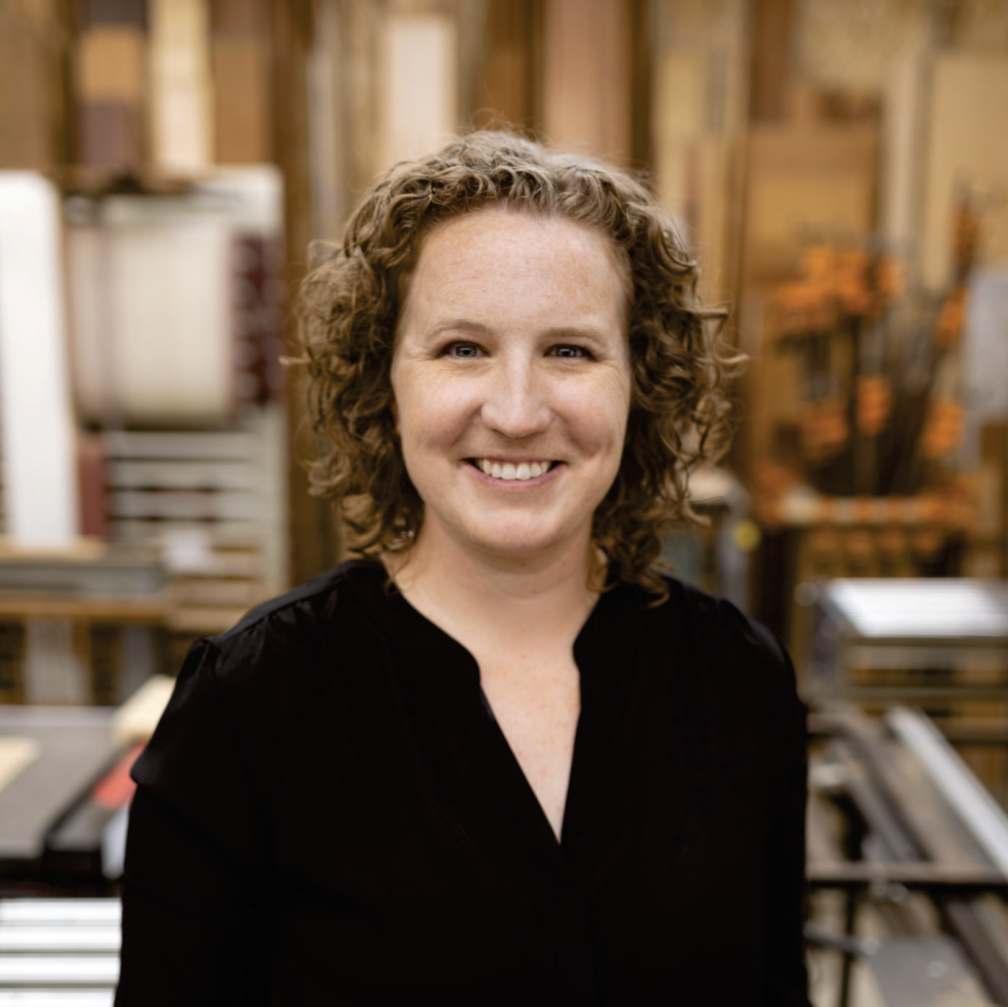
Kaleen Canevari is a certiied Pilates instructor and engineer who solves equipment headaches. She is the Founder of Flexia, a connected itness company which helps people build strength, lexibility, & mindfulness with its smart Pilates
machine. She formed Flexia after recognizing a need to reinvent Pilates, by combing an at-home machine with the latest technology. Kaleen shares about her beliefs related to leadership and health related content through her Medium Blog.