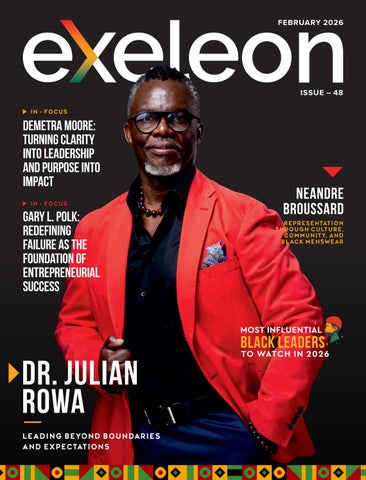
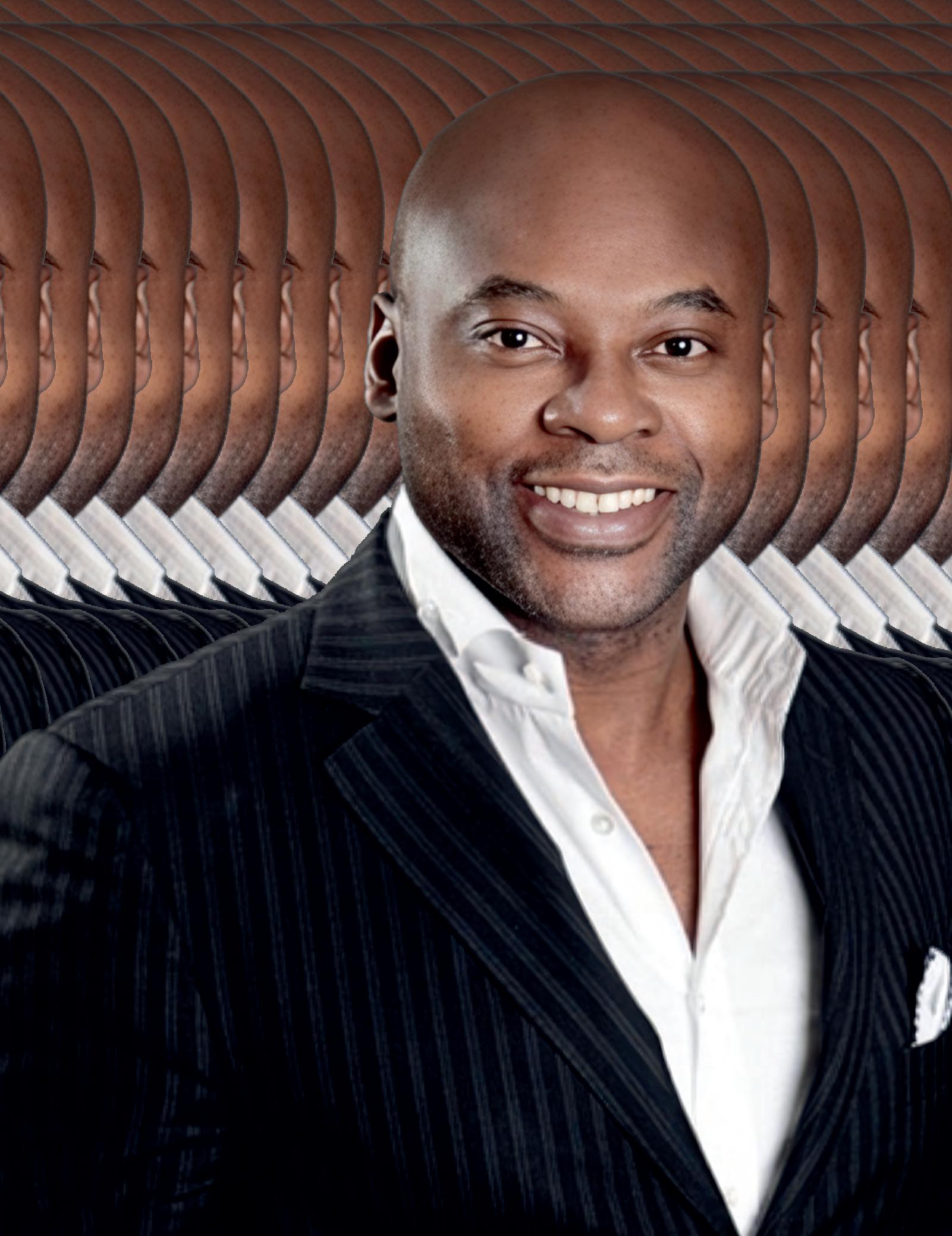
Most Influential Black Leaders to Watch in 2026 | Dr. Julian Rowa
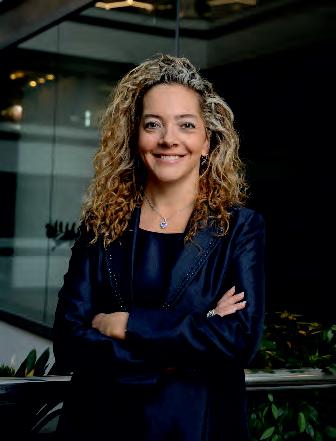
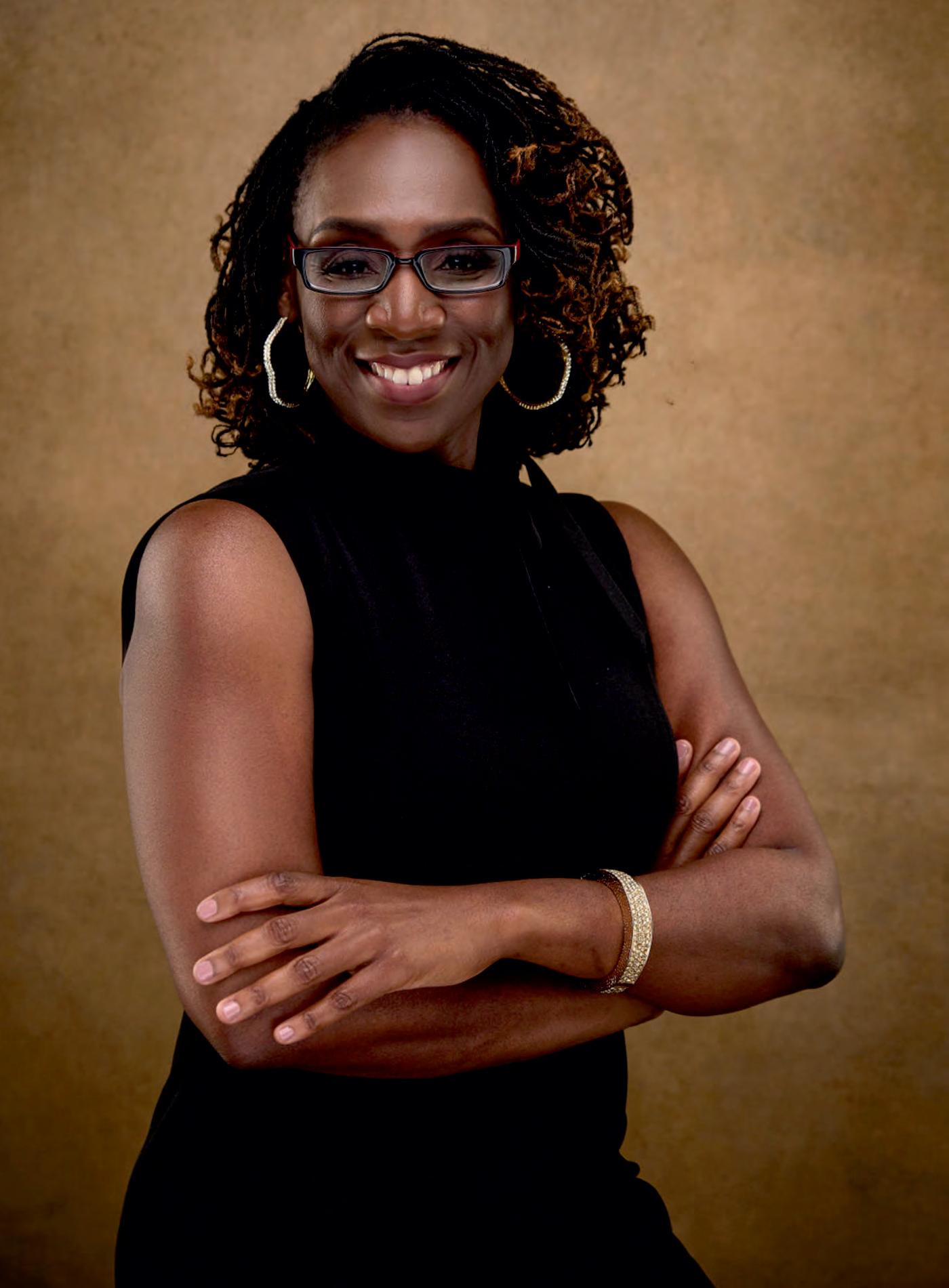
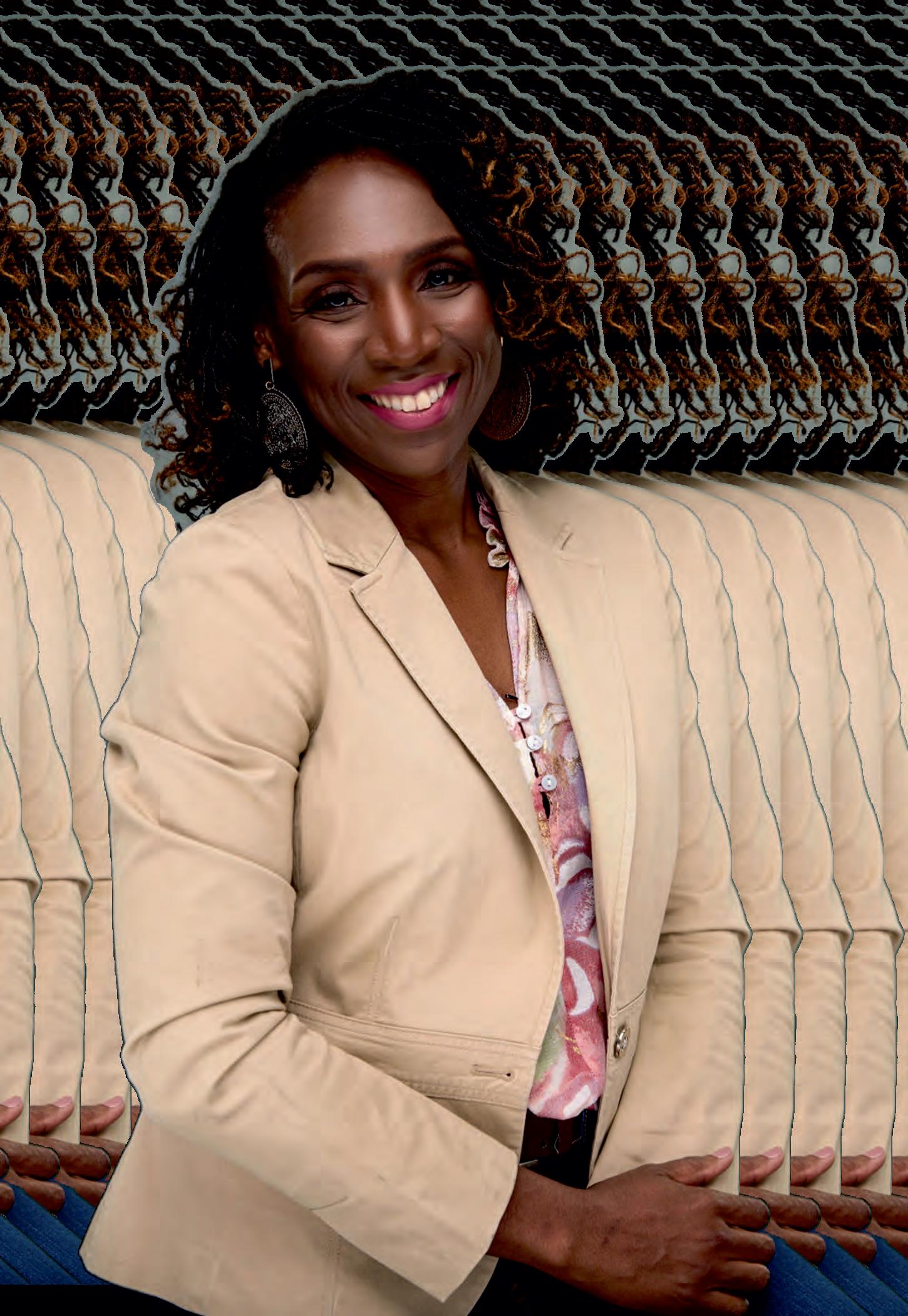
Demetra Moore: Turning Clarity into Leadership and Purpose into Impact IN -
IN - FOCUS
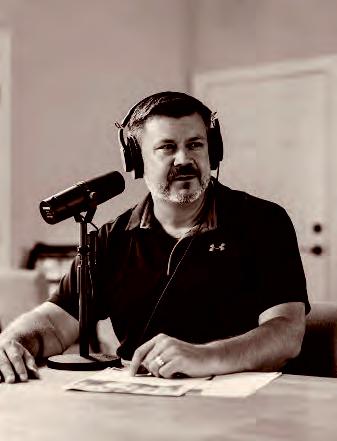
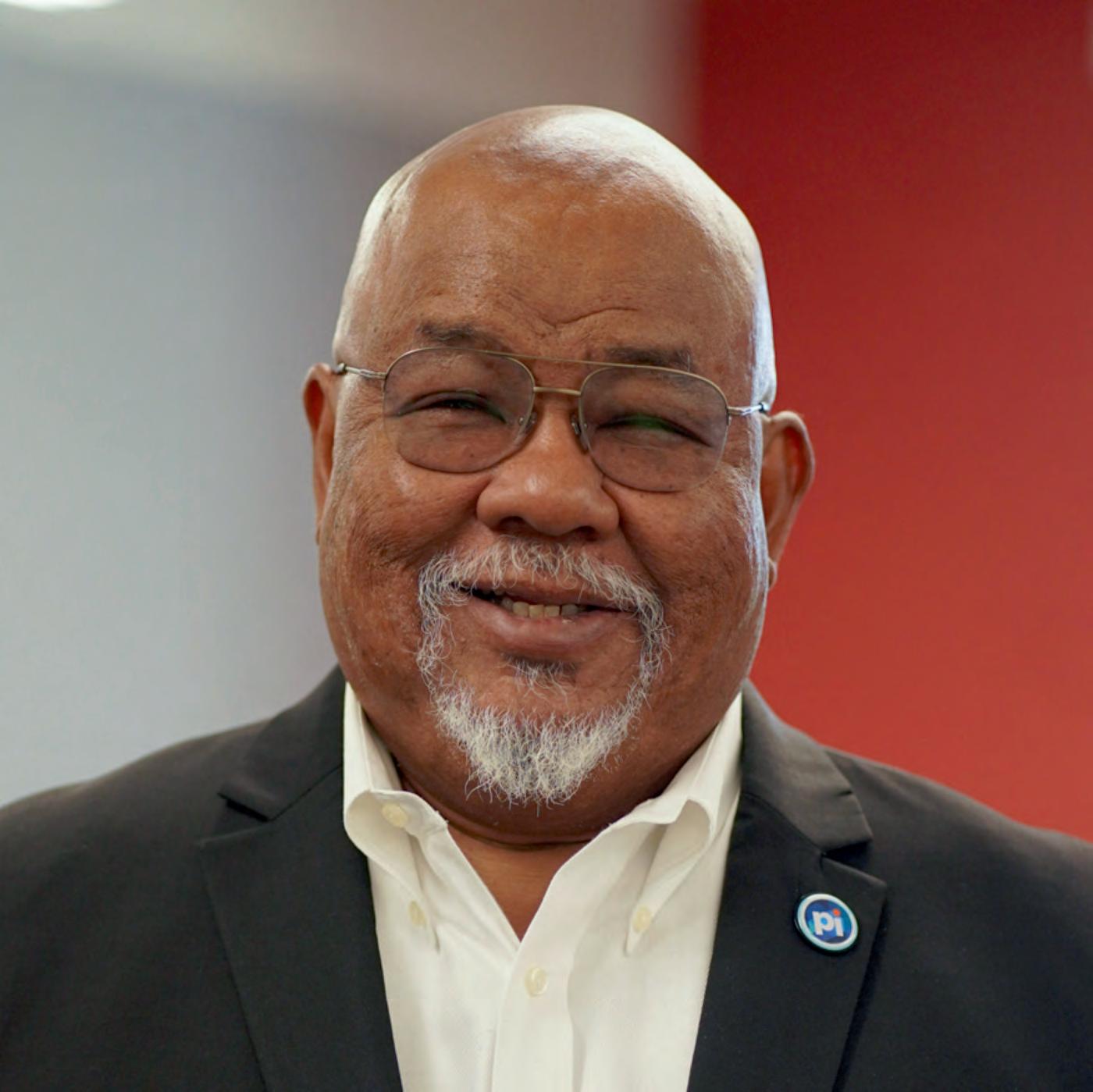
Gary L. Polk: Redefining Failure as the Foundation of Entrepreneurial Success
LEADING BEYOND BOUNDARIES AND EXPECTATIONS
exeleon_magazine
exeleon_magazine
exeleon_magazine
exeleon_magazine
exeleon_magazine
exeleon_magazine
exeleon_magazine
exeleon_magazine
exeleon_magazine
exeleon_magazine
exeleon_magazine
Embracing Excellence
600 N Broad St 5 Middletown, DE 19709, United States +1 302-907-9110
Editor-in-Chief –
Art Director –
Naomi Lam
Managing EditorCreative Director –Daryl Yeung
Matt Reis Adam Waring
Project Manager –Marketing Manager –
Customer Relationship –
Business Development –
Richard Dann Sofia Brown
Natasha Green
Matt Hale, Josh Wilder, Anish Miller
For any advertising related information, please contact info@exeleonmagazine.com. Submissions as well as contributions to the magazine are welcome.
Take a moment and let us know about our magazine; whether it be about the design or a possible mistake, we would appreciate any feedback from your end. You can reach out to daryl@exeleonmagazine.com.
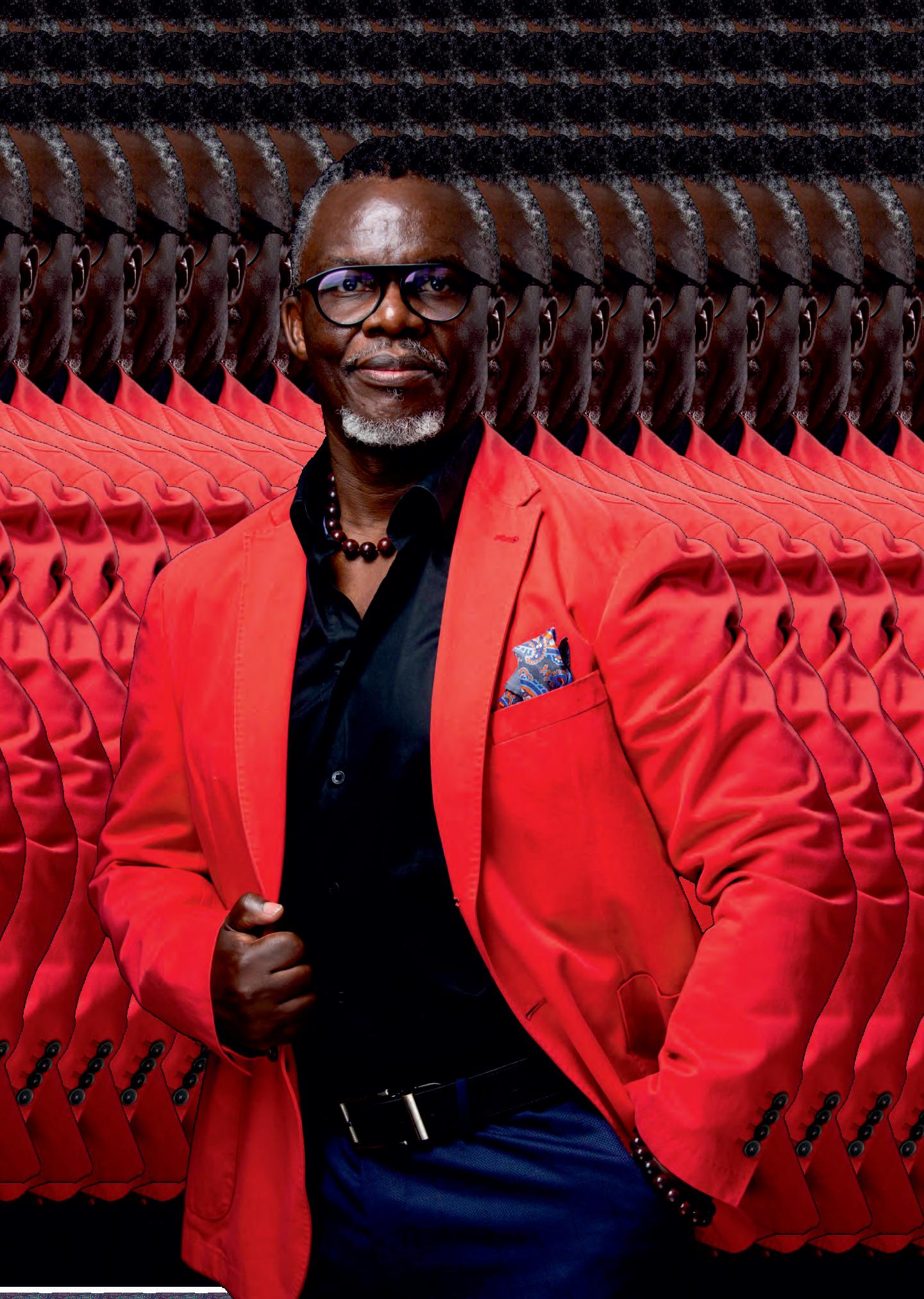
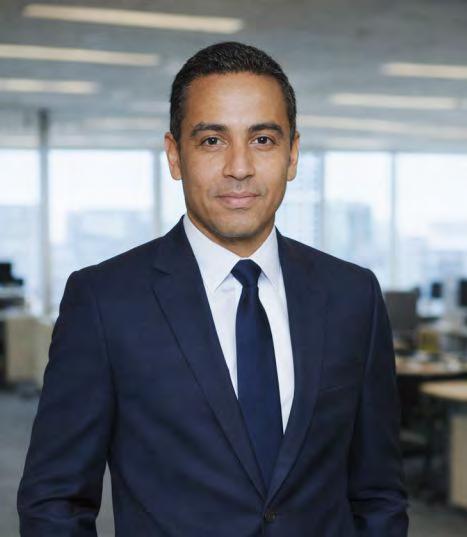
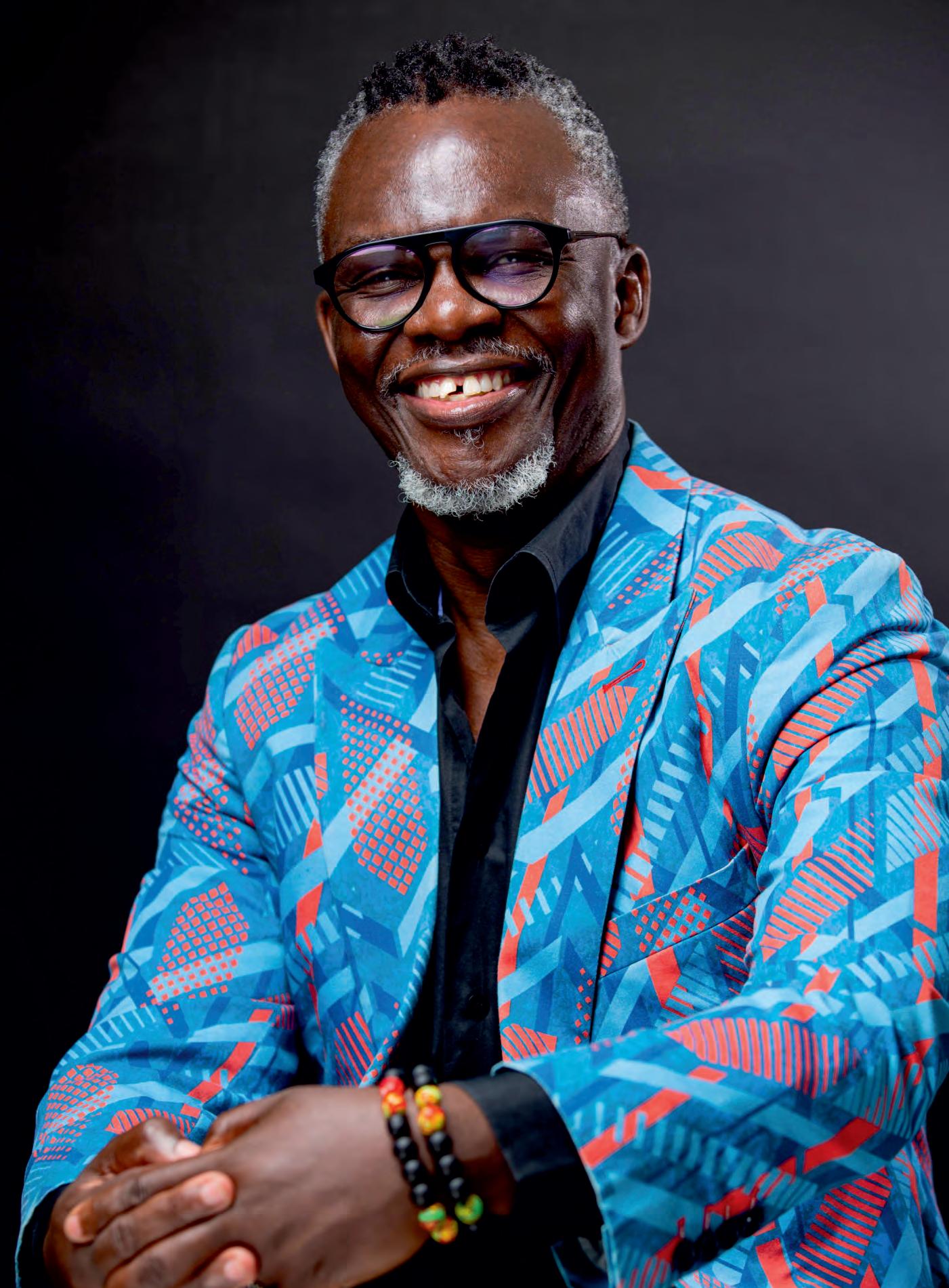
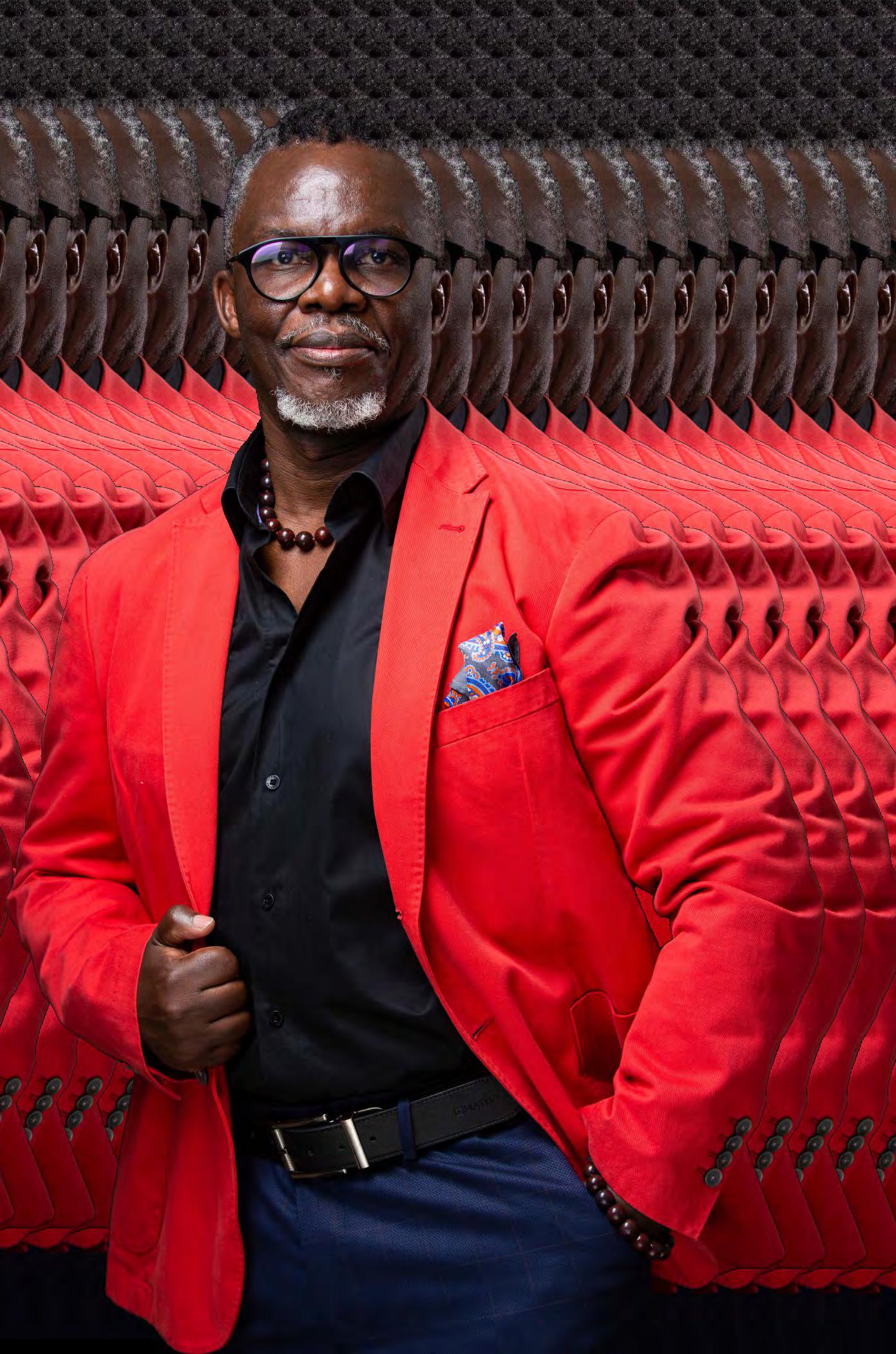
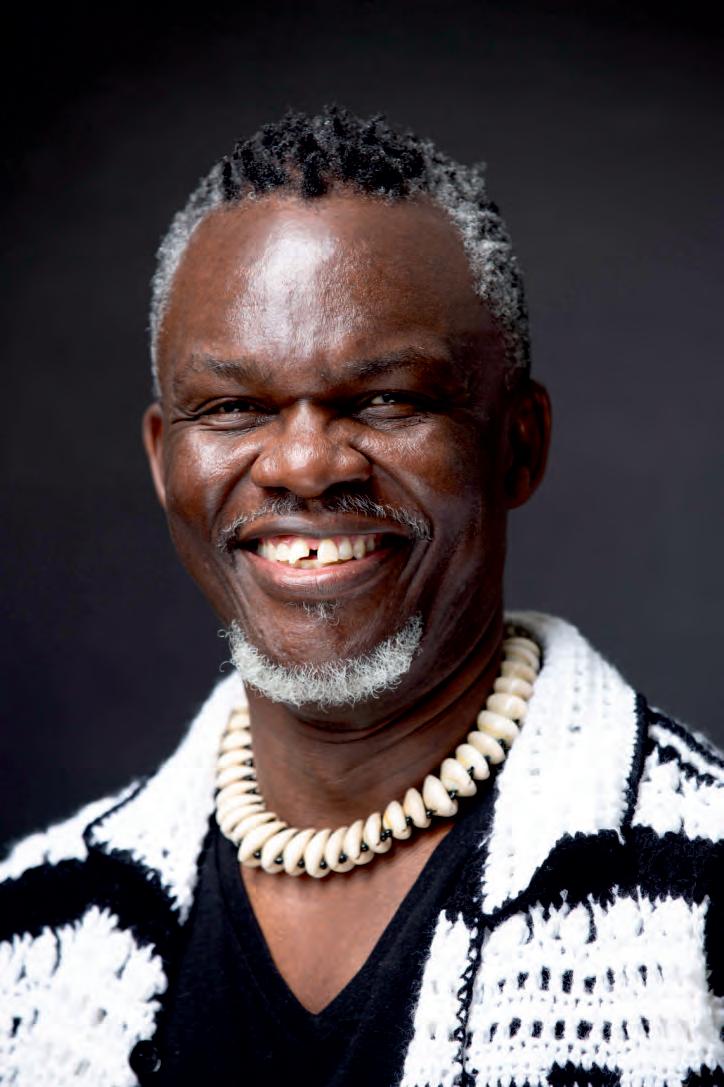
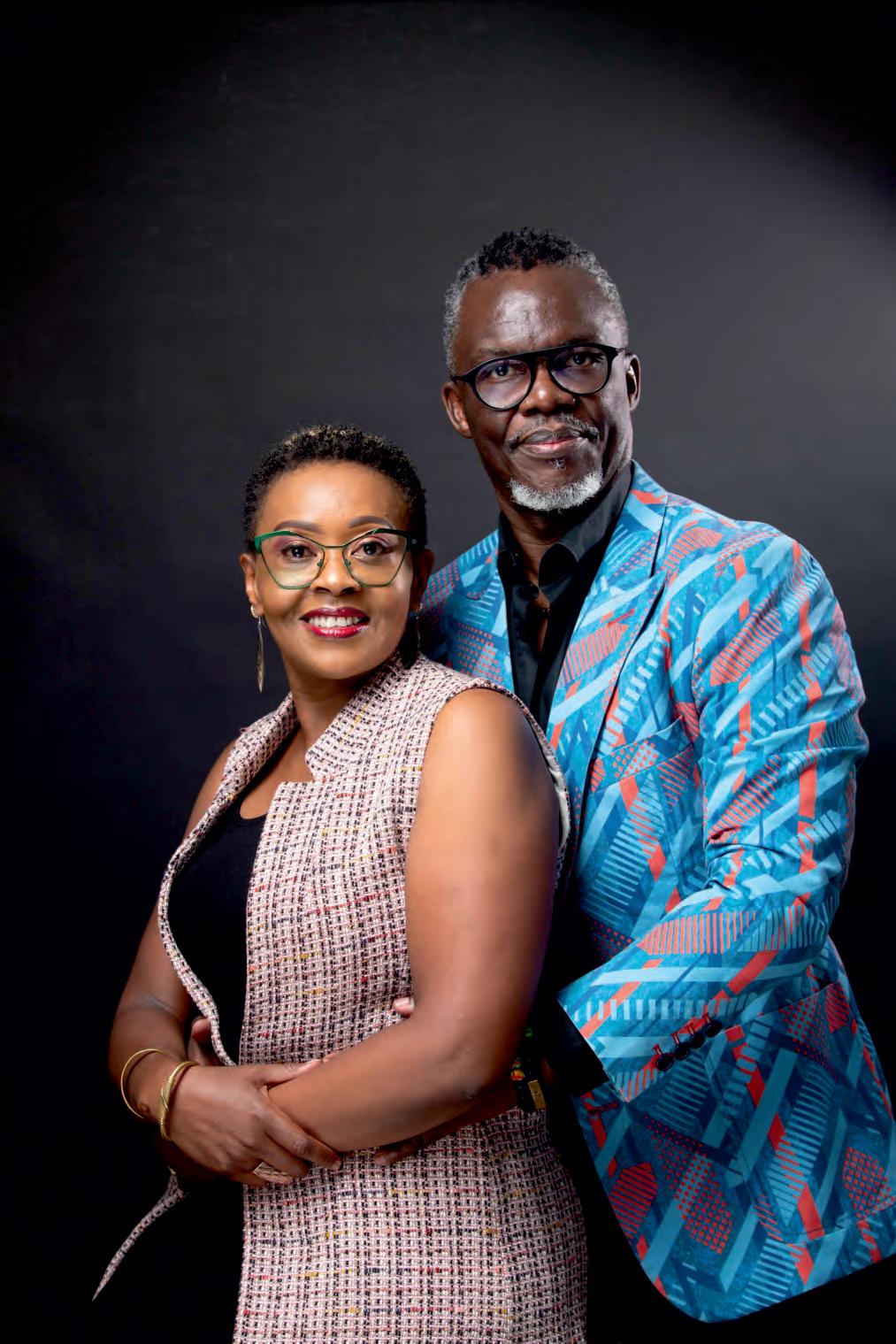
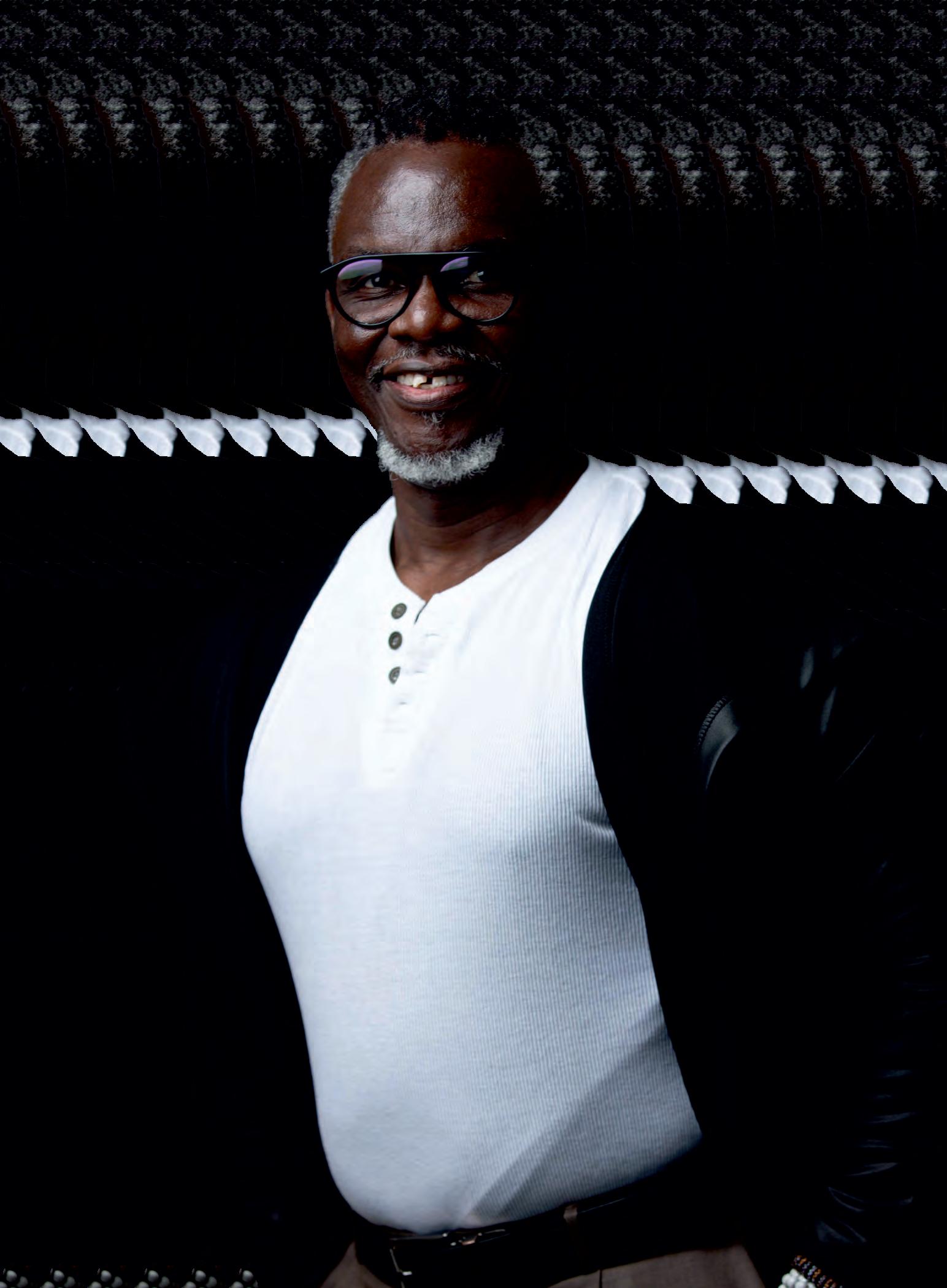
Leadership is often associated with consistency, mastery, and staying the course. Yet the leaders who leave the deepest mark are rarely those who remain static. They are the ones who evolve, challenge their own assumptions, and continuously rebuild themselves to remain relevant in a changing world. Dr. Julian Rowa belongs rmly in this category. His career reects not a single trajectory, but a deliberate pattern of reinvention, intellectual expansion, and bold engagement with complexity.
Featuring on the cover of Exeleon Magazine's Most Inuential Black Leaders to Watch in 2026, Dr. Julian Rowa represents a new model of leadership. One that blends practical experience, academic rigor, and a fearless willingness to disrupt himself. His journey spans nearly three decades in banking, senior leadership roles across Africa, international
academic pursuit, consulting, and public intellectual engagement. Yet what denes him most is not the titles he has held, but the mindset he has cultivated.
In this candid conversation with Exeleon Magazine, Dr. Rowa reects on his philosophy of reinvention, the lessons learned across continents and industries, and his vision for leadership in a world dened by constant transformation.
Who is Dr. Julian Rowa, and what is his most compelling attribute?
Outside being an educator and conversational intellectual, Dr. Rowa is your ordinary “fella,” childlike in spirit, a dare attitude and a demeanor to match. My most compelling attribute is a zealous knack to self-disrupt, modify and repackage every two years. This is stimulated by the fundamental change in my circumstances and the environment demanding continuous learning and improvement.
Self-change is the only avenue to remaining current, relevant and rigorous. At 57, I refuse to stand still but morph contingent on the dynamics in vogue guided by the reective cycle, cycle of selfrenewal, Henri Fayol's where now next and Kurt Lewin's unfreeze, change and refreeze models.
One can argue you are all over the place. Dr. Julian Rowa Inc. runs 7 unrelated business segments with more auxiliary services. What triggered this new outlook for you noting you were a banker for close to 27 years?
Being specialized is good but not great. Linear thinking is a disaster in waiting and so a multi-faceted approach to problem solving is an asset. It means developing expertise in myriad unrelated but inter-connected elds from which one can draw and harness critical
thinking. David Epstein calls it “RANGE.” Granted, Covid taught us a powerful lesson. The new world order has reducing respect for specialism. Think about it, the human capital today stresses innovation, places a premium on creativity and tech, strategic thinking and entrepreneurship above conventional skills.
Decentralized Autonomous Organizations is the fad and will demand a universal mindset.
It will also be cheaper, efcient and more effective to contract a resource with manifold know-what and knowhow. A techie who understands product development, project management, transition frameworks, market positioning, business development and research will have an edge. Value for money and relevance will be innite.
Your career spans banking, international development, consulting, academia, and public discourse. When you look back, what moments or environments most shaped the leader and thinker you are today?
Banking formed and shaped me, built me but it also changed the core of me in a fundamental way at the tail end of my career. I did superbly well in the industry, led and managed at very senior levels and across functions my limitations at the time notwithstanding. Then a day of reckoning came, reected on those that had served in the sector before me, my late father Mzee John Akula Rowa included. There was a pattern. Most were not fully prepped for the harsh reality that was life after formal employment. With an undeviating outlook to life and with limited transferable skills, an unfavorable ending was imminent. I therefore had to steer my life differently, embarking on a journey of self-improvement and re-invention.
To this end, I worked across functions in the bank, deployed my skills in 3 countries in Africa and pursued education in Europe. I worked for a Multi-national (Barclays), a Pan-African Institution (Stanbic), State Corporation (Consolidated Bank) to the fastest growing regional bank (Equity) picking prized lessons on culture and diverse ways to organize.
Was this sufcient to make me a guru in leadership and management? The answer is no. Away from the pursuit of the bottom-line through revenues and cost management, I moved sectors to the NGO, to acclimatize with managing resource mobilization, capacity development, impact and sustainability. This was new and unsettling. The tenets of driving performance were a different proposition. But this knowledge was still not enough. I still felt decient.
Then came the hunger for academic credentials. I sought
knowledge to expand my thinking. In my doctorate, the objective was to bridge the gap between theory and practice, a rare qualication at the time. Obsessed with generation and dissemination of new knowledge, I quit employment to focus on my Doctorate at University of Liverpool. The need to reect on, apply and internalize what my MBA and DBA taught me became a xation. I later founded Shajuls Business and Management Consulting now an offshoot of Dr. Julian Rowa Inc., an attempt to build my own enterprise from scratch.
My thinking and solutions draw from life, work and academic experience i.e. models, concepts and theories. This concoction has helped me lead, manage and solve work place based problems phenomenally, equipped with a strong lens and vigor.
These are what shaped the leader and thinker in me. The lessons I have learned in this three legged stool provides me the impetus to engage in public discourse with condence at any fora. Solving problems from this multifaceted approach is fascinating. Each engagement only serves to enriche me.
Growing up and building a career across different cultures and countries, how did your early life and professional roots inuence your worldview and leadership philosophy?
I grew up in the ghettos of Nairobi (Jericho), an environment that toughens one. My parents and the thirteen of us lived in a one bedroomed apartment. I went to local schools, and my early work life was in
You thrive in complexity and describe yourself as someone who enjoys chaos and solving workplace problems. Where does that comfort with uncertainty come from?
Examining and evaluating complex questions and situations activates lifelong learning making us better. Chaos demands steading before take-off. The adrenaline rush is exciting and the anxiety that ensues makes winning priceless. This mindset came about from my socialization with operations, projects and change management. The art of making the near impossible possible is where I derive joy. Anything less is probably not challenging enough. Meticulous response to a complex problem or chaos stretches imagination.
Self-change is the only avenue to remaining current, relevant, and rigorous. I refuse to stand still.
Muranga, a small township in Kenya. I started my career as a teller in a bank and left active employment as an Executive Director of an NGO. I worked across functions, with expatriates from Africa, Europe, Asia and America. My tour of duty covered 3 countries in Africa. I studied in the UK and made friends globally. I developed a helicopter perspective of life that has shaped, inuenced and informed my world view. I now recognize that what separates humanity is opportunity and a can do attitude.
My leadership philosophy is therefore founded in empathy, seeking rst to understand and situational assessment. Effectively, my life mission is to have meaningful and progressive engagements, with impact for those I come into contact with. I call it leading with sensitivity.
As the founder of Dr. Julian Rowa Inc., you intervene in a wide range of workplace based challenges and questions. What recurring patterns do you see across organizations regardless of size or sector?
Dr Julian Rowa Incorporated is built on 7 diverse pillars. These are 1) Consulting in organizational analysis, strategic planning, operations efciency, business development, risk management and entrepreneurship 2) Critical appraisal of Tech innovations such as Blockchain, Articial
Intelligence, Digital Assets and Start-Ups, 3) International Relationship and Diplomacy 4) Coaching and Mentorship/Facilitation and Moderation of corporate events 5) KwehKinte Foundation 6) Image and Fashion (to afrm the man and boy child) and 7) Kar Kweh Sanctuary (A country side resort for solitude and events). Our solutions target corporates, associations, businesses, creatives and individuals. I also develop concepts, train, speak, write and commentate on topical local and global issues.
The recurring patterns organizations across sectors should be aware of and counter include effective execution of strategy, product development protocols, market development and
positioning, risk register discipline, strategic human resource management with innovation and change at the center, business continuity, re-invention framework, productivity measurement, need for activity based costing and waste management coupled with unresponsive leadership that focuses on short term x.
Blockchain, digital assets, and articial intelligence are areas you actively engage with. What initially sparked your interest in these technologies, and why do you believe Africa must be part of this conversation?
I must admit that I am cynical. Call me a pessimist. To accept an argument as true, useful, and viable, I triangulate data, engage in intense debates, search for
requisite information, and conduct research where necessary in an effort to make sense of it.
Blockchain is a decentralized ledger that allows direct peer-topeer interaction without intermediation. Cryptocurrency is the medium of exchange that runs on blockchain, serving as both a store of value and an investment tool, though its change in value is not underpinned by any known economic principle. AI is positioned as a general-purpose vehicle, a new frontier for work and service delivery purported to be more intelligent than its builders. It also lacks emotional connectivity with users. These interventions sounded fallacious, too theoretical, and almost rhetorical. How would the Internet of Things function in the world I
What Mantra do you live by?
I consult the power of my subconscious mind and engage the left hand column in my conversations with myself. It makes me dare.
knew? What were the changeover protocols?
These and other questions were disconcerting and so I embarked on a campaign to learn. The early days of dissecting these three items were confusing. Often, I was dismissive of the arguments adduced by experts as I always gave a counter narrative to their submissions. My logical argument jolted their thinking forcing them back to the drawing board. It is then I realized these technologies were in their early stages of development and that they could benet from an alternative view and input. I found a niche as a Critical Appraiser. Today I focus on the packaging of these technologies, effective communication for different demographics, non techies and senior citizens, strategic and market positioning, operations rigor, transition framework and valuation. I evolved from not knowing, seeing a threat to identifying an opportunity that assures my continued relevance.
Similarly, I had the privilege to interview regional and global experts (in every element) and interacted with opinion leaders and shapers in the eld. I have read close to 180 scholarly and practitioner journals and over 15 books. I have participated in seminars that scaffold the discourse and which have enriched my perspective.
Africa must be part of this conversation because the technologies will invalidate boarders as we know them. A new and universal ecosystem awaits and it will alter the modus operandi. To mitigate, Africa must be at the table where these are discussed to champion her interests, contextualize their needs and explore use cases to inuence policy.
With such a demanding professional life, how do you maintain discipline, clarity, and balance, both mentally and physically?
To maintain the momentum, discipline and clarity, I read widely, engage in difcult conversations and watch documentaries. Given my work load, I govern myself with a weekly and daily schedules. This includes family time, fun and personal development initiatives. I have and engage with an annual plan that guides the big picture. I self-audit and maintain a critical and accountable friend.
For balance, Fridays are movie nights and family dinner. We take turns to cook. Saturdays belong to myself and my lovely wife Irene Chami whereas Sunday is a family day for worship, shared lunch and a topical area of conversation. I do check-in meetings with my daughter Akweh every week. I am a gym fanatic and a boxer. I love to
laugh and be silly. For future, I want to go back to school and learn law, enroll for salsa, and take up sax.
What Mantra do you live by?
I consult the power of my subconscious mind and engage the left hand column in my conversations with myself. It makes me dare.
Beyond titles, publications, and accolades, what kind of legacy do you hope your work leaves within Africa's institutions, organizations, and future leaders?
To be a Jury Member in the Global Start Ups Awards Africa 2024, to be declared personality of the week by the Nation Newspaper and industry Marven by The Tax Prism journal, as Engage Kenya speaker, I am a regenerate leader. Beyond these accomplishments, I seek to be the river from which tributaries will form to water a nation and Africa at large, reengineer thinking and shape the “reality.” My hope is that those I will interact with will SERVE WITH DISTINCTION.
Chaos demands steadying before take-off. The anxiety makes winning priceless.
Unlock Your DIGITAL SUBSCRIPTION!
Ready to fuel your ambition and receive your dose of inspiration directly to your digital doorstep?
Subscribe to Exeleon Magazine today, and enjoy the following perks:
Convenience at Your Fingertips
Access each issue on your preferred digital device anytime, anywhere.
Exclusive Extras
Dive deeper with bonus content, behind-the-scenes interviews, and special features reserved for our esteemed subscribers.
Community Connection
Join a network of likeminded individuals, share your story or interview, and be part of a thriving entrepreneurial community.
Colin Asare-Appiah
Setting the Agenda for Global Hospitality
Hospitality is often described as service, but at its highest level, it becomes something far more powerful. It becomes a vehicle for cultural exchange, economic empowerment, and identity. Few leaders embody this intersection as clearly as Colin Asare-Appiah. From his upbringing in Ghana to his professional journey in the UK and now Brooklyn, Colin has built a career that goes beyond bartending or brand building. He has helped reshape how hospitality reects culture, ownership, and representation on a global stage.
As a globally respected hospitality leader, author of Black Mixcellence, and co-founder of AJABU, Colin has spent decades championing African excellence, restoring overlooked legacies, and creating platforms that empower the next generation. His work sits at the crossroads of storytelling, entrepreneurship, and structural change. Through AJABU, he is not only elevating African hospitality but also redening what ownership and inuence look like in an industry that shapes culture worldwide.
In this interview with Exeleon Magazine, Colin shares how his journey across continents shaped his worldview, why documenting overlooked histories matters, and how he is building systems that ensure lasting impact in global hospitality.
Your journey from Ghana to the UK and now Brooklyn has shaped a truly global perspective. How did your early experiences inuence your path into the world of hospitality and spirits?
I was raised in Ghana, where hospitality isn't transactional, it's cultural. Welcoming someone into your space is an act of honor. That philosophy shaped my worldview long before I understood hospitality as an industry.
Moving to the UK introduced me to the complexities of identity and belonging. I became aware of how spaces can either afrm you or marginalize you. That awareness stayed with me. When I entered the world of spirits, I recognized that hospitality sits at the
center of culture, commerce, and community. It's one of the few industries where storytelling, economics, and human connections converge.
Brooklyn later reinforced that perspective. It's a global crossroads, entrepreneurial, diasporic, and creative. My journey across three continents didn't just give me range; it gave me clarity. Hospitality is infrastructure. It shapes how cultures are understood and how communities build wealth.
AJABU represents more than cocktails, it represents culture, identity, and opportunity. What has it meant to you to see African hospitality gain global recognition?
For too long, Africa has been positioned as inspiration without ownership, a source of ingredients and aesthetics but rarely recognized
as a leader in premium hospitality. Seeing African hospitality gain global recognition signals a long-overdue correction.
What matters most is not simply visibility, but valuation. When African-led brands occupy space in global markets, when indigenous ingredients are celebrated with proper attribution, and when African talent is invested in at scale, it shifts the economic narrative. It moves us from cultural contribution to commercial authority.
AJABU exists to ensure that African excellence isn't treated as a seasonal trend or diversity initiative, but as a permanent pillar within global hospitality. Recognition is meaningful. Sustainable ownership is transformative.
Your book Black Mixcellence highlights the legacy of Black
bartenders and entrepreneurs. Why was it important to document and share these stories?
Industries are shaped by the stories they choose to remember. The modern cocktail world owes much of its foundation to Black bartenders in the 19th century and beyond, yet their contributions were largely erased from mainstream history.
Black Mixcellence was about restoring that lineage, not simply to honor the past, but to recalibrate the present. In business, legitimacy often comes from documented legacy. When you can trace excellence across generations, it challenges the myth that Black professionals are new entrants rather than foundational architects.
Documenting these stories reframes the conversation from access to inheritance. It reminds emerging entrepreneurs that they are not asking for a seat at the table, they are reclaiming one that was always theirs.
Throughout your career, you've often been one of the few minorities in the room. How has that experience shaped your leadership and your commitment to creating access for others?
Being “the only” sharpens your awareness of structural imbalance. It also claries your responsibility.
Early in my career, I understood that visibility without access is symbolic. So I became intentional about building pathways, not just personal success. That means mentorship, strategic partnerships that prioritize inclusion, and platforms that amplify emerging talent.
Leadership, to me, is about leverage, using inuence to reduce friction for those coming behind you. Talent is evenly distributed. Opportunity is not. Closing that gap requires intentional design.
As an Inuential Black Leader, what responsibility do you feel to reshape representation and open doors within the global hospitality industry?
Representation shapes markets. It inuences hiring, investment, and consumer perception.
I feel a responsibility to normalize Black ownership and executive leadership in global hospitality, not as a diversity initiative, but as a standard of excellence. That means advocating for equity in supply chains, pushing for capital access, and challenging institutions to commit to long-term inclusion.
Black History Month is a moment of reection, but the work is structural and ongoing. Sustainable change happens when representation is embedded in business models, not campaigns.
You've spent decades mentoring and educating others. What separates those who truly build lasting impact from those who simply build careers?
Careers are often built on achievement. Impact is built on contribution.
Those who create lasting change understand that success is scalable only when knowledge is shared. They invest in systems, not just accolades. They think generationally.
In hospitality, that means developing talent, documenting culture, and building brands that outlive individual personalities. Legacy is measured by what continues when you step back.
Looking ahead, how do you envision AJABU evolving, and what role do you hope it plays in shaping the future of African and global hospitality?
I see AJABU evolving into a global platform, one that integrates product innovation, education, and strategic partnerships across the African continent and the diaspora.
The goal is not simply market presence. It's market inuence. I want AJABU to help redene luxury in hospitality, grounded in provenance, sustainability, and cultural intelligence.
If we do it right, AJABU won't just participate in the global conversation, it will help set the agenda.
PSYCHOLOGY
Parkinson's Law of Triviality: The Bike-Shed Effect
A committee spends 3 minutes approving a $10 million nuclear reactor and 45 minutes debating the color of a $400 bike shed. Why? Everyone understands bike sheds. Nuclear reactors intimidate people into silence. Your board does this too—rubber-stamping major strategy while micromanaging office snacks. Time spent inversely correlates with importance.
KEY METRIC
INSTANT TAKEAWAY
Track meeting time allocation. If you're spending more time on the small stuff, you're avoiding the hard decisions.
MENTAL MODELS
The Map-Territory Problem: Models ≠ Reality
"The map is not the territory." Your business model is a map. Your org chart is a map. Your financial projections are a map. Maps are useful simplifications, but dangerous when mistaken for reality. The 2008 financial crisis happened because risk models (maps) were trusted more than actual market conditions (territory). Navigate by reality, not by your PowerPoint.
INSTANT TAKEAWAY
KEY METRIC
Question your models constantly. Ask: 'What is this map leaving out?' The gaps contain the risks.
RESILIENCE
Antifragility: Systems That Gain from Chaos
Fragile breaks under stress. Robust resists stress. Antifragile gets stronger from stress. Your immune system is antifragile—exposure to germs makes it stronger. Airlines are fragile (one crisis grounds them). Restaurants are fragile (pandemic kills them). Tech platforms are antifragile (chaos drives more usage). Build businesses with small, frequent stressors, not catastrophic single points of failure.
KEY METRIC
INSTANT TAKEAWAY
Expose your business to small controlled failures regularly. Avoiding all stress creates fragility.
90-SECOND READS
COGNITION
The Dunning-Kruger Cliff: Confidence vs. Competence
Beginners are wildly overconfident. As you learn more, confidence plummets—this is the 'cliff of despair' where most people quit. Only after pushing through does competence finally catch up to reality. The dangerous zone? Confident incompetence. Leaders stuck at 'peak of stupid' make catastrophic decisions with total certainty. Most innovation happens in the cliff zone.
KEY METRIC
INSTANT TAKEAWAY
If you feel supremely confident, you're probably incompetent or expert. Check which. The cliff is where breakthroughs happen.
COMPLEXITY
Requisite Variety (Ashby's Law): Match Complexity
To control a complex system, your internal complexity must match or exceed it. A thermostat (simple) can't manage a city's traffic (complex). Rigid hierarchical management (simple) can't handle fast-changing markets (complex). This explains why startups disrupt giants—they have requisite variety to match market chaos. Bureaucracy is variety suppression.
INSTANT TAKEAWAY
KEY METRIC
Increase decision-making diversity. Your team's variety must match your environment's complexity or you'll lose control.
TIME DYNAMICS
Chronos vs. Kairos: Clock Time vs. Opportune Time
Greeks had two words for time. Chronos: sequential clock time. Kairos: the supreme moment, the opportune time. Average leaders manage chronos (schedules, deadlines). Great leaders recognize kairos (market timing, cultural shifts, pivotal moments). Netflix recognized kairos twice: DVD-by-mail timing, then streaming timing. Blockbuster only saw chronos (quarterly results).
INSTANT TAKEAWAY
KEY METRIC
Schedule time to scan for kairos moments. Most strategic opportunities have narrow windows that close fast.
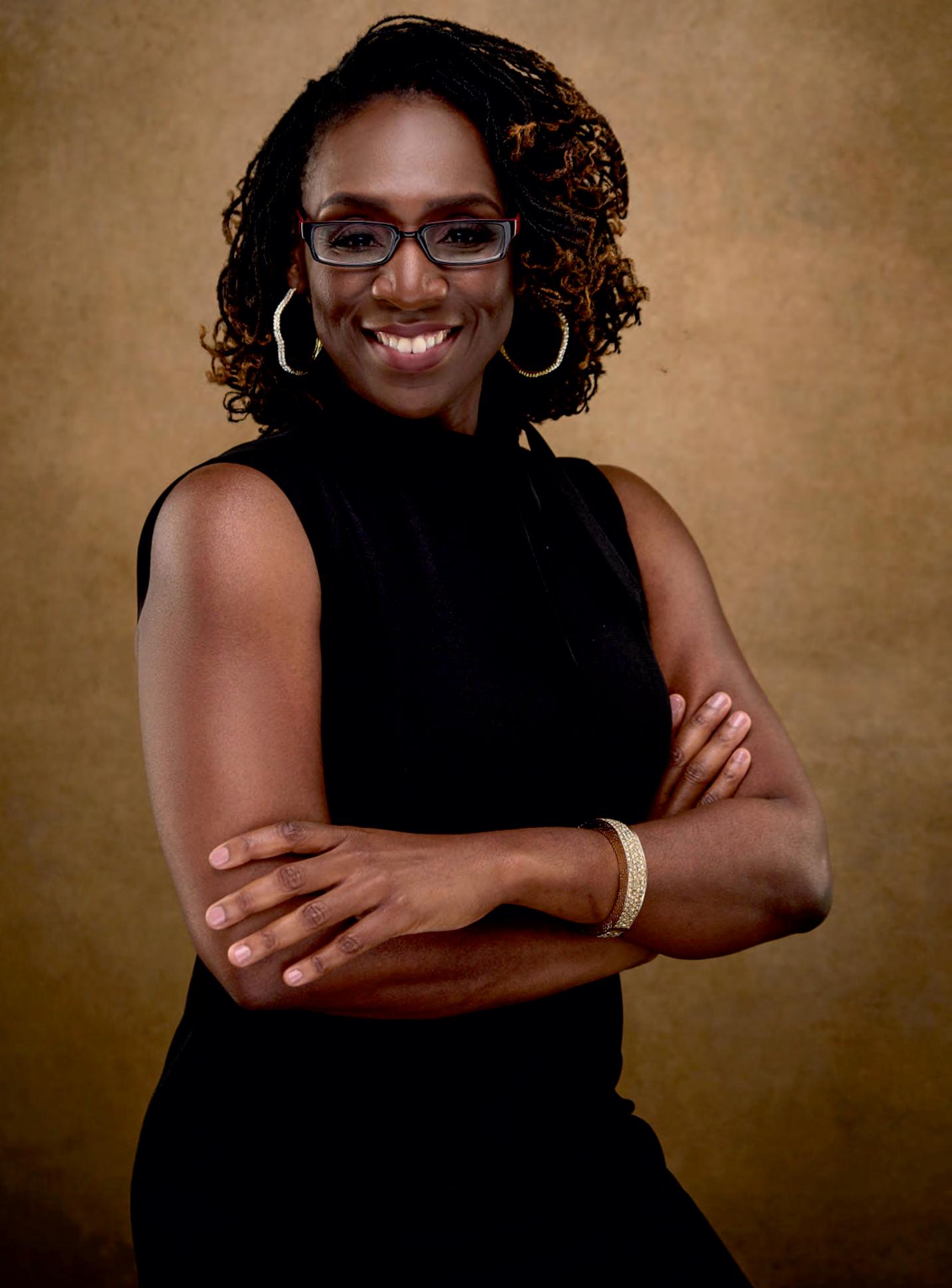
Founder Moore Out of Life
Turning Clarity into Leadership and Purpose into Impact
Leadership often begins long before someone carries the title. It begins in moments of reection, in the quiet recognition that stability alone is not enough, and in the decision to pursue work that creates deeper impact. For Demetra Moore, that realization came after more than 15 years in the nance industry, where she built a successful and secure career while quietly sensing that her purpose lay elsewhere.
Today, as the Founder of Moore Out of Life, Demetra works at the intersection of leadership development, communication strategy, and personal transformation. Through her coaching, workshops, and proprietary frameworks, she helps leaders close communication gaps, build condence, and create cultures grounded in clarity and trust. Her work has supported corporate teams and executives across industries, with measurable improvements in engagement, collaboration, and organizational alignment.
In this Black History Month exclusive interview with Exeleon, Demetra Moore reects on the moment that led her to entrepreneurship, the philosophy behind Moore Out of Life, and her vision for empowering leaders and the next generation to lead with purpose, intention, and inuence.
After more than two decades in the nance industry, what was the dening moment that inspired you to step into
entrepreneurship and found Moore Out of Life?
My passion to help others has always been deeply woven into who I am. For more than 15 years I built a successful career in nance. I had a stable position, travel perks, and the opportunity to meet outstanding people. On paper, it looked ideal.
But internally, I felt challenged. My fear was at odds with my entrepreneurial beliefs. I valued security, yet I found myself craving something more purposeful, a space where I could help people think differently, challenge assumptions, and expand what they believed was possible.
The dening moment came when a colleague said, “Demetra, you should be a coach,” and placed a sticky note on my desk with information about a coach training program. Professional coaching was unfamiliar to me at the time, but the conversation and school felt like a breakthrough. I enrolled, and what began as curiosity evolved into Moore Out of Life.
What is the core philosophy behind Moore Out of Life, and how do you help leaders communicate with greater clarity, condence, and inuence?
At Moore Out of Life, our work is grounded in four core pillars: Self-Discovery, Mindful Living, Relationship Enrichment, and Goal
Achievement. These principles guide how we help leaders strengthen both leadership development and organizational performance.
I partner primarily with corporate organizations, and 90% of my clients report a measurable culture shift after working together, particularly in communication, engagement, and leadership alignment. Through my G.I.V.E. framework, I equip leaders to ground themselves, foster judgmentfree dialogue, and embrace growthoriented feedback. The results have been stronger collaboration, more condent decision-making, and smoother transitions.
My focus is simple: turn communication gaps into strategic partnerships and build leadership cultures that sustain impact.
How have your certications and extensive training shaped your coaching approach, and what makes your methodology unique?
My certications and extensive training have expanded both my perspective and my range in the leadership development space. They've given me the opportunity to work with clients across different countries and cultures, which has reinforced the importance of adaptability, emotional intelligence, and cultural humility in leadership development.
What makes my methodology unique is the integration. Through the LIGHT Method™, I combine evidence-based frameworks with practical leadership application. Clients don't just gain insight, they develop sustainable tools for navigating conict, making clear decisions, and leading with condence under pressure. My work
bridges inner development with organizational impact, ensuring that growth is both personal and strategic.
Many professionals struggle with self-doubt or hesitation. How do you help individuals break through internal barriers and step into their full potential?
Many struggle because they have internalized limiting narratives about their worth or abilities. I help coachees identify those patterns, whether it's perfectionism, overthinking, or fear of visibility, and build the mental awareness to interrupt them in real time.
We work together to strengthen selfawareness, quiet self-criticism, and align actions with values. Breaking through internal barriers isn't about becoming someone new, it's about gaining clarity, condence, and the courage to lead with conviction.
As an Inuential Black Leader, what responsibility do you feel to create representation and inspire the next generation of Black professionals and entrepreneurs?
I see representation as both an honor and a responsibility. Visibility expands what's possible. When the next generation sees Black professionals and entrepreneurs leading with condence, strategy, and integrity, it challenges limiting narratives and afrms that they belong in every room they desire to enter.
In my opinion, leadership is not about a title or a corner ofce, it's about character, discipline, self-awareness, and the ability to connect in ways that empower others. At its core, leadership is the commitment to
develop people and create space for others to grow.
My goal is to model courageous, community-minded leadership so the next generation doesn't simply follow existing paths, they understand how to build new ones and bring others along with them.
What is your long-term vision for Moore Out of Life, and the legacy you hope to build through your work?
Coaching remains a core pillar of my work, helping leaders build the clarity, condence, and resilience needed to lead effectively. At the organizational level, workshops are often the most impactful way to engage teams. My team and I would like to host workshops for small to mid-size businesses. This would help them create alignment, strengthen communication, and provide practical tools that leaders can apply immediately. When workshops are paired with coaching, the result is both individual growth and lasting cultural change.
Another goal is to build my vision of hosting an entrepreneurship academy for young adults, a supportive hub where emerging leaders can develop real-world skills, mentorship, and access.
Ultimately, my work is about creating spaces where leadership is cultivated with intention and sustained with impact.
Redefining Failure as the Foundation of Entrepreneurial Succes
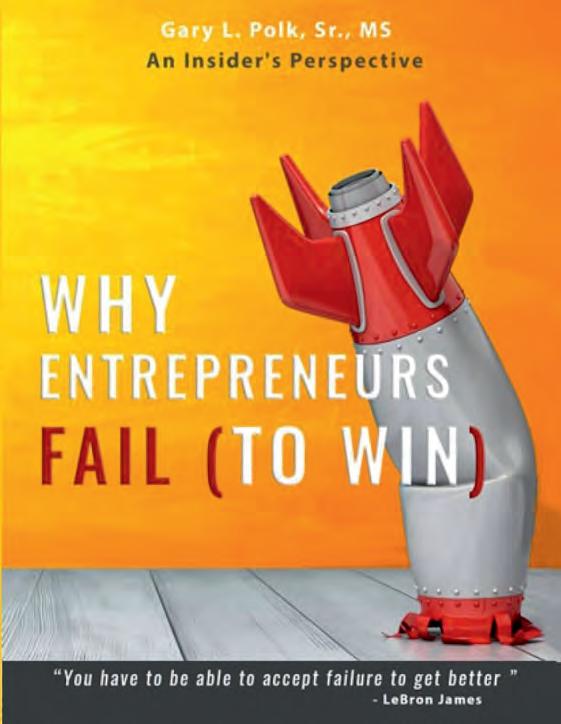
Gary Polk's career is dened by a rare blend of real-world nancial expertise, academic leadership, and a lifelong commitment to empowering entrepreneurs. With decades of experience spanning banking, entrepreneurship, education, and nonprot leadership, Polk has dedicated his work to helping founders understand one critical truth: failure is not the opposite of success, but its foundation. As the author of the widely adopted Why Entrepreneurs Fail (To Win) trilogy and the founder of the Polk Institute Foundation, he has championed a new generation of ethical, resilient, and fundable CEOs.
His mission goes beyond business success; it is about building leaders with character, vision, and the courage to pursue their entrepreneurial dreams.
In this interview with Exeleon Magazine, Gary Polk shares the lessons that shaped his philosophy, the realities entrepreneurs must embrace, and his vision for developing ethical leaders who redene success through resilience, character, and purpose.
Your journey spans banking, insurance, academia, and entrepreneurship. What experiences shaped your passion for helping entrepreneurs succeed and understand why they fail?
This is a great question. My passion began during my nal assignment as a banker at the
Bank of America Beverly Hills Main Branch, where I noticed that the average people who lived in Beverly Hills were entrepreneurs and small business owners — not corporate ofcers. Then, three years after I began teaching entrepreneurship at CSU Northridge, I discovered that teaching was my true passion. This is when I started to develop the analogy that entrepreneurship is like baseball — both are failure sports. A baseball batter who hits only 3 of 10 pitches may be considered a failure in most circles, but as a baseball player, he is a Hall of Famer. We know that 3 of 10 startups fail as well. Both are, indeed, failure sports.
Your book Why Entrepreneurs Fail (To Win) has become widely used in entrepreneurship programs. What is the most important lesson entrepreneurs must learn early to avoid failure?
Failure CANNOT be avoided. Failure is part of the game — failure is actually a good thing. To fail is acceptable, as long as we do not QUIT. To learn from our failure and NOT quit is perfectly ne. To fail and quit is NOT. After all, failure can be the BEST teacher in the world.
You've written extensively about Black, Brown, and women entrepreneurs. What unique challenges do these groups face, and what must change to create more equitable opportunities for success?
Gary L. Polk
I am glad you asked that question. When I wrote my rst book, I approached it with the mindset that it would be my rst and last, but I had so much fun in the process that we decided to write a second book, Why Black & Brown Entrepreneurs Fail (To Win). During our research, we found that Black and Brown entrepreneurs oftentimes lack the self-condence to take the risks that all entrepreneurs must embrace. We call this SelfDoubt. So, we posed the fundamental question: Does Self-Doubt hold you back from becoming an entrepreneur? Sometimes this Self-Doubt comes from family and friends, sometimes from those within our own race, sometimes from the majority race, and sometimes from between our own ears. Regardless of the source, we CANNOT allow Self-Doubt to hold us back from taking the risk to pursue our entrepreneurial dreams. Be resilient. You can do it! Yes, you can!
After writing our second book, we decided to complete a trilogy by focusing on Why Women Entrepreneurs Fail (To Win). For this effort, I called on a female colleague from CSUDH, where I also teach, Dr. Jennifer Brodman, who had just completed her scholarly research on women and access to capital. We decided to open Chapter 1 with a compelling discussion on Access to Capital. During our research on women entrepreneurs, we found that women have a propensity to keep things grounded in reality. In other words, women entrepreneurs can sometimes be too pragmatic when setting goals. In their quest to not over-promise and under-deliver, they can set their sights very conservatively. This became the focus
of Chapter 4: "Is Being Too Pragmatic Holding You Back from Dreaming Big?"
Once we move past these two key issues addressed in our second and third books, Black and Brown entrepreneurs and women entrepreneurs must contend with the same challenges as ALL entrepreneurs – management, marketing, promotion, sales, and nancial management.
Finally, to address your closing question, what changes must be made, there are no silver bullets. I will conclude by identifying three attributes that all entrepreneurs must possess: 1) Resiliency, 2) Resourcefulness, and 3) Building a Team. We can control ourselves, but we cannot control others. To worry about things beyond our control is a source of unnecessary stress. My best advice is to focus on what we can control.
Through the Polk Institute Foundation, you focus on developing ethical, fundable CEOs. What inspired you to create this platform, and what gap were you determined to ll?
The CEO Gap! Anyone can start a new business and claim to be a CEO — but a true CEO is what we call the Fundable CEO. The Polk Institute is dedicated to developing the Fundable CEO who also possesses strong Character and a high degree of ethics.
One of my colleagues, Dr. Fred Haney, published a great book in 2018 called The Fundable Startup, and after reading it, the concept of the Fundable CEO was born. We dene the Fundable CEO as a person who can do three things:
•Articulate a Mission and Vision that is engaging and inspiring;
•Recruit a Team of Co-Founders to help achieve that mission and vision;
•Assemble the other critical elements needed for a startup — nancial, human resources, legal, and accounting resources necessary to launch a milliondollar business.
As an Inuential Black Leader, how do you see your role in shaping the next generation of diverse entrepreneurs and redening leadership?
To be clear, my role can best be dened as educator, teacher, and trainer. I have been blessed with a
quality education and vast nancial experience from my 10-year career in banking, and I have had the privilege of touching the lives of diverse students at CSUDH and CSUN as a college lecturer since 1991. My 14 years as a high school and collegelevel basketball coach gave me the unique opportunity to work with both athletes and aspiring CEOs and I have found the two to be remarkably similar in their makeup. Both are alpha-type personalities, both have a erce desire to compete and win, and both can fail. After all, at the end of the day, entrepreneurship is truly a failure sport.
Speaking of the next generation, since 2017 I have championed the Triple Bottom Line — the 3 Ps: People, Planet, and Prot. My Generation Z students have embraced this framework as a better model of entrepreneurship and small business.
Many will tell you that the Triple Bottom Line is a zero-sum game — that is NOT true. All three can and do coexist.
As a Baby Boomer, I was taught that the business of business is business, which ultimately equates to the belief that prot reigns supreme. As a college educator, I can attest that MBA programs have long taught prot maximization as the gold standard. I believe both of these frameworks are incomplete. Business is far more than prots. Prot maximization can push decisionmaking past ethical boundaries and in my personal view, teaching it without that caveat does a disservice to the next generation of leaders.
Ethics and character must be woven into our very denition of the Fundable CEO. At the Polk Institute Foundation, our number one value is
Character — Doing the Right Thing When No One Is Watching.
Looking ahead, what legacy do you hope to leave through your books, your students, and the Polk Institute Foundation?
It is my sincere hope that the legacy of the Polk Institute is one of Integrity, Hope, Resilience, Resourcefulness, Ethics, and Character. My books are intended to serve as a source of empowerment, guiding todays and future generations on what it truly takes to become a Fundable CEO: a Social Entrepreneur who champions the Triple Bottom Line of People, Planet, and Prot.
Dr. Akanni Salako
Founder of The Wellness Lab
Redefining Failure as the Foundation of Entrepreneurial Succes
Health, for many high-achieving women, often becomes an afterthought. Leadership roles, professional ambitions, family responsibilities, and societal expectations converge to create a life of constant output. In that process, physical wellbeing is frequently sacriced, not intentionally, but gradually, and often without awareness until the consequences begin to surface. Dr. Akanni Salako has built his life's work around changing that pattern.
As a Doctor of Physical Therapy and the Founder of The Wellness Lab, Dr. Akanni Salako is leading a movement focused on restoring strength, metabolic health, and condence in women who have spent decades prioritizing everything except themselves. His approach goes beyond traditional tness coaching. It integrates clinical science, hormonal health, nutrition strategy, and behavioral systems designed specically for high-performing women in their 40s and beyond.
Through The Wellness Lab, he has helped more than 100,000 women transform not only their physical health, but their relationship with their bodies, their identity, and their long-term wellbeing. His mission is rooted in both professional expertise and deeply personal experience, shaped by the women who raised him and the realities he witnessed growing up.
In a conversation with Exeleon Magazine, Dr. Salako reects on the origins of his mission, the gaps in traditional wellness models, and his vision for reshaping how women approach health, strength, and leadership.
A Personal Mission Rooted in Family and Observation
Dr. Akanni Salako's commitment to women's health began long before his professional training. It started at home, where he witnessed rsthand the silent sacrices made by the women around him.
“I grew up as the only male in my immediate family, raised by strong, driven women,” he explains. “I watched them pour into everyone else while quietly neglecting themselves. They built careers, carried
families, pushed through stress, and normalized exhaustion.”
Over time, he saw the consequences of that pattern unfold. “High blood pressure. Weight gain. Chronic pain. Medications stacking up. Condence shrinking,” he recalls. “What impacted me most wasn't just the physical decline, it was how normalized it became. As if sacricing your health was simply the cost of ambition.”
That realization stayed with him. While physical therapy provided the clinical knowledge to understand the body, his mission took shape through observation and empathy.
“Physical therapy gave me the clinical foundation to understand the body,” he says. “But my mission was born from watching powerful women slowly lose themselves because no one gave them a strategy that honored both their ambition and their biology.”
Today, his work is driven by a singular purpose. “My work is about restoring strength, physically and psychologically, to women who were taught to prioritize everything except their own health.”
Building The Wellness Lab: From Coaching to Movement
The creation of The Wellness Lab was not driven by opportunity alone. It was driven by frustration with systems that were failing the very women they claimed to serve.
“The Wellness Lab was built because I was tired of watching highachieving women fail on programs that were never designed for them,”
he explains.
Traditional tness programs often assume ideal conditions that do not reect real life. “Most tness advice is built around 25-year-old metabolisms, low stress lifestyles, or extreme dieting tactics that collapse under real-world pressure,” he says.
But the women he works with live different realities. “The women I coach are nurses, executives, entrepreneurs, physicians, attorneys. They manage teams. They manage households. They manage millions in revenue. But they've never been given a structured, sustainable system for managing their own health.”
What began as coaching has evolved into something far larger. “The Wellness Lab started as coaching. It has evolved into a movement,” he says. “We now serve women across the country with structured nutrition systems, strength programming, guthealth protocols, accountability frameworks, and leadership-level support.”
The scale of impact is already signicant. “We've scaled to help over 100,000 women while maintaining personalization,” he notes.
But the true vision goes beyond weight loss. “The vision has shifted from helping women lose weight to something bigger. Redening what powerful, high-performing, healthy women look like in their 40s and 50s.”
Addressing the Gaps Traditional Wellness Ignored
Dr. Salako identied critical aws in
conventional tness models that often leave women feeling frustrated, exhausted, and defeated.
“Three major gaps,” he explains. “Hormones were ignored. Stress was underestimated. Sustainability was an afterthought.”
The simplistic advice to “eat less and move more” often fails women experiencing hormonal changes, chronic stress, and metabolic shifts.
“Crash dieting increases stress. Excess cardio increases inammation. Restriction leads to rebound,” he explains.
Instead, his system focuses on structure and science.
“No one was teaching women how to eat enough protein to protect lean muscle, strength train strategically, support gut health and inammation, manage blood sugar, and build systems around consistency,” he says. “So I built a system that merges clinical science with real life.”
His philosophy is clear. “We don't do extremes. We do structure. That's the difference.”
Transformations That Go Beyond Weight Loss
While physical transformations are visible, the deeper changes often occur internally.
Dr. Salako recalls one client whose journey represents the broader impact of his work.
“Anique, a corporate professional with PCOS, came to us insulin resistant and pre-diabetic,” he says.
The Power of Consistency Over Perfection
One of the most transformative concepts Dr. Salako teaches is the shift away from perfectionism.
“Perfection burns out powerful women. Consistency builds them,” he says.
High performers often fall into cycles of extremes. “High achievers tend to go all in or all out. They either follow a plan perfectly or abandon it completely the moment life gets chaotic.”
He replaces that mindset with a sustainable framework.
“I teach them something different. Win the week. Control the controllables. Stack small disciplined actions.”
The psychological shift is profound. “They stop emotionally spiraling after one off-plan meal. They stop quitting after one missed workout. They stop dening themselves by a number on a scale.”
Instead, they begin to see themselves differently. “They focus on identity. I am a woman who trains. I am a woman who prioritizes protein. I am a woman who honors her body. That shift changes everything.”
IN – FOCUS
“She was doing strict keto, afraid of carbs, cycling through multiple medications, and taking ve different supplements just to manage her symptoms.”
Instead of further restriction, his approach focused on rebuilding her metabolic foundation.
“We implemented a wellbalanced nutrition strategy. We reintroduced carbs strategically. We increased her protein. We supported blood sugar stability. We focused on strength training and consistency.”
The results were measurable and meaningful. “In just three months, she was 15 pounds down, two dress sizes smaller, no longer pre-diabetic, and reduced from multiple medications and supplements.”
But the true transformation went deeper.
“She was stronger. Clear-headed. Condent. In control of her body again,” he says. “The weight loss was powerful. But reclaiming her health, her clarity, and her condence, that was the real transformation.”
Redening Representation and Cultural Context in Wellness
As an Inuential Black Leader in the wellness space, Dr. Salako recognizes the broader implications of his work.
“Representation matters, especially in wellness,” he says.
He points out how many
traditional metrics and systems fail to account for diverse populations.
“Take the BMI scale. It was developed in the 1800s using European male data, not Black women, not women with higher muscle mass, different bone density patterns, or culturally different body compositions,” he explains.
He also challenges cultural biases in nutrition.
“Traditional wellness spaces often demonize culturally familiar foods while glorifying rebranded alternatives,” he says. “Health should not require cultural erasure.”
His mission includes making wellness culturally relevant and accessible.
“When women understand that they don't have to abandon their culture, their preferences, or their identity to become healthy, the mental overwhelm decreases immediately,” he explains.
That clarity creates empowerment. “They stop thinking maybe my body is broken. And start realizing maybe the system I was following wasn't built for me.”
Building a Legacy That Changes Generations
Looking ahead, Dr. Salako's vision extends far beyond individual transformations.
“I don't want to just build a
successful coaching company. I want to build a standard,” he says.
That standard includes changing how society views women's health and aging.
“A standard where women over 40 are not written off. Hormone weight gain isn't dismissed. Medication isn't the rst solution. Strength is normalized. Health is seen as leadership.”
His denition of legacy is rooted in long-term impact.
“If 20 years from now, women in boardrooms are stronger, more metabolically healthy, and more condent because of systems we created, that's legacy,” he says.
And perhaps most importantly, his work aims to inuence future generations.
“If my work helps a generation of daughters watch their mothers prioritize themselves instead of self-sacrice, that's impact.”
Ultimately, his mission is about raising expectations.
“At the end of the day, I want to be remembered as someone who raised the standard of what health looks like for high-performing women and built something that outlives me.”
Representation Through Culture, Community, and Black Menswear
Representation has the power to shape identity, inuence belief systems, and redene what individuals see as possible for themselves. In an era where media narratives often dictate perception, platforms that challenge outdated stereotypes and present authentic stories become more than content channels. They become cultural institutions.
NeAndre Broussard recognized this responsibility early. As the Founder and CEO of Black Menswear, he transformed a simple mission of sharing positive imagery into a global cultural impact agency that sits at the intersection of storytelling, community, and brand inuence. What began as a response to harmful media narratives has evolved into a platform that empowers Black men worldwide by highlighting leadership, purpose, and excellence.
Through cultural storytelling, servant leadership, and an unwavering commitment to representation, NeAndre has built Black Menswear into a respected voice shaping conversations around identity, opportunity, and belonging. In this interview, he reects on the origins of the movement, the leadership lessons behind its growth, and his vision for building the largest ecosystem dedicated to uplifting Black male culture.
Black Menswear began as a movement and evolved into a global cultural impact agency. What inspired you to start it, and what was the vision in its earliest days?
Black Menswear was birthed to combat the abundance of negative narratives that the media so often put out to represent my
NeAndre Broussard
community. It was extremely difcult for me, as a Black man, to watch how the media painted a picture of men who looked like me but didn't represent the same values and communities that I was a part of. I wanted to put out so much positive content about Black men that we wouldn't accept the onslaught of negativity anymore.
Your platform has reshaped narratives around representation and identity. Why was it important for you to create a space that highlighted positive and authentic stories of Black men?
Truly, when you see better, you strive to be better. Until I saw President Barack Obama, I honestly never thought that someone like me could ever hold that ofce. Now, opportunities seem limitless. Psychologically, that visual safe space helps reduce the glass ceilings we put on ourselves. It provides hope and shows how we can grow and thrive together by seeing positivity within ourselves.
You often operate at the intersection of culture, content, and commerce. How has cultural storytelling become one of the most powerful drivers of brand growth today?
Cultural storytelling is at the forefront of authentic campaigning. Brands must meet the consumer where they are, then bring them along on the brand's journey. If you don't align with the consumer authentically, then you can't build a true community with them. Cultural storytelling shows your target market that you care, and people don't care how much you know until they know how much you care.
As a founder and CEO, what leadership lessons have you learned while scaling Black Menswear from a communitydriven movement into a respected global brand?
I found that servant leadership is truly my best style of empowering others within my organization to reach their potential. We've grown so much, not because of doing anything miraculous, but simply because we make people feel seen, heard, and important. It's the same thing internally. When your team feels empowered, they are personally motivated to achieve the goals set in place. Impact compounds.
As an Inuential Black Leader, what responsibility do you feel to shape representation, create opportunities, and redene how Black excellence is seen globally?
I love having that responsibility because I enjoy seeing the effects that positive representation has on my brothers. I always
appreciate the testimonials of people who have been positively impacted through seeing the work, attending the events, or reading the stories we put out. I love being able to share something that makes my people walk bolder in their purpose.
What advice would you give to aspiring entrepreneurs who want to build purpose-driven brands that create both cultural and business impact?
The rst thing you must do is understand what your mission is and hone in on that. I think entrepreneurs fail when they let other people tell them what their mission is, when God gave them the vision. Stay focused on the impact, and the rest will fall into place.
What is your long-term vision for Black Menswear, and how do you hope it continues to shape culture, business, and storytelling?
I see Black Menswear as the foremost authority on Black male culture. I see us as the place where Black men go to nd inspiration, whether in real life at our events or online through our social channels. We want to continue building a safe space for Black male upward mobility. We want to grow into the largest Black male ecosystem, fueling our community globally.
Dr. Olusegun A. Ishmael
Building Systems That Empower Patients
Healthcare leadership is often dened by titles and institutions, but the leaders who create lasting impact are those who understand the system from every angle. Dr. Olusegun A. Ishmael stands among that rare group. From his early experiences as an immigrant child navigating a new country to serving as a physician, hospital executive, and now Founder and CEO, his career reects a consistent focus on solving structural challenges that affect real patients every day.
With more than two decades of healthcare leadership across major hospitals, payers, and physician groups, Dr. Ishmael has witnessed rsthand how access, systems
design, and patient empowerment shape outcomes.
Today, through MIRA Health, he is working to address one of healthcare's most persistent gaps: helping patients manage their health effectively between clinical visits. In this interview with Exeleon, Dr. Ishmael shares the formative experiences that shaped his journey, the leadership lessons learned across global healthcare environments, and his vision for building a more accessible, equitable, and patientcentered future.
Your journey from immigrating to the United States as a child to leading major health systems is
remarkable. What early experiences shaped your drive to pursue medicine and leadership?
I came to the U.S. not speaking English, two weeks before my fth birthday, and four months before starting school. Public television became my rst teacher. Shows like Sesame Street helped me learn English quickly.
My parents shaped my career in many ways. My mother had a degree in midwifery. My father, an industrial engineer. That combination steered me toward medicine and how I think about it: quality, systems, and efciency.
I was part of the rst cohort of Chicago Public Schools' gifted program, which opened the door to a more rigorous curriculum, especially in science and languages, and it expanded my sense of what was possible.
At 13, we moved to Nigeria, where my father taught engineering. That experience changed my outlook. It taught me there was more to Black history than the American narrative of slavery. Africa wasn't the stereotype being taught; there weren't jungles, but cities. Here was a country and a continent with a rich history, complexity, and modern life. It was a period of self-denition.
I nished high school there at a boarding school, and that's where I learned independence, discipline, and leadership, not in theory, but in daily practice.
I stayed in Nigeria for medical school after my family returned to the States. People ask why, and the
answer is simple: hands-on training and free education. And while I was learning to become a doctor, I also learned something bigger: health disparities and how much of health outcome is determined not just by biology, but by access, infrastructure, and systems.
With more than two decades in Csuite healthcare leadership, what have been the most important lessons you've learned about building effective and inclusive healthcare organizations?
Over the years, a few lessons have held up in every organization, market, and crisis. To summarize: build systems that respect people, patients, staff, and the community, and performance will follow.
First, culture is the operating system. Strategy fails when people don't feel respected, heard, and safe to speak up. Psychological safety, accountability, and clarity aren't “nice to have”; they're the foundation of results.
Second, patients experience the system exactly as frontline staff do. We used to focus solely on patient satisfaction scores. If staff are battling broken workows, understafng, and shifting priorities, patients will feel it immediately. The fastest path to a great patient experience is a great staff experience.
Third, inclusion must be deliberate. Mission statements don't reduce disparities; processes do. Equity must be built into hiring, promotion, clinical protocols, language access, and how data is used. Done right, inclusion expands opportunity for everyone by removing bias, without
trading one group's progress for another's.
Fourth, trust is the currency internally and in the community. Communities don't judge us by our intentions; they judge us by our actions. Show up consistently, listen without defensiveness, partner instead of “parachuting in,” and keep your word, especially when it's inconvenient.
Fifth, quality and efciency are our friends. Waste is not neutral; it harms patients and exhausts staff. Reduce variation, x throughput, and build reliable systems; outcomes improve, and teams can breathe. The goal isn't to do more with less. It's to do the right work, the right way, every time.
Lastly, leadership is visibility plus follow-through. In healthcare, people can tell the difference between a leader who visits units and a leader who solves problems. Highperforming organizations are those where staff believe that if they raise an issue, something will actually happen.
You are now the Founder and CEO of MIRA Health. What inspired you to create this platform, and what gap in healthcare were you determined to solve?
In my years as an emergency room physician, I've often seen patients walk into the ER carrying a bag full of medications, confused about what each pill is for and when to take it. And having served as an executive on the payer side and in hospital administration, I've seen the costs when that confusion leads to avoidable admissions or
readmissions.
But the real cost isn't just nancialit's quality of life; it's independence lost; It's families stretched thin. One elderly patient I met in the ER was the nal catalyst for me. It made the problem impossible to ignore.
And it's not only medications; the same gap occurs with prevention. People miss mammograms, colonoscopies, routine labs, and
check-ups, not because they don't care, but because the system makes it hard to keep track, hard to understand what matters, and easy to fall behind. Then the diagnosis comes late, the disease is more advanced, outcomes are worse, and costs rise.
That's the gap we're solving. Our healthcare system is built for episodic care, but most people need day-to-day support between doctor
visits. We're excellent at treating illnesses, but far less effective at helping people stay stable, adhere to medications, and maintain preventive care before a crisis occurs.
I felt that if we could help people truly own their health by improving medication adherence and preventive compliance, we could reduce avoidable suffering and costs. That's why I built the Medical Information Resource Application, MIRA.
MIRA is your health co-pilot: helping you keep track of your medications, understand what you're taking and why, stay on schedule, and stay current on preventive services so fewer people end up in the hospital.
As an Inuential Black Leader in healthcare and technology, what responsibility do you feel to create more equitable access and representation within the industry?
I feel a responsibility to be a voice and a builder. Not because I believe one person can x inequity, but because visibility without impact is performative. As someone with access to rooms where decisions are made, part of my job is to make sure decisions don't keep producing the same outcomes for the same communities.
And once you're given an opportunity, you're rarely seen as just an individual. You represent more than yourself. That reality may seem unfair, but it's also clarifying. It raises the stakes. I have to show up prepared, deliver results, and lead in a way that opens doors.
What deepens that responsibility is that I've seen inequity from multiple vantage points, the U.S. and Nigeria, the bedside and the boardroom. And across those environments, one theme keeps repeating: the most powerful drivers of inequity are often socioeconomic status and education. Zip code matters. Resources matter. And the system too often assumes time, money, transportation, broadband, and a support network that many people simply don't have.
So, when I talk about equity, I'm not talking about a concept. I'm talking about patterns I've watched play out.
MIRA Health focuses on improving medication adherence and helping patients navigate their health journey. Why is empowering patients with the right tools and information so critical today?
Today's healthcare system is built around episodes, which have not changed since the days of Hippocrates. However, people live in the in-between. Throw in a shortage of providers and increasing healthcare costs, and we are in the perfect storm.
Most people spend only a few minutes a year with their clinician. But they spend thousands of hours managing their health on their own. That's where things break down: life happens, medications change, symptoms evolve, insurance rules shift, and preventive screenings get delayed. It's not that people don't care. It's that the system is hard to navigate, and the burden of coordination falls on the patient, often without the tools to do it.
Empowering patients with the right tools and information is critical because adherence is where outcomes are won or lost. If a medication is prescribed but not taken correctly or at all, the clinical plan falls apart. The consequences include avoidable ER visits, admissions, and disease progression.
That's the “why” behind MIRA. We're closing the gap between clinical care and everyday life. In a system under strain, patient
empowerment should be a core strategy to improve outcomes, experience, and reduce avoidable costs.
Looking ahead, what legacy do you hope to build through your work with MIRA Health and your broader impact on healthcare?
I hope the legacy is bigger than a product, a title, or a single organization.
With MIRA Health, I want to prove something practical and overdue: the most important part of healthcare is what happens between visits. If we can help people understand their medications, stay adherent, and maintain prevention, without requiring them to be clinicians, healthcare workers, or expert navigators, then we can reduce avoidable suffering, prevent unnecessary hospitalizations, and catch disease earlier, when outcomes are better.
More broadly, I want to help shift healthcare from a system that's great at episodic care to one that's excellent at everyday support, a system that's designed for real life.
If I had to summarize it, I want my work to make healthcare feel less like a maze and more like a partnership. And I want to be able to look back and say we didn't just treat illness; we helped people stay well, own their health, and navigate their health journey with dignity, clarity, and control.
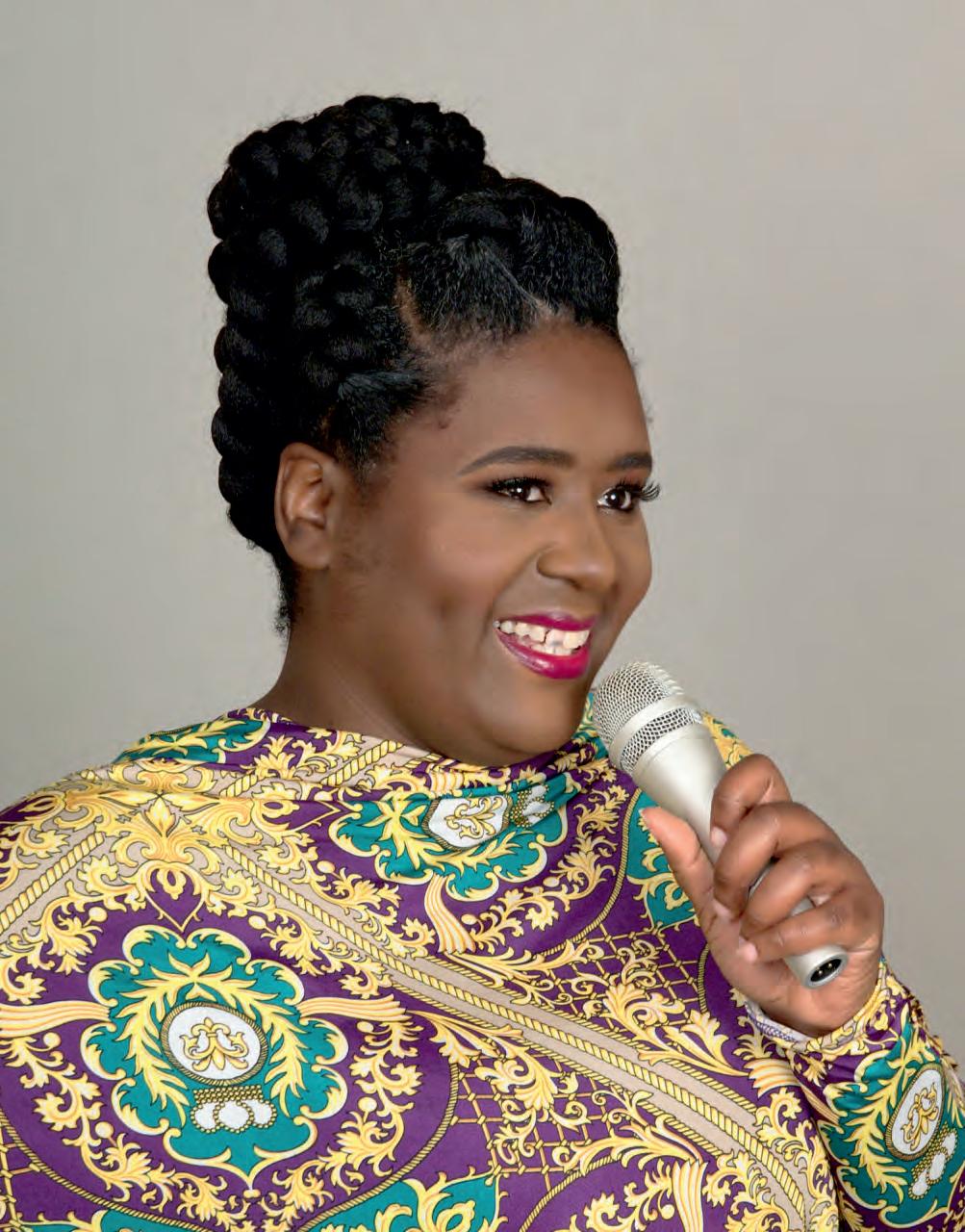
Master Life Coach
Cassandra Hill
Empowering Women to Thrive
Cassandra Hill's journey into coaching and transformational leadership began with a life-altering diagnosis that reshaped her perspective on health, purpose, and legacy. As a Master Life Coach, Transformation Agent, and inuential voice for Black women's well-being, Cassandra has dedicated her life to helping women achieve emotional, spiritual, and nancial stability.
Her work is rooted in the belief that
self-care is not a luxury, but a necessity, and that true success can only be sustained when women prioritize their well-being alongside their ambitions. Through speaking, writing, and coaching, Cassandra continues to create space for healing, empowerment, and generational transformation.
Your coaching journey began from a deeply personal place following your lupus diagnosis. How did that experience transform your perspective on life
and purpose, and ultimately lead you to empower other women?
After being diagnosed with systemic lupus, I knew my life would look very different. Since lupus is considered a chronic autoimmune condition, I was unsure how it would impact my longevity, so I began embracing life more fully as a gift. Every day I wake up is a special occasion for me. I believed that part of the reason lupus came into my life was due to the neglect of my health and well-being.
As a woman, I realized that neglect is common for many of us, so I knew my mission was to change the trajectory of women's well-being. Whether I am on stage speaking, writing, or offering life coaching, my work is centered on uplifting and empowering Black women's emotional, spiritual, and physical wellness.
You focus on helping Black women entrepreneurs achieve emotional, spiritual, and nancial stability. What gaps did you notice that made this work so urgent and necessary?
The disparities are alarming. Approximately 59% of Black women over the age of twenty live with some form of cardiovascular disease. While there is no way to pinpoint the exact cause, we do know that stress is a major contributing factor. Stress is deeply connected to emotional and spiritual wellness.
Black women are also starting businesses in record numbers; however, we receive less than 1% of venture capital funding. Without sufcient capital, it becomes much more difcult to start or grow our businesses. These realities highlight the urgent need for holistic support that addresses both personal well-
being and economic empowerment.
Many high-achieving women lose themselves while building careers or businesses. How do you help women reconnect with themselves while still pursuing success?
We begin with the understanding that self-care is not earned; it is our birthright. Once a woman understands that she deserves to prioritize herself, and that self-care actually increases her productivity, she becomes more willing to integrate it into her daily life.
Success cannot be sustained long term without harmony between personal and professional life. There are countless examples of women, such as Madam C.J. Walker, who achieved great success, but whose lives were cut short due to the toll of overwork. My goal is to help women achieve success in a way that preserves their well-being.
As a Master Life Coach and Transformation Agent, what is the rst shift that must happen internally before someone can truly change their life externally?
The rst shift happens in the mind. A mindset shift creates the foundation for lasting transformation. When a person truly believes in themselves, it positively impacts their physical health and overall appearance.
As condence grows, it strengthens emotional and mental well-being. For many individuals, sustaining transformation requires ongoing commitment to nurturing and strengthening their mindset.
As an Inuential Black Leader, what responsibility do you feel to create space, healing, and opportunity for other Black
women to rise and thrive?
Being an Inuential Black Leader comes with the responsibility to positively impact other Black women. If I am not helping create a world where Black women can thrive emotionally, mentally, nancially, and spiritually, then I would not be fullling my purpose.
There are dening moments in every person's life, and mine came after experiencing signicant personal challenges. During that time, I made a promise to myself and to God that once my body healed, I would dedicate my life to helping other Black women heal as well.
What has been one of the most powerful transformations you've witnessed in a woman through your work?
There have been many powerful transformations over the years, some of which even surprised me. One that stands out involved a woman who was battling type 2 diabetes while also striving to grow her business.
During our time working together, she was able to improve her health signicantly, bringing her blood sugar levels down to pre-diabetic levels and eliminating her need for medication. At the same time, her business experienced tremendous growth. She secured Google as a client, which opened the door to additional top-tier clients and partnerships.
Looking ahead, what legacy do you hope to leave through your work, and how do you want your impact to shape future generations of Black women leaders and entrepreneurs?
One legacy I hope to leave is helping eradicate the domestic violence epidemic affecting Black women. According to the National Domestic Violence Hotline, 45% of Black women experience domestic violence from intimate partners. To address this crisis, there must be a stronger culture of self-love within our community.
One way I am working toward this goal is by gifting my book, Love Letters to My Girls, to female students, particularly at HBCUs, to help foster self-worth and empowerment at an early stage.
My ultimate goal is to help Black women leaders and entrepreneurs recognize that they are worthy and deserving of the best. When selflove becomes the norm, we will see greater economic freedom, stronger relationships, and thriving communities.