KRISTA ELISABETH Beyond Restrictive Fitness
STEPHANIE ALEXANDRA
How Stephanie Alexandra Rebuilt Her Body and Her Confidence
KRYSTAL GALTRY
Built Through Chaos
Teaching the Body to Feel Safe Again
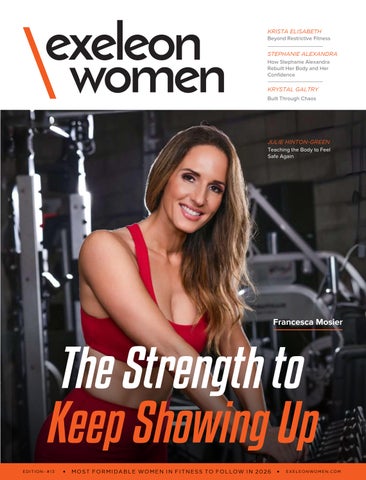
KRISTA ELISABETH Beyond Restrictive Fitness
STEPHANIE ALEXANDRA
How Stephanie Alexandra Rebuilt Her Body and Her Confidence
KRYSTAL GALTRY
Built Through Chaos
Teaching the Body to Feel Safe Again


EDITOR-IN-CHIEF
DARYL YEUNG
ART DIRECTOR
NAOMI LAM
MANAGING EDITOR
MATT REIS
CREATIVE DIRECTOR
AKSHAY PANZADE
CONTRIBUTING EDITORS
JOHN RIGGS
CONTENT CURATOR
CATHY G.
PROJECT MANAGER
JOSH WILDER
MARKETING MANAGER
MIKE JACKSON
SENIOR BDM KATHERINE PRICE
BDM RICHARD DANN
For any advertising related information, please contact info@exeleonmagazine.com. Submissions as well as contributions to the magazine are welcome.
Take a moment and let us know about our magazine; whether it be about the design or a possible mistake, we would appreciate any feedback from your end. You can reach out to daryl@exeleonmagazine.com.

THE STRENGTH TO KEEP SHOWING UP
KRISTA ELISABETH
Beyond Restrictive Fitness


KRYSTAL GALTRY
Built Through Chaos
Teaching the Body to Feel Safe Again


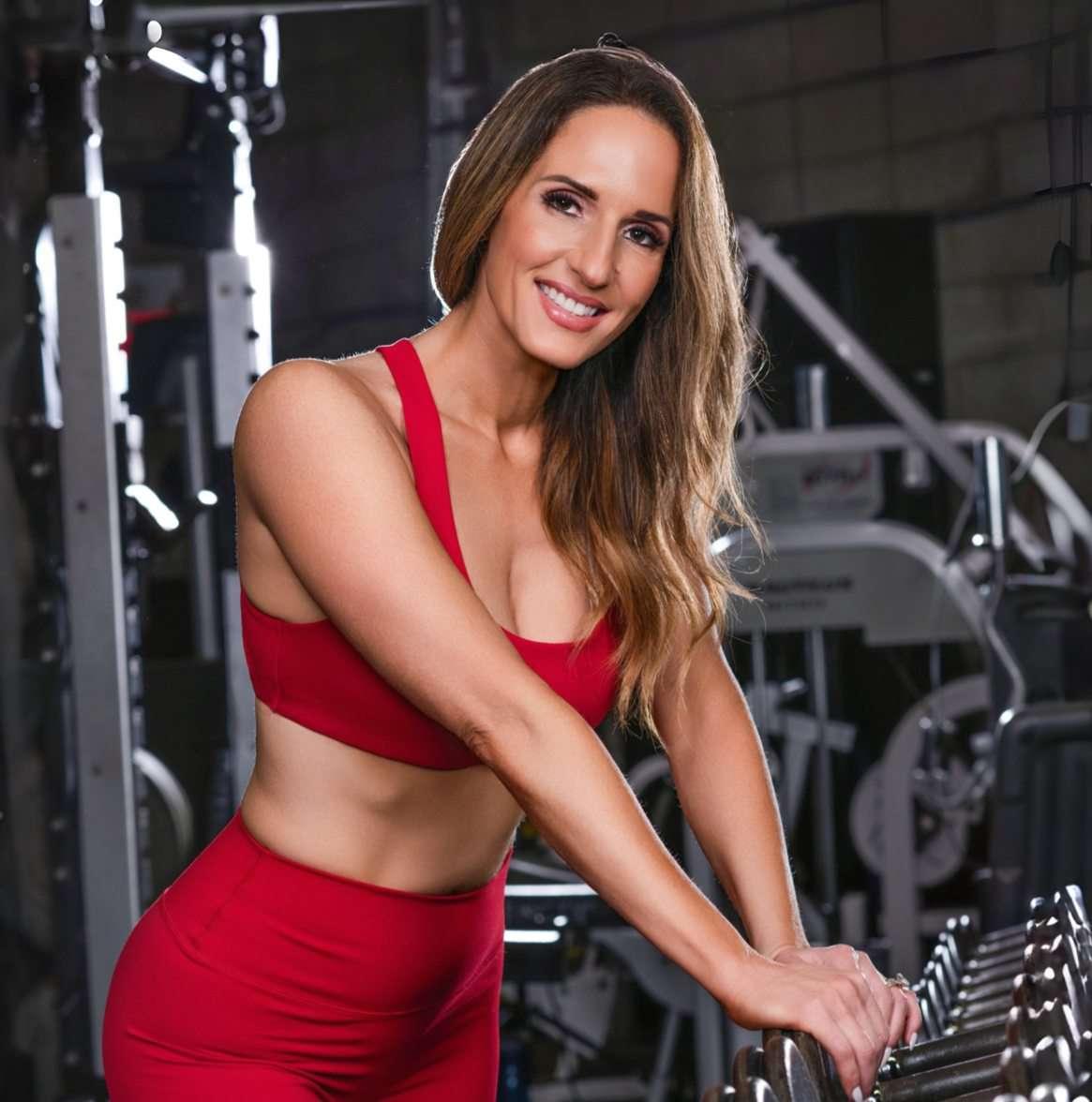
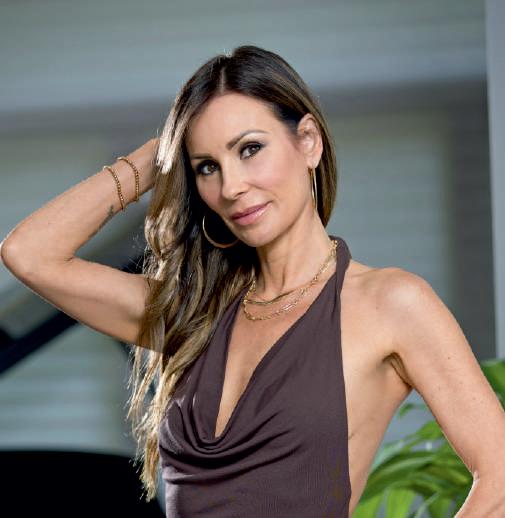
There is a certain kind of discipline that does not announce itself loudly. It is not built on dramatic declarations or short bursts of motivation. It is quieter than that, steadier, and far more powerful. It lives in the decision to return, again and again, to the habits that shape a life. That is the kind of discipline that denes Francesca Mosier
At 50, Francesca represents something more meaningful than tness in the narrow sense of the word. She represents devotion to growth, the long game of wellness, and the idea that strength is not something we stumble upon by chance. It is something we build through consistency, patience, and the courage to keep evolving. Her journey, which began in childhood through dance and modeling and later deepened in the gym, is not simply a story about physical conditioning. It is a story about identity, longevity, and the quiet power of choosing yourself over and over again.
For more than three decades, tness has remained a constant in her life. What began as joy in movement has transformed into a philosophy rooted in resilience, purpose, and example. In a culture often distracted by quick transformations and temporary motivation, Francesca stands apart. She has built a life around the kind of health that lasts.

For Francesca Mosier, movement came rst not as a performance metric, but as a language. Long before the gym became a part of her routine, she was introduced to dance and modeling by her mother Those early experiences shaped not only her relationship with her body, but her understanding of discipline and self-expression.
Her love for physical activity began in childhood, and dance in particular left a lasting mark. It taught her control, awareness, grace, and the feeling of being fully present in her own body The lessons were larger than choreography Dance showed her what it meant to move with intention, to connect strength with expression, and to build condence through repetition and commitment.
At 16, she bought her rst gym membership. What makes that detail remarkable is not just how young she was, but the fact that she still holds that same membership today at 50. That kind of continuity says something important. Fitness was never a passing phase in her life, never a temporary answer to a seasonal goal. It became a permanent thread woven through the years.
In the beginning, her motivation was rooted in the excitement of movement itself. She loved the energy, the creativity, and the discovery that came from pushing herself physically. But as life expanded and responsibilities multiplied, her reason for training deepened. Fitness became a place of mental clarity and stability, something that grounded her amid the demands of work, family, and daily life.
Today, that purpose has grown larger still. She trains for longevity, for strength, for health, and for the ability to continue showing up fully in every part of her life. Her connection to tness is no longer about appearance alone. It is about capacity. It is about feeling strong physically, mentally, and emotionally, and about living in a way that reects intention rather than impulse.

There is one phrase that captures Francesca’s philosophy more clearly than any other: consistency over everything. It is not merely something she says. It is the principle that has shaped her journey from the start.
She understands something that many people spend years trying to learn: motivation is unreliable, but habits can be trusted. Discipline is not built from emotion. It is built from repetition. Over time, she has created a structure in which training is not optional or negotiable. It is scheduled, respected, and protected like any other important commitment.
That approach has allowed tness to remain part of her life through changing seasons, shifting demands, and the unpredictability of adulthood. Rather than waiting to feel inspired, she has learned to rely on systems. Workouts are treated as non-negotiable appointments. Good nutrition is not a temporary x but a lifestyle. And the result is not only physical consistency, but emotional steadiness.
Her view of discipline is especially compelling because it is not harsh or performative. It is grounded. It comes from understanding that the small choices repeated over time shape the bigger picture of a life. For Francesca, the real transformation has never been about chasing perfection. It has been about honoring process.
That perspective becomes even more meaningful when you consider the example she is setting for her two sons. For her,
consistency is not just personal. It is generational. She wants her children to see what commitment looks like in everyday life. She wants them to understand that discipline creates freedom, and that wellness is not a trend to follow when convenient, but an investment that pays off over a lifetime.
Francesca’s current training style reects years of learning, renement, and adaptation. It is not rigid, and it is not driven by ego. Instead, it is built around strength, mobility, stability, and quality of movement. Her background in dance continues to inuence the way she trains, reminding her that true tness is about more than force. It is about control, exibility, balance, and body awareness.
She has worked with a variety of coaches and trainers over the years, and that openness to learning remains a key part of her mindset. She does not treat tness as something xed. She sees it as an evolving journey, one that grows with her goals, her experience, and the needs of her body.
At the center of her routine is lower-body strength training, the one staple she never skips. For her, strong legs are the foundation of everything. They support power, stability, athleticism, and longevity. Whether through squats, lunges, or other compound movements, lower-body work keeps her grounded in the most literal and symbolic sense.
That philosophy is telling. In a world where tness is often reduced to aesthetics, Francesca remains focused on function. She trains to move well, to feel capable, and to preserve the strength that allows her to live independently and powerfully for years to come. Lower-body training is not just part of her routine. It reects her belief that lasting strength must be built from the ground up.
When asked about the biggest transformation in her tness journey, Francesca does not point rst to a dramatic change in body composition. Instead, she speaks about a deeper transformation, one that unfolded over seven years as she returned to dance and ultimately stepped into competition as an adult.
For many years, she carried the belief that her opportunity to compete had already passed. Like so many people, she had quietly accepted the idea that certain dreams belong to certain ages. But in her 40s, she challenged that belief. She chose to return to dance, not casually, but with full commitment.
The journey was long. It took seven years of dedicated training, renement, conditioning, and resilience before she stepped onto a competitive stage. That span of time matters because it reveals the kind of patience that denes her character. She did not rush the process. She respected it.
What emerged during those years was not just improved endurance or physical strength, though both came. What changed most powerfully was her condence. She reconnected with the artistry and athleticism that had shaped her early life, while also proving to herself that age was not the limitation she once imagined it to be.
Competing against dancers decades younger than her and placing rst and second in her categories was an extraordinary
achievement. But even then, the placement was not the whole story. The deeper victory was the reminder that growth has no expiration date. It was proof that dedication can redene the boundaries we place around ourselves, and that the most meaningful transformations are often internal before they ever become visible to the world.
Francesca’s approach to nutrition mirrors the same values that shape her training: simplicity, sustainability, and respect for the body. She does not approach food with extremes or temporary restrictions. Instead, she sees nutrition as fuel, a practical and powerful way to support performance, recovery, and long-term health.
Her focus remains on whole foods, lean proteins, nutrient-dense carbohydrates, healthy fats, and hydration. It is a balanced, realistic philosophy rooted in consistency rather than control. The beauty of this approach lies in its longevity. She is not interested in methods that can be followed for a few weeks. She is committed to habits that can support a healthy life for years.
That mindset has enabled her to train effectively and stay energized, but it also connects to something larger. Proper nutrition supports her work, her family life, and the emotional stamina required to care for others. In her role supporting children with special needs, energy and patience are not optional. They are essential. Taking care of herself allows her to show up more fully in service of others.
This is one of the most compelling dimensions of her story. For Francesca, wellness is not self-centered. It is deeply connected to how she lives, works, parents, and contributes. The stronger and healthier she is, the more present she can be for the people who depend on her





Not every challenge in a tness journey is physical. Some of the hardest battles happen internally, in the quiet moments when doubt begins to question whether a goal is still possible. For Francesca, one of the toughest obstacles she faced was the belief that her time to compete in dance had already passed.
Returning to dance competition in her 40s meant confronting fear, discomfort, and the vulnerability of starting again. Life had changed. Responsibilities were heavier. The path ahead was demanding and uncertain. There were moments when she wondered whether pursuing that dream was realistic.
But she kept going.
What helped her push through was a mix of discipline and perspective. She understood that growth does not happen within comfort. She knew that if something mattered deeply enough, it deserved to be pursued, even if the timing was inconvenient or the outcome uncertain. So she stayed with the process, one rehearsal, one conditioning session, one commitment at a time.
Eventually, doubt gave way to condence. That progression did not happen overnight, and that is precisely what makes it meaningful. Her story reminds us that courage is rarely the absence of fear. More often, it is the decision to continue despite it.
And once again, her children remained part of her motivation. She wanted them to witness that courage for themselves. She wanted them to understand that dreams do not expire simply because time has passed, and that perseverance can rewrite the stories we tell ourselves about what is possible.





There is something especially striking about the way Francesca talks about the future. At 50, after decades of consistency, discipline, and achievement, she does not speak as if she has arrived. She speaks as if she is still becoming.
That mindset may be one of the strongest aspects of her story. She remains open to new goals, new challenges, and new opportunities to evolve. Whether that means stepping into new spaces, continuing to push herself in the gym, or exploring future competitions, she remains committed to growth.
More importantly, her ambitions are no longer measured only by personal milestones. They are also measured by impact. She wants to inspire people, especially those who believe it is too late to begin again, to invest in themselves, or to take their health seriously. Her life stands as a compelling answer to that fear.
Her advice to anyone beginning a tness journey is direct and deeply earned: start before you feel ready, commit before you feel condent, and stay consistent even when motivation fades. It is the kind of advice that cuts through noise because it comes from lived experience.
Francesca Mosier’s story is not just about tness. It is about devotion to a process that shapes who you become. It is about the power of consistency, the dignity of discipline, and the strength that comes from choosing long-term growth over short-term comfort.
At 50, she is not slowing down. She is not looking back with nostalgia at who she used to be. She is moving forward with purpose, strength, and the kind of condence that only comes from years of showing up. And in that sense, perhaps the most powerful thing she says is also the simplest: she feels like she is just getting started.
That is what makes her story so compelling. It is not a story about reaching the nish line. It is a story about building a life where the journey itself becomes the reward.
F E A T U R E I N
WE BELIEVE IN THE POWER OF STORYTELLING TO IGNITE CHANGE, AND OUR PAGES ARE FILLED WITH AUTHENTIC NARRATIVES THAT UPLIFT AND MOTIVATE.
DO YOU HAVE A STORY TO TELL THE WORLD? REACH OUT TO US BY CLICKING THIS LINK AND POTENTIALLY FEATURING IN EXELEON WOMEN MAGAZINE.
FEATURE ME

w w w . e x e l e o n w o m e n . c o m



From competitive bodybuilding to holistic nutrition coaching, Krista
Elisabeth is helping people build healthier bodies without sacricing their relationship with food, energy, or long-term well-being.
As a 2X Canadian Bikini Champion and Holistic Nutritionist, Krista Elisabeth understands both sides of the tness industry, the discipline and structure required to compete at an elite level, and the internal struggles that often come with restrictive approaches to health and aesthetics.
Today, her mission has evolved beyond stage conditioning and competition prep. Through her coaching philosophy centered around sustainable wellness, blood sugar balance, mindset, and self-care, Krista helps individuals create healthier lifestyles that feel energizing rather than exhausting.
In this conversation with Exeleon Women Magazine, she shares her perspective on modern tness, healing one’s relationship with food, overcoming mental barriers, and building a body that supports long-term vitality instead of short-term extremes.
For me, true fitness is about creating a body that feels energized, resilient, and sustainable, not one that requires burnout and extreme discipline to maintain. “


As a 2X Canadian Bikini Champion, your training was likely incredibly rigorous and specic. How has your personal denition of tness evolved now that you are focused on helping individuals achieve a sustainable lifestyle rather than preparing for a stage?
My denition of tness has completely evolved from a mindset of restriction to one of health, balance, and self-care, and ironically, it creates more sustainable results.
You emphasize “Endless Energy” in your bio. What are the top three non-negotiable habits you recommend to professionals who have high-stress work weeks and feel they have zero time for the gym?
1. Stabilize your blood sugar
This is one of the biggest keys to maintaining steady energy throughout the day. Most people start their mornings with foods that spike blood sugar, like sugary coffee drinks, cereal, toast, or smoothies, then crash by mid-afternoon and feel like taking a nap.
In my coaching program, I teach clients how to structure meals in a way that naturally stabilizes blood sugar, eliminates cravings, and achieves permanent fat loss without calorie counting or macro tracking. Meals are built around protein, healthy fats, bre, and nutrient-dense whole foods. Stabilizing blood sugar stabilizes energy, provided you are properly hydrated and have had enough sleep.
2. Hydrate properly
Even mild dehydration can lead to fatigue, brain fog, headaches, and cravings. Many people are actually dehydrated, not hungry
Start the day with a litre of clean water, ideally with added trace minerals or electrolytes. Continue to hydrate consistently throughout the day. Proper hydration supports energy, metabolism, cognitive performance, and recovery
3. Prioritize movement, even in small amounts
You don’t need to spend hours in the gym, but consistency matters. Building and maintaining muscle improves metabolism, resilience to stress, and blood sugar regulation, which all impact energy.
Even 20–30 minutes of resistance training, walking after meals, or short movement sessions throughout the week can create major changes over time. Exercise should support your energy, not drain it.
For me, true tness is about creating a body that feels energized, resilient, and sustainable, not one that requires burnout and extreme discipline to maintain.
Competition dieting is often very restrictive. As a Holistic Nutritionist, how do you help clients repair their relationship with food while still achieving the aesthetic or health goals they desire?
During my years competing, I looked healthy on the outside, but internally, my body was struggling. I was constantly ghting cravings, obsessing over food, and unable to maintain the results of the extreme effort I was putting in.
After years of competition prep, I realized that my strategy was the problem.
That realization changed everything. I shifted my focus toward diet and lifestyle changes that emphasized reducing inammation, improving gut and hormonal health, supporting detoxication, and building muscle through weight training.
What surprised me most was that when my body became healthier and more balanced, staying lean became effortless. My cravings disappeared, my relationship with food improved, and tness no longer felt like a constant battle.
Today, my philosophy is simple: when you bring the body back into balance, sustainable tness and permanent weight loss become a natural byproduct.


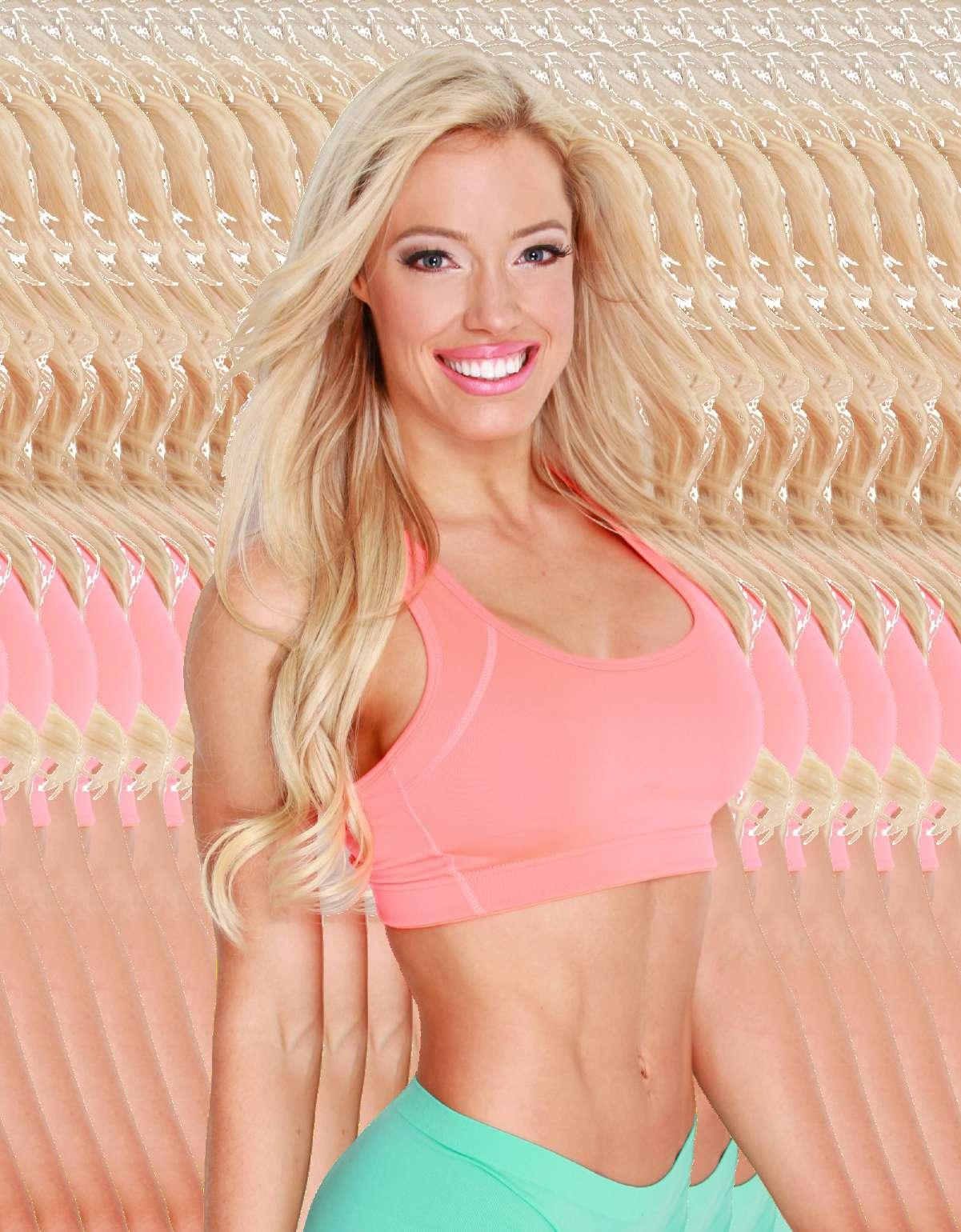
I am literally maintaining a bikini model shape year-round by focusing on selfcare.
One of your videos discusses “Reasons You Gained Weight Overnight.” When a client sees a sudden spike on the scale and starts to panic, what is the rst mindset shift you coach them through to keep them from giving up?
Small uctuations up and down by a pound or two are normal and are not necessarily associated with gaining body fat.
If you ate more salt or carbs than you normally would the night before, you will likely gain water weight overnight. Water weight can look like fat in the mirror
Reduce your simple carb intake, such as grains and sugar, and watch those extra pounds come off on the scale within a few days. Insulin is responsible for how much water the body holds, and eating carbs and sugar raises insulin in the blood.
Lower insulin levels by reducing carb and sugar consumption, and your body will naturally shed the extra water, making you look and feel leaner quickly.
Late-night eating is a common struggle for people with high-pressure jobs. Beyond “willpower,” what practical, holistic strategies do you use to help clients curb late-night cravings or emotional eating?
If you have the correct eating strategy, you won’t have cravings. You will no longer be obsessed with food.
Consume three meals per day with protein, fat, bre, and whole-food complex carbs in moderation, preferably around workouts or with dinner. Make sure your meal portions are large enough so that you don’t need snacks between meals.
Also, try my appetite suppressant tea:
• 1 cup of hot water
• 1 fruity or ginger tea bag
• A splash of apple cider vinegar
• Liquid stevia or monk fruit extract
You have a dedicated “Mindset” highlight on your prole. In your experience, what is the most common mental block that prevents people from losing weight and keeping it off permanently?
An all-or-nothing mentality
This process is a marathon, not a sprint. Celebrate the small daily wins, reect on mistakes, and improve your actions tomorrow
With such a clear coaching mission, what is the one message you hope every person takes away from your page, even if they never sign up for one-on-one coaching?
Understand that embarking on a health and tness journey will feel difcult at rst, as habit change requires extra energy initially
If you have the right strategy and implement a new lifestyle, rather than a short-term sprint involving a lot of restriction, the process can feel effortless, and maintaining the results becomes easy.
No suffering required.

@kristaelisabeth911
@KristaNaturalHealthFitness
www.youtube.com/c/kristaelisabeth




For Stephanie Alexandra, tness has never been just about physical transformation. It has been a journey of rebuilding condence, overcoming adversity, and discovering what her body is truly capable of achieving.
After losing over 100 pounds and navigating serious health challenges, Stephanie transformed her relationship with tness into something far deeper than aesthetics alone. Today, as a CPA Fit Model competitor, she continues to inspire others through her discipline, authenticity, and commitment to personal growth both inside and outside the gym.
In this conversation with Exeleon Women Magazine, Stephanie reects on her competitive journey, the lessons she has learned through recovery and resilience, and why believing in yourself is often the most important transformation of all.
What initially sparked your interest in tness, and when did you decide to turn it into a competitive journey as a CPA Fit Model?
I’ve always been involved in athletics and movement from a young age. Growing up, I played softball, was a cheerleader, danced competitively, and gure skated, so tness was always naturally part of my life. As I got older, the gym became something I genuinely loved and a place where I felt strong both physically and mentally
I decided to turn it into a competitive journey after attending a bodybuilding show that my workplace sponsored. It was actually my rst show ever, and one of my friends won an award that night. I remember being too nervous and lacking the condence to even walk on stage to present it to her
That moment really stayed with me. I realized I wanted to rebuild my condence and push myself outside of my comfort zone. Since I already loved the tness industry and training, becoming a CPA Fit Model competitor felt like the perfect challenge for me.
What was the biggest challenge you faced in the early stages of your tness journey, and how did you overcome it?
One of the biggest challenges was self-condence and constantly comparing my journey to other people’s. Over time, I had to learn to give myself grace and appreciate how far I had already come.
After dealing with serious health issues and losing over 100 pounds, my perspective changed completely. I became grateful simply to be able to move my body and train.
Living with seizures has also taught me to listen to my body and understand when I need rest without feeling guilty about it. Instead of focusing on what I couldn’t do, I started focusing on how thankful I was for what my body could do.

That mindset helped me overcome a lot mentally and physically
Can you walk us through a typical training week for you right now, including how you balance weight training, cardio, and recovery?
Right now, I typically train ve days a week and allow myself two recovery days.
Balance is extremely important to me. I love pushing myself in the gym, but I’ve learned that recovery is just as important as training hard. Rest allows your body to heal, grow, and perform at its best.
I focus mainly on weight training, cardio, and staying consistent with my routine while also paying attention to how my body feels week to week.
How has your approach to nutrition and diet evolved from when you started until now, especially during competition prep?
My relationship with nutrition has changed a lot over the years. When I rst started, I viewed it as “dieting,” but now I truly see it as a lifestyle and a form of selfrespect.
I want to fuel my body with the best foods possible because I believe we should nourish ourselves with care and intention. I spend so much time training and preparing meals that I want the ingredients I use to actually support my health and goals.
Competition prep taught me discipline, but it also taught me how important it is to take care of yourself from the inside out.
Which competition or photoshoot moment are you most proud of so far, and why did it mean so much to you?
Every competition and photoshoot has meant something different to me, whether it was a lesson learned or simply a great experience.
My rst competition will always be special because I won two gold medals, and having my family there supporting me meant everything. That experience also sparked my love for competing.
One of my favorite photoshoot memories was working with globally published cover photographer Jamie Watling. From the beginning, he planned every detail of the shoot and made me feel comfortable immediately.
We became friends quickly, joked around the entire day, and honestly had so much fun creating together. After the shoot, I sat down to review the photos, and I remember telling him I was surprised I couldn't nd a photo I disliked.
At one point, Jamie convinced me the ceiling was haunted and screamed while I looked up, which made me jump so high that we both couldn’t stop laughing afterward. It’s still one of the funniest memories from any shoot I’ve done.
What advice would you give to women who want to start their own tness journey but feel intimidated or overwhelmed?
Find a reason why you want to start and hold onto it. Use that reason as motivation on the hard days and keep showing up for yourself.
Everyone starts somewhere, and nobody begins their journey feeling completely condent. Believe in yourself, give yourself patience, and remember that you are stronger than you think.
What are your biggest tness goals for the next one to two years, both competitively and personally?
My biggest goal is to continue growing, learning, and pushing myself outside of my comfort zone.
Competitively, I want to continue doing more shows and improving every time I step on stage. Personally, I want to keep expanding into modeling and take advantage of every opportunity that comes my way
Most importantly, I want to continue inspiring others by showing that strength can come from overcoming challenges and believing in yourself.




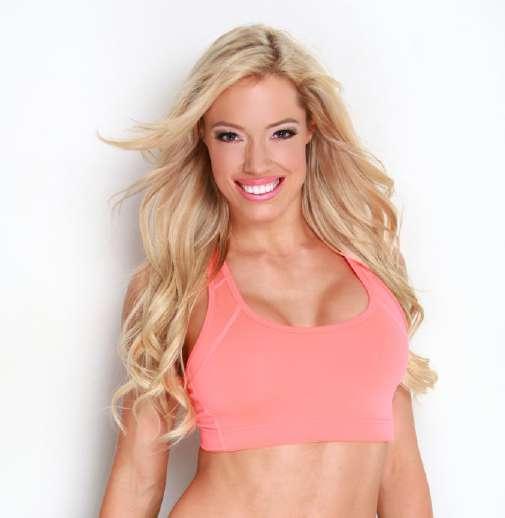
Long before tness modeling, tattoos, and social media became part of her identity, Krystal Galtry was simply trying to nd stability within herself.
What began as occasional visits to the gym during high school slowly evolved into something far deeper. Over the years, tness became more than exercise. It became a way to manage her ADHD, rebuild after trauma, and regain control during some of the hardest periods of her life.
Today, Krystal’s bold appearance and alternative aesthetic naturally stand out. But behind the tattoos and striking imagery is a story shaped by resilience, healing, and selfreinvention.
Her journey is not about chasing perfection. It is about discovering strength in moments where life made her feel powerless and learning how discipline, movement, and self-care could slowly rebuild her condence from the inside out.
The Beginning: From Observation to Transformation
Krystal’s rst experience with gym culture came during high school, though she admits she was never particularly serious about it at the time.
“I started gym in high school because everyone else did,” she says. “I never worked out. I sat and drank the hot chocolates.”
Like many teenagers, tness was more of a social environment than a commitment. But as she grew older, her relationship with training began to change.
Returning to the gym later in life, she discovered something unexpected. Exercise gave her structure, mental clarity, and a way to manage her ADHD more effectively
“When I got older, I went back and started to actually train, realizing it stabilized my ADHD and allowed me to tire myself out and control the look of my body.”
This shift marked the beginning of a deeper connection with tness. It was no longer about simply being active. It became a tool for emotional balance and self-regulation.
Growing up in a different era of beauty standards also shaped how Krystal viewed herself physically

When I found the gym and discovered how healthy food made me feel energized and think clearly, I wanted to become someone new. “


“I’m 33. It was normal to have no curves and be skinny,” she explains. “That’s what I was.”
In the beginning, her workouts were heavily centered around cardio. But with time came education and a better understanding of what her body actually needed.
“When I got older, I realized cardio was in fact the last thing I needed.”
Weight training completely changed the way she approached tness. Instead of chasing smaller numbers or endless calorie burning, she focused on building strength, shape, and overall health.
Resistance training helped her create more denition, not only improving how she felt physically but also how she presented herself through modeling and photography
One of the most dening turning points in Krystal’s journey came in 2020 following a deeply difcult domestic violence relationship.
The emotional aftermath left her struggling mentally and emotionally.
“My headspace and effort for life was very low coming out of that relationship,” she says. “Thinking I really was a nobody.”
During that period, training became an outlet for survival and rebuilding.
“I started training a lot more and found a peace in the violence I had endured.”
Fitness gave her something that trauma had taken away: control. It helped her reconnect with herself physically and mentally while creating healthier routines around sleep, nutrition, and discipline.
“That turned into an addiction of keeping healthy for my mindset and body, allowing me to sleep at night properly and care about what I ate to help my process of rebuilding.”
Her story highlights something often overlooked in tness conversations. Sometimes the gym is not about aesthetics at all. Sometimes it becomes a safe space to recover emotionally and mentally
Krystal’s distinctive appearance and alternative aesthetic often make a strong rst impression. But according to her, that side of her identity existed long before tness became part of her life.
“I got my rst tattoo at 15 as a home job and my next at 16,” she says.
Her bold style was never a phase or a marketing strategy. It was simply who she was.
“My edge was always there and so was my style. Fitness just allowed me to navigate myself in a healthier way.”
Rather than changing her identity, tness gave her a stronger foundation to support it. The gym became less about transforming into someone new and more about becoming a healthier version of herself.
Looking back, Krystal identies one of the biggest shifts in her life as the moment she began changing her daily habits and environment.
“I ate a lot of junk food, a lot when I was in my depressive state,” she admits. “And did a lot of drugs, excessive drinking.”
Discovering how proper training and nutrition affected her energy and mindset became a turning point.
“When I found gym and the way healthier food made me energized and think differently, it made me change old habits and want to be someone new.”
The transformation was gradual, but powerful. Better choices created better routines, and those routines slowly reshaped her condence and selfworth.

Ironically, one of the people who rst pushed Krystal into consistent training was also tied to one of the most painful chapters of her life.
“My DV partner made me train every day because he told me I had to look better,” she shares.
At the time, tness felt forced rather than empowering. She did not enjoy the gym because it was connected to criticism and pressure.
But everything changed once she returned to training on her own terms.
“I slipped back into one alone and single with no noise in my head and saw the relief in pushing myself, not being pushed around.”
That distinction changed everything.
Fitness was no longer about meeting someone else’s expectations. It became an act of self-respect and independence.
Despite her growth, Krystal is honest about the fact that consistency is still something she works on, especially while balancing travel and a busy lifestyle.
“I still struggle sometimes. I travel a lot. It's easy to lose focus on what makes you feel good.”
But she continues pushing forward because she understands what those healthy habits give her mentally and emotionally
“I know how my better eating and gyming sets my day up for success.”
More than anything, she values the sense of happiness and control that tness brings into her life.


For Julie Hinton-Green, healing is not simply about managing symptoms. It is about creating safety within the body, restoring emotional balance, and helping people reconnect with themselves on a deeper level.
Through her trauma-informed approach to Reiki and somatic healing, Julie combines traditional energy work with modern nervous system education to support lasting transformation. Drawing from years of experience working with clients through Addiction Rehab Toronto, she has witnessed rsthand how chronic stress, emotional suppression, and unresolved trauma shape both mental and physical health.
In this conversation with Exeleon Women Magazine, Julie shares why nervous system regulation has become such a critical part of modern wellness, how somatic healing creates deeper emotional awareness, and why true healing begins when people learn to listen to their bodies again.
Your prole emphasizes a trauma-informed approach to healing. How did your own personal journey lead you to integrate nervous system regulation with traditional Reiki practices?
My healing journey taught me that transformation does not happen through the mind alone. Over the years, both personally and professionally, I began recognizing how deeply the nervous system affects emotional, mental, and physical wellbeing.
Working for over a decade with clients at Addiction Rehab Toronto, I witnessed how many people are living in chronic survival mode, disconnected from their bodies, emotionally exhausted, and overwhelmed by stress.
Traditional Usui Reiki opened the door for healing, but integrating breathwork, grounding techniques, and somatic awareness created deeper and more lasting shifts.
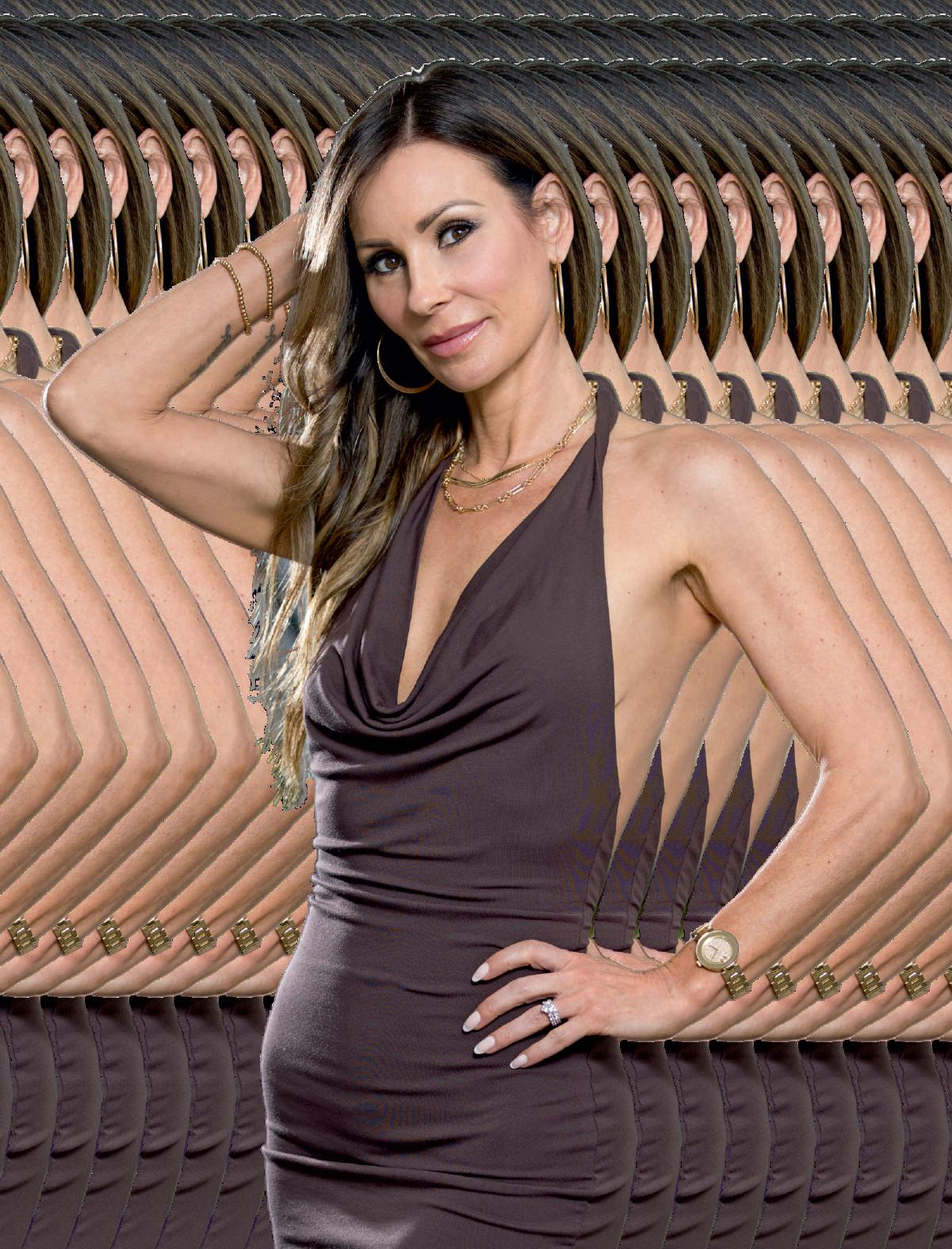

My approach today blends traditional Reiki with modern nervous system education to help people feel safe, regulated, and connected to themselves again.
As a Somatic Healing Educator, what do you believe is the most common physical manifestation of emotional stress that you see in your clients today?
The most common thing I see is nervous system dysregulation disguised as “normal life.”
Many clients arrive feeling anxious, exhausted, emotionally numb, overstimulated, or unable to fully relax. Others experience sleep disturbances, chronic tension, digestive issues, or brain fog.
Especially for women, there is often pressure to keep performing while silently carrying emotional stress in the body.
Eventually, the body begins communicating what the mind has ignored.
One of the most important things I teach is that symptoms are not weaknesses, they are signals. The body is often asking for regulation, rest, emotional processing, and reconnection long before people consciously recognize it.
Many people view tness solely as physical exercise, but you focus heavily on nervous system regulation. How does balancing the “invisible” systems of the body impact a person’s overall vitality and strength?
Consistency is everything.
We understand this when it comes to the physical body, you cannot work out a few times and expect your body to completely change, and you cannot eat well for two weeks and expect lifelong vitality
The nervous system is no different.
Healing requires commitment, repetition, and a willingness to keep showing up for yourself. Reiki is not just a one-time experience; it becomes most powerful when approached consistently, allowing the body to move out of survival patterns and into a deeper state of safety, balance, and self-trust.
That is where real transformation begins.
For someone constantly stuck in “ght or ight” mode because of a high-pressure lifestyle, what is one grounding technique they can use anywhere to reset their state?
One of my favourite grounding techniques is a conscious six-breath cycle.
I guide people to sit up tall with both feet rmly on the ground, soften the shoulders, slightly lift the chin, and place the left hand on the heart and the right hand on the belly
With the eyes closed, they take six slow intentional breaths while focusing equally on both the inhale and exhale.
That combination of breath, posture, and body awareness can quickly help calm the nervous system and bring someone back into the present moment.
In my ofce, I often complete sessions with grounding rituals using Palo Santo and an eagle feather to help clients leave feeling lighter, calmer, and more connected to themselves.
You offer Traditional Usui Reiki Certication. What is the most signicant transformation you typically witness in students as they progress from Level 1 to becoming a Master Teacher?
The greatest transformation I witness is selftrust.
Many students begin Reiki training searching for healing, clarity, or personal growth. As they continue, they often become more grounded, emotionally aware, intuitive, and condent in themselves.
By the time someone reaches the Master Teacher level, it becomes far more than learning techniques, it becomes embodiment, leadership, and deeper self-awareness.
Teaching has become one of the most meaningful parts of my work because empowering others to reconnect with themselves creates a ripple effect within families, communities, and future generations.
Your work often deals with somatic healing. How do you guide clients to “listen” to their bodies after spending years suppressing physical or emotional discomfort?
Many people carry trauma, stress, and emotional triggers within their nervous systems for years.
Over time, those past experiences can begin shaping how they view themselves, others, and the world around them. People often become stuck in patterns of fear, hypervigilance, emotional shutdown, or survival mode without fully realizing it.
Through somatic healing and energy work, I help clients move beyond constant mental processing and reconnect with what they are physically and emotionally feeling within the body.
When people begin regulating the nervous system and creating a sense of internal safety, they often start experiencing more clarity, trust, intuition, and emotional freedom.
Healing begins when someone realizes they are not trapped by their past experiences and can begin creating a different reality for themselves.
As a leader in Toronto’s wellness space, what is your ultimate goal for the community you are building, and how do you hope to change the conversation around holistic healing?
My goal is to help create a more grounded, emotionally healthy, and compassionate community where people feel safe being open about their mental and emotional wellbeing.
Through my work at Addiction Rehab Toronto, I have seen how quickly stress, emotional suppression, and over-reliance on prescription medications can become a slippery slope that sometimes leads people further away from themselves and, in some cases, toward addiction.
While medication can absolutely have its place, I believe healing modalities such as Reiki, somatic healing, breathwork, and Qi Gong offer people another powerful way to reconnect with their bodies, regulate their nervous systems, and release stored emotional energy.
I also hope to continue removing the stigma around mental health by encouraging both men and women to become more open, vulnerable, and connected to themselves.
We are living in a very heavy and overstimulated time in the world, and my mission is to help bring more light, calm, healing, and positivity into the lives of others and the communities around me.
@julie-hinton-green
juliehintongreen.com
@juliehinton_green