There’s something powerful about stories that don't just inspire, but stay with you.
As we put together Most Empowering Women Leaders to Follow in 2026, that's exactly what we kept coming back to. Not titles. Not accolades. Not perfectly curated success. But real journeys. The kind built over years of persistence, reinvention, and quiet resilience.
This issue is a reection of women who have shaped their paths with intention. Women who have navigated uncertainty, challenged expectations, and built something meaningful not just for themselves, but for others around them. Each story in these pages carries its own rhythm, its own struggles, and its own denition of success.
What stood out most while curating this edition was not how similar these leaders are, but how different their journeys have been. Some have built global businesses. Some have led change within their industries. Others have created impact through community, mentorship, and purpose-driven work. Yet across all of them, there is a common thread. Clarity. Courage. And the willingness to keep moving forward, even when the path wasn’t obvious.
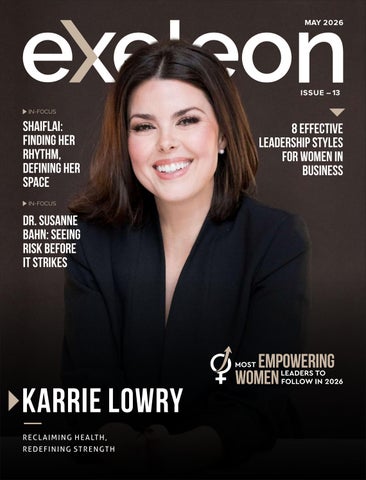
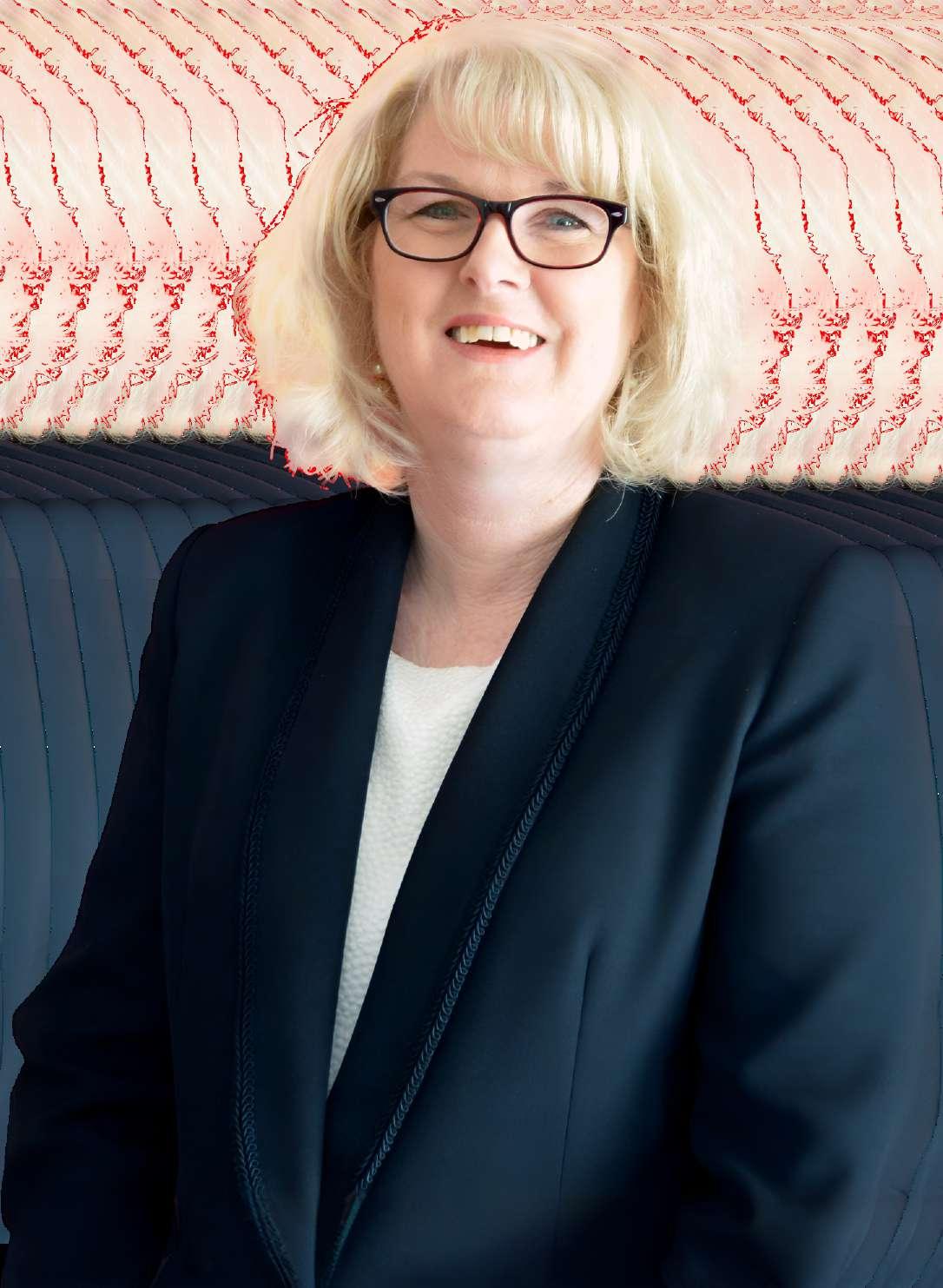
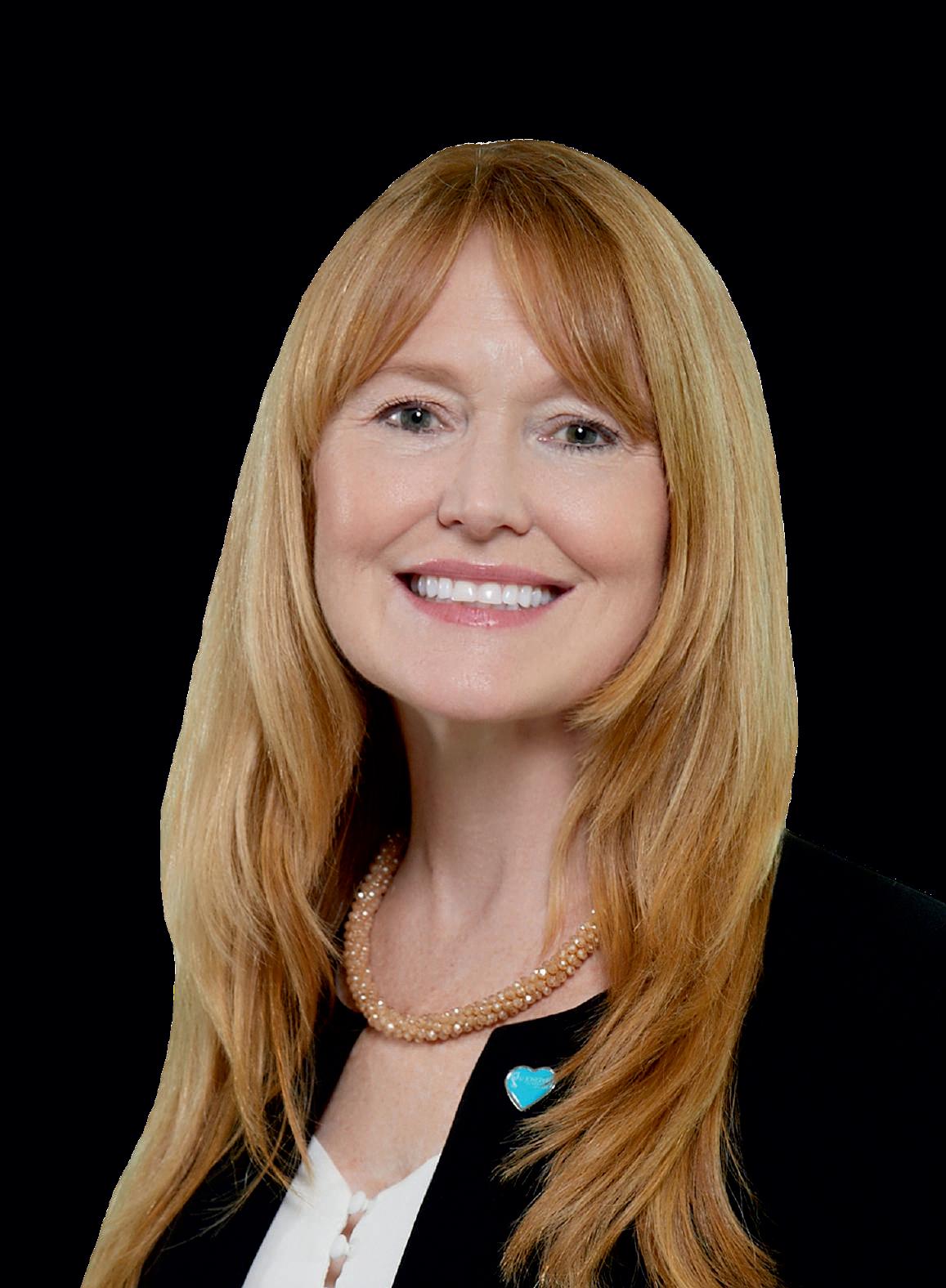
Our cover feature, Karrie Lowry, embodies this spirit in a way that feels both grounded and powerful. Her journey is not just about achievement, but about growth, adaptability, and the kind of leadership that evolves with experience. She represents what this issue stands for: strength that is not loud, but lasting.
At Exeleon, we have always believed that leadership is not dened by position alone. It is dened by impact. By the ability to inuence, uplift, and create space for others to grow. This edition is a celebration of that belief.
It is also a reminder that empowerment is not a xed destination. It is a continuous process. It is built through decisions, through discipline, and through the courage to dene success on your own terms.
Ready to fuel your ambition and receive your dose of inspiration directly to your digital doorstep? Subscribe to Exeleon Magazine today, and enjoy the following perks:
• Convenience at Your Fingertips
• Exclusive Extras
• Community Connection
SHAIFLAI
For Shayantani Chatterjee Gupta, djing was never something she chose. It was something she grew into. Long before she stepped behind the decks, rhythm was already a part of her life, shaping how she experienced movement, emotion, and connection.
Known professionally as Shaiai, she began her DJ career in January 2019, stepping into the space with curiosity rather than a xed plan. What followed was a journey dened by instinct, exploration, and a deep commitment to understanding sound beyond genres.
Today, Shaiai is not just recognized for her technical ability, but for the way she builds a narrative through music. Her sets are not playlists. They are experiences, carefully layered with emotion, ow, and intention.
What rst sparked your passion for DJing and electronic music?
My relationship with electronic music began as a feeling before it became a craft. I have always been drawn to rhythm, repetition, and the way a track can completely shift your state of mind without using words.
Growing up, I was exposed to music through my father’s collection, and I was actively involved in my school dance team. Later, in college, I performed with a homegrown crew. Dance was my rst connection to music. I spent a lot of time on the danceoor, observing and absorbing, which gradually turned into curiosity about how that energy was created.
I was also surrounded by musician friends, which deepened my appreciation for the craft. Eventually, I began working in the music industry as a curator and promoter That experience gave me insight into how the scene functioned and made me want to contribute more actively by supporting and sharing quality music.
Over time, friendships with DJs and producers encouraged me to learn. I did not initially plan to perform, but within a month of learning, I was invited to play a two-hour set for an industry-driven platform where people gathered to share music. That experience led to club bookings, and before I knew it, I was playing regularly
The transition into DJing felt organic. As I explored further, I became less interested in sticking to a single genre and more focused on blending moods and sounds. That is when I began to see myself not just as a DJ, but as someone creating a journey
What has been one of the biggest challenges you have faced as a female DJ?
One of the biggest challenges has been being taken seriously beyond the label of being a “female DJ.” There is often an unspoken pressure to constantly prove your skill and intent in a space that can sometimes feel judgmental or dismissive.
Instead of allowing that to dene me, I chose to focus on consistency and growth. I have invested time in rening my sound, building my knowledge, and showing up with intention every time I perform.
Over time, I have realized that the work speaks louder than assumptions. Respect is built through presence, persistence, and staying committed to your craft.
Your identity as the “Groove Temptress” is unique. How did that come about, and how do you approach genre blending?
“Groove Temptress” comes from my relationship with rhythm. I am naturally drawn to grooves that pull you in without you even realizing it. It is less about intensity and more about creating a sense of connection through sound.
Genre blending comes naturally to me because I do not experience music in rigid categories. Whether it is house, techno, or something in between, I focus on how a track feels, its texture, energy, and emotional pull.
When I build a set, I think in terms of ow and tension. If something ts the moment and contributes to the story I am telling, it belongs in the set.
What is it like performing live, and can you share a memorable experience from your journey?
Being in the booth is an immersive experience. It is a constant exchange of energy where you are reading the room while also guiding it. There comes a moment when everything aligns, the crowd, the music, and your instinct. At that point, you are no longer thinking, you are simply responding.
One of my most memorable experiences was performing at the Bloom In Green Festival. I faced technical issues right at the start of my set, which could have easily disrupted the energy. However, the crowd remained patient and supportive.
Once I settled in, the energy shifted completely. It was not about playing big drops or obvious tracks. It was about subtle transitions and building a shared experience. Looking up and seeing the crowd fully engaged and trusting the direction I was taking them in is something that has stayed with me.
What advice would you give to aspiring DJs looking to build their careers?
Consistency and authenticity are essential. Consistency does not only mean performing or posting regularly, it means continuously improving your craft.
Spend time understanding your sound, experimenting, and rening your skills. It is important to stay true to yourself rather than following trends.
I also believe in documenting your journey. People connect more with authenticity than perfection. Sharing your process, even in its early or imperfect stages, helps build genuine connections. I still have my rst mix on SoundCloud and posts from my earliest shows on Instagram.
Most importantly, be patient. Growth in this space takes time. Trying to rush it often leads to burnout. Focus on building something meaningful and lasting.
How can artists build a sustainable, long-term career in the music industry?
A sustainable career goes beyond just mixing tracks. It is about building a relationship with music, your audience, and yourself as an artist.
This includes developing your identity, understanding the business side of the industry, and taking care of your mental and physical well-being. It is easy to get caught up in comparison or external validation, but longevity comes from staying grounded and evolving at your own pace.
Financial independence also plays a key role. Having a stable or passive source of income allows you to make creative decisions without pressure. It ensures that you do not have to compromise your sound or artistic values.
At the same time, it is important to treat your art as a business. We live in a digital world, and sharing your work condently is part of the process. Music is meant to be experienced, and holding back only limits your reach.
Her journey reects a deeper truth about creativity. It is not dened by labels, timelines, or expectations. It is shaped by curiosity, consistency, and the courage to evolve.
As the Groove Temptress continues to explore sound and connection, one thing remains clear. She is not just playing music. She is building experiences, one set at a time. soundcloud.com/shaiai
@shaiai
@shaiai
DR. SUSANNE BAHN
Seeing Risk Before It Strikes
Founder of Tap into Safety
Dr. Susanne Bahn is widely recognized as a global
authority on workplace hazard perception and risk blindness in high-risk environments. With a background in safety consultancy and academic research at Edith Cowan University, she has spent decades studying why accidents happen and how they can be prevented through better awareness, training, and behavior change.
As the Founder of Tap into Safety, Dr. Bahn has translated research into practical, scalable solutions that help organizations move beyond compliance toward genuine safety culture transformation.
In this interview with Exeleon Magazine, she shares what led her into this eld, the gaps she observed in traditional safety training, and the impact she hopes to continue making in workplaces worldwide.
You are widely regarded as a global authority on workplace hazard perception. What initially drew you to studying hazard awareness and risk blindness in high-risk work environments?
My interest came mainly out of frustration at seeing regular workplace accidents that could have been avoided if workers were taught to look up, look down, and look around before they completed a task. There was also an obvious complacency of “it won’t happen to me,”
particularly among young workers who think they are “bulletproof” and older workers who “have always done it this way.” I wanted to come up with some solutions and strategies that organizations could easily adopt to improve hazard awareness skills.
Before founding Tap into Safety, you spent years in safety consultancy and research at Edith Cowan University. How did these experiences shape your understanding of the gaps that existed in traditional safety training?
Being involved with organizations and discussing issues with safety managers conrmed the need to tackle risk blindness at the worker level. There’s nothing like hearing from supervisors and safety managers about their frustrations, as well as from the workers themselves, about the disconnect between what is written in safe operating procedures and the way work is actually done.
Tap into Safety was created in direct response to industry needs. Can you share the key insights or pain points you heard from companies that inspired you to build the TIS Training Platform?
Organizations are always looking for ways to improve their safety performance and reduce injuries. As they grow and expand to operate across sites that are away from head ofce, managing their people becomes far more difcult.
This shows up quite prominently when they need to deliver training. When we started TIS, many organizations were still trying to do this face to face using PowerPoint presentations.
Research shows that after the rst seven minutes of any training, the mind starts to drift and people think about other things. Therefore, if you want to get a critical message across, you need to do it very quickly.
As soon as you have multiple sites delivering training, the issue becomes ensuring a consistent message. This doesn’t happen when you rely on trainers who are likely to be different people.
Training delivery also needs to suit the learner. Young people are constantly watching videos and no longer accept PowerPoint or traditional classroom settings. Their attention span is limited, and they expect more.
Tap into Safety also offers mental health training using a microlearning format. Why was it important for you to integrate mental health alongside hazard awareness and safety training?
There’s a global recognition that a person’s psychological health directly affects their focus and attention. When your mind is not on what you're doing, you are more prone to accidents.
Beyond compliance, many organizations are now looking to transform their safety culture. How does the TIS Platform help them move from “checking boxes” to truly changing behavior?
There’s always a need for straightforward compliance training such as onboarding and induction. However, if you do that right, you can ensure the new worker understands their obligations and has information on what can hurt them and others they are working with.
Once a person is settled into their role, there is a need to ensure they are regularly reminded about hazards in the organization’s working environment because humans grow complacent. As you might know, it takes seven times before new information is committed to memory. The key is to mix it up and provide different types of training to reinforce the same message. Repetition changes behavior, and it shows that the organization is committed to safety and that it is part of their culture, the way things are done around here.
Risk blindness isn’t a policy problem, it’s a people problem “
Looking ahead, what emerging risks or challenges do you believe organizations will need to focus on to keep workers safe and well?
To be honest, I don’t think it will be very different going forward. Human brains need repetition to embed safe practices. Generally, literacy levels and attention spans are dropping, so messages need to be delivered simply and quickly
Finally, what motivates you today as both a researcher and CEO, and what impact do you hope Tap into Safety will continue to create in workplaces around the world?
I like to see injury rates dropping, and I get pretty angry when I hear about a workplace fatality. I know that what we offer through TIS helps organizations provide one important piece of the puzzle in keeping their workers safe. The impact I hope we continue to create is improved safe practice and a reduction in workplace injuries.
@Dr. Susanne Bahn Visit TIS Website.
CEO of Leading with Lisa
Success in business is often misunderstood as a result of relentless effort, but for Lisa Subrize, it is about intentional design, strategic clarity, and building systems that last.
With a career shaped by high-pressure leadership in healthcare and a transition into entrepreneurship driven by purpose, Lisa has helped generate over $70 million in business revenue. Her journey reects a shift from execution to architecture, where long-term impact takes precedence over short-term wins.
In this conversation, she shares the dening moments, mindset shifts, and principles that guide her work with founders today.
What was the exact moment or situation that made you decide to become an entrepreneur and help founders scale their businesses?
The dening moment came during the pandemic. Leading within a large healthcare organization through that crisis changes you. It forces you to operate with urgency, clarity, and accountability at a level most environments never demand. Every decision mattered, and the margin for error was small.
But what it also did was sharpen my perspective on impact. In the middle of navigating one of the most complex periods in modern healthcare, I realized that the lessons I had spent decades learning, how to lead through uncertainty, how to build systems that hold under pressure,
and how to make critical decisions quickly, were too valuable to stay contained within one organization.
It created a calling to give back in a bigger way. I wanted to take those hard-earned lessons and apply them to founders and businesses operating in environments where failure rates are already high and help them succeed at a higher level.
In that moment, entrepreneurship became less about building something for myself and more about building a legacy, one centered on helping visionary founders turn bold ideas into real, scalable businesses that actually last.
In the beginning of your entrepreneurial journey, what was the biggest challenge you faced, and how did you overcome it?
The biggest challenge was not whether I could do the work. It was deciding what not to do.
When you have a broad range of experience, the risk is overextension. Early on, I had to get very intentional about where I created the highest value and who I was uniquely positioned to serve.
Once I made that shift, narrowing my focus, aligning with real market demand, and building around my strengths, everything accelerated. Clarity became a growth strategy. It simplied my message, strengthened my positioning, and attracted the right opportunities.
Was there a specic “aha” moment or breakthrough that took your business from struggling to scaling?
Absolutely The realization that scale is not driven by effort, it is driven by structure.
I was involved in multiple deals and advisory engagements when it became clear that the businesses that grew were not necessarily the ones working the hardest. They were the ones built the right way. They had clear revenue models, dened processes, strategic partnerships, and access to capital.
That changed my entire approach. I stopped focusing on shortterm execution and started building systems that could consistently produce results. That shift, from activity to architecture, is what unlocked real scale.
You’ve helped generate over $70M in business revenue. What was the most important shift you made in your own business that allowed you to reach that level?
The minute I stopped thinking like an operator and started thinking like an architect, everything changed.
To reach that level, you cannot be involved in everything. You have to design the ecosystem. That means building the right partnerships, cultivating capital relationships, creating consistent deal ow, and structuring services that scale beyond you.
I also became highly intentional about proximity, who I was in the room with. When you surround yourself with investors, founders, and decision-makers operating at a high level, the opportunities expand exponentially. Revenue at that scale is rarely accidental. It is the result of aligned relationships and well-structured opportunities.
How has your mindset about business, success, and leadership changed from when you started until now?
Early on, I equated success with output, how much I could do, how fast I could move, how many problems I could solve.
Now, I dene success as alignment. It is about building the right things, with the right people, in a way that creates longterm value.
My leadership has evolved as well. I no longer see leadership as having all the answers. I see it as creating the conditions for the best outcomes. Sustainable success is not about constant motion. It is about intentional design and disciplined execution.
How has your faith played a role in your business journey, especially during the tough seasons or big decisions?
Faith has been my foundation. In business, there are moments where logic alone cannot guide you, where the path is not clear, and the stakes are high. In those moments, my faith has allowed me to move forward with condence, even when the outcome was not guaranteed.
It has also shaped how I lead. I believe in operating with integrity, building meaningful relationships, and creating impact that extends beyond nancial results.
During difcult seasons, my faith reminded me that every challenge was part of a larger purpose. That perspective gave me both resilience and peace, and it continues to guide how I make decisions today.
Do you have any closing thoughts?
In closing, I believe the most powerful businesses are not just built to grow. They are built to last, scale with intention, and create impact that extends far beyond the founder. And my mission is to help make that happen.
Thank you for the opportunity to share my thoughts with your audience.
When Dylan Rutz, CEO of a fast-growing
ntech startup, landed in Seoul to nalize a strategic partnership, he was condent that his company’s technology and momentum would seal the deal quickly Yet he soon discovered that the Korean executives across the table valued something far more important than speed: trust. Despite a crisp pitch and bold proposal, Dylan’s hosts responded with polite nods and long pauses, preferring to “continue the conversation over dinner.”
By week’s end, Dylan realized he had misread the room not due to a lack of intelligence or business acumen, but because he lacked cultural uency. His experience is not unique; many leaders discover too late that understanding local customs and values can make or break a deal. This moment highlights a critical truth: in today’s interconnected world, effective leadership demands more than expertise and ambition requires a deep understanding of the cultural landscape.
As global markets become more complex, leaders must build trust across borders, inspire diverse teams, and
transform cultural differences into strategic advantages. The future of leadership belongs to those who can adapt, empathize, and lead with cultural agility, turning diversity into a source of strength and innovation.
The Role of Culture in Shaping Leadership
Culture acts as an invisible operating system, subtly inuencing every aspect of organizational life. It determines how individuals interpret authority whether they expect leaders to be directive or consultative and shapes the way teams communicate, collaborate, and make decisions. Geert Hofstede famously described culture as “software of the mind” a set of deeply embedded mental programs that inuence how people perceive the world and interact with others, often without realizing it. For example, direct feedback is appreciated and expected in the Netherlands, where candor is seen as a sign of respect, but the same approach might be considered blunt or even offensive in Japan, where harmony and indirect communication are highly valued.
For leaders, this means that what is considered “strong
leadership” in one culture such as assertiveness or open disagreement may be ineffective, or even counterproductive, in another where consensus and deference to hierarchy are prioritized. Leadership challenges in global settings rarely stem from technical gaps; instead, leaders often struggle when they assume their style is universal, misread behaviors, or underestimate the emotional adaptation required to lead across cultures. The ability to recognize and adapt to these cultural nuances is what separates successful global leaders from those who falter. In a world where teams, markets, and partnerships span continents, cultural awareness is no longer a soft skill, it is a strategic differentiator.
Key Frameworks for Understanding Culture
Hofstede’s Dimensions
Hofstede’s research introduced several key cultural dimensions that shape leadership expectations:
● Power Distance: Comfort with hierarchy and unequal power distribution. High power distance cultures value formality and authority; low power distance cultures prefer informality
● Focus on Individualism vs. Collectivism: personal autonomy versus group harmony.
● Preference for clear Uncertainty Avoidance: rules versus comfort with ambiguity.
● Emphasis on tradition Long-Term Orientation: versus future-oriented innovation.
● Importance of Masculinity vs. Femininity: competition versus cooperation.
These differences clarify why Dylan s style of using ’ rst names and pushing for swift decisions t well in Silicon Valley but seemed inappropriate in Seoul, where using titles and consensus is the norm.
The Globe Study
The GLOBE Study of 62 societies reinforces that leadership is culturally contingent. What followers perceive as effective varies dramatically across regions. Charismatic leadership is universally valued, but its expression differs. In the United States, charismatic leaders may inspire through bold vision and expressive communication, while in Japan,
charisma is often conveyed through quiet condence and humility. Participative leadership is admired in Nordic countries but less so in Middle Eastern cultures, where a more directive approach is traditionally expected. Humane leadership is essential in Southeast Asia but less emphasized in Germanic cultures.
Trompenaars
& Hampden-Turner
Trompenaars and Hampden-Turner’s framework highlights how cultures reconcile universal rules with particular relationships, individual achievement with group loyalty, and emotional expression with restraint. Dimensions like universalism versus particularism and individualism versus communitarianism help explain why leaders and teams may have different priorities and approaches.
Erin Meyer’s Culture Map
Erin Meyer’s Culture Map provides leaders with a practical tool for navigating cultural differences across eight key dimensions: Communicating (low-context vs. high-context), Evaluating (direct vs. indirect negative feedback), Persuading (principles-rst vs. applicationsrst), Leading (egalitarian vs. hierarchical), Deciding (consensual vs. top-down), Trusting (task-based vs. relationship-based), Disagreeing (confrontational vs. avoidant), and Scheduling (linear-time vs. exible-time).
Leaders can use the map to assess their own and their team's positions, engage in open conversations about differences, and implement tailored strategies to foster understanding and collaboration. By proactively decoding and addressing cultural gaps, leaders can enhance trust, communication, and overall team performance.
Case Studies: Leadership in Action
Dylan’s experience in Seoul illustrates the importance of trust and relationship-building in Korean business culture. His initial focus on speed and directness clashed with local expectations for consensus and formality. By adapting his approach, investing time in informal conversations, and showing respect for hierarchy Dylan could have built the trust necessary for a successful partnership. This case underscores the need for leaders to read the room, listen actively, and adjust their strategies to local norms.
Mariah in Japan
Mariah, an executive from Chicago, was promoted to lead her company’s Tokyo ofce. Known for her transparent communication and open-door policy, she encouraged her team to “speak freely” and “challenge ideas.” However, in Japan, these invitations were met with hesitation. Japan's high-power distance and collectivist norms meant that public disagreement felt risky and potentially disrespectful. After learning about these local norms, Mariah shifted her approach by inviting feedback privately and framing new ideas as collaborative improvements. This adaptation signaled respect for hierarchy while still encouraging input, fostering engagement and trust.
Jonah in Brazil
Jonah, a German engineering manager, was transferred to São Paulo to lead a manufacturing team. He valued precision, punctuality, and process discipline, but his Brazilian colleagues prioritized improvisation, personal connection, and exibility. Meetings began late, schedules shifted, and relationships took precedence over rigid timelines. Jonah felt isolated until he attended a colleague’s family barbecue, a culturally signicant gesture. By investing in personal connections, Jonah saw a noticeable improvement in team morale and performance. His journey highlights the importance of adapting leadership style to local values and demonstrates how cross-cultural awareness can enhance collaboration and results.
These case studies reveal that effective leadership is not about imposing one’s own style but about exing, adapting, and integrating approaches to t local context.
Developing Cultural Intelligence and Agility
Cultural intelligence (CQ) is the capability to function effectively across cultural settings. It is not about memorizing cultural facts, but about interpreting unfamiliar cues, adapting behavior, and learning continuously. Leaders with high CQ demonstrate:
● Cognitive CQ: Understanding cultural norms and differences. For example, Mariah noticed that meetings in Tokyo began with formal greetings and limited open debate, signaling respect for hierarchy rather than disengagement.
Dylan Rutz in Seoul
● Motivational CQ: The curiosity and drive to engage across cultures. Mariah sought out cross-cultural projects, eager to learn how her Japanese colleagues approached problemsolving and collaboration.
● The ability to adjust verbal and Behavioral CQ: nonverbal actions. She adapted her tone of voice to be more formal and modied her use of eye contact to match local expectations.
Paula Caligiuri argues that global leaders succeed not because they know every culture, but because they develop cultural agility—the ability to quickly, effectively, and appropriately adapt to different cultural contexts. This includes tolerance for ambiguity, cultural curiosity, behavioral adaptability, humility, and the ability to integrate global consistency with local relevance. Culturally agile leaders do not abandon their values; instead, they expand their behavioral repertoire to operate effectively across diverse settings, building trust and achieving results in any cultural context.
Practical Tips for Global Leaders
To thrive as a global leader, consider these actionable steps:
● Reect on your own attitudes Start with self-awareness: toward authority, feedback, trust, and conict. Recognize your cultural blind spots and be open to feedback.
● Use frameworks like Understand the cultural context: Hofstede and GLOBE as starting points but verify with local input. Engage in regular cross-cultural training and mentorship.
● Prioritize trust and rapport Build relationships rst: before focusing on results. A Harvard Business Review study found that 70% of successful global leaders prioritize relationships before results.
● Flex Adapt communication and leadership styles: between direct and indirect, consultative, or directive approaches depending on the culture. Encourage open dialogue and create safe spaces for feedback, especially in high power-distance cultures.
● Embrace ambiguity Develop exibility and resilience: and unfamiliar situations. Stay curious and seek out opportunities to learn about local markets and customs.
● Foster an environment Encourage open team dialogue: where team members feel comfortable sharing perspectives and ideas.
By blending research-backed strategies with practical exibility, global leaders can build trust, adapt to diverse environments, and value different perspectives, driving team engagement and organizational success.
Conclusion
As global markets become more interconnected, the future belongs to culturally agile leaders. Success in global leadership is no longer dened solely by expertise or ambition, but by the ability to build trust across borders, navigate complexity, and inspire diverse teams. Leaders who embrace cultural agility transform differences into advantages, fostering innovation and growth.
By seeking cross-cultural mentorship, encouraging open dialogue, and learning about local customs, leaders can thrive in a diverse, interconnected world. The journey requires adaptability, empathy, and curiosity, but the rewards are profound: stronger relationships, greater inuence, and lasting impact. The next generation of leaders will be those who see culture not as a barrier, but as a bridge to global success.
As demonstrated by the experiences of Dylan, Mariah, and Jonah, the ability to adapt, listen and learn from others is the hallmark of effective leadership in the st21 century. The future of leadership is global, and those who master cultural agility will lead the way.
About the Author
Karen Gayle is an experienced tax professional with an MBA from the New York Institute of Technology and a BBA from Baruch College. An Enrolled Agent and QuickBooks Certied ProAdvisor, Karen Gayle has held key roles in tax compliance and accounting across industries such as publishing, education, technology, and nancial services.
Karen Gayle is active in professional organizations, volunteers to support peers with tax issues, and is recognized for strong analytical skills and a commitment to continuous learning.
Interview with DR. LISA PORTER
Advancing Breakthroughs in Cancer Research and Health Innovation
Founder of Tap into Safety
Dr. Lisa Porter is a Canadian cancer
researcher and biomedical scientist whose innovative research is transforming our knowledge of normal aging and cancer. As a distinguished professor at the University of Windsor and the founding director of WE-SPARK Health Institute, she has fostered innovative collaborations between researchers, healthcare providers, and community partners, turning Windsor-Essex into a hub for cutting-edge health research. In this interview, Dr. Porter discusses her latest work on brain cancer, the challenges with treating aggressive cancers like glioblastoma, and her inuential role in health research across Canada.
glioblastoma, the most common form of brain cancer to affect adults. Our research has been focused on understanding how our bodies regulate the perfect balance of this protein, and how we can target this protein in specic cancers.
You’ve had a major impact on health research in Windsor-Essex, especially your work establishing WE-SPARK Health Institute. Can you share how that role has inuenced the research community in the region?
Your recent research on Spy1 has received a lot of attention. Can you tell us more about this protein and its signicance?
Spy1 is a protein found in a small population of cells in the adult brain, neural stem cells, and is critical to the proper functioning of our memory and learning. Early evidence suggests that it can also support normal repair mechanisms following damage. As we age, neural stem cells naturally decline, but Spy1 helps activate them to permit the growth of new cells in the brain. We have recently discovered that too much Spy1 is a bad thing and renders individuals susceptible to aggressive forms of brain cancer, like
WE-SPARK has brought together our amazing local researchers, healthcare professionals, and community partners to focus on health innovations. As the founding director, where I served for ve years, one of the most fullling aspects of the role was creating a community where people from diverse disciplines could collaborate. The idea was to break down silos. Whether it’s cancer research, brain and behavioural health, or community health and well-being, WESPARK focuses on bringing people with different expertise and experience together to nd solutions. We’ve built something incredible that both advances health research and improves patient care in WindsorEssex. It’s been exciting and incredibly rewarding to see how it’s all come together, and I’m proud of how big a role WE-SPARK has come to play in supporting local and national health initiatives.
You’re also involved with the Canadian Institutes of Health Research (CIHR) and serve on the board of Research Canada. How do these roles impact your work?
Being involved with organizations like the CIHR, Terry Fox Foundation, Cancer Research Society, and Research Canada gives me a much wider perspective on how health research is funded and prioritized across the country With funding bodies like CIHR, my role is to help ensure that the best research is funded and that we have open dialogue across the research ecosystem and with important stakeholders, including the community and the government. At Research Canada, I’m part of a larger conversation about health research policy and how we can create a stronger, more integrated research environment in Canada. Both of these roles keep me connected to the national health research community, which is essential for advancing ideas into realworld, practical solutions.
Brain cancer, like glioblastoma, is notoriously difcult to treat. What do you see as the biggest challenges in translating research into treatments for these types of cancers?
Glioblastoma is an especially challenging cancer because it’s highly aggressive and resistant to treatment. Even when treatment appears successful, some cancer cells can evade elimination and then ‘wake up’, restart their growth, and cause the tumour to return. Our lab’s mission is to nd an ‘Achilles heel’ – a specic vulnerability that makes these stubborn cells sensitive to specic therapies while minimizing damage to healthy brain cells. While the path from discovery to patient care takes time and strict scientic rigour, we are bridging
the gap by linking our laboratory ndings to clinical pipelines, turning new discoveries into life-saving progress.
Your research also explores the role of Spy1 in aging and its possible connection to neurodegenerative diseases like Alzheimer’s. What have you discovered in this area?
Our research shows that this unique protein, Spy1, can help preserve neural stem cell populations longer, even as the brain ages. Normally, these stem cells gradually decline, but when Spy1 is expressed at higher levels, they persist longer. Sadly, this didn’t improve cognitive function. In fact, we found that elevated levels of the Spy1 protein lead to learning decits. This shows that while maintaining stem cells might seem like a good strategy for combating neurodegenerative diseases, it’s not as simple as just increasing stem cells. Preventing the natural degradation of this protein, however, may be a viable strategy to explore for aging-related diseases like Alzheimer’s. This remains to be studied. We remain hopeful that our continued research will reveal more effective ways to support healthy brain aging.
@lisaaporter2
porterlab.com
@porterlab_uwindsor
@LisaPorter2
8 EFFECTIVE LEADERSHIP STYLES FOR WOMEN IN BUSINESS
In the dynamic landscape of women in business, leadership styles can make a signicant impact. We’ve gathered insights from eight female leaders, including founders and CEOs, to share the styles they’ve found most effective. From empathy and authenticity to team-focused leadership, these are the diverse approaches that have resonated in their professional journeys.
What stands out across these perspectives is the ability to adapt. These leaders are not conned to a single style but instead shift their approach based on the situation, the team, and the challenges at hand. Whether it is guiding through uncertainty, building strong team relationships, or driving innovation, their leadership reects a balance between emotional intelligence and strategic clarity. This exibility allows them to create environments where people feel heard, motivated, and aligned with a larger vision.
• Empathy and Authenticity
• Coaching
• Unapologetic Condence
• Transformational
• Afliative
• Collaborative
• Democratic
• Team-Focused
EMPATHY AND AUTHENTICITY
Michele Ross, Founder & CEO, M. Ross & Associates, LLC
COACHING
Emily Golden CEO & Strategic Talent Advisor, Golden Resources, LLC
One style that I’ve found to resonate profoundly with women in the legal sector is leading with empathy and authenticity This style foregrounds the empowerment of future female leaders by acknowledging and addressing the unique challenges they encounter, particularly in traditionally male-dominated elds like law
The efcacy of this approach lies in its underlying ethos of solidarity and guidance. Mentorship creates a supportive framework wherein experienced women leaders help the upcoming generation not just to excel in their legal careers but also to nd passion along with equilibrium in their personal lives—a harmony that is often considered far-fetched in highstakes environments.
From my personal experience, having entered the legal profession when female mentorship was a rarity, I understand the impact such leadership could have had. Starting a law rm while seven months pregnant came with a medley of challenges, from battling inherent gender biases to managing the delicate interplay between professional ambitions and family responsibilities. These adversities, though stressful, equipped me with invaluable insights and a steely resolve.
Now, with a platform of my own, I choose to empower other women by sharing the insights learned rsthand, from many years of trial and tribulation. By being the mentor I once needed, I endeavor to nurture a more inclusive and supportive legal community. I rmly believe that when women leaders take an active role in mentoring, they not only strengthen individual careers but also contribute to reshaping the industry’s values towards a more equitable and supportive culture.
The coaching approach to leadership is a particularly impactful leadership approach for women in business. It is the approach I predominantly use in my own business and the approach I coach my executive and mid-level leaders to adopt. The coaching approach to leadership focuses on guiding and developing others to reach their full potential rather than simply directing or instructing them on “how” to do it. In my experience, this approach comes more naturally to women, perhaps as a result of how women are raised in our culture.
Leaders who adopt a coaching approach support their team members to identify their strengths, weaknesses, blind spots, goals, and opportunities for growth. This approach is characterized by active listening, asking powerful questions, providing constructive feedback, and offering support and encouragement.
I am a big believer that when we are doing our own work, applying the coaching approach to leadership to how we are leading ourselves, we will show up as our most evolved selves and support our team members to do the same. This is what workplaces need now and in the future to thrive.
An unapologetic leadership style can be incredibly powerful for women in business. Too often, women feel pressure to soften their approach or downplay their ambition. An unapologetic style means owning your expertise, advocating for yourself, and refusing to shrink back to t outdated expectations.
This doesn’t mean being aggressive—it’s about condence and clarity. When women leaders are unapologetic about their goals and the value they bring, it creates a ripple effect. It sets a powerful example for other women and challenges those outdated stereotypes that can hold everyone back.
As a female business leader, investor, and dedicated professional, I’ve found that adopting a transformational leadership style has been particularly impactful for women in business. This approach emphasizes fostering a supportive and empowering environment, where leaders inspire and motivate their team members to reach their full potential.
By prioritizing open communication, mentorship, and individualized attention, transformational leadership encourages collaboration, innovation, and personal growth within the organization. This style aligns well with the relational and empathetic strengths often associated with women leaders, enabling them to cultivate strong bonds with their team members and drive sustainable success in today's dynamic business landscape.
AFFILIATIVE
Amy Tribe, Director, OGLF (Our Good Living Formula)
COLLABORATIVE
Kristin Hintlian, Owner, Bonsai Builders
Afliative Leadership is the modern, inuential leadership style, particularly effective for women in business. It demonstrates condence and empowerment in female leadership. The shift to remote work has allowed for more exibility in personal presentation and leadership, reecting changing mindsets and adaptations to the “new normal” in leadership approaches.
In my experience, leaders who embrace an afliative style focus on fostering a sense of unity among their team members. Female managers who adopt this style prioritize establishing emotional connections with each employee. The belief is that team members who feel a strong bond with their colleagues are more motivated to excel. This approach to emotional connection is especially resonant for women, enabling us to build more intimate and cohesive teams as leaders.r other women and challenges those outdated stereotypes that can hold everyone back.
In my experience leading and co-owning Bonsai Builders, a construction rm, I’ve discovered that a collaborative leadership style is exceptionally impactful, especially for women in business. This approach hinges on open communication, shared objectives, and collective problem-solving, which are all values we prioritize in our company. For instance, we make it a point to involve our team and clients in decision-making processes, ensuring everyone feels heard and respected.
One specic example of this in action was during a challenging home renovation project. We faced unexpected structural issues that signicantly altered the project’s scope and budget. Rather than making unilateral decisions, we held a series of discussions with our team and the clients. By openly discussing each other’s concerns and potential solutions, we ultimately devised a creative remodeling plan that met the clients’ needs without compromising on quality or escalating costs. This collaborative effort not only led to a successful project outcome but also strengthened our relationship with the client and crew, reinforcing the trust and respect that are critical to our business’ reputation.
What makes this leadership style so effective, in my opinion, is its focus on building and nurturing relationships. Whether it’s with employees, clients, or partners, adopting a collaborative approach fosters a sense of belonging and signicance. It demonstrates a commitment to mutual success, rather than a singular focus on personal or immediate business gains.
In a eld like construction, where projects can often become high-stress environments, maintaining open lines of communication and ensuring everyone is aligned and committed to a common goal can be the difference between a project’s failure and its success.
DEMOCRATIC
Katrina Elbahey, CEO & Founder, Matchmaking Services
TEAM-FOCUSED
Loretta Kilday, DebtCC Spokesperson, Debt Consolidation Care
One leadership style that has demonstrated signicant benets for women within our Services company is the participative (or democratic) leadership style. This approach actively involves team members in the decision-making process, fostering a sense of ownership and accountability among everyone.
From my perspective, what makes participative leadership especially effective for women is its ability to create an environment of mutual respect and collaboration. It allows for diverse perspectives to be heard and valued, which is critical in a eld as nuanced as matchmaking, where understanding different viewpoints and emotional dynamics can make all the difference in service delivery.
This style encourages women to speak up, share their insights, and contribute to the direction of projects and initiatives condently. By promoting inclusivity and equal participation, it has helped to break down traditional hierarchies within our company, enabling women to shine as leaders, innovators, and problemsolvers. The result has been a more dynamic, creative, and cohesive team dynamic that directly benets our clients and bolsters the overall success of our business.
Ateam-focused way of leading has worked well for me as a woman in charge. People complete their best work through cooperation, not commands.
By trusting workers freely with responsibilities, their talents shine through. My experience also complements their efforts. Problems get solved smoothly together versus through confrontation.
An open-door policy invites empathy toward issues. I aim to address concerns through engaged discussion, not just orders alone. This fosters ownership over jobs through participation.
Valuing varied views counters biases trying to dismiss women leaders’ worth. By cultivating strengths through teamwork, careers succeed un-tied to unfair limits blocking success due to gender unfairly. Results prove steady through cooperation built on encouragement and hard work.
Different situations require adjusted styles. But an outward-looking approach unies skilled, driven teams, enhancing options for all based on mutual respect over imposed management only. Positive environments let talents thrive where diverse strengths join forces.