The Biggest Shift in M&A: Strategic and Cultural Fit First (then Financial)
EXPERT SPOTLIGHT
Leading Across Borders: The Power of Cultural Agility in Global Leadership

The Biggest Shift in M&A: Strategic and Cultural Fit First (then Financial)
EXPERT SPOTLIGHT
Leading Across Borders: The Power of Cultural Agility in Global Leadership
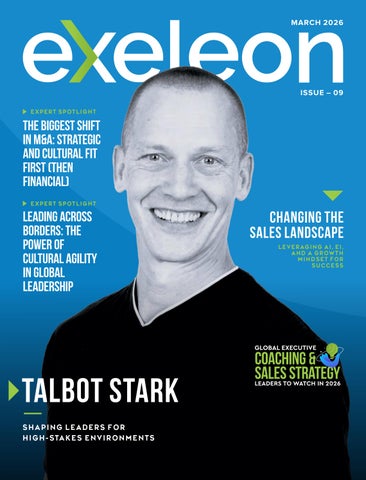
SHAPING LEADERS FOR HIGH-STAKES ENVIRONMENTS
Changing the Sales Landscape
LEVERAGING AI, EI, AND A GROWTH MINDSET FOR SUCCESS
GLOBAL EXECUTIVE
Coaching & Sales Strategy
LEADERS TO WATCH IN 2026
exeleon_magazine
exeleon_magazine

exeleon_magazine
exeleon_magazine



exeleon_magazine


exeleon_magazine

exeleon_magazine
exeleon_magazine

exeleon_magazine



Embracing Excellence
600 N Broad St 5 Middletown, DE 19709, United States +1 302-907-9110
Editor-in-Chief –
Art Director –
Naomi Lam
Managing EditorCreative Director –Daryl Yeung
Matt Reis Adam Waring
Project Manager –Marketing Manager –
Customer Relationship –
Business Development –
Richard Dann Sofia Brown
Natasha Green
Matt Hale, Josh Wilder, Anish Miller
For any advertising related information, please contact info@exeleonmagazine.com. Submissions as well as contributions to the magazine are welcome.
Take a moment and let us know about our magazine; whether it be about the design or a possible mistake, we would appreciate any feedback from your end. You can reach out to daryl@exeleonmagazine.com.
Across boardrooms and growing enterprises alike, a quiet shift is underway. The leaders shaping 2026 are not just masters of strategy or experts in sales. They are individuals who understand that performance begins in the mind before it shows up in numbers.
Global executive coaching and sales strategy are no longer separate disciplines. They are converging into a powerful leadership model where mindset fuels market success.
For years, sales was driven by targets, scripts, and aggressive expansion. But today's markets demand more nuance. Buyers are informed, attention is fragmented, and trust has become the most valuable currency. In this environment, the leaders who stand out are those who can align internal clarity with external execution.
This is where executive coaching plays a dening role. It equips sales leaders to move beyond pressure-driven performance and into purpose-driven growth. It helps them build teams that are not only high-performing but also self-aware, adaptable, and resilient.
At the same time, strong sales strategy ensures that this internal strength translates into measurable impact. It brings structure to ambition, turning vision into revenue and relationships into longterm value.
The leaders to watch in 2026 are those who can balance both worlds. They know how to lead people, not just pipelines. They understand that sustainable growth is built on trust, consistency, and emotional intelligence as much as it is on numbers.
As businesses expand across borders and cultures, this blend of coaching insight and strategic execution is becoming the dening edge. Not just for growth, but for leadership that lasts.
Dyl Yeung
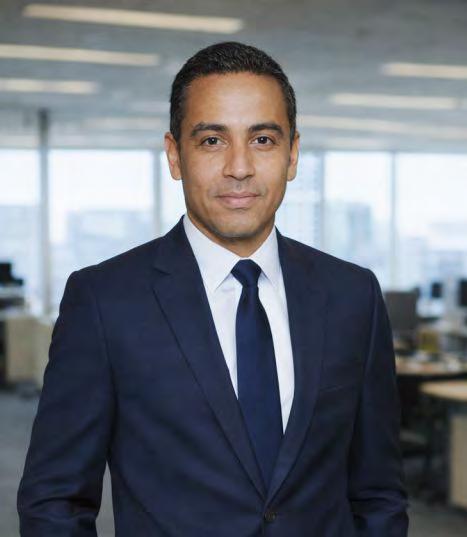

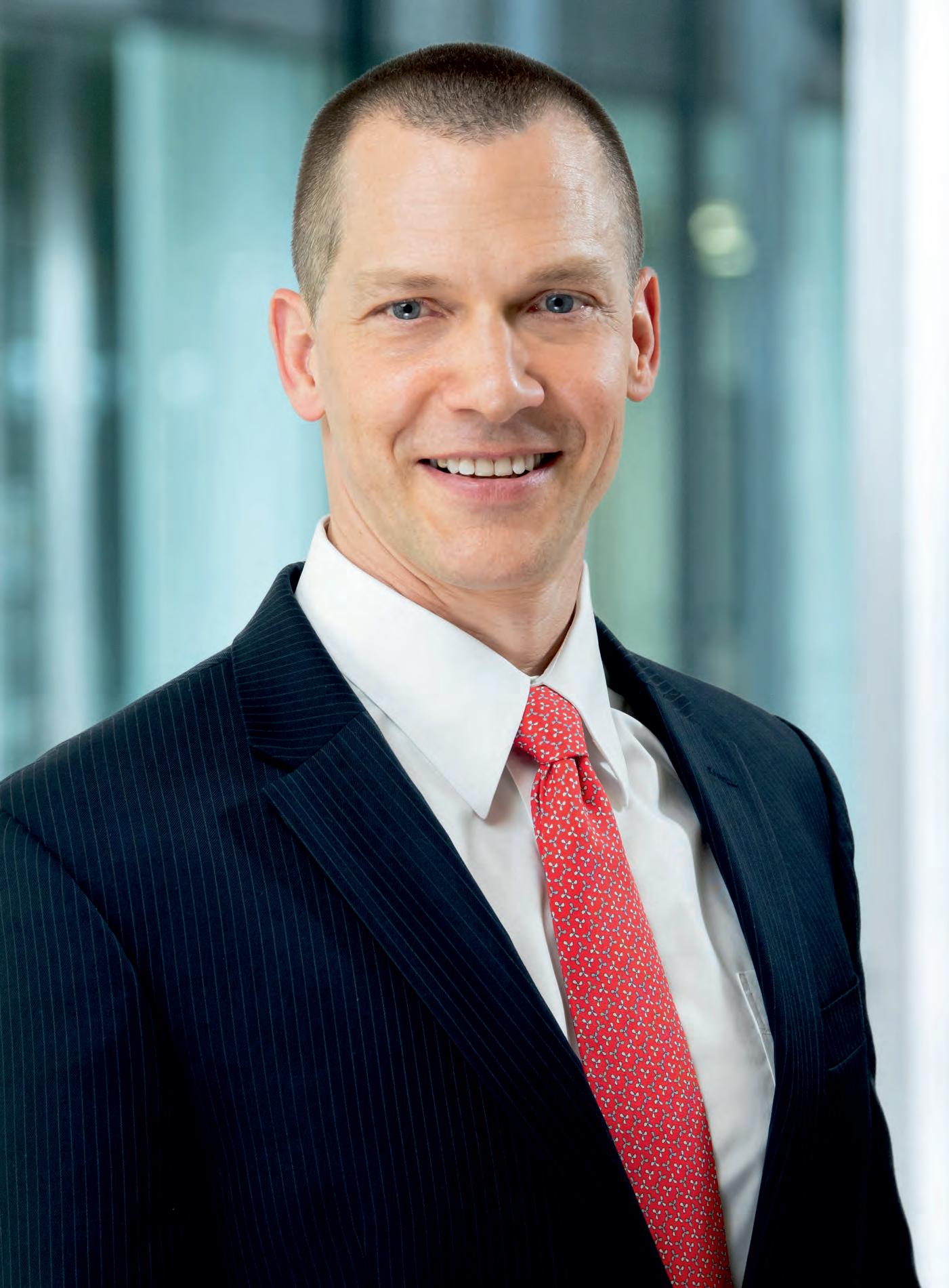





LEADERS TO WATCH IN 2026
Founder & CEO | Exec Pathfinders


philosophies are rarely born in comfort. They are shaped through experience, pressure, and environments where outcomes carry weight.
“My leadership philosophy was forged in the cockpit,” Talbot explains. “Clarity of mission, discipline under pressure, and care for your people are nonnegotiable if you want them to follow you into uncertainty.”
For Talbot Stark, leadership was not learned in a single industry or stage of life. It evolved through three distinct arenas: military aviation, international finance, and executive coaching. Each phase contributed lessons about discipline, judgment, resilience, and humanconnection,ultimatelyformingaframeworkthatnowguides professionalsacrossindustries.
Today, as Founder and CEO of Exec Pathfinders, Talbot applies decades of insight to help leaders refine their decision-making and performance through his Elite Performance Pillars® methodology. His journey reflects continuity rather than reinvention, with each chapter deepening his understanding of what effective leadership trulyrequires.
Talbot's earliest professional experiences came in the United States Army, where he served as a helicopter pilot and ofcer. Military aviation is an environment where clarity, trust, and discipline are not theoretical ideals but operational necessities. Decisions must be made under pressure, and the consequences of hesitation or ambiguity can be immediate and tangible.
This period instilled a foundational belief that leadership begins with example. Demonstrating commitment, competence, and composure sets the tone for collective action. It also reinforced the importance of understanding the human dimension of leadership. Success depended not only on technical skill but on building trust within teams navigating unpredictable situations.
These experiences formed Talbot's core leadership instinct: people perform best when they understand the objective, trust the leader guiding them, and operate within a clear decision framework.

Talbot's service as a combat ofcer introduced him to environments where perfect information is rarely available. Yet action cannot be postponed indenitely. This reality continues to inuence his approach to business leadership and coaching today.
“In high-stakes environments, you rarely have perfect
information,” he points out. “But you still have to decide and move.”
A concept central to his philosophy is the military principle of “commander's intent.” It involves articulating a clear desired outcome so that teams can adapt dynamically while maintaining alignment. This principle translates seamlessly into corporate leadership. Talbot often encourages executives to test alignment by asking team
members to articulate priorities. Consistency signals clarity. Divergence signals communication gaps.
Resilience, another cornerstone of his philosophy, is framed not as avoidance of hardship but preparation for it. “Resilience is about building the readiness to absorb shocks, learn fast, and return stronger.” In volatile business environments marked by market shifts, restructuring, or strategic uncertainty, this perspective enables leaders to
maintain composure while making principled decisions.
After transitioning from military service, Talbot spent nearly three decades in international nance, including leadership roles at BNP Paribas where he oversaw global
institutional sales and signicant budgets. The shift from military operations to corporate nance introduced different complexities but echoed familiar themes.
Within hedge funds, asset management, and institutional sales, he observed similar performance dynamics. Individuals thrived when they trusted leadership, understood
expectations, and operated within structured systems. However, the corporate landscape also highlighted organizational politics, stakeholder negotiation, and strategic nuance.
“In nance, I saw the same truths play out in a different arena,” Talbot reects. “People perform at their best when they understand the objective, trust the leader, and

Over time, Talbot found himself drawn toward leadership development rather than transactional success. Observing high potential professionals' plateau despite talent and ambition revealed a gap. Many were active but not intentional. They lacked frameworks for growth that were bothsimpleandactionable.
“What I enjoyed most was not the next transaction, but the nextleader,”heexplains.
This realization led to the founding of Exec Pathnders. The platform became his vehicle for sharing decades of accumulated insight and helping others accelerate their leadership journeys. Rather than allowing professionals to repeat the same trial and error cycle, he sought to provide structuredguidancegroundedinexperience.
His objective was not merely to coach, but to “pay forward” lessons from military service and corporate leadership, offering practical tools for advancement and decisionmaking.
have a clear operating system for decision-making.”
The corporate experience rened his ability to manage scale, navigate competing interests, and translate strategy into execution. It also deepened his appreciation for mentorship. He discovered that guiding emerging professionals through career complexities often brought greater satisfaction than closing transactions.
Talbot's transition into executive coaching was motivated by observing limitations in existing leadership programs. Many offered inspiration but lacked operational depth. Participants left energized but without concrete methods to apply insights immediately.
“I saw a gap where programs were inspirational but not operational,” he says.
“Executives needed step-by-step roadmaps they could apply on Monday morning.”
Exec Pathnders was designed to bridge this gap by combining coaching with strategic consulting. The emphasis lies in integrating personal development, managerial capability, and organizational alignment into a single system. This approach ensures that leadership evolution is not abstract but directly actionable.

By aligning identity, communication style, and organizational strategy, Talbot aims to guide professionals from tactical execution toward strategic leadership.
The Elite Performance Pillars® Framework
Central to Talbot's methodology is the Elite Performance Pillars® framework, built around three interconnected principles:
Being a Better You focuses on self-awareness, resilience, and personal stability. Leaders must
cultivate internal consistency before managing external volatility.
Being a Better Manager equips leaders with practical tools for communication, trust-building, feedback, and conict resolution. Managing Your Manager emphasizes strategic alignment, helping professionals operate predictably within organizational uncertainty while positioning themselves as indispensable contributors.
Together, these pillars form what Talbot describes as a unied operating system for leadership.
The framework is not limited to career advancement but shapes how individuals navigate complex organizational ecosystems and interpersonal dynamics.
Clarity, Resilience, and Legacy in Modern Leadership
Talbot's coaching emphasizes three recurring themes: clarity, resilience, and legacy. These principles address deeper leadership needs that often remain unspoken.
Clarity acts as a compass. It
denes purpose and direction, enabling leaders to lter noise and make aligned decisions efciently. Resilience ensures stability during disruption. It equips leaders to absorb pressure without transferring instability to their teams. Legacy shifts perspective beyond immediate outcomes toward enduring impact.
“When leaders see themselves as stewards for the next generation,” Talbot notes, “they communicate differently, develop people more intentionally, and build cultures that last.”
In an era marked by geopolitical tension and technological acceleration, these qualities provide grounding. They allow leaders to maintain perspective amid constant change.
Looking ahead, Talbot envisions Exec Pathnders expanding its reach without sacricing personal connection. He aims to balance bespoke coaching for senior leaders with scalable programs that make leadership development accessible globally.
Technology-enabled platforms and structured programs based on the Elite Performance Pillars® will play a key role. However, the mission remains centered on individual transformation rather than mass instruction.
“I want Exec Pathnders to be
known as the place where driven leaders come when they are ready to take ownership of their careers and destiny,” he says.
His ambition extends beyond professional outcomes. He hopes the leadership standards cultivated through his work inuence families, teams, and communities across generations.
Talbot Stark's journey illustrates the continuity of leadership principles across environments. Whether navigating ight missions, nancial markets, or executive development, the same foundational truths endure. Clarity fosters alignment. Discipline sustains performance. Trust enables collaboration.
Judgment guides decisions when certainty is absent.
His work today reects an integration of these lessons into a cohesive philosophy designed to empower others. It is grounded not in theory alone, but in decades of lived experience across high-stakes arenas.
By translating battleeld discipline and nancial rigor into practical frameworks for modern leaders, Talbot Stark will continue to shape a legacy centered on performance, integrity, and purposeful inuence.









Ready to fuel your ambition and receive your dose of inspiration directly to your digital doorstep?
Subscribe to Exeleon Magazine today, and enjoy the following perks:
Convenience at Your Fingertips
Access each issue on your preferred digital device anytime, anywhere.
Dive deeper with bonus content, behind-the-scenes interviews, and special features reserved for our esteemed subscribers.
Community Connection
Join a network of likeminded individuals, share your story or interview, and be part of a thriving entrepreneurial community.

Anyone who's been watching Fortra over the past few years knows that we've gone through an intense period of inorganic –or M&A driven – growth. Since 2020, we have completed 19 strategic acquisitions and become a leader in cybersecurity across Data Security and Brand Protection. M&A can be one of the best ways to accelerate an organization forward, but it can also be a signicant destroyer of value if it drives an organization to lose focus or creates a culture clash.
What we've learned
through this journey, ironically, is that in order to execute M&A that ends up having a good nancial return, you have to anchor your acquisition criteria in the nonmonetary components of the deal:
First, the acquisition must align with your organization's overall strategy. As leaders, we need to ask: does it help us do something better or faster than we can do it ourselves?
Second, the organization you are acquiring must be a cultural match. In a phrase, life's too short. You can get to cost synergies quickly, but it takes a lot longer to become “one company” and start to drive growth after a poor t.
Of course, the nancial story –purchase price, synergies, etc. – is important, but only if you have rst answered the questions above. These principles have come out of trial and error, but they're the lessons that have risen to the top, both from my previous career in nance and in my role leading Fortra today.
“Does this acquisition align with
our organizational strategy?” This question is easy to ask, but difcult to answer. If your organization has an unclear, overly general, or poorly articulated strategy, it is impossible.
The more clearly you can articulate where you are going and who you are trying to be as an organization, the easier it will be to try and evaluate things practically against that vision.
As leaders, we should be constantly simplifying and rening our vision of where we are going in the market and, from an M&A perspective, should simplify our strategic evaluation to some version of the following: Would buying this company help us achieve that faster or better than if we did it ourselves? If the answer is yes, we need to dig in; if the answer is no, we move on.
Another way to look at this question: if you are unclear about where you are going or what you are trying to create, acquisitions can do nothing but distract you.
Companies and corporations are just groups of people who choose to work together to achieve a
common purpose. It can be easy to think of the large corporation as its own entity with its own inertia, but at its core it is just a group of people. People have tremendous capacity for achievement and creativity, and an organization that creates the right environment for innovation, ownership, and achievement can harness that to immeasurable benet.
That “environment” is what people and innumerable business cliches refer to as “culture.” It is notoriously difcult to changethink years, not months - in order to make an impact. Except through M&A. Putting the people of two organizations together by denition creates something new on the other side. It can be a net benet if there is strong cultural alignment, but it can also be toxic if not, and in that case – it takes years to adjust. No amount of near-term cost synergies can offset the impact of a full-scale culture clash.
As a result, we should ask: “Is there a strong cultural t and alignment of values between our organization and the acquisition target?” If yes, we dig in and if the answer is “no,” we move on.
I have learned a lot about M&A through trial and error. Over time, I've seen how organizations that grow through acquisition become shaped by the people and capabilities they bring in. In many cases, a signicant portion of the workforce joins through acquired businesses, and the longterm strength of the organization depends on how well those teams are integrated and empowered.
One example that reinforced this lesson was the acquisition of a publicly traded company in the secure managed le transfer
space. While the nancials made sense, what ultimately determined the deal's success was strategic alignment and cultural compatibility. The acquired team became deeply integrated into the broader organization, contributing beyond their original scope. Years later, the sustained performance of that business validated what the numbers alone could not predict at the outset.
As I reect on repeated acquisitions and the evolution of our approach, I nd myself circling back to an adage that captures the lesson more clearly than anything else:
Price is important, but there is not a price low enough to make up for a strategic or cultural misstep.
When I look at leaders evaluating their rst acquisition, my impulse is to remind them to keep strategy top of mind. Know why it is you are buying this business – if it answers questions 1 and 2, then be aggressive and get it done!
Matt Reck is CEO of Fortra. Prior to this, he was CFO, responsible for ensuring the nancial health of the organization as it grows its offerings and scales operations around the globe. Matt joined Fortra in January 2020 from Digital River, where he spent nearly six years in nancial leadership positions. In his time at Fortra he has served as Chief Financial Ofcer, President, and now CEO. Prior to Digital River, Matt worked for several years in private equity and investment banking.

From kitchen tables to billion-dollar companies—true stories of women who refused to wait for permission.

Born to enslaved parents in 1867, Sarah Breedlove built a haircare empire when Black women were excluded from business. Her door-to-door strategy became the blueprint for modern direct selling. By 1919, she employed 40,000 agents—mostly Black women. Died worth $1 million ($16M today), gave most to NAACP and education.
KEY METRIC
INSTANT TAKEAWAY
She didn't wait for permission or capital. Built distribution through empowerment, not exploitation.

Fled Nazi Austria in 1937, became Hollywood icon. But her real legacy? Co-invented frequency-hopping technology in 1942—the foundation of WiFi, Bluetooth, and GPS. U.S. Navy rejected her patent because she was 'just an actress.' Decades later, her tech powers billions of devices. Inducted into National Inventors Hall of Fame in 2014.
INSTANT TAKEAWAY
KEY METRIC
Your expertise isn't confined to your job title. The best innovations come from unexpected intersections.

Started in 1946 mixing face creams in her kitchen. Her guerrilla tactic? Invented 'gift with purchase.' Couldn't afford ads, so gave free samples relentlessly. Crashed exclusive department stores until they stocked her. Told Saks they were 'making a mistake'—returned until they relented. Built empire into $16B company.
INSTANT TAKEAWAY
KEY METRIC
When traditional paths close, invent new tactics. One strategic innovation can reshape an entire industry.

At 27, selling fax machines, she cut feet off pantyhose for a smooth look. Spent two years developing Spanx with $5,000 savings. Manufacturers hung up. Stores rejected her. Cold-called Neiman Marcus, demonstrated in their bathroom. Oprah named it a 'Favorite Thing.' Never took outside funding—owned 100% when she became youngest self-made female billionaire at 41.
KEY METRIC
INSTANT TAKEAWAY

KEY METRIC

Solve your own problem. If you need it, millions of others do too. Bootstrap maintains control and vision.
Founded Biocon in 1978 in her Bangalore garage with $450. As a 25-year-old woman in biotech, banks refused loans. Suppliers wouldn't work with her. Faced 800+ rejections. Her father guaranteed her first loan. Today, Biocon is a $4B pharma giant making life-saving drugs affordable globally. India's richest self-made woman. Her garage is now a museum.
INSTANT TAKEAWAY
Count rejections as market research. Each 'no' refined her pitch until she found the one 'yes' that mattered.
Raised in orphanage, started as cabaret singer. Opened first boutique in 1910 selling hats. Revolutionized women's fashion by liberating them from corsets—gave them pockets, comfort, elegance. Introduced 'the little black dress' when black was only for mourning. Created Chanel No. 5—first celebrity-branded perfume. Built global empire by asking: 'What do women actually want to wear?’
INSTANT TAKEAWAY
KEY METRIC
Challenge the 'rules' everyone accepts. True innovation questions the fundamental assumptions of your industry. 90-SECOND
InaworldwhereAIisevolving fasterthanmostcanimagine, wherewritersaregettinglaidoff indroves,lawyersareminimized, andtheworrythatAIwillreplace 2.4millionjobsby2030,according toTech.co,thereisstillareal opportunitytoadapt.
Inanindustrywhereantiquated methodsarestillatlarge,and whereunderstandinghowour mindsetworkstohelpussucceed islargelyignored,liesan opportunityformassivechange.
Theproblemisthatmostpeople don'tknowhowtoleveragea technologythatgetssmarterwith everyinputandeverystrokeofa key,orhowtomanagetheir emotionsinawaythatcreates breakthroughafterbreakthrough, especiallyintheworldofsales.
Thenotionof'continuouslearning'
isn'tmerelyadvisable;it's indispensable,mainlybecause thosewhochoosetonotadapt, clingingtooutdatedmodelsand mindsets,willindthemselveshasbeensinaworldthathasmovedon withoutthem.Adaptationisthe nameofthegame,andit'sagame thatrewardstheswift,theagile, andthevisionary.
Successwasonceonlymeasured bythegritandpersistenceofa salesperson.Yet,hereweare, standingonthebrinkofanewera whereAItoolsandtechnologies arenotjustassistantsbutcore driversofoursalesstrategy.
FromCRMsystemspoweredbyAI thatpredictthehottestleadsto chatbotsthatprovide24/7 customerservicewithapersonal touch,thegameischanging.With
theirEinsteinAIandHubSpot's chatbots,companieslikeSalesforce leadthecharge,revolutionizing howweconnectwithandserve ourclients.
However,therapidadoptionofAI insalescanberisky.Notbecause ofthetechnologyitselfbutbecause ofthepotentialformisuseandthe ethicaldilemmasitintroduces. HowdoweensurethatAI enhancesthecustomerexperience withoutcompromisingpersonal touch?Howdowesafeguard againstbiasesinAIalgorithmsthat couldleadtounfairpractices?
Notably,AIisfreeingupsales professionals'time,allowingthem tofocusmoreonthehumanaspect ofselling.Thetechnologyis estimatedtosavesales professionalsanaverageoftwo hoursand15minutesaday, highlightingitscapacityto automatemanualtasksandenable
professionalstoconcentrateon morecriticalaspectsoftheirroles.
Historyhasshownusthat humanitycanadaptandthrive witheverytechnological advancement.We'renotjust passiveobserversbutthe architectsofthisnewsales paradigm.
RememberthatAIinsalesisn't aboutdisplacinghuman connection;it'saboutdeepeningit. It'saboutleveragingtechnologyto uncoverinsightsthatwere previouslyoutofreach,enabling ustoserveourcustomerswitha newfounddepthofunderstanding andempathy.
Fortoolong,thesaleslandscape hasbeendominatedbywhatmany wouldcall'masculine'traits: aggression,competitiveness,anda relentlesspursuitofresults,often attheexpenseofconnection, empathy,andunderstanding—the 'feminine'qualities.Buthere'sa truththatmightunsettlesome:the mostpowerfulsalesstrategies emergefromtheharmonious blendoftheseenergies.It'snot aboutoneovershadowingthe other;it'saboutintegration.
Thestudy,conductedbyLimbuet al.(2016)andpublishedinthe "JournalofBusiness&Industrial Marketing,”foundthatwhen salespeoplearegoodatadapting theirsalesapproachbasedon understandingandcaringabout theircustomers'feelings (empathy),theytendtobuild
betterrelationshipswith customers.Althoughbeing empatheticdoesn'tdirectlyleadto bettersalesresults,seeingthings fromthecustomer'spointofview improvessalesoutcomes.
Itbeginswithself-awareness, recognizingourbiasesand tendenciestowardsoneenergy overtheother.It'sabout consciouslycultivatingqualities thatmaynotcomenaturallytous butareessentialforthemodern salesperson.Thismeansstepping intoourclient'sshoeswith genuinecuriosity,listeningmore thanwespeak,andapproaching
eachinteractionwithamindsetof serviceratherthanconquest.
Thegoalisn'ttooverpowerbutto understand,nottoconquer,butto connect.It'saboutrecognizingthat thetruepowerliesinthebalance, andbyintegratingbothmasculine andfeminineenergies,wecancraft salesstrategiesthataremore humaneandininitelymore effective.
Ifthere'sonethingI'velearned, yourmindsetisnotjustapartof
theequation—it is theequation. Thepsychologicalbarriersthat holdusback—fearofrejection, impostorsyndrome,andascarcity mindset—aretherealculprits behindstalledsalesigures.These aren'tjusthurdlesbutfortress wallsthatkeepusfromreaching ourpotential.
Buthere'sthegoodnews:justas themindconstructsthesebarriers, theycanbedeconstructed. Overcomingthembeginswith cultivatingagrowthmindset,a conceptbypsychologistCarol Dweck,whofoundthatindividuals whobelievetheirabilitiescanbe developed(agrowthmindset) outperformthosewhobelieve theirabilitiesareixed(aixed mindset).Thisshiftinperspective changeseverything.Suddenly,each rejectionbecomesasteppingstone ratherthanatombstoneonyour salesjourney.
So,howdoweovercomethese psychologicalbarriers?Itbegins withaconsciousdecisiontoshift ourfocusfromwhatwefearto whatwecancontrol.Wemusttrain ourselvestoembracefailureas feedback,toviewchallengesas
opportunitiesforgrowth,andto celebrateeverysmallvictoryalong theway.Thisisnotaquickixbuta fundamentalshiftinhowwe perceivetheactofsellingitself.
SamAltman,theheadofOpenAI,is excitedabouthowitwillimprove areasinalltypesofjobs.He's passionateinhisbeliefthatAIisn't aboutreplacingjobsbutenriching them,makingourdailytasksmore creativeandfulilling.
Techischanginghowwesell thingssofastit'sincredible.But adaptingquicklyandthinking aheadiscrucialtodoingwell. Adaptationisthenameofthe game,andit'sagamethatrewards theswift,theagile,andthe visionary.
Whenitcomestosales,thekeyto successisbeingopentolearning newthings,beingabletochange, andalwaystryingtogetbetter. Beingokayisn'tenoughthesedays; youmustaimtobethebest.This meanslookingatproblemsas opportunities,beingopento
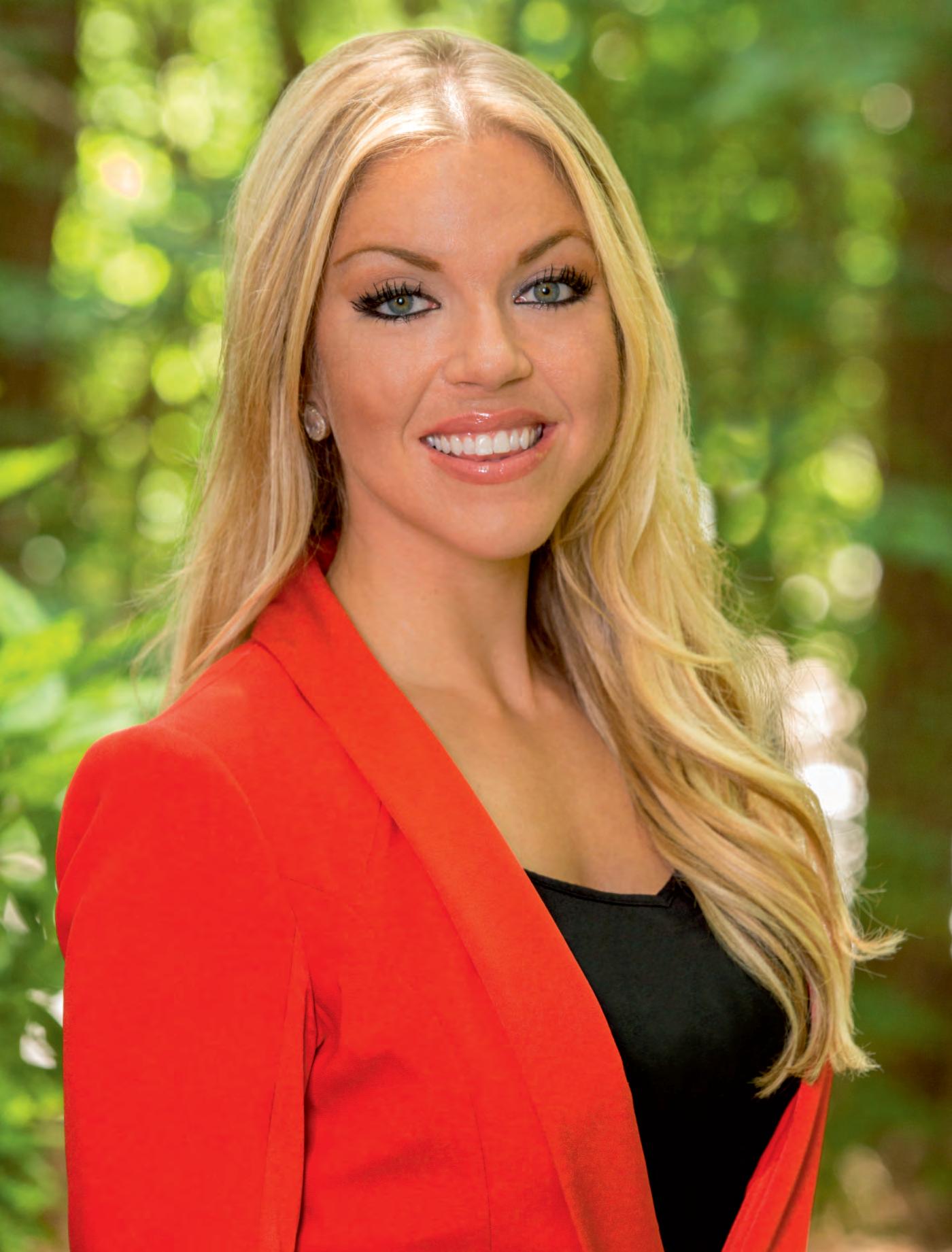
ElyseArcherisanentrepreneur,thoughtleader, andinternationalkeynotespeakerwithan extraordinarypassionforhelpingsales professionals,entrepreneurs,andbusiness ownersrevolutionizetheirsalesapproach.Asan authoranda3XSalesforceTopInluencer,Elyse's
advice,andseeingevery conversationasachancetolearn somethingnew.
Ourmentalandemotionalstates areascrucialasoursalestacticsin thisnewsalesera.Theenergywe bringtoourinteractionscanbethe differencebetweenamissed opportunityandalifelongclient relationship.It'saboutshowingup asourbestselves,fullypresentand genuinelyinterestedinthepeople behindthepurchases.
Themostsuccessfulsalespeople willunderstandthatthekeyto unlockingtheirfullpotentiallies notinexternalfactorsbutwithin themselves.Theywillbetheones whorecognizethatasaleisnot justatransactionbutahuman connectionandthatempathy, authenticity,andagenuinedesire tosolveproblemsaretheirmost powerfultools.

insightshavebeenfeaturedinmajormedia outlets,includingForbesandInc.Sheisthe founderofSuperhumanSellingandSheSells movements,whichprovideinvaluableresources forthosedeterminedtounlocktheirpotential andimprovetheirincome.



– Written by Karen Gayle

When Dylan Rutz, CEO of a fast-
growing ntech startup, landed in Seoul to nalize a strategic partnership, he was condent that his company's technology and momentum would seal the deal quickly. Yet he soon discovered that the Korean executives across the table valued something far more important than speed: trust. Despite a crisp pitch and bold proposal, Dylan's hosts responded with polite nods and long pauses, preferring to “continue the conversation over dinner.” By week's end, Dylan realized he had misread the room not due to a lack of intelligence or business acumen, but because he lacked cultural uency. His experience is not unique; many leaders discover too late that understanding local customs and values can make or break a deal. This moment highlights a critical truth: in today's interconnected world, effective leadership demands more than expertise and ambition requires a deep understanding of the cultural landscape. As global markets become more complex, leaders must build trust across borders, inspire diverse teams, and transform cultural differences into strategic advantages. The future of leadership belongs to those who can adapt, empathize, and lead with cultural agility, turning diversity into a source of strength and innovation.
Culture acts as an invisible operating system, subtly inuencing every aspect of organizational life. It determines how individuals interpret authority whether they expect leaders to be directive or consultative and shapes the way teams communicate, collaborate, and make decisions.
Geert Hofstede famously described culture as “software of the mind” a set of deeply embedded mental programs that inuence how people perceive the world and interact with others, often without realizing it. For example, direct feedback is appreciated and expected in the Netherlands, where candor is seen as a sign of respect, but the same approach might be considered blunt or even offensive in Japan, where harmony and indirect communication are highly valued.
For leaders, this means that what is considered “strong leadership” in one culture such as assertiveness or open disagreement may be ineffective, or even counterproductive, in another where consensus and deference to hierarchy are prioritized. Leadership challenges in global settings rarely stem from technical gaps; instead, leaders often struggle when they assume their style is universal, misread behaviors, or underestimate the emotional adaptation required to lead across cultures. The ability to recognize and adapt to these cultural nuances is what separates successful global leaders from those who falter. In a world where teams, markets, and partnerships span continents, cultural awareness is no longer a soft skill, it is a strategic differentiator.
Hofstede's research introduced several key cultural dimensions that shape leadership expectations:
• Power Distance: Comfort with hierarchy and unequal power distribution. High power distance cultures value formality and authority; low power distance cultures prefer informality.
• Individualism vs. Collectivism: Focus on personal autonomy versus group harmony.
• Uncertainty Avoidance: Preference for clear rules versus comfort with ambiguity.
• Long-Term Orientation: Emphasis on tradition versus future-oriented innovation.
• Masculinity vs. Femininity: Importance of competition versus cooperation.
These differences clarify why Dylan's style of using rst names and pushing for swift decisions t well in Silicon Valley but seemed inappropriate in Seoul, where using titles and consensus is the norm.
The GLOBE Study of 62 societies reinforces that leadership is culturally contingent. What followers perceive as effective varies dramatically across regions. Charismatic leadership is universally valued, but its expression differs. In the United States, charismatic leaders may inspire through bold vision and expressive communication, while in Japan, charisma is often conveyed through quiet condence and humility.
Participative leadership is admired in Nordic countries but less so in Middle Eastern cultures, where a more directive approach is traditionally expected. Humane leadership is essential in Southeast Asia but less emphasized in Germanic cultures.
Trompenaars and Hampden-Turner's framework highlights how cultures reconcile universal rules with particular relationships, individual achievement with group loyalty, and emotional expression with restraint. Dimensions like universalism versus particularism and individualism versus communitarianism help explain why leaders and teams may have different priorities and approaches.
Erin Meyer's Culture Map provides leaders with a practical tool for navigating cultural differences across eight key dimensions: Communicating (low-context vs. high-context), Evaluating (direct vs. indirect negative feedback), Persuading (principles-rst vs. applications-rst), Leading (egalitarian vs. hierarchical), Deciding (consensual vs. top-down), Trusting (task-based vs. relationshipbased), Disagreeing (confrontational vs. avoidant), and Scheduling (lineartime vs. exible-time). Leaders can use the map to assess their own and their team's positions, engage in open conversations about differences, and implement tailored strategies to foster understanding and collaboration. By proactively decoding and addressing cultural gaps, leaders can enhance trust, communication, and overall team performance.
Dylan's experience in Seoul illustrates the importance of trust and relationship-building in Korean business culture. His initial focus on speed and directness clashed with local expectations for consensus and formality. By adapting his approach, investing time in informal conversations, and showing respect for hierarchy Dylan could have built the trust necessary for a successful partnership. This case underscores the need for leaders to read the room, listen actively, and adjust their strategies to local norms.
Mariah, an executive from Chicago, was promoted to lead her company's Tokyo ofce. Known for her transparent communication and open-door policy, she encouraged her team to “speak freely” and “challenge ideas.” However, in Japan, these invitations were met with hesitation. Japan's high-power distance and collectivist norms meant that public disagreement felt risky and potentially disrespectful. After learning about these local norms, Mariah shifted her approach by inviting feedback privately and framing new ideas as collaborative improvements. This adaptation signaled respect for hierarchy while still encouraging input, fostering engagement and trust.
Jonah, a German engineering manager, was transferred to São Paulo to lead a manufacturing team. He valued precision, punctuality, and process discipline, but his Brazilian colleagues prioritized improvisation, personal connection, and exibility. Meetings began late, schedules shifted, and relationships took precedence over rigid timelines. Jonah felt isolated until he attended a colleague's family barbecue, a culturally signicant gesture. By investing in personal connections, Jonah saw a noticeable improvement in team morale and performance. His journey highlights the importance of adapting leadership style to local values and demonstrates how cross-cultural awareness can enhance collaboration and results.
These case studies reveal that effective leadership is not about imposing one's own style but about exing, adapting, and integrating approaches to t local context.

Cultural intelligence (CQ) is the capability to function effectively across cultural settings. It is not about memorizing cultural facts, but about interpreting unfamiliar cues, adapting behavior, and learning continuously. Leaders with high CQ demonstrate:
• Cognitive CQ: Understanding cultural norms and differences. For example, Mariah noticed that meetings in Tokyo began with formal greetings and limited open debate, signaling respect for hierarchy rather than disengagement.
• Motivational CQ: The curiosity and drive to engage across cultures. Mariah sought out cross-cultural projects, eager to learn how her Japanese colleagues approached problem-solving and collaboration.
• Behavioral CQ: The ability to adjust verbal and nonverbal actions. She adapted her tone of voice to be more formal and modied her use of eye contact to match local expectations.
Paula Caligiuri argues that global leaders succeed not because they know every culture, but because they develop cultural agility—the ability to quickly, effectively, and appropriately adapt to different cultural contexts. This includes tolerance for ambiguity, cultural curiosity, behavioral adaptability, humility, and the ability to integrate global consistency with local relevance. Culturally agile leaders do not abandon their values; instead, they expand their behavioral repertoire to operate effectively across diverse settings, building trust and achieving results in any cultural context.
To thrive as a global leader, consider these actionable steps:
• Start with self-awareness: Reect on your own attitudes toward authority, feedback, trust, and conict. Recognize your cultural blind spots and be open to feedback.
• Understand the cultural context: Use frameworks like Hofstede and GLOBE as starting points but verify with local input. Engage in regular cross-cultural training and mentorship.
• Build relationships rst: Prioritize trust and rapport before focusing on results. A Harvard Business Review study found that 70% of successful global leaders prioritize relationships before results.
• Adapt communication and leadership styles: Flex between direct and indirect, consultative,
or directive approaches depending on the culture. Encourage open dialogue and create safe spaces for feedback, especially in high power-distance cultures.
• Develop exibility and resilience: Embrace ambiguity and unfamiliar situations. Stay curious and seek out opportunities to learn about local markets and customs.
• Encourage open team dialogue: Foster an environment where team members feel comfortable sharing perspectives and ideas.
By blending research-backed strategies with practical exibility, global leaders can build trust, adapt to diverse environments, and value different perspectives, driving team engagement and organizational success.
Conclusion
As global markets become more
interconnected, the future belongs to culturally agile leaders. Success in global leadership is no longer dened solely by expertise or ambition, but by the ability to build trust across borders, navigate complexity, and inspire diverse teams. Leaders who embrace cultural agility transform differences into advantages, fostering innovation and growth. By seeking cross-cultural mentorship, encouraging open dialogue, and learning about local customs, leaders can thrive in a diverse, interconnected world. The journey requires adaptability, empathy, and curiosity, but the rewards are profound: stronger relationships, greater inuence, and lasting impact. The next generation of leaders will be those who see culture not as a barrier, but as a bridge to global success. As demonstrated by the experiences of Dylan, Mariah, and Jonah, the ability to adapt, listen and learn from others is the hallmark of st effective leadership in the 21 century. The future of leadership is global, and those who master cultural agility will lead the way.

Karen Gayle is an experienced tax professional with an MBA from the New York Institute of Technology and a BBA from Baruch College. An Enrolled Agent and QuickBooks Certied ProAdvisor, Karen Gayle has held key roles in tax compliance and accounting across industries such as publishing, education, technology, and nancial services. Karen Gayle is active in professional organizations, volunteers to support peers with tax issues, and is recognized for strong analytical skills and a commitment to continuous learning.





Startinghiscareeronthesales loor,GabrielLukov'sjourney hasbeenmarkedbyarelentless driveforunderstandingcustomerneeds andmasteringtheintricaciesofbusiness processes.
Today,atthehelmofInboundGrowthat Businessmap,Gabrielleverageshis extensiveexperiencetodriveinnovative growthstrategies.Inthisexclusive interview,hesharesinsightsintohis careerevolution,thetransformative changeshe'simplementedinsales processes,andthefutureinitiativesthat havehimexcitedaboutthepathahead.
Gabriel, could you start by telling us about your initial career path and what led you to your current role as the Head of Inbound Growth at Businessmap?
Mycareerbeganinsales,whereIloved thedirectinteractionwithclientsandthe challengeofmeetingtargets.This experienceprovidedmewithasolid
understandingofcustomerneedsand businessprocesses.
Overtime,Itransitionedintovarious strategicrolesinconsultingand customersuccess,whichhelpedmehone myskillsinleadingcross-functional teamsandsolvingcomplexstrategic challenges.
Mypassionforimplementingsustainable businesstransformationsandmydrive forresultsledmetomycurrentroleat Businessmap,whereI'mexcitedtoapply allthat,I'velearnedtofuelourgrowthin newandinnovativeways.
You have mentioned in interviews about streamlining Businessmap's sales process, which improved customer acquisition by 30%. Can you walk us through the key changes you implemented?
Themainchangeswerefocusedon simplifyingandoptimizingtheentire salescycle.Webeganwithdissectingour


existingprocesstoidentify bottlenecksandpointsoffriction. WethenimplementedaCRM systemthatallowedforbetterlead trackingandmanagement.Training thesalesteamonastreamlined qualiicationprocesswasnext, enablingthemtofocusresources onthemostpromisingleads.
Wealsoreinedourvalue propositiontobettermatch customerpainpointsandaligned oursalesandmarketingeffortsto targetidealcustomerproilesmore effectively.Together,thesesteps notonlyimprovedourcustomer acquisitionratebutalsobrought moreclarityandeficiencytoour salesoperations.

Digital marketing has been a game-changer for many businesses. Can you discuss how digital strategies have reshaped your business development efforts?

Digitalmarketinghasindeed transformedourapproachto businessdevelopment.By leveragingdataanalytics,we've beenabletogaindeeperinsights intocustomerbehaviorand preferences.Thisinformationhas helpeduscreatemoretargetedand personalizedmarketingcampaigns.
Inaddition,socialmediaplatforms haveallowedustoengagewithour audienceinreal-time,andcontent marketinghasbeeninstrumentalin establishingthoughtleadershipin ourindustry.Overall,digital strategieshaveexpandedour reach,improvedourlead generationefforts,andallowedus torespondmoreswiftlytomarket changes.

You've emphasized the importance of honest and open communication. How do you ensure this within your team and when dealing with clients?
Maintaininghonestandopen communicationisvitalfortrust andtransparency,bothwithinthe teamandwithclients.Internally, wepromoteaculturewhere everyonefeelscomfortablesharing theirideasandconcerns.Regular teammeetings,one-on-onecheckins,andanonymousfeedback channelshelpfacilitatethis.
Withclients,wesetexpectations earlyonandprovideregular updatesonprojectprogress.We alsoencouragethemtobecandid abouttheirfeedback,ensuringthat weremainresponsiveand adaptabletotheirneeds.The cornerstoneofallthisisbuildinga foundationoftrustwhereeach conversationisapproachedwith integrityandrespect.
What advice would you give to someone aspiring to lead business transformations within their organization?
Leadingbusinesstransformations requiresaclearvisionandthe abilitytomobilizepeopletowards thatvision.Myadvicewouldbeto startwithadeepunderstandingof theorganization'scurrentstateand thedynamicsofthemarketplace. Communicateyourvision effectively,setmeasurablegoals, andcreateasenseofurgency aroundthetransformationefforts.
It'salsoessentialtoberesilient,as changecanbemetwithresistance. Celebratesmallwinstobuild momentumandcontinuously
engagewithyourteamstokeep moralehigh.
Finally,makesuretoleveragedata toinformdecisionsand demonstratethepositiveimpactof thechangesbeingimplemented.
Looking ahead, what are some of the new initiatives or projects you are excited to launch at Businessmap? On a personal level, what is your vision going forward?
Lookingahead,oneofthe initiativesI'mparticularlyexcited aboutisthelaunchofourAI-driven analyticsplatform,whichaimsto provideevenmoreaccurate predictionsandinsightsforour clients.
Ontheprocessside,weare exploringtheadoptionofmore advancedautomationtoolsto optimizeworklows,enablingour teamstofocusmoreonstrategic tasks.
Personally,myvisiongoingforward istokeeppushingtheboundaries ofwhat'spossibleinbusiness growthandtoremaincommittedto learningandadapting.Iwantto continuefosteringanenvironment whereinnovationisencouraged, andwherewecanmakeareal differenceforourclientsandour industry.
OVER BRANDS HAVE SHARED 3500+









































Mostemployershaveitwrong. Theyhiresomeoneandthen immediatelydiveintoscorecards, KPIs,andROI'swithoutmeasuring theeffectivenessoftheinitial onboardingprocess.Offerletters typicallyhavea“90Day Probationary”periodintheletter butwhoistosayifthenew employeeisatotalrockstarora colossaldisaster?The90-day probationaryperiodissoarbitrary. Let'sgetthisrightonceandforall andstartwithonboardingandthen moveintoscorecardsandKPIs.
Didyouknowonly12%ofnew hiressurveyedsaidtheir organizationhadagood
The list of Measurables we need to Consider as Employers
Wrien by Molly McGrath
onboardingprocess?Thatpresents ahugeopportunityconsidering employeeswhoundergoeffective onboardingare2.6xmorelikelyto besatisiedintheirworkplace.Just 29%ofnewemployeesreported thattheyfeelfullyreadyand supportedtoexcelintheirnewrole.
Thisisexcitingnewsforemployers. Becauseitreallyisthateasyto createanamazingculturewhere rockstaremployeesneverwantto leave.Anintentionalonboarding initiativewillresultinemployees sayingtheyhave'thebestjob.'
Peopleonboardingprogramsare essentialforanybusinessthat wantstoattractandretaintop talent.Intoday'scompetitivejob market,newemployeeshavemore
choicesthanever,andthey'renot afraidtowalkawayfromajobthat doesn'tmeettheirexpectations.
Asuccessfulonboarding90-day programwillensureyouwillknow ifthenewemployeeishittingthe balloutoftheparkorstruggling. Anactiveonboardingprocessgives newemployeesenoughtimeto learnaboutthecompanyculture, theirroles,andresponsibilities,and howtobesuccessful.
1.Culturalimmersion.New employeesneedtofeellikethey're partofsomethingbiggerthan themselves.Theyneedto

understandthecompany'svision, mission,andcorevalues,andhow theyitintotheoverallpicture.
2.Successfulintegration.New employeesneedtoknowwhat successlookslikeintheirrole.This meanshavingclearexpectations andgoals,aswellasregular feedbackfromtheirmanager.
3.Consistentupkeep.Onboarding doesn'tendafteranewemployee's irstweekormonth.It'sanongoing processofprovidingsupportand guidanceandhelpingthemfeel comfortableandvalued.
Ÿ Startbeforedayone.Sendyour newemployeeawelcomeemail withinformationaboutthe company,theirrole,andwhatto expectontheirirstday.Youcan alsosendthemlinkstorelevant onboardingmaterials,suchas theemployeehandbookandthe companydirectory.
Ÿ Makeagoodirstimpression. Ontheirirstday,giveyournew
employeeatouroftheofice, introducethemtotheirteam members,andsetthemupwith theircomputerandother supplies.
Ÿ Provideclearexpectationsand goals.Meetwithyournew employeesregularlytodiscuss theirprogressandprovide feedback.Helpthemsetgoals forthemselvesanddevelopa planforachievingthem.
Ÿ Offersupportandguidance.Be availabletoansweryournew hire'squestionsandhelpthem troubleshootproblems.Youcan alsoassignthemamentorwho canprovideguidanceand support.
Ÿ Createasenseofcommunity. Encourageyournewemployee togetinvolvedincompany eventsandsocialactivities.This willhelpthemfeelmore connectedtothecompanyand itsculture.
Onboardingdoesn'thavetobealot ofwork.Andwhencoupledwith
MollyMcGrathistheFounderandCEOof Hiring&EmpoweringSolutionsandthe authorofAmazon'stop#1BestSeller:‘FixMy Boss:TheSimplePlantoCultivateRespect, RiskCourageousConversations,andIncrease theBottomLine.’
Sheisathoughtleaderwith27yearsof
WeeklyScorecardMetricsthe investmentoftime,attention,and feedbackintoyourpeoplewillpay offinthelongrun.
Wehavetorememberwearehiring humanbeingsirstandforemost, andhumanbeingssecondly.Itisthe human“being”stuffthattypically createsa“badhire”oran “underperformingemployee”.
Inourexperiencewhenemployees aregivenintentional,consistent timeandfeedback,theyaresetup forcontinualsuccess.Theywantto stretchandgrowbecausetheyare gettingfeedbackinreal-time.Both leadershiptrainingandgeneral employeedevelopmentcanalign underthesameactionplan,tailored toeachrole.
Thus,bygivingyouremployees dedicatedtimeforonboardingfor the1 90daysandthenweekly st Scorecardmetrics,youhelpthem becomeproductivemembersof yourteammorequicklyandreduce theriskofturnover.
experienceintheCEOspace.Sincethelate nineties,Mollyhascoached,consulted,and directedpresidentsandfoundersofnational organizationsandover4,500lawirmsin executive-levelleadership,continuous improvement,andteamempowerment initiativestoiniltratenewmarkets,leverage partnerecosystems,andproduceproitability