

CRYSTAL GOEGEBEUR Defying the Odds Through Strength, Discipline, and Self-Reliance
NATHALIE STORM The Discipline Behind the Physique
DIONNE PAUL Reclaiming Strength Through Discipline

CRYSTAL GOEGEBEUR Defying the Odds Through Strength, Discipline, and Self-Reliance
NATHALIE STORM The Discipline Behind the Physique
DIONNE PAUL Reclaiming Strength Through Discipline




EDITOR-IN-CHIEF
DARYL YEUNG
ART DIRECTOR
NAOMI LAM
MANAGING EDITOR
MATT REIS
CREATIVE DIRECTOR
ADAM WARING
CONTRIBUTING EDITORS
JOHN RIGGS
CONTENT CURATOR
CATHY G.
PROJECT MANAGER
JOSH WILDER
MARKETING MANAGER
MIKE JACKSON
SENIOR BDM KATHERINE PRICE
BDM RICHARD DANN
CONTACT US
Foranyadvertisingrelatedinformation,please contactinfo@exeleonmagazine.com. Submissionsaswellascontributionstothe magazinearewelcome.
Takeamomentandletusknowaboutour magazine;whetheritbeaboutthedesignora possiblemistake,wewouldappreciate anyfeedbackfromyourend.Youcanreachout todaryl@exeleonmagazine.com.
FOLLOW US
@exeleonwomen
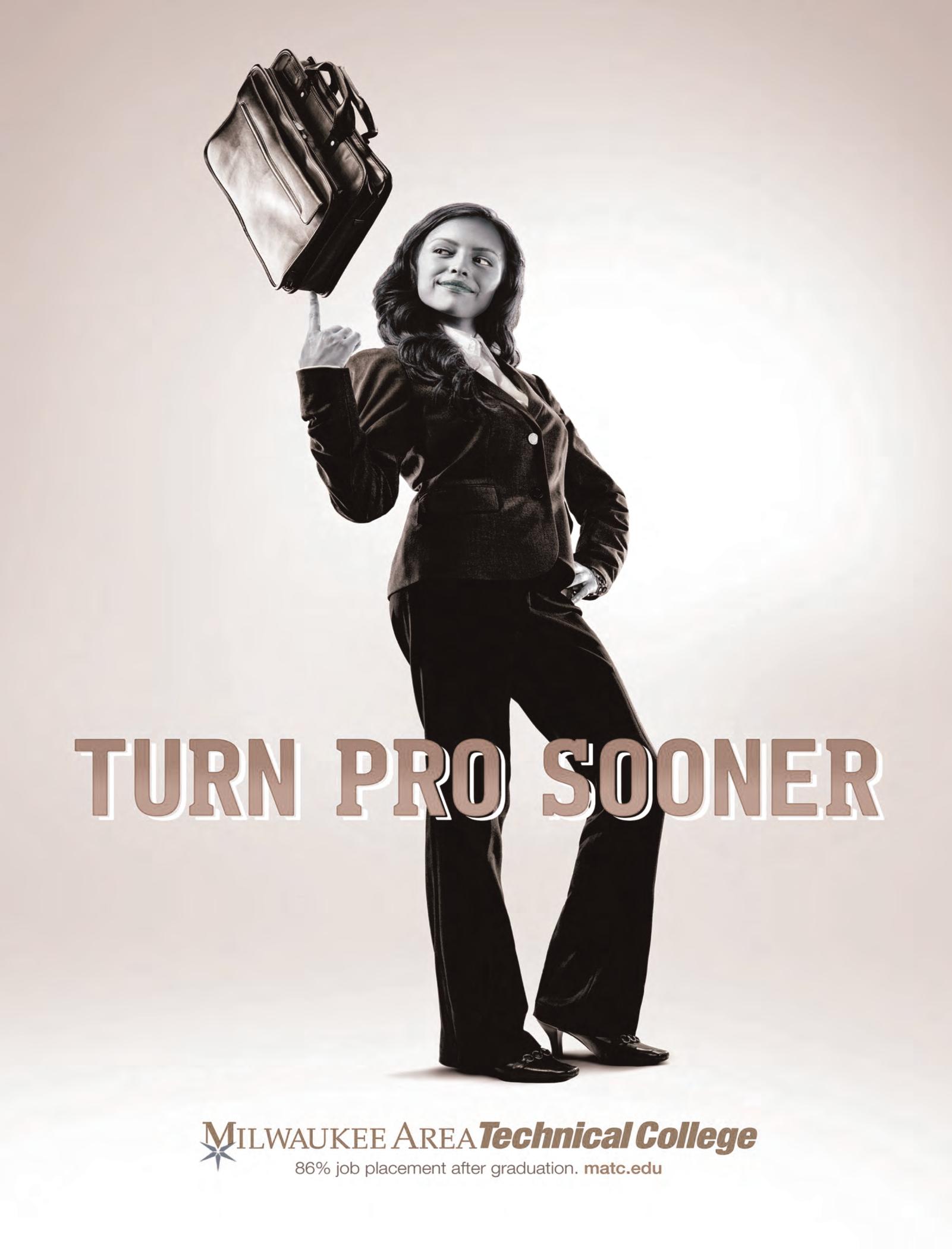
REBUILDING STRENGTH, RECLAIMING IDENTITY
Defying the Odds Through Strength, Discipline, and Self-Reliance
46 Journey Beyond Everest 20
36 DIONNE PAUL
Reclaiming Strength Through Discipline
28 The Discipline Behind the Physique
JENN DRUMMOND
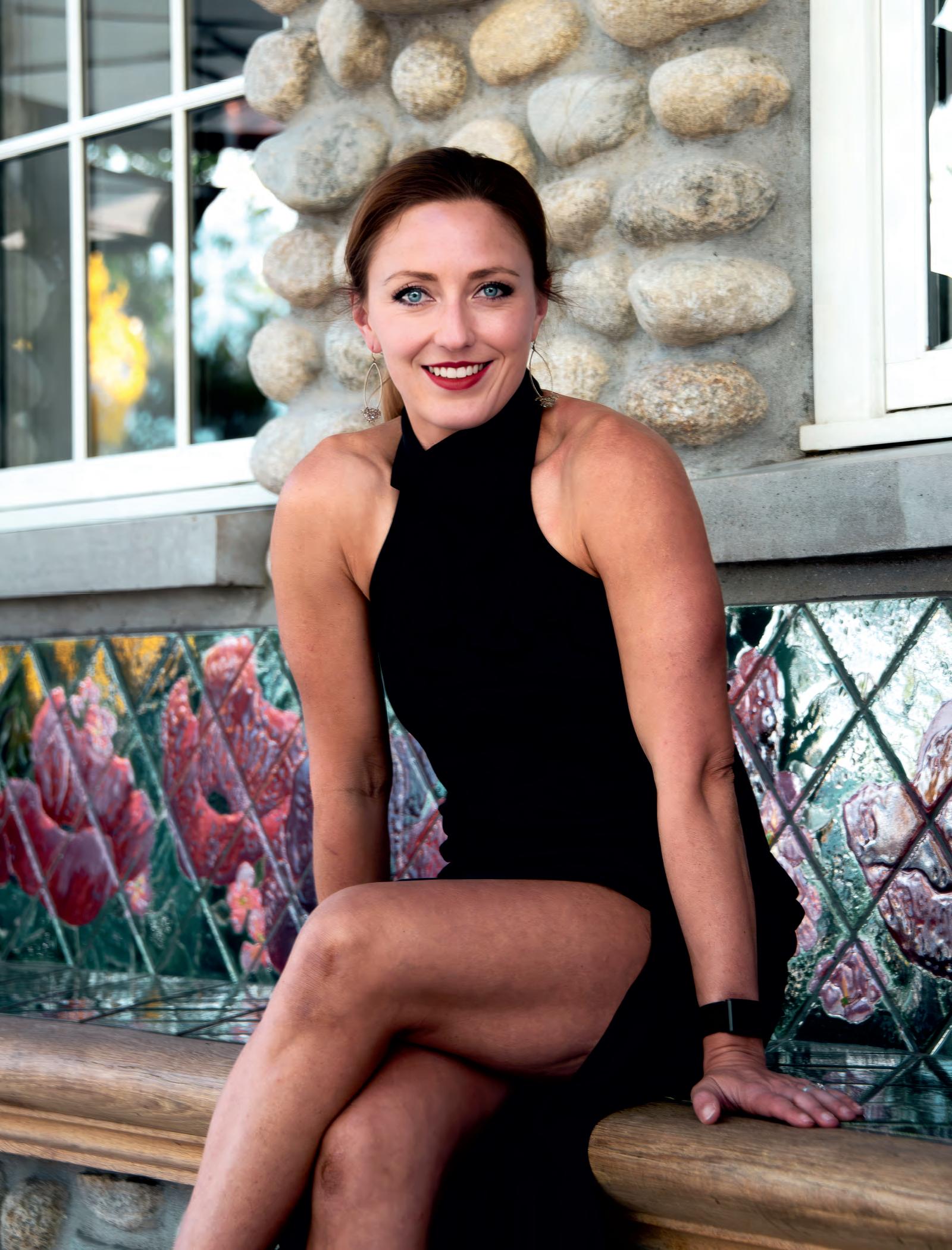
Brennan's relationship with fitness did not begin as a performance goal or an aesthetic pursuit. It began as a quiet act of self-trust. Long before she became a fitness coach, model, or FBI agent, weightlifting entered her life during college as a way to feel at home in her own body after years of struggling with body image. What started as a physical practice soon became something deeper. Strength training offered Aubrielle a sense of control, resilience, and grounding at a time when confidence felt fragile.
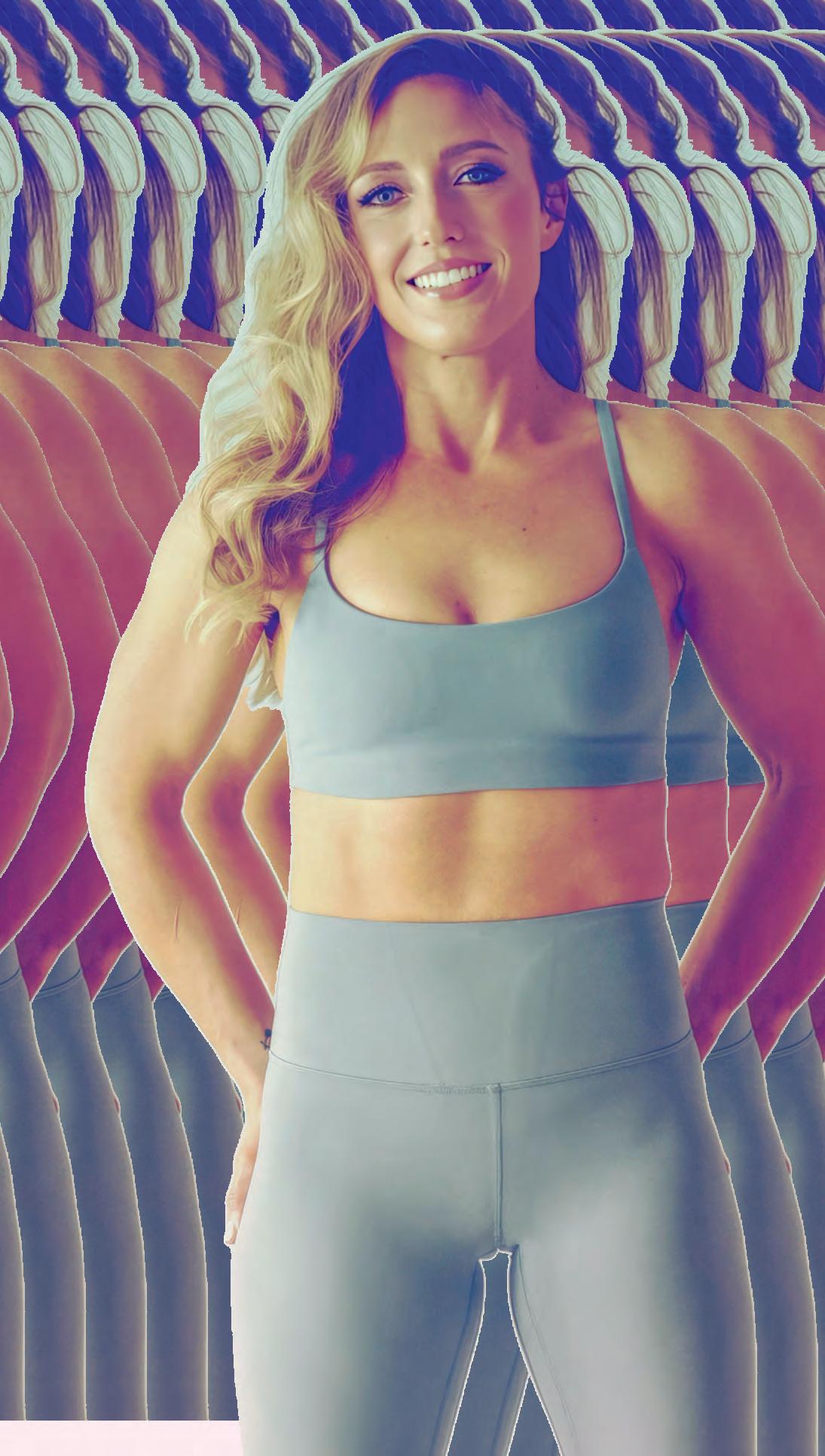

Over the years, that relationship evolved alongside the many identities she stepped into. Law student. Federal agent. Marathon runner. Mother. Coach. At every stage, movement served a different purpose. Sometimes it was discipline. Sometimes it was relief. Sometimes it was simply a way to reconnect with herself when everything else felt demanding. Through all of it, one idea remained constant. The body and mind are inseparable, and care for one always shapes the other.
This belief, rooted in the ancient Greek principle of a sound mind in a sound body, continues to guide her work today. Aubrielle does not see fitness as a compartment of life. She sees it as an integrated part of being human.

Aubrielle's professional background is often described as high intensity, but she is quick to clarify that it was not the FBI or law school that defined her approach to fitness. It was her personality. Raised with the belief that anything worth doing was worth doing well, she spent much of her early adulthood trying to give one hundred percent to everything. Career. Fitness. Relationships. Achievement became a form of validation.
That approach delivered results, but it was not sustainable. Over time, she learned that excellence does not require perfection across all areas of life. Maturity brought discernment. Instead of giving everything full effort, she began prioritizing what mattered most. Family. Clients. Health. Fitness remained a constant, but it no longer existed as a measure of worth.
This shift opened the door to joy. After becoming a mother, Aubrielle returned to tap dancing, a childhood activity she had not practiced in years. She was not polished. She was not exceptional. She enjoyed it anyway. That experience reinforced an important lesson she now shares with clients. Movement does not need to be optimized to be valuable. Sometimes, enjoyment is enough.
The transition into motherhood brought with it a challenge Aubrielle did not anticipate. Despite years of fitness experience, she found herself unsure of how to rebuild her body after pregnancy. The strategies that once worked no longer applied. Hormonal shifts, sleep deprivation, and approaching her forties changed the equation entirely.
She tried familiar methods. More cardio. Calorie restriction. Dietary control. None of it worked. Frustration set in, followed by doubt. What surprised her most was not the physical struggle, but the emotional toll. She questioned her confidence. She questioned her identity. At her lowest point, she admits she feared she had lost something essential and worried how it might affect her marriage.
What she needed, she realized, was not more willpower, but guidance. When she finally hired a coach, the investment felt daunting. The outcome was transformative. For the first time, she learned how to fuel her body instead of shrinking it. She shifted her focus from weight loss to muscle building, from restriction to nourishment.
The impact went beyond the gym. She stopped bringing separate meals to events. She stopped fearing food. She gained confidence in her ability to live a full life while honoring her goals. Most importantly, she stopped chasing numbers. Strength became a measure of capability, not comparison.
That personal transformation sparked the foundation of what would later become her coaching method. Aubrielle recognized that she had both the experience and the empathy to help other mothers avoid the confusion and self-doubt she endured. Rebuilt by Motherhood was born from that realization.
At the heart of Aubrielle's work is a fundamental mindset shift. Many women believe that postpartum fitness requires eating less and doing more cardio. She sees this as one of the most damaging misconceptions facing mothers today.
The postpartum body needs fuel. It needs rest. It needs strength. Cardio has its place, particularly for cardiovascular health, but it does not build muscle or restore shape. Muscle growth requires adequate
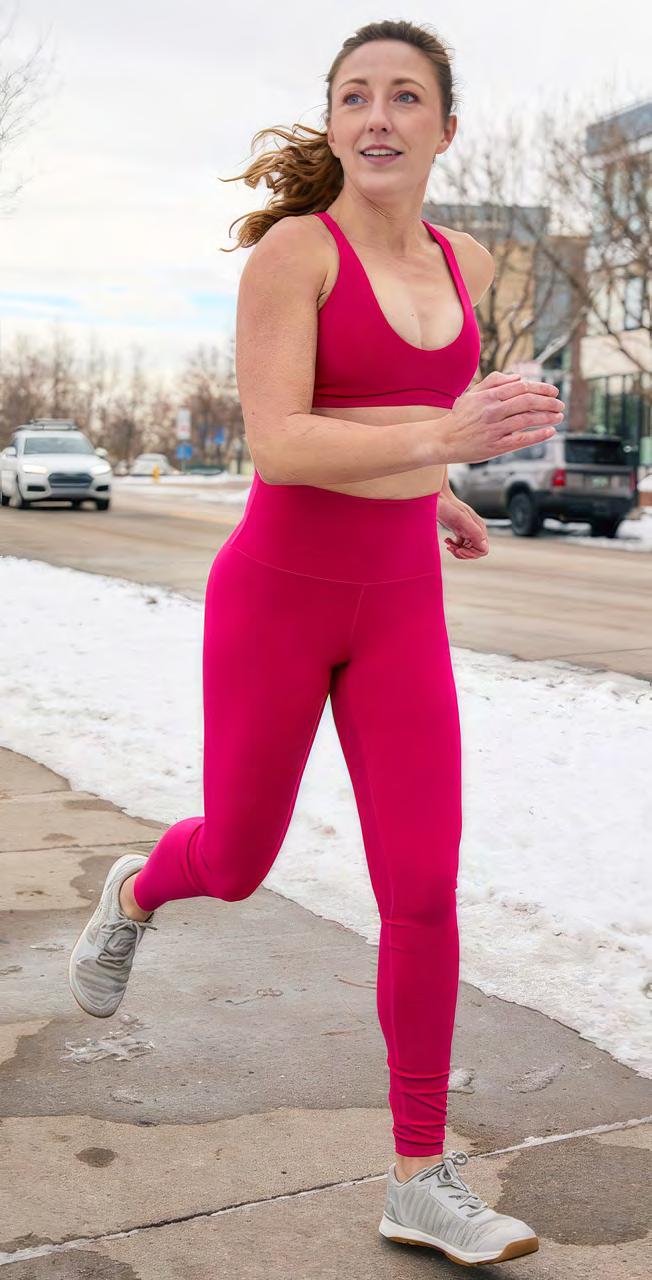
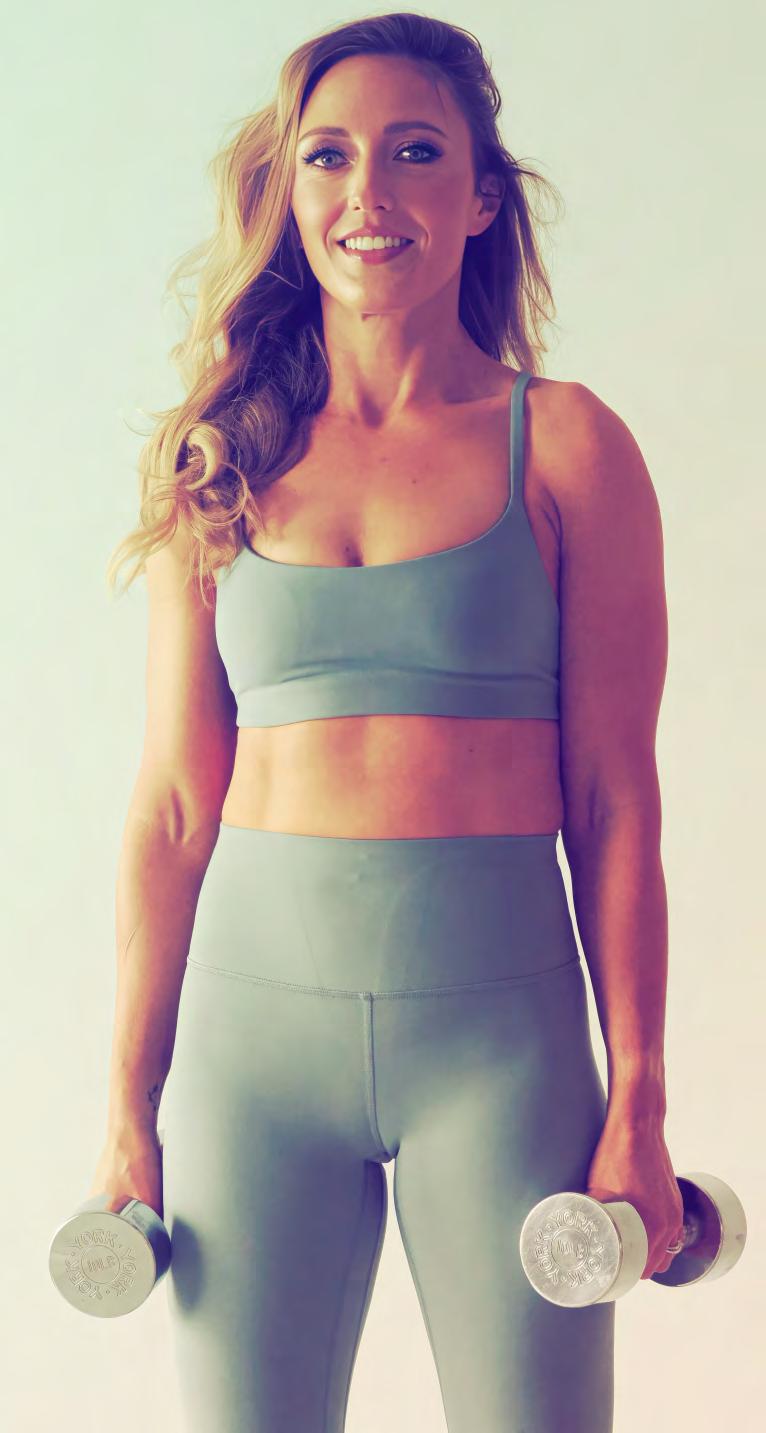
nutrition, especially protein and carbohydrates. Recovery requires sleep and patience. Confidence requires progress that feels tangible.
Aubrielle teaches her clients to build rather than shrink. Strength training becomes the foundation. Nutrition becomes supportive instead of punitive. Progress is measured through capability, energy, and consistency rather than scale weight.
She breaks down these principles gradually through structured coaching. Every two weeks, clients check in, learn the reasoning behind each phase, and build understanding alongside results. Education plays a critical role. When women understand why they are training and fueling a certain way, mindset change follows naturally.
The outcome extends beyond aesthetics. Clients report greater confidence, improved energy, and a renewed ability to engage fully with their children and daily responsibilities. Strength becomes practical. Carrying kids. Lifting groceries. Moving through life with ease.
Maintaining consistency amid motherhood requires structure, but Aubrielle emphasizes flexibility over perfection. Fitness, in her view, should enhance life, not compete with it. Her own routine reflects this philosophy.
She follows a loose schedule anchored by predictable patterns rather than strict timing. Weightlifting four afternoons a week. Running with childcare support midweek. Long runs on weekends coordinated with her partner. The times may shift, but the commitment remains.
Movement is non-negotiable because of how it makes her feel. When she skips it, she notices the impact immediately. Reduced clarity. Lower energy. Less patience. Fitness allows her to show up as her best self in every role she holds.
This awareness, rather than discipline alone, sustains her consistency. Fitness is not a task to complete. It is a space she returns to in order to feel grounded and capable.
One of the most meaningful moments in Aubrielle's coaching career came when a client surpassed her own physical achievements. Stronger lifts. More defined abs. Greater confidence.
What mattered most was not the comparison, but the transformation behind it. The client began coaching with visible discomfort in her own body. Over time, her posture changed. Her presence shifted. She began celebrating herself publicly.
For Aubrielle, this was confirmation of purpose. Her success is not measured by her own progress alone, but by the potential she helps others unlock. When clients exceed her, it signals that her methods work beyond personal experience. It proves sustainability.

For mothers standing at the starting line, overwhelmed and uncertain, Aubrielle offers reassurance grounded in realism. Fitness is not a twelve-week challenge. Motherhood is a biological and psychological transition known as matrescence. Change takes time.
Progress is built through small, consistent choices. Not perfection. Not extremes. Eighty-five to ninety percent consistency is enough. A short workout still counts. Slightly better nutrition still matters. Building muscle supports long term health, metabolism, and independence as women age.
Most importantly, she encourages women to seek help when needed. Hiring a coach changed her life because it removed guesswork and replaced it with trust. Rebuilding does not require suffering. It requires support.
Aubrielle Brennan's story is not about reclaiming a former self. It is about rebuilding into someone stronger, wiser, and more capable than before. Motherhood did not take strength from her. It reshaped it.
WE BELIEVE IN THE POWER OF STORYTELLING TO IGNITE CHANGE, AND OUR PAGES ARE FILLED WITH AUTHENTIC NARRATIVES THAT UPLIFT AND MOTIVATE.
DO YOU HAVE A STORY TO TELL THE WORLD? REACH OUT TO US BY CLICKING THIS LINK AND POTENTIALLY FEATURING IN EXELEON WOMEN MAGAZINE.
FEATURE ME



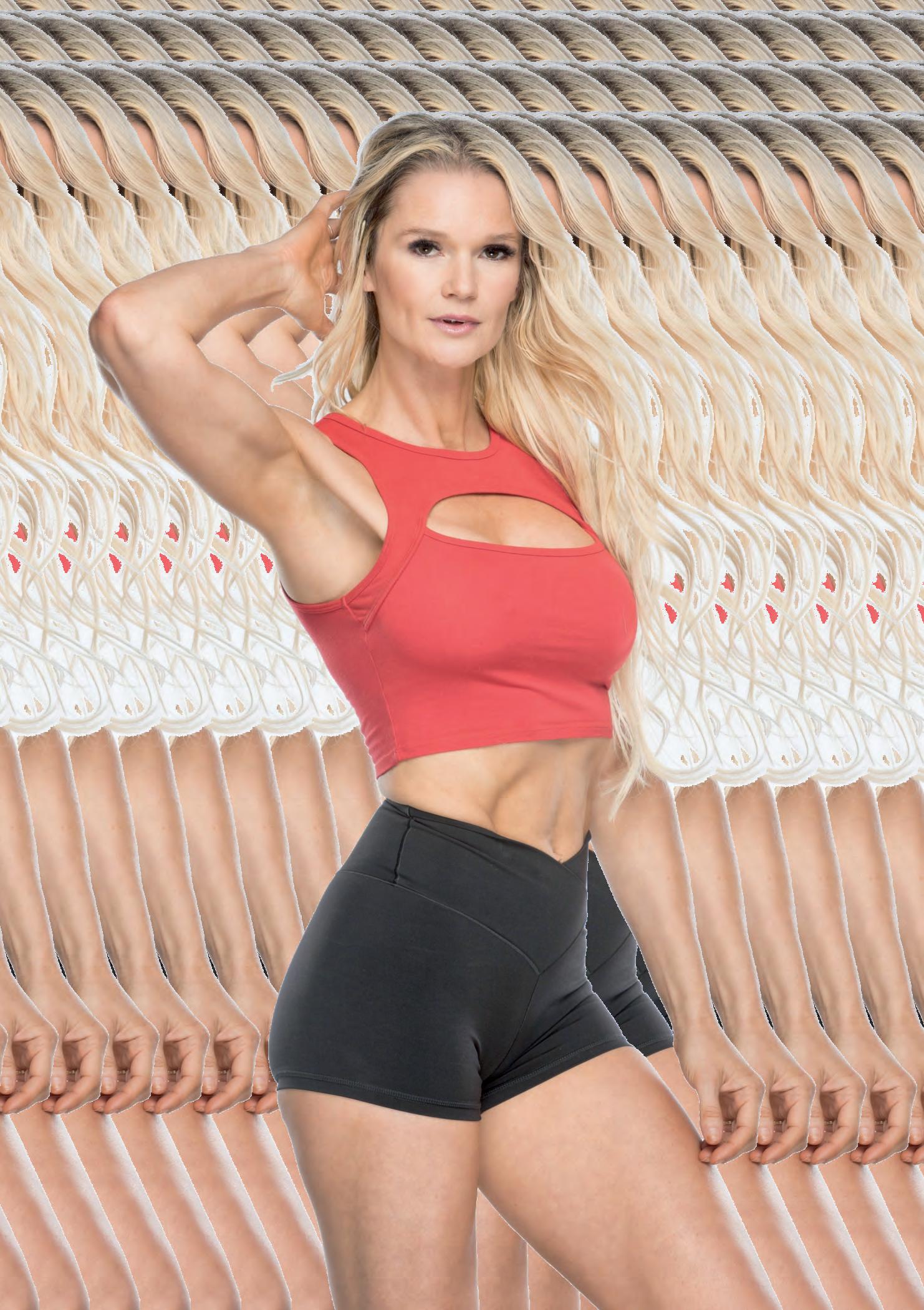
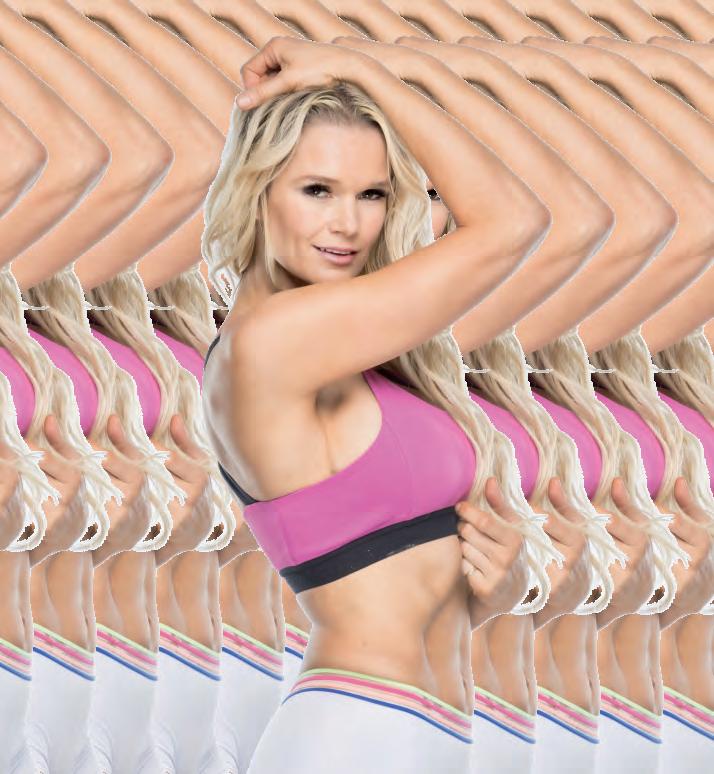
Crystal Goegebeur's journey into fitness is not one rooted in early athleticism, but in resilience, reinvention, and a refusal to accept limitations. From cofounding and managing a personal training studio to becoming a dedicated athlete and coach, her transformation was driven by determination and a deeply personal mission to prove that strength, discipline, and selfbelief can be cultivated at any stage of life.
As a single mother of four, Crystal embraced fitness not only as a path to personal empowerment, but as a way to lead by example, demonstrating to her children that perseverance and self-reliance can redefine one's future. Today, her philosophy continues to inspire others to challenge their perceived limits and embrace the power of transformation.
1. What first sparked your interest in fitness and strength training—was it a personal challenge, post-pregnancy motivation, or something else?
My interest in fitness sparked by my transition from a supportive business role into active personal training. Despite not being athletic in my teens or participating in school sports, I co-founded a personal training studio with my partner and took over the management of the studio and began personal training myself. I've always had an athletic admiration and had long idolized competing athletes. I felt a personal drive to see what I could achieve through hard training. Driven by a belief that "age is just a number," I was motivated to compete against younger individuals to prove my own strength and capability. My journey was fuelled by determination and having a self-reliant mindset as a single mother.

2. Before competing or coaching, what was your relationship with exercise and nutrition like?
Before I began competing and professional training, I had a very distant and non-traditional relationship with exercise. I was not athletic in my teens and did not participate on any school sports teams. I had a rather late transition; it was only after my partner moved into coaching that I took a more active role, eventually finding my own path in strength training and nutrition to compete.
3. Was there a specific “aha” moment or turning point that made you commit to a serious fitness lifestyle?
My commitment to a serious fitness lifestyle was not a single "magical moment," but rather a series of pivotal shifts in my mid-30s that transformed me from a business co-founder and manager into a dedicated athlete.
4. How did becoming a mom of four influence when and how you started prioritizing your own fitness journey?
Becoming a mother of four profoundly shifted my perspective from business management to personal empowerment. The weight of raising four children as a single mother served as a catalyst for me to build a life defined by extreme self-reliance and physical strength.
A major turning point occurred in my early 30s when I realized I was "working out all the time" but felt "flat" and unmotivated. I committed to a serious lifestyle change to regain my energy and confidence.
I pivoted to become a "product of the product," teaching my children the value of discipline and perseverance by showing them what a strong, independent role model looks like in action.
5. Looking back, what's one habit or mindset from your early days that you still carry today?
One mindset I carry from my early transition into fitness is the refusal to let my surroundings dictate my potential, a philosophy I often summarize as "age is just a number." This belief took root when I first decided to compete in my mid-30s. Rather than viewing my age or my role as a mother of four as a limitation, I used them as fuel to compete against much younger athletes. Today, I maintain this same "defy the odds" mentality, consistently preaching that it is never too late to reinvent yourself.
6. Did you have any mentors, trainers, or influences early on that shaped your approach?
While I do not have specifically any modern influencers, I am a strong advocate for the coaching and mentorship model. I believe that "unsuccessful people go at it alone," and I try to emphasize the importance of finding experts, whether for fitness, business, or even hobbies like piano, to find the fastest, most trusted route to success.
My current coaching style is heavily influenced by the idea of leading by example. I prioritize being my own best case study, using my journey as a single mother of four to influence others by showing that discipline and strength are accessible at any age.
7. What was the biggest initial hurdle you faced when starting out, and how did you overcome it?
My biggest initial hurdle was overcoming deepseated self-doubt and a lack of an athletic background. Having not been athletic in my youth, I initially felt insecure and feared I didn't belong in the high-intensity world of competitive fitness.
I overcame these challenges through a combination of mindset shifts and strategic support. I recognized that I couldn't "go at it alone," and hired a coach who provided technical guidance on form and tempo, helping me move past the fear of not knowing what to do.
As a single mother of four, I leaned into a "figure it out" mentality, using the gym as a training ground to build the resilience needed to manage my complex personal life. I transitioned from inconsistent efforts to making my health "non-negotiable," cutting out toxic influences and surrounding myself with a like-minded community to maintain consistency.
I was able to shift my focus from the daunting final goal to the "joy of movement" and the reward of seeing my body accomplish new tasks each week, which helped me build the confidence to eventually compete.

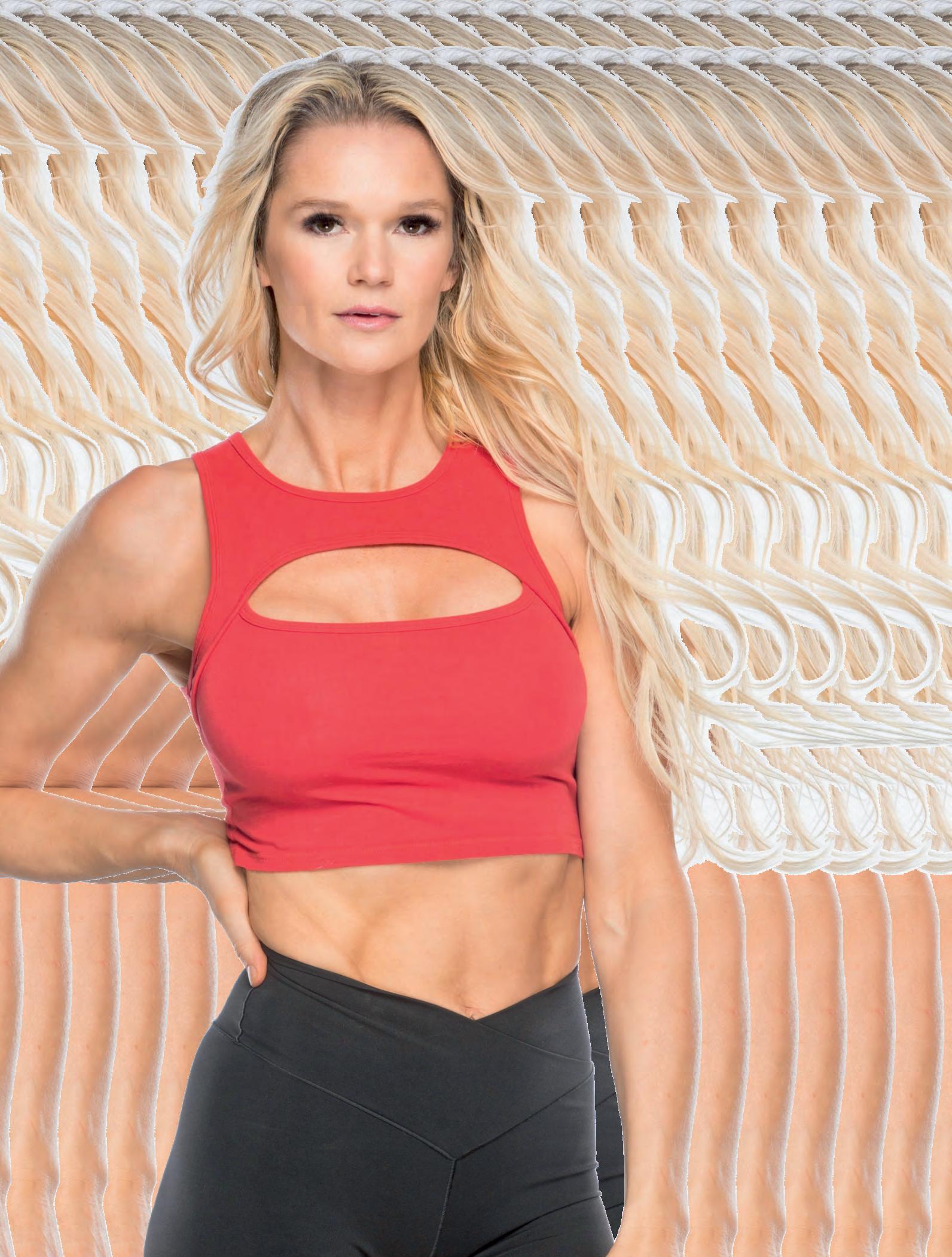


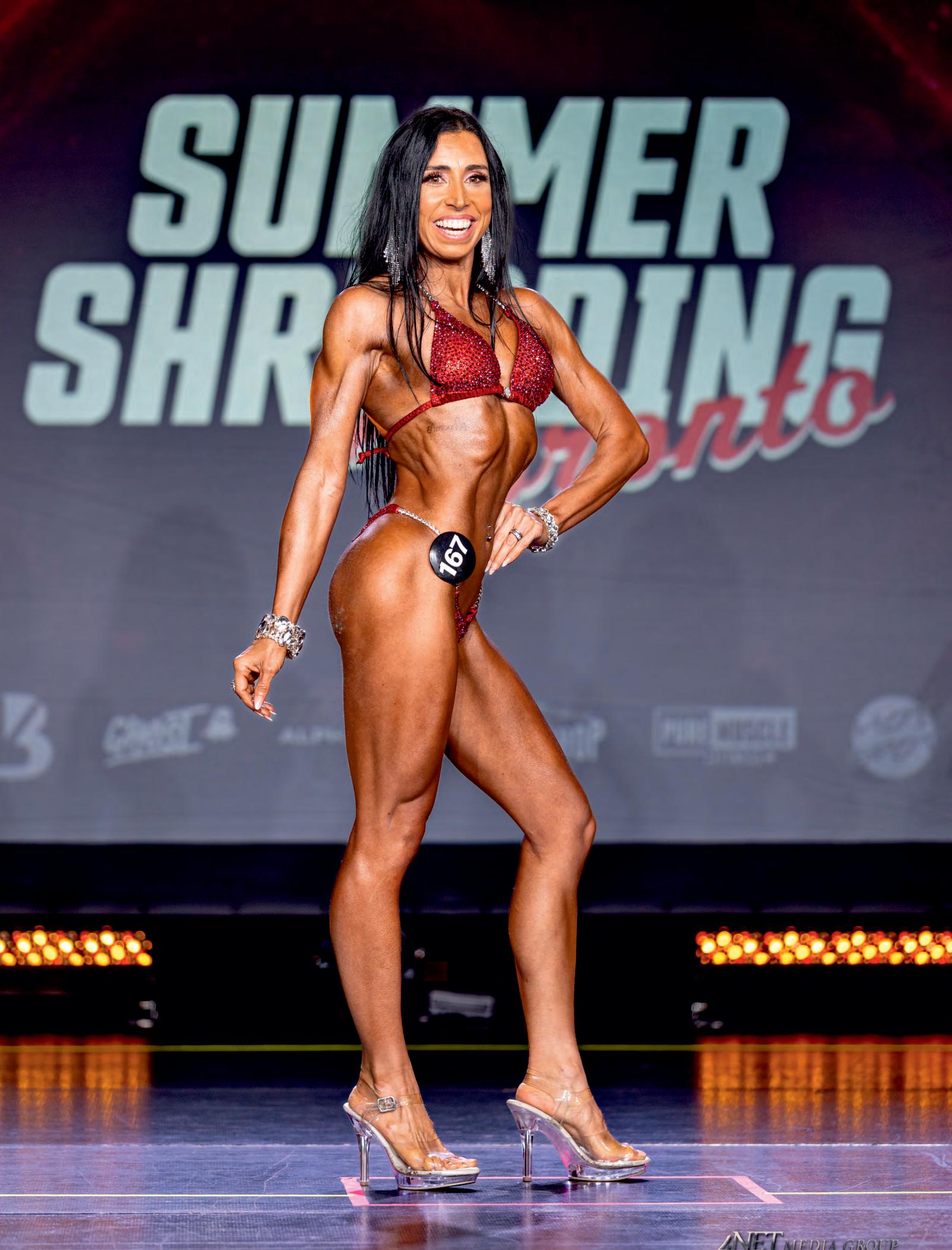
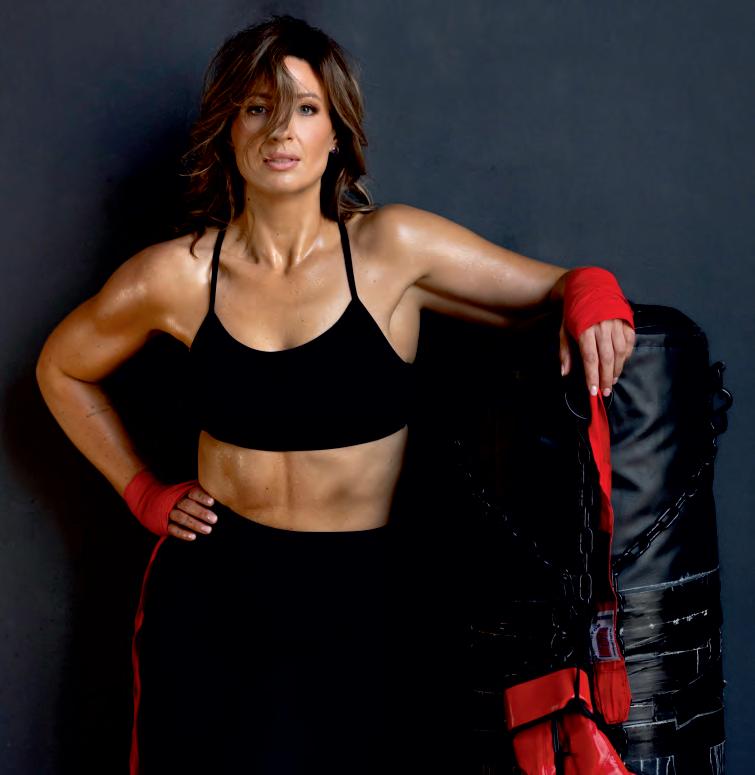
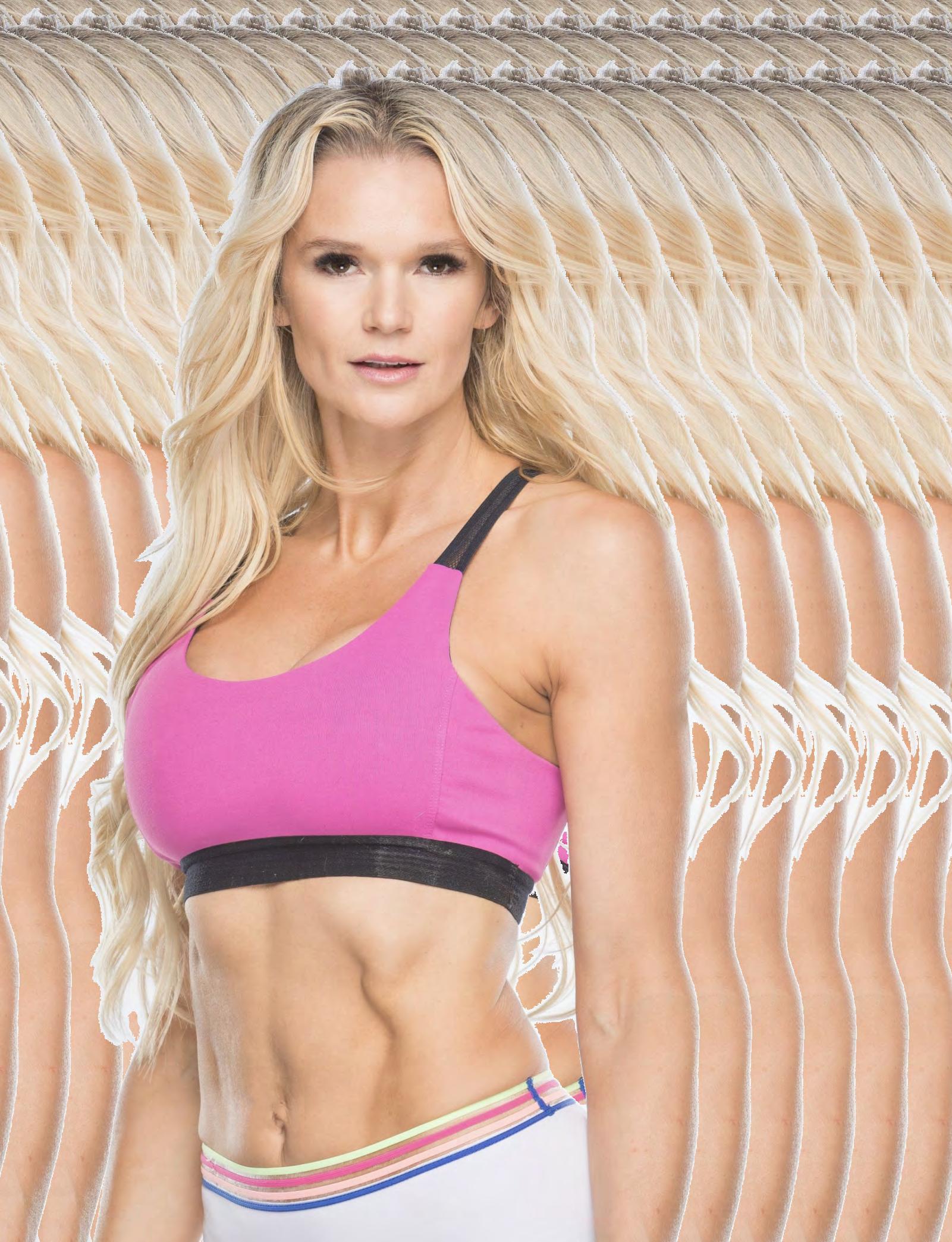
For Nathalie Storm, fitness was never part of a lifelong plan. It began as a spark of curiosity, an unexpected moment of inspiration that quietly grew into a defining pursuit. What started in a modeling class evolved into a deeply personal journey of discipline, resilience, and transformation.
Today, Nathalie stands as a professional bikini competitor whose dedication has carried her from her very first show during the uncertainty of the pandemic to winning her debut pro show in New York and earning a place on the world stage in Los Angeles.
Guided by strong coaching, family support, and an unwavering commitment to her goals, she continues to evolve both as an athlete and as an individual. In this conversation, Nathalie Storm reflects on the origins of her journey, the lessons learned along the way, and the vision that continues to drive her forward.
Can you walk us through your early fitness days, when did you start training seriously, what was your starting point, and how long did it take before you decided to compete?
I had very little gym experience before starting my bodybuilding journey. Everything began when I hired my coach and committed to training seriously. I gave myself about a year to build a foundation and prepare, and I stepped on stage for my first competition in 2020.
What initially sparked your interest in fitness and ultimately led you to start competing in bikini/figure divisions?
I actually got into fitness in a unique way. I was taking a modeling class, and one of the girls in my class was training for a bodybuilding competition. Watching her prep really inspired me. I thought to myself, “Why not try at least one show?” So I hired a coach and started my own journey. I did my first competition during COVID, and I completely fell in love with the process. From that moment on, I wanted to see how far I could push myself and what I was truly capable of in the bikini division.
You've shown impressive progress over the years. What has been the single biggest transformation or milestone in your physique so far, and what changes in training or diet made it happen?
The biggest transformation for me was building my upper body and shoulders for the bikini division, while also refining my glutes based on feedback at one of my shows. It required consistency, patience, and trusting the process—spending time in a building phase, eating more to grow muscle, and following my
coach's plan. It really showed me that real change takes time and dedication.
Competing involves intense preparation. What has been the toughest challenge you've faced during contest prep, and how did you overcome it?
Contest prep is intense, and one of my toughest challenges was in 2024 when I was preparing for my first pro show. My body just wasn't responding, and my coach, Leroy, advised we take more time and step away from the stage. I didn't want to disappoint anyone, but I was glad we prioritized my health.
Balancing prep with working full-time, caring for my two kids and their sports, cooking, and managing the house is another big challenge. You really have to stay organized. The support of my family and a coach who listens and guides me makes all the difference.
Working with your coach and investing in posing and presentation, what key lessons have you learned about coaching, posing practice, and stage presence?
Coaching guidance is everything. Having a coach helps you stay on track, make adjustments, and trust the process.
Posing takes practice. Stage presentation isn't just walking. Learning angles, transitions, and confidence takes time and repetition.
Presentation matters. Custom suits and attention to detail elevate your overall look and help highlight your physique.
Trust and communication are essential. Listening to your coach and being open to feedback makes prep and performance smoother.
Consistency wins. Regular practice and following the plan for both training and posing show on stage.
How do you balance off-season building with contest prep? What does a typical week look like for you now?
I train five days a week with a split that targets each area: back, upper body, hamstrings, legs, and glutes and shoulders. During contest prep, my coach, Leroy, adjusts my program based on judges' feedback to help me reach my goals.
Nutrition is carefully planned, gradually increasing calories in the off-season and dialing in during prep. Cardio is about 30 minutes, six times a week right now, but it ramps up during prep.
Off-season is still crucial for building and maintaining muscle, though gym time and cardio are generally less intense compared to prep periods. Recovery and consistency are key to making progress year-round.
Looking ahead, what are your biggest goals, and what advice would you give to someone starting their own bikini or figure journey?
I've achieved more than I ever imagined. This year alone, I did my first pro show in New York and won, which earned me a spot at the world stage in LA where I placed 10th. I also earned two pro cards in August at my first OCB show.
My plan is to work hard and return to the stage in 2027, with goals to compete in a CPA show in Vancouver and an OCB pro show.
My advice to anyone starting their bikini or figure journey is simple: never give up. It gets tough, but trust the process, communicate openly with your coach, be patient, and stay consistent. That's how progress truly happens.




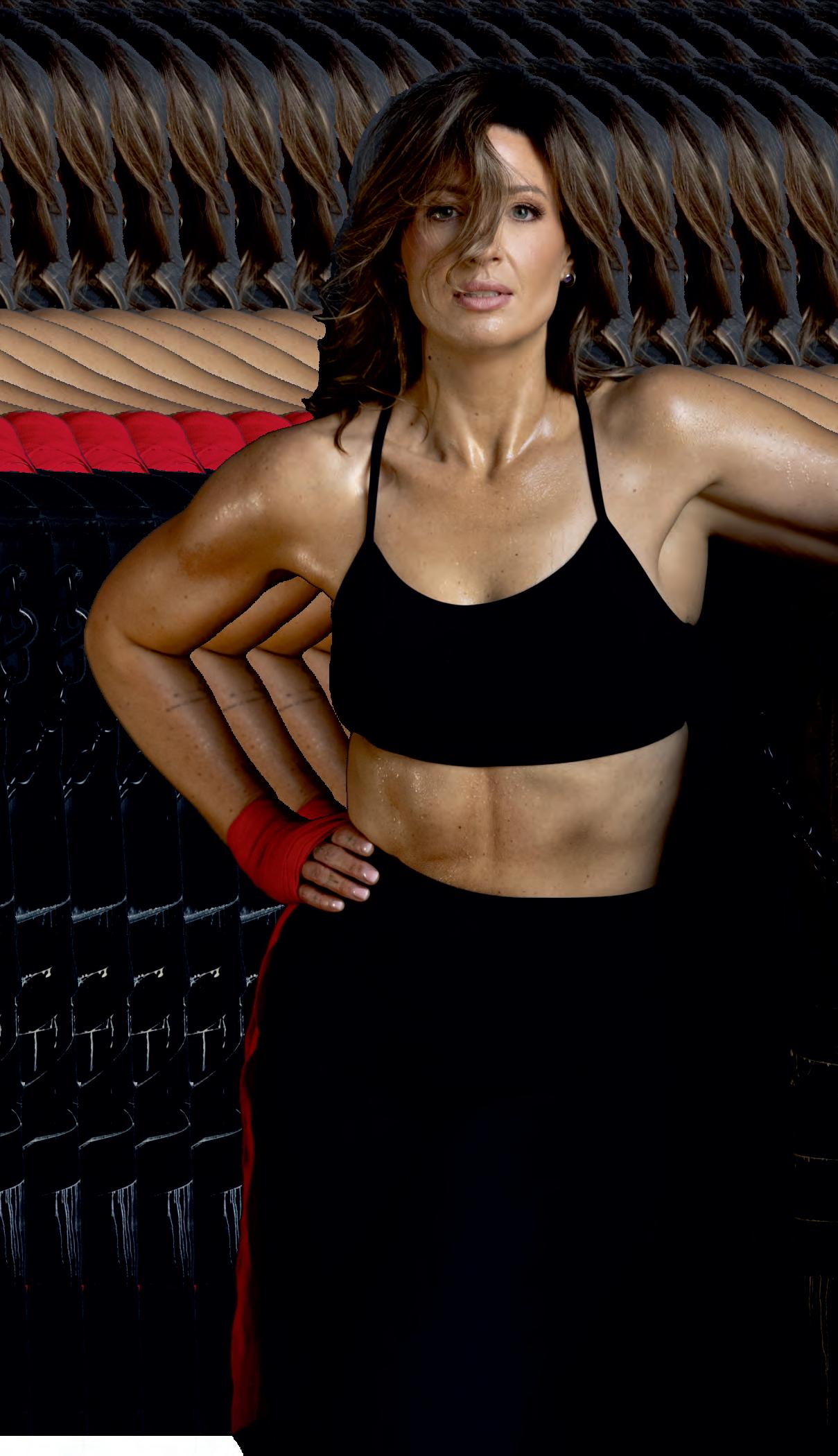

Transformation rarely begins with certainty. More often, it begins with quiet exhaustion. With the realization that the patterns of the past no longer serve the person we are becoming. For Dionne Paul, the beginning of her fitness journey did not come from a dramatic moment or sudden inspiration. It came from something far more powerful: the decision that she had simply had enough.
“My interest in fitness and strength training didn't come from a single moment,” Dionne reflects. “It came from a quiet and firm realization that I simply had enough. I knew I wanted to make a change, lose weight, and finally step off the yo-yo dieting cycle for good.”
This decision marked a turning point. It was not about chasing perfection or following another temporary solution. It was about choosing sustainability. It was about committing to herself in a way she never had before.
That choice would ultimately reshape not only her body, but her identity.
At the start of her journey, Dionne found herself in a place many people know intimately but rarely speak about openly. Physically, she carried weight she wanted to lose. Mentally, she carried doubt that ran even deeper.
“When I first committed to my fitness journey, I lacked confidence, didn't truly believe in myself, and often felt unworthy,” she shares candidly.
She was wearing a size 16 and set her sights on a goal that felt both tangible and symbolic. Returning to a size 12 represented more than physical change. It represented reclaiming a version of herself she remembered feeling comfortable in.
Yet the most important shift was not defined by clothing sizes or numbers on a scale. It was defined by belief.
As she began working with her coach, Brittany Chapman, something fundamental changed. Their connection created a foundation of trust and support that made the process feel achievable.
“From the very beginning, we connected. I felt an immediate sense of calm and trust, like she truly understood me and had my back.”
This trust became the bridge between intention and action.
Like many people entering the fitness world, Dionne carried deeply ingrained misconceptions about what progress required. Years of exposure to restrictive diets and rigid fitness messaging had convinced her that success meant deprivation and relentless intensity.
“My biggest misconception about fitness was food,” she explains. “I truly wasn't eating enough. I also believed that progress only came from killing myself with cardio.”
The idea of eating more while trying to lose weight felt counterintuitive. When her coach introduced a structured nutrition plan that included consuming 2300 calories a day, Dionne felt apprehensive. She had spent years believing that hunger was a necessary condition of progress.
“I remember being genuinely nervous to eat that much, feeling full, and then anxiously stepping on the scale only to see that I had lost weight. I was completely flabbergasted.”
This moment marked a profound shift in her understanding. She realized that progress did not come from punishing the body, but from supporting it.
Learning to fuel her body properly transformed not only her results, but her relationship with herself.

In the early stages of her fitness experience, Dionne's approach to training mirrored the mindset she had internalized. Workouts were intense, exhausting, and often driven by obligation rather than enjoyment.
Bootcamp classes, high-intensity interval training, and long sessions of cardio dominated her routine. Sweat became a measure of worth. Fatigue became a measure of effort.
“If I wasn't drenched in sweat after a 60minute session, I questioned whether I had even worked hard enough,” she recalls.
But over time, her perspective began to evolve. Joining a gym environment where strength training was central exposed her to a different philosophy. She found herself surrounded by individuals pursuing progress with patience and purpose rather than urgency.
That sense of community reshaped her understanding of fitness.
“It became more about being strong than skinny,” she says.
Strength training offered something cardio never had. It offered tangible evidence of progress. The ability to lift heavier weights, move with greater control, and develop physical capability became sources of pride.
Fitness was no longer something she endured. It became something she embraced.
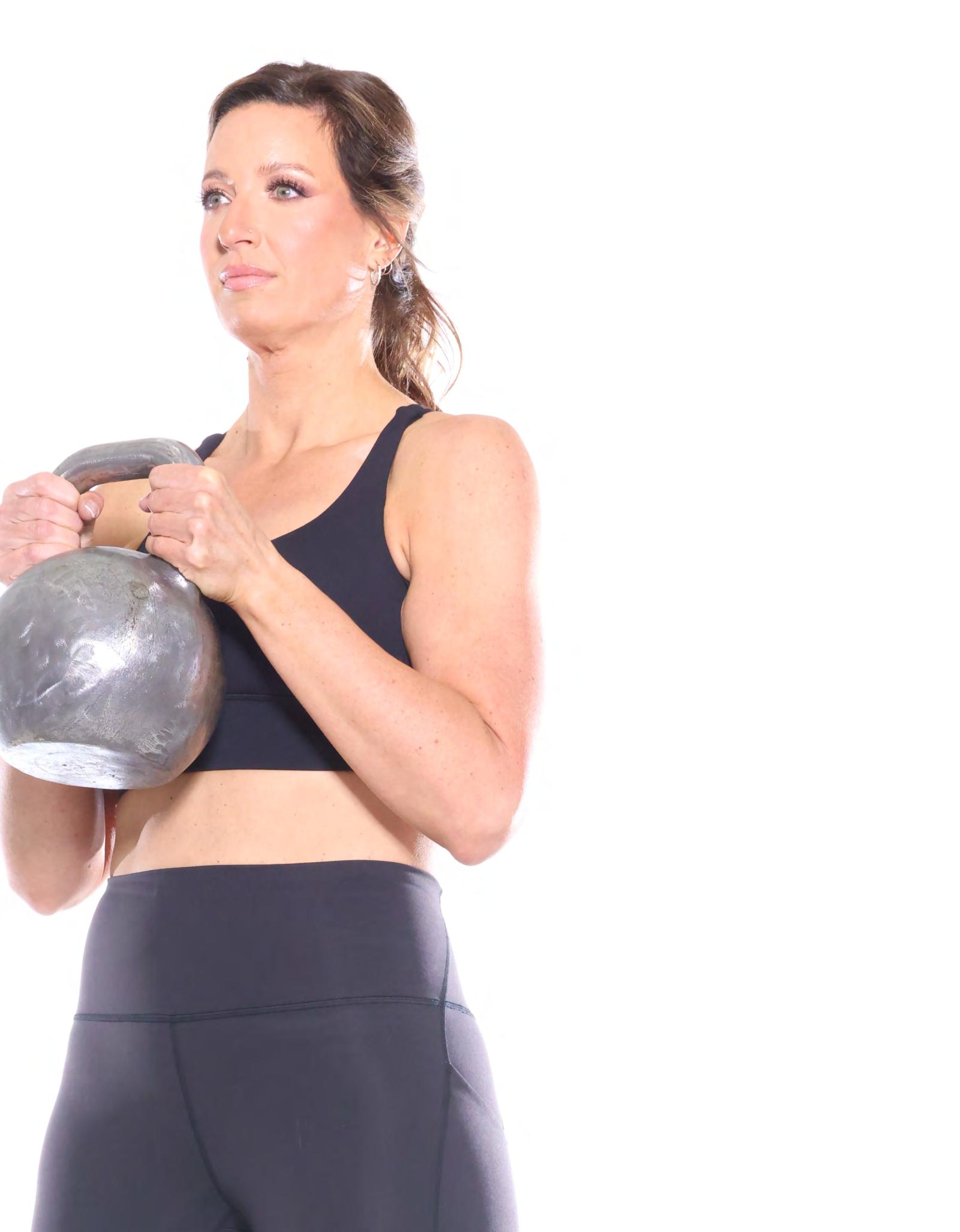
Today, Dionne's training reflects balance, structure, and intentionality. She lifts weights four days per week, following an upper and lower body split designed to promote strength and recovery.
Her workouts are guided by precision. Activation exercises prepare her muscles. Warm-up sets ensure readiness before heavier lifts. Each movement is performed with focus on form and control.
Her commitment extends beyond the gym floor.
Recovery has become an essential component of her routine. Regular stretching, hydration, and monthly fascia massage treatments support muscle health and longevity. This holistic approach ensures that her progress is not only visible but sustainable.
Consistency, rather than intensity alone, has become her foundation.
Perhaps the most remarkable aspect of Dionne's journey is the transformation in her emotional relationship with fitness. Exercises she once dreaded have become sources of excitement.
“Heavy lifting is hands down my favorite type of workout,” she says. “Watching my strength improve over time is incredibly empowering and motivating.”

Even leg days, once avoided, have become her favorite.
“That shift alone speaks volumes about how my relationship with training has evolved.”
Beyond structured workouts, Dionne incorporates movement into her life in ways that feel natural and enjoyable. She walks regularly and participates in a recreational women's basketball league, reinforcing the idea that fitness is not confined to the gym. It is integrated into daily living.
This evolution reflects a deeper transformation. Fitness is no longer something she does to change her body. It is something she does to honor it.
While Dionne's physical progress is undeniable, she emphasizes that the most profound changes occurred internally.
“As I lost weight, the physical changes were obvious, but the mental shift was even more powerful.”
With each milestone, her confidence grew. She began to see herself not as someone trying to change, but as someone capable of growth. The limitations she once believed defined her began to dissolve.
She discovered resilience she did not know she possessed.
She discovered discipline she had not fully trusted before. She discovered belief.
This psychological transformation extended beyond fitness. It influenced how she approached challenges, relationships, and opportunities. The process of proving to herself that she could change reshaped her sense of identity.
Today, Dionne's journey stands as a testament to the power of consistency and self-trust. Her transformation is not defined solely by weight loss or physical appearance. It is defined by her decision to move forward rather than remain anchored to past patterns.
“Never look back, only forward,” she says with quiet conviction.
This mindset captures the essence of her evolution. She no longer measures success by perfection or speed. She measures it by persistence.
Her story illustrates an important truth. Transformation does not require extraordinary circumstances. It requires ordinary decisions made consistently over time.


aving spent her earlier years in the labyrinth of finance, helping individuals save and manage their wealth, Jenn Drummond realized the interplay of health and wealth. For her, if health failed, all the amassed wealth would inevitably be channeled towards its restoration.
Hence, the philosophy she adopted was simple yet profound: a healthy body nourishes a healthy mind, allowing one to present their best selves to the world.
However, Jenn's story is no linear narrative. From the world of finance, through the tragic wake-up call of a car accident, to the
dizzying heights of Mount Everest and becoming the First and ONLY Woman EVER to complete the Seven Second Summits, her journey has been a rollercoaster of pursuits, setbacks, victories, and self-discovery.
Through her various challenges, including earning the world record title and becoming a successful entrepreneur, she showcases the universality of human experience. In this Interview Jenn Drummond talks about her journey, philosophy, and her vision going forward.
How would you describe your philosophy on health and fitness?
I believe that a healthy body gives you a healthy mind, and so by taking care of our body, we're taking care of who we are as a person. I think that I was in finance if this makes sense, to cooperate in this.



I was in finance, and I would help people save money, and then if they didn't have health, it didn't matter how much wealth they had, because all their money would be spent on taking care of their health. So, I think it's critically important. It's the one thing that we can control, and it's the one thing that allows us to show up the way that we want to show up for ourselves and for others.
What has been the journey like for Jenn Drummond thus far – from your car accident to hiking Mount Everest, from earning the world record title to becoming a successful entrepreneur?
My journey has been a lot like everybody's journey. I think I wrote in a speech this morning, its pursuit, setbacks, struggles, overcoming, becoming, summits, and then something else lures us into that cycle again.
If you think of the Joseph Campbell story of the Hero's Journey, it's been that in all different ways. I got out of college and took a job in finance. I loved working with people and helping people manage their money because that eased their brain, which then allowed them time to do things that they enjoyed. And I liked being a part of that story for them. I liked finance. I liked the puzzle of it. I liked just learning about it and understanding the time value of money and how compounding works and all that kind of stuff. Then when I had kids, I liked being home with them and looking at the world from their viewpoints and understanding that new challenge and that new summit.
And then I had the car accident, which woke me up to the fact that we don't live forever, and we only have so much time. So, what are the things that I want to do with this time, and how do I want to make my life count? Life experiences change us, and that was an experience that changed me to want to show people, like, hey, life isn't forever. Climb your Everest or do whatever your big goal is. Don't wait for it. Just go for it. And if you want to change, then change.
Climbing Everest was cool. Setting a world record
was way cooler because it was bigger than Everest. And there's something about us that likes to evolve and push forward and go beyond.
Talk to us about the record title being the First and ONLY Woman EVER to complete the Seven Second Summits. What does it mean to you?
Being the first female and the only woman to complete it means I'm the person that brought that story to life, but it's society that made it possible. It's the community. It's all of us that made this pursuit within reach.
It makes me excited because it shows how far we've come. It shows the prejudices that we've let go. It shows what we're capable of, what technology is produced, what communities produced, where women if I had been born in another era, it wouldn't have been in the realm of possibility. And it makes me excited for what's next to come.
What's going to be possible for my daughters and even their daughters? It reminds me of the Mayan ruins in Mexico - they took like 500 years to build, so the people who built them never got to see the finished product. It's mind blowing to me that they built this thing, and they had all this stuff going and all this kind of stuff, and it's like they died, and they only got a couple layers of bricks. And it's so inspiring for that generation that gets to see the final product, and there's certain things that I get to see the final product on, and there's certain things that I'm the first bricks on.
It's interesting to me how life evolves and becomes in the stories that we get to be a part of the stories that we get to finish, the stories that we get to start.
How are you helping and empowering people master their own summit in life?
I'm sharing my journey. I'm answering questions. I'm giving speeches. I'm writing a book. I'm doing coaching programs. I am trying to make this intangible thing tangible because we all plant our
flags in our own corners of the world. And when we stand on top of mountains, we're, like, quick to wave our flag, but we have to wave our flag the entire time we're on our journey because that flag lets other people know, hey, here's where I'm at. It lets them know how they can help, and it lets them know how you can help them.
If I wasn't waving my flag that I was going to go climb Pakistan and go back a second time, no one would have been able to reach out to me and say, hey, can you help? So, we have to wave our flags. We have to do things that allow people to know where we are. Even if our journey is in the middle of failure. Even if it's just that just means your story is not done.
What would be your advice for someone just starting to lead a healthier lifestyle and incorporate fitness?
You need to make it easy on yourself. If you're trying to incorporate a healthier lifestyle, don't go down the candy aisle at the grocery store. Don't have temptation around. You're going to have to be conscientious of when it is that you snack? I snack at four in the afternoon. I have a bowl of ice cream every day. It's terrible. The only time I don't have a bowl of ice cream is when I'm not in my house and if it's 07:00 p.m, I don't want a bowl of ice cream. The moral of the story is I'm not allowed to be home at 04:00 p.m. You need to know yourself and you need to know your patterns. You need to surround yourself with people that will help you make healthy choices. Every time I go on a podcast, every time I give a speech, every time, everywhere, everybody's like, man, it feels like I need to go for a walk today.
I didn't say one thing about actually going for a walk, but because that's the energy that I have, that makes other people want to exercise. And so, you need to be aware of, hey, this person, when I'm around, is either going to bring me down or bring me up and you need to evaluate who your inner circle is.
It's having community. Community to give you support and then make the sometimeshard thing easy. Make it easier to succeed than to fail. That's why people used to put credit cards in the middle of the ice block. They'd have to melt the thing, and for the entire 30 minutes they're melting it they're going against who they want to be. That gives you 30 minutes to pause before you spend the credit card.
With your book and documentary coming out next year, what is your vision going forward? What are you most excited about?
I'm most excited about when I get done with the speech or I get a text message on one of my channels or something, and someone tells me about what they're going to start doing, like how my story ignited something within their story and gave them permission to do the thing they've been desperately wanting to do. I'm most excited about the action that comes from bumping into those that I get the opportunity to bump into.