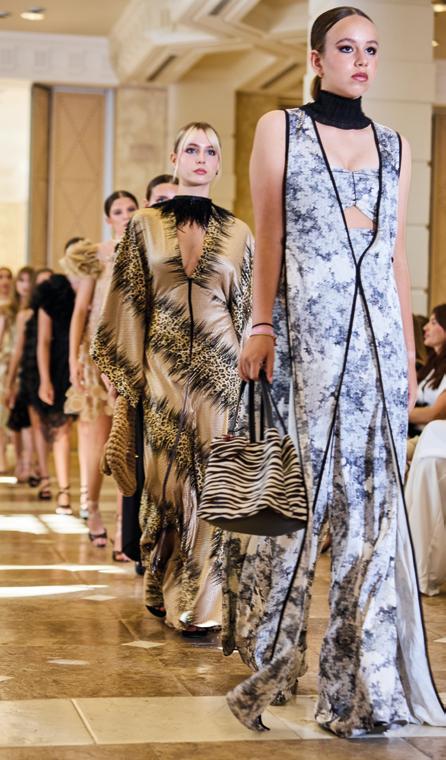
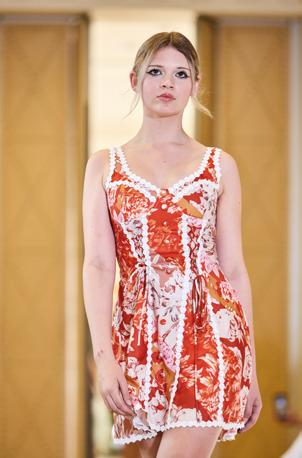
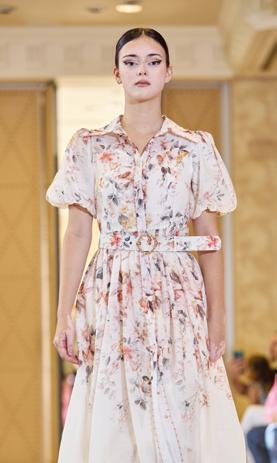
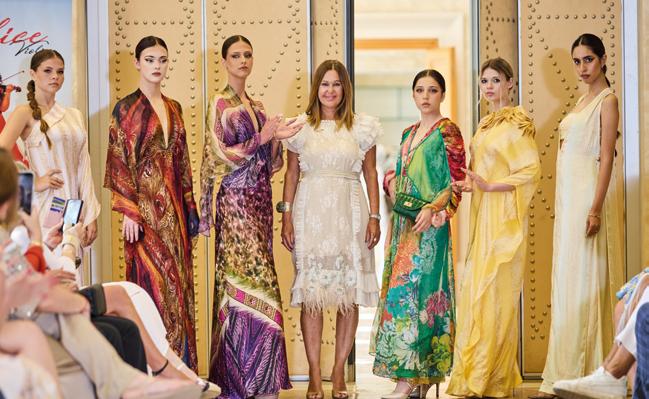
“True greatness makes no noise, it simply leaves an indelible mark.”
“La verdadera grandeza no hace ruido, solo deja una huella imborrable”
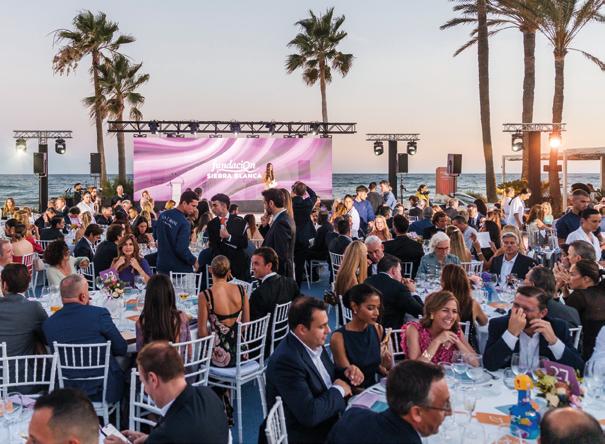
Some summers leave a lasting impression, and this is undoubtedly one of them—a season where heritage, fashion, high jewelry, sports, and grand gatherings once again define the most exclusive lifestyle.
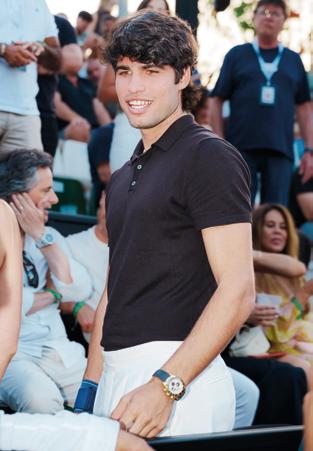
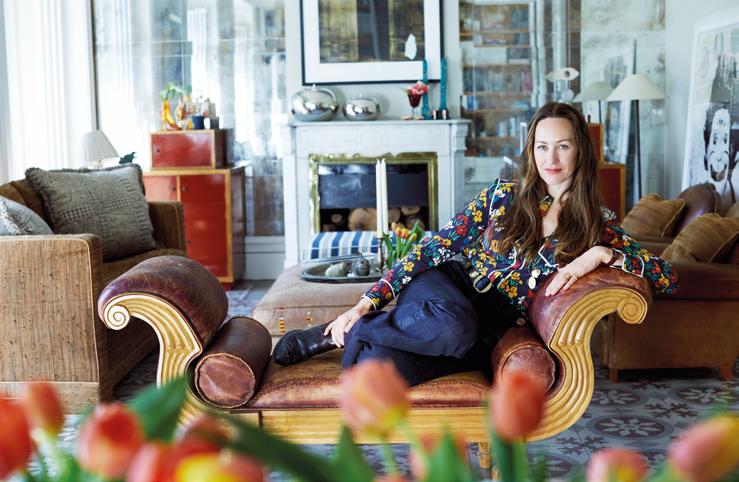
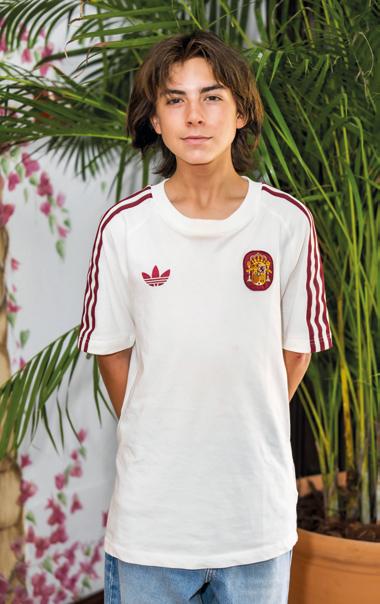
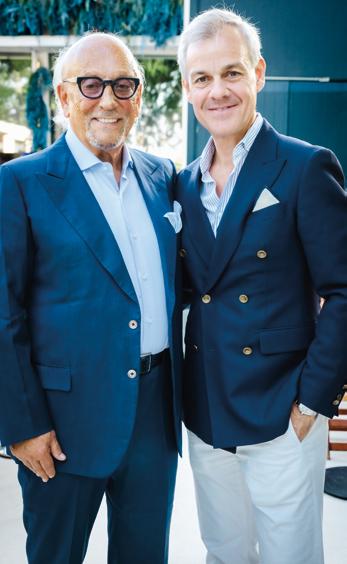
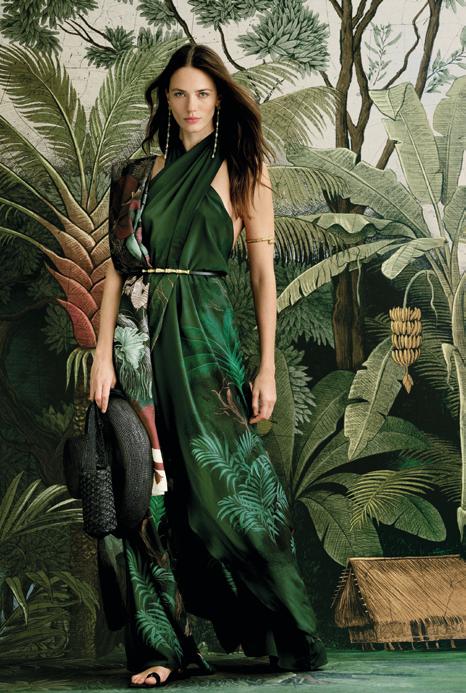
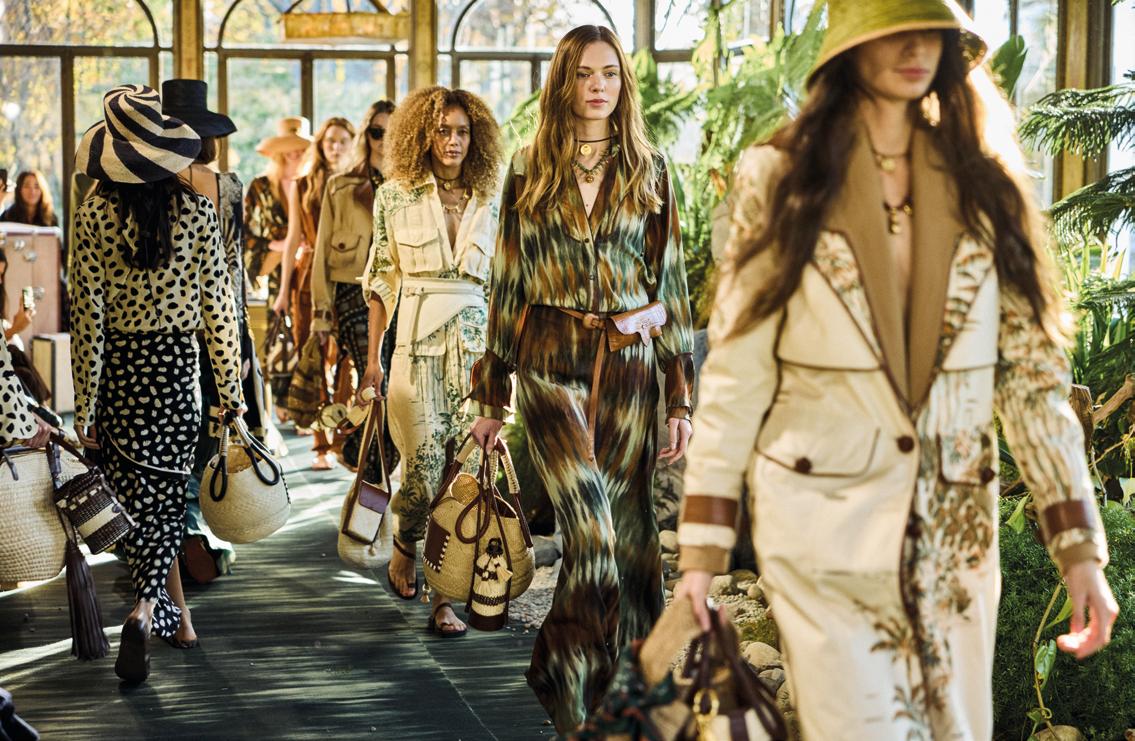
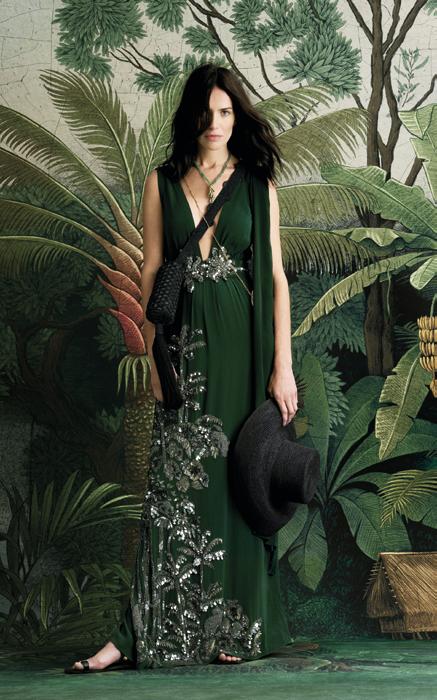
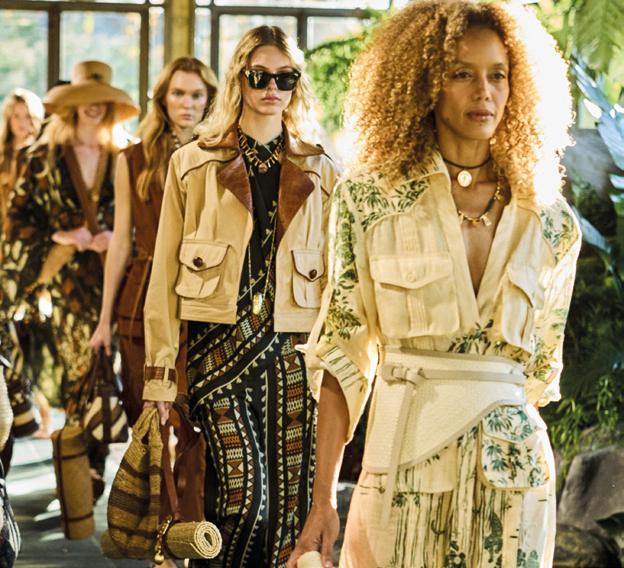
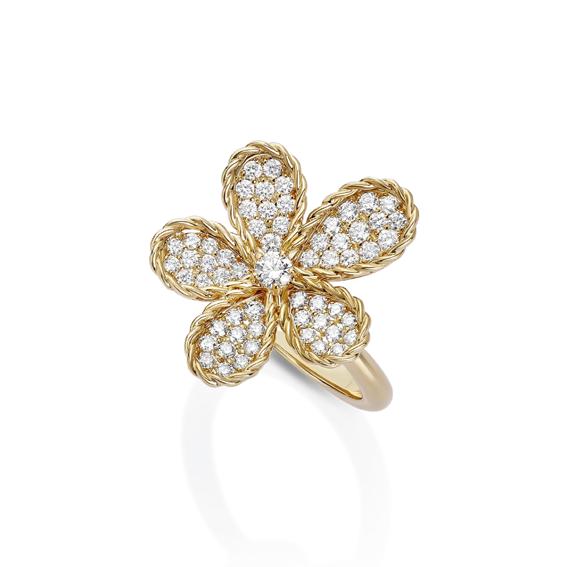
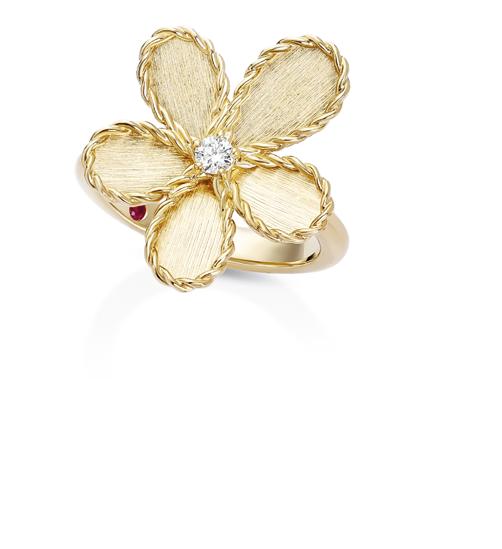
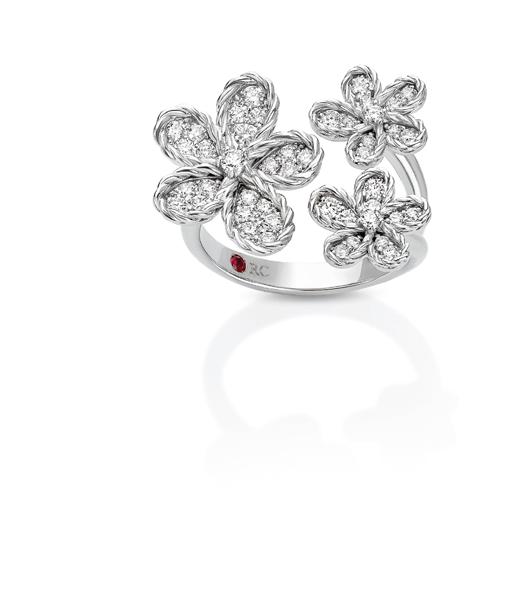
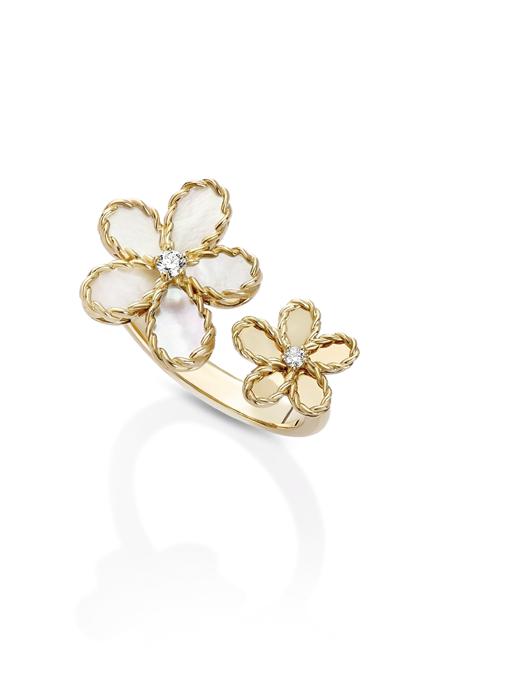
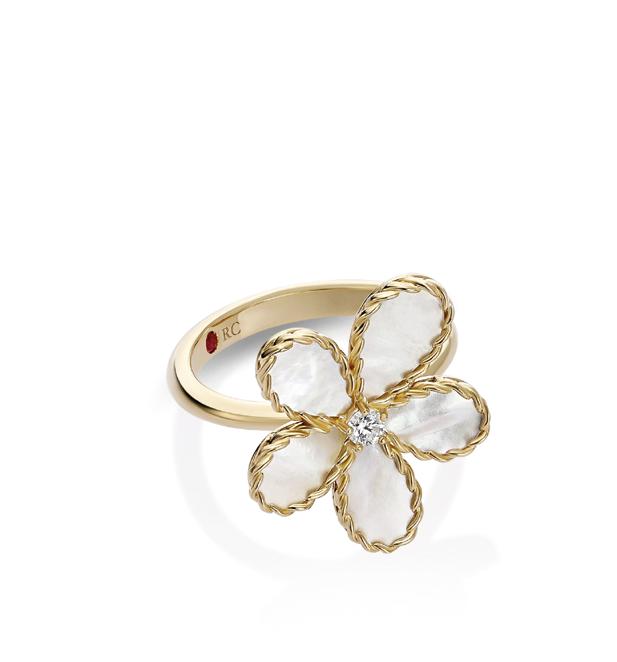
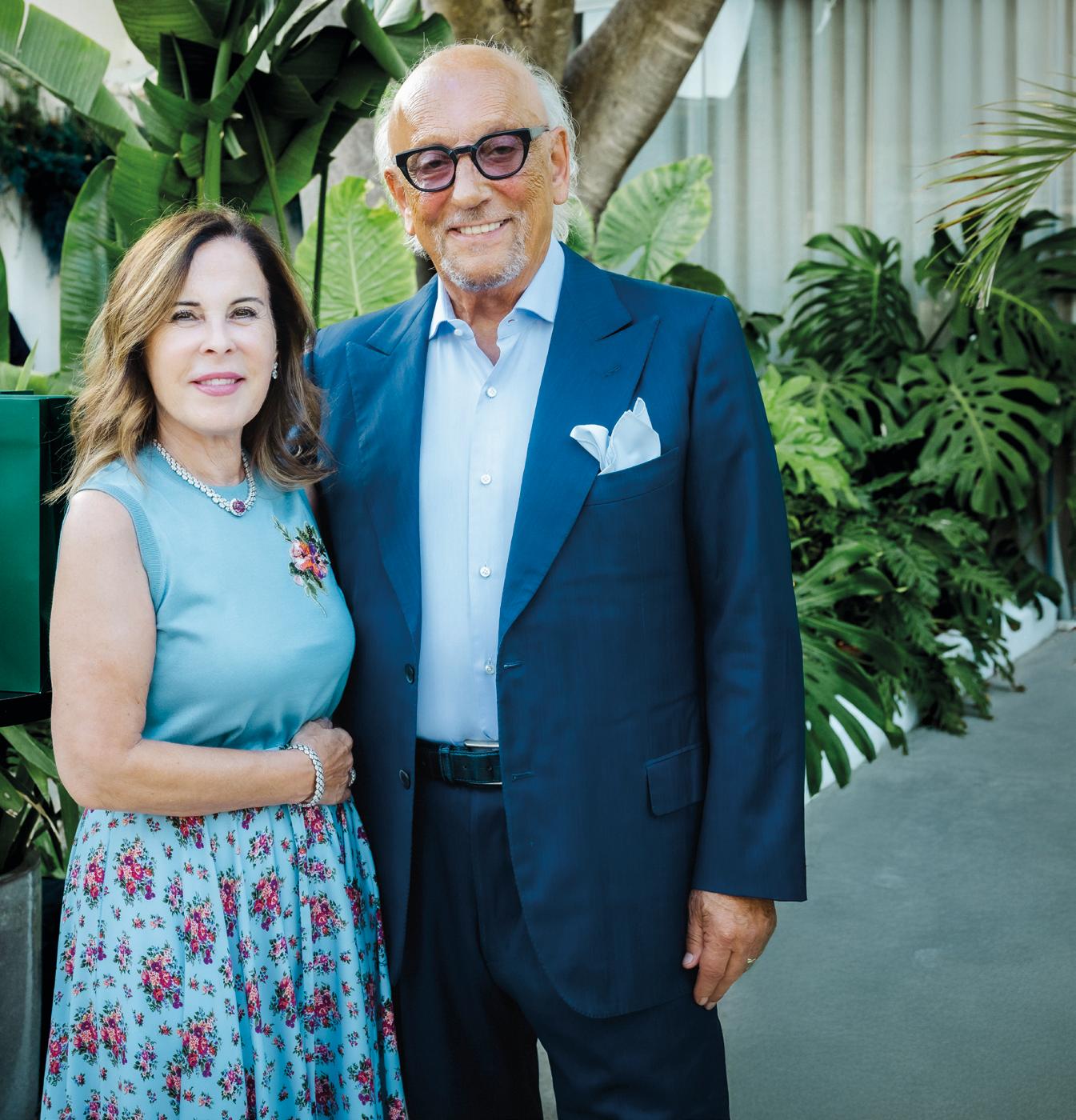
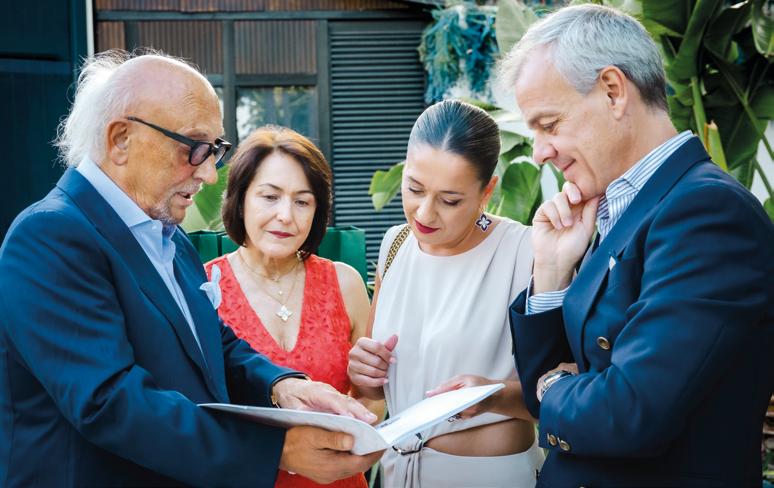
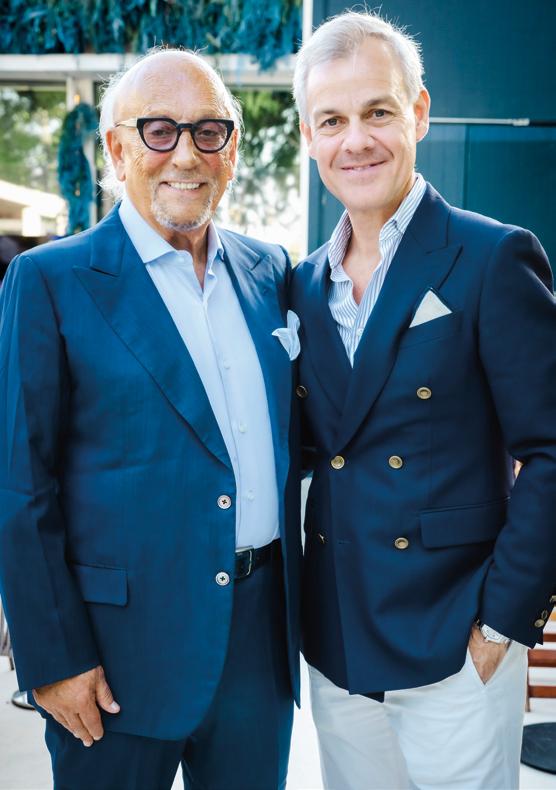
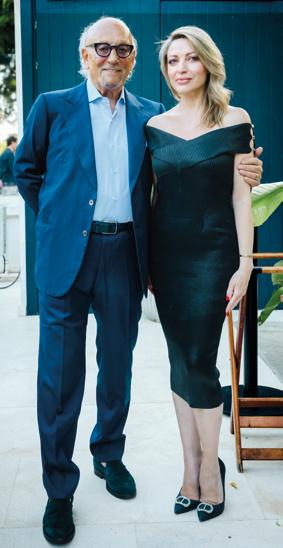
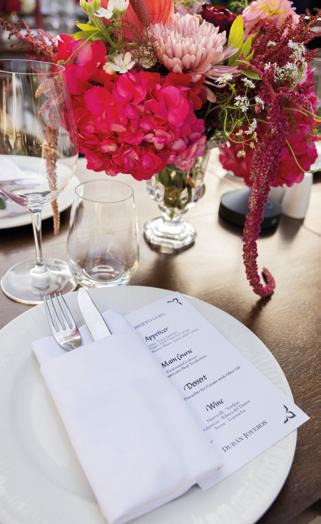
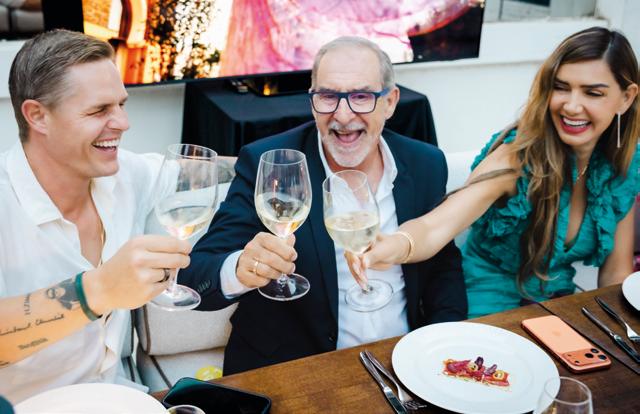
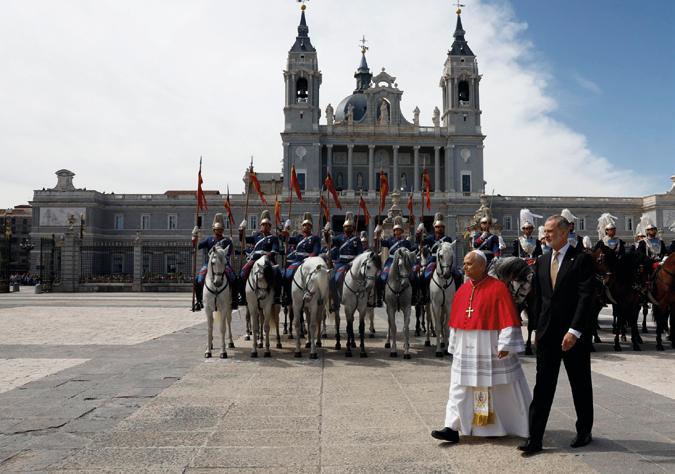
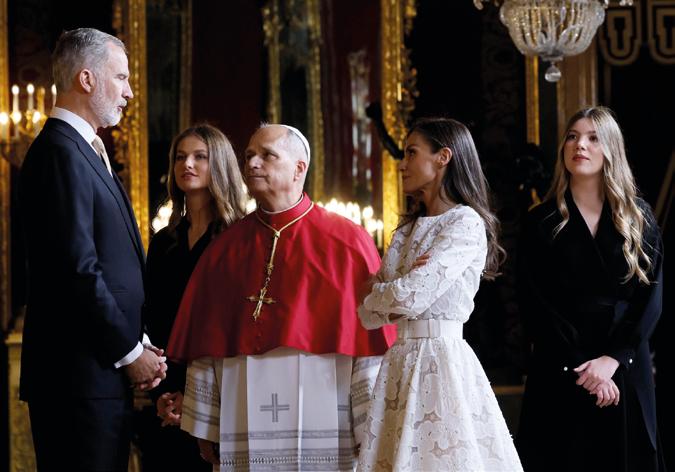
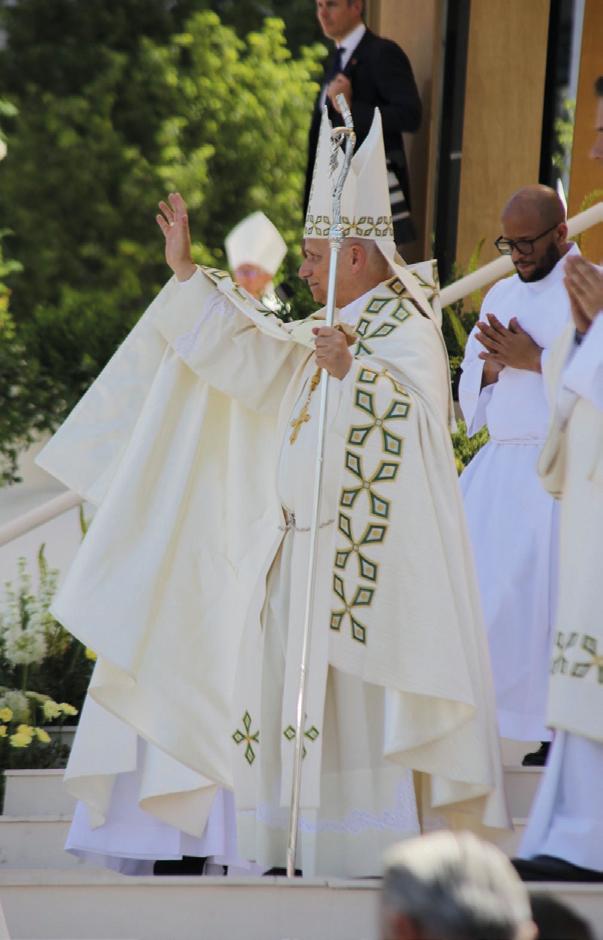
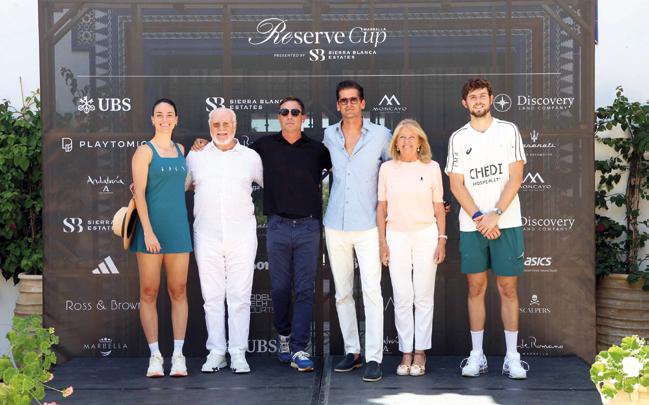
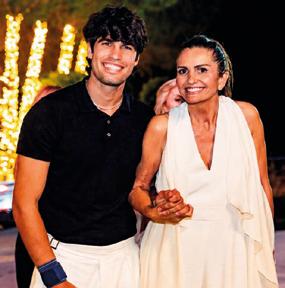
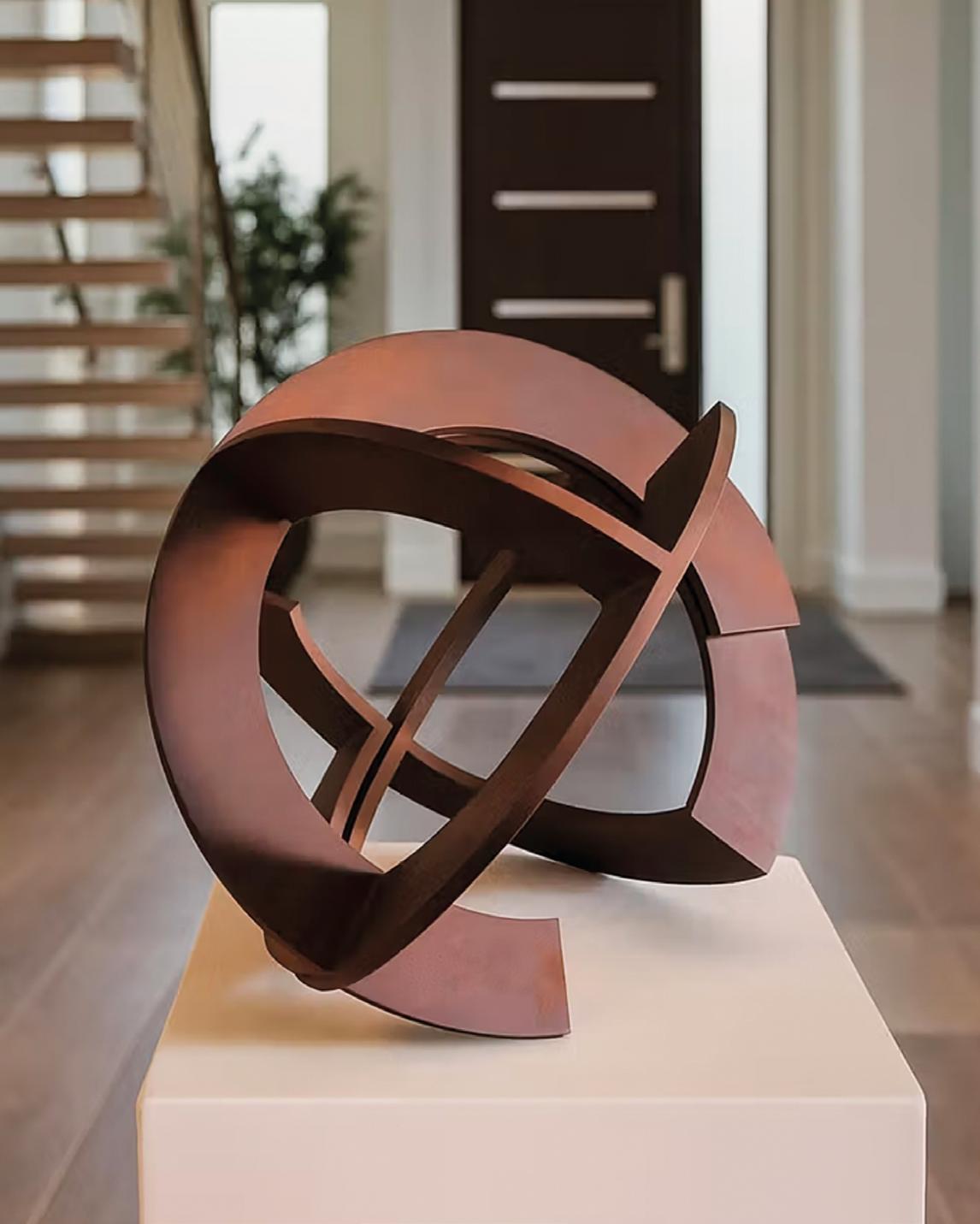
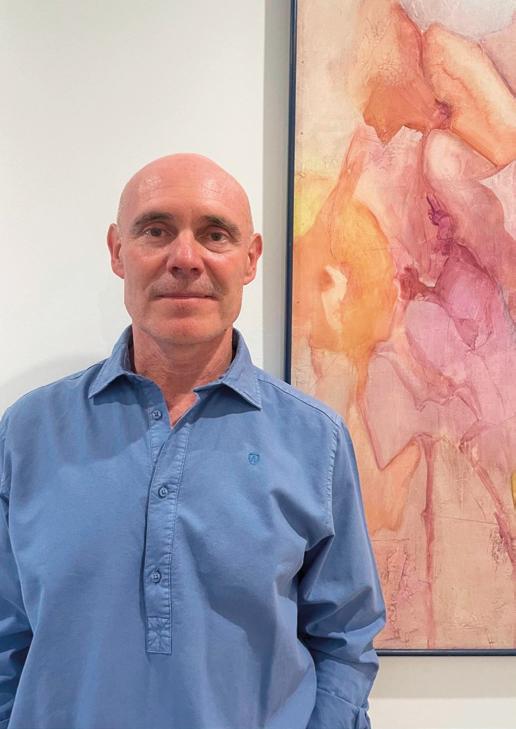
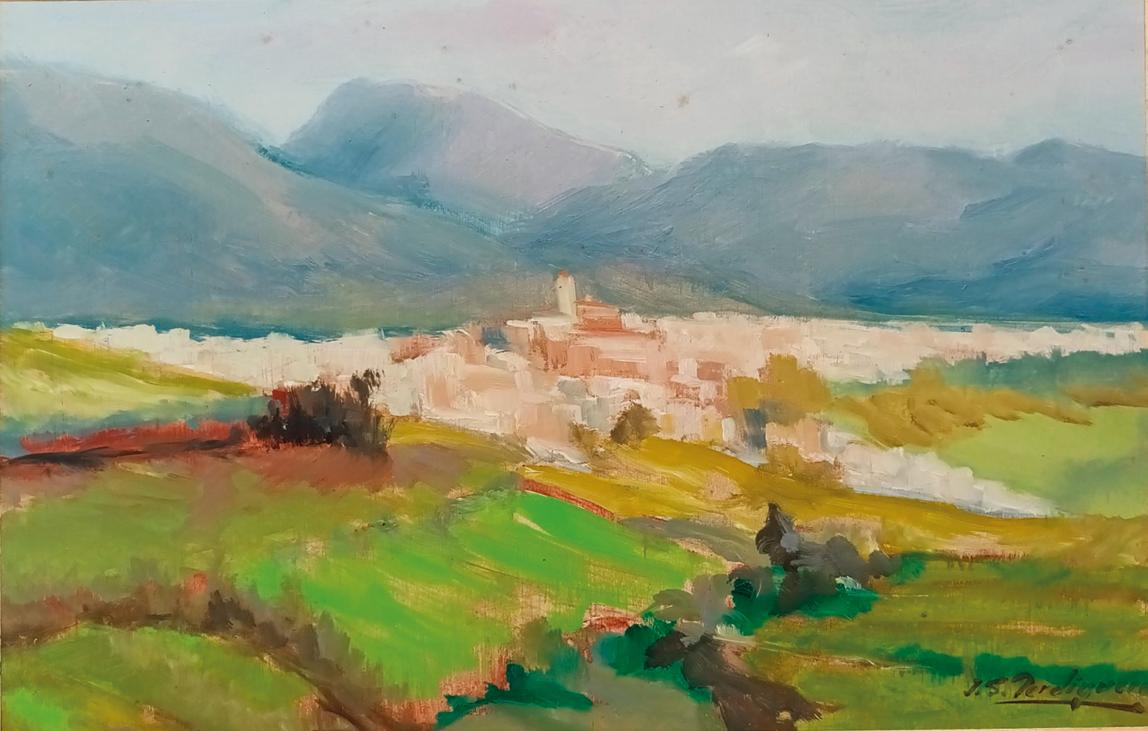
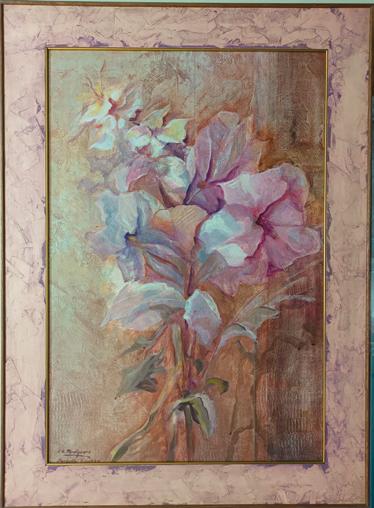
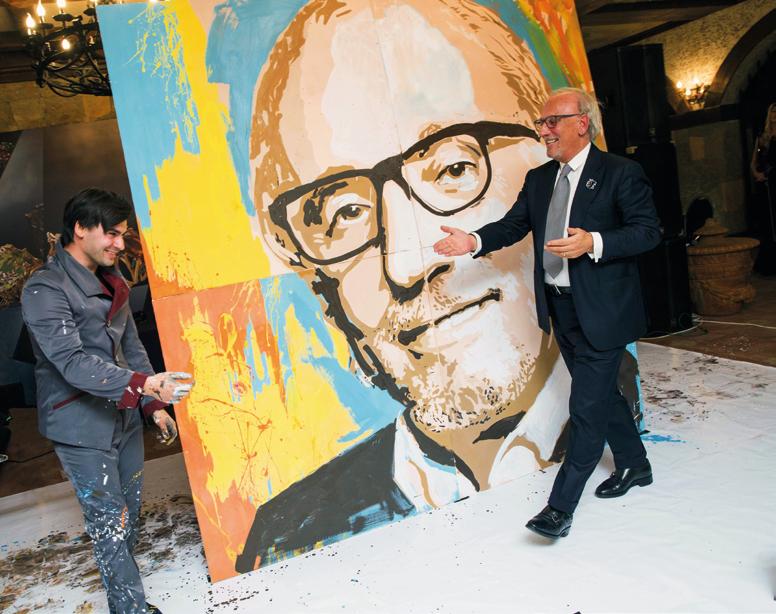
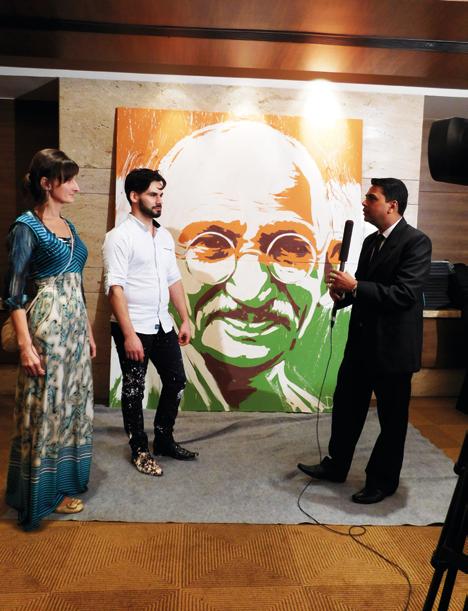
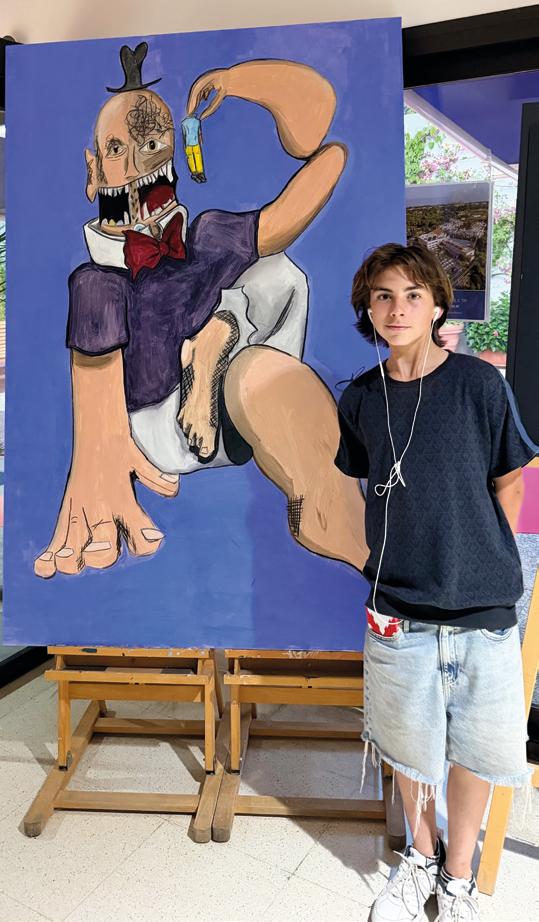
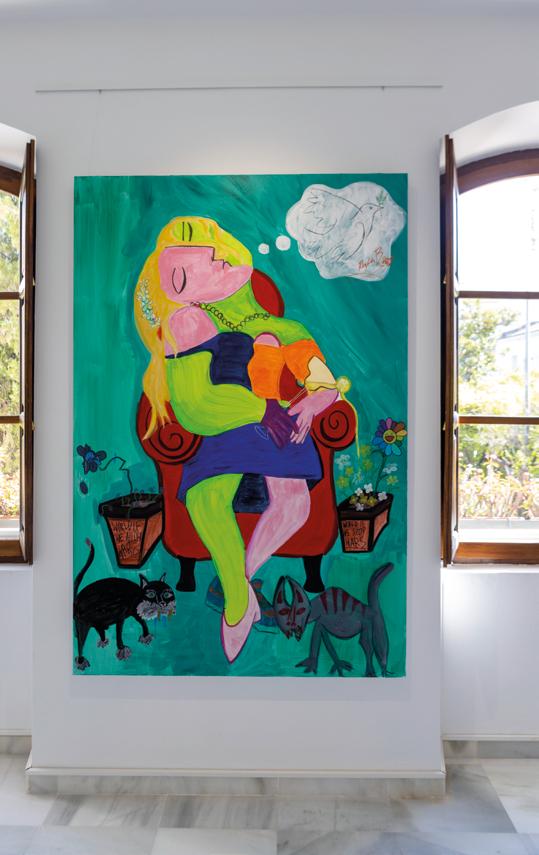
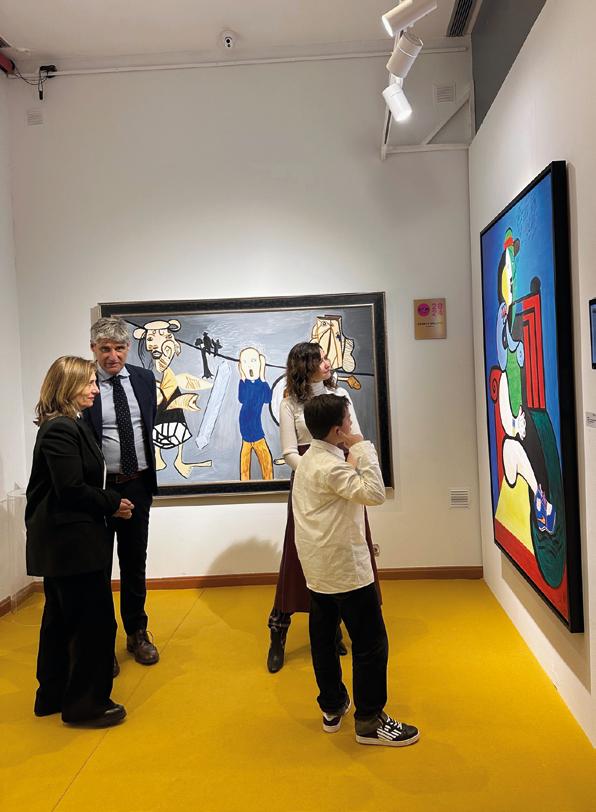
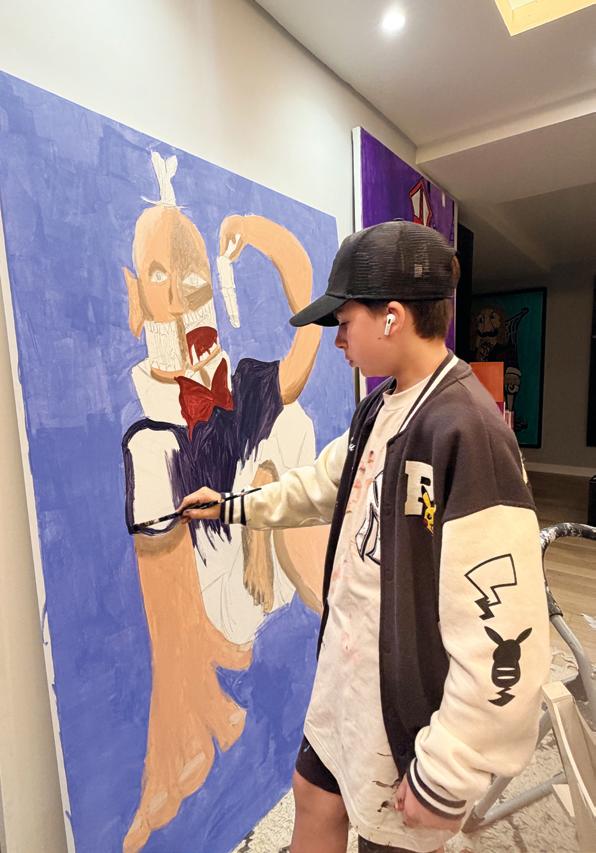
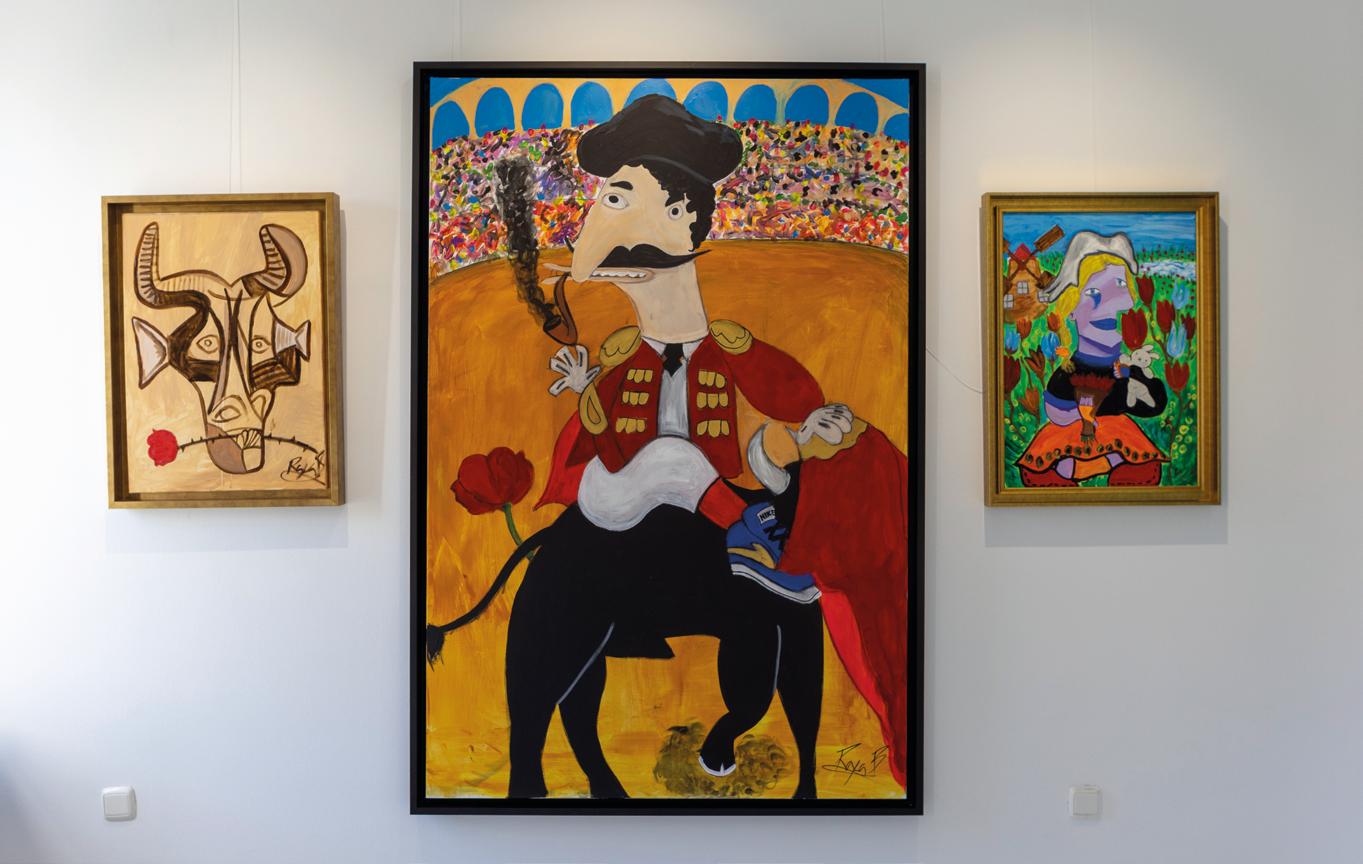
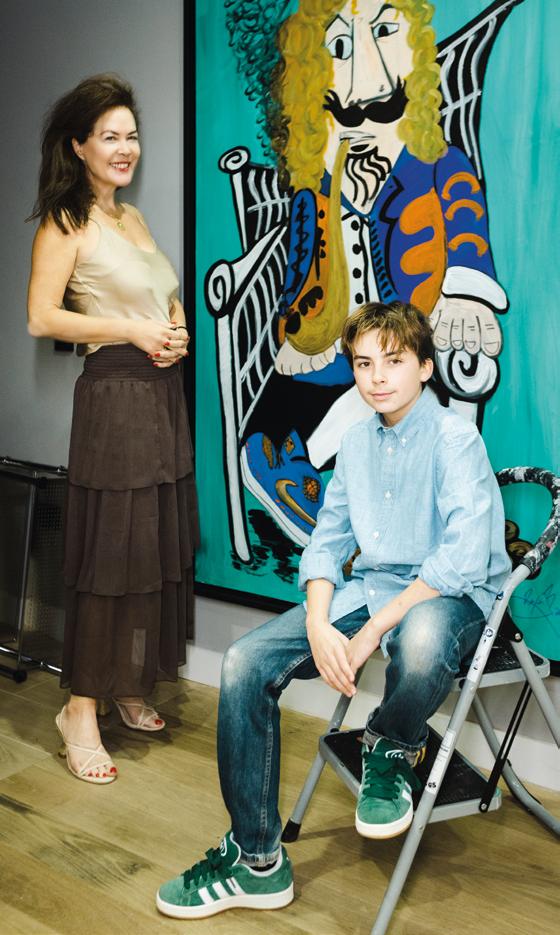
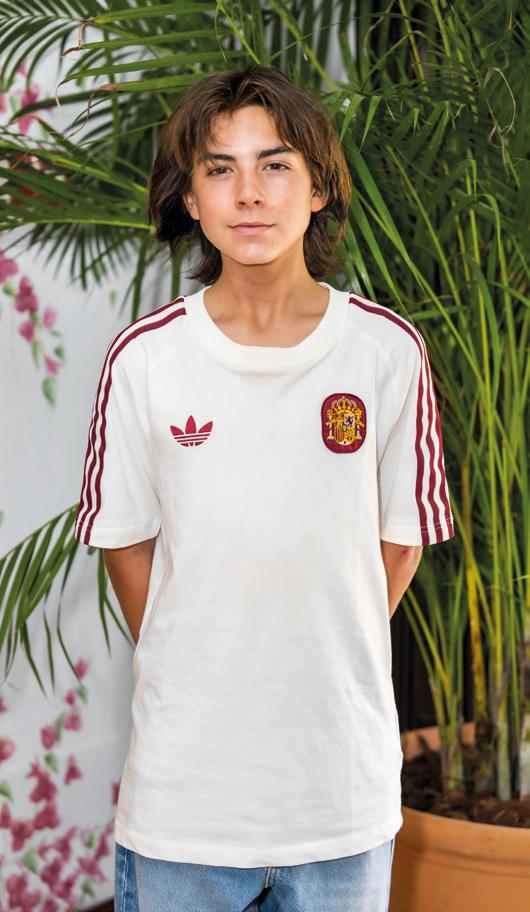
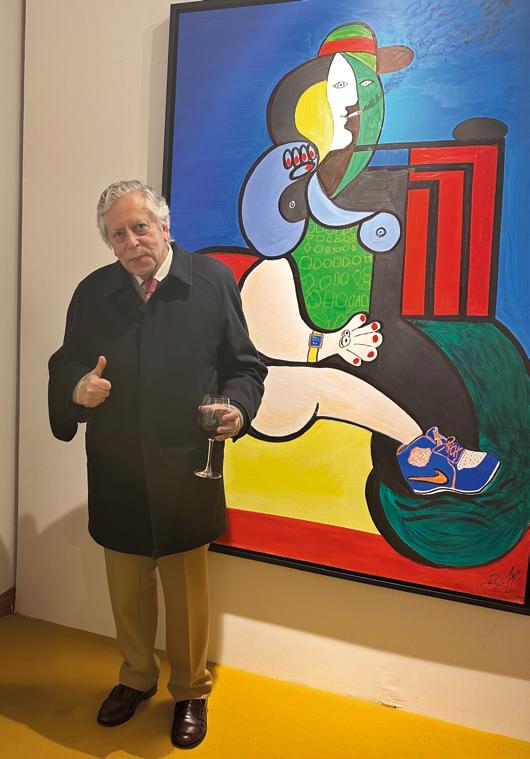
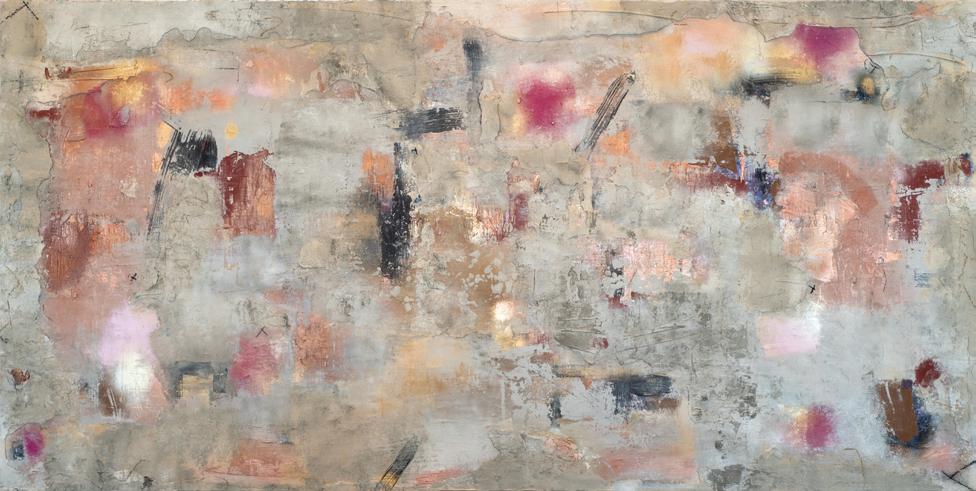
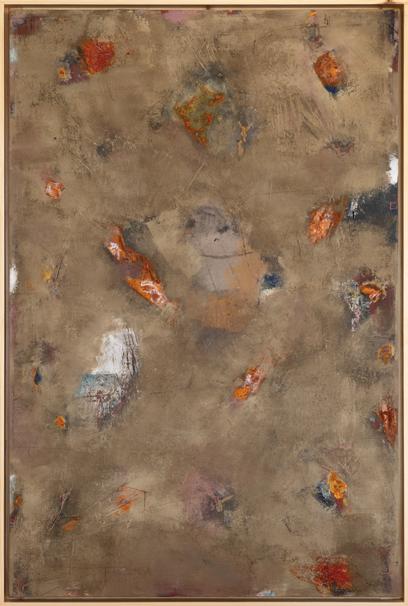
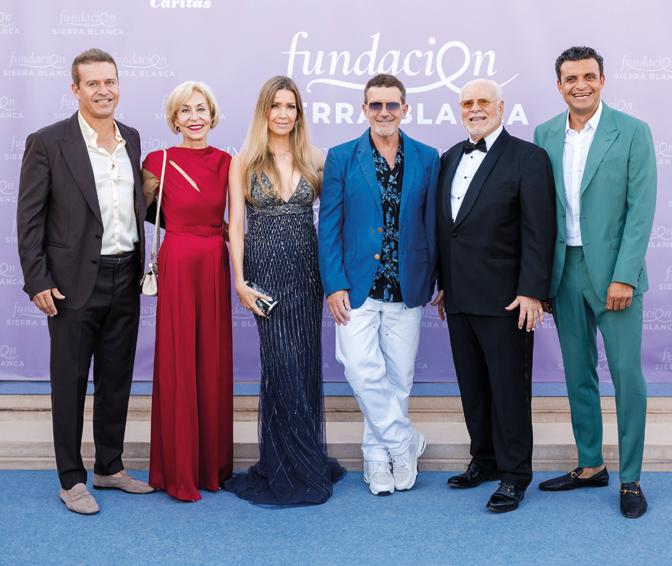
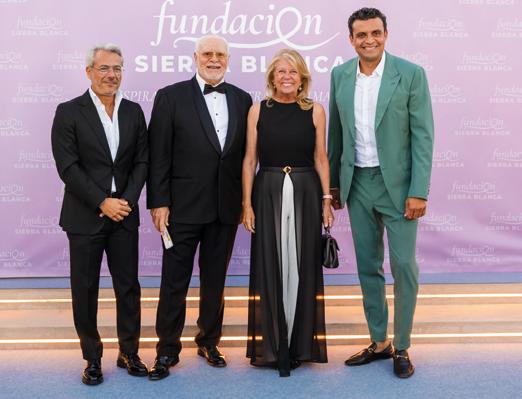
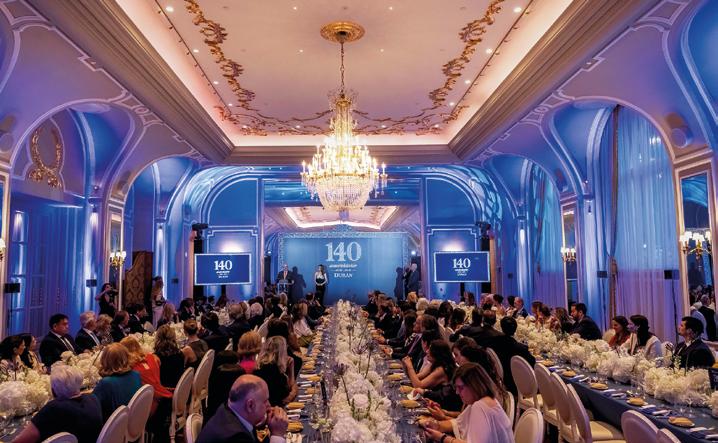
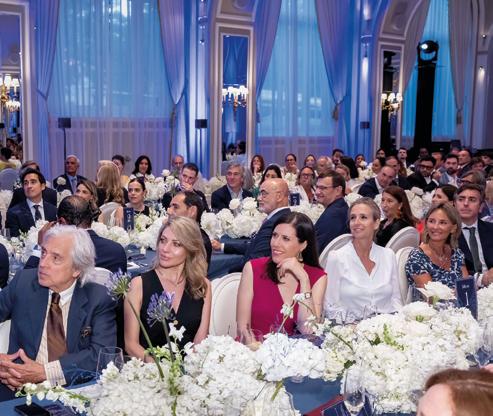
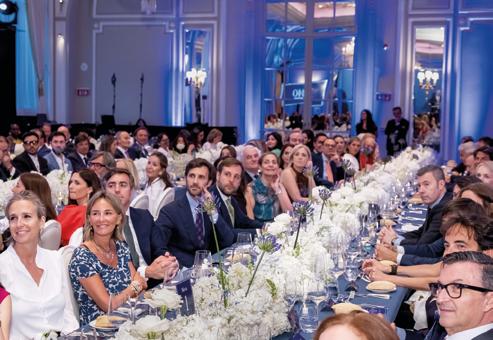
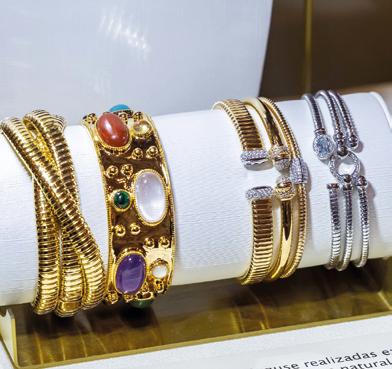
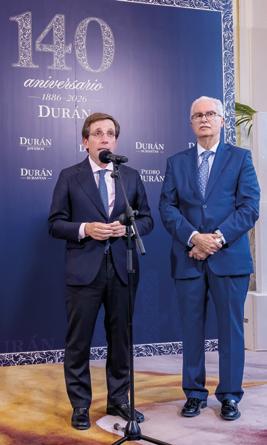
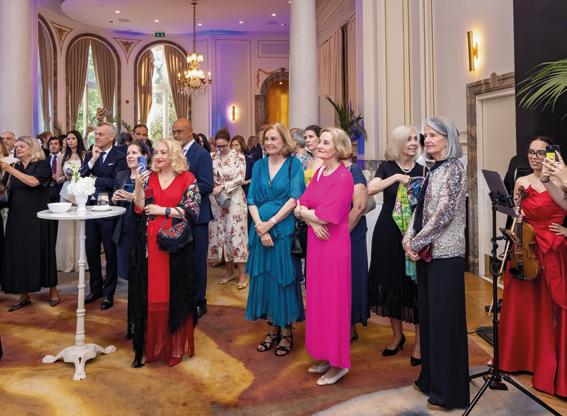
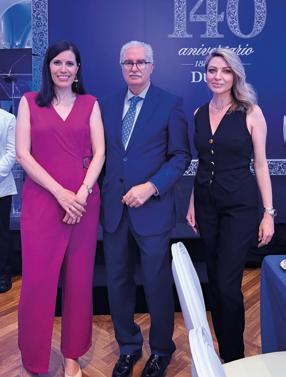
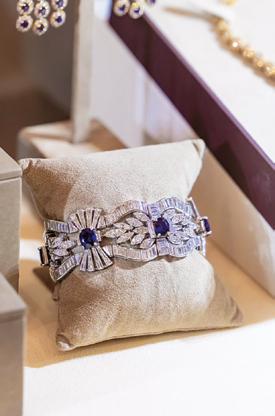
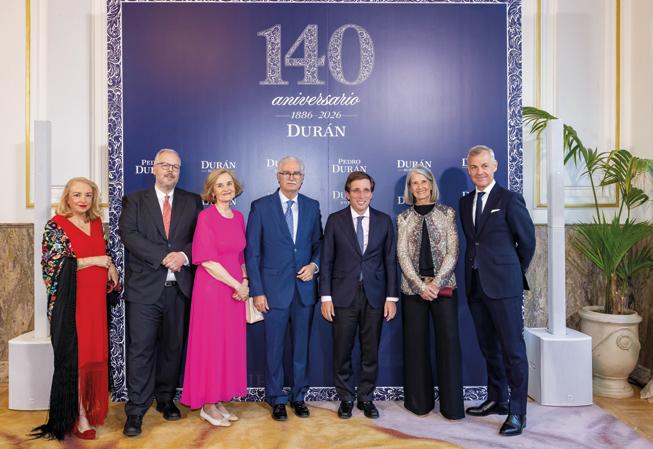
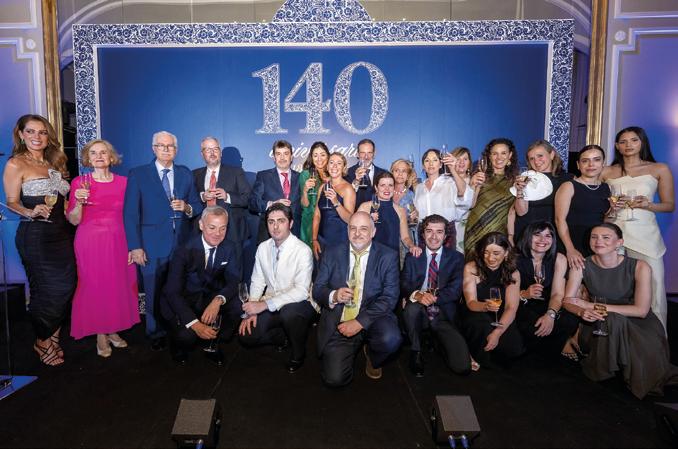
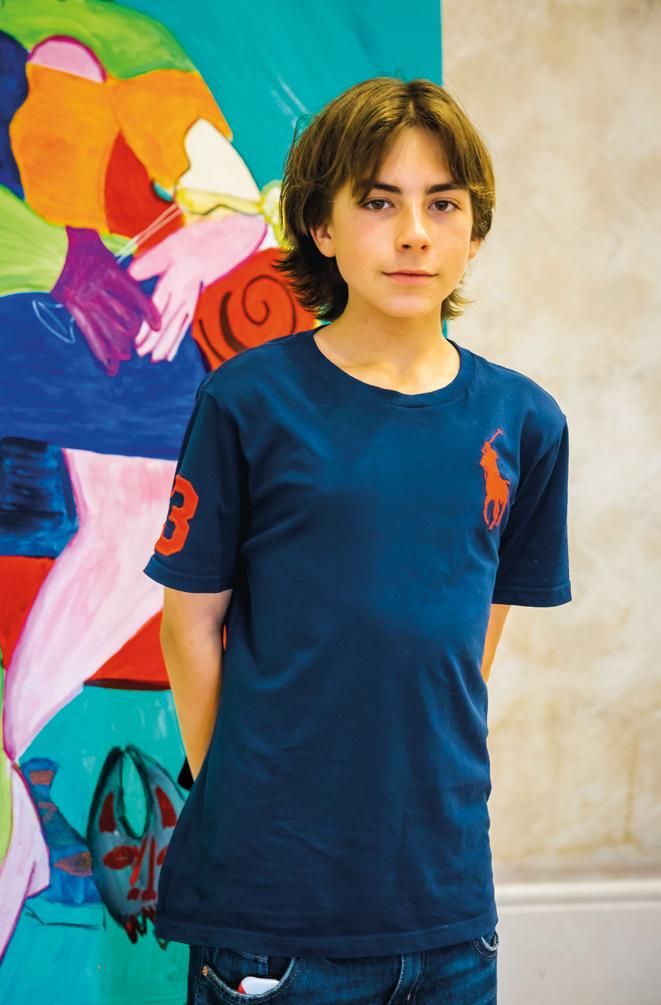
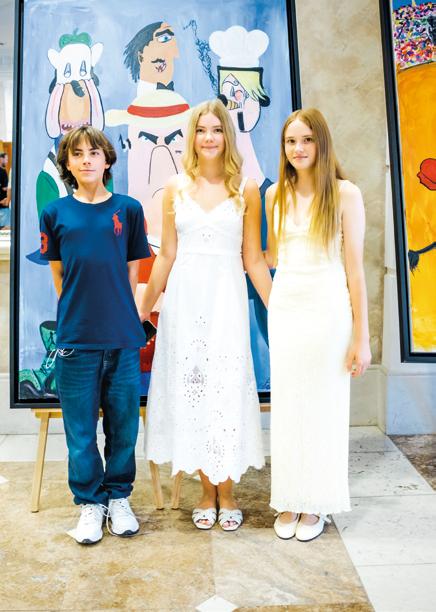
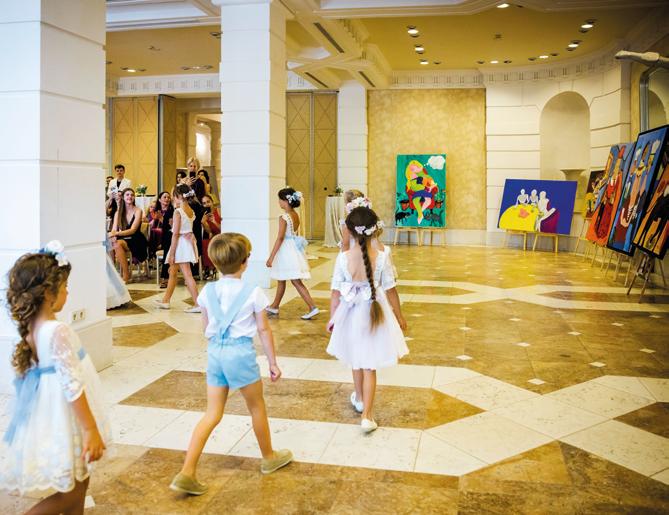
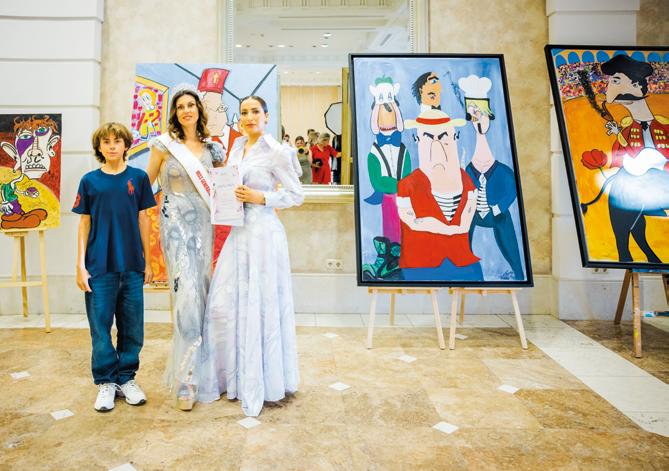
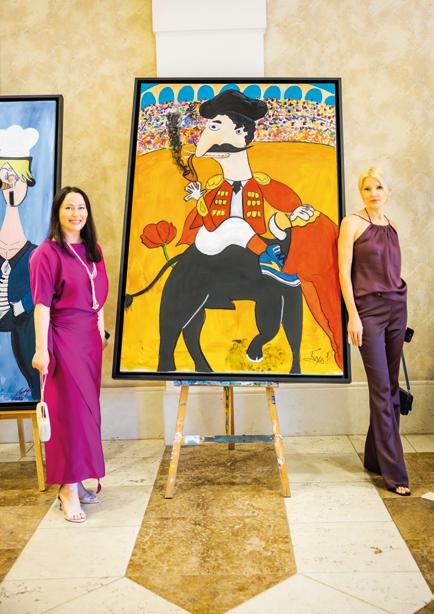
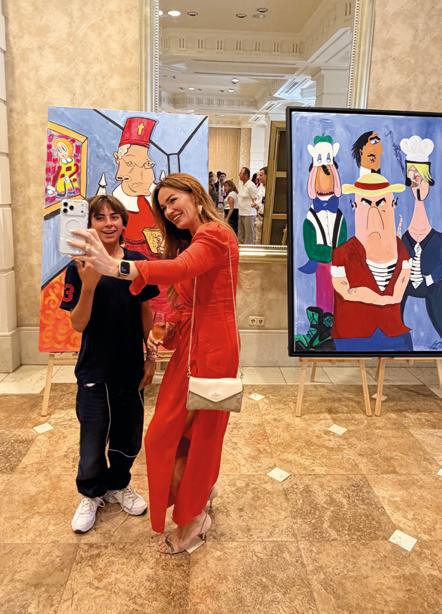
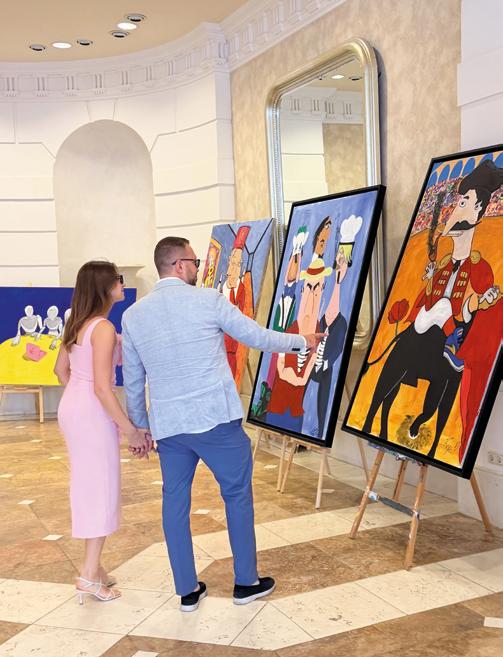
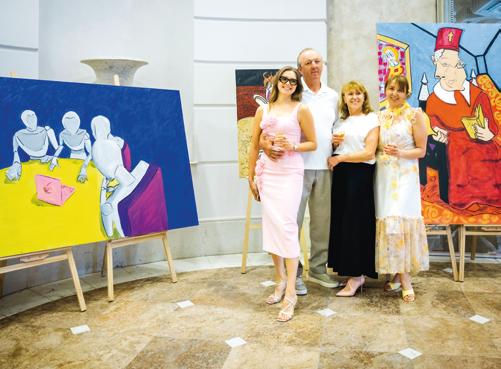
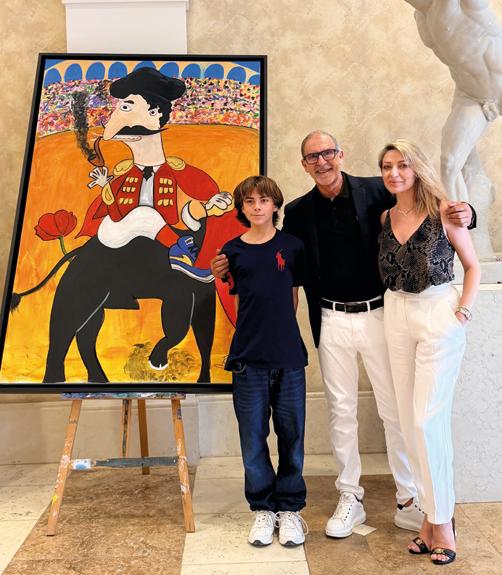
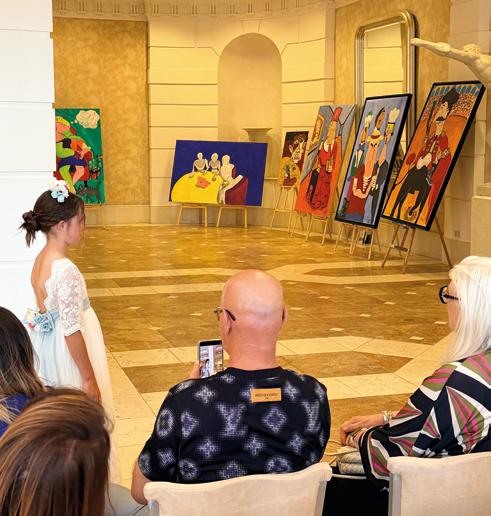
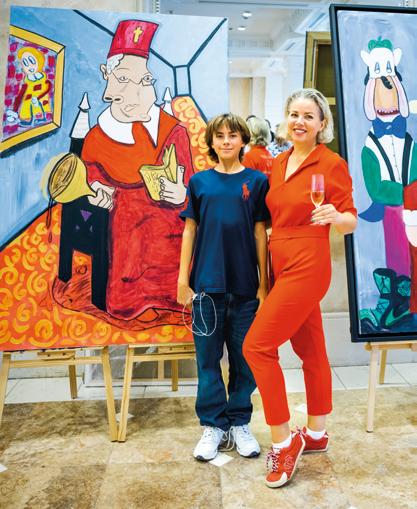
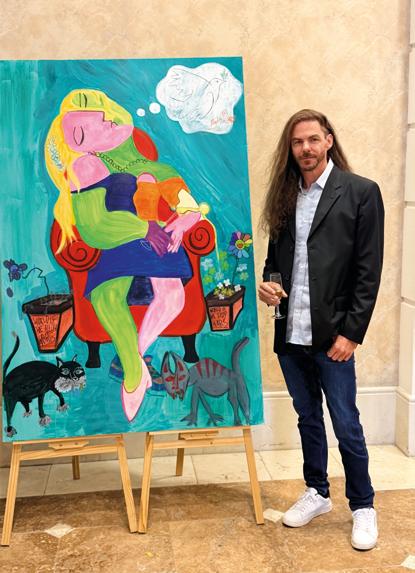
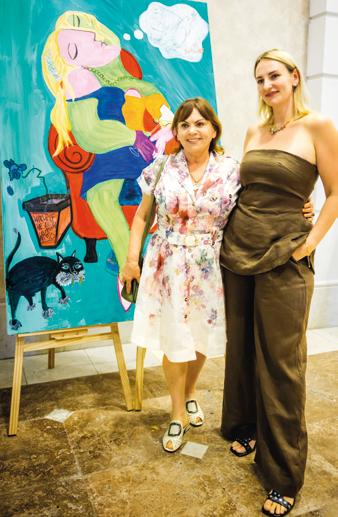
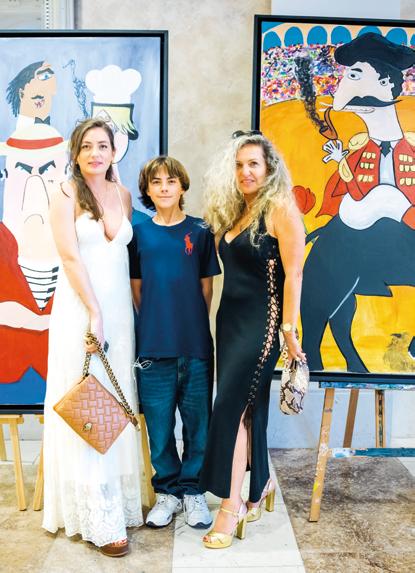
In this edition, we pay tribute to the unforgettable Cayetana, Grande de España, through an extraordinary exhibition honoring her remarkable legacy at the Palacio de Dueñas—an experience you still have time to enjoy. We celebrate Roberto Coin’s 30 years of creativity alongside Durán Joyeros with an exclusive dinner at Nota Blu Marbella; discover the spectacular dresses by designer Johanna Ortiz at her new pop-up store within the iconic Marbella Club—a showcase that celebrates summer through the collection’s femininity and relaxed sophistication; and follow the Pope’s historic visit to Madrid as well as Carlos Alcaraz’s journey at the Reserve Cup at Puente Romano. We also introduce you to Alquimia Proces through its founder, Laura Frau; cover the 140th-anniversary celebration of Durán Joyeros at the Hotel Ritz in Madrid and the Sierra Blanca Foundation’s charity gala at La Cabanne; and preview two of the season’s most anticipated art events: the group exhibition featuring Denys Dytyniuk and 13-year-old artist Rafael (opening September 18 at Art Victory Gallery) and the solo exhibition by Perdiguero (opening October 16). It is a fascinating convergence of three creative visions that promises to be a cultural highlight of the season. All this and much more...
Wishing you a happy summer. Lots of Love.
Hay veranos que dejan huella y éste es sin duda, uno de ellos. Una temporada en la que el patrimonio, la moda, la alta joyería, el deporte y los grandes encuentros vuelven a definir el estilo de vida más exclusivo. En esta edición rendimos homenaje a la inolvidable Cayetana, Grande de España, a través de una extraordinaria exposición que honra su extraordinario legado en el Palacio de Dueñas y que aún tenéis tiempo de disfrutar; celebramos los 30 años de creatividad de Roberto Coin, de la mano de Durán Joyeros con una exclusiva cena en Nota Blu Marbella; descubrimos los espectaculares vestidos de la diseñadora Johanna Ortiz en el emblemático Marbella Club, en su nuevo pop-up store. Sin duda, una propuesta que celebra el verano a través de la feminidad y la sofisticación relajada de esta colección; acompañamos la histórica visita del Papa a Madrid; seguimos a Carlos Alcaraz en la Reserve Cup de Puente Romano; os presentamos Alquimia Proces de la mano de su fundadora, Laura Frau ; el 140 aniversario de Durán Joyeros celebrada en el Hotel Ritz de Madrid, la gala benéfica de la Fundación Sierra Blanca celebrada en La Cabanne; y adelantamos dos de las citas artísticas más esperadas : la exposición colectiva de Denys Dytyniuk y el joven artista de 13 años, Rafael el 18 de Septiembre, en Art Victory Gallery y el 16 de Octubre , la exposición individual de Perdiguero. Un encuentro interesante de tres miradas creativas que prometen convertirse en uno de los acontecimientos culturales de la temporada. Todo esto y mucho más...
Os deseo un feliz verano. Con cariño,
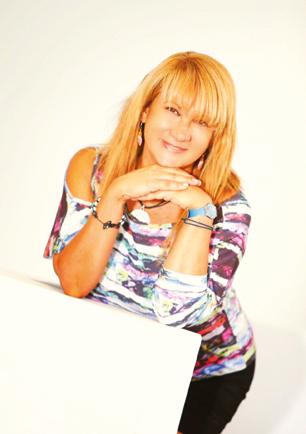
Ana Pavón
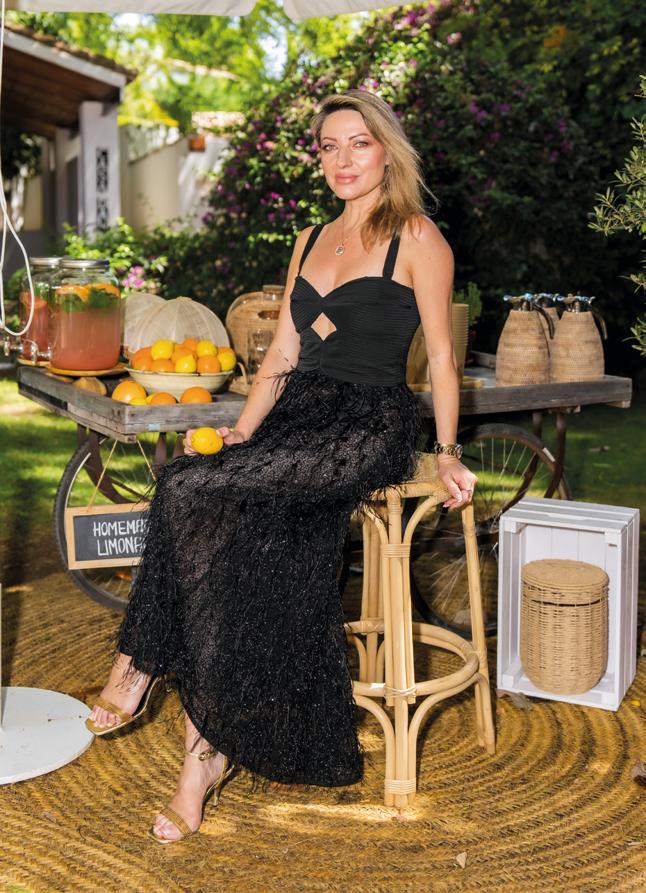
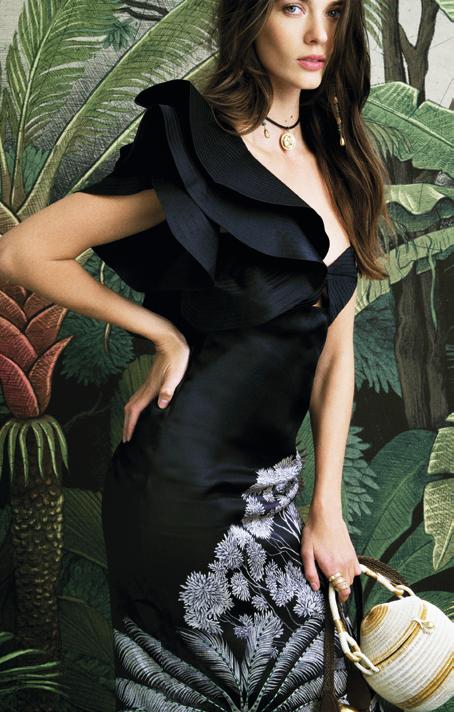
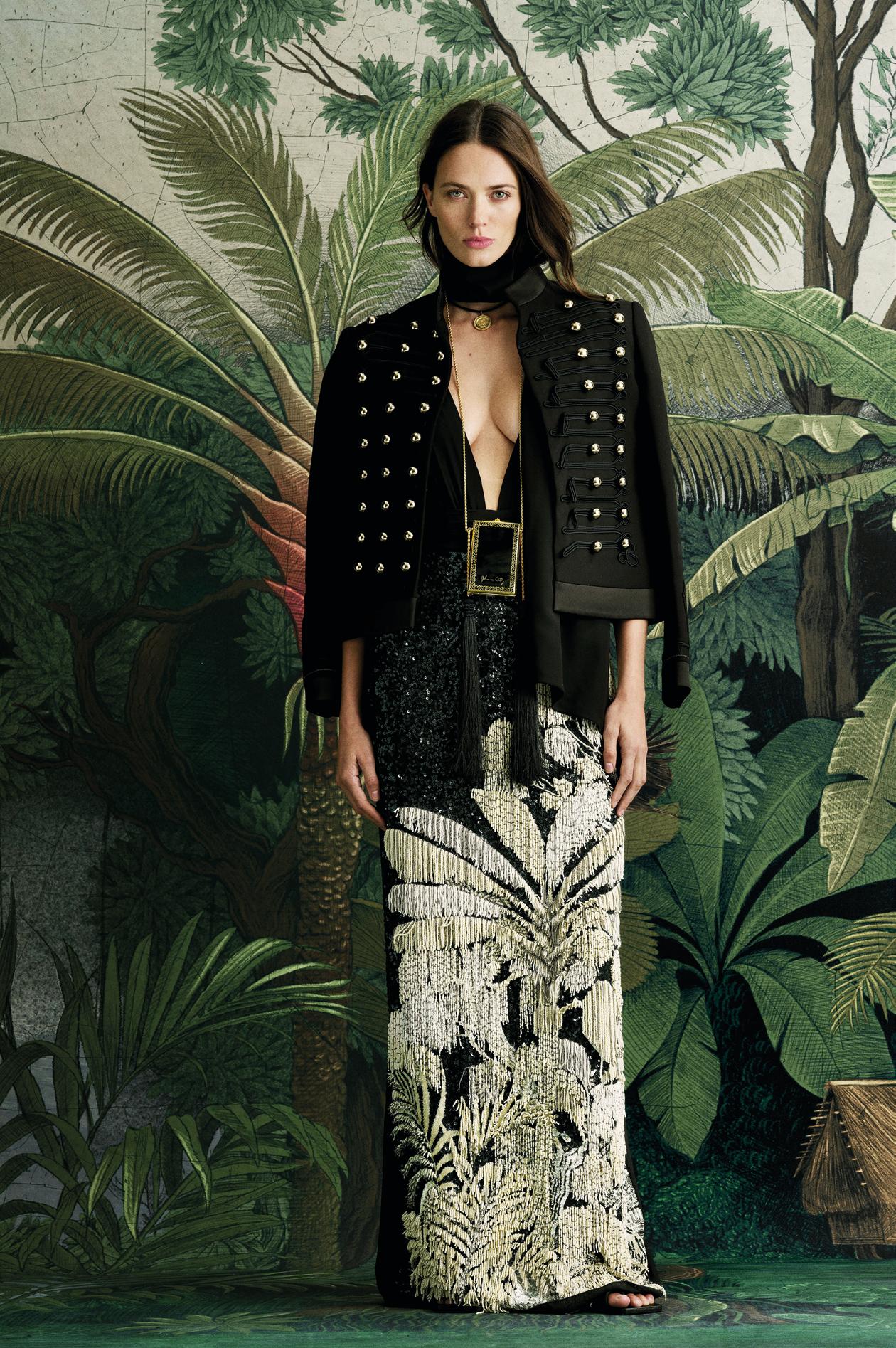
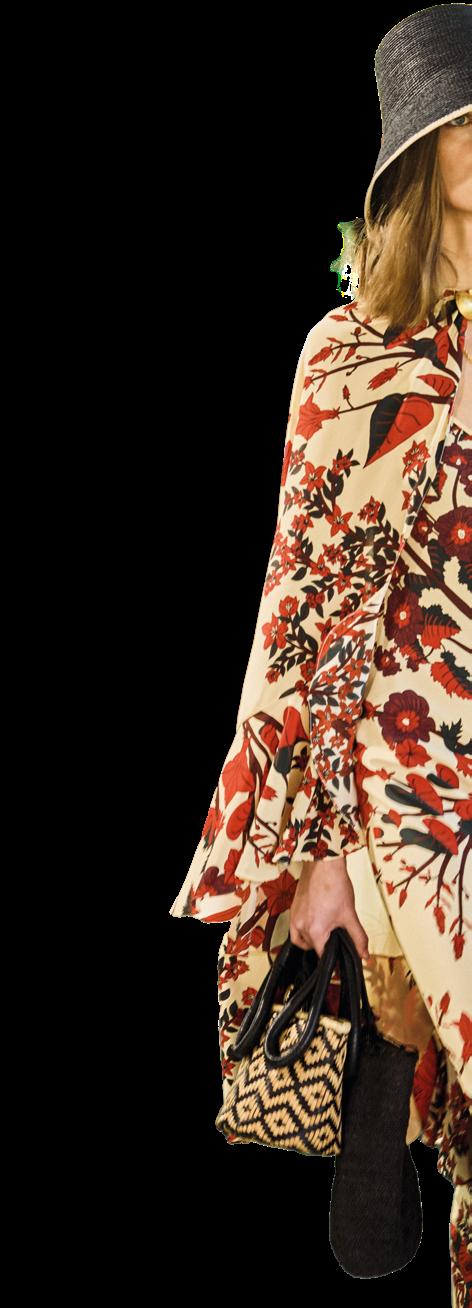
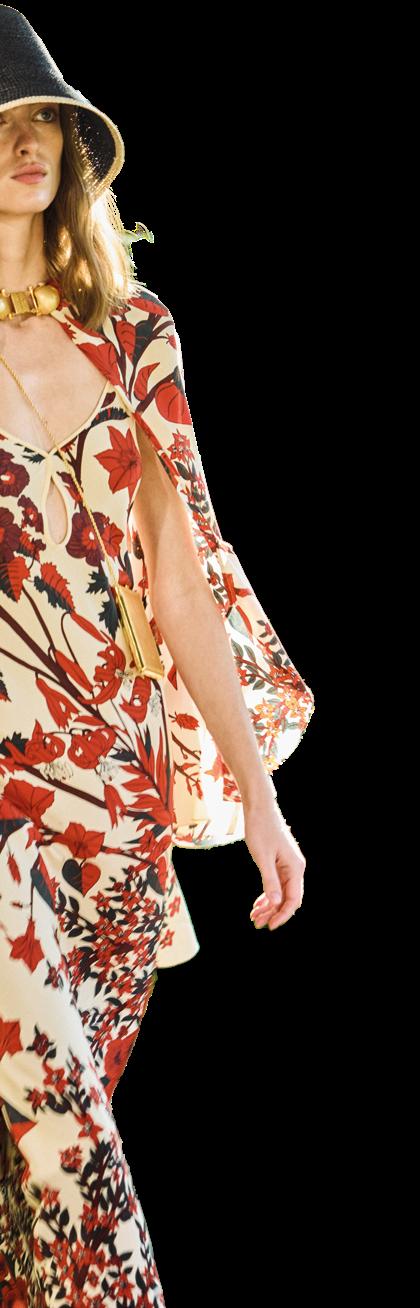
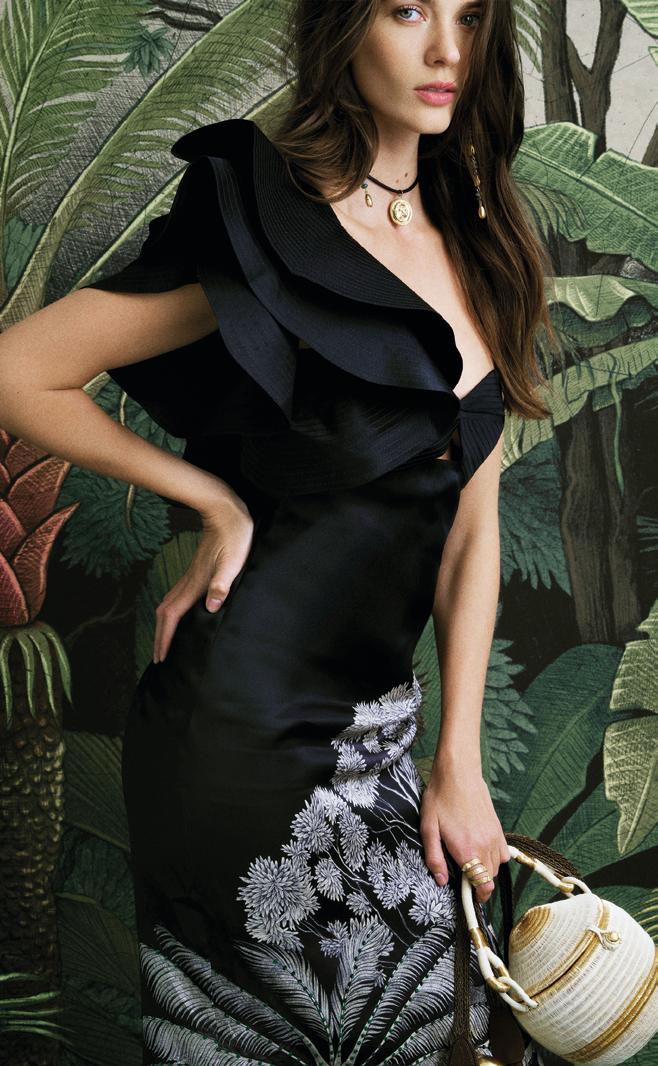
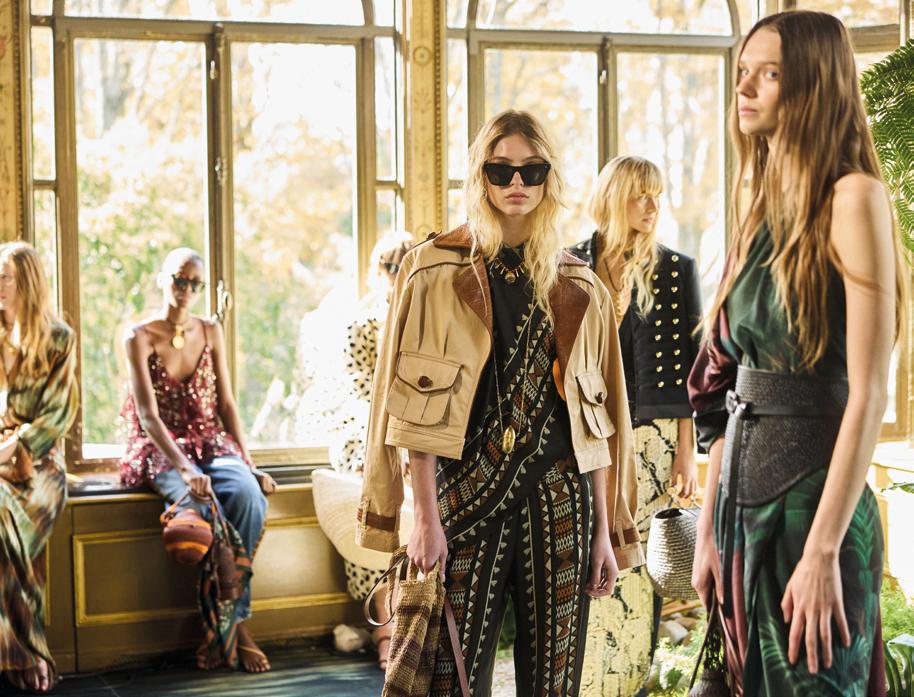
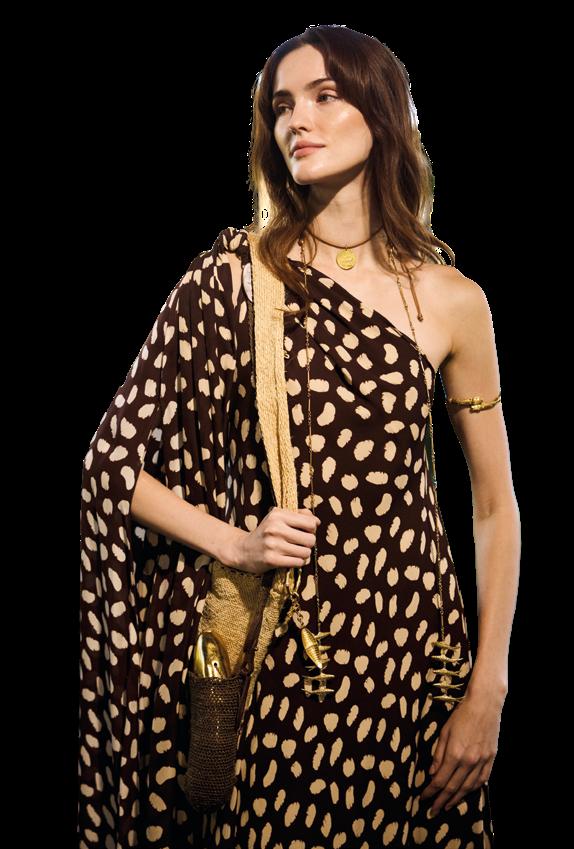
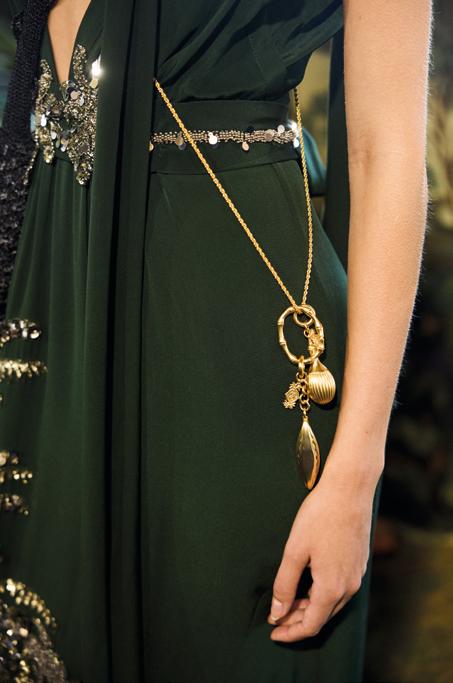
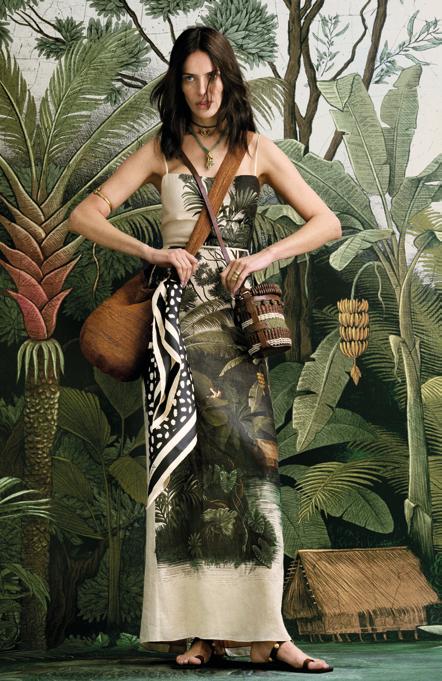
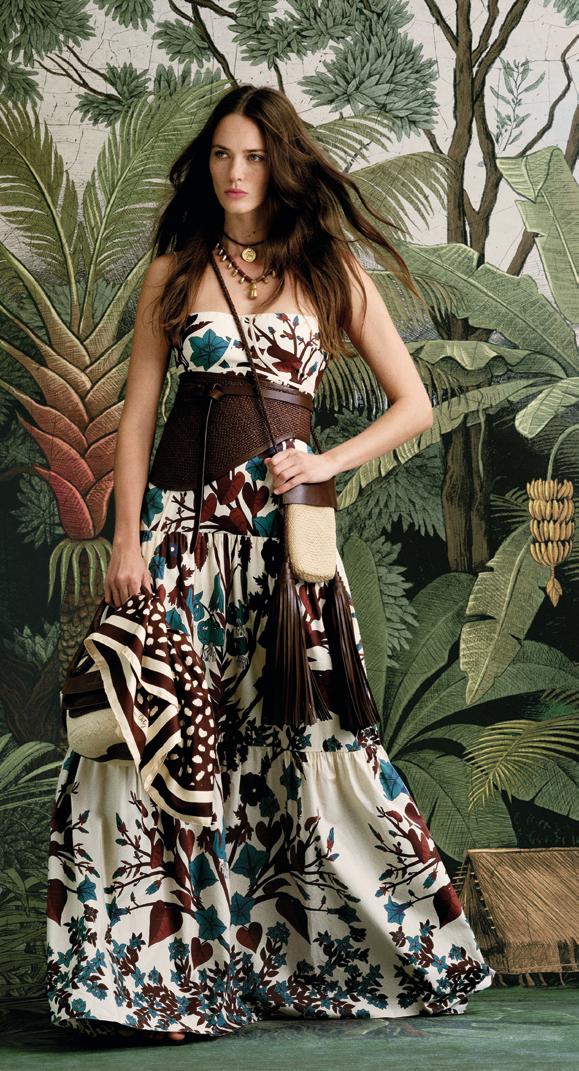
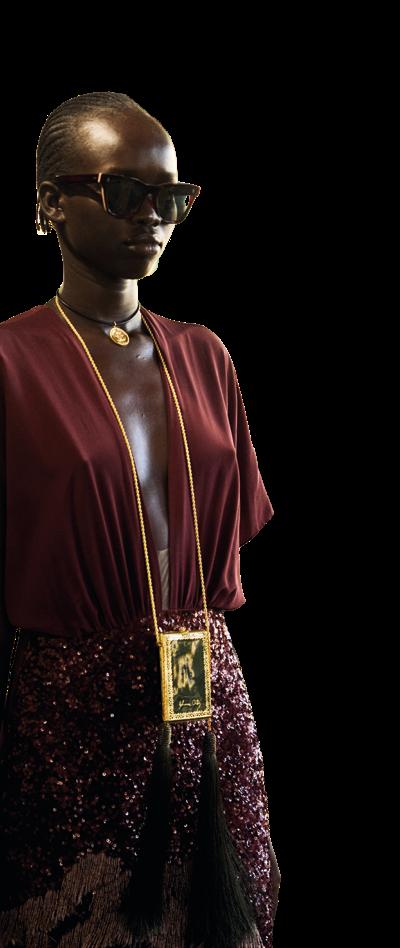
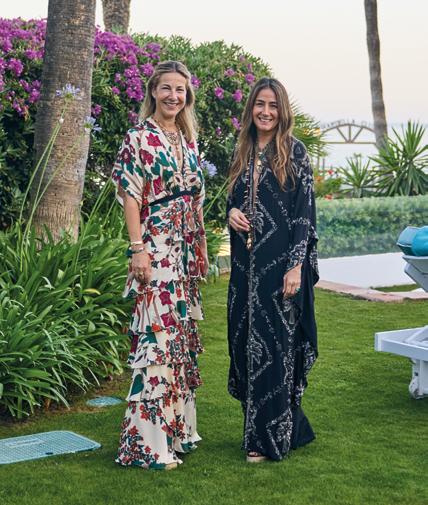
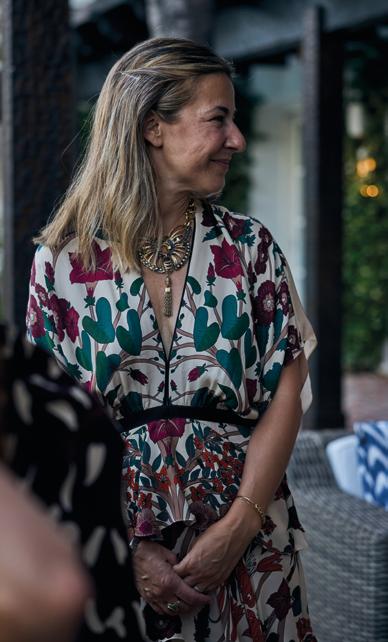
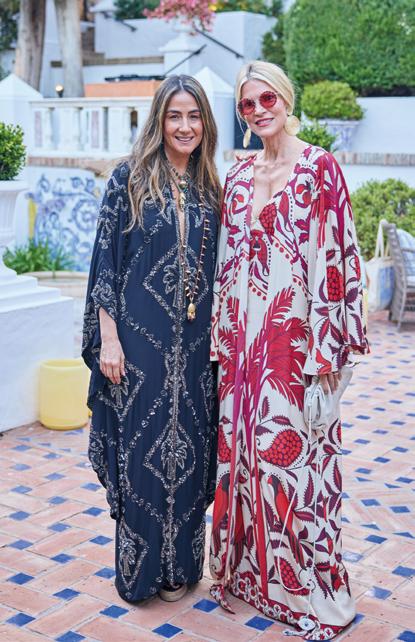
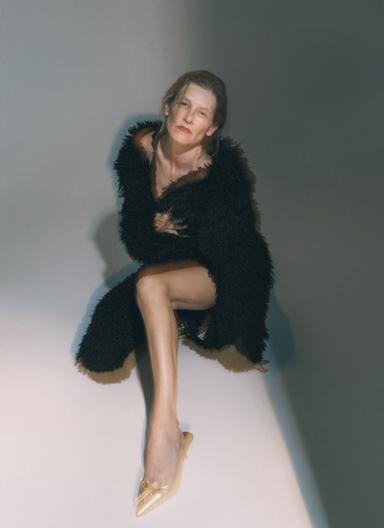
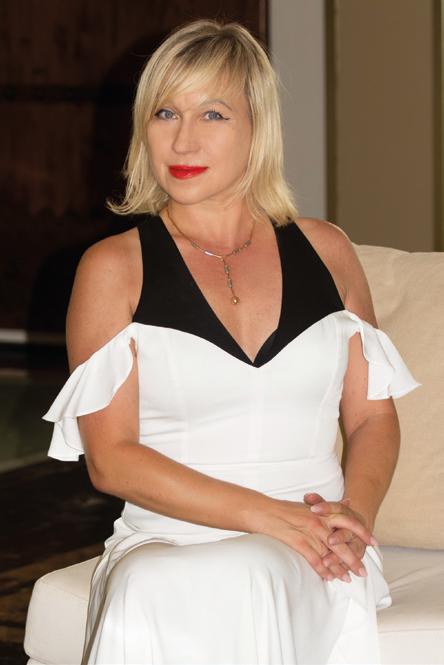
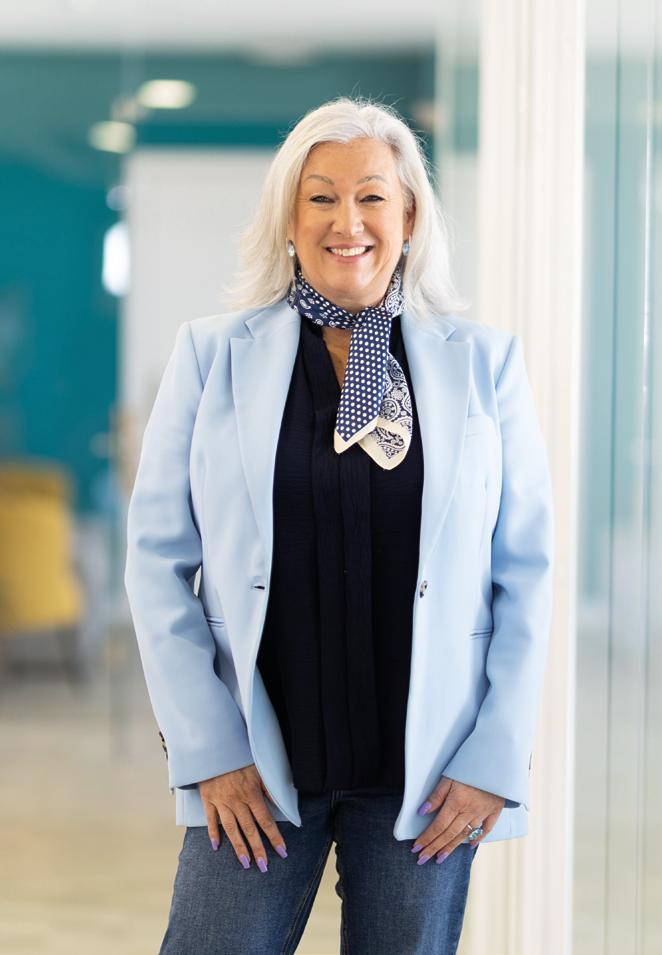
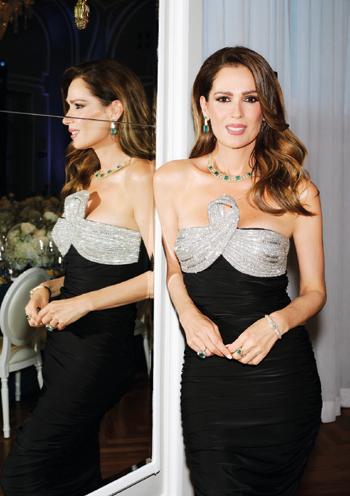
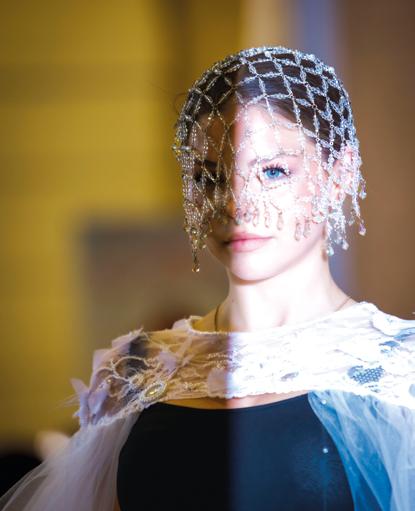
Photo: Juan Carlos Dominguez / Dress: Johanna Ortiz
C/ Maestra Carola 8, Marbella, Málaga
@recoletassaludmarbella www.recoletasmarbella.com
AUGUST, THE LUXURY OF LIVING EVERY MOMENT
Agosto, el lujo de vivir cada momento
Dear Readers,
August always carries a special meaning. It is a month that invites us to slow down, discover new destinations, reconnect with the people we cherish, and, above all, devote time to what truly inspires us. In a world that seems to move ever faster, true luxury lies in enjoying the present moment.
In this edition of ELM Exclusive Life Magazine, we have curated a selection of features that reflect an exclusive lifestyle extending far beyond material possessions. We bring you unique experiences, unforgettable destinations, outstanding gastronomy, the latest trends in fashion, design, and wellness, as well as inspiring stories of individuals making a difference through talent, innovation, and passion.
Our commitment remains the same: to offer a magazine that inspires, informs, and connects with readers who value quality, authenticity, and excellence in every detail. Every page has been created to evoke emotion and present a fresh perspective on contemporary luxury.
I would like to sincerely thank our contributors, advertisers, and, above all, you—our readers—for being part of this growing community. Your trust is what motivates us to continue innovating and raising the standard of our content. I invite you to enjoy this August edition at your own pace and to let every article inspire a summer filled with memorable experiences.
Wishing you health and good fortune.
Queridos lectores, Agosto siempre tiene un significado especial. Es un mes que nos invita a bajar el ritmo, a descubrir nuevos destinos, a reencontrarnos con quienes más queremos y, sobre todo, a dedicar tiempo a aquello que realmente nos inspira. En un mundo que parece avanzar cada vez más rápido, el verdadero lujo consiste en disfrutar del presente.
En esta edición de ELM Exclusive Life Magazine hemos preparado una selección de contenidos que reflejan ese estilo de vida exclusivo que va más allá de lo material. Les acercamos experiencias únicas, destinos inolvidables, gastronomía de excelencia, tendencias en moda, diseño y bienestar, así como historias de personas que están marcando la diferencia con talento, innovación y pasión. Nuestro compromiso sigue siendo ofrecer una revista que inspire, informe y conecte con quienes valoran la calidad, la autenticidad y la excelencia en cada detalle. Cada página ha sido concebida para transmitir emociones y descubrir nuevas formas de entender el lujo contemporáneo. Quiero agradecer sinceramente a nuestros colaboradores, anunciantes y, especialmente, a ustedes, nuestros lectores, por formar parte de esta comunidad que continúa creciendo edición tras edición. Su confianza es el motor que nos impulsa a seguir innovando y elevando el nivel de nuestros contenidos.
Les invito a disfrutar de esta edición de agosto con calma y a hacer de cada artículo una fuente de inspiración para vivir un verano lleno de experiencias memorables.
Salud y suerte
Rafael Barrio
CONTENTS
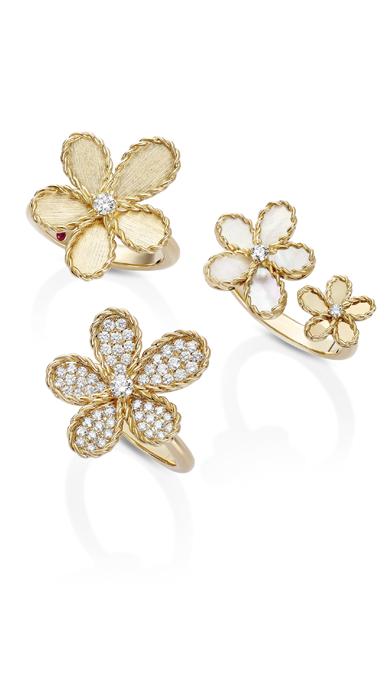
ROBERTO COIN
30th Anniversary in Marbella
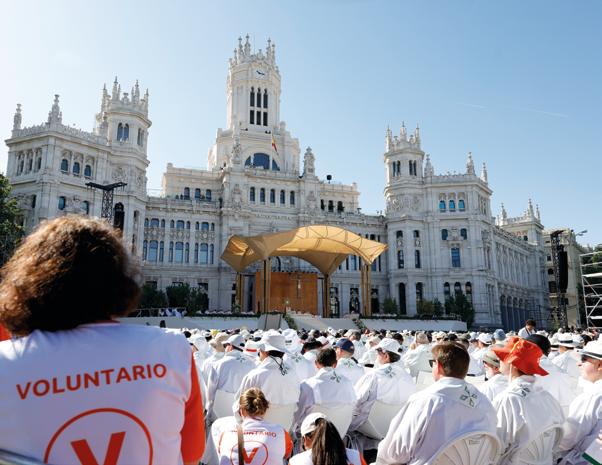
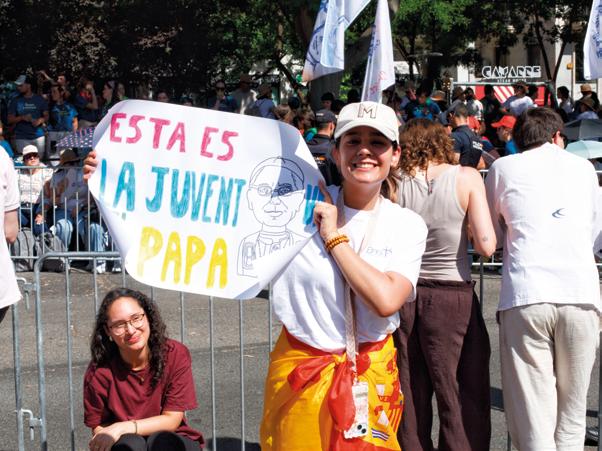
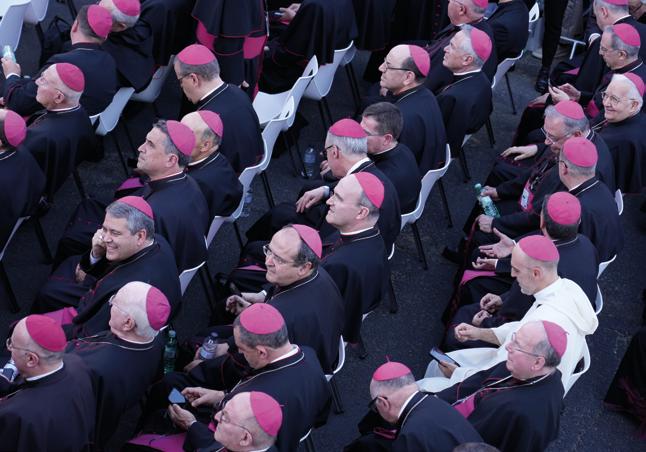
MADRID, CAPITAL OF THE POPE
by Graciano Palomo
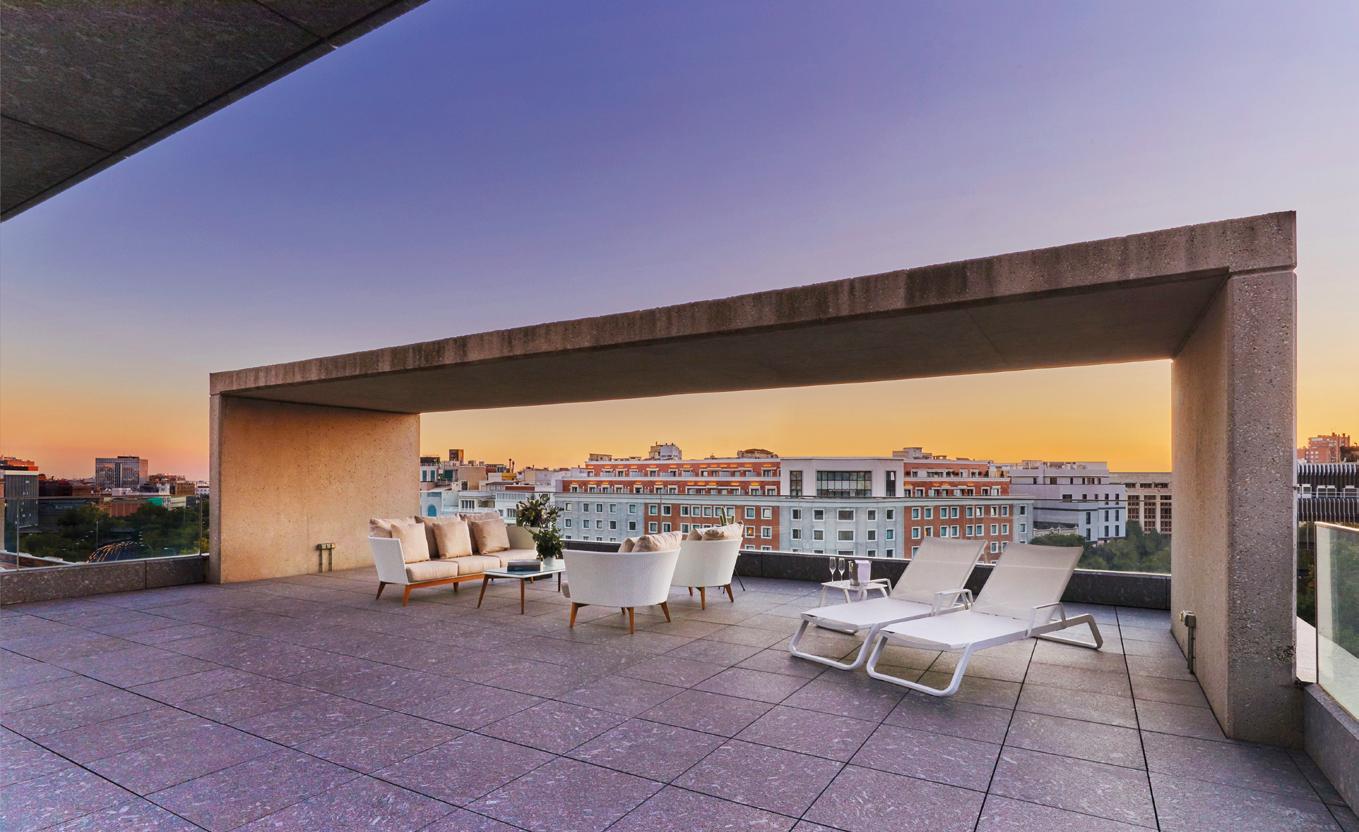
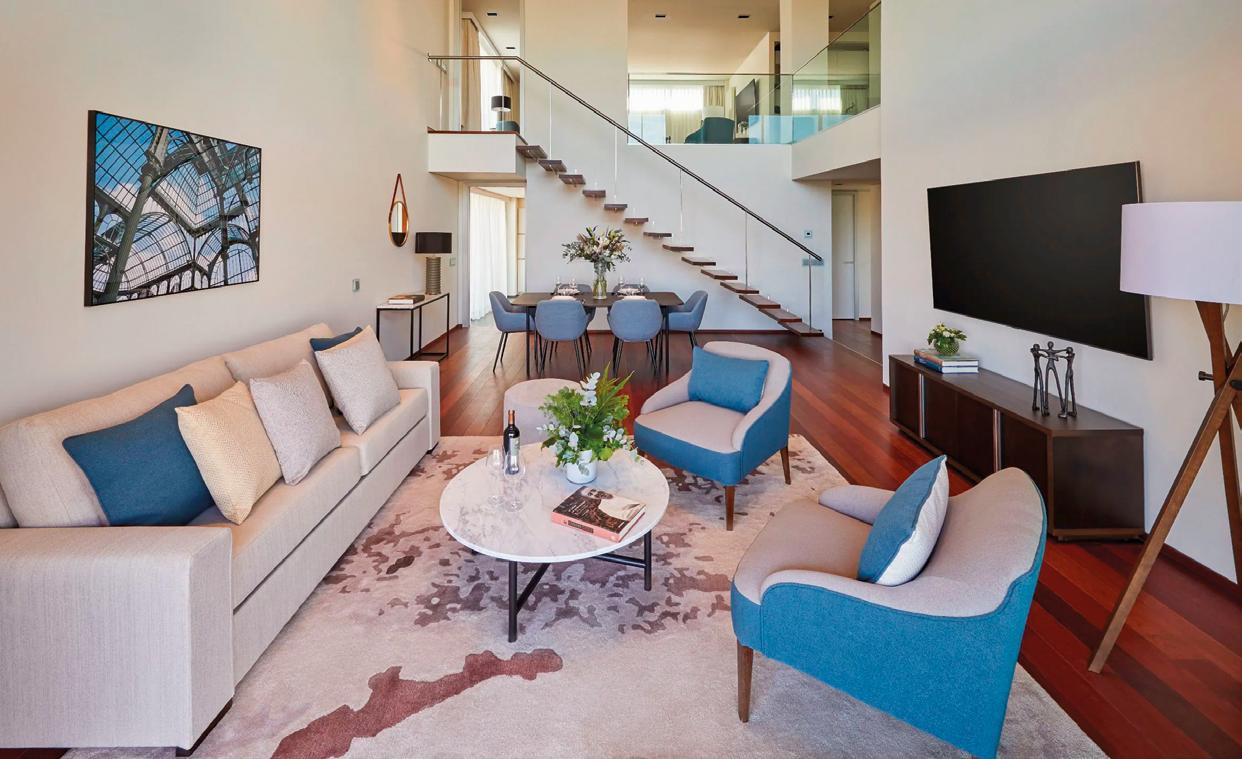
HOTEL HYATT REGENCY
Madrid Residences
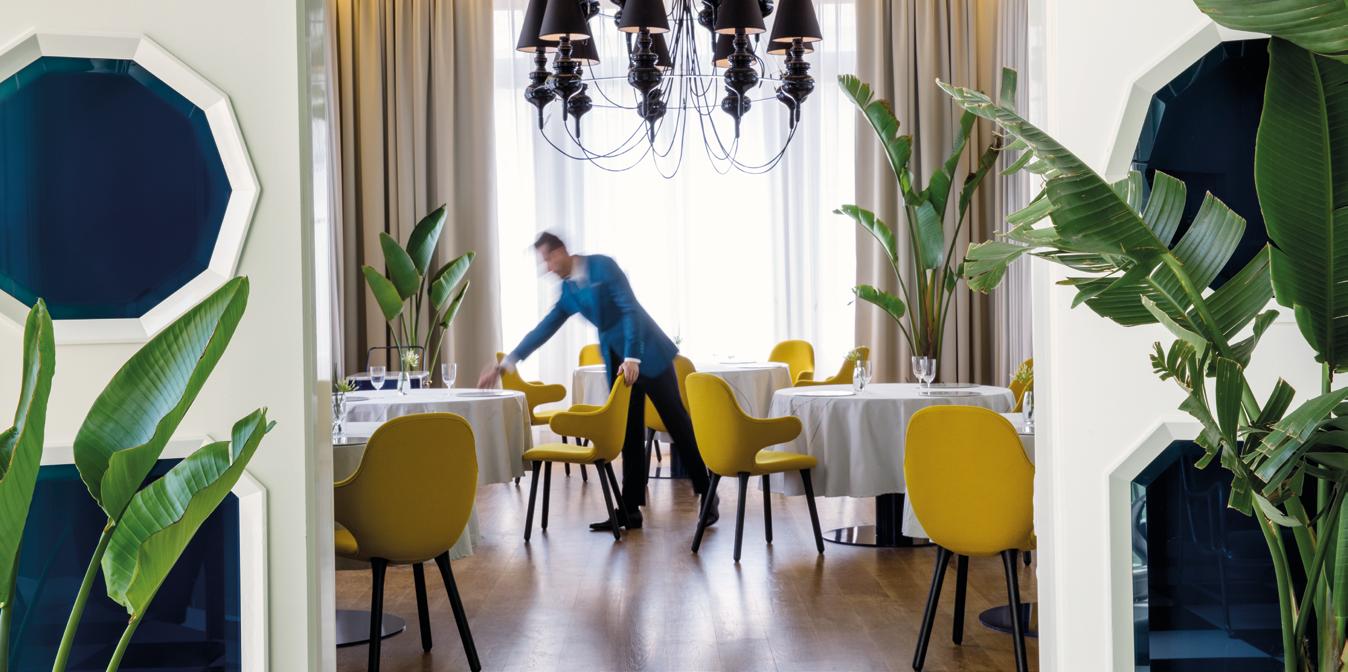
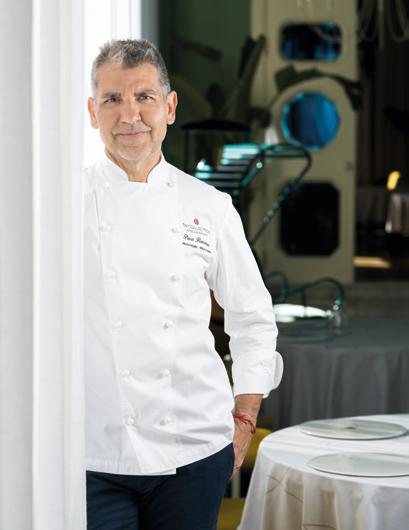
PACO RONCERO
Madrid into a unique tasting menú CLUB MONTEVERDI
CAYETANA GRANDE DE ESPAÑA
Palacio de las Dueñas in Sevilla
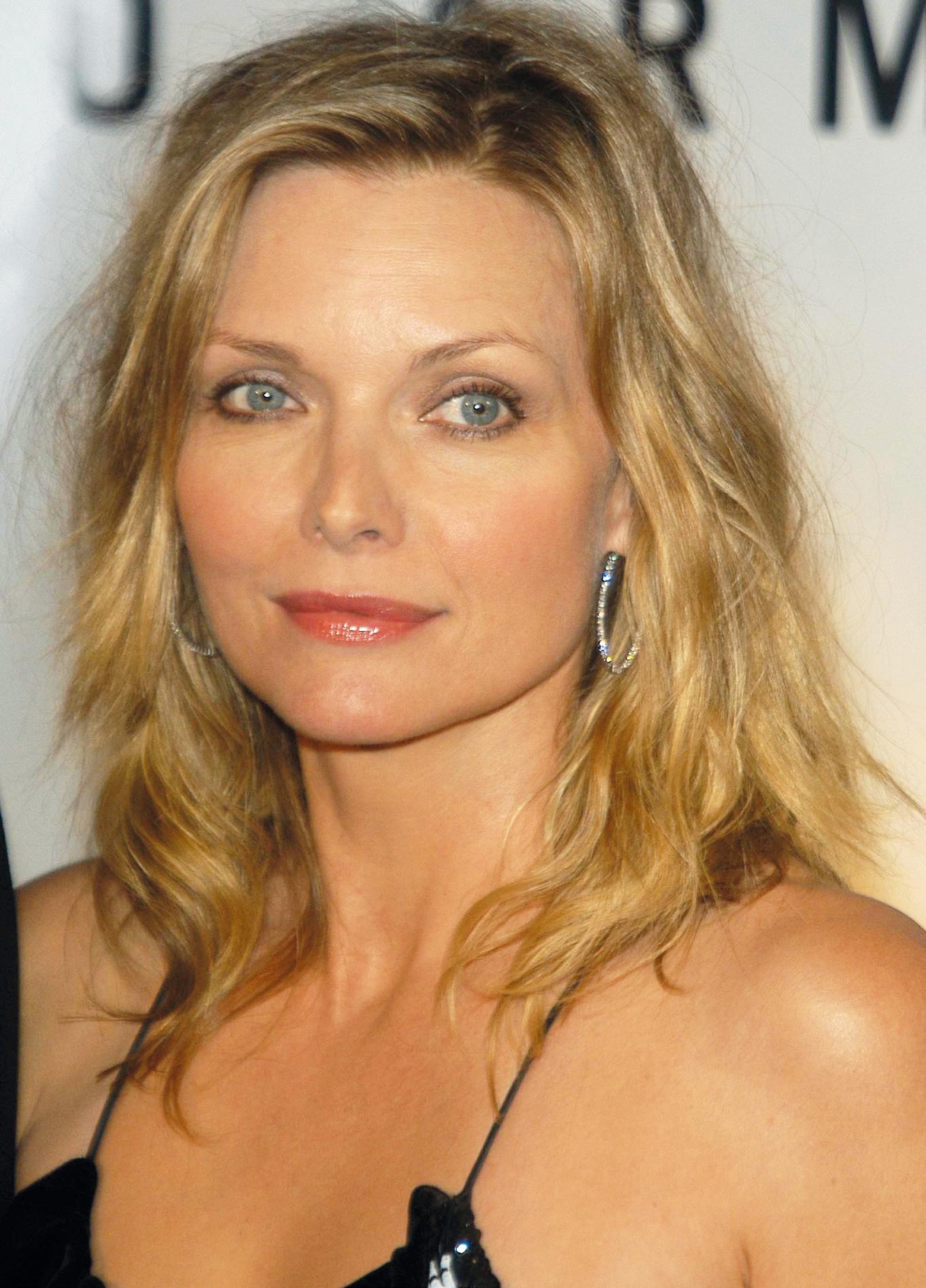
MICHELLE PFEIFFER
The Magnetism of Timeless Talent
HEIDI GUBBINS - CORAL & CABANA
Where Nature Feels Like Home
COQUE & JUAN ALFARO STUDIO
Eat with art
BOHO CLUB
Marbella’s New Season
JOHANNA ORTIZ
Summer collection
MALVA BEACH
By Txema
Palacio
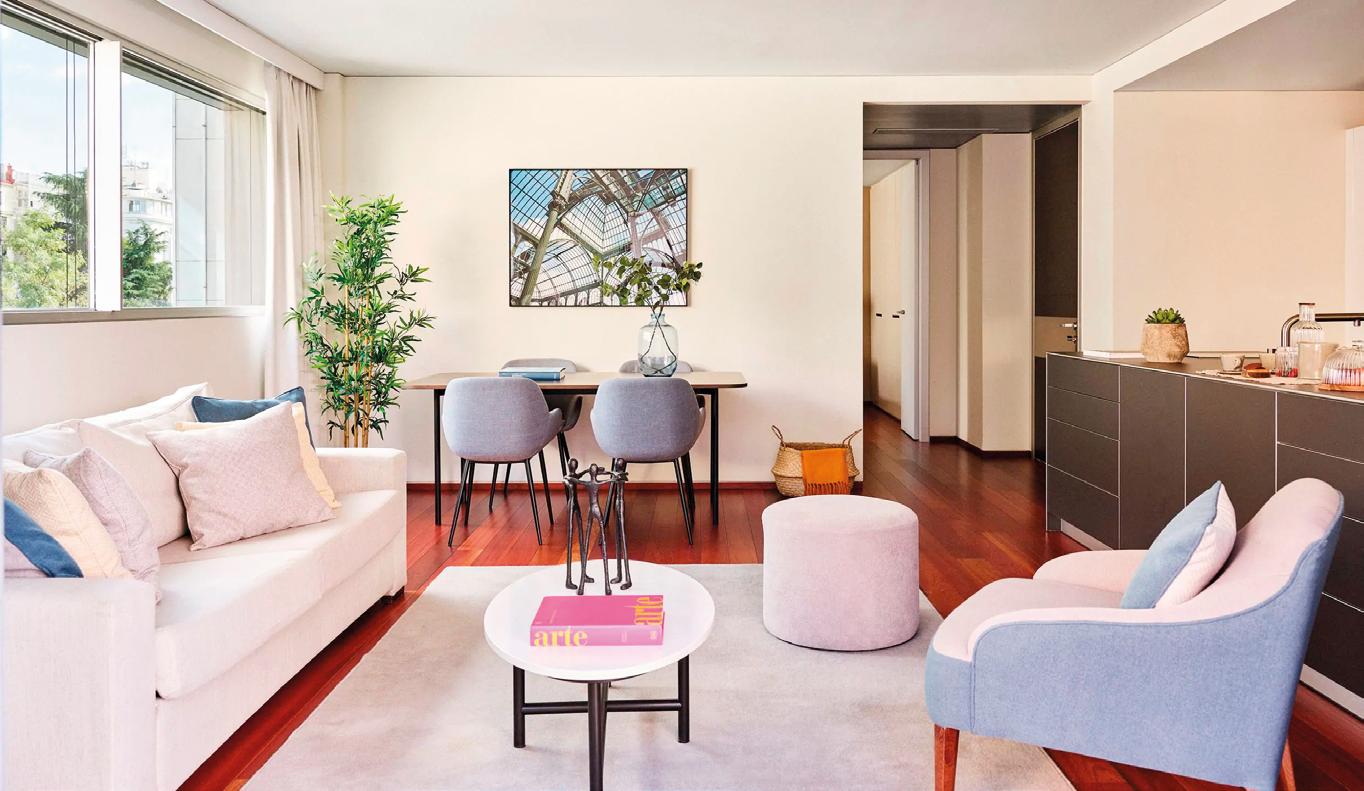
RECOLETAS SALUD
A boutique hospital in Marbella EXCLUSIVE TRAVEL
Tuscany
NILVA ENOTURISMO
Wine tourism on The Costa del Sol
ALQUIMIA PROCES
The Place After Success
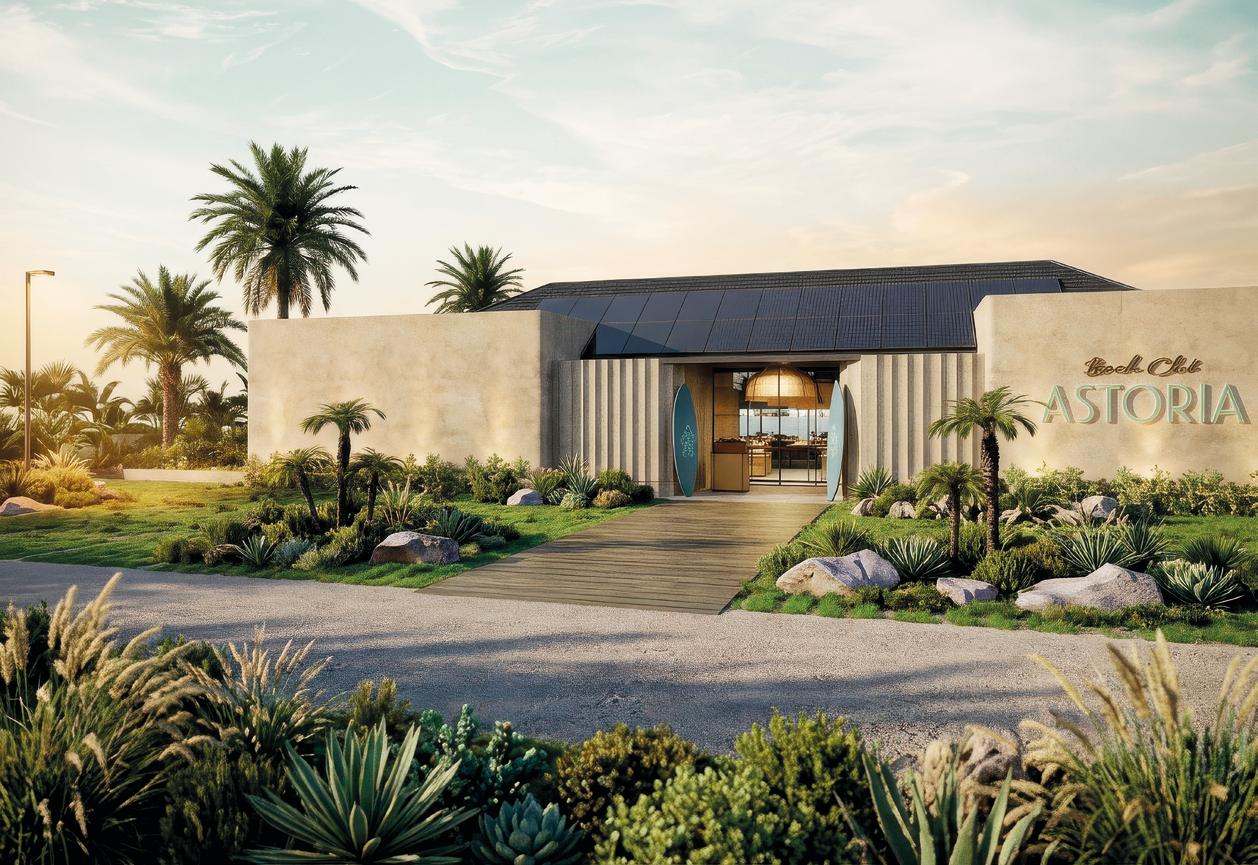
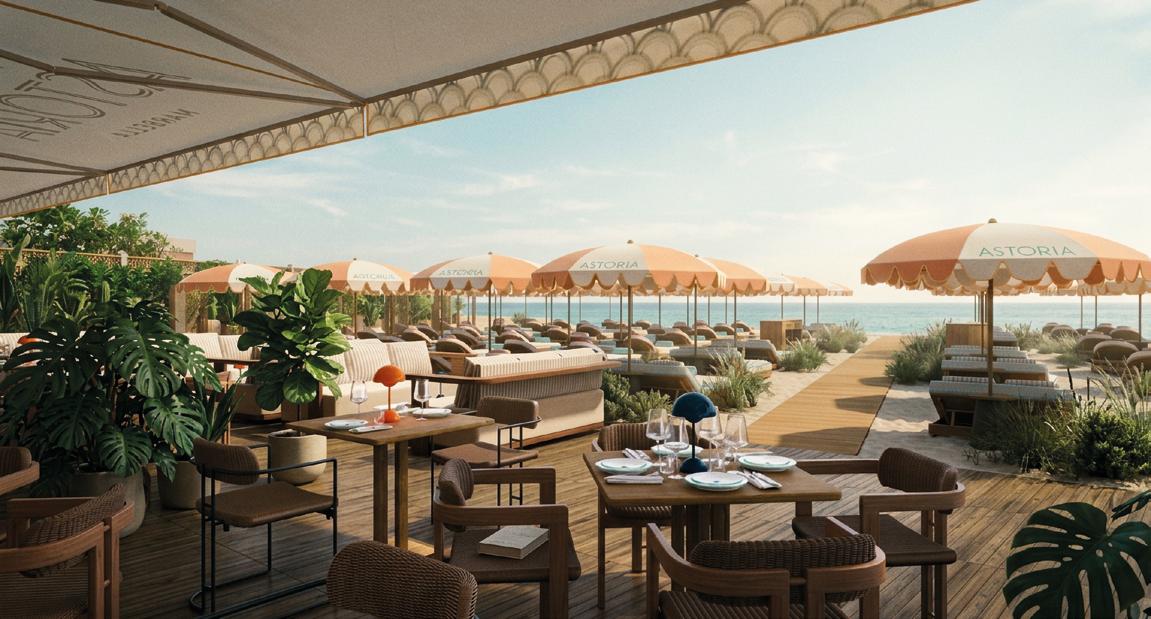
BEACH CLUB ASTORIA
Frantzén Group’s
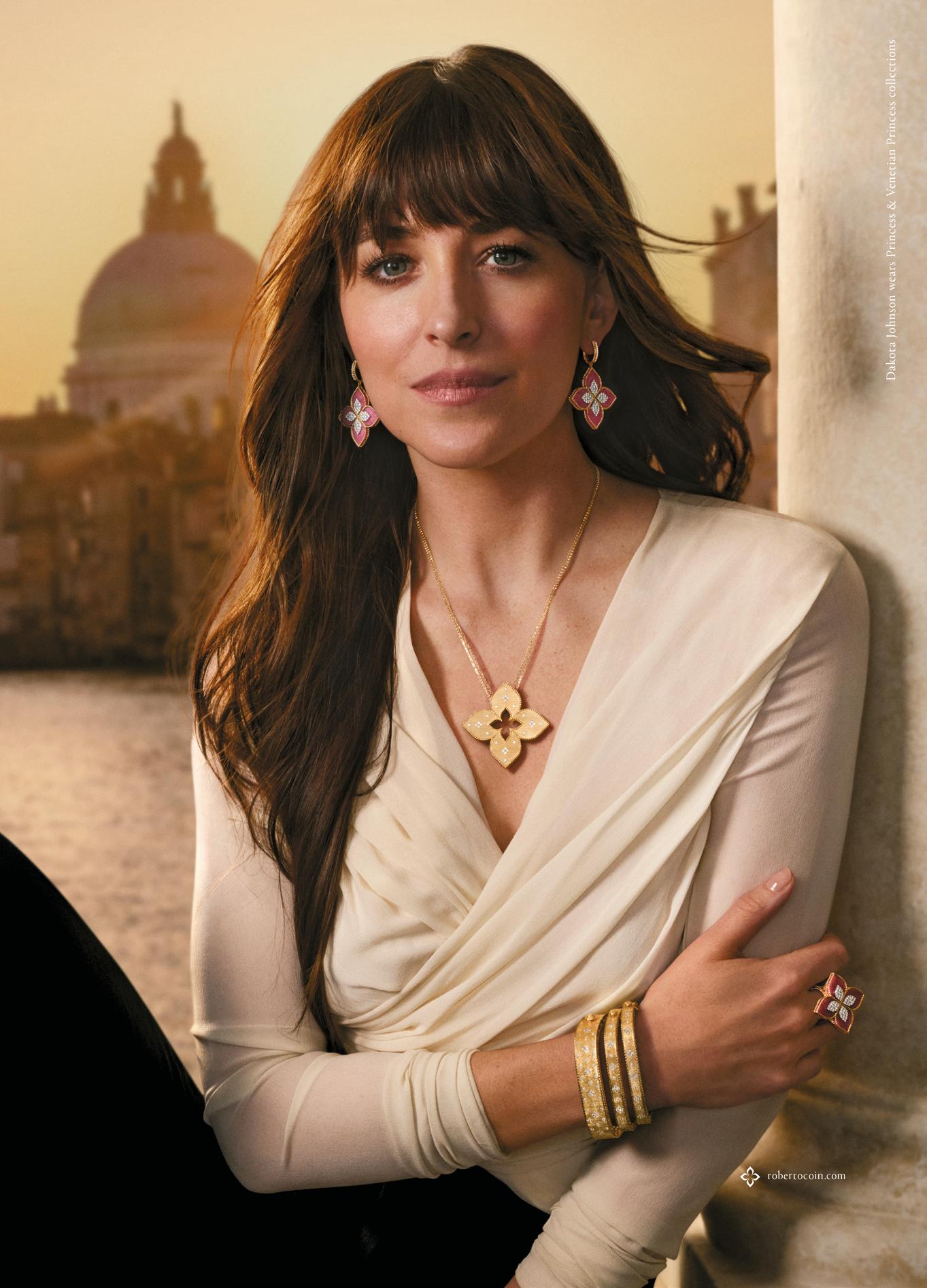
COIN
The Private Arts Club Born from Culture CLUB FINANCIERO GÉNOVA
Renewed Exclusivity Above Madrid
PUERTA DE ALCALÁ EVENTS
Where Elegance Meets Celebration
BLESS HOTEL
Picos Pardos Sky Lounge
ROSEWOOD VILLA MAGNA HOTEL
Redefines Madrid’s Legacy
GRAN MELIÁ PALACIO DE LOS DUQUES
A unique experience in Madrid
TAX OPTIMIZATION BRIEF
By Luis Granda
MARBELLA 2035 A CITY-ENTERPRISE
by Fernán González
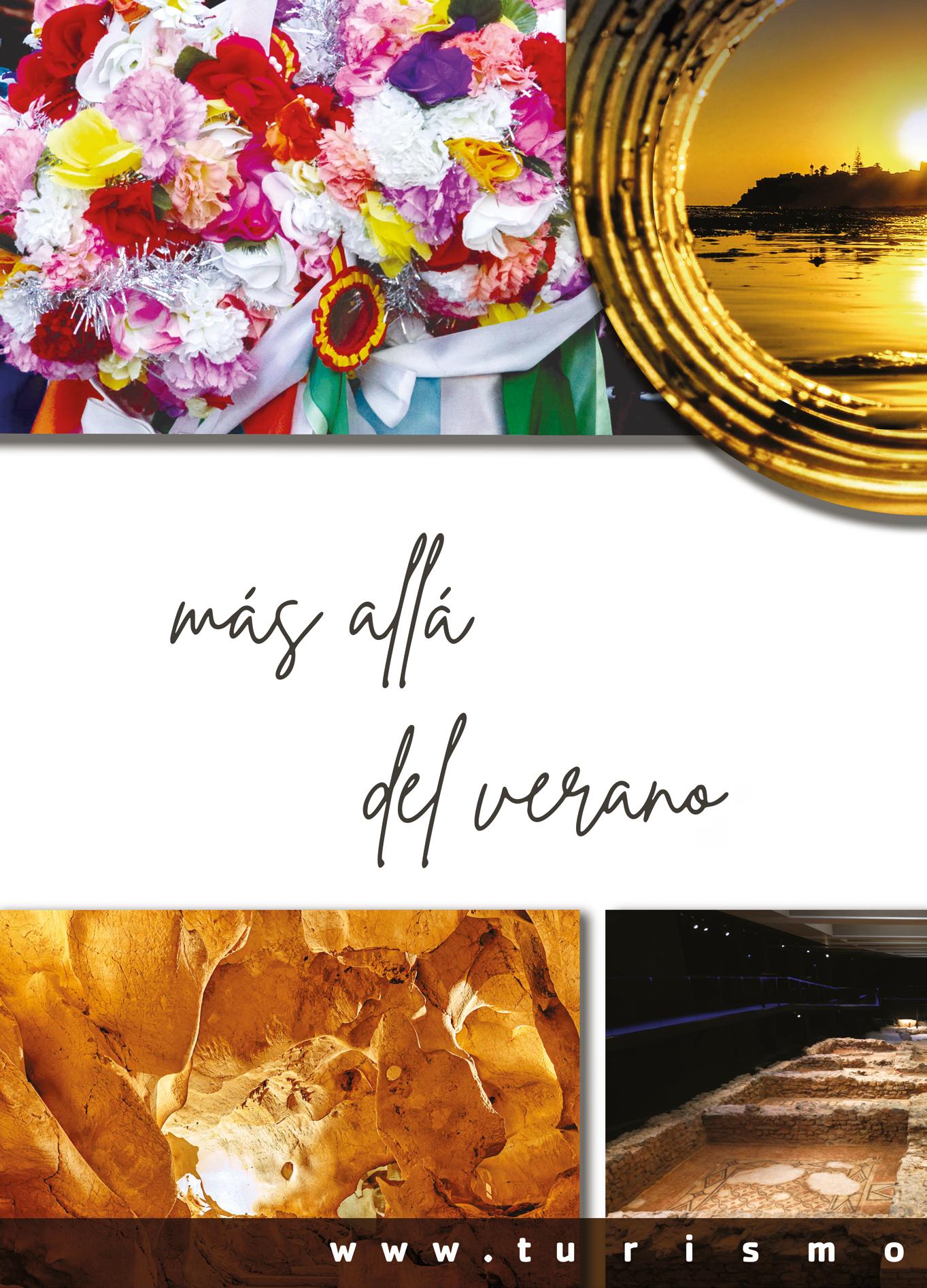
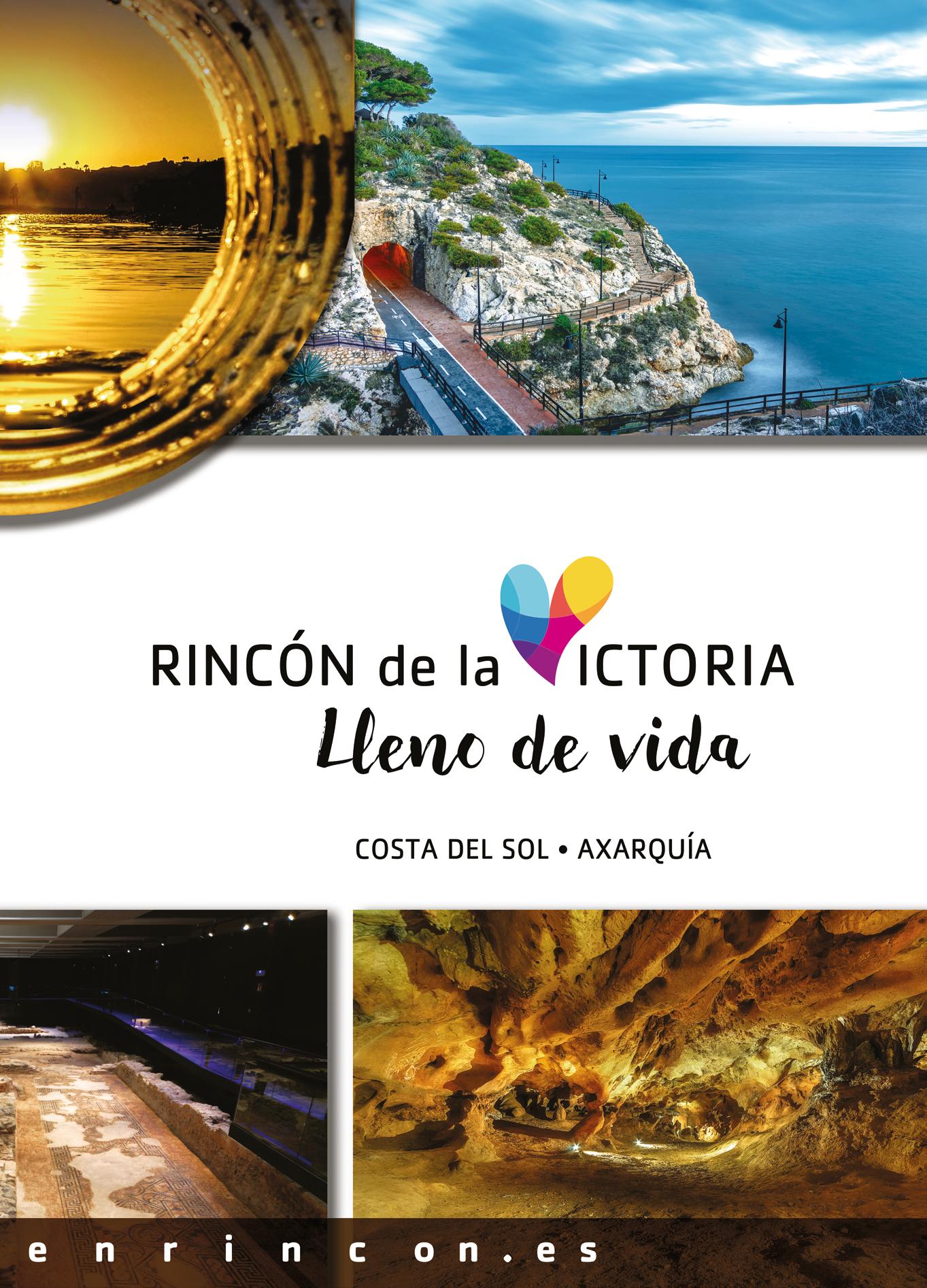
RINCON DE LA VICTORIA
Much more than sun and sand
CYBERCRIME
By Santiago de la Cruz
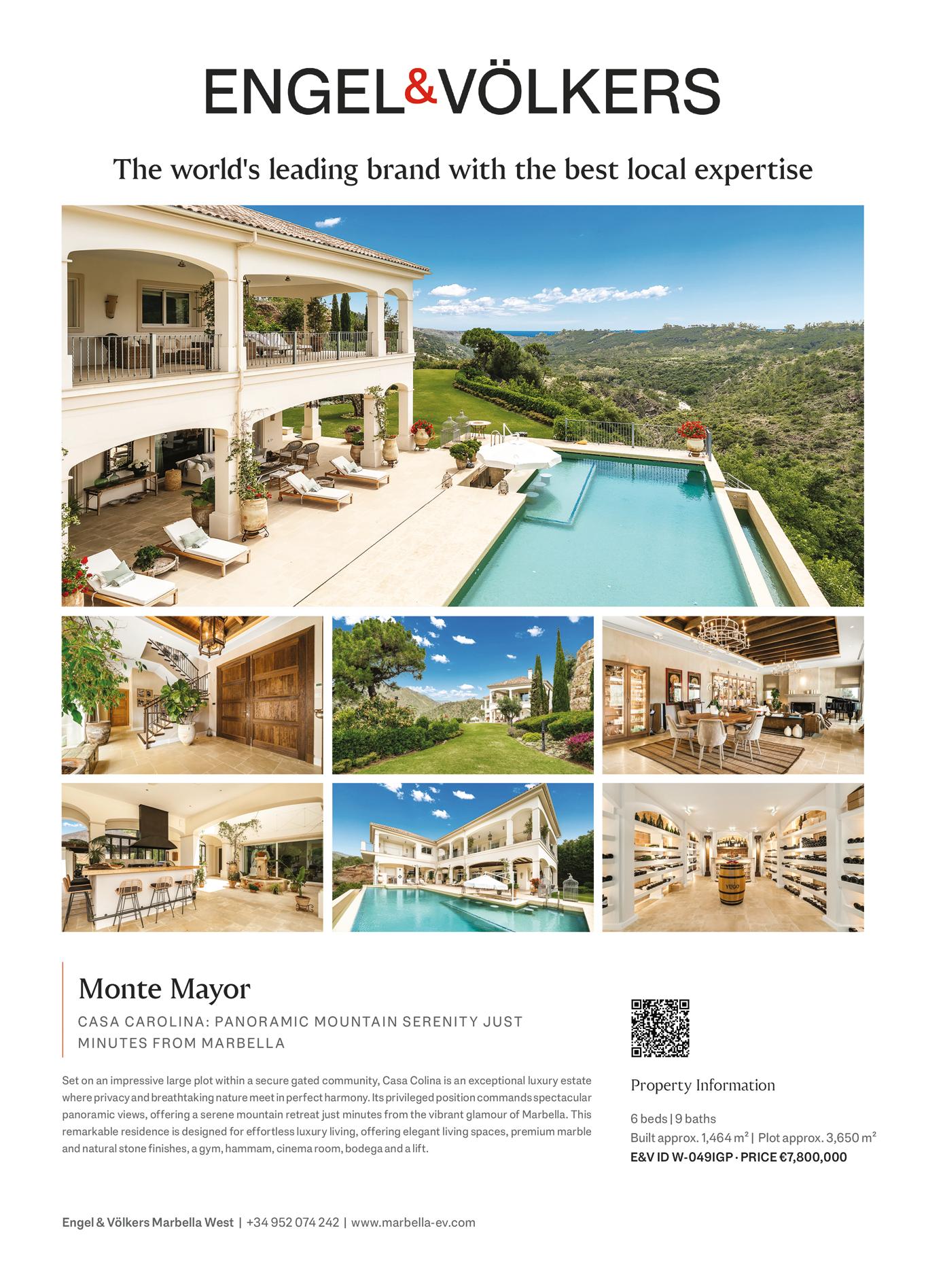
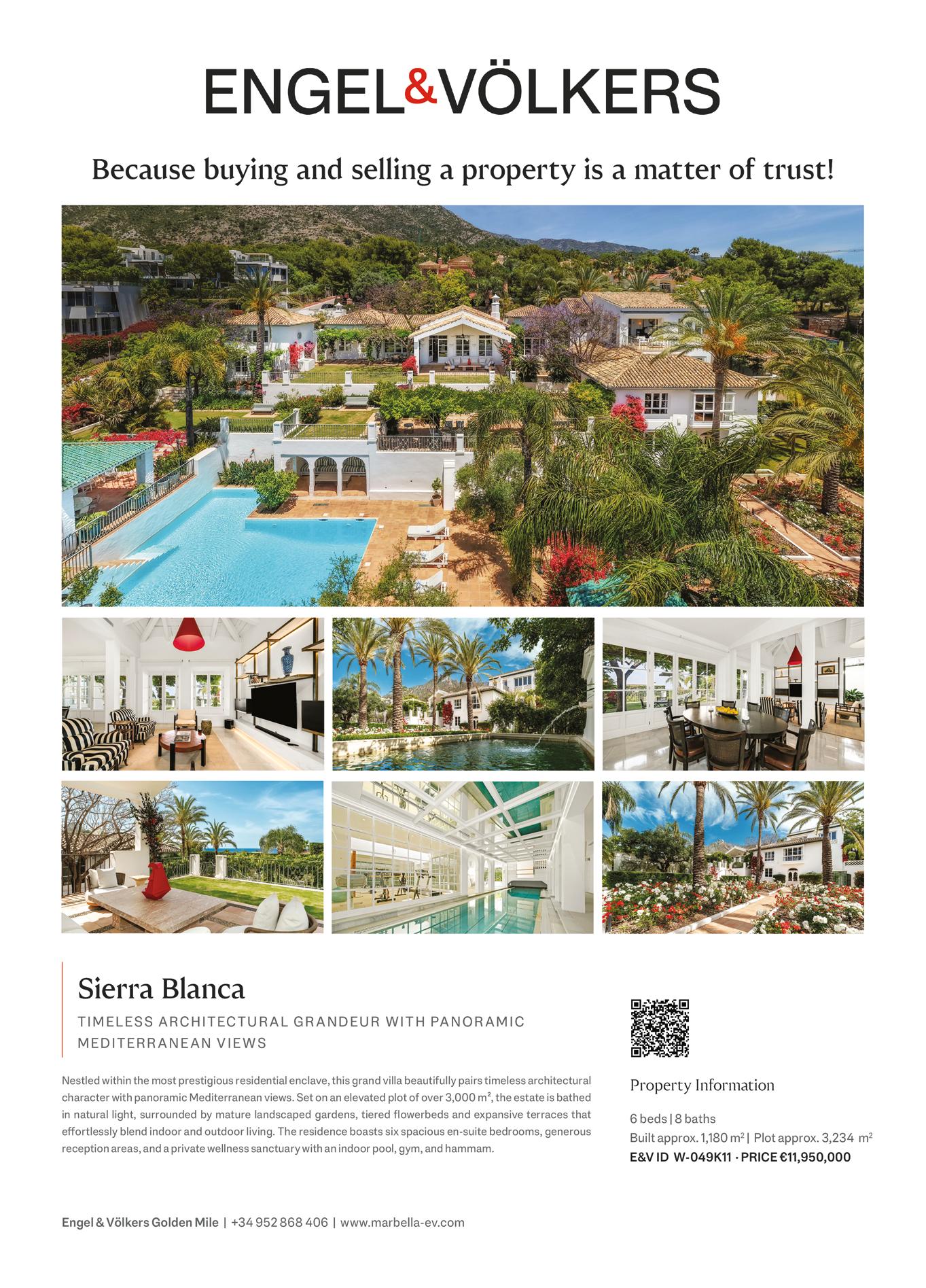
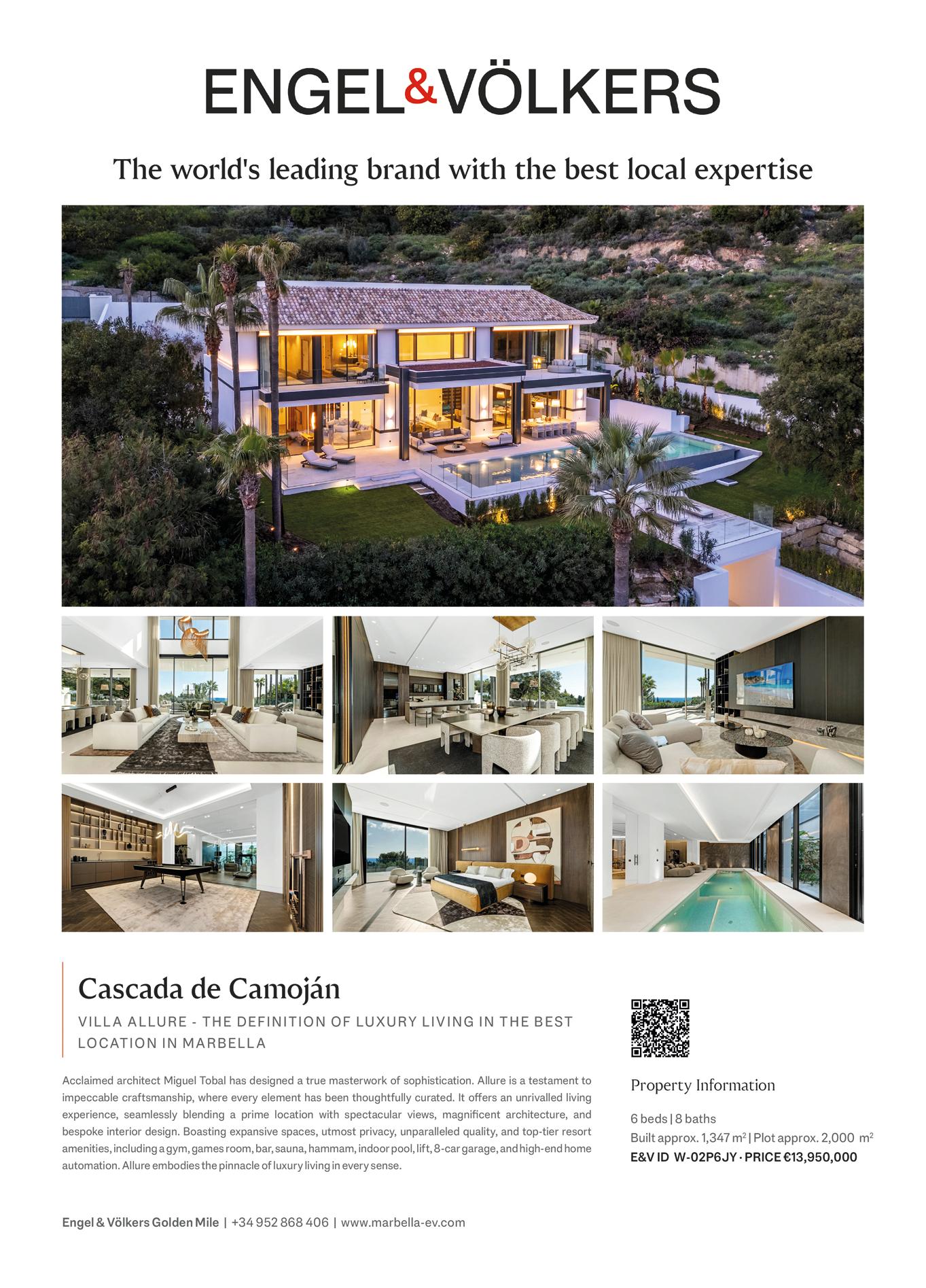
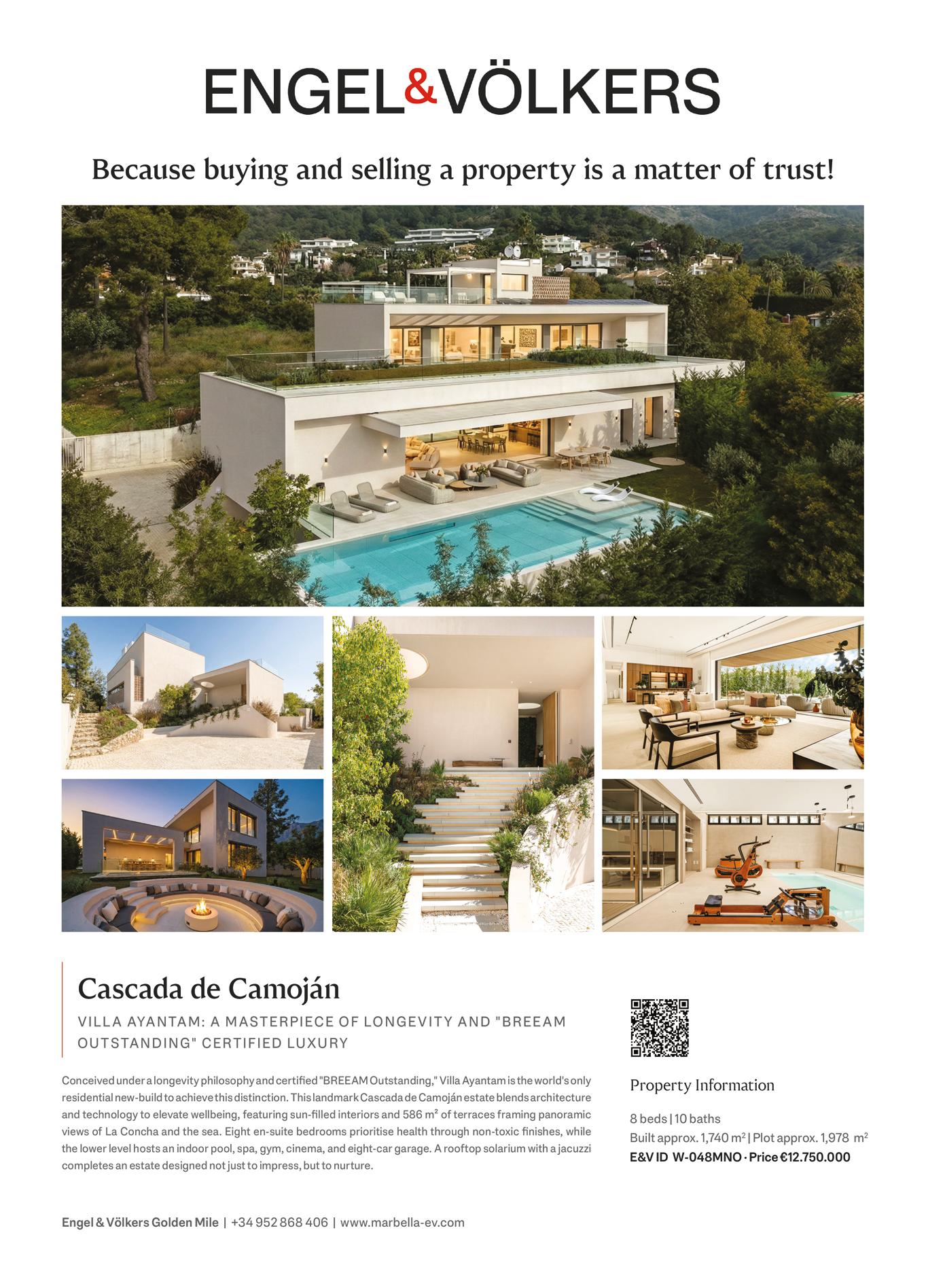
ENGEL & VÖLKERS
The New Language Of Luxury
BALCÓN DEL MEDITERRÁNEO
Beyond the location and the views
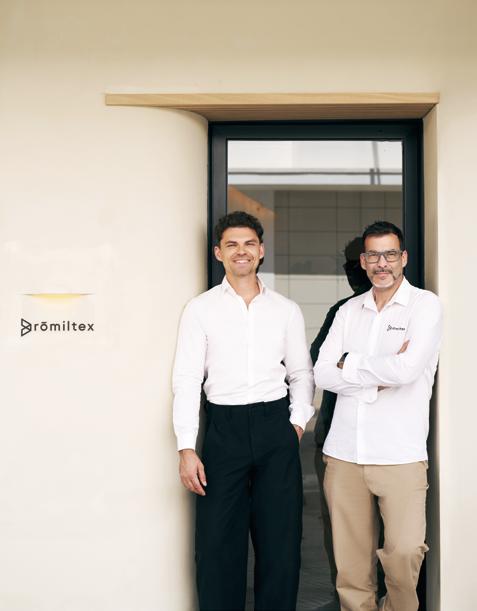
ROMILTEX
Bespoke Projects
GUIOMAR ALFARO
MARIE CAROLINE WILLMS
Reimagining Marbella Club’s Legacy
SOGNI DI CRISTALLO
Venetian Glass, Timeless Elegance
VON HANAU INTERIORS
Heritage Meets Contemporary Elegance
MANUEL COLLAS DE LA ROCHE
Founder, Better World Fund
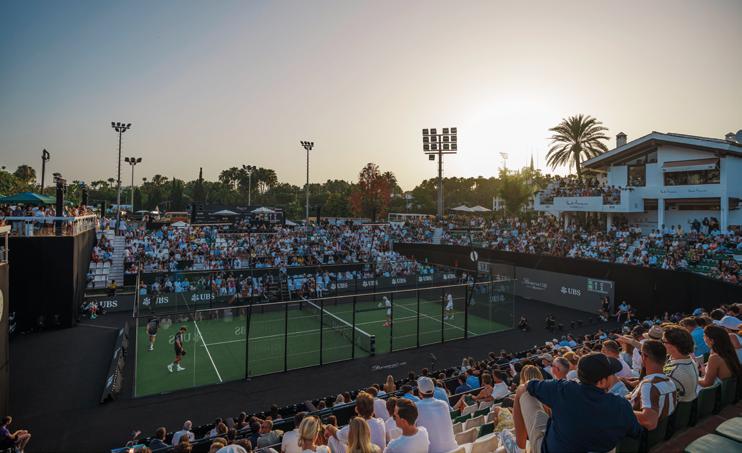
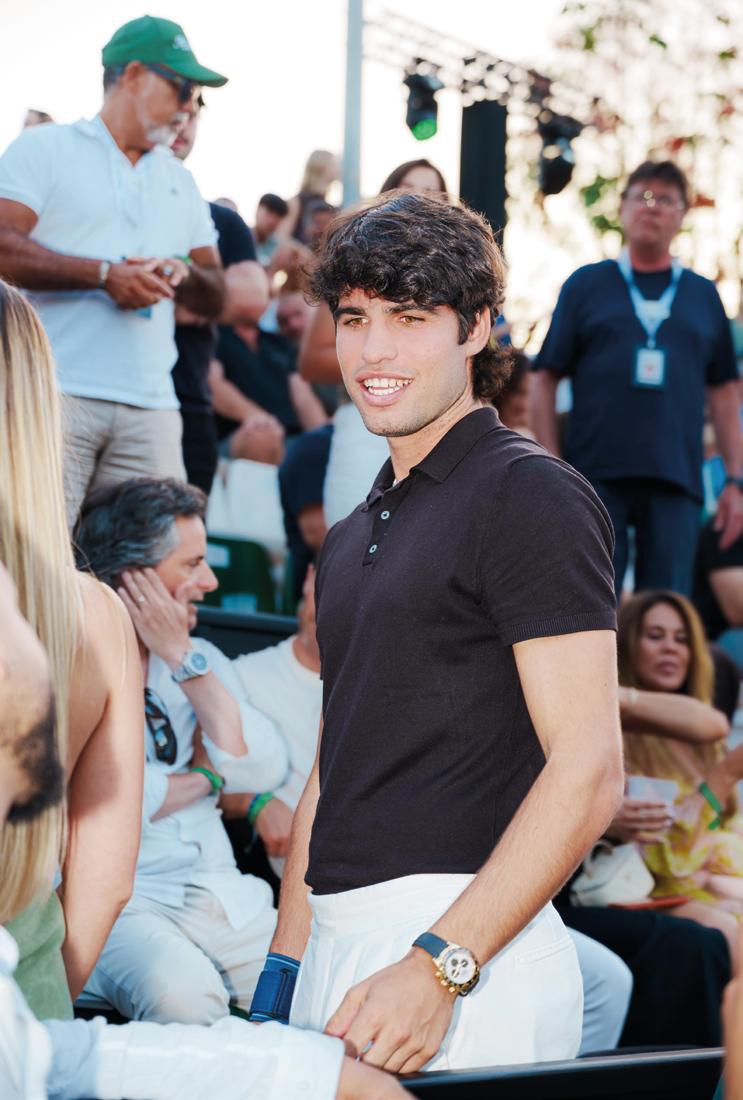
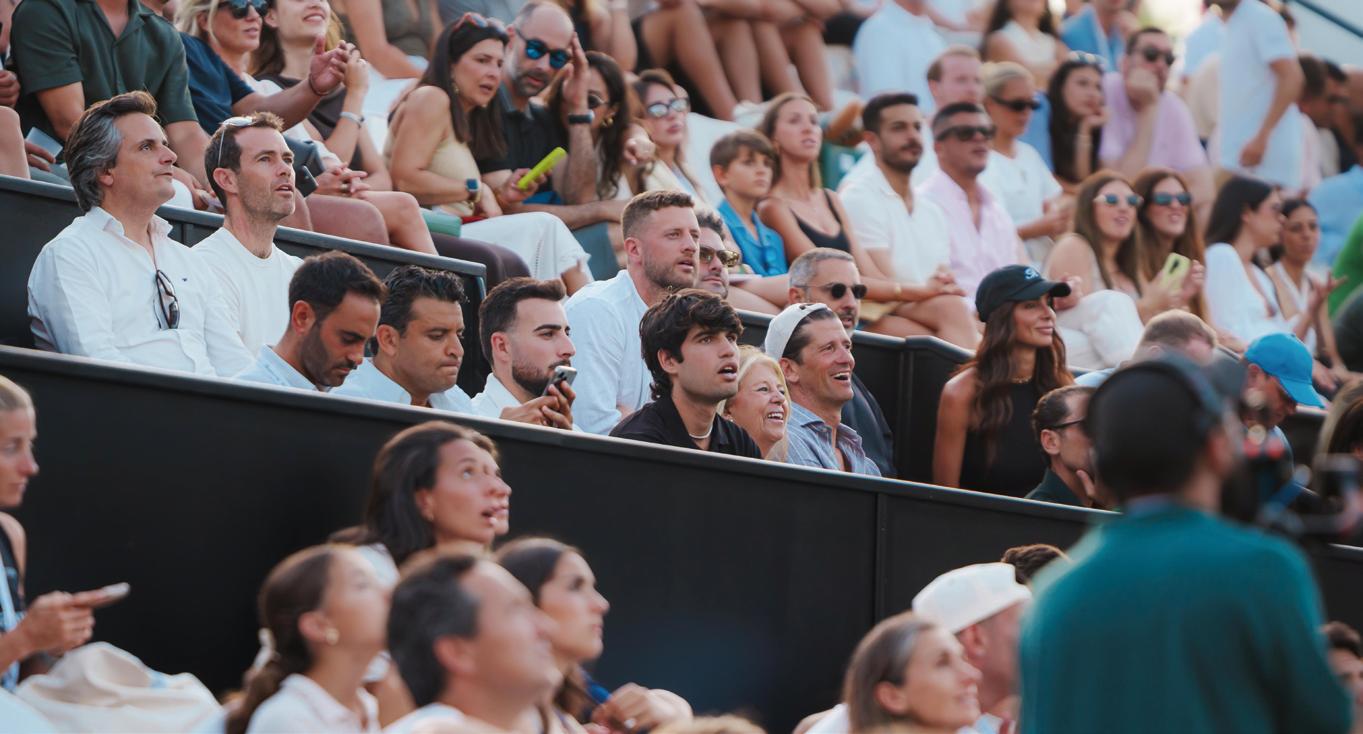
CARLOS ALCARAZ
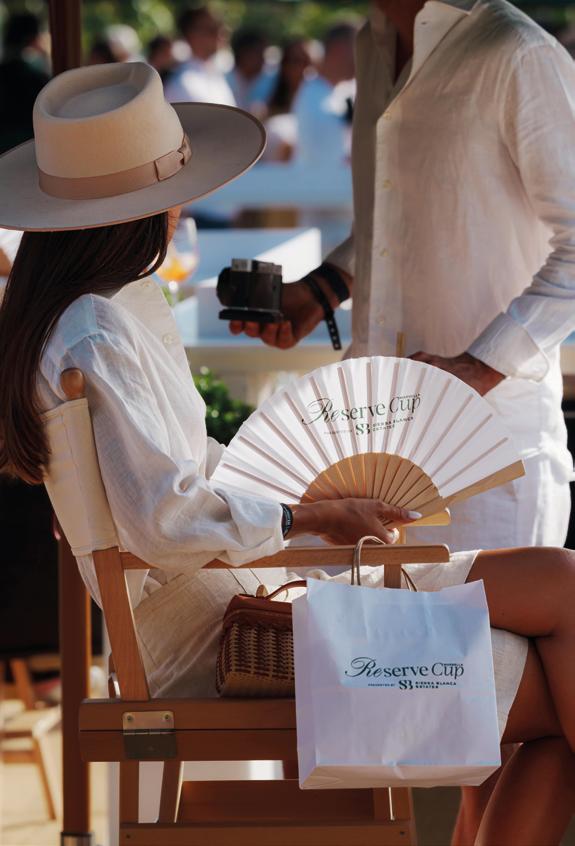
At the Reserve Cup by Amparo de la Gama
THE GENERATION CUP
By Iván Ballesteros
GOLF TOURNAMENT RED CROSS
Luxury Meets Philanthropy
ELENA POMOZOVA
Founder Social People Luxury Platform
DE COTTA LAW
Over 40 Years of Experience in Spain
JUAN HASSANI
A Persian Duke in Love with Caviar
MOMENTO CATERING
When Flavour Becomes an Occasion
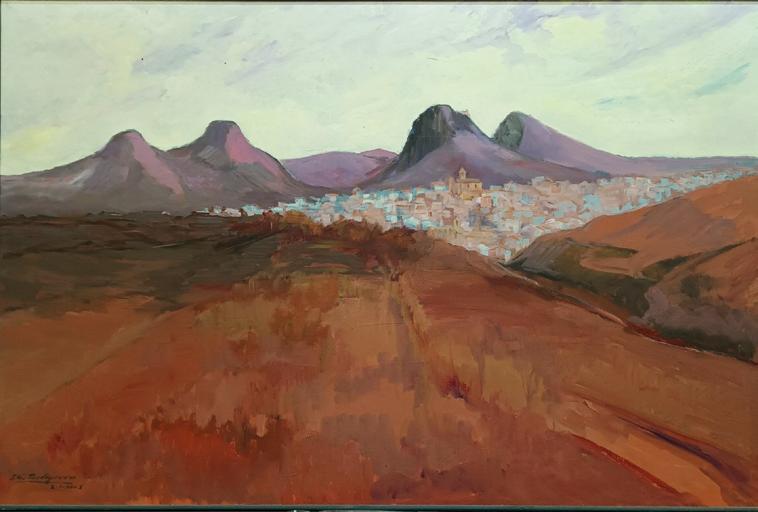
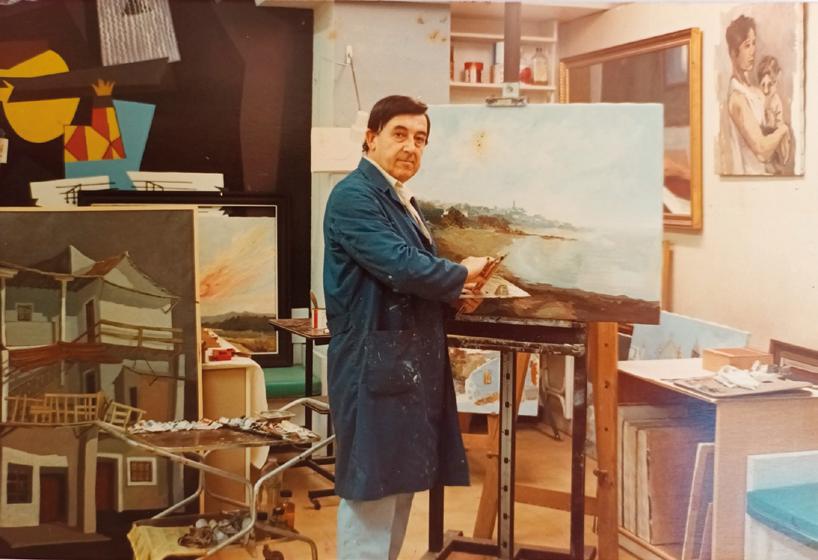
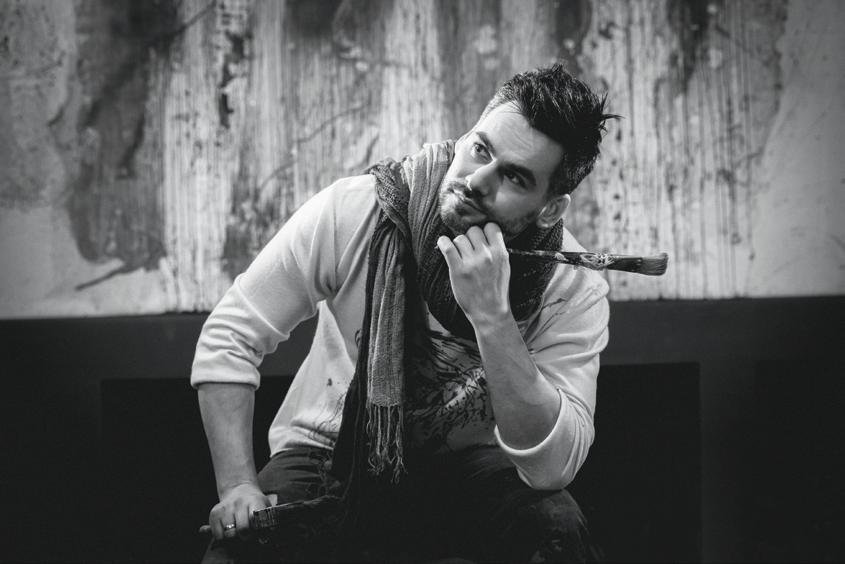
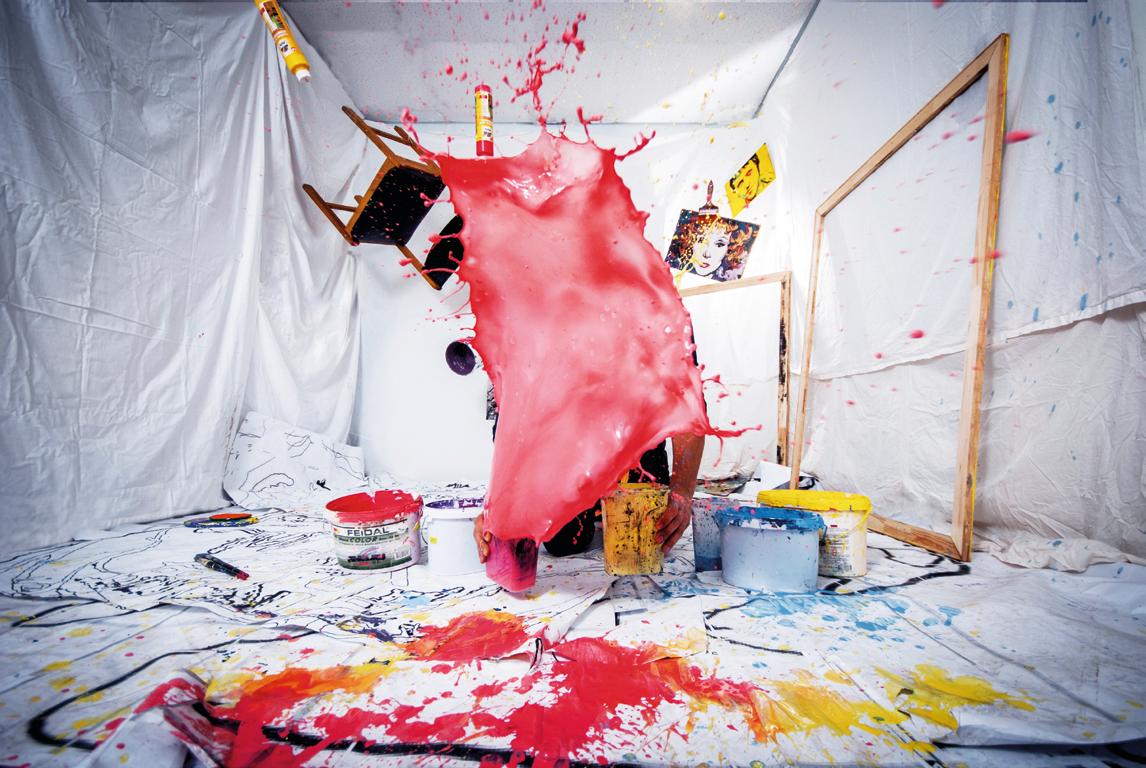
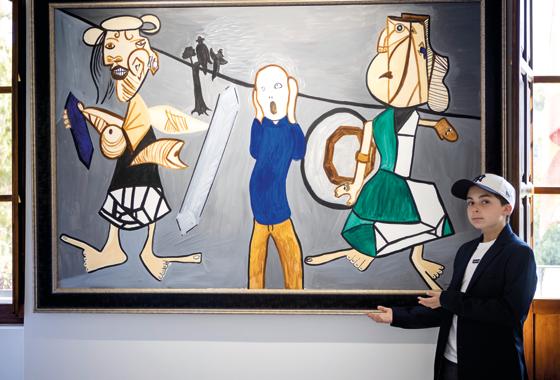
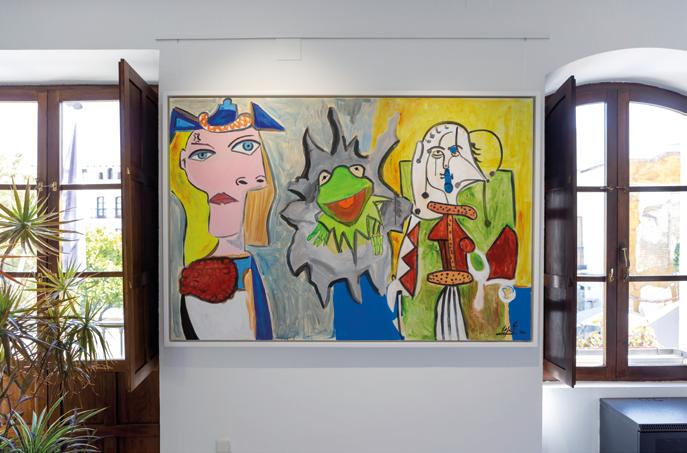
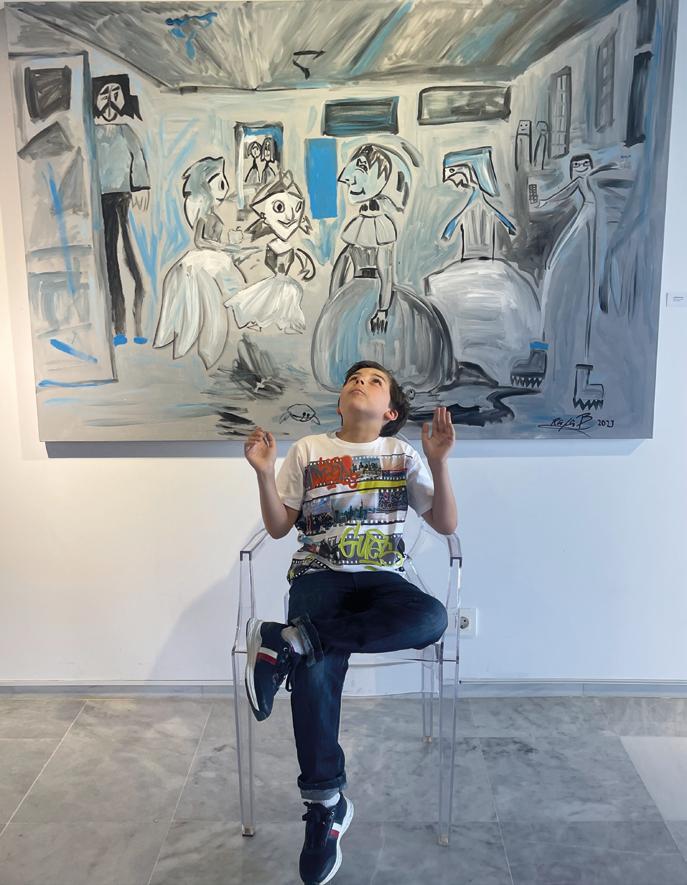
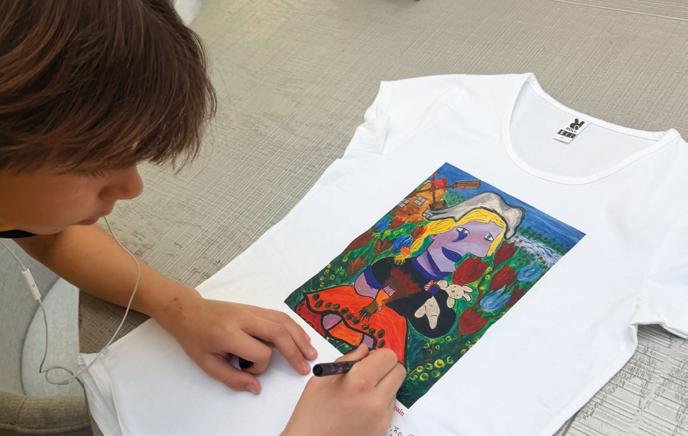
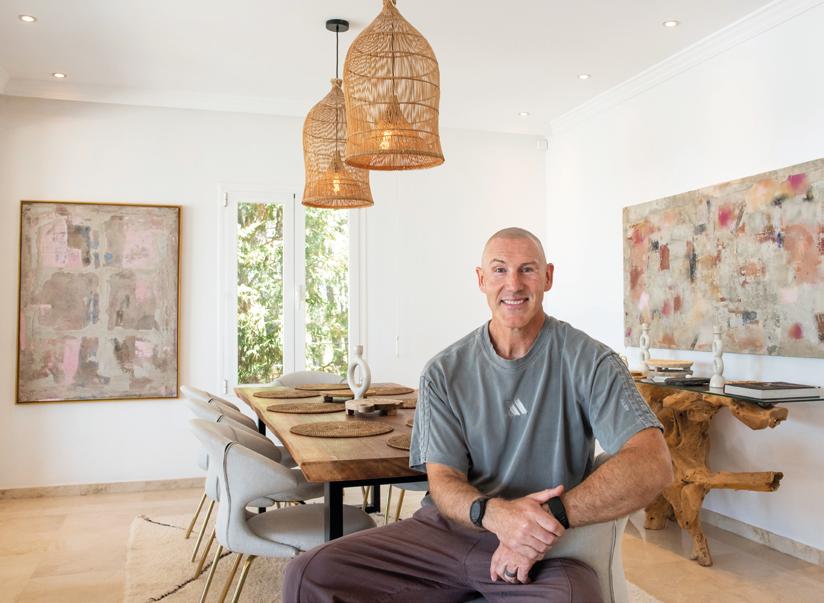
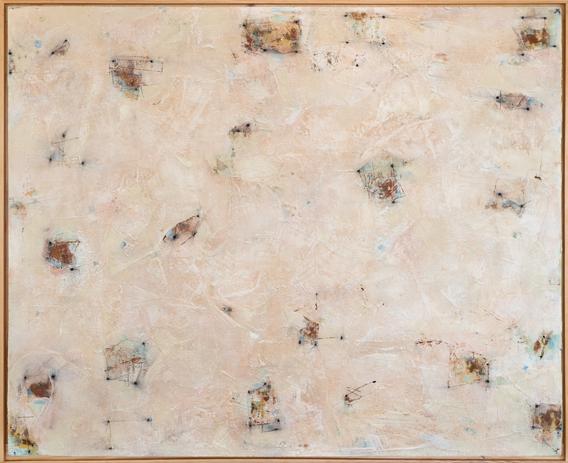
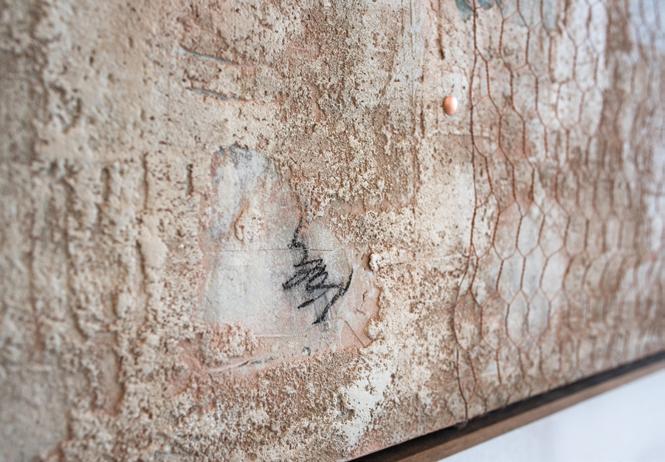
PERDIGUERO, DYTYNIUK, RAFAEL
Three Painters. Three Possibilities of Reality
JAY ARANA
The Artof Living with Silence
SARAH OSBORNE-JONES
Building Independent Thinkers
NUTRITION, TRAINING &LONGEVITY
By Jesús Torres
EXCLUSIVE INTERVIEW
Kristina Szekely
EXCLUSIVE EVENTS
Where Luxury Meets Lifestyle
EXCLUSIVE LIFE MAGAZINE
CEO & MANAGING DIRECTOR
Rafael Barrio rafael@exclusivelifemagazine.com
CEO & EDITOR-IN-CHIEF
Ana Pavón ana@exclusivelifemagazine.com
HEAD OF COMMUNICATION STRATEGIES
Maribel Martínez press@exclusivelifemagazine.es
SENIOR EDITORIAL DESIGNER
Carmen Morón imagenycomunicacioncreativa.com
OFFICE ADMINISTRATOR
Ángeles Díaz info@exclusivelifemagazine.com
SALES SUPPORT
Rocío Aragón rocio@exclusivelifemagazine.com
ECONOMIST
Francisco Delgado
PHOTOGRAPHY
Katya Manaenko and Juan Carlos Domínguez
HAIRDRESSING
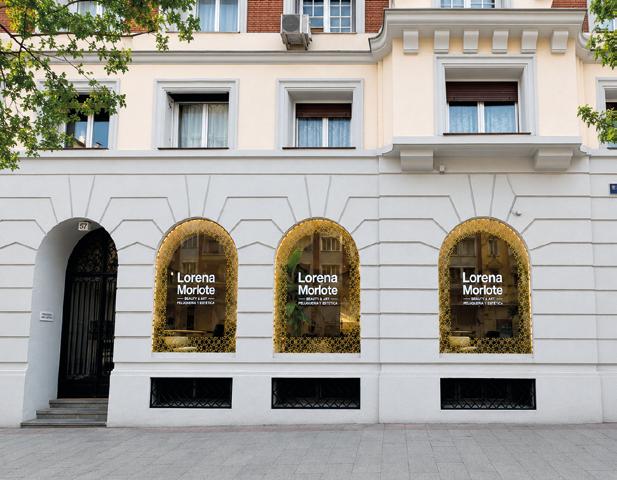
Lorena Morlote, Miguel Codina & Luis Suárez Estilistas
CONTRIBUTING WRITERS
Graciano Palomo, Eva del Amo, Maribel Martínez, Guiomar Alfaro, Amparo de la Gama, Iván Ballesteros, Santiago de la Cruz, Fernán González, Luis Granda, Sarah Osborne-Jones, Manuel Collás De La Roche, José Manuel Sanjuán, Dana Nowak, Elena Pomozova and Ana Pavón
SPECIAL THANKS
Marbella Club Hotel, Hyatt Regency Hesperia Madrid, Ayuntamiento de Rincón de la Victoria, Durán Joyeros, Roberto Coin, Kristina Szekely, Johanna Ortiz, and (SMI) Mónica Iglesias
DEPOSITO LEGAL MA 66-2026
Editado en Marbella por Exclusive Life Magazine
PRINTER Solprint
While every effort has been made to ensure that the contents of this magazine are correct, Exclusive Life cannot guarantee the completeness or accuracy of the information published, and assumes no legal liability or responsibility to any party for the quality, legality or usefulness of any information, product or service represented within the magazine. No part of this publication, including texts, photographs, illustrations or other graphics, may be copied or reproduced in any form without the prior written consent of Exclusive Life Magazine.
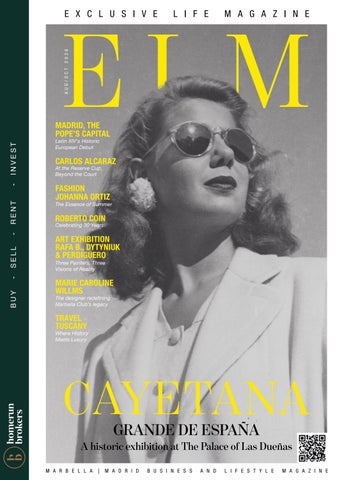
A historic Exhibition at The Palace of Las Dueñas
CAYETANA, GRANDE DE ESPAÑA
(SMI) MÓNICA IGLESIAS
THE
CASA DE ALBA FOUNDATION INAUGURATES THE EXHIBITION CAYETANA. GRANDE DE ESPAÑA AT THE
PALACE OF LAS DUEÑAS IN SEVILLE
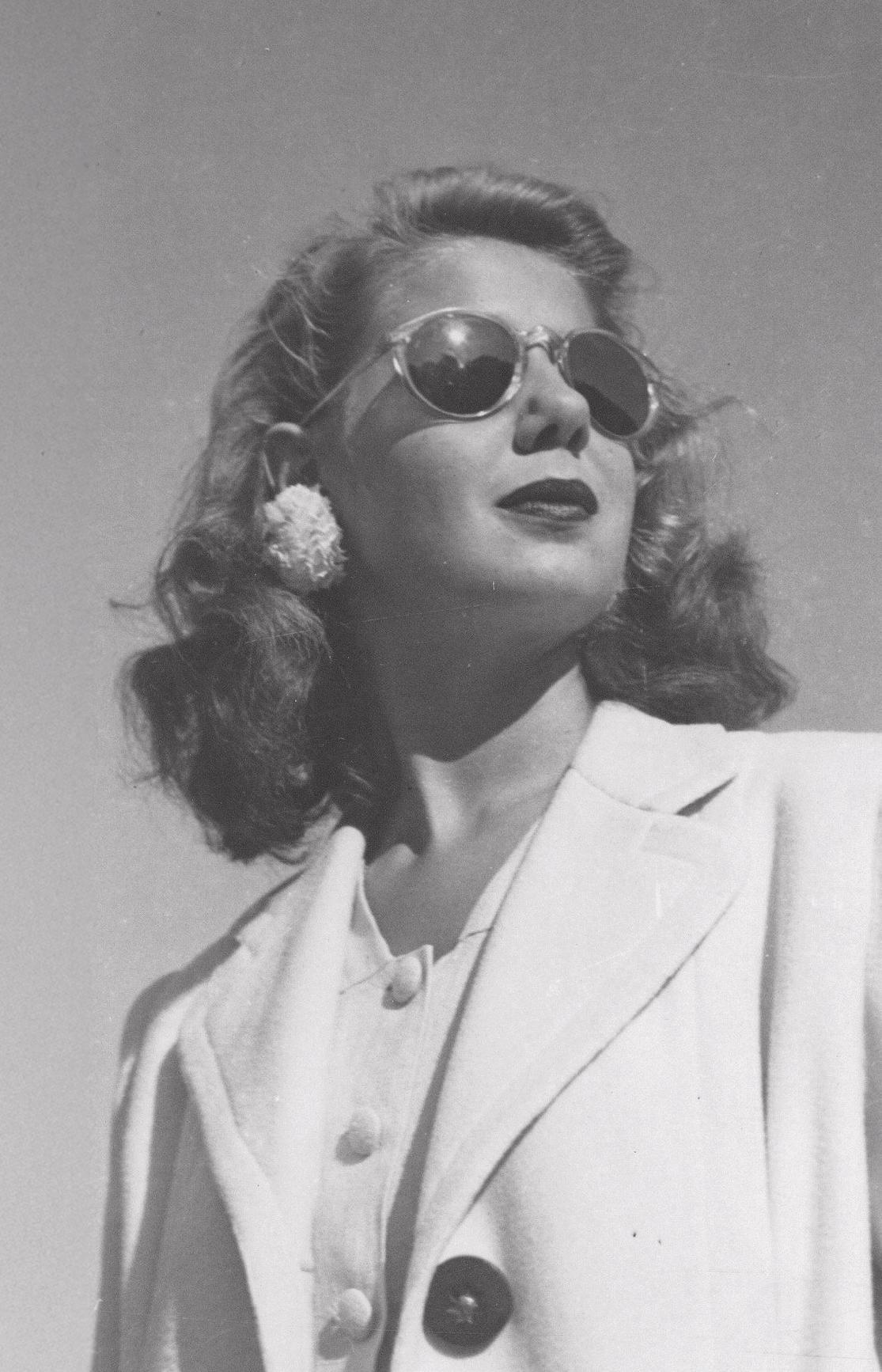
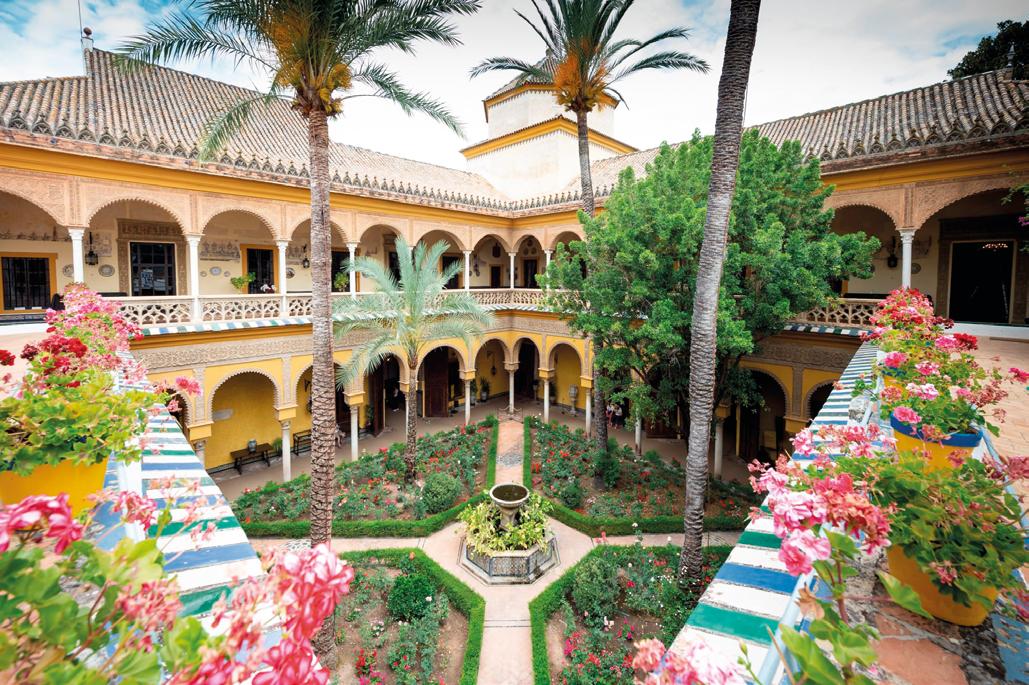
Cayetana Fitz-James Stuart y de Silva (Madrid, 28 March 1926 – Seville, 20 November 2014), 18th Duchess of Alba and the third woman to hold the title of Duchess of Alba in her own right, was a fascinating figure, endowed with an exceptional destiny and extraordinary charisma. In 1953, following the death of her father, Duke Jacobo, she became, at just twenty-seven years of age, the head of the House of Alba, one of Europe’s oldest and most important noble houses for more than five centuries. She remained Duchess of Alba until her death. A fourteen-time Grande de España she held more than 40 titles, and her noble lineage stretched back more than fifty generations. The exhibition, which opened its doors on 5 March, can be visited until 14 September at the Palace of Las Dueñas in Seville. This historic exhibition traces her life, from little Tanuca to her becoming Duchess of Alba, as well as her extraordinary contribution to the preservation of the immense artistic and historical legacy she inherited and to the international projection of the House of Alba.
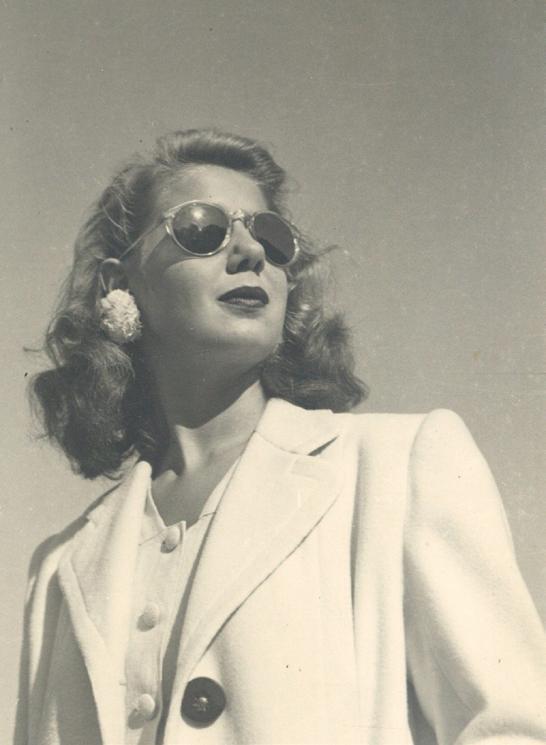
Cayetana Fitz-James Stuart, 18th Duchess of Alba, on her honeymoon in the United States. Anonymous, 1947.
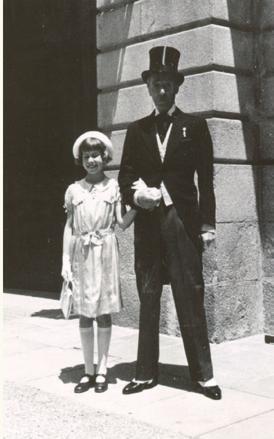
Cayetana Fitz-James Stuart, 18th Duchess of Alba, with her father, Duke Jacobo. c. 1932.
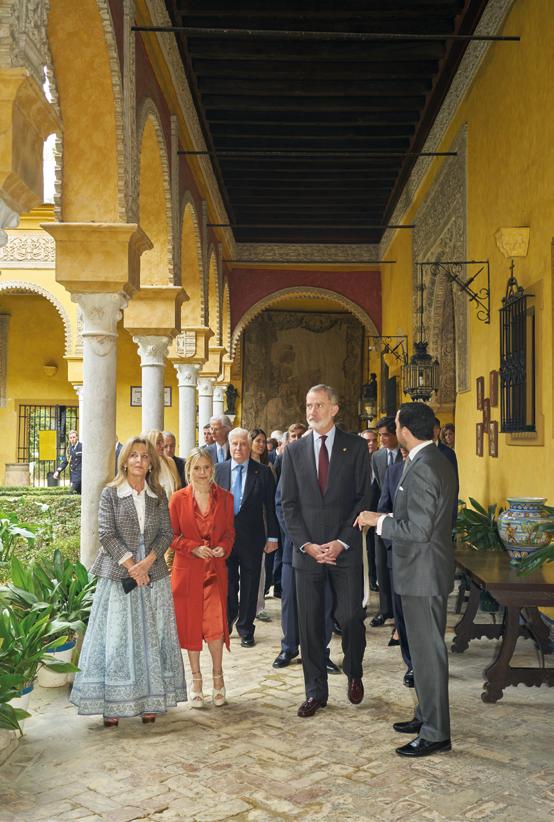
Visit of King Felipe VI
The exhibition, which celebrates the centenary of the birth of the 18th Duchess of Alba, is the result of three years of research and work by its curators, Eugenia Martínez de Irujo and Cristina Carrillo de Albornoz, together with the team of the Casa de Alba Foundation. Through more than 200 pieces, they have succeeded in conveying a panoramic and multifaceted portrait of this woman, a Grande de España, and of everything that made her a truly great Duchess.
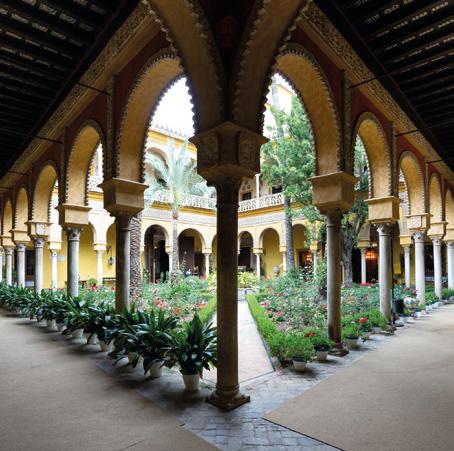
The exhibition captures the cosmopolitan Duchess and her devotion to Seville, and takes place in what probably became her favourite residence: the Palace of Las Dueñas, a spectacular 15th-century building of Gothic-Mudéjar and Renaissance style.
With CAYETANA. GRANDE DE ESPAÑA, a new temporary exhibition space is inaugurated: the Patio del Aceite Hall, restored over the course of two years and set to mark the beginning of a rich cultural programme at the Palace of Las Dueñas.
FROM TANUCA TO DUCHESS
In this section, the curators have carried out extensive research into the family’s photographic archive in order to present, for the first time, a selection of images capturing special moments in the life of Tanuca — the affectionate diminutive by which her father always addressed her — including her christening at the Royal Palace, the journeys she made as a child with her parents to Egypt and Venice, and moments such as riding her bicycle. Photographs from her youth are also included, as well as images of her wedding to Duke Luis and of her with her children when they were young. This section also addresses another essential theme in the life of Duchess Cayetana: her relationship with her father, Duke Jacobo. When Cayetana was seven years old, her mother, María del Rosario de Silva y Gurtubay, passed away. Deeply attached to her father, whose only descendant she was, he was, in a certain sense, the most important man in the Duchess of Alba’s life, as well as her greatest source of inspiration. Duke Jacobo, a true cosmopolitan and a great intellectual, was one of the most eminent aristocrats of his time. He distinguished himself in the cultural, political and diplomatic spheres, leaving a significant mark on the history of Spain. Her father educated her in a love of art and instilled in his daughter an infinite curiosity for people and places, as well as his passion for travel and sport.
The exhibition includes a series of pieces of advice that Duke Jacobo wrote for his daughter, as a kind of survival guide for her future life as Duchess, covering every field: loyalty as the central axis of life, impeccable principles and manners, kindness towards everyone, punctuality as a form of courtesy, the charm of honesty and the need to avoid lies at all costs. They also address how to manage wealth prudently; the importance of culture, reading and music; how to be the perfect host; and even the need to practise sport.
AROUND ART. FROM THE DUCHESS AS PATRON TO THE DUCHESS AS PAINTER
The history of the House of Alba is a love story with art. This section explores the Duchess’s different facets in relation to art: her work as a patron, her role as a collector and her standing as a painter in her own right.
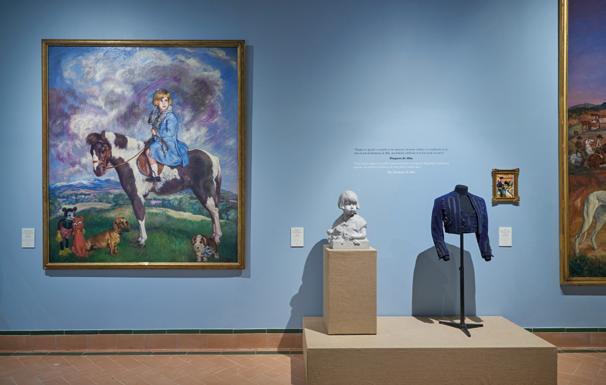
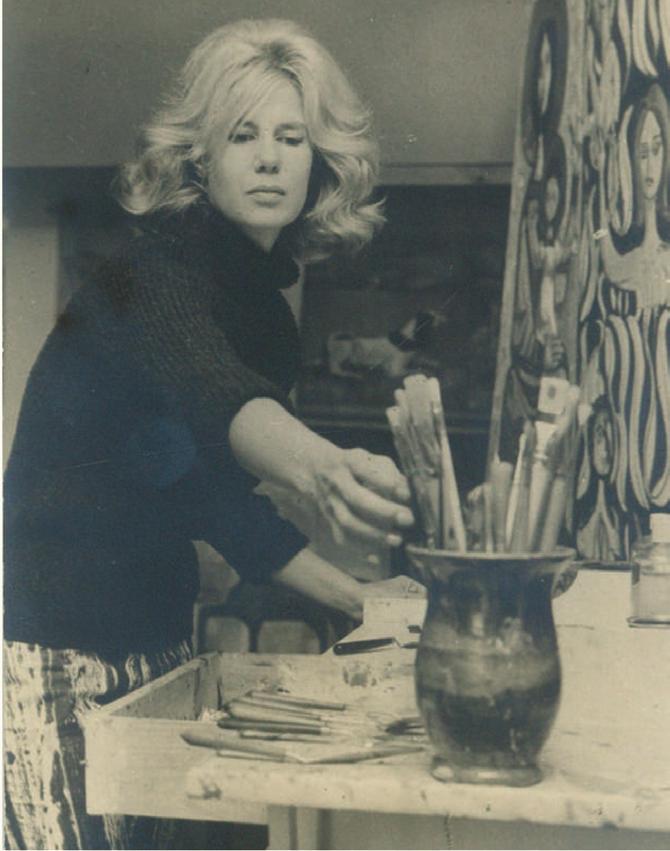
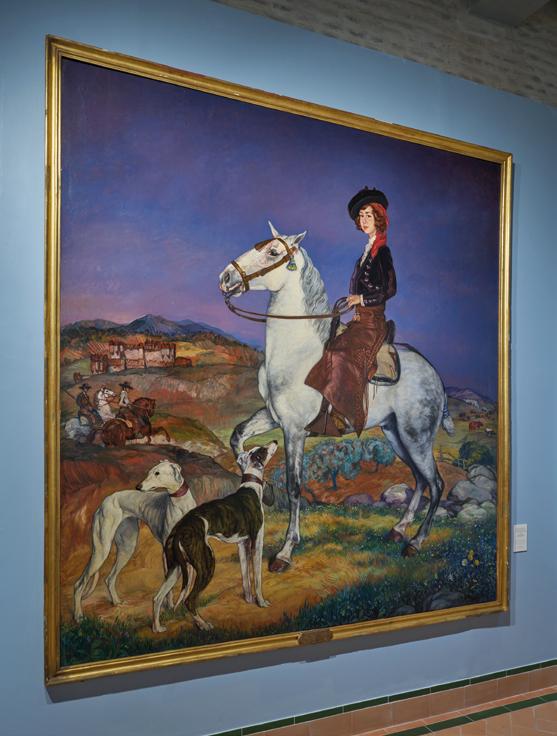
Duke Jacobo commissioned Zuloaga to paint several family portraits, including two of his daughter. The first was an equestrian portrait of Cayetana at the age of four, in which the artist painted her riding her beloved pony, Tommy, a symbol of how important animals were to the Duchess. In the painting, she appears with her dog and a collection of toys, including Mickey Mouse — one of the earliest representations of the iconic Disney character in the fine arts. Zuloaga portrayed her again at the age of sixteen, mounted on a grey horse and accompanied by greyhounds, this time capturing her Andalusian soul and her spirit as a horsewoman: dressed in a traditional Andalusian riding suit and zajones, near the Palace of Las Dueñas. The great sculptor Mariano Benlliure also created a bust of her in white marble when she was three years old. All these works are present in the exhibition. Over the course of history, the House of Alba has assembled an art collection unrivalled in Europe. Duchess Cayetana continued this tradition by expanding the collection, initially focusing on works by Impressionist masters such as Renoir and Corot, and on modern artists ranging from Marc Chagall to Spanish masters such as Miró, Dalí and Picasso. She later acquired a unique collection very close to her own personality, “with a very Spanish air”, centred on 19th-century genre and costumbrista painting. It featured masters such as Antonio María Esquivel, Julio Romero de Torres and Federico de Madrazo. Several of these works are included in this section. Duchess Cayetana possessed an intrinsically artistic soul, and painting also came to occupy a central place in her life. This activity was probably the result of her father’s influence, her natural coexistence with art and the childhood mornings she spent with him at the Prado, the British Museum and so many other museums around the world. In her principal residences, Liria and Dueñas, the Duchess installed her own painting studio. Three of her oils are on display, including one depicting the famous lemon-tree courtyard at Dueñas, about which Antonio Machado wrote.
“My mother was very liberal, very modern and, at the same time, very conservative and devoted to tradition and to institutions. She always surprised people. She had a very strong personality. She was a woman with a great heart and enormous personal charm; tremendously vital and dynamic, she transmitted a love of life.” He adds: “This exhibition is, without doubt, a unique event through which to discover all the facets of the multifaceted Duchess of Alba.”
Eugenia Martínez de Irujo, curator of the exhibition
AMBASSADOR OF SPAIN: THE INTERNATIONAL PROJECTION OF THE HOUSE OF ALBA
The Duchess of Alba received a cosmopolitan education and, from an early age, moved within international elite circles. She lived in France and then spent ten years in England, where her father, Duke Jacobo, served as Spain’s ambassador.
After her marriage, Doña Cayetana and Don Luis — first as Dukes of Montoro and later as Dukes of Alba — continued their close relationship with royal houses around the world, receiving many of their members at Liria and Dueñas, as well as distinguished figures from every sphere of culture. At the same time, they carried both the House of Alba and Spain across the world.
To illustrate this section, Eugenia Martínez de Irujo and Cristina Carrillo de Albornoz have conducted extensive research in the archives of the House of Alba, bringing to light previously unpublished correspondence with members of various royal houses, including King George VI and Queen Elizabeth II of England, Queen Amélie of Portugal and Queen Fabiola of Belgium.
The Duchess also continued the cultural work her father had developed in Spain, launching initiatives of international relevance and, in a certain sense, becoming an excellent de facto ambassador for Spain. She supported the dissemination of opera, the promotion of cinema and fashion. During the 1950s and 1960s, Spain became the “Spanish Hollywood” through the filming of major productions. Cayetana visited film sets and, in parallel, sponsored and supported the organisation of major premieres for charitable purposes.
Her international profile is also reflected in the exhibition through various interviews granted by Duchess Cayetana to such notable media as the American magazine Life and to journalists of the stature of Oriana Fallaci.
The Dukes of Alba were exemplary hosts, masters in the art of receiving. Of all the great personalities from diverse fields whom they welcomed at Liria and Dueñas, perhaps the guest with the greatest international impact and relevance was Jackie Kennedy. Her visit in April 1966, as Cayetana’s guest at Dueñas, made headlines around the world, and the photographs of the Duchess and Jackie on horseback placed Seville at the centre of global attention. During the stay, the two women became friends and remained in contact, writing to one another frequently.
This visit is extensively represented in the exhibition through various photographs and the letter that Jackie Kennedy sent to Duchess Cayetana to thank her for her welcome in Seville, together with a watercolour painted by Kennedy herself.
A GRANDEE OF FASHION, AN ICON OF STYLE
Throughout her intense life, Cayetana Fitz-James Stuart, 18th Duchess of Alba, cultivated a close relationship with fashion, expressed through a unique and personal style in keeping with her powerful character. In the 1960s, Women’s Realm included her among the most elegant women in the world, alongside Queen Elizabeth of England and Jackie Kennedy. The Duchess favoured Spanish designers such as Pertegaz and Elio Berhanyer, but she also often bought from French couturiers. One of the first was Yves Saint Laurent, with whom she had an excellent relationship and who, in October
“In the society in which we live today, where the place of women in the world is being asserted, she was a pioneer and assumed an important role, with a sincere and genuine commitment to culture in the broadest sense: art, music, dance, theatre, fashion… She was an active part of the most important institutions in our country, contributing her support, vision and patronage to each of them.” She continues: “This exhibition reveals a small part of all those dimensions that shaped the life of the Duchess of Alba as a woman, as a mother and as a friend.”
Eugenia Martínez de Irujo, curator of the exhibition
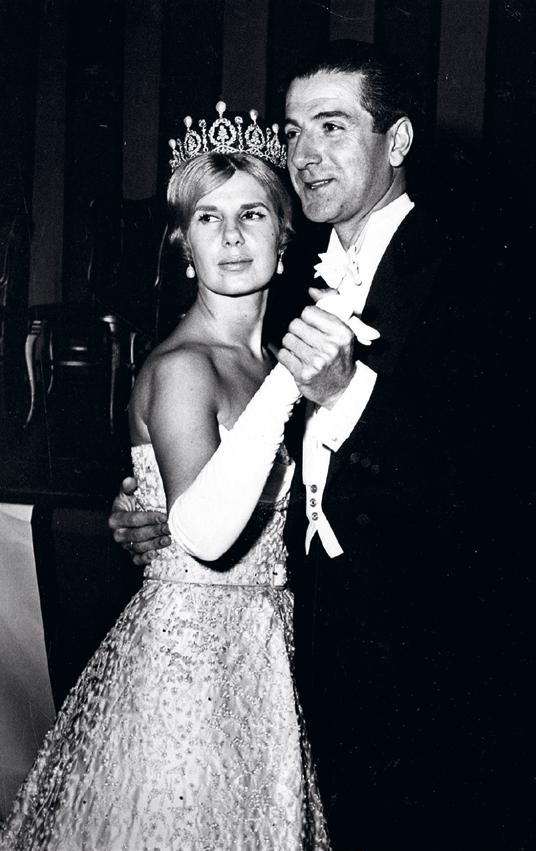
Cayetana Fitz-James Stuart and Luis Martínez de Irujo, 18th Dukes of Alba, at the Imperial Ball in New York. Anonymous, 1959.
1957, became artistic director of the Maison Dior at the age of twenty-one. The fashion show the Duchess organised for him at the Liria Palace in 1958 became famous.
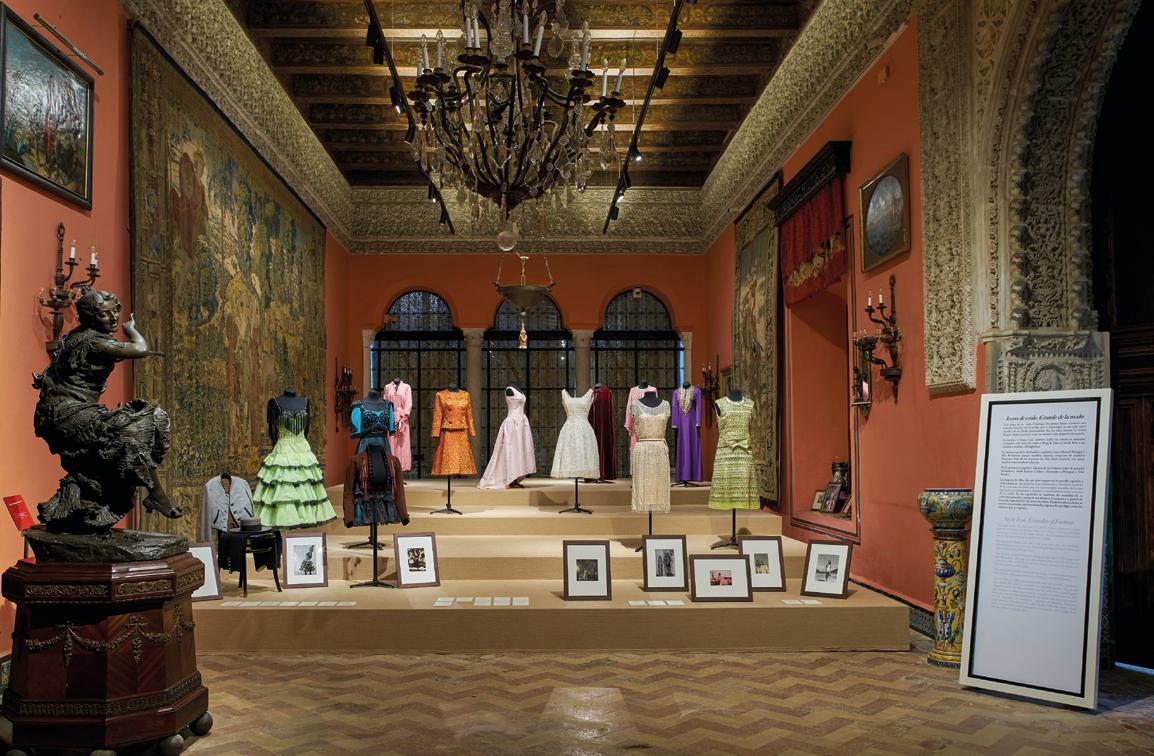
The exhibition presents some of her iconic outfits by great designers: Dior, Givenchy, Lanvin, Pertegaz and Toni Benítez.
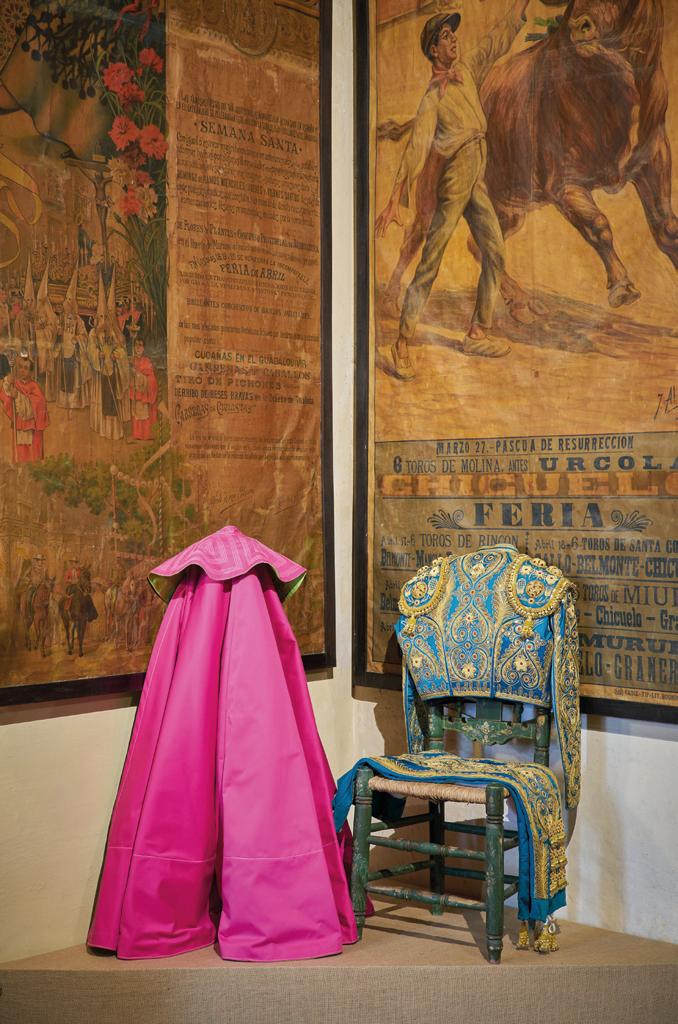
The Duchess of Alba, Cayetana Fitz-James Stuart, was a great admirer and wearer of the Spanish mantilla and fans, using them as symbols of her Spanish identity and as iconic accessories of her personal style. The exhibition features two mantillas from her personal collection, as well as several of her fans. Some of her short riding outfits with hats and flamenco dresses can also be seen.
Charismatic and a fashion grandee in every style, from the 1980s onwards she also embraced more relaxed garments, some with a “hippy” air, such as the kaftans displayed in the exhibition. In addition to dresses, this section includes photographs illustrating great moments of the Duchess as a style icon, some taken by leading photographers such as Geynes and Richard Avedon.
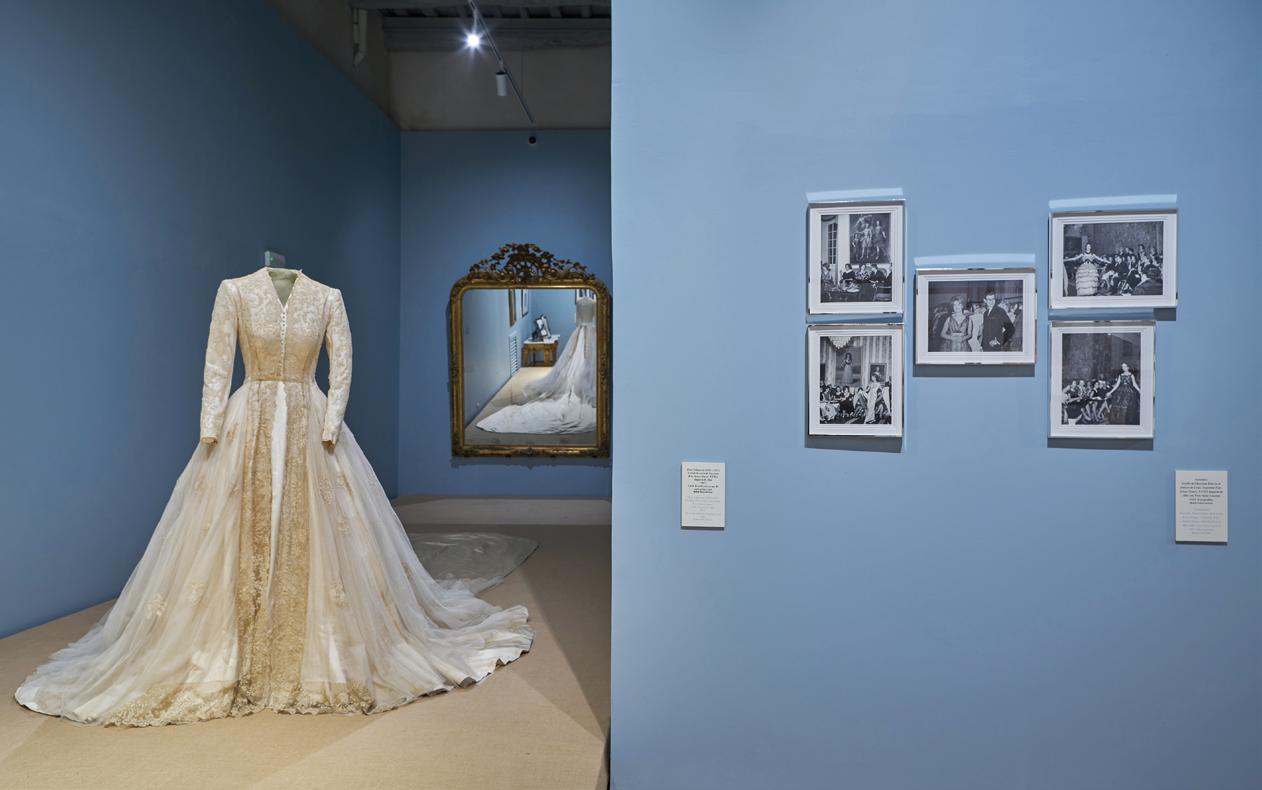
A special chapter is devoted to the wedding dress worn by Duchess Cayetana when she married Luis Martínez de Irujo y Artázcoz at the magnificent high altar of Seville Cathedral on 12 October 1947. The original wedding dress can be seen in the exhibition: created by Flora Villarreal in natural satin with 18th-century Brussels lace, it was inspired by Dior’s New Look collection. She wore a five-metre-long tulle veil, fastened to her hair with the imperial tiara of pearls and diamonds that Napoleon had given to Empress Eugénie and which Cayetana’s father had inherited.
THE POP DUCHESS. A LOVER OF FLAMENCO, POPULAR CULTURE AND BULLFIGHTING
One of the Duchess’s great passions was flamenco.
“Every time I danced, every time flamenco entered my body and I raised my arms to dance, I felt I was touching heaven,” she said. She learned this art by taking classes with three exceptional masters: Pastora Imperio, Enrique el Cojo and Carmen Rojas. Such was her dedication that the Duchess installed her own tablao at the Palaces of Liria and Las Dueñas in order to practise dancing every day.
This section includes two of her most iconic flamenco dresses, photographs of the Duchess dancing flamenco taken by great masters such as Avedon and Geynes, as well as an oil painting and a sculpture of Pastora Imperio.
A friend of great bullfighters and breeders, the Duchess of Alba was known for her love of bullfighting, which she defined as an art and which she promoted and defended whenever she could. She attended bullfights in a horse-drawn carriage and respected traditional dress, wearing a mantilla and comb. This section includes several oils on bullfighting themes, such as the portraits of the bullfighter Pepe Hillo and his wife Blanca Sánchez by Antonio Cabral Bejarano, as well as the bronze of a bull by Mariano Benlliure that the Duchess acquired. Short riding outfits and photographs of the Duchess on horseback and rejoneando alongside her “teacher”, Conchita Cintrón, are also displayed.
Charitable activities, her philanthropic work and her social commitment were fundamental in her life. The Duchess was always willing to contribute to a good cause. Memorable was the occasion in 1959 when she transformed the Liria Palace
Cayetana Fitz-James Stuart y Silva, 18th Duchess of Alba, painting in her studio at the Liria Palace. Anonymous, 1960.
into a fashion runway, hosting a Dior show to raise funds for the children of the Salesian orphanage. Likewise, her support for Spanish Hollywood is remembered through the major premieres she organised at Liria for charitable purposes, as is her work on the organising committee of the debutantes’ ball, whose proceeds were donated to the Spanish Red Cross.
Equally distinguished was her early defence of animals. The House of Alba had always been deeply fond of animals, but Duchess Cayetana went further; she became a pioneer in animal protection, actively campaigning, as evidenced by her numerous letters on the subject addressed to the relevant ministers of various governments, some of which are included in the exhibition.
The exhibition also addresses the important work carried out by Duchess Cayetana and her husband, Duke Luis, in preserving the great heritage of the House of Alba. One of their first undertakings was the maintenance of the palaces. Special attention was given to the Liria Palace, which had been practically destroyed during the Spanish Civil War, as evidenced by several photographs included in the exhibition.
The 17th Duke of Alba made the decision to rebuild it, as can be seen in various images, using his own resources; a task that would be completed by his daughter Cayetana.
For years, together with her husband, they worked on the redecoration of the palace, acquiring antique furniture, lamps and carpets in order to bring Liria back to life.
They also carried out significant renovations at the palaces of Monterrey and Las Dueñas, with the principal aim of preserving and maintaining them in the best possible way: by inhabiting them. The palaces not only safeguarded the family’s great art collection, but also served as meeting places for the family’s social life.
CAYETANA. GRANDE DE ESPAÑA
To mark the exhibition, the prestigious publisher Assouline is releasing the book/catalogue Cayetana, the Duchess of Alba: Art, Aristocracy and the Soul of Spain, an intimate portrait of one of Spain’s most captivating and unconventional figures. A bilingual edition has been produced in English and Spanish.
CASA DE ALBA FOUNDATION
The Casa de Alba Foundation — chaired by the 19th Duke of Alba, Carlos Fitz-James Stuart y Martínez de Irujo, and supported by his two sons as trustees, Fernando, Duke of Huéscar, and Carlos, Count of Osorno — has devoted considerable effort to disseminating and opening up the Casa de Alba collection, together with its palaces, the Duke’s current residences, in order to offer the opportunity to enjoy and discover its legacy.
The Duke of Alba advocates a policy of openness and closeness between the House of Alba and the citizens of Spain, as well as any visitor driven by cultural interests. The Foundation was created in 1975 after several years of work by his parents, the 18th Dukes of Alba, Don Luis and Doña Cayetana, who, with this step, began the work of conserving and disseminating the historical and artistic collections.
The major exhibition, which is enjoying great success at the Palace of Las Dueñas in Seville, will travel to Madrid in the autumn with a new itinerary, adapted to the rooms of
“This exhibition will reveal the work and the qualities that made Duchess Cayetana an extraordinary Duchess of Alba, guided by the constant imperative of fulfilling the duty instilled in her by her father, Duke Jacobo. It will stand as her testimony of love for centuries of historical heritage and for the cultural legacy of the House of Alba on the centenary of her birth.”
Cristina Carrillo de Albornoz, curator of the exhibition.
the Madrid residence of the 18th Duchess of Alba. In addition to celebrating the centenary of her birth, the exhibition will commemorate, in a new section, the 70th anniversary of the monumental restoration of the Liria Palace. Madrid, April 2026. The exhibition in Madrid will include a new section celebrating the 70th anniversary of the monumental restoration of the Liria Palace, highlighting the commendable work of conservation of the great heritage legacy of the House of Alba carried out by the Duchess of Alba and her husband, Duke Luis, through previously unpublished photographic and documentary material. In 1936, during the Spanish Civil War, the Liria Palace was bombed and looted, leaving only its four façades standing. After the war ended, in 1945, Duke Jacobo decided to rebuild the palace, with the works finally completed in 1956. However, the death of the 17th Duke of Alba prevented him from seeing it finished. It would be the 18th Dukes of Alba, Doña Cayetana and Don Luis, who completed and redecorated it, expanding and reorganising the art collection, furniture and other decorative elements, restoring the Liria Palace to its former splendour. “Liria is my most treasured work and one of those of which I am most proud in matters relating to history and to the heritage of the House of Alba,” the Duchess proudly stated.
EXPOSICIÓN HISTÓRICA EN EL PALACIO DE DUEÑAS
(SMI) MÓNICA IGLESIAS
Cayetana Fitz-James Stuart y de Silva, (Madrid, 28 de marzo 1926Sevilla, 20 de noviembre 2014) decimoctava duquesa de Alba y tercera mujer en ostentar por derecho propio el título de duquesa de Alba, fue una persona fascinante con un destino excepcional y enorme carisma. En 1953, al fallecer su padre el duque Jacobo, se convirtió con solo veintisiete años, en la cabeza de la Casa de Alba, una de las Casas nobiliarias más antiguas e importantes de Europa durante más de quinientos años. Fue duquesa de Alba hasta su fallecimiento. Catorce veces Grande de España, poseía más de 40 títulos, y su linaje noble se remontaba más de cincuenta generaciones.
La exposición que abrió sus puertas el 5 de marzo, se podrá disfrutar hasta el 14 de septiembre en el Palacio de Las Dueñas de Sevilla. Una exposición histórica que recorre su vida, desde la pequeña Tanuca hasta convertirse en duquesa de Alba, así como su extraordinaria contribución a la conservación del inmenso legado artístico e histórico heredado y a la internacionalización de la Casa de Alba.
La muestra, que celebra el centenario del nacimiento de la XVIII duquesa de Alba, es fruto de tres años de investigación y de trabajo por parte de sus comisa-rias, Eugenia Martínez de Irujo y Cristina Carrillo de Albornoz, junto al equipo de la Fundación Casa de Alba, quienes han conseguido a través de más de 200 piezas transferir una imagen panorámica y poliédri-ca de esta mujer Grande de España, y de todo lo que la convirtió en una gran Duquesa.
La exposición plasma la Duquesa cosmopolita y su devoción por Sevilla, y tiene lugar en la que probable-mente se convirtió en su residencia favorita, el Palacio de Las Dueñas, un espectacular edificio del siglo XV de estilo gótico-mudéjar y renacentista.
Con CAYETANA. GRANDE DE ESPAÑA se inaugura una sala de exposiciones temporales, la Sala del Patio del Aceite, que ha sido restaurada a lo largo de dos años y que dará inicio a una rica programación cultural en el Palacio de Las Dueñas.
La gran exposición, que tanto éxito está obteniendo en el Palacio de Las Dueñas de Sevilla, vendrá en otoño a Madrid con un recorrido nuevo, adaptado a las estancias de la residencia madrileña de la XVIII Duquesa de Alba. Además de celebrar el centenario de su nacimiento, la muestra conmemora en una nueva sección el 70º aniversario de la monumental restauración del Palacio de Liria. Madrid, abril 2026.-
La exposición en Madrid contará con una sección nueva que celebra el 70º aniversario de la monumental restauración del Palacio de Liria y que resalta la encomiable labor de conservación del gran legado patrimonial de la Casa de Alba realizado por la Duquesa de Alba y su marido el duque Luis, a través de material fotográfico y documental inédito. En 1936, durante la Guerra Civil Española, el Palacio de Liria fue bombardeado y saqueado, quedando solo en pie sus cuatro fachadas. Tras finalizar la contienda, en 1945, el duque Jacobo toma la decisión de reconstruir el palacio cuyas obras culminarían en 1956. Sin embargo, el fallecimiento del XVII Duque de Alba le impidió verlo terminado. Serán los XVIII duques de Alba, doña Cayetana y don Luis, quienes lo culminarán y redecorarán, ampliando y reorganizando la colección de arte, mobiliario y otros elementos decorativos, devolviendo al Palacio de Liria su esplendor de antaño. ”Liria es mi obra mas preciada y una de las que más me enorgullece en los que se refiere a cuestiones históricas y al patrimonio de La Casa de Alba”, afirmaba orgullosa la Duquesa.
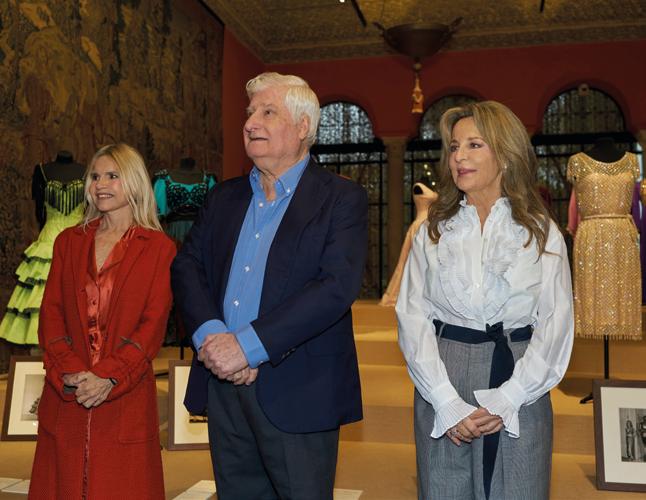
Eugenia Martínez de Irujo, curator of the exhibition, Carlos Fitz-James Stuart y Martínez de Irujo, 19th Duke of Alba, Cristina Carrillo de Albornoz, curator of the exhibition.
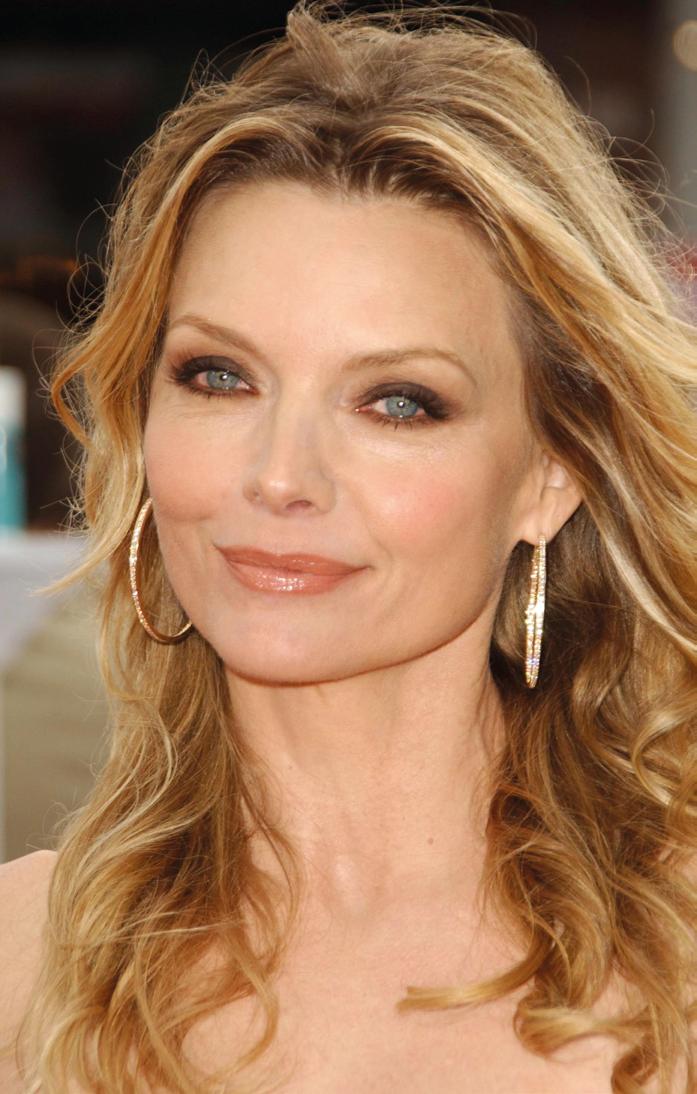
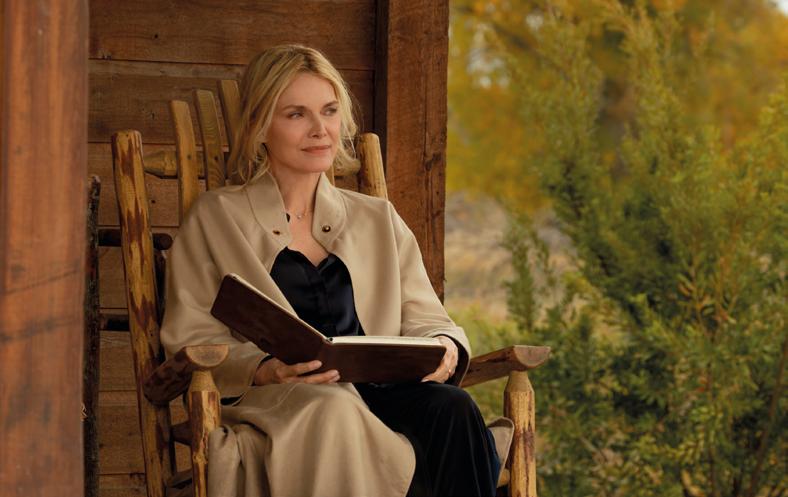
PFEIFFER Michelle
THE MAGNETISM OF TIMELESS TALENT EL MAGNETISMO DEL TALENTO ATEMPORAL
BY EVA DEL AMO
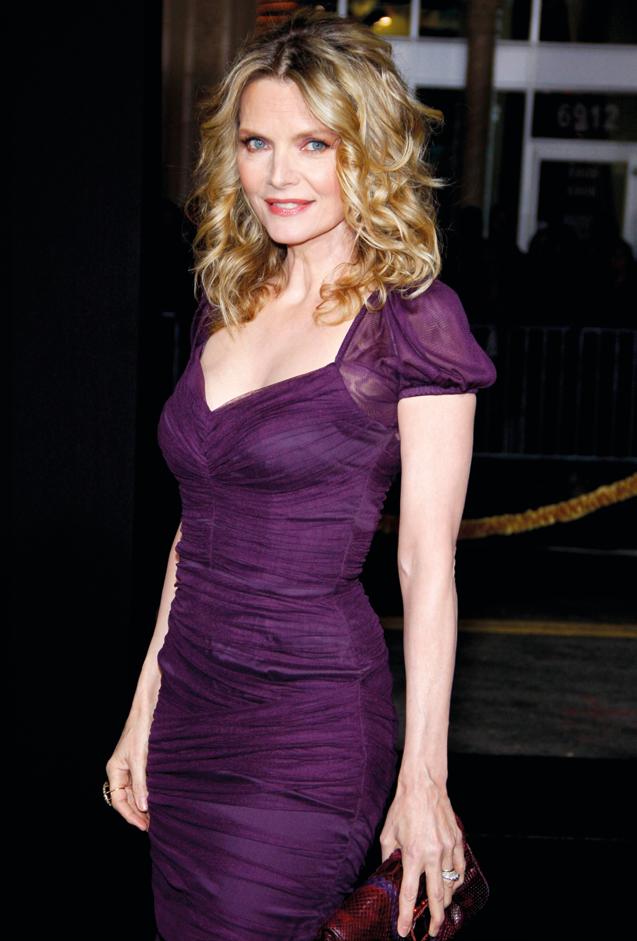
Combining glamour and talent, and preserving both intact across decades, is no easy feat in Hollywood. Michelle Pfeiffer has not only achieved it, but has turned that blend of sophistication, naturalness and magnetism into her personal hallmark.
When, on 29 April 1958, the Pfeiffer family welcomed Michelle into the world in Santa Ana, California, no one could have imagined that the little girl would one day become one of the great stars of American cinema. Her father worked installing air-conditioning systems, while her mother was a homemaker. Michelle grew up with her three siblings in a modest environment, far removed from the film industry.
During her time at Fountain Valley High School, she worked as a supermarket cashier to help support the family finances. She later studied shorthand, although she soon began to take an interest in the world of beauty pageants. She won the title of Miss Orange County and went on to compete in Miss California, where she finished in sixth place. That experience opened the door to the possibility of pursuing acting.
Determined to become an actress, she began attending auditions in Los Angeles while taking on small television roles. Her first appearances were modest, but in front of the camera she conveyed a charisma that was difficult to ignore. Hollywood soon began to notice the young woman of dazzling beauty who also possessed a remarkable naturalness as a performer.
UNFORGETTABLE ROLES
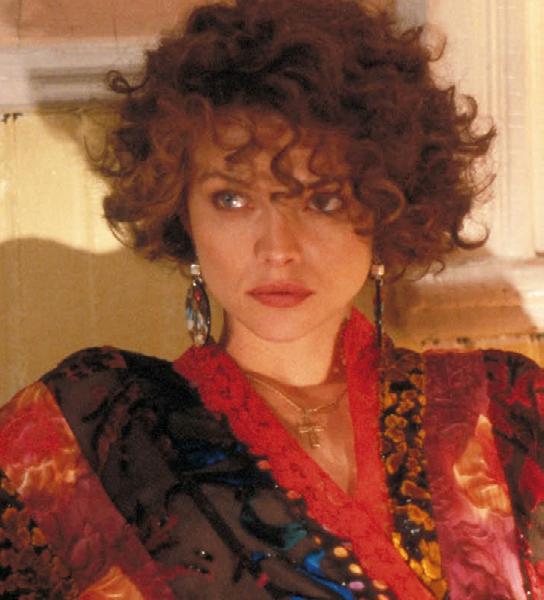
The true turning point in her career came in 1983 with Scarface. Brian De Palma chose her to play Elvira Hancock, the sophisticated and distant wife of Al Pacino’s character. Pfeiffer transformed the role into one of the most memorable female characters of 1980s cinema. Her elegant, calculating attitude fitted the film perfectly and established her as a new Hollywood star.
However, Michelle Pfeiffer never wished to be confined to the role of glamorous woman. By the late 1980s, she had begun to demonstrate extraordinary versatility in films such as Ladyhawke and The Witches of Eastwick. Her definitive acting consecration came, however, with Dangerous Liaisons, in which she starred alongside Glenn Close and John Malkovich. The performance earned her first Academy Award nomination and confirmed that behind her beauty lay an actress of immense dramatic talent.
Shortly afterwards, she took on one of the most important roles of her career in The Fabulous Baker Boys. In the film, she played Susie Diamond, a sensual and vulnerable singer who transforms the lives of two jazz musicians. Her performance was acclaimed by critics and audiences alike, earning her another Oscar nomination, this time for Best Actress. The scene in which she performs Makin’ Whoopee on top of a piano became one of the most iconic images of late twentieth-century American cinema. During the 1990s, Pfeiffer definitively consolidated her status as one of Hollywood’s most important actresses. She appeared in films as diverse as Batman Returns, where she brought to life an unforgettable Catwoman in a role of great emotional power. For many film specialists, hers remains one of the finest portrayals of Selina Kyle ever seen on the big screen. During that same period, she also shone in The Age of Innocence, Martin Scorsese’s elegant adaptation of Edith Wharton’s novel, and in Dangerous Minds, a hugely successful commercial drama that further reinforced her international popularity.
A RENEWED FORCE
At the beginning of the 2000s, Michelle Pfeiffer continued to appear in major productions, although she began to reduce her media exposure in order to focus on her personal life. She starred in thrillers such as What Lies Beneath, alongside Harrison Ford, and explored lighter registers in musicals and comedies such as Hairspray. Gradually, however, she stepped away from Hollywood’s frenetic pace in order to prioritise family stability.
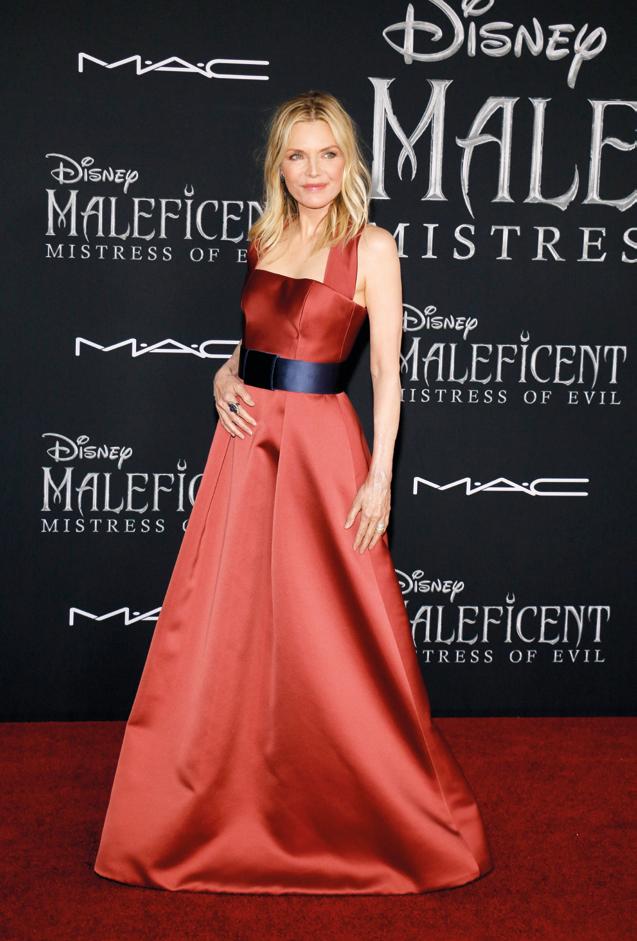
On a personal level, Pfeiffer has always maintained a discreet life by the standards of the Hollywood industry. In 1993, she married screenwriter and producer David E. Kelley. Shortly before the wedding, she had begun the process of adopting her daughter, Claudia Rose, and the couple later had a son, John Henry. The actress has always protected her privacy and avoided turning her private life into a media spectacle. With her children now grown up, Michelle Pfeiffer has returned to the forefront of acting with renewed strength. Films such as Mother!, Maleficent: Mistress of Evil and French Exit have shown that she retains intact the magnetism that made her one of the great figures of world cinema. Added to this is The Madison, the neo-western-style series in which she once again displays her elegance and unique stage presence. Perhaps Michelle Pfeiffer’s great secret has been her ability to evolve without ever losing her essence.
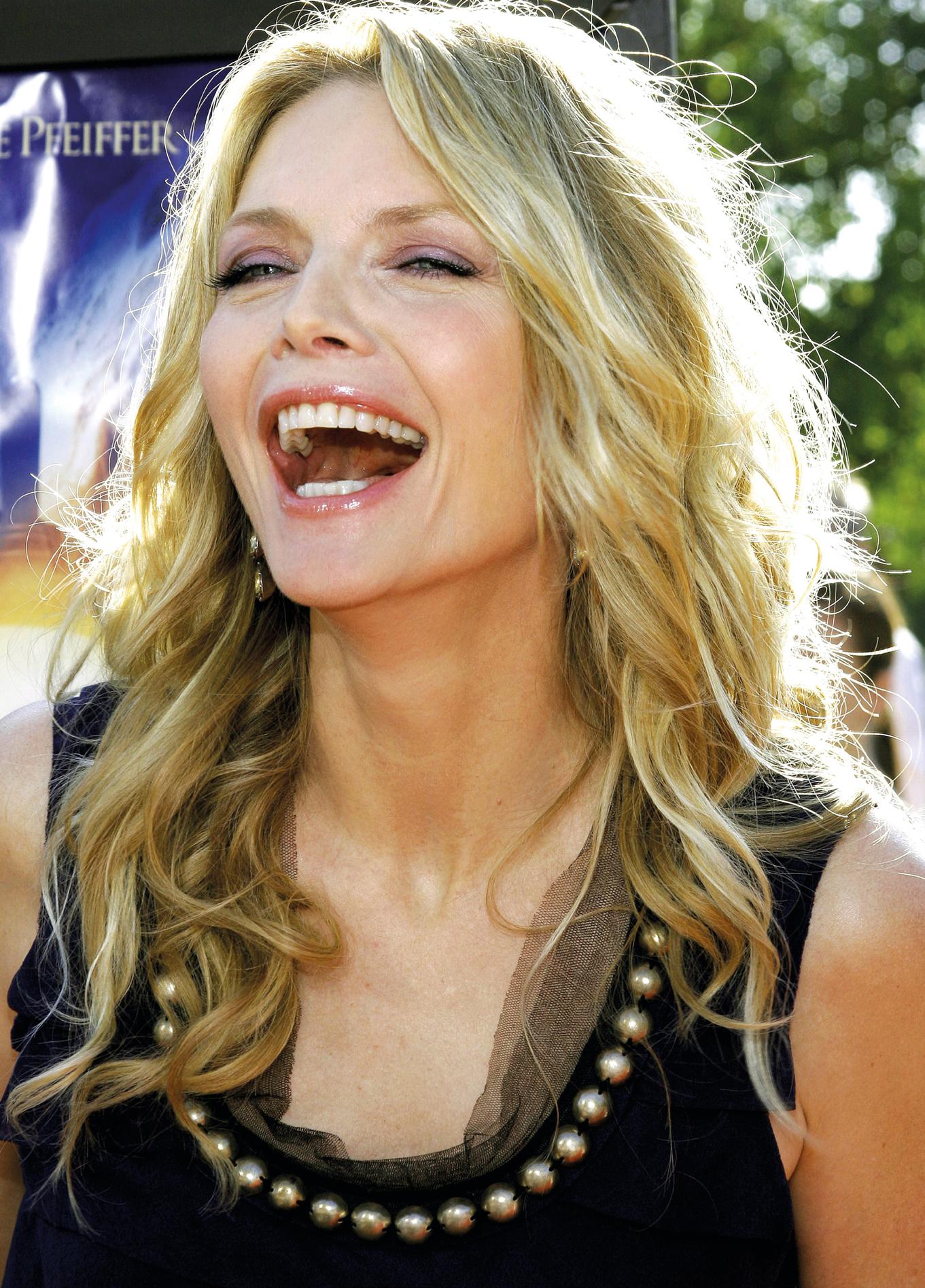
Far from constantly chasing the media spotlight, she has built a career founded on naturalness, sophistication and the ability to bring depth even to the most complex characters. In an industry obsessed with beauty and immediacy, Pfeiffer represents something far more difficult to preserve: timeless talent.
“Her definitive acting consecration came, however, with Dangerous Liaisons, in which she starred alongside Glenn Close and John Malkovich. The performance earned her first Academy Award nomination and confirmed that behind her beauty lay an actress of immense dramatic talent.”
Combinar glamour y talento, y mantenerlo intacto a lo largo de décadas, es algo difícil de alcanzar en Hollywood. Michelle Pfeiffer no solo lo ha conseguido, sino que ha convertido esa mezcla de sofisticación, naturalidad y magnetismo en su sello personal.
Cuando el 29 de abril de 1958 la familia Pfeiffer dio la bienvenida a Michelle en Santa Ana (California), nadie podía imaginar que aquella niña terminaría convirtiéndose en una de las grandes estrellas del cine estadounidense. Su padre trabajaba instalando sistemas de aire acondicionado y su madre era ama de casa. Michelle creció junto a sus tres hermanos en un entorno humilde y alejado por completo de la industria cinematográfica.
Durante su etapa en el instituto Fountain Valley High School trabajó como cajera en un supermercado para ayudar a la economía familiar. Más tarde estudió taquigrafía, aunque pronto comenzó a interesarse por el mundo de los concursos de belleza. Ganó el título de Miss Orange County y llegó a participar en Miss California, donde terminó en sexto lugar. Aquella experiencia le abrió la puerta a la posibilidad de dedicarse a la interpretación.
Decidida a convertirse en actriz, empezó a acudir a castings en Los Ángeles mientras encadenaba pequeños papeles televisivos. Sus primeras apariciones fueron modestas, pero delante de la cámara transmitía un carisma difícil de ignorar. En Hollywood comenzaron a fijarse en aquella joven de belleza deslumbrante que, además, poseía una gran naturalidad interpretativa.
PAPELES INOLVIDABLES
El auténtico salto en su carrera llegó en 1983 con Scarface. Brian De Palma la eligió para interpretar a Elvira Hancock, la sofisticada y distante esposa del personaje de Al Pacino. Pfeiffer convirtió aquel papel en uno de los personajes femeninos más recordados del cine de los ochenta. Su actitud, elegante y calculadora, encajaba a la perfección en la película y la consolidó como una nueva estrella de Hollywood.
Sin embargo, Michelle Pfeiffer nunca quiso limitarse al papel de mujer glamurosa. A finales de los ochenta comenzó a demostrar una enorme versatilidad con títulos como Lady Halcón o Las brujas de Eastwick. Su consagración interpretativa llegó, sin embargo, con Las amistades peligrosas, donde compartió reparto con Glenn Close y John Malkovich. Este trabajo le valió su primera nominación al Oscar y confirmó que detrás de su belleza había una actriz de enorme talento dramático.
Poco después protagonizó uno de los papeles más importantes de su trayectoria en la película Los fabulosos Baker Boys. Allí daba vida a Susie Diamond, una cantante sensual y vulnerable que transformaba la vida de dos músicos de jazz. La interpretación fue aplaudida tanto por la crítica como por el público y le otorgó una nueva nominación al Oscar como mejor actriz. La escena en la que interpreta Makin’ Whoopee sobre un piano se convirtió en una de las imágenes más icónicas del cine estadounidense de finales del siglo XX.
“Participó en películas tan diferentes como Batman Returns, donde dio vida una inolvidable Catwoman, en un papel con una enorme fuerza emocional.”
Durante los años noventa, Pfeiffer se consolidó definitivamente como una de las intérpretes más importantes de Hollywood. Participó en películas tan diferentes como Batman Returns, donde dio vida una inolvidable Catwoman, en un papel con una enorme fuerza emocional. Para muchos especialistas sigue siendo una de las mejores versiones de Selina Kyle vistas en la gran pantalla.
En esa misma etapa también brilló en La edad de la inocencia, la elegante adaptación de la novela de Edith Wharton dirigida por Martin Scorsese, y en Mentes peligrosas, un drama de gran éxito comercial que reforzó todavía más su popularidad internacional.
UNA FUERZA RENOVADA
A comienzos de los 2000, Michelle Pfeiffer continuó participando en importantes producciones, aunque empezó a reducir su exposición mediática para centrarse en su vida personal. Intervino en thrillers como Lo que la verdad esconde junto a Harrison Ford y exploró registros más ligeros en musicales y comedias como Hairspray. Pero poco a poco, fue alejándose del ritmo frenético de Hollywood para priorizar la estabilidad familiar.
En el terreno personal, Pfeiffer siempre ha mantenido una vida discreta para los estándares de la industria hollywoodiense. En 1993 se casó con el guionista y productor David E. Kelley. Poco antes del enlace había iniciado el proceso de adopción de su hija Claudia Rose y más tarde la pareja tuvo un hijo, John Henry. La actriz ha protegido siempre su intimidad y ha evitado convertir su vida privada en un espectáculo mediático.
Con sus hijos ya mayores, Michelle Pfeiffer ha regresado al primer plano interpretativo con una fuerza renovada. Películas como Mother!, Maléfica: Maestra del mal o French Exit han demostrado que conserva intacto el magnetismo que la convirtió en una de las grandes figuras del cine mundial. A ello se suma The Madison, la serie de estilo neo-western en la que vuelve a desplegar elegancia y una presencia escénica única.
Quizá el gran secreto de Michelle Pfeiffer haya sido saber evolucionar sin perder nunca su esencia. Lejos de perseguir constantemente el foco mediático, ha construido una carrera basada en la naturalidad, la sofisticación y la capacidad de dar profundidad incluso a los personajes más complejos. En una industria obsesionada con la belleza y la inmediatez, Pfeiffer representa algo mucho más difícil de conservar: el talento atemporal.
“Intervino en thrillers como Lo que la verdad esconde junto a Harrison Ford y exploró registros más ligeros en musicales y comedias como Hairspray.”
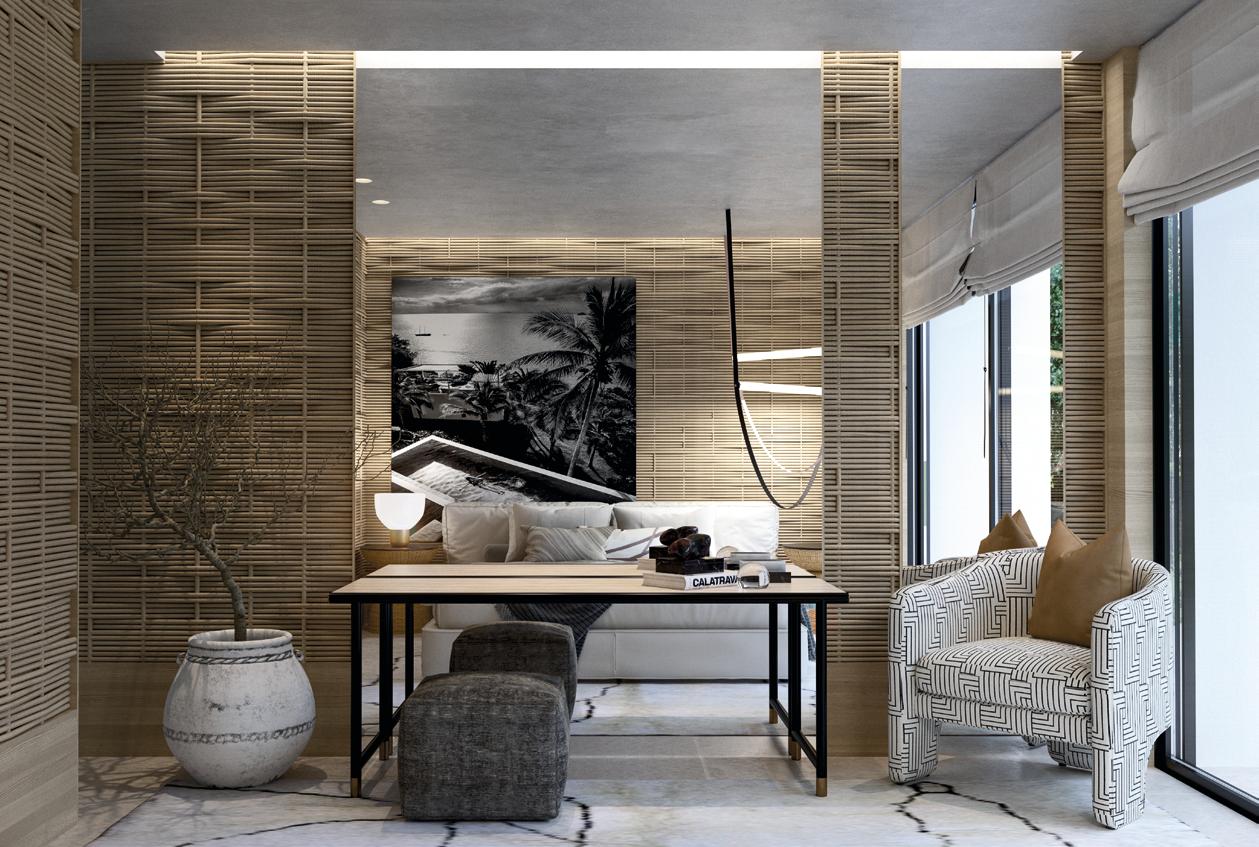
CORAL & CABANA
Where Nature Feels Like Home
BY HEIDI GUBBINS
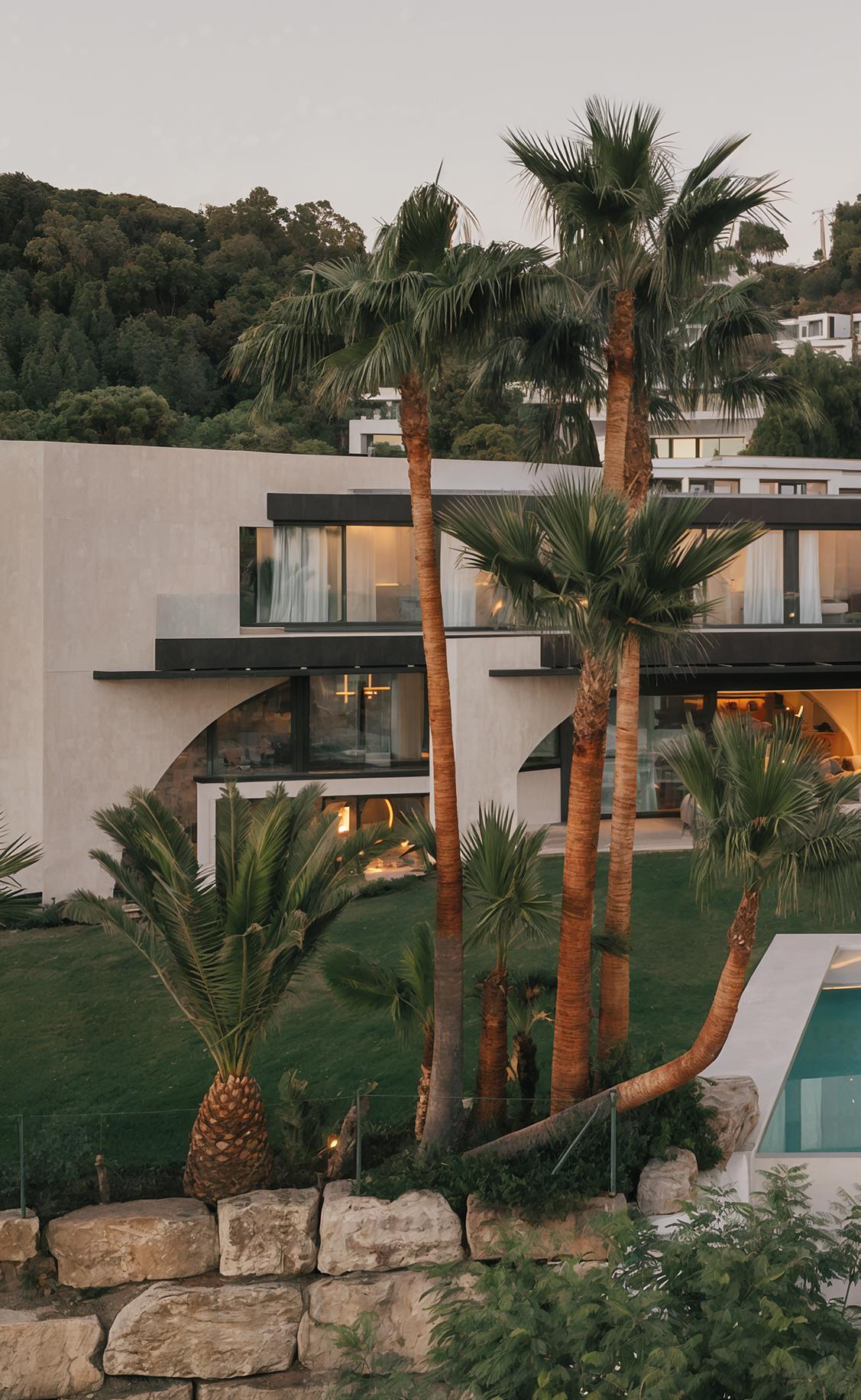
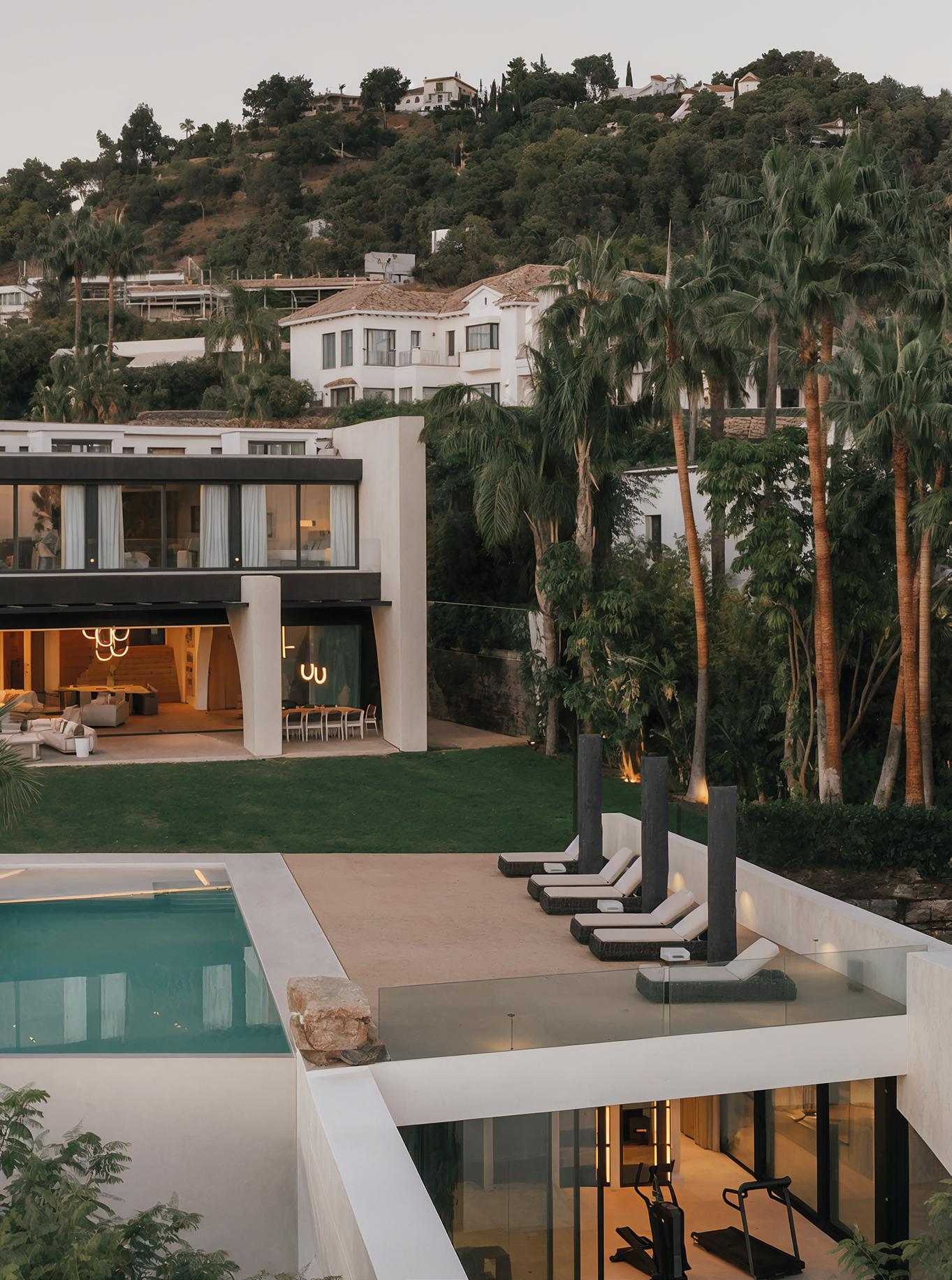
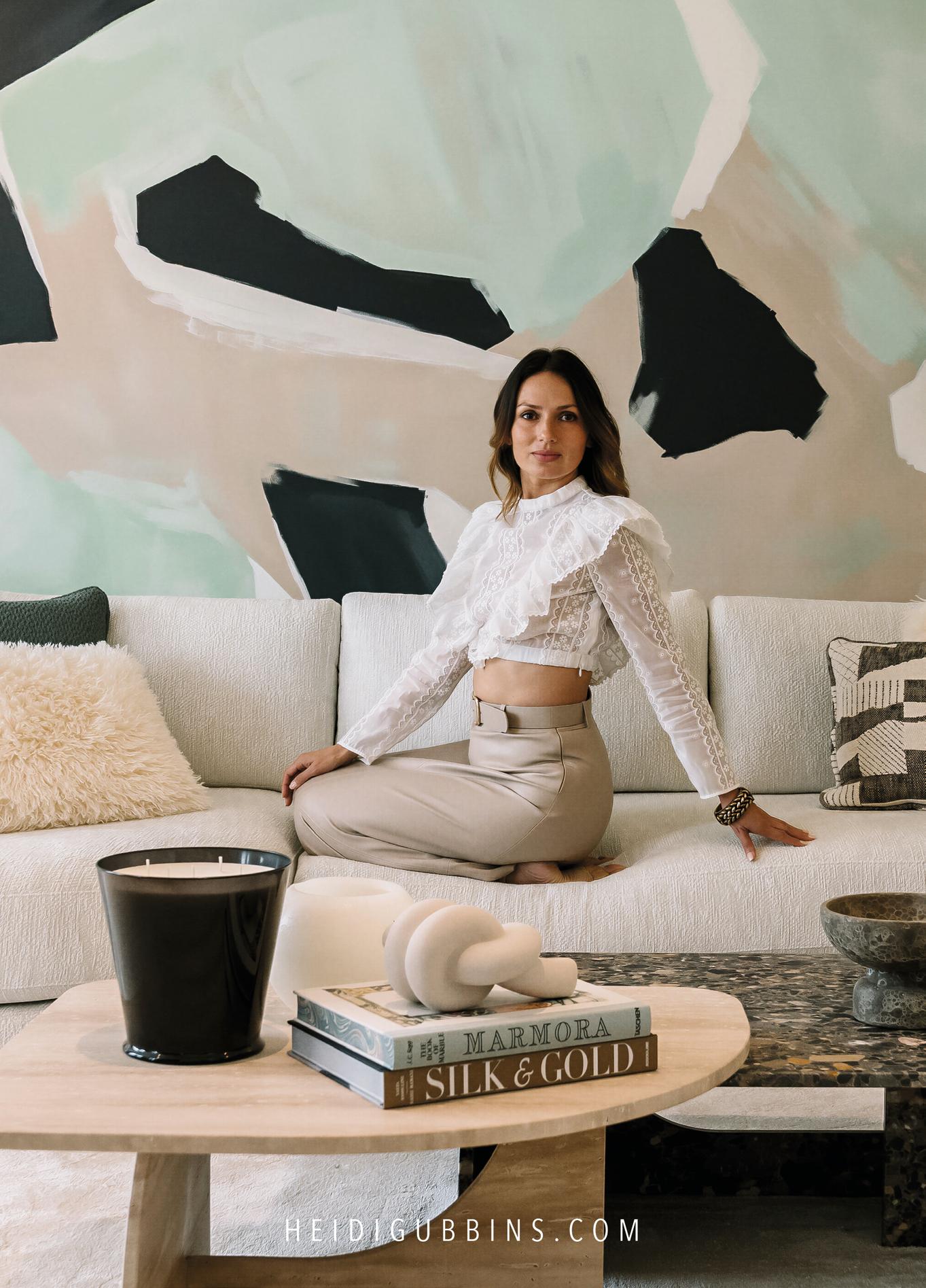
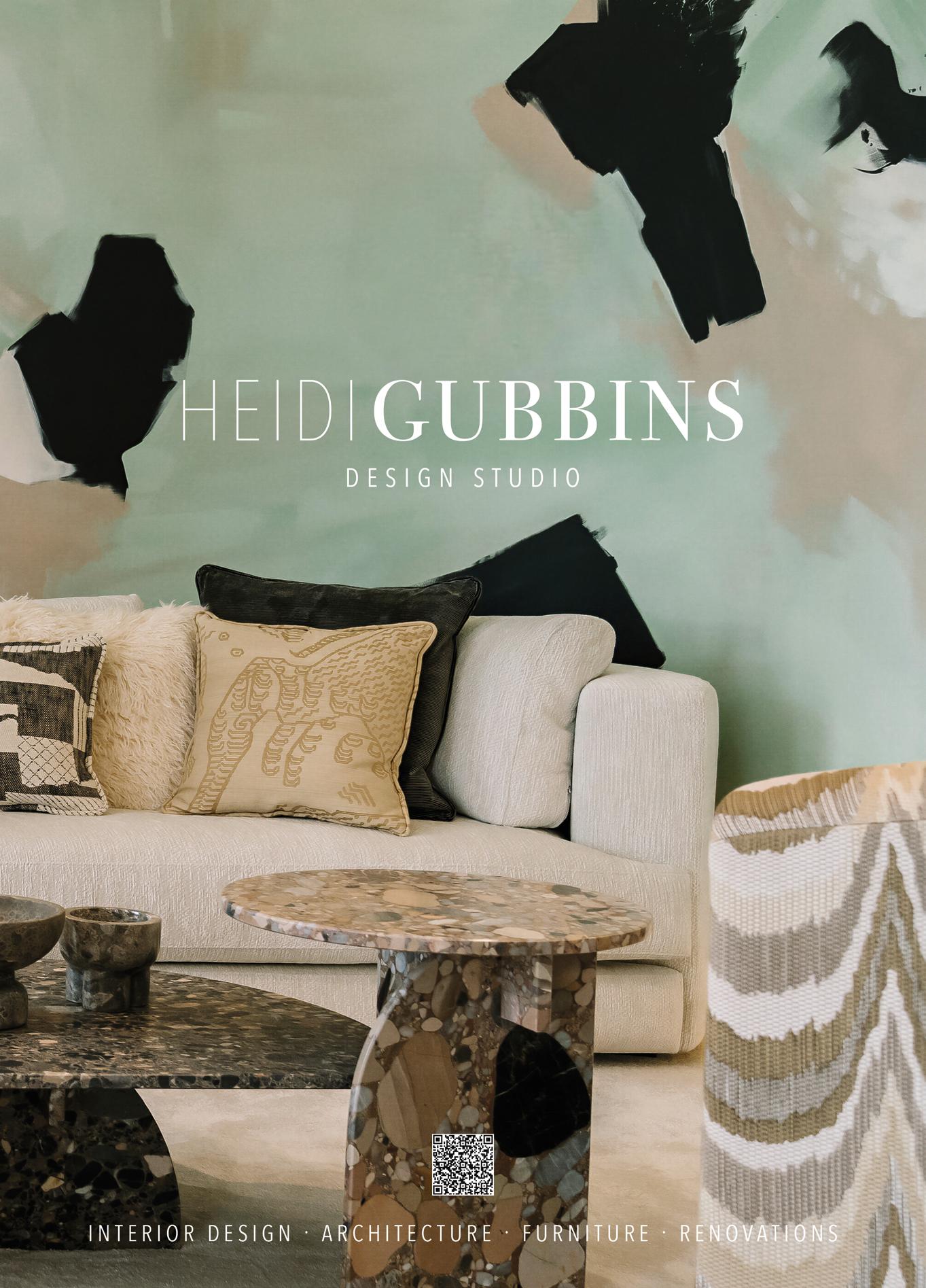
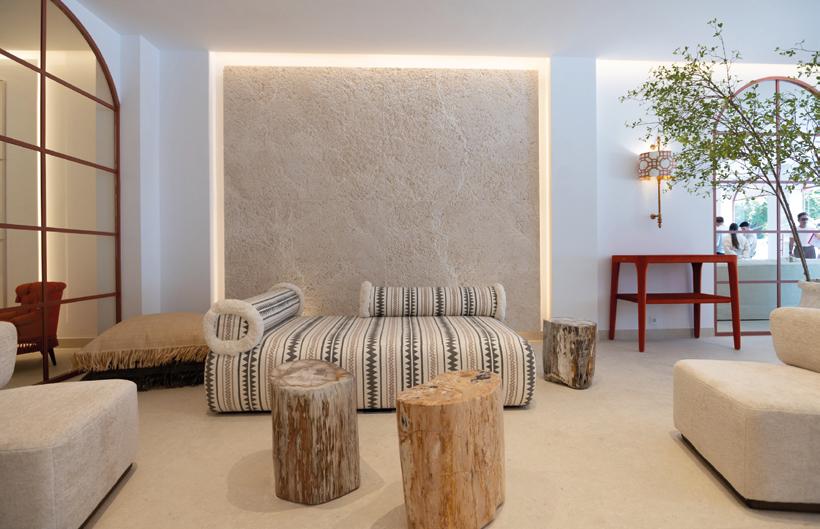
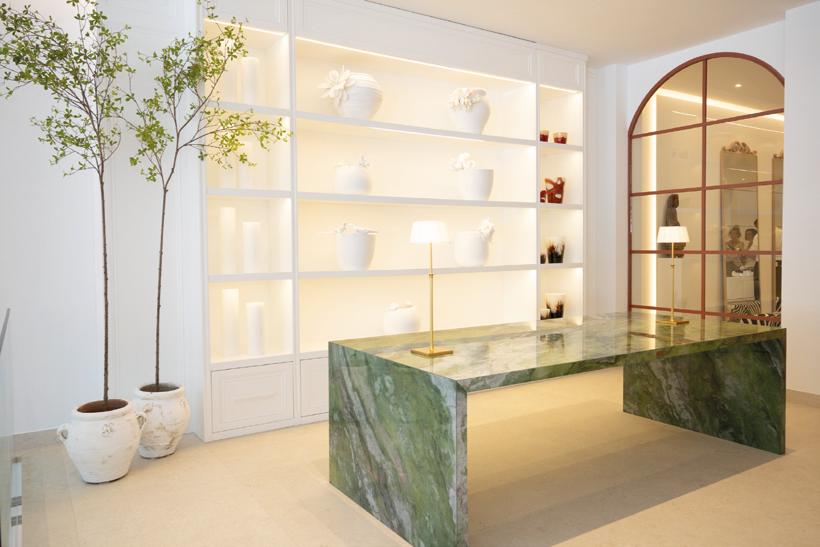
Inspired by the effortless beauty of Marbella’s coastline, Coral & Cabana reinterprets contemporary architecture through a warmer, more tactile lens. While the villa itself is strikingly modern, Heidi Gubbins envisioned interiors that evoke the relaxed atmosphere of a secluded beach cabana— layered, textured and deeply connected to nature.
The concept draws its name from two defining elements. Soft coral accents introduce warmth and subtle energy throughout the home, while carefully curated natural materials create an inviting sense of shelter. Rich textures, handcrafted details and layered finishes soften the architectural lines, transforming each space into an experience that feels both refined and effortlessly comfortable.
Stone, timber and woven surfaces celebrate the surrounding landscape, while bespoke joinery, sculptural lighting and thoughtfully selected artworks add character without overwhelming the calm palette. Every detail has been considered to create a home that feels authentic, elegant and lived in.
More than a contemporary residence, Coral & Cabana reflects Heidi Gubbins’ philosophy of designing interiors that engage the senses, celebrate craftsmanship and create an emotional connection with the people who inhabit them.
heidigubbins.com
COQUE AND JUAN ALFARO STUDIO PRESENT AN EXPERIENCE THAT BRINGS TOGETHER CONTEMPORARY ART AND HAUTE CUISIN
COQUE Y JUAN ALFARO STUDIO PRESENTAN UNA EXPERIENCIA QUE UNE ARTE CONTEMPORÁNEO Y ALTA GASTRONOMÍA
by coque & juan alfaro studio
“Eat With Art translates this reflection into the language of contemporary gastronomy, turning each dish into a physical and emotional extension of the works on display”
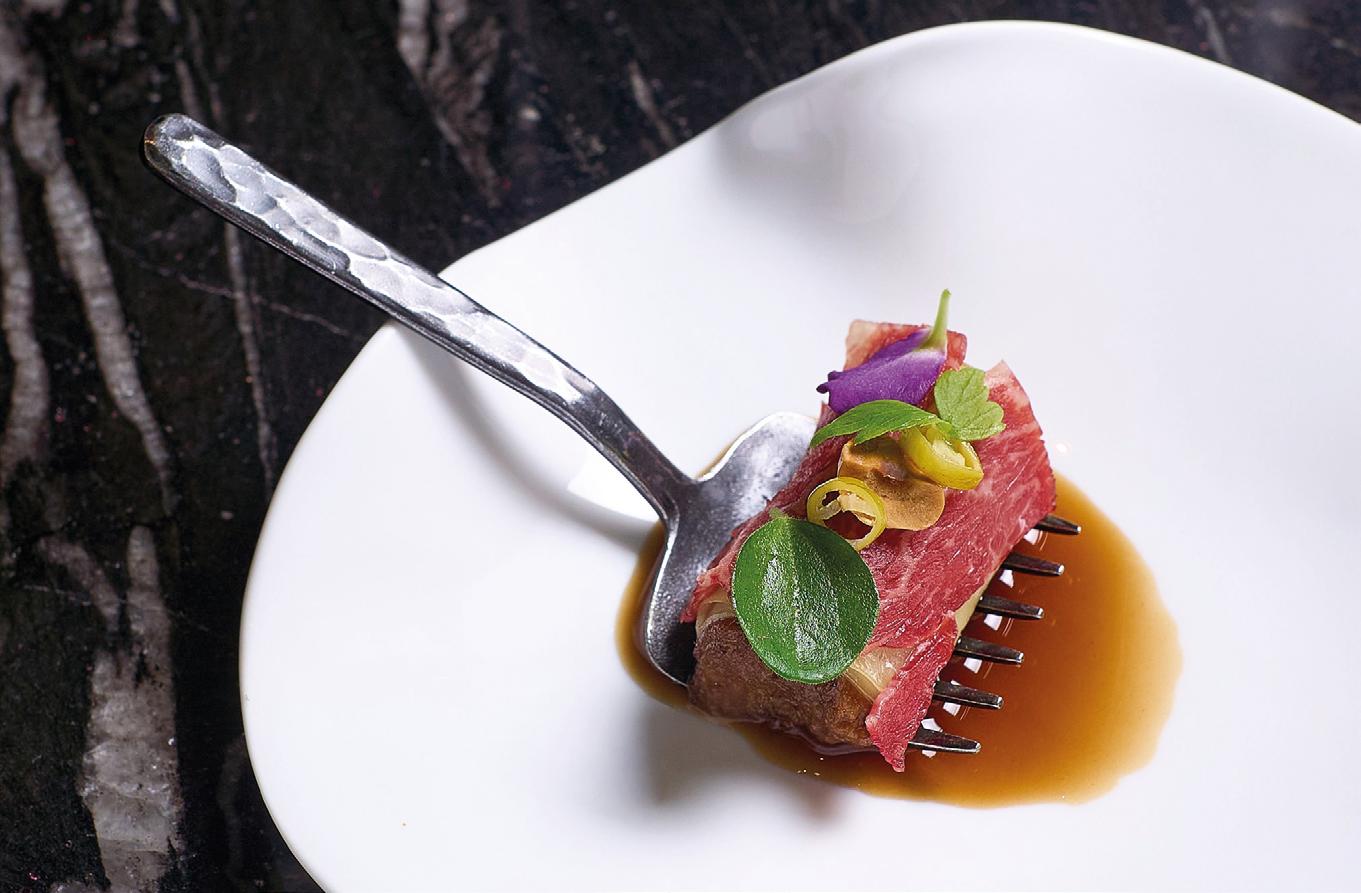
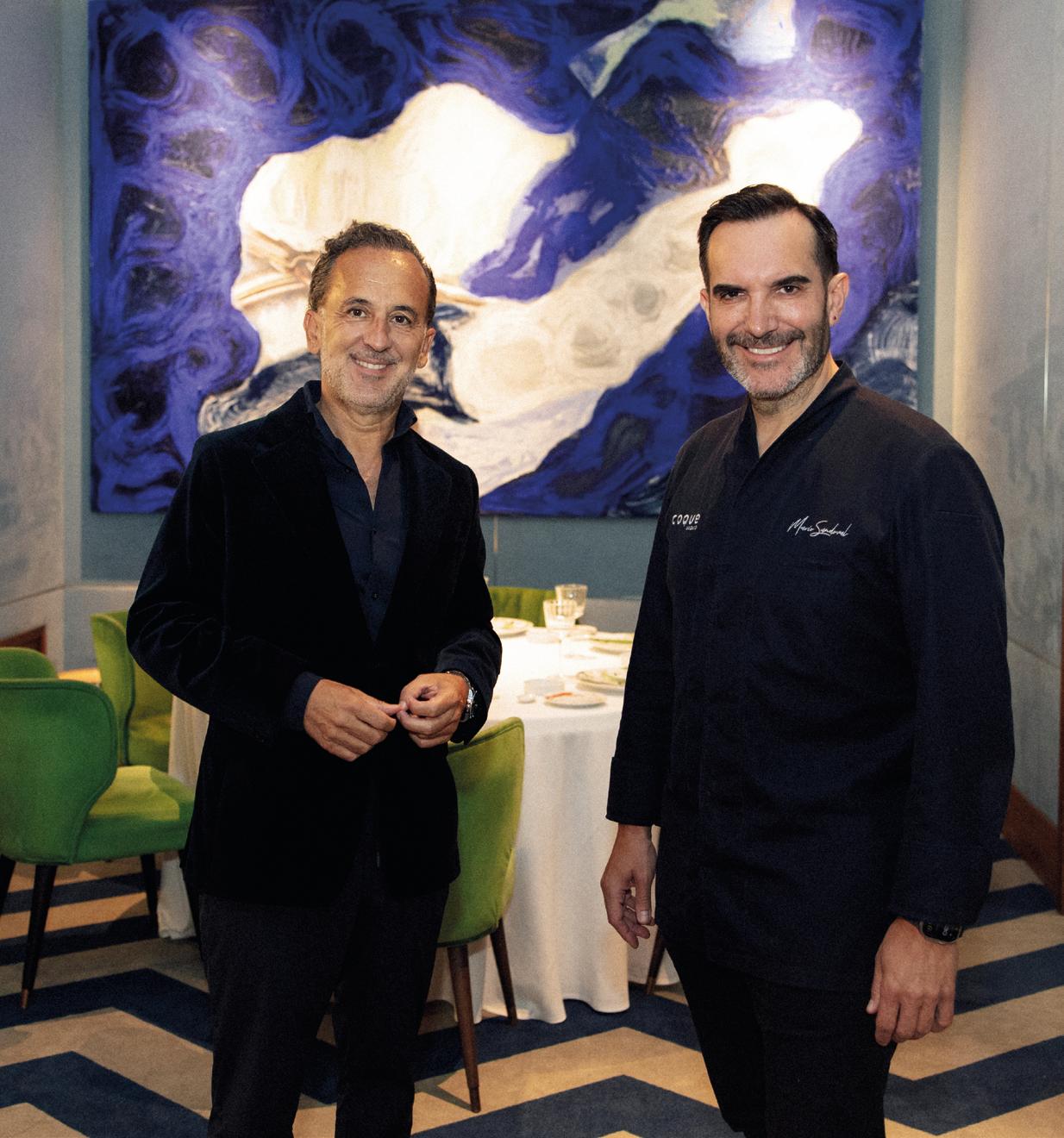
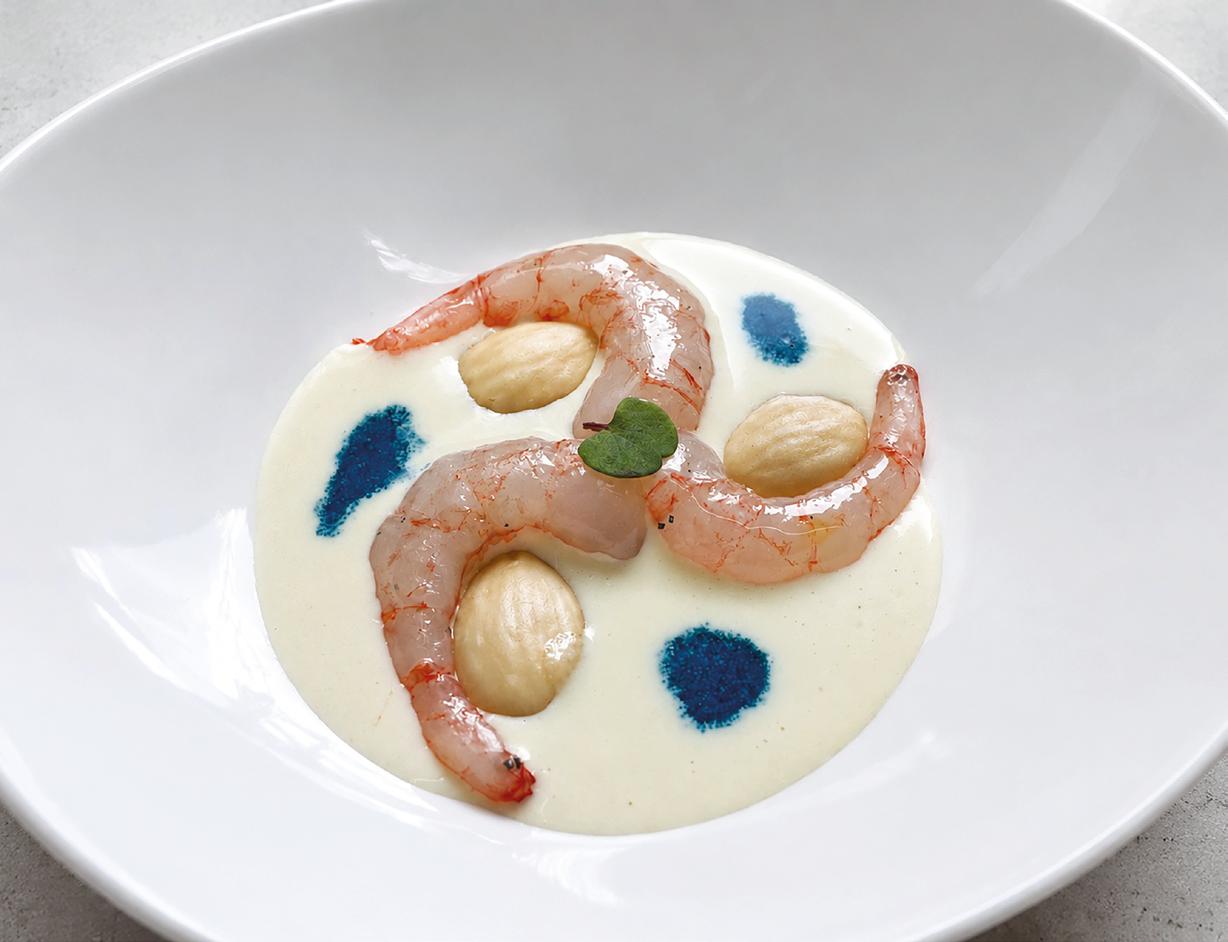
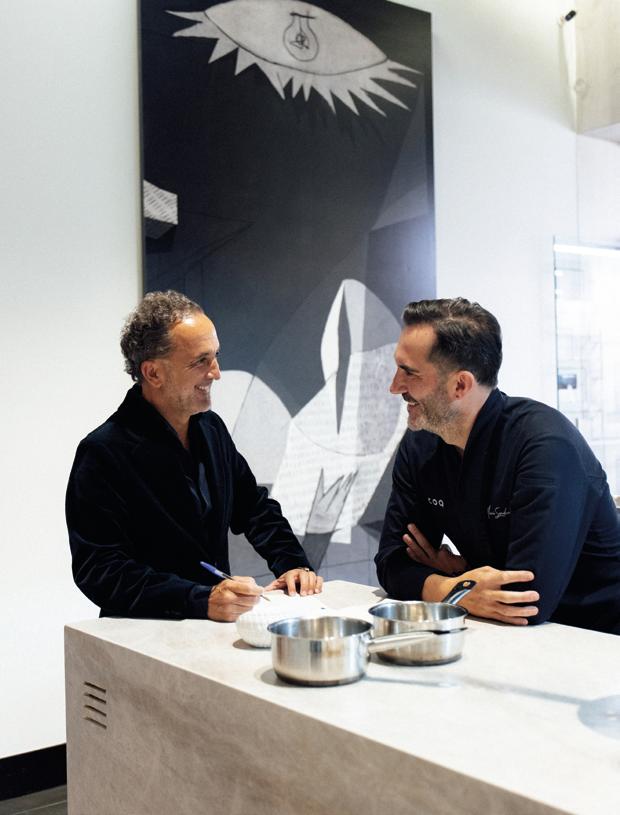
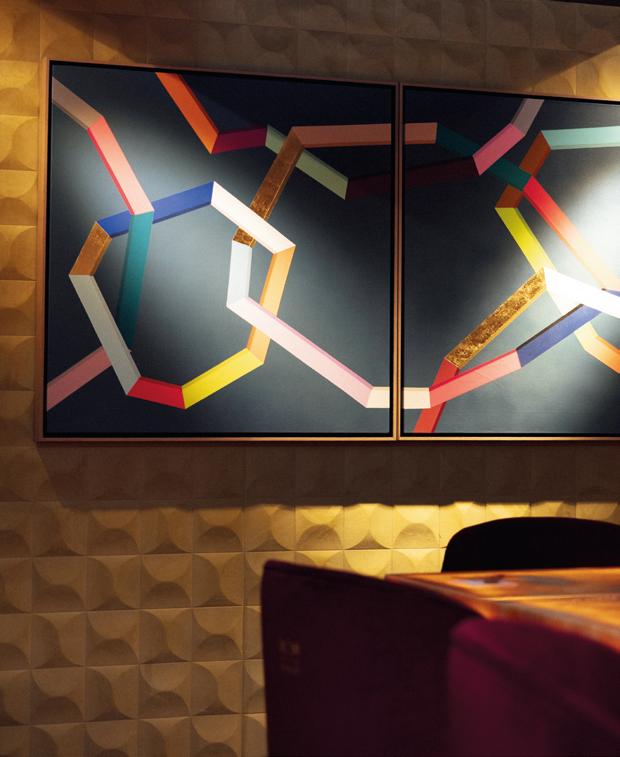
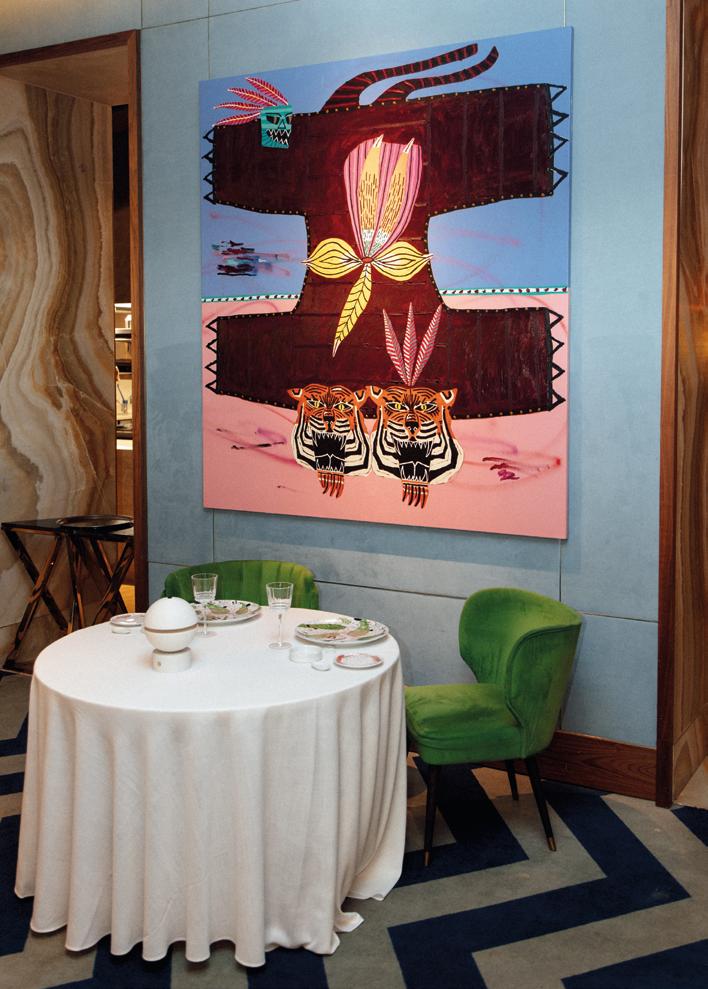
The Coque restaurant, run by the Sandoval brothers and Juan Alfaro Studio, presents ‘Eat With Art’, a project that fosters a dialogue between contemporary art and gastronomy through an immersive experience in which each artwork is translated into a tasting menu created by Mario Sandoval.
Conceived as a sensory journey, Eat With Art transforms Coque into a space where artistic creation and cuisine meet. The experience invites guests to perceive art from a broader perspective, in which contemplation is accompanied by flavour, texture, emotion and memory. The project stems from a collaboration between Mario Sandoval, a chef and leading figure in contemporary haute cuisine
in Spain, and Juan Alfaro, an international curator of contemporary art, whose practice brings together collecting, culture and luxury through new narratives and experiences. The concept takes as its starting point one of Yves Klein’s most iconic works: *Le Vide*, the exhibition presented in Paris in 1958 in which the French artist transformed the exhibition space into an immersive experience centred on a Klein blue cocktail of his own creation. Inspired by that idea of ‘introducing art into the body’ of the viewer, Eat With Art translates this reflection into the language of contemporary gastronomy, turning each dish into a physical and emotional extension of the works on display.
“Eat
With Art traslada esa reflexión al lenguaje gastronómico contemporáneo, convirtiendo cada plato en una extensión física y emocional de las obras expuestas.”
El restaurante Coque de los hermanos Sandoval y Juan Alfaro
Studio presentan Eat With Art, un proyecto que propone un diálogo entre arte contemporáneo y gastronomía a través de una experiencia inmersiva en la que cada obra se traduce en un pase creado por Mario Sandoval.
Concebido como un recorrido sensorial, Eat With Art transforma Coque en un espacio de encuentro entre creación artística y cocina. La experiencia invita a percibir el arte desde una dimensión ampliada, en la que la contemplación se acompaña de sabor, textura, emoción y memoria.
El proyecto nace de la colaboración entre Mario Sandoval, chef y referente de la alta cocina contemporánea en España, y Juan Alfaro, curador internacional de arte contemporáneo, cuya práctica conecta coleccionismo, cultura y lujo a través de nuevas narrativas y experiencias. La propuesta toma como punto de partida conceptual una de las acciones más icónicas de Yves
Klein: Le Vide, la exposición presentada en París en 1958 en la que el artista francés transformó el vacío expositivo en una experiencia inmersiva alrededor de un cóctel azul Klein creado por él mismo. Inspirado por aquella idea de “introducir el arte en el cuerpo” del espectador, Eat With Art traslada esa reflexión al lenguaje gastronómico contemporáneo, convirtiendo cada plato en una extensión física y emocional de las obras expuestas.
Where Summer Never Ends
BOHO CLUB
MARBELLA’S NEW SEASON
DONDE EL VERANO NO TERMINA
LA NUEVA TEMPORADA DE BOHO CLUB MARBELLA
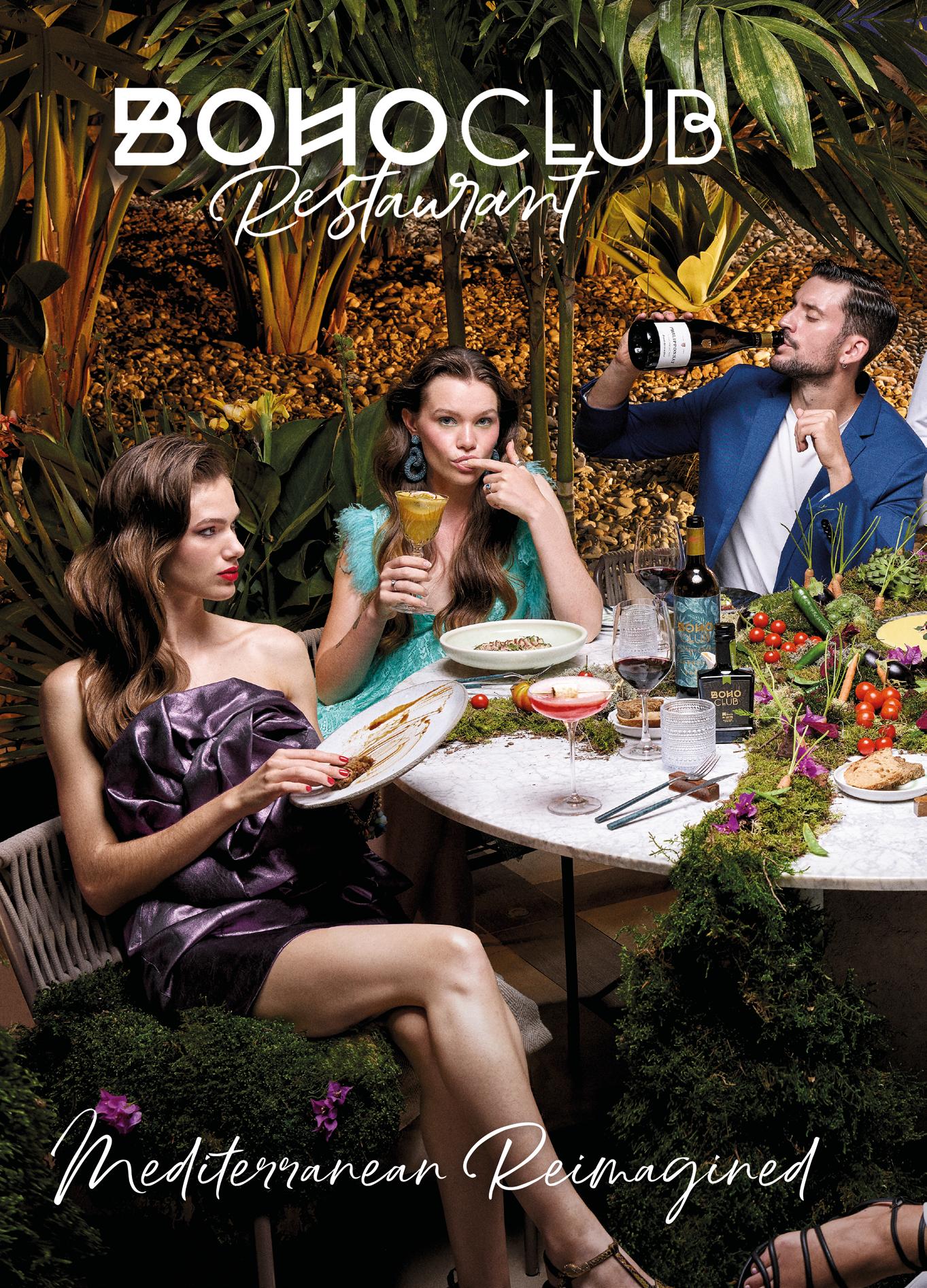
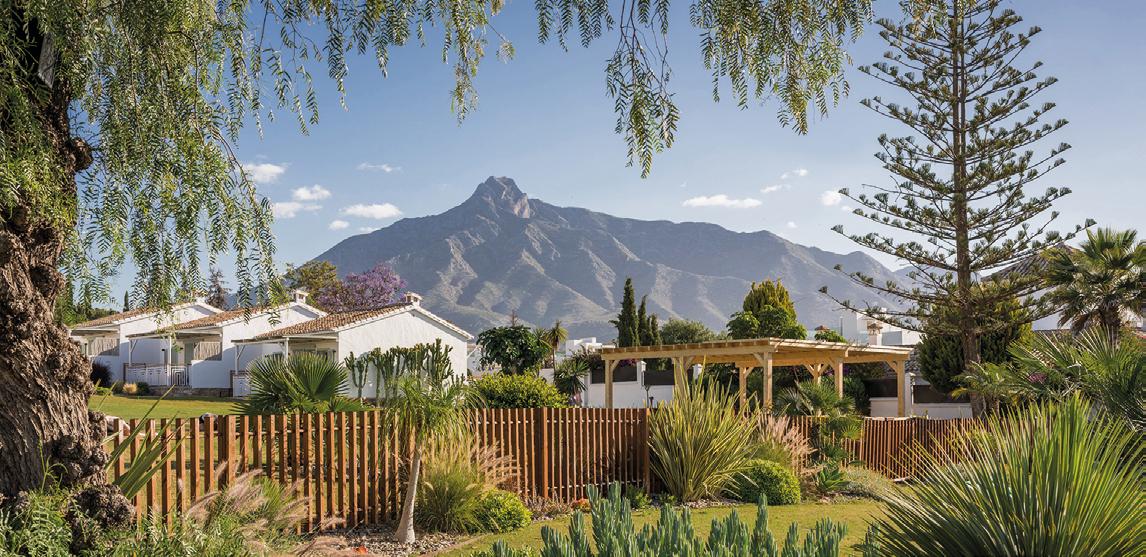
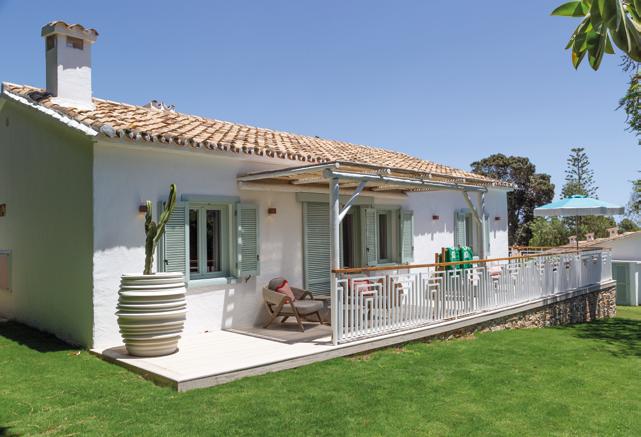
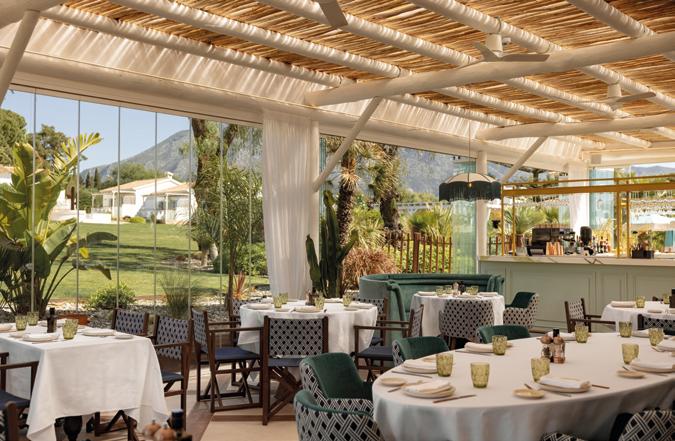
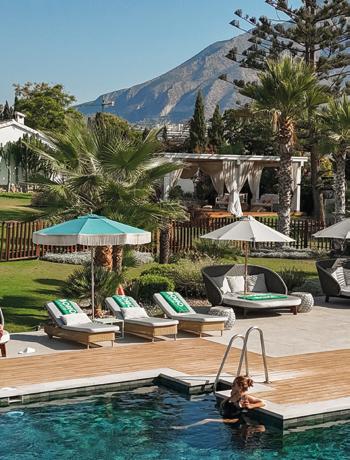
On Marbella’s Golden Mile, summer moves at a different pace at Boho Club. Its eclectic design, lush gardens, lemon trees and the warm light of the Costa del Sol create a setting where luxury feels natural: the kind of place that invites guests to stay a little longer.
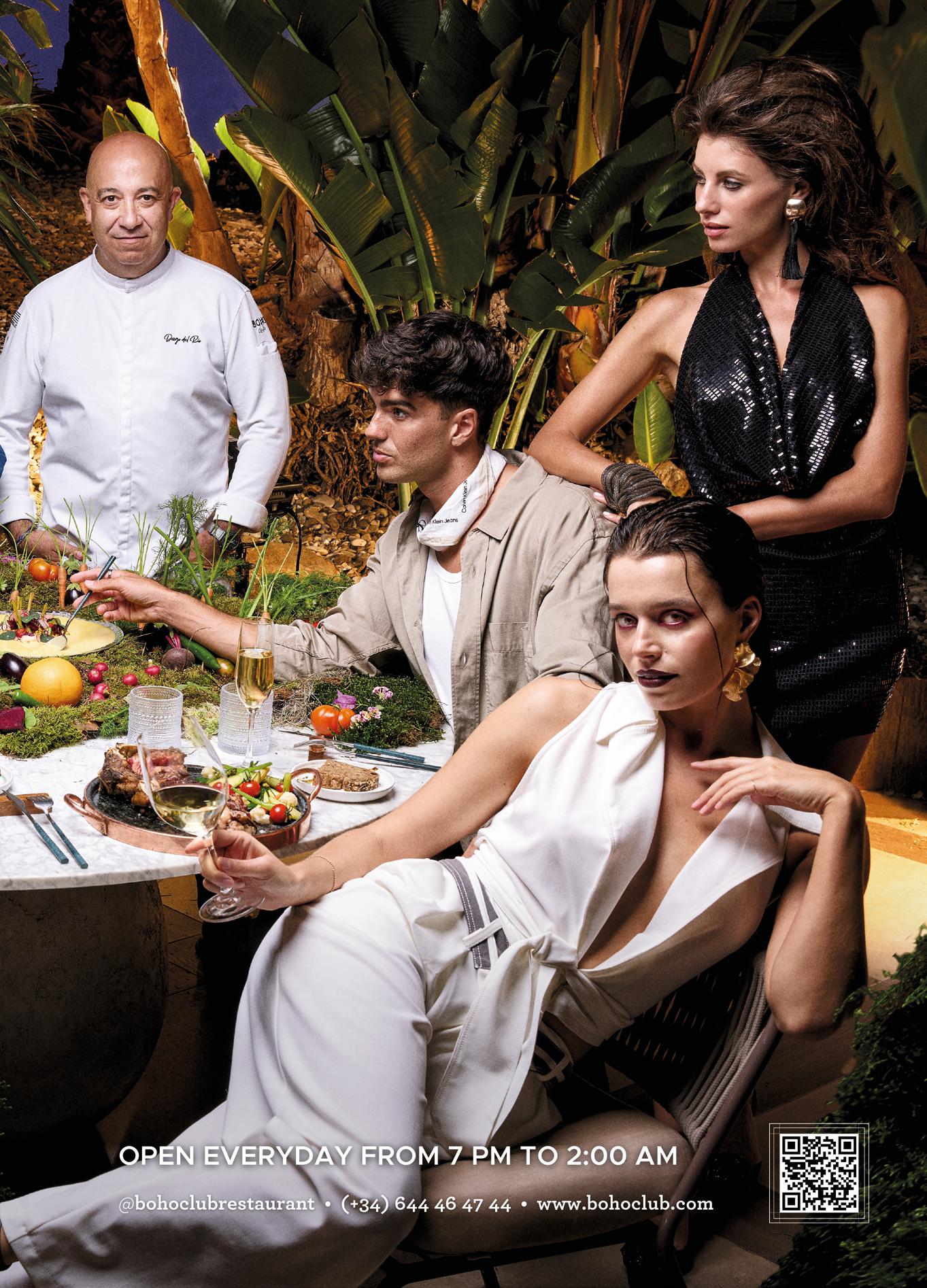
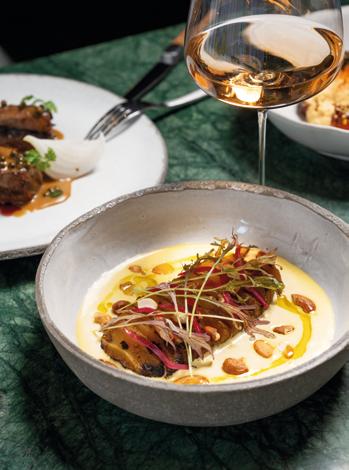
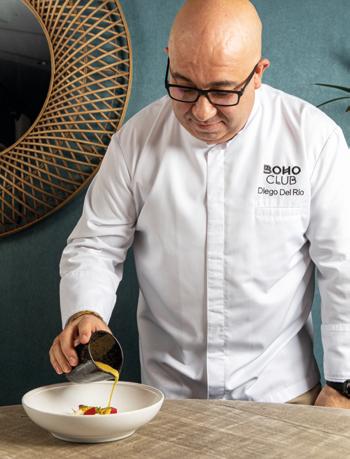
Boho Restaurant, led by Chef Diego del Río, anchors the hotel. His seasonal menu is rooted in Mediterranean cuisine, built on local produce with flavours from around the world. Evenings are made for sharing plates, al fresco dining and live music.
Among the gardens, Bungalow 21 offers a more relaxed setting. The menu centres around fire, with grilled fish, premium meats and fresh salads. Here, long lunches stretch into sunset, with La Concha as the backdrop.
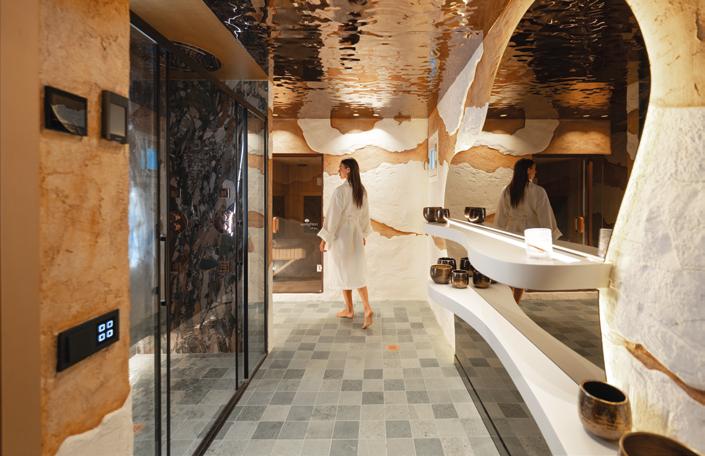
Boho Wellness adds the final layer: biohacking circuits, LPG Endermologie treatments and restorative
En plena Milla de Oro de Marbella, el verano se vive de una forma diferente en Boho Club. Su diseño ecléctico, los jardines, los limoneros y la luz de la Costa del Sol crean un entorno donde el lujo se disfruta sin artificios y cada rincón invita a quedarse un poco más.
En el corazón del hotel está Boho Restaurant, dirigido por el chef Diego del Río. Su carta de temporada apuesta por una cocina mediterránea basada en el producto local y sabores del mundo. Las noches transcurren entre platos para compartir, cenas al aire libre y música en directo.
Entre los jardines, Bungalow 21 propone un ambiente más relajado. La cocina gira en torno al fuego, con pescados a la brasa, carnes seleccionadas y ensaladas frescas, mientras los almuerzos se alargan hasta el atardecer con La Concha como telón de fondo.
Para completar la experiencia, Boho Wellness ofrece circuitos de biohacking, tratamientos LPG Endermologie y rituales after-sun. Así es el verano en Boho Club: pausado, sensorial y pensado para disfrutar.
Spring Summer 2026
JOHANNA ORTIZ’S CARAVAN
Marbella Club Hotel, Bulevar Príncipe Alfonso von Hohenlohe, Marbella. Horario / Opening Hours: Monday–Sunday / Lunes–Domingo, 11 AM–8 PM
AT MARBELLA CLUB HOTEL
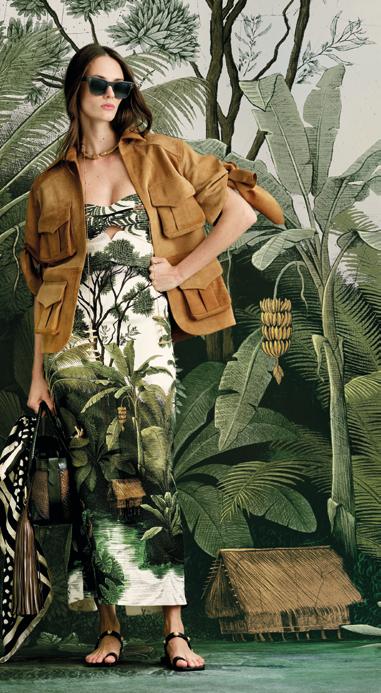
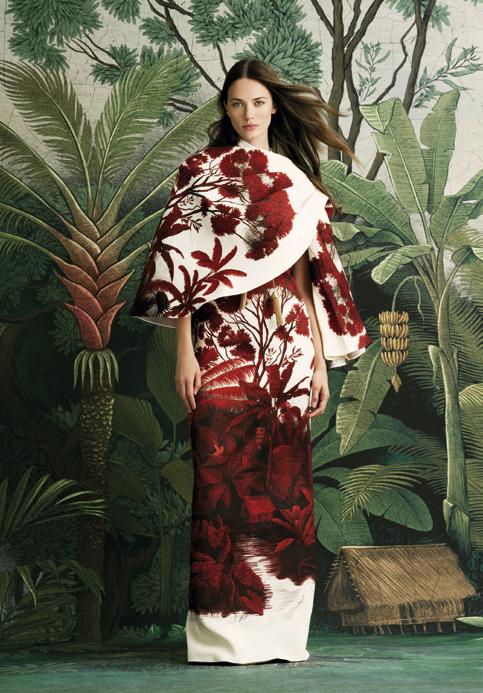
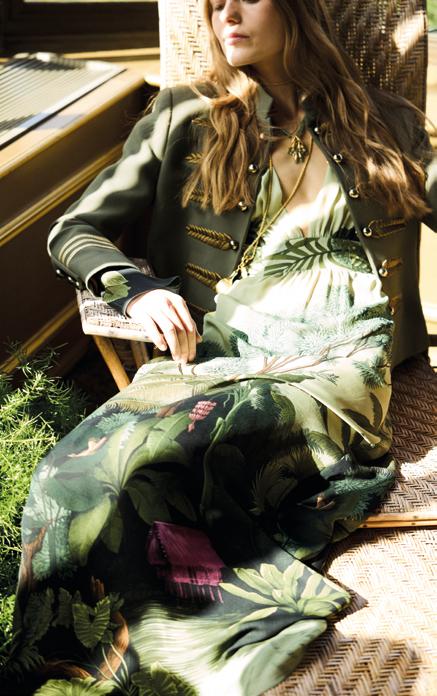
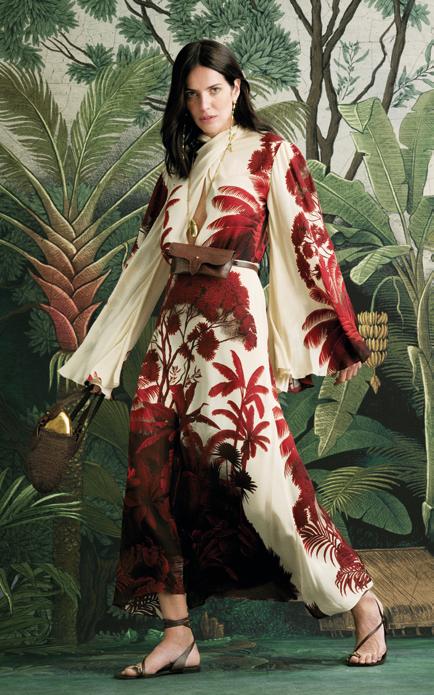
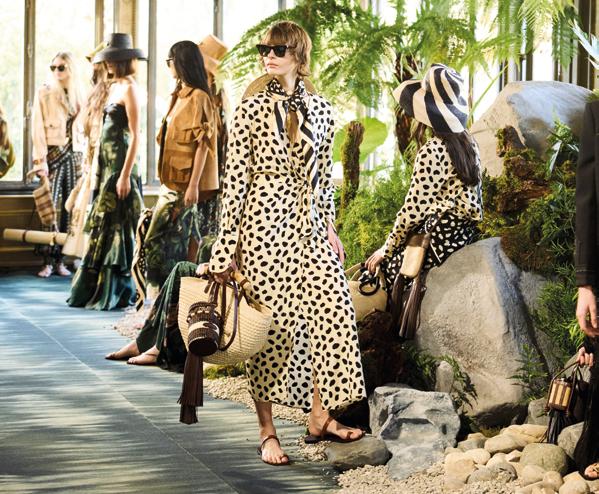
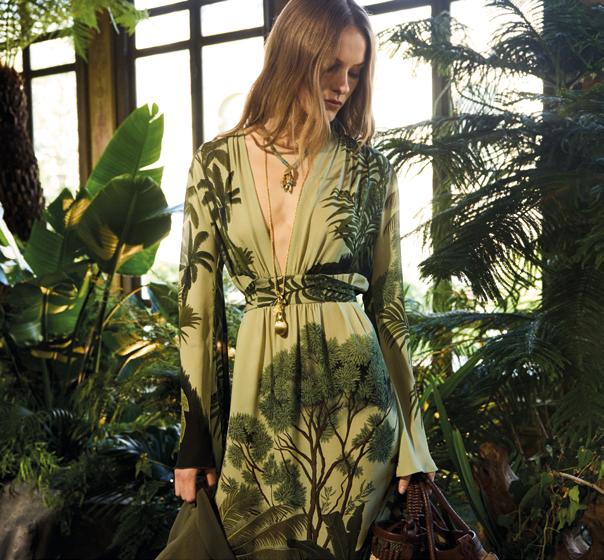
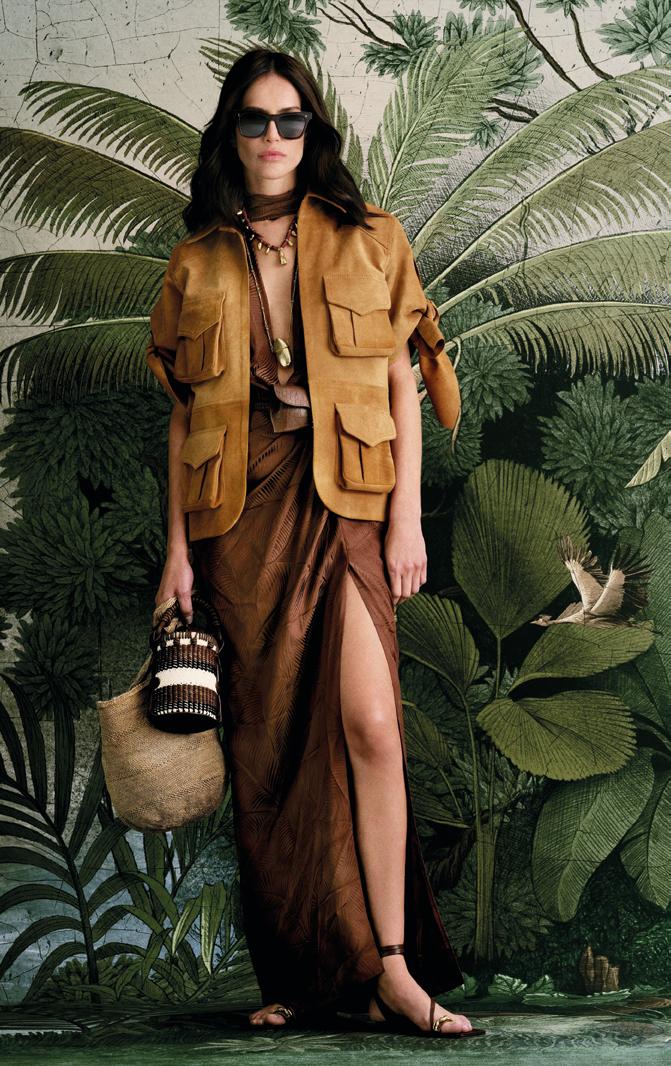
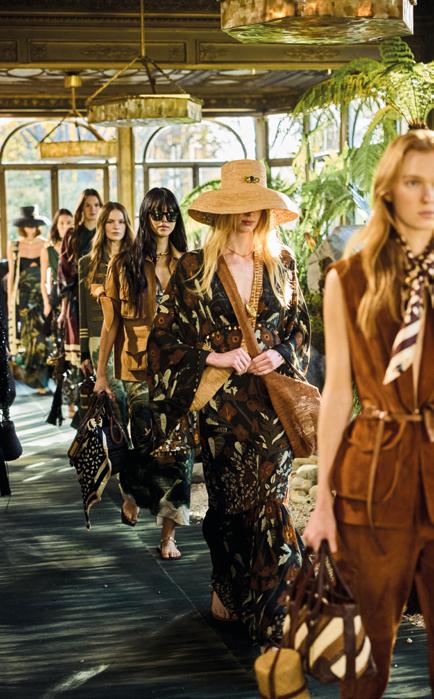
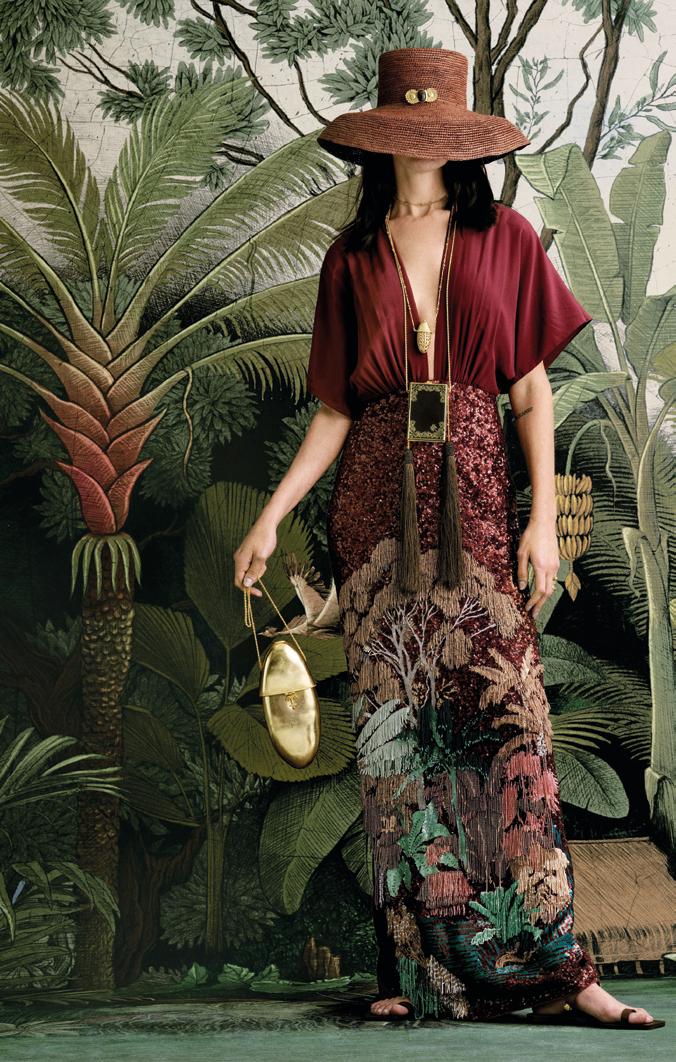
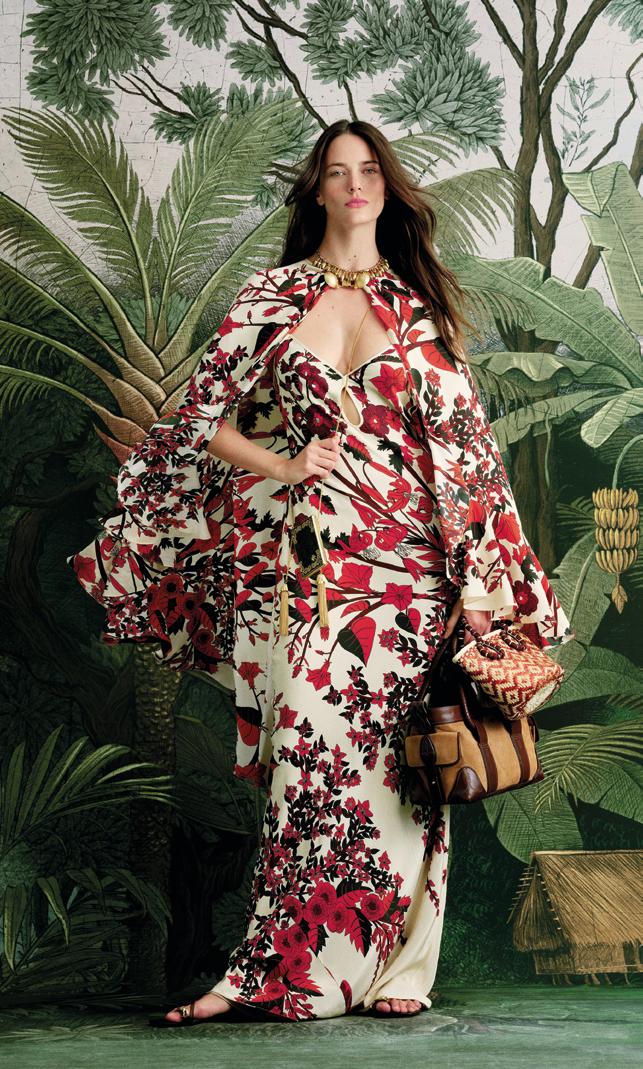
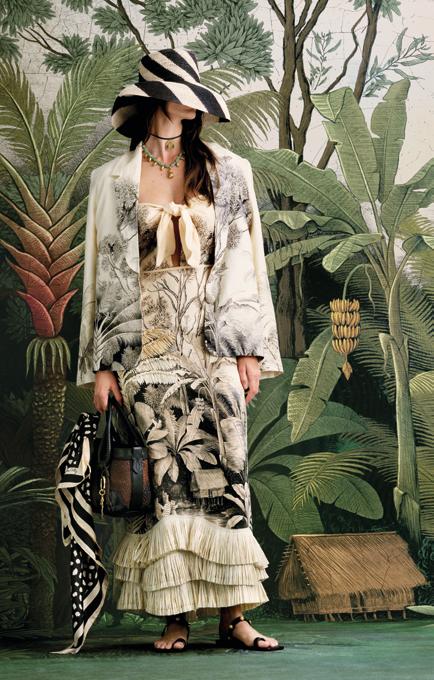
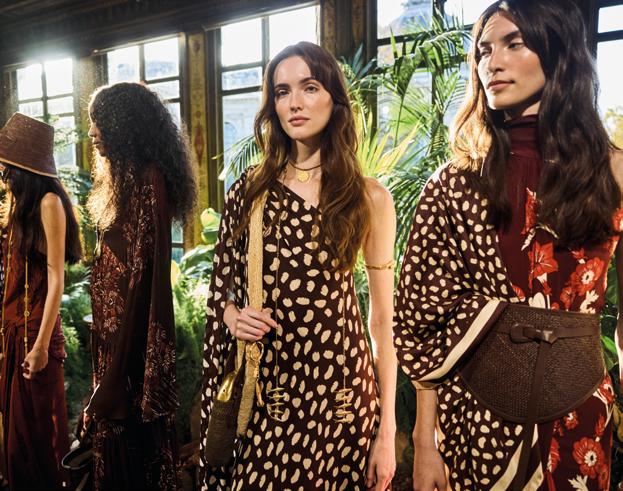
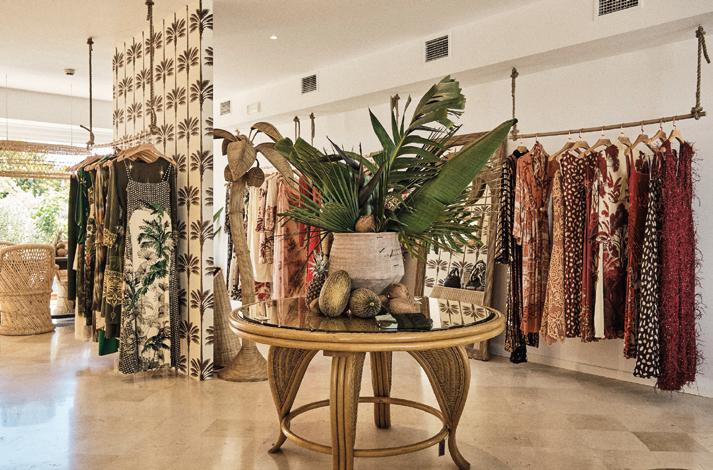
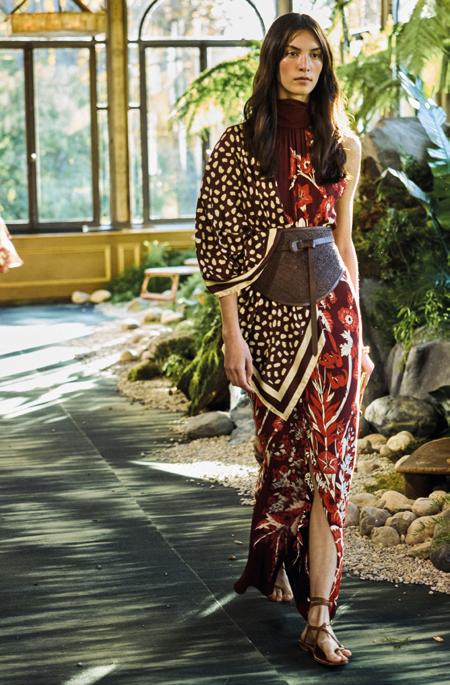
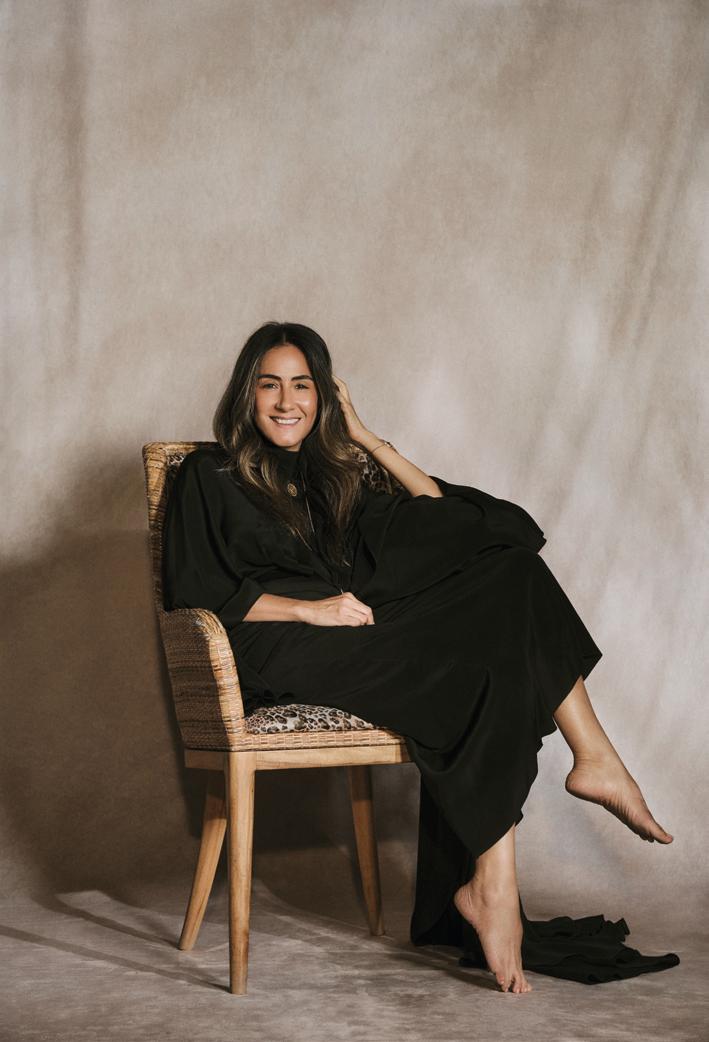
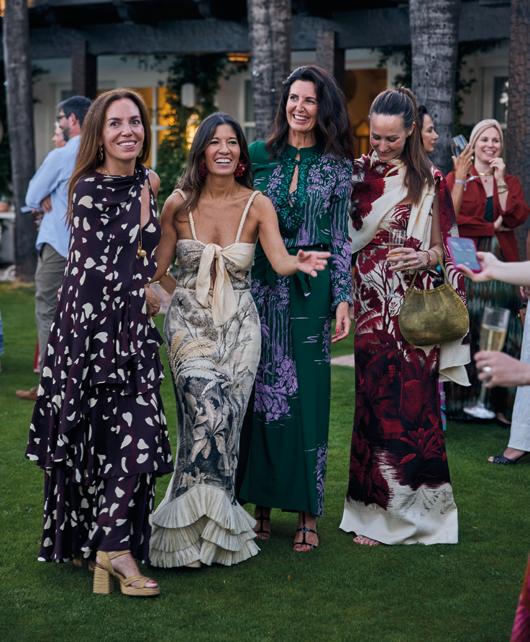
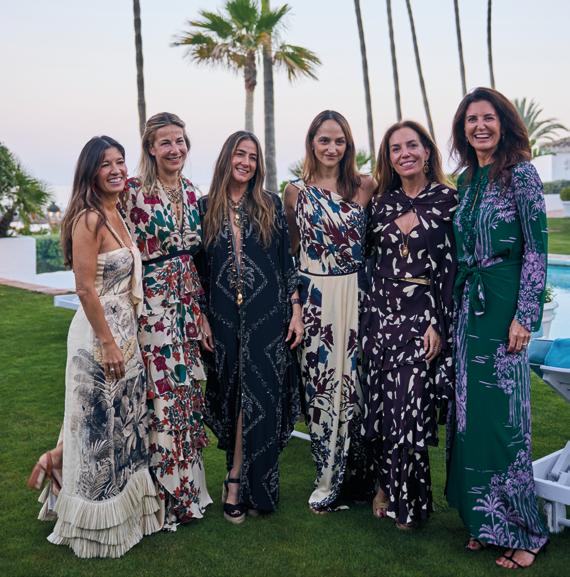
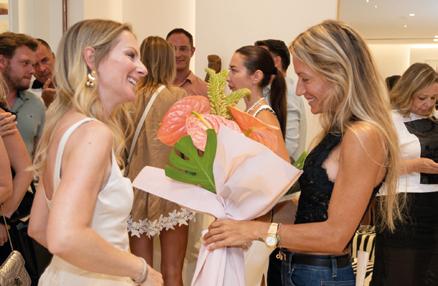
Colombian luxury house Johanna Ortiz, renowned for its Latin American spirit and joyful elegance, has unveiled a seasonal Pop-Up Store at the iconic Marbella Club Hotel, where it will remain open until the end of September.
The arrival of the JO Caravan in Marbella marks the encounter between two worlds united by the same philosophy: celebrating the beauty of slowing down with style, authenticity and sophistication. Inspired by the spirit of travel and the allure of nomadic destinations, the concept presents a carefully curated selection of pieces for cosmopolitan and refined women.
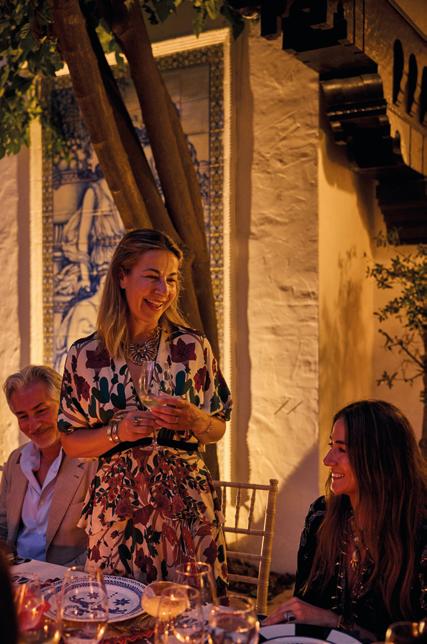
On 8 June 2026, the collection was officially launched at Marbella Club Hotel with an exclusive dinner, where distinguished guests shared the evening at the table with the designer herself. The event reflected the essence of Slower is better: an invitation to enjoy time, conversation, music, the sea and the magic of being present.
After travelling to destinations such as Saint-Tropez, Comporta, the Hamptons, Los Angeles, Texas and Palm Beach, the JO Caravan arrives for the first time on Spain’s Mediterranean coast, leaving in Marbella a lasting impression of style, emotion and joie de vivre.
MALVA BEACH
Where the Mediterranean Meets the Basque Country
DONDE EL MEDITERRÁNEO
SE ENCUENTRA CON EL PAÍS VASCO
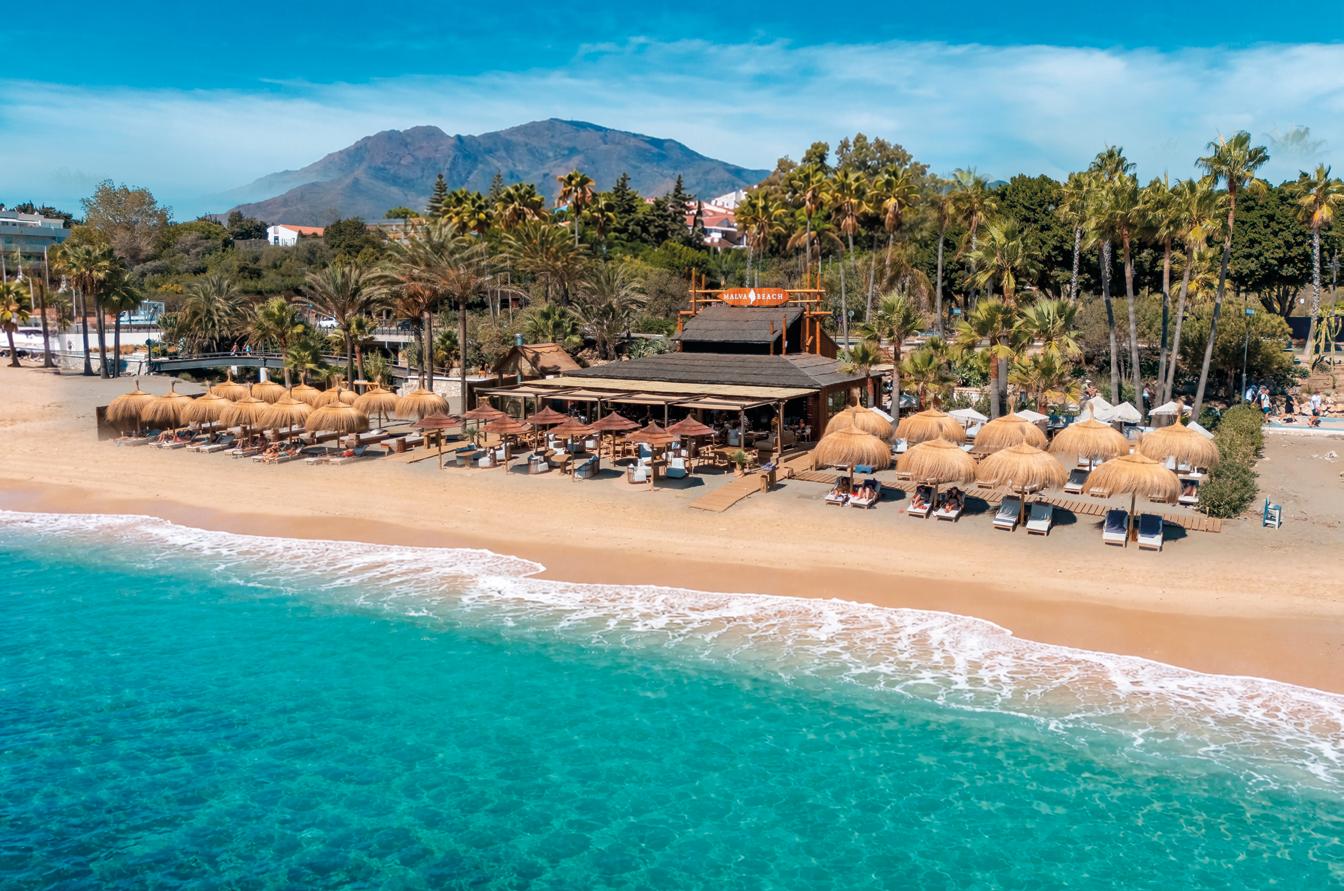
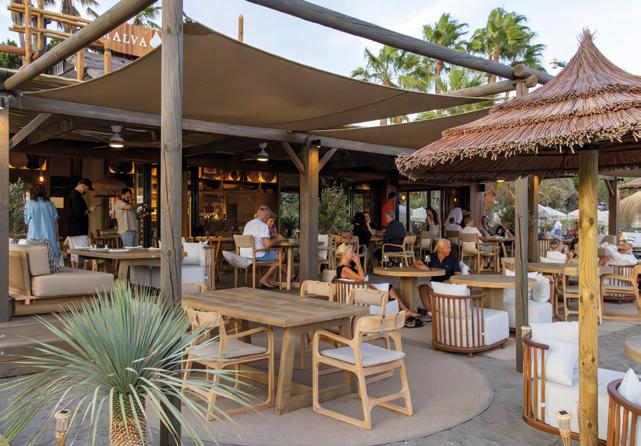
Some places invite you to slow down the moment you arrive. Set on La Rada Beach in Estepona, Malva Beach by Txema Palacio is one of them—a seaside restaurant where Mediterranean living, thoughtful design and honest cooking come together naturally.
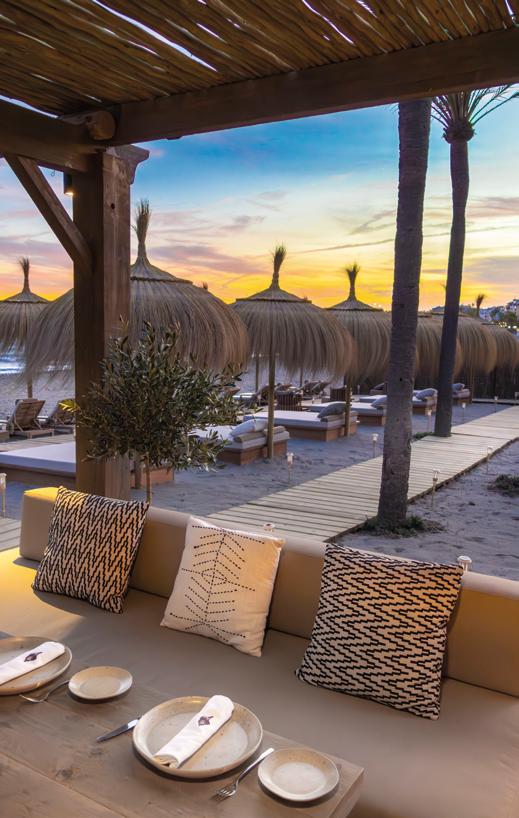
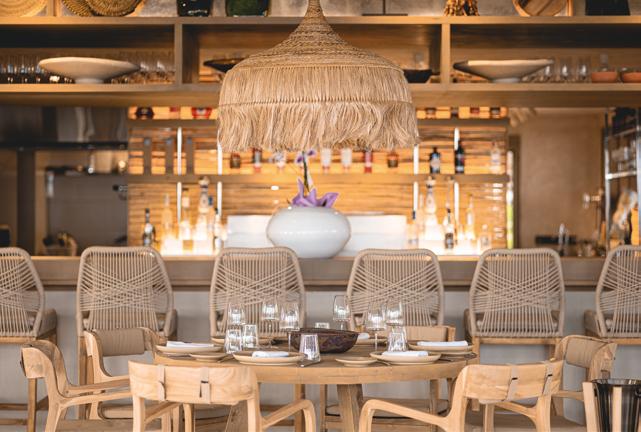
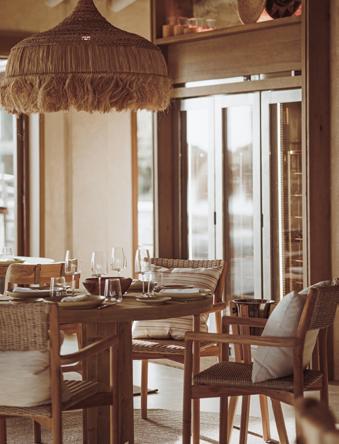
More than a beachfront restaurant, Malva Beach has been created as a place to linger. Warm wooden interiors, natural textures and understated elegance flow seamlessly towards the sea, where an inviting sunbed area encourages guests to embrace the unhurried rhythm of the Costa del Sol.
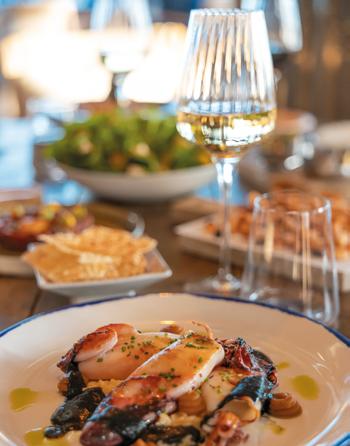
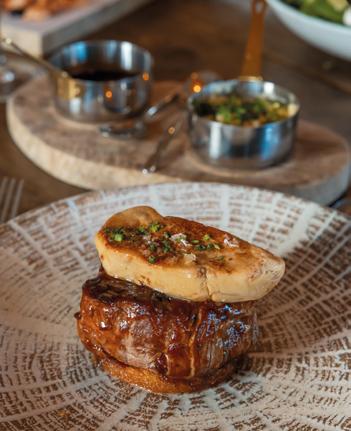
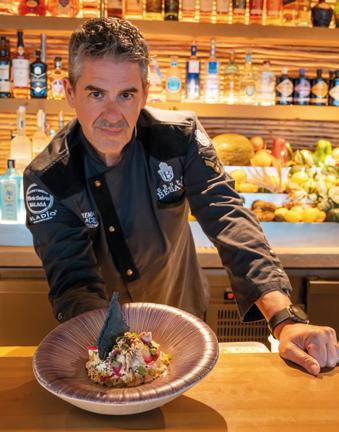
In the kitchen, Bilbao-born chef Txema Palacio brings together two rich culinary traditions. The freshness of Mediterranean ingredients— seafood, seasonal vegetables and carefully selected meats—is elevated through the techniques and craftsmanship of Basque cuisine. The grill takes centre stage, adding depth and character while allowing exceptional produce to shine.
A carefully curated selection of Spanish wines, with a special focus on Andalusian labels and sherries, together with signature cocktails, completes an experience that is as much about atmosphere as it is about flavour. At Malva Beach, every detail celebrates the simple luxury of good food, the sea and the joy of taking time to savour both.
Hay lugares donde el paisaje forma parte del menú. Frente a la playa de la Rada, en Estepona, Malva Beach by Txema Palacio nace con la vocación de convertir una comida junto al mar en una experiencia que combina gastronomía, diseño y el ritmo pausado del Mediterráneo.
Más que un restaurante de playa, es un espacio concebido para disfrutar sin prisas. Su interior, cálido y elegante, dialoga con el entorno a través de materiales naturales y una cuidada estética que se prolonga hasta una zona de hamacas pensada para alargar el día entre el mar y la mesa.
En la cocina, el chef bilbaíno Txema Palacio une dos territorios gastronómicos en una misma propuesta. El producto mediterráneo — pescados, mariscos, verduras de temporada y carnes seleccionadas— se interpreta con la técnica y el respeto por la materia prima propios de la tradición vasca. La brasa aporta profundidad y carácter a una cocina honesta, donde cada elaboración deja hablar al ingrediente. Una cuidada selección de vinos españoles, con especial protagonismo de Andalucía y sus generosos, junto a una coctelería de autor, completan una propuesta que invita a descubrir la Costa del Sol desde una nueva perspectiva: la del buen producto, el paisaje y el placer de compartir la mesa.
www.malvabeach.es
RECOLETAS SALUD
Medical Excellence Powered by Advanced Technology
EXCELENCIA MÉDICA CON LA TECNOLOGÍA MÁS AVANZADA
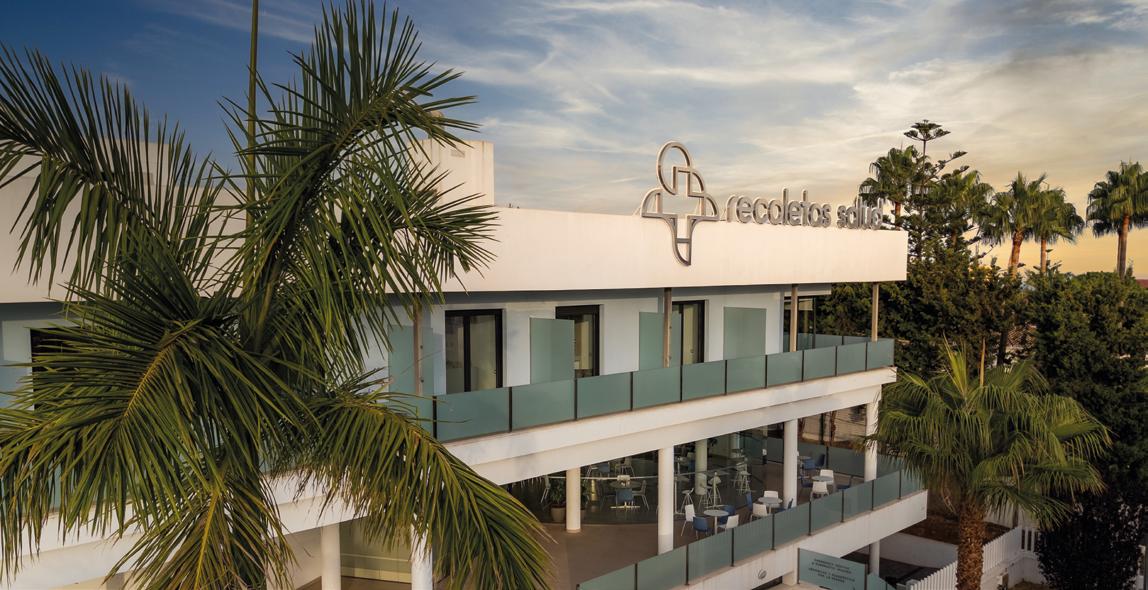
A boutique hospital in Marbella combining cutting-edge innovation, leading specialists, and personalized care with no waiting times. Un hospital boutique en Marbella que combina innovación, especialistas de primer nivel y una atención personalizada sin esperas.
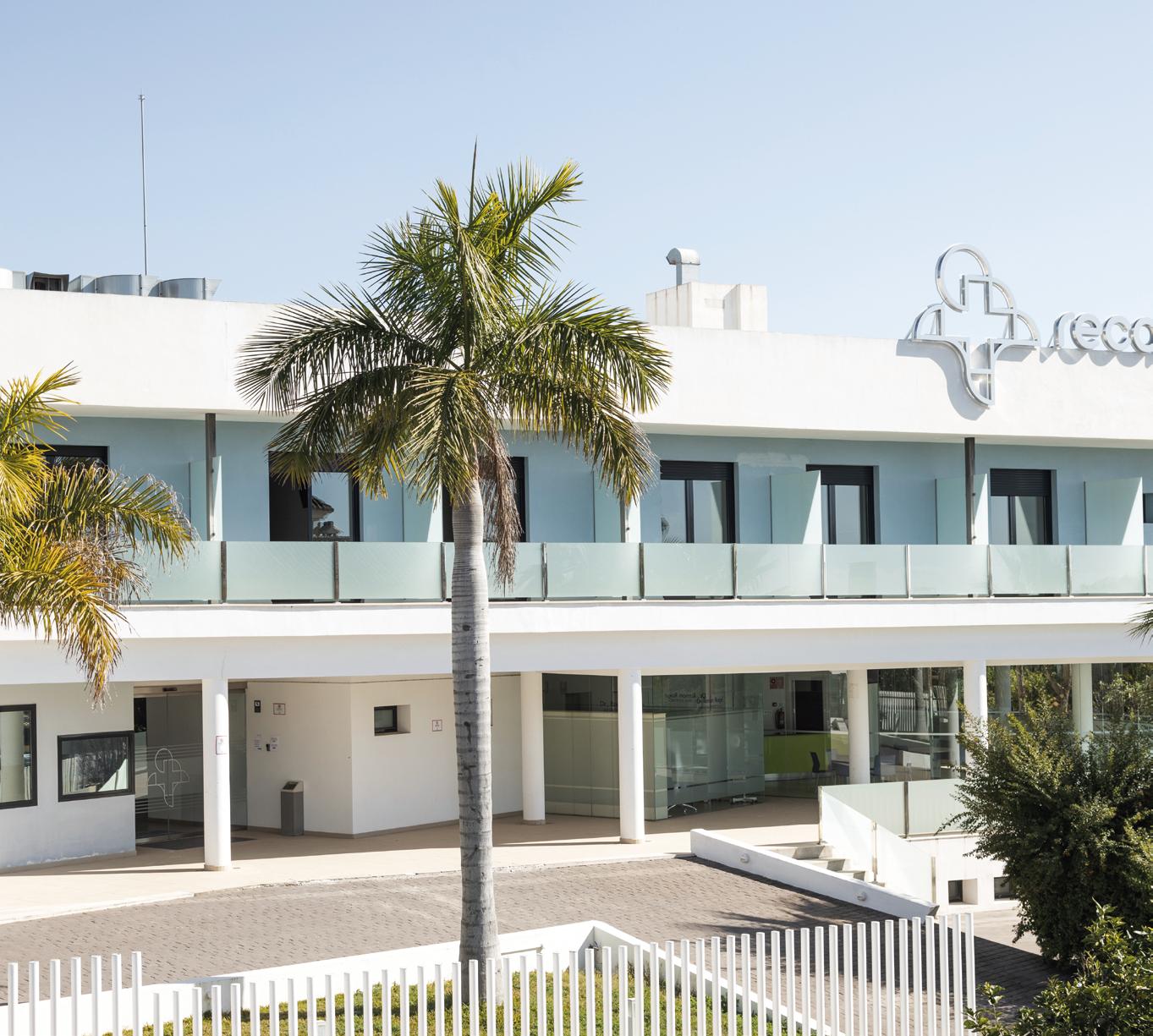
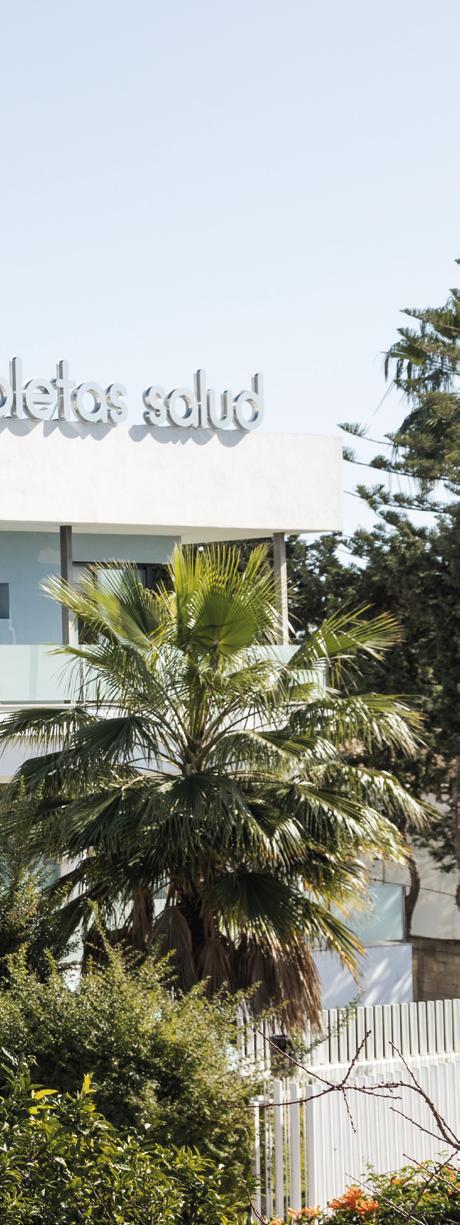
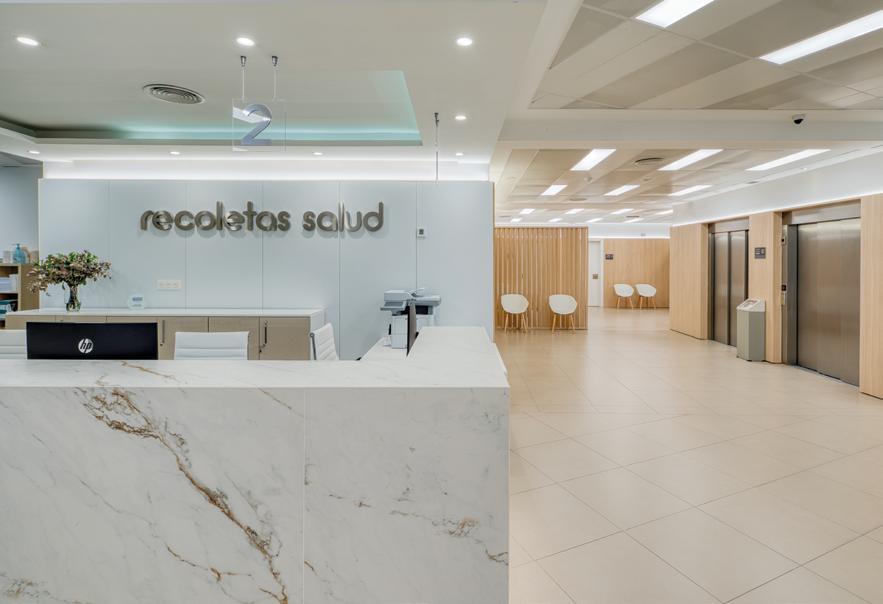
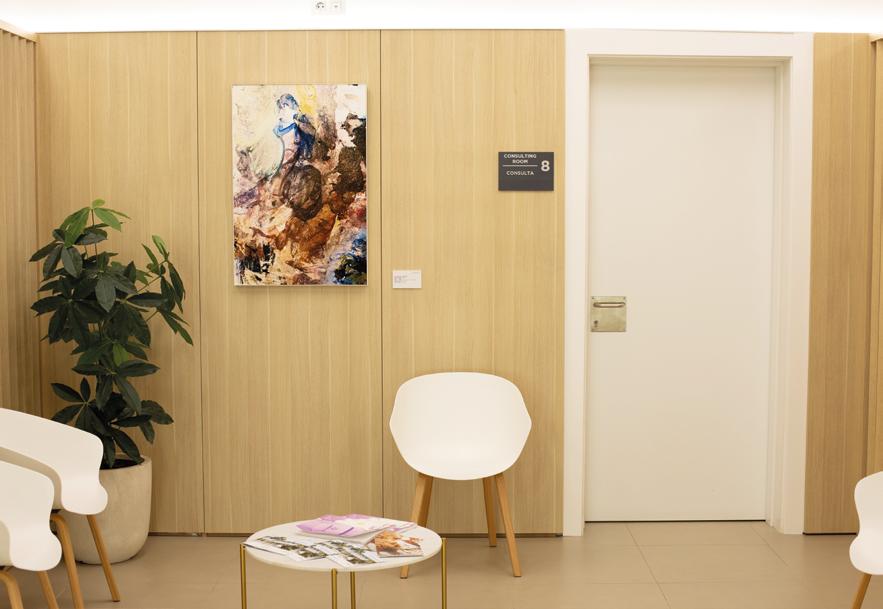
The Recoletas Salud Hospital in Marbella is a boutique hospital featuring around twenty individual rooms with terraces and sea views, twelve modern medical consultation rooms—each equipped with its own private waiting area—a cafeteria, and parking. All facilities have been designed to guarantee healthcare excellence and patient comfort during their stay.
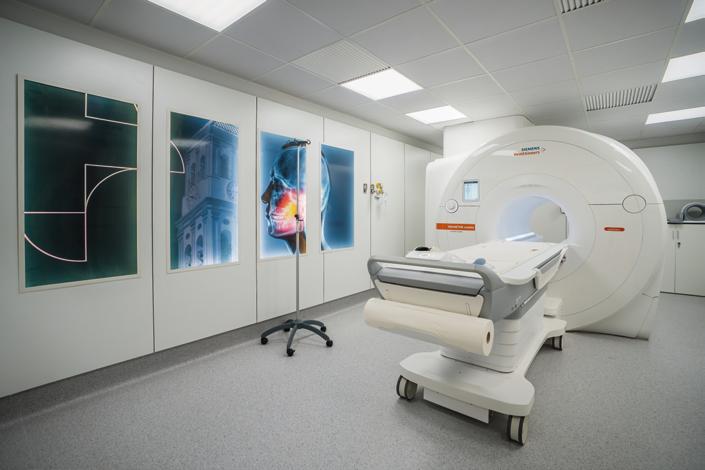
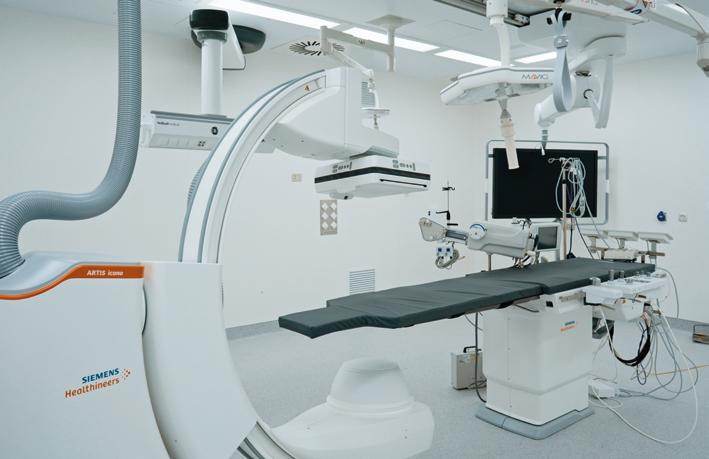
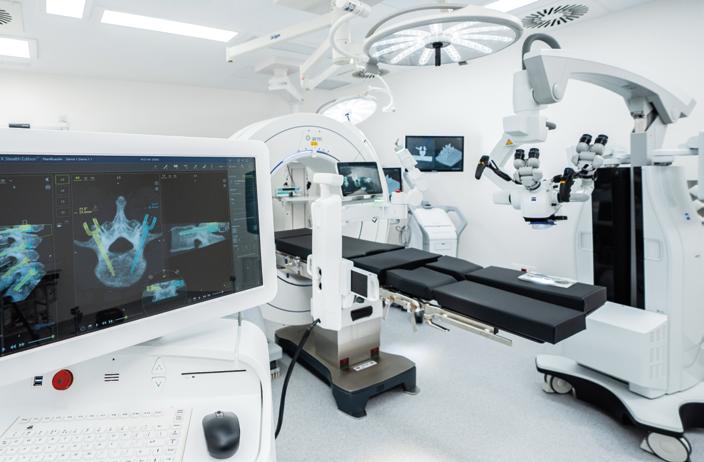
The Recoletas Salud Hospital in Marbella boasts the finest medical technology on the entire Costa del Sol. It features one of Europe’s most exclusive smart operating rooms for intracranial neurosurgery and robotic spine surgery, a modern and advanced hemodynamics room for treating cardiovascular pathologies, and the best Diagnostic Imaging equipment on the market to ensure a reliable, agile, and highprecision diagnosis.
The combination of the most advanced and innovative medical technology with top-tier professionals—highly qualified and experienced in various medical fields—defines Recoletas Salud’s project in Marbella, which is conceived to offer excellent, warm, and personal healthcare with no waiting times.
With a successful track record spanning nearly 40 years within the private healthcare sector, Recoletas Salud is present in many of the country’s main cities.
El Hospital Recoletas Salud de Marbella es un hospital boutique que cuenta con una veintena de habitaciones individuales con terraza y vistas al mar, doce modernas consultas médicas dotadas todas ellas con una sala de espera propia, cafetería y aparcamiento. Todas las instalaciones han sido diseñadas para garantizar la excelencia asistencial y el confort de los pacientes durante su estancia.
El Hospital Puede presumir de tener la mejor tecnología médica de toda la Costa del Sol. Cuenta con uno de los quirófanos inteligentes más exclusivos de Europa para cirugías de neurocirugía intracraneal y cirugía robótica de raquis, una moderna y avanzada sala de hemodinámica para el tratamiento de patologías cardiovasculares y los mejores equipos del mercado de Diagnóstico por la Imagen para garantizar un diagnóstico fiable, ágil y de alta precisión. La combinación de la tecnología médica más avanzada e innovadora, con unos profesionales de primer nivel, altamente cualificados y experimentados en diversas áreas médicas define el proyecto de Recoletas Salud en Marbella concebido para ofrecer una atención sanitaria de excelencia, cálida y cercana y sin tiempos de espera.
Recoletas Salud con una trayectoria de éxito de casi 40 años dentro del sector de la Sanidad Privada está presente en muchas de las principales ciudades del país.
Quirófano para intervenciones de gran complejidad de columna y espalda
TUSCANY
Where beauty becomes a way of life
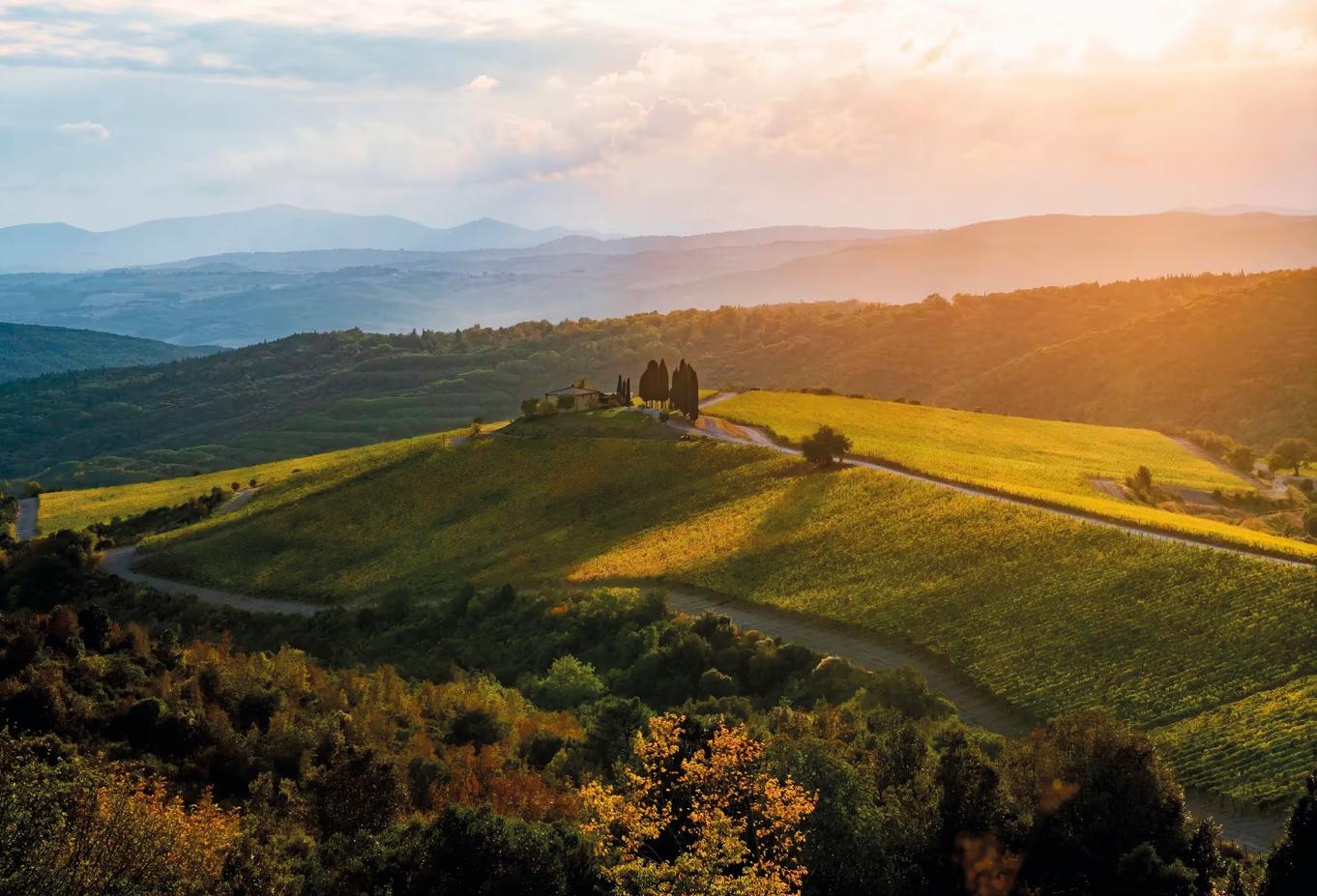
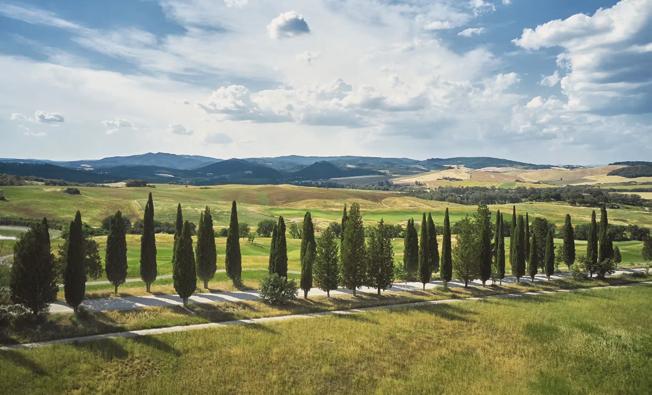
Nestled in the heart of Italy, Tuscany is a true paradise in which to lose oneself. Its lush rolling hills, vineyards, picturesque landscapes, historic villas, medieval towns and atmosphere of refined, timeless beauty have captured the hearts of visitors from around the world. Today, it is one of the most sought-after destinations, a place that enchants us with its rich history, culture, gastronomy and incomparable scenery. A truly unique experience awaits: immerse yourself in Tuscany’s captivating
hills, framed by vineyards, cypress trees and fields of wheat; explore medieval towns such as San Gimignano, Pienza and Volterra; and savour the local cuisine. It is an experience everyone should enjoy at least once in a lifetime.
The Val d’Orcia, a UNESCO World Heritage Site, perfectly embodies the beauty of this picturesque region, with its extraordinary views, open landscapes and timeless villages.
Rosewood Castiglion del Bosco
EUROPE’S BEST HOTEL IN 2025
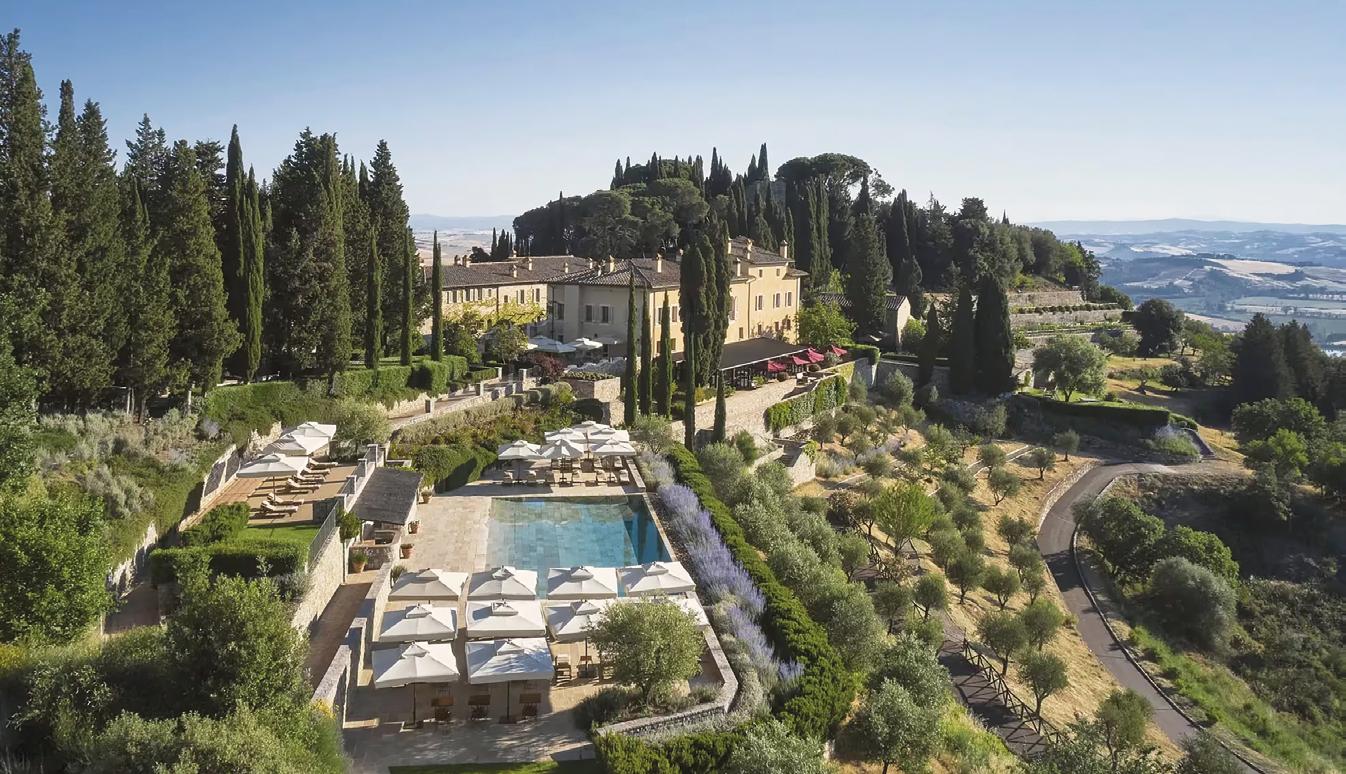
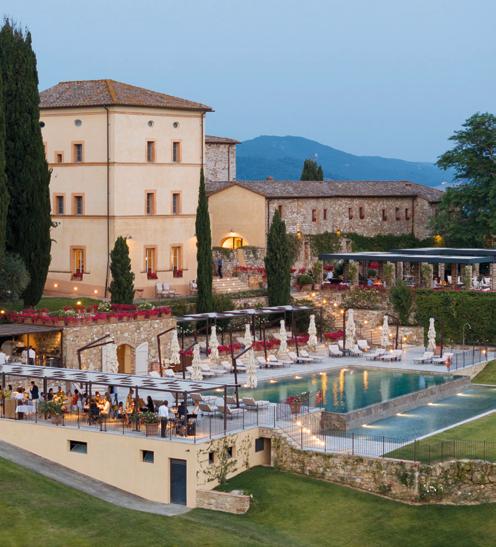
Rosewood Castiglion del Bosco is an exclusive five-star resort in Tuscany, located 12 kilometres from Montalcino. Set within a 12th-century medieval village surrounding an ancient castle, the estate’s luxury villas were restored from 17th- and 18th-century farmhouses. The property was rescued from abandonment and carefully restored by the Ferragamo family, Massimo and Chiara, who envisioned a destination that would preserve its historic soul while producing the prestigious Brunello di Montalcino wine. It has also been recognised on several occasions as Europe’s finest hotel by leading international publications.
Nestled in the heart of Tuscany, close to Montalcino, the hotel occupies a historic estate that is home to the Castiglion del Bosco winery and the
vineyards where the renowned Brunello di Montalcino is produced. The resort features 42 suites, 11 private villas with their own swimming pools, and Italy’s only private golf club.
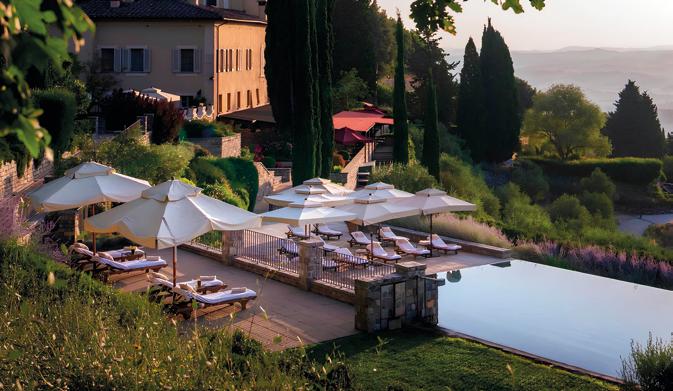
The hotel’s architecture blends seamlessly into the historic landscape of the Val d’Orcia, a UNESCO World Heritage Site. Its main infinity pool offers sweeping views of the medieval town of Montalcino and the surrounding rolling hills.
The resort’s gastronomic offering includes Campo del Drago, awarded two Michelin stars, the traditional Osteria La Canonica and the Pool Bar. Each venue places a strong emphasis on locally sourced produce from the region.
Hotel Il Pellicano
A HOTEL STEEPED IN HISTORY IN PORTO ERCOLE
THE FAVOURITE ITALIAN RETREAT OF ACTORS AND ARISTOCRATS IN THE 1970S AND 1980S
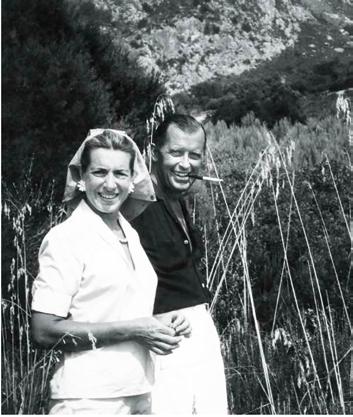
Hotel Il Pellicano is an exclusive five-star resort in Porto Ercole, Tuscany, Italy. Renowned for its Dolce Vita style, it features a private beach, a saltwater swimming pool and Michelin-starred dining. The property comprises 50 rooms and cottages surrounded by lush gardens. The hotel opened its doors on 2 June 1965, and both its construction and its early years were documented by another celebrated photographer, John Swope, renowned for his Hollywood portraits and features for Life magazine. Swope became an investor alongside the Grahams and captured the hotel’s beginnings through a series of evocative black-and-white photographs. Among Slim Aarons’s extensive body of work devoted to the hotel, particularly notable are the photographs he took over the years of the Scio family, its current owners. Roberto Scio acquired the property in 1979 from Michael and Patsy Graham, a couple whose story seemed lifted from a fairy tale: he was a British wartime pilot, while she was a glamorous American socialite who became captivated by him after seeing his photograph on the front page of a newspaper as the survivor of an air disaster.
Michael and Patsy met and fell in love at Pelican Point, California. They later searched for a secluded corner of Europe where they could open a luxury hotel in which their friends would feel entirely at home. They found it on this remote stretch of the Tuscan coast, on a clifftop estate purchased from the Borghese family.Among those friends were members of the Agnelli family, Henry Fonda, Yul Brynner, Kirk Douglas and Roberto Scio, whom they trusted implicitly to carry forward the legacy of a hotel that had been far more than a business: it was a life project into which they had poured all their energy and passion. Mathilde Agostinelli visited the hotel for 15 years with her former husband, Roberto Agostinelli, an American financier of Italian heritage. Marie-Louise Scio has overseen the hotel’s most recent renovation and expansion. Today, the Scio family’s “friends” and guests are often the children and grandchildren of the Grahams’ original circle. In recent years, members of the Niarchos, Casiraghi and Missoni families have mingled with discreet, anonymous guests, all of whom arrive via the winding roads of the Monte Argentario peninsula and pass through an understated entrance into a world of Mediterranean luxury and pleasures from another era.
Castello di Casole Belmond Hotel
A TUSCAN FAIRY TALE
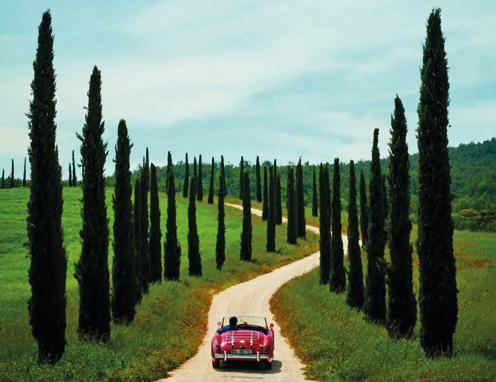
Castello di Casole is one of the largest private estates in Italy. Two cypress-lined avenues lead to the main building, while beautifully restored farmhouses grace this magnificent 1,700-hectare property. It is an exceptional retreat steeped in legend.
The original settlement dates back approximately 2,500 years to the Etruscan civilisation, a period of flourishing trade in which concepts such as enlightenment, equality and craftsmanship emerged, alongside thriving agricultural and commercial communities.
The medieval castle that now forms the heart of Casole was built in 998. Its owners were drawn to the estate’s elevated position and sweeping views across the surrounding landscape. During the nineteenth century, the noble Bargagli family cultivated the land and expanded the property. Its grandeur and majesty once provided the setting for an elegant way of life, a legacy that can still be felt throughout Casole’s extensive grounds.
Dating from the tenth century, the castle has welcomed royalty, film stars and prominent political figures over the years. Today, its buildings have been meticulously restored, preserving their rich heritage while offering every modern comfort.
VINEYARDS AND OLIVE GROVES
The estate encompasses more than ten hectares of organic vineyards spread across 13 individual plots, planted with Cabernet Sauvignon, Sangiovese, Merlot and Petit Verdot. These grapes are used to produce the estate’s own Ulpaia wines.
MODEL HUNTING RESERVE
Castello di Casole is officially recognised by the Province of Siena as a Model Hunting Reserve. This distinction is a testament to the exceptional work of the farmers who cultivate the land and the gamekeepers who oversee the seasonal hunting expeditions.
del Prado
Av.
3, Nueva Andalucía, Marbella
– CERTIFIED
TECHNICAL SPECIALIST IN
TEXT BY @ANDALUSWINES A. BELÉN MARTÍN-AMPUDIA ORTEGA
SOMMELIER
TRAINER IN SHERRY, HUELVA AND ALICANTE WINES
WINES AND VINEGARS FROM MONTILLA-MORILES
NILVA WINE TOURISM
When the Costa del Sol Also Tastes of Wine
NILVA
ENOTURISMO:
CUANDO LA COSTA DEL SOL TAMBIÉN SABE A VINO
It is curious how, just a few kilometres from Marbella, between the beach and the hills of Manilva, the perception of the Costa del Sol can change entirely. This place is Nilva Enoturismo, a small winery and wine tourism company based in Manilva, founded in 2014 by Mr Argimiro Martínez Moreno, agricultural engineer and winegrower.
It is a project led by two people, Argimiro and Magali Berton, with the purpose of enhancing and preserving Manilva’s Muscat of Alexandria vineyards. Yes, you read that correctly: vineyards in Manilva. Because, more than 30 years ago, this village lived from viticulture, at a time when luxury homes and golf courses barely existed and everything was vineyard. Today, only a few hectares remain, which Argimiro are striving to protect. In less than 30 years, vineyard surface area has been reduced by 70%. For this reason, Argimiro’s motto is: “Save Manilva’s vineyards.”
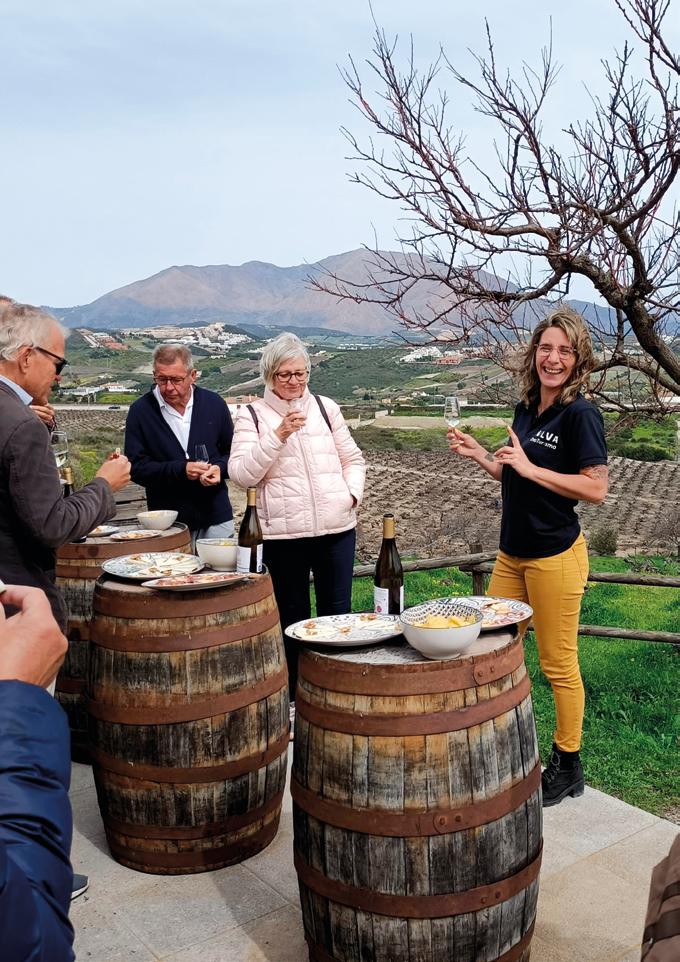
I invited ELM - Exclusive Life Magazine to discover this project: an initiative that today has become a reality where tourism and wine coexist. There, beside Manilva’s Plaza de la Vendimia, Magali was waiting for us at CIVIMA, a space that serves both as a museum and a winery. Magali, a truly charming person, explains in a highly engaging and educational way how the landscape has been transformed in just a few years and how, from vineyard to bottle, a dry wine made from Muscat of Alexandria is produced. Once the visit to CIVIMA is complete, visitors can either take their own car or enjoy a ten-minute walk to reach the vineyard in Diseminado Peñoncillo, located just one kilometre away. There, we visited a 1.8-hectare plot of unirrigated vines planted in albariza soil, producing yields of less than one kilo per vine and a limited production of fewer than 2,000 bottles.
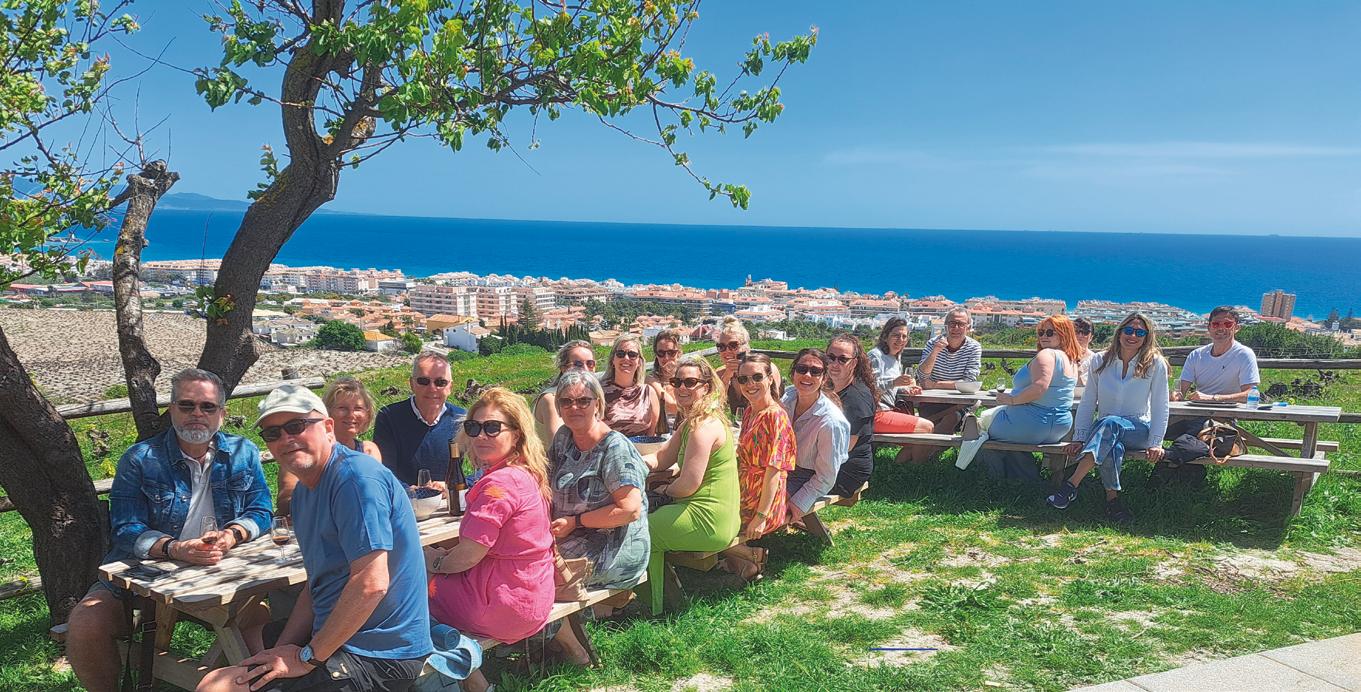
In this vineyard, the experience becomes sublime. The landscape is unique: views of the Mediterranean Sea, Africa and the Manilva coastline, framed by century-old vines and albariza soils. This is not simply a tasting of three glasses accompanied by tapas. It is a complete oenological experience, where the senses are transformed and Manilva wine reveals its true essence.
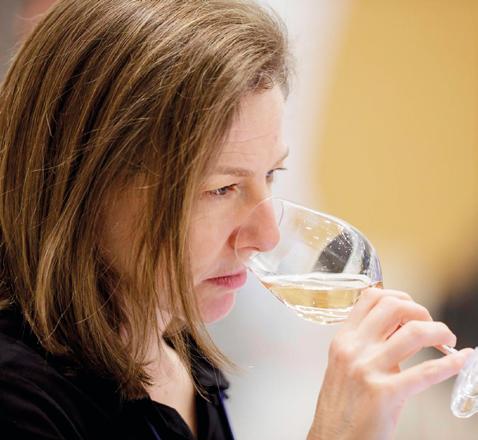
During the olfactory stage of the tasting, the setting seems to amplify the aromas of white flowers, fresh grapes and citrus notes, among others, so characteristic of Muscat of Alexandria. And when the glass reaches the lips, the wine enters the mouth lightly, yet with texture and a salinity that is heightened by the sight of the Mediterranean in the distance.
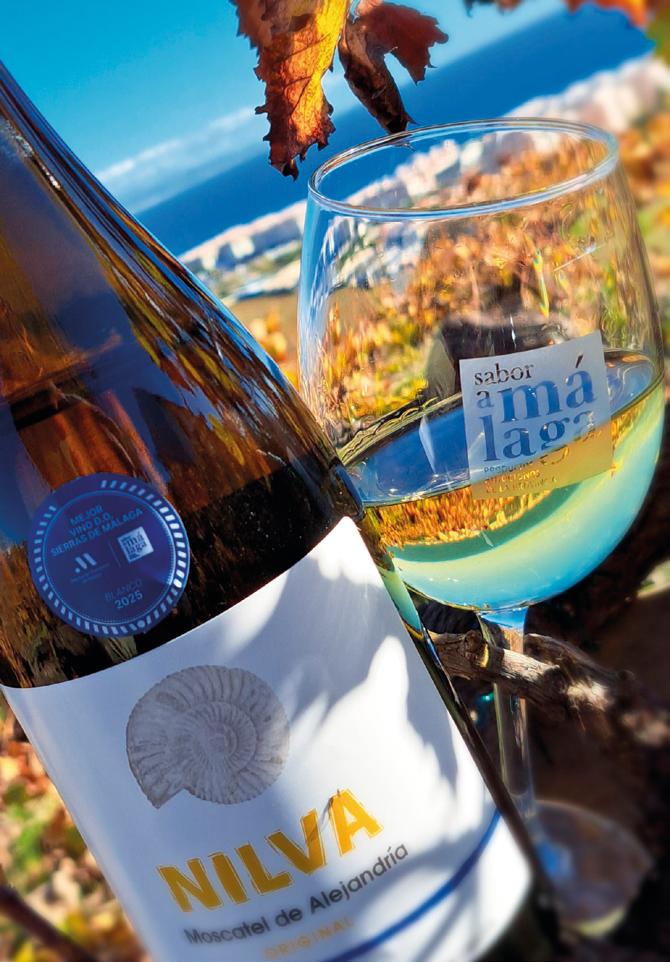
It is a unique two-hour experience that begins at CIVIMA, where local viticulture is explored from the 16th century to the present day, and concludes among organic vineyards, where visitors can taste Nilva 2024, which recently won the award for Best White Wine with DOP Sierras de Málaga in 2025.
At the end of the visit, guests can purchase the winery’s two labels directly: Nilva Original, a dry white Muscat of Alexandria wine with DOP Sierras de Málaga, and Nilva Ecológico, also a dry white Muscat wine, with CAAE organic certification.
The visit is an experience worth repeating, with breathtaking views from the vineyard, where a simple tasting is transformed into something unique and authentic. Its value lies not only in the wine, but also in its integration with the landscape, the narrative and the hospitality offered by Magali. The experience is available in both English and Spanish.
Nilva also offers the “Adopt a Vine” programme, through which visitors can make their own contribution to saving and protecting the few hectares that still remain, while becoming part of a project that Argimiro began shaping back in 2011. It is a form of sponsorship that speaks of preserving the essence and identity of a place. The programme includes a certificate, vineyard updates, the inclusion of the sponsor’s name on the CIVIMA roll of honour and various rewards. It transforms the visitor into a collaborator, not merely a client.
This is a project that has turned fragility into a distinctive value, because today Nilva has succeeded in integrating tourism and agriculture into a singular experience. I encourage you to live it and enjoy it, because it will not disappoint — and you will become part of this remarkable project.
The Place After Success
EL LUGAR DESPUÉS DEL ÉXITO”
ALQUIMIA PROCES
TEXT BY LAURA FRAU FOUNDER OF ALQUIMIA PROCES PRIVATE ADVISORY · PSYCHOLOGY
Laura Frau Tomás is the founder of Private Advisory Psicología, a private practice she has led for more than 26 years, specialising in the accompaniment of individuals, families, entrepreneurs and leaders through a highly confidential and personalised approach. She works both individually and in groups, with companies and institutions of significant prestige and renown.
She was also the founder of the EDUK Association for Innovation, which she led for more than 15 years, and in 1999 she received the European Award for Innovation in Health, Education and Wellbeing. Since then, she has delivered training programmes, courses and selected lectures at universities and professional forums, both nationally and internationally, earning recognition for her contribution to innovation in psychology and education.
Her professional career includes collaborations with prestigious companies and institutions in more than 25 countries.
Four years ago, she created Alquimia Proces, her most personal project dedicated to profound transformation. She holds four university degrees, more than five master’s degrees and extensive specialised training, supported by more than two decades of clinical, teaching and research experience, as well as her own personal inner work
ALQUIMIA
PROCES: THE PLACE AFTER SUCCESS
There is an extraordinarily rare moment in life. It is not the moment in which we achieve success, but the moment in which we discover that success, recognition or wealth no longer answer the questions that begin to emerge.
We all build a life, although not all of us do so in the same way. Some create companies; others inherit a legacy they feel responsible for preserving. Some grow up surrounded by opportunities; others spend years pursuing them. Circumstances change, stories change, and the way the world looks at us changes.
What rarely changes is that silent moment when questions arise that no achievement can fully answer. If I have everything, why do I feel that something is missing? Who am I when I stop occupying the role I have built over so many years? Which part of my life did I truly choose, and which part did I simply live because it was expected of me?
For more than twenty-five years, I have accompanied hundreds of people through some of the most intimate moments of their lives. People who were extraordinarily different and, at the same time, surprisingly similar once the door closed and they stopped speaking from the persona the world knew.
The conversation was almost never about money. They spoke about their children. About relationships that had gradually drifted away while everything else continued to grow. About the difficulty of trusting. About the fear of no longer knowing who they were when no one expected anything from them. About the loneliness that can be felt even when one is always surrounded by people. About the emptiness that appears when life becomes a succession of responsibilities, leaving scarcely any space in which to listen to oneself.
Over time, I came to understand that the true cost of success rarely appears on a balance sheet. It appears when we stop allowing ourselves a place in which we can be authentic. When we forget that we too need to be held. When we live solving problems, leading decisions and caring for others, while ceasing to care for the relationship we have with ourselves.
It is a slow, almost imperceptible loss. It does not happen overnight. Quite simply, enjoyment begins to lose its intensity. Everything works, yet the deep connection with life begins to fade.
It was then that a question was born, one that would ultimately transform me as well. What does a person truly need in order to reconnect with themselves from a place of truth? The answer was never a technique.
Nor a methodology. It was a place. A process. An encounter with truth. A space where the surroundings begin to care for the person even before any conversation starts. Where silence is not absence, but presence. Where the aim is not to disconnect from the world, but to reconnect with oneself through authenticity
THAT IS HOW ALQUIMIA PROCES WAS BORN.
Not as a business strategy, but as the answer to a profoundly human need that I kept discovering, time and again, in the intimacy of each conversation.
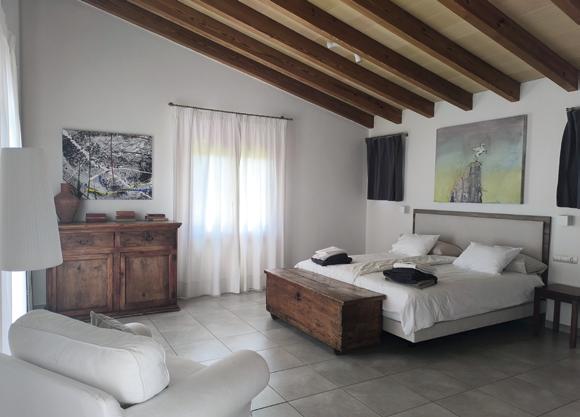
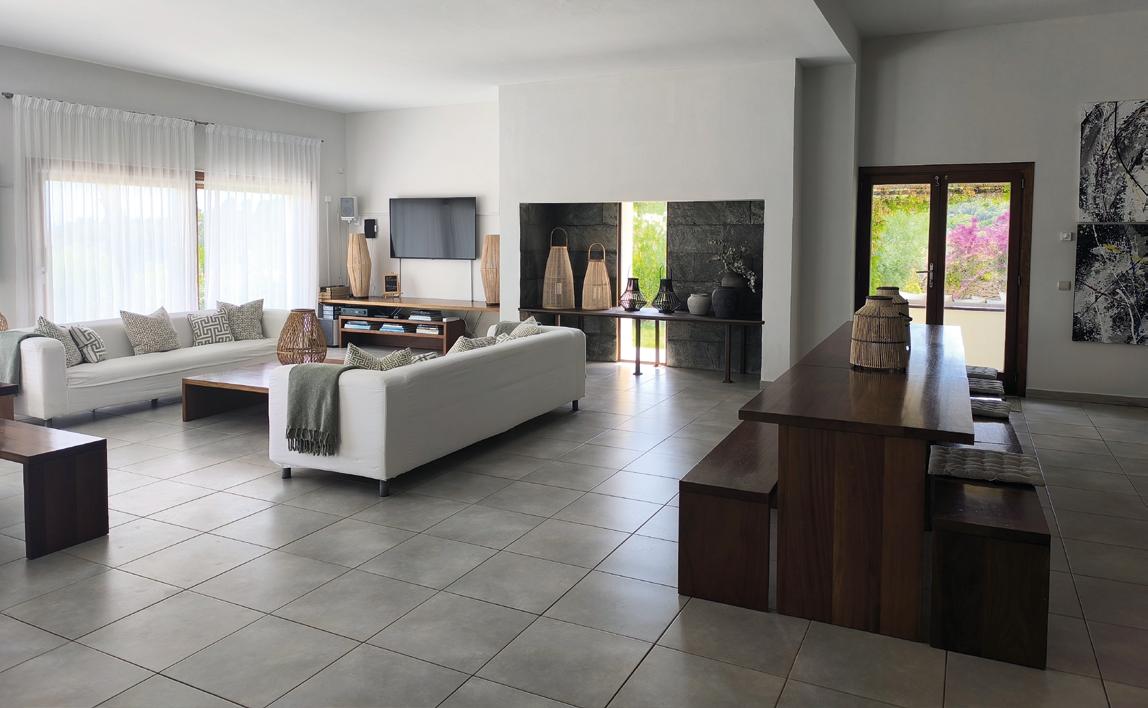
It is a space conceived for a very limited number of people, where time recovers a different rhythm and every element forms part of the experience: the setting, the light, the intimacy, the gastronomy, the sequence of the process and the accompaniment.
Because I understood that profound transformation does not occur solely through what is said. It also occurs through the place that holds us as we begin to look at ourselves differently. Ancient alchemy was never merely about transforming lead into gold. Its deepest meaning spoke of transforming the state of matter in order to reveal a nature that had always been there.
Perhaps, as human beings, we undertake precisely the same journey. We do not need to become someone different.
We need to recover the order from which our life begins to make sense again. To inhabit it once more from a more conscious, more whole and more truthful place.
That is Alquimia Proces. A private space for those who feel that the time has come to stop conquering the world for a few days and begin inhabiting themselves with the same dedication with which they have built everything else.
Because, after so many years of listening to other people’s lives, there is one thing of which I am deeply convinced.
There are experiences that leave memories.
And there are others that quietly change the place from which you will live the rest of your life.
Laura Frau Tomás es fundadora de Private Advisory Psicología, práctica privada que dirige desde hace más de 26 años, especializada en el acompañamiento de personas, familias, empresarios y líderes desde un enfoque altamente confidencial y personalizado. Trabajando así de forma individual y grupal, con empresas e instituciones de alto prestigio y referencia.
Fue fundadora de la Asociación EDUK para la Innovación, que lideró durante más de 15 años, y en 1999 recibió el Premio Europeo a la Innovación en Salud, Educación y Bienestar. Desde entonces ha impartido formaciones, programas y también algunas conferencias en universidades y foros profesionales nacionales e internacionales, siendo reconocida por su contribución a la innovación en psicología y educación.
Su trayectoria incluye la colaboración con empresas e instituciones de prestigio en más de 25 países. Hace cuatro años creó Alquimia Proces, su proyecto más personal de transformación profunda. Cuenta con cuatro titulaciones universitarias, más de cinco másters y una extensa formación de especialización, respaldadas por más de dos décadas de experiencia clínica, docente e investigadora y trabajo personal propio.
ALQUIMIA PROCES: EL LUGAR DESPUÉS DEL ÉXITO Hay un instante extraordinariamente raro en la vida.
No tiene que ver con el momento en el que alcanzamos el éxito, sino con el momento en el que descubrimos que el éxito, el reconocimiento o el patrimonio ya no responden a las preguntas que empiezan a surgir.
Todos construimos una vida, aunque no todos lo hacemos de la misma manera. Algunos crean empresas, otros heredan un legado que sienten la responsabilidad de preservar.
Algunos crecen rodeados de oportunidades; otros dedican años a perseguirlas. Cambian las circunstancias, cambian las historias y cambia la forma en que el mundo nos mira.
Lo que rara vez cambia es ese momento silencioso en el que aparecen preguntas que ningún logro consigue responder del todo.
Si lo tengo todo, ¿por qué siento que algo falta? ¿Quién soy cuando dejo de ocupar el papel que he construido durante tantos años? ¿Qué parte de mi vida elegí realmente y cuál fui viviendo porque era lo esperado?
Durante más de veinticinco años he acompañado a cientos de personas en algunos de los momentos más íntimos de sus vidas. Personas extraordinariamente diferentes y, al mismo tiempo, sorprendentemente parecidas cuando la puerta se cerraba y dejaban de hablar desde el personaje que el mundo conocía.
La conversación casi nunca era el dinero. Hablaban de sus hijos. De relaciones que se habían ido alejando mientras todo lo demás crecía. De la dificultad para confiar. Del miedo a no saber quiénes eran cuando nadie esperaba nada de ellos. De la soledad que puede sentirse incluso estando siempre acompañado. Del vacío que aparece cuando la vida se convierte en una sucesión de responsabilidades, pero apenas quedan espacios para escucharse a uno mismo.
Con el tiempo comprendí que el verdadero coste del éxito rara vez aparece en una cuenta de resultados.
Aparece cuando dejamos de concedernos un lugar donde poder ser auténticos. Cuando olvidamos que también necesitamos ser sostenidos. Cuando vivimos resolviendo problemas, liderando decisiones y cuidando de los demás, mientras dejamos de cuidar la relación con nosotros mismos.Es una pérdida lenta y casi imperceptible. No sucede de un día para otro. Simplemente, el disfrute pierde intensidad. Todo funciona, pero la conexión profunda con la vida empieza a diluirse.
Fue entonces cuando nació una pregunta que terminó transformándome también a mí. ¿Qué necesita realmente una persona para reencontrarse consigo misma desde un lugar verdadero? La respuesta nunca fue una técnica. Ni una metodología. Fue un lugar. Un proceso. Un encuentro con verdad. Un espacio donde el entorno empezara a cuidar de la persona incluso antes de que comenzara cualquier conversación. Donde el silencio no fuera ausencia, sino presencia. Donde el objetivo no fuera desconectar del mundo, sino volver a conectar con uno mismo desde la autenticidad.
ASÍ NACIÓ ALQUIMIA PROCES.
No como una estrategia empresarial, sino como la respuesta a una necesidad profundamente humana que fui descubriendo una y otra vez en la intimidad de cada conversación.
Es un espacio concebido para un número muy reducido de personas, donde el tiempo recupera otro ritmo y cada elemento forma parte de la experiencia: el entorno, la luz,
la intimidad, la gastronomía, la secuencia del proceso y el acompañamiento. Porque comprendí que una transformación profunda no ocurre únicamente por aquello que se dice. También ocurre por el lugar que nos sostiene mientras empezamos a mirarnos de una forma diferente.
La alquimia antigua nunca consistió únicamente en transformar el plomo en oro. Su significado más profundo hablaba de transformar el estado de la materia hasta revelar una naturaleza que siempre había estado ahí.
Quizá las personas hacemos exactamente el mismo viaje. No necesitamos convertirnos en alguien distinto. Necesitamos recuperar el orden desde el que nuestra vida vuelve a tener sentido. Volver a habitarla desde un lugar más consciente, más íntegro y más verdadero.
Eso es Alquimia Proces. Un espacio privado para quienes sienten que ha llegado el momento de dejar de conquistar el mundo durante unos días y empezar a habitarse con la misma dedicación con la que han construido todo lo demás.
Porque, después de tantos años escuchando la vida de otras personas, hay algo de lo que estoy profundamente convencida. Hay experiencias que dejan recuerdos. Y hay otras que cambian, silenciosamente, el lugar desde el que vivirás el resto de tu vida.
Contacto: +34 696 64 39 49 www.alquimiaproces.com
FRANTZÉN GROUP
CHOSE MARBELLA THEIR FIRST BEACH CLUB BEGINS HERE
When one of the world’s most acclaimed restaurant groups decides to open its very first beach club, the choice of destination is never accidental. For Björn Frantzén and the Frantzén Group, Marbella offered the perfect setting to translate their philosophy into a new experience, where exceptional food, relaxed luxury and the Mediterranean lifestyle come together. We sat down with Björn Frantzén to discuss the vision behind Beach Club Astoria, what inspired the concept, and why this marks an exciting new chapter for the group.
BY ANA PAVÓN
“We didn’t want it to feel like a restaurant with sunbeds or a beach club where the food comes second. We wanted every part of the experience to feel equally important. Great food, warm hospitality, music and atmosphere all come together naturally, creating a place where people can relax and socialise.”
Beach Club Astoria is the Frantzén Group’s first beachfront concept. What inspired you to expand into this new chapter, and why did Marbella feel like the right place to do it?
Marbella has a unique energy. I’ve spent many summers here over the years, so it’s a place I’ve always enjoyed coming back to. People come here to slow down, enjoy great food, spend time together and make the most of long days by the sea.
Opening Brasserie Astoria last year gave us the opportunity to get to know the city even better, and the response has been great. Beach Club Astoria felt like a natural next step. It gave us the opportunity to bring our way of cooking and hospitality into an even more relaxed setting. It’s still about the same quality, the same attention to detail, and the same ambition to create memorable experiences, just with sand under your feet and the Mediterranean a few steps away.
Exploring new ideas and creating different kinds of experiences has always been part of what we do, and Beach Club Astoria was the perfect opportunity to do exactly that.
What was your vision for Beach Club Astoria from the very beginning, and how did you want it to differ from both traditional beach clubs and your existing restaurants?
The vision was to create a place where people want to spend an entire day. Somewhere you can settle into a sunbed by the sea, enjoy a long lunch, have a swim, sip a cocktail and stay as the DJs take over later in the day and the atmosphere naturally shifts. We didn’t want it to feel like a restaurant with sunbeds or a beach club where the food comes second. We wanted every part of the experience to feel equally important. Great food, warm hospitality, music and atmosphere all come together naturally, creating a place where people can relax and socialise.
Your restaurants are known for exceptional attention to detail. How do you bring that same philosophy into a setting that’s designed to feel relaxed, social, and effortless?
Attention to detail shouldn’t make guests think about the work behind it. It should just make everything feel easy. Whether it’s a three-star restaurant or lunch by the beach, the principles are the same. It’s never just about the food. It’s the music, the cocktails, the service, the atmosphere, the design and all the small details that shape how people feel from the moment they arrive until the moment they leave. The setting is more relaxed, but our standards are the same.
Marbella has become one of Europe’s leading luxury destinations. What do you think makes it such an exciting place for hospitality today?
Marbella has an international audience that appreciates quality and great hospitality, but at the same time it has a relaxed way of life. That combination makes it a very exciting place to be.
People come here from all over the world, and they know what great hospitality looks like. That keeps you on your toes, and I think that’s a good thing. It challenges you to keep improving and never stop looking for ways to make the experience even better.
If someone spends an entire day at Beach Club Astoria, from lunch through to sunset, what experience do you hope they leave with?
I hope they leave feeling like they never needed to be anywhere else. If people arrive without much of a plan and leave feeling like the day went by far too quickly, then we’ve created exactly the kind of place we set out to build. Ideally, that’s just the beginning of the evening, and they continue the night at Brasserie Astoria.
“Attention to detail shouldn’t make guests think about the work behind it. It should just make everything feel easy. Whether it’s a three-star restaurant or lunch by the beach, the principles are the same”
Luxury hospitality continues to evolve. What do you think today’s guests value most, and how has that influenced the way you create new concepts?
I think people appreciate places that feel genuine and effortless. Places where everything works without feeling staged, where the atmosphere is just as important as the food, and where people simply enjoy spending time.
For me, luxury isn’t about being formal. It’s about quality, consistency and making people feel comfortable from the moment they arrive. That’s what we focus on, whether we’re opening a fine dining restaurant, a brasserie or a beach club.
Looking ahead, does Beach Club Astoria mark the beginning of a new direction for the Frantzén Group, and what excites you most about the future?
It’s not really about changing direction. It’s more about continuing to explore new ideas. Every new concept is a chance to create something different, and that’s what keeps it exciting. Brasserie Astoria and Beach Club Astoria are very different, but they’re built on the same foundation. I’m looking forward to continuing to evolve these concepts and seeing where they can take us.
Calle Mar de la tranquilidad, Playa de las cañas, 29604 Marbella.
Website: beachclubastoria.es
Instagram: @beachclubastoria.es
Beach Club by @frantzengroup
LORENA MORLOTE
More than 20 years perfecting the art of high-end hairdressing
From her headquarters in Madrid, with an expanding presence in Marbella and a growing franchise network, she leads a team of professionals who work with private clients as well as prominent figures from the worlds of entertainment and fashion. Her mission is to ensure that every client feels truly unique, because for her, beauty is not a standard, but a form of personal expression.
Lorena Morlote is an internationally renowned stylist who has devoted more than 20 years to perfecting the art of luxury hairdressing. Celebrated for her creativity and her ability to transform hair into a work of art, Lorena has established herself as an influential figure in the worlds of fashion and beauty. A leading name in the creation of distinctive styles.
Desde su sede en Madrid, con expansión en Marbella y en desarrollo de franquicias, dirige un equipo de profesionales que acompaña tanto a particulares, como a figuras del mundo del espectáculo y la moda. Su misión es que cada cliente se sienta único e irrepetible, porque para ella la belleza no es un estándar, sino una expresión personal.
Lorena Morlote es una estilista reconocida internacionalmente que ha dedicado más de 20 años a perfeccionar el arte de la peluquería de alta gama. Reconocida por su creatividad y habilidad para transformar el cabello en una obra de arte, Lorena se ha consolidado como una figura influyente en el mundo de la moda y la belleza. Referente en la creación de estilos
Calle José Abascal 52, Madrid / Hotel BlueBay, Ctra. de Cádiz, 173, Marbella.
ROBERTO COIN Jasmine Collection
Inspired by the jasmine flower and the timeless spirit of Disney stories, the new line blends delicacy and strength in luminous, versatile pieces designed to captivate every generation.
As lovely and as revolutionary as the Princess of the same name in the Aladdin trilogy. Jasmine is a new collection in Roberto Coin’s universe, a nod to a number of generations with a simple, refined design suitable for all ages, just like Disney stories, spanning generations and breaking down the limits of time.
As we know, Jasmine is also a flower. Here in Italy is called Gelsomino Bianco and despite its delicate appearance and soft fragrance, its strength makes it nearly invincible in its relationship with the ground. It imposes its presence, climbing and flowering both in winter and in summer – a plant that knows the secret of going beyond the limits.
Roberto Coin conveys this inspiration into a collection whose size and look evokes lightheartedness and luminosity. The design of the petals seems to soften the mother-of-pearl, and the diamonds that illuminate it rest on the surface like a winter dew. The jewels are easy to wear - a phrase with incredible power, since it means that they’re so appealing that they’ll be liked without any convincing. If luxury came in flavors, the Jasmine collection would be milk toffee, so irresistible that everyone loves it!
DURAN JOYEROS Goya, 19. 28001. Madrid
DURAN JOYEROS multi-brand boutique
El Corte Inglés C.C. Marbella. Ramón Areces, s/n Nueva Andalucía. 29660. Marbella
ROBERTO COIN
CELEBRATED IT’S 30TH ANNIVERSARY AND THE OPENING OF THE NEW ROBERTO COIN BOUTIQUE AT EL CORTE INGLÉS – MABELLA WITH AN EXCLUSIVE PRIVATE DINNER AT NOTA BLU
“IT WAS A NIGHT WHERE LUXURY AND ITALIAN ESSENCE WERE PRESENT IN EVERY DETAIL.”
BY
ANA PAVÓN
PHOTO: K ATYA MANAENKO
Thirty years of history deserve a celebration befitting a legacy built on creativity, excellence, and luxury. To mark the 30th anniversary, Mr. Roberto Coin and his wife gathered an exclusive group of guests at Nota Blu for a private soirée that reflected the Italian brand’s essence: sophistication, design, and a distinctive lifestyle.
The celebration took place in an intimate, carefully curated setting where every detail evoked the brand’s unique universe.
Business leaders, collectors, figures from the worlds of fashion and high jewelry, and friends of the brand shared a unique experience in an elegant, welcoming atmosphere designed to honor three decades of passion for craftsmanship and innovation.
During dinner, guests enjoyed a culinary experience created especially for the occasion, accompanied by conversations centering on design, creativity, and the value of the pieces that have established Roberto Coin as an international benchmark in high jewelry.
The atmosphere—characterized by discretion and exclusivity—offered a chance to celebrate not only the brand’s success but also the personal relationships that have accompanied its journey over the past thirty years.
More than just an anniversary, the evening symbolized Roberto Coin’s enduring commitment to beauty, quality, and the constant pursuit of excellence.
The iconic Italian brand—renowned for the signature hidden ruby found in every creation as a symbol of good wishes—once again reaffirmed its ability to inspire emotion through jewelry that transcends trends and becomes true works of art. The intimate evening hosted by Roberto Coin and Durán Joyeros at Nota Blu will remain in the guests’ memories as a celebration of contemporary luxury, where elegance, warmth, and Italian “savoir-faire” came together to mark three decades of a brand that continues to inspire the world of high jewelry.
Roberto Coin is based in Vicenza, the City of Gold, where ancestral craftsmanship and design inspiration flourish. The brand stands among Italy’s most renowned jewelers, celebrated for creativity and quality. Each piece reflects a meticulous process shaped by diverse cultures, nature, and global influences. Roberto Coin transforms experiences and perspectives into jewels marked by distinctive identity and uniqueness.
Roberto Coin signs each piece with a small ruby cast inside, touching the wearer’s skin - a signature message of good wishes.
A trendsetter in jewelry, Roberto Coin creates over 600 new designs annually. His collections are available in more than 1000 shops across 60 countries.Roberto Coin places a ruby on the inside of every piece of jewelry he designs.
Inspired by the myths the ruby has engendered in cultures around the world, Roberto imbues each gem with the power of his own story and those that came before.
“I find beauty everywhere,” he says, “in nature, in people, in architecture, in art and in food.” His collections reflect this: since 1996”
“Fashion is changeable. It is whimsical. Style is not. Style is part of us, of our life, in every moment and every expression.”
The Pontiff chooses it as his first European destination
MADRID CAPITAL OF THE POPE
THREE DAYS THAT MOVED LEO XIV, WITH A MULTIMILLION-EURO ORGANISATION EXECUTED TO PERFECTION
BY GRACIANO PALOMO
Photo: J.J Gillen /EFE
The great Catholic heart of Spain beat with immense strength in its capital, Madrid.” This was how Pope Leo XIV described his moving and deeply emotional three-day visit to Madrid, before later travelling to Barcelona and the Canary Islands, in what was his first apostolic journey to a European country during the first year of his pontificate.
For three days, from 6 to 9 June 2026, beneath a blazing sun, the Spanish capital became a focal point of global attention and, at the same time, allowed greater Madrid to write its own chapter in history: a story of affection and love bearing the signature of the head of the Catholic — that is, Universal — Church. Madrid, a historic crossroads over countless generations, can now add to its archives and annals the fact that a Pope of Augustinian and North American origin, with Hispanic ancestry on his mother’s side, has written a beautiful page of transcendent values, under the guidance of a highly demanding programme, scheduled to the very minute.
This is an account faithful to the facts which, in order to be objective, must also be seasoned with something intangible: affection, human warmth and, ultimately, love. The Roman Pontiff landed, somewhat nervous, in Madrid at midday on the 6th, welcomed by Their Majesties the King and Queen in their capacity as Heads of State. It should not be forgotten that, since Spain has been Spain, Spanish monarchs have been “Their Catholic Majesties”.
Prevost’s advantage over his predecessors, Wojtyla and Ratzinger, who had previously visited the capital, is that he knows the history of the country and the soul of Spain to perfection. More than that, he admires that history and loves that soul. With the people of Madrid at all times pouring into the streets, devoted and impassioned, the Pope made it clear from the very first moment in the Throne Room that he had arrived in “noble” Spain as a “missionary” and as the Pope of “humanity” and “life”. Charity stood at the heart of the apostolic journey.
The papal visit was an occasion seemingly conceived by God so that Madrid might appear before the world as it truly is: open, cosmopolitan, welcoming and generous. From the moment Prevost set foot at the airport, he was never left unsupported by the people, to the point that the political class hastened to secure a photograph with the man in white.
AN ALTAR OF YOUNG PEOPLE ON THE CASTELLANA AND AT CIBELES
The simplicity radiated by the former Augustinian missionary in the most impoverished areas of Peru, and the honesty he conveys, are perhaps his most powerful means of attracting young people, the principal protagonists of the six days of the papal visit to old Spain. This, however, did not prevent the Pontiff from saying, at every moment, what a Vicar of Christ must say — wherever he found himself.
Graciano Palomo
Photos: J.J Gillen /EFE
Deeply moving was the Vigil with young people from all over the world, numbering more than 500,000, presided over by an enormous wooden cross — which will remain forever in Plaza de Lima — and by the words of the Holy Father, who delivered messages of sacrifice, effort and love for Christ that were far from mere flattery for the ears of new generations. A special, transcendent and renewing atmosphere could be felt, with a visibly moved Pope on the verge of tears. The music of the journey, “Alza la mirada”, provided a distinctive touch through the voices of Hakuna, Siloé and Besmaya — notes that pierced the senses.
A few hours later, in the emblematic Cibeles — unmistakably Madrid — the Vicar of Christ gathered one and a half million people to celebrate the feast of Corpus Christi. It was another outpouring of contagious religious emotion. Thirty thousand red carnations adorned the Pope’s procession with the consecrated monstrance, beneath a canopy. The messages are always the same: love, humanity, charity... Christ. Despite the passing of centuries, central Madrid has rarely experienced a Mass of such significance.
Five hours later, the Movistar Arena was the venue chosen for “Tejer redes”, the papal encounter with intellectuals, scientists, writers, journalists and artists. Twelve thousand guests, by invitation and without dependence on religious or political affiliation, listened to the head of the Universal Church as he offered an uncompromising defence of life, of humanity above all other considerations, and of ethics in every sphere of human life. It was the setting that consecrated the actor Antonio Banderas, with his now famous confession before Robert Prevost that he had experienced “the spell of God”. Sara Baras also won a fragment of the Pontiff’s time through her art and devotion. By the end of that second papal day in Madrid, the capital had already become the city of the Holy Father.
FROM CONGRESS TO THE BERNABÉU
For the first time in the history of Spanish parliamentarianism, a Pope of Rome addressed deputies and senators in a joint session. An almost unanimous chamber received Leo XIV on its feet, with a prolonged ovation. Far from pandering to politicians, the Pope delivered a courteous yet unmistakable lesson, in his own accent and at his own pace. The enthusiasm of the parliamentary communist far left did not go unnoticed by analysts.
The legacy of Saint John Paul II — who filled the Santiago Bernabéu Stadium in 1982 — with so many echoes of the North American “glamour” of the current Pope, guided him with determination and meekness towards the white coliseum, where more than one hundred thousand young people injected him with an extraordinary surge of enthusiasm. Prevost moved from one emotion to another. His ancestral serenity struggled against the leaps of his heart, visible on his face. On the plane, he had told journalists that the Pope belonged to every team, but Prevost was a Madridista. The president of Real Madrid honoured him especially upon his arrival at the great coliseum. There, he spoke to young people of the Gospel, and the young people responded as young people do: with joy and exhilaration. The rest was left to the singers Bustamante, Diges and Diana Navarro, together with 1,000 amateur singers and 70 musicians.
On his final day in Madrid, the Pope devoted himself to paying homage to the city’s patron saint, La Almudena, and to the most disadvantaged — an obsession he has inherited directly from the man who was his great friend, Pope Francis.
IMAGE AND MONEY
The first visit of the North American Pope was followed by more than one billion people around the world, especially in the United
Photo: Miguel Caireta Serra
States and Europe. The media and image impact of those three days, with thousands of journalists from across the globe and live television broadcasts, was worthy of the Guinness World Records — thanks, precisely, to the shy gaze of the humble Pope. With an organisation that was perfect, meticulous and almost Spartan, Madrid delivered a lesson to the world, consolidating its status as one of the great global cities specialised in hosting major events of every kind and nature.
Public investment — by the State, the autonomous communities, Madrid and Barcelona — in this apostolic visit by the head of the Catholic Church amounted to 70 million euros across all concepts, excluding aircraft rental. In Madrid alone, the return across all areas reached 125 million euros. Yet beyond that figure, a trifle when compared with the ordinary expenditure of Spain’s various administrations, was the image of modernity and efficiency conveyed to the entire world. One last-minute fact must be added: for the first time in the history of the Church of Rome, the number of baptised faithful has reached 1.5 billion. It should also be underlined that, from a strictly religious point of view — which is by no means the principal aim of this report — the revival of Catholic sentiment and practice in Madrid, where 15 new churches are currently under construction in the capital, is reaching proportions not seen in more than half a century.
When the Iberia Airbus A320, christened “Peñón de Ifach”, climbed into the skies to carry Leo XIV to Barcelona in 40 minutes, it had already been imprinted upon the hearts of millions of believers that Madrid had just become “the city of the Pope”.
Everything indicates that the Augustinian Pontiff, so deeply impressed by the welcome he received, wishes to return soon. The Holy Father wants the capital of Spain to become the Catholic epicentre of an unbelieving Europe.
El Pontífice la elige como
primer destino europeo a visitar: MADRID, CAPITAL DEL PAPA
Tres días que conmovieron a León XIV, con una organización multimillonaria y perfecta.
“El gran corazón católico de España que latió con enorme fuerza en su capital, Madrid”. Así definió el Papa León XIV su emocionada y emocionante visita de tres días a Madrid para posteriormente trasladarse a Barcelona y Canarias en lo que fue su primer viaje apostólico a un país europeo en el primer año de su pontificado.
Tres días, del 6 al 9 de junio 2026, con un sol de justicia, en los que la capital de España fue punto de interés mundial y, al mismo tiempo, permitió al gran Madrid escribir su propia historia, una historia de afecto y amor con la firma del jefe de la Iglesia Católica, esto es, Universal. Madrid, cruce histórico de caminos a lo largo de un sinfín de lustros, tiene ya entre sus anaqueles y legajos el hecho de que un Papa de origen agustino y norteamericano (con hispana descendencia materna) ha escrito una bella página de valores transcendentes, eso sí, bajo la pauta de un programa muy exigente y pautado al minuto. Esta es la crónica ajustada a los hechos que por ser y para ser objetivos deben ir adobados de algo intangible como es el afecto, el calor humano, el amor por decirlo todo. El Romano Pontífice aterrizó, un tanto nervioso, en Madrid al mediodía del día 6 acogidos por los Reyes en su calidad de jefe del Estado; no hay que olvidar que desde que España es España y los reyes españoles son “sus majestades católicas”.
Photos: Luis Magan Jesús Hellín Miguel Caireta Serra
La ventaja de Prevost en relación con sus predecesores Wojtyla y Ratzinger que antes visitaron la capital es que conoce a la perfección la historia del país y el alma de España; es más, admira esa historia y ama ese alma. Siempre con el pueblo de Madrid volcado y enardecido en las calles, el Papa dejó claro desde el momento inicial en el salón del Trono que llegaba a la “noble” España como “misionero” y como el Papa de la “humanidad” y de la “vida”. La caridad como el centro del viaje apostólico. La visita papal fue una ocasión ideada por Dios para que Madrid apareciera ante el mundo como lo que es: abierta, cosmopolita, acogedora y generosa porque desde que Prevost puso pie en el aeropuerto jamás quedó desamparado por el pueblo hasta el punto que la clase política se aprestó a la foto con el hombre de blanco.
UN ALTAR DE JÓVENES EN LA CASTELLANA Y CIBELES
La sencillez que irradia el antiguo misionero agustino en las zonas más depauperadas del Perú, la honestidad que transmite, es quizá, el gancho más poderoso para atraer a los jóvenes, principales protagonista de los seis días de visita papal a la vieja España. Lo anterior no está reñido con el hecho de que el Pontífice dijera en todo momento lo que un vicario de Cristo tiene que decir. En un sitio y en otro. Emocionante fue la Vigilia con los jóvenes llegados de todas las partes del mundo en número superior a los 500.000 que presididos por una enorme cruz de madera (que se quedará para siempre en la plaza de Lima) y la palabra del Santo Padre que mandó mensajes de sacrificio, esfuerzo y amor a Cristo que no fue precisamente halagar el oído de las nuevas generaciones. Un aire especial transcendente y renovador se pudo respirar con un Papa emocionado y al borde las lágrimas. La música del viaje (“Alza la mirada”) ofreció el toque especial en las voces de Hakuna, Siloé y Besmaya. Notas que traspasan los sentidos. Unas horas más tarde, en la emblemática Cibeles (made Madrid), el Vicario de Cristo reunió a millón y medio de personas con los que celebrar la festividad del Corpus Christi. Nuevo derrame de emociones religiosas contagiosas. 30.000 claveles rojos adornaron el paso del Papa con la Custodia consagrada y bajo palio. Los mensajes son siempre los mismos: amor, humanidad, caridad...¡Cristo! A pesar de los siglos pasados, pocas ocasiones como esta el Madrid central vivió una misa de tanta transcendencia.
Cinco horas más tarde, el “Movistar Arena” era el lugar escogido para “Tejer redes”, el encuentro papel con los intelectuales, científicos, escritores, periodistas y artistas. Doce mil asistentes por invitación, sin depender de militancias religiosas, políticas que escucharon al jefe de la Iglesia Universal que hizo una defensa cerrada de la vida, de la humanidad por encima de cualquier consideración y de la ética en todas las facetas de la vida humana. Fue el escenario que consagró al actor Antonio Banderas con su famosa confesión ante Robert Prevost de que había sufrido “el hechizo de Dios”. Sara Baras se ganó también un trocito del tiempo del Pontífice por su arte y entrega. Al término de ese segundo día papal en Madrid, la capital ya se había convertido en la ciudad del Santo Padre.
DEL CONGRESO AL BERNABÉU
Por vez primera en la historia del parlamentarismo español un Papa de Roma se dirigía en sesión conjunta a diputados y senadores. Una casi unanimidad recibió a León XIV puesta en pie y con un larguísimo aplauso. Lejos de “bailar el agua” a los políticos el Papa leyó una cartilla educada con su propio acento y paso. Entusiasmo de la extrema izquierda comunista parlamentaria no pasó desapercibido para los analistas. La estela de San Juan Pablo II, aquel que abarrotó el estado Santiago Bernaéu en 1982, con tantos parecidos en el “glamour” norteamericano del actual Papa, le guio con determinación
y mansedumbre hasta el coliseo blanco donde más de ciento mil jóvenes le inyectaron un chute brutal de entusiasmo. Prevost fue de emoción en emoción. Su serenidad ancestral luchaba con los saltos del corazón que se reflejaban en su cara. En el avión había dejado a los periodistas que el Papa era de todos los equipos, pero Prevost era madridista. El presidente del Real Madrid le distinguió sobremanera al llega al gran coliseo. Allí habló a los jóvenes del Evangelio y los jóvenes le respondieron como jóvenes. Alegría y subidón. El resto lo hicieron los cantantes Bustamante, Diges y Diana Navarro, amén de 1.000 cantantes amateurs y 70 músicos. El último día en Madrid, el Papa lo dedicó a homenajear a la patrona de la ciudad, La Almudena, y a los más desfavorecidos, una obsesión que ha heredado directamente del que fue su gran amigo el Papa Francisco.
IMAGEN Y DINERO
La primera visita del Papa norteamericano fue seguida por más de mil millones de personas en todo el mundo, especialmente, en EEUU y Europa. El impacto mediático/imagen de esas tres jornadas con miles de periodistas de todo el mundo y las televisiones en directo fue de récord “guinness”, justamente gracias a esa mirada tímida del Papa humilde. Con una organización perfecta, milímetrica, cuasi espartana, Madrid recitó una lección al mundo para asentarse como una de las urbes mundiales especialista en regentar grandes eventos de cualquier clase y condición.
La inversión pública (Estado, comunidades autónomas, Madrid, Barcelona) para esta visita apostólica del jefe de la Iglesia Católica ascendió a 70 millones de euros por todos los conceptos, excepto el alquiler de aviones. Sólo en Madrid el retorno por todos los conceptos ascendio a 125 millones. Pero por encima de esa cantidad, una bagatela si se compara con los gastos ordinarios de las distintas administraciones españolas, fue la imagen de modernidad y eficacia que se transmitió al mundo entero. Hay que añadir un dato de última hora: por vez primera en la historia de la Iglesia de Roma el número de fieles bautizados asciende a 1.500 millones. Subrayar, que desde el punto de vista estrictamente religioso, que no es en modo alguno la pretensión principal de este reportaje, el renacer del sentimiento y la práctica católica en Madrid (en estos momentos se construyen 15 nuevas iglesias en la capital) alcanza proporciones no vista en más de medio siglo.
Cuando el airbús 320 de la compañía Iberia, bautizado como “Peñón de Ifach”, remontó los cielos para trasladar en 40 minutos a León XIV a Barcelona, ya había quedado impreso en el corazón de millones de creyentes que Madrid se acaba de convertir en la “ciudad del Papa”. Todo indica que el Pontífice agustino, tan impresionado por la acogida, quiere volver pronto. El Santo Padre desea que la capital de España sea el epicentro católico de la descreída Europa.
Photo: Marcos Nogales
HYATT REGENCY
Madrid Residences
BY MARIBEL MARTÍNEZ
In one of the capital’s most coveted addresses, on the emblematic Paseo de la Castellana and just steps from the distinguished Salamanca district, Hyatt Regency Madrid Residences redefines the concept of luxury urban living. Its elegant, fully furnished apartments offer the privacy and spaciousness of an exclusive residence, combined with the comfort, care and premium services synonymous with Hyatt hospitality.
The location is quite simply exceptional. From this strategic address, Madrid reveals itself in all its intensity: high-end boutiques, renowned restaurants, essential museums, business centres, cultural offerings, sporting experiences and some of the city’s most vibrant districts are all within easy reach. Its excellent connections to the airport, convention centres and other key locations also make Hyatt Regency Madrid Residences an ideal choice for both leisure stays and extended business travel.
The building is home to 22 exclusive one- and two-bedroom apartments, designed for those who wish to enjoy Madrid with absolute independence, without renouncing sophistication.
Each residence features a fully equipped kitchen, complimentary Wi-Fi, a refined living room and a carefully appointed work area, creating the
perfect balance between private life, rest and productivity. Among all the residences, one stands out as its most emblematic jewel: a spectacular 200 m² Penthouse apartment arranged over two floors. With two bedrooms, two bathrooms, two living rooms, two kitchens and a large, splendid private terrace, it offers impressive views over the heart of Madrid.
Conceived for comfortable, flexible and memorable stays, Hyatt Regency Madrid Residences also offers services designed to adapt to every lifestyle. Families can enjoy the peace of mind provided by its highly qualified childcare service, available in the apartment itself, allowing guests to experience the city with complete confidence.
Pets are also welcome, because contemporary luxury understands that travelling as a family includes every member. The reception team is available to provide guests with a special pet kit and to ensure a stay that is as comfortable as it is carefully considered.
Hyatt Regency Madrid Residences is not merely a place to stay. It is an elegant, intimate and sophisticated way to inhabit Madrid, with the freedom of a private residence, the cultural pulse of a great capital and the attentive service of a leading international brand.
“Hyatt Regency Madrid Residences no es solo un lugar donde alojarse. Es una forma elegante, íntima y sofisticada de habitar Madrid.”
En una de las direcciones más codiciadas de la capital, sobre el emblemático Paseo de la Castellana y a un paso del distinguido barrio de Salamanca, Hyatt Regency Madrid Residences redefine el concepto de estancia urbana de lujo. Sus elegantes apartamentos completamente amueblados ofrecen la privacidad y amplitud de una residencia exclusiva, combinadas con el confort, la atención y los servicios premium propios de la hospitalidad Hyatt.
La ubicación es, sencillamente, privilegiada. Desde esta dirección estratégica, Madrid se despliega con toda su intensidad: boutiques de alta gama, restaurantes de referencia, museos imprescindibles, centros de negocios, propuestas culturales, experiencias deportivas y algunas de las zonas más vibrantes de la ciudad se encuentran a poca distancia. Además, su excelente conexión con el aeropuerto, los centros de convenciones y otros puntos clave convierte a Hyatt Regency Madrid Residences en una elección ideal tanto para estancias de ocio como para viajes profesionales prolongados.
El edificio alberga 22 exclusivos apartamentos de uno y dos dormitorios, concebidos para quienes desean disfrutar de Madrid con absoluta independencia, sin renunciar a la sofisticación.
Cada residencia cuenta con cocina totalmente equipada, wifi gratuito, una refinada sala de estar y una cuidada área de trabajo, creando un
equilibrio perfecto entre vida privada, descanso y productividad.
Entre todas las residencias destaca su pieza más emblemática: un espectacular ático tipo Penthouse de 200 m² distribuido en dos plantas. Con dos dormitorios, dos baños, dos salones, dos cocinas y una gran y espléndida terraza privada, con unas impresionantes vistas al corazón de Madrid.
Pensado para estancias cómodas, flexibles y memorables, Hyatt Regency Madrid Residences también ofrece servicios diseñados para adaptarse a cada estilo de vida. Las familias pueden disfrutar de la tranquilidad que aporta su servicio de cuidados infantiles altamente capacitado, disponible en el propio apartamento, permitiendo a los huéspedes vivir la ciudad con total confianza.
Las mascotas también son bienvenidas, porque el lujo contemporáneo entiende que viajar en familia incluye a todos sus miembros. El equipo de recepción está a disposición de los huéspedes para facilitar un kit especial para mascotas y garantizar una estancia tan cómoda como cuidada.
Hyatt Regency Madrid Residences no es solo un lugar donde alojarse. Es una forma elegante, íntima y sofisticada de habitar Madrid, con la libertad de una residencia privada, el pulso cultural de una gran capital y el servicio atento de una marca internacional de referencia.
PACO RONCERO
Transforms Madrid Into a Unique Tasting Menu
CONVIERTE MADRID EN UN MENÚ DEGUSTACION ÚNICO
BY MARIBEL MARTÍNEZ
Madrid, Madrid, Madrid, a new tasting menu that transforms the capital’s identity into a contemporary gastronomic narrative. A proposal that brings to the plate the memories, human landscape and culinary evolution of a city in constant transformation. The chef has more than 30 years of professional experience.
MADRID AS A STARTING POINT
The new menu stems from a clear idea: a return to the origins. For Paco Roncero, Madrid is not merely the setting for his work, but a vital territory that has shaped his professional and creative evolution. Here, the city becomes a conceptual ingredient, approached from an emotional rather than descriptive perspective.
PACO RONCERO RESTAURANTE
Paco Roncero Restaurante is located on the top floor of the historic Real Casino de Madrid, at Calle Alcalá 15. Awarded two Michelin stars and three Repsol Suns, it offers a highly creative and immersive sensory experience distinguished by its innovative cuisine.
Chef Paco Roncero has worked in this historic building since 1991 and has led Paco Roncero Restaurante—formerly known as La Terraza del Casino—as Executive Chef since 2000.
Paco Roncero is one of Madrid’s foremost gastronomic ambassadors. In addition to being one of the leading representatives of culinary innovation, his cuisine remains deeply connected to the city of his birth. Each dish is a subtle tribute to the capital, demonstrating that haute cuisine can also possess a distinctly local soul.
In 2012, a creative space known as Paco Roncero Taller was established at the Casino de Madrid. Conceived as an experimental laboratory, it enabled the chef to unite his passions for gastronomy and technology. Precision materials and technologies from the aeronautical and film industries were incorporated to create unique multisensory experiences.
In 2018, Paco Roncero renovated La Terraza del Casino with a design by Jaime Hayon and Julio Guixeres. While preserving the essence of his cuisine, the refurbishment strengthened its connection with seasonal produce and, above all, with his Madrid roots.
Paco is Madrid. He has grown, worked and evolved in this city, and his cuisine speaks the language of its streets, its history and its gastronomic culture. In 2019, the restaurant was renamed Paco Roncero Restaurante, consolidating its association with NH and marking a further step in their relationship.
Madrid, Madrid, Madrid, un nuevo menú degustación que transforma la identidad de la capital en un relato gastronómico contemporáneo. Una propuesta que traslada al plato la memoria, el paisaje humano y la evolución gastronómica de una ciudad en constante transformación.El Chef cuenta con más de 30 años de trayectoria profesional.
MADRID COMO PUNTO DE PARTIDA
El nuevo menú parte de una idea clara: regresar al origen. Para Paco Roncero, Madrid no es únicamente el escenario de su trabajo, sino un territorio vital que ha marcado su evolución profesional y creativa. La ciudad se convierte aquí en materia prima conceptual, abordada desde una perspectiva emocional más que descriptiva.
PACO RONCERO RESTAURANTE
Paco Roncero Restaurante se encuentra ubicado en la última planta del histórico Real Casino de Madrid (Calle Alcalá, 15). Cuenta con 2 estrellas Michelin y 3 Soles Repsol y nos ofrece una experiencia sensorial y creatividad que destaca por su gastronomía creativa y cuenta con dos estrellas Michelin y tres Soles Repsol El chef Paco Roncero trabaja en este edificio histórico desde 1991 y
dirige el Paco Roncero Restaurante (antes conocido como La Terraza del Casino) como chef ejecutivo desde el año 2000.Paco Roncero es uno de los grandes embajadores gastronómicos de Madrid. Además de ser uno de los principales representantes de la vanguardia culinaria, su cocina está muy ligada a la ciudad que le vio nacer, y cada plato es un homenaje sutil a la capital, una muestra de como la alta cocina también puede tener alma local.
En 2012 se creó en el Casino de Madrid un espacio creativo , Paco Roncero Taller, un laboratorio de experimentación donde el chef unió sus pasiones por la gastronomía y la tecnología. Se aplicaron materiales y tecnologías de precisión de la industria aeronáutica y cinematográfica para generar experiencias multisensoriales únicas.
En 2018, Paco Roncero renovó La Terraza del Casino, con un diseño firmado por Jaime Hayon y Julio Guixeres, manteniendo intacta la esencia de su cocina, pero reforzando su conexión con el producto de temporada y sobre todo, con sus raíces madrileñas.
Paco es Madrid. ha crecido, trabajado y evolucionado en esta ciudad, y su cocina habla el lenguaje de sus calles, su historia y su cultura gastronómica. En 2019, el restaurante pasó a llamarse Paco Roncero Restaurante, consolidando su vínculo con NH y dando así un paso más en su relación.
CLUB MONTEVERDI
The Private Arts Club Born from Culture
EL CLUB PRIVADO DE LAS ARTES
QUE NACE DESDE LA CULTURA
BY MARIBEL MARTÍNEZ
The Arts, Patronage and Philanthropy Take Centre Stage at Club Monteverdi. Club Monteverdi is located at 36 Calle Almagro, Madrid, on the first floor of an elegant period building.
Its more than 1,000 square metres are available to members, offering spacious meeting rooms, reading lounges, a dining area, an exhibition gallery, and a recital and concert hall.
Club Monteverdi opened its doors in 2021, at a time when Madrid was establishing itself as Europe’s capital of lifestyle and elite networking.
Javier Martí, President of the Excelentia Foundation and Director of the Club, has successfully placed the arts at the heart of Spain’s social and cultural life.
Club Monteverdi is far more than a private arts club. It is a meeting place where members can enjoy music, painting, literature and gastronomy, among other disciplines. It is also a space where the business community can foster the development of the arts through philanthropy and patronage, while benefiting from an exclusive venue for exceptional corporate events.
At this private club, lovers of music, painting, literature and gastronomy come together in pursuit of a shared purpose. Among its principal objectives are the support of emerging talent across the various artistic disciplines, as well as the promotion of patronage and philanthropy.
The musical programme is curated by Javier Martí, who selects each month’s recitals, chamber music performances, concerts and exhibitions to be held at the Club.
Private lounges, a restaurant, piano bar, Champagne Bar, terrace, painting exhibitions, reading room and an exceptional auditorium equipped with the latest technology provide the perfect setting for concerts, conferences, talks and presentations.
Las artes, el Mecenazgo y la filantropia protagonista en el Club Monteverdi El club está situado en la calle Almagro número 36 de Madrid en la primera planta de un edificio señorial. Sus más de 1.000 metros cuadrados se ponen a disposición de sus miembros donde se puede disfrutar de amplios salones de reunión, salas de lectura, zona gastronómica, sala de exposiciones y sala de recitales y conciertos.
El Club Monteverdi abrió sus puertas en el año 2021 en un Madrid que se ha transformado en la capital europea del estilo de vida y del networking de élite. Javier Martí Presidene de la Fundación Excelentia y director del Club ha conseguido situar a las artes en el centro de la vida social y cultural española.
El Club Monteverdi es más que un Club privado de las Artes, un lugar de encuentro en el que disfrutar de la música, la pintura, la literatura y la gastronomía entre otras disciplinas. Es, además, un espacio en el que el mundo de la empresa puede fomentar el desarrollo de las Artes a través de la filantropía y el mecenazgo, y contar con una exclusiva localización para eventos corporativos especiales.
En este Club privado los amantes de la música, la pintura, la literatura y la gastronomía tienen un lugar de encuentro para el desarrollo de un fin comun. Entre sus objetivos se encuentra el apoyo a jóvenes talentos en las diferentes disciplinas artísticas, el mecenazgo y la filantropia.
La parte de programación musical corresponde a Javier Martí que decide cada mes recitales, musica de cámara, conciertos y las exposiciones que se van a organizar en el Club .
Salones privados, restaurante, Piano bar, Champagne Bar, terraza, exposiciones de pintura, sala de lectura y un increible auditorio para disfrutar de conciertos, conferencias, charlas o presentaciones con la más moderna tecnología.
CLUB FINANCIERO GÉNOVA
A new chapter under the direction of Familia La Ancha and Azotea Grupo
UNA
NUEVA ETAPA DE LA MANO DE FAMILIA LA ANCHA Y AZOTEA GRUPO
BY MARIBEL MARTÍNEZ
Just three years ago, Club Financiero Génova embarked on a new chapter under the direction of Familia La Ancha and Azotea Grupo.
The two Madrid-based hospitality groups joined forces on this new venture, undertaking a comprehensive renovation of both the space and the gastronomic and leisure offering at Madrid’s iconic Club Financiero Génova.
The culinary concept bears the signature of Nino Redruello, with an extensive and dynamic offering. The interior design, meanwhile, was entrusted to Arquitectura Invisible and Alejandra Pombo Estudio, who updated the club’s aesthetic while preserving its distinctive essence.
Located on the 14th and 15th floors of the legendary Centro Colón, Club Financiero Génova spans 2,800 square metres and offers one of the finest 360-degree panoramic views of the capital, together with a hospitality experience unique in Madrid, without compromising its hallmark exclusivity.
The renovated Club Financiero Génova offers more than 2,800 square metres of facilities across two floors. The 14th floor features an exclusive members’ workspace, two dining rooms, two bars and terraces offering breathtaking views over Madrid. It also houses an area reserved for private and corporate events, complete with its own terrace.
The rooftop on the 15th floor presents a signature cocktail menu accompanied by a selection of light bites, all within a more relaxed setting of high tables and sofas, framed by the incomparable Madrid
skyline. Club Financiero Génova therefore offers a truly unique 360-degree view of the city, providing one of Madrid’s most spectacular sunsets, alongside an exclusive yet vibrant atmosphere in which to enjoy this renewed venue, now opening its doors to the city.
GASTRONOMY
The restaurant kitchens are led by Nino Redruello, the chef behind Familia La Ancha. Together with his team, he has created a menu rooted in tradition and guided by the importance of premium-quality produce and seasonal ingredients, which is why it changes almost daily.
The gastronomic concept follows the exacting quality standards upheld across all the family’s restaurants, while the chef adds a subtle touch of creativity to craft his own interpretation of classic club cuisine.
THE SPACE
This is a renovated club that still feels unmistakably like a club — a distinctly Spanish club.
The 2,500-square-metre space has undergone a complete transformation through the joint work of Arquitectura Invisible, led by Ignacio Redruello, and Alejandra Pombo Estudio. Both had previously collaborated on projects for the two groups, including El Cuartel del Mar, Azotea Grupo’s acclaimed restaurant in Chiclana de la Frontera, and Fismuler in Madrid, by Familia La Ancha.
El Club Financiero Génova inauguró hace apenas 3 años una nueva etapa de la mano de Familia La Ancha y Azotea Grupo.
Ambos grupos de restauración madrileños se unieron en este nuevo proyecto en el que se ha llevado a cabo una actualización integral del espacio y de la propuesta gastronómica y de ocio del emblemático Club Financiero Génova de Madrid. La propuesta gastronómica lleva la firma de Nino Redruello, con una oferta amplia y dinámica. Por su parte, el diseño de interiorismo ha sido un trabajo de Arquitectura Invisible y Alejandra Pombo Estudio, quiénes han intervenido para actualizar la estética sin que pierda su esencia de club.
Ubicado en las plantas 14 y 15 del mítico Centro Colón, el Club Financiero Génova cuenta con 2.800 m2 y brinda una de las mejores panorámicas 360º de la capital, así como una oferta hostelera única en Madrid, sin perder su exclusividad característica.
El renovado Club Financiero Génova ofrece unas instalaciones de más de 2.800 metros cuadrados repartidos en dos plantas. La planta 14 del edificio acoge una zona de trabajo exclusiva para socios, dos comedores, además de dos barras y terrazas desde las que se puede disfrutar impresionantes panorámicas de Madrid y donde también se encuentra la zona reservada para eventos privados y corporativos, que dispone a su vez de una terraza propia. Por su parte, en la azotea de la planta 15 se ofrece una propuesta de coctelería de autor con una carta de picoteo y todo ello en una atmósfera más distendida de mesas
altas y sofás, con un marco incomparable como es el skyline madrileño de fondo. Así, el Club Financiero Génova ofrece una vista de 360º de Madrid única, brindando uno de los mejores atardeceres de la ciudad, así como un ambiente exclusivo y dinámico en el que disfrutar de este nuevo espacio que abre sus puertas a la ciudad.
GASTRONOMÍA
Las cocinas del restaurante están lideradas por Nino Redruello, chef a cargo de la Familia La Ancha. Él y su equipo han diseñado una carta basada en la tradición y en la importancia de la calidad del producto y de la materia prima de temporada, de ahí que dicha carta cambie casi a diario. El concepto gastronómico sigue los estándares de calidad de todos los restaurantes de la familia, y aquí el chef añade una pizca de creatividad para concebir su versión propia de la cocina del Club.
EL ESPACIO
Es un club renovado que respira a club. A un club español. Se ha llevado a cabo una transformación total del espacio de 2.500m2 a cargo del trabajo conjunto de Arquitectura Invisible, liderado por Ignacio Redruello, y el estudio de Alejandra Pombo, que ya había trabajado en anteriores proyectos de ambos grupos como El Cuartel del Mar, el laureado restaurante de Azotea Grupo en Chiclana de la Frontera; o Fismuler, en Madrid, de Familia La Ancha.
WHERE GREAT CELEBRATIONS FIND THEIR STAGE
DONDE LAS GRANDES CELEBRACIONES ENCUENTRAN SU ESCENARIO
Some places transcend their location to become destinations in their own right. Spaces where architecture, gastronomy and exceptional service come together to create the perfect setting for celebrating the moments that truly matter.
Located in Plaza de la Independencia, opposite the iconic Puerta de Alcalá and at the entrance to El Retiro Park, Puerta de Alcalá Events has established itself, with more than 20 years of experience, as one of Madrid’s leading venues for prestigious private and corporate events. From this privileged setting in the very heart of the capital, the venue encompasses four exclusive buildings, fourteen event spaces and twenty-one balconies overlooking one of the city’s most emblematic landmarks, providing a unique backdrop for celebrations designed to go beyond the conventional. Every project begins with a simple premise: no two celebrations are alike. From private gatherings and gala dinners to international presentations, corporate parties and entirely bespoke experiences, each
event is tailor-made, with every detail carefully considered to reflect the individual identity of each client.
With the Christmas season already under way, many companies are beginning to plan ahead for one of the most important occasions of the year. The finest celebrations begin long before the first toast, and finding the right setting is the first step towards transforming an event into an unforgettable memory.
The offering is completed by outstanding gastronomy, an extensive range of experiences—from live music and entertainment to bespoke artistic concepts—and a specialist team that supports clients throughout the entire process, ensuring impeccable service from beginning to end.
More than simply an events venue, Puerta de Alcalá Events represents a distinctive approach to hospitality: elegant, personalised and deeply connected to the Madrid lifestyle. A place where every celebration finds its finest expression, in the heart of one of Spain’s most iconic squares.
“En plena Plaza de la Independencia, frente a la icónica Puerta de Alcalá y a las puertas del Parque del Retiro, Puerta de Alcalá Events se ha consolidado, tras más de 20 años de experiencia, como uno de los referentes de Madrid en la organización de eventos privados y corporativos de alto nivel”
Hay lugares que trascienden su ubicación para convertirse en destino. Espacios donde la arquitectura, la gastronomía y la excelencia en el servicio crean el escenario perfecto para celebrar los momentos que realmente importan.
En plena Plaza de la Independencia, frente a la icónica Puerta de Alcalá y a las puertas del Parque del Retiro, Puerta de Alcalá Events se ha consolidado, tras más de 20 años de experiencia, como uno de los referentes de Madrid en la organización de eventos privados y corporativos de alto nivel.
Desde este privilegiado enclave, en pleno corazón de la capital, el espacio reúne cuatro edificios exclusivos, catorce salas y veintiún balcones con vistas a uno de los monumentos más emblemáticos de la ciudad, ofreciendo un escenario único para celebraciones que buscan ir más allá de lo convencional.
Cada proyecto nace desde una premisa sencilla: no existen dos celebraciones iguales. Desde encuentros privados y cenas de gala hasta presentaciones internacionales, fiestas de empresa o experiencias completamente personalizadas, cada evento se diseña tailor made, cuidando cada detalle para reflejar la identidad de cada cliente.
Con la campaña de Navidad ya en marcha, muchas compañías comienzan a planificar con antelación una de las citas más importantes del año. Porque las mejores celebraciones empiezan mucho antes del primer brindis, y encontrar el escenario adecuado es el primer paso para convertir un evento en un recuerdo imborrable.
La propuesta se completa con una gastronomía de primer nivel, una amplia oferta de experiencias —desde música en directo y espectáculos hasta propuestas artísticas personalizadas— y un equipo especializado que acompaña al cliente en todo el proceso, garantizando un servicio impecable de principio a fin.
Más que un espacio para eventos, Puerta de Alcalá Events representa una forma de entender la hospitalidad: elegante, personalizada y profundamente vinculada al estilo de vida madrileño. Un lugar donde cada celebración encuentra su mejor versión, en el corazón de una de las plazas más emblemáticas de España.
Puerta de Alcalá Events
Plaza de la Independencia 4, Madrid 28001
+34 91 435 16 66
PICOS PARDOS
Sky Lounge Pool at Bless Hotel
A UNIQUE EXPERIENCE ON MADRID’S GOLDEN MILE UNA EXPERIENCIA ÚNICA EN LA MILLA DE ORO DE MADRID
BY MARIBEL MARTÍNEZ
Located on Madrid’s Golden Mile, BLESS Hotel Madrid, an exclusive five-star hotel, is undoubtedly a sophisticated urban retreat in the heart of the Salamanca district. Set on the distinguished Calle Velázquez, home to some of the city’s most prestigious boutiques, the hotel belongs to BLESS Collection Hotels, Palladium Hotel Group’s luxury lifestyle brand, where sophisticated design, wellbeing and fine dining come together to transform every stay into an exceptional experience.
BLESS Hotel Madrid is one of the preferred destinations for cosmopolitan travellers who enjoy everything a great city has to offer, as well as for executives who choose to stay in central Madrid and make the most of their leisure time. Its rooms and suites feature state-of-the-art technology, high-fidelity sound systems, a pillow menu, Egyptian cotton bed linen, luxury amenities and fresh flowers delivered daily.
Picos Pardos Sky Lounge is the perfect choice for both hotel guests and visitors. A true urban oasis, BLESS Hotel’s rooftop boasts spectacular views over Madrid’s skyline and provides the ideal setting in which to escape the heat with a refreshing dip in the pool, enjoy a signature cocktail and savour an outstanding gastronomic experience.
Created by Executive Chef Álvaro Frutos, the menu offers fresh, cosmopolitan cuisine, perfect for both daytime and evening dining. Alejandra Pombo, the creative force behind the décor of Picos Pardos Sky Lounge, has arranged Balinese beds among the vines on the rooftop, alongside an exclusive swimming pool open to the public, where guests can enjoy the sunshine, the breeze and the city skyline.
The Full Pass is available from Monday to Friday, as well as at weekends and on public holidays.
Ubicado en la Milla de Oro madrileña, Bless Hotel Madrid, un exclusivo hotel 5 estrellas es sin duda un refugio urbano de sofisticación en pleno barrio de Salamanca. El hotel se encuentra situado en la señorial calle Velázquez donde se localizan las tiendas de más alto nivel. BLESS Collection Hotels es una marca de lujo lifestyle de Palladium Hotel Group, donde el diseño sofisticado, el bienestar y la alta gastronomía se fusionan para convertir cada estancia en una experiencia excepcional. Bless Hotel Madrid es uno de los alojamientos preferidos por la gente más cosmopolita, aquella que le gusta disfrutar de todos los atractivos que ofrece una gran ciudad y de los ejecutivos que eligen estar en el centro de Madrid para aprovechar al máximo el tiempo libre. Sus habitaciones y suites cuentan con tecnología de última generación, sistema de alta fidelidad, carta de almohadas, sábanas de algodón egipcio, amenities de lujo y flores frescas diarias.
Picos Pardos Sky Lounge se convierte en la mejor opción tanto para huéspedes como para visitantes un auténtico oasis urbano, el rooftop de Bless, que cuenta con unas vistas al skyline de Madrid , es el lugar ideal para hacer frente al calor con un buen chapuzón en la piscina , disfrutar de un cóctel de autor y de una gastronomía única. Firmada por el chef ejecutivo Álvaro Frutos, la carta ofrece un menú fresco con aires cosmopolitas ideal para el día y la noche. Alejandra Pombo, artífice de la decoración de Picos Pardos Sky Lounge ha dispuesto camas balinesas entre parras en el Roof Top, una exclusiva piscina abierta al público donde se puede disfrutar del sol, la brisa y el skyline de la ciudad. Con el Pase Completo, de lunes a viernes y fines de semana y festivos.
ROSEWOOD VILLA MAGNA
Redefines Madrid’s Legacy
REDEFINE EL LEGADO DE MADRID
BY MARIBEL MARTÍNEZ
Located on Paseo de la Castellana, Rosewood Villa Magna stands as one of Madrid’s most distinctive residences, immersed in the cosmopolitan spirit of Spanish life. Long regarded as one of the city’s most emblematic addresses, the property forms part of Madrid’s evolving identity. Its privileged location in the Salamanca district places guests at the heart of the capital’s cultural and commercial scene, while offering a peaceful retreat surrounded by discreet gardens.
The architecture and interiors pay tribute to the legacy of the former Anglada Palace and to the golden age of early 20th-century Spanish residences. Architect Ramón de Arana reimagined the building’s façade and arrival sequence, while the interiors, designed by BAR Studio, reinterpret classic Spanish style through a contemporary lens.
Rosewood Villa Magna features 154 rooms and suites, each conceived as a refined urban residence inspired by the private homes of the Salamanca district. Generous proportions, residential layouts and floorto-ceiling windows create light-filled spaces that feel both sophisticated and thoughtfully designed.
A GASTRONOMIC SUMMER AT AMÓS TERRACE
BY JESÚS SÁNCHEZ
Jesús Sánchez returns once again to the kitchens of Rosewood Villa Magna with a culinary proposal inspired by the flavours of northern Spain. For another summer, Amós Terrace establishes itself as an urban oasis where time seems to stand still and indulgence becomes a ritual. Elegant, welcoming and open to the city, it provides the perfect setting in which to enjoy the season.
Three-Michelin-starred chef Jesús Sánchez and his team present a new selection of creations designed for the spring and summer months. Among the defining hallmarks of Amós are several of the restaurant’s most iconic dishes, available throughout the year and now firmly established as true classics.
Hake in seaweed green sauce is one of the restaurant’s most acclaimed creations and is considered by many to be among the finest hake dishes in Madrid. Alongside it, the traditional Amós tortilla remains one of the most celebrated bites on the menu, proving how simplicity can achieve excellence. Rice dishes also take centre stage, particularly the rice with squid, a rich recipe filled with the depth and flavour of the sea that has become one of the restaurant’s essential offerings. Completing the selection is the toasted sandwich of beef tenderloin, Granja La Sierra cheese and confit peppers, widely regarded as one of Madrid’s must-try bites.
THE RETURN OF THE GREAT APERITIF RITUAL: VERMUT DE AMÓS 2026
One of the most eagerly anticipated moments of the season returns with a new edition of the now emblematic Vermut de Amós, an experience conceived to celebrate the aperitif as a social, gastronomic and hedonistic ritual. A proposal designed to be shared, celebrated and enjoyed with a toast to life’s small yet meaningful pleasures, Vermut de Amós is available throughout the summer season, both on the terrace and inside the restaurant.
Ubicado en el Paseo de la Castellana, Rosewood Villa Magna se erige como una residencia distintiva de Madrid, inmersa en un estilo de vida cosmopolita español. Considerada durante mucho tiempo como una de las direcciones más emblemáticas de la ciudad, la propiedad forma parte de la identidad en evolución de la ciudad.Su ubicación privilegiada en el Barrio de Salamanca sitúa a los huéspedes en el centro del panorama cultural y comercial de Madrid, al tiempo que ofrece un refugio tranquilo rodeado de jardines discretos.
La arquitectura y los interiores rinden homenaje al legado del antiguo Palacio Anglada y a la época dorada delas residencias españolas de
principios del siglo XX. El arquitecto Ramón de Arana reimaginó la fachada deldificio y la secuencia de llegada.Los interiores, diseñados por BAR Studio, interpretan el estiloclásico español a través de una lente moderna. Rosewood Villa Magna cuenta con 154 habitaciones y suites, cada una concebida como una refinada residencia urbana inspirada en las casas privadas del Barrio de Salamanca. Las generosas proporciones, los diseños residenciales y los ventanales de piso a techo crean espacios llenos de luz que se sienten cuidadosamente diseñados .
UN VERANO GASTRONÓMICO EN LA TERRAZA DE AMÓS BY JESÚS SÁNCHEZ
Jesús Sánchez regresa un año más a la cocina del hotel Rosewood Villa Magna con una propuesta inspirada en los sabores del Norte. La Terraza de Amós se consolida un verano más como un oasis urbano donde el tiempo se detiene y el disfrute se convierte en ritual. Un espacio elegante y acogedor, abierto a la ciudad. El chef triestrellado Jesús Sánchez y su equipo presentan una nueva selección de elaboraciones pensadas para la temporada primavera-verano.Entre las grandes señas de identidad de Amós se encuentran algunos de los platos más icónicos de la casa,
presentes en la carta durante todo el año y convertidos ya en auténticos clásicos. La merluza en salsa verde de algas figura entre las elaboraciones más reconocidas del restaurante, considerada por muchos como una de las mejores preparaciones de merluza de Madrid. Junto a ella, la tortilla tradicional de Amós se mantiene como uno de los bocados más celebrados de la carta, ejemplo de cómo la sencillez alcanza la excelencia.Los arroces ocupan también un lugar protagonista con el arroz con maganos, una receta profunda y llena de sabor marino que se ha consolidado como uno de los grandes imprescindibles. Completa esta selección el bikini de solomillo de vaca, queso de Granja La Sierra y pimientos confitados, uno de los bocados imprescindibles de Madrid.
VUELVE EL GRAN RITUAL DEL APERITIVO:
VERMUT DE AMÓS 2026
Uno de los momentos más esperados de la temporada regresa con una nueva edición del ya emblemático Vermut de Amós, una experiencia concebida para disfrutar del aperitivo como un acto social, gastronómico y hedonista.Sin duda una propuesta pensada para compartir, celebrar y brindar por los pequeños grandes placeres de la vida, disponible durante la temporada estival en la terraza y en el interior del restaurante.
GRAN MELIÁ
PALACIO DE LOS DUQUES
BY MARIBEL MARTÍNEZ
A unique experience in Madrid , a perfect combination of gastronomy, beauty, and lifestyle in one of the most exclusive venues in the capital
The rooftop at Palacio de los Duques Gran Meliá has recently opened a summer beauty initiative with a partnership Estée Lauder, one of the most exclusive experiences in Madrid for this summer.
This 19th-century Palace isabelino style , has been turned in a hotel inspired by the works of Velázquez, is located in the heart of Madrid, between Plaza de Oriente and Gran Vía. A member of The Leading Hotels of the World. The hotel has a contemporary design and historic gardens, and privileged rooftop views.
The terrace is a unique place that allows you to live during the evening one of the most exciting plans during the summer that combines gastronomy, beauty, and lifestyle in one of the mist exclusive location of the capital.
Every detail has been designed by the brand to share the world of Estée Lauder in of one of the most exclusive rooftops in Madrid.
Every detail has been designed to create the Universe of Estee Lauder in one of the most excluisve Roof Top in the capital.Mirador de los Duques Terrace invites you to live an immersive experience that invites guests to enjoy summer in a unique location.
The rooftop offers exclusive cocktails for the clients, a menu Hydra Glow*, Night Reset, Green Light Energy, Calm Skin, and Forever Young*, 5 creations inspired by the world of Estée Lauder.
Each cocktail has an inspiration from the formulas of the iconic serums of the brand with the essence of the mixology in order to create a sensory experience where flavor, aesthetics, and creativity are only one.
A DREAM RESTAURANT IN A UNIQUE LOCATION
El Jardín de los Duques is located in the palace in the old stables and remains the connection with past with the art of Velázquez, There are some references of his work that makes you feel that you are a part of the history. The Chef Manuel Arenilla offers a culinary concept focused on reinventing Castilian tradition and the Madrid of the Habsburg era with a contemporary touch.
Una Experiencia única en Madrid que une gastronomía, belleza y lifestyle en uno de los enclaves más exclusivos de la capital
El rooftop de Palacio de los Duques Gran Meliá inaugura el plan beauty del verano junto a Estée Lauder con una de las experiencias más exclusivas de la Capital
Este palacio isabelino del siglo XIX convertido en hotel, inspirado en la obra de Velázquez del siglo XIX, se encuentra situado en pleno corazón de Madrid entre la Plaza de Oriente y la Gran Vía. Es miembro de The Leading Hotels of the World y cuenta con un diseño contemporáneo, jardines históricos, vistas privilegiadas desde la azotea.
La terraza se transforma en un escenario único para convertir cualquier día o atardecer en uno de los planes imprescindibles del verano madrileño que une gastronomía, belleza y lifestyle en uno de los enclaves más exclusivos de la capital.
Cada detalle ha sido concebido para trasladar el universo de Estée Lauder a uno de los rooftops más exclusivos de la capital. La personalización de la barra y los elementos decorativos que visten la terraza, Mirador de los Duques ofrece una experiencia inmersiva que invita a disfrutar del verano en un entorno único.
La experiencia, el rooftop presenta una carta de cócteles exclusiva compuesta por Hydra Glow, Night Reset, Green Light Energy, Calm Skin y Forever Young, cinco creaciones inspiradas en el universo de Estée Lauder. Cada uno de los cócteles ha sido concebido tomando como inspiración las fórmulas de algunos de los sérums más emblemáticos de la marca, trasladando su esencia al universo de la coctelería mediante una propuesta sensorial donde sabor, estética y creatividad se unen.
UN RESTAURANTE DE ENSUEÑO EN UN ENCLAVE ÚNICO
El Jardín de los Duques se encuentra situado en las antiguas caballerizas del palacio y mantiene las referencias a Velázquez en todo el hotel con toques de su obra aquí que te recuerdan que te encuentras en un espacio donde la historia y el arte están vivos. . El chef a Manuel Arenilla ofrece una propuesta culinaria que se enfoca en reinventar la tradición castellana y el Madrid de los Austrias con un toque contemporáneo.
TAX OPTIMIZATION BRIEF
“INVESTMENT IN THIRD-PARTY RESEARCH AND DEVELOPMENT (R&D) PROJECTS AS A TAX OPTIMIZATION TOOL”
Spanish companies, professionals and business owners may obtain significant tax benefits by investing in certified third-party Research and Development projects. Through an Economic Interest Grouping, investors finance projects carried out by universities, hospitals, technology centres or high-technology companies, while receiving reductions in the taxable base and deductions from tax liability. The structure may generate a net return of approximately 30% over seven months. Projects must be independently certified and supported by a Binding Reasoned Report, ensuring legal certainty. Eligible sectors include health, renewable energy, fintech, agriculture, quantum computing, artificial intelligence and water management, combining financial efficiency with measurable social impact.
BY LUIS GRANDA
“La Inversión en Proyectos Ajenos de Investigación y Desarrollo (I+D) como herramienta de Optimización Fiscal”
Impulsado por la Unión Europea con el objetivo de incrementar en España el ratio de inversión en I+D con respecto al PIB para alcanzar el nivel de la media europea, las empresas españolas que tributan en España en el Impuesto sobre Sociedades y los profesionales y empresarios que tributan en I.R.P.F. mediante estimación directa, tienen la posibilidad de aplicar una deducción del 130% sobre la inversión que realicen en Proyectos de Investigación y Desarrollo (I+D), desarrollados por Universidades, Hospitales, Centros Tecnológicos y Empresas Altamente Tecnológicas, y certificados como tales por el Ministerio de Ciencia, Innovación y Universidades.
A través de esta operativa, conocida en el mercado como Tax Lease o Mecenazgo Tecnológico, los inversores pueden aplicar de forma simultánea la Reducción en la Base Imponible y la Deducción en la Cuota Íntegra, tanto del Impuesto sobre la Renta de las Personas Físicas como del Impuesto sobre Sociedades, con una Rentabilidad Fiscal que, en las operaciones que estructuramos desde g r a n d a, se sitúa en torno al 30%, en un plazo de 7 meses, sobre la cuantía de la inversión realizada. Dicha rentabilidad, anualizada, es del 51%.
EL MECANISMO: ¿ CÓMO FUNCIONA
EL TAX LEASE DE I+D+I ?
Jurídicamente, la operación se articula mediante una Agrupación de Interés Económico (AIE), regulada por la Ley 12/1991, de 29 de abril, cuyo objeto social es la investigación científica y el desarrollo tecnológico. El inversor adquiere una participación en la AIE proporcional a la deducción fiscal que desea obtener, mientras que la AIE subcontrata la ejecución material del proyecto a la entidad tecnológica — Universidad, Hospital, Centro Tecnológico o Empresa Altamente Tecnológica— que realmente lleva a cabo la investigación. Durante la vigencia del proyecto, la propiedad intelectual generada se cede temporalmente a la AIE, que imputa a sus socios, de forma proporcional a su participación, la Base Imponible y la Deducción por I+D+i del artículo 35 de la Ley 27/2014, del Impuesto sobre Sociedades (LIS). Aplicada la deducción, la AIE
se disuelve y la propiedad intelectual revierte a la entidad que ejecutó el proyecto, sin que el inversor entre en su capital social ni asuma riesgo operativo sobre el desarrollo tecnológico.
¿QUÉ PORCENTAJE DE DEDUCCIÓN
GENERA CADA PROYECTO?
El artículo 35 de la Ley de Impuesto sobre Sociedades (LIS) distingue entre Investigación y Desarrollo (I+D), que da derecho a una deducción del 25% sobre los gastos del ejercicio —elevable al 42% sobre el exceso respecto a la media de los dos años anteriores—, incrementable en un 17% adicional por gastos de personal investigador adscrito en exclusiva, y en un 8% adicional sobre inversiones en inmovilizado material e intangible afecto al proyecto, excluidos edificios y terrenos. La Innovación Tecnológica (IT) —mejoras sustanciales de productos o procesos ya existentes— genera una deducción del 12% sobre los gastos correspondientes. Estas deducciones minoran directamente la cuota íntegra, con independencia del resultado final, siempre que el proyecto haya sido correctamente planificado, ejecutado y documentado de forma individualizada. En definitiva, la rentabilidad neta tangible para el inversor es del 130% en 7 meses, además de la rentabilidad intangible en materia de RSC.
SEGURIDAD JURÍDICA:
CERTIFICACIÓN E INFORME MOTIVADO VINCULANTE
La calificación de cada proyecto como I+D o IT no queda al arbitrio del contribuyente. Antes de iniciar la ejecución se obtiene un certificado ex ante, emitido por una entidad certificadora acreditada y homologada por ENAC, que se completa con un certificado ex post al finalizar el proyecto. A ello, se añade el Informe Motivado Vinculante (IMV) que emite el Ministerio de Ciencia, Innovación y Universidades al amparo del Real Decreto 1432/2003, vinculante para la Agencia Tributaria en caso de comprobación. La validez de esta financiación de Proyectos Ajenos ha sido, además, confirmada por la Dirección General de Tributos mediante consultas vinculantes —entre otras, la V2213-14, la V338414, la V4897-16, la V2889-14 y la V1824-18—, que reconocen la aplicación de la deducción a los inversores que financian, a través de una AIE, proyectos ejecutados por terceros.
¿ QUIÉN PUEDE INVERTIR
Y QUÉ
SECTORES SE FINANCIAN ?
Pueden invertir tanto las personas jurídicas sujetas al Impuesto sobre Sociedades con cuota íntegra positiva suficiente, como las personas físicas con actividad económica o profesional que tributen en el IRPF en estimación directa, ya que esta normativa remite, para dichos contribuyentes, al régimen de deducciones por incentivos a la inversión del Impuesto sobre Sociedades.
Para los inversores, no es necesario tener la investigación recogida en el objeto social, ni asumir compromisos de mantenimiento de empleo, y la aportación no está sujeta a un límite presupuestario máximo.
El portfolio de Proyectos de Granda a disposición de los inversores pertenecen a los sectores de Salud y Medicina (Oncología, Salud Mental, …), Energía Renovable Fotovoltaica e Hidrógeno, Fintech, Agricultura, Computación Cuántica, Inteligencia Artificial y gestión eficiente del Agua.
UNA RENTABILIDAD QUE VA MÁS
ALLÁ DE LO FISCAL
Más allá del rendimiento fiscal, todos nuestros Proyectos aportan una elevada Rentabilidad Intangible en materia de Responsabilidad Social Corporativa y Responsabilidad Social Personal, dado que investigan sobre avances de la ciencia que muy probablemente ayudarán a mejorar el avance de la tecnología, el medioambiente, y la salud y el bienestar de las personas. Para las empresas, invertir en estos Proyectos les permite combinar una rentabilidad fiscal medible, segura y a corto plazo, con una contribución real y verificable al avance científico y tecnológico de nuestro país.
Luis Granda López, es 4ª generación de Familia Empresaria y CEO de g r a n d a, Despacho de Optimización Fiscal, formado por economistas y abogados especializados en el asesoramiento a Empresas Familiares y Familias Empresarias, desde 1994 con despachos en Málaga, Madrid y La Coruña.
“Marbella has almost everything it needs. What remains to be demonstrated is that it knows how to administer it.”
MARBELLA 2035
A City-Enterprise /Una ciudad-empresa
The Costa del Sol stops competing for tourists and begins competing for stable capital, global talent and families who decide to stay
La Costa del Sol deja de competir por turistas y empieza a competir por capital estable, talento global y familias que deciden qu edarse
BY FERNÁN GONZÁLEZ
Imagen
There are cities that receive visitors and cities that attract decisions. Marbella has spent half a century in the first category. The question now hovering over European economic urbanism is whether it can make the leap to the second. This is not about building more hotels or extending seafront promenades. It is about something deeper: turning a consolidated tourist destination into an operating platform for global capital. A city that functions, in practice, like a company: with a defined value proposition, a segmented audience and the capacity to retain what it attracts. Richard Florida, the urban economist at the University of Toronto whose work has redefined the theory of creative cities, has expressed it in a phrase that sums up the paradigm shift: “Place has replaced company as the key economic unit.” If that thesis is correct, Marbella has before it an opportunity that few European cities of its size can claim.
The starting point is not insignificant. According to the European relocation survey published by Knight Frank in September 2024, Marbella already appears among the preferred residential destinations for high-net-worth individuals, on the same list as Monaco, the South of France and Verbier.
Not as a holiday destination, but as a place to live. The distinction is fundamental, because it implies that the city has entered a competitive arena in which its rivals are not Benidorm or Torremolinos, but international enclaves that have spent decades attracting permanent capital.
The European context has opened the window. The United Kingdom will lose 16,500 millionaires in 2025, according to the Henley Private Wealth Migration Report, the largest exodus of great fortunes on the planet. France, Germany and the Nordic countries have intensified the debate on wealth taxes. Political polarisation in the north of the continent has turned patrimonial visibility into a reputational risk. Dominic Volek, head of private clients at Henley & Partners, has described this migratory dynamic as “a canary in the coal mine”: where great fortunes decide to leave, a broader loss of investor confidence usually follows. And where they decide to arrive, the opposite occurs. Italy has captured a net balance of 3,600 millionaires in 2025. Portugal, 1,400. Greece, 1,200. Spain, as a country, has entered the conversation. But Marbella operates on a different scale: it is not a capital city, it is not a financial centre, it does not host a stock exchange. Its competitive advantage lies elsewhere. Edward Glaeser, professor of economics at Harvard and author of Triumph of the City, has argued that “cities make us richer” because they reduce the costs of interaction between people. Marbella reduces those costs in a particular way: not through urban density, but through informal proximity. The marina, the golf course, the hotel terrace. The spaces where capital makes decisions without the need for a boardroom. The city’s history offers a revealing precedent. In the 1950s, Prince Alfonso de Hohenlohe transformed a fishing village into a meeting point for the European aristocracy by founding the Marbella Club in 1954. That operation, which at the time seemed an eccentricity, was in fact a pioneering exercise in territorial brand creation. Seventy years later, the brand exists. What is missing is the infrastructure to sustain a greater ambition.
INFRASTRUCTURE AND CAPITAL
The leap from destination to platform requires solving specific shortcomings. The first is mobility. In the world of global capital, time is friction, and Marbella carries a historic deficit in connectivity. MálagaCosta del Sol Airport, which surpassed 22 million passengers in 2024, is operating at the limit of its capacity. The high-speed rail connection between Málaga and Marbella, promised for decades, still has no
confirmed execution date. Road traffic in high season turns the AP-7 into a bottleneck incompatible with the profile of resident the city aspires to attract. Private aviation and heliports partially alleviate the problem, but they do not solve it for the broader services ecosystem that a capital hub requires. I have personally experienced the difficulties of bringing leading figures from the world of Justice to the city of Marbella.
The second shortcoming is education. Education is a key factor in relocation decisions. High-net-worth families who move with children need first-class international schools. Marbella has advanced in this direction — centres such as Aloha College, founded in 1982, or the more recent International School of Marbella operate with British and international curricula — but the offer remains limited compared with Geneva, Singapore or even Lisbon, which has multiplied its network of international schools over the last decade.
The third is governance. The economist and historian Douglass North, Nobel Prize winner in 1993, established a principle that remains valid: “Institutions are the rules of the game.” The success of capitalist countries lies in their consolidated institutions, which seek wealth.
Long-term capital does not settle where rules change with every political cycle. It needs urban-planning predictability, legal certainty in real estate transactions and a local administration capable of engaging with complex patrimonial structures. Marbella carries the stigma of the Malaya case. Overcoming that legacy requires not only transparency, but also an institutional framework that capital can verify.
Paul Graham, co-founder of Y Combinator and one of the most influential essayists in the technology ecosystem, has argued that “cities succeed by being good places to live.” The phrase seems obvious, but it contains an operational truth: the new economy does not need factories; it needs talent, connectivity and quality of life. And quality of life, as the World Economic Forum has emphasised, “is a critical factor in talent attraction.”
MARBELLA AS A PLATFORM
Marbella has climate, brand, coastline and an installed base of international wealth that few cities of 150,000 inhabitants can display.
Real estate market data confirms this: according to Idealista, the average price per square metre in the city exceeded 4,000 euros in 2024, with areas such as the Golden Mile above 8,000. Foreign demand, led by British, Scandinavian, Dutch and, increasingly, Middle Eastern buyers, has represented more than 40% of transactions.
But attracting buyers is not the same as attracting structures. A family office that establishes itself needs specialised lawyers, tax advisers with cross-border experience, private banking with sophisticated management capacity, insurance, efficient notaries and an airport that does not close at midnight. In short, it needs an ecosystem. And ecosystems are not decreed: they are built.
The model exists. Monaco has perfected it since Rainier III decided in the 1960s to transform a 2.02-square-kilometre principality into a financial services jurisdiction. Singapore has replicated it on an Asian scale. Dublin has achieved it within the European technology sphere. What they have in common is neither size nor geography. It is the will to function as a platform: to attract, retain and serve capital with the efficiency of a wellmanaged company.
In 2035, European economic power will not necessarily be where production takes place. It will be where people live, where decisions are made and where the rules of the game remain stable long enough for a family fortune to trust in staying. Marbella has almost everything it needs. What remains to be demonstrated is that it knows how to administer it
Hay ciudades que reciben visitantes y ciudades que atraen decisiones. Marbella lleva medio siglo en la primera categoría. La pregunta que sobrevuela ahora el urbanismo económico europeo es si puede dar el salto a la segunda. No se trata de construir más hoteles ni de ampliar paseos marítimos. Se trata de algo más profundo: convertir un destino turístico consolidado en una plataforma operativa del capital global. Una ciudad que funcione, en la práctica, como una empresa: con propuesta de valor definida, público segmentado y capacidad de retener lo que atrae. Richard Florida, el economista urbano de la Universidad de Toronto cuyo trabajo ha redefinido la teoría de las ciudades creativas, lo ha formulado con una frase que resume el cambio de paradigma: “Place has replaced company as the key economic unit”. Si esa tesis es correcta, Marbella tiene ante sí una oportunidad que pocas ciudades europeas de su tamaño pueden reclamar. El punto de partida no es menor. Según la encuesta de reubicación europea publicada por Knight Frank en septiembre de 2024, Marbella aparece ya entre los destinos residenciales preferidos por los individuos de alto patrimonio neto, en la misma lista que Mónaco, el sur de Francia y Verbier. No como lugar de vacaciones, sino como lugar de vida. La distinción es fundamental, porque implica que la ciudad ha entrado en un tablero de competición donde sus rivales no son Benidorm ni Torremolinos, sino enclaves internacionales que llevan décadas captando capital permanente. El contexto europeo ha abierto la ventana. El Reino Unido perderá 16.500 millonarios en 2025, según el Henley Private Wealth Migration Report, el mayor éxodo de grandes fortunas del planeta. Francia, Alemania y los países nórdicos han intensificado el debate sobre impuestos a la riqueza. La polarización política en el norte del continente ha convertido la visibilidad patrimonial en un riesgo reputacional. Dominic Volek, director de clientes privados de Henley & Partners, ha descrito esta dinámica migratoria como “a canary in the coal mine: donde las grandes fortunas deciden irse, suele seguir una pérdida más amplia de confianza inversora. Y donde deciden llegar, ocurre lo contrario. Italia ha captado un saldo neto de 3.600 millonarios en 2025. Portugal, 1.400. Grecia, 1.200. España, como país, ha entrado en la conversación. Pero Marbella opera en una escala distinta: no es una capital, no es un centro financiero, no alberga una bolsa de valores. Su ventaja competitiva es otra. Edward Glaeser, catedrático de economía en Harvard y autor de Triumph of the City, ha argumentado que “cities make us richer” porque reducen los costes de interacción entre personas. Marbella reduce esos costes de una manera particular: no a través de la densidad urbana, sino a través de la proximidad informal. El puerto deportivo, el campo de golf, la terraza del hotel. Los espacios donde el capital toma decisiones sin necesidad de una sala de juntas.
La historia de la ciudad ofrece un precedente revelador. En los años cincuenta del siglo pasado, el príncipe Alfonso de Hohenlohe transformó una aldea de pescadores en punto de encuentro de la aristocracia europea al fundar el Marbella Club en 1954. Aquella operación, que en su momento pareció una excentricidad, fue en realidad un ejercicio pionero de creación de marca territorial. Setenta años después, la marca existe. Lo que falta es la infraestructura para sostener una ambición mayor.
INFRAESTRUCTURA Y CAPITAL
El salto de destino a plataforma exige resolver carencias concretas. La primera es la movilidad. En el mundo del capital global, el tiempo es fricción, y Marbella arrastra un déficit histórico de conectividad. El aeropuerto de Málaga-Costa del Sol, que ha superado los 22 millones de pasajeros en 2024, opera al límite de su capacidad. La conexión ferroviaria de alta velocidad entre Málaga y Marbella, prometida durante décadas, sigue sin fecha de ejecución confirmada. El tráfico por carretera en temporada alta convierte la AP-7 en un cuello de botella incompatible con el perfil de residente que la ciudad aspira a captar. La aviación privada y
“Marbella tiene casi todo lo que hace falta. Lo que le queda por demostrar es que sabe administrarlo.”
los helipuertos palian parcialmente el problema, pero no lo resuelven para el conjunto del ecosistema de servicios que un hub de capital necesita. En mis carnes he comprobado las dificultades de traer personalidades de primer nivel del mundo de la Justicia a la ciudad marbellí.
La segunda carencia es educativa. La educación es un factor clave en las decisiones de reubicación. Las familias de alto patrimonio que se trasladan con hijos necesitan colegios internacionales de primer nivel. Marbella ha avanzado en esta dirección — centros como Aloha College, fundado en 1982, o el más reciente International School of Marbella operan con currículos británicos e internacionales—, pero la oferta sigue siendo limitada en comparación con la de Ginebra, Singapur o incluso Lisboa, que ha multiplicado su red de escuelas internacionales en la última década.
La tercera es la gobernanza. El economista e historiador Douglass North, premio Nobel en 1993, estableció un principio que sigue vigente: “Institutions are the rules of the game”. El éxito de los países capitalistas son sus instituciones consolidadas que buscan la riqueza. El capital a largo plazo no se instala donde las normas cambian con cada ciclo político. Necesita previsibilidad urbanística, seguridad jurídica en las transacciones inmobiliarias y una administración local capaz de dialogar con estructuras patrimoniales complejas. Marbella carga con el estigma del caso Malaya. Superar ese legado exige no solo transparencia, sino una institucionalidad que el capital pueda verificar.
Paul Graham, cofundador de Y Combinator y uno de los ensayistas más influyentes del ecosistema tecnológico, ha defendido que “cities succeed by being good places to live”. La frase parece obvia, pero encierra una verdad operativa: la nueva economía no necesita fábricas, necesita talento, conectividad y calidad de vida. Y la calidad de vida, como ha subrayado el World Economic Forum, “is a critical factor in talent attraction”.
MARBELLA COMO PLATAFORMA
Marbella tiene clima, marca, costa y una base instalada de patrimonio internacional que pocas ciudades de 150.000 habitantes pueden exhibir. Los datos del mercado inmobiliario lo confirman: según Idealista, el precio medio del metro cuadrado en la ciudad ha superado los 4.000 euros en 2024, con zonas como la Milla de Oro por encima de los 8.000. La demanda extranjera, liderada por compradores británicos, escandinavos, holandeses y, cada vez más, de Oriente Medio, ha representado más del 40% de las operaciones. Pero atraer compradores no es lo mismo que atraer estructuras. Un family office que se instala necesita abogados especializados, asesores fiscales con experiencia transfronteriza, banca privada con capacidad de gestión sofisticada, seguros, notarías ágiles y un aeropuerto que no cierre a medianoche. Necesita, en suma, un ecosistema. Y los ecosistemas no se decretan: se construyen.
El modelo existe. Mónaco lo ha perfeccionado desde que Rainiero III decidió en los años sesenta transformar un principado de 2,02 kilómetros cuadrados en una jurisdicción de servicios financieros. Singapur lo ha replicado a escala asiática. Dublín lo ha logrado en el ámbito tecnológico europeo. Lo que tienen en común no es el tamaño ni la geografía. Es la voluntad de funcionar como plataforma: atraer, retener y servir al capital con la eficiencia de una empresa bien gestionada. En 2035, el poder económico europeo no estará necesariamente donde se produce. Estará donde se vive, donde se decide y donde las reglas del juego se mantienen estables el tiempo suficiente para que un patrimonio familiar confíe en quedarse. Marbella tiene casi todo lo que hace falta. Lo que le queda por demostrar es que sabe administrarlo.
NEXYO YOUR CITY: LIVE
Offers, plans and opportunities near you
What if your city could tell you what is happening around you, right when it matters?
Nexyo is a Spanish app that turns the city into a live map of opportunities. It helps people discover, in real time, what is happening nearby: businesses, events, professionals, plans, offers, discounts and special promotions.
For users, Nexyo makes it easier to decide what to do, book, buy or discover today. Instead of relying on social media algorithms, search engines or scattered group chats, the app brings local opportunities together in one place, at the right moment. For businesses, freelancers and event organisers, Nexyo offers a simple way to be seen without having to become full-time content creators. An empty table, a cancelled appointment, a quiet hour or a special promotion can become real demand from people nearby.
Founded by Alejandra Lapique, a former United Nations
professional with experience in international development, local economy and opportunity creation, Nexyo was created with a clear idea: the good things happening around us should not go unnoticed. The team combines local vision with international technical expertise, with Trae McVicker bringing experience in cybersecurity and operations, and Tao leading software development.
Some describe Nexyo as a live local discovery app. Others call it a real-time window into the city. But the idea is simple: less endless scrolling, more real-life opportunity.
Photo: Alejandra Lapique, CEO and founder of Nexyo.
RINCÓN DE LA VICTORIA
MUCH MORE THAN SUN AND SAND
MUCHO MÁS QUE SOL Y PLAYA
Rincón de la Victoria is moving towards a new tourism model without giving up its identity. It combines the seafaring and festive essence that has always characterised it with a firm commitment to technological innovation. This balance between tradition and modernity is turning Rincón de la Victoria into a distinctive municipality on the Costa del Sol.
Rincón de la Victoria retains the charm of the coastal towns of Málaga: wide beaches, a gastronomy closely linked to the sea, and a seafront promenade that invites visitors to stroll along at a leisurely pace. However, its appeal goes far beyond sun and beach tourism. The municipality has succeeded in preserving and enhancing its historical and cultural heritage, from the Cueva del Tesoro – one of the few marine-origin caves in Europe open to visitors – and the Roman Villa of Antiopa, to its agricultural and musical legacy.
Its festivals, such as the Verdiales “Choque de Pandas” and the Fiesta del Boquerón Victoriano, both declared Festivals of Provincial Tourist Interest, together with its culture and gastronomy, remain the soul of the municipality, while digitalisation is opening the door to new opportunities for development and positioning.
In recent years, Rincón de la Victoria Town Council has undertaken a process of digital transformation that is changing the way the municipality is managed and projected externally. Thanks to funding from the European Union’s Next Generation Funds, the municipality is developing a data platform that integrates tourism and urban information, improving decision-making and enhancing the visitor experience.
One of the most significant milestones is its integration with Segittur’s Smart Destinations Platform (PID), a key step towards consolidating its position as a Smart Tourism Destination (DTI). This involves better management of tourist flows, more personalised services, the promotion of sustainability, and the optimisation of public services.
Rincón de la Victoria avanza hacia un nuevo modelo turístico sin renunciar a su identidad, combina la esencia marinera y festiva que siempre lo ha caracterizado con una apuesta decidida por la innovación tecnológica. Ese equilibrio entre tradición y modernidad está convirtiendo a Rincón de la Victoria en un municipio singular de la Costa del Sol.
Rincón de la Victoria conserva el encanto de los pueblos costeros malagueños: playas amplias, gastronomía ligada al mar y un paseo marítimo que invita a recorrerlo sin prisa. Pero su atractivo va mucho más allá del sol y la playa. El municipio ha sabido proteger y poner en valor su patrimonio histórico y cultural, desde la Cueva del Tesoro una de las pocas cuevas de origen marino visitables en Europa, o la Villa romana de Antíopa, hasta su legado agrícola y musical.
Sus fiestas como el Choque de Pandas de Verdiales, o la Fiesta del Boquerón Victoriano, declaradas fiestas de interés turístico provincial, su cultura y su gastronomía siguen siendo el alma del municipio, mientras la digitalización abre la puerta a nuevas oportunidades de desarrollo y posicionamiento.
En los últimos años, el Ayuntamiento de Rincón de la Victoria ha emprendido un proceso de transformación digital que está cambiando la forma en que el municipio se gestiona y se proyecta hacia el exterior. Gracias a la ayuda de los Fondos Next Generation de la Unión Europea, el municipio está desarrollando una plataforma de datos que permite integrar información turística y urbana, mejorando la toma de decisiones y la experiencia del visitante.
Uno de los hitos más relevantes es su integración con la Plataforma Inteligente de Destinos (PID) de Segittur, un paso clave para consolidarse como Destino Turístico Inteligente (DTI), lo cual implica: una mejor gestión de los flujos turísticos, servicios más personalizados, el impulso de la sostenibilidad y la optimización de los servicios.
CYBERCRIME
New habits bring with them new realities, with their advantages as well as their complications and drawbacks. On the clearly negative side, traditional offences have adapted to our digital habits and to the digital environment in which we now operate on a daily basis. At the same time, new forms of criminal conduct have also emerged. This creates a new need: to protect our data, our email accounts, our bank accounts, our devices, and our digital identity.
BY SANTIAGO DE LA CRUZ
In simple terms, we speak of cybercrime when technology is used as the means to commit an offence, or when the target of the attack is itself a system, an account, a file, a database, or a device. Sometimes the computer or mobile phone is the tool — for example, a fraud committed through a fake email. In other cases, it is the target — such as unauthorised access to an account, data theft, or the blocking of a company’s systems.
In Spain, there is no single chapter of the Criminal Code entitled “cybercrime” that brings all these forms of conduct together. Instead, the rules are spread across different provisions, depending on the protected legal interest affected: privacy, property, system security, liberty, intellectual property, or personal identity. The Spanish Criminal Code addresses several of these forms of conduct, which may be summarised as follows:
CATEGORY
PRIVACY, SECRETS, AND DATA
ONLINE SEXUAL OFFENCES
DIGITAL INTELLECTUAL PROPERTY OFFENCES
ARTICLES 183 AND 189
CONDUCT
Access to emails and personal data, interception, hacking, disclosure of intimate images, and intrusion tools
Deletion or alteration of data, ransomware, sabotage, interruption of systems, and malware
Grooming, recruitment or solicitation of minors, child pornography, or child sexual abuse material
Digital piracy, unauthorised communication to the public, and circumvention of technological protection measures
Devices or software for unauthorised access to electronic services
AS CAN BE SEEN, THESE OFFENCES MAY BE ORGANISED AROUND THREE MAIN AREAS:
1. Attacks on confidentiality and privacy: unlawful access, interception, disclosure of secrets, and misuse of data.
2. Attacks on the integrity and availability of systems or data: computer damage, sabotage, malware, and service interruptions.
3. Use of digital means to commit traditional offences: fraud, grooming, child pornography, harassment, hate offences, intellectual property offences, and service-related fraud.
AMONG THE MOST COMMON CASES IN OUR ENVIRONMENT ARE THE FOLLOWING:
• Fake messages from banks asking users to update their passwords or credentials.
• Emails that imitate invoices, bookings, deliveries, or official communications.
• Fraudulent investments in cryptocurrencies, financial markets, or high-yield products.
• Online purchases on websites that appear genuine but do not in fact exist.
• Fraudulent holiday rentals.
• Identity theft on social media or messaging applications.
• Hijacking of email accounts, WhatsApp accounts, or professional profiles.
• Attacks on companies through manipulated invoices or fraudulent changes of bank account details.
• Digital blackmail linked to images, conversations, or private data.
No one is completely beyond reach. Cybercriminals do not always target the most vulnerable person; often, they target the person who is most trusting at the right moment. That may be an individual, a business owner, a professional, a tourist, a company, or a homeowners’ association. We are all potential victims, more or less exposed depending on our habits and conduct.
Those of us who live here on the Costa del Sol are aware that it is an extraordinary place to live, work, invest, and enjoy life. With its cosmopolitan profile, its international residents, high-end tourism, dynamic real estate market, and intense business activity, the Costa del Sol constantly creates opportunities for good. But that same appeal also means that certain forms of digital fraud find a particularly suitable environment in which to develop.
This is not because the area is inherently more vulnerable, but because it brings together significant economic transactions, international mobility, seasonal rentals, property purchases and sales, bookings, premium services, and commercial relationships conducted at a distance.
IN THIS CONTEXT, THE FOLLOWING ARE PARTICULARLY COMMON:
• Fraud involving holiday rentals, through fake listings or impersonation of property owners.
• Fraud in real estate transactions, particularly through emails that appear to come from agencies, advisers, lawyers, or intermediaries.
• Manipulation of bank details in payments, where the offender intercepts or imitates a communication and changes the destination account number.
• False investment opportunities targeting foreign residents or individuals with financial capacity.
• Impersonation of local businesses, restaurants, hotels, real estate agencies, or professional services.
• Attacks on small and medium-sized businesses, which often have fewer technical resources than large companies.
Against this background, prevention is essential. The key is to adopt simple habits before a problem arises, and gradually to strengthen our digital culture. Without being technology experts, we can all incorporate basic protective measures into our digital habits and activities:
• Be wary of urgent messages asking for passwords, payments, or personal data.
• Always check the sender’s real email address, not just the name displayed on screen.
• Do not open suspicious links received by SMS, email, or instant messaging.
• Confirm any change of bank account details by telephone, using a number already known to you and not the number shown in the message received.
• Enable two-factor authentication for email, online banking, and social media accounts.
• Use different and robust passwords.
• Keep mobile phones, computers, and applications up to date.
• Avoid public Wi-Fi networks for banking transactions or for sending sensitive documents.
• Review bookings, advertisements, and platforms carefully before making payment.
• Contact the bank, a professional adviser, and, where appropriate, the authorities promptly if fraud is detected.
Speed matters. In many cases of digital fraud, acting within the first few hours may help to block payments or recover accounts. The answer is not to live in fear, but to act with judgment. Digital security is part of modern life: prudence, information, good habits, and appropriate advice when necessary.
Marbella and the Costa del Sol will continue to be a privileged place to live, work, enjoy life, and invest. Precisely for that reason, we should take care of our digital dimension. Protecting our data, our transactions, and our online identity is another way of protecting what makes this area special: its dynamism, its activity, its cosmopolitan appeal, and its open way of looking to the future.
Camino de Camoján, 7. Edificio Camoján, Oficina 18. 29602 Marbella
Tel.: (+34) 952 77 37 00 | Fax: (+34) 952 826 443
THE NEW LANGUAGE OF LUXURY
BY ENGELS & VÖLKERS
Under the Marbella sun, Smadar Kahana, CEO of Engel & Völkers Marbella, sat down with global luxury strategist César Val to map where luxury is heading. The journey he described — from product to person, from transaction to meaning — is one the house has been travelling since 1977, and the road ahead looks strikingly like the one the brand is already building.
Smadar Kahana and Cesar Val
Luxury is changing its route, and this summer Engel & Völkers brought the cartographer to Marbella.
César Val — the Spanish-born, Dubai-based strategist who spent two decades at the helm of houses such as Prada, Carolina Herrera, Christian Louboutin and Valentino — sat down under the Marbella sun with Smadar Kahana, CEO of Engel & Völkers Marbella, to trace where the industry goes next: away from the logo, towards the person; away from the transaction, towards meaning. What emerged over the course of the afternoon was less a lecture than a shared itinerary. At every turn in the road Val described, Engel & Völkers appeared twice — once in its history, which anticipated the turn, and once in its future, which is already taking it.
A LUXURY OF PEOPLE
The first bearing on Val’s map is demographic. Some fifty million consumers have left the luxury category since 2022; the aspirational buyer is retreating, and the label alone no longer justifies its price. What remains — and grows at close to ten per cent a year — is a core of roughly nine hundred thousand high-net-worth individuals with exacting tastes. They have tired of luxury that is noisy, crowded and flashy, and of any conversation that begins and ends with the product. What they seek is human-to-human luxury: intimacy, recognition, excellence, and a trusted advisor at their side. Val puts it bluntly:
César Val: “Visibility is not what it used to be. True high-net-worth individuals want recognition, but they want it among the right people. All of these flashy things, this logomania — it’s part of the past. Today, it’s about the dematerialization of luxury. Knowing is the new ownership. It’s about how a space makes you feel, beyond the sheer ownership of it. It’s
about tribalization: by buying this property, what kind of community am I connecting with?”
It is a description of luxury’s future that happens to double as an account of Engel & Völkers’ origins. When the firm took shape in Hamburg in the late 1970s — founded as Engel & Cie by Dirk C. Engel in December 1977, soon joined by his childhood friend Christian Völkers in a stately villa on the Elbchaussee — its decisive move had nothing to do with property portfolios. To enter a world defined by discretion and access, Völkers recruited from within it: well-connected figures of Hamburg society and the aristocracy, people for whom the drawing rooms of the wealthy were a milieu they already inhabited. The company entered luxury through who it was, not what it sold.
Nor is that heritage mere sentimentality. In Val’s analysis, it is the very mechanism that removes a buyer’s greatest obstacle:
César Val: “First is trust. Most of the value of any luxury item is built on trust. If I buy a Birkin bag, it’s because I trust Hermès to protect the dream, the artisan knowledge, and the scarcity. It’s the same in real estate. But what is very important to understand is that the reason for a client NOT buying is rarely a lack of desirability. It is fear. The fear of making a mistake. A brand like yours, with a global presence and a 45-year history, kills that fear. Once you kill the fear, then you can build desirability and talk about the dream.”
Nor has that founding instinct ever loosened. What has distinguished Engel & Völkers across five decades is not any single service but the temperament of all of them: a professionalism that borders on the ceremonial, a seriousness that treats every mandate as a matter of confidence, and a standard of care that belongs unmistakably to the world of high luxury.
The newest expression of that constant is the Private Office — a department created to serve the most discerning tier of clients in the most exclusive manner possible: owners and buyers of exceptional assets, attended by a single trusted advisor with the reach of a global network behind them. It is not a change of direction but a distillation. Where the industry is discovering that its future lies in fewer, closer relationships, the house has simply given its oldest conviction its most refined form.
FROM PRODUCT TO EXPERIENCE — AND THE EXPERIENCE AS THE PRODUCT
The intellectual spine of Val’s argument is a journey in four movements: from product, to ritual, to experience, to meaning. The property opens the door; a considered journey creates the feeling; emotion deepens it; and meaning — belonging, identity — is what the wealthiest clients are actually buying. The market has already voted: spending on luxury experiences grew five per cent in 2024 while luxury goods declined two per cent.
Engel & Völkers has been rehearsing that shift for decades. In 1988 the firm founded its own publishing house and with it GG magazine — architecture, style, travel, ways of living — selling a world rather than a listing long before “lifestyle branding” became an industry cliché. Its offices were conceived as boutiques rather than agencies; its brand standards, famously exacting, governed everything from typography to tone.
The next chapter takes the same idea further: the purchase itself, reimagined as the luxury. In Marbella today, the brand’s attention falls on every stage of the client’s journey — the first enquiry, the choreography of a viewing, the diligence handled invisibly, the aftercare that continues long after the notary. It is visible, too, in the rise of branded residences on the Costa del Sol, such as Azurean, developed in partnership with Hyatt, where the home arrives already woven into a fabric of hospitality, service and community. The product no longer merely opens the door to an experience; increasingly, the
experience is built into the product. It is a shift Val welcomes — with one warning:
César Val: “Brands are trying to build entire worlds. There is no better way to invite someone into your world than through real estate — showing people how Armani or Fendi would live. But my point here, Smadar, is that they have to be authentic. Some of these houses just put a few branded cushions in the entrance and call it a day. That is just ‘logo-washing.’ The new generation is deeply focused on wellness, longevity, and digital integration. They will not embrace a property just because a name is written on the wall.”
Kahana’s agreement is emphatic. “Buyers may initially lean in because they trust the aesthetic excellence of a brand like Lamborghini or Armani, but the novelty of a logo wears off the moment you turn the key,” she says. “As the real estate experts guiding these collaborations, we have to hold developers
“Most of the value of any luxury item is built on trust. If I buy a Birkin bag, it’s because I trust Hermès to protect the dream, the artisan knowledge, and the scarcity. It’s the same in real estate. But what is very important to understand is that the reason for a client NOT buying is rarely a lack of desirability. It is fear. The fear of making a mistake. A brand like yours, with a global presence and a 45-year history, kills that fear. Once you kill the fear, then you can build desirability and talk about the dream.”
to a much higher standard. It cannot be an interior design exercise; it must be a holistic lifestyle integration that elevates health, privacy and genuine well-being.”
HOUSE, HOME, IDENTITY
Translated into real estate, Val’s framework is disarmingly simple — and he laid it out to Kahana as a pyramid of attention:
César Val: “I try to make it simple, Smadar. At the base of the conversation is the house, then you have the home, then you have identity. How much time your team dedicates to each level is the key to delivering the dream versus just delivering functions.”
No market illustrates the third tier better than Marbella. Nobody has ever bought on the Golden Mile because they needed shelter, and few buy purely for the specification sheet, however remarkable. They buy a morning; a set of neighbours; a table that is held for them; a version of themselves that only
exists at a certain address. This is where the brand’s direction of travel becomes clearest: from selling houses towards curating belonging — reading not only the market but the life a client is trying to build, and knowing which address on the Costa del Sol will hold it. When Engel & Völkers speaks of the finest addresses, Val’s point is folded into the phrase: an address is not a location but an identity.
THE AGE OF THE CURATOR
If meaning is the destination, Val is equally clear about who leads the way. The client, however sophisticated, cannot know every option or everything that happens behind the scenes. In the new luxury era, the professional is called to be a curator: not someone who says yes to everything, but an expert who guides — because clients, as Val puts it, are not meant to be managed; they are meant to be led. And the authority to lead is built on consistency: looking competent, being consistent, earning trust, until presentation stops being vanity and becomes utility. The house recognised itself in the description. Its in-house Academy was founded to train every member of the network to the same standard; its service model has always favoured advisory over brokerage. What changes now is the toolkit. The
brand is investing in technology and artificial intelligence — in marketing, in market analysis, in matching the right property to the right life — not to replace the advisor but to return time to them: to strip away the mechanical so that the human, the part the new luxury client actually pays for, can expand. The algorithm sorts; the curator chooses. That division of labour is the brand’s answer to where luxury is going.
MEANING, THE DESTINATION
Val closed, characteristically, not with a spreadsheet but with Bruce Lee — adaptability as the ultimate discipline; take the shape of what the moment requires. He could hardly have chosen a better emblem for his hosts. For nearly fifty years Engel & Völkers has changed shape — from a Hamburg villa to more than thirty-five countries, from a printed magazine to branded residences and AI-assisted marketing — without ever changing its essence: the conviction that luxury real estate was never really about property, but about trust between people who speak the same language. Meaning, Val says, is the new luxury superpower. The map he drew in Marbella shows the industry where it must go. The house, history suggests, was already on its way.
WATCH THE FULL CONVERSATION → https://youtu.be/n_5lms2qqBs
Sources: Bain & Company, “Finding a New Longevity for Luxury”, 2026; Bain–Altagamma Luxury Study, Fall 2024.
“Buyers may initially lean in because they trust the aesthetic excellence of a brand like Lamborghini or Armani, but the novelty of a logo wears off the moment you turn the key,” she says. “As the real estate experts guiding these collaborations, we have to hold developers to a much higher standard. It cannot be an interior design exercise; it must be a holistic lifestyle integration that elevates health, privacy and genuine well-being.”
Azurean Marbella, Branded Residences by Destination by Hyatt
villa mio
BALCÓN
Beyond the location and the views
Frontal sea views from every apartment, terraces of up to 116 sqm, three-metre-high ceilings in every room, a golf simulator, coworking space, spa with sauna, massage cabin, gym, yoga room and an outdoor pool overlooking the ocean. Balcón del Mediterráneo, the development sold by GILMAR on Estepona’s New Golden Mile, brings together a series of features that are uncommon even within the highend residential market of the Costa del Sol.
The importance of these elements lies not only in their uniqueness, but in the way they transform the experience of living in a home. The project offers an idea increasingly sought after by prime buyers: the feeling of living in a luxury villa, thanks to its spaciousness, privacy, ceiling height and direct relationship with the landscape, but with the amenities of a five-star resort. This combination is especially relevant in a market where demand no longer values only location or views, but also everyday comfort and the services associated with the home.
The project offers 3, 4 and 5-bedroom apartments, ranging from 200 to 300 sqm, large terraces, two parking spaces and a storage room. The scale of the homes makes it possible to understand the development as something more than a second residence by the sea. Their dimensions and the continuity between indoor and outdoor spaces, respond to a more permanent way of living, designed for extended stays or for those wishing to move their main residence to the Costa del Sol without compromising on space.
“The project offers an idea increasingly sought after by prime buyers: the feeling of living in a luxury villa, thanks to its spaciousness, privacy, ceiling height and direct relationship with the landscape, but with the amenities of a five-star resort”.
The location reinforces this idea. The New Golden Mile, situated between Marbella and Estepona, has become one of the most active areas in the Andalusian residential market. Its appeal lies in a combination that is difficult to find: proximity to Puerto Banús, Marbella, golf courses, international schools, restaurants and beaches, but with a calmer pace than other more established areas of the Málaga coastline.
Estepona, moreover, has been undergoing a process of urban transformation for several years, helping to strengthen its image as a first-class residential destination. Improvements to the seafront, the pedestrianisation of urban spaces and the development of the coastal corridor have given the municipality a more orderly, accessible identity focused on
quality of life. This evolution has been key to attracting a more demanding profile of both national and international buyers
In this context, Balcón del Mediterráneo reflects an underlying trend: prime residential property is no longer competing solely on proximity to the sea, but on offering a more complete way of experiencing it. Demand is looking for privacy, space, services, design and a genuine connection with the surroundings. And it is precisely there that this development, sold by GILMAR, finds its place within Estepona’s new real estate moment.
Tel: 951233330
balcon@gilmar.es
ROMILTEX
“More than builders — your construction partner. A company built on values.”
“We
believe in serene and timeless architecture. Spaces that engage in a dialogue with light, the landscape, and the people who inhabit them. Homes and projects conceived to endure, evolve, and gain value over time.”
At Romiltex, we understand that building is much more than executing a project. It is about interpreting a vision and turning it into spaces capable of transcending time. Every project begins with a conversation and develops through an absolute commitment to precision, quality, and respect for architecture. We work alongside architects, interior designers, and developers to bring projects to life, ensuring that every single detail, no matter how small it may seem, contributes to the final result.
Our philosophy is rooted in construction excellence. We select top-quality materials, embrace technical innovation, and maintain exhaustive control throughout every phase of the process, because we know that true sophistication lies in what remains invisible.
We believe in serene and timeless architecture. Spaces that engage in a dialogue with light, the landscape, and the people who inhabit them. Homes and projects conceived to endure, evolve, and gain value over time.
For Romiltex, building is an act of responsibility and trust. Every project represents our commitment to creating places where design, functionality, and contemporary craftsmanship coexist in perfect balance. We do not chase fleeting trends. We build heritage.
“Más que construir edificios, construimos confianza. Una empresa fundada sobre valores.”
En Romiltex entendemos que construir es mucho más que ejecutar un proyecto. Es interpretar una visión y convertirla en espacios capaces de trascender el tiempo.
Cada obra comienza con una conversación y se desarrolla a través de un compromiso absoluto con la precisión, la calidad y el respeto por la arquitectura. Trabajamos junto a arquitectos, interioristas y promotores para materializar proyectos donde cada detalle, por pequeño que parezca, contribuye al resultado final.
Nuestra filosofía se basa en la excelencia constructiva. Seleccionamos materiales de máxima calidad, apostamos por la innovación técnica y mantenemos un control exhaustivo en todas las fases del proceso, porque sabemos que la verdadera sofisticación reside en aquello que permanece invisible.
Creemos en una arquitectura serena y atemporal. Espacios que dialogan con la luz, el paisaje y las personas que los habitan. Viviendas y proyectos concebidos para durar, evolucionar y adquirir valor con el paso del tiempo.
Supervisamos cada etapa del proceso para garantizar el cumplimiento de los plazos, los estándares de calidad y la optimización de los costes, velando en todo momento por los intereses y objetivos de nuestros clientes.
Para Romiltex, construir es un acto de responsabilidad y de confianza. Cada proyecto representa el compromiso de crear lugares donde el diseño, la funcionalidad y la artesanía contemporánea conviven en perfecto equilibrio. No perseguimos tendencias efímeras. Construimos patrimonio.
www.romiltex.com info@romiltex.com
TRUE AUTHENTICITY AFTER 50
Guiomar Alfaro stars in the documentary directed by Olga Alamán: a courageous look at maturity, self-love and female empowerment.
Stylist Assistants: Kassandra Bloyer @kassbll / Ella Turnacioglu @ellaturnaciii
PR & Communication Showroom: @viacomunicacion @fabracomunicacion
Location: Los Nombres Estudio @losnombres.estudio
“The work offers an honest reflection on authenticity, selflove and the redefinition of maturity, approaching with naturalness such life stages as the menopause and highlighting a generation of women who are now claiming their space with confidence and without apology.”
Next year will see the release of a much-anticipated and necessary documentary focused on the empowerment and visibility of women over 50, starring Guiomar Alfaro Pablos. Produced by The Other Film, led by David Torres, and sensitively directed by Olga Alamán, the documentary, with a screenplay by Lluis Illescas, is currently in production.
The work offers an honest reflection on authenticity, self-love and the redefinition of maturity, approaching with naturalness such life stages as the menopause and highlighting a generation of women who are now claiming their space with confidence and without apology. Far removed from stereotypes, the documentary celebrates new aspirations, renewed passions and a reality that society and major brands are finally beginning to recognise: the beauty and strength of mature, authentic faces.
Throughout this creative process, Guiomar Alfaro is accompanied by her closest and most trusted team, with the photographic vision of Gala Regnault and the audiovisual work of videographer Alex Winax, shaping a production of great aesthetic sensitivity and a profound vocation to inspire.
For this new project, Guiomar Alfaro Pablos has once again placed her trust in one of the leading figures in international styling, Edith Chan. Her impeccable aesthetic sensitivity and unmistakable creative signature elevate each of the images that illustrate these pages, turning the wardrobe into an essential element of a story that celebrates authenticity, elegance and the strength of women in maturity.
LA VERDADERA AUTENTICIDAD A PARTIR DE LOS 50
“Guiomar Alfaro protagoniza el documental dirigido por Olga Alamán: una mirada valiente a la madurez, el amor propio y el empoderamiento femenino.”
El próximo año verá la luz un esperado y necesario documental centrado en el empoderamiento y la visibilidad de la mujer a partir de los 50 años, protagonizado por Guiomar Alfaro Pablos. Producido por The Other Film de la mano de David Torres y bajo la sensible dirección de Olga Alamán, el documental, con guion de Lluis Illescas, se encuentra actualmente en fase de rodaje.
La obra propone una reflexión honesta sobre la autenticidad, el amor propio y la resignificación de la madurez, abordando con naturalidad etapas vitales como la menopausia y poniendo en valor una generación de mujeres que hoy reivindica su espacio sin complejos. Lejos de los estereotipos, el documental celebra las nuevas ilusiones, las pasiones renovadas y una realidad que la sociedad y las grandes
marcas comienzan, por fin, a reconocer: la belleza y la fuerza de los rostros adultos y auténticos. En este proceso creativo, Guiomar Alfaro está acompañada por su equipo de máxima confianza, con la mirada fotográfica de Gala Regnault y el trabajo audiovisual del videógrafo Alex Winax, dando forma a una producción de gran sensibilidad estética y profunda vocación inspiradora. Para este nuevo proyecto, Guiomar Alfaro Pablos ha vuelto a confiar en una de las grandes figuras del estilismo internacional, Edith Chan. Su impecable sensibilidad estética y su inconfundible sello creativo elevan cada una de las imágenes que ilustran estas páginas, convirtiendo el vestuario en un elemento esencial de una historia que celebra la autenticidad, la elegancia y la fuerza de la mujer en su madurez.
The Austrian-German Interior Designer
MARIE CAROLINE WILLMS
THE DESIGNER WHO HAS REINTERPRETED THE LEGACY OF THE MARBELLA CLUB LA DISEÑADORA QUE HA REINTERPRETADO EL LEGADO DEL MARBELLA CLUB
BY ANA PAVÓN
Photos: Manolo Yllera
Photo: Javier Salas
An interior designer, creative director of EMCI Design and one of the most compelling figures on Spain’s contemporary interior design scene, Marie Caroline Willms has succeeded in reinterpreting the essence of the Marbella Club Hotel without altering the character that has made it one of the most iconic hotels in the world. Her interiors reflect an international sensibility, great delicacy and elegant proportions, but above all, a deep sense of comfort with style. Marie Caroline’s aim is to create timeless interiors, full of personality, to which one wishes to belong for a lifetime.
Marie Caroline has worked on projects across Europe, in Germany, the United Kingdom, Austria, Italy and Spain, ranging from private residences, offices and hotels to a yacht, private jets, a cruise ship and a private island. She has lived in Germany, Austria, the United States, Luxembourg, Great Britain, Italy and Spain. She studied interior design at Inchbald in London and completed her master’s degree in Florence. She continued her career in Munich, where she worked at the Hahne & Schönberg showroom and with Joachim Schoenberg. Her next chapter took her to Candy&Candy in London, before founding her own interior design firm, EMCI, in 2009.
Her aesthetic vision is shaped not only by professional training, but also by a life marked by culture, art and a
family tradition linked to European aristocracy. Belonging to a family closely connected to the history of the Marbella Club, Marie Caroline Willms grew up among palaces and surrounded by atmospheres and homes where antiques, inherited furniture, collector’s objects, noble fabrics and unique pieces coexisted. This aesthetic universe, cultivated since childhood, forged a refined and highly exotic taste that today constitutes one of the principal hallmarks of her work.
Far from understanding luxury as ostentation, she interprets it as a form of authenticity. Her creative philosophy celebrates the beauty of noble materials, craftsmanship and the value of objects that have lived other lives. In every project, she recovers antique furniture, reuses architectural elements, rescues forgotten pieces and grants them a second life through a contemporary language that combines sophistication, naturalness and personality.
This exercise in creative recycling responds not only to a sustainable sensibility, but also to an aesthetic conviction: spaces acquire soul when they incorporate objects with history. The result is a series of deeply personal interiors, where Mediterranean influences, classical references, British details, French inspiration and an elegant spontaneity coexist, turning each setting into a unique composition. An eclectic style, easily recognisable for its balance between chic refinement, timelessness and a bohemian touch.
This way of understanding design finds its fullest expression in the recent transformation of several spaces
Photo: Javier Salas
Photos: Manolo Yllera
“Interiors should be a collage of your life,” she explains. “My philosophy is to mix the recycled, the new, the modern, the antique, the bespoke, the collected and the handcrafted in a way that reflects each individual’s personality and creates a timeless interior.”
at the Marbella Club Hotel, owned by siblings Jennica and Daniel Shamoon.
Taking on the renovation of an establishment regarded as a symbol of European luxury represented a considerable challenge. Founded in the 1950s by Prince Alfonso von Hohenlohe, the hotel has for generations been a meeting point for aristocrats, artists, entrepreneurs and members of royalty.
Marie Caroline Willms approached this project from a deep personal connection with the Marbella Club, which allowed her to understand that the objective was not to modernise the hotel, but to recover the spirit that has always defined it.
One of the most representative spaces is El Patio, considered the true social heart of the hotel. There, the designer restores the essence of traditional Andalusian patios through a combination of handcrafted ceramics, natural stone, wood, organic fabrics and lush vegetation, creating an atmosphere that invites conversation and the enjoyment of the slow Mediterranean rhythm.
Another of her most celebrated projects is Rudi’s, conceived as a tribute to the hotel’s historic director, Count Rudi Von Schönburg. In this space, Marie Caroline creates a sophisticated and cosmopolitan atmosphere where recovered furniture, works of art, warm lighting and carefully selected pieces converse with complete naturalness. The result is an elegant, welcoming interior full of character.
The designer has also participated in the renovation of the entire Clubhouse, the Grill, the breakfast buffet, the entrance wine cellar, the private dining room, the Beach Club, the bathrooms and the towel and drinks hut, consolidating a coherent visual identity in which natural materials, local craftsmanship and a carefully curated selection of antique furniture, reinterpreted with contemporary sensitivity, prevail. For the interior designer, beauty does not reside in perfection, but in the intelligent combination of eras, textures and memories. Each project is a conversation between past and present, between tradition and innovation.
The interior designer champions a serene elegance, creating spaces that do not seek to impress at first glance, but rather invite themselves to be discovered slowly. This ability to transform reclaimed materials into sophisticated atmospheres establishes her as one of the most distinctive interior designers in contemporary interior design, and as the architect of a new chapter in the history of the Marbella Club. What her work shows us is that interior design can become a tool for preserving the heritage and eternal beauty of a place.
Interiorista, directora creativa de EMCI Design y una de las figuras más interesantes del panorama actual del diseño de interiores en España, ha sabido reinterpretar la esencia del Marbella Club Hotel sin alterar el carácter que lo ha convertido en uno de los hoteles más icónicos del mundo.
Sus interiores reflejan una sensibilidad internacional, una gran delicadeza y proporciones elegantes, pero, por encima de todo, un gran confort con estilo. El objetivo de Marie-Caroline es crear interiores atemporales, llenos de personalidad, a los que uno desea pertenecer durante toda la vida.
Marie-Caroline ha trabajado en proyectos por toda Europa, en Alemania, Reino Unido, Austria, Italia y España, desde residencias privadas, oficinas y hoteles hasta un yate, aviones privados, un crucero y una isla privada. Ha vivido en Alemania, Austria, Estados Unidos, Luxemburgo, Gran Bretaña, Italia y España. Estudió diseño de interiores en Inchbald, en Londres, y concluyó su máster en Florencia. Continuó su carrera en Múnich, donde trabajó en el showroom Hahne & Schönberg y con Joachim Schoenberg. Su siguiente etapa fue en Candy&Candy, en Londres, hasta que fundó su propia firma de diseño de interiores, “EMCI”, en 2009. Su mirada estética no nace únicamente de una formación profesional, sino también de una vida marcada por la cultura, el arte y una tradición familiar vinculada a la aristocracia europea. Perteneciente a una familia estrechamente relacionada con la historia del Marbella Club, Marie Caroline Willms creció entre palacios y rodeada de ambientes y casas donde convivían antigüedades, muebles heredados, objetos de colección, tejidos nobles y piezas únicas. Ese universo estético, cultivado desde la infancia, forjó un gusto refinado y muy exótico, que hoy constituye una de las principales señas de identidad de su trabajo.
expresión en la reciente transformación de varios espacios del Marbella Club Hotel, propiedad de los hermanos Jennica y Daniel Shamoon. Asumir la renovación de un establecimiento considerado un símbolo del lujo europeo suponía un reto considerable. Fundado en la década de 1950 por el príncipe Alfonso von Hohenlohe, el hotel ha sido durante generaciones punto de encuentro de aristócratas, artistas, empresarios y miembros de la realeza.
Marie Caroline Willms afrontó este proyecto desde un profundo vínculo personal con el Marbella Club, lo que le permitió comprender que el objetivo no era modernizar el hotel, sino recuperar el espíritu que siempre lo definió.
Uno de los espacios más representativos es El Patio, considerado el auténtico corazón social del hotel. Allí, la diseñadora recupera la esencia de los antiguos patios andaluces mediante una combinación de cerámica artesanal, piedra natural, madera, tejidos orgánicos y vegetación exuberante, creando un ambiente que invita a la conversación y a disfrutar del ritmo pausado característico del Mediterráneo.
Lejos de entender el lujo como ostentación, ella lo interpreta como una forma de autenticidad. Su filosofía creativa defiende la belleza de los materiales nobles, la artesanía y el valor de los objetos que han vivido otras vidas. En cada proyecto recupera muebles antiguos, reutiliza elementos arquitectónicos, rescata piezas olvidadas y les concede una segunda oportunidad mediante un lenguaje contemporáneo que combina sofisticación, naturalidad y personalidad. Ese ejercicio de reciclaje creativo no responde únicamente a una sensibilidad sostenible, sino también a una convicción estética: los espacios adquieren alma cuando incorporan objetos con historia. El resultado son interiores profundamente personales, donde conviven influencias mediterráneas, referencias clásicas, detalles británicos, inspiración francesa y una elegante espontaneidad que convierte cada ambiente en una composición única. Un estilo ecléctico, fácilmente reconocible por su equilibrio entre lo chic, lo atemporal y un toque bohemio. Esta forma de entender el diseño encuentra su máxima
Otro de sus proyectos más celebrados es Rudi’s, concebido como homenaje al histórico director del hotel, el conde Rudi Von Schönburg. En este espacio, Marie Caroline construye una atmósfera sofisticada y cosmopolita donde muebles recuperados, obras de arte, iluminación cálida y piezas cuidadosamente seleccionadas dialogan con absoluta naturalidad. El resultado es un interior elegante, acogedor y lleno de carácter.
La diseñadora también ha participado en la renovación de toda la Casa Club, el Grill, el Bufé de desayuno, la vinoteca de la entrada, el comedor privado, el Club de Playa, los baños y la caseta de toallas y bebidas, consolidando una identidad visual coherente en la que predominan los materiales naturales, la artesanía local y una cuidada selección de mobiliario antiguo reinterpretado con sensibilidad contemporánea. Para la interiorista, la belleza no reside en la perfección, sino en la mezcla inteligente de épocas, texturas y recuerdos. Cada proyecto es una conversación entre pasado y presente, entre tradición e innovación.
La interiorista apuesta por una elegancia serena, creando espacios que no buscan impresionar a primera vista, sino que invitan a ser descubiertos lentamente. Esa capacidad para transformar materiales recuperados en ambientes sofisticados la consolida como una de las diseñadoras de interiores con más carácter del interiorismo contemporáneo y como la artífice de una nueva etapa en la historia del Marbella Club. Lo que nos demuestra es que el diseño de interiores puede convertirse en una herramienta para preservar el patrimonio y la belleza eterna de un lugar.
www.emci-studio.com @mariecarolinewillms
“Los interiores deben ser un collage de tu vida”, explica. “Mi filosofía consiste en mezclar lo reciclado, lo nuevo, lo moderno, lo antiguo, lo hecho a medida, lo coleccionado y lo artesanal de una manera que refleje la personalidad de cada uno y cree un interior atemporal”.
Photos: Manolo Yllera
F SOGNI DI CRISTALLO
BY MARIBEL MARTÍNEZ
ounded in 2012 by Marco Borile with friend and business partner Paolo Zito, Sogni di Cristallo is an Italian brand specializing in the design and production of decorative lighting in artistic glass, crafted in the thousand-yearold tradition of Venetian glassmakers. From international e-commerce to bespoke contract projects, the company has established itself as a reference point in the luxury interior design.Its creations illuminate high-profile hotels, yachts, restaurants, and residences worldwide. Each
Sogni di Cristallo project is the result of a rigorous artisanal process—blowing, casting, shaping, and hand-finishing—and a synergy between contemporary aesthetics and traditional craftsmanship. Collaborations with international architects and designers ensure that each piece is unique and exclusive.
Sogni di Cristallo collaborates with over 30 design studios, including Martin Brudnizki, Ken Fulk, Laura Gonzalez, and Roman & Williams. The brand’s projects illuminate iconic and prestigious locations around the world, including Annabel’s Mayfair (London), The NED (Doha), Mother Wolf (Los Angeles),
The Fifth Avenue Hotel (New York), Bellagio (Las Vegas), Hotel Splendido Portofino and Sesy Fish , Dubai.
Among the most recent projects, in addition to Chez Margaux, are the New York headquarters of Printemps— the iconic Parisian department store designed by Laura Gonzalez and set to open in March 2025 on Wall Street—and the renovation of the Ritz Hotel in London. The company also has worked with the Orient Express chain, producing lighting elements for its luxury trains worldwide.
Sogni di Cristallo lands in Spain with the restaurant Manero in Madrid.
The brand has developed some projects in Spain, the most famous is Beatnik Hotel , a luxury hotel in Galicia and the Restaurat Manero in Madrid.
Hotel Corinthia Rome: Sogni di Cristallo curated a selection of Venetian glass table lamps featuring unique color palettes for the guest rooms; blown-glass chandeliers and lamps for the restaurants and common areas; and alabaster lamps for the Corinthia Spa.
Orient Express Hotel Venice: Sogni di Cristallo’s creations for the Orient Express Hotel Venice range from Venetian Deco-style lamps in the La Casati restaurant and Murano glass elements in the Cherubini Suite to antique-pink blown-glass Venetian lanterns (caged wall and floor lamps) illuminating the palazzo’s garden and courtyard.
Restoration Hardware: For the brand’s Italian debut in a historic palazzo in Porta Venezia, Sogni di Cristallo created a custom bar for the fifth floor—measuring approximately 3 meters in length and clad in amber and silver cast-glass blocks—along with the matching light installation crowning it.
Royal Scotsman Train (Belmond Group): Recently unveiled—three-tiered, flower-shaped, clear-glass wall sconces for the dining car, and ceiling fixtures for the guest cabins paired with matching alabaster-effect wall sconces.
British Pullman Train (Belmond Group): Lilac-colored floral wall sconces featuring three small blossoms at the base, installed throughout the carriages and replicated in all the restrooms.
Fundada en 2012 por Marco Borile junto a su amigo y socio Paolo Zito, Sogni di Cristallo es una marca italiana veneciana especializada en el diseño y la producción de iluminación decorativa en vidrio artístico, elaborada según la tradición milenaria de los vidrieros venecianos. Desde el comercio electrónico internacional hasta proyectos realizados a medida la empresa se ha consolidado como un referente en el diseño de interiores de lujo. Sus creaciones iluminan hoteles, yates, restaurantes y residencias de alto nivel en todo el mundo. Cada proyecto de Sogni di Cristallo es el resultado de un riguroso proceso artesanal, soplado, fundición, modelado y acabado a mano— y una sinergia entre la estética contemporánea y la artesanía tradicional. La colaboración con arquitectos y diseñadores internacionales garantiza que cada pieza sea única y exclusiva.
Sogni di Cristallo colabora con más de 30 estudios de diseño, entre ellos Martin Brudnizki, Ken Fulk, Laura Gonzalez y Roman & Williams. Los proyectos de la marca iluminan lugares emblemáticos y prestigiosos de todo el mundo, como Annabel’s Mayfair (Londres), The NED (Doha), Mother Wolf (Los Ángeles), The Fifth Avenue Hotel (Nueva York), Bellagio (Las Vegas), Hotel Splendido Portofino y Sesy Fish (Dubái).
Entre los proyectos más recientes, además de Chez Margaux, se encuentran la sede neoyorquina de Printemps, los icónicos grandes almacenes parisinos diseñados por Laura González en Wall Street y la renovación del Hotel Ritz de Londres. La empresa también ha colaborado con la cadena Orient Express, creando elementos de iluminación para sus trenes de lujo en todo el mundo.
“Cada proyecto de Sogni di Cristallo es el resultado de un riguroso proceso artesanal, soplado, fundición, modelado y acabado a mano y una sinergia entre la estética contemporánea y la artesanía tradicional.”
Sogni di Cristallo llega a España con el restaurante Manero en Madrid. La marca ha desarrollado varios proyectos en España, entre los que destacan el Beatnik Hotel, un hotel de lujo en Galicia, y el Restaurante Manero.
OTROS PROYECTOS INTERNACIONALES
Para el hotel Corinthia Rome, Sogni di Cristallo seleccionó lámparas de mesa de cristal veneciano con paletas de colores únicas para las habitaciones; lámparas y arañas de cristal soplado para los restaurantes y zonas comunes; y lámparas de alabastro para el Corinthia Spa.
Para la cadena Orient Express Hotel Venice Las creaciones de Sogni di Cristallo para el Orient Express Venice Hotel abarcan desde lámparas de estilo *Art Déco* veneciano en el restaurante La Casati y elementos de cristal de Murano en la Suite Cherubini, hasta faroles venecianos de cristal soplado en tono rosa antiguo (lámparas de pared y de suelo con estructura de rejilla) que iluminan el jardín y el patio del palacio.
Restoration Hardware, para el debut de la marca en Italia, ubicado en un palacio histórico de Porta Venezia, Sogni di Cristallo creó una barra a medida para la quinta planta de aproximadamente 3 metros de longitud y revestida con bloques de vidrio fundido en tonos ámbar y plata, junto con la instalación lumínica a juego que la corona.
Para el Tren Royal Scotsman (Grupo Belmond), se han presentado recientemente: apliques de pared de cristal transparente con forma de flor y tres niveles para el vagón restaurante, y lámparas de techo para los camarotes combinadas con apliques de pared a juego con efecto alabastro.
Tren British Pullman (Grupo Belmond) se han utilizado
Apliques de pared florales de color lila con tres pequeñas flores en la base, instalados a lo largo de los vagones y replicados en todos los aseos.
VON HANAU INTERIORS
An aristocratic legacy reimagined as a new benchmark in Interior Design through her firm “Von Hanau Interiors”, on Marbella’s Golden Mile
El legado aristocrático convertido en un nuevo referente del interiorismo, a través de su firma “Von Hanau Interiors”, en la Milla de Oro de Marbella.
BY ANA PAVÓN
Born in Austria and raised between Marbella, Miami and her family castle in Austria, Sophie von Hanau grew up in a multicultural environment where history, art and architecture were part of everyday life.
The daughter of Prince Friedrich Wilhelm of Hanau, Count of Schaumburg, and Baroness Bianca Kyd de Rebenburg — a renowned interior designer — she was surrounded from a very young age by an aesthetic sensibility that would ultimately shape the course of her professional career.
Yet her path has never been confined to the weight of a family name. Her academic journey began with studies in Psychology at the University of Miami, a discipline that gave her a profound understanding of human behaviour and of the emotional relationship people establish with the spaces they inhabit. She later broadened her creative profile by specialising in Photography at the prestigious Black and White School in London, developing a visual language that led her, for many years, to document cultures and communities at risk of disappearing.
She has held numerous large-format exhibitions. One of her latest exhibitions, where visitors can admire some of her works — and which I highly recommend visiting — can be seen at USC Gallery, located in the Hotel Don Carlos, under the guidance of the renowned gallerist Ursula Salvador, who has represented her for many years.
Today, Sophie works alongside her mother in their exclusive Marbella showroom, VON HANAU INTERIORS, a space conceived as a place of inspiration where bespoke furniture, noble materials, carefully selected pieces and comprehensive solutions in interior architecture, renovations and landscaping come together. More than a furniture exhibition space, the showroom seeks to become a meeting point for clients, architects and design enthusiasts in search of a personalised experience and an artisanal approach to luxury in any residential project.
This vision also emerges as a natural continuation of the work developed over decades by Bianca von Hanau, a widely recognised figure in Marbella’s world of interior design and decoration, celebrated for her refined taste and her ability to create elegant, warm and timeless interiors. Far from breaking with this legacy, Sophie brings it into the present with a contemporary and international perspective.
The firm Von Hanau Interiors, which has just inaugurated this new space in Marbella — one of Europe’s great luxury destinations aspires to become one of the leading names in high-end interior design.
Exhibitions held in recent years
Art New York ( international curated art fair )
Parallel art fair Vienna ( international curated art fair)
Suppan Contemporary Vienna
Vogelsang Gallery Brussels
Tiffany Berilo (Architecta)
Sophie Von Hanau, Ugo Bagration(Director de Sothebys realty), Princesa Bianca Von Hanau. Princesa Cecile Von Aversperg (prima de Sophie)
Joe del Vecchio ( promotor en Nueva York y Florida ) y su mujer Chandra, Prince Heinrich von Hanau (padre de Sophie von Hanau) promotor en Miami beach, Fisher Island y Continuum Miami, la madre de Chandra, y Princesa Sophie Von Hanau.
Nacida en Austria y criada entre Marbella, Miami y el castillo familiar en Austria, Sophie von Hanau creció en un entorno multicultural donde la historia, el arte y la arquitectura formaban parte de la vida cotidiana. Es hija de el príncipe Fiedrich Wilhelm de Hanau, conde de Schaumburg, y de la baronesa Bianca Kyd de Rebenburg — reconocida diseñadora de interiores—, desde muy joven convivió con una sensibilidad estética que marcaría el rumbo de su carrera profesional.
Sin embargo, su trayectoria nunca se limitó al peso de un apellido. Su formación académica comenzó con estudios de Psicología en la Universidad de Miami, una disciplina que aportó una comprensión profunda del comportamiento humano y de la relación emocional que las personas establecen con los espacios que habitan. Posteriormente amplió su perfil creativo especializándose en Fotografía en la prestigiosa escuela Black and White de Londres, desarrollando un lenguaje visual que la llevó durante años a documentar culturas y comunidades en riesgo de desaparecer. Ha realizado numerosas exposiciones de gran formato. Una de sus últimas exposiciones donde podrán contemplar algunas de sus obras y que recomiendo que visiten, la pueden ver en la Galería USC Gallery en el Hotel Don Carlos, de la mano de la reconocida galerista, Ursula Salvador, quien la representa desde hace años. Actualmente trabaja con su madre en su exclusivo showroom de Marbella “ VON HANAU INTERIORS “, un espacio concebido como un lugar de inspiración donde conviven mobiliario a medida, materiales nobles, piezas seleccionadas y soluciones integrales de arquitectura interior, reformas y paisajismo. Más que una exposición de mobiliario, el showroom pretende convertirse en un punto de encuentro para clientes, arquitectos y amantes del diseño que buscan una experiencia personalizada y un enfoque artesanal del lujo, en cualquier proyecto residencial.
Esta combinación nace, además, como continuidad del trabajo desarrollado durante décadas por Bianca von Hanau, figura ampliamente reconocida en el mundo del interiorismo y la decoración en Marbella, por su refinado gusto y su capacidad para crear interiores elegantes, cálidos y atemporales. Lejos de romper con ese legado, Sophie lo actualiza incorporando una mirada contemporánea e internacional.
La Firma Von Hanau Interiors que acaba de inaugurar este nuevo espacio en Marbella, uno de los grandes destinos europeos del lujo, aspira a convertirse en uno de los nombres de referencia del interiorismo de alta gama.
Exposiciones realizadas en los últimos años
Scope Miami Beach ( international curated Art fair )
Art New York ( international curated art fair )
Parallel art fair Vienna ( international curated art fair)
Suppan Contemporary Vienna
Vogelsang Gallery Brussels
MANUEL COLLAS DE LA ROCHE Interview with
President and Founder Better World Fund
The Better World Fund was founded with an ambitious vision. What inspired its creation, and how has its mission evolved over the years?
The Better World Fund was born with the precious support of Sharon Stone, in 2016, I admire her because, to me, she is a model of devotion and commitment to the most disadvantaged and to refugees. She is a true role model. It all happen from a simple conviction: that culture has the power to unite people where politics and economics often divide them. From the beginning, our mission has been to build bridges between the worlds of art, philanthropy, diplomacy, and social innovation, creating platforms where dialogue can lead to concrete action.
Over the years, our vision has evolved from organizing awareness initiatives to becoming an international ecosystem that connects influential leaders, artists, institutions, entrepreneurs, and humanitarian organizations. Today, our ambition is not only to inspire change but to help create sustainable partnerships capable of generating long-term impact.
Your initiatives have brought together internationally renowned actors, filmmakers, and artists. What does their involvement contribute to the cultural and humanistic dimension of the Fund’s work?
Artists possess a unique ability to touch hearts before they reach minds. Their influence extends beyond entertainment; they shape emotions, values, and collective imagination.
When internationally respected actors, directors, musicians, or artists support humanitarian causes, they amplify messages that might otherwise remain unheard. Their presence attracts attention, but more importantly, it
BY ANA PAVÓN
“Artists possess a unique ability to touch hearts before they reach minds. Their influence extends beyond entertainment; they shape emotions, values, and collective imagination.”
creates empathy. At Better World Endowment Fund, we do not invite celebrities because of their fame alone, but because many of them genuinely believe that their visibility carries a responsibility to contribute positively to society.
The Better World Fund has developed a close association with both the Cannes Film Festival and the Venice Film Festival. How did these relationships begin, and what role do they play in advancing your mission?
Cannes and Venice represent two of the world’s greatest celebrations of cinematic excellence and cultural dialogue. Our relationship with these festivals developed naturally through a shared belief that cinema is not only an artistic expression but also a powerful instrument for raising awareness and encouraging social responsibility. These prestigious international gatherings provide a unique opportunity to bring together decision-makers, artists, philanthropists, business leaders, and institutions in an environment where important global conversations can take place. They have become strategic platforms for promoting initiatives that combine culture with humanitarian engagement.
In your view, what genuine role can actors, filmmakers, painters, artists, and other public figures play in promoting global change and contributing to a better world?
Culture has always preceded social transformation. Long before laws change, ideas change. Artists have the extraordinary capacity to challenge perceptions, inspire hope, and encourage societies to imagine different futures. Public figures cannot solve global problems alone, but they can influence attitudes, mobilize resources, and inspire millions of people to become involved. When influence is guided by integrity and purpose, it becomes an extraordinary force for positive change.
When collaborating with high-profile personalities, how do you ensure that the values of the Better World Fund remain authentic and ethically consistent?
Authenticity begins with shared values. We have never sought visibility for its own sake. Every collaboration is based on mutual respect, credibility, and a sincere commitment to the causes we support.
Ethics cannot be negotiated. Our reputation depends on consistency between our words and our actions. We believe trust is our most valuable asset and preserving that trust always takes precedence over publicity.
Beyond public recognition and media visibility, what does “real impact” mean to you, and how do you recognize when meaningful change has been achieved? Real impact is measured by transformation rather than attention. Visibility may open doors, but only sustained action changes lives.
For me, success is reflected in long-term partnerships, educational opportunities created, humanitarian projects financed, cultural initiatives that continue to grow independently, and the number of people whose lives improve because different sectors chose to work together. The greatest achievements are often those that receive the least publicity.
In addition to Cannes and Venice, does the Better World Fund participate in other major international events or initiatives?
Absolutely. Our activities extend far beyond the film festivals. We collaborate with international institutions, universities, foundations, governments, business leaders, innovators, and civil society organizations across multiple continents. Our objective is to create permanent platforms for dialogue and cooperation in areas such as education, health, environmental sustainability, innovation,
human rights, and cultural diplomacy. Every event is conceived not as an isolated occasion but as the beginning of lasting collaboration. In partnership with Hope Giver represented by Mr. Anwar El Kamony and the Egyptian Embassy in Paris, we are organizing our next event on December 8th and 9th in Cairo Egypt at the new Museum.
Looking ahead, what is your next major objective? What social commitment currently inspires you the most, and how do you measure the success of your work?
Our next objective is to strengthen the Better World Endowment Fund as a truly global platform where philanthropy, culture, innovation, and responsible leadership converge to accelerate solutions to the world’s most pressing challenges.
One of my strongest commitments is investing in future generations by supporting education, young leaders, creative talent, and initiatives that promote peace, sustainability, and international cooperation. Success is measured not by the number of events we organize but by the quality of the relationships we build and the lasting change those relationships produce.
I have also to.
If you could define the legacy you hope to leave through the Better World Fund in a single idea, what would it be?
I would like my legacy to be the demonstration that culture is not a luxury but a necessity for humanity. Art, cinema, dialogue, education, and compassion are among the most powerful instruments we possess to build peace and understanding. If future generations inherit stronger bridges between cultures, greater solidarity between nations, and a renewed belief that cooperation is more powerful than division, then I will consider our mission accomplished.
ALCARAZ’S RETURN
Takes Him to Marbella’s Reserve Cup Before Stepping Back onto the Court
BY AMPARO DE LA GAMA
Carlos Alcaraz has been Marbella’s surprise star of the summer. When no one knew where he was, the Murcia-born player made an almost divine appearance in the boxes at Puente Romano during the Reserve Cup. All concerns among his followers were dispelled by his arrival on the Costa del Sol. The tennis player was forced to withdraw abruptly from the Barcelona Open on 15 April, and little had been heard of him since—until his smile was seen once again in Marbella. Regarding his injury, he told us that he had damaged his right wrist, although he did not specify the exact nature or severity of the problem. From that moment onwards, there was considerable speculation from outside and very little certainty.
All we know is that he did not compete at Madrid’s Caja Mágica, nor did he play at Roland Garros or Wimbledon. In Marbella, he told ELM: “There is no date for my return. For now, it is simply a matter of undergoing treatment and waiting for the joint to recover completely, in order to avoid further complications and return with full medical clearance.” Indeed, the injury will also keep him out of the Canadian Masters 1000, which will take place in Montreal from 2 to 13 August.
Carlos remains determined to be optimistic and has reassured his followers with a series of photographs and videos published on Instagram, showing him training with his team on an indoor court near El Palmar. In the footage, he can be seen gently striking the ball and demonstrating that he remains in excellent physical condition. He also shared a
message for the more pessimistic among his fans: “On the right track.”
Carlos is eager to cast a positive light on his recovery. Speaking to our magazine from the boxes at Starlite, he said: “I am very pleased with how everything is progressing. I am taking care of myself, and all I dream about is returning to the court.”
Alongside some lively dancing with one of his favourite singers, Ozuna, the tennis star has enjoyed an eventful summer.
He has been seen on the beaches of Comporta in Portugal; at Bad Bunny’s La Casita, giving it his all at the Metropolitano Stadium; and, of course, in his native Murcia, where a month ago he recorded a video running through an industrial estate alongside one of his fitness coaches, Alberto Lledó.
A VERY STYLISH LOOK
The 23-year-old tennis player, winner of seven Grand Slam titles, is growing his hair longer, enjoying time with those closest to him and was even romantically linked in Marbella to singer Ana Mena, with whom he shared several moments at Puente Romano.
The athlete was invited by the family of Pedro Rodríguez, the businessman behind Sierra Blanca Estates, to celebrate the birthday of his son, Charly. True to his warm and approachable nature, Alcaraz spent several minutes greeting the fans who were waiting for him to leave, signing tennis balls and shirts and posing for photographs with children and families who did not want to miss the opportunity to meet one of the leading figures in Spanish sport.
The Murcia-born star declined no one a photograph. He also posed with Nicole Kimpel, Antonio Banderas’s partner, footballer Busquets and Ana Mena herself.
The world number one surprised fans and visitors with his appearance at the Puente Romano Tennis Club in Marbella, further enhancing the prestige of the Reserve Cup, one of the most prominent international padel events on the calendar.
During his visit, Alcaraz watched several of the tournament’s matches from the stands alongside representatives of the organisation and various personalities from the international sporting world. He also shared a much-discussed moment with Arturo Coello, one of the leading figures in world padel, in an image that symbolised the connection between two disciplines experiencing unprecedented growth. The tennis star’s presence also reinforces Marbella’s ties with international tennis. The Puente Romano Tennis Club has historically hosted major competitions and continues to attract the foremost names in racket sports, consolidating the city’s position as a leading destination for both sports tourism and major international events.
“I will be back soon. Marbella is wonderful,” he told ELM.
Through simple gestures and remarkable naturalness, Carlos Alcaraz left his mark on Marbella, where his visit became one of the most talkedabout moments of the summer, confirming that his influence extends far beyond the tennis court and inspires admiration wherever he goes.
Having ruled out Montreal, the next event on his calendar would be the Cincinnati Masters 1000, from 13 to 23 August, followed by the US Open in New York, from 30 August to 13 September. Everything remains uncertain and up in the air.
He triumphed at the beginning of the year at the Australian Open, his main objective, and shortly afterwards in Doha. Now, a victory for Alexander Zverev in the Wimbledon semi-finals against Arthur Fery would see Alcaraz fall from second to third place in the world rankings.
Good luck, Carlos.
El retorno de Alcaraz que pasa por la Reserve Cup de Marbella antes de volver a las pistas
Carlos Alcaraz ha sido la imagen revelación del verano de Marbella. Cuando nadie sabía dónde estaba, el murciano se hizo presente a manera de divinidad en los palcos de Puente Romano dentro del marco dela Reserve Cup. Todas las preocupaciones de sus seguidores quedaron disipadas con esta aparición en la Costa del Sol. El tenista se vio obligado a abandonar el Godó el 15 de abril de forma precipitada, y desde entonces poco se sabía de él, hasta ver su sonrisa en Marbella. De su lesión nos contó que se había dañado la muñeca derecha, pero no especificó cuál era el daño o el grado de la dolencia. A partir de ahí, mucha conjetura desde el exterior y pocas certezas. Lo único que sabemos es que no jugo en la Caja Mágica de Madrid, que tampoco lo hizo en Roland Garros ni en Wimbledon. En Marbella nos lo dijo a ELM: “Sin fecha de retorno.
UN LOOK MUY TOP
El tenista, de 23 años y ganador de siete grandes, está dejándose el pelo largo, disfruta de la compañía de los suyos y hasta le intentaron atribuir un romance en Marbella con la cantante Ana Mena, con la que compartió momentos en Puente Romano. El deportista estuvo invitado por la familia del
Simplemente, tratamiento y esperar a que la articulación se recupere del todo para evitar males mayores y poder regresar con garantías médicas”. De hecho su daño también le va a retirar del Masters 1000 de Canadá, que tendrá lugar del 2 al 13 de agosto en Montreal. Carlos quiere ser optimista y tranquiliza a sus seguidores con una serie de fotos y vídeos (publicados en su Instagram) en los que se le ve trabajando, con su equipo en una pista cerrada que se ubica en las inmediaciones de El Palmar, golpeando con suavidad a la pelota para que se vea su excelente forma. Y un mensaje para los más pesimistas: “Por el buen camino”. Y es que Carlos quiere proyectar luz a esta dolencia. Comentaba a nuestra revista, desde los palcos de Starlite, que: “Estoy muy contento de cómo va evolucionando todo. Me estoy cuidando y solo sueño con la vuelta a las pistas”. Además de los “bailoteos“con uno de sus cantantes favoritos “Ozuna”, el tenista ha tenido un verano movidito. Así se ha dejado ver por la playa de Comporta, Portugal; en La Casita de Bad Bunny, dándolo todo en el estadio Metropolitano y por supuesto, en su Murcia natal, donde hace un mes se grabó un vídeo corriendo por un polígono industrial junto a uno de sus preparadores físicos, Alberto Lledo.
empresario de Sierrablanca Estates, Pedro Rodríguez, para celebrar el cumpleaños de su hijo Charly. Fiel a su carácter cercano, Alcaraz dedicó varios minutos a atender a los seguidores que aguardaban su salida, firmando pelotas, camisetas y haciéndose fotografías con niños y familias que no quisieron perder la oportunidad de conocer de cerca a uno de los grandes referentes del deporte español. El murciano no negó ni una fotografía a nadie. Así poso también con Nicoles Kimpel la mujer de Antonio Banderas, con el futbolista Busquets o con la mismísima Ana Mena. El número uno del tenis mundial, sorprendió a aficionados y visitantes con esta visita al Club de Tenis Puente Romano de Marbella, haciendo aún más inmensa a la Reserve Cup, uno de los eventos internacionales de pádel más destacados del calendario. Durante su estancia,
“Volveré pronto, Marbella es genial”, nos dijo a ELM. Con gestos sencillos y una enorme naturalidad, Carlos Alcaraz dejo huella en Marbella, donde su visita se convirtió en uno de los momentos más comentados del verano, confirmando que su impacto trasciende las pistas de tenis y despierta admiración allí donde aparece
Alcaraz siguió desde la grada algunos de los encuentros del torneo junto a representantes de la organización y diversas personalidades del deporte internacional. Además, compartió un momento muy comentado con Arturo Coello, una de las grandes figuras del pádel mundial, en una imagen que simbolizó la unión entre dos disciplinas que viven un crecimiento sin precedentes. La presencia del tenista refuerza, además, el vínculo de Marbella con el tenis internacional. El Club de Tenis
Puente Romano ha sido escenario histórico de importantes competiciones y continúa atrayendo a las principales figuras del deporte de la raqueta, consolidando a la ciudad como un destino de referencia tanto para el turismo deportivo como para la celebración de grandes eventos internacionales. “Volveré pronto, Marbella es genial”, nos dijo
a ELM. Con gestos sencillos y una enorme naturalidad, Carlos Alcaraz dejo huella en Marbella, donde su visita se convirtió en uno de los momentos más comentados del verano, confirmando que su impacto trasciende las pistas de tenis y despierta admiración allí donde aparece. Ahora que ha descartado la opción de Montreal, la siguiente cita del calendario sería el Masters 1000 de Cincinnati (del 13 al 23 de agosto) y a continuación el US Open de Nueva York (del 30 al 13 de septiembre). Todo está por ver, en al aire. Triunfó a comienzos de año en el Open de Australia, su objetivo prioritario, y poco después en Doha. Ahora, una victoria de Alexander Zverev en las semifinales de Wimbledon —contra Arthur Fery— le relegaría del segundo al tercer puesto mundial. Suerte Carlos.
THE GENERATION CUP
When Sport Connects What Time Separates
LA COPA GENERACIONES: CUANDO EL DEPORTE UNE LO QUE EL TIEMPO SEPARA
BY IVÁN BALLESTEROS
We live in a time when we have more ways to communicate than ever before, yet it seems increasingly difficult to spend meaningful time together. Children grow up surrounded by screens, parents strive to balance work, family and responsibilities, and grandparents watch the years pass by ever more quickly. Without even realizing it, generations coexist, but often barely meet.
Perhaps that is why the Generations Cup was created. Not as just another tournament on the sporting calendar, nor as a competition designed simply to award trophies, but as an initiative aimed at recovering something as simple and valuable as sharing time across generations through sport.
On August 1st, Ramón Sota Golf Course, an outstanding par 3 course designed by Seve Ballesteros in his homeland, will host the inaugural edition of the Generations Cup. A competition created to encourage interaction between different generations through sport, with full details available at copageneraciones.com.
The idea is simple: one adult and one child under the age of fourteen share strategy, decisions, emotions and a common goal. Yet behind that apparent simplicity lies something much deeper. While one brings experience, composure and perspective, the other contributes enthusiasm, spontaneity and a different way of seeing the world. Both compete, both collaborate and both learn. Because the Generations Cup was not created to pit ages against one another, but rather to bring them together.
The structure of the competition itself reflects that philosophy. In the Generations Cup, it is not enough for the adult to play well. The rules require each team to use at least four tee shots played by the junior during the round, ensuring active participation in the final result. In addition, bonus points reward team spirit, such as wearing coordinated outfits or taking on the challenge of playing the round with only three clubs per player. These small details transform the competition into something much closer to a shared experience than a conventional tournament.
the game. They also learn that while results matter, the way one behaves along the journey matters even more.
Perhaps that is why so many people remember some of the best moments of their lives through sport. They do not necessarily remember a result, a ranking or a statistic. They remember a conversation, a piece of advice received at the right moment, a smile, an afternoon shared together or an embrace at the end. The most important memories rarely appear on a scoreboard, yet they are often the ones that last forever.
The Generations Cup seeks to occupy precisely that space. It aims to be a competition, certainly, but also an experience. A place where a grandfather can play alongside his granddaughter, where a mother can share a team with her son, or where an adult can discover that there is still much to learn by watching a child play. In a society that often separates people by age, sport can become an extraordinary bridge between those who care about one another but do not always find the time to share genuine experiences.
That connection between generations is more important than it may seem. The strongest societies are those that enable older generations to pass on their experience while younger generations contribute energy, enthusiasm and new ways of looking at life. Learning does not flow in only one direction. Adults teach, but children also remind us of things we sometimes forget over the years: the importance of enjoying the present moment, not overreacting to mistakes, remaining curious and continuing to play.
For that reason, the Generations Cup should not be viewed merely as a sporting event. Its true meaning lies in everything that happens around each shot. It lies in the conversation before stepping onto the first tee, in the shared decision about which club to choose, in the encouragement after a poor shot and in the genuine joy when things go well. These are small moments, seemingly simple, yet remarkably powerful in building emotional memories.
Perhaps that is precisely what makes golf so special. Few sports allow a six year old child to compete alongside a parent, an uncle, a cousin or a grandparent’s friend. Few sports provide the opportunity to spend hours walking and talking while playing. Few sports offer so many moments to teach and learn without the need for formal lessons. On a golf course, players do far more than hit a ball. They learn patience, respect, responsibility, how to deal with mistakes and how to accept that things do not always go as planned. These lessons emerge naturally. Golf possesses something unique. It forces players to live with themselves, their decisions and their emotions. There is no referee watching every movement and no easy excuse for every mistake. From an early age, anyone who plays golf learns that honesty is not an option but an essential part of
When the competition comes to an end, there will be a winning team. There will be rankings, trophies and photographs. But those things will probably not be the most important part. What will truly matter is everything that never appears on a scorecard: the conversations shared throughout the round, the laughter, the nerves before the first shot, the advice exchanged and the memories each team takes home.
Because the true success of this competition will not be measured solely by the points scored, but by the experiences created and the bonds strengthened. If, twenty years from now, one of the children who takes part in this first edition remembers that day spent with a parent, an uncle, an aunt or a family friend, then the Generations Cup will have fulfilled its purpose.
There are victories that never appear in the standings. And they are often the ones that last the longest. Perhaps that, in the end, is the very best thing about sport.
Vivimos en una época en la que nunca habíamos tenido tantas formas de comunicarnos y, sin embargo, cada vez parece más difícil compartir tiempo de verdad. Los niños crecen rodeados de pantallas, los padres intentan encontrar equilibrio entre trabajo, familia y obligaciones, y los abuelos observan cómo los años pasan cada vez más deprisa. Sin darnos cuenta, las generaciones conviven, pero muchas veces apenas se encuentran.
Quizá por eso nace la Copa Generaciones. No como un torneo más dentro del calendario deportivo, ni como una competición destinada únicamente a entregar trofeos, sino como una iniciativa que pretende recuperar algo tan sencillo y tan valioso como compartir tiempo entre generaciones a través del deporte. El próximo 1 de agosto, el Campo de Golf Ramón Sota, un extraordinario campo de pares tres diseñado por Seve Ballesteros en su tierra natal, acogerá la primera edición de la Copa Generaciones. Una competición concebida para fomentar la convivencia entre distintas generaciones a través del deporte y cuyos detalles pueden consultarse en copageneraciones.com.
La idea es sencilla: un adulto y un menor de 14 años comparten estrategia, decisiones, emociones y objetivo. Pero detrás de esa aparente simplicidad existe algo mucho más profundo. Mientras uno aporta experiencia, serenidad y perspectiva, el otro aporta ilusión, espontaneidad y una forma diferente de ver el mundo. Ambos compiten, ambos colaboran y ambos aprenden. Porque la Copa Generaciones no nace para enfrentar edades, sino precisamente para unirlas. La propia estructura de la competición refleja esa filosofía. En la Copa Generaciones no basta con que el adulto juegue bien. El reglamento obliga a que el equipo utilice al menos cuatro salidas realizadas por el menor durante el recorrido, garantizando así su participación activa en el resultado final. Además, existen bonificaciones que premian el espíritu de equipo, como acudir con una indumentaria coordinada o afrontar el reto de disputar la vuelta utilizando únicamente tres palos por jugador. Son pequeños detalles que convierten la competición en algo mucho más cercano a una experiencia compartida que a un torneo convencional. Quizá sea precisamente eso lo que hace tan especial al golf. Pocos deportes permiten que un niño o niña de seis años pueda compartir una competición con su padre, con su madre, con un tío, un primo o con un amigo de su abuelo. Pocos deportes permiten caminar durante horas conversando mientras se juega. Pocos deportes ofrecen tantos momentos para enseñar y aprender sin necesidad de dar lecciones. En un campo de golf no solo se golpea una pelota: se aprende paciencia, respeto, responsabilidad, gestión del error y capacidad para aceptar que no todo sale siempre como uno desea. Esas enseñanzas aparecen de manera natural. El golf tiene algo único: obliga al jugador a convivir consigo mismo, con sus decisiones y con sus emociones. No hay un árbitro vigilando cada movimiento ni una excusa fácil detrás de cada fallo. Desde pequeño, quien juega al golf aprende que la honestidad no es una opción, sino una parte
esencial del juego. Aprende también que el resultado importa, pero que la forma de comportarse durante el camino importa todavía más. Tal vez por eso tantas personas recuerdan algunos de los mejores momentos de su vida relacionados con el deporte. No recuerdan necesariamente un resultado, una clasificación o una estadística. Recuerdan una conversación, un consejo recibido en el momento adecuado, una sonrisa, una tarde compartida o un abrazo al terminar. Los recuerdos importantes rara vez aparecen en los marcadores y, sin embargo, suelen ser los que permanecen para siempre.
La Copa Generaciones quiere situarse precisamente en ese espacio. Quiere ser una competición, sí, pero también una experiencia. Un lugar donde un abuelo pueda jugar junto a su nieta, donde una madre comparta equipo con su hijo o donde un adulto descubra que también puede aprender observando cómo juega un niño. En una sociedad que muchas veces separa por edades, el deporte puede convertirse en un puente extraordinario entre personas que se quieren, pero que no siempre encuentran tiempo para compartir experiencias reales. Esa conexión entre generaciones es más importante de lo que parece. Las sociedades más fuertes son aquellas que consiguen que los mayores transmitan experiencia y que los jóvenes aporten energía, ilusión y nuevas formas de mirar la vida.
El aprendizaje no tiene una única dirección. Los adultos enseñan, pero los niños también nos recuerdan cosas que con el paso de los años a veces olvidamos: la importancia de disfrutar del momento, de no dramatizar los errores, de mantener la curiosidad y de seguir jugando.
Por eso, la Copa Generaciones no debe entenderse solo como una prueba deportiva. Su verdadero sentido está en lo que ocurre alrededor de cada golpe. Está en la conversación antes de salir al tee, en la decisión compartida sobre qué palo utilizar, en el ánimo después de un mal golpe y en la alegría sincera cuando algo sale bien. Son pequeños momentos, aparentemente sencillos, pero con una enorme capacidad para construir memoria emocional.
Cuando concluya la competición, habrá una pareja ganadora. Habrá clasificaciones, trofeos y fotografías. Pero probablemente eso no será lo más importante. Lo verdaderamente importante será todo aquello que no aparecerá en ninguna hoja de resultados: las conversaciones mantenidas durante el recorrido, las risas compartidas, los nervios del primer golpe, los consejos intercambiados y los recuerdos que cada equipo se llevará a casa.
Porque el verdadero éxito de esta competición no se medirá únicamente por los puntos obtenidos, sino por las experiencias creadas y por los vínculos fortalecidos. Si dentro de veinte años alguno de los niños que participe en esta primera edición recuerda aquel día junto a su padre, su madre, su tío o el amigo de la familia, entonces la Copa Generaciones habrá cumplido su propósito.
Existen victorias que nunca aparecen en una clasificación. Y suelen ser precisamente las que más duran. Tal vez eso sea, en el fondo, lo mejor del deporte.
Triumph of Exclusive
GOLF TOURNAMENT RED CROSS IN MARBELLA
GRAN ÉXITO DEL EXCLUSIVO TORNEO DE GOLF DE LA CRUZ ROJA EN MARBELLA
The event was a spectacular success. A truly unique occasion on the international stage, it brought together golf, philanthropy, luxury companies from a variety of sectors, VIP guests and international celebrities, all within an incomparable setting of refined luxury: the MARBELLA CLUB HOTEL GOLF RESORT.
The Mayor of Marbella, ANGELES MUÑOZ, opened the event with a very special speech, thanking the founder of SOCIAL PEOPLE LUXURY PLATFORM, ELENA POMOZOVA, for organising an event of such exceptional calibre in aid of the RED CROSS and for her unwavering commitment to charitable causes. ANGELES MUÑOZ highlighted that ELENA has devoted her heart to the city for almost 15 years and has become An Outstanding Ambassador for Marbella.
The Mayor also spoke about the importance of the RED CROSS and the invaluable work it carries out for society.
The golf tournament welcomed distinguished personalities, including Lancôme model and ambassador INÉS SASTRE, and actor and film producer ANDREW LOVEDAY, who has produced a total of 65 international films.
During the gala dinner, prizes were presented to the tournament winners by MARIA JOSE SUÁREZ, television presenter, model and former Miss Spain, together with actress IVONNE ARMANT, granddaughter of the legendary tenor PLÁCIDO DOMINGO.
The event was supported by prestigious companies renowned for excellence, including CARRERA y CARRERA, TAG HEUER, CELL BEAUTY, BUCHINGER WILHELMI, DE COTTA LAW, MINOTTI, DVNO, HOSPITAL RECOLETAS SALUD, CLAROFLEX, HOLIDAY GOLF and CASINO MARBELLA, among others. Each of the golf course’s 18 holes was sponsored by one of these distinguished brands or featured an exclusive luxury prize.
In the gourmet hospitality area, players were also able to enjoy exceptional culinary products presented by the sponsors. These included the world’s finest caviar from CAVIAR IMPERIAL, accompanied by superb champagne and some of the finest wines of 2026, as well as an outstanding Spanish ham recognised as the best in Spain in 2026. The entire event was beautifully decorated with exquisite floral arrangements created in association with the RED CROSS.
One of the evening’s most spectacular moments was the landing of a HELIAIR helicopter on the golf course during dinner, coinciding with the presentation of awards to celebrities ANDREW LOVEDAY and INÉS SASTRE. This impressive finale brought the charity event to a memorable close and created a truly special moment for everyone in attendance.
All the golfers, many of whom were prominent international figures, were delighted by an unforgettable day in which luxury, sport and philanthropy came together in support of an exceptional cause.
¡El evento fue todo un éxito, espectacular! Ha sido un acontecimiento único en el mundo, reuniendo en un mismo evento el golf , la solidaridad, empresas de lujo de diferentes sectores, personalidades VIP y celebridades internacionales, todo ello en un escenario incomparable de lujo: el MARBELLA CLUB HOTEL GOLF RESORT.
La Alcaldesa de Marbella, ANGELES MUÑOZ , empezó el evento con un discurso muy especial agradeciendo a la fundadora de SOCIAL PEOPLE LUXURY PLATFORM, ELENA POMOZOVA por la organización de un evento de este gran nivel de excelencia a beneficio CRUZ ROJA y su compromiso con la labor solidaria. ANGELES MUÑOZ destacó que ELENA ha puesto su corazón en esta ciudad desde hace casi 15 años y es Una Grandísima Embajadora de Marbella .
También la Alcaldesa ha comentado sobre importancia de CRUZ ROJA y la gran labor que está haciendo para la sociedad. En el torneo de golf, participaron personalidades, como la modelo e imagen de Lancôme, INÉS SASTRE, y el actor y productor de cine ANDREW LOVEDAY, productor de total 65 películas internacionales.
Durante la cena de gala, se entregaron los premios a los ganadores del torneo de la mano de MARIA JOSE SUÁREZ, presentadora de televisión, modelo y Miss España, así como de la actriz IVONNE ARMANT, nieta del legendario tenor PLÁCIDO DOMINGO.
El evento contó con el apoyo de prestigiosas empresas de excelencia como CARRERA y CARRERA, TAG HEUER, CELL BEAUTY, BUCHINGER WILHELMI, DE COTTA
LAW, MINOTTI, DVNO, HOSPITAL RECOLETAS SALUD, CLAROFLEX, HOLIDAY GOLF, CASINO MARBELLA entre otras. Cada uno de los 18 hoyos del campo de golf, estuvo patrocinado por una de estas firmas o contó con un exclusivo premio de lujo.
Además, en la zona de hospitality gourmet, los jugadores pudieron disfrutar de los mejores productos gastronómicos, organizados por los patrocinadores, entre ellos el mejor caviar del Mundo CAVIAR IMPERIAL, acompañado con magnífico champán y los mejores vinos del mundo 2026 , y un excelente mejor jamón de España 2026. Todo el evento estaba adornado y patrocinado con preciosos ramos de flores asociados con CRUZ ROJA.
Fue espectacular el aterrizaje del helicóptero HELIAIR al campo de golf, que tuvo lugar durante la cena, en la entrega de los premios a las celebridades ANDREW LOVEDAY y INÉS SASTRE. Este evento benéfico finalizó con este broche final y fue un momento muy especial para este evento benéfico. Todos los participantes jugadores de golf quien han sido personas muy importantes internacionales han quedado encantados de una jornada inolvidable, donde el lujo, el deporte y la solidaridad se unieron para apoyar una gran causa.
“Una
jornada inolvidable, donde el lujo, el deporte y la solidaridad se unieron para apoyar una gran causa .”
Interview with the Founder of
SOCIAL PEOPLE LUXURY PLATFORM, ELENA POMOZOVA
ENTREVISTA CON LA FUNDADORA DE SOCIAL PEOPLE LUXURY PLATFORM, ELENA POMOZOVA
CREATING A UNION OF GOLF, LUXURY AND SOLIDARITY IN A UNIQUE TOURNAMENT IN THE WORLD.
What is your relationship with sport?
Sport has been a fundamental part of my life. I was an elite rhythmic gymnast and ranked among the top ten gymnasts in the finals of the USSR Rhythmic Gymnastics Championship, while also competing internationally. For the past 3 years, golf has become my greatest passion. I have had the privilege of participating in prestigious tournaments in Marbella and receiving international recognition in Dubai, including First Prize at the Ladies’ Day of the DP World Tour Championship Dubai and at the exclusive Ladies & Gentlemen Golf Cup at The Montgomerie Golf Club Dubai.
Why has the Mayor of Marbella described you as a Great Ambassador of Marbella?
As Mayor of Marbella Ángeles Muñoz has said, for the past fifteen years I has left my heart in Marbella, promoting our city around the world. Over the years, I have represented Marbella at more than twenty
international tourism, investment, and real estate exhibitions in countries including Dubai, Monaco, Russia, Azerbaijan, Switzerland, and many others.
I have also had the pleasure of participating in the organization of the International Rhythmic Gymnastics Grand Prix in Marbella, together with the Spanish Rhythmic Gymnastics Federation and Marbella Town Hall. Through SOCIAL PEOPLE LUXURY PLATFORM, we have gained access to some of the world’s most exclusive circles, connecting with more than 250 international celebrities, including Antonio Banderas, Tom Jones, and David Copperfield, as well as thousands of high-profile entrepreneurs and investors.
What is SOCIAL PEOPLE LUXURY PLATFORM?
SOCIAL PEOPLE LUXURY PLATFORM is an international ecosystem created to connect high-net-worth persons with outstanding companies and luxury brands through sport, tourism, culture, and business. It consists of several key divisions:
SOCIAL PEOPLE DIAMONDS CLUB, an international private members’ club | Luxury Real Estate & Investment Consulting in Marbella, Dubai, and other countries | Concierge Services | International Magazine | Luxury Marketing & Brand Positioning | Charitable and Social Impact Projects.
Our mission is to bring together luxury, people, opportunities, and values.
What is SOCIAL PEOPLE DIAMONDS CLUB?
SOCIAL PEOPLE DIAMONDS CLUB is an international private members’ club designed to provide its members with an exclusive and fully personalized lifestyle.
We create tailor-made experiences based on each member’s individual interests and requests, offering access to exclusive events, international networking, business opportunities, and unique experiences in the fields of luxury, sport, culture, and tourism.
We have connections with more than 10,000 persons including highlevel businesspeople, VIP personalities and celebrities.
What is the relationship between SOCIAL PEOPLE LUXURY PLATFORM and sports?
Social People Luxury Platform created the world’s first and unique golf tournament for the Red Cross, uniting 18 luxury company sponsors with VIP players and celebrities, for a charitable purpose, which was celebrated on July 28 at Marbella Hotel Golf Resort.
The success of this initiative has encouraged us to continue developing new charity golf tournaments in the luxury sector, which we will announce soon.
“SOCIAL PEOPLE LUXURY PLATFORM is an international ecosystem created to connect highnet-worth persons with outstanding companies and luxury brands through sport, tourism, culture, and business.”
CREANDO UNION DE GOLF , LUJO Y SOLARIDAD EN UN TORNEO ÚNICO DEL MUNDO.
¿Qué relación tiene usted con el deporte?
El deporte ha sido una parte fundamental de mi vida. Fui deportista de élite de gimnasia rítmica y llegué a clasificarme entre las diez mejores gimnastas en las finales del Campeonato de la URSS, además de competir a nivel internacional. Desde hace 3 años mi gran pasión es el golf. He tenido el privilegio de participar en importantes torneos en Marbella y de obtener reconocimientos internacionales en Dubái, como el primer premio en el Lady Day del DP World Tour Championship Dubai y en el exclusivo torneo Ladies & Gentlemen Golf Cup en The Montgomerie Golf Club Dubai.
¿Por qué la alcaldesa de Marbella la ha nombrado una Grandísima
Embajadora de Marbella?
Como bien comentó Alcaldesa Ángeles Muñoz, desde hace quince años he puesto mi corazón en Marbella, llevando el nombre de esta ciudad por todo el mundo.
Durante estos años he representado a Marbella en más de veinte ferias internacionales de turismo, inversión e inmobiliaria en países como Dubái , Mónaco, Rusia, Azerbaiyán, Suiza y muchos otros. También he tenido placer en participar en la organización de Grand Prix Internacional de Gimnasia Rítmica in Marbella junto con la Federación Española de Gimnasia Rítmica y Ayuntamiento de Marbella. A través de SOCIAL PEOPLE LUXURY PLATFORM he llegado a algunos de los círculos más exclusivos del mundo, conectando con más de 250 celebridades internacionales, entre ellas Antonio Banderas, Tom Jones, David Copperfield y otros así como con miles de empresarios e inversores de muy alto nivel. Además, he colaborado con el Ayuntamiento de Marbella en diferentes ferias internacionales de turismo para promocionar Marbella como el destino de cinco estrellas.
¿Qué es SOCIAL PEOPLE LUXURY PLATFORM?
SOCIAL PEOPLE LUXURY PLATFORM es un ecosistema internacional creado para conectar personas de alto poder adquisitivo con empresas y marcas de excelencia a través del deporte, el turismo, la cultura y los negocios y está formado por diferentes áreas: SOCIAL PEOPLE DIAMONDS CLUB, un club privado internacional | Luxury Real Estate & Investment Consulting en Marbella, Dubái y otros países | Servicios de Concierge | Revista internacional | Luxury Marketing & Brand Positioning | Proyectos solidarios y de impacto social. Nuestra misión es unir el lujo con las personas, las oportunidades y los valores.
¿Qué es SOCIAL PEOPLE DIAMONDS CLUB?
Es un club privado internacional diseñado para ofrecer a sus miembros un estilo de vida exclusivo y totalmente personalizado. Creamos experiencias “tailor-made”, adaptadas a los intereses y peticiones de cada membro especial ofreciendo acceso a los eventos exclusivos , networking internacional, oportunidades de negocio y experiencias únicas en los sectores del lujo, el deporte, la cultura y el turismo. Actualmente contamos con más de 10.000 personas internacionales, entre ellos empresarios de alto nivel, personalidades VIP y celebridades.
¿Qué relación tiene SOCIAL PEOPLE LUXURY PLATFORM con el deporte?
Social People Luxury Platform creó el primer y único del mundo torneo del golf para Cruz Roja que une a 18 patrocinadores de empresas de lujo con jugadores VIP y celebridades, con un propósito benéfico que celebró el día 28 de julio en Marbella Hotel Golf Resort. El éxito de esta iniciativa nos ha impulsado a seguir desarrollando nuevos torneos solidarios de golf en el sector de lujo que pronto vamos a pronunciar.
DE COTTA LAW
An Established International Law Firm with Over 40 Years of Experience in Spain
Since its founding in 1983, De Cotta Law has established itself as a leading international and independent law firm for clients and companies with interests in Spain. With a trajectory spanning over more than 40 years, the firm combines its vast local experience with a deep understanding of international law, specialising in English and Spanish jurisdictions. An international team of multilingual lawyers and tax experts forms the core of De Cotta Law, enabling the firm to act as a trusted partner that understands the complexities of cross-border legal and tax matters. Our integrated approach allows us to offer legal representation and strategic counsel across multiple jurisdictions.
MULTILINGUAL AND MULTICULTURAL EXPERTISE
In all areas of law, an appreciation of different cultures and languages is crucial for resolving situations for clients and businesses. Our team includes fluent speakers of English, Spanish, Dutch, Danish, Italian, French, and German, ensuring we truly speak your language.
CROSS-BORDER EXPERTISE AND SOLID REAL ESTATE FOUNDATION
The firm is distinguished by its comprehensive approach in key areas key to for foreign investors and residents:
• Real Estate and Conveyancing: In the highly regulated Spanish real estate market, De Cotta Law ensures legal certainty in every transaction. It The firm offers complete services covering everything from obtaining licenses and new build planning permits to managing conveyancing, sales, property transfers, and assistance with mortgages and bank guarantees throughout Spain.
• Visas and Residency: The team provides comprehensive assistance and individualised advice to guarantee the most suitable visa route for the client’s needs. We also manage residency authorisations for EU passport holders, spouses, and family members, facilitating mobility and legal establishment in the country.
ASSET PROTECTION AND PRIVATE CLIENT MATTERS
De Cotta Law possesses deep expertise in protecting the personsal and patrimonial interests of international clients:
• Wills, Estate Planning, and Administration: The Estate Planning department are experts in handling assets in Spain, the UK,
and offshore jurisdictions. Services include drafting Spanish and British English Wills, specialised advice on Trusts, and managing inheritances spanning across both jurisdictions. They offer strategic consulting on forced heirship and Private International Law.
• Family Law: The firm effectively manages matrimonial law, divorce, and judicial separation matters before the Spanish and English courts. Their advice covers financial agreements, management of joint assets (including pension plans and property), and childrens matters relating to children, such as abduction, custody, visitation rights, and maintenance payments, working collaboratively with foreign firms and registered with the Relate organization.
LITIGATION AND STRATEGIC BUSINESS COUNSEL
The firm’s expertise extends to the commercial and contentious arenas, acting as a true business partner:
• Tax and Commercial Law: De Cotta Law advises on all tax obligations (private and commercial), including the taxation of non-resident companies and foreign properties. For commercial clients, it offers practical advice, due diligence, sales and purchases, restructuring, complex litigation, and proven experience in insolvency proceedings (concursos de acreedores), complemented by a full accounting service.
• Civil and Criminal Litigation: The expert litigation team handles a broad spectrum of matters ranging from debt recovery, private and business disputes, professional negligence, or construction issues to criminal offenses (assaults, traffic crimes, extradition, and compensation). They have the capacity to request assets to be frozen (embargos) and investigate assets to ensure the effective enforcement of both Spanish and foreign Judgments and orders.
• Personal Injury: With a multilingual team, the firm has vast experience in the defense and pursuit of individual and collective claims in Spain and the UK. Their lawyers are members of APIL (Association of Personal Injury Lawyers) and the Pan European Organisation of Personal Injury Lawyers (PEOPIL).
At De Cotta Law, the mission is clear: to provide expert, clear, and tailored advice to meet the needs of an international clientele. We speak your language, simplify the complex matters, and ensure the best possible outcome.
Interview with
JUAN HASSANI
The
Story of a Persian Duke in Love with Caviar… and with Elena, His Wife
LA HISTORIA DE UN DUQUE PERSA ENAMORADO DEL CAVIAR… Y DE ELENA, SU ESPOSA
How did your life in Marbella begin?
AUTENTICIDAD QUE SE SABOREA
En El Patio de Juan creemos en el producto bien tratado, en las recetas de siempre y en ese ambiente que te hace quedarte un rato más. Aquí se viene a disfrutar sin prisas, a compartir y a saborear Andalucía en pleno corazón de Marbella.
AUTHENTICITY YOU CAN TASTE
At El Patio de Juan, we believe in treating exceptional ingredients with the respect they deserve, preserving time-honoured recipes and creating the kind of atmosphere that invites you to linger a little longer. Here, life is enjoyed at an unhurried pace—a place to share, savour and experience the true flavours of Andalusia in the heart of Marbella.
Av. Miguel Cano 6, Local 7, Marbella, Málaga www.elpatiodejuan.es/ Tel. (+34) 952 06 42 07
My story in Marbella began decades ago. In 1998, I built Linda Marbella, the first boutique hotel in the city’s Old Town. It was a project born from the dream of creating a charming place to stay in the heart of the historic center, where visitors could experience the authentic essence of Marbella.
What is your connection to caviar?
Caviar has been one of my greatest passions for much of my life. More than thirty years ago, I founded Imperial Caviar S.L., a company through which I represent premium caviar in Spain. Since then, we have been dedicated to selecting and supplying the finest quality caviar, bringing this luxury delicacy to some of the country’s best restaurants and to lovers of fine gastronomy.
What businesses do you currently own in Marbella?
Together with my beloved wife, Elena, I run El Patio de Juan, located in the heart of Marbella. There, we offer a carefully selected range of Spain’s finest Iberian hams, alongside the exclusive Imperial Caviar, chosen for its outstanding quality. We also create exclusive ham-based dishes using our own unique recipes, which can only be enjoyed at our restaurant in Marbella. Our goal is to combine the rich tradition of Spanish gastronomy with the elegance of the world’s finest caviar, creating an unforgettable dining experience for every guest.
Do you have any connection with Ferrari?
I have always loved speed and, of course, Ferrari. More than twenty years ago, I had the honor of becoming one of the first members of the Ferrari Club Marbella.
¿Cómo empezó su vida en Marbella?
Mi historia en Marbella comenzó hace décadas. En 1998 fundé el primer hotel boutique del casco antiguo de la ciudad, Linda Marbella, un proyecto que nació con la ilusión de ofrecer un primer alojamiento con encanto en el corazón del centro histórico.
¿Qué relación tiene con el caviar?
Desde hace muchos años soy representante de caviar en España. Hace más de 30 años fundé Imperial Caviar S.L., una empresa dedicada a ofrecer caviar de la más alta calidad, acercando este producto de lujo a los mejores restaurantes y a los amantes de la gastronomía.
¿Qué negocios tiene actualmente en Marbella?
Junto a mi querida esposa, Elena, dirigimos El Patio de Juan, un establecimiento situado en el centro de Marbella. Allí ofrecemos los mejores jamones de España, además de Imperial Caviar, seleccionado por su calidad excepcional. También elaboramos platos exclusivos con jamón, con recetas únicas que solo pueden disfrutar en nuestro restaurante en Marbella. Nuestro objetivo es combinar la tradición gastronómica española con el refinamiento del mejor caviar, creando una experiencia inolvidable para quienes nos visitan.
Usted tiene alguna relación con Ferrari ?
Me encanta la velocidad y por supuesto Ferrari. He sido uno de los primeros miembros de Ferrari Club de Marbella desde hace 20 años.
MOMENTO CATERING
W hen Flavour Becomes an Occasion
On the Costa del Sol, where Mediterranean hospitality shines with a light of its own, Momento Catering emerges as a company specialised in creating personalised gastronomic experiences for private, corporate and institutional events. Based in Málaga, the company offers catering services, cookery classes, private chef experiences and culinary team-building activities, always guided by one essential premise: to transform gastronomy into a language of encounter, emotion and authenticity.
More than a catering company, Momento defines itself as an atelier of experiences, where every celebration is conceived as a bespoke creation. Its philosophy, encapsulated in the motto “We create experiences of flavour, elegance and authenticity”, reflects a contemporary way of understanding hospitality: it is not merely about serving a culinary proposal, but about designing memorable moments in which taste, aesthetics, atmosphere and attention to detail build a narrative of their own.
The company has a multidisciplinary team made up of Italian and Spanish chefs, pastry chefs, event planners and maîtres, enabling it to approach each project from a comprehensive perspective. Its identity is nourished by the dialogue between Italy and Spain: Italian excellence, aesthetic sensibility and the culture of gracious entertaining merge with Spanish creativity, Mediterranean vitality and the cosmopolitan spirit of Málaga.
Its offering includes weddings, private dinners, cocktail receptions, exclusive celebrations, cookery courses, corporate events and experiences designed for incentive groups. Among its gastronomic universes are concepts such as Isla Bonita, a journey through small islands of flavour; Pop, a fresh, colourful and highly visual line created for brunches, aperitifs and cocktails; and Luxury Gourmet, its most refined expression, focused on exceptional products, signature cuisine and haute gastronomy details.
One of Momento Catering’s great differentiating values is its ability to connect cuisine with the corporate world. Its culinary team-building proposals turn gastronomy into a tool for cohesion, creativity and communication among teams, offering companies and executives a more human, participatory and memorable alternative to the conventional event.
Momento’s trajectory is further strengthened by its connection with Connect Project – Grupo Aexein & Partner, an Italian-rooted structure specialising in corporate projects, experiential tourism, international events and personalised programmes for companies. Connect Project has developed activities for brands and organisations such as Yokohama and EY, has collaborated in the Rabat Economic Summit 2026 and, since 2023, has coordinated the Travel section of ComeHome, an Italian community dedicated to events and experiences with more than 500,000 members.
Among Momento’s standout projects are dinners and institutional events for the Government of Melilla, an ongoing collaboration with Terraza Valeria Málaga, the catering and organisation of the 100th anniversary of the Dante Alighieri Society of Málaga, as well as experiential formats such as “Domenica Italiana”, “Dolce Vita”, “Divino” and “Viaje al Caribe”. The company has also collaborated with Polo Digital, the Andalusia Technology Park and Marbella Yacht Experience. Its curated selection of venues completes the experience. Among its locations are distinctive settings such as Finca El Carmen de Olivar, with gardens, swimming pool and Andalusian villa, and Violeta, an intimate and versatile space for cookery classes, tastings, private dinners and tailor-made gastronomic experiences.
From Málaga, and with an international outlook, Momento Catering represents a new generation of experiential gastronomy. Its proposal brings together cuisine, Mediterranean culture, hospitality, events and emotion to create celebrations where flavour becomes storytelling and every shared moment becomes a memory designed with elegance, authenticity and style.
THE ART OF TRANSFORMING STEEL INTO EMOTIONN EL ARTE DE CONVERTIR EL ACERO EN EMOCIÓN
Ricky Reese began a professional career in the 1980s as a photographer, travelling the world and capturing places, moments and people through a distinctive and deeply personal lens.
This extensive experience in the visual arts provided the knowledge, sensitivity and inspiration that would later be channelled into another great passion: sculpture.
Steel became the material of choice—an exacting medium whose transformation, assembly and refinement present a considerable challenge. Through this demanding process, a fragment of this noble material is ultimately transformed into a creative and emotionally resonant statement.
Minimalist abstraction is the artist’s primary mode of expression. Each work is constructed through essential geometries, spaces and lines that intersect, balance or support one another.
The creative process begins with a concept, which is subsequently translated into form. It is an intuitive yet rigorous journey, allowing the material itself to establish its limitations and possibilities. From this dialogue, the unique identity of each piece emerges.
A relentless pursuit of aesthetics and beauty is reflected in the apparent simplicity of the sculptures. They arise from ideas drawn from within, giving shape to forms and spaces that convey movement, restraint and elegance.
Sculpture is not conceived as an isolated object, but as a body engaged in dialogue with its surroundings—whether a natural landscape, an urban setting or contemporary architecture. Each work seeks to integrate harmoniously into its environment while subtly transforming the perception of the space it inhabits.
The artist is personally involved in every stage of each creation, from its initial conception to its final completion. Every sculpture bears the imprint of the artist’s hands, decisions, dedication and time.
The artistic purpose extends far beyond creating a decorative object. Each sculpture is intended to be contemplated as a contemporary work capable of inspiring reflection, interpretation and dialogue.
“The creative process begins with a concept that is then translated into forms; through the negotiation between the idea and the limits of the material, the identity of each piece emerges.”
Ricky Reese comenzó su carrera profesional en la década de 1980 como fotógrafo, viajando por el mundo y capturando lugares, momentos y personas desde una perspectiva única y personal.
Esa dilatada experiencia en artes visuales le proporcionó el conocimiento, la sensibilidad y la inspiración que posteriormente canalizó hacia su otra gran pasión, la escultura.
Eligió el acero como material, lo que supone un reto importante debido a la complejidad de transformarlo, unirlo y darle un acabado estético, convirtiendo finalmente un fragmento de este noble material en una declaración creativa y emotiva.
La abstracción minimalista es su modo de expresión. Cada obra se construye a partir de geometrías, espacios y líneas esenciales que se cruzan o se apoyan entre sí.
El proceso creativo comienza con un concepto que luego se traduce en formas. Es un proceso intuitivo pero riguroso en el que permite que el material imponga sus propios límites y posibilidades, y en esta negociación emerge la identidad de cada pieza.
Su incansable búsqueda de la estética y la belleza se refleja en la sencillez de sus esculturas. Son el resultado de ideas que brotan de su interior, para concebir figuras y espacios que transmiten movimiento, sobriedad y elegancia.
No concibe la escultura como un objeto aislado, sino como un cuerpo que dialoga con su entorno, ya sea un paisaje natural, un espacio urbano o la arquitectura contemporánea. Sus esculturas buscan integrarse, generar armonía y modificar la percepción del lugar donde se instalan.
En cada una de sus obras, ella se involucra personalmente desde el principio hasta el final. Todas sus creaciones llevan la impronta de sus manos, sus decisiones, su compromiso y su tiempo.
Su objetivo como artista no es simplemente crear una pieza para decorar un espacio, sino que su obra pueda ser admirada como un objeto contemporáneo que provoque reflexión, interpretación y diálogo.
“La escultura no es un objeto aislado, sino un cuerpo que dialoga con su entorno, buscando generar armonía, modificar la percepción del lugar y provocar reflexión, interpretación y diálogo.”
PERDIGUERO DYTYNIUK RAFAEL
Three Painters. Three Possibilities of Reality
TRES PINTORES. TRES POSIBILIDADES DE LO REAL
Paul Valéry once stated that “the painter should not paint what he sees, but what others will see”, convinced that the public’s gaze plays a decisive role in the ultimate realisation of a work of art—assuming that we can define an “ending” with any degree of certainty, an almost impossible task when venturing into abstract or non-representational languages. This premise also demands an intellectual effort from the viewer, whose understanding of the work depends upon a system of values and a cultural framework that shape their capacity for analysis. It is a challenging strategy that almost immediately evokes its most lucid advocate, Marcel Duchamp, who regarded the spectator’s participation as essential, since “the observer establishes contact between the work and the outside world by deciphering and interpreting its deeper qualities”. This subtle and ambiguous boundary between looking and understanding, between seeing and comprehending, underpins much of the curatorial direction pursued by Tatiana Pavliuk in her exhibitions for Art Victory Gallery in Marbella, where she serves as gallery director and oversees the exhibition programme. Whether presenting solo or group shows, established gallery artists or creators invited for specific events, Pavliuk understands art as a passage of flashes and overlapping impressions, in which every formal and chromatic element acts as a dynamic vector within a
composition that rarely conveys absolute certainties. Without excluding other artistic styles, a review of the gallery’s roster reveals a clear affinity with a Mediterranean aesthetic, founded—as is often the case across many latitudes—upon the use of powerful, occasionally reverberating light. This light accentuates outlines, intensifies colour and defines contrasts, while introducing a naturalistic atmosphere that moves between the descriptive and the poetic, whether applied to seascapes or to rural and urban landscapes.
It is therefore both surprising and refreshing—demonstrating the breadth of Pavliuk’s vision—to discover a thematic and stylistic shift in the gallery’s two forthcoming exhibitions, scheduled for September and October. The selected artists, Rafa B., Dytyniuk and Perdiguero, belong to three different generations, possess markedly distinct styles and practise a form of figuration interwoven with everyday subjects, semantic shifts and references to art history.
On 18 September, the works of Rafa B. and Dytyniuk will be presented together, while Perdiguero’s solo exhibition, entitled Como luz derramada (Like Spilt Light), will open on 16 October. Three artists, in short, of recognised prestige and international projection, whose work will be exhibited at Art Victory Gallery and whose artistic poetics we now introduce.
BY JOSÉ MANUEL SANJUÁN
Afirmaba Paul Valéry que “el pintor no ha de pintar lo que está viendo, sino lo que van a ver los demás”, convencido de que la mirada del público interviene decisivamente en la consecución final de una obra artística, en el supuesto de que podamos delimitar un “final” con ciertas garantías de éxito (tarea casi imposible si nos adentramos en lenguajes abstractos o no concretos). Además, dicha fórmula obliga al espectador a un esfuerzo intelectual donde está en juego la propia comprensión de la obra, supeditada a un sistema de valores y a un silo cultural que determinan su capacidad de análisis. Una estrategia comprometedora que alude, casi de inmediato, a su instigador más preclaro, Marcel Duchamp, quien solicitaba del espectador su necesaria colaboración, pues “el observador establece el contacto de la obra con el mundo exterior, en tanto que descifra e interpreta sus cualidades más profundas”.
Esta sutil y equívoca frontera entre la mirada y el entendimiento, entre ver y comprender, articula buena parte de la línea curatorial seguida por Tatiana Pavliuk en sus propuestas para Art Victory Gallery (Marbella), de la que es directora de sala y responsable de la agenda expositiva. Ya se trate de individuales o colectivas, de firmas habituales de la galería o convocadas para eventos concretos, Pavliuk entiende el arte como un tránsito de destellos y solapamientos, donde todos los elementos formales o cromáticos
actúan como vectores dinámicos de una composición que rara vez expresa certezas definitivas. Sin descartar otros estilos, basta con revisar la nómina de autores para comprobar su apego a una estética mediterránea, basada, como es norma casi en cualquier latitud, en el uso de una luz poderosa, reverberante a veces, que remarca perfiles, potencia el color y define contrastes, además de introducir una atmósfera naturalista que oscila entre lo descriptivo y lo poético, ya se trate de marinas o de paisajes rurales o urbanos. Por eso sorprende (y es una sorpresa saludable porque demuestra su amplitud de miras) el cambio de registro temático y estilístico para las dos próximas convocatorias de la galería, previstas para septiembre y octubre. Los autores elegidos, Rafa B., Dytyniuk y Perdiguero, pertenecen a tres generaciones distintas, poseen estilos muy dispares y practican una figuración entreverada de temas cotidianos, giros semánticos y referencias de la historia del Arte. De manera que el próximo 18 de septiembre podrán verse conjuntamente las obras de Rafa B y de Dytyniuk, mientras que la individual de Perdiguero, titulada “Como luz derramada”, tiene fecha para el 16 de octubre. Tres autores, en definitiva, de reconocido prestigio y proyección internacional que expondrán en Art Victory Gallery, cuyas poéticas anticipamos ahora de forma somera.
“Si Claude Monet se desesperaba ante la imposibilidad de plasmar la luz de un momento fugaz, Perdiguero troca esa fugacidad en una secuencia atemporal, ajena a rutinas y avatares, como si un velo de pureza humano o divino condicionara cada rincón floral, cada accidente de la Naturaleza. Como la consecuencia inevitable, diríamos, de una luz derramada.”
Perdiguero
(ARCHIDONA, MÁLAGA, 1933–MARBELLA, 2020)
Perdiguero’s painting has sometimes been classified within the parameters of Andalusian Luminism, a tradition known to have absorbed certain influences from Sorolla. This aesthetic affinity, however, should not be mistaken for stylistic similarity, since one of Perdiguero’s most distinctive features lies precisely in his treatment of light: never fiery or vibrant, but softened, enveloping and restrained. It is a light that divides space and defines the structure of the composition, conceived as a constructive exercise based upon the relationship between form and colour. At the same time, his avant-garde language compels him to regard each canvas as an act of speculation, immediately placed at the service of his expressive intention. These two forces, present throughout his career, converged with particularly singular results at the end of the 1980s, especially in two recurring subjects. The first was flowers, stripped of their physical emphasis and transformed into exquisite planes of colour, as in White and Pink Orchids. The second was landscape, in which luminosity dissolves pictorial density and transforms villages, hillsides and mountain passes into spaces almost detached from natural reality, as in Fuengirola Beach. Where Claude Monet despaired at the impossibility of capturing the light of a fleeting instant, Perdiguero transformed that transience into a timeless sequence, removed from routine and circumstance, as though a veil of human or divine purity were to condition every floral corner and every feature of nature. The inevitable consequence, one might say, of light poured forth.
En ocasiones, la pintura de Perdiguero ha sido etiquetada dentro de los parámetros del luminismo andaluz, que, sabido es, albergó ciertas secuelas sorollescas. Pero esta afinidad estética no debe presuponer una similitud estilística, pues uno de sus rasgos diferenciadores es el tratamiento de la luz, nunca fogosa ni vibrante sino amortiguada y envolvente. Una luz que compartimenta espacios y define la estructura de la composición, entendida como un ejercicio constructivo basado en el binomio forma/color. Asimismo, su dicción vanguardista le impele a considerar cada lienzo como un ejercicio especulativo, que de inmediato pone al servicio de su voluntad expresiva. Ambas potencias, presentes durante toda su carrera, convergen con singulares resultados a finales de los ochenta y en dos temas concretos: las flores, mermadas de su énfasis físico y convertidas en hermosos planos de color (‘Orquídeas blancas y rosas’); y el paisaje, donde la luminosidad diluye la densidad pictórica y transforma pueblos, laderas y collados en espacios casi extraños a la realidad natural (‘Playa de Fuengirola’). Si Claude Monet se desesperaba ante la imposibilidad de plasmar la luz de un momento fugaz, Perdiguero troca esa fugacidad en una secuencia atemporal, ajena a rutinas y avatares, como si un velo de pureza humano o divino condicionara cada rincón floral, cada accidente de la Naturaleza. Como la consecuencia inevitable, diríamos, de una luz derramada.
Dytyniuk
(UCRANIA, 1981)
Perhaps without being consciously aware of it, Denys Dytyniuk closely follows Leonardo da Vinci’s recommendation that, in order to persuade an audience, words should be accompanied by the movement of arms and hands. This entire gestural apparatus is perfectly attuned to our spectacle-driven society, ever eager for new and striking forms of expression. McLuhan was right: the medium is the message, now more than ever. Yet Dytyniuk’s message is not articulated through words, but through pictorial action—rapid, direct and deliberately impactful. His self-styled “Live Speed Painting Show” transcends the limits of traditional painting, becoming a multimedia event that resists any clearly defined category—Pop Art, perhaps, or urban art?—and in which creativity displays its full emphatic force. In doing so, it also revives the mythical image of the artist as a genius seized by “divine enthusiasm”. These performative strategies, however, should not distract us from what is fundamental: Dytyniuk’s proven mastery of portraiture. Working with one or both hands—sometimes simultaneously—he rapidly delineates individual features and achieves a striking likeness to his subject.It is worth noting that the sitter, present throughout the entire process—or rather, performance—never sees the emerging physiognomy until the final moment. Dytyniuk conceals its development through an array of gestural devices: throwing paint, rotating the canvas and orchestrating a symphony of acrylics through brushstrokes, splashes and seemingly disconnected lines. Suddenly, these elements acquire meaning and reveal a perfectly recognisable face, provoking astonishment among the audience and, in particular, the patron, commissioner—or television jury—who has witnessed its creation.
Quizá sin saberlo, Denys Dytyniuk sigue a rajatabla aquella recomendación de Leonardo da Vinci por la que si queremos convencer a un auditorio debemos acompañar nuestras palabras moviendo brazos y manos. Todo un aparato gesticular que se adapta a la perfección a nuestra sociedad del espectáculo, ávida de nuevas y epatantes formas de expresión (McLuhan tenía razón: el medio es el mensaje, hoy más que nunca). Un mensaje que no se cifra en palabras sino a través de la acción pictórica, que se formula rápida, directa, efectista. De hecho, su autoproclamado “Live speed painting show” desborda los límites de la pintura tradicional y resulta ser un evento multimedia, al margen de una tendencia clara (¿Pop? ¿Arte urbano?), donde la creatividad exhibe toda su potencia enfática, y también recupera, de paso, cierta imagen mítica del artista como genio, presa del “entusiasmo divino”. Pero tales estrategias performativas no deben distraernos de lo principal: una probada maestría para el arte del retrato, que a una o dos manos (a veces actúan al unísono) perfilan con celeridad los rasgos individuales y, naturalmente, el parecido con el modelo. Conviene mencionar que el retratado, presente durante todo el proceso (mejor diríamos “actuación”), nunca atisba los avances fisonómicos hasta el último momento, pues Dytyniuk los enmascara mediante recursos gestuales, como arrojar pintura, girar el lienzo, y una sinfonía de acrílicos al albur de brochazos, salpicaduras y trazos en apariencia inconexos que, de repente, cobran sentido en un rostro perfectamente reconocible. Con el consiguiente pasmo del público en general y del mecenas, comitente (o jurado de televisión) en particular.
“Su autoproclamado “Live speed painting show” desborda los límites de la pintura tradicional y resulta ser un evento multimedia, al margen de una tendencia clara (¿Pop? ¿Arte urbano?), donde la creatividad exhibe toda su potencia enfática, y también recupera, de paso, cierta imagen mítica del artista como genio, presa del “entusiasmo divino”
(MARBELLA, 2013)
Possessing a graphic dexterity remarkable for his age, Rafa B. approaches painting as a playful enigma, in which artistic preferences and personal experiences alternate in their power of suggestion, becoming unmistakably reflected in his canvases.
His openly acknowledged admiration for certain masters of modernity, including Picasso, Dalí and Munch, together with his daring use of Baroque and Mannerist formulas—Velázquez and El Greco appear not merely as recurring references, but as constructive solutions— provides him with an iconographic repertoire in which he feels entirely at ease, due to its heterogeneity and expressive possibilities.
The gallery of “types” inhabiting his acrylic paintings, frequently executed on a large scale, coexist beyond any hierarchy or common origin, whether in freely reimagined works such as Saturn Devouring His Son or in more speculative compositions such as A Troubling Situation. Caught unawares or posing with confidence, these figures invariably look directly at us and challenge our gaze. They dominate the entire composition, appearing against neutral backgrounds or within illusionistic spaces, and display a chromatic language that undoubtedly recalls their artistic precedents while also conveying an inner impulse of optimism and vitality.
Such an approach recalls Matisse’s belief—whose influence can also be discerned in Rafa B.’s use of colour and line—that “if there is order and clarity in the painting, it means that the same order and clarity existed in the artist’s mind”. It is a truly admirable quality in Rafa B., a young painter of only thirteen years of age.
Dotado de una destreza gráfica impropia de su edad, Rafa B. concibe el acto de pintar como un acertijo lúdico, donde gustos artísticos y vivencias personales alternan su capacidad de sugestión, que de manera inequívoca se refleja en sus cuadros. Su declarada preferencia por determinados maestros de la modernidad, como Picasso, Dalí o Munch, más el atrevido uso de ciertas fórmulas barrocas y manieristas (Velázquez y El Greco no solo aparecen como cita recurrente, sino como soluciones constructivas) le proporcionan un acervo iconográfico en el que se siente cómodo por su heterogeneidad y posibilidades expresivas. La galería de “tipos” que pueblan sus acrílicos (con frecuencia, de gran tamaño) conviven al margen de cualquier jerarquía o procedencia, ya sea en versiones libres (‘Saturno devorando a su hijo’) o especulativas (‘A troubling situation’). Sorprendidos al desgaire o posando ufanos, estos personajes, que siempre nos miran e interpelan, acaparan toda la composición, se disponen sobre fondos neutros o espacios ilusionistas y exhiben un cromatismo que, sin duda, remite a sus modelos, pero también a una pulsión interna de optimismo y vitalidad. Semejante proceder nos recuerda aquella teoría de Matisse (del que también observamos influencias, en cuanto a color y linealidad) por la que “si hay orden y claridad en el cuadro, significa que este mismo orden y claridad existían en la mente del artista”; virtud ciertamente admirable para un joven pintor, Rafa B., de tan solo 13 años.
NEXT ART EXHIBITION:
September 18, 2026 at Art Victory Gallery, Hotel Guadalpín – Marbella
RAFAEL
ARTISTA CONTEMPORÁNEO
Exhibition History / Trayectoria expositiva
2020
• First prize from the Official College of Architects of Malaga at age 7 for “My dream home”
• International Children and Youth Festival “Embrace the World” at the Palacio de Congresos in Marbella. Exhibition of children’s drawings.
• Winner International University of Marbella, Collective exhibition of children’s paintings.
• International children’s exhibition of paintings dedicated to Ilya Repin in Marbella at International University of Marbella (MIUC).
2021
• V international competition of the Helena Roerich Charitable Foundation “We are the Children of Space”.
• Children’s exhibition dedicated to Ilya Repin at the Palacio de Congresos y Exposiciones in Marbella.
• Children’s exhibition dedicated to Ilya Repin at Russian House in Finland, Helsinki.
• 100th Anniversary of Vitebsk Art School International Children’s Art Exhibition in Moscow, Skolkovo.
• Children’s exhibition dedicated to Ilya Repin at Branch Museum –Estate of I.E.Repin “Zdravnevo” Vitebsk Regional History Museum.
• International children’s exhibition of paintings “Malevich´s Space” in Marbella at Interna- tional University of Marbella (MIUC).
2022
• Winner Young hope exhibition 2022, D31 Art Gallery, Doncaster, England.
• IV Ocaña Painting Contest at the Ocaña Interpretation Center (CIOC), Sevilla. Fundación FIES a la 41º Edición del Concurso ¿Qué es un Rey para ti?
• International children’s exhibition dedicated to the avant-garde, Technopark capsule in Moscow.
2023
• SOLO ART EXHIBITION “Picasso through my eyes” at ES ART GALLERY, Marbella (May)
• Winner III International children’s art competition Osvaldo Lobalzo in Puerto Sotogrande gallery, Cadiz.
• Collective exhibition in Puerto Sotogrande Gallery, Cadiz.
• Winner II children’s art competition University of Architecture Málaga
2024
• SOLO ART EXHIBITION AT SAM (Salón de Arte Moderno –Madrid) – (March 6th-10th)
2025
• ART EXHIBITION at Tikitano Restaurant with Borja Sémper (March 2025)
• COLLECTIVE ART EXHIBITION at Casa de las Tejerinas – Ayto. de Estepona. (From June 5th to July 30th)
• ART EXHIBITION at OBAL HOTEL MARBELLA with Iván Espinosa de los Monteros (November 2025)
2026
• EXHIBITION AT THE ART VICTORY MARBELLA GALLERY during the exclusive VIP charity ball “Bloom” on March 14th
• COLLECTIVE ART EXHIBITION with Jordi Mollá. USC GALLERY at ART & DESIGN MARBELLA (From March 19th to 29th)
THE ART OF LIVING WITH SILENCE
Some works of art are created to be admired. Jay Arana’s are created to be lived with.
His artistic practice is rooted in a philosophy where painting, silence and the internal arts converge into a single visual language. Influenced by meditation and tai chi and the quiet observation of natural processes, Arana creates deeply textured works in which time itself becomes material. Layers of pigment and raw, natural elements form rich surfaces that evoke memory, balance and transformation.
Rather than seeking spectacle, his compositions embody a quiet, timeless beauty that complements architecture instead of competing with it. Each work introduces a calm yet powerful presence, subtly transforming the atmosphere of a space and
enriching the experience of those who inhabit it. For this reason, his work feels particularly at home in private residences, interior design projects, boutique hotels, wellness environments and architectural spaces where art is valued not merely as decoration, but as an essential element of identity, wellbeing and emotional connection. With a carefully developed body of work and a remarkably coherent artistic vision, Jay Arana represents a new sensibility within the international contemporary art scene—one that understands art not as a decorative object, but as a lasting presence capable of bringing character, serenity and permanence to exceptional spaces.
jayarana-art.com
@jayarana_art
aranajason@gmail.com / laura@tempusartem.com
Teléfonos: +34 711 03 62 49 / +34 699 449 728
“Each work introduces a calm yet powerful presence, subtly transforming the atmosphere of a space and enriching the experience of those who inhabit it.”
“THE GENERATION THAT LEARNS TO THINK WILL SHAPE THE FUTURE”
“La generación que aprenda a pensar dominará el futuro”
Interview with
SARAH OSBORNE-JONES
PRINCIPAL OF HAMELIN-LAIE INTERNATIONAL SCHOOL OF BARCELONA, A NORD ANGLIA EDUCATION SCHOOL .
DIRECTORA DE HAMELIN-LAIE INTERNATIONAL SCHOOL DE BARCELONA, CENTRO PERTENECIENTE A NORD ANGLIA EDUCATION.
BY ANA PAVÓN
Are we educating children to pass exams, or to survive intellectually in a world dominated by artificial intelligence?
I believe education today must prepare students for far more than simply passing exams. Our children are growing up and developing in a world where AI can provide instant answers. Because of that, the most important skills they will need are not necessarily the same ones that were important for previous generations, but rather those that allow them to think independently, make decisions, and navigate uncertainty. This is precisely what the recent Skills AI Can’t Match study by Nord Anglia Education in partnership with Boston College demonstrates: students who began developing metacognition - that is, reflecting on how they think - significantly improved skills such as critical thinking, creativity, and resilience. These are exactly the kinds of approaches we are already applying with our students at Hamelin-Laie International School.
If AI can already answer almost any question, what is the point of continuing to teach memorisation alone?
Memorisation still has a role because we need a solid foundation of knowledge, and memorising remains a valuable skill in many areas of life. However, it can no longer sit at the centre of learning. If artificial intelligence can answer almost any question, the real value now lies in knowing how to interpret, question, and apply information using one’s own judgement.
Is traditional education shaping brilliant young people, or young people dependent on immediate answers?
I think we are still in the process of understanding the full consequences of this new reality, but the risk certainly exists. We live in a culture of immediacy where speed is often prioritised over reflection. The educational challenge today is ensuring students do not become accustomed to consuming answers without developing independent thinking. That was precisely the purpose of the study: introducing small thinking routines into classrooms to strengthen analytical skills and encourage students not to simply accept the answers AI provides.
Which human skills will be impossible for algorithms to replace over the next 20 years?
Deeply human skills will remain impossible to fully automate: empathy, creativity, ethical judgement, intuition, leadership, the ability to navigate complex situations, and coping with uncertainty in a rapidly changing world. These are precisely the competencies that international companies already value most highly. The World Economic Forum predicts that nearly 40% of today’s core skills will change by 2030, highlighting analytical thinking, creativity, adaptability, and lifelong learning as essential skills for the future.
Can artificial intelligence make young people intellectually “lazy”?
Possibly, if it is used as a substitute for thinking. Artificial intelligence is an extraordinary tool, but if students constantly delegate cognitive effort to it, they risk losing essential abilities such as perseverance, problem-solving, and tolerance for frustration in situations where technology cannot support them.
What happens in a child’s brain when they stop reflecting and simply copy answers generated by AI?
When a child stops reflecting and simply copies answers, they stop activating fundamental learning processes: analysis, connecting ideas, decision-making, and deep memory retention. Learning stops being active
and becomes superficial, and if that becomes habitual over time, particularly during formative years, it could lead to undesirable long-term consequences.
Are we facing the greatest educational transformation since the Industrial Revolution?
Yes, we are probably experiencing one of the greatest educational transformations in modern history. Artificial intelligence is not only changing the tools we use; it is changing our relationship with knowledge itself and forcing us to rethink what learning truly means. The Nord Anglia Education and Boston College study is one of the most significant global contributions in this field, and it provides us with valuable insight that we can apply directly with our students. What we are seeing is that when students incorporate metacognitive thinking into their daily routines and develop these skills, it fundamentally changes how prepared they are to face adult life.
Why is critical thinking becoming the new “gold” of the 21st century? Because in a world saturated with information and automated answers, the real differentiator will be the ability to identify inconsistencies, question sources, and build independent judgement. Critical thinking is becoming an essential life skill because it will ultimately distinguish people from others when everyone has access to the same AI-generated responses.
“The world no longer needs only people who follow instructions; it needs people capable of leading, questioning, and innovating.”
Is technological speed advancing faster than young people’s emotional maturity?
Young people now have immediate access to enormous amounts of information before fully developing the emotional and cognitive tools needed to manage it in a healthy way. That is where the role of parents, guardians, and schools becomes incredibly important. We have a responsibility to guide our communities through this process. Fortunately, we are part of an educational group that takes this challenge very seriously and has made it a priority to research, study, and develop the necessary tools to address it in the best possible way.
Are we overstimulating children with information and underestimating the importance of reflection?
We are surrounded by constant stimuli and often leave very little space for pause and deep reflection. And yet meaningful learning requires precisely that: time to think. If adults struggle with this, it is even more understandable that children might as well.
Are we shaping future leaders, or merely executors of instructions?
That is one of the most important questions we should be asking ourselves today. The world no longer needs only people who follow instructions; it needs people capable of leading, questioning, and innovating. At the end of the study, almost 100% of teachers agreed that this way of teaching and learning helps students succeed not only academically, but also beyond school. It is not about creating noisier classrooms, but about fostering more thoughtful questions, clearer explanations, and greater determination to persevere when things become difficult.
How does artificial intelligence affect teenagers’ self-esteem and intellectual autonomy?
It can have an impact if teenagers begin relying on technology to constantly validate their decisions or abilities, leading them to question themselves whenever they face situations where they cannot access it. That is why strengthening confidence and independent judgement is so important. One of the most interesting findings from the study was that a large majority of students who internalised these thinking routines reported a greater awareness of their own strengths, increased confidence when facing uncertainty, greater independence, and a better understanding of how they themselves learn, and those are skills no algorithm can replicate.
What signs indicate that a young person has stopped developing independent thinking?
When they avoid questioning, constantly depend on external answers, fear making mistakes, or struggle to defend their own well-argued opinions. Something we see quite often, and many parents may recognise this, is students becoming blocked when working on assignments, not because the task is too difficult or because they lack knowledge, but because they do not know where to begin, which idea to choose, or how to start developing it. Those kinds of blocks can suggest a lack of trust in their own judgement.
What impact does teaching children to reflect on their mistakes, rather than punishing them for being wrong, have?
It has a very positive impact. Teaching children to reflect on mistakes helps develop resilience, autonomy, and a much healthier relationship with learning and frustration.
Is curiosity being lost in the age of instant answers?
Curiosity still exists, but it certainly risks weakening if students become accustomed to receiving immediate answers without exploring or investigating for themselves.
Which professions will be the most human and the hardest for AI to replace?
Professions linked to leadership, creativity, mental health, education, innovation, strategy, and human relationships will continue to have a strong human component.
Will artificial intelligence increase inequality between those who know how to think and those who only know how to execute?
That risk certainly exists. The ability to think critically and adapt may become one of the greatest competitive advantages of the future.
What mistakes are many parents making today regarding the use of technology at home?
Very often the mistake is focusing solely on limiting screen time, rather than supporting how technology is used and what skills children are developing around it.
What skills are international companies already looking for in young talent?
International companies are looking for adaptable profiles capable of continuous learning, collaboration, leadership, and solving complex problems.
What will be the difference between a professional trained in critical thinking and one educated solely to execute tasks?
A professional trained in critical thinking will be capable of adapting, leading, and innovating. Someone trained only to execute tasks will struggle much more in a constantly changing environment.
What should many schools immediately stop doing if they want to prepare real leaders?
If a school punishes mistakes more than it rewards curiosity, it is unlikely to be preparing tomorrow’s leaders. Great leaders do not emerge from repeating correct answers, but from learning to ask better questions, take responsibility, and face uncertainty with judgment and confidence. At Hamelin, we understand that developing leaders is about helping each student build self-confidence, a sense of purpose, and the ability to make a positive impact on their environment.
Are we advising young people to study careers that may disappear before they graduate?
Rather than worrying about specific careers, we should focus on developing people who are capable of continually reinventing themselves.
What profiles will major international companies be looking for in 2030? They will be looking for people with critical thinking skills, creativity, emotional intelligence, adaptability, and a commitment to lifelong learning.
“The most important skills they need are independent thinking, decisionmaking, and navigating uncertainty.”
NUTRITION, TRAINING, AND LONGEVITY
A COMPREHENSIVE APPROACH TO LIVING BETTER
BY JESUS TORRES
Talking about health today is no longer just about aesthetics or physical performance. It is about quality of life, prevention, longevity, and genuine well-being. For years, the concept of “being in shape” has evolved: it is no longer only about looking good, but about functioning well, inside and out, at any age.
My name is Jesus Torres. I am a Personal Trainer, fitness coach, and sports nutrition specialist, internationally certified. I currently live in Marbella, where I have been residing for the past four years. I work both in person and online, supporting people from all over the world through my own application and website. This allows me to provide complete, personalized, and continuous follow-up, regardless of where my clients are located.
PERSONALIZED TRAINING: MUCH MORE THAN EXERCISE
Training is not a generic recipe. Not all bodies respond the same way, not all goals are the same, and, above all, not every stage of life requires the same stimulus.
A well-designed training program must: Adapt to each person’s age,
physical history, and fitness level. Take into account stress, recovery, and lifestyle. Evolve over time, preventing stagnation and injuries
Through my app and online platform, each person receives fully personalized routines, with regular adjustments and continuous monitoring. Properly applied exercise not only improves body composition but also directly impacts hormonal health, bone density, cognitive function, and the immune system. Training is a long-term investment.
NUTRITION: THE FOUNDATION OF REAL CHANGE
There is no effective training without proper nutrition. And there is no single diet that works for everyone. Nutrition must be: Individualized, according to goals and needs. Sustainable over time. Compatible with social and emotional life. I work with personalized
nutrition plans managed online, allowing constant monitoring and ongoing adjustments. The goal is not to “go on a diet,” but to learn how to eat: understanding food, regulating energy levels, improving digestion, balancing hormones, and optimizing recovery.
CONSCIOUS, EVIDENCE-BASED SUPPLEMENTATION
Supplementation can be a powerful ally when used responsibly and in a personalized way. It is not about consuming supplements because of trends, but about knowing when, how, and why to use them. Proper supplementation can help to: Improve athletic performance. Optimize recovery. Correct nutritional deficiencies. Support hormonal and metabolic processes. Within my online programs, supplementation is always recommended under professional criteria, with follow-up and adjustments based on each person’s progress.
ANTI-AGING MEDICINE, HORMONES, AND PEPTIDES: THE FUTURE IS ALREADY HERE
One of the most important pillars of my work is collaboration with one of the world’s leading doctors in anti-aging medicine, specialized in hormonal optimization, therapeutic use of peptides, and longevity. This approach is not about “stopping time,” but about aging better— with more energy, improved body composition, mental clarity, and
metabolic health. Thanks to teamwork with Dr. Francisco Peñalver and online follow-up, it is possible to integrate these strategies in a safe and professional way. The combination of: Intelligent training, proper nutrition, conscious supplementation, and Hormonal optimization when necessary allows results that once seemed impossible, especially for people who felt they had “already tried everything.”
A COMPREHENSIVE, DIGITAL, AND HUMAN APPROACH
My work is not based on quick promises or magic solutions. It is based on: Science, experience, and real guidance and support. Today, technology allows something fundamental: staying close to the client even at a distance. Through my app and website, each person has access to their plan, follow-up, adjustments, and direct communication, enabling a real, structured, and sustainable process. Living in Marbella—a place where well-being, movement, and quality of life are part of everyday life—further reinforces this philosophy: taking care of the body is not a luxury, it is a personal responsibility.
CONCLUSION
Health is not built in a month, but it can be started today. Training, eating well, and taking care of internal balance are not trends—they are decisions that directly impact how we live and how we age. Investing in yourself
KRISTINA SZEKELY
OWNER OF KS INTERNATIONAL REALTY
BY DANA NOWAK
For her, success is not a coincidence but the result of curiosity, emotional intelligence, and unwavering reliability. Guided by instinct and supported by an international network, she has created a world in which trust is the ultimate currency. In this interview, the entrepreneur explains why listening matters more than selling and why true luxury has very little to do with square meters.
Kristina, tell us how your journey in real estate began?
I was born in Hungary and raised in Sweden. After my father passed away, I visited the Costa del Sol for the first time. My mother and sister had already fallen in love with the Andalusian lifestyle, so we eventually moved to Marbella. At the time, I had no idea that this place would one day become my home and the center of my professional life.
A career in property was never part of some grand plan. Back then, Marbella was still more of a village than the international destination it is today. There were mainly restaurants and a few travel agencies, and the property market was relatively small. I knew I didn’t want to work in hospitality, so given the opportunities available and the skills I had, real estate felt like the natural path.
How would you describe the values that define KS Real Estate?
Loyalty, reliability, and availability are at the heart of everything we do. Clients often make spontaneous decisions, and those are exactly the moments when you need to be present.
I keep my promises, and I believe small details matter just as much as big ones. A client who bought an apartment 30 years ago is just as important to me as someone searching for a £20 million villa today.
I’m open-minded, flexible, and personal in the way I deal with people. But when it comes to commitment and integrity, I’m uncompromising. In this business, it’s not the brochure that matters most. It is trust, and trust is built through consistency, not words.
What is the secret of your success?
I genuinely love what I do, and I’m endlessly curious. Real estate is never just about property; it’s about people and understanding what truly matters to them.
If you ask the right questions, you always learn something new. Superficial conversations rarely lead anywhere. The real skill is listening. If your focus is only on selling, you miss the bigger picture.
Being available is also essential. Clients often act on instinct, and at that precise moment, you have to be there.
What does luxury mean to you?
Luxury is deeply personal. In the past, it was mainly associated with location. Today, it’s equally about lifestyle.
For some, luxury means space, for others, it’s a perfectly designed apartment. One person wants a home cinema or tennis court, another values privacy and silence. Everyone defines luxury differently. What people are looking for today is individuality. Modern architecture with warmth, character, and a regional soul. Homes are no longer simply meant to impress others — they should reflect the person living in them.
Was there a turning point in your career?
Opening my office in Puerto Banús was a defining moment. Before that, I was based in the town of Marbella, but I wanted to focus more on the high-end market, and location played an important role in that decision. The move changed everything. My office became an international meeting point, with people from all over the world passing through. That energy shaped both my business and my outlook.
At the time, very little was digital compared with today. Personal interaction was essential, and for me, it still is. Opening the Puerto Banús office marked an important new chapter.
What are your expectations for the future?
I believe American buyers will continue to play an increasingly important role in Marbella, alongside growing interest from the Arab world. The market remains strong, but buyer expectations are evolving. Especially during periods of global uncertainty, many buyers today are not necessarily looking to leave their home countries forever. They search for a second home that offers security, quality of life, and a place where they truly feel at ease. Marbella offers exactly that.
Why Marbella, of all places?
Because it’s more than a destination, it’s a way of life. The climate, the international atmosphere, and that effortless sense of ease are difficult to explain. You either feel it, or you don’t.
What is your personal measure of success?
Recommendations and returning clients. When the children of former clients call me years later, I know I must have done something right.
SIERRA BLANCA FOUNDATION CELEBRATES A RECORD-BREAKING CHARITY GALA
On 25 June, the Sierra Blanca Foundation held the third edition of its Charity Gala at La Câbane Marbella, further establishing an event that brings together solidarity, commitment and excellence in support of those most in need.
The generosity of more than 300 representatives from the business, institutional, social, cultural and sporting sectors who attended the evening made it possible to raise over €600,000. The funds will be allocated in their entirety to supporting social initiatives developed by the Foundation and by the organisations with which it actively collaborates across the Costa del Sol.
Hosted by Lidia Torrent, with the charity auction conducted by journalist Ingrid Betancor and Antonio Banderas attending as special guest, the gala once again brought together prominent figures committed to social progress and to addressing the needs of the local community.
Among the most eagerly anticipated moments of the evening was the traditional charity auction, where exclusive stays at Villa Kudú, near Kruger National Park, and the collectible Dictador x Richard Orlinski –5 Decades Collection bottle attracted considerable interest.
Together with the charity raffle and an evening designed to encourage collaboration between businesses, institutions and civil society, the gala once again demonstrated that, when commitment is transformed into action, it is possible to create a genuine and lasting impact on the lives of many people.
NEW SHOWROOM DRIVERCARS INAUGURACIÓN NUEVA
TIENDA DRIVERCARS
Drivercars, the Spanish dealership specialising in luxury and high-end vehicles, has inaugurated its new showroom in Marbella after 20 years of experience in the sector.
Founded in Barcelona in 2006, the company thereby strengthens its presence in one of the most strategic locations for Spain’s premium market. The new showroom, located at Urb. Río Verde Playa, No. 53, brings together a carefully curated selection of exclusive vehicles and offers a personalised experience under the concept “Curated Dreams”.
The inauguration took place on Friday, 5 June 2026, from 7:00 p.m. to 9:30 p.m., with live music, a cocktail reception and the exhibition of 20 high-end vehicles. The event was attended by entrepreneurs, prominent figures from Marbella’s social scene and representatives of the city’s business community.
With more than 20,000 vehicles sold and a current stock of over 60 premium units, Drivercars consolidates its growth with this new opening on the Costa del Sol. In addition to the sale of exclusive vehicles, the company offers financing, purchasing, import, personalised management and VIP aftersales services.
Founded by Alex and Albert Ortiz, Drivercars celebrates its 20th anniversary this year, reaffirming its commitment to excellence, exclusivity and a more personal way of experiencing luxury on wheels.
Drivercars, concesionario español especializado en vehículos de lujo y alta gama, ha inaugurado su nueva tienda en Marbella tras 20 años de trayectoria en el sector.
La compañía, nacida en Barcelona en 2006, refuerza así su presencia en uno de los enclaves más estratégicos del mercado premium en España. El nuevo showroom, ubicado en Urb. Río Verde Playa, nº53, reúne una cuidada selección de vehículos exclusivos y ofrece una experiencia personalizada bajo el concepto “Curated Dreams”.
La inauguración se celebró el viernes 5 de junio de 2026, de 19:00 h a 21:30 h, con música en directo, cóctel y la exposición de 20 vehículos de alta gama. El evento contó con la asistencia de empresarios, personalidades del entorno social y representantes del tejido económico de Marbella.
Con más de 20.000 vehículos vendidos y un stock actual superior a 60 unidades premium, Drivercars consolida su crecimiento con esta nueva apertura en la Costa del Sol. Además de la venta de vehículos exclusivos, la compañía ofrece servicios de financiación, compra, importación, gestión personalizada y postventa VIP.
Fundada por Alex y Albert Ortiz, Drivercars celebra este año su 20º aniversario reafirmando su compromiso con la excelencia, la exclusividad y una forma más personal de vivir el lujo sobre ruedas.
Photos: Pedro Jaen
DURÁN CELEBRATES
ITS 140TH ANNIVERSARY
DURÁN, Spain’s longest-established silverware, jewellery and auction house, celebrated its 140th anniversary on Wednesday 10 June with an exclusive dinner at the iconic Mandarin Oriental Ritz Hotel in Madrid.
The event brought together leading figures from the worlds of politics, culture, cinema and Madrid society to pay tribute to the history, craftsmanship and legacy of all the brands that make up the group. A legacy that cements DURÁN’s position as an undisputed benchmark for luxury and art in our country. Model, actress and presenter Mar Saura hosted the evening and looked back at the evolution of a house that has become a symbol of luxury and art in Spain. In addition to sharing the company’s most significant milestones with those present and DURAN’s senior management.
For the occasion, Mar Saura wore a necklace, earrings, bracelet and rings by Durán Joyeros. These are the brand’s signature pieces, crafted from gold, diamonds and emeralds.
The event was attended by the Mayor of Madrid, José Luis Martínez-Almeida, who was keen not to miss this great opportunity to address the attendees and highlight the work of DURAN as a Madrid-based company with a century-long history. Also in attendance was Miguel Garrido, First VicePresident of the CEOE (Spanish Confederation of Business Organisations) and President of the Madrid Business Confederation (CEIM).
An exclusive corporate event attended by clients, suppliers and partners, with guests including former tennis player Fernando Verdasco, presenter Flora González—who wore historic jewellery from Duran Joyeros—as well as leading figures from the capital’s fashion and social scenes
For the third consecutive year, Villa Padierna Palace Fashion Day brought together fashion, elegance, and emerging talent in one of Marbella’s most iconic luxury venues. Presented by Be Your Best Academy of Marbella @beyourbest_academy and its founder and director Iryna Malpa — a four-time beauty queen — the event reflected the academy’s mission of building confidence and boosting self-esteem in children and teenagers aged 4 to 18 through its unique confidence-boosting programme.
The exclusive evening featured ten fashion shows presented by the academy’s young models, showcasing collections by Mi Pequeña Nubecita @mipeqnubecita, By Vel @by_vel, Rosario de Armenteras @rosariodearmenteras, Podium Boutique Marbella @podium_ marbella, Iryna’s Cashmere, Carol Wings @carolwings33, and the debut couture cape collection of Evheniia Dotsenko.
Music by DJ Samantha Fox @samantabelling and a breathtaking grand finale accompanied by violinist Alice @alice_violin added to the atmosphere, making the evening a sophisticated celebration of fashion, creativity, and the next generation of runway talents.
Guests also enjoyed an exclusive exhibition of remarkable paintings by Rafael @rafab_artspain, one of Spain’s most promising young artists.
Many thanks to the MUAs and hairstylists: @gabrielacasaliacademia, @key100mua_, @insta.mika_man, @pepinavarroquinones, @nane_photomakeup.
Incredible photos and videos by: @sikoraphoto.art, @the_faculty_productions, @zhenya_creator.
We extend our appreciation to our trusted partners and sponsors: @kidsarena_official, @art_victory_gallery, and @exclusivelifemagazine.
VILLA
DEVELOPMENT OPPORTUNITY
PLOT AREA: 1,647 M²
• BUILDABLE AREA
(ABOVE GROUND):1,647 M² (FAR 1.0)
• POTENTIAL BASEMENT AREA:
APPROX. 1,000–1,500 M²
• MAXIMUM HEIGHT:
GROUND FLOOR + 3 UPPER FLOORS (GF+3)
PERMITTED USES
• STUDENT RESIDENCE
• SENIOR LIVING / NURSING HOME
• COMMUNITY RESIDENCE
• HOSPITAL
• MEDICAL CLINIC
• SCHOOL
• HOSTEL
• CULTURAL & SOCIAL FACILITIES
The planning regulations also allow educational, healthcare, sports and institutional facilities, together with ancillary uses of up to 20% of the total permitted floor area.
An excellent opportunity for developers and institutional investors seeking a well-located site with flexible planning potential.