c GMP FACILITIES
ABOUT EwingCole
ARCHITECTS ENGINEERS INTERIOR DESIGNERS PLANNERS
60+ YEARS 450 PROFESSIONALS >85% OF OUR BUSINESS IS FROM REPEAT CLIENTS
EXPERTISE
cGMP Manufacturing Facilities • Cell & Gene Therapy Production Facilities
Blood Processing Facilities • Process Development Laboratories
Pilot Facilities • QA/QC Laboratories
OFFICES
Atlanta, GA • Baltimore, MD • Charlotte, NC • Fort Worth, TX • Irvine, CA
New York, NY • Philadelphia, PA • Raleigh, NC • San Diego, CA • Wayne, PA
OUR Values
WHAT WE DO
We explore and design inventive solutions to complex projects that better our clients’ everyday lives, our community, and our world.
HOW WE DO IT
We bring together research, creativity, and technology through a rigorous process to create places where people live, learn, heal, work, and play.
WHAT WE VALUE
Collaboration • Communication
Creativity • Social Responsibility
Innovation • Investing in the Future
WHY WE DO IT
Our vision is to design places that elevate the human experience; our goal is to build a design culture that can transform the most common buildings and landscapes into meaningful experiences.

OUR Services
PRE-DESIGN
– Site Selection and Analysis
– Code and Zoning Analysis
– Building Design Criteria
– Master Planning
ARCHITECTURAL DESIGN
– Concept Design
– cGMP and Laboratory Planning
– Process Architecture
– Schematic Design
– Design Development
– Construction Documentation
– Bid/Negotiation
– Construction Administration
– Sustainability Audits
GRAPHIC/PRESENTATION
CAPABILITIES
– Model Building
– Renderings
– 3D Animation
– LEED Documentation
INTERIOR DESIGN
– Facilities Programming
– Space Planning
– Furniture Inventory
– Furniture Selection and Specification
– Environmental Graphics/Signage
ENGINEERING
– Structural
– Mechanical - HVAC
– Electrical
– Process Engineering
– Plumbing
– Fire Protection and Life Safety
– Instrumentation & Controls
– IT / Telecommunications
– Building Condition Appraisal
PROCESS ENGINEERING
– Clean Utilities
– Water Pretreatment
– Water Recycling
– High Purity Water
– WFI
– USP PW
– CIP Systems
– Fixed Vessels
– Portable Vessels
– Steam in Place (SIP)
– Clean Steam
– Hot Water Sanitization
– Ozone Sanitization
– Clean Compressed Air
– Process Vacuum
– Plant Utilities
– Utility Audits/Evaluation
– Site Utility Mater Plan
– Process Chilled Water and Glycol
– Liquid Nitrogen
– On-Site Nitrogen Generation
– Compressed Air
– Specialty Gases
– Process Waste Systems
– Waste Neutralization
– BSL (BSL-2+) Waste Kill System
– Thermal Oxidation
– Distillation
SELECT Clients
ABBOTT LABORATORIES • ALCAMI • ALCON • AMERICAN RED CROSS
AMGEN • ASTRAZENECA • AUROBINDO • BAXTER BIOSCIENCE
BAYER CORPORATION • CELGENE CORPORATION • EDWARDS LIFESCIENCES
EGGER • EISAI • EUROFINS ENVIRONMENT TESTING US • GENZYME
GILEAD SCIENCES, INC. • ILLUMINA • JOHNSON & JOHNSON
KITE PHARMA • LABCORP • LEGEND BIOTECH • NOVARTIS • PFIZER
PROMEGA • REGENXBIO • RESINTECH • SANDOZ • SANOFI PASTEUR
TESSA THERAPEUTICS • UNITED THERAPEUTICS
cGMP FACILITIES
Science & technology companies and institutions discover, develop, and manufacture new products, treatments, and applications to improve the quality of life. EwingCole provides specialized services and create high performance facilities and environments that accommodate these needs.
Companies in the pharmaceutical industry face unprecedented challenges in maintaining leadership in drug discovery, development, manufacturing, and distribution. Successful companies continuously look for new ways to increase their competitive advantage. These companies have realized that facility design and development provides them with a powerful tool in recruiting top talent, reducing operating costs, and improving productivity.
Factors such as corporate mergers, new product developments, advancements in science and technology, or changing FDA regulations often pressure corporations to construct new buildings, and expand or renovate existing facilities. Architecture, engineering, design, and planning are excellent tools to provide flexibility and agility in laboratory and manufacturing spaces, contain capital costs, encourage scientific collaboration, enhance the quality of life for employees, and improve efficiency and product quality. Facilities supporting research and manufacturing activities require special planning and consideration. Laboratories must provide mechanisms to control light, temperature, humidity, and air quality. Manufacturing areas must provide a controlled, clean, and dependable environment.
Time is one of a company’s most valuable assets. Engaged at the earliest stage, EwingCole collaborates with all stakeholders to define goals and objectives, and the best strategies to achieve them. Our team becomes a seamless extension of our client’s team, representing their interests from project visioning and feasibility, through to final construction.
cGMP CAPABILITIES
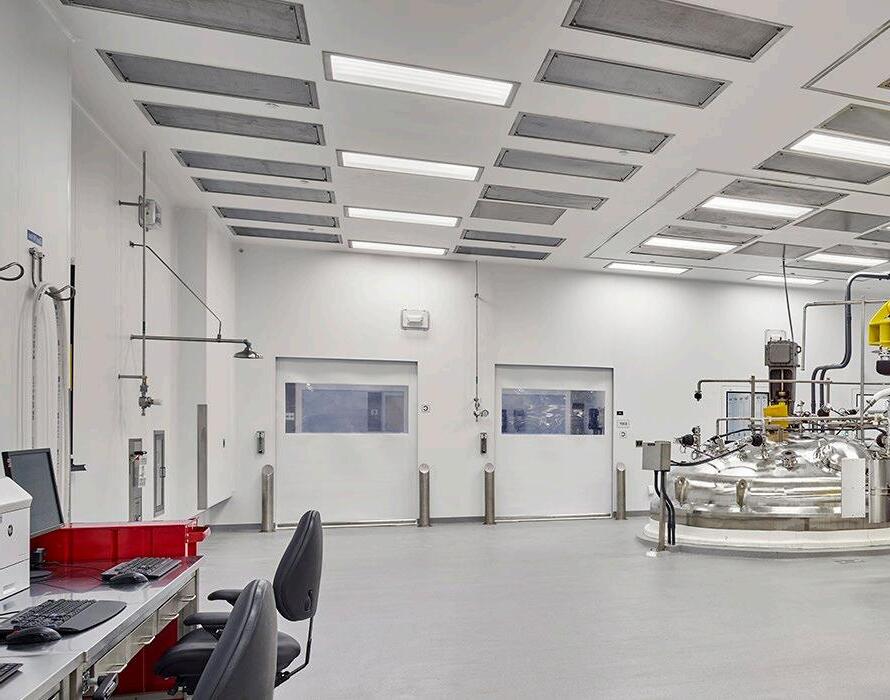
Successful Science & technology facilities are developed by architects and engineers who understand the full life cycle of a product from discovery to commercial scale production. EwingCole specialists are accustomed to working on site with project stakeholders and facility engineers to deliver cGMP facilities that meet schedule and budget, while still fulfilling future needs for adaptability.
In the past decade, EwingCole has designed over 12 million square feet of Science & technology space for major pharmaceutical, chemical, academic, biotechnology, and medical institutions. This experience has contributed to a level of professional expertise that allows us to offer innovative solutions to the technical and organizational challenges faced by the pharmaceutical industry.
cGMP Compliant Manufacturing Facilities
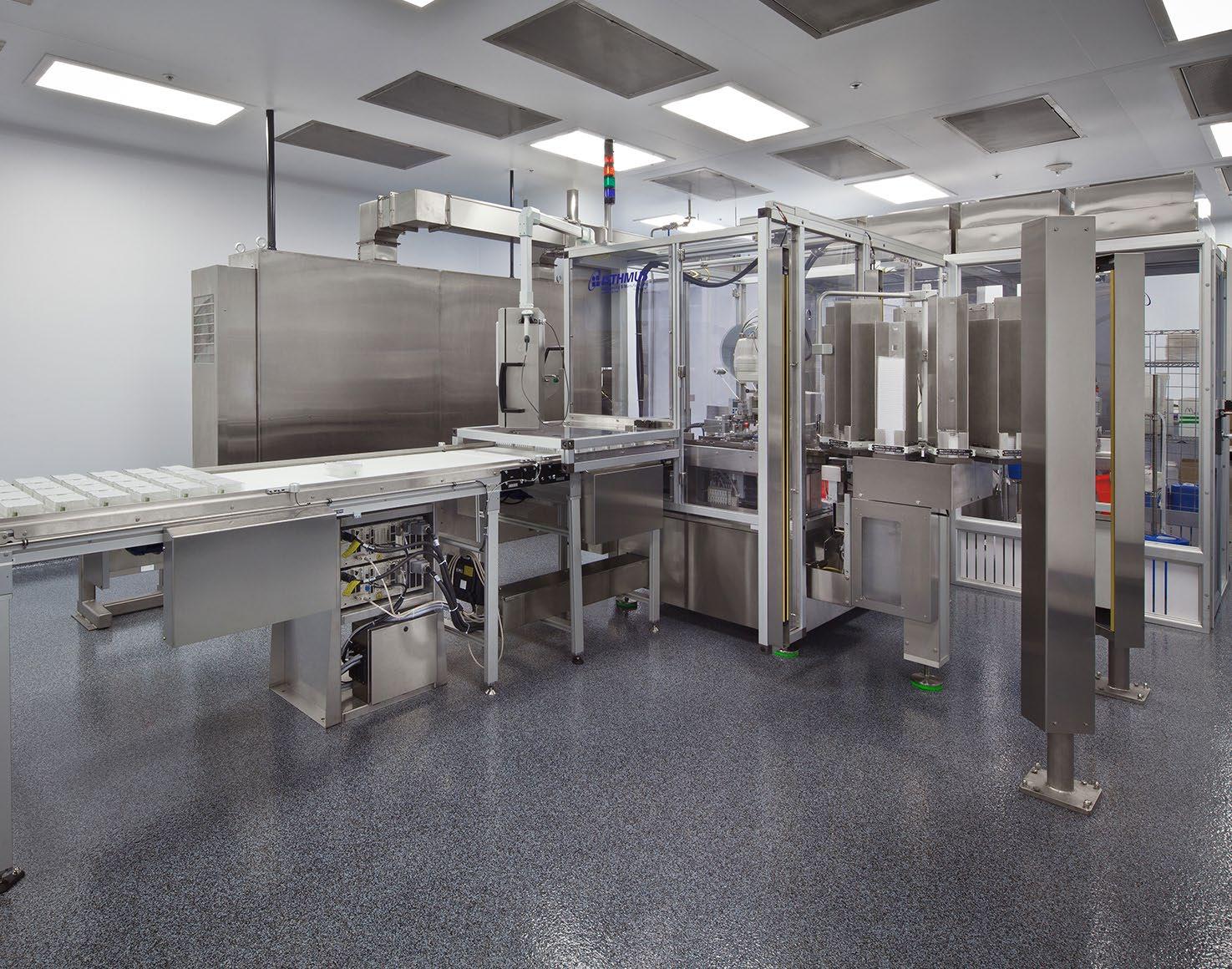
Our engineering strengths have enabled the S & T practice group to design cGMP compliant manufacturing facilities that meet both domestic (FDA) and international (EU) guidelines. Over the past 10 years, EwingCole has designed more than 1.5 million SF of manufacturing facilities for biotechnology, aseptic filling, medical device, oral solid dosage, and the specialty chemical industry nationwide. This includes specialized manufacturing plants for all types of products, including cell culture, cell banking, blood processing, solid dosage, liquid, parenteral, transdermal, topical, and vaccines.
DEVELOPMENT LABS
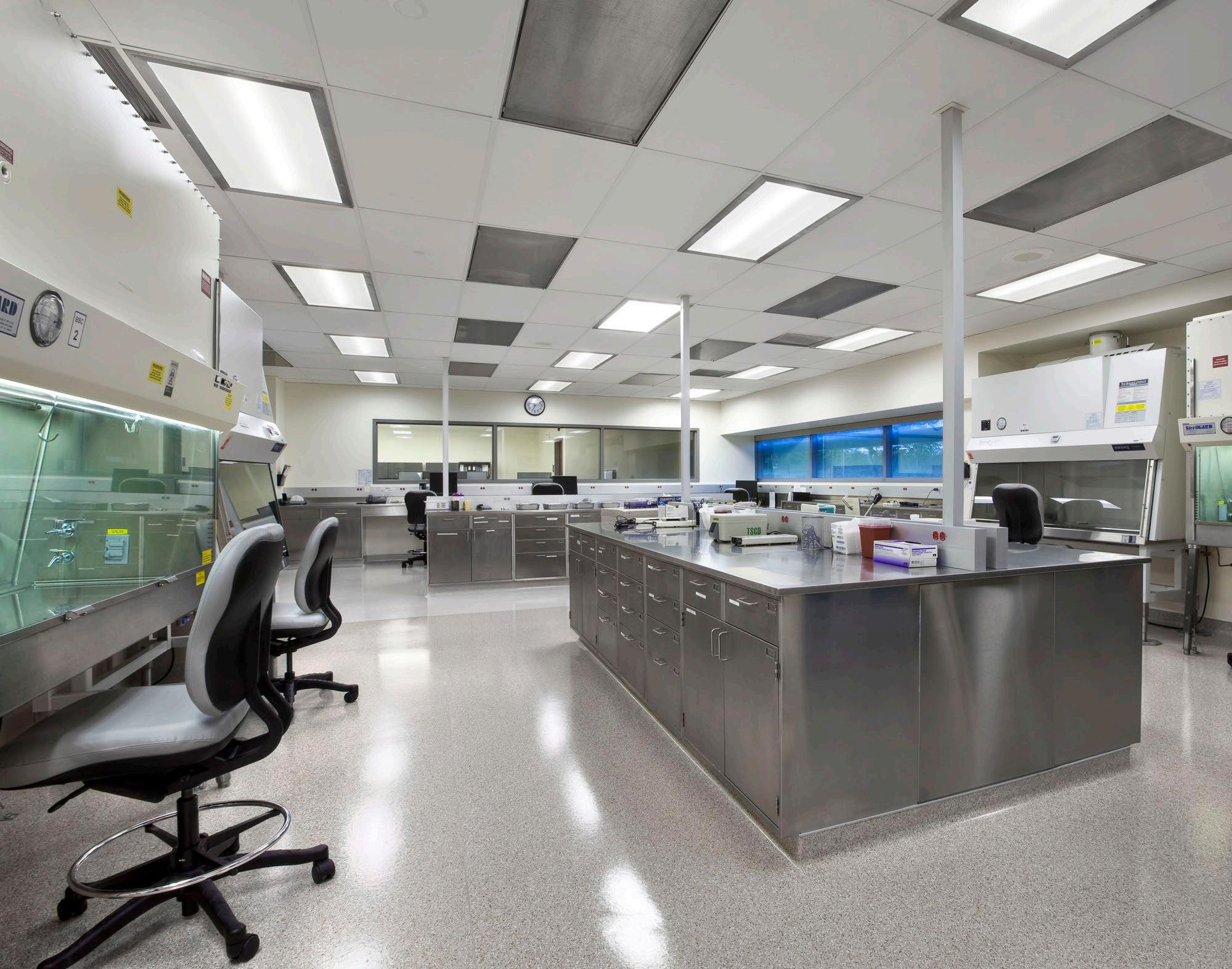
Development Labs are among the most programmatically diverse types of biopharmaceutical projects. The full spectrum of research, workplace, support, and specialized product areas need to be accommodated, with all necessary adjacencies to streamline maintenance and operational flow. Similarly, efficiency and flexibility are key planning criteria to satisfy testing and scale requirements for products before full-scale manufacturing. Program diversity requires a detailed knowledge of what each space needs. System requirements vary significantly for a non-cGMP Pilot Plant, cGMP Stability Storage, Cell Banking, QA/QC, Analytical and Biological Labs, and the range of departmental office and amenity functions. Planning considerations that help to create a productive drug development environment include:
– Flexibility of lab modules and utilities
– Adequacy of bench to accommodate high volume of equipment
– Proximity and visibility of offices and labs for improved work environment and safety
– Provision for natural light and views
– Attention to acoustics and segregation of loud equipment
– Position of amenities, conference and meeting spaces to support collaboration
Engineering systems for high-performance facilities are complex and costly. By necessity, they are designed for reliability and energy efficiency. Systems serving critical areas need appropriate levels of redundancy and must be capable of being maintained without disturbing on-going operations. Keeping environmental parameters for temperature, humidity, air quality, and room pressurization for contamination control applies to non-cGMP and cGMP areas alike. Building Automation Systems monitor most of the MEP equipment including air handling supply/exhaust systems, chilled and heating water systems. For higher levels of monitoring in cGMP areas, extensions to the BAS are often added such as oxygen deficiency systems, refrigerators, environmental rooms, freezers, incubators, and labs using flammable chemicals or cryogenic fluids.
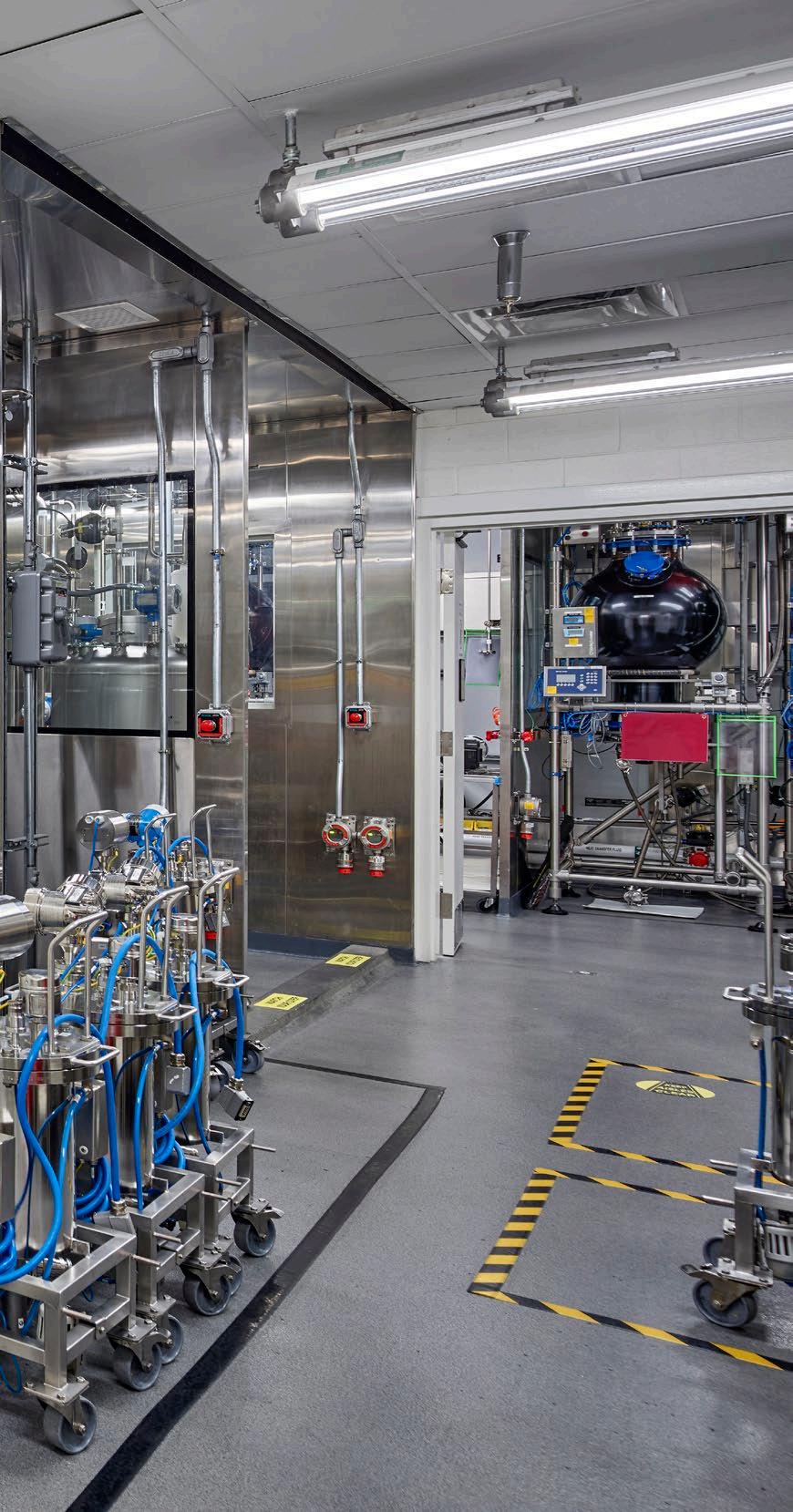
Our engineers are adept at designing process systems to support non-cGMP and cGMP program areas. In a Development Lab/Pilot Plant setting this can include Cell and Microbial Fermentation Culture Processing Suites, CIP Systems, Clean Prep Rooms, Biowaste Kill Systems, Critical Support Utilities, and the Central Energy Plant.
ASEPTIC FILL/FINISH
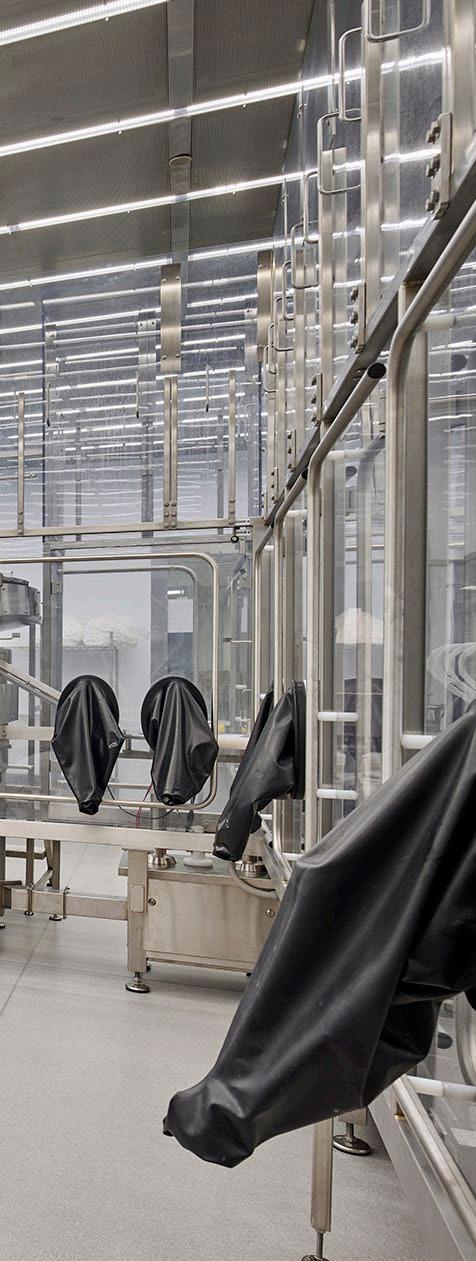
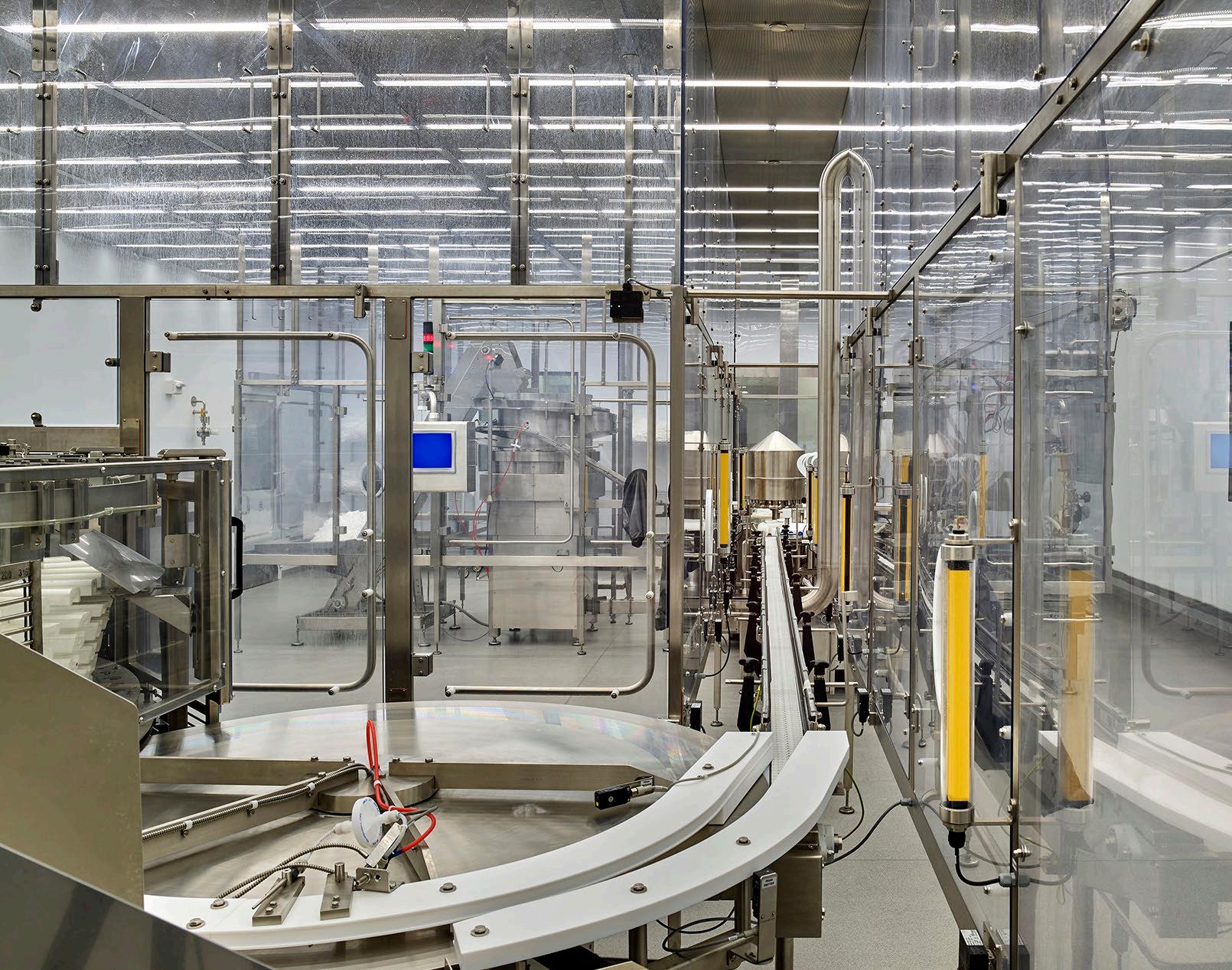
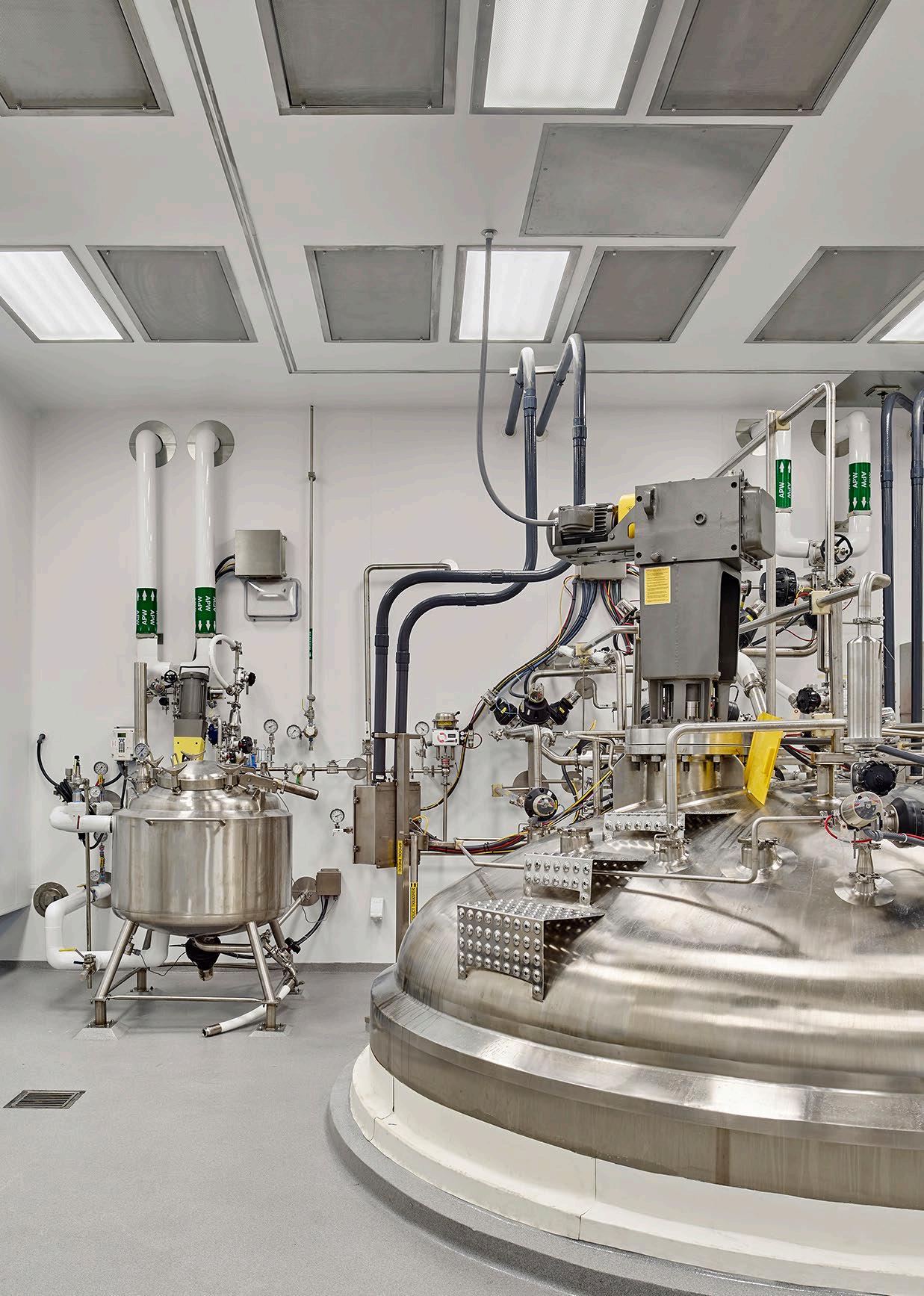
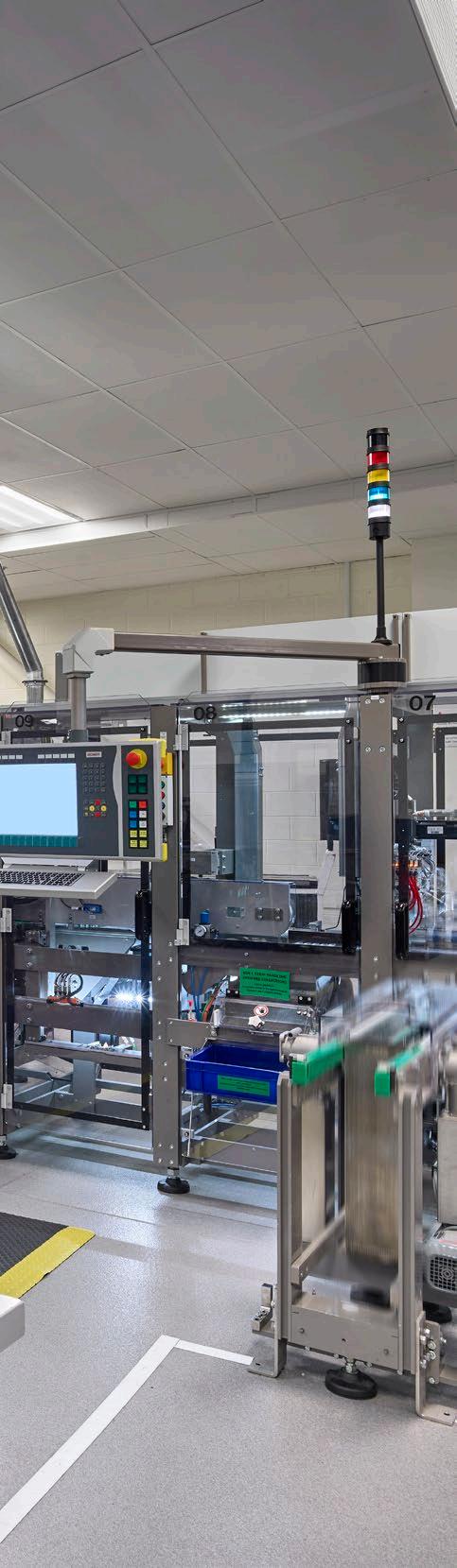
Aseptic Fill/Finish remains one of the most critical and challenging processes for the biopharmaceutical manufacturing of parenteral and other sterile drugs. The process relies on the sterile filtration of the formulated liquid drug product which is then aseptically filled and sealed in pre-sterilized containers (e.g., vials, bottles, syringes) within a strict particle controlled filling environment. Subsequent primary and secondary packaging operations ensure the integrity of the sterile filled product. Good design requires close coordination between process, sterile fill/finish equipment, and clean room design.
EwingCole has extensive experience in all aspects of the Aseptic Fill/Finish manufacturing process and facility design, from material handling, product compounding and sterile liquid filtration, through aseptic filling and secondary packaging, including process automation, clean room and clean utility support systems design.
One cannot overstate the importance of sound cleanroom design and the establishment of proper gowning protocols to ensure the integrity of the aseptic filling environment. To this end, EwingCole typically adheres to the following guidelines for the design of the manufacturing environment:
– Weigh Room: Designed as a Grade C \ ISO 7 environment with dust collection and sample booths
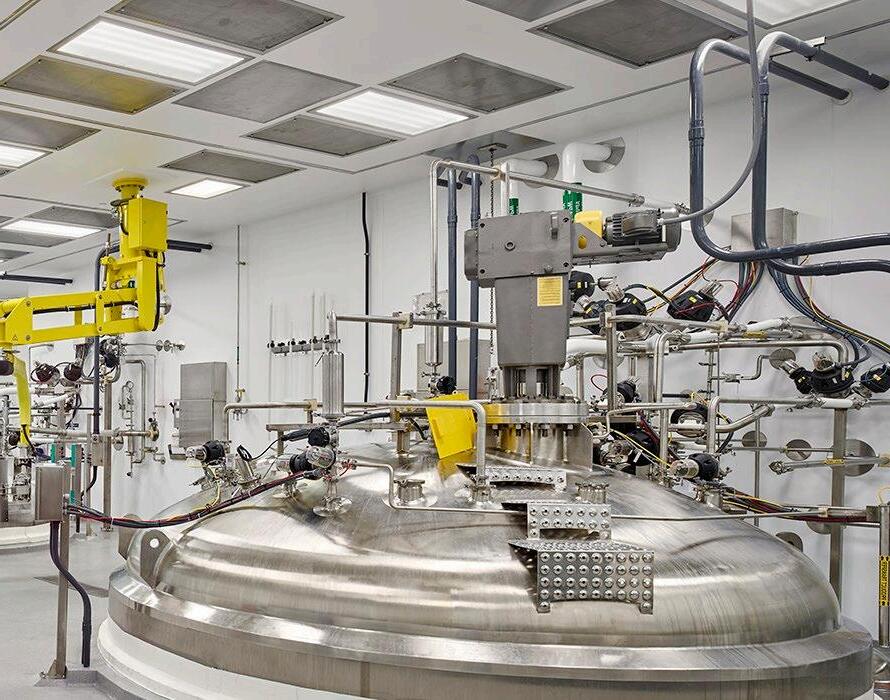
– Compounding: Designed as a Grade C \ ISO 7 environment that can accommodate Fixed Vessels on load cells (CIP/SIP capable); Portable Vessels on floor scales; and Material Transfer Equipment (overhead cranes; drum manipulators; conveyors)
– Sterile Liquid Filtration: Designed as a Grade C \ ISO 7 environment with proximity to the Fill Suite
– Filling: Designed to accommodate several types of technologies. RABS Type Fillers require a Grade B \ ISO 5 Background, involving additional gowning steps. Isolator Technologies require a Grade C \ ISO 7 Background including an integrated mechanical system.
EwingCole’s process subject matter experts are well versed in the design of clean utility services for Aseptic Fill/Finish systems, including Clean Steam, High Purity Water Systems, Compressed Air, Nitrogen, and CIP/SIP support systems. Our in-house expertise includes process instrumentation & controls, FRS & URS development, systems integration, and batch records support.
Our design team has a sound understanding of regulatory requirements and guidelines for aseptic processing and will work with our clients to integrate the validation protocols into the design to ensure compliance and successful startup.
CELL & GENE THERAPY
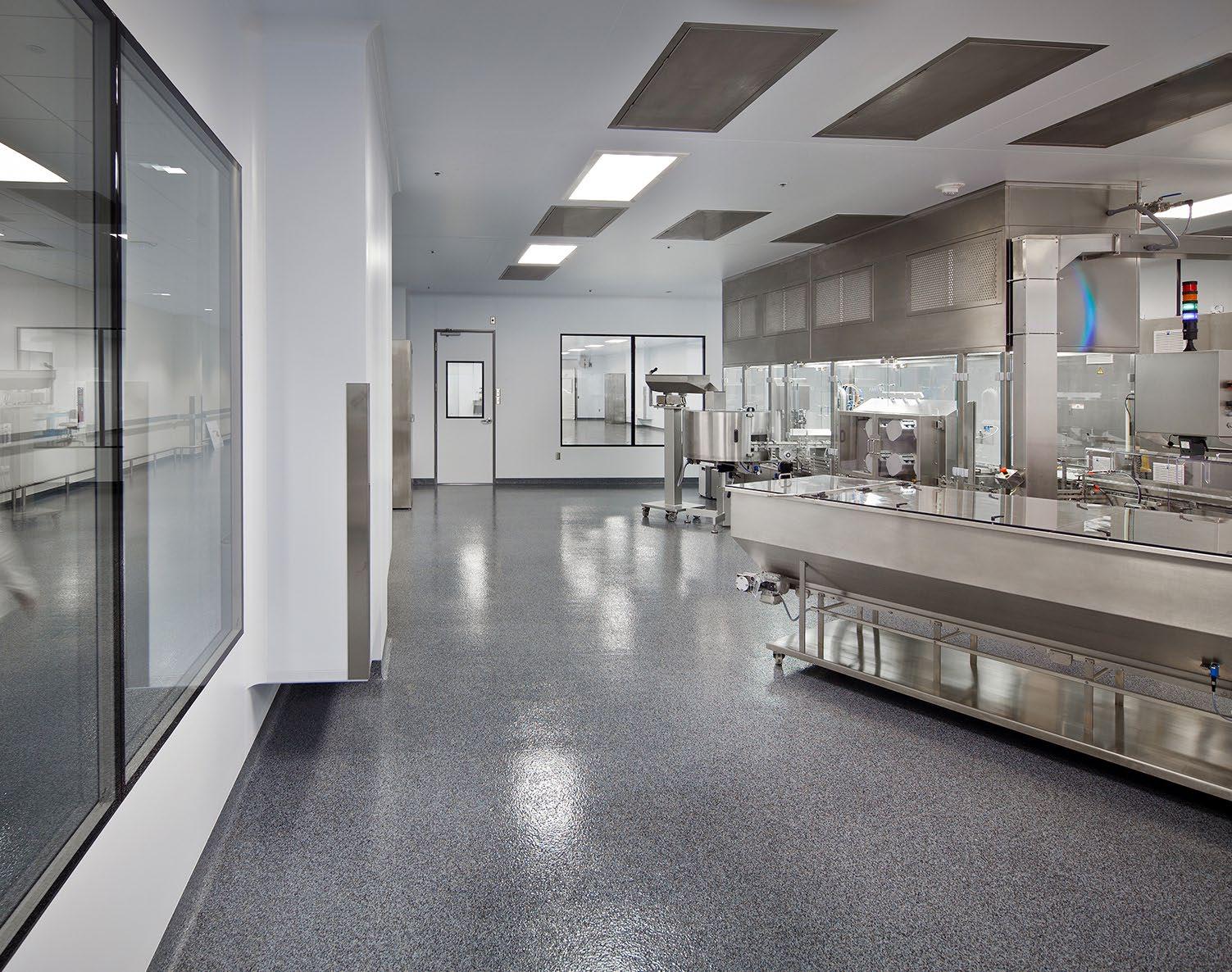
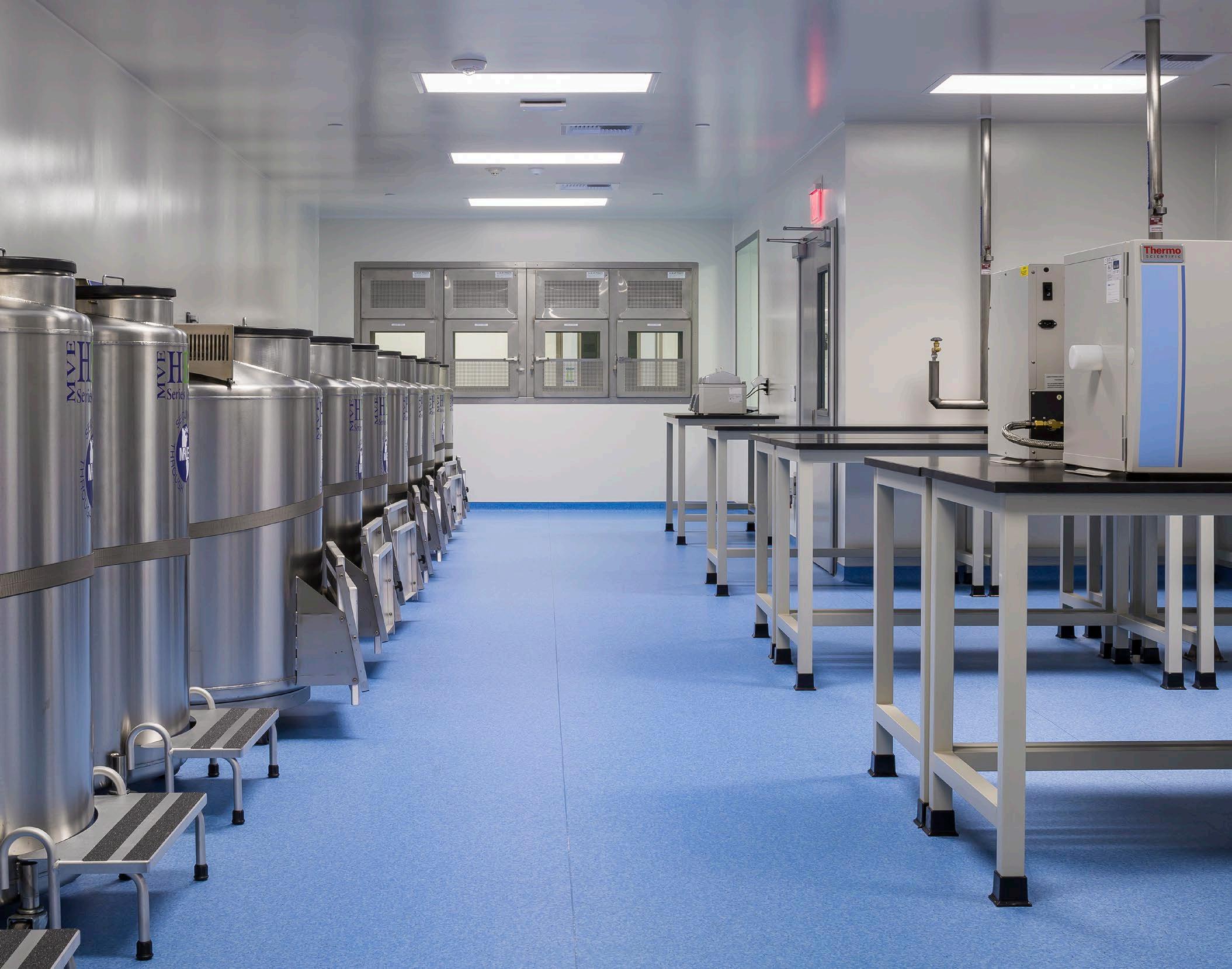
Cell & Gene Therapy (C>) facilities are highly regulated to allow the manufacture of minimally manipulated, complex biotechnology products. The focus of these facilities is on clinical research studies, technology development, and full-scale production. Product manufacturing suites designed for cGMP and GTP (good tissue practices) need to be adaptable to most biologic and cellular processes for clinical trials. End-to-end workflow solutions need to be carefully planned to allow labs to scale up production in different locations.
Planning criteria for C> facilities are akin to those of other microbiological facilities. A modular design allows the laboratory/ production facility to expand by adding additional tissue culture modules and personnel to manage workload. Key design considerations are defining numbers and types of cell lines to be cultured, determining personnel headcount, and providing safeguards to prevent cross-contamination. Quarantine areas, receipt, testing and storage of incoming materials, and proper disposal of waste material are essential components of the workflow. Air handlers must be sized to accommodate the numbers and types of biosafety cabinets, as well as any other heat-producing equipment such as incubators and freezers. Directional air flow (negative, positive, or neutral) is a critical consideration for safe operation of C> facilities.
Because extraction involves blood processing, it needs to be done in an aseptic environment where the product is exposed within an ISO-5 Biosafety Cabinet within the cleanroom’s ISO-7 background. Blood products have a short shelf life and are stored in freezers and refrigerators which are heat generating. Cryogenic freezers necessitate the use of bulk liquid nitrogen inside the facility. Additionally, Bioreactors (bench scale and on skids) require CO2 and generate significant heat that needs to be environmentally controlled.
The importance of material product flow and personnel access cannot be overstated, especially when dealing with blood products, to ensure product integrity and to maintain regulatory approvals. EwingCole’s unique design philosophy for C> facilities leads the industry in supporting our client’s manufacture of this highly innovative cancer therapy.
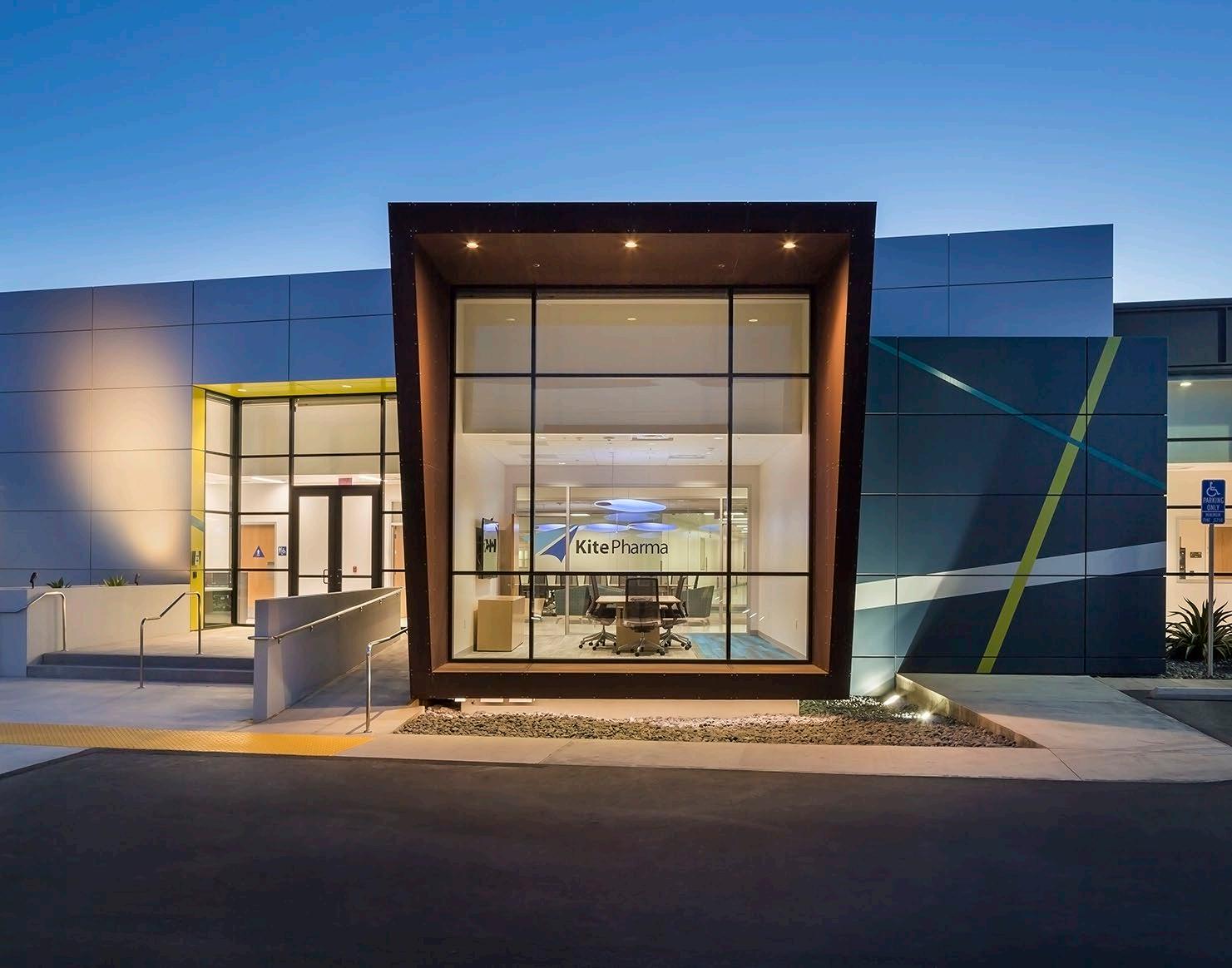
As an example, EwingCole has designed new cGMP manufacturing facilities for Kite Pharma Inc. (a GILEAD Company), a biopharmaceutical company who received the first CAR-T cell therapy approved by the FDA for use in adult patients. The projects include ISO- 7 cleanroom manufacturing, offices, QC laboratories, and a cGMP warehouse. From this initial relationship, we have now supported four additional C> clients in designing laboratories, pilot plants, and manufacturing facilities.
MEDICAL DEVICE
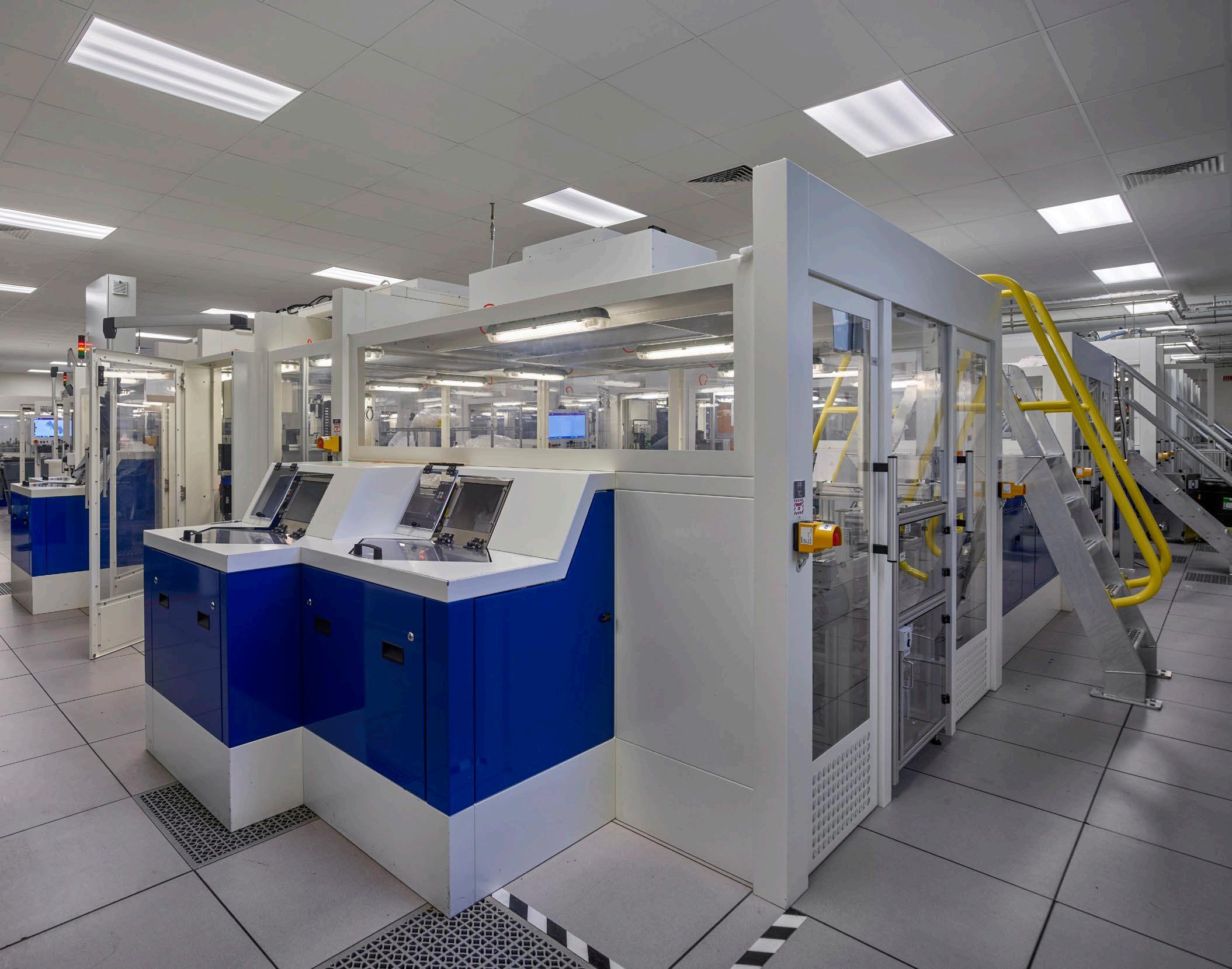
EwingCole has extensive experience in the planning and design of facilities for medical devices, delivery systems, diagnostic products, and ophthalmic lens manufacturing. Our portfolio encompasses Pilot Plants, Clinical Labs, Commercial Manufacturing, Warehousing and Workplace functions servicing all levels of our client’s organization.
The medical device manufacturing industry is uniquely challenging and requires a comprehensive understanding of equipment manufacturing, automation, and testing. This industry demands strict adherence to safety and quality manufacturing protocols in one of the most dynamic and demanding cGMP manufacturing environments today.
The true measure of a forward-thinking industry is its ability to evolve to meet new market demands and opportunities. Within the industry, many companies are finding unique and innovative means for introducing products to the market often using cutting-edge technologies such as 3D printing, digitization, use of Big Data, miniaturization, and minimally invasive technology. Manufacturing facilities require design concepts to be adaptive in their floorplans with expansion capabilities built within the plan from the early feasibility stage.
EwingCole’s experience with integration of diverse equipment types, new technologies, life safety, streamlined shop floor workflows, and integration of outsourcing strategies result in medical device facility designs that are fit for purpose, rightsized and adaptive to rapidly changing market demands.
DRY GRANULATION
Dispensing of Dry Ingredients Dry Mixing Dry Granulation Milling Mixing (Lubricant Add’n)
Press - Blenders - Planetary Mixers - Extrusion - High Shear - Top Fed - Bottom Fed
Dispensing of Dry Ingredients Dry Mixing/Wet Blending
Impact Mills - Slugging - Roller Compaction - Hammer Mill
Granulation
WET GRANULATION
Conical Mill
Coaster
ORAL SOLID DOSE
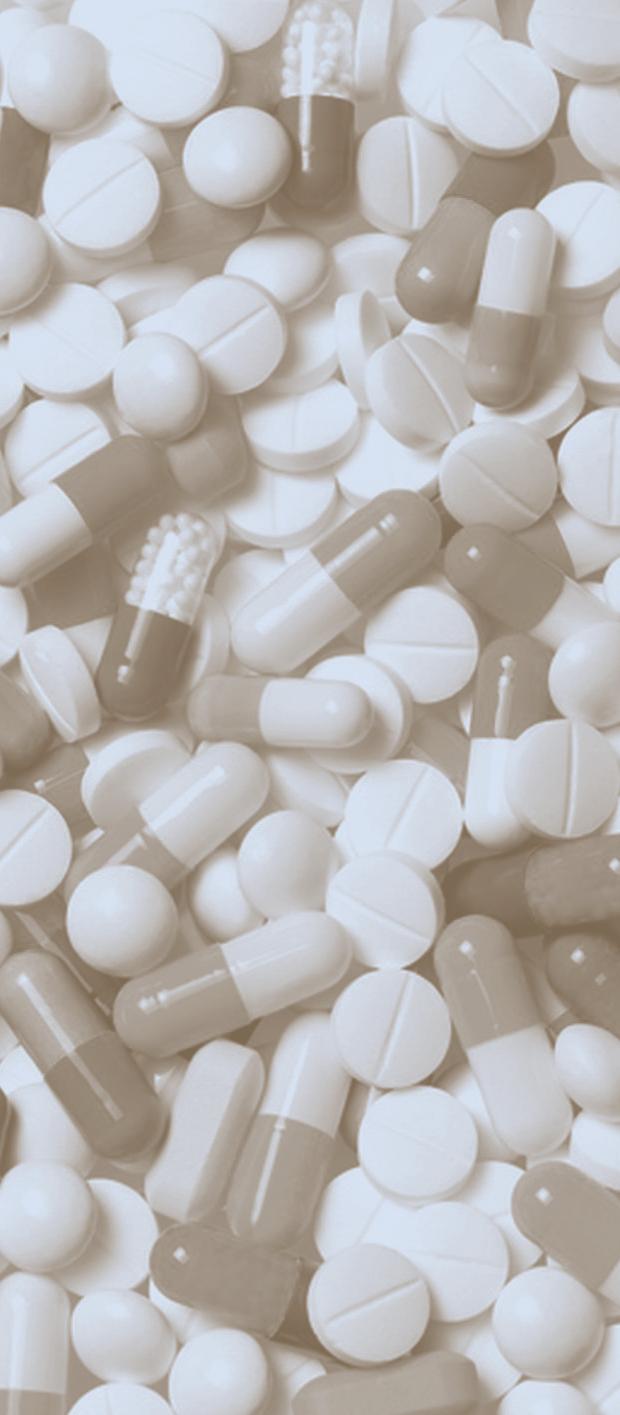
Pharmaceutical products in oral solid dosage (OSD) from are intended to be ingested by mouth or absorbed by the oral lining to treat a pathological condition or provide other ameliorating effects on the body. Common physical forms for OSD products include tablets, buccal and sublingual tablets, effervescent tablets, chewable tablets, capsules, granules, and bulk powders. A variety of ingredients used in the preparation of semisolid dosage forms include active pharmaceuticals, excipients, buffers, lubricants, solvents, coating materials, and gelatin capsules.
Different processing routes to the final OSD form include wet granulation, dry granulation, and direct compression. Whichever method is used, ingredients need to be uniformly dispensed and dispersed at each step of the process to ensure precise labeled quantities in the final product. All vessels and equipment surfaces coming into product contact must undergo a validated cleaning procedure following each use. Automated CIP\WIP systems are recommended for process vessels and transfer lines, and specialized pieces of equipment wherever possible.
The uniform dispensing, mixing, and milling of ingredients, both solids and liquid binders (wet granulation), are essential unit operations that deserve special consideration in the design effort. Similarly, critical process parameters (CPPs) and critical quality attributes (CQAs) that are monitored during a validated OSD manufacturing process depend on its final presentation (e.g., compressed tablet, coated tablet, capsule) and its drug release characteristics (immediate release-IR or modified releaseMR). A risk-based approach should be followed for identifying the CCPs and CQAs for the specific manufacturing process and product. The ISPE Baseline Guide for Oral Solid Dosage Forms includes guidance for Control and Instrumentation systems for OSD facilities.
- Water Phase
Jacketed Vessel with Mixer
- For Preparation/ Melting of Wax/ Oil Phase
Water Phase Heating/ Mixing Wax/ Oil Phase Heating/ Mixing
- Water Phase
Jacketed Vessel with Mixer
- For Heating and Incorporation of Water Soluble
- Manufacturing Vessel Equipped with Planetary Mixer, High Speed Homogenizer, Vacuum Pump and Lid Lifting System
- API and other Ingredients Added with Heating, Mixing, and Homogenization.
Material is Recirculated and Vacuuminized.
- Jacketed Portable Storage Vessel
- Product Transferred to Portable Storage Vessel for Transporting to
Manufacturing Process
- Mixed Material is Passed Through a Colloid Mill or Sigma Blade Mixer, or Inline Homogenizer
Ingredient Addition
Tri-Blender/ Quadro
- Filling Equipment
- Ointments/Creams → Jars
- Pasetes → Tubes
- Gels/Jellies → Tubes/Jars
- Packaging Equipment
Packaging
SEMI-SOLID DOSE
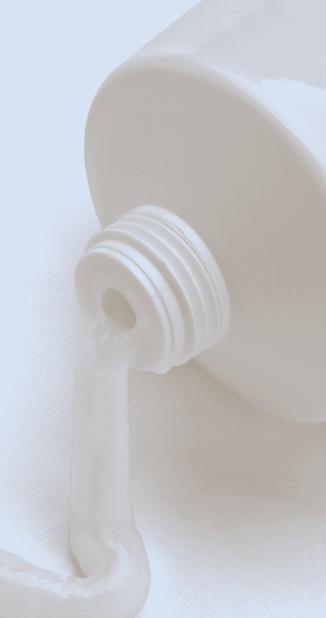
Pharmaceutical products in a semisolid form such as creams, ointments, pastes, or gels are important delivery systems that present specific manufacturing challenges due to their highly controlled production process requirements.
Preparations most often consist of two phases (oil/wax and water), one of which is a continuous phase and the other a dispersed or discontinuous phase. The active ingredient is often dissolved in one phase or the other. Standard practice generally consists of storing the “in-process” finished product until the specified control tests have completed before filling and packaging. All vessels and equipment surfaces coming into product contact must undergo a validated cleaning procedure following each use. Automated Clean-in-Place/Wash-in-Place (CIP/WIP) systems are recommended for specialized process equipment and vessels and transfer lines wherever possible.
Most semisolid formulations currently produced are complex systems requiring tightly controlled critical processing parameters to ensure the stability and consistency of the finished product including temperature, mixing method, speed and time, flow rates, addition of polymers and gums, order of addition optimization, and filling and packaging operations. EwingCole offers a comprehensive approach to solve the complex design issues for semisolids manufacturing. We help guide our clients through assessment of workflow efficiencies, options analysis and decision-making using simulation modeling and other empirical formats that result in facilities that are scalable and adaptable to new technologies and product lines.
HIGH PURITY WATER
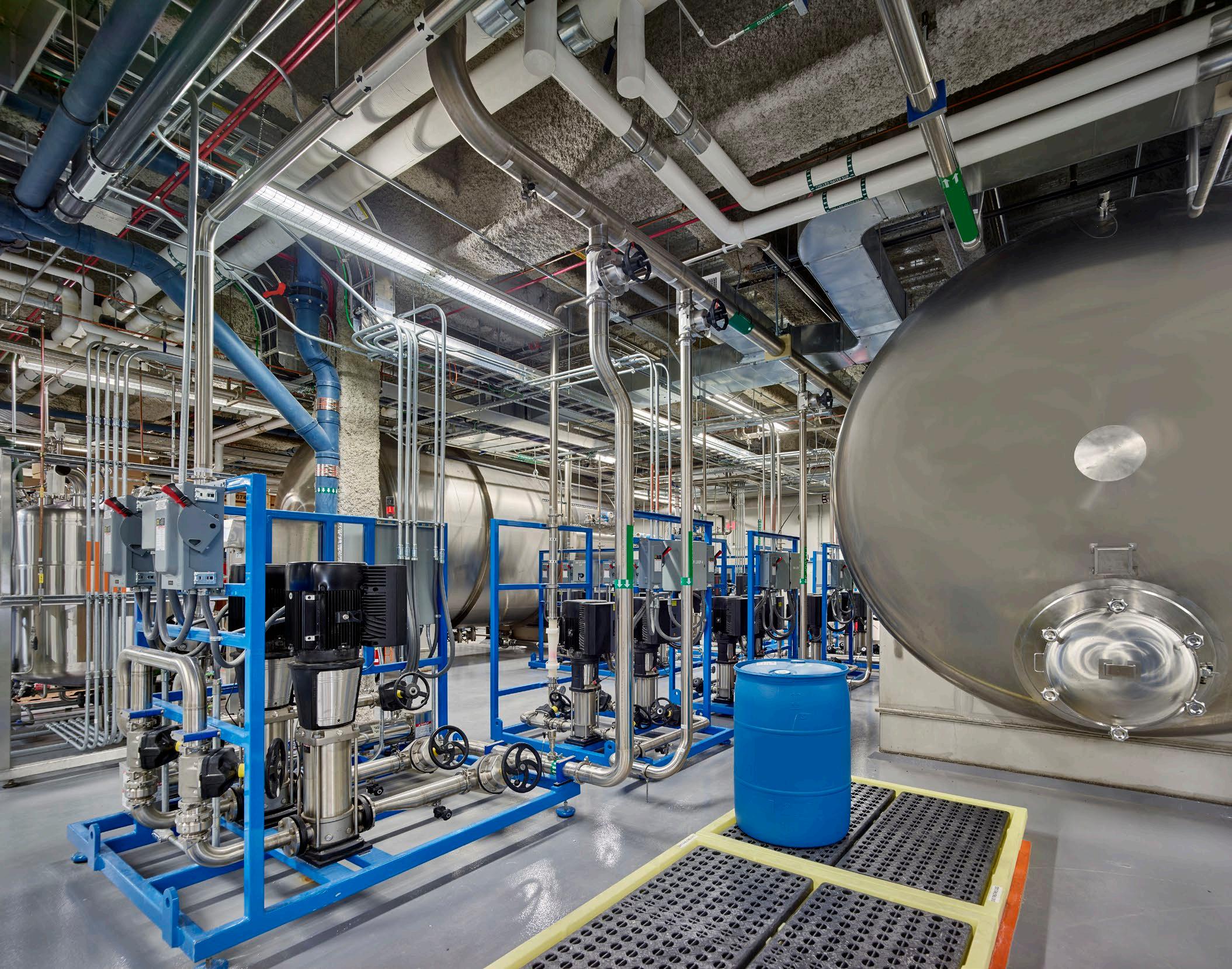
The design of High Purity Water generation, storage and distribution systems for biopharmaceutical manufacturing begins with a solid understanding of the regulatory requirements for the various grades of high purity water as applied to cGMP processes including RO\DI, Purified Water (PW) and Water-for-Injection (WFI). Depending upon the chemistry of the incoming water, a variety of upstream preprocessing steps (either singularly or in combination) will be required to achieve high purity. These include:
– Multimedia Filtration
– Water Softeners
– Activated Carbon Filtration
– Reverse Osmosis
– Ion Exchange
– UV Light Treatment
– Dead End Cartridge Filtration
– Ozone Treatment
– Ultrafiltration
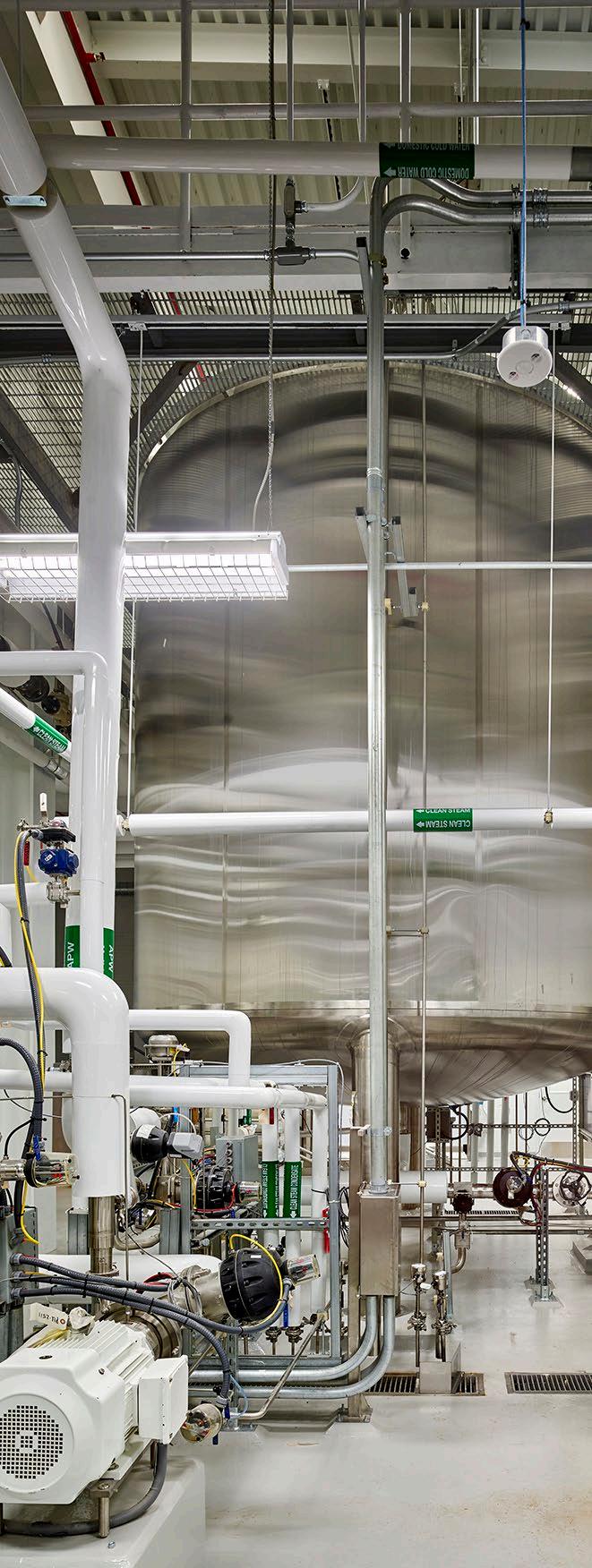
While USP PW is sufficient for many applications, processes requiring higher purity, such as the manufacture and formulation of parenteral drugs need USP WFI (distillate). For large scale manufacturing, multi-effect distillation and vapor recompression distillation are the most common methods for producing distillate.
EwingCole’s process engineers routinely use hydraulic modeling software for the design and sizing of PW or WFI storage, piping systems, distribution pumps and pressure regulating components to ensure reliable operations. Our experience includes analysis of plant-wide water balancing; design of multiple loop and subloop systems; return-to-tank systems; return-to-pump loops; hot, cold or ambient loops; and point-of-use heat exchangers; as well as the design of sanitization methodologies for water systems.
SOLVENTS
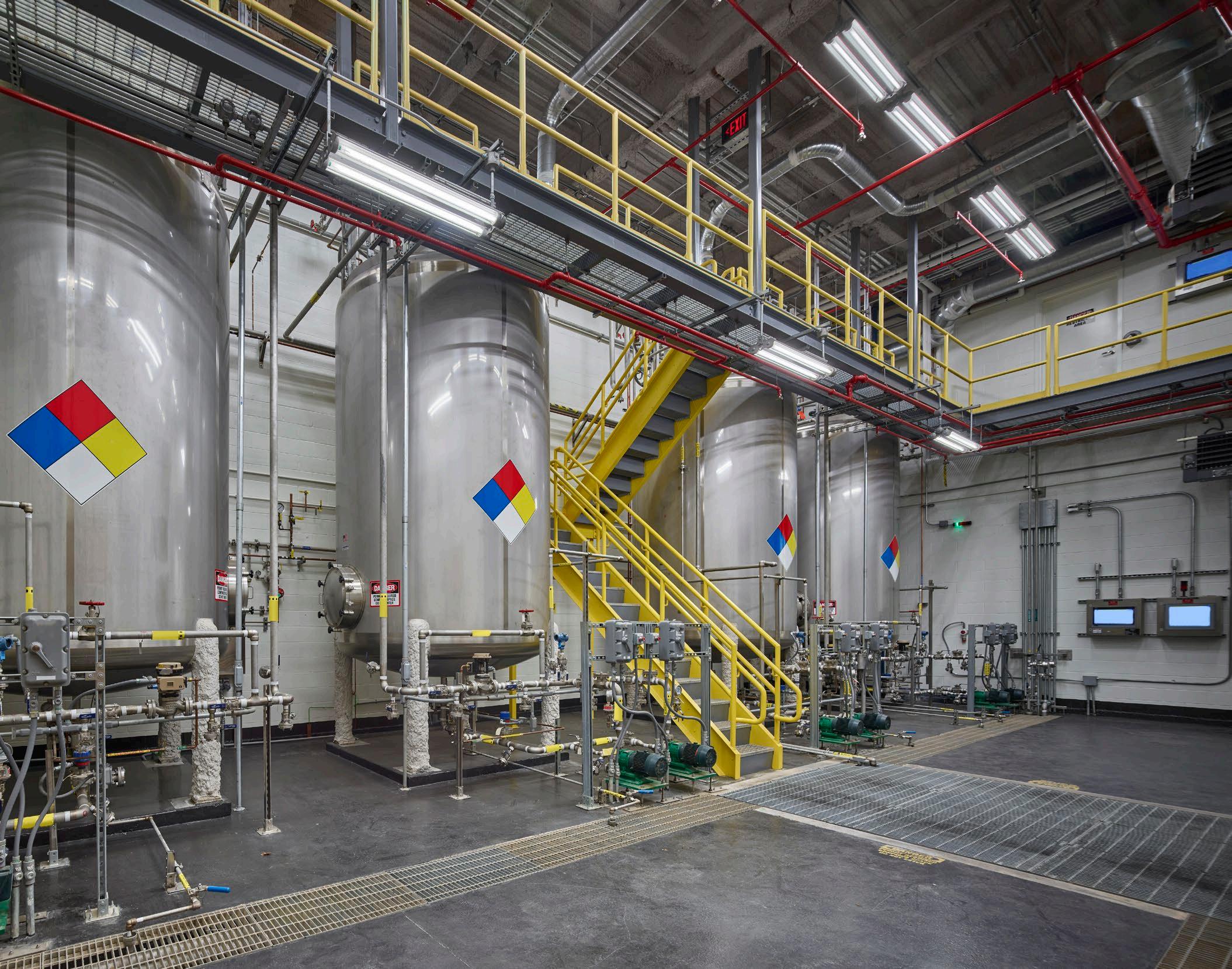
EwingCole has extensive experience in the planning and design of safe handling, receiving, storage and distribution systems for solvents and other hazardous materials associated with the manufacturing process. Beginning with a thorough understanding of the customer’s solvent processing requirements, our integrated team of in-house process engineers, electrical, fire safety and structural engineers collaborate to apply the latest industry and federal regulations to minimize the hazards associated with solvent systems.
Key information needed early in the planning process includes identification of:
– Materials and quantities to be stored, handled and processed
– Chemical and physical properties with hazard ratings
– Fire hazards (NFPA 30) and electrical area classifications (NFPA 497)
– Building Code allowances for storage and in-process quantity limits for flammable and combustible materials
– OSHA and Factory Mutual (FM) guidelines
The loading and unloading of flammable and combustible liquids presents one of the most severe fire and explosion risks for site operations. Design of a safe grounding system is critical to prevent spark generation during transfer operations. The electrical resistance of the grounding circuit from the tank to ground (earth) should never exceed 10 ohms, according to NFPA 77 and API RP 2003. This applies to both storage and distribution systems, where static charge build-up can create voltage potential differences.
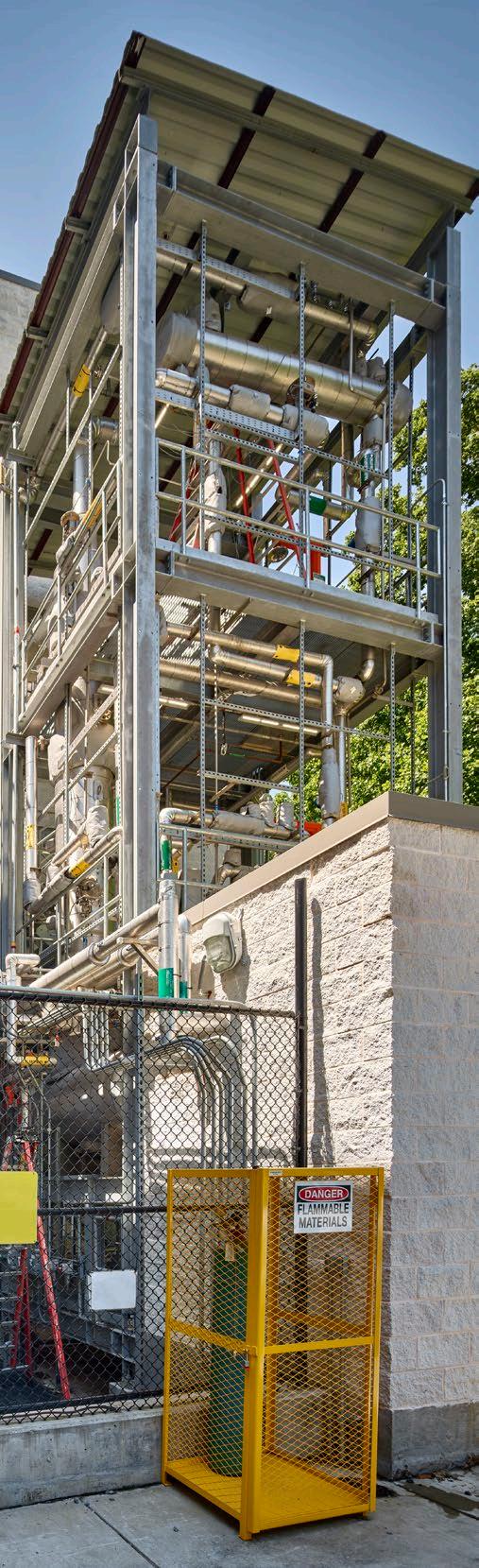
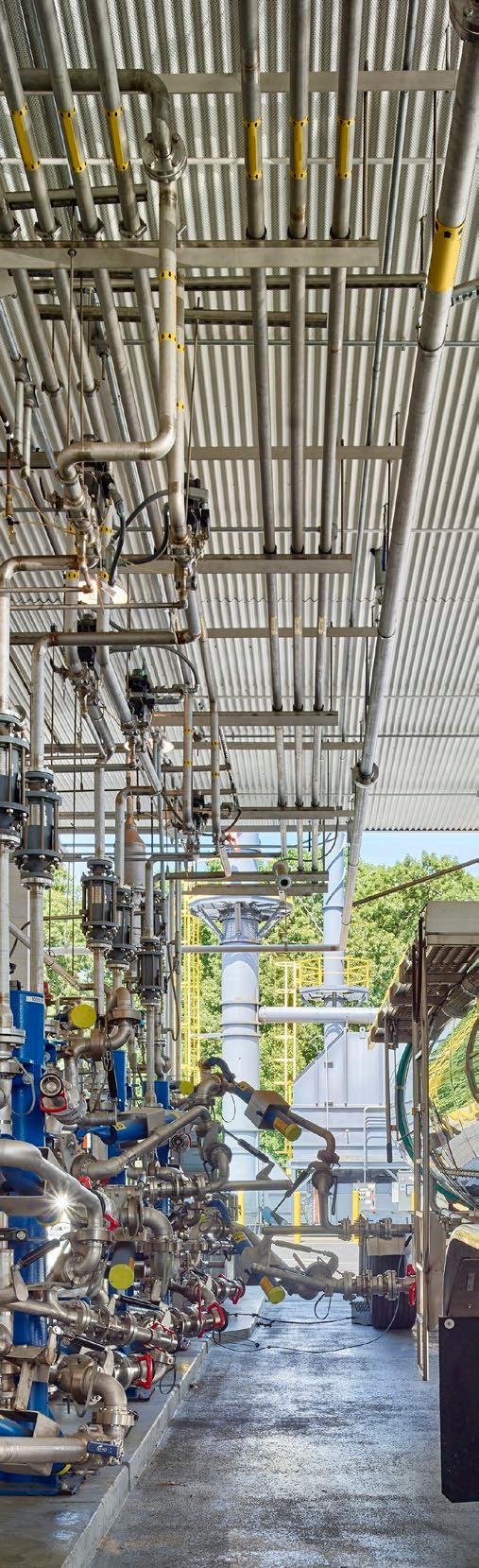
The same considerations that apply to front-end design, also apply to downstream waste collection and storage systems. Vented solvent vapors must also be contained and disposed of safely. Our team is experienced in the design of RTO’s and solvent recovery systems, including distillation recovery of azeotrope mixtures and other separation methods. These designs require a careful mass balance analysis of waste stream compositions to avoid the barriers to separation imposed by such mixtures.
ADDITIONAL cGMP CAPABILITIES
The complexity of engineering requirements represents 90% of the total planning and design efforts for manufacturing projects where precision and integration are critical. EwingCole’s team of process engineers, building engineers, architects, and subject matter experts provides our clients with comprehensive services to meet all of their project needs.
Planning and design for cGMP facilities require a core knowledge of data analysis, process flow, and equipment. EwingCole engineers have detailed knowledge of designing environments to meet cGMP standards. We work closely with our clients to understand their metrics and production goals. Using their data, we prepare capacity modeling and process modeling scenarios that are invaluable to make decisions about viability, cost, phasing, and construction.
As planners, we look for opportunities to optimize your assets at different scales. This requires an appreciation for activity flows, sequencing, space classifications, and enclosure types, equipment and component size ergonomics, codes and infrastructure. Our goal is to provide our clients with comprehensive, integrated A/E solutions to cGMP facility design.
Additional capabilities include:
– Energy Modeling
– System Demand Analysis
– Instrumentation and Controls
– Process Modeling
– Process Distillation
– Single Use System Technologies
– Process Utility Assessment
– Process Hazard Assessment
– QA\QC Laboratory Design
QUALITY OF LIFE
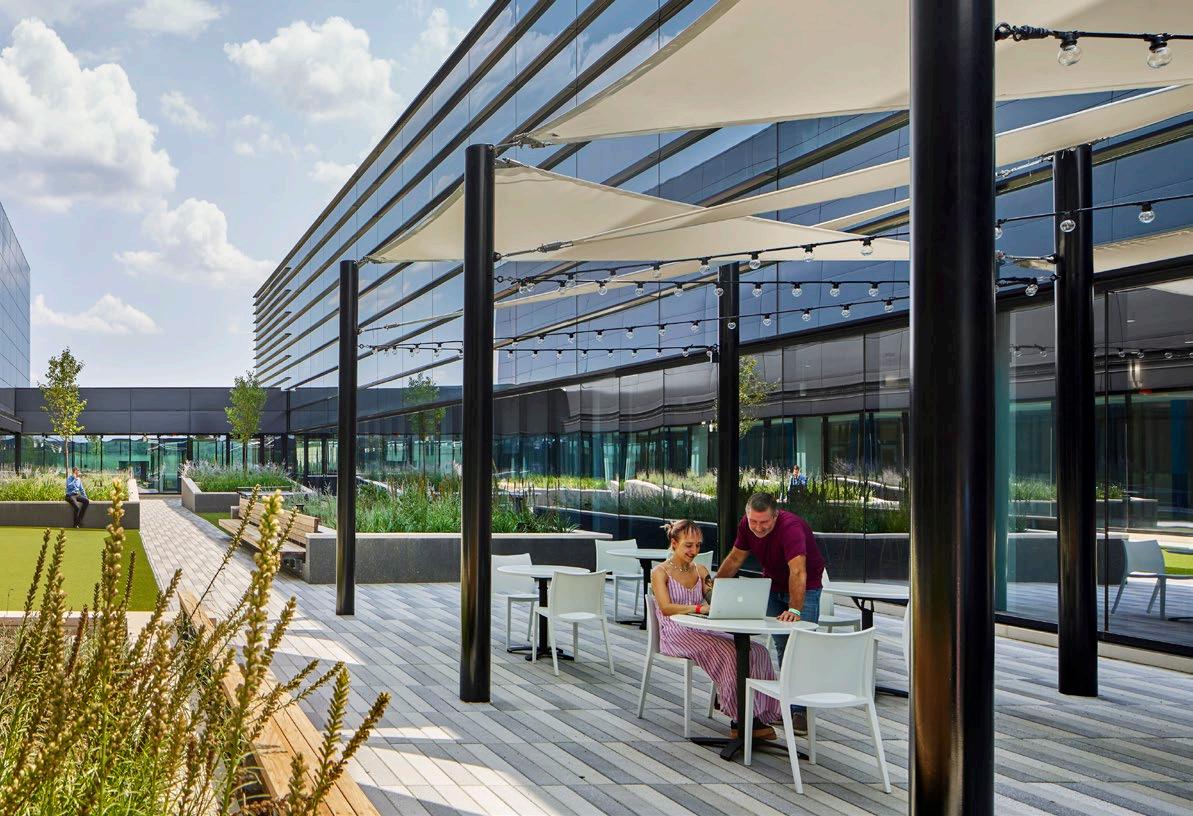
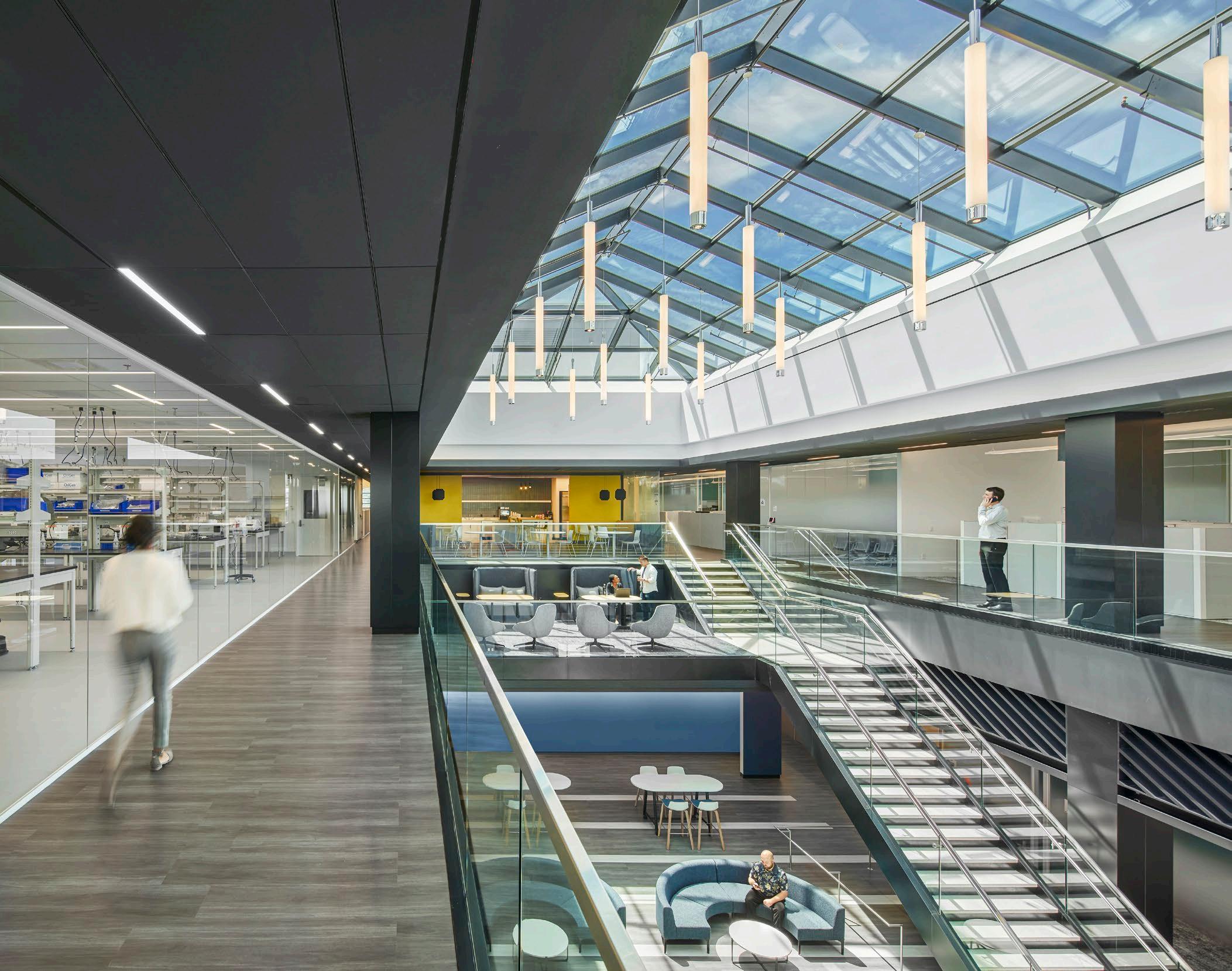
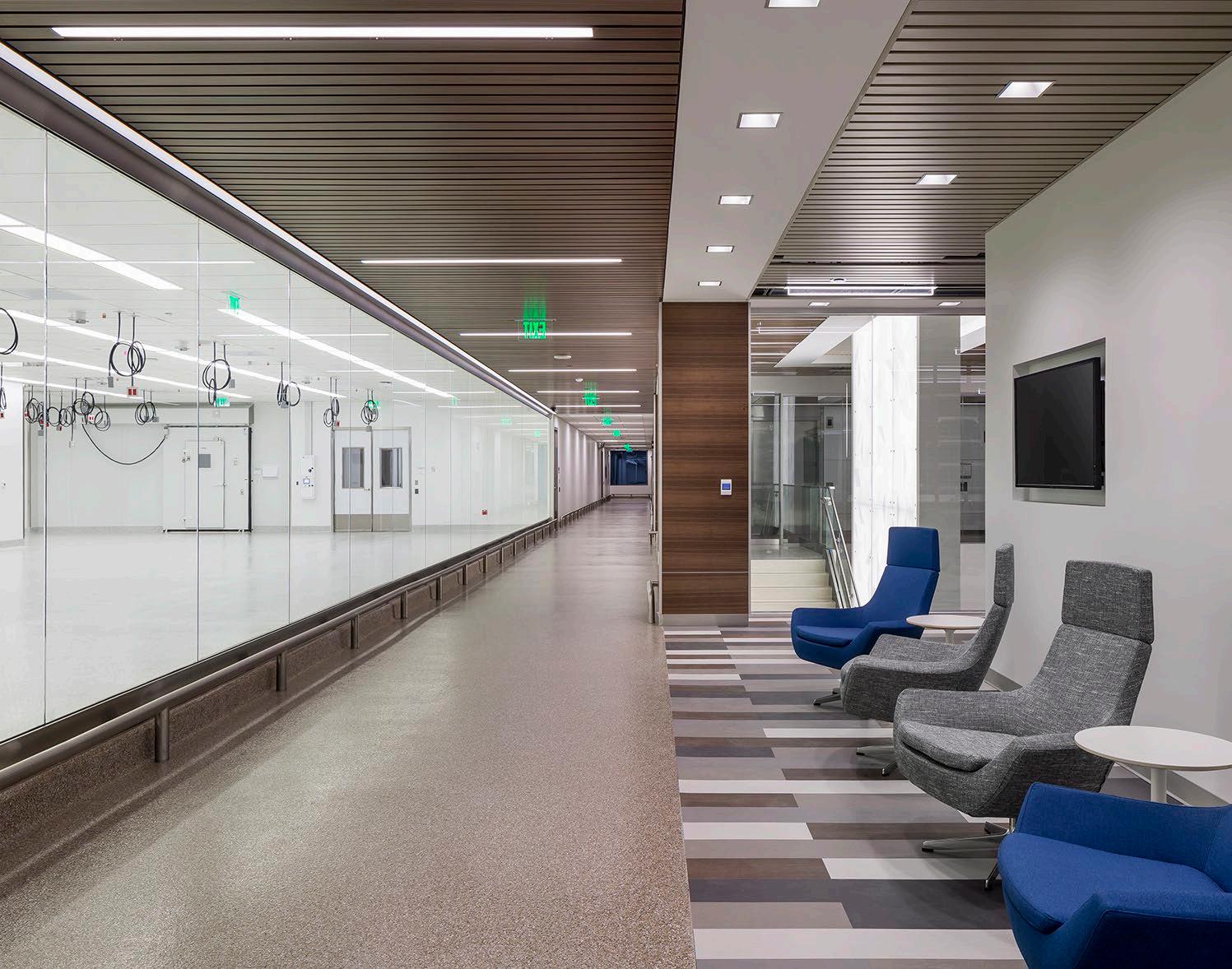
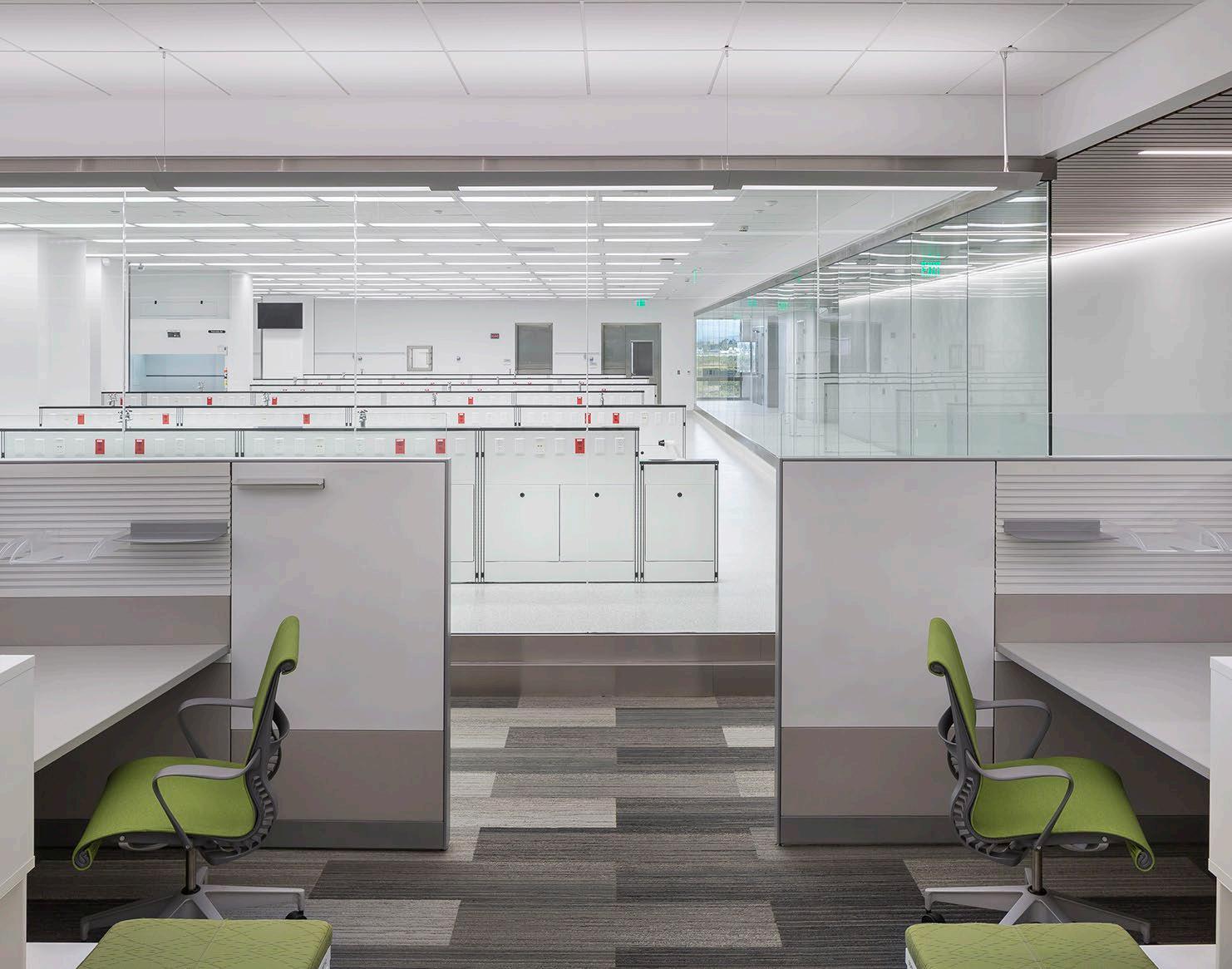
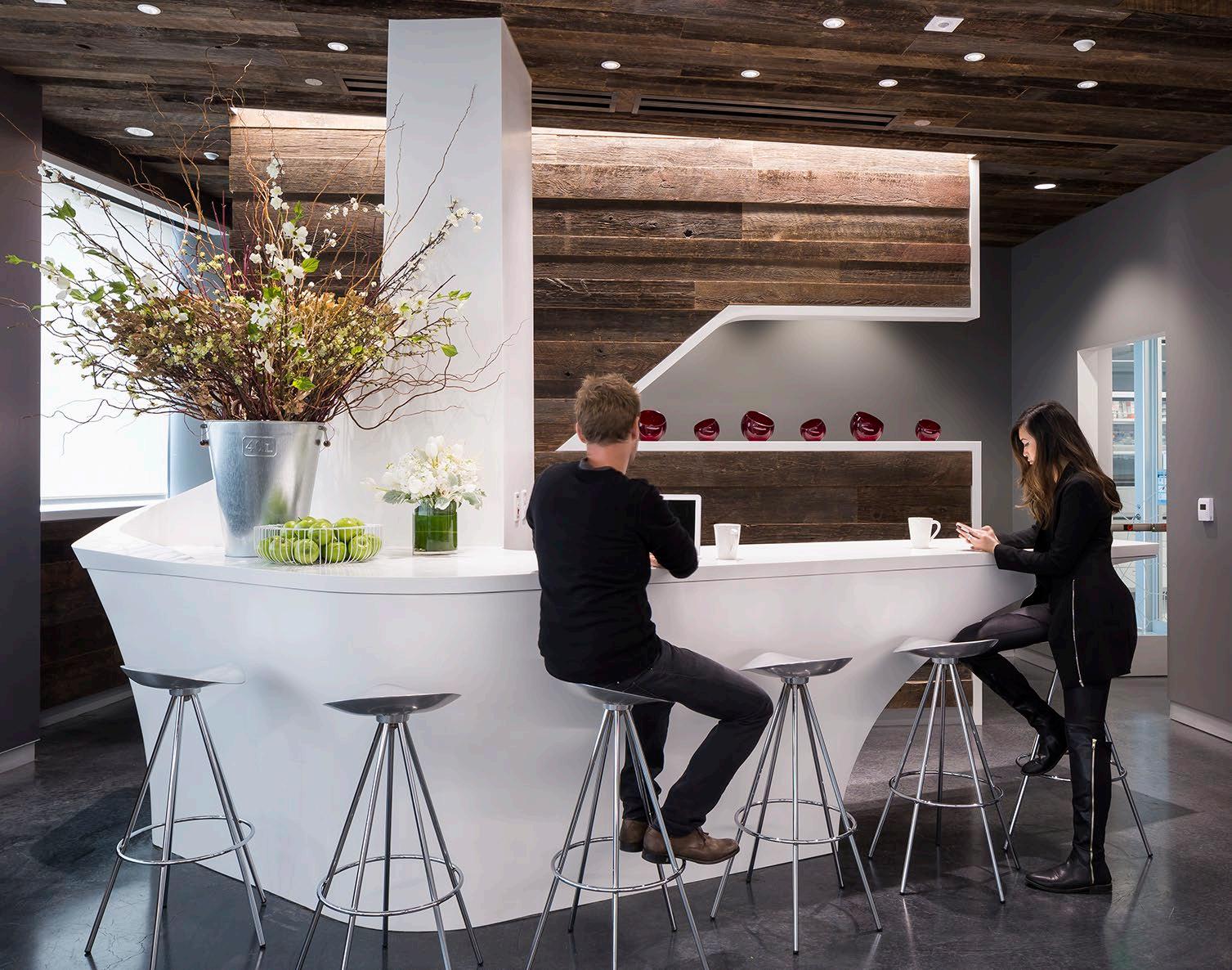
An essential part of a company’s viability lies in its capacity to attract and retain the best talent available. The quality of the work environment contributes to the productivity and effectiveness of critical thinking and creativity. EwingCole’s staff designs workspaces that provide amenities to support a manufacturing environment. Successful amenity spaces, such as cafeterias, break areas, and collaboration zones, can be included in a facility without compromising the program or budget. These types of spaces have proven highly effective in recruiting top talent. Providing the workers access to exterior views and natural daylight within the manufacturing areas not only increases worker productivity but will create opportunities to promote safety and allows visibility of the manufacturing area for visitors without the need to enter controlled areas.