Evys piña
University of Texas at Austin
Graduating May 2027

University of Texas at Austin
Graduating May 2027
469.955.3738
evyspina1@gmail.com
University of Texas at Austin - Austin, Texas
August 2023 - Present
School of Architecture (UTSOA)
Bachelor of Science in Interior Design, Class of 2027
Dallas College - Dallas, Texas
August 2021- May 2023
Associate of Science, Class of 2023
Duncanville High School - Duncanville, Texas
August 2019 - May 2023
Early College Collegiate Academy, Class of 2023
Physical Sketching, Drafting, and Model Making
Modeling Tools Revit, Rhino 3D, and Enscape
Adobe Creative Suite Illustrator, Photoshop, and InDesign
Fabrication Tools 3D Printing and Laser Cutting
Brooklyn Botanic Gardens Pollinator Lounge Publication, 2024
International Interior Design Association, Member
IIDA Career Expo, 2024
IIDA SHIFT, 2025
UTSOA, Textile Design 2024, Winner
UTSOA, Ampersand, Executive
UTSOA, UASC, Mentor
UTSOA, NOMAS, Member
Julie Myrtille Bakery - General Manager
Austin, Texas
August 2023 - Present - Part Time
• Solely managed weekend bakery operations, including baking, sales, inventory, cleaning, and service.
• Scheduled and coordinated staff shifts, optimizing coverage and maintaining team effeciency.
• Baked and sold products, managed cash transactions, and consistently exceeded sales targets.
Bare Construction LLC - Administrative Intern
Dallas, Texas
May 2022 - August 2023 - Part Time
• Managed front desk operations, greeting clients, answering phones, and directing inquiries.
• Coordinated appointments, maintained calendars, and ensured office efficiency communication.
• Handled administrative tasks, including filling, data entry, and preparing supporting documents.
Fall 2024 - Design Studio III - Final Thesis
Fall 2024 - Design Studio III - Intermediate Concept
Spring 2024- Design Studio II- Final Thesis and Publication
crochet design
2020 - Present - Interest in Processing Textiles
Fall 2024
Austin, Texas
Academic Design Studio III
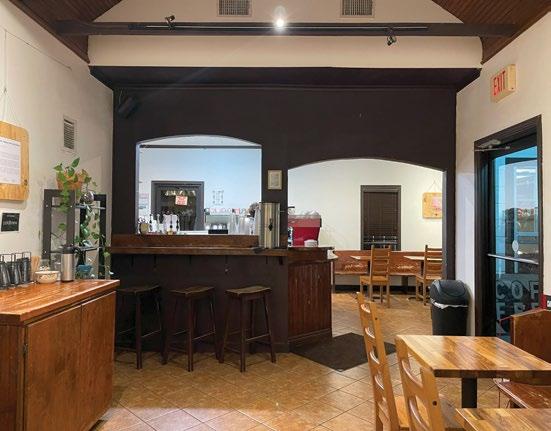
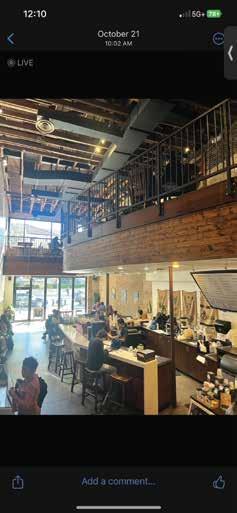
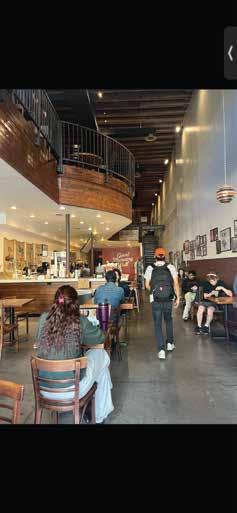
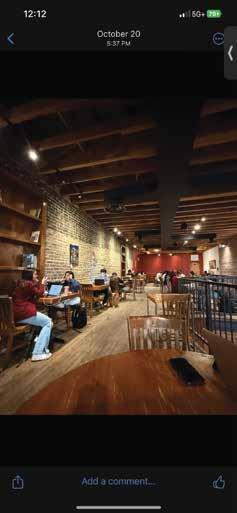
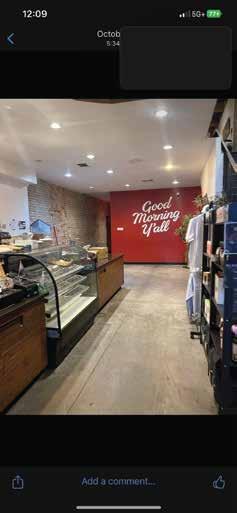
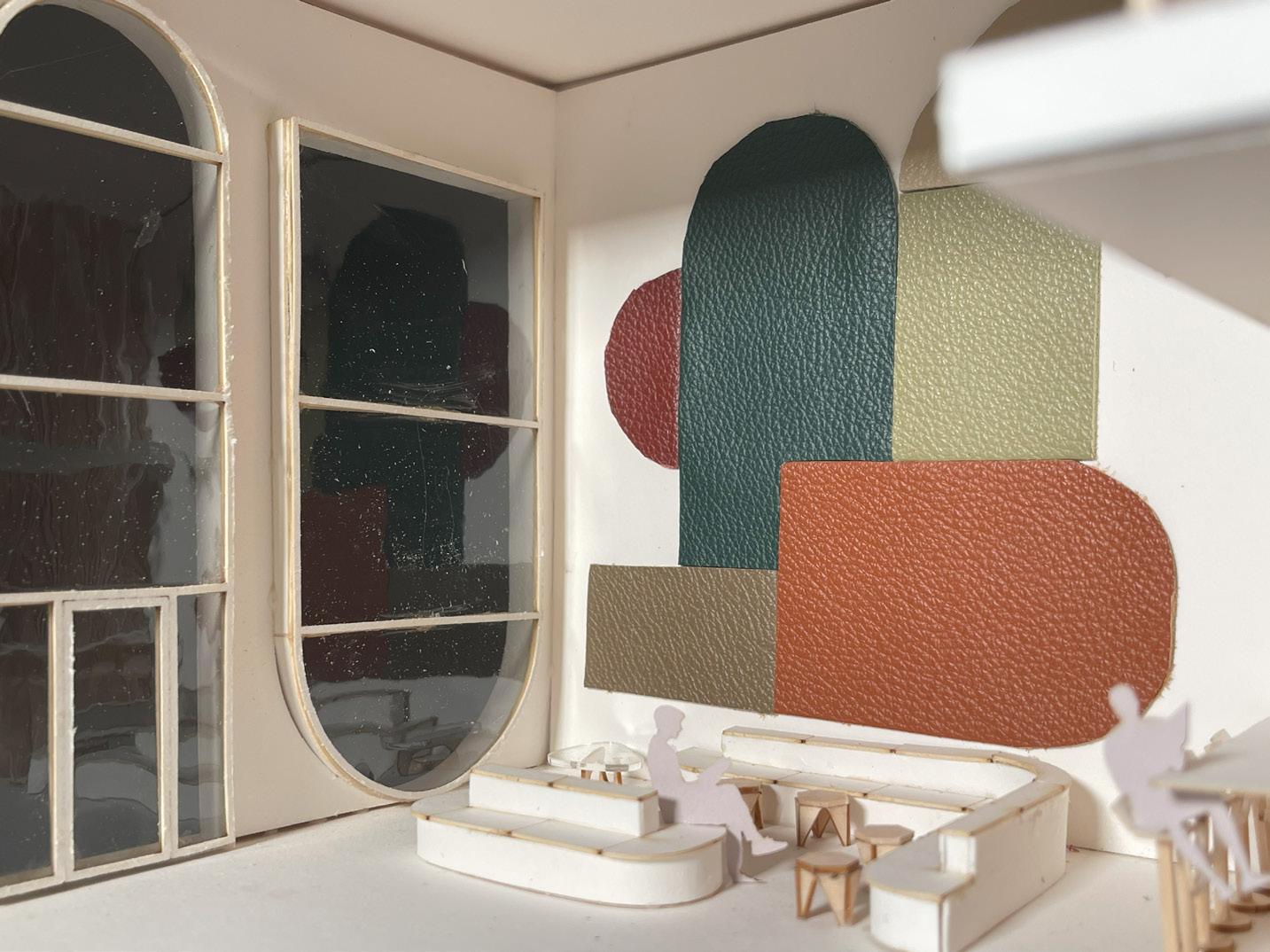
Caffé Medici was born in Austin, Texas, in 2006. Family-owned and operated, Caffé Medici remains guided by hospitality, craft, and integrity. Its mission is to create memorable experiences by serving high-quality coffee and fostering people’s connections in local, familiar settings with warmth and authenticity. Every location reflects a neighborhood home’s character, inviting conversation, study, and relaxation in a thoughtfully designed atmosphere.
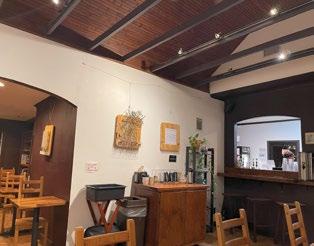
The Guadalupe location opened in 2008 and is across the street from UT Austin’s West Campus. It creates a fun, open atmosphere that appeals to students and faculty alike. As a brand, Medici’s history starts at the West Lynn location, residing in a sweet bungalow called the neighborhood’s living room. It is an intimate design with small “coves” for different experiences, with its history coming from a lived in family home, the Medici name brings together Austin culture with a seamless throughline. These features create a warm, welcoming environment showcasing that Caffé Medici is all about quality coffee and community.
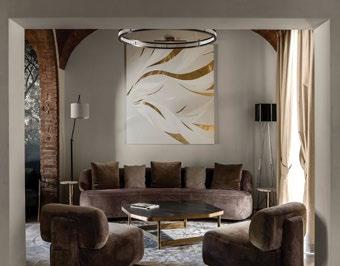
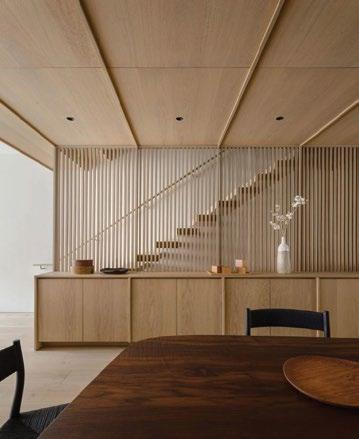
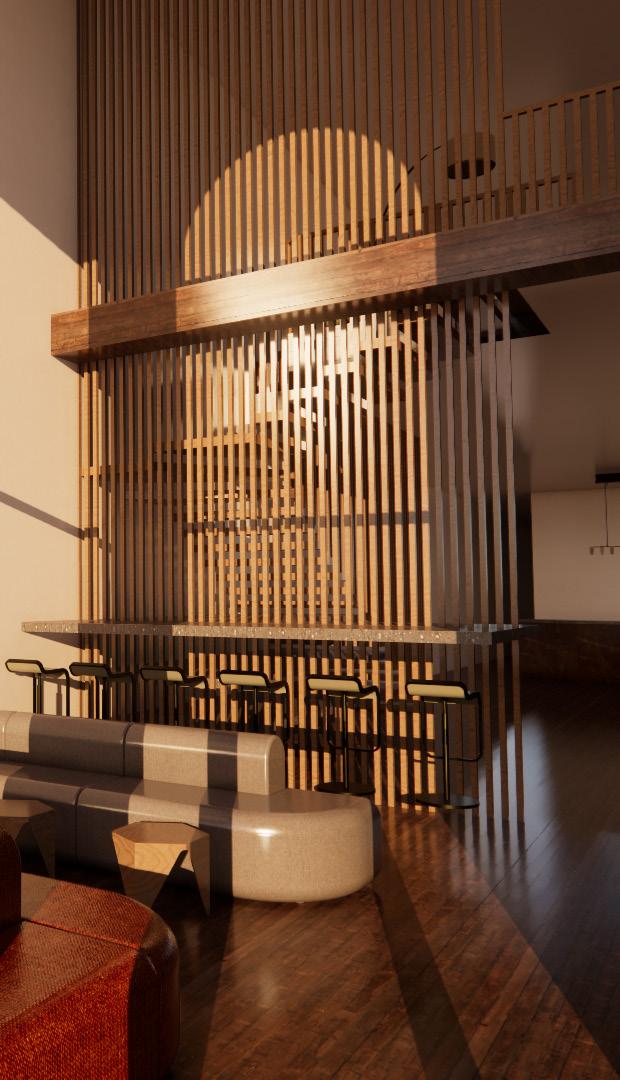
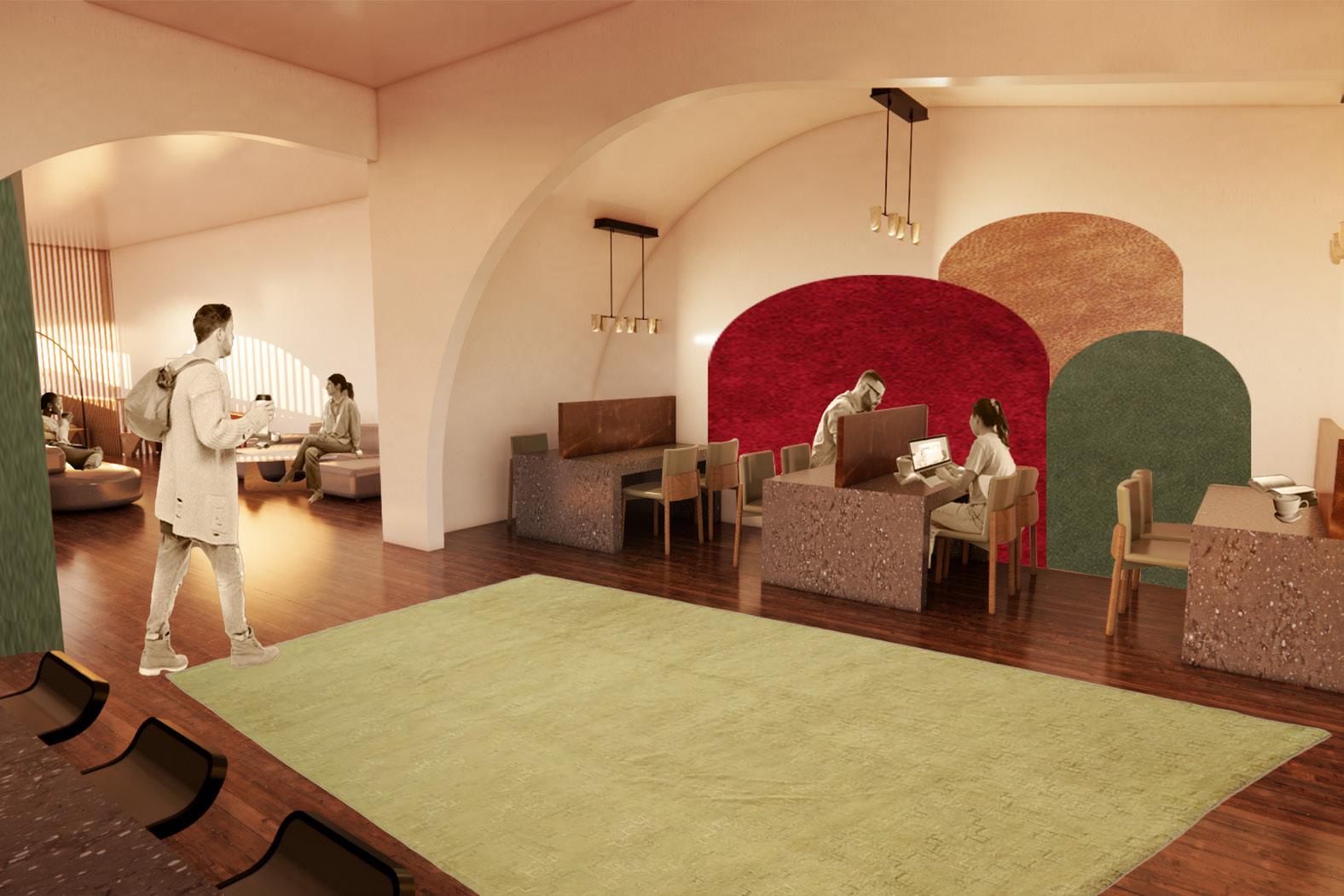
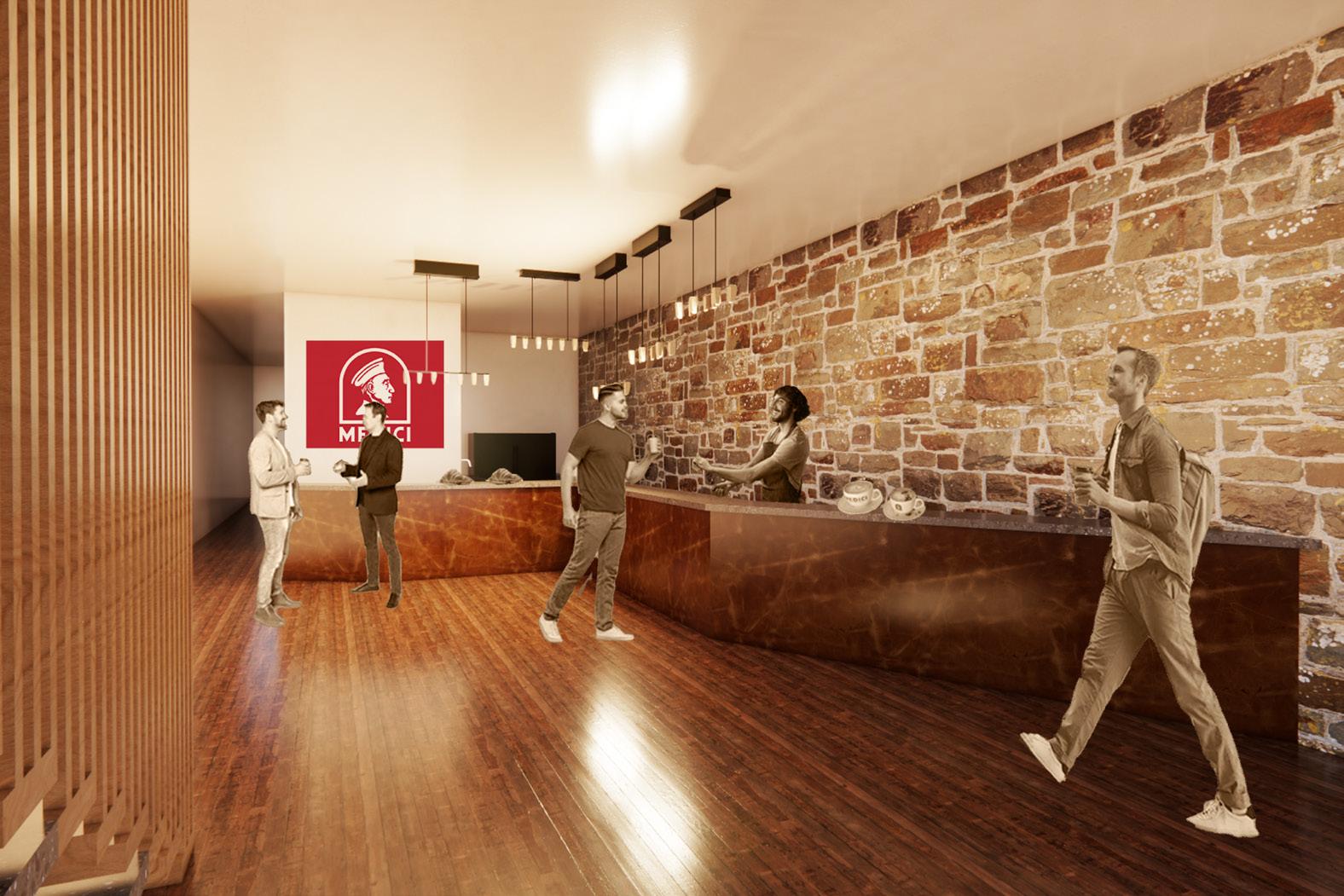
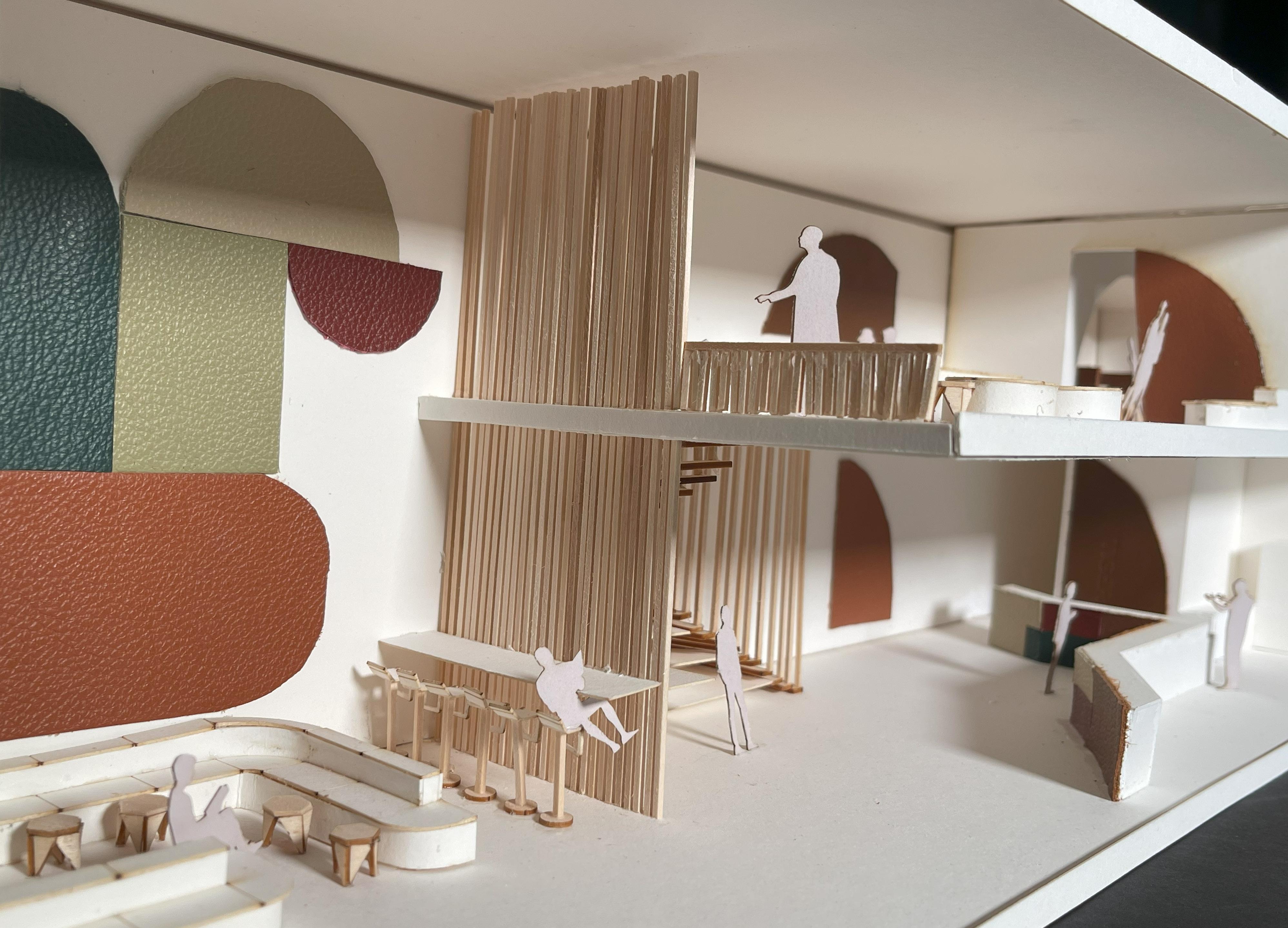
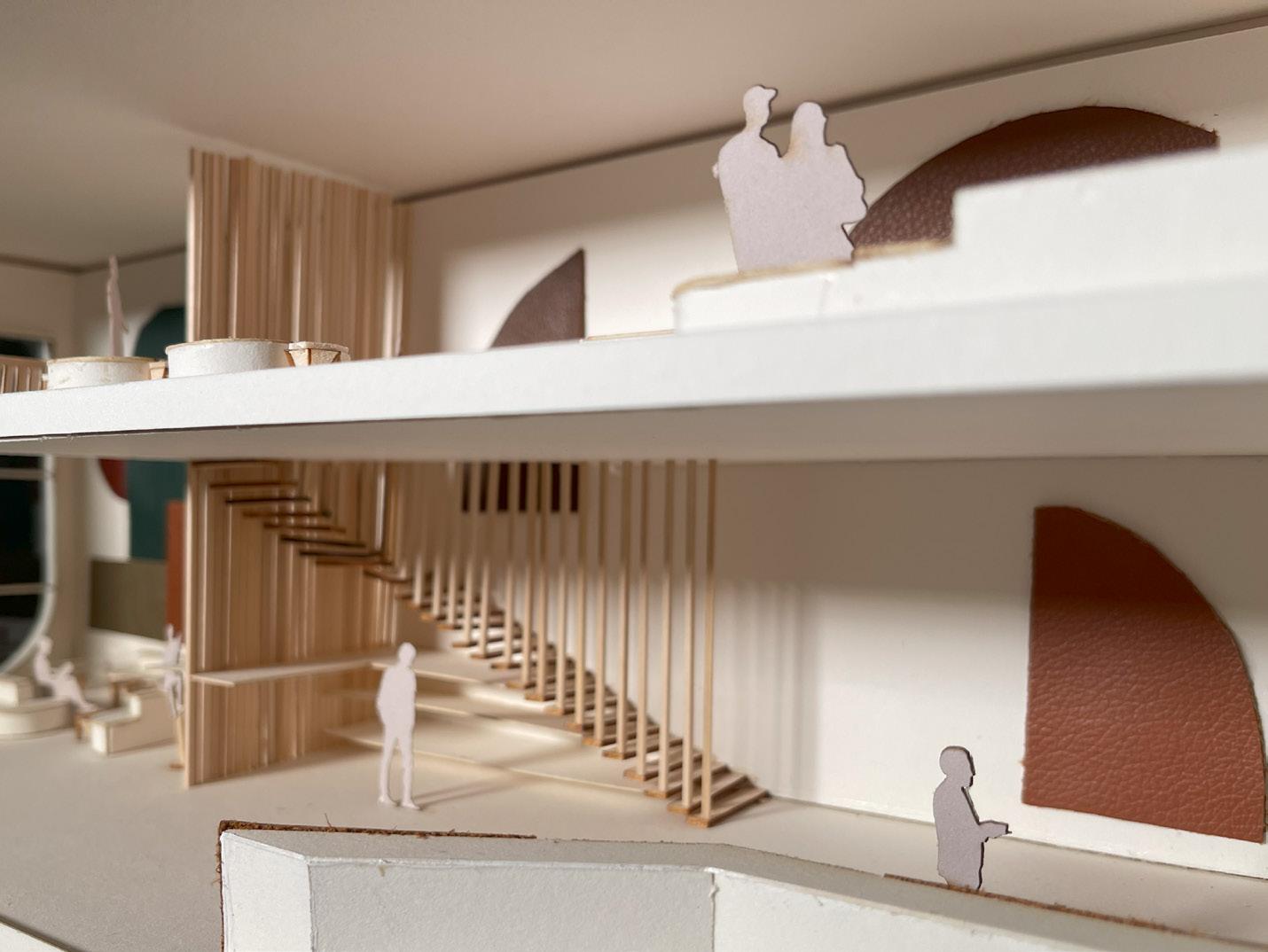
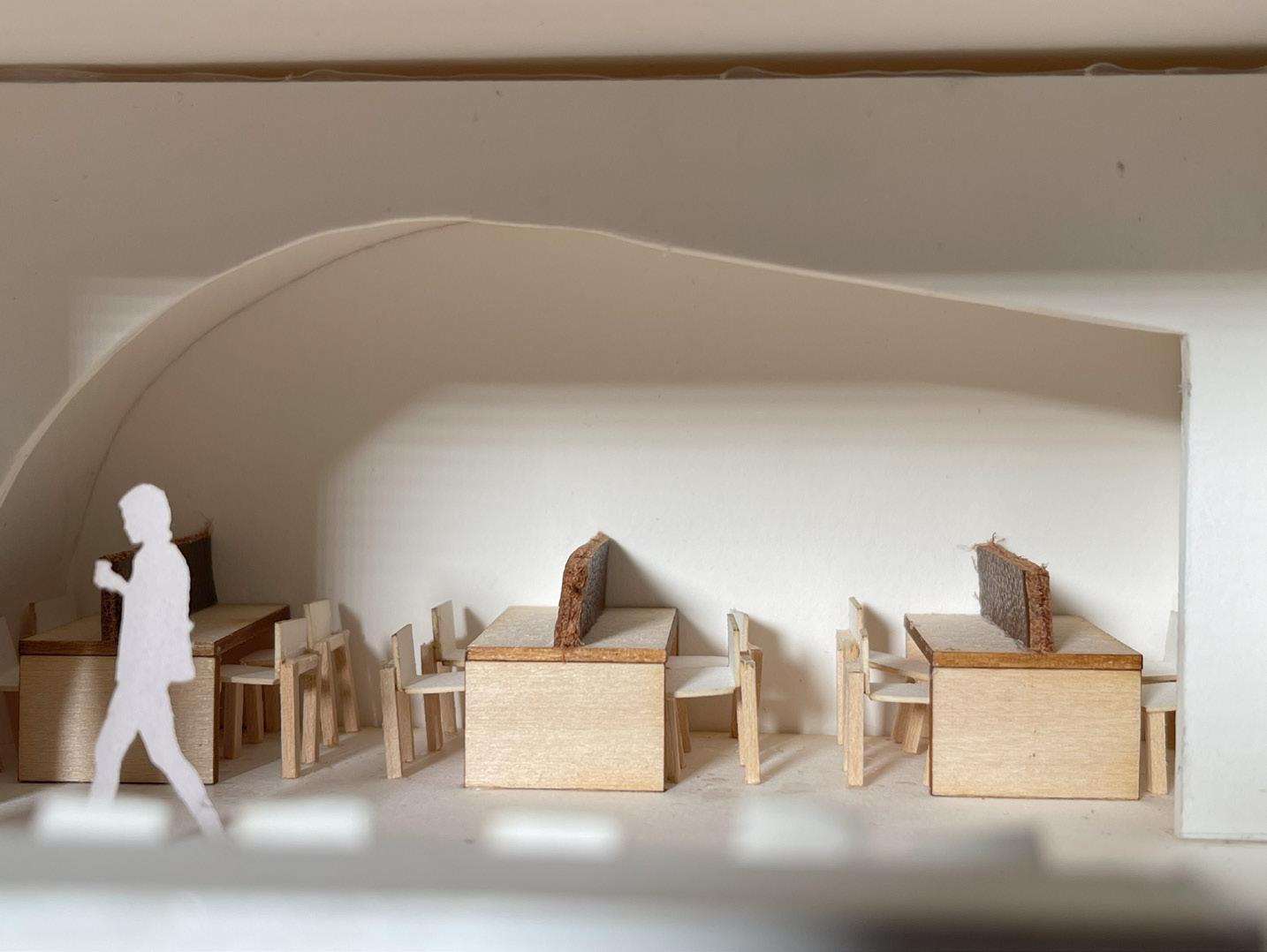
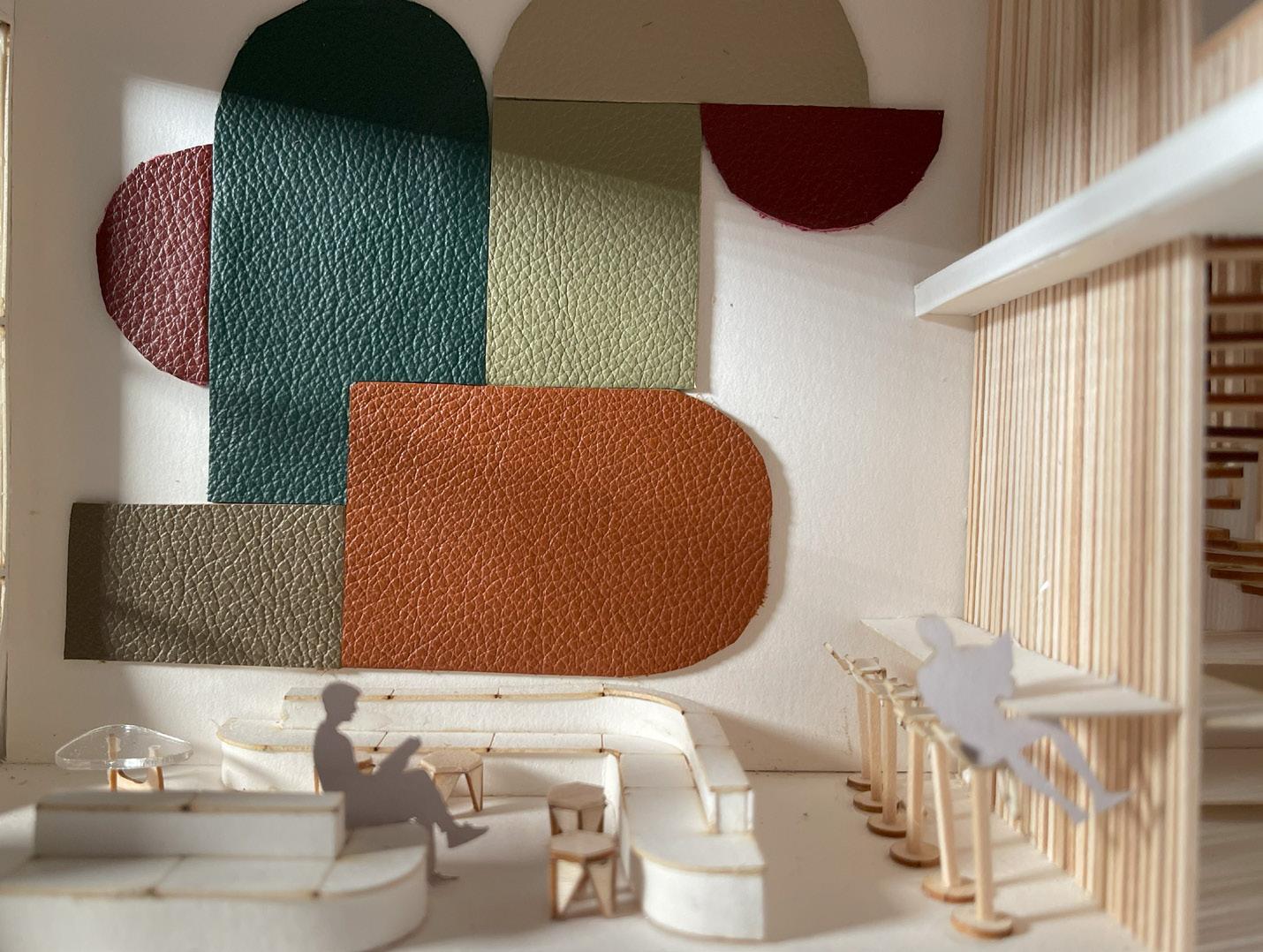
In application, The House of Medici focuses on the brand’s heritage with callbacks to the founding relationship with Austinites and the heart of campus, all while bringing in the establishing themes from the founding West Lynn location. With a focus on a neighborhood living room, Medici becomes a study of the hearth. With a sense of the natural flow of a home, Medici uses thresholds, privacy screens, and textiles to underline lighting and circulation design naturally.
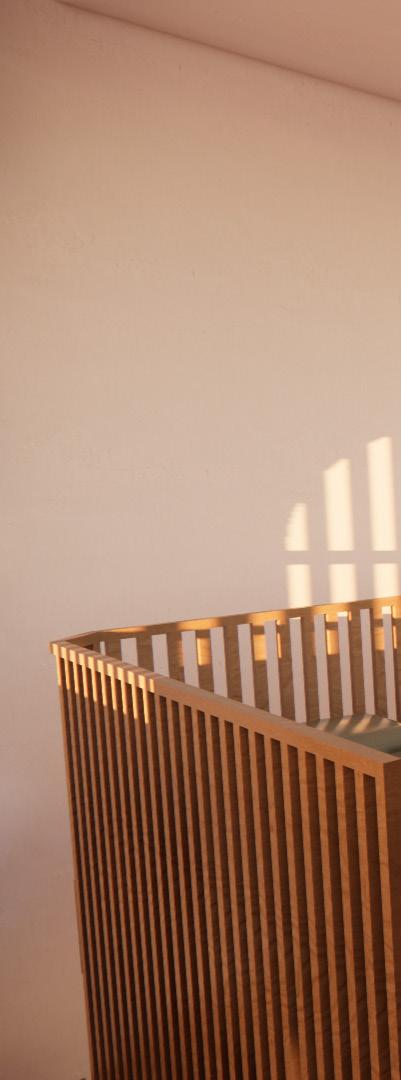
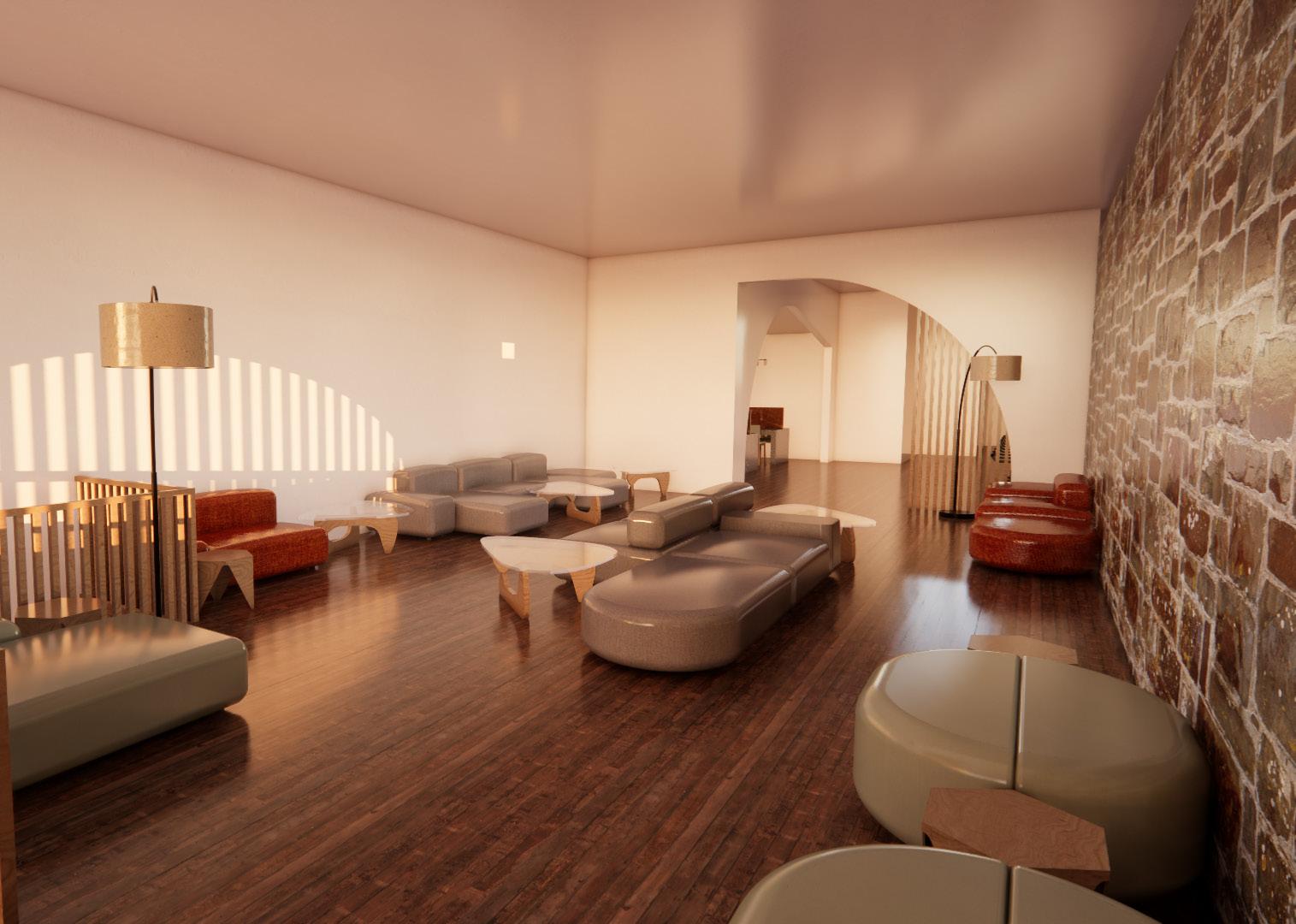
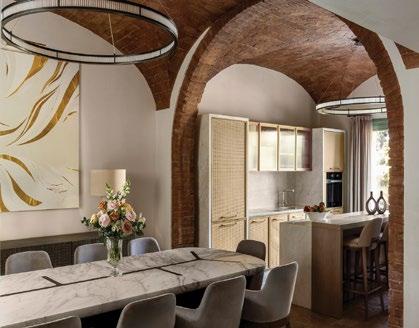
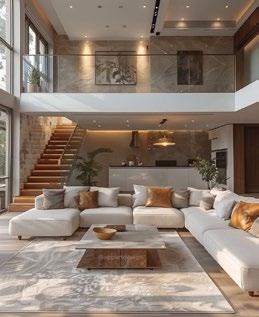
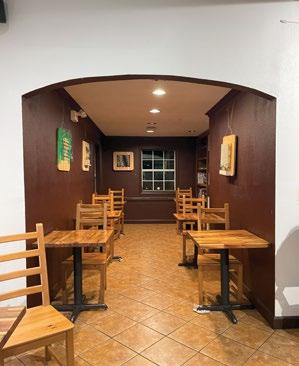
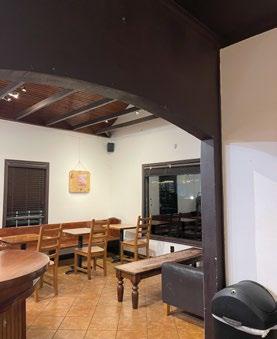
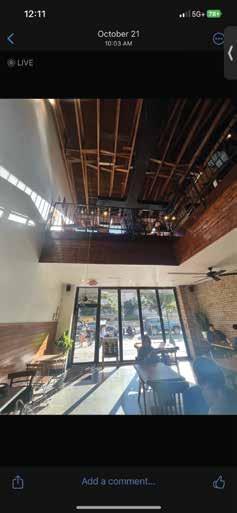
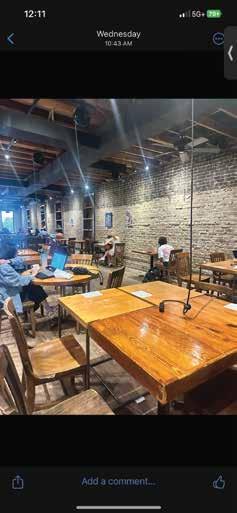
From research to application, the notion of a coffee house as a true home led to an exploration of modular sectionals, Austin industrial accents, and material colors woven into Medici’s brand, elevating its warm, familiar coffee experience. Medici’s charm lies in its support of artisanal communities, curating a home-like gallery through textures, lighting, and colors that balance nostalgia with modern functionality. Within this gallery impression, a dilapidated nature is uncovered, yet it’s done in a way that preserves the coziness of a home. The House of Medici further preserves this by honing in on precedent studies surrounding privacy screens and textiles. Each “living room” design has clear thresholds while feeling connected through the domesticity of soft, guiding flow. However, site analysis revealed key lighting, circulation, and acoustics issues. The space feels dark due to ineffective artificial lighting and limited natural light blocked by surrounding skyscrapers. Circulation is hindered by congestion as customers navigate ordering and pickup, while the irregular second-floor cutout amplifies echoes. The imbalance between design and functionality prevents the space from fully supporting the communal and comfortable experience Medici aims to offer. The redesign prioritizes improved lighting and circulation to enhance comfort and adaptability in Medici’s evolving identity.


CUSTOMER CIRCULATION
Fall 2024
Conceptual Module
Academic Design Studio III
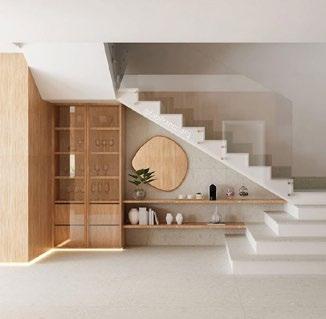
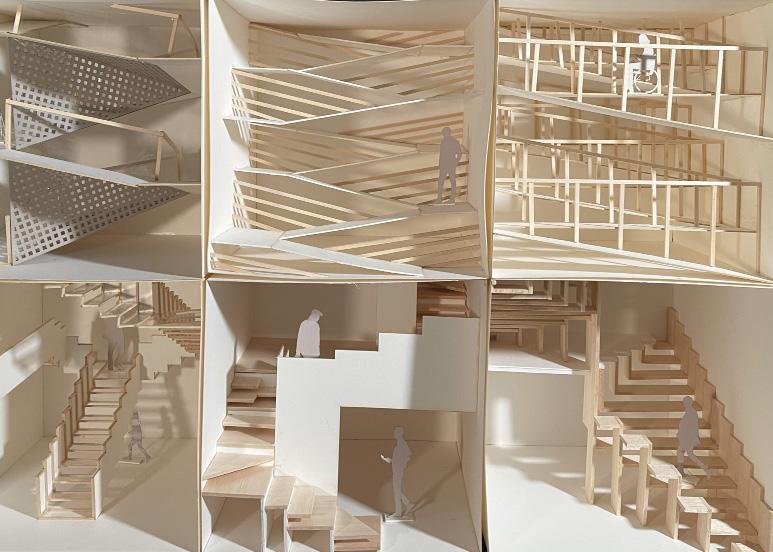
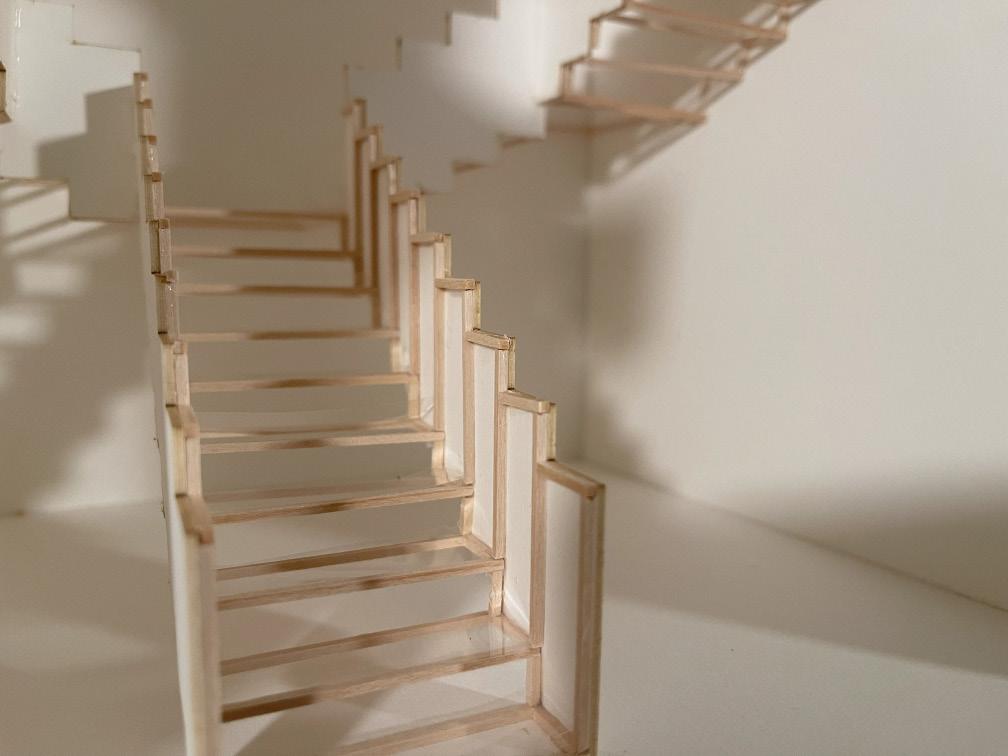
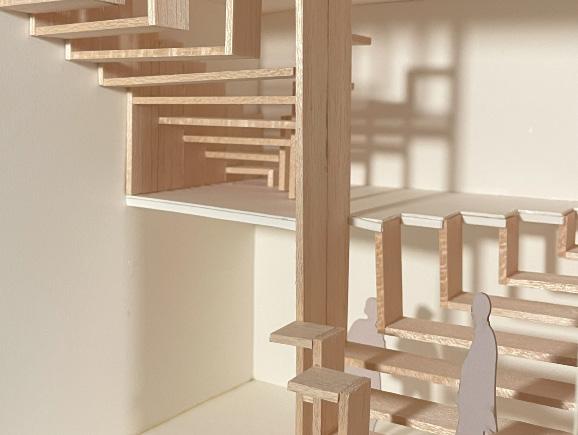
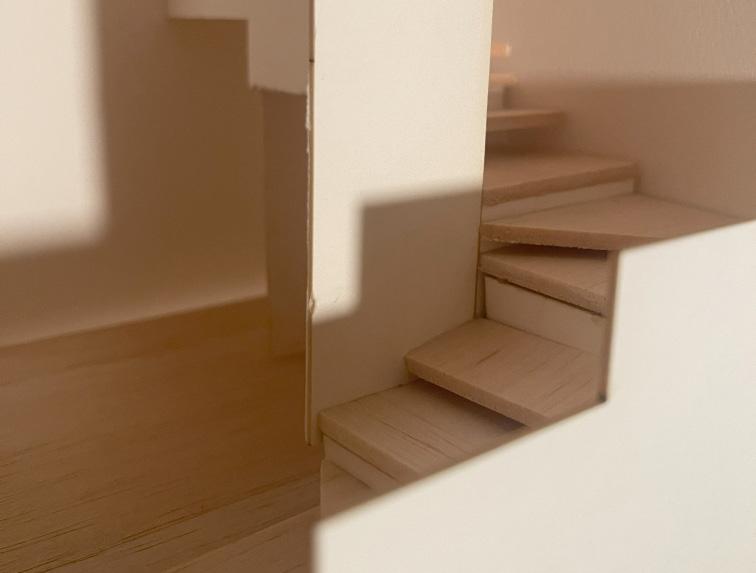
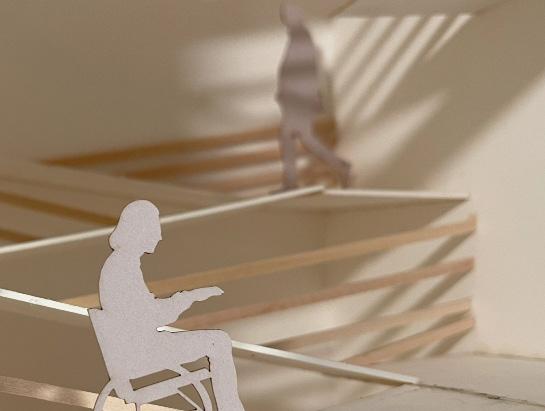
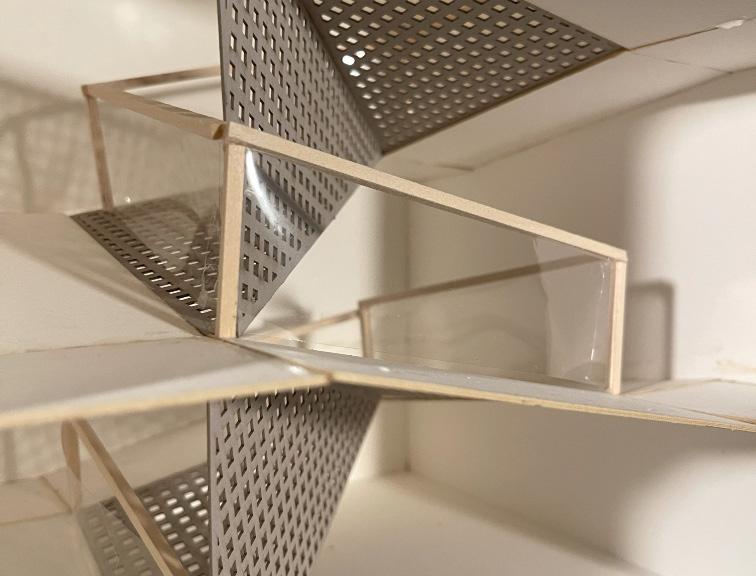
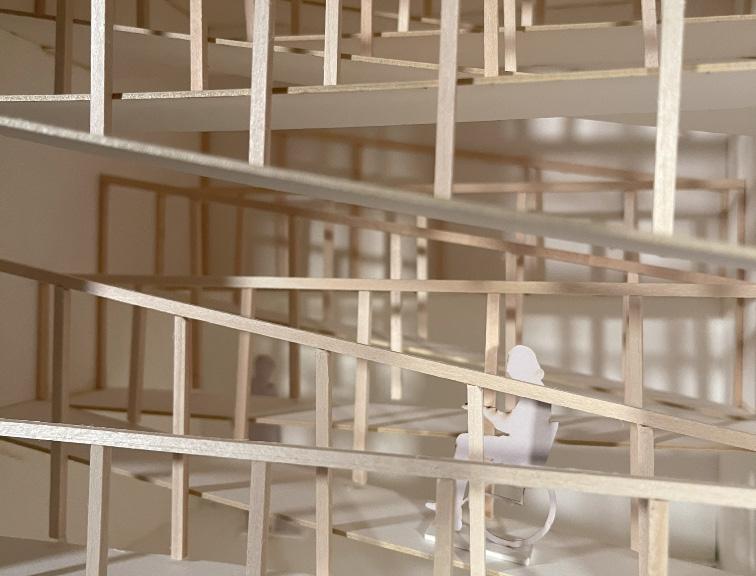
As part of studying interior principles, an analysis of ADA within circulation took place, and three stair models and three ramps were designed. The process included precedent research and twenty handmodeled concepts. The result focused on graphic compositional forms with profiles that inherently created complex light and privacy studies within the space.

Brooklyn Botanic Garden, NYC
Academic Design Studio II
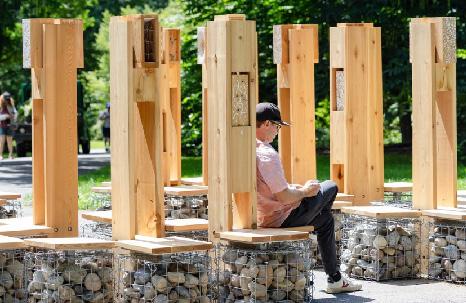
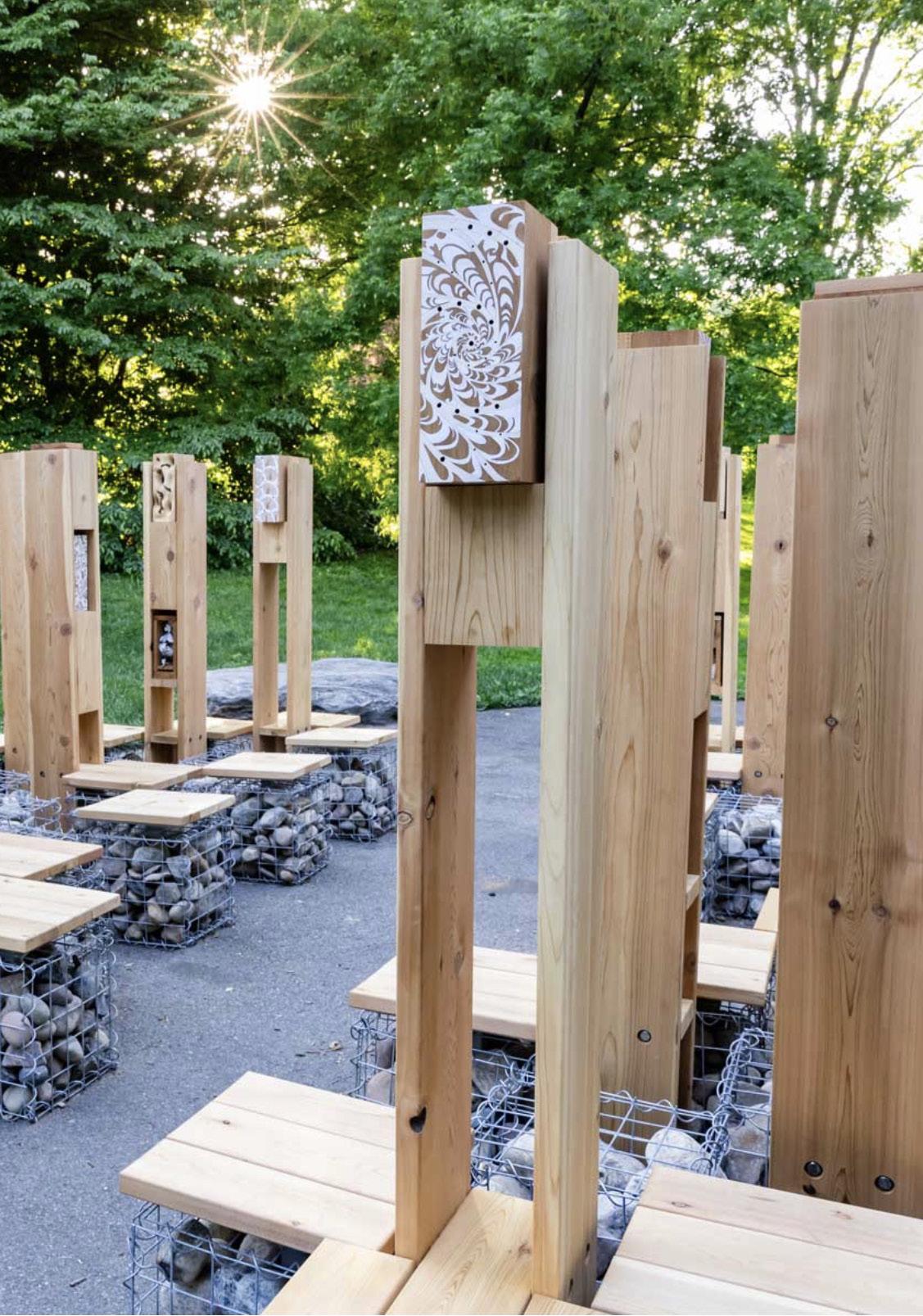
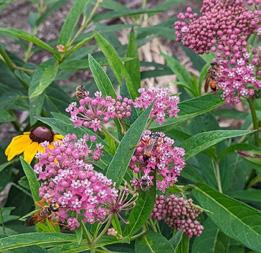
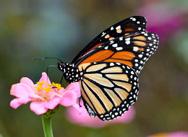
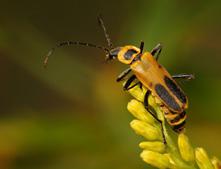
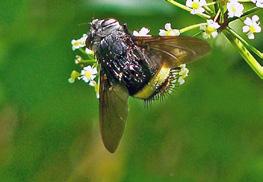
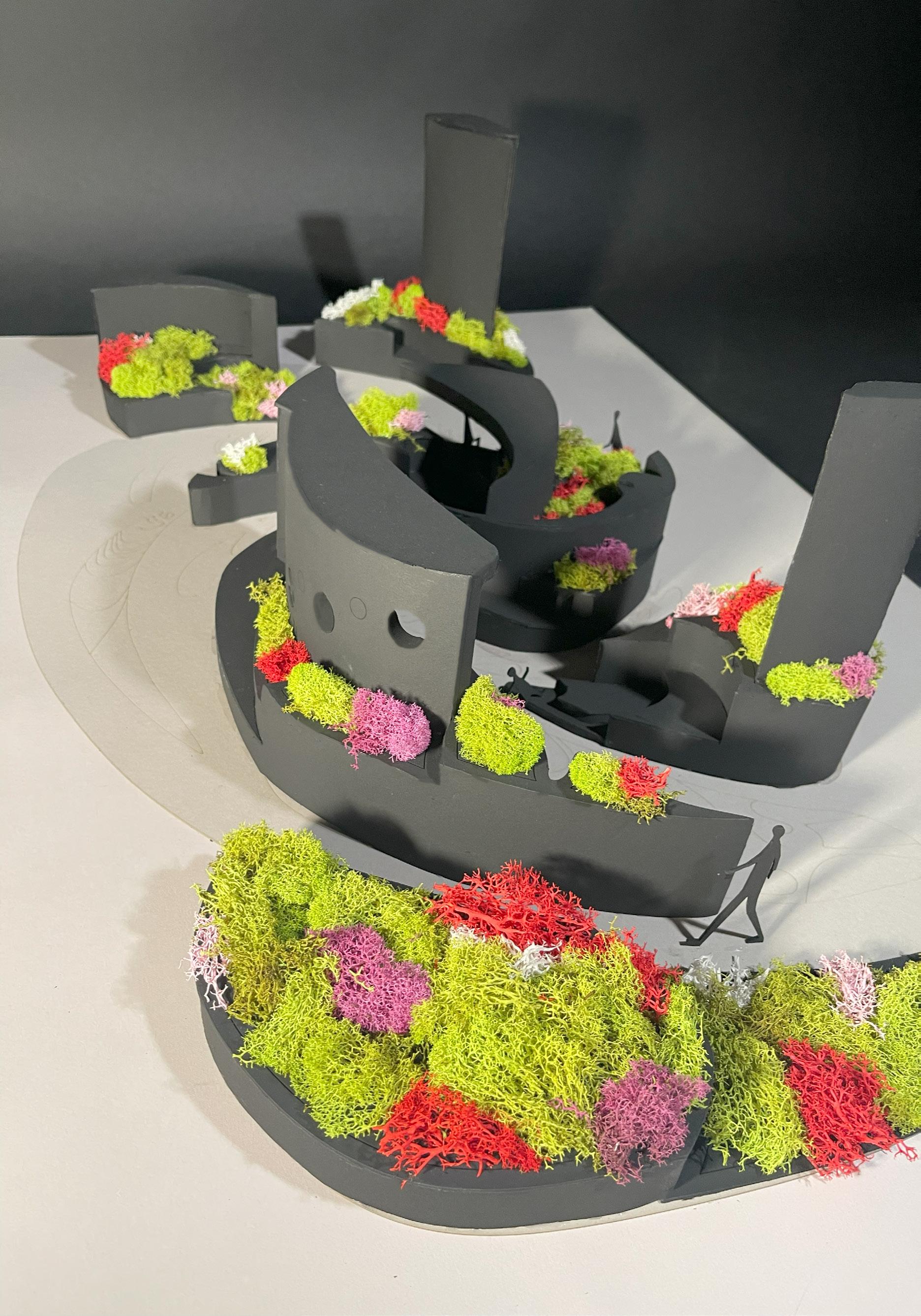
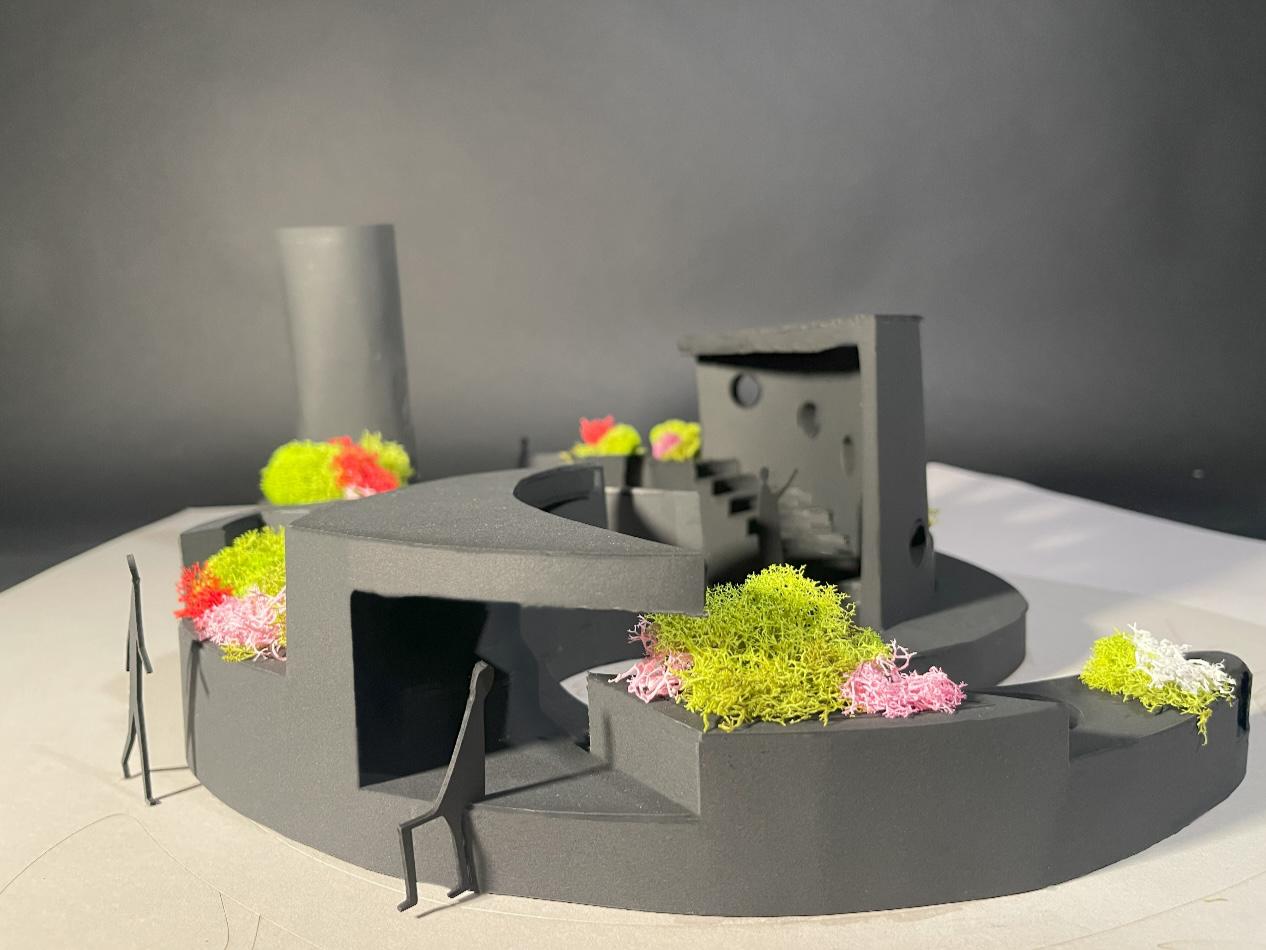
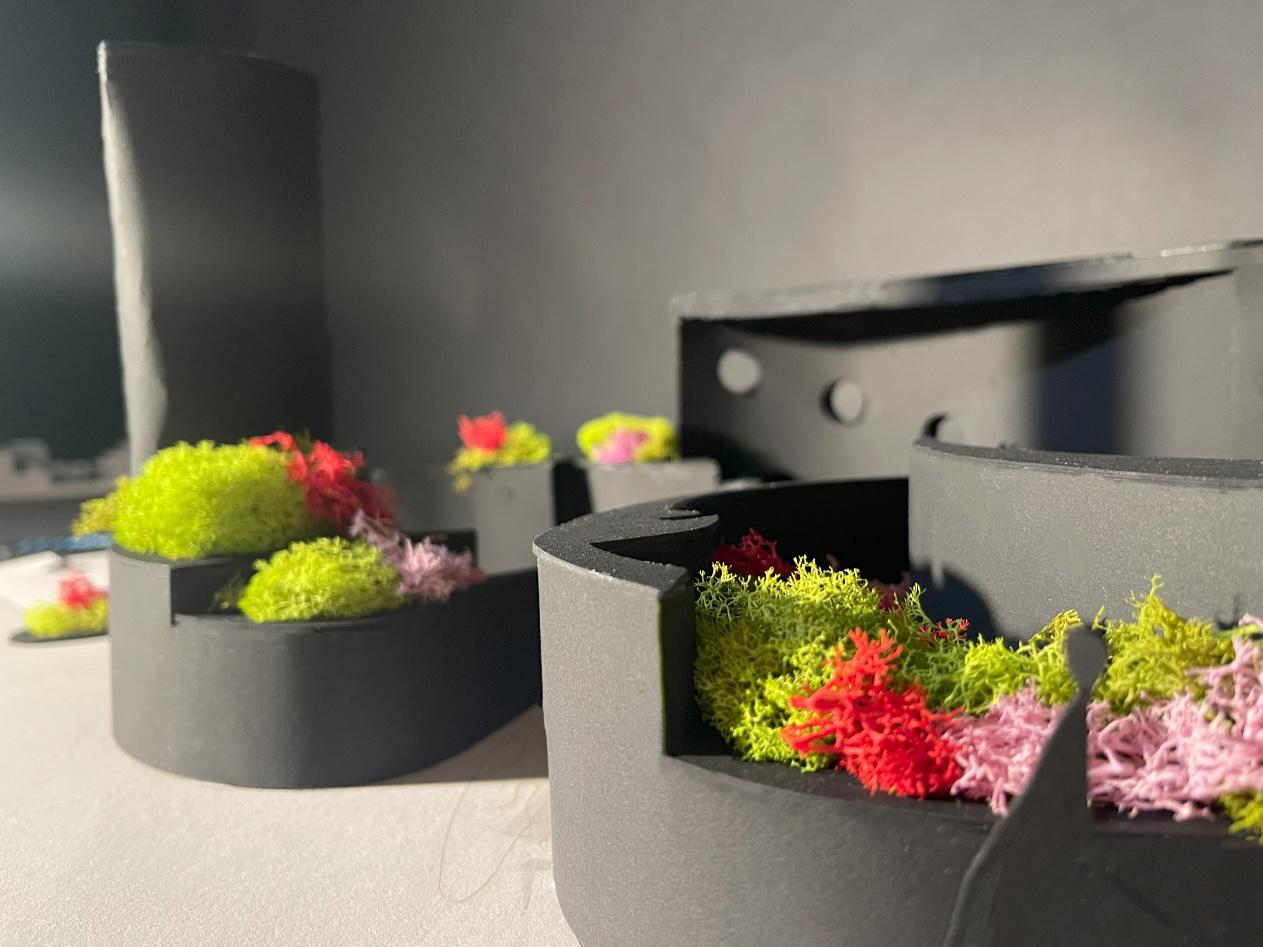
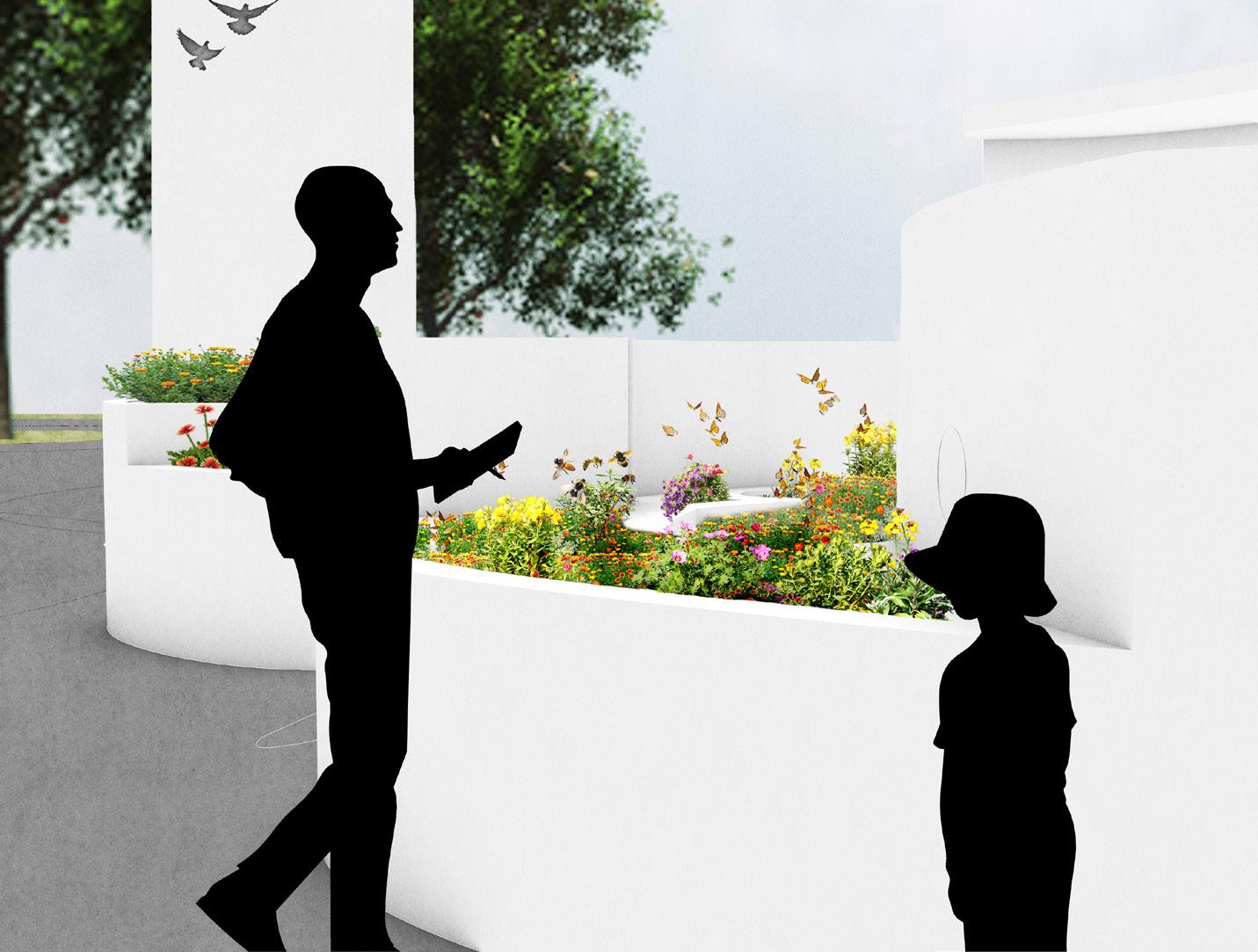
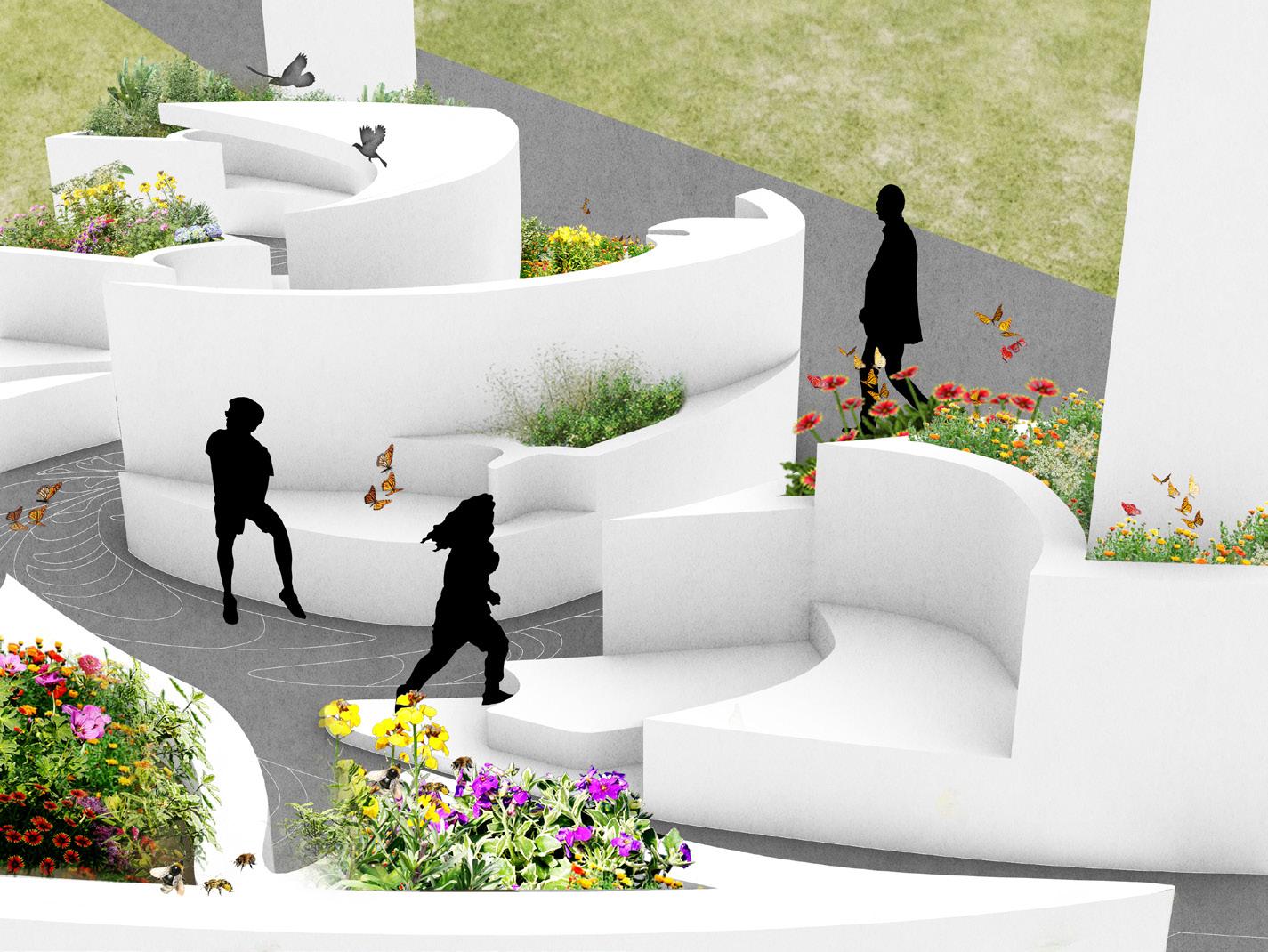
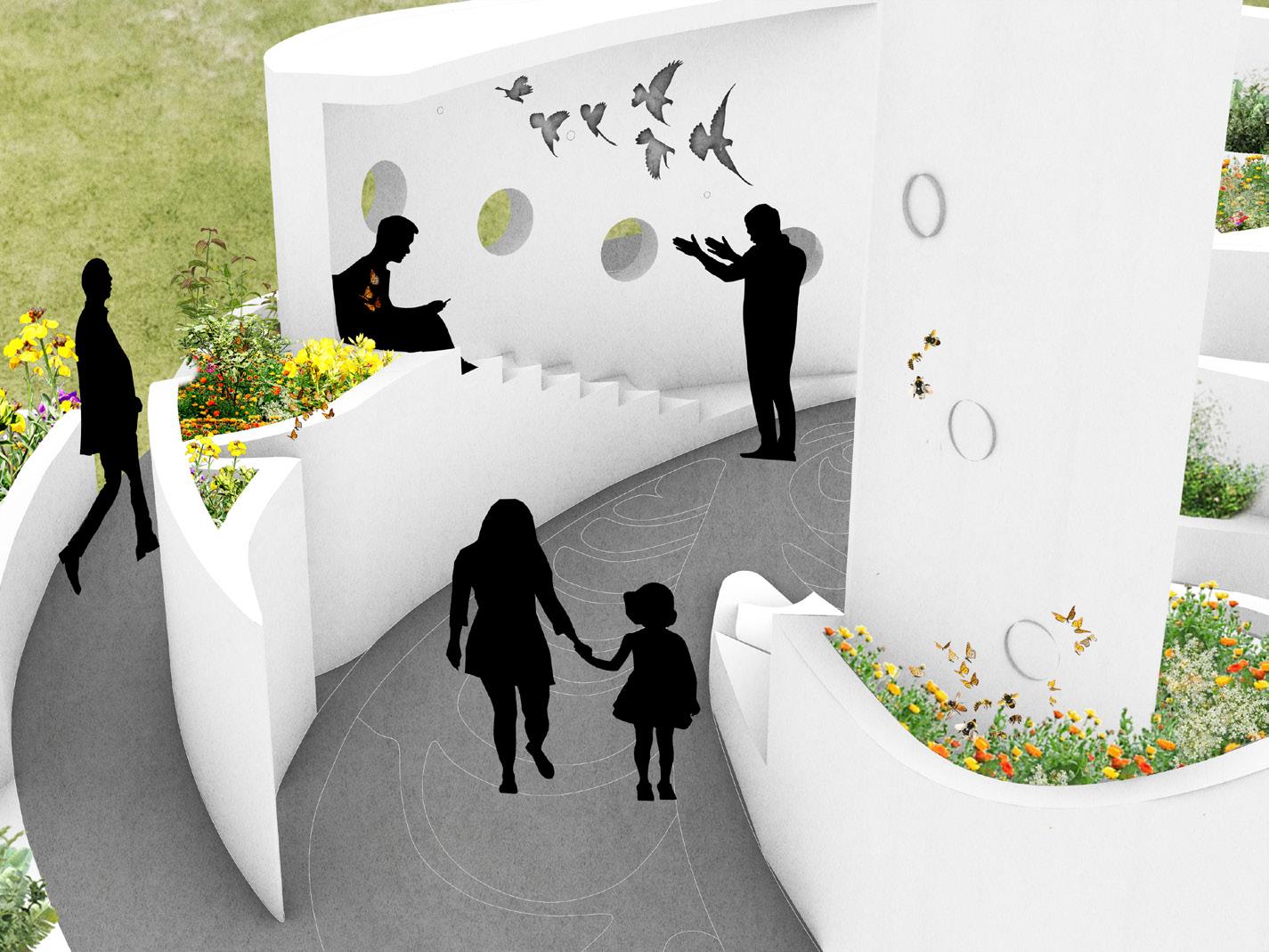
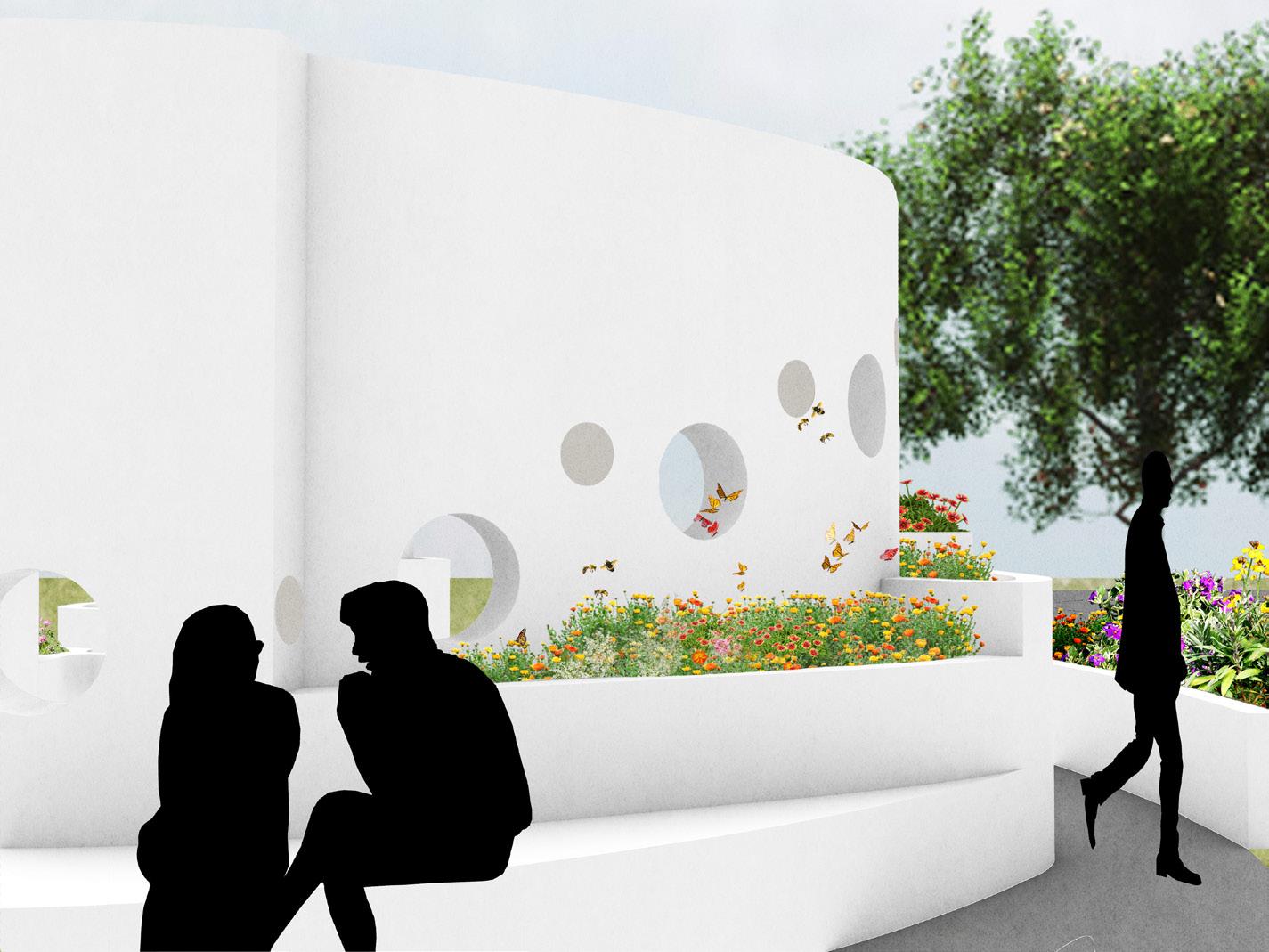
The Pollinator Lounge is designed as a habitat for all in Brooklyn Botanic Garden and is used to bring special attention to the importance of winged species. The rest spot works as a point of isolated attention for occupants to be nested into tiered seating surrounded by plants, insects, and birds without worrying about disruption on either spectrum. Part of the celebration within plant-pollinator connections was found in encouraging the insect experience to the world that is different from us, yet still considering them neighbors rather than pests. Through the melding of rest and observation of nature, this point in Oak Circle poses an opportunity to expand it to include other species and types of users through seclusion, education, and play areas.
This project stepped into the publication process and added to the exhibition BBG from May 2024 to October 2024. In collaboration with students at the University at Buffalo, our two studio classes worked together with guidance from exhibition designers to fabricate live models for pollinator use on-site. The studio design process went from actual habitat drafts to hypothetical propositions for similar points of collaboration. As the exhibition lived in the heart of Brooklyn, New York, not only was it visited by hundreds throughout the months of its anthology, but the attraction even made its way to Time Out’s Top 25 Best Things to Do in NYC in the Summer 2024 list. Underscoring the potential of design in ecological advocacy, BBG demonstrated how built environments can actively support pollinator populations in urban landscapes.

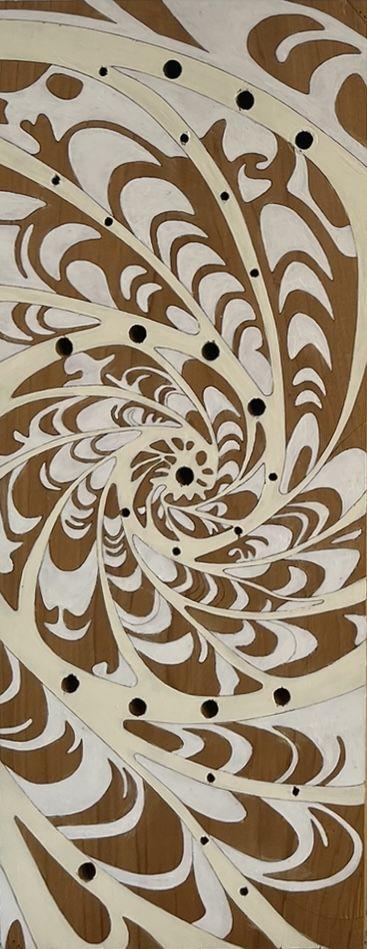
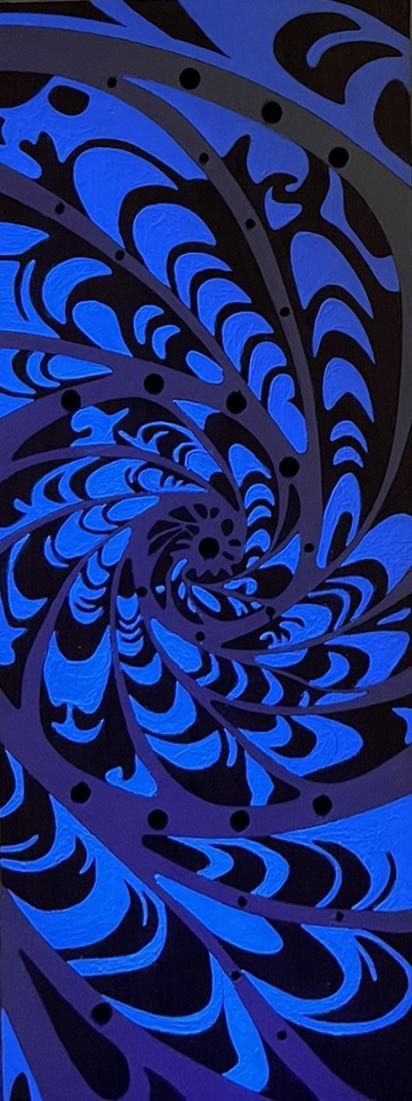
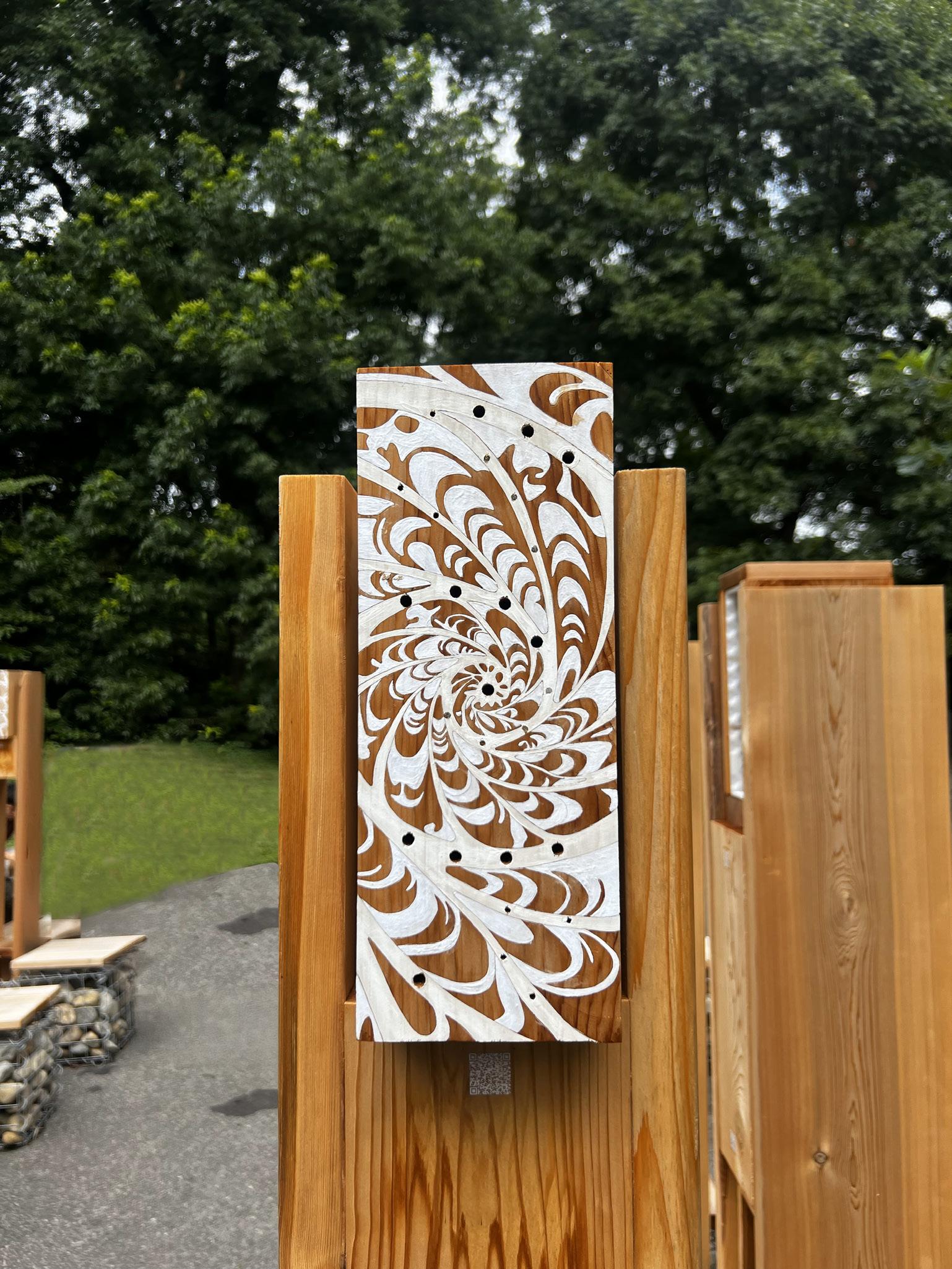
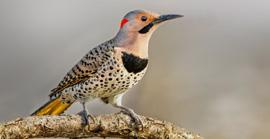
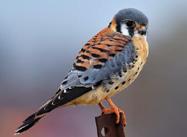
With extensive research on what truly attracts an insect to a particular habitat, precedent patterns were generated using Midjourney AI. Aged wood rings inspired this particular spiral design in a golden spiral. The timber echoes formed levels of hierarchy and visual momentum within the geometry. Space studies allowed for distinction within these layers such that the habitat fabrication flowed from the line, two-dimensional contrast, and finally to three different level variations between the natural wood, white exterior paint, and ultraviolet white paint. UV paint was used to actualize the Brooklyn Botanic Garden exhibition through the nightly light rotation. Following space studies and the evolving separation within the evident rings, the conceptual Habitat for All began evolution as several extrusions while considering the previous hierarchical thesis. While picking and researching different winged occupants to design for, much of the spatial inspiration came from insect life cycles. Specifically, the cocooning and nesting of butterflies and birds, respectively, translates into the human experience of flowing circulation and engulfing nature. The circulation of the space guides inhabitants concavely from the common path into a central focus point where reclusion is natural within a gradual progression from simple awareness to guided attention.








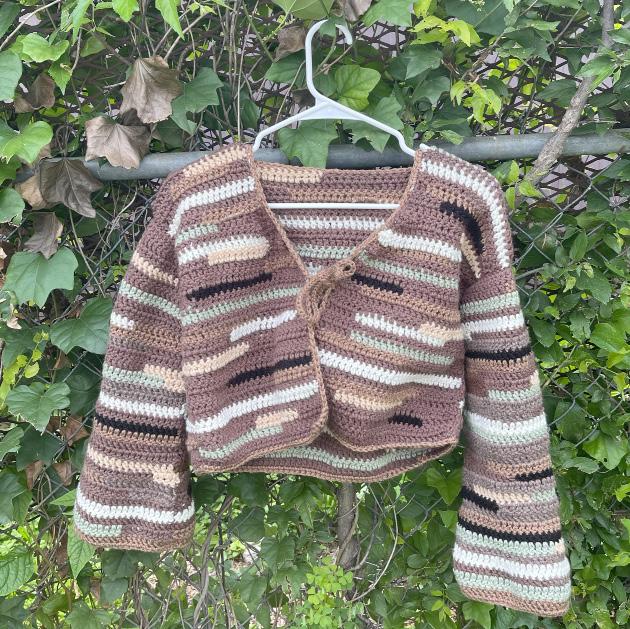
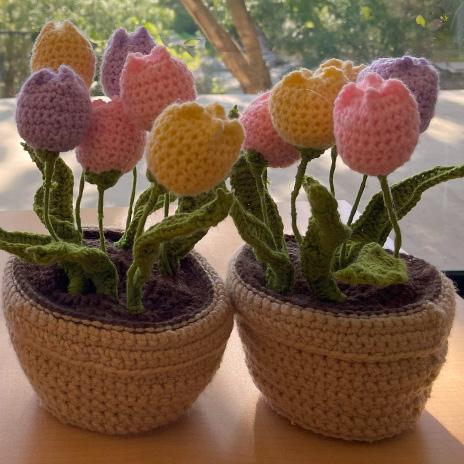
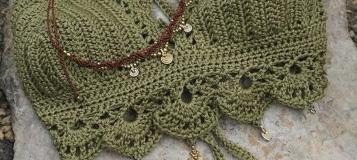
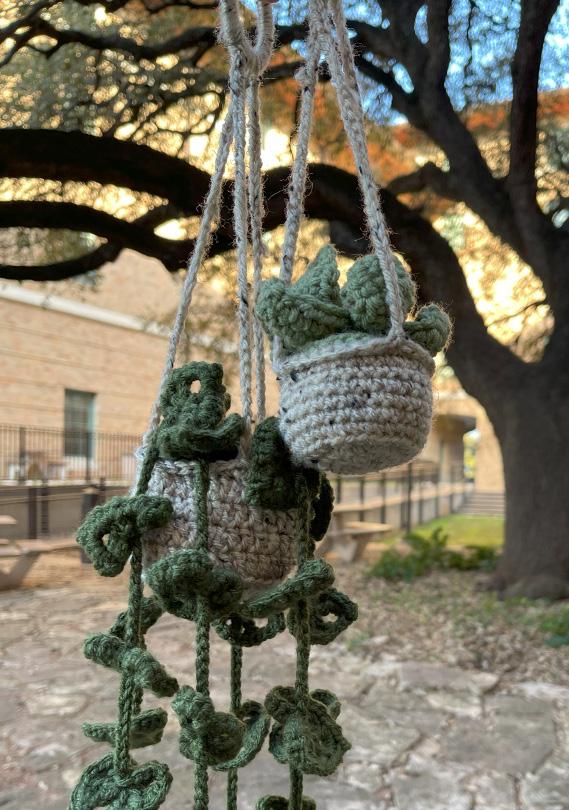
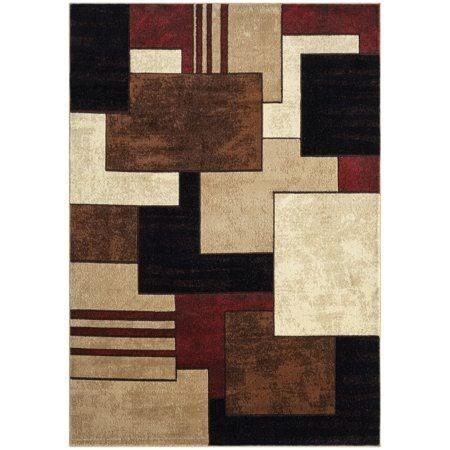
The work of crochet design in architectural interior design infuses a unique touch that is hand-made and expresses detailed, textured patterns in both functional and decorative elements. Its versatility allows it to be fitted into so many purposes: wall hangings, soft furnishings, or bespoke lighting fittings. I incorporate crochet into interiors, fusing delicate organic forms with modern materiality such as metal, wood, or glass, creating a contrast to the traditional artisan craftsmanship in opposition to modern design. This combination brings coziness, texture, and hospitality to the interior, where one really wishes to touch and feast their eyes upon.