Evys piña
University of Texas at Austin Graduating May 2027

University of Texas at Austin Graduating May 2027
469.955.3738
evyspina1@gmail.com
University of Texas at Austin - Austin, Texas
August 2023 - Present
School of Architecture (UTSOA)
B.S. in Interior Design, Minor in Media Studies, Class of 2027
Dallas College - Dallas, Texas
August 2021 - May 2023
Associate of Science, Class of 2023
Duncanville High School - Duncanville, Texas
August 2019 - May 2023
Early College Collegiate Academy, Class of 2023
Craft - Crochet, Sewing, and Embroidery
Modeling - Revit, Rhino 3D, and Enscape
Fabrication - 3D Printing and Laser Cutting
Physical - Sketching, Drafting, and Model Making
Adobe Creative - Illustrator, Photoshop, and InDesign
Ampersand - IIDA/ASID Liaison
August 2023 - Present
• Coordinated between professional associations and student members, facilitating opportunities that connect industry resources
Undergraduate Architecture Student Council - Mentor
August 2023 - Present
• Guided first-year students through challenges, fostering community and supporting their transition into higher education
National Organization of Minority Architecture Students - Member
August 2023 - Present
• Engaged in programming that promotes equity and representation in design education and practice
IIDA Student Chapter - Member Liaison
August 2023 - Present
• Acted as a bridge between student members and professional networks, sharing opportunities and encouraging involvement
ASID Student Chapter - Member Liaison
August 2024 - Present
• Supported member engagement by communicating chapter updates and fostering student participation in events
NKBA Student Chapter - Member Liaison
August 2025 - Present
• Connected peers with resources and initiatives focused on interior design and kitchen/bath industry standards
IIDA SHIFT, 2025
IIDA Student Design Expo, 2023-25
Tile Design Workshop, 2024
Textile Design Workshop Winner, 2024
Brooklyn Botanic Gardens Pollinator Lounge Publication, 2024
Macy’s Starbucks - Barista - Part Time
August 2025 - Present
• Trained in Starbucks standards and procedures to ensure consistent, high-quality beverages during the store’s grand opening phase
• Adapted quickly to a fast-paced outlet environment, managing highvolume orders while maintaining accuracy, efficiency, and service
• Collaborated with a new team to establish smooth operations, from workstation setup to daily workflow, supporting a successful launch
Freelance - Textile Designer - Part Time
May 2025 - Present
• Designed and crocheted a wide range of custom textile products, including bouquets, apparel, and home decor
• Managed all aspects of product sales at local farmers and craft markets, from inventory to client orders and customer engagement
• Developed original patterns experimenting with color, texture, and form to create textile designs tailored to client preferences
Julie Myrtille Bakery - General Manager - Part Time
August 2023 - March 2025
• Solely managed weekend bakery operations, including baking, sales, inventory, cleaning, and service
• Scheduled and coordinated staff shifts, optimizing coverage and maintaining team effeciency
• Baked and sold products, managed cash transactions, and consistently exceeded sales targets
Bare Construction LLC - Administrative Intern - Part Time
May 2022 - August 2023
• Managed front desk operations, greeting clients, answering phones, and directing inquiries
• Coordinated appointments, maintained calendars, and ensured office efficiency communication
• Handled administrative tasks, including filling, data entry, and preparing supporting document
Fall 2025 - Design Studio V - Final Thesis
Fall 2024 - Design Studio III - Final Thesis
Spring 2025 - Design Studio IV - Final Thesis
2020 - Present - Freelance Textile Design
Fall 2025
Austin, Texas
Synaptic Studios reimagines student living as a network of interconnected pockets shaped by curvature, translucency, and adaptive poche. Instead of separating domestic and academic life into rigid compartments, the project uses curved acrylic screens and mirrored geometries to choreograph movement and form soft thresholds between studying, resting, gathering, and making. These arcs guide residents through gradients of semi-private and communal space, encouraging everyday encounters that build shared culture while still providing moments of retreat.
Central to this living system is a redefinition of poche as spine, skin, and boning. The spine organizes circulation and anchors each curved module; the skin mediates privacy, daylight, and acoustic softness; and the boning nests storage and functional surfaces directly into the wall thickness. Through sliding panels, folds, and offsets, residents can expand or contract their personal territories as their needs shift throughout the day.
This project offers a new model of student housing built from gradients rather than boundaries, using curvature and operable surfaces to flex between solitude and social connection. The architecture becomes a catalyst for community, an environment where the rhythms of living and learning are guided by the soft pull of form and the synaptic exchange of student life.
OBSERVATIONCLASS/STUDIO PREPERATION
The student begins the day waking up or resting after a late studio night.
• The Eclipse module offers a semi-enclosed nest space, supporting privacy and comfort.
• It can act as a morning cocoon where the user transitions from rest to wakefulness.
SOLITUDEWIND DOWN
STORAGEALONE TIME
• The student prepares materials, checks schedules, sketches before class.
• The Observation module transforms into walls, partitions, and work surfaces.
• Serves as a spatial divider for focus while maintaining line-of-sight to other routines, symbolizing cognitive readiness.
• The student meets peers to eat, discuss projects, or decompress.
• The Gathering module’s pull-apart benches and variable table heights accommodate both casual meals and quick critique sessions.
• Promotes social studio interactions and shared use.
GATHERINGSOCIAL BREAK
• After class, the student seeks decompression, time to scroll, nap, or reflect.
• Solitude provides an enclosed, cushioned nest with soft surfaces for low-stimulus recovery.
• Acts as a cocoon for meditation or short naps between studio sessions.
• The student transitions to group collaboration in studio or collective critique.
• The Retreat module folds into larger bases for tables or group seating.
• Supports teamwork, discussion, and shared project building.
RETREATSTUDIO WORK
• Late at night, the student works alone, drawing, model-making, reviewing digital work.
• Storage keeps tools and models within reach, creating an organized micro-studio.
• Shelving reconfigures into a focused workstation with partitioned lighting and surfaces.
My process began with studying the existing on-campus site, a building currently tucked away from main circulation and used mostly for offices, with little foot traffic or student presence. I reimagined this overlooked location as an extension of UT’s School of Architecture by first observing how students actually behave, where they gather, how long they stay, and how the rhythms of studio life spill far beyond formal classroom boundaries. The idea for the project emerged from the feeling that design school is continuous and cyclical, a routine that loops late into the night; in response, I adopted circular and overlapping geometries to reference that never-ending cycle. These intersecting arcs became a way to study how thresholds form, how spaces overlap, and how shared environments naturally emerge from repeated patterns of use. Through this lens, the site transforms from an isolated office zone into a place shaped by the circulatory habits, communal tendencies, and spatial rituals of design students.
This diagram traces how a design student moves through the day, shifting between focus, rest, and collaboration. Each zone responds to a different state of energy, showing how space adapts to routine and behavior.
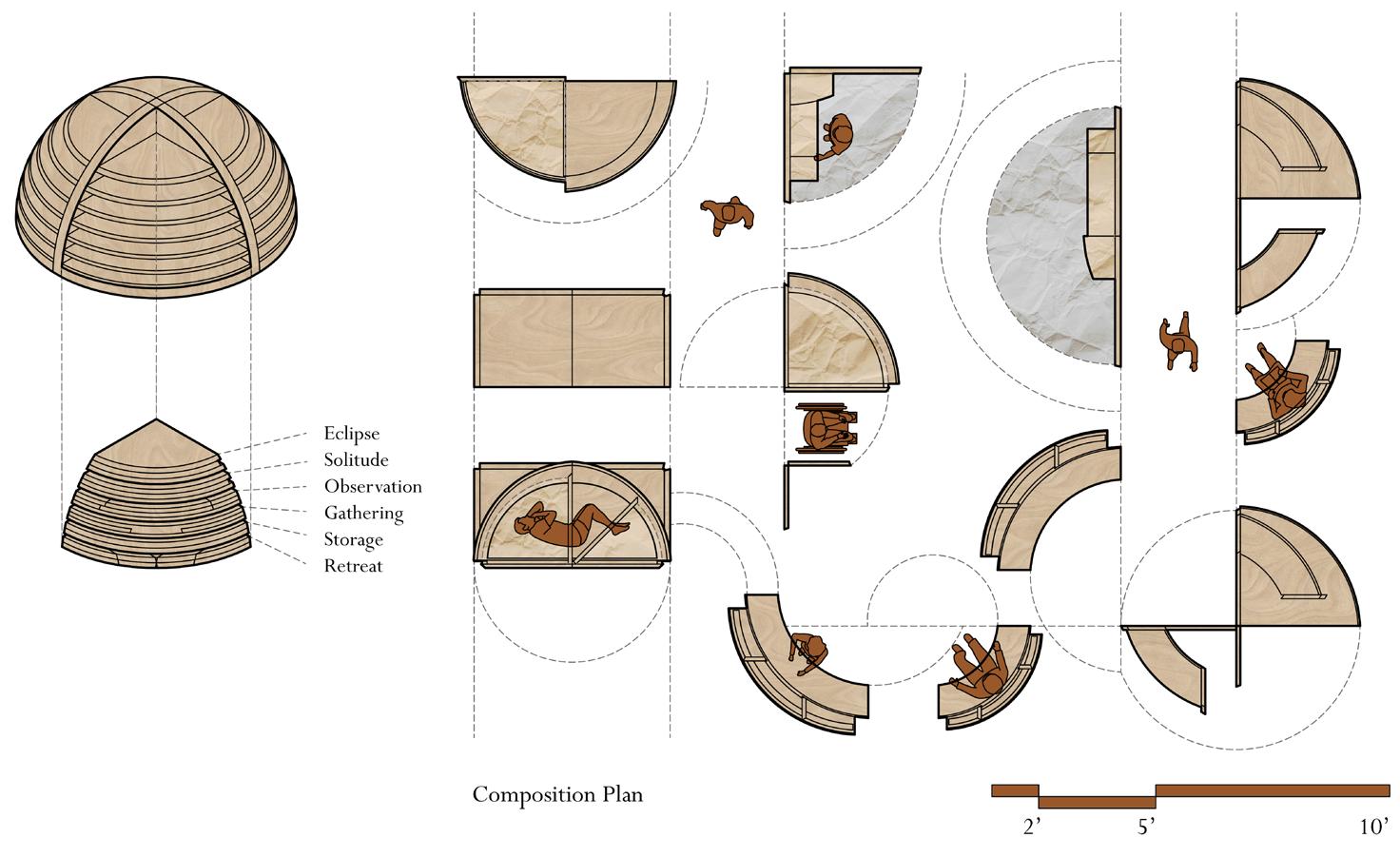
Solitude
Observation
Gathering
Storage
Retreat
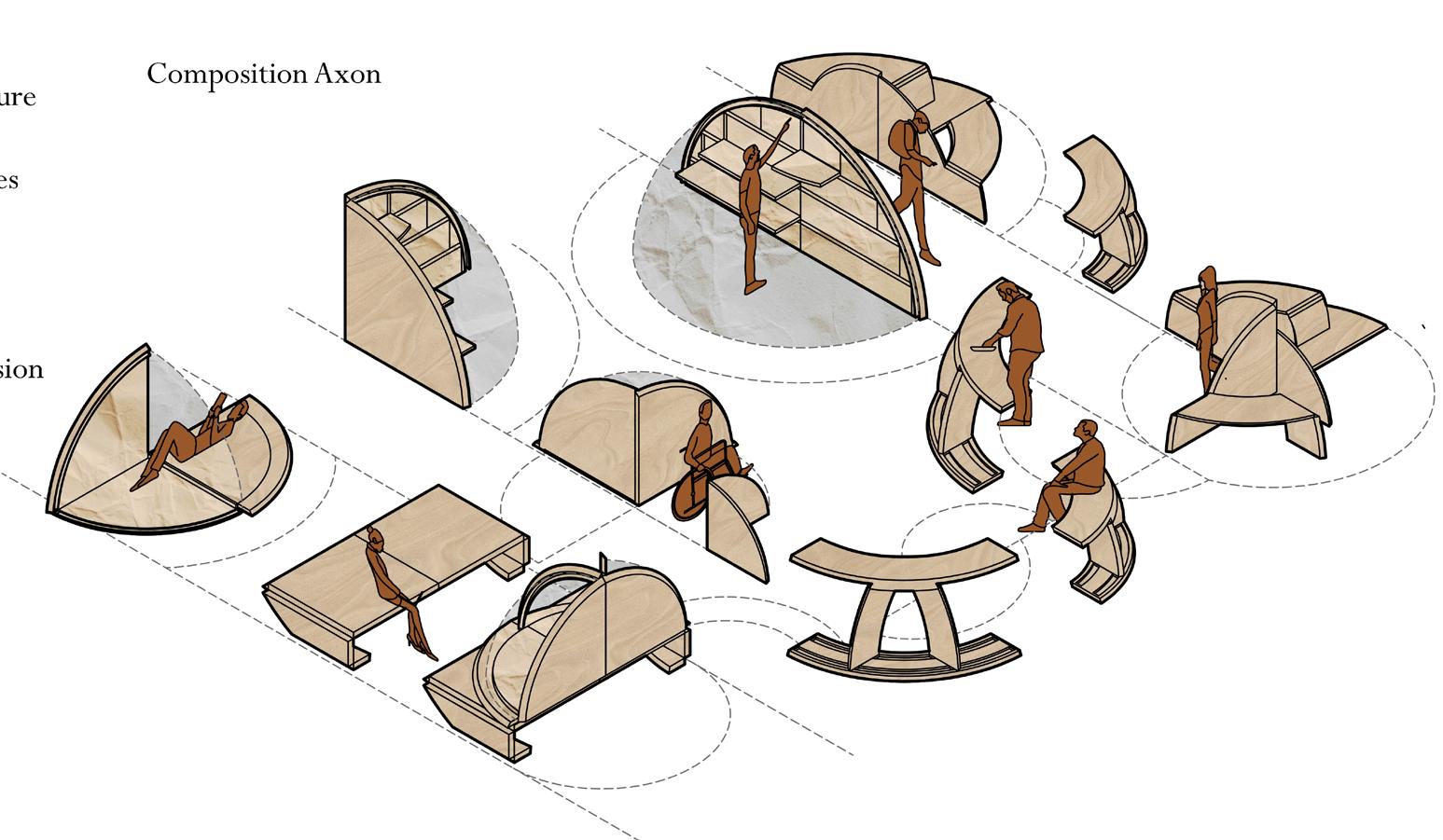
My approach to flat-pack geometries translates the logic of furniture and object assembly into an architectural system organized around bone, spine, and skin. The bone forms the primary structural framework, the rigid, interlocking elements that provide stability. The spine serves as the connective sequence, allowing components to hinge, align, or slide into place. The skin wraps, infills, or encloses the system, offering lighter surfaces that define space and function. Thinking in flat-pack terms keeps the project modular, transportable, and adaptable, fostering a shared, workshop-like environment where students can continuously build, adjust, and redefine their spaces.
By integrating these modules with the bone-spine-skin system, the design becomes a series of adaptable modules: spaces that are functional, transformable, and responsive, capable of supporting a range of activities from communal gatherings to focused individual work, all within a workshop-inspired environment where students actively shape their surroundings.
OBSERVATION
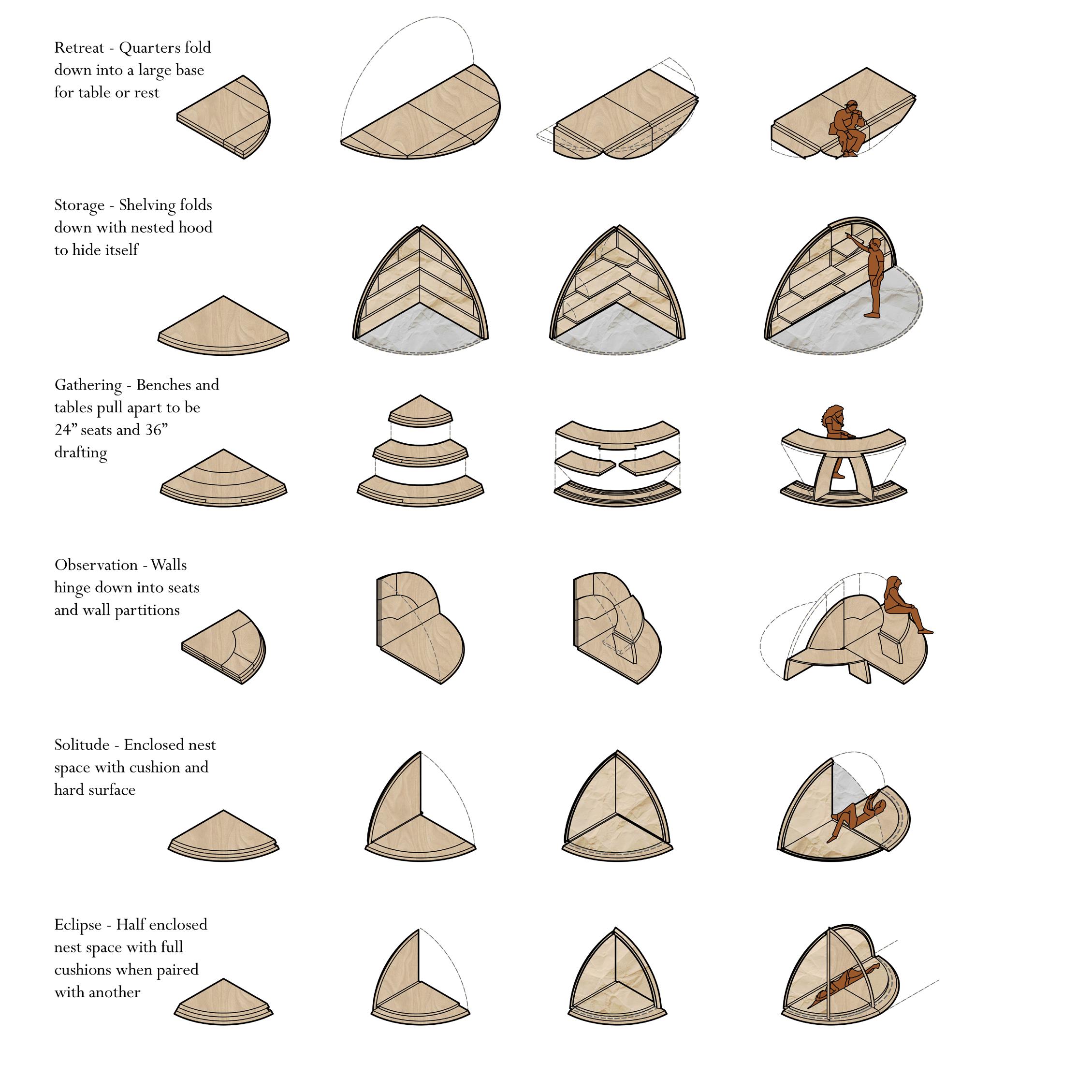
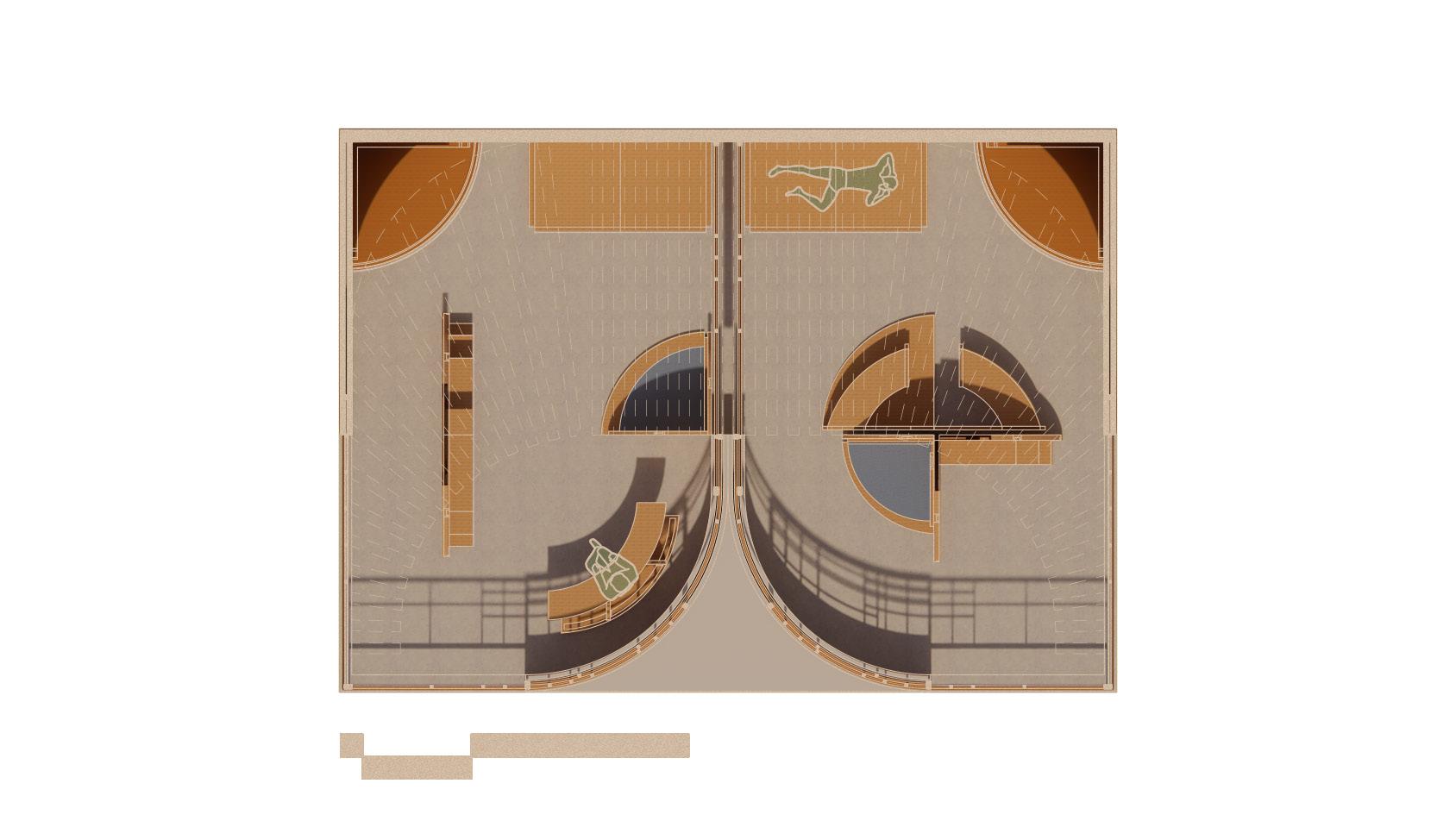
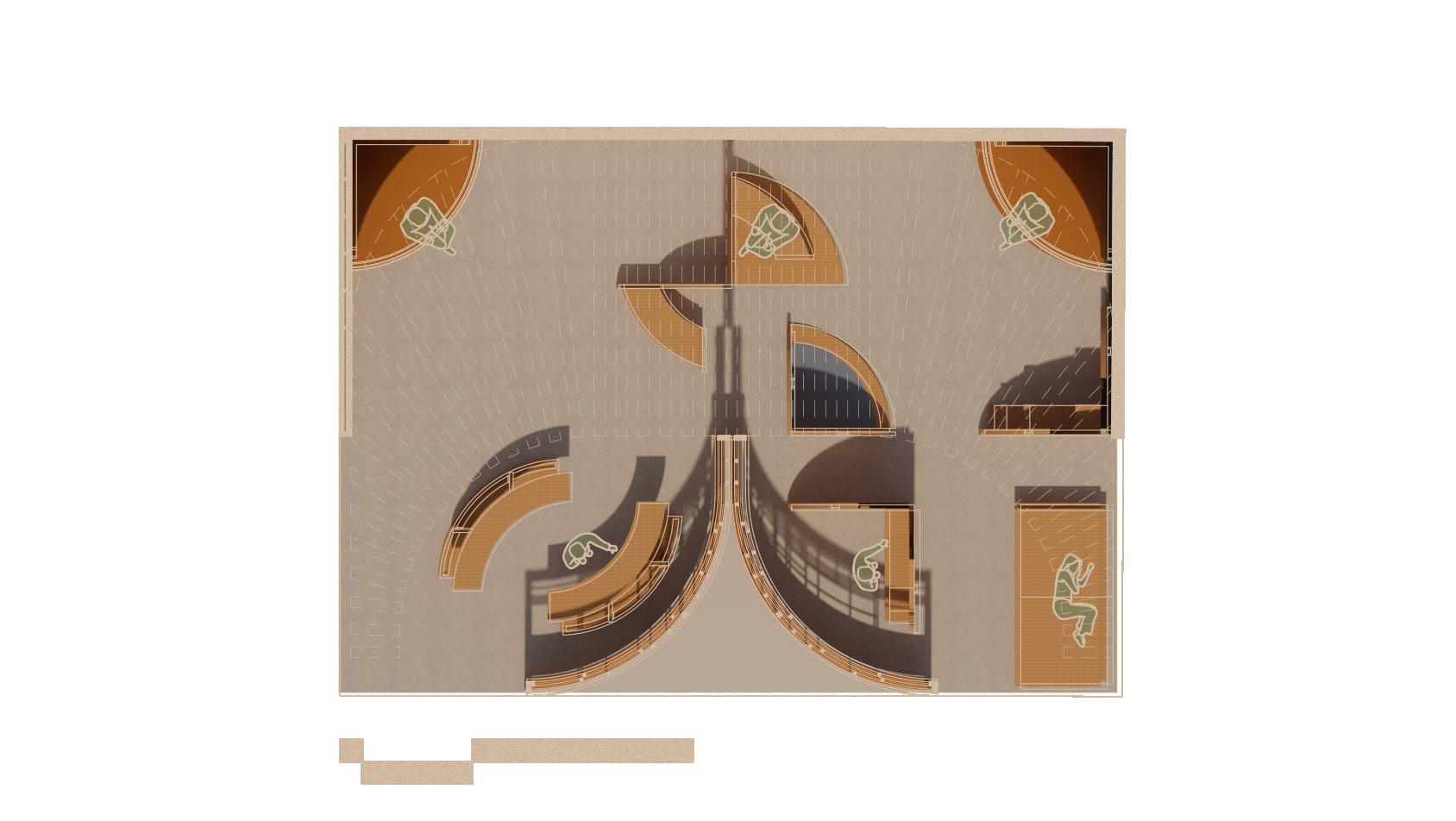
This logic extends directly into the design modules. Retreat units fold down into a large base that can serve as a table or resting area, while storage elements fold down with nested hoods to discreetly hide materials when not in use. Gathering components pull apart into 24-inch seats and 36inch drafting tables, encouraging collaborative activity. Observation walls hinge down into seating and partitions, creating flexible boundaries between public and private zones. Solitude modules provide an enclosed nest space with cushions and hard surfaces for mixed-use activities, while Eclipse units create half-enclosed nests with full cushioning when paired together, allowing for intimate, shared experiences.
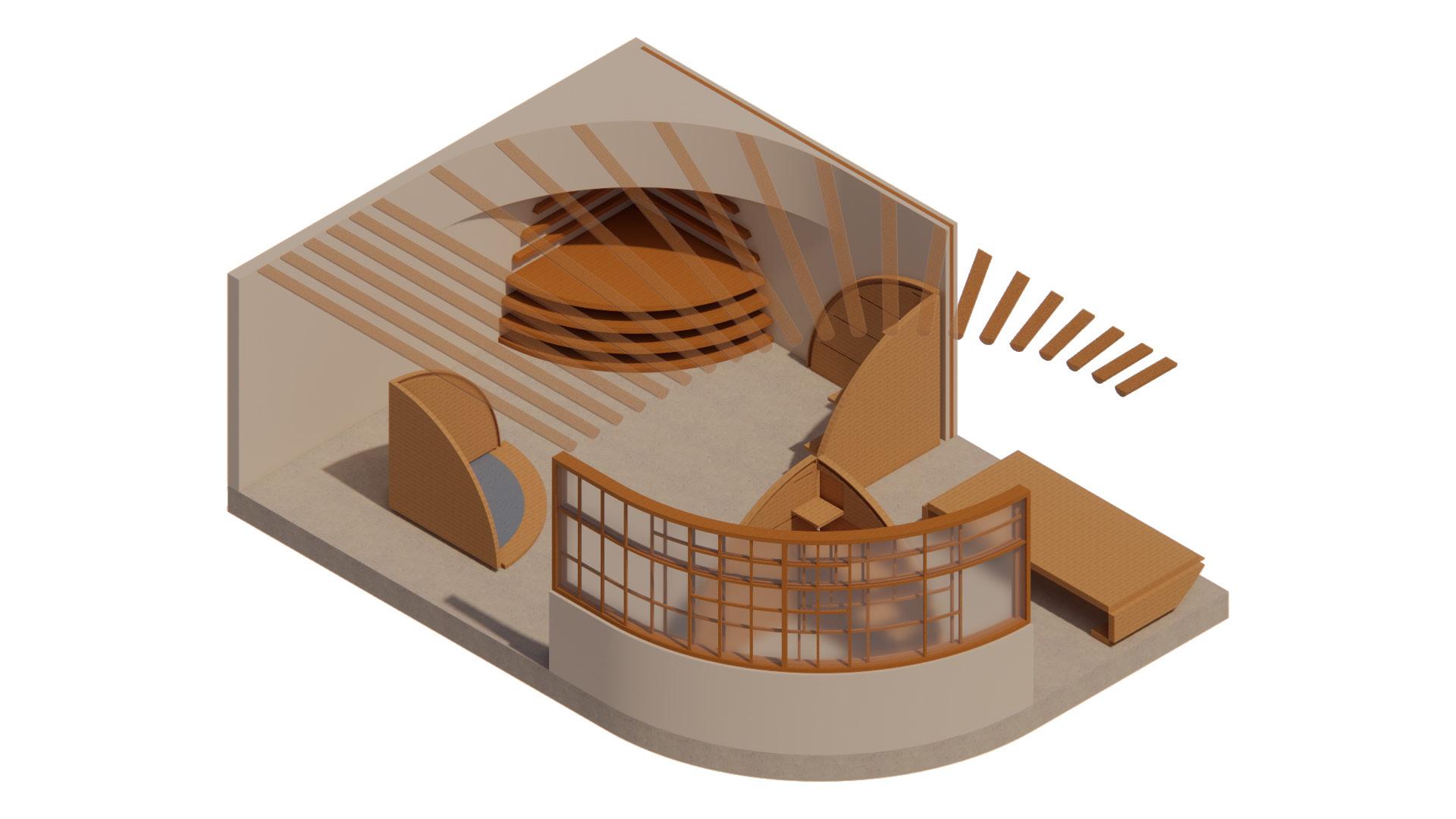
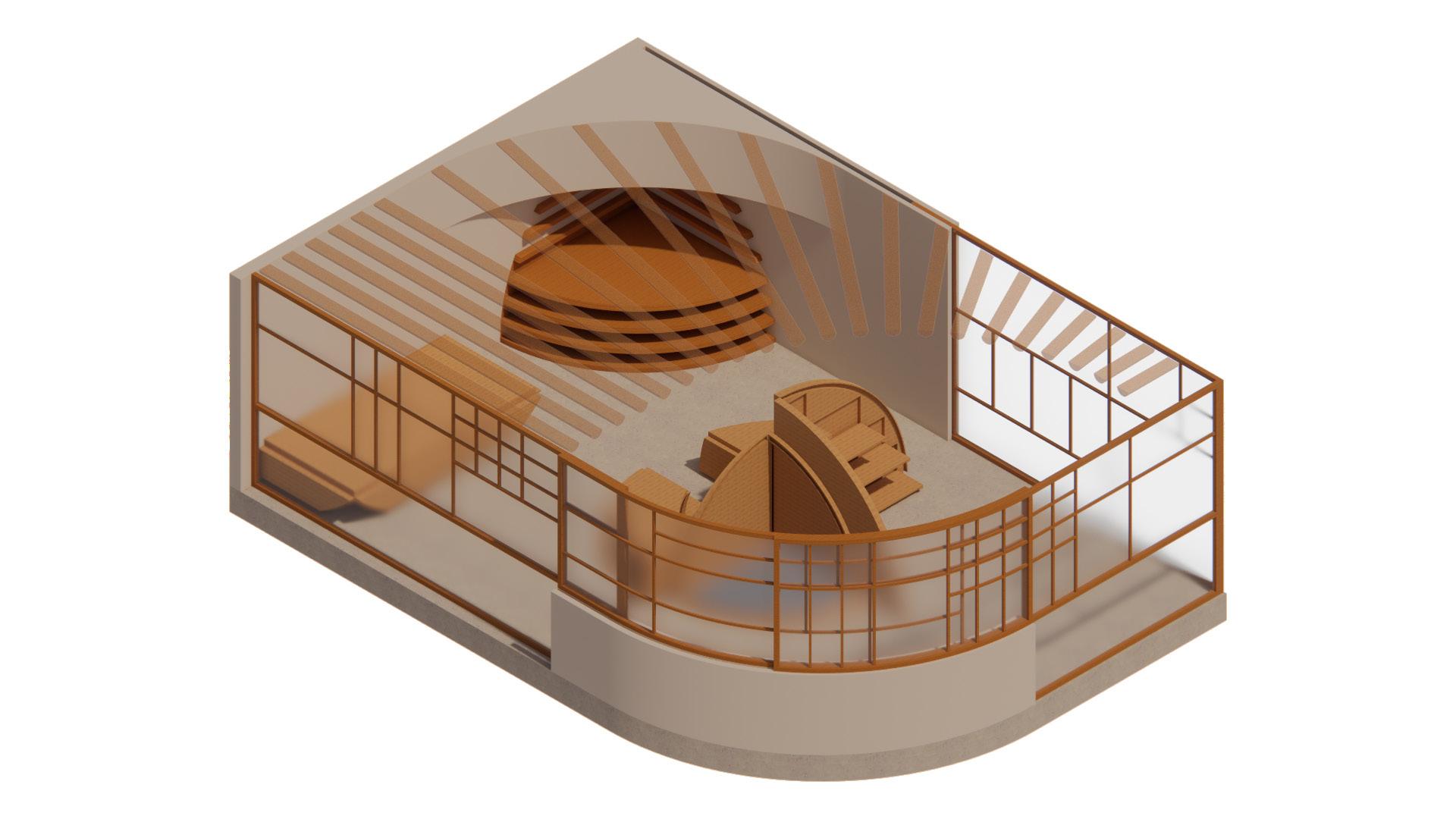
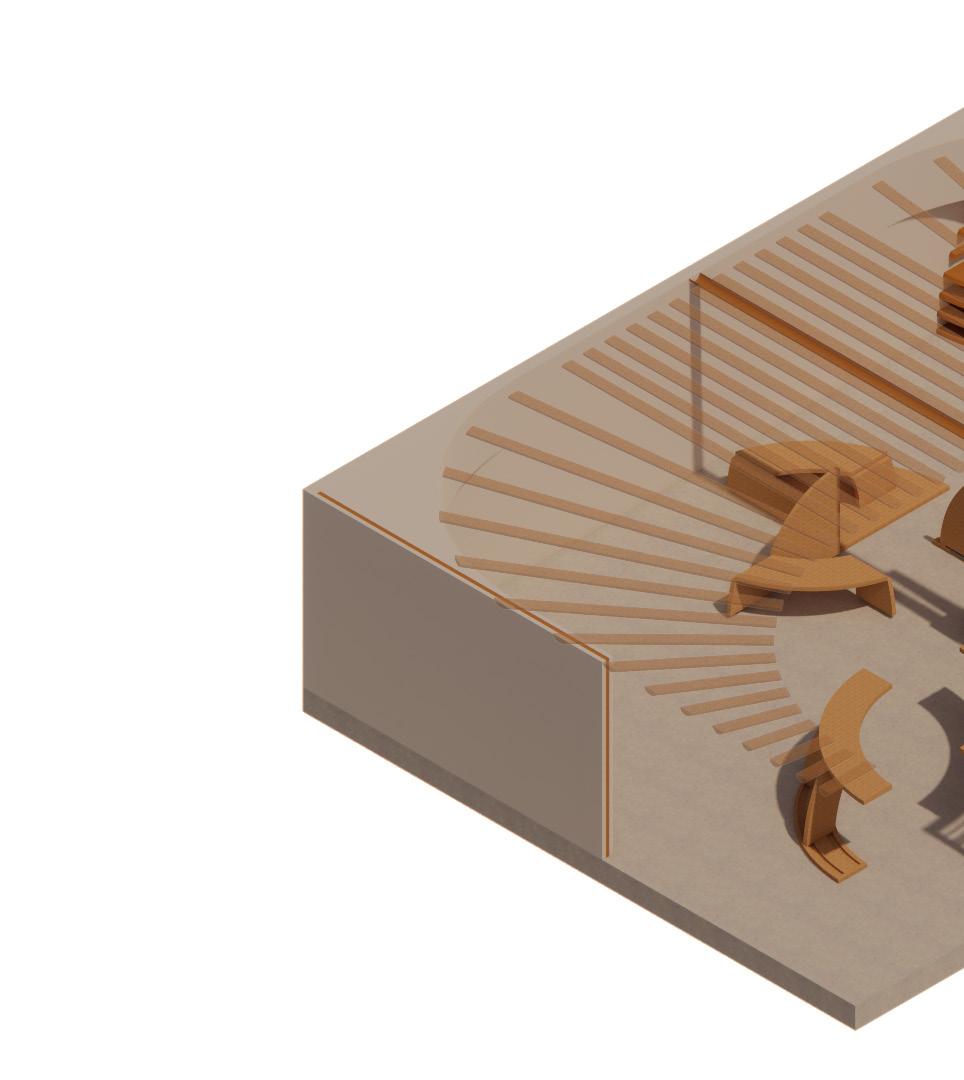
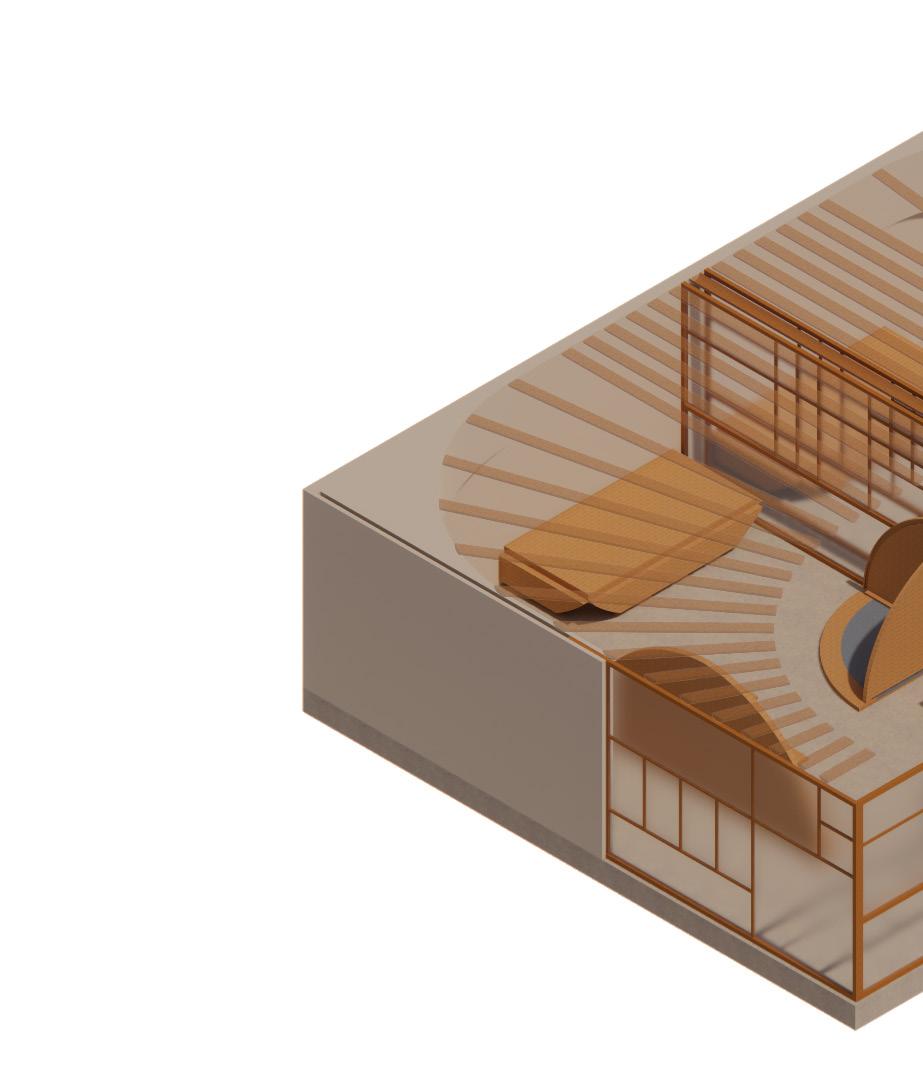
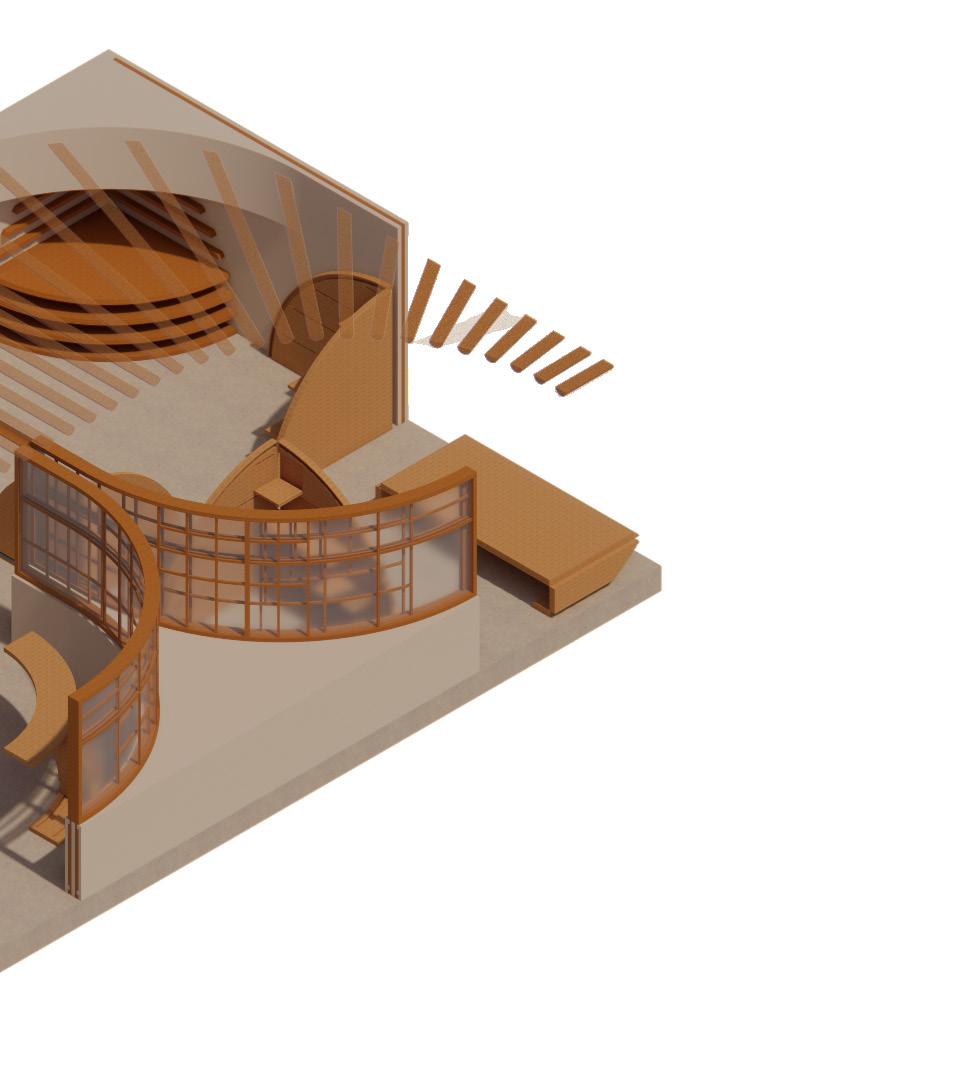
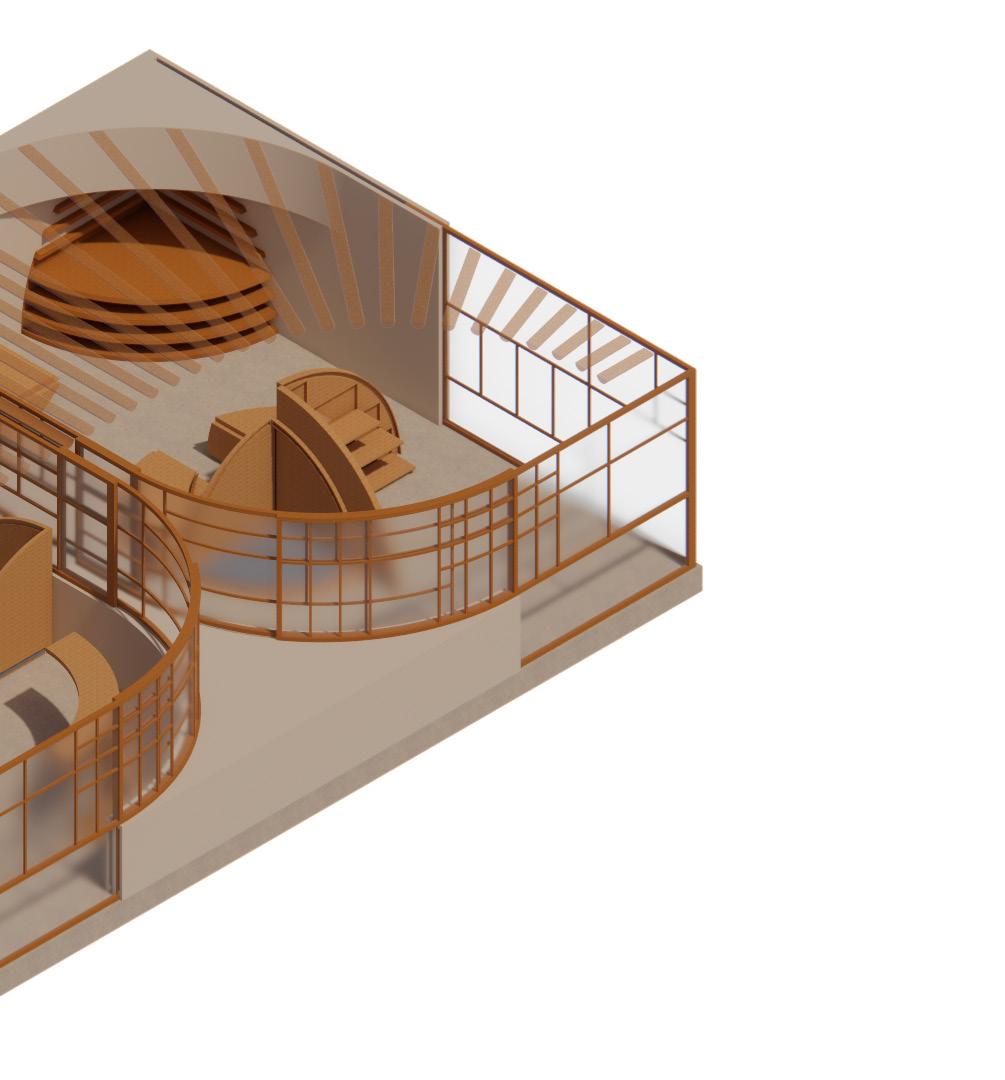
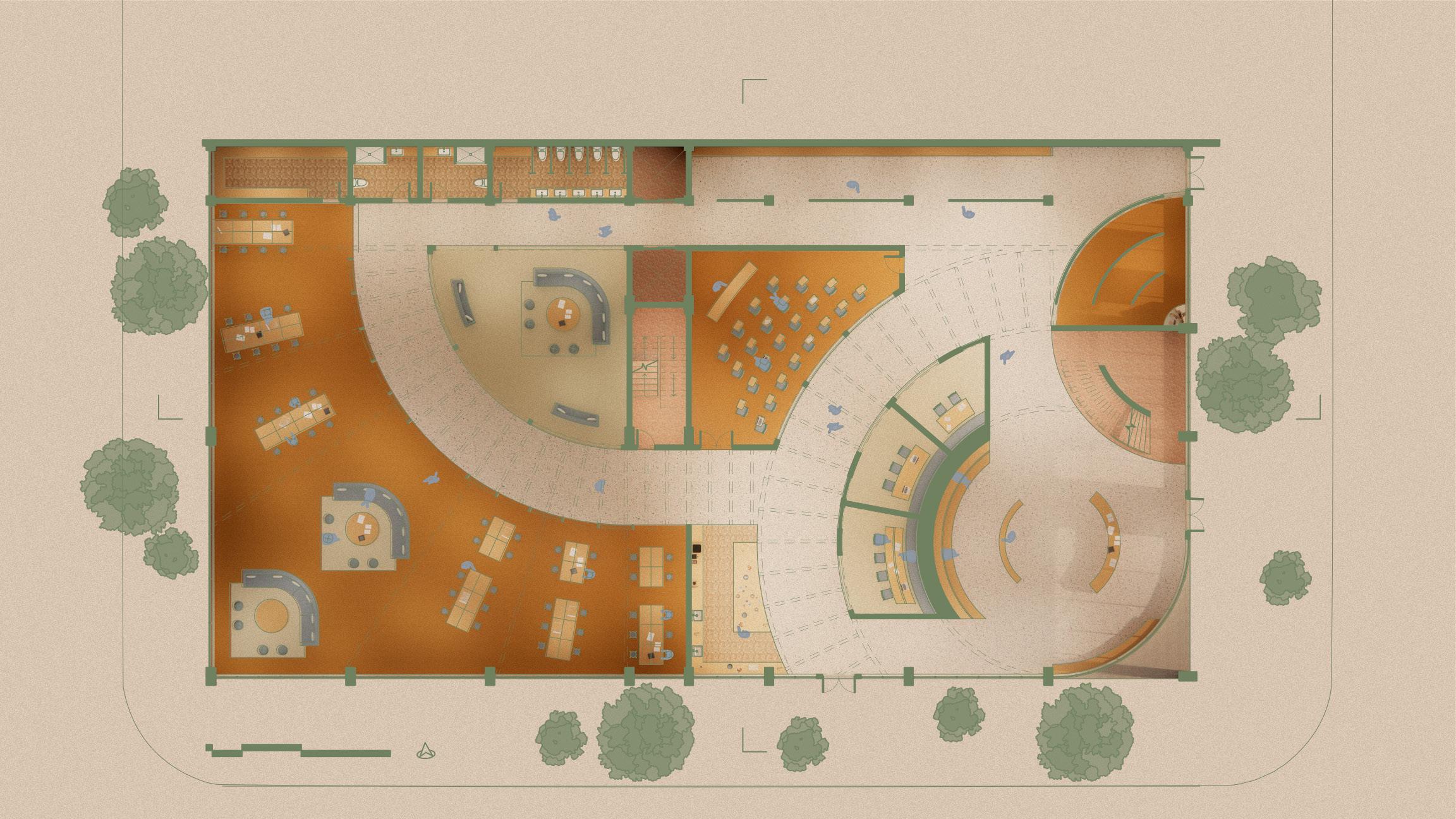

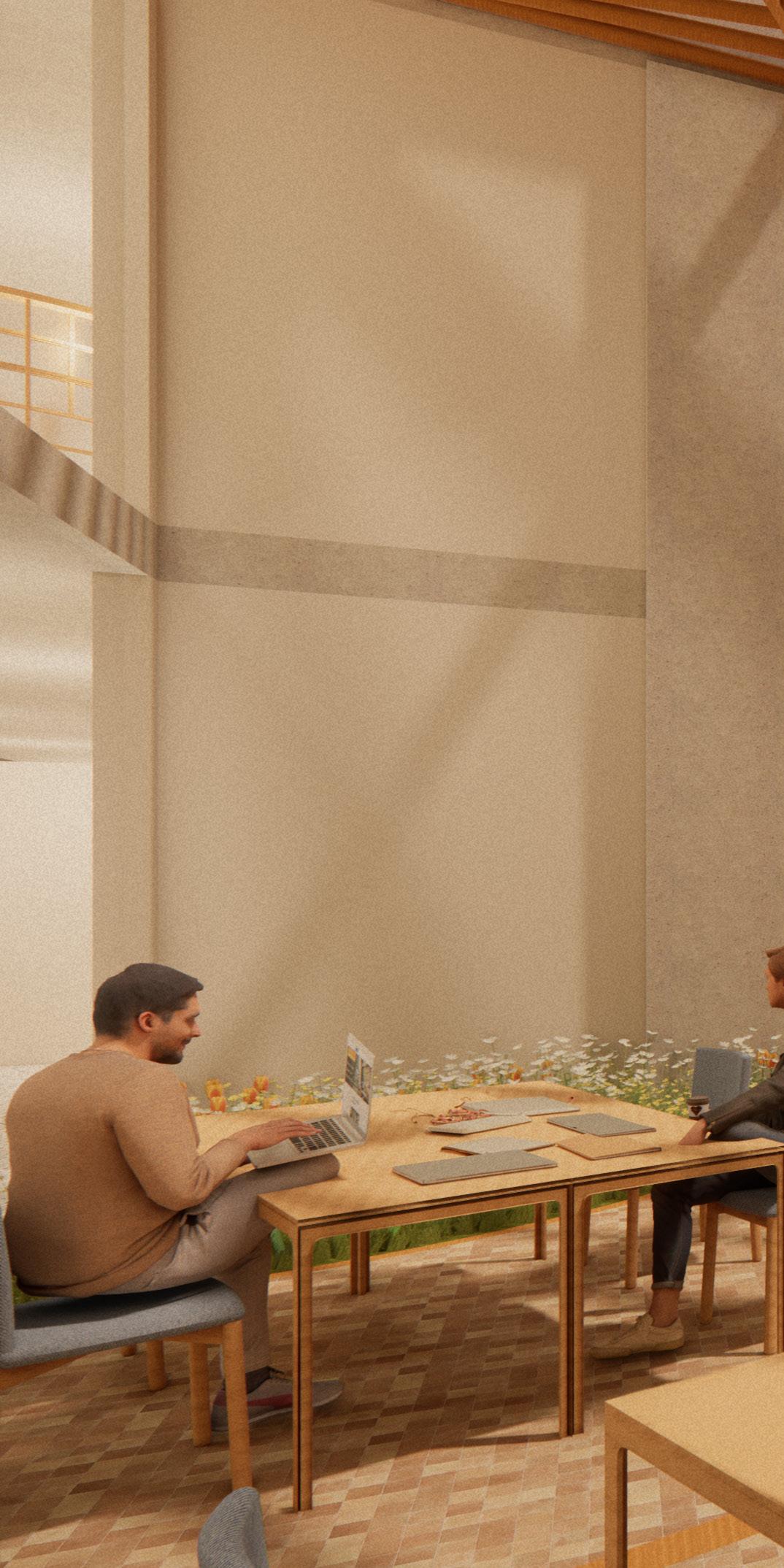
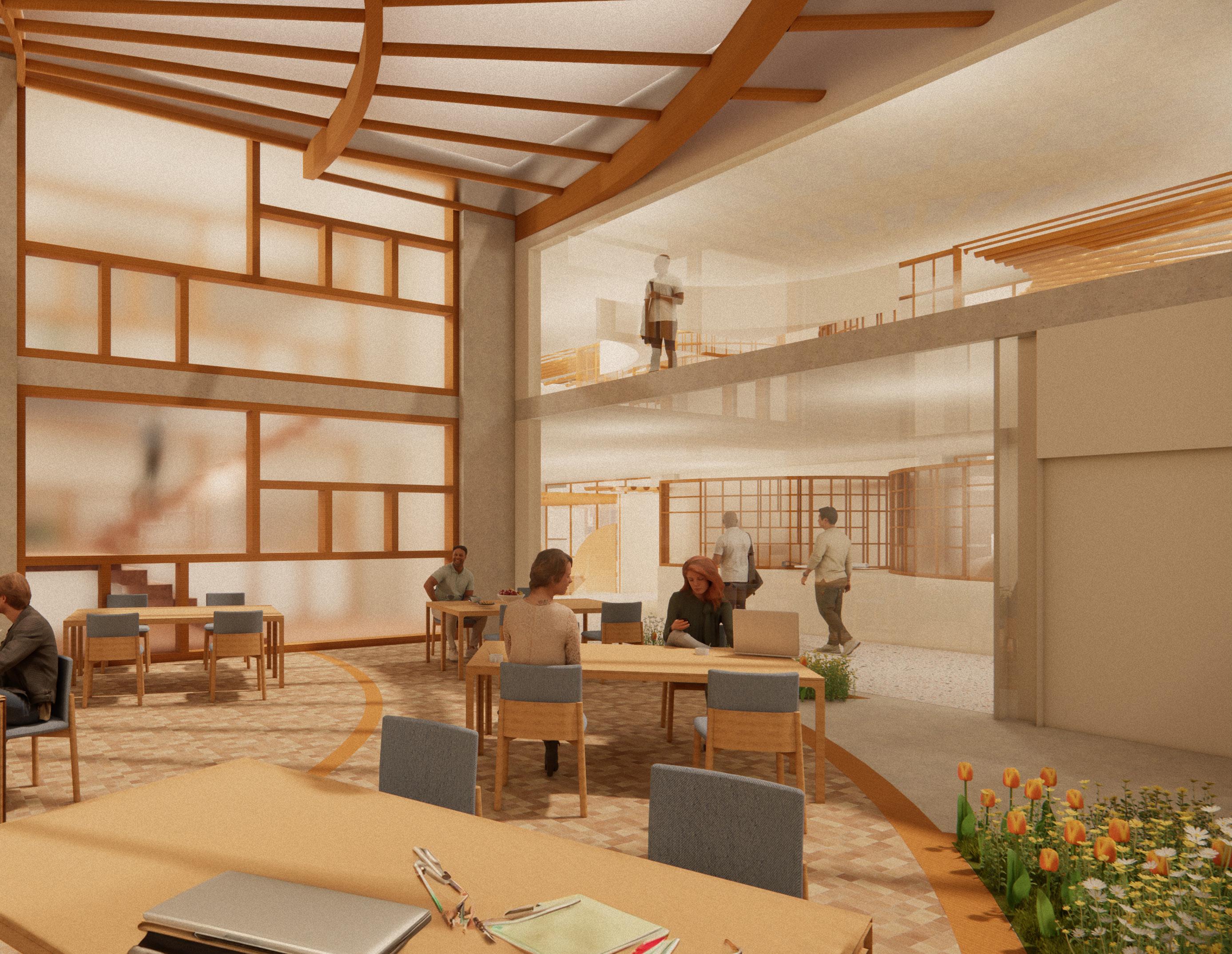
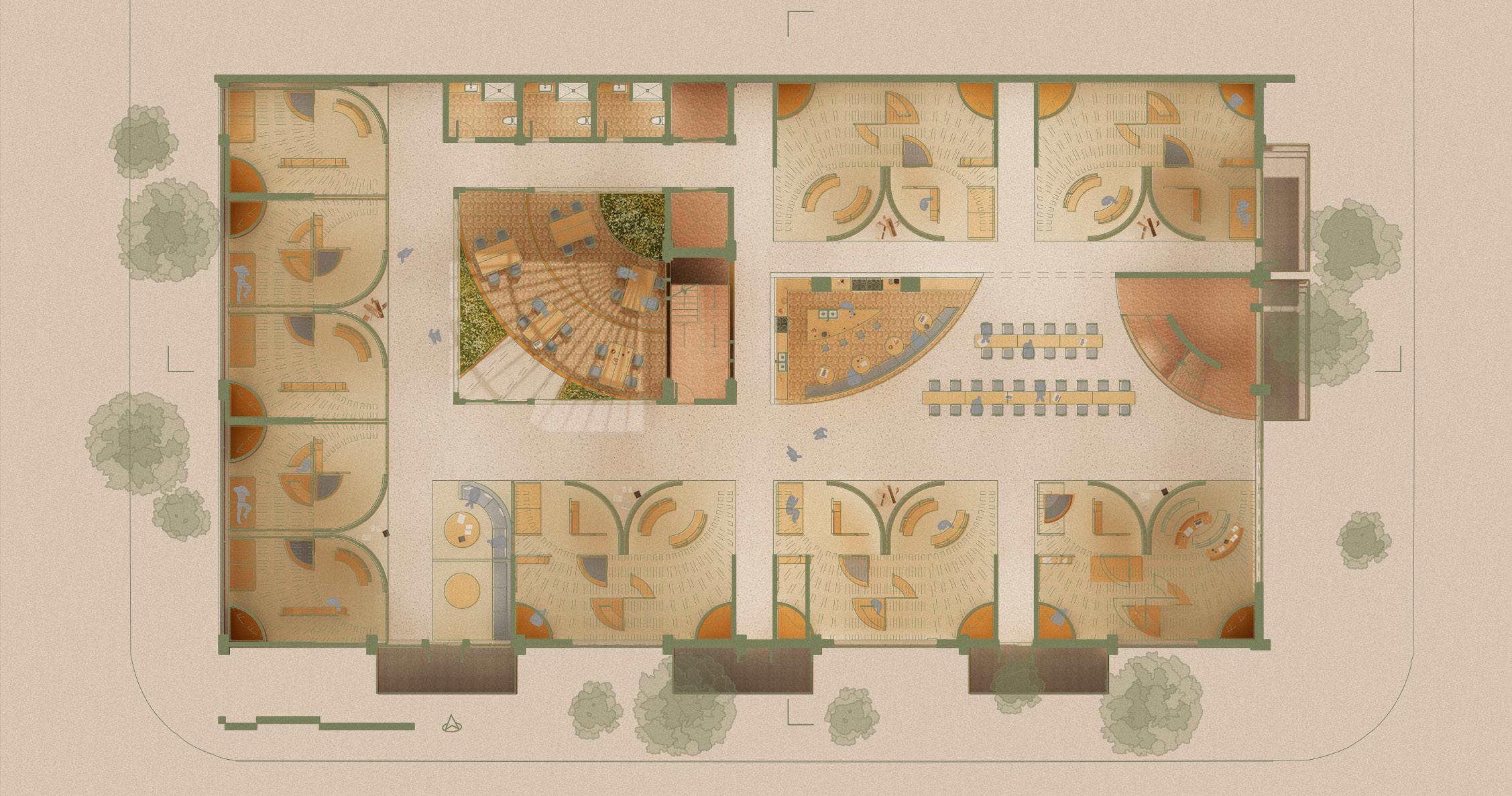
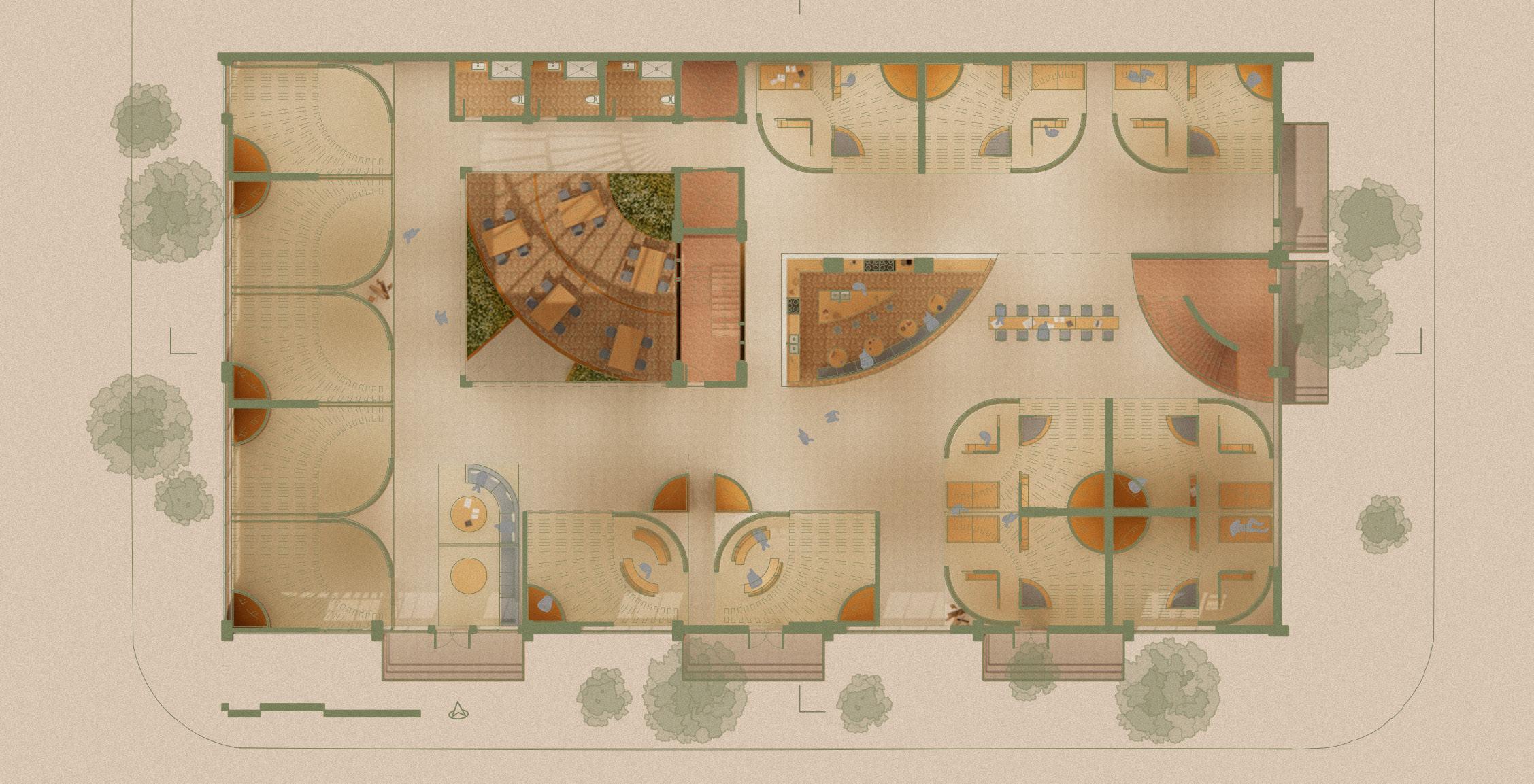
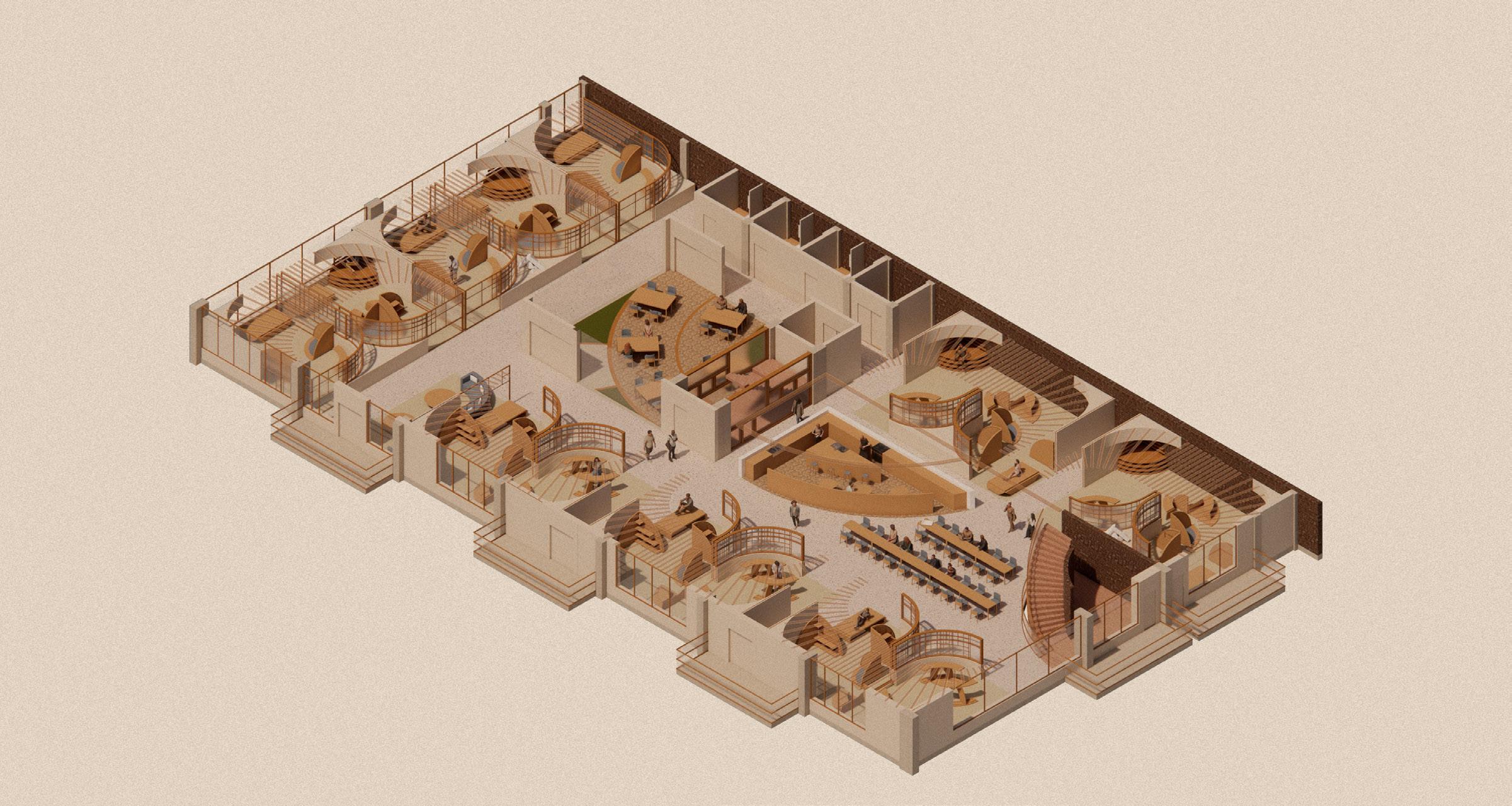
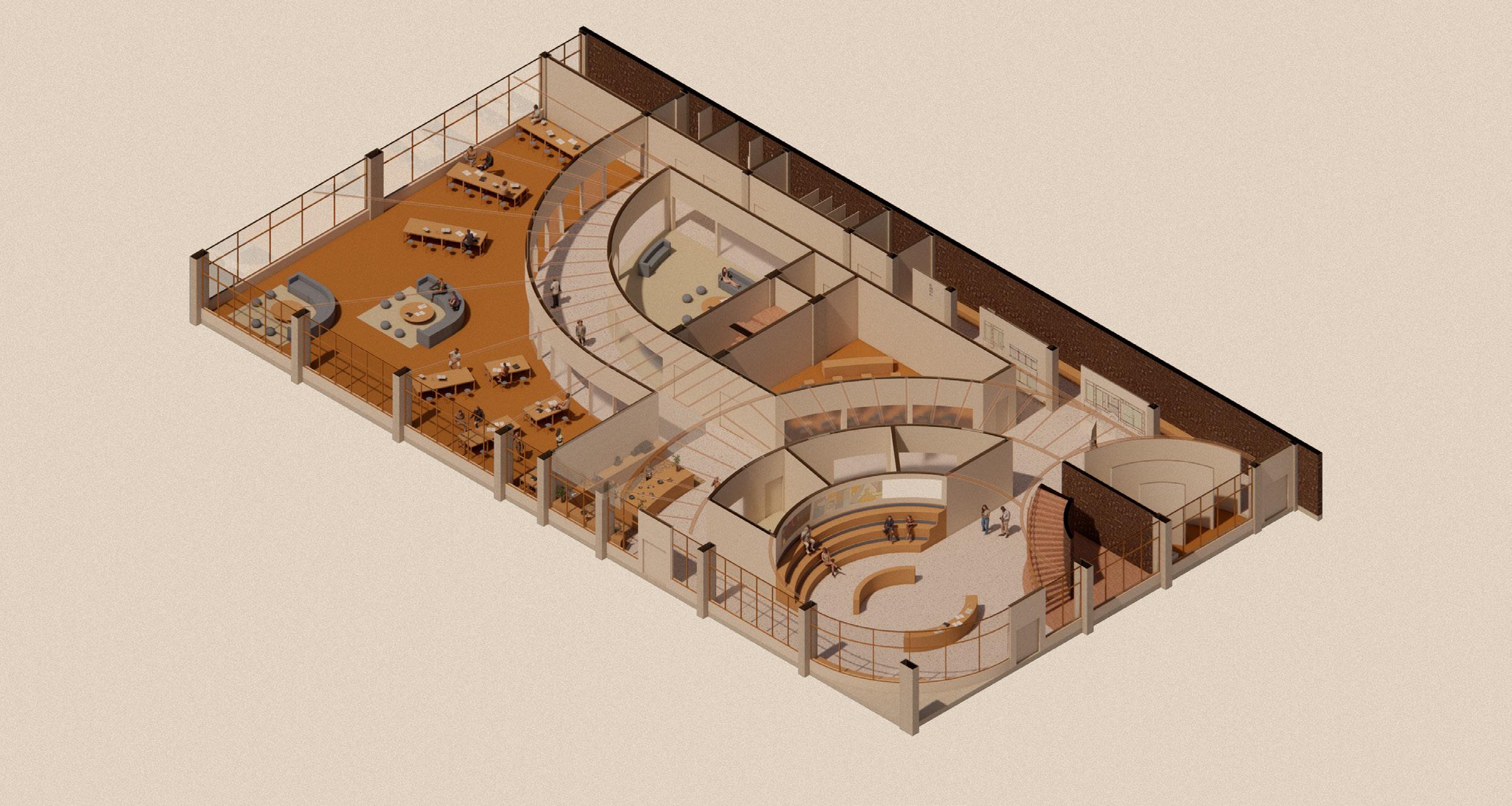
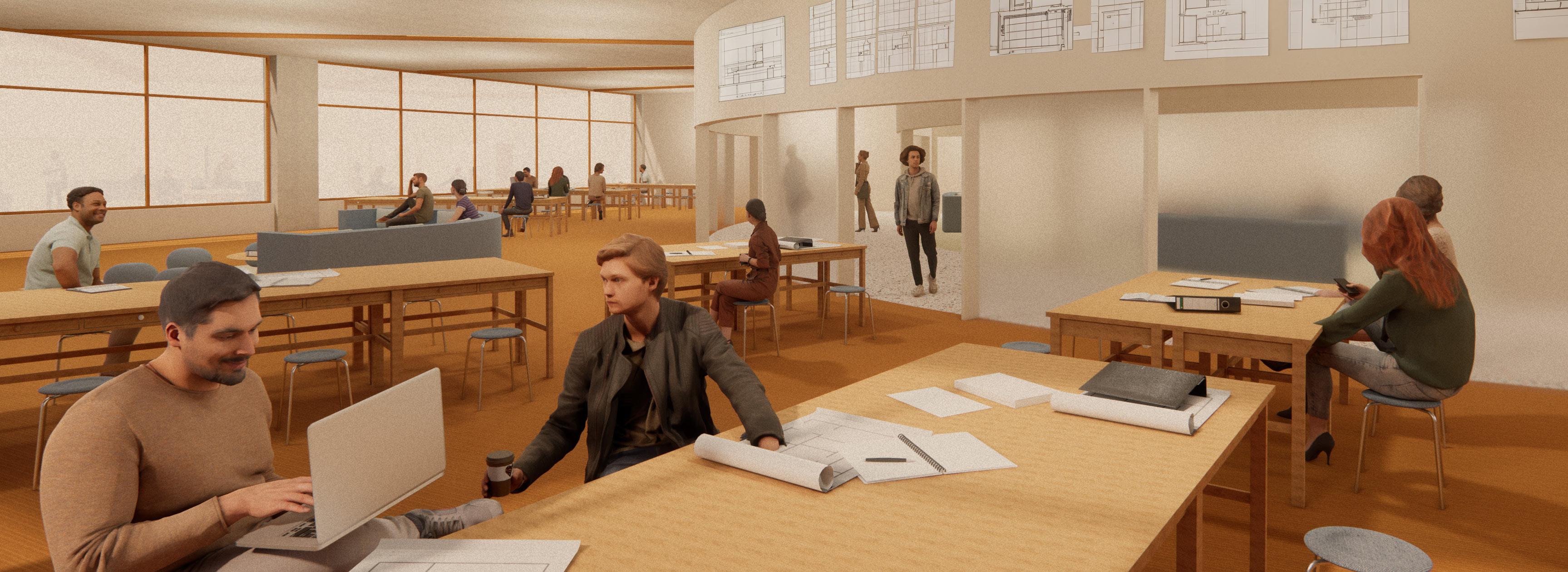
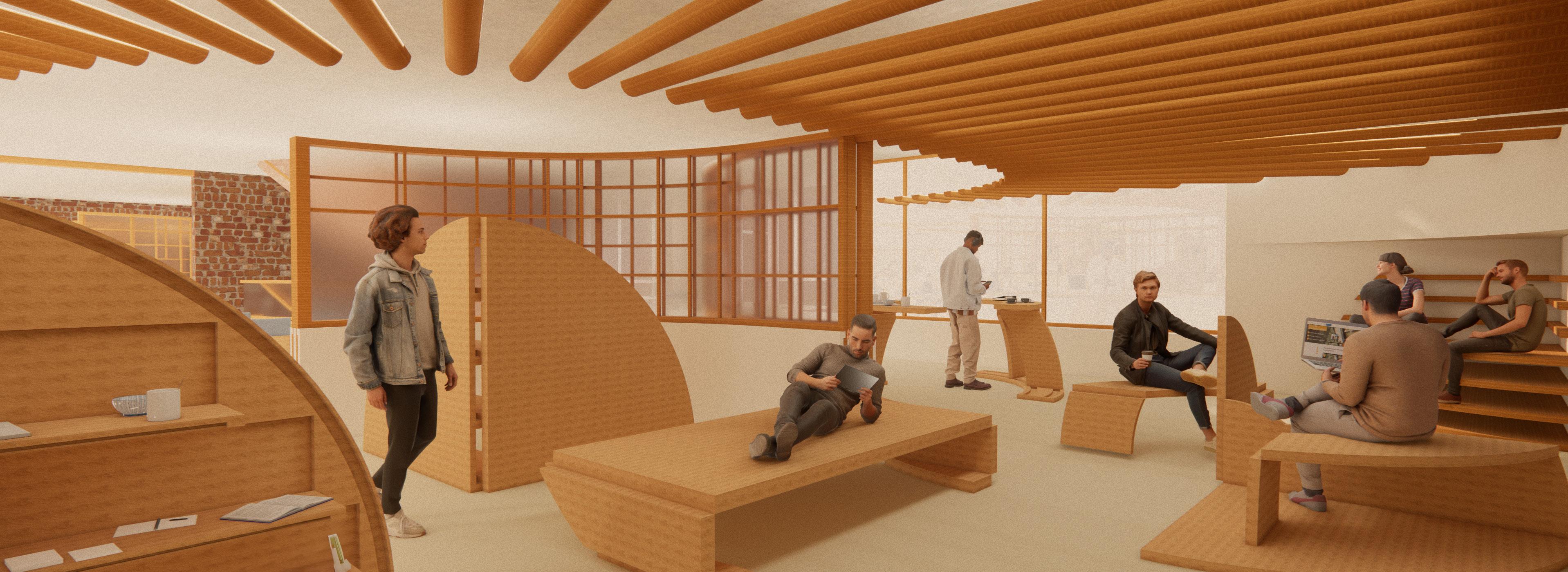
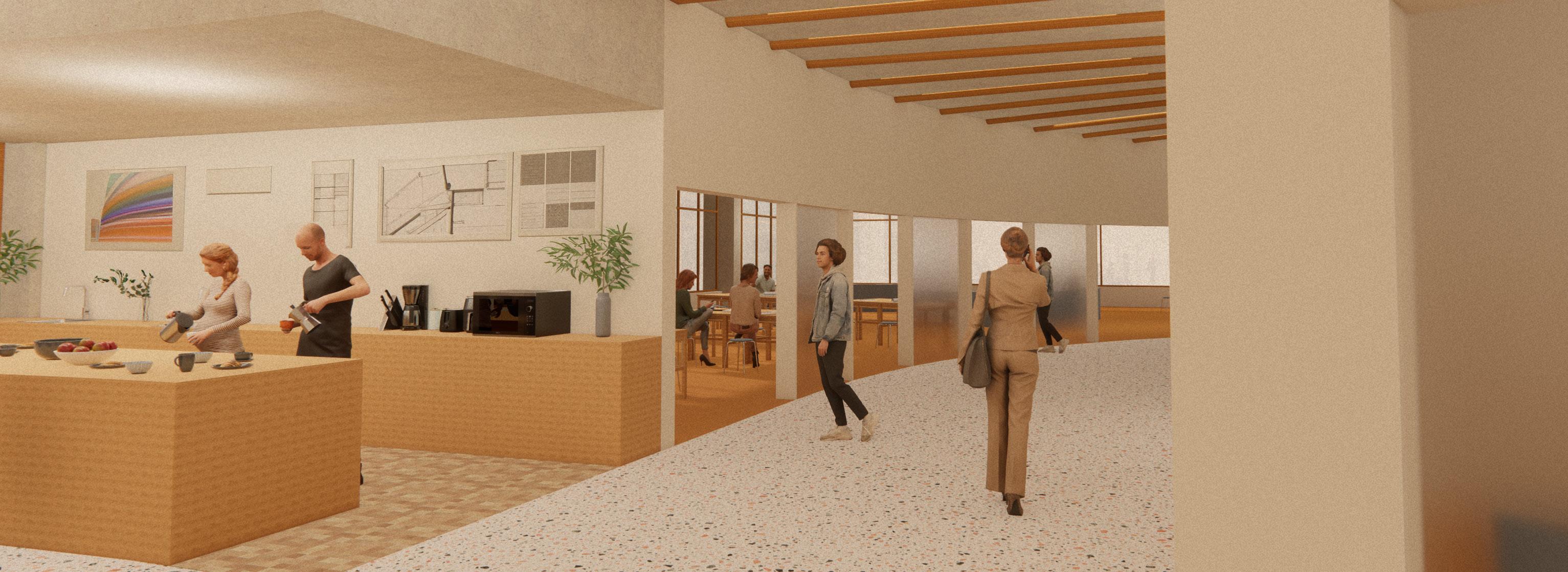
The first floor uses a continuous wood-slat ceiling condition to establish hierarchy, orientation, and flow. Its slats align closely with the project’s circular geometries and linear extensions, making the plan feel intuitive and grounded. This level has the clearest organizational logic in the building, anchored by a lobby with auditorium seating, pin-up space, a large studio, a lounge, a large classroom, and private study rooms. Together, these programs form a cohesive academic “grounding zone,” where the slatted ceiling reinforces circulation paths and makes the spatial order legible from the moment you enter.
The third and fourth floors shift into a more varied and adaptive modes, beginning with a doubleheight courtyard on the third floor that carves a void into the level above, featuring an adjustable acrylic awning system that occupants can modulate to control light and weather.Housing units on the third floor are more regular and stable, arranged in pairs: units on the right opening up for collaborative and social moments, and units on the left closing down for single-use or personal work. By contrast, the fourth-floor units employ more mirroring, shifting panels, and moments of expansion where units group together or separate depending on privacy needs. Across both floors, the ceiling slat system changes in spacing and density to differentiate intimate zones from shared ones, allowing the architecture to quietly guide users through varying degrees of enclosure and adaptability.





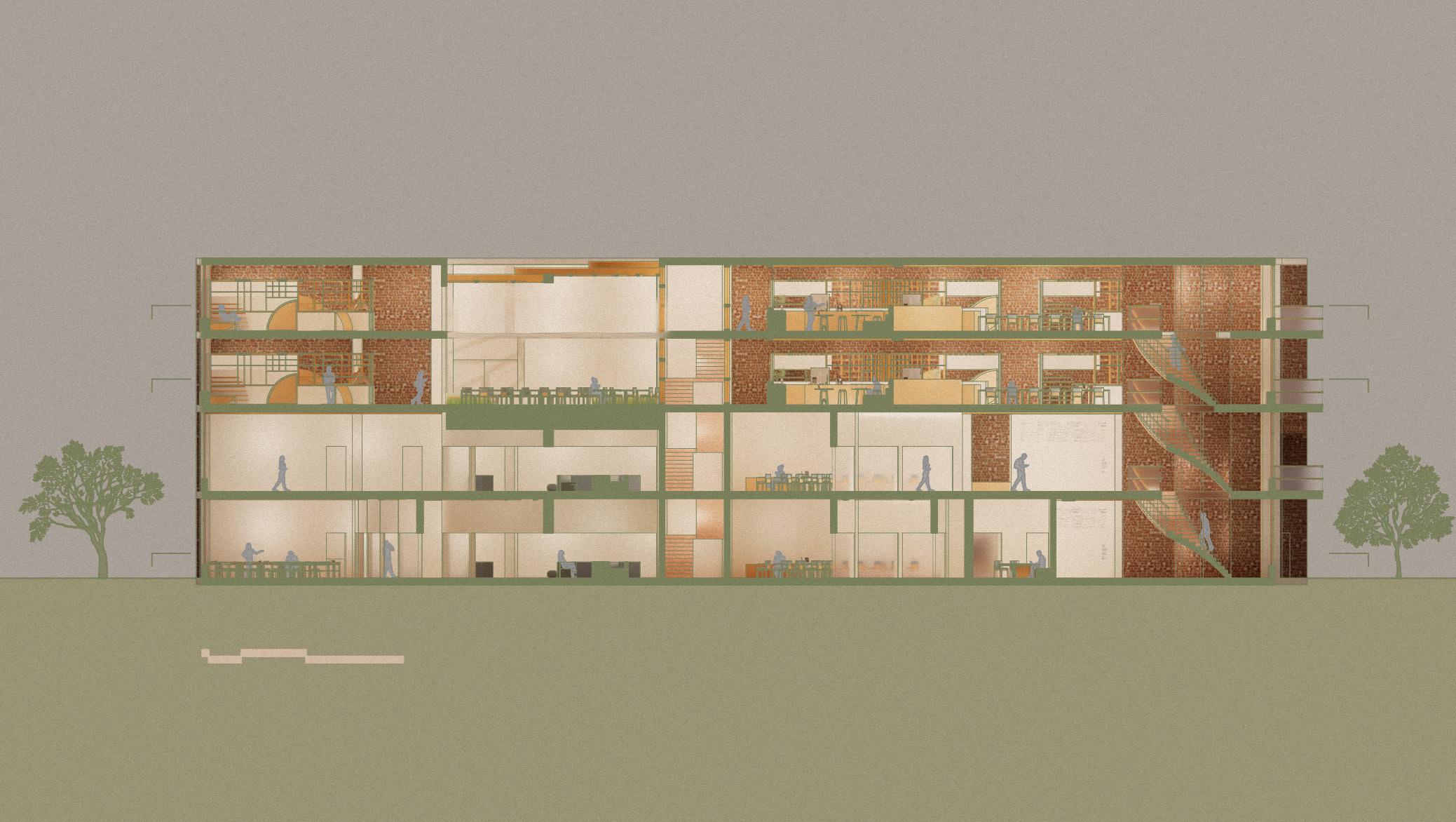
Longitudinal Section
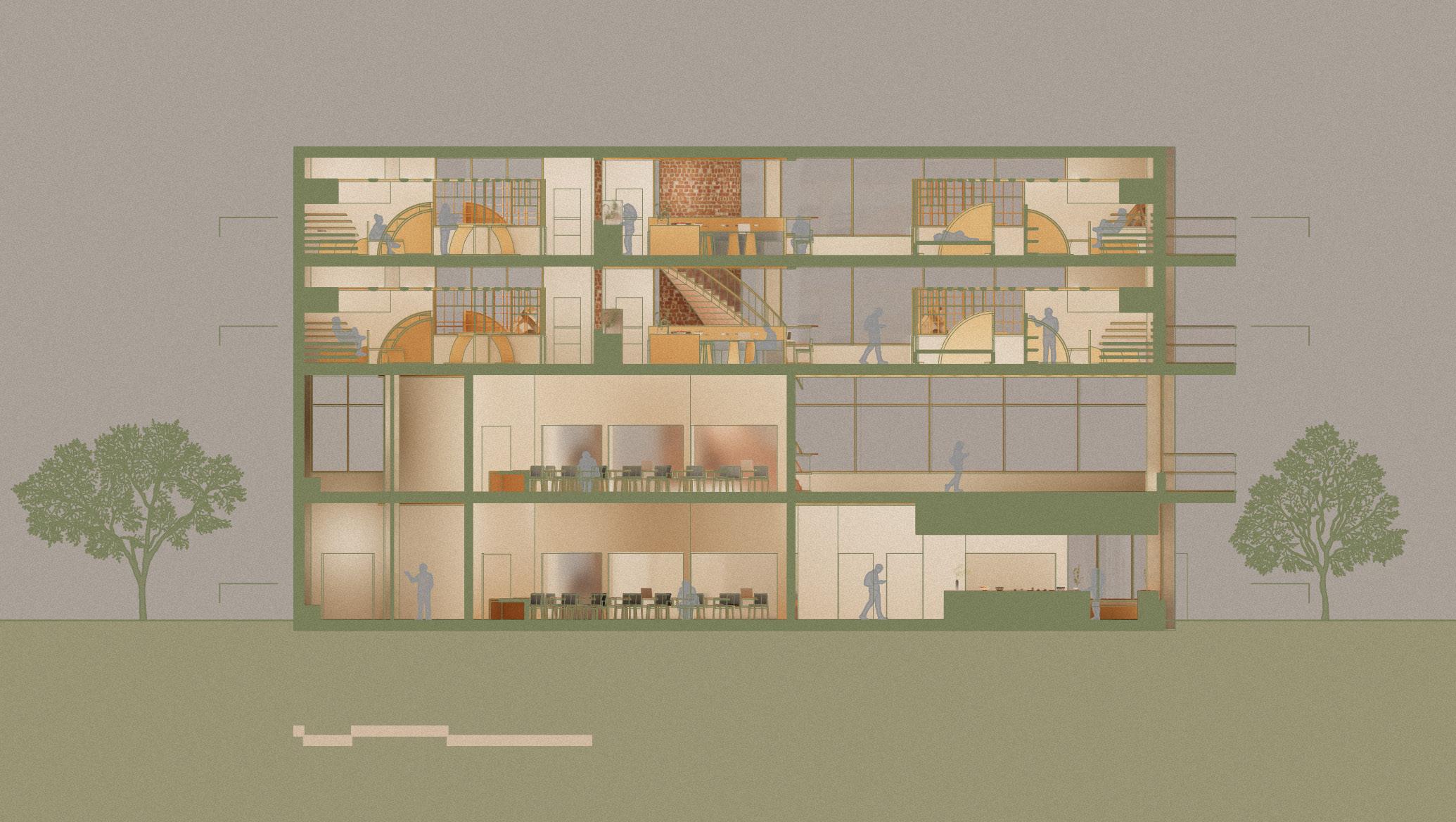
Transverse Section
Interior Perspective - First Floor Studio
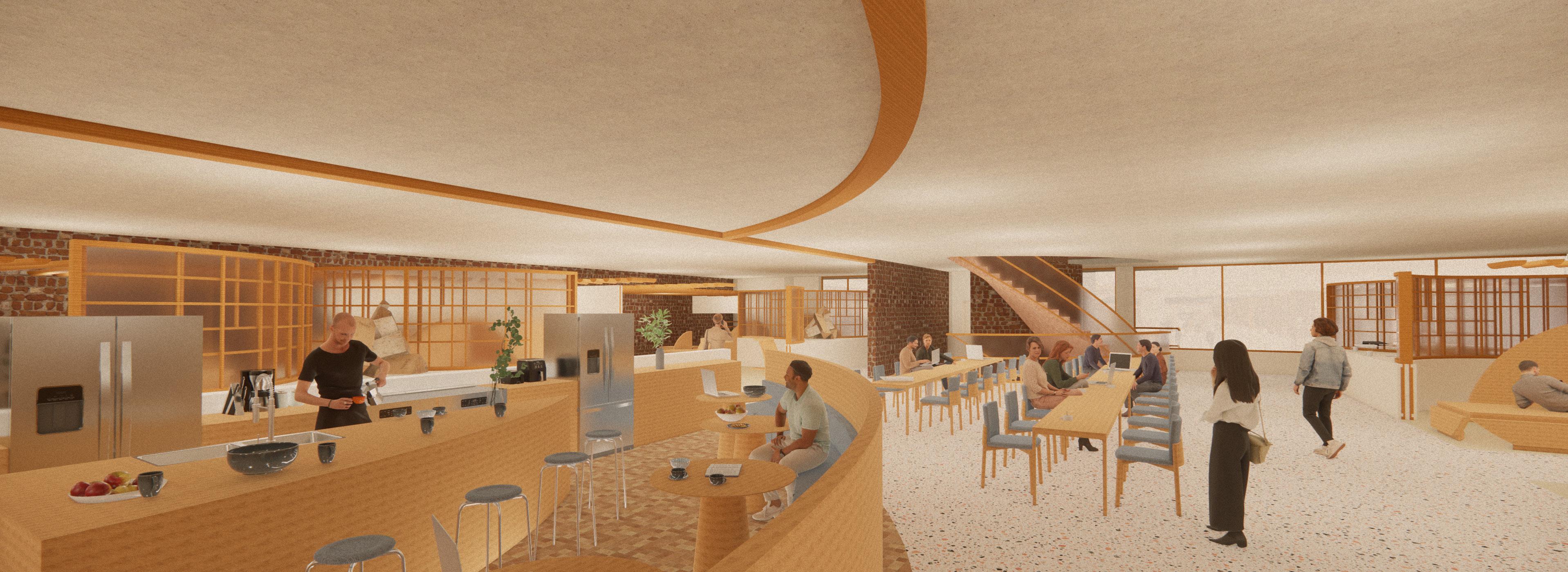
Interior Perspective - Third Floor Dining
Interior Perspective - Open Living Unit
Interior Perspective - First Floor Circulation
Fall 2024
Austin, Texas
Academic Design Studio III
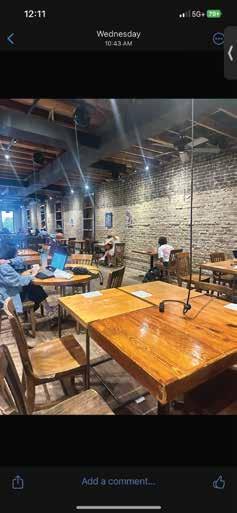
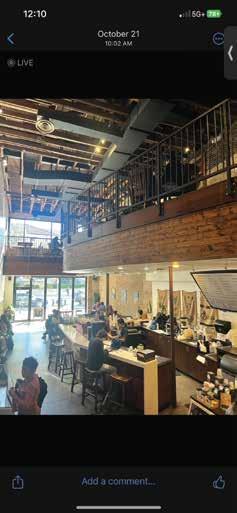
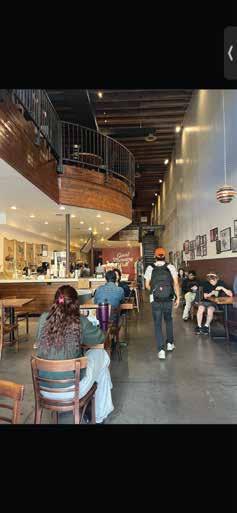
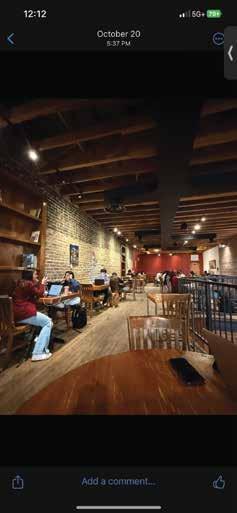
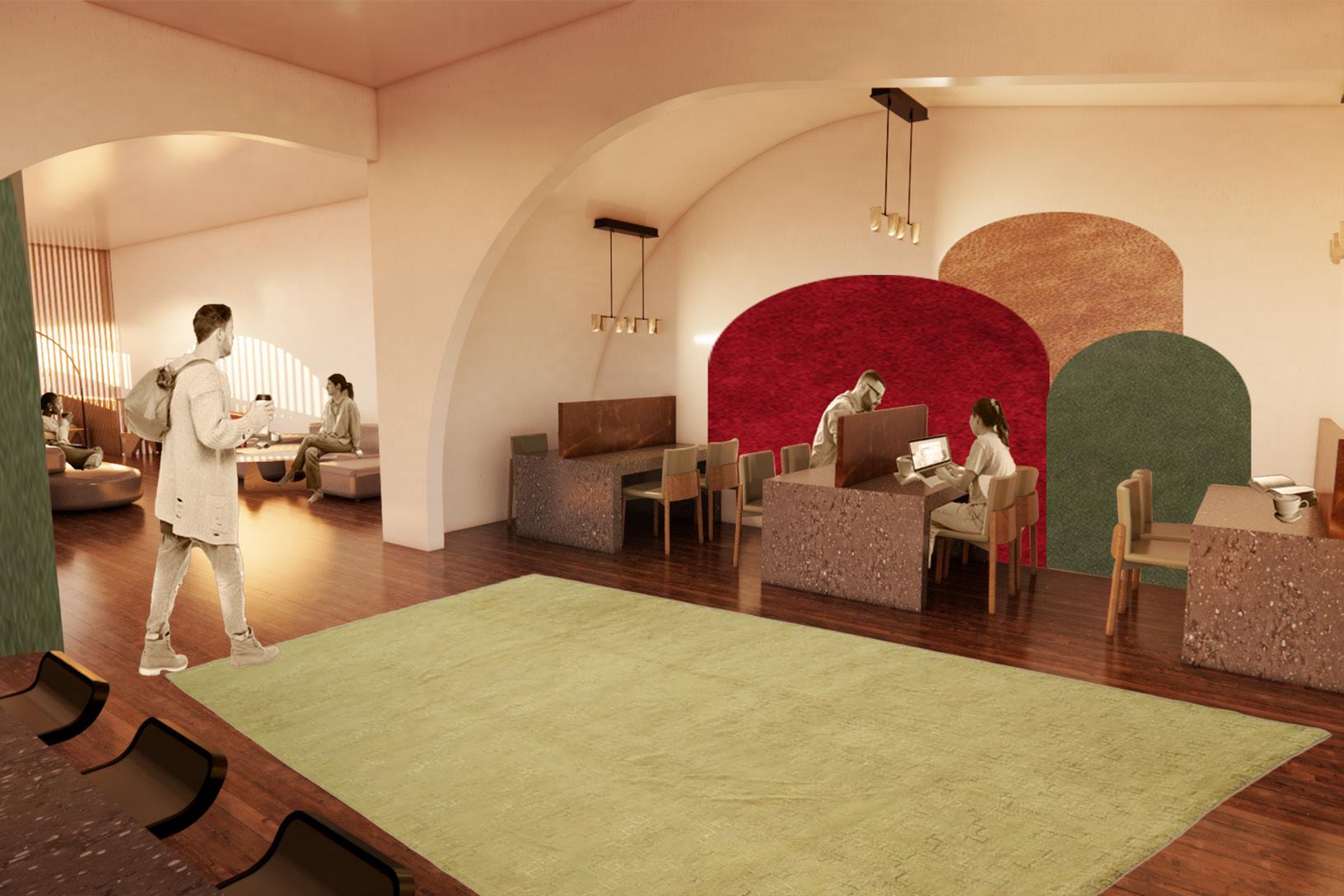
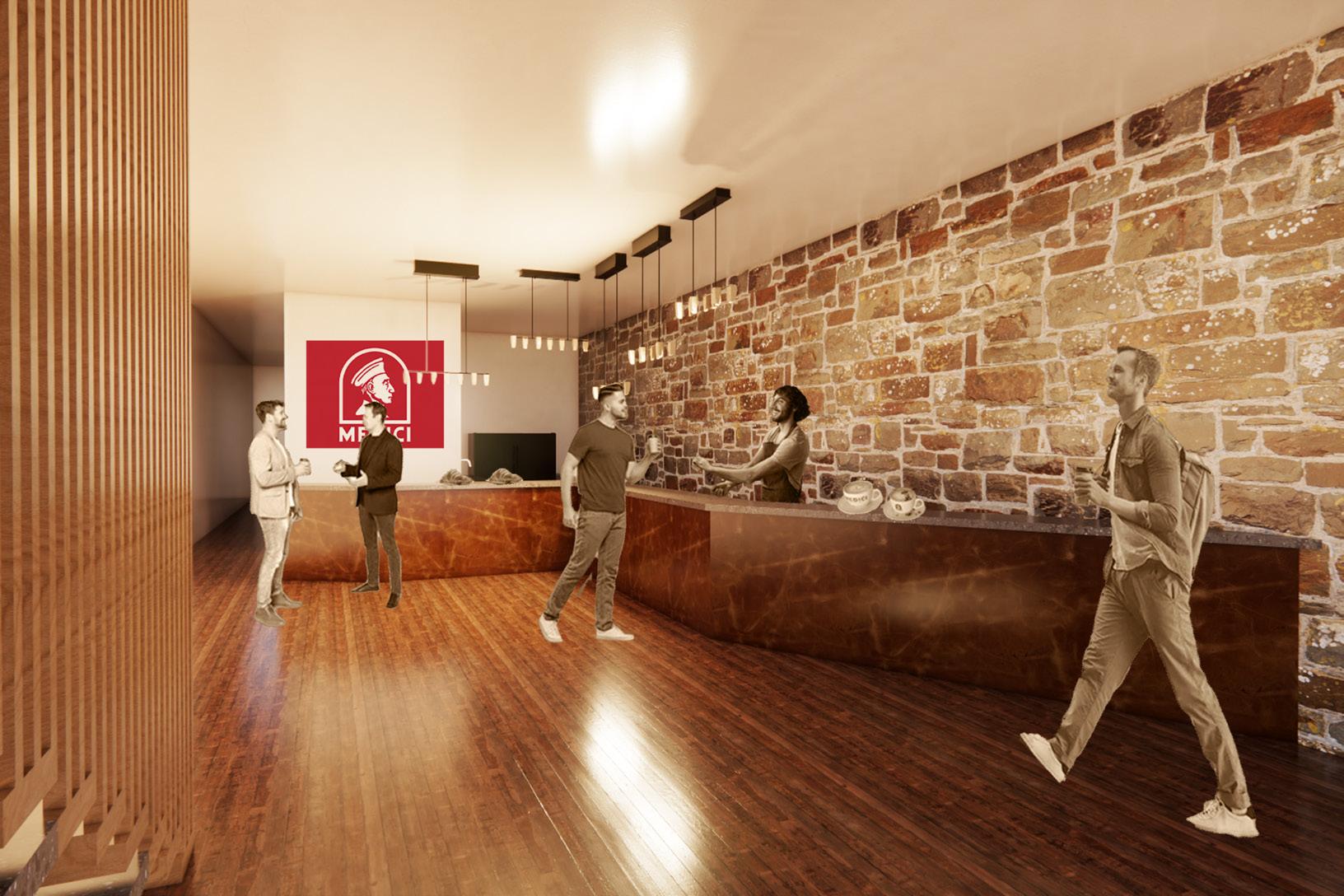
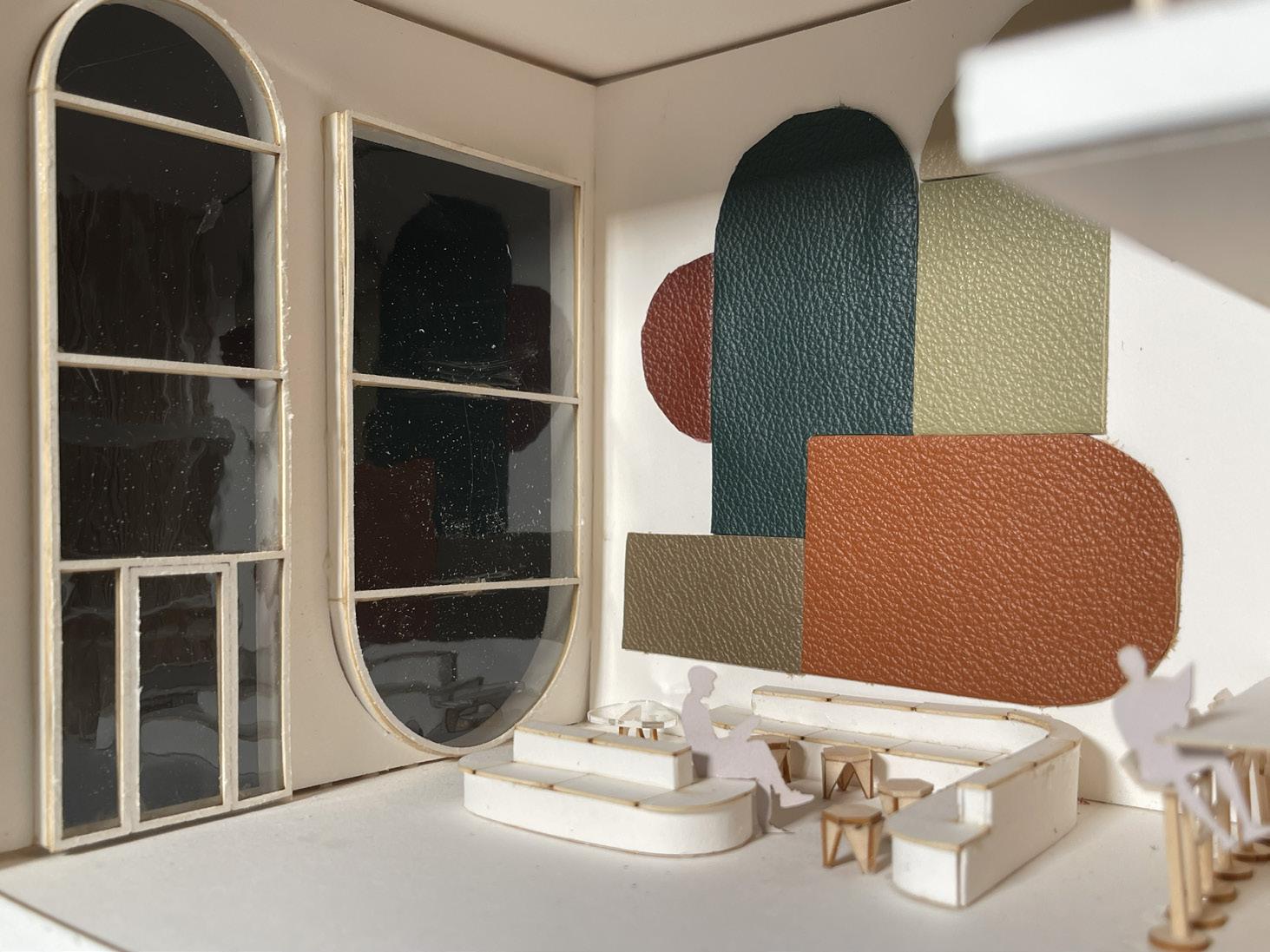
The House of Medici reimagines the campus coffee shop as a neighborhood living room, a place where students can gather, linger, and build community through comfort and familiarity. Rooted in Medici’s artisanal identity, the design blends industrial Austin accents with warm textures and soft material palettes to create a domestic atmosphere that feels both curated and lived-in. Modular seating, textile-based privacy strategies, and gentle spatial thresholds shape a series of “living rooms” that support study, conversation, and casual interaction while preserving an overall sense of openness and connection.
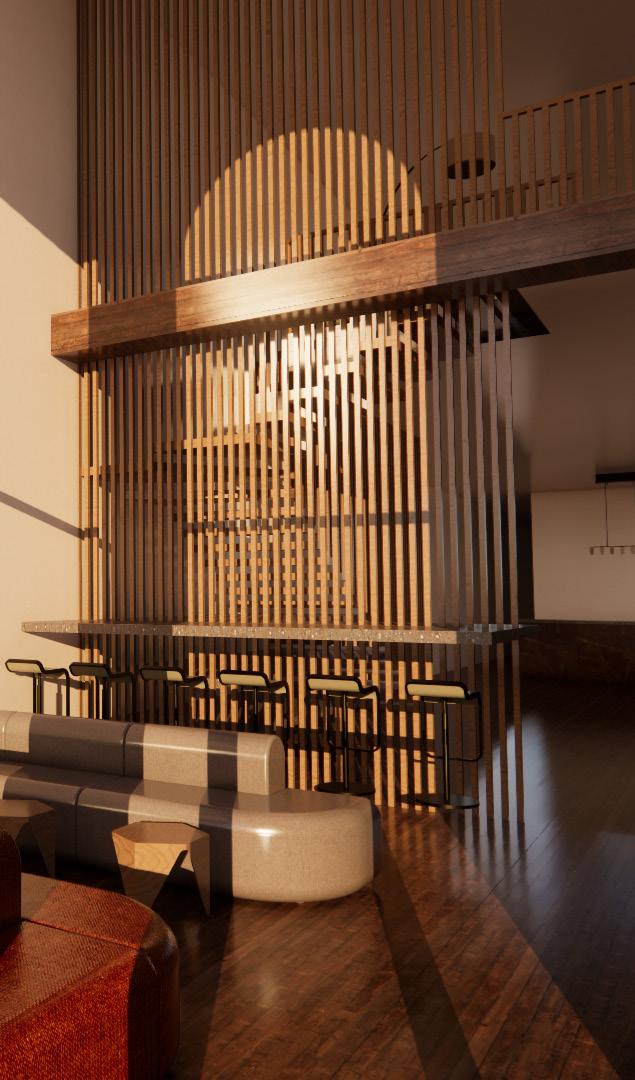
Functional issues with the original site motivated a redesign that prioritizes improved lighting, clearer circulation paths, and more controlled acoustics, ensuring that the space supports both the social rhythms of a campus cafe and the intimacy of a neighborhood living room. The resulting proposal unites home-like comfort with purposeful functionality, crafting an environment that strengthens Medici’s evolving identity while truly serving the needs of students.
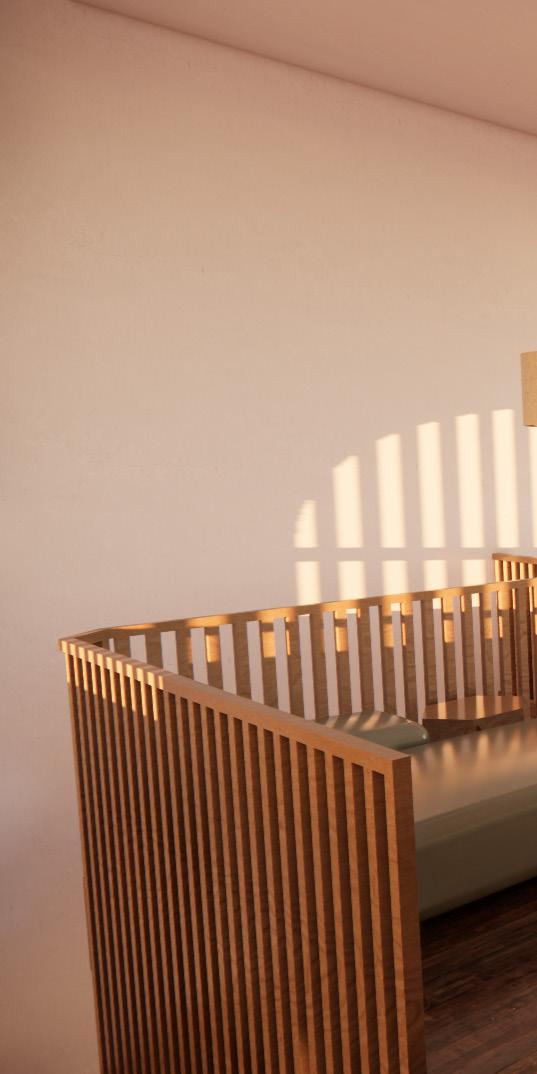
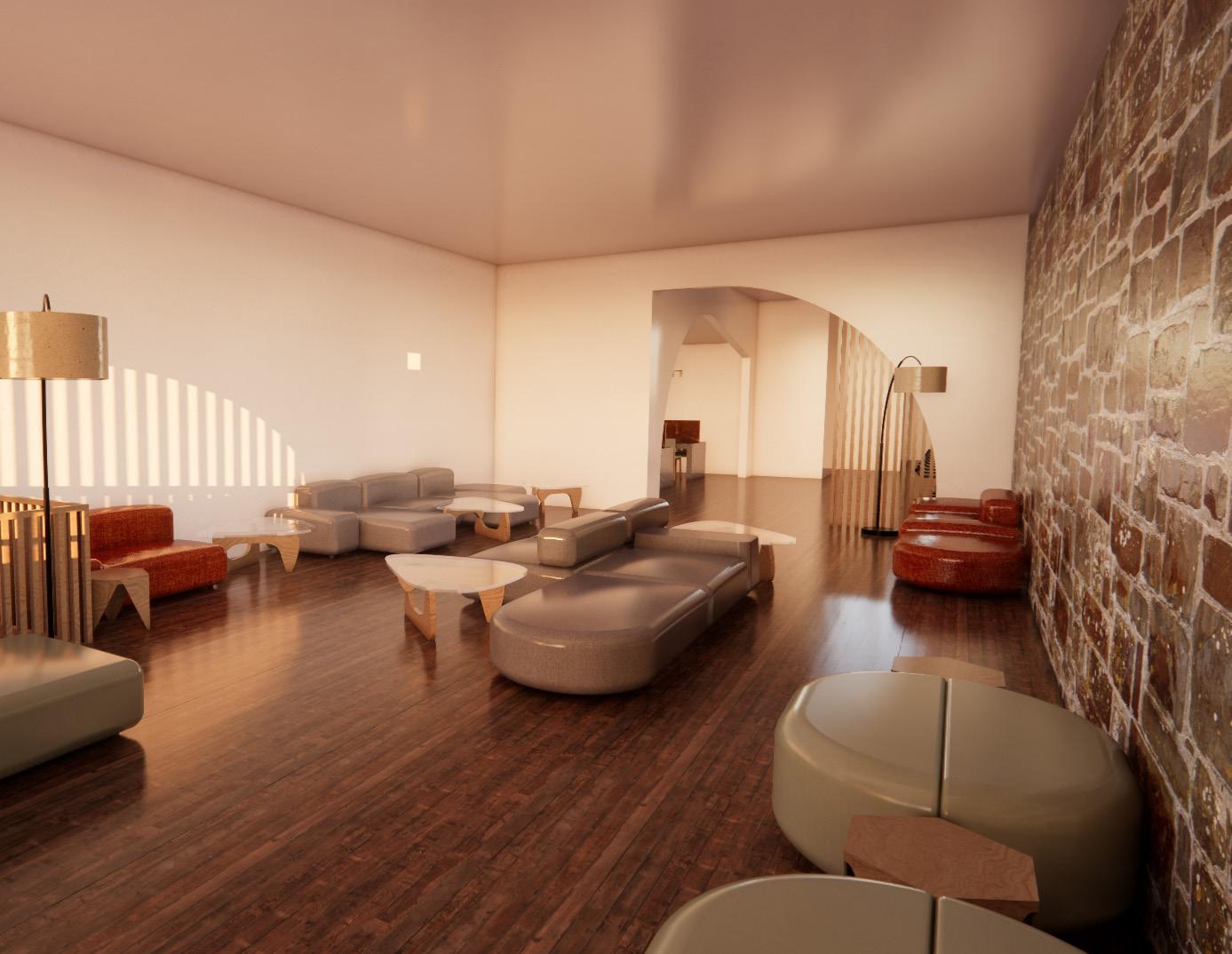

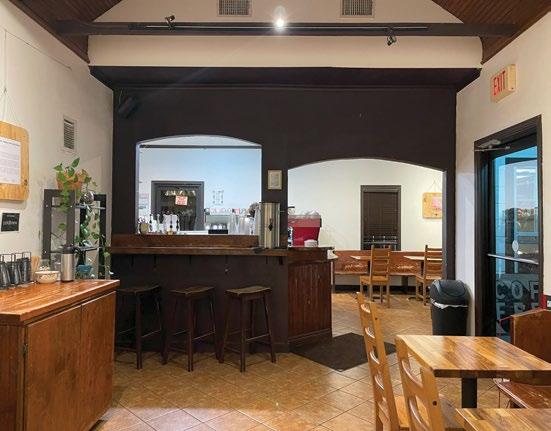
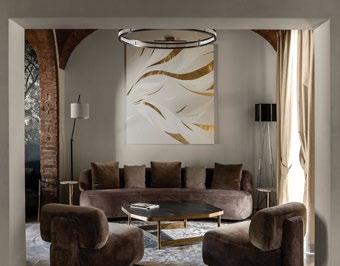
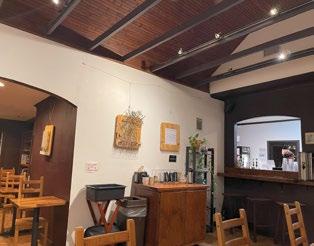
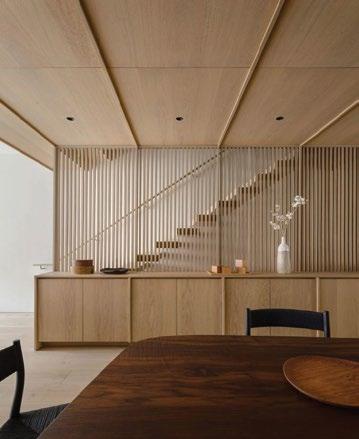

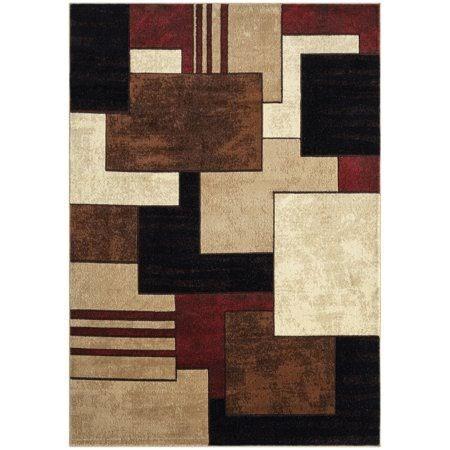
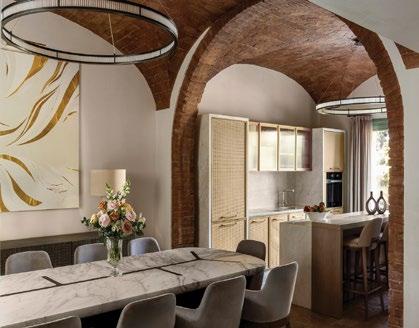
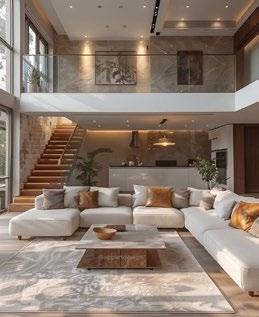
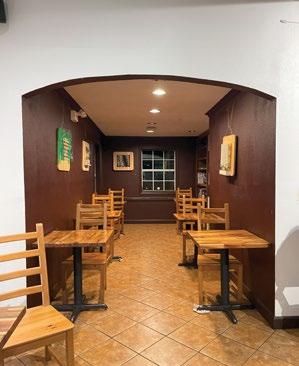
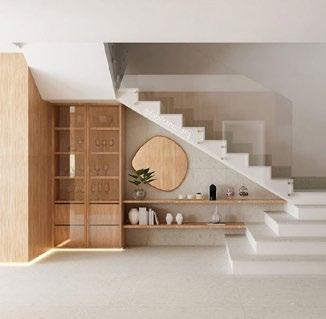
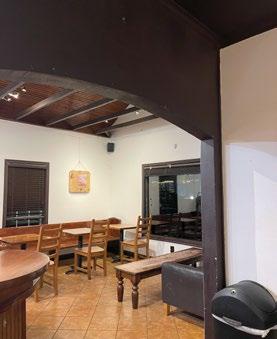
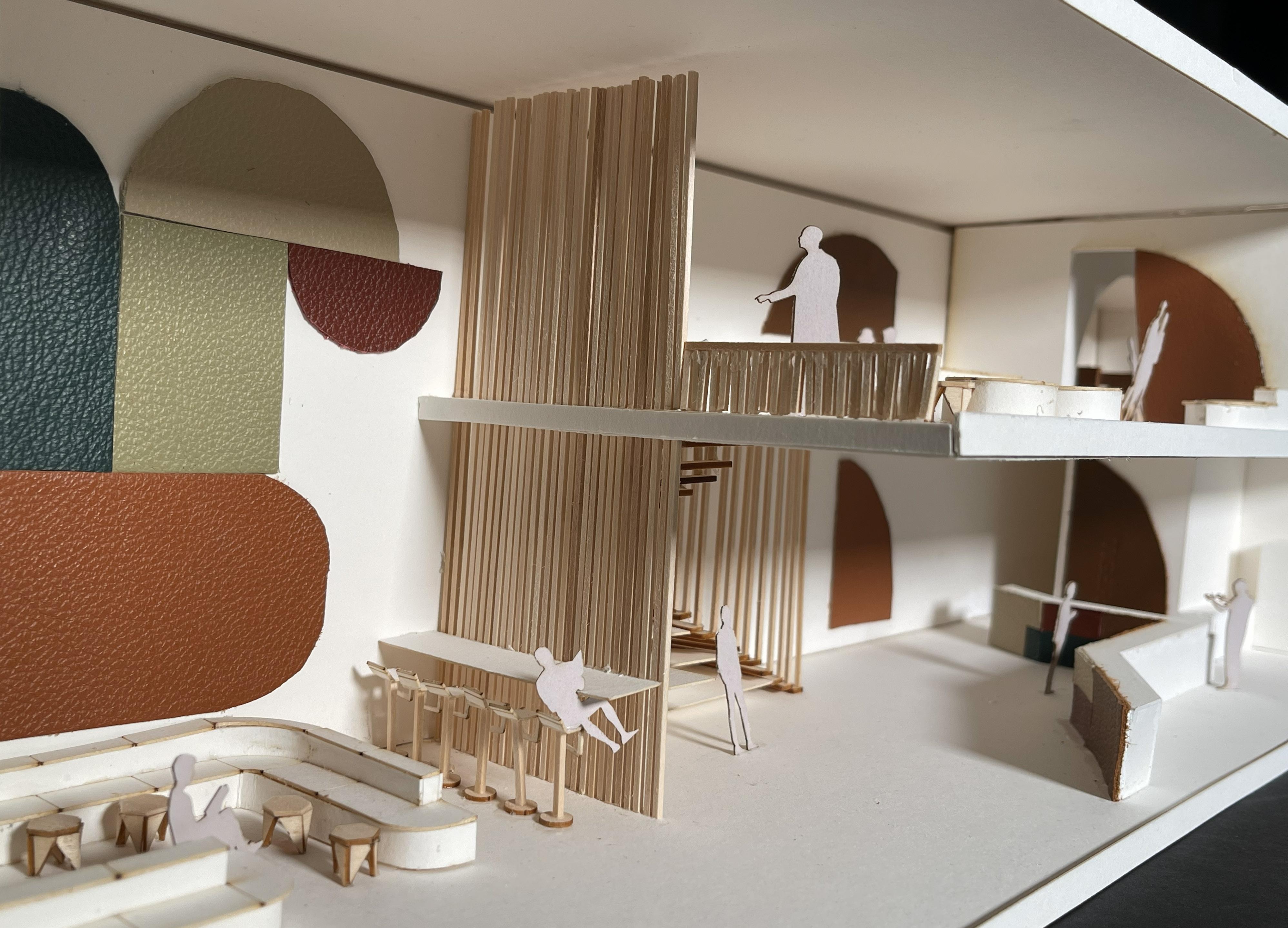
From research to application, the notion of a coffee house as a true home led to an exploration of modular sectionals, Austin industrial accents, and material colors woven into Medici’s brand, elevating its warm, familiar coffee experience. Medici’s charm lies in its support of artisanal communities, curating a home-like gallery through textures, lighting, and colors that balance nostalgia with modern functionality. Within this gallery impression, a dilapidated nature is uncovered, yet it’s done in a way that preserves the coziness of a home. The House of Medici further preserves this by honing in on precedent studies surrounding privacy screens and textiles. Each “living room” design has clear thresholds while feeling connected through the domesticity of soft, guiding flow.
EMPLOYEE CIRCULATION
CUSTOMER CIRCULATION
ACOUSTICS
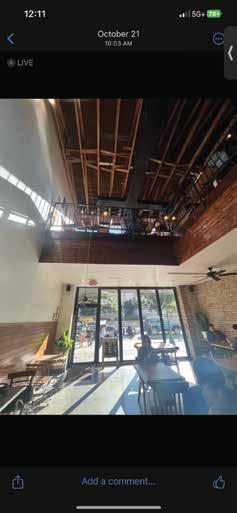
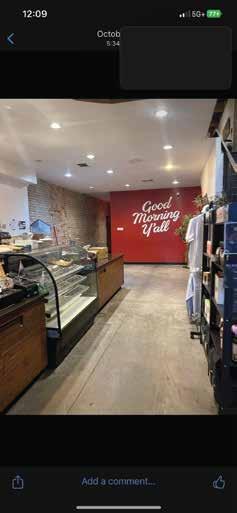
Site analysis revealed key lighting, circulation, and acoustics issues. The space feels dark due to ineffective artificial lighting and limited natural light blocked by surrounding campus buildings. Circulation is hindered by congestion as customers navigate very narrow ordering and pickup zones, while the irregular second-floor cutout amplifies echoes. The imbalance between design and functionality prevents the space from fully supporting the communal and comfortable experience Medici aims to offer. The redesign prioritizes improved lighting and circulation to enhance comfort and adaptability in Medici’s evolving identity, creating a campus cafe that fosters connection and a sense of home, while carefully balancing aesthetic warmth with practical usability for students and faculty.
Perspective - Lighting
Physical Model - “Living Room”
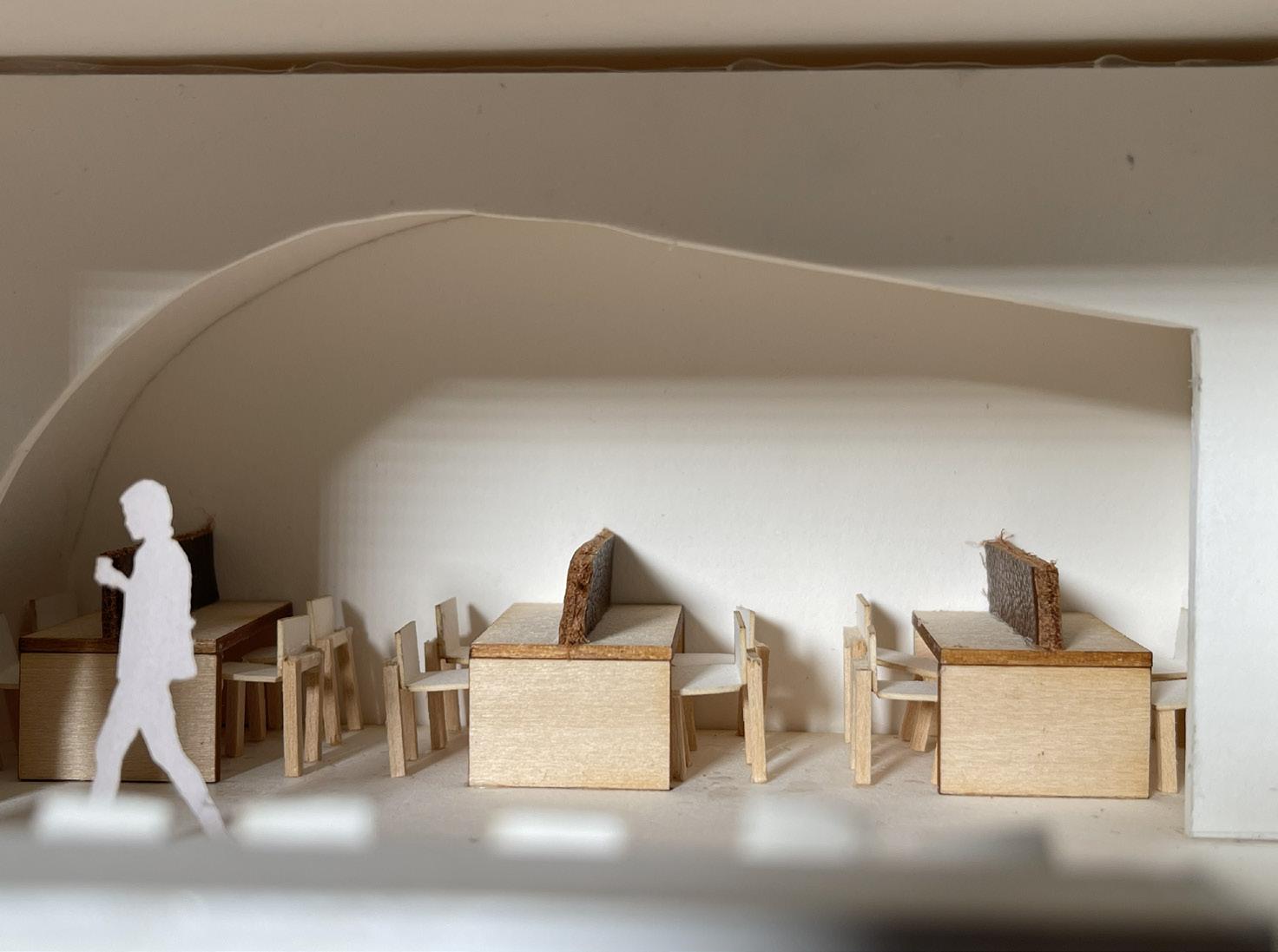
Physical Model - “Library”
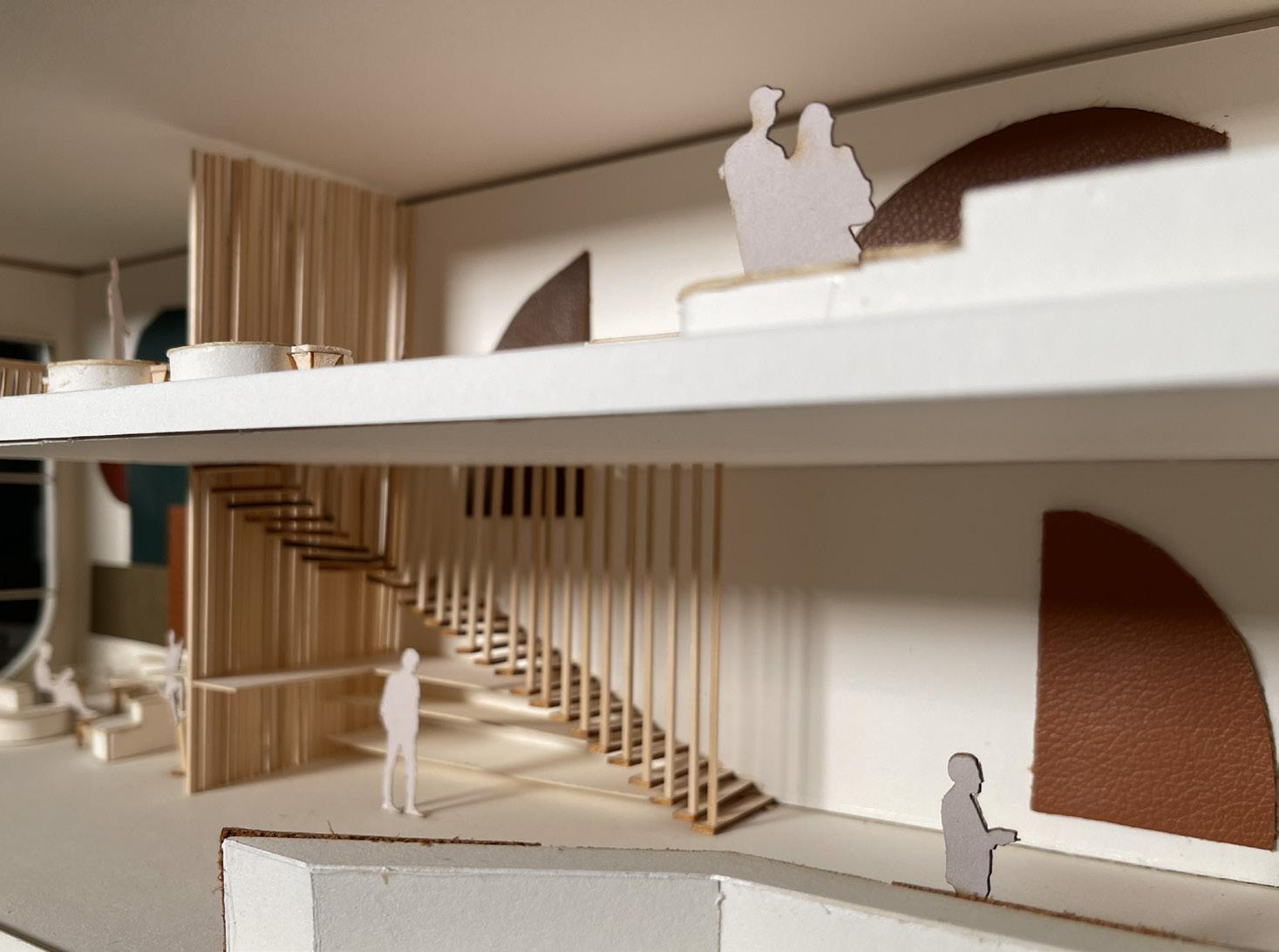
Physical Model - Vertical Circulation
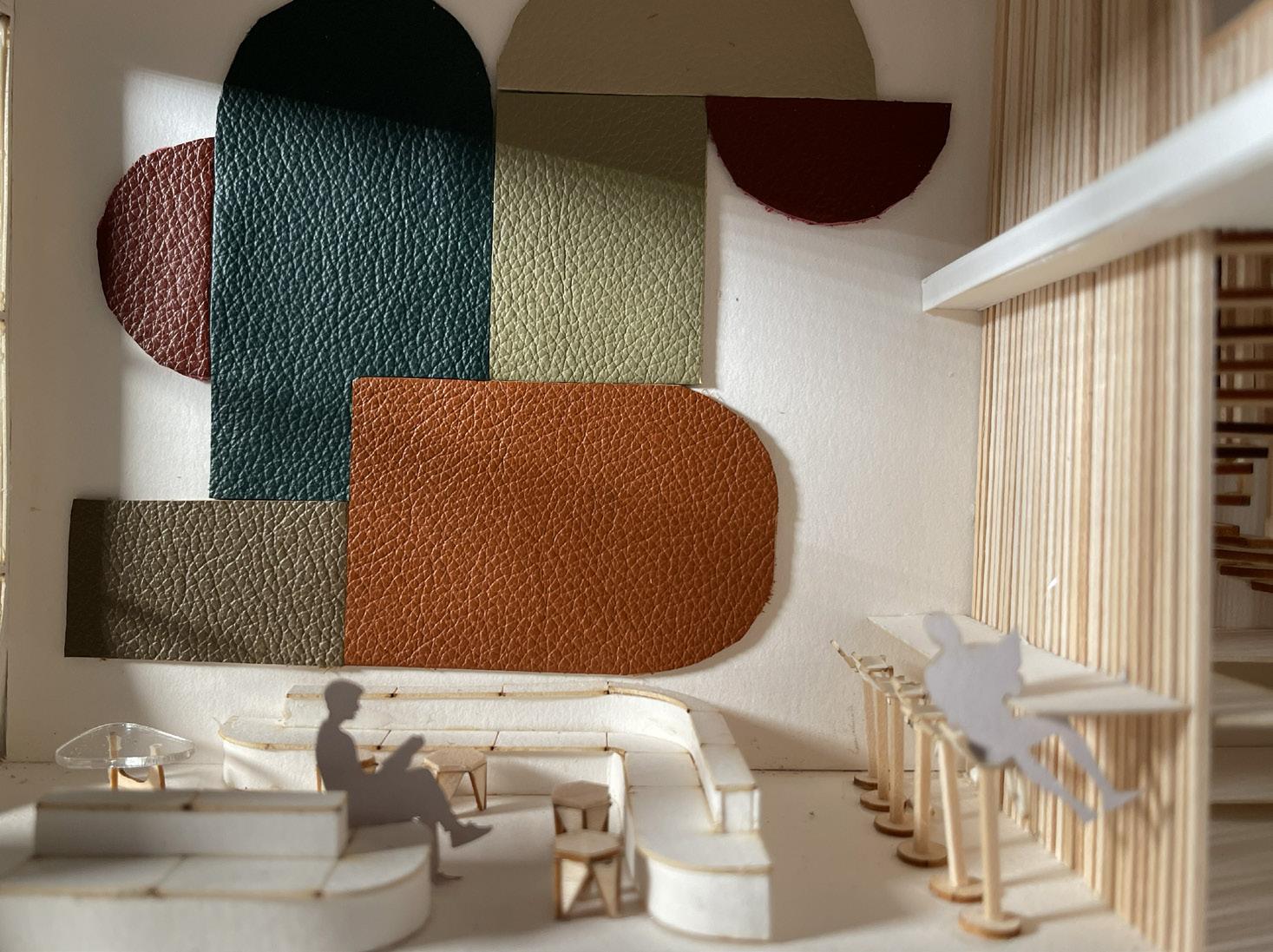
Physical Model - “Living Room”
Spring 2025
Austin, Texas
Academic Design Studio IV
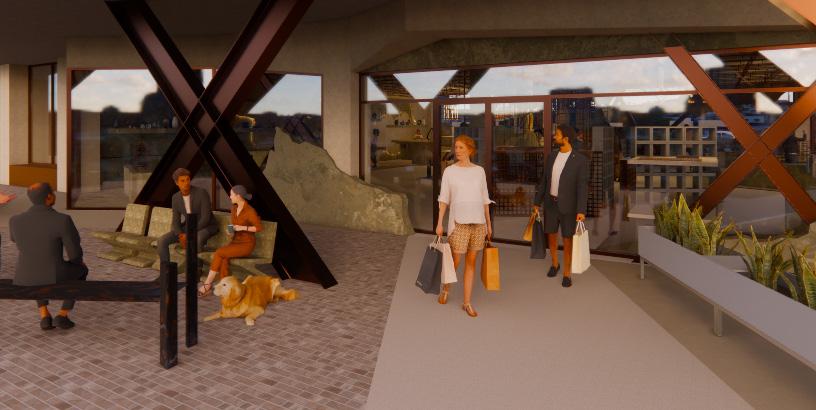
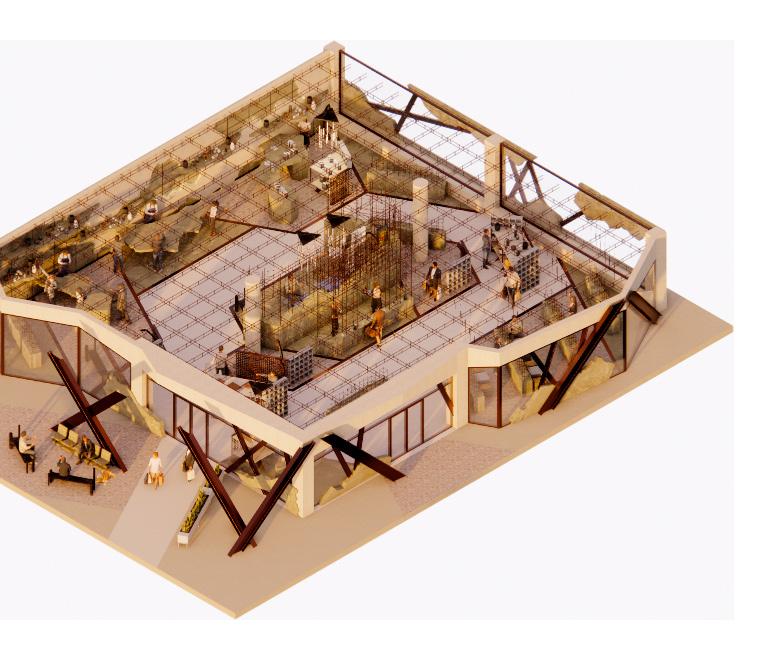
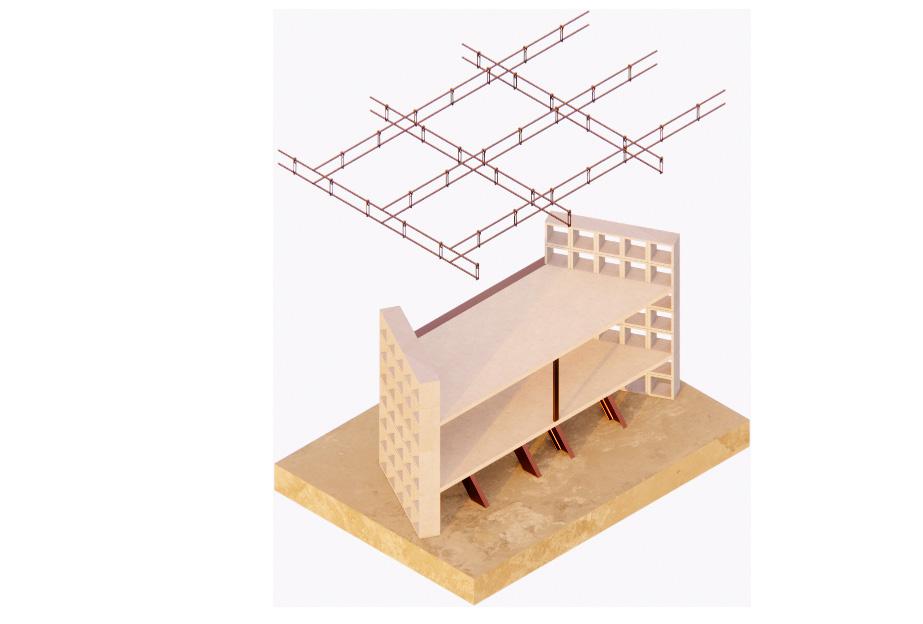
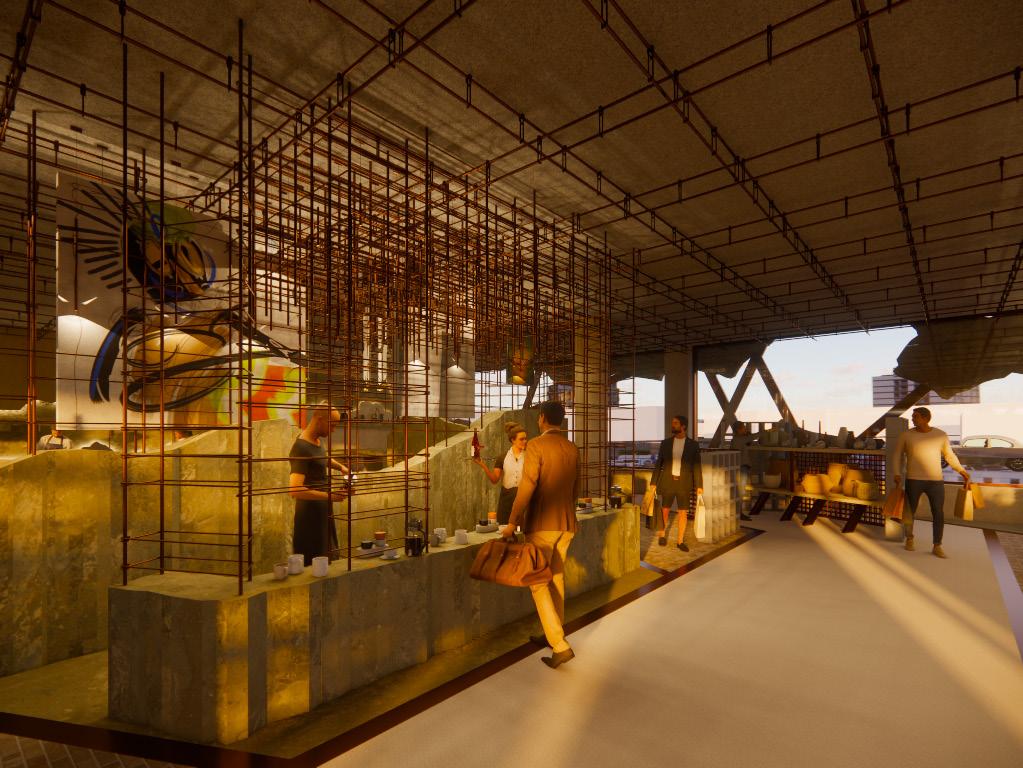
his project reimagines an East Austin site as a hybrid workshop and retail environment that amplifies the neighborhood’s legacy of labor, minority culture, and craft-based industry. Surrounded by concrete and oil warehouses, the design embraces the area’s industrial character rather than smoothing it over. Exposed concrete, salvaged warehouse fragments, and visible systems of assembly shape a space that acts as both a living ruin and a material study, reflecting the texture and honesty of East Austin’s built environment.
Across the interior, craft and commerce operate as a single ecosystem. Pottery, woodworking, stained glass, painting, and other handson practices unfold in open, adaptable workspaces that blur the line between creator and consumer. Rollaway workstations and flexible layouts allow the environment to shift between making, teaching, retail, and gathering, turning the act of shopping into a collaborative, process-driven experience grounded in the neighborhood’s DIY ethos.
The reuse of broken concrete pieces, exposed rebar, and metal remnants from nearby warehouse sites ties the project directly back to its surroundings, symbolically and physically piecing together fragments of East Austin. In doing so, the design reconstructs a fractured industrial landscape into a place of shared making, cultural continuity, and collective authorship.
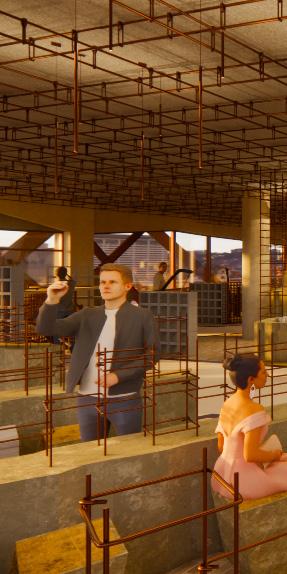
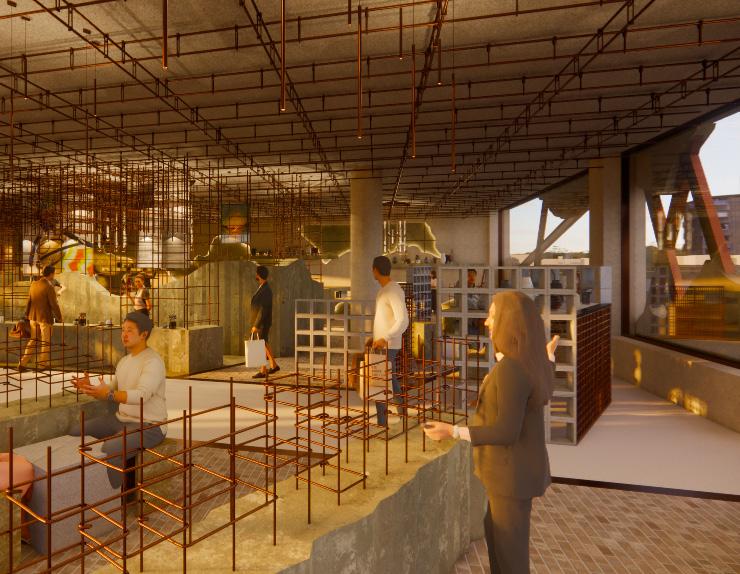
The site is located in East Austin, an area defined by artisan workshops, small businesses, and reworked oil warehouses. Many of these industrial buildings have been adapted into restaurants, shops, and creative studios, reflecting the neighborhood’s rich cultural identity and craft-based economy. The area is beginning to experience gentrification, but its streets still maintain a sense of intimacy and community, with tightly scaled, “hole-in-the-wall” establishments that emphasize local culture and hands-on production.
Surrounding Context Axon
Site Context Plan
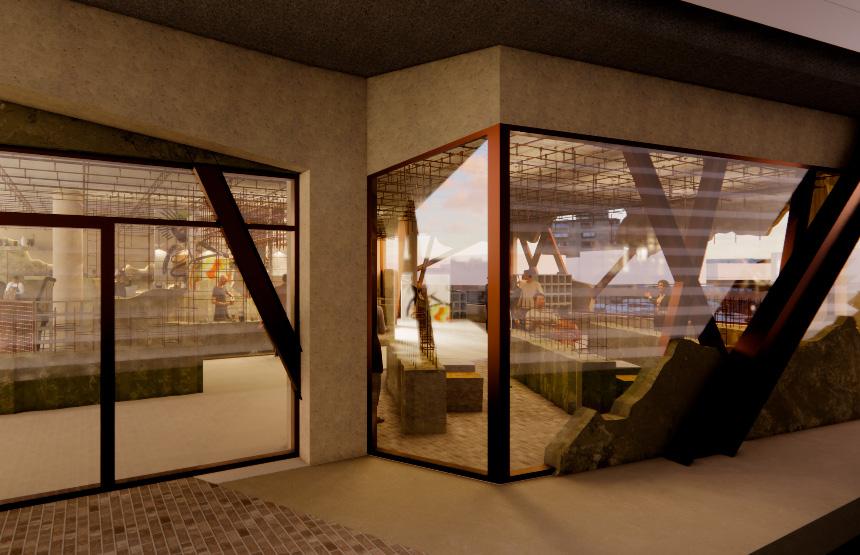
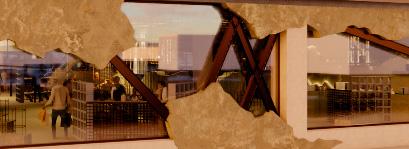
Industrial ruin to workshop rendered axonometric plan


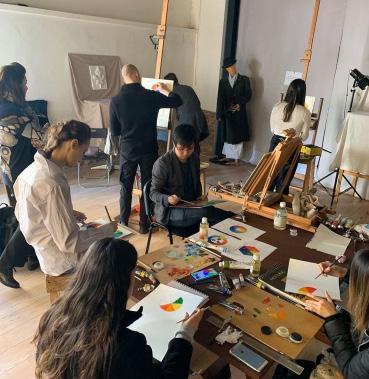
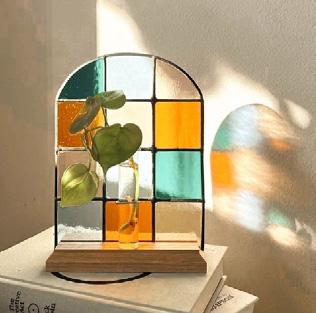
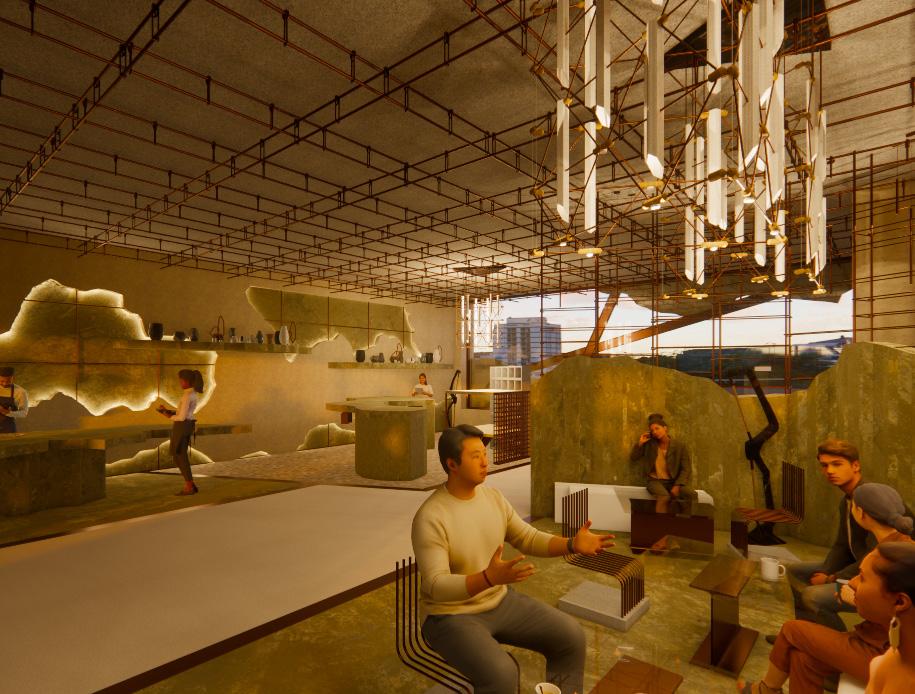
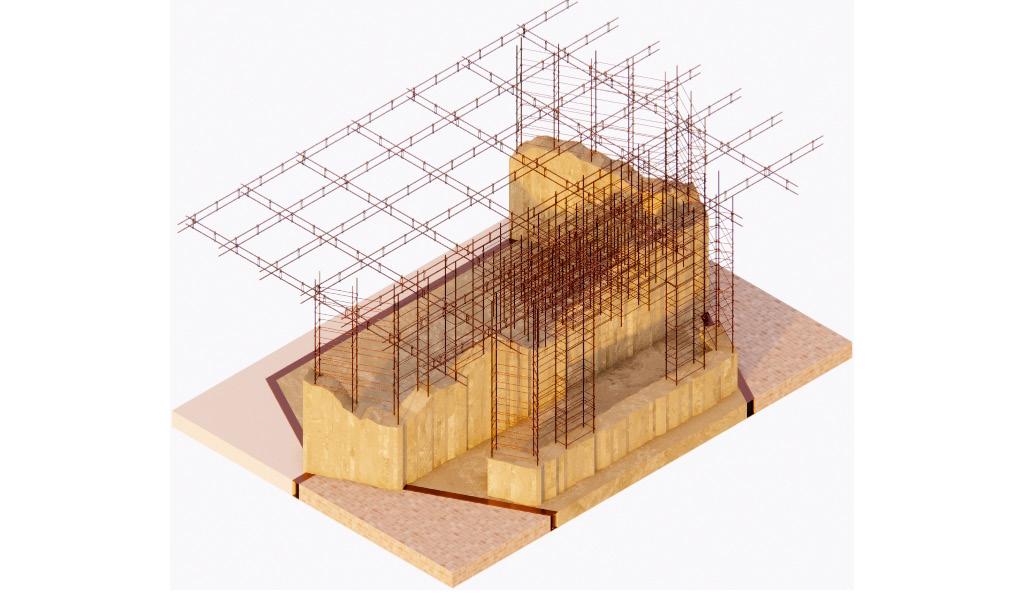
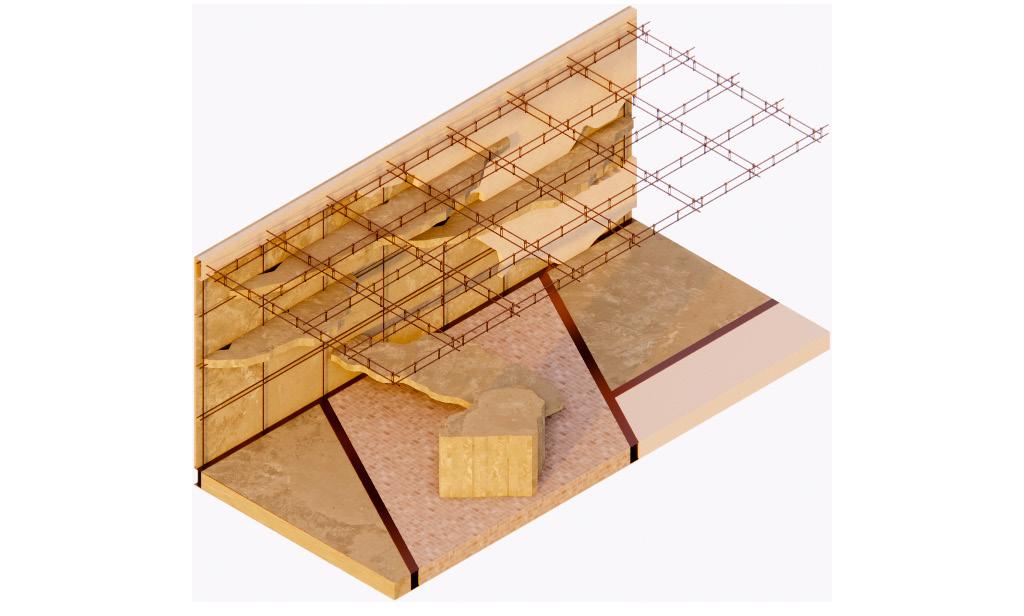
Floor - to - Ceiling Kiosk in use
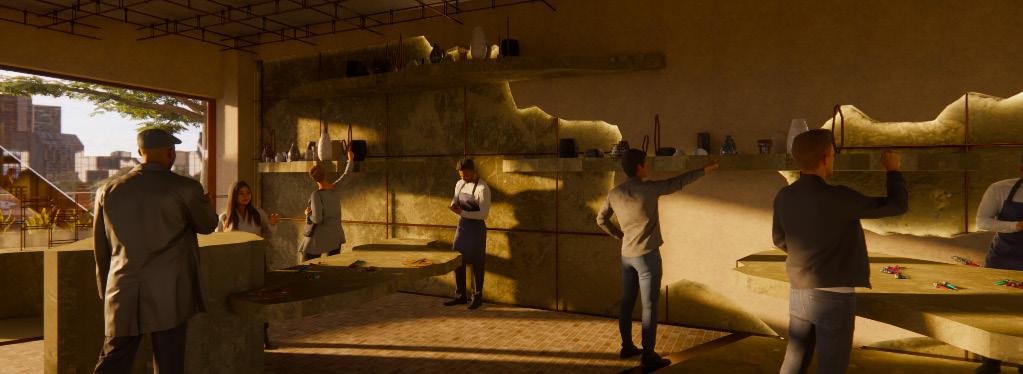
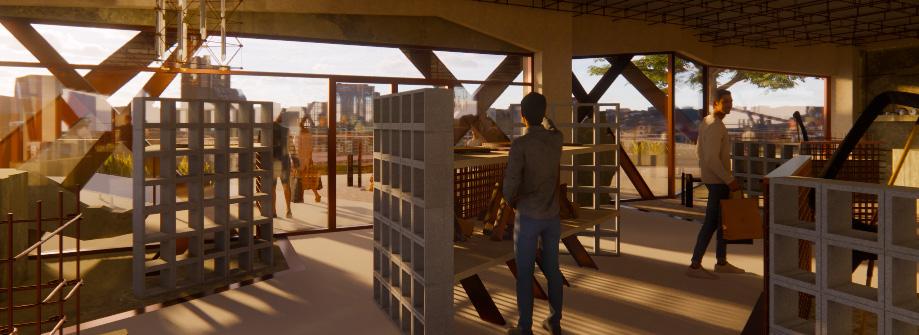
Free - Standing Kiosk in use
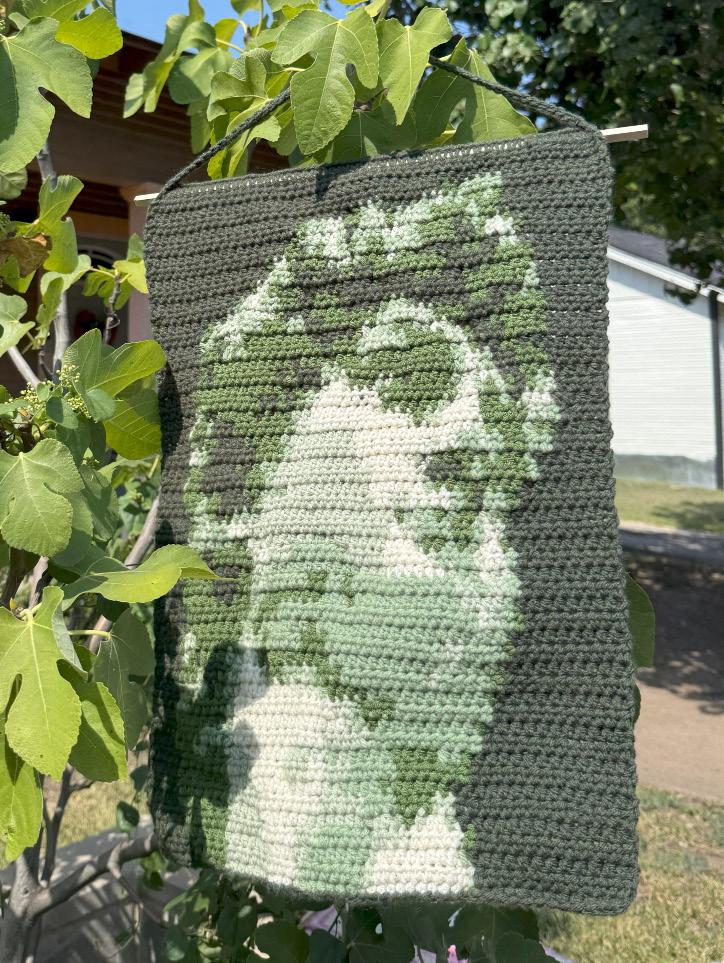
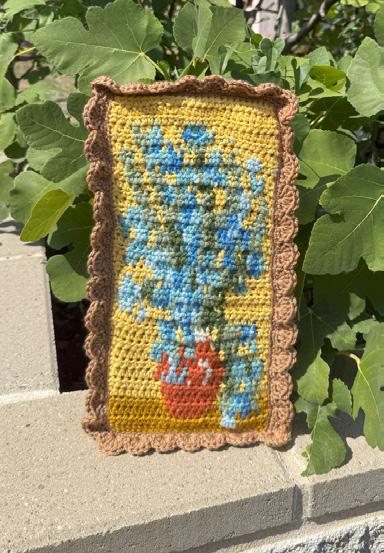
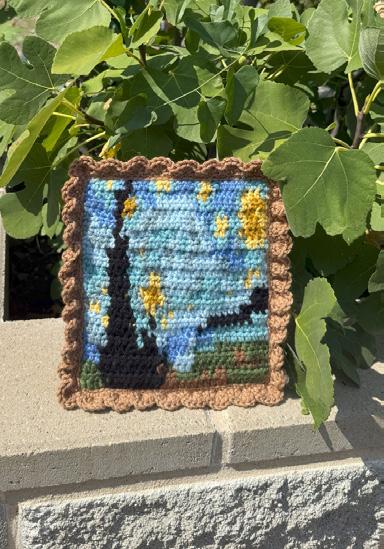
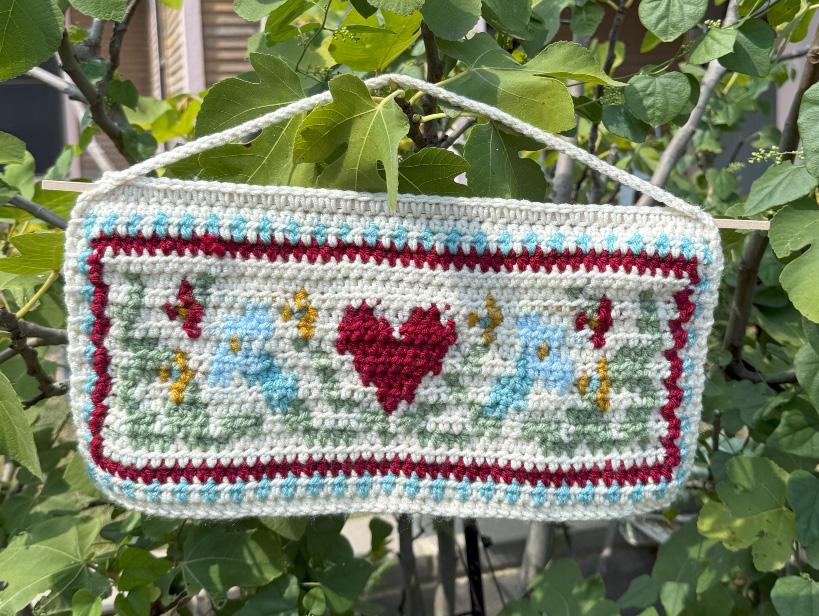
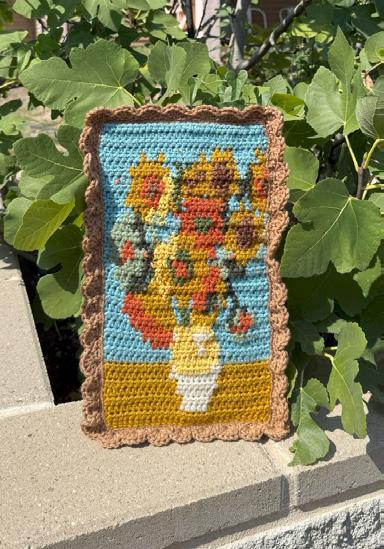
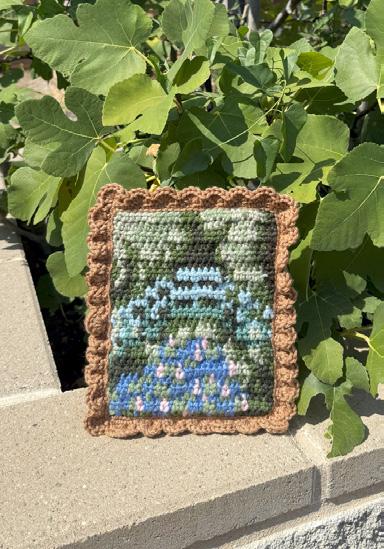
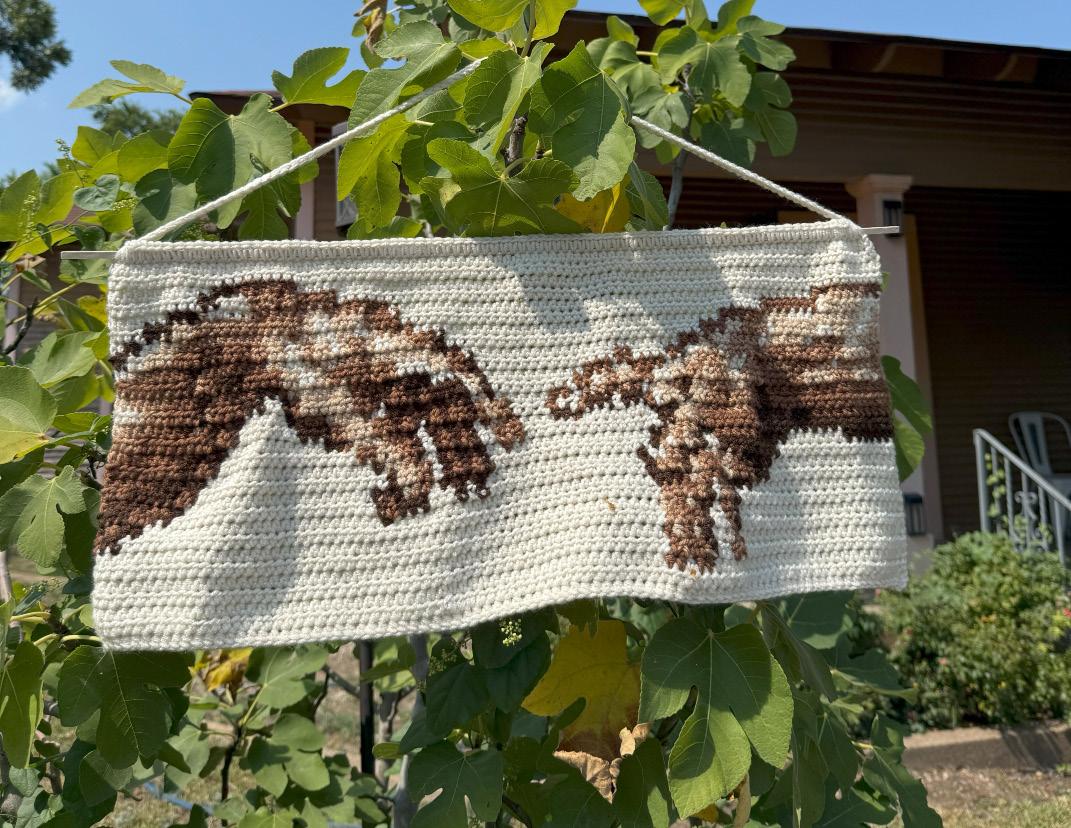
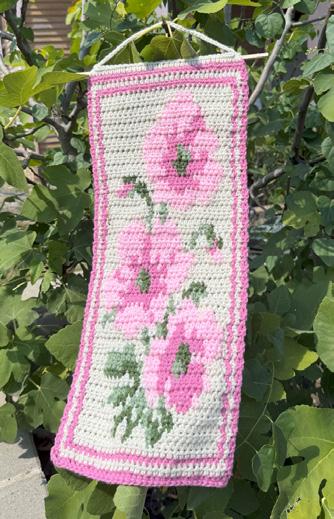
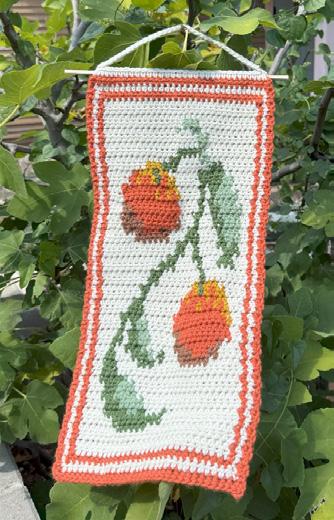
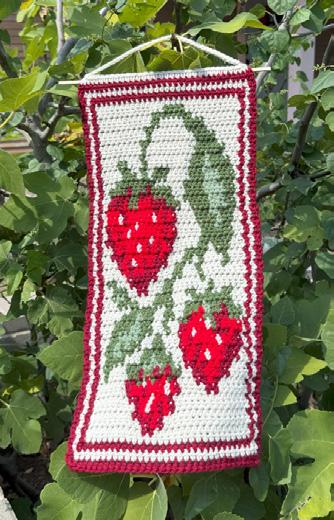
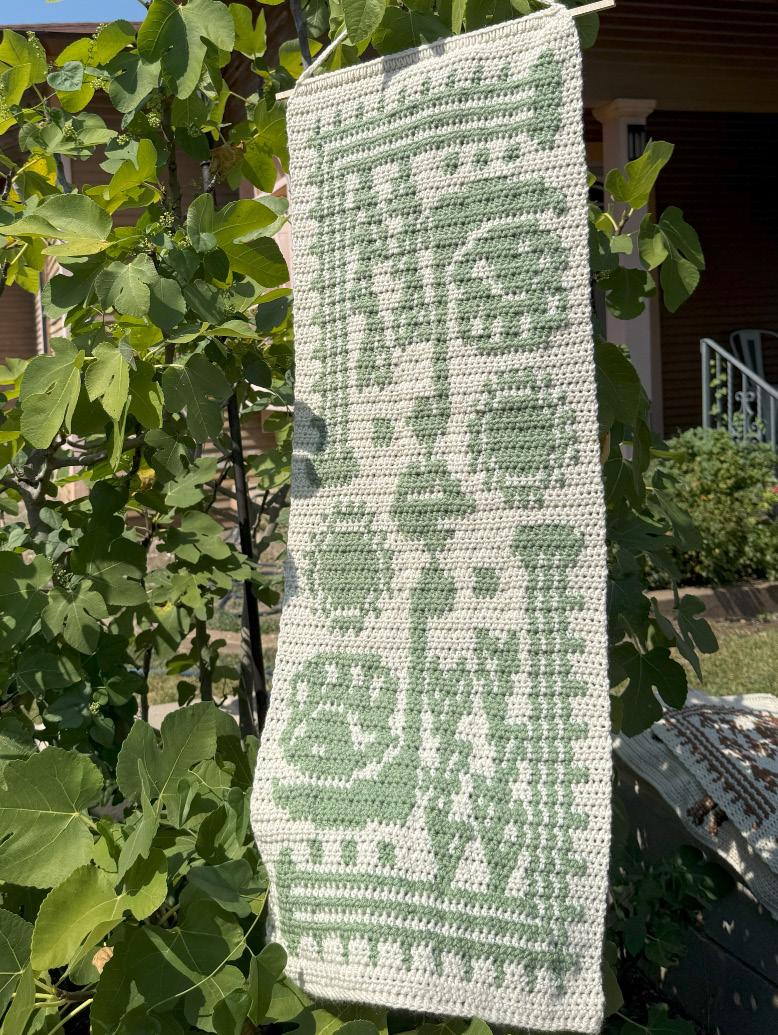
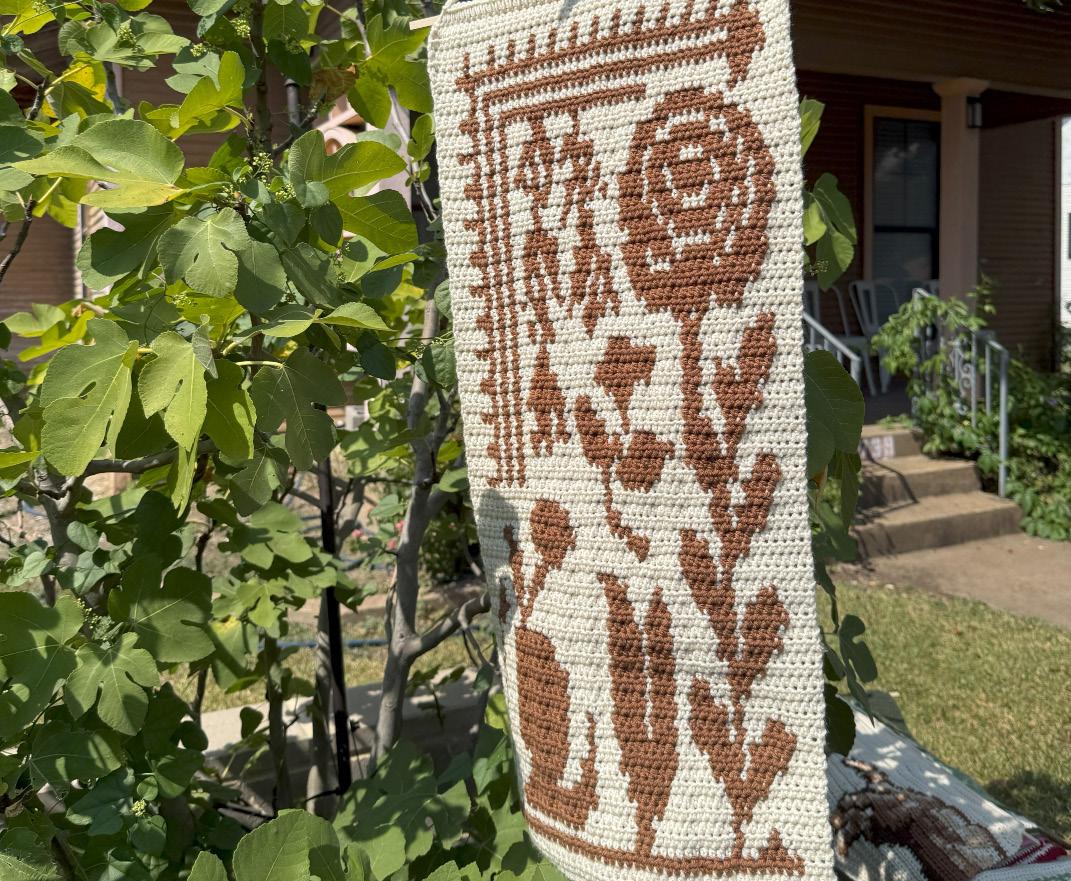
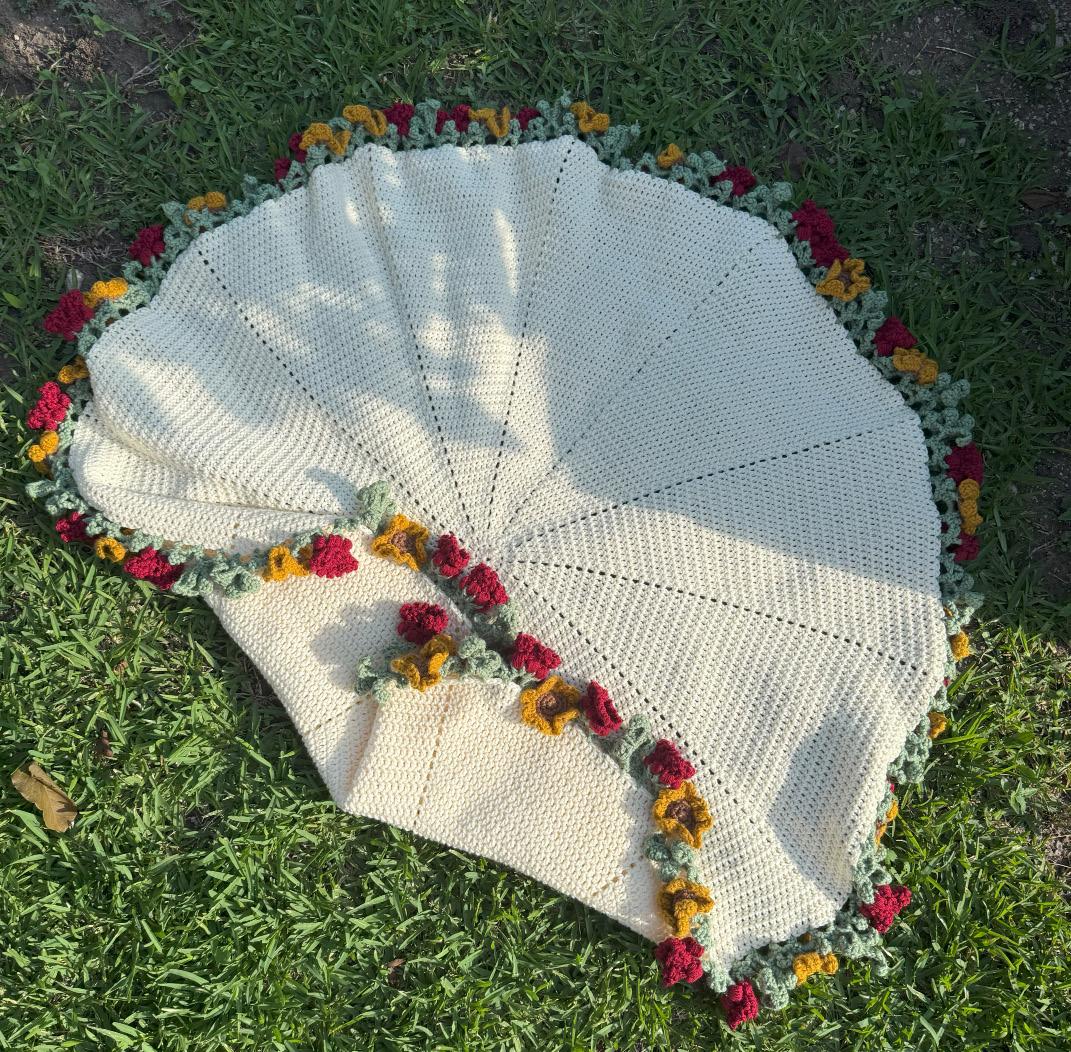
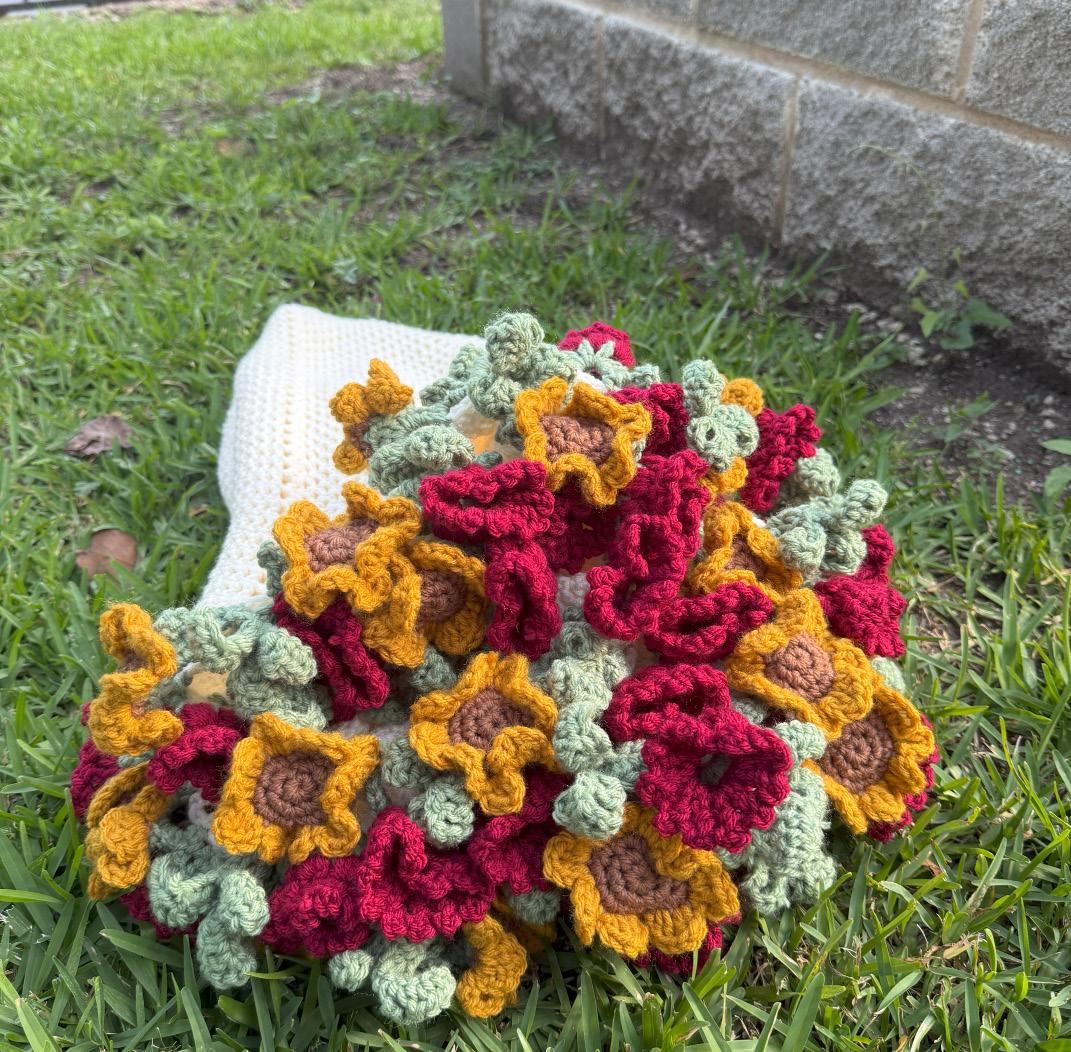
The work of crochet design in architectural interior design infuses a unique touch that is hand-made and expresses detailed, textured patterns in both functional and decorative elements. Its versatility allows it to be fitted into so many purposes: wall hangings, soft furnishings, or bespoke lighting fittings. I incorporate crochet into interiors, fusing delicate organic forms with modern materiality such as metal, wood, or glass, creating a contrast to the traditional artisan craftsmanship in opposition to modern design. This combination brings coziness, texture, and hospitality to the interior, where one really wishes to touch and feast their eyes upon.