Events, Email Marketing and Website kstevens@sassda.co.za
LUISE ALLEMANN Content, Social Media and the Stainless Steel Magazine luise@mediaink.co.za
JOSE HERON Accounts jose@sassda.co.za
The Stainless steel magazine is published quarterly and is distributed to stockists, distributors, fabricators, specifiers, consulting engineers, architects, mining, petrochemical and chemical industries, food beverage and pharmaceutical industries, consumer outlets, end-users, educational institutes and provincial and government departments. Sassda makes every effort to ensure the accuracy of the contents of its publications, but no warranty is made as to such accuracy and no responsibility will be borne by the publisher or Sassda for the consequences of any actions based on information so published. All opinions, views and expressions contained in this publication are not necessarily those of the management of Sassda. The contents of this publication enjoy positive protection under the Copyright Act and therefore copyright thereof is expressly reserved. Any copying, publication and distribution of part or whole of the publication is prohibited unless consent is granted by Sassda.
A Measured Outlook for 2026
It is a great pleasure to welcome our readers to the first edition of the Sassda Stainless Magazine for 2026. This time last year, our perspective on the year ahead was somewhat bleak. The South African industry had little confidence that uninterrupted energy supply would become a reality. There was mistrust in political ability and will, the economy did not look healthy, and then Donald Trump turned the apple cart over with his trade measures.
Since then, our gloomy outlook has shifted somewhat. While the world remains in turmoil, we see Eskom sitting with surplus energy, albeit at a very high cost to consumers. It seems the GNU is doing good work, interest rates are lower, the rand is stronger, and the economic forecast for the country is slowly improving. Against this backdrop Sassda has still faced its fair share of hurdles. We recently bid farewell to one of our founding members, Columbus Stainless, which has left the association due to strategic differences. While this marks the end of a long-standing relationship, we respect their decision and acknowledge the incredible role they have played in the development of the South African stainless steel industry. In light of this, Sassda initiated a strategic planning process for the stainless steel industry at the end of 2025, beginning with a stakeholder consultation session in January 2026. The engagement provided valuable input and helped shape the direction for the industry going forward.
Alongside this work, the association continues to expand the products and services available to members. This includes new trade-related initiatives and training programmes designed to support local manufacturers and stimulate demand for stainless steel products produced in South Africa. Overall, the association remains focused on identifying and maximising opportunities for members to grow local consumption, increase value addition and support job creation. At the same time, we are reminded that the strength of this industry lies in the people who have helped build it. We were therefore deeply saddened by the passing of Lesley Squires in December 2025.
Lesley was a long-time champion of the South African stainless steel industry and contributed tirelessly to its growth over many decades. Her passion and commitment will be remembered by the many people who had the privilege of working alongside her.
With this type of contribution in mind, I’d like to take this opportunity to thank all our members and industry associates for their ongoing support, underpinned by the understanding, that our strength in numbers. Michel Basson, Sassda Executive Director
Strategic Session Charts ExportLed Path for Stainless Steel Sector Growth
South Africa’s stainless steel manufacturing sector is under pressure. Domestic growth is flat. Imports are rising and local procurement has stalled. Against this backdrop, Sassda convened a strategic stakeholder session at the end of January 2026 to confront the realities facing the industry and outline a practical path forward.
The session, which brought together Sassda members, the South African Iron and Steel Institute (SAISI) and the Manufacturing Circle took place against the backdrop of national GDP growth remaining anchored between 1% and 1.5%. For capital-intensive sectors such as steel and stainless steel fabrication, that level of expansion is insufficient to support sustained investment, technology upgrades, and job creation. Industry leaders argue that growth of 5% to 7% over several consecutive years would be needed to generate real momentum.
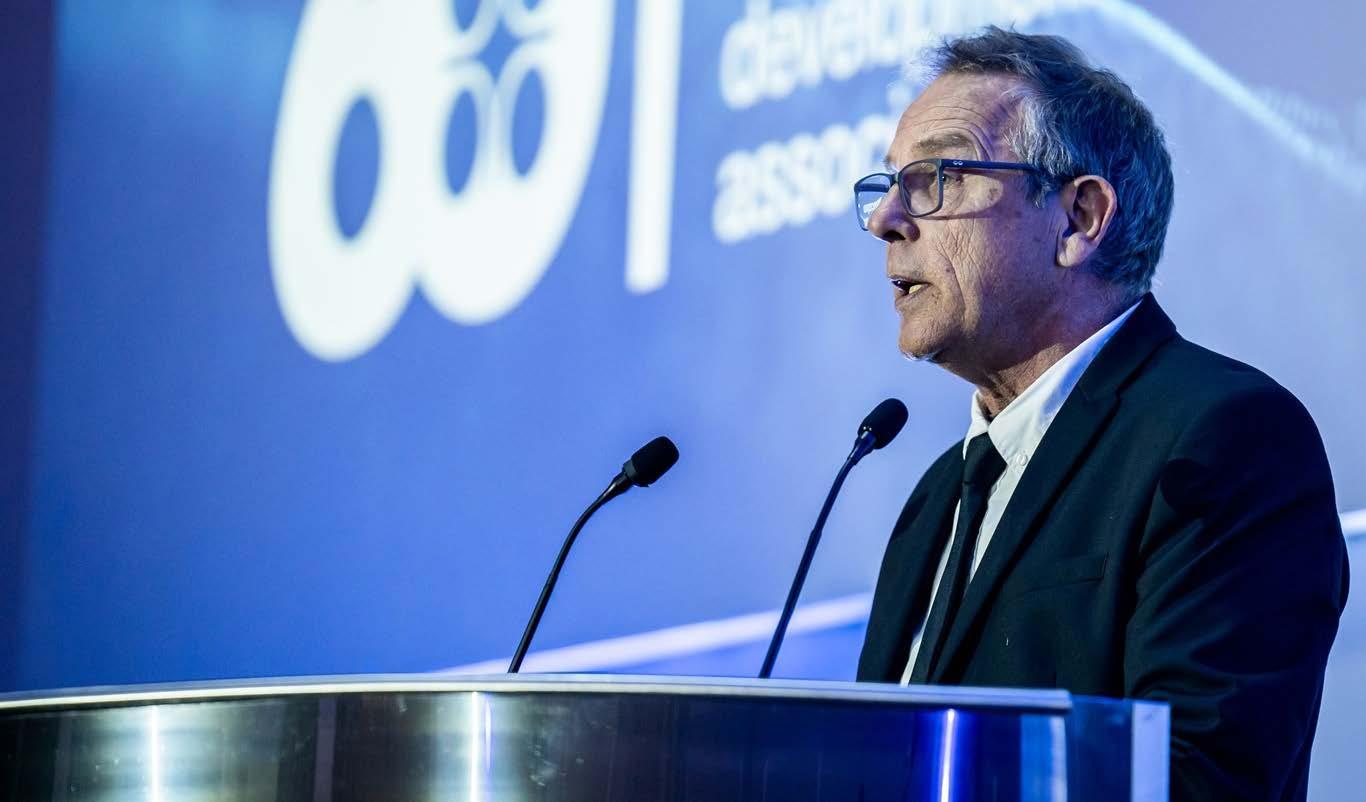
Speaking at the event Sassda Executive Director Michel Basson stated, “If we wait for domestic demand to recover, we will be waiting a long time. The stainless steel industry must take control of its own future by driving export growth into Africa, aligning with underutilised industrial capacity, and investing together in innovation. That is how we protect jobs and rebuild competitiveness.”
Overall the constraints are structural. State-owned enterprises, historically key drivers of stainless steel demand through infrastructure and energy projects, are not procuring
at the scale once expected. Promised infrastructure upgrades have not materialised in a way that meaningfully stimulates domestic steel demand.
At the same time, import penetration continues to rise. More than 10 000 tonnes of finished stainless steel goods enter the country annually, much of it low-cost product from Asia. A significant portion of these imports, particularly in residential and light industrial applications, could be manufactured locally, stakeholders argue, if trade rules were more effectively enforced.
The result is widespread underutilised capacity. In the Eastern Cape, high-precision automotive component manufacturers are operating well below potential as global automotive production shifts. These facilities possess advanced fabrication capability and skilled labour, yet much of that capacity remains idle.
Stainless steel requires its own strategy
The session also revisited the 2021 Steel Master Plan 1.0 published by the Department of Trade, Industry and Competition. While that plan addressed the broader steel industry, it acknowledged that stainless steel manufacturing offers distinct characteristics and value propositions. The recommendation was that the stainless sector develop its own focused master plan.
The 27 January stakeholder consultation marked the beginning of that process.
Participants agreed that depressed local demand is the single biggest constraint on growth. Imports of finished goods directly erode market share and suppress margins. Industry representatives argued that tariffs, anti-dumping measures and local-content requirements remain necessary tools to restore competitiveness.
Yet there was also a sober recognition that trade remedies alone will not unlock growth. Domestic demand is unlikely to expand meaningfully in the medium term. If the industry is to scale, it must look outward.
Export growth as the primary lever
The strongest consensus emerging from the session was
that export-driven growth represents the most realistic path forward.
Africa, in particular, was identified as the most promising near-term opportunity. Urbanisation, infrastructure development and expanding food processing industries across the continent are creating demand for stainless steel in water and sanitation systems, mining equipment, food and beverage processing, architectural applications, and household goods.
By coordinating export efforts, manufacturers could increase production volumes, achieve economies of scale and strengthen local value addition. Crucially, this would reduce reliance on a constrained domestic market.
To support this shift, industry participants proposed establishing an Africa Stainless Export Working Group or a Department of Trade, Industry and Competition-funded Export Council, for which an application has already been submitted. The vision includes shared export intelligence, coordinated market development programmes and multifirm export consortia targeting specific African markets.
Leveraging Eastern Cape capability
Another practical opportunity lies closer to home. The Eastern Cape automotive component sector possesses world-class fabrication capability, advanced tooling and a skilled workforce. With global automotive production patterns shifting, much of this infrastructure is underutilised.
Stakeholders believe stainless steel manufacturers can partner with these firms to repurpose tooling and production systems for new product lines. This could enable the development of export-oriented products with higher engineering intensity while maintaining industrial capacity and employment in the region.
Importantly, this alignment does not depend on policy reform. It can begin immediately through industry-toindustry collaboration.
A call for coordinated investment
Beyond exports and cross-sector alignment, the session
emphasised the need for a sector-led investment and innovation programme. Ideas include joint research and development initiatives, shared capital investment in highcost equipment, technology transfer partnerships and targeted skills development in advanced fabrication. Such coordination could reduce duplication of effort and strengthen overall competitiveness. In an environment where margins are tight, collaboration may be the only viable route to meaningful capital upgrading.
Sassda’s Trade Desk and Consultancy entity is expected to play a central role in driving these initiatives, particularly in supporting export-ready small and medium enterprises and facilitating shared logistics platforms.
A phased action plan
The strategic briefing outlined a phased approach over the next 36 months.
In the immediate term, priorities include establishing the export task team, mapping African demand opportunities, initiating engagement with Eastern Cape automotive manufacturers and launching collaborative product development projects.
Over the medium term, the focus shifts to shared export logistics, SME incubation and joint investment in specialised manufacturing capability.
sassda news
In the longer term, the ambition is to consolidate Africafocused export clusters, build multi-country distribution channels and expand regional manufacturing partnerships.
Industry must lead
The overarching message from the session was one of realism paired with agency. Policy reform remains important. Industry will continue to advocate for tariffs on finished goods, anti-dumping measures, import controls on designated products and stronger local-content requirements in state procurement.
But these processes are slow and uncertain.
Sassda’s position is that industry cannot afford to wait. By pursuing regional export growth, aligning with adjacent industrial sectors and investing collaboratively in innovation and capacity, the stainless steel manufacturing sector can rebuild competitiveness and chart a more sustainable growth trajectory.
In a constrained domestic economy, survival depends on initiative. The strategic session signalled that the sector understands this. Whether these industry-led measures can shift the growth curve will depend on execution, coordination and sustained member commitment. What is clear is that stainless steel manufacturers are no longer prepared to stand still.
Market Intelligence to Boost Business Growth
Welcome to the highlights edition of the Sassda GPS eNewsletter, your go-to source for key developments shaping South Africa’s business, industrial, and economic landscape. Each month we distribute this popular market intelligence aggregator to an exclusive database of members and associates. This selection of the best articles from the last quarter, aims to extend access to this quality content by prioritising the top stories from the latest issues…
2026 Budget reinforces infrastructure as foundation for economic growth
The 2026 National Budget has placed infrastructure investment at the centre of the government’s economic strategy, reaffirming it as the bedrock of growth and job creation. While fiscal pressures remain, infrastructure spending is positioned as a catalyst for industrial expansion, competitiveness and long-term economic resilience but effective implementation will determine the real impact of these commitments...Read more
Nersa approves Eskom tariff reduction for ferrochrome makers
Nersa has approved a tariff reduction for ferrochrome producers, offering relief to one of South Africa’s most energy-intensive industries. High electricity costs and weak global demand have placed significant pressure on the sector. The adjustment may help stabilise output and protect jobs, although longer-term energy pricing reform and reliable supply remain critical for sustained recovery...Read more
Offshore oil & gas and SA’s energy future
Business Talk Host Michael Avery spoke to Niall Kramer, national spokesperson for the Offshore Petroleum Association of South Africa (OPASA), about the growing role of oil and gas in South Africa’s energy and economic growth strategy. With energy security back in focus following the State of the Nation Address and Mining Indaba, Kramer outlines the scale of the country’s gas potential…Listen here
Transnet seeks private partner for Richards Bay Dry Bulk Terminal
Transnet has begun the process of appointing a private partner for the Richards Bay Dry Bulk Terminal, a key export hub for chrome and magnetite. A Request for Qualification has been issued and applicants must show technical, operational and financial capability. The move signals growing private sector involvement to improve efficiency and long-term sustainability in port operations…Read more
Key infrastructure takeaways from SONA 2026
Infrastructure reform featured prominently in the 2026 State of the Nation Address. Government committed to accelerating energy projects, revitalising logistics networks and addressing water challenges. Greater private sector participation and procurement reform were emphasised. While intent is clear, delivery and institutional capacity will determine progress. Consistent implementation could unlock meaningful opportunities for suppliers...Read more
OR Tambo’s multi-billion upgrade
A multi-billion rand upgrade at OR Tambo International Airport aims to expand capacity, modernise facilities and improve passenger flow. The project supports growing travel demand while strengthening South Africa’s main trade gateway. Construction and supply chain opportunities are expected to follow and the development signals renewed infrastructure investment with positive implications for related industries…Read more
gps roundup
Pay twice or get it right – A call for quality in SA construction
This opinion piece warns that poor construction quality leads to costly rework and premature infrastructure failure. Lowest-cost tendering often undermines durability and long-term value. The author calls for stricter standards, better oversight and stronger contractor accountability. Investing properly from the outset reduces lifetime costs and builds trust across the construction sector...
Read more
Durban to Joburg high-speed rail plans move ahead
Plans for a high-speed rail link between Durban and Johannesburg are advancing through feasibility stages. The project aims to reduce travel times between the two economic hubs and ease road congestion. Funding models and timelines remain key questions. If implemented, it would represent one of South Africa’s most ambitious transport upgrades…
Read more
Rethinking an industrial strategy for South Africa
South Africa’s declining manufacturing contribution to GDP has sparked calls for a new industrial strategy. Analysts argue that traditional policy tools are no longer effective in a rapidly changing global economy. A broader, ecosystem-based approach focused on innovation, skills, infrastructure and competitiveness is needed. Without reform, the country risks further de-industrialisation and slower long-term growth...
Read more
Sasol sees massive 95% drop in earnings
Sasol has reported a 95% drop in earnings, reflecting weaker commodity prices and ongoing operational pressures. The sharp decline highlights volatility in global energy markets. Management has indicated cost controls and strategic adjustments are underway. Investors will monitor recovery prospects closely as the company works to stabilise performance in challenging conditions...Read more
International finance giant has great news for South Africa
The International Monetary Fund (IMF) has significantly raised South Africa’s 2025 growth forecast, following a surprising year of resilience for the country. The group’s January 2026 Economic Outlook projects that South Africa’s economy grew by 1.3% in 2025, with its early forecast for 2026 pointing to 1.4%. While this level of growth is still low relative to emerging-market peers and the Sub-Saharan region as a whole, it represents an upward trend and a significant leap from last year’s projections…Read more
New rules shaping mining, energy, environment and construction
Regulatory updates across mining, energy, environmental compliance and construction are reshaping business operations. New requirements affect permitting, assessments and governance processes. While aimed at improving sustainability and accountability, compliance demands are increasing. Companies must stay informed and adapt quickly to maintain competitiveness and ensure projects proceed without costly delays... Read more
Port of Ngqura wave energy study shows encouraging results
A wave energy study at the Port of Ngqura has delivered promising results, pointing to renewable energy potential along the coastline. The findings support broader efforts to diversify energy sources and reduce reliance on traditional supply. Further feasibility work will determine next steps, but the project highlights emerging opportunities in sustainable infrastructure...Read more
state of the stainless steel nation
SA Stainless Stands at a Pivotal Point
South Africa’s stainless steel industry is at a critical juncture. After years of deindustrialisation, rising imports and constrained domestic demand, renewed calls for reindustrialisation have sharpened focus on rebuilding local capacity. In this latest State of the Stainless Steel Nation feature, Sassda Executive Director Michel Basson outlines the challenges facing the value chain, from policy gaps to structural barriers, while highlighting the sector’s resilience. With the right investment, enforcement and incentives, he believes the industry can become a significant international force…
How would you characterise the current state of South Africa’s stainless steel industry in the context of renewed calls for reindustrialisation? Are we seeing tangible progress in rebuilding local manufacturing capacity?
Over the past two decades, the South African economy has experienced a decline in manufacturing capacity and competitiveness across virtually all sectors. It is well known that the South African metals and engineering sector is facing a crisis of historic proportions, as years of low capital expenditure, declining demand and policy gaps have accelerated deindustrialisation, eroding the country’s productive base.
Upstream, AMSA has retrenched nearly half of its local workforce, with destructive effects influencing job security for more than 293 000 people in the downstream value chain, according to Seifsa. In the stainless steel sector, the industry has experienced a similar negative trend, with small and medium enterprises finding it increasingly difficult to survive.
This is concerning, as the real value add in the supply chain takes place through conversion in these companies. This is also where the core of job creation lies. Industry stakeholders do not believe that current government policies are aligned with industrial priorities and that policies should be redesigned to place emphasis on protecting the local manufacturing sector.
Import regulations, including duties, should be properly enforced to prevent the dumping of low-quality and subsidised products in South Africa. In many cases, adequate rules are in place, but they are not being enforced.
At the same time, a structured national approach to penetrate and capture African markets should be driven jointly by the private sector and government. This would create increased demand for South African products, resulting in higher volumes that can improve global competitiveness. Many in the industry believe that specific and targeted incentives should be introduced to support manufacturing in particular sectors. This would encourage competitiveness through investment in technology, skills and capital.
state of the stainless steel nation
What does “localisation” realistically mean for the stainless steel value chain in 2026? Where are we genuinely strengthening domestic production and where do gaps remain?
The responsibility for localisation does not rest solely with government. Partnerships between government, industry and labour are essential to rebuild the industry and restore competitiveness to global levels. Retailers can strengthen their commitment to local products, and government can support this through local content regulations, procurement incentives and a “Buy South Africa” campaign.
In the stainless steel value chain, approximately 10 000 tons of finished stainless steel goods are imported into the country. Many of these products could be localised.
A significant portion of these imports, such as sinks and hollowware, compete directly with local manufacturers and, in many cases, consists of low-quality dumped products. The imported 10 000 tons equate to the potential creation of up to 30 000 direct and indirect jobs across the value chain. This is significant.
“In the stainless steel value chain, approximately 10 000 tons of finished stainless steel goods are imported into the country. Many of these products could be localised.”
How is the broader steel sector, including recent developments at AMSA, influencing confidence and stability in the stainless steel market? What ripple effects are fabricators and downstream manufacturers experiencing?
ACTOM CEO Mervyn Naidoo recently stated that deindustrialisation has a cascading effect on society. Job losses in the metals and engineering sector have a ripple effect on supporting value chains, including suppliers, service providers and local economies.
There is also a social component that is sometimes neglected; meaning that communities built around industrial hubs are affected through lower living standards and weakened social cohesion as inequality grows. There is growing cooperation between different industry sectors to align strategies and continue collective advocacy across all fronts, including government. This is no longer about the survival of a single value chain, but about the industrial and economic survival of South Africa and its workers.
Is South Africa doing enough to protect and stimulate local stainless steel manufacturing? How effective have policy tools such as import tariffs, designation, or infrastructure spend been?
Reindustrialisation cannot be achieved by government or industry alone. Strategic partnerships between
state of the stainless steel nation
government, industry and labour are essential to halt industrial decline, rebuild competitiveness, grow demand, and protect and support local manufacturing. This will create jobs and promote social inclusion by addressing inequality.
As mentioned earlier, government enforcement of existing measures can be improved. Many countries have used infrastructure spending to maximise industrialisation and job creation. South Africa needs policies that not only announce infrastructure projects at the State of the Nation Address but ensure tangible capital expenditure and localisation in implementation. Industry is ready to work with government in this regard.
“Reindustrialisation cannot be achieved by government or industry alone. Strategic partnerships between government, industry and labour are essential to halt industrial decline”
Which sectors present the strongest opportunities for locally manufactured stainless steel products? Can infrastructure, energy, water, rail or food processing realistically anchor a new phase of industrial growth?
All of these infrastructure sectors offer potential growth in local consumption of stainless steel. Stainless steel has the advantage of being uniquely suited for food processing,
pharmaceutical and certain specialised industrial applications.
If government infrastructure plans translate into tangible projects with effective local content requirements, the industry will be stimulated. This is a strong starting point. However, in a slow-growing economy, it is important to create demand beyond that generated by domestic economic growth alone.
As manufacturing capacity grows through local infrastructure development, the industry should also look north to African neighbours, where infrastructure projects are expanding.
What structural barriers continue to hold back reindustrialisation in the stainless steel sector?
Consider electricity costs, logistics, skills shortages, access to finance and regulatory uncertainty. Structural barriers include ineffective policy implementation, high energy costs, a slow-growing economy, lack of investment, low local demand and the ongoing effects of deindustrialisation.
How competitive is locally produced stainless steel compared to imported alternatives?
Are price pressures undermining domestic manufacturers, or is there a growing preference for quality and traceability?
The South African stainless steel sector is globally competitive. This is particularly notable given the limited government export incentives, the distance from European and North American markets, and the influx of cheap dumped products.
state of the stainless steel nation
The local industry has the capacity, innovation, skills and determination to compete globally, provided it is given a fair opportunity. This has been demonstrated by numerous international stainless steel projects serviced by South African companies.
With structural constraints removed and the appropriate level of investment and incentives in place, the South African stainless steel industry can become a significant international force.
“With structural constraints removed and the appropriate level of investment and incentives in place, the South African stainless steel industry can become a significant international force.”
Looking ahead five years, what must happen for South Africa to build a resilient, globally competitive stainless steel industry? What role should government, primary steel producers, fabricators and industry bodies play?
This must be a collective effort. In the stainless steel industry, a strategic process has begun with stakeholder consultation across the value chain to determine the gap between the current position and where the industry would like to be in 2030.
The definition of the ideal 2030 may differ depending on one’s position in the value chain. It is therefore important that the views of all parts of the value chain are considered before specific strategies are finalised. This process began in January 2026 under the auspices of Sassda as the industry representative body.
Even at this early stage, it is apparent that certain structural and macroeconomic issues must be addressed through engagement with government. However, industry cannot wait for slow parliamentary processes and must work proactively to ensure higher levels of protection and support for local manufacturers.
At the same time, demand for South African stainless steel products and services should be stimulated by identifying new opportunities in export markets. This will be the role and focus of Sassda over the next 12 months.
case study
The Visual Science of Stainless Steel in Architecture
Stainless steel is widely used in architecture for its durability, corrosion resistance, and modern aesthetic. Yet its visual appearance often causes confusion and frustration.
End users are frequently surprised by how different the same stainless steel surface can look under varying lighting conditions. The contrast between direct sunlight and indoor incandescent lighting, can significantly alter perceived colour, brightness, and uniformity. This becomes particularly problematic in large outdoor installations such as cladding, signage, and facades, where adjacent panels may appear mismatched despite being manufactured to the same specification.
As a result, Sassda regularly receives enquiries in this regard. To understand and manage these concerns, it is important to recognise the key factors that influence the visual appearance of stainless steel.
Key Factors That Determine the Visual Appearance of Stainless Steel
1. Surface Texture / Roughness (Ra, Rz, Rq)
Surface roughness is one of the primary determinants of appearance because it controls how light interacts with the metal. Smooth surfaces result in higher reflectivity and a brighter appearance. Rougher surfaces diffuse reflected light and create a matte effect.
The reflectivity and overall appearance of stainless steel are directly linked to surface texture. Roughness metrics such as Ra, Rz, and Rq describe the height and distribution of microscopic peaks and valleys. Even surfaces with the same Ra value can look different due to variations in the spacing and shape of surface features.Surface finish influences far more than just visual appeal. It significantly affects:
• Corrosion resistance - Smoother surfaces are more resistant to corrosion due to fewer imperfections where contaminants and moisture can accumulate.
• Cleanability and sanitation - Smoother finishes are easier to clean and less likely to harbour bacteria, making them suitable for food processing, pharmaceutical, and medical applications.
• Friction and wear - Surface roughness affects the coefficient of friction and therefore influences wear performance. Smoother finishes generally provide lower friction and improved wear resistance.
• Adhesion of coatings - Surface roughness affects the adhesion and durability of coatings or paints. Although stainless steel rarely requires coating, it is worth noting that it has strong resistance to filiform corrosion, which can cause coatings to peel from other base materials.
2. Finish Type
Different processing routes can dramatically alter the appearance of stainless steel surfaces.
• Mechanical Finishes
Mechanical processes such as grinding, brushing, and polishing use wet or dry abrasives, typically in belt or stone form, applied at relatively high speeds. These processes create directional grain marks or a smooth directional sheen.
Surface quality depends on abrasive type, grit size, application speed, and applied pressure. Many of these operations are manual, which makes consistency difficult to control. Nevertheless, reasonably high levels of smoothness can be achieved.
• Directional finishes, such as brushed No.4, produce a visible linear grain that affects perceived brightness and texture. Grain direction strongly influences reflectivity and shading. Highly polished or Bright Annealed (BA) finishes have little or no visible directionality.
technical case study
• Bead blasting uses small glass beads projected at high velocity onto the surface. This produces a uniform matte, non-reflective finish. While visually consistent, bead blasted surfaces have relatively high surface roughness, which can create sites where moisture and contaminants accumulate, potentially initiating corrosion under certain conditions.
Chemical Treatments
• Chemical methods are primarily used to remove heat tint caused by welding and other fabrication processes. Heat discoloration often indicates chromium depletion in the near-surface layers. Chromium is essential for corrosion resistance, and heat-tinted material must be removed to expose sound stainless steel.
While mechanical removal is possible, chemical treatments are generally more effective. The process typically involves two steps: pickling and passivation. Passivation is not always required, as the passive layer reforms naturally in a clean environment.
• Pickling removes heat tint and scale using acid, leaving a clean surface free from iron contamination and chromium-depleted material. The resulting appearance is generally uniform and dull.
• Passivation is also acid-based and promotes the formation of a stable passive layer. It helps restore brightness and stabilise the surface appearance. Uniform passivation supports consistent sheen, while contamination or disruption of the passive film can result in discoloration and uneven appearance.
Electropolishing
Electropolishing is an electrochemical process that produces a bright, smooth, highly reflective surface. The smoothness achieved through electropolishing
technical case study
is unmatched and significantly enhances corrosion resistance and cleanability.
3. Alloy Composition
The stainless steel family includes more than 220 grades with variations in chemical composition. Individual grades influence colour tone, the ability to form a stable passive film, and the response to polishing.
Higher chromium content generally enhances passivity and contributes to uniform appearance. In austenitic grades, nickel influences colour tone and lustre. Although stainless steels are typically metallic grey, subtle colour differences can arise from variations in oxidation behaviour, alloying elements, and surface finish.
4. Surface Cleanliness and Contamination
Fingerprints, oil residues, embedded iron particles, and fabrication marks can significantly alter appearance. Cleanliness directly affects perceived colour uniformity. Contaminant build-up, particularly on rougher or partially corroded surfaces, can change appearance over time. Manufacturing steps may leave visible traces such as heat tint and scale from welding. In addition, grain direction can change in bent areas, distorting light reflection and affecting visual consistency.
5. Lighting Conditions and Viewing Angle
Since stainless steel reflects light, its appearance varies depending on illumination type and angle. Viewing angle also affects perception. This is especially critical in architectural applications and is discussed further below.
6. Environmental Effects Over Time
Even corrosion-resistant stainless steel can change in appearance due to atmospheric contaminants, chloride exposure (which may cause tea staining in coastal environments), and natural surface oxidation. Different grades and finishes respond differently to these environmental influences.
Practical Implications for Architecture
The visual appearance of stainless steel in buildings is not purely aesthetic. It directly affects performance, maintenance, user experience, and long-term value. The governing factors of appearance namely roughness, finish, reflectivity, directionality, and passivation; carry important consequences in real-world architectural applications.
1. Reflectivity, Gloss and Light Interaction
Surface texture determines how a facade reflects light and therefore how it appears throughout the day. Smooth finishes reflect more light and create a polished or mirrorlike appearance, while rougher textures scatter light and produce a softer matte effect.
Architectural implications:
• High-gloss (BA or mirror) surfaces create strong reflections which may cause glare in sunny climates or near traffic. Matte or brushed surfaces reduce glare and provide more consistent appearance across lighting conditions.
• Reflectivity can influence thermal comfort and urban glare conditions.
2. Directionality (Grain)
Brushed finishes such as No.4 have visible directional grain patterns. Grain direction strongly influences perceived colour uniformity and shading under sunlight.
Architectural implications:
Panels must be installed with consistent grain direction to prevent mismatched appearance.
• Large facades require careful planning to avoid visible seam lines or tonal shifts.
On curved or complex surfaces, directionality may exaggerate distortions or fabrication marks.
3. Surface Roughness and Maintenance
Surface roughness influences how easily contaminants, pollution, fingerprints, or airborne salts adhere to stainless steel. Smoother surfaces are easier to clean and maintain.
Architectural implications:
Public touch areas such as railings and doors benefit from lower Ra values.
• Coastal facades should use smoother finishes or higher alloy grades to minimise tea staining. Rough finishes may require more frequent cleaning, increasing lifecycle costs.
4. Finish Selection and Corrosion Performance
Finish affects corrosion resistance because smoother, cleaner surfaces support a more uniform passive layer.
Architectural implications:
• In marine or polluted urban environments, coarse finishes can lead to visible staining.
• Premium facades often specify 316L with BA or an electropolished finish for long-term appearance stability.
• Poor finish selection can result in significant cleaning and refurbishment costs.
5. Fabrication Quality
Welding, grinding, forming, and cutting introduce heat tint, scratches, and grain distortions.
Architectural implications:
• Weld discoloration must be removed and passivated.
• Grinding direction should match the base grain.
• Poor fabrication can result in a blotchy facade and costly rework.
technical case study
6. Environmental Exposure
Pollution, chlorides, humidity cycles, and UV exposure all influence long-term appearance.
Architectural implications:
• Road-facing facades accumulate more contaminants and benefit from smoother finishes. Coastal buildings require higher alloy grades such as 316 or Duplex and less directional finishes.
• Rough or lower-alloy finishes may develop visible discoloration over time.
7. Lighting and Viewing Angle
Small variations in finish can become visually amplified on large installations.
Architectural implications:
• Mock-ups should be assessed in natural sunlight. Directional finishes must be evaluated from multiple viewing angles.
• Panels may appear different at sunrise, midday, and sunset.
8. Finish Consistency Across Large Projects
Stainless steel from different batches can vary slightly in colour, gloss, or grain, even when meeting the same specification.
Architectural implications:
• Large projects should source material from the same mill and batch.
Replacement panels must match original finishes. Strict QA/QC procedures are essential to ensure uniformity.
Practical Summary for Architects:
• Concern - Architectural Impact
• Reflectivity and gloss - Controls glare and visual impact
• Surface roughness - Determines cleanability and longterm appearance
• Grain direction - Affects facade uniformity
• Finish type - Influences corrosion resistance and longevity
• Environmental exposure - Determines required alloy and finish
• Batch consistency - Ensures visual uniformity across large areas
Overall, the factors that shape stainless steel appearance, translate directly into maintenance requirements, durability, aesthetic consistency, and user experience. Selecting the correct grade and finish is essential to achieving the intended design outcome and ensuring that a building retains its visual integrity over decades.
Innovation, Accountability & the Future of Stainless Steel
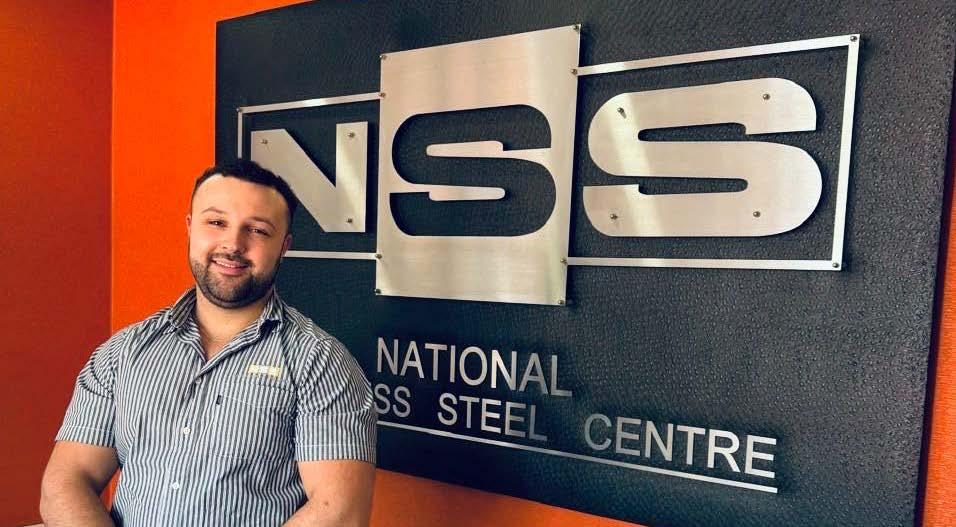
National Stainless Steel Centre (NSSC) Technical Sales and Projects Engineer Bjon Frljak represents a new generation of industrial leadership in South Africa. With a mechanical engineering degree from the University of Pretoria and an MBA nearing completion at Wdits University, he combines technical depth with commercial awareness. Having grown up around the business and gained hands-on experience from an early age, Frljak understands the factory floor as well as the boardroom. In this Q&A, he shares insights on industry pressures, evolving customer expectations, and why accountability and investment in young talent will shape the future of stainless steel.
Please share some background on where you come from, your schooling and tertiary education, and where you began your professional career?
I began my schooling at St Benedict’s College in Johannesburg and later completed my tertiary studies at the University of Pretoria, where I earned a Bachelor of Mechanical Engineering (BEng Mech). I am currently in the final year of my MBA at Wits University.
After completing my undergraduate degree in 2020, I joined NSSC full time. That said, my involvement in the business started much earlier. From middle school, I spent school holidays gaining hands-on experience in different
areas of our steel processing facilities. During that time, I developed a practical understanding of how the MRP and ERP systems support daily operations, as well as how materials move through the full process from start to finish.
Looking back, family has always played a central role in my life. Growing up in an entrepreneurial environment, where decisions are made daily and accountability matters, has shaped how I approach both work and responsibility. With both of my parents running their own businesses, I was exposed to this world from a young age. It taught me perseverance and the importance of working consistently toward long-term goals. I’ve seen the business grow from humble beginnings, and today we continue building on that foundation alongside our partners and team.
“Growing up in an entrepreneurial environment, where decisions are made daily and accountability matters, has shaped how I approach both work and responsibility.”
What is your current role at NSSC, and how would you describe a typical day in your position?
I currently work as a Technical Sales and Projects Engineer at NSSC. I work closely with internal sales, quality control, detailing, and planning teams. I focus on daily sales, processing, expediting orders, and liaising with customers, while also looking for opportunities to strengthen and grow our customer base.
From the point an order is confirmed through to final delivery, I stay involved to ensure timelines are met and technical requirements are clearly understood. Providing technical guidance is an important part of what I do. With an engineering background and hands-on exposure to manufacturing and processing, I often engage directly with engineers and technical teams, which makes for practical and productive discussions.
It’s a busy environment. We aim to maintain strong service levels, consistent quality, and competitive pricing across a wide range of material grades. We value the longstanding relationships we’ve built over more than 25 years and appreciate the continued support of our customers, which allows us to grow and contribute to the broader stainless steel industry.
Looking back at your career to date, which key roles, projects, or experiences have challenged you the most and helped shape your skills, leadership approach, and professional growth?
Growth, in my view, comes with accountability. In our environment, delivering competitive pricing, reliable service, and on-time turnaround requires ownership and attention to detail.
We work across sectors such as mining, petroleum, oil and gas, power generation, and the private sector. Each industry brings different requirements and pressures, so every day presents new challenges. Rather than one specific project standing out, it’s the consistent daily problem-solving in a fast-paced environment that has shaped my development the most.
Leadership and personal growth are closely connected. I believe in maintaining a positive, growth-
professional profile
focused mindset and being open to change. Developing self-awareness and empathy is an ongoing process. In a high-pressure industrial setting, tensions can arise, but working through conflict constructively often strengthens relationships within the team
“In
a high-pressure industrial setting, tensions
can arise, but working through conflict constructively often strengthens relationships within the team.”responsibility.”
What would you say are the biggest lessons you have learnt in your personal and your professional life?
I’m still learning, especially when it comes to the topic of work-life balance. Given that I’m currently doing my MBA, it’s a discussion that comes up often! That said, I don’t think balance is something you always get perfectly right. There are seasons where one area of life demands more attention than another.
What makes it sustainable is having a strong support system. I’m fortunate to have mentors and family who support me through both the challenges and successes that come with daily life. That foundation makes a real difference.
From your perspective at NSSC, how is the stainless-steel value chain in South Africa evolving, particularly in terms of processing capabilities, project timelines and quality expectations?
Both locally and internationally, processing technology continues to advance quickly. International exhibitions show just how rapidly machine capabilities and automation are evolving. Locally, investment in modern equipment has improved efficiency, precision, and turnaround times.
Energy reliability has also become a key focus. Investment in alternative energy solutions, such as largescale solar systems with battery storage, allows operations to continue during power disruptions and improves overall consistency.
In terms of customer expectations, the fundamentals haven’t changed much. Customers want quality, good service, competitive pricing, and honest communication around timelines and capabilities. What has changed is the broader economic pressure, which means businesses need to operate leaner and more efficiently than ever before.
professional profile
In your experience, how important is technical knowledge, such as correct grade selection, fabrication practices and corrosion considerations, in ensuring long-term project success?
Technical knowledge is critical in our industry. Correct grade selection, understanding processing practices, and technical requirements such as corrosion protection all play a major role in ensuring long-term project success. Without that foundation, issues can arise later that could have been avoided.
Ongoing training and skills development are therefore essential. Structured programmes, practical exposure, and continuous learning allow staff to make informed decisions and execute processes correctly. More broadly, I believe we need to continue investing in young professionals and artisans in South Africa to strengthen the future of our local stainless steel and manufacturing industries.
“Correct grade selection, understanding processing practices, and technical requirements such as corrosion protection all play a major role in ensuring long-term project success.”
At a broader industry level, what do you see as the biggest challenges facing the South African stainless steel sector at present? What practical or innovative approaches could help address these challenges?
The sector is facing limited domestic growth, high electricity costs, infrastructure constraints, and strong import competition from subsidised markets. These pressures make it challenging for local manufacturers to compete. Addressing this will require closer collaboration between industry stakeholders and government, as well as a stronger emphasis on local procurement. Raising awareness of local manufacturing capabilities through industry bodies and digital platforms can also help. South Africa has the skills and technology; the opportunity lies in coordination, investment, and long-term commitment.
What developments or innovations in stainless steel are you most encouraged by right now? Which industries or sectors do you believe hold the greatest future potential for stainless steel applications?
We’ve seen steady movement in sectors such as water and sanitation, power, solar, and infrastructure, through both government and private initiatives. These areas offer meaningful long-term potential for stainless steel applications.
Stronger GDP growth would have a significant positive impact on employment and industrial activity across the board. Despite current challenges, I believe an entrepreneurial mindset requires optimism and adaptability. With the right focus and investment, there is real potential for continued growth in the stainless steel sector.
study
Stainless Steel Corrodes More Slowly than Carbon Steel But by How Much?
Corrosion is a global scourge that destroys manmade materials. This includes concrete, metals, plastics, and even composite materials. Studies indicate that half the world’s steel production is used to repair corroded steel structures.
Sassda regularly receives questions about the corrosion rate of stainless steel compared to carbon steel. This is a valid question and suggests growing interest in life cycle costing, sustainability, and environmental impact.
However, the question may appear straightforward, but the answer is complex.
Unlike carbon steel, stainless steel is a family of materials, not a single alloy or even a small group of closely related alloys. It can be grouped into ferritic, martensitic, austenitic, duplex, and precipitation-hardening stainless steels, each representing a branch on the family tree. Within these five groupings are more than 200 different alloys, each developed for a specific purpose and application.
The chemical composition of these grades, together with their intended application, determines their corrosion rate. That rate varies significantly across the alloy spectrum. It is therefore difficult to make direct comparisons, as corrosion rates vary widely depending on the environment. Industry typically relies on representative performance data supported by published corrosion resistance comparisons
rather than single numerical values, which depend on factors such as chemical composition, pH, chloride concentration, temperature, and oxygen availability.
Why Stainless Steel Corrodes More Slowly Than Carbon Steel?
Stainless steels contain at least 10.5% chromium. This chromium forms a thin, self-healing passive oxide film that dramatically slows corrosion. Carbon steel lacks this passive film and rusts readily. It is generally classified as having low corrosion resistance and will rust in the presence of moisture, acids, or chlorides unless protected by coatings.
Relative Corrosion Performance (Qualitative Ranking) in mildly corrosive or atmospheric conditions Information from BSSA and Outokumpu implies that the following qualitative ranking for stainless steel exists when comparing it to carbon steel. The table shows a practical ranking from fastest corrosion to slowest corrosion under typical atmospheric or mildly aggressive aqueous conditions.
case study
Material Approximate Relative Corrosion Behaviour
Carbon Steel (uncoated)
Corrodes extremely fast; no passive film; quickly rusts in the presence of moisture, acids, chlorides.
Ferritic Stainless 430 Moderately better than carbon steel, but still prone to chloride attack and pitting.
Austenitic 304
Austenitic 316 / 316L
“High Corrosion Resistance” Super Austenitics / Duplex / Super Duplex
Much reduced corrosion rate; good general corrosion resistance but susceptible to chloride pitting. Listed as suitable for mild–moderate corrosive environments.
Better than 304, especially in chlorides; added molybdenum significantly improves pitting and crevice corrosion resistance.
Excellent resistance even in strong chlorides, acids, seawater; far slower corrosion than 304/316. Supported by stainless corrosion tables showing superior performance in highly corrosive environments.
If carbon steel is compared to different stainless steel grades in different environments the following qualitative ranges are commonly accepted in corrosion engineering and reflected in stainless steel selection tables.
Atmospheric (rural) Moderate rusting
low corrosion
Atmospheric (marine) Severe corrosion (rapid rust) Moderate corrosion (pitting possible)
Fresh water High corrosion unless coated
Chloridebearing water Very high Moderate to high (pitting)
Acids (mild organic)
corrosion (better pitting resistance)
containing grade 316 shows significantly better performance due to the molybdenum and is recommended for seawater, chlorides, and industrial chemicals. Highly alloyed stainless steels such as the super austenitics, and duplex/super duplex grades function excel in severe chemicals and high chloride solutions.
to moderate (better pitting resistance)
Acids (chlorides, strong mineral acids) Fails rapidly Moderate to severe attack Moderate; sometimes acceptable depending on concentration/ temperature
Corrosion tables (Alleima, Outokumpu) show that carbon steel corrodes quickly in nearly all aqueous acidic and chloride environments. Stainless steel grade 304 is acceptable in many mildly corrosive environments but becomes susceptible in chlorides. The molybdenum
Theoretical comparisons
This graph shows the relative life span of various materials compared under the same functional conditions. Carbon steel is the base for the comparison. As an example, this would indicate that in conditions where mild steel would last one year, grade 3CR12 would last an estimated 164 years.
The table shows the result of corrosion tests done on various materials under various corrosive conditions. The bottom row shows the average over the range of conditions. For example, under severe marine conditions, grade 316 will suffer a material loss of 0.032% per year whilst 3CR12 will an estimated 1.518% loss over the same period.
Conclusion
It is important to ensure that that when working with stainless steel grade selection, the application and the operational conditions are well defined. This will assist in selecting the grades that might be suitable for the application. Corrosion rates on stainless steel are determined
by alloy composition, surface finish and condition, availability of environmental oxygen, level of chlorides, solution strength and temperature. When all the information on the application is available Iso-corrosion diagrams can be used to narrow down the list of potential suitable grades. It is then advisable to do a physical test on samples of the shortlist of alloys under the operational conditions to make a final decision.
Mild Steel Corten
Zinc Copper AA 3103
3CR12
SS430
SS304 SS316
How Temperature and Thermal Expansion Affect Stainless Steel Cladding Design case study
Stainless steel is widely chosen for cladding because of its durability, corrosion resistance, and striking aesthetic qualities. However, like all metals, stainless steel expands when heated and contracts when cooled. In façade design, these movements must be carefully managed to avoid deformation, noise, joint failure, and aesthetic distortion..
Austenitic grades such as 304 and 316, commonly used in façades, have a relatively high co-efficient of thermal expansion (CTE) of typically around 16.5 × 10⁻⁶ /°C. This is higher than carbon steel and closer to aluminium’s CTE, meaning stainless steel cladding can experience significant dimensional change.
According to metalarchitecture.com, metal panels can experience temperature swings of up to 38°C from ambient conditions due to solar heat gain, often much higher than the surrounding air. This magnifies the expansion effect. The implications of this includes stainless steel façade components expand more than many designers expect, especially in direct sunlight or when with dark-coloured finishes. With metals in general, cladding surfaces can exceed ambient temperatures substantially on hot days. This effect must be included when estimating ΔT for expansion calculations. The design must take into consideration maximum solar surface temperature, not just local climatic air temperature.
Thermal movement requires proper joint and fixing design
Stainless steel panels must be installed with space for movement otherwise deformation, buckling, or “oil-canning” occurs.
Industry best practice include design principals such as :
• One fixed point per panel meaning that this point anchors the panel in position
• All other points should be designed as sliding or floating fixings. This can be done by slotted or oversized holes and sliding clips designed to allow longitudinal movement. This is the same principle used in bridge design: one end fixed, the other allowed to move freely.
This means that fasteners, brackets, and clip systems must be engineered to allow stainless steel to expand and contract without restraint. If stainless steel is prevented from moving freely, internal stresses accumulate until they release suddenly. This results in:
• Buckling or rippling of panels
• Permanent deformation Snapping, popping, or banging noises as panels release trapped movement.
• This is especially noticeable with large, flat stainless steel sheets because their reflective surfaces emphasize distortions.
Properly designed sliding joints and reduced friction at seams help prevent acoustic problems and visual defects. When stainless steel is mounted on aluminium or steel frames, each material expands at different rates.
case study
Aluminium expands significantly more. Stainless steel cladding must never be rigidly fixed to dissimilar materials without movement allowance, since otherwise joints tear or distort.
Panel size, orientation and layout influence movement behaviour as mentioned earlier. Longer stainless steel panels undergo greater absolute expansion. This affects:
• Joint spacing and required gap width
Maximum allowable panel length
• Placement of fixed points
Orientation (vertical or horizontal movement direction)
For metals in general, expansion must be integrated into the cladding system geometry. This implies that large stainless steel panels often require custom detailing, segmenting, or patterned systems to distribute movement.
Welding distortion must be managed in stainless steel assemblies
Stainless steel, especially austenitic grades, have both higher thermal expansion and lower thermal conductivity compared to carbon steel. This causes greater distortion during welding. Pre planning, heat minimising welding procedures, efficient jigging, and strategic tack weld sequencing are crucial for quality products with flat, visually critical façade panels.
Since stainless steel is highly reflective, even minor panel deformation caused by thermal movement can be visually amplified. Azahner.com notes that thermal movement is a major factor in whether metal panels appear flat or buckle. Highly reflective finishes (e.g. mirror-polished stainless) demand especially careful detailing to maintain visual crispness.
Thermal expansion design rules for
Design Requirement Why It Matters
Account for high CTE of austenitic grades
Stainless steel expands more than carbon steel and must be allowed to move.
Use fixed + sliding fastening strategy Prevents buckling, stress buildup, and noise.
Provide sufficient expansion joints
Allow for solar thermal spikes
Control welding distortion
Use detailing that reduces friction
Stainless steel panels can experience large ΔL under solar gain.
Surfaces can exceed ambient by 30–70°C depending on finish.
High thermal expansion causes significant warping during fabrication.
Minimizes popping/creaking noises caused by restrained movement.
Segment large panels Reduces movement per panel; prevents oil canning
Stainless steel cladding
Stainless steel’s distinctive aesthetic appeal comes with a structural obligation that its high thermal expansion must be engineered into every façade system. Proper detailing of the movement of joints, sliding fixings, solar temperature planning, and welding control, ensures that stainless steel cladding remains flat, quiet, durable, and beautiful over decades of environmental exposure.
From Local Limits to Global Markets sassda news
Sassda has announced the establishment of a new Trade Desk consulting service aimed at unlocking export opportunities for its members and strengthening the long-term sustainability of South Africa’s stainless steel industry.
The decision follows insights gained during a recent Industry Stakeholder Strategic Session, where it became clear that the local stainless steel market is too constrained to support meaningful growth on its own. With domestic demand limited and state procurement under pressure, the industry continues to face structural challenges that restrict expansion. Sassda believes the answer lies beyond South Africa’s borders.
Sassda Market Intelligence Specialist Tebogo Nkwe says, “We cannot rely on a constrained local market to secure the future of our industry. If we want sustainable growth, we have to look beyond our borders. The Trade Desk is about giving our members practical support to become exportready, meet international standards like ISO 9001 and ISO 3834, and allowing them to confidently compete in markets across Africa. This is not just about trade promotion. It’s about strengthening the competitiveness and resilience of South Africa’s stainless steel sector.”
Certification readiness
A central part of this export readiness drive will be helping companies achieve internationally recognised certifications such as ISO 9001 for quality management systems and ISO 3834 for welding quality requirements. These standards are often non-negotiable when bidding for large infrastructure, energy and industrial projects across borders. By guiding members through the certification process, Sassda aims to strengthen credibility, improve internal systems and position South African stainless steel fabricators as reliable suppliers in global markets.
The concept for the Trade Desk took shape toward the end of 2025, with implementation now underway. Sassda has applied to register the Trade Desk as an official export council with the Department of Trade, Industry and Competition (dtic). Approval would unlock funding support for export promotion initiatives such as participation in national pavilions, trade delegations and structured business-to-business engagements with potential international customers and suppliers.
In addition to certification support and market access initiatives, the Trade Desk will provide technical advice on trade regulations. This includes guidance on tariffs, import rebates and available trade remedies. The objective is twofold: to help members navigate export markets more effectively, and to support efforts to protect local manufacturers from dumped or illegally imported products that distort fair competition.
For the broader stainless steel sector, the initiative is both timely and necessary. The industry forms part of South Africa’s wider steel and manufacturing base, which has been under sustained pressure from de-industrialisation, weak economic growth and rising import penetration. The decline in industrial output continues to have knock-on effects for employment, investment and capacity utilisation across the value chain.
By promoting exports and encouraging value addition, Sassda aims to reduce the industry’s reliance on a small domestic market and inconsistent state procurement. Expanding into regional markets has the potential to stimulate production volumes, improve capacity utilisation and support job creation.
The Trade Desk also aligns with Sassda’s long-term Strategy 2030 framework. While the association cannot directly change structural constraints such as low national GDP growth, limited local procurement by state-owned enterprises, or the influx of low-cost finished stainless steel imports, these matters will continue to be addressed through ongoing advocacy and engagement with government.
Kenya: Infrastructure Acceleration Creates Industrial Openings africa market intelligence
Kenya is entering a new infrastructure cycle that could reshape East Africa’s transport and energy landscape over the next decade. In 2026 alone, the government has earmarked thousands of kilometres of highways for dualling and tarmacking, confirmed extensions to the Standard Gauge Railway, advanced port modernisation plans, and reopened large sections of its upstream oil and gas acreage to investors.
For stainless steel suppliers and fabricators, this is not just a headline story about growth. It is a pipeline of technically demanding projects that require corrosion resistance, hygiene compliance, structural reliability and long service life in aggressive environments ranging from coastal marine zones to highland rainfall regions.
A Strategic Gateway Under Expansion
Kenya, remains the primary logistics gateway for East Africa. The Port of Mombasa serves not only Kenya but also Uganda, Rwanda, Burundi, South Sudan and parts of the eastern DRC. Nairobi, the capital, functions as the region’s financial and commercial hub, hosting multinational headquarters and major development agencies.
With a population exceeding 54 million (2026 est.) and rapid urbanisation underway, infrastructure capacity is under sustained pressure. Transport corridors are
congested. Airport facilities are operating near limits. Energy demand continues to rise alongside industrial and residential expansion.
The government’s response has been clear: build, upgrade and expand.
Expressways and National Corridors
The proposed 60 km Nairobi–Thika Expressway, branching from Museum Hill to Thika town, is designed to decongest one of the busiest commuter routes in the country. It will complement the existing Thika Superhighway and introduce modern tolling, bridge structures and traffic management systems.
The Nairobi–Mombasa Usahihi Expressway, a 525 km six-lane corridor valued at approximately USD 3.5 billion, will run parallel to the current highway and significantly reduce travel time between the capital and the coast. Additional major projects include:
africa market intelligence
• The Nairobi - Nakuru–Mau Summit Expressway
• The JKIA - Waiyaki Way corridor upgrade
The Isiolo - Mandera Highway under the LAPSSET programme
• Regional upgrades in Western Kenya and on Rusinga Island
From an engineering materials perspective, these projects demand durability. Kenya’s coastal belt presents saline exposure risks. The Rift Valley and highland regions experience heavy seasonal rainfall. In such conditions, stainless steel offers lifecycle advantages over coated carbon steel, particularly in:
Expansion joints and bridge fittings
Guardrails and pedestrian balustrades
• Drainage systems and culverts
• Tolling gantries and support structures
Signage frameworks and fasteners
Where maintenance budgets are constrained, longer design life becomes a decisive factor.
Rail, Ports and Aviation Infrastructure
The extension of the Standard Gauge Railway from Naivasha to Kisumu, with a later phase toward Malaba, reinforces Kenya’s position in the Northern Corridor trade route. Rail infrastructure brings requirements for station architecture, handrails, cladding, service piping and sanitation systems.
Port upgrades at Mombasa and Lamu are equally significant. Marine exposure accelerates corrosion, particularly on structural elements, fasteners, walkways and fluid handling systems. Stainless steel is commonly specified for:
• Bulk handling equipment components
• Tank farm piping and storage systems
• Desalination and water treatment installations
High-strength fasteners in exposed zones
Aviation infrastructure is also expanding. Plans to modernise Jomo Kenyatta International Airport, alongside a proposed new international airport under a PPP model, aim to position Nairobi as a leading African aviation hub.
Airports are heavy consumers of stainless steel in:
Architectural façades and interior finishes
• Escalators, lifts and balustrades
• Commercial kitchens and food courts
Fire protection and water reticulation systems
Public sanitation facilities
Hygiene, durability and visual appeal all drive specification.
Energy and Oil & Gas Repositioning
Kenya is re-opening 50 redesigned oil and gas exploration blocks in 2026, primarily in the Lamu Basin, as well as in the Tertiary Rift, Anza and Mandera basins. The establishment of a National Petroleum Data Centre is intended to reduce exploration risk and attract international capital.
If exploration progresses toward development, stainless steel demand could arise in:
Process and gathering pipelines
• Storage tanks and pressure vessels
Offshore and coastal installations
• Produced water handling systems
Refining and petrochemical facilities
africa market intelligence
Simultaneously, the country’s first PPP-funded electricity transmission lines, valued at over Sh40 billion, are scheduled for rollout. Substations, switchgear housings, cable trays and renewable energy installations all present applications where corrosion resistance and structural integrity are critical.
Urban Growth and Industrial Processing
Beyond headline megaprojects, Nairobi and secondary cities such as Mombasa, Kisumu and Eldoret continue to expand. Mixed-use developments, healthcare facilities, hotels and industrial parks are under way.
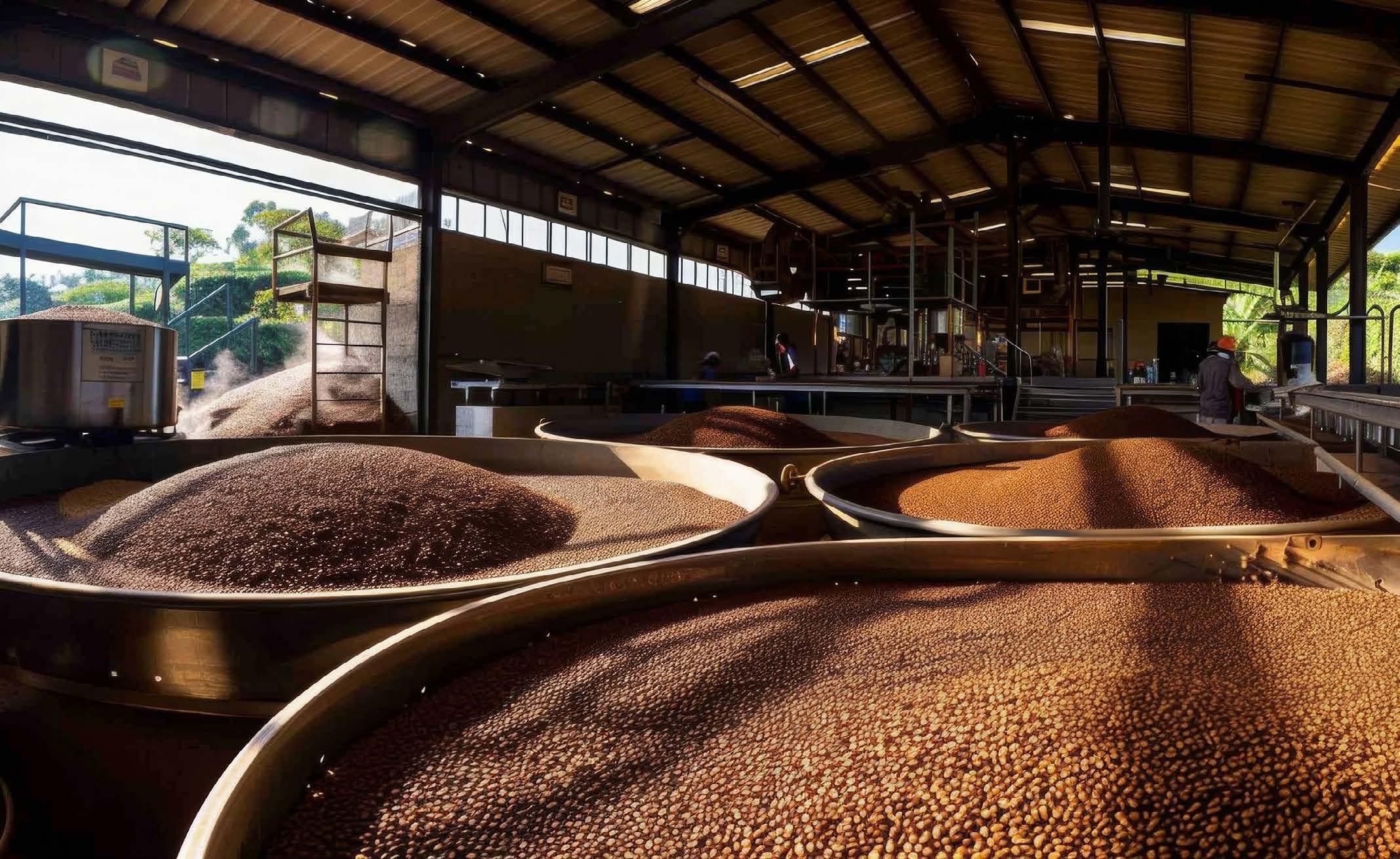
Agriculture remains a core pillar of the economy. Tea, coffee, dairy and horticulture processing require hygienic, corrosion-resistant equipment. Stainless steel is widely used in:
Dairy processing lines
• Breweries and beverage plants
Commercial refrigeration
• Hospital equipment
Pharmaceutical manufacturing
As compliance standards tighten and export markets demand higher hygiene levels, stainless steel becomes less of a premium option and more of a requirement.
Competitive Landscape and Entry Strategy
Kenya is cost-conscious. Asian suppliers are active in both infrastructure and industrial supply chains. However,
opportunities exist for South African stainless steel fabricators who can offer:
• Certified quality and traceability
Custom fabrication and modular systems
• Technical support during design and installation
Faster regional delivery compared to distant imports
Strategic partnerships with local contractors and engineering firms can ease market entry. Supplying higher value components, rather than competing purely on commodity pricing, is often a more sustainable approach.
A Measured but Real Opportunity
Kenya’s infrastructure drive faces financing constraints and execution risks. Project timelines may shift.
Procurement processes can be complex.
Even so, the direction of travel is clear. Transport corridors are being expanded. Energy networks are being strengthened. Urban centres are modernising.
For stainless steel producers and fabricators, Kenya represents a market where material performance matters. In marine zones, high rainfall regions and high-traffic public infrastructure, corrosion resistance and durability are not optional extras.
Kenya’s next growth phase will be built on concrete, asphalt and steel. The question for suppliers is where stainless steel can deliver the strongest technical and commercial advantage.
New Member Champions Standards as Kenya’s Techwin Joins SASSDA
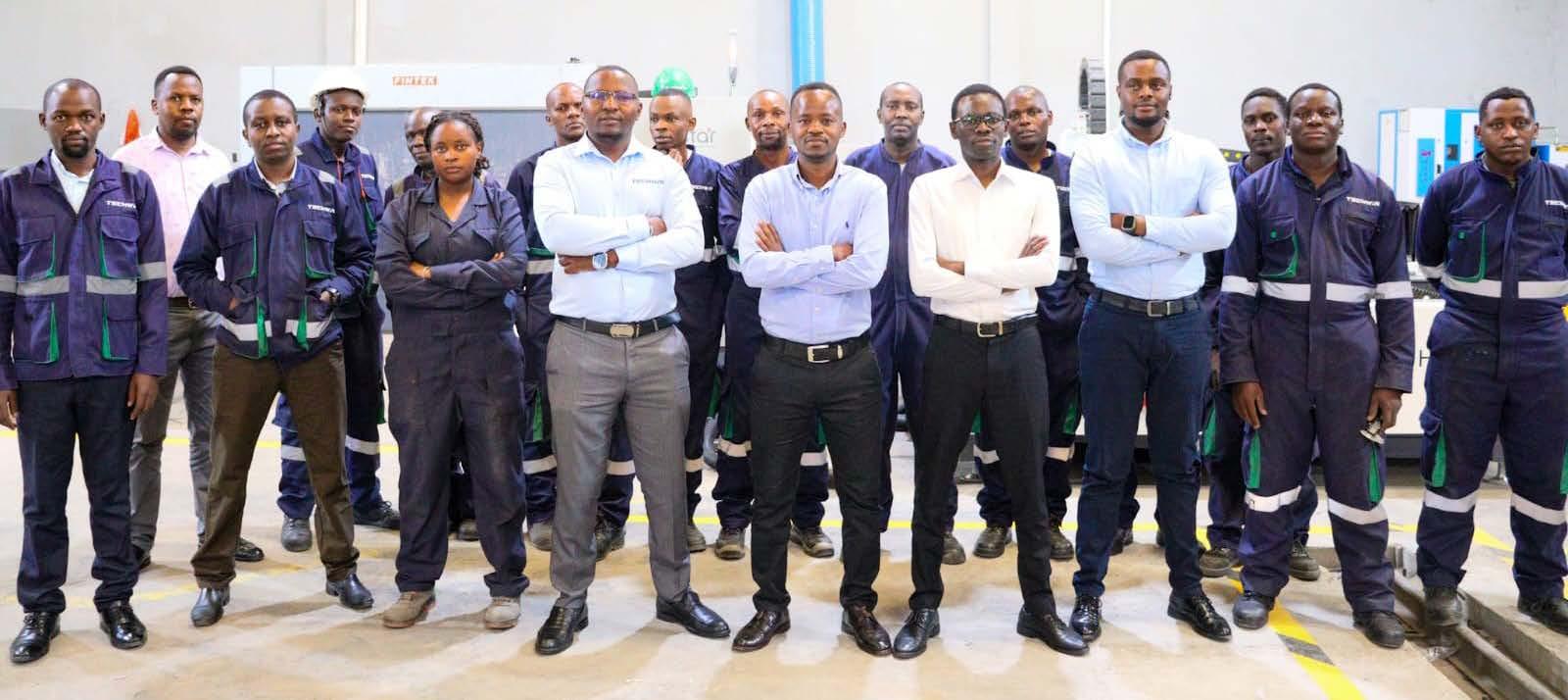
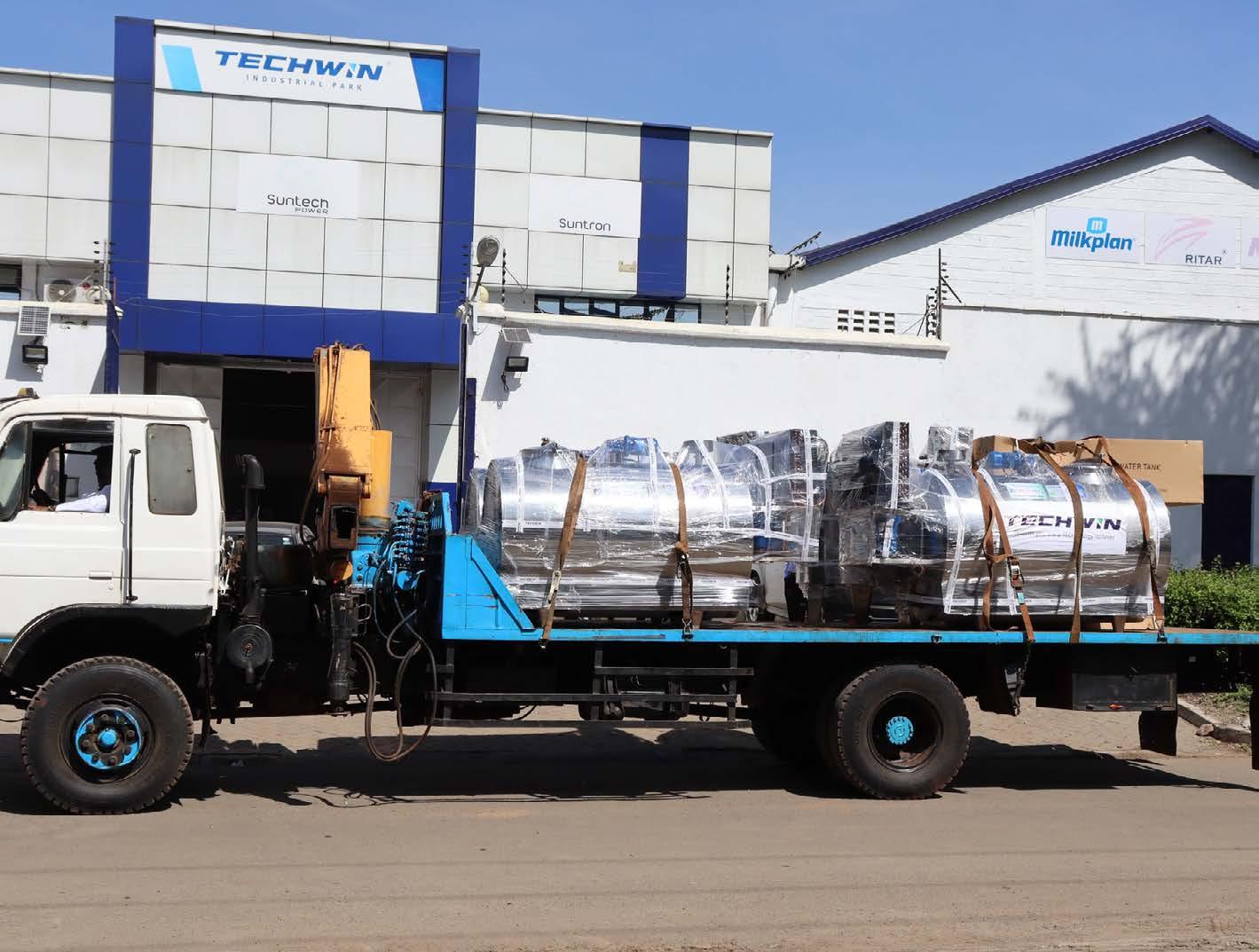
Sassda is pleased to announce that Kenya-based stainless-steel fabricator Techwin has joined the association as a new member. With nearly two decades of experience, the company has grown alongside East Africa’s expanding agri-processing, food manufacturing and pharmaceutical sectors and operates at the intersection of stainless-steel fabrication, process engineering and industrial food systems.
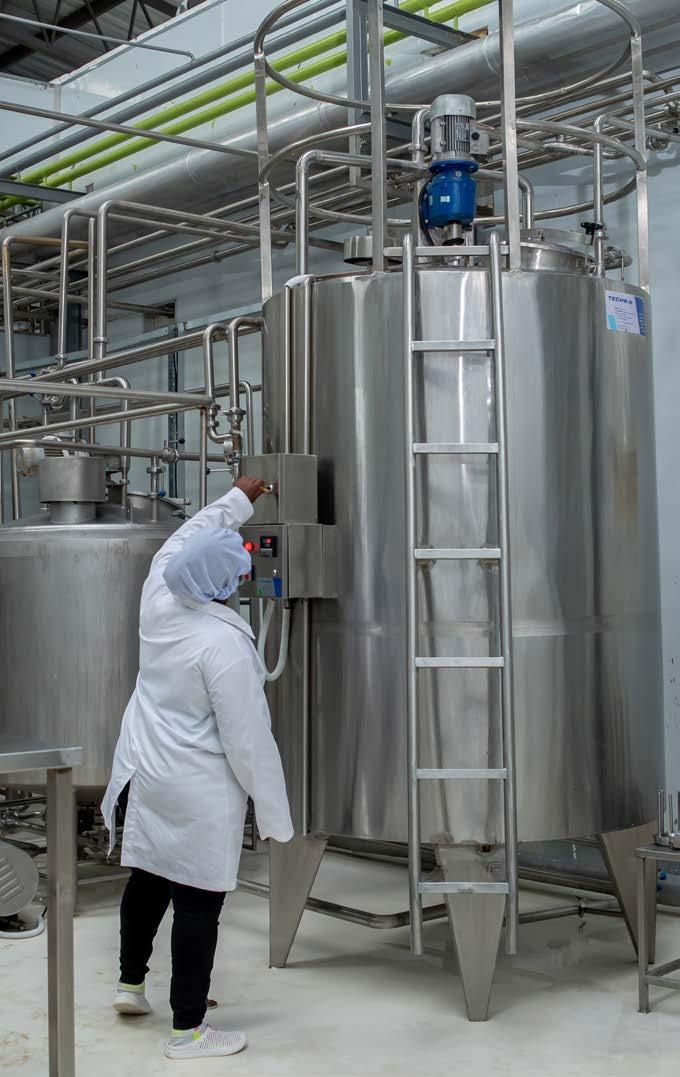
The company designs, manufactures and integrates equipment for hygienic, regulated production environments, focusing on value-added fabrication with a product range that includes dairy processing machinery, food and beverage systems, storage and processing tanks, brewery equipment, cosmetic and pharmaceutical vessels, as well as customised stainless-steel solutions for industrial clients.
Raw materials are sourced through established regional and international supply chains. Grade selection is guided by performance requirements, traceability and compliance with food-grade and pharmaceutical standards. This approach allows the company to maintain material availability while meeting strict regulatory demands, particularly in sectors where product integrity is critical.
Techwin’s membership comes at a time when technical standards, skills development and cross-border alignment are becoming increasingly important to African manufacturers. CEO Ken Mbiuki comments, “Our growth over nearly two decades has been built on disciplined fabrication, strict hygienic design principles and long-term partnerships with clients operating in regulated industries.
“In food and pharmaceutical processing, where there is little margin for error, manufacturing requires consistent process control, skilled welding and rigorous documentation.
By joining Sassda, we aim to strengthen that foundation and align with recognised stainless steel and manufacturing standards, technical benchmarking and structured training as our projects become more complex and increasingly regional.”
Demand for hygienic processing equipment continues to rise across East Africa, driven by expansion in agri-processing, food and beverage manufacturing, dairy value addition and pharmaceuticals. As project sizes increase and system integration becomes more complex, maintaining consistent technical standards remains a challenge for fabricators.
A recent large-scale contract undertaken by Techwin illustrated the level of coordination required. The company designed and manufactured integrated processing, cleaning-in-place (CIP) and storage systems for a high-volume food-processing operation in Kenya. The project required strict hygienic design, precise temperature control, compatibility with foodgrade materials and seamless integration into an existing plant environment.
Mbiuki explains, “Beyond fabrication, the contract demanded close coordination between design, production and installation teams, as well as ongoing engagement with the client to ensure operational realities were reflected in the final equipment configuration. Integration with legacy systems and alignment with production schedules added further complexity.”
Key challenges included tight delivery timelines, coordination across multiple technical disciplines and maintaining uniform quality across large fabricated components.
Lessons from the project have since been incorporated into internal workflows, with greater emphasis on structured planning, staged quality checks and cross-functional reviews. As system capacities increase, these controls are essential to maintaining consistent, repeatable outcomes.
Regional demand and localisation
Looking ahead, Techwin identifies agri-processing, dairy value addition, food and beverage manufacturing, and pharmaceuticals as key growth areas in the East African region. Investment in post-harvest management, food security and local value addition is driving demand for stainless steel processing infrastructure that meets both operational and regulatory requirements.
Across the continent, localisation is also gaining momentum. “Manufacturers are seeking fit-forpurpose equipment that can operate efficiently in environments where utilities such as power and
water may be constrained, and where technical skills availability varies,” says Mbiuki. “This creates opportunities for regional fabricators who can adapt designs to local conditions while maintaining hygienic and performance standards.”
Industry alignment through Sassda membership
Against this backdrop, Techwin’s decision to join Sassda reflects a strategic focus on formal industry alignment. Membership will expand engagement with the broader stainless-steel community, particularly in areas such as skills development, technical benchmarking and collaboration.
As projects become more complex and regionally oriented, exposure to recognised standards and evolving best practice is increasingly valuable. Membership also provides a platform for cross-border knowledge exchange, an important consideration as African manufacturers pursue regional contracts.
Structured training has been identified as a priority. Stainless steel fabrication for hygienic and regulated industries depends heavily on skill, technique and procedural discipline. Sassda’s training and technical programmes are therefore viewed as practical mechanisms to strengthen capability, standardise fabrication approaches and reinforce a quality-focused culture.
Over time, this investment in skills is expected to enhance productivity, reduce rework and improve competitiveness in both local and regional markets.
In Memoriam: Lesley Squires
A True Champion of Stainless Steel
The South African stainless steel industry has lost one of its most dedicated and respected champions with the passing of Lesley Squires. For more than three decades, Lesley committed her professional life to advancing the industry she cared so deeply about. Through her long association with the Southern Africa Stainless Steel Development Association (Sassda), she became not only a trusted authority on stainless steel, but also a warm and steady presence in a highly technical environment.
Lesley’s path into the industry reflected both academic strength and practical determination. She completed a Bachelor of Business Science at the University of Cape Town before going on to earn her MBA from Wits Business School. Early in her career, she worked in the Netherlands with Fluor, gaining valuable international exposure. On returning to South Africa, she joined Middelburg Steel & Alloys, then part of Barlow Rand, where she began building the deep industry knowledge that would define her career.
Lesley often said that she truly learned stainless steel not from textbooks, but on the factory floor. She immersed herself in production programming, market research and company visits, taking the time to understand how businesses operated and how people within them thought. That practical insight stayed with her throughout her career.
She later founded her own research company, Strategic Business Planning Associates, and consulted to various companies, including Sassda. She joined Sassda as a full time employee in 2002 and would remain with the Association for more than two decades, serving as Market Intelligence Specialist and becoming widely regarded as the association’s institutional memory.
Lesley had a particular passion for hollowware and the aesthetic and consumer-facing applications of the material. She believed stainless steel was not only strong and functional, but also beautiful and versatile. Through this focus, she helped broaden perceptions of the material and encouraged downstream manufacturing and local value addition.
Lesley always presented a professional yet friendly face when representing the industry, both locally and
internationally. She possessed immense knowledge of companies and individuals across the stainless steel value chain. For many colleagues, she was the go-to person to understand the characters, stakeholders and even the finer “political” nuances that quietly drive the industry forward.
In light of Lesley’s incredible legacy, a sample of the tributes received for her speak for themselves:
“We are so saddened by this news. It is a big loss for the industry.”
Columbus Stainless Senior Sales Manager Business Development Nocwaka Ntshangase
“We will all miss Lesley, who was a friend to all, always helpful and knowledgeable. Our sincerest condolences to her family, friends and the Sassda team. Lesley’s absence will be a notable loss.”
International Chromium Development Association Sheraz Neffati
“We are saddened to learn of the passing of Les. Please accept our sincere condolences. Our thoughts are with the family, colleagues, and the broader industry during this difficult time. She will be remembered for her immense contribution to the stainless steel industry at large.”
Dtic Ferrous Metals Desk Director Nyakallo Dlambulo
Lesley will be missed not only by current staff and former colleagues, but by the broader industry she served with such loyalty and care. Sassda will forever remember her contribution and will endeavour to continue her good work in building and strengthening the stainless steel
Sassda Tees Off 2026 with Eastern Cape Golf Day sassda news
Sassda kicked off its 2026 events calendar with its first Golf Day of the year at the Port Elizabeth Golf Club, hosted in partnership with the Southern African Institute of Welding.
With 40 players forming 10 fourballs, the day delivered the right balance of competition and connection. While conditions in the broader economy remain challenging, the Eastern Cape’s stainless steel and manufacturing sector continues to feel particular pressure. That reality made the event even more meaningful, as it created space for members and industry partners to step away from dayto-day demands and reconnect with peers who understand the same operating environment.
Three watering holes added to the relaxed atmosphere with special thanks to our watering hole sponsors NDE and Northfield Engineering and our banner sponsors BAMR and BeztForex.
On the competitive side, the Longest Drive, sponsored by Macsteel VRN, drew strong participation and added a welcome edge to the day’s play. Bragging rights, as always, were taken very seriously!
The event concluded with a prize-giving dinner with prizes sponsored by Eastern Cape industrial stalwart Welfit Oddy. This provided a fitting close to the day by recognising standout performances and gave everyone one last opportunity to connect, before heading back to reality.
As Sassda’s first Golf Day of 2026, our Eastern Cape event set a steady, positive tone for the year ahead. In tougher times, platforms like these matter even more. They strengthen relationships, encourage collaboration and remind the industry that it moves forward together.
The Sassda Western Cape Golf Day will take place on the 14 May 2026 at the Bellville Golf Club in Cape Town. E-Mail kstevens@sassda.co.za to find out more.