Property Supplement CDS 24 – 30 April 2025 Issue 2077
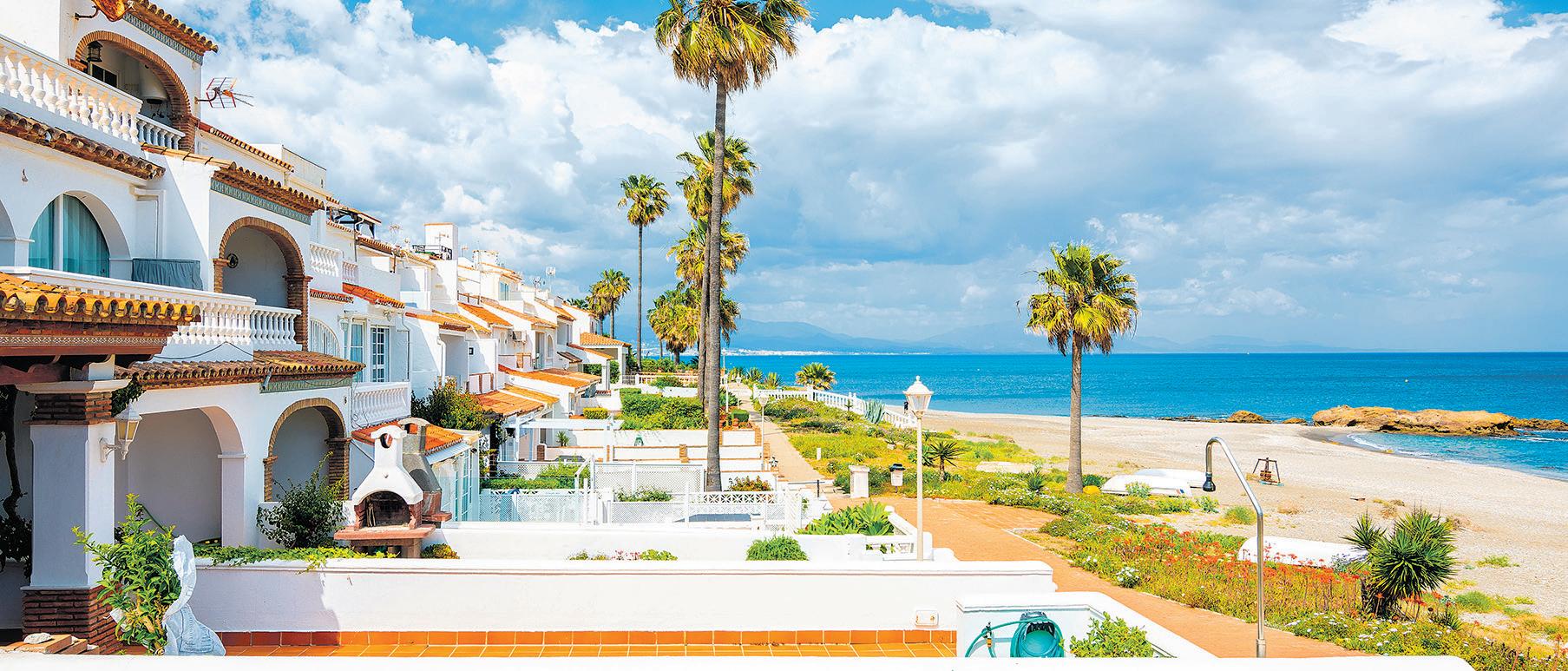
IN the past, the vast majority of tourism was centred around the peak summer months of July and August, but in more recent years, Easter has seen accelerated growth, with 2025 set to hit new records for travellers. To put this into perspective, almost 94 million international tourists visited Spain sometime in 2024. Easter appears to have significantly impacted these figures, with 24 million attributable to the first four months alone. This is welcome news for estate
agents, as Easter, when the weather typically starts to warm up, is the ideal time for potential buyers to secure a coastal holiday home. As Marc Pritchard, Sales and Marketing Director for Taylor Wimpey Spain, explains: “We have found that many buyers take advantage of the holidays not only to discover new areas, but also to make purchasing decisions that they have been considering for months. The in-person visit, in a holiday environment, is decisive.”
The Golden Egg
Easter has also become an opportunity for Spaniards to travel within the country and enjoy a getaway. According to the Observatory of the Madrid Federation of Travel Agencies (Femav), just over 91 per cent of Madrid residents opted to take a trip at Easter in 2024. Of those, 77.7 per cent chose a domestic destination, with around 39 per cent staying at their second home or family home.
Interestingly, in 2025, the eBooking platform is seeing a growing trend towards
getaways in small coastal towns in Andalucia, Murcia and Valencia, compared to previous years. As with the international market, this opens up a big opportunity to increase the number of coastal holiday homes sold to the domestic market. With Easter becoming the new summer, bringing an increase in both national and international visitors potentially in the market for a future holiday home, coastal estate agents may just have found their very own golden egg.
Integrated tech
WHEN it comes to the future of interior design, the word that springs to mind in 2025 is ‘smart’. Technology has had a huge influence on living spaces, and this trend is set to continue.
It is anticipated that technology integration will become even more fluid and seamless as we progress through the year. This means we can look forward to seeing technology blend seamlessly with aesthetics, avoiding the need to compromise between function and style.
One new development that epitomises this is the introduction of smart glass. This is a glass which transitions from being transparent to opaque with the flick of a switch or, perhaps even more impressively, through voice control. This is a great example of technology offering privacy with the added benefit of increasing energy efficiency. All across Europe, this type of functionality is becoming increasingly popular, aligning practicality with great design. 2025 is also the year that we
are seeing technology take window treatments to another level. There has been a rise in motorised blinds and curtains, and homeowners can, with the minimum of effort, control light levels, privacy settings, and energy efficiency settings. Whether it’s voice-controlled lighting, temperature regulation, or even
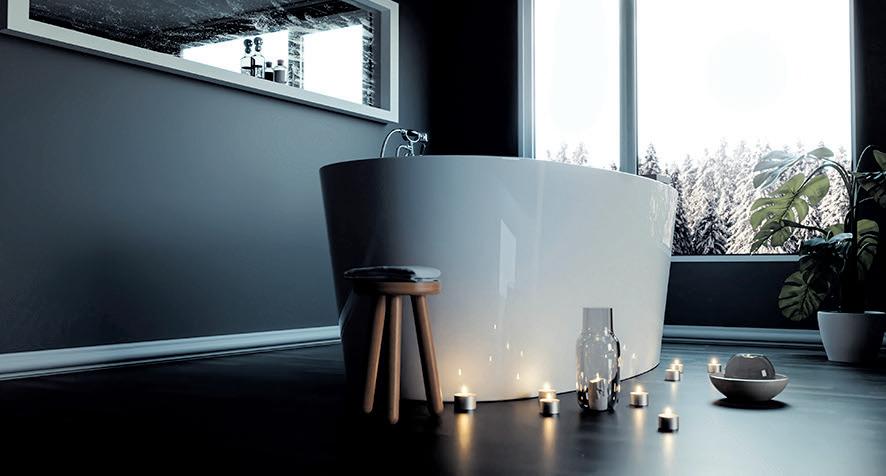
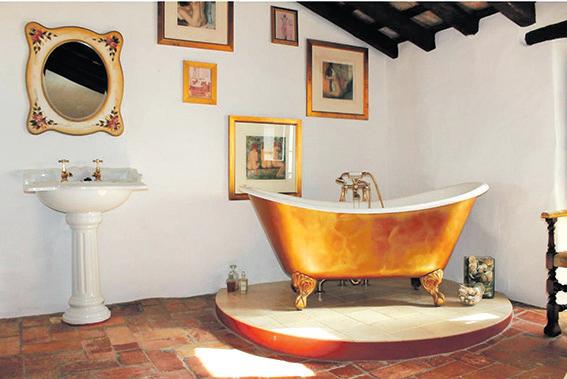
Free-standing baths have become a symbol of luxury and style in modern bathrooms, adding both elegance and versatility.
Beautiful bathing
THEIR design allows them to stand out as a focal point, transforming any bathroom.
A key feature of free-standing bathtubs is their flexibility in placement.
Unlike built-in tubs that are fixed to walls, free-standing baths can be placed anywhere in the room.
Whether beside a window, in a corner, under a skylight, or even in the centre, they create a striking visual effect.
Free-standing baths enhance a bathroom’s appearance with their independent design, which
adds a touch of sophistication.
With various shapes and finishes available, they can be tailored to match your style and make a bold statement.
Installation is straightforward compared to built-in models since free-standing baths don’t require a support structure.
However, it’s crucial to ensure the floor can support the bathtub’s weight.
Comfort is another advantage of free-standing baths.
Many are designed to fit the body’s contours for a more comfortable experience, and deeper models allow for full immersion, making bath time more relaxing.
Available in a range of sizes and shapes, free-standing baths can fit different bathroom sizes and styles.
Whether you need a compact option for a smaller space or a luxurious model for a larger bathroom, there’s a free-standing bath to meet your needs and enhance your bathroom’s design.
Rental returns
THE gross return on buying a home to rent in Spain remained steady at 7.3 per cent in the first quarter of 2025, matching the rate at the end of winter 2024.
This return is more than double the 3.3 per cent offered by 10-year government bonds, making real estate an appealing investment option. Offices continue to offer the highest yield at 11.5 per cent, followed by retail premises at 10 per cent. Garages, while more affordable, are the least profitable at 6 per cent, down from 7 per cent a year ago.
Among Spanish capitals, Murcia leads with a rental return of 8.2 per cent, followed by Lleida (7.7 per cent), Jaen and Huelva (7.5 per cent), and
Zamora (7.3 per cent).
At the lower end, San Sebastian offers just 3.5 per cent, with Palma (4.5 per cent) and Madrid (4.8 per cent) also showing modest returns. In Barcelona, rental yields reach 5.9 per cent.
Retail properties provide the best returns in most cities.
Murcia and Zaragoza top the list at 12.5 per cent and 11.7 per cent, respectively, with other strong per -
formers including Lleida, Santa Cruz de Tenerife, and Girona. Barcelona offers 8.4 per cent, while Madrid yields 7.7 per cent.
Office investments vary, with Sevilla leading at 13.3 per cent and Leon at the bottom with 6.1 per cent. Garages offer the highest returns in Murcia (10.1 per cent) and Avila (9 per cent), but the lowest in Salamanca (2.6 per cent) and Granada (3 per cent).
Stunning restyled Penthouse for Sale in Los Prados del Golf, La Cala de Mijas
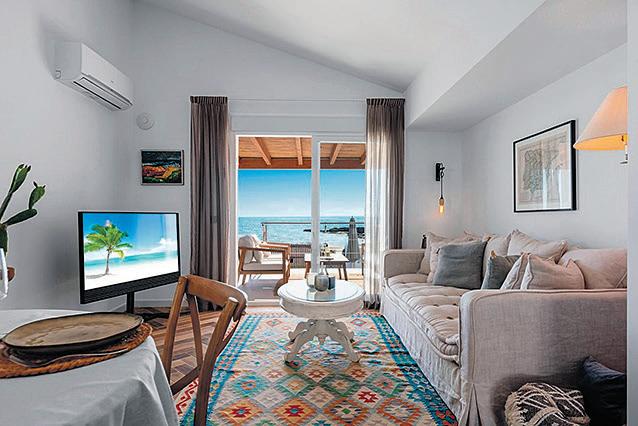
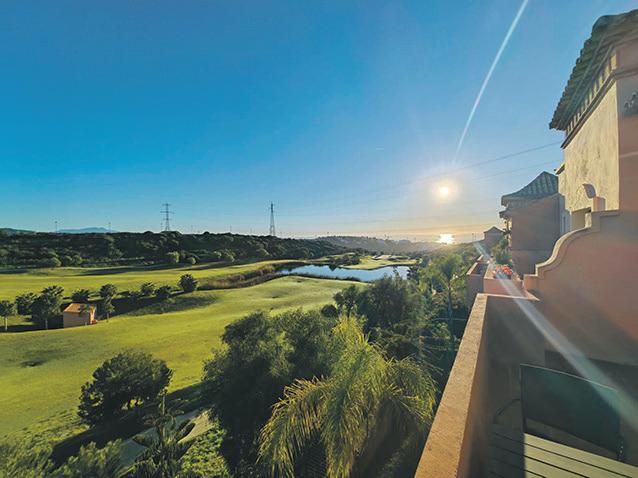
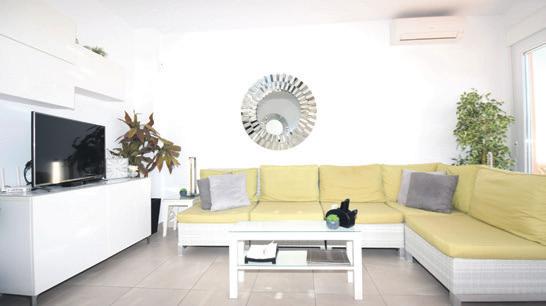
WINDSOR Consultants presents this two bedroom, two bathroom, beautifully refurbished penthouse in the sought-after Los Prados del Golf complex, located in the charming town of La Cala de Mijas. Meticulously modernised to an exceptional standard, this home offers a seamless blend of style, comfort, and functionality.
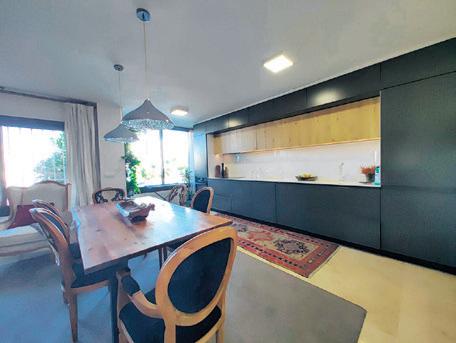
From the moment you step out of the lift, directly from your private garage parking, you’ll be captivated by the open layout and abundance of natural light. The modern kitchen, featuring granite countertops and high-end Bosch appliances, opens onto the expansive wraparound terrace. A separate enclosed space houses the washing machine and water heater for added convenience. The open-plan living and dining area is designed for both relaxation and entertaining, with windows and doors leading out to the terrace. The only adjoining wall in the property has been soundproofed, ensuring peace and privacy.
Price: €495,000 Ref No. R5006191
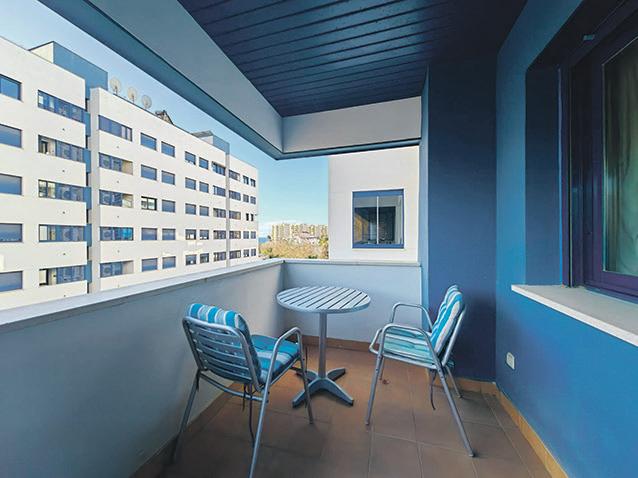
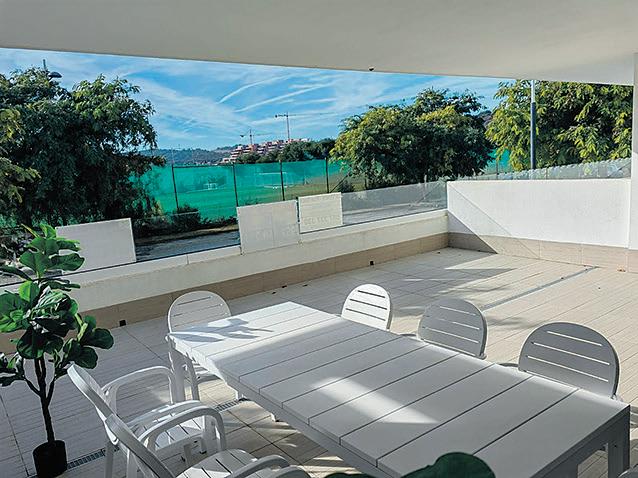
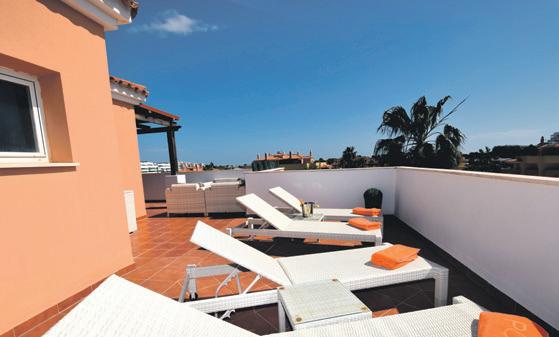
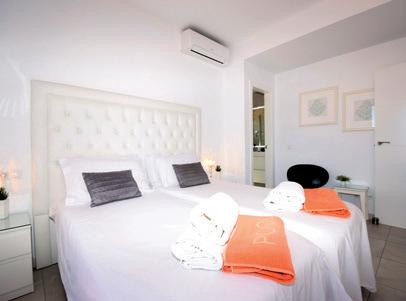
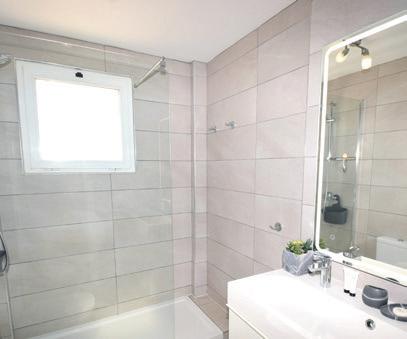
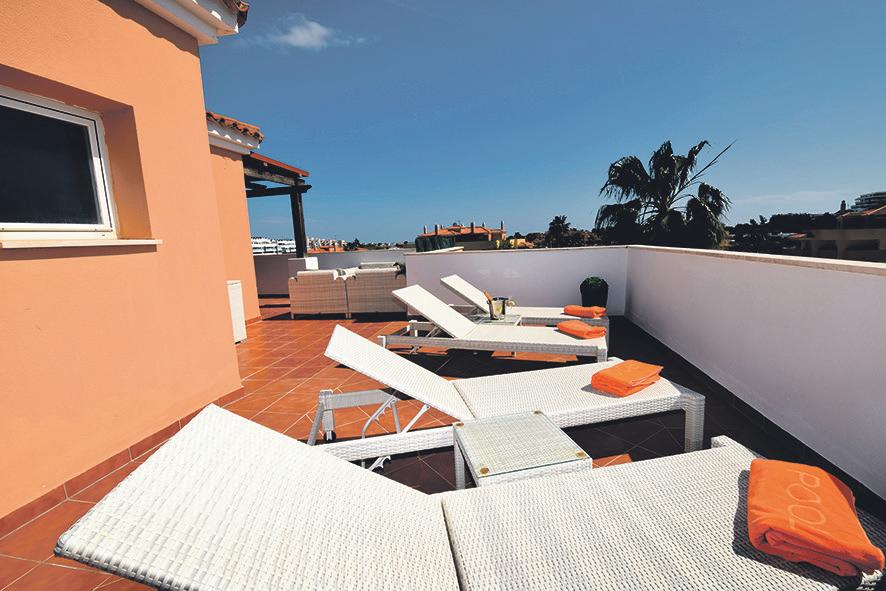
The master suite boasts direct terrace access, new fitted wardrobes, and an en-suite bathroom complete with double vanity units and a large walk-in shower. The second bedroom is equally spacious, also with terrace access and its own dedicated air conditioning. It is conveniently located next to the second bathroom, which features a modern walk-in shower and double vanity. If outdoor living is a priority, this 100m²+ terrace is a dream come true! Designed to offer both sun and shade year-round, the terrace wraps around three sides of the penthouse.
The main terrace off the living room includes a shaded
dining area, perfect for alfresco meals.
The bedroom terrace section offers a cosy lounge area and room for six sunbeds. The kitchen terrace area features another dining space but can be customised to suit your lifestyle. Enjoy breathtaking mountain views with a glimpse of the sea, all from the comfort of your own private sanctuary.
Prime location just minutes from La Cala beaches, supermarkets, top restaurants, and right beside La Noria Golf Course - Los Prados del Golf has it all.
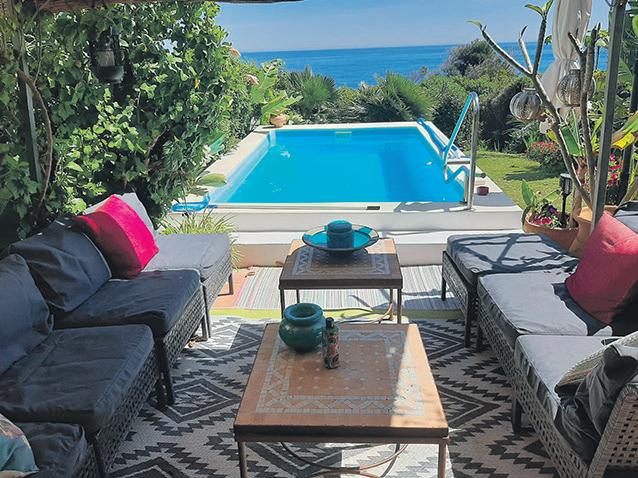
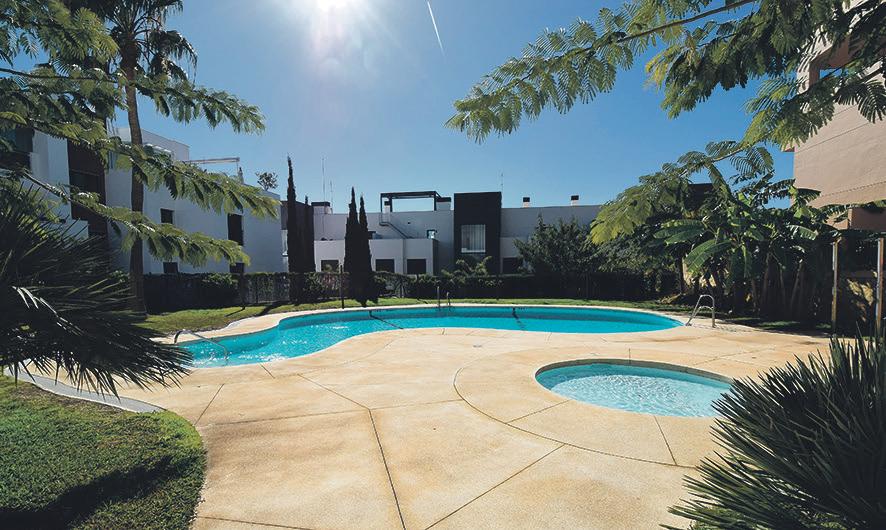
This turnkey penthouse in a lush complex features a pool, private storage, and premium finishes, an exceptional opportunity in one of the Costa del Sol’s most sought-after locations.
Schedule a viewing today!
“The Nº1 choice for friendly & professional advice in La Cala since 1994” Centro Comercial, Boulevard de La Cala 24, La Cala de Mijas. Tel: +34 952 492 116 www.windsorspain.com
Open Garden legends
WET rooms have become a popular bathroom upgrade for those looking to bring a spa-like feel into their homes.
vation. Tiling every surface and ensuring proper waterproofing
and ventilation can be expensive. Without proper work, there’s a risk of leaks, mould, or damage. That’s why it’s essential to hire a builder experienced in wet room
Choosing the right flooring is also key. Since the entire area gets wet, non-slip tiles are a must
Still, wet rooms offer several practical benefits. With fewer doors and partitions, the space feels bigger and easier to move around in. Cleaning is also simpler thanks to the open design, as long as moisture is proper-
In short, wet rooms can be a stylish, functional choice if your budget allows and the work is
COULD garden gnomes be making a comeback this summer? Experts think it’s possible as garden trends continue to evolve. Once considered tacky, gnomesmuch like Marmite - have always sparked strong opinions, either you love them or hate them.
Gnomes became popular in the 1960s. Though some see them as outdated, they have deep roots in European folklore, dating back to the 16th century in works by Paracelsus and the Brothers Grimm. The first garden gnome was created in 19th-century Germany by Phillip Griebel, originally as a good luck charm.
Gnomes gained fame in England when Sir Charles Isham introduced them in the mid-1800s. The trend spread globally, though production stopped during the Second World War due to fears they might be used to hide secrets. After the war, gnomes made a strong comeback, with their fun designs appealing to homeowners everywhere.
Today, garden gnomes are seen as nostalgic and fun. Although the Royal Horticultural Society banned brightly coloured gnomes in 2006, they remain a favourite d feature in many gardens.
Could 2025 be the year gnomes fully return? Only time will tell.
GILMAR A Life Reimagined
There is a light in the south that exists nowhere else. A light that filters through bougainvillea and dances across the tiled rooftops of Andalucian towns. It glints off the sea, lingers on sunlit terraces, and defines a lifestyle that is both timeless and effortlessly contemporary. Along these southern Spanish coastlines, from the ancient stones of Cadiz to the vibrant streets of Malaga, GILMAR presents its most refined and considered residential offering. This is not merely a portfolio of properties; it is a curated landscape of possibilities for those who aspire to more than just a home.
Estepona: Mediterranean charm
ON the shores of Estepona, two developments stand as beacons of modern coastal elegance.
Portamare, an exclusive complex just 100 metres from the beach and marina, captures the essence of Mediterranean life in every detail. With only 22 residences - two- and three-bedroom apartments bathed in natural light - residents will wake to views of Gibraltar and, on clear days, the silhouette of the African coast. From €387,700, Portamare is more than a home; it is a celebration of the elements: salty sea air, golden mornings, and the soothing rhythm of the waves.
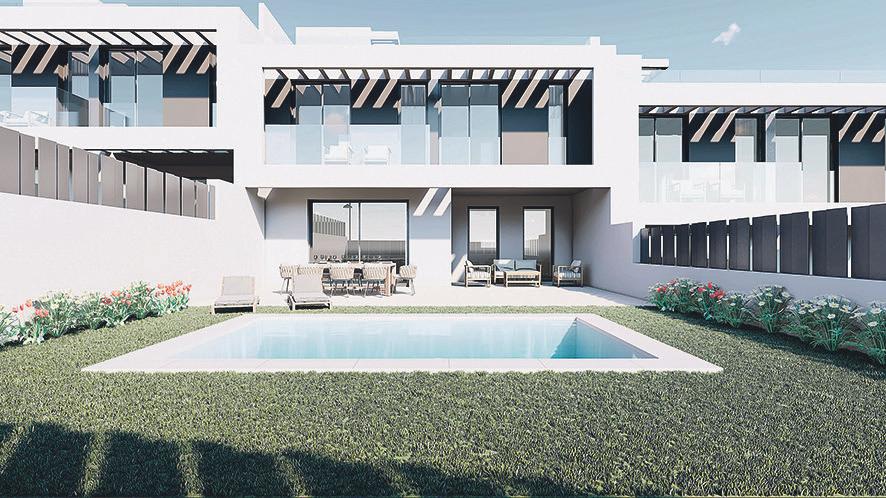
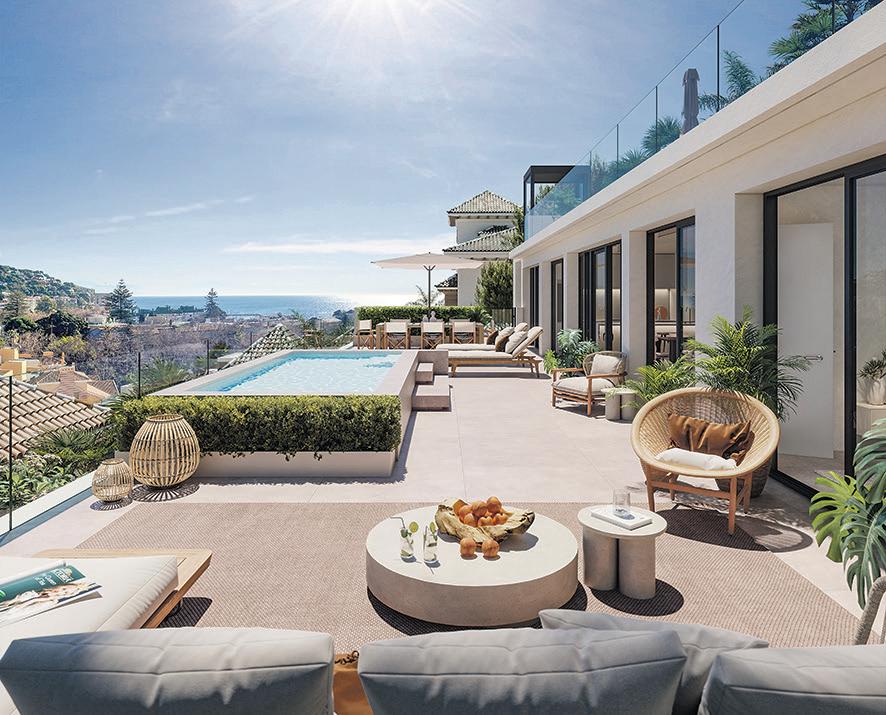
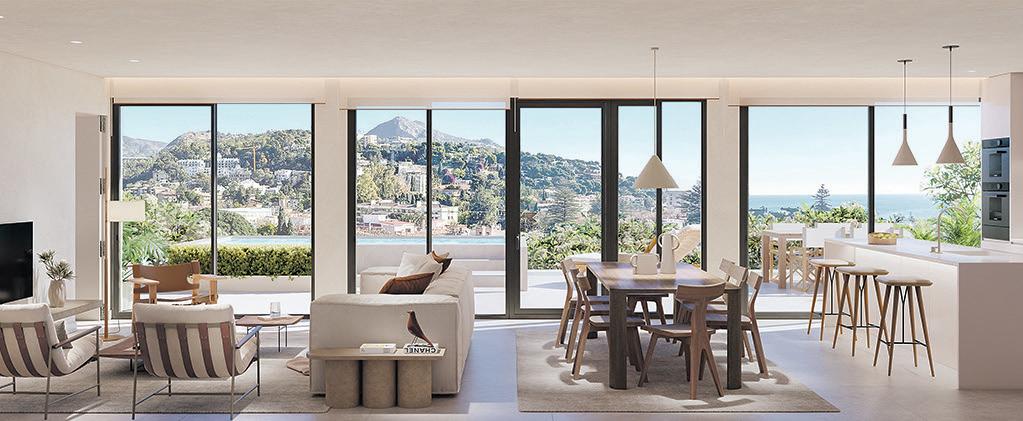
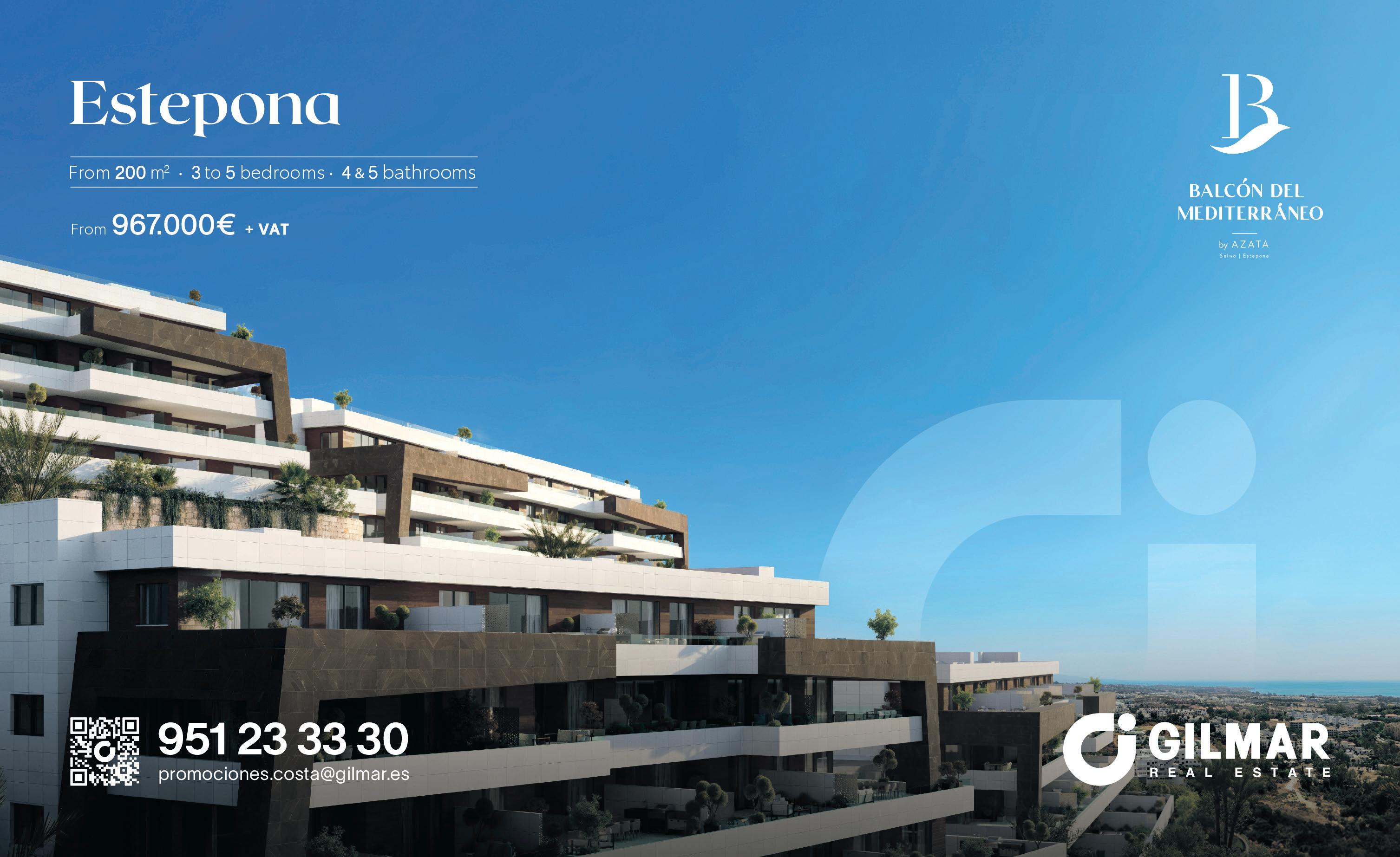
Not far away, Balcón del Mediterráneo rises along the so-called ‘New Golden Mile’. This enclave of 74 homes, comprising three- and four-bedroom residences, offers expansive terraces, open-plan interiors, and floor-to-ceiling windows that frame the Mediterranean like a living painting. Infinity pools, a spa, gym, and 24hour security create an environment where luxury becomes lifestyle. Starting at €967,000, it is a proposition for those seeking sophistication without compromising the soul of the coast.
Casares Bay: Sophistication in
FURTHER west, where the coastline begins to climb into gentle hills and silence takes on a life of its own, GILMAR introduces Casares Bay. Here, situated between the shimmering shoreline and the green fairways of Doña Julia Golf, 47 residences have been designed for those who find luxury in peace, privacy, and proximity to nature.
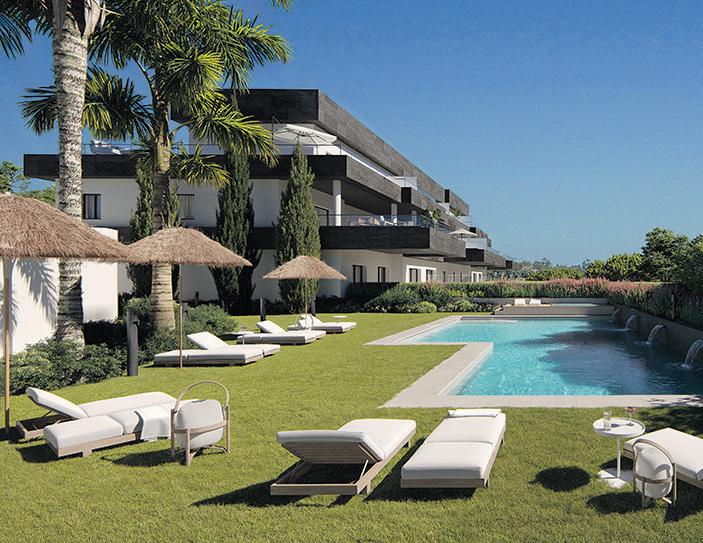
Starting from €370,000, Casares Bay offers a rare equilibrium. The homes are spacious and filled with natural light, featuring clean lines and contemporary layouts that open onto expansive terraces. Each unit blurs the boundary between indoors and out - an architectural gesture that reflects the very spirit of life on the Costa del Sol. Close enough to enjoy Estepona’s services yet far enough to feel like a retreat, Casares Bay is a rare find for those in search of serenity without seclusion.
stillness
Cadiz: Inhabiting heritage
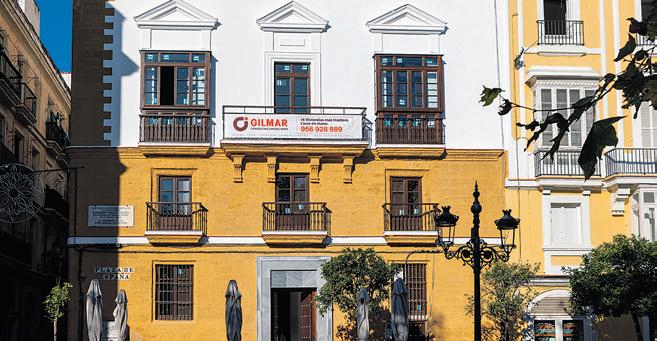
CADIZ is a city that lives in the present while gazing firmly at its past. Its streets speak of stories etched in stone, salt, and centuries of tradition. To reside here is to inhabit history - and GILMAR’s Plaza de España 12 offers just that.
This restored 18th-century building, located in the heart of Cadiz’s historic quarter, houses 14 modern apartments that honour the grandeur of the original structure while embracing contemporary living. From €285,000, each home features bright, upto-date interiors, fully fitted kitchens, and practical amenities such as storage rooms. And yet, the soul of the building remains intact: the Andalucian courtyard, the restored façade, and the delicate balance of old and new.
Just minutes from the beach, cultural landmarks, and some of Spain’s finest cuisine, Plaza de España 12 is both an investment and an immersion - into light, life, and legacy.
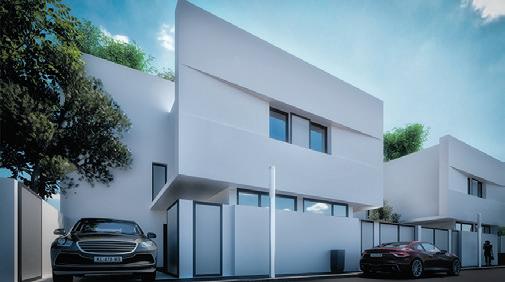
Also in Cadiz, Puerto Nature II presents a different vision. Here, the focus is on space, sustainability, and serenity. With chalets starting from €279,000, this development is ideal for families, nature lovers, or professionals seeking a more balanced way of life. Each residence features four bedrooms, large windows, private gardens, and a smart, efficient layout. Energy-saving systems, premium materials, and bioclimatic design ensure not only lower energy consumption, but also a healthier, more mindful lifestyleclose to the city centre and surrounded by natural beauty.
GILMAR and the art of southern living in Malaga and the Costa del Sol
Malaga: Contemporary urban living by the sea
MALAGA is no longer a city in transition - it is a city reborn. With its museums, redeveloped port, international airport, and renewed cultural identity, it has become a magnet for those in search of a life defined by art, access, and atmosphere. GILMAR understands this transformation and offers a distinct vision for the modern urban resident.
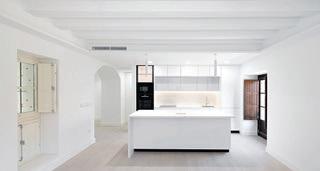
To the east, in the prestigious El Limonar district, Be Grand El Limonar is a tribute to refined urban coastal living. These apartmentsstarting at €500,000 - merge listed historical architecture with striking modern design. Rooftop pools with panoramic views, private fitness areas, and lush communal gardens are part of a development conceived with both form and function in mind.
Every detail has been carefully selected to elevate daily living while honouring the cultural depth of the location. This is where Malaga’s heritage meets its horizon.
GILMAR: Building a philosophy, not just a Property Portfolio
ACROSS these diverse developments, a shared ethos connects them all: GILMAR’s steadfast commitment to quality, design, and well-being. These are not simply housing projects - they are carefully imagined communities, designed to endure and to inspire. Aerothermal climate systems, smart home technology, ventilated façades, and sustainable building practices are not optional extras; they are standard.
Yet beyond these tangible features lies something more nuanced: a deep understanding of how people truly want to live. GILMAR doesn’t only consider how a home looks, but how it feels - how the morning light enters a space, how a terrace frames the horizon, how one room flows into another. These subtleties, often invisible but always sensed, are the signature of a company that builds with soul.
In the Costa del Sol and Malaga, GILMAR has not simply assembled a property portfolio - it has created a cartography of aspirations. Each development marks a destination on the map of a better life: one with more peace, more beauty, and a deeper connection to what truly matters.
promociones.costa@gilmar.es +34 951 233 330
ADVERTISING
Navigating the pitfalls of buying property in Spain
Spain is a popular destination for expats, in part due to the largely straightforward process for purchasing a property. However, this isn’t to say you won’t face any challenges during your Spanish property journey. Going into the process aware of the potential pitfalls and how to navigate them could save you future headaches.
Understanding the true costs
Many buyers focus entirely on the property price, only to be caught out by additional expenses. Taxes, notary fees, legal checks, and community charges can add 10-15 per cent to the purchase price. Non-residents may also face higher tax rates. A clear budget that accounts for these extras is essential.
Legal and bureaucratic hurdles
Spanish property laws differ significantly from those in other countries. Issues like illegal builds, unclear land rights, or outstanding debts on a property can lead to costly disputes. Hiring a reputable, independent lawyer to conduct thorough due diligence is non-negotiable.
Currency volatility
For expats transferring money from abroad, fluctuating exchange rates can drastically affect the final cost of a property. A sudden dip in the pound or
dollar could leave you short of funds at a critical moment. Some buyers avoid this by using a currency expert to set rates in advance. This protects their budget from market changes.
Financing challenges
Spanish mortgages for non-residents often come with stricter conditions and higher interest rates. Some buyers rely on overseas financing, but this can in-
troduce delays and additional costs. Exploring all options - and securing pre-approval where possible - can prevent last-minute scrambles.
The importance of local knowledge From regional property laws to negotiating customs, local expertise is invaluable. Misunderstandings over contracts, for example, are common when
translations are imprecise. Working with bilingual professionals - whether lawyers, agents, or financial adviserscan bridge the gap.
Making the process smoother
While buying in Spain requires careful planning, the right support can make all the difference. Many expats find that partnering with trusted experts - from legal advisers to currency specialistshelps them navigate the market with confidence.
With Currencies Direct, buyers can ensure their funds go further, making the overall cost of their Spanish property purchase more manageable. Our tailored services, including Redpin, are also designed to make your property purchase even more straightforward. Pop into your local Currencies Direct branch or call +34 910 786 109 today to see how much you could save on your Spanish property purchase.
Small solutions
REMOTE work has become a regular part of life since the pandemic, but many people still haven’t adjusted their homes to suit this shift.
Not everyone has a spare room to use as a home office, so more people are fitting workspaces into shared areas of their homes. Even with limited space, it’s possible to create a setup that’s both practical and comfortable.
Modern home offices don’t need to be
large. Newer homes are smaller, and many people only work from home part-time, so a compact workspace often makes more sense. Work areas today can be as small as 10 square feet and still offer what’s needed to get things done. The goal is to get more use out of less space.
One simple way to make a small office work is to divide your space. Use rugs or furniture to create clear zones in a
shared room, separating work from relaxation. Shelves or cabinets placed behind a desk can mark the boundary of your work area while offering useful storage. Choose furniture carefully. Go for smaller items that still meet your needs, like a desk with built-in storage. Avoid bulky pieces that make the room feel crowded. Where you place your office matters too, ideally near outlets and natural light, with windows beside or in front of you
HERE COMES THE SUN!
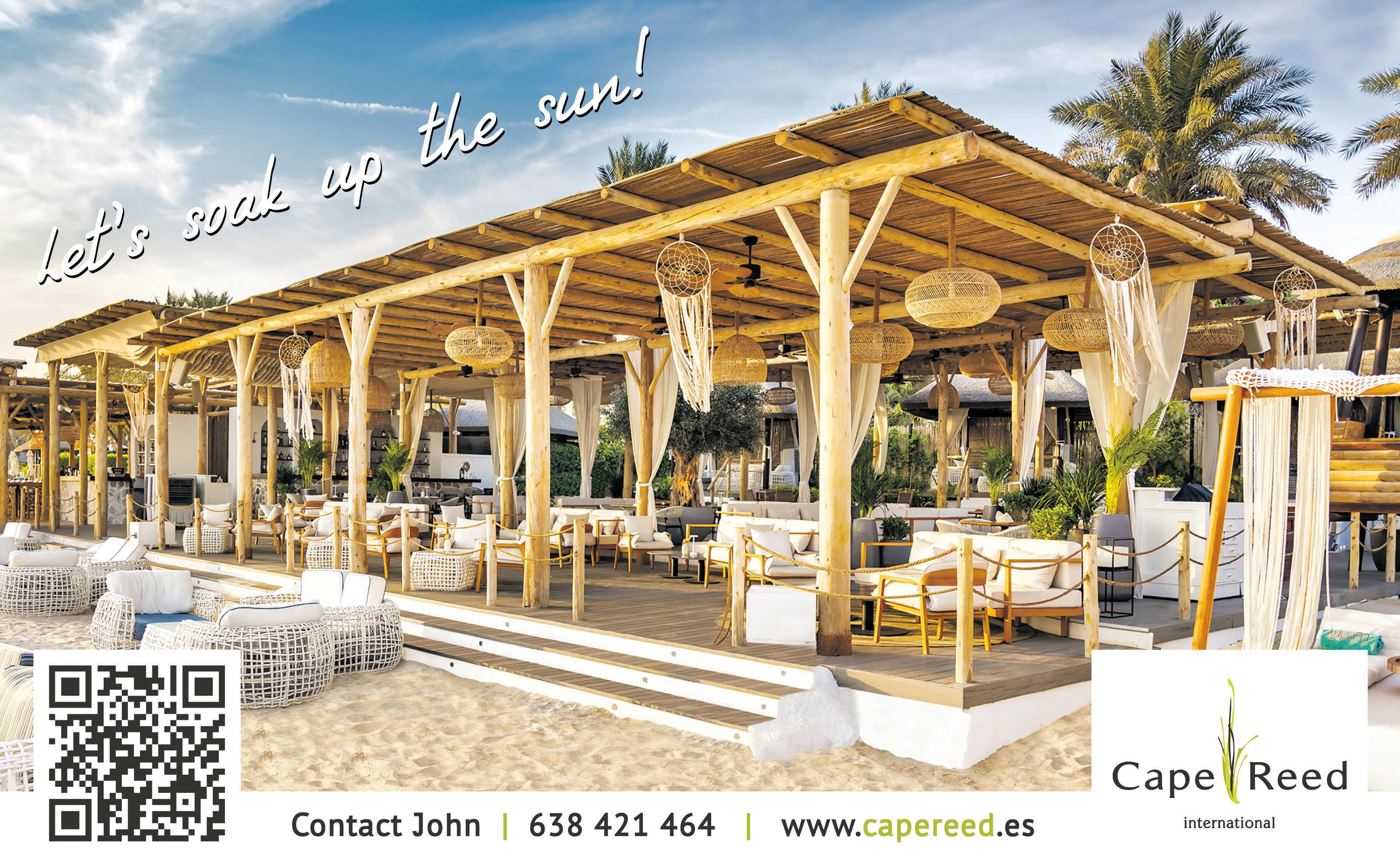
SPAIN’S wet weather has overstayed its welcome. From the Costa del Sol to Catalonia, soggy skies and grey afternoons have left many residents and visitors yearning for sunshineor at least some stylish shelter. We hear you. We know you’re tired of the rain dampening your plans, your garden parties, and even your mood.
With a bit of planning, even the smallest home office can support your work and keep your
That’s where Cape Reed International steps in. With a reputation for creating bespoke outdoor living spaces, we offer the perfect blend of luxury and practicality. Whether you’re looking to build a shaded pergola, a stunning thatched gazebo, or a fully weatherproof outdoor entertainment area, we’ve got you covered - literally. Using sustainable materials like timber and Cape Reed thatch, we craft structures that are as beautiful as they are durable. Designed to withstand the elements, our creations allow you to enjoy your outdoor spaces come rain or shine. So, when the heavens open up again - and let’s face it, they probably will -
you can stay dry and stylish under a Cape Reed creation, tailored to your preference. Already trusted by luxury resorts and private homeowners across Spain and beyond, Cape Reed brings world-class craftsmanship to your backyard. Don’t let the weather dictate your lifestyle.
Embrace all seasons with confidence. Because whether the forecast brings drizzle or dazzling sun, Cape Reed International ensures you’re always covered.
For more information or to book a consultation, visit www.capereed.es or give John a call on 638 421 464.
Trimobilia Real Estate your Trusted Partner in Elviria since 1995
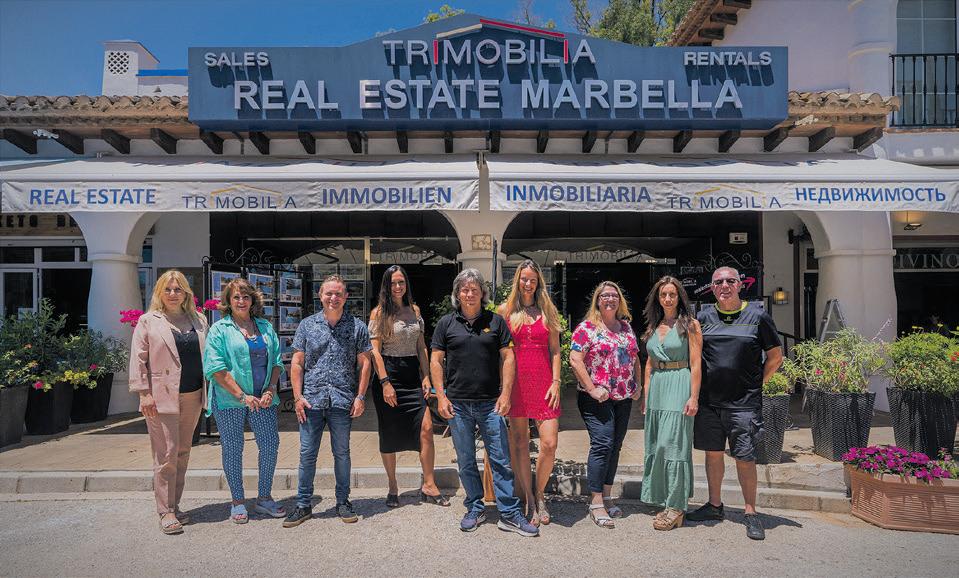
LOCATED in the heart of Elviria on the beautiful Costa del Sol, Trimobilia Real Estate Marbella has been a trusted name in property sales and rentals since 1995. Founded by Holger Klauke, a German national with a passion for real estate and client care, the agency has built a solid reputation for its professional, honest, and personalised service.
Conveniently situated at Centro Comercial Contur, Local 5 (beach side Elviria, opposite Alanda Hotel), Trimobilia offers a warm, welcoming office where clients are always gree-
ted with a smile. The team includes multilingual sales professionals who speak German, Dutch, French, Russian, English, and Spanish, making communication smooth and accessible for a wide range of international clients.
While Trimobilia sells both resale and new build properties along the entire Costa del Sol, the agency is particularly specialised in the Elviria area. This deep local knowledge allows the team to provide expert advice and guidance to both buyers and sellers. Additionally, the company boasts its own professional rental department dedicated exclusively to Elviria through its sister brand, Lettings Marbella, offering both short and long-term rental solutions.
Whether you’re looking to buy your dream home, invest in a holiday property, or rent out your property, Trimobilia is ready to assist. Their long-standing presence in the market, paired with a client-first approach, ensures every transaction is handled with care and expertise.
Visit or contact Trimobilia: Centro Comercial Contur Local 5, 29604 Elviria, Marbella, Malaga
Follow them on Facebook for updates on the latest listings and property news.
Warm wisdom Power smart
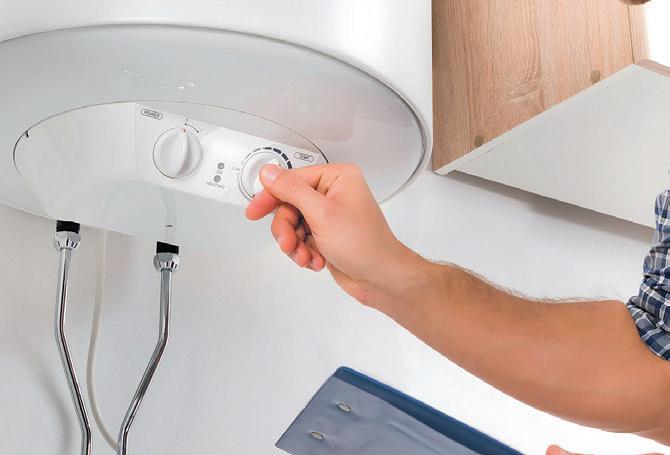
CHOOSING a heating system for your home can be confusing, especially when faced with terms like sealed and condensing boilers. Both types run on gas, but how they work and how much they cost to run can differ quite a bit.
A sealed boiler has a fully closed combustion chamber, which draws in air from outside and releases waste gases through a special pipe system. This design keeps the combustion process separate from your living space, making it a safe option with little risk of leaks.
Condensing boilers take things a step further. They reuse the heat from the gases produced during combustion to preheat the water in your heating system. This makes them more energy-efficient because they use less fuel
same amount of heat.
Because of this process, condensing boilers usually have an efficiency of 105–110 per cent, while sealed boilers sit between 90–95 per cent. This extra efficiency means lower gas bills and a smaller environmental footprint.
Condensing boilers release less CO2 and other harmful gases, which helps reduce pollution and fight climate change.
When it comes to pri-
ce, condensing boilers do cost more upfront due to their advanced technology. However, the energy savings over time can balance out the initial expense, making them more cost-effective in the long run. Sealed boilers are cheaper to install but won’t offer the same savings over time.
Condensing boilers are the more efficient and eco-friendly choice, though they come with a higher starting cost.
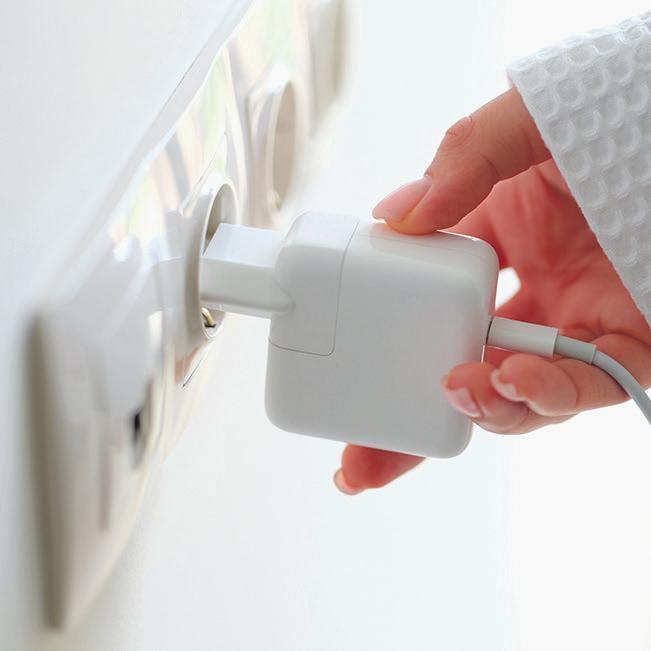
IF you are heading out, even just for a short while, it’s wise to take a quick look around your home and unplug certain items. While some appliances like fridges and TVs are safe to keep plu gged in, others could pose a risk if left on standby.
Toasters and air fryers can be fire hazards due to leftover crumbs or oil that collect inside them. Re gular cleaning helps, but the safest option is to unplug them after each use. The same goes for heated hair tools like straighteners and curling irons. Even with automatic shut-off features, it’s safer to unplug them and let them cool fully before leaving.
ted might not seem like a big deal, but they can overheat or wear out faster. Over time, this can lead to more frequent replacements and wasted money. Space heaters are another item that should never be left plugged in when not in use. Their main job is to produce heat, which means they carry an obvious risk if left unattended, even when switched off.
Lastly, electric kettles should be unplugged when not needed. Since they heat water quickly, any fault in the appliance can become dangerous, especially when no one is home to catch it.
Phone and device chargers left in sockets with nothing connec-
Unplugging these items doesn’t take long but helps reduce risk and keep your home safer.
Image: Andrey_Popov / Shutterstock.com
Image: Andrey_Popov / Shutterstock.com
No Need To Paint are looking for promotional homes
NO NEED TO PAINT, the number one Spray Coating for property exteriors have been established on the Costa del Sol since 1991.
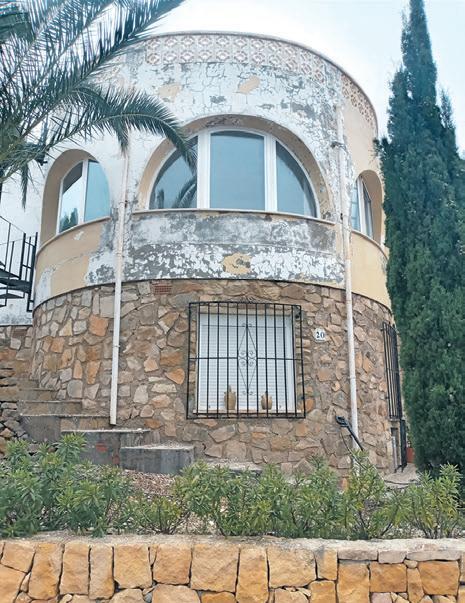
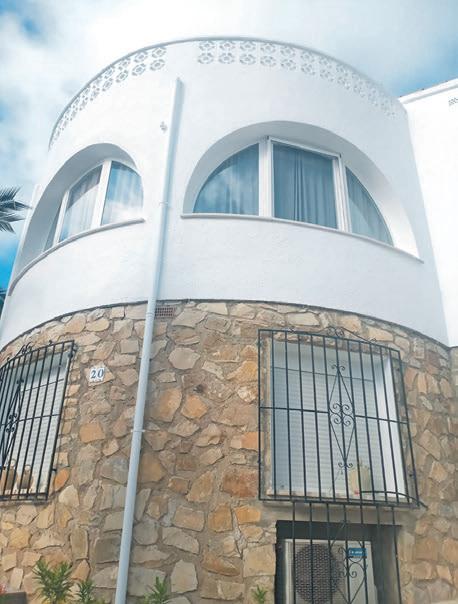
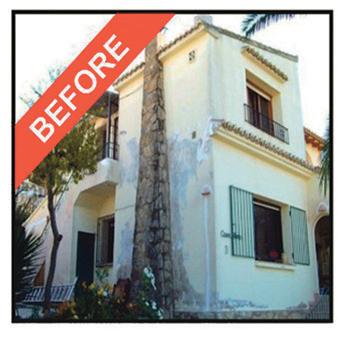
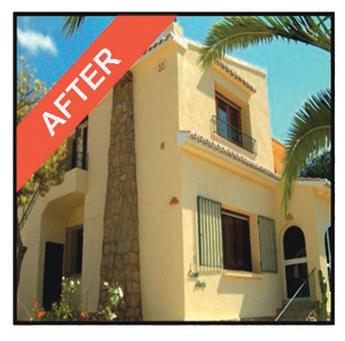
One of our very first clients Mrs Ballmer has recently had her property recoated with No Need To Paint Long Life Coating. It is proven to last in excess of 15 years and is fully washable which is important when the Sahara Sand rain comes. It is breathable and will stop penetrating damp also, it will not fade appreciably in colour. No Need To Paint have a unique 15 year insurance back guarantee, which is testament to the quality of the product.
The treatment No Need To Paint we will carry out on your property is not a decoration. It is a renovation!
The first process is to thoroughly wash all the walls, using a treatment to remove surface contamination and algae etcetera.
Once all the surfaces have been cleaned, any cracks are filled with flexible fillers, loose render is repaired and reinstated. When the surfaces are 100 per cent sound all the walls are primed and stabilised.
The next stage is to mask, with paper and tape, all doors, windows and floors, not requiring treatment. The
No Need To Paint Long Life Coating is then applied with a heavy duty airless spray machine, applying a minimum of two coats to each section. Finally, once the property has been fully coated the masking tape is removed and the site cleared.
The homeowner can now look forward to a minimum of 15 years, peace of mind! No regular repainting every three or four years, no more penetrating damp, which is a
problem in Spain and walls that can be hosed or power washed to keep them looking their best No Need To Paint is offering a FREE survey and quotation service, where everything is put in writing and valid for up to three months. No Need To Paint is always looking for Promotional Homes to showcase their work with the homeowner enjoying a special discount, subject to certain terms and conditions.
We cover all the Costa del Sol, so please call without obligation and book your FREE QUOTATION, now! For more information please call: +34 965 275 865 · email: admin@noneedtopaint.com.
Dining harmony
CHOOSING the right dining chairs for your table can be exciting, but it often raises the question: should the chair legs match the table legs?
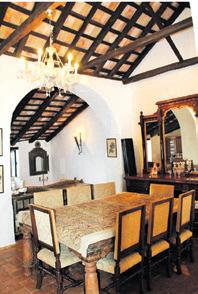
While there’s no strict rule, most interior designers agree that the chairs and table should complement each other, rather than match exactly. Instead of identical legs, use the table’s style as a reference. A shared design theme, like mid-century modern lines or rustic finishes, can tie the space together without making everything look identical. In fact, mixing textures, colours, or materials often creates a more interesting dining area.
A dark wood table can pair beautifully with lighter-toned chairs, and combining metals or woods adds contrast and depth. However, avoid overdoing it, too many variations can make the room feel chaotic. On the other hand, matching chair legs with a traditional table can create a sleek look, especially in formal settings. For those with an eclectic style, mismatched chairs can be a creative choice. You can mix shapes or colours, but keep some consistency, such as matching fabrics or finishes. Practicality matters too, chair height, width, and materials should fit your lifestyle and space.
HOUSE prices in Spain have reached a new record, with the average cost per square metre rising to €2,311.
According to the idealista housing platform, this marks an annual increase of 11.2 per cent and a quarterly rise of 1.7 per cent. Francisco Iñareta, a spokesperson for idealista, explained that rising sales prices have now overtaken rent prices, mainly due to limited housing supply. With few new builds and minimal rental stock becoming available, the high demand for buying continues.
The market is struggling with a serious shortage of homes, and without urgent changes to speed up land development and homebuilding, prices are likely to keep climbing. All Spanish capitals saw annual price rises except Huesca, which dropped by 7.8 per cent. Madrid led the increases with
Market heat
a 22.7 per cent rise, followed by Valencia, Malaga, Palma, and Alicante.
San Sebastian remains the most expensive city at €6,000 per square metre, ahead of Madrid and Barcelona. Meanwhile, Zamora is
the cheapest, at €1,199 per square metre. Across the regions, the Balearic Islands top the list for price, while Castilla-La Mancha and Extremadura are the most affordable.
Prices also rose in nearly every province,
except for a few like Badajoz and Ourense, where they fell slightly. Madrid, Santa Cruz de Tenerife, and Malaga saw the sharpest increases, confirming that demand continues to outpace supply across most of the country.