The Costa Blanca property market


THE
PROPERTY values across the stunning Costa Blanca are continuing their impressive upward journey as we move through early 2026. From the sophisticated northern charm of Denia and Altea to the vibrant southern hubs of Torrevieja and Orihuela Costa, the region remains a top choice for those seeking the perfect Mediterranean lifestyle.
Recent data from Gesvalt highlights this momentum, showing that property prices across the wider Alicante Province rose by a strong average of 12.9 per cent in the first quarter of the year. This robust performance marks a bri-
lliant start to the market and underscores the enduring appeal of Spain’s eastern coastline. While these figures represent the entire province, the positive impact is felt deeply in both the north and the south. In the northern regions, established markets like Calpe and Altea continue to thrive as premium secondary homes and luxury residences remain in high demand. Similarly, the southern coastal hubs of Torrevieja and Orihuela Costa are seeing high-quality developments and modern apartments dominate the scene. These areas have become global favourites for those seeking

energised, resort-style living and high-yield investment opportunities.
Even with this exciting growth, the Valencian Community offers exceptional value for money. Average values across the region currently sit at around €1,648 per square metre, which remains well below the national average of €2,012. This price gap suggests a wonderful window of opportunity for further appreciation as more investors turn their eyes toward our sunny shores. To put this into perspective, a typical 90-square-metre property in the region now costs roughly €148,320, reflecting a heal-
thy value increase of nearly €19,000 over the past year while remaining an accessible entry point for high-quality living.
The rental market is matching this enthusiasm, with prices rising by over 11 per cent annually across the Valencian Community. These figures point to a thriving ecosystem supported by long-term residents and a steady flow of seasonal visitors. All of these indicators together solidify the Costa Blanca’s reputation as a high-performance real estate market that offers both a beautiful place to call home and a growing investment.

Andronov /
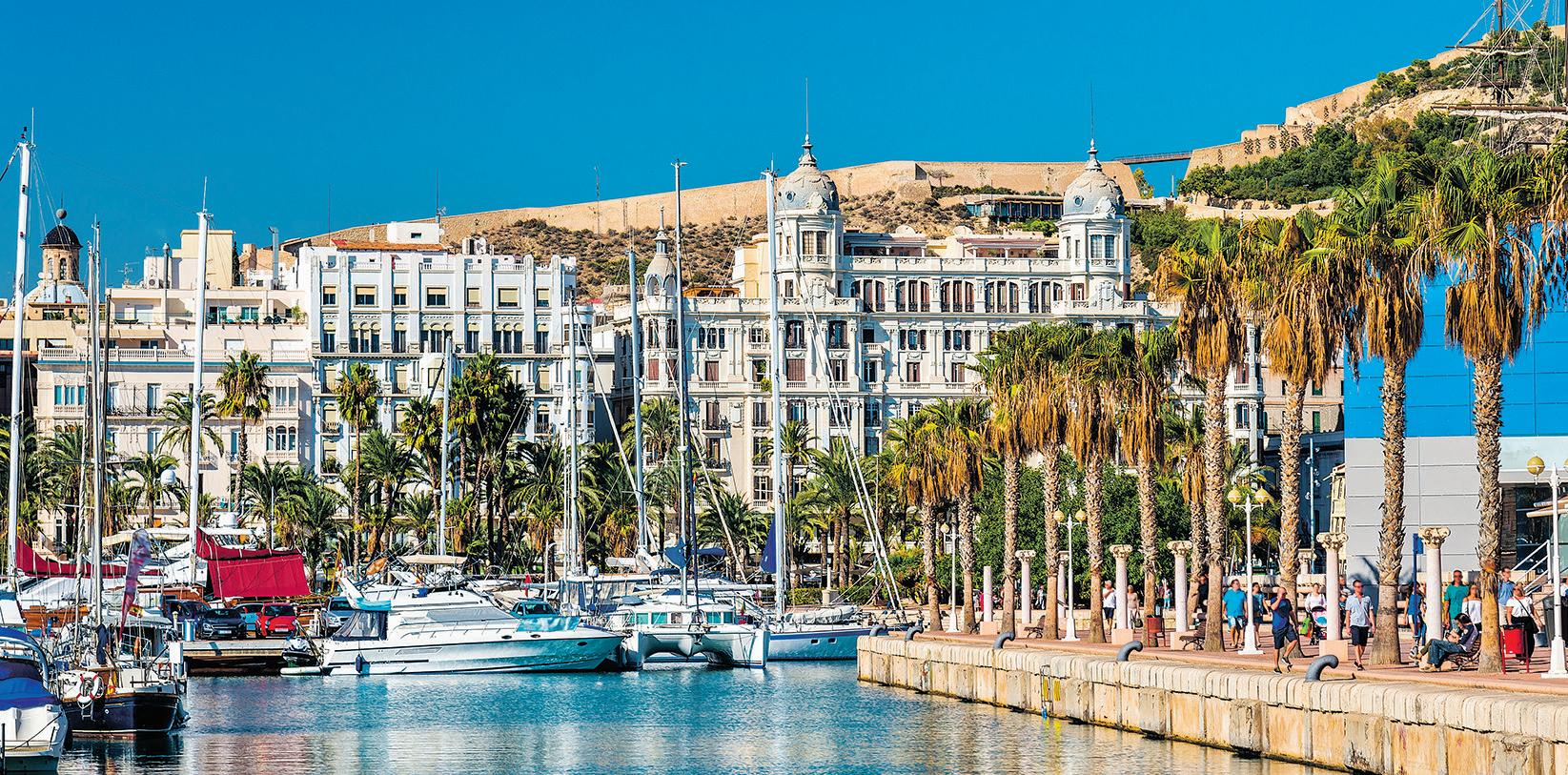
The perfect Mediterranean lifestyle.
The perfect storm
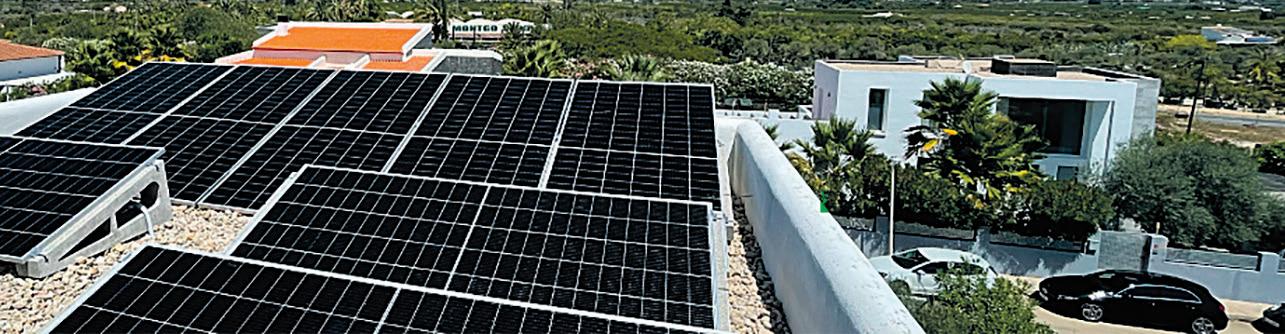
Why you shouldn’t wait any longer to get solar energy
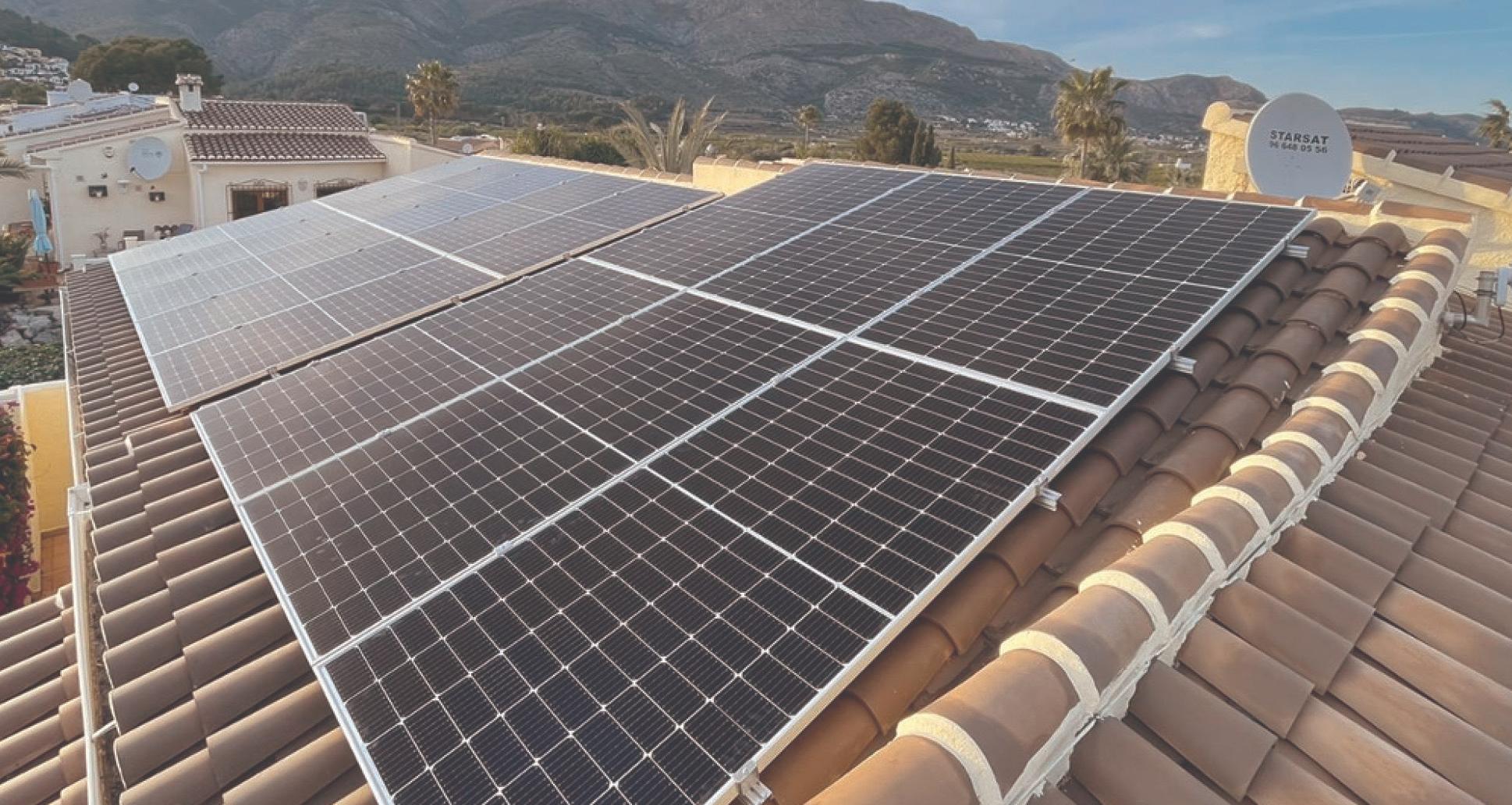
AS of March 2026, global events are once again pushing energy prices upward, and the effects are visible in our daily expenses. What looked like a period of stabilisation has reversed due to rising geopolitical tensions, particularly in the Middle East. The result is clear: energy and living costs are climbing again. Why everything is becoming more expensive
Several factors are reinforcing each other. The escalation of tensions around Iran has unsettled global markets, driving up energy prices.
Gas and electricity
European gas prices have risen in recent weeks. Because gas still largely determines electricity prices in Europe, this increase is directly reflected in power costs. Those with dynamic contracts are already seeing price spikes, while fixed contracts will soon adjust upward. Oil and transport
Oil prices have also surged. Instability
in the Persian Gulf raises insurance costs for tankers and creates fears of supply disruptions. This leads not only to higher fuel prices but also increases the cost of transporting goods, affecting nearly everything we buy.
Grid costs and taxes
In Spain and across Europe, billions are being invested to upgrade electricity grids, which will increase management costs in the coming years. Although the Spanish government has temporarily reduced taxes to ease the burden, this is only a short-term measure.
Why you must act NOW (and not af-
ter summer)
Waiting for prices to drop may seem logical, but historically, energy prices rise faster than they fall. Acting now on solar energy offers key advantages.
Panel prices are expected to rise
Due to global trade shifts and raw material shortages, solar panel prices could increase by 10-15 per cent. Buying now allows you to benefit from current pricing.
Immediate cost control
Every kilowatt-hour you generate yourself avoids taxes, grid fees, and surcharges, helping stabilise your monthly expenses.

Avoid delays
When energy prices spike further, demand for solar systems will surge, increasing waiting times. Acting now ensures installation before peak pricing periods.
Batteries are becoming essential
In 2026, combining solar panels with a home battery is increasingly important. It allows you to store your own energy and avoid expensive peak rates, especially as compensation for feeding energy back into the grid continues to decline. We cannot control global events, but we can control our energy choices. Investing in solar energy now reduces dependence on volatile markets and protects you from rising costs.
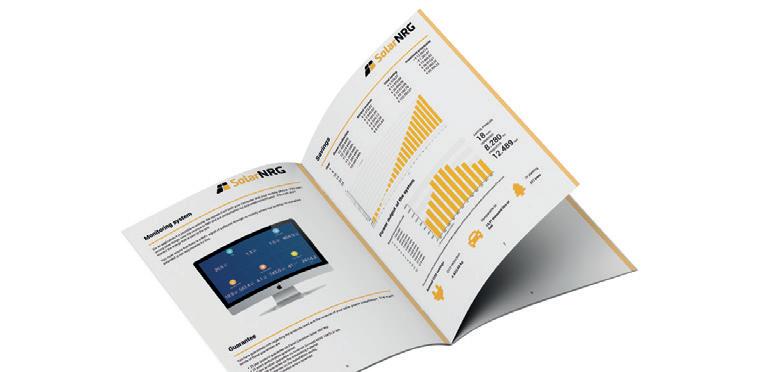
We can prepare a personalised quote including yield calculations based on your current consumption, call +34 966 941 849 or visit solarnrg.es.
Lived-in luxury
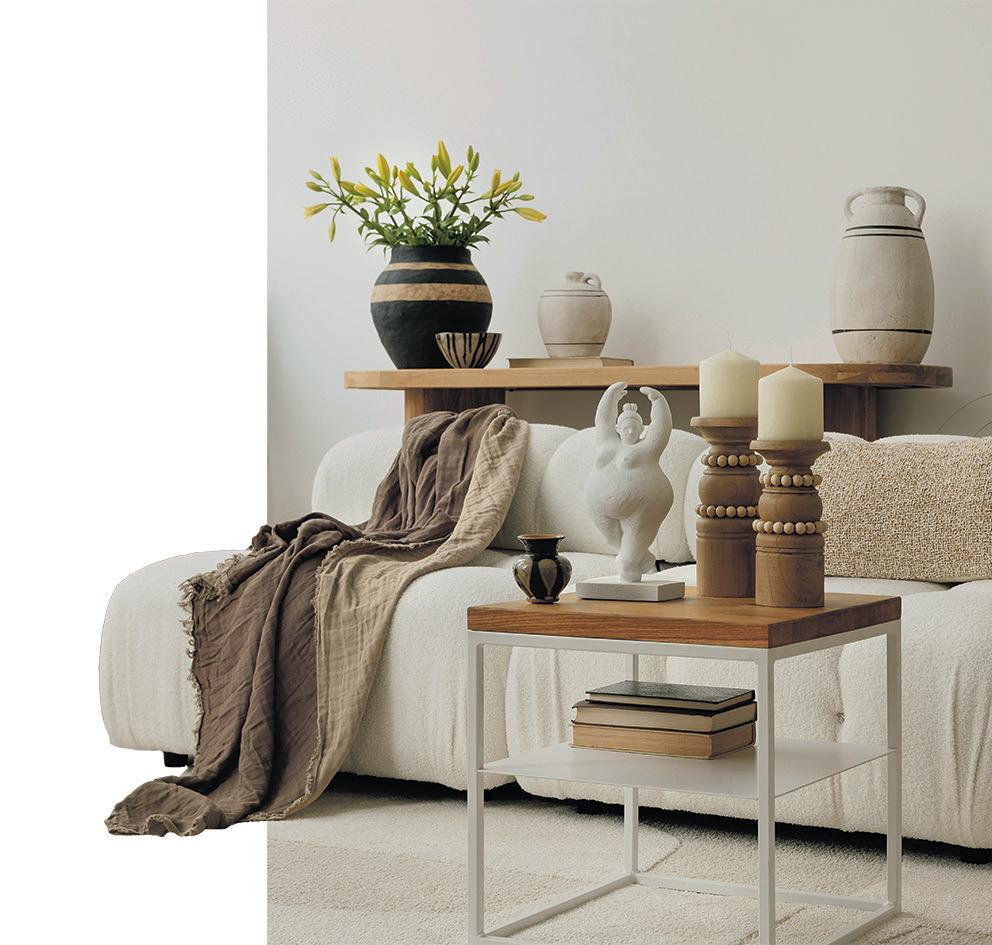
FOR years, the idea of a ‘perfect’ home meant pristine surfaces, matching furniture sets and rooms that looked almost untouched. In 2026, that definition of luxury is shifting dramatically. Instead of polished perfection, homeowners are embracing spaces that feel personal, layered and genuinely lived in.
This new aesthetic - often described as lived-in luxury - values comfort, character and individuality over showroom-style interiors. Rather than stripping homes back to neutral minimalism, people are adding depth through objects that tell a story: inherited furniture, vintage finds, travel pieces and artwork collected over time. The result is a home that feels curated rather than staged.
Interior designers note that this shift is partly a reaction to the dominance of social media-ready interiors over the past decade. Homes that once looked ideal in photographs are now being reconsidered for how they feel to actually live in. Glossy surfaces and rigid colour schemes are giving way to softer textures, imperfect finishes and eclectic combinations that evolve naturally over time.
Material choice is central to this trend. Natural wood that shows grain and wear, linen that creases, stone that patinates
and metals that tarnish slightly are all being embraced rather than hidden. These materials bring warmth and authenticity, creating interiors that feel grounded rather than artificial.
There is also a growing appreciation for ‘visible life’ within the home. Books stacked on coffee tables, ceramics collected over years, and slightly mismatched seating arrangements are no longer seen as clutter but as part of the home’s personality. The emphasis is on comfort and use, not display.
Importantly, lived-in luxury does not mean disorder. Instead, it is about intentional imperfection - spaces that are thoughtfully designed but not over-styled. The aim is balance: homes that still feel refined, but also relaxed enough to be fully used and enjoyed.
As lifestyles continue to prioritise well-being and authenticity, this approach is becoming increasingly appealing. A home is no longer just a statement of taste; it is a reflection of life being actively lived within it. In 2026, that may be the ultimate form of luxury.







Maximising small spaces
LIVING in a Spanish city often means trading sprawling square footage for a prime location near the plaza. However, a compact apartment in Madrid or a coastal studio in Malaga doesn’t have to feel like a compromise. Trends are shifting away from ‘making things fit’ and toward ‘making things felt’. By using a few clever design tricks, you can turn a modest footprint into a home with a massive personality.
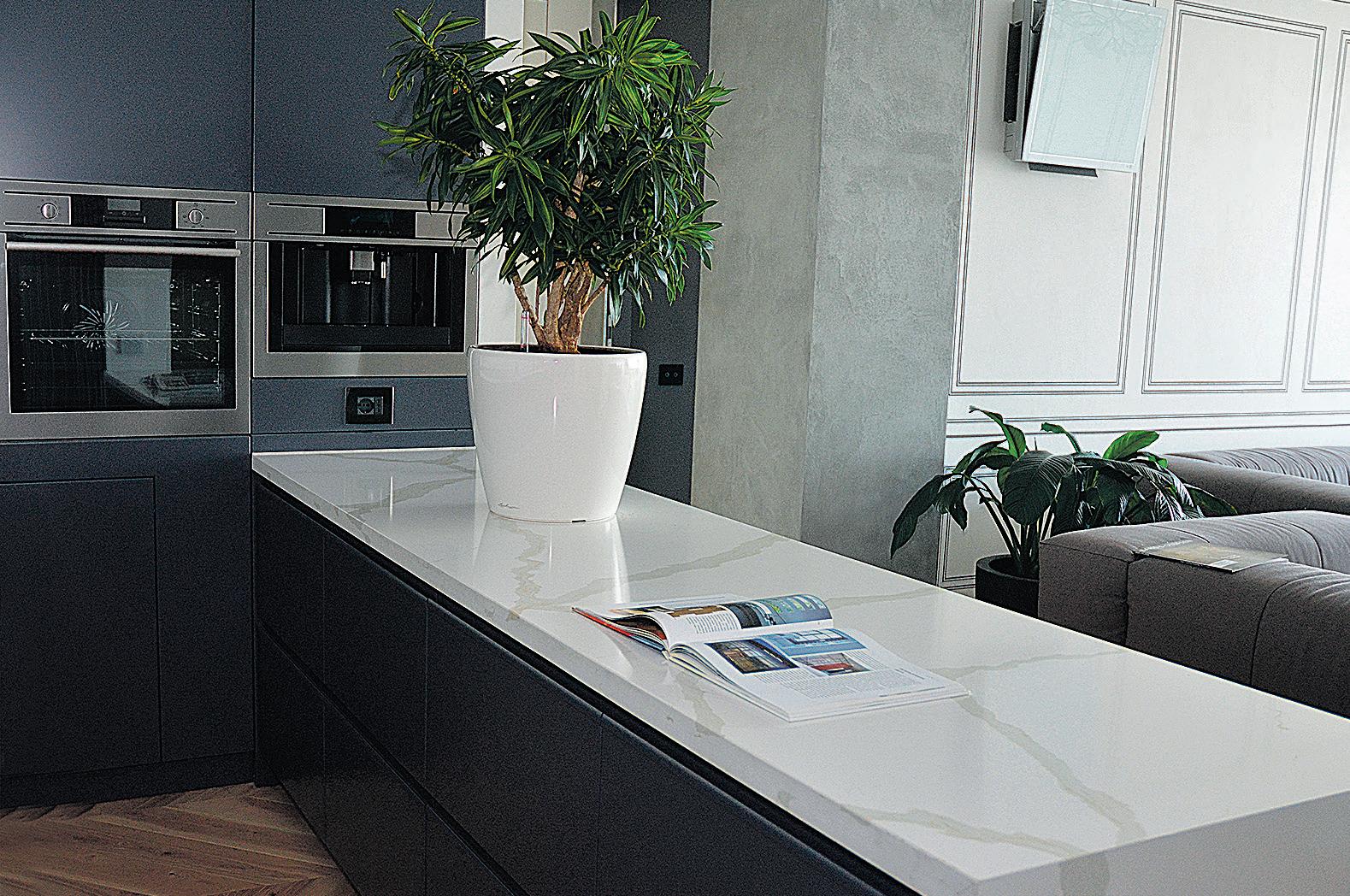
The power of zone definition In a small apartment, the biggest mistake is leaving furniture to float aimlessly. To create the illusion of a larger home, you must define specific ‘zones’ for different activities. Use low-profile furniture - like a mid-century sideboard or a sleek console - to create a visual boundary between your kitchen and living area without blocking the precious natural light. Rugs are also your best friend here; a large, high-quality jute rug in the lounge area acts as an anchor, mentally signalling that you have entered a separate ‘room’. This prevents the
‘studio fatigue’ that comes from eating, working, and sleeping in one undifferentiated box. Reflective surfaces and verticality
Welcome to MARIN ESTATES
where the azure of the sea meets real estate excellence.
ON the Costa Blanca, the landscape is more than a backdropit is a lifestyle that defines who we are. We understand that searching for a property on this coast is not merely a financial transaction; it is the pursuit of a sanctuary, lasting well-being, and the stage for your finest moments. Consequently, we have transformed the traditional agency concept into a high-end boutique consultancy, designed to offer an exclusive, bespoke service. Our philosophy blends professional rigour with Mediterranean essence.
Why choose MARIN ESTATES?
We specialise in connecting discerning buyers with the region’s most unique properties, offering comprehensive management that eliminates uncertainty:
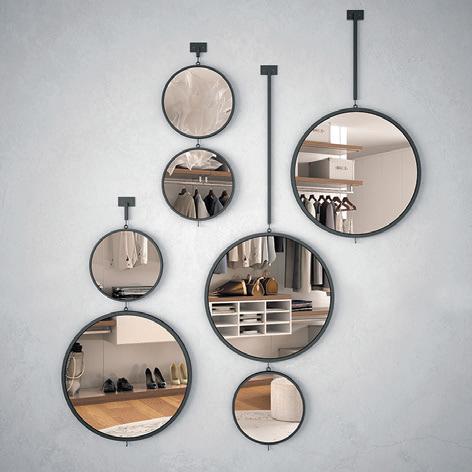
in feel. Additionally, always think vertically. Installing bespoke floor-to-ceiling shelving not only provides vital storage for your library or ceramics but also draws the eye upward, making the room feel significantly taller than it actually is.
Bold choices for small rooms
There is a common myth that small spaces should only be painted white. On the contrary, tiny rooms like guest bathrooms or entryways are the perfect places to experiment with ‘maximalism’.
A bold, oversized floral wallpaper or a deep, moody navy can actually make a small room feel grander by blurring the corners and creating depth. When you stop trying to make a room look ‘big’ and instead focus on making it ‘interesting’, the lack of square footage becomes irrelevant.
Spanish apartments are often blessed with beautiful high ceilings but plagued by narrow corridors. To combat this, look to the walls. Mirrors are an age-old trick, but

Tailored Guidance: We select homes aligned with your vision, lifestyle, and expectations.
Transparency and Legal Rigour: Every step is backed by exhaustive technical and legal analysis, ensuring a secure investment.
Strategic Market Analysis: Our local expertise identifies genuine opportunities, ensuring flawless transactions.
We are your trusted allies on the Costa Blanca. At MARIN ESTATES, we do not just sell properties; we build the bridge to the future you have always imagined.
+34 624 584 844 • www.marinestates.es
for 2026, we are seeing ‘mirror galleries’ rather than single large panes. Grouping various antique mirrors reflects light into dark corners and adds a curated, lived-
FOR years, the Spanish ‘jardin’ was defined by hard surfaces: terracotta tiles, wrought iron furniture, and perhaps a few sun-baked loungers, but a softer revolution is taking root. The ‘upholstered garden’ trend has officially arrived, blurring the lines between our elegant indoor salons and our sundrenched outdoor terraces. This isn’t just about adding a couple of scatter cushions; it’s about creating a fully furnished, plush sanctuary that treats the Mediterranean sky as its ceiling.
Why the sudden shift toward the ‘outdoor living room’? After years of functional, minimalist landscaping, homeowners are seeking emotional comfort. Psychologically, we associate soft textures - velvets, chunky knits, and deep foams - with safety and relaxation. By bringing these elements poolside or onto the balcony, we signal to our brains that the garden is no longer just a transit zone or a place for a quick tapas lunch, but a primary living space designed for long-term decompression. In the heat of a Spanish summer, a cushioned ‘daybed’ becomes a much more inviting prospect than a rigid plastic chair.
Achieving the upholstered look requires a strategic approach to layering. Start with an outdoor rug to define the zone; look for recycled PET fibres that mimic the feel of wool but can withstand a stray splash from the pool. The centrepiece of this trend is
Whether you are prepping a rental property or styling your own hideaway, remember: it’s not the size of the floor that matters, but the height of your ambition.
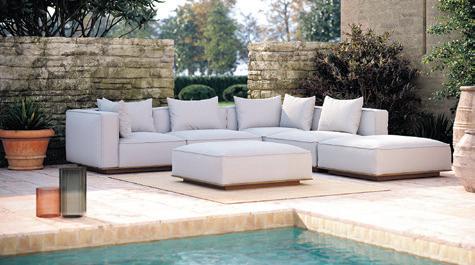
the modular outdoor sofa, upholstered in high-tech, UV-resistant fabrics that won’t fade under the intense Andalucian sun. To keep the look ‘2026’, opt for curved silhouettes and rounded edges, which feel more organic and less clinical than sharp, modern lines.
Of course, living in Spain presents unique challenges for textiles. The key to a successful upholstered garden is breathability. Choose ‘solution-dyed’ acrylics that stay cool to the touch even at midday. For maintenance, look for quickdry foam interiors that allow moisture to drain through almost instantly after a rare rain shower or a cleaning.
Finally, accessorise with oversized floor pouffes and weighted throws for those cooler evening breezes. Whether you’re overlooking the Mediterranean or a courtyard in Sevilla, investing in an upholstered garden is the ultimate way to elevate your property’s footprint and your own daily well-being.
A cooling canopy can look fabulous.
Earthy tones lead
AS homeowners along the coast seek fresh inspiration, interior designer Pepa Moreno has shared her expert insights into the leading trends for Spring 2026. The current shift moves away from clinical aesthetics towards warm minimalism, a style that prioritises comfort, sustainability, and natural textures to create lived-in spaces.
Moreno, who graduated from the KLC School of Design and worked on high-end London projects like The Connaught Hotel, notes that
quiet luxury is now central to regional homes, focusing on superior craftsmanship and bespoke, handcrafted items. The previously popular cool greys are being replaced by a nature-inspired palette of sand, ochre, terracotta, deep greens, and warm browns. These earthy tones are complemented by tactile fabrics like boucle and linen, while limewash walls and microcement flooring provide organic finishes
The indoor-outdoor lifestyle remains a priority, with
significant investment in sophisticated outdoor kitchens and seamless seating areas. She also notes there is a growing demand for integrated wellness facilities, including home saunas, cold plunges, and private gyms. Having previously founded the studio The Desired House, Moreno has since returned to the coast to focus on personal projects. Planning a spring renovation? The focus is firmly on quality, detail, and a connection to the natural environment.
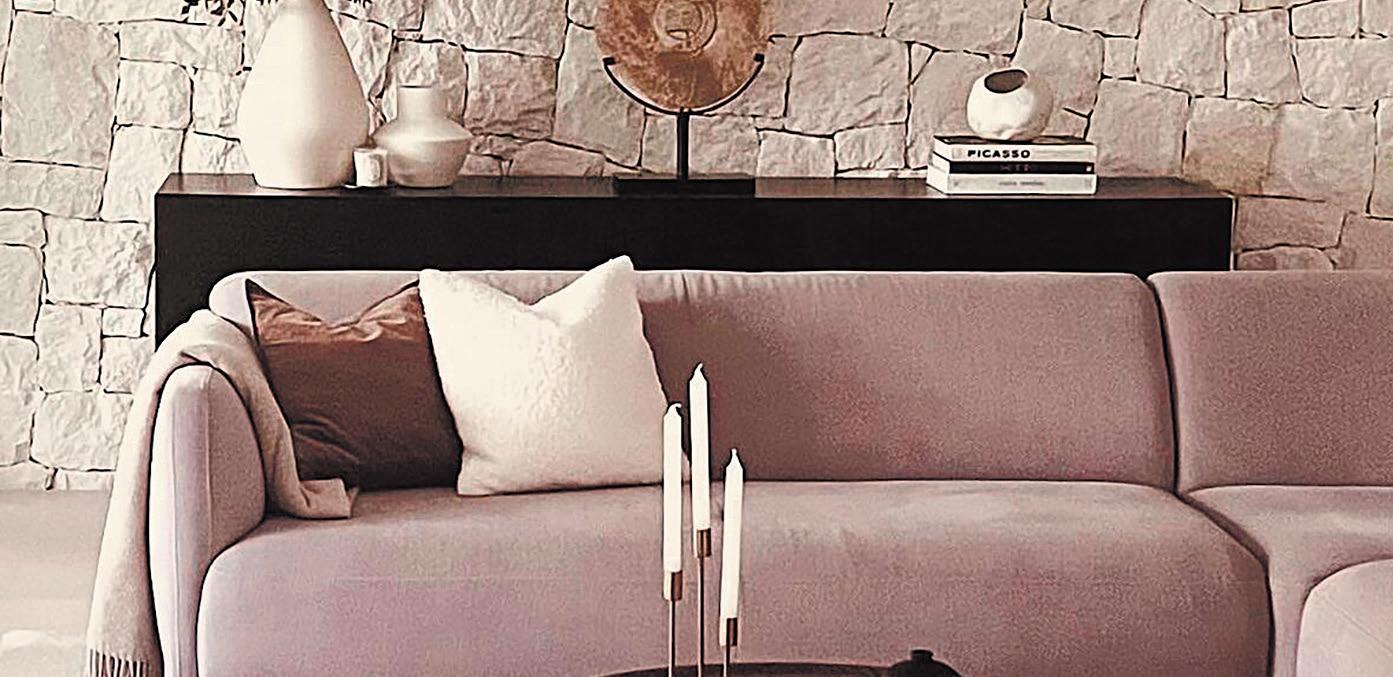
and fabrics with texture

Experienced Estate Agents at your service
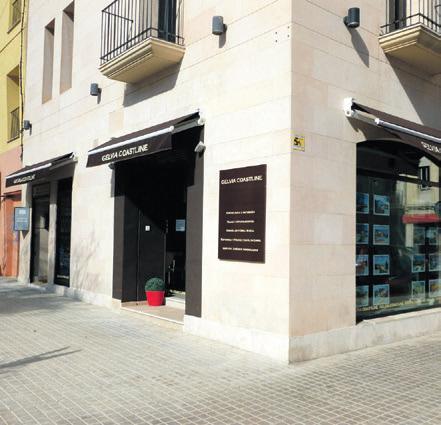
COASTLINE PROPERTIES is an established, independent estate agent and property finder, with 20 years experience and in depth local knowledge of the Northern Costa Blanca, based in Denia and specialising in the Marina Alta.
Founded in 2006 Coastline Properties has been built into an established and professional agency with a trusted reputation for high quality service, and a wide ranging property portfolio offering all types of villas, apartments, bungalows and townhouses - for all year living, holiday homes or investments.
Founder, Philip Westerby, says “We pride ourselves in our
high quality, personal service and professional advice and will be happy to assist vendors or buyers in all aspects of the sale or purchase - providing support and guidance for a stress free, successful completion. You can see many reviews and recommendations from satisfied clients on our website!
“Our expertise will help you at every step of the selling or buying process. We also offer a complete after sales service.”
If you need advice or a free valuation you can Call or WhatsApp Philip on 0034 606 798 213 or Email: philip@coastlineproperties.es Website: www.coastlinepropertiesspain.com

Warm earthy tones
IN the modern Spanish home, the open-plan revolution is quietly being reconsidered. While the ‘kitchen-diner’ has long been the gold standard for efficiency, 2026 has seen a definitive return to the dedicated dining sanctuary. This shift isn’t about formal rigidity; it’s about honouring the ‘sobremesa’ - that sacred period after a meal spent in deep conversation. To create the perfect Mediterranean dining space, one must design for both the senses and the soul, ensuring the environment is as evocative as the food served.
Designing for connection
The perfect Mediterranean dining room starts with a table that acts as a grounded, monolithic anchor. As seen in the most coveted coastal villas this year, we are moving away from spindly legs toward heavy, tactile timber that feels like it has a history. Psychologically, a substantial wooden table creates a sense of permanence, encouraging guests to lean in and linger. To keep the atmosphere intimate, avoid clinical whites in favour of warm, clay-toned walls. When paired with a natural wood-panelled ceiling, this creates a ‘cocoon’ effect that draws the eye inward, focusing all attention on the social heart of the room.
Atmosphere and acoustics
Lighting and sound are the invi-

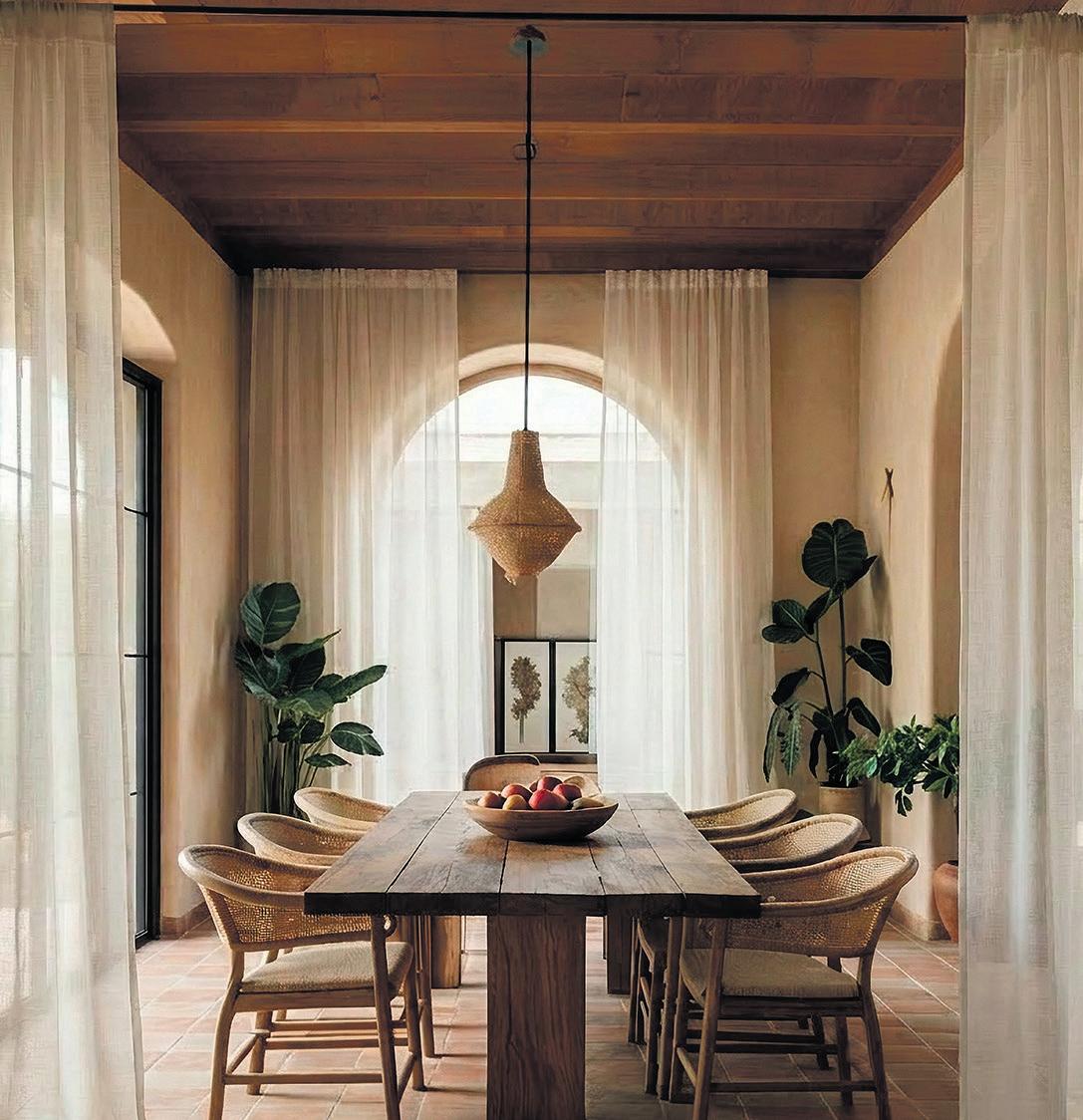
sible architects of a great evening. In a Mediterranean setting, harsh overhead spotlights are the enemy. Instead, look for a sculptural pendant made of natural fibres - like raffia or wicker - to cast a soft, dappled glow. Furthermore, acoustics are vital for the lively Spanish household. In a room with traditional terracotta tiles, the ‘echo-chamber’ effect can be distracting. The solution is the use of floor-to-ceiling sheer linen drapes. These don’t just soften the midday sun; they act as acoustic dampeners, ensuring that even when the conversation reaches a crescendo, the room remains a sophisticated sanctuary. The luxury of the linger Ultimately, the revival of the dedicated dining room reflects a deeper understanding of how our surroundings dictate our behaviour. True luxury is no longer defined by opulence, but by the quality of the atmosphere and the ‘luxury of the linger’. By creating a curated retreat that prioritises comfort and soft architecture, we are keeping the traditions that define the Mediterranean lifestyle. Whether you are hosting a family lunch or an intimate dinner, design a space that makes time feel elastic. When the environment invites people to stay, the most meaningful moments of the day can truly begin.


Tu Real Estate supporting your Costa Blanca property journey
TU REAL ESTATE is a well established and trusted property agency based in Alfaz del Pi, with five years of dedicated experience in the local property market. The company is owned and managed by Niklas Löfroth, who has lived in the area for more than 26 years. With a strong background in the service sector, Niklas has developed an extensive and reliable network of local professionals, ensuring that clients benefit from valuable connections and deep knowledge of the Costa Blanca property landscape.
At Tu Real Estate, the emphasis is on providing a genuinely personal and supportive service. Each client’s needs are carefully understood, with guidance offered throughout every stage of the property journey. From the first enquiry through to completion and beyond, ongoing assistance remains available to ensure a smooth and reassuring experience.
Security and peace of mind are central to the Tu Real Estate approach. In addition to property sales, the company offers complementary services including insurance solutions, key holding and practical support, helping to safeguard each property investment and simplify ownership.
Luxe for Less




OWNING a home in Spain often means beautiful light and enviable architecture, but interiors can sometimes feel a little ‘developer standard’. If your villa or apartment is crying out for a high-end overhaul but your bank account is suggesting otherwise, take heart. You don’t need a sledgehammer to achieve a ‘Property List’ aesthetic.
Layer your lighting
The quickest way to make a room look cheap is to rely solely on the ‘big light’. In Spain, where overhead fans with integrated bulbs are common, the light can feel clinical. To elevate the mood, think in lighting layers.
Swap harsh white bulbs for warm-toned LEDs and introduce floor lamps and table lamps at varying heights. A sculptural lamp on a sideboard creates an immediate focal point, while
‘uplighting’ a large monstera or palm in the corner adds dramatic shadows. Aim for at least three sources of light per room to create depth and that elusive boutiquehotel glow.
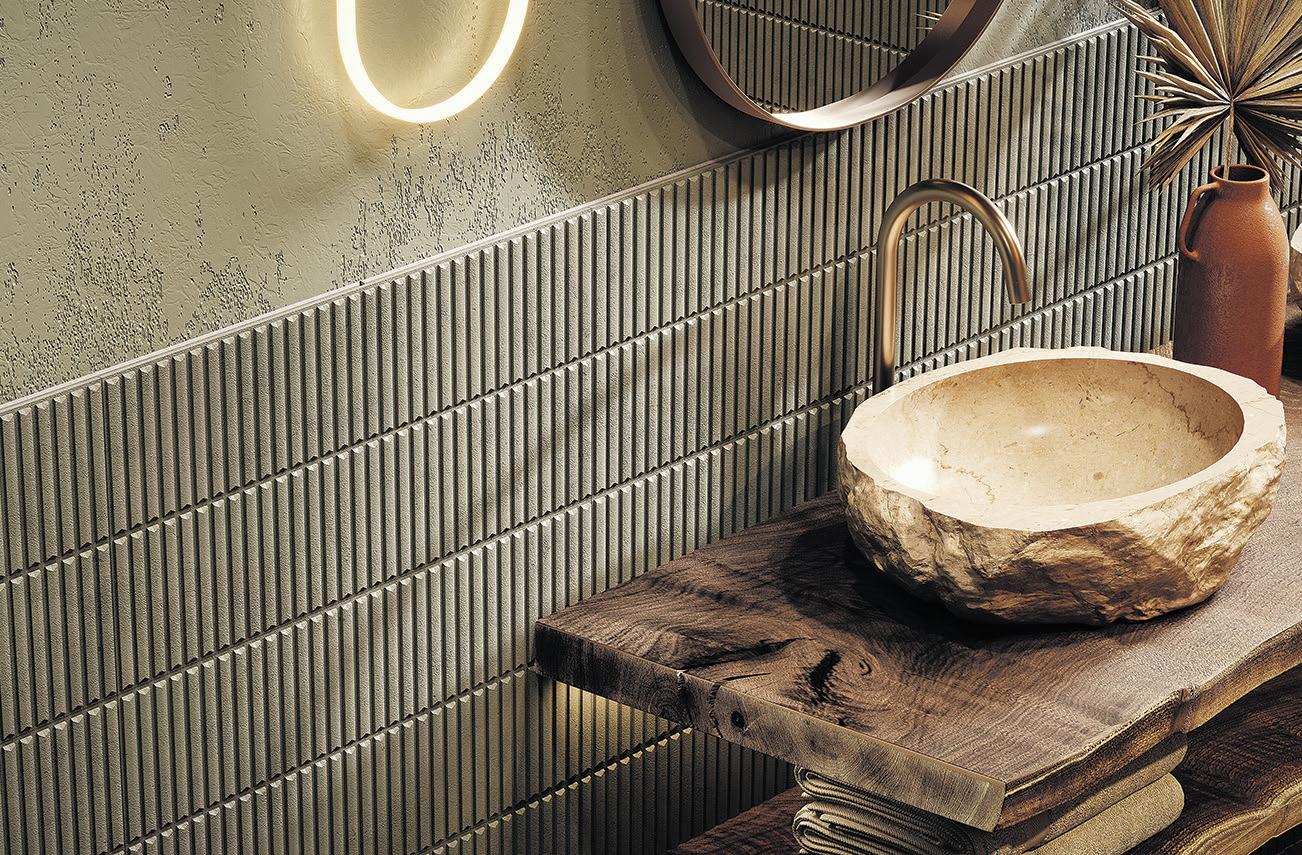
The hardware swap Contractor-grade handles and taps are the tell-tale signs of a budget build. One of the most effective ‘secret’ designer tricks is replacing basic chrome hardware with something more intentional.
Consider swapping kitchen cabinet knobs for brushed brass, matte black, or heavy knurled steel.
In the bathroom, a sleek new tap or even a high-end shower head can transform the space without a single tile being moved. It’s a tactile upgrade; every time you open a cupboard or turn on the water, the weight and finish of the hardware whisper ‘luxury’.

A flat room is a boring room. To make a space feel curated and expensive, you must mix your textures. If you have a smooth leather sofa, pair it with a chunky wool throw and linen cushions.
• In the lounge: Layer a jute rug under a smaller, patterned wool rug for a sophisticated, grounded look.
• In the bedroom: Stick to a neutral palette but vary the fabrics - think silk pillowcases against a heavy cotton duvet.
Finally, don’t underestimate the power of scale. One oversized, high-quality ceramic vase looks infinitely more expensive than five small trinkets scattered across a shelf. Clear the clutter, focus on these intentional swaps, and your home will feel like a million euros - without the renovation bill to match.
IN Spain’s increasingly competitive holiday rental market, simply owning a beautiful property is no longer enough. Scroll through any booking platform and you’ll find endless villas and apartments promising sun-soaked terraces and sea views. Yet only a handful truly stand out - and they’re the ones commanding higher nightly rates, better reviews, and repeat bookings.
The difference rarely comes down to major renovations. Instead, it’s about presentation, atmosphere, and attention to detail. The most successful rentals today are styled less like homes and more like boutique hotels: curated, cohesive, and designed to evoke a feeling.
It starts with a shift in mindset. Guests aren’t just booking somewhere to sleep; they’re buying into a lifestyle. Simple upgrades can completely transform how a space is perceived. Crisp white bedding layered with soft throws and neutral cushions instantly elevates a bedroom, while a consistent palette of warm, earthy tones creates a calm, high-end feel.
Lighting is another game-changer. Harsh overhead lights can make even the most stylish interiors feel cold. Swapping these for warm, layered lighting - table lamps, floor lamps, and soft outdoor lights - creates an inviting atmosphere that feels far more luxurious.
Small styling moments also make a big impact. A neatly arranged coffee table, a breakfast tray on the terrace, or sun loungers with rolled towels can turn an ordinary space into something memorable - and importantly, shareable. In the age of Instagram, these details help guests market your property for you.
Outdoor areas are often your greatest asset, particularly in Spain. Even a simple terrace can feel premium with thoughtful touches: linen tablecloths, ceramics, cushions, and ambient lighting. Guests may forget the size of a room, but they will remember how a space made them feel.
Bathrooms, too, benefit from small upgrades. Thick white towels, matching dispensers, and clutter-free surfaces can create a clean, spa-like atmosphere without the need for renovation.
Ultimately, luxury isn’t about spending more, it’s about editing better. With a few smart changes, any property can feel elevated, desirable, and worth more: both to guests and on the booking platforms that drive success.
Master the texture mix