





ALICANTE has closed this year’s Semana Santa with streets full, terraces busy, and a steady flow of visitors that could be felt from the coast to the historic centres, creating a lively atmosphere throughout the entire province.
Across the province, hotel occupancy rose above 82 per cent, with many areas exceeding 90 per cent at peak times, figures that place this year among the highest on record for the region. The strongest activity was seen along the coast, but the effect reached further inland as well.
In Torrevieja, one of the



most tourism-driven cities in the Vega Baja, bars and restaurants reported near full capacity throughout the week, while its large international population helped extend activity beyond the usual holiday peaks.
Orihuela, known for its Semana Santa heritage, drew thousands of visitors to its processions. The city’s events, recognised as being of International Tourist Interest, brought a consistent flow of people into the old town, supporting local shops, cafés and accommodation.
Occupancy in the wider Vega Baja area followed the

same pattern, with many establishments reaching between 85 per cent and 90 per cent, reinforcing a strong and stable regional performance across different types of accommodation.
Inland areas across the Valencian Community also reported strong figures, with rural accommodation approaching 87 per cent occupancy, showing a wider and more balanced distribution of visitors during the holiday period and encouraging travel beyond the usual coastal hotspots.
For local businesses, this translated into a solid start
to the spring season, helping many recover from quieter winter months and prepare for the busy summer ahead.
Semana Santa has once again confirmed its importance for Alicante Province, supporting jobs, boosting confidence, and setting a positive tone for the months ahead.


PASSENGERS using the TRAM d’Alacant network left behind a surprising number of belongings in 2025, with official figures revealing a total of 2,439 lost items across trains, stations and platforms. The data highlights just how common it is to forget everyday essentials during routine journeys. Backpacks, wallets, keys and personal documents were among the most frequently recovered items, along with glasses and mobile phones.
However, transport staff also reported more unusual finds, including bicycles, suitcases and even leisure equipment, showing that losses are not limited to short commutes but also longer trips across the Costa Blanca. The number of lost items followed a clear seasonal pat-
tern, with the highest figures recorded during the summer months. June, July and especially August saw the biggest spike, reflecting increased passenger numbers during peak tourism season.
A structured recovery system is in place to help return belongings to their owners. Items are initially kept at the station where they are found before being transferred to a central office if unclaimed. Official documents are passed to police, while bank cards are destroyed for security reasons. Despite these efforts, only around a third of lost items are successfully returned. Authorities are encouraging passengers to check their belongings carefully before leaving trains or stations to avoid becoming part of next year’s total.
TORREVIEJA has taken on a brighter and more vibrant appearance following a citywide planting campaign that has transformed streets, roundabouts and public spaces in recent weeks.
The initiative, carried out by the municipal Parks and Gardens department, focused on introducing seasonal flowers across key areas of the city, with results now clearly visible as the plants reach full bloom.
Among the locations included in the campaign were Calle Caballero de Rodas, Plaza de la Constitución, Avenida Cortes Valencianas and the Rocío del Mar roundabout, as well as additional green spaces such as Plaza Miguel Hernández.
By targeting some of the city’s busiest and most visible areas, the planting has created an immediate visual impact, with colourful displays
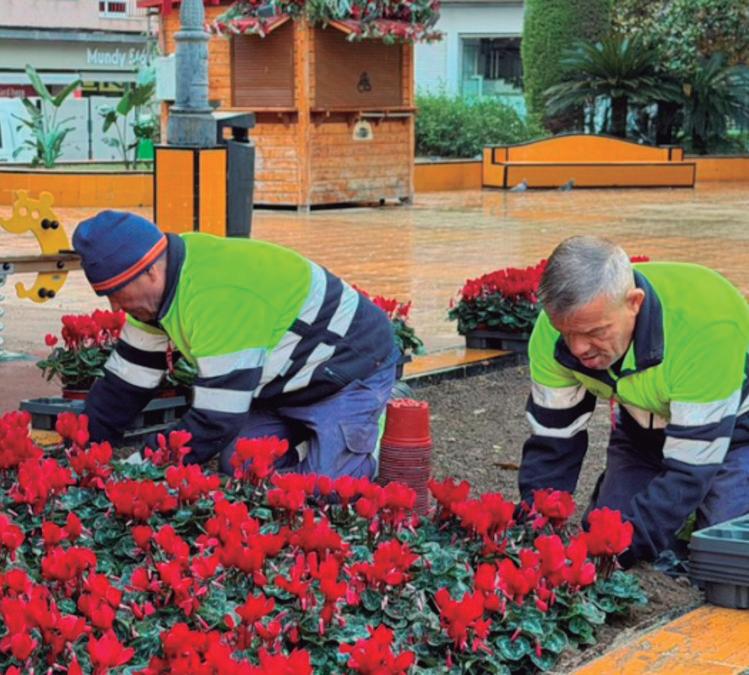
now lining streets and enhancing everyday urban surroundings. The mix of plant species and carefully arranged flower beds has added layers of colour and texture, contributing to a more welcoming atmosphere for both residents and visitors moving through the city.
City officials also reminded the public to res-
pect the newly planted areas, urging people to avoid stepping on flower beds or disturbing the plants while they continue to grow. With the campaign now fully visible, Torrevieja’s refreshed public spaces reflect a seasonal shift, offering a more colourful and well-maintained environment in the weeks ahead.










































RECIPIENTS of Ingreso Mínimo Vital (IMV) in Spain can now work and earn up to €6,000 a year without losing any benefits, following new rules in force since March. The reform aims to remove a long-standing issue where even small earnings could reduce or cancel support, discouraging people from taking jobs.
Under the updated system, income up to €6,000 is ignored and benefits remain unchanged, making it easier to accept part-time or lowpaid work without risking financial stability. Where earnings exceed the threshold, support is reduced gradually rather than stopped, with only 50 per cent of additional income counted so it always leaves recipients better off.
Some households receive further flexibility. Single-parent families and those involving disability can have up to 55 per cent of additional income disregarded, allowing them to retain more earnings.

IMV recipients are also now treated as a priority group in employment programmes, with greater access to training, job guidance and support services. Authorities aim to improve coordination between social services and employment agencies to ease transitions into work.
Another key improvement is reduced bureaucracy. The National Social Security Institute (INSS) will now update payments automatically using data from Spain’s tax authorities, reducing paperwork and administrative burden.
Overall, the reform signals a shift in how IMV works - from a system that could discourage employment to one that actively supports people in returning to work while maintaining financial stability.
SPAIN has become a top European destination for medical treatment, attracting patients seeking specialist care, shorter waiting times, and modern hospitals. Yet many travellers, including some expats, overlook a key requirement: depending on nationality, a medical visa may be needed before treatment.
Patients from outside the Schengen Area or EU usually require either a short-stay Schengen visa for medical reasons or a long-stay national visa if treatment exceeds 90 days. Applying for the wrong visa can cause delays or refusal of entry.
The choice depends on treatment length. Short visits for consultations, tests, or minor procedures need a Schengen short-stay (Category C) visa, allowing stays up to 90 days in any 180-day period across the Schengen zone. Longer treatments, rehabilitation, or multiple procedures require a long-stay national (Category D) visa, permitting stays over three months.
Spanish consulates demand detailed documents, including a medical invitation from the hospital confirming diagnosis, treatment plan, and expected duration, alongside a report from the home-country doctor. Applicants also provide a valid passport, accommodation details, proof of finances, and insurance covering at least €30,000 for short stays or comprehensive coverage for longer stays.
Applications are submitted via consulate, with biometric data recorded in the Schengen Visa Information System. Even with Spain’s respected healthcare, incomplete paperwork or insufficient insurance can lead to refusals, making early preparation essential for a smooth treatment journey.
SPAIN’S 2026 income tax campaign has now begun and runs until June 30, with changes affecting the 2025 return. A key update is a 30 per cent tax band on high investment income, while lower earners continue to benefit from existing exemptions and deductions. Most taxpayers will find the system familiar, but reviewing individual circumstances before confirming the draft through Spain’s Renta WEB system is advisable.
Filing opened online on April 8 using a digital certificate, Cl@ve PIN, or reference number. Telephone assistance via the ‘Le Llamamos’ service is available from May 6, with appointments bookable between April 29 and June 29.
In-person appointments at tax offices start on June 1, with booking from May 29. The final submission deadli-
ne is June 30.
High earners with savings income above €300,000 will pay 30 per cent, affecting those with substantial capital gains or dividends. Lower savings tax bands remain unchanged, starting at 19 per cent for the first €6,000. Green transition deductions continue, including relief for electric vehicle purchases or charging points. Public aid received after floods or forest fires remains tax-free. Some employees need not file a return. Those with a single employer earning under €22,000 are generally exempt, including minimum wage earners at €16,576. A deduction of up to €340 applies to incomes up to €18,276.
Early review of eligibility and deadlines can help avoid last-minute issues.

Spain’s 2026 tax return campaign opens on April 8 and runs until June 30.
DOLORES has taken a key step towards strengthening local security after approving the transfer of municipal land to support the expansion of its Guardia Civil facilities.
The town council has agreed to provide a plot of public land for the enlargement of the existing barracks, aiming to improve resources and operational capacity in the area. The decision follows growing demand for security services as the population of the Vega Baja region continues to increase.
Local officials say the current facilities are no longer sufficient to meet

demand, particularly as nearby towns and surrounding rural areas also rely on Guardia Civil coverage. The expansion would allow for improved working conditions for officers and better service for residents, including faster res-


ponse times and increased presence across the municipality.
Although no construction timeline has been confirmed, the land transfer marks an important first step. The project will now depend on approval and funding from national authorities, who oversee Guardia Civil infrastructure developments.
The inland town of Dolores is part of a network of towns that share security resources across the Vega Baja. Strengthening the local barracks is expected to benefit not only the town itself but also nearby communities.


EMERGENCY teams responded quickly in the Sierra de Orihuela after a 56-yearold man suffered a fall in a mountainous area, highlighting the effectiveness of local rescue services. The incident took place on Thursday April 2, when the man required assistance after falling in difficult terrain within the Sierra. Due to the location and limited access, a helicopter was deployed to carry out the evacuation safely and efficiently.
Specialist rescue teams worked together to reach the injured man, stabilise him and prepare him for airlift. The coordinated effort allowed for a rapid response, reducing the time needed to transfer him to medical care. The Sierra de Ori-

huela, located near Orihuela, is a popular destination for walkers and outdoor enthusiasts, especially during the spring months. Its rugged landscape and scenic routes attract visitors from across the region.
This latest operation reflects the preparedness and professionalism of emergency services in the Costa Blanca South area. Helicopter rescues play a vital role in ensuring that even remote locations can be accessed quickly when needed. Authorities continue to encourage residents and visitors to enjoy the region’s natural spaces responsibly, while reassuring the public that support is available should incidents occur.






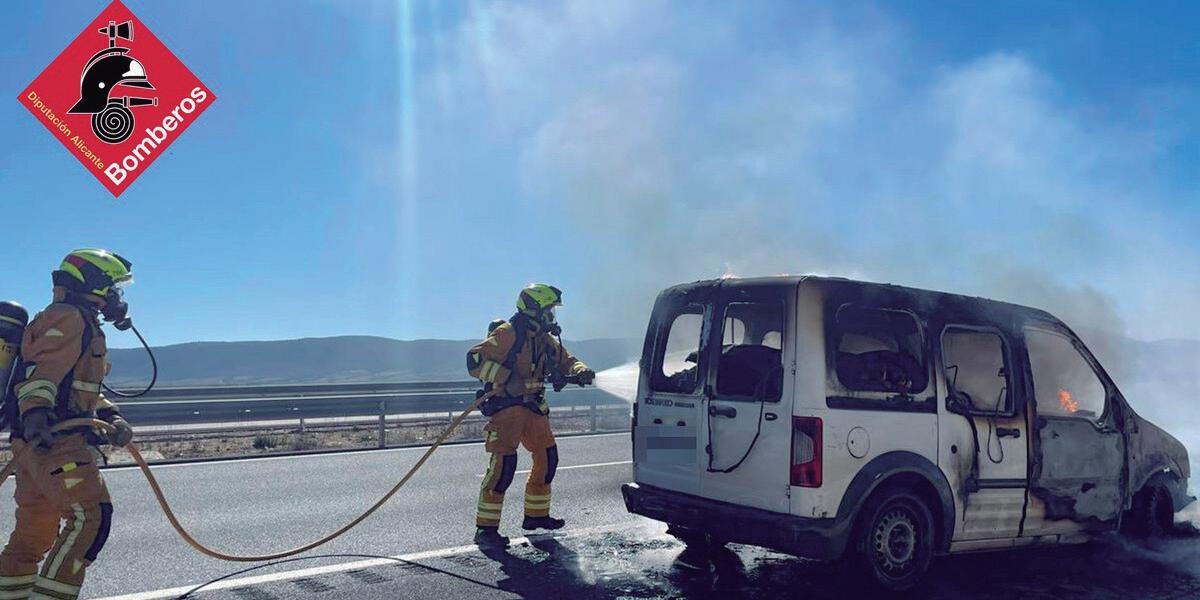
FIREFIGHTERS from the Alicante Provincial Consortium responded swiftly to a vehicle fire on the A-33 motorway near Villena on Tuesday, March 31, preventing what could have been a more serious incident.
The blaze broke out in the morning at kilometre 83 of the A-33, prompting the deployment of crews from the Elda and Villena fire stations.
According to official sources, the fire affected a van travelling along the route, with
emergency services arriving promptly to contain and extinguish the flames.
Crucially, the driver managed to act quickly, stopping the vehicle and moving it onto the hard shoulder before the situation escalated. She was able to exit the van safely, and no injuries were reported.
Firefighters worked to fully extinguish the vehicle fire and secure the area, ensuring there was no further risk to passing traffic. While
the incident caused concern for motorists in the area, it resulted only in material damage to the vehicle.
The intervention highlights the importance of rapid response from emergency services, as well as driver awareness in potentially dangerous situations.
Being able to move the vehicle off the carriageway helped minimise disruption and reduced the risk of secondary incidents on the busy route.


TORREVIEJA is set to host one of the area’s largest lifestyle events as Expo Torrevieja returns to the International Auditorium on April 11 and 12. The twoday event is expected to attract around 10,000 visitors and will feature more than 180 exhibitors from a wide range of sectors, including property, health and well-being, home services, technology and finance.
Expo Torrevieja has become a well-established event in the Vega Baja calendar, bringing together businesses, community groups and residents for a weekend focused on networking, information and local opportunities. Organisers have highlighted its role in connecting international residents with services and organisations in the area.
A key feature of the event will be the
A
WORKER was rescued on Wednesday April 1 after falling into an industrial pit while working at a cardboard packaging factory in San Vicente del Raspeig, prompting a swift emergency response.
Firefighters from the Alicante Provincial Consortium (CPBA), based at the San Vicente station, were called to the scene in the morning after reports that a man had fallen into
dedicated Clubs and Associations zone, where local groups and charities will showcase their activities and encourage community participation. This area is expected to draw strong interest from both newcomers and long-term residents. In addition to the exhibition stands, visitors can expect live entertainment, demonstrations and interactive activities throughout the weekend, creating a lively and accessible atmosphere.
With free entry and parking available, the event is designed to be open to a wide audience.
As Torrevieja continues to grow, Expo Torrevieja remains an important platform for business visibility, community engagement and local development.
a pit approximately one metre deep inside the facility.
Emergency crews arrived quickly and carried out a controlled rescue operation to safely extract the injured worker from the confined space.
Once freed, the man was immediately placed in the care of medical teams on site.
He was treated for injuries sustained in the fall, with initial reports indi-
cating back pain, before being transferred to hospital for further assessment.
The operation required coordination between firefighters and paramedics to ensure the worker could be removed without aggravating his condition. Authorities confirmed that the rescue was completed efficiently and without complications.
While the fall occurred from a relatively low height, the incident highlights the risks present in industrial environments, where confined spaces and hard surfaces can increase the severity of accidents.
Emergency services praised the quick response of all teams involved, wishing the injured worker a speedy recovery.
ELCHE General Hospital has introduced new automated systems to improve the control and safety of medications, particularly those considered high risk. The hospital has installed three automated dispensing units as part of a €225,000 investment aimed at modernising how medicines are managed. The system includes a central unit in the pharmacy and two additional units located in surgical and outpatient surgery areas.
Healthcare professionals access the system using secure identification, allowing medications to be dispensed quickly while ensuring full traceability. Each transaction is recorded, linking the medication to both the patient and the staff member responsible.
The technology replaces traditional manual processes, reducing paperwork and lowering the risk of human error. It also allows
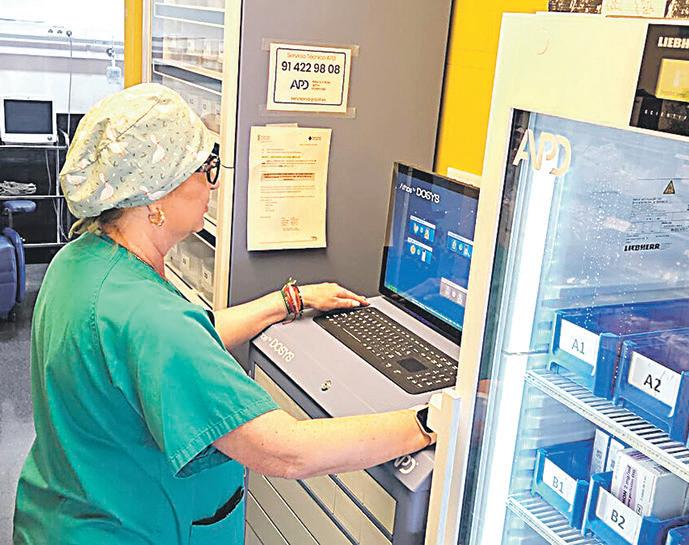
real-time monitoring of stock levels and expiry dates, helping staff manage supplies more efficiently.
During its first three months in operation, the system handled nearly 2,900 units of medication for more than 1,700 patients. This reflects both the scale of hospital activity and the role of automation in streamlining daily operations.
The introduction of these systems is part of a wider effort to modernise healthcare services across the Valencian Community, where digital tools are increasingly used to improve safety and efficiency. For patients, the changes aim to ensure medications are delivered more accurately and securely, supporting safer treatment across key hospital departments.

A NEW section of Santa Barbara Castle has opened to the public, offering visitors a fresh perspective on one of Alicante’s most iconic landmarks. The Santa Ana bastion, previously closed due to safety concerns, has been restored and adapted for public access. The newly accessible space forms part of the wider castle complex, which sits on Mount Benacantil overlooking the city, port and Mediterranean coastline.
Local authorities have focused on preserving the historical character of the fortress while improving accessibility. The bastion once played a defensive role in protecting Alicante, but now serves as a scenic viewpoint and quieter area within
the castle grounds.
The opening is part of ongoing efforts to enhance cultural tourism in Alicante and expand visitor routes within the site.
Santa Barbara Castle remains one of the most visited attractions in the province, drawing both tourists and residents throughout the year. Access to the castle continues to be free, with entry available via lifts from Avenida Juan Bautista Lafora or by foot along marked paths.
The addition of the Santa Ana bastion is expected to improve visitor experience while helping distribute foot traffic more evenly across the historic fortress throughout the year, particularly during busy weekends and seasonal holiday periods.







ALICANTE Province is seeing a sharp rise in pet ownership, with close to 487,600 dogs and cats now officially registered across the region.
The latest figures reveal a significant increase compared to previous years, highlighting a growing trend among residents who are choosing to bring animals into their homes.
The rise reflects changing lifestyles, with pets becoming an increasingly important part of daily life.
While dogs continue to make up the majority of registered animals, it is cats that are driving the fastest growth. Registrations for cats have surged by around 37 per cent, suggesting a shift in preferences, particularly in urban areas where smaller
living spaces make them a more practical option.
Overall, the numbers point to roughly one pet for every four residents in Alicante Province, underlining how widespread pet ownership has become. Experts link the increase to a combination of factors, including post-pandemic lifestyle changes, greater awareness of animal welfare and improved access to veterinary services.

The province’s large international community may also be playing a role, as many expats choose to bring pets with them or adopt locally.
With numbers continuing to rise, pets are becoming an increasingly visible part of everyday life across Alicante.


GAMING fans in San Fulgencio can look forward to a major event this month. The local Civic Centre library will host the San Fulgencio Gaming Fest on Friday, April 17. Doors open at 18.00 for a two-hour session dedicated to digital entertainment and competitive play. The town hall has teamed up with Logro Desbloqueado to organise this free gathering. Attendees can test their skills across various platforms, including
PlayStation 5, Xbox, and mobile devices. For those seeking an immersive experience, the event features virtual reality setups and dedicated driving simulators. A classic arcade zone and
BENIJOFAR prepares to mark the change of season with the upcoming Fiesta de la Primavera. Scheduled for Saturday April 11, the festivities will take place at the Área Recreativa El Soto. Residents can expect a full day of traditional activities and community competitions.
free-to-use consoles will also be available for casual play.
Competitive players can enter tournaments on mobile, Xbox, and PS5 platforms. The festival boasts a selection of more

The day begins at 10.00 with a communal Almuerzo. This morning meal sets the stage for the 11.00 children’s Super-hero themed Gymkhana, where younger attendees can test their skills. As the afternoon approaches, the focus shifts to local gastronomy. At 14.00, the paella and dessert contest commences. Those wishing to enter
than 20 popular titles. High-profile games on the roster include Fortnite, Rocket League, and the 2026 edition of Just Dance. Football fans can compete in EA Sports FC 26, while others might prefer

can find the official rules and requirements at the town hall.
Following the culinary judging, the 16.00 slot features children’s inflatables
Brawl Stars, Clash Royale, Roblox, or NBA 2K. Entry to the festival is entirely free of charge. However, anyone wishing to take part should register in advance. Sign-ups are currently open through the official website at logrodesblo queado.com.
and the formal awards ceremony. The event concludes with a unique local tradition at 16.15: La Cagá del Burro. Organised by Indios del Sur, this game involves a donkey being released onto a grid of numbered squares, with the winner determined by where the animal deposits its droppings. Entry costs €3 and provides a chance to win a €200 prize. This local gathering provides a straightforward opportunity to join the community for a day of food and entertainment. Make sure to visit the municipal offices beforehand if you intend to participate in the competitive cooking categories.










NEW subsidised housing developments are planned for Alicante and La Pobla de Farnals as part of a wider regional effort to improve access to affordable homes. The initiative forms part of the Generalitat Valenciana’s housing strategy, which aims to increase the supply of protected rental housing across the region in response to rising prices and growing demand. In Alicante, land will be made available for the construction of around 50 subsidised homes, while a separate development is planned in La Pobla de Farnals, near Valencia. Both projects will be delivered through public-private partnerships, allowing developers to build housing with capped rental prices on publicly owned land.
Regional officials say the goal is to provide more accessible housing options, particularly for younger residents and families who are struggling to enter the current property market. The move comes as housing affordability continues to be a concern across the Valencian Community, with both rental and purchase prices rising steadily in recent years. By increasing the number of subsidised homes, authorities hope to ease pressure on the market and offer more stable, long-term rental opportunities. The projects are part of a broader plan to expand affordable housing across the region, with further developments expected to be announced in the coming months.
ORIHUELA has stepped up mosquito control operations after a rise in numbers recorded in recent weeks, linked to recent rainfall and mild temperatures. The Environment Department, led by Noelia Grao, has expanded work across several areas of the municipality, with particular focus around the river environment.
According to the council, recent weather has left standing water in multiple locations, reactivating breeding sites.
In response, the municipal control service has increased treatment frequency and widened intervention zones. Work is targeting both larvae, through inspection and treatment of breeding sites, and adult mosquitoes.
Key locations include sections of the river with stagnant water, irrigation channels (azarbes),

storm drains (imbornales), and other points where water gathers. Further action is being carried out wherever activity is detected across the municipality. Grao acknowledged the disruption caused to residents and said efforts have been intensified to reduce the impact as soon as possible. She also urged public cooperation.
Residents are reminded to prevent water accumulation on private property, such as plant saucers, buckets, and unused swimming pools, which can become breeding sites, particularly for tiger mosquitoes. The council also reminds the public that usual reporting channels are available to report incidents so action can be taken quickly.


SAN FULGENCIO prepares to host the ninth Ruta de la Tapa this month, marking a major date on the local culinary calendar.
The event takes place over the weekend of April 11 and 12, bringing together residents and visitors to sample the best flavours the town provides.
Participating establishments across the municipality will serve a specially crafted tapa alongside a drink for a fixed price of €3.50. To make the weekend more accessible, organisers have arranged a free bus service that follows a dedicated route between the various locations.
The event schedule varies across the two days. On Saturday, April 11, the route runs
from 12pm until 7pm. On Sunday, April 12, the timings shift slightly, starting at 12pm and concluding at 5pm.
Patrons can track their progress by collecting a ‘tapaporte’ (tapas passport) at any of the involved venues. Completing the route gives participants a chance to win prizes. These include one €100 voucher and two €50 vouchers, all of which are redeemable at the participating businesses.
San Fulgencio aims to showcase its local gastronomy through this popular initiative, which remains a staple for those seeking a great atmosphere. Make sure to visit early to enjoy everything the ninth Tapas Route has to offer.
WORK began this week to install AI-powered traffic lights at one of the busiest roundabouts on the southern Costa Blanca, in a bid to ease long-standing congestion problems. The system is being introduced at the Punta Prima roundabout on the N-332, a key junction between Torrevieja and Orihuela Costa that handles around 45,000 vehicles a day.
The roundabout has long been considered a major bottleneck, with queues often stretching hundreds of metres, particularly during peak periods such as Easter and the summer months. The new installation uses artificial intelligence to monitor traffic flow in real time and adjust traffic light cycles depending on congestion levels. Cameras and sensors will collect data at each entry point, allowing the system to respond dynamically to

changing conditions.
The project, backed by the Ministry of Transport, has a budget of just over €409,000 and is funded through European recovery funds. While the long-term aim is to improve traffic flow and reduce delays, drivers were warned to expect disruption during the installation phase. Partial road closures were plan-
ned until the end of May to allow the works to be carried out safely.
Officials said the project could also serve as a test case for introducing intelligent traffic systems across other parts of Spain’s road network. If successful, the system is expected to significantly improve circulation at one of the region’s most problematic junctions.


SPAIN’S tourism sector saw international visitors spend €7.606 billion in February, up 4.6 per cent from the same month in 2025, according to the INE’s Egatur survey. The increase was supported by steady demand from core European markets, particularly the UK, Germany, France, and Nordic countries. Winter destinations, especially the Canary Islands, remained popular due to milder climates, sustaining economic activity despite seasonal variations.
Expenditure was concentrated in accommodation, food and beverage services, and transport, with no significant change in spending patterns. Average spending per tourist remained stable, reflecting continuity despite broader economic pressures. Tourism continues to underpin employment and economic activity across multiple sectors, with regional variations influenced by seasonal travel patterns.
While growth moderated compared with January, the overall level of spending remains high, indicating resilience in international visitor demand. Seasonal fluctuations are typical, but strong winter traffic in regions like the Canary Islands offsets lower activity elsewhere. The data reinforces Spain’s position as a leading global tourism destination, with stable and rising expenditure underlining the sector’s ongoing contribution to national and regional economic performance.

SPAIN’S former monarch Juan Carlos I has reignited controversy after receiving a standing ovation at a packed bullring in Sevilla, despite years of scandal and his continued exile in Abu Dhabi.
The 87-year-old made a rare return to Spain over the Easter weekend, attending a high-profile bullfighting event where sections of the crowd applauded and shouted ‘Viva el Rey’ as he took his seat. The reaction has once again exposed the deep divide in public opinion over his legacy.
Juan Carlos abdicated in 2014 after nearly four decades on the throne, later facing multiple investigations into alleged financial misconduct. Although legal cases in Spain were ultimately dropped, the reputational damage has lingered, prompting his move abroad in 2019.
Supporters argue he played a

crucial role in Spain’s transition to democracy, while critics say his past behaviour should prevent any public celebration or return to royal life.
His latest appearance has also reignited debate over whether he should be allowed to resettle in Spain.
The controversy was further amplified by the setting, as bullfighting itself remains a deeply polarising tradition.
For many, the reaction in Sevilla underlines a stark reality: Juan Carlos continues to command both loyalty and backlash in equal measure.
A BLACK market for immigration appointments is ourishing across Spain as desperate migrants face a broken system. Fraudulent brokers are exploiting a severe shortage of cita previa (advance appointments), charging between €50 and €200 for slots that are o cially free.
Police have dismantled several criminal networks using automated bots to hoard online appointments faster than human applicants can. This illegal trade particularly targets asylum seekers; without valid
papers, individuals lose access to healthcare and work permits. In major cities like Madrid and Barcelona, wait times now stretch between eight and 14 weeks.
The crisis arrives as Spain prepares for an extraordinary regularisation programme. Up to 500,000 undocumented migrants who arrived before the end of 2025 will be eligible to apply for residence and work permits. This surge threatens to overwhelm o ces already struggling with routine applications, echoing

the chaos of the 2005 regularisation where applicants queued overnight. Authorities have promised to deploy temporary sta and modernise digital systems with bot-blocking codes, though no launch date has been set. To avoid scams, o cials urge applicants to use only the o cial government portal or seek legitimate legal counsel. Intermediaries on platforms like WhatsApp often disappear once money is transferred, leaving vulnerable people with fake appointments and no legal recourse.

SPAIN is strengthening tsunami preparedness measures in coastal areas in response to scientific assessments of seismic risk in the western Mediterranean and Atlantic regions. Although the likelihood of a major event is considered low, authorities are focusing on prevention and rapid response to reduce potential impact.
The main risk stems from tectonic activity between the African and Eurasian plates, particularly near the Alboran Sea and Gulf of Cadiz. Authorities are combining scientific research with practical planning, including mapping risk zones, identifying evacuation routes and improving public awareness. The town of Chipiona in Cadiz has emerged as a model for preparedness. It has introduced marked evacuation rou-
Photo credit: Emre Akkoyun/Shutterstock
tes, warning sirens and regular drills to help residents and visitors respond quickly in an emergency. Public information campaigns also encourage awareness of natural warning signs such as earthquakes or sudden sea retreat. At a national level, Spain has implemented a tsunami warning system capable of detecting seismic activity and issuing alerts within minutes.
In some areas, waves could reach the coast within 20 minutes, making rapid response critical. Preparedness varies across regions, with some areas lacking visible infrastructure or public guidance. Authorities are working to improve consistency, emphasising that even low-probability events require planning due to their potentially severe consequences.



the
A RECENT Euro Weekly News poll asked expatriates and long-term residents: would they choose Spain again if given the opportunity? The responses paint a vivid picture of life in the country, reflecting both the joys and the challenges experienced by those who have made the move. For many, Spain represents not just a change of location, but a complete shift in lifestyle, priorities and outlook.
bringing up our children here. Our Spanish chapter has been an extremely happy one!” Rick Greene echoes this decisiveness with a simple: “Without hesitation.”
For some, reflections include lessons learned along the way. Niall Finn notes: “Totally, but I would have learnt the language before, when I was younger.” His comment suggests that while the experience is positive, better preparation could have enhanced it further.




A strong sense of satisfaction runs through many of the responses. Barbara James captures this sentiment clearly: “Absolutely yes, best life decision. I would struggle with what’s going on in the UK, this way of life is the best way for retirement.” Similarly, Trisha Rodgers reflects on a long and happy experience: “25 years ago we came, I love this country and everything about it. I have no desire at all to go back to the UK only to see family occasionally. Life here is great.” These comments highlight how Spain offers a slower pace of life and a more relaxed approach that many find deeply rewarding.
Others emphasise lifestyle benefits. Caroline Jane Lewis shares: “Absolutely, haven’t regretted our little caravan in the sun.
Love the people, the culture, the lifestyle.” For Victoria Senior, the experience has been especially meaningful for her family: “ I’ve loved
Not all responses are entirely positive, however. A minority highlight difficulties. Adda Macchich offers a more cautious perspective: “Not if I had a lot more money.”
Michael Asa Beevers is more critical, stating: “No. disorganised bureaucratic chaos, nightmare from start to now.”
These views point to challenges such as financial pressures and administrative hurdles that can affect the overall experience.
Despite these contrasting opinions, the overall tone remains overwhelmingly positive.
As Mada Hellen puts it: “Yes, all the time, all over again, Spain is home.”
In conclusion, most people said they would indeed choose Spain again, often without hesitation, valuing the lifestyle, community and sense of belonging they have found there.





























































































































SPANISH television viewers witnessed a dramatic multi-car collision live on air on Thursday, April 2, as regional news captured a pile-up during a routine traffic update.
The incident occurred shortly before 2.30pm at kilometre marker 117 on the A-5 motorway near Talavera de la Reina. Journalist Raquel Miguel was reporting on the Easter getaway for Castilla-La Mancha Media when a loud screech of tyres interrupted her segment. Camera operator David Martín captured the moment a passenger car slammed into vehicles that had braked sharply seconds earlier.

The footage showed three cars tangled across the Badajoz-bound carriageway, with a fourth vehicle stationary on the hard shoulder. Despite the sudden chaos, Miguel maintained her professio-

nal composure, narrating the unfolding scene as emergency services were alerted.
Miraculously, no serious injuries were reported. All occupants were able to exit their vehicles unaided and quickly deployed warning triangles to alert oncoming motorists. While the cause remains unconfirmed, authorities suggested driver distraction or
failure to maintain a safe braking distance may have been factors.
The broadcast served as a sobering reminder for the thousands of families who hit the road for the bank holiday. Though traffic was briefly disrupted, the road was cleared quickly, leaving viewers with a stark lesson on the importance of vigilance during long-distance travel.

















































THE company is currently expanding its portfolio by introducing new suppliers and product lines, carefully selected to continue offering high-quality wellness solutions adapted to the evolving needs of its international clientele in Spain.
This process marks a significant step forward, reinforcing Progibe Spa’s position as a reference in the wellness sector across the Costa del Sol and Costa Blanca. The upcoming additions will bring fresh design concepts, advanced technology and new possibilities for both private clients and industry professionals looking to integrate wellness spaces into their projects.
To prepare for this transition, Progibe Spa is currently reorganising its showrooms in order to make space for the new collections. As a result, the company has launched its Pre-Summer Sale, a limited time campaign featuring a wide selection of products at highly attractive prices.


This is a unique opportunity for clients to acquire premium wellness equipment - including spas, saunas, mini pools and other solutions - with particularly competitive discounts. Many of these products are available for immediate delivery, making them ideal for those looking to enjoy



their installations in time for the summer season.
While the primary focus remains on introducing new and exciting options in the near future, this transitional moment also creates exceptional value for those ready to invest now. The combination of high-end products and advantageous pricing is rarely available under such conditions.
Clients and professionals alike are encouraged to visit Progibe Spa’s showrooms to discover the current offers and receive personalised advice from the team. Those considering upgrading their home, completing a project or adding a wellness feature to a property may find this the perfect moment to act.
For further information, tailored recommendations or to explore the full range of discounted products, Progibe Spa welcomes enquiries and showroom visits during this exclusive campaign.













“ARE cruise ships really just floating petri dishes? I keep hearing horror stories and it’s putting me off.”
I spent 15 years on those ships. Let me tell you what I actually saw.
The culture of hygiene on a cruise ship is unlike anything I have encountered elsewhere. Sanitiser levels logged like sacred texts. Temperatures charted with precision that would make a hospital proud. Diligence here is not just a policy. It is a discipline.
Health inspections happen in ports around the world, but nothing focuses the mind quite like USPH, United States Public Health. If a ship fails, it doesn’t sail. Everyone on board knows what is at stake. Kids club staff clean every plastic ball in the ball pit by hand. One by one. Thousands of them. It becomes a weekly ritual.
And when something does begin to spread, the response is tiered and ruthlessly precise. Once cases among
I grew up on the Costa del Sol watching cruise ships pass on the horizon. At 26, after the financial crisis took my business with it, I found my way to ships. Fifteen years and several oceans later, I moved inland to Antequera and started writing down what I knew. Each month I’ll take a question and answer it honestly, from the inside, without the brochure.
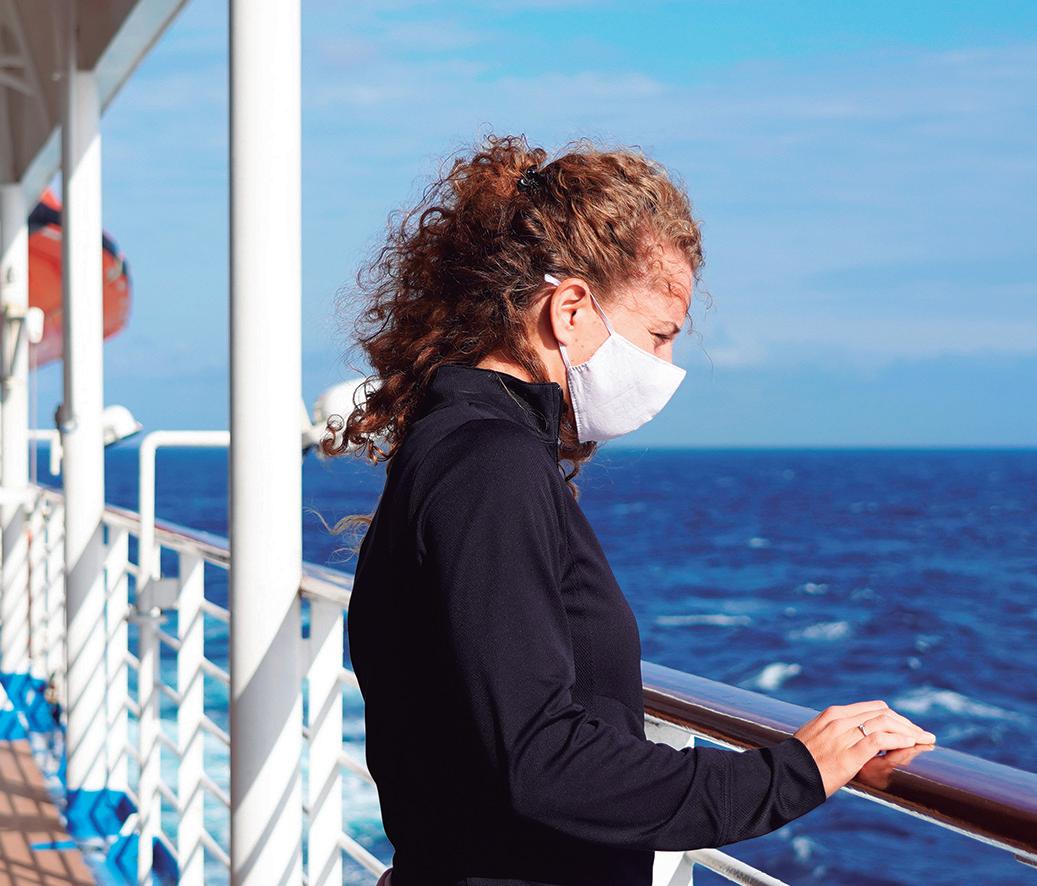

passengers and crew reach a certain threshold, the entire operation shifts up a level. It becomes all hands on deck, literally. An entertainer who finished their show at midnight may find themselves standing by a handrail at dawn with a sanitiser bottle, wiping it down every few minutes until their relay arrives. Three hours. Same handrail.
The systems are that strict because the consequences are operational, not just reputational. Ships that fail to contain an outbreak can be denied entry to ports. In an industry built on arriving somewhere new every morning, that is about as serious as it gets. Does it happen? Yes. It happens everywhere. You will just notice it more in a contained environment obsessed with hygiene and constantly being tested for it. Do the systems fail? Yes, when the hiring is poor and the pay reflects that. Just like anywhere else.
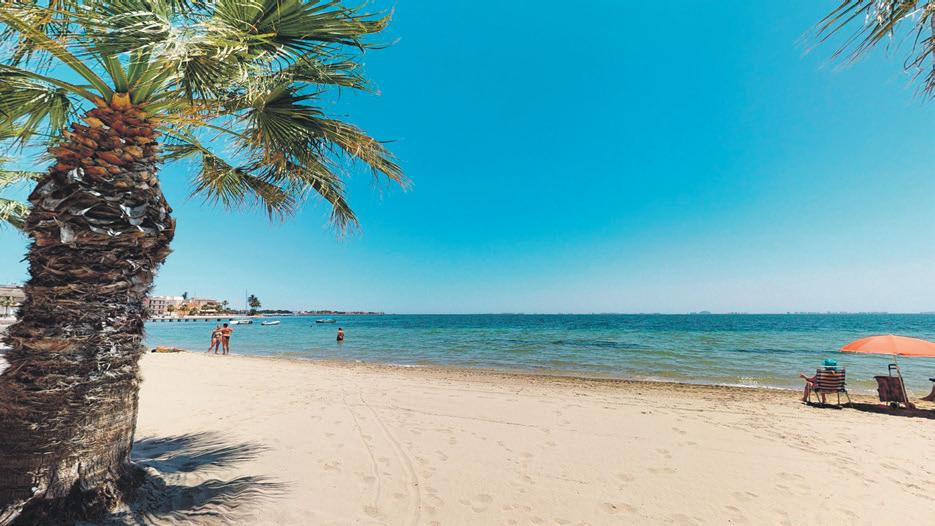


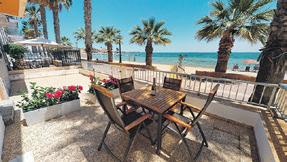


SPAIN is set for a surge in UK travel this summer as Wizz Air expands its flight network, bringing more routes, increased frequency and cheaper fares for holidaymakers and expats alike.
The airline has confirmed a series of new routes from London Luton to key Spanish cities including Barcelona, Madrid, Valencia, Sevilla and Bilbao, launching from spring 2026. The move reflects growing demand for travel between the UK and Spain, particularly among second-home owners and the large British expatriate community.


Flights will run regularly, with Madrid seeing daily services and other cities operating multiple times a week, giving travellers far more flexibility. Fares are expected to remain low-cost, with headline prices starting from around £17.99 one-way, making frequent trips more accessible.
For expats living in Spain, the expansion could make a noticeable difference. Easier connections mean simpler visits back to the UK and more opportunities for
friends and family to travel over, especially during peak seasons. Spain continues to dominate as a top destination thanks to its lifestyle, climate and established expat communities. With airlines increasing capacity to meet demand, summer 2026 is already shaping up to be one of the busiest and most connected travel seasons yet.
SPAIN is demanding €110 million from Uber Eats after labour inspectors ruled that 60,000 delivery riders were wrongly classified as self-employed rather than employees. The claim covers unpaid Social Security contributions between 2022 and 2026, with further penalties possible.
The investigation by Spain’s Labour Inspectorate found many riders worked under conditions closer to employment than freelance work. In Spain, self-employed workers pay taxes and contributions, while employees receive protections including paid leave, sick pay and employer-funded Social Security.
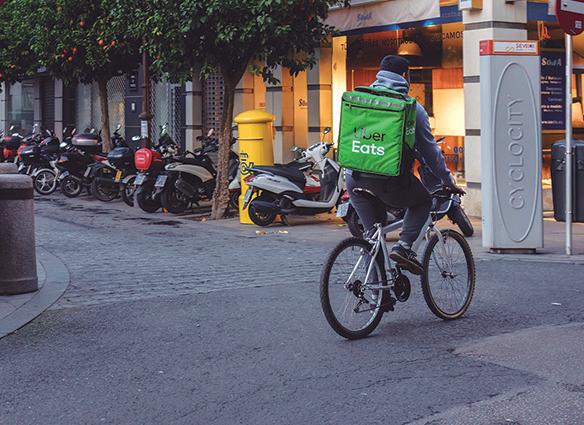
This aligns closer to rivals Glovo and Just Eat, which have moved towards employment-based systems following legal pressure.
Authorities say Uber Eats avoided obligations by classifying riders as freelancers, prompting the €110 million claim. Thousands of riders have been told by Spanish Social Security they are reclassified as employees retroactively affecting contributions, benefits and pension rights.
Uber Eats says it is cooperating and has begun changing its model in Spain. It has announced it will stop working with self-employed riders using subcontracted firms where couriers are employed.

For many workers including expats delivery platforms are flexible entry points into the job market.
The case highlights risks of self-employment including monthly contributions tax responsibilities and fewer protections. It forms part of Spain’s push to regulate the gig economy under the Rider Law.
Authorities are increasingly scrutinising compliance with employment rules. While the outcome may take time, classification in Spain matters and can be reassessed years later.



















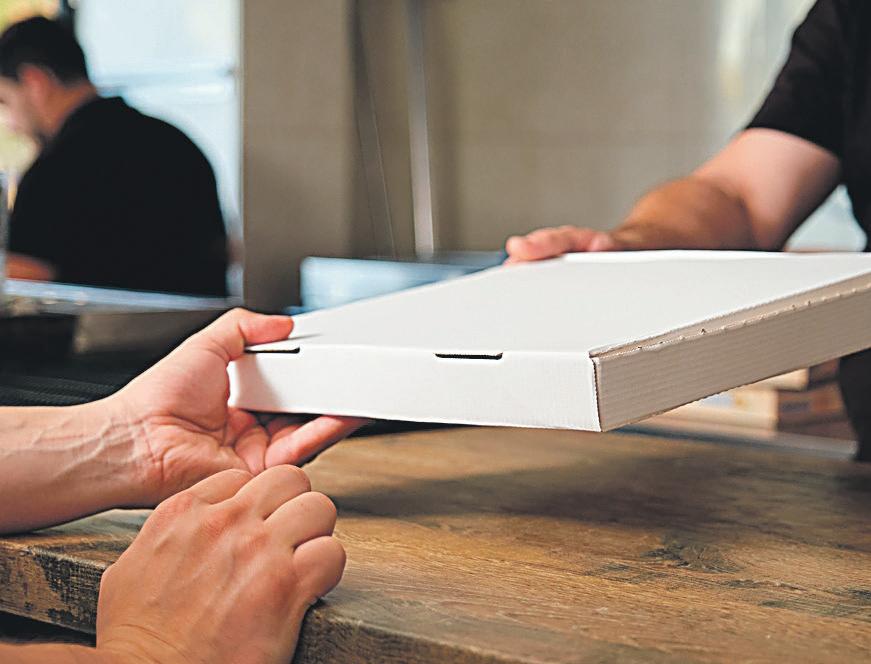
DINERS across Spain can now take home uneaten portions without hesitation, following a major national law that transforms the ‘doggy bag’ into an official consumer right.
The new regulations, aimed at curbing food waste, came into effect on Monday, April 3.
Under the rules, every bar, café, and restaurant must provide free, suitable containers for customers who request their leftovers. This right must be clearly displayed on menus or at ordering points to normalise the practice.
Only all-you-can-eat buffets are exempt. While reusable or recyclable packaging must be free, establishments may charge a separate, transparent fee for single-use plastic containers.
The law is part of a broader strategy to align Spain with UN 2030



sustainability goals. Businesses must follow a strict hierarchy: donating surplus to humans first, followed by animal feed and composting. Larger establishments are now required to partner with food banks, while supermarkets must discount products nearing their expiry dates.
Compliance is mandatory. Minor breaches, such as failing to inform diners of their rights, carry fines of up to €2,000.
Serious violations can reach €60,000, with extreme cases potentially facing penalties of €500,000.
Ultimately, the reform seeks to remove the social stigma once attached to requesting leftovers. By encouraging more responsible consumption, the government aims to halve food waste, providing economic relief for diners and significant environmental benefits for the country.







Photo credit: Adisa/Shutterstock

VENICE has implemented a day-visitor entry fee to its historic centre, starting April 3, expanding a trial first conducted in 2024. The scheme applies on 60 selected days from April to July, targeting weekends, public holidays, and peak tourist periods. Authorities stress the initiative is intended to regulate access during busy periods rather than restrict tourism entirely.
Visitors aged 14 and above entering between 8.30am and 4.00pm on chargeable dates must pay €5 if booking at least four days in advance or €10 for later bookings. Exemptions include city residents, overnight visitors, children under 14, commuting students and workers, and individuals with disabilities, some of whom must still regis-
ter online. Registration generates a QR code as proof of payment, with compliance monitored via spot checks; no physical barriers are in place.
The policy expansion follows positive results from the 2024 trial, which moderated visitor numbers on peak days. By focusing on predictable high-demand periods, Venice aims to ease congestion while maintaining access during quieter times.
Visitors are advised to consult the official calendar, book in advance, and understand rules to avoid fines. While adding a planning step, the system is straightforward, allowing continued access while controlling peak crowding in one of Europe’s most visited historic urban centres.
PAIRI DAIZA zoo has celebrated a historic milestone with the arrival of the first golden snub-nosed monkey born on Belgian soil. This event marks a significant victory for international wildlife preservation efforts.
The infant was born at dawn on March 17 following intensive monitoring. Staff first noticed changes in the mother, Lu Lu, on March 5. This prompted a 24-hour surveillance operation involving two shifts of keepers to ensure the health of both mother and child. At approximately 6am on the day of the birth, video equipment captured the successful delivery.
This primate is among the rarest on earth. Classified as endangered by the IUCN, the species is native to specific regions of China. The birth follows a scientific partnership between Belgian and Chinese breeding institutions.
This collaboration began in earnest on May 14, 2025, when Lu Lu arrived at the

park alongside another female, Juan Juan, and a male named Liuyun.
To facilitate successful breeding, the animals were housed in specialised facilities designed to mimic their native environment. Joint teams of European and Chi-
nese experts supervised their quarantine and adaptation periods. This successful birth represents the tangible result of years of diplomatic and scientific teamwork, providing a lifeline for a species facing a high risk of extinction in the wild.




SOMETHING to mull over in the light of these maniacs wiping out all our access to oil. Chew on it while you still can! Your local supermarket, that shining palace of plenty, holds roughly three days’ worth of food. Three days. After that, it isn’t a supermarket. It’s an empty warehouse with better lighting.
Now imagine, just for fun, that the oil stops. Not slows down. Not becomes expensive. Stops completely. No lorries. No deliveries. No helpful chap reversing into the loading bay at 4am with your strawberries, nothing. Day One? Barely a ripple. Day Two? A twitch. Day Three? Well, that’s when things get interesting.
Because by Day Three, those cheerful aisles start looking like a stage set after the audience has gone home. No bread. No milk. No pasta. Just the odd tin of something nobody wanted even in the good times. And that’s when our illustrious modern civilisation clears its throat and says, ‘Right, now what?’
You see, we’ve become wonderfully spoiled. Not ‘comfortable’, spoiled. We expect mangoes in March, Irish beef, and a choice of 17 types of hummus without ever asking how any of it got there. Answer: diesel. Take that away and suddenly we’re all a lot closer to our ancestors than we’d like to admit. Fun time folks. Because the public, when faced with inconvenience, goes through three stages: 1. Mild irritation, 2. Quiet panic, 3. ‘Every man for himself’. By the end of Day Three, you won’t see polite queues.
You’ll see trolley duels over the last packet of digestives. And then comes the realisation, there is no more coming. No magical overnight restock. No convoy of salvation. Just, what’s left. Which raises an awkward question; what exactly do we eat?
Back gardens, assuming you have one, suddenly look less decorative and more, edible. That patch of lawn? Potential potatoes. Those flowers you’ve been so proud of? Well, funny thing about daffodils. Bright, cheerful and completely useless unless you fancy a trip to Urgencias. Still, give it a week and I wouldn’t entirely rule out someo-
ne giving them a go. Lightly sautéed, perhaps. With a nice drizzle of optimism! Of course, the clever ones will adapt quickly. Local farmers become minor celebrities overnight. Bicycles and donkeys reappear. People rediscover the radical concept of ‘growing things’. And neighbours - remember them? might actually start talking again. Swapping eggs for vegetables. Sharing what little there is. The sort of behaviour we used to call normal before convenience took over. But let’s not kid ourselves. The first few days wouldn’t be a charming return to country life. They’d be a shock. Because those full shelves we take for granted? They’re not permanent. They’re a daily illusion, maintained by a constant flow of oil. Turn off the tap… and within three days, the illusion vanishes. And there you are. Standing in aisle seven. Holding a tin of something unidentifiable, and wondering, quite seriously, if daffodils might not be so bad after all. Are our so-called leaders listening out there? Probably not - too oily. Keep the faith Love Leapy leapylee2002@gmail.com
Leapy Lee’s opinions are his own and are not necessarily representative of those of the publishers, advertisers or sponsors.
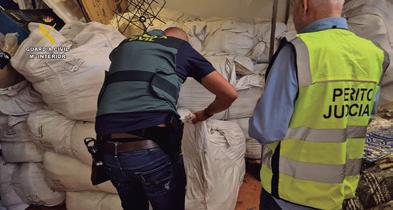
POLICE in the Canary Islands have dismantled a massive illegal clothing operation involving 70,000 counterfeit items. The seized goods carry a market value of nearly €7 million. Conducted under the name ‘Operation LABEL’, the investigation targeted the production and distribution of fake designer apparel across Tenerife and La Palma.
Officers from the Guardia Civil inspected 20 businesses and warehouses linked to the criminal network. During these raids, they discovered a hidden workshop in the south of Tenerife. This facility served as a central hub where industrial machinery was used to manufacture knock-off garments before they were sent to local shops for sale.
Beyond the mountain of fake clothes, the searches yielded a significant haul of luxury assets. Investigators found more than €22,000 in cash, alongside a collection of jewellery and several gold bars. These additional seizures are estimated to be worth over €300,000.
So far, 19 individuals are under formal investigation for crimes against industrial property. The crackdown follows a long-term probe into how these imitation goods reached shelves in popular tourist areas. This major blow to the local black market aims to protect authentic brands and registered trademarks from large-scale fraud within the islands’ retail sector.




UK grocery inflation held at 4.3 per cent in the month of March. This figure is expected to increase as the Iran war continues. According to research by Worldpanel, each additional 1 per cent rise could increase a household’s annual grocery bill by £50.
FOR the first time, Virgin Bet has expanded outside of the UK, launching operations in South Africa. South Africa is the largest licensed betting market in Africa. Approximately 1.5 trillion South African rand (€83 billion) was wagered over the 2024/2025 financial year, with betting accounting for 75 per cent.
SAINSBURY’S are investing £5 billion into the UK and Ireland agriculture sector, supporting 2,500 British farms with long-term contracts by 2027. These partnerships will result in 3.1 tonnes of fresh produce stocking Sainsbury’s shelves, and help ensure stability across supply chains during a particularly volatile period for farmers.
AENA recently won the concession for Galeão International Airport, the main airport of Rio de Janeiro in a public auction for 2.9 billion reais (approximately €483 million). With 17.8 million passengers passing through in 2025, it’s the third busiest airport in Brazil and a major addition to Aena’s extensive airport network.
SPAIN’S pork exports have fallen by 17 per cent following African swine fever outbreaks, with trade restrictions hitting key international markets. Farmers have already lost around €670 million as prices drop and sales decline. The crisis is squeezing profitability, leaving producers struggling amid ongoing uncertainty and weakened global demand.
Spain ended 2025 with 154,247 unfilled job vacancies, only enough to employ 6.1 per cent of those currently unemployed in the country, according to Eurostat.
MILLIONS of drivers across the UK have been affected by unfair vehicle loans, resulting in the Financial Conduct Authority (FCA) ordering the motor finance industry to pay approximately £9.1 billion in compensation. This final figure is lower than the initially proposed £11 billion, which was reduced after lobbying from industry leaders. Of the total, £7.5 billion will go directly to motorists who took out mis-sold loans, while £1.6 billion will cover administrative costs.
Around 12.1 million motor finance deals will qualify for redress, fewer than the original estimate of 14.2 million. The initial plan was considered too broad, potentially compensating consumers who were not unfairly treated. As a result, the average pay-out per motorist has increased to approximately £829, up from earlier esti-

mates of £700. Pay-outs are expected to begin this year. The FCA split the scheme into two periods - April 2007 to March 2014 and April 2014 to November 2024 - to prevent legal challenges.
The mis-selling scandal stems mostly from inadequate disclosure of commissions and ties between lenders and car dealerships, which incentivised brokers to increase loan rates. The FCA
PHARMACEUTICAL company Eli Lilly has stated it will resume its £25 billion UK investment if the NHS agrees to regularly increase drug prices and end a rebate scheme.
The NHS has been under pressure to raise prices. As a result, the UK agreed to a new US-UK drug deal, with the UK paying 25 per cent more for new medicines by 2035.
Eli Lily’s president of international business, Patrik Johsson, said that the price of medicine in the UK has been “far too low for far too long.”
Life-extending drugs could now cost an additional £5,000, rising to £25,000 to £35,000 a year. Meanwhile, an ‘innovative’ pricing plan has been discussed which would see anti-obesity drugs prescribed depending on if the treatment will help patients return
INDITEX is a leading fast-fashion company. With €39 billion in sales in 2025, it beat high street mainstays like H&M. What’s more, Inditex’s profitability now surpasses luxury giants. In 2025 it achieved a net profit margin of 15.6 per cent, higher even than couture brand Louis Vuitton which closed 2025 with a net profitability of 13.8 per cent. The company’s success is due to cost control, efficient management and focusing on the key markets in-between cheap and high-end.
has stated the scheme evenly balances consumer protection with industry growth. The regulator estimates that 75 per cent of eligible consumers will claim compensation, down from 85 per cent previously, which also contributed to the lower overall bill.
Despite this, the scheme remains one of the largest consumer redress efforts in UK financial history.

to work.
Jonsson revealed the company has held several optimistic talks with UK ministers, and predicts an agreement could be made by the summer.
DESPITE a 6.9 per increase in Social Security contributions, the government injected a record €47.8 billion into the Social Security accounts to cover pension spending. This was necessary to cover €134 billion for contributory pensions, €2.1 billion for non-contributory retirement pensions and €194 billion for disability, widowhood, orphanhood, and minimum income supplements. The biggest strain remains benefits for workers on temporary leave, which reached €18.4 billion, a 12 per cent increase. Social Security contributions currently total €175 billion, but outstanding payments exceed €182 billion, leaving a shortfall, with additional social benefits widening the gap to around €30 billion.
SUPERDRY is set for a major expansion, opening 21 new stores across Europe. The British fashion brand will also strengthen its presence in Spain by launching its women’s line in El Corte Ingles.
Superdry’s women’s line only accounts for 38 per cent of sales. However, as the company switches its focus to the next generation of consumers, they expect womenswear sales to eclipse menswear by August. While the company ended the 2025 fiscal year with sales down by 23.3 per cent on the previous year, 2025 did mark its return to profit with a gain of £33.3 million.
BY 2026, Santander aims to double its payment transactions from €45 billion to more than €90 billion. To do this, the banking group plans to migrate payments to a unified global platform, increase digitalisation, and streamline processes to improve efficiency. It also intends to reduce the cost per transaction by around 40 per cent to 1.20-euro cents while strengthening its global payments business and integrating operations across its main markets and business divisions.
SPAIN’S new-build housing sector is strengthening its position, with developers reporting over 14,400 homes already pre-sold in recent months. This figure demonstrates sustained demand even as high borrowing costs lead to a real estate slowdown. New-build properties are particularly attractive to potential homeowners, especially first-time buyers, accounting for 23.6 per cent of total transactions in January.
Demand remains higher than supply, even with the production of new housing, helping to sustain the rapid pace of pre-sales.
SPAIN’S proposal to levy up to a 100 per cent tax on non-EU buyers of residential property has been halted in Congress after failing to gain backing from smaller parties. The government argued the measure would curb foreign speculation and make housing more accessible for locals, but critics say it could deter investment and have limited impact. Analysts suggest increasing housing supply, rather than imposing steep taxes, would more effectively address Spain’s affordability challenges.

3I Group 2.687,00 2.694,00 2.521,00 3,77M
Admiral Group 3.214,0 3.214,0 3.156,0 581,61K
Airtel Africa 353,20 356,20 341,60 4,58M
Anglo American 3.308,0 3.336,0 3.187,0 5,2M
Antofagasta 3.457,00 3.495,00 3.315,00 704,94K
Associated British Foods 1.890,5 1.902,5 1.873,0 933,95K
AstraZeneca 15.316,0 15.436,0 14.956,0 1,59M
Auto Trader Group Plc 474,90 474,90 463,80 3,09M
Aviva 621,40 624,60 609,40 19,4M
B M European Value Retail 184,00 186,50 171,00 11,25M
BAE Systems 2.289,00 2.302,00 2.261,00 9,52M
Barclays 408,75 411,65 397,30 81,42M
Barratt Redrow 259,60 260,10 250,00 10,91M
Beazley 1.273,00 1.273,00 1.269,00 6,57M
Berkeley 3.168,0 3.184,0 3.048,0 956,86K
BP 591,20 605,00 587,50 79,1M
British American Tobacco 4.407,0 4.432,0 4.339,0 3,83M
BT Group 216,10 216,10 212,00 11,12M
Bunzl 2.254,0 2.280,0 2.242,0 1,19M
Centrica 218,50 218,50 213,00 23,1M
Coca Cola HBC AG 4.274,0 4.292,0 4.218,0 415,61K
Compass 29,17 29,17 28,17 7,74M
ConvaTec Group 220,00 221,00 215,20 23,15M
Croda Intl 2.877,0 2.892,0 2.835,0 314,31K
4.784,0 4.798,0 4.698,0 208,96K
1.391,5 1.403,0 1.389,5 5,02M
6.225,00 6.235,00 6.035,00


HIGH streets are seeing a rise in sales of fake vapes. While nothing appears out of the ordinary at first, many counterfeits are missing a simple but crucial circuit that prevents overheating, causing them to catch fire.
Approximately 5 million devices have been seized since 2023, at an estimated value of £39 million.
IBERDROLA has secured a £700 million loan to fund a new submarine interconnection between England and Scotland. The 530-kilometre underwater electricity bridge will supply 1.5 million British homes with 2,000 MW of electricity. Long-distance submarine cables have become a cornerstone of the British energy system, enabling better connection.
THE UK government is expected to fully nationalise British Steel in the coming weeks, after taking operational control in 2025 to prevent the closure of its Scunthorpe plant. The site currently employs around 3,500 workers and operates the UK’s last remaining blast furnaces, making it critical for domestic steel production and national security.
Ministers view the sector as strategically important for both economic growth and national security, particularly in reducing reliance on

A UK technology firm has secured a £151 million contract to supply advanced fibre-optic sensing systems to US authorities, marking a major boost for British-developed security technology. Bristol-based Sintela will expand its initial £25.7 million 2020 agreement, providing distributed acoustic sensing systems that detect vibrations such as footsteps or fence tam-
pering, analysed via AI. The three-year deal strengthens Sintela’s presence on international borders and critical infrastructure, including pipelines and transport networks. Chief executive Magnus McEwen-King hailed it as a ‘quirky British success story’. Founded in 2017, the company expects further expansion, with plans to double staff in the UK and US.
imported steel.
Negotiations with its Chinese owner, Jingye, have stalled. Jingye reportedly turned down a £100 million offer for the business, instead demanding over £1 billion. As a result, officials are now preparing to take full control.
Ministers are now considering formal nationalisation, supported by moves to classify the steel sector as strategically vital. This reflects concerns over economic resilience, supply chain security and risks on relying on imports.
However, the intervention comes at a cost: government support has already reached hundreds of millions of pounds and could exceed £1.5 billion in the coming years.
Overall, nationalisation is seen as a necessary step to secure the UK’s steelmaking capacity, protect jobs, and enable long-term restructuring of the industry.
UK MAC Cosmetic employees can now earn commission by promoting products on TikTok Shop as the beauty brand attempts to capitalise off the influencer-led market. MAC hopes to drive sales and visitors to its 230 UK retail locations by encouraging make-up artists to film tutorials and product reviews in store.
STANDARD & POORS warn that rapid solar expansion in Spain is creating oversupply during peak hours, pushing electricity prices down to around €20/MWh. This increases volatility and weakens renewable project profitability, highlighting the urgent need for more energy storage and greater grid flexibility to balance supply and demand.


AN evening blending music, theatre and storytelling is set to raise funds for a local animal charity. ‘From Shakespeare to the Savoy’ will take place on Friday April 10 at 19.30 at the Centro Cultural Ciudad Quesada, bringing together performers Louise Winter, Karen Drury and Andrew J Daniels for a carefully arranged programme.
The event aims to support the ongoing work of Easy Horse Care Rescue Centre, which provides care and protection for rescued horses in the area. All money raised from ticket sales will go directly towards the centre’s efforts.
Tickets are priced at €12 and can be reserved through the organisation’s charity shops. Locations include the La Zenia shop at Centro

Commercial Zeniamar on Calle Maestro Torralba, the Ciudad Quesada shop on Calle Azul in Rojales, and the La Siesta shop at the corner of Calle Schumann and Calle Paganini in Torrevieja. Reservations can also be made via WhatsApp on 711 089 467.
The performance aims to bring together different artistic styles in one evening,






giving audiences a varied experience while supporting a local cause. Events like this play an important role in helping charities maintain their work, particularly those focused on animal welfare. Further details about Easy Horse Care Rescue Centre, including its work and how to support it, can be found at https://www. easyhorsecare.net.
PELICAN RESTAURANTE in Alicante offers something different from the usual Costa Blanca dining scene, blending food, drinks and atmosphere into one experience. Located along Playa San Juan, the restaurant leans into a modern, lounge-style setting, with low lighting and music that creates a relaxed but lively feel. It is not just about sitting down for a meal, but about enjoying the full evening.


The menu focuses on fusion cuisine with strong Japanese influences. Sushi takes centre stage, presented in a way that is as visually appealing as it is flavourful. Alongside it, there are sharing plates and richer options that make it easy to build a longer dining experience. The cocktail selection complements the food well, adding another layer to the visit.
As the night progresses, the atmosphere gradually shifts. Dinner flows
naturally into drinks, and on busier evenings the energy lifts with music and a more social crowd. It is the kind of place where guests arrive for dinner but often stay much longer. For those looking to step away from more traditional beachfront restaurants, Pelican offers a more contemporary alternative with a clear focus on experience.
Address: Avinguda de la Costa Blanca, 148, Playa de San Juan, Alicante / Tel 673 584 765

A CHARITY dog show will take place in Guardamar del Segura on Saturday April 11 , bringing together pet owners, families and animal lovers for a day of fun while raising funds for a local rescue organisation.












The event, titled Canine Chaos, will be held at The Bar in Guardamar Park from midday and aims to support Big Red’s Animal Association, a charity dedicated to rescuing and rehoming abandoned animals across the Costa Blanca South.









Organisers say the event is designed to be inclusive and light-hearted, with a range of categories open to dogs of all breeds, sizes and personalities. These include obedience challenges, fancy dress, trick performances, agility-style activities and look-alike contests.
Entry costs €4 per category, with all proceeds going directly

towards the charity’s work, including veterinary care, food and shelter for animals in need. Visitors will also be able to make additional donations or contribute supplies on the day.
The event is expected to attract both local residents and members of the area’s international community, reflecting the growing interest in pet
ownership and animal welfare across the region. Organisers encourage early registration due to limited spaces, while spectators are welcome to attend and enjoy the lively atmosphere, food and entertainment.
The initiative highlights the important role community events play in supporting animal rescue efforts locally.

BELFAST recently hosted an unprecedented tribute to the RMS Titanic, using nearly 1,000 drones to recreate the ship’s full-size outline over the city’s harbour. The display coincided with a BBC documentary, Titanic Sinks Tonight, which recounts the ship’s disaster in minute-by-minute detail. The drones traced the hull and superstructure, giving the impression of the vessel departing Belfast for Southampton. The event was unannounced, surprising local residents, though footage was broadcast on April 2, the anniversary of the Titanic’s maiden voyage.
The drone spectacle formed part of the BBC’s Made of Here campaign, celebrating local history and identity. It highlighted Belfast’s industrial heritage, connecting historical events with modern media
storytelling. Public reactions were mixed: some admired the visual tribute and technological achievement, while others regretted not seeing it live. Social media amplified the display, extending its reach beyond the harbour.
The event underscores drones’ growing role in public art, offering precision and scale unattainable with traditional fireworks. It combined commemoration with contemporary technology, reinforcing the Titanic’s enduring cultural significance in Belfast. By merging historical remembrance with broadcast media, the display engaged both local and international audiences, reflecting the city’s ongoing connection to the iconic liner and illustrating innovative approaches to heritage interpretation.
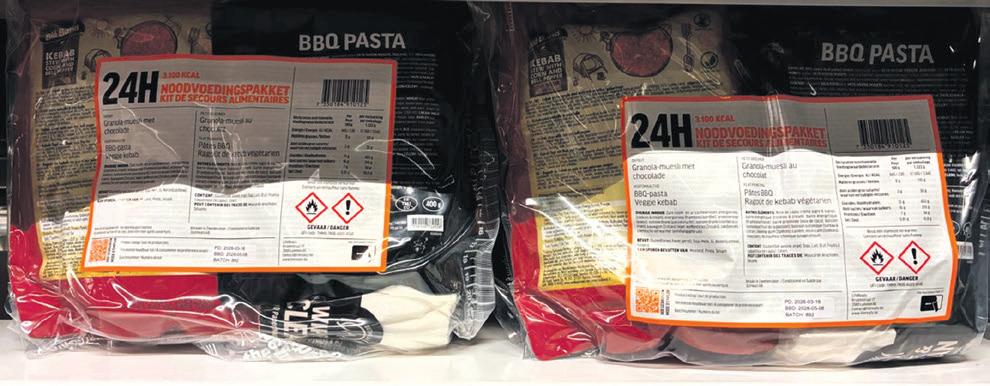
BELGIAN retail giant Colruyt has introduced ready-made emergency food packs as demand for household preparedness continues to rise across Europe.
The compact kits, priced at €29.99, are designed to provide enough food and basic supplies for one adult for 24 hours. Each pack delivers around 3,100 calories and includes items such as cereal, energy bars, nuts, ready meals, drink powders, and coffee.
A flameless heating system is also included,
allowing users to warm food without electricity.
The launch reflects growing public awareness around short-term disruptions caused by extreme weather, power outages, and wider global uncertainty. Governments in several European countries have recently encouraged citizens to keep essential supplies at home, prompting retailers to respond with more accessible solutions.
Currently being trialled in around 80 stores, the kits could be rolled out more widely if customer
DENMARK’S Princess Isabella is set to begin military service this summer, marking a significant shift for both the royal family and the country’s approach to national duty.
The 18-year-old daughter of King Frederik X and Queen Mary will start an 11-month programme in August 2026 after finishing school. She is expected to train with the Guard Hussar Regiment in Slagelse, one of Denmark’s most historic military units.
Her decision comes as Denmark expands its conscription system, extending service from four to 11 months and applying it to both men and women. All 18-year-olds must now attend an assessment process, with volunteers prioritised, making Isabella’s participation both symbolic and voluntary.
She follows in the
demand proves strong.
Traditionally, emergency preparedness has been associated with niche survivalist communities.
However, products like these signal a shift towards mainstream adoption, with supermarkets positioning themselves as key providers of practical, everyday resilience.
As uncertainty becomes a more visible part of modern life, the idea of picking up a basic survival kit alongside weekly groceries may quickly move from precautionary to commonplace.


footsteps of her brother, Crown Prince Christian, who began military training in 2025.
Across Europe, military experience is increasingly common among young royals.
Princess Ingrid Alexandra recently completed service with Norway’s
armed forces, while Princess Elisabeth trained at Belgium’s Royal Military Academy. In the UK, both Prince William and Prince Harry served in the military.
Isabella’s move reflects a modern monarchy increasingly shaped by visibility, equality and public service.

MEDITERRANEAN
LIFESTYLE EXPERT
MIGUEL FRANCO

HAVE you ever noticed this?
You wake up and your mind is already on. Thinking about the day, what needs to be done, where you need to go.
But your body?
It’s not there yet.
It feels slower, heavier, sometimes low on energy before the day has even started. So you do what most people do, coffee, rush, push through.
And then the day begins.
But your mind doesn’t stop. You move from one task to the next, ticking boxes all day long. Even when you sit down, your head keeps going.
This is one of the main reasons people feel tired today and not just physically, but mentally exhausted.
I see this a lot, especially after 40. Women often feel mentally alert but physically drained, especially around

Coffee is just the start of the day.
hormonal changes. Men rely on a ‘start-up’ like coffee just to get going. And most people think: this is just age.
But often, it’s not.
When your day has no rhythm and your body isn’t supported with the right food, your energy will always stay just out of reach.
The Mediterranean way is different. Mornings start slower, with light and movement. Meals are simple and regular. The day has space and rhythm. And that changes everything.
To read the full article, visit Euro Weekly News online. For more inspiration, visit www.casamiguel.life

DYING your hair can be revolutionary, helping to boost confidence and achieve your dream look. Another big change is the careful maintenance routine required for keeping your hair shiny, vibrant and, most importantly, healthy.
The first step is choosing the right products. Sulphate-free shampoos and conditioners are the best option. They’re designed to gently cleanse coloured hair without stripping away the pigment. Also, colouring your hair can dry out the strands, especially the ends. Deep conditioning once a week will help to restore moisture to your hair, keeping it soft and strong, less prone to breakage.










Keep your hair colour vibrant and strong you really have to encourages colour
To keep the colour bright and glossy, avoid heat styling. Air-dry

your hair as much as possible, and when you really have to resort to heat tools, use them on the lowest setting and make sure to apply heat-protectant spray. When washing, use lukewarm or cool water instead of hot water, which opens the cuticle and encourages colour loss. Limit washing to two to three times per week to preserve vibrancy. Finally, schedule regular trims every six to eight weeks to prevent split ends, which can make colour-treated hair appear dull and unhealthy.
The trick to maintaining luminous, healthy and strong dyed hair is to combine gentle products, protective practices, and smart maintenance habits.





IT’S true that how you start your morning sets the tone for the rest of the day. It’s also true that the first thing in the morning is far too early for anything complex. Instead, keep things simple and consistent. Concentrating on energy, focus and mood is a great way to kickstart your day.
Begin with hydration. A glass of water early in the morning will wake up your metabolism and rehydrate your body after hours of sleeping. If you fancy it, a squeeze of lemon can add to the taste and enhance digestion ahead of breakfast. Incorporate movement next. Whether it’s 10 minutes of stretching or a
quick walk, this will increase blood flow, warm up your muscles and help shake off any lingering grogginess. It may also help you work up an appetite ready for breakfast. A balanced breakfast fuels your body for sustained energy. Include protein, healthy fats, and carbohydrates to avoid mid-morning crashes. Finally, consider limiting early caffeine or sugar intake until your natural energy rises to prevent dependency and jitters. This balanced combination of hydration, nutrition and movement will help gently wake your body and mind, helping you prepare for whatever the day has in store for you.
DOPAMINE dressing refers to the idea that clothing choices can positively influence mood by triggering feelings of pleasure and confidence. The concept is rooted in the psychological link between colour, self-expression and emotional well-being, suggesting what we wear can have a direct impact on how we feel.
Bright colours, bold patterns and playful combinations are often associated with dopamine dressing, as they are thought to stimulate positivity and energy. For example, wearing vibrant yellows or rich pinks may help boost motivation, while personalised outfits can enhance self-esteem by encouraging individuality.
This trend gained popularity on social media, particularly during periods when people were seeking small ways to improve their mood. It aligns with the wider movement towards mindful fashion, where clothing is chosen not just for appearance but also for emotional impact.


Texture, materials and physical comfort also play an important role in dopamine dressing. Soft fabrics, breathable cotton, and relaxed silhouettes can influence how at ease you feel throughout the


day. When clothing feels good against the skin and allows freedom of movement, it can reduce irritation and subtly improve mood, reinforcing the emotional benefits of dressing well.
Ultimately, dopamine dressing is less about strict rules and more about self-expression. It encourages people to wear what makes them feel confident, comfortable and authentically themselves.






















MALAGA’s property market has experienced a dramatic surge, positioning the Andalucian capital and the Costa del Sol among Spain’s most expensive residential regions. Official figures reveal that price increases for both new and second-hand homes now match or exceed growth in major urban centres like Madrid and Barcelona.
New developments are driving the sharpest rises in Malaga City. Values for properties up to five years old have climbed significantly, narrowing the gap with premium markets such as San Sebastian.
This acceleration has pushed the city well ahead of Sevilla and Valencia, moving it into the price territory of Bilbao.
Reports have confirmed that coastal hotspots are commanding record figures. Towns including Marbella, Estepona, Fuengirola, and Torremolinos recorded double-digit gains, establishing the Costa del Sol as a premier national market.
Coastal
WORK is progressing well on Granada’s ambitious Senda Litoral, an 82.3-kilometre coastal walkway designed to unite 10 towns. Managed by the Granada Provincial Council, the project will provide seamless walking and cycling paths from Almuñecar to La Rabita, passing through towns including Salobreña, Motril, and Albuñol.
A central feature of the development is the construction of four striking viewpoint bridges. These structures are designed to provide safe passage away from traffic while offering panoramic Mediterranean views. Key installations include a bridge crossing Playa Granada to link directly with Salobreña, and a pedestrian crossing over the N-340 road, connecting Cabo Sacratif to Carchuna Calahonda.
Environmental restoration is also a priority. In Albuñol, work began on Monday, March 2 to clear former greenhouse sites at El Pozuelo beach. The area will be transformed with new walkways, lighting, picnic zones, and sports facilities.
Royal visits favourite paella spot
NOBODY can resist a good paella, even if you’re King Felipe VI. The Spanish monarch was recently spotted enjoying a relaxed, off-duty lunch in Palma, choosing a laid-back seaside setting over anything remotely formal. His destination? The ever-stylish neighbourhood of Portixol, a former fishing village but now one of the capital’s most desirable coastal hangouts, known for its waterfront restaurants and easy, sun-soaked charm.
This isn’t a one-off visit. Felipe is known to return to the same restaurant called Mia by Guillermo Cabot, at least once a year, making it something of a personal favourite.
He’s previously been seen dining here with his wife, Queen Letizia, his mother, Queen Sofía, and his daughters, proof that this is as much a family spot as it is a discreet royal retreat.
On this occasion, he joined close friends, including Mallorcan musician Jaume Anglada, for a long, leisurely lunch centred around one thing: paella.
Costa Blanca North Denia in demand
DENIA enjoyed an exceptionally busy long weekend as a shared public holiday in Madrid and the Valencian Community brought a wave of visitors to the Costa Blanca hotspot.
In just 48 hours, the town transformed into a vibrant hub of activity. Streets, promenades and coastal areas were filled with visitors soaking up the sunshine, creating a lively, holiday atmosphere from morning through to late evening. The buzz was felt across every corner of the town, with a steady flow of people enjoying everything Denia has to offer.
While cooler sea temperatures meant fewer people headed into the water, it encouraged a shift towards slower, more social activities, strolling along the seafront, exploring the charming old town and lingering over long lunches in the sun. The port and central streets became natural meeting points, adding to the energetic and sociable feel of the weekend.
LONG before his son, David Bisbal, reached international fame, Jose Bisbal was the first Spanish boxing champion born in Almeria. His influence on the sport was enormous, inspiring a whole new generation of boxers.
Jose Bisbal became a beloved figure in Almeria when he won the national bantamweight title in 1963, the first of many major wins. Throughout his illustrious career, Bisbal would go on to be crowned Spanish boxing champion seven times, achieving 49 wins, 35 losses, and nine draws.
Earlier in the year, Jose passed peacefully at age 84 from Alzheimer’s disease. Following his passing, family, friends and fans filled the Olimpo Box Centre in San Isidro, gathering to pay tribute and say their final goodbyes to the local hero.
A heavy silence settled over the stands, full to the rafters with supporters, as a commemorative video played which walked audiences through the timeline of Bisbal’s tremendous sporting career, revisiting his greatest achievements.
THE Mar Menor is preparing to bring together nearly 1,000 international sailing enthusiasts in the month of April with a major championship, becoming one of the epicentres not only in Murcia, but in the whole of the country, for dinghy sailing. The event features three competitions, uniting sailors from different countries and backgrounds.
The waters of the Mar Menor will have hosted 900 sailors in April, in the Spanish Snipe Cup, the EurILCA Europa Cup and the ILCA 4 European Championship, reinforcing the position of the lagoon as one of the main international sailing venues in the Region of Murcia.
This long-awaited competition, taking place at the Region of Murcia High Performance Centre, features leading up-and-coming national and international sailors.
Due to the organisation of its local clubs, the favourable weather conditions, and the quality of its facilities, the Mar Menor has become a standout destination for sailors all over Europe.






LAMIA and her deep love of animals


Lamia, founder of HouseSit Match, is deeply passionate about pets and the house-sitting community she has built. To stay closely connected with the experience she offers members, she regularly house-sits herself, caring for pets and homes firsthand. This hands-on approach allows her to keep the platform thriving while continuously refining best practices to share with both homeowners and sitters. Like many in the community, her love of animals is at the heart of everything she does, ensuring that the service remains rooted in genuine care, trust, and a shared passion for pet companionship.
HouseSitMatch pet-sitters offer their time and service in exchange for free accommoda-

tion. It allows the sitter to discover a new location from the comfort of your home. It’s like old-fashioned barter. How it works
1. Register at HouseSitMatch. com as a homeowner
2. Create your profile with photos of your home and pets
3. Review applications and video chat with potential housesitters
4. Match with the perfect petsitter and enjoy your holiday worry-free
Real savings, real peace of mind
Each house-sit benefits both the homeowner and the housesitter. Your pets receive oneon-one attention at home, your property stays protected, and you avoid expensive kennel fees (and stress on your pet!). For a small annual registration fee (and no per-sit fee), you can connect with verified house-sitters willing to provide free pet care and home security. Your pets deserve the comfort of their own home, and you deserve an affordable holiday.
Join today Register at HouseSitMatch. com and use code WELCOME50 for 50 per cent off your first year.



PET obesity is an increasingly common problem. Affecting both cats and dogs, a couple of extra kilos can lead to a poor quality of life, a higher risk of disease and a shortened lifespan. As a pet owner, it’s our responsibility to understand the causes and make sure our pets stay as fit and healthy as can be.
One of the main causes of pet obesity is overfeeding. If there’s food about, a cat or dog is likely going to eat it. It’s a pet owner’s responsibility to manage portion control and keep treats as a special one-off reward.
Genetics and medical conditions can also play a role, making animals more prone to weight gain than others. In these instances, it’s im-


portant to consult with a vet to keep your pet healthy.
Some of the health risks attributed with pet obesity include diabetes, heart disease, joint problems and respiratory difficulties. Overweight pets will tire more easily and move less, leading to even more weight gain.
Preventing obesity involves a combination of proper diet, portion control, and regular exercise. Feeding measured portions of balanced pet food, limiting treats, and encouraging play or walks can make a significant difference.








































































































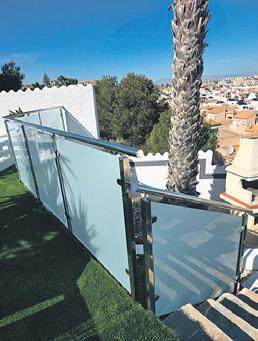















































































































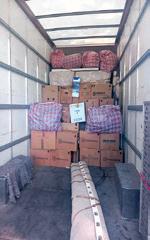











DE
(DGT) is warning drivers in Spain that getting behind the wheel on an empty stomach could increase accident risk. While it may seem harmless, skipping meals can reduce concentration, slow reaction times and affect overall alertness - especially on longer journeys.





According to the DGT, the issue is linked to low energy levels and reduced blood sugar. When you haven’t eaten, your brain processes information more slowly, which can impact how quickly you react to sudden situations on the roadsuch as braking vehicles, pedestrians or unexpected manoeuvres. Even a slight delay can reduce the margin for error.
The effects are often subtle. Drivers may feel slightly tired, less focused or more irritable wi-


thout immediately linking it to hunger. Over longer periods, symptoms like light-headedness or drowsiness can appear, further affecting driving performance. Mild dehydration can also worsen fatigue, particularly during extended trips. What makes this risk easy to overlook is how
common the habit is. Many people skip breakfast, rely on coffee, or follow routines like intermittent fasting without considering the impact on driving. Unlike speeding or phone use, the effects of hunger build gradually and can go unnoticed.
The DGT’s advice is
simple: avoid extremes. Driving after a heavy meal can cause sluggishness, while driving without eating can reduce energy and focus. Instead, a light meal before travelling is recommended, along with staying properly hydrated.
For longer journeys, drivers should take regular breaks - ideally every two hours or around 200 kilometres - to rest, eat something small and maintain concentration.
This advice becomes particularly important during busy travel periods, such as holidays or long-distance trips, when drivers are more likely to skip meals and face heavier traffic conditions.
The takeaway is clear: driving isn’t just physical - it’s mental. Small habits like eating lightly and staying hydrated can help keep reactions sharp and reduce risks on the road.
SPAIN is experiencing an unpreceden ted rise in motorhome and camper van popularity. New vehicle regis trations have soared by 84 per cent since 2025, while the se cond-hand market grew by 14.6 per cent in February alone. This ‘freedom on wheels’ trend, which started with pandemic-times desires for self-contained travel, shows no signs of slowing.
The national fleet now approaches 372,500 units, with nearly 30 per cent of vehi cles used as temporary or perma nent housing. While domestic users number roughly 50,000, foreign visitors from France, Belgium, and Germany double that figure, cementing Spain’s status as a premier road-trip destination.
Credit: Meinwomo
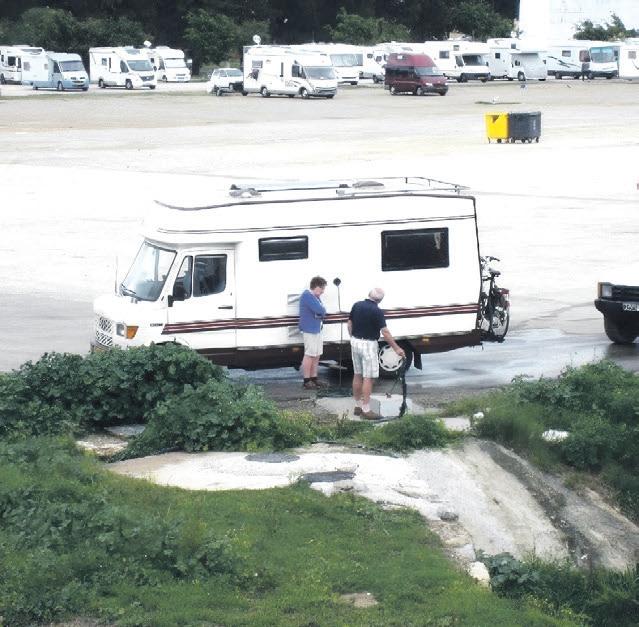
More motorhomes and camper vans arriving.
However, infrastructure is struggling to keep pace. Industry experts have said that while dedicated stopping areas have grown from 183 to 1,200 in a decade, the country requires another 2,000 sites to meet current demand. This shortage is particularly visible in coastal regions, where strict enforcement against roadside parking is laxer than it
should be. Conversely, inland areas like Castilla y Leon have remained welcoming, using very lenient policies to attract mobile tourists.
Despite rising fuel costs, families continue to prioritise the autonomy of the open road. As Aseicar, the association of camper van drivers in Spain reports, the ability to shift plans without penalties has turned a temporary lockdown trend into a permanent shift in European travel habits.
By Mark Slack
FORD has seen many of its familiar names, familiar for many years, disappear with the demise of the Fiesta, Focus and a while back the Mondeo. Much public and ‘expert’ comment ensued and it’s probably fair to say much of it wasn’t favourable to Ford.
Back in 2024 Ford announced the arrival of the Ford Explorer, not the large, big engine off-road SUV from the late 1990s but an all-electric SUV. When so many cars share platforms and parts, styling tends to be rather homogeneous, but the Explorer is a bit of a welcome change since it has a touch of individuality. While styling is always subjective many who saw the Explorer were rather taken. Three versions of the Explorer are on offer - the Style, Premium and Select - with prices starting at €40,770/£35,285. Standard fare in-

adaptive cruise control, navi gation, dual zone climate, auto dimming rear view mirror, rear privacy glass, front and rear parking sensors and a rear-view camera. In lead-in form the 170PS Explorer, with rear wheel drive and 52kwh battery, passes the benchmark 100kph/62 mph in 8.7 seconds and has a range of 375km/233 miles. Adding additional KWH for the extended rear drive version means 286PS and 601km/374 miles with
the all-wheel-drive ex tended range at 79kwh and 340PS offering 529km/329 miles of range.
The interesting point to note is not so much the ultimate range but also the miles per kwh, which in the Explorer’s case was pretty consistently over 4.8km/3 miles per kwh. It makes the Explorer a usefully practical EV.
The usual bolt-on iPad style central screen is large, as with shared VW ID models the driver’s informa-
tion screen is a little too small for all the information displayed, although the clarity is excellent. Some of the controls can be annoying, notably the slider control for the sound system and the fact that the light switches are to the right of the steering wheel and obscured from view by the steering wheel and steering column mounted gear shift.
On the road the Explorer rides well although at higher speeds there’s a touch more road noise than I would have expected. The Explorer handles tightly, a trait of Fords across the years and thanks to very comfortable sculptured seats, and on the mid-range premium model, a panoramic roof, with lighter undertones within the interior it makes it a pleasant place to be on any journey. Ford may have lost some of its great names but doubters should get behind the wheel of the Explorer. I suspect they may be pleasantly surprised.











































THE Mediterranean coastline is preparing to host the sixth edition of the World SUP Festival Costa Blanca, as the international stand-up paddleboarding community arrives in Santa Pola for the opening stop of the 2026 European SUP League.
Scheduled from Friday April 24 to Sunday April 26, the event marks a significant moment for the sport in Spain, with Santa Pola serving as the inaugural venue for this year’s six-stop continental circuit. Boasting a total prize purse of €17,000, the competition is expected to attract over 30 countries and several hundred participants, ranging from elite world champions to enthusiastic amateurs.
The festival’s centrepiece remains the Tabarca Island Long Distance race on the Saturday morning. Athletes will board
boats to the island - Spain’s first Marine Reserve - before racing back across open water to the finish at Playa del Varadero. Competitors can choose between a challenging 13.5 km professional route and a more accessible 5.5 km course. Beyond the flagship crossing, the three-day programme includes high-octane SUP Sprints on the opening Friday and technical races throughout Sunday. For those new to the water, the event provides free introductory classes and a ‘Friendship Paddle’, ensuring the ‘sea fair’ atmosphere remains inclusive. To access the free parallel activities, register in advance at worldsupfestival.com/en/ world-sup-festival-2026. The weekend concludes on Sunday afternoon with a final awards ceremony and team relays.