Julius Fischer, Anna Ossami Saidy, and Hildegart González share insights from EBMT 2026 Interviews:
"Meaningful progress in the field depends not only on cutting-edge research, but also on integrating patient perspectives and fostering strong interdisciplinary and international partnerships
Aims and Scope
EMJ Hematology is an open access, peer-reviewed eJournal committed to publishing the highest quality medical research concerning all aspects of diseases of the blood and bone marrow to help advance the development of this field.
The journal is six weeks after the European Society for Blood and Marrow Transplantation (EBMT) Annual Meeting, and features highlights from this congress, alongside interviews with experts in the field and an in-depth feature on a congress session.
EMJ Hematology also publishes peer-reviewed research papers, review articles, and case reports in the field. In addition, the journal welcomes the submission of features and opinion pieces intended to create a discussion around key topics in the field and broaden readers’ professional interests. The journal is managed by a dedicated editorial team that adheres to a rigorous double-blind peer-review process, maintains high standards of copy editing, and ensures timely publication.
EMJ Hematology endeavours to increase knowledge, stimulate discussion, and contribute to a better understanding of blood disorders. Our focus is on research that is relevant to healthcare professionals in this field. We do not publish veterinary science papers or laboratory studies not linked to patient outcomes. We have a particular interest in topical studies that advance research and inform of coming trends affecting clinical practice in haematology.
Further details on coverage can be found here: www.emjreviews.com
Editorial Expertise
EMJ is supported by various levels of expertise:
• Guidance from an Editorial Board consisting of leading authorities from a wide variety of disciplines.
• Invited contributors who are recognised authorities in their respective fields.
• Peer review, which is conducted by expert reviewers who are invited by the Editorial team and appointed based on their knowledge of a specific topic.
• An experienced team of editors and technical editors.
Peer Review
On submission, all articles are assessed by the editorial team to determine their suitability for the journal and appropriateness for peer review.
Editorial staff, following consultation with a member of the Editorial Board if necessary, identify three appropriate reviewers, who are selected based on their specialist knowledge in the relevant area.
All peer review is double blind. Following review, papers are either accepted without modification, returned to the author(s) to incorporate required changes, or rejected.
Editorial staff have final discretion over any proposed amendments.
Submissions
We welcome contributions from professionals, consultants, academics, and industry leaders on relevant and topical subjects. We seek papers with the most current, interesting, and relevant information in each therapeutic area and accept original research, review articles, case reports, and features.
We are always keen to hear from healthcare professionals wishing to discuss potential submissions, please email: editorial.assistant@emjreviews.com
To submit a paper, use our online submission site: https://emj.kriyadocs.com/welcome
Submission details can be found through our website: www.emjreviews.com/contributors/authors
Reprints
All articles included in EMJ are available as reprints (minimum order 1,000). Please contact hello@emjreviews.com if you would like to order reprints.
Distribution and Readership
EMJ is distributed through controlled circulation to healthcare professionals in the relevant fields across Europe.
Indexing and Availability
EMJ is indexed on DOAJ, the Royal Society of Medicine, and Google Scholar®
EMJ is available through the websites of our leading partners and collaborating societies. EMJ journals are all available via our website: www.emjreviews.com
Open Access
This is an open-access journal in accordance with the Creative Commons Attribution-Non Commercial 4.0 (CC BY-NC 4.0) license.
Congress Notice
Staff members attend medical congresses as reporters when required.
This Publication
Publication Date: May 2026
Online ISSN: 2053-6631
All information obtained by EMJ and each of the contributions from various sources is as current and accurate as possible. However, due to human or mechanical errors, EMJ and the contributors cannot guarantee the accuracy, adequacy, or completeness of any information, and cannot be held responsible for any errors or omissions. Although EMJ is independent of the EBMT 2026 review event, EMJ and EBMT have signed a media partnership. The cover photo is of Madrid, Spain, the location of EBMT 2026.
Helena Bradbury, Katrina Thornber, Aleksandra Zurowska
Editorial Co-ordinators
Jess Nicholson, Bertie Pearcey, Alena Sofieva
Editorial Assistants
Niamh Holmes, Roli Omamuli, Alexander Perkins
Reporter
Anna Caldwell
Creative Director
Tim Uden
Design Manager
Stacey White
Senior Designers
Tamara Kondolomo, Owen Silcox
Designers
Shanjok Gurung
Fabio van Paris
Junior Designers
Fraser Hoey,
Helena Spicer, Caleb Wylie
Head of Marketing
Stephanie Corbett
Commercial Director
Oz Desai
Senior Business Unit Lead
Nabihah Durrani
Chief Executive Officer
Justin Levett
Chief Commercial Officer
Dan Healy
Founder and Chairman
Spencer Gore
Welcome
Dear Readers,
Welcome to this special issue of EMJ Hematology, featuring our comprehensive coverage of the 52nd Annual Meeting of the European Society for Blood and Marrow Transplantation (EBMT), a leading event capturing the latest advances in transplantation and cellular therapies.
With over 6,000 expected attendees from more than 90 countries, EBMT 2026 was a highly anticipated event, and it delivered.
In this issue, we present a review of the key highlights from EBMT 2026, including exclusive interviews with leading voices and award winners from the congress. Hildegart González, Anna Ossami Saidy, and Julius Fischer explore different topics, from the evolving role and leadership of nurses in advanced therapies, to emerging research in CAR-T cell therapy for lymphoma and new insights into immune responses and tissue repair in transplantation and cancer treatment.
This issue also features an in-depth article on the neurologic complications of immunotherapy, examining current challenges, emerging evidence, and implications for clinical practice.
I would like to extend my sincere thanks to the Society for their continued partnership with EMJ, as well as to all interviewees for sharing their expert insights.
As we look ahead to the upcoming issue of EMJ Hematology, we hope this issue provides a valuable overview of the latest innovations in transplantation and cellular therapy and supports continued progress in patient care.
Helena Bradbury
Editorial Lead
Editorial enquiries: editor@emjreviews.com
Sales opportunities: salesadmin@emjreviews.com
Permissions and copyright: accountsreceivable@emjreviews.com
Reprints: info@emjreviews.com
Media enquiries: marketing@emjreviews.com
Burden
Identification
Discharge
Meaningful progress in the field depends not only on cutting-edge research, but also on integrating patient perspectives and fostering strong interdisciplinary and international partnerships
Congress Review
Review of the European Society for Blood and Marrow Transplantation (EBMT) Annual Meeting 2026
THE 52ND ANNUAL Meeting of the European Society for Blood and Marrow Transplantation (EBMT) was held in the highest-altitude European capital, ranging from 543–846 metres above sea level. This city is also home to the world’s oldest operating restaurant, Sobrino de Botin, and a successful football team, Real Madrid. In the rich and vibrant city of Madrid, Spain, hundreds of physicians, nurses, scientists, pharmacists, and many other experts gathered to discuss how cellular therapy and transplantation have evolved over the past year.
The highly anticipated opening ceremony began with a note from the President, Anna Sureda, Duran I Reynals Hospital, Barcelona, Spain, who warmly welcomed all attendees, encouraging them to attend sessions outside their speciality and actively engage in discussions with one another. “I hope this meeting brings you new knowledge, new connections, and renewed energy for the work we all share.”
Congress President Rafael Duarte, Hospital Universitario Puerta de Hierro Majadahonda, Madrid, Spain, subsequently shared insights into the diverse programme for the coming days. Overall, there were 189 sessions, 159 of which are live-streamed worldwide, 550 invited faculty members, over 1,200 abstracts to be presented, and 33 sponsored sessions. These remarkable statistics reinforce the role EBMT plays as a leading society, shaping the future direction of cellular therapies and transplantation.
Chair of the EBMT Patient Advocacy Committee, Natasha Bolanos, took the stage, opening with a powerful sentiment, “patients
are not only recipients of care, they are not only endpoints in clinical trials, they are not only cases in registries or numbers in reports or publications, they are people, like you.”
Sharing the unique experiences of patients, she stressed the importance of involving them in discussions on clinical trial design, defining endpoints, and shaping follow-up care. She also highlighted the value of first-hand patient perspectives on receiving different therapies, insights that numerical data alone cannot capture. She noted that some patients, drawing on their own experiences, go on to become advocates, hoping to transform something deeply personal into a contribution that benefits those who follow.
“When patients are meaningfully engaged, not as a symbol but as meaningful partners, care becomes more human, research more relevant, and systems more responsive.”
Hilda Mekelenkamp, EBMT Nurses Group President, then spoke on the theme of this year’s EBMT congress, ‘Let’s Advance the Art
of Patient Care Together’, breaking down each word and the symbolism behind it. Firstly, ‘let's advance’ signifies progressing forward with the intention of improving things, stepping beyond what we already know, even though, as highlighted by Mekelenkamp, many in the room are already established experts in the field. The humility to recognise that further progress is needed, along with the flexibility to question what we already know, is vital for advancing the field. Secondly, ‘the art’ can be understood as a skill, an intentional ability shaped by experience and influenced by a multitude of factors. Mekelenkamp suggested that healthcare itself could be interpreted as an art because it unites scientific knowledge with skilled judgement, emotional sensitivity, interpretation, and ethical imagination to create meaningful and healing moments of vulnerability.
Touching on the ‘patient care’ aspect of the Meeting's theme, she reinforced that this must remain the highest priority, ensuring healthcare stays patient-focused and that patients have a place in the pivotal conversations shaping therapy and care. Finally, ‘together’ highlights the importance of interdisciplinary collaboration, both within hospitals and more broadly across research institutions.
The honorary members were then announced to individuals who have made invaluable contributions to haematopoietic cell transplantation and cellular therapy. For this year, it was Mary Horowitz, Medical College of Wisconsin, USA; Dan Engelhard, Hadassah Medical Organization, Israel; and Jakob Passweg, University of Basel, Switzerland.
Finally, to close the opening ceremony, Lola Manterola, President of CRIS Contra el Cáncer, delivered a prestigious keynote lecture focused on patient partnership in multidisciplinary care. She began by sharing her personal experience of being diagnosed with, and surviving, multiple myeloma, expressing gratitude for the research advances that made this possible. She then outlined three key ways the foundation supports researchers: CRIS grants, cofinanced grants, and collaboration grants,
all evaluated by an international scientific committee of leading experts to ensure fair and rigorous selection.
She also highlighted the launch of new CRIS units across Madrid. These included the CRIS Unit for Hematologic Tumors at Hospital Universitario 12 de Octubre, Madrid, Spain, led by Joaquín Martínez, which has already implemented more than 20 new treatments, supported over 400 clinical trials, produced more than 200 scientific publications, and treated over 1,700 patients. Another example is the CRIS Unit for Advanced Therapies in Childhood Cancer, led by Antonio Pérez, which has delivered more than 20 new treatments, supported over 60 clinical trials, generated 200 scientific publications, and treated more than 1,200 patients.
Manterola also presented a real-world clinical trial currently underway, led by Christophe Willekens, Institut Gustave Roussy, Paris, France; and Pau Montesinos, Hospital Universitario La Fe, Valencia, Spain. This Phase III study is evaluating whether lower drug dosing can maintain efficacy while reducing toxicity in older patients with acute myeloid leukaemia who are ineligible for intensive chemotherapy, an example of impactful international collaboration.
She concluded by introducing ‘Hand in Hand Patients’, a series of specialised roundtables designed to bring together researchers and patients to foster dialogue, share perspectives, and improve how scientific priorities and resource needs are communicated.
In summary, the EBMT Annual Meeting and its opening ceremony underscored a shared commitment to advancing patientcentred care through scientific innovation, collaboration, and inclusivity. Across the sessions, a unifying message emerged: meaningful progress in the field depends not only on cutting-edge research, but also on integrating patient perspectives and fostering strong interdisciplinary and international partnerships.
Deep Learning Unlocks CAR-T Immune Dynamics from Routine Blood Smears
PRECLINICAL and translational data presented at EBMT 2026 demonstrate that AI applied to routine peripheral blood smears (PBS) may enable scalable, real-time monitoring of CAR-T cell activity. The approach addresses a key limitation in current practice: the lack of accessible tools for longitudinal immune profiling following CAR-T infusion.1
Although assays such as digital droplet PCR can quantify CAR-T expansion, they are resource-intensive and not widely suited for frequent monitoring. To overcome this, the investigators developed a deep learningbased framework, MorphoCAR, to extract quantitative immune signals from standard PBS, a routinely collected and low-cost clinical resource.
The study analysed digitised blood smears collected between Days 0–30 after CAR-T infusion in patients with non-Hodgkin lymphoma, B cell acute lymphoblastic leukaemia, and multiple myeloma. Expert haematopathologists first defined six reproducible lymphocyte morphologies (“morphotypes”) based on cellular features such as size, nuclear contour, and cytoplasmic characteristics. A convolutional neural network was then trained to classify single-cell images into these morphotypes.
MorphoCAR achieved strong performance, with a macro-accuracy of 83% and an area under the receiver operating characteristic curve of 0.98. The model was subsequently applied to more than 540,000 single-cell images derived from over 11,000 smears across 622 patients, revealing distinct and dynamic immune trajectories following CAR-T therapy.
Longitudinal analyses showed that atypical lymphocyte subsets expanded in characteristic patterns after infusion. Large and small, atypical lymphocytes peaked between Days 6–14 before declining, while small round lymphocytes stabilised after early expansion. These dynamics varied by CAR-T product, with greater expansion of large atypical lymphocytes observed in patients treated with lisocabtagene maraleucel and ciltacabtagene autoleucel compared with tisagenlecleucel.
Importantly, in patients with large B cell lymphoma, higher early expansion of large, atypical lymphocytes was independently associated with improved progression-free survival. This association was not observed for total lymphocyte counts or other morphotypes, highlighting the added value of morphology-based immune profiling over conventional metrics.
Correlative analyses further supported the biological relevance of these findings. The abundance of atypical lymphocyte morphotypes correlated positively with CAR-T transgene levels measured by digital droplet PCR. In addition, CAR-T cells expressing the activation marker CD69 displayed morphological features closely resembling the large, atypical lymphocyte phenotype identified by the model.
These findings establish routine peripheral blood smears as a previously underutilised source of high-dimensional immune data. By integrating AI with standard clinical workflows, MorphoCAR provides a scalable and non-invasive method to monitor CAR-T dynamics, offering potential to improve early risk stratification and guide postinfusion management.
Dual-Target CAR-T Cells Show Promise in CD19Low B Cell Acute Lymphoblastic Leukaemia
PRECLINICAL data presented at EBMT 2026 suggest that dualtarget CAR-T cell strategies may overcome a key limitation of current therapies for B cell acute lymphoblastic leukaemia (B-ALL) relapse driven by reduced CD19 expression.2
CD19-directed CAR-T cell therapy has transformed outcomes in relapsed or refractory B-ALL, but diminished or absent CD19 expression remains a major mechanism of treatment failure. To address this challenge, the investigators developed and evaluated a series of dual-target CAR-T cells directed against both CD19 and CD84.
Using CRISPR/Cas9-engineered CD19-low leukaemia models, the study assessed multiple constructs, including IF-BETTER designs that combine CD19 recognition with CD84-mediated co-stimulation. Among these, the DUAL 4 construct demonstrated the most consistent performance.
In vitro, DUAL 4 and related constructs showed strong cytotoxicity against CD19positive leukaemia cells, with activation strictly dependent on CD19 engagement despite the presence of CD84 on target cells. Notably, no off-target cytotoxicity was observed in CD19-negative, CD84-positive acute myeloid leukaemia cells, supporting the specificity of the approach. In long-term rechallenge assays, IF-BETTER CAR-T cells exhibited greater functional persistence than conventional single-target CAR-T cells, maintaining tumour control over multiple sequential exposures.
In vitro findings further supported these results. In xenograft models of CD19-high disease, dual-target constructs achieved tumour control comparable to standard CD19 CAR-T cells. However, in CD19-low models, designed to mimic antigen-loss relapse, DUAL 4 demonstrated significantly improved tumour control and survival at both standard and reduced cell doses.
Importantly, safety assessments indicated that the dual-target design did not eliminate CD19-negative haematopoietic progenitor cells, despite CD84 expression, suggesting that CD19 engagement remains necessary for activation.
These findings identify CD84 as a promising co-target in CAR-T cell therapy and support IF-BETTER dual-target constructs as a strategy to enhance efficacy without compromising specificity. The approach may offer a path to improving the durability of response and reducing relapse rates in patients with B-ALL, particularly in cases characterised by low CD19 antigen expression.
The investigators developed and evaluated a series of dual-target CAR-T cells directed against both CD19 and CD84
Cell Therapy Delivers Durable Benefits in TDT and SCD
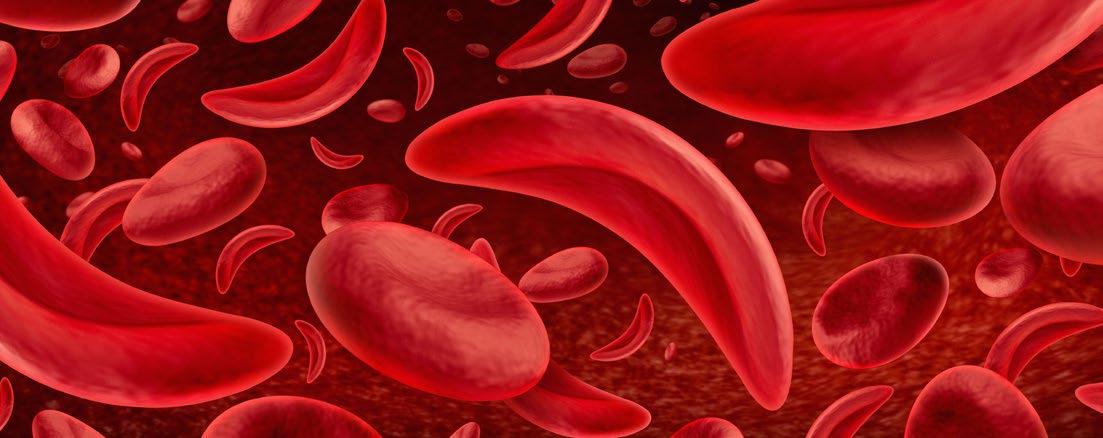
A LONG-TERM follow-up analysis, presented at EBMT 2026, showed that exagamglogene autotemcel (exa-cel) delivered sustained clinical benefits for over 6 years in patients with transfusion-dependent β-thalassaemia (TDT) and sickle cell disease (SCD) with recurrent vaso-occlusive crises.3
In patients with SCD, 100% (45/45 evaluable) achieved freedom from severe vaso-occlusive crises and related hospitalisations for at least 12 consecutive months
Researchers evaluated long-term efficacy and safety outcomes of exa-cel, a CRISPR/ Cas9 gene-edited autologous cell therapy, across the Phase III CLIMB trials and their long-term extension. The analysis included 56 patients with TDT and 46 patients with SCD, with a median follow-up approaching 4 years and extending beyond 6 years in some participants.
Among patients with TDT, 98.2% (55/56) achieved transfusion independence for at least 12 consecutive months while maintaining a weighted average haemoglobin level ≥9 g/dL. In parallel, 69.6% discontinued iron removal therapy for at least 6 months, with iron parameters remaining stable over time.
In patients with SCD, 100% (45/45 evaluable) achieved freedom from severe vaso-occlusive crises and related hospitalisations for at least 12 consecutive months, with clinically meaningful improvements in haemolysis markers that were sustained throughout follow-up.
Across both conditions, durable increases in total and fetal haemoglobin
were observed, alongside stable gene editing in bone marrow and peripheral blood. Engraftment was consistent, with neutrophil and platelet recovery occurring within expected timeframes.
Survival outcomes were notable, with overall survival and event-free survival rates at 2 years reaching 100% in TDT and 97.8% in SCD. Importantly, no cases of graft-versus-host disease, graft failure, or malignancy were reported during followup. The safety profile remained consistent with myeloablative conditioning and autologous transplantation.
Limitations included the relatively small sample size and the absence of a comparator arm, although the consistency and durability of outcomes strengthen the findings.
These results suggested that exa-cel may offer a one-time functional cure for both TDT and SCD, with sustained clinical benefit and a reassuring long-term safety profile. Ongoing follow-up will be critical to confirm durability beyond the current observation period and to further define long-term risks and benefits.
Non-Relapse Mortality in CAR-T Cell Therapy: Outcomes from the EBMT Registry
CAR-T cell therapy infusion has been associated with non-relapse mortality (NRM) in a new retrospective study, presented at EBMT 2026, with infections being the leading cause of NRM. CAR-T cell therapy is currently used for haematological malignancies. However, disease- and productspecific estimates of NRM are not widely known for large real-world cohorts. This retrospective EBMT registry study aimed to evaluate the risk and leading causes of NRM based on different disease indications and CAR-T products.4
Researchers analysed data from 6,928 adult patients who received their first licensed CAR T-cell infusion between 2019–2023. The cohort included patients with B-acute lymphoblastic leukaemia (B-ALL; n=258), mantle cell lymphoma (MCL; n=514), B cell lymphoma (BCL; n=5,573), and multiple myeloma (MM; n=583). Over the study period, 2,887 deaths were reported, the majority of which (80.4%) were due to disease progression or relapse.
NRM varied substantially by both disease type and CAR-T product. At 1-year post-infusion, the highest NRM was observed in patients with MCL treated with brexucabtagene autoleucel (brexu-cel; 13.3%), followed by patients with B-ALL receiving brexu-cel (11.4%). In contrast, the lowest 1-year NRM was seen in patients with BCL treated with lisocabtagene maraleucel (3.99%). Intermediate rates were reported across other products, including axicabtagene ciloleucel and tisagenlecleucel in BCL, with NRM generally increasing over time. Two-year NRM reached as high as 19.4% in MCL and 19.0% in B-ALL treated with brexu-cel, highlighting longer-term risks in certain subgroups.
Multivariable analyses identified several factors associated with increased NRM. In B-ALL, poorer performance status (ECOG ≥1) significantly increased risk. Among patients with MM, having active disease at the time of lymphodepletion was associated with worse outcomes compared with those in response. In BCL, higher NRM was linked to older age, male sex, impaired performance status, and active disease at treatment.
Infections were the leading cause of NRM, accounting for 35.4% of cases, followed by cell therapy-related toxicities (32.8%) and secondary malignancies (9.5%).
Overall, these findings demonstrate that NRM remains a clinically meaningful risk following CAR-T cell therapy and varies by indication and product. The prominence of infectionrelated deaths underscores the urgent need for improved prevention, monitoring, and management strategies tailored to specific CAR-T therapies.
Infections were the leading cause of NRM, accounting for 35.4% of cases, followed by cell therapy-related toxicities (32.8%) and secondary malignancies (9.5%)
Nanobody-Derived CAR-T Therapy in Relapsed/ Refractory B Cell Acute Lymphoblastic Leukaemia
PREVIOUS studies have demonstrated that prior exposure to immunebased therapies can significantly reduce the efficacy of single-target CAR-T therapy in relapsed/refractory B cell acute lymphoblastic leukaemia (R/R B-ALL). This study, presented at EBMT 2026, evaluated whether a nanobody-derived CD19/CD22 tandem CAR-T construct represents an effective salvage strategy in this heavily pretreated population.5
This Phase I study enrolled 35 patients with R/R B-ALL who received standard fludarabine/cyclophosphamide (FC) lymphodepletion followed by CAR-T cell infusion. Alpaca-derived singledomain antibodies (variable domain of a heavy chain-only antibody) targeting CD19 and CD22 were screened and engineered into a dual-target tandem CAR construct (SL0217).
Overall analyses included 24 evaluable patients (12 in dose-escalation and 12 at RP2D with completed Month 1 assessment). Minimal residual disease (MRD) in bone marrow was monitored monthly for the first 6 months, then every 3 months thereafter. Extramedullary disease (EMD) was assessed by PET–CT at baseline, Month 1, and Month 3.
Among the 24 evaluable patients, the median age was 34.5 years, and 62.5% were male. All patients were heavily pretreated, including prior exposure to blinatumomab (41.6%), inotuzumab ozogamicin (41.6%), prior CD19-directed CAR-T therapy (37.5%), and CD22-directed CAR-T therapy (8.3%); 58.3% had previously undergone allogeneic haematopoietic stem cell transplantation. Dual CD19/CD22 antigen expression was observed in 87.5% of patients. Disease distribution included
Among patients achieving bone marrow response, 100% attained MRD negativity across all available assessment modalities
isolated bone marrow involvement (37.5%), EMD (29.1%), or combined involvement (33.3%), with a median pre-lymphodepletion marrow blast burden of 12.0% (interquartile range: 0.5–79.5%).
Cytokine release syndrome was predominantly Grade 1–2 in 58.4% of patients, while Grade ≥3 cytokine release syndrome occurred in 8.3%. Grade 3–4 early neutrophil immune effector cell-associated haematotoxicity was observed in 29.1%.
The overall response rate was 83.3%, including 82.4% in patients with bone marrow disease and 93.3% in those with EMD. Among patients achieving bone marrow response, 100% attained MRD negativity across all available assessment modalities. Median progression-free survival and overall survival were not reached; 6-month progression-free survival and overall survival were 58.8% (95% CI: 37.6–91.9%) and 89.0% (95% CI: 75–100%), respectively.
In summary, SL0217 dual CD19/CD22 nanobody CAR-T therapy showed high response rates and universal MRD negativity in responders with manageable toxicity in heavily pretreated R/R B-ALL, supporting its potential as an effective salvage option warranting further clinical evaluation.
MaaT013 in Ruxolitinib-Refractory GI-aGvHD: Results From the ARES Phase III Trial
PRESENTED at EBMT 2026, the late-phase study addresses one of the most challenging clinical scenarios in transplantation: acute graft-versushost disease with gastrointestinal involvement in patients who have failed both corticosteroids and ruxolitinib. Outcomes in this population are historically poor, highlighting a clear unmet need for effective therapies. The ARES Phase III trial evaluates MaaT013, a pooled allogeneic microbiotherapy designed to restore gut microbial balance.6
The multicentre, open-label study enrolled 66 adult patients with Grade II–IV gastrointestinal acute graft-versus-host disease who were refractory or intolerant to ruxolitinib. Patients received three rectal administrations of MaaT013, with an optional additional dose in cases of relapse. The primary endpoint was the gastrointestinal overall response rate at Day 28, assessed by an independent review committee.
The trial met its primary endpoint, with a Day 28 gastrointestinal overall response rate of 62%, significantly exceeding the predefined 22% threshold. Responses were both frequent and deep, with 38% achieving complete response and 20% very good partial response. All-organ responses were comparable, with a Day 28 overall response rate of 64%. While response rates declined over time, they remained clinically meaningful, with gastrointestinal response rates of 47% at Day 56 and 44% at Month 3, largely driven by sustained complete responses.
Survival outcomes further strengthen the clinical relevance of these findings. Median overall survival was not reached, with 6and 12-month survival rates of 59% and 54%, respectively, substantially higher than historical expectations. Importantly, early response strongly correlated with survival: patients achieving at least partial response at Day 28 had significantly improved outcomes compared to non-responders (76% versus 28% at 6 months; 68% versus 28% at 12 months). Non-responders had a median survival of just 54 days.
MaaT013 demonstrated an acceptable safety profile despite the fragility of the study population. Treatment-related adverse events occurred in 29% of patients, with serious events in 11%. Of 29 fatal adverse events reported, only one was considered treatment-related.
Overall, the ARES trial provides compelling evidence supporting microbiome modulation as a therapeutic strategy in refractory gastrointestinal acute graft-versus-host disease. Although the open-label design and absence of a comparator arm warrant cautious interpretation, the magnitude of response and survival benefit positions MaaT013 as a promising first-in-class microbiome-based therapy in this high-risk setting.
Etu-cel Gene Therapy Shows Durable Benefit in Wiskott–Aldrich Syndrome
CLINICAL data presented at EBMT 2026 demonstrate that lentiviral gene therapy with etuvetidigene autotemcel (etu-cel) provides sustained safety and efficacy in patients with Wiskott–Aldrich syndrome, a rare and life-threatening inherited condition characterised by immunodeficiency, thrombocytopenia, and increased bleeding risk.7
Allogeneic haematopoietic stem cell transplantation can be curative but is limited by donor availability and associated risks.
To address this, investigators evaluated etucel, an autologous gene therapy product consisting of CD34+ haematopoietic stem and progenitor cells transduced ex vivo with a lentiviral vector encoding the WAS gene.
This integrated analysis included 27 patients treated across Phase I/II, Phase III, and expanded access programmes, with a median follow-up of 5.7 years (range 2.3–13.3 years). Patients received a single infusion of etu-cel following reducedintensity conditioning.
The therapy demonstrated a strong safety profile. No drug product-related adverse events, replication-competent lentivirus, abnormal clonal proliferation, or immune responses to the transgene were observed. Importantly, no patients required secondary interventions after treatment. Overall survival was 96.3%, with one death attributed to progression of a pre-existing neurological condition rather than treatment.
Efficacy outcomes showed substantial and durable clinical benefit. The rate of severe infections decreased by 92.5% between 6–18 months post-treatment compared with the year prior, while moderate and severe bleeding events declined by 60% in the first year. Notably, most patients remained free from significant bleeding beyond 4 years.
Gene-corrected stem cell engraftment was robust and sustained, leading to restoration of WAS protein expression across multiple blood cell lineages. This translated into improved immune function and platelet recovery, with over 90% of patients achieving platelet counts above
50×10⁹ /L at last follow-up. All patients became independent of platelet transfusions, and Ig replacement therapy was discontinued universally.
Additional clinical improvements included resolution of eczema, reduced autoimmunity, decreased hospitalisation rates, and overall enhancement in quality of life. Outcomes were consistent across age groups, disease severity, genetic variants, and product formulations.
These findings support etu-cel as a onetime treatment capable of delivering longterm disease correction in Wiskott–Aldrich syndrome, with a favourable benefit–risk profile extending beyond a decade of follow-up.
The rate of severe infections decreased by 92.5% between 6–18 months post-treatment compared with the year prior, while moderate and severe bleeding events declined by 60% in the first year
Stem Cell Transplant Shows Potential Long-Term Benefit in SSc
STEM cell transplant offers sustained disease control in some patients with high-risk systemic sclerosis (SSc) after nearly a decade of follow-up, as shown by new long-term data presented at EBMT 2026.8
SSc is a rare autoimmune disease where the immune system triggers excessive collagen production, causing skin thickening and organ fibrosis. It carries the highest mortality rate among rheumatic diseases, yet treatment options remain extremely limited.
The study followed 80 adults who had undergone autologous haematopoietic stem cell transplantation (aHSCT). Previous 2-year follow-up results had already shown promise, with 81.8% progression-free survival and 90% overall survival observed. The extended follow-up provides further insight into this cohort’s survival and disease progression over nearly a decade.
After a median follow-up of 9.2 years, progression-free survival was 72% at 5 years and 58.5% at 10 years. Overall survival reached 86% at 5 years and remained above 70% at 10 years. These findings indicate that aHSCT can offer durable benefit in a subset of high-risk patients, although progression may still occur.
Non-relapse mortality increased from 7.6% at 5 years to 13.5% at 10 years, while the incidence of disease progression rose from 20.4% to 26.3%, showing that patients remain at risk of relapse beyond 5 years. Late complications included malignancies (6.25% of patients), major cardiac events (3.75%), late serious infections (15%), and the development of secondary autoimmune conditions (11.25%).
This long-term extension study provides one of the most extensive follow-ups reported for patients with high-risk SSc receiving aHSCT. The extended timeframe allows for a robust evaluation of both efficacy and safety, emphasising the need for ongoing monitoring even after initial disease control.
References
1. Shouval R et al. High-throughput deep learning-based profiling of CAR-T immune dynamics from routine peripheral blood smears. Abstract GS2-2. EBMT Annual Meeting, 22-25 March, 2026.
2. Mongelos AA et al. CD19/CD84 IFBETTER dual CAR T cells demonstrate superior control of CD19-low B-ALL than single CART19. Abstract GS2-4. EBMT Annual Meeting, 22-25 March, 2026.
3. Locatelli F et al. Durable clinical benefits with exagamglogene autotemcel for greater than six years of follow-up in transfusion-dependent thalassaemia and sickle cell disease with recurrent vaso-occlusive crises. Abstract GS2-5. EBMT Annual Meeting, 22-25 March, 2026.
4. Graham CE et al. Non-relapse mortality following CAR-T cell therapy: a study by the EBMT transplant complications working party. Abstract GS2-6. EBMT Annual Meeting, 22-25 March, 2026.
5. Yang YH et al. Nanobody-derived CD19/CD22 tandem CAR-T therapy as salvage treatment for immunotherapyrefractory B-all after blinatumomab, inotuzumab, or prior single-target CAR-T: phase 1a dose finding and RP2D evaluation. Abstract GS2-7. EBMT Annual Meeting, 22-25 March, 2026.
6. Malard F et al. MAAT013 for ruxolitinibrefractory acute graft-versushost disease with gastrointestinal involvement: final results from the ARES phase III trial Abstract GS2-8. EBMT Annual Meeting, 22-25 March, 2026.
7. Ferrua F et al. Safety and efficacy of lentiviral hematopoietic stem and progenitor cell gene therapy with etuvetidigene autotemcel for the treatment of Wiskott-Aldrich syndrome. Abstract GS2-9. EBMT Annual Meeting, 22-25 March, 2026.
8. Henes J et al. Long-term evaluation of efficacy after autologous stem cell transplantation for systemic sclerosis –NISSC-1 long term extension. Abstract GS2-10. EBMT Annual Meeting. 22-25 March, 2026.
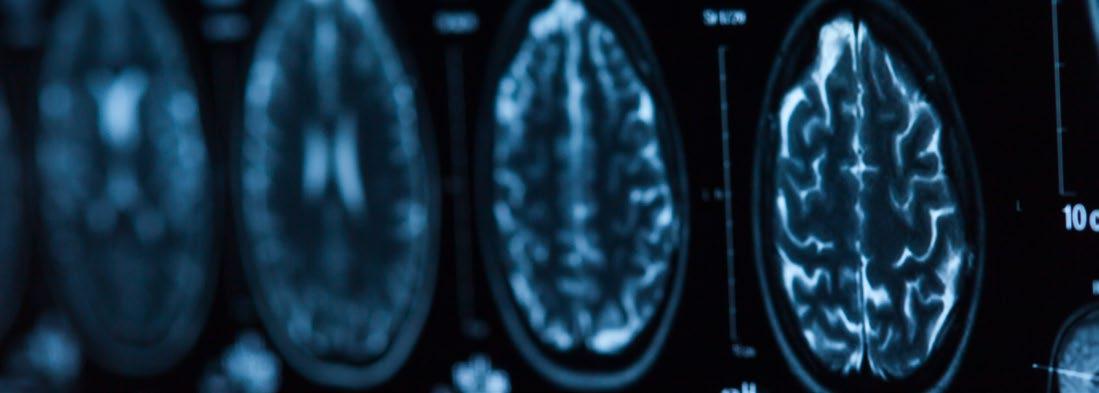
THIS INSIGHTFUL educational session, titled ‘Neurologic complications across immunotherapies – a comparative perspective’, was held at the 52nd Annual Meeting of the European Society for Blood and Marrow Transplantation (EBMT). It explored neurologic complications associated with modern haematologic therapies, including allogeneic haematopoietic cell transplantation (allo-HCT), CAR-T cells, and other immunotherapies. While these treatments have improved outcomes, they introduce complex neurotoxicities affecting patient care. Featuring Petra Hühnchen, Charité - Universitätsmedizin Berlin, Germany; Charlotte Graham, King’s College London, UK; Roser Velasco, Catalan Institute of Oncology-University Hospital of Bellvitge, Barcelona, Spain; and Dionysios Neofytos, Division of Infectious Diseases, University Hospital of Geneva, Switzerland, and chaired by Ana Alarcón, Hospital Puerta de Hierro, Madrid, Spain; and Olaf Penack, Charité – Universitätsmedizin Berlin, Germany, the session provided a comprehensive overview of risk factors, mechanisms, and management strategies.
NEUROLOGICAL COMPLICATIONS OF ALLOGENEIC HCT
Hühnchen opened the session by speaking on neurological complications of allo-HCT. She stressed the disparity in reported frequencies of neurological complications of allo-HCTs, highlighting several factors that can affect reporting in the literature, such as study design, patient population, duration of follow-up, and definitions of complications.1-3 She noted that over 50% of adult allo-HCT patients experience neurologic symptoms, approximately 20% have probable or proven diagnoses, and approximately 6–15% develop central nervous system (CNS) complications.
Elaborating on CNS complications, Hühnchen highlighted the wide range of neurological complications that patients can experience. These include cerebrovascular and neuromuscular graftversus-host disease (GvHD), cognitive and neuropsychiatric encephalopathy,
neurological complications of medical procedures, and therapy-related neurotoxicities, amongst others. Referencing a 2024 study, she noted that overall survival is typically lower in patients who experience a CNS complication compared to those who do not.4
Hühnchen posed two questions to the audience. First, what are the risk factors for neurological complications? Risk factors include older age, reflecting increased vulnerability of the ageing brain to complications, as well as total body irradiation, acute GvHD, chronic GvHD, and tacrolimus.4 Additionally, all types of acute leukaemia, specifically acute lymphoblastic leukaemia and acute myeloid leukaemia, are considered significant risk factors for neurological complications due to infiltration of leukaemic cells into the CNS, as well as associated metabolic disturbances and increased susceptibility to infections.
Second, what are the causes of neurological complications?
Approximately 25–35% are considered infectious, 45–57% non-infectious, and 18–24% are unclassified. The most common causes of infection are viruses (35%), followed by fungal (29%), toxoplasmic (27%), and bacterial (9%).5
After outlining the risk factors and causes, Hühnchen discussed the expected timeline of CNS infections following allo-HCT.6,7
The three major stages include haematopoietic stem cell transplantation (HSCT) conditioning, which is a preparatory regimen of high-dose chemotherapy, immunotherapy, or radiation given before a haematopoietic stem cell transplant; HSCT engraftment, in which transplanted haematopoietic stem cells travel to the patient’s bone marrow and begin producing new, healthy blood cells; and immunosuppression, which is stopped to allow the donor cells to adapt to the recipient’s immune system. Typically, the quantity of CNS infections is highest nearer the beginning of the process than the end; however, the specific types vary. For instance, around Day 0 (HSCT conditioning), a conditioning regimen and supportive care toxicities, as well as metabolic complications, are most common, whilst at Day 30, bacterial, antibiotic,
human herpesvirus 6 (HHV-6), and fungal infections predominate. Finally, around the Day 180-mark, opportunistic infections, Herpesviridae reactivation, and GvHD are common, but still have a relatively low incidence.
Hühnchen noted that there are several challenges in detecting CNS infections in allo-HCT: these patients are severely immunocompromised, and infections can be caused by rare or opportunistic pathogens, making it harder to identify the cause. Additionally, clinical presentation is often atypical, and there is a low pathogen burden in cerebrospinal fluid (CSF). However, several novel diagnostic tools, such as metagenomic next-generation sequencing, have shown recent potential in detecting CNS infections in allo-HCT patients.
Finally, Hühnchen spoke on noninfectious neurologic complications, which most commonly occur within the first year following transplant, with approximately 30% occurring due to drug-induced neurotoxicity. However, as stressed by Hühnchen, defining the root cause can be challenging, as there is a multifactorial genesis to non-infectious CNS complications, with vascular, infectious, metabolic, and immune-mediated factors all playing a role.
Over 50% of adult allo-HCT patients experience neurologic symptoms have probable or proven diagnoses ~20%
In summary, Hühnchen’s talk highlighted the heterogeneous and multifactorial nature of neurological complications following allo-HCT, with wide variability in reported incidence and clear implications for survival. She emphasised key risk factors such as age, GvHD, and conditioning intensity, and outlined the diverse aetiologies, where non-infectious causes predominate, but infections remain significant and difficult to diagnose. Overall, she underscored the complexity of these complications and the need for improved diagnostic approaches in this immunocompromised population.
NEUROLOGICAL COMPLICATIONS OF CAR-T THERAPY
Graham then addressed the specific neurological complications associated with CAR-T therapy. CAR-T cells are engineered cells that become activated upon binding to tumour cells. Once activated, an inflammatory signalling cascade is triggered. Graham then spoke on immune effector cell-associated neurotoxicity syndrome (ICANS), which is commonly seen with cluster of differentiation (CD)19 and B cell maturation antigen (BCMA) CAR-T cells. Patients with ICANS may
experience encephalopathy, dysphasia, somnolence, myoclonus, and seizures.
Interestingly, there are currently ongoing clinical trials that aim to address the associated toxicity with CAR-T cell therapy, namely the early use of siltuximab, an IL-6 binding monoclonal antibody targeting cytokine release syndrome (CRS) and ICANS.8 Additionally, early or prophylactic use of anakinra may reduce the incidence of severe ICANS.9,10
However, ICANS and CRS are not the only complications associated with CAR-T cell therapy. As noted by Graham, other neurological complications include movement and neurocognitive toxicity, cranial nerve palsy, ischaemic stroke, myelitis, peripheral neuropathy, GuillainBarré syndrome, tumour inflammationassociated neurotoxicity, and fludarabine-associated neuropathy.
Movement and neurocognitive toxicity is characterised by distinct movement symptoms such as bradykinesia, speech disturbances, and gait changes, alongside personality changes, including reduced facial expression, and cognitive deficits such as impaired attention and memory. Regarding the aetiology, reports have found ovement and neurocognitive toxicity to be associated with the presence of CAR-T cells within the blood and CSF.11 Due to the strong association between CAR-T expansion and the development of movement disorder, several studies have
Fludarabine-associated neurotoxicity is a delayed-onset toxicity linked to high-dose fludarabine-containing regimens
looked to use prophylactic steroids, such as dexamethasone, if their absolute lymphocyte count in the blood went above a certain threshold; notably, all cases of non-neurotoxicity and non-ICANS were found within the dexamethasonetreated groups.12,13
Homing in on another neurologic complication, Graham then spotlighted cranial nerve palsy, which is partial or complete paralysis of one or more of the 12 cranial nerves. It is commonly associated with BCMA CAR-T cell therapy, though less frequently with CD19 CAR-T cells, is found to be early onset following infusion, and can be unilateral or bilateral. Graham recommended, for the management of cranial palsy, a short course of corticosteroids such as prednisolone.
Tumour inflammation-associated neurotoxicity is a localised neurotoxicity following CAR-T cell therapy specifically for CNS tumours, with the exact clinical manifestations dependent on the location of the tumour. As described by Graham, there are different types; Type 1 is linked to signs of raised intracranial pressure, whilst Type 2 is linked to transient worsening of preexisting neurological symptoms. For Type 1, it is recommended to use CSF diversion, corticosteroids, and hyperosmolar therapy, whilst for Type 2, it is recommended to consider corticosteroids and anakinra.11
Myelopathy is most seen with CD19 CAR-T cell therapy, and typically occurs shortly after the onset of ICANS. Symptoms can
include flaccid paraplegia, quadriparesis, loss of bladder control, and hypoaesthesia at a sensory level. Regarding management, Graham highlighted high-dose IV steroid treatment, with anakinra considered if there is concomitant ICANS.
Finally, touching on peripheral neuropathy and Guillain-Barré syndrome, these are often described in CD19-directed and BCMA-directed CAR-T cell therapies, with symptoms including back pain, muscle weakness, areflexia, sensory changes, autonomic dysfunction, and respiratory failure. Recommended management includes steroids and high-dose Ig for 5 days.
Fludarabine-associated neurotoxicity is a delayed-onset toxicity linked to highdose fludarabine-containing regimens. It presents with visual disturbance, dementia, blindness, coma, and even death. Brain MRI may show acute toxic leukoencephalopathy, and management involves corticosteroids and supportive care.
In summary, Graham’s talk highlighted the broad spectrum of neurologic complications associated with CAR-T therapy, driven by immune activation, with ICANS as the most prominent toxicity. She emphasised the range of additional complications and the emergence of targeted and prophylactic strategies to mitigate these effects. Overall, she underscored the complexity of CART-related neurotoxicity and the need for tailored management approaches.
BISPECIFIC ANTIBODIES AND OTHER IMMUNOTHERAPIES
Velasco provided a comprehensive overview of the immunotherapy landscape for haematologic malignancies. These include HSCT, monoclonal antibodies, bispecific T cell engagers, antibody–drug conjugates, adoptive cell therapy, immune checkpoint inhibitors, and tumour vaccines.
ICANS is increasingly recognised as an early-onset event of CD3-directed T cell engagers, such as CD19-CD3, CD20CD3, BCMA-CD3, and GPRC5D-CD3. Notably, blinatumomab, which is directed against CD19-CD3, is associated with the highest incidence of ICANS.14 Interestingly, compared with BCMA-directed CAR-T cell therapies, bispecific T cell engagers used in multiple myeloma are associated with lower rates of both CRS and ICANS.15
Subsequently, moving to immune checkpoint inhibitors, Velasco highlighted that neurological complications are approximately three times more likely to occur in the peripheral nervous system than the CNS. The mechanisms underlying these neurotoxicities are diverse, as she explained, and include T cell-mediated cytotoxicity, humoral autoimmunity, molecular mimicry, and epitope spreading, as well as cytokine-driven inflammation.16
Speaking on antibody–drug conjugates, Velasco stressed that those containing vedotin, currently under investigation in haematological malignancies, such as polatuzumab vedotin and pinatuzumab vedotin, are particularly associated with peripheral neuropathy as one of the main adverse events.
In summary, Velasco’s talk highlighted the distinct toxicity profiles of immune checkpoint inhibitors, T cell engagers, and
antibody–drug conjugates, emphasising differences in dose dependence, predictability, and organ systems affected. She underscored that immune checkpoint inhibitor toxicities are highly variable and unpredictable, whereas T cell engagers and antibody–drug conjugates show more consistent, mechanism-driven adverse event patterns.
NEUROLOGICAL CNS INFECTIONS
Closing the session, Neofytos spoke on some of the most feared neurological infections across immunotherapies: those that infiltrate the CNS. He firstly highlighted bacterial meningitis in allo-HCT recipients, emphasising that it is a rare but serious late post-transplant complication. He highlighted key risk factors such as antibiotic exposure and umbilical cord blood transplants, and noted that common pathogens include Streptococcus pneumoniae and Listeria monocytogenes
Neofytos then went on to discuss L. monocytogenes meningitis, outlining its epidemiology as an uncommon but notable post-transplant infection, often occurring months after transplant, with CNS involvement in approximately a third of cases. He reviewed its varied clinical presentation, diagnostic challenges, and the key risk factor of severe lymphopenia, and emphasised standard treatment approaches including ampicillin-based therapy, often in combination with gentamicin. He highlighted a 2024 study17 that demonstrated that L. monocytogenes infections in transplant recipients, identified across 111 centres in 30 countries with 41 cases between 2000–2021, remain rare but serious, with an incidence of 49.8 per 100,000 in allogeneic and 13.7 per 100,000 in autologous transplant recipients; most
He highlighted key risk factors such as antibiotic exposure and umbilical cord blood transplants, and noted that common pathogens include Streptococcus pneumoniae and Listeria monocytogenes
patients presented with fever (39%), headache (22%), and gastrointestinal or neurological symptoms, 37% developed bacteraemia, 27% had neurolisteriosis, and overall mortality reached 17%, rising to 27% among those with CNS involvement.
He then highlighted that viral meningoencephalitis after allo-HCT is a rare complication, most often due to herpesviruses, particularly HHV-6, which accounts for 70–80% of cases, typically occurring early post-transplant and commonly presenting with confusion, amnesia, and seizures in patients.
When discussing meningitis, Neofytos emphasised that in allo-HCT recipients, a low clinical threshold is essential due to often subtle presentations, requiring a structured diagnostic workup including early brain imaging (preferably MRI),
The session highlighted the breadth and complexity of neurological complications across allo-HCT, CAR-T therapy, and other immunotherapies, spanning infectious and immunemediated causes
lumbar puncture with comprehensive CSF analysis, and multiplex PCR (e.g., John Cunningham virus, Epstein-Barr virus, cytomegalovirus, HHV-6, adenovirus), and blood tests such as cultures and cryptococcal and pneumococcal antigens, alongside careful consideration of transplant-specific risk factors and exposures.
Speaking on brain lesions, he noted that, in allo-HCT recipients, these are rare complications, defined radiologically as focal parenchymal lesions of infectious origin, with fungal pathogens most common, followed by Toxoplasma gondii and bacterial causes, such as the Nocardia species.
Addressing fungal brain lesions, Neofytos highlighted that these are rare (<1%) and typically occur more than 6 months post-transplant, most commonly caused by the Aspergillus species, followed by other moulds (including Mucorales, Scedosporium, and Fusarium) and Cryptococcus. Diagnosis relies on a combination of brain biopsy, CSF analysis (including fungal stain, culture, cryptococcal antigen, galactomannan, β-D-glucan, and PCR), and blood tests, alongside investigations of other infected sites.
Finally, he spoke on cerebral toxoplasmosis in allo-HCT patients. The incidence of this is 1.4%, with clinical presentation occurring within the first 6 months. Neofytos also mentioned norcardiosis, which is the most frequent bacterial brain lesion in allogeneic transplant patients, presenting as a rare, late complication. He highlighted that there are multiple different species of Nocardia with varying susceptibility profiles, making it difficult to recommend an empirical therapy.17
In summary, Neofytos’ talk emphasised the spectrum of CNS infections in immunocompromised patients, highlighting their rarity but significant clinical impact. He outlined key CNS pathogens, including bacterial, viral, fungal, and parasitic causes, alongside their distinct timelines and risk factors, and stressed the diagnostic challenges due to subtle presentations.
References
1. Barba P et al. Early and late neurological complications after reduced-intensity conditioning allogeneic stem cell transplantation. Biol Blood Marrow Transplant. 2009;15(11):1439-46.
2. Dowling MR et al. Neurologic complications after allogeneic hematopoietic stem cell transplantation: risk factors and impact. Bone Marrow Transplant. 2018;53(2):199-206.
3. Gavriilaki M et al. Neurologic complications after allogeneic transplantation: a meta-analysis. Ann Clin Transl Neurol. 2019;6(10):2037-47.
4. Sala E et al. Neurologic complications of the central nervous system after allogeneic stem cell transplantation: the role of transplantation-associated thrombotic microangiopathy as a potential underreported cause. Transplant Cell Ther. 2024;30:586.e1-11.
5. Schmidt-Hieber M et al. The prognostic impact of the cytomegalovirus serostatus in patients with chronic hematological malignancies after allogeneic hematopoietic stem cell transplantation: a report from the Infectious Diseases Working Party of EBMT. Ann Hematol. 2019;98:1755-63.
Overall, he underscored the importance of early recognition and a structured, CNSfocused diagnostic approach to improve outcomes.
CONCLUSION
Overall, the session highlighted the breadth and complexity of neurological complications across allo-HCT, CAR-T therapy, and other immunotherapies, spanning infectious and immune-mediated causes. From ICANS and movement disorders to CNS infections, the talks emphasised both shared mechanisms and therapy-specific risks. A consistent theme was the challenge of diagnosis and management, reinforcing the need for vigilance, evolving guidelines, and multidisciplinary collaboration to improve neurological outcomes in this setting.
6. Maffini E et al. Neurologic complications after allogeneic hematopoietic stem cell transplantation. Biol Blood Marrow Transplant. 2017;23(3):388-97.
7. Alviz LF et al. Identifying CNS infections in transplantation and immunomodulatory therapy. Ther Adv Infect Dis. 2024:11:20499361241298456.
8. Walton ZE et al. Current and emerging pharmacotherapies for cytokine release syndrome, neurotoxicity, and hemophagocytic lymphohistiocytosislike syndrome due to CAR T cell therapy. Expert Opin Pharmacother. 2024;25(3):263-79.
9. Park JH et al. CD19 CAR T-cell therapy and prophylactic anakinra in relapsed or refractory lymphoma: phase 2 trial interim results. Nat Med. 2023;29:1710-7.
10. Strati P et al. A phase 1 study of prophylactic anakinra to mitigate ICANS in patients with large B-cell lymphoma. Blood Adv. 2023;7(21):6785-9.
11. Graham CE et al. Non-ICANS neurological complications after CAR T-cell therapies: recommendations from the EBMT Practice Harmonisation and Guidelines Committee. Lancet Oncol. 2025;26(4):e203-13.
12. Turner J et al. Prophylactic dexamethasone rescues unrestrained lymphocyte expansion in anti-BCMA chimeric antigen receptor T cell therapy in multiple myeloma. Abstract 290. Tandem Meetings, 12-15 February, 2025.
13. Lim KJC et al. Clinical course, risk factors and mitigating strategies for Immune effector cell-associated late onset neurotoxicities after ciltacabtagene autoleucel CAR-T in multiple myeloma. Blood Cancer J. 2025;16(1):18.
14. Sato T et al. Neurotoxicity of immunotherapy: immune checkpoint inhibitor-related encephalitis vs. immune effector cell-associated neurotoxicity syndrome. World J Oncol. 2025;17(1):1-13.
15. Ludwig H et al. Prevention and management of adverse events during treatment with bispecific antibodies and CAR T cells in multiple myeloma: a consensus report of the European Myeloma Network. Lancet Oncol. 2023;24(6):e255-69.
16. Farina A et al. Neurological adverse events of immune checkpoint inhibitors and the development of paraneoplastic neurological syndromes. Lancet Neurol. 2024;23(1):81-94.
17. Averbuch D et al. Listeria monocytogenes infections in hematopoietic cell transplantation recipients: clinical manifestations and risk factors. a multinational retrospective case-control study from the Infectious Diseases Working Party of the European Society for Blood and Marrow Transplantation. Transplant Cell Ther. 2024;30(7):712.e1-12.
Unmissable Insights from EBMT 2026
Learn from the Brightest Minds: Key Interviews
Explore how cell therapy and transplantation are converging to transform patient care and outcomes in haematological malignancies.
Read the full interview here
Antonio Pérez-Martínez
Discover how EBMT 2026 aims to bridge science and clinical care through personalised, accessible, and patient-centred cellular therapies.
Read the full interview here
Elordi García
Lola Manterola
Follow her journey from clinical trial participant to advocate, highlighting the need for patient voices, equitable access, and real-world impact of CAR-T therapies.
Read the full interview here
Understand how financial discrimination affects cancer survivors and why the ‘Right to Be Forgotten’ is essential for fair access to loans, insurance, and quality of life.
Read the full interview here
Joaquín Martínez-López
Congress Interviews
At this year’s European Society for Blood and Marrow Transplantation (EBMT) Annual Meeting, EMJ had the opportunity to speak with several award winners and expert speakers about the latest developments shaping transplantation and cellular therapy. Conversations explored topics ranging from the evolving role and leadership of nurses in advanced therapies, to emerging research in CAR-T cell therapy for lymphoma, and new insights into immune responses and tissue repair in transplantation and cancer treatment.
Featuring: Hildegart González, Anna Ossami Saidy, Julius Fischer
Hildegart González
Full Professor, Faculty of Nursing, University of Navarra, Pamplona, Spain; and Senior Policy Service Professor, Center for Health Policy and Media Engagement, George Washington University, USA
There is a profound disconnect between the practical and scientific reality of the profession and society’s understanding of it
Q1Your keynote focuses on advancing the image of nursing. Why is this conversation particularly urgent in 2026?
The nursing profession is facing a crisis stemming from the dissonance between its professional and scientific identity and the distorted image projected by the media and social media, where stereotypes of subordination to physicians or purely vocational roles devoid of knowledge still predominate. This misrepresentation negatively affects the way society perceives nurses, but it also undermines the sustainability of health systems, as it contributes to nursing shortages by discouraging talent recruitment, lowering professional self-esteem, and excluding nurses from policy decisionmaking arenas where health strategies are designed.
Although the pandemic increased nurses’ media visibility by portraying them as heroes, what was communicated did not always reflect the competencies that enable them to autonomously perform the functions that make them the backbone of healthcare systems. Since the pandemic, their media presence has declined once again, rendering their contribution invisible despite being the largest healthcare profession.
To reverse this situation, it is imperative for nurses to adopt a proactive communication stance, and research and develop political competencies that enable them to lead their own narrative before society and legislators. It is essential to integrate communication and public speaking training at the undergraduate level and to strengthen the role of professional organisations through expert spokespeople
capable of positioning nursing knowledge on the public agenda. Ultimately, building an authentic brand image aligned with 21st century nursing is a fundamental strategic investment to safeguard the right to health, as communicating effectively is also a form of caring.
Q2 How has the role of nurses in transplantation and cellular therapies evolved in recent years?
In recent years, the role of nurses in transplantation and cellular therapies has evolved from a predominantly clinical function to a highly specialised, autonomous, and strategic role within multidisciplinary teams that requires continuous learning. In the field of transplantation, nurses actively participate in process coordination, donor and recipient evaluation, pre- and posttransplant education, and longterm follow-up to prevent rejection and infections. Evidence shows that their involvement improves therapeutic adherence, reduces complications, and strengthens patient safety, consolidating their role as clinical leaders and care managers in environments characterised by high technological and human complexity.
Q3 In your opinion, what systemic changes are needed to strengthen nursing leadership in transplantation and cellular therapy?
To strengthen nursing leadership in highly specialised fields, such as transplantation and cellular therapy, the most relevant change I can identify is that nurses must be able to explain to society what their work entails and why they are so important and necessary within the healthcare system. Currently, there is a profound disconnect between the practical and scientific reality of the profession and society’s understanding of it, which renders their essential contribution to 21st century health systems invisible.
Q4 How can the European Society for Blood and Marrow Transplantation (EBMT) serve as a platform to elevate the professional visibility of nurses?
I consider the EBMT to be a relevant platform for elevating the professional visibility of nurses by offering nursing leadership spaces at its congresses, opportunities for research participation and clinical guideline development, and active representation of nursing within multidisciplinary teams and international projects.
The fact that the EBMT Congress includes an entire track of sessions led by and for nurses, while also sharing many sessions with other healthcare professionals, represents a major strength. It provides visibility into advances led by nurses in this field and fosters the strengthening of interdisciplinary knowledge and collaboration, which are essential in healthcare. Furthermore, it facilitates continuing education and access to global collaboration networks. Undoubtedly, all of this reinforces recognition of nurses as experts in transplantation and cellular therapy.
Q5 How should education and career pathways evolve to prepare nurses for expanding roles in advanced therapies?
To prepare nurses for expanding roles in advanced therapies, education must go beyond exclusively technical training and robustly integrate communicative, research, and political competencies. The development of research capacity is essential, as only through the generation and transfer of evidence can nurses substantiate their practice, gain scientific legitimacy, and effectively influence health policies. At the same time,
they require communicative leadership to construct their own narrative that makes their expert contribution visible and translates evidence into messages understandable to society and decision-makers. Therefore, curricula and continuing professional development must prepare nurses as knowledge producers, interdisciplinary and public interlocutors, and political agents, understanding that researching, communicating, and influencing policy are also forms of caring and of ensuring the sustainability of the healthcare system and a healthier society.
Q6 How can multidisciplinary teams better integrate and empower nursing voices?
Many actions can be implemented to effectively integrate and empower nursing voices within multidisciplinary teams. I will briefly outline some of them:
• Promoting horizontal structures that enable a transition from hierarchical models toward democratic communication, eliminating assumptions of disciplinary superiority.
• Implementing a 360° communication model to ensure that clinical information flows clearly and professionally among all team members.
• Encouraging nurses to act as spokespeople for their own scientific evidence, preventing other groups from assuming their representational role both within and beyond healthcare settings.
• Investing in joint collective training in communicative, research, and political competencies, enabling
nursing knowledge to be conveyed in an engaging and relevant manner at decisionmaking and policy-design tables, capitalising on nurses’ unique understanding of patient needs.
While all these measures are effective, the most important element is that nurses assume an active role within interdisciplinary teams, contributing their own disciplinary knowledge, research capacity, and holistic vision of the patient as an irreplaceable input in clinical and strategic decision-making.
Q7 What lasting impact do you hope your keynote will have on the next generation of nurses?
I would like nurses to leave my session empowered and convinced that they must move from being an ‘invisible and secondary discipline’ to becoming leaders of their own narrative and agents of change within the healthcare system.
I hope that the nurses attending my session become fully aware of the adverse consequences generated by the inconsistency between their real identity and the distorted media and public image that society holds of them. This dissociation not only devalues the profession but also directly impacts the safety and quality of care, weakens the nurse–patient relationship, increases burnout, and fosters a chronic nursing shortage by discouraging new talent recruitment.
I hope that after hearing me, they will be convinced to work toward eliminating these adverse consequences by contributing to the dissemination of an authentic
and coherent image of their profession. To achieve this, it is essential for nurses to abandon a secondary position and adopt a proactive stance, assuming that communicating is also caring. This implies that nurses must stop allowing other healthcare professionals, groups, or media outlets to define who they are and what they do, and instead become the narrators of their own professional reality, which is strategic in its harmonious integration of scientific and humanistic care.
I hope they leave convinced that they must invest not only in continuing to develop technical competencies, but also in:
• Communicative competencies: To act as qualified spokespersons before other healthcare professionals, journalists, and society, conveying nursing knowledge in a relevant and compelling manner across all forums.
• Research competencies: Since evidence-based knowledge is the strongest lever for influencing and proposing improvements that strengthen care.
• Political competencies: Understood as a moral and disciplinary responsibility necessary to participate effectively in decision-making arenas where resources are allocated, practices are regulated, and health policies affecting citizens are designed.
Anna Ossami Saidy
Doctor in Specialist Training, Department of Haematology and Cell Therapy, Helios Hospital Berlin-Buch, Germany
Treatment options and diagnostic means in aggressive lymphoma are rapidly evolving
Jian-Jian Luan Award Winner
Q1 Congratulations on receiving the Jian-Jian Luan Award. What does this recognition mean to you?
This award is a prestigious distinction within the European Society for Blood and Marrow Transplantation (EBMT), and it is a great honour that our abstract was selected. Having been involved with the EBMT for several years, I have truly valued the international collaboration within its lively and supportive community, which makes this award personally meaningful to me. Importantly, I would like to emphasise that our work is a collective effort, one that involves statisticians, data managers, all the contributing centres, the members of the Lymphoma Working Party (LWP), and, most importantly, the patients who share their data with us.
Q2
Can you briefly describe the research that led to this achievement?
Anti-cluster of differentiation (CD)19 CAR-T cell therapy is the standard of care treatment for patients with large B cell lymphoma with refractory disease or early relapses in the secondline setting in Europe. We do have two approved products available for our patients: axi-cel and lisocel. From pivotal trials, we know that both are efficient. However, second-line setting data are scarce regarding the comparison of both products with respect to efficacy and toxicity. Clinical
trials with a direct comparison are also very unlikely to be conducted. Therefore, within the LWP, we initiated an investigation to compare the efficacy and toxicity of both products using the substantial dataset documented by the EBMT. Such an analysis can be highly relevant for clinical decision-making.
Q3 How does your work contribute to advancing outcomes in transplantation or cellular therapy?
Ideally, our results will enable physicians to make more informed decisions about which product to choose for individual patients. Given the frequent use of CAR-T cells today, this could significantly impact the treatment courses of many patients.
Q4 What inspired you to pursue research in this field?
Treatment options and diagnostic means in aggressive lymphoma are rapidly evolving. It is exciting to work in such a dynamic field, and it is great to be able to contribute to the advancement of knowledge. Within EBMT, I have had the privilege to work with many inspiring people, which is highly motivating during times of setbacks or difficulties.
Q5 What were the biggest challenges you faced during your research journey?
Balancing family life with professional responsibilities has always been my greatest challenge. However, while it can be difficult to manage both, they also positively influence each other. For example, the strength I draw from family life helps me to stay focused and resilient in scientific projects when things get demanding.
Q6 How has mentorship or collaboration within EBMT influenced your career?
Mentorship, from my point of view, is one of the most important factors for a successful career. I am lucky and happy to have received a lot of support from my chief physician and several people from the EBMT. As I mentioned before, the international collaboration within the EBMT is not only scientifically inspiring but also personally enriching. This is certainly one of the reasons why I enjoy working in the scientific area.
Q7 What advice would you give to young investigators aspiring to make a meaningful impact in our field?
It is really helpful to have a mentor who can help with connecting young investigators to their field of interest and give some guidance along the way. Collaborative groups, like the working groups of the EBMT, also offer a great opportunity to engage in compelling scientific projects. Young researchers are always welcome to contribute their ideas and should not hesitate to get involved.
Julius Fischer
Department of Radiation Oncology, Technical University of Munich (TUM), TUM School of Medicine and Health, TUM University Hospital, Munich, Germany
Q1 Congratulations on receiving the Jon J. Van Rood Award at the 2026 European Society for Blood and Marrow Transplantation (EBMT) Annual Meeting. What does this recognition mean to you personally and professionally?
Receiving the Jon J. Van Rood Award is a great honour. van Rood was a true pioneer; someone who not only advanced the field of transplantation research but also helped define how we think about immune recognition in human disease.
genotoxic stress and subsequent waves of overwhelming immune activation?
Using allogeneic transplantation as a model, we revisited the role of interferon gamma (IFN-γ), traditionally viewed as a driver of tissue injury, and found that, in the right context, it can instead promote regeneration. Importantly, we were able to translate these findings to other settings of isolated intestinal injury, such as after radiation therapy, and identify a broader principle: in combination with IL-10 signalling, for example, mediated by regulatory T cells, IFN-γ supports intestinal epithelial repair.
Ideas originating from transplantation research continue to shape broader areas of cancer therapy
For me, this recognition represents more than a milestone within the field of immune cell-mediated tissue injury. It highlights how ideas originating from transplantation research continue to shape broader areas of cancer therapy. As my work bridges genotoxic tissue injury, for example, during transplantation conditioning, with immunobiology and radiation oncology, I see this award as an encouragement to carry forward that pioneering spirit by using fundamental immunology to address complex clinical challenges across disciplines.
Q2 Can you briefly describe the research project or body of work that led to this achievement?
Our work is rooted in a simple but fundamental question: how does the immune system respond to tissue damage caused by
This shifts the perspective from viewing immune responses purely as destructive forces to recognising them as contextdependent regulators of tissue integrity. It is this balance between damage and repair that increasingly shapes how we understand immune function in both transplantation and cancer.
Q3 How does your work build on the legacy of van Rood and contribute to advancing histocompatibility, immunogenetics, or donor selection in transplantation?
van Rood’s work established the importance of immune recognition in determining transplantation outcomes. Building on this, our work focuses more on how immune responses function within tissues.
By identifying mechanisms through which immune cells can either drive
Inflammatory pathways are not purely detrimental but can have regenerative roles depending on the context
injury or promote regeneration, we aim to contribute to a more nuanced understanding of immune compatibility, one that includes not only recognition but also the quality of the response. These concepts are increasingly relevant not only for transplantation, but also for other settings involving immune-mediated tissue damage, such as immune-related adverse events following cellular therapies or immune-activating targeted treatments, including immune checkpoint inhibitors.
Q4
What do you see as the most significant clinical implications of your findings for patients undergoing haematopoietic stem cell transplantation?
One key implication is that inflammatory pathways are not purely detrimental but can have regenerative roles depending on the context. This suggests that future therapies may need to move beyond broad immunosuppression toward more selective modulation of immune responses. In transplantation, this understanding
could help protect the intestinal barrier and improve outcomes in graft-versus-host disease.
At the same time, we found that similar principles may apply to other areas of cancer therapy, where preserving tissue integrity while maintaining effective immune responses remains a major challenge.
Q5 Were there any pivotal moments or discoveries during your research that particularly shaped the direction of your work?
A pivotal moment was realising that IFN-γ is not only a driver of tissue damage, but can also promote regeneration under specific conditions. This challenged a central assumption in the field and shifted our focus toward how inflammatory signals can be harnessed for tissue repair. Another key insight was that regulatory T cells actively orchestrate intestinal regeneration independently of their classical immunosuppressive functions.
Equally important was recognising that these principles extend beyond alloimmunity, particularly to radiation-induced tissue injury. This opened a new direction for our work.
Q6
Collaboration is central to progress in our field. How have partnerships within EBMT or with international colleagues influenced your research?
Collaboration has been essential, particularly in connecting different areas of expertise. This network has been invaluable in linking experimental work with clinical questions and in shaping a more integrated view of immunemediated tissue injury and repair.
Work within transplantation research provided a strong mechanistic foundation, while collaborations with colleagues in oncology and radiation biology helped place these findings into a broader clinical context.