European
Europa Nostra Awards
Laureates 2026
2026 LAUREATES
EUROPEAN HERITAGE AWARDS / EUROPA NOSTRA AWARDS
Editorial Team
Wolter Braamhorst (Coordinator)
Elena Bianchi
Joana Pinheiro
Camilla Scopigni
Graphic Design
Krzysztof Radoszek ― Radoszek Arts
Printing Quantes


As part of Europa Nostra’s mission to safeguard our built and natural heritage, this publication has been produced using sustainably sourced paper and techniques.
ISSN 1876-309X
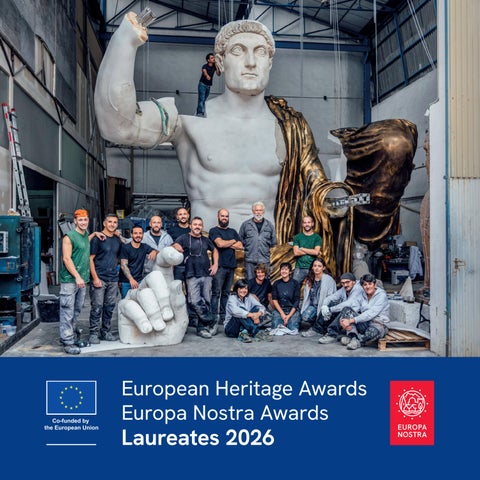
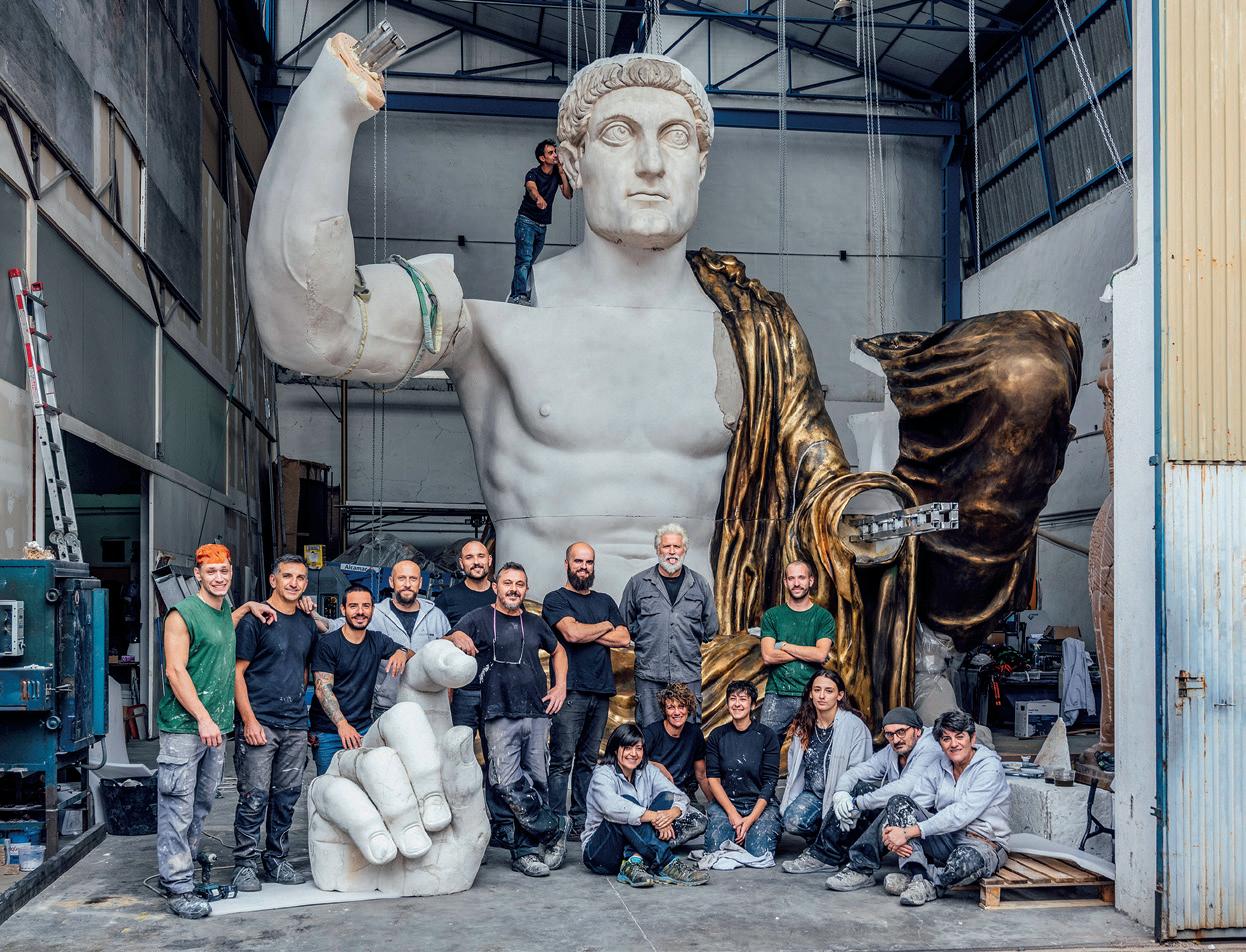
Front cover © Oak Taylor Smith | Factum Foundation
Europa Nostra
The European Voice of Civil Society Committed to Cultural Heritage
International Secretariat
Lange Voorhout 15 NL ― 2514 EA The Hague +31 (0) 70 302 40 50 info@europanostra.org
Brussels office
Avenue Palmerston / Palmerstonlaan 2 B ― 1000 Bruxelles/Brussels bxl@europanostra.org
Copyright © 2026 Europa Nostra
All rights reserved. This information may be freely used and copied for non-commercial purposes, provided that the source is acknowledged.
This publication is produced with the support of the Creative Europe programme of the European Union. This publication reflects the views of many authors and neither the European Commission nor Europa Nostra can be held responsible for any use which may be made of the information contained therein.
European Heritage Awards / Europa Nostra Awards
The European Heritage Awards / Europa Nostra Awards were launched by the European Commission in 2002 and have been coordinated by Europa Nostra ever since. The Awards recognise and promote excellence in cultural heritage practice, encourage cross-border exchange of knowledge and skills, and connect heritage professionals, organisations and communities within wider European and international networks.
The Awards offer tangible benefits to the winners, including increased international visibility, access to new funding opportunities and greater public recognition. The programme also strengthens public awareness and understanding of cultural heritage across Europe. By recognising outstanding initiatives and encouraging active public participation, the Awards contribute to Europe’s cultural, social, environmental and economic sustainability.
Each year, up to 30 outstanding heritage achievements from across the continent are honoured. From among the winners, several Grand Prix laureates are selected, each receiving a monetary prize. Through an online public vote, one laureate is chosen from among the winners to receive the Public Choice Award.
Since 2002, independent expert juries have selected more than 700 award-winning projects and individuals from 47 countries. The Awards are funded by the Creative Europe programme of the European Union.
The Awards are presented each year at a high-level public ceremony hosted in a different European city as part of the European Cultural Heritage Summit. The 2026 European Heritage Awards Ceremony will take place on 28 May 2026 at the Municipal Theatre of Nicosia, during the 2026 Heritage Summit in Cyprus. The names of the Grand Prix and Public Choice Award laureates are announced during the ceremony and are not included in this publication. They are published on the official Awards website after the event.
For more information:
europeanheritageawards.eu europanostra.org ec.europa.eu/programmes/creative-europe
Elena Bianchi Programme Manager European Heritage Awards eb@europanostra.org
Camilla Scopigni Project Officer
European Heritage Awards
cs@europanostra.org
Introduction
This year, 30 remarkable achievements honoured by the 2026 European Heritage Awards / Europa Nostra Awards send a clear message: cultural heritage is central to Europe’s social fabric, identity and long term-resilience.
Each year, laureates of our Awards come from all over Europe. They differ in many ways, but share a common conviction that cultural heritage matters greatly to people and their communities. This year is no different, with winners hailing from Iceland to Malta, from Lithuania to Spain.
Behind exceptional cultural heritage achievements stand exceptional people, wholly committed to their work. And the 2026 winners are an inspiring example of this. In many cases, individuals and organisations have devoted years to create and sustain initiatives that enrich communities, restore neglected places and make heritage accessible to wider audiences. Their successful endeavours demonstrate that heritage is first and foremost about connections across borders, between communities and generations.
Cultural heritage is one of Europe’s greatest assets. The projects and people honoured this year remind us that heritage, together with the arts, lie at the heart of Europe’s identity and societal resilience.
In times of uncertainty, cultural heritage helps societies anchor themselves. It offers continuity in an ever-changing world,
reminding us of the shared cultural and historical foundations on which Europe’s ideals and values have been built.
Promoting, preserving and protecting cultural heritage is a priority for the European Union and a core principle of the Culture Compass for Europe, the European Union’s new strategic framework for culture. It recognises the role of arts and heritage in making societies more resilient and encouraging international cooperation. The work of this year’s laureates show how these principles can take shape in practice.
The 2026 Award winners range from organisations safeguarding traditional skills, such as turf construction in Iceland, Dobrota lace-making in Montenegro and masonry techniques in Spain and Italy, to new inclusive ways of sharing heritage in places such as the historic areas of Riga in Latvia, and the First World War battlefields in France and Belgium. The awards recognise major landmarks, like the Hungarian State Opera House in Budapest and the Polirone Monastic Complex of San Benedetto Po, as well as more intimate places, such as the garden of a Norwegian artist and a historic house in Dublin.
These achievements illustrate that safeguarding heritage is now more important than ever. Among this year’s heritage champions there is the Factum Foundation, which pioneers the use of digital
technology for the preservation of cultural heritage. This approach is increasingly relevant in situations shaped by environmental change, war and post-disaster recovery.
Three of this year’s winners come from third countries which do not take part in the Creative Europe Programme of the European Union, namely the United Kingdom and Türkiye. These winners receive the Europa Nostra Awards ― which are not funded by the EU ― reflecting the organisation’s commitment to recognising heritage excellence in all countries of the Council of Europe.
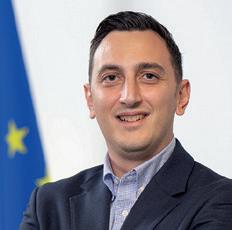
Glenn Micallef European Commissioner for Intergenerational Fairness, Youth, Culture and Sport
We invite you to discover the inspiring stories of this year’s winners. Their ideas take shape in places large and small, in urban and rural settings. They make their surroundings more beautiful, more resilient and more meaningful. They offer best practices and outstanding achievement, showing what can be accomplished by communities and individuals. Thanks to their work, heritage continues to connect people across Europe and to remind us that cultural inheritance is our shared responsibility.
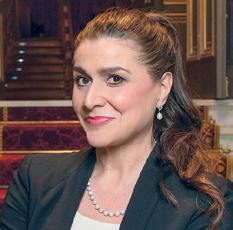
Cecilia Bartoli President of Europa Nostra
Laureates 2026
In 2026, a total of 261 eligible applications were submitted to the European Heritage Awards / Europa Nostra Awards by organisations and individuals from 40 countries across Europe.
Conservation & Adaptive Reuse Projects, including the restoration of buildings and their adaptation to new uses; new buildings in historic settings; urban and rural landscape rehabilitation; the conservation and interpretation of archaeological sites; and the care for collections of works of art and objects.
Research Projects in the field of cultural heritage, including studies, digitisation projects, and/or scientific publications which lead to tangible effects for the safeguarding and enhancement of cultural heritage and/or improve the access, enjoyment, and understanding of heritage assets by communities.
Education, Training & Skills Initiatives in the field of tangible and/or intangible cultural heritage that foster knowledge transfer, capacity-building, and/or enhance traditional or new skills and crafts related to heritage.
Each year, the Awards are presented to outstanding achievements of European significance in the following categories:
This year, the European Heritage Awards / Europa Nostra Awards honoured 30 remarkable achievements from 18 countries.
All entries were evaluated by the Selection Committees (see page 72) ― one per category ― who shortlisted a total of 60 entries. The shortlisted entries were then assessed in situ, whenever possible, by independent assessors (see page 75). The Heritage Awards Jury (see page 72), composed of the Jury Chair, along with the Chairs and Vice Chairs of the five selection committees, then chose the
Citizens’ Engagement & Awareness-raising Initiatives in the field of tangible and/or intangible cultural heritage which foster social cohesion, inclusion, multicultural dialogue and understanding; nurture a sense of place and belonging; celebrate diversity and multiple identities; and stimulate citizens’ engagement, ownership, and civic responsibility.
Heritage Champions, celebrating influential and inspiring individuals or organisations whose exemplary actions demonstrate an exceptional level of dedication, impact, and civic engagement in the safeguarding and enhancement of cultural heritage
Europa Nostra Awards (see page 63)
30 winners from among the shortlisted projects. The Selection Committees and the Heritage Awards Jury are composed of experts from across Europe.
Each laureate receives a certificate and a bronze wall plaque to be fixed in a visible location related to their initiative. The winners of the Grand Prix and of the Public Choice Award ― chosen from among the winners ― each receive a monetary award of €10,000.
Conservation & Adaptive Reuse projects
Research projects
Education, Training & Skills
Citizens’ Engagement & Awareness-raising
Heritage Champions
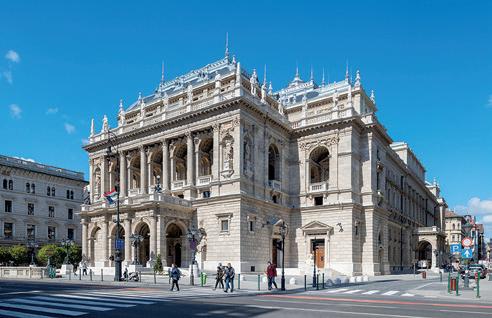
The Hungarian State Opera House in Budapest, designed by Miklós Ybl and inaugurated in 1884, stands as one of the most historically significant opera houses in Europe. It is located on Andrássy Avenue, a UNESCO World Heritage Site. The unity of Neo-Renaissance architecture and rich interior decoration expresses the cultural aspirations of late 19th-century Hungary.
After more than 140 years of continuous use, the Opera House required comprehensive restoration. The renewal, designed by ZDA Zoboki Design & Architecture, brought historic authenticity together with full contemporary functionality. Throughout the process, the guiding principle was to work in the spirit of Miklós Ybl’s original vision.
The project was publicly funded and carried out over several years, allowing the Opera House to continue functioning as a leading cultural institution.
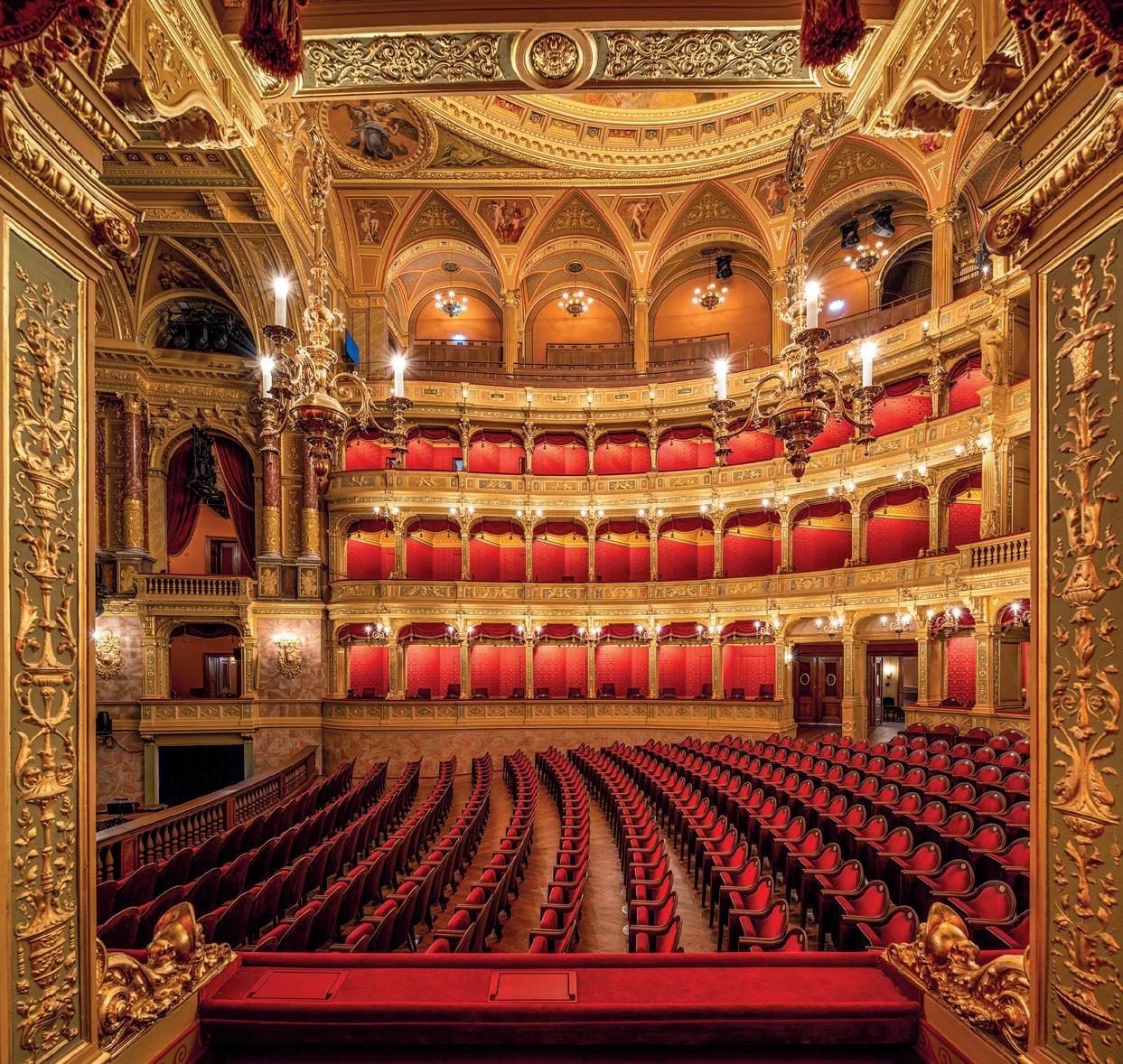
The restoration returned the auditorium, foyers and ceremonial spaces to their original colour and decorative schemes, based on archival research and material analysis. Later alterations were carefully assessed and where necessary removed. The aim was to recover the building’s historic character, restore the ceiling frescoes and reinstate Ybl’s distinctive concept of colour gradation.
The stage and auditorium were refurbished with state-of-theart technology and energy-efficient systems. The stage machinery was entirely renewed, technical capacity and safety standards were improved. Backstage areas were reorganised into modern production facilities. Ergonomic chairs and new lighting systems that evoke the candle-lit atmosphere of the 19th century were installed. Mechanical systems, acoustics and fire protection were upgraded to meet current regulations.
Energy-efficiency measures included upgrades to windows and building systems, carried out with respect for the historical environment. Interventions were integrated discreetly into existing structures and decorative elements.
Accessibility was also addressed. Barriers were reduced, circulation improved and facilities adapted for visitors and performers
with reduced mobility. In the past, the theatre separated audiences according to ticket category; this division has now been removed, and all visitors move through the same shared spaces. The surroundings of the building were enhanced through a new pedestrian and cycling infrastructure.
The renovation of the Hungarian State Opera House shows how a 19th-century opera house can meet modern standards while retaining its architectural atmosphere and acoustic character. The central challenge was to remain faithful to Miklós Ybl’s original designs and architectural aesthetics while upgrading the building’s technical equipment to meet contemporary acoustic and audience requirements. The structured and collaborative process offers valuable lessons for the conservation and adaptive reuse of historic theatre buildings across Europe.
The Awards’ Jury highlighted: “The project achieves a careful balance between the restoration of a historic theatre and modern performance requirements. Outstanding multidisciplinary work and the integration of advanced, sustainable technologies support the continued operation of the Hungarian State Opera House at the highest professional level.”
Hungarian State Opera House, Budapest | Hungary
Restoration of Budapest’s 1884 Royal Opera House combined faithful reconstruction of its historic design, atmosphere and acoustics with the careful integration of modern stage technology and contemporary architectural solutions.
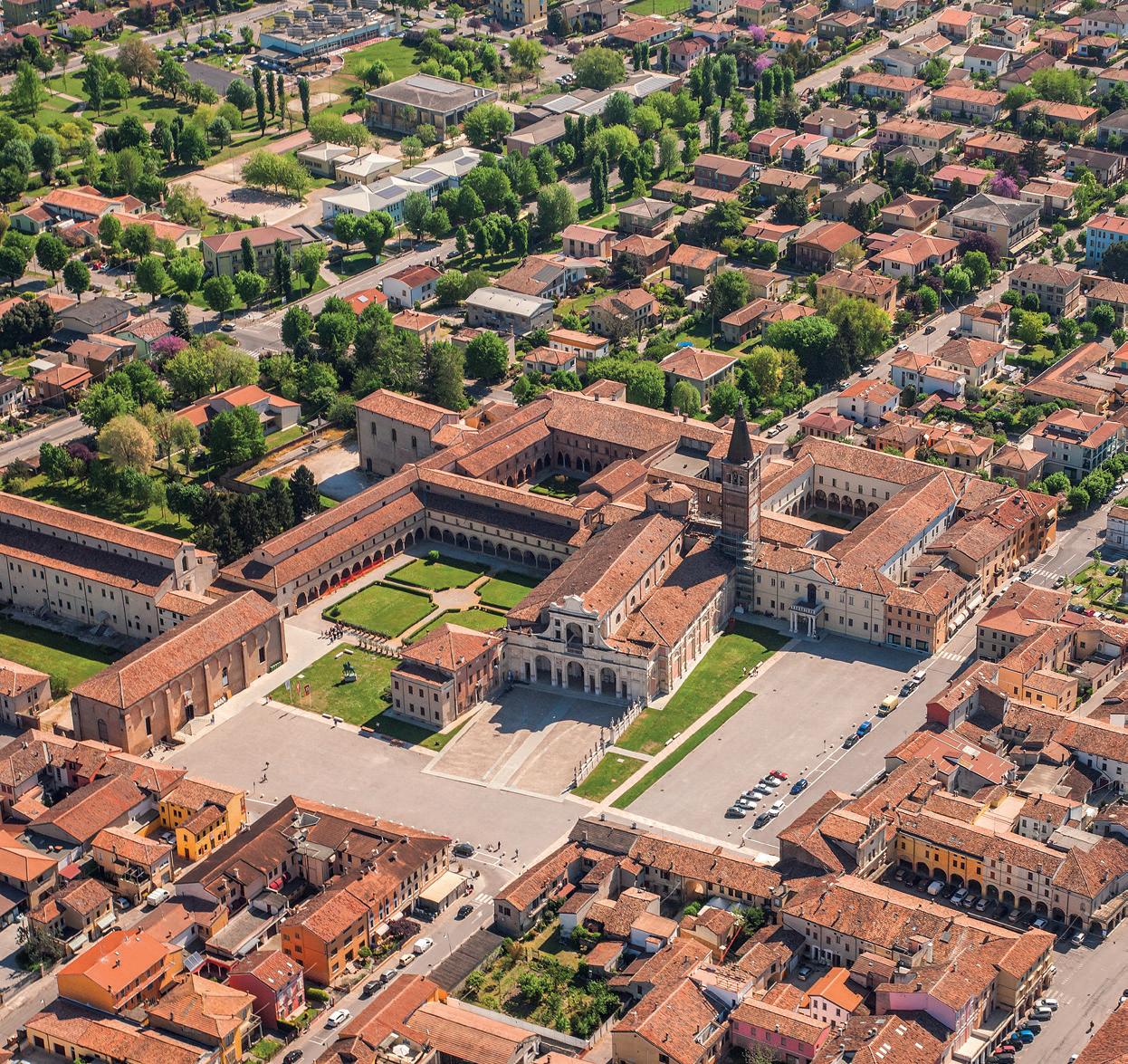
The Polirone Monastic Complex of San Benedetto Po, founded in 1007, is one of the most important monastic complexes in northern Italy. Over the centuries it developed into a vast architectural ensemble of cloisters, galleries and monumental spaces. Artists such as Correggio, Veronese and Giulio Romano worked here. The complex also hosted Matilda of Canossa (1046–1115), known as the “Great Countess,” one of the most powerful and influential figures of the Italian Middle Ages. For a long period it was a major Cluniac centre in medieval Europe.
By the early 2000s the complex was in serious decline. Parts were abandoned and maintenance had been postponed for decades. The earthquake of 2012 caused structural damage that rendered almost 20,000 square metres unusable. In 2013 the Monastery of San Benedetto Po was listed among the 7 Most Endangered heritage sites in Europe by Europa Nostra, which drew European attention to its condition and future.
The restoration, supported entirely by public funding, unfolded over sixteen years and was divided into fourteen separate contracts, with a total investment of approximately eight million euros. This phased approach allowed a small municipality of just under 7,000 inhabitants to finance the works gradually and keep parts of the complex in use during construction.
The project combined conservation, seismic improvement and functional reorganisation. Historic surfaces, frescoes and sculptural elements were stabilised and retained. Structural interventions strengthened roofs and masonry walls while preserving as much original fabric as possible. Modern systems were integrated with care and without altering the architectural character of the complex. The fire protection and safety systems were upgraded.
Energy efficiency was a major consideration. Instead of installing additional heating, the museum spaces are maintained at moderate temperatures and visitors are asked to keep their coats on, a simple but effective strategy that reduces energy consumption while preserving stable conservation conditions.
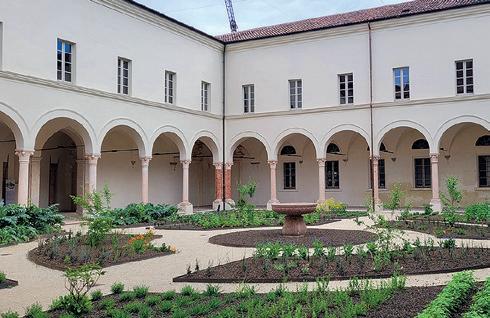
Accessibility formed an important part of the programme. Lifts, ramps and adapted routes now connect the cloisters and public spaces. Tactile floor markings assist visually impaired visitors.
Digital tools also supported the intervention. One part of the complex, the Chiostro dei Secolari, was documented and managed through a 3D Heritage Building Information Modelling (H-BIM) system, which received national recognition and supports long-term maintenance planning.
Today the complex hosts a wide range of functions. Alongside the ethnographic museum and library, it accommodates conference rooms, a music academy, exhibition galleries and spaces for local associations including a senior’s club. The monastery has regained its role as the civic and cultural centre of the small town of San Benedetto Po.
The Awards’ Jury stated: “Solid interventions and high-quality structural consolidation define this exemplary approach to safeguarding the large monastic complex of San Benedetto Po in a seismic risk area. The project provides a clear example of adaptive reuse that respects historical integrity and offers a transferable reference model for endangered heritage sites across Europe.”
Polirone
Monastic Complex, San Benedetto Po | Italy
The long-term restoration of the Polirone Monastic Complex of San Benedetto Po stabilised earthquake damage, conserved historic fabric and reactivated the site with new cultural and civic functions.
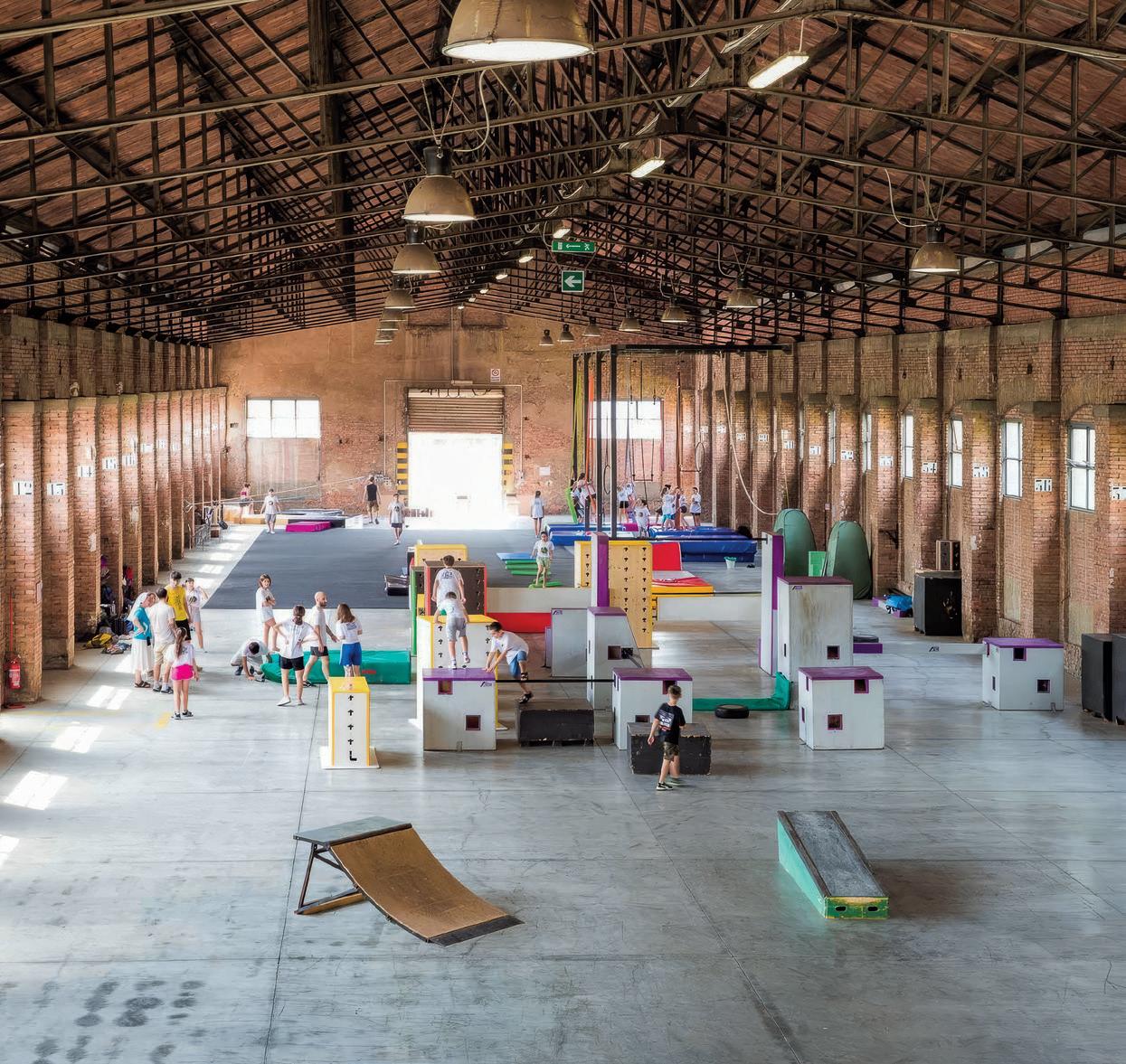
The Multifunctional Urban District of Bologna ― DumBO (“Distretto Urbano Multifunzionale di Bologna”) ― is located in the former Ravone railway freight yard. The 40,000 m² site, developed between the late 19th and early 20th centuries, was decommissioned in the early 2000s and remained largely unused for almost two decades. In 2019, the Municipality of Bologna designated the area for temporary regeneration and entrusted its management to Open Event Srl. It represents one of the largest examples of temporary, culture-led urban regeneration in Italy.
The intervention did not involve large-scale reconstruction or any particular restoration work, but essentially worked on the conservation principle that allowed the structure of the old railway yard to be saved from planned demolition. Existing warehouses and open spaces were reactivated through light and reversible works. Unsafe structures were secured, surfaces cleared, utilities restored and fire protection systems installed. The industrial fabric was maintained and no significant demolition was carried out. The project deliberately worked with the existing structures and spatial qualities of the site.
The regeneration follows a temporary use model. Spaces are assigned according to their physical condition and technical capacity. Modular and movable elements allow different configurations over time. Several tenants contributed directly to the adaptation of their spaces, reducing costs and reinforcing shared responsibility for maintenance. The overall investment amounted to approximately € 600,000, combining regional public funding with private resources.
Today DumBO hosts cultural programming, artistic production, social initiatives and coworking activities, forming a local creative ecosystem. Since opening in 2019, it has organised more than 700 events and welcomed several hundred thousand visitors. The former railway yard has been reconnected to the surrounding Porto-Saragozza district. The use of the spaces is part of an ongoing dialogue with the local community and the district committee.
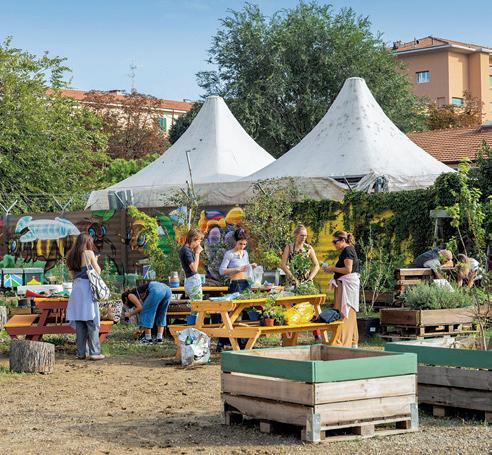
Activities are organised for all age groups, including people over 60. The economic model combines public support with income from events and space rental.
The project also participates in European cooperation initiatives. It has been involved in EU-funded programmes, including MusicAIRE and Greening the Hubs, where it acts as a lead partner, focusing on environmental transition and sustainable event management in cultural spaces
The Awards’ Jury highlighted: “This minimal intervention and flexible temporary-use model shows how culture can drive urban regeneration with significant community impact while operating with limited resources. DumBO stands as a pilot for the culture-led transition of post-industrial sites across European cities.”
Multifunctional Urban District of Bologna ― DumBO | Italy
The DumBO project reactivated a 40,000 m² former railway yard in Bologna through minimal, reversible interventions, creating a flexible cultural hub with strong community impact on a modest budget.
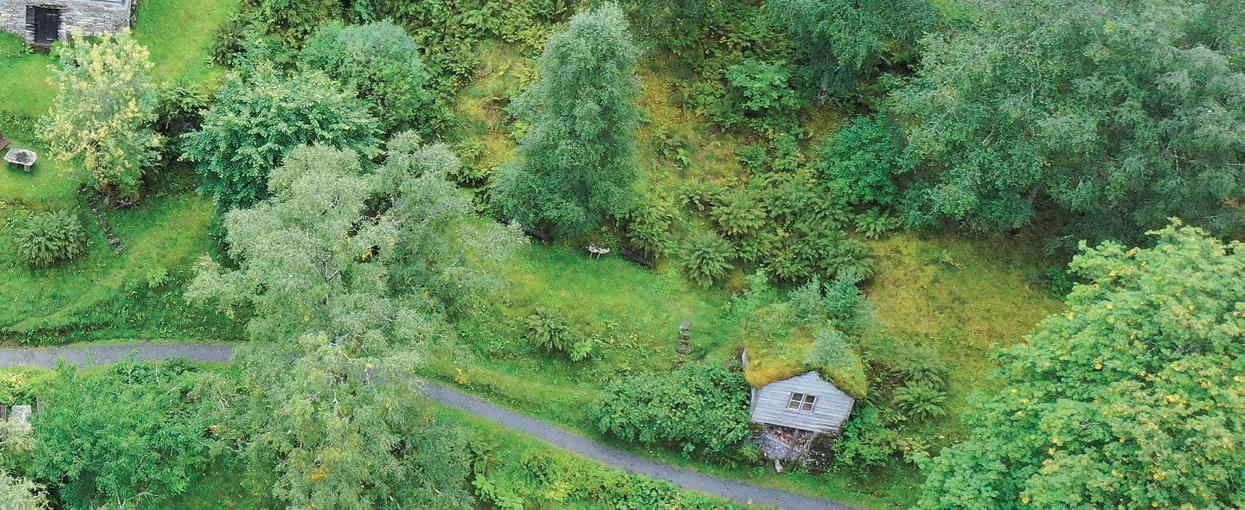
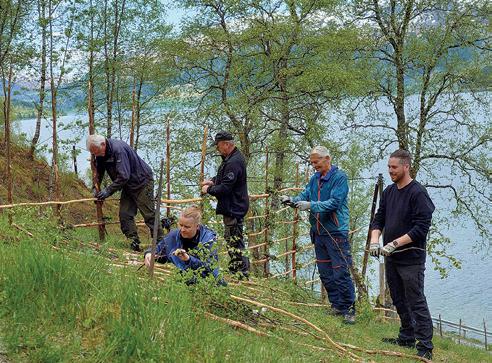
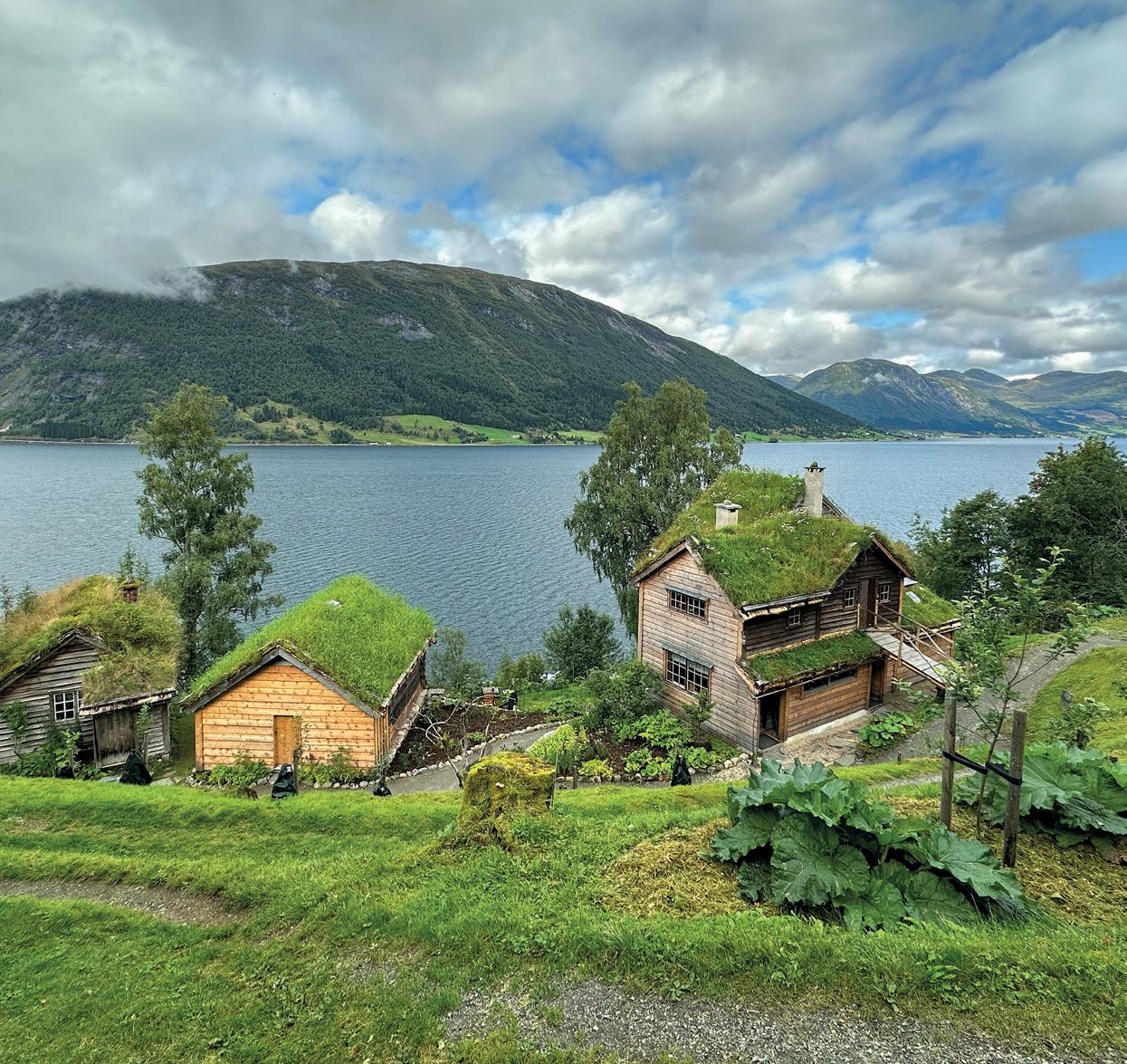
“Astruptunet” is the former estate of the Norwegian painter Nikolai Astrup, located on a steep hillside above Lake Jølster in western Norway. Astrup acquired the small farm in 1912 and gradually transformed it into a terraced garden landscape. Between 1912 and his death in 1928, he developed orchards, vegetable plots and turf walls. The garden supplied food for his family and appears in many of his paintings and prints. The estate was conceived as a Gesamtkunstwerk, in which cultivated landscape, architecture and artistic vision formed a unified whole.
Over time much of the original planting disappeared. Some fruit trees were felled, berry bushes withered and cultivated areas were overgrown. The buildings remained standing, but the property had been uninhabited for decades and the garden structure had largely deteriorated.
A horticultural research project carried out between 2015 and 2018 formed the basis for the restoration. Archival sources, such as letters, plant lists, historical photographs and artworks, were examined alongside archaeological and botanical surveys. Interviews with family members and local residents provided additional information. The restoration period selected was 1912–1928, with consideration also given to the years during which Astrup’s widow maintained the property. An international scientific committee provided expertise and oversight.
The reconstruction re-established the structure of the farm garden based on this extensive research. Historic plant varieties were reintroduced, including grafts from surviving fruit trees in the region. National and regional gene banks supplied additional plant material. Turf walls, gravel paths and wooden elements were rebuilt using local techniques. Traditional cultivation methods described in Astrup’s writings were applied.
The eight timber buildings on the property were restored by local traditional craftsmen and heritage architects, following a condition survey prepared by the Norwegian Institute of Heritage Research. Modern materials were kept to a minimum and interventions were
reversible wherever possible. The gallery and the new café in the basement of the main building are fully accessible for wheelchair users.
The project was completed between 2020 and 2024. Funding was provided primarily by the Savings Bank Foundation DNB, with additional support from the Municipality of Sunnfjord, which owns the land and buildings at the site. Museums of Sogn og Fjordane operates Astruptunet on behalf of the municipality.
The site is now open to the public throughout the year. From the start, local volunteers, schools and community groups have been actively involved in bringing Astrup’s garden back to life, contributing to planting, maintenance and public activities, strengthening the link between heritage conservation and community participation.
The Awards’ Jury commented: “ This restored garden landscape clearly shows how central it was to the artist’s life and work. The project highlights the importance of gardens as cultural documents rather than decorative spaces and strengthens recognition of historic gardens as a distinct and vulnerable heritage category.”
Garden of Nikolai Astrup ―
Astruptunet, Jølster | Norway
The restoration of Nikolai Astrup’s former estate re-established the terraced garden landscape through archival research, the reintroduction of historic plant varieties and the conservation of the timber farm buildings, reopening it to the public.
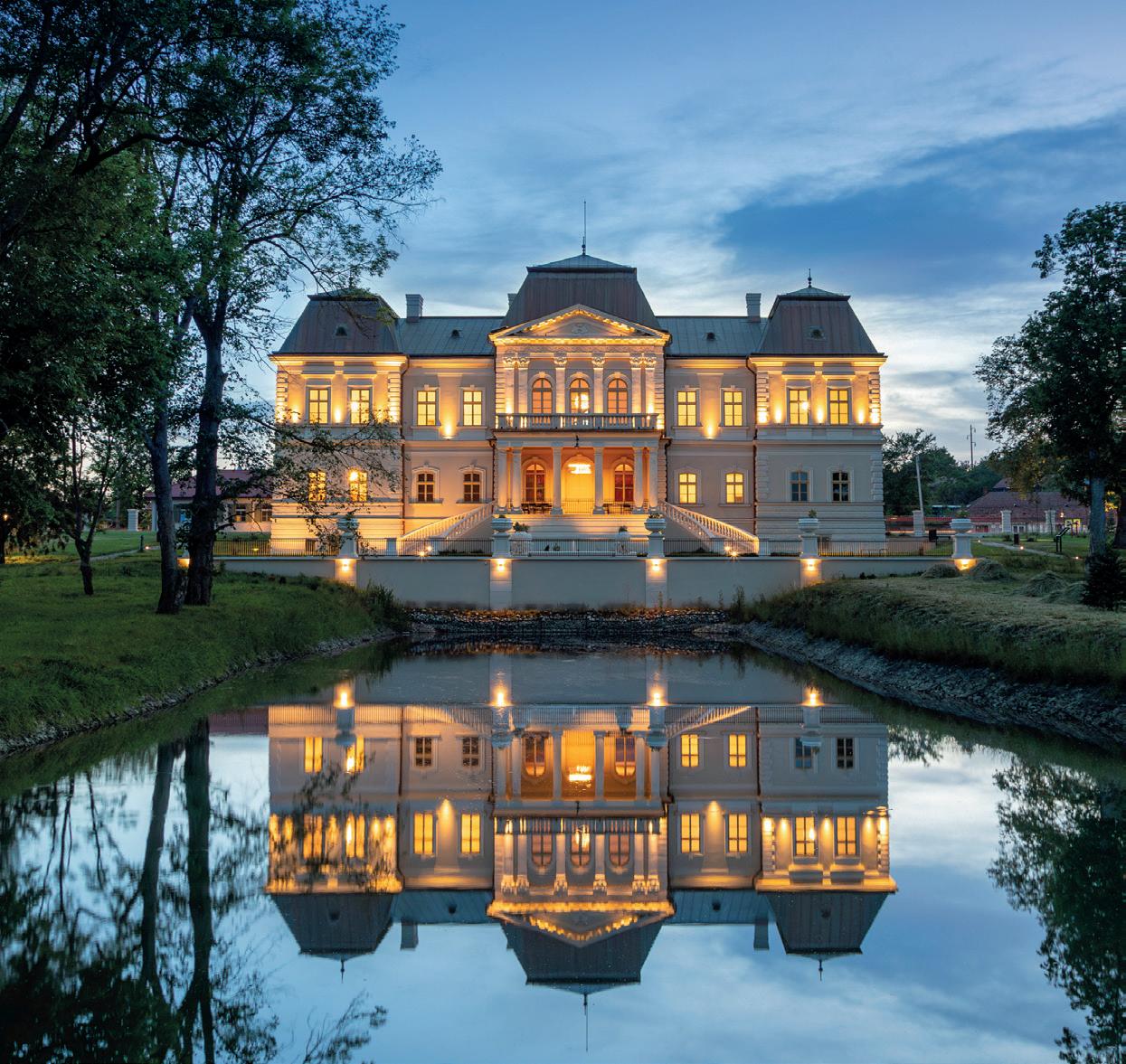
Bánffy Castle is one of the well-preserved examples of late 19th-century noble architecture in Transylvania. Located in Răscruci, a rural village near Cluj-Napoca, the estate forms part of a wider historic landscape. The present appearance of the building dates largely to the period between 1875 and 1885, when Baron Ádám Bánffy reshaped the residence. The interiors survived the 20th century with much of their original decoration intact.
After nationalisation in 1948, the building was used as a school from 1967 until the early 2000s. The last significant restoration works date from the 1960s. After its closure in 2005, the lack of heating and maintenance led to progressive deterioration, particularly of the interiors and decorative elements.
The restoration project began in 2018 and was completed in 2023. Its aims were to return the castle and its surroundings to the appearance of the noble estate created by Ádám Bánffy, adapt it for use as a cultural centre and support local development by attracting visitors.
Extensive preliminary studies were undertaken, including historical research, façade investigation, analysis of historic paint layers and finishes, archaeological and biological studies, and a tree survey of the park.
The original layout and ornamental details of the building were retained. Wooden panelling, carved ceilings, historic doors and windows, fireplaces, terracotta stoves, stained glass and sculptural elements were conserved. Lime-based mortars and plasters were used instead of cement. The works relied on traditional materials and craft techniques. During the works, previously unknown decorative ceilings and Baroque stone frames were uncovered and restored in situ.
The surrounding park was rehabilitated on the basis of archival images and site analysis. The water basin, canal and lake were restored, urns were conserved or recreated after historic models, and the Japanese-style floating dovecote was reconstructed.
The castle and park are open to local residents, visitors and specialists, with public events and educational activities taking place
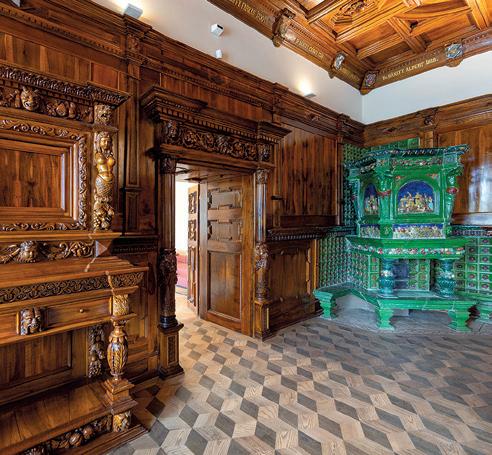
on site. A long-term management framework has been established to ensure its continued maintenance and use. Accessibility measures include adapted parking and lift access for visitors with reduced mobility. A 3D digital model of the castle has been produced and made publicly available.
The project was implemented by Cluj County Council and co-financed by the European Regional Development Fund under the Regional Operational Programme 2014–2020.
The Awards’ Jury remarked: “The restoration project of the Bánffy Castle demonstrates how a neglected aristocratic estate can be reintegrated into contemporary community life. Its integral approach restored the building, the gardens and the landscape as one coherent ensemble, while encouraging long-term stewardship, skills development and strong local involvement in a rural context.”
Bánffy Castle, Răscruci | Romania
The restoration of Bánffy Castle returned the 19th-century noble residence and its park to public use, combining conservation of interiors and landscape with adaptation as a cultural centre in rural Transylvania.
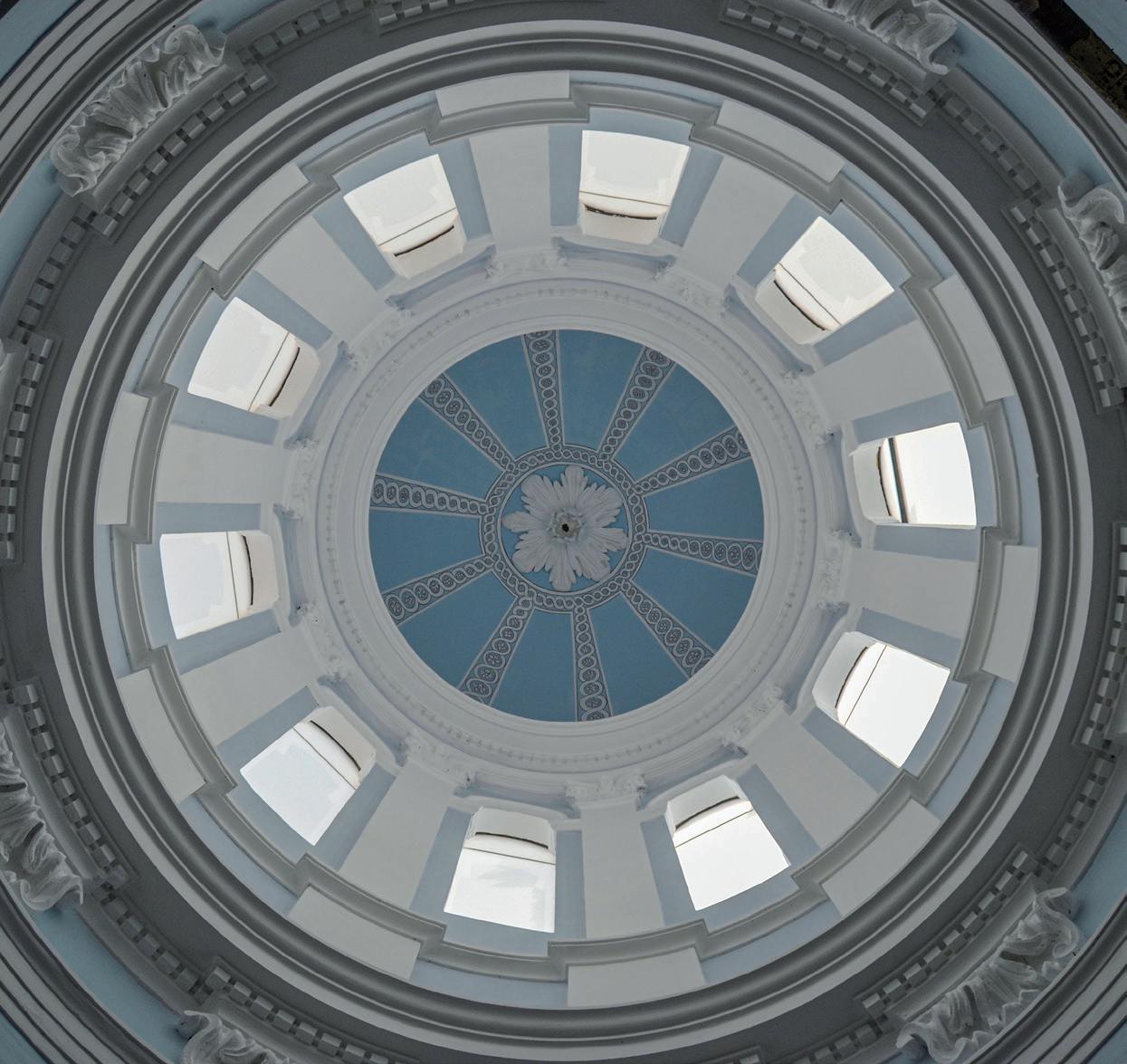
The Dome of the Church of Escuelas Pías in Valencia is one of the largest masonry domes in Spain, spanning 24.5 metres and covering around 1,000 m². Built in the 18th century as part of the Piarist school complex (“Real Colegio de las Escuelas Pías”), it is a defining element of Valencia’s skyline and belongs to the European tradition of monumental domed architecture that emerged in the Renaissance.
Before the intervention, the dome was in a critical condition. Four major cracks ran through the shell and drum. Water infiltration had damaged the interior finishes, roof tiles were fractured or missing, and the lantern openings had been sealed. The initiative to restore the dome originated within the Piarist community and local partners.
Detailed surveys used 3D laser scanning, drone photography and thermal imaging. A one-to-one test section and a smaller masonry model were built to study repair methods before intervention.
The dome’s 32,000 blue glazed and traditional ‘river’ tiles were examined individually. Around 7,000 tiles had to be replaced. A chromatic study identified different shades of blue, which were reproduced through artisanal manufacture. Cracks were injected with lime grout and ― to improve seismic resistance ― selected bands and ribs were reinforced externally with lime mortar and basalt fibre mesh.
The reopening of the lantern restored natural light to the interior. Sunlight once again reaches the altar. The lantern has also regained its original polychromy and the dome’s ornamentation was restored.
The project also introduced continuous monitoring. Sensors measure temperature, humidity, CO 2 and structural movement. Through 3D documentation and modelling, a digital twin of the dome supports long-term maintenance. The project’s research has been incorporated into a regional heritage programme in collaboration with the Polytechnic University of Valencia.
The works were carried out between 2018 and 2025, with funding provided in successive stages by the Government of Valencia and the Spanish Government.
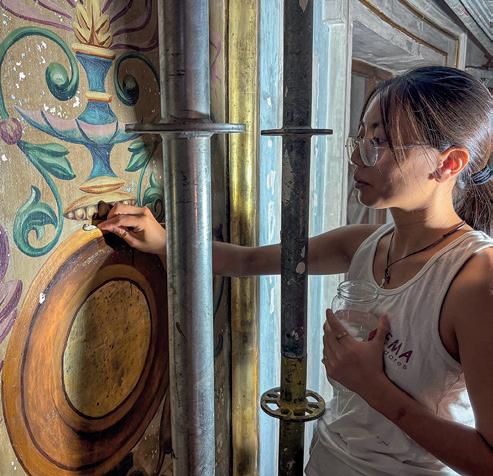
During the restoration, the church remained active as a place of worship. The restoration process was opened to the public through seminars, guided visits and an exhibition that attracted 46,000 visitors. The project also contributed to the vitality of the parish and its local context.
Inspired by the dome restoration, the initiative “Tiles for the Dana” (“Teules per la Dana”) reuses clay and silt collected after the 2024 Dana storm to produce handcrafted tiles for charitable purposes.
The Awards’ Jury remarked: “This highly complex intervention, both technically and organisationally, was successfully delivered through a rigorous multidisciplinary approach. Initiated at the local level, it combines structural innovation with advanced research integrated into a regional heritage programme.”
Dome of the Church of Escuelas
Pias of Valencia | Spain
The restoration of the Dome of the Church of Escuelas Pias of Valencia stabilised a critically damaged 18th-century structure, renewed its tile covering and reopened the lantern, combining research, craftsmanship and monitoring.
The “Salinas de La Concepción” are located on the north coast of Menorca. Established in 1853, the salt pans operated for more than a century before closing in the 1990s. After decades without maintenance, the clay evaporation basins had deteriorated, retaining walls had partially collapsed and the seawall had weakened under constant exposure to wind and sea.
In 2022, following a public concession granted by the Balearic authorities, the restoration programme began. The objective was to return the historic saltworks to active production while preserving their original structure and operation. The project reconnected the community with a heritage site that had shaped local life and economy for generations.
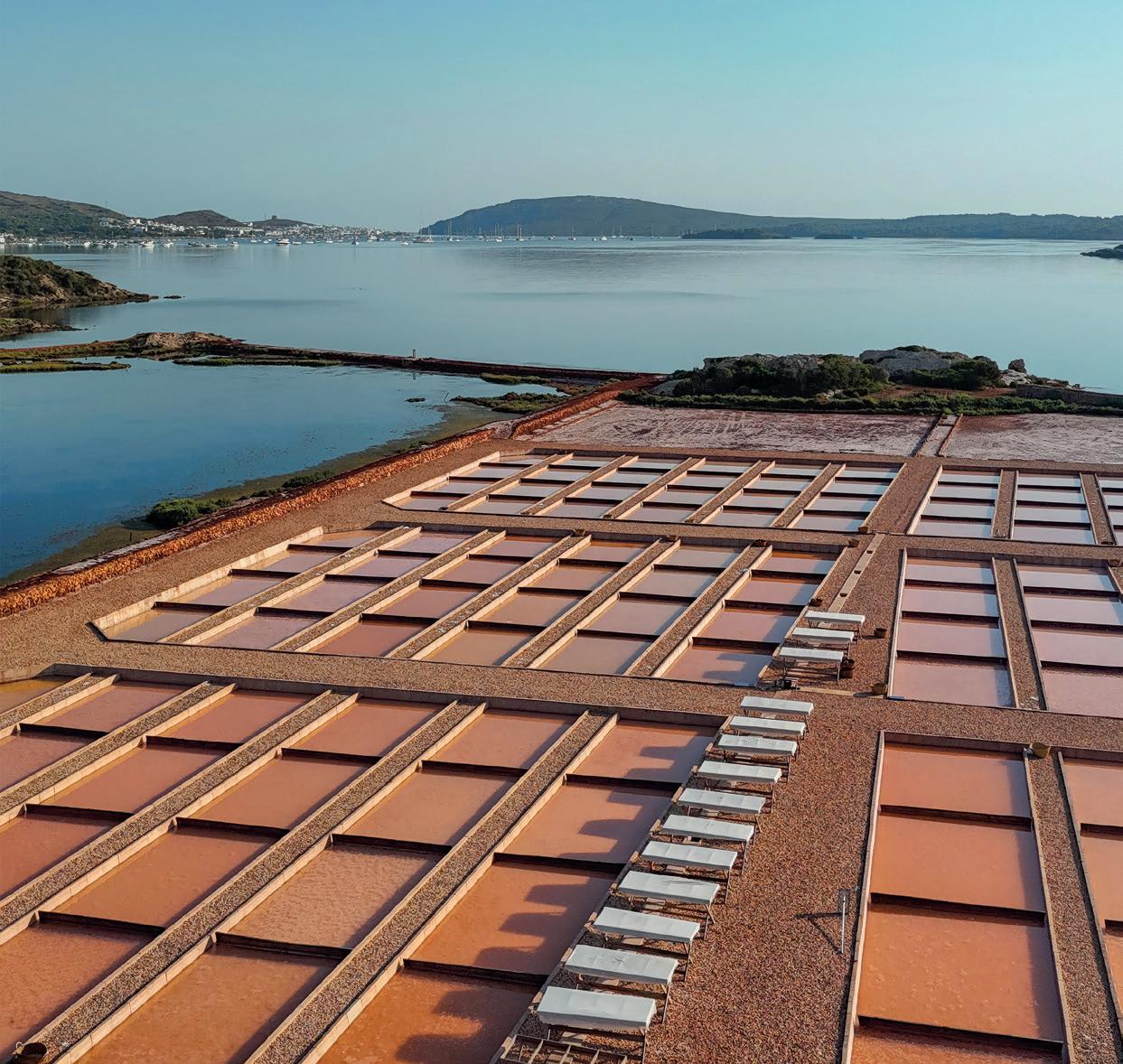
The intervention covered 5.7 hectares. Approximately four kilometres of perimeter and internal walls were rebuilt using more than 10,000 locally quarried marès sandstone blocks. The clay basins were cleaned, re-levelled and compacted by hand to re-establish the traditional system of water circulation and evaporation. The 250metre seawall was reconstructed and slightly raised to respond to storm exposure. A historic jetty was rebuilt using stone and clay.
The restoration of the Salt Pans La Concepción reinstated the sequence of intake channels, settling ponds and crystallisation pans that define the salt-making process. Work followed historical documentation and on-site analysis of surviving traces.
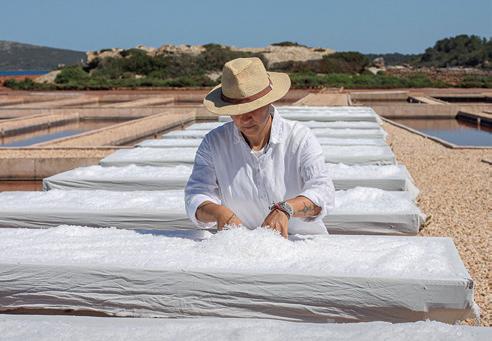
Salt production resumed in 2023. The site now produces around 12 tonnes of “fleur de sel” and around 60 tonnes of sea salt annually. Harvesting relies on manual labour and natural evaporation. The project has created stable local employment and reintroduced a form of artisanal production that had disappeared from the island. Local schools visit the site, and partnerships with elderly homes and a disability employment workshop support harvesting and packaging activities. The site welcomed 3,000 visitors in 2025, expected to increase further to 5,000 in 2026.
Environmental measures formed part of the rehabilitation. Bird nesting islands were created in cooperation with the environmental association GOB. Microplastic filters were installed in the water
intake system. The site lies within Menorca’s Biosphere Reserve and received the “Menorca Reserva de Biosfera” label in 2025. The project is part of a wider network of historic Mediterranean salt pans. The intervention represents a holistic model for recovering cultural, landscape and environmental heritage, combined with the rebirth of a craft practice typical of the local tradition.
The restoration was privately financed, with a total cost of approximately € 820,000. The process has been documented in technical reports and a 35-minute documentary film.
The Awards’ Jury highlighted: “ This project illustrates the resilience of a traditional production landscape in the face of environmental and economic change. It successfully reconnects natural, cultural and landscape heritage, while supporting biodiversity and a sustainable local economy. The strong community involvement and privately led initiative demonstrate how heritage landscapes can be safeguarded through local commitment and long-term engagement. The recovery of the “Salinas de La Concepción” also reinforces awareness of this shared Mediterranean heritage across Europe.”
Salinas de La Concepción, Menorca | Spain
The restoration of the 1853 “Salinas de La Concepción” returned abandoned salt pans to active production, reviving traditional craft, strengthening local engagement and reconnecting a historic coastal landscape with its environmental and cultural role.
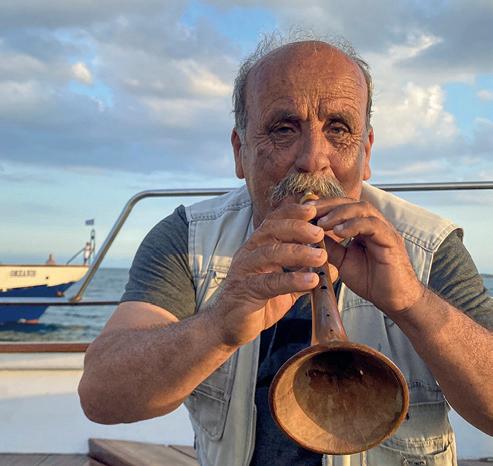
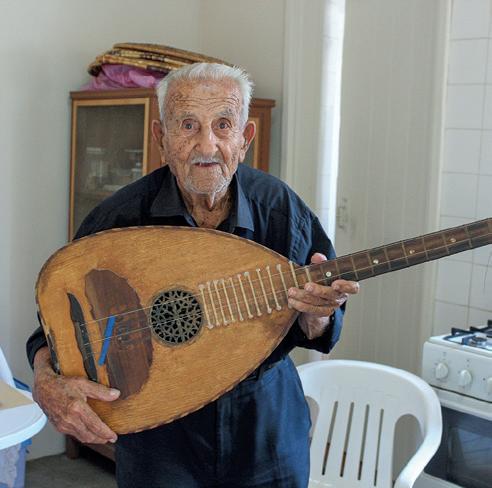
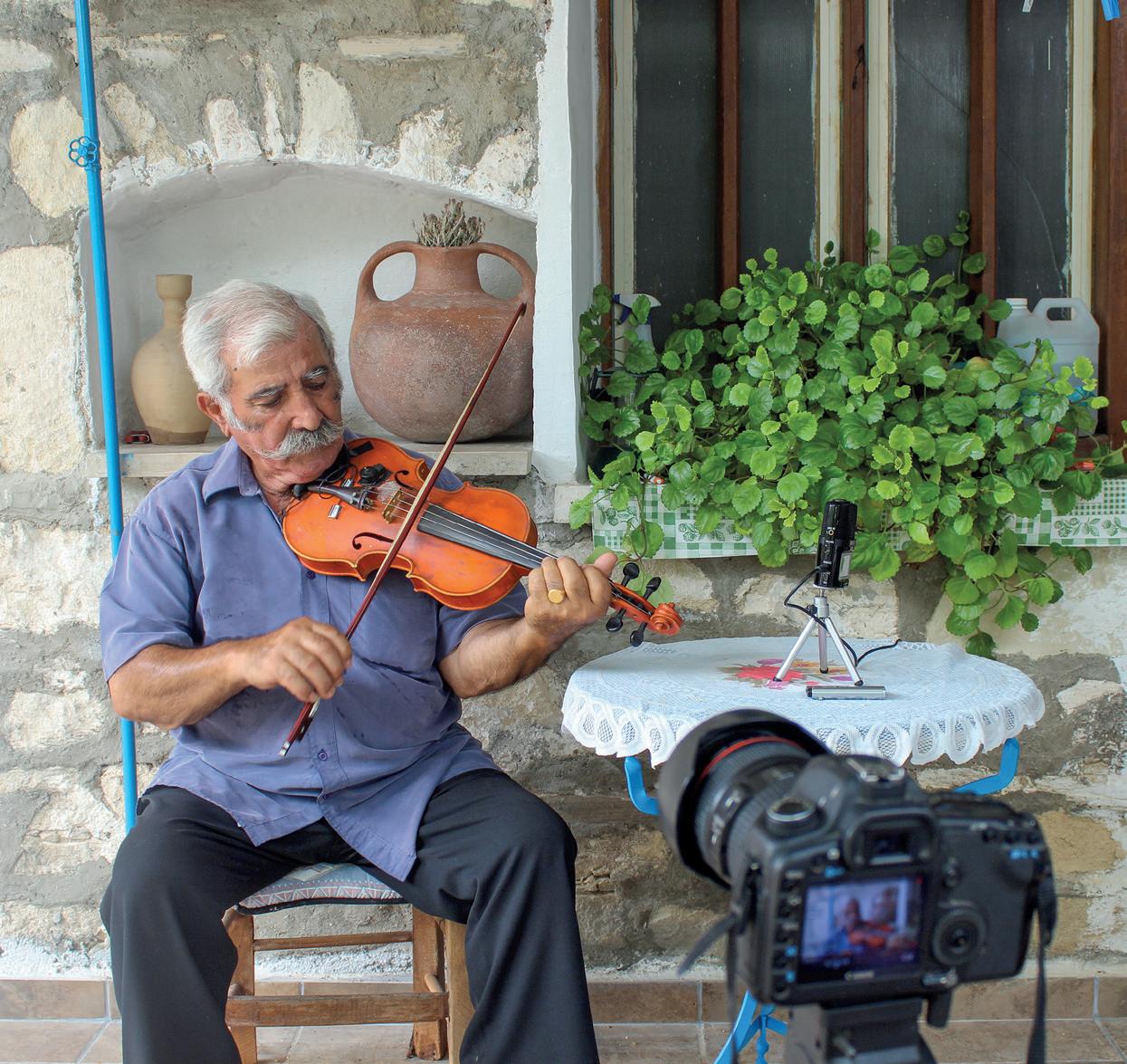
The Cypriot Fiddler is a long-term ethnographic research project documenting the life stories of some of the last surviving traditional musicians of Cyprus, both Greek Cypriots and Turkish Cypriots. The project, initiated and led by Dr Nicoletta Demetriou, brings together ethnomusicology, oral history and audio-visual research to document a professional group that has largely disappeared.
The research is based on more than fifteen years of fieldwork and interviews and took place under considerable time pressure. Many of the musicians were of advanced age, and several passed away before the project was completed. Their personal testimonies preserve a distinct form of oral storytelling, expressed in their own versions of the Cypriot dialect of Greek. Local idiolects and musical terminology are documented in detail, preserving oral traditions that are rarely written down.
The musicians worked at weddings, religious festivals and community celebrations in the first half of the 20th century. Their documented stories reveal a shared musical tradition and the everyday life of the different communities in Cyprus, before being physically and socially divided.
The research is grounded in long-term ethnographic interviews and close engagement with the musicians over many years. Testimonies are presented with minimal interpretative commentary, allowing musicians to tell their experiences in their own words. In The Cypriot Fiddler book, Demetriou’s explanatory texts in standard modern Greek appear alongside the musicians’ life stories told in the Cypriot dialect of Greek, placing the musicians’ voices at the centre. A documentary follows the same approach.
The project is also relevant beyond Cyprus. Comparable professional musicians existed across Mediterranean Europe, where music was transmitted orally within local communities. The research records language, repertoire and lived experience, adding to the understanding of shared European traditions.
The project was developed with exceptionally limited funding, including small research grants and a community crowdfunding cam-
paign. It resulted in a documentary film, a book and an open-access website with recorded testimonies. Public events in Nicosia’s buffer zone area and presentations in villages across Cyprus brought together musicians and audiences from both communities. The collected material is preserved and publicly accessible through The Cypriot Fiddler website, hosted by the Cyprus Music Archive, a similarly bottom-up initiative.
The Awards’ Jury stated: “With its sustained, bottom-up approach, The Cypriot Fiddler research project safeguards a shared intangible heritage and strengthens understanding of different communities across the dividing line, encouraging a new generation to value traditional musical expression.”
The Cypriot Fiddler | Cyprus
The Cypriot Fiddler research project documents the life stories of traditional Greek Cypriot and Turkish Cypriot musicians. Through long-term fieldwork, a documentary, a book and an open-access website, it preserves oral storytelling, local dialects and a shared musical heritage.
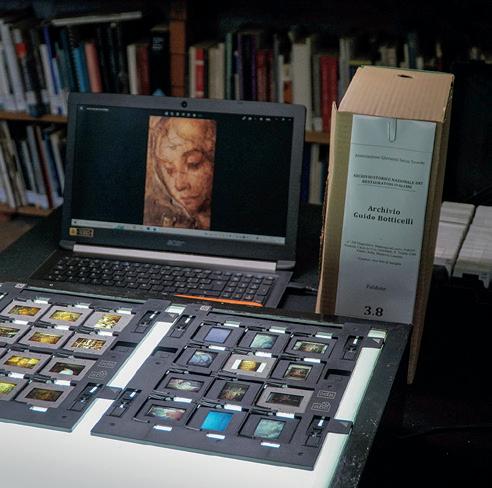
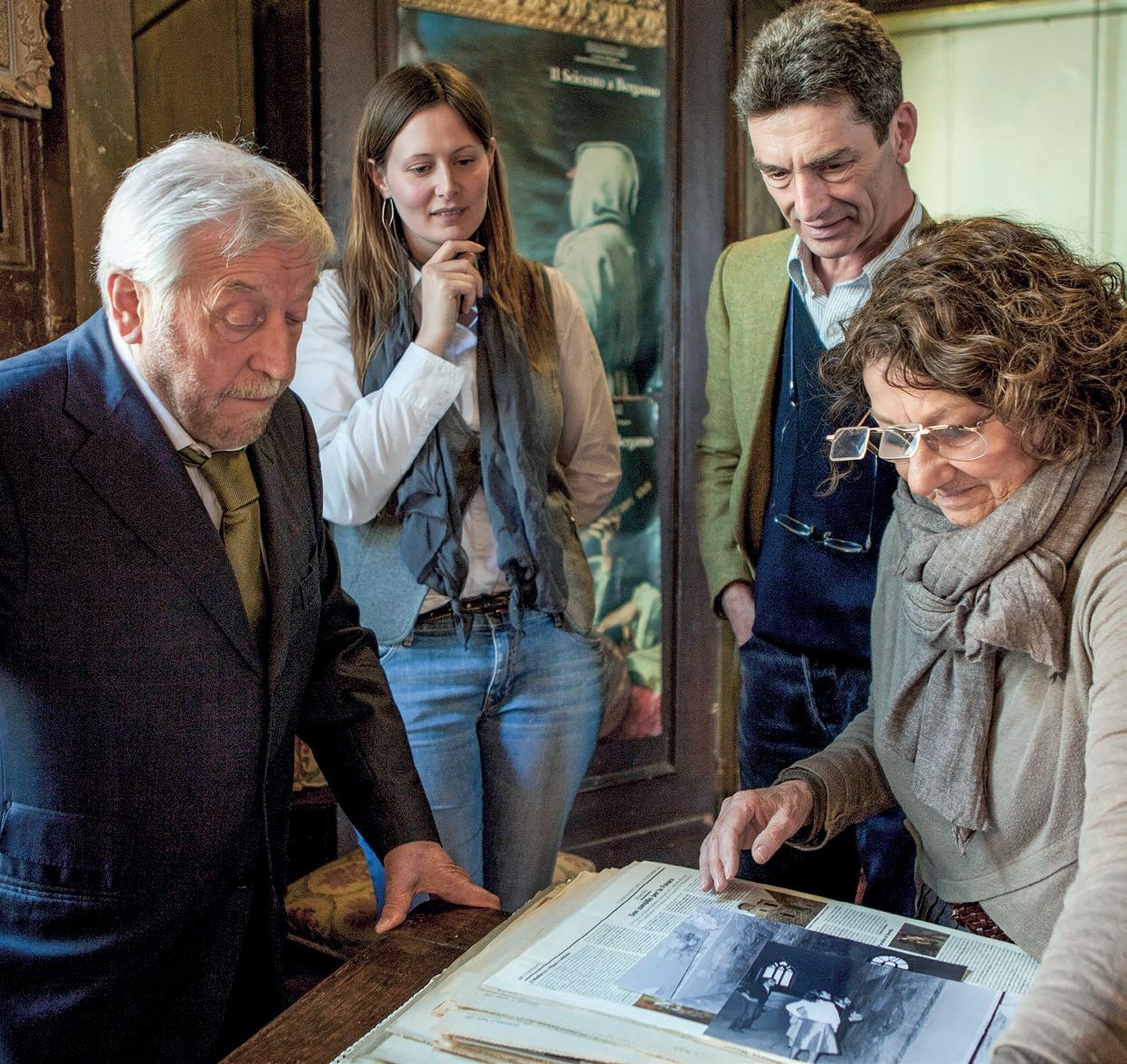
The National Historical Archive of Italian Restorers (ASRI), based in Lurano in the Lombardy region, was established to prevent the loss of professional knowledge preserved in the private archives of Italian conservators and restorers. When practitioners retire or pass away, their drawings, reports, photographs and technical notes are often dispersed or lost. In many cases, state or regional archives lack the capacity or mandate to absorb such specialised document collections. ASRI is the only national initiative in Italy dedicated to the history of restoration and ensures that this material is preserved.
The initiative grew from the principle, as defined in the Venice Charter of 1964, that every new conservation intervention should be based on knowledge of previous restorations. ASRI reconstructs the history of earlier interventions on many important works of art and provides a documented record of past treatments that guides future conservation decisions. To date, 33 private archives have been acquired, comprising approximately 1.68 million documents and 550,000 images.
Fundamental core of the project is the free and publicly accessible database RES.I. Now in its third version, it contains around 25,000 detailed records and enables cross-searches in the different archives. The database brings together documentation that would otherwise remain fragmented and makes restoration history accessible for conservation work at regional, national and international levels.
Much of the archives inventory and digitisation is carried out by dedicated volunteers. Public events and professional training activities, including programmes for museum guides on the European history of conservation-restoration and a multimedia museum experience, help to make the archive accessible to the general public.
More than 90 professionals from universities, museums and public institutions have been involved in the project. The organisa -
tion received support from the Italian Ministry of Culture, regional funds and private foundations.
The project has also received EU support for its role in developing a European network guided by similar principles. The organisation’s database is prepared for multilingual use, and its code can be reused by other institutions.
The Awards’ Jury drew attention to the fact that “ASRI established, for the first time, a national archive of restorers and created a rare resource that supports future conservation decisions, offering a model that can be followed internationally.”
National Historical Archive of Italian Restorers ― ASRI | Italy
The National Historical Archive of Italian Restorers (ASRI) collects and preserves private archives of Italian conservators. Through its open-access RES.I. database, it makes restoration history available for research and future conservation interventions.
FENIX is an applied research project that develops practical tools to help cultural heritage institutions prepare for and respond to natural and human-made disasters. Led by Pablo de Olavide University in Seville, the project builds on ART-RISK, which received a European Heritage Award / Europa Nostra Award in 2021, and extends its risk analysis models into operational emergency planning and training.
The project was shaped by recent catastrophes that exposed weaknesses in heritage protection, including extreme weather events in Spain. The objective is to reduce damage to cultural heritage by improving preparedness, coordination and decision-making before, during and after an emergency.
FENIX is built around an integrated digital toolbox structured around five complementary tools: structural vulnerability assessment supported by AI-based modelling, climate and environmental risk analysis using open satellite data, emergency management software, documentation systems for evacuation procedures, and serious gaming environments for training. The system helps institutions assess vulnerability and plan evacuation procedures. A dedicated platform records decisions taken during drills and emergency simulations, so that actions can later be reviewed and improved.
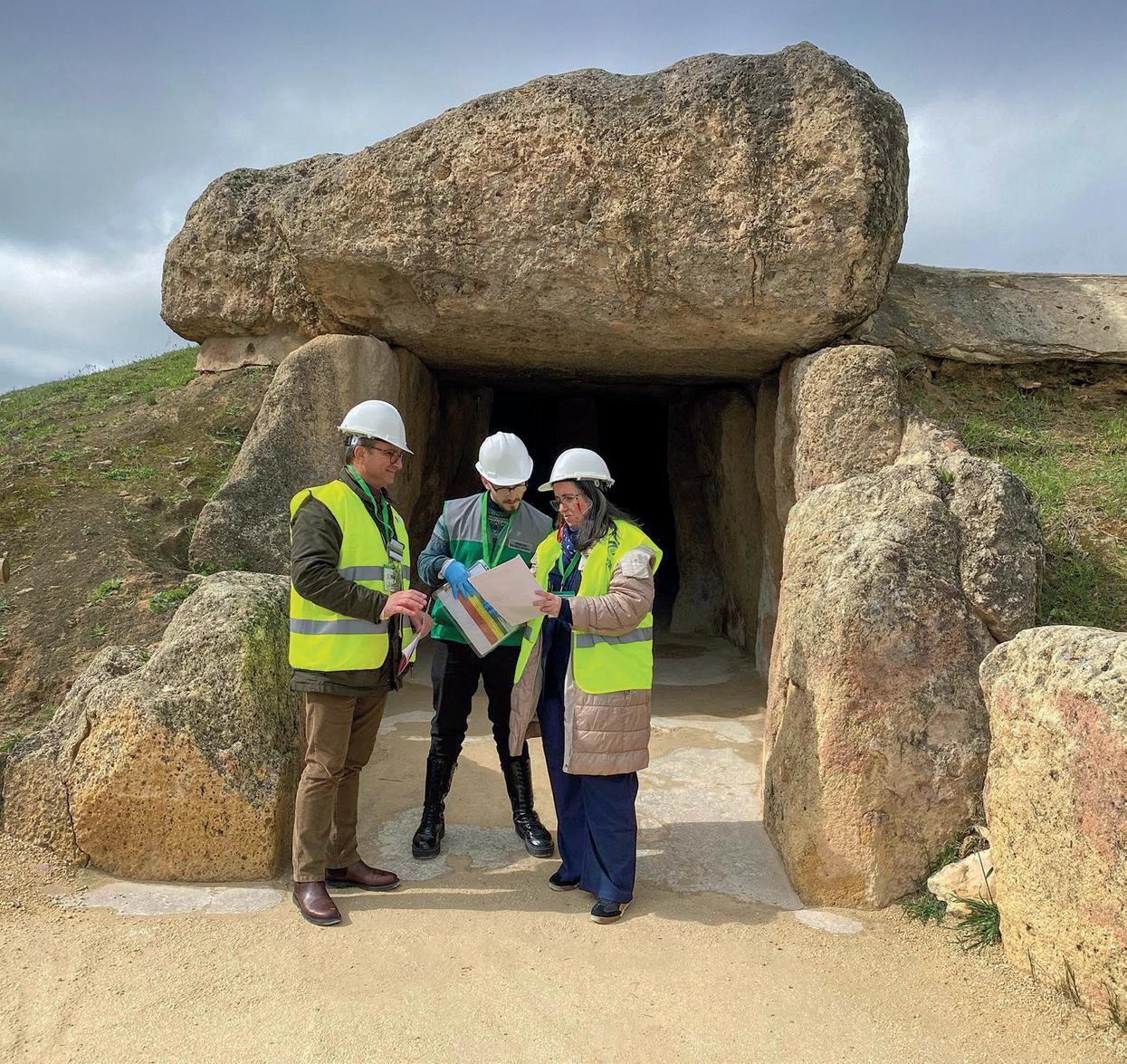
The tools are tested using real heritage sites as “living laboratories”. These include emergency exercises at the UNESCO World Heritage Site of Antequera Dolmens, the Monastery of San Zoilo in Antequera, the Royal Tapestry Factory in Madrid and other museums and archives in southern Spain. These simulations covered fire, flooding and seismic events. Interdisciplinary teams work together under realistic conditions, bringing together heritage professionals, firefighters, civil protection authorities, police and medical services. Schools and university students take part in workshops linked to the simulations, introducing younger generations to heritage risk management. In one exercise, even a nearby nursing home was involved to test coordination beyond the heritage sector.
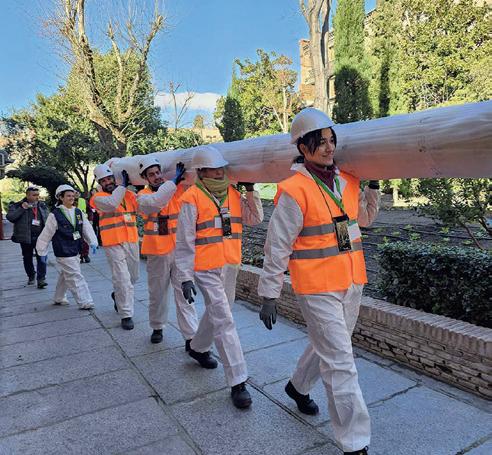
More than 2,000 participants have taken part in training sessions and drills. The project led to Spain’s first comprehensive emergency safeguarding plan for a World Heritage Site. It also produced open-access tools and practical guidelines, and opened cooperation with partners in Europe and Latin America.
FENIX was funded by the Ministerio de Ciencia e Innovación del Gobierno de España and NextGenerationEU fundings.
The Awards’ Jury highlighted: “FENIX combines innovative tools, like AI and open satellite technology, with practical emergency training to protect cultural heritage from natural and humanmade disasters. More than 2,000 participants have taken part in large-scale exercises at heritage sites, and the project presents a methodology that many European countries have yet to develop.”
FENIX Project, Seville | Spain
The FENIX research project develops AI-supported tools and open satellite-based risk analysis to help cultural heritage institutions prepare for natural and human-made disasters. Through simulations and training exercises, it improves emergency planning for heritage sites.
Contact: Pilar Ortiz Calderón | University of Pablo de Olavide | mportcal@upo.es | www.upo.es/investiga/art-risk-en/proyecto-fenix/index.html
The Heritage Craft School was founded in 2006 by the Skagafjörður Heritage Museum to preserve traditional Icelandic building methods, with particular emphasis on turf construction, which was once widespread across Northern Europe. Practical knowledge, such as sourcing, cutting and laying turf, still survives in Iceland, but it is vulnerable due to limited funding and few opportunities to practise the craft. The Icelandic Turf House Tradition is included on UNESCO’s Tentative World Heritage List.
Turf construction is highly energy-efficient and uses local, natural materials that reintegrate into the landscape at the end of a building’s life, leaving no lasting ecological footprint.
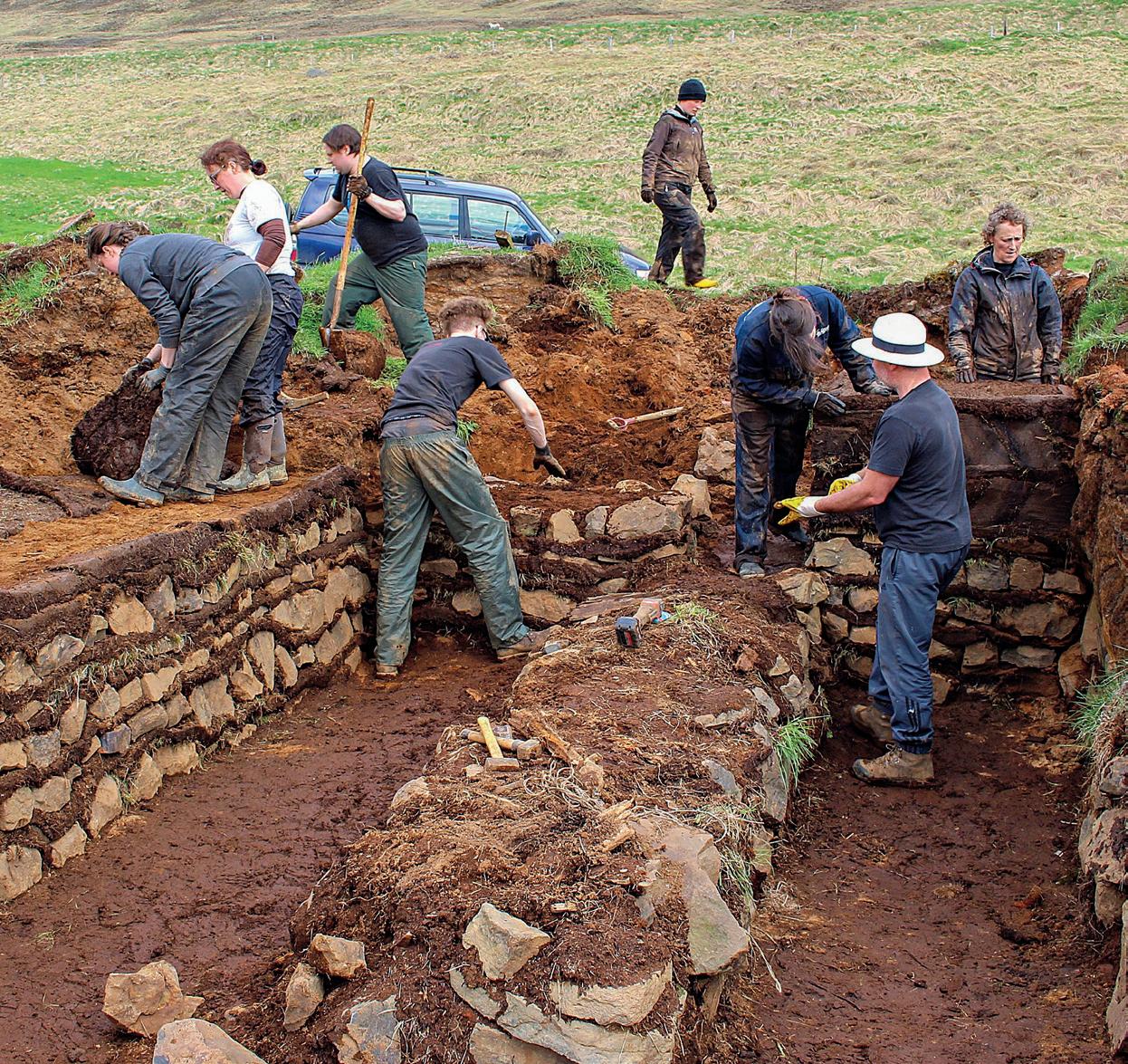
The school offers hands-on courses in turf-cutting, turf and stone building techniques, woodworking and metalworking. Teaching combines practical training with historical research and conservation law. Since 2007, more than 50 courses have been delivered, training around 500 participants from Iceland and abroad. Courses are open to both professionals and enthusiasts.
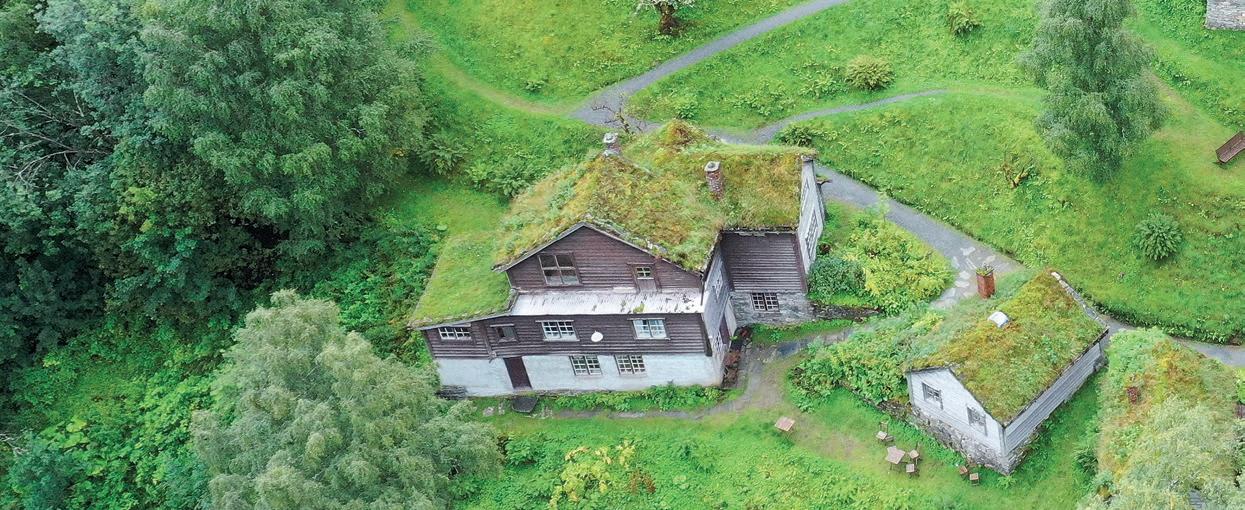
Training takes place primarily at the protected Tyrfingsstaðir farm in northern Iceland, where historic buildings serve as a “living classroom.” Eight outhouses and a seven-part farmhouse have been rebuilt and are again used for housing livestock and storing hay. The work has been supported by archaeological and historical research, including detailed measurement and documentation. Most of the surviving buildings date from 1870–1895, although research indicates settlement on the site in the 1300s.
International cooperation forms part of the programme. Students from Scotland, Norway and other countries have attended the courses. The school has participated in EU-funded Erasmus projects, including CHIST and “Our Way Heritage Lives”, and works with partners such as NTNU Trondheim, the Iceland University of the Arts and LungA School.
Public activities run alongside the training. Open Days at Tyrfingsstaðir and other sites allow visitors to observe and take part in turf-building. An annual turf symposium brings together local and
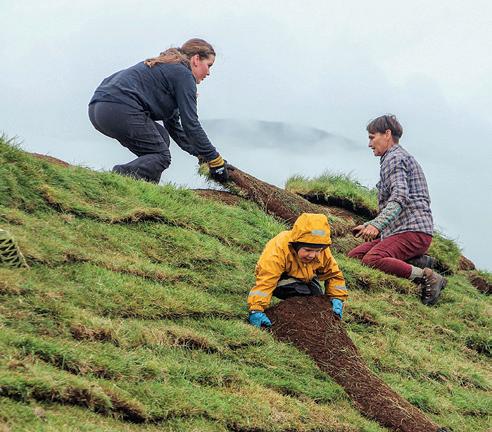
international speakers and has also been streamed online as part of the European Heritage Days.
The school operates through annual project-based funding. In 2025, its budget of € 48,000 was supported by grants from the Icelandic Cultural Heritage Fund and the Museum Fund, alongside contributions from the Skagafjörður Heritage Museum.
The Awards’ Jury remarked: “This project addresses the decline of traditional building skills in Europe through sustained, hands-on transmission of knowledge and practice. It presents a strong intergenerational teaching model that safeguards both the physical structures and the knowledge required to sustain them. Rooted in authenticity and high craftsmanship, and strengthened through international and academic collaboration, the initiative offers a credible model for the preservation of turf-building heritage.”
Heritage Craft School | Iceland
The Heritage Craft School preserves, promotes and documents Iceland’s turf-building tradition through hands-on training, research and the restoration of protected farm buildings, ensuring that a rare European craft remains practised and transmitted to new generations.
To support Ireland’s climate action commitments and the EU’s decarbonisation targets, the Office of Public Works, the state body responsible for managing Ireland’s governmental property portfolio, launched a research initiative to examine how historic buildings could contribute. Prior to this, there was no clear framework for upgrading the energy performance of historic buildings without putting their heritage value at risk.
Launched in 2021, the initiative developed detailed technical guidance, six in-depth case studies and a national training programme aimed at public-sector professionals. Rather than endorsing generic energy retrofit measures, the initiative established a methodology for assessing traditional buildings, which behave differently from modern structures. They require careful consideration of condensation and mould-growth risks, material compatibility and long-term hygrothermal performance.
The six case studies covered a range of historic building types. Each included on-site testing, energy analysis and heritage impact assessments, leading to tailored upgrade proposals. One building was used as a “live laboratory” to monitor long-term performance. Cost-benefit analysis demonstrated that carefully designed energy renovations can deliver positive economic, environmental and socio-cultural outcomes.
A three-day training programme was delivered to more than 400 participants from across the Irish public sector, including representatives from the local authorities, government departments and heritage organisations. The training covered recent and upcoming changes to national and European policies, technical evaluation tools and techniques, and practical case-based learning. It established a shared understanding of how to balance climate action with heritage conservation principles.
The guidance, case studies and training were published open access and are now available beyond Ireland. The initiative provides a model for other European countries to develop comparable case studies across different types of heritage buildings, contexts and climates.
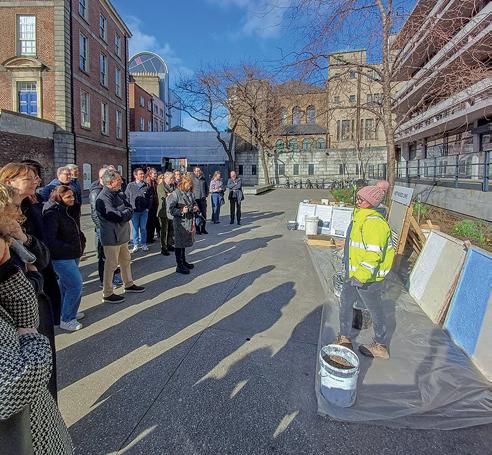
Through this initiative, the Office of Public Works has embedded a structured methodology within their organisation to guide the energy renovation of heritage properties within their care. The guidance and training continue to be used in retrofit planning across a broad portfolio of protected structures.
The initiative was developed in two phases, with funding from Ireland’s Public Service Innovation Fund, the European Commission’s Technical Support Instrument and the Office of Public Works.
The Awards’ Jury stated: “The initiative strengthens the capacity of public authorities and heritage professionals to apply European energy-efficiency standards in historic buildings in a structured and practical way. It combines high technical quality with a balanced approach that safeguards heritage value while contributing to long-term climate goals.”
Improving
the Energy Performance of Heritage Properties in State Care Initiative | Ireland
The Office of Public Works in Ireland developed practical guidance and a technical training programme to help public authorities improve the energy performance of historic buildings without compromising their heritage value. It strengthens professional skills and proves that climate action and heritage conservation can be complimentary.
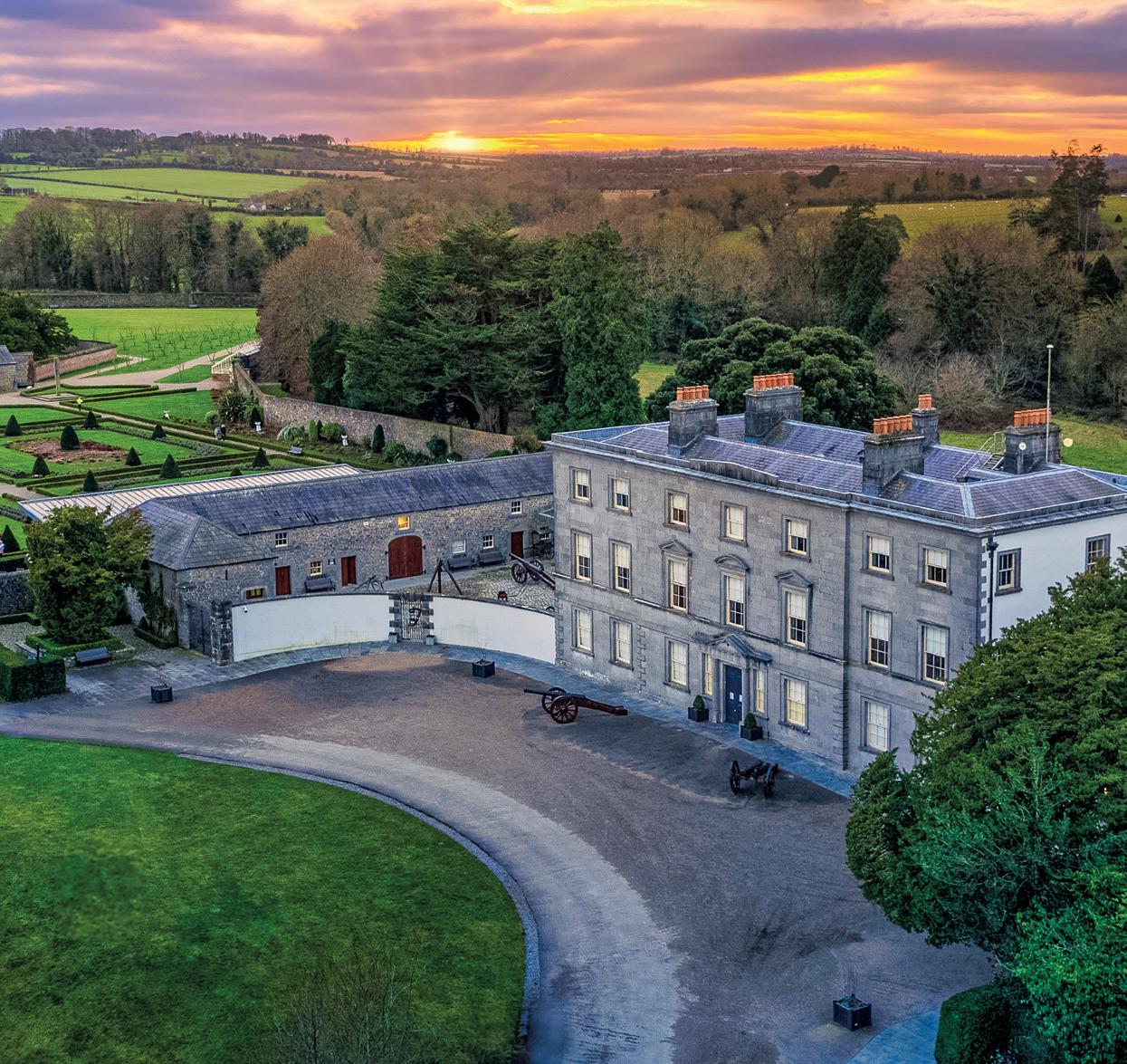
Contact: Audrey Farrell | Office of Public Works | audrey.farrell@opw.ie https://www.gov.ie/en/office-of-public-works/campaigns/improving-the-energy-performance-of-heritage-properties-in-state-care/
HIMASS ― International Summer School on Historic Masonry Structures ― was conceived in 2018 by Roma Tre University, the Polytechnic University of Madrid and the University of Salerno. The programme focuses on the structural behaviour of historic masonry buildings and on recovering knowledge of traditional construction principles that receive little attention in contemporary engineering education.
The school runs annually for two intensive weeks. Since its establishment, seven editions have been organised, training around 150 participants from more than 20 countries. Each edition studies four protected historic buildings, including churches, bell towers and complex vaulted structures. In total, 28 monuments have been documented and analysed within the framework of the programme.
The teaching approach combines lectures, seminars and extensive fieldwork. Participants begin with historical research and architectural analysis of the selected buildings. Digital survey techniques record the geometry of the structures with precision. Structural assessment follows, with close attention to the geometry of vaults and the way forces are transmitted through masonry structures. The programme emphasises understanding of how historic buildings actually stand and carry loads, rather than relying only on abstract computer models.
Each year, 20–25 participants work in small groups of 5–6 persons, allowing close interaction with professors and invited lecturers from Europe and beyond. Tutors support the fieldwork and guide the preparation of final presentations. The programme creates a space for students, academics and practitioners from different countries to establish lasting professional networks.
The case studies involve real monuments, and participants address specific conservation challenges on site. Work carried out during the summer school contributes to the broader understanding of each building’s structural condition. Findings are presented at the end of the programme and have resulted in peer-reviewed publications, including two dedicated issues of Structural Magazine in 2022 and 2023.
HIMASS has been hosted in different historic settings in Italy, including Subiaco (2018), Anagni (2019-2022), and Oristano (2025).
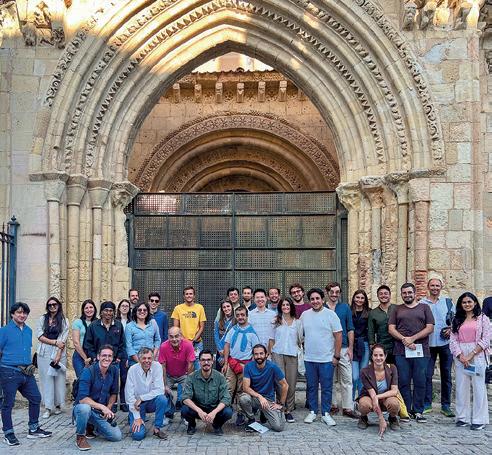
The 2023 and 2024 editions were held in Spain, in the historic centre of Segovia, a UNESCO World Heritage Site. Each year new buildings are selected, so the programme develops new case studies rather than repeating previous ones.
Annual costs range between € 36,000 and € 64,000 and are covered through participant fees and contributions from the partner universities.
The Awards’ Jury remarked: “This is a highly conceptual programme with a strong academic basis, providing engineers and architects with tools to preserve and consolidate historic masonry buildings. HIMASS addresses the key issue of understanding ancient masonry design based on geometry rather than mechanics. The programme creates an international community of experts and learners engaged in conceptual thinking about structural restoration.”
International Summer School on Historic Masonry Structures ― HIMASS | Italy / Spain
HIMASS is an international summer school where engineers and architects study historic masonry buildings through real case studies. It reconnects modern structural analysis with traditional geometry-based design principles and builds an international community of specialists in structural conservation.
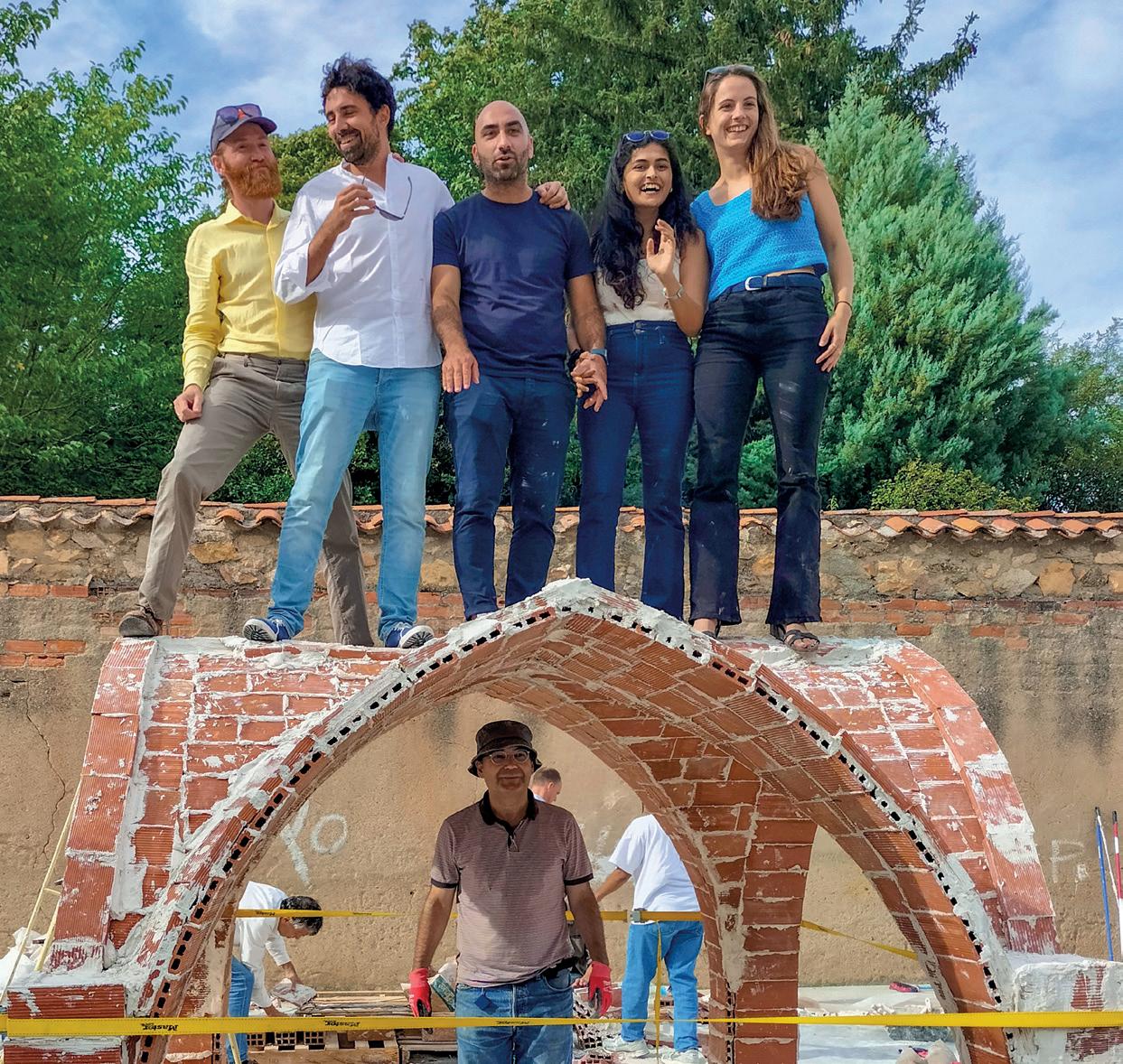
Since 2014, the NGO Cita Rīga has developed a sustained educational practice that invites children and young people to explore the urban heritage of Riga through play and investigation. The initiative works with participants aged 7 to 17 and approaches heritage as a living story to be discovered directly in the city itself.
Each year around 2,500 children take part in activities designed around specific neighbourhoods, buildings or historical episodes. More than 30 thematic programmes have been developed to date. Before creating each activity, the team conducts research in archives and libraries and consults historians and museum professionals. Historic maps, photographs and documents are translated into tasks that allow children to investigate and interpret the past for themselves.
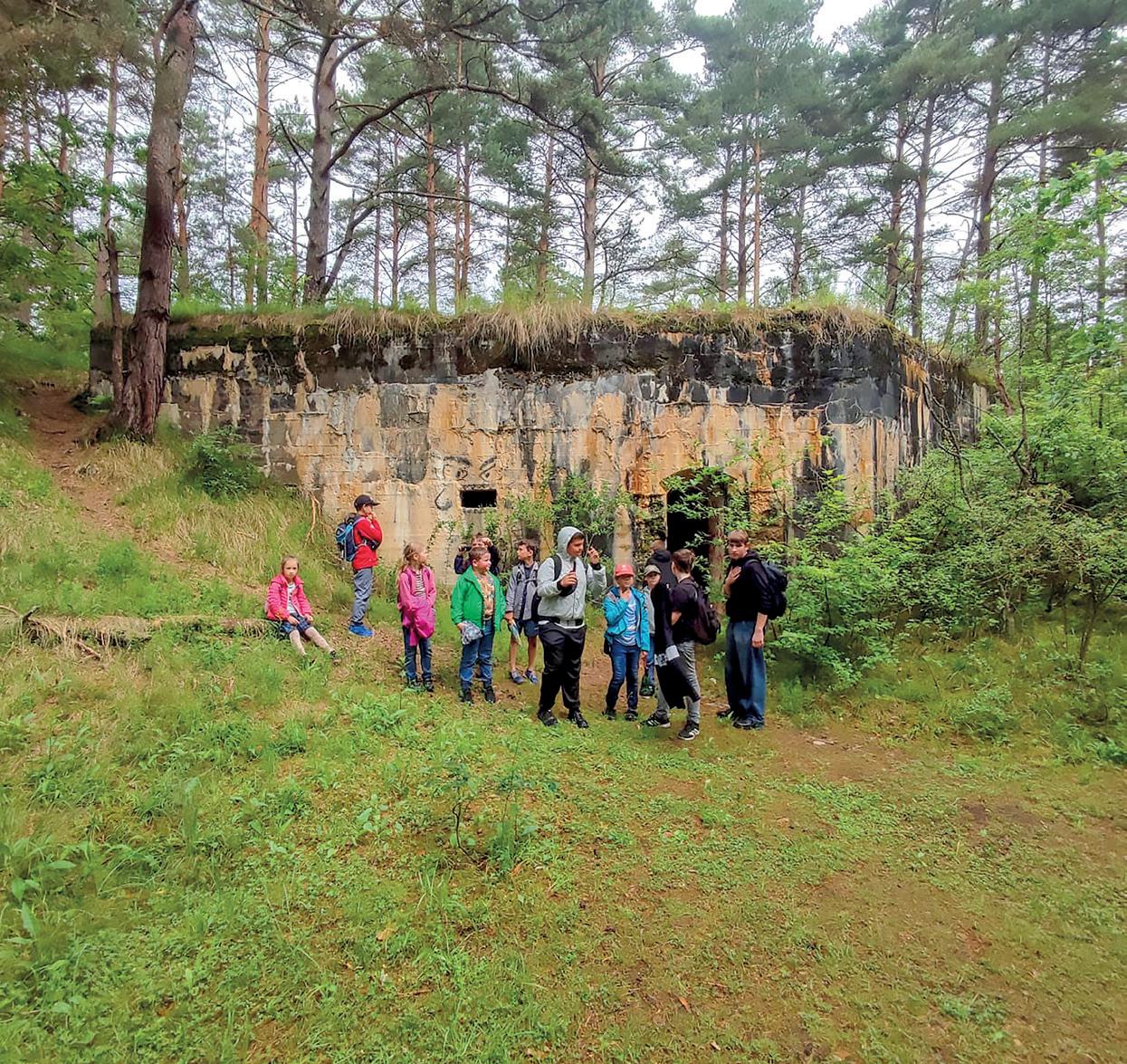
A key element of the programme is the use of “experimental history”. The children reconstruct events, objects or techniques to examine how historical accounts might have worked in reality. For instance, the children built a wooden model of a church to investigate the story that milk had been used to extinguish a fire. In another case, they constructed small sailing boats to simulate trade along the Daugava River and explore the economic development of Riga through practical experimentation. Other projects use games and playful activities to study medieval fortifications, industrial districts and the history of Jewish neighbourhoods, often using historic maps to navigate present-day streets.
Approximately 80% of the activities take place outdoors in public spaces across Riga. The city itself becomes a working classroom. The remaining sessions are organised in schools, libraries and community centres. The programme is free-of-charge and designed to remain accessible. Materials are simple, reusable and low-cost.
Participation often extends over several years. Around 20% of former participants return as volunteers or junior facilitators, assisting groups and contributing to the design of new activities. This continuity has shaped the initiative into a long-term grassroots educational environment rather than a series of isolated workshops.
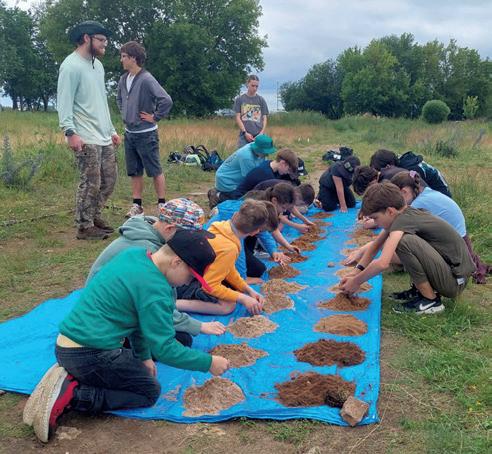
The initiative operates with an average annual budget of approximately € 25,000, supported primarily by municipal funding, small donations and self-generated income. As the activities rely on simple materials, local research and public space, the model is inexpensive and easily adaptable to other cities across Europe. The initiative has already been presented internationally as a model for engaging children with urban heritage.
The Awards’ Jury remarked: “The Cita Rīga initiative presents an innovative way of engaging communities and strengthening children’s attachment to a place. Through play and investigation, children develop active learning and critical thinking about urban heritage. Its long-term impact is evident in the number of participants who later return as volunteers.”
Cita Rīga’s Initiative ‘Co-creating Urban Heritage with Children’ | Latvia
A sustained grassroots project initiated by the NGO Cita Rīga invites children aged 7 to 17 to explore Riga’s urban heritage through play and investigation. Low-cost and easily replicable, the programme turns neighbourhoods into learning spaces and builds lasting connections with local heritage.
When the “Pacijenca” initiative began in 2021, Dobrota lace-making was close to extinction. The Ministry of Culture of Montenegro had officially identified one guardian, born in 1937, as the last recognised custodian of the craft. For centuries, lace from Dobrota had formed part of domestic, religious and maritime life in the Bay of Kotor. It testified to generations of women’s creativity and craftsmanship. Yet by the early 21st century it survived only in private collections and church treasuries.
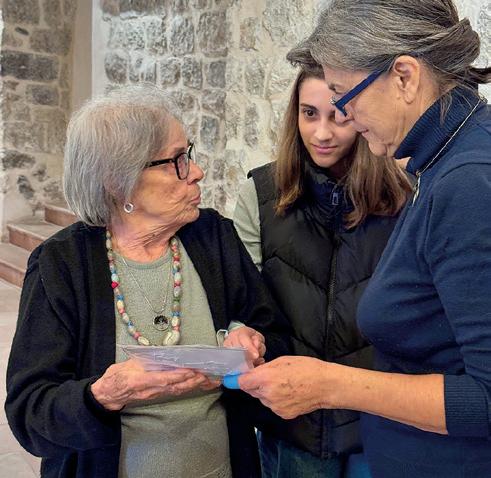
The Museums of Kotor initiated a programme that combined historical research with hands-on training. Embroidery in the area dates back to the 14th century, and by the 16th century Dobrota lace had developed as a local interpretation of Venetian “punto in aria”. Dobrota lace was used for ritual headscarves, widow’s hoods, altar cloths and wedding veils. Examples are preserved in churches, such as St. Eustachius in Dobrota, and in family heirlooms connected to the region’s seafaring communities.
Workshops began in 2022 under the guidance of the recognised guardian and museum professionals. Over the following three years, more than 50 women of different ages completed training. The sessions were free-of-charge and open to residents of Kotor and surrounding areas. School groups were invited to observe and participate. For many pupils it was a first encounter with needle lace.
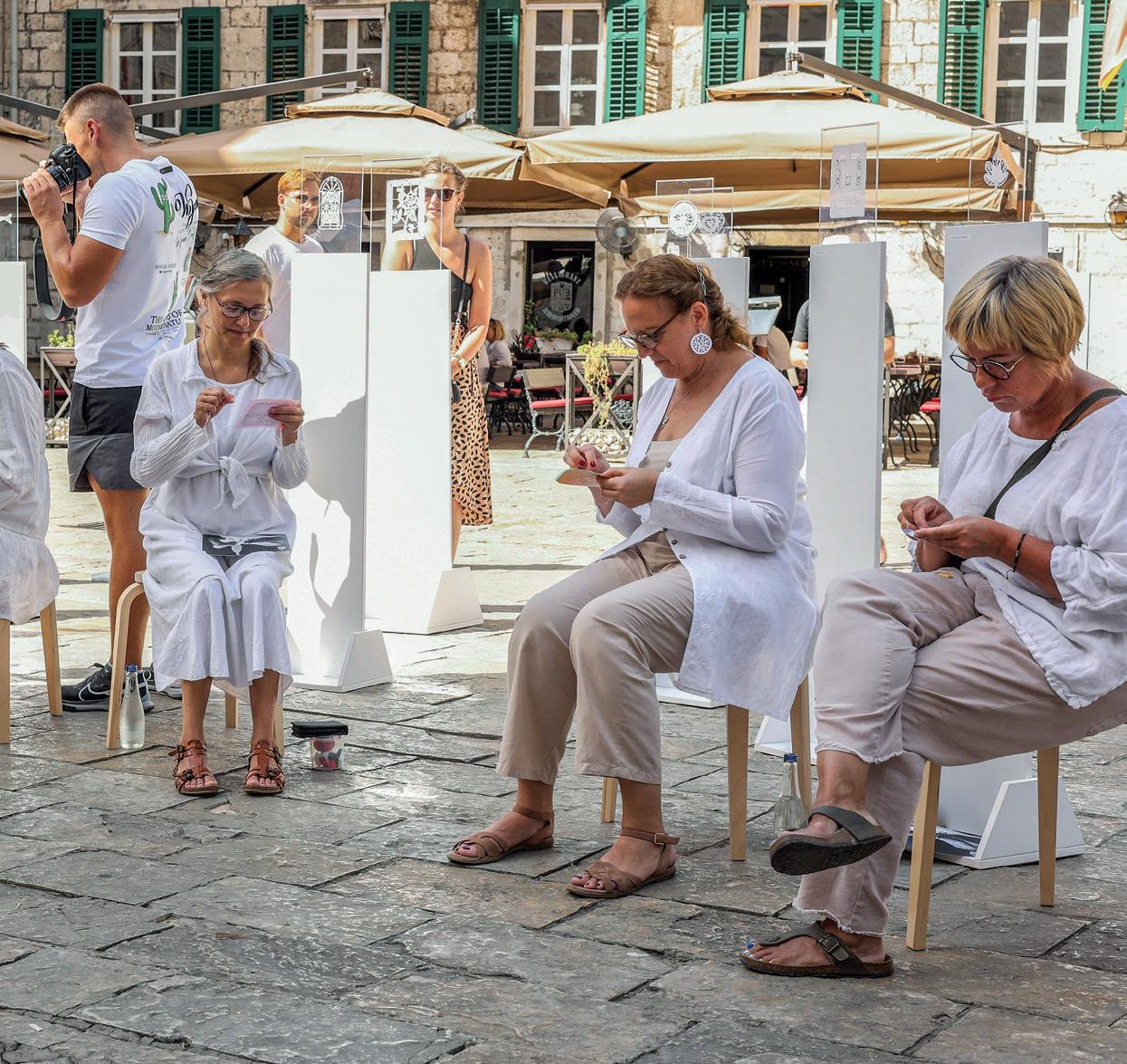
The name “Pacijenca” means “patience” and refers both to the slow precision of lace-making and to the endurance associated with the maritime culture of the region. The project promotes patience as both a human and cultural value in an age of digital haste. Public installations in Kotor’s squares, where vertical lace displays were accompanied by live embroidery sessions, made the revival visible in the city. Hundreds of visitors attended these events each year. Participants also represented Montenegro at lace festivals in Croatia, reconnecting the craft with the wider Adriatic tradition.
The Museum of Kotor developed a line of lace-based souvenirs inspired by historical motifs. These products received recognition as
leading cultural souvenirs in the Balkans and generate income that supports further training. The project safeguards skills, provides income for women and renews pride in a local tradition.
Over the last three years the project operated with a total budget of approximately € 15,000, primarily funded by the Museums of Kotor with a small contribution from the Ministry of Culture.
The Awards’ Jury stated: “The “Pacijenca” project transformed a domestic craft into a shared cultural event that strengthens community life while supporting the economic empowerment of women. Through lace-making, it promotes patience as a social and cultural value, safeguards a fragile element of intangible heritage, and connects a small local tradition with wider audiences.”
Safeguarding the Dobrota Lace Tradition ― Pacijenca Project, Kotor | Montenegro
The “Pacijenca” project revived the nearly extinct Dobrota lace tradition in Montenegro through hands-on training led by its last recognised guardian. Over three years, more than 50 women learned the craft, while public demonstrations and lace products helped secure its future.
The School of Renovation was established in 2015 at the initiative of the Association of Historical Towns of Slovenia. It brings together the Faculty of Architecture, the Institute for the Protection of Cultural Heritage of Slovenia, and the Secondary School of Civil Engineering, Land Surveying and Environmental Studies in Ljubljana. The programme responds to the shortage of skilled contractors for the renovation of historic buildings in the country by combining practical training, public awareness and professional support.
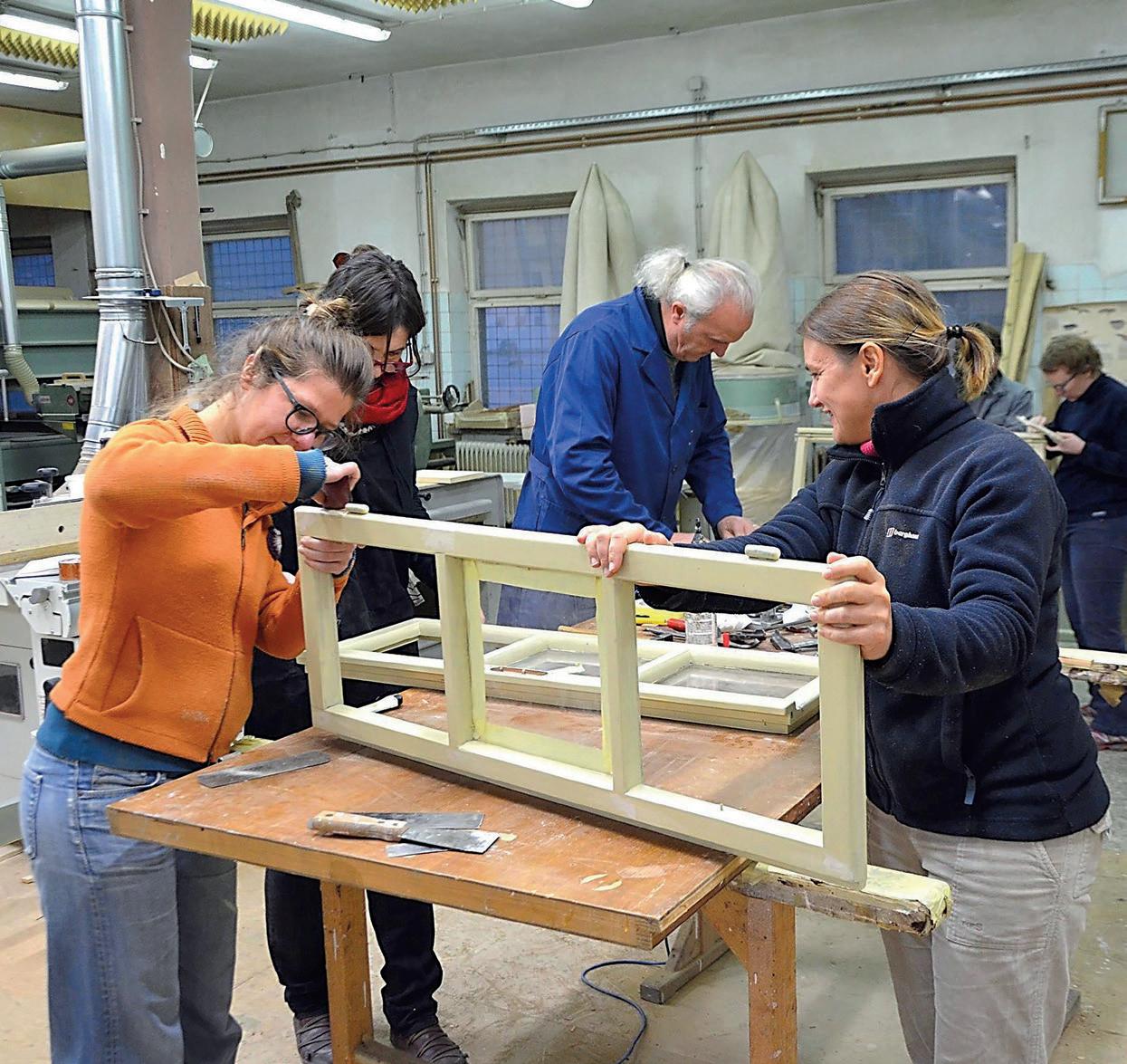
Workshops take place across the country at heritage sites proposed by municipalities or private owners. They focus on traditional building techniques, such as lime mortars and plasters, stone masonry, dry stone walling, timber structures, roof tiles, carpentry repairs and moisture problems in buildings. Each workshop lasts between one and five days and is led by architects, conservators, craftspeople and materials specialists. Participation is free-of-charge. On average, six workshops are held each year, with around 100 participants annually. Since the foundation of the Programme, approximately 50 workshops have taken place, involving more than 1000 participants.
The School of Renovation works with a wide audience: property owners, contractors, public servants, students, teachers and children. Cooperation with educational institutions has increased youth participation in recent years. Workshops are linked to the National Vocational Qualification System, enabling craftspeople to acquire recognised competences in heritage renovation.
Beyond training, the school promotes quality renovation through an biennial award for owners of well-restored buildings. Since 2018, 51 owners have received the award. Open days allow the award recipients to share their experiences with others facing similar challenges. The School of Renovation also provides technical advice and publishes guidance materials online to make professional knowledge more accessible.
The programme operates in partnership with the Institute for the Protection of Cultural Heritage of Slovenia and educational institutions. Conservators regularly contribute to workshops and attend as participants, strengthening the link between theory and
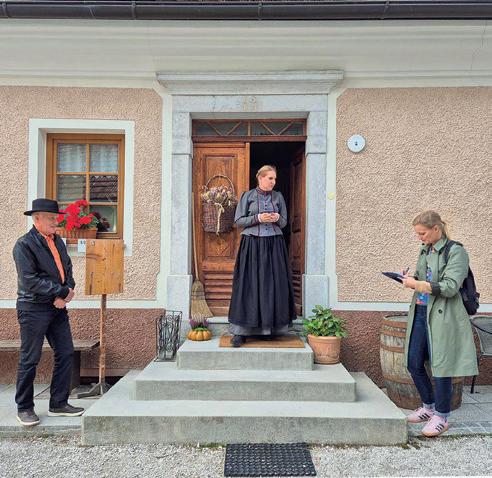
practice. Activities take place at nationally protected sites and at UNESCO World Heritage Sites, such as Idrija and the works of Jože Plečnik in Ljubljana.
With an annual budget of € 35,000, financed by the Association of Historic Towns and the Slovenian Ministry of Culture, the school has developed into a nationwide network.
The Awards’ Jury stated: “The School of Renovation responds to the real need for skilled heritage renovation through practical workshops rooted in traditional building crafts. Initiated by the National Association of Historic Towns, it demonstrates how collaboration between institutions, experts and communities can sustain living heritage and offer a model that can inspire similar initiatives elsewhere.”
School of Renovation, Skofja Loka | Slovenia
The School of Renovation in Slovenia provides hands-on training in traditional building techniques through workshops held at heritage sites across the country. Since 2015, it has trained more than 1000 participants and introduced younger generations to the skills needed to renovate historic buildings.
Zlarin, a protected cultural heritage site, is one of the 53 inhabited Croatian islands. It has fewer than 300 residents in the winter. It once depended on a centuries-old red coral harvesting tradition that shaped its economy and identity. When coral became a strictly protected species in the Adriatic and harvesting ceased, the island faced depopulation and the gradual loss of local memory.
The Croatian Coral Center Zlarin opened in 2023. The EU project, with a total value of EUR 3.2 million, was applied for and implemented by the City of Šibenik, representing one of the largest investments in cultural heritage on Croatia’s islands. The Center is managed by the Public institution Fortress of Culture.
The center is housed in two traditional buildings, Kažerma and Šare, along with the surrounding stone streets and a 420-metre access road that links the port to the town. During restoration works, a historic wall fresco and remains of a 1st-century shipwreck were uncovered, conserved and integrated into the exhibition. Kažerma now hosts a permanent interpretation centre dedicated to coral heritage and marine biodiversity. Šare functions as a socio-cultural ‘living hub’, offering space for researchers, artists and local associations throughout the year.
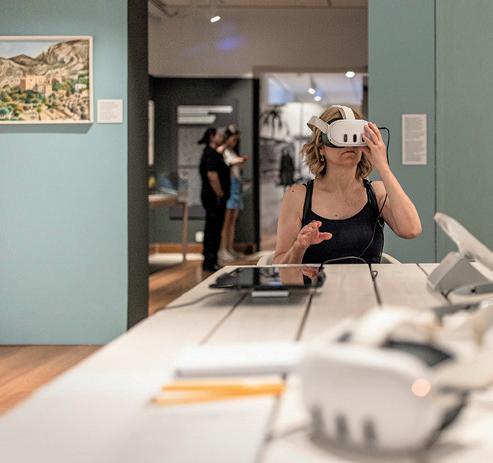
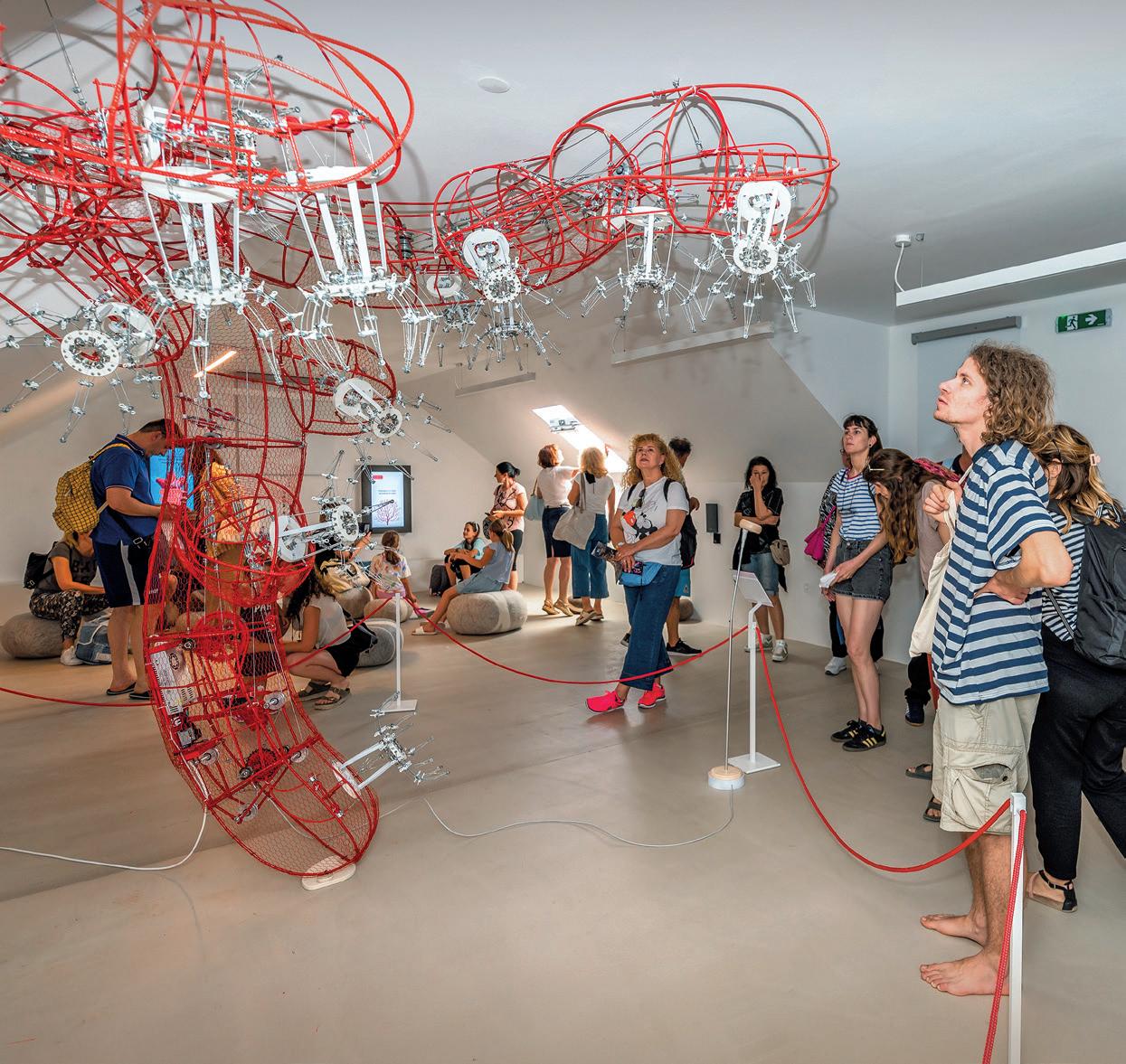
Visitors explore coral traditions and marine ecosystems through augmented and virtual reality, interactive displays and tactile elements. The kinetic installation “Shared Breath” activates when visitors blow into a sensor, highlighting the vital link between the sea and the air we breathe. Guided tours for international visitors and school groups from across Croatia connect coral heritage with themes such as rising sea temperatures, invasive species and marine pollution. Work is also underway on a digital archive that will bring together historical sources and recordings related to Zlarin’s coral tradition.
Since opening, the Croatian Coral Center Zlarin has welcomed over 35,000 visitors. More than 200 cultural events, including workshops, lectures, concerts and film screenings, engaged close to 5,000 participants, particularly during pre- and post-season months. These activities resulted in a 20% increase in arrivals and a 16% rise
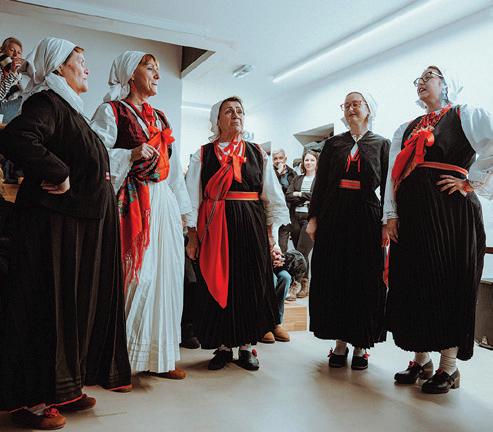
in overnight stays on the island, demonstrating that investment in culture can have a tangible economic and social impact.
The center operates year-round and works closely with local associations, schools and cultural groups. Local residents were trained to guide visitors. Facilities are fully accessible, with a stair-climbing device for wheelchair users, tactile markings, audio guides and trained staff. The Center's souvenir shop offers locally made and eco-friendly products.
The Awards’ Jury highlighted: “The distinctive focus of the Croatian Coral Center Zlarin on coral heritage is grounded in careful research and effectively communicated through strong outreach. Particularly impressive is the scale of impact for such a small island community: the center operates year-round, supports sustainable local development and offers a model that could inspire similar initiatives on small islands across Europe.”
Croatian Coral Center Zlarin | Croatia
The Croatian Coral Center Zlarin presents the island’s coral heritage through exhibitions, education programmes and cultural events. Open year-round, it welcomes visitors, schools and the local community and supports sustainable development and new opportunities on this small Adriatic island.
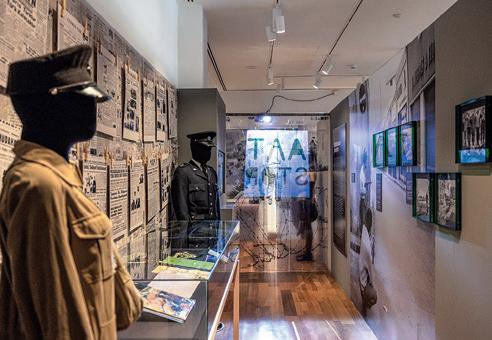
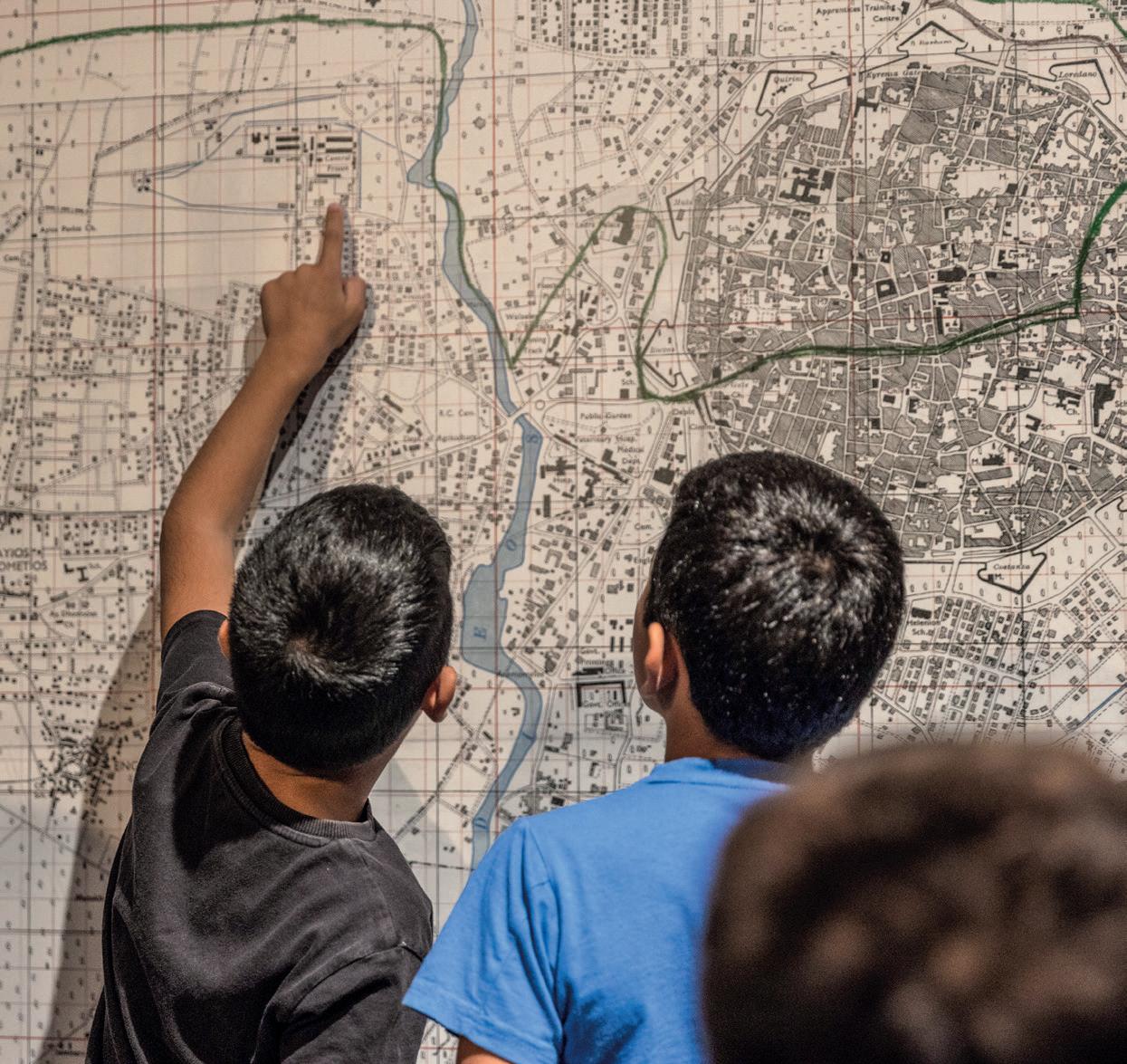
In 2025, sixty years after the establishment of the Green Line, the Leventis Municipal Museum of Nicosia addressed one of the most sensitive chapters in the city’s history. The 1.5-kilometre buffer zone that cuts through the historic heart of Cyprus’ capital has shaped daily life for decades. Once the heart of trade and neighbourhood life, it became an inaccessible, derelict corridor. The Leventis Museum launched the multifaceted project Sector 2: Nicosia to examine this reality with historical rigour and sensitivity.
The curatorial team conducted 18 months of research, supported by historians, and recorded more than 40 hours of oral testimonies. Objects, photographs and personal memorabilia were assembled alongside archival material to create a temporary exhibition that connects individual memories with collective history. The term ‘Sector 2’ is used by the United Nations Peacekeeping Force in Cyprus (UNFICYP) to describe the geographical division of Nicosia within the areas of control. The Buffer Zone in the Historic Centre of Nicosia was listed among the 7 Most Endangered heritage sites in Europe in 2013.
Theatre professionals, designers and digital specialists collaborated to create an immersive environment where audiovisual material, soundscapes and virtual reality installations guide visitors through the city’s past and present. The aim was to present a contested past in a non-authoritative and impartial manner. The exhibition leaves space for reflection and personal interpretation and encourages dialogue, reconciliation and peaceful coexistence.
Guided tours were organised to visit the Green Line in situ, so participants could experience the divided urban landscape directly. Lectures explored the social and historical consequences of the city’s division, alongside discussions on the area’s architectural value. Educational programmes engaged around 1,300 participants aged six to eighteen, while workshops for families and students explored themes related to loss, history and memory. A documentary screening, a concert entitled Makrydromos and the publication of an extensive catalogue expanded the project’s reach.
The project attracted audiences from schoolchildren to researchers and international visitors. So far, more than 18,000 people have
Sector 2: Nicosia ―
participated in events, while overall engagement across physical and digital platforms reached close to 50,000. Members of Greek Cypriot, Turkish Cypriot, Armenian, Latin and Maronite communities contributed testimonies and objects, and placed personal histories at the centre of the exhibition.
A 360° digital recording will preserve the exhibition for future researchers. The exhibition was on display at the Leventis Museum from January 2025 and was extended to June 2026. The project was also presented as a parallel exhibition in Athens, in the framework of events of the Cyprus Presidency of the Council of the European Union 2026, co-organised with the Deputy Ministry of Culture and held under the auspices of the Hellenic Parliament. Hosted at the Tobacco Factory, the exhibition fostered a cultural dialogue between the two capitals.
The Awards’ Jury remarked: “Sector 2: Nicosia ― The Green Line Project addresses a highly sensitive context and involves all communities in its documentation and presentation. Through the testimonies of witnesses, the programme stimulates open and thoughtful dialogue in a complex urban and social environment.”
The Green Line Project | Cyprus
The Leventis Municipal Museum of Nicosia created Sector 2: Nicosia ― The Green Line Project to explore the history of the city’s Green Line through research, an exhibition and other public programmes. By involving all communities and presenting personal testimonies, it encourages reflection and dialogue on the divided city.
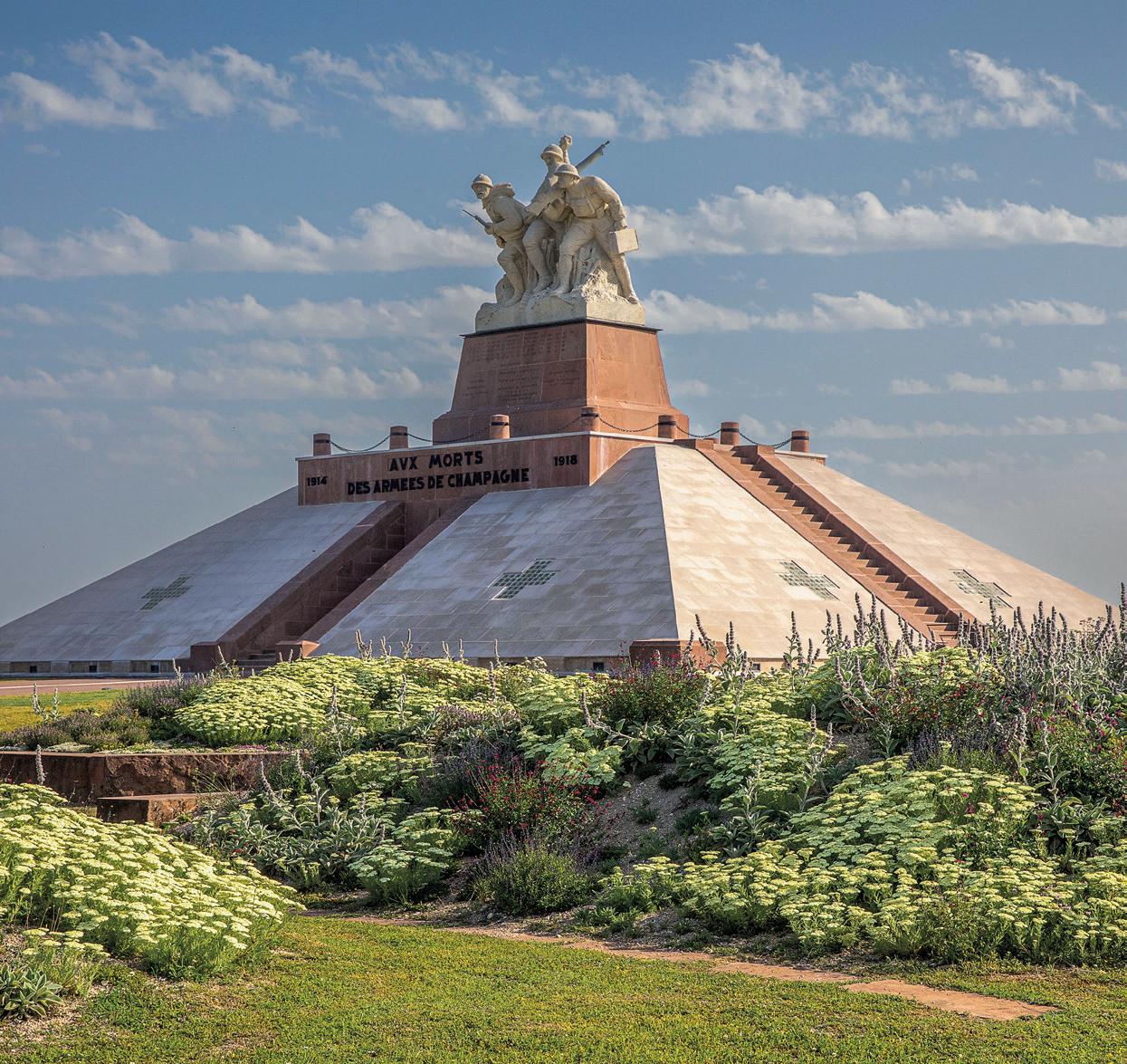
In 2017, on the centenary of the First World War, the association Art & Jardins | Hauts-de-France set out to rethink how Europeans remember conflict. Along the former Western Front, from Belgium through northern and eastern France, memorials and cemeteries already marked the landscape. The Gardens of Peace Project (“Jardins de la Paix”) proposed contemporary public gardens on or near these sites, transforming former battlefields into living landscapes for reflection and dialogue. Together, the gardens form Europe’s first landscaped Peace Pathway trail.
Since 2018, 29 gardens have opened and by 2027 almost 40 will stretch across regions including Nord, Pas-de-Calais, Somme, Aisne, Oise, Ardennes, Marne, Meuse, Moselle, Meurthe-et-Moselle, Vosges and Alsace. Thirteen are located on UNESCO World Heritage Sites. Each garden is linked to one of the 24 countries formerly at war, from France and Germany to India, Morocco and New Zealand, and was designed by landscape architects from that country.
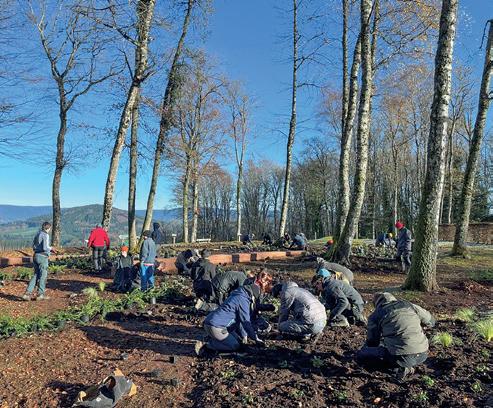
The project required detailed site selection, soil studies, regulatory authorisations and agreements with landowners and national authorities, including the French Ministry of the Armed Forces. Landscape designers collaborated with local authorities, heritage managers and residents. The gardens were conceived as permanent, climate-adaptive spaces, using endemic plants, local materials and low-water maintenance strategies. Each site includes a maintenance toolkit and long-term care arrangements.
Participation shaped the project from the outset. Volunteers from different countries contributed to the creation of each garden, including veterans, researchers, students and local associations. More than 750 people took part in construction phases. Educational initiatives involve close to 5,000 participants annually.
Close to 170,000 people visit the gardens each year. Guided visits, educational activities and public programmes in the gardens engage visitors of different ages and backgrounds. Special events are also organised annually for the European Heritage Days. The project also reaches a wide audience through its website and social media platforms and maintains partnerships with remembrance
sites, tourist offices and international institutions. The initiative has attracted substantial media coverage and received several awards.
The total production cost between 2018 and 2025 amounts to € 2.7 million, with support from the French Ministry of the Armed Forces, Hauts-de-France Region and private national and international funders. Managed entirely by the association’s team, the trail continues to expand. The association also employs more than 100 disadvantaged people each year to support their social and professional reintegration while maintaining some of the gardens. A pan-European research initiative entitled Re-imagining Peace is in preparation.
The Awards’ Jury observed: “ With its powerful concept and strong cross-border symbolism, the Gardens of Peace Project links purpose-designed landscapes to the memory of the First World War. The gardens bring together tangible and intangible heritage and offer strong educational value, particularly for younger audiences.”
Gardens of Peace Project | France
The Gardens of Peace Project creates contemporary public gardens along the First World War front line in France and Belgium. Designed by landscape architects from countries once at war, the gardens invite reflection and dialogue on Europe’s shared history of conflict.
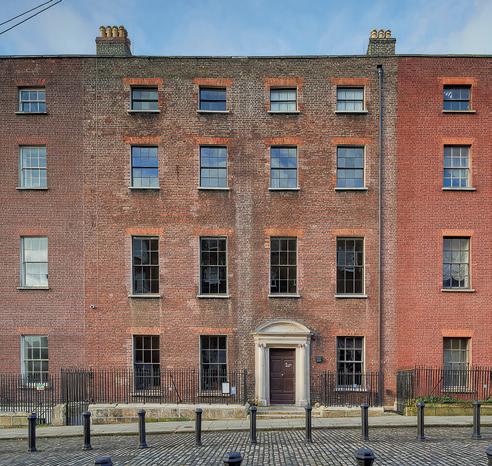
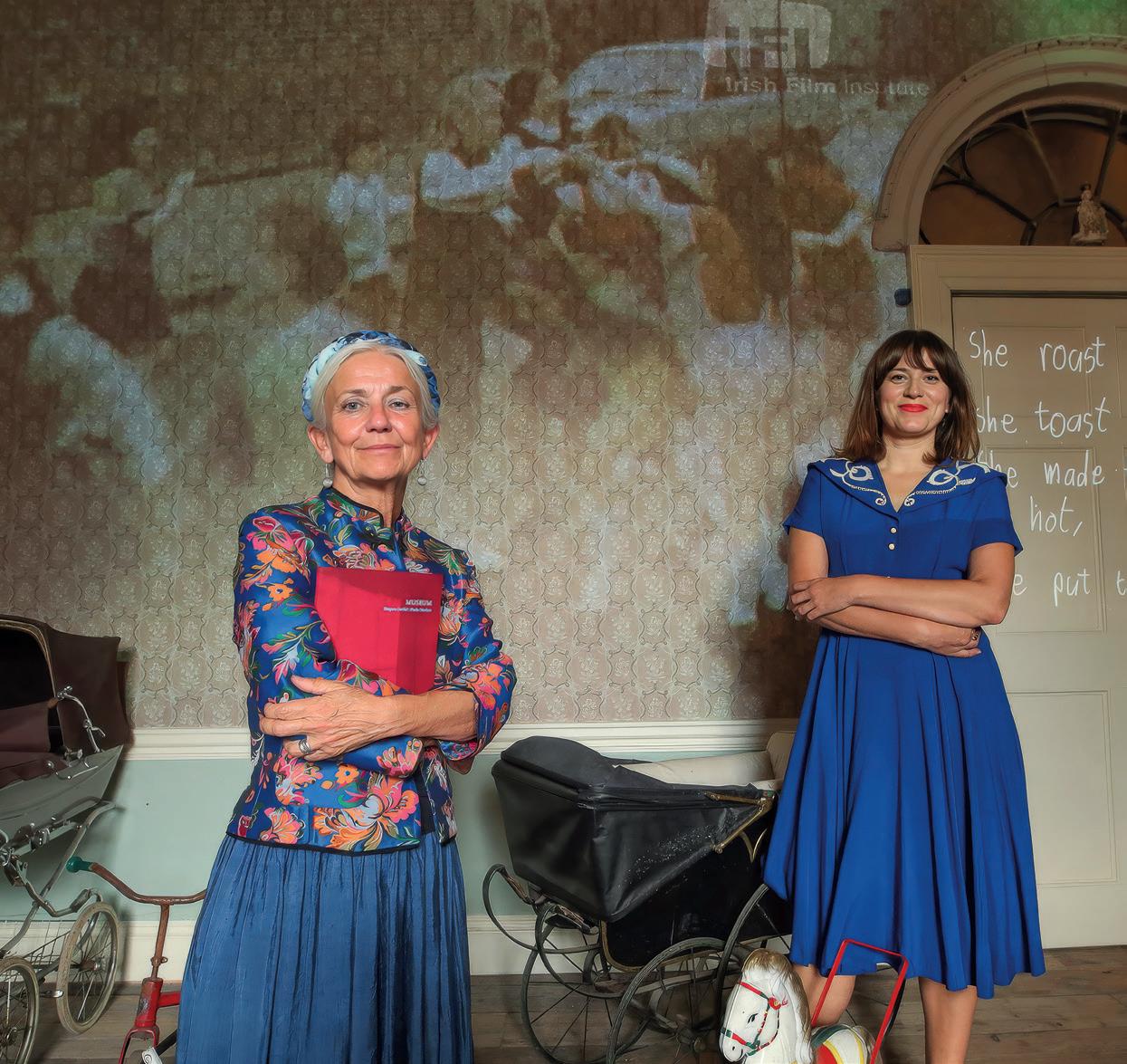
At the top of Henrietta Street in Dublin stands a Georgian townhouse that reflects three centuries of urban life. Built in the 18th century as a grand residence, it later became a tenement home to many families. Dublin City Council purchased the building in 2008 and carried out a decade of restoration and research. In 2018 it opened to the public as 14 Henrietta Street, a social history museum that tells the story of the house through the lives of its residents. Since opening, the museum has welcomed well over 160,000 visitors. The building is included in Dublin City’s Record of Protected Structures.
The project follows a people-first approach and has developed into a museum centred on citizens’ engagement. Former residents, historians, artists, architects and local authority representatives worked together in a cross-sectoral steering group. Former residents contributed artefacts, advised on room displays and ensured that personal testimony carried equal weight with archival research. New historical studies commissioned by the museum further clarified the building’s social and architectural context.
Visits take place through guided tours, which run close to capacity throughout the year. Tours combine architectural history with recorded voices and stories from former residents. Guides invite visitors to reflect and respond. The museum’s oral history programme, entitled “Your Tenement Memories”, has collected hundreds of testimonies from former residents. These activities highlight everyday experiences as part of Dublin’s heritage.
The museum also organises activities outside the building. “Memory Evenings” first gathered stories from former residents and later moved to libraries across the city. Artist residencies in poetry, photography, textiles, lacemaking and printmaking produced new works that now form part of the collection. Workshops, school programmes and public events take place throughout the year. A large advisory group of former residents, historians and educators helps shape the museum’s programme.
Accessibility is central to the museum’s work. Disability access audits take place regularly. “The Culture Club” initiative introduces
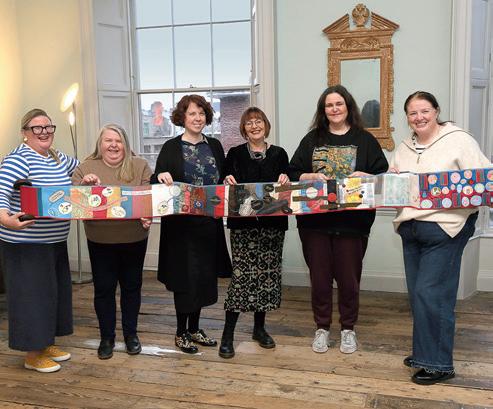
new audiences to tours, talks and workshops and invites people who may feel that museums are not for them.
Dublin City Council owns the building and Dublin City Council Culture Company operates the museum on a not-for-profit basis. Public funding and income from tours support conservation, education and engagement activities. The museum contributes to the surrounding neighbourhood, as visitors support nearby cafés, shops and other local businesses. The project has received several European recognitions for its citizen-centred approach to heritage. The museum’s learning-cycle model for audience engagement can be easily replicated elsewhere.
The Awards’ Jury highlighted: “14 Henrietta Street is a museum deeply rooted in collective memory which offers an exemplary model of lived heritage. Its high-quality storytelling links architecture with social history and actively engages the public.”
14
Henrietta Street ― Social History Museum of Dublin Life | Ireland
14 Henrietta Street in Dublin is a social history museum that explores the city’s intangible heritage through the lives of former residents. Through guided tours, oral histories and public programmes, it links the building’s architecture with everyday experiences and collective history.
At the end of the 1st century BC, the Sanctuary of Minerva at Breno in northern Italy was built on an earlier indigenous sacred site. The two traditions coexisted peacefully for around a century. The Roman temple, located in the area known for the UNESCO World Heritage landscape of the Rock Art of Valle Camonica, offers a rare archaeological example of contact between cultures.
The Intorno a Minerva project, developed by the K-Pax Social Cooperative and the Italian Ministry of Culture’s Superintendence of Archaeology, Fine Arts and Landscape for the provinces of Bergamo and Brescia, took this history as its starting point and changed the park’s narrative. The archaeological site has been transformed into a communal space where heritage encourages intercultural dialogue and public participation.
A key moment came in 2022, when archaeologists and political refugees worked together to uncover a large pre-Roman altar that had once stood beside the Roman one. The renewed Archaeological Park was inaugurated at dawn on 19 June 2022, close to World Refugee Day, during the European Archaeology Days. The event linked the sanctuary’s history of coexistence to present-day discussions on migration and intercultural dialogue.
Since then, the park has become a meeting place for different communities and disciplines. Study meetings, lectures and public debates explore themes of cultural contact, identity, borders and bridges. Schools and universities participate in visits and educational programmes. Local municipalities, associations and religious communities contribute to initiatives dedicated to peace and dialogue. Cultural events, such as readings, theatre performances and concerts, take place throughout the year. Participants include refugees and migrants, students, scholars and local volunteers.
The Intorno a Minerva project also strengthened the surrounding landscape. Environmental improvements were carried out around the sanctuary while the cycle path along the Oglio River was renovated. The route links the Archaeological Park with the neighbouring municipalities. In 2023 the Italian Red Cross recognised the site with
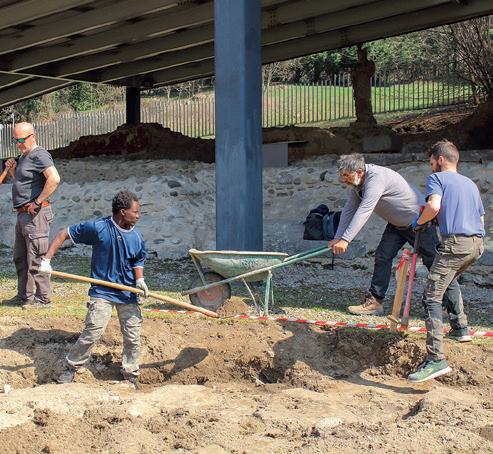
the Blue Shield of Culture, acknowledging the park as a place where heritage and civic engagement come together.
The project is ongoing, with the support of the municipalities of Breno, Cividate Camuno and Malegno and the Valle Camonica Mountain Community. It operates with annual resources of less than € 10,000 and relies on cooperation between public institutions and third-sector organisations.
The Awards’ Jury stated: “The Intorno a Minerva project presents an innovative intercultural and interreligious approach to heritage. By bringing together refugees and local communities through archaeological work and public activities, it offers a rare model of social integration in an archaeological context. Inclusiveness forms the basis of the project and guides its public engagement.”
Intorno a Minerva Project, Breno, Brescia | Italy
The Intorno a Minerva project in Breno has transformed an archaeological park into a meeting place for intercultural dialogue. Through excavations, educational activities and cultural events, refugees, local communities and students engage with the site’s history and with one another.
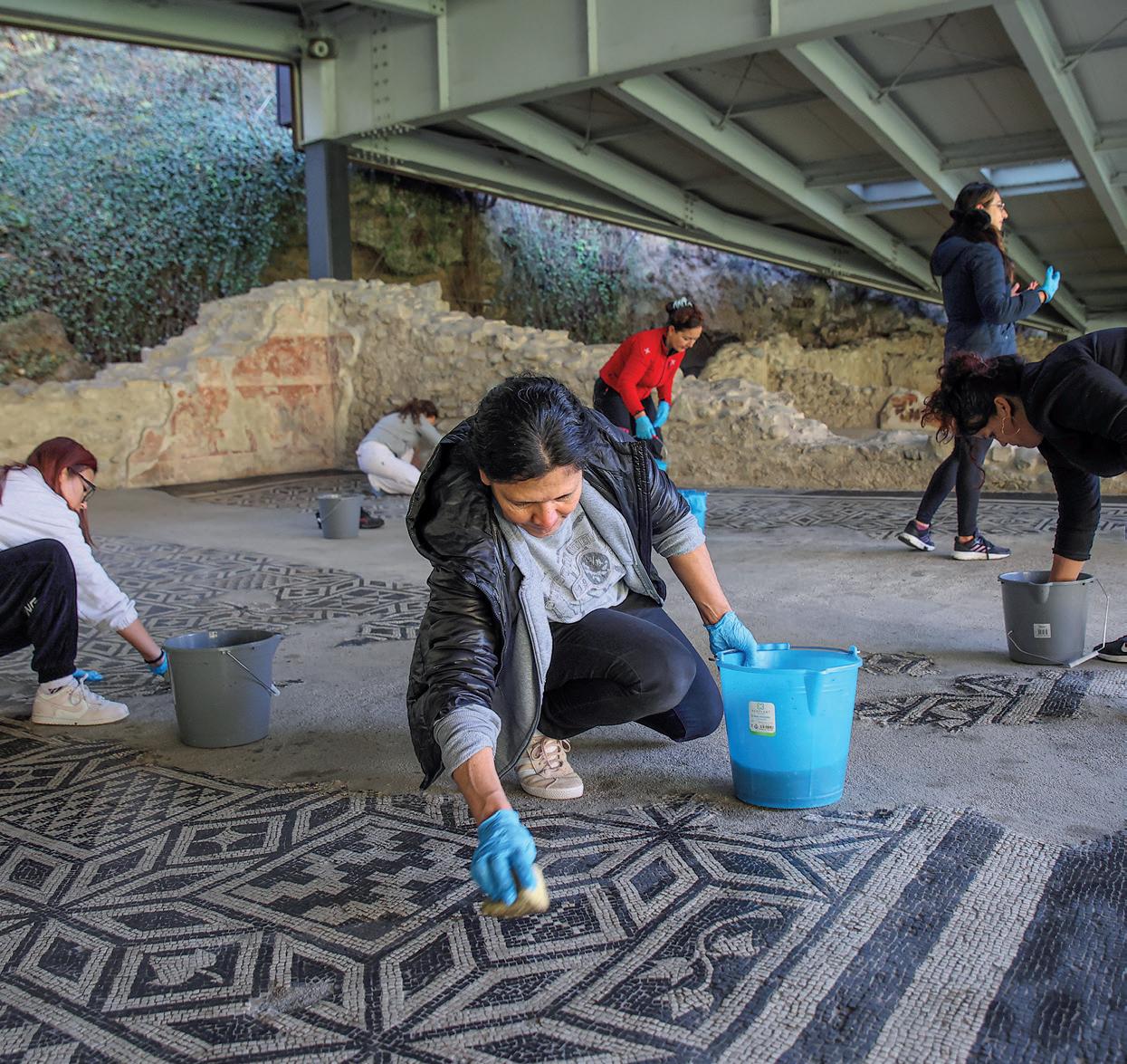
In the Gemer-Malohont region in the south of central Slovakia, dozens of medieval churches stand in villages affected by depopulation and economic decline. In the Middle Ages this was a prosperous mining region of the Kingdom of Hungary. Wealth from mineral resources allowed local communities and nobles to commission richly decorated churches influenced by German mining culture, Mediterranean fresco traditions and local craftsmanship. Many of these buildings are now protected monuments. Twelve churches in the Gemer and Malohont regions feature medieval wall paintings that received the European Heritage Label in 2021.
Founded in 2008, the Gothic Route Association brings together architects, historians, guides, teachers and other specialists who work to protect, maintain, research and promote this heritage. The association supports church owners from different denominations ― Lutheran, Catholic and Reformed ― with expert advice, assists with grant applications and helps finance restoration through Slovakia’s 2% tax donation scheme and other sources. Over the past decade, restoration work has taken place in several churches each year.
Many churches only opened during religious services and some local communities did not fully recognise their historical or cultural value. The association addressed this situation step by step. It created a shared visual identity for the churches, a regional map of monuments and a trilingual website in Slovak, Hungarian and English to present the churches to visitors. In cooperation with regional authorities, the churches with the European Heritage Label now open to the public with guides during the summer season.
Public engagement centres on the annual festival Gothic Route ― Forgotten Heritage, which takes place each year in different churches across the region. Concerts, workshops, historical demonstrations and family activities bring visitors and residents together inside the churches. Entry is free-of-charge and the festival attracts hundreds of visitors each year. University students assist with organisation and workshops, and the association has arranged transport for schools, including classes from Roma-majority communities, to take part in the events.
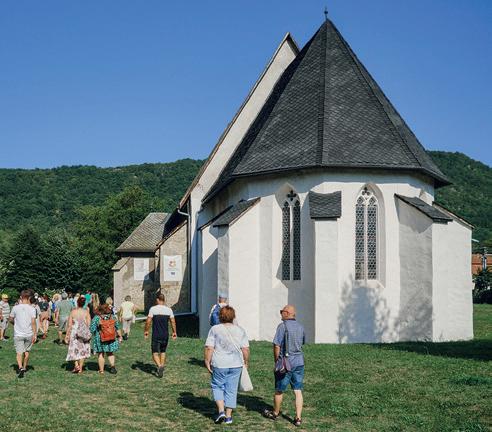
Every two years, an international conference brings researchers to the region. Members of the association also conduct architectural and historical research before restoration projects begin. A manual for church guides and publications in history magazines share this knowledge beyond the region.
Public funding has come from the Slovak Ministry of Culture, the Creative Europe Programme of the European Union and regional authorities, alongside private foundations and extensive volunteer work.
The Awards’ Jury highlighted: “The long-running Gothic Route initiative demonstrates a stable and sustained model for heritage protection in a disadvantaged region. It combines high-level conservation with strong community engagement and contributes to the preservation of important medieval monuments, including churches with wall paintings awarded the European Heritage Label.”
Gothic Route Initiative | Slovakia
The Gothic Route initiative protects and promotes medieval churches in the Gemer-Malohont region of Slovakia, an area facing economic and demographic challenges. Through restoration, research, festivals and guided visits, it connects local communities and visitors with this remarkable heritage.
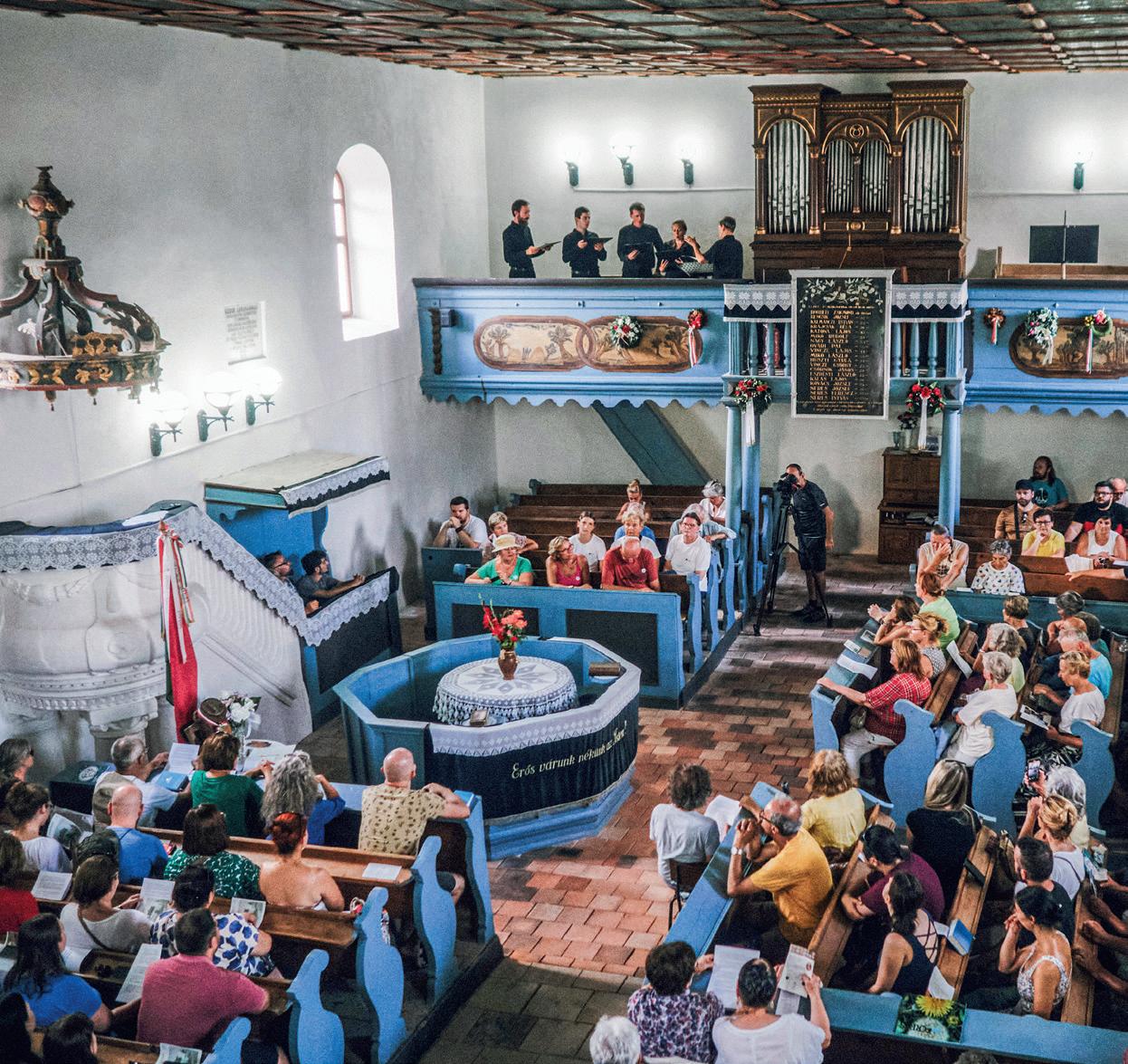
Polina Raiko (1928–2004), a self-taught naïve artist from the Kherson region, began painting at the age of 69 after the loss of her family. She transformed the walls and ceilings of her modest house into a vivid world of birds, angels, plants and symbols drawn from memory, faith and imagination. In 2021, her murals were recognised as a monument of local importance. Raiko’s house has been inaccessible since the Russian occupation in 2022. After the destruction of the Kakhovka dam in June 2023, the building was flooded and severely damaged.
For more than two decades, the NGO “Totem” Centre of Cultural Development, led by curator Olena Afanasieva, documented and promoted Raiko’s work. After the flooding, the organisation turned from protecting a physical site to preserving its memory. In summer 2023 it began to assess the damage photographs of the flooded house shared by neighbours and the Polina Raiko Charitable Foundation, and digitise diaries, drawings and archival materials. A public call invited former visitors to contribute photographs and recollections. Around 400 people from Ukraine and abroad responded to the call, adding more than 2,000 images to the digital archive.
The collected material formed the basis of the book Polina Raiko: Invisible, published in both Ukrainian and English with support from USAID. It was presented in cities across Ukraine and distributed to more than 600 libraries and cultural institutions in Ukraine, Europe, the United States and Canada. Lectures and presentations reached around 700 participants at 15 public events, while five exhibitions in 2024 attracted about 5,000 visitors. Materials from the archive have also contributed to exhibitions abroad.
To reach younger audiences, the initiative created augmented-reality characters based on Raiko’s imagery that can be accessed on mobile devices. The team also produced a colouring book based on Raiko’s motifs, used in workshops with children, people with mental disabilities and those affected by the war. More than 40 organisations across Ukraine now use these materials. Colouring workshops engaged thousands of participants, including in frontline regions where sessions took place in protected shelters.
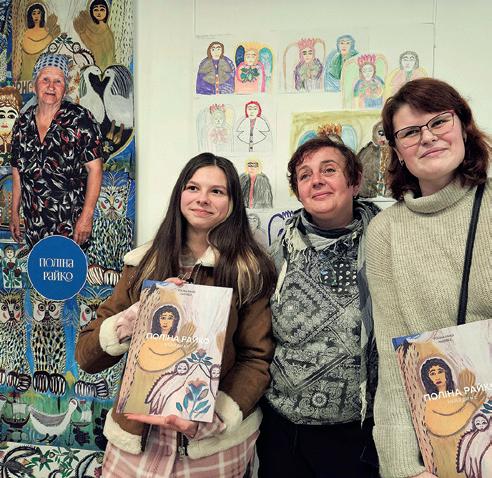
More than 100 artists and craftspeople have created artworks, design objects and fashion items inspired by Raiko’s motifs. The initiative received support from UNESCO and the Ukrainian Emergency Art Fund and relied on significant voluntary work.
The Awards’ Jury stated: “ This initiative demonstrates how cultural heritage can be safeguarded even under conditions of war and occupation. Driven largely by volunteers, it has mobilised citizens, artists and designers to document and share the work of Polina Raiko through a crowdsourced archive, publications and exhibitions. Digital tools and augmented reality allow Raiko’s damaged and inaccessible painted house to remain present and meaningful for communities today.”
Preserving the Art
and Memory
of Polina Raiko, Kherson | Ukraine
The painted house of Ukrainian naïve artist Polina Raiko, inaccessible since the Russian occupation, was flooded after the destruction of the Kakhovka dam in 2023. Through volunteer and community efforts, her work now lives on in archives, publications, exhibitions, workshops and digital projects.
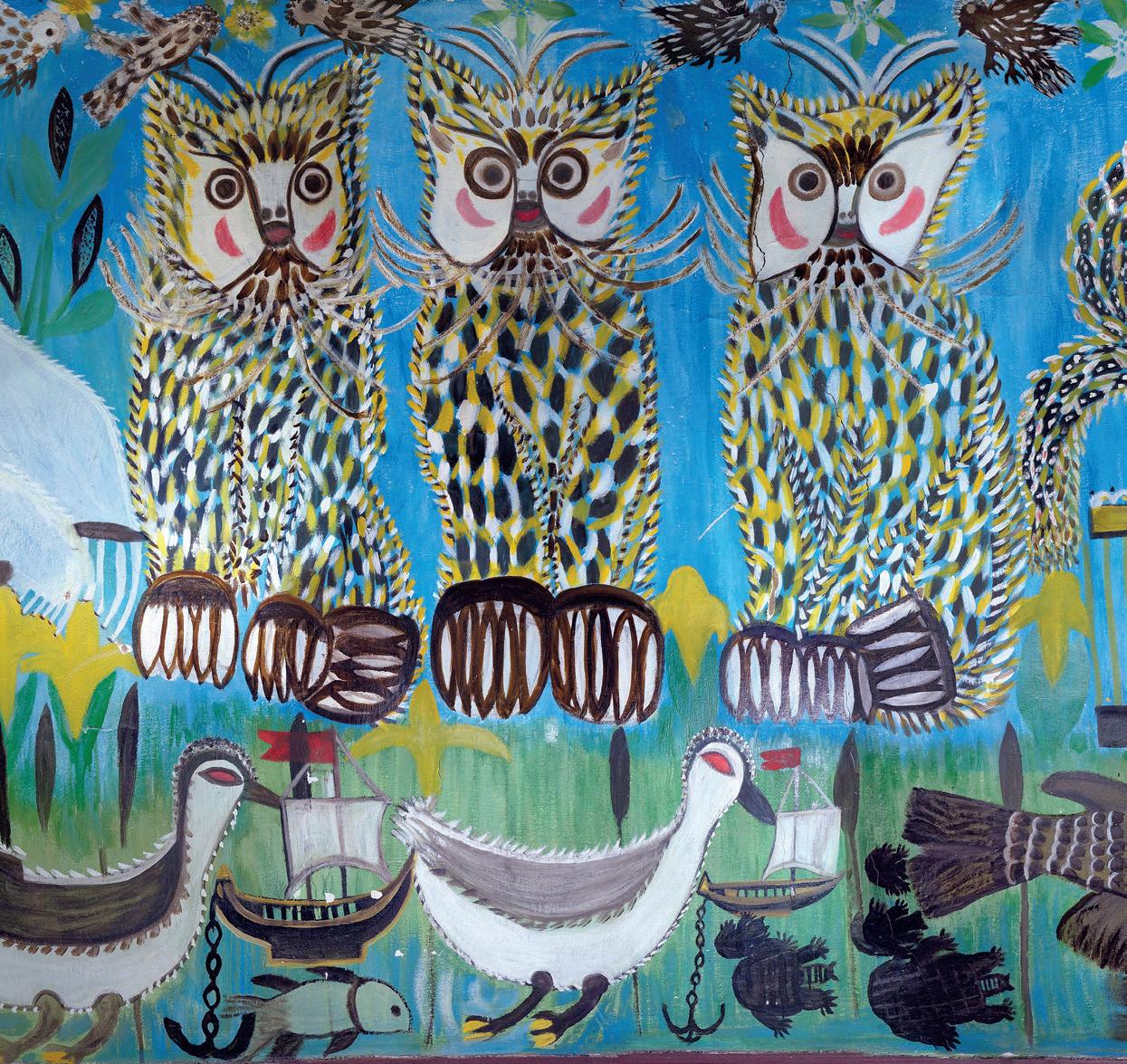
The National Trust for Malta, Din l-Art Ħelwa (“This Fair Land”), was founded in July 1965, shortly after the country gained Independence, by Judge Maurice Caruana Curran (1918–2015) and a group of volunteers concerned about the rapid transformation of the islands. Tourism-driven construction was accelerating, while historic buildings and landscapes faced neglect or demolition. In a small island country with many monuments, historic sites shaped by different cultures and ancient landscapes, this responsibility was particularly urgent.
From its early years, Din l-Art Ħelwa focused on awareness-raising and restoration. In 1968, youth members discovered that the medieval chapel of Ħal Millieri was being used as a barn. Its restoration set a precedent for civil society involvement in heritage care. In 1975, during the European Architectural Heritage Year, the organisation saved Wignacourt’s 1610 Watchtower. Over six decades, more than sixty national landmarks and numerous works of art have been restored.
After the Neolithic temple of Mnajdra sustained damage in 2001, Din l-Art Ħelwa campaigned for reform of the 1925 Antiquities Act. The Cultural Heritage Act of 2002 introduced a national heritage regulator and granted NGOs the legal right to care for heritage sites. Seventeen properties are now held in Din l-Art Ħelwa’s guardianship, from medieval chapels and coastal fortifications to a lighthouse and Protestant burial grounds. The organisation reviews around 750 development applications each year and challenges proposals that threaten traditional streetscapes, coastal areas and countryside.
Environmental and community initiatives include the restoration of the historic Msida Bastion Garden. The quality of this intervention was recognised with a Europa Nostra Award in 2002. Foresta 2000 is a thriving Mediterranean woodland created in partnership with the government. In 2007, the Majjistral Nature and History Park was established.
The organisation is self-funded and has raised more than € 7 million for restoration, site management, education and advocacy. Each year, over 140,000 visitors access its heritage sites, supported by around 180 volunteers.
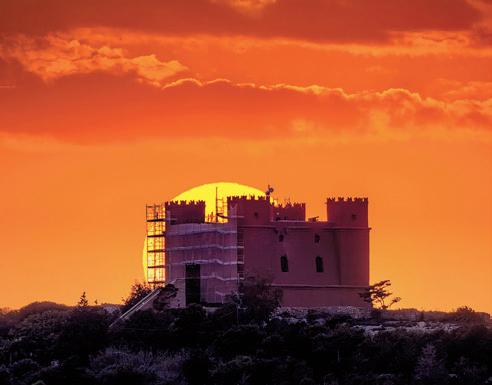
Managed by a 15-member volunteer Council and supported by more than 1,800 members, the organisation is based on a tradition of proactive volunteerism. Activities range from conservation and advocacy to youth programmes, heritage maps, festivals, publications and media outreach.
Din l-Art Ħelwa has long been active in international heritage cooperation. It joined Europa Nostra as a Member Organisation in 1967, and its representatives have served on the Europa Nostra’s Council and Board since 2002. Judge Maurice Caruana Curran received a European Heritage Award / Europa Nostra Award 2004 for Dedicated Service.
The Awards’ Jury highlighted: “Din l-Art Ħelwa demonstrates a strong and holistic mobilisation of civil society on a voluntary basis, combining restoration work, advocacy, legal reform and public engagement. Its long-term dedication has produced sustained national impact and stands as an impressive example of committed heritage stewardship.”
Din l-Art Ħelwa ― The National Trust for Malta, Valletta | Malta
Din l-Art Ħelwa has protected the country’s cultural and natural heritage since 1965 through restoration, advocacy and public engagement. The volunteer-driven organisation manages historic sites and plays a leading role in heritage protection across the Maltese Islands.
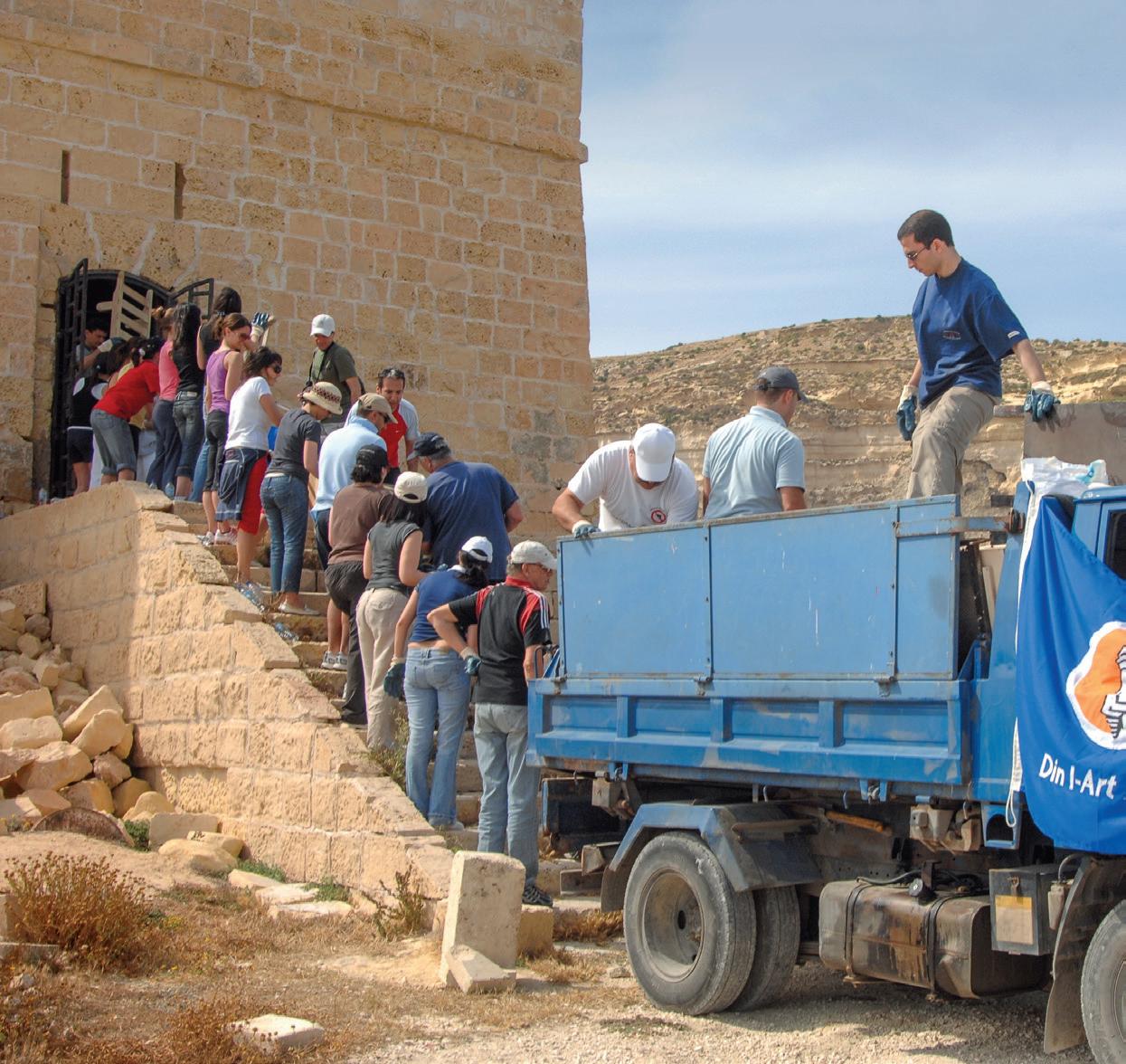
Factum Foundation was founded in Madrid in 2009 by Adam Lowe as a non-profit organisation dedicated to the high-resolution digital documentation of cultural heritage. From its headquarters, a multidisciplinary team of around 60 specialists combines art historical knowledge, engineering and craft skills to record and reproduce artworks and heritage sites with precise attention to their material surface. The aim is to create accurate records that support research, conservation and public access.
Several projects illustrate this approach. The digitisation of Veronese’s Wedding at Cana from the Louvre allowed the painting to return, in the form of a facsimile, to its original setting in San Giorgio Maggiore in Venice. The recording of the Tomb of Tutankhamun led to the Theban Necropolis Preservation Initiative and to a full-scale facsimile of the burial chamber, open to visitors since 2014 and helping to protect the fragile original. Between 2012 and 2021, the dispersed panels of the Polittico Griffoni were digitally reunited and presented as a facsimile in Bologna, allowing the altarpiece to be experienced as a whole again for the first time in centuries.
Factum Foundation has collaborated with museums, libraries and heritage institutions in Spain, across Europe and beyond. Its work now spans more than 30 countries and over 300 cultural institutions. In 2018 it launched ARCHiVe in Venice with the Giorgio Cini Foundation, promoting the use of digital technologies for research, archiving and training. In 2020 the Foundation acquired Aaltosiilo in Finland, Alvar and Aino Aalto’s first industrial building, restoring it as a centre dedicated to technology applied to conservation.
Beyond documentation, the work of Factum Foundation has helped reconnect heritage with communities. In Nigeria, recording projects assisted in the recovery and return of monoliths to the Bakor region. In Brazil, the vandalised Sacred Cave of Kamukuwaká was digitally restored and reproduced, so that it could again transmit cultural knowledge to the Upper Xingu community. Workshops and training initiatives transfer skills to local specialists and institutions.
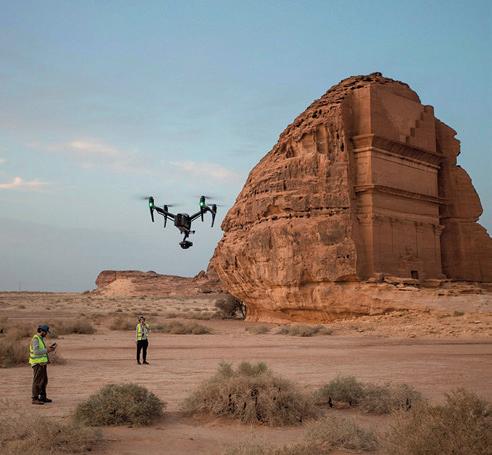
Through digital recording, facsimile production and international collaboration, Factum Foundation has introduced new ways to study, preserve and share cultural heritage, and has shown how digitisation can support international cooperation in heritage protection. It has also contributed to the debate on authenticity and reproduction, arguing that precise facsimiles can protect fragile originals from human and natural disasters, while allowing wider access to cultural heritage.
The Awards’ Jury stated: “Factum Foundation demonstrates pioneering use of digital technology for the preservation of cultural heritage. Its work combines scientific rigour, education and long-term vision. The approach is increasingly relevant for safeguarding heritage in situations of climate change, conflict and disaster recovery.”
Factum Foundation for Digital Technology in Preservation, Madrid | Spain
Factum Foundation documents cultural heritage through high-resolution digital recording and facsimiles. Its innovative approach returns artworks and sites to communities while protecting fragile originals and supports conservation, training and research internationally.
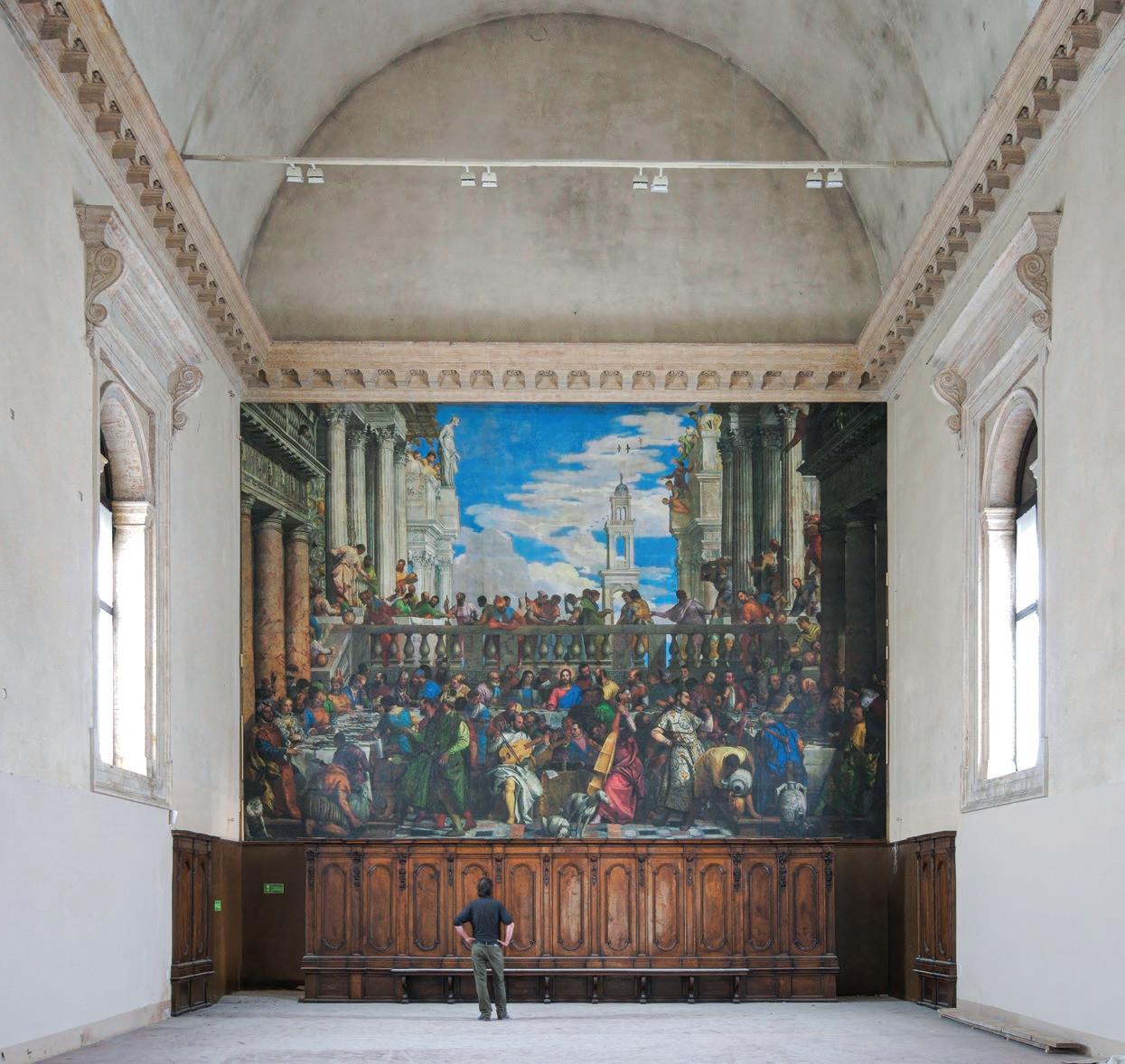
The NGO Museum Open for Renovation was created by participants of the DE NE DE art initiative to rethink and revitalise Ukraine’s museums. The organisation brought together artists, researchers, curators and civic activists to support regional museums often operating with limited resources. Through workshops, exhibition redesign and professional exchange, it worked with nearly 200 institutions across the country. More than 125 museums benefited directly from capacity-building programmes that modernised displays and transformed museums into active community spaces connected to local audiences.
The war in Ukraine in 2022 transformed this work into a courageous front-line mission to safeguard cultural heritage. Its ability to mobilise rapidly allowed urgent evacuations of historical and cultural heritage from museums and private collections in areas affected by active combat or under imminent threat. Objects ranged from fragile icons and textiles to ceramics, archives and monumental sculptures. One of the most demanding operations involved removing a medieval stone lion from the ruins of the Bakhmut Local History Museum while street fighting was taking place nearby. Such missions required discretion and extraordinary civic courage, with team members often putting their lives on the line.
The team entered high-risk zones to dismantle exhibitions, stabilise damaged objects, pack collections and coordinate transport to safer locations. Protective materials and equipment were supplied to museums near the frontline. Staff facing displacement received practical support. At the same time, cases of destruction and looting were documented to contribute to national and international awareness.
In response to urgent needs, the organisation developed a practical methodology for packing, labelling and evacuating museum collections under emergency conditions. The methodology adapts international conservation standards to situations marked by limited funding, disrupted infrastructure and the need to act quickly under active shelling attacks. It has been tested in frontline regions
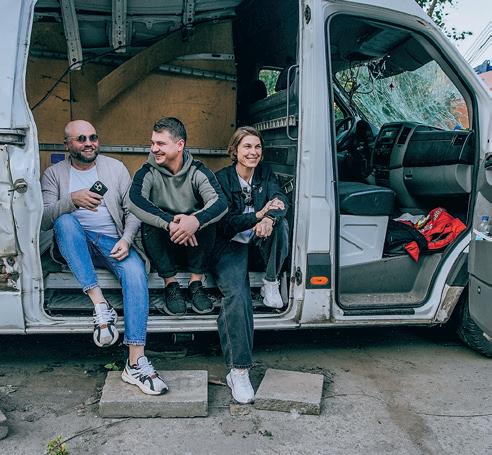
and disseminated through on-site sessions and online training for museum professionals across Ukraine.
Alongside emergency action, research and public history projects have continued. The organisation has initiated exhibitions and studies exploring shared Ukrainian-European heritage and identifying objects connected to shared European historical links in several Ukrainian regions, including the Donbas.
The Awards’ Jury stated: “The NGO Museum Open for Renovation has shown exceptional courage and dedication in the defence of cultural heritage during wartime. Acting when institutions could not intervene immediately, its team safeguarded museum collections under extreme conditions and developed practical methods for packing, marking and evacuating objects in active conflict zones.”
Museum Open for Renovation NGO, Kyiv | Ukraine
The NGO Museum Open for Renovation began as an initiative to revitalise Ukraine’s museums. Since the war in 2022, the organisation has rapidly transformed itself into a system for evacuating and protecting cultural heritage from areas affected by active combat or under imminent threat.
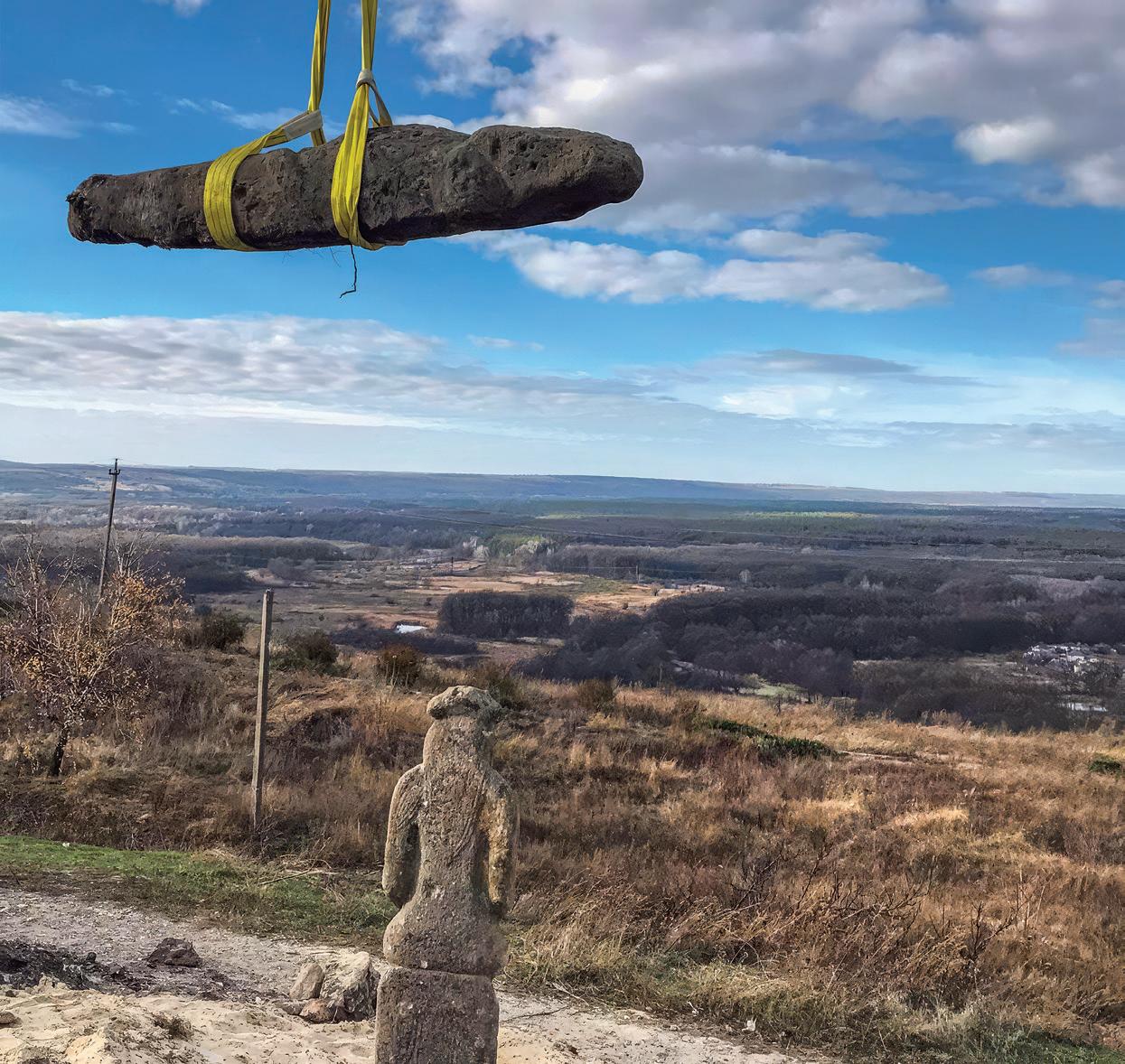
Maryna Hrytsenko (1986–2025) began working at the Galagan Art Museum in Chernihiv in 2008, after graduating with a Master’s degree in History and Pedagogy. In 2021 she became the museum’s chief custodian. Over fifteen years, she curated 40 exhibitions of Ukrainian and Western European art, organised four major educational events, published five scholarly articles and edited a catalogue on Decorative Arts in the Galagan Art Museum. The museum’s collection, formed in the 19th century by Hryhorii Galagan, includes Cossack artefacts banned under the Russian Empire, Ukrainian decorative arts later suppressed during the Soviet period, as well as Italian, Flemish and Dutch paintings that reflect the historic cultural links between Ukraine and wider Europe.
On 24 February 2022, the first day of the war, Hrytsenko moved into the museum with her 12-year-old daughter. Chernihiv was under siege and subject to heavy missile attacks. The building had no electricity, the alarm system was inactive and there was no security. With the assistance of remaining staff, mostly retired technical personnel, she dismantled the permanent exhibition and moved the valuable objects into the basement. When a missile struck close to the museum entrance, the shockwave damaged the artworks. Because packing materials were unavailable and supplies could not reach the city, she wrapped works in old clothes and textiles collected from friends and locals and concealed them in smaller underground storage rooms normally used for ventilation and household equipment.
She remained on the premises without electricity, heating or water and coordinated local residents to monitor the building at night until the region was de-occupied. She then invited specialists from the National Research Restoration Center in Kyiv to examine the damaged works. Restoration was completed by 2025. In total, more than 17,000 objects from the museum’s main and scientific auxiliary collections were safeguarded.
Even while the collection was hidden in the basement, Hrytsenko continued to work with the community. She organised lectures and art classes for children and teenagers, where she used reproductions and copies of the artworks. Until safety measures at the museum
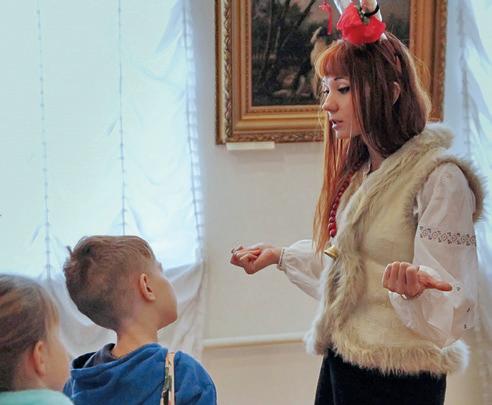
were completed and electricity restored, many of these activities took place outdoors. As a long-standing member of the Ukrainian Scout organisation Plast, she incorporated elements of survival skills and basic first aid into her classes.
In 2023, coming from a family of doctors, she joined the army as a paramedic, where she helped save hundreds of lives. In January 2025, she received the Order of Merit for personal courage in defence of Ukraine’s sovereignty. During the preparation of this nomination, she was killed while evacuating two wounded soldiers from the front line.
The Awards’ Jury stated: “Maryna Hrytsenko demonstrated exceptional dedication and professional responsibility in safeguarding the Galagan Art Museum’s collections during the siege of Chernihiv. Acting under extreme risk and without access to basic resources, she protected a museum collection of major Ukrainian and European significance. Her actions highlight the vulnerability of cultural memory in times of war and are a testimony to her extraordinary courage.”
Maryna Hrytsenko†, Chernihiv | Ukraine
Maryna Hrytsenko (1986–2025) was chief custodian of the Galagan Art Museum in Chernihiv. During the war in 2022 she dismantled exhibitions and safeguarded more than 17,000 objects in underground storage. In 2023 she joined the army as a paramedic and was killed in 2025 evacuating wounded soldiers.
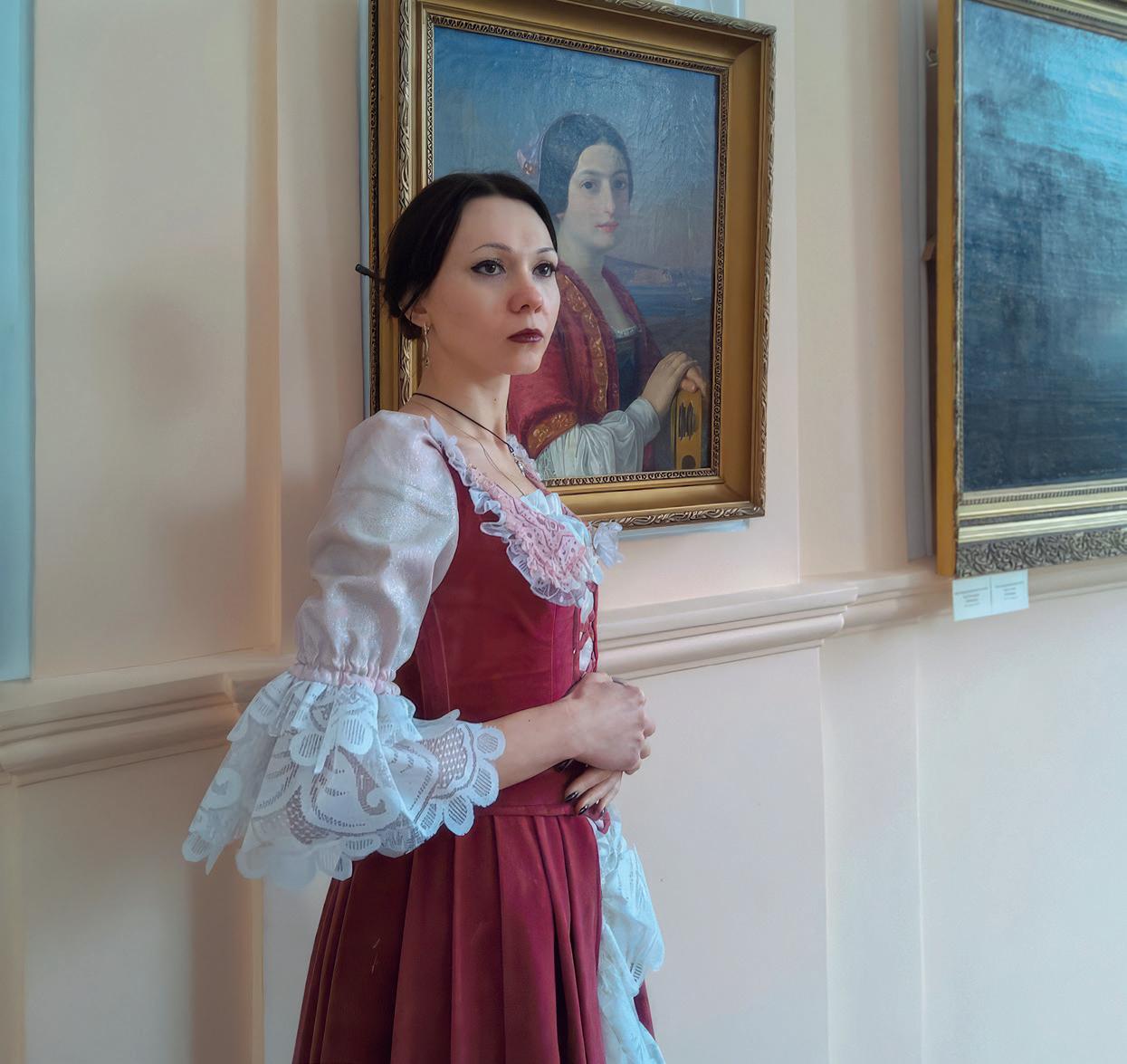
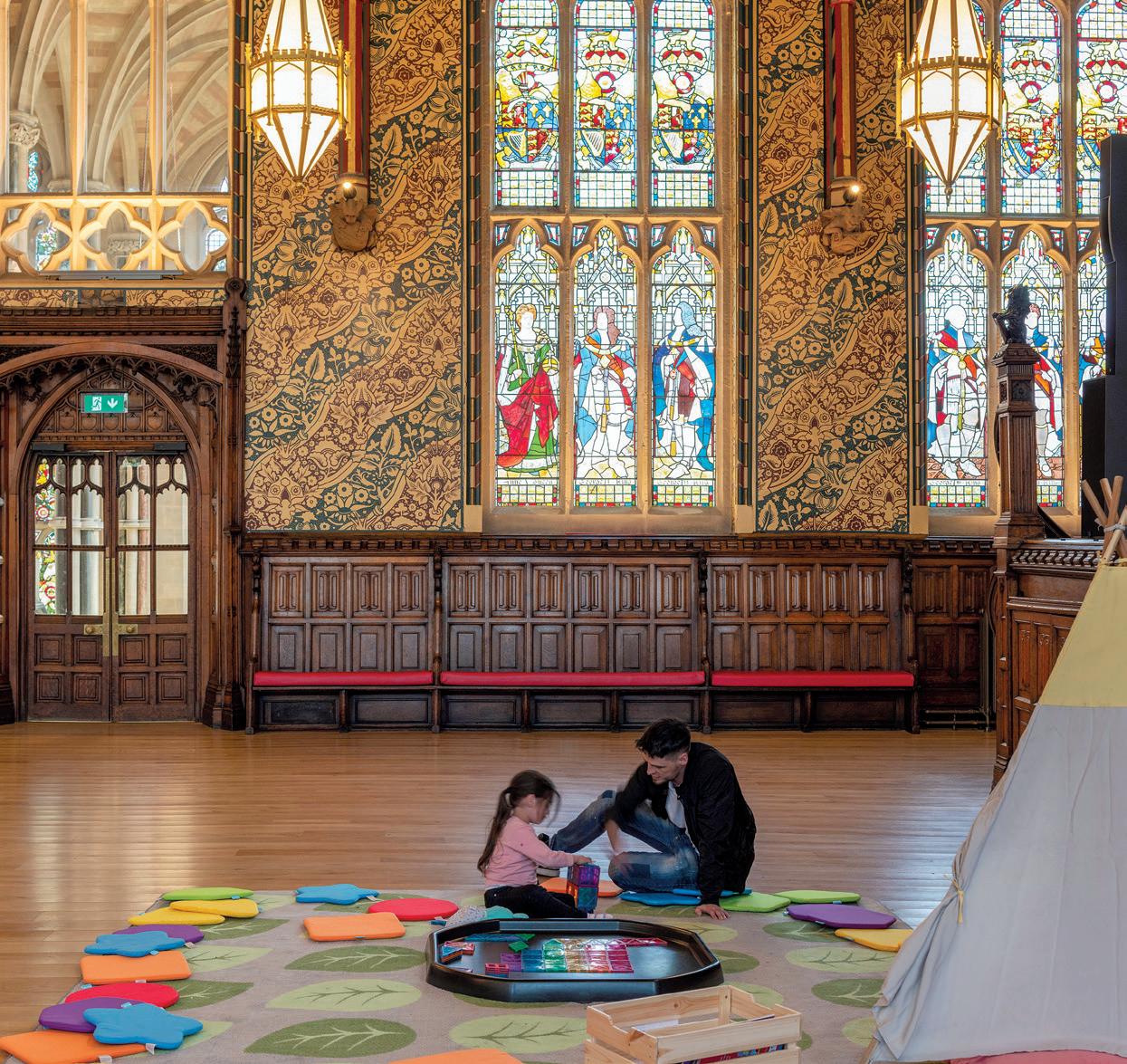
Europa Nostra Awards
Europa Nostra established the Europa Nostra Awards in 1978 to recognise outstanding heritage conservation initiatives across Europe. Between 1978 and 2001, more than 650 exemplary projects received awards, setting high standards in the field and inspiring further work in cultural heritage.
In 2002, the European Commission joined forces with Europa Nostra to create the European Heritage Awards / Europa Nostra Awards, co-funded through the EU’s Creative Europe programme. These awards are open to countries that take part in the programme, including EU Member States and third countries associated to the Programme.
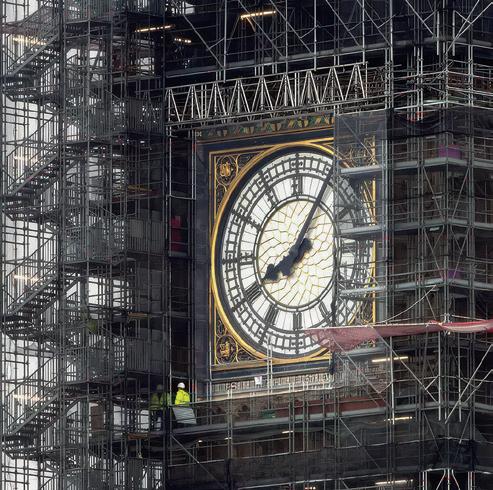
Countries that belong to the Council of Europe but do not participate in Creative Europe, such as Switzerland, Türkiye and the United Kingdom, are recognised through separate distinctions: the Europa Nostra Awards. These awards honour outstanding heritage achievements in those countries. Their recipients are not eligible for the Grand Prix or the Public Choice Award.
Both award schemes follow the same application and evaluation process. The distinction lies in eligibility for certain honours and monetary prizes. This year, three Europa Nostra Awards were presented: two to projects in the United Kingdom and one to a project in Türkiye.
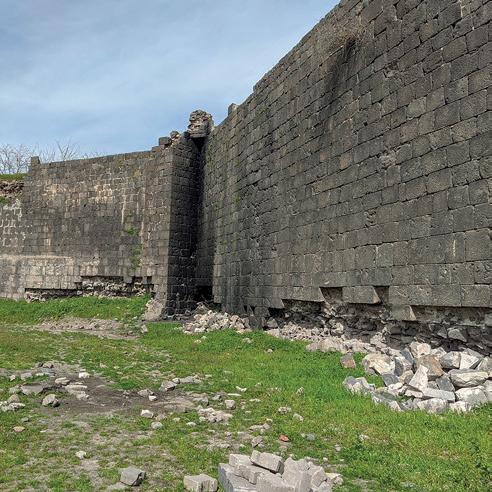
The Elizabeth Tower, commonly known as Big Ben, stands at the north end of the Palace of Westminster and has told London the time since 1859. Designed by Sir Charles Barry with A.W.N. Pugin after the original Palace was destroyed by fire in 1834, it is one of the most enduring symbols of London and part of the Palace of Westminster and Westminster Abbey, a UNESCO World Heritage Site.
Previous interventions had taken place approximately every 25-30 years, in a periodic and constant maintenance and conservation programme. The intervention conducted between 2017 and 2022 is the most extensive in its 160-years history. This project aimed to safeguard the tower for future generations. Surveys revealed water damage, corrosion of the cast iron roof, deterioration of the stonework and problems affecting the clock mechanism itself.
A specially designed 100-metre scaffold, which was braced but not attached to the Tower, allowed full access for repairs. Around 800 areas of damaged stone were repaired or replaced using Cadeby limestone that closely matched the original 19th-century Anston stone. Decorative carvings were recreated by stonemasons using traditional techniques.
The cast-iron roof, consisting of close to 3,500 individual components, was dismantled piece by piece, repaired off-site and reinstalled, with more than 75 percent of the original material preserved. Clock dials were stripped, corrosion defects drilled out and repaired, and re-glazed with mouth-blown pot opal glass. Paint research revealed the original colour scheme, leading to the reinstatement of the Tower’s deep Prussian blue background and gold decoration. During the works, one clock dial continued to display the time using an electric motor.
Inside the Tower, earlier repairs that had trapped moisture were replaced with lime-based finishes that allow the masonry to breathe. Improved ventilation and conservation heating now regulate humidity. The clock mechanism was dismantled, cleaned and the automatic winding system was rebuilt.
General accessibility, as well as access for maintenance and emergencies, were improved through the installation of a lift within
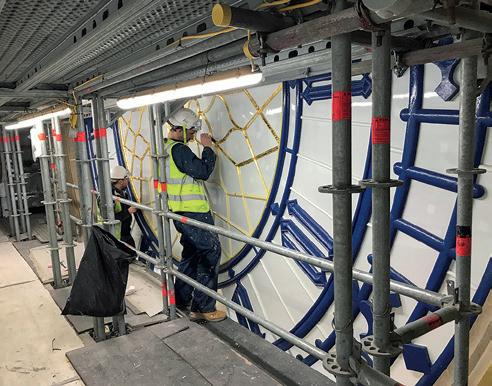
a former ventilation shaft, carefully threaded through the structure and enclosed in a new glass element in the belfry. Lighting was upgraded to LED, and mechanical and electrical systems were replaced. Maintenance access was improved, including new inspection points.
The project introduced Building Information Modelling (BIM Level 2), a digital system that records every stone and intervention in a three-dimensional model. This detailed digital record supports future maintenance and informs conservation work across the wider parliamentary estate.
Specialist craftspeople from across the United Kingdom contributed to the project, including stonemasons, glaziers, gilders and clock specialists.
The Awards’ Jury highlighted: “The prestigious conservation project of the Elizabeth Tower demonstrates an exemplary tradition of cyclical maintenance. It reinforces the monument’s symbolic significance while combining specialist craftsmanship, innovative materials and technologies, and rigorous documentation.”
Elizabeth Tower ― Big Ben, London | United Kingdom
The Elizabeth Tower, commonly known as Big Ben, underwent its most extensive conservation project in 160 years. The works restored the clock, roof and stonework, improved access, added modern amenities and created a detailed digital record for future maintenance.
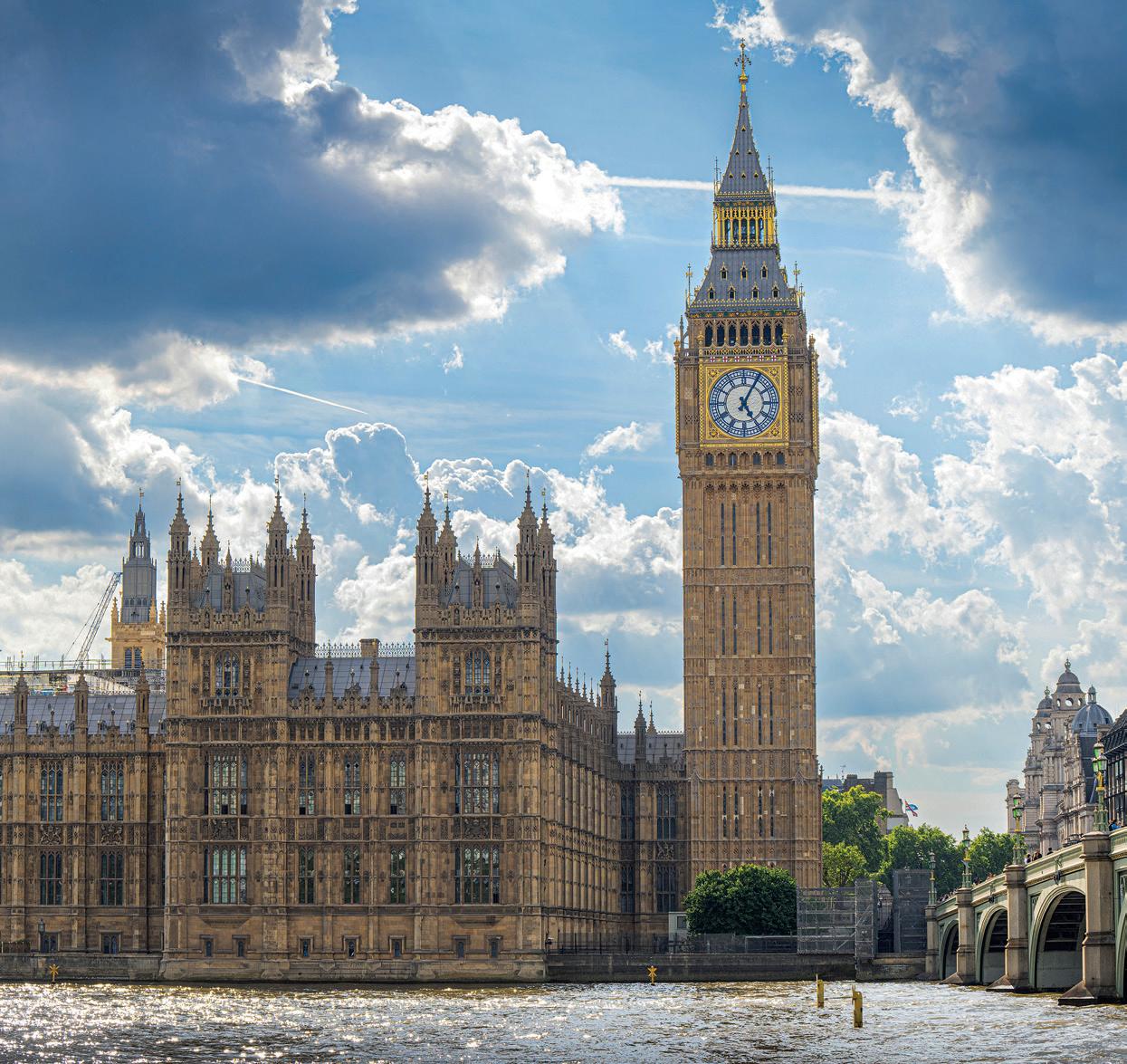
Rochdale Town Hall, near Manchester, was designed by William Henry Crossland and opened in 1871. The Grade I-listed building is widely regarded as one of the finest examples of Victorian Gothic architecture in Britain and combines craftsmanship with decorative influences drawn from across Europe. For generations it stood at the heart of Rochdale’s civic life. By the 2010s, however, decades of underinvestment, poor maintenance and inappropriate alterations had left the building in serious decline and no longer fit for modern use.
The Town Hall closed in 2020, and a major programme of conservation and adaptive reuse followed between 2021 and 2024. The design approach, combining careful repair of the historic fabric with new interventions, make the Town Hall the centre of regeneration in the surrounding area. The project reinforces its role as a civic meeting place and contributes to the renewed vitality of the town centre.
Externally, the works included extensive masonry repairs, re-roofing and conservation of stained glass. Internally, the Great Hall, Council Chamber and Mayor’s Parlour were carefully restored. Removal of later alterations revealed historic features that had long been hidden. In the Bright Hall, 20th-century partitions were removed to uncover a double-height space with carved angels and a previously concealed window overlooking the Great Hall.
The decorative scheme of the Great Hall required particularly complex conservation. More than 330 painted ceiling panels were stabilised and repaired. Seven layers of darkened varnish were carefully removed, revealing the original colours and stencilled decoration beneath. Murals, stained glass and carved stonework were also restored.
Improving access formed a central part of the project. New lifts were inserted within the tower, and external terracing now provides step-free routes around the building. The surrounding square, previously used as a car park, was transformed into a pedestrian civic space reflecting Rochdale’s textile heritage.
Digital survey and 3D scanning supported the conservation process and created a detailed record of the building. Sustainable
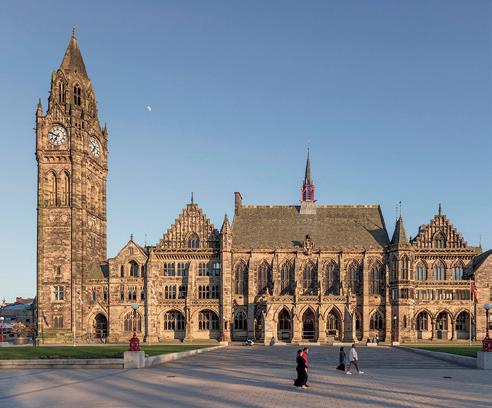
upgrades, including improved roof insulation and air-source heat pumps, significantly reduced energy use without compromising the historic structure.
The project also had a strong social dimension. Nearly 1,200 volunteer, training and employment opportunities were created, including apprenticeships and internships. A heritage skills studio in the basement employs three permanent conservators and provides space for training and maintenance.
The project was funded by Rochdale Borough Council with support from the National Lottery Heritage Fund, Salix and the Towns Fund.
The Awards’ Jury stated: “The high-quality restoration of the Rochdale Town Hall is based on respectful and reversible conservation principles. It demonstrates how historic civic buildings can act as anchors of heritage-led regeneration, helping rebuild public trust, civic pride and a sense of shared ownership within the local community.”
Rochdale Town Hall | United Kingdom
Rochdale Town Hall, one of Britain’s finest Victorian civic buildings, has been carefully restored and adapted for modern use. The project revived its historic interiors, improved accessibility and placed the building at the centre of the town’s civic and cultural regeneration.
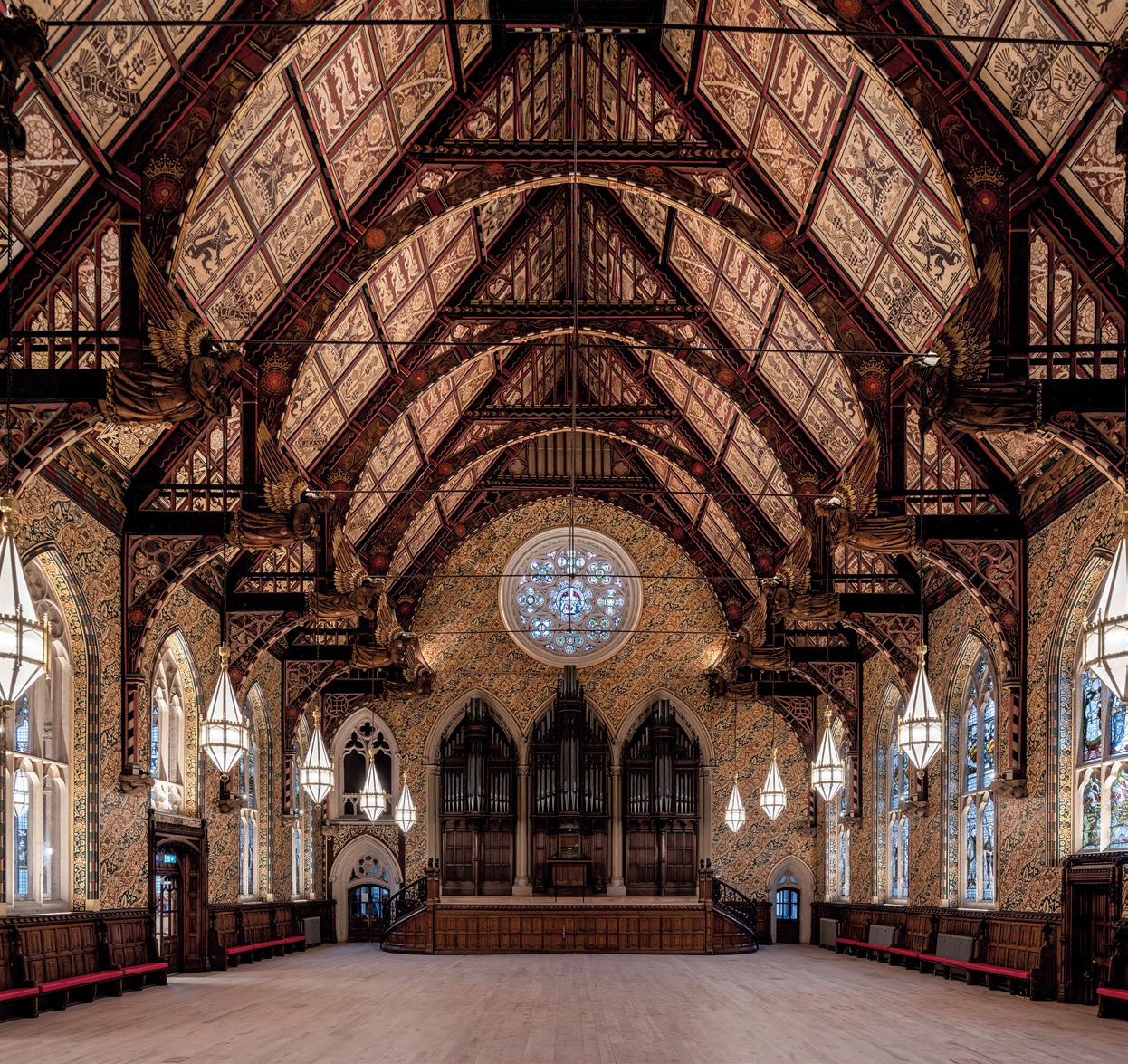
On 6 February 2023, two devastating earthquakes of magnitude 7.8 and 7.5 struck south-east Türkiye and northern Syria, affecting eleven provinces in a region exceptionally rich in archaeological and historic heritage. The disaster zone includes the UNESCO World Heritage sites of Göbekli Tepe, Arslantepe, Nemrud Dağ and Diyarbakır Fortress and the Hevsel Gardens. In the days following the catastrophe, reliable information about damage to cultural heritage sites remained scarce.
Within days, archaeologist Prof. Dr. Çiler Çilingiroğlu of Ege University issued a public call through social media that invited colleagues and citizens to document damage to historic sites. Soon afterwards she began collaborating with remote-sensing specialist Assoc. Prof. Dr. Nusret Demir of Akdeniz University. A second call invited volunteers to help build a shared database of information. More than fifty volunteers responded, including archaeologists, conservators, architects, engineers and students.
The team organised a collaborative monitoring system using widely accessible digital tools such as WhatsApp, Instagram, Google Workspace and OpenStreetMap. Volunteers gathered photographs and reports from residents, rescue teams, journalists and colleagues across the affected provinces. These ground observations were combined with satellite imagery shared through international scientific cooperation. A key dataset was the NASA/Caltech ARIA Damage Proxy Maps, which use satellite SAR data (e.g., Sentinel-1, ALOS-2) to detect post-earthquake structural and terrain damage.
Citizen observations combined with satellite analysis produced one of the first large-scale overviews of earthquake damage to cultural heritage in the region. More than 1,500 archaeological and historic sites across the eleven provinces were documented and assessed.
The results revealed important patterns. Ottoman-period buildings accounted for the largest share of recorded damage, while prehistoric archaeological mounds often showed greater structural resilience. The dataset helped identify the types of heritage sites most vulnerable to seismic events and provided valuable information for conservation planning and emergency response.
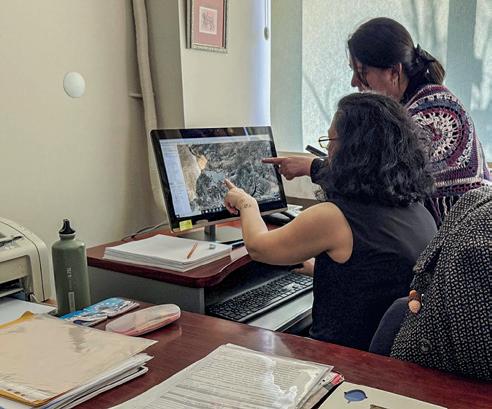
A key outcome of the project was the creation of an open digital resource. In 2025 the team launched an interactive online map after publication of a paper that makes the collected data publicly accessible for researchers, heritage professionals and local communities.
The initiative operated without a budget and relied entirely on volunteer work and open-access data. It created a scalable and lowcost model for rapid heritage assessment after natural disasters. The approach can be replicated in other regions using open data, satellite imagery and coordinated citizens’ participation.
The Awards’ Jury stated: “This initiative demonstrates how rapid mobilisation after a natural disaster can support the protection of cultural heritage. The Jury appreciates the strong contribution of academic volunteers and the innovative combination of citizen science with remote sensing based on open data. It also highlights the value of connecting national and international research networks to document heritage at risk.”
Assessing Earthquake Damage to Cultural Heritage Sites | Türkiye
Researchers and volunteers rapidly created a digital monitoring system after the 2023 devastating earthquakes in Türkiye. Combining public reports with satellite analysis, the initiative documented damage at more than 1,500 heritage sites and created an open resource for recovery and disaster response.
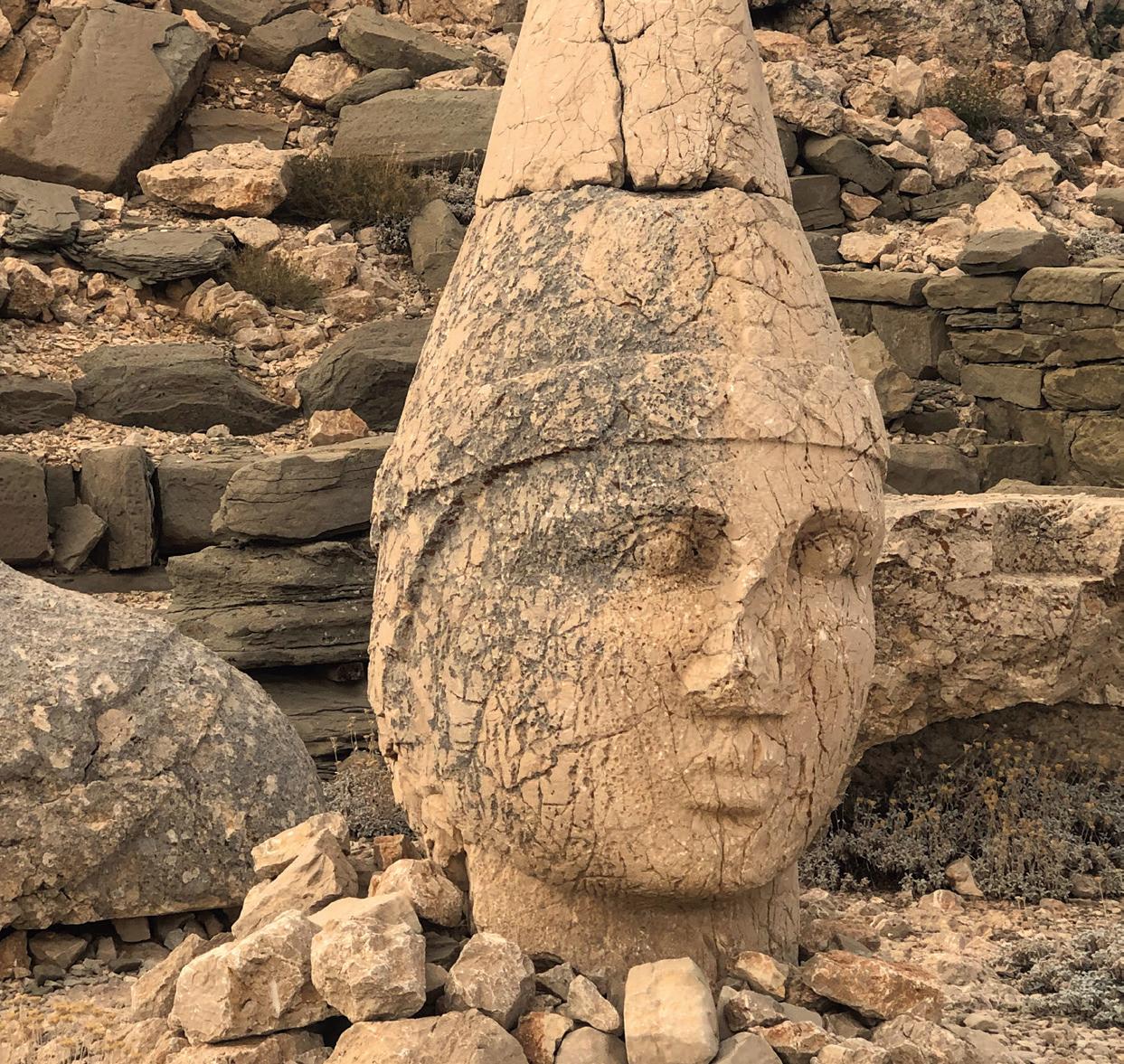
Shortlisted Projects
Alongside the winners, the Jury selected a number of outstanding projects for the shortlist. These entries represent excellence across all award categories, including Conservation & Adaptive Reuse, Research, Education, Training and Skills, Citizens’ Engagement & Awareness-raising, and Heritage Champions.
Although they did not receive an award this year, each shortlisted project shows a high level of dedication, quality and impact. All deserve recognition as part of Europe’s rich and diverse heritage community.
CATEGORY CONSERVATION & ADAPTIVE REUSE
Princely Crypt Jena | Germany
Woodstock Gardens & Arboretum ― Inclusivity and Accessibility Enhancement Scheme | Ireland
Engineering Heritage: From Mining Faculty to Haskoning’s Paris-Proof Office | Netherlands
Melaaslia ― Rehabilitation of a Crofter's Farm and Pasture | Norway
Saving St James's | United Kingdom*
CATEGORY RESEARCH
Unveiling the Ancient Craftsman’s Secrets: How Functional Reconstructions with Ancient Tools Placed a Mysterious Fragment on the Antikythera Mechanism | Greece
Jewish Country Houses: Objects, Networks, People (JCH) | Luxembourg
Extraordinary Minas: The Story of Inspiration and Innovation in Kütahya Tiles and Ceramics | Turkey*
CATEGORY EDUCATION, TRAINING & SKILLS
Armenian Heritage Scanning Project | Armenia
The Maîtres d’Art-Élèves Program | France
Fortissimo: A European Gateway to Music Heritage for Children and Schools | Italy
Railway Steam Heritage | Slovakia
Iberian Summer School on Traditional Architecture | Spain
Historic Environment Scotland's Craft Fellowship Programme: Sustaining Scotland’s Traditional Building Skills | United Kingdom*
CATEGORY CITIZENS’ ENGAGEMENT & AWARENESS-RAISING
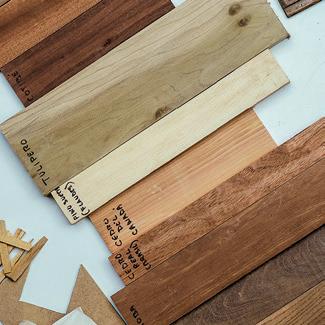
We and Our Mountains | Armenia
The Castle of Heers ― Herita’s Greatest Heritage ‘ Experiment ’ | Belgium
Water & Land. Intangible Heritage and Sustainable Development | Belgium
Exhibition “Democracy and Eudaimonia” ― A Group Experience on Ancient Greek Philosophy | Greece
iMorticelli Community Hub | Italy
Mazjumprava Cultural Quarter ― Living History | Latvia
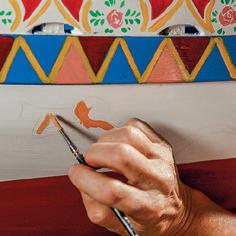
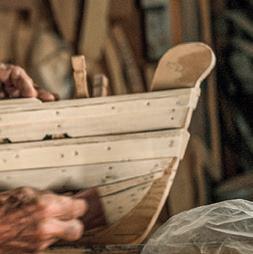
Cinema without Barriers | Poland
We Will Find Ourselves on the Map of Myscowa | Poland
“Facing Colonial Legacy in the Museum” | Portugal
Spira LAB ― Heritage Experiences Laboratory Open to All | Portugal
Memorial Expedition: Following the Traces of Hidden Children | Slovakia
“El Refugio de Sarnago”: A Community-Led Heritage Project in the Heart of Rural Spain | Spain
CATEGORY HERITAGE CHAMPIONS
Mike Downey ― Heritage Champion of Cinema ― Chairman of the European Film Academy | Ireland
IRMACC ― Regional Institute for Arts and Contemporary Creation | France
Anna Stavychenko | France/ Ukraine
THE LAST SHIPWRIGHT: The Rodolico Shipyard between Community, Tradition and Identity | Italy
*Project that is not part of the EU’s Creative Europe programme.
Selection Committees and the Heritage Awards Jury
The winners of the European Heritage Awards / Europa Nostra Awards winners are chosen by a group of cultural heritage experts who meticulously assess each submission. The members of the Selection Committees and the Heritage Awards Jury generously contribute their time and expertise on a voluntary basis.
Coming from every part of Europe, these members collectively offer a vast reservoir of knowledge and skills. Their diverse backgrounds encompass archaeology, architecture, conservation, documentation, education, engineering, intangible heritage, linguistics, materials, museum curation, and more. This interdisciplinary approach ensures a comprehensive evaluation of all entries. We extend our heartfelt gratitude to all these experts for their unwavering commitment, valuable insights, and endless generosity.
Young Members
Several heritage young professionals from Youth.Heritage.Europe. have again acted as members of the Selection Committees for the 2026 edition of the Awards.








HERITAGE AWARDS JURY
Jacek Purchla PL Chair
Pavlos Chatzigrigoriou GR
Elena Dimitrova BG
Paul Dujardin BE
Ole Rikard Høisæther NO
Johanna Leissner DE
Catherine Leonard UK
Sabine Nemec-Piguet CH
Simon O'Connor IE
Agni Petridou Skordis CY
Alessandra Vittorini IT














CONSERVATION
& ADAPTIVE REUSE
Paul Dujardin BE Chair
Alessandra Vittorini IT Vice-Chair
Ruta Leitanaite LT
Pablo Longoria ES
Dorottya Makay RO/HU
Jonas Malmberg FI
Lidija Martinović ME Young Member*
Michiel Purmer NL
RESEARCH
Johanna Leissner DE Chair
Sabine Nemec-Piguet CH Vice-Chair Chair
Sophia Dibbs UK Young Member*
Yonca Erkan BE/TR
Oskar Habjanič SI
Jermina Stanojev BE/RS
Alex Torpiano MT
EDUCATION,
TRAINING & SKILLS
Elena Dimitrova BG Chair
Catherine Leonard UK Vice-Chair
Riin Alatalu EE
Victor Boye Julebæk DK/SE
Karla Iulia Elkan RO Young Member*
Francesco Trovó IT
Ira Vihreälehto FI
* Youth.Heritage.Europe.






CITIZENS’ ENGAGEMENT & AWARENESS-RAISING
Pavlos Chatzigrigoriou GR Chair
Simon O'Connor IE Vice-Chair
Flora Bacquelaine Vidal de Llobatera ES
Vincent Curie BE/FR
Marine Mizandari GE
Deniz Özdiren CY/DE Young Member*
Marc Wingens NL
HERITAGE CHAMPIONS
Ole Rikard Høisæther NO Chair
Agni Petridou Skordis CY Vice-Chair
Guilherme d’Oliveira Martins PT
Christian Hanus AT
Sorina Neacsu RO Young Member*
Lesia Voroniuk UA
Slavica Vujović RS
* Youth.Heritage.Europe.
Heritage Awards Assessors
Before being submitted to the Heritage Awards Jury for final consideration, each entry shortlisted for the European Heritage Awards / Europa Nostra Awards by the Selection Committees is evaluated by independent heritage experts from across Europe.
These experts conduct on-site visits and/or interviews with the entrants and subsequently submit detailed assessment reports to the Jury.
Assessor Country
Günter Dinhobl Austria
Benoit Delay Belgium
Dries Vanhove Belgium
Martine Vermeire Belgium
Darko Babic Croatia
Achilles C. Emilianides Cyprus
Umit Inatçi Cyprus
Stavros Karagianni Stavrou Cyprus
Madina Benvenuti France
Etienne Poncelet France
Claus-Peter Echter Germany
Georgios Toubekis Germany
Stavroula Thravalou Greece
Vosinakis Spyros Greece
Paulina Reizi Greece/Netherlands
Tamas Fejérdy Hungary
Runar Leifsson Iceland
Benedict Schlepper-Connolly Ireland
Patrick Costello Ireland
Sheila Dooley Ireland
Cristina Loglio Italy
Salvatore Iliano Italy
Lorenzo Fei Italy
Paola Vona Italy
Vittorio Cavani Italy
Rossana Bettinelli Italy
Their diverse expertise, spanning a wide range of disciplines, ensures the integrity and excellence of the Awards process and provides essential input for the Jury’s deliberations.
We express our sincere gratitude to each of the local assessors for generously contributing their time, knowledge, and careful judgement in the evaluation of the shortlisted entries.
Francesca Moncada Italy
Gaiané Casnati Italy/Armenia
Artis Zvirgzdiņš Latvia
Franco Depasquale Malta
Sandra Kapetanovic Montenegro
Laurie Neale Netherlands
Einar Eggen Norway
Mette Eggen Norway
Ewa Wojtoń Poland
Maria Calado Portugal
Árpád Furu Romania
Jasna Popovic Serbia/Spain
Pavol Izvolt Slovakia
Peter Jašek Slovakia
Irena Porekar Kacafura Slovenia
Raúl Utrilla Spain
Miguel Angel San Nicolás Spain
Manuel Gracia Rivas Spain
Luis Cueto Spain
Toni Häfliger Switzerland
Müge Yorgancı Ozar Turkey
Vesile Belgin Demirsar Arlı Turkey
Oksana Uzlova Ukraine
Natalia Moussienko Ukraine
Michael Mail
Sara Robertson
Rob Woodside
United Kingdom
United Kingdom
United Kingdom
Pages
2–3
PHOTO CREDITS (left to right)
© Dublin City Council Culture Company at the 14 Henrietta Street museum
© Salva Lopez | © The Leventis Municipal Museum of Nicosia
© Nicoletta Demetriou/The Cypriot Fiddler
5 © European Commission, 2025 | © Fabrice Demessence/Opéra de Monte-Carlo
8–9
10 –11
12–13
14–15
© Lars-Henrik Milert, 2024
© Tamás Réthey-Prikkel | © Hlinka Zsolt / Hungary
© Municipality of San Benedetto Po | © Carlo Perini fotografie
© Open Event Srl, 2026
© Ingeborg Mellgren Mathiesen, 2015-2024
16–17 © Andreea Marchis
18–19 © Luis Cortés; 2024
20–21
22–23
© Meghanne Tulic, 2026 | © Gabriel Best – Commissioned by Sal de Menorca
© Nicoletta Demetriou/The Cypriot Fiddler
24–25 © Ambra Vitali | © Roberta Levi e Andrea Mariani, 2011
26–27
© FENIX-FENIX4, 2025
28–29 © Skagafjordur Heritage Museum
30–31 © Office of Public Works Ireland, 2026
© Office of Public Works Ireland, 2026 – photographer credit Bill Sweeney
32–33 © Photographs taken during the summer school HIMASS
34–35 © Inese Grandāne for NGO “Cita Riga”
36–37 © Dušica Ivetic, for OJU Muzeji Kotor | © CG News, for OJU Muzeji Kotor
38 –39 © Mateja Kavčič, 2025
40–41 © Public institution Fortress of Culture Šibenik
42–43 © The Leventis Municipal Museum of Nicosia
44–45 © A&JHDF, French Garden of Peace, 2025, De lignes et de bleu by Pierre Fresse & Alexander Schofield, Planting with students from a landscape school, Ban-de-Sapt (France, Vosges) | © A&JHdF_Yann MONEL, American Garden of Peace, 2023, Lands of Promises by Coralie Taupin & David Simonson (Simonson Landscape), Ossuary monument – Souain-Perthes-Les-Hurlus (France, Marne)
46–47 © Dublin City Council Culture Company at the 14 Henrietta Street museum
48–49 © Cooperativa Sociale K-Pax Breno | © Ministero della Cultura – Soprintendenza Archeologia Belle Arti e Paesaggio per le province di Bergamo e Brescia
50–51 © Gotická cesta
52–53 © NGO Centre of Cultural Development “Totem”, Ukraine
54–55 © Daniel Cilia | © Din l-Art Ħelwa
56–57 © Osama Dawod | Factum Foundation | © Factum Foundation
58–59 © Julia Kochetova | © Leonid Marushchak
60–61 © The Galagan Art Museum
62–63 © James Newton | © House of Commons
64–65
© DEP-AR Project and Çiler Çilingiroğlu 2023-2026
© House of Commons
66–67 © James Newton
68–69
70–71
72–74
© DEP-AR Project and Çiler Çilingiroğlu 2023-2026
© Arjen Veldt | © Kilkenny County Council, 2026 | © Willem Tel.
© Ganna Ostapenko, Traditional Building Cultures Foundation | © Fabio Florio, 2025
• Portraits provided by the Selection Committee and Heritage Awards

Inspired by our work? Become a member today! https://www.europanostra.org/get-involved/join/
europanostra.org europeanheritageawards.eu ec.europa.eu/programmes/creative-europe