Taking steps to improve water resilience

Water scarcity has long been a prominent issue in the Spanish region of Murcia and the problem is growing ever more acute, with the hot, dry Mediterranean climate and low levels of rainfall leading to increasingly frequent shortages. Improving water resilience in Murcia is the common theme of the General Directorate of Water’s work in the SUSTAQUA, GEMS and GOV4WATER projects.
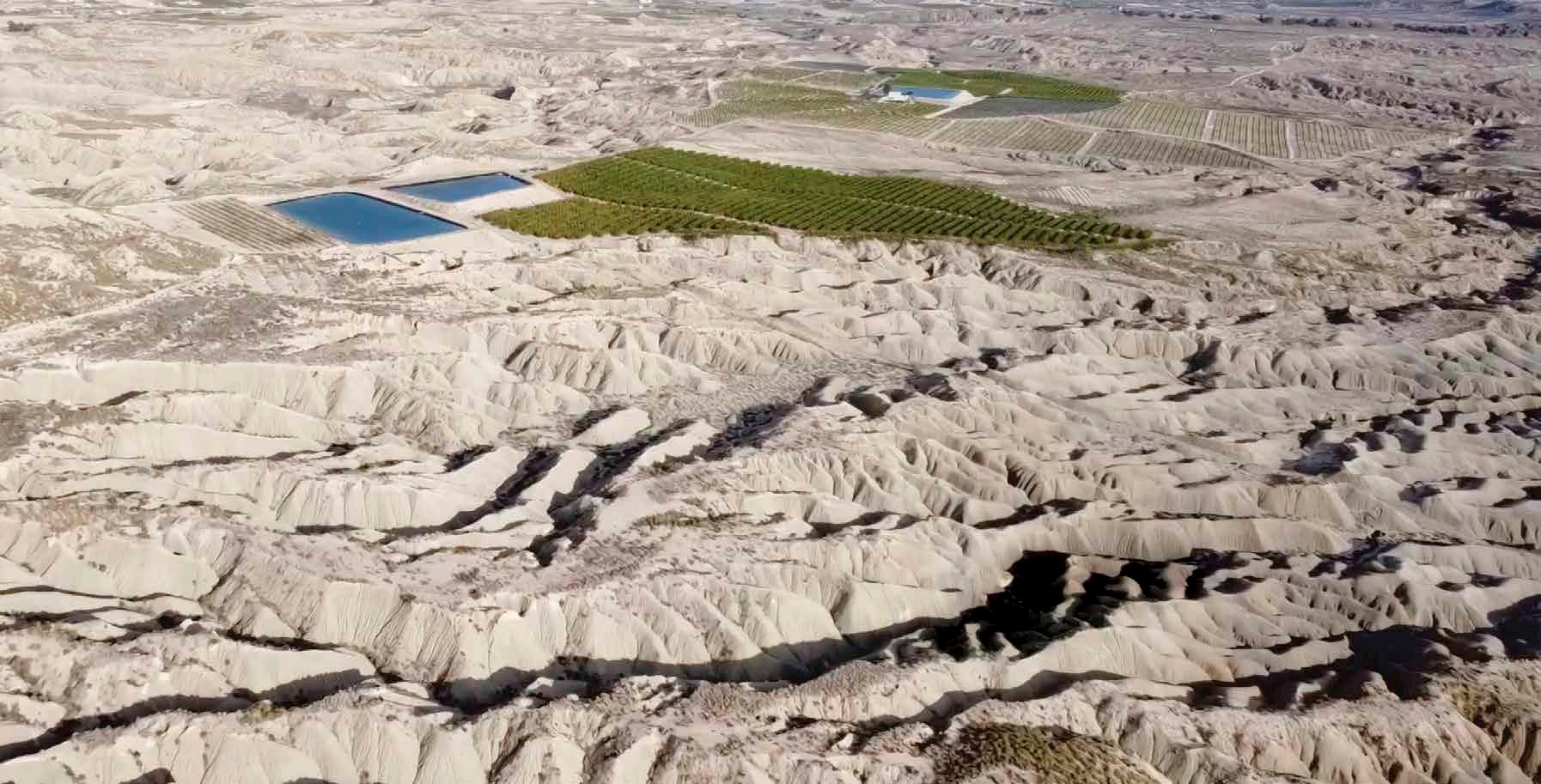
The Spanish region of Murcia has long had to deal with issues around water scarcity, dating right back to the Roman age, and the problem is growing ever more pressing as the effects of climate change take hold. A reliable, sustainable supply of water is essential for both households and businesses, so the local authorities are taking steps to enhance resilience and maintain supplies. “We are doing a lot of work on water resilience, such as developing new, non-conventional water supplies,” outlines José Sandoval, General Director of Water in Murcia. The root cause of water scarcity is the over-exploitation of existing water resources, for example underground aquifers, a topic central to the SUSTAQUA project. “If you over-exploit an aquifer, the water quality tends to deteriorate over time,” explains Sandoval. “Aquifers are a very important water source, and salinisation is a major problem in Murcia, as well as in many other parts of Europe.”
SUSTAQUA project
As part of his role in the SUSTAQUA project, Sandoval is concerned about the
sustainability of different water sources, and is looking at how they can be used more efficiently. Over-using groundwater can endanger future supplies, along with other damaging effects, so Sandoval’s team is looking to re-use water where possible, which improves overall efficiency. “In Murcia we re-use a lot of water in the agricultural sector for example,” he outlines. The wider aim here is to ensure that water quality matches the need of the specific application, so that scarce resources are not wasted. “For example, drinking water has to be of very high quality, while water for industrial use is pretty close in terms of standards,” says Sandoval. “The quality of water required in the agricultural sector tends to vary according to the crop. If you are growing lettuces for example, you need very high quality water, as it is going to be in contact with the product.”
There are other crops which don’t require such high quality water, and so potentially other sources can be used, improving efficiency in the process. The project team aim to share this kind of knowledge between local authorities across Europe, which will encourage consumers, farmers and businesses to use water in a more sustainable way and help conserve valuable resources. “We need to look at alternative water sources in
“The first step towards mitigating the impact of climate change on water availability is to persistently save it where we can, through collecting rainwater and reusing it for example.”
order to guarantee supply,” says Sandoval. Desalination is one part of this, and a number of plants have been established in Murcia, yet the process is both expensive and energyintensive. “A pressure level of 75 bars is required to reach the necessary water quality levels, and the process has a huge carbon footprint,” explains Sandoval. “The first step towards mitigating the impact of climate change on water availability is to persistently save it where we can, through collecting rainwater and reusing it for example.”
GEMS project
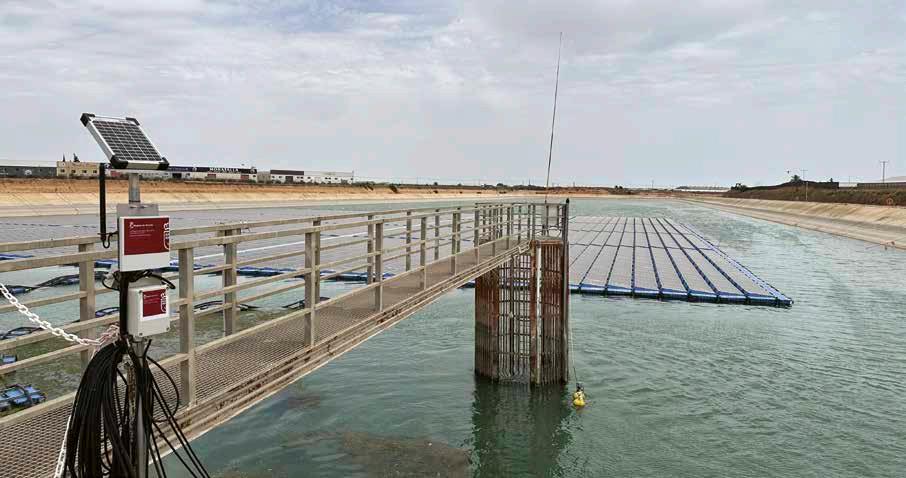
The team at the Murcia Water Directorate are also participating in the GEMS project, an EU-backed initiative bringing together partners from across Europe to look at the environmental impact of the agriculture sector. The project is focused specifically on the leakage of nitrates into water bodies, which can leave them unsuitable for human consumption. “The key problem with nitrate pollution is basically the formation of leachates,” outlines Sandoval. The EU nitrates directive aims to protect water quality, yet high levels of pollution are still being reported across Europe, an issue which Sandoval and his colleagues in the project aim to address. “The project is fairly theoretical in nature. We are monitoring and mapping vulnerable areas, with the aim of preventing nitrate pollution,” he continues.
“We are looking at different monitoring networks, at governance measures, and are trying to identify best practice and share knowledge amongst the project partners.”
A large amount of water quality data may be gathered by monitoring networks, which can be valuable in building resilience and maintaining sustainable water supplies over the long term. In the Gov4Water project, Sandoval is looking to harness the power of data in the management of water resources.
“This project is about taking water quality data, with the aim of processing it and gaining fresh insights, which can then inform the effective management of water resources in future,” he outlines. The Murcia region has taken a lead in this regard, implementing a sort of accounting system to minimise waste and promote efficiency, and this kind of governance system can help reduce consumption and protect resources. “GOV4WATER is also a fairly theoretical project. We are looking at the governance system in different regions, and looking to assess their effectiveness in reducing consumption and protecting resources,” continues Sandoval.
GEMS - Groundwater management in nitrate vulnerable zones with agriculture activities
SUSTAQUA - Improve policies to reduce energy consumption & make water resources more accessible, efficient & sustainable
Gov4Water - Smart, Efficient and Adaptive Water resource management
Project Objectives
Our goal is to show our experience to other regions on how to build water resilience in conditions of scarcity, reducing our consumption through improved efficiency and paying attention to the sustainability of the water resources used, especially alternative ones.
Project Funding
SUSTAQUA: Total Budget €341,765 with a ERDF Contribution of €273,412.00
GEMS: Total Budget €323,400 with a ERDF Contribution of €258,720
Water resilience
The unifying theme of these three projects is the pressing need to enhance water resilience, with climate change and the increasing frequency of extreme weather events like floods likely to intensify pressure on resources in future. This is an issue which affects many European regions, so Sandoval is keen to share the project’s findings more widely, and use insights gained from Murcia to help improve resilience in other areas.
“We are also working with other regions of Europe where they are starting to have problems with their water supply,” he says. There are several different strands to the wider goal of improving water resilience, including minimising waste and reducing pollution and consumption, while Sandoval says technological development also has an important role to play in mitigating the impact of floods. “Water overflow causes significant damage. More effective predictive models and facilities are the best way to deal with this,” he says.
This will be the focus of a lot of attention in research in future, reflecting a widespread commitment to improving water management, a highly visible topic that affects all of us. While investing in resilience of course costs money, it brings dividends over both the medium and long term, and Sandoval says he and his colleagues in Murcia are ready to share their knowledge.
“Regions that have learned to live with scarcity, where restraint and efficiency are part of their management philosophy, provide an invaluable roadmap for the future of sustainable water governance in Europe,” he stresses. “Many European regions are starting to face water restrictions as the initial effects of climate change take hold, so now is the time to learn from those regions that have been living with water scarcity for centuries. Murcia holds valuable lessons in this respect and can provide a window to the future.”
GOV4WATER: Total Budget €244,520 with a ERDF Contribution of €195,616
RESWATER: Total Budget €308.200 with a ERDF Contribution of €274.298
Project Partners
Please see project links below.
Contact Details
Manuel Boluda Fernández
Project Coordinator
Autonomous Community of Region of Murcia
E: manoloboluda@gmail.com : https://youtube/5WV3v0lNBO0?si=xLEoiC_ YYMkAqmzp
W: https://www.interregeurope.eu/gems
W: https://www.interregeurope.eu/aquares/ W: https://www.interregeurope.eu/gov4water

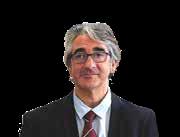
Jose Sandoval Moreno is General Director of Water of the Regional Government of Murcia. Previously he worked in the private sector, developing numerous hydraulic works.
Miguel Ángel del Amor Saavedra is a Coordinator/Technician at the General Directorate of Water of the Regional Government of Murcia. He has wide experience in water management.
Manuel Boluda is an Agricultural Engineer at the Directorate General of Water of the Regional Government of Murcia. He has coordinated several projects within the Interreg Europe Program, such as AQUARES.