NEWS
The EU Research team take a look at current events in the scientific news
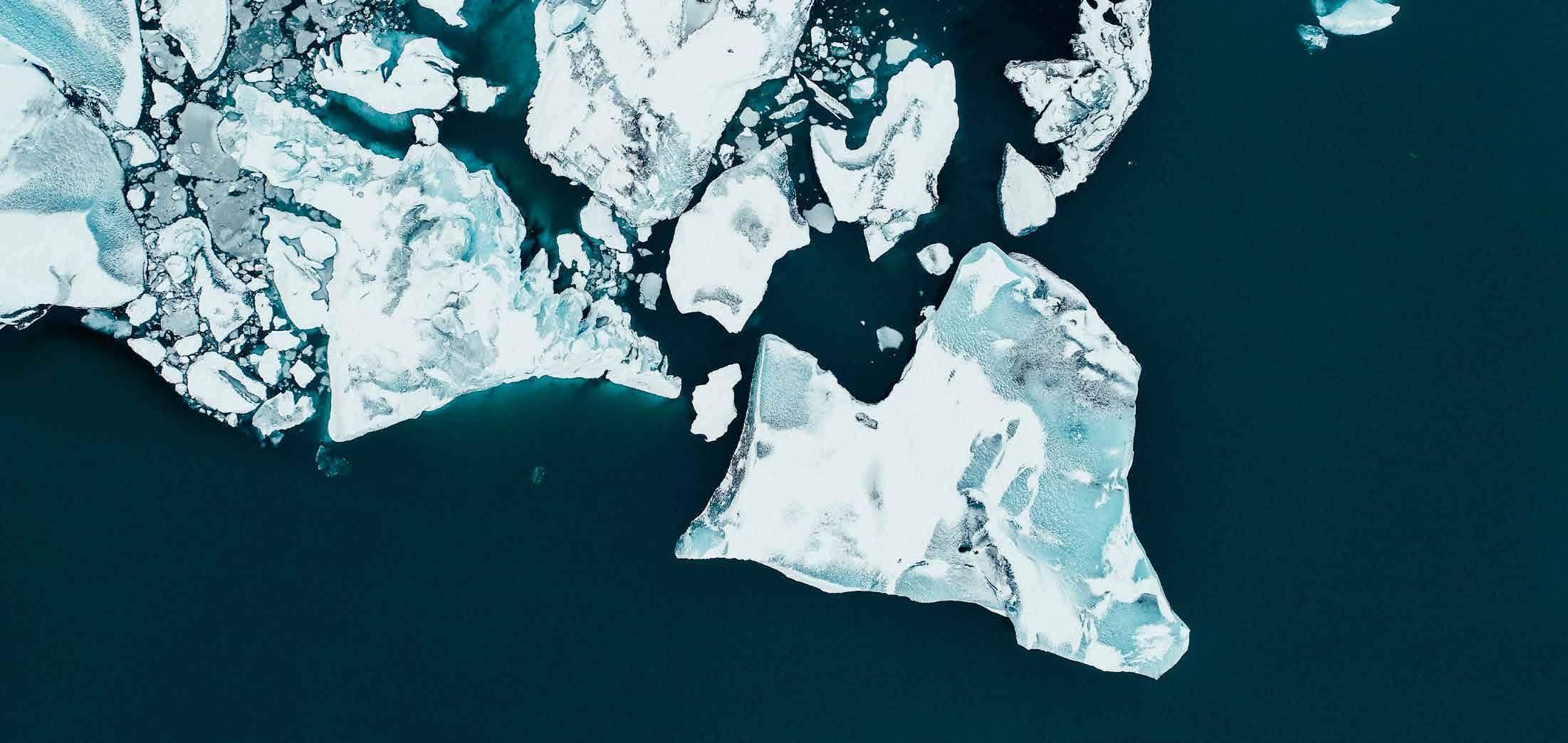
UN report warns global warming approaching 3 degrees this century with catastrophic implications
Countries’ ‘emissions gap’ is like an emissions canyon littered with broken promises, broken lives and broken records, says UN chief.
The world is on track for a temperature rise of up to 2.9C above pre-industrial levels, a report by the UN environment programme has found, even assuming countries stick to their Paris agreement climate pledges. UN chief António Guterres said that keeping the Paris goal of limiting the rise to ideally 1.5C and well below 2C would require “tearing out the poisoned root of the climate crisis: fossil fuels.” “Otherwise, we’re simply inflating the lifeboats while breaking the oars,” he added. The world has already warmed by at least 1.1C.
Coming ahead of the COP28 climate summit in Dubai in 10 days, the latest UN report estimated the size of the gap between the emissions trajectory implied by climate pledges and the one needed to limit warming, The level of greenhouse gas emissions stood at a new peak of 57.4bn tonnes of carbon dioxide equivalent, the UN emissions gap report noted, after rising 1.2 per cent from 2021 to 2022. Guterres referred to this “gap” as a “canyon littered with broken promises, broken lives, and broken records.” Emissions cuts of 14bn tonnes or 28 per cent are needed by 2030 to keep within 2C of warming, and a more ambitious reduction of more than 40 per cent or 22bn tonnes is needed for the 1.5C threshold to be realistic.
The world now only has a 14 per cent chance of limiting warming to the 1.5C goal, according to UN analysis, even if countries honour all pledges, including weaker conditional promises by developing countries, as well as the non-binding net zero goals. Fully implementing efforts implied by unconditional national commitments would put the world on track for limiting the temperature rise to 2.9C, while the measures conditional on receiving financial and technical
support would lead to temperatures not exceeding 2.5C above preindustrial levels. These were put at a 66 per cent chance. “Leaders have been in snooze mode, so it is time for them to step up,” Inger Anderson, head of UNEP, told the Financial Times.
Guterres said the joint statement made last week by the world’s two biggest polluters, China and the US, for co-operation on some measures was a “positive first step”. The UN leadership is looking for three concrete commitments from almost 200 countries at the COP28 summit, including a tripling of renewable energy capacity, the doubling of energy efficiency, and money for a “loss and damage” fund to help vulnerable countries cope with climate change.
The UNEP highlighted that detailed climate action plans submitted by Paris agreement signatories did not match up to the ambition implied by their net zero pledges. In particular, none of the G20 group of countries are reducing emissions fast enough to meet countries’ net zero targets, it said. The long-term average 1.5C goal enshrined in the Paris Agreement, at which scientists believe irreversible changes to the planet will occur, is a different measure from the average increase in a given month or year. On that basis, climate scientists have calculated that 86 days between January and the start of October had average temperatures that exceeded 1.5C.
Last week, the daily global average temperature surpassed 2C above pre-industrial levels for the first time, the EU earth observation agency Copernicus said. “This doesn’t indicate a breach of the Paris Agreement but underscores our proximity to the internationally agreed-upon limits,” it added.
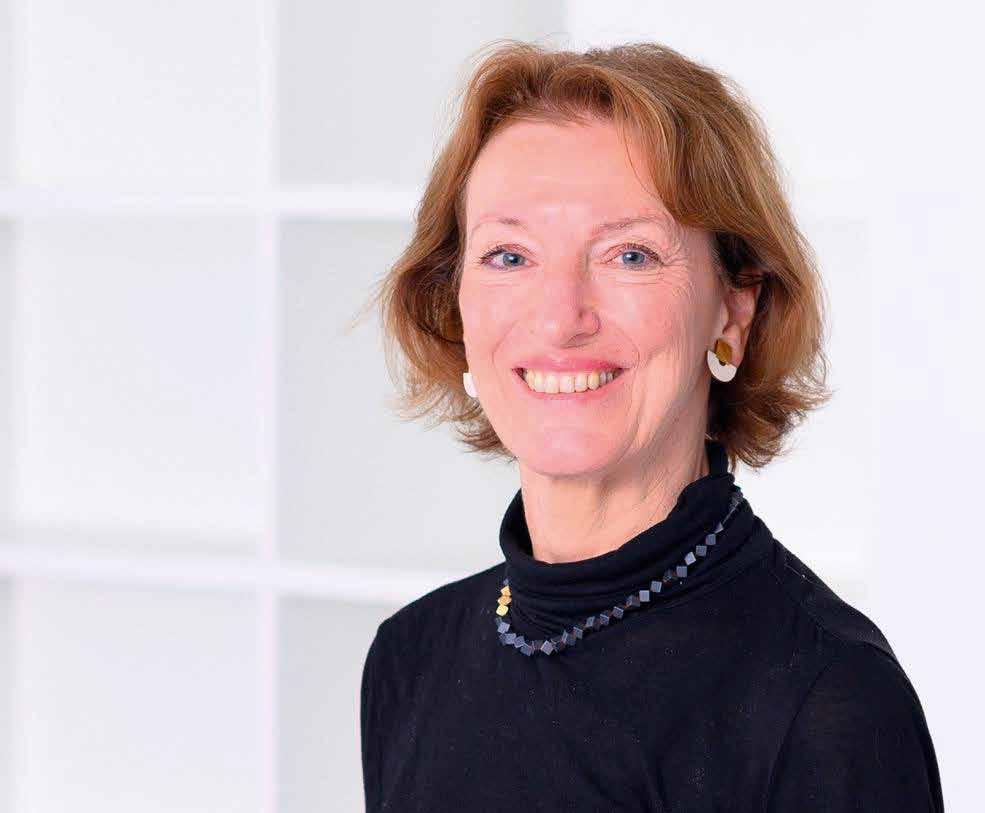
European Research Council president Maria Leptin welcomes UK’s return to Horizon Europe
“You shouldn’t have a research programme without the best scientists”, says Maria Leptin on the UK’s return to the fold.
Science in Europe is stronger now that the UK has finally joined the EU’s €95.5 billion Horizon Europe research programme as an associate member, says Maria Leptin, president of the European Research Council (ERC). “I am so happy we’ve got them back in,” Maria Leptin told Science|Business. “I’m so happy we’re a unified community again when it comes to funding the best ideas for the best researchers. Welcome back.” At the same time Leptin expressed sympathy for researchers in Switzerland who remain outside Horizon Europe because of a similar row over association status. “They are not alone in the sense they are loved by all the rest of us, and we want Switzerland back in as much as we wanted the UK back in,” she said. “There is very high-level research being done in Switzerland, same as in the UK. We all want to be one group that competes at the same level and is evaluated by the same high-level panels.”
The UK has long been a top performer in winning EU research funding. Under Horizon Europe’s predecessor, Horizon 2020, it had the third highest number of unique participants and received the second most in net funding, behind Germany. Since leaving the EU in January 2021, the UK was outside Horizon Europe, but finalised a deal last week to rejoin as an associated member. While UK-based researchers have continued to be eligible to apply for ERC funding in the past three years, successful applicants had move to a host institution in an eligible country. Now scientists in the UK will be able to receive ERC funding without having to move their research abroad.
Leptin said there had been a “slight dip” in the number of UK-based ERC grant applicants last year, but that could just be down to annual fluctuations. “If UK researchers had decided not to apply, I hope they will now have the enthusiasm to come back,” she said. This will not mean other countries missing out, Leptin stressed. As part of the UK’s association deal, it agreed to pay in around €2.6 billion per year for participation in Horizon Europe and the Copernicus Earth Observation programme. This extra money means there is more to go around for ERC applicants, she said.
The UK’s return is a benefit for European scientists, Leptin said. “The value of the ERC is higher if the UK is in because the level of competition is higher. You don’t have big football competitions and say the UK and Spain have to stay out so other countries can win.”
The UK’s association to Horizon Europe was long in the making, as set out in this timeline charting the key moments. At several points in the past three years, it looked like an agreement was all but inevitable, only for more political wrangling between London and Brussels to get in the way.
A major disagreement came when the UK threatened to trigger Article 16 of the Northern Ireland protocol and temporarily suspend parts of the trade deal it signed with the EU in December 2020. The European Commission used access to Horizon Europe as a bargaining chip to head off this move. This situation was only cleared up in May this year when UK Prime Minister Rishi Sunak agreed a deal to solve the problem. There followed several more months of haggling over how much the UK should pay into Horizon Europe and what would happen if it won less in grants that it was putting in. Leptin
acknowledges that politics generally plays a part in science but says, “There was a formal process with both sides conducting negotiations. We were the victims but it wasn’t targeted against science.”
Campaigners from Switzerland and the UK formed a united voice in calling for association to Horizon Europe. Now, Switzerland stands alone in being a major European research nation locked out of the framework programme. The latest view from Switzerland is that university heads don’t expect Horizon Europe association any time before 2025, with a federal election this October taking political priority. In November 2021 the UK set up a Horizon Europe guarantee scheme to fund researchers and entrepreneurs who could not take up EU grants while the UK was out of the framework programme. This gave grant winners the choice of remaining in the UK to carry out their projects. The other option they had was to relocate to an EU member state or other associated country. According to the ERC, 42 researchers chose this option, with another four cases currently being processed, and four other recent grant winners expressing an interest in leaving the UK.
As of the end of August 2023, the UK has given out just over £506 million to 342 ERC grant winners under its guarantee scheme, UK government statistics show. With the UK’s Horizon Europe association applying from 1 January 2024 onwards, any UK-based ERC grant winner who applied and won funding for a call under the 2021-2023 ERC work programmes will have to rely on the guarantee scheme for financing. Those applying for calls under the 2024 programme will be funded by the EU. In total, the UK has handed out £1.35 billion in grants to substitute for Horizon Europe funding.
www.euresearcher.com
RESEARCH
4
5 EU Research
Portrait image © Michael Wodak / MedizinFotoKöln, 2021
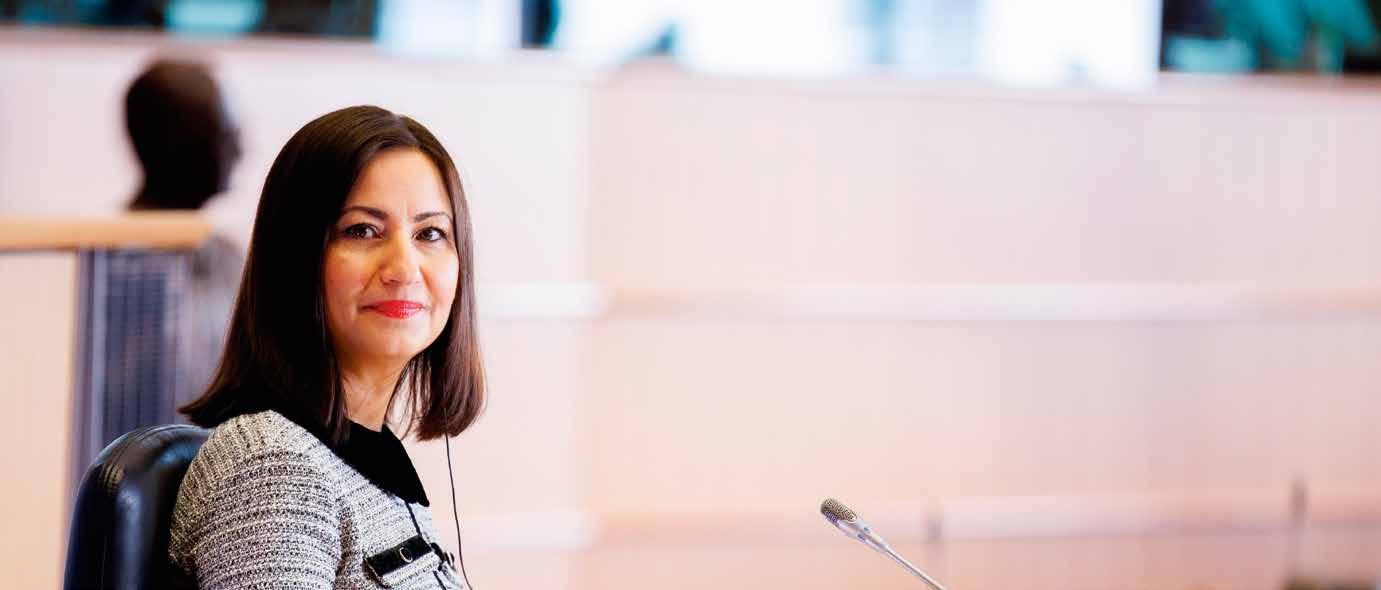
EU Parliament backs new innovation commissioner Iliana Ivanova
Bulgarian economist has been appointed the new EU innovation and culture commissioner.
Iliana Ivanova is the new EU commissioner for research, innovation and education, after EU ministers and European Commission president Ursula von der Leyen confirmed the appointment today. Ivanova starts the job at a decisive time for her portfolio, with major evaluations of the €95.5 billion
Horizon Europe research programme and the €26.2 billion Erasmus+ education programme underway, and the first moves to shape the next EU research framework programme now in hand. A former MEP and member of the European Court of Auditors, Ivanova was nominated for the position in late June after her predecessor Mariya Gabriel was called back to Bulgaria to help form a coalition government.
Since her nomination, Ivanova has done her homework on the intricacies of the EU’s numerous research, innovation and education policies, smoothly sailing through a three-hour hearing at the European Parliament in early September. At the hearing, she named ensuring a stable – and growing – EU budget for research and innovation as a key priority. Here, her experience as vice chair of the European Parliament’s budgetary control committee during her stint as an MEP may come in handy. Ivanova joins the current Commission just a year before its term ends, but with a long list of priorities. During her tenure, research and innovation policy experts hope to see her concentrating on the next research framework and continuing Mariya Gabriel’s work on closing the EU’s east-west innovation divide.
©
In sickness and in health, couples share high blood pressure
Partners in heterosexual relationships may have high blood pressure that mirrors one another, finds new study.
If one spouse or partner in a heterosexual couple has high blood pressure, the other partner often does too, according to new research published in the Journal of the American Heart Association. “Many people know that high blood pressure is common in middle-aged and older adults, yet we were surprised to find that among many older couples, both husband and wife had high blood pressure in the U.S., England, China and India,” said senior author Chihua Li, Dr.P.H., a post-doctoral fellow at the University of Michigan and the study’s corresponding author. “For instance, in the U.S., among more than 35% of couples who were ages 50 or older, both had high blood pressure.”
Researchers investigated whether heterosexual partners in the U.S., England, China and India mirrored each other’s high blood-pressure status. Previous studies have explored the union of high blood pressure and other diseases among couples in a single country setting or used small regional samples. “Ours is the first study examining the union of high blood pressure within couples from both high- and middle-income countries,” said study co-lead author Jithin Sam Varghese, Ph.D., an assistant research professor at the Emory Global Diabetes Research Center at Emory University in Atlanta. “We wanted to find out if many married couples who often have the same interests, living environment, lifestyle habits and health outcomes may also share high blood pressure.”
These findings are important because hypertension is among the most dominant modifiable cardiovascular risk factors and remains highly prevalent and poorly controlled on an increasingly global level. As the authors point out, the current focus of clinical and public health strategies to control hypertension on the individual level is not adequate. The authors suggest that interventions that target spouses may, thus, be especially effective,” said Bethany Barone Gibbs, Ph.D., FAHA, an associate professor and chair of the department of epidemiology and
biostatistics at the School of Public Health at West Virginia University, and chair of the writing committee for the Association’s 2021 Statement on Physical Activity as a Critical Component of First-Line Treatment for Elevated Blood Pressure or Cholesterol.
“Following this idea, making lifestyle changes, such as being more active, reducing stress or eating a healthier diet, can all reduce blood pressure; however, these changes may be difficult to achieve and, more importantly, sustain if your spouse or partner (and greater family unit) are not making changes with you,” she said. “These findings also hint at a broader approach -- interventions using a socioecological model considering determinants of hypertension across individual, interpersonal, environmental and policy levels are likely going to be necessary to reduce the global public health burden of hypertension.”

European
Commission calls for urgent action on antimicrobial resistance
Is this the EU’s chance to address antibiotic resistance and leverage its role
in global health?
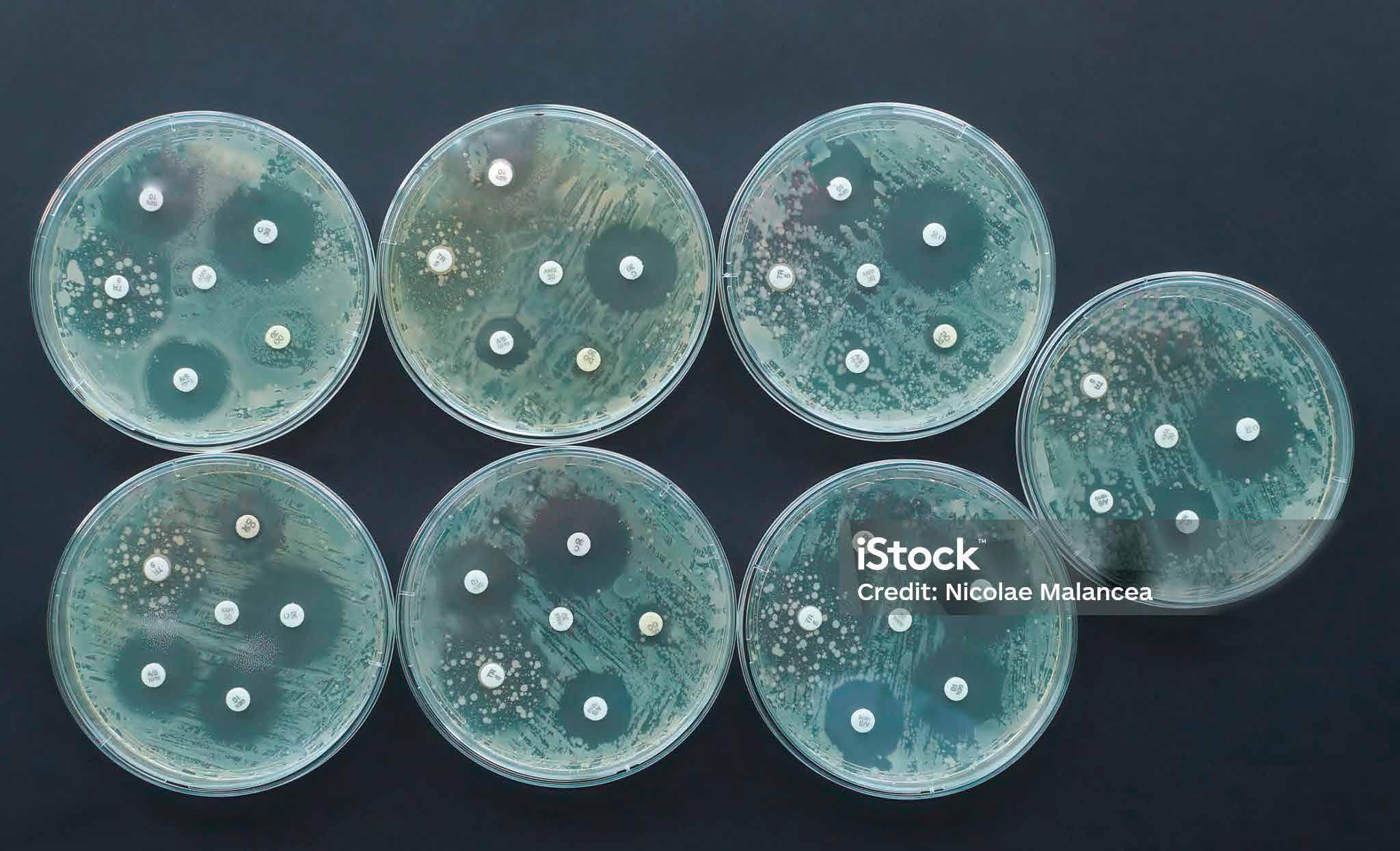
EU member states are trailing other countries when it comes to research into antimicrobial resistance, a growing public health problem that promises to unleash a “slow pandemic”, undoing some of the gains of modern medicine. Overuse of antibiotics has led to some bacteria developing resistance to current treatments, leading to a growing number of lethal infections with few new drugs in sight.
In Europe, 33,000 people died as a result of drug-resistant bacterial infections in 2020, more than flu, tuberculosis and HIV/ AIDs combined, and the problem is predicted to get worse as resistance grows. Globally, drug-resistant bacteria are estimated to have killed 1.27 million people in 2019, more than malaria. The World Health Organisation estimates this could rise to 10 million by mid-century.
A new report tracking global research into antimicrobial resistance finds that the US, China, UK, India and Australia are the leading nations in this research field, having published more papers since 2000 than any EU state. Germany is the most prolific EU country, with nearly 6,000 publications, which is around half the output of the UK or India. Iran has published more papers on the issue than France, followed by Canada, then Italy, according to The Antimicrobial Resistance Research Landscape and Emerging Solutions report from the Center for Security and Emerging Technology, a think tank based at Georgetown University in the US.
There are no EU universities or research institutes in the top ten producers of antimicrobial resistance research. That table is led by Harvard University, followed by Oxford, the US Centers for Disease Control and Prevention, and John Hopkins University. That is despite the fact that the European Commission is one of the biggest global funders of antimicrobial resistance research, though no national EU member state funding agencies make the top ten. The field has been one of the key priorities for health research in the Horizon Europe framework programme.
The report also tracks research into novel approaches to circumventing antimicrobial resistance, such as phage therapy, which uses viruses to target bacteria, or the synthesis of antimicrobial therapies not found in nature. Research into these areas is growing, but from a low base, and the report recommends policymakers boost spending on these new drug classes. Antimicrobial resistance is a particular priority for public funding agencies because the pharmaceutical industry has all but stopped developing new antibiotics. A key problem is that the antibiotics market in Europe and elsewhere is broken, because preserving effectiveness of new products requires measures to limit their use, while health technology assessments invariably weigh them against cheap generics, underestimating their value. “The clinical pipeline of new antimicrobials is dry,” the World Health Organisation warned in 2021.
7 www.euresearcher.com EU Research 6
European Union, 2023
Stressed Jellyfish hint at dangers of deep-Sea mining
Experimental mining plumes and ocean warming trigger stress in a deep pelagic jellyfish.
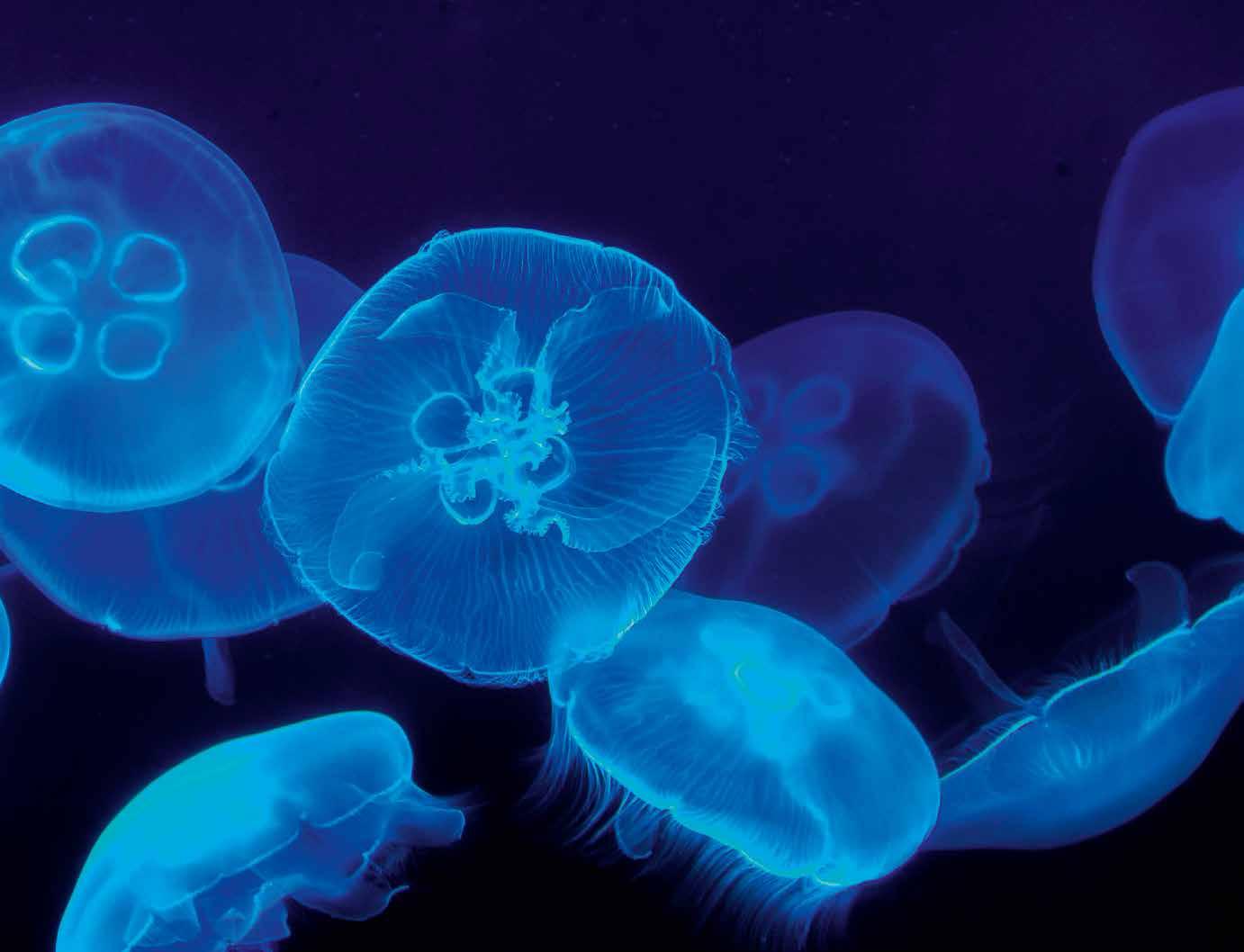
An experiment to test how seabed mining could affect deep sea life has revealed unexpected impacts on common jellyfish. There is increasing interest in extracting precious minerals from what are called metallic “nodules” that naturally occur on the seabed. But marine scientists are concerned about the harm that could be caused. These researchers studied helmet jellyfish, using special tanks on a research vessel to simulate conditions created by mining activity. They found that the gelatinous animals were “highly sensitive” to plumes of sediment - a condition created to mimic how mining would stir up seabed deposits.
Deep-sea mining has been proposed - and opposed - for decades. Mining companies and other supporters say mineral deposits on the seabed can be collected in less environmentally damaging ways than mining on land - and that it could help meet demand for materials for green technologies. But many marine scientists point out that there will be consequences for marine life that we do not yet understand. Much of the deep ocean is unexplored, so seabed mining opponents also point out that mining activity could cause irreparable damage to ecosystems we do not yet understand.
So far, there has been little research into how it would affect the creatures that live their lives moving and floating through the water column, the vast area between the surface and the seabed.
One of the lead researchers on this study, Dr Helena Hauss from the Norwegian research institute Norce told EU Research that this was the impetus behind the new experiment. “The idea was to get hold of an organism that’s globally distributed, and that would be exposed to these conditions in the real world,” she explained. Because the jellyfish the team studied are so sensitive to light, the scientists worked at night. They captured about 60 animals and put them in temperature-controlled tanks, in a dark lab aboard their research ship.
Marine scientist Vanessa Stenvers, from the Helmholtz Centre for Ocean Research in Kiel, Germany, explained that this simulated the debris that would be disturbed and released by underwater vehicles extracting minerals from the sea floor. “These are rotating tanks,” she said. “Essentially re-creating a situation where sediment is disturbed and doesn’t settle - it’s circulating through the water.” The experiment, which was part of the European iAtlantic project, revealed some unusual effects on the jellyfish: When their bodies became coated in sediment, they produced excessive amounts of a protective mucus. Doing that, the scientists explained, is energetically expensive, so the animals used energy they would otherwise be expending on feeding or movement. Samples taken from the animals also showed signs of what the researchers called “acute stress” including activation of genes that are associated with wound healing.
Bat wields huge heart-shaped penis like an arm during sex
Researchers reveal that penetration does not occur when serotine bats mate; instead males use their penis to push a protective membrane out of the way.
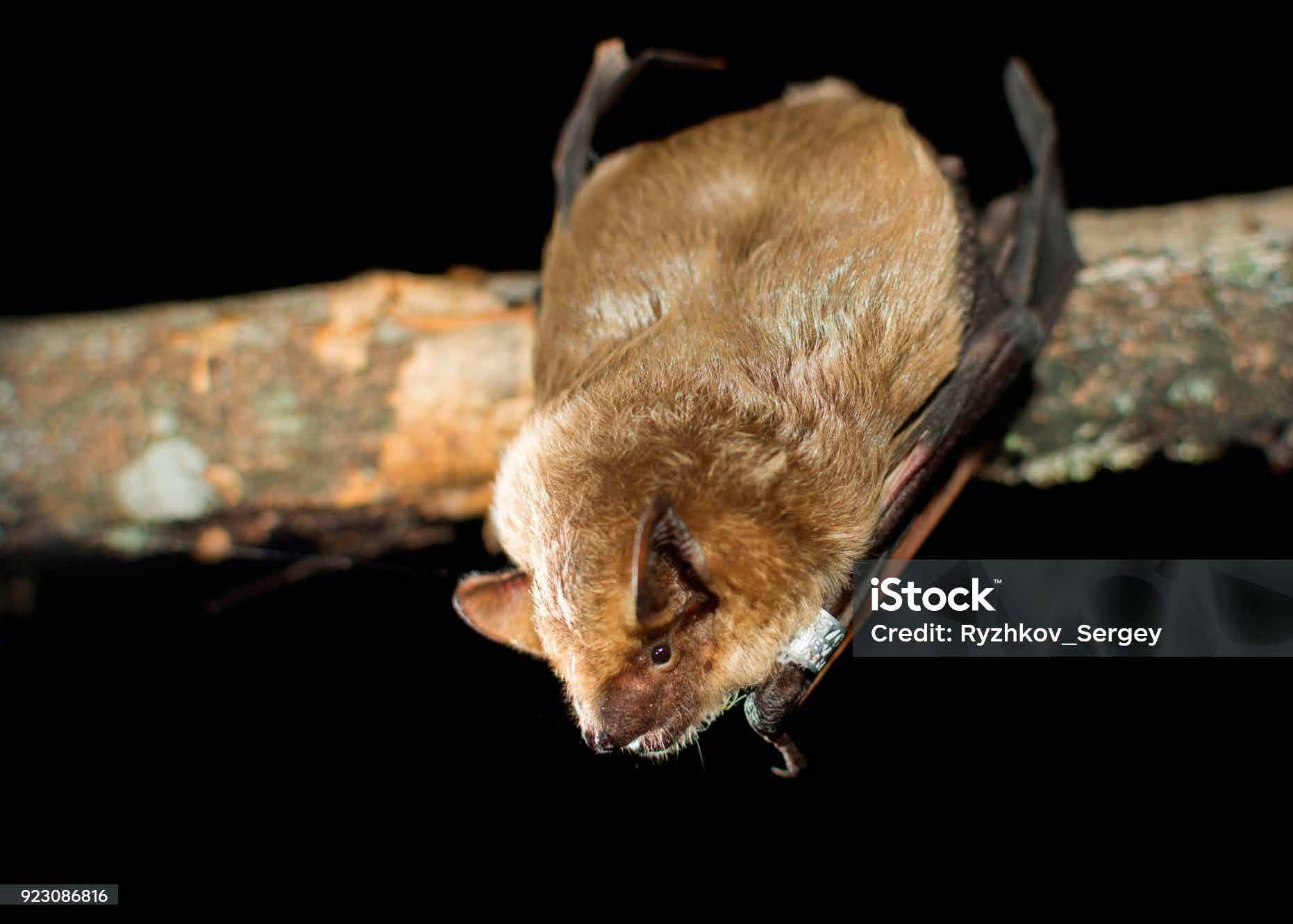
Scientists have found that a species of bat uses its penis in a unique way during reproduction, avoiding penetration completely. Researchers from the University of Lausanne in Switzerland studied the serotine bat, which has a penis about seven times longer than its partner’s vagina. The animal also has a heart-shaped head that is seven times wider than the vaginal opening. The size and shape in theory makes penetration impossible. However, the researchers say the bats use their oversized penises like an extra arm to push the female’s tail sheath out of the way. The unique use of the appendage allows the bats to engage in contact mating - a behaviour more commonly seen in how birds reproduce.
First author Nicolas Fasel said: “By chance, we had observed that these bats have disproportionately long penises, and we were always wondering, ‘How does that work?’. “We thought maybe it’s like in the dog where the penis engorges after penetration so that they are locked together, or alternatively maybe they just couldn’t put it inside, but that type of copulation hasn’t been reported in mammals until now.” The researchers observed the unique mating ritual with cameras placed behind a grid the bats could climb on. Their studies found that during mating. the male bats grasped their partners by the nape and moved their pelvises in a probing fashion
until they made contact with the female. At this point they remained still and held the females in a long embrace. These lasted some 53 minutes on average, with the longest incident stretching to 12.7 hours.
After mating, the researchers observed the female bats’ abdomens appeared wet, suggesting the presence of semen. Further research is needed to confirm that sperm was transferred during events. The researchers suggested the male bats may have evolved their oversized penises in order to push aside the female bats’ tail membranes, which females may use to avoid sex.
Professor Fasel suggested: “Bats use their tail membranes for flying and to capture the insects, and female bats also use them to cover their lower parts and protect themselves from males, but the males can then use these big penises to overcome the tail membrane and reach the vulva.” The researchers collaborated with a bat rehabilitation centre in Ukraine, which filmed mating pairs, and with Jan Jeucker, a bat enthusiast and citizen scientist who filmed hours of footage of serotine bats in a church attic in the Netherlands. Altogether, the team analysed 97 mating events - 93 from the Dutch church and four from the Ukrainian bat rehabilitation centre. The findings are published in the Current Biology journal.
8 EU Research www.euresearcher.com 9
Photo by Marat Gilyadzinov on Unsplash
Serotine bat (Eptesicus serotinus)
