Steps towards protecting France’s biodiversity

The French National Strategy for Biodiversity (NSB) has been developed to try and halt the decline in the country’s rich biodiversity. The team behind the LIFE BIODIV’FRANCE project are now working to implement the strategy by engaging all sectors of society, with the aim of achieving lasting, sustainable change, as Anne Cazin explains.
The landscapes of France are rich in biodiversity, with its mainland and marine ecosystems hosting a wide range of plants and animals, while the country’s overseas territories are home to more than 18,000 known endemic species. However, this diversity is in rapid decline, prompting the development of a National Strategy for Biodiversity (NSB).
“The goal of the NSB is to halt the decline in biodiversity by 2030,” says Anne Cazin, of the French Office for Biodiversity (OFB). The ambitious goals set out in the strategy cannot be achieved simply by focusing on protected areas and national parks, rather all parts of society have to be involved and play an active role, believes Cazin. “We also need to pull levers outside protected areas. At OFB we work with businesses, economic actors and local authorities to try and halt the decline in biodiversity,” she explains.
LIFE BIODIV’FRANCE project
This issue is central to Cazin’s work as part of the team behind the LIFE BIODIV’FRANCE project, an EU-backed initiative which aims to implement the NSB and encourage change across all sectors of French society. While it is led by OFB, the project brings together 30 participating organisations overall, working on a variety of issues around the common goal of protecting biodiversity. “We’re working with different organisations, including wildlife protection agencies, regional authorities and
NGOs,” outlines Cazin.
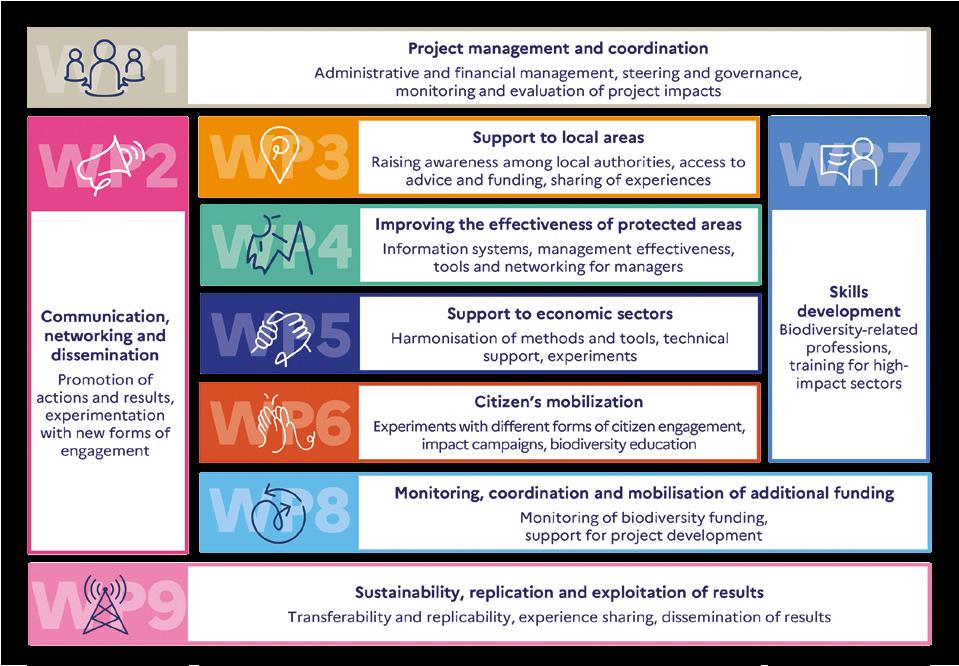
The focus is on working with organisations and businesses at both the national and regional level to make sure that protecting biodiversity is a prime consideration in their daily operations, with the project team providing advice and support to stakeholders. The project is structured around five thematic pillars;
• Providing support to local areas;
• Strengthening the effectiveness of
protected areas in terms of protecting habitats and species;
• Providing support to economic sectors and making sure that protecting biodiversity is an important consideration when decisions are made;
• Mobilising citizens and encouraging them to get involved in conserving nature;
• Developing skills among stakeholders, so that they can continue to protect and conserve biodiversity in future.
Importance of biodiversity
The starting point here is to highlight the importance of biodiversity to our own lives, the extent to which medicines, crops, materials and other essential products depend on preserving ecosystems and maintaining a balance between different species. This will underline the urgency of protecting biodiversity and generate momentum that can then be carried forward. “We want to bring home the fact that biodiversity is important for our health, for our food supply, and a whole host of other issues, including climate change. We then aim to encourage change in different economic sectors, for example in agriculture,” outlines Cazin.
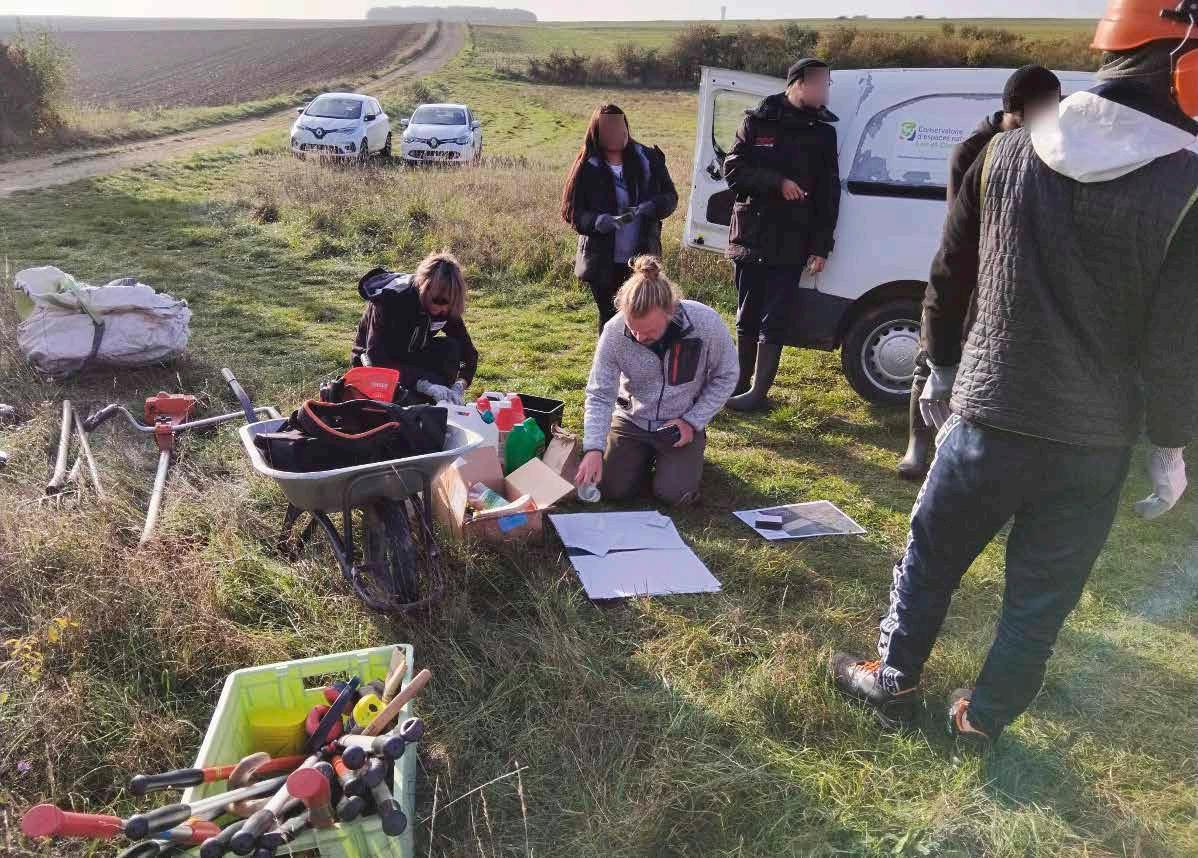
For instance, a major supermarket may want to reassure consumers that their products have been produced in an environmentally responsible way, from farmers working on the land all the way through to the transport companies that bring it to the shelves. Major stakeholders have a big influence in this respect, so Cazin and her colleagues are looking to work with them and highlight the importance of biodiversity to their operations. “We aim to find the right stakeholders, the ones that will have a big impact,” she continues. Individual citizens can also have an impact, and with public awareness of biodiversity concerns growing, Cazin says many people want to get involved and take practical action. The project aims at guiding them towards the most effective actions. This might not necessarily mean planting a tree, as in some cases less tangible acts can have a more significant impact, like reducing resource use or not planting exotic plants ill-suited to the local ecology. Protecting biodiversity almost always involves reducing the pressure, and not necessarily doing something; the goal here is to help build a clearer picture.
A further dimension of the project’s work centres around strengthening the effectiveness of protected areas as havens for wildlife, places where biodiversity can thrive. Regular monitoring and evaluation is
lasting, sustained improvements. By promoting skills development and raising the profile of biodiversity issues in those economic sectors which affect it, the project team aims to help achieve long-term change, beyond the
“We want to bring home the fact that biodiversity is important for our health, for our food and water supply, and a whole host of other issues, including climate change. We then aim to encourage change in different economic sectors, for example in agriculture.”
essential to maintaining the status of these areas, and ensuring that conditions are right for protected habitats and species, in line with the goals set out in the NSB. At the same time, the project team is also working to develop partnership networks, so that lessons learned in one area can then be applied in another, supporting managers and helping them protect biodiversity. This is very much a long-term goal, so a key pillar of the project’s work is to develop biodiversity-related skills among stakeholders, part of the aim of achieving
conclusion of LIFE BIODIV’FRANCE. The project is still at a relatively early stage however, so the initial aim is to heighten awareness, then move to a point where there is a clearer relationship between actions and their effects. “We’re going to conduct surveys at different points in the project, and monitor progress towards the targets in the NSB,” says Cazin.
Importance of biodiversity
The wider aim here is to highlight the societal importance of biodiversity, which is sometimes neglected in comparison to other environmental concerns, such as pollution and climate change. Biodiversity is essential to our food supply, our water quality and our way of life more generally, a message that Cazin and her colleagues are working to promote. “We want biodiversity to be a prominent consideration in everybody’s daily lives, including economic stakeholders, citizens, and locally elected officials,” she continues. A heightened level of awareness can then be translated into practical, targeted action, which will boost the prospect of protecting and restoring biodiversity over the long-term. “This work won’t stop after the end of LIFE BIODIV’FRANCE in 2032, and at OFB we will continue to communicate with stakeholders and support them,” says Cazin.
French Office for Biodiversity (OFB)
Life BIODIV’FRANCE
2024-2032 : Supporting The National Biodiversity Strategy
Project Objectives
The aim of the LIFE BIODIV’FRANCE project is to support the implementation of France’s National Biodiversity Strategy through project engineering and technical expertise, across five objectives:
• Support for local territories
• Strengthening the effectiveness of protected areas
• Support for economic sectors
• Citizen engagement
• Skills development
Project Funding
The Life BIODIVFRANCE project is funded by the European LIFE programme, the French Ministry of Ecology and the French Office for Biodiversity.
Project Partners
Coordinated by the French Office for Biodiversity, this project brings together a consortium of 30 partners, including wildlife protecting agencies, regional and national parks and regional biodiversity agencies.
Contact Details
Anne Cazin,
Project Manager, LIFE BIODIV’FRANCE
French Office for Biodiversity (OFB) 12 Cours Louis Lumière, 94300 Vincennes, France
T: +33 7 64 16 64 53
E: anne.cazin@ofb.gouv.fr
W: https://ofb.gouv.fr/life-biodiv-france

Anne Cazin holds a PhD in Geography and specialises in rural areas public policy, including economic and environmental issues. Her work focuses on sustainable tourism development and on issues relating to tourist traffic in protected areas, with a strong interest in the relationship between human activity and biodiversity conservation. She has been coordinating the LIFE BIODIV’FRANCE project since its launch in January 2024.



There are several elements to France’s National Strategy for Biodiversity, and the team at OFB are working with a variety of organisations across different sectors to help protect and conserve biodiversity. We spoke to Emmanuel Delannoy, Marie-Catherine Schulz-Vannaxay and François Omnès about how they are supporting stakeholders and promoting new practices.
EU Researcher: What is your role in the project?
Emmanuel Delannoy: My role is to engage with corporations in France through several channels.
The first is to work with local authorities in French regions. Every region is involved, and almost all have a biodiversity agency. My role is to train staff at regional biodiversity agencies and help them organise their work so they can push forward the project’s agenda with small and medium-sized businesses in their area, as well as large corporations.
We’re also following a sectoral approach, where we work with companies in the tourism, agri-food and construction industries, which all have a big impact on biodiversity.
EUR: Is the value chain in those industries quite long, are there lots of companies involved?
ED: Yes, and that is an important consideration in terms of providing tools for companies to monitor and understand their impact on nature, which is something we’re continuously improving. It’s relatively easy to go one step back in the value chain, but the longer the value chain, the harder the task.
We work a lot with an international methodology called ENCORE , which helps companies assess their dependencies and impact on biodiversity. We simplify and localise this, and offer tools for companies to conduct assessments.
EUR: Do smaller companies typically need more support than a bigger company to monitor biodiversity?
ED: The biggest challenge for smaller companies is that there is often no single member of staff dedicated to environmental or biodiversity issues, so managers may have to deal with many subjects. So they need tools that will simplify the picture, that will make things easier to manage and assess, whereas big companies would use more complex tools.
EUR: What types of tools are you working with?
ED: Most of them are decision-making tools, based on the IPBES five key factors of the erosion of biodiversity.
When you break down a company’s processes and their value chain, you can assess where and how they are contributing to these erosion factors. These tools allow companies to focus on areas where they can have an impact with respect to biodiversity.
Agriculture
EUR: How big is the agricultural sector in France?
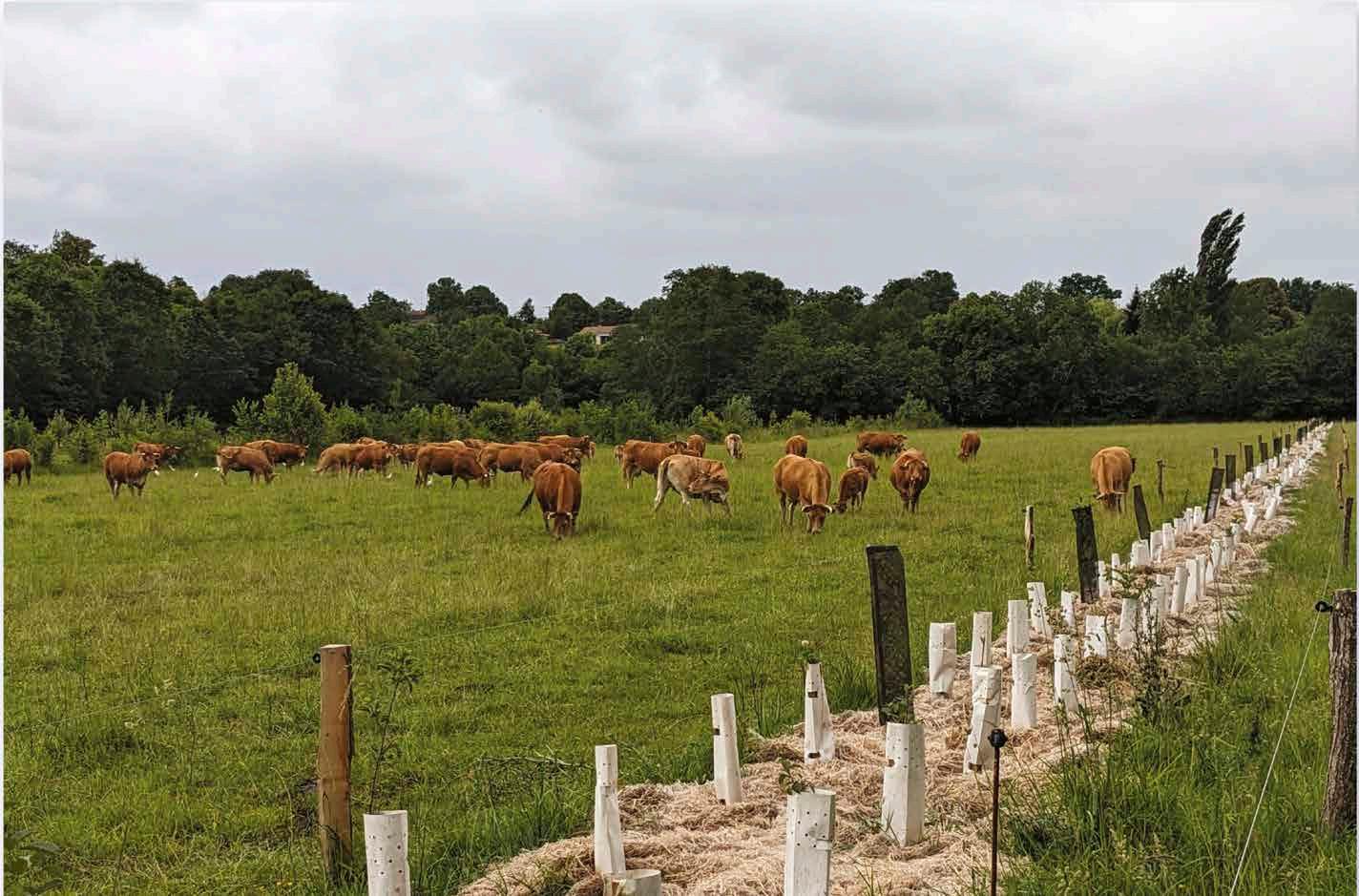
Marie-Catherine Schulz-Vannaxay: Agriculture occupies more than 50 percent of French territory, so it has a considerable impact on biodiversity through practices such as the use of pesticides and the simplification of the landscape. We aim to support companies in shifting towards an agroecological approach.
Francois Omnès: This covers the whole value chain, not only practices in the field, but also agricultural production and food industry processes.
EUR: How is this work progressing?
M-C S-V: Some of our projects are led at a national level while some project partners are run in specific areas. The regional biodiversity agency in central France is leading an experimental zone, in which farmers will change their crop cultivation practices, such as reducing pesticide use, and we will look at the impact on biodiversity. There is also some work in valorising hedgerows in the West of France for example, in the Pays-de-la-Loire, managed by the local public administration.
EUR: What is the long-term aim?
FO: We ultimately want to redesign agricultural practices, to redesign production, with a view to restoring ecosystem services, water quality and biodiversity. This is not just about making one single change, but rather taking a wider view.