A clearer picture of ammonia emissions
Ammonia emitted into ambient air can interact with other pollutants, leading to the formation of particulate matter, which is a major threat to public health. The team behind the LIFE ABAA project are working with farmers in Brittany to reduce ammonia emissions and improve air quality, as Meryll le Quilleuc, Léna Oddos and Nicolas Moreau explain.
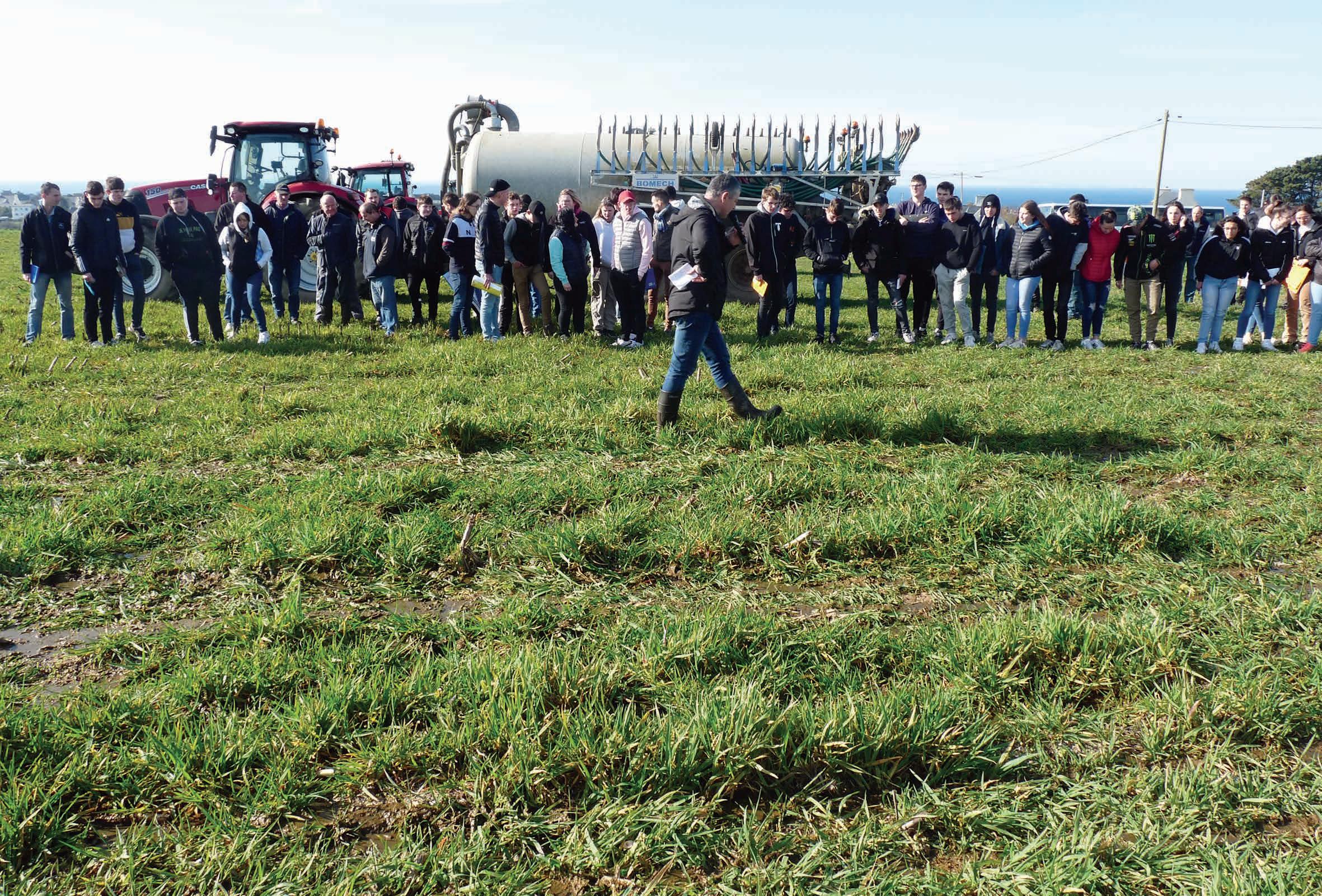
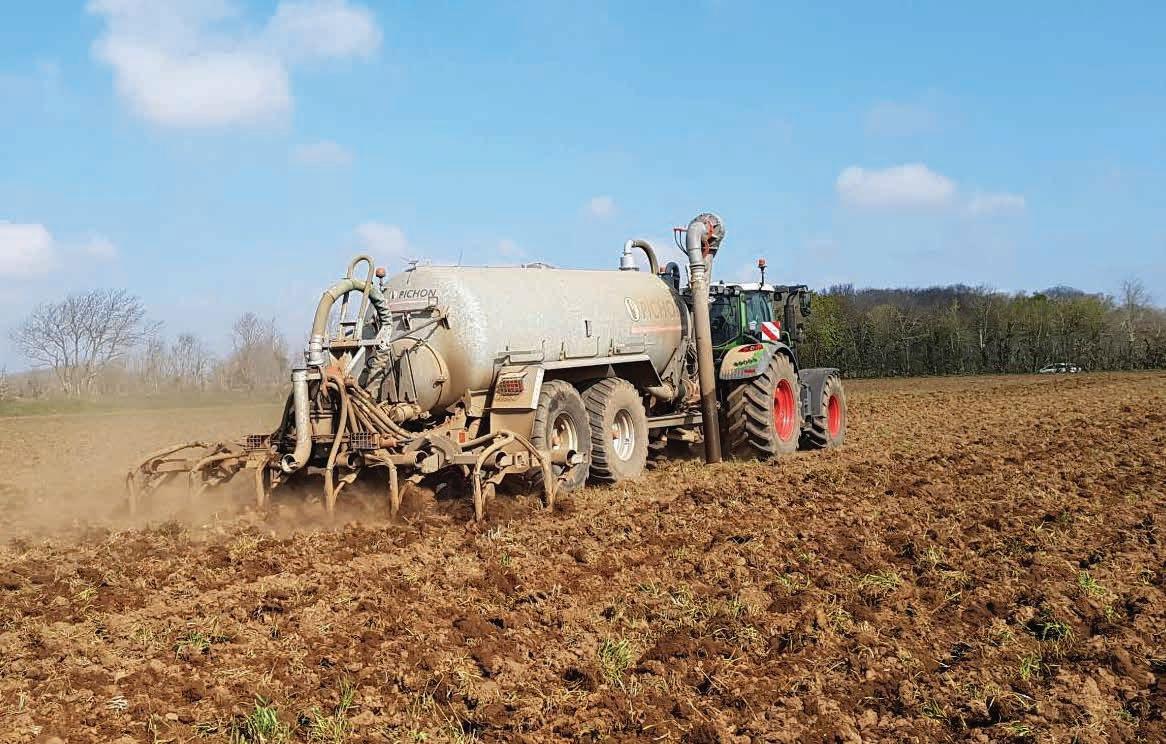
The French government has set a target of reducing ammonia emissions by 13 percent by 2030, part of the wider goal of limiting pollution and improving air quality. The agricultural sector accounts for around 95 percent of overall ammonia (NH3) emissions in France, and 99 percent in Brittany, so has a major part to play in meeting this goal. “Ammonia is emitted during several different types of agricultural work. For example, when a building containing animal faeces is cleaned, ammonia is emitted. If slurry-spreading practices facilitate the interaction of air and animal faeces, it can also lead to the emission of a lot of ammonia,” explains Léna Oddos, Soil Management and Fertilization Research Officer at the Regional Chamber of Agriculture in Brittany. Certain agricultural practices are known to limit ammonia emissions, such as low-emission techniques for spreading farm manure, but they are not yet widely used in the sector, an issue central to Oddos’s work in the EC-backed LIFE ABAA project. “We are trying to understand why these practices aren’t widely used in the agricultural sector, and how we can encourage their wider adoption,” she outlines.
One of the main factors currently limiting adoption is the cost of nationally recommended practices, while their perceived complexity can also deter some farmers. While some practices may seem complex to those unfamiliar with them, Oddos says that sharing knowledge amongst
farmers can encourage them to change their working methods and help reduce ammonia emissions. “When farmers have been properly trained, and can exchange knowledge with other farmers that have been able to put these practices in place at their farms, they may become more comfortable with them,” she outlines. Relatively simple changes like optimising cattle feed, spreading manure in a way that minimises contact with air, or incorporating fertilizer immediately into the soil when it is applied, can all have a significant impact on ammonia emissions. “We want to raise awareness amongst farmers and train them, to make it easier for them to then implement these kinds of practices,” outlines Oddos.
Air quality
The LIFE ABAA project brings together the Regional Chamber of Agriculture with Air Breizh, a not-for profit organisation responsible for monitoring air quality in Brittany. Ammonia emissions are a major concern in this respect, as while ammonia itself is not toxic at the concentration levels typically found in ambient air, it does interact with other pollutants when released into the atmosphere. “These interactions may then lead to the development of other pollutants, such as particulate matter, which is a major threat to public health,” explains Meryll le Quilleuc, part of the team at Air Breizh. The project aims to help address this issue by encouraging farmers to change their
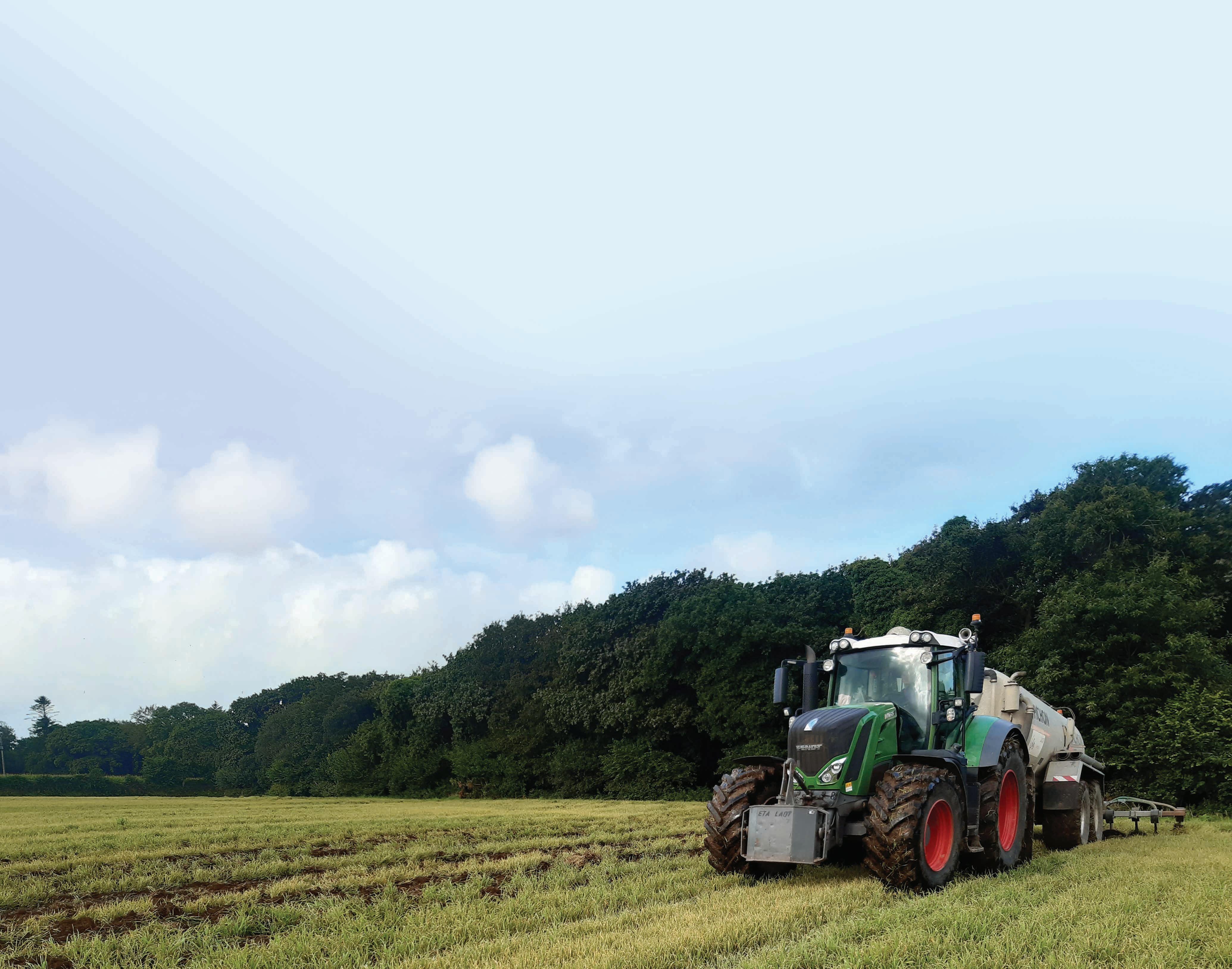
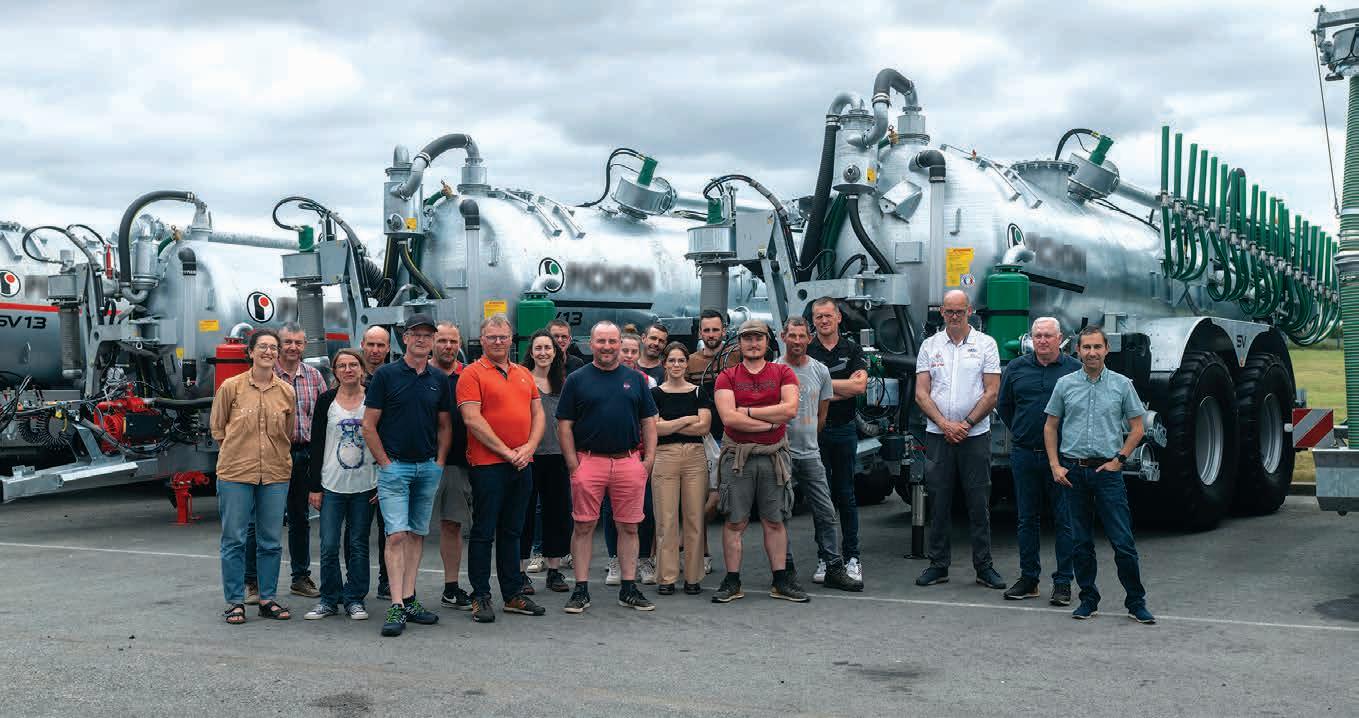
practices and reduce ammonia emissions, which Oddos says is ultimately in their economic interests. “Ammonia contains nitrogen, which is an element that plants need to grow. If farmers are able to reduce their ammonia emissions then they won’t need to spend as much money on mineral fertilisers, so saving costs,” she explains. “We’re currently working with 20 farmers based at a site in the west of Brittany, near the city of Brest. We are trialling a set of best available techniques (BATs), and looking to assess their impact on ammonia emissions.”
A number of measurement stations have been installed at the farms to build a deeper picture in this respect. Great care was taken over the location of these measurement stations, as ammonia has only a very short lifetime in the atmosphere. “If we put the measurement station too far away from a building or field known to be associated with ammonia emissions, then we won’t really get reliable data, while if we put them too close then we won’t get a picture of their wider impact,” says Nicolas Moreau, a Modelling and Geographic Information System (GIS) Engineer at Air Breizh. Alongside gathering data from farms, Moreau has also been working with existing air quality models, aiming to refine and improve them. “The first step in the modelling work was to study the accuracy of existing air quality models. I compared them to the measurements, to see if the models were accurate. analysed data
“Ammonia contains nitrogen, which is an element that plants need to grow. If farmers are able to reduce their ammonia emissions then they won’t need to spend as much money on mineral fertilisers, so saving costs.”
covering a full two year period, and then I also conducted analysis of the seasonal periods,” he outlines. “We already know that more ammonia is released in Spring than during the Winter, as that’s when soil is fertilised.”
The idea is to compare the performance of models over these periods, and to then look to improve them on the basis of ammonia measurements from the stations in Brittany, as well as some from other regions of France. A further dimension of the project’s work involves
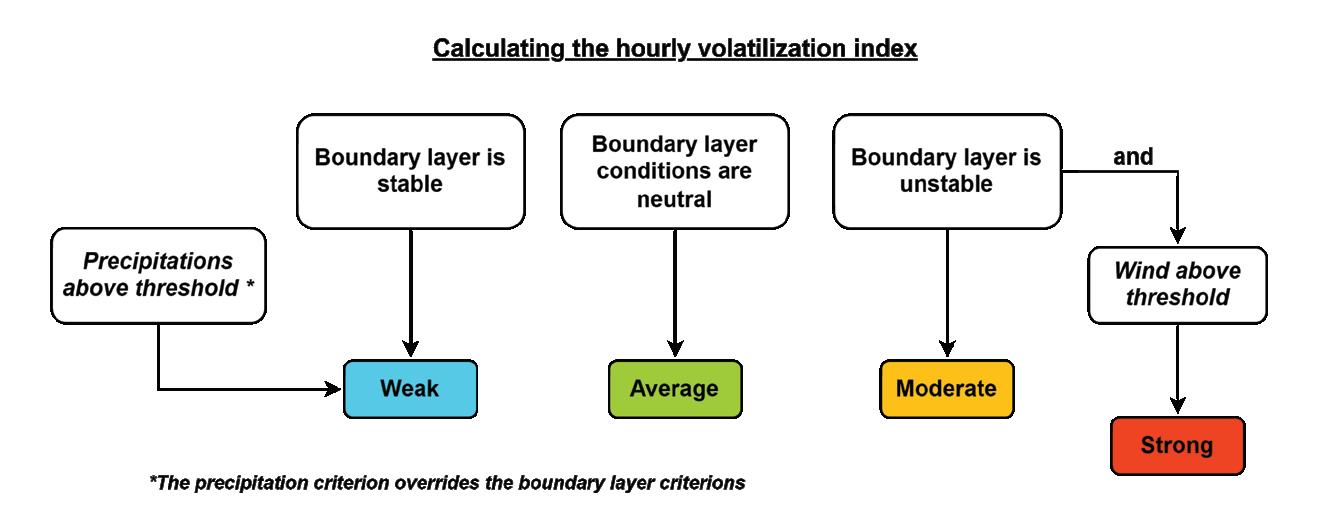
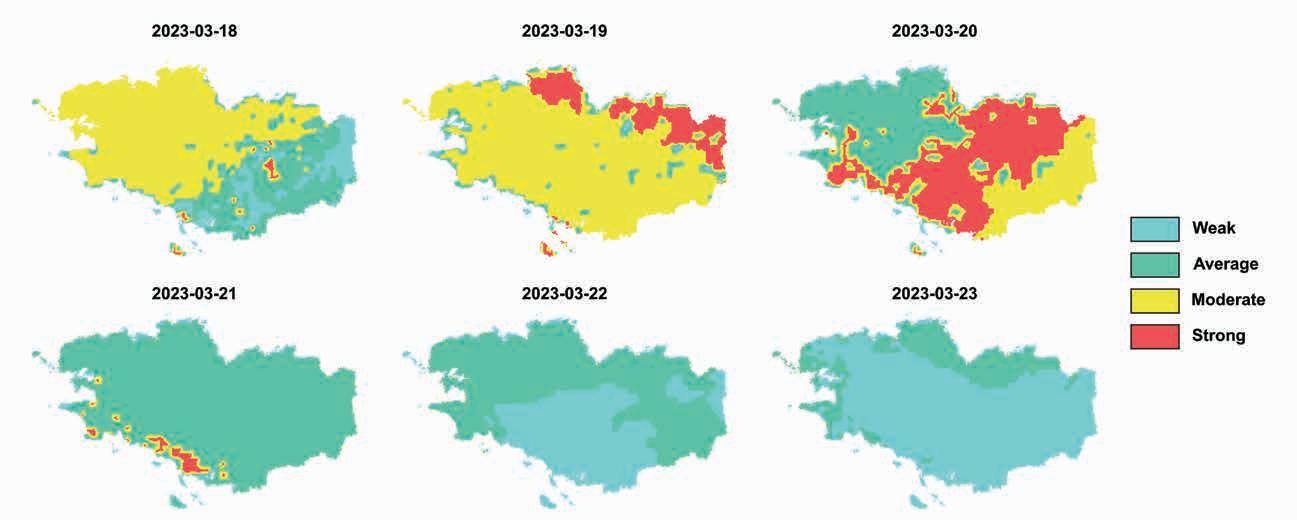
high winds lead to increased volatilisation,” says Oddos. “We’re trying to build a fuller picture of the impact of these factors on ammonia emissions in Brittany. We have national figures on ammonia emissions, but we want to gain more detail on the picture here in Brittany, and understand the local background.”
AgrivisioN’Air tool
using meteorological data to develop a volatilisation index, designed to assess the amount of nitrogen lost from the soil - in the form of ammonia - in different conditions. “The goal is to understand what atmospheric conditions lead to the volatilisation of ammonia out in the field,” continues Moreau. Several meteorological factors are at play here, which farmers should take into account when considering the right time to conduct different types of agricultural work. “High temperatures and
A decision-support tool called AgrivisioN’Air has been developed in the project, aiming to provide farmers with relevant, local information, so they can then adapt their working practices to reduce ammonia volatilisation. The team are now devoting a lot of effort to encouraging farmers to use this and other tools, while there is also wider interest in the project’s work and in potentially bringing AgrivisioN’Air to other regions of France and beyond. “We are working with the associations of air quality and chambers of agriculture in other French regions. We organised a webinar on the 21st May to present the project to other European organisations. The replay is now available on our website,” says le Quilleuc. At the same time, Oddos is also keen to work with more farmers in Brittany, which would heighten awareness of the BATs and
the potential environmental and financial benefits. “We would like to work with more farmers in the region, to really have a good exchange of knowledge about which practices are effective,” she continues. This may be about agronomy techniques or soil management, while certain organisational practices can also help farmers adopt reduce ammonia emissions. The farmers currently participating in the project work together in some aspects for example, one of which is combining resources to purchase equipment which they may not have been able to afford individually. “We want to understand how these farmers work together in what is a fairly small territory, so that we can then look to replicate these methods everywhere else in Brittany,” says Oddos. With the project nearing its conclusion the team is currently working on several reports, while they are also considering the possibility of a successor project, building on what has been achieved in LIFE ABAA. “We hope to continue working in this area in future, beyond the end of the project, and are looking to establish projects in collaboration with organisations from other regions,” says Oddos.
LIFE ABAA
ABAA, Reducing agricultural ammonia emissions to improve air quality
Project Objectives
To achieve the ambition to improve air quality by reducing ammonia of agricultural origin, the ABAA project relies mainly on a pioneering group of farmers, ETA (Entreprise de Travaux Agricoles) and CUMA (Coopérative d’Utilisation du Matériel Agricole) to test new less emissive practices and on the deployment of an ammonia and fine particle measurement network on the pilot territory of Brest. The project also includes the development of an app allowing farmers to simulate nitrogen losses related to ammonia emissions during spreading.
Project Funding
The LIFE ABAA project is run by Air Breizh, the French air quality monitoring association, in partnership with the Brittany Chamber of Agriculture. The project is financed by the European LIFE program, the Brittany region and the regional health and environment plan.
Project Team
https://lifeabaa2021.eu/lequipe-du-projet/
Contact Details
Project Coordinator, Air Breizh
3E rue de Paris, 35510 Cesson-Sévigné, France
E: lifeabaa2021@airbreizh.asso.fr
W: https://lifeabaa2021.eu/
Le
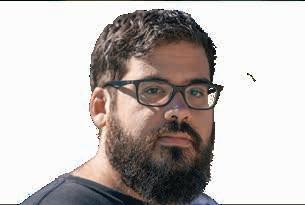

Meryll Le Quilleuc is LIFE ABAA project manager at Air Breizh, with a PhD in atmospheric chemistry. Nicolas Moreau air quality modelling engineer at AirBreizh, responsible for the association’s forecasting system and involved in the ABAA project.
Léna Oddos is a research officer with the Soil Management and Fertilization team at the Brittany Chamber of Agriculture. Within the ABAA project, she coordinates development actions to reduce ammonia emissions.