Pushing forward the clean energy transition

Clear targets have been set for reducing greenhouse gas emissions, yet rural municipalities do not always have the resources required to plan how they will be achieved. The team behind the LIFE RECET project are providing support to rural authorities across Europe, with the aim of helping accelerate the transition to clean energy, as Ottó Elíasson and Marianne Ribes explain.
Local authorities in rural areas across Europe have a key role to play in producing renewable energy, improving energy efficiency and meeting agreed targets, such as those set out in the EU Green Deal and the Paris Agreement of 2015. It is an overlooked fact that the production of energy for urban areas and cities typically comes from rural areas. However, local authorities in rural areas can be quite small organisations, and they often lack the financial and human resources required to develop detailed energy plans and comply with legislative requirements. “Some local authorities in rural areas may have as few as five people in their offices, and they’re responsible for running schools, maintaining infrastructure and other tasks. This doesn’t leave a lot of time and resources to think about energy and climate,” points out Ottó Elíasson of the Eimur public-private partnership, based in the North of Iceland. While rural areas are often rich in natural resources, they tend to be sparsely populated, and local authorities may lack specialist knowledge. “They may have less capacity to deal with the energy transition,” says Elíasson. Many municipal staff may also be suffering from a sense of fatigue after years of environmental consultations, summits and initiatives, which have not always delivered the change that was hoped for. The key to building momentum and achieving lasting energy efficiency improvements lies not solely in representative institutions, but also in engaging influential people within the communities set to be directly affected by new policies, whose voices carry weight with their peers. “In
small communities, word of mouth can go a long way in terms of influencing individuals,” says Marianne Ribes of Icelandic New Energy.
One of the main challenges in accelerating the energy transition in rural communities lies in building trust with local stakeholders, an issue central to Ribes and Eliasson’s work in the EU-backed LIFE RECET project. “We’ve been talking to people and stakeholders, presenting data and looking at how we can move towards clean energy,” outlines Eliasson.
LIFE RECET project
This collaborative approach is being applied by the project partners in municipalities in five countries across Europe (Iceland, Sweden, Denmark, Slovenia and Spain), with the aim of giving residents a sense of ownership and involvement in the plans, which in turn will strengthen their commitment to them. At heart LIFE RECET is a social project, with an emphasis on listening to local people, and encouraging them to play an active role in
shaping municipal plans for their own areas.
“How can we reach targets 10-15 years in future? What can we do today, what can we do in five years?” asks Eliasson. The project team are working with local residents in municipalities across Europe to address these kinds of questions and so develop Sustainable Energy and Climate Action Plans (SECAPs), using a ten-step methodology that originates in Samsø, an island off the coast of the Danish mainland. “The island of Samsø established a community-led, bottom-up way of dealing with these matters,” explains Elíasson. The island is a notable success story in the clean energy transition, having already reached a point where all its energy needs are met from renewable sources, and the project partners are keen to tap into their knowledge and experience. Representatives from many of the participating municipal authorities have been able to visit the island, and to learn from the Samsø Energy Academy – one of the partners in the project – about both how

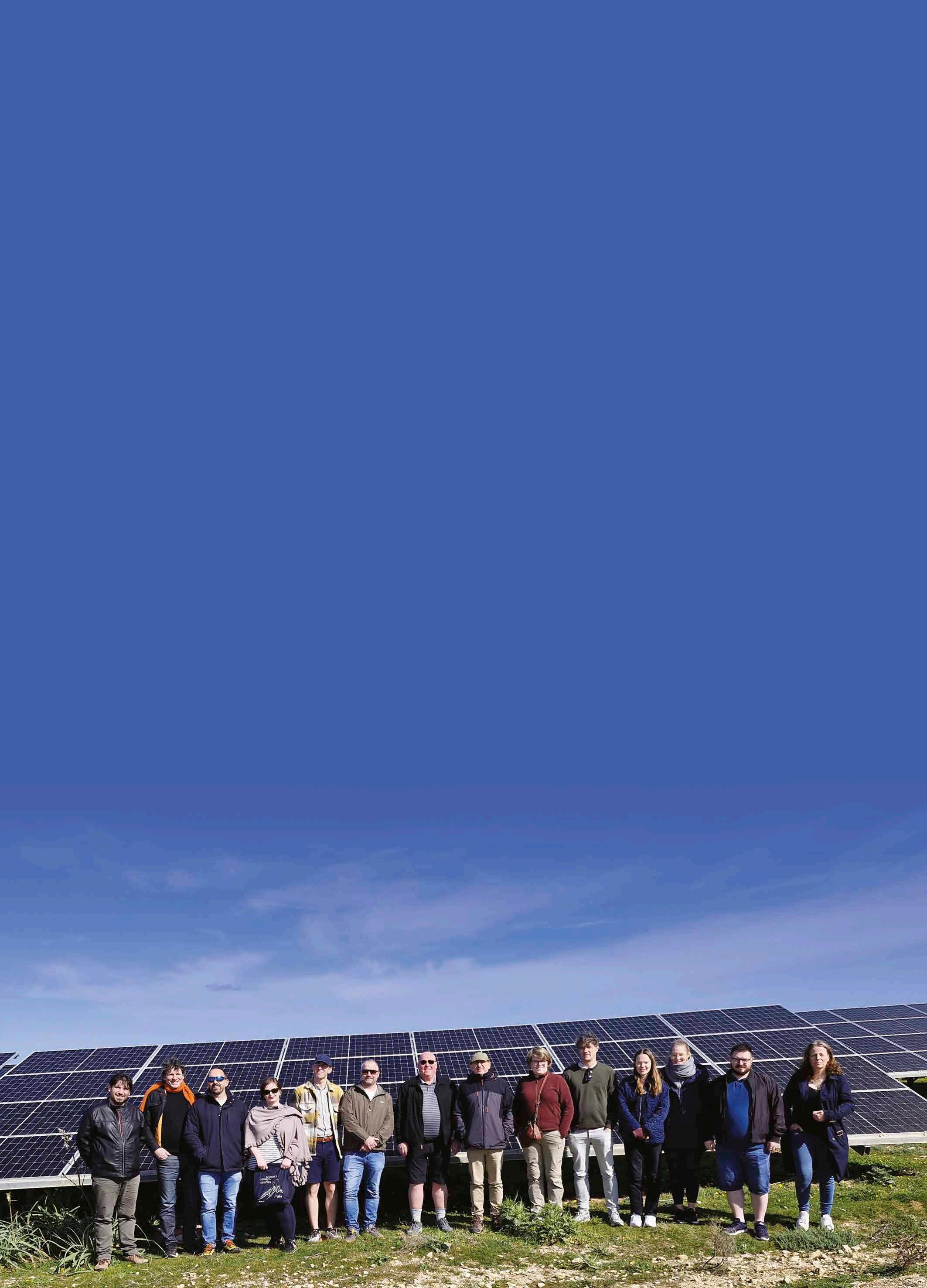
this shift has been achieved, and how it can be replicated elsewhere. “We wanted to hear about how things were done on the island, and draw lessons from the Energy Academy, with the aim of refreshing old policies, developing new ones, and bringing more people on board,” continues Eliasson. The key here is to consult closely with stakeholders. “A policy that stakeholders do not recognize as their own will be quickly forgotten and have only limited impact,” warns Ribes.
Consulting with stakeholders
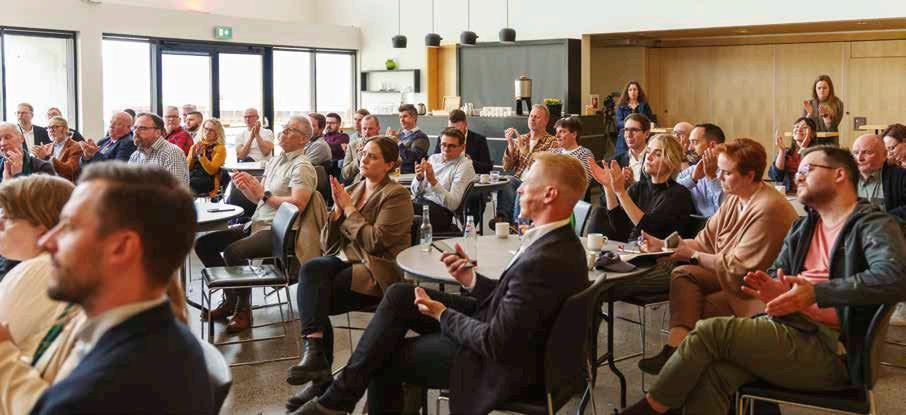
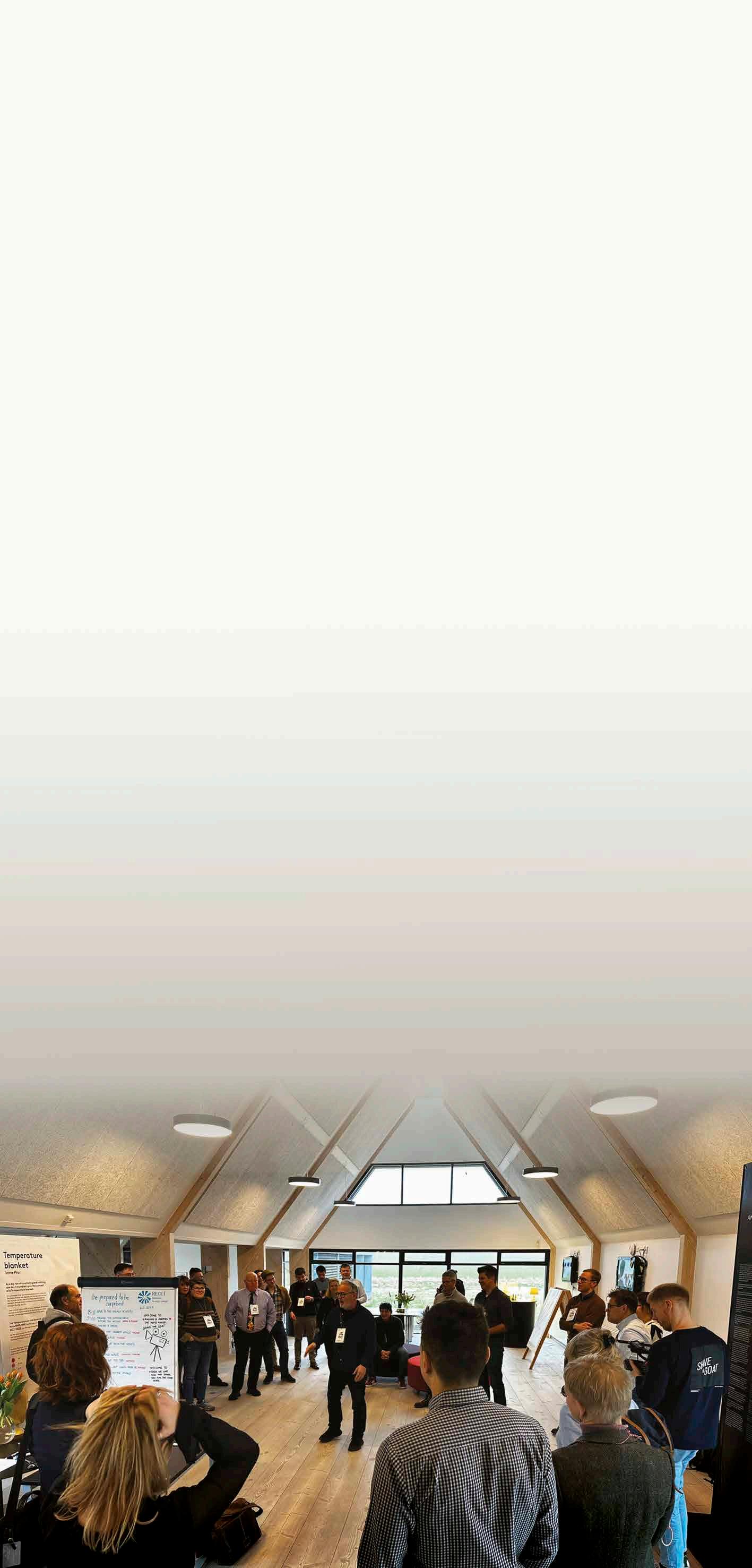
This can be a fairly slow and laborious process, as it involves bringing together a diverse group of people whose interests may not always be aligned, including municipal staff, citizens and community actors, yet this is a fundamental part of the project’s work. Regular workshops, meetings and conferences have been held throughout the course of the project, giving
of us may in principle agree that we should reduce our use of fossil fuels, when faced with practical, everyday concerns and the need for reliable transport, we often still choose the less environmentally-friendly but more convenient option. “People may think electric vehicles are less reliable in bad weather and so still buy diesel vehicles, there is sometimes a degree of resistance to change,” acknowledges Elíasson. Support from local stakeholders for more energy efficient solutions can then boost the prospects of their practical adoption, for example bike lanes, electric vehicle charging points, or new transport options to get children to school. “These are the kinds of actions that can be included in clean energy transition plans, they have an impact on the wider picture,” says Ribes. The technologies required for the energy transition already exist, such as innovative storage solutions, as well as methods of
“We’ve been talking to people and stakeholders, presenting data and looking at how we can move towards clean energy.”
people the opportunity to air their opinions and hear other views. A great emphasis has been placed on simplicity at these gatherings, and avoiding excessively complex processes or dense, technical language. “The message is tailored to stakeholders to quickly spark discussion. At the same time we keep the process light, so that stakeholders can immediately see the effects on the drafted policies and action plans,” explains Ribes. “We aim to build trust with stakeholders and create a space where they can express their views.”
The transport sector is a prominent topic at these meetings, as public transport options are often limited in rural areas, leaving many people reliant on their cars. While many
capturing, storing and utilising carbon. The challenge now is to encourage their wider adoption, including in rural communities; this is best achieved not by central diktat, but rather by engaging with people, believes Ribes. “We are moving away from top-down policy drafting and towards a model where citizens are active participants,” she outlines. This contributes to the long-term goal of accelerating the clean energy transition in rural municipalities, while at the same time ensuring this is achieved with the active involvement and support of local people. “The philosophy of the project is about listening to stakeholders, and working together towards common goals,” continues Ribes.
LIFE-RECET
Rural Europe for the Clean Energy Transition
Project Objectives
The general objective of the RECET project is to reduce dependence on fossil fuels and accelerate the clean energy transition (CET) in five European regions and their municipalities. This is achieved through the following specific objectives.
1. Build capacity in the administrations of municipalities and regions to accelerate local climate action
2. Establish vertical and horizontal cooperation across sectors for CET planning
3. Facilitate the development of realistic regional CET plans
4. Disseminate best practices for successful local stakeholder and community engagement and CET implementation
Project Funding
The project Rural Europe for the Clean Energy Transition (RECET) has received a grant of 1.5 million euros from the European Union’s LIFE grant program, which focuses on environmental and climate issues. LIFE project no. 101120588 Co-funded by the European Union.*
Project Partners
• Samsø Energy Academy • Icelandic New Energy • Eimur • SSNE • Westfjords • Energy Agency of Southeast Sweden • Consell Insular de Menorca • Občina Postojna • Zavod Iskriva
Contact Details
Marianne Ribes
RECET project Coordinator Icelandic New Energy
T: +354 863 6506
E: Ribes@newenergy.is
W: https://www.recetproject.eu/ W: https://newenergy.is/en/
* Views and opinions expressed are however those of the author(s) only and do not necessarily reflect those of the European Union or CINEA. Neither the European Union nor the granting authority can be held responsible for them.
lives and
in
in the North of Iceland. He is the general manager of Eimur a partnership working for the improved utilisation of resources in the region. Ottó holds a PhD in Physics from the University of Aarhus, Denmark.
Marianne Ribes has 15 years of interdisciplinary expertise in energy project management, and brings a unique perspective to her role as Project Coordinator at Icelandic New Energy, where she promotes green technology for a sustainable future.