Making the most of scarce water resources

Water scarcity is a pressing issue across large parts of Europe, underlining the importance of managing existing resources effectively and efficiently. The team behind the I-ReWater project aim to help increase the use of reclaimed water in the agricultural sector, in the process reducing the need to use freshwater resources, as Professor Javier José Cancela Barrio explains.
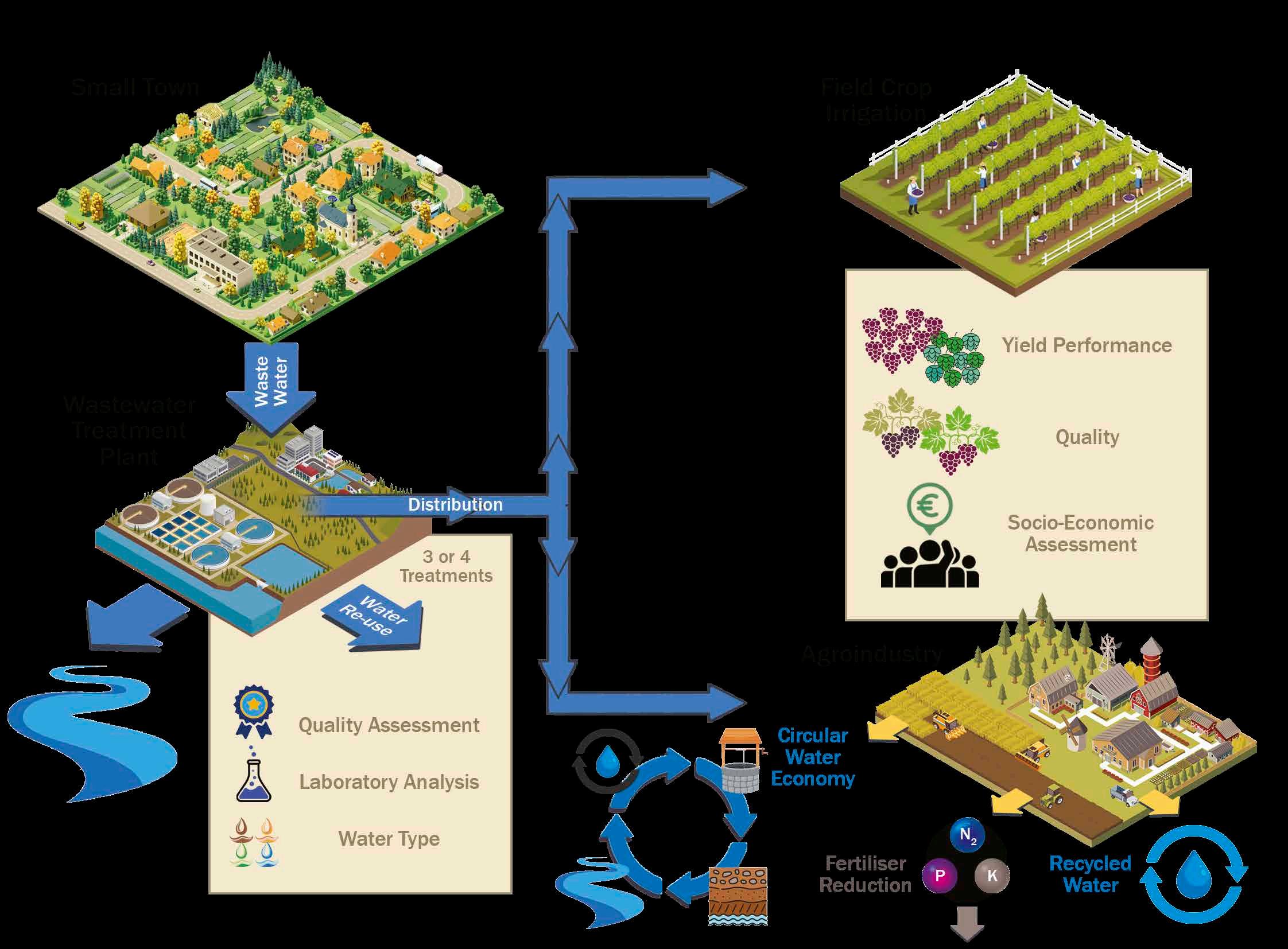
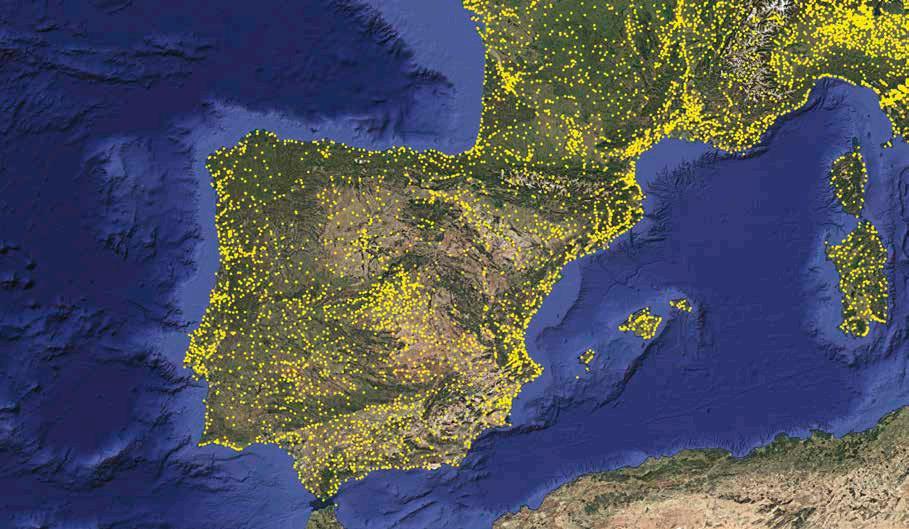
A significant proportion of the water which comes out of wastewater treatment plants is discharged into our rivers and oceans, but with scarcity concerns growing ever more pressing, researchers are looking at how these resources can be used more efficiently. One possibility is using reclaimed water to irrigate crops, so reducing the need to use increasingly scarce conventional water resources, a topic that Professor Javier José Cancela Barrio is exploring as part of his role in the EU-backed I-ReWater project. “We aim to develop a fundamental strategy to show the agricultural sector in the SUDOE (South West Europe) area how they can increase the use of reclaimed water in their surroundings, in their irrigation communities, or in their fields,” he explains. There are three main elements to this work. “One part of the strategy is about modelling the water resources available in the SUDOE area. We crossreference this with information about the distance between wastewater treatment plants and locations where crops need irrigation,” outlines Professor Cancela.
The project team, which brings together 16 partners from across Spain, France, Andorra and Portugal, take into account here any altitude differences between fields and the wastewater treatment plant. In some circumstances it may be necessary to establish pumps to get the water to where it is needed, which will affect the costs of distribution and the economic viability of using reclaimed water; these kinds of socio-economic considerations are an important part of Professor Cancela’s agenda in the project. “We’re looking at the distances between the two points, the energy involved, and the scale of the initial investments required. We’re also working to gauge opinion on using reclaimed water, and to counter any misconceptions about it,” he says. The third key step towards developing the wider strategy is conducting lifecycle assessments, looking to assess the impact of using reclaimed water in comparison to conventional water. “We’re using a lifecycle assessment methodology to identify the differences with conventional water in several categories,” continues Professor Cancela. “The long-term aim is to promote the use of reclaimed water.”
Action pilots
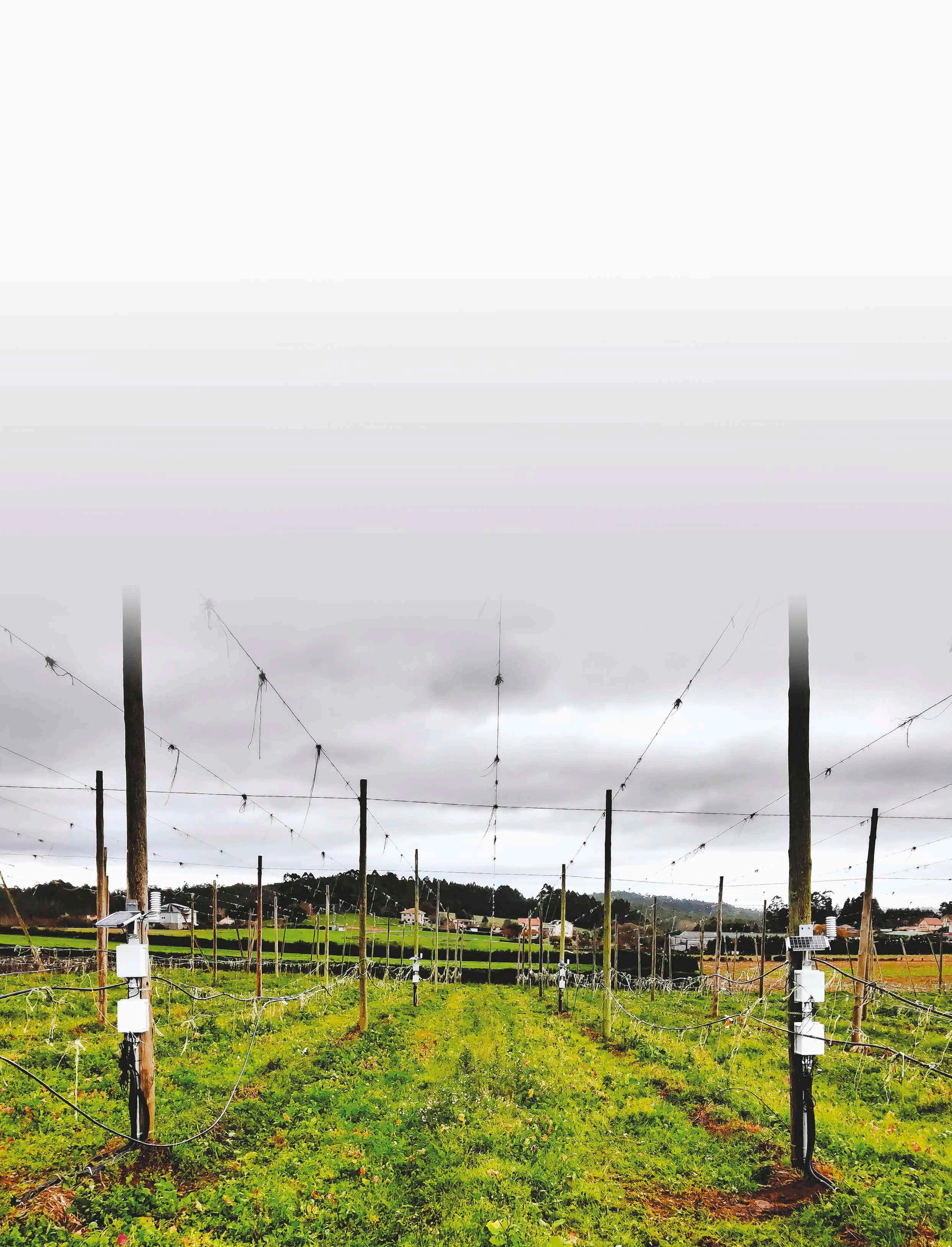
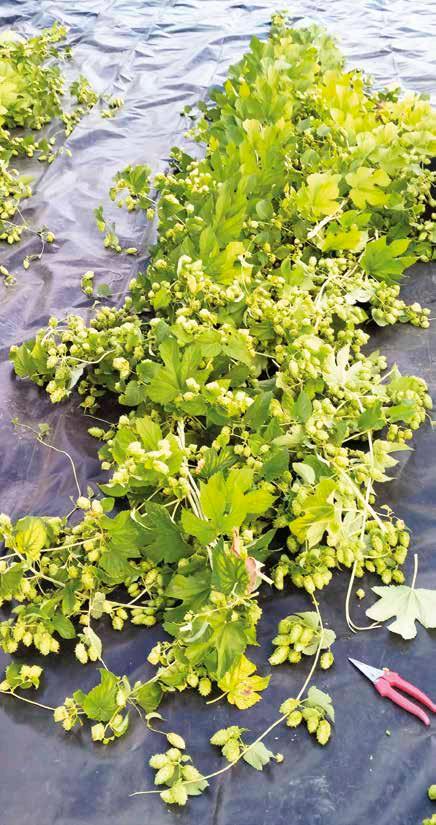
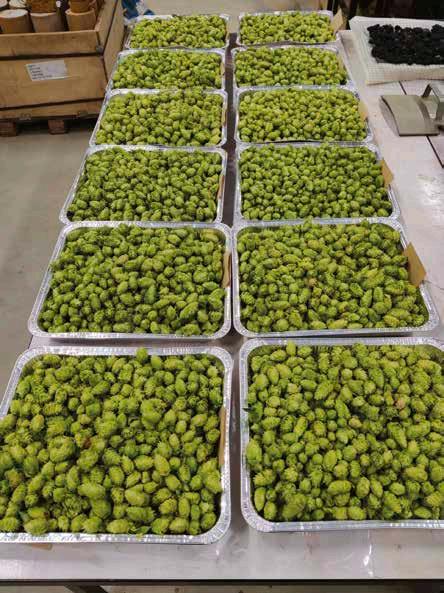
As part of this agenda action pilots have been established at 15 different locations across the SUDOE area, including hop growers and wineries, aiming to demonstrate the benefits of using reclaimed water in irrigation. These action pilots are focused on two types of crops. “The first are orchard – or woody –crops, such as vineyards, hops, almonds or olives, while the second are horticultural crops, primarily tomatoes and watermelons. We need high-quality water for horticultural crops, as reclaimed water is often in close contact with the final product that a consumer will eat, but we don’t always have to reach the same standards for the woody crops,” outlines Professor Cancela. The 15 pilots are in different parts of France, Spain and Portugal, some in coastal areas and others further inland, producing different crops. “For example, two of our pilots in the French region of Nouvelle-Aquitaine are related to hops, which are a highly demanding crop, requiring a lot of water,” continues Professor Cancela. “Our other pilots in France are vineyards, with previous experience of participating in this kind of
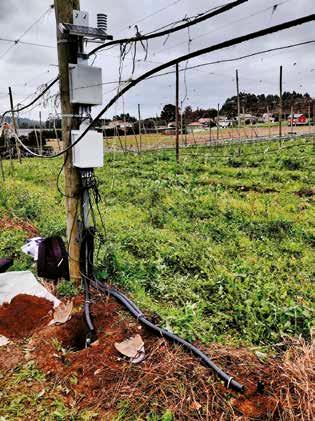

project. They are located close to the coast, where the environment is very different to the interior of the country.”
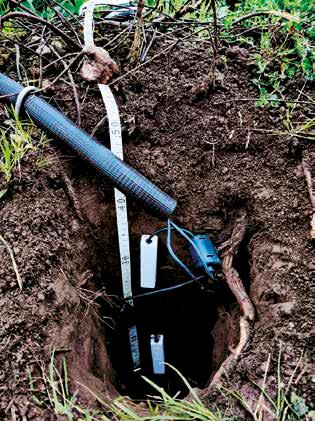
There are also a number of pilots in Portugal, including wineries, almonds and olive groves, while researchers are working with the agricultural sector in different parts of Spain. In one pilot in the region of Catalonia, reclaimed water is being used to irrigate almonds, while Professor Cancela says the project’s scope also extends further south. “We have two further pilots in Andalusía, close to Seville, focused on the irrigation of olive groves and industrial tomato. Catalonia and Andalusia have very different climates, but they both face significant water scarcity issues,” he outlines. These pilots will provide an opportunity for Professor Cancela and his colleagues to compare traditional irrigation methods with the use of reclaimed water in different environments, considering a variety of parameters. “We’re doing soil and plant analysis, as well as looking at the response of the plants at the physiological level, and at the quality of the crops produced,” he says. “For example, we are testing the wines and beers that are produced with crops irrigated using reclaimed water. We want to demonstrate to
people that there is no difference with crops irrigated in the conventional way.”
The project team are also working closely with farmers to help them accurately assess the quantity of nutrients available in reclaimed water, which can then inform and guide the way they manage their crops. Typically reclaimed water holds significant
everybody, and we are trying to transfer the knowledge and insights that we have gained in the project to potential users,” continues Professor Cancela. “We will share our results with all irrigation communities in Spain, and we also plan to share them with the relevant authorities, not only in the SUDOE region but more widely across the EU.”
“We aim to develop a fundamental strategy to show the agricultural sector in South West Europe how they can increase the use of reclaimed water in their surroundings, in their irrigation communities, or in their fields.”
quantities of various nutrients, such as nitrogen, phosphorus and potassium, and Professor Cancela says it’s important to use it effectively, particularly in the context of water scarcity and intensifying climate change. “Water is a finite, limited resource, and the agricultural sector needs to use it in a responsible way,” he stresses. While a lot of energy in the project is devoted to the action pilots, the project team also plan to share their findings more widely, and to help push forward change across the farming and agriculture sector. “Our results are open to
Knowledge hub
A key part of this goal is the knowledge hub, an online platform which is being developed in the project to make information and results more widely available. The hub provides results on the modelling of water resources for example, and will help people assess whether it’s feasible to use reclaimed water in their local area. “The web application can be used to identify where the closest wastewater treatment plant is and how easy it will be to transfer water from there to an irrigation community,
whether it is at a higher or lower altitude for example,” says Professor Cancela. There is a lot of interest amongst farmers in these tools and methods, although there is some level of concern about the impact of certain substances that may remain in reclaimed water even after it has been treated, an issue that is being addressed in some of the action pilots. “It’s very difficult to remove certain drugs and medicines from water,” acknowledges Professor Cancela. “Some of the action pilots are looking at the transfer of these micro-contaminants into the soil. Are these contaminants transferred? And if so, what is their impact on the end product?”
This helps build a greater degree of confidence in reclaimed water, and encourages greater use of it in the agricultural sector, which in turn will reduce the need to use freshwater and groundwater reserves. While the agricultural sector is commonly identified as a major consumer of freshwater, Professor Cancela says this doesn’t give the full picture. “Water used in the agricultural sector doesn’t disappear into some kind of black hole, it’s used to produce crops,” he stresses. However, there is scope to use water resources more efficiently, which will help alleviate scarcity concerns and support the ongoing sustainability of the agricultural sector, an issue central to the project. “The agricultural sector can make greater use of reclaimed water. We believe this will become increasingly important in the near future, as water scarcity concerns grow ever more pressing,” says Professor Cancela.
The analyses do not confirm differences between crops irrigated with reclaimed water and those irrigated with well water.
I-ReWater
Sustainable water resources management in irrigated agriculture in the SUDOE space
Project Objectives
The aim of the I-ReWater project is to improve the management of water resources in agriculture, so reducing the need to use increasingly scarce freshwater resources. The project team is developing strategies to encourage farmers to use reclaimed urban water in the cultivation of agricultural crops, contributing to wider environmental goals.
Project Funding
The I-ReWater project is funded by the Interreg SUDOE programme. The project has a total budget of EUR 2,226,300.00, with 75% co-financed by the ERDF Fund (European Regional Development Fund), totaling over €1.6M in EU funding.
Project Partners
The 16 partners collaborating in I-ReWater form a multidisciplinary consortium that is complemented by the support of 39 collaborating entities.
Team Members
• Javier J Cancela (USC)
• Lucie Le Bouteiller (HOPEN)
• Mar Vilanova (ICVV)
• José Silvestre (INIAV)
• Alfonso Ribas (FJdV)
• Anabela Fernandes-Silva (UTAD)
• Antonio Ribeiro (IPB)
• Joan Girona (IRTA)
• Juan Antonio Rodríguez (UCO)
• Miguel Campos (ADN)
• Nicolas Saurin (INRAE)
• Isabel Martín (AMAYA)
• María Huerta (AMB)
• Ramón Cuadros (ORC)
• Pablo Estévez (GESTAGUA)
• Laura Coll (Govern d’Andorra)
Contact Details
Project Coordinator,
Dr. Javier José Cancela Barrio
T: +34 678920897
E: javierjose.cancela@usc.es
W: https://interreg-sudoe.eu/proyectointerreg/i-rewater/ W: https://i-rewater-hub.com/