Financing the finance for energy-efficiency improvements

Renovating buildings and improving their energy efficiency performance has been identified as a key element of efforts to meet France’s climate and energy targets. However, current levels of financial support for renovation are insufficient in these terms, an issue that the FiRéno+ project , led by the consortium of ADEME, French Agency for Ecological Transition, Sustainable Finance Observatory, and Res Publica, seeks to address.
Many French banks provide loans at relatively low rates to support building renovation projects, helping improve energy efficiency and contributing to the wider goal of meeting climate and energy targets. However, current levels of support are insufficient to meet France’s energy consumption reduction targets, as outlined in the Stratégie Nationale Bas Carbone.
“If we really intend to achieve the targets that have been set out, in terms of reducing energy consumption and protecting the climate, additional finance is required,” says Guillaume Lorentz of Sustainable Finance Observatory.
The consortium behind the EU-backed FiRéno+ project is now working to bring different stakeholders together in roundtables and encourage discussion, aiming to establish a shared agenda and support the transition to a more sustainable economic model. “The aim of FiRéno+ is to actively mobilise banks, private companies, national housing or habitat agencies, ministries, think tanks, consulting firms, experts, and civil society, looking to unlock finance for renovation projects,” outlines Lorentz. “A lot of banks discuss loans with their clients. They will discuss the possibility of renovating a property on the basis of the energy efficiency performance.”
The focus of attention in these discussions is the renovation of private properties, both residential and tertiary, which are typically older buildings with significant scope to improve energy efficiency. The tertiary sector accounts for around a third of the total building-related energy consumption in France and reducing that could have a significant impact in terms of meeting environmental targets.
“The building sector accounts for a large proportion of emissions, and there’s a lot of focus on it,” acknowledges Lorentz. France Stratégie indicates that an additional annual investment of around €20 to €30 billion will be required by the end of the decade for the energy renovation of buildings. “The long-term goal of the FiRéno+ project is to get more
finance – in the region of 3-4 billion Euros –dedicated to renovation projects,” he says. “In the FiRéno+ project we’ve established working groups and held roundtables, bringing together different stakeholders, including banks, construction companies and private citizens, aiming to identify the barriers to investment and look at how we can scale it up.”
FiRéno+ project
This work will help the project team build a deeper understanding of how banks operate, the financial mechanisms they use, and to then encourage other institutions to apply them where they have been shown to be effective. A second major focus area for the project is on encouraging collaboration between the different stakeholders, as part of efforts to get more renovation projects up and running. “This is about understanding what energy efficiency means, and providing a greater degree of clarity on how investing in deep renovation projects can benefit different stakeholders,” explains Lorentz. From this basis, the consortium is working to stimulate renovation projects, through financial support or providing relevant
information. “We are engaged in discussions with banks and different private companies. We can help them access financial resources to fund a deep renovation project or provide information that will support them in understanding how to proceed,” continues Lorentz. “We are building tools and implementing processes to establish more and more renovation projects.”
A major priority for the project is to clarify the broad benefits of renovation, both environmental and economic. Renovated buildings consume less energy, which means lower utility bills and reduced greenhouse gas emissions — a win-win for both property
owners and the planet. “We’re looking at the overall picture, from energy performance to cost savings,” says Lorentz. Financial support is available, including for lowincome households, and high-performance renovations are increasingly accessible.
Energy efficiency performance
The energy efficiency performance of a property is reflected in its overall value to some extent, a point which may help to encourage investment in renovations of those buildings with relatively low ratings. However, it’s difficult to draw direct comparisons between properties in this respect and precisely assess the financial impact of improved energy efficiency. “There have been studies, but it’s challenging to put a specific value on it. Some companies are focused on identifying the intrinsic value of energy efficiency, but that tends to be for larger buildings and specific investments,” continues Lorentz. The ‘green value’ of a renovation may be difficult to quantify, yet Lorentz says this can be persuasive in encouraging banks to support such projects, so the project team are working to build a fuller picture in this area. “We really want to provide a better understanding about the value of green loan when it comes to renovation projects, which is something we are currently working on,” he says. A bank typically needs a lot of information and supporting evidence when considering whether to offer a loan and assessing the risk of default. When the level of risk has been reduced banks are often keen to get involved, in part to
“FiRéno+ aims to actively mobilise banks , private companies , national housing or habitat agencies , ministries , think tanks , consulting firms , experts , and civil society, looking to unlock finance for renovation projects.”
FiRéno+
French roundtables for scaling up investment in energy efficiency and integrated renewables in the Building Sector
Project Objectives
FiRéno+ aims to massify the financing of efficient building renovation. It sets three objectives:
1. Collectively develop solutions to remove barriers to increasing funding for efficient renovations
2. Foster mutually beneficial actions and longterm collaboration between public authorities, the private sector and property owners.
3. Propose turnkey solutions passed on to decision-makers to increase investments and reduce greenhouse gas emissions
Project Funding
This project has received funding from the EU LIFE programme 2021 –2027 under grant agreement no 101119759.

Project Partners
• ADEME - https://www.ademe.fr/
The Agency for Ecological Transition participates in the implementation of public policies in the fields of the environment, energy, and sustainable development. It also helps to finance projects.
• Res Publica - https://en.respublica-conseil.fr/
Contact Details
Project Coordinator, Guillaume Lorentz
2, Place de la Bourse
75002 Paris (office address)
T: ++33 6 62 75 64 88

E: guillaume.lorentz@sf-observatory.org : https://www.linkedin.com/in/guillaumelorentz/
W: www.sustainablefinanceobservatory.org
Views and opinions expressed are however those of the author(s) only and do not necessarily reflect those of the European Union or CINEA.

has over twenty years of experience in the financial sector, and works to identify, quantify and manage climate-related risks.


demonstrate their green credentials to a wider public increasingly concerned about environmental and sustainability issues. “We see banks and other organisations placing an increasing level of emphasis on their green asset ratio. Under the Basel reforms, banks are expected to publish their exposure, in terms of energy efficiency work on real estate buildings,” says Lorentz. The project team are working to essentially align financial markets with the Paris Agreement, so that they support the level of investment required to meet
Lorentz is looking to make clear progress by the time the project concludes in September. “We would like to address the key barriers limiting the number of renovation projects,” he outlines. “Tools and processes have now been provided to encourage banks to develop loans and explore new financial mechanisms for renovation, and to ultimately increase the number of projects that go ahead. We also want to support the involvement of private firms in renovating the homes of their employees.”
“If we really intend to achieve the targets that have been set out, in terms of reducing energy consumption and protecting the climate, additional finance is required,”
environmental targets; banks need clear information in this respect. “It is important for banks to know their footprint in terms of their green investments, so they have the ability to define what is going on when they provide a loan. So where a loan is supporting energy-efficient renovation projects, the bank will get all the relevant information,” continues Lorentz.
This could mean for example the European Taxonomy for sustainable finance, classifying those activities that can be considered environmentally sustainable, as well as describing potential differences in terms of re-financing rates. These topics are under discussion between the different stakeholders, with four roundtables already held, and
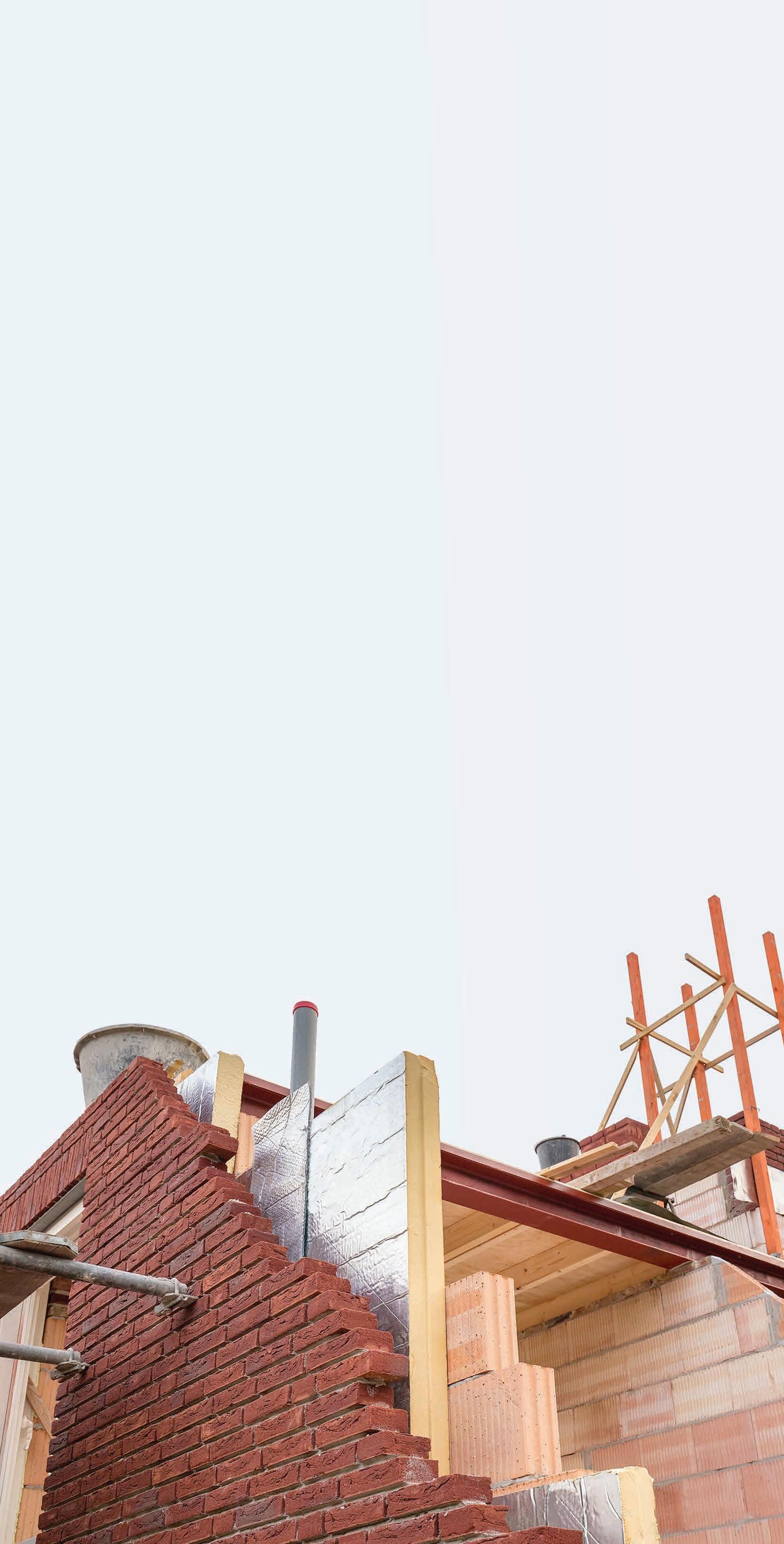
The backdrop to this work is the goal of improving the energy efficiency of buildings, in line with the targets set out in the Paris Agreement of 2015. Scaling up energy renovation appears to be a key driver of the transition. In fact, it offers a way to address issues such as poor housing conditions — and thus social challenges — CO2 emissions, and energy sovereignty. The FiRéno+ team are working towards these goals, and while the project itself is set to conclude in September, Lorentz says their work will have a long-term impact beyond the end of the funding term. “FiRéno+ aims to develop a toolkit and set of processes, opening up new opportunities to renovate buildings,” he says.