RESEARCH NEWS


The EU Research team take a look at current events in the scientific news

The EU Research team take a look at current events in the scientific news
These projects aim to address environmental challenges and advance climate action across the continent.
The Commission has granted today more than €380 million to 133 new projects across Europe under the LIFE Programme for environment and climate action. The allocated amount represents more than half of the €574 million total investment needs for these projects – the remainder coming from national, regional and local governments, public-private partnerships, businesses, and civil society organisations.
LIFE projects contribute to reaching the European Green Deal’s broad range of climate, energy and environmental goals, including the EU’s aim to become climate-neutral by 2050 and to halt and reverse biodiversity loss by 2030, while ensuring Europe’s longterm prosperity. This investment will have a lasting impact on our environment, the economy and the well-being of all Europeans.
The projects cover a range of environmental areas, including the circular economy, nature and biodiversity restoration, climate resilience, and clean energy transitions. These investments will have a profound impact on Europe’s environment, economy, and citizens’ quality of life, propelling the EU’s green transition.
One of the primary focuses of the LIFE Programme is promoting a circular economy. Nearly €143m has been dedicated to 26 projects that aim to reduce waste, improve water use, and tackle air and noise pollution. These initiatives also emphasise the importance of recycling and reusing materials to minimise environmental impact. Notably, Italy’s LIFE GRAPhiREC project is set to recycle graphite from battery waste, potentially generating €23.4m in revenue while cutting production costs by €25m. Spain’s LIFE POLITEX project, with a €5m investment, aims to reduce the fashion industry’s environmental footprint by converting textile waste into new fabrics. Additionally, the Canary Islands’ €9.8m DESALIFE project seeks to improve water resilience by desalinating 1.7 billion litres of ocean water using offshore wave-powered buoys.
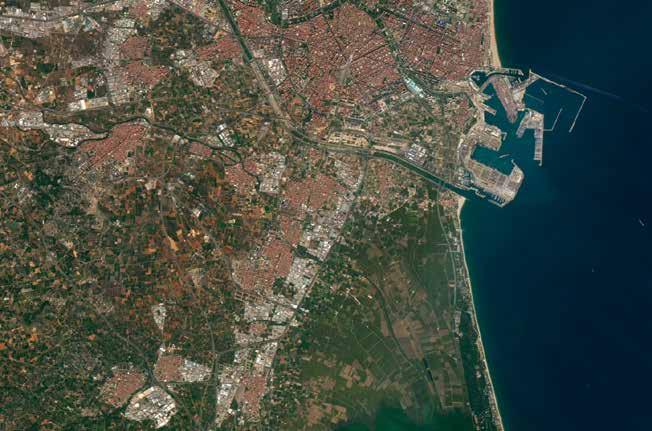
Close to €216m has been allocated for projects that restore ecosystems and protect biodiversity. Twenty-five projects will address habitat restoration, species conservation, and improved management of freshwater, marine, and coastal environments.
LIFE4AquaticWarbler and LIFE AWOM, two biodiversity projects, aim to save the rare aquatic warbler bird, mobilising €24m across multiple countries, including Belgium, Germany, and Spain. Budapest’s €3.6m Biodiverse City LIFE project promotes the peaceful coexistence of nature and urban life, showcasing how cities can integrate biodiversity into their planning.
With €110m earmarked for climate resilience and mitigation efforts, Europe is making strides in adapting to the impacts of climate change. IMAGE LIFE and LIFE VINOSHIELD, two notable projects, will help European vineyards and cheese producers (e.g., Parmigiano Reggiano and Camembert) adapt to extreme weather conditions and water scarcity. To further accelerate the green transition, €105m is being invested in projects that promote clean energy solutions. One example is LIFE DiVirtue, a €1.25m project using virtual and augmented reality to train construction professionals in building zero-emission structures.
Meanwhile, the €10m ENERCOM FACILITY project will empower 140 emerging energy communities across Europe to develop sustainable energy initiatives and promote long-term renewable energy solutions. The LIFE Programme’s investment in these 133 projects highlights the EU’s commitment to tackling environmental challenges and achieving a sustainable future. Through innovations in the circular economy, biodiversity restoration, and climate resilience, Europe is moving closer to its goal of becoming climate-neutral by 2050 and ensuring the success of its green transition.
https://cinea.ec.europa.eu/programmes/life_en
Closing the innovation gap with the US and China is her first ambition –but speech is light on new details.
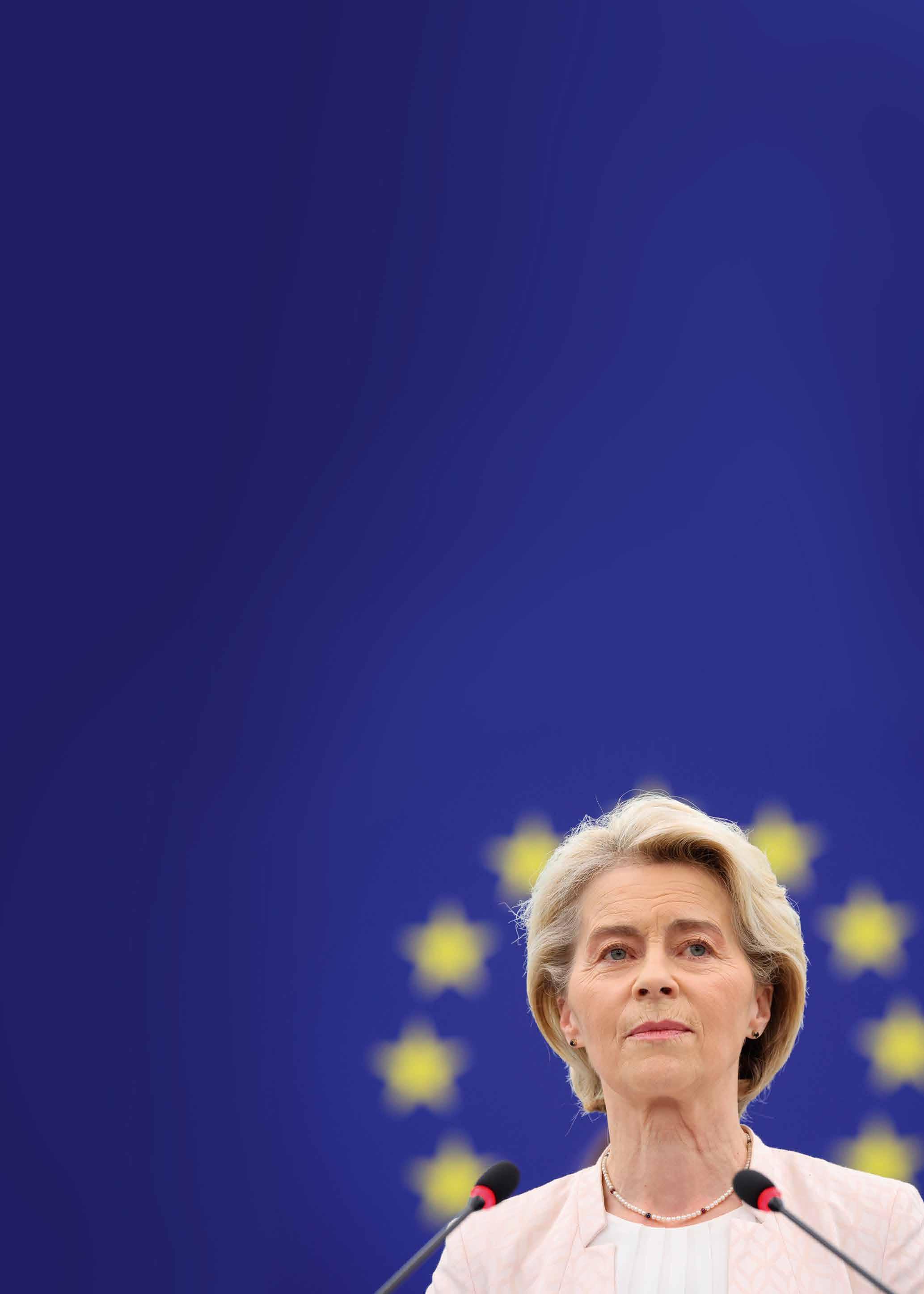
Ursula von der Leyen promised to put research and innovation “at the centre of our economy” as she laid out her plans for the next five years, before the European Parliament voted to confirm her second term as president of the European Commission.
A total of 401 MEPs voted in favour of von der Leyen’s reelection this afternoon, and 284 voted against, making for a more comfortable majority than her first vote in 2019. There was no mention of research in her speech to MEPs before the vote, but in her political guidelines published this morning, von der Leyen pledges to increase the EU’s research spending, and “expand” the European Research Council (ERC) and the European Innovation Council (EIC).
The ERC delivers grants to support primarily early-stage research, with a budget of more than €16 billion under Horizon Europe. French president Emmanuel Macron has called for the ERC to be reinforced, and ERC president Maria Leptin recently urged grant holders to lobby politicians for more funding. The EIC supports researchers and innovators with grants and equity investments. Its €10.1 billion budget until 2027 makes it one of the biggest deep tech investors in the world, but its president has stressed the need for additional funding. Meanwhile MEPs and the research community have been calling for the Horizon Europe budget to be doubled to €200 billion in the next framework programme, as member states continue to show no signs of spending 3% of GDP on R&D, targets which were proposed back in 2003.
Von der Leyen also wants to launch new public-private partnerships, propose a European biotech act next year as part of a wider life sciences strategy, and strengthen the university alliances designed to deepen cross-border links between institutions. Leptin said von der Leyen’s appointment would provide much-needed continuity, and she is “very pleased” with the commitment to increase research spending with a focus on fundamental research, scientific excellence, and disruptive innovation, and to expand the ERC. “In the ERC competitions, we can now only fund 60% of excellent proposals; increased funds would certainly help to close this gap and further curb the brain drain from Europe,” Leptin said. “What’s more, there is a need to increase the funding given to ERC grantees as the grant sizes have not changed since the creation of the ERC in 2007, despite inflation.”
Her focus on research and innovation won applause from MEPs. “I very much welcome that we finally have a Commission President again that understand the value of science, research and innovation for the European project,” said German MEP Christian Ehler in a statement posted to X. But despite research and innovation winning pride of place in von der Leyen’s speech, she didn’t yet flesh out any policy details.
In her political guidelines for this term, von der Leyen has promised to “increase” research spending and expand the European Research Council (ERC) and European Innovation Council (EIC). But it’s unclear what budget the Commission will shoot for when haggling with member states begins in earnest next year.
In a report published this week, MEPs in the Parliament’s Committee on Industry, Research, and Energy (ITRE) say half of the FP10 budget should go to the ERC and EIC. MEPs are also backing the creation of a European Technology and Industrial Competitiveness Council to enhance private sector participation, and a European Societal Challenges Council to manage research and innovation activities addressing societal challenges.
In her speech on Wednesday, von der Leyen did not mention several policy ideas in the recent report from former Italian prime minister Mario Draghi – even though the Competitiveness Compass is set to be based on his report. The report, for example, wants the EU to set up its own breakthrough innovation agency, modelled on the US’s Defense Advanced Research Projects Agency. It also wants the ERC to fund EU chairs for “top researchers”. Following her speech, MEPs approved von der Leyen’s picks for commissioner, as expected following weeks of haggling among the parliament’s political groups. 370 voted for, 282 against, and 36 abstained. They will take office on 1 December.
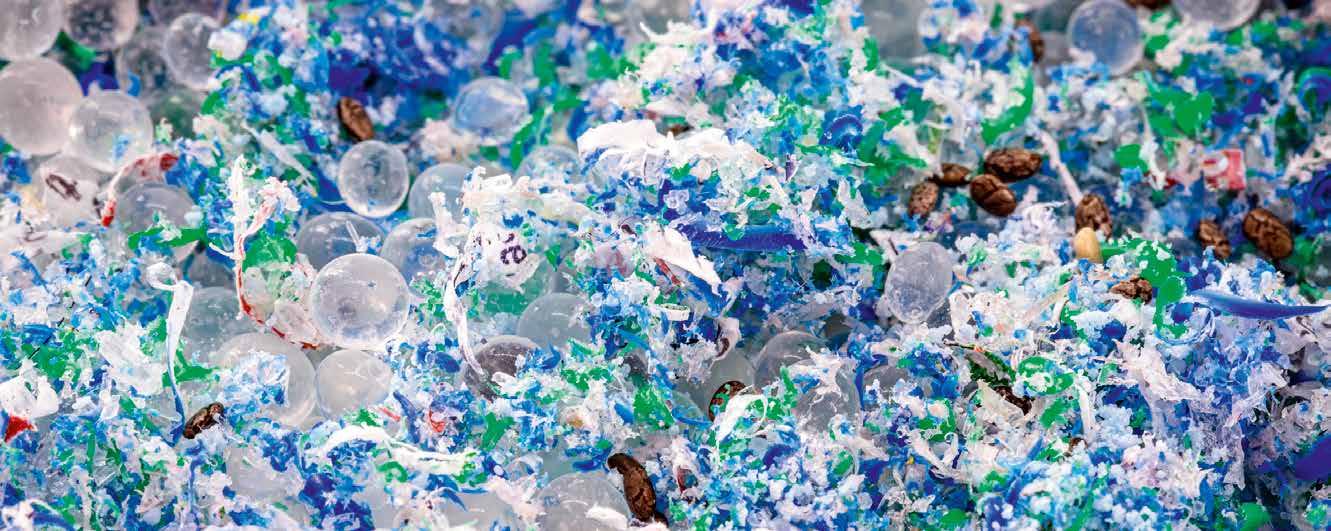
Study detects a synergistic effect making substances more dangerous, raising a significant alarm considering the fact that humans are exposed to both.
Microplastics and persistant materials known as ‘forever chemicals’ are two of our most concerning modern pollution problems. Now new research has shown how their impact on the environment drastically increases when combined. A team from the University of Birmingham in the UK looked at the effects of microplastics and PFAS (per- and polyfluoroalkyl substances) on Daphnia magna water fleas, both separately and mixed together.
Exposing Daphnia to both pollutants together under laboratory conditions caused up to 41 percent more damage to the water fleas than the plastics and forever chemicals did separately. That effects included stunted growth, delayed sexual maturity, and fewer offspring, with the severity of harm greater in tests on water fleas that had previously been exposed to other chemical pollution, suggesting a cumulative effect. “It is imperative that we investigate the combined impacts of pollutants on wildlife throughout their lifecycle to get a better understanding of the risk posed by these pollutants under real-life conditions,” says environmental scientist Mohamed Abdallah. “This is crucial to drive conservation efforts and inform policy on facing the growing threat of emerging contaminants such as forever chemicals.”
Microplastics are fragments of plastic less than 5 millimeters (0.2 inches) across, which accumulate in the environment as a result of the break-up of larger materials or the shedding of synthetic fibres.
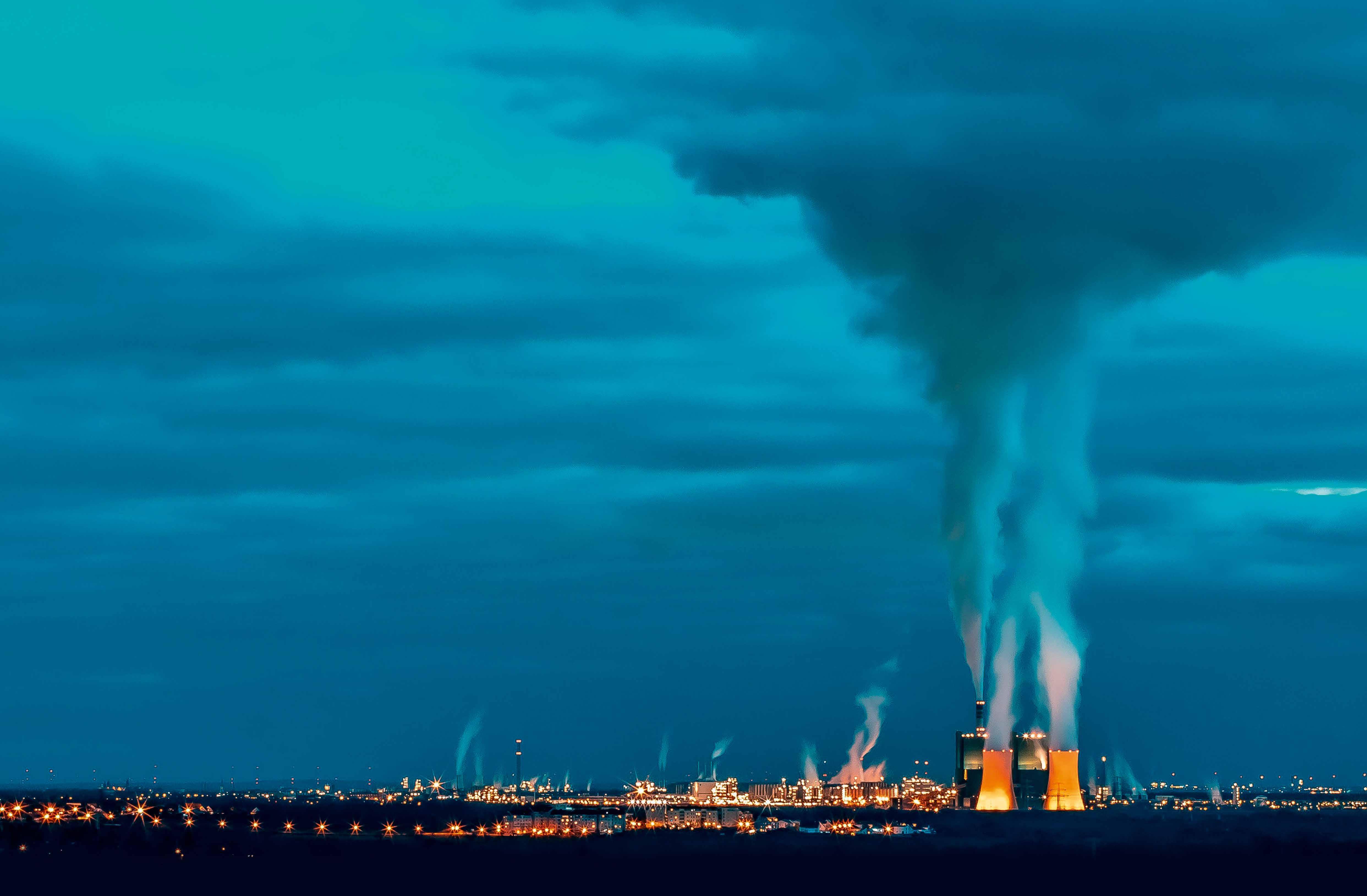
Though the extent of their effects on ecosystems and human health isn’t fully known, research suggests there is good reason to be concerned as they increasingly spread, both into the most remote spots on Earth and deep inside our own bodies. PFAS, meanwhile, are used in a multitude of manufacturing processes for their fire-suppressing qualities, and have been linked to kidney damage and cancer growth. Slow to break down, these pollutants have been found in wildlife and falling rain – as ubiquitous in our environment as microplastics.
The study was designed to simulate D. magna’s potential exposure to both of these toxins in the natural world. These water fleas are a key part of the aquatic food chain, as well as a useful indicator of environmental pollution. “Our research paves the way for future studies on how PFAS chemicals affect gene function, providing crucial insights into their long-term biological impacts,” says evolutionary systems biologist Luisa Orsini.
Identifying the impact of individual pollutants is challenging, let alone deciphering their impact on the environment when combined. With improvements in analytical methods and technology, the researchers hope we can better quantify the harm caused by numerous pollutants under more complex circumstances. “These findings will be relevant not only to aquatic species but also to humans, highlighting the urgent need for regulatory frameworks that address the unintended combinations of pollutants in the environment,” says Orsini. “Understanding the chronic, long-term effects of chemical mixtures is crucial, especially when considering that previous exposures to other chemicals and environmental threats may weaken organisms’ ability to tolerate novel chemical pollution.”
European air pollution remains a major health risk warn United Nations
Most European city dwellers are exposed to unsafe levels of air pollution.
Air pollution in Europe has declined over the past two decades but remains one of the greatest environmental health threats. This is the message from the United Nations Environment Programme (UNEP) on the International Day of Clean Air for Blue Skies, celebrated on 7 September. Almost all European city-dwellers (96%) are exposed to concentrations of fine particles well above the World Health Organization (WHO) guidelines. In 2021, this reference threshold was set at 5 µg/m³, a level deemed to pose no health risk.
Fine particles come from solid fuels used for domestic heating, industrial activities, and road transport. In 2022, only Iceland recorded a national average of fine particle concentrations below the WHO guide value, according to the European Environment Agency (EEA). On the other hand, Croatia, Italy and Poland recorded concentrations above the current European Union (EU) limit of 25 µg/m³ in 2022—a standard five times higher than the WHO threshold. Fine particles, one of the worst contributors to air pollution, caused the premature death of almost 4 million people in 2019, according to UNEP. East Asia and Central Europe are the hardest hit. The European Commission reports that this type of pollution causes 300,000 premature deaths annually in the EU.
UNEP’s “Air Pollution Note”, based on 2019 data, paints a mixed picture for the EU. In France and Belgium, the population is exposed to levels of fine particles 2.2 and 2.6 times higher than the WHO threshold (5µg/m3). In Italy, Hungary and Romania, the average level (16 µg/m3) is 3.2 times higher than the WHO
guideline. In Poland, fine particle pollution is twice as high as in Belgium (23 µg/m3, 4.6 times the WHO threshold). Peaks in concentration of fine suspended particles in Serbia, BosniaHerzegovina and Northern Macedonia, reached levels 5 to 6 times higher than the WHO threshold.
Legislation was adopted by the EU in 2016, via the new National Emission Ceilings Directive (“NEC” Directive). This legislation is in force in each of the 27 member states for five primary air pollutants: sulfur dioxide (SO2), nitrogen oxides (NOx), non-methane volatile organic compounds (NMVOCs), ammonia (NH3) and fine particulate matter (PM2.5). However, by 2022, only 16 member states had met their national commitments for the period 2020-29, according to the EEA. For 11 other countries, the targets for at least one of the five primary pollutants have not been met.
The challenge remains for all EU countries, particularly in the case of ammonia. The agricultural sector is the main source of this air pollutant, and these emissions have fallen only slightly since 2005. The Green Deal’s “zero pollution” action plan targets reducing premature deaths caused by fine particles by at least 55% by 2030, compared with 2005 levels. It also includes a long-term objective of no significant impact on health by 2050. In March 2024, the European institutions reached a political agreement on ambient air quality to bring EU standards closer to the WHO reference thresholds. Thus, from 1 January 2030, the new European standard will be 10 µg/m³ for fine particles.
Dengue, the most common mosquito-borne disease in the world, is having a record-breaking year.
Climate change is placing more people at risk of mosquitoborne diseases such as dengue fever, extending the seasonal window and creating frequent outbreaks that will become increasingly difficult to deal with, experts have said. The geographic range of vector-borne diseases has expanded rapidly in the past 80 years, placing more than half the world’s population at risk. Experts warn that due to accelerating global warming and urbanisation, cases are set to spread across currently unaffected parts of northern Europe, Asia, North America and Australia over the next few decades.
As a result, an additional 4.7 billion people will be placed in danger if emissions and population growth continue to rise at their current rate. The warning – which will be shared in a presentation at this year’s Global Congress held by the European Society of Clinical Microbiology and Infectious Diseases – comes after a report by The National last month revealed global cases of dengue are rising sharply, with a number of Arab nations in particular experiencing an increase in cases in recent months.
Prof Rachel Lowe of the Catalan Institution for Research and Advanced Studies will tell the forum substantially more people will be placed at risk of mosquito-borne diseases due to warming temperatures. She said: “Global warming due to climate change means that the disease vectors that carry and spread malaria and dengue can find a home in more regions, with outbreaks occurring in areas where people are likely to be immunologically naive and public health systems unprepared.
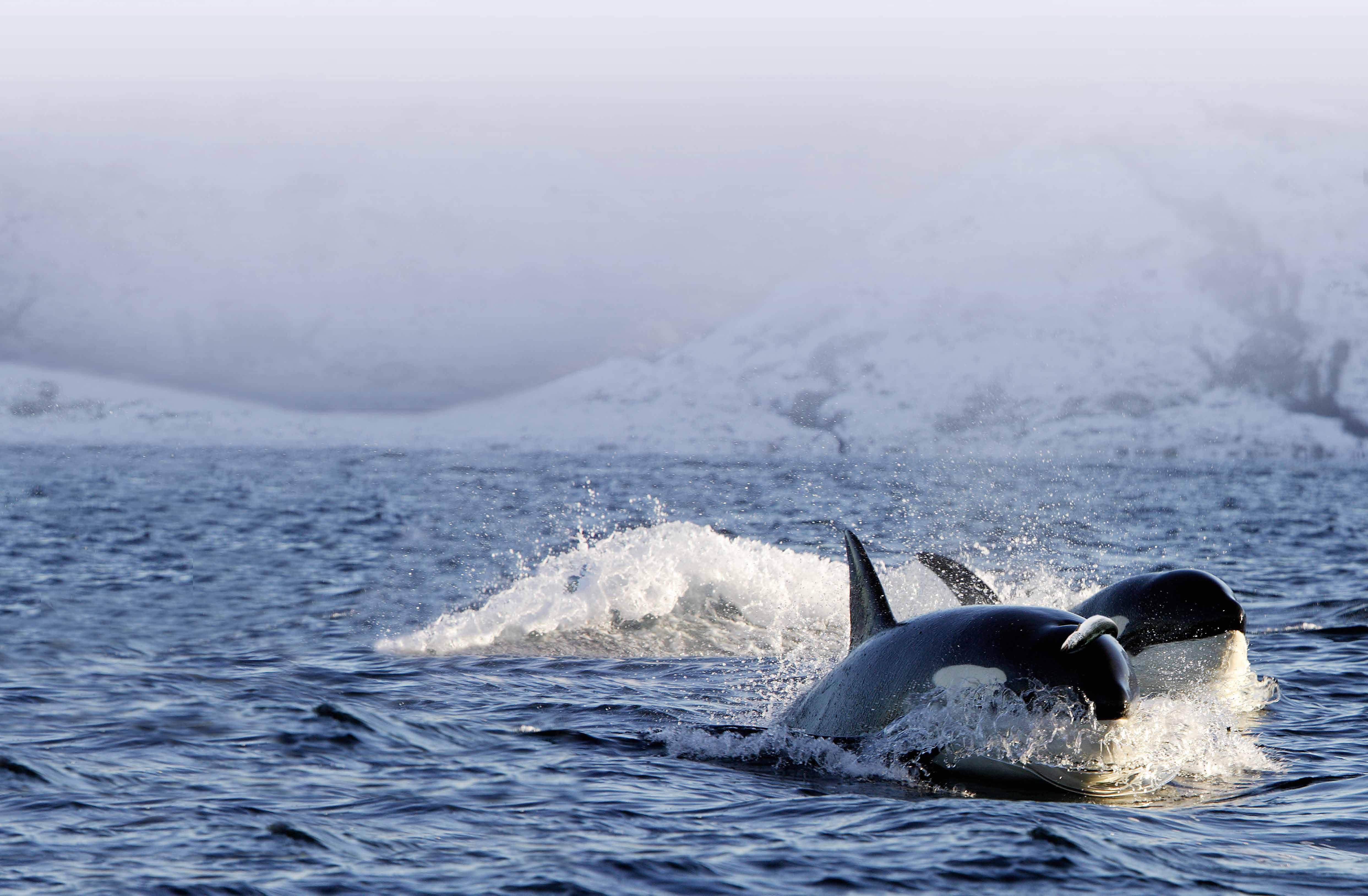
“The stark reality is that longer hot seasons will enlarge the seasonal window for the spread of mosquito-borne diseases and favour increasingly frequent outbreaks that are increasingly complex to deal with.”
Dengue cases have been largely confined to tropical and subtropical regions because colder temperatures kill the mosquito’s larvae and eggs. But longer, hotter seasons have resulted in dengue becoming the most rapidly spreading mosquito-borne viral disease in the world. Nine of the 10 most hospitable years for dengue transmission have occurred since 2000, resulting in the disease spreading in 13 European countries, with localised transmission in France, Italy and Spain last year. According to the World Health Organisation, the number of dengue cases reported has increased in the past two decades from 500,000 in 2000 to more than 5 million in 2019.
By combining disease-carrying insect surveillance with climate forecasts, researchers are developing ways to predict when and where epidemics might occur and direct interventions to the most at-risk areas in advance. One similar project, which is being led by Prof Lowe, is using a powerful supercomputer to understand how climate and disease transmission are linked to predict mosquito-borne disease outbreaks in 12 countries. “By analysing weather patterns, finding mosquito breeding sites with drones and gathering information from local communities and health officials, we are hoping to give communities time to prepare and protect themselves,” she said. “But ultimately, the most effective way to reduce the risk of these diseases spreading to new areas will be to dramatically curb emissions.”
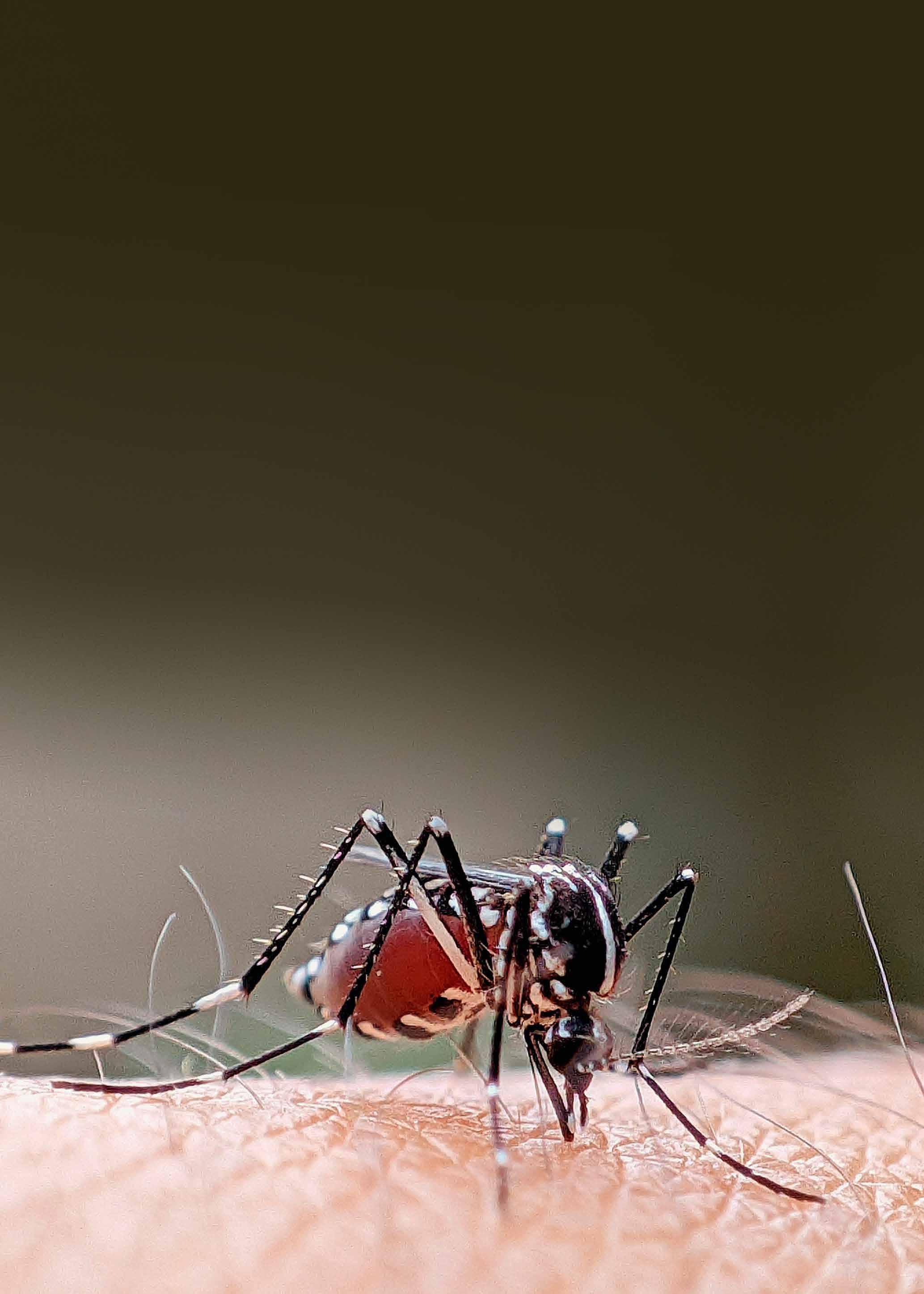
Back in fashion: Orcas have started wearing dead salmon as hats…Again!
Scientists and whale watchers have recently spotted killer whales off the coast of Washington state in the US swimming with dead fish on their heads.
In September 2024, scientists and whale watchers spotted orcas (Orcinus orca) in South Puget Sound and off Point No Point in Washington State swimming with dead fish on their heads. This is the first time they’ve donned the bizarre headgear since the summer of 1987, when a trendsetting female West Coast orca kickstarted the behavior for no apparent reason. Within a couple of weeks, the rest of the pod had jumped on the bandwagon and turned salmon corpses into must-have fashion accessories, according to the marine conservation charity ORCA — but it’s unclear whether the same will happen this time around.
The motivation for the salmon hat trend remains a mystery. “Honestly, your guess is as good as mine,” Deborah Giles, an orca researcher at the University of Washington who also heads the science and research teams at the non-profit Wild Orca. Salmon hats are a perfect example of what researchers call a “fad” — a behavior initiated by one or two individuals and temporarily picked up by others before it’s abandoned. Back in the 1980s, the trend only lasted a year; by the summer of 1988, dead fish were totally passé and salmon hats disappeared from the West Coast orca population.
Orca researchers’ best guess is that salmon hat fads are linked to high food availability. South Puget Sound is currently teeming with chum salmon (Oncorhynchus keta), and with too much food to eat on the spot, orcas may be saving fish for later by balancing them on their heads. Orcas have been spotted stashing food away in other places, too. “We’ve seen mammaleating killer whales carry large chunks of food under their pectoral fin, kind of tucked in next to their body,” Giles said. Salmon is probably too small to fit securely under orcas’ pectoral fins, so the marine mammals may have opted for the top of their heads instead.
Camera-equipped drones could help researchers monitor salmon hat-wearing orcas in a way that was not possible 37 years ago. “Over time, we may be able to gather enough information to show that, for instance, one carried a fish for 30 minutes or so, and then he ate it,” Giles said. But the food availability theory could be wrong — if the footage reveals that orcas abandon the salmon without eating them, researchers will be sent back to the drawing board. Whatever the reason for the behavior, Giles said it’s been fun to watch it come back in style. “It’s been a while since I’ve personally seen it,” she said.