The EU Research team take a look at current events in the scientific news
Iliana Ivanova is leaving European Commission after just one year
The European Commissioner for Innovation, Research, Culture, Education and Youth is standing down for personal reasons.
The current Bulgarian EU Commissioner cannot stay on in the new European Commission for personal reasons. Iliana Ivanova, who has been responsible for Innovation, Research, Culture, Education and Youth in the first von der Leyen cabinet, announced on her Facebook profile: “I have been immensely honoured and privileged to serve as a commissioner in the last year of the term of the current European Commission!”
Ivanova thanked the Bulgarian authorities and citizens for the trust, the broad support and the opportunity to represent Bulgaria at the highest European level. “During this dynamic period, I have made every effort to discharge the duties assigned to me within a portfolio of key importance for the future, with a considerable budget. am proud of everything that my colleagues and have been able to
achieve in such a short time,” she said.”I am convinced that Bulgaria will remain well-represented in the coming years in making the most important decisions for the European policies,” she said.
Iliana Ivanova was appointed by the Council of the European Union as the new European Commissioner from Bulgaria on September 19, 2023. She replaced Mariya Gabriel for the remainder of the Commission’s term. Gabriel resigned from the post to become deputy prime minister and foreign minister of Bulgaria, with the prospect of taking over as prime minister under a rotation arrangement. Ivanova had been a member of the European Parliament from 2009 to 2012. From 2013 until being proposed by the Bulgarian government for European Commissioner in 2023, she represented Bulgaria at the European Court of Auditors in Luxembourg.
Scientists create a Mushroom controlled robot
Biohybrid robot with fungal electronics could help usher in an era of sustainable robotics.
Building a robot takes time, technical skill, the right materials -- and sometimes, a little fungus. In creating a pair of new robots, Cornell University researchers cultivated an unlikely component, one found on the forest floor: fungal mycelia. By harnessing mycelia’s innate electrical signals, the researchers discovered a new way of controlling “biohybrid” robots that can potentially react to their environment better than their purely synthetic counterparts.
The team’s paper published in Science Robotics. The lead author is Anand Mishra, a research associate in the Organic Robotics Lab led by Rob Shepherd, professor of mechanical and aerospace engineering at Cornell University, and the paper’s senior author. “This paper is the first of many that will use the fungal kingdom to provide environmental sensing and command signals to robots to improve their levels of autonomy,” Shepherd said. “By growing mycelium into the electronics of a robot, we were able to allow the biohybrid machine to sense and respond to the environment. In this case we used light as the input, but in the future it will be chemical. The potential for future robots could be to sense soil chemistry in row crops and decide when to add more fertilizer, for example, perhaps mitigating downstream effects of agriculture like harmful algal blooms.”
Mycelia are the underground vegetative part of mushrooms. They have the ability to sense chemical and biological signals and respond to multiple inputs. “Living systems respond to touch, they respond to light, they respond to heat, they respond to even some unknowns, like signals,” Mishra said. “If you wanted to build future robots, how can they work in an unexpected environment? We can leverage these living systems, and any unknown input comes in, the robot will respond to that.”
Two biohybrid robots were built: a soft robot shaped like a spider and a wheeled bot. The robots completed three experiments. In the first, the robots walked and rolled, respectively, as a response to the natural continuous spikes in the mycelia’s signal. Then the researchers stimulated the robots with ultraviolet light, which caused them to change their gaits, demonstrating mycelia’s ability to react to their environment. In the third scenario, the researchers were able to override the mycelia’s native signal entirely. Experts believe that this advance lays the groundwork for building sturdy, sustainable robots. In the future, these hardy, light-activated cyborgs could be deployed to harsh environments on Earth or even on missions outside our planet.
Research sector gives Draghi report broad initial welcome
The research and innovation sector has broadly embraced the long-awaited report on EU competitiveness from former Italy prime minister Mario Draghi.
Research and innovation have never been more present in mainstream policy debates after this week former Italian prime minister, Mario Draghi, placed research and innovation at the heart of his recommendations for boosting EU competitiveness. That followed on from an earlier report by another former Italian prime minister, Enrico Letta, on the future of the single market, in which he called for a ‘fifth freedom’ for research and innovation.
The Draghi report is expected to have a major role in shaping EU policy over the next five years, and the research community is naturally delighted by its call for more public research and innovation funding, including €200 billion for the successor to Horizon Europe to run from 2028-2034, Framework Programme 10 (FP10). Draghi also calls for better coordination of public research and innovation expenditure across EU member states, via a ‘Research and Innovation Union’ and a ‘European Research and Innovation Action Plan.’
This more Europe-centric approach recommended by the report would prioritise collective EU-wide ambitions, rather than national value for money. Björnmalm hopes this message will be picked up by the expert group report on FP10, due next month. “This outdated mindset of seeing the EU funding programme as primarily a means to redistribute member states’ funds limits Europe’s potential to become a global leader in science and technology,” he said.
Another ambition that’s regularly floated making it into the Draghi report is the creation of a new funding instrument modelled on the US advanced research project agencies. It is suggested this would be done by reforming the European Innovation Council’s (EIC) pathfinder instrument which supports deep tech projects. Björnmalm notes strong similarities with the European Competitiveness Research Council proposed by CESAER.
The bulk of the full 328-page report is dedicated to detailed policy recommendations for specific sectors including clean technologies, semiconductors, defence, and pharmaceuticals, and addresses issues industry has been complaining about for years, such as burdensome regulations and access to capital. It also includes recommendations to support the development of AI models in several strategic industries.
Cecilia Bonefeld-Dahl, director general of the trade association DigitalEurope, said the report provides “a long list of positive ideas” including simplifying AI regulation, better commercialisation of research, and integrating technology into strength industries. Nathalie Moll, director general of the European Federation of Pharmaceutical Industries and Associations, said the publication “shows ambition at the highest level” to address the issues facing the pharma industry, with Europe struggling to attract R&D investment.
NASA’s James Webb Space Telescope Captures a Cosmic Question Mark
Astronomers have found clues in the form of a cosmic question mark, the result of a rare alignment across light-years of space.
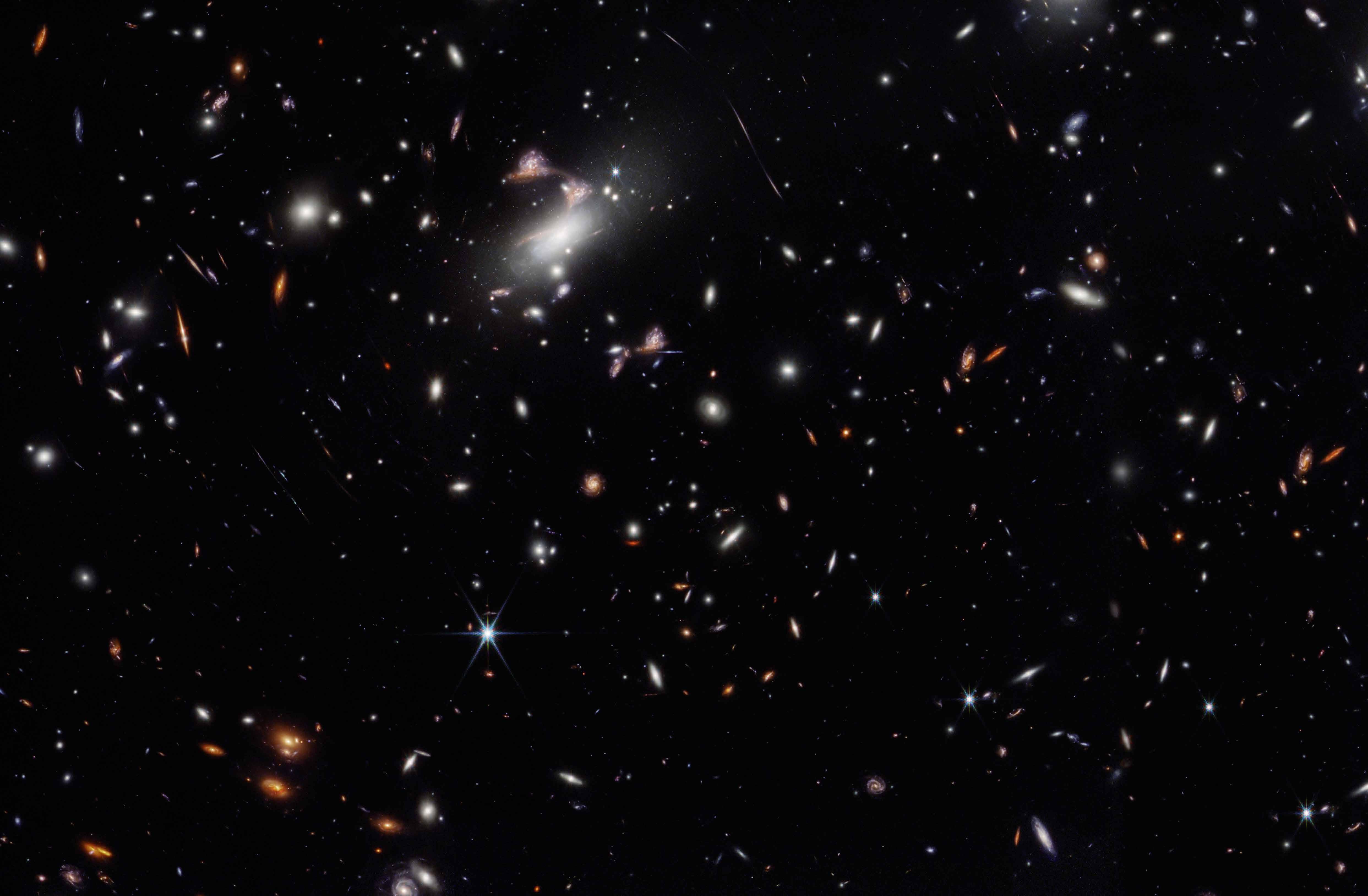
NASA’s James Webb Space Telescope has captured a stunning image of a cosmic ‘question mark’ formed by distant galaxies, offering astronomers a unique glimpse into the universe’s starforming past. This rare alignment, caused by a phenomenon known as gravitational lensing, provides valuable insights into galaxy formation and evolution 7 billion years ago. The image, taken by Webb’s Near-Infrared Imager and Slitless Spectrograph (NIRISS), reveals a pair of interacting galaxies magnified and distorted by the massive galaxy cluster MACS-J0417.5-1154. This cluster acts as a cosmic magnifying glass, allowing astronomers to see enhanced details of much more distant galaxies behind it.
Gravitational lensing occurs when a massive object, such as a galaxy cluster, warps the fabric of space-time around it. This warping can magnify and distort the light from distant objects behind the cluster, creating optical illusions in space. In this case, the lensing effect has produced a rare configuration called a hyperbolic umbilic gravitational lens. This unusual alignment results in five images of the galaxy pair, four of which trace the top of the question mark shape. The dot of the question mark is formed by an unrelated galaxy that happens to be in the right place from our perspective.
While the galaxy cluster has been observed before by NASA’s Hubble Space Telescope, the dusty red galaxy that forms part of the question-mark shape only became visible with Webb. This is due to Webb’s ability to detect infrared light, which can pass
through cosmic dust that traps the shorter wavelengths of light detected by Hubble. This capability allows Webb to peer further back in time and observe galaxies as they appeared billions of years ago, during the universe’s peak period of star formation. The galaxies in the question mark are seen as they were 7 billion years ago, providing a window into what our own Milky Way might have looked like during its “teenage years.”
The research team used both Hubble’s ultraviolet and Webb’s infrared data to study star formation within these distant galaxies. Vicente Estrada-Carpenter of Saint Mary’s University explains the significance of their findings: “Both galaxies in the Question Mark Pair show active star formation in several compact regions, likely a result of gas from the two galaxies colliding. However, neither galaxy’s shape appears too disrupted, so we are probably seeing the beginning of their interaction with each other.” This observation provides valuable information about how galaxies evolve through interactions and mergers, a process that has shaped the universe we see today.
Marcin Sawicki, one of the lead researchers, emphasizes the broader implications of this discovery: “These galaxies, seen billions of years ago when star formation was at its peak, are similar to the mass that the Milky Way galaxy would have been at that time. Webb is allowing us to study what the teenage years of our own galaxy would have been like.” As Webb continues to reveal new wonders of the cosmos, each discovery brings us closer to understanding our place in the vast tapestry of the universe.
Why some people itch more from Mosquito bites and allergens
Researchers identify mechanism underlying allergic itching, and show it can be blocked.
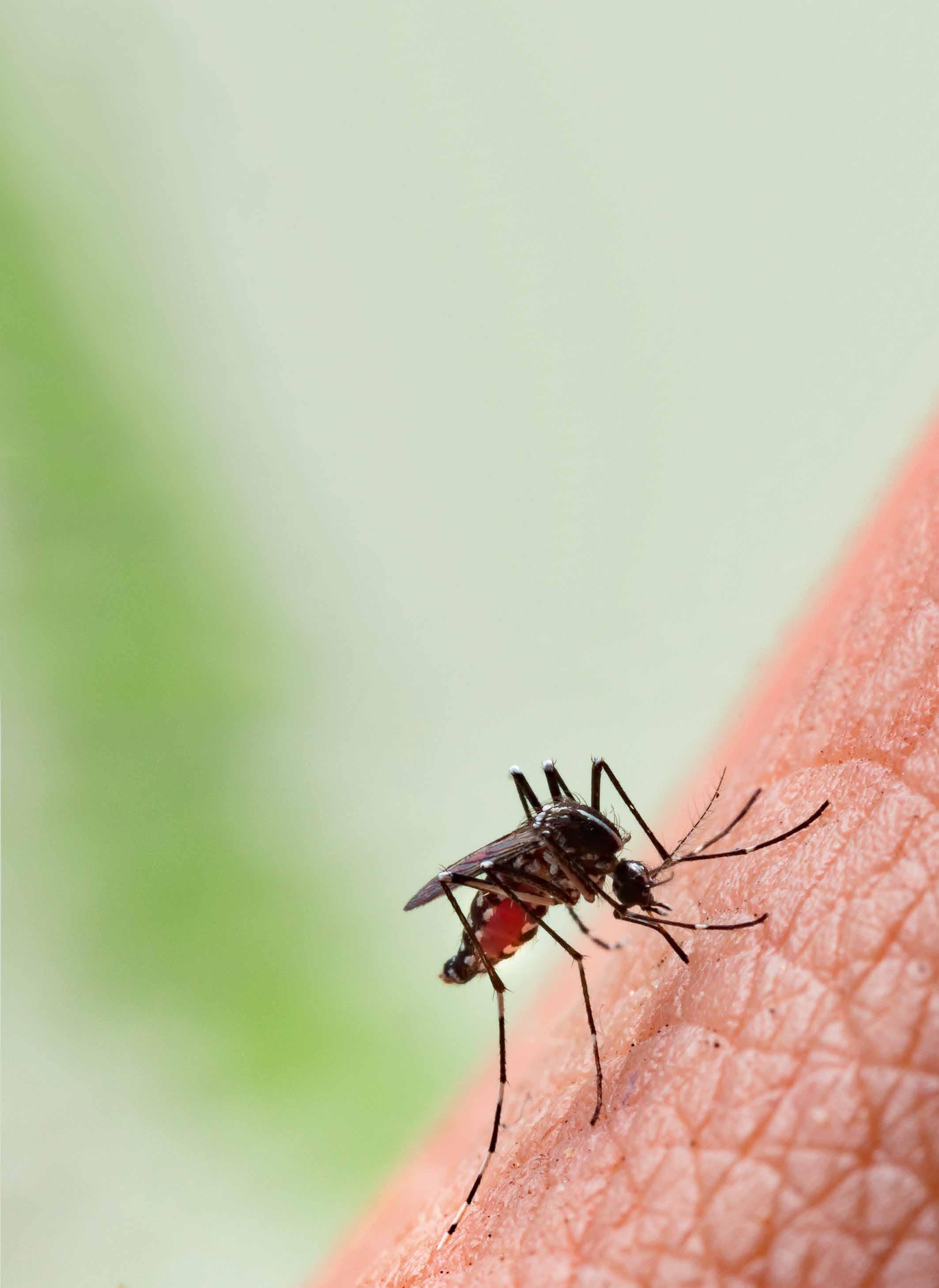
Why do some people feel itchy after a mosquito bite or exposure to an allergen like dust or pollen, while others do not? A new study has pinpointed the reason for these differences, finding the pathway by which immune and nerve cells interact and lead to itching. The researchers, led by allergy and immunology specialists at Massachusetts General Hospital, a founding member of the Mass General Brigham healthcare system, then blocked this pathway in preclinical studies, suggesting a new treatment approach for allergies. The findings are published in Nature.
“Our research provides one explanation for why, in a world full of allergens, one person may be more likely to develop an allergic response than another,” said senior and corresponding author Caroline Sokol, MD, PhD, an attending physician in the Allergy and Clinical Immunology Unit at MGH, and assistant professor of medicine at Harvard Medical School. “By establishing a pathway that controls allergen responsiveness, we have identified a new cellular and molecular circuit that can be targeted to treat and prevent allergic responses including itching. Our preclinical data suggests this may be a translatable approach for humans.”
When it comes to detecting bacteria and viruses, the immune system is front and foremost at detecting pathogens and initiating long-lived immune responses against them. However, for allergens, the immune system takes a backseat to the sensory nervous system. In people who haven’t been exposed to allergens before, their sensory nerves react directly to these allergens, causing itchiness and triggering local immune cells to start an allergic reaction. In those with chronic allergies, the immune system can affect these sensory nerves, leading to persistent itchiness.
Previous research from Sokol and colleagues showed that the skin’s sensory nervous system -- specifically the neurons that lead to itch -- directly detect allergens with protease activity, an enzyme-driven process shared by many allergens. When thinking about why some people are more likely to develop allergies and chronic itch symptoms than others, the researchers hypothesized that innate immune cells might be able to establish a “threshold” in sensory neurons for allergen reactivity, and that the activity of these cells might define which people are more likely to develop allergies.
The researchers performed different cellular analyses and genetic sequencing to try and identify the involved mechanisms. They found that a poorly understood specific immune cell type in the skin, that they called GD3 cells, produce a molecule called IL-3 in response to environmental triggers that include the microbes that normally live on the skin. IL-3 acts directly on a subset of itch-inducing sensory neurons to prime their responsiveness to even low levels of protease allergens from common sources like house dust mites, environmental molds and mosquitos. IL-3 makes
sensory nerves more reactive to allergens by priming them without directly causing itchiness. The researchers found that this process involves a signaling pathway that boosts the production of certain molecules, leading to the start of an allergic reaction.
Then, they performed additional experiments in mouse models and found removal of IL-3 or GD3 cells, as well as blocking its downstream signaling pathways, made the mice resistant to the itch and immune-activating ability of allergens. Since the type of immune cells in the mouse model is similar to that of humans, the authors conclude these findings may explain the pathway’s role in human allergies. “Our data suggest that this pathway is also present in humans, which raises the possibility that by targeting the IL-3-mediated signaling pathway, we can generate novel therapeutics for preventing an allergy,” said Sokol. “Even more importantly, if we can determine the specific factors that activate GD3 cells and create this IL-3-mediated circuit, we might be able to intervene in those factors and not only understand allergic sensitization but prevent it.”
Study finds limits to storing CO2 underground to combat climate change
New research has found limits to how quickly we can scale up technology to store gigatons of carbon dioxide under the Earth’s surface.
Underground CO2 storage, a key component of carbon capture and storage (CCS) technology, is often viewed as a vital solution to combat climate change. In light of the urgency to address global warming, many potential methods of carbon capture have been meticulously investigated. While the concept of storing CO2 underground is promising, recent research from Imperial College London highlights significant limitations and challenges associated with scaling up this technology.
Current international scenarios for limiting global warming to less than 1.5 degrees Celsius by 2100 rely heavily on technologies that can remove CO2 from the Earth’s atmosphere at unprecedented rates. These strategies aim to remove between 1 and 30 gigatons of CO2 annually by 2050. However, the estimates for how quickly these technologies can be deployed have been largely speculative. The Imperial study indicates that existing projections are not likely feasible at the current pace of development.
“There are many factors at play in these projections, including the speed at which reservoirs can be filled as well as other geological, geographical, economic, technological, and political issues,” said Yuting Zhang, lead author from Imperial’s Department of Earth Science and Engineering. “However, more accurate models like the ones we have developed will help us understand how uncertainty in storage capacity, variations in institutional capacity across regions, and limitations to development might affect climate plans and targets set by policymakers.” The experts found that storing up to 16 gigatons of CO2 underground annually by 2050 is possible, but would require a substantial increase in storage capacity and scaling that current investment and development levels do not support.
“Although storing between six to 16 gigatons of CO2 per year to tackle climate change is technically possible, these high projections are much more uncertain than lower ones,” noted co-author Dr. Samuel Krevor, also from Imperial’s Department of Earth Science and Engineering. “This is because there are no existing plans from governments or international agreements to support such a largescale effort. However, five gigatons of carbon going into the ground is still a major contribution to climate change mitigation.”
The team’s analysis suggests a more realistic global benchmark for underground CO2 storage might be in the range of 5-6 gigatons per year by 2050. This projection aligns with growth patterns observed in existing industries, including mining and renewable energy. By applying these historical growth patterns to CO2 storage, the researchers have developed a model that offers a more practical and reliable method for predicting how quickly carbon storage technologies can be scaled up. “Our study is the first to apply growth patterns from established industries to CO2 storage,” explained Dr. Krevor. “By using historical data and trends from other sectors, our new model provides a realistic and practical approach for setting attainable targets for carbon storage, helping policymakers to make informed decisions.”
The research, funded by the Engineering & Physical Sciences Research Council (EPSRC) and the Royal Academy of Engineering, highlights the importance of setting realistic goals in the global effort to combat climate change. While underground carbon storage presents a promising strategy, understanding its potential and limitations is crucial for making the best use of this technology.
New species of Antarctic dragonfish highlights its threatened ecosystem
The
species highlights both the unknown biodiversity and fragile state of the Antarctic ecosystem.
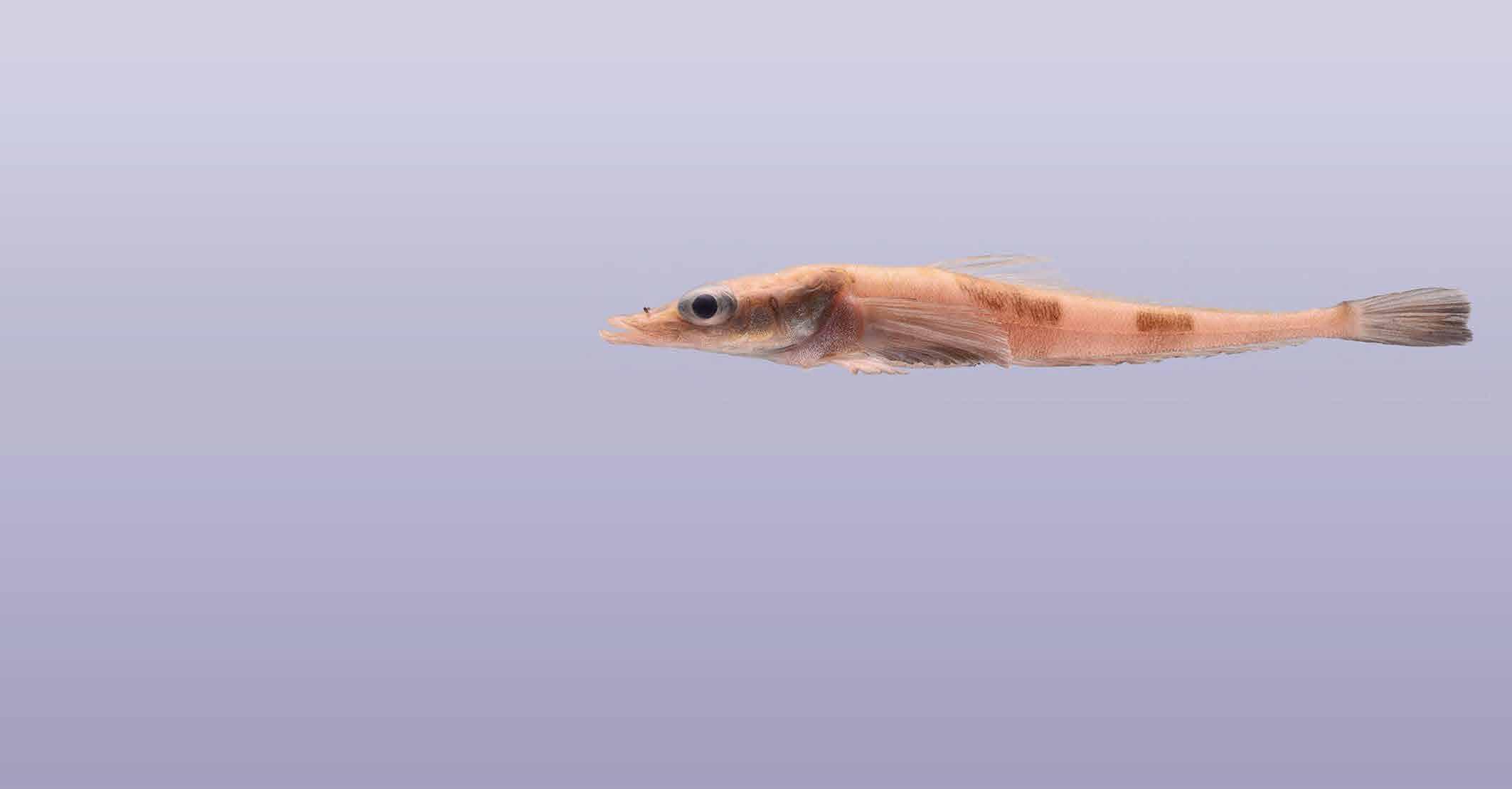
A research team at the Virginia Institute of Marine Science at William & Mary has uncovered a new species of Antarctic fish, which could reshape how scientists view biodiversity in the Southern Ocean. The newly discovered species Akarotaxis gouldae, also known as the banded dragonfish, was identified during an investigation of museum-archived larvae samples. While the research team examined the samples, they noticed key differences in some fish, including two distinct dark vertical bands of pigment on their bodies, a shorter snout and jaw, and a longer body depth. These observations led them to suspect the presence of a new species. To confirm their hypothesis, the researchers used mitochondrial DNA analysis and constructed a phylogenetic tree to illustrate the relationship between A. gouldae and other Antarctic dragonfish species.
The banded dragonfish is limited to a small area along the Western Antarctic Peninsula. This region is also targeted by the Antarctic krill fishery, raising concerns about the potential impact of human activities on this rare species. Because the fish produces very few offspring, it is particularly vulnerable to environmental changes.
“The discovery of this species was made possible by a combination of genetic analysis and examination of museum specimens from across the world, demonstrating the importance of both approaches to the determination of new species and of the value of specimen collections. The work also highlights how little we know of the biodiversity of Antarctica in general and the west Antarctic peninsula in particular,” says NSF Program Director Will Ambrose.
Over a fifth of the world’s plastic waste is either burned or littered
A
new study shows 57 million tons of plastic pollution is pumped out yearly and most comes in Global South.
A new study from Leeds University shines a light on the enormous scale of uncollected rubbish and open burning of plastic waste in the first ever global plastics pollution inventory. Researchers used A.I. to model waste management in more than 50,000 municipalities around the world. This model allowed the team to predict how much waste was generated globally and what happens to it. Their study, published in the journal Nature, calculated a staggering 52 million tonnes of plastic products entered the environment in 2020 -- which, laid out in a line would stretch around the World over 1,500 times.
It also revealed that more than two thirds of the planet’s plastic pollution comes from uncollected rubbish with almost 1.2 billion people -- 15% of the global population -- living without access to waste collection services. The findings further show that in 2020 roughly 30 million tonnes of plastics -- amounting to 57% of all plastic pollution -- was burned without any environmental controls in place, in homes, on streets and in dumpsites. Burning plastic comes with ‘substantial’ threats to human health, including neurodevelopmental, reproductive and birth defects. The researchers also identified new plastic pollution hotspots, revealing India as the biggest contributor -- rather than China as has been suggested in previous models -- followed by Nigeria and Indonesia.
Dr Costas Velis, academic on Resource Efficiency Systems from the School of Civil Engineering at Leeds, led the research. He said: “We need to start focusing much, much more on tackling open burning and uncollected waste before more lives are needlessly impacted by plastic pollution. It cannot be ‘out of sight, out of mind’.” Each year, more than 400 million tonnes of plastic is produced. Many plastic products are single-use, hard to recycle, and can stay in the environment for decades or centuries, often being fragmented into smaller items. Some plastics contain potentially harmful chemical additives which could pose a threat to human health, particularly if they are burned in the open.
According to the paper’s estimated global data for 2020, the worst polluting countries were: India: 9.3 million tonnes -- around a fifth of the total amount; Nigeria: 3.5 million tonnes; and Indonesia: 3.4 million tonnes. China, previously reported to be the worst, is now ranked fourth, with 2.8 million tonnes, as a result of improvements collecting and processing waste over recent years. The UK was ranked 135, with around 4,000 tonnes per year, with littering the biggest source. Low and middleincome countries have much lower plastic waste generation, but a large proportion of it is either uncollected or disposed of in dumpsites. India emerges as the largest contributor because it has a large population, roughly 1.4 billion, and much of its waste isn’t collected.
The contrast between plastic waste emissions from the Global North and the Global South is stark. Despite high plastic consumption, macroplastic pollution -- pollution from plastic objects larger than 5 millimeters -- is a comparatively small issue in the Global North as waste management systems function comprehensively. There, littering is the main cause of macroplastic pollution.
Researchers say this first ever global inventory of plastic pollution provides a baseline -- comparable to those for climate change emissions -- that can be used by policymakers to tackle this looming environmental disaster. They want their work to help policymakers come up with waste management, resource recovery and wider circular economy plans, and want to see a new, ambitious and legally binding, global ‘Plastics Treaty’ aimed at tackling the sources of plastic pollution.
Dr Velis said: “This is an urgent global human health issue -- an ongoing crisis: people whose waste is not collected have no option but to dump or burn it: setting the plastics on fire may seem to make them ‘disappear’, but in fact the open burning of plastic waste can lead to substantial human health damage including neurodevelopmental, reproductive and birth defects; and much wider environmental pollution dispersion.”