The energy behind sustainable defence

The Consultation Forum for Sustainable Energy in the Defence and Security Sector (CF SEDSS) was established in 2015 to encourage a shift to a more sustainable defence sector.
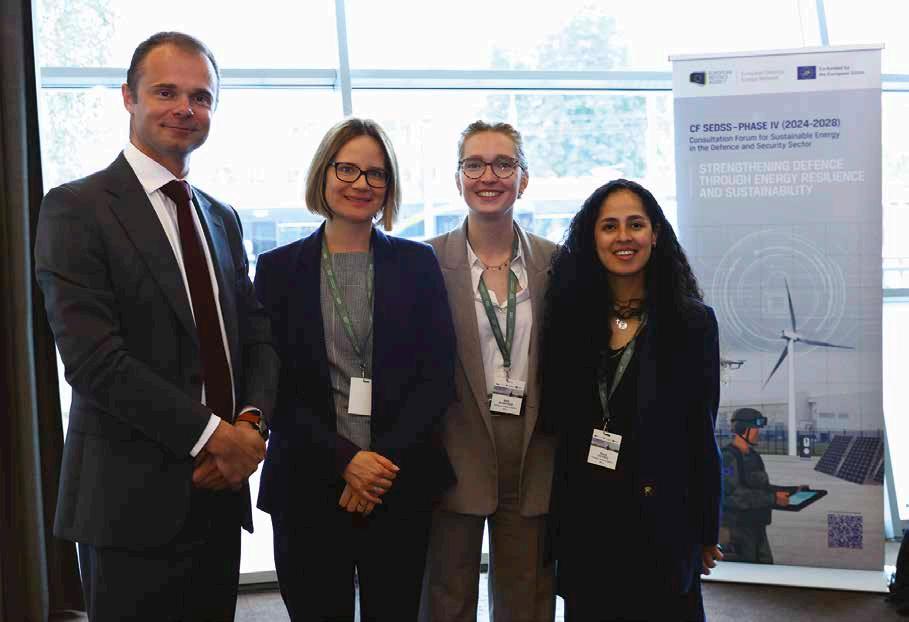
Maja Kuzel and Shana Leclercq tell us how phase 4 of CF SEDSS will accelerate the transition towards a more sustainable, energy-efficient and resilient defence sector.
The Consultation Forum for Sustainable Energy in the Defence and Security Sector (CF SEDSS) was established in 2015, bringing together Ministries of Defence (MoDs) across Europe to foster research, promote best practices and share knowledge and insights on how they can shift towards a more sustainable and resilient energy model. The fourth phase of the Forum began in 2024 and two plenary conferences have been held so far, with the next one to be held in Cyprus in May 2026, back-to-back with the first Energy Technology Solutions Conference and exhibition.
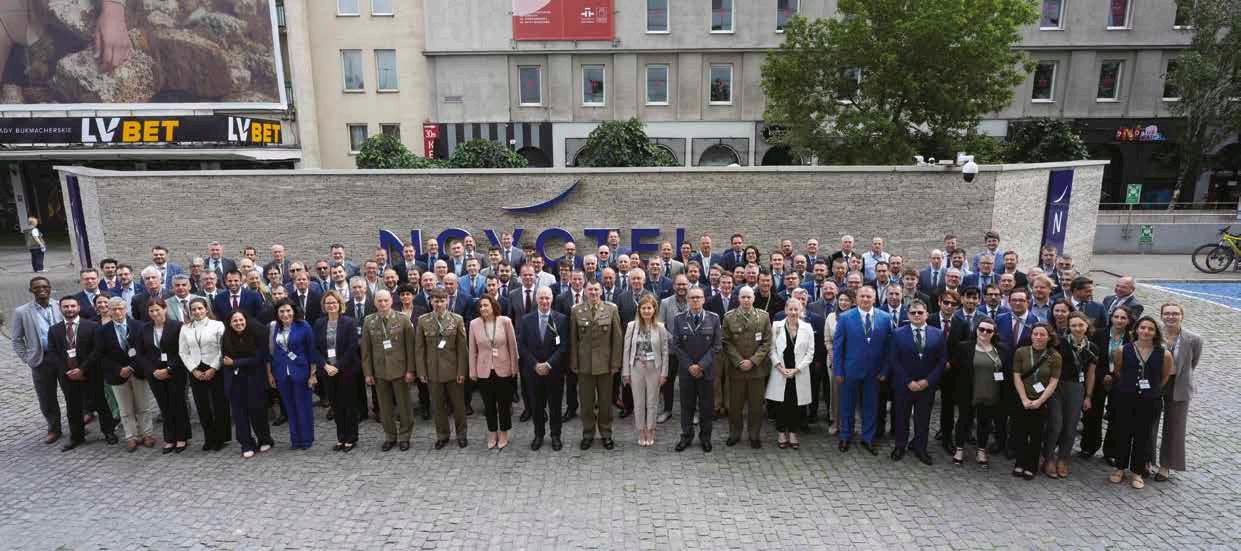
These kinds of events are typically attended by delegates from across the continent, which reflects a wider commitment to decarbonising the defence sector. “There are typically attendees from 30 countries, including the EU 27, plus Norway, Switzerland and Serbia,” says Maja Kuzel of the European Defence Agency (EDA), Project Manager of CF SEDSS IV. The audience at these events is drawn primarily from MoDs, yet Kuzel says they also regularly invite representatives from industry and academia. “They bring new ideas to the Forum and enrich the discussion with the ministry delegates,” she outlines.
Sustainable energy
There are four working groups within the Forum, aiming to shine a light on the issues around the shift towards more sustainable forms of energy, and also identify possible solutions to any challenges. These groups are led by experienced experts, discussing topics that are set in advance. “Moderators decide what topics are on the agenda at our conferences, based on feedback from national MoDs, whose interests are paramount,” says Shana Leclercq of the EDA. Each Member State can send several representatives to conferences organised by the Forum, and Kuzel aims to maintain a degree of continuity in the audience, while always remaining open to new interest. “We are quite open to interest from industry, academia and research stakeholders,” she outlines. “Typically, our conferences are held over two days, with 150 attendees, but
we also hold three day editions that include an exhibition showcasing innovative and sustainable energy technologies.”
These conferences provide an opportunity for stakeholders to come together and identify areas in which they could collaborate and establish mutually beneficial relationships. The idea is that matching defence needs with sustainable energy innovations will lead to improved energy resilience in the defence sector.
“The Energy Technology Solutions (ETS) Conference aims to ensure that the European defence sector will be better prepared for the transformative 2030 energy landscape in what is a challenging geo-political environment,” says Kuzel.
“Participants at the ETS conference will explore how renewable energy sources, energy efficiency, and emerging technologies can support more resilient and sustainable defence capabilities.”
The discussions at the conferences are focused on the energy domain, a reliable supply of which is clearly critical to defence. One working group in the Forum is dedicated to the energy efficiency of defence sector buildings, many of which are quite old and energy-inefficient, and so require refurbishment. “What are the
problems around this? How can we solve these issues?” says Kuzel. A second working group is focused on how the uptake of renewable energy in the defence sector can be increased, while a third is looking at the protection of critical energy infrastructure.
The fourth working group is transversal in nature, bringing these different strands together in two subgroups: Policy and Management Observatory, as well as the Research, Technology and Innovation Hub.
“The wider aim is to put the defence sector on a path towards self-sufficiency, to reduce dependence on fossil fuels from external actors and to diversify energy sources, including by using more renewable energy and increasing energy efficiency,” continues Kuzel. “This will ultimately lead to a more resilient defence sector.”
The intermittent nature of supply from renewable energy sources is an important consideration here, as buildings and infrastructure still require energy when the sun doesn’t shine or there is no wind. There is a lot of discussion within the Forum on innovative energy storage solutions, which Kuzel believes have an important to play in boosting resilience. “Without storage, renewable energy can’t deliver power when it’s needed most. These solutions
help balance supply and demand, ensuring reliable power even during periods of low generation or grid disruption,” she says. The Forum delegates attend first and foremost as national representatives; the European continent has widely varying climates and different local challenges, and this diversity is a strength. “We discuss heating and cooling challenges for example, and we discuss appropriate technology solutions across various climatic conditions,” says Kuzel. The main results from the Forum are captured in research studies, exciting
The SYMBIOSIS - Offshore Renewable Energy for Defence project was formed to address this issue, following on from discussions at the Forum. The project (also implemented by the EDA) both identified barriers to offshore renewable energy projects and also proposed solutions; following its conclusion last year Kuzel says the Forum’s working groups are now looking at how the results can be exploited.
“The project looked at how the defence sector and industry stakeholders could co-exist in this domain, a topic which is of great interest to us at the CF SEDSS,” she says.
“The wider aim is put the defence sector on a path towards selfsufficiency, to reduce dependence on fossil fuels from external actors and to diversify energy sources, including by using more renewable energy and increasing energy efficiency.”
project ideas addressing energy-related challenges in the defence sector, and the roadmap on advancing sustainable energy in defence. “A lot of this work is made publicly available,” says Kuzel. “The Forum also provides a lot of opportunities for networking. It is Europe’s largest defence energy network where the right partners can connect to accelerate the uptake of sustainable energy solutions.”
This new knowledge is intended not just for Member States, but rather to be spread more widely, including through cooperation and collaborations with industry. One idea which emerged from the working groups in the Forum was to look into how the desire to develop offshore renewable energy could be balanced with the defence sector’s need to use large areas of maritime space. “Potentially exploitable areas of European sea basins are often reserved for the exclusive use of the military,” explains Kuzel.

Promoting collaboration
The Forum promotes collaboration and knowledge-sharing – participation is voluntary but the meetings are well attended which shows Member States’ dedication to addressing the energy aspects. EU Member States and partner countries share many common interests when it comes to energy, and by cooperating they can achieve more than if they worked alone, believes Kuzel.
“When countries work together, specifically on a research project, or on identifying gaps and proposing solutions, they really profit from this international environment,” she stresses. The Forum has now been running for over ten years, providing a means to share information and common concerns, and Kuzel and her colleagues are keen for it to continue beyond the current phase. “We’ve built a powerful community, which we very much want to keep going,” she says. “A follow-up phase or a successor initiative would turn this momentum into lasting impact.”
CF SEDSS IV
Fourth phase of the Consultation Forum for Sustainable Energy in the Defence and Security Sector
Project Objectives
CF SEDSS IV aims at assisting the EU ministries of defence to move towards green, resilient, and efficient energy models. The Forum promotes energy efficiency and energy performance of buildings, the use of renewable energy, and strengthening the protection of critical energy infrastructure by fostering collaboration and research, supporting the implementation of the EU energy legislation and policy in defence, and integrating and promoting innovative energy technology solutions within the European defence sector.
Deliverables
• 30 defence energy-related project ideas
• 4 studies
• Guidance on advancing sustainable energy in defence
Events
• Six plenary conferences
• Two energy technology solutions conferences and exhibitions
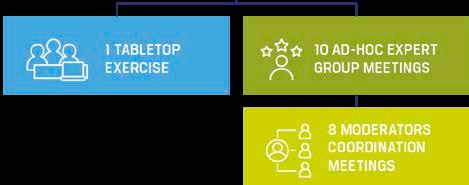
• A table-top exercise on strengthening energy resilience of the defence sector
• Experts and moderators meetings
Project Funding
CF SEDSS Phase IV (Oct 2024-Sept 2028) is co-funded by the European Union’s LIFE Programme (Clean Energy Transition) under the Grant Agreement No. 101191127 and the EDA.
Contact Details
Project Coordinator, Maja Kuzel
European Defence Agency Rue des Drapiers, 17-23 B-1050 Ixelles
Belgium
T: +32 2 884 52 16
E: maja.kuzel@eda.europa.eu W: https://eda.europa.eu/what-we-do/eupolicies/consultation-forum/phase-iv