twins to keep an eye on the coast

Coastal areas are highly vulnerable to the impact of climate change, and so public authorities need to carefully consider likely future weather patterns when reaching planning and development decisions. The team behind the AMIS project are developing digital twins to help manage risk and enhance the resilience of coastal areas, as Dr Carlo Brandini and Dr Manuela Corongiu explain.
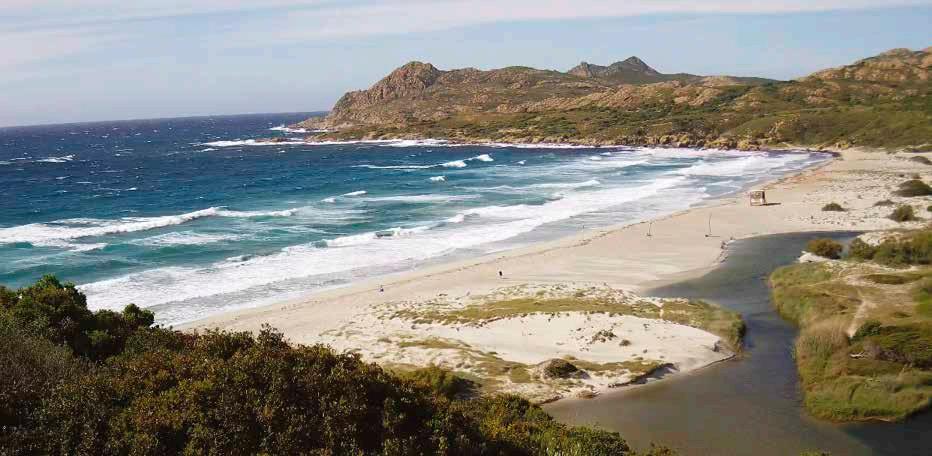
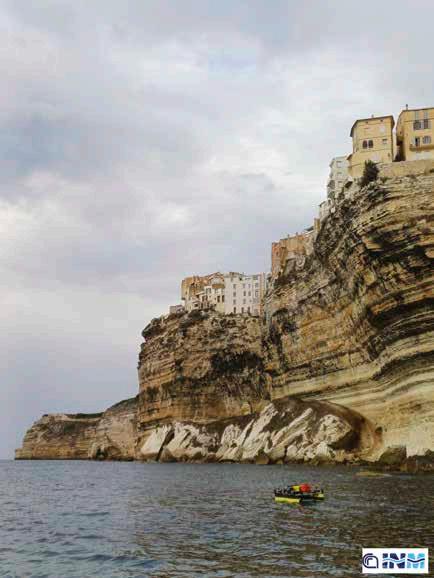
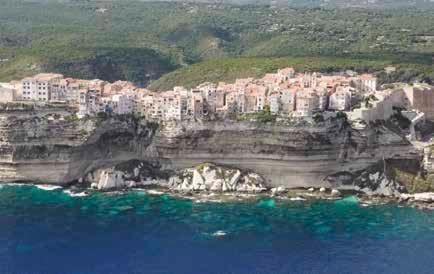
The effects of climate change are likely to have a significant impact on Europe’s coastlines in future, including not just lowlying areas, but also higher ground, cliffs and regions further inland. While cliffs are generally less directly affected by sea-level rise than low-lying coasts, changes in wave climate and in the frequency and intensity of storms can significantly influence their stability. “Storms at sea may have some important effects on the stability of cliffs,” says Dr Carlo Brandini, senior researcher at CNR and scientific coordinator of the AMIS project, who collaborates closely with the LaMMA Consortium, an Environmental Monitoring and Modelling Laboratory in Tuscany. As part of his role in the AMIS project, funded under the EU Interreg programme, Dr Brandini is looking to build a deeper picture of the likely effects of climate change on coastal areas, with the wider aim of enhancing resilience. “We are interested in the effects of coastal erosion and the impact of changing storm patterns and wind regimes on coastal areas,” he outlines.
AMIS project
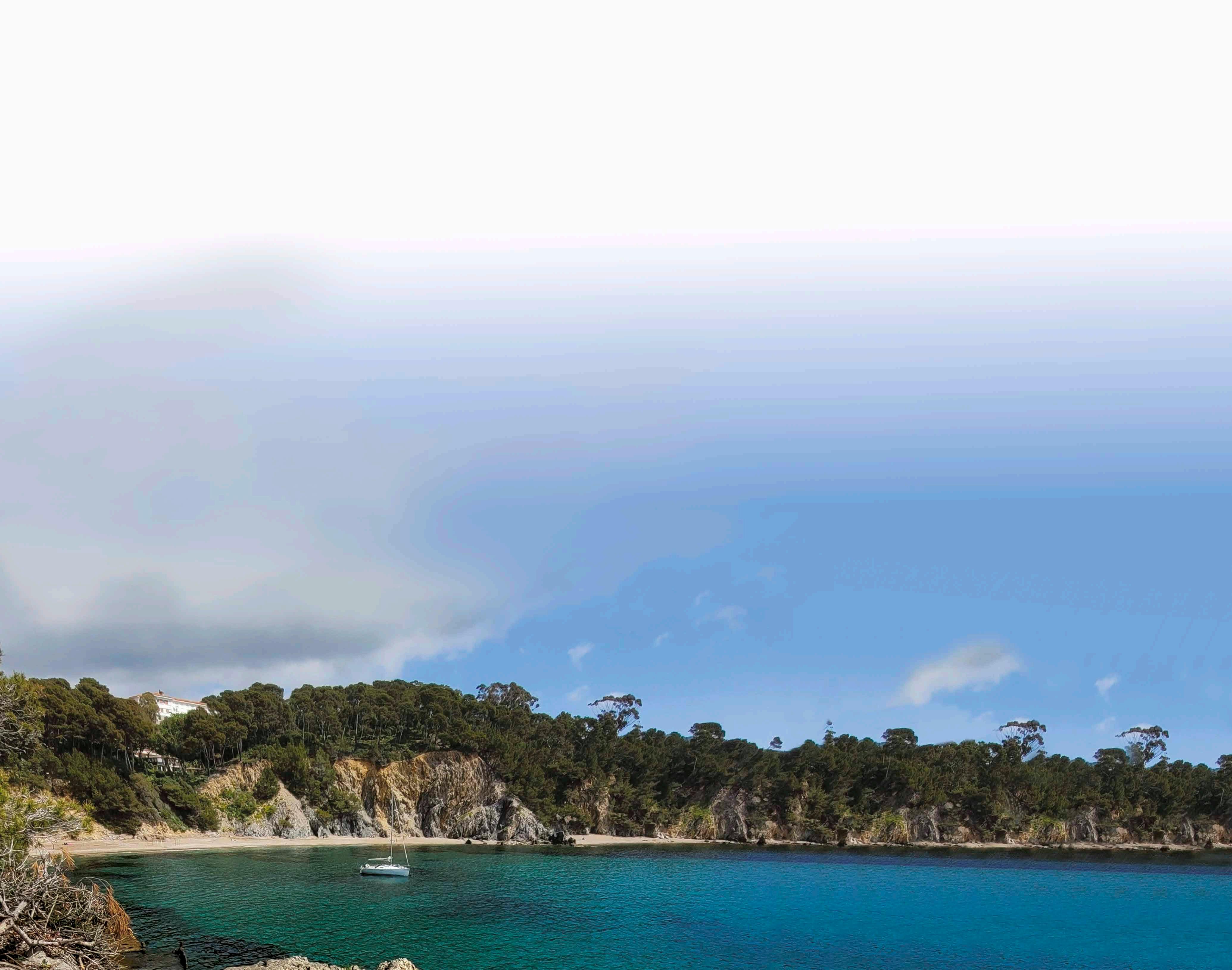
This work covers large sections of the French and Italian coastlines, from Marseille in France right round to the Tuscan and Ligurian coast in Italy, as well as the islands of Sardinia and Corsica. Many of these areas are vibrant hubs of economic activity that also attract
a lot of tourists, so there is often intense pressure to develop the land, which can then heighten vulnerability and leave people exposed to the impact of extreme weather events. “In Tuscany for example residential neighbourhoods and hotels have been built in close proximity to the coast, in areas
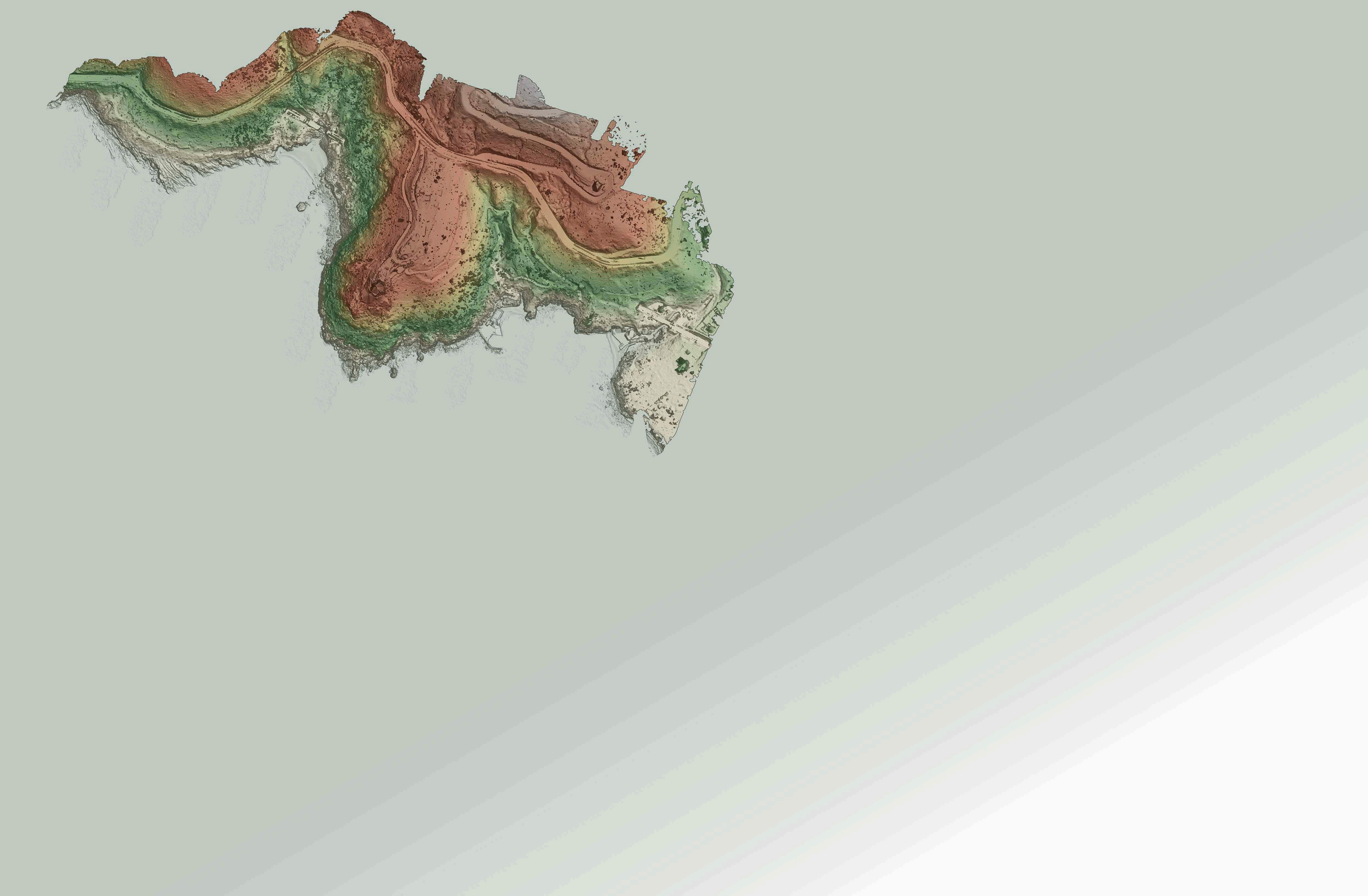
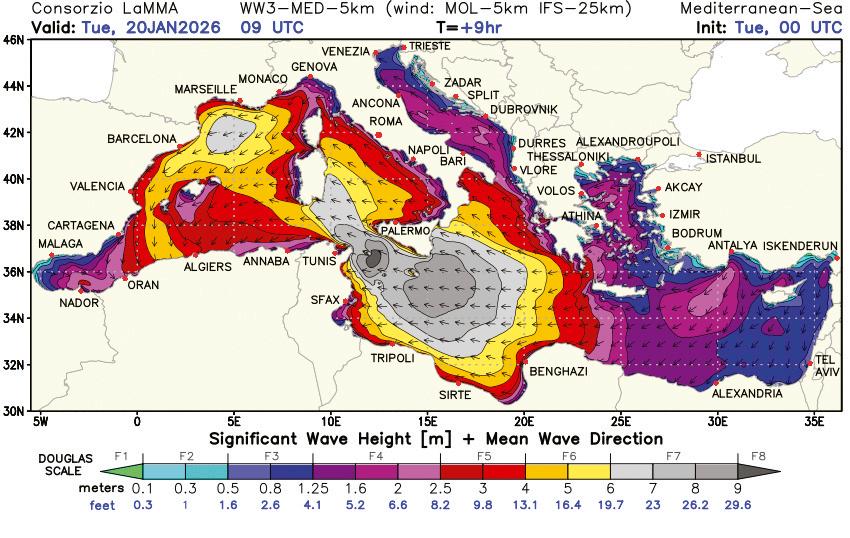
where there were previously dunes,” says Dr Brandini. Dunes act as a natural buffer against the sea and limit the risk of coastal inundation, but over-development threatens this protection and heightens flood risk, an issue that Dr Brandini and his colleagues in the project are working to address. “We are working to develop what we call a coastal risk atlas, where we link the vulnerability of coastal areas to their economic value,” he explains. The project team are using both observations and models to identify risks, assess the vulnerability of different coastal areas and forecast the likely impact of climate change. Researchers are using data from major European climate services in this work, such as the Copernicus Climate Change Service (C3S), in combination with specifically implemented models, to essentially map the entire coastline covered by the project and build a thorough, detailed picture of hazards and vulnerabilities.
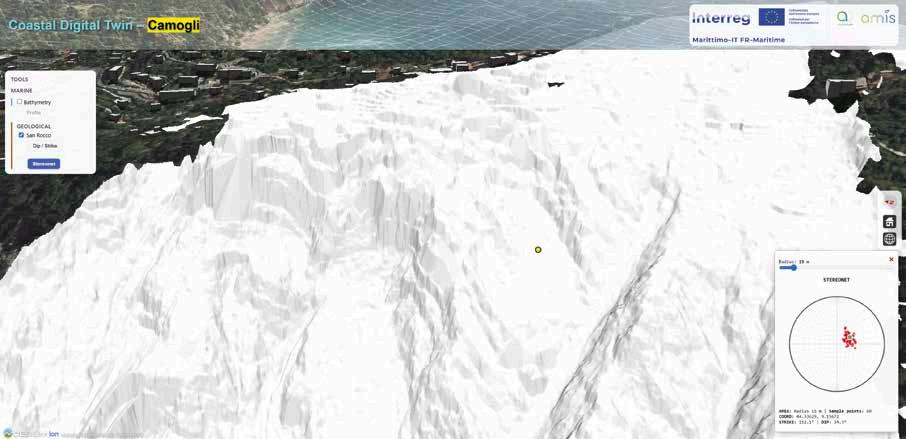
“We will include in the Atlas data about the risks facing coastal areas. This is driven by both observed data, but mainly by models,” outlines Dr Brandini. A further important strand of the project’s work involves developing digital twins, essentially digital models or replicas of coastal areas, to provide more detailed insights at the local level. This will allow researchers and public authorities to assess climate-change impacts under realistic local conditions, rather than relying only on generic projections of future sea-level rise. These models are based on two key elements. “One is an increased observation capacity in these coastal areas, for which we are implementing advanced monitoring technologies, including robotic and autonomous platforms,” continues Dr Brandini.
A number of these robots are dedicated to marine monitoring, including even otherwise inaccessible parts of cliffs and rocky coastal areas, which will help researchers learn more about the underlying processes which influence their stability. Several other
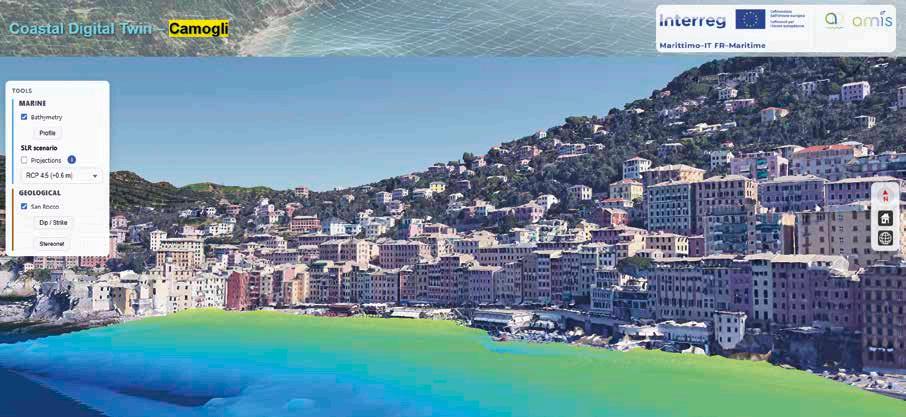
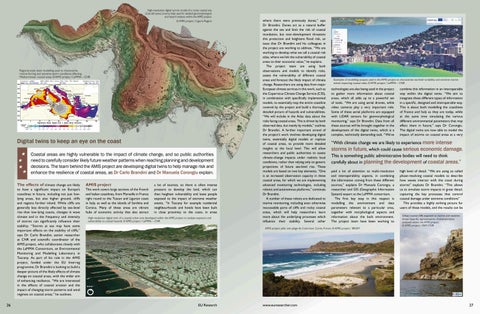
technologies are also being used in the project to gather more information about coastal areas, which all adds up to a powerful set of tools. “We are using aerial drones, while video cameras play a very important role. Some of these aerial platforms are equipped with LiDAR sensors for geomorphological monitoring,” says Dr Brandini. Data from all these sources will be brought together in the development of the digital twins, which is a complex, technically demanding task. “We’ve
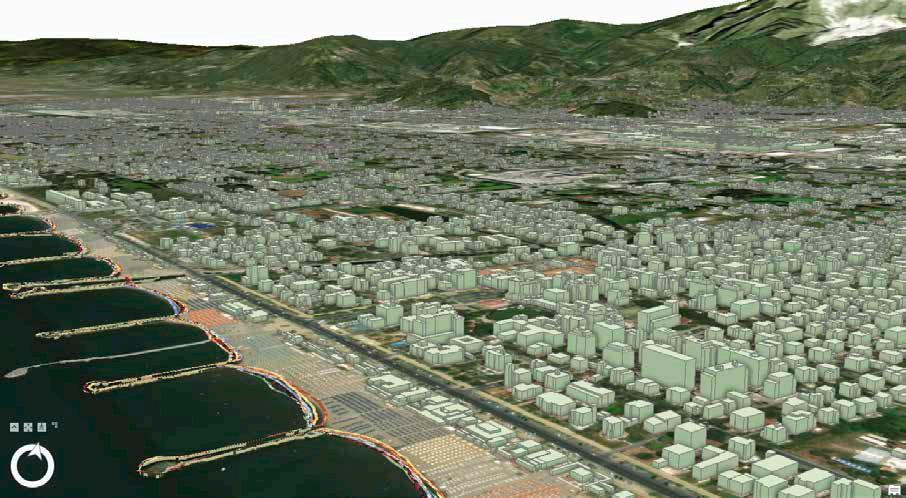
combine this information in an interoperable way within the digital twins. “We aim to integrate these different types of information in a specific, designed and interoperable way. This is about both modelling the coastlines of France and Italy as they are today, while at the same time simulating the various different environmental parameters that may affect them in future,” says Dr Corongiu. The digital twins are now able to model the impact of storms on coastal areas at a very
“With climate change we are likely to experience more intense storms in future, which could cause serious economic damage This is something public administrative bodies will need to think carefully about in planning the development of coastal areas.”
paid a lot of attention to multi-resolution and interoperability aspects, in combining the information coming from these different sources,” explains Dr Manuela Corongiu, a researcher and GIS (Geographic Information System) expert at the LaMMA consortium.
The first key step in this respect is modelling the environment and data parameters relevant to a particular area, together with morphological aspects and information about the built environment.
The project team have been working to
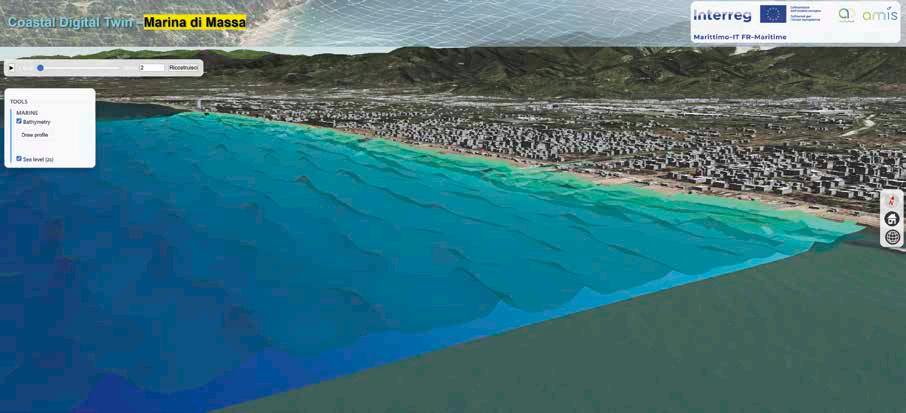
high level of detail. “We are using so called phase-resolving coastal models to describe how waves interact with the coast during storms” explains Dr Brandini. “This allows us to simulate storm impacts in great detail, capturing the key processes that control coastal damage under extreme conditions” This provides a highly striking picture for users of these models, and the results can be
validated using the established observation framework, for instance the video cameras. The team at the LaMMA consortium, based in Florence, have access to more data, which Dr Brandini says is also valuable in validating these models. “At the consortium we are responsible for managing a programme of coastal monitoring for the Tuscany regional administration, so we have access to a lot of data,” he says. The Tuscan city of Livorno has experienced some severe floods in recent years, underlining the urgency of the project’s work. “In the coming decades, the impacts of coastal flooding in some Tuscan cities such as Massa and Livorno are expected to become comparable in magnitude to those of river flooding today, and in some cases may even exceed them (* Bendoni et al., 2026).
In Livorno in particular, the increasing frequency of coastal inundation is already becoming evident,” stresses Dr Brandini.
Needs of end-users
The aim in the project is to help mitigate these risks by developing practical, useable digital twins, and the likely profile and needs of potential users have been a key consideration. The digital twins are intended primarily for public administrations, including municipalities, regional governments and agencies, who may not necessarily hold deep technical expertise, so accessibility is essential. “We want to develop technology for public administrations to use,” stresses Dr Brandini. These digital twins are cost-planning tools, giving authorities a deeper picture of coastal hazards, while at the same time Dr Brandini says they will also heighten awareness of the impact of climate change among the general public. “They will effectively highlight the possible effects of climate change on specific stretches of coastline,” he says. “This will
encourage the general public to take action themselves, maybe in monitoring their local area and reporting data.”
This data will also be highly valuable in the ongoing development of the digital twins, in improving their ability to model changes over both the short- and long-term at the local scale. “We will be able to see which areas will be most affected by the impact of climate change and which areas are most vulnerable to coastal inundation for example. With climate change we are likely to experience more intense storms in future, which could cause serious economic damage. This is something that public administrative bodies
will need to think carefully about in planning the development of coastal areas,” stresses Dr Brandini. “We have mainly worked on developing digital twins for coastal cities in the project, but it will also be important to look at some less urbanised areas.”
A key scientific challenge is understanding compound coastal risks. Coastal erosion, sea-level rise and changes in storm patterns interact, yet they are often analysed separately in traditional models. The digital twins developed in AMIS aim to bring these processes together within a shared data environment, allowing users to explore how coastal risks may evolve under different scenarios and to support more realistic, locally tailored adaptation strategies. There are a number of biodiversity hotspots along the French and Italian coastlines, home to a wide variety of plants and animals, that conservation bodies are keen to protect. Digital twins could play an important role here in helping authorities identify areas which are at particular risk of biodiversity depletion. At the same time, the AMIS team is interested in applying the digital twins approach beyond
France and Italy. “Economically important areas that attract a lot of tourists, for example the resort of Benidorm in Spain, represent particularly interesting test cases,” outlines Dr Brandini. Initial work in this direction was carried out within the European H2020 project SCORE, and the team is now continuing this line of research in collaboration with colleagues at the University of Alicante. “We would like to explore possible future scenarios and understand how climate change may affect these coastal systems at local scale,” says Dr Brandini.
The wider challenge here is to protect coastal areas from the impact of climate change, while developing effective, reliable and locally tailored risk management strategies. In Venice, for example, the MOSE system of mobile barriers is operated with the support of sophisticated monitoring and modelling tools that help manage storm-surge risk in the lagoon. Although such large-scale engineering works cannot
be implemented everywhere, the digital technologies behind them are far more transferable. Digital twins can support local authorities in exploring alternative adaptation pathways, including naturebased and ecosystem-based solutions better suited to different coastal contexts. This is something Dr Brandini and his colleagues plan to explore further, building a more detailed understanding of local coastal vulnerabilities and how they evolve over time. While coastal areas and cities of course differ in terms of their specific characteristics, the underlying approach to developing a digital twin is always the same, says Dr Corongiu. “We need to consider the circumstances and surrounding environment in different places when developing digital twins, whether it’s Venice, Benidorm or Livorno, but we always follow the same basic approach. A lot of time and effort is needed to develop a digital twin, and they need to be updated as the situation evolves,” she says.
AMIS
Advanced Monitoring systems and Digital Twins for coastal Safety and resilience
Project Objectives
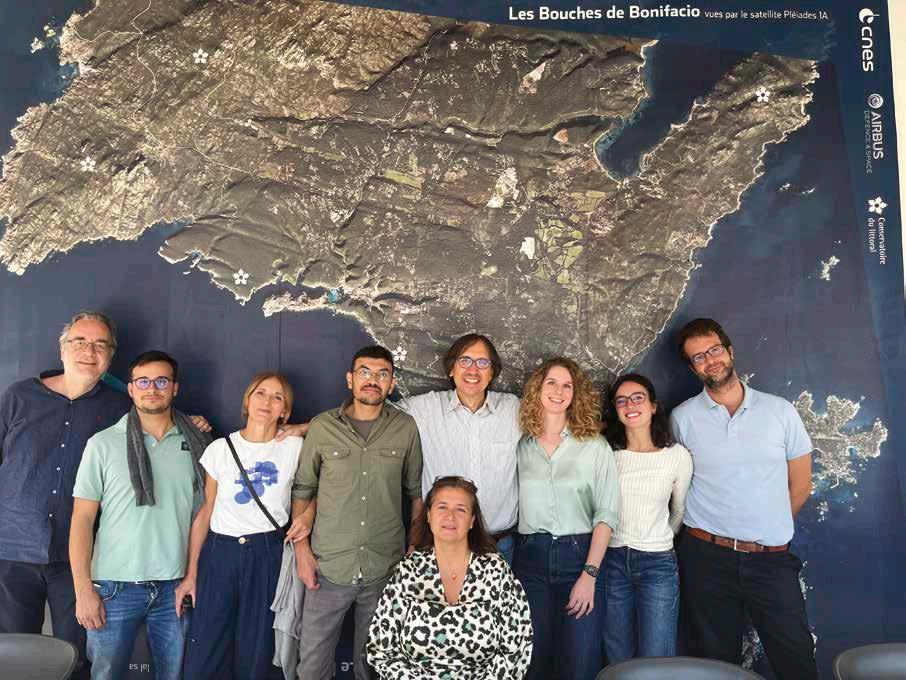
AMIS (Advanced Monitoring systems and Digital Twins for coastal Safety and resilience) aims to support public authorities in assessing and managing climate-driven coastal risks. The project integrates advanced monitoring technologies, including robotic platforms, modelling tools and digital twins to analyse hazards affecting both low-lying and rocky coasts, improving risk awareness, planning and decision-making at local and regional scales.
Project Funding
This AMIS project is co-funded by the Interreg Italy-France Maritime Programme 2021-2027, with funding of €1,581,720.66 (FESR). (AMIS – Advanced Monitoring systems and Digital Twins for coastal Safety and resilience)
Project Partners
https://interreg-marittimo.eu/it/web/amis/partner
Contact Details
Project Coordinator, Carlo Brandini
Consiglio Nazionale delle RicercheIstituto di Scienze Marine Consorzio LaMMA - Divisione di Oceanografia
Via Madonna del Piano 10
50019 Sesto Fiorentino (FI)
T: +39 055 522 6007
E: brandini@lamma.toscana.it W: https://interreg-marittimo.eu/it/web/ amis/progetto


Dr Carlo Brandini, PhD is a senior researcher at CNR and head of the CNR–ISMAR Florence site, with a long-standing collaboration with the LaMMA Consortium as the main scientific contact for marine activities. His research focuses on coastal and marine processes, operational oceanography and climate-driven coastal risks. He is the scientific coordinator of the AMIS project.
Manuela Corongiu, PhD is a senior researcher at LaMMA Consortium (a public consortium between the Tuscany Regional Government and the Italian National Council Research) with main tasks on geospatial database design, data infrastructure management, geomatic aspects and standards. Involved in AMIS project as Project Management support and Geomatic expert.
