

Blue team twin cities ACE
Final slides by Eula, Gavin, Ada, Anna, Sophia S-F, Sophia T, Brynn, Berenice, Alli, and Emmett
Purpose Statement
Our goal for this visitor center is to create a welcoming space for a diverse variety of visitors to Fort Snelling. We want our center to promote education about the site’s US history and culture. The visitor center will serve as an intersection between the site’s importance to America and Native Americans through its overall design, activities, and features. Additionally, we want our center to connect and flow with the natural environment with native landscaping and materials. Overall, we aim for this visitor center to serve as representation for many cultures and help visitors understand the site’s significance.
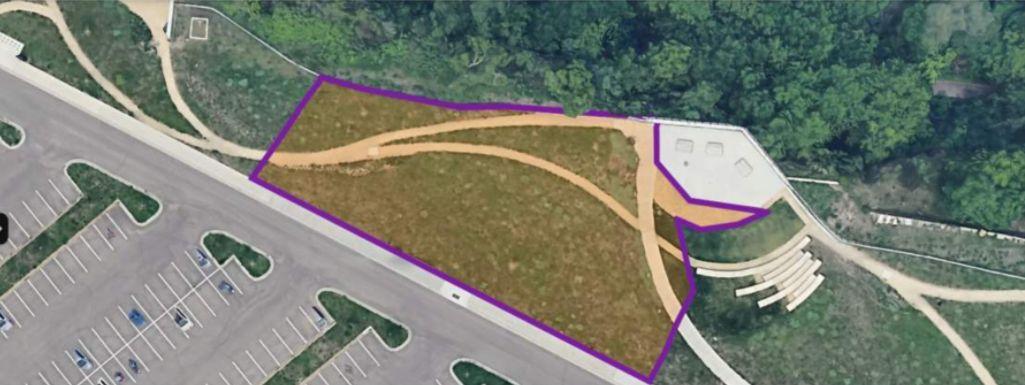
Building site
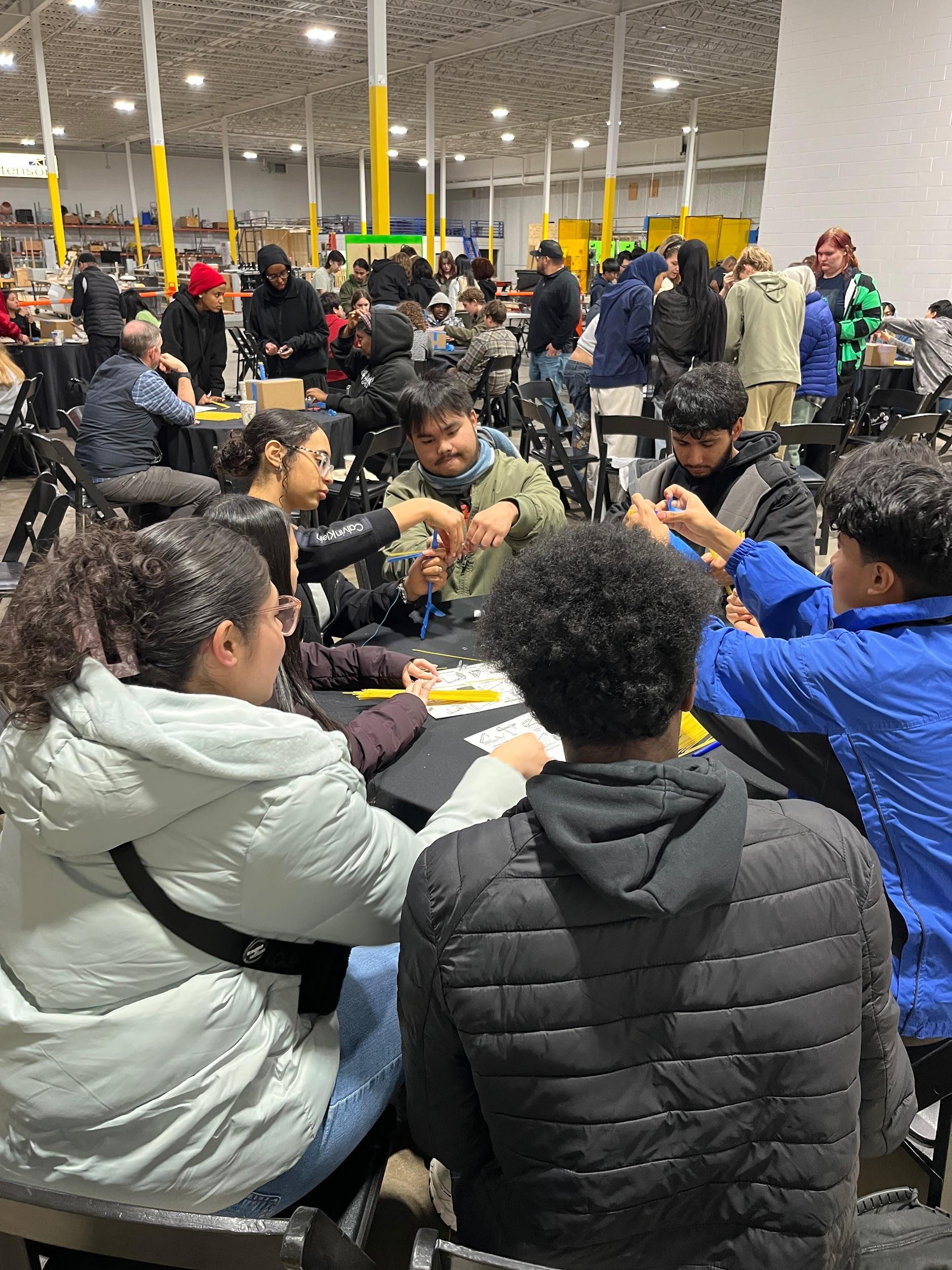
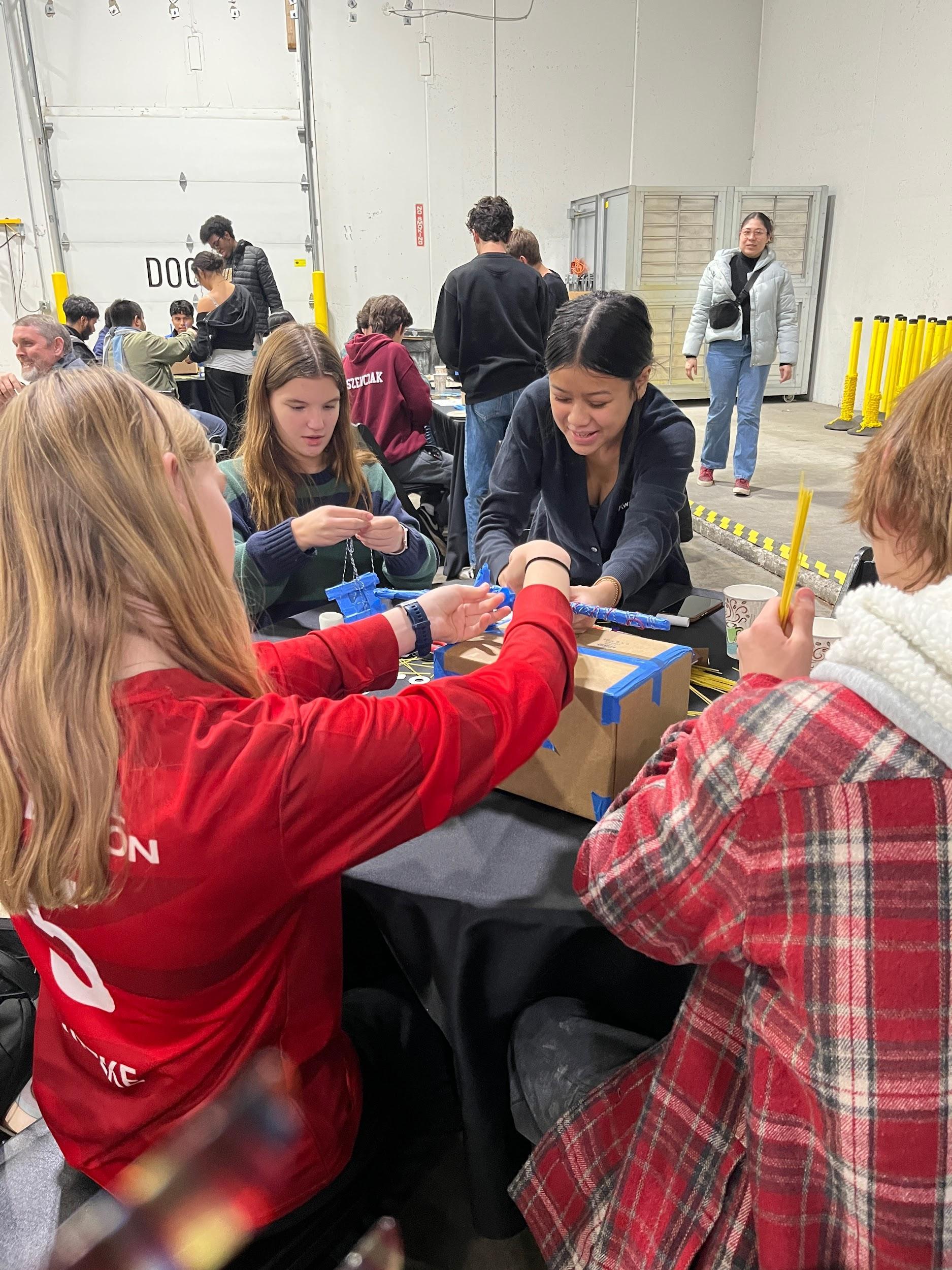
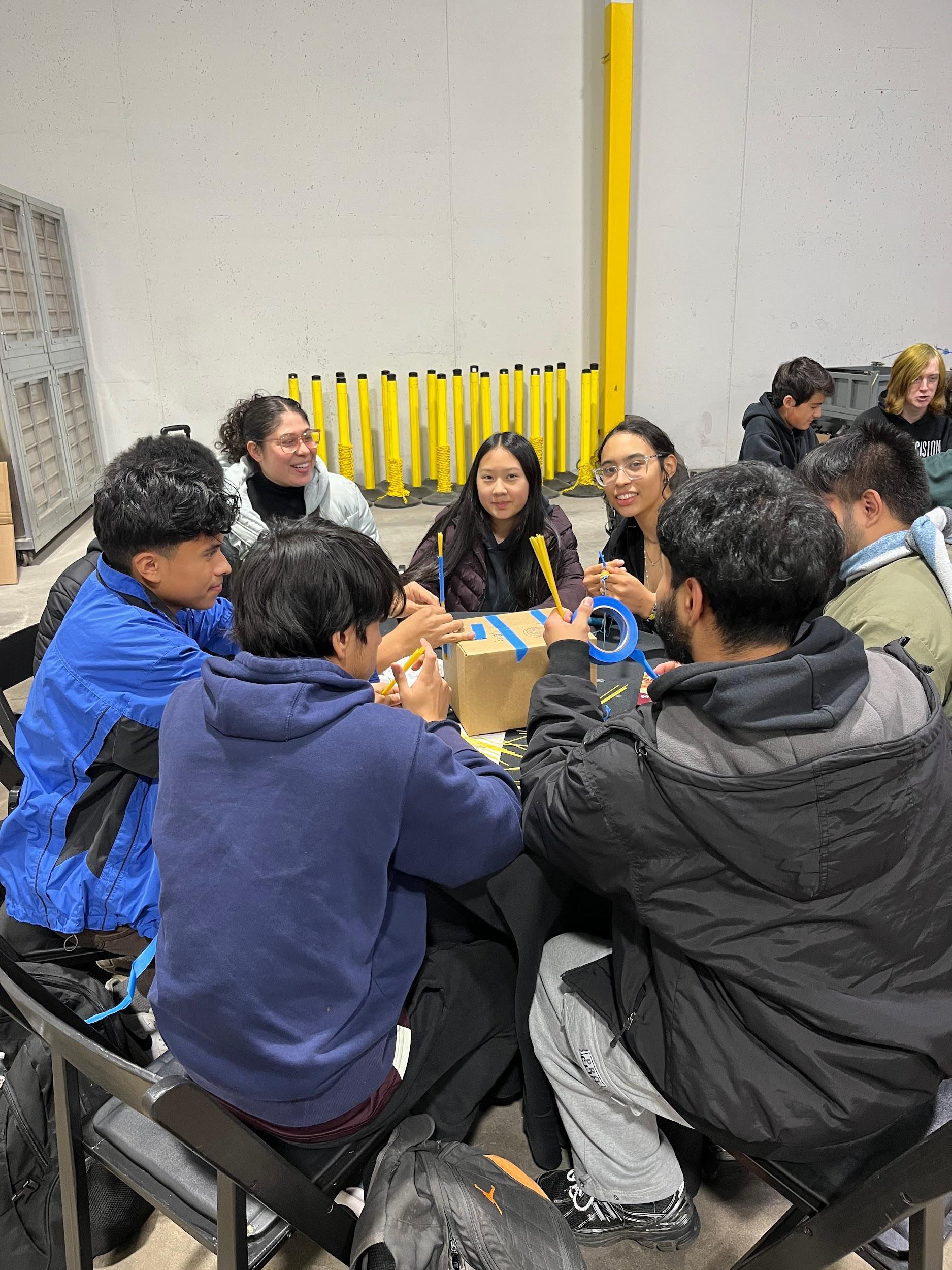
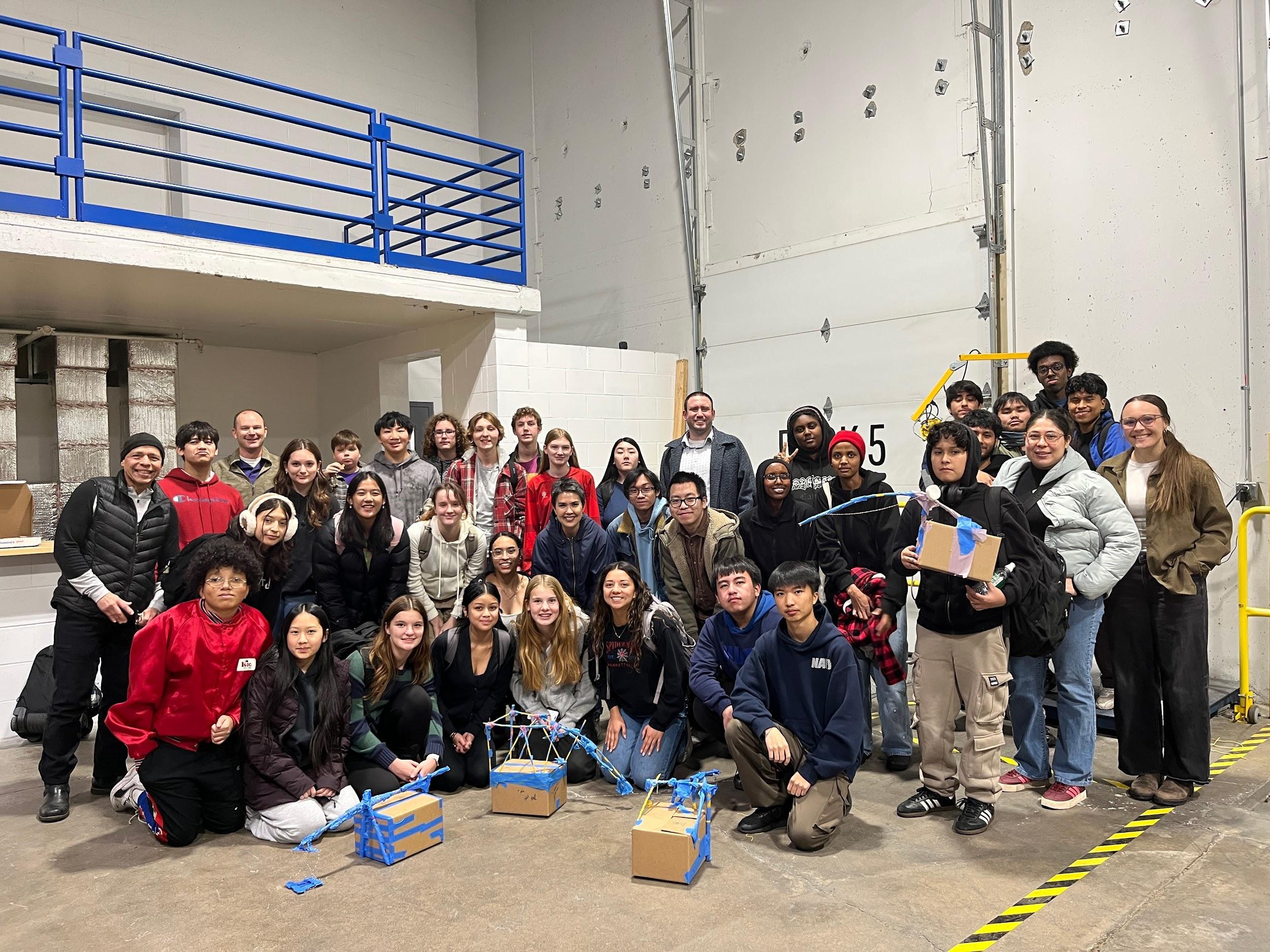
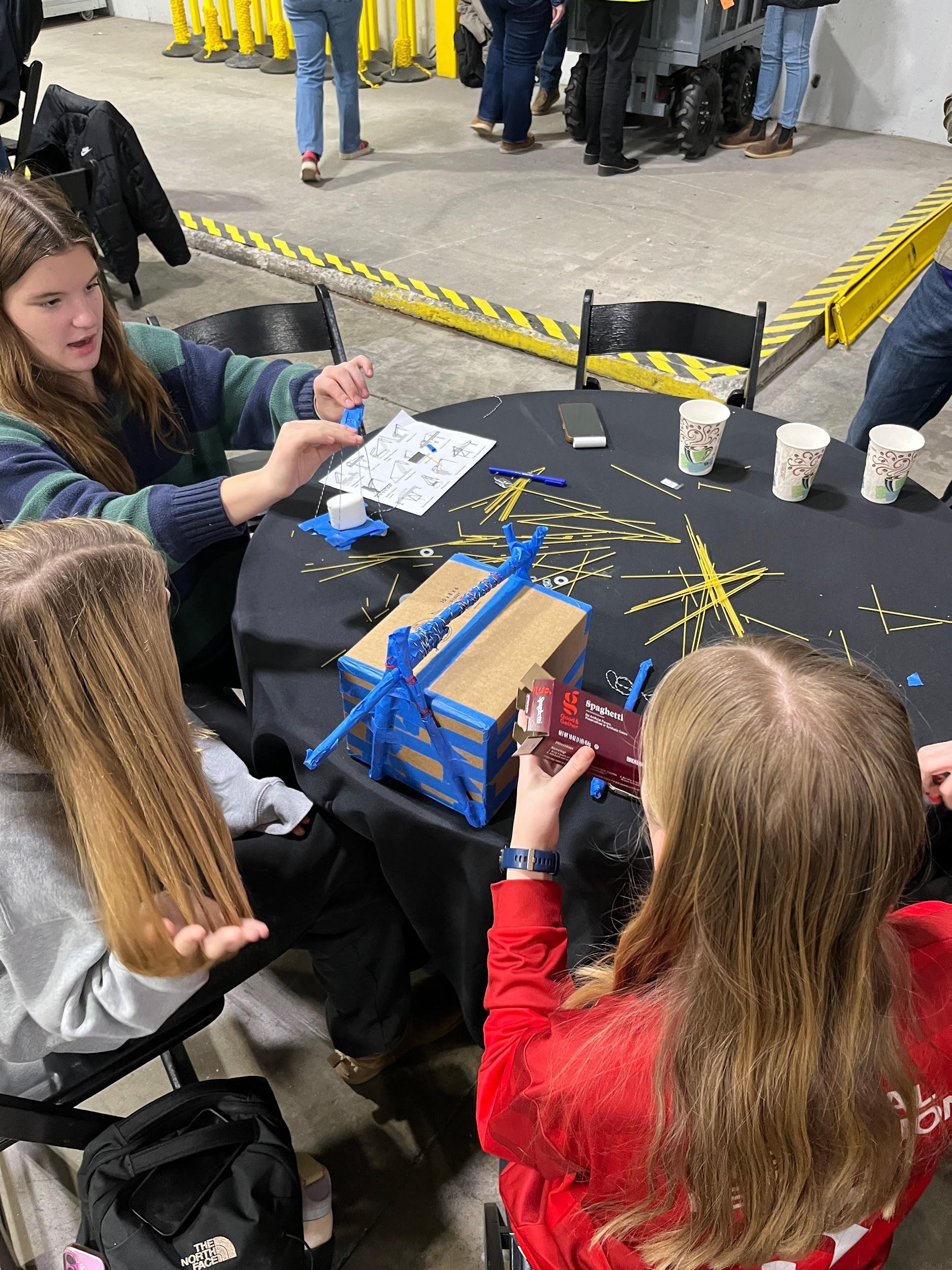
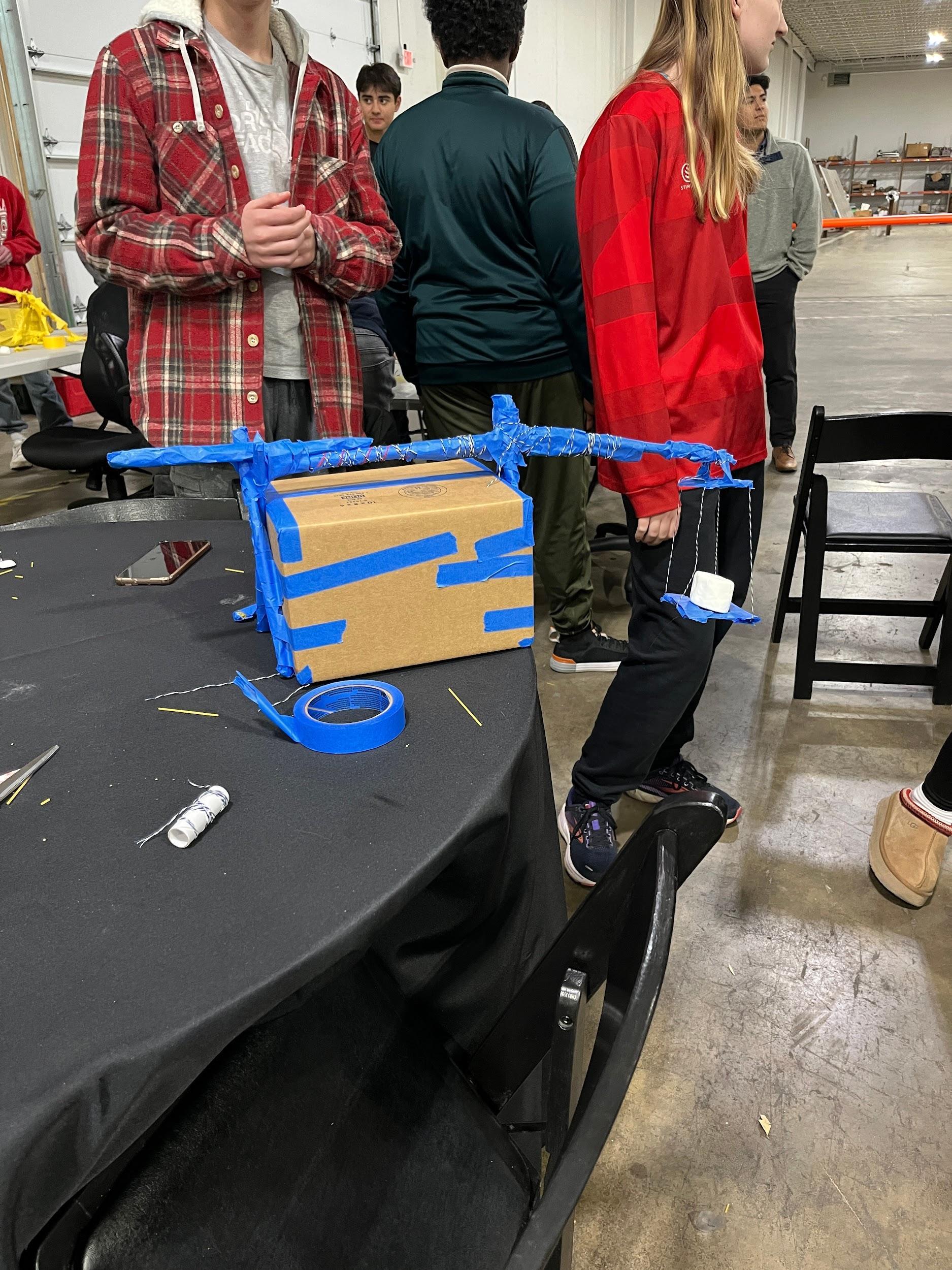
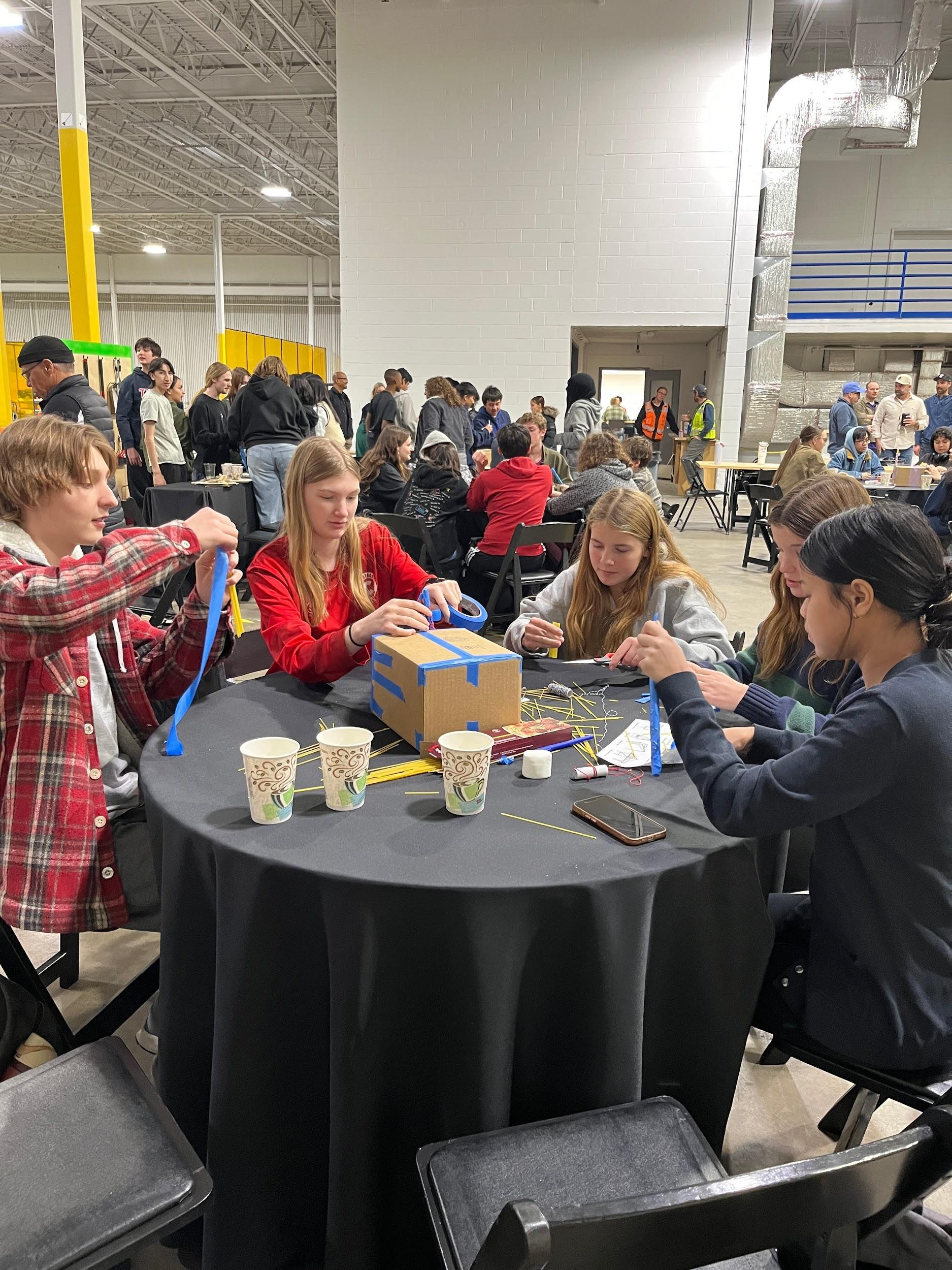
Field trip
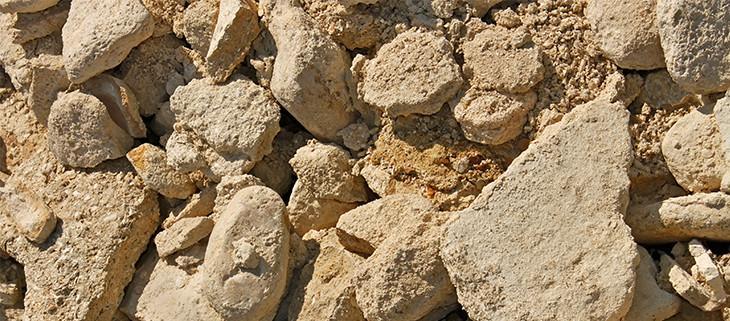
Exterior and interior materials
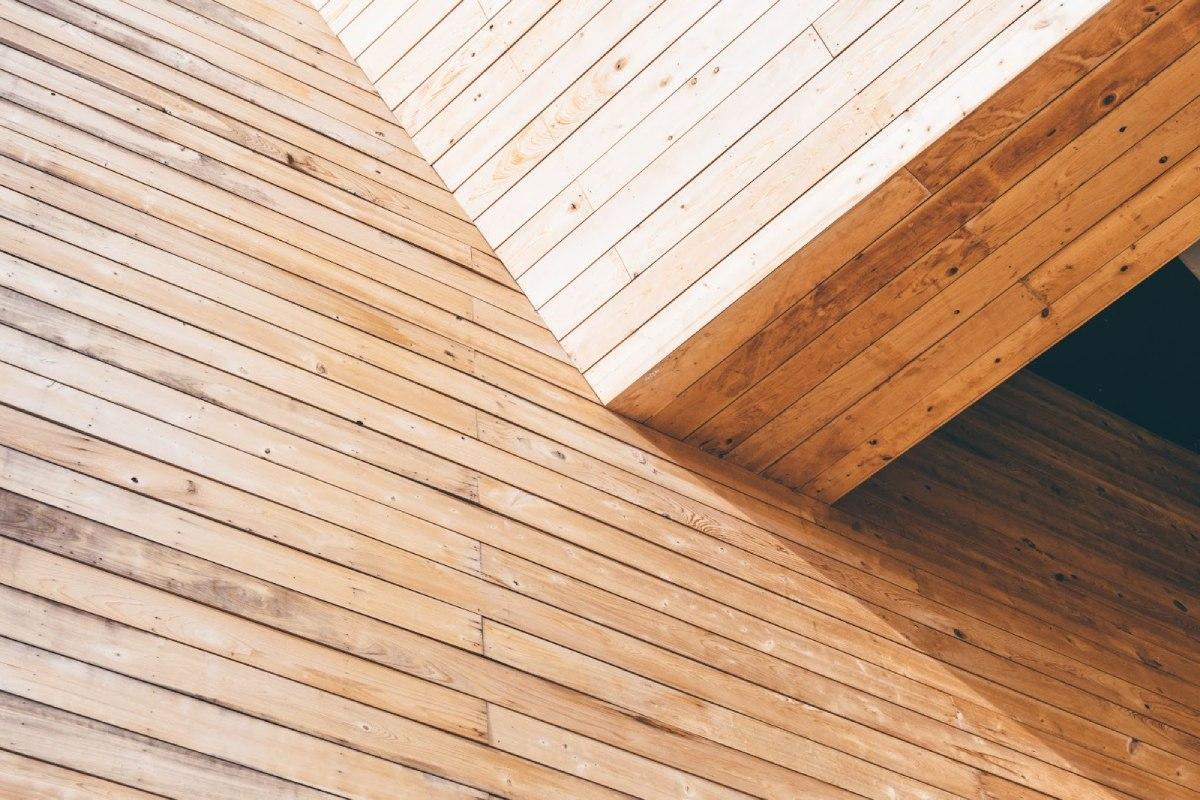
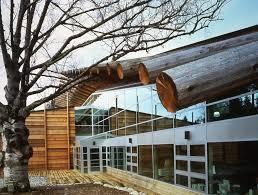
● wood- durable, reflects forest
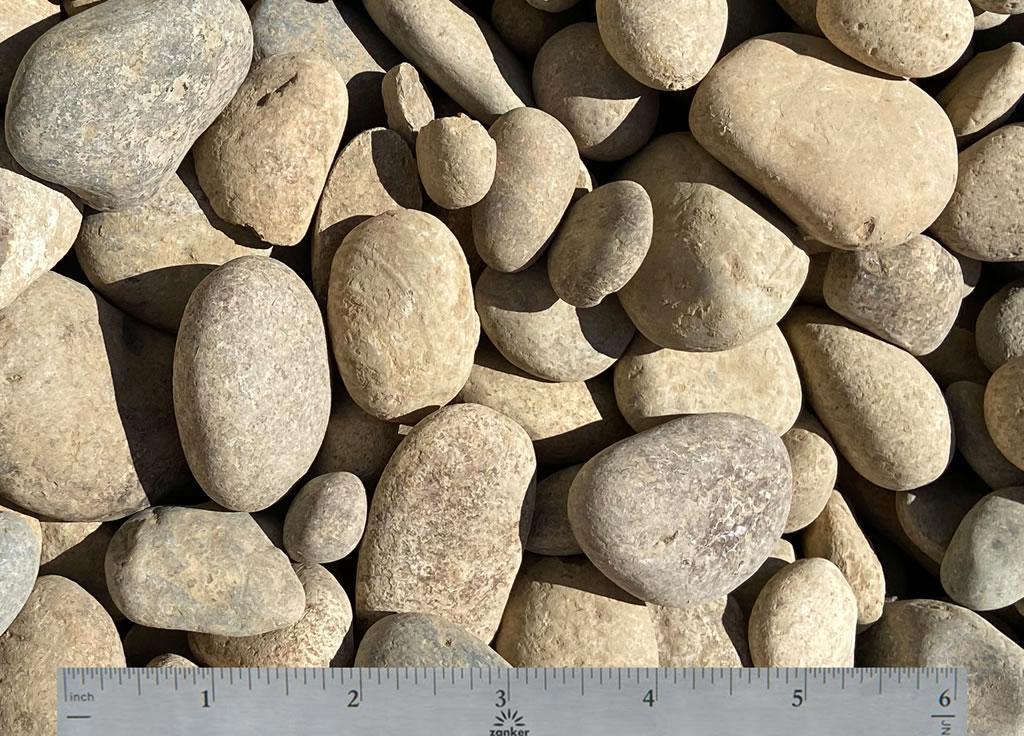
● stone wallsvernacular, flows with vibe, durable
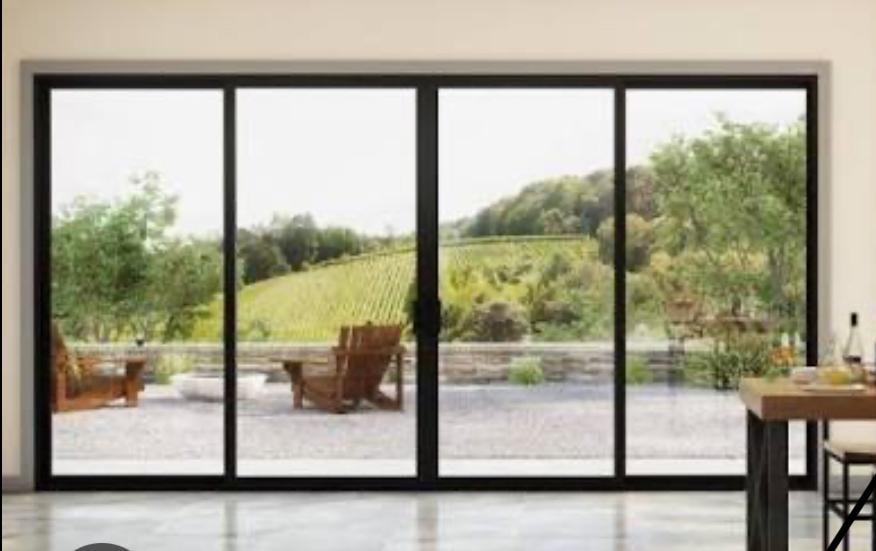
● Glass- opening, natural lighting
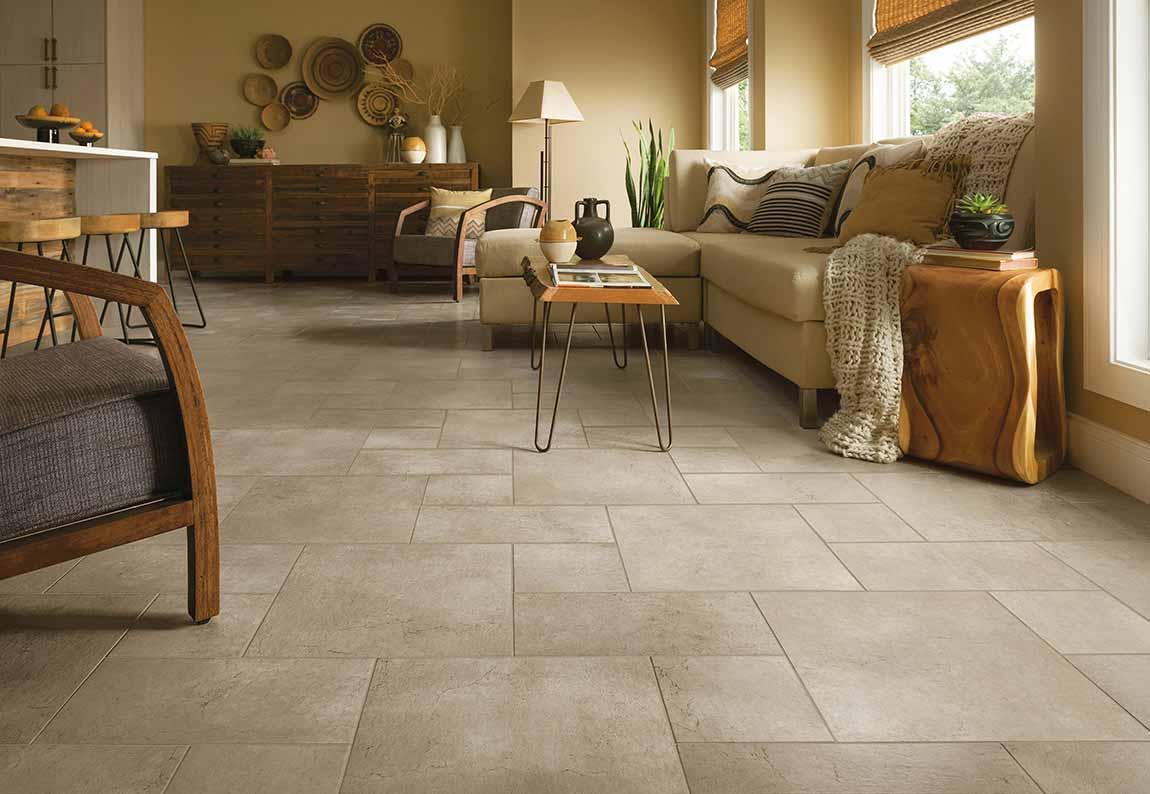
● Tiles- cohesive with building, easy to maintain
Interior
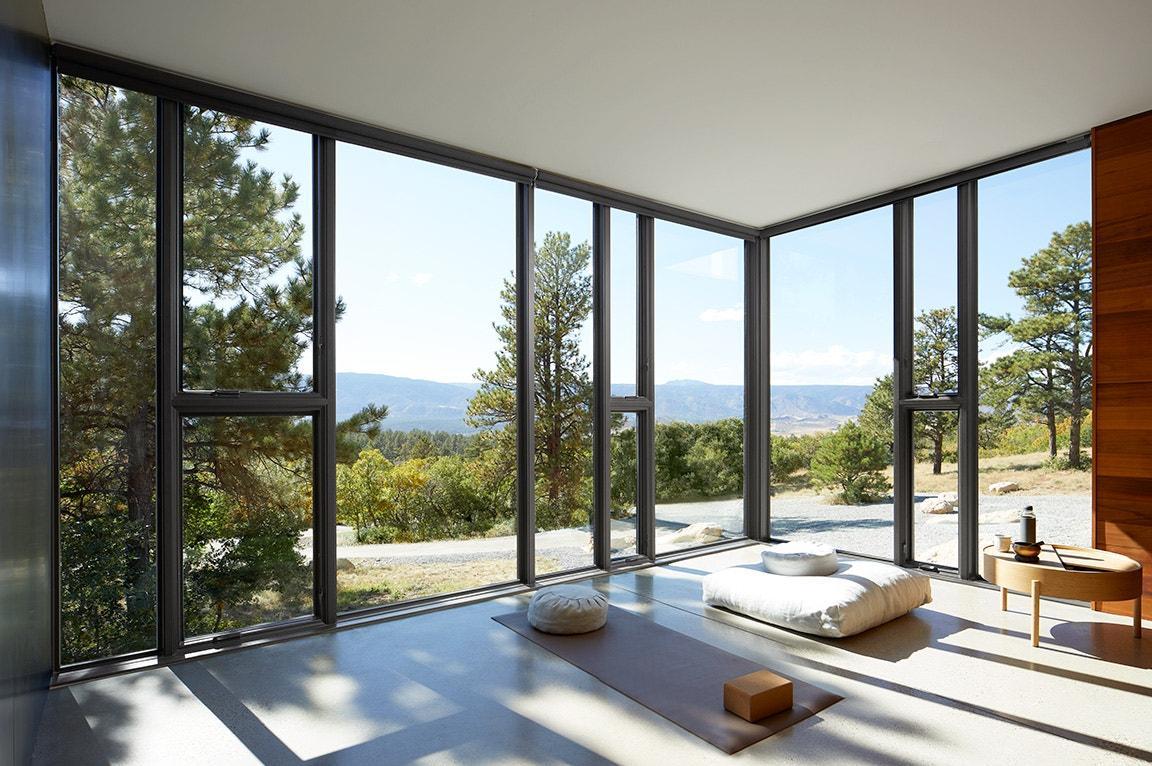
● Earthy/ open
● Pieces of art throughout building
● modern AND traditional styles, mixing in Native American elements
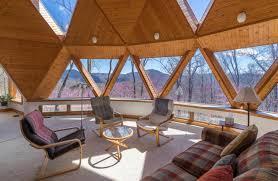
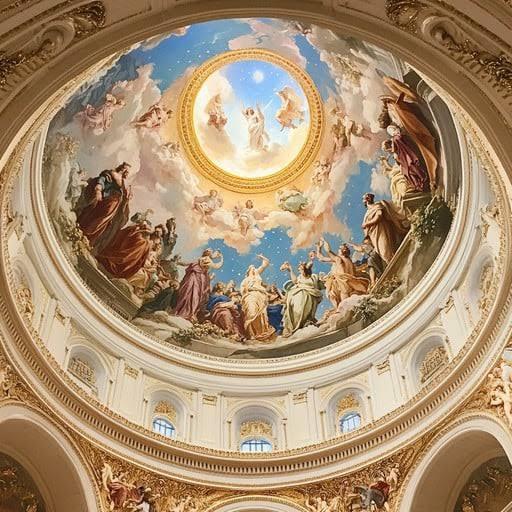
● dome and/or skylights
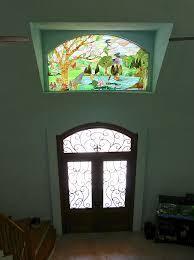
● mural
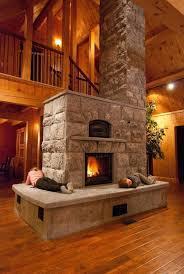
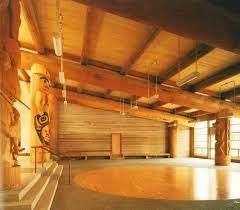
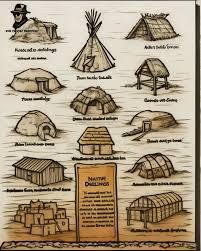
Interior design- feng shui, and focal points
general impact of the building- calm, welcoming, open, engaging
The focal point would be in the center of the entrance/ main lobby to draw everyone’s eyes to a mural up above in the dome. This piece would show indigenous history and the impact fort snelling has brought to us. Looking up above the focal point would be a mural bringing more attention and curiosity to the history and the building engaging the visitor. The circulation would be a mix of centralization and departmental.
Interior
Essential Elements
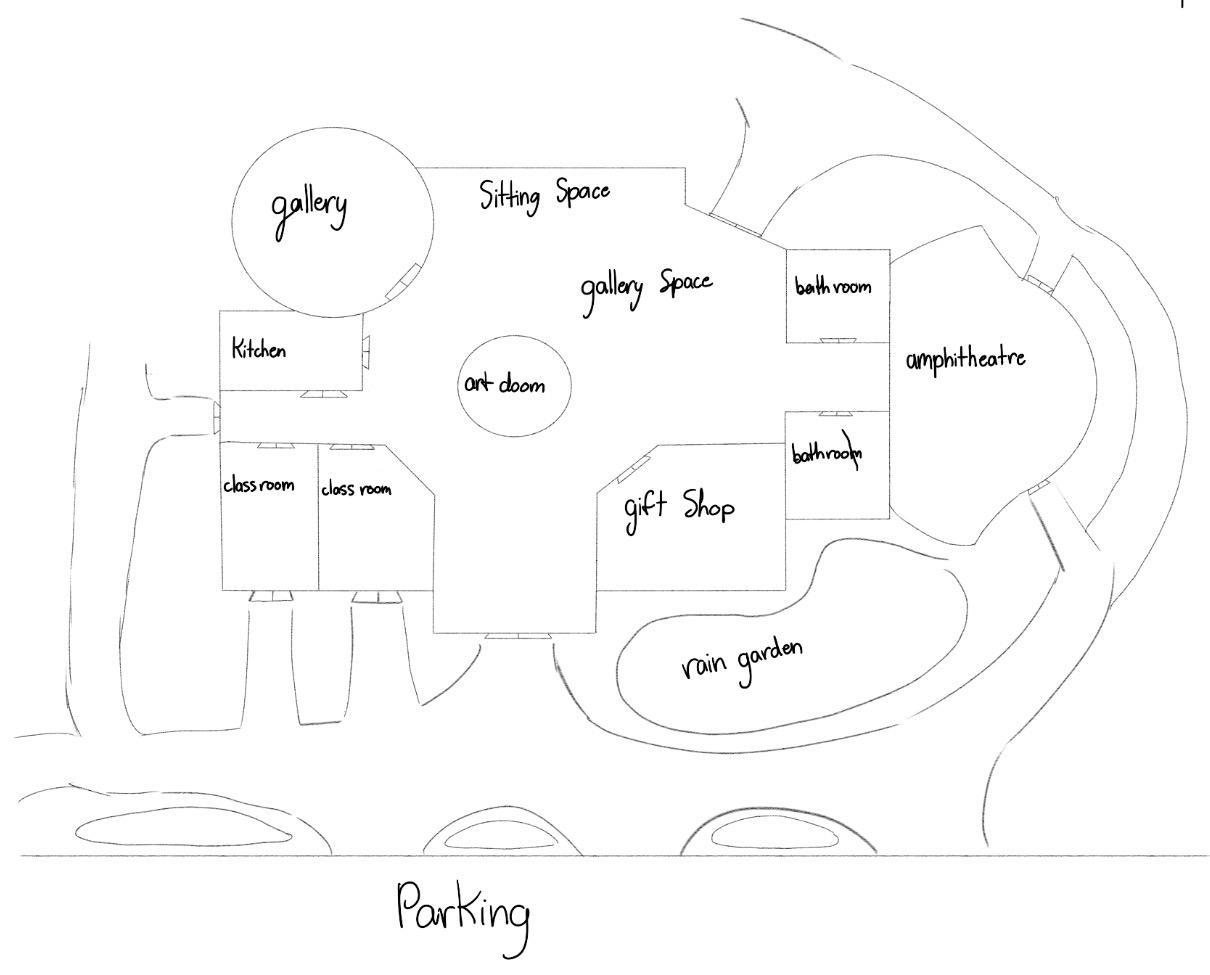
● Art gallery/ pieces -to bring awareness to the struggles of our native community and represent the local artists
● Amphitheatre
- History education and guest speakers
● Kitchen —for hosting events
● Classroom
- For field trips
● Gift shop
- to sell local artists work
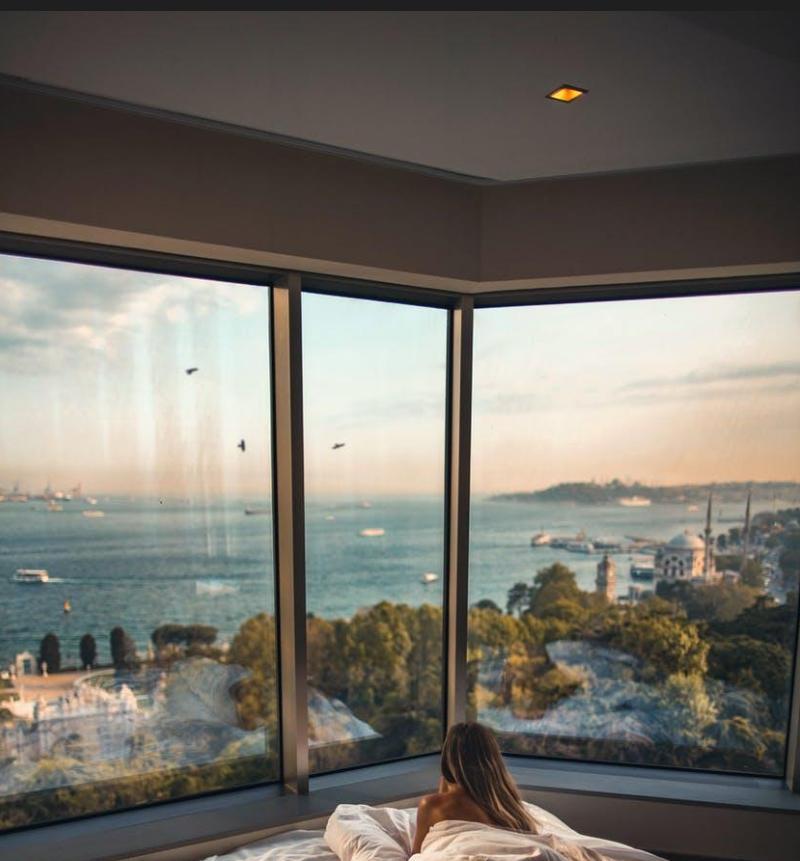
● Windows viewing river -to see its significance and visual aid for history
● Bathroom
● Basement
● Solarium/native and natural plant conservation (rain garden)
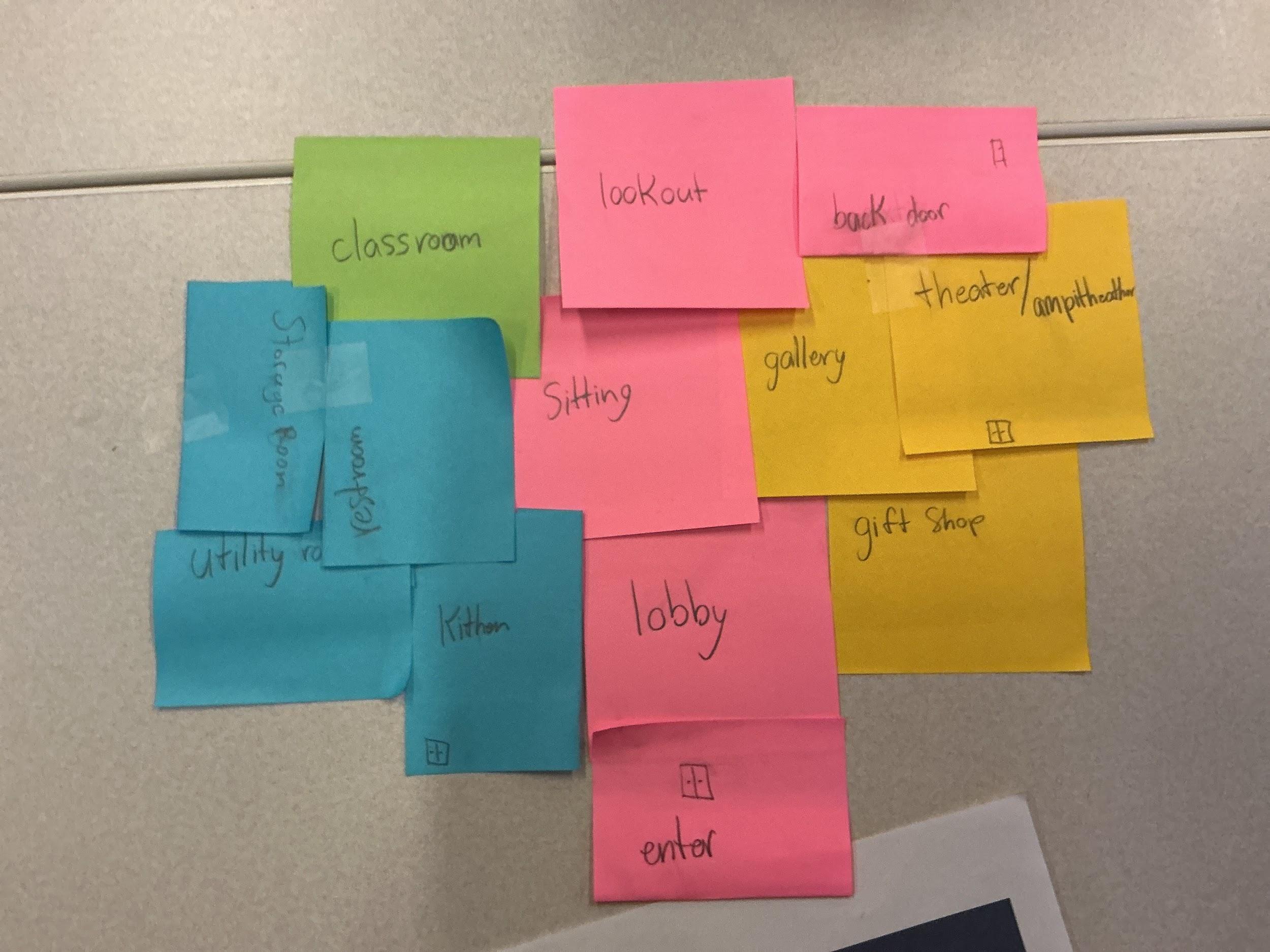
Adjacencies (sticky notes)
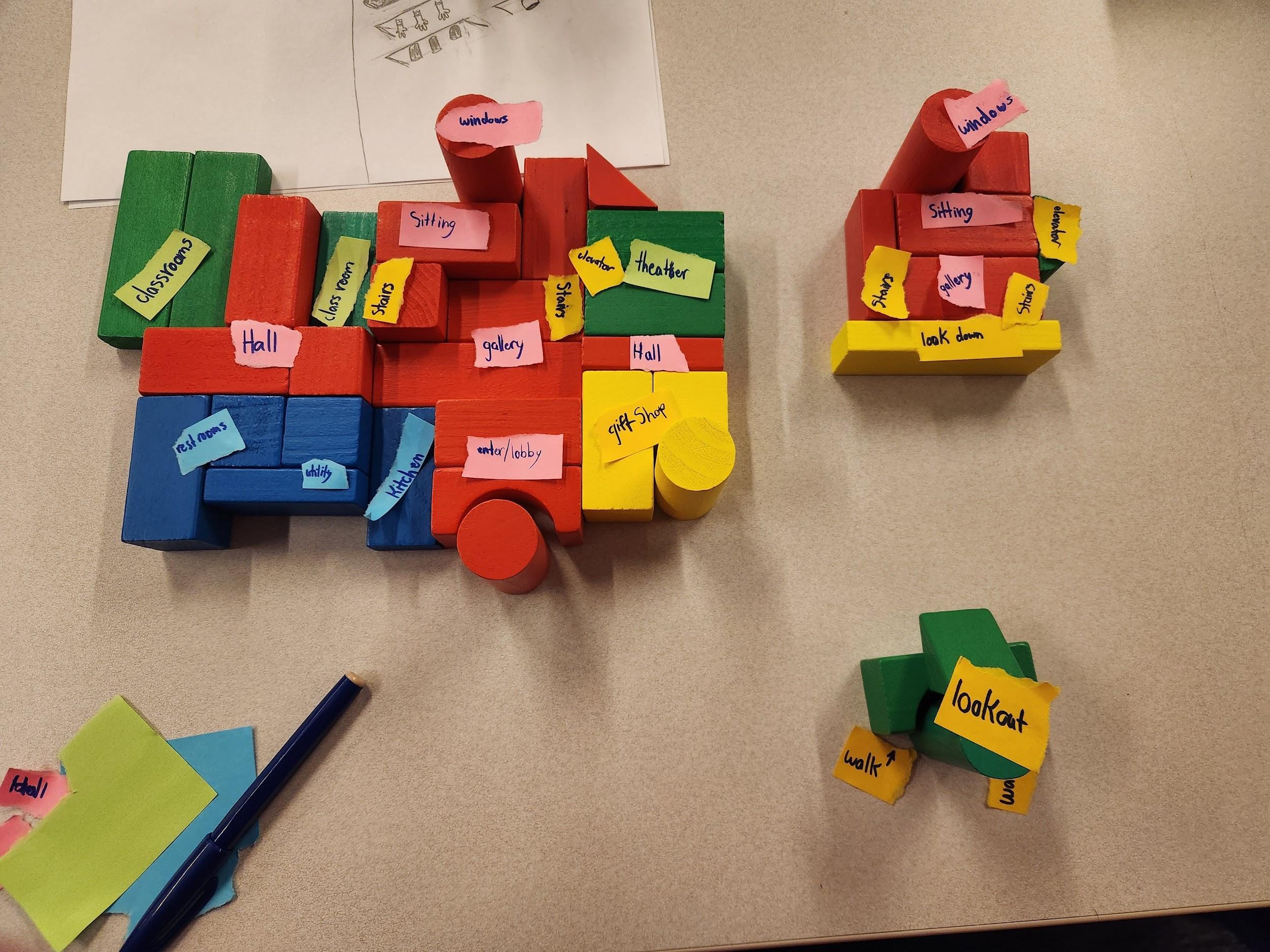
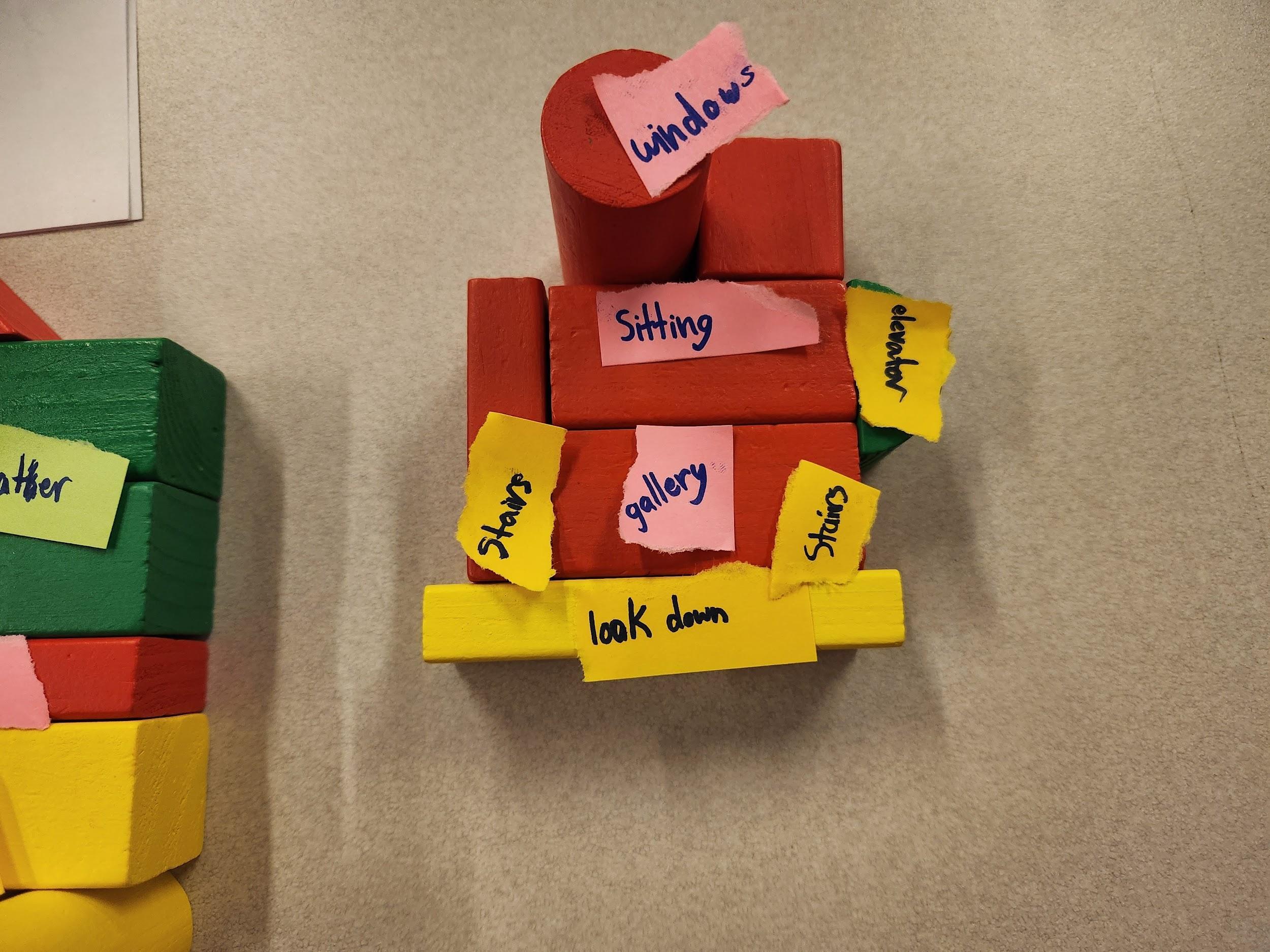
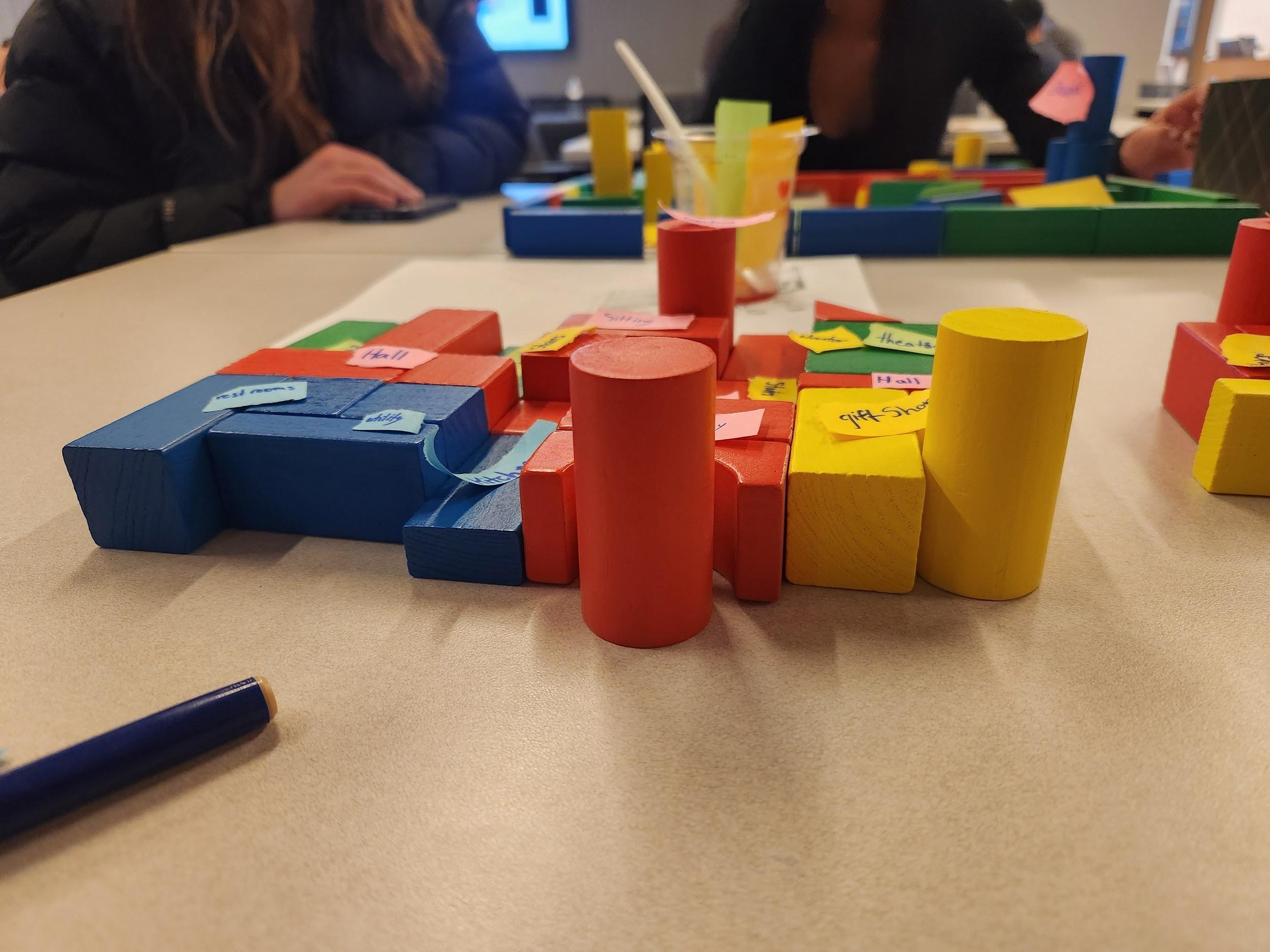
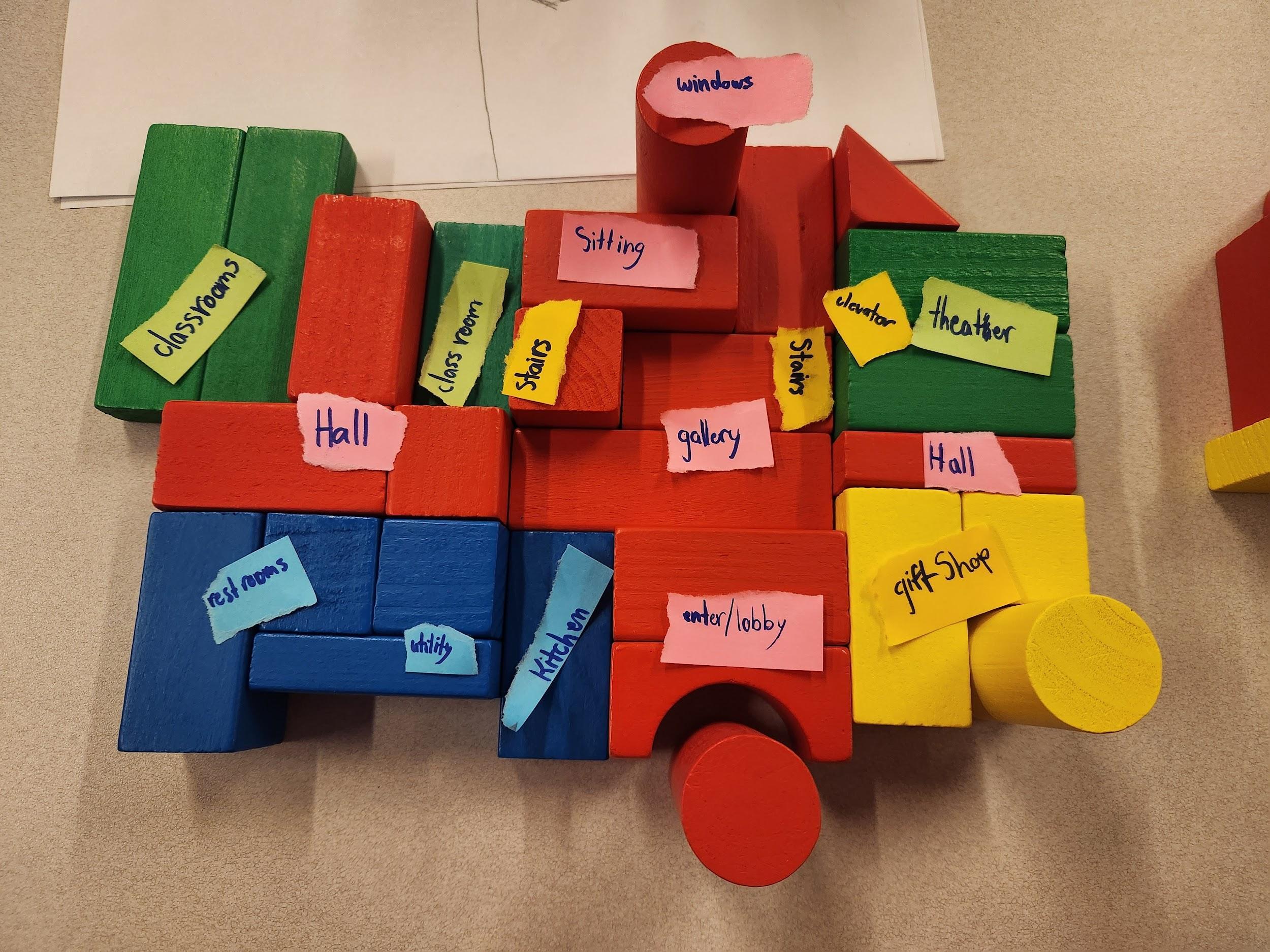
Adjacencies (blocks)
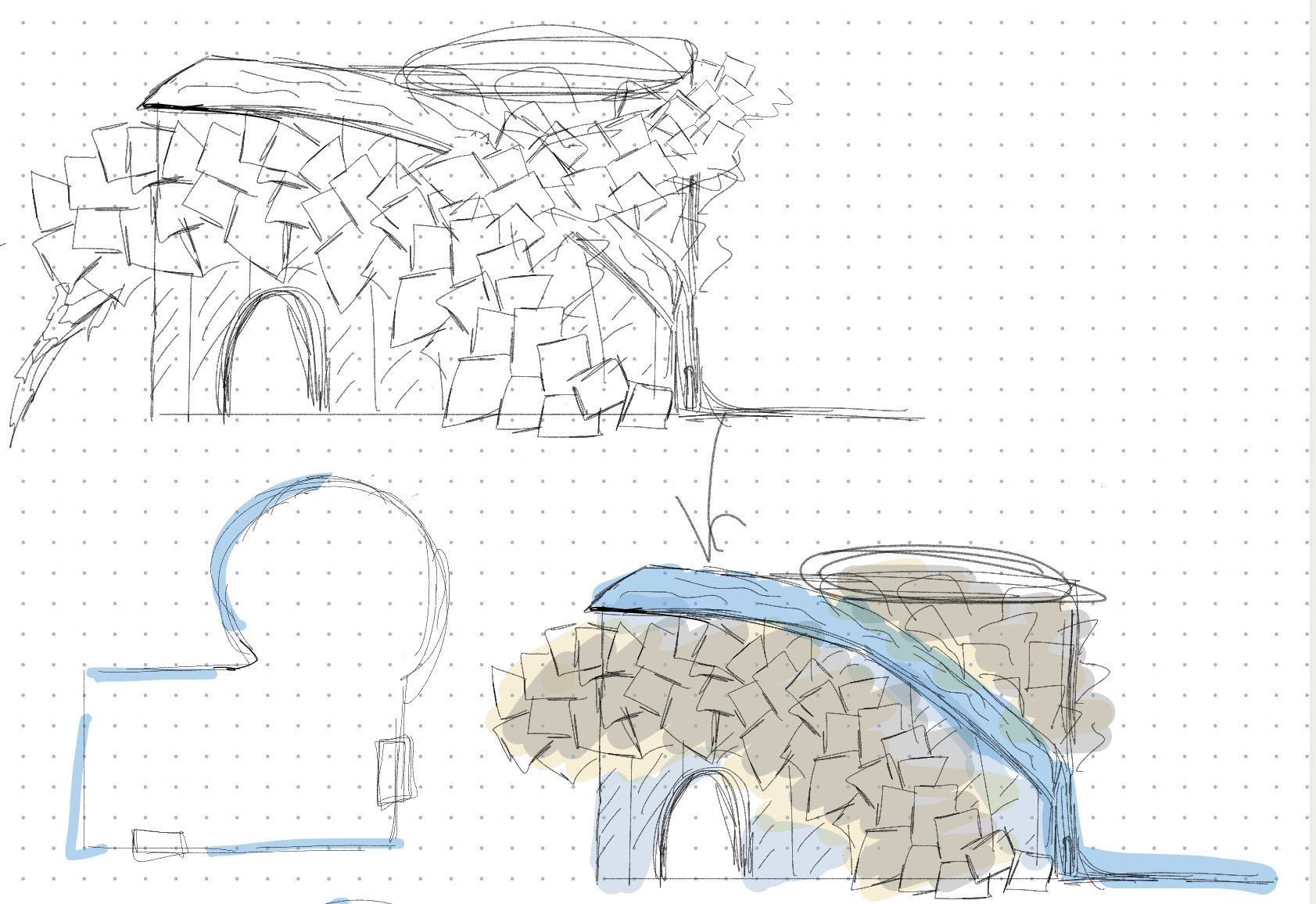
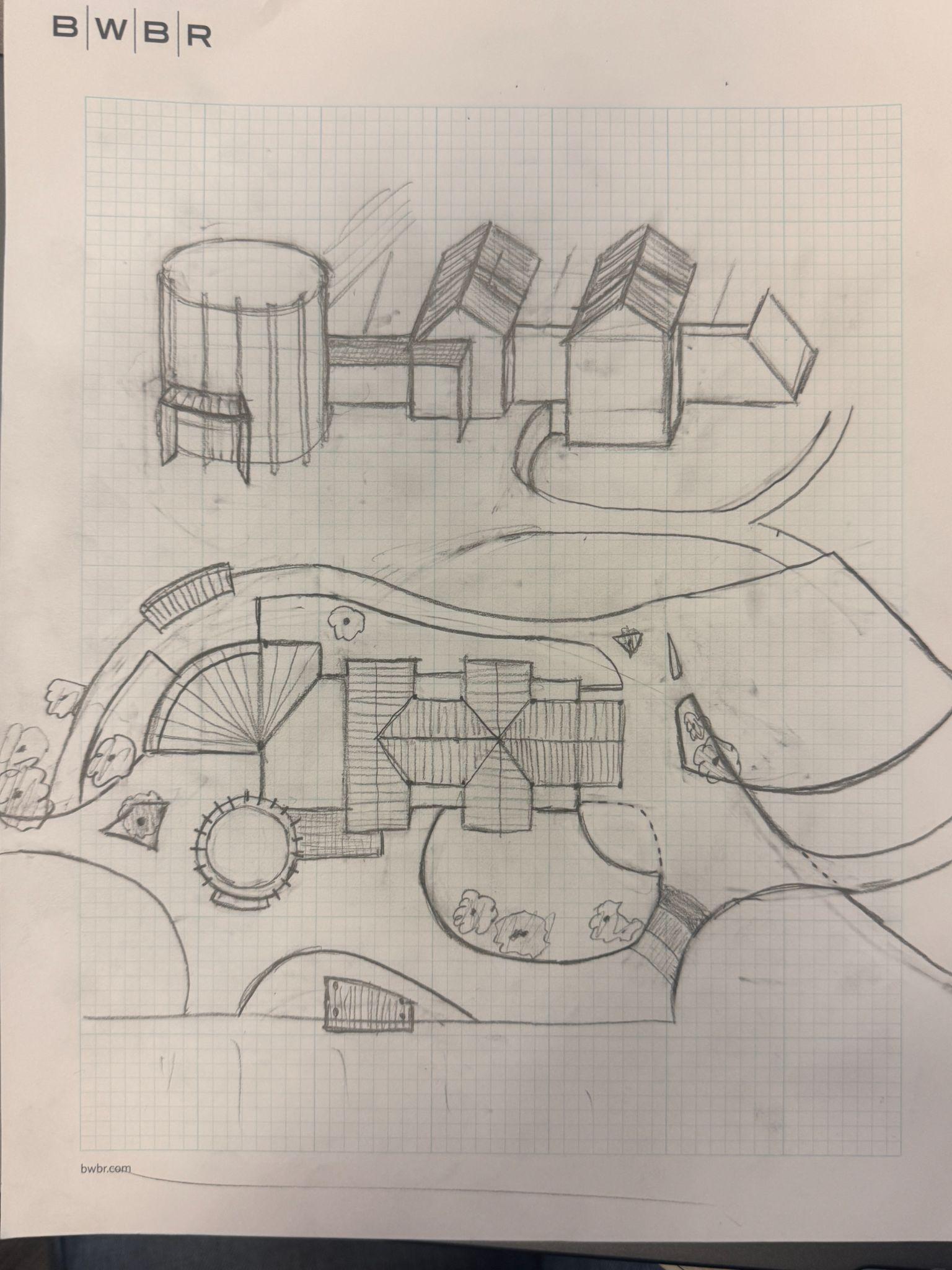
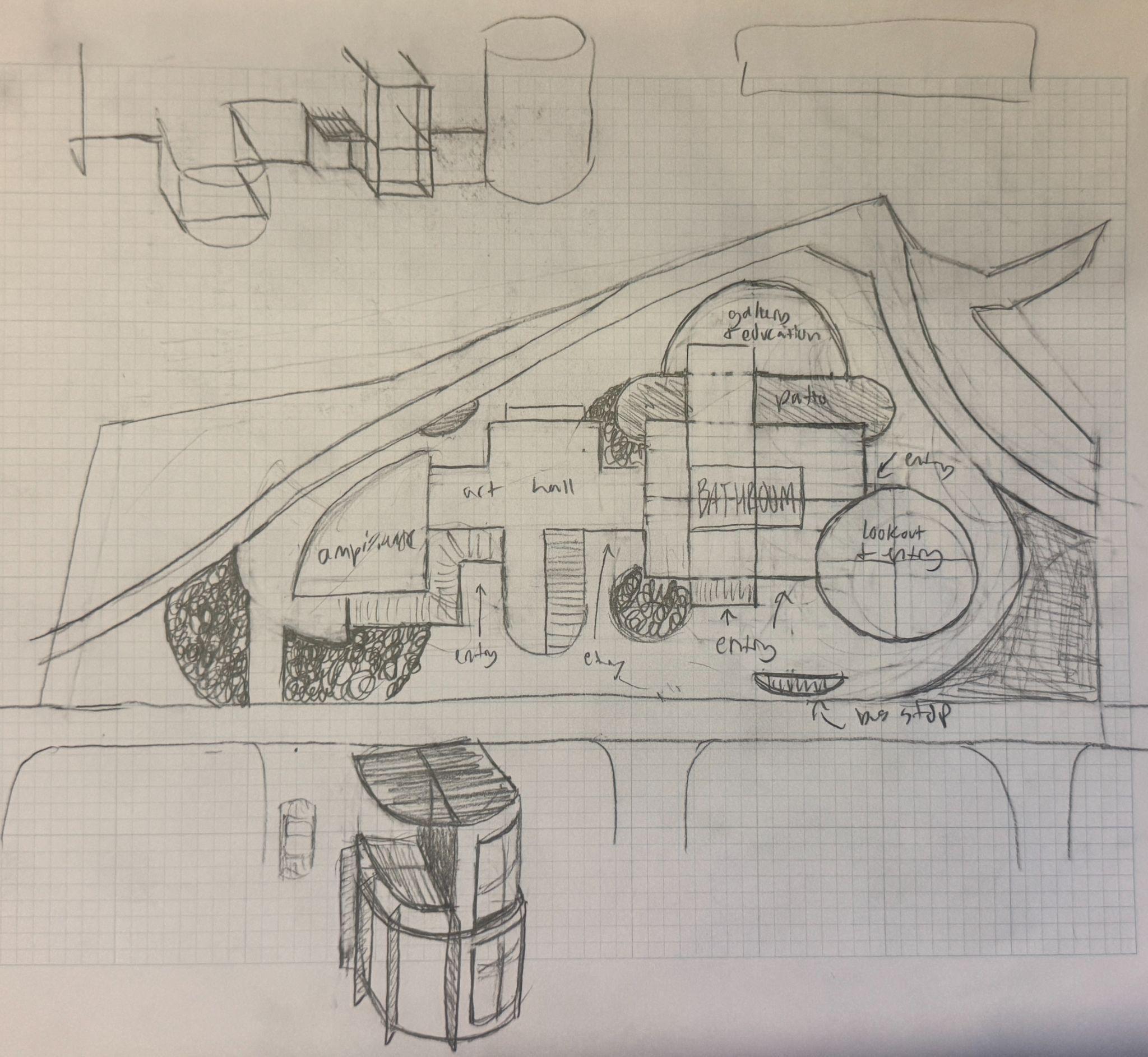
Sketches and Drafts
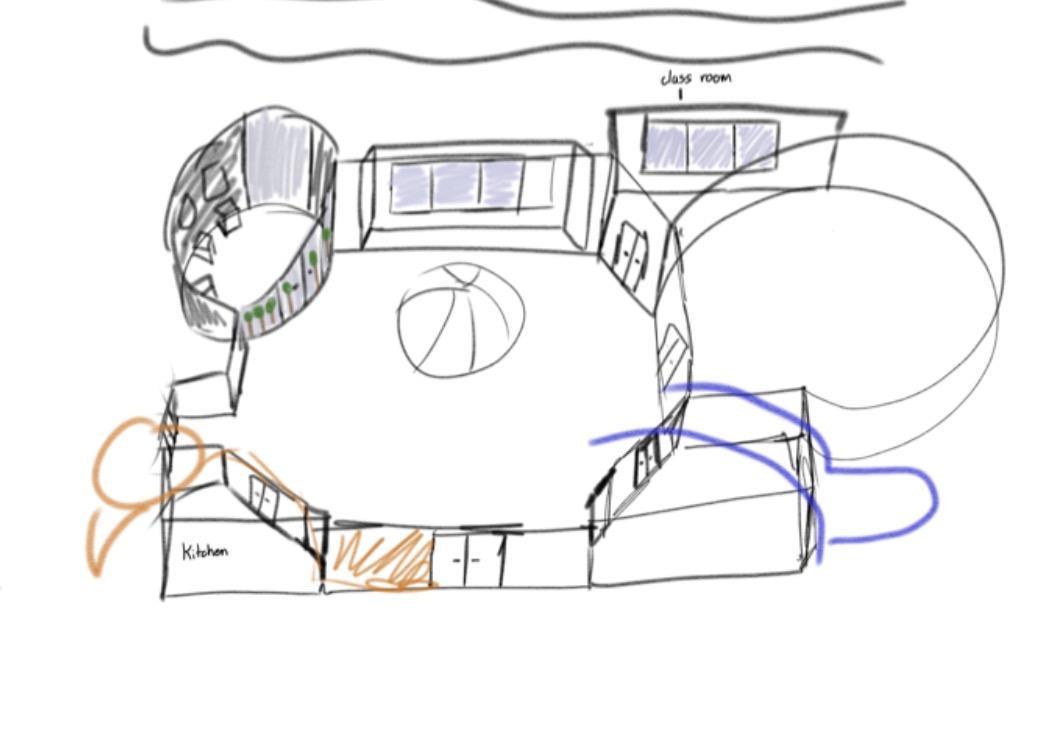
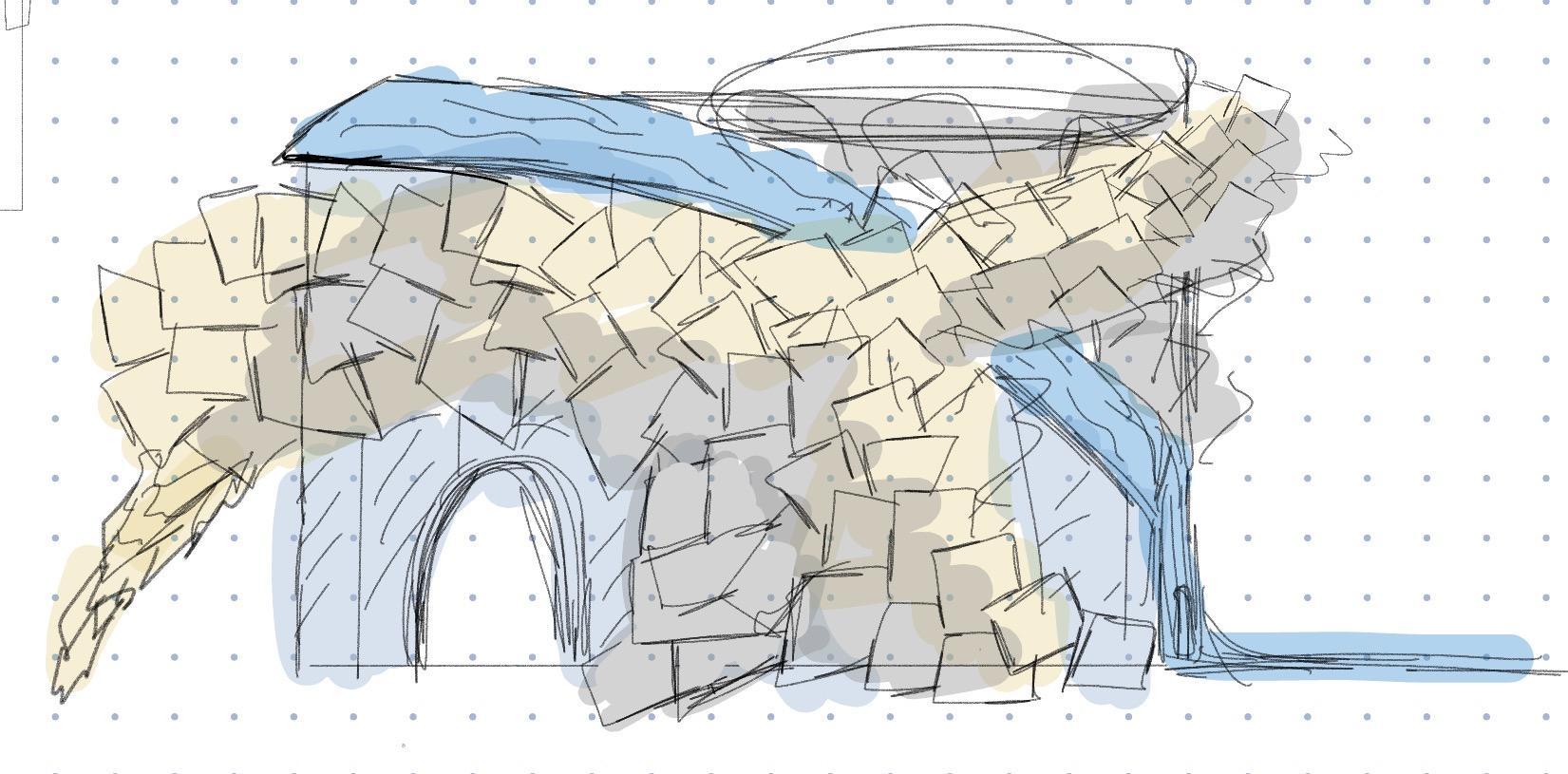
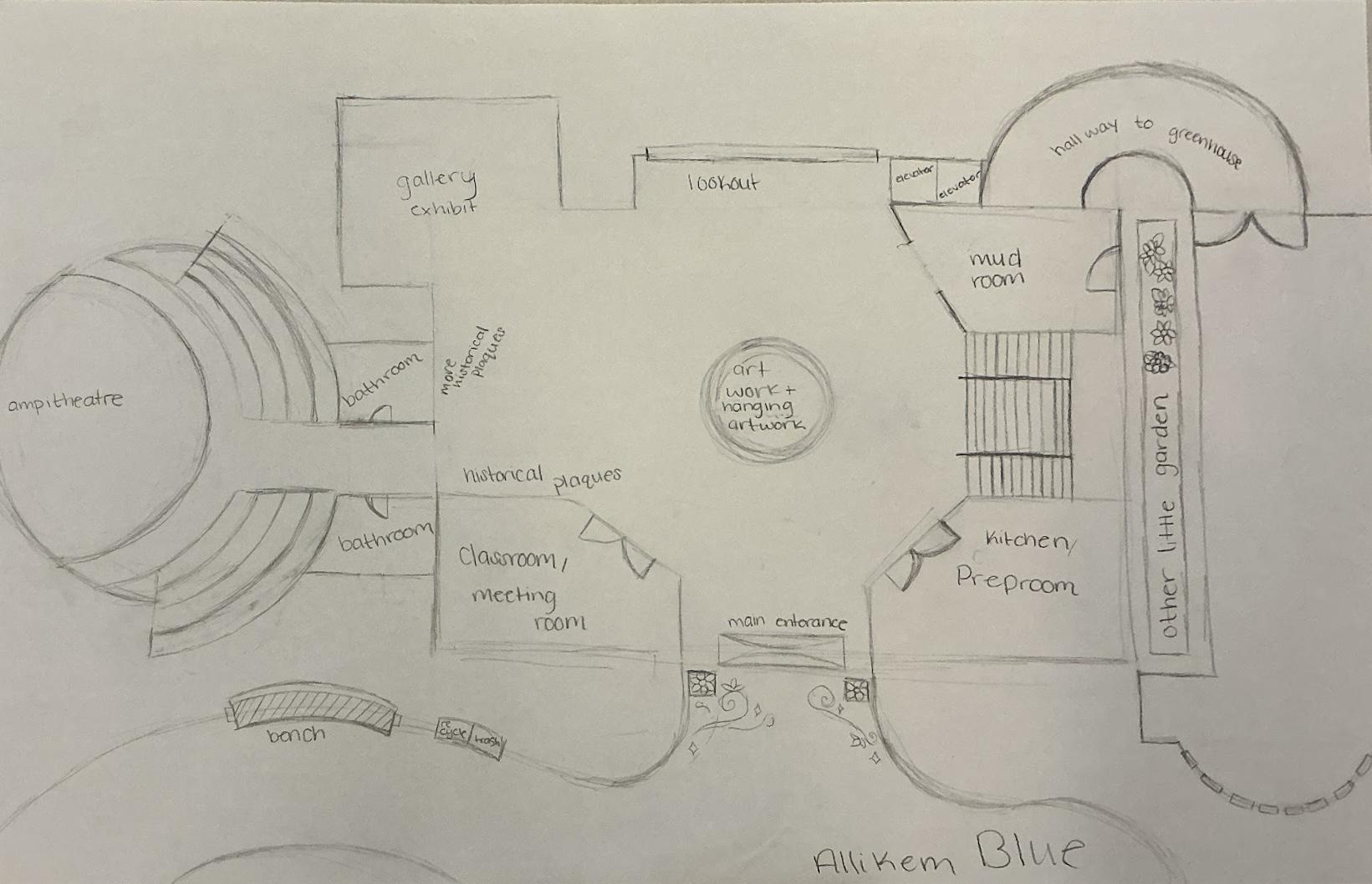
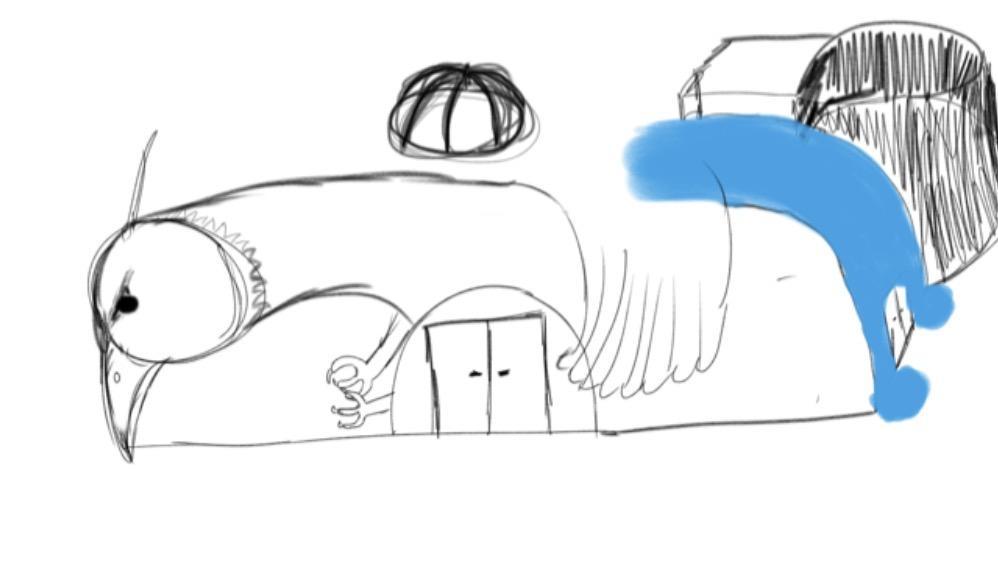
Floor plan
Physical Model
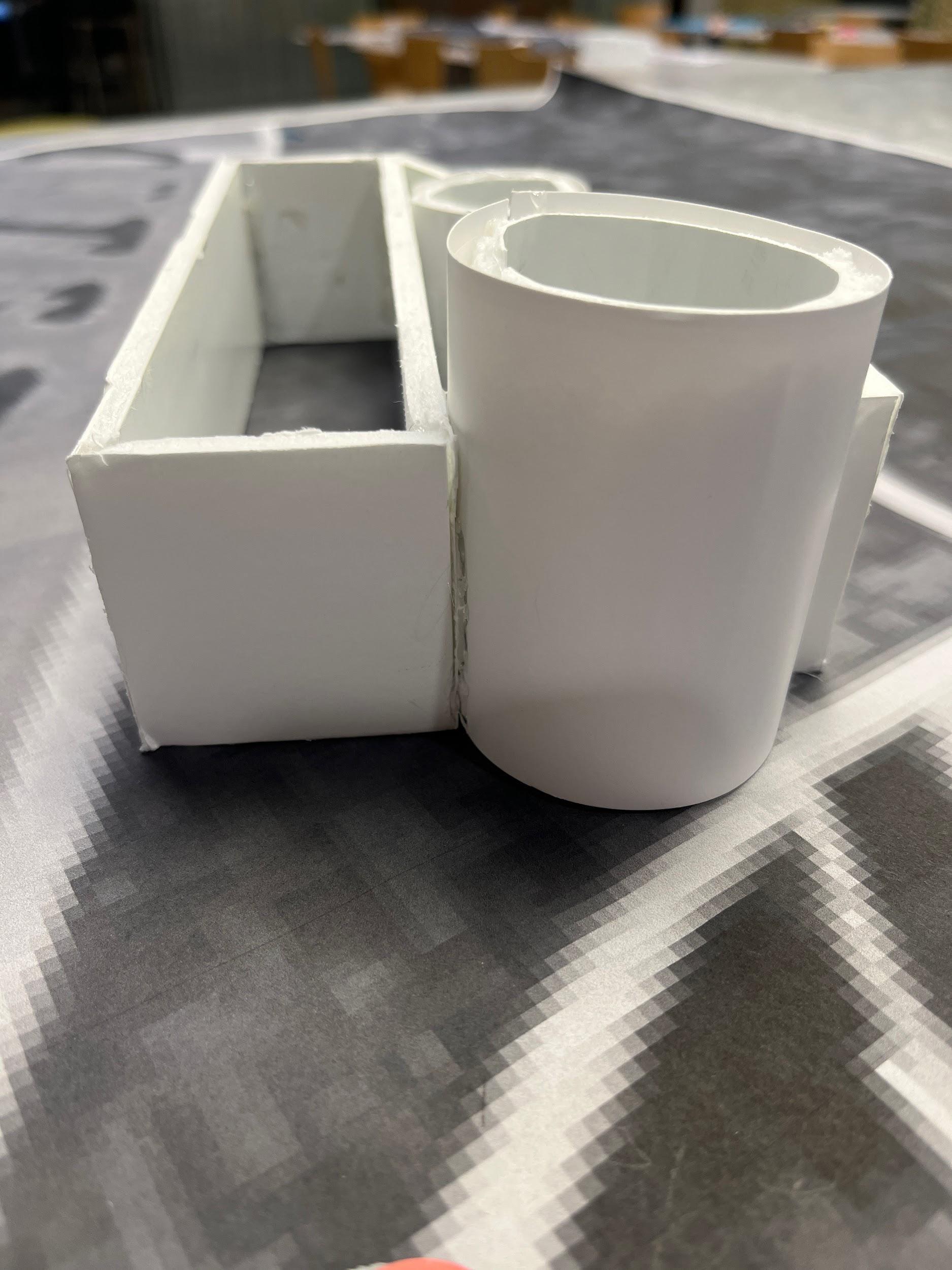
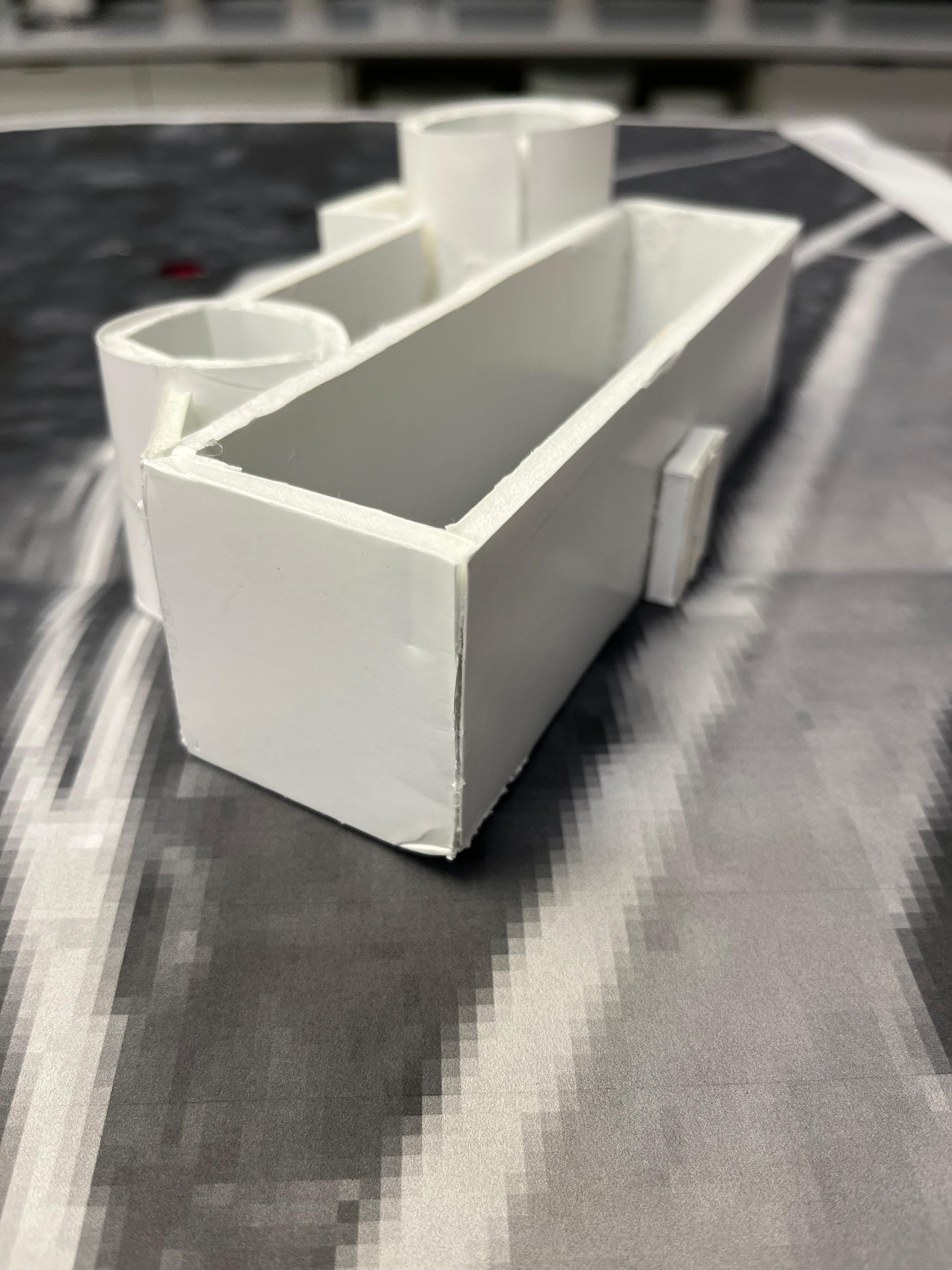
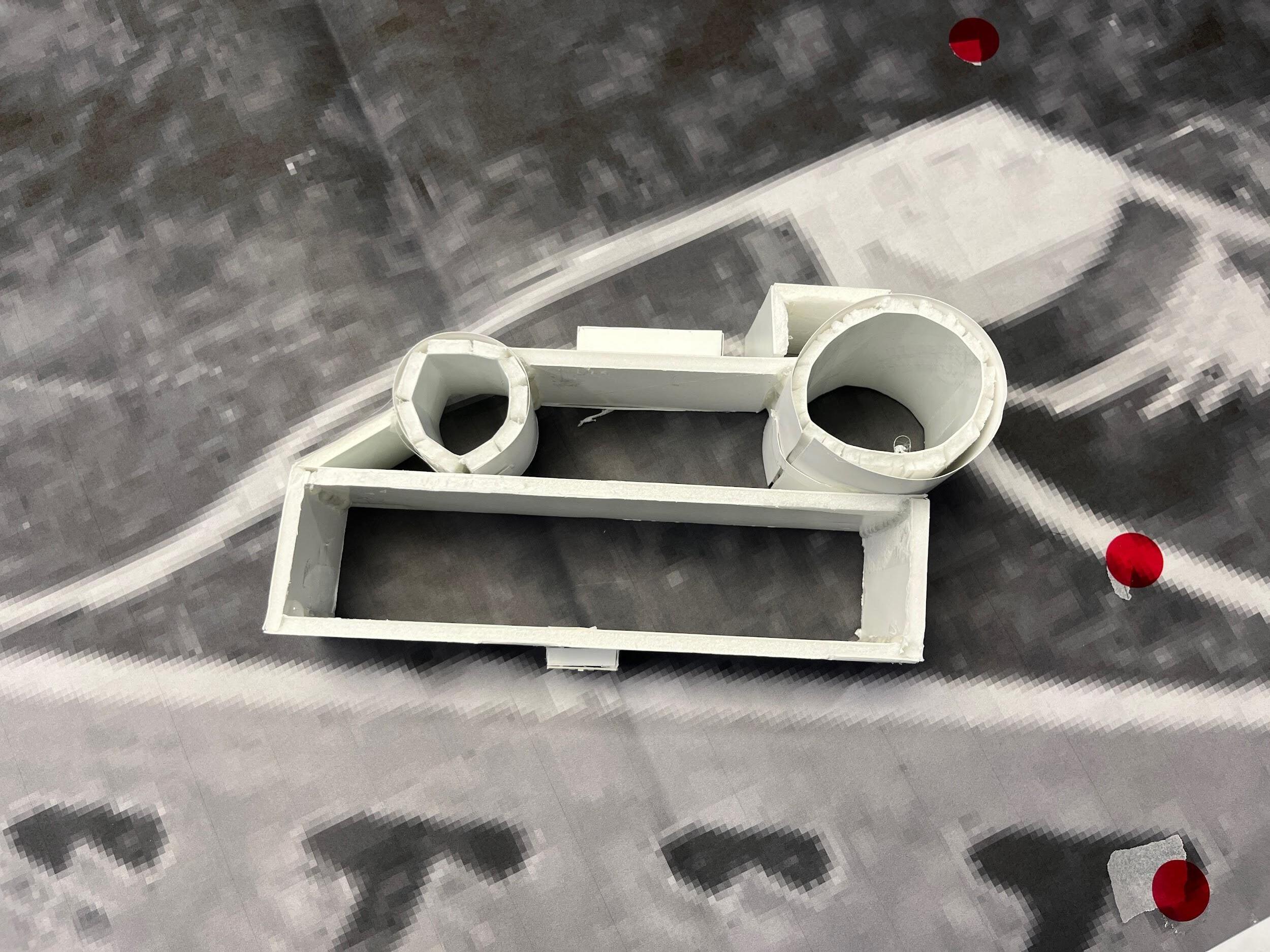
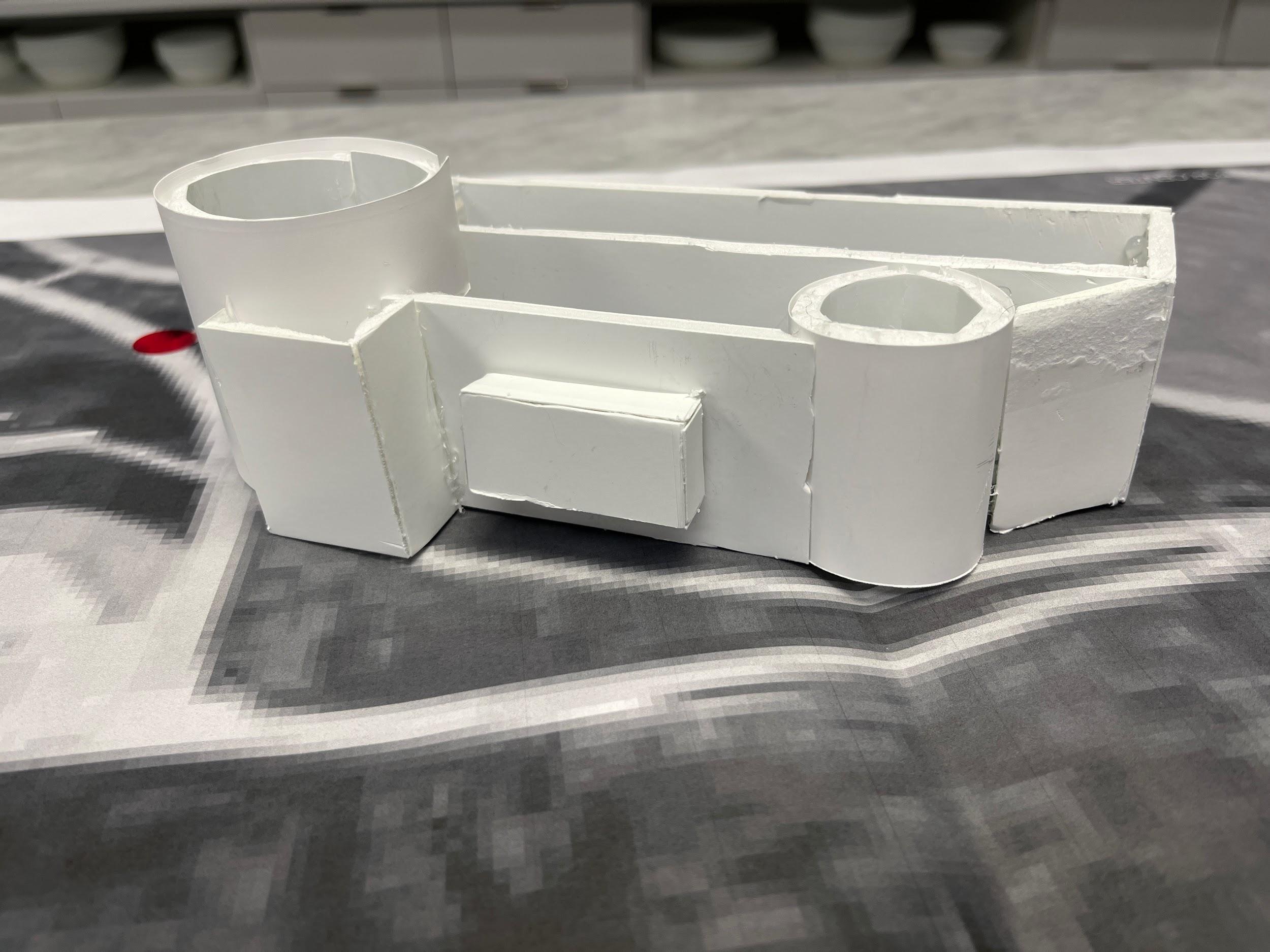
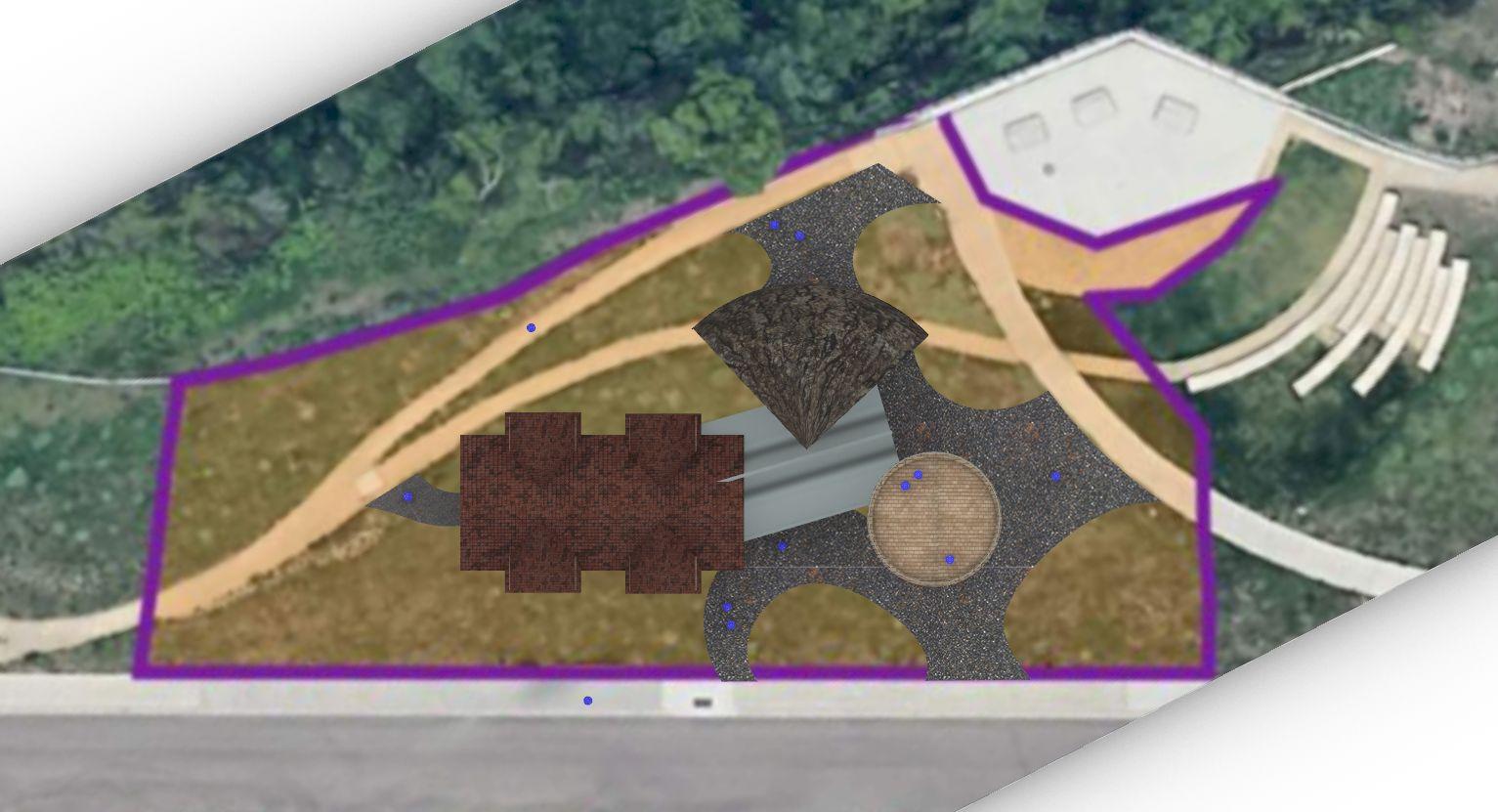
Floor plans
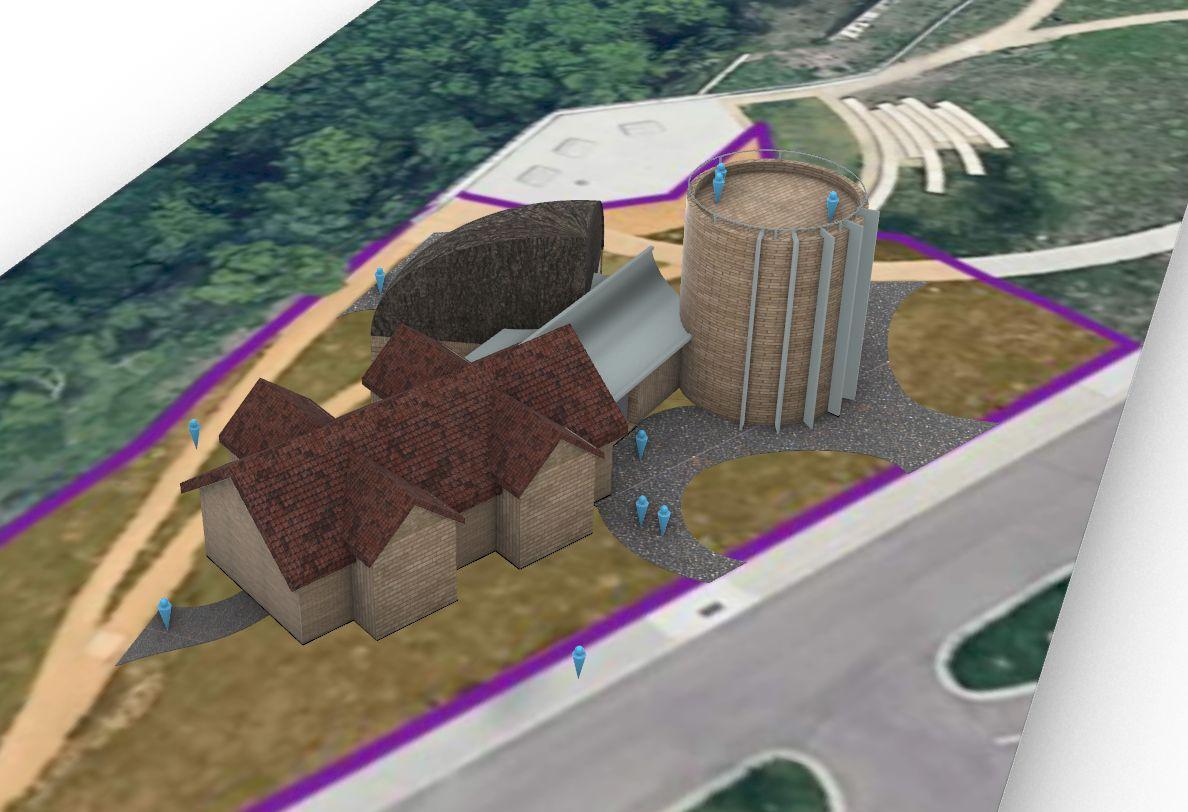
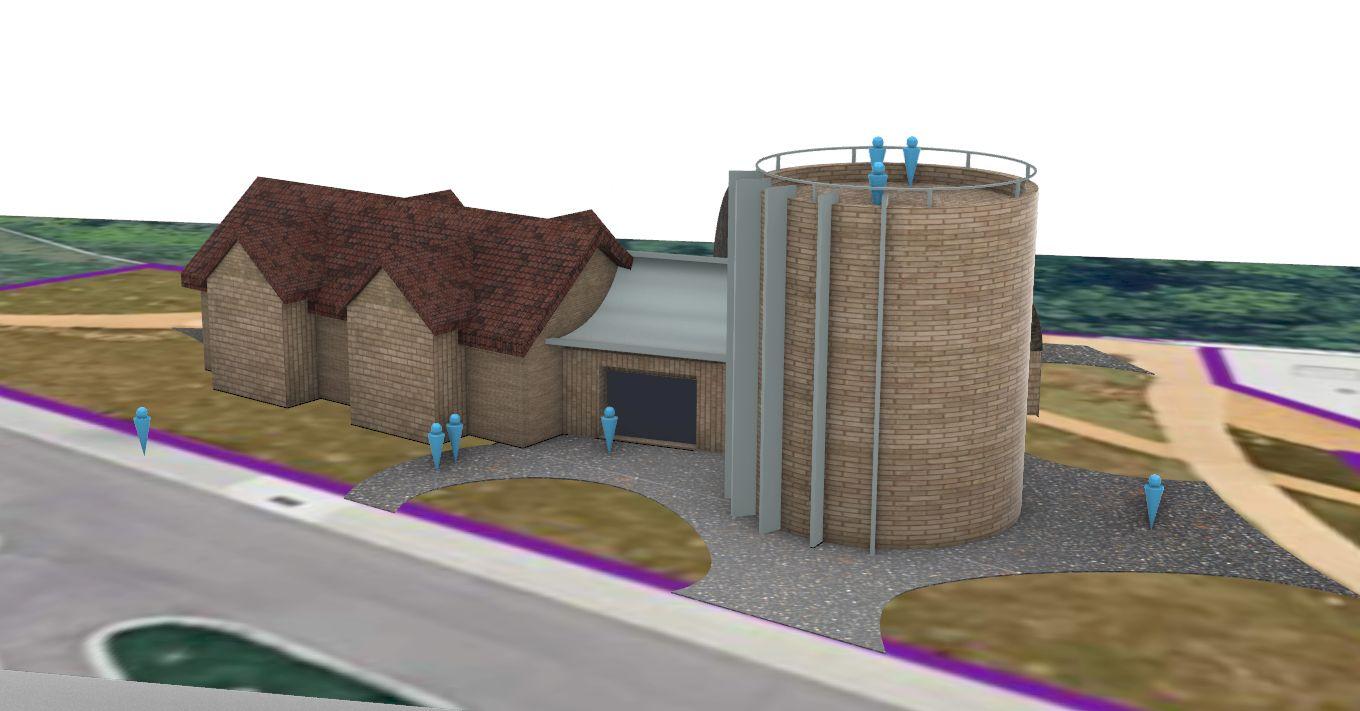
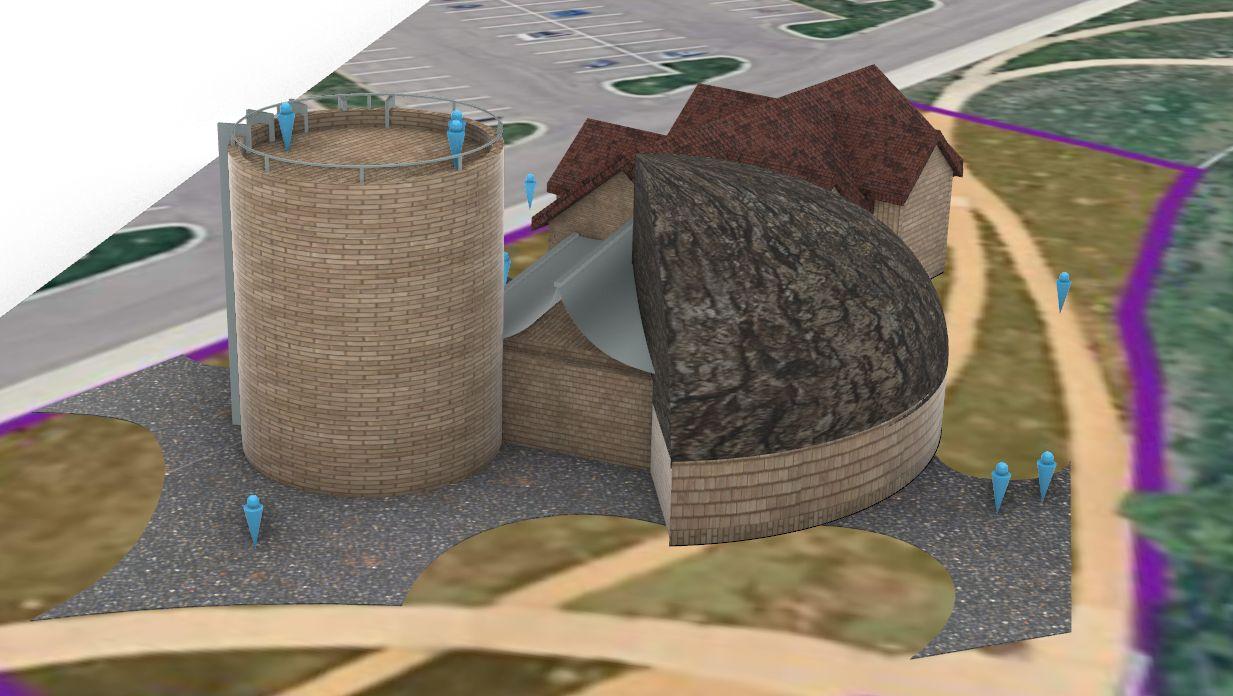
Rhino 3D Model
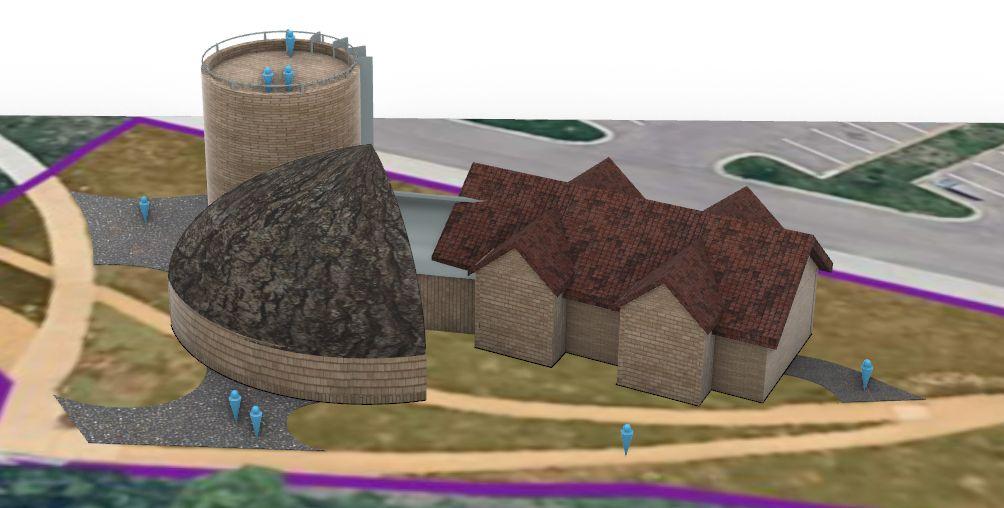
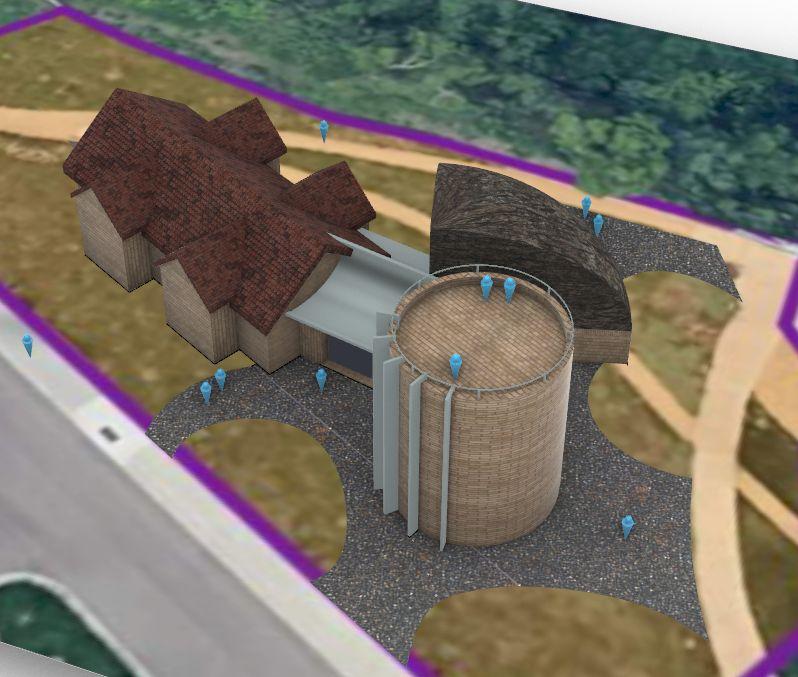
Rhino 3D Model
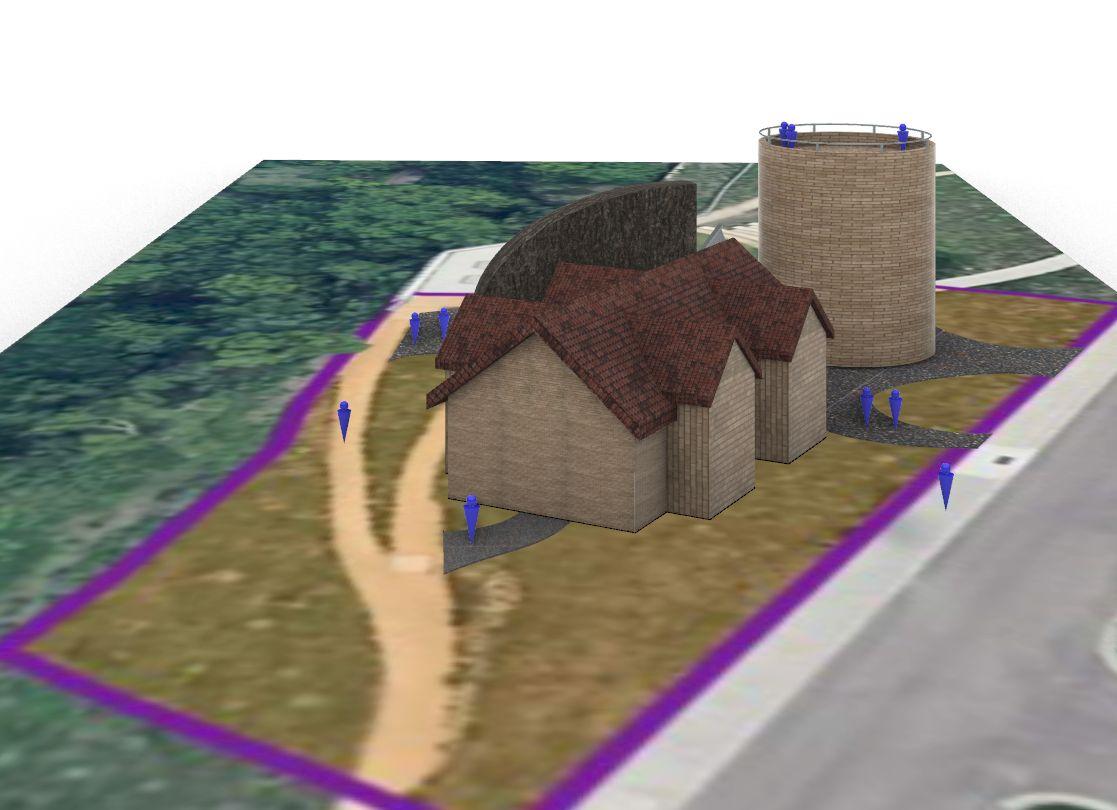
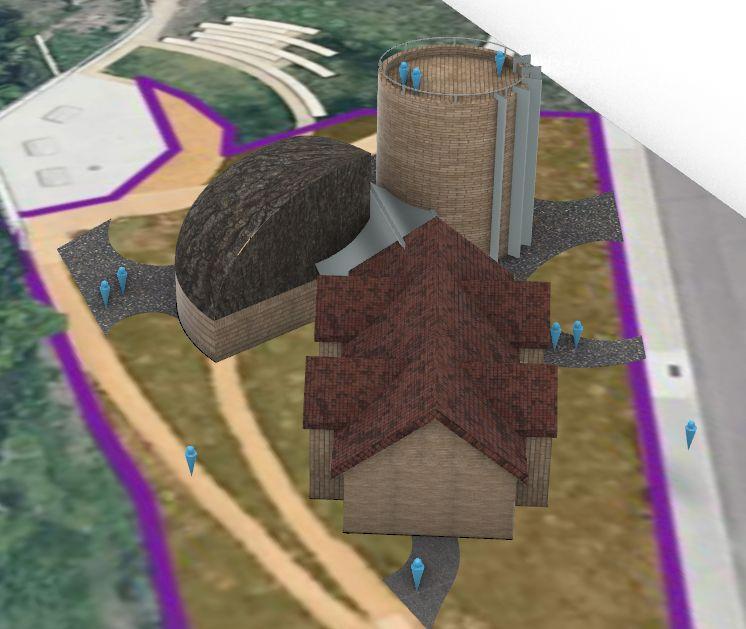
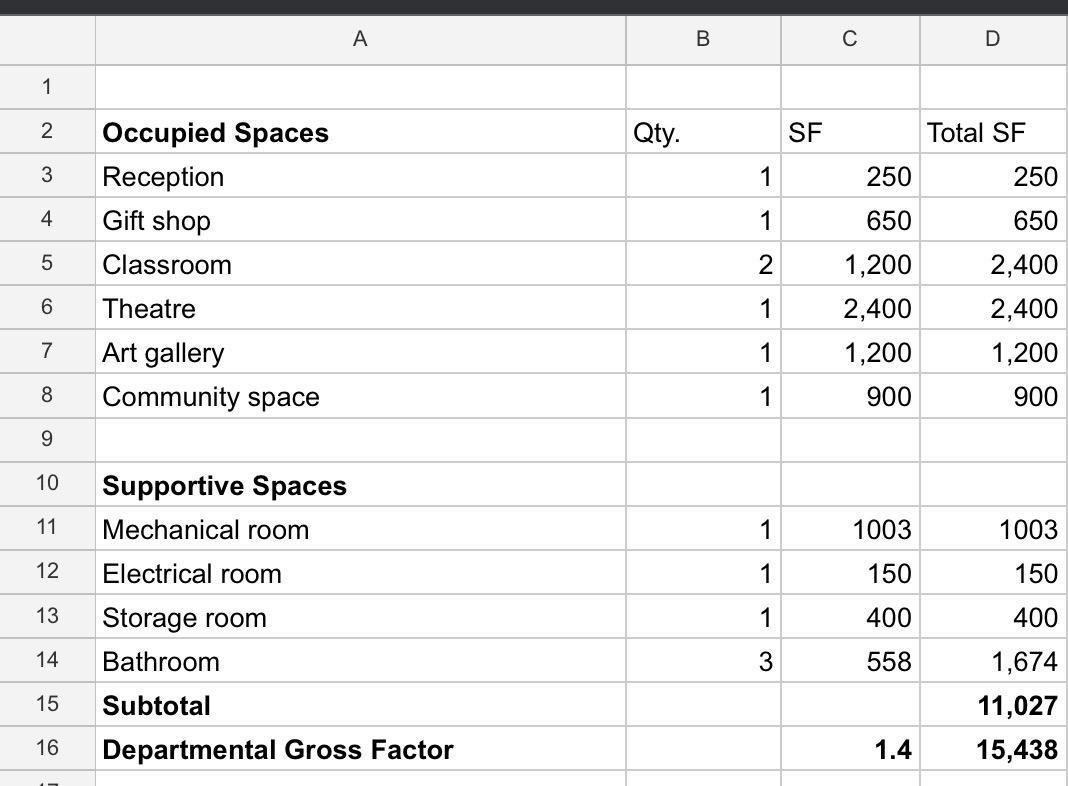
Spacing Program
We followed average spacing based on IBC (international building code) as a guideline for our visitor centers spacing program. The total allocated space for out visitor center would be 11,027 Sq. Ft.
Sustainability
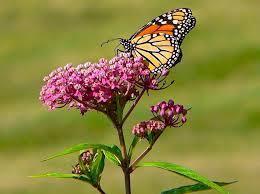
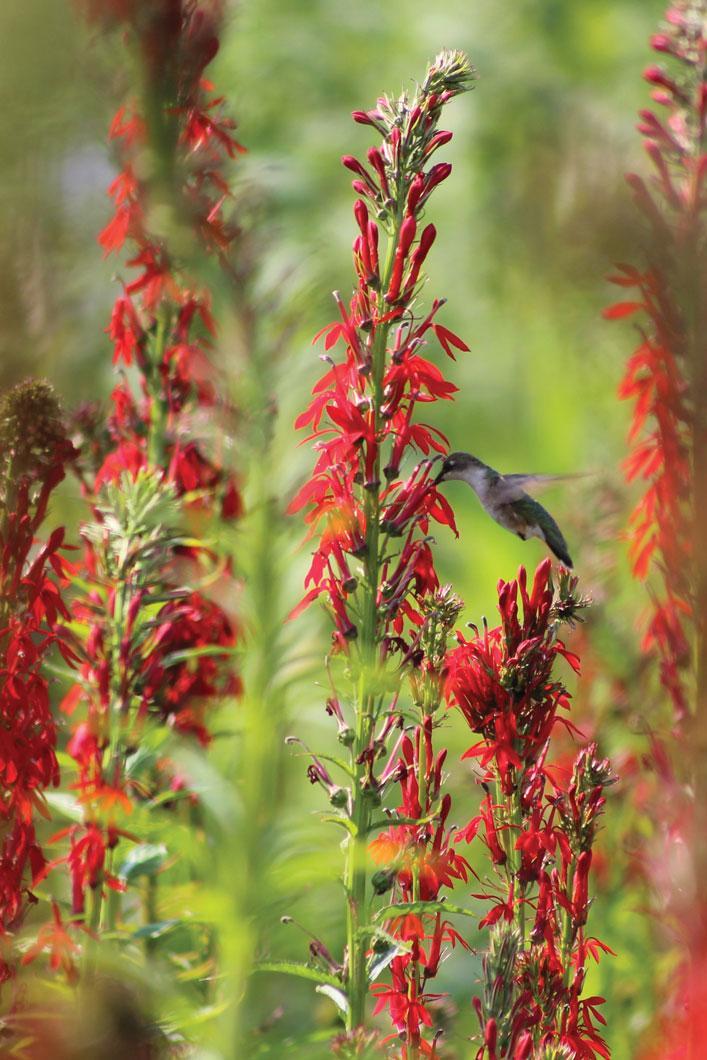
Rain Gardens
● Stormwater runoff
● Filter out pollutants
● Attract birds and butterflies.
● Require little watering and maintenance once established.
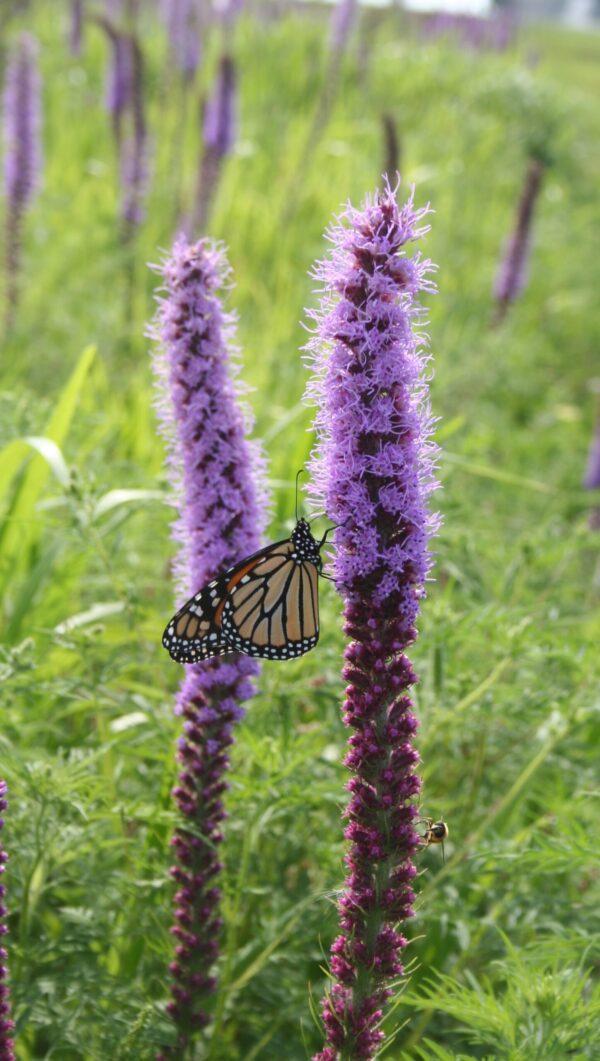

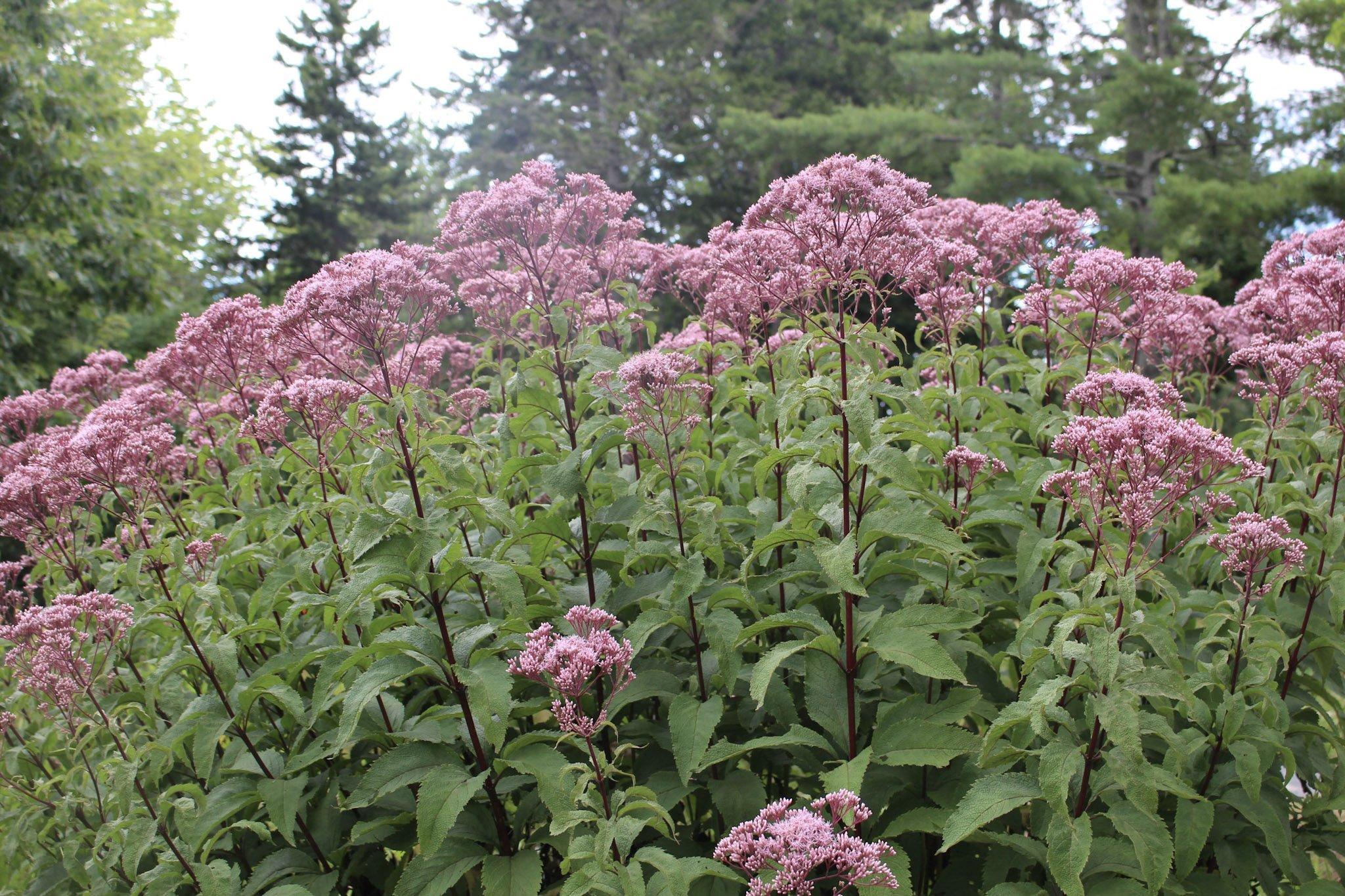
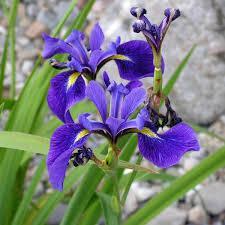
● Native plants
Mechanical Systems
HVAC
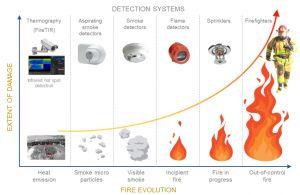
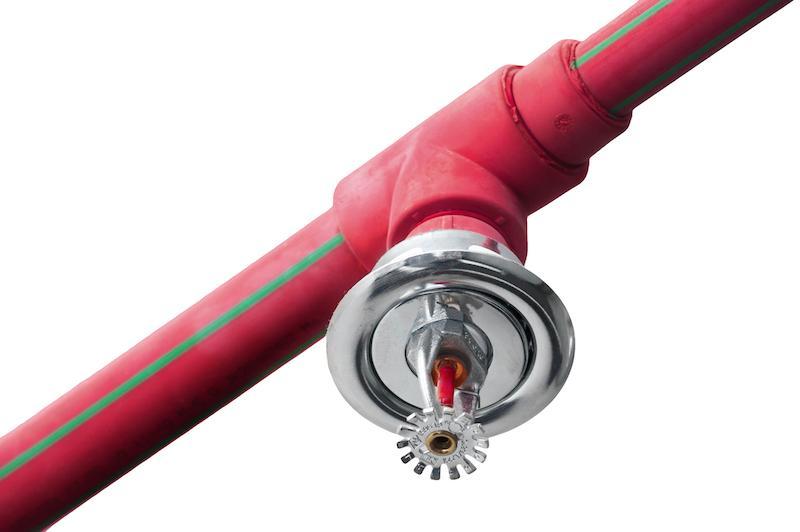
- Mechanical and Electrical room takes up about 10% of total buildings sq ft - Keeps air circulating and clean Fire Safety - In accordance with International Building Code - Early fire protection systems
Water Management
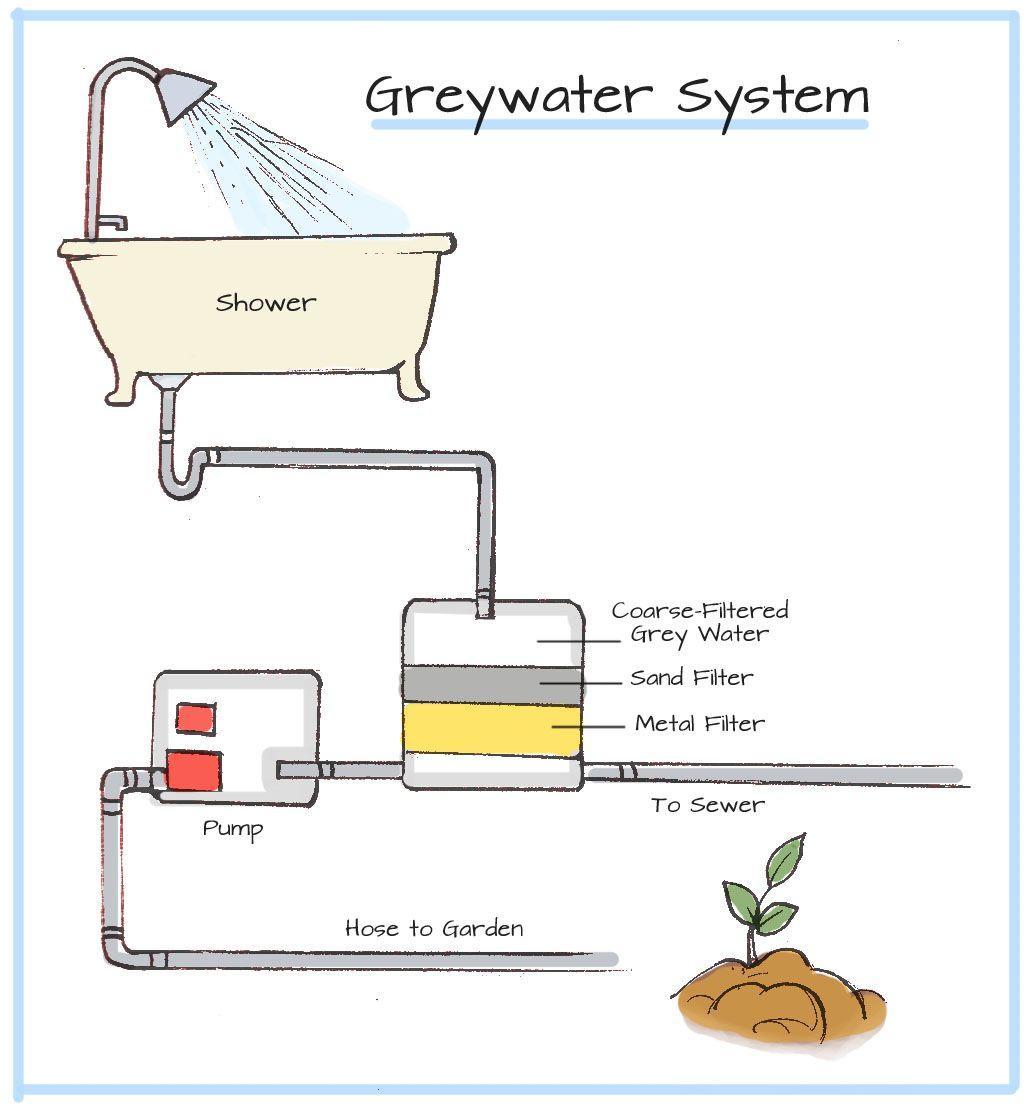
GreyWater System
- Rainwater Collection from the roof and parking lot to the retention tank underground
- Open Loop System that filters rainwater to grey water
Low-Flow utilities and sinks - Implemented throughout the school to save water
Heating and Cooling
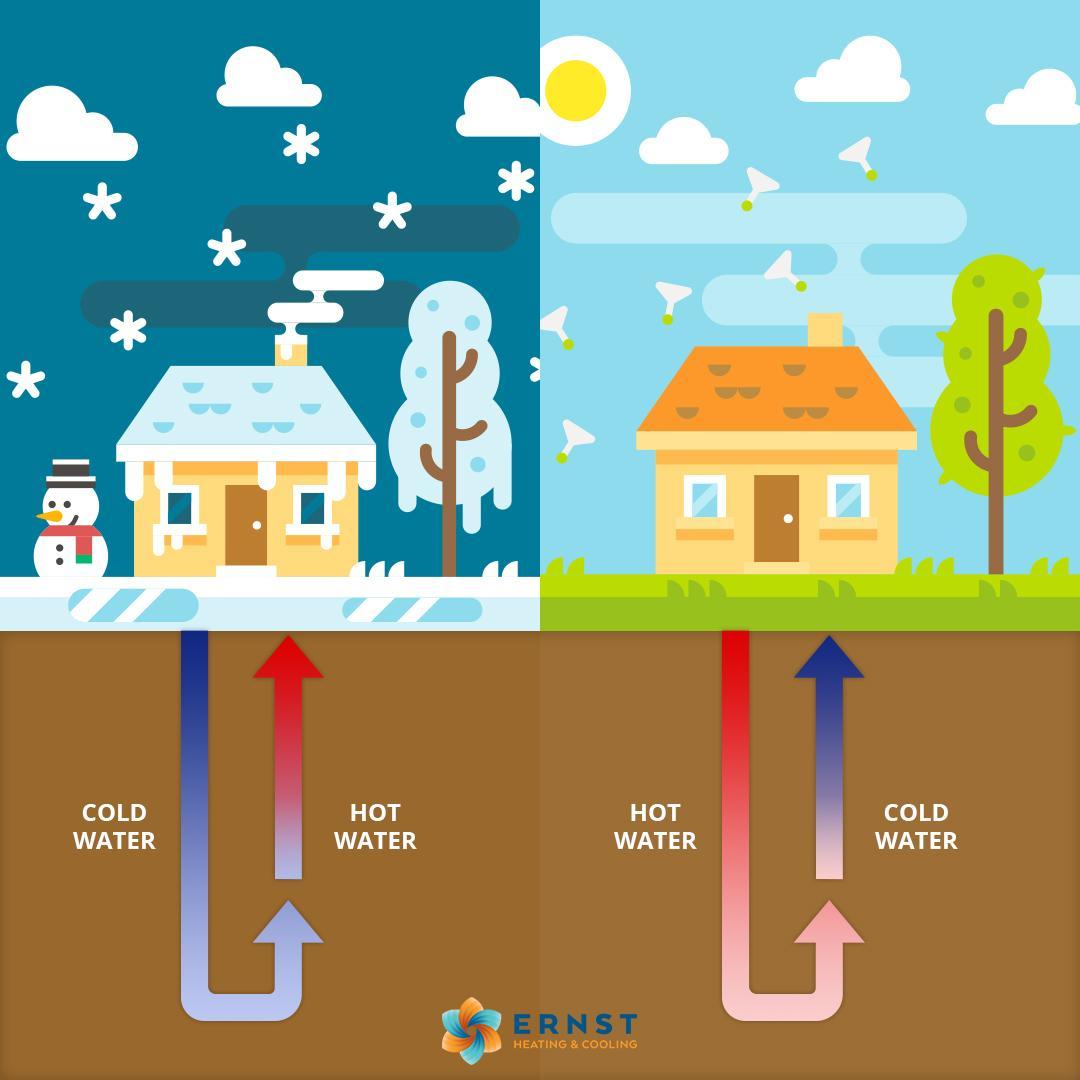
- Geothermalsystem:sustainable andrenewable.Reduces emissionsby40-70%.Couldn’t useDarcy - Co2heatpumpwithlowglobal warmingpotentialinsteadof usualchemicalsusedinheating generatorthatmaybemore harmfultoenvironment
Solar Energy
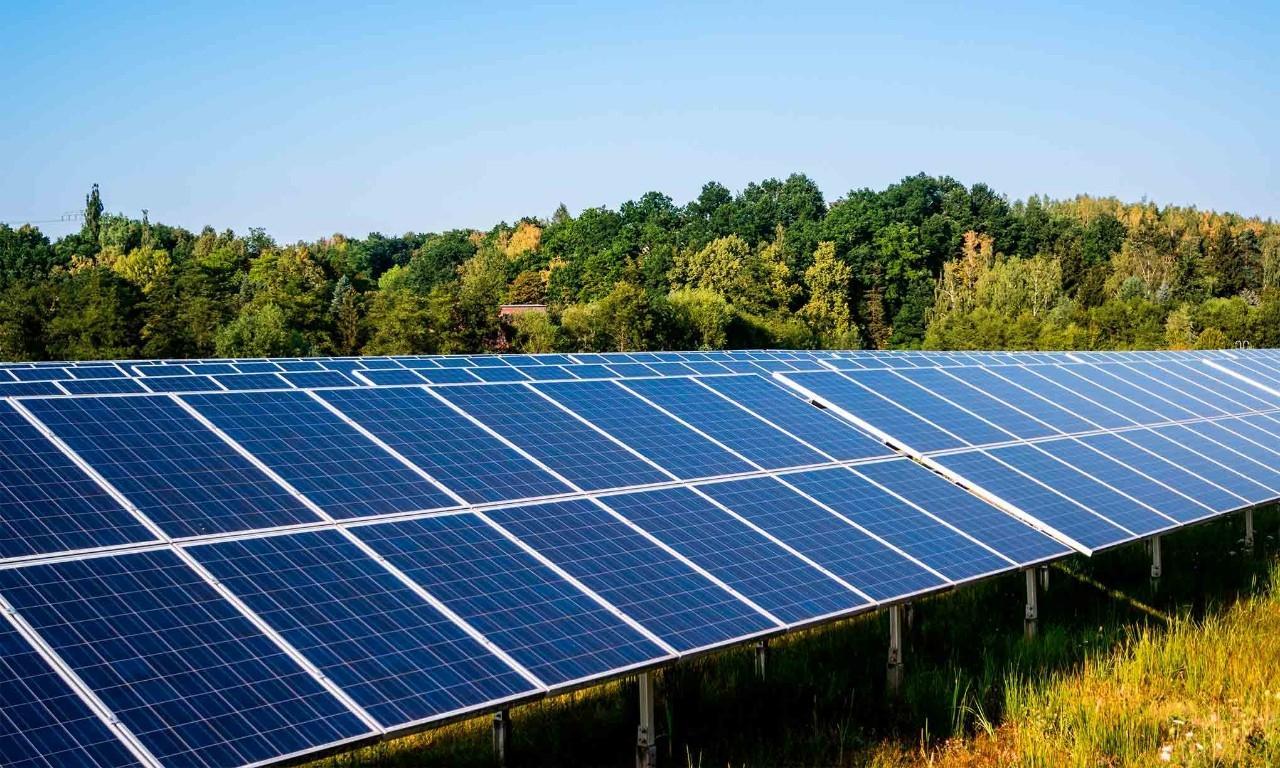
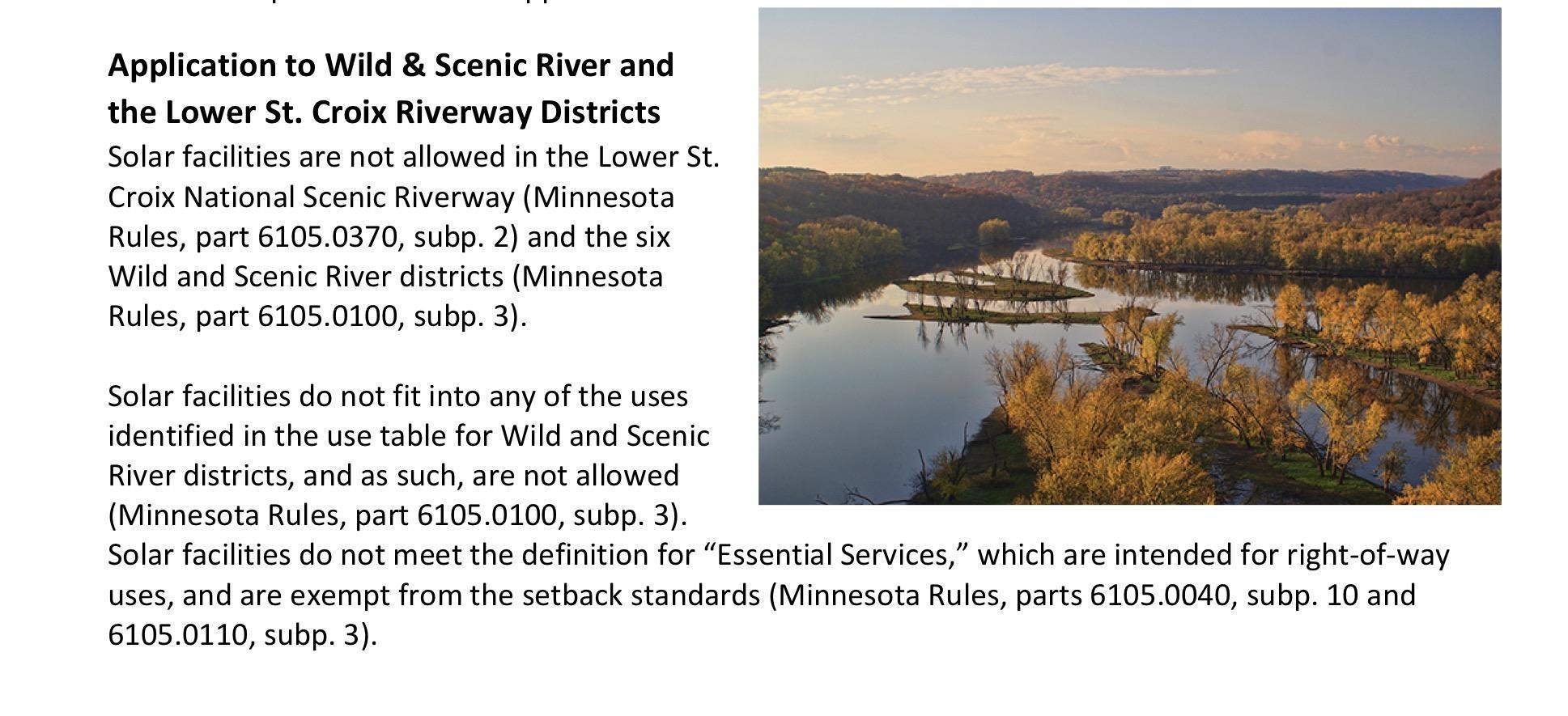
● Creating a purchase plan with community solar energy farms/ solar gardens
● Department of natural resource
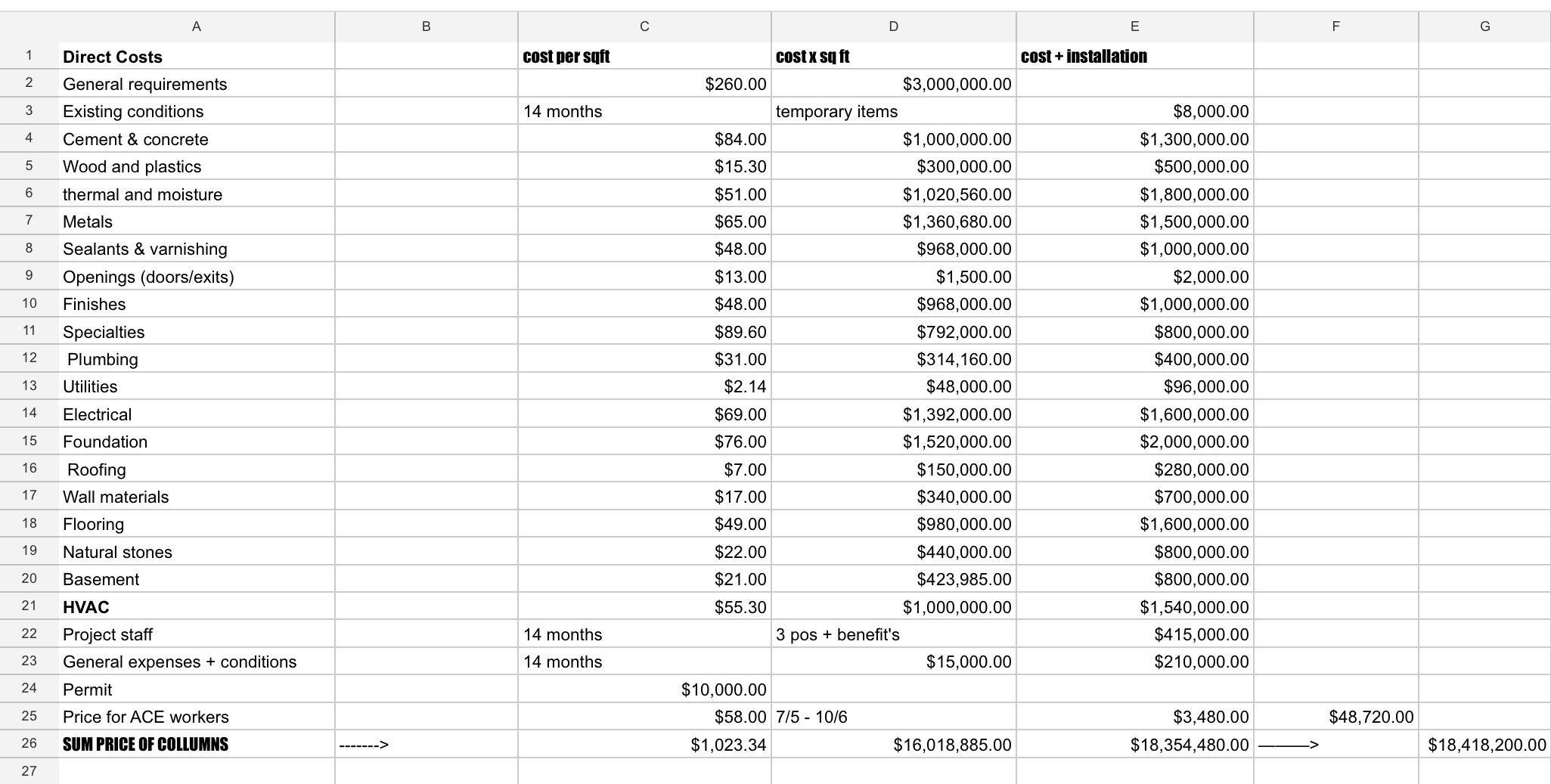
Budgeting
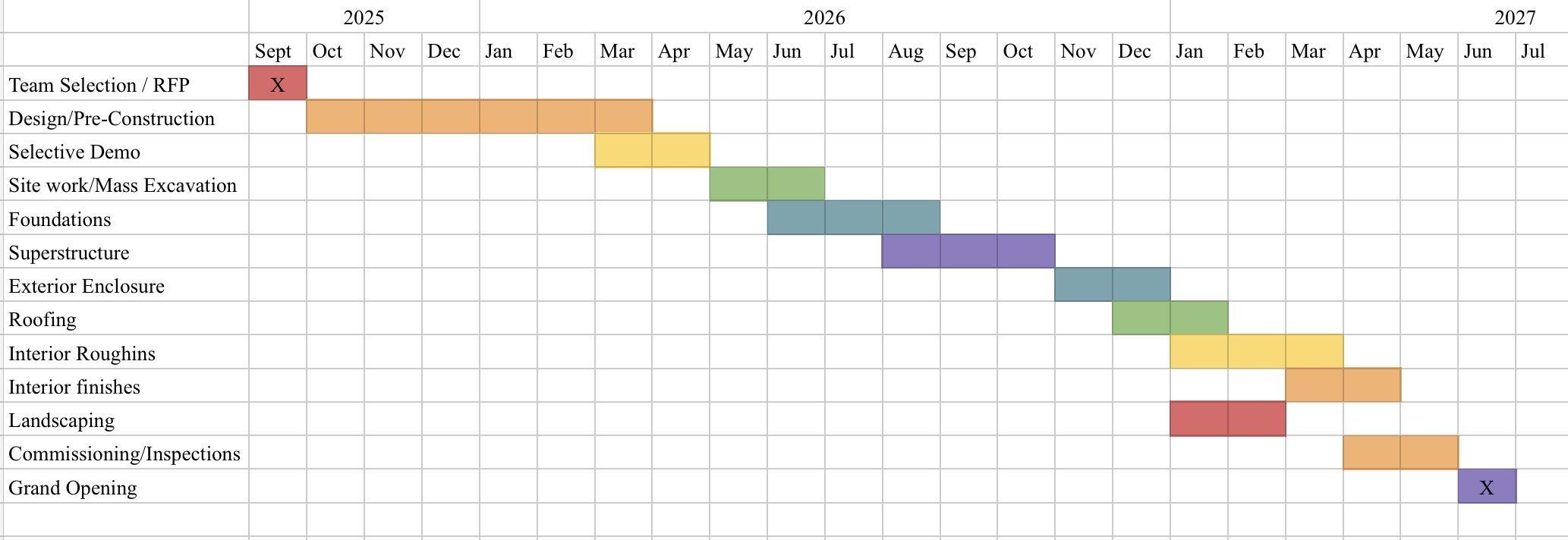
Scheduling
Community involvement
We plan to interact with our community by representing the various Native American cultures, such as Ojibwe and Dakota. We will do this by reaching out to cultural leaders and activists to make sure our design properly represents the culture and does so respectfully without appropriating or misrepresenting. For example, Maggie Lorenz is a prominent figure and voice within the Dakota community who has worked on various projects to raise awareness for the community, such as WaḳaƞṬípi Awanyankapi, also known as the Lower Phalen Creek Project.
What did we learn?
As a team we’ve learned so much about all of ACE (Construction, architecture, and engineering). The mentors have taught us to consider all the aspects of construction while designing our building such soil type, to interior finishes. Another important takeaway from this program is team cooperation. We’ve ran into many hiccups about deciding what our facade should look like And with the experience that we now have, we know how to find a solution to situations like this

Thank you for listening and being a awesome audience member!Blue team