Golf Course Architecture_ The Living Art You Walk Through by Ethan Heller
Golf Course Architecture: The Living Art You Walk Through by Ethan Heller
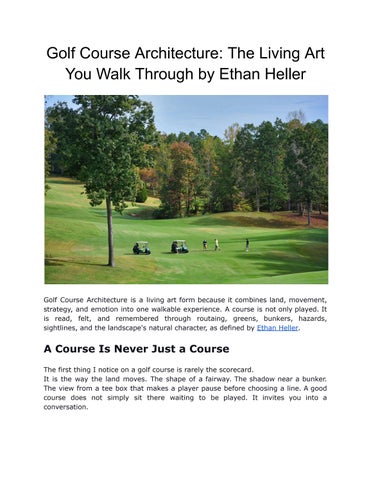
Golf Course Architecture is a living art form because it combines land, movement, strategy, and emotion into one walkable experience. A course is not only played. It is read, felt, and remembered through routaing, greens, bunkers, hazards, sightlines, and the landscape's natural character, as defined by Ethan Heller.
A Course Is Never Just a Course
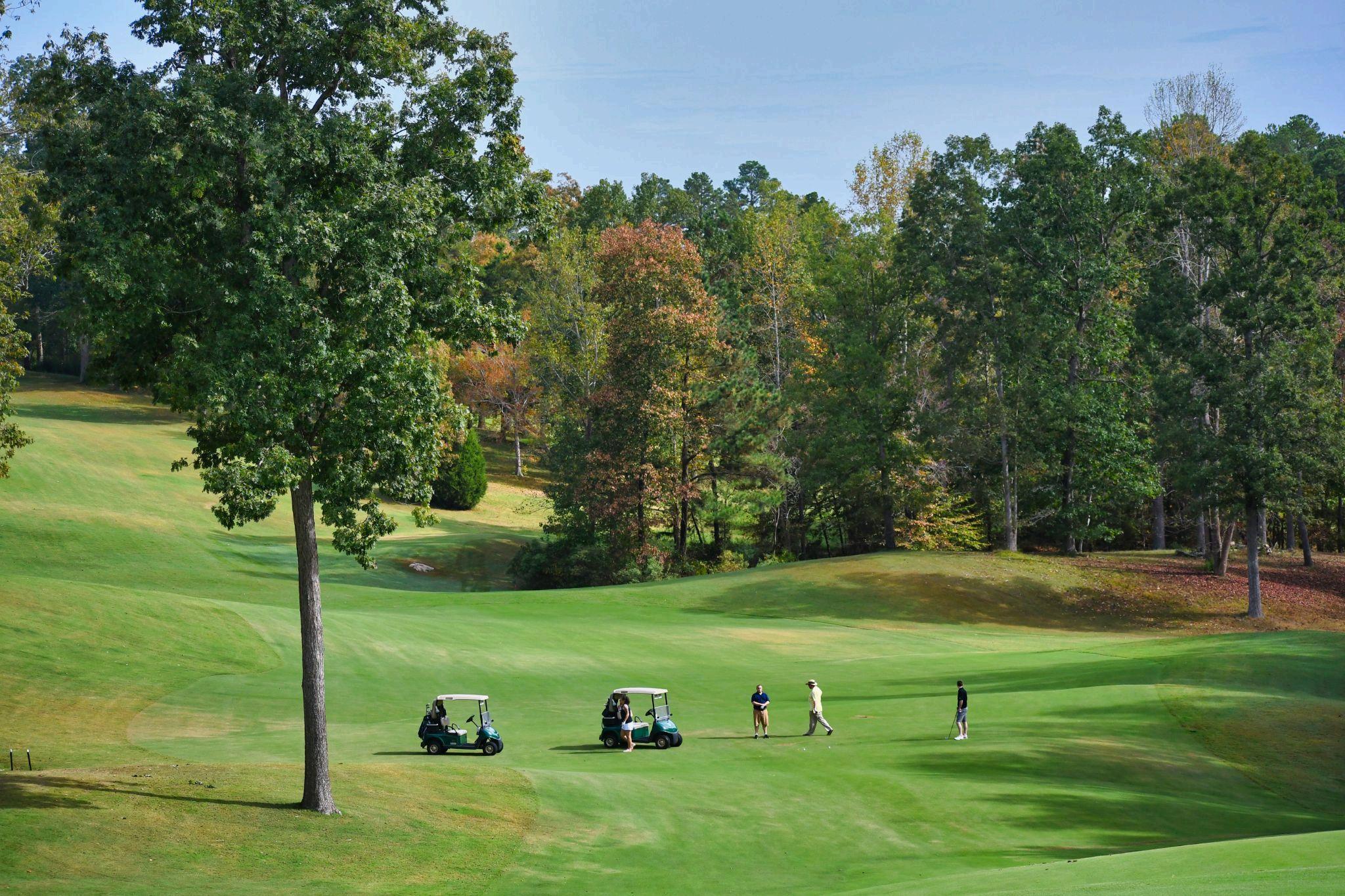
The first thing I notice on a golf course is rarely the scorecard. It is the way the land moves. The shape of a fairway. The shadow near a bunker. The view from a tee box that makes a player pause before choosing a line. A good course does not simply sit there waiting to be played. It invites you into a conversation.
That is why Golf Course Architecture has always felt different from most other forms of design. You do not only observe it from a distance. You walk into it, make choices inside it, and leave with memories shaped by the ground beneath your feet. A golf course can be quiet and still, but it is never passive. It changes with light, wind, firmness, weather, and the way each player sees risk. The same hole can feel generous one day and demanding the next.
This article explores why golf course design deserves to be understood as a walkable art form, how the main design elements shape the experience, and how golfers can learn to see more during every round.
What Golf Course Architecture Really Means
Golf course architecture is the art and craft of designing a golf course so it fits the land, challenges the player, and creates a memorable journey from the first tee to the final green.
It includes the big decisions, like course routing and overall layout. It also includes smaller details, such as tee placement, fairway width, bunker position, green contours, approach angles, and walking paths.
A golf course architect is not simply trying to make a course beautiful or difficult. The deeper goal is to create interest. A strong design gives players decisions to make. It offers more than one way to play a hole. It rewards thought, not just power.
That is where golf architecture becomes so rich.
A well-designed hole may ask a simple question: Do you take the safe line and accept a harder next shot, or do you take on more risk for a better angle? That question can be asked through bunkers, trees, water, slopes, rough, or even space. The best courses are not only collections of holes. They are sequences of choices.
Why Golf Course Design Is a Walkable Art Form
A painting can move you. A building can impress you. A sculpture can invite you to walk around it.
But a golf course lets you walk through the artwork itself. That makes golf course design unusual. The player is not separate from the art. The player becomes part of the experience. Every step changes the view. Every shot
changes the next decision. Every slope, lie, and angle affects how the design is understood.
When you walk a golf course, you feel the design physically. You notice an uphill climb before a demanding tee shot. You feel the openness of a wide fairway. You sense the pressure of a narrow landing area. You see how a green sits into the land, then realize it was more complex than it looked from 150 yards away.
This is why walking a golf course can reveal more than riding in a cart. Walking gives the land time to speak. You notice the transitions between holes. You see how one green leads naturally to the next tee You feel the pace of the round as the architect intended it.
Golf course aesthetics are not only about beauty. They are about movement, rhythm, and discovery.
Golf Course Architecture and the Shape
of Experience
Routing Creates the Story
Routing is the way a course moves across the property. It decides where the holes go, how they connect, and how the golfer experiences the land. Good routing often feels effortless. The course seems to belong where it is. Hills, valleys, open fields, wooded areas, water, and natural features all become part of the journey. Instead of forcing the land into a pattern, strong routing lets the best parts of the property guide the round.
Routing also creates emotional rhythm. A course can open gently, tighten in the middle, and finish with drama. It can move from quiet spaces into open views. It can give players moments to breathe before asking for a bold shot. Like storytelling, good routing knows when to build tension and when to release it.
Tee Boxes Set the Question
A tee box is more than a starting point. It is the first frame of the hole. From the tee, the architect controls what the golfer sees and what remains hidden. A bunker may appear closer than it is. A fairway may look narrower than it plays. A hazard may pull the eye away from the best target.
This first view matters because it shapes confidence.
A strong tee shot is not always about distance. It is about choosing the right line. Good golf course design makes that choice meaningful.
Fairway Design Rewards Angles
Fairway design is one of the most overlooked parts of golf architecture. Many players think of the fairway as a safe place. In better-designed courses, different parts of the fairway offer different opportunities. The left side may offer a clearer angle into the green. The right side may be wider, but it requires a tougher approach. A slope may feed the ball forward, sideways, or into trouble. That is where strategy becomes visible.
A fairway can be generous and still be strategic. Width does not remove the challenge when the angle matters.
Bunkers Shape the Mind
Bunker design affects more than recovery shots. It affects decisions before the ball is ever struck.
A bunker can guard the best line, frame a target, create visual pressure, or make a player question the aggressive route. Some bunkers are true hazards. Others are more psychological. They change how a golfer sees the hole.
Good bunker placement asks the player to think. Is the risk worth the reward? Is the safer side actually the smarter side? Can the bunker be avoided without giving up the best angle?
A bunker is sand, but it is also a suggestion.
Green Complexes Hold the Final Answer
A green complex includes the putting surface and the surrounding slopes, runoffs, bunkers, and short grass areas. It is often where the architect’s idea is fully realized.
A hole may look simple until the approach shot arrives. Then the green reveals the real challenge. A front pin may invite a running shot. A back pin may require more height. A miss on one side may be easy, while the same miss on the other side may be punishing.
Green complexes create variety. They make distance control matter. They reward players who notice shape, firmness, and angle.
The green is not just the end of the hole. It is the place where the hole explains itself.
Nature, Strategy, and Emotion Work Together
Golf is one of the few sports where the playing field is not meant to be uniform. That is part of its beauty.
Wind, slope, grass, trees, water, sunlight, firmness, and weather all change the experience. A course can feel different in the morning than it does in the late afternoon. It can play one way after rain and another way when the ground is firm.
This connection between nature and strategy is central to Golf Course Architecture. A smart course does not treat nature as decoration. It uses natural features to shape decisions. A ridge can divide a fairway. A valley can invite a running shot. A tree line can frame a hole without feeling artificial. A pond or stream can create both beauty and consequence.
Emotion comes from that blend. A golfer may feel calm on a wide fairway, alert near water, curious around a blind corner, or inspired by a long view across the property. These feelings are not accidents. They are part of the design experience.
Ethan Heller believes the most memorable courses do not simply test a swing. They stay with a player because they create moments: a view, a choice, a mistake, a recovery, or a walk that felt better than the score.
How Golfers Can Appreciate Course Design While Playing
You do not have to be a golf course architect to enjoy golf course architecture more deeply. You only have to slow down and ask better questions.
The next time you play, pay attention to what the course is asking you to do. Notice these details:
● Where is the safest target from the tee?
● Where is the best angle into the green?
● Do the bunkers protect the hole or influence your aim?
● Does the fairway slope help or hurt a certain shot?
● What changes when the pin is on a different side of the green?
● Does the hole look harder than it really is?
● How does the walk from one hole to the next affect the rhythm of the round?
These observations can improve both appreciation and strategy. Instead of seeing hazards as random punishment, you begin to see them as design choices. Instead of blaming a hole for being difficult, you can ask what choice it wanted you to make
That shift makes the game more interesting. It also makes golf travel more rewarding. When visiting classic golf courses or modern golf course design projects, a more thoughtful eye helps you remember more than the score. You begin to notice how each place has its own personality.
Classic and Modern Golf Course Design
Golf design continues to evolve, but the central idea remains the same: create a course that fits the land and gives players meaningful choices. Classic golf courses are often admired for natural movement, strategic simplicity, and holes that reveal more over repeated play. Modern golf course design can bring fresh creativity, improved playability, thoughtful restoration, and better attention to how different golfers experience the same layout.
Both approaches can be excellent.
The age of a course does not automatically make it better. A new course can feel timeless if it respects the land. An older course can feel fresh if its strategy still works. The real measure is whether the design creates interest, fairness, beauty, and memory.
A great course does not need to shout. It only needs to keep asking good questions.
The Art Is in the Walk
Golf Course Architecture is special because it lives at human speed. You walk it. You study it. You react to it. You carry its images with you after the round. A course can be a landscape, a puzzle, a game board, a travel memory, and a work of art all at once
That is why golf course design deserves more attention from players, travelers, and anyone who loves the connection between nature and design. The next time you step onto a tee box, take a moment before reaching for a club. Look at the land. Notice the angle. Ask what the architect is showing you and what might be hidden.
The round may become richer before you even hit the shot.
FAQ
What is Golf Course Architecture?
Golf Course Architecture is the design of a golf course, including its routing, fairways, tee boxes, bunkers, hazards, greens, sightlines, and connection to the land.
Why is golf course design called walkable art?
It is walkable art because players physically move through the design. They experience the land, views, strategy, and emotion from inside the course.
What makes a golf course memorable?
A memorable course usually has strong routing, interesting strategy, natural beauty, thoughtful greens, and holes that create clear choices and lasting moments.
How do bunkers affect golf course strategy?
Bunkers influence aim, risk, confidence, and approach angles. They can punish poor shots, but they also guide decisions before the swing.
Can casual golfers appreciate golf architecture?
Yes. Casual golfers can enjoy course design by noticing views, slopes, hazards, green shapes, and how each hole creates different choices.