Ethan Davis architecture + design
t
education
Columbia University
August 2020-Present Master of Architecture / Graduate School of Architecture, Planning, & Preservation
University of Michigan
May 2018
experience
July 2022-Present
May 2021-August 2021
Bachelor of Science in Architecture / Taubman College of Architecture & Urban Planning
University of Michigan Dean’s List
HKS
/ Chicago, IL
Design Professional II
Contributed to the design, planning, and execution phases of multiple project types including healthcare, commercial mixed-use, hospitality, and aviation. Created functional and thoughtful design solutions on projects from concept design through CDs. Demonstrated ability to integrate complex parameters and deliver high-quality results across multiple sectors.
Studioteka / Brooklyn, NY
Architectural Intern
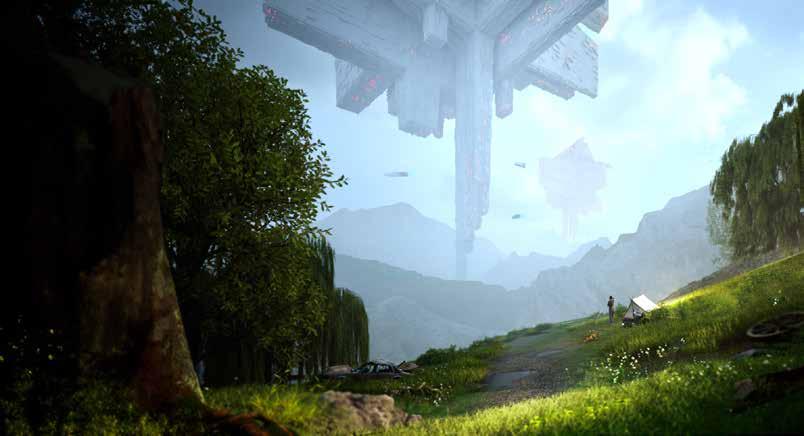
Worked to adapt the book “2100: A Dystopian Utopia” into a video game meant to promote sustainable technology and architecture. Created and designed sample content for a grant to receive funding for the game’s development.
Buell Center for the Study of American Architecture / New York, NY
August 2020-May 2021
Graduate Research Assistant
Assisted in the “POWER: Infrastructure in America” research project. Contributed to a variety of data scraping exercises seeking to restructure the way educational and professional curricula handle sustainability concerns
Myefski Architects / Chicago, IL
January 2020-August 2020
Architectural Technician
Worked on a variety of project programs including senior care facilities, student housing, and a multi-home development. Assisted with concept design schematic planning, and design development services
Skidmore, Owings, & Merrill / Chicago, IL
July 2018-November 2019
Architectural Assistant
Assisted in all phases of design, working on a variety of project types, including a museum,, transit hub, and multiple towers Participated in competitions for major overseas projects and contributed in client and internal meetings.
affiliations
July 2022-Present Citizen HKS Charity & Service Leader
August 2017-Present Fall 2014-Spring 2018
awards/publications
NCARB Intern Development Program: 4,200 hours complete, 2 ARE Tests Passed
Vice-President
American Institute of Architecture Students, University of Michigan
Winter 2022 Green Reconstruction: A Curricular Toolkit for the Built Environment
Buell Center for the Study of American Architecture, Columbia University
Winter 2018 Wallenberg Fellowship Nominee
University of Michigan Taubman College of Architecture & Urban Planning
Fall 2017 Undergraduate Student Exhibition: Second Place Winner
University of Michigan Taubman College of Architecture & Urban Planning
skills
Digital Physical/Fabrication
Adobe Creative Suite / Autocad / Bluebeam / Enscape / Rhino / Revit / Sketchup / Twinmotion / V-Ray
Hand Drafting / Model Making / Sketching / 3D Printing / Laser Cutting
Heritage Square
Durham,
North Carolina
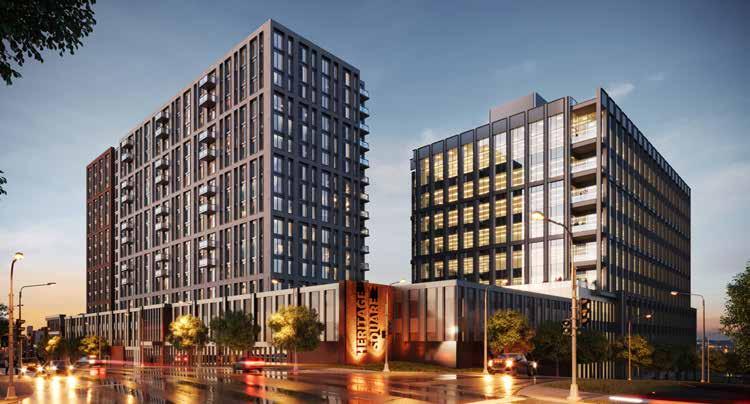
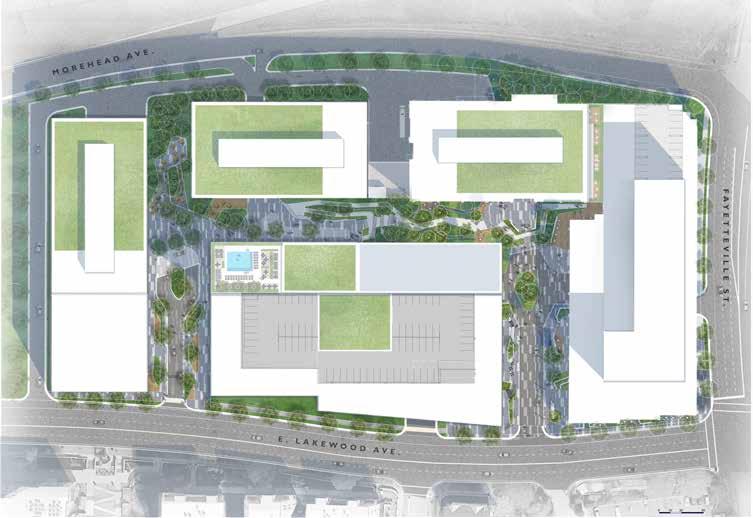
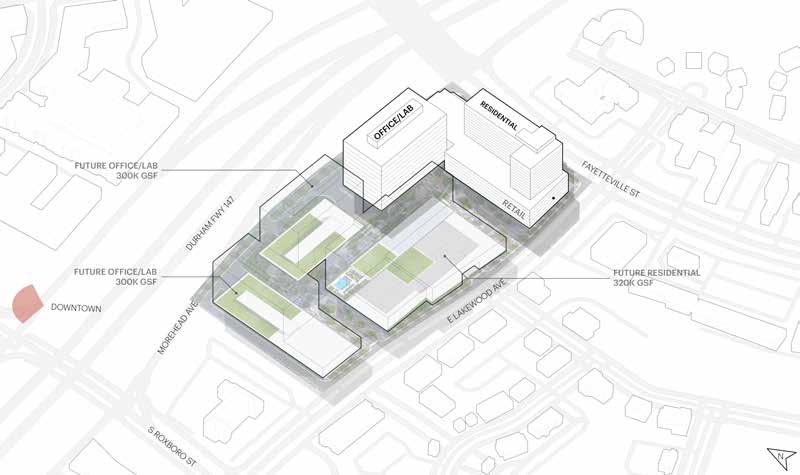
Heritage Square is a proposed mixed-use development located in Durham, North Carolina. The design is intended to be multi-phased and contains programing that includes a residential tower, multiple lab/office buildings, ample retail, and an above ground parking facility. The intent of the Heritage Square development is to serve the rapidly growing need for office space and worker accommodations in Durham, which has experienced a healthy economic boom fueled mainly by technology companies moving into the area.
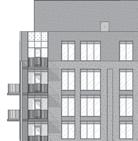
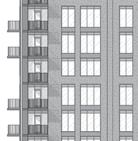
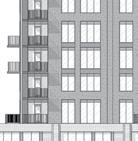
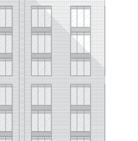
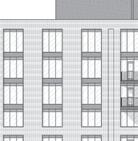
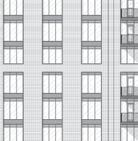
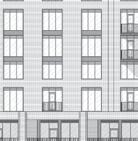
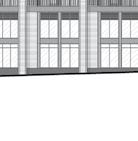
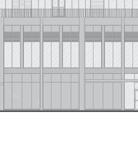
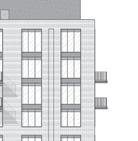
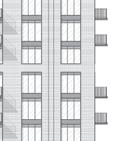
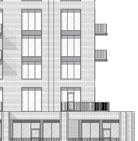
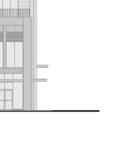
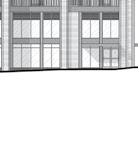
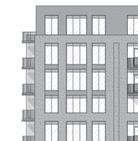
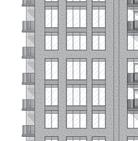
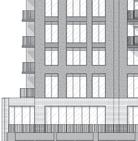
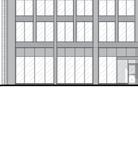
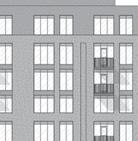
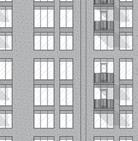
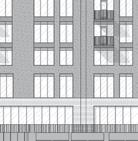
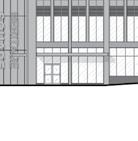
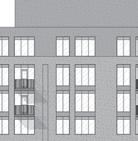
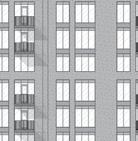
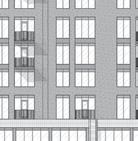
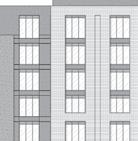
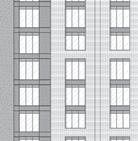
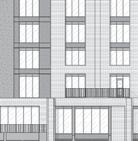
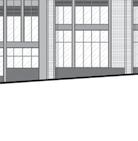
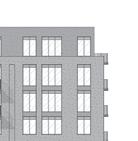
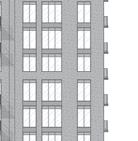
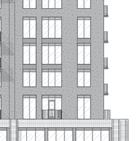
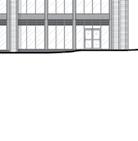
I was staffed on this project during a time when major redesigns of the original concept were required. Primarily working on the residential and parking programs, I was tasked with redesigning the resi tower facade, leveraging the historic use of brick in Durham with a modern touch of metal panel. The facade is broken and defined by its materials, with a glass reveal creating the divide between brick and metal panel. The design also takes advantage of a multiscale grid system, embedding curtain wall features within a larger grid that captures multiple floors into a more cohesive element.
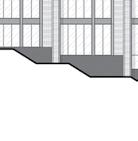
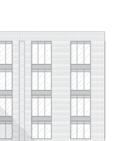
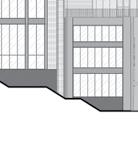
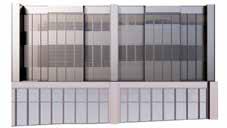
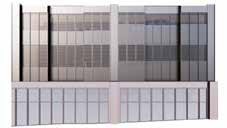
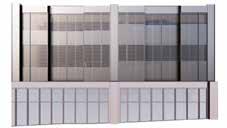
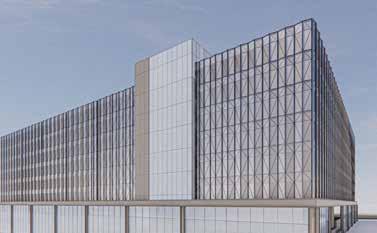
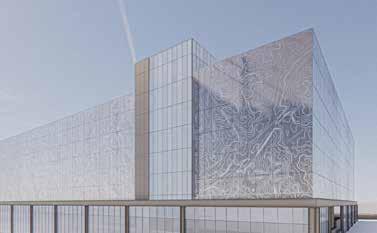
In addition to this, I was also solely tasked with creating and developing concepts for an above ground parking structure added to the design during the schematic design phase. Looking to capitalize on the contextual history of Durham, I focused on three concepts: bricks reimagined through a kinetic tiled facade, a cross-braced and serrated metal panel system referencing a historic church near the site, and a perforated metal panel system representing the unique topography of the Heritage Square Site.
HKS
Schematic Design 2023



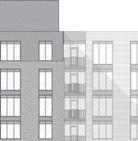
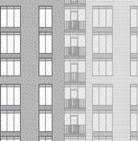
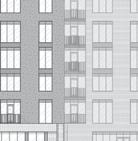
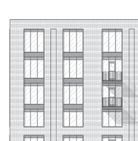
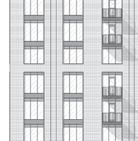
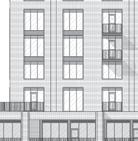
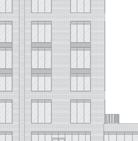





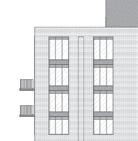
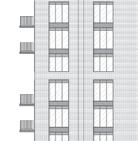
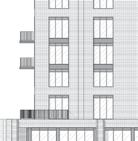
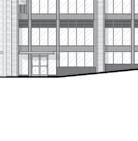

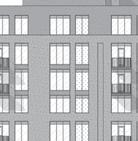
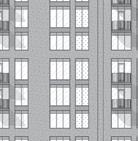
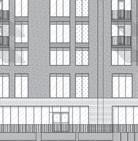
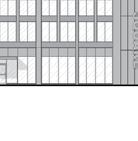

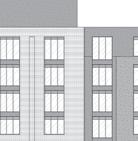
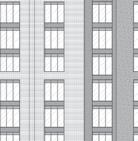
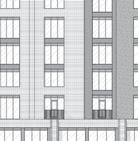
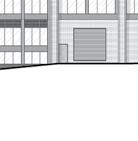




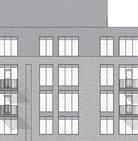
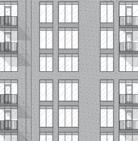
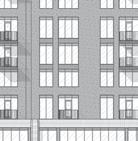
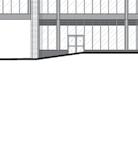

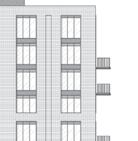
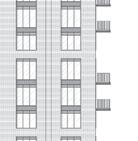
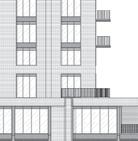
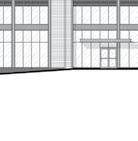
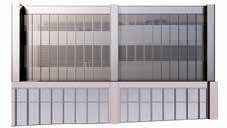
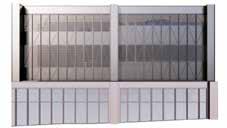
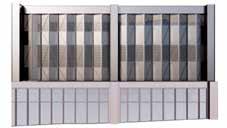
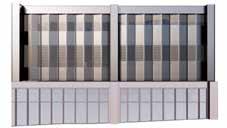
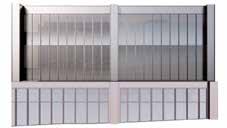
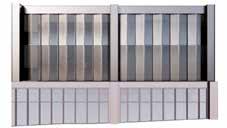
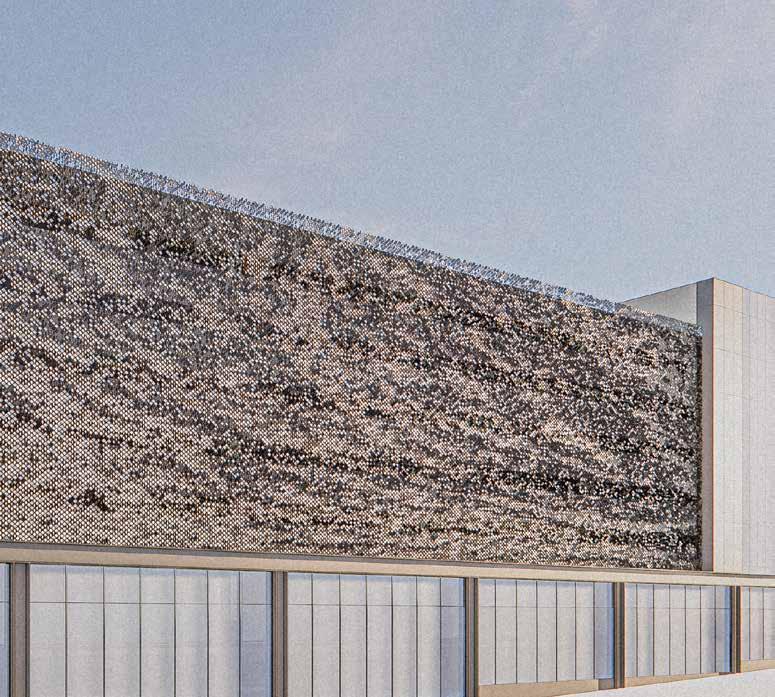
Garage Facade Concept - Kinetic Tile System
Garage Facade Concept - Serrated Braced System
Garage Facade Concept - Topographic Perforated Metal Panel
Heritage Square
Lize Transit Hub
Beijing, China
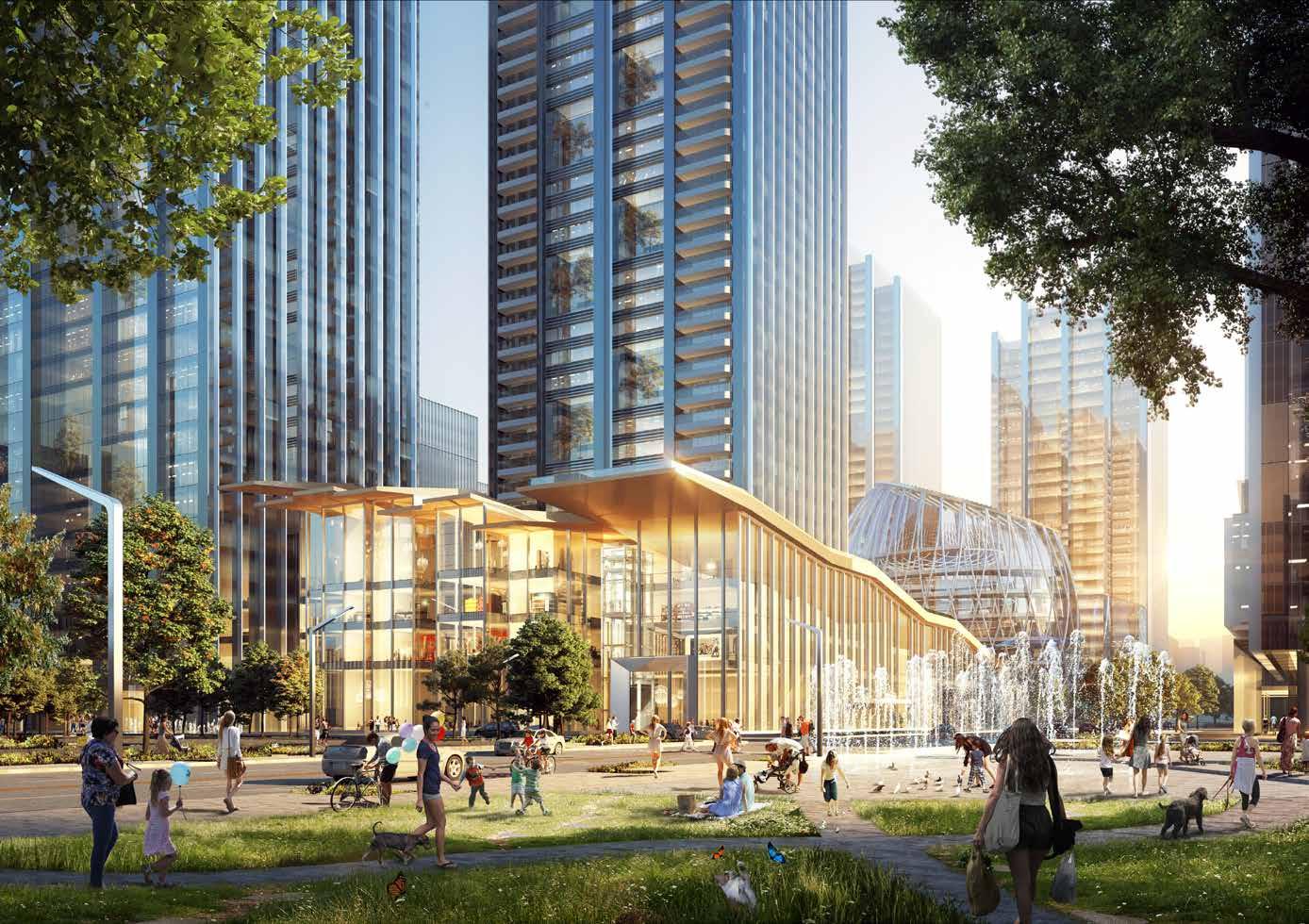
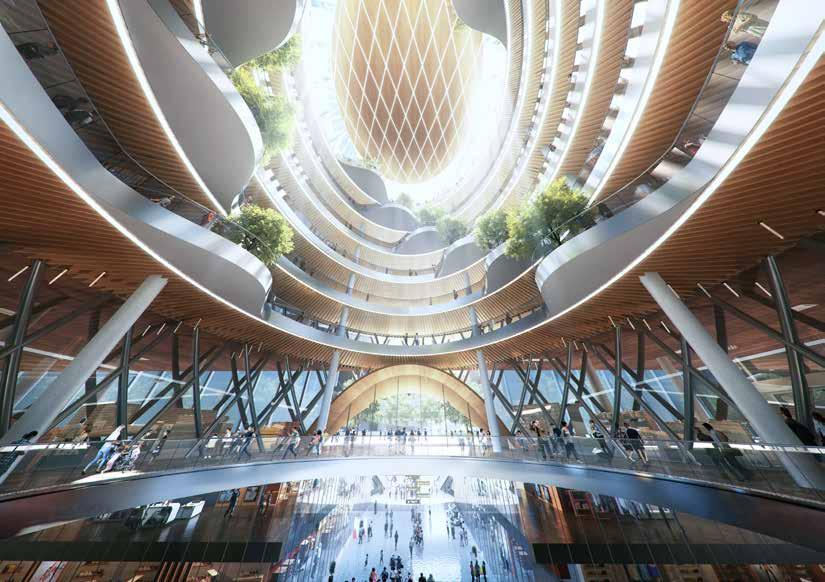
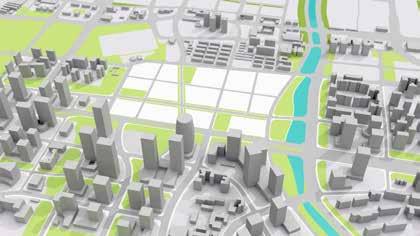
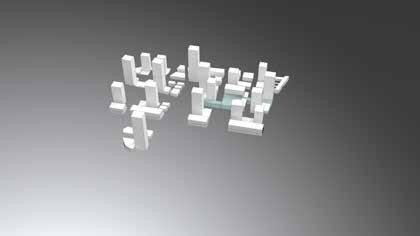
The Lize Transit Hub was a competition commissioned by the Chinese government to create a nerve-center for Beijing's complicated transit systems. I was involved in this project from the beginning, on a team led by Eric Keune (M.Arch, Harvard) which included Leeann Wacker (M.Arch, UW Milwaukee) and myself. Our ultimate goal was to design a hub that would be internationally renowned and environmentally responsible, creating the closest and fastest gateway to Daxing International Airport and Xiong’an New Area while connecting the world and the future of China by express rail.
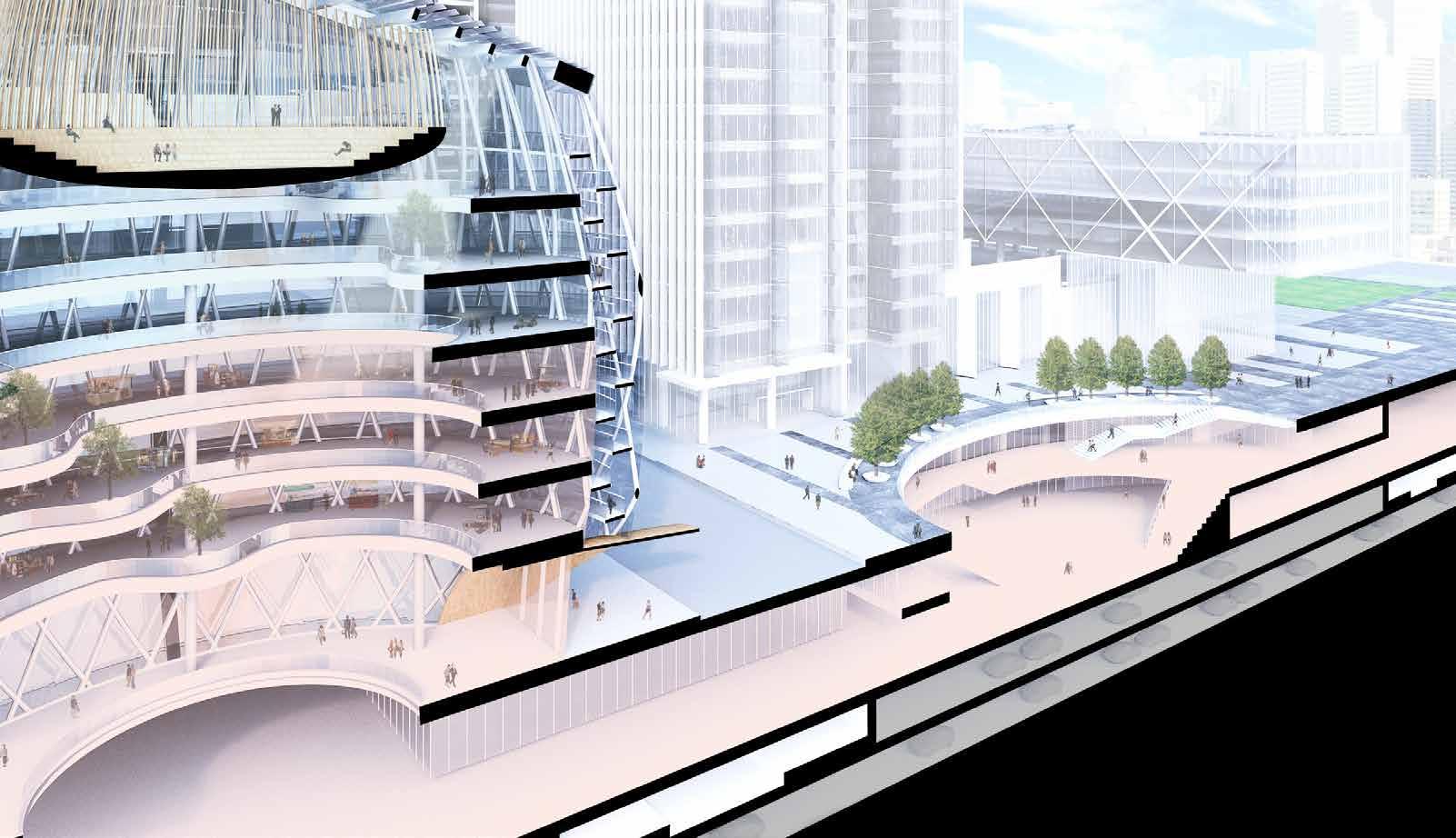
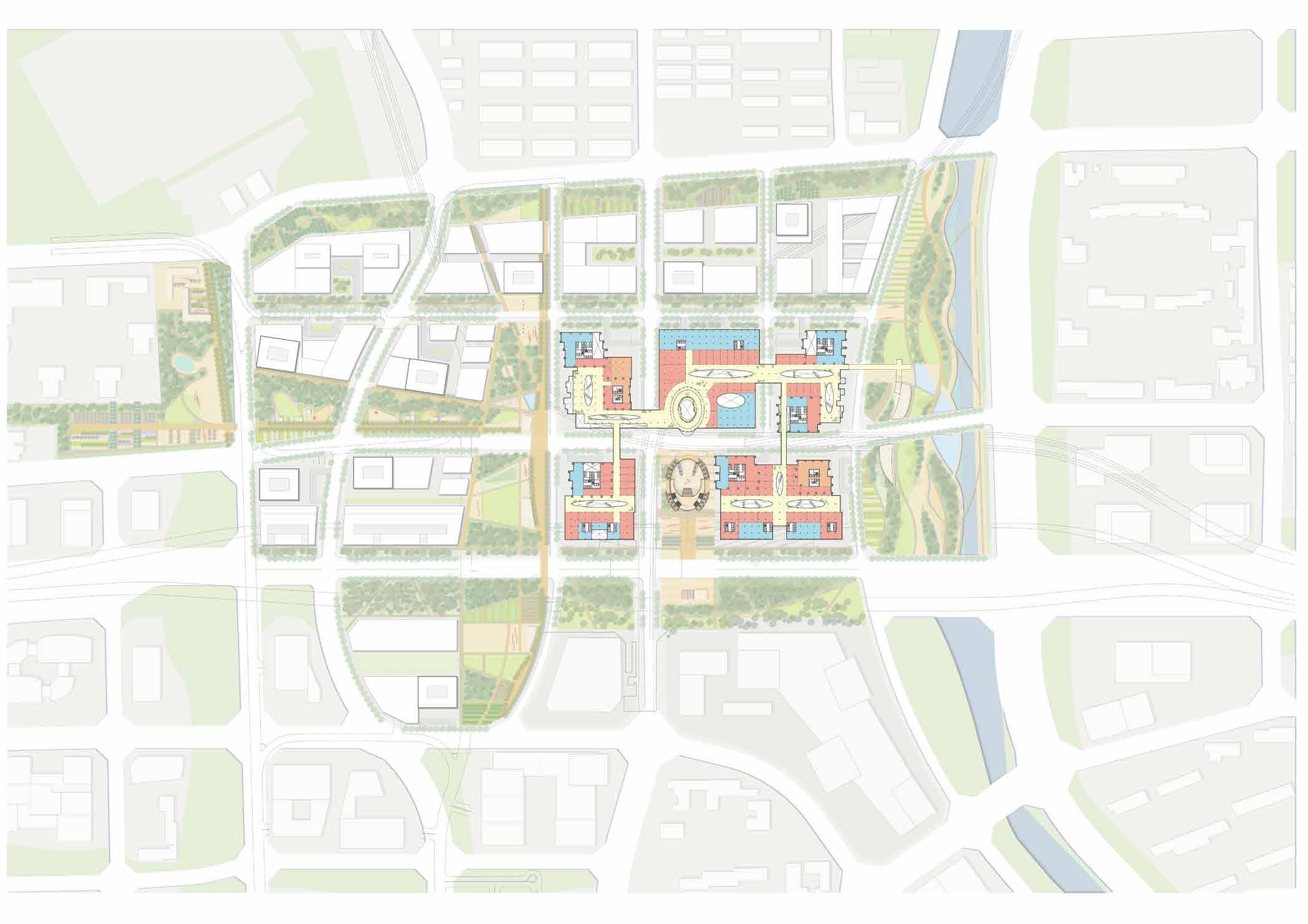
The central transit design consists of two monumental spaces: an amphitheater-like public area for active uses and a hive-like node with a massive atrium. Also included is a grand sunken plaza intended to house contemporary Chinese art and culture. Sustainable initiatives include the roofs of the multi-level concourses and large-floor plate tower podiums, which are planted for cooling, as well as storm water management. My responsibilities included design concepts, as well as modeling and updating the central 3D model, which was sent to a professional renderer for processing. I was also in charge of creating the primary section render of the structure and contributing to the design of the complete site plan and typical program plans for the surrounding project scope.
Skidmore,
Owings, & Merrill
Concept Design
Studio Heads: Eric Keune, Henry Chan
Fall 2018
媒体中心/多功能会议区 HIVE MEDIATHEQUE
媒体中心迎宾/休息区 MEDIATEQUE PREFUNCTION & BREAKOUT SPACE
多媒体中心会议区 MEDIATEQUE CONFERENCE & MEETING
多媒体中心会议区 MEDIATEQUE CONFERENCE & MEETING
休闲环廊 LEISURE GALLERY
休闲环廊 LEISURE GALLERY
媒体中心旋转坡道 MEDIATHEQUE CIRCULATION
休闲环廊 LEISURE GALLERY 临街主入口 MAIN ENTRANCE
CIRCULATION
枢纽广场 TRANSIT PLAZA
Nanjing Tower
Nanjing, China
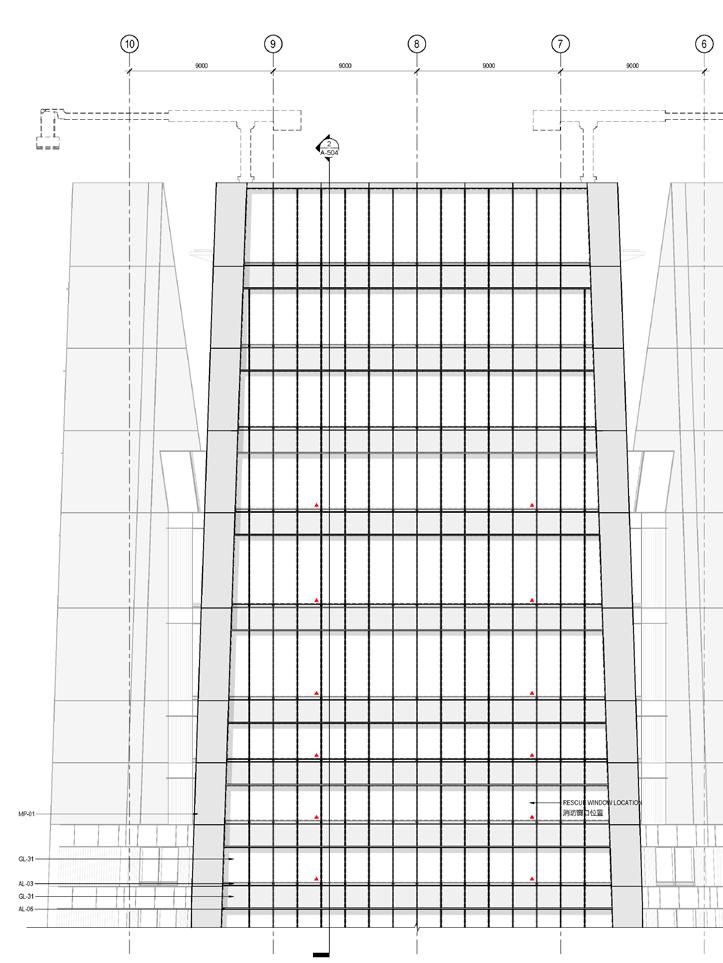
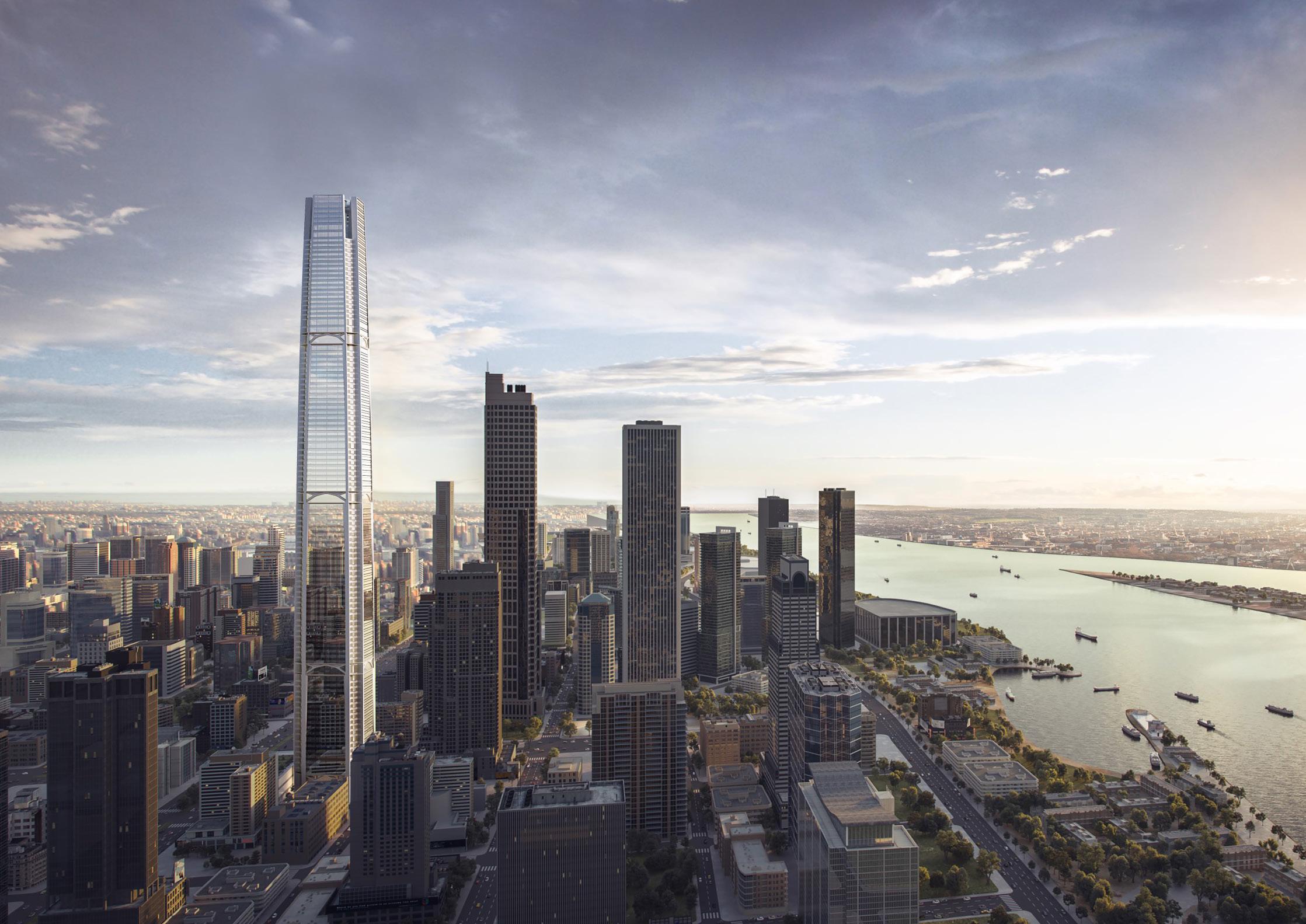
Designated as a mixed-use tower located in Nanjing, China, the project is a 500 meter tower intended to serve as a hub for business, commerce, and life in Nanjing, The client requested a piece of architecture that would embrace the spirit of passage between China's rich past and its bright future. The tower achieves this by adopting the symbolic vernacular of gates used throughout Chinese history by including three gate-like sky lobbies belonging to the three tower programs including offices, a luxury hotel, and apartments. These gates serve as a reminder of China's progress while beckoning the country towards a brighter future.
I joined the project during a period of intense revision, requiring a complete overhaul of the original design, as well as the design development phase that had reached 100% completion. I was independently put in charge of creating new enlarged elevations, crown sections, and full building sections. In addition to this, I was part of a team of three charged with creating new enlarged details and sections. Other responsibilities included crown renderings, FLS plans, site plans, landscape consultant coordination, and typical floor plan maintenance.
Skidmore, Owings, & Merrill
Design Development
Studio Heads: Jason Fisher, Jorge Rovira
Fall 2019
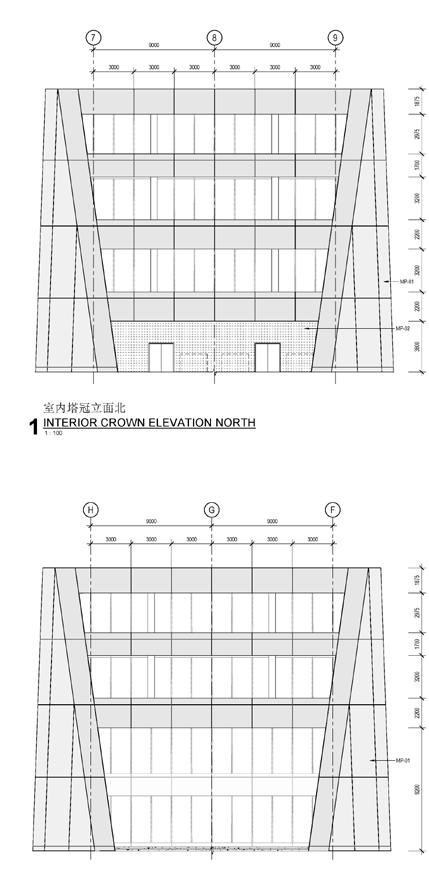
Interior Crown Elevation - North
Interior Crown Elevation - South
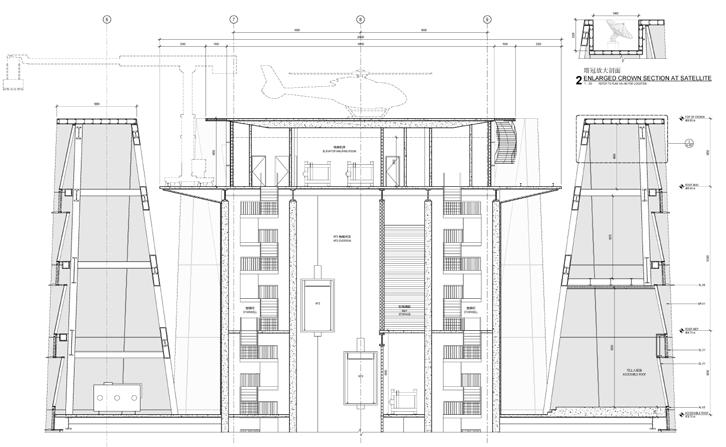
Crown Section
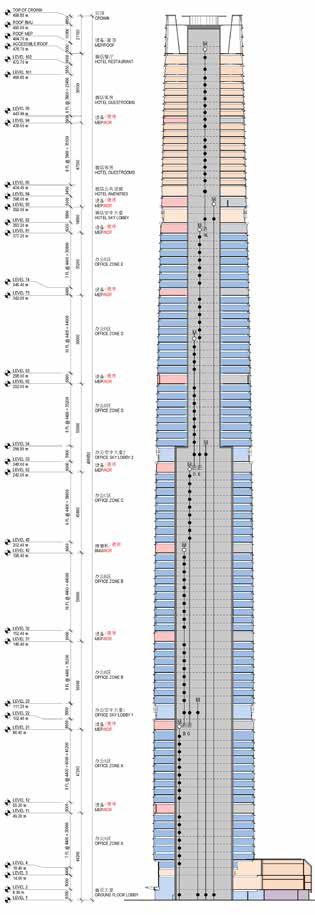
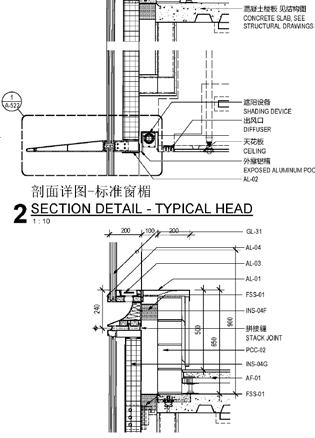
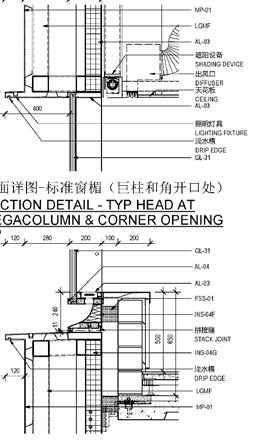
Enlarged

Rurality Check
Wilton, New York
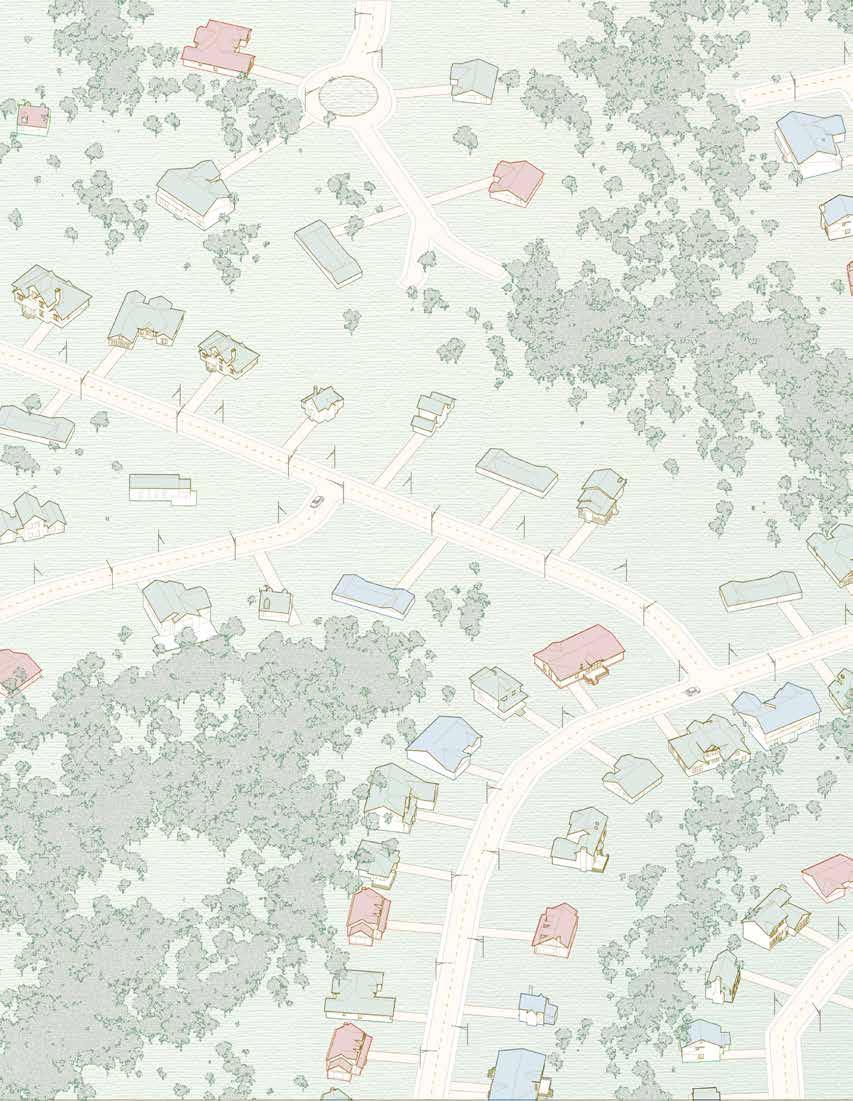
Through the introduction of a sustainable collocation edge data center, Wilton will have the proper digital infrastructure and broadband access to instigate an economic renaissance that will break down the extractive nature of the town’s sprawling cul-de-sac neighborhoods and imposing distribution centers.
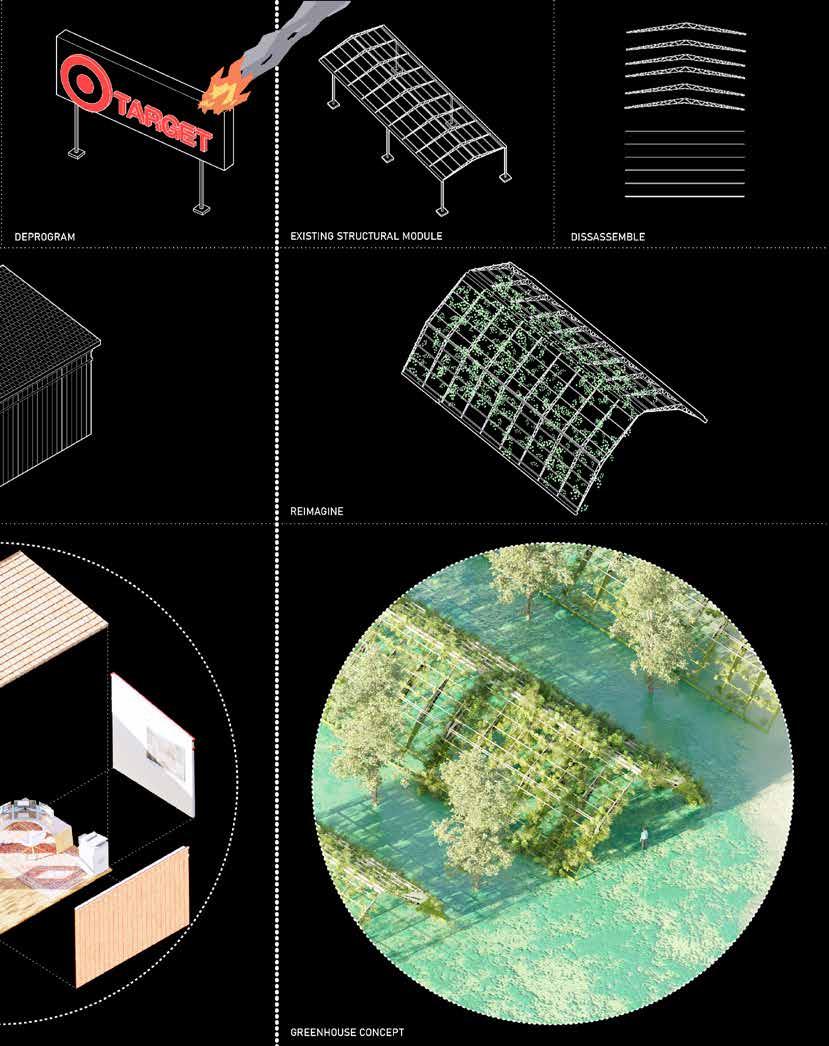
After losing its primary mining industry, Wilton introduced the Mt. McGregor Correctional Facility as a way to fill this economic void. Without a cultural and economic identity, Wilton and the prison it housed began to attract “bad neighbors” like two massive distribution centers, and relentless suburban sprawl that dominates what should be a vibrant downtown. Now abandoned, the prison provides an opportunity to bridge the digital and economic divide that plagues Wilton. By retrofitting an existing water tower on site into a collocation edge data center, their is potential to spur economic growth within Wilton by giving small businesses the technology and digital real estate they need to thrive. A data center decreases broadband latency, improves upload/download speeds, and will allow Wilton’s economy to take back the territory that lost to corporate neighbors like Target and Ace Hardware. This data center will also provide captured heat energy from the servers it houses, and transport this to the community as a means of negating any environmental impact it would have. The disruption will allow Wilton's citizens to gain economic independence, and will wither away at the corporate institutions and suburban sprawl that has become characteristic of the town. In their place will be community gardens and markets that act as an outlet for Wilton's occupants to repair the economic and social chasms that have developed over the last half century.
Columbia University
GSAPP Adv VI Studio
Prof. Laura Kurgan
Spring 2022
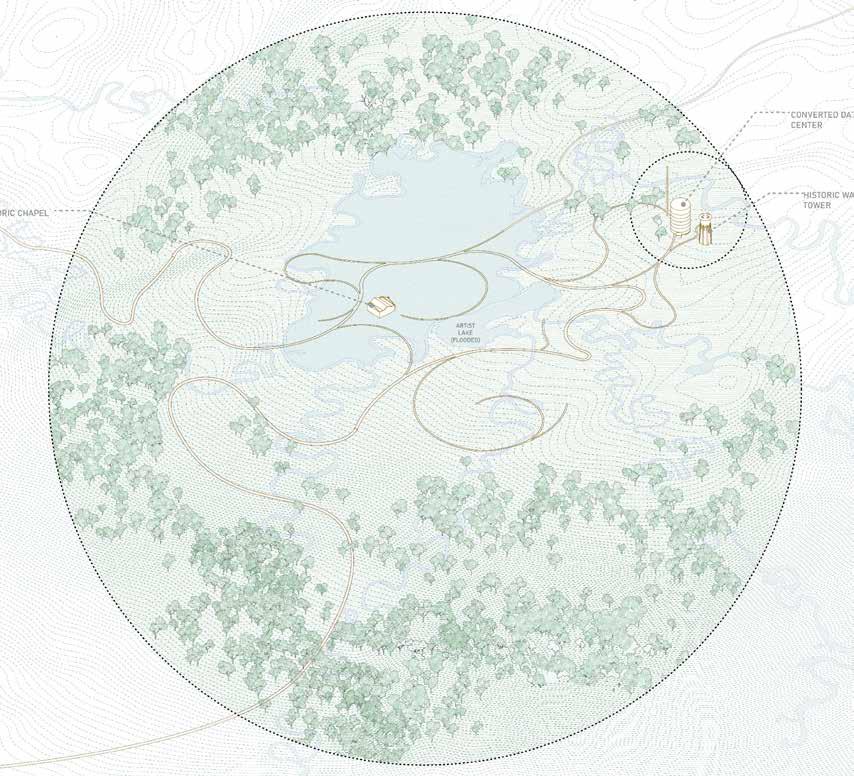
Transformed Site
Mt. McGregor Correctional Facility
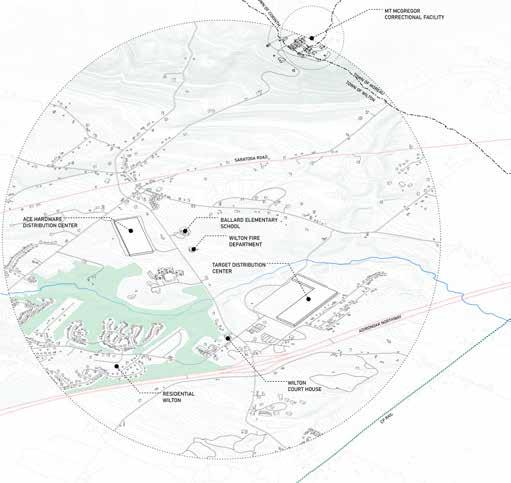
Enlarged Site Scale
Wilton, NY
Existing Site
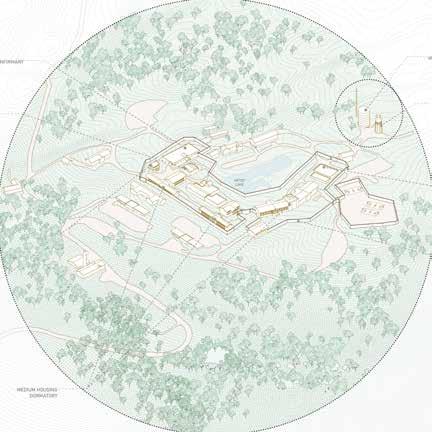
Mt. McGregor Correctional Facility
MT MCGREGOR CORRECTIONAL FACILITY
ABANDONED WATER TOWER
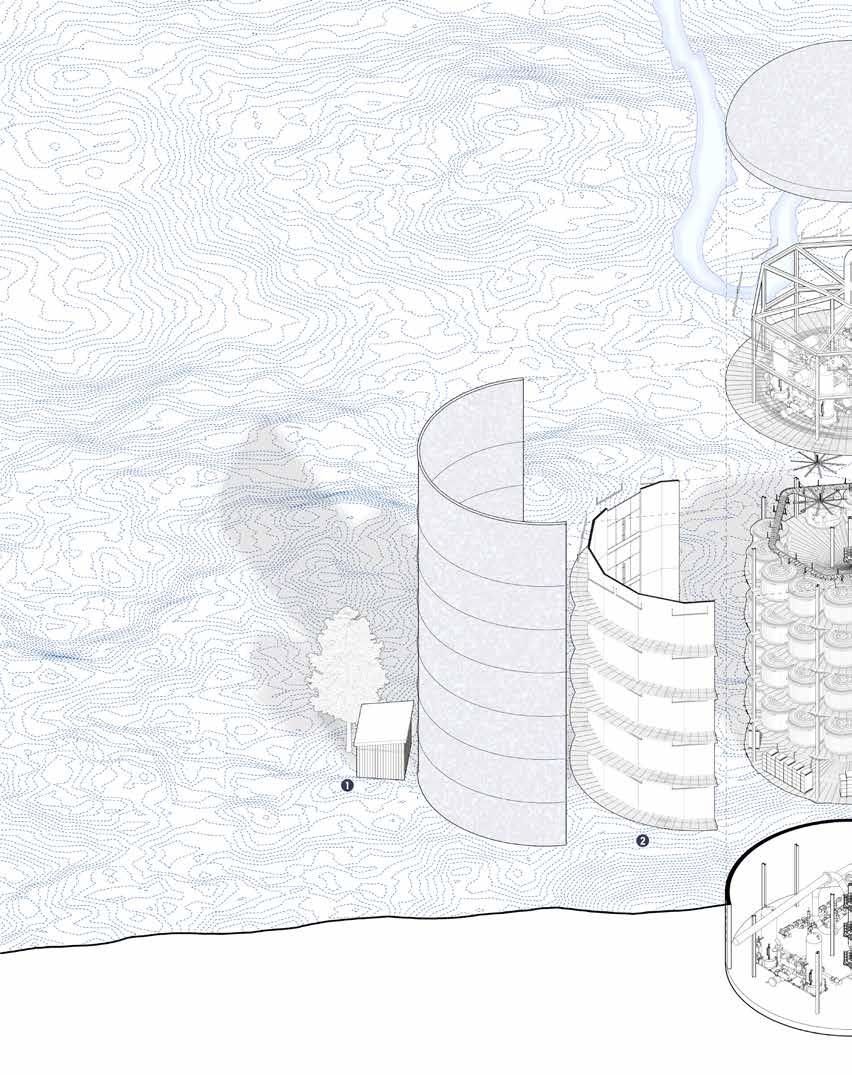
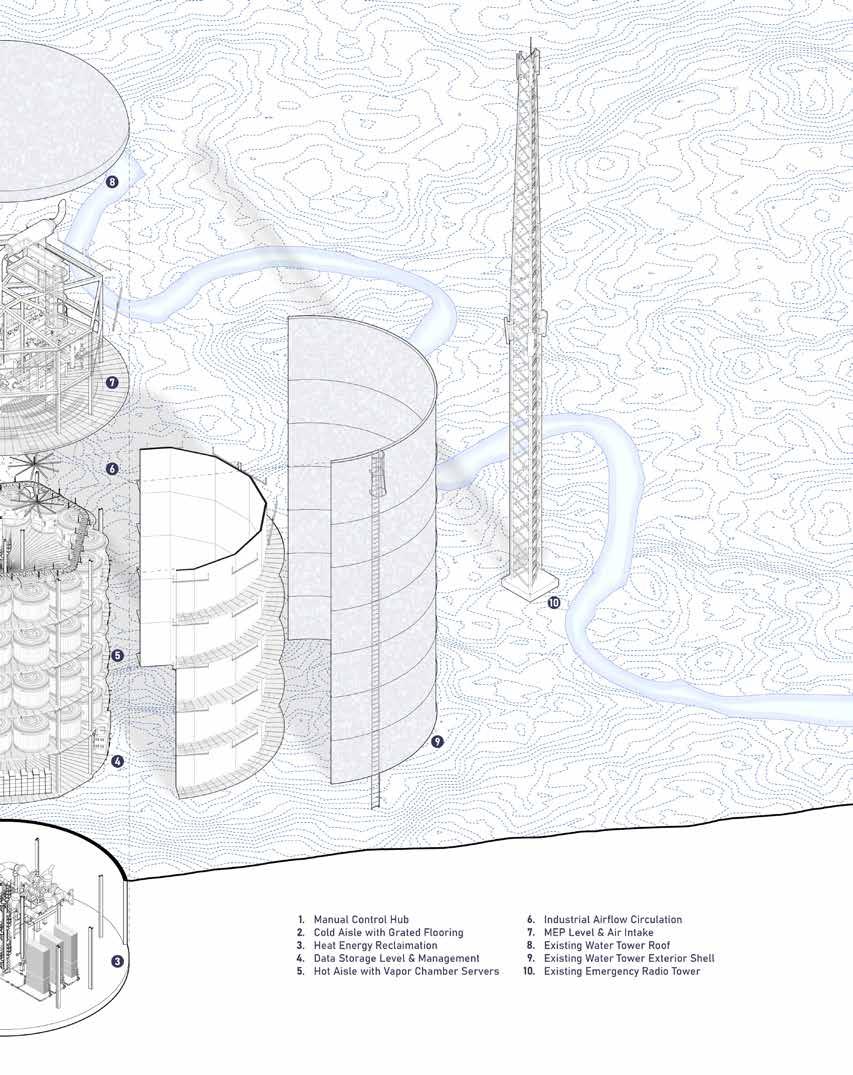
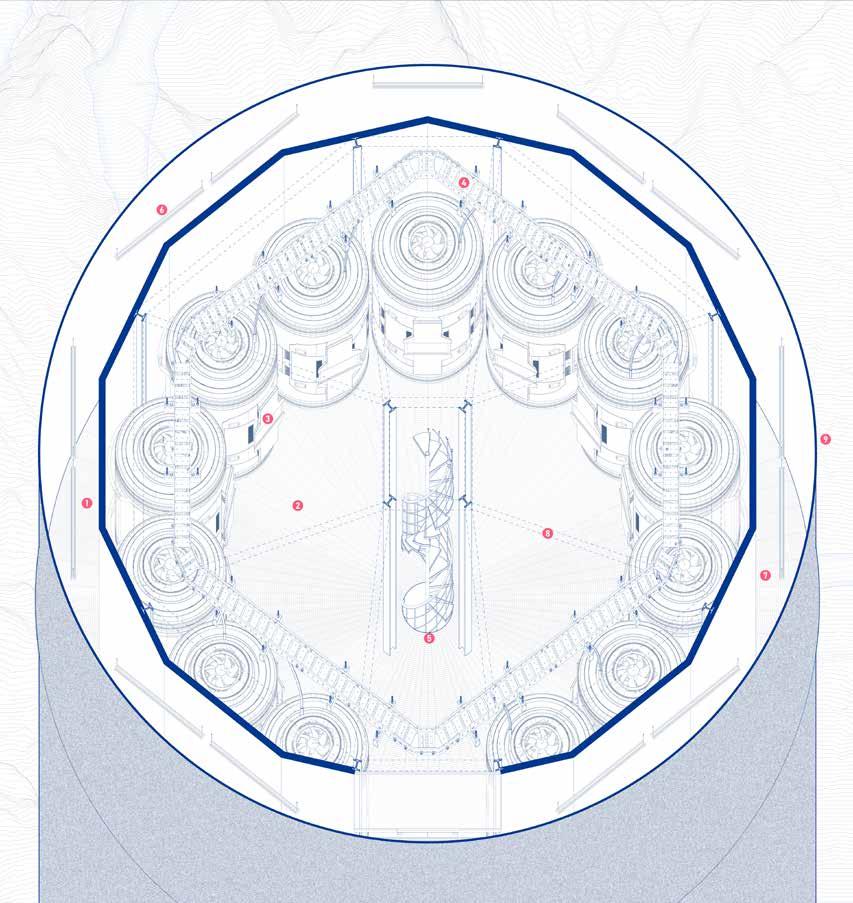
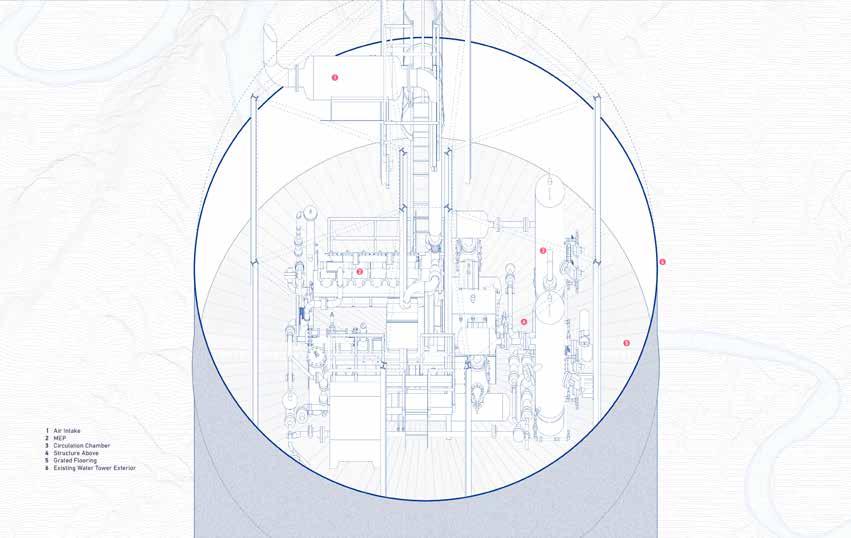
Center - Typical Basement Plan Oblique
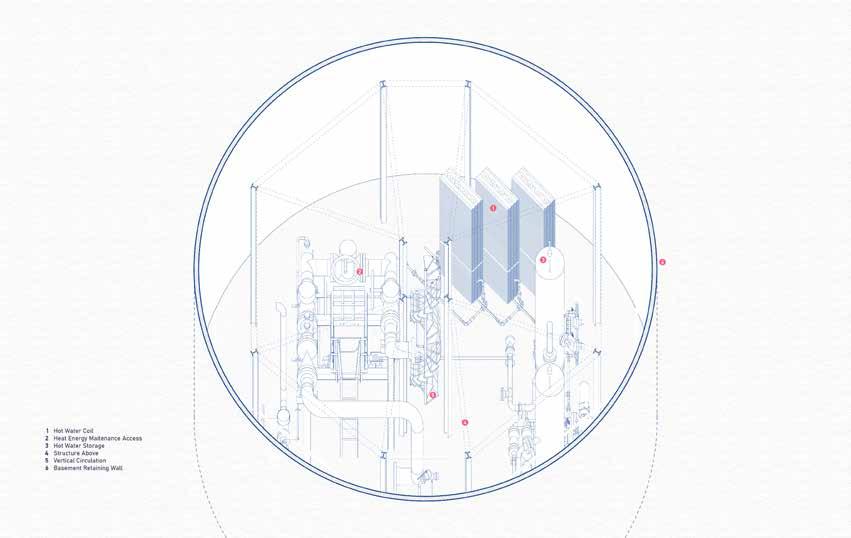
Data
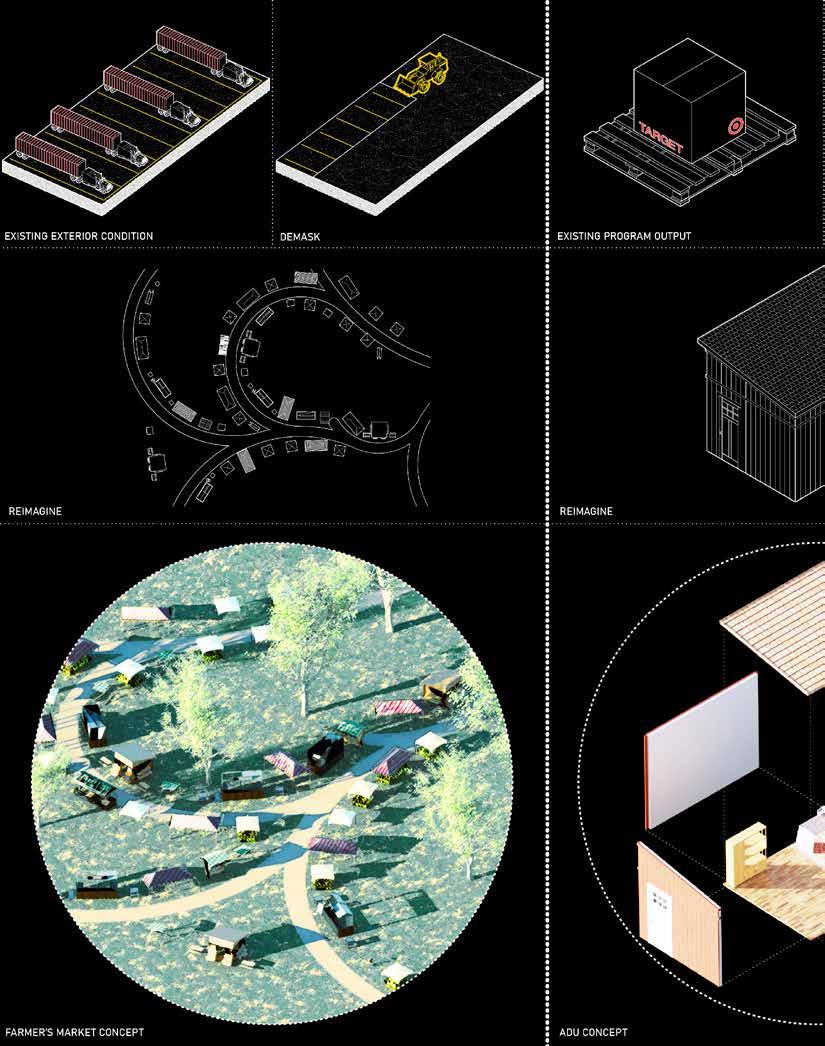
Sludge
Gowanus, Brooklyn
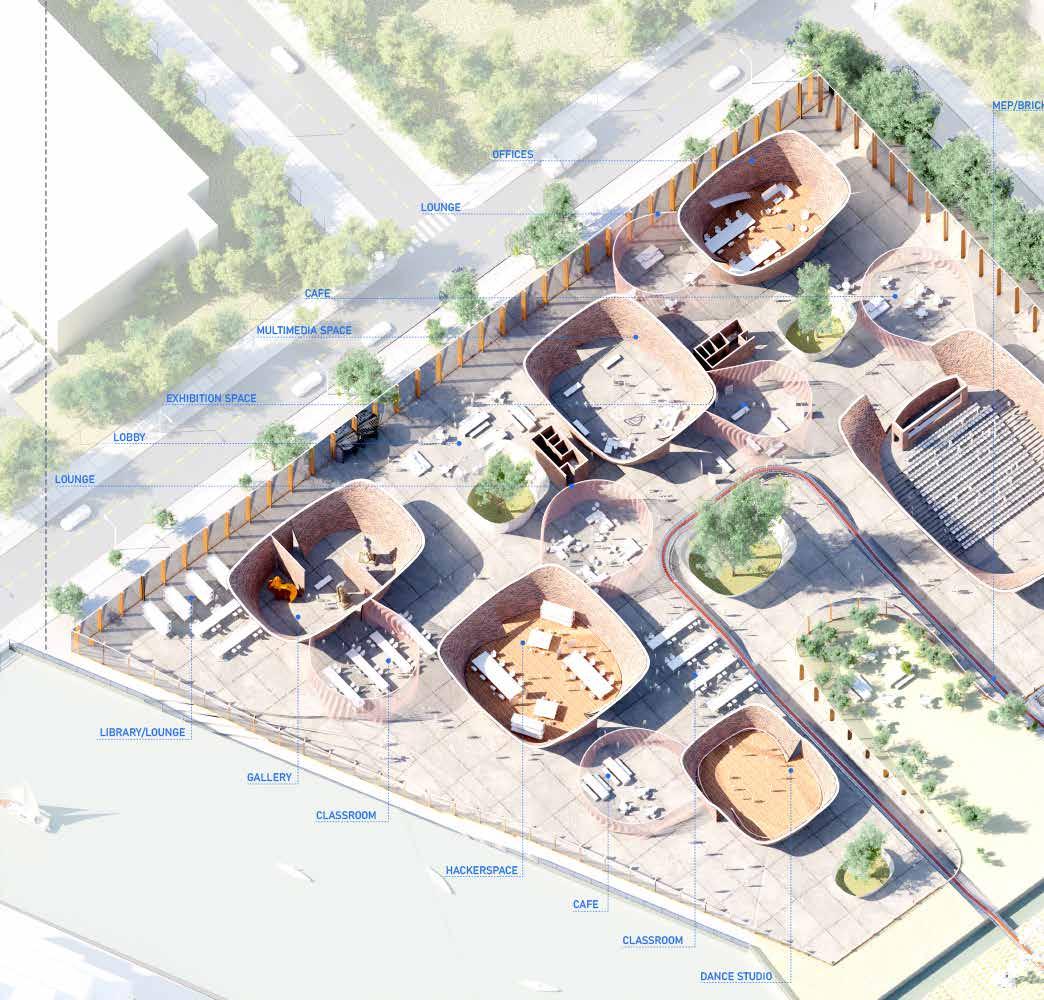
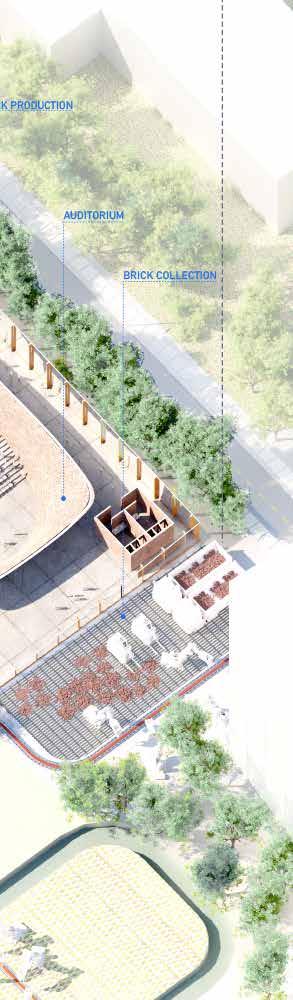
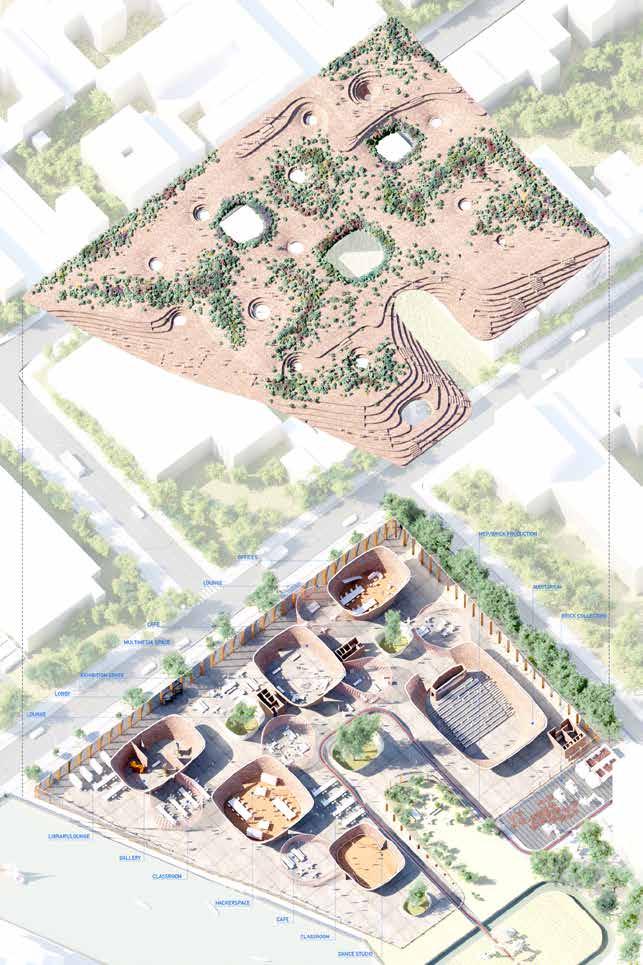
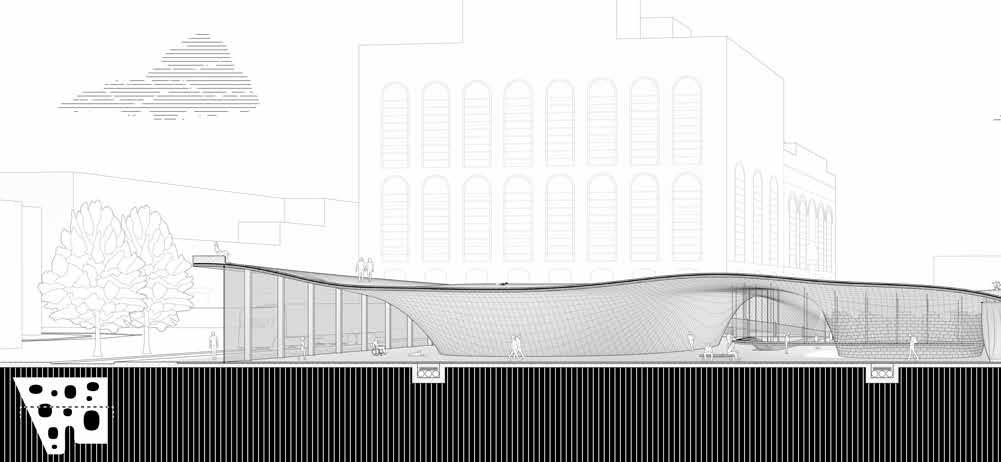
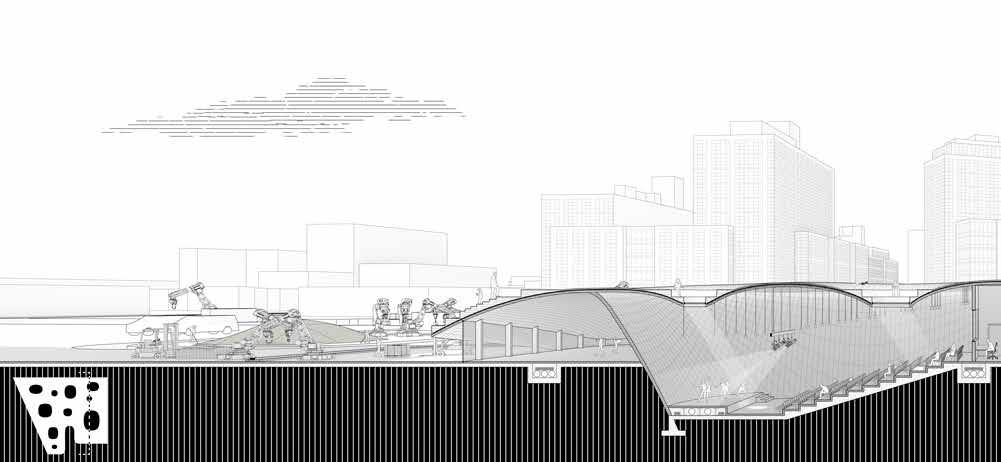
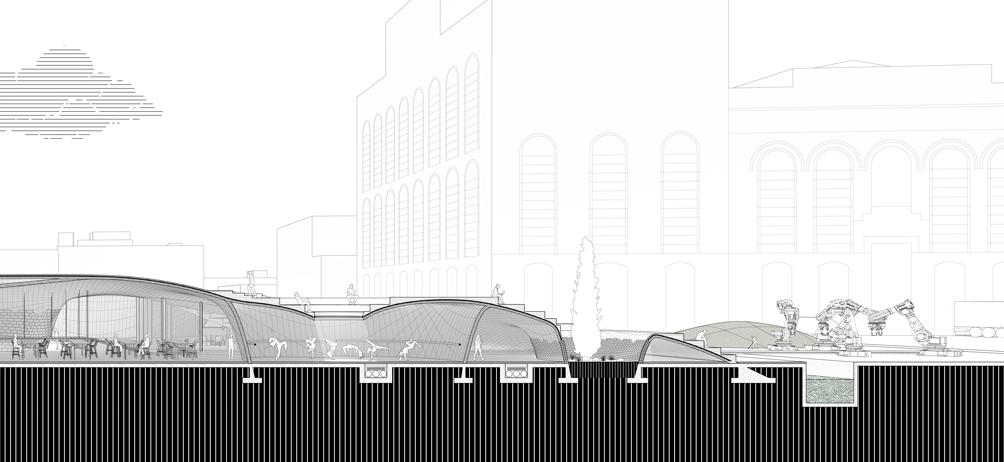
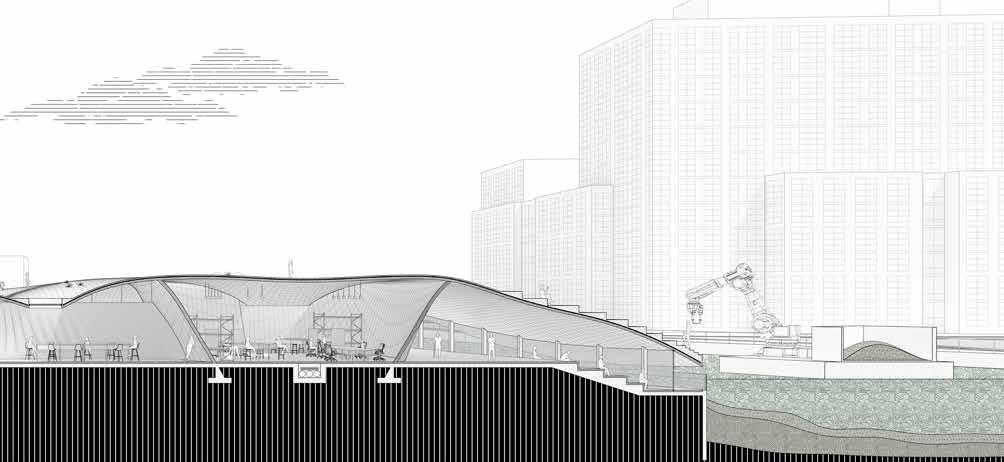
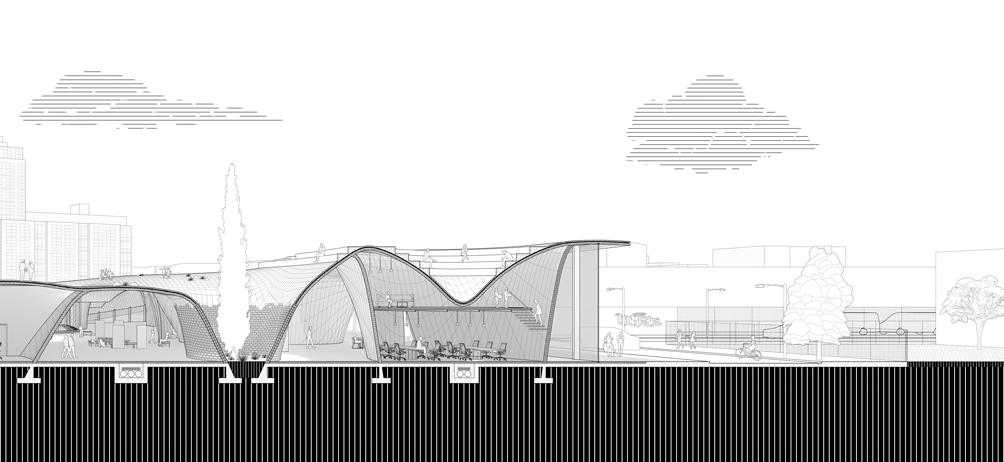
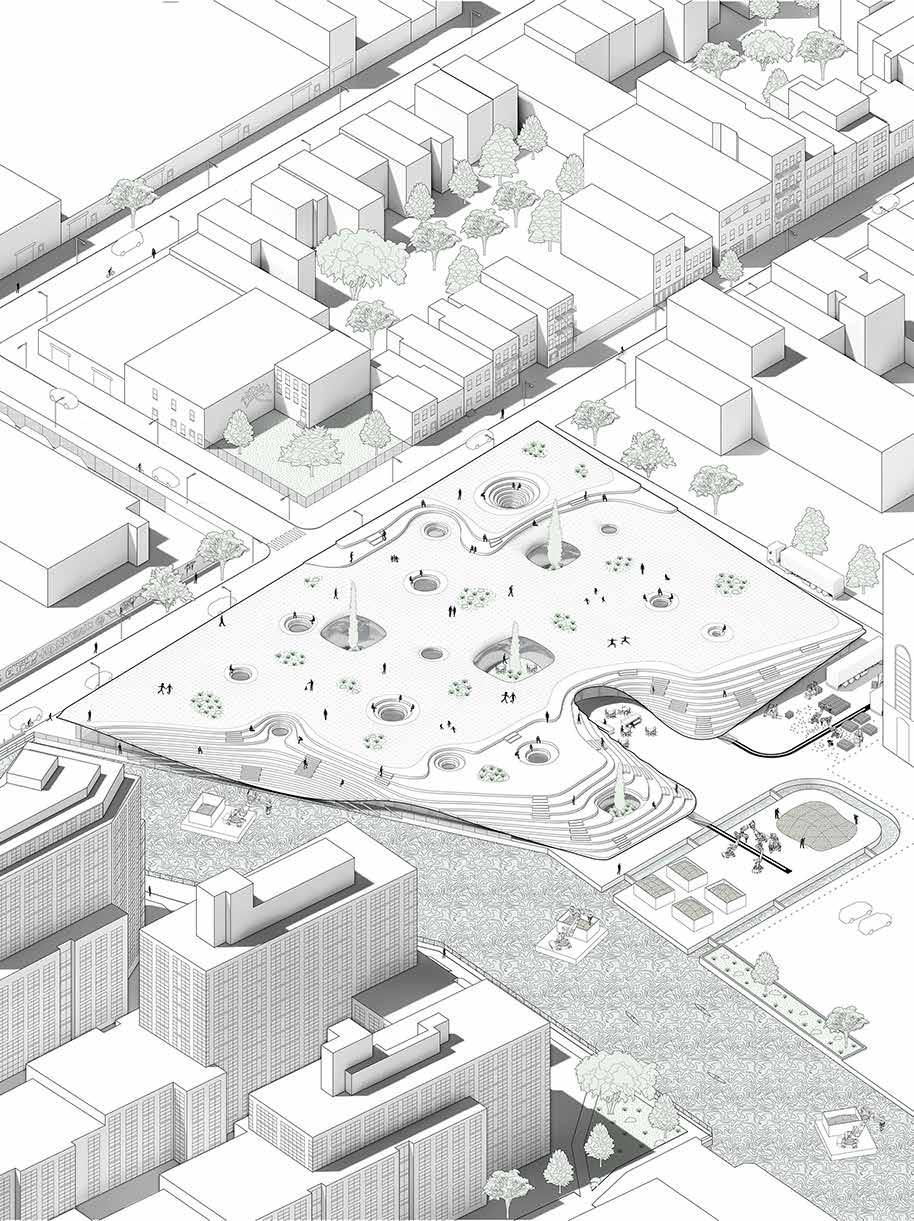
The Gowanus Canal in Brooklyn is considered one of the most polluted sites in the country. It is said that residents and businesses along the canal historically dumped anything from trash to carcasses into the canal, and a simple whiff of the surrounding area proves this to be true. Tasked with creating a cultural center that embraced material reuse, my partner and I opted to extract the abundant amount of sludge from the canal to be used as a material to form bricks. These 'sludge bricks' would then be fired and used to assemble a self-supporting Catalan brick vault structure that beckons back to the canal's industrial past of brick factories, while ushering in a new future of sustainability.
Intended to house three different cultural institutions focused on different mediums (art, theater, and fabrication), the structure uses the necessary structural drop downs of the brick vaults as permanently occupied rooms, while leaving the remaining space as semiprogrammed flex areas meant to promote collaboration between mediums. These transformable spaces are flanked by optional curtains that can be deployed when further privacy is needed. Special variations of the sludge brick are incorporated into the structure when necessary, such as glass bricks that allow light within the space, acoustic bricks that insulate sound sensitive areas, and grass bricks which allow the roof to grow wild with vegetation. Along the interior is a brick production line which is constantly operating, as canal-faring robots extract and process sludge for the creation of bricks to be sold as a means of funding for the cultural institutions the building serves.
Partner: Ata Gun Aksu
Columbia University
GSAPP Adv V Studio
Prof. Mark Tsuramaki
Spring 2021
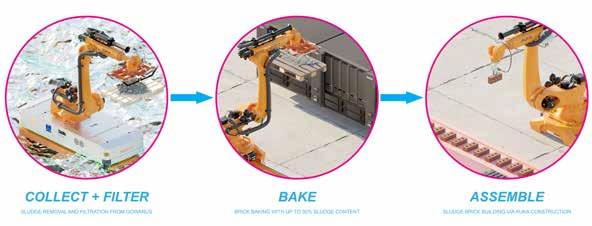
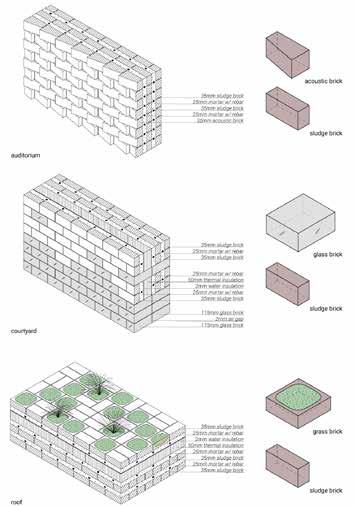
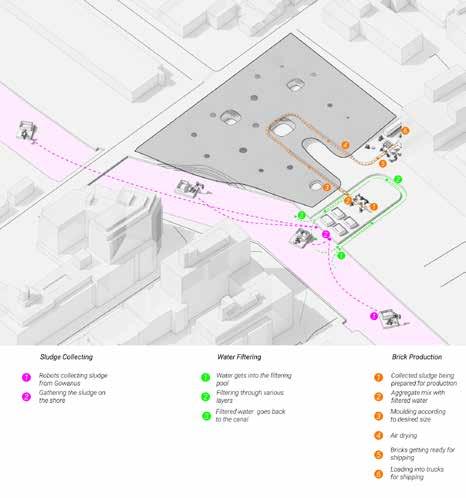


Sludge Brick Variations & Processing Diagram
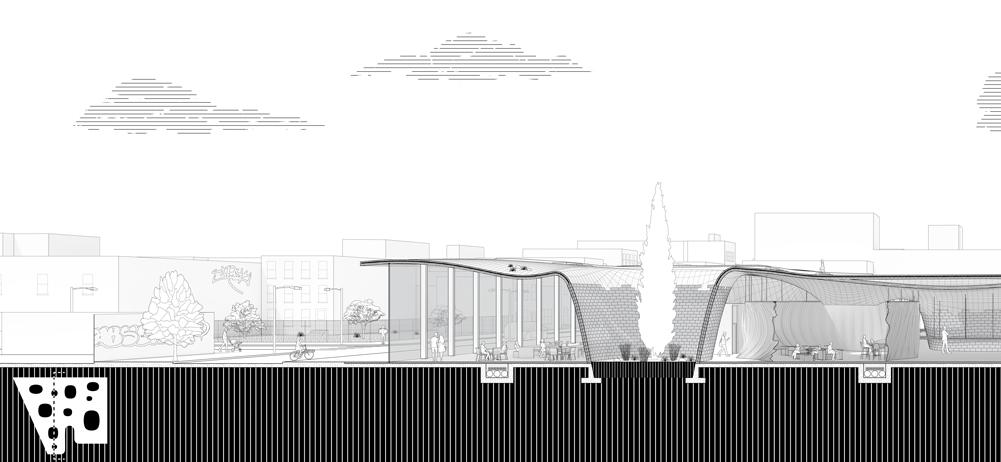
Main House
Elevation: 646 FT
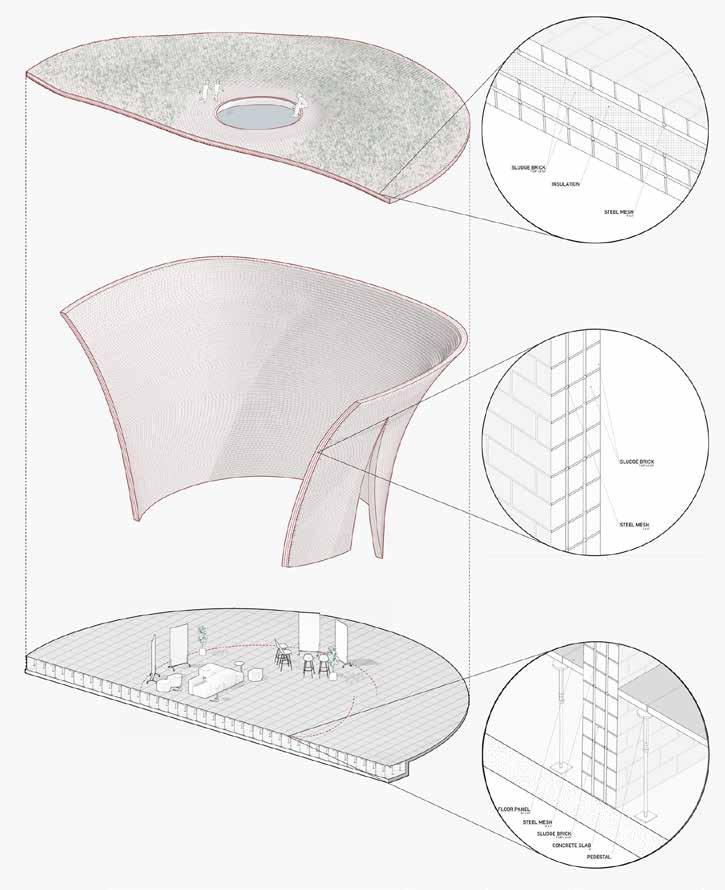
Assembly Diagram - Typical Brick Drop Down
Nanning Tower Model
Nanning, China
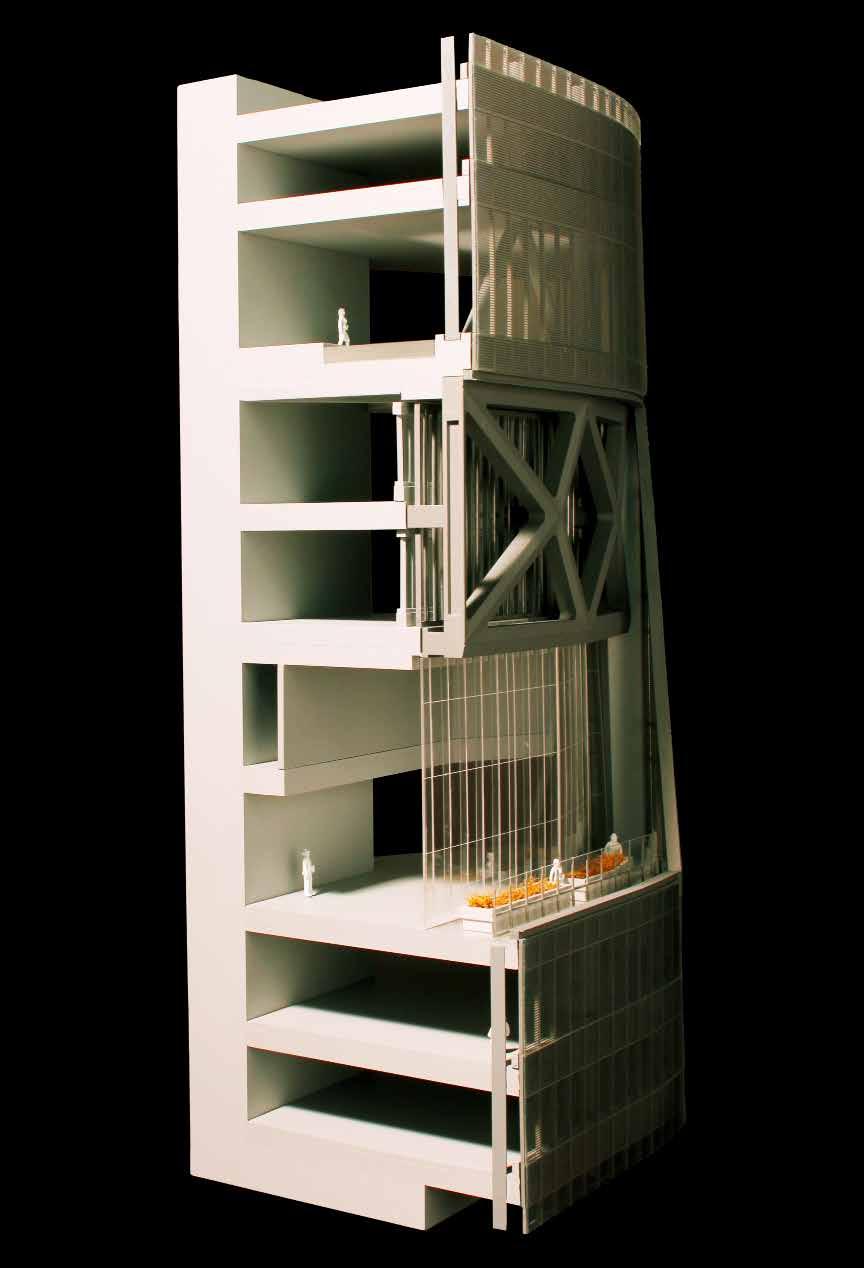
Located in Nanning, China, this mixed use tower contains programs including offices, a luxury hotel, and apartments. This is a project that spanned many years and suffered multiple revisions, stemming from the client and the Chinese government.
I was added onto the project to assist in the final stages of design development, However, my main objective was to create a detailed section model that would serve as a supplement to the complete drawing sets and professional renders. Led by Dylan King (M.Arch, UT Austin) and myself, our ultimate goal was to create a model that encompassed as many building systems and elements as possible. Using acrylic, 3D printing, screen printing, and hand modeling, the end-product was a successful model displaying the complexity of the facade and the varied structural systems used in the project. The mega truss and mega column, both supporting a majority of the tower's load while also making up a key component of the overall design, are represented through 3D modeling and careful painting. In addition to this, I carefully modeled the facade's complex curvature to fully represent the intricacy of the final design. Overall, the model was submitted as part of the final design package and served as a major tool for the client to understand the product we developed.
Skidmore,
Owings, & Merrill
Concept Design
Studio Heads: Scott Cherney, Eric Schall
Summer 2019
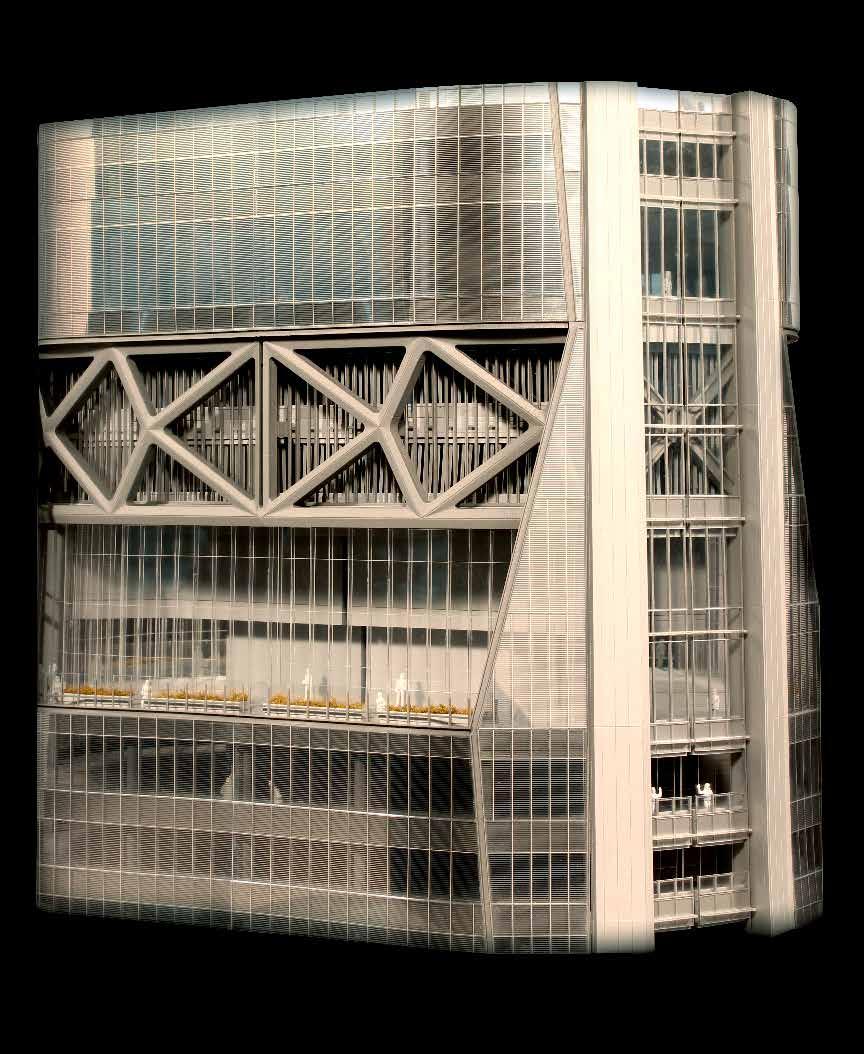
Section Model
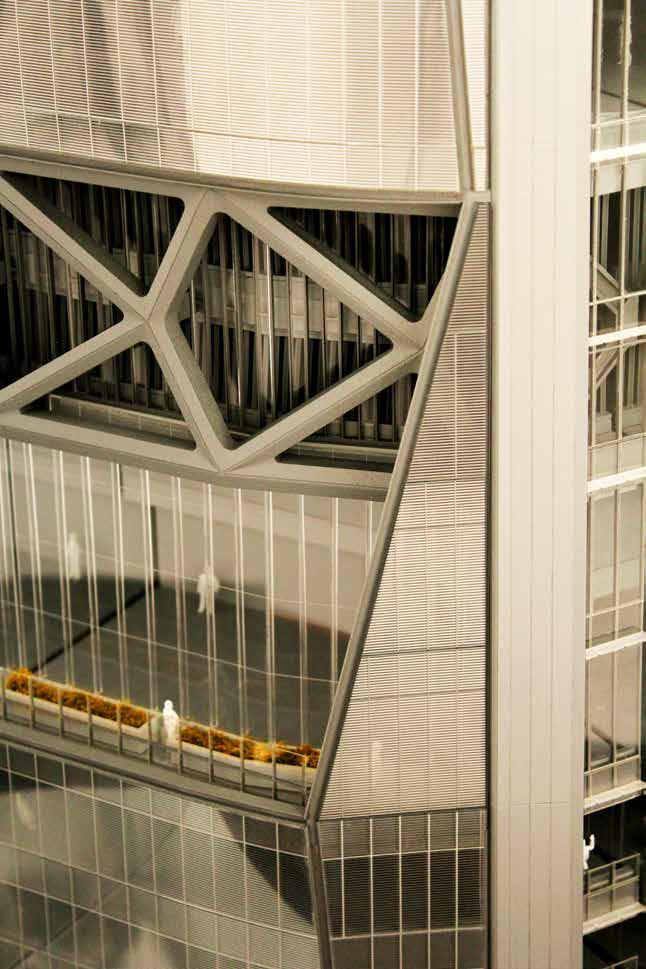
Section Model Sky Lobby
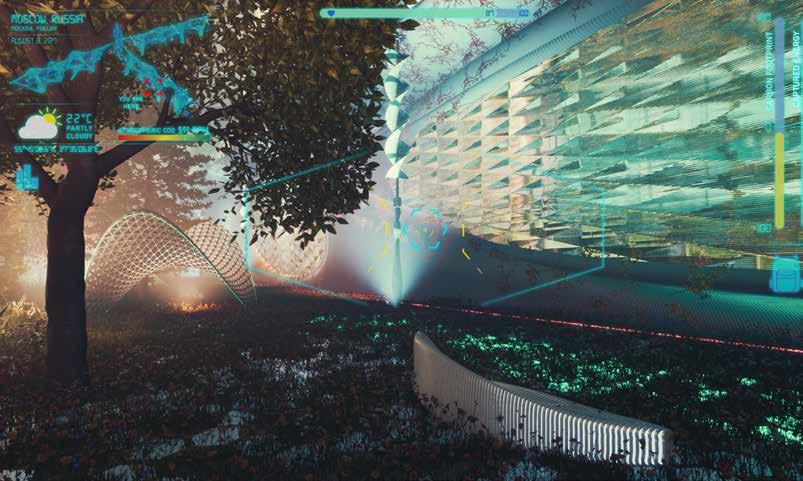
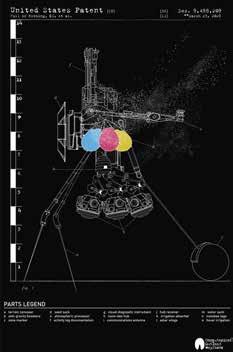
Heads-Up Display Design for Development of "2100: A Dystopian
Winner of the HKS Twinmotion





Artistic Selections
A Little Bit of Everything
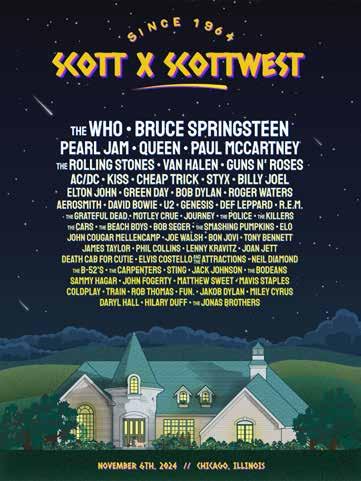
Renders, UX, graphic design, future concepts, the list goes on. In my free time, I love to explore different media and tools. I have included a selection of these exercises that demonstrates my dedication to the continual discovery of design representation.
After entering the work force, I recognized that although I was in a position to finally contribute to the built environment in a realistic way, I knew I would always be drawn towards the unfettered design possibilities of "paper architecture." Even though the work force is focused on design that will be built and used, I believe design concepts like these flex a muscle that is imperative to the success of those "real" projects, informing our design oriented brains that can often get lost in the rigid parameters of architectural design.
(C)
Utopia" Music Festival Poster Concept, "Scott X Scottwest"