NORMA Modelando en la línea de tiempo SIGUELBOIM
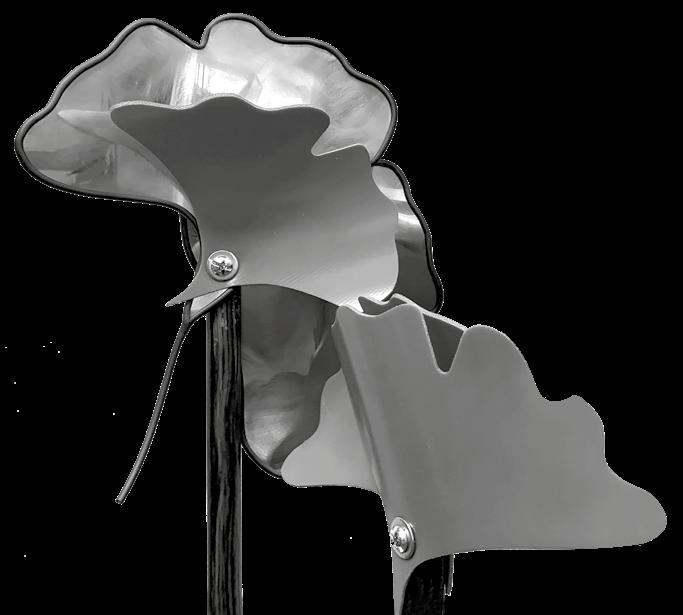
OBRAS 1989 - 2025

En este mundo cambiante, la escultura es mi forma de expresarme. El arte, mi refugio: aquello que me ofrece sentido de belleza en medio de la complejidad. Me sorprende, me permite reflexionar y hacerme preguntas para seguir transformándome.
Norma Siguelboim
Dedico este libro a mi querido compañero de vida, Gabriel Chami, por nuestro amor y su permanente apoyo.
A mis hijos Alessandra y Luca, quienes me son imprescindibles.
A mi madre Clara Storch, a mi padre Samuel Siguelboim y a mi querida familia.
Agradezco a mis queridos maestros, a mis amigos y colegas que están siempre presentes a lo largo de mi vida.
Agradezco a quienes gentilmente escribieron para este libro, por su interpretación y análisis profundo:
Adriana Laurenzi | Historiadora del arte
Alessandra Chami | Socióloga
Laura Batkis | Curadora
Rodrigo Alonso | Curador independiente
Fabiana Barreda | Curadora
Lucía Puppo | Doctora en Letras
Marcela Gallegos | Traductora al inglés
Victoria Rico | Traductora al inglés
A los colaboradores:
Malena Schargrodsky | Diseñadora
Santiago Raffo | Asistente
A los editores de este libro:
Eugenio Valentini y Victoria Rico
A los fotógrafos:
Otilio Moralejo Rodríguez
Gustavo Lowry
Eugenio Valentini
Norma Siguelboim
Gabriel Chami
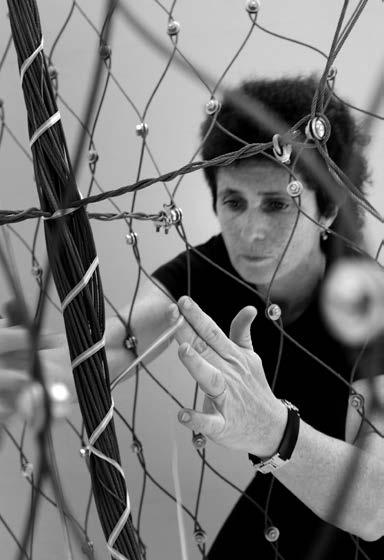
Tanto el arte como la meditación nacen siempre de la entrega; nunca del esfuerzo. Y lo mismo sucede con el amor. El esfuerzo pone en funcionamiento la voluntad y la razón; la entrega, en cambio, la libertad y la intuición.
Plablo d'Ors | Biografía del silencio (2015)

Me encantaría que disfrutes la lectura de este libro escuchando la composición musical de Gabriel Chami realizada especialmente para este libro.
I invite you to enjoy reading this book while listening to the musical composition created by Gabriel Chami especially for this publication.
Nota del editor
Este libro no responde a una única voz, se teje a partir de un entramado de voces: reflexiones de curadores e investigadores, lecturas críticas, fragmentos autobiográficos y relatos de Norma Siguelboim en primera persona, estos últimos firmados como NS. Lejos de buscar una narrativa lineal, estas voces conviven y dialogan entre sí, componiendo un mapa múltiple de su obra.
ÍNDICE
011 | PRESENCIA Y LIBERTAD | por RODRIGO ALONSO
015 | BIOGRAFÍA | NORMA SIGUELBOIM
016 | EXPOSICIONES INDIVIDUALES Y COLECTIVAS
017 | PREMIOS
018 | ESCULTURA Y EXPRESIÓN | INICIOS
022| LOS MATERIALES
025 | CUATRO SERIES
029 | ESPECIES
131 | ENVOLTURAS
171 | PRESENCIAS
205 | OTROS MUNDOS
241 | SIMPOSIOS INTERNACIONALES
257 | BIENALES INTERNACIONALES DE ESCULTURA DEL CHACO
273 | TEXTOS EN INGLÉS
Más allá de las revoluciones y continuidades, los hallazgos y las contestaciones críticas, uno de los logros más destacados del arte del siglo veinte ha sido la reformulación y ampliación de los campos disciplinares. Gracias a esto, el ámbito de la escultura ya no está gobernado exclusivamente por la actividad de esculpir, sino que acoge hoy una multiplicidad de visiones, investigaciones, modulaciones y concepciones vinculadas con el extenso universo de la tridimensión. Objetos, instalaciones, construcciones estáticas o dinámicas, ensamblajes artesanales o industriales, intervenciones en el espacio, la ciudad o la naturaleza, enriquecen la tradición escultórica con la incorporación, además, de una diversidad de técnicas, propósitos y materiales nuevos.
Si todo esto no hubiera sucedido, sería difícil identificar el trabajo de Norma Siguelboim, y mucho más aún, adscribirlo al terreno escultórico. La variedad de elementos (metales, cueros, acrílicos, maderas, telas, cables, vidrios, hilos, etc.) y procedimientos (costura, soldadura, ensamblaje, articulación, entre muchos otros) que utiliza la artista, pone de manifiesto hasta qué punto su tratamiento del espacio y el volumen va acompañado por una buena dosis de invención y experimentación. Como sucede en el arte contemporáneo, Siguelboim parte de ideas y conceptos a desarrollar, y luego recurre a las materias y herramientas que le permiten darle cuerpo. No hay una búsqueda de la forma por la forma misma, sino una exploración de situaciones y composiciones de carácter significativo que resuenen en la mirada y la imaginación del observador.
Largos años de trabajo fueron dando lugar a una vasta producción de obras que la artista organiza en cuatro grandes series. Especies aborda lo perecedero y la fragilidad de la existencia mediante la interrelación de materiales rígidos y flexibles, naturales y artificiales, orgánicos e inorgánicos. Envolturas hace hincapié en los espacios interiores, la intimidad y la protección, representados en cajas y construcciones cerradas que, sin embargo, ofrecen algunas pistas sobre aquello que ocultan. Presencias, en cambio, enfatiza las transparencias, lo perdurable, la armonía, y una sensorialidad que apunta a despertar emociones. La serie Otros mundos refiere a la situación bélica actual.
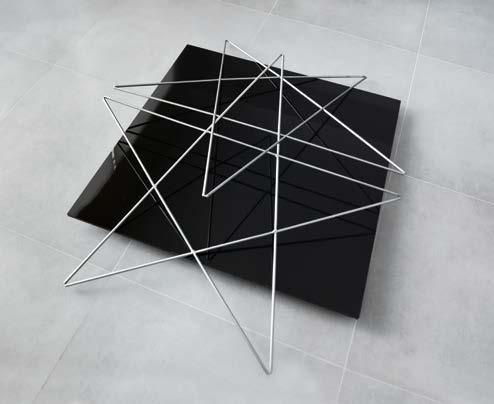
Uno de los recursos reiterados en los inicios de la serie Presencias es la malla metálica que, por un lado, no ofrece resistencia a la mirada –desnudando su espacio interior–, y que, por otra parte, pone en evidencia patrones visuales rítmicos. Presencia I (2000) es una gran red de cables de acero y bulones que surge como proyecto para el Parque de la Memoria, con una altura planeada de seis metros; versiones posteriores, como Presencia II Estrella de David (2000), poseen una escala más acorde a las proporciones humanas.
Los bulones definen los nodos de una matriz que pareciera materializar una metáfora de lo colectivo. La flexión de los cables otorga a estas obras una cualidad orgánica que se potencia en piezas como Presencia II – Vertebrado (1999).
En otro conjunto de la misma serie, la composición rítmica encarna en formas verticales que se despliegan a partir de un eje central. Aquí hay un énfasis en lo temporal, en las duraciones de la observación, en el desarrollo sucesivo en el espacio, como lo sugiere el título general: Entretiempos (1998 - 2016). Se trata de un grupo de piezas más bien pequeñas, realizadas en materiales rígidos como metales pulidos, vidrios, acrílicos o madera, con resonancias en los formatos escultóricos.
Como corolario de esta búsqueda, Presencia Alas Rojas, de 2016, expone una confrontación entre madera y acrílico, opacidad y transparencia, en la verticalidad y altura de un ser humano, promoviendo la interacción y empatía con el espectador.
En las obras de la serie Emociones (2019 - 2024) reaparece la malla tejida, pero con una variedad de materiales que dilatan las reverberaciones sensibles. Todas responden al mismo principio compositivo, según el cual, una red rodea o protege a un elemento interior, visible a través del entramado abierto.
Esta trama incide de maneras diferentes. Emociones transparente + blue está compuesta por tiras de plástico cristal que le otorgan un carácter casi invisible, etéreo. En cambio, el entramado de Emociones H está ejecutado con cordones de PVC naranja de fuerte identidad visual, la cual se potencia por el contraste con los nodos negros y con un volumen metálico interno del mismo color oxidado.
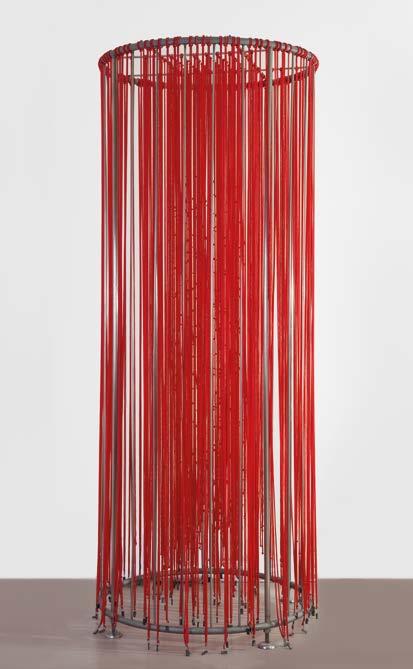
Albergando la mirada (2018), de la Serie de lo no dicho –una pieza cilíndrica en esta línea, que integró la exhibición Identidades (2018) en el Centro Cultural Haroldo Conti– reemplaza los tubos por cordón de nylon rojo. Aquí, a diferencia de las otras estructuras, el hilo no está tensado por completo, lo cual genera unos efectos de caída de variadas connotaciones sensoriales y simbólicas.
Las obras más recientes de la serie están realizadas con módulos de acrílico multicolores, con el objetivo explícito de despertar una respuesta emocional en el observador. De ahí el título general de Emociones (2019-2024). En la mayoría de ellas, los módulos se encuentran enhebrados formando sucesiones lineales con diferentes grados de rotación, lo cual les permite, al mismo tiempo, reflejar la luz incidente y capturar la imagen de su alrededor. La apuesta al color introduce un verdadero giro en la evolución de la serie. Reduce la atención sobre la geometría y la factura creando un vínculo mucho más abierto con el observador, sensorial, interactivo y lúdico.
Los módulos coloreados recuerdan un poco a los píxeles del universo digital y sus reflejos parecieran dialogar con las superficies vibrantes de las pantallas electrónicas. Pero no todas las obras de esta subserie están compuestas de igual manera. Emociones azul y roja (2019) es una escultura en un formato más clásico, casi totémica, que integra placas de acrílico y metal, mientras Emociones azul y verde (2022) incorpora unos bultos que se desprenden de los arreglos lineales de acrílicos y descansan sobre el piso, aportando remisiones a la gravedad y lo orgánico.
Estos últimos trabajos coinciden con el desarrollo de otro proyecto ambicioso que la artista consagra a la coexistencia de cuatro generaciones de su familia. Margaritas (2023) es una instalación conformada por noventa piezas de metal, acrílico, tejido de nylon y PVC, que se inspira poéticamente en la acción de deshojar flores como acto de amor. A esta imagen cultural se suma el sentido particular que hace referencia a la sucesión generacional como pasaje de un legado. Su escala induce una potente respuesta emotiva. Su realización preciosista y la magistral utilización de recursos plásticos en función de ideas que son, al mismo tiempo, escultóricas y conceptuales, ponen de manifiesto la madurez de la práctica estética de Norma Siguelboim, una práctica alejada de etiquetas y definiciones, de incuestionable personalidad, fundada únicamente en la libertad del arte contemporáneo. Rodrigo Alonso | Curador independiente
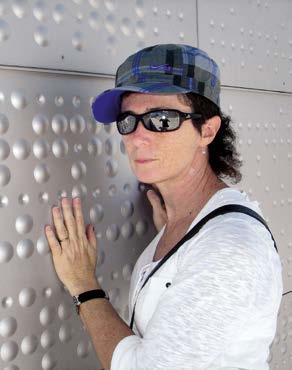
Norma Siguelboim nació en la Ciudad de Buenos Aires en 1960.
A los catorce años comenzó un taller de cerámica y, en ese encuentro con las posibilidades expresivas de la materia, descubrió su vocación. Al finalizar el colegio secundario cursó la carrera de diseño de interiores en El Consejo de Mujeres y paralelamente asistió a talleres de dibujo y escultura con Carlos Althaus, Aurelio Macchi, Pájaro Gómez y Ramón Castejón.
Los estudios adquiridos en el área de diseño le permitieron resolver problemas ligados al armado de muebles, objetos y maquetas. Continuó la formación artística en la Escuela Superior de Bellas Artes Ernesto de la Cárcova con los maestros Ricardo Dagá, Antonio Pujía, Juan Carlos Distéfano y María Juana Heras Velazco.
En este recorrido Siguelboim fue definiendo su camino hacia el objeto escultórico desde una perspectiva personal. La lección más importante que le legaron sus docentes fue la apuesta a la libertad para pensar, para actuar, para crear.
Expuso en varias galerías de arte así como en los salones del Citibank, Metrovías, C.C. Recoleta, Wellspring School, Highland Park, Manufactura Papelera, Jardín Botánico Carlos Thays, Espacio Cetol, C.C. Quinta Trabucco. Obras suyas se exhibieron en la Galería (A) Void en Praga, República Checa; en la Embajada Argentina de París y en galerías tanto en Chile, República Dominicana, Japón y China.
En 2022 el MACA de Junín organizó la muestra individual Los caminos del bosque, que ofreció una retrospectiva de su obra. En julio de 2024, expuso parte de la serie Envolturas en el CMA de Avellaneda.
Desde 1985 a la fecha, Norma Siguelboim participó en los salones nacionales, provinciales y municipales de la Argentina. Expuso su obra en universidades y jardines públicos (Museo Larreta, Húsares, Metrovías, El Rosedal) y en ferias de arte como Expotrastiendas, Arteba y Estilo Pilar.
Entre 2009 y 2013 participó como integrante del equipo argentino en seis Simposios Internacionales de Escultura Monumental de talla en nieve. Estos encuentros se realizaron en Italia, Canadá y EE.UU. En 2018, en la Bienal de Esculturas de Resistencia, Chaco, realizó in situ una instalación flotante, y en 2022 instaló una escultura colgante trabajando en público, en la sección Artistas Nacionales.
2016 – Mención en escultura, Trienal del Museo Víctor Roverano.
2015 – 1° Premio, Salón Nacional de Escultura, Palais de Glace.
2014 – Premio Adquisición “Gobierno de la Provincia de Santa Fe”, XCI Salón de Mayo, Museo Provincial de Bellas Artes Rosa Galisteo de Rodríguez.
2013 – 3° Premio, Salón Nacional de Escultura, Palais de Glace.
2012 – Mención, Salón Nacional de Escultura, Palais de Glace.
2010 – 1° Premio, Salón Nacional de La Pampa.
2008 – 1° Premio, IX Salón Pequeño Formato, Quinta Trabucco.
2008 – 3° Premio, Salón Nacional de La Pampa.
2005 – Premio Adquisición, Universidad Nacional del Litoral, Santa Fe.
2002 – 2° Premio, Salón Nacional de La Pampa.
2000 – Mención, Salón Nacional de Escultura, Palais de Glace.
1999 – Mención, Museo Nacional de Bellas Artes.
1996 – 2° Premio, Museo Sívori.
Participación en 10 de las 19 ediciones de Esculturas en el Jardín (1992–2010), realizadas en el Museo de Arte Español Enrique Larreta, con curaduría de Nelly Perazzo.
Más información: www.normasiguelboim.wordpress.com
En este mundo cambiante, la escultura es mi forma de expresarme. El arte, mi refugio, aquello que me ofrece sentido de belleza en medio de la complejidad. Me sorprende, me permite reflexionar y hacerme preguntas para seguir transformándome. La escultura muchas veces me exige empezar de nuevo y es precisamente en esos instantes cuando tomo conciencia de nuestra finitud.
Madre e hija de Sarajevo es una de las quince tallas en madera realizadas en mis primeros años de aprendizaje en relación al cuerpo humano, junto con múltiples estudios de la anatomía humana a partir de modelados en arcilla, elaborados luego en distintos materiales: cemento, acrílico, resina, yeso, bronce.
Mi primer gran maestro, Aurelio Macchi, me aconsejó que, para saber qué decir, debía revolcarme en la vida.
Al reafirmar mi propia existencia fui encontrando los sentidos que quería expresar en las obras, y ya llevo más de cuatro décadas de trabajo en esta búsqueda.
El arte es, para mí, una forma de investigación, un modo de reconocerme y de abrirme a un mundo cambiante que está lleno de posibilidades. En la práctica, la idea de investigación evoca un trabajo insistente, paciente, meticuloso. Esto me permitió ampliar el desarrollo de las obras a grandes tamaños, teniendo en cuenta el entorno.
El término “escultura” se fue desdibujando vertiginosamente desde la década de los sesenta con las obras minimalistas, el land art y las instalaciones, formas que desafiaron el concepto clásico de la disciplina. Suelo partir de un problema que me interesa y, a partir de allí, procedo por prueba y error. Debo permanecer abierta al riesgo del fracaso para habilitar la posibilidad del progreso.
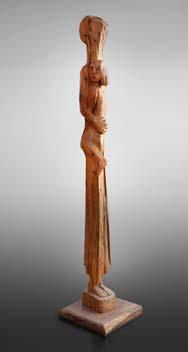
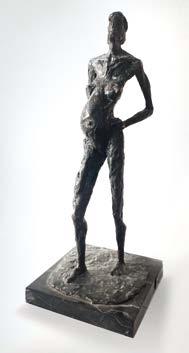
Madre e hija de Sarajevo
Madera | h 155 cm x 13 cm x 17 cm | Año 1980
Mother and daughter of Sarajevo - Wood
A mi amado
Bronce | h 45 cm x 19 cm x 19 cm | Año 1989
To my love - Bronze
Leyendo a otros artistas, visitando exposiciones, estoy atenta a cada detalle de los volúmenes que emergen en las distintas formas, pujando para salir desde su interior.
Lo siento como un proceso interactivo donde cada obra es un experimento, una prueba que conduce a las ideas que se suceden y nunca a una respuesta definitiva. Para crear hay que asumir la incomodidad. Todo lo que pueda conocer, sentir e imaginar forma parte de mi universo mental y físico. En la persistencia del trabajo encuentro lo bello.
Contemplo obras y leo páginas que me estimulan a investigar los ámbitos de lo espacial, lo perceptivo y lo lingüístico. Así voy creando un determinado ambiente que me acompaña en cada muestra o puesta en funcionamiento.
Apelo a captar la permanencia en lo fugitivo. Desintegrar la masa para que el espacio circule. En mis obras hay una oscilación entre la destrucción y la reparación.
Como no tengo el control total, surge lo inesperado de la rebeldía de las cosas. Entonces la materia se transforma para contar historias.
La inquietud me atraviesa y, con ese extrañamiento, voy elaborando nuevas obras de una serie a otra, en las que se suman rastros de obras anteriores. Hay un componente conceptual en mi arte. Busco construir pensamiento para expandir la mirada. Quisiera despertar una música en el espectador, o acaso un silencio que lo invite a descubrir los sonidos de la vida cotidiana. NS
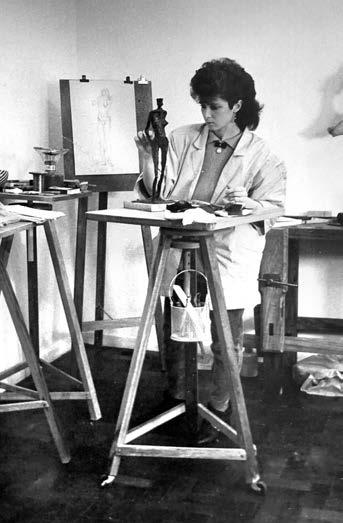
En la búsqueda de soluciones para las obras, fui aprendiendo técnicas que me acercaron a materiales muy diversos.
Cada uno de ellos me ayuda a adquirir nuevas potencias y en esa incertidumbre voy transformando mi paisaje diario. Despliego múltiples capas, las superpongo y envuelvo, reteniendo una energía latente desde su sustrato.
Con cada material hallo nuevos significados y, al involucrarme, vibro más con lo frágil, lo simple, lo efímero. Me gusta escuchar sus propiedades y dejarme acompañar por su presencia.
Suelo trabajar con series de piezas similares que potencian mi decir cuando se distribuyen en el espacio. Las formas se parecen pero hay algún detalle que vuelve única a cada pieza dentro de su grupo familiar.
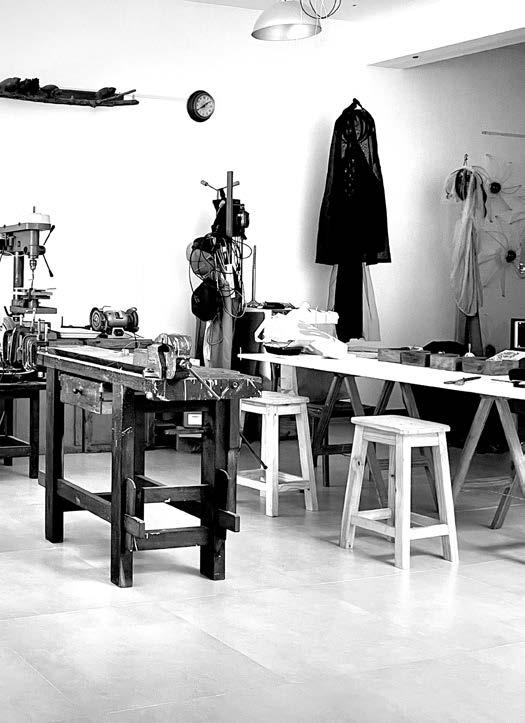
Tuve que adquirir herramientas para atender las necesidades de los distintos tipos de materiales: maderas, metales, piedras, tintas, acrílico, aluminio, plomo, elementos orgánicos, PVC, cueros, telas, sogas. Me concentro en el acabado de las piezas. Sus secretos me hablan, interrogo sus pesos y texturas. Cada materia tiene su vibración, su energía singular, y me dicta su propio lenguaje expresivo.
Como técnica preferentemente elijo el ensamble, porque me permite construir en tiempo y espacio un sistema de relaciones entre las partes de la obra. Busco que entre ellas se genere un diálogo invisible, que se comuniquen.
NS
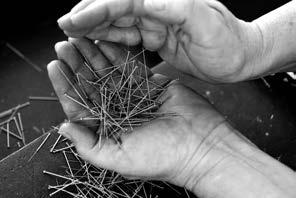
Con cada material hallo nuevos significados y, al involucrarme, vibro más con lo frágil, lo simple, lo efímero. Me gusta escuchar sus propiedades y dejarme acompañar por su presencia. NS
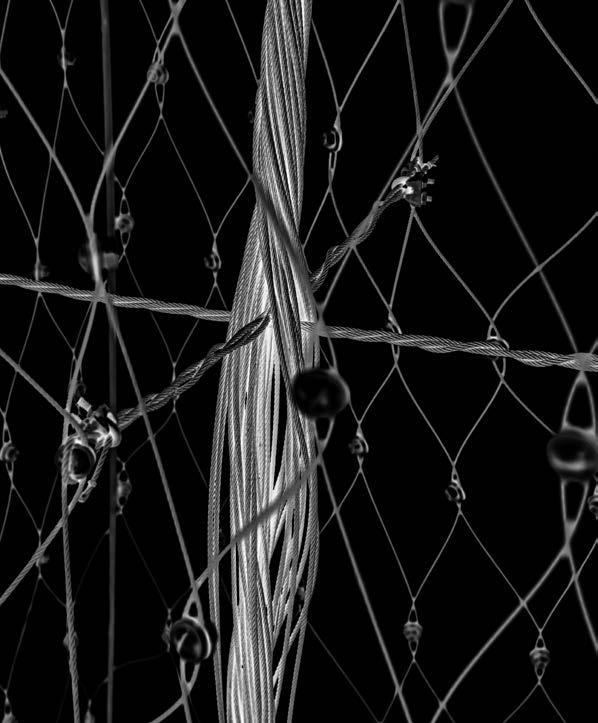
especies - envolturas - presencias - otros mundos
La trama que las conecta se va ensamblando en espacios y tiempos.
Cuatro series que trabajo de manera sincrónica resumen la búsqueda formal y conceptual que vertebra mi obra. En ellas se materializan preguntas vitales, lo propio y lo ajeno, lo individual y lo colectivo.
NS
Especies, Envolturas, Presencias y Otros mundos expresan en su versátil versión geométrica u orgánica, potentes metáforas de situaciones que atraviesan la historia reciente del mundo.
En el universo de objetos e instalaciones, la presencia inquietante de sus formas impone un desafío a la intuición.
Adriana Laurenzi | Historiadora del arte y docente de la UNA
MUNDO VEGETAL
“Mientras el hombre se convierte en el interior del paisaje, este se convierte en el paisaje interior del hombre”, escribió François Cheng.
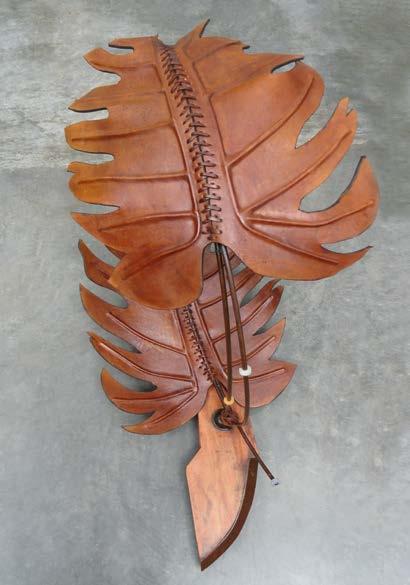
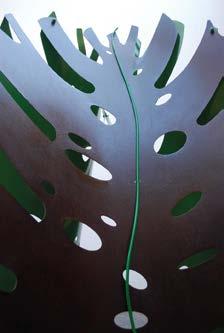
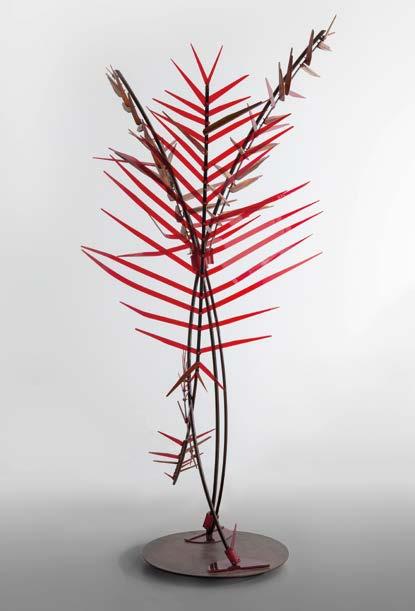
La serie Especies abarca un universo que emula al reino vegetal y animal mediante formas que evocan hojas de diferentes plantas y huesos de animales.
NS
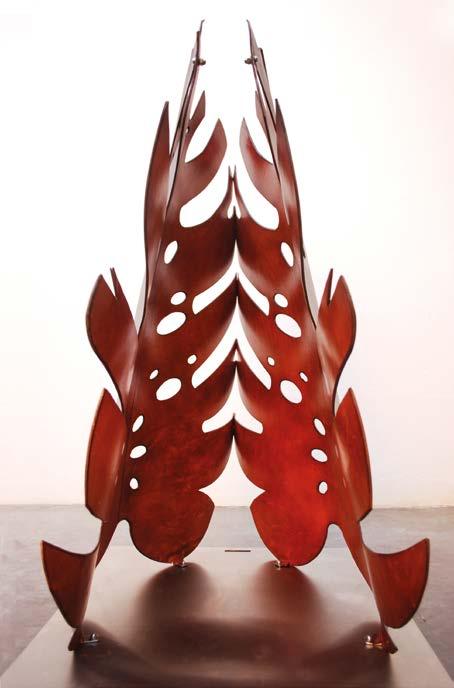
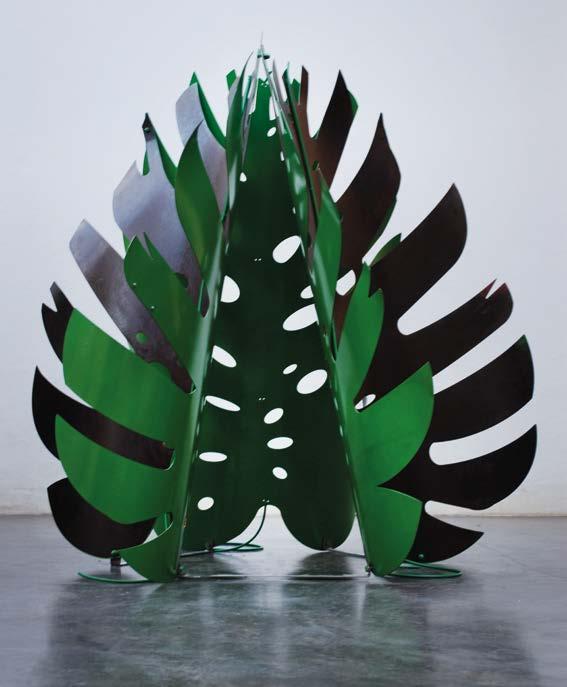
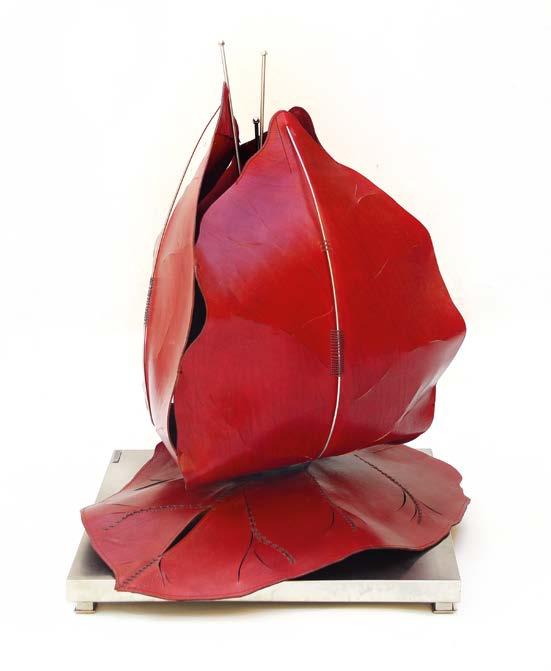
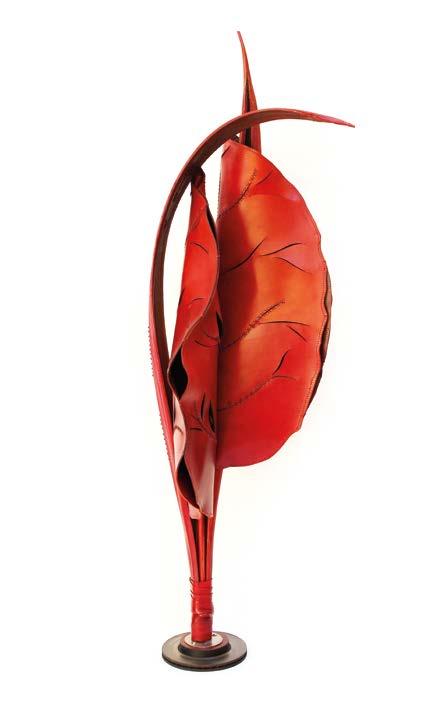
Los reinos vegetal, animal y mineral se introducen en la vida del artista como disparador en la búsqueda de la composición humana, como modo de expresar el binomio que nos conforma; somos fuertes y a su vez extremadamente frágiles.
Por un lado, poseemos una estructura, un sistema articulado de sostén, de contención.
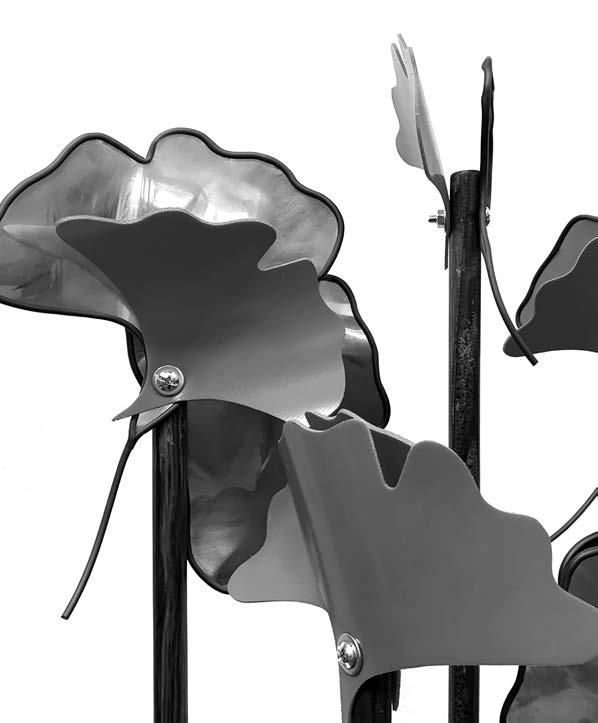
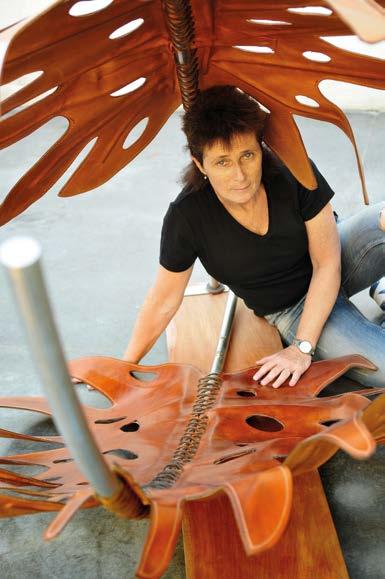
Norma observa la anatomía de diversas hojas –tallo, pistilo, pecíolo, nervaduras– y escoge el metal como material para simbolizar dicha solidez.
Por otro lado, según la artista, somos vulnerables, porosos como la lámina o limbo de la hoja. Elige, por ende, el cuero y la técnica de la costura para representar la piel, aquel órgano permeable que nos conecta con los otros y permite la incorporación de cambios. La piel como vínculo que nos une al exterior, constituyendo, a su vez, nuestra vida interior. El interior que se contrae y oculta por momentos y que, por otros, grita y demanda manifestarse.
Norma concibe a los ciclos como procesos, en este sentido expresa, a través de su obra, que somos mutables como la naturaleza. Mientras que esta reacciona a la par de los cambios de su medio ambiente, nosotros, además, al estar atravesados por el lenguaje y la cultura, estamos embebidos en una pluralidad de significantes y vamos transcurriendo distintas posiciones de sentido.
Fragmentados, en continuo cambio, en continua búsqueda, en proceso.
Alessandra Chami | Socióloga
y
|
|
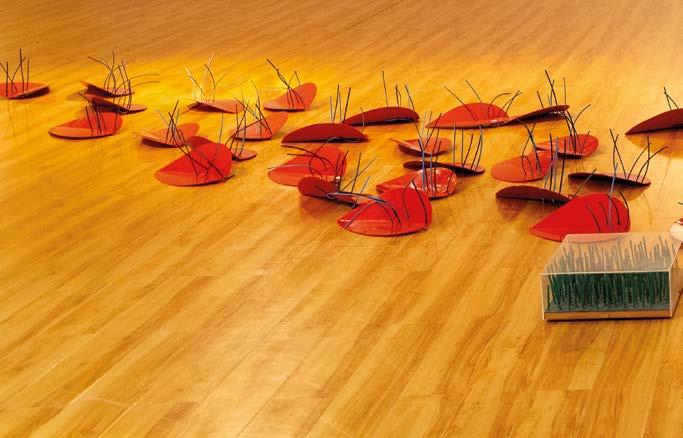
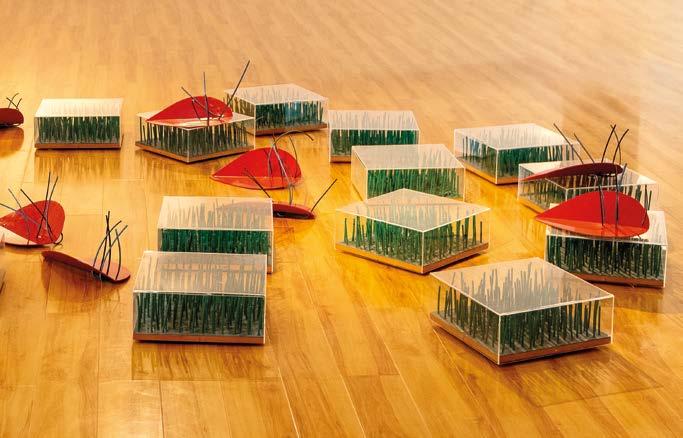
Césped - ceibo | Instalación PVC - metal | Total h 11 cm x 200 cm x 500 cm | Año 2008 Grass - ceibo - installation | PVC - metal
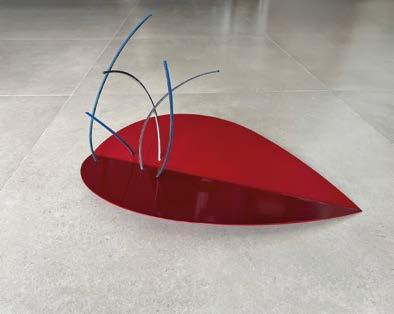
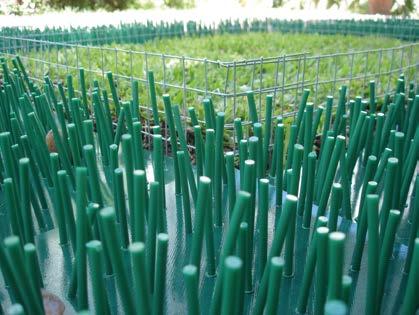
Reacción | Instalación
PVC - césped natural | h 12 cm x 400 cm x 300 cm | Año 2000
Reaction Installation | PVC - natural grass
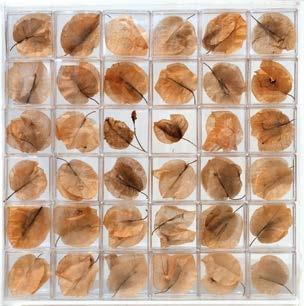
Los ciclos de la naturaleza, como ciclos de la vida, poetizan el devenir de nuestros días; estas hojas son alegorías de la belleza de las formas vivientes, de sus delicadas morfologías de existencia, donde percibimos una sagrada comunión entre la naturaleza y el hombre.
Esta armonía, hoy frágil y vulnerable, vibra en esta instalación, creando un estado de conciencia íntimo y profundo que nos recuerda que debemos proteger la vida para poder protegernos a nosotros mismos.
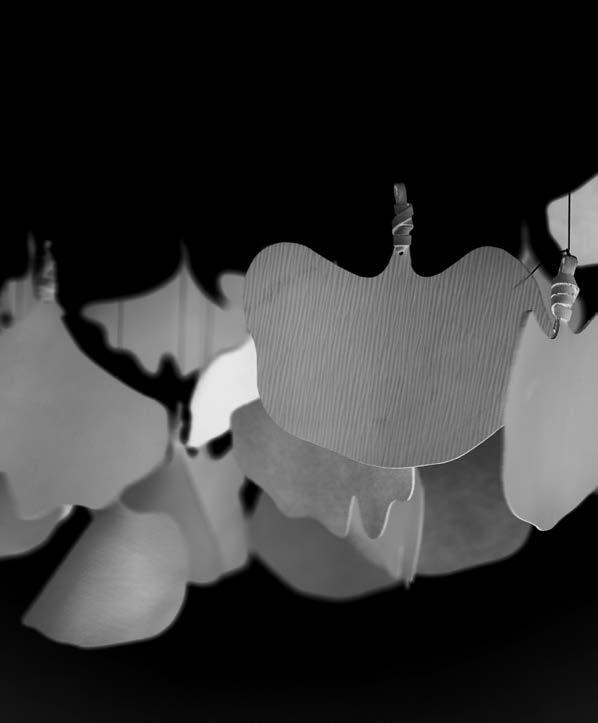
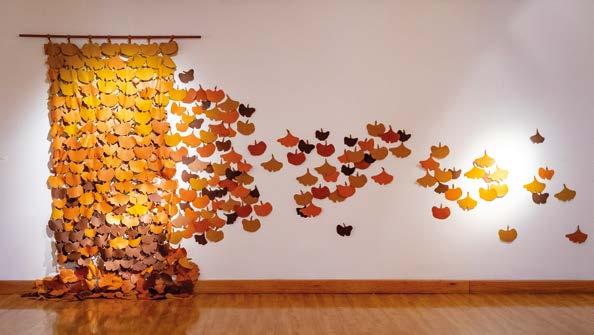
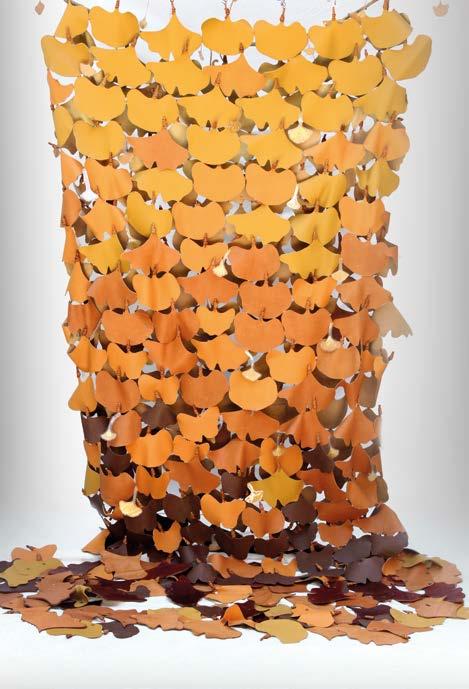
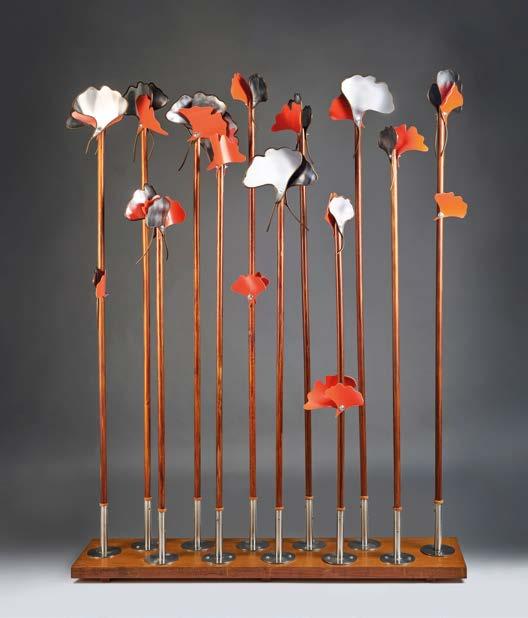
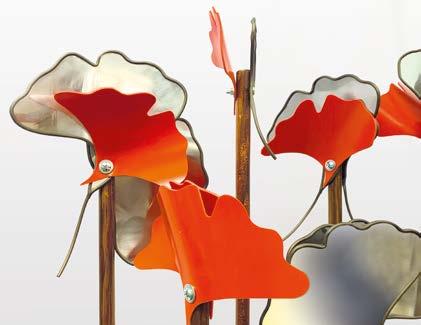
En la obra Hojas de Ginkgo cayendo, alquimia y otoño se unen, reflexionando sobre la transmutación de la materia que exige también la del espíritu. Desde la antigüedad hasta hoy, el árbol es metáfora sagrada del cuerpo, allí nacen los sueños de amor y cobijo.
La obra Ginkgo abrazo al sol es donde las formas naturales se transforman en ecosistemas artificiales en su sistema constructivo. Es la invocación de un deseo, un anhelo de que la poderosa fuerza del universo creador sea el camino futuro del hombre.
Fabiana
Barreda | Curadora
GINKGO BILOBA
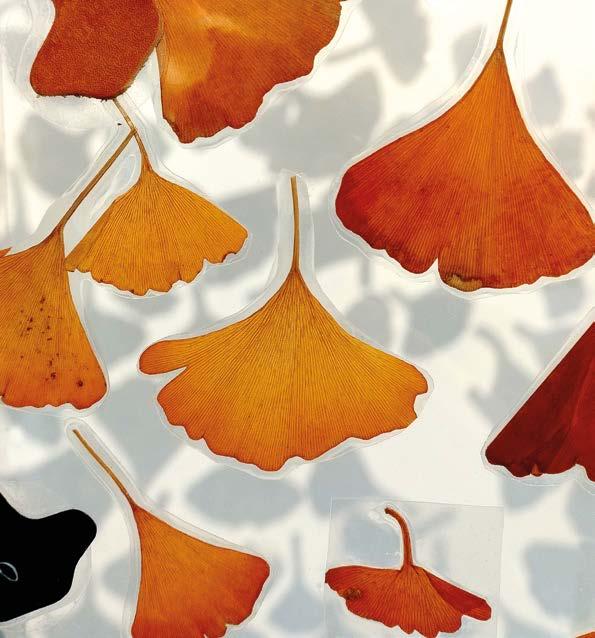
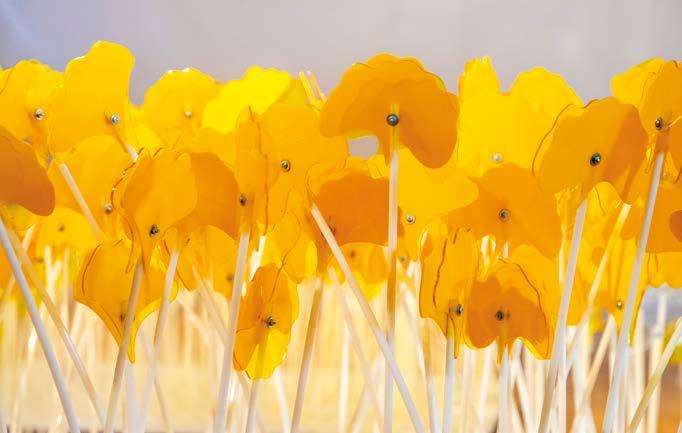
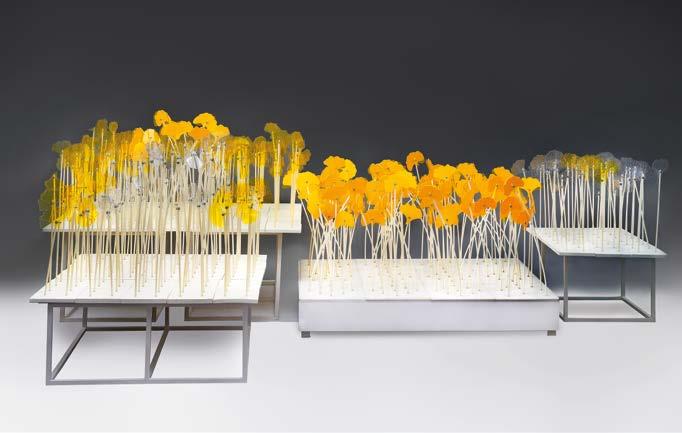
En esta serie Norma Siguelboim reflexiona sobre el universo vegetal y sobre el poder destructivo que actualmente se ejerce sobre la naturaleza. El símbolo más acabado del avasallamiento que la humanidad ejerció sobre la tierra y sobre sus semejantes fueron las bombas nucleares que cayeron en 1945 sobre las ciudades japonesas de Hiroshima y Nagasaki. Pero una luz de esperanza apareció sobre la tierra yerma, cuando reaparecieron los brotes del Ginkgo Biloba, un árbol milenario de Japón.
Así como Vincent Van Gogh hizo suyos a los girasoles, los nombró al pintarlos con sus mejores amarillos, Norma Siguelboim hizo otro tanto con las singulares siluetas de las hojas del ginkgo.
En esta serie de obras los representó en grandes instalaciones hechas en distintos materiales tales como el PVC revestido en poliuretano, los iluminó con discos de CD de policarbonato con capa de aluminio. También los expresó en cueros de diferentes tonos, en grabados y en acrílicos, remarcando el ciclo de vida del Ginkgo.
Adriana Laurenzi | Historiadora del arte y docente de la UNA
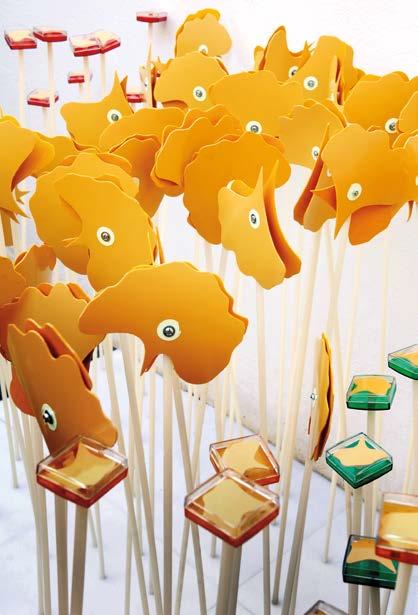
Instalación Ginkgo Biloba | Exhibida en Praga en conmemoración del Bicentenario argentino
PVC - cápsulas de policarbonato - varios | h 70 cm x 300 cm x 700 cm | Año 2010
Ginkgo Biloba Installation | Exhibited in Prague to commemorate the Argentine Bicentennial | PVC - polycarbonate capsules - various
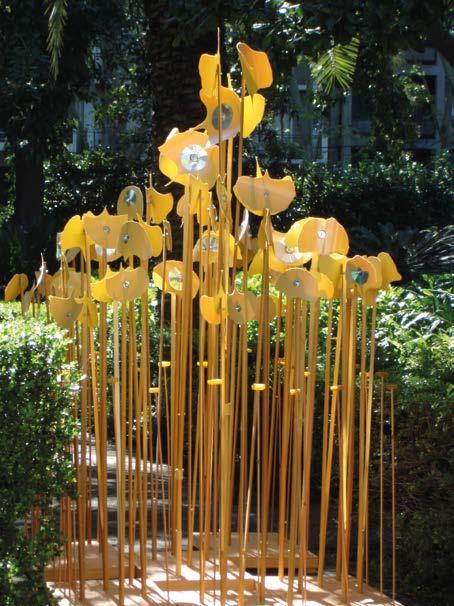
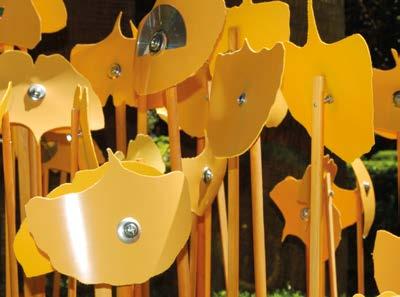
E n los jardines del Museo de Arte español Enrique Larreta, entre árboles centenarios, estuvo presente mi obra Gingko Abrazo al sol, junto con los trabajos de decenas de artistas de renombre, con quienes exhibí también en otras 10 ocasiones.
La propuesta consistía en desarrollar una escultura de carácter instalativo, a partir de la elección previa de un espacio dentro del jardín andaluz, donde cada pieza establecía un diálogo directo con su entorno natural.
Este ciclo fue impulsado por su curadora Nelly Perazzo, junto con la directora de la institución, Mercedes Di Paola Picot, logrando un amplio reconocimiento entre 1990 y 2010.
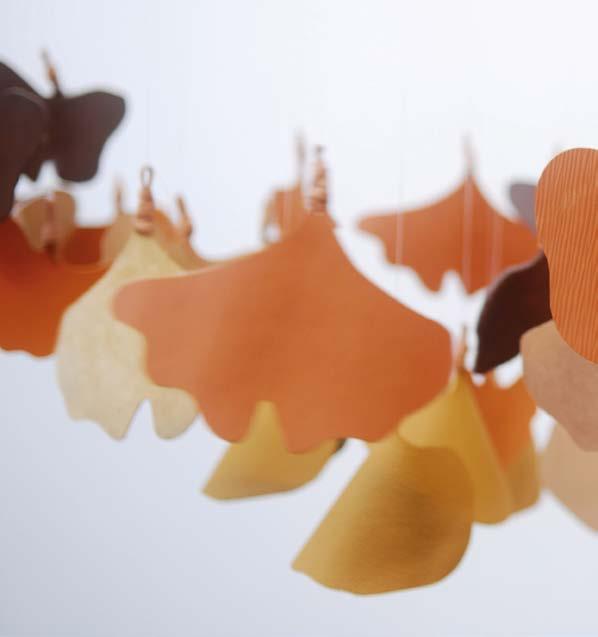
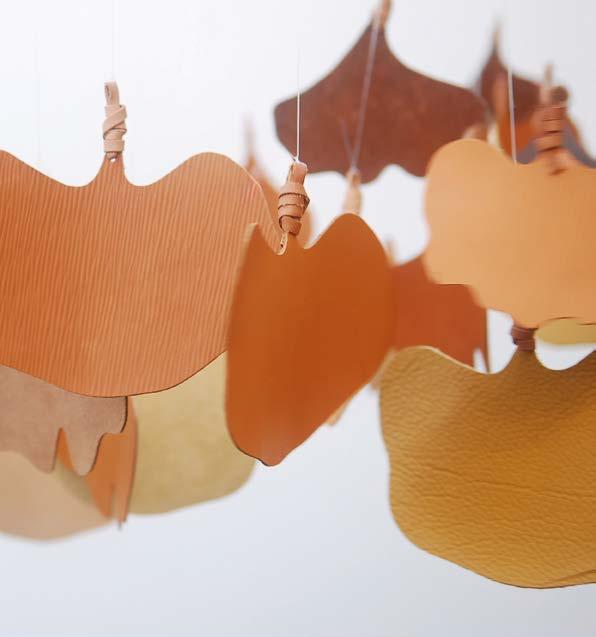
Hojas de Ginkgo cayendo | | Exhibida en Praga en conmemoración del Bicentenario argentino
Cuero | 800 piezas · Total h 60 cm x 500 cm x 500 cm | Año 2010
Falling Ginkgo Leaves | Leather | Exhibited in Prague to commemorate the Argentine Bicentennial
Instalación Ginkgo
PVC - acrílico | h 150 cm x 300 cm x 180 cm | Año 2023
Ginkgo Installation | PVC - acrylic
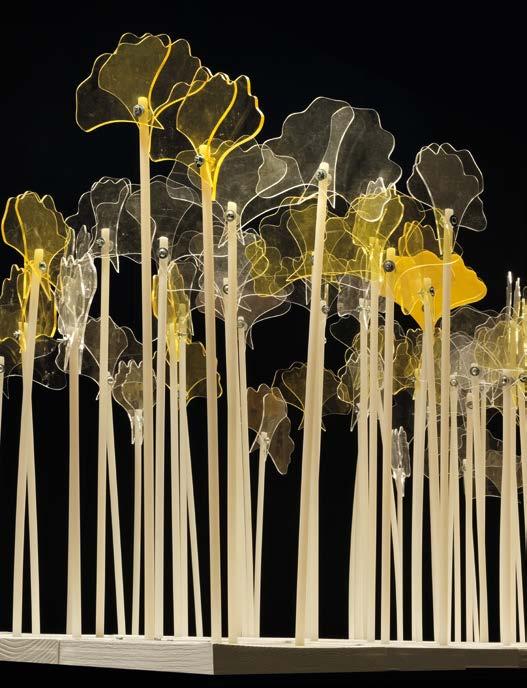
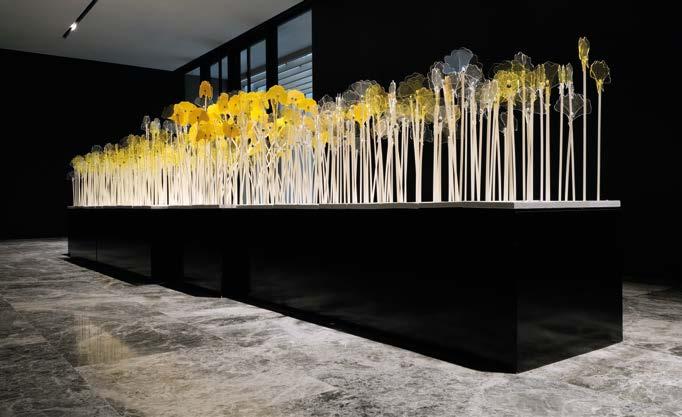
Instalación Ginkgo | Edificio Alcorta (adquisición)
PVC - acrílico | h 132 cm x 100 cm x 545 cm | Año 2025
Ginkgo Installation | PVC - acrylic
Los elementos de la naturaleza han sido gran parte de mi inspiración. Ramas, piedras, caracoles, sogas de algodón: me llaman con su lenguaje sutil y me convocan a engarzarlos y tejer tramas. Este tipo de obras me permite un tiempo de descanso y de suavidad. Me obliga a entrar en un ritmo lento y de mucho disfrute.
Frente a estas propuestas lúdicas y abiertas, al mismo tiempo sigo realizando obras que giran en torno al encierro. Como en Semilla I, una escultura donde lo pesado del plomo se cristaliza para decantar su esencia, dejando a la pieza suspendida, inmóvil.
Como congelada.
Toda creación es construcción a través de la imaginación, y las emociones modelan las imágenes. Utilizo materiales duros como estructuras de sostén, combinados con materiales blandos que condensan pequeños registros de cada microcosmos.
Trabajo disponiendo del tiempo, abandonándome a su duración.
Generalmente, utilizo el color pleno del material natural, o bien voy matizando los cueros con tintas, lustres en maderas y pinturas en los metales. NS
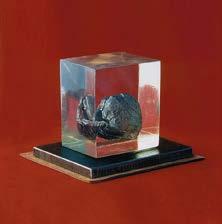
Resina - plomo | h 10 cm x 9 cm x 12 cm | Año 2000
Seed I | Resin -
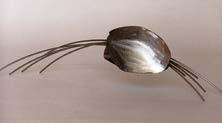
| h
| Año 2000
|
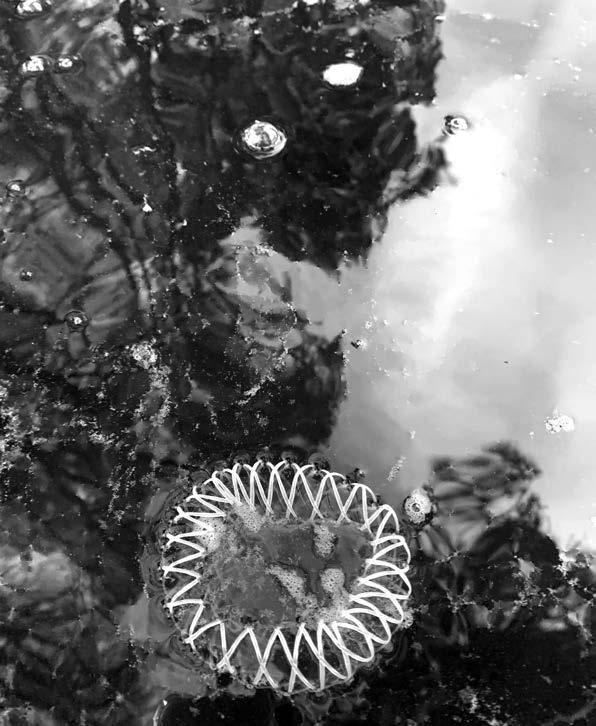
Experimentación lúdica en la naturaleza
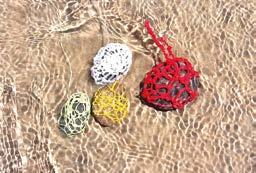
Piedras envueltas en tejido de crochet, sumergidas en el agua | Uruguay
Año 2009
Stones wrapped in crochet fabric, submerged in water | Uruguay
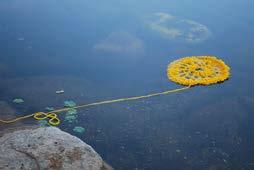
Piedras liberadas y tejidos de crochet flotando en el agua | Uruguay
Año 2009
Stones released and crochet floating in water | Uruguay
Las siguientes páginas contienen registros fotográficos: decenas de fotos tomadas para luego elegir solo algunas, aquellas que dan cuenta de situaciones importantes para mí. Son experimentaciones que realicé en viajes por la Argentina, que disfruté profundamente al elegir la naturaleza como protagonista.
Estas búsquedas me permitieron explorar bosques, cataratas y mares, expandiendo mis sensaciones, tan diferentes al trabajo interior, dentro de mi taller.
Transporté elementos industriales que, al combinarse con el entorno natural, generaron un diálogo que potenció mi imaginación. La reflexión sobre el cambio climático, junto con el trabajo en grandes escalas in situ, produjo un giro en mi obra, impulsándome a componer de un modo muy diferente al anterior.
Pienso en la luz y sus reflejos, en lo efímero y lo duradero, en la exaltación del color, el viento, las amplitudes térmicas... Dejo abierta la posibilidad de continuar investigando diferentes zonas geográficas y su magia, para incorporarla luego a nuevas obras.
NS
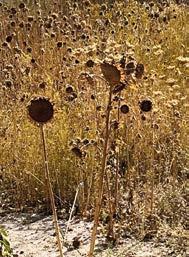
Cordón montañoso árido y cálido su canción de polvo y viento de soledad y asombro.
Cuando un girasol nace su presencia ilumina el corazón del paisaje completando la inmensidad del cielo.
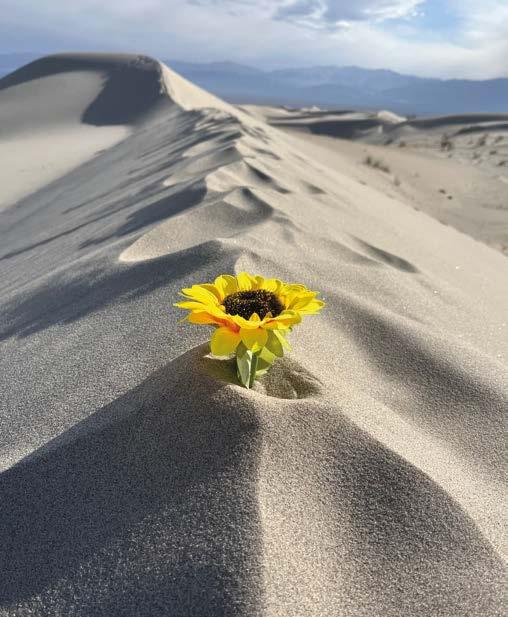
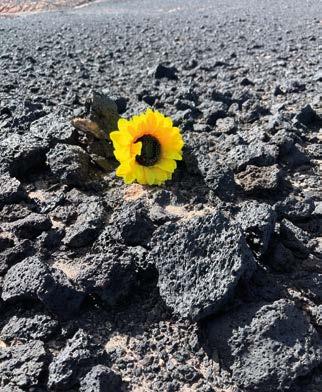
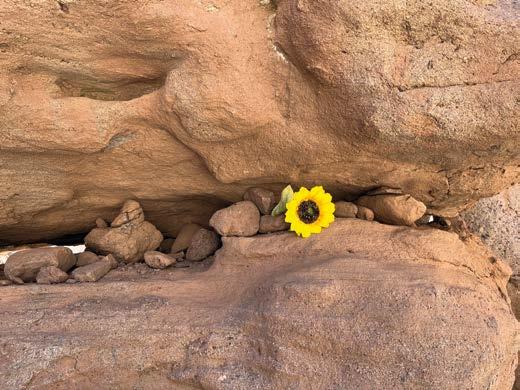
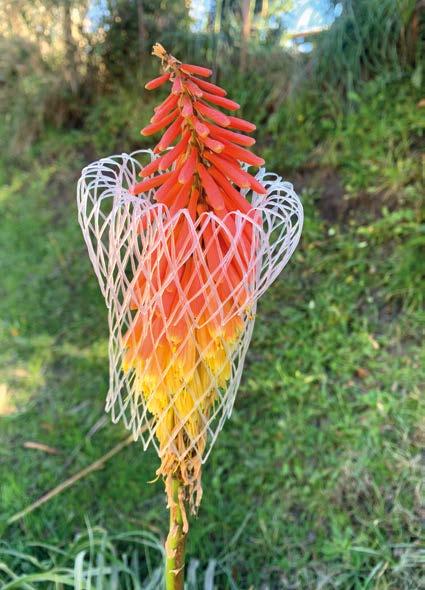
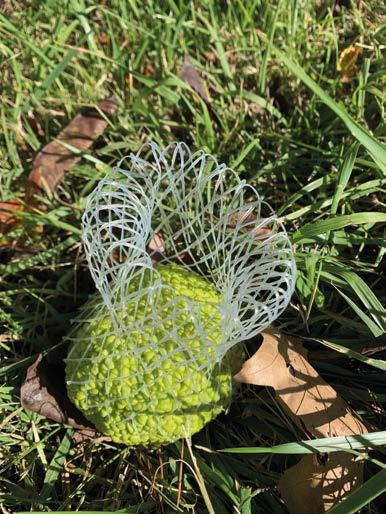
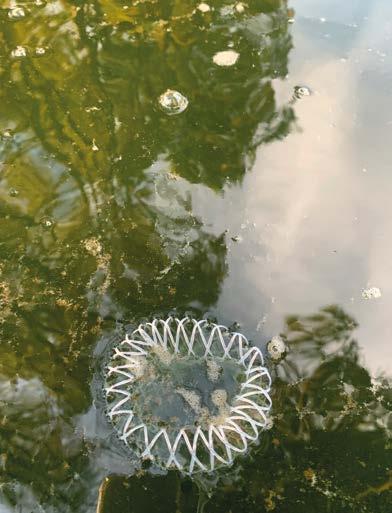
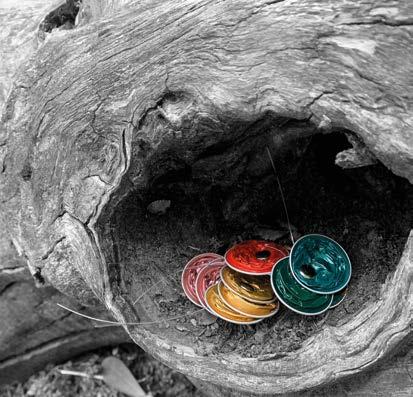
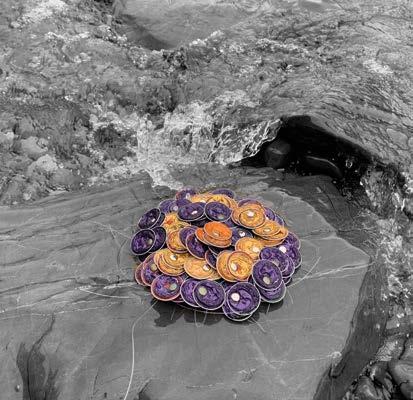
Arvejillas II | El Chaltén, Argentina
Cápsulas de aluminio | Año 2022
Peas II | Aluminum capsules | El Chaltén, Argentina
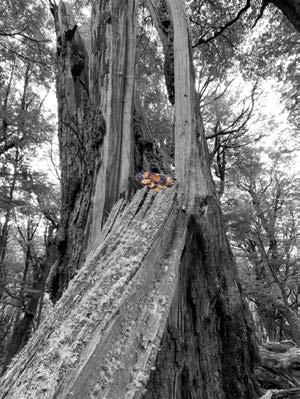
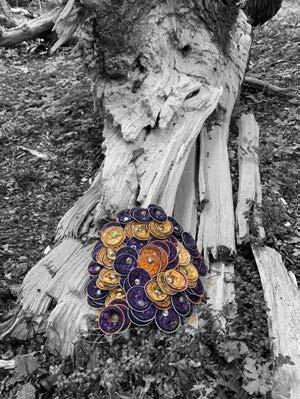
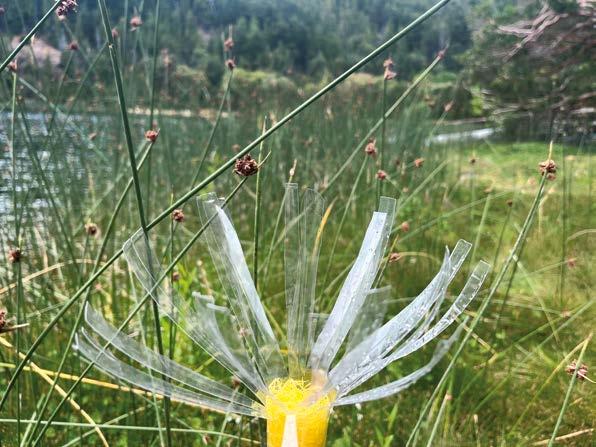
Año 2025
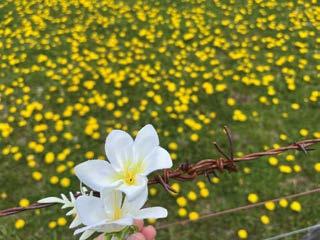
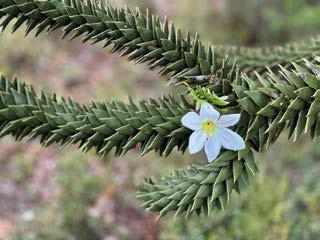
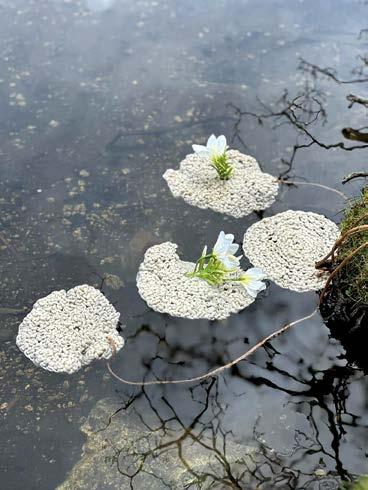
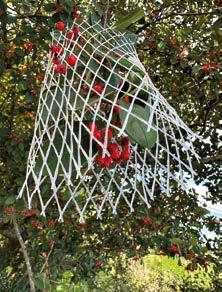
Entre lo natural y lo artificial | Villa Pehuenia, Argentina
Año 2025
Between Nature and the Artificial | Villa Pehuenia, Argentina
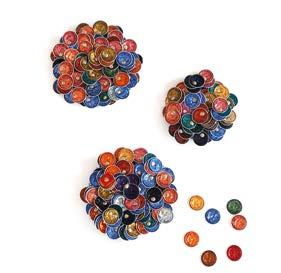
Empiezo a utilizar materiales reciclables en la instalación Arvejillas. Esta serie se expandió progresivamente a través de los años. Está realizada a partir de cápsulas de café de aluminio, con las que armo módulos que varían en tamaño y forma.
Fui recolectando durante mucho tiempo los elementos, con la ayuda de amigos. Así fui uniendo módulos y conformando planos orgánicos que se pueden disponer sobre paredes y piso.
El ritmo de la repetición en piezas parecidas genera sensación de movimiento. Me interesa devolverles dinamismo a los elementos industrializados que han perdido su función utilitaria.
NS
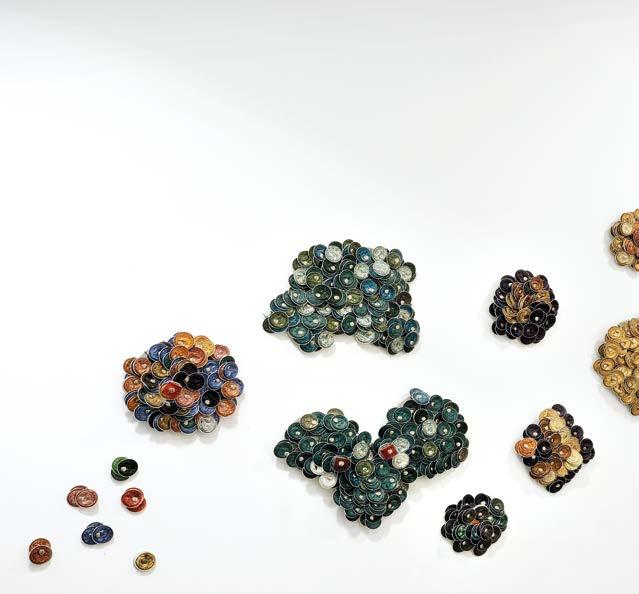
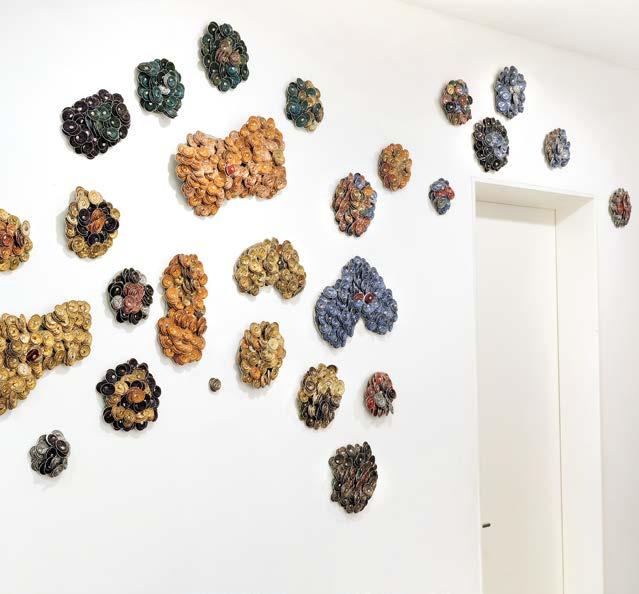
Arvejillas | Instalación
Cápsulas de café de aluminio reciclable | Módulos variables desde 10 a 40 cm de diámetro | Año 2020, 2021 y 2023
Peas Installation | Recycled aluminum coffee capsules
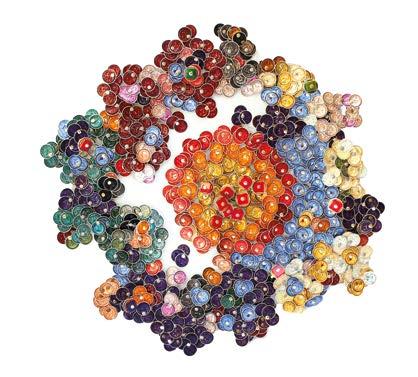
Capsulas de café de aluminio reciclado | h 80 cm x 80 cm x 4 cm | Año 2021
Peas | Recycled aluminum coffee capsules
Las flores de la planta de Arvejilla crecen y se multiplican. A veces se extienden por el suelo y a veces trepan hacia lo alto. El nombre científico de la planta es Lathyrus odoratus y hace referencia a la fragancia única de sus flores.
El color, el brillo y la textura del aluminio buscan imitar el panorama siempre cambiante de la naturaleza. Las flores ideadas por Norma Siguelboim no tienen tallos verdes y su perfume lleva la impronta del café. Como sus hermanas del jardín, también se expanden y tejen redes que se van apropiando del espacio
Su estructura de rizoma invita a pensar los movimientos y las formas en libertad: cada flor está unida a otra por un lazo invisible que las vuelve más fuertes. Entonces brillan como islas que no están solas y se integran en un archipiélago.
Édouard Glissant escribió que el pensamiento del archipiélago es “pensamiento del intento, de la tentación intuitiva”. Estas flores islas borronean los límites entre lo orgánico y lo inorgánico para recordarnos que la vida es ciclo y proliferación, fiesta y telar, echar raíces para aprender a renacer cada mañana.
María Lucía Puppo | Profesora de la UCA e Investigadora del CONICET
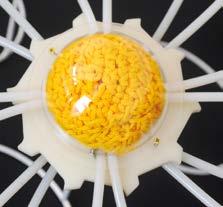
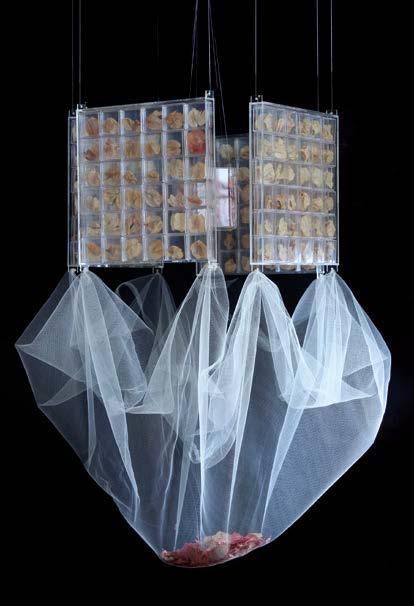
Margaritas (detalle)
PVC - metal - acrílico tejido - nylon | 90 piezas de h 75 cm x 80 cm de diámetro cada una | Año 2023
Daisies Flowers (detail) | PVC - metal - acrylic - nylon
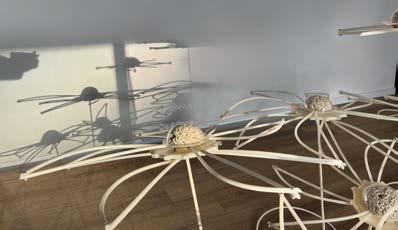
Esta es una instalación de flores realizada con elementos industriales, con un sentido amoroso que quiero transmitirle a mi familia.
Son piezas multicolores que representan cuatro generaciones.
Cada grupo de la obra Margaritas tendrá un pétalo desprendido cerca, lo que para mí representa el SOLTAR. Inspirada en la naturaleza, esta flor de formas simples me transmite alegría, llevándome al deseo de generar un gesto de continuidad.
Su legado genético incluye amor, confianza y conocimiento. Es mi anhelo que estas emociones portadoras se transformen en algo nuevo en las próximas generaciones.
Formando un vínculo que fluye a través del tiempo, las 90 piezas se disponen en un recorrido donde el espectador se ve incluido al ser invitado a transitarlo entre sus espacios.
NS
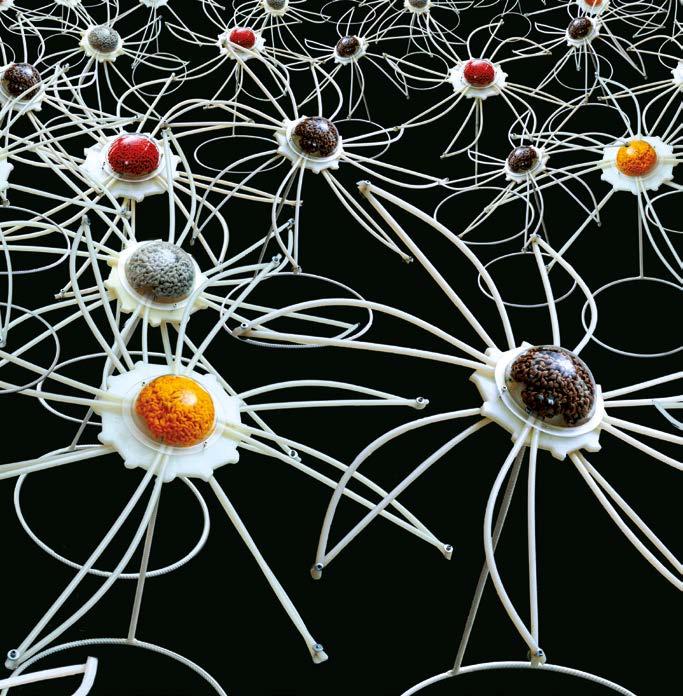
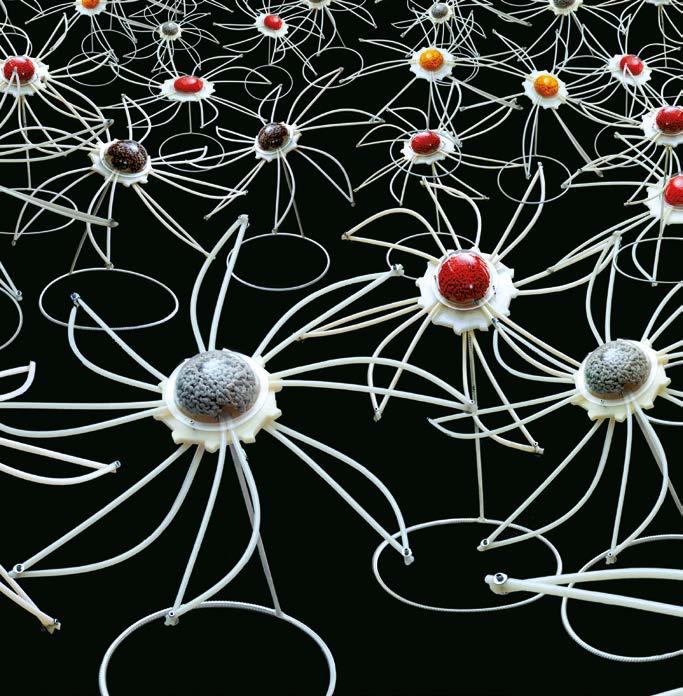
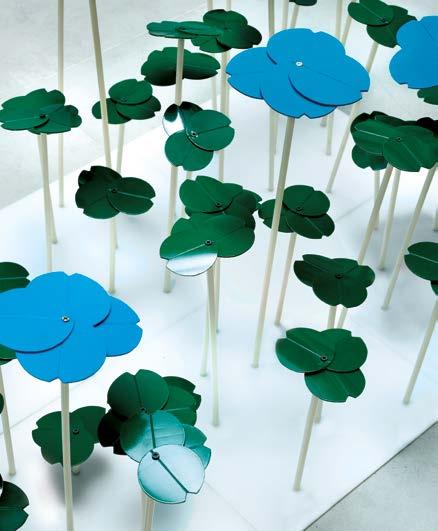
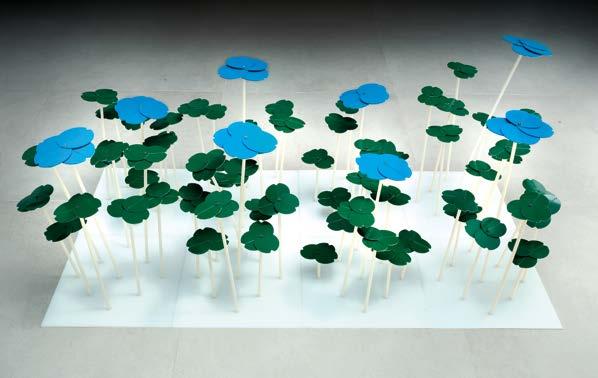
El trébol de 4 hojas es un símbolo universal de buena fortuna, esperanza, fe y amor. Amuleto reconocido que atrae prosperidad, cumpliendo deseos
NS
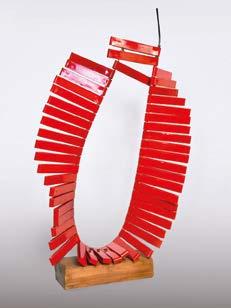
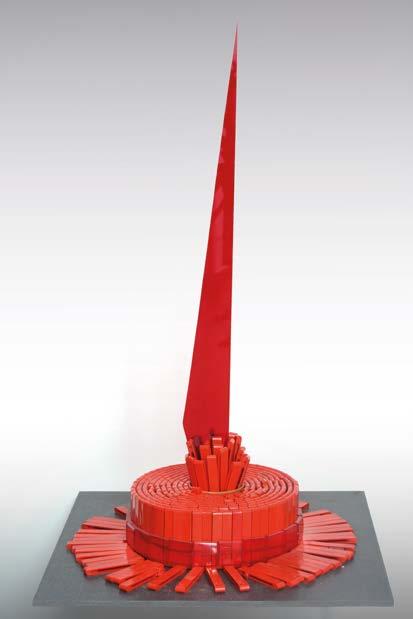
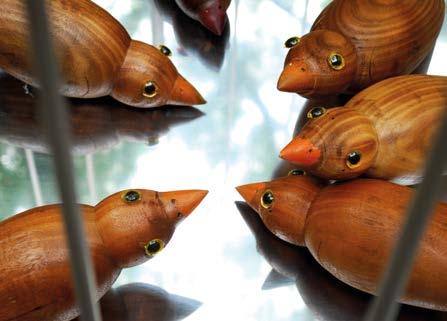
MUNDO ANIMAL
ESPECIES
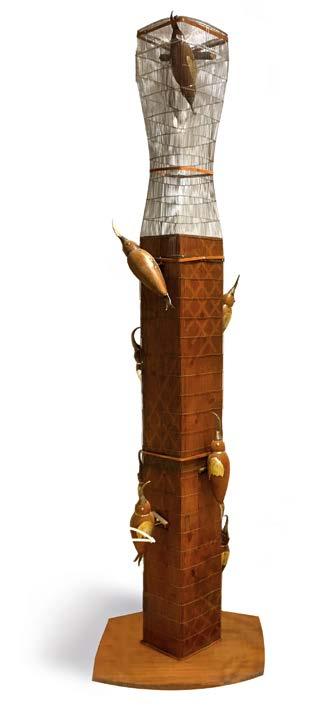
Las aves también han sido motivo de admiración a través de mi vida. Su belleza me conmueve.
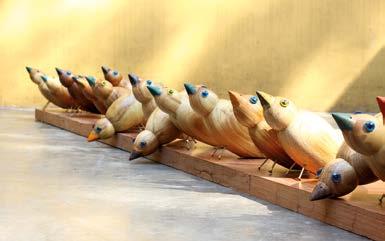
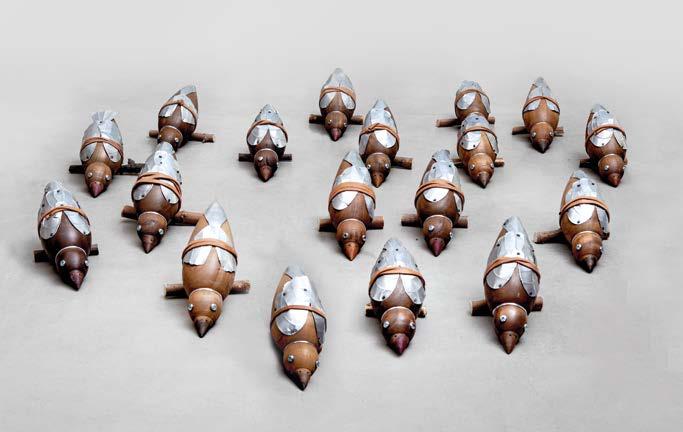
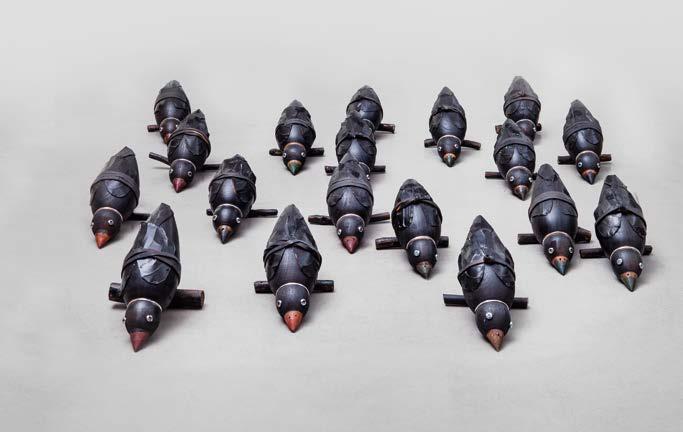
Pájaros | Instalación
Madera - aluminio - cuero | h 12 cm x 27 cm cada uno | Año 2019
Bird Installation | Wood - aluminum - leather
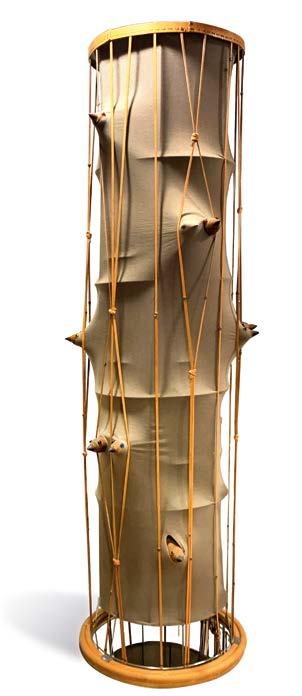
Pájaros encerrados I
Tela - madera - cuero | h 230 cm x 65 cm de diámetro | Año 2014
Trapped Birds I | Fabric - wood - leather
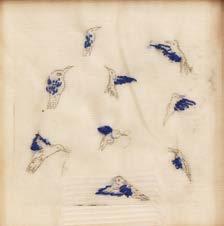
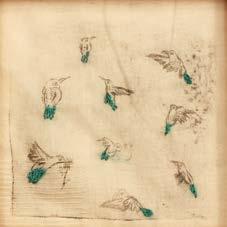
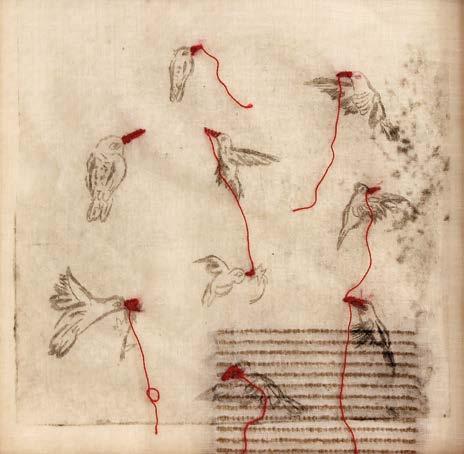
Colibríes apresados I, II y III | Tres cuadros
Tela seda grabada y bordada | h 22 cm x 22 cm | Año 2020
Captured Hummingbirds | Engraved and embroidered silk fabric
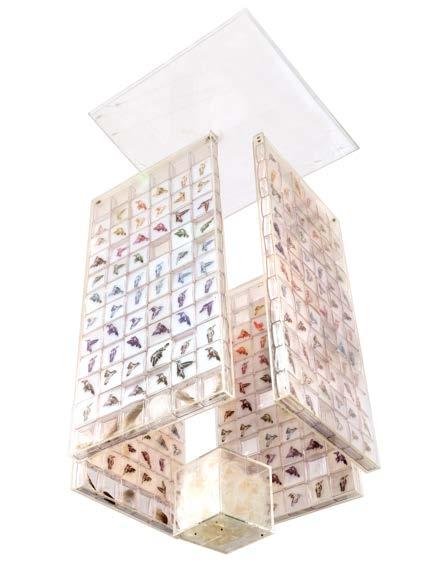
Acrílico - impreso sobre vinilo | h 75 cm x 40 cm x 40 cm | Año 2021
Engraving Birds III | Acrylic - printed on vinyl
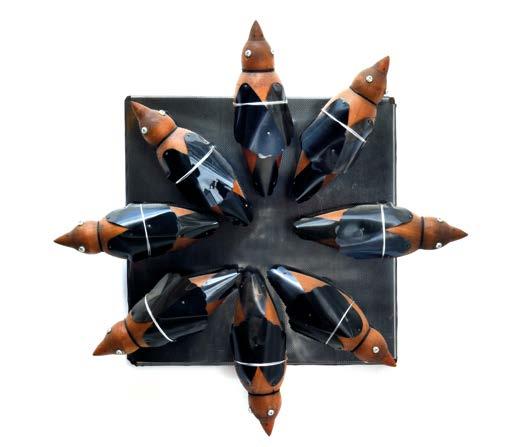
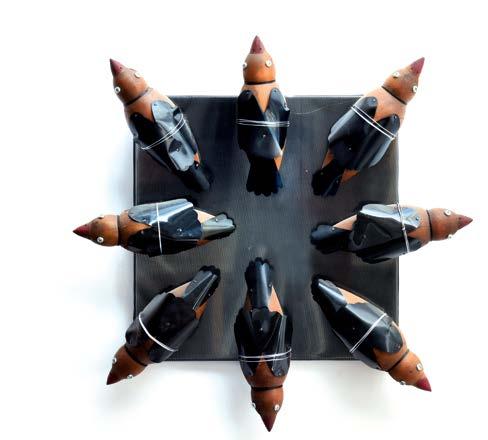
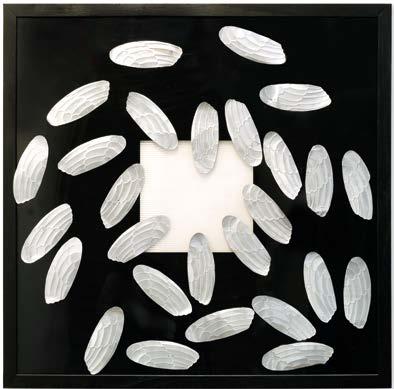
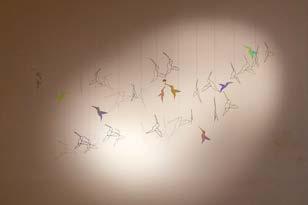
Colibríes en vuelo | Instalación
Alambre - contact | h 150 cm x 300 cm | Año 2022
Hummingbirds in flight | Installation | Wire - contact
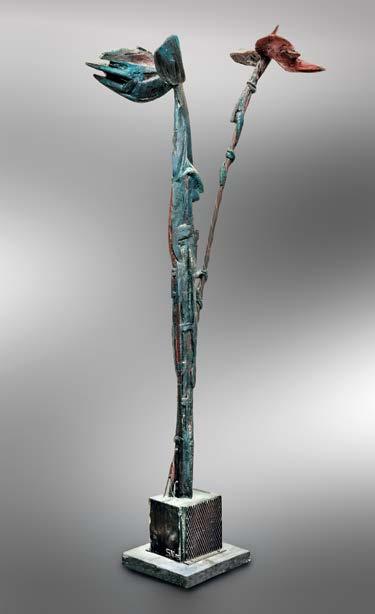
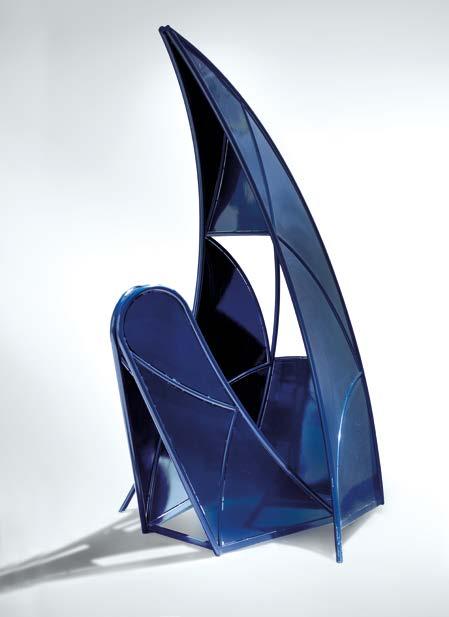
Un pico de pájaro sumergido en la tierra. El metal, reforzando su dureza, que clama por libertad. La tierra trabajada en círculos concéntricos como los ciclos de la vida, expandiéndose en aros su sonido.
Esta obra fue mutando y fui cambiando su color a lo largo de los años: fue naranja, viró al plateado, al oxidado y ahora, al azul. NS
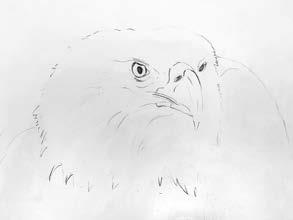
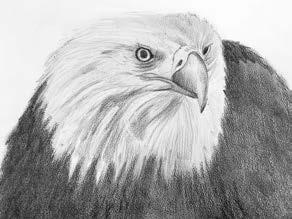
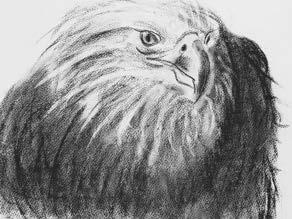
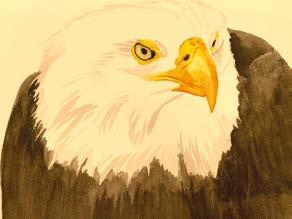
I - II - III - IV | Cuatro cuadros
Dibujos enmarcados sobre alto impacto | h 80 cm x 52 cm | Año 2022
Threat I - II - III - IV | Framed drawings
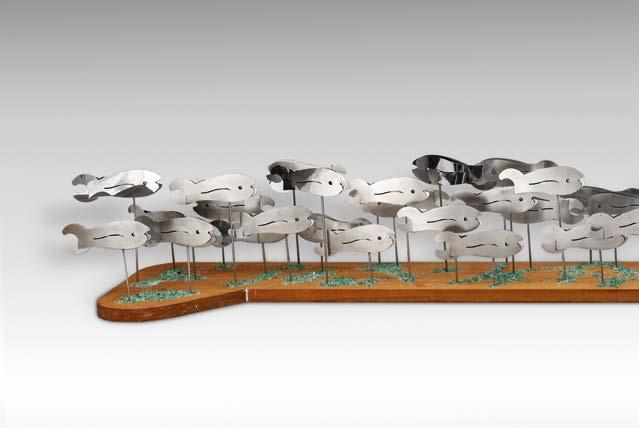
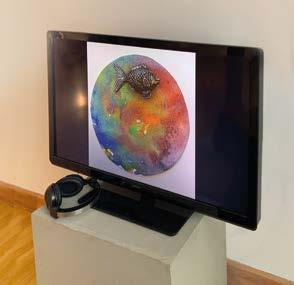
Videos Cantabria
Videos desarrollados para una residencia virtual con acompañamiento de voz de Frances Ordoñez | Año 2021
Cantabria Videos
Videos created during a virtual residency with voice accompaniment by Frances Ordoñez | 2021
En el contexto de la pandemia del Covid 19 realicé un seminario virtual dirigido por Andrea
Juan y Diego Depinedo, quienes residen en Cantabria. Bajo su guía trabajé en la idea de los orígenes y escribí un cuento en el que imaginaba ser un pez.
Diluyendo con acuarela los bordes, desdibujando los límites, siento que suelto el trazo y que se genera algo distinto al descomponer la línea.
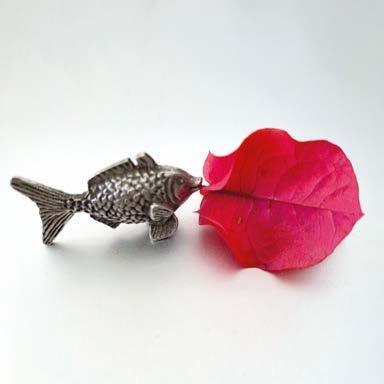
El cuento, las acuarelas y dos videos cortos están disponibles en: www. circleproart.com/residencias
The short story, the watercolors, and two short videos can be found at: www.circleproart.com/residencias
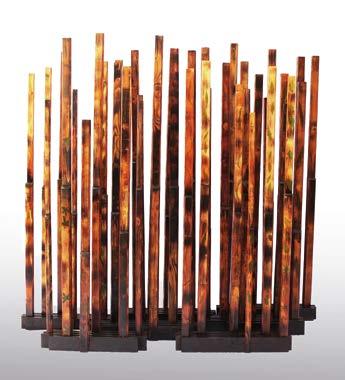
El fuego ha avanzado sobre los árboles para reducir la madera a carbón, como metáfora de la destrucción natural efecto de las altas temperaturas estacionales y de la negligencia humana.
NS
Bosque quemado
Madera quemada y grabada | h 200 cm x 170 cm x 87 cm | Año 2022
Burned forest | Burnt and engraved wood
Muestra individual dispuesta en los dos pisos del museo MACA | Junín, Provincia de Buenos Aires (2022)
En esta serie de piezas, Siguelboim armó un recorrido de varias instalaciones que invita al espectador a interpretar en forma no lineal. La exposición exige una lectura diferenciada, ya que está compuesta por obras de diferentes formatos y géneros: objetos ensamblados, esculturas, pinturas, dibujos, textiles y grabados. El hilo conductor de la muestra es la relación de la sociedad contemporánea con la naturaleza.
Es una obra abierta en tanto su armado depende del espacio real de exhibición y es un work in progress porque incluye obras realizadas en años anteriores, como varias series en las que la artista sigue trabajando actualmente.
Definir la naturaleza nos conduce a un callejón sin salida, a una aporía. En el arte ha sido el tema de diferentes géneros, motivos ornamentales e iconográficos generalmente ligados al concepto de belleza. Las ciencias naturales y la filosofía, por su parte, la asocian al concepto de vida. La estética romántica en el siglo XIX agrega al concepto de belleza frente a la naturaleza, el de lo sublime, que implica el peligro y el temor que el hombre siente ante las fuerzas inconmensurables de esta.
Un nuevo enfoque aparece en la obra de Siguelboim, comparable al que proponen dos grandes cineastas: Alfred Hitchcock en Los pájaros, rodada en 1963, uno de los más logrados thrillers psicológicos, y Werner Herzog en Aguirre, la ira de Dios, de 1972, en la que los conquistadores españoles que van en busca de El Dorado se adentran por el Río Amazonas y son literalmente devorados por la selva.
Siguelboim se ha propuesto indagar en la relación de la sociedad actual con la naturaleza a través de sus imágenes. Sus obras se centran en reflexiones intelectuales y emocionales sobre la condición existencial del cambio, la mutabilidad y la permanencia. En el indescifrable fenómeno de la vida, de su dimensión histórica.
Adriana Laurenzi | Historiadora del arte y docente de la UNA
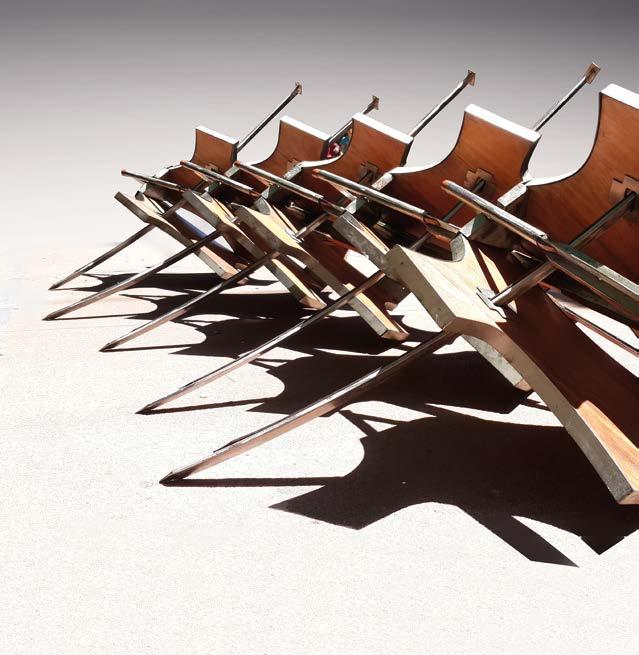
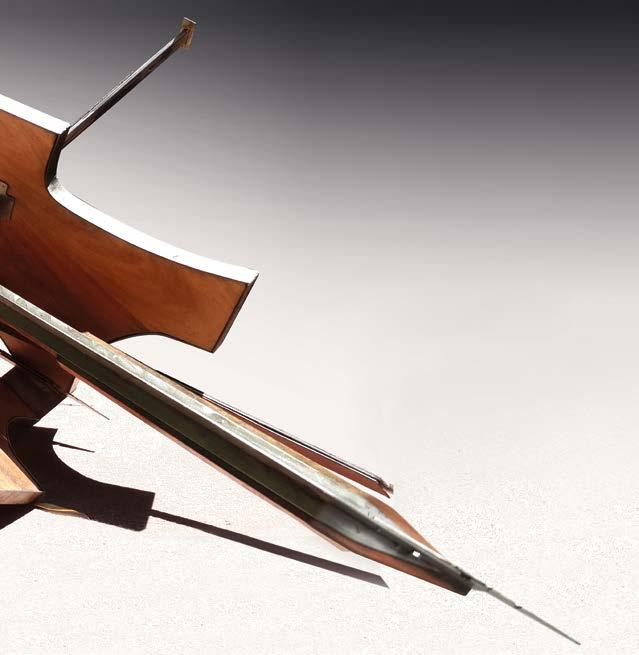
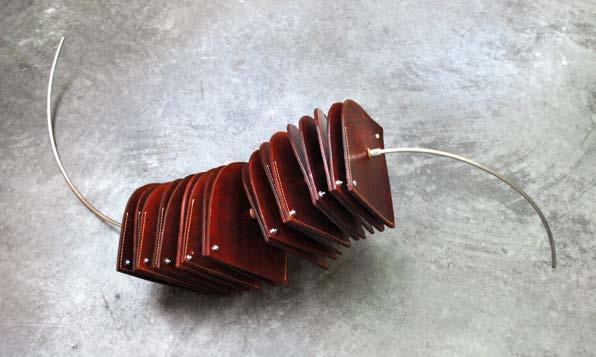
Cuero - acero inoxidable | h 33 cm x 120 cm x 52 cm | Año 2001
Vertebrate IV | Leather - stainless steel
|
|
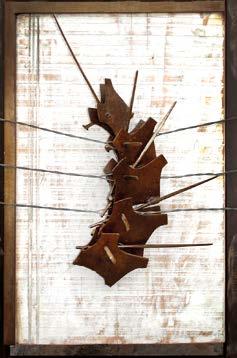
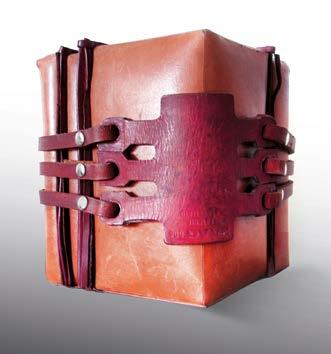
Serie de obras realizadas en cuero y/o combinadas con otros materiales. De formas geométricas, su volumetría guarda un ordenamiento. Conceptualmente hay algo críptico, de una energía detenida.
Es en las historias familiares no contadas o guardadas donde se presenta un dolor indecible y se produce un repliegue que no puedo transmitir con palabras; entonces busco hacer catarsis en las formas representadas.
Algo de lo que está silenciado debe ser rescatado… como en mis obras llamadas De lo no dicho. El silencio como un gesto al vacío, donde lo no dicho ocupa más espacio que las palabras. Un espacio en blanco que queda libre para la interpretación.
NS
Esta serie de obras hace referencia al entramado emocional que se construye en el interior de cada persona. Aprendemos modos de sentir que son sociales y culturales y están atravesados por múltiples estímulos. El entramado es complejo. El interior es un enigma que pugna entre ser revelado y permanecer oculto. Norma materializa esta tensión entre la clausura que tiende al hermetismo y el abismo de la apertura.
Alessandra
Chami | Socióloga
Las obras de Norma Siguelboim son manifestaciones de arte blando, que producen imágenes donde el predominio de lo orgánico establece con el espectador un tipo de comunicación cálida.
Como en la taza forrada de piel de Meret Oppenheim en la que conjuga deseo y repulsión, o las obras con fibras de Magdalena Abakanowicz, esos Abakanes de los años 60, de inmensas estructuras circulares, tejidas rústicamente y colgadas del techo.
Investigaciones paralelas a los Fieltros de Robert Morris y a las instalaciones de Eva Hesse. En esta tradición se inscriben los trabajos de Siguelboim. La artista usa elementos cotidianos que, al unirlos, adquieren una mirada estética de una belleza extraña.
Hay un misterio en esos paquetes, cuyo significado se evidencia en la revelación por el cancelamiento de la imagen. Las sogas de algodón atadas en una precisión exquisita detienen la mirada en el blanco del material que invita a ser tocado como una superficie de placer, que intima a ser desatado y desvestido.
La ambigüedad interpretativa de sus envolturas surge al colocar elementos disímiles en un mismo contexto. Cerdas entre dos banquetas, flecos de cuero en una valija, las ataduras de gamuza y cuero en otros de sus paquetes que no sabemos qué contienen, y es en ese no saber donde el hábito de la visión cotidiana se invierte para ingresar en el terreno del arte.
Como en las obras de Christo, lo provocativo en los objetos de Siguelboim reside en el enigma de lo que no se ve.
En estos objetos hay un diseño en la realización que pareciera ser funcional pero inmediatamente uno se da cuenta de la imposibilidad de su utilidad práctica, y entonces aumenta más aún la ambigüedad por la que transita la artista.
Como en sus trabajos con acero inoxidable, hay redes de metal que se unen de manera casi asfixiante y dolorosamente bella. Un padecer aprisionado que sugiere un dolor lejano, que la artista distancia con la perfección técnica que pone un límite para no ingresar, del todo, en su mundo privado.
Tiras de cueros apretadas, sogas de amarras tensadas hasta el exceso y la tensión apenas sugerida en un instrumento de acero y madera.
La artista maneja contrapuntos que oponen la calidez del material con la geometría de sus trabajos, transitando el límite entre la sensualidad y desmesura en perfecta armonía. Mínimos elementos para dar la máxima potencia en un clima de silencio y misterio.
Lo blando y lo duro, la acción y la inacción apenas sugeridas invaden todos sus trabajos. La artista no revela todo, y es más lo que calla que lo que muestra.
En el silencio de sus trabajos yace el contenido de su obra. No hay ruidos ni extremos, pero hay una tensión agónica de una intensidad extrema. La intensidad de la clausura, que necesita de un tiempo demorado para que el espectador entre en comunión con el secreto de sus obras.
Laura Batkis | Curadora
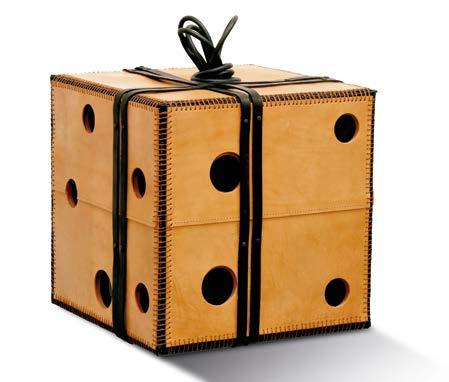
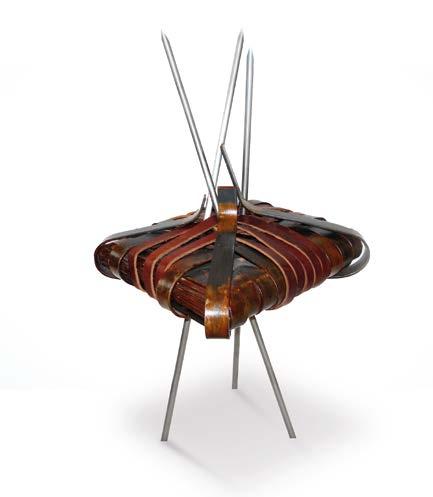
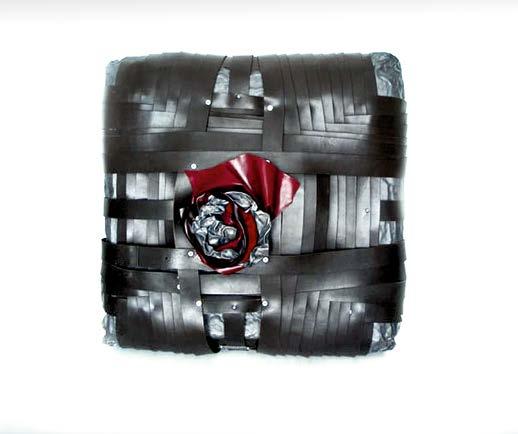
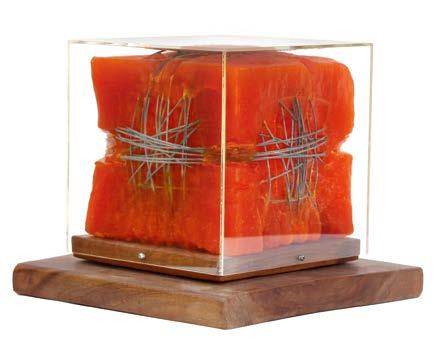
Me remito a lo íntimo, llevando la mirada hacia adentro de las formas para representar una reflexión interior en los seres humanos. Utilizo el cuero y las sogas para proteger superficies; son materiales resistentes y flexibles como la piel.
Como metáforas del cuerpo, surgen cajas de diferentes tamaños, desde formatos pequeños de 10 cm3 a obras que alcanzan los dos metros de altura.
Una capa de cuero forma una tensa trama de envolturas casi “selladas” que ponen al resguardo algo preciado y valioso, como una especie de encomienda que se debe preservar en una travesía. Me fascina lo cerrado, aquello que está fuertemente resguardado con costuras artesanales, con nudos que expresan la belleza de la confección. Sin embargo, la tensión de la cubierta impenetrable es vulnerada por un orificio que desde su interior pulsa por romper el cerramiento.
Las envolturas operan en esa tensión entre exterior e interior, como el cuerpo humano o animal: cubierto por la piel, pero siempre capaz de influir desde dentro en ella.
Yo busco esa tensión precisamente en intervalos rotos donde entra la luz. Entonces algo oculto sale a nivel de la piel, y con diversas costuras se empieza a reparar esa desnudez expuesta.
Las marcas de los cueros que he cosido son, tambien, el reflejo de cicatrices en el cuerpo.
Las esculturas cubiertas con cueros de vaca guardan una relación con la piel externa, resto de un mundo animal. Muchas tienen un trabajo de gofrado y grabado, como un tatuaje imborrable, con un lenguaje en relación a lo corporal. Hay rasgaduras, orificios, el descarne a la vista, con distintas tonalidades de colores que conseguí al teñir los cueros. Trabajo superponiendo capas, buscando representar un refugio. NS
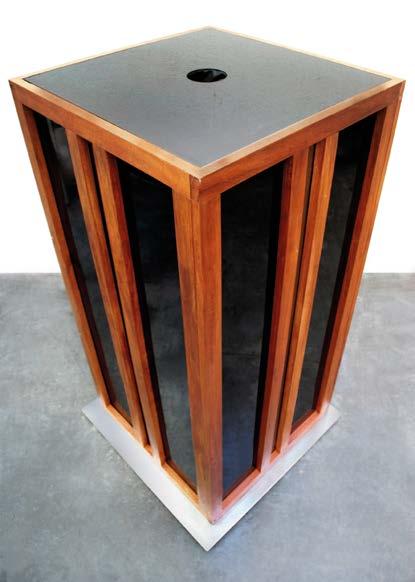
Envoltura Con-tensión III | Primer Premio en Santa Fe (adquisición)
Alto impacto negro - madera | h 117 cm x 65 cm x 65 cm | Año 2006
Wrapping Restrain III | First Prize Santa Fe (acquisition) | Acrylic - wood
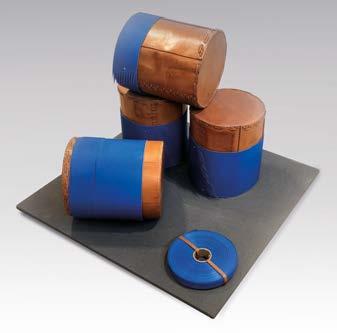
Envoltura equilibrio I - Azul
Cuero - banda PVC azul | 4 módulos de h 37 cm x 41 cm + 1 módulo de h 7 cm x 32 cm
Total: h 80 cm x 120 cm x 120 cm | Año 2024
Wrapping Balance I - Blue | Leather - blue PVC belts
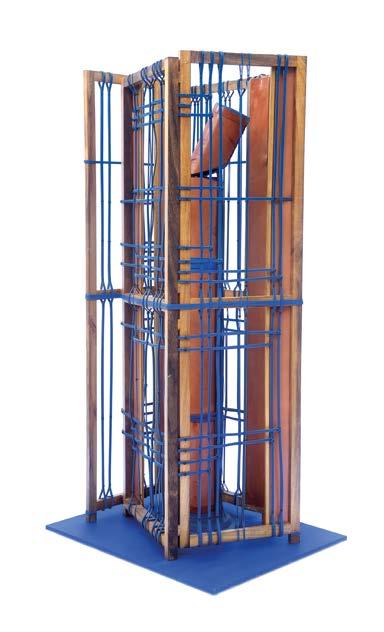
|
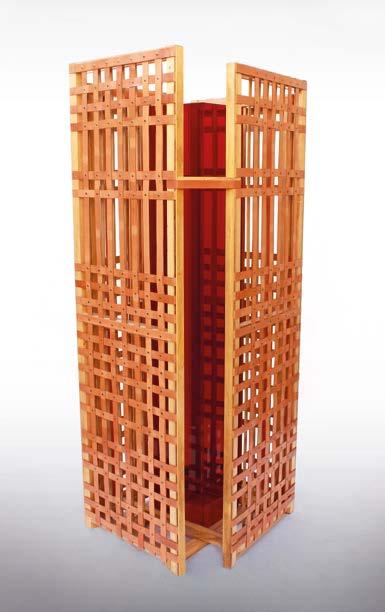
Estamos viviendo en un tiempo salvaje donde la velocidad nos apremia. A veces necesito retomar obras donde la técnica de la costura me permite repensar lo hecho y detenerme. Así surge una respiración liberadora que abre nuevas perspectivas. Juego con el material y advierto un cambio en la rigidez de algunas de mis esculturas, donde comienzan a abrirse los volúmenes para revelar ritmos internos. NS
Envoltura Apertura - Primer Premio Salón Nacional (adquisición)
- madera - rama natural | h 200 cm x 74 cm x 74 cm | Año 2015
Wrapping Opening | First Prize National Salon (acquisition) | Leather - wood - natural branches
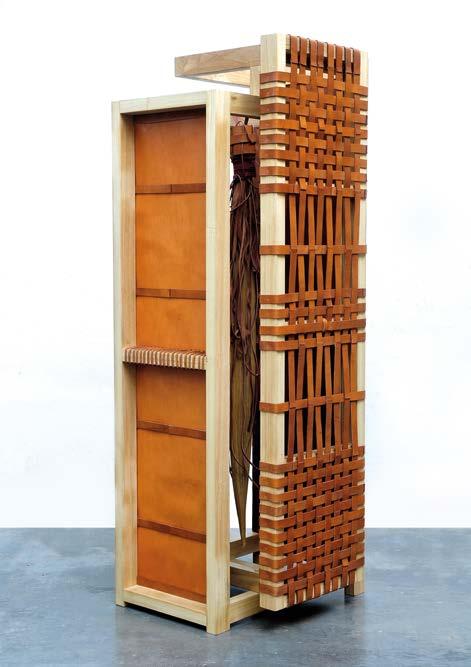
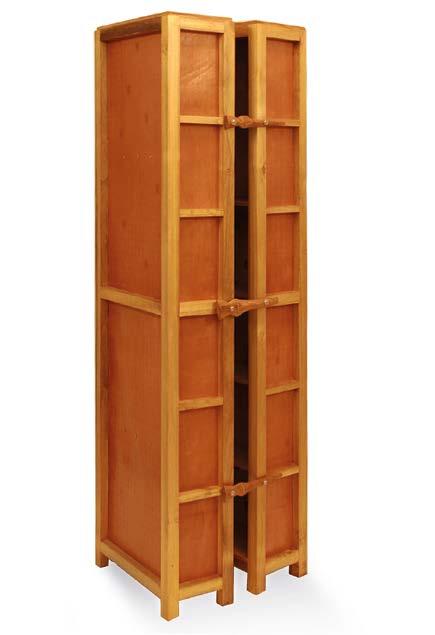
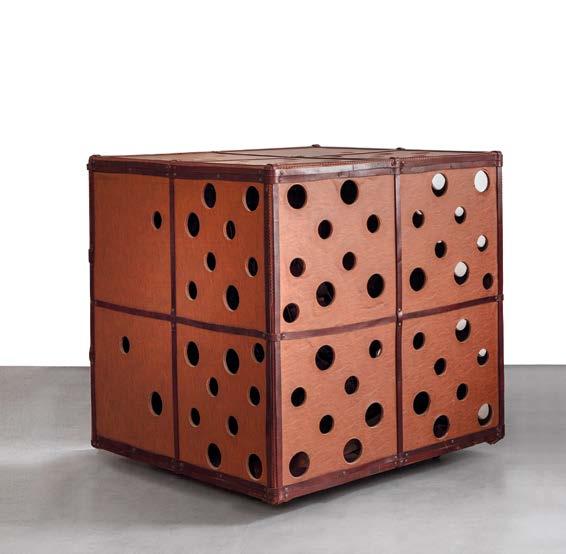
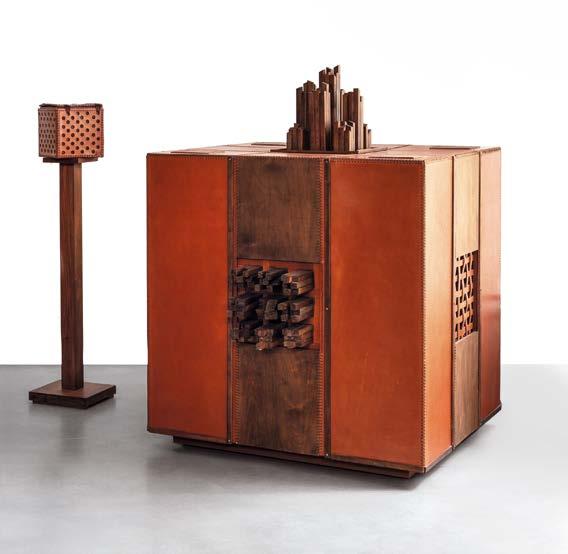
-
- planta artificial | h 130 cm x 100 cm x 100 cm | Año 2020
Wrapping Evocation I | Leather - wood - artificial plant
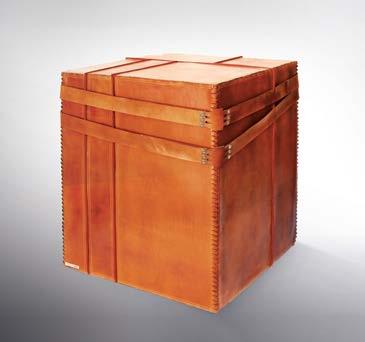
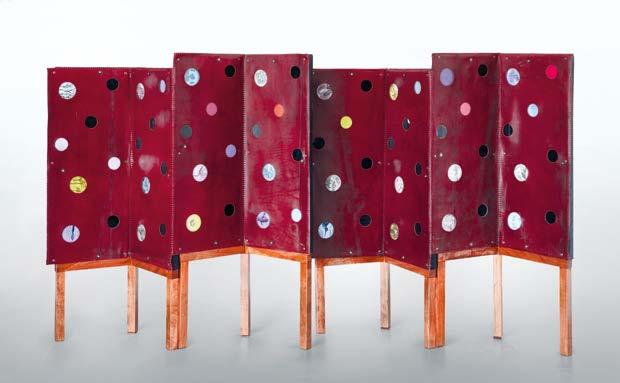
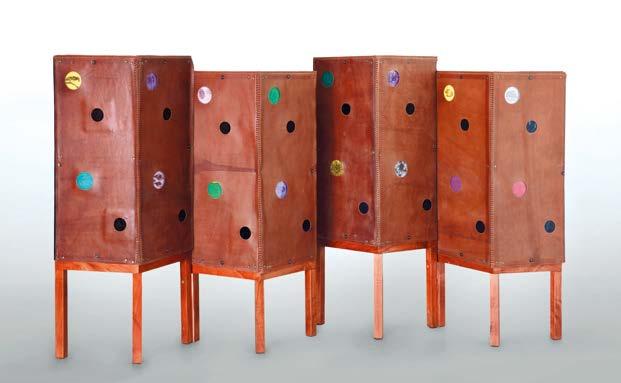
Desplegable
|
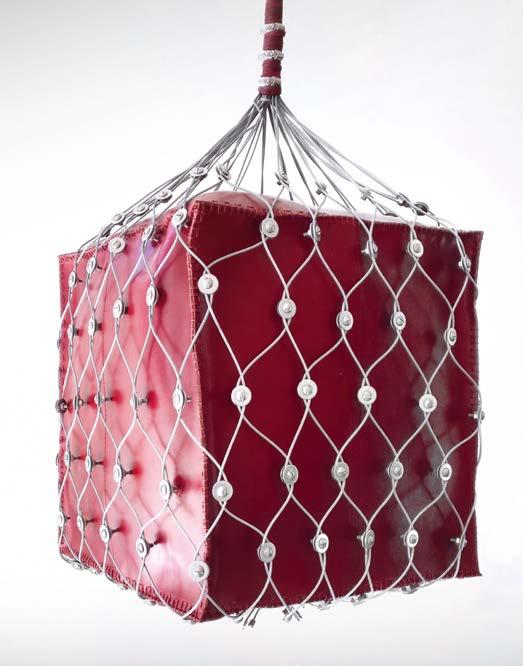
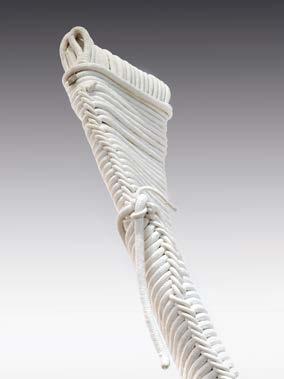
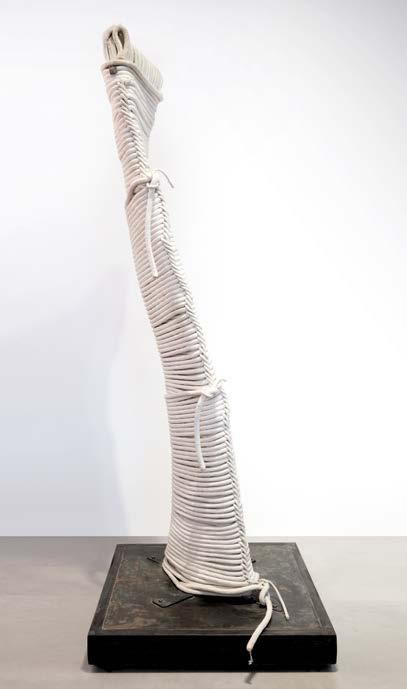
Envoltura colgante | Tercer Premio La Pampa Salón Nacional (adquisición)
Sogas de algodón | h 105 cm x 105 cm x 60 cm | Año 2008
Wrapping Hanging | Third Prize La Pampa National Salon (acquisition) | Cotton ropes
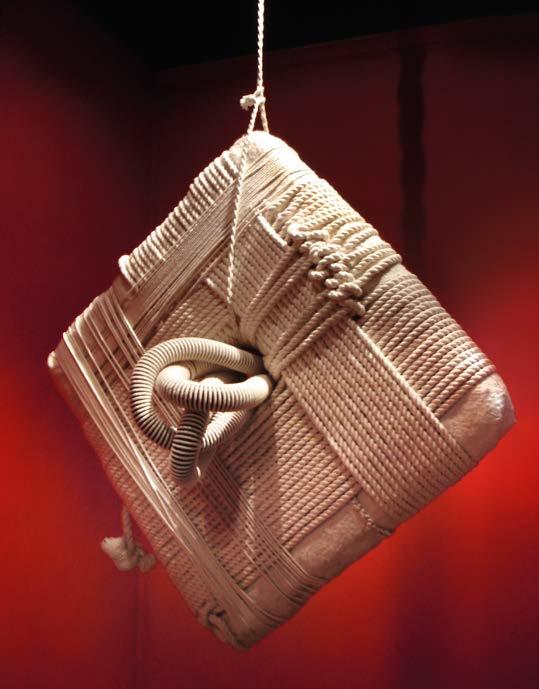
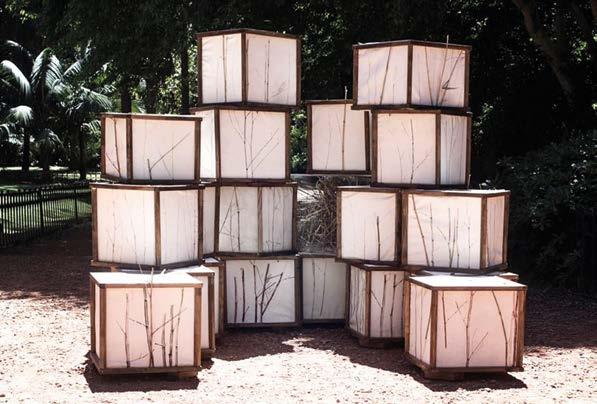
Envoltura Encierros construidos | Telgopor de alta densidad - madera - acrílico - lona h 40 cm x 40 cm x 40 cm cada módulo | Total: h 140 cm x 170 cm x 220 cm | Año 2016
Wrapping Constructed Enclosures | High-density polystyrene - wood – acrylic – canvas
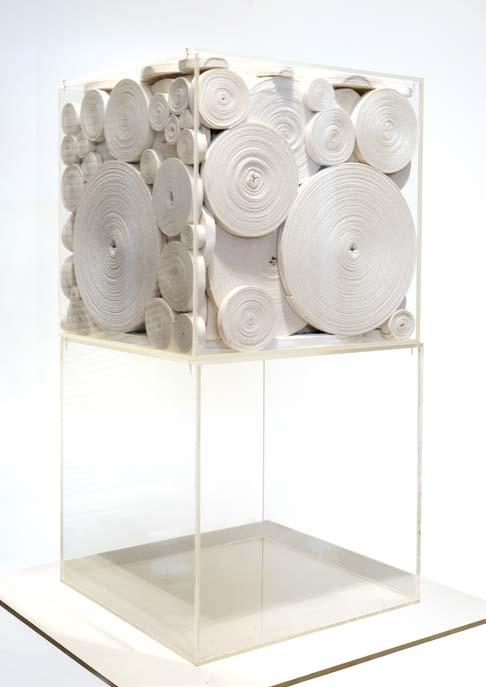
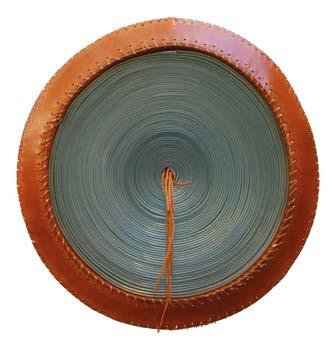
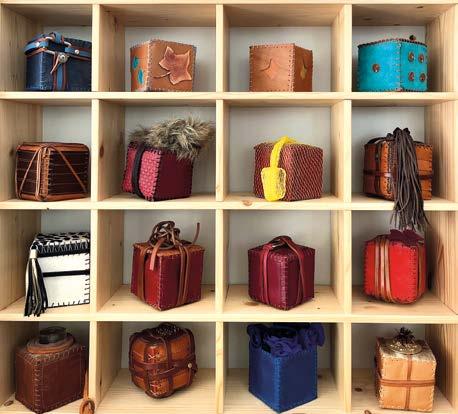
Envolturas (pequeño formato)
Cuero y otros materiales | h 10 cm x 10 cm x 10 cm | Año 2000 - 2025
Wrappings (small size) | Leather and other materials
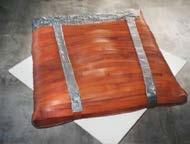
Envoltura XVIII | Segundo Premio La Pampa Salón Nacional (adquisición)
Cuero - plomo | h 60 cm x 100 cm x 100 cm | Año 2002
Wrapping XVIII | Second Prize La Pampa National Salon (acquisicion) | Leather - lead
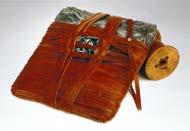
Envoltura VII
Cuero - plomo | h 10 cm x 25 cm x 25 cm | Año 2001
Wrapping VII | Leather - lead
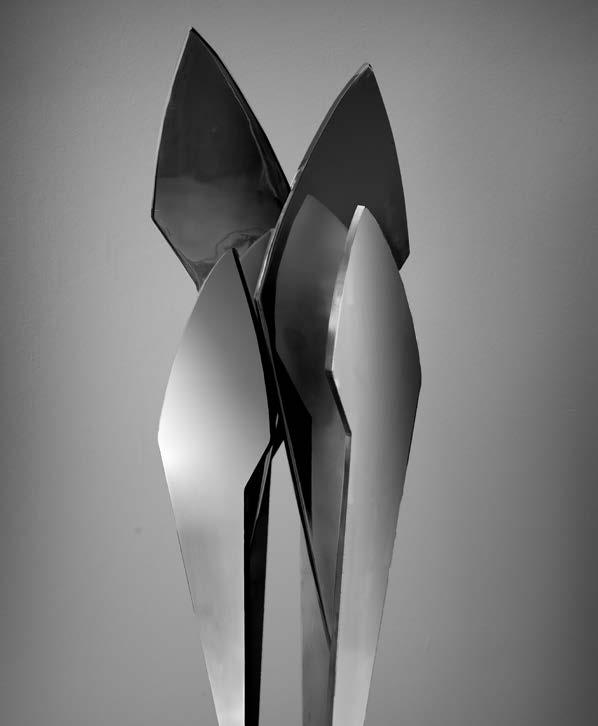
La serie Presencias refiere a la búsqueda de encontrar armonía a través del tiempo, reflejando el deseo de lo perdurable y el equilibrio. En distintas formas de una misma génesis plasmé diversidad de direcciones que se proyectan al infinito en varias líneas imaginarias, otorgando así la sensación de continuidad.
El eje central da sostén a los cuerpos laterales y entre esos espacios siento que transcurre el silencio, generando ritmos internos de entretiempos.
NS
También en esta serie encontramos una amplia variación de escalas; desde grandes estructuras de acero en forma de paralelepípedo a pequeñas esferas de plexiglás transparentes. En estas obras los contornos y los dintornos se interrelacionan sin solución de continuidad, permitiendo al espectador registrar el adentro y el afuera a un mismo tiempo. Las transparencias de acrílicos de vibrantes colores permiten incorporar a su alrededor otras miradas, en sus sombras.
Sus objetos escultóricos apelan a los sentidos haciendo hincapié en el cuidado de la realización y terminación, infiriendo una belleza formal. La utilización de máquinas y el uso de nuevas técnicas son una constante en las búsquedas metodológicas de la artista. Herramientas manuales e industriales colaboran como prolongación de sus manos.
Adriana Laurenzi | Historiadora del arte y docente de la UNA
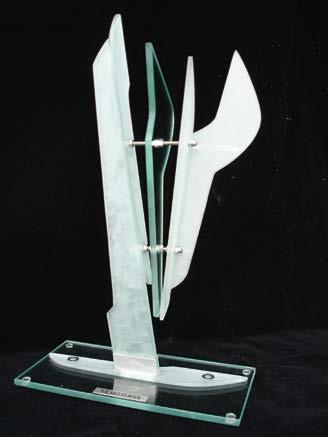
Entretiempos X
Between Times X | Glass
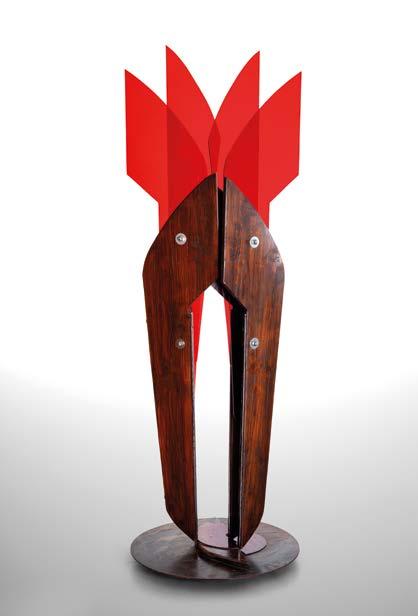
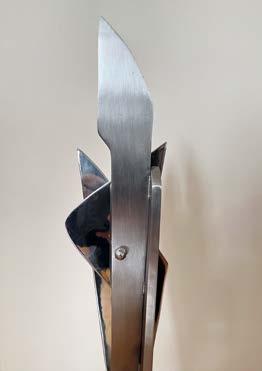
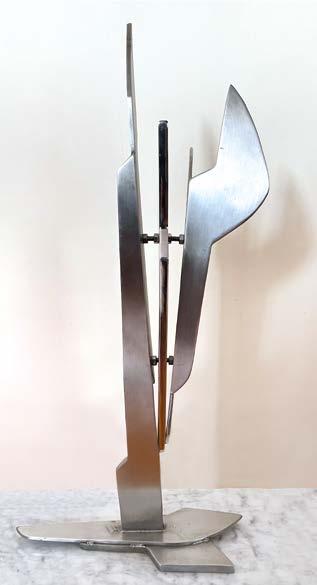
Presencia Entretiempos I | Premio Mención en Bellas Artes Oscar Gálvez Acero inoxidable | h 61 cm x 35 cm x 15 cm | Año 1998
Presence In Between Times I | Honorable Mention, Bellas Artes Oscar Gálvez | Stainless steel
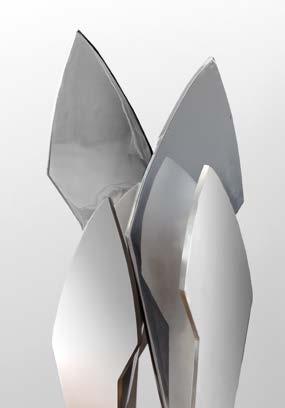
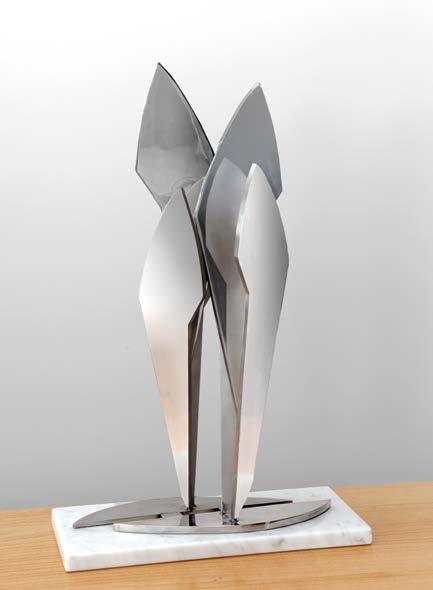
Presence O - In Between Times III | Stainless steel - marble
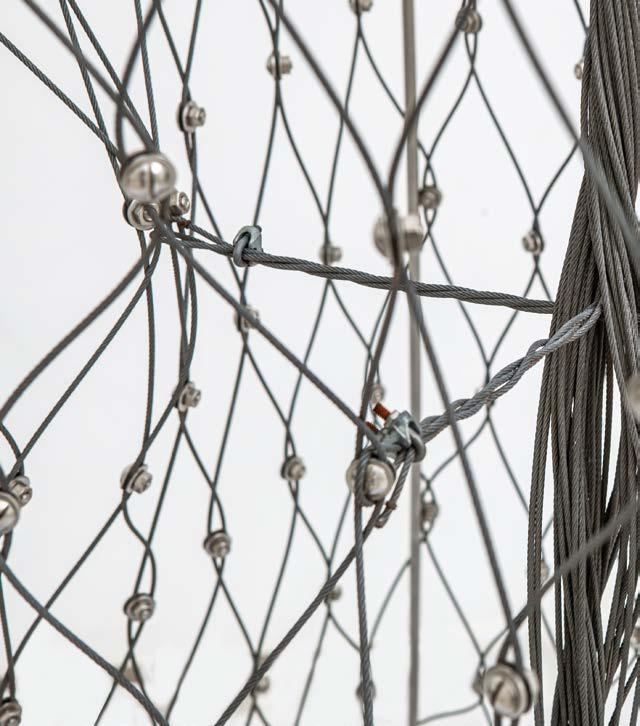
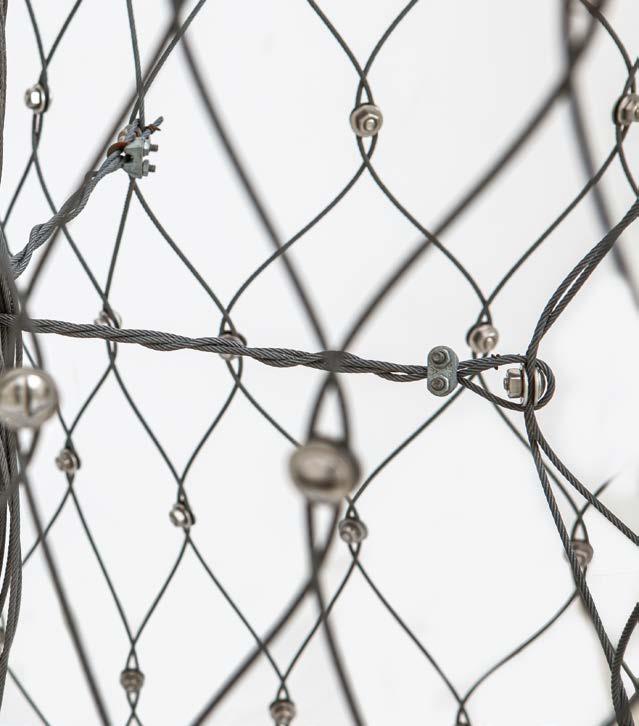
Presencia I es un paralelepípedo fuertemente estructurado en acero inoxidable cuyas paredes están compuestas por flexibles cables de acero que forman una malla tensa. La estructura parece adquirir la forma de un cuerpo con el movimiento de sístole y diástole, una geometría que alude a la respiración.
Adriana Laurenzi | Historiadora del arte y docente de la UNA
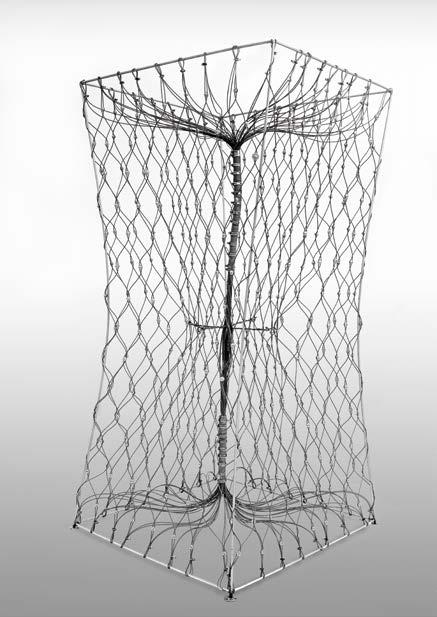
Presence I | Honorable Mention National Salon | Stainless steel wires and bolts
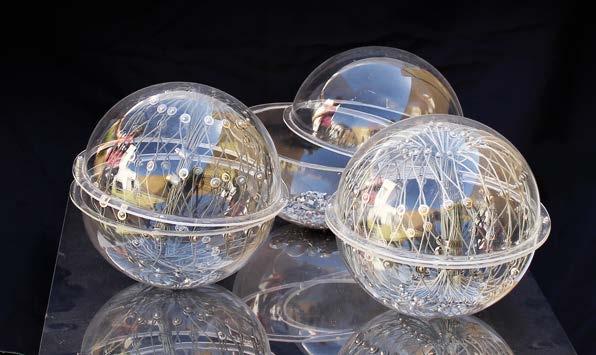
Acero inoxidable - acrílico | h 32 cm x 50 cm x 50 cm | Año 2017
Presence OEI | Stainless steel - acrylic
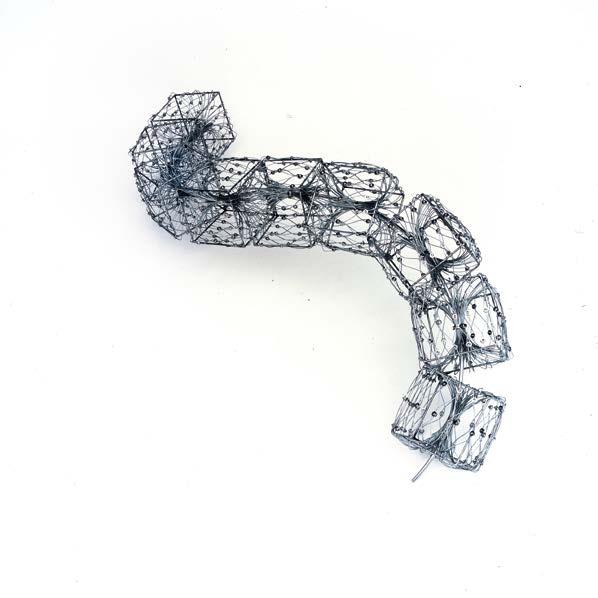
Presencia II Vertebrado
Cables de acero inoxidable | h 70 cm x 440 cm x 200 cm | Año 1999
Presence II Vertebrated | Stainless steel wires
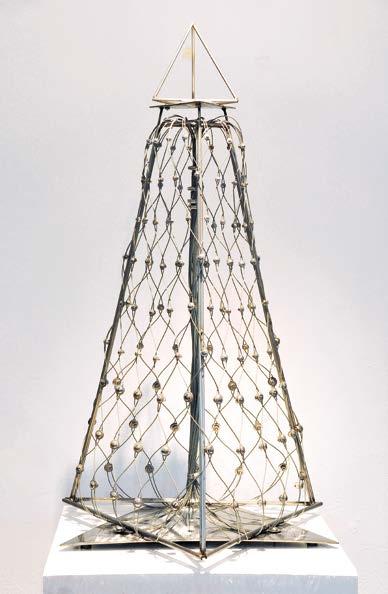
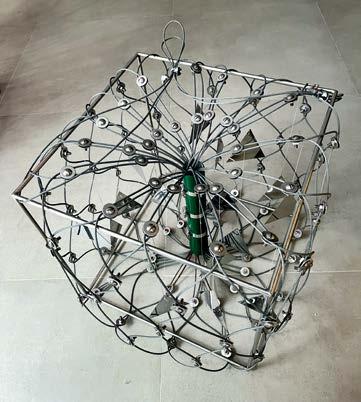
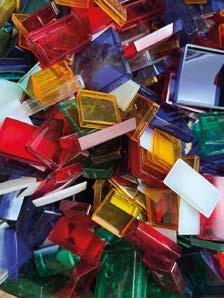
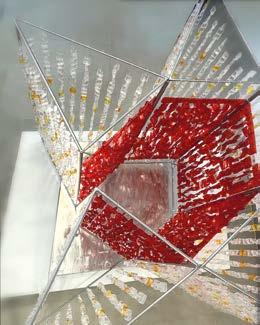
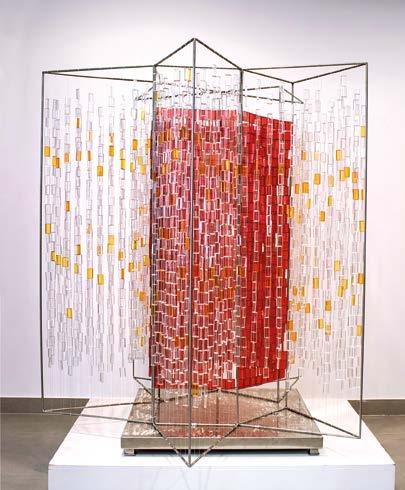
La serie titulada Emociones consta de varias piezas unidas, como una cadena de relaciones de color. Son cápsulas policarbonato Lexan enhebradas a estructuras de acero inoxidable. La gama de colores es traslúcida, lo cual permite que la geometría y el color hablen por sí solos.
En los reflejos y en la proyección de sombras, las fugas de luz capturan un momento efímero y cambiante, retenido en los límites del espacio expuesto donde las distintas tonalidades se fraccionan. Me interesa que los límites se mezclen y se tornen borrosos.
Mi intención con estas obras es atravesar con la mirada los volúmenes, porque las piezas traslúcidas generan múltiples planos y espacios que incorporan al espectador.
NS
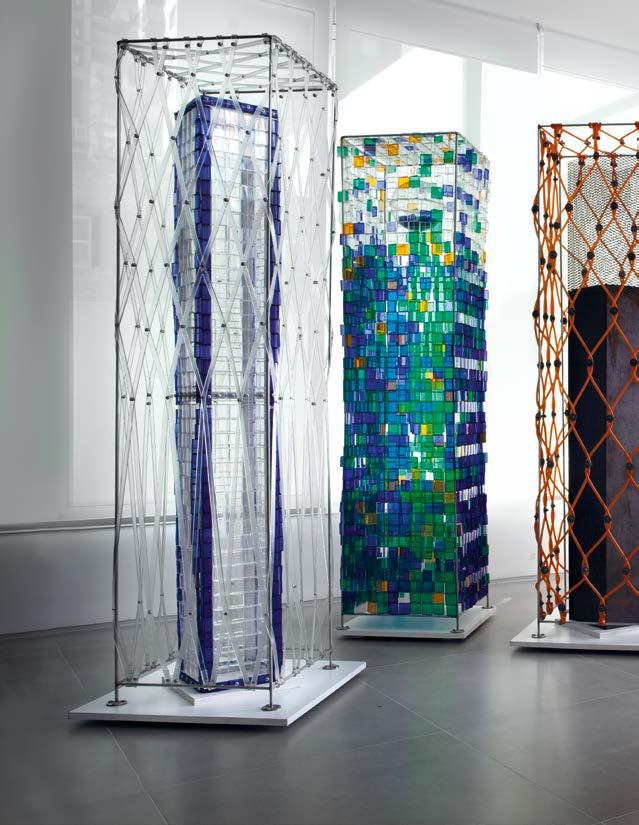
Emociones transparente + blue
Acero inoxidable - cápsulas de policarbonato Lexan - PVC
h 170 cm x 45 cm x 45 cm | Año 2019
Emotions transparent + blue | Stainless steel - Lexan polycarbonate capsules - PVC
Emociones azul
Acero inoxidable - cápsulas de policarbonato Lexan
h 170 cm x 45 cm x 45 cm | Año 2019
Emotions Blue | Stainless steel - Lexan polycarbonate capsules
Emociones H
Hierro - PVC
h 170 cm x 45 cm x 45 cm | Año 2019
Emotions H | Iron - PVC
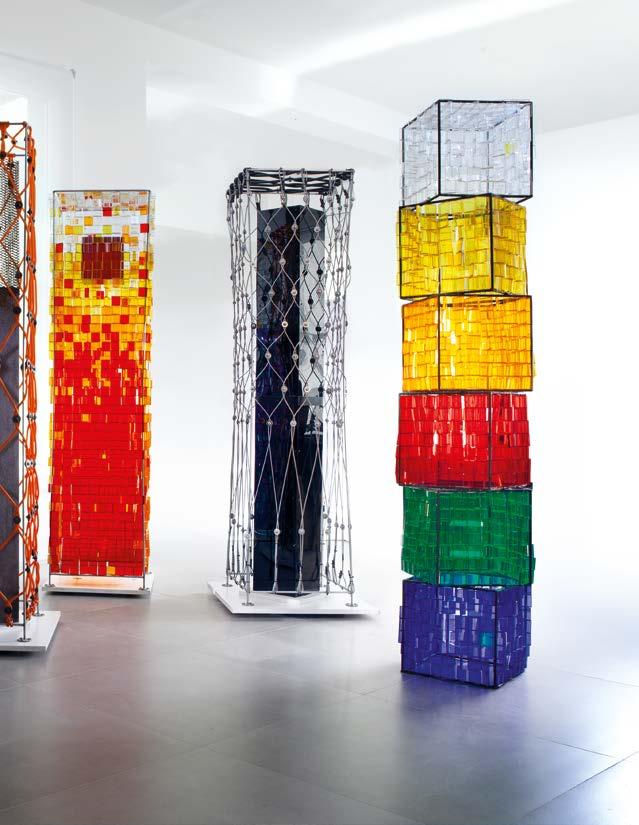
Emociones roja
Acero inoxidable - cápsulas de policarbonato Lexan
h 170 cm x 45 cm x 45 cm | Año 2019
Emotions Red | Stainless steel - Lexan polycarbonate capsules
Emociones N
Alto impacto - cables de acero
h 170 cm x 45 cm x 45 cm | Año 2019
Emotions N | Plastic - steel wires
Emociones VI
Hierro - cápsulas de policarbonato Lexan
h 182 cm x 45 cm x 45 cm | Año 2020
Emotions VI | Iron - Lexan polycarbonate capsules
Pagina siguiente de izquierda a derecha
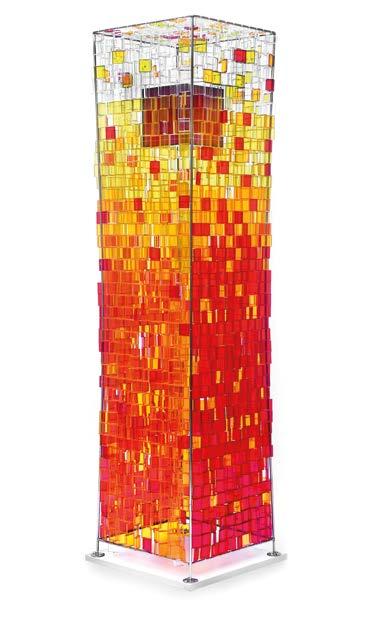
Emociones roja
Emotions Red | Stainless steel - Lexan polycarbonate capsules
| Año 2019
La levedad de la materia a través de los colores, así como la luz, cobran intención y se manifiestan en la geometría.
En la obra Emociones roja, el color rojo representa la sangre, el dolor y el fuego. Esto se potencia en relación con las piezas amarillas, naranjas y transparentes.
NS
En la obra Emociones azul, el color azul funciona como activo aportando intensidad y fuerza interior. Se combina con el efecto que producen unas pocas piezas naranjas, verdes y transparentes.
En estas obras elijo la forma y el color para que se equilibren.
NS
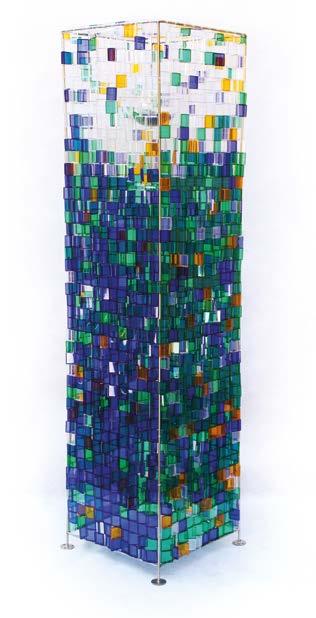
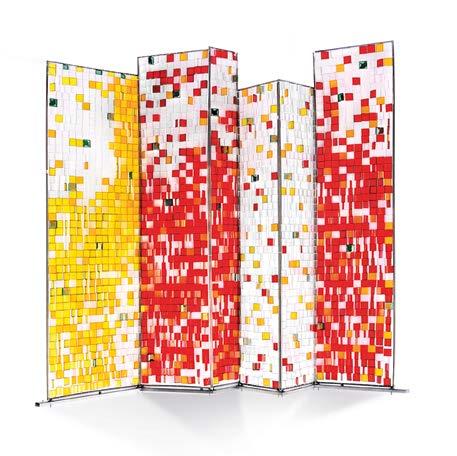
Emociones Transparencias
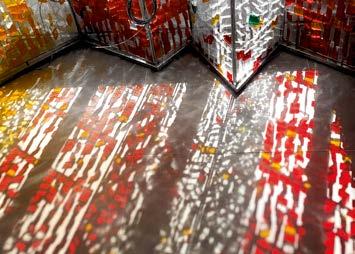
La tensión de las líneas me remite a las obras de Pevser y Gabó. El color, como lo expresa Joseph Albers, interactúa, y en sus relaciones con otro color nunca es el mismo.
Agrego que mi deseo es retener un momento de luz. NS
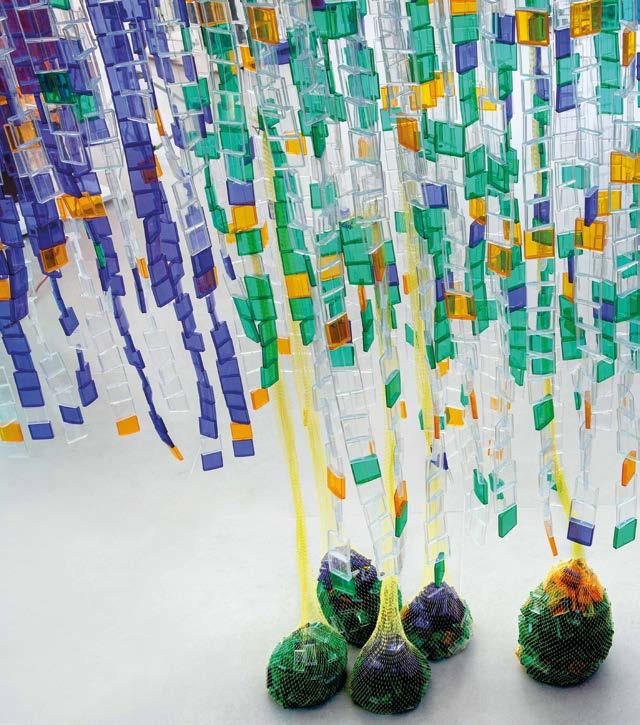
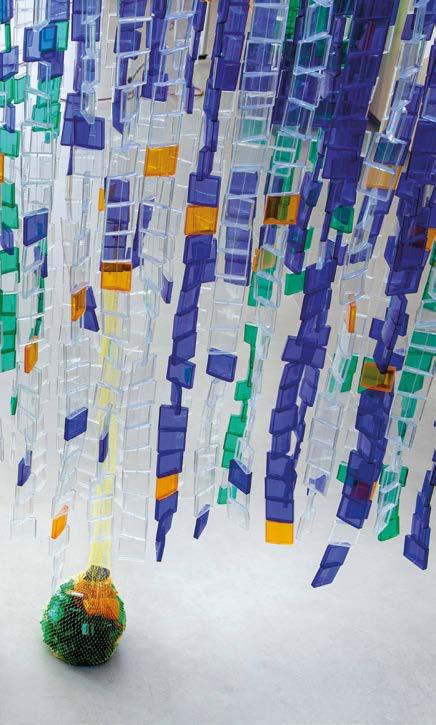
Emociones azul - verde (colgante)
Acero inoxidable - cápsulas de policarbonato h 200 cm x 200 cm x 60 cm | Año 2022
Emotions blue green (hunging) | Stainless steel - polycarbonate capsules
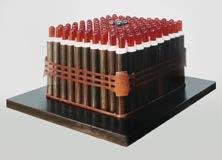
El interior de la obra Desequilibrio alude a algunos elementos esenciales: agua, aire, clorofila y sangre. Fue concebida como un objeto-caja que contiene cientos de frascos de vacunas rellenos con líquidos de diversos colores.
NS
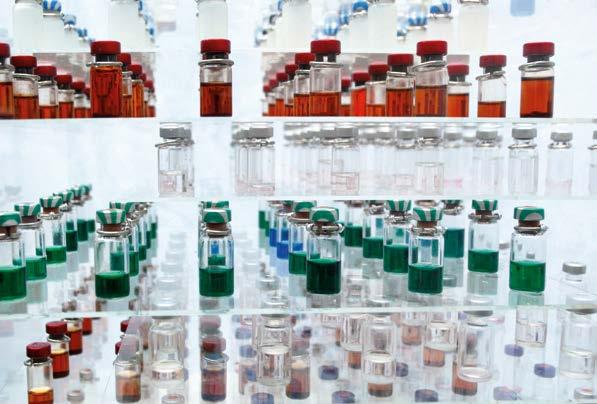
Desequilibrio
Vidrio - líquidos varios | h 50 cm x 45 cm x 45 cm | Año 2021
Imbalance | Glass - different liquids
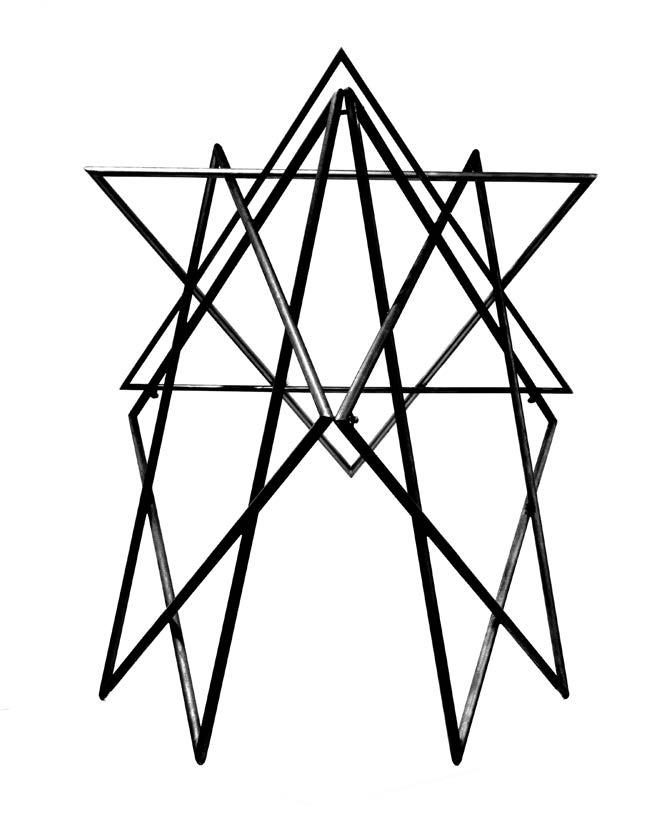
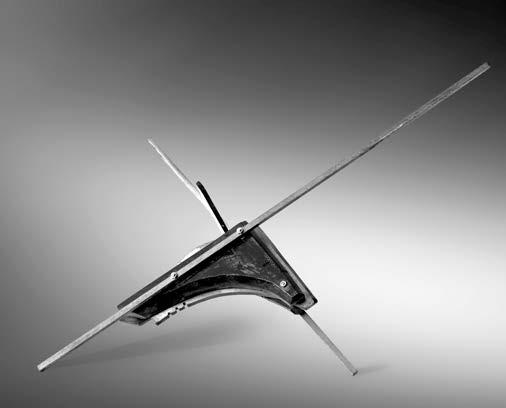
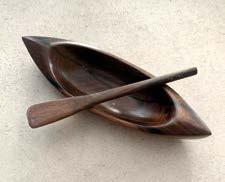
Hace ocho años mi padre falleció. Su presencia me acompaña junto a las palabras del poeta Rainer Maria Rilke: “lo hermoso no es otra cosa que el comienzo de lo terrible en un grado que todavía podemos soportar”.
El alma viene a inaugurar la forma, a habitarla. Uniendo puntos y trazos, me vino a la mente la idea de construir una barca en homenaje a mi papá Miko. Esta obra se exhibió en el programa de televisión Colectivo Imaginario, conducido por Gigliola Zecchin, “Canela”.
La Barca encarna el sentimiento de ir hacia adelante, tan representativo de mi adolescencia y de la búsqueda en el arte.
Durante muchos años practiqué remo en el Río Luján. El bote de madera avanzaba entre corrientes y contracorrientes producidas por el oleaje de aquellas aguas espesas de un denso color marrón. De ese fluir, del sonido que arrulla el agua al atravesar las olas, recuerdo paz y felicidad, soledad y abrigo, suspensión y sutileza; era como abrazar el silencio.
Miro el cielo estrellado y pienso en mi padre. Inmersa en el misterio de la vida y de la muerte, me siento libre y porosa. Quiero sumergirme para captar lo invisible.
Pienso que la responsabilidad de los artistas es ser fieles a la búsqueda constante y entregarse a un hacer que involucra a la persona y su mundo. NS
Albergando la mirada - Serie De lo no dicho Hilos de nylon - plomo | h 230 cm x 90 cm x 90 cm | Año 2018
Harboring The Gaze - The Unsaid Collection | Nylon threads - lead
En esta pieza escultórica quiero representar otro ciclo oscuro en la historia de la humanidad, que vuelve a repetirse en pleno siglo XXI. En una involución envolvente, la triste realidad opacó miles de vidas. Desde ese sentir armé esta pieza abstracta, cuya potencia remite a “lo que aún no se ha develado”.
Este sentir se manifiesta en una obra circular colgante, compuesta por una estructura de acero inoxidable de la que penden múltiples piezas enhebradas de 4 cm x 4 cm, realizadas en policarbonato translúcido en colores rojo, naranja y amarillo. Alineadas verticalmente, formando tiras, están acompañadas también por fieltro negro y unidas por hilos de tanza transparente, cuyo acabado quemado refiere a las heridas infringidas en batalla.
Al pender y moverse, resuenan como el estremecimiento que encarna el miedo amenazante ante una masacre. Las múltiples capas superpuestas que conforman la obra dificultan la entrada de luz.
En el centro cuelga una red negra circular que simboliza el encierro. En esta forma concentrada represento la idea reunida de un sinfín de guerras y de una violencia desmedida, de un odio irracional que sigue arrasando seres, como un huracán que destruye todo a su paso. Los conflictos humanos continúan desparramando sus restos...
Con esa impresión, dispuse cientos de cueros negros en el suelo, que se asemejan a portarretratos vacíos; su calado refiere a las pérdidas humanas. El sufrimiento cuelga, no absorbe el dolor. Sin embargo, el sonido de las piezas al chocar reclama una pulsión hacia la vida.
NS
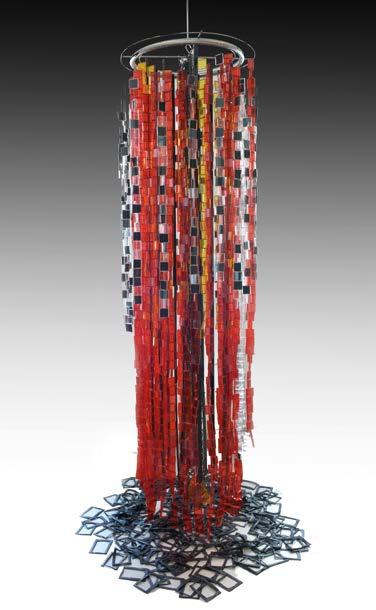
Un día…. la luz y su energía se apagaron
Acrílico - fieltro | h 220 cm x 70 cm x 70 cm | Año 2025
One day... the light and its energy went out | Acrylic - felt
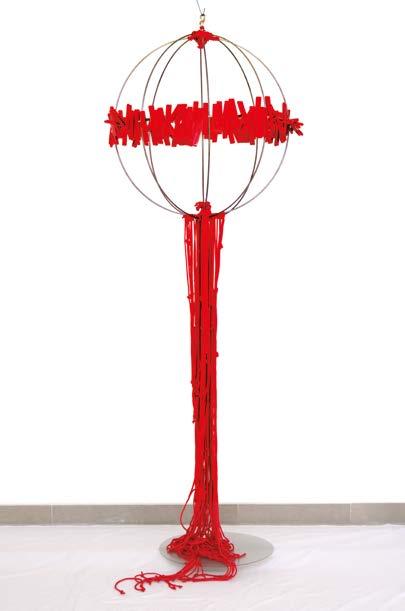
Divergencias I - Serie Memoria
Acero inoxidable - cordón rojo - plástico Haag | h 200 cm x 65 cm x 65 cm | Año 2024
Divergences I - Memory series | Stainless steel - red ropes - Haag plastic
OBRAS TEXTILES
SERIE MEMORIA
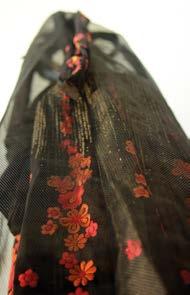
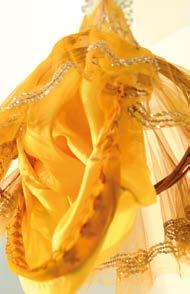
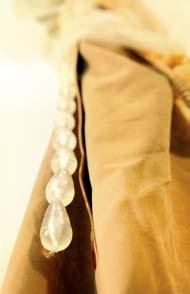
Esta serie se compone de piezas suspendidas que representan una armonía fragmentada donde se rompe el límite del respeto, la escucha y la protección, generando contrastes condensados en registros de materiales duros y blandos.
Cada vestido simboliza la esencia femenina que estuvo en peligro.
NS
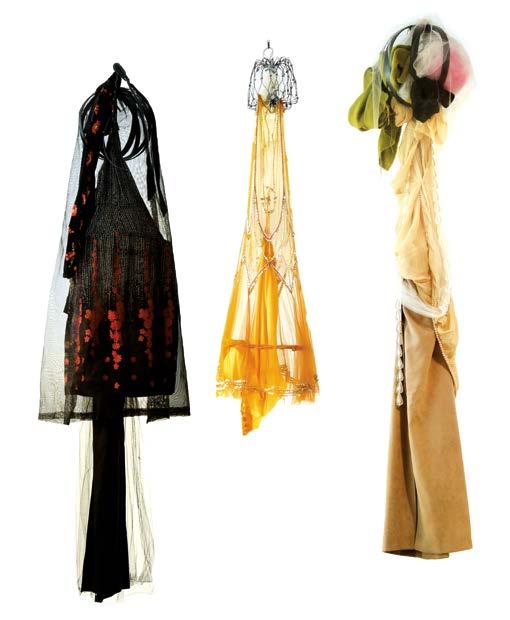
Divergencias II, III y IV - Serie Memoria
Textiles - metal | h 123 cm x 45 cm x 45 cm | Octubre 2023
Divergences II, III and IV - Memory series | Fabric - metal
Símil misil II
Metal - resina inclusión - pólvora | h 30 cm x 45 cm x 45 cm | Año 2007
Missile Like II | Metal - resin inclusion - gunpowder
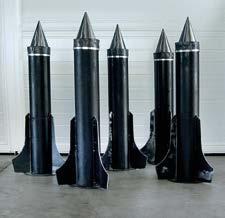
Símil misil III
Madera - hierro | h 110 cm x 25 cm x 25 cm cada uno | Año 2008
Missile Like III | Wood - metal
"El mundo nos rompe a todos", Ernest Hemingway
El alcance del dolor que no puede ser contenido ante un odio irracional.
Sostener la memoria del horror de la esclavitud, del Holocausto, del racismo, del antisemitismo.
Cada persona es una, y sus antepasados atraviesan el tiempo en la memoria. En la mente, el tiempo se transformará en espacios.
NS
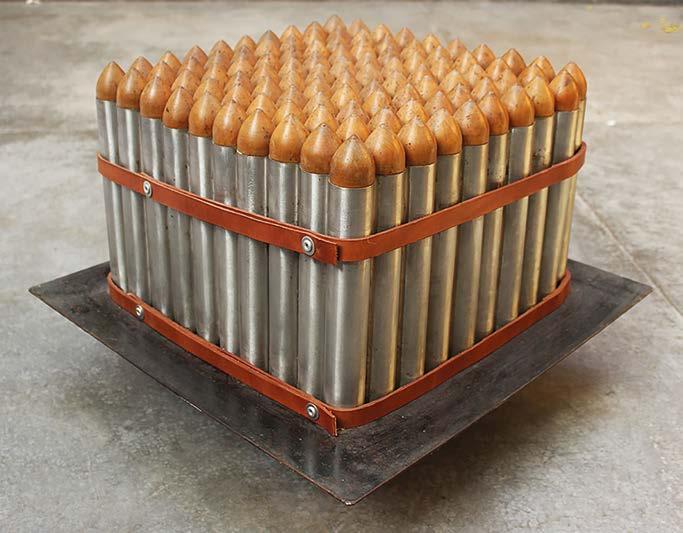
Símil misil I | Premio Mención en Raggio y Museo de Bellas Artes Acero inoxidable - madera | h 30 cm x 45 cm x 45 cm | Año 2007 Missile Like I | Honorable Mention Raggio and Museo de Bellas Artes | Stailess steel - wood
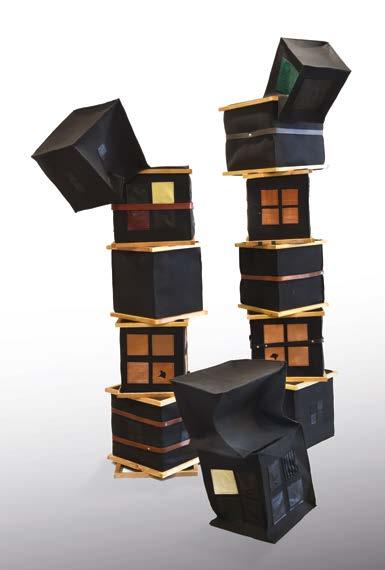
Tela - cuero - madera | Torre A: h 207 cm x 60 cm x 60 cm
Torre B: h 174 cm x 60 cm x 60 cm - Torre C: h 100 cm x 60 cm x 60 cm
Total: h 207 cm x 200 cm x 200 cm | Año 2024
Black Tower Collapse | Fabric - leather - wood
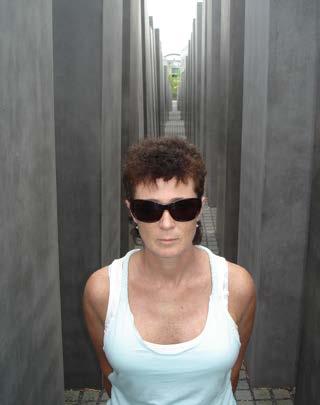
La obra Derrumbe torre negra (página izquierda) estuvo inspirada en el Monumento al Holocausto, situado en el distrito Mitte, Berlín, Alemania.
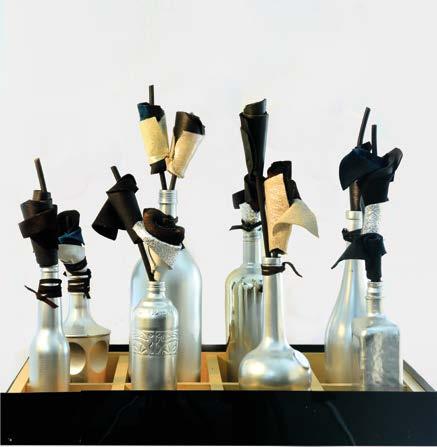
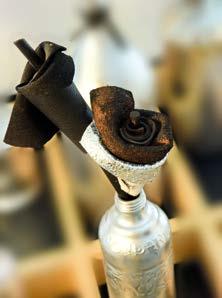
Estas calas negras simbolizan para mí la fuerza interior, al sostener su capacidad de resiliencia.
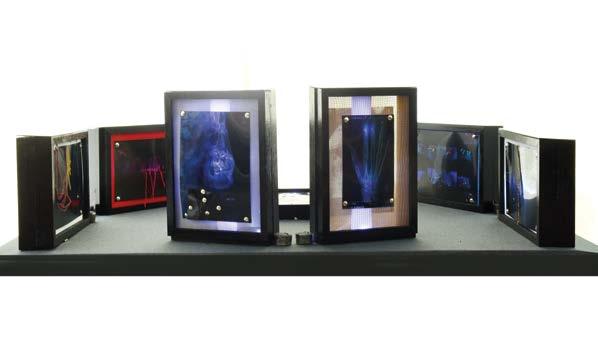
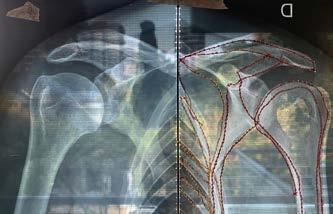
Consecuencias
RX bordadas | h 120 cm x 100 cm x 70 cm (7 piezas) | Año 2023
Consequences | Embroidery X-RAYS
SOMBRAS
Siento que solo cuando le prestamos atención cada fragmento revela su verdad. Crecer en un entorno de árboles me hizo pensar en sus misterios y silencios. Entre la memoria y la imaginación, enredada en sueños, duermo pero no sé si realmente lo hago, el sonido de mi corazón late fuerte y pienso en la oscuridad y sus sombras.
Comparto el interés por la categoría que los formalistas rusos llamaron "extrañamiento": una cualidad que nos obliga a detenernos y a mirar, porque hay allí algo raro, algo que no podemos reducir a lo que ya conocemos con tanta facilidad. El objetivo del arte es proponer formas sobre las que no nos queda otro remedio que pensar.
Forma, espacio y sombra coexisten. La transparencia del acetato da lugar a una inasible presencia: lo invisible. Casi como un dibujo, el trazado gestual de la sombra se proyecta a un espacio tridimensional. NS
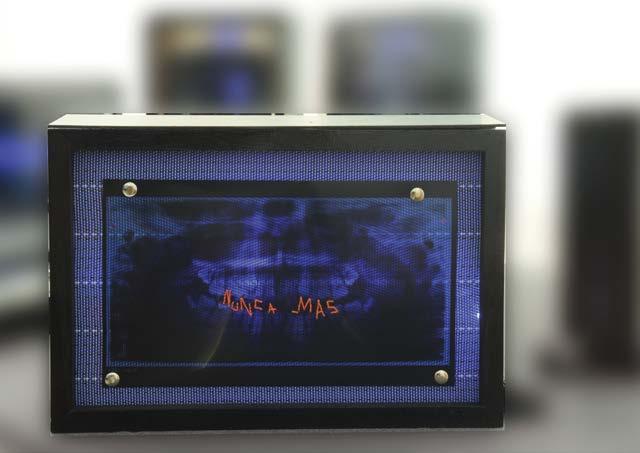
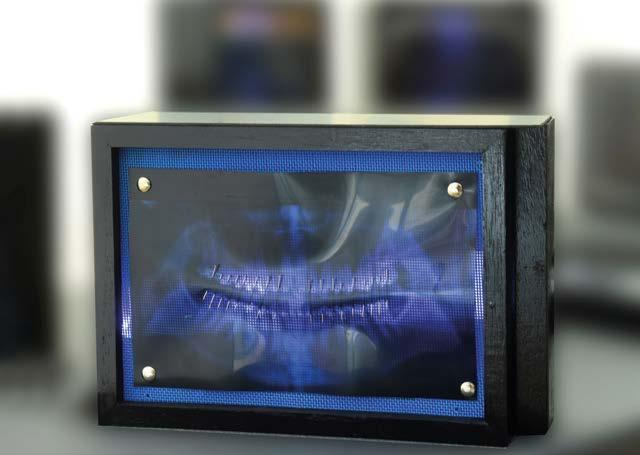
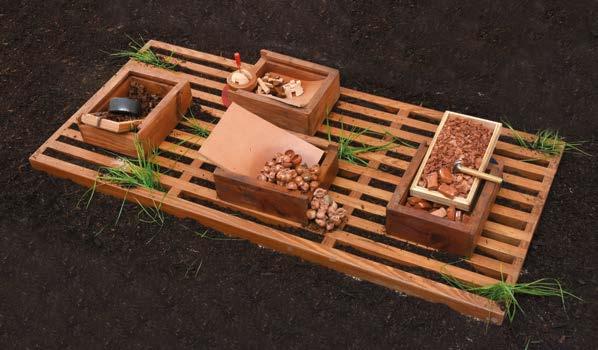
Las piezas reunidas están contenidas en cajas como vestigios de elementos —arcilla, cuero, madera y hierro—, simbolizando su peligro de desaparición. La tierra que los rodea se escurre entre la base, demandando urgente atención hacia la preservación y recuperación del suelo para poder asegurar la permanencia de los seres en este mundo. NS
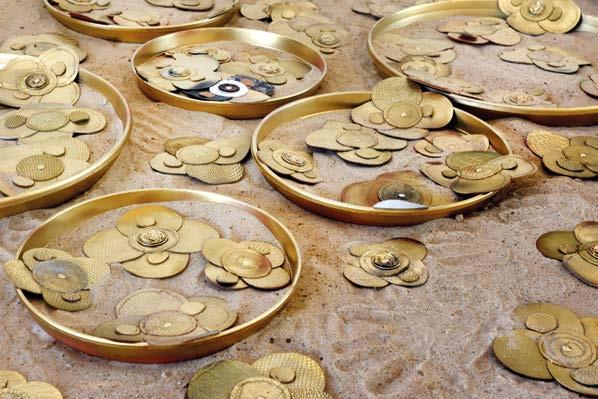
Flores Kalanit | Instalación
Cuero - arena | 160 cm de diámetro en total | Año 2025
Flores Kalanit | Installation | Leather - sand
Kalanit anémona coronaria
Flor silvestre declarada flor nacional de Israel por su belleza y resiliencia. Despierta sentimientos de conexión emocional y nostalgia asociados al amor, la delicadeza y la esperanza. Crecen en suelos arenosos.
Su color natural está resignificado en esta instalación, simbolizando a Jehovah.
NS
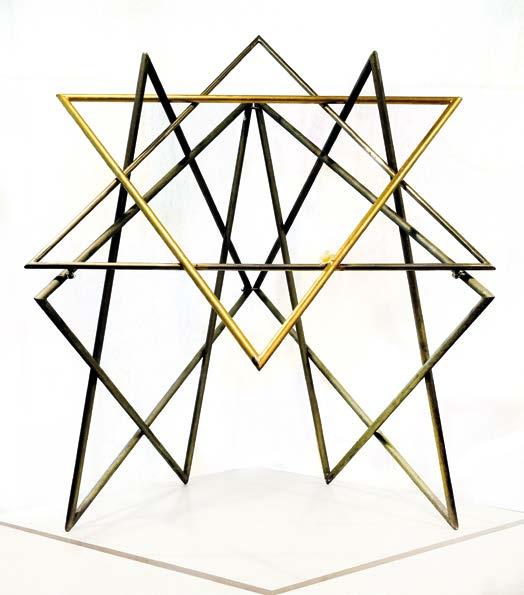
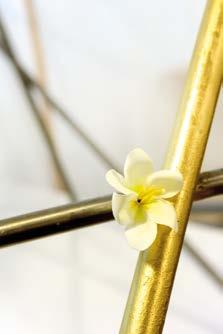
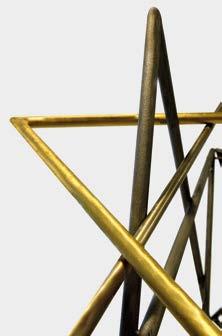
Detalle en honor a los caídos del 7 de Octubre del 2023. Construcción geométrica estable, manteniendo un equilibrio tanto físico como emocional para sostener la memoria de los pueblos.
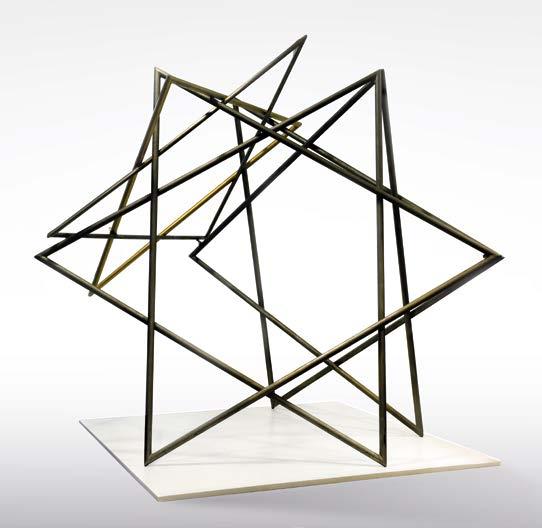
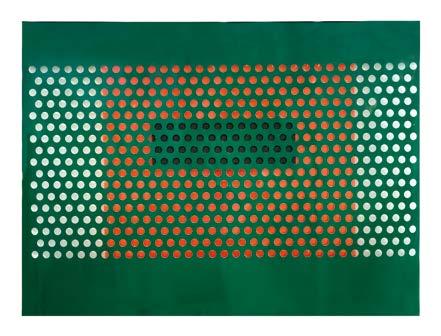
Listen to the silence | Fabric - PVC - acetate
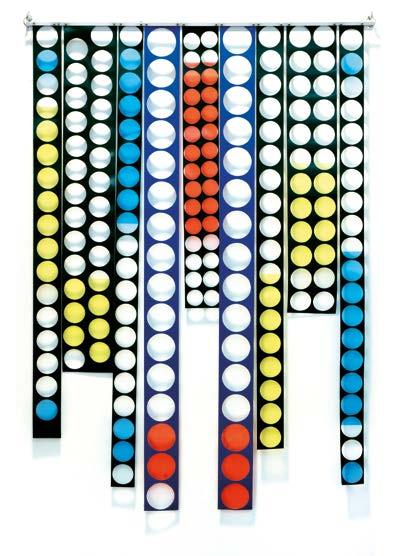
Intersección entre todo y nada
Tela - PVC - acetato | h 140 cm x 92 cm | Año 2026
Intersection between everything and nothing | Fabric - PVC - acetate
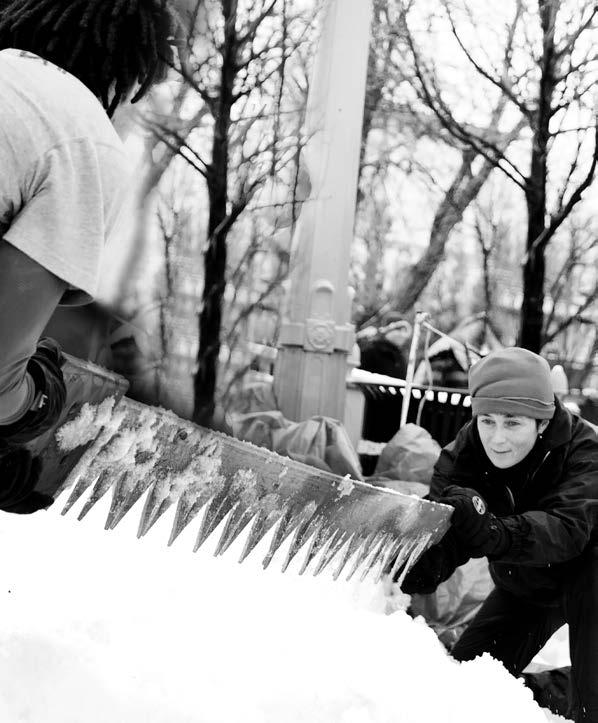
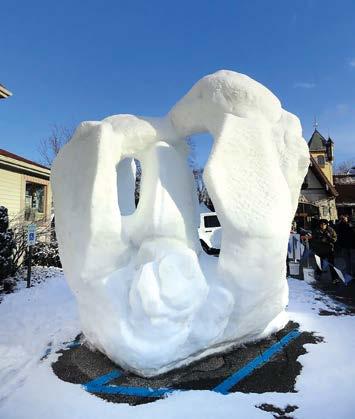
Escultura monumental en nieve
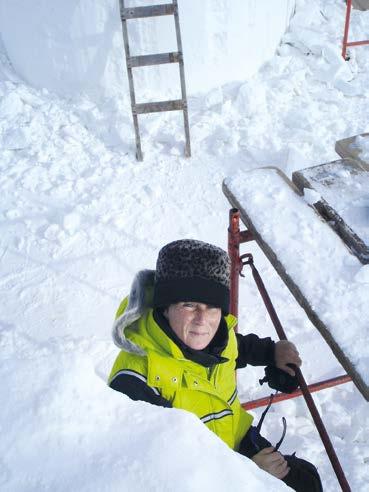
SIMPOSIOS
Los simposios en nieve, en los cuales participé en seis oportunidades entre 2009 y 2013 en Italia, Estados Unidos y Canadá, implicaron un trabajo físico sumamente exigente. Se llevaron a cabo en equipos de tres a cuatro colegas, desafiando los límites de nuestra experiencia con los materiales. Con una adrenalina distinta, abordamos la creación de formas talladas en prismas monumentales, trabajando a temperaturas bajo cero.
La talla en nieve maciza consistía en realizar, ante el público, un proyecto previamente diseñado. Multitudes visitaban a diario el predio, donde diez equipos de distintos países trabajaban intensamente durante seis días, ocho horas por jornada, interviniendo los bloques. Durante ese proceso, se generaban conversaciones en torno a cada obra, dando lugar a un intercambio sumamente enriquecedor.
El agua, como elemento esencial de la vida, me llevó a reflexionar profundamente sobre la necesidad de proteger la naturaleza.
Estas experiencias potenciaron mi imaginación. La luz que rebotaba en superficies tan blancas completó mi comprensión de las sombras, lo efímero y el paso del tiempo. También me abrió a nuevos imaginarios, que luego trasladé a otras esculturas realizadas con distintos materiales en mi taller.
NS
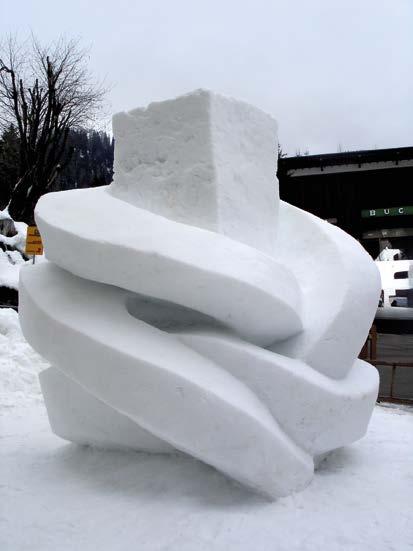
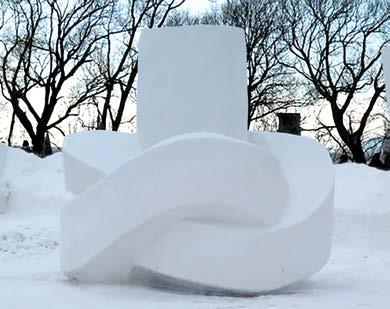
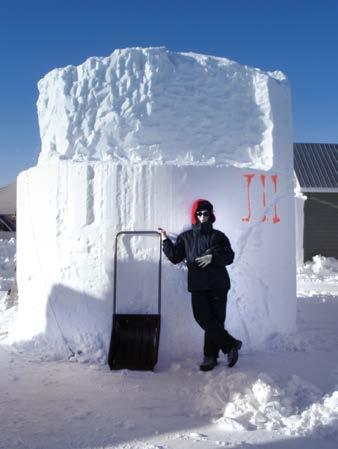
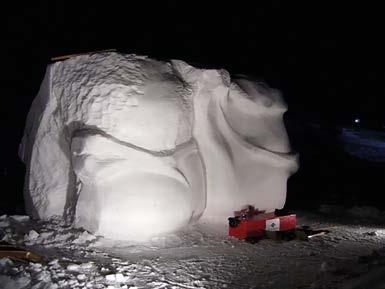
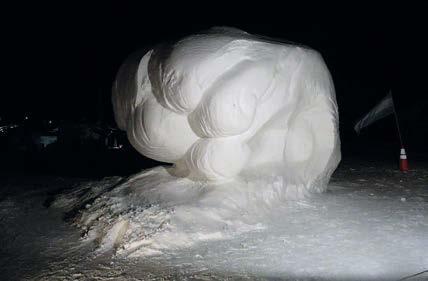
La ola | Quebec, Canadá h 300 cm x 300 cm x 600 cm | Año 2011
The wave | Quebec, Canada
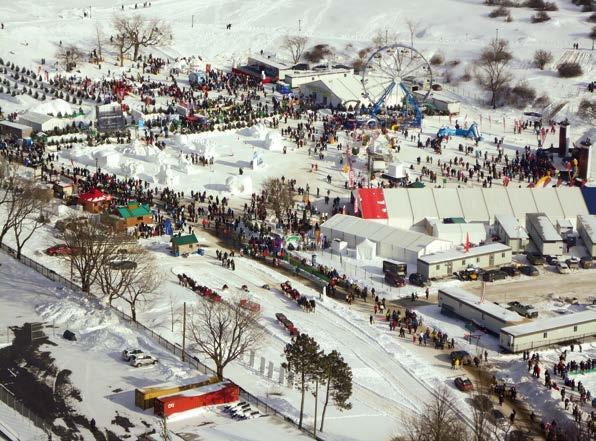
Aereal view of the symposium
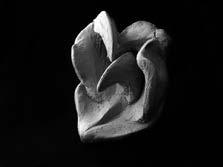
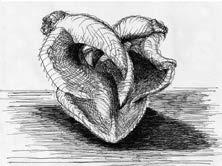
| Año 2012
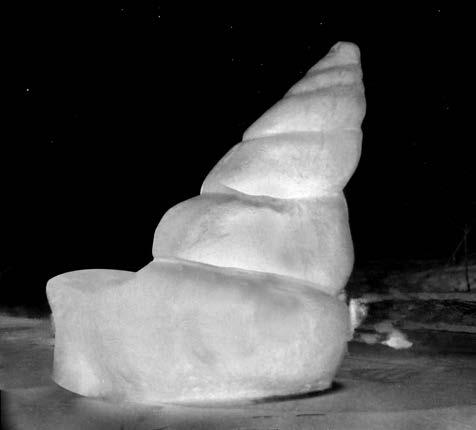
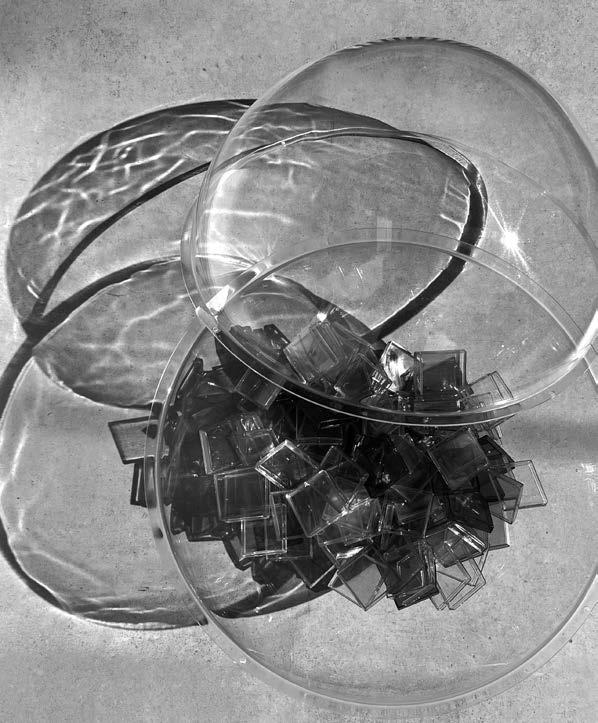
La realización de una obra frente al público organizó mis tiempos de trabajo, permitiéndome sentir un acompañamiento cálido de la gente que no se da en la soledad del taller. La solidaridad entre colegas y los intercambios culturales fueron muy enriquecedores.
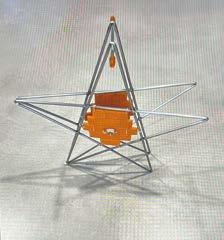
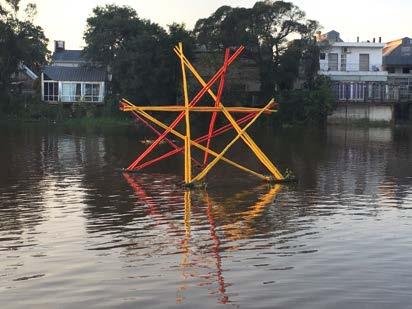
En la Bienal del Chaco 2018, creamos una instalación de tres grupos de obras que flotaban en el río. Esto reafirmó mi interés por el elemento vital: el agua. Estrellas descendiendo como un deseo de cuidado.
En la Bienal del Chaco 2022 realicé una nube que, de manera inconsciente, contenía la idea del agua y su movimiento.
En los meses siguientes a la publicación de este libro participaré también en la Bienal del Chaco edición 2026, donde realizaré una obra representando al Sol: astro energético que posibilita la vida en la tierra, entregándonos destellos palpitantes de silencios; desde el infinito sin bordes nos abraza con su calor. Combinaré geometría y luz para simular la captura de un instante suspendido, evocando lo efímero y cambiante de retener un instante de luz.
NS

BIENAL INTERNACIONAL DE ESCULTURA DEL CHACO 2018 | 30 Aniversario
Resistencia, Chaco, Argentina
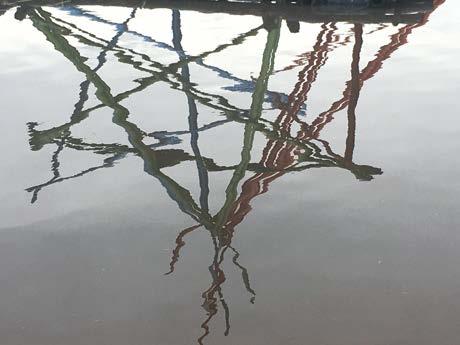
Reflejo de la instalación Presencia, sobre el río Negro, Resistencia, Chaco, Argentina
Reflection of the installation Presence on the Río Negro, Resistencia, Chaco, Argentina
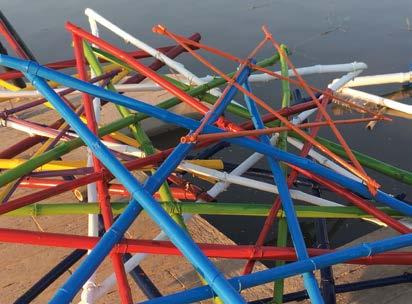
Obra efímera realizada durante la Bienal 30º Aniversario de los Simposios Escultóricos, en Resistencia, Chaco, a cielo abierto. Junto a mi colega María Guallar, presentamos una instalación compuesta por materiales que flotaban en el río, formando agrupaciones a modo de mandalas. Algunas piezas se desintegraban en líneas durante su recorrido, dispersándose y reteniendo plantas flotantes.
Utilizamos elementos naturales proporcionados por el entorno —como cañas y tacuaras— y decidimos dar forma a la unión de varias estrellas entrelazadas. Pensamos que, al posarse sobre el agua, evocarían este deseo poético: “el ser humano aprenderá a escuchar la naturaleza, cuidando sus recursos”.
Los colores fueron elegidos en referencia a la bandera de los pueblos originarios. De manera metafórica, buscamos unir el cielo con el agua y el fuego con la tierra, transmitiendo un mensaje de pertenencia e inclusión.
NS
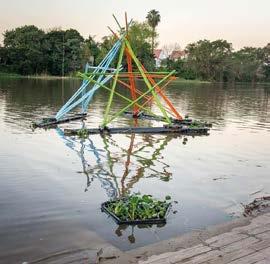
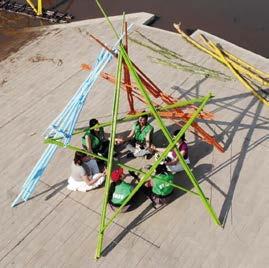
Presencia | Instalación de tres grupos de piezas flotantes en el río
Cañas naturales | Una pieza de h 400 cm x 400 cm x 400 cm, una pieza de h 300 cm x 300 cm x 200 cm, varias piezas de h 200 cm x 200 cm x 200 cm | Año 2018
Presence | Three groups installation of floating pieces in the river | Natural canes
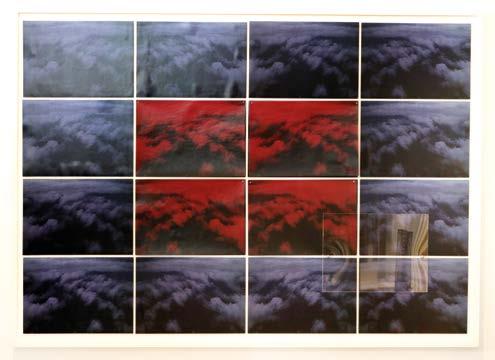
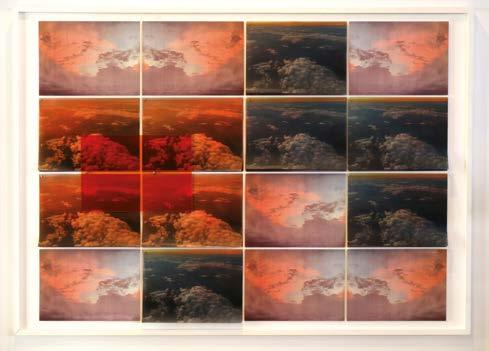
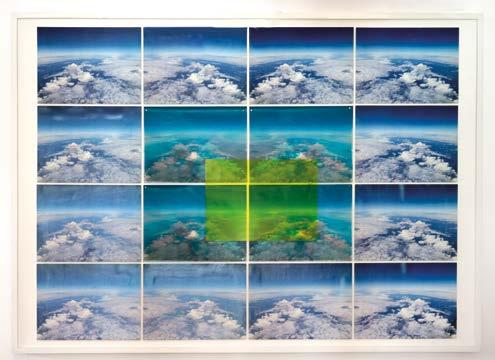
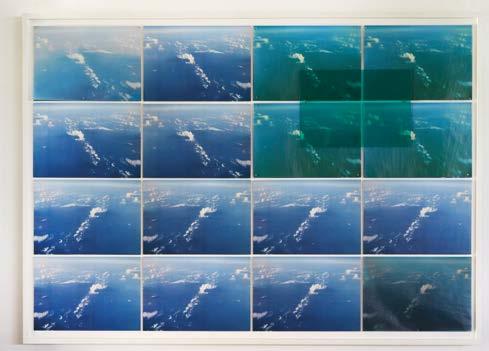
ESTUDIOS PRELIMINARES
Las siguientes obras fueron realizadas como estudios preliminares para la Bienal del Chaco 2022.
Tanto las diversas versiones de nubes, como los cuadros fueron experimentaciones que me llevaron a la comprensión del medio ambiente en el que iban a habitar mis obras cuando fueran desarrolladas en el lugar.
El cielo, como principal participante, y el agua, tanto en las nubes como en el río, generaron esa sensación de inmersión que me hacía falta para comprender ese lenguaje. , NS
BIENAL INTERNACIONAL DE ESCULTURA DEL CHACO 2022 | 31 Aniversario
Resistencia, Chaco, Argentina
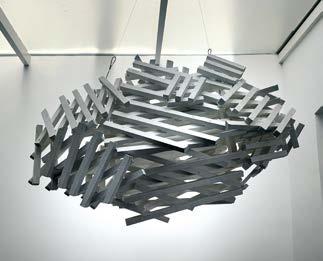
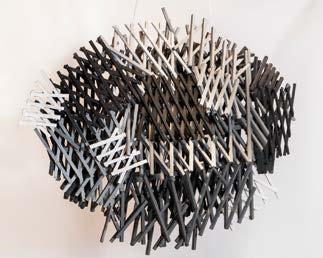
En 2022 participé en la Bienal del Chaco con la obra colgante Cirrocúmulo, realizada con listones de madera recuperada y ensamblados.
Se trata de una nube multicolor, un hidrometeoro que desciende de la atmósfera dispersando la luz. Para mí, expresa aquello que en la naturaleza no puede hablar.
En bocetos previos fui organizando, de manera inconsciente, este proyecto. El destino de las nubes es el viaje y su identidad, el cambio: como ensoñaciones, varían en su recorrido, se disgregan o se compactan, formando islas o mantos.
En sus veloces desplazamientos acortan las distancias entre territorios, desafiando el tiempo y anunciando, quizás, otras afinidades posibles. Los cirrocúmulos decantan un espacio ilimitado de entretiempos, dispersan la luz y dejan entrever los vacíos.
Las líneas internas se construyeron con pilares de madera antigua que sostenían el techo de una vivienda, lo que me permitió acercarme, de manera metafórica, a las relaciones ocultas que intento expresar: esa voluntad de “sostener un cielo”.
NS
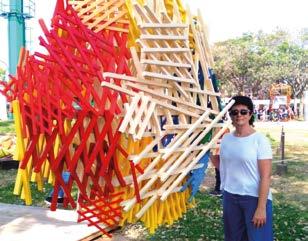
Cirrocúmulo | Situada en el Parque Intercultural 2 de Febrero, Resistencia, Chaco, Argentina
Madera | h 160 cm x 210 cm x 60 cm | Año 2022
Cirrocumulus | Wood | Located at Parque Intercultural 2 de Febrero, Resistencia, Chaco, Argentina
Escaneando este código QR podés ver el libro en su versión digital
By scanning this QR code you can view the book in its digital version.
SHAPING THROUGH TIME
ARTWORKS 1989 - 2025
Page 4
In this ever-changing world, sculpture is my way of expressing myself. Art is my refuge: what provides me a sense of beauty in the middle of complexity. It surprises me, allows me to reflect, and to ask myself questions so I can continue transforming.
Page 5
I dedicate this book to my beloved life partner, Gabriel Chami, for our love and his unwavering support.
To my children, Alessandra and Luca, who are essential to me. To my mother, Clara Storch, my father, Samuel Siguelboim, and to my dear family.
I would like to thank my dear teachers, as well as my friends and colleagues who have been present throughout my life.
My gratitude also goes to those who kindly contributed texts to this book, for their thoughtful interpretation and in-depth analysis.
Adriana Laurenzi – Art Historian
Alessandra Chami – Sociologist
Laura Batkis – Curator
Rodrigo Alonso – Independent Curator
Fabiana Barreda – Curator
Lucía Puppo – Doctor of Literature
Lic. Marcela Gallego - Translator
Victoria Rico - Translator
Collaborators
Malena Schargrodsky – Designer
Santiago Raffo – Assistant
Ed itors of this book
Eugenio Valentini and Victoria Rico
Photographers
Otilio Moralejo Rodriguéz
Gustavo Lowry
Eugenio Valentini
Norma Siguelboim
Gabriel Chami
8
“Both art and meditation are always born from surrender, never from effort. The same is true of love. Effort sets willpower and reason in motion; surrender, on the other hand, awakens freedom and intuition.”
Pablo d’Ors | A Biography of Silence (2015)
Editor’s Note
This book does not respond to a single voice. It is woven from an interlacing of voices: reflections by curators and researchers, critical readings, autobiographical fragments, and first-person accounts by Norma Siguelboim, signed as NS. Rather than seeking a linear narrative, these voices coexist and engage in dialogue with one another, composing a multifaceted map of her work.
Index Page 9
011 | Presence and Freedom | by Rodrigo Alonso
015 | Biography | Norma Siguelboim
016 | Solo and Group Exhibitions
017 | Awards
018 | Sculpture and Expression | Beginnings
022 | Materials
025 | Four Series
029 | Species
131 | Wrappings
171 | Presences
205 | Other Worlds
241 | International Symposia
257 | Chaco International Sculpture Biennials
273 | Texts in English
11
Beyond revolutions and continuities, discoveries and critical responses, one of the most outstanding achievements of twentieth-century art has been the reformulation and expansion of disciplinary fields. According to this, the field of sculpture is no longer dominated exclusively by the activity of sculpting, but embraces a multiplicity of visions, investigations, modulations and conceptions linked to the extensive universe of three dimensions. Objects, installations, static or dynamic constructions, artisanal or industrial assemblies, interventions in space, the city or nature, enrich the sculptural tradition with the incorporation of a diversity of new techniques, purposes and materials.
If al l this had not happened, it would be difficult to identify Norma Siguelboim's work, and even more so, to categorize it as sculpture. The variety of elements (metals, leather, acrylics, wood, fabrics, wires, glass, threads, etc.) and procedures (sewing, welding, assembly, articulation, among many others) that the artist employs, demonstrates to what extent her treatment of space and volume is accompanied by a good dose of invention and experimentation. As it happens in contemporary art, Siguelboim starts from ideas and concepts to develop, and then uses the materials and tools that allow her to give them shape. There is no search of form for form's sake, but rather an exploration of situations and compositions of a significant nature that would resonate in the gaze and imagination of the observer.
Long years of work have given rise to a vast production of works that the artist organizes in three large species. Species addresses the perishable and the fragility of existence through the interrelation of rigid and flexible, natural and artificial, organic and inorganic materials. Wrappings emphasizes interior spaces, intimacy and protection, embodied in closed boxes and constructions that, however, offer some clues about what they hide. Presences , on the other hand, highlights transparency, durability, harmony, and a sensoriality that aims to awaken emotions. The serie Other Worlds refers to the current state of war.
One of the resources repeated at the beginning of the Presences serie is the metal mesh, which, at the same time, offers no resistance to the gaze – stripping its interior space – and highlights rhythmic visual patterns. Presence I (2000 ) is a large network of steel wires and bolts that emerged as a project for the Parque de la Memoria (Memorial Park), with a planned height of six meters; later versions, such as Presence II Star of David, (2000) have a scale more in keeping with human proportions. The bolts define the nodes of a matrix that seems to materialize a metaphor for the collective. The bending of the wires gives these works an organic quality that is enhanced in pieces such as Presence II Vertebrate (1999).
In another set of the same series, the rhythmic composition is embodied in vertical forms that unfold from a central axis. Here there is an emphasis on time, on the durations of observation, on successive development in space, as suggested by the general title: In-between Times (1998 - 2016). It is a group of rather small pieces, made of rigid materials such as polished metals, glass, acrylics or wood, with resonances in the sculptural formats. As a corollary of this search, Presence - A and Presence - B – Presence Red Wings (2016), expose a confrontation between metal and acrylic, opacity and transparency, in the verticality and height of a human being, promoting interaction and empathy with the viewer.
In the works Emotions (2019 - 2024) the woven mesh reappears, but with a variety of materials that dilate the sensitive reverberations. They all respond to the same compositional principle, according to which a net surrounds or protects an interior element, visible through the open mesh. This weave acts in different ways. Emotions Transparent + blue, it is made up of crystal plastic strips that give it an almost invisible, ethereal character. In contrast, the mesh of Emotions-H is made with orange PVC laces with a strong visual identity, which is enhanced by the contrast with the black nodes and with an internal rusty metallic volume of the same color. Sheltering the Gaze (2018), from the Series of the Unsaid –a cylindrical piece in this trend, which was part of the exhibition Identities, (2018) at the Haroldo Conti Cultural Center– replaces the tubes with red nylon cord. Here, unlike the others Structures, the thread is not completely stretched, which generates falling effects with various sensory and symbolic connotations.
The most recent works in the series are made with multicolored acrylic modules, with the explicit aim of arousing an emotional response in the observer. Hence, the general title Emotions (2019 - 2024). In most of them, the modules are threaded together forming linear successions with different degrees of rotation, which allows them, at the same time, to reflect the incident light and capture the image of their surroundings. The commitment to color introduces a twist in the evolution of the series. It lessens attention to geometry and workmanship, creating a much more open link with the viewer, sensorial, interactive and playful. The colored modules are somewhat reminiscent of the pixels of the digital universe and their reflections seem to dialogue with the vibrant surfaces of electronic screens. But not all the works in this sub-series are composed in the same way. Emotions Blue and Red, (2019) is a sculpture in a more classic, almost totemic format, which integrates acrylic and metal plates, while Emotions Blue-Green Pendant (2022) incorporates lumps that emerge from the linear arrangements of acrylics and rest
on the floor, providing references to gravity and the organic.
These latest works coincide with the development of another ambitious project that the artist dedicates to the coexistence of four generations of her family. Daisies (2023) is an installation made up of ninety pieces of metal, acrylic, nylon weave and PVC, which is poetically inspired by the action of removing flower petals as an act of love. Added to this cultural image is a particular meaning that refers to generational succession as the passage of a legacy. Its scale induces a powerful emotional response. Her exquisite production and masterful use of plastic resources based on ideas that are, at the same time, sculptural and conceptual, reveal the maturity of Norma Siguelboim's aesthetic practice, a practice far removed from labels and definitions, with an unquestionable personality, founded solely on the freedom of contemporary art.
Rodrigo Alonso | Independent curator
yed at the (A) Void Gallery in Prague, the Argentine Embassy in Paris, and various exhibitions in Chile, the Dominican Republic, Japan, and China. In 2022, the MACA of Junín organized the solo exhibition "Los caminos del bosque," offering a retrospective of her work. In July 2024, she exhibited part of the series "Envolturas" at the CMA of Avellaneda.
From 1985 to the present, Norma Siguelboim has participated in national, provincial, and municipal exhibitions in Argentina. She has exhibited her work in universities and public gardens (Museo Larreta, Húsares, Metrovías, El Rosedal), as well as at the Expotrastiendas, Arteba, and Estilo Pilar fairs.
Between 2009 and 2013, she participated as a member of the Argentine team in six International Symposia of Monumental Snow Sculpture. These events took place in Italy, Canada, and the USA. At the Biennial of Sculptures in Resistencia, Chaco, she exhibited a floating installation (2018) and a sculpture in the National Artists section (2022).
Biography
Page 15
Norma Siguelboim was born in the city of Buenos Aires in 1960. At the age of fourteen, she began a ceramics workshop, where she discovered her vocation through the expressive possibilities of the material. After finishing high school, she pursued a career in interior design at Institute of Higher Education under the Women's Library Association. She also attended drawing and sculpture workshops with Carlos Althaus, Aurelio Macchi, Pájaro Gómez and Ramón Castejón.
The knowledge she acquired in the field of design enabled her to solve problems related to the assembly of furniture, objects, and models. She continued her artistic training at the Ernesto de la Cárcova School of Fine Arts with teachers such as Ricardo Dagá, Antonio Pujía, Juan Carlos Distéfano, and María Juana Heras Velazco.
Throughout this journey, Siguelboim defined her path towards sculptural objects from a personal perspective. The most important lesson imparted by her teachers was the commitment to freedom in thought, action, and creation.
Page 16
She exhibited in various art galleries as well as in exhibitions at Citibank, Metrovías, C.C. Recoleta, Wellspring School, Highland Park, Manufactura Papelera, Jardín Botánico Carlos Thays, Espacio Cetol, C.C. Quinta Trabucco. Her works were also displa -
Awards
Page 17
2016 – Mention in Sculpture, Víctor Roverano Museum Triennial.
2015 – First Prize, National Sculpture Salon, Palais de Glace.
2014 – Acquisition Prize “Government of the Province of Santa Fe,” 91st May Salon, Rosa Galisteo de Rodríguez Provincial Museum of Fine Arts.
2013 – Third Prize, National Sculpture Salon, Palais de Glace.
2012 – Mention, National Sculpture Salon, Palais de Glace.
2010 – First Prize, National Salon of La Pampa.
2008 – First Prize, 9th Small Format Salon, Quinta Trabucco.
2008 – Third Prize, National Salon of La Pampa.
2005 – Acquisition Prize, National University of the Litoral, Santa Fe.
2002 – Second Prize, National Salon of La Pampa.
2000 – Mention, National Sculpture Salon, Palais de Glace.
1999 – Mention, National Museum of Fine Arts.
1996 – Second Prize, Sívori Museum.
Participation in 10 of the 19 editions of Sculptures in the Garden (1992–2010), held at the Museo de Arte Español Enrique Larreta, curated by Nelly Perazzo.
More information: www.normasiguelboim.wordpress.com
Sculpture and expression - Beginnings
Page 18
In this ever-changing world, sculpture is my way of expressing
myself. Art is my refuge, providing me with a sense of beauty in a complex world. It surprises me, allows me to reflect, to ask questions, to continue transforming... Sculpture often requires me to begin again, and it is precisely in those moments that I become aware of our finitude.
Mother and Daughter from Sarajevo is one of the fifteen wood carvings created during my early years of training in the study of the human body, alongside numerous studies of human anatomy, modeled in clay and later cast in various materials: cement, acrylic, resin, plaster, bronze.
My first great teacher, Aurelio Macchi, advised me that, in order to know what to say, I had to immerse myself in life.
By reaffirming my own existence, I began to find the meanings I wanted to express in my works. And now I have been working on this quest for over four decades.
Art is for me a form of research, a way to recognize myself and open up to a changing world that is full of possibilities. In practice, the idea of research evokes persistent, patient, meticulous work. This enabled me to develop my works on a larger scale, in dialogue with their surrounding environment.
The term "sculpture" has been rapidly blurred since the 1960s with minimalist works, land art, and installations, forms that challenged the classical concept of sculpture. I usually start with a problem that interests me and from there I proceed through trial and error. I must remain open to the risk of failure to enable the possibility of progress.
Through reading other artists and visiting exhibitions, I stay attuned to every detail of the volumes that emerge in diverse forms, pressing outward from their inner core.
I feel it as an interactive process where each work is an experiment, a test that leads to successive ideas and never arrives at a definitive answer. To create, one must embrace discomfort. Everything I can know, feel, and imagine is part of my mental and physical universe. In the persistence of work, I find beauty.
I grow by contemplating works and reading pages that stimulate me to investigate the realms of space, perception, and language. Thus, I am creating a specific atmosphere that accompanies me in every exhibition or implementation.
My goal is to capture permanence in the ephemeral. Disintegrate the mass so that space flows. There is an oscillation between destruction and repair in my works.
Since I don't have complete control, the unexpected arises from the
rebellion of things. Thus, matter transforms to tell stories.
Restlessness permeates me and with that feeling, I create new works from one series to another, in which traces of previous works accumulate. There is a conceptual component in my art. I seek to construct thought to broaden the perspective. I would like to evoke a melody in the spectator or perhaps a silence that invites them to discover the sounds of everyday life.
NS
The materials
Page 22
In the search for solutions for my works, I learned techniques that brought me closer to a wide variety of materials.
Each material I engage with helps me acquire new strengths and in that uncertainty, I transform my daily landscape. I unfold multiple layers, overlay and envelope them, retaining a latent energy from their substrate.
With each material, I discover new meanings, and as I engage with it, I resonate more deeply with the fragile, the simple, and the ephemeral. I enjoy listening to their properties and allowing myself to be accompanied by their presence.
I usually work with series of similar pieces that enhance my expression when distributed in space. The forms may resemble each other, but there is some detail that makes each piece unique within its family group.
I had to acquire tools to meet the needs of different types of materials: woods, metals, stones, inks, acrylics, aluminum, lead, organic elements, PVC, leather, fabrics, ropes. I focus on the finishing of the pieces. Their secrets speak to me; I interrogate their weights and textures. Each material has its vibration, its unique energy, and dictates its own expressive language to me.
As a technique I preferably choose assembly, because it allows me to construct a system of relationships between the parts of the work in time and space. I seek to generate an invisible dialogue among them, for them to communicate with each other.
NS
Page 23
With each material, I discover new meanings, and as I engage with it, I resonate more deeply with the fragile, the simple,
and the ephemeral. I enjoy listening to their properties and allowing myself to be accompanied by their presence. NS
Four series and more
Page 25
species – wrappings – presences – other worlds
The thread that connects them gradually assembles across spaces and times.
Page 26
Four major series - which I often work on synchronously - summarize the formal and conceptual exploration that underpins my work. In them, vital questions are materialized, the personal and the external, the individual and the collective.
NS
Species, Wrappings, Presence and Other Worlds express, in their versatile geometric or organic versions, powerful metaphors of situations that cross the recent history of the world. In their universe of objects and installations, the unsettling presence of their forms imposes a challenge to intuition.
Adriana Laurenzi | Art historian and professor at the National University of the Arts (UNA)
pressing the binomial that shapes us: we are strong and, at the same time, extremely fragile.
On the one hand, we possess a structure, an articulated system of support and containment. Norma observes the anatomy of various leaves —stem, pistil, petiole, veins— and chooses metal as the material to symbolize this solidity.
On the other hand, according to the artist, we are vulnerable and porous —like the blade or lamina of a leaf— and therefore she chooses leather and the technique of stitching to represent the skin, that permeable organ that connects us with others and allows for the incorporation of change. Skin as the bond that links us to the outside world, while at the same time constituting our inner life. An interior that at times contracts and hides, and at others cries out and demands to be expressed.
No rma conceives cycles as processes; in this sense, through her work she expresses that we are mutable, like nature. While nature responds in parallel to changes in its environment, we, moreover, being traversed by language and culture, are immersed in a plurality of signifiers and move through different positions of meaning. Fragmented, in constant change, in continuous search, in process.
Alessandra Chami | Sociologist
S pecies
Page 29
Plant world - animal world
Plant world
Page 30
"While man becomes the interior of the landscape, it becomes the inner landscape of man," wrote François Cheng.
The "Species" series encompasses a universe that emulates the plant and animal kingdom through forms that evoke leaves from different plants and animal bones.
NS
Page 48
The cycles of nature, akin to the cycles of life, poeticize the passage of our days; these leaves are allegories of the beauty of living forms, of their delicate morphologies of existence, where we perceive a sacred cWmmunion between nature and humankind.
This harmony, now fragile and vulnerable, resonates in this installation, creating a state of intimate and profound awareness that reminds us we must protect life in order to protect ourselves.
In the work Falling Ginkgo Leaves alchemy and autumn come together, reflecting on the transmutation of matter, which also demands that of the spirit. From ancient times to today, the tree is a sacred metaphor for the body, where dreams of love and shelter are born.
Page 36
The vegetal, animal, and mineral realms enter the artist’s life as triggers in the search for human composition, as a way of ex-
Gi nkgo Embrace to the Sun is where natural forms are transformed into artificial ecosystems in its construction system. It is the invocation of a desire, a longing for the powerful force of the creative universe to be the future path of mankind.
Fabiana Barreda | Curator
Ginkgo Biloba
Page 50
In this series, Siguelboim reflects on the plant kingdom and on the destructive power currently exerted on nature. The most striking symbol of the onslaught humanity has imposed on the earth and its counterparts was the nuclear bombs dropped in 1945 on the Japanese cities of Hiroshima and Nagasaki. But a glimmer of hope appeared on the barren earth when the shoots of the Ginkgo Biloba, an ancient tree of Japan, reappeared.
Just as Vincent Van Gogh made sunflowers his own, naming them as he painted them with his best yellows, Norma Siguelboim did the same with the unique silhouettes of ginkgo leaves. In this series of works, she represented them in large installations made of various materials such as PVC coated in polyurethane, illuminated with polycarbonate CD discs withaluminum coating. She also expressed them in leathers of different tones, in engravings, and in acrylic, highlighting the life cycle of the Ginkgo.
Adriana Laurenzi | Art historian and professor at the National University of the Arts (UNA)
of rest and gentleness. It compels me to enter a slow rhythm, one of deep enjoyment.
Alongside these playful and open explorations, I continue to create works that revolve around confinement. As in Semilla I, a sculpture in which the heaviness of lead crystallizes in order to distill its essence, leaving the piece suspended, motionless.
As if frozen.
All creation is construction through imagination, and emotions shape the images. I use hard materials as supporting structures, combined with soft materials that condense small traces of each microcosm.
I work by surrendering to time, allowing myself to inhabit its duration.
I generally use the pure color of the natural material, or subtly nuance leather with dyes, wood with stains and finishes, and metals with paint.
Page 53
In the gardens of the Museo de Arte Español Enrique Larreta, among century-old trees, my work Gingko Abrazo al sol was presented alongside works by dozens of renowned artists, with whom I also exhibited on ten other occasions.
The proposal consisted of developing a site-specific sculptural installation, based on the prior selection of a space within the Andalusian garden, where each piece established a direct dialogue with its natural surroundings.
This series was promoted by its curator, Nelly Perazzo, together with the institution’s director, Mercedes Di Paola Picot, achieving wide recognition between 1990 and 2010.
Direct Photography
Playful Experimentation in Nature
Page 67
Page 69
The following pages contain photographic records: dozens of images taken in order to later select only a few, those that reflect situations of particular importance to me. These are experiments I carried out during my travels throughout Argentina, which I deeply enjoyed by choosing nature as the protagonist.
These explorations allowed me to enter forests, waterfalls, and seas, expanding my sensations, so different from the inner work of my studio.
Page 64
The elements of nature have been a great source of inspiration for me. Branches, stones, shells, cotton ropes: they call to me with their subtle language and invite me to interlace them, to weave textures and threads. This kind of work allows me a time
I transported industrial elements which, when combined with the natural environment, generated a dialogue that expanded my imagination. Reflecting on climate change, together with working at large scales in situ, brought about a shift in my practice, encouraging me to compose in ways very different from before.
I think about light and its reflections, about the ephemeral and the enduring, about the exaltation of color, the wind, thermal amplitudes… I leave open the possibility of continuing to explore di-
fferent geographical regions and their magic, incorporating them into new works. NS
Page 70
Barren and warm, the mountain’s spine its melody, of dust in the air, of lonely vastness, bringing ease.
But when a sunflower blooms, its light embraces the quiet landscape’s core, painting the boundless golden skies.
NS
Page 87
I begin to use recyclable materials in the installation Sweet Peas. This series has grown over the years. It is made from aluminum pieces from coffee capsules, with which I assemble modules that vary in size and shape.
For a long time, I collected the elements, with the help of friends. In this way, I joined modules together and formed organic planes that can be arranged on walls and floors.
The rhythm of repetition in similar pieces suggests a sense of movement to me. I am interested in restoring dynamism to industrialized elements that have lost their utilitarian function.
NS
weave networks that gradually take over the space.
Their rhizomatic structure invites us to think of movements and forms in freedom: each flower is connected to another by an invisible bond that makes them stronger. Thus, they shine like islands that are not alone and integrate into an archipelago.
Édouard Glissant wrote that the thought of the archipelago is "thought of attempt, of intuitive temptation." These island flowers blur the boundaries between the organic and the inorganic to remind us that life is a cycle and proliferation, a celebration and a loom, rooting to learn to be reborn every morning.
María Lucía Puppo | Professor at the Universidad Católica Argentina (UCA) and researcher at the National Scientific and Technical Research Council (CONICET)
Page 93
This is an installation of flowers created with industrial elements, carrying a loving intention that I wish to convey to my family.
These multicolored pieces represent four generations. Each group within the work Margaritas will have a petal detached nearby, which for me represents LETTING GO. Inspired by nature, this flower of simple forms conveys joy, leading me to the desire to create a gesture of continuity.
Its genetic legacy includes love, trust, and knowledge. It is my hope that these transmitting emotions will transform into something new in the generations to come.
Forming a bond that flows through time, the 90 pieces will be arranged along a path in which the viewer becomes included, invited to move among their spaces.
NS
Page 91
The flowe rs of the Sweet Pea plant grow and multiply. Sometimes they spread across the ground, and other times they climb upward. The scientific name of the plant is Lathyrus odoratus, referring to the unique fragrance of its flowers.
The color, shine, and texture of the aluminum seek to mimic the ever-changing landscape of nature. The flowers envisioned by Norma Siguelboim lack green stems, and their scent carries the imprint of coffee. Like their garden sisters, they also spread and
Page 97
The four-leaf clover is a universal symbol of good fortune, hope, faith, and love.
A well-known amulet believed to attract prosperity and grant wishes.
NS
Page 101
Birds have also been a source of admiration throughout my life. Their beauty moves me deeply.
NS
116
A bird’s beak submerged in the earth Metal, reinforcing its hardness, crying out for freedom
The earth shaped in concentric circles like the cycles of life, its sound expanding in rings
This work has transformed over time, and I have changed its color throughout the years: it was once orange, then shifted to silver, to rust, and now, to blue. NS
Page 122
In the context of the COVID-19 pandemic, I took part in a virtual seminar led by Andrea Juan and Diego Depinedo, who reside in Cantabria. Under their guidance, I worked on the idea of origins and wrote a short story in which I imagined myself as a fish.
By diluting the edges with watercolor and blurring boundaries, I feel I release the limits, allowing something different to emerge as it begins to dissolve the line.
NS
is a work in progress because it includes works made in previous years as well as several series on which the artist continues to work at present.
Defining nature leads us to a dead end, to an aporia. In art, it has been the subject of different genres, ornamental motifs, and iconography generally linked to the concept of beauty. Natural sciences and philosophy, on the other hand, associate it with the concept of life. Romantic aesthetics in the 19th century adds to the concept of beauty in nature the idea of the sublime, which implies the danger and fear that humans feel in the face of the immeasurable forces of nature. A new approach appears in Siguelboim’s work, comparable to that proposed by two great filmmakers: Alfred Hitchcock in The Birds, filmed in 1963, one of the most accomplished psychological thrillers, and Werner Herzog in Aguirre, the rath of God, from 1972, in which Spanish conquistadors searching for El Dorado venture into the Amazon River and are literally devoured by the jungle.
Siguelboim has set out to explore the relationship between contemporary society and nature through her images. Her works focus on intellectual and emotional reflections on the existential condition of change, mutability, and permanence. They delve into the unfathomable phenomenon of life and its historical dimension.
Adriana Laurenzi | Art historian and professor at the National University of the Arts (UNA)
Page 124
Fire has advanced through the trees, reducing the wood to charcoal: a metaphor for natural destruction caused by intense seasonal heat or by human negligence.
NS
Los Caminos del Bosque - Solo Exhibition displayed on both floors of the MACA Museum | Junín, Province of Buenos Aires, (2022)
Page 125
In this series of pieces, Siguelboim created a journey of several installations that invites the viewer to interpret in a non-linear manner. The exposition demands a differentiated reading since it is composed of works of different formats and genres: assembled objects, sculptures, paintings, drawings, textiles, and prints. The guiding thread of the exhibition is the relationship of contemporary society with nature. It is an open work in the sense that its assembly depends on the actual exhibition space and
Page 131
Page 133
A series of works made in leather or combined with other materials. Their geometric forms maintain an ordered volumetric structure. Conceptually, there is something cryptic about them, a suspended energy.
It is within untold or guarded family stories where an unspeakable pain appears, producing a withdrawal that I cannot convey with words; therefore, I seek catharsis through forms represented.
Something of what has been silenced must be recovered… as in my works titled The Unspoken. Silence as a gesture toward the void, where what remains unspoken occupies more space than words. A blank space left open for interpretation.
NS
This series of works refers to the emotional framework that is
built within each person. We learn ways of feeling that are shaped by social and cultural factors and are influenced by multiple stimuli. The framework is complex. The interior is an enigma that struggles between being revealed and remaining hidden. It materializes this tension between the closure that tends towards hermeticism and the abyss of openness.
Alessandra Chami | Sociologist
way. A trapped suffering that suggests a distant pain, which the artist distances herself from with the technical perfection that sets a limit to avoid fully entering her private world.
Tight leather strips, ropes stretched to excess, and the barely suggested tension in a steel and wood instrument.
The invocation of mystery
Page 134
Norma Siguelboim's creations embody the essence of soft art, crafting visuals where the organic holds dominion, forging a warm and intimate connection with the viewer.
Similar to the cup lined with fur by Meret Oppenheim's skin where desire and repulsion are conjured, or the works with fibers by Magdalena Abakanowicz, those Abakans from the 60s with immense circular structures, crafted in a rustic weaving style and hung from the ceiling.
Parallel investigations to Robert Morris's Felts and Eva Hesse's installations. In this tradition, Siguelboim's works are inscribed. The artist uses everyday elements that, when combined, acquire an aesthetic gaze of a strange beauty.
There is a mystery in those packages whose meaning is evident in the revelation through the cancellation of the image. The cotton ropes tied with exquisite precision arrest the gaze on the whiteness of the material that invites to be touched as a surface of pleasure, which demands to be untied and undressed.
The interpretative ambiguity of her wrappings arises from placing dissimilar elements in the same context. Bristles between two stools, leather fringes on a suitcase, suede and leather bindings on other packages whose contents we do not know, and it is in this not knowing where the habit of everyday vision is reversed to enter the realm of art. Like in the works of Christo, the provocative aspect of Siguelboim's objects lies in the enigma of what is not seen.
In these objects, there is a design in the execution that seems to be functional but immediately one realizes the impossibility of its practical utility, and then the ambiguity that the artist navigates grows even further.
Just as in her works with stainless steel, there are metal nets that come together in an almost suffocating and painfully beautiful
The artist handles counterpoints that oppose the warmth of the material with the geometry of her works, traversing the boundary between sensuality and excess in perfect harmony. Minimal elements to give maximum potency in an atmosphere of silence and mystery.
The soft and the hard, action and inaction barely suggested, invade all her works. The artist does not reveal everything, and there is more she keeps silent about than what she shows.
In the silence of her works lies the content of her art. There are no noises or extremes, but there is an agonizing tension of extreme intensity. The intensity of closure, which requires a prolonged time for the spectator to enter into communion with the secret of her works.
Laura Batkis | Curator
Page 136
I refer into the intimate, turning the gaze into the forms to represent an inner reflection in human beings. I use leather and ropes to protect surfaces; they are resilient and flexible materials like skin.
Metaphors of the body emerge as boxes of various sizes, ranging from small 10 cm3 formats to works reaching 2 meters in height.
A layer of leather forms a tense network of almost "sealed" wraps, safeguarding something precious and valuable, akin to a package that must be preserved on a journey. I am fascinated by the closed, which is securely guarded with handcrafted stitches, with knots that express the beauty of craftsmanship. However, the tension of the impenetrable cover is breached by a hole that pulses from within to break the enclosure.
Wrappings operate within that tension between exterior and interior, like the human or animal body: covered by skin, yet always capable of influencing it from within.
I se ek precisely for that tension in broken intervals where the light enters. Then something hidden emerges at the level of the
skin, and through various seams, that exposed nakedness begins to be repaired.
The marks of the leathers I have sewn are also a reflection of scars on the body.
The sculptures covered with cowhides bear a relationship with external skin, remnants of an animal world. Many of them feature embossing and engraving, akin to an indelible tattoo with a language related to the corporeal. There are tears, holes, the flesh exposed to view, with different shades achieved by dyeing the leathers. I work by layering, seeking to represent a refuge.
Her sculptural objects appeal to the senses, emphasizing careful execution and finishing, inferring a formal beauty. The use of machines and new techniques is a constant in the artist's methodological explorations. Manual and industrial tools collaborate as extensions of her hands.
Adriana Laurenzi | Art historian and professor at the National University of the Arts (UNA)
Page 143
We are living in wild times where speed presses us. Sometimes, I need to return to works where the technique of stitching allows me to reconsider what's been done and pause. This leads to a liberating breath that opens new perspectives. I play with the material and notice a change in the rigidity of some of my sculptures, where volumes begin to open up to reveal internal rhythms. NS
Presences
Page 171
Page 172
The series “Presences” refers to the search for harmony through time, reflecting the desire for what endures and for balance. From a shared genesis, I shaped different forms that unfold in diverse directions, projecting toward infinity along several imaginary lines, thus creating a sense of continuity.
The central axis supports the lateral bodies, and within those spaces I feel that silence flows, generating internal rhythms of intervals. NS
Page 173
In this series, we also find a wide range of scales; from large steel structures in the shape of parallelepipeds to small transparent plexiglass spheres. In these works, the contours and edges interrelate seamlessly, allowing the viewer to perceive the inside and the outside simultaneously. The vibrant-colored acrylic transparencies incorporate other views into their shadows.
Page 182
Presence I is a strongly structured parallelepiped made of stainless steel, with walls composed of flexible steel cables forming a tense mesh. The structure seems to take on the form of a body with the movement of systole and diastole, a geometry that alludes to breathing.
Adriana Laurenzi | Art historian and professor at the National University of the Arts (UNA)
Page 189
The series titled Emotions consists of several pieces connected like a chain of color relationships. They are capsules (made of Lexan polycarbonate material) threaded onto stainless steel structures. The color range is translucent, allowing the geometry and color to speak for themselves.
In the reflections and the projection of shadows, the light leaks capture a fleeting and changing moment, held within the limits of the exposed space where the different shades fragment. I am interested in blending and blurring the boundaries.
My intention with these works is to traverse the volumes with the gaze, as the translucent pieces generate multiple planes and spaces that incorporate the viewer.
NS
Page 193
The lightness of the material through colors, as well as light, gains intention and manifests in the geometry. In work Emotions red, the color represents blood, pain and fire. This is intensified by the relationship with the yellow, orange, and transparent pieces.
NS
Page 194
In Emotions Blue, the color acts as an active element, providing intensity and inner strength. This effect is combined with that produced by a few orange, green, and transparent pieces.
In this works I choose the form and color so that they are balanced.
NS
the waves, I remember feeling peace and happiness, solitude and shelter, suspension and subtlety, which were like embracing silence.
I look at the starry sky and think of my father. Immersed in the mystery of life and death, I feel free and porous. I want to immerse myself to capture the invisible.
Page 197
The tension of the lines reminds me of the works of Pevsner and Gabo. Color, as expressed by Josef Albers, interacts and in its relationships with another color is never the same.
I add that my desire is to capture a moment of light.
NS
Page 202
The interior of the work Desequilibrio alludes to some essential elements: water, air, chlorophyll, and blood. It was conceived as a box-like object containing hundreds of vaccine vials filled with liquids of various colors.
NS
I believe that the responsibility of artists is to remain faithful to constant exploration and to immerse themselves in a process that involves the individual and their world.
Other worlds
Page 205
Page 207
Eig ht years ago, my father died. His presence accompanies me along with the words of the poet Rainer Maria Rilke: "The beautiful is nothing but the beginning of the terrible, in a degree we can still endure".
The soul comes to inaugurate the form, to inhabit it. Connecting dots and strokes, the idea of building a boat in homage to my dad Miko came to my mind. This work was exhibited on the television program “Colectivo Imaginario”, hosted by Gigliola Zecchin, "Canela."
The Boat embodies the feeling of moving forward, so representative of my adolescence and the pursuit in art.
Fo r many years, I practiced rowing in the Lujan River. The wooden boat moved through currents and counter-currents produced by certain waves, in those thick waters of a dense brown color.
From that flow, from the sound that lulls the water as it crosses
Page 210
In this sculptural piece, I seek to represent another dark cycle in the history of humanity, one that repeats itself even in the midst of the 21st century. In an engulfing involution, this sad reality has overshadowed thousands of lives. From this feeling, I created this abstract work, whose force evokes “that which has not yet been revealed.”
This feeling manifests in a suspended circular work composed of a stainless-steel structure from which multiple threaded pieces hang, each measuring 4 × 4 cm, made of translucent polycarbonate in red, orange, and yellow. Aligned vertically to form strips, they are also accompanied by black felt and joined by transparent nylon threads, whose burned finish alludes to wounds inflicted in battle.
As they hang and move, they resonate like a shudder that embodies the threatening fear before a massacre. The multiple overlapping layers that compose the work make it difficult for light to enter.
At the center hangs a circular black net that symbolizes confinement. In this concentrated form, I represent the collective idea of countless wars and excessive violence, of an irrational hatred that continues to devastate lives like a hurricane destroying everything in its path. Human conflicts continue to scatter their remains...
With this impression in mind, I arranged hundreds of black leather pieces on the floor, resembling empty picture frames; their cut-out forms refer to human loss. Suffering hangs; it does not absorb pain. Yet the sound of the pieces colliding calls for a pulse toward life.
NS
Textile works
Memory serie
Page 213
This series is composed of suspended pieces that represent a fragmented harmony, where the limits of respect, listening, and protection are broken, generating contrasts condensed in the interplay of hard and soft materials.
Each garment symbolizes the feminine essence that was in danger. NS
Page 217
“The world breaks everyone.” — Ernest Hemingway
The reach of pain that cannot be contained before irrational hatred.
To hold the memory of the horror of slavery, of the Holocaust, of racism, of antisemitism.
Each person is one, and their ancestors travel through time in memory. In the mind, time becomes space.
NS
Page 221
The work Derrumbe Torre Negra (left page) was inspired by the Holocaust Memorial located in the Mitte district of Berlin, Germany.
Page 223
These black calla lilies symbolize inner strength for me, as they hold the ability for resilience.
NS
their mysteries and silences. Between memory and imagination, entangled in dreams, I sleep but I don't know if I really do; the sound of my heart beats strongly and I think about the darkness and its shadows.
I share an interest in what the Russian formalists called “estrangement”: a quality that compels us to pause and look, because there is something strange there, something we cannot easily reduce to what we already know. The aim of art is to propose forms that leave us with no choice but to think.
Form, space, and shadow coexist in each of my works. The transparency of the X-rays gives rise to an elusive presence: the invisible. Almost like a drawing, the gestural tracing of the shadow is projected into a three-dimensional space.
NS
Shadows Page 225
I feel that only when we pay attention does each fragment reveal its truth. Growing up surrounded by trees made me think about
Page 229
The assembled pieces are contained within boxes like vestiges of elements —clay, leather, wood and iron—, symbolizing the risk of their disappearance. The earth that surrounds them slips through the base, emphasizing the urgent need to preserve and restore the soil so that life may continue to endure in this world.
NS
Page 231
Kalanit Anemone coronaria
A wildflower declared the national flower of Israel for its beauty and the resilience it represents.
It awakens feelings of emotional connection and nostalgia, associated with love, delicacy, and hope. It grows in sandy soils.
In this installation, its natural color is reinterpreted, symbolizing Jehovah.
NS
Page 233
Detail in honor of those who fell o n October 7, 2023. A stable geometric construction that maintains both physical and emotional balance, sustaining the memory of peoples.
NS
International Symposia Monumental Snow Sculpture
Page 241
Symposia
Page 243
The snow symposia in which I participated on six occasions between 2009 and 2013, in Italy, the United States, and Canada, involved extremely demanding physical work. They were carried out in teams of three to four colleagues, challenging the limits of our experience with materials. With a different kind of adrenaline, we approached the creation of forms carved into monumental prisms, working at subzero temperatures.
Carving in solid snow cubes consisted of executing, in front of the public, a previously designed project. Crowds visited the site daily, where ten teams from different countries worked intensively for six days, eight hours per day, intervening the blocks. During this process, conversations emerged around each work, giving rise to a highly enriching exchange. Water, as an essential element of life, led me to reflect deeply on the need to protect nature.
These experiences expanded my imagination. The light reflecting off such white surfaces deepened my understanding of shadows, the ephemeral, and the passage of time. They also opened me to new imaginaries, which I later translated into other sculptures made with different materials in my studio.
body that makes life on Earth possible, offering us pulsating glimmers of silence; from the boundless infinite, it embraces us with its warmth. I will combine geometry and light to evoke the capture of a suspended instant, suggesting the ephemeral and ever-changing nature of capturing a moment of light.
NS
Chaco International Sculpture Biennial 2018 | 30th Anniversary | Resistencia, Chaco, Argentina
Page 260
Page 261
Ephemeral work created during the 30th Anniversary Biennial of the Sculptural Symposia, held in Resistencia, Chaco, in an openair setting. Together with my colleague María Guallar, we presented an installation composed of materials that floated on the river, forming groupings reminiscent of mandalas. Some pieces disintegrated into lines along their course, dispersing while retaining floating plants.
We used natural elements provided by the environment —such as reeds and tacuaras—and chose to shape the union of several interwoven stars. We imagined that, as they settled onto the water, they would evoke this poetic wish: “human beings will learn to listen to nature, caring for its resources.”
Biennials
Page 257
Chaco International Sculpture Biennial
Page 259
Creating a work in front of an audience organized my working time in a way that differs from the solitude of the studio, accompanied by the warm presence of the public. The solidarity among colleagues and the cultural exchanges were very enriching.
At the 2018 Chaco Biennial, we created an installation of three groups of works that were floating on the river. This reaffirmed my interest in the vital element of water, with stars descending as a wish for care.
And at the 2022 Chaco Biennial I created a cloud, which unconsciously carried the idea of water and its movement.
In the months following the publication of this book, I will also participate in the 2026 edition of the Chaco Biennial, where I will create a work representing the Sun: an energetic celestial
The colors were chosen in reference to the flag of Indigenous peoples. In a metaphorical sense, we sought to unite sky with water and fire with earth, conveying a message of belonging and inclusion.
NS
Preliminary studies
Page 264
The following works were created as preliminary studies for the 2022 Chaco Biennial.
Both the various cloud versions and the paintings were experiments that led me to an understanding of the environment in which my works would exist once developed on site.
The sky, as the primary participant, and water —present both in the clouds and in the river— generated that sense of immersion I needed in order to understand that language.
NS
Chaco International Sculpture Biennial 2022 | 31th Anniversary | Resistencia, Chaco, Argentina
Page 270
In 2022, I participated in the Chaco Biennial with the suspended work Cirrocumulus, made from assembled slats of reclaimed wood.
It is a multicolored cloud, a hydrometeor that descends through the atmosphere dispersing light. For me, it expresses that which in nature cannot speak.
In earlier sketches, I had been unconsciously organizing this project. The destiny of clouds is travel, and their identity is chan -
ge: like dreamlike forms, they shift along their path, dispersing or condensing, forming islands or layers.
In their swift movements, they shorten the distances between territories, challenging time and perhaps announcing other possible affinities. Cirrocumulus clouds settle into an unlimited space of intervals, dispersing light and allowing voids to emerge.
The internal lines were constructed from pillars of old wood that once supported the roof of a house, allowing me to approach, in a metaphorical way, the hidden relationships I seek to express: that will “to sustain a sky.”
PRODUCCIÓN EDITORIAL Y EDICIÓN
E UGENIO VALENTINI | EDICIONES
The Blue Book
EDICIÓN DE TEXTOS y CONTENIDOS
Victoria Rico
DISEÑO GRÁFICO Y RETOQUE DIGITAL
Eugenio Valentini
IMPRESIÓN
Akian Gráfica Editora
© 2026 Norma Siguelboim www.normasiguelboim.wordpress.com
© 2026 Eugenio Valentini
Todos los derechos reservados. Queda prohibida, dentro de los límites establecidos por la ley, la reproducción total o parcial de esta obra, así como su almacenamiento o transmisión por medios electrónicos o mecánicos, incluida la fotocopia o cualquier otra forma de cesión, sin la previa autorización escrita del editor.
Impreso en Buenos Aires, Argentina, Mayo de 2026.
Siguelboim, Norma Beatriz Modelando en la línea de tiempo / Norma Beatriz Siguelboim. - 1a ed. - Ciudad Autónoma de Buenos Aires
Norma Beatriz Siguelboim, 2026.
288 p. ; 29 x 24 cm.
ISBN 978-631-01-4820-5
1. Arte. I. Título.
CDD 730