

Corporate Human Rights and Citizenship Supplement



At Petrobras, respect for human rights is a strategic commitment that guides our decisions, our operations, and the way we engage with society. In 2025, we made consistent progress in consolidating this agenda, strengthening governance structures, consolidating and expanding the due diligence process, and deepening dialogue with people and communities impacted by our business.
An important milestone this year was the creation of the Human Rights Executive Committee, a body that advises the Executive Board on topics such as the prevention and combating workplace violence, diversity, equity and inclusion, community relations, and human rights due diligence. This progress adds to the ongoing work of the Human Rights Commission, which coordinates the implementation of the Human Rights Action Plan, and the creation of the Community Relations Subcommittee, which demonstrates that dialogue with communities must be integrated into business strategy.
In our relationship with communities, we continue to move beyond socioenvironmental investments, structuring an ongoing process based on listening, transparency, and coherence between our commitments and practices. In 2025, we strengthened community committees, expanded communication channels, and deepened the use of social-territorial diagnostics and social risk assessments throughout the entire lifecycle of our projects, improving both impact prevention and the company’s responses. This effort was also reflected in the review and publication of corporate guidelines, such as those for Community Relations, Involuntary Displacement of People or Communities, and Reparation for Human Rights Violations.
In the field of socioenvironmental investments, the Petrobras Socioenvironmental Program remained a central instrument of our corporate citizenship, aligned with the 2050 Strategic Plan and the 2026–2030 Business Plan. In 2025, assessments of the socioenvironmental transformations of our projects showed significant results: the evaluated projects generated a socioenvironmental return of 5.18 times the amount invested, reinforcing the effectiveness of the supported initiatives and our commitment to generating lasting benefits for society and the environment.
We also made significant progress in promoting access to decent work and income generation through the Autonomy and Income Program.
In 2025, the program expanded its activities in municipalities within the scope of our operations. By 2025, more than 300 classes in 42 municipalities were held by the program, which offers professional qualification courses to people in situations of socioeconomic vulnerability. More than 350 participants have already entered the job market, with priority given to women, Black people, people with disabilities, transgender people, indigenous peoples, quilombolas, and refugees, contributing to social inclusion, strengthening the local economy, and increasing opportunities in the territories.
Human rights due diligence also advanced in a structured manner, expanding its application in our own operational units and consolidating an integrated process guided by the United Nations Guiding Principles. In 2025, new units underwent this process, with qualified listening to workers, communities, indigenous peoples, traditional communities, and other stakeholders, resulting in the development of treatment plans that are continuously monitored. In the supply chain, we reinforced the integration of human rights requirements into contracting processes, due diligence, and training actions, expanding our reach and capacity to prevent violations.
Valuing people remained at the core of our actions. In 2025, we strengthened initiatives aimed at preventing and addressing workplace violence, promoting diversity, equity and inclusion, and enhancing operational safety in our activities. As an ambassador company of the Mente em Foco Movement, an initiative of the United Nations Global Compact, we received recognition for the Petrobras Well-Being Program as a benchmark in corporate mental health best practices. Thus, we reaffirm that the protection of life, physical integrity, and the well-being of people is a nonnegotiable value. Even so, we recorded, with deep regret, the occurrence of three fatalities during the year, which reinforces the importance of continuously advancing in the improvement of processes, practices, and controls, consolidating a safety culture, and maintaining permanent care for people, contributing to increasingly safe, respectful, and healthy environments.
Finally, we reaffirm our commitment to a just energy transition that considers not only climate challenges but also their social impacts. We understand that a just transition is connected to the promotion of human rights, especially through its contribution to the right to energy, to a clean and healthy environment, and to a standard of living that ensures health and well-being for present and future generations. Thus, Petrobras positions itself as a relevant agent in building a more sustainable, inclusive, and resilient future.
This Supplement reflects this journey: our commitments, the progress achieved, and the challenges we continue to face. Above all, it is an invitation to ongoing and transparent dialogue with all our stakeholders.
Magda Chambriard
CEO of Petrobras



1

HUMAN RIGHTS COMMITMENTS
We adopt as a principle to respect, raise awareness of, and promote human rights in our activities, and we operate in compliance with the provisions of the Federal Constitution and with the international treaties and conventions ratified by the Brazilian State, such as the International Bill of Human Rights and the International Labour Organization (ILO) Declaration on Fundamental Principles and Rights at Work, as well as with the institutional commitments undertaken by the company.
The Board of Directors, our highest level of governance, approves our human rights protection policies, documents that establish the company’s strategic guidelines on this subject. They apply fully to our wholly owned subsidiaries and controlled companies, and, whenever possible, to affiliate companies. These policies formalize our position toward our stakeholders and reinforce the fundamental principles for the continuity of the Petrobras System’s business operations.
Code of Ethical Conduct
Collective Labor Agreement (CLA) 2025–2027
Community Relations Guideline
Compliance Policy
Diversity, Equity and Inclusion Policy
Guideline for the Prevention and Combating of Discrimination, Moral Harassment, and Sexual Violence
Guideline for the Protection of Victims of Workplace Violence
Guideline on the Involuntary Displacement of People or Communities
Human Resources Policy
Human Rights Due Diligence Manual
Human Rights Guidelines
Office of the Ombudsman Policy
Petrobras Guidelines for Reparation for Human Rights Violations
Petrobras Position on Diversity and Combating
Harassment and Discrimination
Petrobras Ethical Conduct Guide for Suppliers
Protective Intelligence and Corporate Security Policy
Health, Safety and Environment Policy
Social Responsibility Policy
Whistleblower Protection Guideline
We publish our corporate policies and guidelines on external portals, such as the Petrobras website, the Investor Relations Portal, and the Petrobras Transparency Portal, which also provide access to internal standards, governance instruments, and information on the company’s fields of operation.

Petrobras website
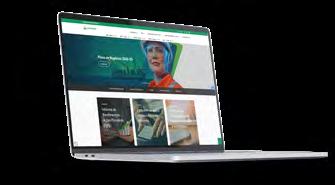

Relations website
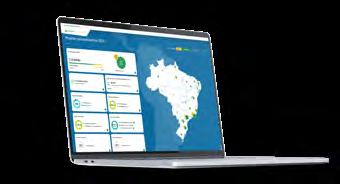
Regarding social and environmental investments, we provide detailed information on the new Socioenvironmental Dashboard website, which presents data on each project, including amounts invested, areas of activity, jobs generated, beneficiaries reached, monitored fauna and flora species, among other relevant indicators.
On social media, we reinforce this content through posts on our profiles on YouTube, Instagram, Facebook, TikTok, X, and LinkedIn.
On these channels, we moderate and respond to comments, promoting clarit y and transparency across several fronts for external audiences.
Additionally, in 2025, we created a WhatsApp channel to send information from Petrobras to followers, expanding the reach of our communications.

2.1 SUSTAINABILITY AND HUMAN RIGHTS STRATEGY
VISION
To be the best diversified and integrated energy company in generating value, building a more sustainable world, reconciling the focus on oil and gas with diversification in low carbon businesses (including petrochemical products, fertilizers and biofuels), sustainability, safety, respect for the environment, and total attention to people.
In our 2026–2030 Business Plan (PN 2026–30), we maintain the strategies defined in the 2050 Strategic Plan (PE 2050) and reaffirm our vision of being the best diversified and integrated energy company in value generation, building a more sustainable world by reconciling our focus on oil and gas with diversification into low-carbon businesses (including petrochemical products, fertilizers, and biofuels), sustainability, safety, respect for the environment, and full attention to people.
Our vision, purpose, and values are as follows:
PURPOSE
To provide energy that ensures prosperity in an ethical, fair, safe, and competitive manner.
VALUES
Care for people, promoting diversity, equality and inclusion, health, well-being, physical and psychological safety.
Act ethically, with transparency and coherence between discourse and practice.
CARE FOR PEOPLE
INTEGRITY
Generate value for the company and stakeholders with a long-term vision and commitments to life, just energy transition, the environment and society.
Build new pathways for the company, overcoming barriers, with collaboration, technology, technical ability and continuous learning.
Work with excellence and purpose for the development of Petrobras and the country.
SUSTAINABILITY
INNOVATION
COMMITMENT TO PETROBRAS AND THE COUNTRY
In our 2050 Strategic Plan, we reinforce the company’s position regarding Environmental, Social and Governance (ESG) topics, integrating these elements into a cohesive vision represented in the ESG diagram, presented below:
Operate our business with integrity in a safe and sustainable way, seeking to reduce emissions, promoting diversity and social development, and contributing to a just energy transition
Operate our business with integrity in a safe and sustainable way, seeking to reduce emissions. promoting diversity and social development, and contributing to a just energy transition ,
Operate our business with integrity in a safe and sustainable way, seeking to reduce emissions, diversity and social and contributing to a transition
Ambi
We keep a set of commitments related to the four positions of the ESG diagram. We present these commitments as follows:
REDUCE CARBON FOOTPRINT
> Reduce Absolute Operational Emissions by 30%1 by 2030 (54.8 million tCO2e/year)
> Zero routine flaring by 2030
> GHG Intensity in E&P segment: reach portfolio intensity of 15 kgCO2e/boe by 2030
> GHG Intensity in Refining segment: reach portfolio intensity of 30 kgCO2e/CWT by 2030
> Reduction in methane emissions intensity in the Upstream reaching 0.20 t CH4/mil by 2030
1. Reference year 2015. This commitment only considers the business segments in which we are already involved and the Company’s willingness to use carbon credits.
PROTECT THE ENVIRONMENT
> 40%¹ reduction in our freshwater intake by 2030 (91 MM m3/year)
> 30%¹ reduction in the generation of solid process waste by 2030 (195 thousand tons/year)
> Allocation of 80% of solid waste to RRR² routes by 2030
> Net positive impact on vegetated areas by 2030
> 30% increase in Biodiversity conservation by 2030
In 2025, we achieved our commitment to have “100% of Petrobras facilities with biodiversity action plans by 2025,” totaling 74 units. The plans cover units located in offshore areas as well as onshore facilities such as refineries, thermoelectric plants, gas processing units, pipelines, and logistics terminals.
1 Base-year: 2021. Business segments not in the company’s portfolio in 2021 (Fertilizers and BioQAv) are not included in the scope of the commitment.
2 Reuse, recycling and recovery
CARE FOR PEOPLE
> Provide a return to society of at least 150% of the amount invested in voluntary socioenvironmental projects¹ by 2030
> To be among the top three O&G companies in the human rights ranking by 2030²
> Women in leadership: 26% by 2030
> Black people in leadership: 26% by 2030
> Implement 100% of the commitments of the Mind in Focus Movement (UN Global Compact) by 2030
> Implement 100% of the strategic objectives of the WHO Global Physical Activity Action Plan in the business context by 2030
1 Per project, measurable (3 years)
2 In the Corporate Human Rights Benchmark (CHRB)
ACT WITH INTEGRITY
> Achieve, by 2026, a minimum of 30% representation of women in statutory positions appointed by Petrobras within its equity holdings
> Achieve, by 2028, a minimum of 20% self-declared Black people in statutory body positions appointed by Petrobras in its equity investments
> Ensure, by 2030, the completion of sexual violence investigations within an average timeframe of 60 days
> 100% of relevant suppliers trained in integrity and/or privacy by 2030
>Implement human rights due diligence on 100% of our relevant suppliers by 2030
> Evaluate the expansion of ESG requirements in 100% of contracts in strategic categories by 2028
> Establish that 70% of relevant suppliers have their emissions inventory (GHG) published by 2028
Aligned with our strategies, we have top metrics that guide our organization toward the main objectives of our plan. These metrics are deployed in the scorecards of senior management and in performance management (PM), a process that evaluates the competencies and goals of all employees (with or without a managerial function).
For the 2026-2030 Business Plan, the following top metrics have been defined:
In the financial dimension:
> Free Cash Flow (FCF) Indicator
> Net Present Value (NPV) Indicator
In the sustainability dimension:
> GHG Emissions Target Achievement Index (IAGEE)
> Environmental Commitment Indicator (ICMA), represented by the Volume of Oil and Petroleum Products Spilled (VAZO)
> People Safety Commitment Indicator (ICSP), represented by Total Recordable Injury Rate (TRIR) and the Fatalities and Permanent Impairment Rate (TAG)
With the exception of the ICSP, the top metrics and their targets are included in the variable compensation of executives and all company employees in 2026.
Just energy transition
A just and inclusive energy transition is one that is committed to promoting equity and social participation, minimizing negative impacts on communities, workers, companies, and social groups vulnerable to transformations in the energy system.
It maximizes opportunities for socioeconomic development, increased competitiveness of the productive sector, and the reduction of inequalities and poverty at the international, regional, and local levels.1
In Brazil, the just transition is one of the crosscutting strategies of the Climate Plan 2024–2035, and it has synergies with the Ecological Transformation Plan and the National Energy Transition Policy. This cross-cutting strategy aims to guide the implementation of Climate Plan actions, ensuring the promotion of just transition and climate justice in the construction of a more sustainable and equitable society2. In 2025, this topic was also highlighted in discussions at the Conference of the Parties (COP30) of the United Nations Framework Convention on Climate Change (UNFCCC), including the decision to develop, throughout 2026, a mechanism for a just transition aimed at increasing international cooperation, technical assistance, capacity-building, and knowledge sharing.
Within this national context, among many other actors, we engage in the process of evaluating, developing, and selecting technological pathways to supply the energy required by society, stimulating both production and demand through energy planning, and monitoring and supporting societal movements organized by the Brazilian State.
We recognize our strategic and driving role in the just energy transition, integrating social inclusion into the stages of productive transformation. We position ourselves as a reference for the private sector in the pursuit of more cost-effective decarbonization pathways, in expanding the supply of energy in Brazil, increasing employment and training opportunities, investing in low-carbon research, development, and innovation (R&D&I), and in socioenvironmental investments. We also seek to collaborate with stakeholders and protect communities potentially affected by the energy transition, maintaining transparent dialogue in the development of transition and adaptation plans.
We understand that just transition is connected to the promotion of human rights, particularly through its contribution to the right to a clean and healthy environment and the right to a standard of living adequate for health and well-being, for both present and future generations. For this reason, just transition is reflected in a specific principle of our Social Responsibility Policy and is linked to all our values: sustainability, care for people, innovation, integrity, and commitment to Petrobras and to the country.
We
highlight some of our practices that apply both to traditional activities and to new energy transition businesses.
Stakeholder dialogue and engagement: our strategic plan is publicly disclosed to all our stakeholders, including communities within our areas of influence, the internal audience, and suppliers. In addition, we address just transition in our relationship with labor unions within the framework of the collective bargaining agreement. More broadly, our engagement dialogues stem from governance-established processes, including the integrated human rights due diligence process, social risk diagnostics in our areas of influence, social participation processes characteristic of environmental licensing and the community relations management. Throughout 2025, we highlight dialogues held with public authorities on the topic “Pathways to a Just Energy Transition”, as well as dialogues between companies in Latin America and the Caribbean regarding just transition in the region through the Regional Association of Oil, Gas and Renewable Energy Companies in Latin America and the Caribbean (ARPEL). With research institutions, we highlight engagement through partnerships that promote innovation through the Connections for Innovation Program.
In 2025, we participated in two forums organized by the United Nations (UN) in which, among other topics, Just Energy Transition was addressed. In September, in New York, we sponsored the 4th edition of the Congress “The SDGs in Brazil” and took part in the panel “Employability and income generation through the climate transition.” In November, we took part in the UN Forum on Business and Human Rights, held annually in Geneva (Switzerland) and recognized as the main global multistakeholder platform for dialogue on the implementation of the UN Guiding Principles on Business and Human Rights (UNGPs). Petrobras delivered a presentation in the panel “Connected Global Value Chains”, addressing the transition toward more sustainable production models.
Relationship guidelines: in our Community Relations Guideline, within the context of the transition to a low-carbon economy and climate adaptation, we include instructions to leverage opportunities through partnership and dialogue with local communities, particularly regarding the right to a clean and healthy environment, the sustainable development of territories, access to quality energy services and climate resilience. In 2025, we published new guidelines for “Involuntary Displacement of People or Communities” and “Petrobras’ Guidelines for Reparation for Human Rights Violations”, reinforcing our commitment to respect for human rights in light of the impacts of our activities and projects on individuals and communities.
See our guidelines at: Social Responsibility: a better world starts like this
Human Rights Action Plan: the human rights due diligence actions included in the action plan follow formalized procedures guided by the UN Guiding Principles on Business and Human Rights, which establish that companies must adopt processes appropriate to their size and complexity, considering the risks inherent to their activities. In 2025, we continued implementing the human rights due diligence process, reaching 13 Petrobras’ operational units. This process resulted in the preparation of risk treatment plans based on engagement with rights holders, such as workers, communities, labor unions, and civil society organizations. Based on the due diligence process, operational units establish an action plan monitoring system and continuous monitoring to evaluate the effectiveness of risk mitigation measures related to human rights.
Selection and implementation of new businesses: we ensure that new businesses have the lowest possible negative impact on people and the environment, with robust processes for project evaluation, licensing, characterization of surrounding areas, social and environmental risk analyses, and due diligence for the protection of communities. The evaluation framework for low-emission energy projects includes regional characterization, analyzing local Sustainable Development Goal (SDG) indicators of the municipalities involved and the potential impacts of project implementation. This approach brings attention to risk mitigation needs and opportunities to expand local benefits during the early project stages. Portfolio change assessments include metrics related to energy supply and production cost. In collaboration with external partners, we also conduct studies on lower-cost decarbonization pathways, aligned with regional potential, national energy planning, and Brazil’s Nationally Determined Contribution (NDC).
Optimization of Petrobras’ installed infrastructure: we seek full utilization and integration of our assets in the context of expanding energy supply and reducing emissions, including the production of renewable fuels. Leveraging our qualified human capital, we work to offer lower-emission products, such as Diesel R, a fuel containing renewable content produced through coprocessing in Brazilian refineries. This solution demonstrates our commitment to anticipating and accelerating decarbonization opportunities, particularly in critical sectors such as heavy transport, which directly affects national logistics and food prices. We also invest in projects for the production of Sustainable Aviation Fuel (SAF) and renewable maritime fuels such as Biobunker VLS B24, contributing to the decarbonization of the aviation and maritime transport sectors, aligned with legislation and global trends.
Indicator management for a just transition: Based on our Human Rights Action Plan, we identify metrics and initiatives to demonstrate and strengthen progress toward a just energy transition.
In addition to the supply of lower-emission energy and its respective decarbonization potential and production costs, the metrics include social benefits derived from investments in energy production, socio-environmental projects and research, development, and innovation (R&D&I).
For example, we monitor: the generation of quality jobs, the number of partner institutions involved in technological development, the percentage of investment in low-carbon R&D&I, employee training for energy transition and decarbonization, the number of people completing the technical and vocational training social program and the social return of socio-environmental projects. Additionally, we highlight that we maintain the GHG Emissions Target Achievement Index (IAGEE) related to operational decarbonization, which is linked to variable compensation across the entire company.
Training and quality jobs in the energy sector: We provide training, both directly and indirectly, with benefits for social inclusion and inequality reduction, through the Autonomy and Income Program, which offers professional training courses in: initial and continuing training (FIC) and technical training programs. The program targets people in situations of socioeconomic vulnerability, prioritizing underrepresented groups such as women, Black people, and persons with disabilities, transgender people and refugees. Participants are trained for careers in the energy sector, particularly in locations within the areas of influence of our operations. By 2025, 302 training cohorts had been conducted across 42 municipalities. In the context of innovation and technological development, we began including diversity clauses in technological cooperation agreements with universities and research institutions. These clauses promote the inclusion of Black, Brown, indigenous people, women, and persons with disabilities in project teams.
For active employees, training for future contexts is supported by the Petrobras’ Knowledge System, within our Corporate University, including training on human rights, prevention of workplace violence and a learning pathway on climate change and energy transition. We also implement several initiatives to promote diversity, equity, and inclusion in the workforce and leadership, such as Women’s Mentorship Program, Racial Equity Program, Petrobras’ Program Against Sexual and Workplace Violence, Mental Health Program and Petrobras’ Well-being Program. For our suppliers, we include human rights clauses in contracts and offer a sustainability knowledge pathway through the ESG Journey.
2.2
HUMAN RIGHTS RISK MANAGEMENT
Due to the nature and scale of our business, we are exposed to risks of human rights violations, as our exploration, production, refining, and transportation of oil and oil products operations involve an extensive supply chain, a large workforce, and a set of communities located within the areas of influence of our units, requiring continuous interaction with society.
We believe that integrated and proactive risk management is fundamental to delivering safe and sustainable results. Qualitative risk analysis enables prioritization and direction of action plans, aiming to prevent and minimize adverse events and maximize opportunities that may generate benefits.
Our corporate risk management area coordinates the development of the Petrobras’ Enterprise Risk Matrix, involving all areas of our organizational structure.
The risk matrix update process is continuous, with at least two update cycles per year, involving employees with several expertises who identify and report potential risks across the organization, including social, environmental, and economic risks. This process identifies threats and opportunities, associated controls, probability of occurrence, consequence assessment and proposed treatment actions.
At the end of 2023, the Board of Directors approved the inclusion of the social dimension in the corporate guideline that defines probability and impact criteria for risks, as well as guidance for the development of action plans and monitoring of high-severity risks. Since 2024, enterprise risks have been evaluated in the social dimension, in addition to the other four dimensions: financial, image and reputation, legal and compliance and environment and life. The social dimension considers the assessment of potential impacts on rights holders, especially among vulnerable social groups, indigenous people, quilombola communities, and other traditional communities, including socioeconomic aspects, cultural heritage, infrastructure, and local productive activities.
In our Enterprise Risk Matrix, we include risks specifically related to human rights, such as the risk of human rights violations in our operations and supply chain. Senior management, including our Board of Directors, monitored this risk and its respective treatment in 2025, and this will continue in 2026, as it has been selected as a strategic risk for the 2026–2030 Business Plan.
The Executive Risk Committee and the Executive Board select strategic risks annually, which are those risks that, due to their relevance to achieving the company’s strategic objectives, are monitored by the Executive Board, the Board of Directors, and their respective advisory committees related to corporate risk management. The selection of this risk as strategic highlights the importance of respect for, and promotion of human rights for Petrobras.
Additionally, we have an Internal Audit area responsible for systematically evaluating the risk management process and recommending improvements, providing senior management and governance bodies with assessments with higher levels of transparency and independence.
—
Management of social risks at Transpetro
In 2025, Transpetro consolidated its socioenvironmental management with the publication of the Standard Managing Social Risks Throughout the Business Life Cycle, which guides, in an integrated manner, the identification, analysis, treatment, and monitoring of social risks associated with operations. The process considers all stages of the business life cycle and organizes the assessment based on two dimensions – local development and human rights – enabling an understanding of potential impacts on livelihoods, territorial dynamics, and community perceptions.
The social risk matrices provided for in the standard became an essential tool for guiding operational decisions and preventive actions, establishing points of attention in territorial interventions and strengthening the social license to operate. The corporate adoption of the document increased institutional maturity in the integrated management of social risks, aligning internal practices with social responsibility guidelines and the company’s strategic objectives.
2.3 HUMAN RIGHTS GOVERNANCE
Our governance structure is composed of the General Shareholders’ Meeting, Fiscal Council (CF), Board of Directors (CA) and its committees (statutory advisory committees to the CA), Audit, General Ombudsman’s Office, Executive Board (DE) and its committees (statutory advisory committees to the executive officers and advisory committees to the Executive Board).
The Board of Directors and the Executive Board, whose responsibilities are set forth in the company’s Bylaws and in their respective internal regulations, manage us. The Basic Organizational Plan, in turn, defines Petrobras’ corporate governance guidelines and organizational models, detailing the company’s overall structure and the responsibilities of its units, whose heads are responsible for submitting proposals to the decision-making bodies provided for in the bylaws.
Our Bylaws and the Basic Organizational Plan can be found at: Governance - Petrobras
The Petrobras’ Board of Directors is the highest body responsible for the guidance and management of the company, responsible for defining the mission, the strategic objectives, and for approving the strategic plan and global policies, including those aimed at sustainability, the environment and social responsibility.
The decision-making process on sustainability matters, including issues related to human rights, involves several structures of our corporate governance, including the Board of Directors, the Executive Board and their respective advisory committees.
The resumes of our Board members can be found at ManagementPetrobras .
Advisory Committee to the Board of Directors
The Health, Safety and Environment Committee (HSEC) primarily support the decision-making process on sustainability matters –including aspects related to human rights –, but it also has relevant interfaces with other committees in their specific responsibilities.
The communication of critical environmental, social, and governance (ESG) issues to the Board of Directors occurs through periodic reports from the Statutory Audit Committee and the Safety, Environment and Health Committee, which take note of critical issues forwarded by our various areas. In 2025, noteworthy actions included the sponsorship and active support for the implementation of the Petrobras’ Program to Combat Sexual and Workplace Violence (PPCVST), the support for the creation of the Executive Board’s Human Rights Executive Committee, the continuous monitoring of the portfolio of socioenvironmental projects, and the systematic reporting of Safety, Environment and Health risks (covering environmental and life, image, reputation, and social dimensions).
The HSEC advises the Board of Directors on topics covering safety, environment and health, social responsibility, climate change and the transition to a low-carbon economy. Among its main responsibilities are advising on the establishment and monitoring of global sustainability
policies, monitoring and proposing strategic targets, monitoring indicators and relevant issues, recommending preventive or corrective actions for socioenvironmental risks, as well as analyzing and reporting impacts potentially relevant to the life, image and reputation of the company. It is also the responsibility of this committee to review information related to significant sustainability incidents and propose the disclosure of its activities in our annual reports, reinforcing the commitment to transparency and corporate accountability.
Human rights issues, as an integral part of corporate sustainability, permeate the Health, Safety and Environment Committee recommendations, especially with regard to social responsibility and the promotion of practices that ensure respect for people and communities potentially affected by our operations and by our supply chain.
Advisory Committee to the Executive Board
The advisory committees to the Executive Board (EB) are responsible for evaluating, debating and recommending the approval of proposals submitted by technical areas, especially multidisciplinary topics that require the integration of perspectives from different areas of the company.
Human Rights Executive Committee
We created, in October 2025, the Human Rights Executive Committee, whose purpose is to advise the Executive Board in the analysis, monitoring and treatment of issues related to human rights, including the prevention and combating discrimination, moral harassment and sexual violence, promotion of diversity, equity and inclusion, human rights due diligence, well-being, decent work, community relations, relations with indigenous people and traditional communities, human rights defenders, among others.
The group, coordinated by the Social Responsibility area, also brings together executives from the Compliance, Corporate Intelligence and Security, Human Resources, Procurement, Health, Safety and Environment, Internal Affairs, and General Ombudsman’s Office areas.
The committee operates in an integrated and crosscutting manner, coordinating strategies, action plans and indicators, in addition to ensuring the alignment of these initiatives with corporate guidelines and strategic planning, contributing to the goal of being among the three oil and gas companies best evaluated in human rights by 2030.
With this initiative, we reinforce our commitment to business decisions that ensure ethical, fair and competitive performance, with full attention to people.
Among the committee’s responsibilities is monitoring the Human Rights Commission, the Petrobras’ Program against Sexual and Workplace Violence (PPCVST) and the Petrobras’ Well-Being Program (PPBEM).
Human Rights Commission
The Human Rights Commission (HRC) is a human rights governance forum at Petrobras, with the purpose of supporting the strategic decisions established by the Human Rights Executive Committee, which advises Petrobras’ Executive Board. The commission manages the implementation of initiatives and guiding principles established by the Human Rights Guidelines at Petrobras, in a broad, integrated and crosscutting manner across the business.
The coordination of the HRC is carried out by the Executive Social Responsibility Management area, which has the specific responsibility of managing the human rights process within the company, ensuring the incorporation of respect for human rights across all areas and operations and in relations with our stakeholders, as well as its broad and crosscutting integration into our business.
The HRC and its subcommissions have the role of preparing, implementing, monitoring and reviewing, as well as validating execution strategies, of our Human Rights Action Plan (HRAP), as well as deploying the commitments related to human rights provided for in the Strategic Plan (PE) to management levels.
The HRC is composed of executive management units that have direct involvement in the deployment of human rights targets and commitments provided for in the Strategic Plan (PE) or in Petrobras’ Human Rights Guidelines, that have institutional interaction with stakeholders in the implementation of the human rights agenda, and/or that act directly or indirectly in the implementation of initiatives and planning of the HRC.
The HRC is composed of representatives from different executive and general management areas, and representatives from subsidiaries of the Petrobras’ System (Transpetro and PBio).
The HRAP has
of implemented actions
actions
TIMEFRAMES
The HRC and its subcommissions meet monthly to monitor the Human Rights Action Plan and to carry out various awareness actions, dissemination of content and updates to the company’s human rights agenda. Currently, the HRC is organized into four subcommissions, with the creation, in 2025, of the Community Relations Subcommission.
The Community Relations Subcommission was established as a strategic space to discuss relationships with communities within our area of influence, understanding that this work must be integrated with the business strategy and recognizing that ethical and continuous dialogue with communities contributes both to the feasibility of operations and to the sustainable development of the territory.
The first responsibility of the Community Relations Subcommission was the creation of the Community Relations Guideline, which incorporates specific guidelines for relationships with indigenous people and traditional communities.
The HRAP has more than 50 implemented actions. It is periodically reviewed by the Health, Safety and Health Committee (HSEC) of the Board of Directors and by the Human Rights Commission Executive Committee, which advises the Petrobras’ Executive Board.
Its implementation is a collective responsibility of all members of the commission, and the implementation of the plan is monitored by monitoring indicators.
The prioritized strategies for the drilling down of the human rights agenda in the 2024-2026 period were:
Combating discrimination and harassment, including in the supply chain;
Constitution of new public commitments and statements;
Promotion of workplace diversity, equality and inclusion, including in the supply chain;
Establish human rights due diligence in operations;
Integration of human rights in the Company’s strategic decisions;
Establishment of human rights due diligence process in relevant suppliers;
Implementation of human rights due diligence in units’ decommissioning, investment projects, business partnerships and joint ventures;
Centralization of grievance mechanisms and reparation, considering the satisfaction evaluations of users of different channels and their continuous monitoring for better results; Human rights training.
The Human Rights Action Plan brings together strategic initiatives that contribute to achieving the established human rights commitments, derived from:
> Petrobras’ Strategic Plan and Business Plan.
> Ambitions and planning of the Executive Social Responsibility Management area or other areas that present strategies linked to the company’s human rights agenda.
> Fulfillment of commitments undertaken with the United Nations (UN) and other international and national entities.
> Improvement of performance in market indices and investor demands
> Treatment of risk of human rights violations.
The implementation of the Human Rights Action Plan is a collective responsibility of all HRC members and is periodically monitored through indicators.
The monitoring process of the action plan is carried out through a specific tool, which includes the responsible management area, information on each stage of execution, as well as evidence and deadline for completion of the actions.
The monitoring of the execution of the Human Rights Action Plan is presented at HRC meetings and is periodically reported to the Human Rights Executive Committee. As it is a strategy for addressing the risk of human rights violations, given the severity of this risk, the status of the implementation of the action plan is also periodically reported to the Risk, Governance and Statutory Audit Committees, which advise senior management.
The execution of the action plan is a process indicator for monitoring social responsibility indicators.
In 2025, for the second time, an audit was carried out to evaluate the alignment of the execution of the Human Rights Action Plan with the company’s human rights values and commitments, with emphasis on the evaluation of the tool used to record evidence of execution and monitor deadlines.
The Human Rights Action Plan undergoes periodic reviews every two years and, in 2026, the review related to the 2027–2029 cycle will be carried out, with broad participation of HRC members.
Corporate programs within the scope of the Executive Human Rights Committee
Petrobras’ Program Against Sexual and Workplace Violence
The Petrobras’ Program Against Sexual and Workplace Violence (PPCVST) is a corporate program aimed at fostering a diverse, respectful, safe, healthy, and violence-free work environment. It is structured around four areas of action (Strategy, Prevention, Support, and Complaints handling). It was launched in May 2023, initially focusing on combating sexual violence and, in April 2024, its scope was expanded to include violence in the workplace.
From 2023 to 2025, the program implemented 50 actions, representing 91% of the initiatives defined in the action plans of its two cycles.
Throughout 2025, 14 actions were completed, among which the following stand out:
Strategy Axis
> Revision of the Whistleblower Protection Guideline, a document that establishes rules to protect individuals who report nonconformities related to the company’s operations, or who have clearly disclosed their intention to do so, against disproportionate, harmful or potentially harmful, abusive, or unfair treatment. The protection provided by the document also extends to any person who provides information or participates in the handling of a complaint. The new version of the document incorporates improvements implemented in the complaint-handling process, particularly regarding complaints of sexual and workplace violence.
> Issuance of corporate guidance for the appointment to commissioned positions (supervisory, managerial, or specialist), including the immediate removal or prohibition of appointment of professionals sanctioned because of cases of sexual and workplace violence. These professionals may not hold commissioned positions until completing a functional rehabilitation period of at least one year in cases of warning and two years in cases of suspension, in addition to successfully completing an individual development plan including educational solutions on the topic.
Prevention Axis
> Implementation of the communication campaign “Respect at Work: a commitment of everyone,” which maintained the concept “The golden rule is respect” from the campaign launched in cycle 1 and expanded it to include combating all types of violence in the workplace, reflecting the program’s expanded scope. At this stage, emphasis was placed on reinforcing the role of leadership in addressing violence and broadening the campaign’s reach to include service providers. To this end, materials such as posters, banners, screen backgrounds, videos, and short
presentations about the Support Channel and each type of violence were produced and disseminated, in addition to a live presentation delivered to Petrobras’ leadership with the participation of representatives from senior management and the Public Prosecutor’s Office.
> Enhancement of the supplier-learning pathway with human rights content, including the availability of new human rights content on the Petrobras’ Supplier Channel website (which provides information to companies wishing to join or already registered in the company’s supplier registry). These materials include the remote course “Human Rights: a Petrobras’ Perspective, as well as booklets on combating xenophobia and on the rights of indigenous and quilombola people. These materials, along with others included in the ESG Journey for Suppliers,
are made available free of charge to all suppliers and sub-suppliers, and communications encouraging participation in this journey were reinforced throughout the year at various events held with this audience.
Support Axis
> Implementation of the project “Support goes to you,” primarily targeting contracted workforce professionals who do not have access to corporate communication tools, including cleaning and pantry service teams.
The initiative reached more than 1,200 participants from different areas, who had the opportunity to learn how health support is provided to individuals affected by situations of sexual violence and other forms of workplace violence.
Complaint Handling Axis
> Expansion of protection measures for victims of sexual and workplace violence, reflected in the new Guideline for the Protection of Victims of Workplace Violence, which establishes protocols and guidance to support and protect victims of sexual violence, moral harassment, discrimination, and retaliation, reaffirming Petrobras’ commitment to an increasingly ethical, safe, and welcoming work environment.
> Revision of the glossary for classifying labor relations complaints, resulting in simplified and more efficient classification procedures, enabling the appropriate categorization of each case, facilitating screening and contributing to analyses carried out by the Ombudsman-General and other areas involved in the stages of admissibility, investigation, disciplinary processing, and validation of corrective and disciplinary measures.
Combating gender-based violence
The “Dialogues on Masculinities and Violence against Women,” conducted through four activities (dialogue with leadership, lecture, roundtables with men, and listening sessions with women), have been promoting debate in several company units on how the structural machismo present in society affects women, men, and the workplace environment, acting as a driver for the normalization of conflicts and gender-based violence.
As a continuation of the initiative, the Petrobras’ Program Against Sexual and Workplace Violence (PPCVST) conducted, as part of the corporate programming of the “Lilac August” and “21 Days of Activism to End Violence against Women” campaigns, women’s self-defense workshops at 18 Petrobras’ facilities located in ten Brazilian states. The initiative involved more than 2,800 women from both the company’s own workforce and contracted workforce who perform activities in administrative
buildings, platforms, refineries, and thermoelectric plants, promoting empowerment and teaching techniques for action and response in situations of gender-based violence, in addition to reinforcing the internal and external channels available for individuals affected by violence.
Positioning itself against tolerance of any type of violence, Petrobras also conducted, through the PPCVST, internal training on prevention and assistance to women victims of domestic and family violence. With a total workload of 14 hours, the training addressed, among other topics, legislation, public resources, and public service channels for victims, as well as the role of organizations in addressing this type of violence. With the participation of 100 professionals from different areas, including Social Responsibility, Health, the General Ombudsman, Internal Affairs, and Human Resources, the training was recorded for subsequent availability on the company’s learning platform (SIRH).
Other important advances aimed at women in the company’s own workforce who are victims of domestic and family violence were reflected in the Collective Labor Agreement 2026–2027, which now provides, in addition to the granting of 14 consecutive days of leave, the corporate commitment to enable conditions for victims to continue working, including the relocation of positions or transfer of workplace location. For all purposes, such changes are considered to be in the company’s interest.
At events addressing the fight against gender-based violence, whether with the company’s workforce or with the supply chain, Petrobras has been promoting public service channels such as Ligue 180 (Women’s Assistance Center) and Disque 100 (Human Rights Hotline), encouraging everyone to contribute to the construction of a society free from violence against women.
—
Petrobras’ Well-Being Program
Recognizing the importance of structured, comprehensive, and integrated initiatives for building and maintaining healthy work environments, Petrobras instituted the Petrobras’ Well-being Program (PPBEM) in April 2024, with the objective of strengthening the management of organizational factors that influence well-being, acting preventively and intervening effectively and comprehensively in mental health in the workplace.
The PPBEM operates in an integrated manner across all organizational levels, from planning to execution of actions, supported by a governance structure that ensures coordination, capillarity, and effectiveness. This governance structure consists of an executive committee formed by the executive managers of Health, Safety and Environment, Human Resources, Shared Services, and Social Responsibility, a tactical committee composed of leaders responsible for the program’s different dimensions, well-being committees in all directorates with representatives from executive management, and a network of well-being agents acting as a link between corporate strategy and local workplace contexts.
In 2025, the program progressed with the development of well-being plans specific to each Executive Offices areas, based on internal surveys and data from each area and subsequently cascaded to all executive management areas.
The network of well-being agents was expanded with the addition of 93 new agents, currently totaling 316 representatives from different areas. These agents participated in an onboarding event and were included in a 40-hour training pathway, which has already generated 6,530 hours of training in total. Throughout the year, the agents carried out three thematic missions: Violence-Free Work Environments (660 hours of training and 2,457 people reached), Volunteering for Well-being (307 hours of training and 9,681 people reached), and Mental Health Promotion Agents (830 hours of training and 10,000 people reached).
316 representatives
Well-being agents network 6,530 hours of training
Acting on three thematic missions
In the Health Resources dimension, actions carried out in 2025 contributed to consolidating an integrated portfolio of initiatives aimed at promoting comprehensive health, encompassing both physical and mental health aspects. In the field of mental health, the establishment of the Mental Health Promotion Indicator (MHPI) stood out, reinforcing a preventive and systemic approach to workplace mental health by integrating dimensions related to training 100% of leadership in mental health promotion, fostering safe and healthy work environments (with participation from 97% of the company’s workforce), and engaging 160 suppliers on the importance of combating violence.
307 hours of training 9,681 people reached
ViolenceFree Work Environments
660 hours of training
2,457 people reached Volunteering for Well-being
Mental Health Promotion Agents
830 hours of training 10,000 people reached
The PPBEM adopts as reference the conceptual model of healthy workplaces developed by the World Health Organization (WHO), which structures actions into four dimensions: Health Resources, Psychosocial Work Environment (referred to at Petrobras as Organizational Ambience), Physical Work Environment, and Company Involvement with the Community.
Another major initiative was the campaign “Mental Health in All Colors, Living Life with More Color,” developed based on the WHO concept of mental health and aimed at reducing stigma and promoting awareness of available support channels. The campaign included 189 local actions and involved 10,000 participants, reinforcing prevention, continuous education, and the importance of seeking mental health support.
In the field of physical health promotion, Health Month, held in April under the theme “Connections for One Health,” increased awareness of prevention and self-care through corporate actions and local initiatives. Another highlight was the Petrobras’ Running and Walking Circuit, held in 19 stages in several Brazilian cities and on 38 offshore platforms, with participation from 12,144 people, including employees, service providers, and family members, combined with solidarity actions supporting social institutions. Two editions of the Health Game were also held, engaging 9,354 participants from across the workforce in 21-day challenges to promote healthy habits through a corporate application.
In the Physical Work Environment dimension, significant progress was made in modernization and accessibility, including the delivery of more than 150,000 m² of office design projects, more than 6,000 planned workstations, 10,450 m² implemented under the new model, 11,900 m² of accessible environments delivered, and 96% of accessibility diagnostics completed.
The Organizational Ambience dimension advanced through strengthened listening mechanisms, recognition initiatives, and organizational culture. The 2025 Organizational Ambience Survey reached 69% participation from the company’s workforce and resulted in an Employee Satisfaction Index (ISE) of 68%, guiding improvement actions. Initiatives recognizing people also stood out, including the Pride Petrobras’ Award and the resumption of work time achievement awards, which impacted 6,634 people.
The company’s cultural agenda was also strengthened through initiatives such as the Psychological Safety Journey (59 participants with an average evaluation of 4.7 out of 5), the Culture Laboratory for leadership (251 leaders trained), and the Leadership Meeting (360 participants), integrating strategy and corporate culture.
In the Company Involvement with the Community dimension, initiatives were developed aimed at citizenship, strengthening social bonds, and valuing diversity, including the Indigenous and Quilombola People’ Rights Supplement, the expansion of the Petrobras’ Volunteering Program to service providers, and the implementation of Traveling Ombudsman’s Offices. These were carried out at several company units and reached 6,182 members of the workforce, strengthening dialogue between the company and its workforce.
The consolidation of the PPBEM and the maturation of its practices throughout 2025 were recognized through national and international certifications and awards. Highlights include Petrobras’ certification by the Global Centre for Healthy Workplaces, confirming excellence previously recognized, recognition of the PPBEM by the Mente em Foco Movement of the UN Global Compact Brazil Network as a benchmark in corporate mental health practices, the award granted to the program case at the Companies that Best Communicate with Employees Award in the Corporate Happiness category, and internal recognition of the PPBEM within the Petrobras’ Volunteering Program due to the collective engagement promoted by the network of Well-being Agents.
Human rights management in the supply chain
The management of priority human rights issues in Petrobras’ relationship with its supply chain is carried out in a structured, integrated, and continuous manner within the corporate environmental, social, and governance (ESG) framework, with the direct participation of the Procurement area.
At the strategic level, the Board of Directors approves corporate ESG policies, targets, and indicators related to sustainability and human rights. It also supervises the management of socioenvironmental risks, including those associated with the supply chain. These guidelines are cascaded by the Executive Board, responsible for ensuring alignment of the ESG strategy with the business plan and with the human rights commitments undertaken by the company.
At the tactical and operational levels, the Executive Procurement t Area is responsible for implementing these guidelines in the processes for acquiring goods and services, allocating human, technical, and operational resources to integrate human rights criteria and other ESG requirements at all stages of the supplier contracting and management process.
In daily management, the Procurement area operationalizes priority human rights issues through the integration of ESG and human rights requirements into supplier due diligence processes, including expanding the scope of Integrity Due Diligence (DDI) to include verification of respect for human rights and protection of personal data. This process supports decisions regarding the initiation, continuation, or monitoring of commercial relationships, enabling the identification, prevention, and mitigation of risks. Additionally, the inclusion of a human rights clause in standard contractual templates stands out, significantly expanding the reach of the commitments undertaken by Petrobras with its supply chain. The effects and results of this initiative are detailed in a specific section of this document.
Daily management is also strengthened by systematic actions for engagement and training of the supply chain, including the ESG Journey for Suppliers, live broadcasts, webinars, workshops, inperson events, and ongoing communication through the Supplier Channel. Additionally, ESG questionnaires are applied, supporting risk prioritization and the direction of corrective and preventive actions.
To evaluate and deliberate on contracting opportunities with ESG requirements, ensuring alignment with corporate policies, the business plan, and market best practices, the Sustainable Procurement Committee was established. This multidisciplinary group brings together professionals from different management units within the Procurement area and acts as a forum for alignment, evaluation, and deliberation on ESG matters within the macroprocess of supplying goods and services, playing an advisory and consultative role in the decision-making process of the Supply Management Committee and other necessary bodies.
This set of structures, processes, and resources ensures ongoing, risk-based management monitored by indicators and aligned with corporate governance. In this way, it contributes to preventing nonconformities, promoting responsible practices, and strengthening sustainability across Petrobras’ value chain.
Technical Cooperation Agreement with the Ministry of Human Rights and Citizenship
In 2025, we concluded the Technical Cooperation Agreement with the Ministry of Human Rights and Citizenship (MDHC), signed in November 2023. The objective was to improve governance policies and promote an environment that defends and respects democracy, justice and human rights at Petrobras.
The Executive Compliance Management area, in coordination with the Procurement and Social Responsibility areas, is responsible for implementing human rights due diligence for 100% of relevant suppliers by 2030, as specified in the Strategic Plan 2026–2030, adopting a risk-based approach to analyze, identify, and monitor human rights commitments within the supply chain.
This activity includes document analysis, verification of practices and commitments, visits in loco to supplier facilities – reinforcing alignment with international best practices and Petrobras’ commitments – continuous monitoring, and recommendation of corrective and preventive measures. Visits in loco enable a more accurate assessment of supplier processes, allowing risk mapping and verification of the effectiveness of mitigation measures adopted regarding business impacts with a focus on people and human rights.
The results and lessons learned from human rights due diligence contribute to identifying and preventing nonconformities, guiding corrective actions and improvements in supplier management processes, policies, and practices, aligning with international standards and strengthening Petrobras’ commitment to human rights.
The process involved visits, technical meetings and questionnaires, resulting in a report from the MDHC that evaluated our human rights management. We also presented suggestions on how the Ministry could support companies on this topic.
The report concluded that we have demonstrated robust progress in the institutionalization of human rights and that Petrobras continues to serve as a reference in the energy sector in the awareness of, and promotion of human rights.
In 2025, Petrobras sponsored side events of the Brazilian Delegation of the United Nations Global Compact – Brazil Network, under the theme “Human Rights in Adaptation: Resilience and Inclusion in a World in Crisis”, as part of the 14th United Nations Forum on Business and Human Rights, held in November in Geneva, Switzerland. The event is the main global multistakeholder space for dialogue on the implementation of the UN Guiding Principles on Business and Human Rights (UNGPs). Bringing together more than three thousand participants from more than 130 countries at each edition, including representatives from governments, the private sector, civil society, academia and international organizations, the Forum has become a global reference in defining trends, assessing emerging challenges and building practical recommendations to advance the business and human rights agenda. On that occasion, Petrobras participated in two panels: “Generations and Diversity: New Perspectives on Mental Health at Work” and “Connected Global Value Chains”. For the first time, in 2025, Petrobras sponsored the 4th edition of the congress The SDGs in Brazil, organized by the United Nations Global Compact (UN). The event, which took place in September in New York, United States, is the largest corporate sustainability gathering in the world, bringing together hundreds of top leaders for panels, discussions and networking around environmental, human rights, labor, integrity and finance issues, in order to encourage dialogue with organizations and advance concrete actions through initiatives focused on race, gender, climate, circularity, anti-corruption and education. Within this agenda, one day is dedicated to a critical theme. In 2025, the focus was Business Leadership for an Inclusive and Regenerative Future.
2.4
HUMAN RIGHTS TRAINING AND AWARENESS
In 2025, several training and awareness initiatives on human rights were carried out with the aim of promoting knowledge among the workforce on this topic and strengthening a culture of respect for human rights within the company. Among the initiatives conducted, we highlight the following:
Training Initiatives
Actions to disseminate and update knowledge on human rights topics are continuously carried out to train and raise awareness among Social Responsibility teams. In 2025 and early 2026, the following initiatives were highlighted:
Ethical Code of Conduct Course
In September 2025, Petrobras launched a remote learning (e-learning) course on the Petrobras’ System Code of Ethical Conduct, revised and approved in 2024.
Mandatory for employees, the course uses interactive case studies that encourage reflection and the practical application of ethical principles in daily work activities.
The content brings together values, ethical principles, and guidance on the expected conduct of all individuals who are part of our workforce, stimulating critical thinking and ethical reflection when facing real-life dilemmas.
Among the topics addressed, issues related to ESG (Environmental, Social and Governance) stand out, with emphasis on labor relations, human rights and sustainable development. The training reinforces essential aspects present in everyday decisions, such as care for people, integrity, sustainability, innovation and commitment to Petrobras and to the country.
Training of relevant suppliers
With the objective of training 100% of relevant suppliers by 2030, throughout 2025 several training initiatives focused on integrity and privacy were carried out. The training addressed topics related to human rights and the promotion of a healthy work environment, including Regulatory Standard No. 1 (NR-1)
and psychosocial risks, as well as the General Data Protection Law (LGPD) and its relationship with human rights.
The initiatives included the participation of internal specialists, representatives from the Office of the Comptroller General (CGU) and professionals from key companies.
Human Rights Moment
Developed for new employees hired through public recruitment processes, the training aims to raise awareness about human rights at Petrobras.
The training, delivered remotely, contains videos on the following themes:
> Unconscious biases
> Prejudice and discrimination
> Diversity
> Gender and race
> Moral harassment and sexual harassment
> Inclusion of persons with disabilities
> Sexual diversity
> Cultural diversity
> Petrobras’ Human Rights Commission, and privacy and protection of personal data
We recorded more than 626 participations in the course throughout 2025.
Men as Allies Program
The Men as Allies Program aims to expand socio-relational skills and competencies in order to build a more diverse, fair and balanced corporate environment at Petrobras. The target audience is the entire workforce,
especially men. The program consists of an online course developed by Instituto Papo de Homem and roundtables among men to foster reflection, sharing, debate and everyday actions.
In 2025, we recorded more than 69 thousand participations, including the various modules and roundtables of the program.
Course “Human Rights and Business: a Petrobras’ Perspective”
Mandatory for employees, the remote course addresses:
1. human rights and their importance for society and for companies’ strategic planning
2. how Petrobras has been advancing actions aimed at respecting these rights in the development of all its activities throughout the business life cycle
3. the main public commitment assumed by Petrobras on the topic of human rights, embodied in the Human Rights Guidelines launched in 2020
4. how human rights appear in the daily lives of each of us, both within and outside the company
Course “Human Rights – A Petrobras’ Perspective (Service Providers)”
In 2025, we launched the remote course Human Rights – A Petrobras’ Perspective, aimed at service providers, reaffirming our commitment to the awareness of, and promotion of human rights throughout the value chain. This initiative is part of the company’s strategy to strengthen the human rights culture, ensuring that fundamental principles are present in relationships with employees, suppliers and communities.
The course aims to enable participants to recognize essential concepts related to human rights and understand how they apply in the corporate and social context. Among the topics addressed are:
1. The impor tance of human rights for society and for companies’ strategic planning
2. Petrobras’ actions to respect and promote these rights in its activities
3. The company’s public commitment, materialized in the Human Rights Guidelines
4. The presence of human rights in everyday life, both within and outside the company
With this initiative, we reinforce our view that respect for human rights is an essential pillar for sustainability and for building ethical and responsible relationships. In 2025, more than 51 thousand service providers successfully completed the course, significantly expanding the reach of this message and strengthening the company’s role as a reference in human rights practices.
This initiative is part of the strategic plan to train our entire workforce, employees and service providers, in human rights by 2030, consolidating a corporate culture based on respect, diversity and inclusion.
Prevention and Combat of Discrimination, Moral Harassment and Sexual Violence
The remote training Prevention and Combat of Discrimination, Moral Harassment and Sexual Violence, launched in 2023, remains mandatory for all employees. The training is part of the set of essential training programs for new employees, reinforcing institutional guidelines on safe and respectful labor relations. In 2025, the training recorded 2,005 completions.
Considering the diversity of the audience, between 2024 and 2025 versions were made available in English and Spanish for companies in the Petrobras’
System, in addition to a specific version for external audiences, forming part of the ESG Journey.
In addition to remote training, the company periodically promotes informational lectures and educational initiatives, reinforcing its institutional commitment to healthy work environments. These initiatives aim to raise awareness of the various forms of discrimination, harassment and violence in the workplace, contributing to the construction of more just, safe and inclusive spaces.
Actions to disseminate and update human rights topics are continuously carried out to train and raise awareness among Social Responsibility teams. In 2025 and in early 2026, the following topics stand out:
> Inequalities and the SDGs – 2030 Agenda
> Combating Conditions Analogous to Slave Labor
> Commitment to Life Program – Results and Interface with Social Responsibility
> Prevention of Violence in the Workplace;
> The importance of the struggle for LGBTQIA+ rights, a perspective on the right to work and dignity
> Black Awareness Caravan
> Human Rights and Contemporary Challenges
> Indigenous People’s Rights
> Human Rights, the Geopolitical Landscape and Possible Impacts on Human Rights Management in Companies
Certificate in Afro-Latin American Studies
Petrobras, like other public companies of the direct and indirect federal administration, participates in the Pact for Racial Equality
initiative, conducted by the Secretariat of Institutional Relations of the Presidency of the Republic. Within the scope of this pact, 16 company employees directly involved in initiatives related to racial issues participated in the course Certificate in Afro-Latin American Studies, carried out by the Afro-Latin American Research Institute at Harvard University and offered to employees of companies that joined the pact. The course is an international program dedicated to the study of the experiences, histories, contributions and challenges of the Black population in Latin America, from colonial times to the present.
Human Rights Training in International Shipyards
The initiative, developed through a partnership between Petrobras and a specialized consultancy, consisted of human rights training with an international focus for employees working in shipyards in China, Singapore and South Korea.
The content addressed cultural, legal and labor particularities of these locations. The training was aimed at contract inspectors working in shipyards abroad and included the participation of 245 employees.
Equatorial Margin: Challenges
The initiative aimed to promote knowledge about the human rights commitments and requirements adopted by Petrobras for managers and contract inspectors working in service activities in the Equatorial Margin. The monitoring of human rights clauses included in contracts was addressed. 150 employees participated.
Including You in Diversity Path
As part of our commitment to diversity, equity and inclusion, throughout 2025 we encouraged leadership to expand their knowledge and competencies through the Diversity Path, which brought together essential content to strengthen increasingly inclusive management within the company. Investment in these training initiatives was essential to advance, in a consistent manner, the construction of a more welcoming, respectful and diverse work environment.
Among the training sessions offered in 2025, the course Inclusive Management and Approaches to Persons with Disabilities and Neurodivergent People stands out, addressing essential practices for leadership grounded in empathy, respect and effectiveness, contributing to more inclusive and productive environments, as well as the lecture by Professor Liliane Rocha, which deepened the same topic. The training sessions recorded, respectively, 1,005 and 50 participations from company leaders.
The implementation of these initiatives throughout the year was particularly relevant in light of the 20% increase in the reservation of positions for persons with disabilities in our recruitment processes, reinforcing the importance of continuously preparing leadership for the welcoming, integration and development of these professionals.
Training for Health Professionals
In 2025, we carried out the training Gender Diversity and Mental Health for health professionals, aiming to support the technical qualification of welcoming, listening and referral practices, with a workload of 3 hours and 30 minutes and synchronous participation of 351 professionals.
Human Rights Leadership Training
New leadership onboarding
In 2025, the Petrobras’ New Leadership Onboarding course was redesigned, becoming more integrated and diverse. Intended for supervisors, coordinators and sector managers with less than three years in the role, it adopts a hybrid format with three days online and one in person. Eight classes were held and 515 new managers were trained, more than double the number of the previous year.
The program is organized into three axes: Culture and Self-development (leadership, culture, diversity and the role of the leader), Health and Well-being (health of managers and teams, harassment and violence at work) and Compensation, Values and Competencies (career, performance, and recognition). It includes dialogue sessions on Violence in the Workplace, Inclusive Leadership and the Challenge of Being a Leader at Petrobras, promoting diversity and representativeness.
In 2025, we launched the Development Paths for Senior and Middle Leadership, with the objective of training company managers on current topics aligned with Petrobras’ strategic planning, values and leadership competencies. This model provides flexibility and agility in updating content, meeting the company’s needs more effectively. The paths are organized into development axes and, in both, there is a specific axis dedicated to diversity, equity and inclusion. In 2025, we recorded 13,685 participations in training within this axis.
Leadership training in racial equity
Within the scope of the Racial Equity Program, and considering the theme of Black Awareness Month, we made training available to our leadership with the objective of formalizing the discussion on the promotion of racial equity as a strategy to overcome racism. For this purpose, we invited expert Alessandra Devulsky, who spoke on the topic “Anti-racist Practices: (De)construction of Identities in Confronting Racism and Colorism”. The training sessions, which took place in November 2025, will also be made available in our internal learning system so that more leaders may have the opportunity to complete them.
—
Training sessions, lectures and awareness-raising activities for communities
We also carried out several training initiatives related to the dissemination of human rights themes among communities within the area of influence of our operations. The themes are selected according to community demands, information from diagnostic assessments and/or for addressing social risks in the territory. Topics addressed included domestic safety issues, family financial education and planning, media literacy (combating fake news), prevention of and response to domestic violence, care for women’s emotional health and menstrual dignity campaigns.
A highlight of this line of work was the holding of more than ten training workshops aimed at combating the sexual exploitation of children and adolescents in 2025, with the participation of around 400 people.
Human Rights Booklets
Our Legal department developed the Legal Notebook on Diversity, composed of several booklets, each addressing a relevant topic related to diversity, equity and inclusion, with emphasis on a legal approach to the rights guaranteed to different groups. The project expanded its scope to include fundamental rights and freedoms. The booklets present essential information on the importance of the topics, including statistical data, the legislative evolution that supports rights and imposes responsibilities on individuals and companies, as well as the main decisions of the higher courts. At the end of each Booklet, the initiatives adopted by Petrobras are presented, demonstrating our commitment to social, market and legal requirements. To date, eight booklets have been published: Gender Equity and Women’s Rights, Sexual Diversity, Rights of Persons with Disabilities, Racial Equity, Rights of Indigenous People and Quilombola Communities, Combating Xenophobia, Generational Diversity and Combating Ageism, and the Right to Freedom of Religion and Combating Intolerance. The booklets were made available to the entire workforce and on the Supplier Channel.
Below is a summary of the booklets launched in 2025.

Indigenous People and Quilombola Communities Booklet
It presents clear and accessible information on the rights of indigenous people and quilombola communities, highlighting the national and international legal developments that protect them, with the aim of contributing to the construction of a more equal, inclusive and respectful society in relation to ethnic and cultural diversity. The
topic has strong interaction with our activities, since our relationship with indigenous people and quilombola communities occurs both through mandatory actions resulting from environmental licensing conditions and through voluntary initiatives, such as corporate social responsibility projects and socioenvironmental investments.
Combating Xenophobia Booklet
As we operate in several Brazilian states and in multiple countries, we recognize the importance of addressing the fight against discrimination and xenophobia with the relevance the topic requires. The Booklet was developed to highlight this theme, presenting data, information and an approach that encourages respect among all people, regardless of their origin. This is a recurring topic in the corporate environment, and confronting discrimination and xenophobia is both a duty of all citizens and an obligation of companies.
Generational Diversity and Combating Ageism Booklet
Recognizing the coexistence of multiple generations in the workplace and the scenario of population aging, we seek to create conditions so that all employees can contribute fully, regardless of age group. The material highlights the relevance of the topic, presenting data on the age composition of the workforce and the challenges faced by different generations, such as prejudice, stereotypes and barriers to inclusion. The Booklet presents the legislative and jurisprudential evolution related to protection against age discrimination, highlighting the rights guaranteed to workers and the responsibilities of companies. References to the main regulations and decisions of the higher courts are included, reinforcing our commitment to compliance with legislation and to the promotion of an inclusive work environment. Through these initiatives, we reaffirm our commitment to generational diversity, recognizing the value of experience, innovation and plurality of perspectives for the sustainable development of the company and for the construction of an equal society.
Right to Freedom of Religion and Combating Intolerance Booklet
This Booklet addresses the right to freedom of religion, emphasizing that respect for different beliefs, or the absence of them, is fundamental for building a plural and tolerant society. The material emphasizes that promoting religious tolerance is a shared responsibility of all, whether in the workplace or in social coexistence. The Booklet highlights the central role of the Federal Constitution, which ensures the separation between religious institutions and government entities, guaranteeing freedom of belief and worship as fundamental rights. The main constitutional and legal provisions that protect freedom of religion are presented, as well as the obligations of companies and citizens to respect the diversity of religious expressions. In addition, the material provides an overview of the legislative and jurisprudential evolution on the topic, including decisions of the higher courts that consolidate the understanding of protection against religious intolerance.
In 2025, our Legal department continued to promote events aimed at disseminating the booklets. The meetings were structured to foster interactive dialogue, enabling participants to become multipliers of the information. This collaborative approach seeks to expand human rights education within the company, reaching an increasing number of employees and promoting a culture of respect, inclusion and diversity at all levels of the organization. With the objective of extending knowledge beyond the boundaries of Petrobras, the booklets were also made available on the Supplier Channel, ensuring access to the content throughout the company’s supply chain.
See the booklets in the Supplier Channel
Awareness campaigns
Throughout 2025, we carried out several awareness actions on human rights themes focused on diversity, equity and inclusion with our workforce. Among the actions carried out, we highlight:
Trans Visibility Day
In the month in which Trans Visibility Day (January 29) is celebrated, we carried out several initiatives to promote visibility, inclusion and respect for transgender people. One of the main initiatives took place in January, when we began the morning with representatives of the presidency and the entire executive board welcoming transgender employees for breakfast, marking an unprecedented moment in the company for constructive exchange and listening to the strengths and challenges still faced by this group. On the same day, a hybrid event was held that reached the entire Petrobras’ workforce, with the lecture “Trans Visibility and Employability” by external guest Noah Scheffel, the presentation of the TransCuidar Health Program and the ceremony marking Petrobras’ adhesion as a signatory company to the Business and LGBTI+ Rights Forum.
Women’s Month
During the month of March, in celebration of International Women’s Day, we carried out several initiatives aimed at valuing women, giving voice to their inspiring stories and recognizing the impact of their trajectories on the development of the company. Among the initiatives, the live event “Women Who Inspire: Opening Paths and Overcoming Challenges” stands out, bringing together Petrobras’ employees from senior leadership, pioneers in their fields of activity, as well as the participation of soccer referee Edna Alves, a national reference and pioneer in her segment.
Training initiatives at Transpetro
“Masculinity Circles” Transpetro Journey for maritime personnel:
Throughout 2025, Transpetro held a series of roundtables focused on addressing gender-based violence aimed at employees from the maritime workforce, in line with the Community Relations and Social Responsibility Program for the Maritime Transportation Directorate (DTM). These meetings sought to promote respectful relationships, inside and outside the workplace, encouraging reflection on behavior, culture and coexistence. The first roundtable took place on August 26 and included the participation of 27 ship sub-officers. On October 28, the webinar “Masculinities in Dialogue: A Conversation about Gender” was held, aimed at the participation of employees. On November 25 and 27, the DTM board participated, together with managers, in an immersion at headquarters, where they reflected on themes related to masculinity from the leadership perspective. The fifth meeting took place at the Belém Terminal (PA), with the participation of 17 subofficers from the Northern region.
Meeting on Indigenous People
In the field of valuing diversity and respect for indigenous peoples, two events were held to train professionals who work along pipeline routes that cross indigenous territories. On January 23, the São Paulo Center-West Regional Meeting brought together teams to deepen knowledge on legislation, guidance from the National Foundation
for Indigenous Peoples (Funai) and cultural diversity. On June 25, the meeting of Transbel teams, a Transpetro subsidiary, addressed the challenges faced by these peoples, totaling around 200 participants across both meetings.
Day to Combat Racial Discrimination Roundtable
The promotion of racial equity was reinforced on March 21 with an online roundtable held on the Day to Combat Racial Discrimination, which included the participation of 206 employees from various operational units. The event addressed the causes of racism, situations of discrimination, legislation and good practices for combating racial discrimination.
Black Women and the Struggle for Equality and Peace Roundtable
On July 25, the debate on gender and racial equity gained prominence with the roundtable “Black Women and the Struggle for Equality and Peace,” open to employees at headquarters and operational units. The event brought together 340 participants (online and in person) and presented data on the participation of Black women in the labor market and academia (as students, professors and researchers), rates of violence against women and reflections on the obstacles faced in achieving equity.
These initiatives reinforce Transpetro’s commitment to the promotion of human rights, the valuing of diversity and the construction of a more just, inclusive and respectful corporate environment.
We promoted visits to company facilities through the project “Your Daughter at Petrobras,” whose objective is to encourage female participation in the energy sector, contributing to increasing the number of women in public selection processes and, consequently, in the workforce. The target audience of the project includes daughters, stepdaughters and granddaughters of employees or service providers, aged between 14 and 29, who are enrolled in technical or higher education.
Actions were also carried out within the scope of the project “The Sea Is Theirs Too,” a pioneering initiative of the Brazilian Institute of Petroleum (IBP) and companies in the oil and gas sector, with active participation from Petrobras since July 2024, which reached important milestones in 2025 and culminated in the signing of the Gender Equity Pact in the Offshore Environment during the Offshore Technology Conference (OTC) 2025.
World Autism Awareness Day
In reference to World Autism Awareness Day, we promoted a virtual lecture entitled “Diagnosis of Autism Spectrum Disorder (ASD) in Adult Life,” delivered by psychologist Lúcio Mário, an expert on the subject and a neurodivergent person whose trajectory is marked by overcoming personal and professional challenges. The event also included a roundtable with the participation of the speaker and employees with ASD and Attention Deficit Hyperactivity Disorder (ADHD), promoting a qualified space for listening, exchange of experiences and awareness.
LGBTQIAPN+ Pride Month
To celebrate LGBTQIAPN+ Pride Day (June 28), we promoted several activities focused on diversity and inclusion throughout the month of June. This year’s campaign, “Pride in Who We Are,” conveyed the key message that, for Petrobras, diversity is not a trend but a historical construction that is part of our values, and it involved several LGBTQIAPN+ employees
in photos highlighting their pride on internal and external networks. The class “Sexual and Gender Diversity in Companies,” delivered by Professor Reinaldo Bulgarelli, was offered to affinity groups and diversity committees.
The live event “Meeting of LGBTQIAPN+ Affinity Groups of State-Owned Companies” was also held, with the participation of Petrobras, BNDES and Caixa Econômica Federal, promoting the exchange of experiences and strengthening connections among institutions. Another highlight was the hybrid event held for the entire Petrobras’ workforce on the theme “Current scenario and perspectives for DE&I policies in organizations,” which included the participation of employees and internal leadership, invited companies (Shell and Banco do Brasil) and representatives from civil society, such as Pri Bertucci (responsible for the creation of the Trans Pride March) and Maitê
Schneider (DE&I consultant). On that occasion, the Petrobras’ LGBTQIAPN+ Equity Plan for the period 2025–2027 was launched, along with the institutional sponsorship of the 8th São Paulo Trans Pride March. Throughout the month, Petrobras’ administrative and operational buildings were illuminated with the colors of the rainbow, a symbol of LGBTQIAPN+ diversity.
In partnership with the Corporate LGBTQIAPN+ Affinity Group (Orgulho Petrobras), between June and October 2025 the LGBTQIAPN+ Pride Caravans were carried out, bringing literacy and awareness actions on sexual diversity to more than 20 areas of the company, involving leadership and work teams. The initiative sought to broaden understanding of the importance of self-declaration of gender identity and sexual orientation, as well as the use of company facilities according to gender identity.
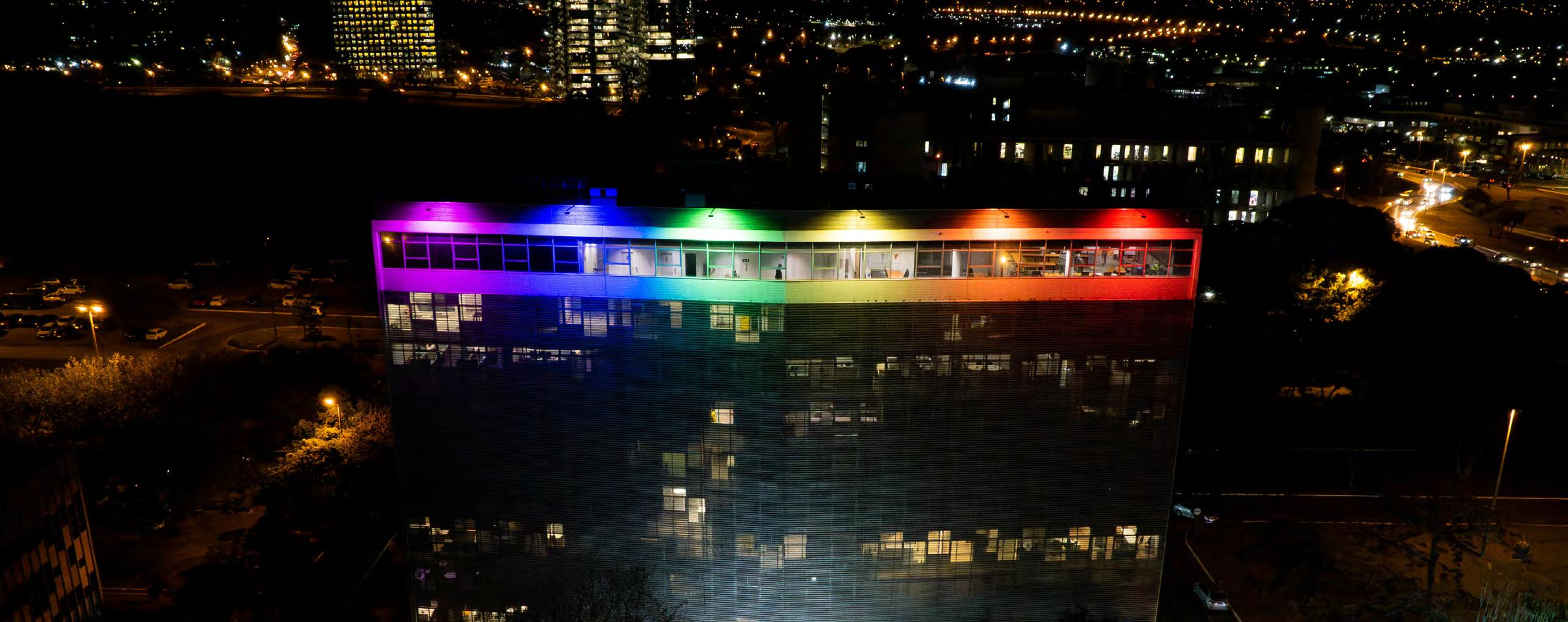
International Day of Afro-Latin American and Caribbean Women
In reference to the International Day of Afro-Latin American and Caribbean Women, on July 22 we held the live event “Self-Declaration and Ethnic-Racial Belonging: Who Is Black in Brazil and at Petrobras?”. The event featured the participation of experts Wania Sant’Anna, researcher and consultant on racial and gender relations and president of the Advisory Council of the Pact for the Promotion of Racial Equity, and Tamiles Alves, coordinator of Affirmative Actions in Politics and the Private Market at the Ministry of Racial Equality.
The meeting addressed ethnic-racial self-declaration as an essential instrument for promoting equity and social justice. The process was presented as an act of identity affirmation, in contrast to whitening practices whose effects have left deep marks on how Black and Brown people recognize themselves and are recognized, directly affecting their trajectory of belonging.
National Lesbian Visibility Day
On August 29, National Lesbian Visibility Day, we reaffirmed our commitment to diversity and, in partnership with lesbian women from the LGBTQIAPN+ Affinity Group, promoted an online live event for the entire workforce that included the lectures “Lesbian Visibility in Brazil and in the Corporate Market” and “Dual Motherhood – Experiences and Challenges.”
National Day of Struggle of Persons with Disabilities
During the month of September, we reaffirmed our commitment to promoting the rights of persons with disabilities through
several initiatives related to the National Day of Struggle of Persons with Disabilities, encouraging reflections on the current challenges and future perspectives of this agenda.
The main milestone in 2025 was our association with the Business Network for Social Inclusion through the Employability of Persons with Disabilities (REIS), linked to adherence to the Pact for the Inclusion of Persons with Disabilities, the only national commitment specifically aimed at the inclusion of this public in the labor market. For the signing of the pact, we held a special breakfast that brought together company leadership and employees with disabilities, promoting a qualified dialogue on paths toward building an increasingly inclusive company, with active listening, accessibility and physical structures suitable for the full development of the potential of persons with disabilities.
We also held a live event with Izabel de Loureiro Maior, physician and national reference in the struggle for the rights of persons with disabilities, on the theme “Brazilian Law for the Inclusion of Persons with Disabilities: 10 Years of Achievements and Challenges – How
Much We Have Advanced and What We Still Need to Transform.”
Still in September, we held at the Alberto Pasqualini Refinery (Refap) the event “Accessibility and Inclusion of Persons with Disabilities in Operational Areas,” which fostered debate on inclusive practices in the operational environment and on the ten years of the Brazilian Law for the Inclusion of Persons with Disabilities. Finally, other Petrobras’ units also promoted spaces for dialogue and reflection in reference to the National Day of Struggle of Persons with Disabilities. The initiative of the Santos Basin team stands out, which brought together, at the Petrobras’ Santos Building (Valongo Building), representatives of the workforce with different types of disabilities to share their work, experiences and challenges, both in the professional context and beyond.
Black Awareness Month
Throughout the month of November, several initiatives were carried out in celebration of Black Awareness Month, with the objective of valuing Black identity in all its diversity, highlighting trajectories and achievements that express a heritage that resists, reinvents itself and inspires.
The internal campaign “Celebrating the History that Lives in Us” included the dissemination of videos and photos on the company’s channels (corporate portal, Workvivo and Petrobras’ Instagram) highlighting the lives, aesthetics and experiences of Black people who work at Petrobras.
The event, “From Colorism to the Freedom to Be,” held at the Gabriel Passos Refinery (Regap) with the participation of guests Bárbara Carine and Sônia Guimarães, promoted debate on the impacts of colorism and the valuing of the different experiences of Black people, recognizing their ancestry, histories, characteristics and individualities.
Together with the Racial Affinity Group, the Black Awareness Caravans were carried out, bringing literacy and awareness actions to more than 30 areas of the company, promoting debates on colorism and its impacts. The initiative sought to broaden understanding of the theme, give visibility to issues of racial diversity and strengthen the awareness of leadership and the workforce regarding the importance of respect, inclusion and valuing Black people at Petrobras and in society.
Also in partnership with the Racial Affinity Group, we held the Workshop on Good Practices for Racial Equity, with the participation of external guest Dandara Suburbana, constituting a space for learning, exchange of experiences and sharing of successes and challenges aimed at promoting racial equity and strengthening anti-racist practices.
Additionally, we promoted leadership training initiatives on the theme “Anti-racist Practices: (De)constructing Identities in Confronting Racism and Colorism,” with external guest Alessandra Devulsky,
expanding leaders’ understanding of the organization of Brazilian society and the specificities of the racial phenomenon in Brazil.
Finally, Guided Visits on African Heritage were carried out in Salvador and Rio de Janeiro with the objective of expanding knowledge about Afro-Brazilian history and culture. The initiative brought to light the memory of the African diaspora, slavery and Black resistance, promoting heritage education and a critical and anti-racist reflection on the formation of Brazilian society.
In addition to the actions above, we also carried out awareness activities
Campaign on the use of Petrobras’ facilities (bathrooms, cabins, locker rooms and the like) according to gender identity
Campaign to disseminate within the company information about the normative instrument that, since 2018, guarantees the right of transgender people to use social facilities (bathrooms, cabins, locker rooms and the like) according to their self-declared gender identity. Communication materials were developed for presentations and physical materials to be displayed in all company units. This work was carried out in partnership with Diversity Committees and local and affinity groups to ensure the capillarity of the action, especially in operational units (refineries and onshore and offshore platforms).

Campaign encouraging employees’ self-declaration of sexual orientation and gender identity
With the aim of expanding knowledge about the profile of our employees, contributing to a better diagnosis of diversity within the company and supporting actions for increasingly representative, diverse and inclusive management, the fields for self-declaration of gender identity and sexual orientation in the employee register were revised. A campaign was also launched to encourage completion of these fields, since from its launch in 2022 until December 2024 we had reached only 12% completion. Several communication materials were developed (presentations, corporate email to employees, specific materials so that leadership could encourage their teams and inclusion of the theme in various events in the diversity calendar). The campaign was launched in June 2025 and by December, we reached 38.7% self-declarations in the sexual orientation category and 40.5% in the gender identity category.
Campaigns encouraging self-declaration of race/color
In addition to the awareness campaigns, in 2025 we carried out institutional campaigns encouraging ethnic-racial self-declaration, with the objective of ensuring legal compliance and improving the quality of registration records, conditions necessary to enhance the planning and monitoring of actions aimed at racial equity.
The initiatives guided employees on the importance of filling in the information in the Integrated Human Resources System (SIRH), as a result of Law No. 14,553/2023 and the requirements of eSocial (a Federal Government system that unifies the submission of tax, social security and labor information), which no longer allows the “not informed” option for race/color data.
In addition to explaining the legal and administrative impacts of the absence of this information, the campaigns reinforced ethnic-racial self-declaration as an act of identity recognition, guiding the workforce on the criteria for self-declaration, understood as the way each person recognizes themselves racially, as well as on the official race/color categories provided in eSocial (white, Black, Brown, Asian or Indigenous), required for registration and updating purposes in the SIRH. Because of these awareness and guidance initiatives, by December 2025 we reached 93.7% self-declarations in the race/color category.
The initiative is directly connected with the Petrobras’ Racial Equity Program, the Negritudes Mentoring Program and the Racial Affinity Group, contributing to expanding representativeness and promoting an anti-racist organizational culture.
The processing of race/color data observes the General Data Protection Law (Law No. 13,709/2018) and the company’s internal guidelines, reaffirming Petrobras’ commitment to human rights and to a more diverse organizational environment.
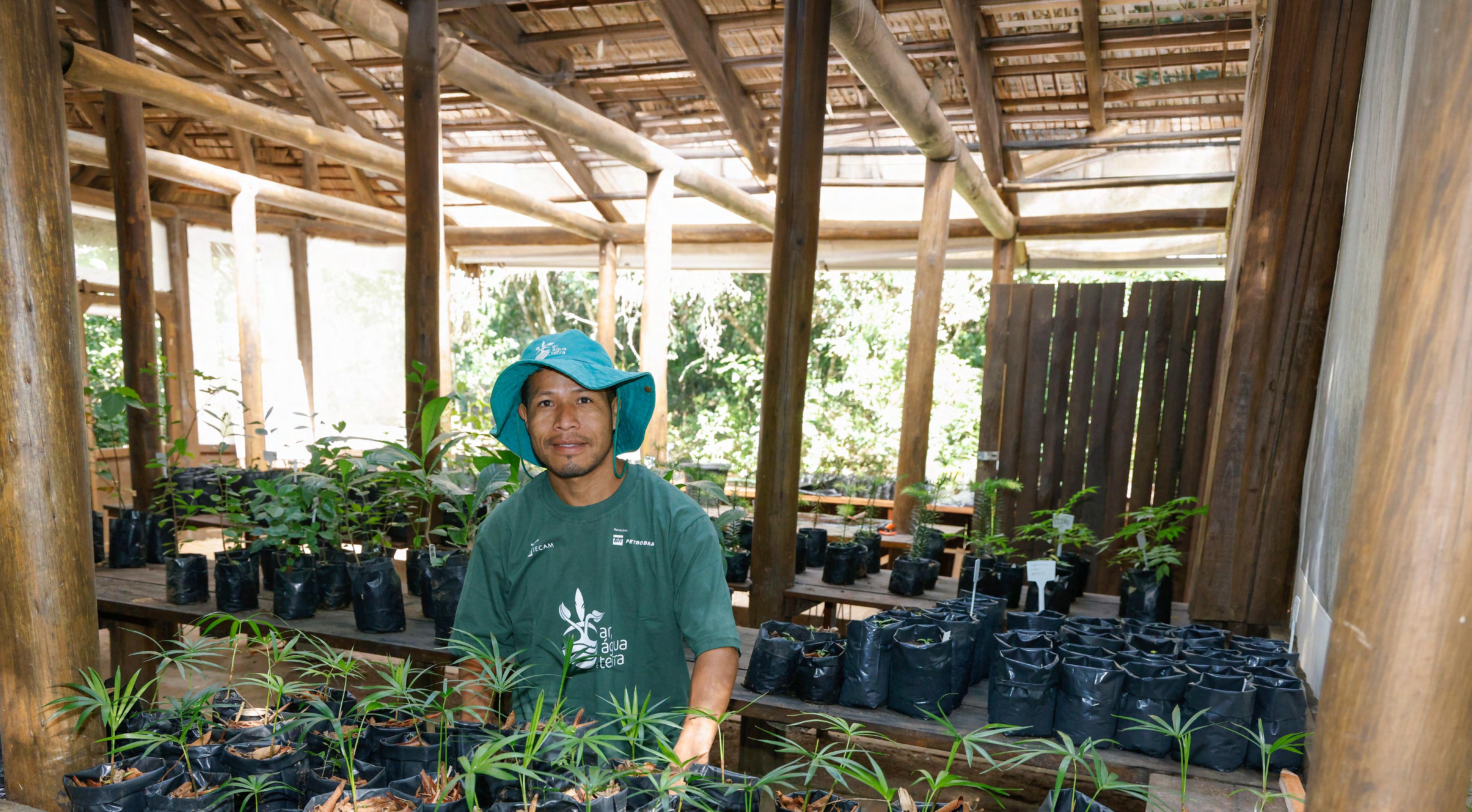
3.1 HUMAN RIGHTS
DUE DILIGENCE
Considering our public commitments to respect human rights and to fulfill our responsibility to prevent negative impacts on people arising from our activities, we established the process Carrying Out Human Rights Due Diligence at Petrobras.
We have an institutional framework of commitment to respect for human rights incorporated into our policies and management systems, anchored mainly in the Human Rights Guidelines, as well as processes for identifying, assessing, monitoring and mitigating risks and impacts on human rights. This process aims to prevent human rights violations. PUBLIC COMMITMENT
ENGAGING WITH STAKEHOLDERS
IDENTIFICATION AND ASSESSMENT OF RISKS AND IMPACTS
COMMUNICATION
HUMAN RIGHTS DUE DILIGENCE
REPARATION AND GRIEVANCE MECHANISMS
INTEGRATION
PREVENTION
MITIGATION
MONITORING
ENGAGINGWITH STAKEHOLDERS

Structuring of integrated human rights due diligence process in our operations
The human rights due diligence methodology that we adopt is guided by the UN Guiding Principles on Business and Human Rights of the United Nations and takes into account the guidance International Petroleum Industry Environmental Conservation Association (Ipieca). We recognize that the implementation of a human rights due diligence process at Petrobras must be suited to the complexities of our business, to our operations in different socioeconomic and environmental contexts across the country and to the risks inherent to the operational context of our industry, having as a fundamental basis throughout the entire process the engagement of people and communities potentially affected by our activities.
Due to these complexities and challenges, we have implemented a journey to define and develop an integrated due diligence process that began in 2022, when we defined a specific methodology. During 2023 and 2024, as the first cycle of this journey, we applied the methodology, still in as a pilot experience, in two exploration and production (E&P) units, in two refining units and in the expansion works of the Rota 2/Lagomar gas pipeline. The first cycle included the Henrique Lage Refinery (Revap), in São Paulo, the Northeast Lubricants and Petroleum Products Unit (Lubnor), in the state of Ceará, and the Campos Basin (BC) units in Rio de Janeiro and Espírito Santo (ES), also being included in this cycle the expansion works of the Rota 2/Lagomar gas pipeline. At the end, through the piloting of the methodology, which generated lessons learned and produced essential inputs; in 2025, the process “Human Rights Due Diligence” was defined, integrated into the macroprocess of the Social Responsibility Executive Management area. As a development of the process, procedures detailing the implementation of due diligence in our operations were defined.
With the support of experts and specialized consultancies throughout this entire journey of developing the human rights due diligence process, in 2025 we began cycle 2, carrying out due diligence in eight additional Petrobras-owned units: the Duque de Caxias Refinery (Reduc), in Rio de Janeiro; the Gabriel Passos Refinery (Regap), in Minas Gerais; the Decommissioning Assets Management area (GAD) of the Northeast (two GAD units: one in Sergipe and the other in Rio Grande do Norte/ Ceará); the Amazonas Unit (AM), in the Amazonas; the Capuava Refinery (Recap), in São Paulo; the Presidente Getúlio Vargas Refinery (Repar), in Paraná; and and the Abreu e Lima Refinery (Rnest), in Pernambuco.
Our process considers as a fundamental basis and priority focus the consultation and engagement of people and communities potentially affected by our operations, with representation of gender, race, persons with disabilities, transgender persons, age groups and religions respected whenever possible.
In this way, our listening processes include:
> Our employees
> Contracted employees
> Our leadership
> People from communities within the area of influence of our operations
> Quilombola communities and indigenous peoples within the area of influence of our operations
> People from traditional communities within the area of influence of our operations
> Human rights defenders
> Contract managers and inspectors
> Stakeholders such as unions, Internal Commission for Accident Prevention (CIPA), diversity groups in the units, local public authorities, entities from the child and adolescent protection network, social organizations and community associations.
The identification and assessment of local adverse risks and impacts within the scope of due diligence considers the following stages:
> Research into different internal and external documents in order to obtain broad knowledge of the territory, support the geographic scope of local field activities and select the rights holders who should be involved in engagement strategies.
> Field visits to understand operations and support facilities and to conduct consultations with people and communities within the unit’s area of influence, with the main objective of capturing their perceptions regarding risks and impacts on human rights arising from our activities.
> Analysis of data obtained in the field through interviews and discussion groups with selected people and communities and other stakeholders, aiming to identify and group the main risks and impacts that were observed.
> Definition of a human rights risk matrix for the unit, categorized and related according to the degree of severity. The assessment of risk severity considers the methodology recommended by the UN Guiding Principles on Business and Human Rights and guidance and standards from Ipieca.
> Definition of a treatment plan for the unit with the objective of preventing and mitigating the identified risks. These plans must consider quantitative and qualitative indicators to measure the progress of initiatives, deadlines, responsible parties and resources necessary for implementation, in addition to being periodically monitored by the unit manager. Our planning is that, at the corporate level, these indicators linked to local actions will be correlated with the outcome and impact indicators planned by the Social Responsibility area, in order to monitor the contribution of local mitigation actions to the long-term changes and objectives established by Petrobras.
> Communication to the unit’s workers regarding the listening process, the risks identified and the treatment strategies established.
Corporate Human Rights Programs
As a way to contribute to the mitigation and treatment of risks and impacts identified in human rights due diligence assessments, we develop corporate human rights programs that offer technical, methodological and training solutions to support business areas in the prevention, mitigation and treatment of social risks identified in our activities and relationships with stakeholders. Among the program solutions, we provide guidance guides, presentations for lectures, training workshops, managerial alignment and Safety, Environment and Health Dialogues (HSED), communication campaign materials, among others. The corporate programs support the implementation of human rights due diligence treatment plans and other community relations and supplier engagement initiatives.
In 2025, we advanced in updating these instruments and practices based on two priority company programs: the Program to Combat the Sexual Exploitation of Children and Adolescents and the Program to Combat Work Analogous to Slavery. The improvements strengthen the capacity to identify risks, enhance response protocols and expand the integration of these agendas into operational routines and the supply chain.
We developed guidance, planning, training, alignment and awareness solutions, such as: guidance guides; presentations for lectures, managerial alignment and HSED; and communication campaign materials, among other initiatives. These solutions are aimed at our workforce, especially
managers and workers in our operational units, contract inspectors and managers, and may also be extended to partners within our supply chain. These programs remain pillars of corporate action in human rights, contributing to safer, more respectful environments aligned with national and international best practices.
Currently, 13 operating units have already undergone human rights due diligence. Throughout 2026, new due diligence processes will be carried out to meet the Strategic Plan target of conducting human rights due diligence in 100% of our own E&P and Refining operations by 2026.
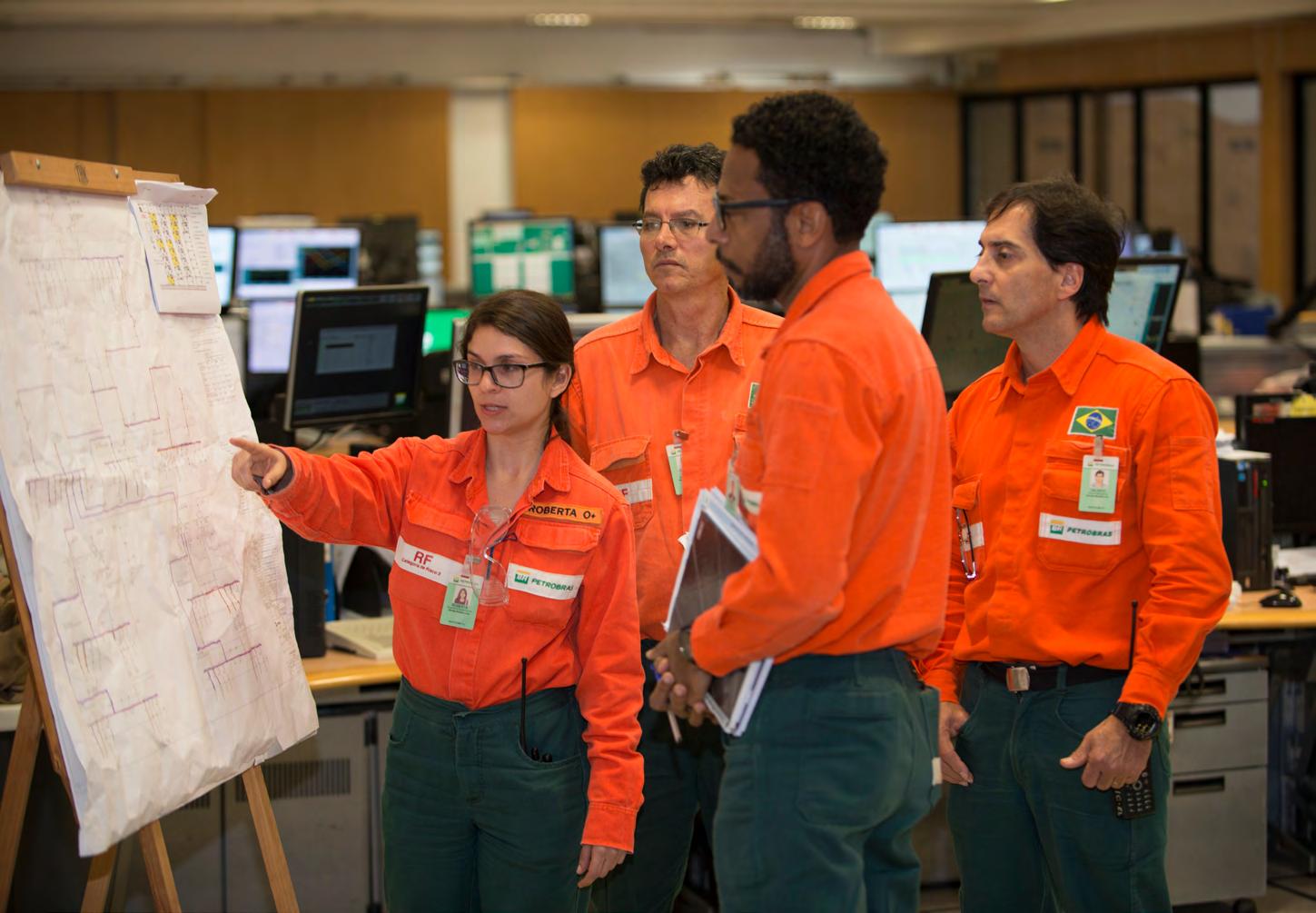
HUMAN RIGHTS
DUE DILIGENCE AT PETROBRAS
> Secondary data: secondary and public data sources
> Claims
> Document evaluation

PILOT HUMAN RIGHTS DUE DILIGENCE PROCESS
HUMAN RIGHTS DUE DILIGENCE IN E&P AND REFINING OPERATIONS 3 CREATION OF THE HUMAN RIGHTS DUE DILIGENCE METHODOLOGY
5 8 pilots:
Lubnor
Rota
FIELD VISITS HUMAN RIGHTS RISK VERIFICATION
EACH E&P AND REFINING UNIT WILL HAVE: 2
100 % of E&P and Refining operations with implemented human rights due diligence until 2026
> Interviews with local leaders
> Discussion groups with own employees
> Discussion groups with contracted workers
> Discussion groups with community people and vulnerable groups
> Interviews with local public officials, union representatives, Internal Commissions for Accident Prevention (CIPAs) and other groups.
> Identification and assessment of human rights risks
> More critical human rights topics
> Local risk matrix, considering hearings
> Survey of necessary dealings
> Checking of already existing dealings
> Identification of residual risks
> Guidance for treatment of the unit
Human rights risks matrix
Action plan for the unit, integrated with local processes Initiative monitoring
HUMAN RIGHTS
DUE DILIGENCES
CARRIED OUT BY PETROBRAS
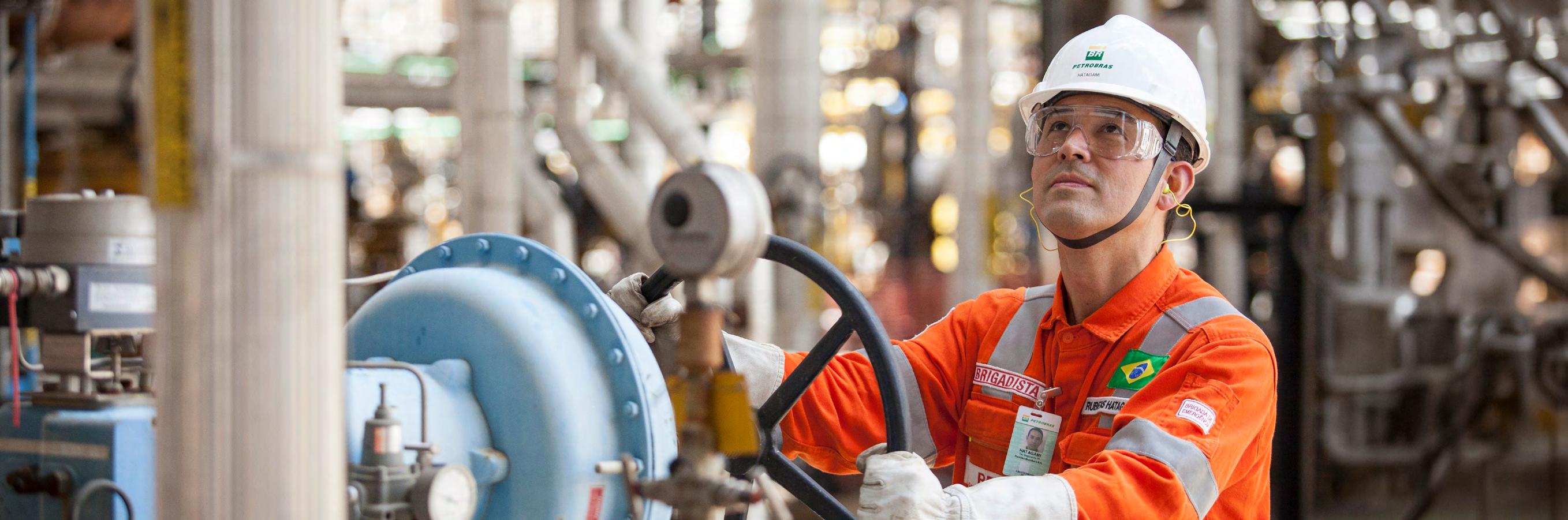
Large numbers - human rights due diligence Field activities overview
13 Units underwent due diligence until now.
> REVAP
> LUBNOR
> BC
> ES
> ROTA 2 - LAGOMAR
> REDUC
> REGAP
> GAD (SE)
> GAD (RN/CE)
> RECAP
> AM
> REPAR
> RNEST
INTERVIEWED MANAGERS
83 leaders listened to
1,362 workers listened to INTERVIEW GROUPS
87 interviewed communities COMMUNITIES
ENTITIES LISTENED TO
180 groups of own employees and contractorss
> UNIONS
> PUBLIC ORGANS
> Offices
> Civil defense
> Fire departments
In the interactions with workers and communities it was possible to listen to a vast diversity of profiles.
OVERVIEW OF THE FIELD
ACTIVITY OF THE HUMAN RIGHTS DUE DILIGENCE
ENGAGED GROUPS
> RESIDENTS’ ASSOCIATIONS
> FISHERMEN ASSOCIATIONS
> FISHERMEN COLONIES
> COOPERATIVES
> QUILOMBOLA COMMUNITIES
> WOMEN’S ASSOCIATIONS
> SCHOOLS
> BIOINDUSTRY
> CHURCHES
> HOMEOWNERS’ ASSOCIATIONS
> COMMUNITY LEADERS
AMAZONAS
Manaus
Coari
CEARÁ
Fortaleza
Trairi
São Gonçalo do Amarante
MINAS GERAIS
Betim
Ibirité
Sarzedo
PARANÁ
Araucária
Curitiba
Campo Largo
PERNAMBUCO
Cabo de Santo Agostinho
Ipojuca
Socioterritorial diagnostics
RIO DE JANEIRO
Duque de Caxias
RIO GRANDE DO NORTE
Natal
Guamaré
Galinhos
Macau
Diogo Lopes
SÃO PAULO
Mauá
Santo André
São Paulo
SERGIPE
Aracaju
Barra dos Coqueiros
Pirambu
Estância
Indiaroba
Between 2024, the beginning of the socioterritorial diagnostics, and the end of 2025, 40,279 questionnaires were administered to residents of 539 communities in the influence area of our operational units, in addition to 1,689 interviews conducted with local community leaders. We also coordinated the implementation of 56 participatory dialogues (focus groups) involving 577 relevant social actors from the communities. We interviewed 510 representatives from various public administration departments in 93 municipalities and 243 Petrobras’ employees. This qualified listening process focuses on identifying local potentialities and vulnerabilities in order to improve our internal processes related to social and human rights risks and to support the development of community engagement actions that consider the perspectives of these various stakeholders. Regarding secondary data, 5,364 socioeconomic indicators from official sources were collected and analyzed. We have already completed the socioterritorial diagnosis (including the collection and analysis of primary and secondary data) in 24 units located in 16 Brazilian states. Our forecast for 2026 is to complete the diagnosis in an additional 13 units, reaching 100% of the units included within the scope of this broad study on the socioeconomic context in which we operate.
CEARÁ
MINAS GERAIS
RIO DE JANEIRO
RIO GRANDE DO NORTE PERNAMBUCO
SÃO PAULO PARANÁ
AMAZONAS
3.2
PRIORITY HUMAN RIGHTS TOPICS FOR PETROBRAS
Priority human rights topics represent a greater risk of severe negative impacts arising from our activities and business relationships.
Initially, the predominant human rights priority topics for the oil and gas industry in Brazil and the global human rights due diligence context were considered. Subsequently, with the implementation of human rights due diligence, ten topics were mapped, to which four additional topics were added in 2025:
The definition and prioritization of the most relevant human rights topics are important to guide human rights due diligence. For this reason, in 2026 we will expand this analysis. In addition to the listening processes carried out in operational units, consultations will be promoted with stakeholders operating throughout the national territory, such as civil society organizations and specialists. These consultations will contribute to deepening the understanding of Petrobras’ human rights priority topics, also considering other activities, such as our supply chain.
Still as part of human rights due diligence, in 2025 we established the Petrobras’ Guidelines for Reparation for Human Rights Violations, which guides the process of repairing human rights damages that are duly verified and caused by Petrobras to a person or community as a result of its activities, operations, products or services. Also in 2025, we promoted the revision of the Community Resettlement Guideline, which underwent a scope and content review and was renamed the Guideline on Involuntary Displacement of Persons or Communities. The guideline guides the involuntary displacement of people or communities, when it cannot be avoided, because of Petrobras’ activities or projects, aiming to prevent socioenvironmental risks and risks to the physical integrity, health and safety of people. With this revision, this became a new process integrated into the macroprocess of the Social Responsibility Executive Management area.
Agreements entered into with partners for carrying out exploration, development and production activities, including the Joint Operating Agreement (JOA), establish the terms of cooperation between the parties. It should be noted that all JOAs include requirements related to Health, Safety and Environment (HSE) and anti-corruption laws. In addition, since 2023 we have expanded the requirements so that, whenever possible, they explicitly include clauses on human rights and labor rights.
Petrobras’ General Ombdusman Office complaints procedure
GRIEVANCE
MECHANISMS
AND REPARATION
We provide direct contact channels for registering complaints, grievances and other manifestations, such as the General Ombudsman’s Office, the Whistleblowing Channel and the Customer Service (SAC).
The General Ombudsman’s Office receives and processes all manifestations from stakeholders, both those originating from the internal public and those from the external public. The operation of a corporate structure with autonomy and independence, linked to the Board of Directors, allows any person affected by Petrobras’ business to exercise their right to petition the company.
The General Ombudsman’s Office channels are intended for second-level service to stakeholders, with individualized action. The General Ombudsman’s Office is also responsible for managing the Whistleblowing Channel, through which we receive, process and report the complaints submitted by all company stakeholders, with autonomy, impartiality and confidentiality. The channel is available in Portuguese, English and Spanish, 24 hours a day, 7 days a week, and can be accessed via website, telephone or app.
RECEIVAL OF THE COMPLAINT
OMBUDSMAN’S OFFICE PORTAL
TELEPHONE/WHATSAPP
OTHER CHANNELS
INTERNAL RECLASSIFICATION
2 3 4
CLASSIFICATION AND ANALYSIS OF THE COMPLAINT
CLASSIFICATION/ RECLASSIFICATION OF THE PROTOCOL NUMBER CONTENT
ANALYSIS
IDENTIFICATION OF TREATMENT AREAS
TREATMENT OF THE MANIFESTATION ANSWER TO THE COMPLAINANT
THE OMBUDSMAN’S OFFICE MAY ASK FOR FURTHER INFORMATION FROM THE COMPLAINANT
FORWARDING FOR THE TREATMENT AREA
TREATMENT BY THE AREA MEDIATION OF COMPLEX SITUATIONS
RECEIVING ANSWERS AND EVIDENCE FROM THE AREA
THE OMBUDSMAN’S OFFICE ANALYZES THE CONTENT OF THE ANSWER AND IF IN AGREEMENT, SEND TO THE COMPLAINANT IF THE ANSWER NEEDS ADJUSTMENTS OR ADDITIONS, IT RETURNS TO THE MANAGING AREA
ANSWER TIMELINE
In addition to being a service channel for stakeholders, the General Ombudsman’s Office also acts to ensure effective compliance with the Access to Information Law and the integrity of the company’s complaint handling process.
After processing complaints, grievances, requests, suggestions or compliments, we conduct surveys to assess the level of user satisfaction
FEEDBACK TO THE COMPLAINANT
with the ser vice provided, including with regard to the quality of the information delivered.
Information on the manifestations received by the Ombudsman’s Office is published annually in the General Ombudsman’s Office Report, available on the General Ombudsman’s Office webpage and on the Transparency Portal
Complaint treatment flow
The complainant files the complaint through the website, telephone or app THE COMPLAINANT FILES THE COMPLAINT
1 THE OMBUDSMAN’S OFFICE ANALYSES THE COMPLAINT
2 THE OMBUDSMAN’S OFFICE ASKS FOR INFORMATION FROM THE COMPLAINANT 3 THE COMPLAINANT COMPLETES THE INFORMATION IN THE WHISTLEBLOWING CHANNEL 4 WITH THE COMPLETE COMPLAINT, THE OMBUDSMAN’S OFFICE FORWARDS THE CASE FOR INVESTIGATION
5 PETROBRAS OR THE CONTRACTOR COMPANY CARRIES OUT THE INVESTIGATION
6 ONCE THE TREATMENT OF THE CASE IS COMPLETED, THE OMBUDSMAN’S OFFICE INFORMS THE RESULTS TO THE WHISTLEBLOWING CHANNEL
7 THE COMPLAINANT ACCESSES THE WHISTLEBLOWING CHANNEL TO VERIFY THE RESULTS OF THE CASE TREATMENT 8
Guidelines for Reparation for Human Rights Violations
The Guidelines for Reparation for Human Rights Violations sets forth guidance regarding broad and equitable access to reparation mechanisms across all levels of our operations and supply chain. Through this guideline, we commit to a reparation process that is timely, transparent, participatory and grounded in the centrality of affected people. We recognize that reparation must be proportional to the verified damage, aiming to restore the prior situation whenever possible, ensure fair reparation and prevent recurrence.
As part of the innovations implemented, the document incorporates essential steps for conducting reparation processes from a human rights perspective throughout the company. The content also sets forth guidelines for service through our grievance mechanisms, reinforcing principles such as transparency and confidentiality. In addition, fundamental actions were detailed, such as promoting agility, ensuring people-centered approaches, participation and consultation, as well as detailing the reparation measures to be adopted.
Below is a summary of the main points of the Petrobras’ Guidelines for Reparation for Human Rights Violations.
Respect for Human Rights and Legal Compliance
Commitment to Reparation
> Compliance with national and international human rights legislation.
> Observance of the decisions of higher courts and of the Inter-American System (InterAmerican Commission on Human Rights and the Inter-American Court of Human Rights).
> In the event of conflict between norms, the one most favorable to the affected person or community prevails.
> Reparation as a fundamental principle of human rights.
> Proportionality to the damage and analysis of responsibility (exclusive, shared and third-party responsibility).
> Preference for extrajudicial solutions.
> The process must be timely, transparent and participatory.
> Protagonism of affected persons.
> Consideration of socioeconomic vulnerabilities.
Centrality of People
> Special attention to groups or populations that may be disproportionately affected, such as: Indigenous Peoples and traditional communities, women, Black people, elderly people, children and adolescents, LGBTQIAPN+ persons, persons with disabilities, and migrant workers and their families.
> Possibility of precautionary measures in emergencies.
> Involvement of affected persons and communities, and their representatives, in situations involving damage to Human Rights.
> Recognition that complaints vary in nature and severity, requiring proportional responses;
Assessment and Analysis of Damages
> Assessment based on documented evidence to ensure sound justification and transparency.
> Consideration of all dimensions of the damage: physical, social, economic and cultural.
> Identification of Petrobras’ degree of responsibility (exclusive fault, shared fault or third party responsibility) to define the extent of remediation.
> Prioritization of verification of the real damage, incorporating testimonies, needs and experiences of affected persons.
> Assessment of the severity of the damage considering extent, duration and depth, guiding priorities and types of remediation.
> Consideration of the social, cultural and economic characteristics of the context in which the damage occurred, adapting responses to the local reality.
> Full reparation.
> Covers all negative consequences, including restitution, compensation, rehabilitation, satisfaction and guarantees of non-repetition.
> Restitution.
Reparation Measures
> Restoration of the prior legal situation.
> Rehabilitation.
> Actions to restore the physical and mental health of affected persons;
> Compensation / Indemnification.
> Financial payments for material and immaterial damages.
> Guarantees of Non-Repetition.
> Training, preventive policies, structural reforms and improvement of conventionality control.
Participation and Consultation
Grievance Mechanisms, Transparency and Confidentiality
> Guarantee of broad, equitable, legitimate, transparent and participatory access, focused on affected persons.
> Provision of prompt responses to reparation requests.
> Preventive action to reduce the risk of judicialization.
> Guarantee of broad, agile and transparent access to grievance channels.
> Handling of all demands with efficiency, impartiality and confidentiality.
> Evaluation of satisfaction and credibility of the channels.
> Clear responses within a reasonable timeframe.
> Broad dissemination of the channels and accessibility (languages and means).
> Training of teams to act in conflicts and Human Rights reparation processes.
> Classification of demands according to severity and complexity.
> Operation as an alert system to prevent Human Rights violations.
> Use of channels as an alert system to prevent problems.
Reparation Impelementation
> Need for coordination among areas and adequate resources.
> Guarantee of respect for human rights and the dignity of those involved.
> Monitoring of implementation and results.
> Identification of risks of recurrence.
> Inclusion of affected persons in monitoring.
> Reports and indicators to ensure transparency.
> Clear and continuous communication.
Workforce complaints and reports
Our Whistleblowing Channel is prepared to receive reports from the workforce related to violence in the workplace, sexual violence, discrimination, among other labor and Human Rights issues. It is available in Portuguese, English and Spanish, 24 hours a day, 7 days a week, and can be accessed via website, telephone or app. On the website, we provide the Whistleblower Guide, a document that explains the minimum elements required for reports to be eligible for investigation, and a video detailing the complaint treatment process, including the feedback stage to the whistleblower.
The complaints received are classified by groups and topics, in accordance with market best practices and Petrobras’ specificities, and are forwarded to the investigation areas.
Since 2022, the Whistleblower Protection Guideline has established rules for protection against disproportionate, harmful or potentially harmful, abusive or unfair treatment toward individuals who report in good faith noncompliance related to the company’s activities, or who have clearly expressed the intention to do so. The protection also extends to any person who provides information or participates in the treatment of a complaint .
In 2025, the Guideline for the Protection of Victims of Workplace Violence was created, defining protocols and guidance to support and protect victims of sexual violence, moral harassment, discrimination and retaliation, reaffirming the company’s commitment to an increasingly ethical, safe and supportive work environment.
Agreements with the Labor Law Courts
Aiming at resolving labor disputes more swiftly, the execution of agreements is a strategic initiative for dispute resolution and the reduction of litigation. With a focus on increasing the number of agreements in lower-complexity cases, in 2022
we began working more closely with the Judicial Centers for Consensual Methods of Dispute Resolution of the Regional Labor Courts (TRT) and the Superior Labor Court (TST). This engagement resulted in the signing of technical cooperation agreements with TRTs and the TST in several states.
The objective of these cooperation agreements is to establish routines and procedures, in coordination with the courts, for the scheduling of conciliation hearings in outsourcing-related cases at the enforcement stage.
With this initiative, in addition to increasing the number of agreements, a reduction in the number of appeals, guarantees and asset seizures is expected, since the approach seeks a consensual solution with significant social impact, as it anticipates the receipt of amounts owed to employees of service provider companies and allows for the swift conclusion of judicial proceedings. The cooperation agreements themselves do not involve any commitment to financial disbursement. Nevertheless, they represent an important relationship with the labor law courts.
Whistleblower Guide Watch the video
Complaints and reports from local communities
We prioritize the construction of lasting relationships with our communities, based on dialogue, respect and transparency. To support our interface with this public, we hold community committees periodic meetings, visit relevant social actors within the area of influence of our activities, promote visits to our operational units, organize events, training sessions and courses, and publish newsletters with news about the company, among other community engagement actions.
Channels for registering community manifestations, such as contact with our General Ombudsman’s Office and the Customer Service (SAC – Contact Us 0800), which provides service through tollfree calls, 24 hours a day, 7 days a week, are consistently publicized during these interactions with communities.
In 2025, we received and monitored 312 manifestations1 from community members through our relationship channels. This information is categorized by unit, type and topic and monitored through a specific dashboard. Community manifestations classified by the recurrent2 scenarios are presented below.
In 2025, we recorded a decrease in the number of complaints, mainly due to a lower number of occurrences related to soot and odor. However, an increase was observed in manifestations related to noise and vibration generated by the flare (torch) in communities within the area of influence of the Henrique Lage Refinery (Revap) and the Natural Gas Processing Unit at the Boaventura Energy Complex.
In response to community complaints, both units hired specialized consultancies to assess the impacts and implemented improvements: at Revap, construction began on the flare retrofit project, and at the Boaventura Complex one of the flare valves was replaced, with the common objective of significantly reducing noise and eliminating vibration. The topic was widely addressed with the communities, being presented in meetings of the community committees of both units and during meetings with residents.
In addition to interactions via SAC, in 2025 our General Ombudsman’s Office received 545 manifestations from local communities surrounding operations of the Petrobras’ parent company.
suggestions, opinions and compliments3
Among these reports, the most notable involve accounts of invasion or improper occupation of land, atmospheric emissions and abnormal noise, improper disposal of waste in the environment, and job vacancy frauds. Specifically regarding indigenous peoples or traditional communities (artisanal fishers, quilombola communities, shellfish gatherers, among others), in 2025 we received seven manifestations through our General
Ombudsman’s Office, consisting of one report, two complaints and three requests. The report concerning alleged coercion of a fishing community participating in a social project was deemed inadmissible due to insufficient information. The two complaints received were not fulfilled and addressed issues related to social projects involving fishers. The three requests, one under review and two partially fulfilled, relate to compensation and information regarding donations to the fishing community.
Phone number 168
Main Transpetro’s communications channel with the community
Our subsidiary Transpetro also has its own communication channel with the community. In 2025, the company’s emergency telephone number 168 handled 13,025 calls. Of these, 3,864 were classified as valid for analysis. Valid calls were classified into three groups:
6%
Pipeline protection (reports of intrusion in the right-of-way, suspicious movement, product theft): 230
23%
Emergency (fire, odor, excavation): 884
71%
Routine occurrences (tall vegetation, general complaints, request for status update – return call to check the status of the request): 2,750
In addition to the General Ombudsman’s Office and SAC (Contact Us 0800), we make available the Petrobras’ Whistleblowing Channel to receive manifestations from all individuals, external communities and stakeholders who may be impacted by the company. The channel is available in Portuguese, English and Spanish, 24 hours a day, 7 days a week, and can be accessed via website, telephone or app.
On September 11, 2024, the 4th Labor Court of Santa Marta, in Colombia, upheld a tutelage action filed by the Cabildo Indígena de Taganga which, among other requests, ordered the suspension of exploration of the Sirius 2 well (previously Uchuva 2) in the exploratory drilling area of interest GUA-OFF-0 (previously Tayrona).
On Oc tober 29, 2024, the Superior Court of Santa Marta ordered the Ministry of the Interior of Colombia to analyze and issue a binding opinion on the relevance and necessity of prior consultation with the Taganga community. The decision also authorized the continuation of drilling operations and the execution of operational activities, which are of vital importance for the country’s energy security. There are no restrictions, orders or injunctions preventing activities in the contract area, including exploratory or development operations.
The Ministry of the Interior of Colombia issued its final decision regarding the applicability of prior consultation with the Taganga community in April 2025. Following this decision, Petrobras Internacional Braspetro B.V – Colombia Branch (PIBCOL) initiated the actions and activities necessary to carry out the prior consultation with the community and to incorporate it into the prior consultation pathway of its project in Colombia. Accordingly, PIB-COL requested the Directorate of the National Prior Consultation Authority (DANCP) to initiate the prior consultation on 04/11/2025 and conducted the following meetings and actions:
> Initial engagement with the Cabildo Indígena de Taganga on 01/28/2025;
> Coordination and preparation meeting with DANCP and the Cabildo Indígena de Taganga on 05/27/2025;
> Pre-consultation and opening meeting, which did not produce the expected outcomes, as it was not possible to agree on the methodological pathway, on 07/02/2025;
> Proposal for a methodological pathway submitted by the Cabildo Indígena de Taganga to PIB-COL on 07/04/2025;
> Counterproposal for the methodological pathway for prior consultation submitted by PIB-COL to the community on 07/25/2025;
> Exchange of communications from August to December 2025 with the Cabildo Indígena de Taganga and DANCP requesting progress in the consultation process, without agreement on the meeting location;
> It is expected that in 2026 PIB-COL, together with DANCP, will implement the necessary mechanisms to initiate the preconsultation and opening phase, which represents the formal beginning of the prior consultation with the Cabildo Indígena de Taganga.
PIB-COL reiterates its commitment to the country and states that it will continue working with safety, respect for life, for people and for the environment, recognizing the importance of dialogue with communities and respect for the decisions of the country’s authorities.
—
Complaints and reports related to the supply chain and partners
The Speak with the Ombudsman channel is also prepared to receive occurrences related to suppliers, such as those related to labor practices and human rights issues.
The demands are forwarded for handling by contract management and the Procurement area is alerted in order to mitigate risks in new contracting processes. If there is non-compliance with contractual clauses, the contract manager must adopt the appropriate measures.
In 2025, most of the complaints registered by the General Ombudsman’s Office were related to the theme “Procurement of Goods and Services”.
In this context, issues involving relationships between contracted companies and their workforce stand out, especially with regard to labor irregularities. The General Ombudsman’s Office has played a central role in analyzing these complaints, with the objective of identifying aspects sensitive to the protection of human rights. To strengthen this work, the General Ombudsman’s Office has conducted itinerant ombudsman initiatives, visiting units, delivering lectures and assisting the Petrobras’ workforce.
During these visits, broad visibility is given to the Labor Irregularities Matrix, a strategic tool that enables monitoring and the proposal of corrective and improvement actions with the supply chain. This matrix makes it possible to identify the types of irregularities reported – such as those of a tax, social security and labor nature – as well as to map their occurrences by company and evaluate the scope of the impacts (whether localized in one unit or in multiple Petrobras’ units).
The mapping carried out by the tool is essential so that the identified deviations can be analyzed by the responsible areas. When confirmed, they are addressed and corrected by contract managers and inspectors, ensuring an agile and effective response.
In general, the complaints received by the General Ombudsman’s Office have enabled proactive and corrective action with the supply chain, promoting an organizational culture aligned with our values, especially the values of integrity and care for people. This effort reflects our commitment to working with suppliers that share the same ethical and social responsibility principles.
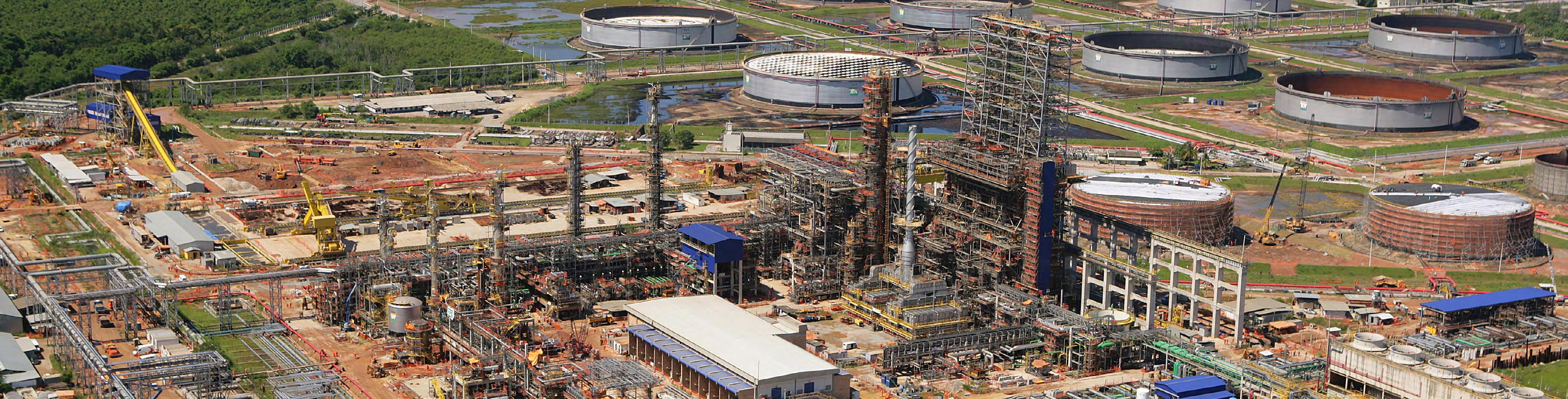
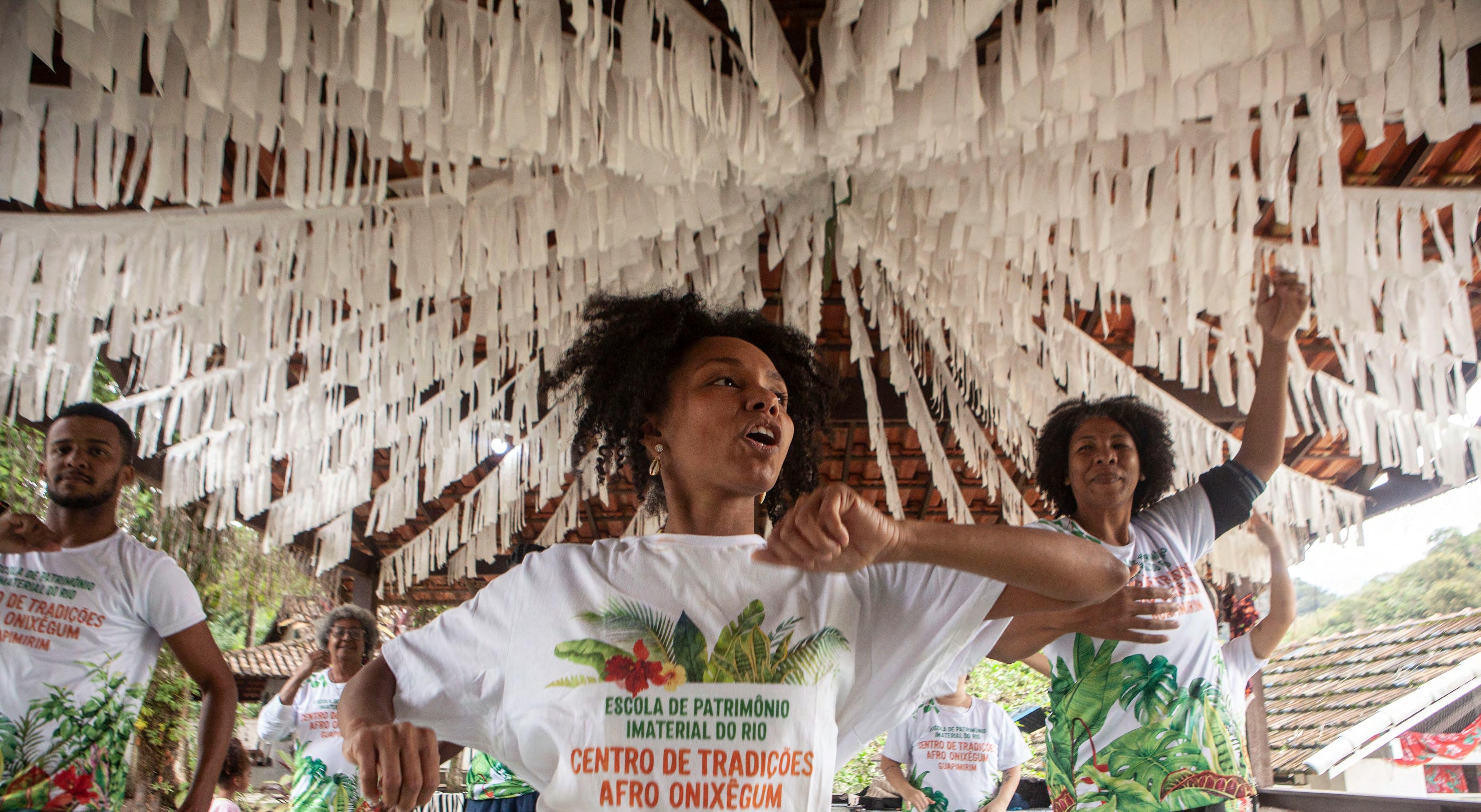
4.1
COMMUNITIES
Engagement with communities
Community relations are developed on an ongoing basis in communities located within the area of influence of our operational units and are guided by a corporate standard that establishes a methodology for the implementation of local social responsibility plans, which are periodically reviewed and monitored.
Local social responsibility plans aim to establish long-term relationships based on dialogue, transparency and respect. They are developed every two years and the process provides for periodic reviews and updates. Social responsibility actions are designed to mitigate risks and impacts identified in the socioeconomic diagnosis and to expand the level of engagement of communities, seeking to maintain permanent dialogue and increase community participation.
Our main spaces for dialogue with communities that are or may be impacted by our operations are community committees. The calendar with the dates of meetings held and scheduled can be found on our Transparency Portal . Community committees allow active and qualified listening to the demands of local communities and include the participation of community leaders, third-sector organizations, representatives of public authorities, local companies and other relevant social actors. In 2025, we had 23 active dialogue spaces throughout the country and nearly 60 community meetings were held. In addition to the committees, we periodically send electronic newsletters to community members who express interest, such as the Lado a Lado Newsletter and Petrobras Informa. In these publications, we share information about our operations, socio-environmental investments and human rights topics of interest to communities. In 2025, 30 editions of these local publications were sent. Complementarily, we carry out frequent communications about our operations and activities through groups on the WhatsApp app. Throughout the year, more than 200 social responsibility communication releases were sent, including newsletters, and more than 50 operational communications.
During 2025, human rights topics, as well as the social risks associated with our operations were addressed in a transversal manner within relationship actions with communities, reflecting the company’s commitment to promoting a culture of respect, inclusion and citizenship.
23 active dialogue spaces throughout the country 60 community meetings 30 editions of local periodical publications
200 social responsibility communication releases +50 operational communications via WhatsApp
Among the main subjects addressed are: the promotion of diversity, equity and inclusion, with emphasis on gender, race and respect for cultural plurality; operational safety and community preparedness for emergencies; climate change; combating violence against women and children, including campaigns to prevent femicide and actions to combat the sexual exploitation of children and adolescents; the recognition of the rights of traditional communities, such as quilombola communities, indigenous peoples and caiçaras; and the promotion of decent work, with actions to prevent moral and sexual harassment and to combat child labor and work analogous to slavery.
Our local social responsibility plans included more than 150 actions aimed at strengthening the safety culture and preparing communities for emergencies. Nineteen emergency drills were carried out with community involvement. In addition to drills, educational lectures, first aid workshops and visits to company facilities were conducted with the objective of disseminating our safety procedures. These initiatives included drill response exercises to oil spill scenarios, training involving
community evacuation and the integrated work of our teams with public authorities such as Civil Defense and the Military Fire Department.
We carried out five drills involving real community evacuation, with the participation of more than 300 residents. These exercises are part of an ongoing set of actions aimed at awareness and emergency preparedness for communities located in the surroundings of the Saracuruna (RJ), Rio Verde (PR) and Ibirité (MG) dams.
As part of this effort to strengthen community preparedness – which includes different audiences and age groups – approximately 50 students, aged between six and nine, from a school in Duque de Caxias (RJ) participated in an evacuation drill after hearing the warning siren near the Saracuruna dam and moving to the designated meeting point. In Paraná, the Rio Verde dam drill involved coordination with Civil Defense and mobilization of communities from the municipalities of Araucária, Campo Largo and Balsa Nova, in addition to partnerships with churches located near the Self-Rescue Zone. In Minas Gerais, several seminars were held to prepare communities in Ibirité and Sarzedo, with the movement of 78 people to meeting points recorded, reinforcing response capacity in case of an emergency involving the dam. In Cabo de Santo Agostinho (PE), in addition to a drill involving the evacuation of 90 students from a municipal school near the Abreu e Lima Refinery (Rnest), a special program was organized throughout the day with several educational activities related to safety topics.
Within the scope of environmental licensing for new projects, we also carry out relationship actions with communities when the environmental authority requests social participation in a consultative manner for analysis aimed at issuing the environmental license. Social participation occurs through public hearings, with the participation of several institutions and communities located in the areas of influence of the project or activity.
In these meetings, based on the disclosure of the environmental study, all sectors of society may express their doubts and, especially, submit proposals to be incorporated into the environmental licensing process, with the objective of mitigating
and compensating negative impacts and maximizing positive ones.
Throughout the business life cycle of the licensed project, society’s participation continues through environmental license conditions. Among these conditions, the Environmental Education Programs (PEA) stand out, which are aimed at communities in the area of influence and are based on critical, dialogical and emancipatory education, as well as the Social Communication Programs (PCS), which maintain communication channels (service centers, 0800 channels and online information portals) and provide information on operational activities, as well as social and environmental projects carried out.
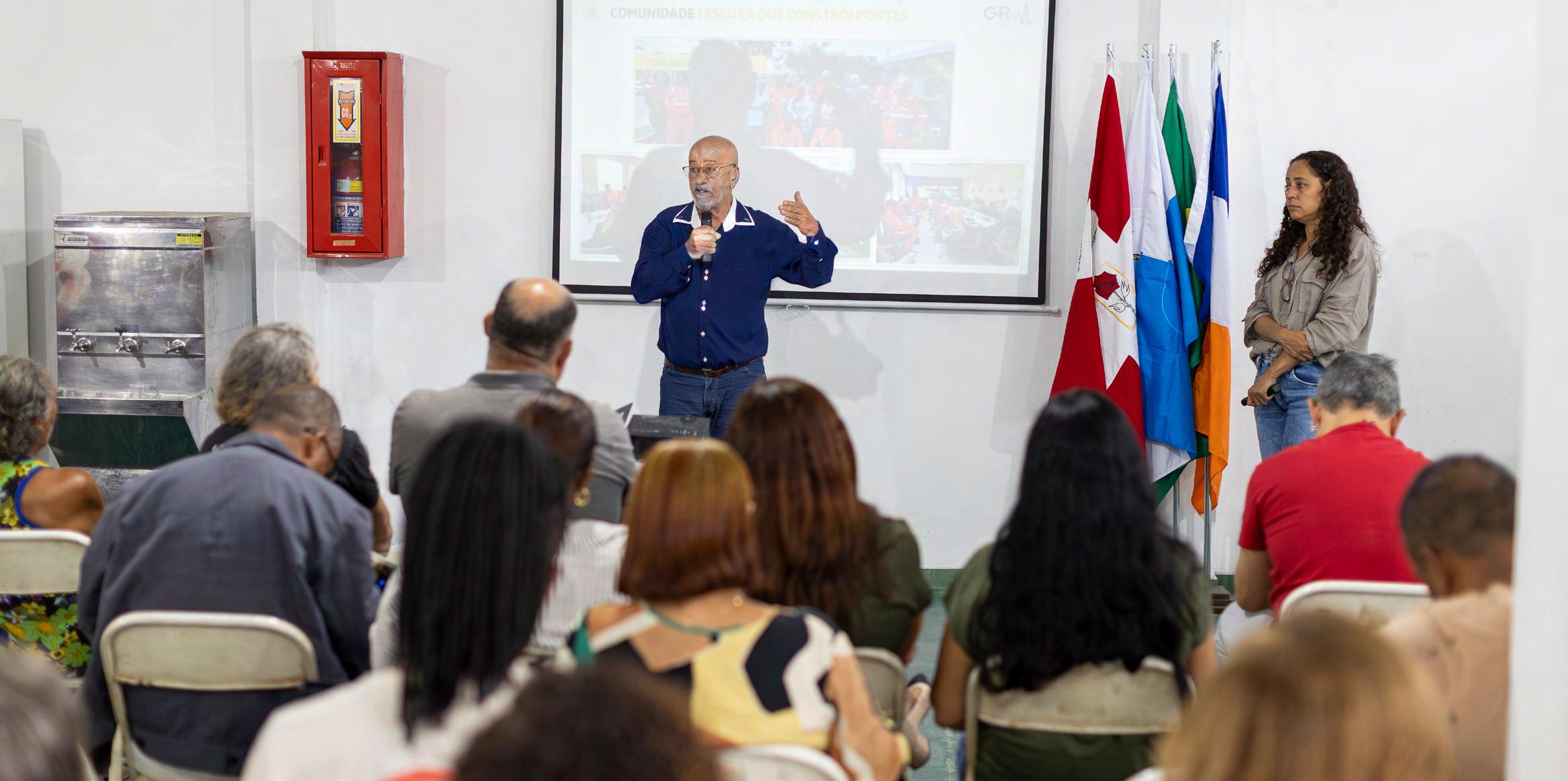
Autonomy And Income Program
The Autonomy and Income Program works on the professional qualification of people in situations of socioeconomic vulnerability and/or unemployment in order to expand employability opportunities in the oil and gas segment in locations within the area of influence of Petrobras’ operations. The program prioritizes the qualification of minority groups, such as women, Black and Brown people, transgender people, persons with disabilities and refugees.
In addition to training in technical-level careers and initial and continuing education programs, students receive reinforcement in Portuguese language and mathematics and have access to initiatives aimed at developing socioemotional and personal competencies (soft skills). During their participation in the courses, participants receive a stipend of R$ 660.00. Women with child(ren) up to 11 years of age receive a stipend of R$ 858.00. The program also provides spaces where children can stay while their mothers study.
The program is aligned with the Petrobras’ Strategic Plan, which includes among its ESG (Environmental, Social and Governance) drivers the objective that the company act as a vector of socioenvironmental development. The amount allocated to the program is R$ 371 million in resources to be disbursed over four years.
Petrobras’ Autonomy and Income Program aims to expand the availability of qualified labor to work in the supply chain
during maintenance turnarounds of our operational units and in investment projects planned in our strategic plan. In addition, the program addresses the frequent demand from communities for professional qualification and greater opportunities for the use of local labor in our operations.
The courses and number of vacancies by location were defined considering labor shortages in certain careers and the company’s investments planned for the regions.
After completing the courses, students are advised to register their résumés with the National Employment System (SINE) or Worker Assistance Centers (PAT) in the municipalities covered by the program. Likewise, companies that are part of the Petrobras’ supply chain are encouraged to make their job vacancies available through these institutions in order to contribute to expanding opportunities for the hiring of labor trained through the Autonomy and Income Program courses. By December 2025, 352 students who graduated from the program had been employed.
In addition, Petrobras is working on the revision of contractual requirements and technical specifications in its bidding processes in order to encourage the hiring of local labor, as well as percentages of workers without prior experience and from minority groups.
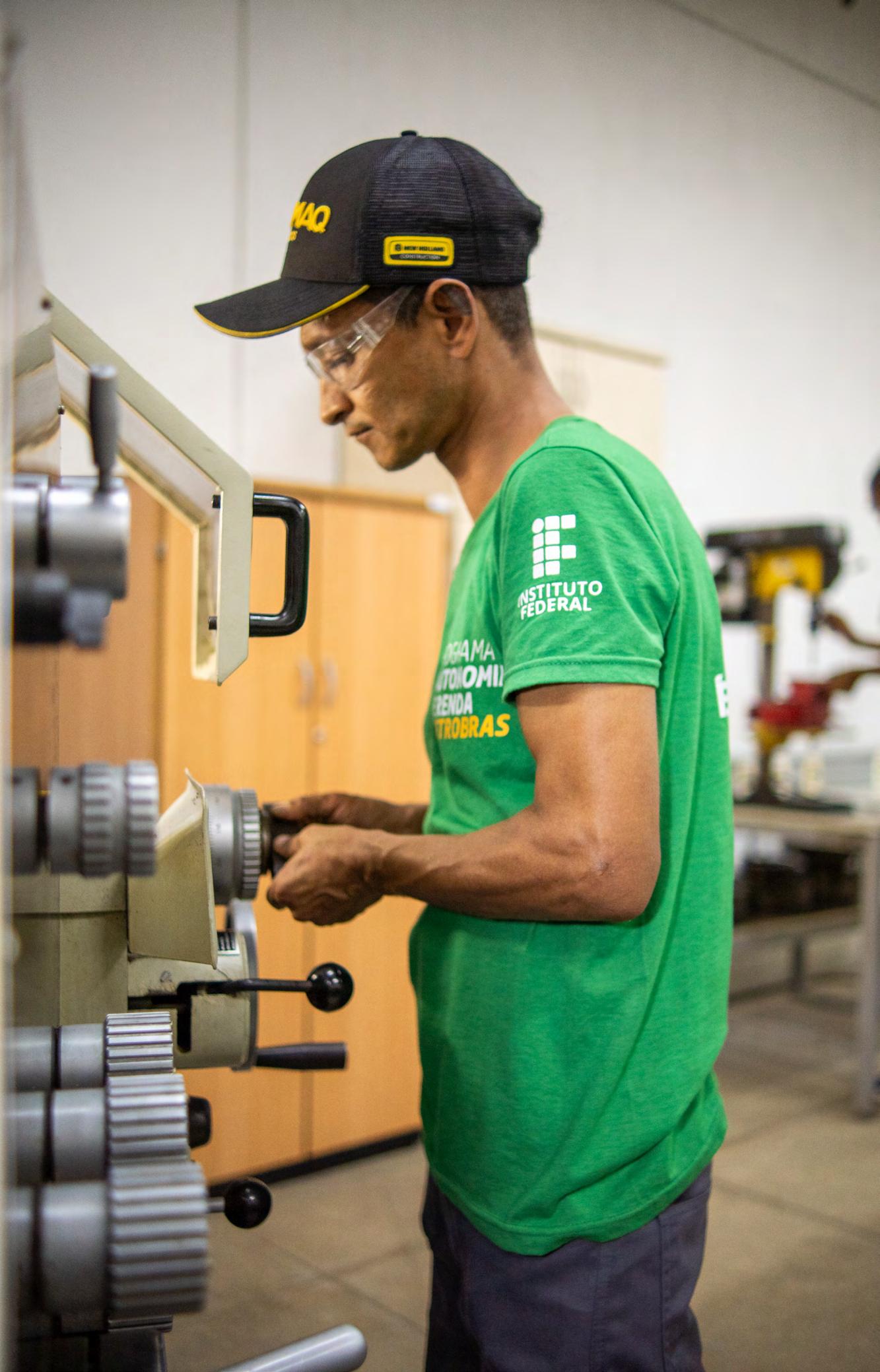
AUTONOMY AND INCOME PROGRAM
Sociodemographic profile
* Students who self-identified as travesti/transsexual, without
INSTITUTES
“This is my first qualification. Before, I did not have a profession. I live in the Mangueirinha community, in Duque de Caxias. I spent almost 20 years carrying guns and selling drugs and I left the penitentiary system two years ago, where I stayed for seven years and had no prospects at all. At first, it was funny, because I was on the internet and I read that the Autonomy & Income Program gave a stipend to study and I thought it was a lie, but I went there and enrolled and then took the course. Today I am here and being brought back into society, someone looking at me with admiration and saying ‘this guy made it’, that has no price. Now I am a citizen, I walk with my head held high!”
Luiz Fernando Barbosa, graduate of the Boilermaking Course, hired by a company that provides services to Reduc
Race/Ethnicity
“I want a better future for myself and for my family. To leverage my professional career to achieve dreams. That is what I need and it came at the best possible time.
I am very happy and fulfilled, because I believe education is the key to change.”
Jéssica Iolanda, from the Scaffolding Assembler Course
Our socioenvironmental investment program includes several initiatives aimed at professional qualification, which operate in local communities and directly promote the engagement of these groups. In this context, in addition to the Autonomy and Income Program, we highlight other relevant initiatives: Petrochef
Project carried out by the Visconde de São Leopoldo Society, operating in Santos (SP), with actions that include the Búzios, Mero and Santos Basin units, prioritizing youth and adults, especially women and Black people in situations of vulnerability. With the objective of promoting professional qualification in the food and beverage sector, the initiative expands opportunities for decent work and stimulates entrepreneurship. Free courses are offered for kitchen assistants, professional cooks, institutional cooks, hygiene and food handling for street vendors, and an entrepreneurship accelerator, using a methodology that integrates theory and practice, supervision by instructors and stipends. Throughout the project, continuous support is planned for up to 1,410 participants, who are regularly accompanied in training activities, ensuring certification recognized in the labor market, psychological support and digital inclusion, in addition to contributing to local economic development, social inclusion and community transformation.
Despertar para Autonomia (Awakening to Autonomy)
Carried out by the Vovô Vitorino Child Protection Association, the project offers free professional qualification programs in gastronomy, health, beauty, industry, technology, management and construction for youth and adults in situations of social vulnerability in Curitiba and Araucária (PR), municipalities served by the Presidente Getúlio Vargas Refinery (Repar) and Araucária Nitrogenados S.A. (Ansa). In addition to training for the labor market or entrepreneurship, the project prioritizes the strengthening and leadership of women. Highlights include exclusive
Engagement with communities at Transpetro
Faixa em Movimento Program (Moving Right-of-Way Program)
Faixa em Movimento was the main driver of Transpetro’s community engagement in 2025, consolidating the strategy of decentralization beyond the Rio–São Paulo axis and strengthening the company’s presence in diverse territories across the country. During the year, the program delivered 23 completed community projects in eight states. The interventions included leisure areas, community gardens, rain gardens, sports equipment and social gathering spaces, all conceived based on active listening with communities neighboring pipeline corridors and terminals.
Among the achievements, the revitalization and expansion of the community garden in the Eucaliptos neighborhood in Fazenda Rio Grande (PR), delivered in April, stands out, impacting 152 people and reinforcing sustainable practices, food security and community use of the area. In the same neighborhood, a new socialization area was inaugurated in October, benefiting 4,072 residents with a revitalized space for interaction, leisure and social integration.
construction courses for women, campaigns promoting female leadership and the “Conecta Aí” program, which trains girls in technology and programming. The initiative seeks to overcome historical barriers, stimulate women’s financial and social autonomy and encourage their role as leaders within the communities served. With a focus on inclusion, high-quality training and gender equality, the project positions women as protagonists of social and professional transformation in the territories covered by the project. 1,500 participants will be supported.
In Campinas (SP), in the Jardim Novo Campos Elíseos community, the program delivered in August a rain garden, bioswale, landscaping and a new leisure area with direct impact on 3,704 people, resulting in a sustainable drainage solution integrated with community use of the space. In the Southeast Region, in Paracambi (RJ), the Bom Jardim socialization area was inaugurated in May, benefiting 912 people with a multifunctional space that combines leisure, interaction and physical activities.
In the Quilombo do Feital, in Magé (RJ), the program delivered in September the quilombola community garden, expanding food sovereignty, community leadership and engagement with agroecological practices, benefiting 152 people. In the municipality of São Francisco do Conde (BA), Faixa em Movimento implemented in December the Colmonte socialization area, with direct impact on 2,320 beneficiaries, strengthening the company’s presence in the Northeast Region and further decentralizing the program territorially.
These deliveries illustrate the initiatives completed in 2025, consolidating Faixa em Movimento as a structuring program that enhances community spaces, reduces operational risks, strengthens territorial ties and promotes safe and integrated coexistence in areas near pipeline corridors.

Access to livelihoods and a healthy environment
Our social and environmental risk management processes seek to prevent and mitigate impacts on the environment and on rights-holders, in order to ensure that communities in the areas where we operate have the right to a healthy environment, respecting health and their livelihoods.
Among the business risks directly associated with our operations, the following categories stand out: Climate Change; Environment; Emergency Resilience; Social Conditions; Operational Safety; Diversity, Equity and Inclusion; Health; and Stakeholder Engagement. These risks may relate directly to the processes of a specific unit or to a transversal topic affecting several of our areas.
Our exploration and production (E&P) and refining operations may pose risks (potential impacts), mainly to artisanal fishing and tourism in the event of accidents involving spills related to offshore oil and gas exploration activities; injuries resulting from accidents in operational activities; and disruptions caused by workforce migration in large investment projects or major maintenance turnarounds.
With regard to actual or potential impacts, notable examples include those associated with greenhouse gases emissions; the use of water resources; the disposal of treated effluents; the generation of waste; as well as noise and vibration, high flare burning and the emission of particulate matter in refining activities. Also relevant are impacts related to biodiversity, fishing exclusion zones – defined by the Brazilian Navy around platforms in offshore oil and gas exploration activities – intensified traffic resulting from the movement of people and cargo, and the possible frustration of expectations regarding employment and income generation.
To prevent and mitigate the negative risks and impacts of our activities, as well as to enhance positive impacts on local communities, we implement environmental and social plans and programs approved through environmental licensing processes. These initiatives are complemented by community engagement actions, socio-environmental investments and integrated management of social and environmental risks throughout the business life cycle.
Environmental licensing
Environmental licensing is a legal obligation, in which we strictly follow all guidelines and standards for implementation, such as Federal Law No. 6,938/81, Complementary Law No. 140/2011 and CONAMA Resolutions No. 001/86 and No. 237/97.
The environmental licensing process includes the analysis of socioeconomic impacts in the region, encompassing the identification of all aspects of activities and their respective impacts, in accordance with environmental impact studies and current regulations. For impacts identified as negative, mitigation, monitoring or compensation measures are developed and implemented, while for positive impacts actions are defined to enhance them.
A project – or group of projects – carries out impact assessment, and the starting point is the identification of the activities inherent to each phase (design, installation, operation and decommissioning), characterizing the socioeconomic environment, qualifying environmental risk and proposing the respective monitoring, mitigation or compensation measures. In 2025, the total investment in projects for mitigation/compensation of socioeconomic impacts was R$ 2281 million and the amount invested in environmental monitoring within licensing processes was R$ 7302 million. 1
Social and environmental risk management
In addition to the legal obligations of the environmental licensing process, we develop social and environmental risk management processes throughout the business life cycle of our operations. The main objective of managing social and environmental risks is to prevent negative impacts resulting from the interaction between our activities, society and the environment.
Environmental risk management
We understand that access to drinking water and sanitation is essential for our activities and for society, and water resource management at Petrobras seeks to rationalize water use. Over the last five years, freshwater withdrawal3 has been reduced by approximately 25% and we have committed4 to reducing freshwater withdrawal by 40% by 2030, based on 2021 levels. We are committed to water security and have as one of our ESG drivers the objective of becoming water positive in the water-critical areas where we operate, contributing to the preservation of this important resource for society. In addition to efforts to minimize water use, we also conduct rigorous monitoring of the treatment of generated effluents to ensure proper disposal.
We promote the minimization of waste generation and environmentally appropriate waste disposal and adopt circular economy practices, including partnerships with organizations of collectors of reusable and recyclable materials formed by low-income individuals.
More information about projects supporting initiatives aimed at strengthening collectives of recyclable material collectors can be found in the section Actions for Sustainable Development. We have committed to reducing waste generation by 30% and increasing to 80% the share of waste sent to reuse, recycling and recovery (RRR) routes for process waste by 2030, based on 2021.
The management of biodiversity risks and impacts is integrated within the company. Our biodiversity risk and impact management has wellestablished governance, corporate guiding documents and area-specific documents, georeferenced systems, systematic monitoring of national and international trends on the topic, research and development actions, both voluntary and associated with environmental licensing processes, the establishment of partnerships with stakeholders, training initiatives and other activities aimed at disseminating information and raising awareness about biodiversity among the workforce.
More information about our environmental management can be found in the Sustainability Report, available at Sustainability Report
Social risk management
As established in our internal standard, social risk is an uncertain event resulting from Petrobras’ direct and indirect decisions and activities, as well as from external factors that, if they occur, may impact human rights, livelihoods and the socioeconomic dynamics of a region, as well as business objectives and the social license to operate.
3 Scope:
Social risks are accompanied by response actions to be implemented, structured into sets of controls and treatment plans. To monitor the implementation of response actions, our units and projects track these risks as part of risk management. This makes it possible to monitor the evolution of social risks throughout the business life cycle.

4 The commitments to reduce freshwater withdrawal, reduce waste generation and ensure waste disposal consider the business segments in which we were involved in 2021.
Petrobras parent company, Brazilian subsidiaries (Transpetro, PBio, Termomacaé, Termobahia, Transbel), operations in the Tupi, Sapinhoá, Iara (Berbigão, Sururu and Atapu), Mero and Roncador fields, and international operations at Petrobras Bolivia (PEB), Petrobras International Braspetro B.V – Colombia Branch (PIB-COL) and Petrobras Colombia Combustibles (PECOCO).
Establishing the context is the initial stage that supports the entire social risk management process. This stage is carried out through the socio-territorial diagnosis (with the collection and analysis of primary and secondary data), which consists of a translation of the reality experienced by a population within a given geographic space. In this case, communities located near our units were considered, prioritized based on the identification of social risks and impacts.
In addition to strategic drivers, we use for this prioritization inputs such as environmental studies (EIA/RIMA), ISO-risk curves, results from corporate image surveys (Sismico), records of complaints, criticisms and suggestions from communities received through our channels (Ombudsman’s Office, SAC and others), possible administrative and judicial disputes, as well as the perceptions of the teams dedicated to community engagement in these units.
Social diagnoses enable the characterization of the socioeconomic aspects of communities within the area of influence of our activities and are used in planning community engagement actions and socio-environmental investments, with a focus on the social license to operate. By obtaining specialized knowledge about aspects of the communities neighboring our operations, it becomes possible to identify vulnerabilities and potentialities of these territories and direct structuring projects toward them, with actions appropriate to the most relevant socio-environmental issues, taking into account the perspectives of rights-holders.
Simpler diagnoses rely on the collection of secondary data (obtained indirectly through consultation of third-party databases, such as the census of the Brazilian Institute of Geography and Statistics – IBGE), while more complex ones also include the collection of primary data through questionnaires applied to local residents, semi-structured conversations with community leaders and representatives of public authorities, and participatory dialogue sessions.
The questionnaires applied to residents contain 71 questions, including open and closed questions, considering the analysis of information related to work and family income, housing conditions, local infrastructure, services, and perceptions regarding Petrobras’ activities in the territory.
Critical analyses of each community will be developed using reports, presentations, dynamic panels for data analysis and the provision of georeferenced data.
We understand that the results of social diagnoses need to be shared with the communities involved in the process so that each of them can see themselves represented in the diagnosis, strengthening bonds and promoting mutual trust. An example occurred in September 2025, at the Abreu e Lima Refinery (Rnest), when we gathered representatives from eight communities at the refinery to make the main analyses developed accessible. The meeting was conceived not only as a technical presentation but also as a space for dialogue, where the language used would be inclusive and capable of enabling participants to perceive themselves as protagonists.
By adopting communication aligned with human rights principles, such as respect, participation and recognition of rightsholders, we seek to strengthen community engagement and reaffirm our commitment to transparency and local partnership, strengthening bonds and promoting mutual trust.
We also conduct risk assessments in investment, divestment, acquisition, partnership and decommissioning projects, taking into account aspects of social responsibility and health, safety and environment (HSE), among others.
The identification of social and human rights risks based on the understanding of each project and its context is provided for in our Capital Investment Projects System, supporting decision-making at each stage gate. Both in business management models in which we lead the project, even when there are partners, and in those in which we become partners in a venture or project managed by another company, project evaluation requires the identification and treatment of social and human rights risks. These risks may vary depending on the business segment involved, including some specific to offshore exploration and production (E&P), refining, gas, logistics and renewable projects.
Throughout the planning of investment projects, analyses of social and human rights risks evolve, from the business case evaluation, involving the selection of alternatives, to the implementation phase, when construction works are executed. This evolution involves the monitoring and reassessment of these risks.
During the construction phase, there is a potential increase in interaction with communities, as well as the presence of a larger contingent of workers from contractors. In this context, investment projects assess the inclusion of more robust contractual requirements for service providers, as well as actions aimed at reducing the probability and/or impact of disturbances affecting residents of surrounding communities.
As provided for in the internal systems and standards for company acquisitions and partnerships, within the scope of merger and acquisition project management, even before an opportunity is integrated into the company’s project portfolio, the Social Responsibility area analyzes
the socioeconomic characteristics of the territories in order to obtain preliminary knowledge of the social context in which this potential business is situated. In this way, we seek to identify situations that may positively or negatively affect decisions regarding the project’s direction. After entering the portfolio, social risks and impacts related to the business are identified and analyzed, and information is assessed regarding the potential partner’s social responsibility management system (such as policies, guidelines and regulations), its position regarding diversity, equity and inclusion, its culture of social responsibility and human rights, among others. Our internal process also includes the submission of questionnaires, visits to units, sessions with specialists and internal meetings for the preparation of the Social Risks and Human Rights Report.
If the project advances in its validation flow, before the signing of contractual instruments the negotiation committee receives proposals for social clauses to be included in these legal instruments related to social responsibility and human rights. In this way, we seek to guide the addressing of possible gaps or opportunities for improvement identified in previous stages, strengthening the management of human rights in the governance of the potential partnership and minimizing associated social risks. The monitoring of social risks and the implementation and management of social responsibility and human rights requirements continue even after contractual signatures, during the integration of a company or business unit acquired by the Petrobras’ System.
In
2025, we analyzed social risks in several acquisition projects across different business segments. Based on the identification and analysis of these risks, we developed strategies to mitigate negative risks and enhance opportunities with potential business partners, including through due diligence processes and support to the negotiation strategy for the legal instruments that formalize these partnerships.
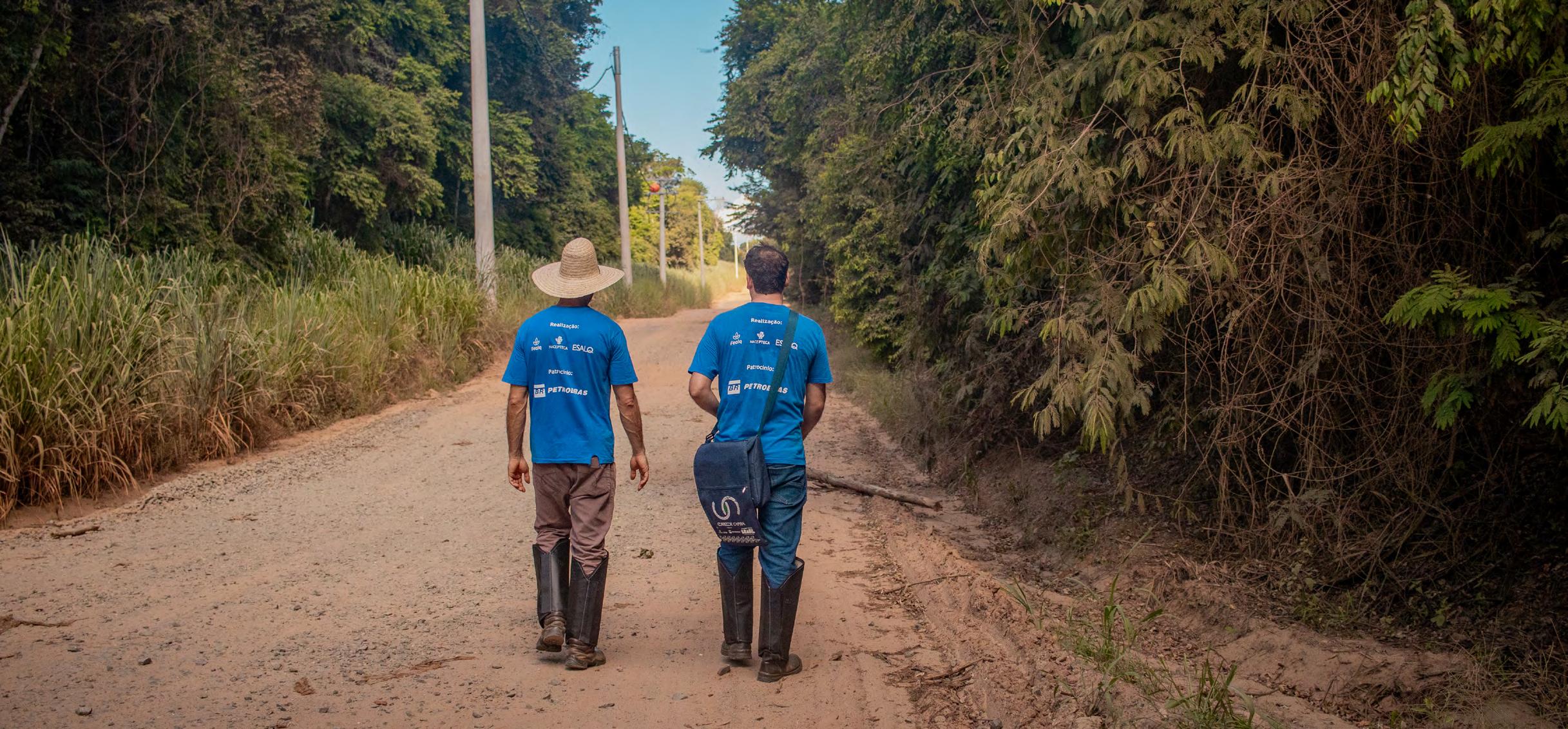
MANAGEMENT OF SOCIAL AND ENVIRONMENTAL RISKS IN THE BRAZILIAN EQUATORIAL MARGIN
As disclosed in the Business Plan 2026–2030, we plan to invest approximately US$ 2.5 billion in Brazil’s Equatorial Margin, which represents 37.5% of the exploratory capex planned for the next five years, with the expectation of drilling 15 exploratory wells in the region.
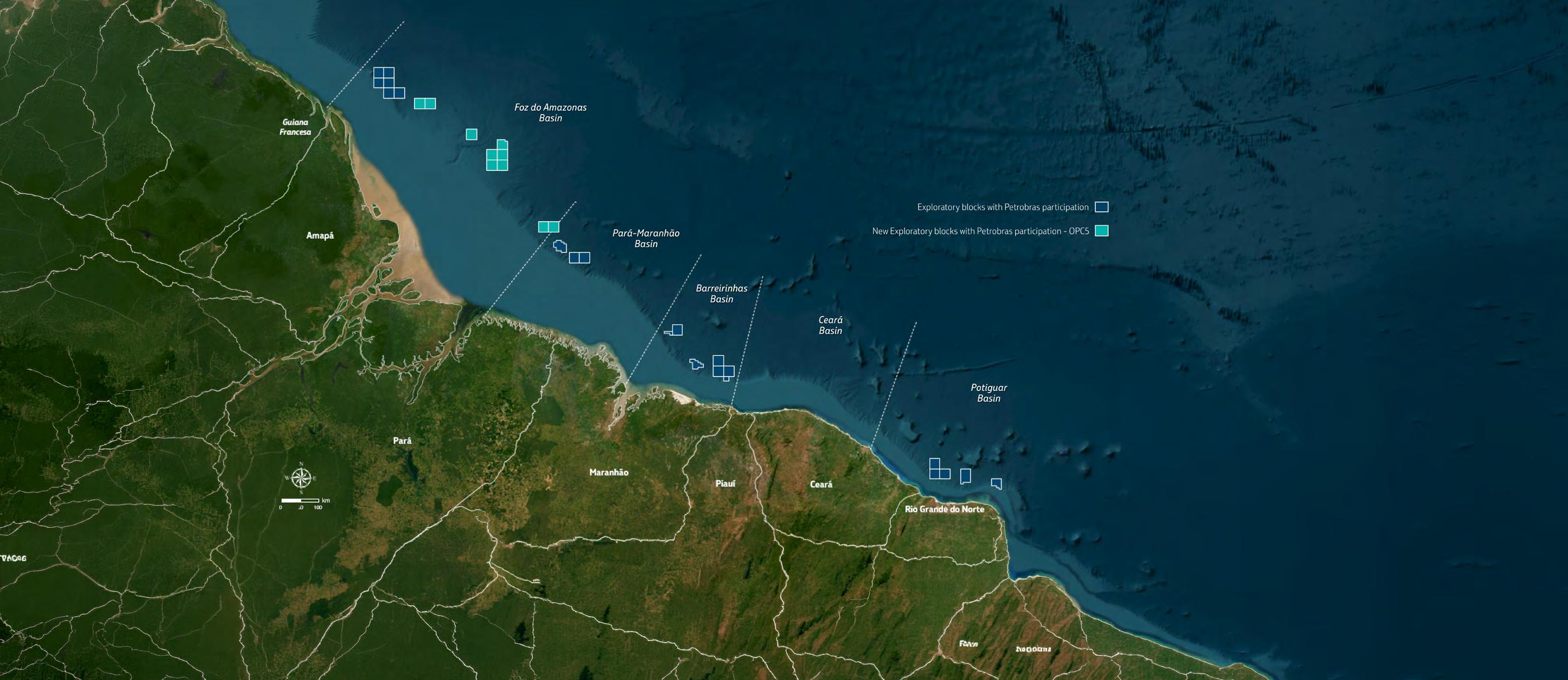
Located along the coast of the North and Northeast regions of the country, between the states of Amapá and Rio Grande do Norte, the Equatorial Margin extends for more than 2,200 km and is considered an important exploratory frontier in deep and ultra-deep waters.
Regarding the exploratory block FZA-M-59, located in ultra-deep waters off the state of Amapá, approximately 175 km from the coast and 540 km from the mouth of the Amazon River, in water depths greater than 2,800 meters, Petrobras sought to obtain from the Brazilian Institute of the Environment and Renewable Natural Resources (Ibama) the Operating License to drill in the FZA-M-59 block area.
Thus, between August 24 and 27, 2025, the Pre-Operational Assessment (APO) was carried out, the final stage before obtaining the Operating License for drilling the Morpho well. The structure for carrying out the APO included the drillship NS-42, two command centers, one at Petrobras’ headquarters in Rio de Janeiro (RJ) and one advanced post in Oiapoque (AP), 443 emergency
response specialists, 32 vessels dedicated to oil recovery and wildlife response, six aircraft, two Wildlife Care and Rehabilitation Centers (CAF) located in Belém (PA) and Oiapoque (AP), in addition to a Floating Support Point (PAF). The exercise also involved intensive coordination with ministries, government agencies, the National Agency of Petroleum, Natural Gas and Biofuels (ANP), consular sectors in countries of the region and civil society organizations. With the approval of the APO by Ibama, the Operating License for the drilling activity was issued.
In compliance with one of the conditions of this license, a wildlife response drill supervised by Ibama was conducted between December 9 and 11, 2025. For this drill, 294 technicians were involved, distributed between the command centers in Rio de Janeiro and locally, and operational teams in Oiapoque. During the drill, extreme scenarios for rescuing oiled wildlife
in the region were tested using the two CAFs, nine vessels dedicated to wildlife response, 14 fast vessels for logistical and operational support, one helicopter, the Oiapoque aerodrome and a PAF.
After Petrobras mobilized the largest emergency response structure in the company’s history, as well as in the country, and following a positive performance during the APO, the Operating License was subsequently issued and drilling of the Morpho well began on October 20, 2025. The drilling of the pioneer well is the result of an independent environmental licensing process lasting more than ten years and strictly complying with all applicable legal requirements. It should be noted that this well is investigative in nature and, even in a scenario confirming the presence of oil or gas, there will be no production at this stage. There are also seven other wells planned as a firm commitment by the company to the ANP,
whose drilling aims exclusively to test the petroleum potential of the Foz do Amazonas basin, without production. It is important to note that these wells will be part of a new environmental licensing process.
In preparation for the APO, a specialized multidisciplinary team contributed relevant information about the socioeconomic context of the region, focusing on mitigating negative social risks and enhancing opportunities.
Five sessions for the identification and analysis of social and human rights risks were conducted, providing inputs for actions such as the dissemination of information to the local population and sensitive groups, including community leaders and fishers, and guidance to project teams to minimize the risk of conflicts with local residents. These analyses will also be deepened at each stage of the exploratory project, reinforcing our care and attention to the territory’s social issues.
The start of drilling of the Morpho well represents an important milestone for the Equatorial Margin Exploratory Campaign, within the scope of the Business Plan 2026–2030 (PN 2026–30), which provides for the drilling of another 14 wells over the next 5years in different sedimentary basins of the Equatorial Margin.
Regarding potential environmental impacts in the region, considering the extremely remote possibility of an oil spill incident at sea, several oil spill dispersion models were carried out. For block FZA-M-59, no scenarios were identified with a probability of oil reaching the Brazilian coastline.
In the equally remote hypothesis of a possible oil spill, the wildlife response would be rapid and targeted. Two vessels equipped with resources and professionals specialized in wildlife rescue and stabilization will remain near the drilling unit. In addition, seven other vessels dedicated to wildlife response will be permanently assigned to the operation. This entire wildlife response strategy was implemented both during the APO carried out in August 2025 and during the drill conducted in December 2025, both supervised by Ibama. More than 100 specialized professionals will be dedicated to wildlife protection.
Respect for life, people and the environment are fundamental values for us. In this regard, we operate under the premise that all operations must be conducted in strict compliance with operational safety standards and best practices in social engagement, generating a positive impact in the communities where we operate. This commitment is reinforced through specific discussions with public authorities, scientific institutions, quilombola communities, Indigenous peoples and other traditional communities in the region throughout the entire process.
In the Equatorial Margin, we will implement solutions aligned with best ESG practices, prioritizing innovation and efficiency with a focus on reducing the carbon footprint. This approach reflects our commitments to a just energy transition, with sustainability and value generation for local communities as well as for future generations.
Since 2022, several environmental projects have been implemented in the Equatorial Margin region. Examples include projects such as monitoring turtle nesting on sandy beaches in the states of Amapá and Pará, monitoring coastal and migratory birds in the region, biodiversity protection actions, social communication and environmental education initiatives, as well as projects for monitoring and assisting local wildlife.
In addition, actions are planned for: (i) environmental characterization of ecosystems in the Equatorial Margin, (ii) regional characterization of the Foz do Amazonas, Pará-Maranhão and Barreirinhas basins, (iii) a socio-environmental study of traditional marine extractive communities in mangrove regions along the coast, including characterization of the population, use and exploitation of fishery resources, (iv) mapping
of mangroves and classification of their degradation status and (v) quantification of carbon stock capacity in mangroves.
The identification of social risks is an essential step to ensure that exploration and production activities in the Equatorial Margin are carried out responsibly, promoting a balance between economic development, respect for local communities and the protection of human rights. This process involves detailed analysis of possible impacts on local communities, considering economic, social, cultural and environmental aspects.
In new exploratory frontiers, especially in remote regions, the challenges for planning and executing operational activities become more complex due to the specificities of local contexts. The presence of traditional peoples and communities, socioeconomic indicators that reveal vulnerabilities, issues related to border territories and the occurrence of illegal activities require rigorous and strategic planning to ensure safe operations aligned with respect for human rights and the needs of these communities.
To achieve these objectives, a social diagnosis was initiated through the acquisition of primary and secondary data in communities within the area of influence of our units located in the zone of influence of the Equatorial Margin. The purpose is to update information on social actors, socioeconomic data, challenges and demands of these communities, promoting a more accurate understanding of their realities.
Integrated and proactive risk management is essential to ensure safe, sustainable and socially responsible outcomes. The data collected will serve as the basis for mapping and analyzing social risks, as well as for supporting the preparation of community engagement plans tailored to the specificities of each area. This approach seeks not only to increase the effectiveness of actions but also to strengthen continuous and constructive dialogue with communities, ensuring a positive and sustainable impact.
We have developed structured engagement initiatives in the area of influence of the municipality of Oiapoque (AP), guided by the promotion
of continuous dialogue, respect for human rights and recognition of the region’s sociocultural specificities.
This process contributes to the continuous improvement of socioenvironmental management practices, aligned with corporate social responsibility guidelines and human rights due diligence. In the context of institutional engagement, we maintain regular dialogue with community representatives and with state and national public institutions related to the agenda of traditional communities, strengthening formal channels of dialogue and institutional cooperation.
In this context, we participated in a meeting promoted by the Government of the State of Amapá and the National Foundation of Indigenous Peoples (Funai), with the presence of Indigenous leaders from Oiapoque. The meeting aimed to promote institutional dialogue and coordination among the various actors involved. Following this agenda, a working group
was established with Indigenous representatives, Funai and the state government, dedicated to discussing priority issues for Indigenous peoples in the region.
To support the activities of this working group, we contracted specialized technical advisory services with expertise in intercultural mediation, technical-pedagogical support and strengthening institutional capacities.
This initiative is aligned with our corporate guiding documents, particularly the Social Responsibility Policy, the Human Rights Guidelines and the Community Relations Guidelines, which establish parameters for action based on human rights due diligence, transparency, qualified listening and the promotion of participatory processes.
In the field of rights promotion and protection, we carried out preventive actions aimed at combating the sexual exploitation of children and adolescents, including awareness activities with the workforce and dialogue

with members of the municipal protection network. As a contribution to strengthening local institutional capacity, we offered a thematic workshop for professionals working in the rights protection system.
Additionally, we conducted drills provided for in the project’s operational routines. These exercises are essential tools for strengthening operational efficiency and safety culture, reaffirming our commitment to the preservation of life and ongoing care for people. They also constitute important moments for dialogue with communities, enabling the presentation of the activities carried out and the sharing of information on safety and preparedness procedures. Communities were informed in advance through materials prepared in accessible language, considering the diversity of audiences.
In 2025, within the scope of voluntary socio-environmental investments, we supported 21 projects operating in the states that comprise the Equatorial Margin, with the aim of promoting positive transformations for communities and conserving the region’s natural environment.
These initiatives reflect our commitment to sustainable development and cover different fronts, such as education, income generation and the conservation of oceans and forests. Through them, we seek to generate opportunities, reduce poverty and improve the quality of life of communities, as well as contribute to the protection of endangered fauna and flora species and strengthen traditional livelihoods that help preserve ecosystems.
We highlight some of these supported initiatives, either through the Petrobras’ Socioenvironmental Program or through the Floresta Viva (Living Forest) initiative, in partnership with the Brazilian Development Bank (BNDES).
Strengthening Productive Chains in Amapá
The project Strengthening Productive Chains for the Bioeconomy in the Legal Amazon, by the National Service for Industrial Training – National Department (SENAI/DN), operates in the states of Amapá, Maranhão and Pará to promote sustainable economic development through professional training, technology transfer and the creation of new products and businesses based on Amazonian sociobiodiversity and artisanal fishing. The initiative values non-timber forest products and traditional knowledge, offering workshops, technical courses, strategic design and innovation actions for indigenous, quilombola, fishing and traditional communities. Actions include participatory diagnoses, value chain mapping, training of multipliers, development of sustainable businesses and technical courses in areas such as baking, electricity, hydraulics, installation of photovoltaic systems and entrepreneurship. With an integrated and participatory methodology, the project incorporates circular economy practices, traceability, clean energy and community consultation, strengthening resilient value chains, diversifying income sources and mitigating social and environmental risks in the Equatorial Margin.
School of Mediation
The School of Mediation – Expanding Knowledge in the Physical Education Component, developed by Instituto Formação, carries out activities in São Luís (MA), Belém (PA) and Oiapoque (AP), focusing on the management of social and environmental risks. The initiative uses educational sport as a pedagogical tool to prevent vulnerabilities that lead to school dropout and to encourage sustainable practices. Three thousand children and adolescents aged 5 to 14 are served, in addition to teachers, mediators and families, through activities that include roundtables on citizenship and the environment, intersectoral meetings, sports events and the production of educational materials. Social technologies such as Community Centers for Sport and Leisure (NUCEL), the From Playing to Competing Olympics and Pernas Pra Que Te Quero integrate sport, education and ecological
awareness. The project contributes to reducing social and environmental risks, strengthening community networks and building safe and inclusive school environments in sensitive areas of the Equatorial Margin.
Dignity for Childhood
Developed by the charitable association O Pequeno Nazareno (OPN), the project operates in 12 municipalities in the North and Northeast of the country, benefiting approximately 10,600 children and adolescents living in extreme poverty, especially in early childhood, children of adolescent mothers and families affected by lethal violence. The objective is to break the cycle of rights violations through education, strengthening human and environmental development and promoting access to the Rights Guarantee System (SGD). The main actions include psychosocial care, focus groups, socio-cultural and socio-environmental workshops, professional training courses, production of radio and TV programs, as well as seminars to strengthen the protection network. The methodology uses Street Social Education and Problem-Based Learning (PBL), promoting agency and autonomy. The project operates in the Equatorial Margin region, at the Asset Decommissioning Management Unit – Rio Grande do Norte and Ceará (GAD-RNCE), the Northeast Lubricants and Petroleum Products Unit (Lubnor) and the Amazon Unit (UN-AM), strengthening the protection of the rights of children and adolescents.
Mangroves of the Amazon
In Brazil’s Equatorial Margin, in strategic municipalities along the northeastern coast of Pará – Augusto Corrêa, Tracuateua, Bragança and Viseu – the Mangroves of the Amazon project expresses in practice our understanding that human rights, citizenship and environmental conservation are inseparable dimensions of sustainable development. In the territory, these principles structure the project’s Political-Pedagogical Plan and guide a set of continuous actions in civic education and comprehensive protection, supporting children and adolescents from early childhood up
to the age of 18 through the so-called training clubs. These initiatives strengthen community bonds, self-esteem, social participation and the exercise of rights, promoting dignified development for those living in mangrove ecosystems. This commitment is further expanded through the initiative “Nem Te Conto”, which promotes roundtables conducted by a psychosocial team with historically underrepresented groups, especially women, creating safe spaces for listening, support and guidance on rights, prevention of violence and strengthening of local support networks. By recognizing traditional knowledge, valuing identities and expanding opportunities, Mangroves of the Amazon transforms socio-environmental care into concrete practice, combining mangrove reforestation, biodiversity conservation and the strengthening of citizenship in the Equatorial Margin, in alignment with our commitment to protect ecosystems and the people who depend on and care for them.
Migratory Birds
Supported by Petrobras since 2019, the project promotes integrated results that combine biodiversity conservation and community development in the Equatorial Margin. Among its initiatives is the strengthening of the local economy through support for the production and commercialization of responsible handicrafts made by coastal communities. These pieces, inspired by endangered migratory birds monitored by the project, not only generate income and stimulate the circular economy in the region, but also function as instruments of socio-environmental education and cultural appreciation. Artisans and their works have been active participants in festivals organized by the project itself and in gastronomic fairs held in the areas where it operates, expanding the reach of the conservation message. Each piece tells the story of the species, migratory routes and coastal ecosystems that sustain them, raising awareness among those who acquire them about the importance of conservation. In this way, the project transforms scientific knowledge into practical action, strengthening the connection between
communities and their territory, promoting the appreciation of coastal environments and creating a cycle in which income generation is directly linked to the protection of birds and their habitats.
ReMare – Living Forest Initiative
The Ecological Restoration of Mangroves and Restingas of the Coastal Amazon of Maranhão Project, conducted by the Sousândrade Foundation for Support to the Federal University of Maranhão(, aims to restore 140 hectares of mangroves and 60 hectares of restinga in the Upaon-Açu/ Miritiba/Alto Preguiças State Environmental Protection Area. Throughout the entire process, the initiative involves the traditional community of fishers and shellfish gatherers, from training activities focused on ecological restoration to seedling production, planting and monitoring of the areas. In addition to training activities, workshops will be held to strengthen the productive chain, focusing on the sustainability of the fishing sector, the eradication of predatory fishing and the empowerment of women shellfish gatherers, among other actions.
These are some examples of the more than R$ 213 million that will be invested in the Equatorial Margin region between 2024 and 2028, in initiatives that create significant and lasting impacts, benefiting communities and strengthening ecosystems. Our purpose is to act responsibly and promote social development and environmental conservation, generating tangible results and contributing to a more just and balanced future for the region.

Right to land
In 2025, we revised the internal standard that guides and regulates the company’s actions in situations of involuntary displacement resulting from activities or projects. In this process, the Guidelines for the Removal and Resettlement of Communities were renamed the Guidelines for the Involuntary Displacement of People or Communities, reaffirming our commitment to the protection and promotion of human rights in our operations. A multidisciplinary working group aligned with national and international best practices and incorporated lessons learned from practical experiences and case studies carried out by the company conducted the review process.
The new document adopts a broader concept of involuntary displacement, recognizing different forms of physical and economic displacement and ensuring special attention to vulnerable groups, such as Indigenous peoples and traditional communities.
Among the main highlights are the commitment to negotiated and non-coercive solutions, the active participation of communities at all stages of the process, the availability of accessible communication channels for submissions and the provision of fair compensation based on full reparation of damages. The changes reinforce that displacement only occurs after the evaluation of all possible alternatives and the completion of a detailed diagnosis of the needs of the people involved.
These guidelines strengthen our ethical and responsible conduct, aligning the company with global best practices, applicable legislation and institutional commitments related to respect for property rights, adequate housing and the promotion of equal or better living conditions for all affected persons.
With the objective of expanding the flow of natural gas from the pre-salt through the Rota 2 gas pipeline, an undertaking involving a consortium of companies with Petrobras as the lead operator, the Brazilian Institute of the Environment and Renewable Natural Resources (Ibama) established condition LO1324/2026 as a requirement for licensing the increase in the pipeline’s capacity. The condition provides for the displacement of the population residing along a 180-meter stretch of the right-of-way. Within the scope of the involuntary displacement process underway in 2025, it was determined that the designated stretch requires the vacating of 585 properties and 399 families in the Lagomar neighborhood, in the municipality of Macaé (RJ).
Petrobras has a history of vacating practices associated with the implementation of projects in previous decades, with experience recorded particularly in relation to property compensation and care for the protection of the right to adequate housing. The systematization of lessons learned from these practices and the expansion of commitments under international agreements indicated the need to advance beyond the repair of material and property losses, especially when dealing with socially vulnerable communities.
In this context, the Lagomar vacating project introduces practices that ensure adequate housing and apply complementary compensatory measures for intangible losses related to the rupture of sociocultural ties with the territory and to minimizing the risk of increased poverty through social compensation for social vulnerability.
With the concern of not altering the local social dynamics and of safeguarding the rights of the affected local populations, we carried out several actions aimed at avoiding the displacement of families through the adoption of mitigation measures, following the guidelines set out in our
corporate directive. However, the environmental authority did not accept these actions, and the competent public authorities determined the vacating.
The main challenge identified for effective communication with the affected community, our primary stakeholder, was the need to understand, prior to the implementation of the communication plan and the establishment of service channels, the community’s concerns, its history, its language and its expectations regarding the achievement of social well-being. Thereto, we deepened our knowledge of the local social reality and the experiences lived there and, in parallel, refined the content of communication actions and the form of engagement with social actors in the territory. We understood that communicating only with content and formats aligned with our own objectives would not be effective, making it necessary to seek ways to reach our interlocutors’ understanding based on their knowledge and experiences.
The way we addressed this challenge was by expanding active listening with the community and identifying its points of resistance, which in the specific case of Lagomar were related to negative experiences from previous interventions in the territory that had threatened the perception of housing security. It was observed that the greater the knowledge of the local reality and the historical trajectory of the community, the more effective the communication process. In monthly meetings aimed at listening to community leaders, we unfolded the timeline and detailed information about compensation criteria and social compensation. In these meetings, the leaders provided important contributions to understanding the local social reality and the community’s history.
Different service channels were made available to ensure the active participation of the community, including the 0800 call center (Petrobras SAC), a WhatsApp app group, a local social assistance desk with a social worker and open meetings with the participation of the entire affected community. Community demands have been addressed
and, when more complex, are classified by group of demands and handled and resolved both individually and collectively. These service channels with the community were fundamental for designing the solutions currently being implemented in the vacating project.
The municipal administration of the City of Macaé is directly involved in the process, particularly through the Housing, Social Development and Public Order departments. The participation of the municipal government was initially formalized through a cooperation agreement with the consortium of companies responsible for the gas pipeline and takes place through regular meetings, in which the municipality’s history of action in the territory and commitments to the community are addressed, including specific responsibilities of the municipal administration.
In November 2025, we signed a cooperation agreement with the Public Defender’s Office of the State of Rio de Janeiro regarding the expropriation of part of the community. The agreement defined the legal clauses for the vacating process, aimed at protecting human rights, and has been maintained through regular assistance provided by the public defender’s social assistance desk with the community and periodic meetings with the Petrobras’ team responsible for the vacating project.
The participation of stakeholders has taken place since the project’s diagnostic phase (physical registration of properties, land mapping, property appraisal and socioeconomic registration of families) and continues in the current phase, phase 2 (execution phase), when the vacating itself is occurring (payment of compensation and social compensation, relocation of families and post-vacating social monitoring). We present individualized proposals and formalize negotiated agreements directly with families.
To reinforce the legitimacy and legal certainty of the process, the Public Defender’s Office, as the representative of the community’s interests, monitors each stage. After the agreements are signed, we begin social
monitoring of family units, which includes collective actions aimed at restoring the living conditions of the affected population. We are experiencing a human rights due diligence process that has brought proposals for complementary actions to improve the human rights practices already developed, and we have sought to extend the experience of the Lagomar vacating project to other situations that affect communities around our operations and that may result in some type of intervention in the territory.
The Lagomar experience inspired the development of our Guidelines for the Involuntary Displacement of People and Communities and will serve as the basis for the preparation of a lessons-learned report, using as input the assessment of stakeholders regarding the effectiveness of the actions of the vacating project with the community, considering especially results related to the preservation or restoration of their livelihoods and the guarantee of adequate housing.
It should be noted that a remaining community would continue living in the territory in an area adjacent to the one that will be vacated. Although some members of the community have publicly expressed interest in being included in the vacating process, the consortium obtained the Declaration of Public Utility (DUP) for intervention exclusively in the stretch indicated in the environmental condition, which does not include that area.
All this work, scheduled to be completed in May 2026, reaffirms our commitment to conducting the vacating process in a fair, humane and dialogical manner, aligned with the principles of the United Nations and with international best practices. Throughout the entire process, we will maintain care for people and respect for the communities that coexist with our operations, strengthening relationships based on trust, responsibility and human rights.
Actions for sustainable community development and biodiversity conservation
We promote corporate citizenship practices that generate positive socioenvironmental impacts and strengthen relationships with communities in the territories where we operate, contributing to environmental protection through conservation and restoration actions and biodiversity gains, as well as improvements in local quality of life. These initiatives materialize through socioenvironmental investments structured mainly through the Petrobras’ Socioenvironmental Program, but also through complementary nature-based solutions initiatives. In addition, cultural, sports and business, science and technology sponsorships, as well as donations and corporate volunteering actions, expand the reach of our practices and consolidate our role as an agent of social and environmental transformation.
Total socioenvironmental investments, sponsorships and other voluntary social projects (consolidated data)
Voluntary socioenvironmental investments
Our voluntary socioenvironmental investment is aligned with the Strategic Plan 2050 and the Business Plan 2026–2030 and is structured primarily through the Petrobras’ Socioenvironmental Program, contributing to the sustainability of our business. Through the program, we develop socioenvironmental solutions on themes relevant to the energy industry and to the territories where we operate.
The lines of action of the Petrobras’ Socioenvironmental Program are Education, Sustainable Economic Development, Ocean and Forests. Through these lines of action, we contribute especially to four Sustainable Development Goals (SDGs): Quality Education (SDG 4), Decent Work and Economic Growth (SDG 8), Life Below Water (SDG 14) and Life on Land (SDG 15). We also encourage the crosscutting themes of early childhood, innovation and human rights to permeate the actions carried out by projects in the portfolio.

In addition to the Petrobras’ Socioenvironmental Program, we are strengthening our commitment to nature-based solutions through a more diversified portfolio of voluntary socioenvironmental investments. Aligned with corporate guidelines and the Social Responsibility Policy, these actions promote innovative strategic partnerships that scale up forest restoration initiatives in different Brazilian biomes, as is the case of collective socioenvironmental investments (matchfunding), carried out in partnership with the National Bank for Economic and Social Development (BNDES) in the programs Floresta Viva and Restaura Amazônia.
Planning of socioenvironmental investment is based on socioeconomic diagnostics of the territories where we operate, mapped social risks, community demands, as well as environmental themes relevant to the company and to the country, species and ecosystems relevant to the business and actions set out in the Biodiversity Action Plans of our units. In addition, we conduct evaluations of the current and completed project portfolio. These analyses allow us to identify gaps and opportunities, supporting decisions regarding public calls or the incorporation of proposals from our project bank.
In this context, the 2025–2029 portfolio was planned considering the level of criticality in relation to the social risks of our units and the need to rebalance the portfolio in the North, Northeast and South regions, covering all Brazilian biomes and prioritizing themes, ecosystems and communities that are strategic for the business and relevant to the country.
Among the wide diversity of projects that make up our portfolio, in 2025 we highlight some themes that deserve visibility for representing relevant challenges and opportunities for transformation. These themes were selected to illustrate the strength and diversity of initiatives that reflect our socioenvironmental performance:
Solidarity Economy, strengthening of small enterprises and seed capital – strengthening of the local economy and productive autonomy
Ubuntu
The project Ubuntu – Social Entrepreneurship, Employment and Income for Peripheries, developed by the Instituto DiverCidades, operates in ten communities in the eastern zone of São Paulo and in the ABC Paulista region, strengthening female leadership in peripheral territories. The initiative benefits Black, indigenous and peripheral women, ensuring financial autonomy and active citizenship through sustainable processes, strengthening small enterprises and solidarity networks. Actions include entrepreneurship training with seed capital, professional qualification, mentoring, guidance on rights and the prevention of gender-based violence, in addition to care for physical and mental health. The project also conducts mapping of micro and nano businesses, implements community gardens to encourage urban agroecology and reduce food insecurity, offers children’s workshops and provides support for mothers during activities. With a methodology based on welcoming and socioeconomic strengthening, it integrates emotional support, technical training and digital inclusion, creating support networks and real opportunities for women.
Territórios em Ação (Territories in Action)
The Territories in Action project, carried out by the Central of Cooperatives and Solidarity Enterprises of Bahia, strengthens 50 sustainable initiatives in the metropolitan territory and northern coast of Bahia, generating income for women and youth through family farming, agroecology and the solidarity economy. It operates in the municipalities of Candeias, São Sebastião do Passé, Esplanada and Inhambupe, offering training and implementing school gardens, digital inclusion units, virtual stores, community microcredit and social technologies, integrating decent work, environmental preservation and cultural appreciation. The project promotes fairs, seminars and exchanges to
expand cooperation networks. With a participatory methodology, it conducts diagnostics, workshops and community councils, strengthening small enterprises, sustainable practices and productive inclusion with seed capital, ensuring female leadership, the strengthening of small enterprises and sustainable productive inclusion.
Mais Sociobio Program
With the objective of promoting productive inclusion and income generation through the solidarity economy and socioenvironmental entrepreneurship, the Mais Sociobio Program strengthens value chains of sociobiodiversity in the Atlantic Forest and promotes sustainable small enterprises in the cities of Santos, Caraguatatuba and Ubatuba, in the state of São Paulo. The main actions include diagnostics and governance, business incubation and acceleration, market access, installation of a community processing unit, mentoring, business plans, provision of seed capital, technical courses, creation of collaborative networks and development of a marketplace. The program also organizes gastronomic and cultural festivals, tourist itineraries and structured points of sale. The priority public includes women, Black people, traditional communities and fishers, ensuring leadership and innovation to reduce inequalities and consolidate sustainable practices.
Economia Sustentável (Sustainable Economy)
The project Sustainable Economy, Associated Work and Social Participation, coordinated by the Inter-Union Department of Statistics and Socioeconomic Studies (DIEESE), promotes the solidarity economy and strengthens small collective enterprises in the city of Cubatão (SP), covering the communities of Água Fria, Fabril, Pilões, Vila dos Pescadores, Vila São José, 31 de Março and Vila Elisabeth. The objective is to generate sustainable work and income with social inclusion and economic justice. The main actions include workshops on food, handicrafts, recycling and community gardens, courses on digital marketing and self-management, roundtables, training for women, youth and fishers, in addition to support for the creation
and formalization of cooperatives and associations. The project also offers training stipends with childcare support and encourages solidarity commercialization networks and participation in councils and forums.
The priority public includes women, youth and fishing communities, ensuring leadership and strengthening of the local economy.
Adaptation
and resilience to climate change –preparation of communities and nature-based solutions for a safe future
Verdesinos Cidades-Esponja (Verdesinos Sponge Cities)
Initiated in 2025 through the public call of the Petrobras’ Socioenvironmental Program, the project strengthens climate adaptation and resilience in the Sinos River Drainage Basin, in Rio Grande do Sul, by implementing an integrated set of actions that combine environmental education, ecological restoration and continuous support for sustainable territorial management. The initiative raises community awareness about the impacts of climate change, encourages conservation practices and promotes the recovery of strategic areas to increase water retention and infiltration capacity. In addition, the project promotes responsible use of natural resources, encourages evidence-based territorial planning and mobilizes communities, public managers, research institutions and local partners to build collaborative solutions. In this way, it contributes to reducing socioenvironmental vulnerabilities, strengthening regional climate governance and supporting the transition to more sustainable and resilient development models.
Observatório Climático do Alto Iguaçu (Upper Iguaçu Climate Observatory)
Through the public call of the Petrobras’ Socioenvironmental Program, this initiative began in 2025 and aims to strengthen the adaptive capacity and resilience of communities in Curitiba and Araucária in the face of climate
change impacts, through the incorporation of ecosystem-based adaptation into territorial dynamics and local policies. The use of natural infrastructure is encouraged as a strategic approach to reduce climate risks, integrating the generation of socioenvironmental data, the training of young leaders and the mobilization of public, private and civil society actors in the formulation of collective solutions. By consolidating interconnected results ranging from technical qualification to multisectoral coordination, the project contributes to mitigating vulnerabilities, fostering sustainable practices and aligning the Sustainable Development Goals (SDGs) with territorial routines, consolidating its position as a regional reference in climate adaptation.
Regional Public Call 2025: Nature-Based Solutions, Climate Adaptation and Resilience in Cities
In addition to the projects currently underway within the Petrobras’ Socioenvironmental Program, in September 2025 we launched the public call Nature-Based Solutions for Climate Adaptation and Resilience in Cities. The initiative is unprecedented and directed at addressing climate change in urban areas, with the aim of strengthening the resilience of cities and vulnerable communities. The focus is on supporting green and blue infrastructure and community technologies that help mitigate climate impacts, restore ecosystems and stimulate the bioeconomy.
With investments of R$ 21 million in socioenvironmental projects in the states of São Paulo and Rio Grande do Sul, the initiative marks the expansion of our socioenvironmental investment in response to the climate agenda, prioritizing regions sensitive to extreme events such as floods, droughts and landslides. These phenomena have intensified because of climate change, as seen in the floods that severely affected Rio Grande do Sul last year.
Combating marine litter – engagement of society and innovative solutions to address marine pollution
Orla sem Lixo (Clean Coastline)
The initiative operates in areas surrounding Cenpes and aims to reduce floating waste pollution in the Fundão and Bom Jesus inlets, on Fundão Island. In 2025, it achieved relevant results in addressing marine litter, with emphasis on participatory governance and the active engagement of fishers from the Fundão Inlet in the planning, implementation and maintenance stages of the actions. 500 meters of waste interception barriers were built and installed in beach and mangrove areas, in addition to advances in the development of a floating waste collection unit and the organization of cleanup campaigns. In the social and educational dimension, the project carried out structured actions of emancipatory environmental education, including lectures, school activities, science fairs, community events and the installation of educational signage about the impacts of marine litter and bathing conditions. As progress in the environmental and circular economy dimension, a chemical recycling plant using pyrolysis was inaugurated in partnership with the project, enabling environmentally appropriate disposal of waste collected in the marine environment. Still in 2025, the architectural design of the Support Base for Prainha Fishers and the Sorting and Recycling Center was completed. For 2026, expansion of integration with fishing communities is planned, along with the expansion of waste interception and collection structures and the inauguration of the planned buildings, with the objective of increasing the logistical efficiency of waste management, strengthening educational actions and consolidating the waste valorization chain, generating socioeconomic benefits for fishing communities and expanding positive socioenvironmental impacts in the coastal areas served.
Tecendo as Águas: Serra, Terra e Mar (Weaving the Waters: Mountain, Land and Sea)
The project, carried out by the Instituto Supereco, aims to promote education and science for ocean culture. It focuses on the sustainable use of the ocean and coastal zones of the northern coast of São
Paulo and the Baixada Santista region, mobilizing society toward sustainable communities and the circular economy. The project resulted in more than 11 thousand environmental education multipliers trained through educational journeys, teaching materials and citizen science research; five awareness hubs and the campaign “The sea is not for trash”; about three tonnes of waste removed from rivers, beaches and mangroves through more than 40 cleanup campaigns; environmental solutions for the sustainable tourism sector; a continuous ecoentrepreneurship program with more than 50 ecoentrepreneurs trained; two lines of ecoproducts created through upcycling of beach waste; and five public policies strengthened around these themes.
Guará-Vermelho (Scarlet Ibis)
The Guará-Vermelho project, conceived by the NGO NUDAER, operates in the Baixada Santista region, focusing on the municipalities of Cubatão and Santos, within marine, coastal and Atlantic Forest ecosystems. It aims to promote recovery, conservation and environmental education related to local biodiversity, directly addressing the causes and consequences of water pollution, with emphasis on combating marine litter. In alignment with this objective, the project implements actions such as installation of ecobarriers, systematic collection of waste in rivers, riverbanks and mangroves, community cleanup campaigns, environmental education and scientific research focused on monitoring the impacts of pollution on fauna, including species such as the scarlet ibis (Eudocimus ruber), the project’s flagship species. As a concrete result of these actions, since March 2023 the project has already removed approximately 97 tonnes of solid waste from aquatic and coastal environments in the region, preventing these materials from reaching the ocean and contributing directly to the reduction of marine litter, the improvement of environmental

Environmental education – a transversal foundation connecting conservation, social participation and long-term results
Ecomuseu dos Campos de São José (Ecomuseum of the Fields of São José)
The project, carried out by the Center for Studies of Popular Culture through the Petrobras’ Socioenvironmental Program, has operated since 2015 in the Vale do Paraíba Paulista region, currently covering 28 neighborhoods in the municipality of São José dos Campos and the municipality of Jambeiro. One of its lines of action is the formation of citizens with values, knowledge and skills oriented toward environmental conservation and sustainability. Activities include tree planting, river cleanup campaigns, participatory surveys of fauna and flora, workshops and courses for students and teachers, training activities for the community and the promotion of community gardens and composting initiatives. Roundtables are also key tools for awareness. Held weekly, they promote citizenship by enabling open discussion aimed at collective solutions for territorial challenges. Based on individual skills, simple, low-cost and replicable solutions are developed, such as urban gardens in unused spaces, community composting, rainwater harvesting and reuse of materials. Since January 2024, 15,632 seedlings of native Atlantic Forest and Cerrado trees have been planted with community participation and involvement of students. In addition, 113 school activities were carried out, involving approximately seven thousand students; 19 educational activities focused on the buffy-tufted marmoset (Callithrix aurita), a primate native to the Atlantic Forest and at serious risk of extinction, reaching about 500 people; and lectures, workshops and courses were provided for nearly 500 teachers and professionals.
Coral Vivo (Live Coral)
The Coral Vivo project, supported since 2007 by the Petrobras’ Socioenvironmental Program, promotes environmental awareness focused on ocean culture and the conservation of coastal and marine ecosystems, using literature as a means of connection and emotional engagement between knowledge, territory and people. Through educational materials published by Coral Vivo Press, pedagogical experiences are promoted that directly engage teachers and students, strengthening connections and environmental awareness. The Atlantic Literature program stands out among these initiatives. In 2025, it was implemented in 24 municipalities, with the donation of 39,700 books and reach to approximately 230 thousand public school students. The program includes teacher-training, book donations to public schools and incorporation of the Blue Curriculum, generating concrete impacts aligned with the Ocean Science Decade of the 2030 Agenda.
Aruanã (Green Sea Turtle)
The project focuses on monitoring sea turtles in Guanabara Bay and surrounding areas, with strong engagement in environmental education aimed at the conservation of sea turtles and coastal ecosystems, integrating science, awareness and social mobilization. Since 2022, with Petrobras’ support through the Petrobras’ Socioenvironmental Program, more than 27 thousand people have been directly engaged through traveling exhibitions and a permanent exhibition at the Itaipu Beach Visitor Center in Niterói, which operates free of charge from Tuesday to Sunday. The initiative “Aruanã na Escola” had already reached more than 70 schools by 2025, 80% of them public institutions, bringing educational and interactive activities to children and youth from different municipalities in the state of Rio de Janeiro. Between 2022 and 2025, the project also trained more than 100 volunteers, about 90% of whom are women, strengthening environmental education training and expanding access to scientific knowledge, including accessibility initiatives such as content in Libras (Brazilian sign language) and braille, consolidating the project as a reference in the democratization of marine environmental education in the state.
Semeando Água (Sowing Water)
Supported since 2013, the project operates in the Cantareira water supply system region, which includes five municipalities in the state of São Paulo and three in the southern region of the state of Minas Gerais, with the objective of expanding the adoption of nature-based solutions in rural production and promoting forest restoration in degraded areas. To achieve this goal, the project develops integrated actions that include the implementation of sustainable production systems, strengthening of local productive arrangements, technical training of rural landowners and community engagement through events, volunteer initiatives and environmental education activities. Within this context, the initiative Climate Schools stands out, promoting environmental education focused on climate action in public schools. In November 2025, the project launched a systematized methodology for Climate Schools organized around seven thematic axes, Selective Collection, Composting, Agroecological Garden, Landscape, Biodiversity, Climate and Educommunication, and five stages of development (seed, sprout, seedling, tree and fruits), supported by an interactive digital platform that expands the scalability and territorial reach of the initiative.
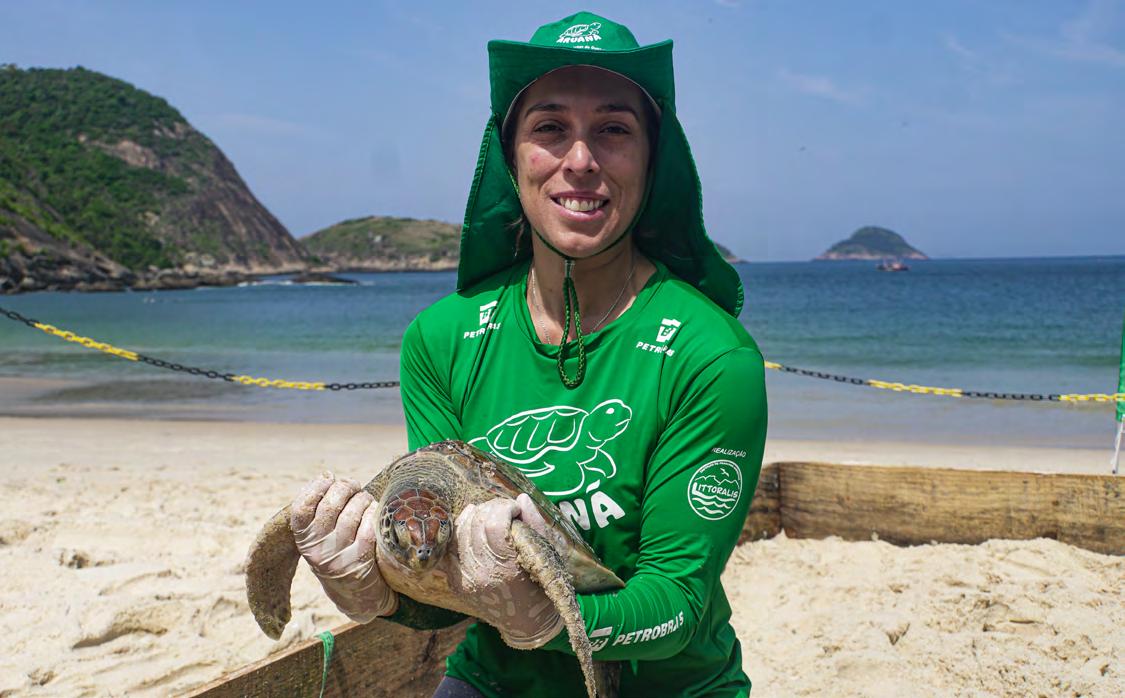
Petrobras’ Bioeconomy Fund
The Petrobras’ Bioeconomy Fund is a partnership between Petrobras and Régia Capital, an asset manager focused on sustainable investments and financial solutions. The fund received an initial contribution of R$ 50 million from Petrobras, complemented by another R$ 50 million from Régia Capital’s own resources. This is the first impact fund developed by Petrobras, marking the expansion of the company’s voluntary socioenvironmental investment strategy aimed at nature-based solutions. The fund develops innovative financing modalities that complement the non-reimbursable investments historically carried out by Petrobras. The reimbursable modality supports projects at an early structuring stage, allowing the company to preserve capital and reinvest returns in new socioenvironmental businesses, thereby expanding the scale, reach and sustainability of the financed bioeconomy projects, as well as their economic and socioenvironmental results.
Throughout 2025, R$112 million in investments were completed in five companies with innovative bioeconomy businesses related to sustainable extractivism, agroforestry systems, sustainable land use and bioinputs. Among the selected companies, Tobasa and Kawá stand out.
Tobasa is a company dedicated to the full valorization of the babaçu coconut value chain, promoting income generation for agroextractivist communities and sustainable practices in low-income regions. Its production model uses 100% of the fruit, converting biomass into high-value products, avoiding improper management, and burning of the shell. The investment
contributes to increased income for collectors, forest conservation, socioenvironmental traceability and emissions reduction. The company strengthens regional value chains, monitors environmental indicators and supports productive restoration and ecosystem conservation.
The Kawá Credit Rights Investment Fund (FIDC) provides accessible credit combined with technical assistance to strengthen small cocoa producers in the states of Bahia and Pará, promoting sustainable practices such as agroecology and agroforestry systems. The fund aims to reach ten thousand producers and 40 thousand hectares by 2030, structuring carbon credit mechanisms through payment for environmental services while generating income and food security. The actions include efficient natural resource management, with emphasis on sustainable irrigation, while members of the communities themselves, valuing traditional knowledge and strengthening local leadership, carry out technical assistance and rural extension activities.
Through the projects financed, forest conservation and restoration of degraded areas are supported. In addition, hundreds of people from local communities and small farmers benefit from these initiatives, generating significant impacts on social inclusion, job creation and income generation, particularly for women and young people, while also valuing local knowledge.
Bioeconomy – strengthening of local value chains and income generation
Costa do Juçara (Juçara Palm Coast)
The initiative, incorporated into the portfolio in 2025 through the public call of the Petrobras’ Socioenvironmental Program, is developed in the municipality of Coari, in the state of Amazonas, and stands out as a bioeconomy initiative by integrating environmental conservation, productive inclusion and the strengthening of traditional communities. Over one year of implementation, the project established agroforestry systems, conducted environmental mapping of 564.26 hectares and promoted the donation of 12 thousand fruit seedlings and 69 thousand vegetable seeds, directly benefiting 55 families and reaching 682 people, with a focus on income generation and dignified permanence in the territory. The actions value standing forests and traditional ways of life. The project is advancing in the consolidation of sociobiodiversity value chains and preparing for the inauguration of a bioindustry facility, scheduled for the first quarter of 2026, expanding processing capacity and the commercialization of regional production with added value.
Semeando Bem Viver (Planting the Seees of Well-being)
Developed by the Movimento de Organização Comunitária (MOC), the project operates in the municipalities of Araçás and Catu, in the state of Bahia, promoting socioproductive inclusion of family farmers and strengthening community organizations and solidarity enterprises. The initiative seeks to ensure food security, resilience and income generation through technical assistance, rural extension and adoption of innovative social technologies grounded in agroecology and the solidarity economy, with emphasis on gender, racial and generational equity. Actions include practical training, support for agroecological production, improvement of management practices and cultural valorization, as well as workshops in arts, music, theater, digital inclusion, sewing and handicrafts. The project
also promotes family meetings, cultural events and initiatives aimed at strengthening community bonds, ensuring that women play a leading role in the transformation of their territories. The participatory methodology combines technical and traditional knowledge, social mobilization and continuous monitoring, ensuring tangible and lasting impact.
Replanta Mangue – Floresta Viva (Mangrove Restoration Initiative
– Live Forest)
This project is part of the Floresta Viva initiative, under the Mangroves of Brazil call, and is developed by the NGO SOS Sertão in the Federal Environmental Protection Area of the Barra do Rio Mamanguape, located in the state of Paraíba. This Conservation Unit encompasses part of the Potiguara Indigenous Territory and is considered strategic for conservation, according to the Mangrove National Action Plan of the Chico Mendes Institute for Biodiversity Conservation (ICMBio), because it serves as habitat for the West Indian manatee. The project aims to restore more than 220 hectares of degraded areas distributed among mangroves, apicuns and restinga ecosystems. In addition to restoration, it also seeks to strengthen a productive chain for seedling production and seed collection, specializing the local workforce for this purpose through training actions and dissemination activities aimed at increasing social participation. By June 2025, community nurseries had produced more than 22 thousand seedlings, with the expectation of reaching 60 thousand by the end of the year. In addition, seed collection and exchange with local producers and producers from other states already total about 15 kilograms and involve 45 species.
Social technologies to guarantee human rights – solutions that expand community access to fundamental rights and improve living conditions
No Clima da Caatinga (In the Climate of Caatinga)
The project, supported by the Petrobras’ Socioenvironmental Program since 2011, is a reference in the application of social technologies for coexistence with semi-arid conditions, combining climate adaptation, environmental conservation and social development in 40 rural communities across eight municipalities in the states of Ceará, Piauí and Rio Grande do Norte, in the surroundings of the Serra das Almas Natural Reserve, which protects 6,285 hectares of Caatinga. Across four phases completed by 2024, the project disseminated 1,038 social technologies such as rainwater harvesting cisterns, biosanitary garden beds, biodigesters, eco-efficient cookstoves and meliponiculture, directly benefiting 33,309 people and reaching 117,409 through environmental education actions. These initiatives ensure water security, rural sanitation, food production and income generation while also promoting biodiversity conservation, with 117,760 native seedlings planted, six conservation units created, protection for fifteen endangered species and 1.6 million tonnes of carbon stored. In its fifth phase (2025–2029), the project expands this impact with the implementation of thirty cisterns, one hundred eco-efficient cookstoves, sixty biosanitary garden beds, five biodigesters and agroforestry systems, reinforcing a just energy transition and consolidating social technologies as a structural axis for climate resilience and sustainable development in the Caatinga biome.
Fogão do Mar (Sea Stove)
The project promotes the diffusion of social technologies to address energy poverty in coastal and shellfish-harvesting communities of the Recôncavo Baiano region and the Tinharé-Boipeba archipelago, combining technical innovation, cultural adaptation and social inclusion. Since Petrobras’ support began in 2020, more than 3,600 eco-efficient cookstoves have
been built in about 60 communities across the municipalities of Cachoeira, Maragogipe, Cairu, Salinas da Margarida and Salvador, benefiting thousands of families with reductions of up to 60% in firewood consumption, improved indoor air quality and direct health benefits for women and children. The initiative also generates employment and income, with training for more than 50 masons and assistants, about 70 community agents and the maintenance of 15 professionals on the technical team. A socioenvironmental impact assessment identified a return of R$ 15.21 to society and the environment for every R$ 1 invested, with benefits expected to last up to ten years. In phase two, the project expands its activities with the installation of biodigester septic systems, testing ten units and further consolidating social technologies as a structural axis for health, dignity, climate resilience and quality of life in the territories served.
Family farming – sustainable production systems that ensure food security and integrate people, nature and territory
Trilha Solidária (Solidarity Trail)
Implemented by the Fundação de Apoio à Pesquisa e Extensão (FAPEX), the project operates in the municipalities of Alagoinhas, Entre Rios and Cardeal da Silva in the state of Bahia, strengthening family farming and building solidarity networks. The initiative connects community groups and rural schools, promoting job creation and income generation through organization of production, commercialization and professional training, integrating scientific and traditional knowledge in agroecological practices and social technologies. Actions include workshops on cooperative management, training in agroecology, sewing, handicrafts and social project development, as well as implementation and adaptation of productive and community infrastructure. The project also conducts technical diagnostics, soil and water analyses, meetings of the management
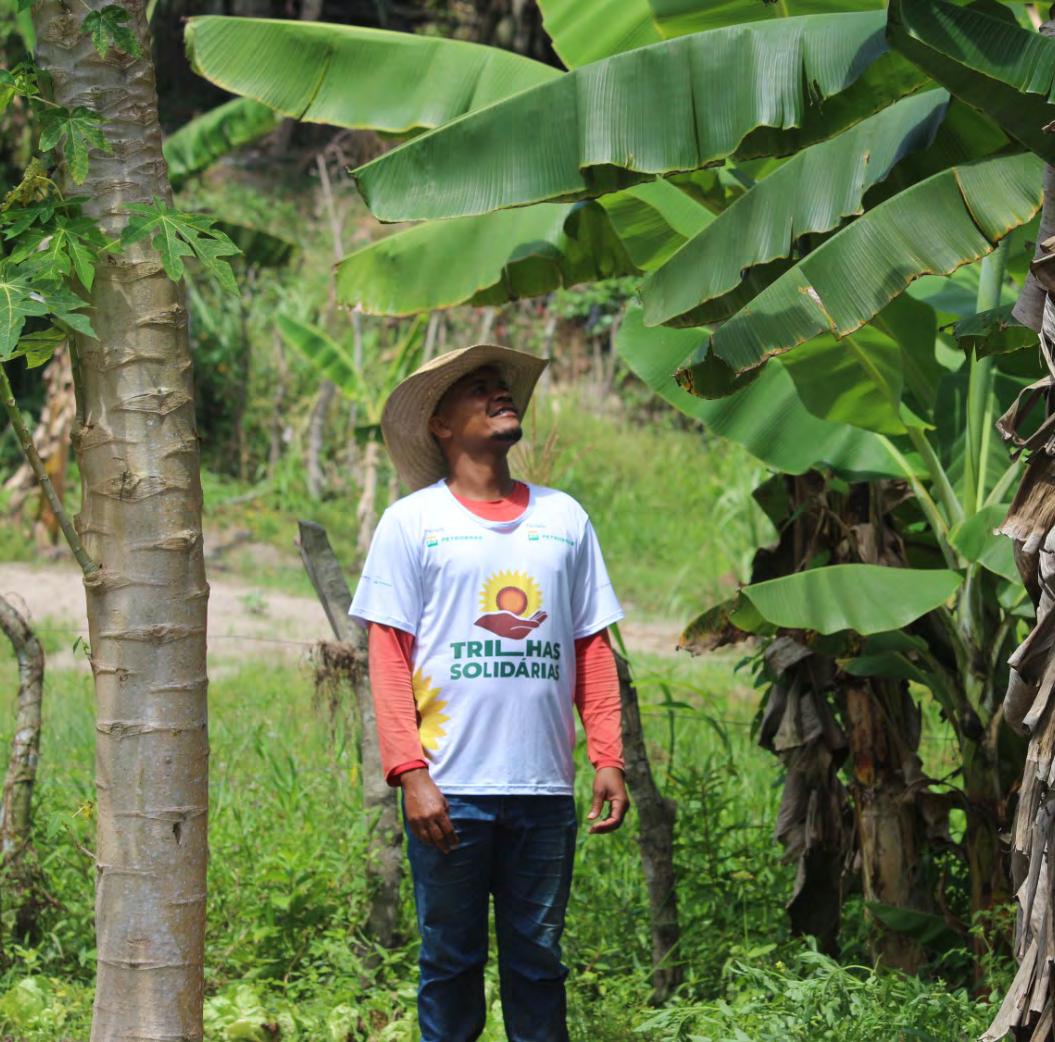
committee and public events to disseminate results, ensuring transparency and strengthening cooperation networks. With a participatory and integrated methodology, it connects universities and communities to promote socioproductive inclusion and sustainable development.
Comunidades e Cooperativas (Communities and Cooperatives)
Developed by the Federação de Cooperativas da Agricultura Familiar e Economia Solidária do Estado do Paraná, the project operates in the metropolitan region of Curitiba, promoting family farming and agroecology as strategies to ensure healthy food, decent work and productive inclusion. The initiative seeks to economically empower young people aged nineteen to twenty-nine in urban and periurban communities by developing organic
gardens, short commercialization chains and cooperatives. Actions include organic production in urban gardens, training for agroindustrial work, organic certification, technical assistance and rural extension, as well as creation of a cooperative for distribution and processing of production. The project also provides more than 1,200 hours of training, technical visits, exchanges, collective planting campaigns, organic product fairs and cultural events. Through a participatory and emancipatory methodology, it offers scholarships for participants, theoretical and practical modules in agroecology, management and marketing, ensuring economic autonomy, socioproductive inclusion and strengthening of solidarity networks.
Territórios da Agricultura (Agricultural Areas)
Developed by the Instituto Evoluir, the project operates in urban, periurban and rural communities of São José dos Campos in the state of São Paulo, promoting family farming and agroecological practices as strategies for productive inclusion and food security. The initiative combines training, technical assistance and field practices to qualify producers, encourage community gardens and bring consumers and farmers closer together through agroecological fairs, Community Supported Agriculture groups and educational actions. Activities include continuous training in socioenvironmental entrepreneurship, market studies for agroecological products, advisory services for incubation of collective enterprises, urban agriculture workshops, campaigns on responsible consumption, lectures and food education workshops, as well as organization of agroecological fairs and acquisition of agroecological food baskets. Through a participatory methodology, the project integrates community diagnostics, technical assistance, field visits and collaboration among farmers, schools and organizations, strengthening cooperative networks and sustainable practices that generate economic, social and environmental impact.
Sementes de Inclusão (Seeds of Inclusion)
Developed by the Centro de Referência em Cooperativismo e Associativismo, the project operates in the municipalities of Cosmópolis and Paulínia
in the state of São Paulo, promoting productive inclusion and income generation by strengthening agroecological family farming and creating commercialization networks based on responsible consumption. The initiative is structured around four strategic axes, production, logistics, commercialization and conscious consumption, aiming to ensure healthy food, reduce waste and connect rural and urban territories. Activities include training for farmers, implementation of community gardens and solidarity kitchens, incubation of collective enterprises and structuring of the Raízes do Brasil network. The participatory methodology includes initial diagnostics, management committees, agroecology and management courses, demonstration units, community gardens and solidarity kitchens, in addition to incubation of businesses with technical support. The project ensures female and youth leadership, socioproductive inclusion and sustainable practices that strengthen the solidarity economy.
Campo Cidade (Country and City)
Developed by the Escola Estadual de Formação e Capacitação à Reforma Agrária, the project operates in twelve communities across the municipalities of Macaé, Campos dos Goytacazes and São João da Barra in the state of Rio de Janeiro, promoting income generation and environmental preservation in vulnerable territories. The initiative integrates sustainable production practices with affirmative actions for women, Black people, traditional communities and LGBTQIAPN+ populations, strengthening social inclusion and citizenship. Actions include training in entrepreneurship and solidarity economy, establishment of agroindustries, fairs for direct commercialization and ecological restoration through agroforestry systems and agroecological demonstration units. The project plans three training centers for income generation, thirty courses aimed at activating local businesses, establishment of a plant-based processing agroindustry, creation of solidarity economy fairs and restoration of degraded areas. Through a participatory methodology, it ensures community leadership and practices that combine sustainable production with environmental conservation.
Sertão + Produtivo (Productive Sertão)
Sertão + Produtivo is a call for proposals whose selection process was carried out jointly throughout 2025, resulting from a partnership between the Banco Nacional de Desenvolvimento Econômico e Social (BNDES) and Petrobras, aimed at financing social projects in the Brazilian semi-arid states. The central purpose of the call is to encourage actions focused on strengthening and structuring associations and cooperatives of family farmers, producing healthy food, reducing food insecurity and generating income for populations in situations of social vulnerability.
After the application period closed in March 2025, 74 submitted proposals were evaluated. Following the subsequent stages of the process, the results were published in June 2025, selecting eight projects in the states of Piauí, Maranhão, Ceará, Rio Grande do Norte, Paraíba, Pernambuco, Bahia, Sergipe, Alagoas, Minas Gerais and Espírito Santo that will receive an estimated investment of R$ 80 million, originating from the joint contribution of the two institutions, over the next three years. All selected projects aim to strengthen the productive and commercial capacity of collective family farming enterprises in the Brazilian semi-arid region, promoting the production of healthy food. The planned actions include the adoption of agroecological systems and sustainable practices, value addition and/or process optimization, management and economic sustainability, as well as access to markets. —
Aquaponia (Aquaponics)
The project Aquaponia para Todos: Sustentabilidade Comunitária, developed by the Instituto Teia para Desenvolvimento Socioambiental e Cultural, operates in the municipalities of Macaé, São João da Barra and Rio das Ostras in the state of Rio de Janeiro with an innovative proposal that integrates food production, environmental education and social inclusion. The initiative implements integrated systems of fish farming and vegetable cultivation, using aquaponics as a sustainable technology to reduce waste, optimize natural resources and generate employment and income. In addition to production, the project establishes a community learning space with courses in solidarity economy, bioeconomy, entrepreneurship and technical training in family and professional aquaponics. It also organizes itinerant fairs, educational workshops and activities in public schools, engaging teachers and students in sustainability practices. The participatory methodology includes feasibility analysis, construction of infrastructure, installation of systems and continuous monitoring, ensuring community leadership, food security and sustainable practices.
Viva Macaúba (Long Live Macaúba!)
Developed by the Associação Comunitária dos Pequenos Produtores Rurais do Riacho D’Antas e Adjacências, the project operates in northern Minas Gerais to structure and strengthen the value chain of the native macaúba palm, recognized as a strategic resource of Brazilian sociobiodiversity. The initiative seeks to consolidate governance of the local productive arrangement, promote technical and organizational training for extractivist and farming communities and improve processes for collection, transportation, processing and commercialization of fruits and derivatives. Actions include forest inventory, development of a sustainable management plan, installation of an industrial facility for extraction of vegetable oils, development of food products, creation of a data collection application, improvement of production spaces and articulation with public policies to expand market access. Through a participatory methodology, the project includes training, good manufacturing practices, laboratory analyses and business planning, ensuring social inclusion, income generation and conservation of the cerrado biome.
Hortas Orgânicas (Organic Vegetable Gardens)
The project Hortas Orgânicas em Faixas de Dutos transforms areas influenced by industrial operations into productive and sustainable spaces, promoting family-based urban agriculture in the municipalities of Duque de Caxias and Nova Iguaçu in the state of Rio de Janeiro. The initiative combines participatory socioeconomic and environmental diagnostics with the establishment of family and educational gardens and training in agroecological practices such as sustainable management, biological pest control and commercialization. Through social technologies including nurseries, greenhouses and seed banks, the project strengthens solidarity economy networks and encourages production of healthy food, contributing to food security and income generation. Women are placed at the center of the project’s social and economic transformation processes through family-based urban agriculture, promoting financial autonomy and female leadership in productive activities and decision-making spaces.
Frutos da Terra (Fruits of the Earth)
The project Frutos da Terra – Produção de Alimentos Saudáveis em Áreas Urbanas, implemented by the Instituto de Pesquisa e Formação Integrar RS, operates in Canoas and Esteio in the state of Rio Grande do Sul, covering the neighborhoods of Guajuviras, São José, Vila Olímpica, Santo Inácio, Liberdade, São Sebastião and Novo Esteio. Its target audience includes public school students, women, families in vulnerable situations, community leaders and local residents. The objective is to promote education and community-based alternatives for producing healthy food without pesticides through collective urban gardens in public spaces. Activities include sustainability workshops, training courses in family farming, implementation of school gardens, installation of rainwater harvesting cisterns and support for entrepreneurship through fairs for commercialization of surplus production. The methodology emphasizes collective work, exchange of knowledge and civic education, contributing to sustainable development, income generation and food security in the communities served.
Strengthening associations, cooperatives and collectives of recyclable material waste pickersvaluing workers and structuring local recycling chains
As Carolinas de Jacutinga (The Carolinas of Jacutinga)
This project, carried out by COOPCARMO in Mesquita (RJ), aims to expand the selective collection of recyclables, strengthen the solidarity economy and encourage women’s entrepreneurship. Its main actions include implementing a new selective collection route, providing training in cooperativism and sustainable economic development, creating the Socioenvironmental Memory Center, producing a documentary and a commemorative book, installing a handmade paper production station (RePapel) and providing training for the creation of original products.
The priority audience is women cooperative members, who receive support for income generation and the promotion of leadership. An important action is the reuse of recyclable materials for sustainable production, integrating circular economy practices and partnerships with waste picker organizations, expanding commercialization opportunities and strengthening solidarity business networks.
Eu sou Catador (I am a waste picker)
Developed by the Association of Recyclable Material Waste Pickers of Jardim Gramacho (ACAMJG) in Duque de Caxias (RJ), the project aims to integrate waste pickers from the former Jardim Gramacho landfill into the formal market, improve their living conditions and strengthen the circular economy. The initiative promotes productive inclusion and citizenship through the revitalization of the association’s infrastructure, the implementation of new equipment, the reorganization of operational flows and waste control. Actions include technical courses in basic electrical mechanics, SEST/SENAT training, dismantling of waste and electronic equipment, workshops on agroecology, composting and gardens, as well as lectures on women’s empowerment and environmental education. The project also structures processes for sorting, processing and marketing recyclables, strengthening partnerships with waste picker organizations and sustainable networks, expanding opportunities for income generation and ensuring practices aligned with the circular economy.
Cooperar para Reciclar (Cooperate to Recycle)
This project, developed by Cooperativa Popular Amigos do Meio Ambiente (COOPAMA) in the municipalities of Rio de Janeiro and Belford Roxo (RJ), aims to expand the cooperative’s productive capacity, increase the income of its members and implement sustainable processes in the recycling chain. The initiative integrates social inclusion, professional qualification and environmental preservation, consolidating a model of sustainable economic development. Its actions include the reconfiguration of facilities and operational flows, implementation of a new warehouse layout and reorganization of waste management processes. The project also offers training courses in English, financial management and carpentry, in addition to promoting participation in events and lectures on sustainability and the solidarity economy. Activities include diagnostics, process redesign, equipment acquisition and the use of applications for traceability, ensuring efficiency and transparency. By structuring processes for the collection, sorting and processing of recyclables, the initiative strengthens partnerships with waste picker organizations and sustainable networks, expanding opportunities for income generation and circular economy practices.
Conexões Sustentáveis (Sustainable Connections)
Developed by the Instituto Caminhos Sustentáveis in the municipalities of Canoas and Esteio (RS), the project aims to restructure waste picker organizations and support independent waste pickers by promoting training, social mobilization and entrepreneurship. The initiative seeks to mitigate the impacts of the 2024 floods, expand productive capacity and consolidate sustainable business networks. Actions include the development of 12 action plans with technical advisory support, guidance on access to social programs, training of 360 waste pickers in management and selective collection operations, collective cleanup and treeplanting initiatives, as well as the delivery of works and equipment to 12 cooperatives. The project also promotes a seminar on waste management,
environmental awareness initiatives and strategies for productive inclusion. By structuring processes for the collection, sorting and commercialization of recyclables, it strengthens partnerships with waste picker organizations and solidarity networks, expanding opportunities for income generation and circular economy practices.
Comum Viver (Common Living)
Developed by the Instituto Maria e João Aleixo in Rio de Janeiro, the project aims to create a socioenvironmental hub to organize and qualify participants to work in the recycling value chain, promoting collaborative work, safety, social inclusion and sustainability through socioeconomic registration, discussion circles, the assembly of a recycling ecosystem and safety courses for working with solid waste. It also includes the creation of the University of the Streets, offering training in recycling technologies and product design, as well as the distribution of supplies and the mobilization of solidarity networks involving residents, companies and institutions. Actions include territorial diagnostics, articulation with public policies, educational and professional training, the creation of ecopoints and collaborative networks. By structuring collection and recycling processes, the project strengthens partnerships with waste picker organizations, expanding opportunities for income generation and circular economy practices, aligning citizenship with environmental preservation.
Recicla Óleo (Used Oil Recycling)
The project developed by the Northern Minas Development Agency (ADENOR) in Montes Claros (MG) aims to implement the structured collection of waste cooking oils and fats (WCO) for biodiesel production, promoting income generation for waste picker families and the preservation of natural resources. The initiative integrates
sustainability, citizenship and innovation, strengthening cooperatives and expanding social participation. Actions include the formalization of the cooperative, construction of its own warehouse, structuring facilities for oil reception, implementation of selective collection and training of 100 waste pickers and their families in soap production. It also includes educational initiatives for 240 waste pickers, financial management courses aimed at women and awards for the children of waste pickers enrolled in schools. By transforming waste into biodiesel inputs, the project strengthens partnerships with waste picker organizations and promotes circular economy practices, aligning social inclusion with a just energy transition and environmental preservation.
Óleo Circular Solidário (Solidary Circular Oil)
This project, developed by the Rede Cataunidos in 33 municipalities in Minas Gerais, aims to structure the collection and recycling chain for waste cooking oils and fats (WCO), fostering job and income generation for approximately 800 waste pickers organized into 33 enterprises. The initiative integrates sustainability, citizenship and innovation, strengthening cooperatives and expanding social participation. Actions include situational diagnostics, the development of participatory management plans, the installation of ecopoints, the definition of collection routes and training on solidarity recycling. The project also promotes workshops on human rights, community mobilization, thematic seminars and annual meetings to strengthen the network, in addition to creating sustainable products and commercialization strategies. By transforming waste into inputs for new products, it strengthens partnerships with waste picker organizations and ensures social inclusion, aligning circular economy practices with a just energy transition and environmental preservation.
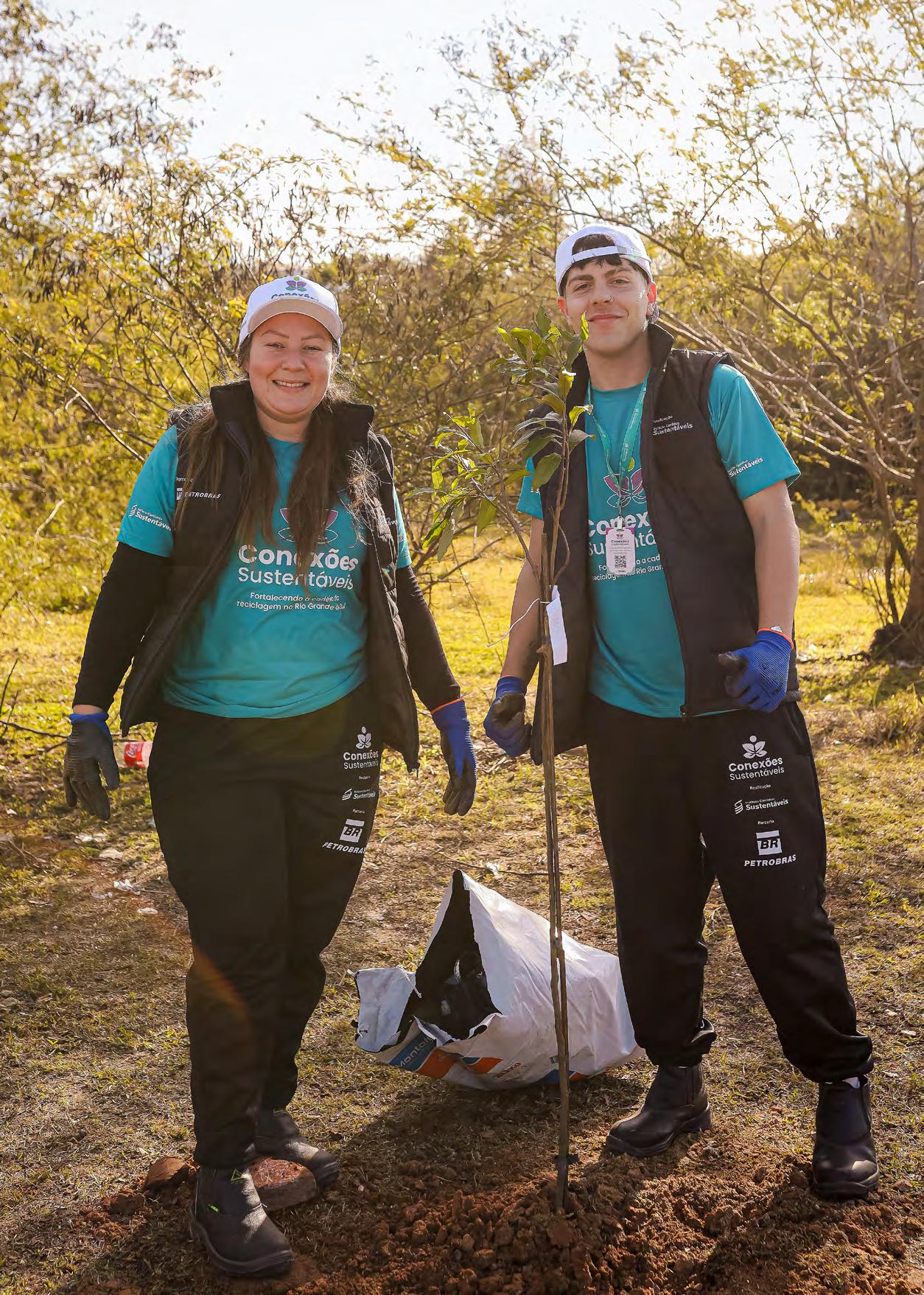
PARTNERSHIPS FOR FOREST RESTORATION
Floresta Viva Initiative (Live Forest Initiative)
The Floresta Viva matchfunding initiative provides financial support, through a joint effort of R$118 million contributed by BNDES and Petrobras, to 20 reforestation projects involving native species in Brazilian biomes that generate social and environmental benefits over a seven-year period.
Managed by the Fundo Brasileiro para a Biodiversidade (Funbio), the funds are being allocated to projects selected through two calls for proposals, Manguezais do Brasil and Corredores de Biodiversidade, covering the Amazon, Atlantic Forest, Cerrado and Pantanal biomes.
In the field of nature-based solutions, we established a structuring partnership with the Banco Nacional de Desenvolvimento Econômico e Social (BNDES), enabling greater scale, territorial reach and socioenvironmental impact for forest restoration actions. The initiatives Floresta Viva and Restaura Amazônia exemplify this innovative model of voluntary socioenvironmental investment by combining financial resources, qualified governance and collaboration with civil society organizations to promote the recovery of strategic ecosystems, conservation, biodiversity and the strengthening of productive chains associated with restoration in Brazilian biomes.
From the perspective of initiatives with transformative potential, these structuring partnerships represent progress by promoting lasting changes in the way conservation and restoration actions are financed, implemented and governed. This model contributes to strengthening institutional capacities, articulating longterm territorial arrangements and fostering productive chains associated with ecological restoration and the sociobioeconomy. These initiatives expand the scale and sustainability of socioenvironmental impacts, aligning biodiversity conservation, territorial development and the generation of long-term value.
In total, restoration is expected to reach 4,200 hectares, implemented by the supported civil society organizations.
Restaura Amazônia (Restore Amazon)
As a complementary action aimed at expanding support for a more diversified portfolio of projects involving nature-based solutions, Petrobras joined the Brazilian Environment and Climate Change Ministry (MMA) and BNDES in the Restaura Amazônia initiative. The initiative seeks to transform the deforested Amazonian belt, known as the “Arc of Deforestation,” into the “Arc of Restoration.”
At this stage, R$50 million will be invested by Petrobras and R$50 million by the Fundo Amazônia, allocated to the recovery of flora, fauna and biodiversity through the restoration of approximately 6,000 hectares of native vegetation in Conservation Units across the states of Amazonas, Acre, Rondônia, Mato Grosso, Tocantins, Pará and Maranhão.
In 2025, nine projects were selected to operate in priority-protected areas within the Amazon biome. The initiative is implemented through partnerships with the organizations Fórum Brasileiro de Desenvolvimento Sustentável, Conservation International and Instituto Brasileiro de Administração Municipal, which manage the forest restoration projects. Through Restaura Amazônia, Petrobras reinforces its commitment to curbing deforestation and conserving biodiversity in Amazon conservation units.
118 million invested
4,200 hectares of restoration
20 reforestation projects involving native species
100 million invested
6,000 hectares of restoration
9 projects to operate in priority-protected areas
Socioenvironmental Return on Investment
With the commitment to generate long-term results and improve the management of supported socioenvironmental projects, we adopted the Theory of Change as a central tool for evaluating proposals. This approach has been incorporated into the project selection and monitoring system in order to ensure positive and lasting impacts for society and the environment. To guarantee the effectiveness and transparency of these initiatives, we rely on an independent external consultancy responsible for conducting impact assessment studies of socioenvironmental projects using internationally recognized methodologies such as Social Return on Investment (SROI) and its variant, Cost-Benefit Analysis (CBA). Through the involvement of beneficiaries and other stakeholders, SROI identifies, measures and monetizes the changes generated, comparing them to the investment made. In 2025, we began incorporating a new qualitative-quantitative
methodology to evaluate non-monetizable impacts, expanding our capacity to identify the benefits generated by socioenvironmental investments.
Thus, in addition to monitoring project performance indicators, socioenvironmental return on investment analyses support evidencebased decision-making and the continuous improvement of initiatives, enhancing the environmental, social and economic transformations resulting from the projects. Among the benefits identified in these evaluations are environmental advances such as conservation, reforestation, increased biodiversity and sustainable practices, as well as the strengthening of communities. In the social sphere, results include the comprehensive development of children and adolescents, cultural appreciation, protection of rights, increased employability and the strengthening of women’s autonomy. These outcomes contribute to reducing social inequalities and promoting sustainable development in the regions
where the projects operate. It is important to highlight that the social returns of the projects are significantly above the minimum commitment established in the Strategic Plan 2050 and the Business Plan 20262030, which forecasts providing a return to society of at least 150% of the value invested in voluntary socioenvironmental projects by 2030.
Over the past seven years, 49 evaluated projects generated a total social impact of nearly R$935 million, corresponding to 490% of the invested amount. On average, for every real invested, the evaluated projects generate a return of R$4.9 in social and environmental benefits, demonstrating the effectiveness of the initiatives supported in our socioenvironmental investment portfolio.5
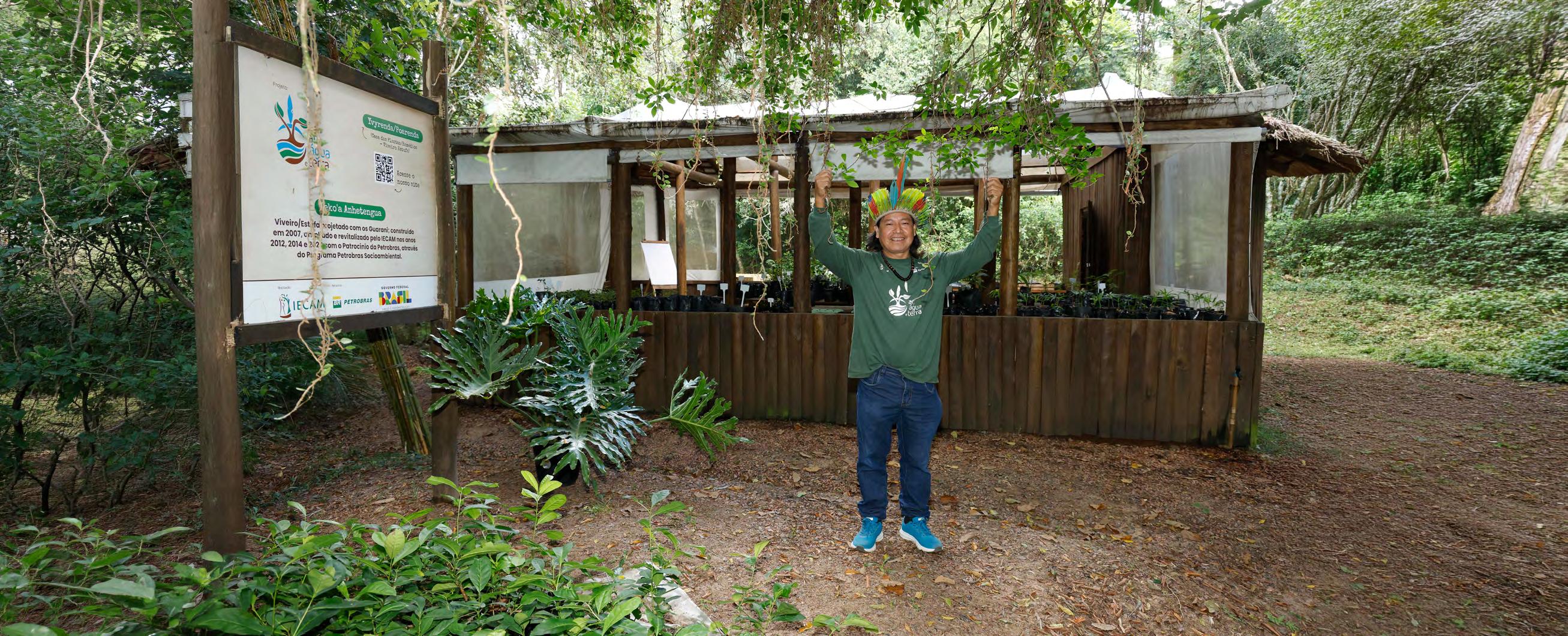
By 2028, an additional 36 projects in the portfolio will be evaluated.
Socioenvironmental investments at Transpetro
In 2025, Transpetro consolidated a diversified social portfolio, combining ongoing cooperation agreements, new cooperation agreements and the strategic expansion of the Transformar Program. This work results in initiatives that strengthen the development of communities located in areas influenced by operations, promote productive inclusion, value traditional knowledge, expand access to culture and enhance environmental education in different regions of the country. The cooperation agreements active in 2025 are present in sensitive and strategic territories, bringing together initiatives involving environmental conservation, professional training, traditional practices, culture, youth engagement and community strengthening. At the same time, new cooperation agreements established during the year expanded the company’s presence in technical education, sustainability, waste management and professional qualification, while the program advanced in its national expansion. Together, these pillars form an integrated social agenda connected to the company’s strategy and contribute to social impact aligned with the real needs of communities.
A highlight was the Faixa em Movimento Program, which reached its highest level since its creation by delivering 23 community works in eight states. The initiatives included leisure areas, community gardens, rain gardens, sports spaces and urban improvements that transformed territories and enhanced engagement with communities neighboring pipeline corridors and terminals, reinforcing the company’s presence across multiple socioeconomic contexts.
In the field of corporate sustainability, Transpetro achieved a declaration of ESG maturity compliance, granted on October 6. Ambipar conducted the assessment in accordance with the guidelines of the Brazilian Association of Technical Standards, Recommended Practice ABNT PR 2030:2022, which measures the level of organizational development across environmental, social and governance dimensions. The recognition reinforces the consistency of the company’s practices and its alignment with the commitments of the United Nations Global Compact, the ESG Agenda, the 2025–2029 Business Plan and the 2050 Strategic Plan, particularly in the areas of human rights and integrated social risk management.
R$7.4 million invested in community projects and cultural spaces
These actions reached
R$7.8 million invested in cooperation agreements R$1.3 million invested in sponsorships
228,000 people directly 457,000 people indirectly
These advances were accompanied by awards in the categories of “Social Responsibility” and “Compliance,” with the company receiving the ESG Highlight Company 2025 title from the Port of Itaqui (MA), in addition to recognition within the energy sector.
Transpetro also participated in the United Nations Climate Change Conference (COP30), in Belém (PA). During the event, the company received the Diamond Seal of the Sustainability Pact, the highest distinction granted by the Ministry of Ports and Airports in the inaugural edition of the recognition. Participation in COP30 included technical panels, educational actions with communities, cultural activities and initiatives focused on energy transition, reinforcing the company’s commitment to responsible practices that integrate sustainability, citizenship and social development.
a) Ongoing Projects
> Do Mangue ao Mar (From Mangrove to Ocean) (RJ)
Located at the heart of Guanabara, Sepetiba and Ilha Grande bays, the Do Mangue ao Mar project, resulting from an cooperation agreement between Transpetro and the NGO Guardiões do Mar, has operated since 2022 as a transformative initiative promoting mangrove conservation, the empowerment of traditional communities and the promotion of Community-Based Tourism (CBT), strengthening territorial culture, history and nature in the state of Rio de Janeiro.
With a focus on sustainability, environmental education, scientific research and sociocultural actions, the cooperation agreement is aligned with the National Biodiversity Policy (Decree No. 4,339/2002). In 2025, the project directly impacted more than 3,000 people through 691 actions, removed 23.4 tons of waste, restored 55,000 m² of mangroves and remunerated 87 fishers and waste pickers for environmental services. The initiative also created a collective of young environmental agents, consolidating an innovative model of ecological education, productive inclusion and socioenvironmental preservation.
> Faixa Limpa II (Clean Pipeline Right-of-Way Project) (SP)
This cooperation agreement, developed by the Instituto GEA in partnership with Transpetro since 2022, has a five-year duration. Its objectives are to inform, communicate, raise awareness, sensitize and engage stakeholders located along pipeline rights-of-way in 71 communities across ten municipalities in the state of São Paulo regarding issues of cleanliness, land use and safety. The project also carries out, through dialogue and joint work with communities, local transformation actions such as collective clean-up efforts and conservation initiatives, as well as works that revitalize and promote the orderly use of pipeline corridors.
In 2025, the program directly affected approximately 58,000 people and revitalized 3,600 m² of community areas, involving 9,000 students in the School Ecological Challenge.
> Botos da Barra (Dolphins of the River Mouth) (Osório -RS)
Aligned with the National Biodiversity Policy (Decree No. 4,339/2002) and the National Environmental Education Policy (Law No. 9,795/1999 and Decree No. 4,281/2002), the project aims to safeguard cooperative fishing as a guardian of the sociobiodiversity conservation of the Tramandaí River bar. For at least 120 years, fishers in the region have practiced cooperative fishing with Lahille’s bottlenose dolphins that inhabit the area. The animals signal the ideal moment for fishers to cast their nets, and the fish that escape become food for the dolphins. This centuries-old tradition survives in only three places on the planet. Transpetro renewed its cooperation agreement with the Centro de Estudos Costeiros, Limnológicos e Marinhos of the Universidade Federal do Rio Grande do Sul. Until 2027, the development of this activity, scientific research and environmental education actions directed at schools and the broader community will be supported.
> Cine Transpetro (Transpetro Cinema)
Cine Transpetro is the company’s largest sociocultural project, carried out through a sponsorship contract with MPC Filme, in accordance with the National Program for Cultural Support (Pronac, Law No. 8,313/1991) and the National Education Policy (Law No. 9,394/1996). Free film screenings and workshops have already gathered 300,000 participants over ten years in Brazil and help democratize access to Brazilian cinema.
In its new phase, held in 261 public schools across 17 states, the project recorded more than 52,000 students served, 831 screening sessions and five workshops that resulted in eight short films produced by students.
In 2025, it maintained its national reach, expanding cultural repertoire, civic education and access to art.

> Cultura na Faixa (Culture along the Pipeline Right-of-Way) (RJ)
This cooperation agreement seeks to promote family and community coexistence, prevent situations of social risk and strengthen the company’s ties with the communities of Ana Clara (Duque de Caxias), Geneciano (Nova Iguaçu) and Jardim Ueda (Itaguaí), located along pipeline corridors in the state of Rio de Janeiro, in synergy with the Federal Affirmative Action Program.
The NGO SER – Se Essa Rua Fosse Minha, carries out the activities in the area of influence of the Campos Elíseos Terminal (Tecam). With 600 direct beneficiaries and more than 60 families engaged, the project offers workshops, courses, community therapy and cultural activities such as social circus and folia de reis. In 2025, it continued to serve as an important instrument for community integration and cultural appreciation.
> CCMAR – Centro de Convívio dos Jovens do Mar (Training Center for the Young People Living in the Seashore) (RS)
In synergy with the National Environmental Education Policy and formalized in 2024, the cooperation agreement is a partnership between Transpetro, the Federal University of Rio Grande (FURG) and the Foundation for the Support of the University of Rio Grande (FAURG) to carry out the project CCMAR: Reception, Humanization and Emancipation, Pathways to Sustainable Development. With a duration of 24 months, the initiative provides for the training of 600 young people for the labor market and the qualification of 200 individuals in environmental education, through 13 professional training courses aimed at young people from vulnerable communities in the city of Rio Grande (RS). In addition to technical qualification, the project includes the provision of student retention scholarships and environmental awareness actions, contributing to the sustainable development of the region. In 2025, 293 students graduated through the cooperation agreement.
> Young Climate Leaders (Paracambi - RJ)
Formalized in 2024, the cooperation agreement is centered on training young people in the field of climate change so they can act in mitigating social, economic and environmental impacts. With a workload of 366 hours, the non-degree course includes teaching materials, a completion certificate, student stipends, bicycles to enable transportation to the course, personal protective equipment (PPE) and the first solar eco-station in the Baixada Fluminense. In synergy with the National Environmental Education Policy (Law No. 9,795/1999 and Decree No. 4,281/2002), the project aims to serve 100 individuals aged 16 to 29, enrolled in secondary, technical and higher education at federal and state institutions (Faetec and IFRJ) and Rio de Janeiro`s state schools in Paracambi (RJ). Participants must reside in the city, preferably in areas near pipeline corridors operated by Transpetro. In 2025, 45 young environmental leaders were trained through the cooperation agreement.
b) New Cooperation Agreements (2025)
In 2025, Transpetro signed three new cooperation agreements to strengthen professional education, sustainability and community development in regions near the company’s operations, totaling R$ 5 million.
> Senai Cimatec University (Bahia)
The cooperation agreement with Senai Cimatec University, in Salvador (BA), began in 2025 and benefits 100 undergraduate students in STEM (Science, Technology, Engineering and Mathematics), with priority given to Black women. The project provides a monthly stipend, a notebook computer and a student kit, reinforcing university retention.
> Sustainable School Project, Nutec (Fortaleza - CE)
Signed in November 2025, the cooperation agreement with the Center for Industrial Technology and Quality of Ceará (Nutec) provides for the
implementation, starting in 2026, of the Sustainable School Project in three full-time public schools in Fortaleza (CE). The cooperation agreement will establish a model for solid waste self-management, integrating environmental education, school meals and sustainable practices. The objective is to reduce by at least 90% the volume of waste generated and sent to landfills, in addition to developing benchmark schools in sustainability, citizenship and inclusion.
> Transform Program
Transform consolidated itself in 2025 as one of the main structuring axes of Transpetro’s social strategy, strengthening professional training in territories surrounding its operations and expanding its presence in previously underserved regions, reinforcing decentralization beyond the Rio–São Paulo axis. During the year, the program reached 528 enrolled participants and 438 graduates, with an 83% completion rate, providing qualification and expanding local capacities.
Transform expanded its national reach with the signing, in 2025, of the “Pathways to the Future” cooperation agreement (National Senai + Ministry of Labor).
Present especially in areas near land terminals and pipeline corridors in the participating states, it offers 1,600 free vacancies and a monthly stipend of R$ 1,000 for each participant, and will be implemented by National Senai in four states: Pará, São Paulo, Rio de Janeiro and Bahia, reinforcing Transpetro’s commitment to productive inclusion and human development in the regions where it operates.
The cooperation agreement also provides a teaching kit, professional certification and job placement support, expanding local employability in regions directly connected to Transpetro’s operational infrastructure.
Cultural, sports and business, science and technology sponsorships
In 2025, Petrobras celebrated 30 years of support for Brazilian cinema, reaffirming its commitment to valuing national culture. Over these three decades, the company has sponsored more than 600 films, contributing to strengthening the film industry in Brazil and to the dissemination of the country’s cultural diversity and richness. This year, more than 200 sponsorships were part of the Petrobras’ Cultural Program, promoting cultural development and making use of the Federal Culture Incentive
Law (Law No. 8,313/1991), which allows tax incentives for companies that allocate part of their taxes to cultural promotion. In sports sponsorships, the highlight was the continuation of Petrobras’ strategy as a leader in supporting women’s football. The company consolidated the largest partnership in the history of São Paulo football, sponsoring senior and youth competitions, and launched the Petrobras Women’s Football Caravan, which traveled to 24 cities with immersive and educational experiences, preparing society for the 2027 FIFA Women’s World Cup in Brazil. In 2025, sponsorships of motorsport modalities also continued, including Copa Truck Petrobras, Nascar Brasil, Sertões Petrobras and F4 Brasil, as well as support

for youth-oriented sports such as skateboarding and breakdancing.
Sponsorships of business, science and technology events strengthen relationships with partners, investors, clients and the academic and scientific community, among others. The company participates in major events within the national innovation ecosystem, as well as in initiatives that spark curiosity and promote experiences for different audiences on topics related to science and a changing world.
Various methodologies are used to select, manage and evaluate sponsorship projects, both individually and collectively, including technical assessments, potential valuation, scope delivery evaluation and measurement of brand exposure in media, in order to assess the equivalent financial return generated by cultural, sports and business, science and technology sponsorships.
All
selected sponsorships, as well as those already
in the
portfolio, will be evaluated using the Sponsorship Performance Index (IDP). The IDP is a process indicator that assesses the performance of sponsorships contracted by Petrobras across Culture, Sports and Business, Science and Technology.
Each sponsorship project is unique, and even across editions, there may be variations in scope and proposed items. The process considers the IDP of contracted sponsorships, aligned with strategic drivers and opportunities for the company.
Donations
In addition to investments in socioenvironmental projects and sponsorships, donations are also made with the aim of contributing to society through actions that help address social and/or environmental challenges and that involve opportunities for engagement with stakeholders.
In 2024/2025, the third cycle of donations of refurbished notebooks was carried out, targeting municipal public schools located in communities within the area of influence of operations in the states of Amazonas, Amapá, Bahia, Minas Gerais, Pará, Paraná, Pernambuco and Rio Grande do Sul. For the first time, a public call was also launched to include third-sector institutions participating in community committees, expanding the reach of donations.
In total, this donation cycle benefited 206 municipal public schools, which received more than 5,200 notebooks, and 136 third-sector institutions, with nearly 2,000 notebooks. Overall, more than 7,200 devices were donated, reinforcing the commitment to expanding access to technology and digital empowerment in communities.
In an unprecedented process within the company, five institutions were selected through a public call to receive donations of housing items from decommissioned platforms in the Campos Basin, such as mattresses, air-conditioning equipment and furniture.
In 2025, approximately R$ 1 million was donated to support the restoration of the Petrobras’ Employees Club (CEPE) in the municipality of Canoas, which adapted its facilities as a shelter to receive displaced people and those affected by the severe floods that struck the state of Rio Grande do Sul. The high flow of people during the 45 days of shelter operation had consequences for the facilities and equipment, and the social headquarters required support for restoration after emergency use. Petrobras therefore provided resources for the recovery of this partner’s facilities following a technical assessment identifying the needs and impacts caused by its use as a shelter.
Volunteering
Throughout 2025, we carried out 164 volunteering actions, representing a 130% increase compared to 2024. These initiatives mobilized more than three thousand volunteers and benefited approximately 33 thousand people, significantly expanding the reach and social impact of the Petrobras’ Volunteer Program.
The strengthening of Petrobras’ corporate volunteering reflects, among other factors, a 42% increase in the number of registered employees, also driven by the expanded participation of service providers, totaling more than ten thousand registered volunteers. Another significant advancement was the authorization of up to 80 annual hours for volunteers to engage in actions aimed at responding to emergency or public calamity situations.
+7,200 devices were donated 2024/2025
8 states included
206 municipal public schools benefited
136 third-sector institutions benefited
In 2025, several donation actions were carried out by the Petrobras’ system, as follows:
Among the actions carried out, we highlight those focused on promoting the development and autonomy of women, implemented in coordination with civil society organizations working to defend women’s rights. Among the partnerships established are the Women Samba Artists Movement, in Rio de Janeiro (RJ), and the Reference Centers of the Olga Benário Women’s Movement, which provide assistance and shelter to women in situations of violence.
In the area of promoting diversity and inclusion, volunteering engaged in the commitment assumed by Petrobras with the LGBTIQIAPN+ Business and Rights Forum, supporting institutions working in this agenda, such as the Arco-Íris Group for LGBTQIAPN+ Citizenship of Rio de Janeiro and Casa Um of São Paulo. Actions included financial contributions, fundraising campaigns for materials and capacity-building activities, such as workshops on resume, portfolio and personal marketing development, focused on increasing employability and economic autonomy for this group.
Indigenous communities were also benefited by volunteer actions, through book donation campaigns and intercultural experiences carried out in villages located in different regions of the country. Among the communities served
are Aldeia Kókhun Já Má, in the state of Paraná, and the Marakanã and Tekoa Ka’Aguy Ovy Porã villages, in the state of Rio de Janeiro, strengthening respect for cultural diversity and the appreciation of traditional knowledge. In the environmental axis, we highlight the mobilization carried out in reference to Beach, River and Mangrove Cleanup Day, which included the participation of more than six thousand people, including approximately 200 volunteers from Petrobras’ workforce. As a result, more than 32 tons of waste were collected, reinforcing the company’s commitment to environmental preservation and socioenvironmental awareness.
164 volunteering actions
+3,000 volunteers
+130% increase compared to 2024 +33,000 benefited
3,351 hours dedicated to volunteer work during paid working hours
769 hours of volunteer work outside working hours
Vulnerable groups
Vulnerable groups are those at greater risk of suffering severe negative impacts because of our activities or business relationships. Among these groups, we highlight:
> Children and adolescents
> Women
> Black people
> Indigenous peoples and traditional communities
> Transgender people and the LGBTQIAPN+ population
> Migrant workers
In our internal policies and guidelines, we establish premises for a focused approach to vulnerable groups, in addition to specific programs and initiatives for these audiences.
We contribute to the protection of the rights of children and adolescents
Access to culture, play, recreation and sports are fundamental and constitutional rights guaranteed by Articles 215 and 227 of the 1988 Federal Constitution of Brazil, by the Child and Adolescent Statute (ECA) and by Article 31 of the United Nations Convention on the Rights of the Child. In order to ensure these rights and increase the presence of children, adolescents and young people in vulnerable situations in artistic and cultural spaces, the Petrobras’ Socioenvironmental Program invests in educational, artistic and sports projects throughout Brazil.
Among the projects is Unicirco Arte, Educação & Comunidade VI, carried out by the São Francisco de Assis Cultural and Assistance Institute (ICASFA),
which uses circus language as a tool for inclusion and for guaranteeing rights established in the ECA. Present in Quinta da Boa Vista Park, in the city of Rio de Janeiro, and in hubs in Duque de Caxias (RJ), where the Búzios, Mero and Santos Basin Business Units, Cenpes, Duque de Caxias Refinery (Reduc) and Boaventura Energy Complex are located, the initiative offers 1,000 places: 950 for playful social circus workshops and 50 for professional training. Activities go beyond artistic practice, including academic support, psychosocial monitoring, lectures and family meetings, creating a safe and educational environment. One of the highlights is the season of free performances in Quinta da Boa Vista Park, which expands access to culture, builds audiences and opens pathways to professional insertion.
The Canarinhos da Terra – Unicamp project, promoted by the Canarinhos da Terra Institute for Education, Culture and Sports, operates in Campinas and Paulínia (SP), directly serving around 1,380 children and adolescents aged 4 to 18, primarily public school students and residents of socially vulnerable areas. The Paulínia Refinery (Replan) is located in the project’s area of operation, integrating efforts and expanding the reach of actions in the community. Its main objective is to promote the intellectual, emotional, artistic and social development of children and adolescents through free activities related to music, art and culture, such as music theory classes, vocal technique, creative percussion, body expression and cultural events involving families and the community. The project uses internationally recognized methodologies in a playful and inclusive way.
We also include the actions of the Semeando Cidadania, Saber e Cultura project, developed by the Salão do Encontro Assistance Service in the municipality of Betim (MG), which will serve around 1,400 children, especially in after-school hours. Its objective is to value Minas Gerais’ art and culture, promoting workshops in traditional crafts, choral singing, Brazilian Sign Language (Libras), heritage education, cultural exhibitions and events. The methodology is transdisciplinary, based on the experience and transmission of popular knowledge, encouraging
integral development, social inclusion and participant autonomy. The Gabriel Passos Refinery (Regap) is located in the project’s area of operation, integrating efforts and expanding the reach of actions in the community.
In the Jurujuba neighborhood, in the municipality of Niterói (RJ), the Grael – Sea of Opportunities project, developed by the Rumo Náutico Institute, ensures rights provided for in the Child and Adolescent Statute (ECA) through comprehensive education and nautical sports. Aligned with the Búzios, Mero and Santos Basin Business Units and the Boaventura Energy Complex, the initiative directly serves two thousand children and adolescents from public schools in vulnerable situations, offering training cycles in sailing, canoeing and windsurfing, organized into basic, intermediate, advanced and professional levels. Pedagogical actions include roundtables on human rights, academic monitoring, conflict mediation and thematic
weeks on citizenship and the environment, reinforcing comprehensive protection. In addition to practical classes, the project promotes cultural activities that broaden perspectives and strengthen community protection networks. The participatory methodology integrates theory and practice, encouraging autonomy, cooperation and environmental awareness.
The initiatives supported by the Petrobras’ Socioenvironmental Program reaffirm the company’s commitment to the integral development of Brazilian children, adolescents and youth, expanding their horizons and inspiring personal and community transformations that multiply over time. Through support for culture, sports and education, Petrobras contributes to stories of overcoming challenges, creativity and inclusion, helping to build a more just, sustainable and opportunity-filled future for the next generations.
In addition to education and culture actions, aware of our responsibility in addressing a sensitive issue such as the sexual exploitation of children and adolescents, considering the characteristics of our industry’s activities, we act to prevent this type of violence and to promote improvements in the quality of life of communities. We promote dialogue on the topic in meetings with representatives of Municipal Councils for the Rights of Children and Adolescents, with the participation of community leaders from areas within the scope of our operations.
Since 2010, we have been committed to the Corporate Commitment Declaration to Combat Sexual Violence Against Children and Adolescents. Through it, we position ourselves among companies working to protect the rights of children and adolescents.
Recognizing that sexual violence against children and adolescents is a mapped social risk in our internal standards, especially in the context of largescale works and projects that may impact nearby communities, we have also established internal rules within the Code of Ethical Conduct, Human Rights Guidelines and Ethical Conduct Guide for Suppliers, which support efforts to combat this type of violence.
We have established partnerships with civil society organizations through the Petrobras’ Socioenvironmental Program to support initiatives focused on protecting children and adolescents in situations of violence and strengthening the Rights Guarantee System. We highlight three projects focused on strengthening this system:
The Primeira Infância Cidadã project, carried out by Avante – Education and Social Mobilization, operates in 21 municipalities across six Brazilian states, benefiting more than 220 thousand children and maintaining an ongoing audience composed of public agents, operators of the Child and Adolescent Rights Guarantee System and community leaders. The initiative’s central axis is contributing to the protection of children and adolescents’ rights, promoting the strengthening of local protection networks and the effective defense of these rights. Its actions include technical support for Municipal Early Childhood Plans, in-person and virtual training, professional qualification of participants and strengthening the leadership role of women in community leadership. In this way, the project enhances coordination across sectors, strengthening and qualifying the protection network as a key strategy for ensuring children’s rights in each territory served. The Espírito Santo, Bahia, Búzios, Mero, Santos Basin and Campos Basin units, as well as the Cacimbas (UTGC), Monteiro Lobato (UTGCA) and Cabiúnas (UTGCAB) Gas Treatment Units, Capuava Refinery (Recap), Paulínia (Replan), Boaventura Energy Complex, Asset Decommissioning Management Unit in Rio Grande do Norte and Ceará (GAD-RNCE), and Sergipe and Alagoas (GAD-SEAL), are located in the project’s areas of influence.
The Mobilizar e Agir project, promoted by the Santo Antônio Child and Adolescent Assistance Institute (IACAS), operates in the municipalities of Manaus, Coari, Carauari, Codajás and Tefé (AM), locations near our Amazonas Unit. The project continuously serves around two thousand children, adolescents, their families and professionals from the protection network. Its objective is to strengthen the Rights Guarantee System
by empowering this audience to address violations, especially sexual violence, ensuring specialized care. It contributes to strengthening the protection and defense network for children’s and adolescents’ rights through socio-educational workshops, psychosocial support, awareness campaigns and professional training, promoting coordination among families, communities, public authorities and social organizations.
The NEACA Tecendo Redes project, developed by the Women’s Movement in São Gonçalo, operates in the municipalities of São Gonçalo, Itaboraí and Duque de Caxias (RJ), also covering the Búzios, Mero And Santos Basin units , Duque de Caxias Refinery (Reduc), Boaventura Energy Complex, UTGCAB and Campos Basin units focusing on protecting the rights of children and adolescents exposed to domestic and sexual violence. Through specialized centers, it provides free interdisciplinary care, educational campaigns, roundtables and playful workshops, strengthening family and community ties. The initiative stands out for strengthening the social protection network, intersectoral coordination, professional qualification and mobilization of local leadership to ensure the defense
of rights and the fight against violence. Women’s leadership is central both in direct actions to combat gender-based violence and in the formation of female leaders, promoting autonomy, civic participation and community empowerment. In this way, the project promotes safer, more inclusive and participatory environments for approximately 1,470 children, adolescents and women in the territories served.
Other initiatives that provide direct support to children and adolescents:
The Educação em Movimento project, developed by Instituto SECI, operates in underserved communities in Santo André, Mauá, and the eastern zone of São Paulo, directly benefiting children and adolescents aged five to 17, especially those in situations of social vulnerability, in the Capuava Refinery (Recap) region. With the capacity to serve up to two thousand participants over four years, the project aims to break the cycle of poverty and inequality by promoting comprehensive education, aligned with the Child and Adolescent Statute (ECA). Its main activities include personalized tutoring sessions, literacy development and pedagogical support activities, as well as educational football and body movement classes, which promote physical, emotional, and social development. The methodology is based on the National Common Curricular Base (BNCC) and on the educational pillars of the United Nations Educational, Scientific and Cultural Organization (UNESCO), emphasizing agency, meaningful learning, and inclusion, with priority given to girls, Black individuals, persons with disabilities, and beneficiaries of income support programs. The project establishes partnerships with public schools and hires local residents, strengthening the protection network and community development.
Community Visits Program
The company increased the number of visits to our facilities in 2025: 128 community visits were carried out at Petrobras’ operating units, demonstrating the company’s commitment to dialogue and transparency in its engagement with stakeholders. Visitors included educational institutions, community groups and local residents, students from the Autonomia e Renda Program, and participants in the Petrobras’ Young Apprentice Program.
Of the visits conducted, 58 were aimed at encouraging the participation of women and Black individuals in careers in science, technology, engineering and mathematics. This segmentation demonstrates our ongoing effort to expand access for diverse groups, especially those historically underrepresented, to our activities and operational environments, strengthening inclusion, equity and dialogue with society.
We strengthen women’s agency
We understand that it is essential to strengthen the agency of women in vulnerable situations through opportunities for professional training and income generation. To this end, we develop various socioenvironmental projects and initiatives specifically aimed at women.
Among the socioenvironmental investments, we highlight the Mão na Massa, Women in Construction project, carried out by Instituto Protetor dos Pobres e Crianças Abrigo Maria Imaculada (IPPCAMI), which provides technical training for 300 women in vulnerable situations in the metropolitan region of Rio de Janeiro, with certification recognized by SENAI/FAETEC. The initiative offers 536 hours of training in construction-related fields, in addition to content on human rights, gender equity, and sustainability. The project covers communities in São Gonçalo, Itaboraí, and Maricá (RJ), where participants also carry out renovations in community spaces, directly benefiting local territories. With social assessments, student stipends and post-training follow-up, the initiative promotes professional qualification, productive inclusion, and the creation of opportunities for women in these regions.
Another project focused on strengthening women’s agency is the Rede Solidária de Mulheres de Sergipe project, developed by Associação das Catadoras de Mangaba e Indiaroba, which operates in 16 municipalities promoting productive inclusion and reducing inequalities in extractive and urban communities. The initiative benefits 500 women, mostly Black and in vulnerable situations, through actions that combine sustainable practices, cultural appreciation, and social entrepreneurship. Activities include workshops on food processing and artisanal production, training courses, implementation of agroforestry nurseries and productive backyards, creation of production units, installation of solar energy systems, and physical and digital commercialization strategies, including an e-commerce website. The
project also conducts training events, exchanges, and educommunication workshops, ensuring that women act as multipliers and community leaders. Using a participatory methodology based on valuing local knowledge, the training is planned according to participants’ interests, strengthening cultural identity, economic autonomy, and support networks.
The Cabruca, Women’s Network for Sustainable Development project, carried out by Plural Cooperativa, operates in 11 communities in the Rio Doce Basin, in the municipalities of Linhares and São Mateus (ES), with the objective of strengthening sustainable entrepreneurship and income generation, focusing on women, youth, and vulnerable groups. It provides training, sustainable rural production workshops, technical assistance, courses on human rights and cooperativism, and implements three agroecological units. The initiative also promotes community-based tourism, solidarity economy, and regional identity, using a participatory methodology that includes diagnostics, planning, and governance strengthening to expand economic autonomy and value local knowledge.
The Marisqueiras em Rede project, developed by Associação de Pescadores de Jacaraípe (ASPEJ), operates along the central-southern coast of Espírito Santo state, covering ten municipalities, with the objective of strengthening women’s agency in fishing communities. It organizes a network of shellfish gatherers, provides training for women in fishing, and values traditional mariculture knowledge. Its actions include socioeconomic diagnostics, workshops, thematic committees, training in management, entrepreneurship and mariculture, as well as the creation of a training barge and two processing units. The project also organizes cultural events, food fairs, and commercialization initiatives, promoting economic autonomy, productive inclusion, and sustainable practices led by the women themselves.
We implement actions to reduce racial inequality
We consider it essential to promote actions to increase the presence of Black professionals in our workforce, as well as to train young people for future professional opportunities. We also emphasize the importance of raising awareness among our employees about anti-racist efforts in the corporate environment.
In 2025, we strengthened our commitment to racial equity by developing a set of affirmative actions with communities in our areas of influence, especially those of African descent and quilombola communities. We visited five quilombos, including Feital and Bongaba in the municipality of Magé (RJ), Degredo, in Linhares (ES) and Arturos in Contagem (MG), with the aim of deepening dialogue with local leaders, understanding historical and cultural challenges and supporting initiatives aimed at strengthening identity, social inclusion and territorial rights in these communities.
Among the impactful actions, we carried out a Menstrual Dignity campaign in Quilombo do Feital (Magé, RJ), where we delivered more than 200 packs of sanitary pads to the community and held a roundtable on menstrual rights, comprehensive health and addressing institutional violence, an essential activity to promote autonomy and well-being among quilombola women. Another highlight was the promotion of employability among Black youth, by hosting Black students for a technical visit to the Paulínia Refinery (Replan), in partnership with Instituto Negras em Ação. We also opened our doors at the Cubatão Thermoelectric Power Plant (UTE-CBT) to host Black collectives from the region during Black Awareness Month, valuing cultural expressions such as hip hop and afoxé and expanding dialogue on race, culture and social participation.
In this context, we developed actions to promote racial diversity and overcome racism. Among them, we highlight the Corporate Law for All course, which had its first edition in 2024 and its second one in 2025,
through which Petrobras’ legal professionals teach classes on various areas of law, focusing on corporate practice, for Black, Brown and indigenous lawyers. This initiative promotes pro bono work by Petrobras’ legal professionals, contributing to the training of Black and indigenous lawyers.
The course is an initiative by Petrobras, in partnership with the Business Initiative for Racial Equality, a movement composed of large companies and institutions committed to promoting racial diversity in the corporate environment and overcoming racism.
The course instructors are lawyers from Petrobras’s workforce, participants in the Pro Bono Legal Program, and classes are delivered in a fully online format. In both editions, 100 places were offered, with selection criteria based on self-declaration and registration with the Brazilian Bar Association (OAB). 50% of the places were reserved for Black and/or indigenous women.
We also implemented projects to value quilombola communities and culture.
The Quilombo Sustentável project, carried out by Associação Instituto Terroá, aims to promote sustainable territorial development in the Quilombo do Sertão de Itamambuca, in the municipality of Ubatuba, on the northern coast of São Paulo state, through organic agriculture, strengthening community-based tourism and environmental education. The target audience includes women, Black individuals and traditional communities.
The project includes an initial diagnostic to assess economic, environmental and social dimensions through semi-structured interviews with 50 quilombola and non-quilombola families in the region.
At the end of the project, new interviews will assess progress in income, nutrition, employability and other indicators. Coordination with other communities and organizations will enable replication of the experiences and training developed, with the intention that the territory and the association serve as pilot and dissemination hubs for other communities and traditional peoples in the region.
We develop actions focused on documenting and valuing indigenous culture and traditional communities
In local social responsibility plans, we consider indigenous peoples and traditional communities, including fishing, caiçara, quilombola, riverside and terreiro communities. The identification of communities within this scope follows legally established definitions. This scope is based on the definitions established in Decree 6,040/2007, which instituted the National Policy for the Sustainable Development of Traditional Peoples and Communities.
Number of communities prioritized by type of tradition
Relations with indigenous peoples and traditional communities take place both through mandatory actions arising from environmental licensing conditions, such as environmental education projects, characterization of traditional territories and compensation projects for fishing activities, and through voluntary corporate social responsibility projects and socioenvironmental investments.
The POVOS project (Peoples - Territory, Identity and Tradition) resulting from a long-standing demand by traditional communities before environmental authorities and the Public Prosecutor’s Office, is a pioneering environmental licensing condition required of Petrobras by the Brazilian Institute of the Environment and Renewable Natural Resources (Ibama), related to Pre-Salt Phase 1, 2 and 3 projects. It is the most comprehensive social cartography and characterization initiative of traditional communities in Brazil. Conducted in the Santos Basin, its objective is to carry out characterization together with traditional communities located in the municipalities of Mangaratiba, Angra dos Reis, Paraty (RJ), and Ubatuba, Caraguatatuba, São Sebastião and Ilhabela (SP), systematizing the information obtained in a digital webmaps platform (www.plataformapovos. org) and in graphic materials using accessible language for community use.
At the end of the first five years of implementation, a set of 98 characterized communities was compiled, distributed across ten micro-territories (groupings of communities) among the municipalities of Angra dos Reis, Paraty and Ubatuba. The systematization of this information resulted in a set of important documents for promoting socioenvironmental justice for these communities. In 2024, the project’s coverage area was expanded to the municipalities of Mangaratiba, Caraguatatuba, São Sebastião and Ilhabela, totaling seven municipalities. Since 2024, Petrobras and Ibama have been in discussions with the Forum of Traditional
Peoples and Communities of Vale do Ribeira to initiate the project also in the municipalities of Iguape, Ilha Comprida, Cananéia and Peruíbe, in southern São Paulo. The same has been occurring since 2025 with the Fishermen’s Forum in Defense of Sepetiba Bay, within this bay, in the licensing process for Pre-Salt Phase 4. More information about the project can be accessed on the Comunica Bacia de Santos website.
Globally, indigenous peoples and traditional communities, such as artisanal fishers, shellfish gatherers, caiçaras, quilombola communities, riverside populations and extractivist communities, play a strategic role in biodiversity conservation and in the provision of essential ecosystem services. In Brazil, these groups occupy territories of high socioenvironmental relevance, fundamental for climate change mitigation and adaptation, conservation of forests, mangroves and coastal and marine ecosystems, protection of water resources and maintenance of sustainable livelihoods, directly contributing to carbon capture, climate regulation, food security and territorial resilience.
Our voluntary socioenvironmental investments promote structuring actions aimed at the recognition, appreciation and strengthening of indigenous cultures and the ways of life of traditional communities, with the central axis being the protagonism of these populations in the management of their territories and in building solutions to contemporary socioenvironmental challenges.
Through the Petrobras’ Socioenvironmental Program and initiatives such as Floresta Viva, we support projects that contribute to institutional strengthening, autonomy and the appreciation of traditional knowledge of indigenous peoples and traditional communities, recognizing their strategic role in biodiversity conservation and the sustainable use of natural resources.
Our work with these peoples and communities is aligned with sustainable development principles, integrating environmental conservation with the strengthening of local capacities and traditional knowledge. These investments contribute to advancing
the Sustainable Development Goals (SDGs), especially SDGs 1 (No Poverty), 5 (Gender Equality), 8 (Decent Work and Economic Growth), 10 (Reduced Inequalities), 13 (Climate Action) and 15 (Life on Land).
From a biodiversity perspective, the supported initiatives directly align with the Kunming-Montreal Global Biodiversity Framework, especially targets 1 (integrated territorial planning), 2 (ecosystem restoration), 3 (area conservation), 5 (sustainable use of resources), 21 (equitable participation and respect for rights), 22 (valuation of traditional knowledge) and 23 (gender equality), by recognizing the protagonism of indigenous peoples and traditional communities as central agents of conservation.
Below are some initiatives supported by Petrobras:
Mar é Cultura (Sea is Culture)
The Mar é Cultura project, developed by the Association of Mariculturists of the State of São Paulo (AMESP), is an initiative that values the ways of life of traditional communities on the São Paulo coast, strengthening small-scale mariculture as a sustainable economic alternative. Operating in municipalities within the Marine Environmental Protection Area, such as Ubatuba, Caraguatatuba, São Sebastião, Ilhabela and Cananéia, the project promotes socioeconomic inclusion for fishers and mariculturists, ensuring that ancestral practices are preserved and adapted to current environmental and sanitary requirements. The proposal articulates strategic actions ranging from the legal and environmental regularization of producers to the structuring of marine farms and the installation of processing units with appropriate sanitary standards. It also invests in technical training through courses and workshops on best practices, management and communitybased tourism, creating opportunities for income diversification and cultural valorization. The creation of a socioeconomic and productive database, participation in events and dissemination of sustainable mariculture in digital media expand community visibility and strengthen their insertion in differentiated markets. With direct impact on 40 marine farms and
more than 500 continuous participants, the project contributes to food security, income generation and conservation of coastal ecosystems.
Roteiro Caiçara (Caiçara Route)
The project, coordinated by the Atlantic Forest Path Institute, promotes sustainable development in the Costa Verde region of Rio de Janeiro by integrating the strengthening of community-based tourism with biodiversity conservation in Paraty and Ilha Grande, territories recognized as UNESCO World Heritage Sites. Built collaboratively with traditional communities such as Trindade, Ponta Negra, Paraty Mirim and Aventureiro, the project ensures local protagonism in defining priorities, training environmental guides and boat operators, improving community infrastructure for visitor reception, enhancing waste management and adapting ecotourism trails with responsible management and signage. The proposal combines job and income generation with environmental protection, articulating technical training, participatory monitoring of threatened fauna and flora, and the creation of sustainable routes integrated into the Atlantic Forest Path, focusing on cultural appreciation and respect for caiçara ways of life, with emphasis on the protagonism of women, Black individuals and traditional communities.
Povos das Águas: Produzindo Vida e Preservando o Mar (Peoples of the Waters: Producing Life and Preserving the Sea)
This initiative, developed by the Association of Small Farmers of the State of Sergipe (APAESE) in partnership with Petrobras, within the Petrobras’ Socio-Environmental Program, focuses on environmental protection combined with strengthening local communities. The initiative operates through practices that recognize and respect social, cultural and territorial rights, encouraging mangrove reforestation, the appreciation of traditional knowledge and the promotion of sustainable income-generation alternatives. The partnership reflects a commitment to transforming socioenvironmental challenges into positive-impact actions, integrating
environmental conservation, social inclusion and sustainable development, in line with the principles of the Small Farmers Movement (MPA), the project’s originator, Petrobras and the demands of coastal populations.
In quilombola communities of the Quilombola Territory of Brejão dos Negros, women are establishing a production group focused on fish processing, while communities mobilize around children’s cultural circles and cultural recovery work with children from quilombola, indigenous, fishing and rural communities. Activities also include forest expeditions with the Fulkaxó indigenous people to develop a catalog characterizing sociobiodiversity, and the organization of youth as environmental popular educators and communicators, strengthening their territories and communities while preserving and valuing ancestral and cultural knowledge.
Vida e Vozes Kadiwéu (Life and Voices Kadiwéu)
In the heart of the Pantanal and in the largest indigenous land outside the Amazon, the Life and Voices Kadiwéu project connects human rights, environmental conservation and climate justice in one of the territories most sensitive to climate change in Brazil, the Kadiwéu Indigenous Land. Developed by the Terra Brasilis Institute, an organization with more than 25 years of work with Pantanal communities, the project began its activities in 2025 following partnership with Petrobras, respecting the culture, history and social organization of the kadiwéu people. In a region marked by recurrent fires, historical inequalities and governance challenges, the project invests in community strengthening as a pathway to protecting the territory and biodiversity.
Even in its initial phase, the project already shows concrete results. Ten indigenous firefighters are being hired between January and June, covering a critical period when there are no contracts for these professionals with Prevfogo/Ibama (National Center for Forest Fire Prevention and Combat of the Brazilian Institute of the Environment and Renewable Natural Resources), ensuring income, permanence in the territory and continuity
in fire management. Two seedling nurseries have been built, workshops on seed collection and storage have been conducted and 20 camera traps have been installed, which have already recorded more than 7,500 images, including 11 mammal species, four of them threatened, and more than ten bird species, all within the first village among the six in which fauna will be monitored. The project also hired five women who will work as nursery managers and in project management at ACIRK (Association of Indigenous Communities of the Kadiwéu Reserve). It supported the participation of five indigenous individuals in the 30th Conference of the Parties to the United Nations Framework Convention on Climate Change (COP30), renovated the headquarters and built lodging for ACIRK and equipped the House of Artisans of AMAK (Association of Kadiwéu Women Artists), strengthening kadiwéu women’s autonomy and emphasizing their protagonism as a strategic axis for the future of the territory.
Floresta Viva (Live Forest)
The Floresta Viva initiative, supported by Petrobras in partnership with the Brazilian Development Bank (BNDES), through two active public calls, Mangroves of Brazil and Biodiversity Corridors, includes projects operating in areas of indigenous, quilombola and other traditional communities.
Under the Mangroves of Brazil call, one example is the Junta Verde project, developed by the Coral Vivo Institute in southern Bahia, responsible for environmental restoration of 100 hectares in the Monte Pascoal National and Historical Park, a conservation unit that has 100% overlap with indigenous lands of the pataxó people. To enable actions in these areas, the project follows an ongoing process of dialogue and consent, beginning with direct contact with local chiefs, the National Indigenous Peoples Foundation (Funai) and subsequently with the communities. Activities take place in various forms, respecting the social organization of each community, focusing on socioenvironmental development, income generation, educational actions in schools and capacity-building
activities such as seed collection, nursery management and drone use. Another example is the CO₂ Mangrove Project, developed by the NGO Vovó do Mangue in the district of Guaí, in Maragogipe, focusing on restoring riparian forest areas, strengthening the restoration production chain and promoting environmental education actions, directly involving quilombola communities in the region. A total of 35 hectares are being restored with direct participation from residents of several quilombola communities, generating employment, income and positive impacts on local commerce.
Under the Biodiversity Corridors call, most projects interface with quilombola and regional communities, such as geraizeiras, traditional peoples of the Brazilian Cerrado, mainly in northern Minas Gerais. Their participation occurs in various ways, including restoration, water conservation and strengthening of traditional extractive activities, integration of ecological restoration with strengthening of traditional value chains through the implementation of agroforestry systems (AFSs), agroecological corridors and agrobiodiverse orchards, as well as in seed collection, processing, nursery maintenance and training in best practices for sustainable extractivism.
Socio-Environmental Safeguards for Amazon Conservation
In partnership with Imaflora, we developed an initiative to create reference frameworks for socioenvironmental safeguards in conservation projects in the Amazon focused on carbon credit generation, enabling third-sector organizations, indigenous peoples and traditional and local communities to operate effectively in the carbon market, ensuring that benefits are distributed fairly and sustainably, strengthening socio-bioeconomy and conservation value chains.
In 2025, Transpetro advanced in building a structured information base on indigenous peoples and traditional communities located in the surroundings of its units. The survey, conducted at 26 terminals, identified 32 traditional peoples, including indigenous and quilombola descendants, as well as 216
associations and groups of artisanal fishers, consolidating an updated overview of traditional territories within the company’s areas of influence. This mapping supports social planning with consistent data on culture, community organization, ways of life and local vulnerabilities. The information collected supports decision-making, social risk management, the definition of priority agendas and respect for the self-determination of these peoples, in alignment with the company’s human rights practices. In addition to the technical survey, Transpetro supported initiatives for cultural and territorial strengthening, such as the 7th State Meeting of Quilombola Communities of Rio de Janeiro, providing logistics and transportation for the participation of representatives from the Baixada Fluminense, expanding listening, dialogue and engagement with traditional communities.
LGBTQIAPN+ Population
We recognize that LGBTQIAPN+ individuals, especially transgender people, face high levels of social and economic vulnerability. Internally, we promote initiatives that strengthen inclusion and respect for diversity within our workforce. Externally, we act through socioenvironmental projects aimed at reducing inequalities and expanding opportunities, contributing to the construction of a more just and equitable society. The Recomeçar é Possível (Starting Over is Possible - RéP) project recognizes that the homeless population faces multiple human rights violations, and that Black individuals and LGBTQIAPN+ people are among the most vulnerable groups, experiencing specific forms of discrimination that intensify their social exclusion. Initial project data show that 44%
of participants belong to the LGBTQIAPN+ community, with 35% being transgender people or travestis, highlighting a reality marked by intersections of racism, anti-LGBTQIA+ discrimination and extreme poverty. To address this scenario, the project adopts an integrated approach that combines access to basic rights, restoration of citizenship and income generation, creating networks of care and solidarity among participants themselves. The initiative includes workshops on racial and gender literacy, cultural and artistic activities that strengthen self-esteem and identity, as well as professional training in areas such as beauty, cooking and entrepreneurship. The Center for Guidance and Training for the Homeless Population (COF-PopRua) is a safe and inclusive space where cisgender and transgender women, Black individuals and LGBTQIAPN+ people can learn, share experiences and build pathways to autonomy. By promoting protagonism and combating all forms of prejudice, the project contributes to reducing structural inequalities and ensuring fundamental rights, aligning with the Sustainable Development Goals (SDGs) and reaffirming that dignity and citizenship are non-negotiable.
When addressing Diversity, Equity and Inclusion, we seek to promote an environment in which all individuals can express themselves and have their identities recognized, strengthening relationships grounded in respect, trust and appreciation of diversity.
We have already achieved relevant milestones in promoting diversity, equity and inclusion of women, Black and Brown individuals, LGBTQIAPN+ people and people with disabilities.
Regarding LGBTQIAPN+ individuals, the following advances stand out:
1. Since 2018, guarantee of the right of transgender individuals to use social facilities (restrooms, boxes, locker rooms and similar) in accordance with their self-declared gender identity.
2. Coverage under our health plan for hormone therapy and surgical procedures for transgender individuals undergoing gender transition or gender affirmation processes.
3. Membership in the LGBTI+ Business and Rights Forum, the main reference for promoting LGBTQIAPN+ rights in the corporate environment.
4. Launch of Petrobras’ LGBTQIAPN+ Equity Plan for the 2025/2027 period.
5. Institutional sponsorship of the 8th São Paulo Trans Pride March.
6. Implementation of the LGBTQIAPN+ Pride Caravans, in partnership with the LGBTQIAPN+ Affinity Group (Petrobras Pride), which bring literacy and awareness actions on sexual diversity to more than 20 areas of the company, involving leadership and work teams.
7. Launch, in June 2025, of the Campaign to Encourage Self-Declaration of Sexual Orientation and Gender Identity for employees, which resulted, by December 2025, in 38.7% self-declarations regarding sexual orientation and 40.5% regarding gender identity.
8. Annual implementation of various actions to promote visibility, inclusion and respect for transgender people, in the month in which Trans Visibility Day (January 29) is observed.
9. Availability of the Programa Homens Aliados (Men as Allies Program - PHA) to the entire workforce, addressing topics such as LGBTQIAPN+ pride, among other content related to the promotion of equity and respect for diversity.
Migrant Workers
Migrant workers are among the groups most exposed to social risks, especially in relation to precarious working conditions and situations that may approach practices analogous to slavery. In alignment with our Human Rights Guidelines, we reinforce our commitment to acting in a preventive and responsible manner, promoting initiatives that ensure decent working conditions and respect for the integrity of these individuals. Through socioenvironmental projects, we seek to contribute to reducing these vulnerabilities and to building more just and sustainable value chains. The Educating to Grow project, developed by the University of Vale do Rio dos Sinos (Unisinos), operates in the municipalities of Esteio, Canoas and São Leopoldo (RS), serving children and adolescents from zero to 17 years old, women, migrants, the Black community and other vulnerable groups. Its objective is to promote human development based on human rights and socioenvironmental justice, in accordance with the
Child and Adolescent Statute (ECA). Among its actions are the creation of nature-based playgrounds, agroforestry systems in schools, workshops for teachers and vocational training courses. The project pays special attention to the inclusion of migrants, offering Portuguese as a host language courses and integration workshops, as well as to strengthening female agency through professional training, social entrepreneurship and cooperativism. Its methodology includes social diagnosis, continuous training of educators and practical activities, promoting the protection of rights, citizenship and the integration of vulnerable groups.
Regarding our own workforce, employees transferred at the company’s initiative to a location different from their place of residence may be entitled to transfer benefits, such as transfer allowance, travel and commuting expenses, travel per diems during the transition period, installation allowance and transportation of goods, depending on the characteristics of the transfer and provided that the requirements set out in internal regulations are met.
Security forces and human rights
Petrobras reviews and improves its internal processes and regulations, aligning its practices with the main international human rights references for security forces.
Our operations strictly comply with Brazilian legislation, while also incorporating globally recognized human rights guidelines and practices, adapted to the reality of each location of operation. Specific human rights training for internal security forces (employees and service providers) has been reviewed and institutionalized, randomness has been implemented in baggage inspection processes, contractual clauses on human rights, diversity and sustainability have been included, and a specific annex referring to the Voluntary Principles on Security and Human Rights has been incorporated into contracts with private security companies.
These initiatives not only mitigate operational and reputational risks, but also aim to strengthen the performance of security forces by aligning it with the principles of human dignity and internationally recognized standards, reinforcing trust and integrity across all operations.
The Corporate Security Policy is the document that guides actions within the Petrobras’ System regarding security matters. Corporate security operations are carried out in accordance with the corporate intelligence and security risk management strategy, considering assets and their interdependence within the value chain, acting in a transversal manner with business and support areas of Petrobras and its subsidiaries.
In our operations in Brazil, we also establish memoranda of understanding with public security authorities for the exchange of intelligence information aimed at protecting corporate assets. Security operations
in Brazil also include corporate investigations into security incidents and the management of access control to company facilities.
In international operations, we operate in Argentina, Bolivia, Colombia, the United States, the Netherlands, Singapore and China. In Argentina, the United States, the Netherlands, Singapore and China, Petrobras’ physical presence consists of administrative offices, whose security is the responsibility of the building management where the office is located, meaning there is no corporate security operation on site. In countries such as Bolivia and Colombia, the respective companies within the system, based on the Protective Intelligence and Corporate Security Policy, adapting our guidelines to local legislation while ensuring alignment with corporate values and internationally recognized best practices, operationalize corporate security. Our Corporate Intelligence and Security Risk Management methodology includes analyzing interactions between internal and external environments of our units to identify threats that may compromise the safety of people, facilities and our business. In managing our intelligence and corporate security processes, in preparing security studies and in other related outputs, we always observe legislation and regulations related to human rights, as well as market best practices.
For the external environment, we use intelligence analysis that includes, among other aspects, the mapping and monitoring of external threats through specialized sources in security risk management in Brazil and abroad, tracking crime rates and other relevant information to anticipate and prevent potential conflict situations. Based on this analysis, we assess risks and develop corporate security actions and procedures focused on prevention and response to risks of intentional acts, as well as proactively inform managers of critical security issues that may affect the company’s business.
In the internal context, we carry out processes and use technological resources that contribute to planning responses in conflict situations.
Examples of the technology employed include drones used in large areas such as refineries and onshore production fields, and Mobile Asset Protection Units (UMSP), used during production turnarounds or for occasional monitoring of remote locations.
The Local Asset Protection Plan (PLSP) establishes standardized procedures and actions related to preventive and/or reactive security practices. All security teams at our units are trained in their respective PLSP, which is aligned with corporate guidelines, including:
> Code of conduct, a guide aimed at directing all members of the corporate security team at the unit (employees and private security service providers) to perform their duties ethically and safely, in accordance with internal company regulations.
> Guidance on preventive action and proportional use of force, meaning the minimum necessary to contain a threat agent, when applicable.
In 2025, the human rights training plan included lectures aimed at raising awareness among the workforce and disseminating corporate guidelines and reporting channels for complaints and grievances. These events were held both virtually and in person, targeting employees and service providers, including leadership, within Corporate Intelligence and Security (ISC). In addition, 56 in-person workshops were conducted, covering security and human rights and reaching 1,261 professionals; seven live sessions titled Human Rights in ISC addressed topics such as “Understanding Autism,” “Demystifying Tourette Syndrome,” “Women in Corporate Security and Toxic Masculinity,” “Transformative Fatherhood,” “Lives in Motion,” “Child Violence” and “Ageism,” with an average attendance of 115 employees per session. In addition to training opportunities for the entire workforce, five events were held specifically for leadership development in the Corporate Intelligence and Security area, with an average participation of 58 leaders per event.
Beyond awareness initiatives, security teams also participated in weekly Safety, Environment and Health Dialogues, which addressed topics related to human rights, diversity and the prevention of moral harassment, sexual violence and discrimination.
All personnel performing asset protection activities are trained and undergo refresher training every two years, in compliance with applicable legislation and in accordance with the Federal Police (PF/MJ). Asset protection activities must meet legal requirements applicable to both in-house security (employees) and contracted security service providers. All security activities are subject to oversight by the Federal Police (PF/MJSP), the regulatory and supervisory authority for private security activities in Brazil.
The training curriculum for security personnel includes constitutional and criminal law, private security legislation and interpersonal relations, grounded in respect for human dignity, aiming to prevent discriminatory practices or actions that violate human rights, particularly in relation to gender-based violence, sexual orientation, and protection of children, adolescents, the elderly and persons with disabilities, as well as the correct and proportional use of force.
In Brazil, private security activities are regulated by the Federal Police. We hire specialized private security companies to operate security at our facilities, in accordance with applicable regulations, which determine that asset protection activities may only be carried out within the limits of the monitored properties.
Additionally, contracts with security companies include requirements for maintaining operating authorizations and ensuring the training of professionals working at our facilities. Contracted companies are evaluated based on service quality, compliance with legal requirements and other criteria. Scores and assessments of service providers are recorded in corporate systems and considered in critical review meetings, and are available for internal and external audits.
Petrobras maintains accessible, protected and effective channels for reporting potential irregularities in security activities, ensuring confidential handling of communications. Complaints and reports related to corporate security activities may be submitted to Petrobras’ General Ombudsman and are handled in accordance with corporate procedures, with periodic reporting to senior management. In cases involving outsourced security services, contractual sanctions are applied. Petrobras thus reaffirms its commitment to continuously improving its processes and practices related to human rights and to promoting a safe, inclusive and responsible work environment across all its operations.
In Brazil, less than 2% of our proved reserves are located within or near areas of active conflict, according to the definition of the Sustainability Accounting Standards Board (SASB). This percentage refers to proved reserves under the criteria of the Securities and Exchange Commission (SEC) for fields with onshore production facilities located in municipalities with more than 25 recorded violent deaths. We do not have proved reserves within or near conflict areas in the United States or Argentina. 4.2
WORKFORCE —
Workforce
engagement
Engagement with our internal audience occurs primarily through working relationships between managers and teams, but also through digital interaction across internal communication channels such as intranet, social network, online communities, dissemination of messages and news, and in-person and virtual events. These channels cover a broad range of topics of interest to the workforce, such as company strategies, policies, initiatives and guidelines, results and operational highlights, and people management practices. We monitor key internal communication channels, observing access data, audience metrics and employee feedback.
On the Petrobras Portal (intranet channel), in 2025 we recorded more than 112 million visits, including 3.5 million visits to the news environment. Our internal social network also stands out, where communication takes place through personal profiles, an institutional profile and thematic groups. In 2025, we reached nearly 89,500 active users, who created more than 56,000 posts and generated over 1.2 million interactions, including comments and reactions.
Between June and August 2025, we conducted the Workplace Climate Survey, an important employee listening channel. Aiming to amplify voices and provide inputs for building an increasingly
PETROBRAS PORTAL (INTRANET CHANNEL) IN 2025
+112 million visits, including
3.5 million visits to the news environment
INTERNAL SOCIAL NETWORK
89.5 thousand active users
28.6 thousand respondents
I feel proud to work at Petrobras 84
Petrobras has improved its diversity, equity and inclusion practices 84 % Promoting diversity, equity and inclusion is important for Petrobras’ future

healthy, productive, diverse and inclusive work environment, the survey gathered more than 28,600 respondents.
The questionnaire addressed topics such as communication, compensation, benefits, recognition and rewards, training and development, leadership, teams, health, Petrobras’ values and diversity, among others. The “team spirit” factor achieved the highest result, with 88% favorability. Engagement also showed a strong result, reaching 84%. High scores were also observed in diversity-related items, especially “Promoting diversity, equity and inclusion is important for Petrobras’ future” and “Petrobras has improved its diversity, equity and inclusion practices,” both with 84% favorability.
Among additional items, “I feel proud to work at Petrobras” stood out as one of the highest-scoring results, with 91% favorability and a two-percentage-point increase compared to the previous edition of the Workplace Climate Survey in 2018. The survey also allows for stratification of results based on demographic profile aspects such as gender, race, sexual orientation and age, among others.
Workplace climate management aims to promote a work environment that fosters positive relationships and working conditions, where people feel motivated and valued, positively impacting team performance and productivity. The diagnosis provided by the survey will be essential for developing improvement actions across different company units, as well as supporting corporate initiatives aimed at enhancing internal processes and practices.
We developed actions focused on promoting mental health and preventing workplace violence, aligned with human rights principles and in partnership with Internal Commissions for Accident Prevention (CIPAs).
Main actions carried out in 2025:
> Mental Health live session for CIPAs (09/29/2025), reinforcing the importance of comprehensive care and prevention.
> Integrated SIPAT (10/06 to 10/09/2025), featuring lectures on Work Organization, Cognitive Ergonomics (Mental Load) and Well-being.
> Annual Meeting of CIPA Presidents and Vice Presidents, including a lecture on the importance of Mental Health and Well-being in comprehensive care and the presentation of the Petrobras’ Program Against Sexual and Workplace Violence, as well as a proposal to train CIPAs for qualified listening, aiming to build collaborative and integrating solutions for the topic “Governance in Petrobras’ Service Provision,” through roundtables and structured interviews conducted by the Governance working group.
> Development of an Integrated Standard for CIPA/CIPLAT (Internal Commission on the Prevention of Accidents in Platforms) Management, including guidelines on preventing and combating harassment and other forms of violence, as well as the dissemination of support and reporting channels.
These actions demonstrate the company’s commitment to preventing workplace violence, promoting mental health and strengthening a culture of respect for human rights.
Actions to promote diversity, equity and inclusion
Promoting diversity, equity and inclusion means fostering an environment conducive to the expression and recognition of all identities and to building relationships based on respect and trust. This management is carried out through the principles of respect for differences, equal opportunities and non-discrimination. To this end, we seek to advance diversity actions considering persons with disabilities, neurodivergent individuals, racial, gender and LGBTQIAPN+ issues, as well as generational diversity. In this context, we achieved important milestones in promoting diversity, equity and inclusion in 2025:
In the context of revising Petrobras’ Verbal Identity Manual, we developed our Inclusive Language Guide, available to the entire workforce on Petrobras’ internal relationship platform, Workvivo, under the “Petrobras’ Brand” page, “Verbal Identity Manual” tab.
The guide aims to help the workforce move beyond automatic modes of expression, making language an ally of diversity and avoiding unconscious bias and prejudice. The document provides guidelines and best practices that promote respectful and representative communication for all people, regardless of gender, race, ethnicity, sexual orientation, age or physical or social condition. It also offers vocabulary alternatives, examples and recommendations to avoid discriminatory or exclusionary expressions, fostering a more welcoming environment aligned with the values of equity and diversity. The launch of the guide reinforces our position on diversity, strengthening an increasingly human, welcoming and respectful approach and enhancing the value of “care for people.”
The Human Resources (HR) area developed an Artificial Intelligence Assistant within ChatPetrobras capable of adjusting texts and
messages to ensure inclusive and non-discriminatory language. The tool suggests replacing generic masculine terms with inclusive alternatives and explains the changes made, providing feedback on the use of sexist, racist, ableist and anti-LGBTQIA+ language. The artificial intelligence assistant is currently available on a pilot basis.
Petrobras’ Legal Diversity, Inclusion and Well-being Committee has promoted a series of actions focused on advancing diversity and well-being. The committee, as well as well-being initiatives such as weekly meditation and yoga sessions, develops the Legal Diversity Notebook project.
The committee includes Legal well-being agents who work to cascade Petrobras’ Well-being Program (PPBEM) initiatives internally. In addition, in 2025, the committee established a partnership with the HSE area to implement the Healthy Environment Project, scheduled to begin in 2026.
Petrobras’ Accessibility and Inclusion Committee
In 2024, we established the Petrobras’ Accessibility and Inclusion Commission, aimed at acting as a technical advisory forum on accessibility and inclusion, focusing on reviewing the entire journey of employees with disabilities and neurodivergent individuals, making it more accessible and inclusive. In this context, the commission promotes qualified discussions, proposes actions, provides guidance and monitors corporate initiatives related to accessibility and inclusion at the strategic, tactical and operational levels, in alignment with human rights principles.
The commission’s work is guided by the principle “Nothing about us without us,” ensuring the direct participation of persons with disabilities and neurodivergent individuals from different Petrobras’ areas in discussions and solution design.
In the first half of 2025, the Accessibility and Inclusion Commission was organized into six working groups, based on the main needs identified in mapping the journey of persons with disabilities and neurodivergent individuals within the company, covering stages from the publication of the Public Selection Process notice to termination.
The working groups address the following topics:
1. Adaptation of physical spaces for neurodivergent individuals
2. HR services
3. Ergonomics
4. Web accessibility (Information Technology)
5. Assistive technologies (Information Technology)
6. Transportation
Some proposed actions have already been implemented, such as adjustments to HR service channels. Other initiatives, such as those related to ergonomics, are in a pilot phase to assess their effectiveness.
For proposals requiring integrated action across different company areas, the committee’s coordination promoted, throughout the second half of 2025, the necessary institutional articulation to enable implementation, reinforcing Petrobras’ commitment to promoting human rights, accessibility and inclusion in the workplace.
Affinity Groups
In 2024, Petrobras formalized affinity groups for women, Black individuals, persons with disabilities, neurodivergent individuals and LGBTQIAPN+. Recognizing the importance of these groups, in 2025 the generational diversity affinity group was also formalized. These groups hold meetings, events and discussions on relevant topics, connecting people with shared identities or similar experiences, strengthening mutual support and often advancing the corporate diversity, equity and inclusion agenda.
Diversity in recruitment processes
To advance the inclusion of underrepresented groups, we act to increase the entry of individuals with diverse profiles through public recruitment processes. This journey begins with attracting candidates to public selection processes conducted through competitive examinations. To position the company among the most desirable employers, we began structuring our employer branding management. With a focus on underrepresented groups, we emphasize valuing diversity in communication materials and outreach actions with students. Representation is a key focus, including selecting individuals from underrepresented groups to speak, appear in materials and share their experiences with external audiences. These actions have produced robust results, including increases in applications from women, Black and Brown individuals and persons with disabilities.
Results are also achieved through affirmative actions in favor of diversity. Between 2021 and 2024, we increased the number of positions reserved for persons with disabilities in public recruitment processes to 8%, above the legal requirement of 5%, aiming to attract this group to our workforce.
In the latest notice published in December 2023, we adopted an affirmative approach, reserving 20% of total positions for persons with disabilities and using inclusive language throughout the notice. It should also be noted that, by legal definition, 20% of positions are reserved for Black candidates who register for this category and self-identify as Black or Brown.
It is also worth noting that, for future public recruitment processes, plans are underway to increase the share of positions reserved for persons with disabilities to 25%, based on an agreement with the Ministry of Labor and Employment to exceed the legal minimum of 5%. Additionally, we are preparing to expand to 30% the total number of positions, as legally defined, allocated to Black, indigenous and quilombola candidates who apply under this category and self-identify as such.
These measures reinforce our commitment to promoting diversity and inclusion, going beyond legal requirements and consolidating affirmative practices that contribute to equity in the corporate environment.
Between 2022 and 2025, approximately 6,800 people were hired, including more than 450 persons with disabilities. Throughout 2025, we conducted two onboarding cohorts, welcoming nearly 1,800 new technical-level employees. During this onboarding process, new hires are introduced to organizational culture and participate in presentations on key topics such as our values, strategy, safety, environment and health, as well as an overview of our business. The focus on diversity and inclusion during this initial phase is essential. The success of this format is evidenced by satisfaction surveys, which showed over 90% satisfaction for onboarding events held in 2025
To ensure inclusion of employees with disabilities in onboarding events, we established a task force to guarantee effective inclusion from the start of their journey. Even before contracts were signed, accessibility needs were identified in advance and human, technological and structural resources were mobilized. We provided wheelchairs for individuals with reduced mobility, sign language interpreters when necessary, assistants for motor difficulties, audio descriptions at all events and lectures, and tactile models.
In 2025, we provided training for health teams on the topic of persons with disabilities and training on criteria for characterizing persons with disabilities for quota purposes in public recruitment processes, focusing on workplace inclusion, totaling six hours of training and reaching 648 health professionals directly involved in the process.
Corporate Women’s Mentoring Program
Launched in 2021, the Corporate Women’s Mentoring Program aims to expand the qualification and appointment of women to leadership positions at Petrobras, contributing to strengthening the company’s diversity, equity and inclusion agenda. The program offers development tracks and training actions for both mentees and mentors, including lectures, workshops, roundtables and mentor training/upskilling.
Since 2022, the program has adopted a continuous affirmative action policy. In 2025, in its 4th cycle, the company reserved 30% of positions for Black and Brown women and 10% for persons with disabilities. This guideline reinforces our commitment to reducing inequalities from an intersectional perspective, expanding access for underrepresented groups to development and leadership opportunities.
There is continuous monitoring of the career advancement of mentees in each cycle. Currently, in the 1st cycle (2021–2022), 57.1% of mentees advanced to new roles; in the 2nd cycle, 60.0% of mentees recorded career advancement. In the 3rd cycle, launched in August 2023 and carried out between November 2023 and October 2024, development actions were reviewed and improved, promoting training experiences focused on women’s leadership while maintaining affirmative actions. Since the conclusion of this cycle, the career advancement rate has been 45%, considering mentoring groups for leadership and advisory roles.
In 2025, the 4th cycle consolidated the program’s growth, with 687 applications and 78 pairs formed (60 selected and 18 additional positions in partnership with women’s leadership initiatives). In addition, the share of affirmative action positions for Black and Brown women increased from 20% to 30%, reinforcing the program’s strategic role. This cycle began in September 2025, and to date, 10.3% of mentees have experienced career advancement.
Corporate Women’s Mentoring Program
2,226 applications 348 selected participants 183 mentoring pairs
The average career advancement rate across the first three cycles is 50%, demonstrating its effectiveness as one of Petrobras’ main initiatives for developing and strengthening women’s leadership, with an intersectional impact and a focus on reducing inequalities in the corporate environment.
In addition to the formal actions carried out in each cycle, in 2025 Petrobras invested in the continued development of women who had already participated in the Corporate Women’s Mentoring Program by offering the course “Strategic Leadership: Visibility, Impact and Advancement,” aimed at alumnae still seeking career progression. In this initiative, 60 positions were offered, which, complementing the program, strengthened participants’ career paths and expanded progression opportunities for women leaders in the company.
Petrobras’ Racial Equity Program
The Petrobras’ Racial Equity Program, launched in 2023, establishes initiatives aimed at strengthening an organizational culture aligned with racial equity values, influencing the supply chain on the topic and strengthening the health and well-being of Black individuals, incorporating racial equity commitments into our Strategic Plan. Some of the targets and recommendations included in the program and implemented in 2025 are: updating the 2026–2030 Business Plan target for Black representation in leadership to 26% by 2030; developing leadership training ensuring curricula that address ethnic-racial issues; and engaging the entire workforce in completing race/color data in systems to ensure more reliable racial data for more objective equity strategies.
It is worth highlighting that the company joined the working group responsible for drafting the Racial Equality Pact, published in December 2024 and led by the Ministry of Racial Equality, aimed at discussing and proposing actions to promote racial equality in both public and private business sectors.
Petrobras’ Black Mentoring Program
The Petrobras’ Black Mentoring Program, carried out between November 2024 and October 2025, focused on developing Black leaders, both men and women, aiming to accelerate professional growth.
The program structure included a detailed diagnosis of Black representation within the company, focus groups to understand the specific issues faced by this audience at Petrobras, an internal survey and the creation of a development track, whose proposals were distributed between racial awareness and strengthening leadership competencies. Throughout 2025, more than 20 development actions were carried out (workshops, coaching sessions, lectures), in addition to the mentoring meetings themselves. All mentors were Black professionals in managerial roles at Petrobras.
By the conclusion of the mentoring cycle, a 12.5% managerial advancement rate was observed across the total group, and 20% of employees without managerial roles achieved their first managerial position.
The program was approved by the executive board, received its own budget and, in 2025, its target was monitored by Petrobras University’s General Management and the Human Resources Executive Management, achieving 100% completion.
In March 2025, we completed the Health Team Training on Racial Equity, whose first phase took place in 2024. The objective was to train healthcare professionals focusing on the intersections between health and racial issues.
Gender and Race Pro-Equity Program
The signing of the Gender and Race Pro-Equity Program, coordinated by the Ministry of Women in partnership with the Ministry of Racial Equality, the Ministry of Labor and Employment, UN Women and the International Labour Organization, reinforces Petrobras’ commitment to addressing all forms of discrimination and violence in the workplace. The initiative includes training and awareness actions for leadership and employees, as well as strategies for attracting, developing and advancing the careers of women, Black individuals and other underrepresented groups. With 18 years of existence, the program is currently in its 7th edition and has always included Petrobras’ participation, which has earned all six seals from previous editions. For this new edition, the commitment term has been signed and an action plan developed, with implementation scheduled through March 2026, aiming to obtain the 7th edition seal, which is currently underway.
Adherence to the Gender and Race Pro-Equity Program is aligned with diversity, equity and inclusion goals and with the actions set out in the action plan, especially those related to training and awareness of leadership and workforce, as well as career development actions. These efforts strengthen the organizational conditions necessary to expand the representation of women and Black individuals in leadership positions, promoting a more diverse, equitable and inclusive workplace.
Generational Diversity Program
In 2025, we created the Generational Diversity Program, aligned with company values and recognizing age diversity as a strategic factor for innovation, engagement and achieving business objectives.
The program was launched in October at a hybrid event, with in-person participation from leadership and remotely by the workforce. The program included a lecture by psychologist Juliana Seidl on the benefits and challenges of generational and age diversity, as well as a roundtable
with employees from the Baby Boomer, X and Z generations, addressing intergenerational experiences and challenges in the workplace.
Within the program, the Generational Diversity and AntiAgeism Guidebook was launched and the Generational Diversity Affinity Group was established.
The program includes awareness initiatives such as onboarding lectures, classes on culture and values in training courses, thematic roundtables at company units (ageism, climacteric and menopause, unconscious bias), as well as intergenerational programs such as the Cultural/ Generational Mentoring Program (bidirectional), the Tutoring Program and LabGer, aimed at executive management areas with a higher risk
Projeto O Mar Também É Delas (The Sea Is Also Theirs Project)
Since July 2024, Petrobras has actively participated in the conception and development of “O Mar Também É Delas” project, a pioneering initiative by the Brazilian Institute of Oil and Gas (IBP), carried out in partnership with companies in the oil and gas sector (Shell, TotalEnergies, Equinor, Ocyan, SLB, Subsea7 and Capco). The project aims to promote gender equity in the offshore environment, increasing female representation and strengthening an organizational culture based on diversity, respect and inclusion.
Four employees from the Exploration and Production (E&P) and Human Resources (HR) areas, who contributed technical knowledge and practical experience to the development of the project guidelines, represented Petrobras in the IBP working group.
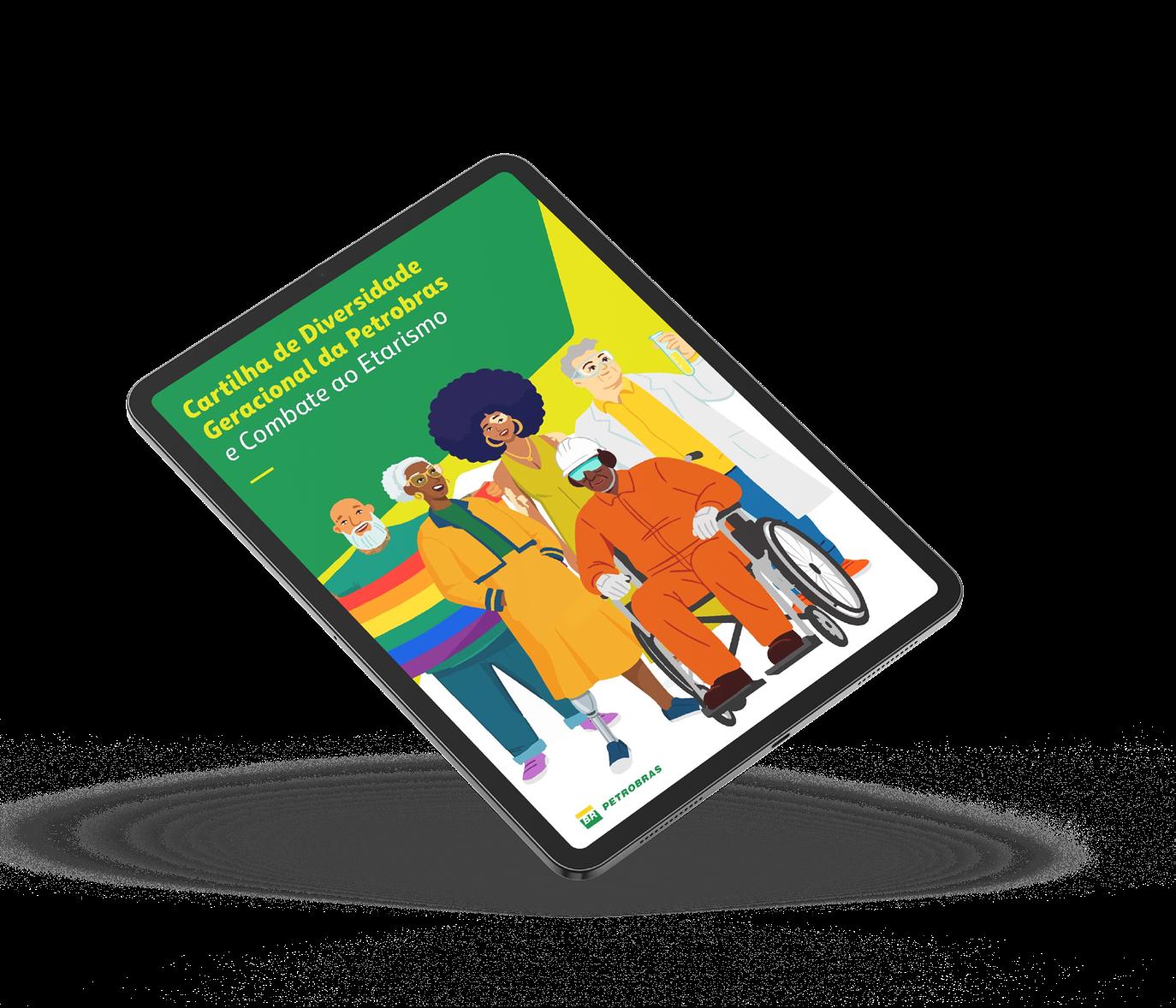
The first deliverable was a survey conducted with offshore women workers, essential to understanding their experiences and challenges, supporting the development of the Offshore Gender Equity Pact, a document developed and validated by all participating companies and signed in October 2025 during the Offshore Technology Conference (OTC 2025). At this ceremony, the third deliverable of the year was also presented, a recognition event honoring women representing the offshore sector, reaffirming the commitment of signatory companies to valuing the trajectories, achievements and essential contributions of women to the development of the oil and gas industry.
Membership in the LGBTI+ Business and Rights Forum
In January 2025, we joined the LGBTI+ Business and Rights Forum and its ten commitments to promoting the rights of this underrepresented group. The forum, established in 2023, currently includes 158 signatory companies, both national and multinational, and is the leading reference for advancing LGBTQIAPN+ rights in the business environment. In December 2025, Petrobras’ official representative in the forum was honored with the Professional of the Year Award for outstanding contributions toward achieving the forum’s ten commitments.
Programa Petrobras Jovem Aprendiz (Petrobras’ Young Apprentice Program)
The Programa Petrobras Jovem Aprendiz (Petrobras’ Young Apprentice Program - PPJA) aims to promote the social inclusion of young people through professional qualification, creating opportunities for a promising future. In the 2022–2024 cycle, more than 600 young people completed the program, representing diverse regions of Brazil, from north to south, across 25 municipalities in 14 states, in addition to the Federal District. During this period, 34 professional apprenticeship courses were offered, expanding horizons and boosting careers.
We currently have around 300 apprentices in training and launched a new selection process, with more than 800 young people expected to be admitted. The selection process reached a record number of applicants: 149,000.
The PPJA is carried out in partnership with the Ministry of Labor and Employment and the National Council of Justice, in monitoring young people in vulnerable situations, and with the National Service for Industrial Training (SENAI), in professional qualification. We reserved 75% of positions for young people in vulnerable situations (those formerly engaged in child labor or conditions analogous to slavery, those under socio-educational measures, adolescents in institutional care, persons with disabilities, Black, indigenous and quilombola youth).
Petrobras’ Internship Program
The internship program remains active. Our interns have access to development tracks, mentoring and experiences across dozens of projects in a wide range of areas, such as Finance, Procurement, Refining, Exploration and Production, Gas and Power, among others.
People Relationship Center
We provide physical spaces in several facilities for in-person service. These spaces were carefully designed to be inclusive, offering an environment where people feel comfortable and have their needs addressed in a welcoming and human-centered manner, putting into practice our value of care for people. In addition to in-person service, we offer digital support, including video calls, for all Petrobras’ employees and other stakeholders, in Brazil and abroad.
Programa Plataforma dos Sonhos para Todas as Pessoas (Platform of Dreams for All People Program -PSTP)
The Programa Plataforma dos Sonhos para Todas as Pessoas (Platform of Dreams for All People Program) was conceived in 2022, based on an active listening process with women working offshore on oil platforms. The material collected was discussed in the program’s first workshop, resulting in an action plan aimed at creating a diverse and inclusive offshore environment for platform projects in the design phase.
The project was structured across five fronts, addressing areas such as training and development, recruitment and retention, culture and work environment, and support and community engagement. To this end, it is organized into five pillars:
> Management for diversity
> Learning
> Inclusive communication
> Inclusive infrastructure
> Diversity in contracts
In 2024, a new survey was conducted with women working offshore to assess the implementation of anti-discrimination compliance policies and, as a positive outcome, it was found that 74% of women feel better onboard and 82% reported improved awareness of diversity issues among leadership.
Also in 2024, the project was expanded to include dimensions of racial diversity, persons with disabilities (PwD) and LGBTQIAPN+. In 2025, another relevant expansion took place: the project was extended to cover platforms already in operation, as all units must move forward together under the same purpose.
Regarding diversity, equity and inclusion in the offshore environment, targets were established for the number of women onboard and female leadership for the Platforms of Dreams, while qualitative monitoring of race, sexual diversity and accessibility continued this year. As a result, in December 2025 there was a 16% increase in the number of women on our platforms compared to January 2024 (from 57 to 66 women).
At the Santos Basin unit, in addition to diversity targets, 2029 was set as a milestone year, the date of first oil for the next new platform to enter production, by which time the desired cultural transformation onboard our facilities is expected to be achieved. —
Diversity, equity and inclusion in leadership recruitment and selection
As part of an ongoing commitment to promoting diversity, equity and inclusion, in 2024 we launched a corporate standard to foster diversity, equity and inclusion in recruitment and selection processes for managerial and specialist positions. Given the underrepresentation of certain identity groups within the company, such as women, Black people, indigenous persons, persons with disabilities and LGBTQIAPN+ individuals, this standard aims to strengthen an inclusive culture in managerial and specialist recruitment and selection processes through affirmative actions. This initiative stems from the Strategic Plan, which sets targets related to increasing the representation of women and Black people in leadership positions and establishes the promotion of non-discrimination and equal opportunities, including affirmative actions for underrepresented groups.
In 2025, 60% of the 159 managerial and specialist recruitment and selection processes carried out by the company included affirmative actions.
Promotion of diversity, equity and inclusion at Transpetro
Transpetro has commitments set out in its 2050 Strategic Plan and in the 2025–2029 Business and Management Plan aimed at promoting diversity at different hierarchical levels and reinforcing leadership accountability in advancing diversity, equity and inclusion.
In 2025, Transpetro established targets for female leadership (25%) and Black leadership (35%) by 2030, with impacts on executive compensation and monitored monthly in Executive Board meetings. In 2025, increases exceeded the established targets for both indicators, demonstrating management’s intentionality in expanding diverse representation in leadership.
There was also an increase in hiring through public selection processes and in the inclusion of persons with disabilities, expanding the workforce and driving cultural changes focused on accessibility.
Within the Diversity, Equity and Inclusion Program, aligned with Transpetro’s ESG commitments, engagement and communication initiatives were carried out, such as Black Awareness Week, executive awareness training, observance of diversity calendar dates, and participation in events at operational units such as Internal Weeks for the Prevention of Occupational Accidents (SIPATs), discussion circles, among others. Transpetro continues its Women’s Leadership Program and launched, in November, the Black Potentials Program, focused on career acceleration and the development of Black professionals for leadership potential. In this pilot edition, 20 participants were selected.
The company also made available courses from the human rights training track to the entire workforce, including basic human rights training and combating violence against women. The first course was completed by all employees (around five thousand people), and Transpetro aims to train its nearly 11,000 service providers across
onshore and offshore operations, a process currently underway.
Through the Violence Prevention Program, Transpetro strengthened the promotion of diversity and the fight against all forms of discrimination in the workplace, with numerous educational actions at headquarters and across all operational units. The course on Combating Violence Against Women has already been completed by 73% of employees and 32% of service providers.
In 2024, the company carried out around 120 awareness-raising initiatives for leadership and employees, including lectures, Daily Safety Dialogues (DSMS), roundtables on human rights and related topics, organized by the Social Responsibility Management area, Diversity and Inclusion Management, affinity groups and Internal Accident Prevention Commissions (CIPAs).
Affinity Groups
Currently, Transpetro has three formal affinity groups, with more than 150 participants in total. The focus areas are race, persons with disabilities and neurodivergent individuals, and the LGBTQIAPN+ population, with participation open to allies.
The groups report periodically to the Diversity Management area, and an intersectional approach is encouraged through participation in the Transpetro Diversity and Inclusion Committee, among other initiatives in the corporate calendar.
In addition to affinity groups, there are organic initiatives within the company, such as roundtables for women and men.
Gender and Race Pro-Equity Program
In 2024, Transpetro committed to the Gender and Race Pro-Equity Program, marking its fifth participation in the Federal Government initiative.
Some actions can be highlighted, such as:
> Racial self-identification campaign (more reliable workforce census).
> Adherence to the Global Compact’s “Mente em Foco” Program, with a diversity-focused approach to Health and emphasis on the Anti-Stigma in Mental Health Program.
> Improvements in internal communications using inclusive communication.
> Strengthening awareness-building actions through training and the development of educational materials for diverse internal audiences.
> Launch of the Black Potentials Program to leverage career advancement and prepare the target audience for leadership roles.
> Thematic roundtables on masculinities (strengthening men’s awareness of their role as allies in eliminating gender-based violence and inequalities).
Diversity, equity and inclusion actions at Petrobras Biocombustível
Petrobras Biocombustível (PBio) maintains its commitment to promoting Diversity, Equity and Inclusion (DE&I) and protecting human rights, integrating these agendas into its corporate strategy and the guidelines of the Petrobras’ System. The company has a formally established and active DE&I Committee, composed of representatives from all areas, responsible for governance of the topic, implementation of an annual action plan and monitoring of initiatives.
Throughout 2025, PBio carried out several initiatives focused on awareness, training and workforce engagement. During Women’s Month, an inperson meeting was held with the female workforce, including lectures on women’s leadership and mental health, as well as welcoming and emotional care activities. During Pride Month, the company promoted meetings with LGBTQIAPN+ professionals, who shared experiences and reflections on life, career and inclusion in the corporate environment.
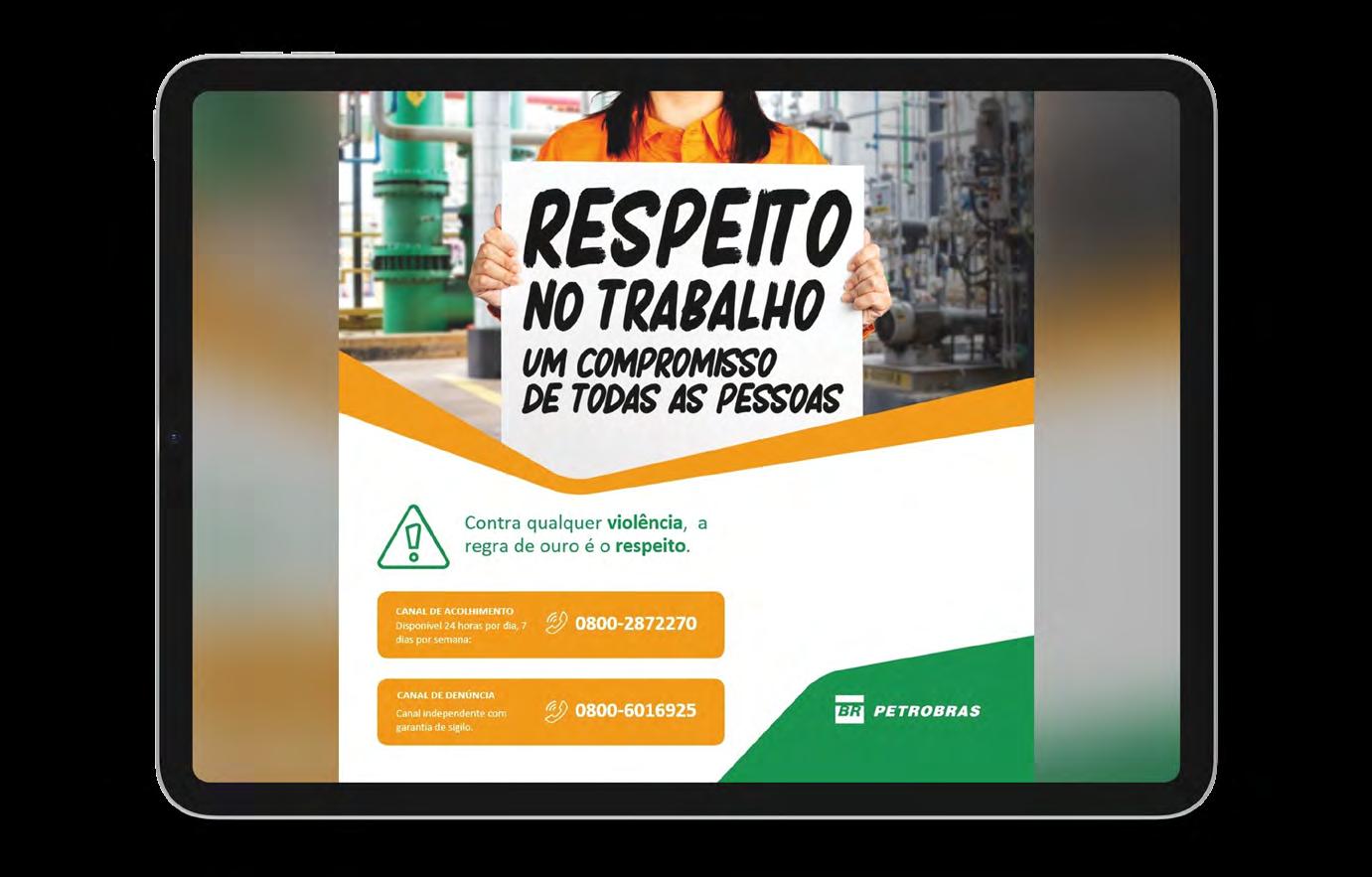
In addressing gender-based violence, during “Purple August,” roundtables were held with male employees, focusing on reflecting on toxic masculinity and promoting more respectful workplace relationships.
During Black Awareness Month, PBio held roundtables and film forums across all its units, addressing the influence of Afro-Brazilian culture and combating structural racism in the territories where it operates.
As part of its continuous training strategy, in-person diversity training sessions were conducted across PBio’s operational area. Additionally,
a remote learning course on the prevention and response to sexual violence and workplace violence was made available to the entire workforce, strengthening a culture of respect, psychological safety and zero tolerance for any form of harassment or discrimination.
In the field of child and adolescent protection, PBio joined the Na Mão Certa Program, an initiative coordinated by Childhood Brasil aimed at combating the sexual exploitation of children and adolescents, receiving annual recognition for its engagement and implemented actions. The company also participates in the group of managing companies of the Violence Zero Program, a business impact initiative focused on addressing violence against children and adolescents, reinforcing its commitment to social responsibility and human rights.
Awareness initiatives on this topic were carried out for the entire workforce, as well as specific initiatives targeting truck drivers responsible for transporting raw materials and biodiesel offloading, expanding the reach of actions beyond internal audiences and engaging the company’s value chain.
In 2025, the subsidiary maintained its affirmative internship program for high school and higher education students, in which 60% of positions were allocated to women, 30% to Black and Brown individuals, and 10% to persons with disabilities. In addition, over the past four years, 16 young people participated in the company’s Young Apprentice Program, most of them Black and Brown youth, distributed across Bahia, Minas Gerais and Rio de Janeiro.
Pact for Diversity, Equity and Inclusion in StateOwned Companies
In September 2024, Petrobras, along with more than 30 other federal state-owned companies, in an initiative coordinated by the Brazilian Ministry of Management and Innovation in Public Services and four other ministries, signed the Pact for Diversity, Equity and Inclusion in Federal State-Owned Companies. The group currently comprises 35 companies. This structuring initiative promotes commitment to building a more just society, positively and significantly impacting people’s lives.
Throughout 2025, ten executive group meetings were held. The actions have strengthened the identification of challenges and the exchange of
experiences, as well as the development and implementation of effective diversity, equity and inclusion solutions and strategies, promoting competitive advantages through a fairer and healthier work environment.
Among the actions developed in this cycle, the following stand out:
> Preparation of a Diversity Profile Manual and Form.
> Development of a model Diversity, Equity and Inclusion Policy.
> Preparation of a document outlining methodology for monitoring diversity, equity and inclusion indicators.
> Proposal to improve the Annual Public Policies Letter as a governance instrument for disclosing Pact-related actions.
> Proposal to amend Decree No. 11,785/23, which established the Federal Affirmative Action Program (PFAA), aiming to expand its scope to federal state-owned companies, ensuring that affirmative policies are also implemented in entities employing large numbers of workers.

Proposal to implement the Diversity Actions Program in Federal State-Owned Companies (PRODIVERSE), aimed at strengthening guidelines for structuring, implementing and improving diversity, equity and inclusion actions in alignment with best practices.
Proposal of guidelines to improve the governance of the Pact for Diversity, Equity and Inclusion in Federal State-Owned Companies, establishing orientations, procedures and responsibilities to ensure effective and permanent implementation.
Analysis of exploratory data and results aimed at developing studies and proposing measures to mitigate barriers to entry for underrepresented groups in companies.
Workforce well-being and health
We have employees under administrative and special work regimes (shift work, on-call, among others). The standard weekly working hours vary according to the regime. Employees under administrative regimes have a weekly workload of up to 40 hours, while those under special regimes have an average weekly workload of 33 hours and 36 minutes. Overtime hours may be accumulated in time balances, such as a time bank, or paid as overtime, subject to managerial approval.
Our employees are hired through public selection processes, with a minimum age requirement of 18 years to participate. However, it is important to note that minors may work within the company under the Programa Petrobras Jovem Aprendiz (Petrobras’ Young Apprentice Program -PPJA), a federal government initiative aimed at integrating young people from low-income families into the labor market. Program participants operate within the legal framework, in school environments or administrative areas, without exposure to hazardous or unhealthy conditions.
Our Health, Safety and Environment (HSE) management system includes measures focused on promoting, preventing and preserving comprehensive health, aiming at employee well-being and business sustainability. This system complies with applicable legislation and regulatory requirements, including standards from the Ministry of Labor and Employment, Ministry of Health regulations, professional council resolutions, the General Data Protection Law, social security legislation and regulations from the National Agency of Petroleum, Natural Gas and Biofuels (ANP), among others. Our collective labor agreement includes clauses related to health and safety, extending the company’s scope beyond legal requirements.
Currently, all employees are covered by the HSE management system, which establishes corporate requirements for risk prevention, health protection and safe working conditions. Service providers are also included when operating within company facilities, subject to applicable health and safety standards, integrated into corporate monitoring, and control processes, including the Internal Audit Process for Health, Safety and Environment Management (PAG-SMS). This approach contributes to the consistent application of HSE requirements and risk management across the value chain.
In alignment with international oil and gas industry best practices, Petrobras has adopted corporate references such as the Golden Rules, Process Safety Fundamentals and Human Factors Principles, reinforcing risk management, prevention and care across different activities and operational contexts.
As part of continuous improvement of the HSE management system, we develop strategic programs and initiatives guided by structured diagnostics based on risk analysis, performance indicators, audit results, epidemiological analyses and organizational learning. In this context, the Commitment to Life Program is the main structuring program of HSE management, with integrated projects across health and well-being, operational safety, environment, excellence culture and emergency preparedness and response. The program promotes process excellence, care for people and environmental protection, both now and in the future.
Since the program’s launch, there has been a significant reduction in the Total Recordable Injury Rate (TRIR), from 2.15 to 0.71. We remain committed to consolidating a high-performance culture grounded in health promotion, environmental respect and safety assurance in all operations.
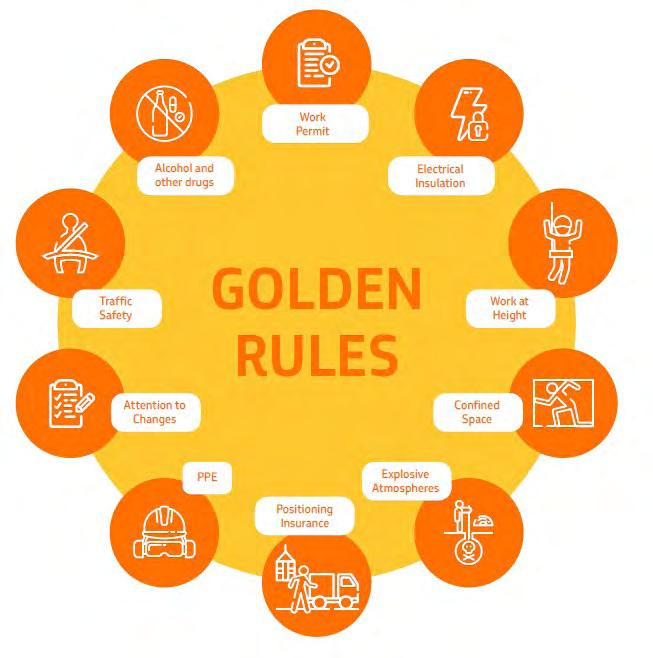
Aligned with market best practices, the Commitment to Life Program aims to achieve zero fatality and zero spill ambitions and to strengthen the vision of becoming a benchmark in health, safety and environment in the industry. Progress is monitored at various organizational levels, culminating in evaluation by the Executive Board and the Board of Directors’ HSE Committee.
Despite continuous improvement efforts in safety management and culture, three fatalities were recorded in 20256. In all fatal accidents, our first action was direct leadership support to the victims’ families. Incidents were immediately reported to executive directors, the CEO and the Chairman of 6
the Board, as well as the executive manager of the affected area, triggering scope analysis and implementation of emergency measures to prevent recurrence. Investigation and analysis processes were carried out under executive management coordination and multidisciplinary teams to identify root causes. Preventive actions were consolidated and communicated, and lessons learned were shared with management and the workforce.
We promote employee health throughout their journey in the company through actions focused on physical, mental and social well-being. Administrative and operational facilities are supported by multidisciplinary health teams and resources dedicated to occupational health, emergency care, surveillance and health promotion.
In 2025, we maintained our commitment to comprehensive worker health. Periodic evaluations were conducted, including annual medical, dental and nutritional examinations for employees. Monitoring and follow-up actions related to occupational risks are defined through the Risk Management Program and include assessments aimed at exposure control and prevention of work-related conditions. Health promotion and continuous care actions are guided by internal epidemiological analyses and other workforce health data, enabling a structured healthcare model based on a risk matrix and integrated care pathways that prioritize prevention, health promotion, comprehensive care and continuous monitoring.
In addition to periodic evaluations, we invest in care for employees on assignments in Brazil and abroad through specific Traveler Health assessments, providing guidance on individual risk prevention, immunizations and relevant epidemiological alerts for the destination.
As part of our commitment to diversity, equity and inclusion, in 2025 we developed the Inclusive Health project, focused on ensuring equitable access to care, safety in workforce allocation and legal compliance. One of the main advances was the development of a standardized workflow and protocol for functional assessment, aimed at allocating persons with
disabilities, ensuring clear technical criteria, compatibility between activities and functional conditions, and greater safety in the performance of roles.
Additionally, health guidelines were developed for vulnerable groups, expanding the comprehensive care approach, and improvements were made to digital medical records, focusing on accessibility, integration of clinical information and support for occupational health management, strengthening equity in health monitoring.
Recognizing that healthcare environments are an integral part of the care experience, in 2025 Petrobras developed the concept of the Health Spaces Identity Catalog. This initiative guides the design and qualification of healthcare environments, focusing on physical and cognitive accessibility, legal compliance and standardization, integrating regulatory criteria and inclusion guidelines. Aligned with neuroscience principles, the catalog proposes environments that consider different sensory stimuli and functional needs, including people with visual, auditory and cognitive disabilities, as well as the neurodivergent population. Layout guidelines aim to reduce sensory overload and promote comfort, predictability and cognitive balance, contributing to workers’ well-being and emotional support. The company plans to implement gradually these concepts across its facilities over the coming years, aligned with health, accessibility and inclusion priorities.
Through Health Surveillance, the company operates systematically in identifying, monitoring and assessing health risk scenarios affecting workers, considering both internal workplace factors and external contextual elements that may influence health conditions. This approach strengthens the ability to anticipate risks, support decision-making and guide preventive and collective protection measures.
In this context, surveillance incorporated the analysis of emerging risks associated with environmental and climate transformations. In alignment with the global scenario and discussions on climate change, in 2025 internal studies were initiated with a cross-cutting approach involving the Climate, Safety, Health and other areas, aimed at analyzing the impacts of extreme heat and climate change on human health in the work context. The study considers differentiated risks for groups with greater susceptibility and exposure to heat, identifies symptoms and conditions related to heat exposure, and guides adaptation, contingency and prevention measures, including practical recommendations on protection, hydration and first aid. This initiative reinforces the integration between health management and the company’s climate strategies.
Surveillance is also reflected in the systematic assessment of sanitary conditions in work environments. The company evaluates the sanitary risk of its facilities, focusing on identifying and addressing factors with the greatest potential health impact. In 2025, inspections were carried out in offshore and onshore facilities, with action plans defined based on observed compliance and performance results.
Complementarily, continuous monitoring of the workforce health profile and the external epidemiological scenario is conducted through epidemiological bulletins and the development of specific scenarios for tracking outbreaks and epidemics. In 2025, these instruments guided promotion and prevention measures related, among other topics, to measles, dengue, chikungunya and acute respiratory syndromes, considering workers in Brazil and abroad.
Based on these inputs and in coordination with health authorities, we carried out, in partnership with the Ministry of Health, a vaccination campaign for workers in 2025, offering vaccines from the national adult immunization schedule at units and administrative buildings. The company signed a cooperation agreement to facilitate access to vaccines recommended by the National Immunization Program (PNI), contributing to collective protection and healthier, safer environments. Additionally, reimbursement for influenza vaccination at accredited private clinics was made available, expanding access options.
Data from internal epidemiological analyses and external scenario monitoring support the strategic direction of health actions beyond immediate risk management. In 2025, these inputs guided the prioritization of initiatives focused on promoting mental health and encouraging an active lifestyle, reaffirmed in the 2026–2030 Business Plan.
Mental Health
In response to findings from internal epidemiological analyses and the external context of increasing incidence of mental health-related conditions, we established mental health promotion as a strategic priority. Since 2024, we have acted as an ambassador company for the “Mente em Foco” Movement, an initiative of the United Nations Global Compact – Brazil Network, incorporating into our Strategic Plan the commitment to implement all movement commitments by 2030. In 2025, this agenda advanced with the consolidation of structuring actions aimed at building healthier work environments that promote mental health and well-being.
As an ambassador company for the “Mente em Foco” Movement, we act as a driving force for the mental health and future of work agenda beyond our organizational boundaries. In 2025, we contributed to the establishment of the “Health and Future of Work” Working Group, aimed at supporting participating companies and reflecting on emerging challenges related to new technologies, demographics, climate change and organizational structures. Additionally, we supported engagement and training initiatives such as masterclasses and educational journeys in mental health, promoting knowledge exchange and strengthening organizational capabilities.
Our mental health approach is anchored in a structured and permanent Mental Health Program, which organizes actions across five levels of care: culture and education, individual follow-up, prevention, readiness and mental health surveillance. The program relies on a multidisciplinary team and population stratification based on health criticality criteria, enabling care to be directed proportionally to identified needs.
Monitoring is continuous and considers not only individual care but also aspects related to work organization and psychosocial risks, contributing to health recovery and adjustment of working conditions when necessary. All employees have access to the Psychological Support Hotline, available 24 hours a day, 7 days a week, as a tool for support, guidance and referral.
In prevention and response to critical situations, we invested in strengthening organizational capacity for managing mental health crises. In 2025, training actions in Psychological First Aid were conducted for healthcare professionals, crisis simulation exercises were carried out and systematic reviews of care protocols used in mental health emergencies were performed. These improvements aimed to standardize workflows, enhance decision-making and strengthen coordination among teams, including in situations involving disembarkation due to mental health reasons.
The promotion of healthy work environments and leadership engagement are central pillars of this strategy. In 2025, awareness and training initiatives in mental health were conducted with senior management and leadership at different levels, incorporating the topic into onboarding processes for new leaders and corporate development tracks. Mental health was incorporated into the performance management system of executive management, affecting executive compensation and reinforcing shared accountability of leadership in promoting safe environments, addressing violence and continuously improving working conditions. This approach extends beyond internal audiences through engagement with supplier companies in awareness initiatives on violence prevention and the promotion of safe and respectful workplaces. Additionally, workers are involved in the development and monitoring of action plans aimed at improving healthy environments, strengthening listening, shared responsibility and alignment of measures with the realities of different work contexts. Continuous assessment of
organizational climate and employee perception complements these actions, supporting adjustments and prioritization over time.
As part of a comprehensive approach to mental health care, psychosocial interventions are carried out in work environments impacted by critical situations, such as episodes of violence, significant health events or the presence of psychosocial risks with potential for significant impacts on workers’ health. These interventions aim to support the restoration of healthy, sustainable and psychologically safe work environments. Multidisciplinary teams composed of physicians, psychologists and social workers, involving both the workforce and leadership, conduct actions. Interventions combine individualized listening and collective actions, carried out within the workplace and tailored to the specificities of each context and team. Integrated with care, prevention and organizational actions, we develop well-being promotion initiatives that strengthen protective factors for mental health, including health promotion initiatives, collective actions, educational activities and thematic campaigns. These initiatives align with the Petrobras’ Well-Being Program (PPBEM), detailed in the Governance section, and expand the reach of care actions beyond individual support, promoting health, engagement and a sense of belonging in the workplace. The consistency of this integrated approach was recognized in 2025 within the “Mente em Foco” Movement, highlighting initiatives related to integrated responses to mental health emergencies and PPBEM as a corporate practice for promoting healthy work environments.
Transforming Mental Health Care
In 2025, Transpetro fulfilled the commitments assumed under the “Mente em Foco” Movement. One of the highlights was the creation of the AntiStigma Program, which promoted roundtables and launched the Anti-Stigma guidebook, reinforcing the commitment to eliminating prejudice and building a healthy environment. Additionally, the company held the 3rd Mental Health Conference in a hybrid format, strengthening workforce engagement in promoting mental health and combating stigma associated with the topic.
Promotion of an Active Lifestyle
Complementing the mental health agenda, the promotion of an active lifestyle is one of Petrobras’ strategic priorities in promoting workforce health and well-being. We have committed to implementing, by 2030, the objectives of the World Health Organization (WHO) Global Action Plan on Physical Activity in the corporate context, incorporating this agenda as part of a broader approach to comprehensive worker care. The promotion of physical activity is conducted from a systemic perspective, going beyond individual encouragement and seeking to create favorable conditions in physical, social and organizational work environments. This approach recognizes that adopting an active lifestyle depends on concrete, accessible opportunities compatible with diverse profiles, routines and operational contexts, including administrative, industrial and offshore environments.
In this context, the Ativa Petrobras’ project is the structuring axis of initiatives aimed at promoting physical activity. In 2025, the project was strengthened with actions aligned with WHO guidelines and adapted to different business areas, including collective initiatives, workplace interventions and actions to
encourage physical activity among employees who are not yet physically active, through direct experience of its benefits for well-being and social interaction.
Developed actions include initiatives to encourage regular physical activity, corporate running and walking programs with versions adapted for offshore workers, Health Games with playful and interactive activities integrating physical and mental health and healthy eating, as well as workplace exercise programs focused on preventing pain and promoting physical and mental health. This strategy aims to reduce access barriers, increase participation and foster inclusion of traditionally less engaged groups, with significant participation of employees with low levels of physical activity, representing about one quarter of participants. Complementarily, the company invests in infrastructure that promotes physical activity, such as bike racks, gyms, walking tracks and other spaces in administrative and operational facilities.
Within our broader health and well-being promotion efforts, we maintain ongoing programs that support the adoption of healthy behaviors throughout the work journey. These actions integrate individual, collective and environmental approaches to strengthen protective health factors, responding to identified health needs and different life cycles. In this context, structured initiatives are developed focusing on healthy eating, prevention and control of noncommunicable chronic diseases, care during pregnancy and breastfeeding, educational actions and blood donation campaigns, among others.
Leadership participation in these initiatives is a key factor for effectiveness, as managerial decisions directly influence workplace environments and conditions that enable healthy choices. In 2025, awareness initiatives were conducted for leaders involved in food contracting and provision processes, addressing the impacts of offering healthy food and meals in workplace environments, with participation from 100% of directly involved managers.
The health and well-being promotion initiatives adopted are designed to be inclusive and, in many cases, extend beyond direct employees to reach different workforce groups. Highlights include the Petrobras’ Running and Walking Circuit, Health Games, access to healthy and safe food, agroecological product fairs and the availability of breastfeeding support rooms. In addition, we promote health education initiatives such as lectures, live sessions, thematic campaigns and Health Month. Similarly, the Support Channel is available to the entire workforce, ensuring that contractors, interns and young apprentices also have access to emotional support and active listening. Additionally, we offer a physical activity program benefit extended to interns, young apprentices and their dependents, with multiple accredited modalities available nationwide.
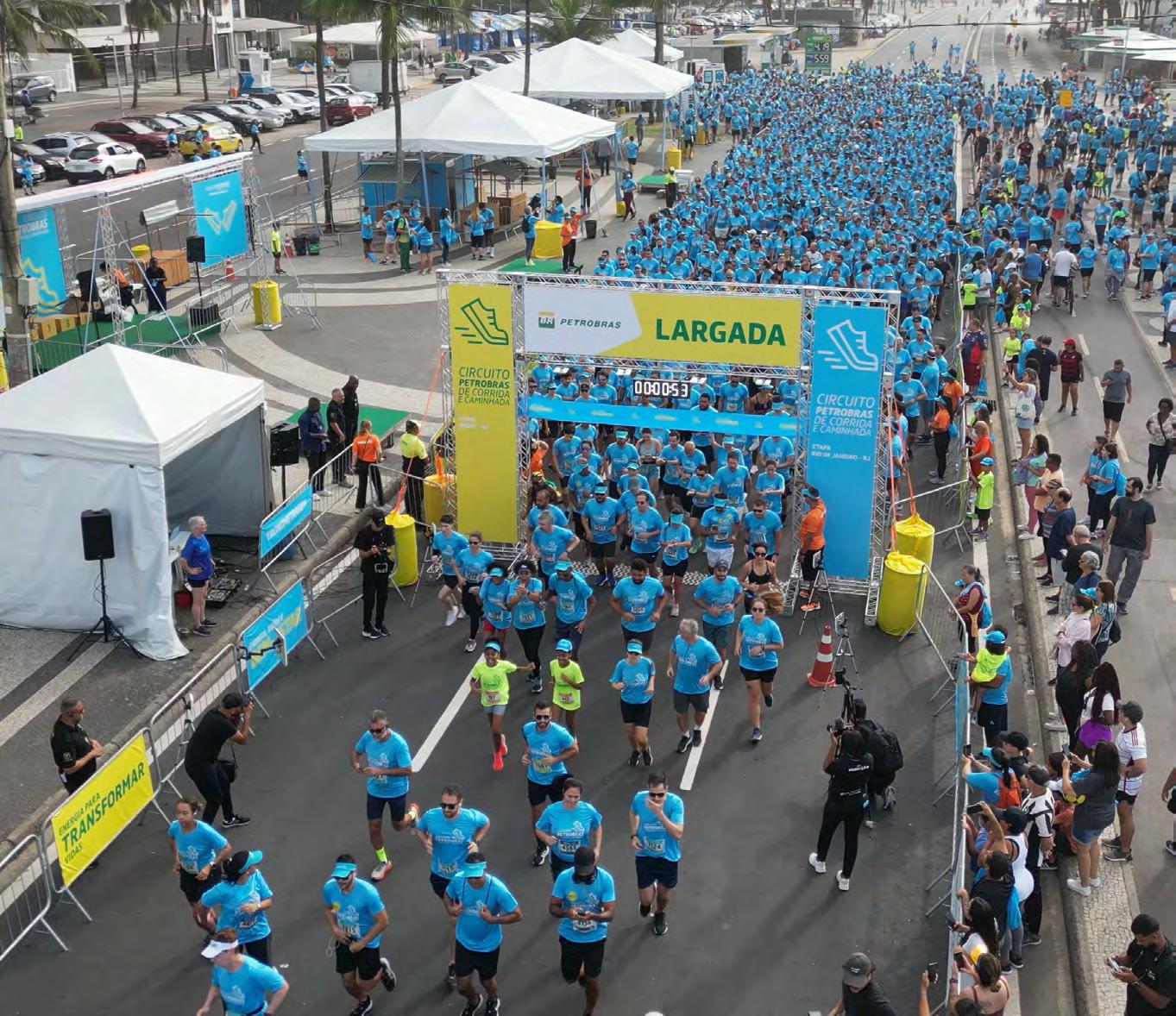
Health Promotion: Well-Being and Movement
In 2025, Transpetro strengthened health promotion through national campaigns for influenza vaccination, cardiovascular prevention, and specific care for women’s and men’s health. A highlight was the #SaúdeDelas movement, exclusive to women, which promoted various actions throughout the year, including the “Outubro Delas” campaign, with activities focused on women’s well-being. In addition, blood donation initiatives and well-being actions were expanded. In encouraging physical activity, participation in street races, integrative events, and programs focused on active lifestyles consolidated a culture of health among workers.
Emergency and urgent health care
We maintain and operate urgent and emergency health care for the workforce on a continuous basis, as part of our commitment to protecting life, safety, and comprehensive care across all administrative and operational contexts. We maintain emergency response plans at all our facilities, structured based on previously mapped scenarios and tested through drill exercises, ensuring the capacity for efficient and safe action in critical situations.
Care is available 24 hours a day, 7 days a week, in onshore and offshore units, covering workers on land and at sea, with additional social and psychological support when necessary. The readiness structure includes health teams at various facilities, ambulances, aeromedical evacuation bases, and telemedicine resources, expanding access to specialized care in remote and more operationally complex environments. In 2025, this care network handled more than 114,000 cases, consistent with the complexity of urgent and emergency health operations, in addition to regular training and drill exercises aimed at
team preparedness and continuous improvement of care response.
The quality and safety of care are supported by clinical protocols based on the best available evidence, guiding standardized procedures, improving decision-making, and reducing care-related risks. Among these protocols, the use of the Manchester Triage System stands out, as well as the systematic review of care protocols related to influenza-like illness, mental health, and dentistry. These improvements contribute to the standardization of procedures, enhancement of decision-making, and reduction of risks associated with care delivery and with medical removals and disembarkations, including the strengthening of solutions such as teledentistry.
In 2025, we advanced in the integration and control of care processes with the implementation of the Integrated Health Emergency and Urgency Response System, following the inauguration of the Health Operations Center. This structure coordinates, in an integrated manner, services in medicine, nursing, psychology, social work, and logistics through specialized centers for regulation, integrated care, and operational monitoring. The coordinated action of these centers enables continuous monitoring of cases, early detection of failures and critical deviations, and support for tactical and strategic decision-making, strengthening patient safety, process reliability, and excellence in the workforce care journey.
Health On Board: Innovation and Care Safety
In 2025, Transpetro strengthened onboard health through multidisciplinary technical visits, oral health actions, and the integration of offshore teams with specialized professionals. The unprecedented certification of the telemedicine program increased care safety and accuracy in urgent and emergency services. Another highlight was the 1st Maritime Health Seminar,
which brought together authorities and specialists to promote knowledge exchange and improvements in the health of the offshore workforce, an occasion on which the Maritime Health Reference Guide was launched, consolidating guidelines for excellence in onboard health management.
Supplementary health benefits
Understanding that individual and family health care is a fundamental aspect of maintaining employees’ overall health and workplace wellbeing, we offer a health care plan with features that reflect the high value the company places on this segment. This benefit functions as a strategic tool to support individual engagement in self-care and attention to priority needs identified in occupational health exams.
The Multidisciplinary Health Care Plan (AMS) is a health care benefit offered by the company, operated since 2021 by the Petrobras’ Health Association (APS), and it operates across health promotion, prevention, and recovery.
The benefit is available to active employees, retirees, pensioners, and their respective family groups. The plan’s coverage includes outpatient care, hospital care with obstetrics, and dental care, with nationwide coverage and individual accommodation standards for hospitalizations. In 2025, APS ended the year with 258,905 beneficiaries distributed across all Brazilian states.
The AMS Plan also covers complementary programs, such as the Care Program, with different care initiatives: the Pharmacy Benefit, the Retiree Health Assessment Program (PASA), the Special Assistance Program (PAE), and the Home Care Program (PAD). The Pharmacy Benefit Program is mainly intended for people undergoing treatment for chronic diseases prioritized by the World Health Organization (WHO) and the Ministry of Health, as well as psychiatric and neurological conditions.
The Care Program includes four care initiatives (Health Management, 60+, Mental Health, and Primary Care), aiming to provide the best care for specific health needs, with an individualized approach through the definition of continuous personalized care plans and monitoring by a multidisciplinary health team.
In 2025, significant improvements were implemented in health plan management, focusing on cost efficiency and improving the quality of care provided to beneficiaries. The main results include:
Fair compensation
At Petrobras parent company, compensation is defined based on the remuneration policy approved by the Board of Directors and serves as a tool for attracting, engaging, and retaining talent, being competitive with the market in which we operate and aligned with our high-performance culture. Accordingly, we compensate our employees fairly, with a package that includes fixed and variable compensation and benefits, and which has proven competitive compared to companies of similar size operating in the same market.
proposal submitted to employees for approval in a general assembly. For PLR payment to occur, the following conditions must be met:
> approval of dividend distribution by the Annual General Meeting;
> calculation of the net result for the reference year;
> and achievement of a weighted average of at least 80% of the performance indicators set by the Board of Directors in the PLR agreement .
> APS achieved a score of 0.8907 (with 1.0 being the maximum score) in the Supplementary Health Performance Index, exceeding the 2024 result (0.8378). For the third consecutive year, the plan remained in the highest evaluation tier of the National Supplementary Health Agency (ANS), ranking among the best health plans in the market.
> 93% growth in beneficiary enrollment in the “Care Program – Primary Care,” which focuses on preventive health promotion, offering both remote and in-person care depending on the beneficiary’s location, with the inauguration of units in Rio de Janeiro and Brasília.
> Implementation of the Transcuidar Program on January 21, 2025, a care pathway dedicated to welcoming transgender individuals, ensuring coverage for procedures related to gender affirmation processes and promoting inclusive and respectful care.
> Increased beneficiary satisfaction with services provided through the operator’s communication channels, especially with the return of in-person service since 2024.
> Expansion of the accredited network, ensuring greater access to essential care, with more service locations and scheduling options.
Salary practices are discussed annually during collective bargaining negotiations with the labor unions representing the category, or whenever a specific need for revision is identified. Salaries are paid monthly without any distinction based on gender, race, ethnicity, or any other factor.
We have a conceptual model of variable compensation composed of the Performance Award Program (PRD) and Profit Sharing (PLR), both applicable to employees with or without managerial positions.
The PRD was implemented in 2023, replacing the Performance Award Program (PPP), which now applies only to Executive Board members.
These programs were designed in line with the company’s new strategic drivers, with a strong focus on people and on our remuneration policy. Unlike past practices, this program complements the PLR, which becomes the main variable compensation mechanism. Through the PRD, the company aims to reinforce recognition of each employee’s individual effort and performance in achieving Petrobras’ results.
A Collective Bargaining Agreement (CBA) governs the PLR, resulting from negotiations between the company and employee unions, with the
Additionally, as a form of recognition of employees’ contributions reflected in performance management, we apply an annual career progression program called Merit Increase, which aims to promote a meritocracy culture by recognizing and rewarding employees with differentiated performance, considering deliveries and behaviors across different levels of required complexity and compensation.
Our compensation values and practices are frequently benchmarked against those of other competing companies through market surveys conducted by specialized and independent consulting firms. The results show that our compensation is aligned with the remuneration policy approved by the Board of Directors and competitive compared to best practices in the oil and gas market in Brazil.
In addition to direct compensation, we offer various benefits, such as meal or food vouchers, education assistance, health plans, and supplementary pension plans. As a result, the total compensation offered by the company has remained highly competitive over the years, contributing to low turnover (2.72 in 2025, considering hires plus terminations, and 1.00 considering only terminations).

Right to freedom of association and collective bargaining
Petrobras parent company complies with the Constitution and with the Declarations and Conventions of the International Labour Organization (ILO) ratified by Brazil that address the rights to freedom of association and collective bargaining. Since 2003, it has also been a signatory to the United Nations Global Compact, whose Principle 3 provides for the effective recognition of the right to collective bargaining. This commitment is reinforced by the Human Resources Policy, approved by the Board of Directors, which establishes the implementation of sustainable agreements built through dialogue, ethics, and transparency, aiming to overcome differences in negotiations with employees and their representatives. In turn, the Code of Ethical Conduct guarantees the right to freedom of union association, in accordance with Brazilian legislation and international legal instruments. It should also be noted that our collective bargaining agreement contains a chapter dedicated to labor relations, setting out the obligations and rights between Petrobras and the unions.
In recognition of the legitimacy of unions as representatives of employees and as interlocutors in collective bargaining, we invest in social dialogue, seeking negotiated solutions through regular meetings to address topics such as work regimes, benefits, and monitoring of the collective bargaining agreement (CBA). When necessary, we also provide informational sessions to
unions on relevant topics such as strategic planning, maintenance of a safe and healthy work environment, diversity, equity and inclusion, among others.
We have an active CBA with all unions representing employees, with 100% of our own workforce covered by a collective bargaining agreement. As provided for in Article 457 of the Brazilian Consolidation of Labor Laws (CLT), these agreements include social clauses related to working conditions, industrial safety, benefits, occupational health, diversity, and the maintenance of a safe and healthy work environment.
Through a specific clause in the CBA, the company ensures the maintenance of a permanent committee to address diversity and combat workplace violence. Meetings with the respective unions are held every three months, on previously agreed dates, to address local issues of common interest.
Transpetro, Petrobras Biocombustível (PBio), Termobahia, Termomacaé, and TBG, companies within the Petrobras’ System that have employees, also respect the effective right to collective bargaining and the right to freedom of association. Employees of these companies are represented by independent unions, with which regular meetings are held to address topics such as work regimes, benefits, compensation, and other matters covered by collective bargaining agreements. In general, Petrobras’ System companies act jointly with the parent company in CBA negotiations around a single agenda presented by unions, although agreed terms may differ based on the realities, constraints, and governance of each company. Regarding coverage, 100% of employees of Transpetro, PBio, Termobahia, Termomacaé, and TBG are covered by CBAs.
4.3 SUPPLY CHAIN AND PARTNERS
Engagement with the supply chain and partners
Relationship with suppliers
Our transparent and collaborative approach with the supplier market is grounded in principles of governance, respect for human rights, and sustainability. Through an extensive engagement agenda, including inperson meetings dedicated to the supplier market and sectoral events across all regions of the country, and through the Supplier Channel, we maintain continuous dialogue with suppliers of goods and services, centralizing institutional information, detailed guidance on registration, qualification, and pre-qualification, as well as technical specifications and draft contracts. This channel also serves to share our compliance and sustainability guidelines, available in the “ESG, Innovation and Compliance” section of the portal. Our subsidiary Transpetro has a dedicated channel to interact directly with its supplier base.
Engagement and training events
We communicate our human rights commitments to suppliers mainly through the structured inclusion of mandatory contractual clauses that reinforce corporate policies, standards of conduct, and socio-environmental performance expectations. These commitments are formalized in all contract templates through clauses requiring compliance with the Petrobras Ethical Conduct Guide for Suppliers, the Petrobras’ Code of Ethical Conduct, and the Social Responsibility Policy, which establishes duties related to ethics, integrity, and social responsibility for suppliers.
The expanded human rights clauses reinforce obligations such as a safe working environment, prevention of discrimination, harassment, sexual exploitation, child labor, and conditions analogous to slavery, adoption of sustainable environmental practices, respect for freedom of association, and the provision of periodic compliance statements. For certain contract categories, such as Engineering, Procurement and Construction (EPC), Engineering, Procurement, Construction and Installation (EPCI), decommissioning, and large-scale projects, we adopt specific contractual guidelines requiring the submission of plans, periodic reports, and documentary evidence, as well as monitoring by social responsibility professionals, ensuring continuous communication and alignment of expectations during contract execution.
Compliance with these commitments is reinforced by the possibility of fines, performance evaluations, active oversight, incident reporting, and direct verification by Petrobras, as provided for in the human rights clause, in addition to promoting the inclusion of underrepresented groups through mandatory mechanisms for contracts involving more than 80 people.
We advanced in integrating social risk analysis into maintenance turnarounds planning, which is essential to anticipate and prevent impacts affecting workers and communities, and to strengthen safety and the work environment. This integration enhances decision-making, guides contracts and operational standards, and reinforces preventive and integrated management of social risks throughout the entire turnaround cycle.
Thus, we carried out a study at the Presidente Getúlio Vargas Refinery (Repar) during the pre-execution, turnaround, and post-operation phases, between August 2023 and March 2024. We engaged public authorities, unions, contractors, and communities, implementing twenty actions and involving approximately 4,500 employees. These actions addressed structural issues such as local employability, moral and sexual harassment, diversity and inclusion, decent work, combating child sexual exploitation, and respect for local communities. Among the results, we observed increased hiring of local labor, a rise in the number of women workers, and greater interest in participating in solidarity campaigns in areas surrounding the refinery. We also found that these practices were sustained within contractor company cultures, contributing to the structuring of an integrated social risk management process, with potential replication in other maintenance turnarounds. In the Human Rights Action Plan of our Human Rights Committee, we plan to expand this social risk analysis in maintenance turnarounds across the entire company through corporate support tools, such as content on human rights topics.
In the same line of action, the Henrique Lage Refinery (Revap) developed 18 actions addressing human rights during its scheduled turnaround, involving more than 1,200 workers in lectures and roundtables. All contractors were made aware of Petrobras’ human rights commitments, and the topic was included in mandatory training for all service providers. Informational materials were distributed and panels were installed with information on reporting channels in cases of rights violations.
During the turnaround at the Paulínia Refinery (Replan), actions were carried out to support the Diversity, Equity, and Inclusion Committee,
including site inspections and a thematic workshop. In partnership with Corporate Security, training was structured and delivered to security personnel focusing on respectful and fair approaches, as well as proportional use of force. Inspections were conducted in an integrated and systematic manner, enabling direct dialogue with workers on sensitive labor issues with higher risk of precarious labor during turnaround, such as wage regularity, transportation, benefits, working hours, overtime, and weekly rest. Issues related to accommodation conditions were also addressed, along with guidance on respect for women and prevention of microaggressions, reinforcing commitment to human rights, dignity, and a safe and respectful work environment.
In the same year, during the maintenance turnaround of the Abreu e Lima Refinery (Rnest), structured actions of listening, awareness, and engagement were developed with employees, contractors, and suppliers, focusing on human rights, diversity, prevention of harassment, and strengthening a culture of respect in the workplace. These initiatives aimed to promote awareness, reflection, and shared responsibility between Petrobras and partner companies.
Among the actions, we highlight addressing harassment in specific events for the workforce and leadership, as well as visits to accommodations housing contractor employees. These activities reinforced positions outlined in our Code of Ethical Conduct regarding well-being, gender equity, and the strategic role of leadership in preventing violence and discrimination.
The human rights agenda remained active after the turnaround peak, with an event focused on diversity directed at the workforce, management, and leadership, as well as symbolic actions such as painting
pedestrian crossings in six locations of the unit with rainbow colors. These initiatives demonstrate that the 2025 Rnest turnaround went beyond operational aspects, consolidating itself as a space for learning, listening, and promoting fairer, safer, and more inclusive labor relations.
We believe that transparent dialogue, active listening, strengthening the supplier base, and continuous capacity building are fundamental to a solid and productive relationship. We hold monthly live-streamed events, widely publicized on the Supplier Channel and at external events, addressing sustainable practices, human rights, and strategic topics for the supply chain. In 2025, more than four thousand external participants attended these sessions. In parallel, we held in-person meetings across various regions of the country (Supplier Development Meetings) to strengthen regional markets, highlight business opportunities and local projects, promote decarbonization initiatives, and present financing programs for suppliers, as well as reinforce Petrobras’ guidelines related to anti-corruption, prevention of sexual harassment and workplace violence, among other relevant topics. Since 2023, these events have engaged more than two thousand supplier companies.
Since 2024, we have implemented a structured training initiative for relevant suppliers as part of our strategic commitment to reach 100% of this audience with training on integrity-related topics. In 2025, the initiative continued with two webinars on labor relations and Regulatory Standard NR1, and on human rights and privacy. The events included participation from Petrobras’ internal experts and representatives from the Office of the Comptroller General (CGU). To date, 130 companies have participated in the training, representing 56% of the target audience.
Sustainable initiatives and ESG education
To strengthen relationships and partnerships focused on continuous improvement and enhancement of sustainable procurement and supplier management practices, we seek to engage current and potential suppliers, business partners, and their subcontractors in ESG topics through remote training programs covering human rights, compliance, HSE, climate change, among others, aiming to improve Petrobras’ sustainable procurement and supplier management practices. By 2025, more than one thousand companies had participated in this journey.
In addition to remote courses, we also provide podcasts on ESG-related topics aligned with company values and relevant to the supplier market.
Additionally, eight guides addressing diversity, equity and inclusion are
provided in Supplement format. These materials address the rights of vulnerable groups and aim to raise awareness among internal audiences and society, while also giving visibility to legal achievements related to the topic. These booklets, which make up the Legal Supplement on Diversity, were developed in an accessible, didactic, and approachable format, covering the rights of different vulnerable groups.
Implemented in 2023, the ESG Supplier Questionnaire is a strategic tool for mapping the level of engagement and maturity of environmental, social, and governance practices across the supply chain. The initiative enables not only systematic monitoring of these practices but also identification of improvement opportunities, contributing to the strengthening of a more responsible, engaged, and sustainable supply chain.
To date, more than 900 responses have been recorded, reflecting growing supplier engagement and enabling a deeper understanding of their needs, expectations, and challenges regarding the ESG agenda.

JOURNEY
podcasts 9 contents
UP Academy – Procurement
Welcome to the ESG Journey for Suppliers!
> LGPD in Practice
> Golden Rules (Regras de Ouro)
> Anticorruption
> ESG in the Supply Chain - Module I
> Petrobras Ethical Conduct Guide for Suppliers
> Basic concepts of Human Factors
> Energy transition – Overview
> ESG – Introduction
> ESG – Environment
> ESG – Social
> ESG – Governance
> Supplier - Important Stakeholder in the ESG Agenda
> The importance of Scope 3 in goods and services procurement
> Normative – New Ethical Conduct Guide of Petrobras System
> Sexual Diversity Booklet
> Gender Equity Booklet
> Racial Equity Booklet
> Combating Xenophobia Booklet
> Discrimination, Mora Harassment and Sexual Violences Booklet
Petrobras reinforces its commitment to the supplier market by engaging, monitoring, and encouraging compliance with its business requirements, as well as implementing innovations to enhance the safety of people, processes, and facilities, and maintaining a high level of compliance in commercial relations and contract implementation. 9 available training courses
The ESG Journey aims to promote the engagement of suppliers in Environmental, Social and Governance topics, through training related to Environment, Safety, Health, Climate, Human Rights, Compliance, Quality, among others, with the goal of improving sustainable procurement practices and supplier management.
> Prevention and Combating Discrimination, Moral Harassment and Sexual Violences
> Human Rights – A Petrobras perspective
IN ENGLISH:
> Golden Rules Petrobras
> Petrobras Ethical Conduct Guide for Suppliers
> HSE in ESG
> ESG in the Supply Chain and Commitments in the Strategic Planning
> Energy efficiency and financial viability for medium and small suppliers (BNDES)
> Market development and ESG dimensions (BNDES)
> Importance of supply chain emissions at Petrobras (CDP)
> Personal data protection and its importance in the supply chain
> Persons with Disabilities Rights Booklet
> Program for the Approach of Persons with Disabilities and/ or Neurodivergence Booklet
> Indigenous Peoples and Quilombolas Rights Booklet

Regionalization of procurement
In 2024, we implemented the regionalization of low-value procurement, applicable to acquisitions of up to R$85,000, as part of the corporate supply chain strategy guided by socioenvironmental responsibility, strengthening small suppliers, and expanding the base of local suppliers. The initiative is aligned with the company’s vision of acting as a driver of national industrial development, stimulating technical innovation and promoting positive spillover effects in the territories where it operates. As a result, since its implementation, more than 112,000 items have been contracted from regional companies, which on an annual basis represents an increase of more than 31% compared to 2023. By decentralizing procurement processes and bringing them closer to regional realities, the company has improved its ability to identify local needs, establish relationships that are more transparent with suppliers, and strengthen local economies.
In addition to accelerating the contracting of goods and services and fostering local job creation, this approach broadens the participation of historically underrepresented segments, promoting decent work practices and more equitable and sustainable business relationships. These effects strengthen the management of socioenvironmental risks and contribute to reducing the risk of human rights violations throughout the supply chain.
Additionally, the regional procurement policy enhances operational efficiency, resulting in reduced transportation costs and lead times, as well as greater agility in responding to business demands and improved quality of contracted goods and services. The strategy is supported by the presence of regional teams, facilitating dialogue with stakeholders and ensuring respect
for cultural diversity, the values of traditional communities, and applicable legislation. In this way, Petrobras’ closer proximity to local markets reinforces its commitment to mitigating and remedying potential negative impacts, as well as supporting the alignment of business partners with corporate socioenvironmental responsibility guidelines.
In addition, we expanded support for our suppliers with the opening, since 2024, of in-person service hubs in several states. Combined with remote support via videoconference, these structures ensure accessible and effective channels to clarify questions about registration and other matters, further strengthening integration with the supply chain.
Aligned with our values of “Caring for people” and “Commitment to Petrobras and to the Country,”
this positioning consolidates an integrated approach to supply chain management, in which operational efficiency, territorial development, and sustainability are treated as inseparable, supporting local development and valuing the diverse productive potential of Brazil.
The project was recognized in the internal “Petrobras Pride” award, in the category
Commitment to Petrobras and to the Country.
Programa Fortalecer
In our 2026–2030 Business Plan, we reaffirm our commitment to promoting diversity, equity and inclusion and to respecting human rights in our operations and throughout the value chain. We recognize that a just energy transition requires reducing inequalities and actively engaging suppliers and partners in order to promote social development and value creation in the regions where we operate.
In line with this strategic guideline and with our agenda to strengthen and expand the base of local suppliers, we launched in 2025 the Fortalecer Program, aimed at promoting the inclusion of micro and small enterprises (MSEs) belonging to underrepresented groups in the contracting ecosystem. The initiative also seeks to strengthen the sustainability and competitiveness of these businesses, contribute to regional socioeconomic development, ensure the supply of goods and services required for operations, and strengthen our social license to operate.
The Program was carried out in partnership with the Brazilian Micro and Small Business Support Service (SEBRAE) and covered municipalities in the Paraíba Valley, such as São José dos Campos, Jacareí, Caçapava, and Taubaté, located around the Henrique Lage Refinery (Revap). This first cycle focused on developing MSEs led by or belonging to women, Black and Brown people, people with disabilities, and older adults, in alignment with corporate diversity and inclusion guidelines.
In total, thirty companies were included in this first cycle of the Fortalecer Program and had the opportunity to participate in training and individual management consulting stages conducted by SEBRAE. This phase covered topics such as strategic planning, marketing, financial management, people management and leadership, occupational safety, use of artificial intelligence, and guidance for registration in the Petrobras’ Supplier Channel.
After completing the training stages, the companies went through the registration process on the Petronect Portal, where technical, legal, and economic criteria were evaluated. The program’s closing ceremony includes obtaining the Supplier Registration Certificate (CRC), an essential requirement for participating in contracting processes.
With the Fortalecer Program, we have advanced the implementation of the diversity, equity and inclusion agenda in the value chain, while promoting the development of local entrepreneurs around our operations. The initiative contributes to strengthening a more diverse, competitive, and sustainable supplier base, in alignment with corporate social responsibility and sustainability guidelines.
Highly Commended Company
In 2025, we were recognized in London as a “Highly Commended Company” in the Diversity and Inclusion category at the Reuters Sustainability Awards 2025. The award is one of the most important globally in the ESG agenda and received submissions from more than 800 companies across 40 countries.
Our recognition results from initiatives on Diversity, Equity and Inclusion in the Supply Chain, especially the Fortalecer Program, which promotes training and opportunities for suppliers from historically underrepresented groups (Black and Brown people, women, older adults, and people with disabilities), as well as from the new human rights clauses in our standard contract templates.
This recognition reinforces our commitment to the sustainable development of the supply chain, inclusion, and respect for human rights, aligned with the Business Plan guidelines, particularly advancing the ESG agenda, inclusion, and development of the local supplier market.
Supply chain excellence recognition
The Petrobras’ Best Suppliers Award recognizes suppliers with relevant contributions in delivering goods and services, as well as in developing high-impact technological solutions for the business, encouraging the pursuit of excellence and strengthening collaboration and partnership, aligned with our standards and expectations regarding performance in schedule, management, quality, HSE, ESG, and value generation.
In its 8th edition, held in October 2025 during the Offshore Technology Conference (OTC) Brasil, suppliers were awarded across 28 recognition groups and nine special categories, covering supply areas considered strategic and critical for Petrobras.
Companies were awarded in several categories, with emphasis on nine special categories: Decarbonization, Human Rights, Governance, Safety, Environment, Health, Quality Management, Small Businesses, and Research, Development and Innovation.
In the special Human Rights category, awards were granted based on the evaluation of projects focused on:
> Promotion of diversity and inclusion
> Racial equity
> Combating prejudice, discrimination, and moral and/or sexual harassment
> Eradication of child labor
> Eradication of forced or analogous to slavery labor
> Addressing the sexual exploitation of children and adolescents
> Human Rights Due Diligence
This initiative encourages the adoption of best practices and the sharing of successful experiences across the supply chain.
Further information on the criteria and winners is available on the Supplier Channel .
In 2025, we consolidated significant progress in business integrity through the Strengthening Integrity in Small and Medium Enterprises (SMEs) Project, a strategic initiative developed in collaboration with the United Nations Office on Drugs and Crime. This initiative strengthens the culture of integrity in our supply chain, aligned with the United Nations Convention against Corruption and the United Nations Sustainable Development Goals (SDGs). Key highlights of the project in 2025 include:
> Creation of innovative tools, such as an Integrity Risk Matrix and a training methodology tailored to the reality of SMEs in the Brazilian energy supply chain.
> Training of 331 employees and entrepreneurs from 247 SMEs in key areas such as compliance, risk management, and anti-corruption.
Four training sessions were held in person in Rio de Janeiro and São Paulo, while ten others were conducted virtually and synchronously.
> Knowledge generation through research aimed at identifying challenges and opportunities for implementing integrity programs in SMEs.
These initiatives reinforce our commitment to human rights and to the development of an ethical, transparent, and sustainable business environment.
Labor practices in the supply chain
Health promotion actions in the supply chain
Our procurement of goods and services includes HSE and sustainability requirements, in addition to legal and regulatory requirements, tailored to the risk, nature, and scale of the goods and services to be contracted. These requirements are reflected in the documentation that specifies and supports all activities in the procurement and contract management process. In addition, these requirements are implemented, monitored, and evaluated throughout the duration of contracts with our suppliers.
Concern for the working conditions of employees of contractor companies is a matter of significant importance within our human rights agenda. In 2023, the Executive Director of Corporate Affairs established a working group with participation from strategic areas of the company, to analyze and propose improvements in the working conditions of workers engaged in Petrobras’ service contracts.
Based on a study of contractual conditions, our internal oversight strategies, and the work context within contracts, we developed an action plan with a horizon through 2030, aimed at promoting improvements in supplier chain management.
By the end of 2025, we expanded contract coverage through a new health plan clause, benefiting more than 100,000 employees of supplier companies, including their dependents, with costs borne by Petrobras.
Fair compensation in the supply chain
Since 2020, some segments had been receiving contract payments within up to 90 days. In May 2024, we reinstated and standardized the payment term to 30 days for all new contracts. This change affected all new agreements, including those related to the operation and maintenance of industrial units (onshore and offshore) and administrative activities.
In May 2025, following a recommendation from the Health, Safety and Environment Committee, a working group was established to analyze internal processes and propose improvements related to human rights and Health, Safety and Environment (HSE) aspects in platform construction contracts at shipyards in Brazil and abroad. The working group includes representatives from various company areas and aims to achieve greater effectiveness in addressing social and human rights risks identified among suppliers, seeking to elevate Petrobras’ standards regarding human rights and HSE requirements in platform construction contracts.
Actions to promote diversity in the supply chain
We encourage practices that promote safe and respectful environments, equity in access to opportunities, transparency in people management processes, and the strengthening of an organizational culture guided by human rights. This approach extends to service providers, reinforcing shared responsibility in consolidating ethical, inclusive labor relations aligned with Petrobras’ System values.
In 2025, the Búzios area maintained its survey with suppliers to assess perceptions of diversity within the Petrobras’ environment, as well
as actions implemented to foster an inclusive and diverse workplace. Among participating companies, 78% reported having a diversity policy or program, while 11% indicated adopting affirmative actions in recruitment processes aimed at including minority groups.
Also in 2025, a human rights safeguard clause was introduced as a standard basis in all contracts entered into by Petrobras, reaffirming the company’s commitment to diversity and inclusion, together with its service providers, and ensuring the development of a more equitable workforce that reflects the social reality of the country. In 2025, in the Búzios area, 49 contracts containing this clause were signed.
In addition, we began including partner companies in our internal critical analysis meetings (RACs) on diversity and inclusion, bringing contractors closer and enabling the exchange of information and experiences, thereby enriching relationships and strengthening ties between the parties.
After identifying a lack of diversity in the teams of cooperation agreements (CAs) entered into with public and private universities, we established a working group (WG) aimed at fostering the adoption of affirmative actions to increase the participation of underrepresented groups in research projects in the fields of Science, Technology, Engineering and Mathematics (STEM).
The WG’s objective was to define criteria for the composition of teams executing the CAs with universities, with regard to diversity, and to create a standard clause for inclusion in CA templates establishing minimum representation for women, Black people, people with disabilities, and other underrepresented groups in project teams.
The WG was concluded in November 2023 with the proposal of a diversity clause reserving 20% of positions for professionals from underrepresented groups, ensuring their presence, preferably, in the composition of work teams. The clause became mandatory for all CAs signed by the Petrobras’ Research Center (Cenpes) with Science and Technology Institutions as of May 2024, with 318 agreements executed to date containing this clause. Cenpes is currently studying the extension of this requirement to CAs entered into with companies and other entities.
Promotion of local hiring in the supply chain
During the preparation period for the 2025 general maintenance turnaround at the Alberto Pasqualini Refinery (Refap), we held several meetings with representatives of contractor companies to raise awareness about the importance of hiring professionals from the local territory. We understand that encouraging local hiring mitigates social risks associated with maintenance turnarounds and stimulates the local economy.
To support companies in hiring local labor, we visited the SINE (National Job System) units in Canoas and Esteio (RS) to understand their operations and coordinate the most effective strategy for advertising job vacancies related to the turnaround. Similar actions were carried out with the Opportunities Bank, an agency linked to the Municipality of Canoas with a role similar to SINE. Coordination efforts also included job fairs, with internal encouragement from Petrobras for suppliers to participate in these events. As a result, 80% of those hired were local residents, representing a workforce of more than 3,000 people.
Combating forced labor and child labor
To prevent any practice of degrading labor within the supply chain, the standard contract template establishes a clause requiring compliance with labor provisions set out in current Brazilian legislation. Failure to comply with this clause may result in contract termination.
In addition, there is a clause prohibiting the use, in all activities related to contract execution, of child labor or labor analogous to slavery. This requirement is also included in the Ethical Conduct Guide for Suppliers, extending this commitment to sub-suppliers.
To further reinforce the commitment to combating conditions analogous to slavery, in the latest revision of the Petrobras’ Bidding and Contracting Regulation (RLCP), published on April 15, 2025, Article 4-A was included, establishing that individuals or legal entities listed in the Register of Employers who have subjected workers to conditions analogous to slavery are prohibited from participating in Petrobras’ contracting procedures or in the execution of contracts, directly or indirectly. Following this inclusion, internal contracting standards were revised to ensure that this restriction is applied in all Petrobras’ contracts.
In addition, since 2005 we have been a signatory to the National Pact for the Eradication of Slave Labor. In June 2015, we joined the National Pact for the Eradication of Slave Labor Institute (InPACTO), a non-profit organization that mobilizes the private sector, civil society, and the
public sector to promote decent work. It serves as a forum for debate, information exchange, and the establishment of joint plans and actions for large companies operating in Brazil, and enables coordination with the Ministry of Labor and the International Labour Organization (ILO).
By joining InPACTO, the company undertakes to comply with ten commitments related to the prevention and eradication of slave labor. To meet these objectives, an action plan was developed by several company areas, addressing the issue throughout the supply chain. The plan includes actions such as identifying opportunities to improve internal standards and regulations related to supplier contracting and developing a plan to prevent and combat slave labor in coordination with partner areas, among other specific measures.
The current plan includes structured actions aligned with the commitments undertaken by Petrobras, among which we highlight:
> Establish commercial restrictions on individuals and legal entities included in the “Dirty List” that are part of the company’s value chain.
> Support actions aimed at the professional qualification of vulnerable workers.
> Promote information and communication initiatives to prevent slave labor.
> Systematize, disseminate, and share best practices for the prevention and eradication of slave labor.
> Support reintegration initiatives for vulnerable workers.
Regarding reports of child labor and labor analogous to slavery in our operations and supply chain, in 2025 there was one such report within the company, which was dismissed due to insufficient information.

Supplier due diligence
As established in our Ethical Conduct Guide for Suppliers, we are committed to the highest standards of integrity, social and environmental responsibility, and ethical conduct. Accordingly, our suppliers are required to provide safe
Human Rights Clause
In November 2024, Petrobras included in its standard service contract template a new human rights clause, intended to encourage its supply chain to respect and promote human rights in their operations. The inclusion of this human rights clause is an important strategy for the protection of individuals, communities, and socially vulnerable groups. In addition to preventing and mitigating risks, it promotes responsible practices in the supply chain. It also strengthens companies’ reputation and competitiveness, creating long-term value for all parties involved. For Petrobras, it represents an opportunity to ensure that its strategies and practices are aligned with universally accepted principles across its supply chain, thereby fostering leadership by example in the industry.
The clause seeks to give greater effectiveness to the provisions set out in the Ethical Conduct Guide for Suppliers, the Human Rights Guidelines, the Social Responsibility Policy, and the Diversity, Equity and Inclusion Policy, by requiring supplier and sub-supplier companies to commit to respecting human rights, as established in the International Bill of Human Rights, the International Labour Organization (ILO) Declaration on Fundamental Principles and Rights at Work, and other national and international instruments.
The clause includes several important provisions, such as the inclusion of underrepresented groups in contracts involving more
working conditions, treat workers with dignity and respect, act with integrity and ethics, and fully comply with applicable laws and regulations. These obligations are set out both in our standard contract templates and in the Petrobras Ethical Conduct Guide for Suppliers.
than 80 workers, the requirement of equal pay between men and women, the protection of human rights defenders, as well as indigenous peoples and traditional communities, and safeguards for whistleblowers against retaliation in cases under investigation.
It also includes provisions such as respect for freedom of association, the adoption of sustainable environmental practices, and the submission of an annual human rights compliance statement.
In addition, it reinforces requirements such as promoting a safe and healthy work environment; commitment to the promotion and protection of human rights; not engaging in or tolerating any acts of prejudice, discrimination, harassment, sexual exploitation of children and adolescents, child labor, or conditions analogous to slavery; and cooperation by contractors with company audits and investigations.
Since its implementation, the new human rights clause has already been incorporated into more than 780 contracting processes, consolidating itself as a structuring instrument for the promotion and protection of human rights in Petrobras’ supply chain. This progress demonstrates the internalization of corporate commitments in procurement processes, reinforces the prevention and mitigation of socioenvironmental risks, and strengthens a culture of respect for human rights in business relationships, in line with the value of Care for People and with national and international standards adopted by the company.
Social Responsibility Annex in high-risk contracts
In contracts that, due to their nature and specific conditions, present a higher risk of human rights violations, such as investment project implementation contracts, we also adopt a contractual annex that establishes duties, guidelines, and procedures related to human rights and social responsibility, detailing and expanding the requirements set out in the clause. Currently, contractual annexes are in force for the following projects:
> Edise Revitalization
> Rnest Train 2
> Boaventura Refining – Northern Pipelines Scope
> UFN 3
> UTE 2 – Boaventura Energy Complex
> Sergipe – Deep Waters
> RPBC – BioQAV
A working group is in the final stage of structuring a methodology for the mandatory adoption of the Social Responsibility Annex in contracts for projects, both within and outside operational sites, that meet pre-established conditions, such as projects requiring labor migration and subcontracting of services, generating impacts on the quality of life of surrounding communities, among others.
The working group is also assessing the adoption of the Social Responsibility Annex in contracts for platform construction at shipyards in Brazil and abroad, maintenance turnarounds, private security, and land transportation of cargo and people.
In order to mitigate integrity risks in the contracting process, we conduct an Integrity Due Diligence (IDD) process on our supply chain. The result is expressed through the Integrity Risk Score (IRS), classified as low, medium, or high. Suppliers with a high IRS are prohibited from participating in contracting procedures with
Petrobras, except for exceptions provided for in internal regulations.
Since October 2023, in alignment with our ESG commitments, we have expanded the scope of IDD to include verification of respect for human rights and personal data protection within our supply chain.
In 2024, we initiated human rights due diligence for relevant suppliers, covering criteria such as public commitments, policies, risk assessments, training, grievance mechanisms, contractual clauses, and history of non-compliance, among other management mechanisms.
Aligned with the UN Guiding Principles, human rights due diligence incorporates active listening and direct engagement with rights holders, facilitated by on-site visits. The process includes the implementation of corrective and preventive action plans and continuous monitoring, prioritizing critical issues and higher-risk suppliers. This integrated approach ensures continuous monitoring, risk prioritization, and implementation of mitigation measures, aligning suppliers with international best practices.
Based on these documents and internal standards guiding the oversight of goods and services contracts, we verify compliance with contractual clauses related to safety, environment, and health, as well as social responsibility, including labor obligations. We require monthly submission of documentation to demonstrate compliance with labor, social security, and Severance Indemnity Fund (FGTS) obligations. Failure to comply with these standards and contractual obligations is subject to administrative sanctions.
We evaluate the performance and quality of our suppliers and, when necessary, apply the consequences system, as set forth in our Supplier Quality Guide, which can result in anything from fines and other penalties stipulated in the contracts to the establishment of a Commission for Analysis and Application of Sanctions (CAASE), in compliance with articles
83 and 84 of Law No. 13.303/16. The CAASE can be established in cases of labor, social security, or HSE non-compliance, contract abandonment, unjustified withdrawal from a bidding process, non-compliance with the Ethical Conduct Guide for Suppliers, among other serious misconduct.
Regarding sanctioning processes related to non-compliance in labor practices, 13 companies were sanctioned out of 34 penalized for various reasons in 2025. It is noteworthy that, for contracts considered at higher risk of human rights violations, such as those involving intensive labor uses, there is a declaratory social responsibility clause establishing commitments related to social responsibility and human rights for contracted companies.
In order to assess whether contractors fulfilled the requirements of the human rights clause, eight social responsibility assessments were conducted in 2025 with service providers, verifying compliance with all contractual social responsibility requirements. Among the contracts assessed, no contractual violations were identified.
In addition to social responsibility assessments with service providers involved in maintenance turnarounds, we carried out a series of actions highlighting the commitments set out in our Code of Ethical Conduct, Social Responsibility Policy, Diversity, Equity and Inclusion Policy, and Human
Rights Guidelines. During engagements with this audience, we emphasized the need to develop actions for the promotion and protection of human rights, addressing issues such as combating labor analogous to slavery, child labor, sexual exploitation, moral and sexual harassment, and discrimination.
The process of resuming operations at Araucária Nitrogenados S.A. (Ansa) involved reaffirming the human rights values of the Petrobras’ System.
Topics such as gender diversity and combating sexual harassment were addressed in lectures for directors and representatives of contractor companies of the subsidiary. In addition, an event for the workforce included the participation of 250 women, who were able to attend and interact with a speaker from President Getúlio Vargas Refinery (Repar) and a guest police officer, addressing both corporate issues (reporting channels, rules) and everyday harassment situations (real cases handled by the police).
Petrobras Biocombustível, our subsidiary, carries out administrative oversight of service contracts, verifying deposits related to social security and severance guarantees (FGTS, National Institute of Social Security – INSS, and FGTS Collection and Social Security Information Form – GFIP), payslips, and clearance certificates (Tax Clearance Certificate – CND and Labor Debt Clearance Certificate – CNDT). It also adopts practices such as requiring the provision and proper use of personal protective equipment in contracts, withholding a percentage of contract payments as a guarantee of labor payments, and establishing clauses related to human rights and training focused on HSE.
5
MONITORING AND LESSONS LEARNED
THEORY OF CHANGE (ToC)
Indicator management based on the Theory of Change is shown in the flowchart below:
WHY? HOW? WHAT?
The Theory of Change is a planning tool that graphically illustrates cause-and-effect relationships of an action or project. It outlines the desired final objective and maps the steps required to achieve it. In essence, the Theory of Change describes the transformations needed to reach the intended objective, that is, the desired impact, providing a comprehensive view of the change process.
As applied in our Social Responsibility area, the Theory of Change therefore presents:
> the desired long-term change (i.e., the strategic objective)
> the conditions required for this change to occur
> the actions necessary to achieve these conditions
In addition, the Theory of Change adopts three main types of indicators:
> Impact indicators: assess the desired change, evaluated in the long term
> Outcome indicators: assess whether the necessary conditions for the desired change are being achieved, evaluated in the medium term. In the long term, they may overlap with impact indicators
> Process indicators: assess the progress of actions carried out to achieve the necessary conditions
PLANNNING
“Lighthouse” indicators, important input for planning, but impacted by other factors beyond our actions
METRICS
“Thermometer” indicators, to measure concrete results of our actions
MONITORING
“GPS” indicators, to identify if the actions are being performed as planned
With regard to human rights, our strategic objective, or desired change, is due diligence on social risks. The following impact indicators are used to monitor this change:
> EcoVadis: score in the Labor and Human Rights subcategory
> CHRB: score in the Corporate Human Rights Benchmark
> Dow Jones Best In Class – Human Rights: score in the “Human Rights” subcategory
For this change to occur, the necessary condition is an inclusive and diverse work environment. The following outcome indicators are used to monitor this condition:
> % of people with disabilities: percentage of Petrobras’ employees with disabilities
> % of Black people in designated positions: percentage of Black employees in designated positions at Petrobras
> % of Black people: percentage of Black employees at Petrobras
> IERE – Corporate Racial Equity Index (Zumbi): Petrobras’ performance in the Business Initiative for Racial Equality
> Managerial gender equality indicator (women in leadership): percentage of women in leadership positions at the company
> Managerial racial equality indicator (Black people in leadership): percentage of Black people in leadership positions at the company
G ender pay equality indicator (managerial positions): pay ratio between women and men in managerial roles at the company
Process indicators are specific to each action and should be selected on a case-by-case basis.
To monitor our human rights management, we assess our performance in the main sustainability indices and benchmarks developed by nationally and internationally recognized institutions. These indices help us identify areas for improvement in our human rights processes. Among them, we highlight:
> Corporate Racial Equity Index (Business Initiative for Racial Equality)
> Dow Jones Best in Class
> Corporate Human Rights Benchmark
> EcoVadis
We also monitor outcome indicators that measure intermediate and final changes achieved because of our internal processes, enabling us to assess our performance and establish continuous improvement mechanisms based on the most critical human rights aspects, as well as to track our performance against key targets and objectives set in our strategic plan. Some of these indicators include:
> Percentage of employees trained in human rights
> Percentage of people with disabilities at Petrobras
> Percentage of Black people at Petrobras
> IERE – Corporate Racial Equity Index (Business Initiative for Racial Equality and Instituto Data Zumbi)
> Managerial gender equality indicator (women in leadership)
> Managerial racial equality indicator (Black people in leadership)
> Gender pay equality indicator (managerial positions)
> Percentage of E&P and refining operations with human rights due diligence
> Percentage of relevant suppliers with human rights due diligence
> Percentage of relevant suppliers trained in integrity and/or privacy
> Percentage of assessments carried out to expand ESG requirements in the contracting of strategic categories
One of the main challenges in implementing our human rights agenda is the crosscutting nature of the topic in a company of Petrobras’ size and scope. As a transversal issue, it encompasses multiple areas and processes, and integrating these processes and actions is a complex task. To enhance integration, we expanded our Human Rights Commission by incorporating new areas. Throughout 2025, we implemented the actions planned for the period and monitored those scheduled for completion in 2026 under our Human Rights Action Plan.
Internal Audit for continuous improvement of processes related to our human rights commitments
The Internal Audit area has played a strategic role in strengthening the company’s commitment to human rights by conducting activities that promote the continuous improvement of processes and internal controls.
In 2025, we intensified actions aimed at protecting human rights, carrying out systematic assessments of risks of violations in internal processes and onsite inspections of working conditions in Chinese shipyards during docking works, with a focus on promoting worker dignity and safety.
We deepened the analysis of governance of the human rights agenda, covering the Human Rights Action Plan, human rights due diligence, and alignment with internal guidelines, applicable standards, and ESG commitments. We assessed monitoring mechanisms, the definition of
responsibilities, and integration among areas and subsidiaries, seeking to strengthen the company’s ability to prevent, mitigate, and respond to risks related to the topic.
Finally, we expanded our advisory role by conducting visits to several indigenous communities, in partnership with the business area, involving communities affected by the gas development project in Colombia. This initiative strengthened dialogue and active listening, promoting more effective alignment between corporate practices and local needs, and contributing to the development of solutions more sensitive and integrated with the realities of these communities.
These actions reaffirm the strategic role of Internal Audit in improving human rights management, consolidating an increasingly ethical, safe, and inclusive corporate environment.
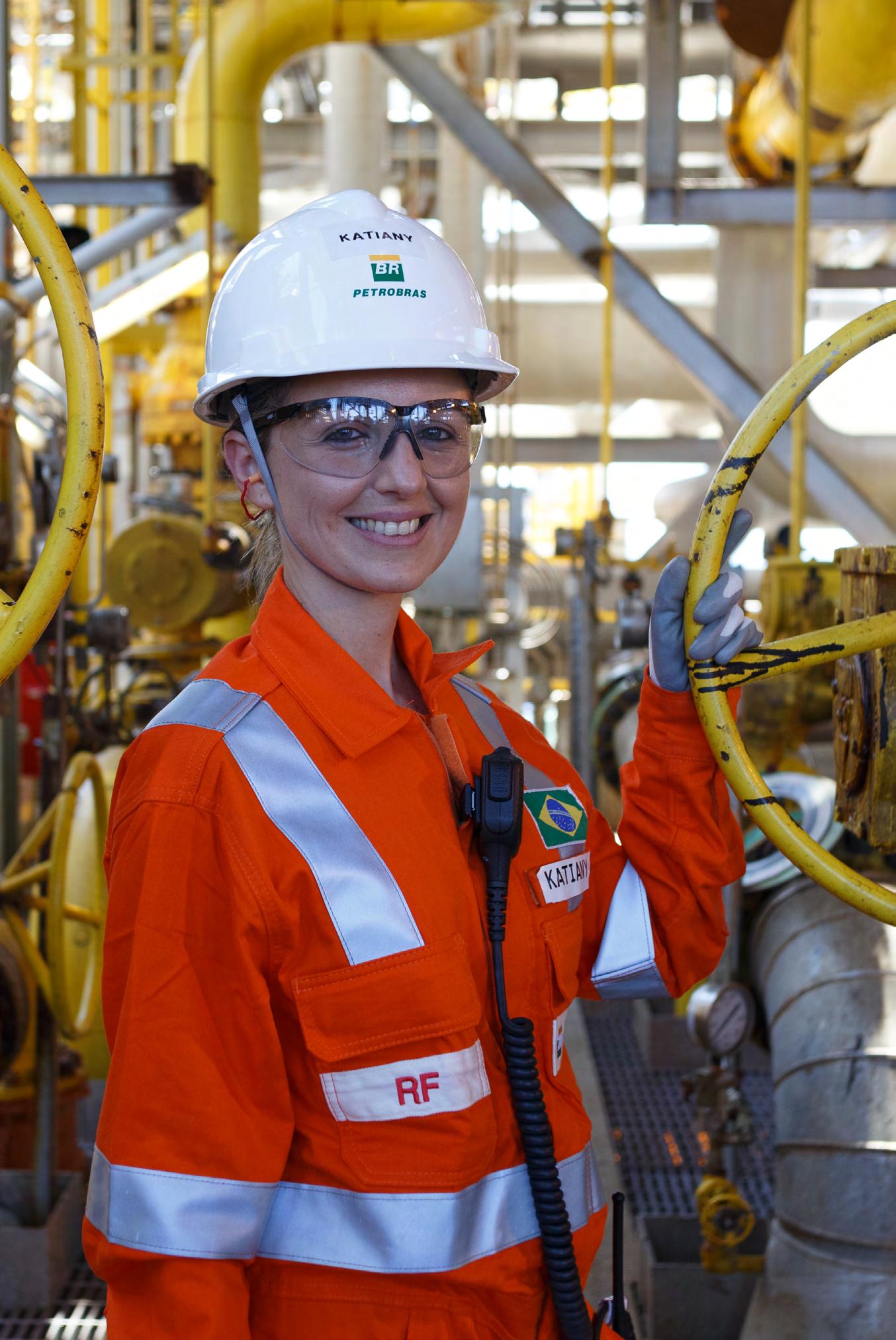
The Human Rights Action Plan provides greater integration between the human rights agenda and a just energy transition. We ensure that our new businesses have the lowest possible negative impact on people and the environment, through robust processes for project assessment, licensing, contextual analysis, stakeholder engagement, social and environmental risk analysis, and due diligence to protect communities.
Another key aspect of the action plan is the focus on human rights due diligence processes in our operations and supply chain. In 2025, we completed the pilot project for integrated human rights due diligence in our operations. This pilot was essential to establishing internal processes and standards guiding the application of due diligence across all operations, in line with targets set in our strategic planning.
To improve integration and prioritize human rights issues identified in due diligence processes in our operations, we continued strengthening corporate programs addressing our main challenges, such as the Program to Combat the Sexual of Children and Adolescents, the Program to Combat Labor Analogous to Slavery, the Commitment to Life Program, the Petrobras’ Program Against Sexual and Work Violence , the Racial Equity Program, and the Women’s Mentoring Program.
In addition, as in 2025, in 2026 the risk of human rights violations in our operations and supply chain continues to be considered a strategic corporate risk in our corporate risk matrix. Accordingly, this risk and its mitigation measures remain monitored by senior management, including the Board of Directors.
In 2025, we concluded the Technical Cooperation Agreement with the Ministry of Human Rights and Citizenship (MDHC), signed in November 2023. The objective was to improve governance policies and promote an environment that defends and respects democracy, justice, and human rights at Petrobras.
The process involved visits, technical meetings, and questionnaires, resulting in an MDHC report assessing our human rights management. We also submit ted suggestions on how the Ministry could support companies on this topic.
The report concluded that we have demonstrated robust progress in institutionalizing human rights and that Petrobras remains a benchmark in the energy sector in promoting and respecting these rights.
With
these processes, we reaffirm our commitment to respecting human rights and fulfilling our responsibility to prevent negative impacts on people and communities arising from our activities, while enhancing our positive contributions to society. In 2026, we will continue engaged in implementing our human rights agenda integrated with a just energy transition.