Fairbairn Foundation
Annual Report and Accounts
2025

Esmée Fairbairn Foundation aims to improve our natural world, secure a fairer future, and strengthen the bonds in communities in the UK.
We do this by contributing all that we can to unlock change by people and organisations with brilliant ideas who share our goals.
The Foundation is one of the largest independent funders in the UK. In 2025, we provided £52.9 million in funding towards a wide range of work in support of our aims: A Fairer Future and Creative, Confident Communities and Our Natural World. We also provided £16.3m in social and impact investment for organisations with the aim of creating social and environmental impact. Our funds are generated by our investment portfolio, which achieved a total return of 9.4% in 2025, bringing our main investment portfolio to £1.381bn.
A Fairer Future
Creative, Confident Communities
Our Natural World
Chair’s Statement
2025 marked a significant milestone for Esmée as our total grant funding since the Foundation’s establishment in 1961 exceeded £1bn, with over 13,000 organisations supported. The year also saw our total social investment pass £100m since making our first social investment in 1997.
When we launched our strategy five years ago, we knew that delivering it would require us to play a more active role and think about the different tools we have to employ. Looking back at the last year, it’s encouraging to see this embedded in our approach – particularly through our Tools budget, which has been used to commission research, convene organisations, and for influencing and co-design work.
In 2026, as well as continuing to deliver against our plan, we will start to think about what follows our current strategy when it ends in 2027. We want to learn from what has worked well, and what we can take forward, plus reflect on the ever-changing external context. We will spend time and energy on this over the coming year.
As reported last year, we commissioned an independent review of our governance. We employed Compass Partnership, highly experienced in charity and foundation reviews to deliver this. The resultant report endorsed our broad model and made some helpful recommendations for further improvement. We have adopted these, in particular the appointment of a Vice Chair – trustees have appointed Claire Alexander to this role; the transition over time from a maximum of three to two terms of office for our trustees, and the development of a Governance and Nominations Committee to oversee and support our governance going forward.
At the end of the year, we said goodbye to three long-serving trustees. John Fairbairn leaves us after 15 years on the Board including 15 years as member of the Audit and Risk Committee, 12 years on the Nominations Committee and eight years on our Communities and Collections Fund panel, among many other contributions. John has always been positive, supportive and practical. His keen interest in the Foundation’s past and how it can link to our future has been much appreciated by us all.
Statement continued
Eleanor Updale has been a Trustee for 11 years, attending every meeting during that time. She constantly championed the needs of individuals and communities, and how the Foundation could best serve them. Ellie will be hugely missed. Her relentless reminder on the Foundation remaining ‘low ego’ has been a wisdom that has served us very well.
In April 2026, Joe Docherty left us after 13 years as a Trustee. He played an active and significant role in supporting the strategy and work of the Foundation throughout his time with us, and also brought a greatly valued perspective from
the North East. He was an active member of our Investment Committee and his keen interest and experience across many of the areas the Foundation works contributed real value and insight to our work.
We wish Joe, John, and Ellie warmest best wishes for the future.
We welcome Harriet Manners, the greatgranddaughter of the Foundation’s founder, Ian Fairbairn, to the Board; Trustees are agreed it is desirable and beneficial to maintain the spirit of the Foundation by continuing a family link on the Board with our founder.
Finally, I want to thank my fellow Trustees and our staff team for their invaluable contributions and hard work over the past year. The social and environmental challenges we collectively face are huge, but we continue to be inspired by the incredible work of the organisations we work with and remain determined to play our role in improving our natural world, securing a fairer future, and strengthening the bonds in communities across the UK.

Beatrice Hollond Chair
Chief Executive’s Report
At Esmée, we focus on providing long-term, flexible support, and working collaboratively to drive the change needed towards our mission: to improve our natural world, secure a fairer future, and strengthen the bonds in communities in the UK.
This approach has been especially important during a time that has and continues to be volatile and difficult for many of the organisations and communities we support and work alongside. We have seen growing polarisation in our communities, a retrenchment of gender and migrant rights, and a watering down of environmental and nature commitments –compounded by the cost-of-living crisis, policy shifts, social media attacks and
funding cuts. These developments are directly connected to, and impacting, not just our goals, but also the people working towards them.
In response, flexibility remains central to our support, which organisations tell us has been invaluable in the current context – particularly as burnout and poor wellbeing increase. Through our Funding Plus offer, we provided £1.1m in a range of capacity building support. This includes funding for organisations to prioritise wellbeing as well as resources on supporting employees with lived experience. We continue to use our Tools budget for smaller, but sometimes, critical and enabling interventions. For example, we have supported a research programme by the Power of Pop Fund
to uncover insights into how culture creates change and explore why it is so powerful.
In 2025, our funding total was £69.2m, of which, £49.3m went to 235 organisations through our main grant programme. 29% of these grants were to organisations new to us and 67% was for core or unrestricted costs. We remain committed to making multi-year grants and 66% were for three years or more.
The funding total includes £14.3m in social investments – the highest ever approved in one year – and £2m in impact investments.
We know that positive change can come from many different types of organisations and learning from our New Connections programme has led us to change our
governance criteria, to support the full range of constitutional forms.
We have continued to transition our portfolio towards sustainability working closely with our investment advisers. At the end of 2025, our investment portfolio was £1.381bn, of which, 31.8% is specifically allocated to investments that have either an underlying impact or netzero aligned approach.
Throughout this report, you’ll find examples of how organisations and communities are addressing the challenges we face and working towards a more hopeful, thriving, and fairer future. I want to highlight a few here to reflect the breadth of Esmée’s work and support.
In a Fairer Future, The Racial Justice Network, who we have supported for the first time, is a Black and migrant-led organisation working to end racial inequity by building the collective power of those most impacted by systemic injustice. In Creative, Confident Communities, we supported Trading for Good by the School for Social Entrepreneurs, which will catalyse long-term change by building community-led economies through enterprise grantmaking. And in Our Natural World, we continued to champion peatland protection – led by the Peat-Free Partnership. Hosted by Plantlife International, it brings together environmental organisations, gardeners –and the horticultural industry to call on Government to take action.
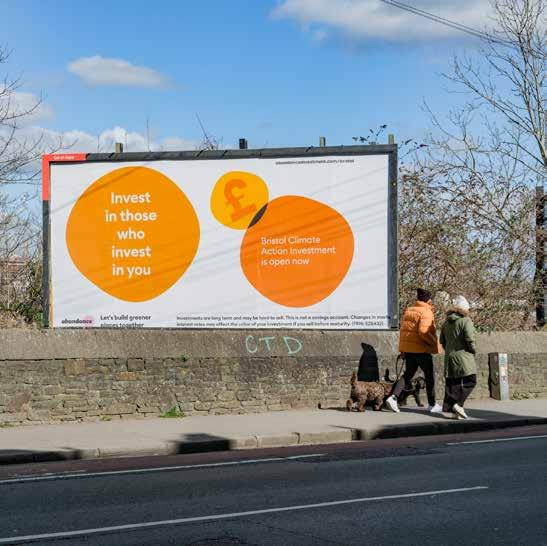
Through our social investment support, we’re delighted to be providing match funding via Abundance Investment, a platform that enables individual investors to invest into local government programmes that will create a positive environmental and social impact such as renewable energy sources, nature recovery, school retrofits, and community climate funds.
We deepened partnerships with other foundations including through the Lead the Change, a £3.4m place-based programme and funder collaboration, led by BBC Children in Need. It aims to empower young people to imagine and shape solutions for stronger, happier communities. We were part of the Social Impact Investing Advisory Group
to Government on building the Impact Economy, where our central message was that building a prosperous, thriving UK for all must be built from communities upwards.
We know that to be effective, we need to listen and learn from practitioners; those we fund and those that we don’t.
The members of our external, cross sector Advisory panels in each of our strategic aims have been pivotal in this. We are extremely grateful for their time, insights and expertise both individually and collectively. They help the Esmée ship navigate choppy waters with their generous leadership.
As we look ahead, we want to stay true to our values of equity, kindness, integrity, ambition and working together. We are
proud to support and work alongside those that work with courage and commitment to make the UK a country of hope and aspiration. It is their brave leadership that will deliver a vibrant, economically resilient and equitable future for everyone.

Dame Caroline Mason CBE Chief Executive
Funding Overview 2025
During 2025, the Foundation spent £52.9m1 towards a wide range of work in support of our strategic aims to: secure a fairer future; strengthen the bonds of communities in the UK; and improve our natural world. This includes £1.1m through our Funding Plus support and £1.5m for Tools to support activities where we are taking a more active role. The majority of our funding in 2025 was distributed through grants. We also approved £14.3m in social investments, and £2m in impact investments.
See page 13 to learn more about our Tools funding.
£52.9m 241
£1.381bn £14.3m £2.0m
4 Excludes Funding Plus, TASK grants and exceptional grants.
Funding Framework
This report reflects how our funding fits our strategy
Some of our funding supports work across more than one aim, impact goal and priority. We have chosen to reflect grants and social investments in line with the aim and priority that is the closest fit. In some cases, a priority under a different aim may be the best fit.
We also support key infrastructure organisations and new ideas that contribute to our impact goals across our aims by enabling a stronger, inclusive and innovative sector. Work that meets this description is shown as A Sector Fit for the Future.
Priorities to 2027
Arts and creativity making change
Children and young people’s rights
Gender justice
Migrant justice
Racial justice
Communities working together for change
Community-led art and creativity
Community driven enterprise and regeneration
Fishing in tandem with nature
Nature friendly farming
Space for nature
A Sector Fit for the Future
Freshwater
Peat
Main Grants
We make unrestricted, core and project grants for charitable work in the UK. Our main grants are listed under our three main aims as well as A Sector Fit for the Future on pages 20 to 63.
Core and unrestricted grants are used for an organisation’s running costs to enable them to meet their needs and priorities on their own terms. Unrestricted grants are only given to registered charities, and core grants have some restrictions on use. Project and delegated grants can only be used for the specific project the funding was awarded for.
Main grants include an additional year of funding to 20 organisations awarded funding through our New Connections programme.
See page 11 for a split of the type of grants awarded in 2025
Social Investment3
We provide social investment in the form of repayable finance to charities and other mission-led organisations with the aim of creating social and environmental impact. We do this through a £60m social investment fund, whereby returns from investments made are recycled to make further social investments. As of December 2025, we had a total of £53.8m committed in our active social investment portfolio. Investments approved during 2025 are listed under our three main aims on pages 33, 45, and 59. Learn more about how we use social investment and the different types of investments we made on page 14.
Impact Investment4
We invest into impact funds, which align with our impact goals and aim to generate a measurable social or environmental impact as well as a financial return.
Approved investments are listed under our main aims on pages 45 and 59. Learn more about how we use impact investment on page 15.
Active Portfolio
Our Active Portfolio includes all active funding relationships at 31 December 2025. Grant funding relationships are closed at the end of the agreement term. Social and impact investment relationships are closed when the financing has been repaid.
Funding in partnership
We want to be at the forefront of new approaches to funding –working in partnership with other funders and organisations to increase our reach, reduce duplication, and make more of a difference. In 2025, we worked with a range of partners on funds that focus on particular parts of the country as well as specific interest areas or to help tackle a specific issue.
These funds are listed under our three main aims as well as on pages 64 to 66.
TASK Fund
(Trustees’ Areas of Special Knowledge)
£1.1m Total
102 – No. of grants
Each Trustee has an annual TASK budget of £90k to be used for small grants within the charitable purposes of the Foundation. Grants are listed on pages 67 to 69. Learn more about the TASK Fund.
Grants by aim5
3 Social investments are referred to as programme related investments’ in the Financial Accounts.
4 Impact investments are referred to as ‘mixed motive investments’ in the Financial Accounts.
Applications through our website
Total expressions of interest decided: 1354
Applications progressed to an assessment call: 11%
Applications invited to submit a full proposal: 52%
Success rate for applications after submitting a full proposal: 91%
Applications for follow-on grants and those we invited
Total expressions of interest decided: 214
Applications progressed to an assessment call: 100%
Applications invited to submit a full proposal: 79%
Success rate for applications after submitting a full proposal: 95%
241 grants to 235 organisations.
70 grants (29%) were to organisations we haven’t funded previously 73 grants (31%) were from applications through our website
813 active grants as of 31 December 2025
Grants by size
7 Excludes ineligible applications and applications to A Sector Fit for the Future which is invite-only
8 Excludes Funding Plus and TASK grants.
Using all our Tools
£1.5m Total
In addition to main grants, social investments and our endowment, we use a range of tools to help us achieve our impact goals. Our Tools budget supports activities we have identified to help us achieve our impact goals and we have a more active role. This includes commissioning research, convening organisations, and supporting influencing work. We also make a
small number of grants through this budget, and these are listed on pages 33, 45, 59, and 63.
In 2025, we approved £1.5m through our Tools budget. Research and evidence work accounted for 39% of the spend. 32% was spent on connecting and convening work. The chart below shows a breakdown of our Tools spend by aim and type.
Key projects during the year include an initiative supporting small-scale fishers, gathering evidence on UK climate change adaptation and resilience, continued work to phase out peat, ongoing support of the Involving Young People Collective, project costs for an enquiry into sustaining place-based systems change, and to support young people’s exchange visits as part of the Leaving Care Learning Programme 2025.
Funding Plus
£1.1m Total
143 – No. of grants
Funding Plus is capacity building support provided to organisations we fund to help them achieve greater impact. In 2025, organisations could apply for a grant of up to £9,000 to make the most of opportunities and receive support they might not otherwise be able to afford or prioritise.
In 2025, we spent £1.1m through Funding Plus. Most of this was in response to individual consultancy support requests from organisations we fund (109 grants totalling £891k).
Business planning, strategic and organisational development continues to be a priority for organisations, accounting for 51% of consultancy spend.
The remaining non-consiltancy budget was distributed as wellbeing awards, and used towards a review of Diversity, Equity, and Inclusion (DEI) support provided to organisations we fund through Funding Plus.
In 2025, we also shared learning from a report on Supporting Employees with Lived Experience, and findings from the Funding Plus wellbeing offer piloted in 2024.
It [Funding Plus] came at a crucial moment, when we needed external expertise to support us with developing a coherent comms strategy. The flexibility and trust placed in us meant we could choose providers who were the right fit, and could deliver a strategy with the required local nuances.
Funding Plus recipient
We believe that social investment is a powerful and financially sustainable tool, which, when used alongside grants and our own actions can help achieve our impact goals, whilst also supporting the development of the social investment market and increasing the total amount of available funding.
Our approach to social investment focuses on three objectives:
• Investing for impact: we start with the social need and then tailor our investment
• Influencing: to enable a broader, more accessible and innovative social investment market
• Learning and sharing: for a more strategic portfolio and to establish greater collective impact.
This has resulted in an investment portfolio containing many different investment types, including a Land Purchase Facility, Equity, Quasi Equity, Community Shares, and secured and unsecured loans.
We launched Community Municipal Investments (CMIs, also known as Local Climate Bonds) with Bristol and Sheffield City Councils; and completed them successfully.
We also ran our first advertising campaigns for CMIs. Via research, we also got some excellent feedback from resident investors.
Abundance Investment
We invest in order to finance our charitable work. We aim to grow our investments by UK inflation plus 4% to support our work and to ensure we can continue contributing towards our aims for decades to come.
We use a range of sustainable investment approaches (our spectrum of capital) with different financial and impact goals to support our work.
£50m per year
Spent towards our impact goals.
Our Board of Trustees regularly review our funding budget –balancing the need now with the likely need in future. Our budget is linked to the value of our main investment portfolio: we spend around 4% on grants and operational costs. To account for volatility in the market, we calculate the 4% based on the performance of our investments over the previous five years.
£60m
Allocation towards our impact goals, whilst also supporting the development of the social investment market. Our approach is impact-first, financial returns are secondary.
Our total social investment, since making our first investment in 1997, has now passed £100m (237 social investments). This includes 14 investments approved in 2025, totalling £14.3m – the highest amount ever approved. They include investments to support land purchases for nature using our Land Purchase Facility, as well as an investment into a match fund by Abundance Investment for Local Climate Bonds.
£10m
Allocation to test the potential to achieve market-like returns by investing into impact funds which align with our impact goals, and which generate a measurable impact.
In 2025, we shared how we are aligning investments to our strategy and continued our work on thematic deep dives and collaborations. We also approved two investments: Bluefront, investing in ocean health, and Octopus Affordable Housing.
5%
Allocation for funds looking to achieve enhanced environmental, social and governance impact alongside financial return. We support funds which wouldn’t normally make it into our main portfolio due to their small size, focus or risk profile.
In 2025 we committed to a sustainable forestry fund which is highly aligned with the Foundation’s Our Natural World priority.
on sustainability and minimising conflicts with our charitable objectives
95%
We work with our advisors to identify funds which focus on sustainable investing and have steadily increased the proportion we identify as best-in-class managers. We are committed to ensuring our investment portfolio will be net zero in terms of carbon emissions by 2040 at the latest.
In 2025, we increased our holding in one fund to £55m after it had started in 2019 as a £3m position in the Enhanced sustainability allocation before moving to the main endowment.
Our Investments
The market value of the Foundation’s main investment portfolio at the end of 2025 was £1.381bn (2024: £1.325bn), an increase of £55.8m after spending. The portfolio’s total return of 9.4% in 2025 (2024: 5.9%) compared to the Foundation’s long-term investment objective (RPI+4%) which was up 8.3% during the year (versus 7.6% in 2024).
Results in any one year need to be seen in the context of progress over longer time horizons and we continue to look for managers with a strong team, a clear approach to stock selection and a thoughtful, long-term approach to investment.
Despite geopolitical events and concerns around tariffs causing volatility, 2025 saw strong stock market performance. As in recent years this was largely driven by AIrelated technology stocks, particularly the US’ ‘magnificent seven’.
Our main global equity funds were up 12.8% during the year, in line with their benchmark which was also up 12.8%. Our non-core global equity funds were up 8.7% versus their benchmark which rose by 24.4%.
Our smaller hedge fund allocation was up 7.2% during the year and our private investments, which represent around a third of the fund, were
up 9.2%, showing strong recovery after a difficult few years. Returns overall were ahead of target in 2025, despite trailing over 3 and 5 years. The portfolio is managed with a long-term time horizon in mind and contains some excellent investment funds that are well positioned to capitalise on future trends. The Foundation’s grant funding and operational costs are in sterling however the majority of our investments are not. The fund can benefit from the relative strength of USD versus GBP, however in 2025 the dollar weakened relative to the pound. We run a passive currency hedging programme which reduces the impact of currency fluctuations on performance and has the effect of lifting the investment portfolio’s effective exposure to sterling.
We still own relatively little fixed income. Although valuations and yields are more attractive now than in recent years, our allocation remains low.
In 2023, we rewrote our investment policy statement to emphasise the importance of sustainability in the way we invest, and we continue to implement these new policies. We are now more explicit about which investments we favour.
Areas where there is likely to be good alignment with our strategy include renewable energy, biodiversity preservation and restoration, decarbonisation, social justice and thematic funds focusing on water, food and communities.
The following table shows the annualised performance of the portfolio against our long-term investment objectives over one year, three years, five years, ten years, and since inception.
The portfolio’s asset allocation at the end of the year was as follows:
Our Investments
Funds that don’t align with our strategy include those with high exposure to long-lived fossil fuel production, those with significant holdings in heavy CO2 emitters, funds contributing to biodiversity loss and funds with holdings classified as breaches of the UN Global Compact.
We continue to transition our portfolio to managers who place ESG (environmental, social and governance) considerations and sustainability at the centre of their investment process. We made significant progress on this process in 2025 through upgrading several of our managers.
Since 2017, we have had a specific enhanced sustainability allocation (ESA) for funds which we hope will achieve enhanced ESG impact alongside financial return, but which may not naturally fit within a portfolio like ours due to their smaller size, focus or risk profile. This allocation has grown from £25m to 5% of our portfolio (c. £70m). In 2025 we committed to a sustainable forestry fund which is highly aligned with the Foundation’s Our Natural World priority. Additionally we increased our holding in one fund to £55m after it had started in 2019 as a £3m position in the ESA before moving to the main endowment.
In 2025, we continued to make investments into a relatively new £10m allocation for impact funds, managed by our social investment team and working in conjunction with our investment consultants. We are using this pilot to inform our longer-term investment strategy. The starting point for our impact investing decisions is the intent to generate positive, measurable social and environmental outcomes (the impact) alongside the achievement of financial returns.
Within our investment portfolio we aim to be proactive asset owners by engaging with companies on issues that are aligned with our funding priorities. We work with other foundations and investors through the Charities Responsible Investment Network and look for opportunities to promote corporate behaviour which is in the interests of long-term shareholders and we join various collaborative investor engagement initiatives where they align with our strategic aims.
The Foundation is a signatory to the United Nations’ Principles for Responsible Investment (UNPRI) and to the UK Funder Commitment on Climate Change. We are one of a growing number of foundations who recognise that the growing climate emergency is a serious risk to the pursuit of our charitable aims.
We have made a commitment that our investment portfolio will be net zero in terms of carbon emissions by 2040 at the latest.
Commitment to net zero –our priorities
We are working with our investment advisors to achieve this and have four priorities.
1. To invest in “climate solutions” which enable emissions to be avoided or reduced.
2. To be a supportive shareholder to higher emissions businesses, which have set a plausible path to Paris alignment for their own activities and holding them to account for delivery.
3. To actively using proxy voting and engagement to encourage businesses to adopt appropriate plans to decarbonise.
4. To support efficient capital allocation in each of the preceding activities.
Diversity, Equity and Inclusion
Social justice is core to our work and we believe that understanding and making progress towards diversity, equity, and inclusion (DEI) is critical for delivering our mission.
We have a DEI action plan to help us track our progress, which we regularly review, committing to further actions and sharing them on our website alongside our actions so far. Key actions in 2025 include:
• Grant funding to organisations led by communities experiencing racial inequity totalled £11.5m (up from the previous year), with grants, on average, being larger and longer than those not ‘led by’.
• Changes to our application process for more clarity around how we make decisions and removed our governance requirement for a minimum of three directors. This followed feedback and learning from our New Connections programme.
• Working wi th Common Purpose and Makani Cambridge to co-design a leadership programme with current and
aspiring leaders from Global Majority backgrounds that aims to support a more equitable and diverse environment sector.
• Collaborating with Peer Power Youth and Place Matters, we shared a resource on supporting employees with lived experience, with learning from organisations who took part in a peer learning group.
• Published a review of DEI support accessed by organisations we fund through Funding Plus;
• Published findings from a survey of organisations we gave a wellbeing grant to, and outlined recommendations for funders including Esmée.
Learn more about our commitments and our progress towards DEI.
We also carry out an annual survey of Trustees and staff to help us track progress on the diversity of our people. We also ask a question on salary to help us understand our gender, ethnicity and disability pay gaps. See the diversity data of Esmée Trustees and staff.
Who is our funding reaching
We use the DEI Data Standard to help us understand who our funding is reaching. Since 2021, we have asked organisations we fund and those applying to us to complete a DEI monitoring form. We use the information we gather to help us identify structural inequity in our funding practice and inform our funding strategy
The following chart reflects data about the communities our funding supports and the leadership10 of the organisations we funded in 2025. The chart focuses on population groups that face structural inequity because of their identity or lived experience, and are most relevant to our strategy.
The data includes information on 224 main grants (93% of the grants awarded) in 2025.11
See our Who our funding is reaching report for more information.
10 To classify our data, we define an
organisation as being ‘led by’ a particular population group when 75% or more of the Board/Management Committee AND 50% of senior staff share a particular identity or experience, where staff exist.
11 Grants may appear in more than one category to reflect multiple shared characteristics. The data doesn't include Funding Plus and TASK grants.
Communities supported Leadership
Climate Change
In everything we do, we are committed to addressing the causes and impacts of Climate Change.
We report annually on actions we’ve taken as part of our commitment. Highlights include:
• Our total funding towards nature and climate-related work in 2025 was £29.4m. This includes all related grant funding, social and impact investments, as well as spending using our Tools budget. In addition to funding in our priorities for Our Natural World, the total includes work that contributes to our priorities in Creative, Confident Communities and A Fairer Future. Work supported include:
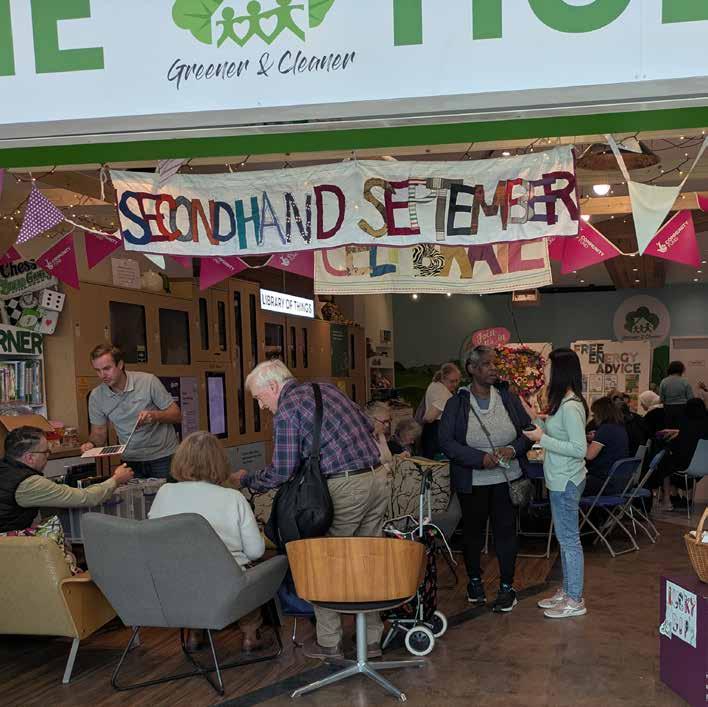
–A gr ant to Greener and Cleaner towards their work on locally-led models of citizen climate action
– A social investment to Abundance Investment, providing match funding for individual investors into Local Climate Bonds
–Using our Tools budget, we funded research by Public First exploring floodresilient communities, economy and growth
• A mapping exercise of our portfolio in Our Natural World to identify organisations with a specific outcome on climate to help us understand more about progress. Organisations include those working in climate resilience and adaptation such as The Welsh Dee Trust who work with communities to restore rivers in Wrexham to reduce harm from floods and improve access to high-quality green and blue spaces; and SOS-UK’s Farming for Carbon and Nature, a project to support university owned farms to transition to regenerative practices to enhance biodiversity and sequester carbon.
• Surveying everyone in our funding portfolio to learn about how organisations are responding to the causes and impacts of climate change, and to evaluate how Esmée can support and influence organisations to prioritise climate as part of their core work. Informed by this learning, we are prioritising support for organisations around education and learning, peer support and Funding Plus grants for climate justice and adaptation work.
• A mid-strategy review of our work towards freshwater which evaluated progress and made recommendations for Esmée and the wider sector.
• Hosting two webinars to share findings from two reports we commissioned:
–Restoring Seascapes by Pelagos Consulting on how to scale and sustain marine recovery across the UK.
–Business action on nature in the UK and a guide to nature finance by Will McDonald.
• Continuing to support initiatives to improve diversity, equity and inclusion in the sector. This includes work with Common Purpose and Makani Cambridge to co-design a new senior leadership programme ‘Reimagining Leadership’ for Global Majority people in the sector.
• In line with our commitment that our investment portfolio will be net zero in terms of carbon emissions by 2040, we assess fund managers who are aligned with our goals. During 2025 several manager changes were made to improve our alignment, with more planned for 2026. The most recent analysis of our main investment portfolio (carried out in 2025) showed our exposure to fossil fuels was 0.7%, versus the market comparison (MSCI All Country World Index) of 6.3%.
Learn more about the actions we have taken during 2025.
Funder Commitment on Climate Change
We are a founder signatory to the Funder Commitment on Climate Change.
As such, we commit to:
1. Educate and learn
2. Commit resources
3. Integrate
4. Steward our investments for a post-carbon future
5. Decarbonise our operations
6. Report on progress
Watch a short film from Greener and Cleaner about their Community Hub in Bromley.
A Fairer Future
We want to provide the support and space to those we work alongside to create lasting change, and to challenge systems that stand in the way. We want to contribute to a socially just and anti-racist society, where people have their rights protected, as well as the opportunity to speak and be heard, and the freedom to express their creativity.
A Fairer Future
Catherine Hillis Director of A Fairer Future
At Esmée, we stand in solidarity with the people and organisations on the frontline for racial, migrant, and gender justice, and those championing children’s rights and diversity in the arts and cultural sectors.
We recognise how precious independent, unrestricted funding is at a time where there are huge pressures on organisations’ funding; and an increasingly hostile climate for their work and the communities they support.
82% of our funding this year was core or unrestricted, which organisations we fund repeatedly tell us is the most useful thing to help steer them through difficult times. Trustees increased our grant budget for A Fairer Future by £2m, enabling us to make more four-year grants in 2025 (17 compared to 3 in 2024), prioritising organisations led by the communities they serve. And 79% of grants made were to organisations led by the people they serve.
Alongside our grant funding, we continued to build and share learning. We published a resource on how organisations can best support employees with lived experience. This was developed by a peer learning group of 24 organisations supported through A Fairer Future, led by Peer Power Youth.
As a team, we learnt a lot from the expertise of all involved.
We published the findings of our racial justice listening exercise , and have shared an update on our actions to hold ourselves accountable. For our gender justice priority, we commissioned a review of our funding, the findings of which have now been shared. And working closely with the Involving Young People Collective, we began a learning journey with those we support through our Youth Led Creativity programme.
We entered the eighth year of our Young People Leaving Care Learning programme with a deeper understanding of the issues impacting on care experienced young people’s lives.
We continue to learn every day from the organisations we support, and remain committed to A Fairer Future, motivated by the energy and hope they bring.
A Fairer Future
A Fairer Future grants
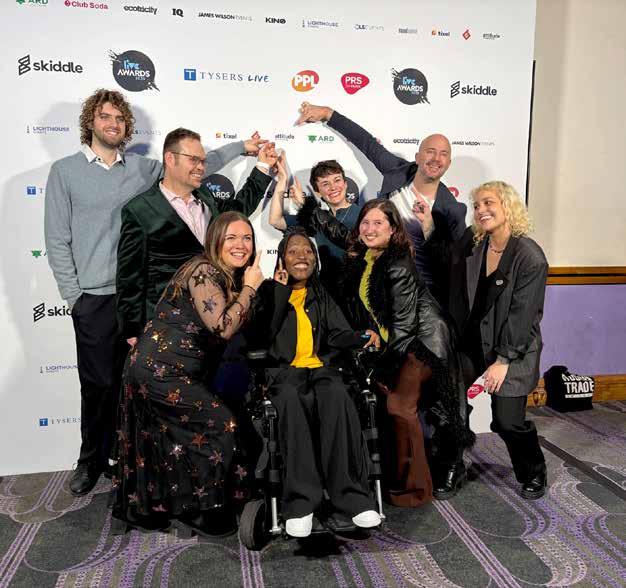
Arts and creativity making change
Attitude is Everything
£260,000 over 4 years
Towards unrestricted core costs for the development of disabled people as cultural leaders in music and retaining them in senior positions.
Beacon Films CIC
£150,000 over 3 years
Towards core costs to improve inclusion for disabled talent in film, TV, and video production.
Black Cultural Archives
£220,000 over 3 years
Towards unrestricted core costs of their workforce development programme for racially minoritised people in the arts and heritage sector.
Black Curatorial
£31,500 over 1 year
Towards core costs and their participation in Esmée’s New Connections Programme for an additional year.
Black Lives in Music
£300,000 over 4 years
Towards unrestricted core costs and strategic development for Black Lives in Music.
Culture&
£170,489 over 3 years
Towards project costs for the new Museum School Advanced Programme Phase 2 (2025–2028): a sustainable large scale partnership to diversify the UK heritage workforce.
Marlborough Theatre Productions Ltd
£230,000 over 3 years
Towards unrestricted core costs funding radical approaches to building a representative cultural workforce led by a diverse generation of cultural leaders.

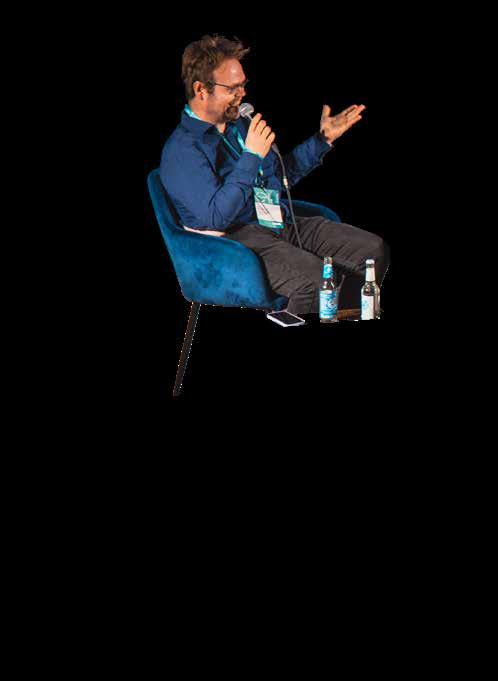
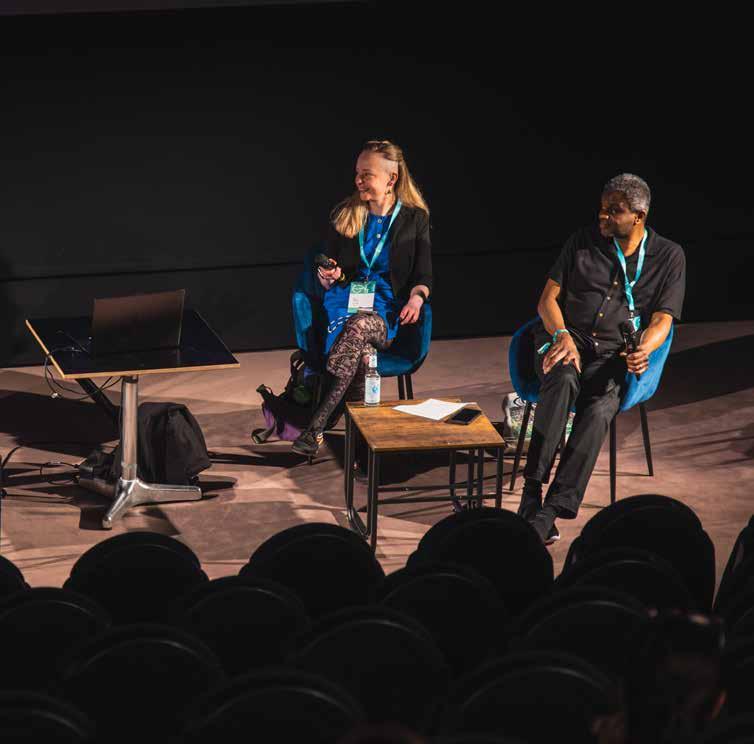
My experience with Attitude is Everything has been so eye-opening –I have learned so many things about myself that I couldn’t even begin to list them, and it has really boosted my self-confidence and made sense of and validated a lot of past experiences within music and the wider workplace.
Attitude is Everything Programme Participant
A Fairer Future grants
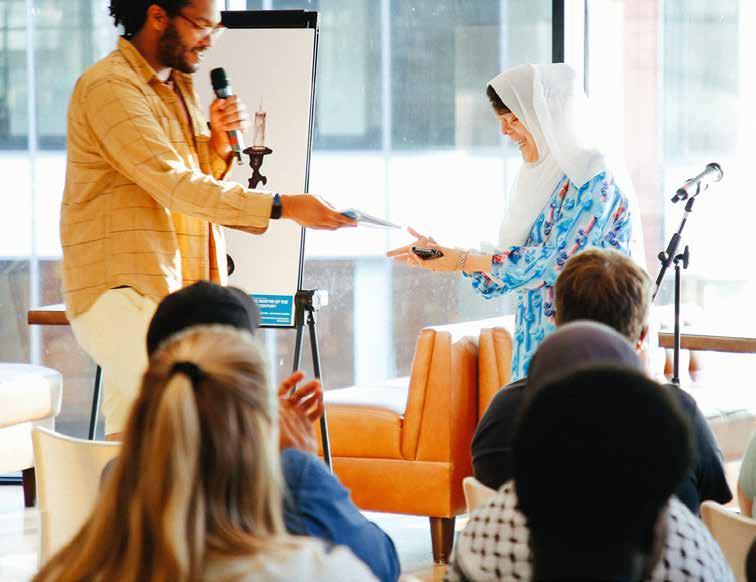
Young Identity is proud to be launching a dedicated development programme across our community hubs. The funding will create structured training and progression opportunities for young people from diverse and working-class backgrounds, equipping them with the skills and professional experience needed to build sustainable careers in the cultural sector. We believe that when young people are given genuine access to opportunity, they do not just enter creative spaces, they transform them.
Young Idenitity

Rich Mix Cultural Foundation
£180,000 over 3 years
Towards unrestricted core costs for ‘In House’ – organisational change with communities experiencing racial inequity at the heart of governance, leadership, and programming, providing a blueprint for change across arts centres.
Scottish Contemporary Art Network (SCAN)
£130,000 over 31 months
Towards core costs for SCAN’s Cultivate programme to support the ambitions and workforce needs of artists, art workers and organisations – focusing on equity, collaboration, peer support, skills, and critical thinking.
Spectra Arts CIC
£195,000 over 3 years
Towards core costs to embed learning disabled and neurodivergent-led governance models and test them.
The Graeae Theatre Company Limited
£250,000 over 3 years
Towards unrestricted core costs consolidating Graeae’s artist development offer for 175+ writers and theatre makers, supporting sustainable careers including skills development, network building with 30 regional venues and mentoring.
Tribe Arts
£31,500 over 1 year
Towards core costs and their participation in Esmée’s New Connections Programme for an additional year.
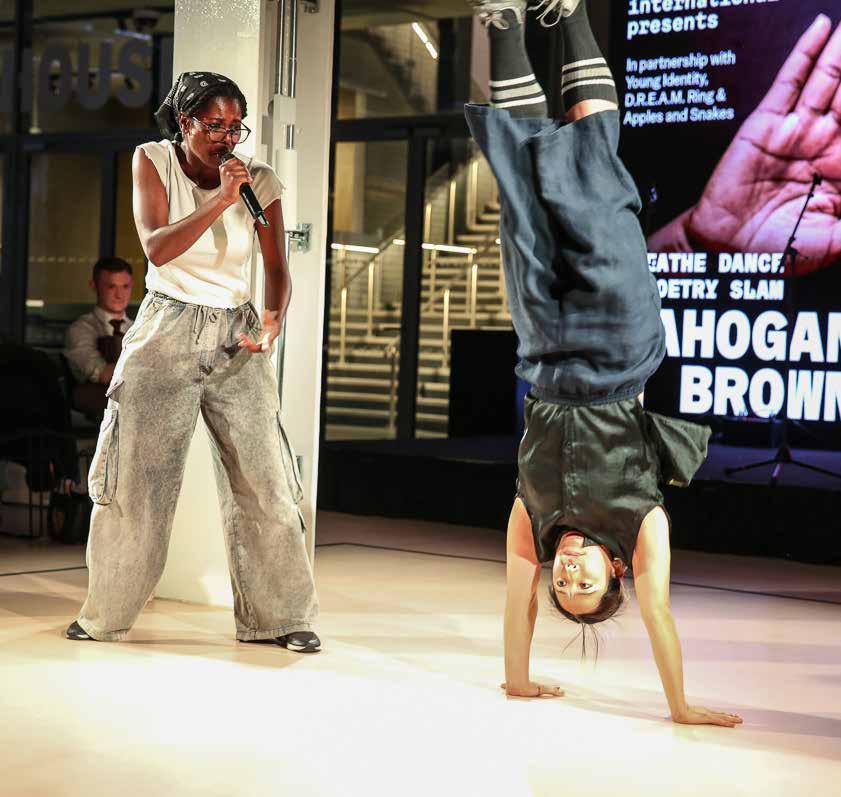
Young Identity
£135,000 over 3 years
Towards unrestricted core costs supporting the next generation of diverse leaders in the arts and cultural sector to access creative opportunities to develop, progress and influence the cultural sector’s engagement with young people.
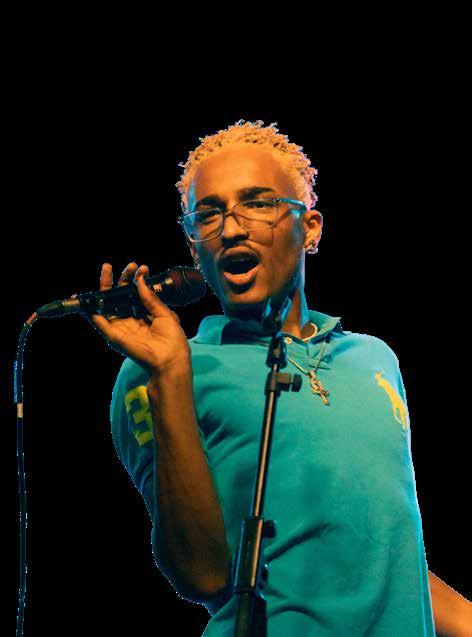
Young Identity poet Kamran Sajid performs their poem, The Crossing Of Stars Is A Rainy Affair.
A Fairer Future grants
Children and young people’s rights
Carefree Cornwall
£210,000 over 3 years
Towards unrestricted core costs to support care-experienced young people to have a good life through positive relationships, support with transitions, and young people improving the care system for themselves and others.
Avocados Impact CIC
£120,000 over 3 years
Towards core costs to support independent community and rights advice for care-experienced people in Devon.
Break
£250,000 over 3 years
Towards project costs to support innovation in leaving care housing for disabled young people.
Civic Power Fund
£1,000,000 over 3 years
Towards unrestricted core costs and delegated grant making to support the next phase of the Alliance for Youth Organising.
Class 13
£180,000 over 3 years
Towards unrestricted core costs to support schools to improve their approach to equity – shifting culture, practice, and power to reflect the full humanity of every young person.
Ecpat UK
£320,000 over 4 years
Towards unrestricted core costs to continue its trauma-informed, child rights-based programmes addressing child trafficking and exploitation through direct work, advocacy, research, and training.
Education & Skills
Development Group
£200,000 over 3 years
Towards core costs for Thriving Futures, a community-led policy campaigns and culturally focused support programme for children and young people with SEND from refugee and migrant communities.
Families in Harmony
£31,500 over 1 year
Towards core costs and their participation in Esmée’s New Connections Programme for an additional year.
We’re proud of the growth of both the Alliance for Youth Organising’s reach and strategic clarity. From a standing start in 2024, this nine-member collective came together to strengthen their strategy: identifying disability justice, youth organising cold spots, polarisation, and international solidarity as key priorities. They funded 10 grassroots youth organising groups directly and opened two grant rounds designed to respond to major gaps in the field. Together, these attracted over 601 youth organisations from right across the UK.
Alliance for Youth Organising (hosted by Civic Power Fund)
A Fairer Future grants
Family Rights Group
£400,000 over 4 years
Towards unrestricted core costs to build a family-first child welfare system, so children are supported to live safely and thrive within their family and have lasting, loving relationships.
Grapevine (Coventry and Warwickshire) LTD
£90,000 over 3 years
Towards project costs to support the development and campaigning impact of Coventry Youth Activists, a disabled community organising team.
Greater Manchester Youth Network
£200,000 over 3 years
Towards unrestricted core costs to embed youth voice at the heart of Greater Manchester’s care system reforms, ensuring care-experienced young people are heard, influence decisions, and lead meaningful, lasting change.
ILC (Migrant & Refugee Children’s Legal Unit)
£150,000 over 3 years
Towards core costs to create a safer, fairer immigration and asylum system that works in the best interests of children and young people, by empowering them through law, policy, and practice.
Kids of Colour
£31,500 over 1 year
Towards core costs and their participation in Esmée’s New Connections Programme for an additional year.
Leicestershire Cares
£250,000 over 3 years
Towards core costs to enable care-experienced young people to influence public, business and community sector, so that young people are able to thrive.
Listen Up
£31,500 over 1 year
Towards core costs and their participation in Esmée’s New Connections Programme for an additional year.
Shared Lives Plus
£250,000 over 3 years
Towards project costs to test at scale a Shared Lives pathway for disabled care leavers – an innovative model of relational care to deliver long-term impact locally and nationally.
Shpresa Programme
£120,000 over 3 years
Towards core costs to support Freedom through Action to expand their work with young refugees and asylum seekers, and to amplify their voices to drive policy change.
Swansea University
£240,000 over 3 years
Towards core costs to support children’s rights strategic litigation and policy advocacy in Wales.
The Advocacy Academy
£400,000 over 4 years
Towards unrestricted core costs to scale youth organising work and build the national infrastructure needed to shift power to young people with lived experience of injustice.
The Blagrave Trust
£5,000 over 1 year
Towards project costs to support Youth Led Change Day 2026.
The Care Experienced Movement
£90,000 over 3 years
Towards core costs to maintain and grow Care Experienced Movement’s capacity and impact.
The Difference
£300,000 over 3 years
Towards unrestricted core costs to raise inclusion expertise in education so that the rate of lost learning falls nationally by 2030.
The Social Change Nest (Young Trustees Movement)
£150,000 over 3 years
Towards core costs for the Young Trustees Movement to support work increasing and supporting young trustees and create long-term systemic changes to governance.
University Of Derby
Theatre Limited
£195,000 over 3 years
Towards project costs for Plus One: a trailblazing creative programme supporting young people in care and care leavers through innovative creative activities, skills development and pathways.
A Fairer Future grants
Gender justice
Beyond Equality
£195,000 over 3 years
Towards unrestricted core costs to work with men and boys to prevent gender-based violence, improving policy and practice.
Birth Companions
£180,000 over 3 years
Towards unrestricted core costs to achieve better care, equity and justice for pregnant women, mothers and babies.
Birthrights
£225,000 over 3 years
Towards unrestricted core costs to drive change in the maternity system so that all women and birthing people receive care that respects rights and self-agency and is free from discrimination.
Faith and Violence
Against Women and Girls
£200,000 over 3 years
Towards unrestricted core costs to support the Faith and Violence Against Women and Girls (VAWG) Coalition to equip faith organisations and up-skill VAWG services to ensure survivors from faith backgrounds receive safety, dignity, and holistic care at first contact.
Firebird Foundation
£250,000 over 2 years
Towards unrestricted core costs to support a coalition to end the unjust, unsafe, and unfair remand of women awaiting trial and sentencing.
FiveXMore
£31,500 over 1 year
Towards core costs and their participation in Esmée’s New Connections Programme for an additional year.
Forward
£240,000 over 4 years
Towards core costs to drive systems change, amplify survivor leadership, and strengthen by-and-for groups to end violence against African, Black and minoritised women and girls in the UK.
It’s no longer about tweaking what already exists; it’s about transforming and reimagining support. We are helping reshape the system from the inside out. That is incredibly powerful.
Tuesdae Moncrieffe, Birth Companions Trustee and Lived Experience Team member
A Fairer Future grants
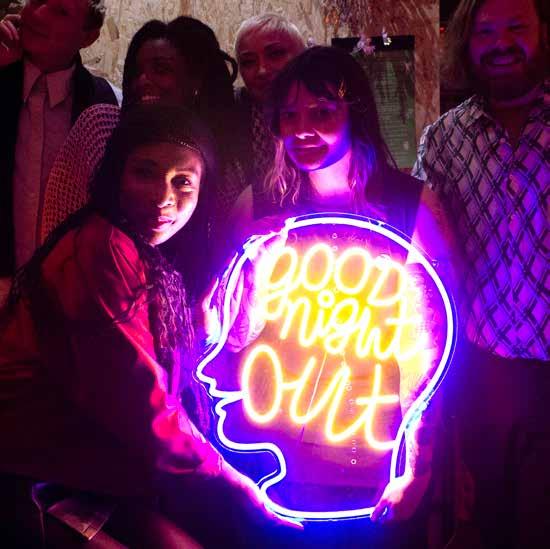
Good Night Out
Campaign CIC
£138,495 over 3 years
Towards core costs of gender-based violence prevention in nightlife and cultural spaces across the UK.
Heard
£180,000 over 3 years
Towards project costs to strengthen trans organisations and their allies to improve systems, policies and practice relating to trans rights.
Hibiscus Initiatives Ltd
£343,468 over 4 years
Towards unrestricted core costs to build capacity in policy, influencing and public affairs to better meet the needs of Black and minoritised migrant women.
Innovation Unit
£208,628 over 2 years
Towards project costs to co-design and test a new gender-sensitive support offer with and for women who have come into contact with Local Authority care services and are currently serving prison sentences.

In 2025, we created our first ever documentary ‘A Few Good People’ shot across three continents, showcasing the work and challenges of three nightlife safety activists. We built a platform full of vetted resources and inspirational ideas so that money is no longer a barrier for those trying to create safer events in their communities. We were also able to begin building eLearning versions of our training programmes.
Good Night Out Campaign
National Ugly Mugs (NUM)
£240,000 over 4 years
Towards unrestricted core costs to engage sex workers in driving systemic change to improve safety, health, and opportunity.
Project Tallawah
£600,000 over 2 years
Towards core costs and delegated grant-making to support the resourcing of Black feminist movements in the UK.
Scottish Women’s Aid
£50,000 over 1 year
Towards project costs for improving policy and practice in child contact proceedings.
Standing Together
Against Domestic Abuse
£200,000 over 3 years
Towards project costs to sustain the Co-Action Hub, a partnership between Standing Together Against Domestic Abuse and Asian Women’s Resource Centre.
The Halo Project
£240,000 over 4 years
Towards unrestricted core costs to improve systems and services for Black and minoritised women facing harms.
The Three Hijabis
£31,500 over 1 year
Towards core costs and their participation in Esmée’s New Connections Programme for an additional year.
The Vavengers
£240,000 over 4 years
Towards unrestricted core costs to address the legal and health gaps faced by Female Genital Mutilation survivors.
TransActual
£90,000 over 3 years
Towards core costs to cover a Policy Manager salary – advocating for and protecting trans people’s rights and protections.
UK Feminista
£180,000 over 3 years
Towards core costs to drive systemic change to prevent sexism and sexual harassment among young people.
Women’s Equality Network Wale
£360,000 over 3 years
Towards project costs to further develop the Wales, Scotland, and Northern Ireland Women’s Budget Groups’ independent and collaborative ways of tackling gender inequality.
A Fairer Future grants
Migrant justice
Freedom from Torture
£150,000 over 3 years
Towards core costs for campaigning, advocacy and training work led by torture survivors with lived experience of seeking asylum to improve the asylum system for other survivors, refugees and asylum seekers in the UK.
Migrant Voice
£240,000 over 4 years
Towards unrestricted core costs to build migrants’ voices, power and influence through the Meet the Press and Newsroom initiatives and support a strategic review in light of current division, disinformation and hostility.
Advice on Individual Rights in Europe (The AIRE Centre)
£150,000 over 3 years
Towards core costs for Strategic Public Law and Policy Advocacy to defend the rights of vulnerable migrants in the UK.
Citizens UK
£175,900 over 3 years
Towards project costs for organising in key constituencies, led by people with lived experience, to create the political will to make the immigration system fairer.
European Network on Statelessness
£150,000 over 3 years
Towards core costs to build an inclusive movement to tackle injustice faced by stateless migrants in the UK.
Immigration Law Practitioners’
Association Limited
£169,000 over 3 years
Towards delegated grant-making via the Strategic Legal Fund to support strategic legal work that influences the law, practice, and procedures to uphold and promote the rights of migrant groups in the UK.
Justice Collaborations
£1,000,000 over 3 years
Towards delegated grant-making and the costs of the Justice Together Initiative: a funder collaboration to transform the UK immigration system so that people can access justice fairly and equally without being harmed.
Migrants in Culture CIC
£31,500 over 1 year
Towards core costs and their participation in Esmée’s New Connections Programme for an additional year.
NOMAD – Nations of Migration Awakening the Diaspora
£150,000 over 3 years
Towards unrestricted core costs for the development of NOMAD’s intergenerational work building migrant voices, power and influence to challenge systemic inequalities.
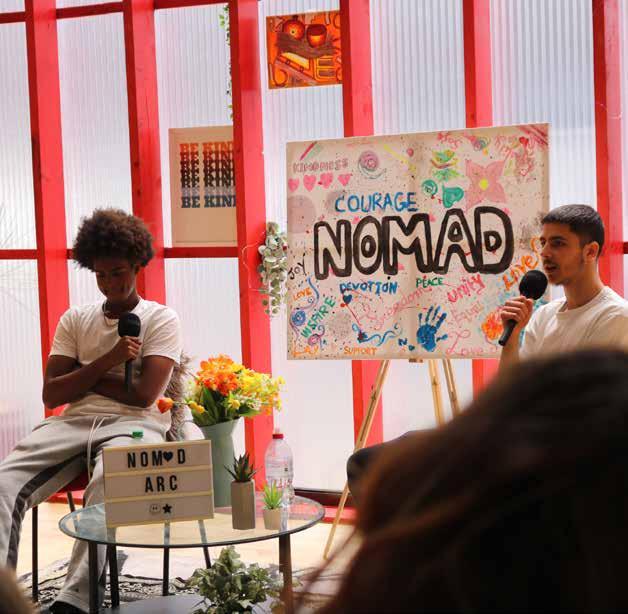
We’re most proud of creating
safe, youth-led
spaces where young people feel seen
respected.
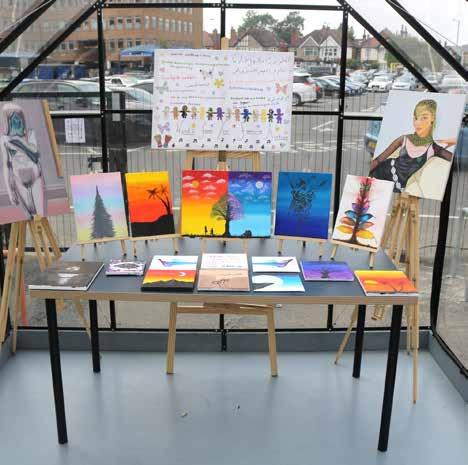

and
From our community cookbook with Kol Chai Reform Synagogue to shared iftars and the Nomad Youth Council, our work is shaped by lived experience, connection, and care. We stand alongside young people, build trust, and create belonging across communities through dialogue, solidarity, and long-term relationships.
NOMAD
A Fairer Future grants
Settled achieved a lot in 2025 – we provided complex advice to vulnerable people, including children; continued our Roma project; joined the Ministry of Housing homeless project; and established a new Cardiff office. We also contributed to the Senedd’s EU citizens’ rights report; spoke at the EU Delegation’s
Refugee and Migrant Forum of Essex and London (RAMFEL)
£120,000 over 3 years
Towards unrestricted core costs to improve immigration policy and prevent migrant destitution.
Settled
£120,000 over 3 years
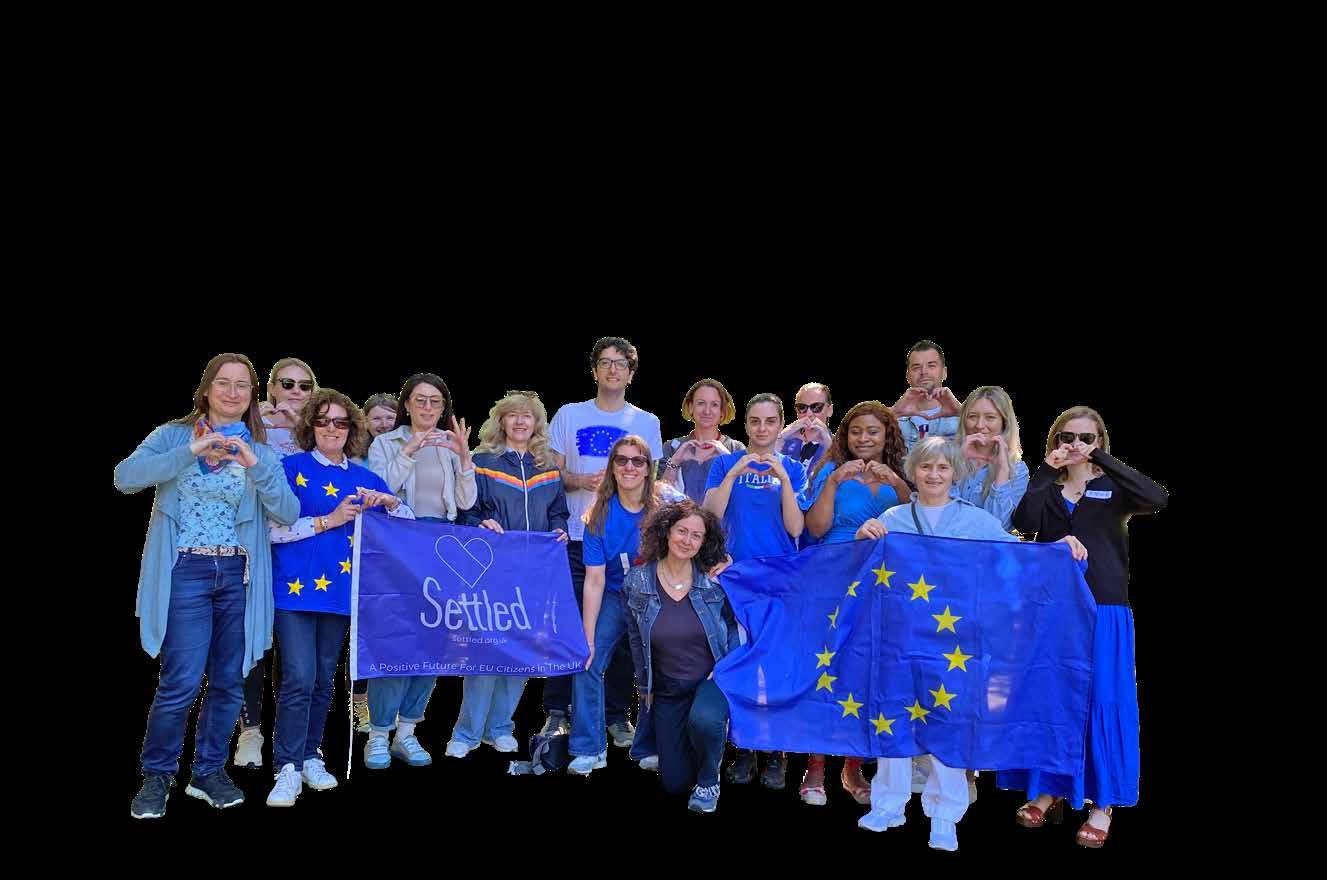
Towards unrestricted core costs for advocacy related work influencing policy and practice for EU Citizens and Ukrainians in the UK.
The Pluto Educational Trust
£120,000 over 3 years
Towards core costs of The Decolonial Centre, an educational project which connects and amplifies the work of its partners to inform and inspire an anti-racist and anticolonial perspective for systems change in Britain.
The Refugee, Asylum and Migration Policy (RAMP) Project
£150,000 over 3 years
Towards core costs to support parliamentarians to become better informed about migration and asylum policy issues and be more active in positively influencing legislation, policy and public debate.
the3million
£180,000 over 3 years
Towards core costs for EU citizens organising to develop regional and issue-specific partnerships to achieve systemic policy change on migrants’ rights.
Triangular CIO
£200,000 over 4 years
Towards unrestricted core costs to support research driven advocacy shaped and led by refugee communities and upskilling of refugee community leaders to influence policy and engage in decision making forums.
Women for Refugee Women
£150,000 over 3 years
Towards unrestricted core costs to raise and improve public awareness of issues facing asylumseeking women and to influence policy and practice toward a fairer asylum process that better supports refugee and asylum-seeking women.
Work Rights Centre
£186,000 over 3 years
Towards unrestricted core costs to tackle migrant worker exploitation through the use of policy influencing and strategic litigation to reform the work sponsorship system and widen employment protections.
A Fairer Future grants
Racial justice
Birmingham Race Impact Group (BRIG)
£200,000 over 4 years
Towards unrestricted core costs for organisational capacity of Birmingham Race Impact Group’s and the Birmingham City Partnership’s vision of an Anti-Racist City by 2035: keeping race on the agenda, tackling systemic inequality, holding institutions to account, and passing on the baton.
Caribbean & African Health Network CIC
£300,000 over 4 years
Towards project costs to strengthen organisational infrastructure to deliver systemic change in health equity for the Black community.
GirlDreamer
£200,000 over 4 years
Towards core costs to reimagine leadership by influencing national policy and funding practices to reflect the lived realities of young women from Global Majority communities.
Global Child and Maternal Health CIC
£150,000 over 3 years
Towards core costs of work to build equitable support for SEND Children and Global’s Black Child Clean Air work.
Maslaha
£240,000 over 4 years
Towards unrestricted core costs to change the conditions that create inequalities and systemic racism for Muslim and Black and brown communities, and on the basis of gender, in a climate of increased anti-Muslim hate.
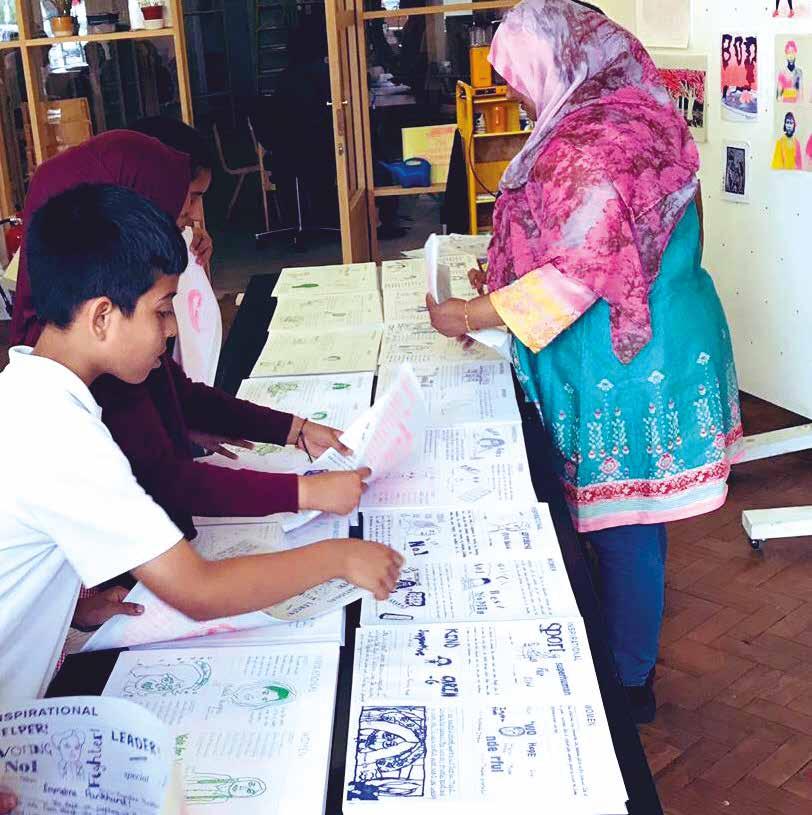
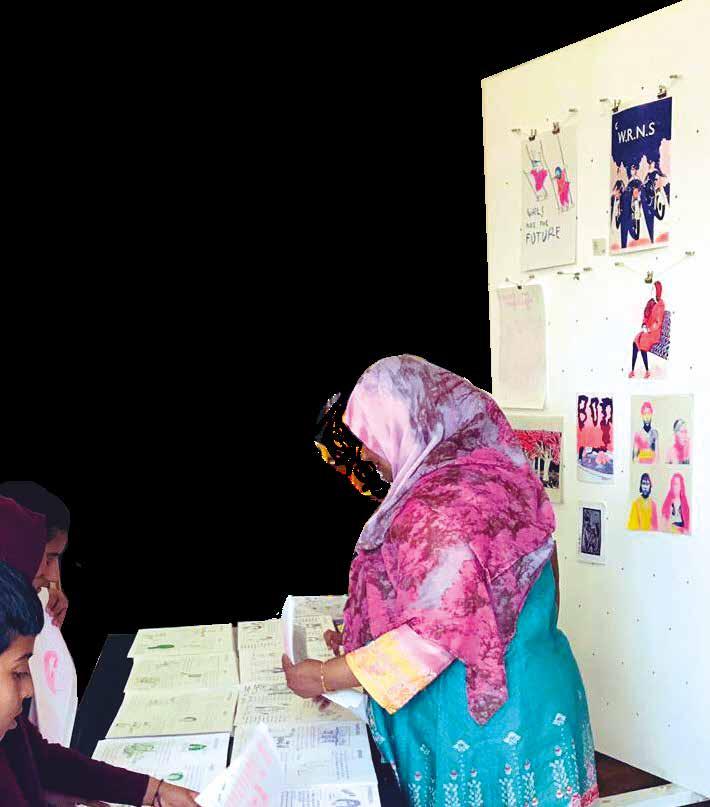
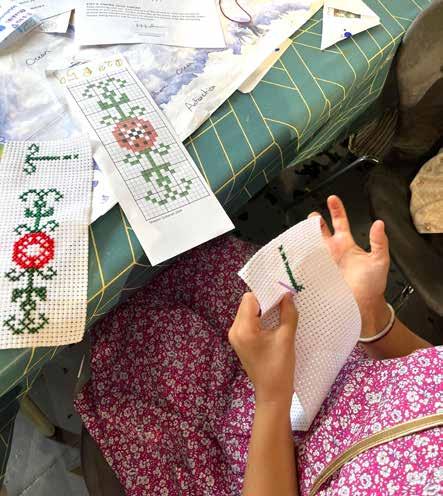

Our School with Roots builds stronger relationships between schools and families through an anti-racist lens. For instance, workshops run with families in Birmingham community spaces, focusing on heritage and social issues, are informing our training for teachers. This community knowledge and experience now shapes the education of trainee teachers in several universities, educational psychologists and NEU members. With an increase in racist/Islamophobic rhetoric and politics, the relationship between schools and families has never been so urgent.
Maslaha
A Fairer Future grants
Milk Honey Bees
£31,500 over 1 year
Towards core costs and their participation in Esmée’s New Connections Programme for an additional year.
Museum of Colour
£31,500 over 1 year
Towards core costs and their participation in Esmée’s New Connections Programme for an additional year.
Muslim Charities Forum
£225,000 over 3 years
Towards core costs to support UK Muslim-led organisations and drive systemic change for a more just UK.
Race on the Agenda
£240,000 over 3 years
Towards unrestricted core costs supporting policy and narrative change work to reimagine policy systems to address issues of racial inequity with communities leading.
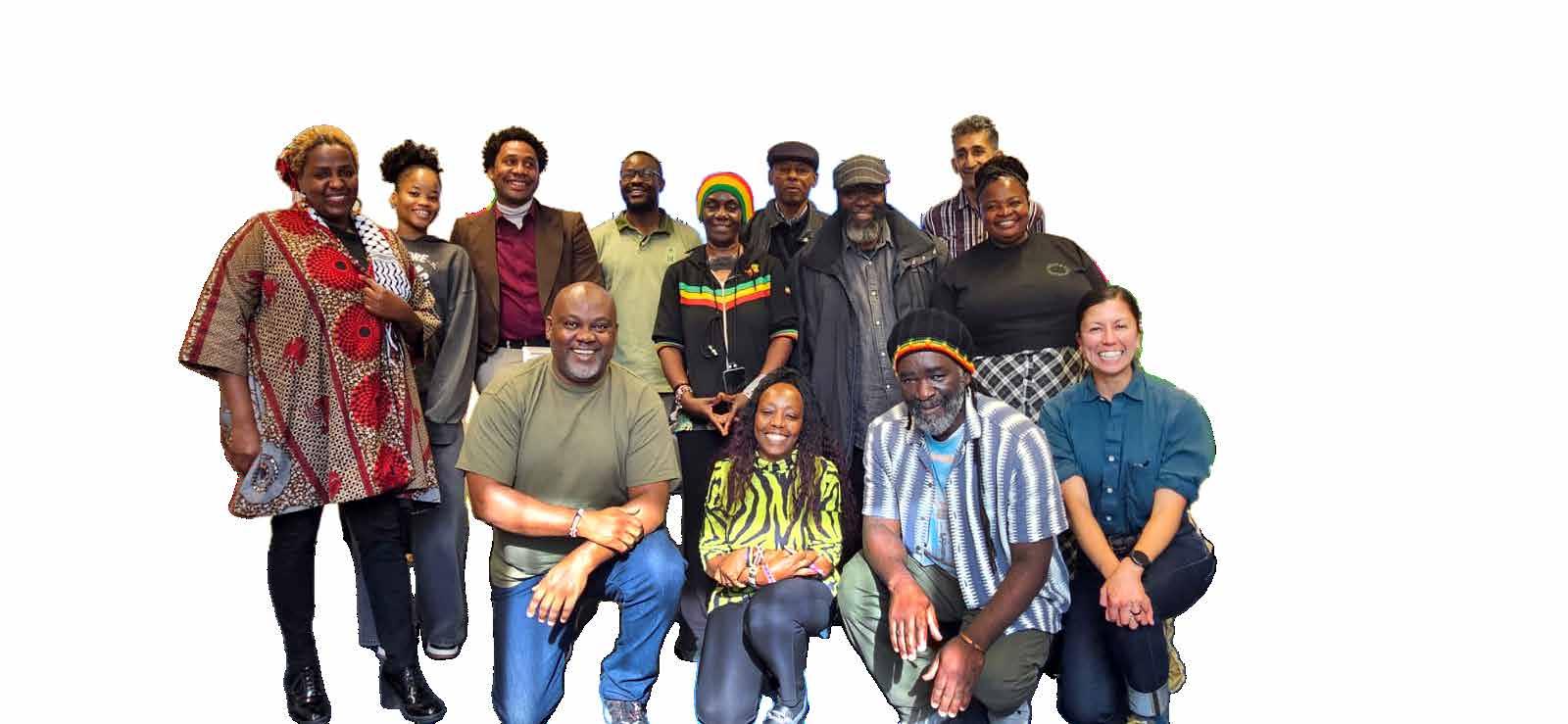
From all the work we did last year, we are most proud of the two-day free Racial Justice training we provided for members of our community. Through organising this event, we brought together facilitators from both the Global South and Global North to equip participants with the tools and knowledge to organise within their own communities. We are excited and hopeful to continue this capacity-building work by making the course available online, so members of our Global South family can also access and benefit from it.
Racial Justice Network
£280,000 over 4 years
Towards core costs to increase capacity for Racial Justice Network to advocate and build collective power with racialised and migrant communities to raise, challenge and campaign against issues of racial inequity.
Stuart Hall Foundation
£220,600 over 3 years
Towards unrestricted core costs to support the enrichment of public education through events and networks centring racial justice.
The Black Curriculum CIC
£31,500 over 1 year
Towards core costs and their participation in Esmée’s New Connections Programme for an additional year.
The Black Wellbeing Collective
£31,500 over 1 year
Towards core costs and their participation in Esmée’s New Connections Programme for an additional year.
The Social Change Nest (Black Europeans)
£128,400 over 3 years
Towards core costs to support Black Europeans’ work to protect the rights, and improve the experience of EU citizens from minority ethnic communities who reside in the UK.
Voice4Change
England Limited
£190,000 over 3 years
Towards project costs bolstering Black and Minoritised Ethnic (BME) voices and action on climate.
We are Purposeful (on behalf of The Black Feminist Fund)
£400,000 over 2 years
Towards delegated grant-making through the Black Feminist Fund to strengthen racial and gender justice by funding and supporting UK Black women, girls, and gender-expansive leaders while mobilising allies to grow grassroots funding.
A Fairer Future tools grants
Gender justice Racial justice
LGBT + Consortium
£7,500
Towards project costs for legal guidance for the sector, following Supreme Court ruling on the Equality Act 2010.
Race Equality Foundation
£10,532
Towards project costs for a convening of the Alliance for Racial Justice, for which Race Equality Foundation is the secretariat.
Connecting and convening
A Fairer Future social investments
Children
and young people’s rights
Ark Start (Ark UK Programmes)
£865,000 over 5 years
An investment to support the expansion of Ark Start’s inclusive, quality early years care.
Big Life Group
£600,000 over 1 year
An investment to support the purchase and refurbishment of a not-for-profit children’s care home.
Greater Cambridge Impact Fund
£500,000 over 1 year
An investment in a place-based fund to support vulnerable children in Cambridge.
Jamie’s Farm
£2,000,000 over 1 year
An investment to support Jamie’s Farm to purchase Allington Farm in Lewes.
Rekindle School Ltd
£80,000 over 5 years
An investment to support the purchase of a community building with important cultural significance.
Think for the Future
£500,000 over 5 years
A secured loan to drive growth for services supporting children at risk of exclusion.
Over 2025, we have continued to show impressive impact on children’s school readiness: 91% of children over the last four years have met GLD (Good Level of Development] compared to 67% nationally. We have developed our plans for two new sites in London to reach even more children with this impact.
Ark Start
Gender justice
Commonweal Housing Ltd
£1,100,000 over 7 years
An investment in a supported housing pilot for women leaving prison in Belfast.
Creative, Confident Communities
We want to strengthen the bonds in communities, helping local people to build vibrant, confident places where they can fulfil their creative, human, and economic potential.
Creative, Confident Communities

Veda Harrison Director of Creative, Confident Communities.
We know that structural change is needed to improve outcomes for communities across the UK, and they must be at the heart of it, leading the way.
In 2025, we have started to see recognition of this through initiatives such as the Government’s Pride in Place programme, with £5bn to be invested across 284 communities in the next 10 years, and £175m via the National Lottery Community Fund’s Community Wealth Fund, also over 10 years. This is the result of a decade of practice and advocacy shifting public investment principles towards devolving decision-making to communities.
Alongside this, there is significant legislative change in the pipeline – the English Devolution and Community Empowerment Bill, which will expand existing coverage of combined authorities across the country and give devolved powers (including on arts and culture) to local authorities, and decision-making for neighbourhoods; and the Representation of the People Bill aimed at restoring trust in democracy and extending universal voting rights to 16 year olds.
As the principle of place-based change and funding becomes further mainstreamed, we want to recognise and thank the pioneering community-led organisations who have been at the forefront of this work, showing what’s possible. Rooted in their communities, they have a deep understanding of the issues – from the continued cost of living crisis to rising tensions that have increased community disconnection and fear – and they are rising to the challenge.
Organisations we supported in 2025 are brilliant examples of this in action. For example, the Burnside Centre in Rochdale and Ambition Lawrence Weston in the South West are exploring ways to keep the needs of communities at the heart of design and decision-making.
Operation Black Vote is establishing community hubs and assemblies in selected areas in England to support engagement and representation of communities experiencing racial inequity in local decision-making and democracy. And Black South West Network is co-designing an approach to local regeneration with Black and racially minoritised communities in Bristol.
We are also seeing an increase in the number of arts and cultural organisations using the citizens assembly model to ensure communityled approaches influence local cultural strategy design – Trinity Community Arts epitomises this alongside others in our portfolio.
Beyond grant funding, we are beginning to use more of our tools to bring together funded organisations and commission reviews and research that updates our knowledge of sectoral challenges and provide insight for our sector peers. We will reflect on the impact of this next year.
Creative, Confident Communities grants
Communities working together for change
Arts & Homelessness
International
£120,000 over 3 years
Towards unrestricted core costs and a roll-out of a national programme of three-day Legislative Theatre projects in nine councils over three years.
BBC Children in Need
£600,000 over 3 years
Towards delegated grant-making to support Lead the Change, a collaborative programme focused on young people impacted by deep-seated issues of racism, xenophobia and Islamophobia, within their communities.
Black South West Network
£400,000 over 5 years
Towards unrestricted core costs to support Black and racially minoritised communities in Bristol to build solidarity and safety amid rising hostility and co-develop/embed a Framework for Black Place Making.
Black Voices Cornwall
£200,000 over 4 years
Towards unrestricted core costs supporting the Black community in Cornwall to thrive and succeed.
In
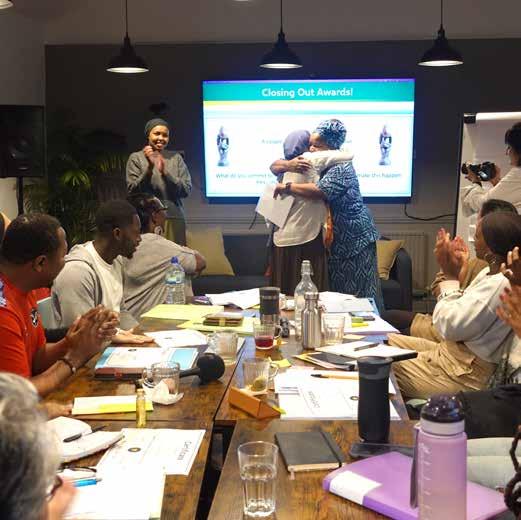
a year marked by growing racial tensions nationally, we are proud to have expanded spaces where communities shape their own futures. From launching the UnMuseum delivery phase to securing £1m for communityled research, and advancing the Coach House as a Centre for Black Enterprise and Culture, our work continues to shift power towards community leadership.
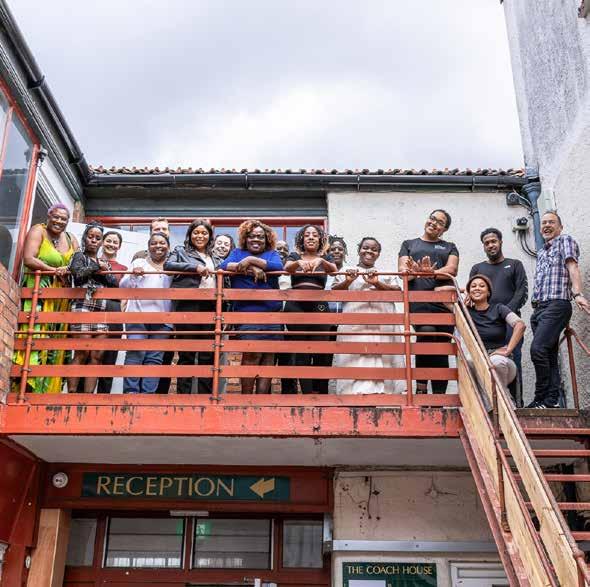
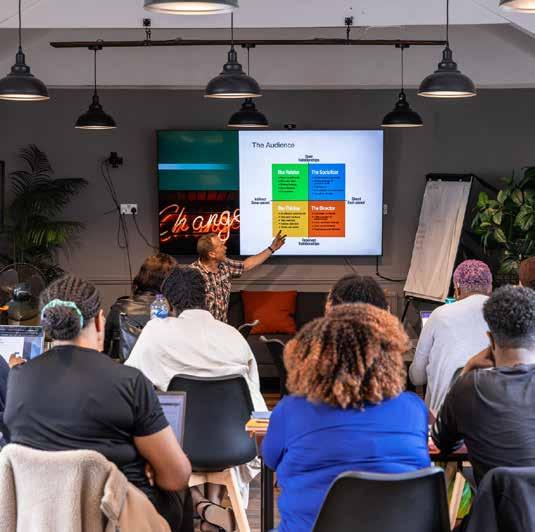
Black South West Network
Creative, Confident Communities grants
Burnside Community Centre
£215,000 over 3 years
Towards core costs for the Rochdale Community Consortium, shifting systems and developing people-led methods to effect long-term change.
Community Council for Devon
£249,999 over 3 years
Towards project costs of the Vibrant Villages project that empowers rural and coastal communities across Devon to lead inclusive, sustainable change by transforming Village Halls into rural decision-making influencing hubs.
Cysters
£31,500 over 1 year
Towards core costs and their participation in Esmée’s New Connections Programme for an additional year.
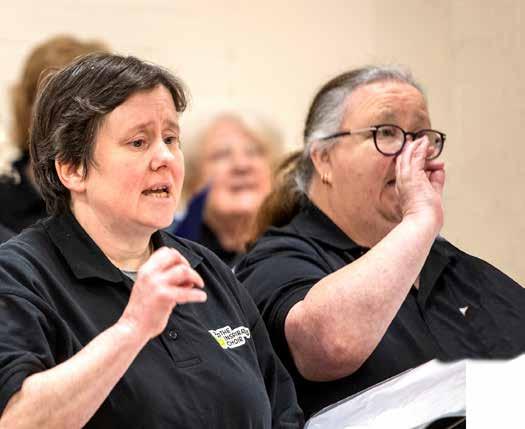
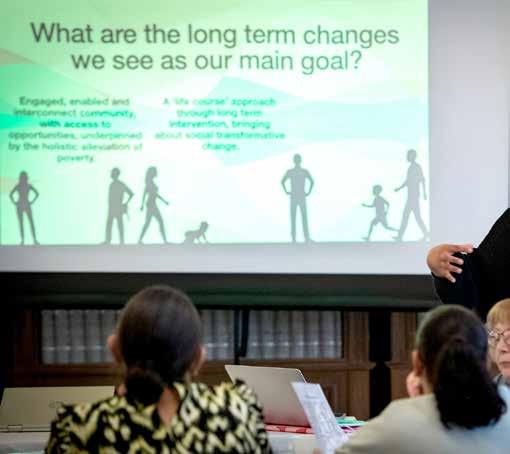
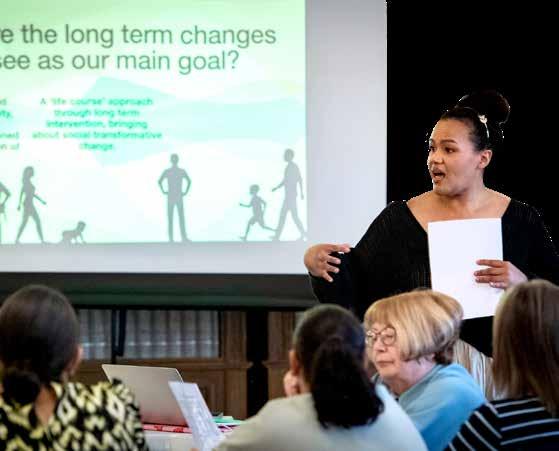
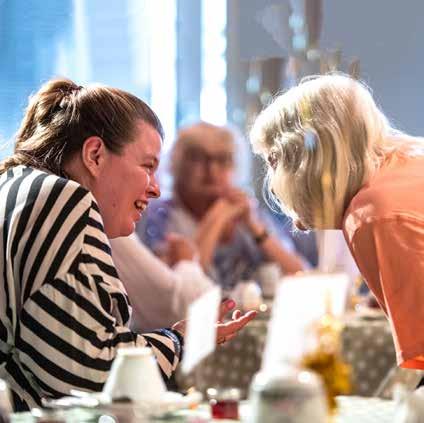
As the lead organisation of a dynamic consortium at the heart of a thriving community hub, we feel uniquely positioned to drive collective impact – we are hoping to be a catalyst for the amplifying of real voices, the sharing of experienced-based knowledge, and creating lasting change from the ground up!
Burnside Centre
Development Trusts NI
£90,000 over 2 years
Towards core costs for work in areas of multiple deprivation to support groups to develop their skills and ensure they take their place in Food System Change.
Foundation Scotland
£45,400 over 4 months
Towards project costs to ensure that Black and People of Colour-led organisations have capacity to participate in Regenerative Futures Fund.
Greener and Cleaner
£300,000 over 3 years
Towards unrestricted core costs to enable Greener and Cleaner to embed their local sustainability Hub and work towards mainstreaming locally-led models of citizen climate action.
Groundwork UK
£312,128 over 2 years
Towards project costs to enable Groundwork to scale impact and learning from Green Community Hubs, building local community capacity and leadership to take action on climate justice.
High Trees Community Development Trust
£250,000 over 3 years
Towards project costs for the Lambeth Community Research Network.
Islington Giving £300,000 over 3 years
Towards delegated grant-making to support participatory grant making programmes in Islington as a catalyst for active citizenship and increased agency beyond the grant-making itself.
Creative, Confident Communities grants
Living Rent
£82,000 over 2 years
Towards project costs to support low income people in Springburn (Glasgow) to come together to fight for change and build a long-term branch through a neighbourhood-based community organising approach.
Operation Black Vote
£400,000 over 3 years
Towards core costs to establish community hubs and assemblies that increases the political education, leadership and civic engagement of Black and minoritised communities across the UK.
Passion4Fusion
£31,500 over 1 year
Towards core costs and their participation in Esmée’s New Connections Programme for an additional year.
Pembroke College Settlement
£200,000 over 3 years
Towards unrestricted core costs to support The Walworth Living Room as a centre for community leadership and local democratic renewal.
Playing Out C.I.C
£45,000 over 1 year
Towards project costs for the Playing Out transition year, ensuring the continuation and growth of community-led action and change.
Super Slow Way
£285,000 over 3 years
Towards project costs for a co-produced, creative programme that will build capacity of communities living along the Leeds and Liverpool Canal to use asset development to deliver benefits for people and nature.
At a time
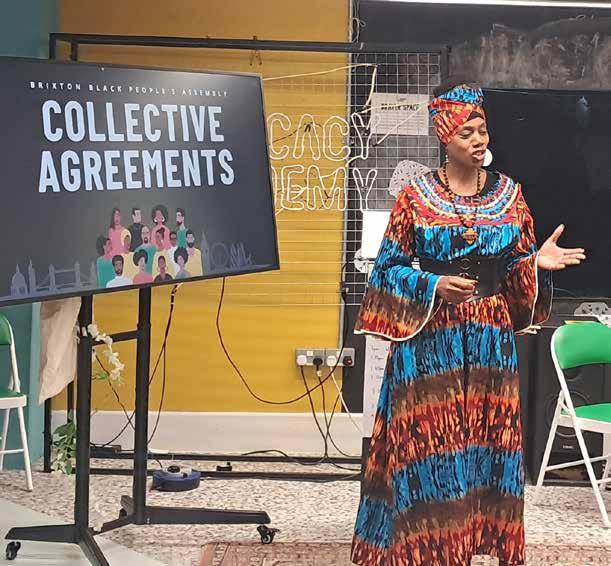

when many communities feel disconnected from decision-making and uncertain about whether their voices matter, Operation Black Vote’s
work
through Community Assemblies and Community Hubs is more important than ever. By creating trusted spaces rooted within communities, we are helping Black, Asian and people who identify as minorities to engage in civic life, develop leadership, build confidence and recognise their collective power to influence change.
Operation Black Vote
The Community Foundation for Northern Ireland
The Stove Network
£350,000 over 3 years
£90,000 over 1 year
Towards delegated grant-making of a collaborative funding programme seeking to support transformative work in Northern Ireland.
The Equality Trust
£249,238 over 3 years
Towards core costs to upskill communities to address the economic inequality they experience, enabling them to influence policy makers on local and national implementation of Socio-economic Duty.
The Rank Foundation Limited
£475,000 over 3 years
Towards delegated grant-making to support Black and Minoritised community anchor organisations in Sunderland.
Towards project costs to grow a creative placemaking ecology for Dumfries & Galloway, supporting communities, artists and crosssector partners to deliver long-term impact and inform national policy and practice.
Urban Community Project
£31,500 over 1 year
Towards core costs and their participation in Esmée’s New Connections Programme for an additional year.
Voluntary Action Orkney
£80,000 over 1 year
Towards project costs to embed the Island Wellbeing Project within Orkney’s island development trusts as a model of cross-island collaboration to support on-going community-led initiatives.
Creative, Confident Communities grants
Community driven enterprise and regeneration
Ambition Lawrence Weston
£400,000 over 4 years
Towards unrestricted core costs to support resident-led neighbourhood regeneration in Lawrence Weston.
Birmingham Voluntary Service Council
£250,000 over 30 months
Towards project costs for Save Birmingham, enabling Birmingham’s communities to take ownership of public assets and secure their longterm future for community benefit.
Chopwell Regeneration Group
£250,000 over 4 years
Towards unrestricted core costs to enable community-led regeneration in Chopwell.
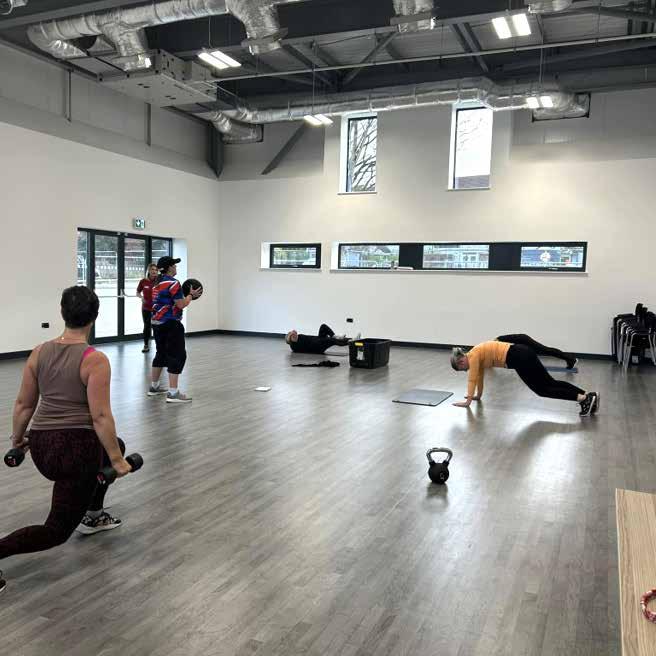
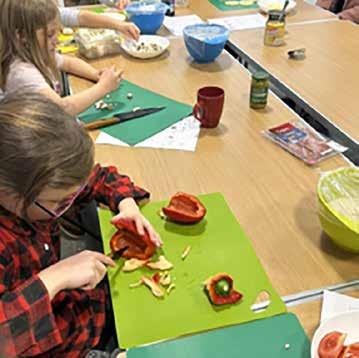
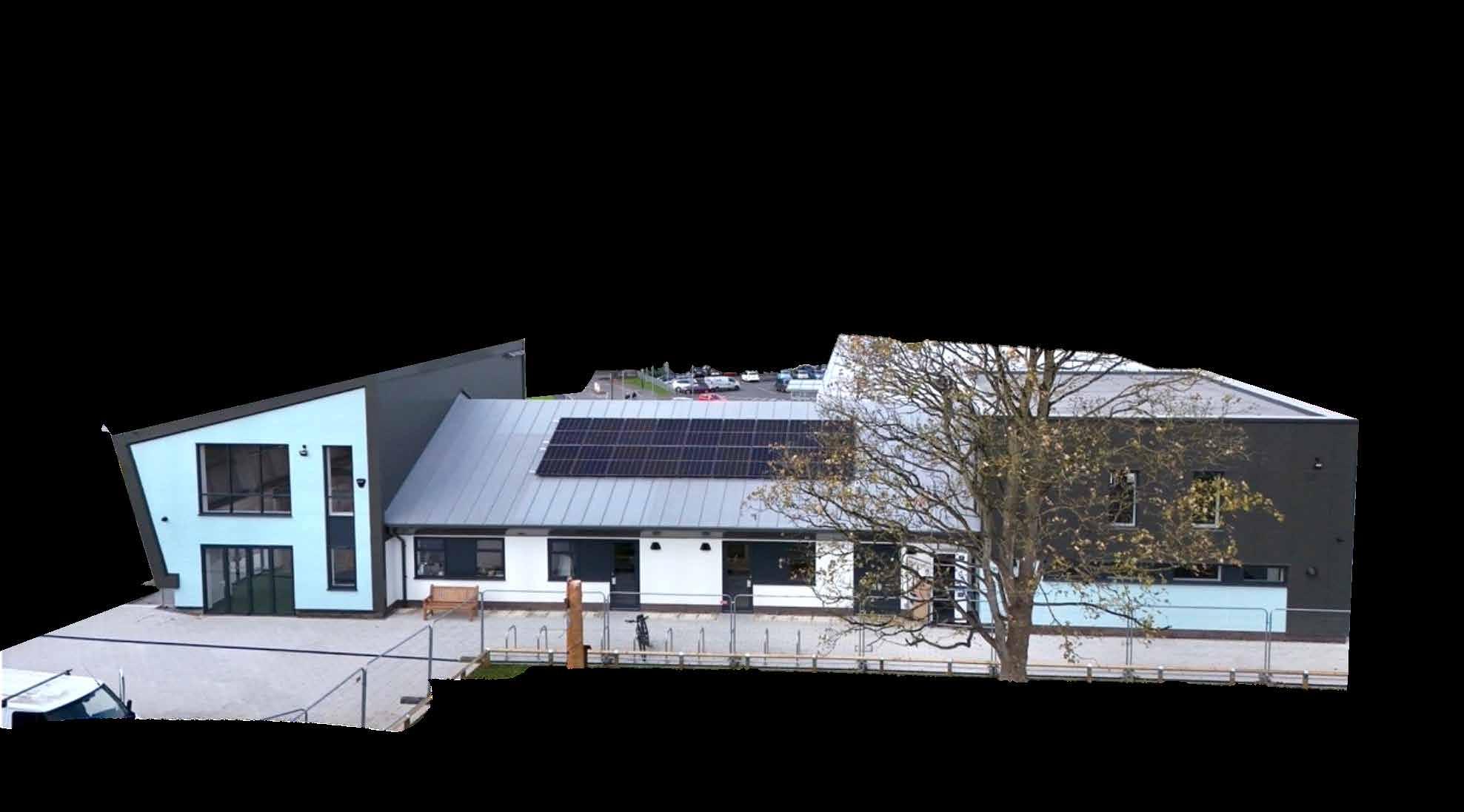
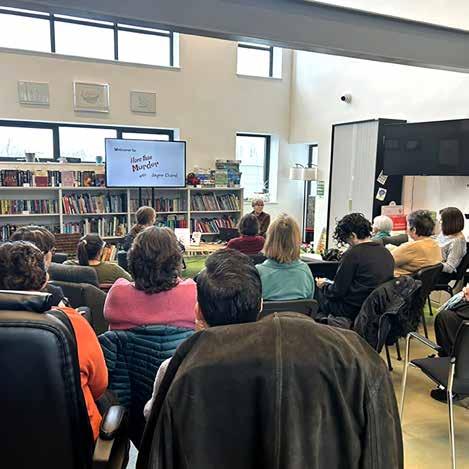
2025 was a great year for both Ambition Lawrence Weston, the residents that drives and delivers our organisation and the residents that benefit from our work. Our new community designed and managed community centre usage increases month by month widening the range of service deliveries and community engagement, including the diversity of our service users.
Ambition Lawrence Weston
Creative, Confident Communities grants
In our first year of funding, we hope to make Circular Communities Scotland a more accessible and inclusive place to work by improving our organisational policies and recruitment procedures and training our staff and Board on racial equity and disability awareness topics. We are also writing an organisational DEI Action Plan. Furthermore, we have just recruited a new Policy Officer who will help us to accelerate and strengthen our policy campaigning work to provide a stronger voice for the circular economy sector.
Circular Communities Scotland
Circular Communities
Scotland
£335,000 over 4 years
Towards unrestricted core costs to deliver against Circular Communities Scotland’s strategic plan and build a thriving circular economy in Scotland.
Community Land Scotland
£400,000 over 3 years
Towards core costs to underpin multi-sector partnership approaches to mainstreaming community ownership that will support a green transition while increasing local democratic participation and reducing inequality.
Co-operatives UK
£315,000 over 3 years
Towards core costs for the Community Shares Unit to grow the community shares model in the UK and create a fit for purpose Unit for the long-term.
Cwmpas
£335,000 over 3 years
Towards project costs for the Community Shares Wales service, providing expert-led support to establish and manage new share schemes across Wales.
Development Trusts NI
£330,000 over 4 years
Towards unrestricted core costs to support Development Trusts NI’s role as the regional network and infrastructure organisation supporting community-led regeneration and economic renewal across Northern Ireland.
Midsteeple Quarter
£90,000 over 1 year
Towards core costs to support Midsteeple Quarter to deliver its vision for a community-owned high street in Dumfries.
National Community Land Trust Network
£240,000 over 2 years
Towards unrestricted core costs to underpin practical and policy work to enable growth of community asset ownership and community-led development for more socially, economically and environmentally sustainable places.
School for Social Entrepreneurs
£1,000,000 over 5 years
Towards project costs for Trading for Good: a place-based programme which will catalyse long-term change in three places by building community-led economies.
Sister Midnight
£180,000 over 3 years
Towards core costs to support Sister Midnight to open a community-owned grassroots music venue in Lewisham.
Creative, Confident Communities grants
Community-led art and creativity
Create Gloucestershire
Limited
£295,214 over 3 years
Towards core costs to support work, which aims to move creative, financial and data power into neighbourhoods.
Freedom Festival Arts Trust
Anansi Theatre Company
£31,500 over 1 year
Towards core costs and their participation in Esmée’s New Connections Programme for an additional year.
Birmingham Museums Trust
£280,000 over 4 years
Towards unrestricted core costs of embedding and actioning Citizens’ Jury recommendations and tracking the cultural and social outcomes of the Trust’s work.
Community Arts by ZK CIC
£31,500 over 1 year
Towards core costs and their
participation in Esmée’s New Connections Programme for an additional year.
£200,000 over 4 years
Towards unrestricted core costs to expand Freedom Festival Arts
Tr ust’s participation and engagement activity, to a year-round programme, enabling us to provide creative ownership, skills and resources to communities across Hull.
Future Yard CIC
£180,000 over 3 years
Towards core costs to support the development of and access to community engagement programmes.
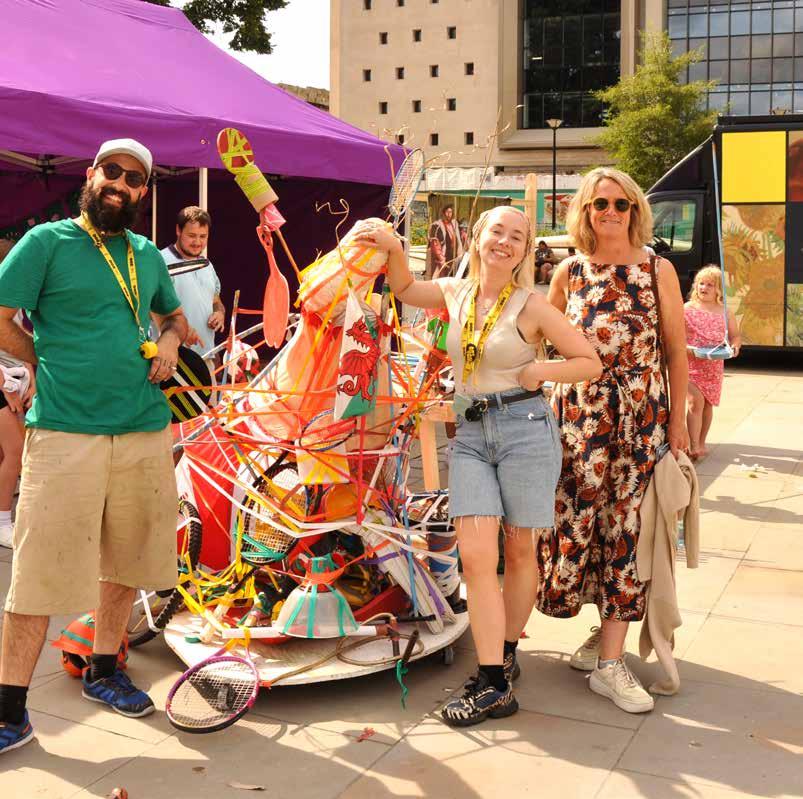

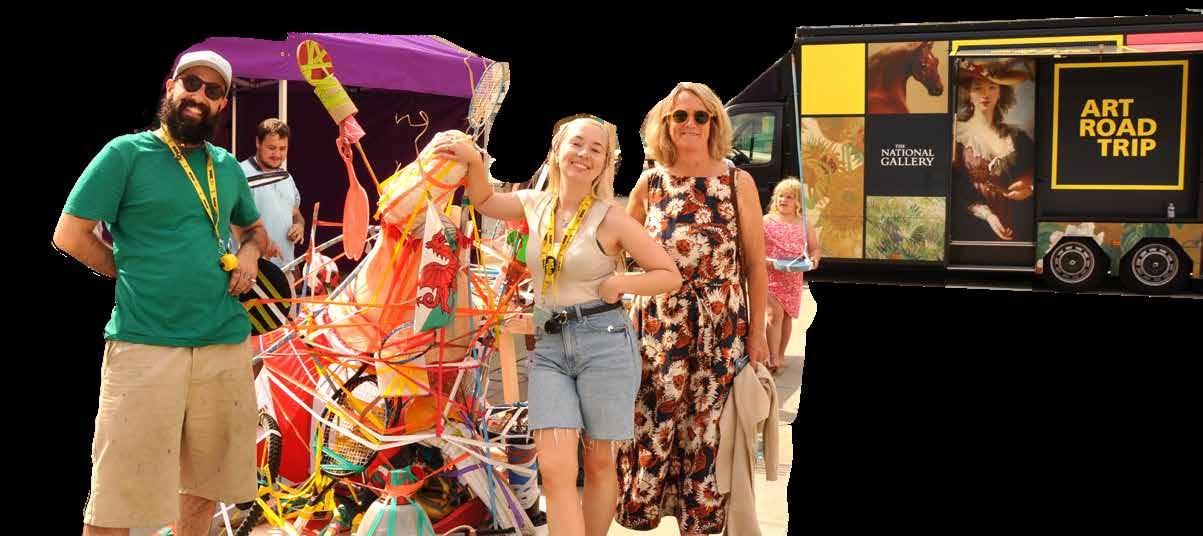
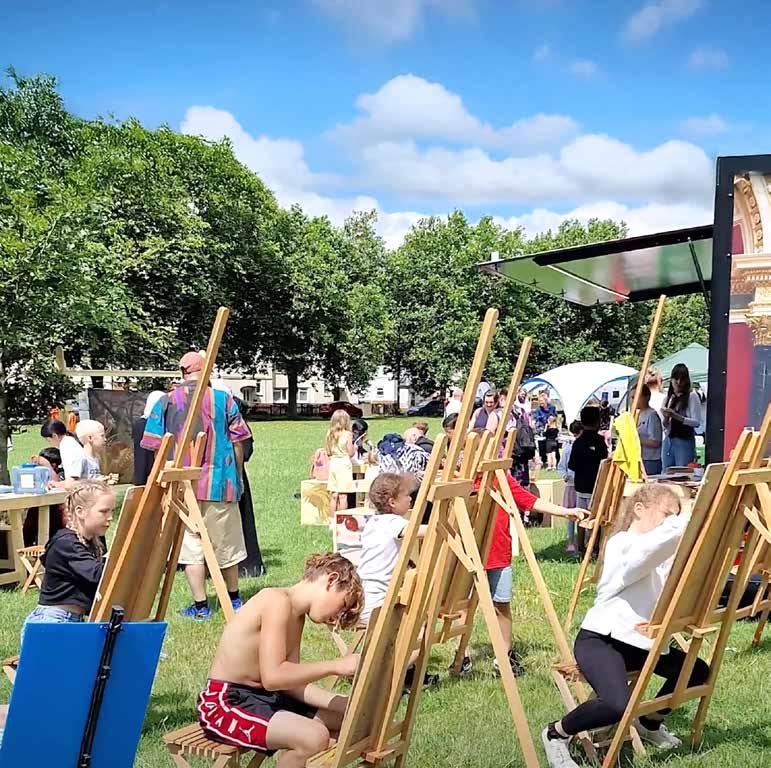
We are creating a growing ecosystem in Gloucestershire that places curiosity, equity and collaboration at its heart. Pushing against premature certainty and outdated patterns to shift systems that exclude people and hinder the growth of the local arts and cultural landscape. We’re proud to demonstrate the positive impact that community-centred creativity has on the connectivity, health and wellbeing, resilience, economy and visibility of people and places in Gloucestershire.
Create Gloucestershire
Creative, Confident Communities grants
GL4
£122,820 over 3 years
Towards core costs to support GL4 to continue to build a model of a grassroots organisation providing high quality cultural experiences for, and with, their community.
Knowle West Media Centre
£240,000 over 3 years
Towards core costs of the CoCreating Change Alliance, supporting co-creation and community-led creativity to power social change through a series of place-based commissions, shared learning and advocacy.
Middle Child Theatre
£190,000 over 4 years
Towards unrestricted core costs to support creative opportunity in Hull, safeguarding and expanding Middle Child’s creative offer to reduce inequality and create lasting change.
Nonsuch Studios
£150,000 over 2 years
Towards project costs of Creative Citizens, a place-based programme that will activate communities in three wards of Nottingham, developing performances that celebrate, challenge, and inspire.
North West Play Resource Centre (The Playhouse)
£90,000 over 3 years
Towards core costs to support the ‘That’s Powerful’ programme giving individuals and communities a voice to speak out about issues that directly affect them by using creative arts to drive social change.
Octagon Theatre Trust Limited
£179,887 over 3 years
Towards project costs for the Agency: a place-based programme in the Farnworth area of Bolton, giving young people the agency to drive change and innovation.
Pavilion Dance South West
£201,911 over 3 years
Towards project costs to use participation with dance and movement to build meaningful change in two local communities, including creating two new part-time Community Assistant Producer roles.
People United
£240,000 over 4 years
Towards unrestricted core costs for the development of a place-based creative project, engaging local partners and communities in Herne Bay as leaders and decision-makers and building a healthier place with local citizens.
Powered by CAN
£469,822 over 4 years
Towards project costs for Charging Up Change: a network of diverse community-led organisations and individual changemakers driving place-based change in the Black Country for children, young people and young adults.
Revoluton Arts
£240,000 over 4 years
Towards unrestricted core costs supporting super-diverse communities and creatives through long-term engagement and cocreation, deepening community-led creativity and strengthening professional pathways.
RivelinCo
£180,000 over 3 years
Towards core costs for Neighbourhood Artists for Change: long-term collaborative co-design putting community need and desire at the forefront of creative and cultural decision-making and placemaking in North Sheffield.
Talking Birds
£239,768 over 4 years
Towards project costs for work that aims to empower citizens, artists and communities, through collaborative, creative, regenerative place-making.
The Brunswick Community Development Trust Ltd
£70,000 over 1 year
Towards project costs of Brighter Glasgow North East, a pioneering arts initiative aiming to rejuvenate neglected public spaces with captivating murals fostering intergenerational relationships and working together.
Creative, Confident Communities grants
Tin Shed Theatre Co.
£229,577 over 3 years
Towards core costs of salaries to support work at The Place Newport; and across the city, championing inclusive shared learning, social connection and creativity.
Trinity Community Arts
£165,000 over 3 years
Towards project costs to empower a Citizen Oversight Panel to implement the regional Assembly for Culture’s Delivery Plan.
ZoieLogic Dance Theatre
£151,328 over 4 months
Towards core costs to sustain two community-rooted roles that underpin long-term co-created work in the Holyrood area of Southampton.
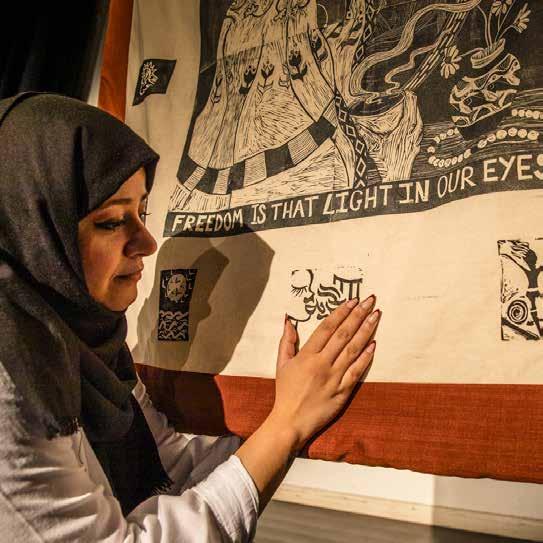
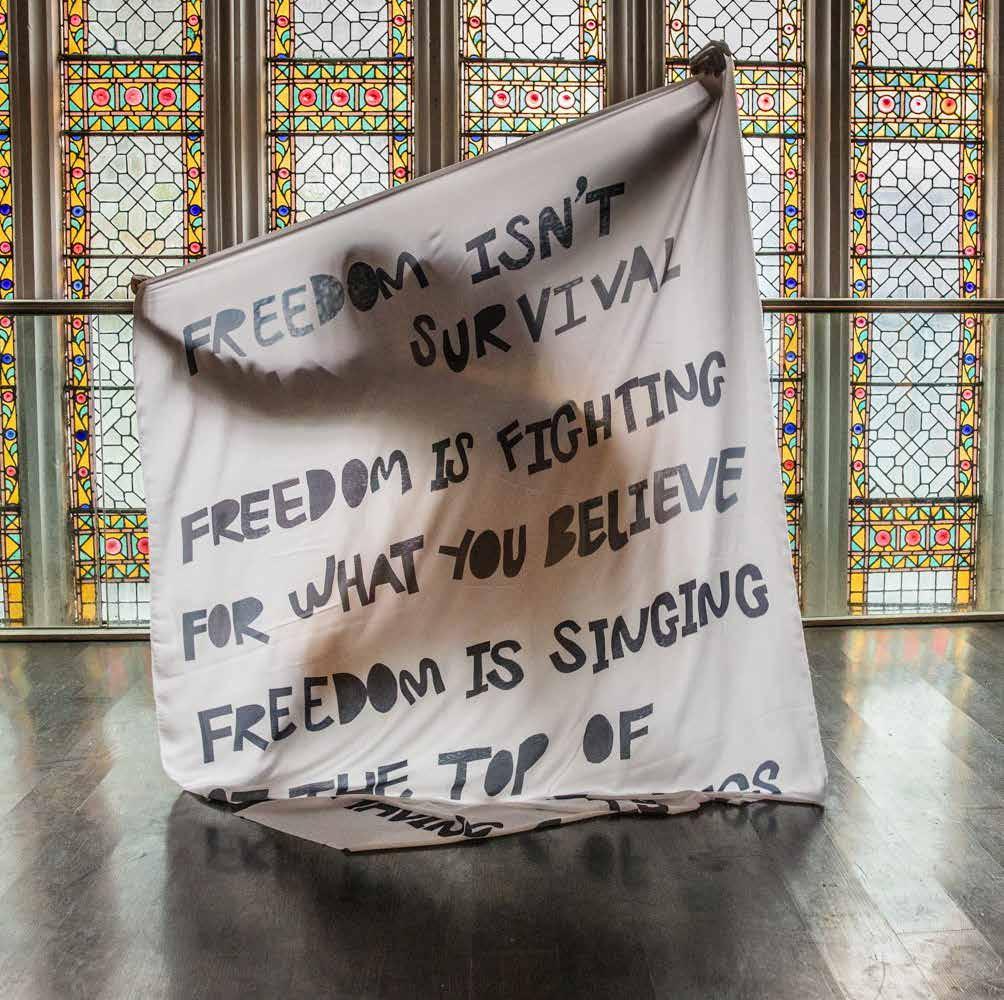

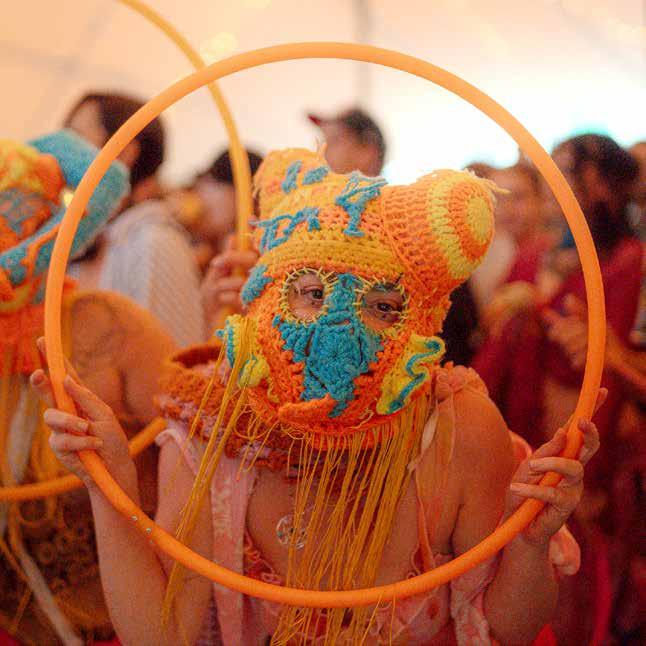
Trinity Community Arts
Creative, Confident Communities
tools grants
Creative, Confident Communities
social investments
Community driven enterprise and regeneration
Locality
£56,160
Towards project costs for understanding and influencing the evolving landscape of community asset ownership post-Community Ownership Fund).
Community-led art and creativity
Community driven enterprise and regeneration
Take A Part CIO
£50,000
Towards project costs for building a Creative Coastal Communities Network across the UK’s Ocean Cities.
Abundance Investment Ltd
£1,000,000
Match funding of local investment into Local Climate Bonds to build confidence, strengthen community engagement and help to scale the market.
Nudge Community Builders
£300,000
An investment to enable Nudge to buy the remaining 50% interest in the Millennium Building.
Creative, Confident Communities impact investments
Community driven enterprise and regeneration
Octopus Capital
£1,000,000 10 years
An investment into the Octopus Affordable Housing Fund (OAHF). It means investing in new and existing high-quality affordable housing.
Our Natural World
We want to ensure that our natural world is restored and protected, and that people benefit from that recovery.
Our Natural world

Liam McAleese Director of Our Natural World
Our work and support for Our Natural World is about more than nature’s recovery alone. It’s also about ensuring fair access to the benefits that recovery brings and fair participation in shaping it.
At Esmée, we start by backing those closest to the issues: community organisations, campaigners, farmers, fishers, young people, and movement builders, who are creating practical solutions, challenging barriers, and demonstrating the models and systems we need.
This is especially important when pressures from the cost-of-living crisis and rising polarisation are intertwined with the climate and nature crises. Flooding, overheating, poor air and water quality, and loss of access to green and blue spaces are not felt evenly. They compound existing inequalities and hit hardest where power and resources are already constrained.
Organisations that are shifting power and building more inclusive leadership across the environment sector play a vital role in creating change. And we’re proud to support organisations including Voice4Change, Black Girls Hike, Flock Together,
Land in Our Name, Black Ocean Citizens, and Everyone’s Environment Programme, led by New Philanthropy Capital. We also backed youthled environmental action through Emergent Generation, Young Wilders, Students Organising for Sustainability, Action for Conservation and RE-Peat.
Our strategy treats water and nature as connected source -to -sea s ystems, linking rivers, coasts and seas. In 2025, our Blue Spaces and Seascapes work focused on restoring these systems at scale while strengthening community leadership.
We increased support for partnerships that connect sectors and unlock change at scale. This includes the campaign to end the sale of peat, involving retailers, growers and NGOs, to grants and investments across the food and farming supply chain to accelerate nature -fr iendly practice and enable more diverse land ownership.
The financial system sits at the heart of the climate and nature crises. Fossil fuel extraction, mass deforestation and other destructive activities depend on capital from the finance sector. But with the right policy frameworks, finance can also support the protection and restoration of nature.
That’s why we’re pleased to support the Finance Innovation Lab and Positive Money, and to work with the Royal Society of Wildlife Trusts and Finance Earth on a nature finance accelerator programme. We also commissioned and shared a report exploring how business in the UK is taking action on nature and the drivers behind it, along with a practical guide to nature finance. We are proud to contribute to the work of so many fantastic organisations and partnerships. They show that the models for social, economic and ecological resilience already exist – and that, when those closest to the issues have the resources to lead, change can take root and last. By backing long-term, patient work, strengthening networks and making space to learn, we will help what works to grow and spread.
Our Natural World grants
Fishing in tandem with nature
COAST Community of Arran Seabed Trust
£245,608 over 4 years
Towards core costs for the Community of Arran Seabed Trust’s (COAST) Full Circle project to advocate for community-led marine management and support others to adopt the model.
Cornwall Wildlife Trust
£241,877 over 3 years
Towards core costs to pilot community-led leasing of St Austell Bay’s seabed, safeguarding some of England’s most important marine habitats and local fishing communities.
Dialogue Matters
£90,000 over 1 year
Towards project costs of Common Ground: supporting the development of a fisheries strategy for English Waters.
Fishing into the Future
£121,660 over 2 years
Towards core costs to enable Fishing into the Future to increase their impact and engage new fishing communities and underserved geographies.
Greenpeace Environmental Trust
£160,000 over 2 years
Towards project costs of supporting the UK Government to deliver 30x30 (a commitment to protect 30% of land and sea for nature by 2030) domestically and ban destructive fishing in the UK marine protected area network.
In 2025, we held three of our Fisheries Resource Education Programmes in England and Wales – with almost 150 individuals going through our curriculum designed to share knowledge, build trust and create connections between fishing industry people, scientists and managers.
Fishing into the Future
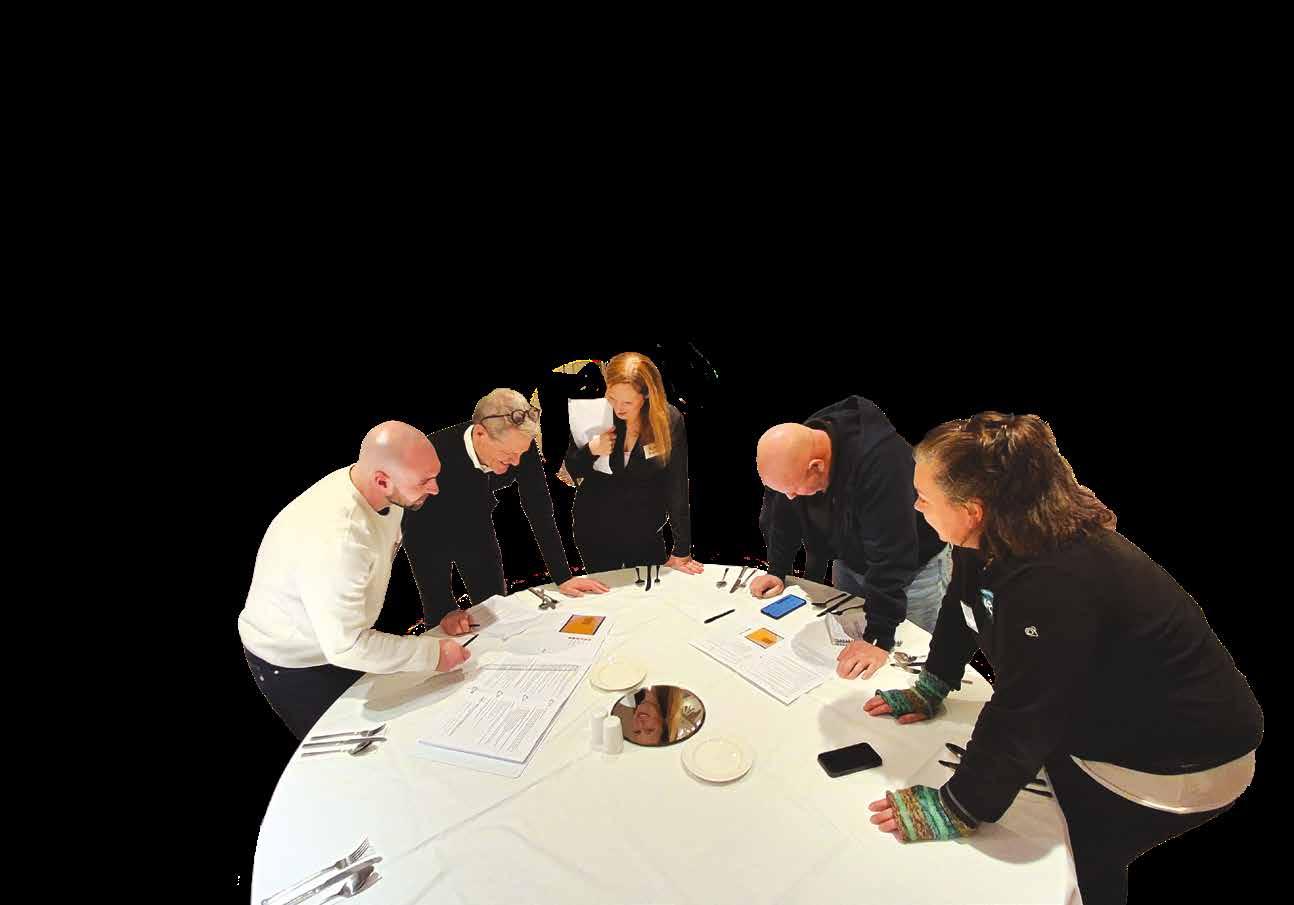
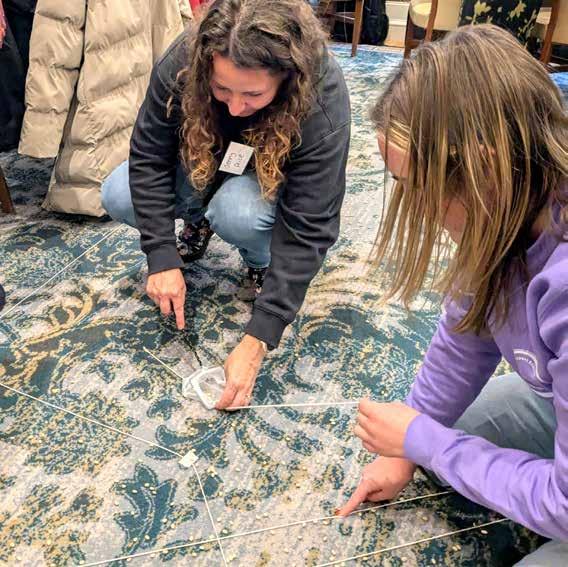
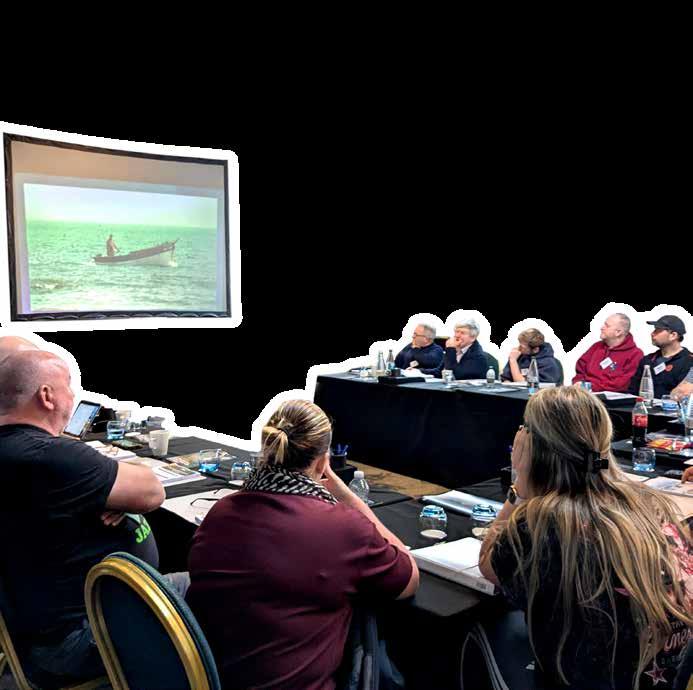
Our Natural World grants
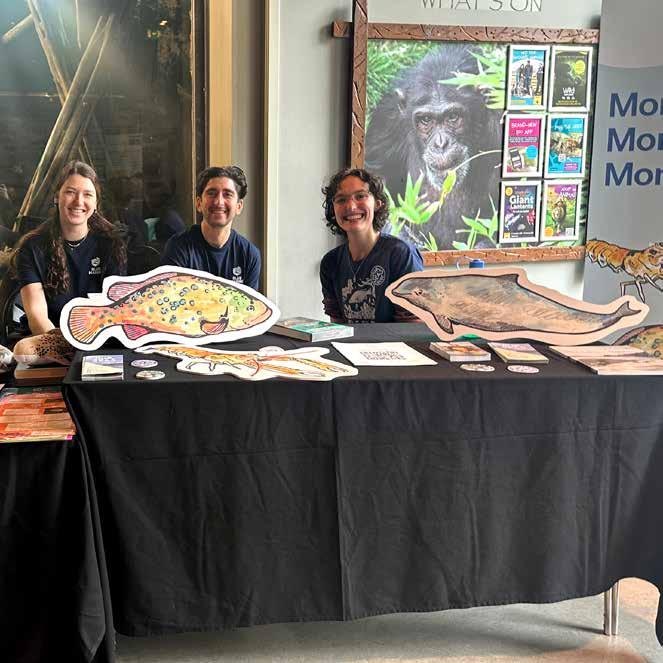
We hosted a community screening of a film one of our members, Seaful, has produced, which brought together people from around Scotland to call for change in the way our seas are managed.
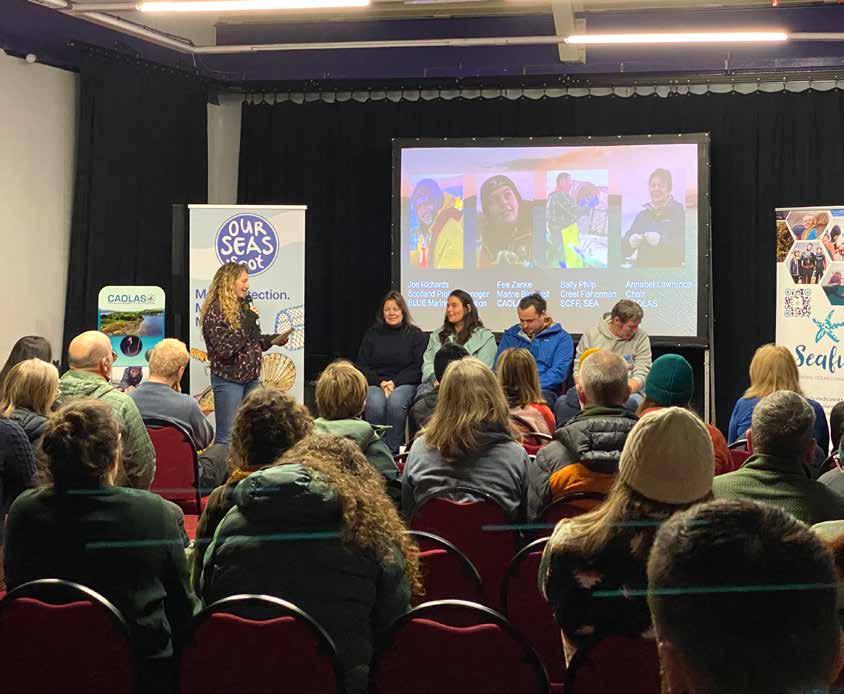
Open Seas
£90,000 over 1.5 years
Towards project costs of escalating the OurSeas Coalition 2025.
Plymouth Fishing and Seafood Association
£150,000 over 3 years
Towards core costs towards a pioneering a fisheries CIC model for socially and environmentally positive fisheries.
REAF CIC
£90,000 over 1.5 years
Towards core costs to enable East Anglia and other local fishing communities served by Norfolk, Suffolk and Essex to thrive whilst protecting the marine environment for all.
Sustainable Inshore Fisheries Trust
£200,000 over 3 years
Towards unrestricted core costs supporting Sustainable Inshore Fisheries Trust’s policy advocacy, promoting the adoption and implementation of a more evidenced, inclusive and ecosystembased approach to fisheries and marine management in Scotland’s inshore waters.
Ulster Wildlife Trust
£450,160 over 5 years
Towards core costs for continued support of the Northern Ireland Marine Task Force to restore and inspire collective action for Northern Ireland’s marine environment.
WildFish
£550,000 over 5 years
Towards core costs to end the environmentally unsustainable practice of open-net salmon farming and to arm communities with scientifically robust data to protect rivers.
Our Natural World grants
Freshwater
Cwm Arian Renewable Energy
£30,000 over 7 months
Action for Conservation
£250,000 over 3 years
Towards project costs of using intergenerational mapping to develop restoration plans for river catchments on the River Usk in Wales.
Afonydd Cymru Cyfyngedig
£250,000 over 3 years
Towards unrestricted core costs to champion Wales’ rivers, lakes and wetlands; and strengthen the rivers trust movement in Wales.
Towards project costs to extend the work of the current project to produce, through a community-led, co-production methodology and extensive engagement with key stakeholders, a completed Afon Nyfer Community Catchment Plan.
Earthwatch Europe
£250,000 over 3 years
Towards project costs of FreshWater Watch, delivering tailored insights, empowering communities to drive evidence-based decisions to protect and restore freshwaters.
Forth Rivers Trust
£250,000 over 2 years
Towards project costs to strengthen local stakeholder bonds and accelerate collective action, ensuring a wider group are represented and benefitting within environmental management processes in the Leven catchment.
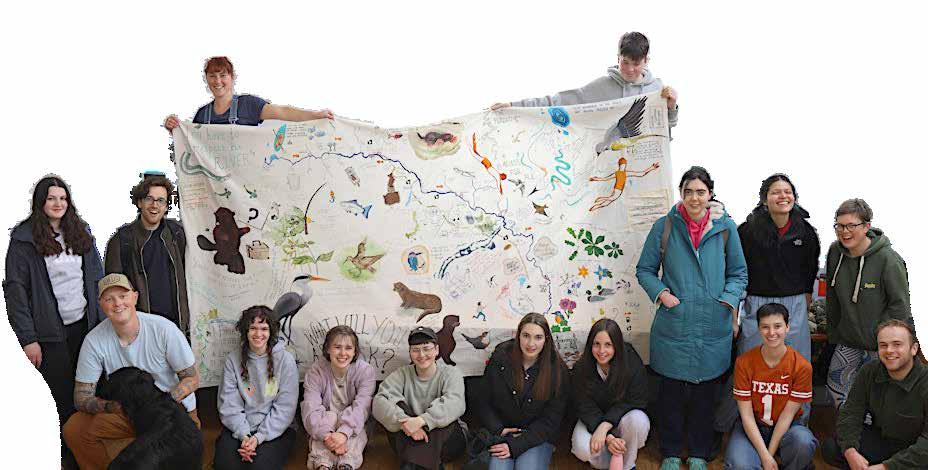
We’re most proud of the youth-led creation of a catchment-scale eco-cultural map of the River Usk, which gathered hundreds of local voices and connected with decision makers in the Office for Future Generations.


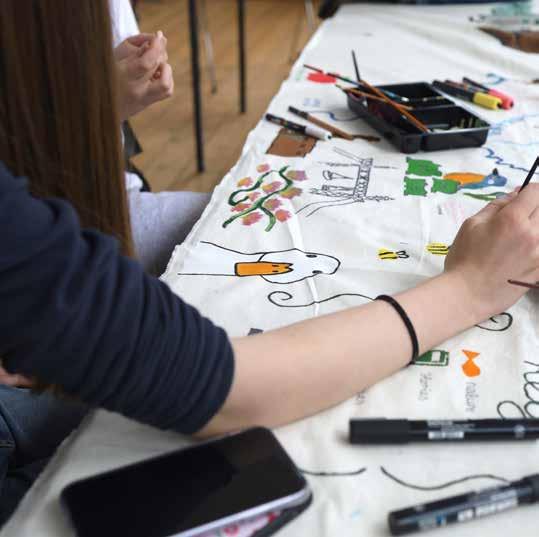
A short film called Abounding with fish? – about the youth-led mapping project of the River Usk.
Our Natural World grants
Groundwork Wales
£30,000 over 1 year
Towards project costs of a community partnership model working to improve the ecoresilience of river catchments across the South East Wales valleys region.
North Wales Wildlife Trust
£250,000 over 2 years
Towards project costs of Gofod Glas, an emergent creative project exploring human relationships with freshwater, highlighting water’s powerful influence on culture, society and the environment.
River Action UK
£349,998 over 3 years
Towards unrestricted core costs to support River Action’s mission to rescue Britain’s rivers.
Surfers Against Sewage
£300,000 over 3 years
Towards core costs to protect and reclaim the UK’s wild waters from pollution.
Thames21
£64,450 over 6 months
Towards project costs of London River Bank, a scalable CIC for trading and delivering high-quality river Biodiversity Net Gain units, providing multiple climate benefits and improving green space in areas of high need.
The Rivers Trust
£799,998 over 3 years
Towards unrestricted core costs to enable the Rivers Trust to drive systemic change in the restoration of rivers.
We
Stormwater Shepherds UK
£44,000 over 2 years
Towards core costs of securing the proper regulation of pollution from highway outfalls and the delivery of effective treatment schemes and pollution control.
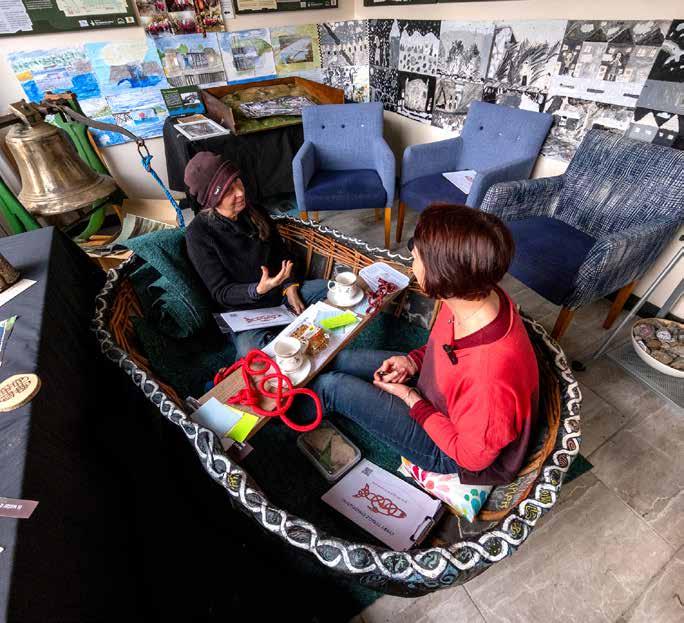
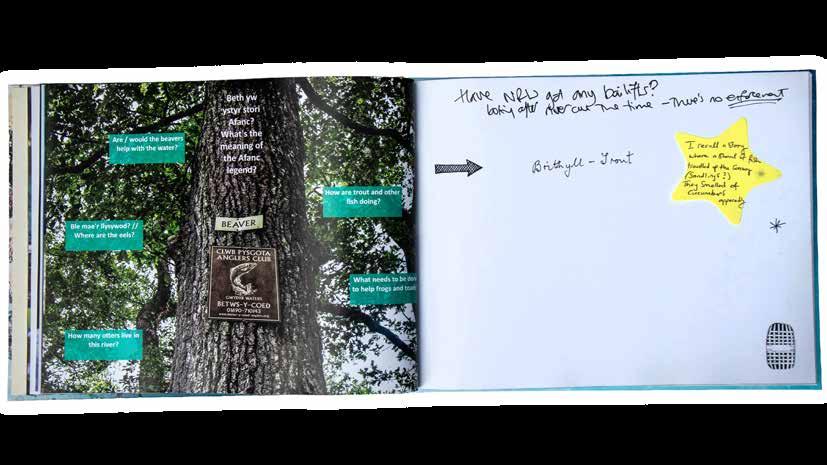
are most proud of ‘turning off the sat
nav’ –
moving from top-down delivery to a truly organic, bottom-up process. By resisting pre-set objectives, Gofod Glas has fostered genuine co-creation to enable solutions to emerge from the community. This shift is influencing how our partners operate, helping to embed patience, deep listening, and collective ownership into the heart of our environmental work.
North Wales Wildlife Trust
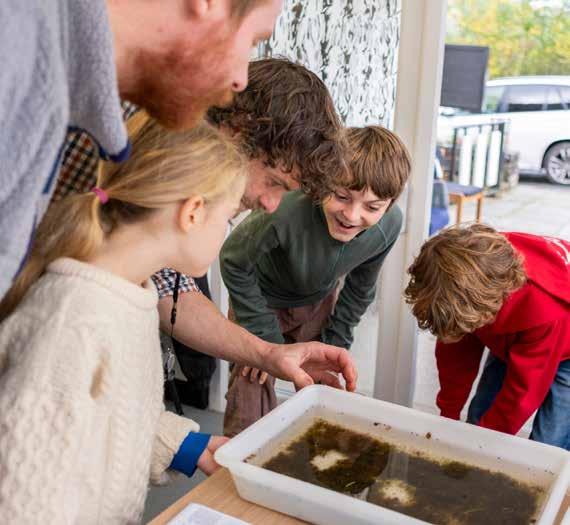
A short film showing a timelapse of the Gofod Glas project.
Our Natural World grants
Nature
friendly farming
Aquaculture Industry
Wales Ltd
£90,000 over 1.5 years
Towards project costs for the development of a mutualised, farmer-led approach to nature finance governance.
Better Food Traders
£247,272 over 3 years
Towards core costs for traders of food that is better for the climate and nature.
Beyond GM/
A Bigger conversation
£25,000 over 1 year
Towards project costs coordinating a judicial review of the UK’s deregulation of gene-edited foods to ensure robust action and long-term advocacy for transparency.
Ecological Land Cooperative
£187,500 over 3 years
Towards core costs to support Ecological Land Cooperative’s mission to help nature-friendly new entrant farmers access land and produce local ethical food through fair, sustainable livelihoods that benefit people, nature and their communities.
Emergent Generation
£90,000 over 3 years
Towards core costs to support Emergent Generation to mature as an organisation and to deliver core activities for members.
Farming and Wildlife
Advisory Group South West Ltd
£60,000 over 1 year
Towards project costs of the GREAT Zerodig Project at the Royal Agricultural University.
Food, Farming and Countryside Commission (FFCC Ltd)
£80,000 over 1 year
Towards project costs for Fields
Good 2025 festival of regenerative agriculture in Glenarm, Co. Antrim, Northern Ireland.
Food, Farming and Countryside Commission (FFCC Ltd)
£200,000 over 1 year
Towards core costs for work on transitioning the UK’s food and farming system to more agroecological models and to support the future direction of the organisation.
Impatience Ltd
£80,000 over 2 years
Towards core costs working with a diverse set of stakeholders on better food system outcomes.
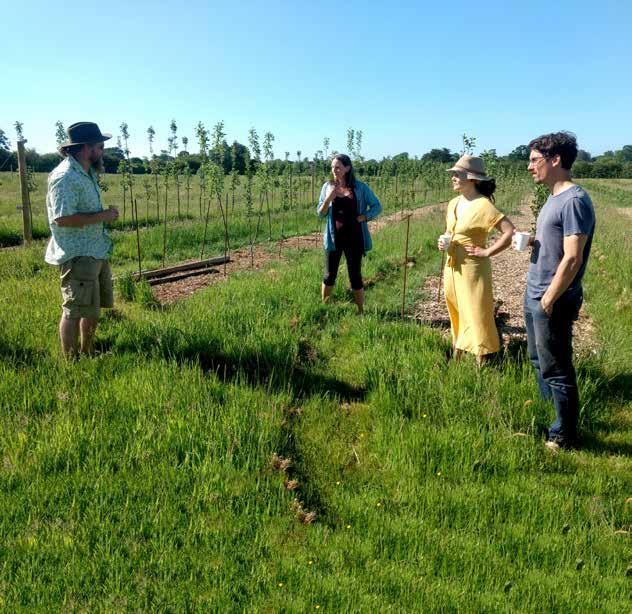
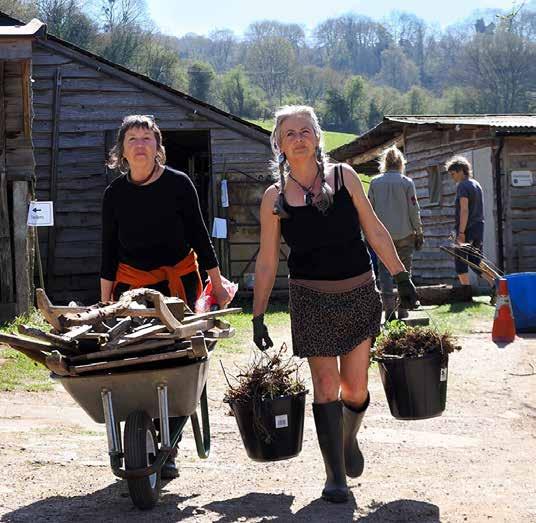
The ELC (Ecological Land Cooperative) gave us the chance to root our dreams in real soil. Accessing land in the UK is near impossible for new farmers, but through the Cooperative we’ve been able to build a farm where our family can grow, create, and share with our wider community.
Our Natural World grants
Jamie’s Farm
£250,000 over 3 years
Towards project costs for engaging young people, from diverse backgrounds in nature-friendly farming, enabling them to understand farming’s impact, and consider farming as a career.
Landworkers’ Alliance
£180,000 over 2 years
Towards project costs supporting The Agroecology Learning Collective to develop a knowledge hub and national training network for regenerative farming practices that benefit nature and people.
Northern Food and Farming
£199,260 over 3 years
Towards project costs to enable the transition to nature friendly farming in the north of England.
Nourish Scotland
£500,000 over 5 years
Towards unrestricted core costs to deliver food system transformation in Scotland.
Ooooby
£60,000 over 1 year
Towards core costs of salary supplementation to partially fill salary sacrifice shortfalls.
Progressive Farming Trust
£250,000 over 3 years
Towards core costs to enable Agricology to meet its objective of becoming the go-to destination for credible and un-biased information on practical, sustainable approaches to agroecology.
Royal Agricultural Society of England
£197,376 over 2 years
Towards project costs for Farm of the Future: the second part of supporting farmers on the journey to net zero through facilitated, on-the-ground, farmer-led knowledge exchange events.
Shared Assets CIC
£236,438 over 3 years
Towards core costs of infrastructure support to collectively develop a more diverse and resilient landbased food and farming future.
SOS-UK
£196,613 over 4 months
Towards project costs supporting university and college owned farms to transition to regenerative practices that enhance biodiversity, sequester carbon, and engage students.
Sustainable Food Trust
£250,000 over 3 years
Towards core costs for the Sustainable Food Trust to further develop their work in accelerating the transition to sustainable agriculture.
Tamar Grow Local CIC
£120,000 over 1.5 years
Towards project costs for delivery of two regional pilots within the framework of an English Land Match service aimed at improving land access for farmers and growers.
The Food Ethics Council
£233,000 over 3 years
Towards unrestricted core costs to turbo-boost food ethics in pursuit of sustainable and ethical food.
The Royal Countryside Fund
£300,000 over 3 years
Towards project costs for the Farm
Resilience programme to support family farms to build strong financial foundations and resilience that enable a realistic transition to naturefriendly farming practices.
The Social Change Nest
(Farming the Future)
£90,000 over 1 year
Towards delegated grant-making to increase pooled fund resources to support more organisations to come together and work collaboratively towards a nature friendly farming system.
The Sustainable Soils Alliance Community Interest Company
£83,000 over 1 year
Towards project costs driving collaboration and investment into soil health among businesses, local government and regional projects through education, targeted engagement and greater standardisation.
Upper Wensum Environmental Cluster Group CIC
£50,000 over 2 years
Towards project costs of improving water quality in the Wensum river catchment and enhancing the surrounding habitat mosaic.
Our Natural World grants
Peat
Crichton Carbon Centre
£432,319 over 5 years
Towards core costs supporting the Crichton Carbon Centre’s wide ranging work on peat and peatlands across the UK.
Plantlife International
£300,000 over 2 years
Towards project costs to support the Peat-free Partnership to secure UK-wide legislation to end peat use in horticulture.
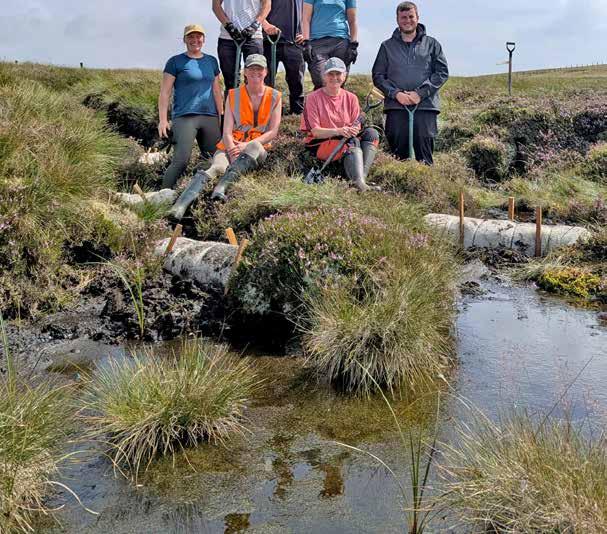
What we’re most proud of? This goes for a whole team – getting our hands dirty and coming up with an innovative way of using sheep’s wool to restore a very difficult to-get-to peatland site! This is contributing to our understanding of how we use more locally sourced and sustainable products on our peatlands.”
Crichton Carbon Centre
RE-PEAT Earth
£200,000 over 4 years
Towards core costs supporting the emergence of transformative relationships between people and peatlands.
Sizzle
£40,000 over 1 year
Towards project costs for Sizzle’s ongoing work with other partners to secure a ban on use of peat in horticulture.
Sizzle
£18,900 over 3 months
Towards project costs to support Sizzle’s communications and political engagement on peat free.
The Royal Horticultural Society (RHS)
£77,000 over 2 years
Towards project costs to accelerate the transition to peat-free horticulture in the UK.
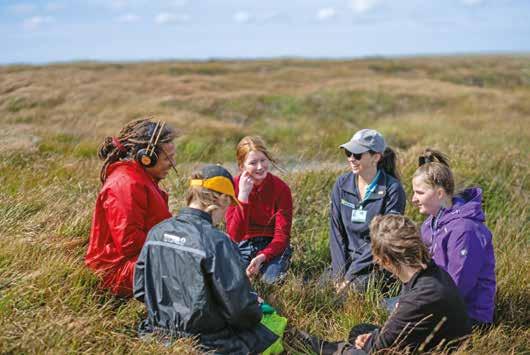
2025 was a year of growth and action for us at RE-PEAT. In collaboration with inspirational organisations across the UK and beyond, we engaged local communities with their peatlands in Peat Fest South West, pushed back against peat extraction in our Peatland Justice campaign, and inspired hundreds of young people with our educational programmes Bog Academy and Restoration Academy.
RE-PEAT
A short film about the nature restoration camp organised by RE-PEAT.
Our Natural World grants
Space
for nature
Avon Needs Trees
£90,000 over 2 years
Towards core costs for a community-driven woodland creation scheme, creating and preserving priority habitats in the Bristol Avon catchment.
Black Girls Hike UK C.I.C.
£31,500 over 1 year
Towards core costs and their participation in Esmée’s New Connections Programme for an additional year.
Black Ocean Citizens
£31,500 over 1 year
Towards core costs and their participation in Esmée’s New Connections Programme for an additional year.
Broadway Initiative Ltd
£240,000 over 3 years
Towards core costs to broker new business action to meet
Defra’s Environmental Improvement Plan (EIP) targets; strengthen environmental regulation; and unlock private investment in nature at scale.
CEMVO Scotland
£465,000 over 4 years
Towards core costs to provide race equality and equality, diversity and inclusion support to the environmental sector for improved policies, practices and actions that address structural issues of racial inequality.
Chapter Zero
£90,000 over 15 months
Towards project costs equipping and inspiring non-executive directors (NEDs) to lead on climate and nature with company boards.
Coetir Anian
£140,000 over 3 years
Towards unrestricted core costs for habitat restoration at scale in partnership with neighbouring landholders, engagement with local people and enabling organisations to give access to nature for marginalised groups.
Cornwall Wildlife Trust
£50,000 over 15 months
Towards project costs for a development phase project to create robust, costed plans to deliver nature recovery at scale across Britain’s south coast, with buy-in from communities and stakeholders from the outset.
Cumbria Wildlife Trust
£90,000 over 1 year
Towards core costs for Nature North to use the key steps for a Northern nature-positive economy in the strategic plan, working with others to create a nature positive economy for the North of England.
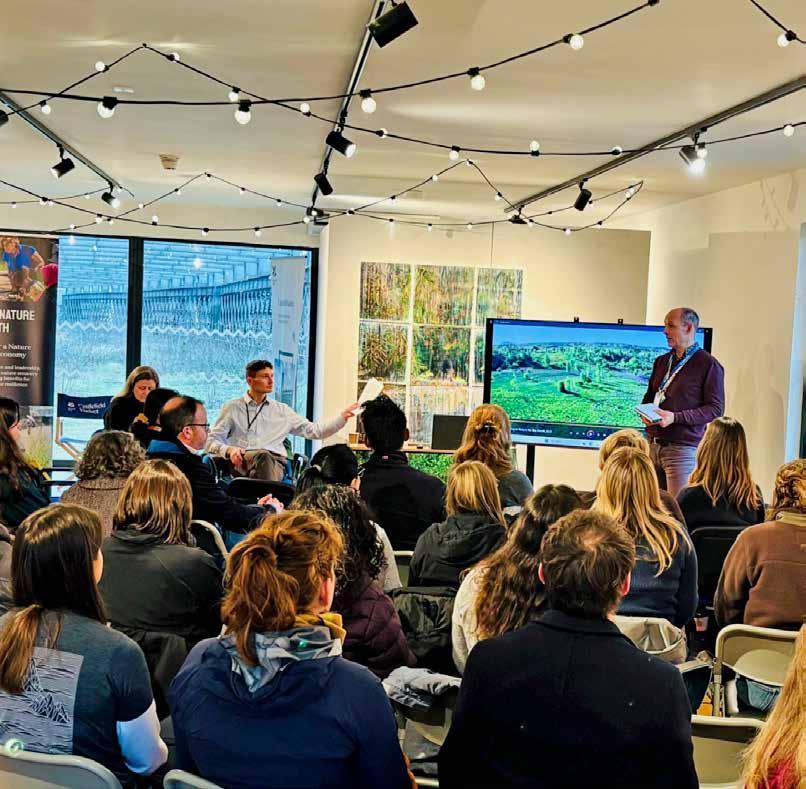
In 2025, the Nature North collaborative partnership launched ‘Investing in Nature for the North – a strategic plan for a Nature Positive Regional Economy’. We have continued to build the partnership, collaborate across sectors and work for wider recognition of the significant benefits nature secures for the economy, climate resilience, health and communities in the North of England.
Nature North
A short film about Nature North.
Our Natural World grants
Curlew Action
£90,000 over 3 years
Towards core costs to use Curlews to highlight approaches to deliver landscape scale recovery and engage young people with nature.
Finance Innovation Lab
£225,000 over 3 years
Towards core costs to build effective coalitions and campaigns to influence finance sector policy to deliver positive outcomes for nature and the climate.
Flock Together
£90,000 over 1 year
Towards core costs to enable marginalised communities and individuals to access nature using their models of innovation, creativity, and safe spaces.
Heal Rewilding
£78,000 over 2 years
Towards core costs furthering Heal’s model of charitable land ownership, nature restoration, access and working with rewilding partners.
New Philanthropy Capital
£90,000 over 1 year
Towards project costs addressing inequities in access to nature and the impacts of climate change on marginalised communities by bridging the gap between social and environmental charities.
Pembrokeshire
Coastal Forum
£178,425 over 2 years
Towards project costs to develop a catchment plan with communities and farmers to reduce nutrient pollution, enabling the restoration of marine and coastal ecosystems.
Positive Money
£150,000 over 3 years
Towards core costs of reshaping Bank of England policies and regulation to integrate nature loss and climate change, increase green investment to protect biodiversity and nature, and restrain ecologically damaging finance.
Radical Ecology
£31,500 over 1 year
Towards core costs and their participation in Esmée’s New Connections Programme for an additional year.
Radical Ecology
£310,000 over 4 years
Towards core costs for Radical Ecology’s work across the intersection of art, racial justice and environmental action.
Rewilding Britain
£250,000 over 3 years
Towards unrestricted core costs to support rewilding practitioners and promote understanding of the role rewilding can play in restoring UK nature and benefitting people.
Royal Society of Wildlife Trusts
£300,000 over 38 months
Towards project costs for Northern Nature Corridor: to develop and lead a partnership of landowners and land managers to develop a 40-mile wildlife corridor across Northern England, with The Rothbury Estate at its heart.
RSPB (The Royal Society for the Protection of Birds)
£50,000 over 1 year
Towards project costs for additional legal costs for the sector in relation to the Planning and Infrastructure Bill.
Scottish Environment LINK
£85,005 over 1 year
Towards project costs to provide impetus and maintain momentum for ocean recovery policy development and implementation for the remainder of this parliament and in preparation for the next government after May 2026.
Sheffield Environmental Movement (SEM)
£300,000 over 4 years
Towards core costs to enable access for African, Asian, and Minoritised Groups to access their environment and to inform and drive change in the environment sector.
Our Natural World grants
The Climate Movement (The Climate Coalition)
£345,000 over 3 years
Towards unrestricted core costs to expand community organising, engage more diverse communities, and enhance member impact through targeted campaigns, shared narratives, and collaborative infrastructure.
The Green Alliance Trust
£400,000 over 4 years
Towards core costs for work to turn government ambition into climate and nature action that protects and enhances nature, reinforces UK global environmental leadership and places social equity at its core.
The Lifescape Project
£250,000 over 3 years
Towards core costs for the Lifescape Project’s UK nature restoration and protection work.
Trees for Life
£250,000 over 3 years
Towards project costs of creating a cross-sector partnership to agree, fund and deliver the protection and long-term restoration of Caledonian pinewoods.
Yorkshire Wildlife Trust
£299,000 over 5 years
Towards core costs for Navigating the Tides of Change: continuing the work of the North Sea Wildlife Trusts.
Youngwilders CIC
£90,000 over 2 years
Towards core costs working to accelerate the nature recovery of the UK, and centre young people in the process and movement.

Over the past year, we’ve seen meaningful growth across all areas of our work –from advancing the recovery of key species like the Eurasian lynx, white -t ailed eagle, and pine marten, to removing legal obstacles to nature restoration across the UK, and strengthening the economic case for protecting the natural world.
The Lifescape Project
A short film from The Lifescape Project about their Missing Lynx project.
Our Natural World tools grants
Our Natural World social investments
Space for nature Peat
UK Youth 4 Nature
£20,000
Towards project costs for a youth roundtable and a report with recommendations for organisations on how to successfully engage and manage youth board members across the conservation space.
The Lancashire Wildlife Trust
£956,000 over 2 years
An investment towards the purchase of Birch House Farm through our Land Purchase Facility.
Space for nature
Somerset Wildlife Trust
£2,000,000 over 2 years
An investment towards the purchase of Chancellors Farm through our Land Purchase Facility.
Woodland Trust
£995,000 over 2 years
Lincolnshire Wildlife Trust
£1,410,000 over 2 years
An investment towards the purchase of 88 ha/217 acres of land known as Hawthorpe Farm through our Land Purchase Facility.
Norfolk Wildlife Trust
£2,000,000 over 1 year
An investment towards the purchase of Manor Farm, Norfolk, through our Land Purchase Facility.
An investment towards the purchase of Snaizeholme and High Houses Plantations under our Land Purchase Facility.
Our Natural World impact investments
Fishing in tandem with nature
Bluefront Capital
£1,000,000 over 1 year
An investment towards Bluefront Capital’s Growth strategy, investing in profitable companies to improve sustainability in aquaculture.
A Sector Fit for the Future
In addition to our three main aims, we support work that contributes to our impact goals across our aims by enabling a stronger, inclusive and innovative sector. This includes key infrastructure organisations and new ideas that unblock barriers, test new approaches or build movements for change.
Applications towards A Sector Fit for the Future are by invitation only.
A Sector Fit for the Future
Our priorities in 2025 include:
• Data and digital
• Diversity, equity and inclusion
• Enabling campaigning or movement building
• Funder collaboration and accountability
• Social and impact investing
funding approved in 2025
A Sector Fit for the Future grants
Data and digital
360Giving
£525,000 over 3 years
Towards unrestricted core costs to support grant-making in the UK to be more informed, effective and strategic using the power of open grants data.
Center for Countering Digital Hate Ltd
£200,000 over 3 years
Towards core costs to scale work to reduce systemic online harms and the spread of disinformation.
Enabling campaigning or movement building Diversity, equity and inclusion
The Funding Network
£25,000 over 1 year
Towards project costs as match funding for the Crowdbacker Event.
Full Fact
£425,000 over 5 years
Towards unrestricted core costs of providing free tools, advice, and information so that anyone can check the claims we hear about on public issues.
Sounddelivery Media
£195,000 over 3 years
Towards unrestricted core costs to support a movement of mediaconfident grassroots leaders with direct experience of social injustice to drive systemic change and share good practice.
Funder collaboration and accountability Social investment new models and market support
The Decelerator Ltd
£154,545 over 3 years
Towards core costs of the Decelerator, a support service for civil society organisations that provides information, tools, and hands-on assistance to help organisations navigate endings and transitions.
Mission Kitchen
£20,000 over 1 year
Towards project costs to support six food founders from refugee and migrant backgrounds to launch a food business, plus a Hardship Fund to support up to 10 existing Mission Kitchen member businesses.
New Philanthropy Capital
£35,000 over 1 year
Towards project costs funding a report to measure the impact sector.
A Sector Fit for the Future tools
grants
Community driven enterprise and regeneration Data and digital
Social Enterprise UK
£9,600
Towards project costs for sponsoring the Best CommunityBased Social Enterprise Award at the Social Enterprise Awards 2025.
Equally Ours
£20,352
Towards project costs for the project management of the DEI Data Standard.
Space for nature
Public First
£84,220
Towards project costs for research on UK climate change adaptation and resilience.
Learn more about the research by Public First, which makes the case for change for floodresilience communities, economy and growth.
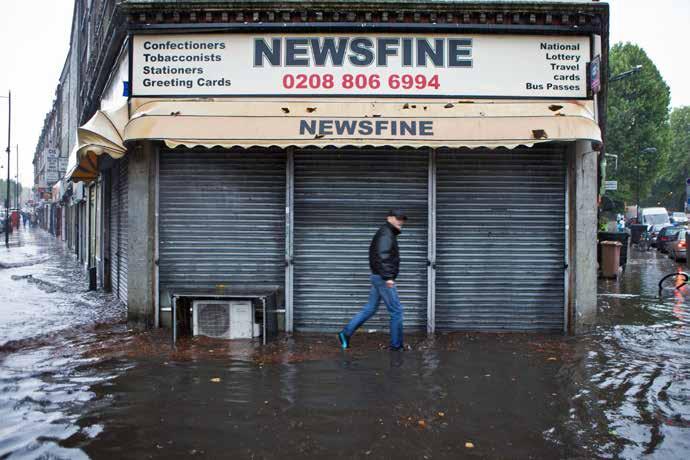
Funding in Partnership
We work in partnership with many different organisations across sectors: charities, investors, regulators, social enterprises and academia, trying to pull together unusual alliances that are willing to work together to effect real and long-lasting positive change. This includes exploring new approaches to funding to increase our reach and share learning, examples of which are shared throughout this report.
We believe that it is vital that young people are empowered to lead conversations around the future of their communities and the divisions they face. Through this initiative we hope to provide the tools and platforms to support young people to address these issues. We are not just investing in their future, we are investing in a more inclusive and compassionate society with young people leading the way.
This work has only been made possible through collaborating with other funders who share a commitment to youth voice and community empowerment. By coming together, we have been able to work towards ambitious, long-term efforts that would not be possible to achieve alone. Working in partnership strengthens our possible impact but it also reflects the very values of connection and cooperation that we hope to foster through this work.
Fozia Irfan OBE, BBC Children in Need (Host for Lead the Change)
Funding in Partnership: Delegated funds
In 2025, we worked with partners on a range of delegated funds focusing on areas including museums working with communities, popular culture and social justice, a just agricultural transition, and building the resilience of organisations led by and from the Global Majority.
Please note that these grants are also listed under the relevant aim on pages 20 to 63.
A Fairer Future
Migrant justice
Immigration Law Practitioners’ Association Limited
£169,000
We contributed £169,000 towards the Strategic Legal Fund. In 2025, the Fund awarded 13 grants, totalling £111,788.
Justice Collaborations
£1,000,000
We contributed £1,000,000 towards the Justice Together Initiative.
In 2025, the Initiative awarded 16 grants, totalling £3,434,022.
Racial justice
We are Purposeful (on behalf of The Black Feminist Fund)
£400,000
We contributed £400,000 towards the Black Feminist Fund in the UK.
Globally, in 2025, the Fund awarded 70 grants, totalling over £29m
Creative, Confident Communities
Communities working together for change
The Community Foundation for Northern Ireland
£90,000
We contributed £90,000 towards a collaborative funding programme seeking to support transformative work in Northern Ireland. In 2025, the programme awarded 39 grants, totalling £205,098.
Islington Giving
£300,000
We contributed £300,000 towards Islington Giving’s participatory grant-making programmes. In 2025, this included a contribution to their Community Panel, Young Grant Makers and Carers Panel.
Collectively, the programmes awarded 21 grants, totalling £391,000.
The Rank Foundation Limited
£475,000
We contributed £475,000 towards support for Black and Minoritised community anchor organisations in Sunderland. The programme is being co-designed with racialised communities in Sunderland, with up to five organisations each receiving a 3-year grant of £30,000.
BBC Children in Need
£600,000
We contributed £600,000 towards the Lead the Change Fund, which launched in 2026.
Funding in Partnership: Delegated funds
Community-led art and creativity
Museums Association
We also give grants to the Museum sector through the Esmée Fairbairn Communities and Collections Fund as part of our long-running partnership with the Museums Association.
In 2025, the Esmée Fairbairn Collections Fund awarded 13 grants, totalling £1.3m.
Discover Bucks Museum and Ikon Gallery
£99,500
Durham University Museums, Auckland Youth Community Centre, Blackhall Community Centre & Teesdale Community Resource Hub (TCR)
£99,996
Dylan Thomas Centre and Your Voice Advocacy
£100,000
Fashion Museum Bath
£74,370
Heritage Doncaster, Doncaster Armed Forces Covenant Board and The King’s Own Yorkshire Light Infantry, Light Infantry and Rifles Regimental Association
£98,883
Manchester Jewish Museum
£100,000
Nairn Museum
£99,823
National Coal Mining Museum for England, The Coal Industry Social Welfare Organisation, Spectrum People & Creative Minds
£98,561
National Maritime Museum & National Windrush Museum
£100,000
Newry & Mourne Museum
£95,000
University Museum of Zoology Cambridge & The Wildlife Trust for Bedfordshire, Cambridgeshire and Northamptonshire
£99,951
Vestry House Museum
£99,000
Whithorn Trust, Building Futures Galloway Ltd & Youth Work D&G
£100,000
Our Natural World
Nature friendly farming
The Social Change Nest (Farming the Future)
£90,000
We contributed £90,000 towards Farming the Future’s pooled fund, which supports the UK’s transition to a just and regenerative food and farming system. In 2025, they awarded seven grants, totalling £342,000.
TASK Fund
Each Esmée Fairbairn Foundation trustee has an annual TASK budget of £90,000 to be used for donations within the charitable purposes of the Foundation at the individual Trustee’s discretion.
TASK donations may sit outside our current funding priorities. As donations, they are not managed in the same way as Esmée’s main grant funding.
TASK Fund
Ahmed Iqbal Ullah
Education Trust
£5,000
Beyond Equality
£10,000
Blackpool & Fylde Street Angels
£15,000
Bloomsbury Football Foundation
£10,000
British School at Athens
£10,000
British Sociological Association
£5,000
Britten Pears Arts
£10,000
Camden United CIC
£20,000
Cash for Kids
£10,000
Celebrate Voice
£5,000
Charlbury Riverside Festival
£5,000
Chess in Schools and Communities
£10,000
ChoirBLAST
£15,000
DEC
£20,000
DEC
£10,000
Durrell Wildlife Conservation Trust – UK
£20,000
English Sangha Trust Ltd
£10,000
Everyone’s Invited
£10,000
Father 2 Father CIC
£20,000
Fatherhood Institute
£10,000
Foundation Home
£20,000
Full Fact
£15,000
Give a Book
£5,000
HJEM(YEM) Community Interest Company
£15,000
John Innes Centre
£5,000
John Innes Centre
£5,000
John King Brain Tumour Foundation
£5,000
Kaleidoscope Trust
£5,000
Karma Nirvana
£10,000
Kidney Care UK
£10,000
Kids of Colour
£5,000
Longborough Festival Opera
£5,000
Maggie’s Cancer Caring Centres
£15,000
Mamasuze C.I.C.
£20,000
Mamasuze C.I.C.
£10,000
Medecins Sans Frontieres UK
£10,000
Medical Aid for Palestinians
£20,000
Messums Creative LTD
£10,000
Migrants’ Rights Network
£5,000
Murmur
£20,000
Muslim Women’s Network UK
£10,000
National Dance Company Wales
£10,000
Northern Aldborough Festival
£4,000
Olympias Music Foundation
£12,000
Orchestra of the Age of Enlightenment
£10,000
Over the Wall
£10,000
Pallant House Gallery
£10,000
Paul Canoville Foundation
£10,000
Peace of Mind
£1,750
Pembroke College
£20,000
Pro Bono Economics
£10,000
Rekindle School Ltd
£10,000
Royal Academy of Arts
£10,000
Royal Opera House Covent Garden Foundation
£5,000
Royal Osteoporosis Society
£5,000
RSPB (The Royal Society for the Protection of Birds)
£15,000
Rural Arts North Yorkshire
£3,000
Samling Institute for Young Artists
£10,750
Scottish Chamber Orchestra Limited
£15,000
Shelter, National Campaign for Homeless People
£10,000
Southport African Caribbean Heritage Association
£5,000
Speakers for Schools
£10,000
Stuart Hall Foundation
£15,000
Sunderland Empire Theatre Trust
£5,000
TASK Fund
The Amjad and Suha Bseisu Foundation
£20,000
The Antwerp Arms Association
£15,000
The Arvon Foundation
£15,000
The Booth Centre
£3,000
The Branch Trust
£5,000
The Case Centre
£3,000
The Children's Society
£10,000
The Egmont Trust
£10,000
The English Stage Company Limited
£10,000
The Fawcett Society
£10,000
The Hamilton-Duval Charitable Trust
£3,000
The Lifescape Project
£10,000
The Linda Norgrove Foundation
£10,000
The National Portrait Gallery
£10,000
The National Trust
£12,500
The Nicholas Boas Charitable Trust
£7,000
The Open Door
£15,000
The Paul Cottingham Trust
£20,000
The Ripon City Festival Trust 1986
£4,000
The Women’s Prize Trust
£10,000
Tir Natur (Nature’s Land in Welsh)
£15,000
Training for Care
£10,000
Trans* Pride Brighton and Hove
£5,000
Traquair House Charitable Trust (CHCT)/Beyond Borders (BBS)
£15,000
Turning Point
£20,000
Tutor the Nation
£5,000
UK Feminista
£10,000
Welsh Air Ambulance Charitable Trust
£5,000
Welsh National Theatre
£15,000
Wild Justice
£20,000
Wolfson College
£5,000
Wood Street Mission
£5,000
Works Plus
£10,000
World Literacy Foundation
£12,000
Yorkshire Dales Millennium Trust
£14,000
Young Actors’ Theatre Islington
£5,000
Young Manchester
£15,000
Zing
£20,000
Governance and Administration
Objectives and Activities
Values
Esmée Fairbairn Foundation exists and operates for the public benefit. Through setting its strategy and through its funding the Foundation has focused on creating social and environmental impact to improve our natural world, secure a fairer future and strengthen the bonds within and between communities in the UK. In determining its strategy and in the administration of the Foundation generally, the Trustees have paid due regard to the guidance published by the Charity Commission under section 4 of the Charities Act 2011.
In October 2020, the Foundation launched its Strategic Plan 2020 to 2025. In 2023, the Board decided to extend the strategy until 2027. The strategy can be found on the Foundation’s website. The Foundation has commenced a review process for its strategy post 2027.
Pages 4 to 14 give an overview of funding, a list of all grants and social investments made in 2025 is on pages 20 to 69.
The public benefit created by the Foundation’s grant-making and social investment is demonstrated in this report through listing of grants and social investments that we have made.
In line with good practice, the Foundation commissioned an independent review of its governance that took place in 2025. The review was carried out by Compass Partnership. The board considered and approved the recommendations emerging from the review, including:
• The appointment of a Vice Chair
• The transition – over time – from a maximum of three to two terms of office for trustees.
• The formalisation of governance oversight arrangements to sit within a newly constituted Governance and Nominations Committee.
Our values act as a guide for Trustees and staff about how we work at Esmée. They are intended to provide a frame of reference for taking actions and making decisions at every level.
Structure, Governance and Management
The operation of Esmée Fairbairn Foundation is governed by a Charity Commission Scheme, dated 14 January 2002, which enables the assets to be applied by the Trustees at their discretion or general charitable purposes. The Charity Commission approved an incorporation of the Trustee body on 16 June 2008 in the name of The Trustees of Esmée Fairbairn Foundation.
The Foundation is a charity registered in England and Wales, number 200051.
Trustee Board
The Foundation’s Trustees are listed on page 74 of this report. The Trustee Board meets six times each year to set and oversee the delivery of the Foundation’s strategy. A number of Trustee committees support the work of the Foundation throughout the year.
Trustees are recruited through a professionally supported open recruitment with vacancies widely advertised. When recruiting new Trustees, the Board consider the current make-up of the Board and where skills gaps exist alongside the current diversity of the Board. Trustees serve an initial term of five years and may then serve an additional five-year term of office. In exceptional circumstances, the Board may agree to extend a Trustee’s period of office for a stated time period beyond the ten years. An induction programme is put in place for new trustees alongside ongoing professional support for all board members.
The Foundation has a clear organisational structure with documented lines of authority and delegation, which is reviewed regularly by the Trustee Board. The Foundation also has segregation of duties with regard to governance, management, grant-making, social investments, finance and investment. Procedures are in place for documenting decisions, actions and issues.
Audit and Risk Committee
The Audit and Risk Committee reviews and recommends systems of internal control on financial and governance issues and oversees risk management to the Trustee Board. It also reviews the draft Annual Report and Accounts and meets with the Foundation’s external auditors.
Finance and Administration Committee
The Finance and Administration Committee reviews and recommends to the Trustee Board annual budgets, staff remuneration and benefits. It also oversees any major property, IT, governance and other projects.
The salaries of the senior management team are set by the Finance and Administration Committee and includes reference to peers and other comparators.
Investment Committee
The Investment Committee formulates investment policy, oversees its implementation, manages overall asset allocation, monitors investment performance and reports to the Trustee Board.
Governance and Nominations Committee
The Governance and Nominations Committee considers and makes recommendations to the Board on all matters relating to the governance of the Foundation including developing and recommending to the Board any policies and procedures relating to governance and to the appointment of new trustees.
Funding decisions
An Executive Committee take decisions on grants up to £120,000. An Approvals Committee, comprising Trustee and Executive members, takes decisions on grants and awards up to £300,000 and social investments up to £600,000. All decisions on grants and awards over £300,000 and social investments over £600,000 go to the Trustee Board.
Financial Policies
The Foundation’s finance and investment policies are intended to provide long-term stability and liquidity sufficient for the financing of the Foundation’s grants and social investments while maintaining the real value of the investment portfolio. The Foundation has an Investment Policy Statement that sets out the long-term investment objective, risk-profile, strategic asset allocation and investment restrictions. This is reviewed annually. The Foundation’s strategic asset allocation reflects a total-return objective without specific focus on income-generating investments. This approach means that we consider all sources of return, including interest, dividends, capital distributions from funds, and realised and unrealised gains and losses. Income alone would not usually meet all of our future spending needs.
Funding targets are arrived at with consideration given to the average value of the investment portfolio, but may be adjusted to take account of need and operational capacity. Funding targets may be over or under-spent in an individual year. The Foundation’s support and governance spend is set by reference to total spend levels to ensure it remains reasonable and proportionate.
Risk management
The Trustee Board is responsible for the oversight of the risks faced by the Foundation. The Trustee Board and Audit and Risk Committee regularly review the Foundation’s risk position, internal controls assessment and compliance with relevant statutory and finance regulations. The Foundation has a riskmanagement process designed to identify the major risks that could impact on the aims in the Foundation’s Strategic Plan. This process identifies the major risks the Foundation faces, the likelihood of occurrence, the significance of the risk, and any mitigating controls that are in place. It also seeks to identify any actions and resources required to manage these risks further.
The Foundation’s investment activities are its main financial risk. This risk is managed, with the support of investment advisers, through: regular review of our investment policy; management of strategic asset allocation; risk measurement and reporting; independent valuation and performance reporting; diversification across a broad range of asset classes, geographies, investment managers and investment strategies; and ongoing market and manager updates and due diligence.
The levels of manager concentration, currency exposure, leverage and liquidity are also key factors in managing the risks of the investment portfolio. Policies and restrictions to help manage these risks are included in the Investment Policy Statement.
Reserves
All funds held by the Foundation are unrestricted and available to the Foundation to apply for the general purposes of the Foundation as set out in its governing document. The Foundation aims to achieve a total return of RPI +4% in order to meet its spending requirements. At the year-end the value of reserves held was £1.336bn.
The Trustees are satisfied that the Foundation has sufficient reserves to continue as a going concern please refer to note 1 for further details.
Trustees, Senior Management Team, Committees and Advisers
Trustees
Beatrice Hollond (Chair)
Professor Claire Alexander (Vice Chair from 01.01.26)
Edward Bonham Carter
Joe Docherty (resigned 27.04.26)
John Fairbairn (retired 31.12.25)
Professor David Hill CBE
Elspeth Jones
Harriet Manners (from 01.01.26)
Dame Clare Moriarty
Gautham Radhakrishnan
Mary Ann Sieghart
Eleanor Updale (retired 31.12.25)
Dr Wanda Wyporska
Senior Management Team
Dame Caroline Mason CBE
Chief Executive
James Wragg
Chief Operating Officer
Matthew Cox
Director of Investment (to 28.02.25)
Gina Crane
Director of Communications and Learning
Veda Harrison
Director – Creative, Confident Communities
Catherine Hillis
Director – A Fairer Future
Liam McAleese
Director – Our Natural World
Jonny Page
Director of Social and Impact Investing (from 01.03.25)
A full list of staff can be found on the website.
Committees
Audit and Risk Committee
Professor David Hill CBE (Chair)
Professor Claire Alexander
John Fairbairn (to 31.12.25)
Elspeth Jones
Dame Clare Moriarty
Finance and Administration Committee
Beatrice Hollond (Chair)
Edward Bonham Carter
Professor David Hill CBE
Gautham Radhakrishnan
Investment Committee
Edward Bonham Carter (Chair)
Beatrice Hollond
Joe Docherty (resigned 27.04.26)
Dame Caroline Mason CBE
Gautham Radhakrishnan
Jason Mitchell (Co-opted member)
Governance and Nominations Committee
Beatrice Hollond (Chair)
Professor Claire Alexander
Edward Bonham Carter
John Fairbairn (ex-officio)
Professor David Hill CBE
Elspeth Jones
Advisers
Independent Auditor
PricewaterhouseCoopers LLP
1 Embankment Place
London
WC2N 6RH
Solicitors
Berwin Leighton Paisner
Adelaide House
London Bridge
London EC4R 9HA
Veale Wasbrough Vizards LLP
24 King William Street
London EC4R 9AT
Withers LLP
20 Old Bailey
London EC4M 7AN
Bankers
Royal Bank of Scotland plc
London Victoria (A) Branch
119/121 Victoria Street
London SW1E 6RA
N.A.
London E14 5JP
Esmée Fairbairn Foundation
210 Pentonville Road
London N1 9JY

020 7812 3700

info@Esmeefairbairn.org.uk
Esmee Fairbairn Foundation @esmeefairbairn.bsky.social @esmeefairbairn
www.esmeefairbairn.org.uk
Registered charity 200051
Statement of Trustees’ Responsibilities
Statement of Trustees’ Responsibilities
In respect of the Trustees Report and the financial statements
The trustees are responsible for preparing the Trustees’ Annual Report and the financial statements in accordance with applicable law and United Kingdom Accounting Standards (United Kingdom Generally Accepted Accounting Practice).
The law applicable to charities in England and Wales requires the trustees to prepare financial statements for each financial year which give a true and fair view of the state of affairs of the charity and of the incoming resources and application of resources of the charity for that period.
In preparing these financial statements, the trustees are required to:
• Select suitable accounting policies and then apply them consistently
• Observe the methods and principles in the Charities SORP
• Make judgments and estimates that are reasonable and prudent
• St ate whether applicable accounting standards, comprising FRS 102, have been followed, subject to any material departures disclosed and explained in the financial statements
• Pr epare the financial statements on the going concern basis unless it is inappropriate to presume that the charity will continue in business.
The trustees are responsible for keeping proper accounting records that disclose with reasonable accuracy at any time the financial position of the charity and enable them to ensure that the financial statements comply with the Charities Act 2011, the Charity (Accounts and Reports) Regulations 2008 and the provisions of the trust deed. They are also responsible for safeguarding the assets of the charity and hence for taking reasonable steps for the prevention and detection of fraud and other irregularities.
The trustees are responsible for the maintenance and integrity of the charity and financial information included on the charity’s website. Legislation in the United Kingdom governing the preparation and dissemination of financial statements may differ from legislation in other jurisdictions.
Signed in the name and on behalf of The Trustees of
Beatrice Hollond Chair
7 July 2026
Esmée Fairbairn Foundation:
Our History

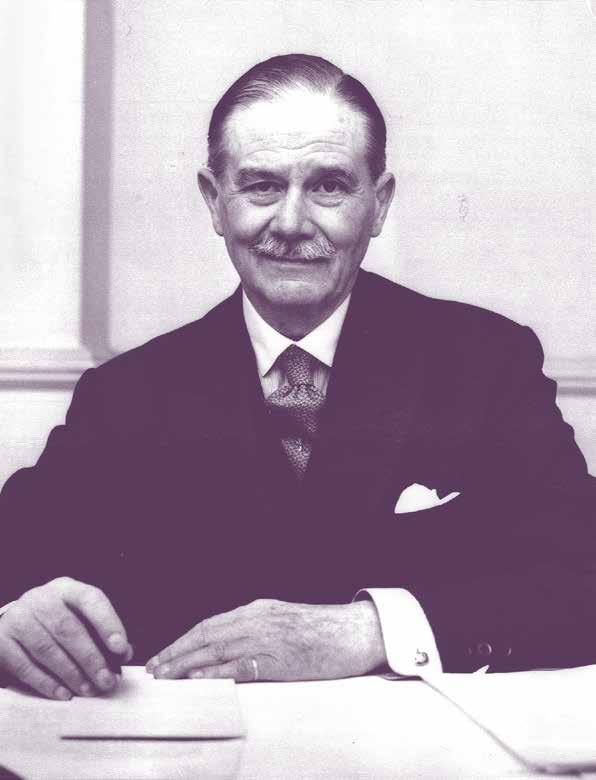
In 1961 Ian Fairbairn, a leading City figure, decided to endow a charitable foundation with the bulk of his holdings in M&G, the company he had joined some 30 years before.
M&G was a pioneer of the unit trust industry in the UK. It grew out of Ian Fairbairn’s determination that investments in equities, previously the preserve of the affluent, should be available to all – giving everyone the potential to own a stake in the nation’s economy.
His purpose in establishing the Foundation was two-fold. In the interests of wider prosperity, he aimed to promote a greater understanding of economic and financial issues through education. He also wanted to establish a memorial to his wife, Esmée, who had played a prominent role in developing the Women’s Royal Voluntary Service and the Citizens Advice Bureau. She was killed in an air-raid during the Second World War. Prior to Ian’s death in 1968 he indicated that the Foundation should support a broad range of charitable purposes.
Esmée Fairbairn’s sons, Paul and Oliver Stobart, also contributed generously to the Foundation established in their mother’s memory.
In 1999 the Foundation sold its holding in M&G as part of the company’s takeover by the Prudential Corporation plc. As a result, the Foundation’s endowment grew significantly in value as did the size and scope of the grants it was able to make.
Today, Esmée Fairbairn Foundation is one of the largest independent funders in the UK. Since our inception, we have made grants totalling over £1bn.
Auditors’ Report and Financial Statements
Independent auditors’ report to the trustees of Esmée Fairbairn Foundation
Report on the audit of the financial statements
Opinion
In our opinion, Esmée Fairbairn Foundation’s financial statements (the “financial statements”):
• give a tr ue and fair view of the state of the charity’s affairs as at 31 December 2025 and of its incoming resources and application of resources, and cash flows, for the year then ended;
• have been properly prepared in accordance with United Kingdom Generally Accepted Accounting Practice (United Kingdom Accounting Standards, comprising FRS 102 “The Financial Reporting Standard applicable in the UK and Republic of Ireland”, and applicable law); and
• have been prepared in accordance with the requirements of the Charities Act 2011 and Regulation 8 of The Charities (Accounts and Reports) Regulations 2008.
We have audited the financial statements, included within the Annual Report and Accounts (the “Annual Report”), which comprise: the balance sheet as at 31 December 2025; the statement of financial activities for the year then ended and the cash flow statement for the year then ended; and the notes to the financial statements, which include a description of the significant accounting policies.
Basis for opinion
We conducted our audit in accordance with International Standards on Auditing (UK) (“ISAs (UK)”) and applicable law. Our responsibilities under ISAs (UK) are further described in the Auditors’ responsibilities for the audit of the financial statements section of our report. We believe that the audit evidence we have obtained is sufficient and appropriate to provide a basis for our opinion.
Independence
We remained independent of the charity in accordance with the ethical requirements that are relevant to our audit of the financial statements in the UK, which includes the FRC’s Ethical Standard and we have fulfilled our other ethical responsibilities in accordance with these requirements.
Conclusions relating to going concern
Based on the work we have performed, we have not identified any material uncertainties relating to events or conditions that, individually or collectively, may cast significant doubt on the charity’s ability to continue as a going concern for a period of at least twelve months from the date on which the financial statements are authorised for issue.
In auditing the financial statements, we have concluded that the trustees’ use of the going concern basis of accounting in the preparation of the financial statements is appropriate.
However, because not all future events or conditions can be predicted, this conclusion is not a guarantee as to the charity’s ability to continue as a going concern.
Our responsibilities and the responsibilities of the trustees with respect to going concern are described in the relevant sections of this report.
Reporting on
other information
The other information comprises all of the information in the Annual Report other than the financial statements and our auditors’ report thereon. The trustees are responsible for the other information. Our opinion on the financial statements does not cover the other information and, accordingly, we do not express an audit opinion or any form of assurance thereon.
In connection with our audit of the financial statements, our responsibility is to read the other information and, in doing so, consider whether the other information is materially inconsistent with the financial statements or our knowledge obtained in the audit, or otherwise appears to be materially misstated. If we identify an apparent material inconsistency or material misstatement, we are required to perform procedures to conclude whether there is a material misstatement of the financial statements or a material misstatement of the other information. If, based on the work we have performed, we conclude
that there is a material misstatement of this other information, we are required to report that fact. We have nothing to report based on these responsibilities.
Based on our work undertaken in the course of the audit, the Charities Act 2011 requires us also to report certain opinions and matters as described below.
Trustees’ Report
Under the Charities Act 2011 we are required to report to you if, in our opinion the information given in the Trustees’ Annual Report is inconsistent in any material respect with the financial statements. We have no exceptions to report arising from this responsibility.
Responsibilities for the financial statements and the audit
Responsibilities of theTrustees for the financial statements
As explained more fully in the Statement of Trustees’ Responsibilities, the trustees are responsible for the preparation of the financial statements in accordance with the applicable framework and for being satisfied that they give a true and fair view. The trustees are also responsible for such internal control as they determine is necessary to enable the preparation of financial statements that are free from material misstatement, whether due to fraud or error
In preparing the financial statements, the trustees are responsible for assessing the charity’s ability to continue as a going concern, disclosing as applicable, matters related to going concern and using the going concern basis of accounting unless the trustees either intend to liquidate the charity or to cease operations, or have no realistic alternative but to do so.
Auditors’responsibilities for the audit of the financial statements
We are eligible to act and have been appointed as auditors under section 144 of the Charities Act 2011 and report in accordance with the Act and relevant regulations made or having effect thereunder. Our objectives are to obtain reasonable assurance about whether the financial statements as a whole are free from material misstatement, whether due to fraud or error, and to issue an auditors’ report that includes our opinion. Reasonable assurance is a high level of assurance, but is not a guarantee that an audit conducted in accordance with ISAs (UK) will always detect a material misstatement when it exists. Misstatements can arise from fraud or error and are considered material if, individually or in the aggregate, they could reasonably be expected to influence the economic decisions of users taken on the basis of these financial statements.
Irregularities, including fraud, are instances of non-compliance with laws and regulations. We design procedures in line with our responsibilities, outlined above, to detect material misstatements in respect of irregularities, including fraud. The extent to which our procedures are capable of detecting irregularities, including fraud, is detailed below
Based on our understanding of the charity, we identified that the principal risks of non-compliance with laws and regulations related to the Charities Act 2011 and relevant regulations made or having an effect thereunder including The Charities (Accounts and Reports) Regulations 2008, and we considered the extent to which non-compliance might have a material effect on the financial statements. We also considered these laws and regulations as having a direct impact on the f nancial statements.
We evaluated the incentives and opportunities for fraudulent manipulation of the financial statements (including the risk of override of controls) by the trustees and those responsible for, or involved in, the preparation of the financial statements, and determined that the principal risks were related to the posting of inappropriate journals to manipulate financial results or conceal the misappropriation of assets.
Audit procedures performed included:
•identifying and testing journal entries, in particular journal entries posted with unusual account combinations to expenditure accounts;
• obtaining independent confirmations of cash balances and investment valuations as at 31 December 2025;
• assessing the reasonableness of key accounting estimates, including the fair value of investments;
• enquiring of management and the Audit and Risk Committee, including consideration of any known or suspected instances of non-compliance with laws and regulations and fraud;
• reading minutes of meetings including the Board of Trustees, Investment Committee and the Audit and Risk Committee; and
• assessing financial statement disclosures, and testing to supporting documentation, for compliance with applicable laws and regulations.
There are inherent limitations in the audit procedures described here. We are less likely to become aware of instances of non-compliance with laws and regulations that are not closely related to events and transactions reflected in the financial statements. Also, the risk of not detecting a material misstatement due to fraud is higher than the risk of not detecting one resulting from error, as fraud may involve deliberate concealment by, for example, forgery or intentional misrepresentations, or through collusion.
A further description of our responsibilities for the audit of the financial statements is located on the FRC’s website at: www.frc.org. uk/auditorsresponsibilities. This description forms part of our auditors’ report.
Use of this report
This report, including the opinions, has been prepared for and only for the charity’s trustees as a body in accordance with section 144 of the Charities Act 2011 and regulations made under section 154 of that Act (Part 4 of The Charities (Accounts and Reports) Regulations 2008) and for no other purpose. We do not, in giving these opinions, accept or assume responsibility for any other purpose or to any other person to whom this report is shown or into
Other required reporting
Charities Act 2011 exception reporting
Under the Charities Act 2011 we are required to report to you if, in our opinion:
• we have not received all the information and explanations we require for our audit; or
• sufficient accounting records have not been kept by the charity; or
• the financial statements are not in agreement with the accounting records.
We have no exceptions to report arising from this responsibility.

PricewaterhouseCoopers LLP
Chartered Accountants and Statutory Auditors
London 7 July 2026
Independent auditors’ report to the trustees of Esmée Fairbairn Foundation continued whose hands it may come save where expressly agreed by our prior consent in writing.
Statement of Financial Activities Balance Sheet
The Foundation has no recognised gains or losses other than the net movement in funds for the year.
The accounts were approved and authorised for issue by the Trustee Board on 7 July 2026.
Beatrice Hollond Chair
Cash Flow Statement
The notes on pages 84 to 93 form part of these accounts.
1.Basis of accounting and accounting policies
Legal status
The Foundation is a charity registered in England and Wales, number 200051. The Foundation’s registered address is 210 Pentonville Rd, London, N1 9JY. The operation of Esmée Fairbairn Foundation is governed by a Charity Commission Scheme, dated 14 January 2002, which enables the assets to be applied by the Trustees at their discretion for general charitable purposes. The Charity Commission approved an incorporation of the Trustee body on 16 June 2008 in the name of The Trustees of Esmée Fairbairn Foundation.
Basis of accounting
The accounts have been prepared in accordance with the Statement of Recommended Practice: Accounting and Reporting by Charities preparing their accounts in accordance with the Financial Reporting Standard applicable in the UK and Republic of Ireland (FRS 102) issued in October 2019, and the Charities Act 2011 and UK Generally Accepted Practice as it applies from 1 January 2019.
The accounts (financial statements) have been prepared to give a ‘true and fair’ view and have departed from the Charities (Accounts and Reports) Regulations 2008 only to the extent required to provide a ‘true and fair view’. This departure has involved following the relevant version of the Statement of Recommended Practice applicable to charities preparing their accounts in accordance with the Financial Reporting Standard applicable in the UK and Republic of Ireland (FRS 102) issued in October 2019, rather than the Accounting and Reporting by Charities: Statement of Recommended Practice effective from 1 April 2005 which has since been withdrawn.
The Foundation meets the definition of a public benefit entity under FRS 102.
The presentation currency of these financial statements is sterling. All amounts in the financial statements have been rounded to the nearest £1,000.
Judgements made by the Trustees, in the application of these accounting policies that have significant effect on the financial statements and estimates with a significant risk of material adjustment in the next year are deemed to be in relation to the
valuation of investments and are discussed below.
The Trustees are satisfied that the Foundation has sufficient reserves and liquidity within the investment portfolio to continue as a going concern for the next 12 months from the date of approval of these financial statements. Cash flow forecasts are regularly prepared; assets within the investment portfolio can be liquidated to meet short term requirements.
Income
“Income is recognised in the Statement of Financial Activities in the period in which the Foundation becomes entitled to receipt. With respect to Income from Equity, Alternative, and Fixed income investments, dividend income and related tax credits are recognised from the ex-dividend date when they become receivable and interest income from funds and investment cash is recognised when received.
With respect to Other income, interest income from cash held in bank accounts is recognised when received, income from Programme Related Investments and Mixed Motive Investments is recognised when received, and grant income is recognised when earned.”
Expenditure
Direct costs of generating funds, charitable activities and support costs are charged to the relevant category or activity according to the area to which the expenditure relates. Support costs incurred that relate to more than one cost category are apportioned based on the number of full-time equivalent staff allocated to that activity.
Grant funding
Grants are recognised as expenditure in the year in which they are approved and such approval has been communicated to the recipients.
Pension
The Foundation operates a defined contribution group personal pension scheme for employees. The assets of the scheme are held separately from those of the Foundation. The annual contributions are charged to the Statement of Financial Activities.
Employee benefits include all costs incurred by the charity in exchange for the services of its employees. Expenditure is recognised for all employee benefits resulting from their service to the charity during the reporting period unless the staff costs have been capitalised as part of the cost of an asset.
Irrecoverable VAT
Irrecoverable Value Added Tax (VAT) is included in the Statement of Financial Activities within the expenditure to which it relates.
Taxation
The Foundation is considered to pass the tests set out in Paragraph 1 Schedule 6 Finance Act 2010 and therefore it meets the definition of a charitable trust for UK income tax purposes. Accordingly, the charity is potentially exempt from UK taxation in respect of income or capital gains received within categories covered by Part 10 Income Tax Act 2007 or Section 256 of the Taxation of Chargeable Gains Act 1992, to the extent that such income or gains are applied exclusively to charitable purposes.
To the extent that the Foundation engages in overseas activity, or derives income from overseas, it may incur a foreign tax liability depending on the application of the tax legislation in the relevant jurisdiction.
Tangible fixed assets
Tangible fixed assets are included in the balance sheet at cost less accumulated depreciation. Leasehold improvements are depreciated over the term of the lease. Office and
computer equipment is depreciated at between 20% and 33% per annum. Depreciation is charged on a straight-line basis over the assets’ useful lives.
Leased assets
Assets obtained under finance leases are capitalised as tangible fixed assets and depreciated over their useful lives. Finance leases are those where substantially all of the benefits and risks of ownership are assumed by the Foundation. Obligations under such agreements are included in creditors net of the finance charge allocated to future periods. The finance element of the rental payments is charged to the Statement of Financial Activities over the period of the lease. All other leases are operating leases. Operating lease annual rentals are charged to the Statement of Financial Activities on a straight-line basis over the term of the lease.
Cash and cash equivalents
Cash and cash equivalents comprise cash held at bank.
Investments
Alternative investments
Alternative investments are valued at the Foundation’s best estimate of fair value as follows:
Hedge funds and collective investment schemes are valued by reference to the market value of their underlying investments. These valuations are provided by the third party fund administrators and are subject either to independent valuation or annual audit.
Private equity investments are held through funds managed by private equity groups. As there is no identifiable market price for private equity funds, these funds are included at the most recent valuations from the private equity groups where:
i. the private equity group provides a fair value that complies with the International Private Equity and Venture Capital Valuation Guidelines; or
ii. the private equity group provides valuations that comply with International Financial Reporting Standards or US GAAP.
Where a valuation is not available at the balance sheet date, the most recent valuation from the private
equity group is used, adjusted for cashflows and foreign exchange movements and any impairment between the most recent valuation and the balance sheet date.
Other investments
Other investments are stated at fair value, the basis of fair value being the market value of the underlying investments held. These valuations are provided by the fund managers and are subject either to independent valuation or annual audit.
Derivative
financial instruments
Derivatives are recognised in the Balance Sheet at fair value. Where the Foundation uses forward currency contracts to reduce currency exposure in its investment portfolio the fair value of these forward exchange contracts is estimated by using the gain or loss that would arise from closing the contract at the balance sheet date. Managers of segregated funds may enter into derivatives as part of their portfolio risk management, fair values of these derivatives are provided by the fund managers.
Programme related Investments
A programme related investment is an asset held by a charity that provides investment funding to organisations in order to directly
further the charitable purposes of the investing charity; any financial return obtained is not a primary reason for making the investment.
Programme related investments are recognised in the balance sheet at the point the first drawdown is paid out. Programme related investments that are loans are accounted for at the outstanding amount of the loan less any provision for unrecoverable amounts. Unquoted equity, social investment funds and partnerships, and similar programme related investments are held at cost, less any provision for diminution in value, unless the Foundation is able to obtain a reliable estimate of fair value. Quoted investments are stated at market value at the balance sheet date.
Mixed motive Investments
A mixed motive investment is an asset held by a charity that provides funding to organisations in order to generate a financial return for the investing charity and contribute to the investing charity’s purposes through the activities funded by the investment.
Mixed motive investments are recognised in the balance sheet at the point the first drawdown is paid out. Mixed motive investments
that are private equity investments are held through funds managed by private equity groups. As there is no identifiable market price for private equity funds, these funds are included at the most recent valuations from the private equity groups.
Realised and unrealised gains and losses on investments
Realised and unrealised gains and losses on progamme-related investments are included in ‘charitable activities’ within the Statement of Financial Activities.
Realised and unrealised gains and losses on all other investment assets are shown net of transaction costs and are included in ‘Net gains on investments’ within the Statement of Financial Activities.
Realised and unrealised gains and losses on foreign exchange transactions
Transactions denominated in foreign currency are translated at the exchange rate ruling at the date of the transaction. Monetary assets and liabilities denominated in foreign currency are translated at the exchange rate ruling at the balance sheet date. All gains and losses on exchange, realised and unrealised,
are included in the appropriate income or expenditure category in the Statement of Financial Activities.
Provisions
A provision is recognised in the balance sheet when the entity has a present legal or constructive obligation as a result of a past event, that can be reliably measured and it is probable that an outflow of economic benefits will be required to settle the obligation. Provisions are recognised at the best estimate of the amount required to settle the obligation at the reporting date.
Related party transactions
Transactions with related parties are disclosed in the notes to these financial statements. The Foundation’s policy is for Trustees, Executive and advisers to declare their interest and recuse themselves from all relevant discussions and decisions which may involve a transaction with a related party or in which they may have a conflict of interest.
Financial instruments
Basic financial assets, including debtors and cash at bank are carried at amortised cost. Programme related investments are held at cost less impairment, an impairment
loss is the difference between the carrying amount and the present value of the estimated cash flows, if there is a decrease in the impairment loss arising from an event occurring after the impairment was recognised, the impairment is reversed. Impairment losses and reversals are recognised in profit and loss. Investments and mixed motive investments are initially measured at fair value, which is normally the transaction price, such assets are subsequently carried at fair value and the changes in fair value are recognised in profit or loss. All financial liabilities including grant commitments and trade creditors are basic financial instruments which are valued at amortised cost.
Key accounting estimates, assumptions, and judgements
In the preparation of the accounts the trustees are required to make estimates, assumptions, and judgements that have an impact on figures reported in the financial statements. Other than investments, the valuation of which has been discussed, the trustees do not consider there to be any other significant estimates, assumptions, or judgments within the financial statements.
2.Income and endowments
4.Expenditure on charitable activities
Grants, Programme Related Investments, and Mixed Motive Investments approved in the year are listed on pages 20 to 69 in the Annual Report accompanying these accounts. In the Annual Report Programme Related Investments are referred to as Social Investments and Mixed Motive Investments are referred to as Impact Investments. All funding approved is to organisations.
5.Support cost allocation
3.Expenditure on raising funds
Total Trustees’ expenses of £16,468 (2024: £20,699) are included in support costs and in costs of generating funds. Expenses were reimbursed to 9 (2024: 9) Trustees during the year and were related to travel. The Trustees received no remuneration for their role as Trustee during this or the preceding year.
6.Staff costs
The Foundation operates a defined contribution group personal pension scheme and makes employer contributions of 12.5% when matched by a 5% employee contribution.
Redundancy and ex gratia payments of £0 (2024: £69,228) are included within total staff costs.
The Foundation considers its key management personnel comprise the trustees and the senior management team. The senior management team consists of 7 (2024: 7) employees, 6.8 (2024: 6.8) on a full-time basis. The total employment benefits including employer pension and social security contributions of the senior management team were £889,880 (2024: £852,115). The Trustees are not remunerated.
The average number of employees during the year calculated on a full-time basis was as follows:
The average number of employees during the year calculated on a head count basis was 44 (2024: 43).
The number of employees who received remuneration of more than £60,000 in the year was as follows:
£60,000–£69,999
£70,000–£79,999
£80,000–£89,999
£90,000–£99,999
£100,000 – £109,999
£110,000 – £119,999
£120,000–£129,999
£130,000 – £139,999
£140,000 – £149,999
£150,000–£159,999
All the employees paid over £60,000 had employer contributions, equal to 12.5% of salary, made under the group personal pension scheme, this is consistent with the approach for all employees.
7. Auditors’ Remuneration
The current year auditors are PricewaterhouseCoopers LLP, their remuneration constituted an audit fee of £129,150 (2024: £123,000) which is exclusive of VAT.
The net book value of assets held under finance leases included above is £2,860 (2024: £5,980) and the depreciation charge on these assets for the year was £3,120 (2024: £3,120).
9.Investments
Alternative Investments comprise private equity funds of £436.5m (2024: £419.8m), hedge funds of £147.5m (2024: £153.0m), and collective investment schemes of £27.3m (2024: £41.2m).
Investment cash includes all cash balances managed as part of the investment portfolio. Other investment balances include collateral related to the forward currency contracts, accrued income, amounts receivable on investment sales and accrued investment costs.
The Foundation has entered into commitments to invest in private equity funds. At the balance sheet date outstanding commitments totalled £109.7m (2024: £122.3m). The Foundation models its cashflows based upon the original commitment.
9.Investments continued
ii)Purchases, sales, gains and (losses)
iii)Reconciliation to book
9.Investments continued
Domicile of investment holdings is determined by the place of listing of the fund vehicle not of the underlying securities held therein.
10.Programme Related Investments
Reconciliation of book cost to market value has not been disclosed as the market value of the portfolio is not materially different from cost.
Alternative investments comprise land, social investment funds, convertible notes, and quasi-equity investments.
At the year end £12.1m (2024 £9.9m) of programme related investment had been committed but remained undrawn, and a further £5.5m (2024 £5.0m) was approved subject to agreement of terms, making a total promised of £17.6m (2024: £14.9m).
Programme Related Investments approved in the year are listed on pages 33, 45, and 59 in the Annual Report accompanying these accounts. In the Annual Report Programme Related Investments are referred to as Social Investments.
11.Mixed Motive Investments
At the year end a total of £3.7m (2024 £2.7m) of mixed motive investments had been committed but remained undrawn.
Mixed motive investments approved in the year are listed on pages 45 and 59 in the Annual Report accompanying these accounts. In the Annual Report Mixed Motive Investments are referred to as Impact Investments.
12.Debtors
13.Creditors: amounts falling due within one year
14.Creditors: amounts falling due after one year
All grants are made to organisations, grants approved in the year are listed on pages 20 to 69 in the Trustees’ Report accompanying these accounts. No grants (2024: one grant) over £1m were awarded in the year.
Deferred grant income relates to donations received associated with Program Related Investments to be made by the Foundation. The income is earned when drawdown payments are made on the associated Program Related Investments. The program began in 2022. No grant income was received in the current or prior year, £57,287 (2024: £100,335) was released from the deferral.
15.Grant commitments
All unrestricted funds held by the Foundation are available to the Foundation to apply for the general purposes of the Foundation as set out in its governing document.
17. Operating leases
At year end the Foundation had lease agreements in respect of property for which payments extend over a number of years.
Total future minimum lease payments under non-cancellable
Rent expense of £552,252 (2024: £552,252) regarding the leased property is included in support costs.
18. Related party transactions
Beatrice Hollond is a Member of the Investment Committee of Pembroke College, University of Oxford which was awarded a grant of £20,000 in October 2025, which was fully paid in December 2025.
Professor David Hill was Trustee of The Food, Farming and Countryside Commission Ltd (to August 2025), which was awarded: a grant of £90,000 in August 2024 and paid £45,000 of this in October 2024; a grant of £60,000 in February 2024, which was fully paid in April 2024; a grant of £9,785 in October 2023, which was fully paid in May 2024; a grant of £59435 in July 2023 and paid £28,075 of this in October 2023, and £15,680 in October 2024; a grant of £1,250,000 in December 2022 and paid £800,000 of this in April 2023, and £300,000 in May 2024, and £150,000 in April 2025; and a grant of £200,000 in February 2025 which was fully paid in June 2025; and a further grant of £80,000 in May 2025 and paid £40,000 of this in July 2025.
Professor David Hill is Trustee of Woodland Trust, which was provided with a Social Investment of £995,000 in May 2025, which was fully drawn in October 2025.
Wanda Wyporska was Chief Executive of Safe Passage (to April 2025), which was awarded a grant of £180,000 in July 2024 and paid £60,000 of this in December 2024.
Joe Docherty was Chair of The University of Durham (to July 2025), which was awarded: a grant of £200,000 in July 2024 and was paid £39,416 of this in August 2024 and £75,744 in July 2025.
Income from investments includes both dividend and interest income, please refer to note 2 for further detail.
Esmée Fairbairn Foundation
210 Pentonville Road
London N1 9JY
020 7812 3700 info@Esmeefairbairn.org.uk
Esmee Fairbairn Foundation @esmeefairbairn.bsky.social @esmeefairbairn
w ww.esmeefairbairn.org.uk
Registered charity 200051
Design: Steers McGillan Eves
Photo credits
Cover
Front cover: from left to right – Young Identity © Solomon Hughes, RE-PEAT
© Jim Wileman, © Racial Justice Network, Action for Conservation
© Peak Cymru,Trinity Community
Arts © Irenehace fotos, Create Gloucestershire © The Venture
Community Hub,Trinity Community
Arts © Leticia Valverdes
Page 2: RE-PEAT © Jim Wileman
Page 14: © Abundance Investment
Page 19: © Greener and Cleaner
Page 23: © Attitude is Everything
Page 24: Young Identity – from left to right: © Solomon Hughes,
© Alex Morgan
Page 28: Good Night Out Campaign
© Leigh Arthur
Page 29: © Nomad
Page 30: © Settled
Page 31: © Maslaha
Page 32: © Racial Justice Network
Page 37: © Black South West Network
Page 38: © Burnside Centre
Page 39: © Operation Black Vote
Page 40: © Ambition Lawrence Weston
Page 42: Create Gloucestershire –from left to right: © Kazz Hollick,
© The Venture Community Hub
Page 44: Trinity Community Arts –from left to right: © Leticia Valverdes, © Leticia Valverdes, © Irenehace fotos, © Elliot Hingston
Page 49: © Fishing into the Future
Page 50: © Open Seas
Page 51: Action for Conservation –from left to right: © Peak Cymru, © Action for Conservation, © Peak Cymru
Page 52: North Wales Wildlife Trust
– from left to right: © Mark McNulty, © Lindsey Colbourne & Lin Cummins, © Mark McNulty
Page 53: Ecological Land Cooperative © Andy Squiff
Page 55: © Crichton Carbon Centre; RE-PEAT © Jim Wileman
Page 56: © Nature North
Page 58: © The Lifescape Project