New Orleans, Louisiana

EskewDumezRipple Studio
New Orleans, Louisiana
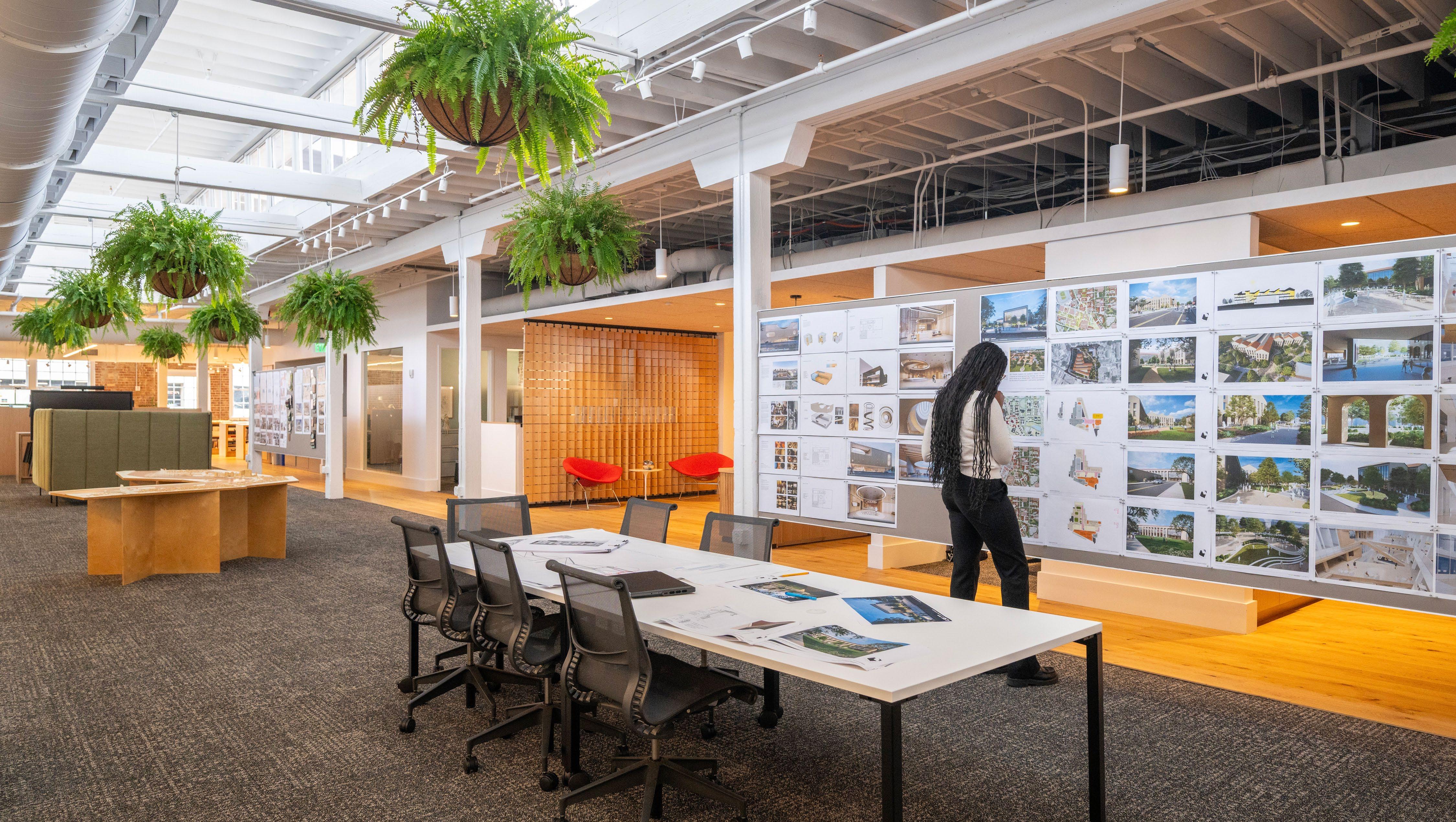
After more than 25 years in our previous space, EskewDumezRipple has found a new home at 400 Lafayette Street, in the heart of New Orleans’ Central Business District. Spanning 15,298 SF, the new studio marks an exciting next chapter— one that reflects our firm’s evolving space needs.
Designed through the same lens we bring to our clients’ projects, the studio embodies a holistic approach to workplace design, one that prioritizes comfort, flexibility, and connection. Drawing on our collective expertise designing offices across industries, we created a space that supports varied work styles, fosters collaboration, and celebrates the craft of design itself.
More than just a place to work, the studio represents an investment in our people and the creative energy that drives us forward.

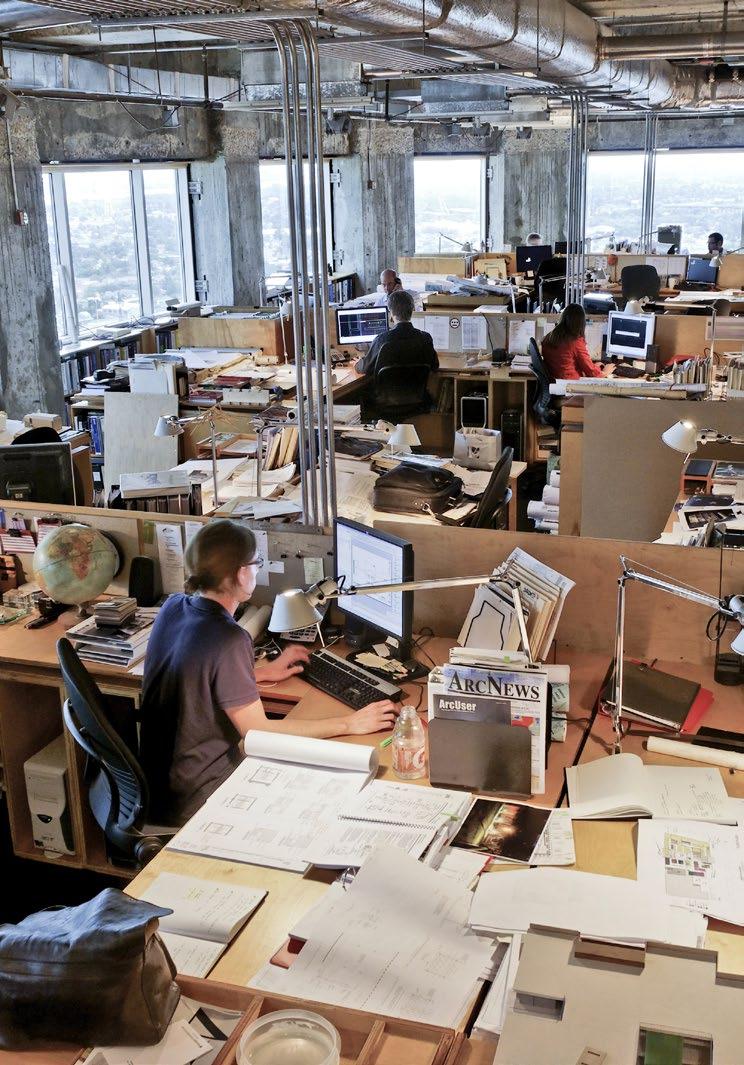
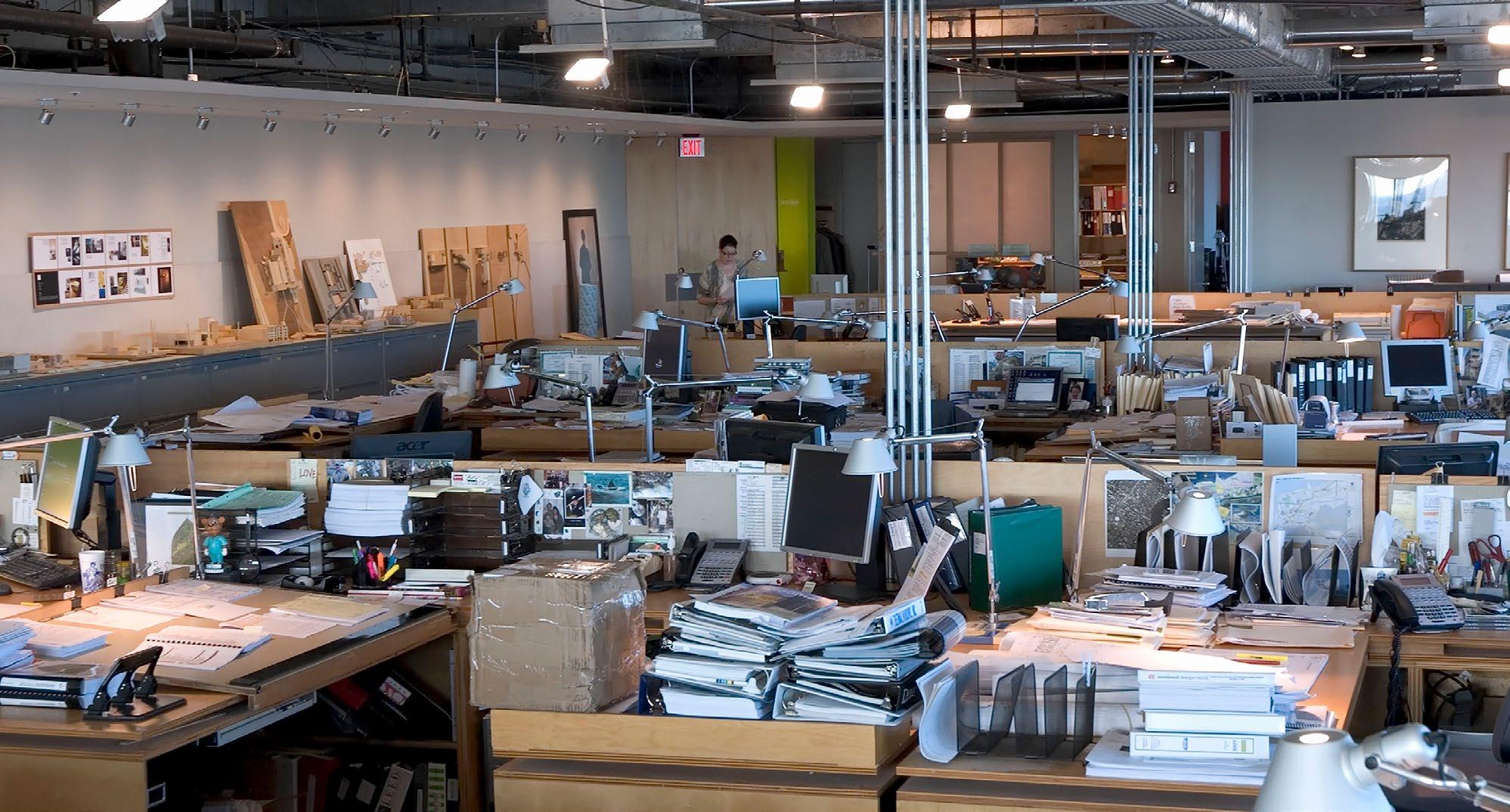
For more than 25 years, our studio occupied the 31st floor of 365 Canal Street, a space that, while once fitting, no longer reflected how we work today. Limited daylight, aging systems, and poor acoustics made collaboration and focus equally challenging, while the high-rise setting created a physical and cultural disconnect from the city below. As our practice evolved, so did our priorities: we needed a healthier, more flexible environment that would draw people back together, support creativity and well-being, and better embody the collaborative spirit of EskewDumezRipple.
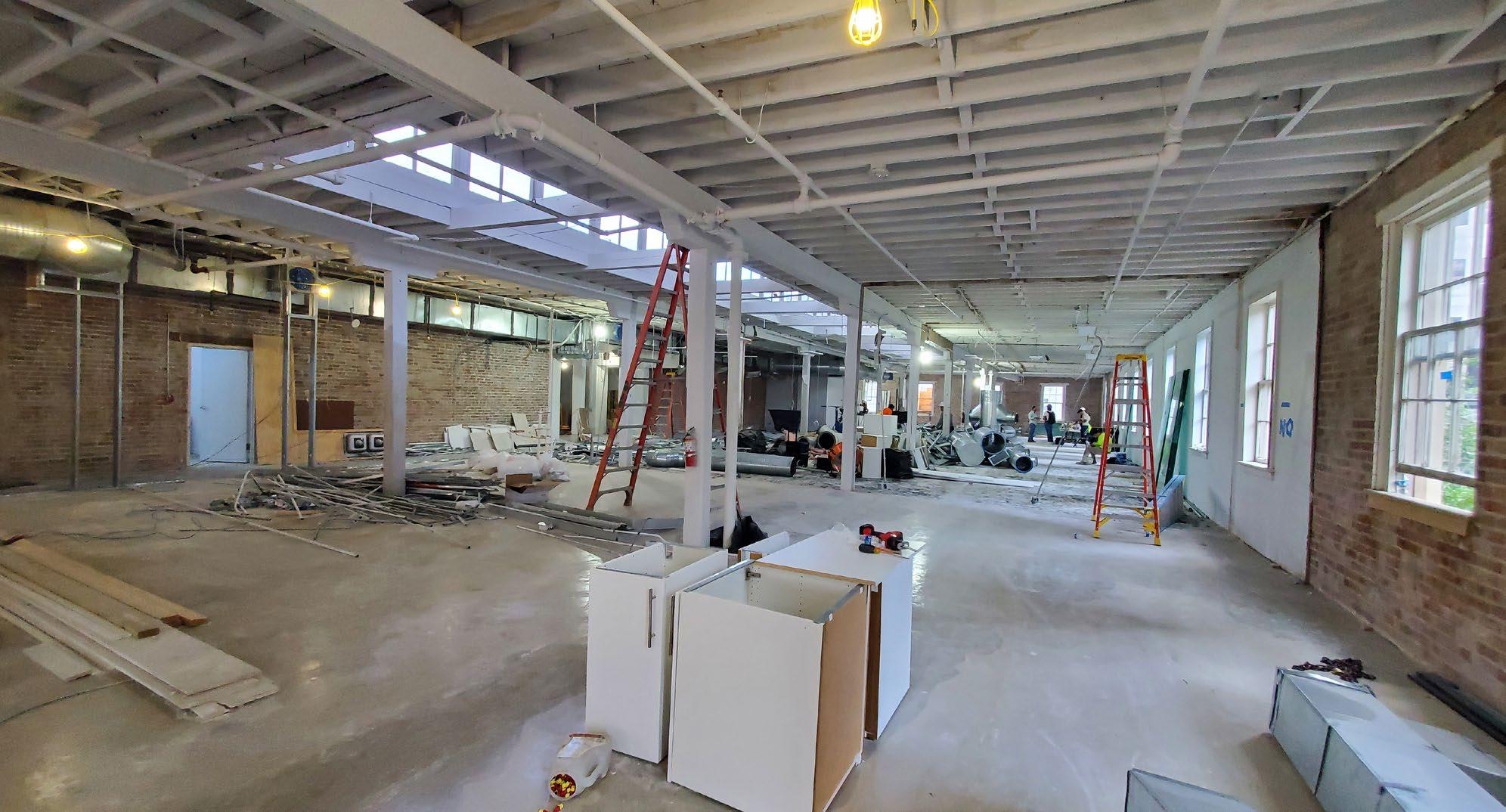
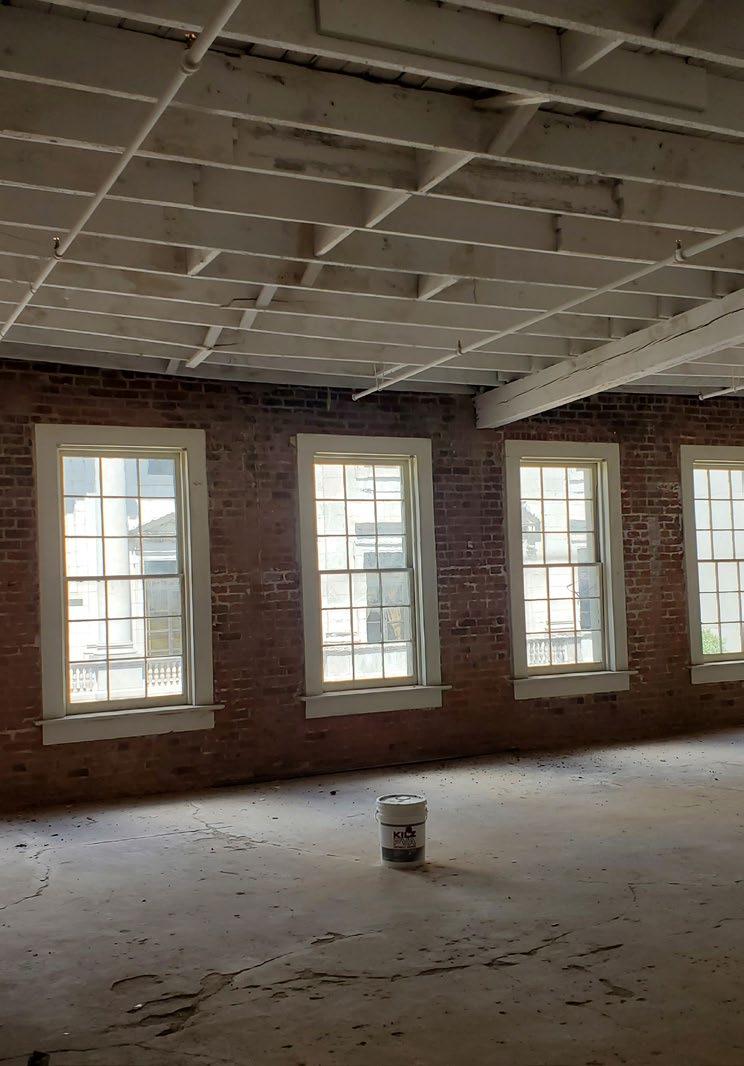
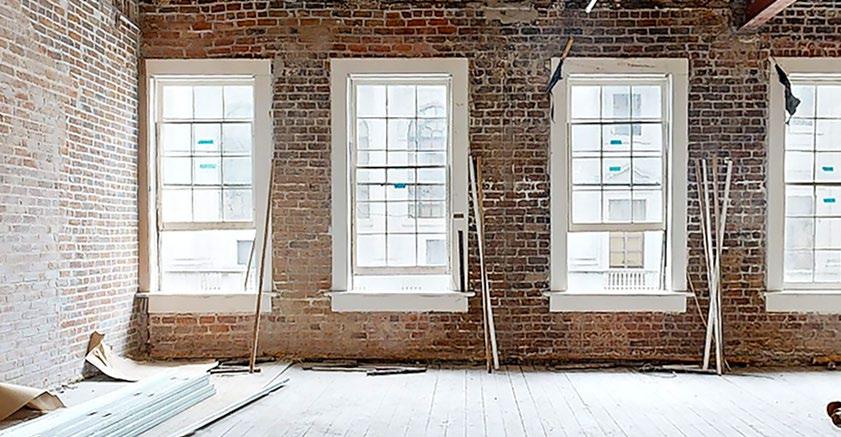
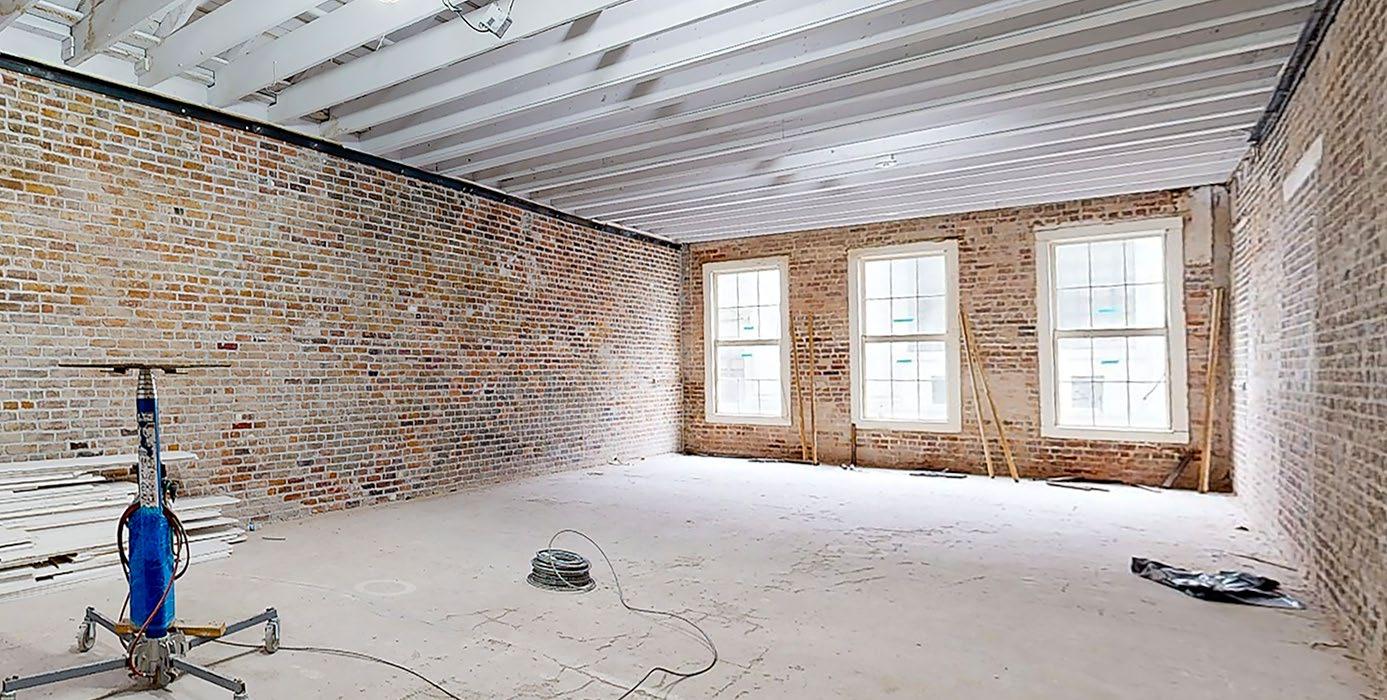
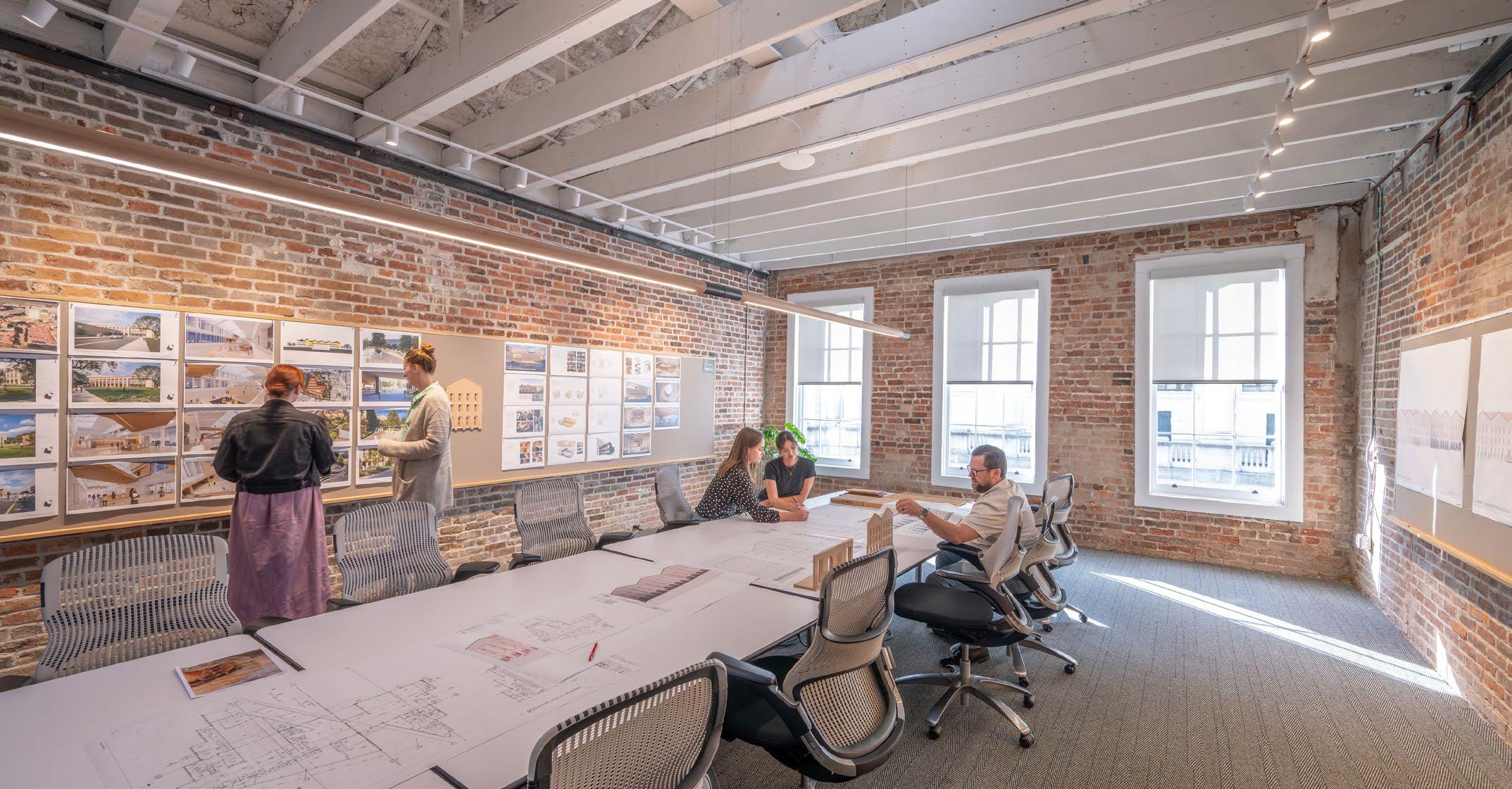
Located on the third floor of a building in the Warehouse District, the future home of our studio began as a patchwork of small tenant suites, dark, enclosed, and divided by partitions that blocked natural light. Dated finishes and poor acoustics made the space feel disconnected from its potential. Yet beneath those layers, we saw opportunity in its high ceilings, exposed brick, and generous windows waiting to be uncovered. We sought to transform the space while celebrating the building’s industrial character and supporting the creative rhythm of modern practice.
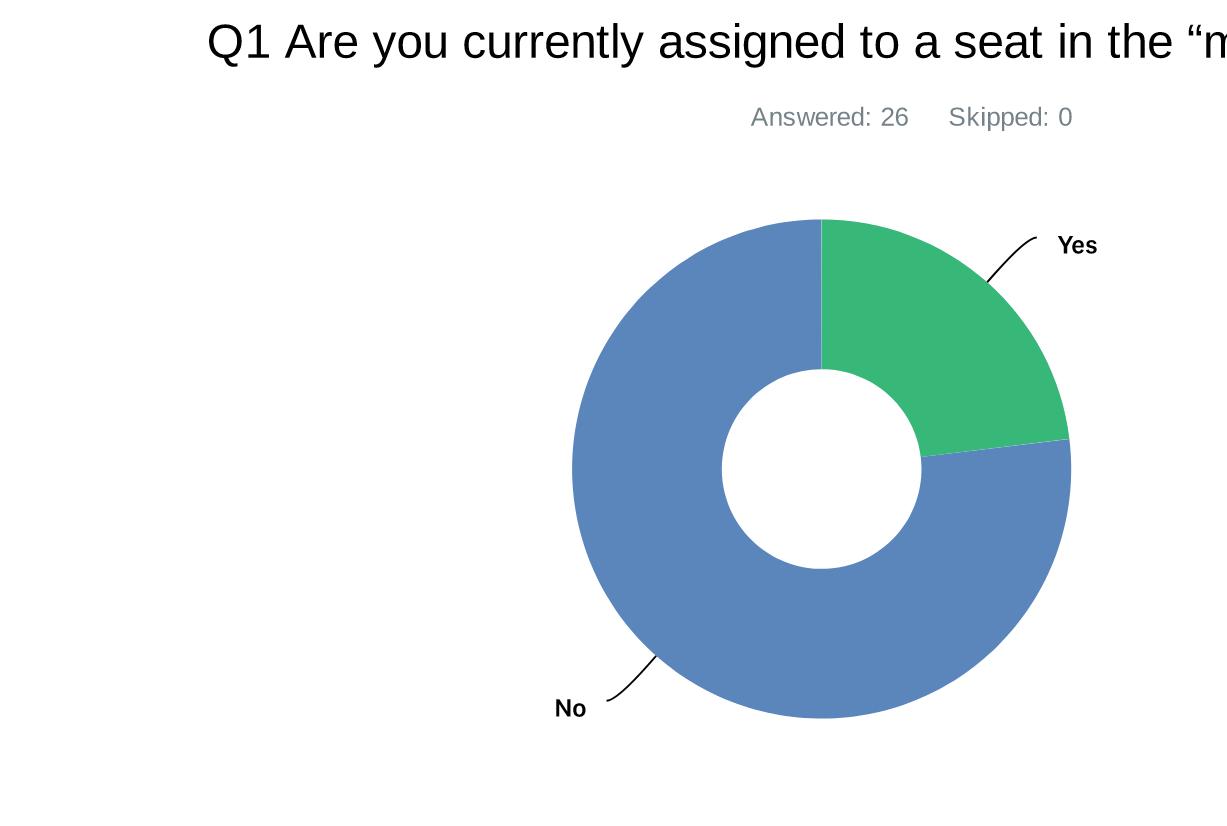
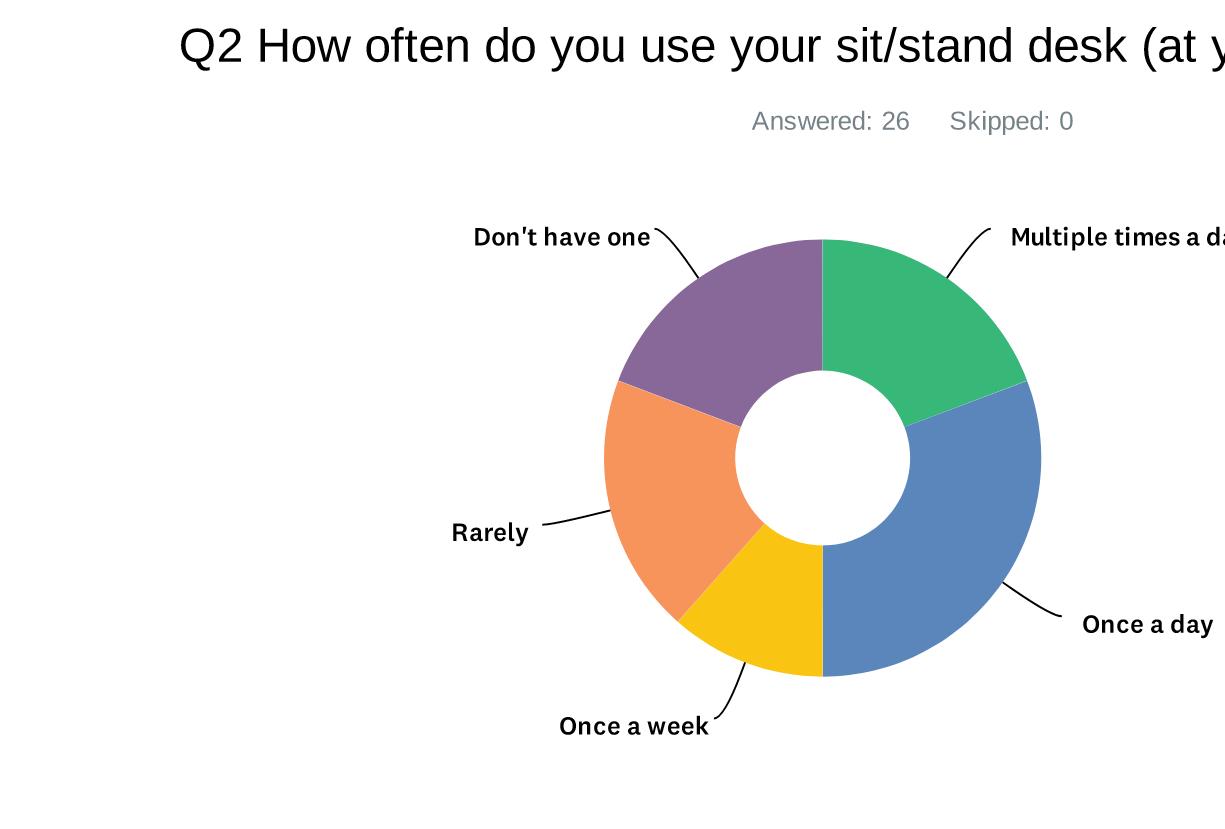
Programming and stakeholder engagement drive decisionmaking on every project—and our new studio was no exception. We began the design process by surveying firm members to workspace. Through workshops, brainstorming sessions, and and acoustics to collaboration zones and communal spaces. This collective effort ensured that the design reflected how we
NEED TO HAVE
• Lighting
AN EQUITABLE OFFICE SPACE
• Communal Spaces
• Acoustics
• Storage

• No Hierarchy
• No Isolated Teams
• Cater to Different Workstyles
• Mother’s Room
• Phone Booth/Private Spaces
HOW DO WE DESIGN FOR IMPROVED MENTROSHIP - BOTH FORMAL AND INFORMAL?
• Sit Leadership Among Teams
• Smaller Collaboration & Meeting Spaces
NICE TO HAVE
• Breakroom
• Ergonomic Furniture
• Outdoor Space
• Maker Space
• Plants
FOR THE EMPLOYEE & VISITOR EXPERIENCE
• Collaboration on Display
• Clear Reception
• Variety of Space Types
• Light, Bright, Biophilia
HOW CAN THE DESIGN & LAYOUT REDUCE ISOLATION BETWEEN DEPARTMENTS?
• Hot Desks
• All-Staff Gathering Space
• Proximity
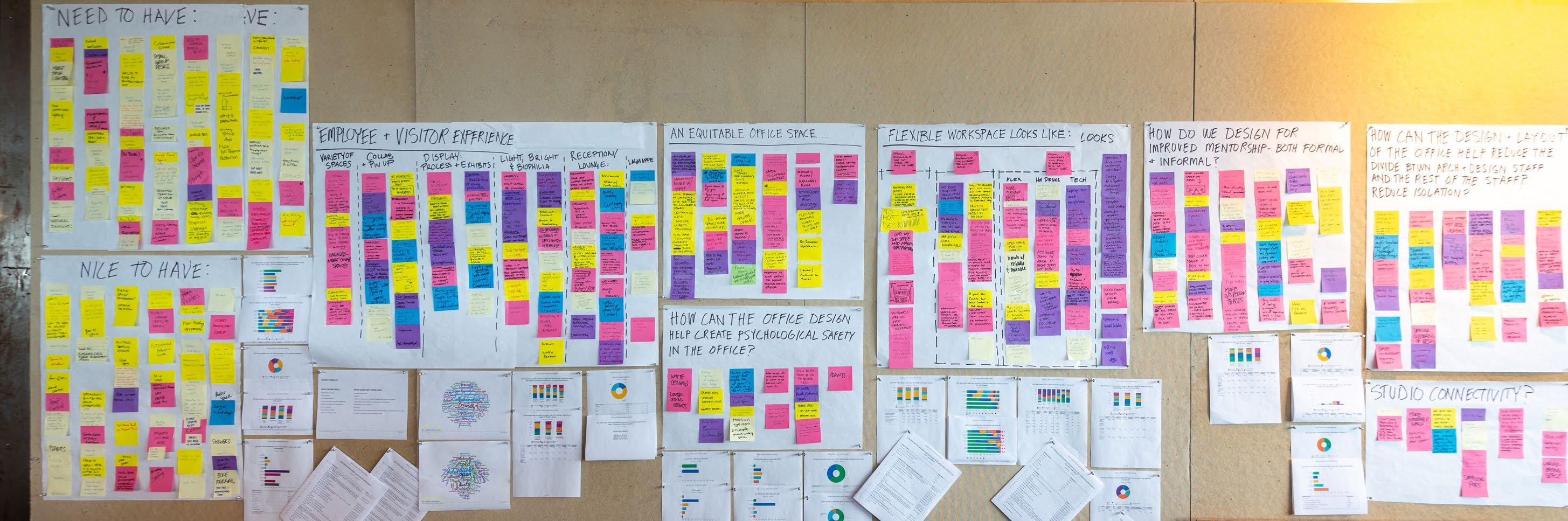
Sticky note exercise completed in the office.
What is your favorite part about working in the new studio?
Responses from firm members
“Daylight! + the café space”
“The natural light”
“That it’s new!!! & it’s bright and everyone seems so happy and cheerful”
“The birds singing outside my window!”
“Alternate work areas”
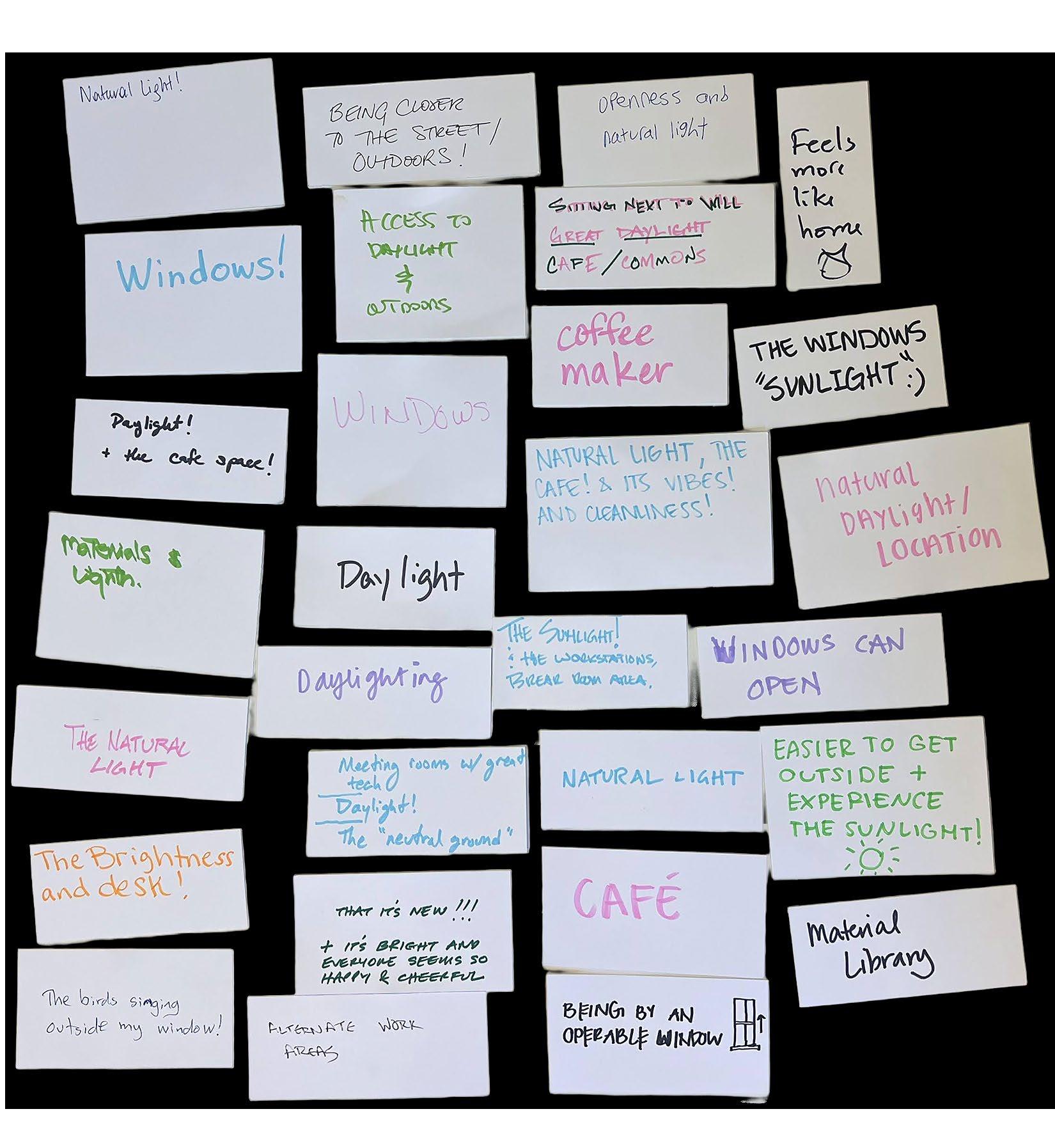
“Feels
more like home”
“Windows can open”
“Easier to get outside + experience the sunlight!”
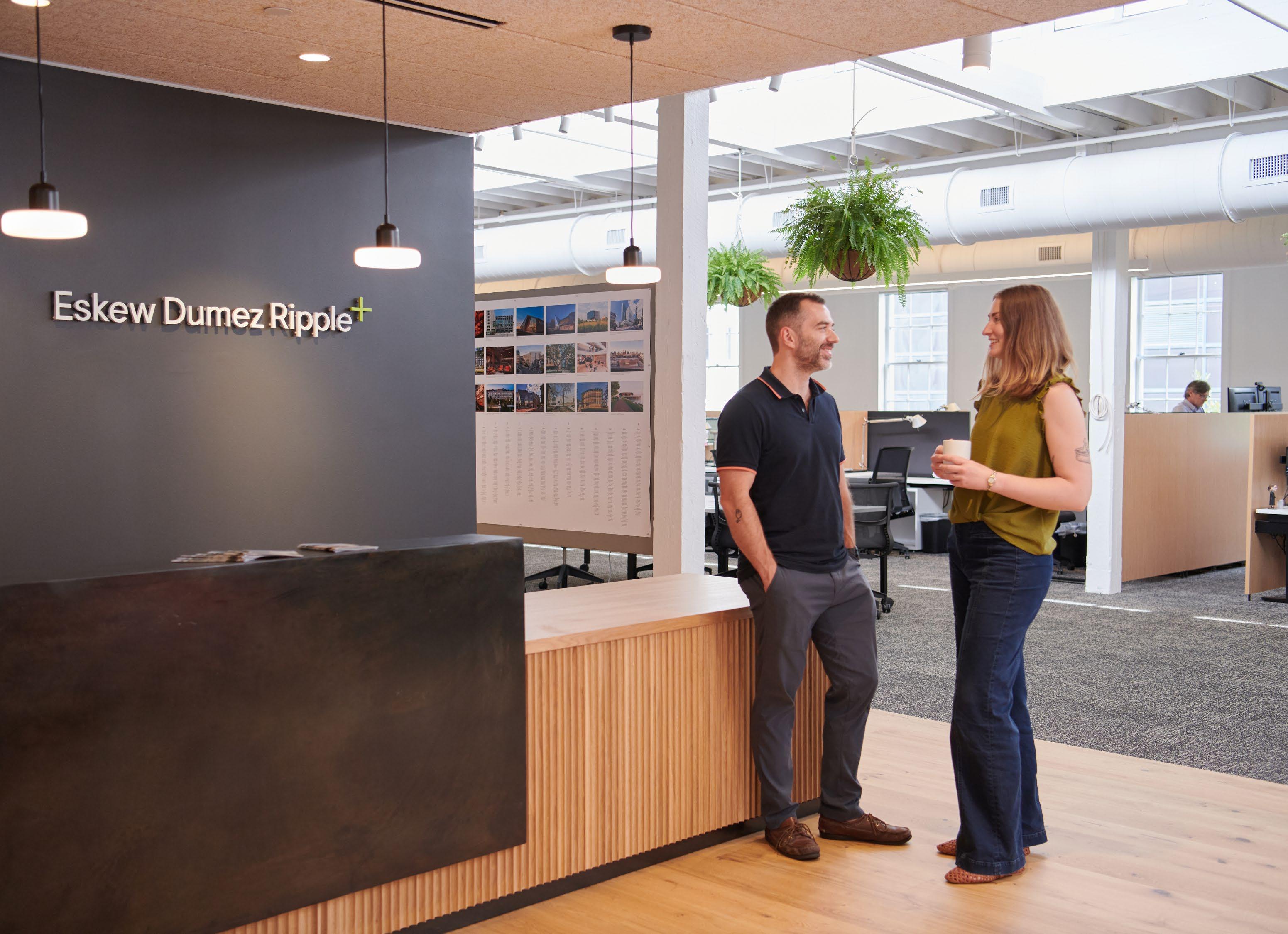
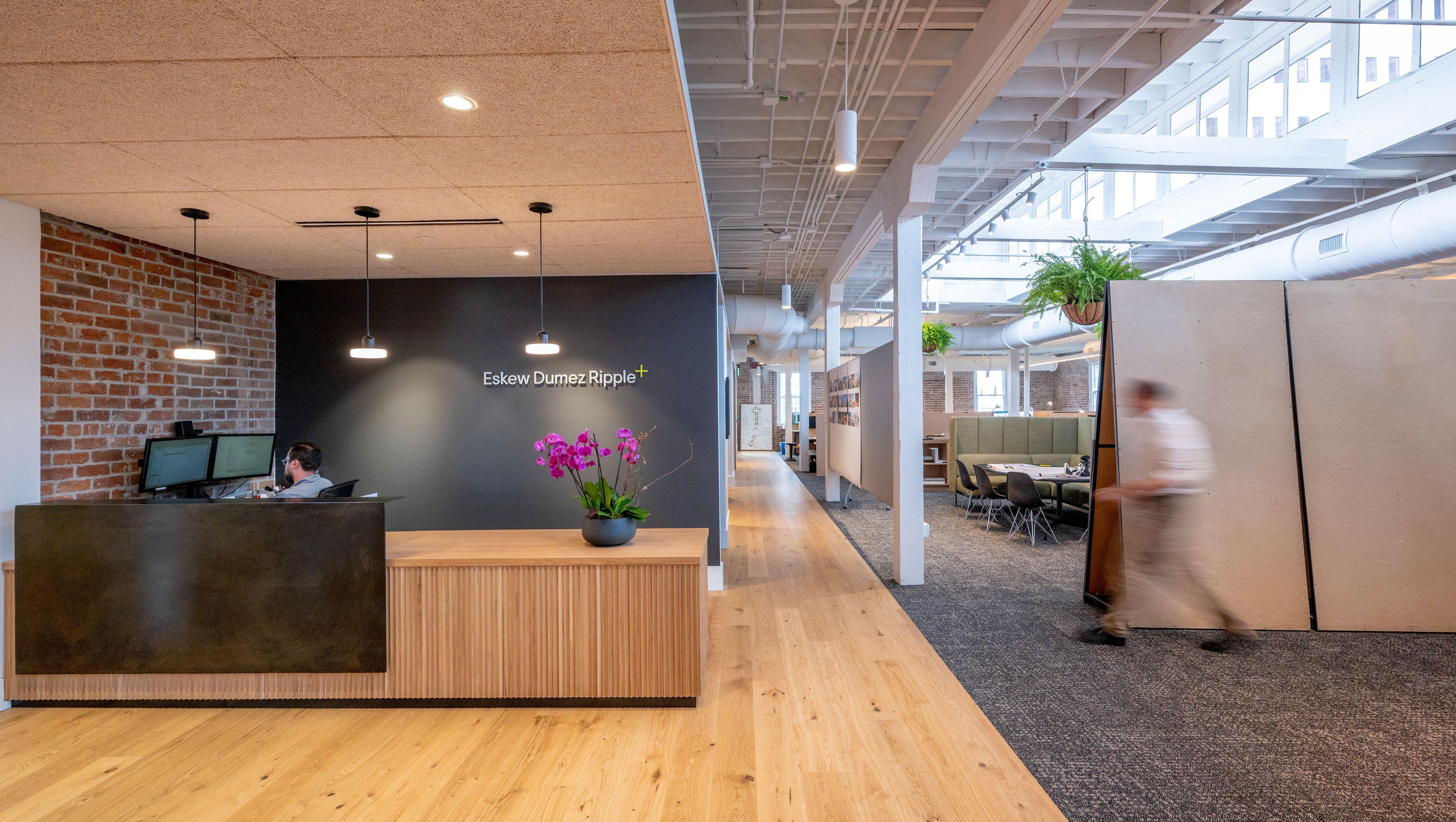
Previously divided among multiple tenants, the thirdfloor space was reimagined to create a unified and open studio. Upon arrival, visitors once stepped out of the elevator only to face a solid wall, an abrupt and disconnected introduction to the third floor.
Removing that barrier transformed the vestibule into a generous entry sequence that immediately reveals the energy of the studio beyond.
Anchored by our welcome desk and administrative team, the new entry offers a clear visual connection into the workspace, inviting guests to experience the openness, collaboration, and creativity that define our practice.
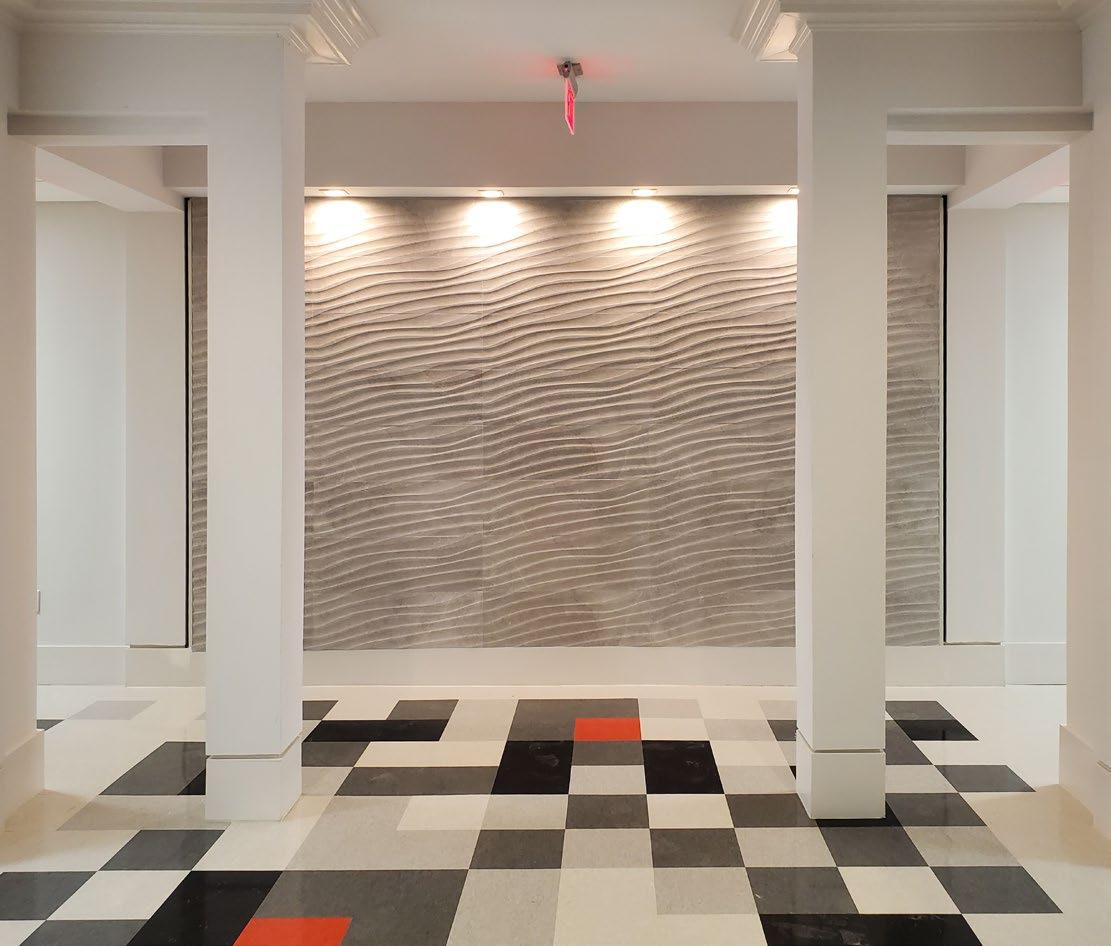
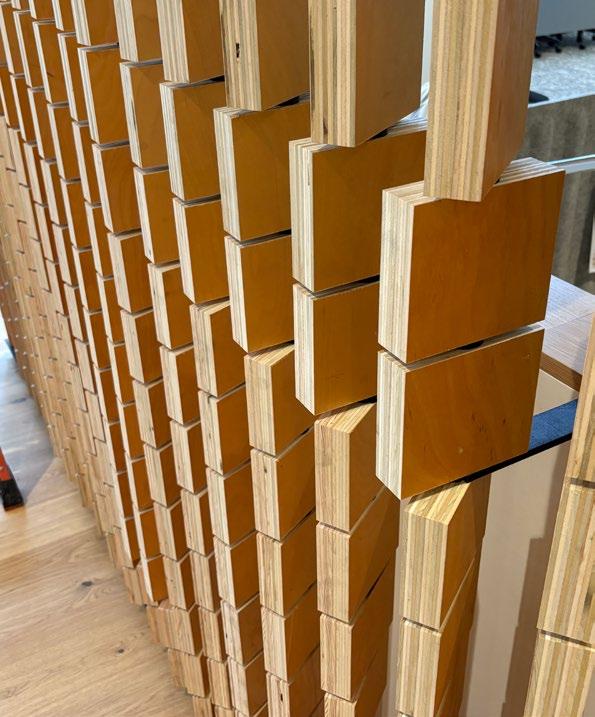
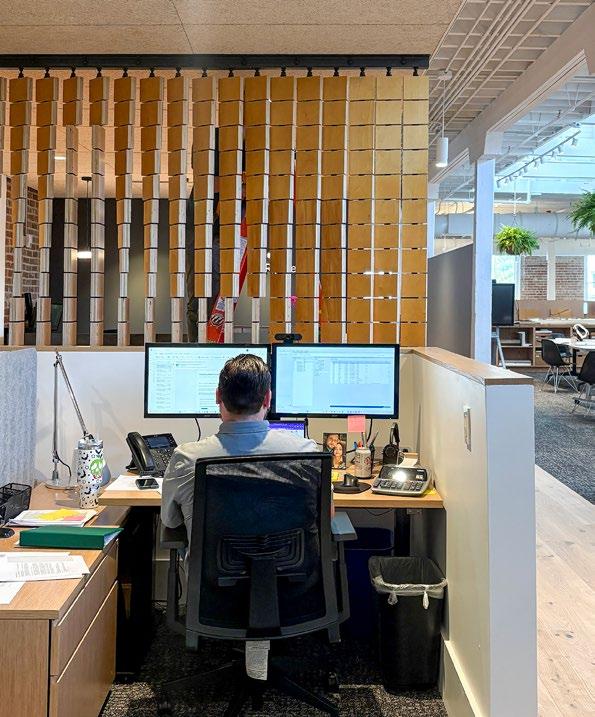
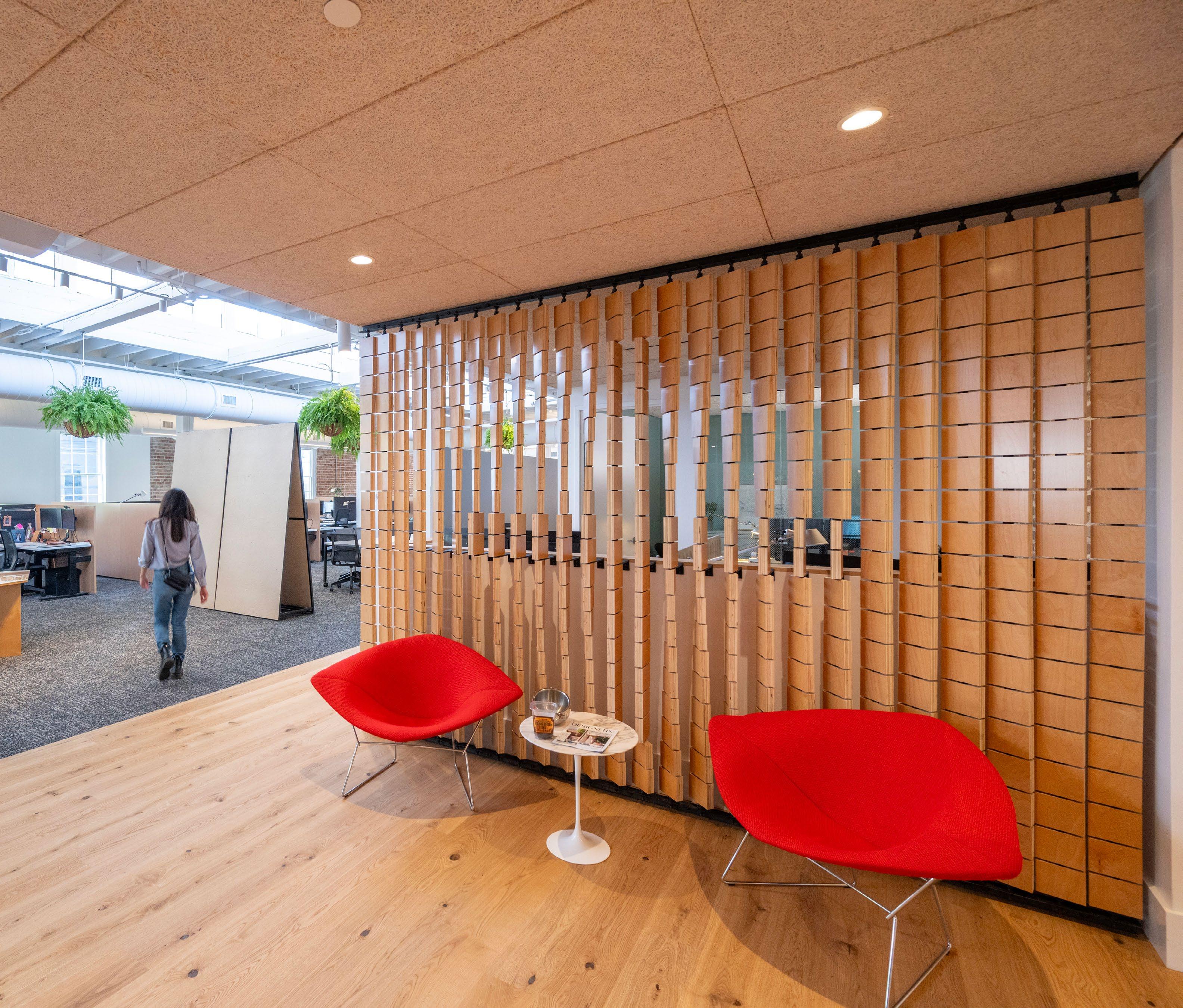
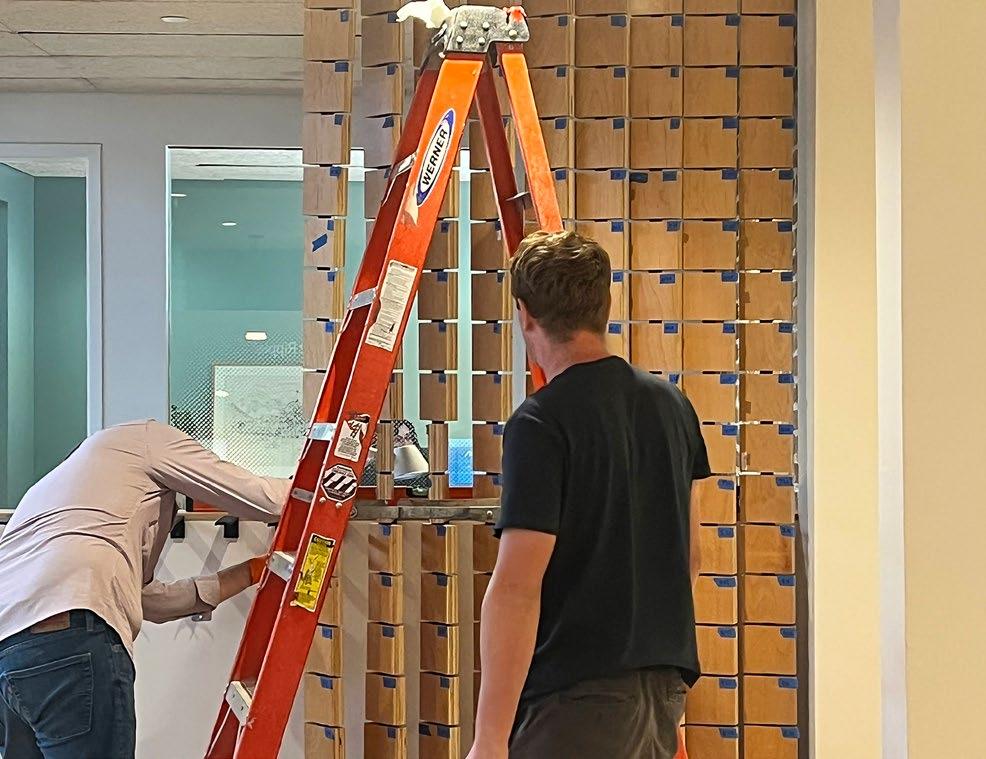
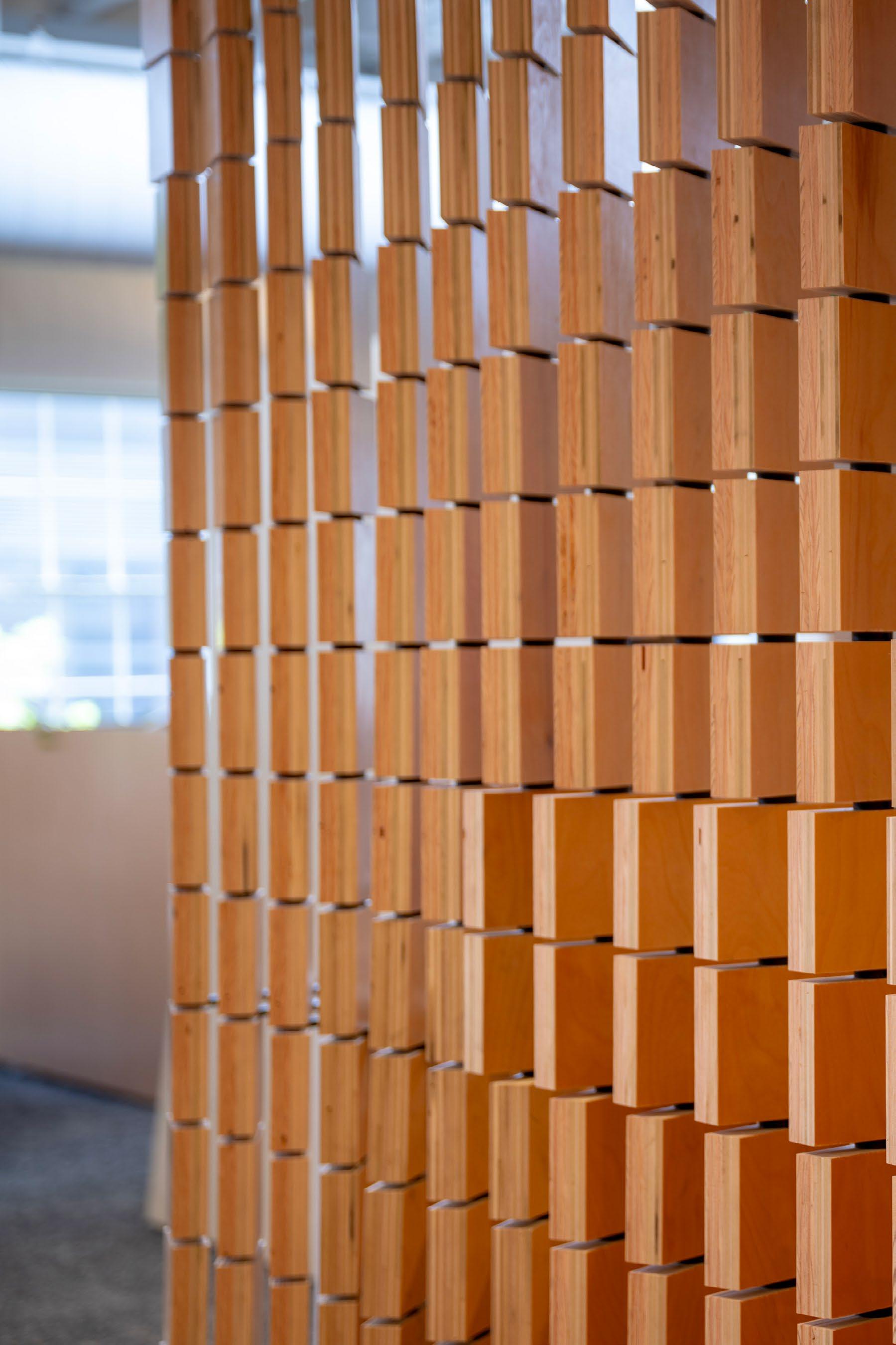
Serving as the first visual moment upon entry, the Screen Wall establishes a threshold between the public and private zones of the studio. Its sculpted rhythm of wood blocks and subtle transparency invites curiosity, hinting at the creative energy that fills the space beyond. Designed and fabricated in-house, the wall celebrates EskewDumezRipple’s spirit of collaboration and craft. What began as an internal design competition quickly became a firm-wide effort, engaging designers from across disciplines to transform reclaimed materials from our previous Canal Street office into something entirely new. From certain vantage points, the composition resolves into the familiar “+” symbol from the firm’s logo, a quiet nod to collective authorship. From others, it reads as a shifting field of texture and light. Like the work that happens within the studio, its beauty lies in the interplay of many hands coming together to create something greater than the sum of its parts.
The Screen Wall began as part of an internal design competition exploring how the firm’s new studio could embody its collaborative spirit.
Titled The Plus is Us, the winning concept took inspiration from the “+” in our logo: a symbol of the collective contributions that make our work possible. Drawing on this idea, the wall’s design transforms reclaimed materials from our previous Canal Street office into a new centerpiece for the entry sequence, illustrating both the continuity of our history and our commitment to reuse and resourcefulness.
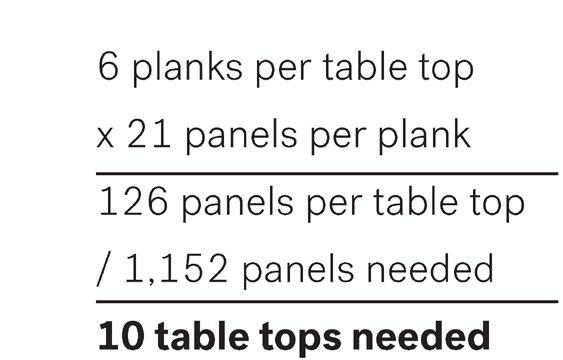
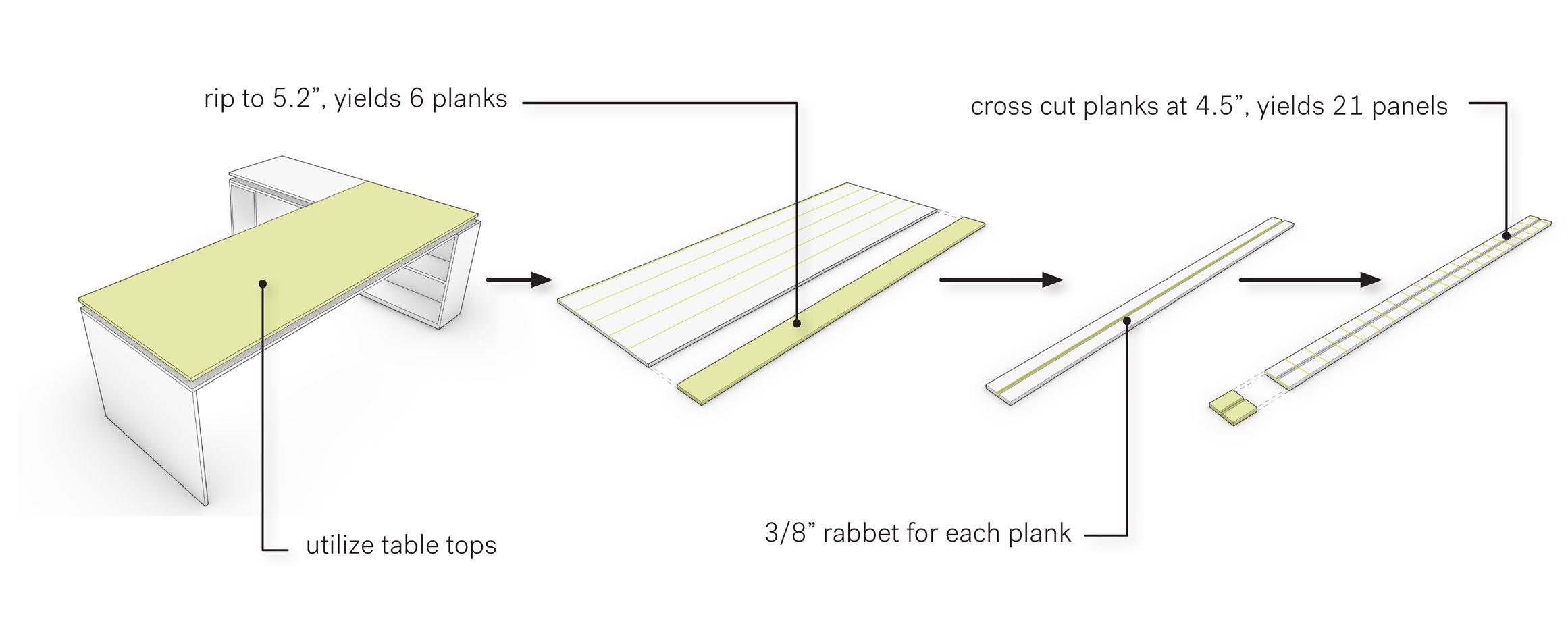
Process diagram showing how reclaimed desks were transformed into panels for the Screen Wall.
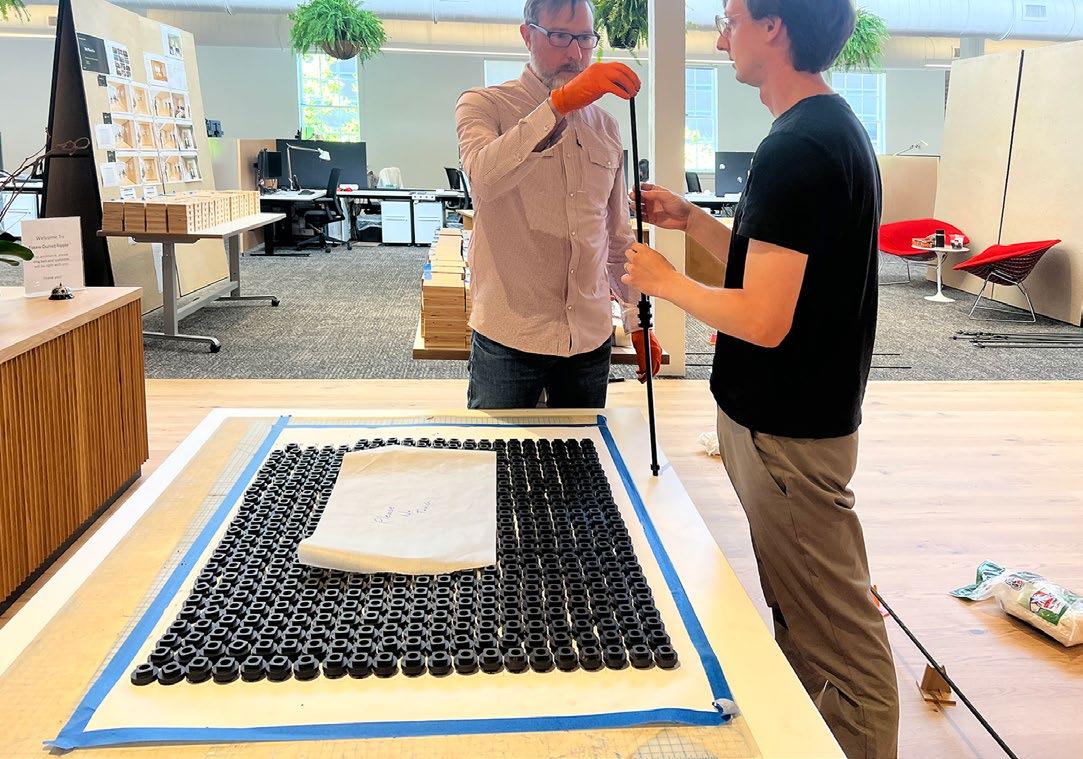
Conceived as both an architectural gesture and an experiment in digital craft, the Screen Wall explores how computation and fabrication can merge to create something expressive and human. Early in the design process, our team turned to parametric modeling tools— Rhino and Grasshopper—to establish the wall’s structural logic and visual rhythm. This workflow allowed for rapid iteration of proportions, spacing, and alignment, enabling precise coordination between digital intent and physical assembly.
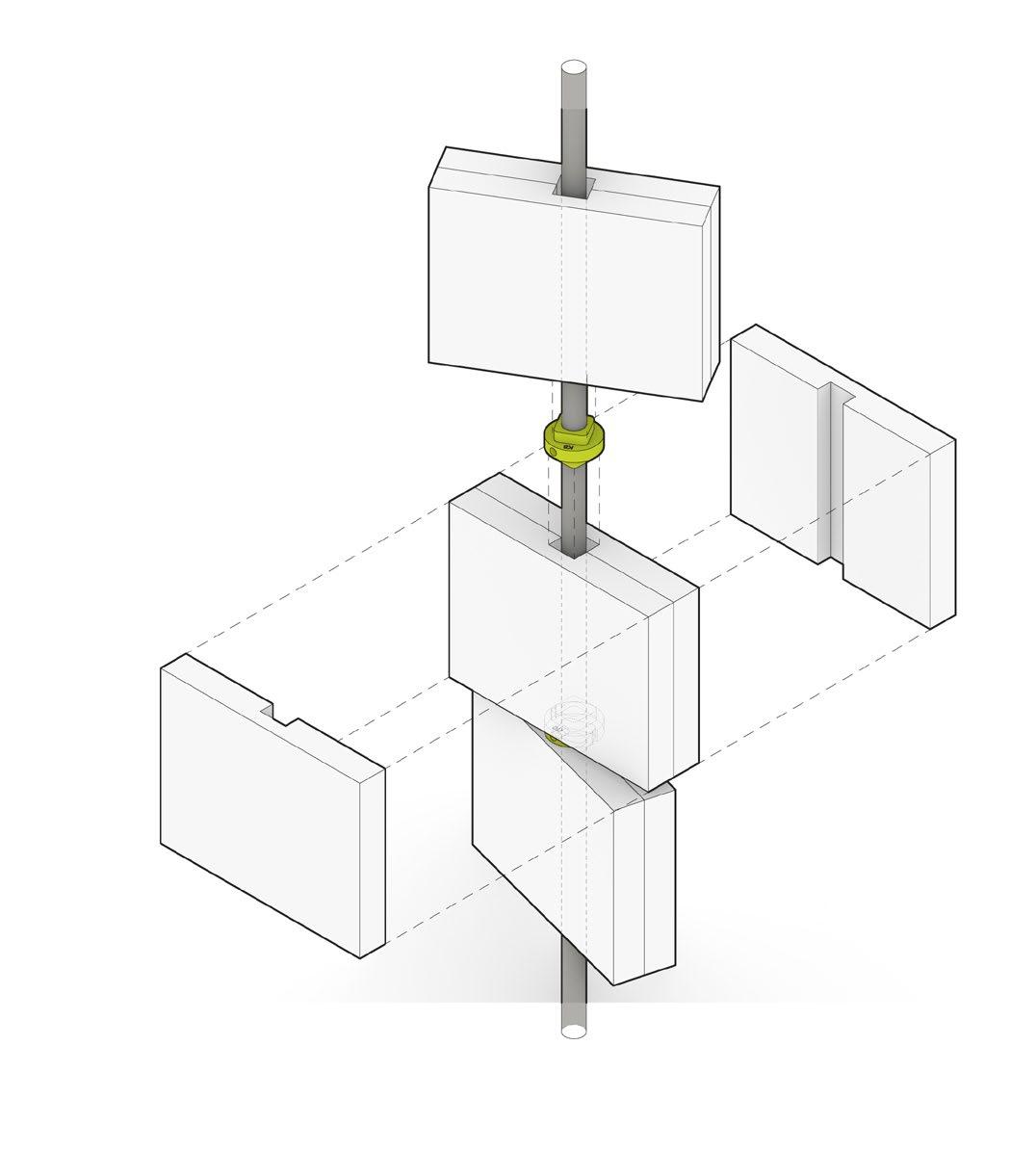
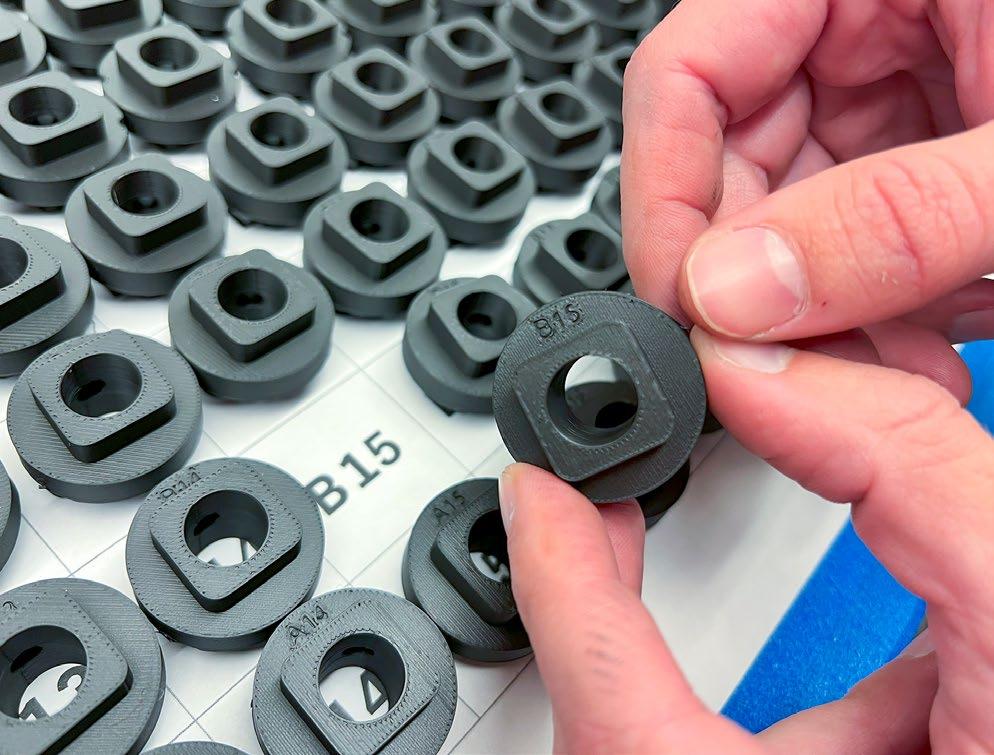
The process generated not only the geometry of over a thousand modular wood blocks, but also the 3D-printed connectors that hold them in place. By embedding fabrication data directly into the model, the team could quickly test variations, optimize connections, and prepare files for production.
The result is more than a partition— it’s a demonstration of how digital design can advance material reuse, precision, and collaboration. The Screen Wall embodies the spirit of our practice: innovative, iterative, and deeply rooted in the act of making.
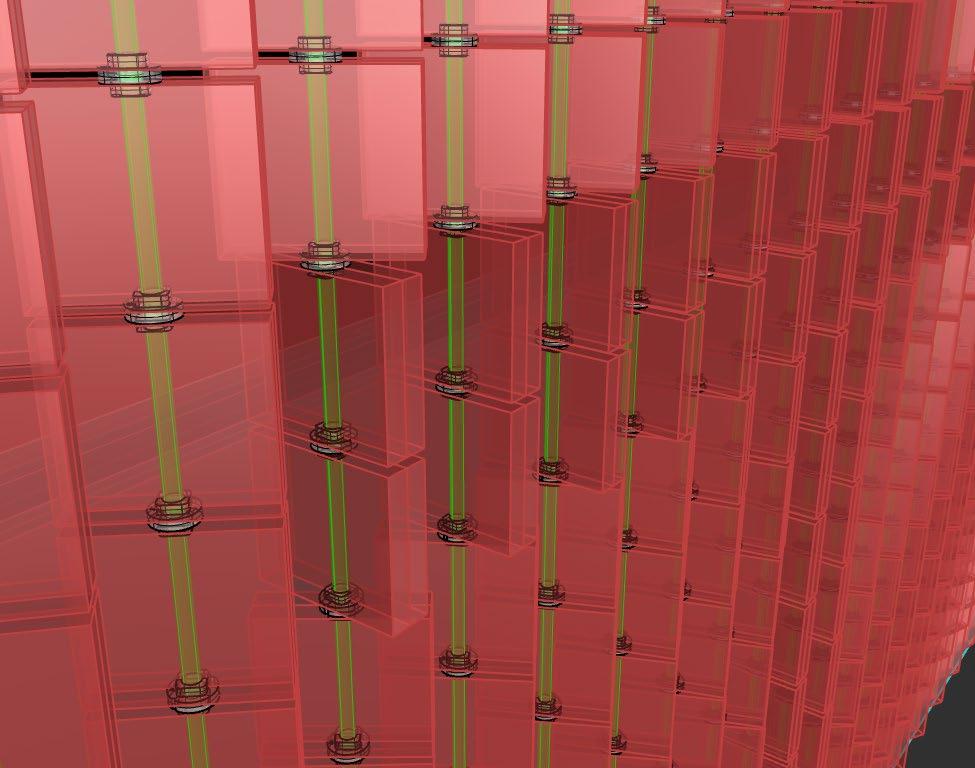
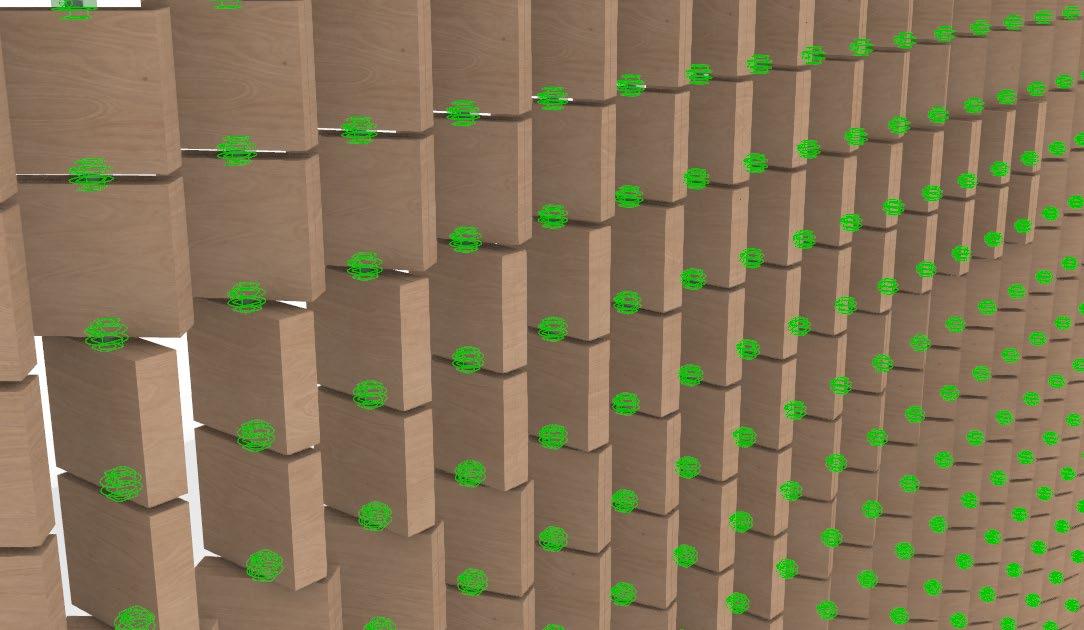
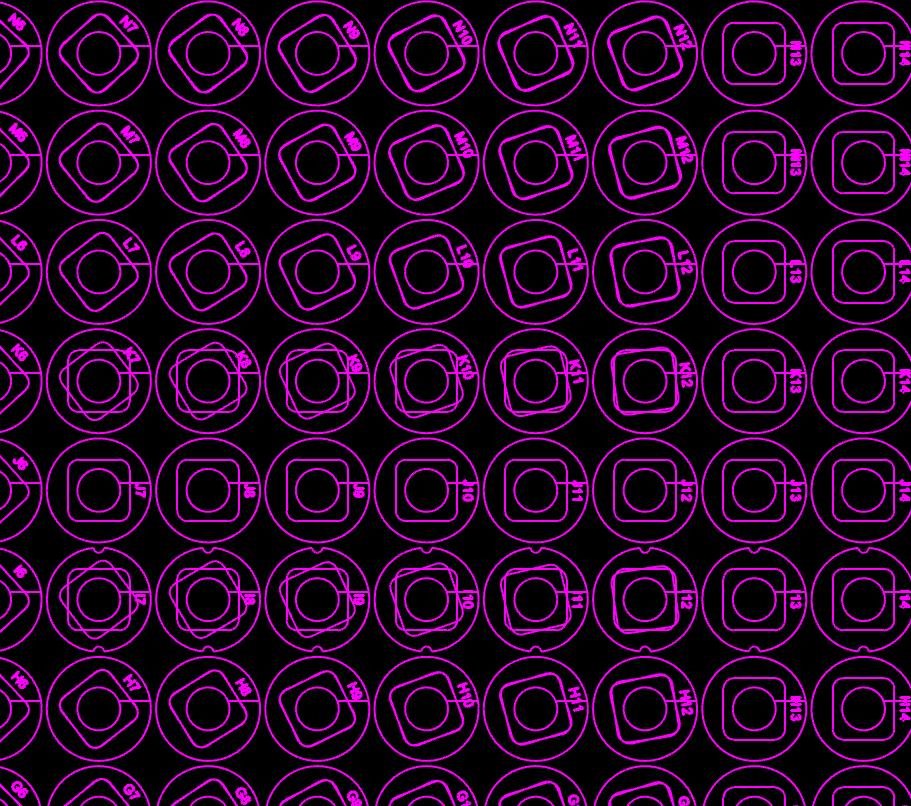
Joints
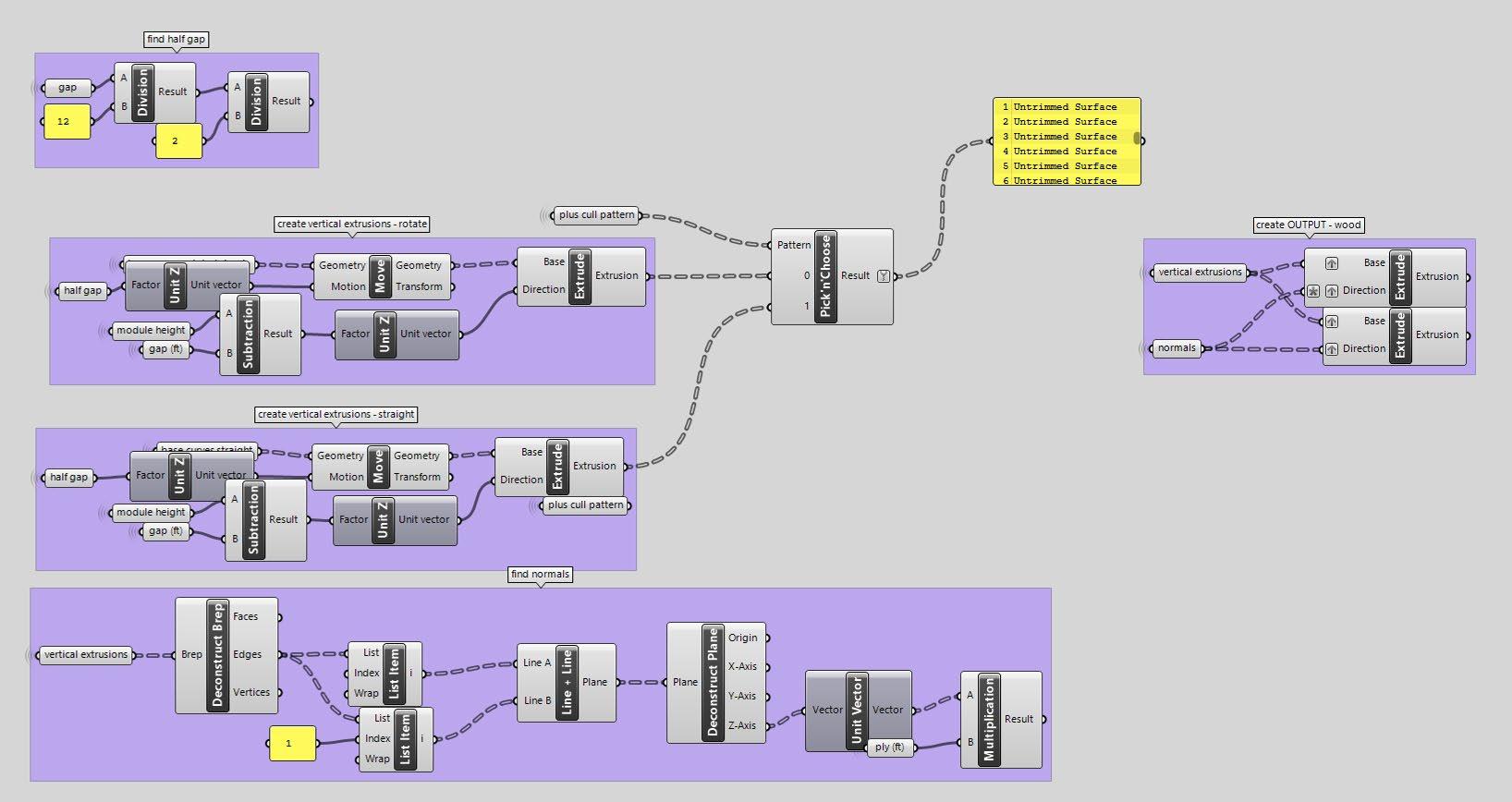
Excerpt from the Grasshopper definition that drives the wall’s logic—defining spacing, alignment, and connector geometry for fabrication.
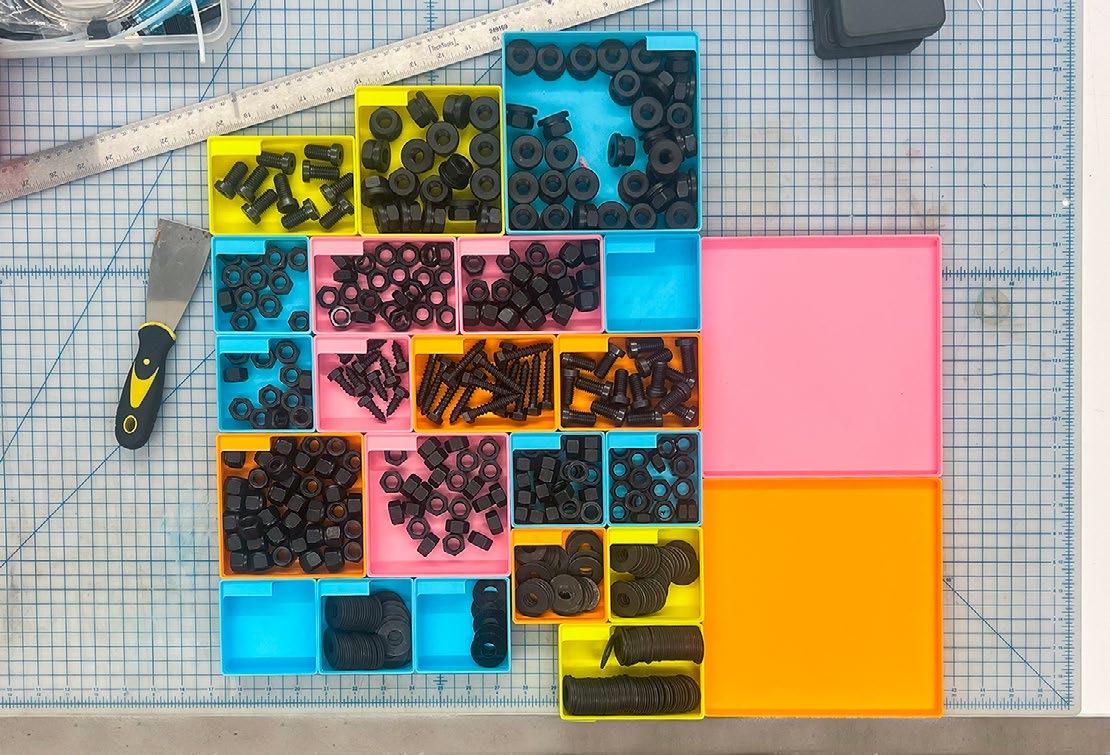
The Screen Wall’s design is built from 26 vertical steel rods anchored at the floor and ceiling, each supporting 20 reclaimed wooden blocks. The rotation of each block is controlled by a custom 3D-printed joint, whose alignment collectively produces the wall’s subtle wave effect. At eye level, openings reveal framed views through the EDR “plus” logo and toward the studio’s entry.
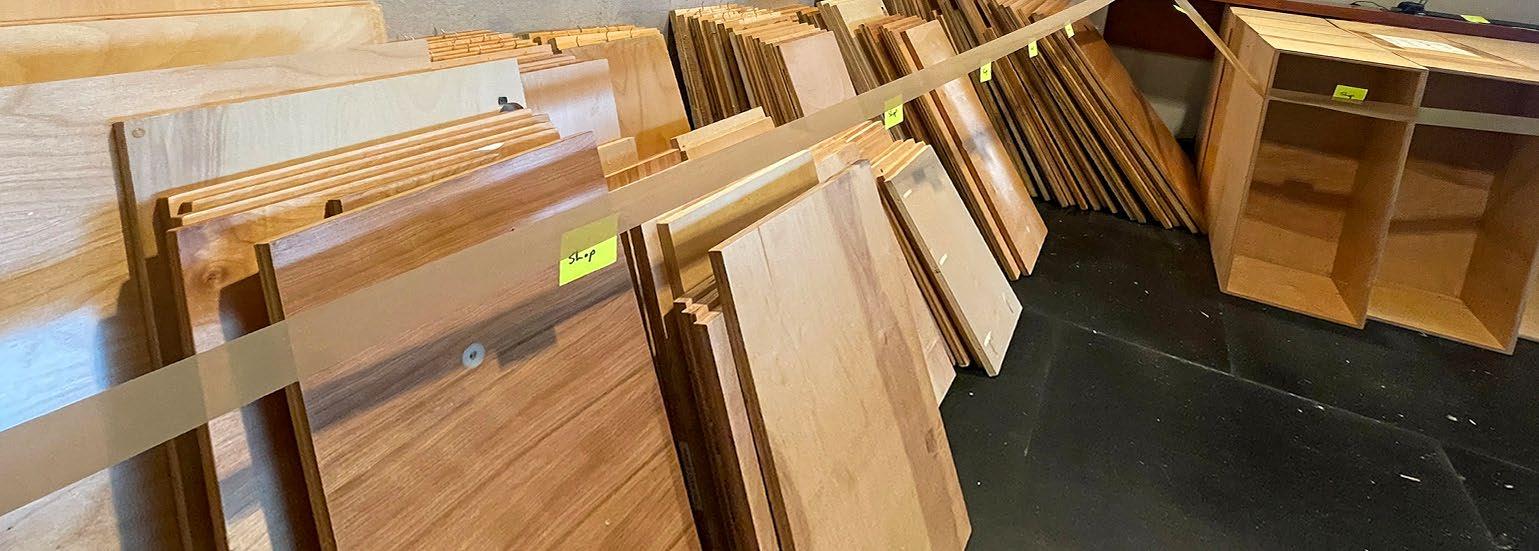
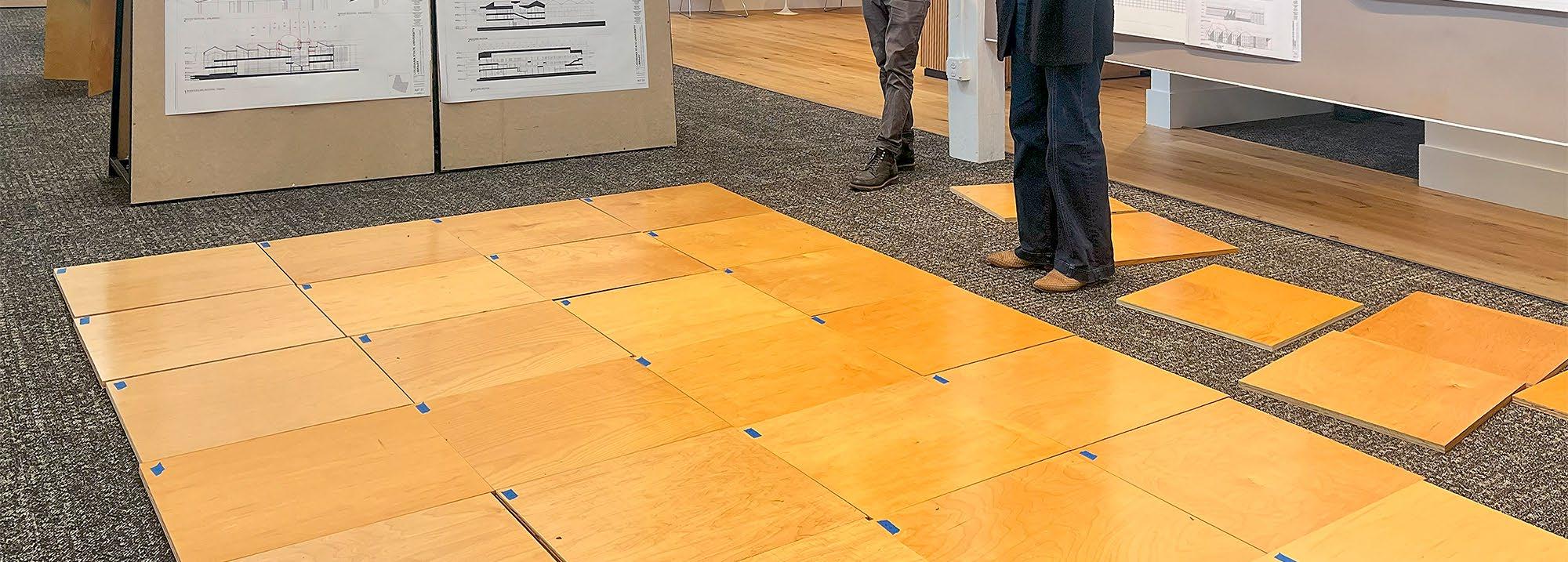
Fabricated entirely in-house, the installation became a fullstudio effort—designers repurposed plywood desktops from the former office, cut, milled, and refinished into more than 1,100 modular pieces. The result is a system that merges digital precision with handcraft, exemplifying the collaboration and care that define our practice.
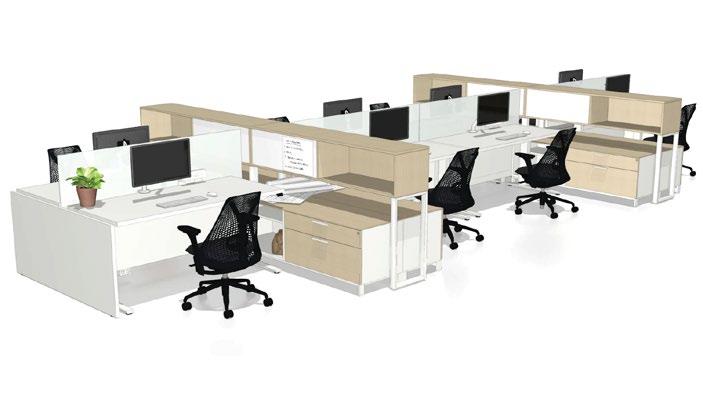
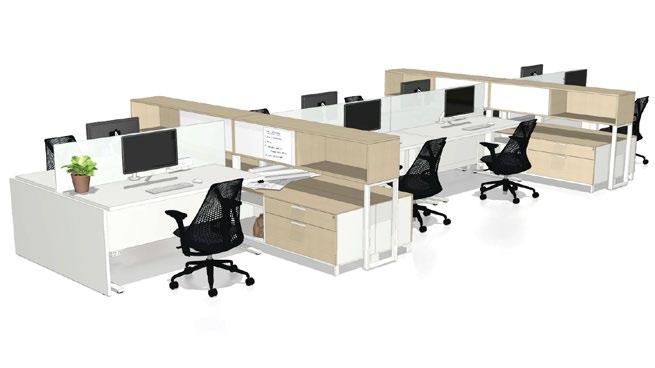
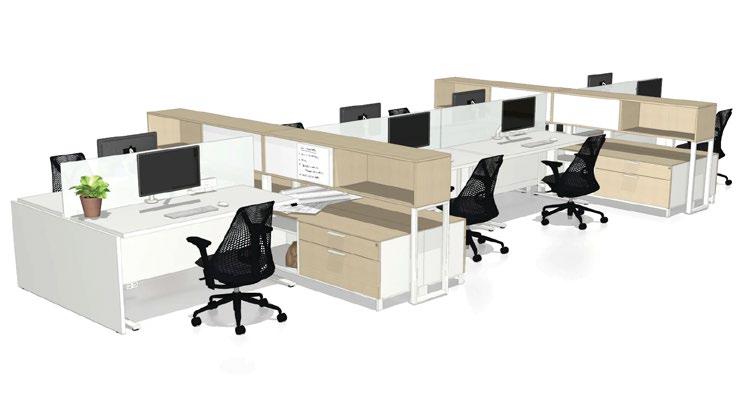
Rendering | View of Workstations & Open Collaboration Spaces
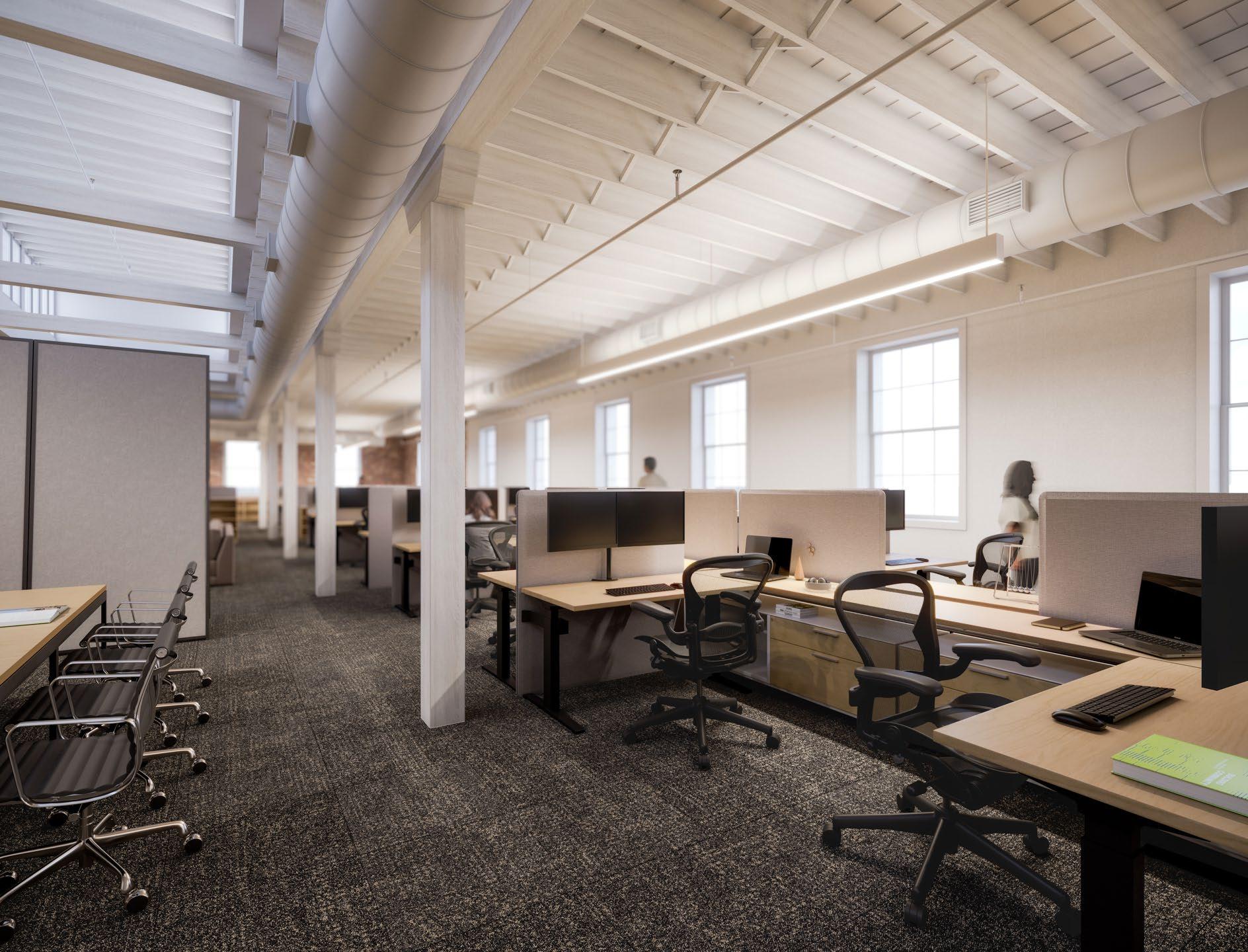
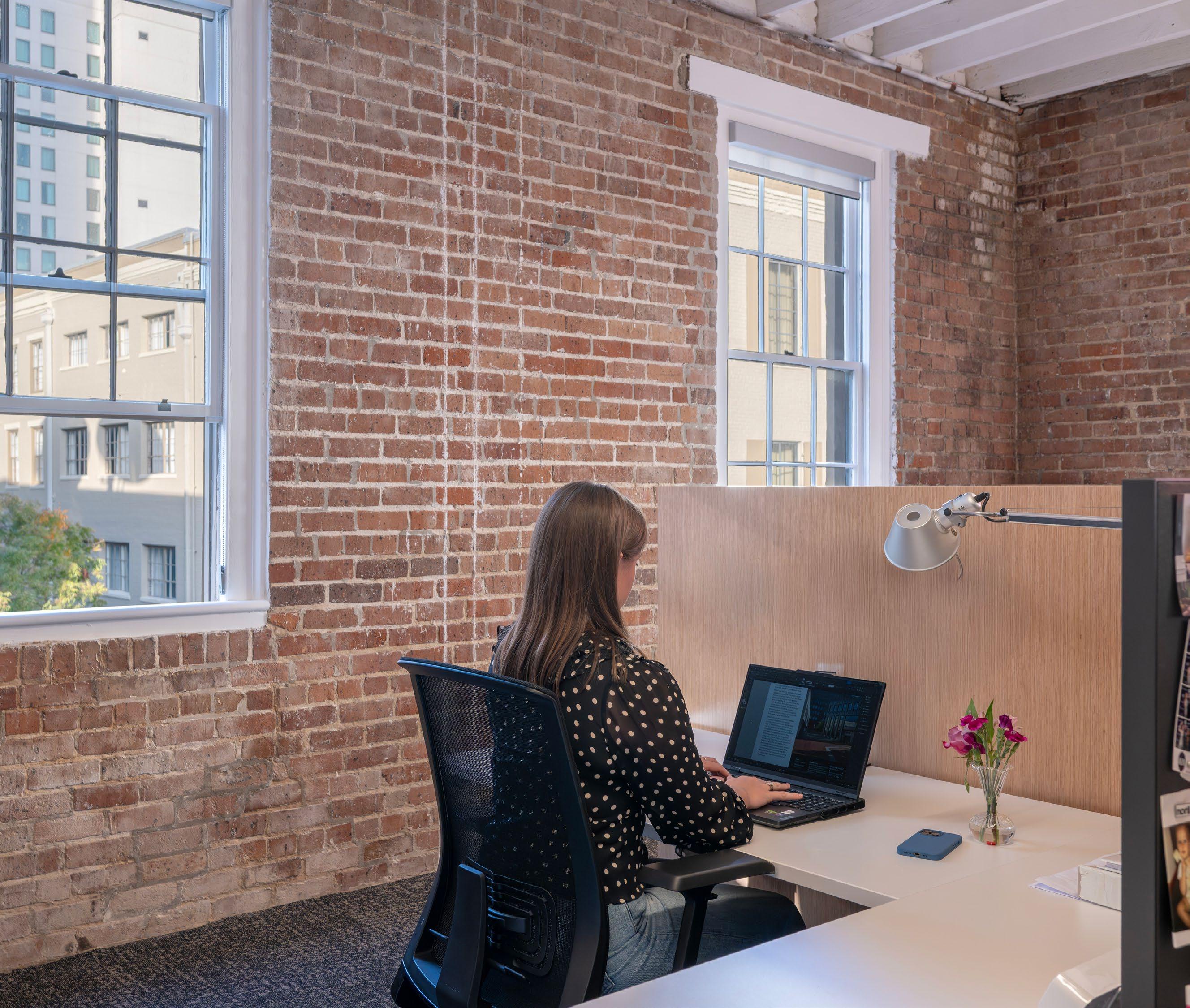
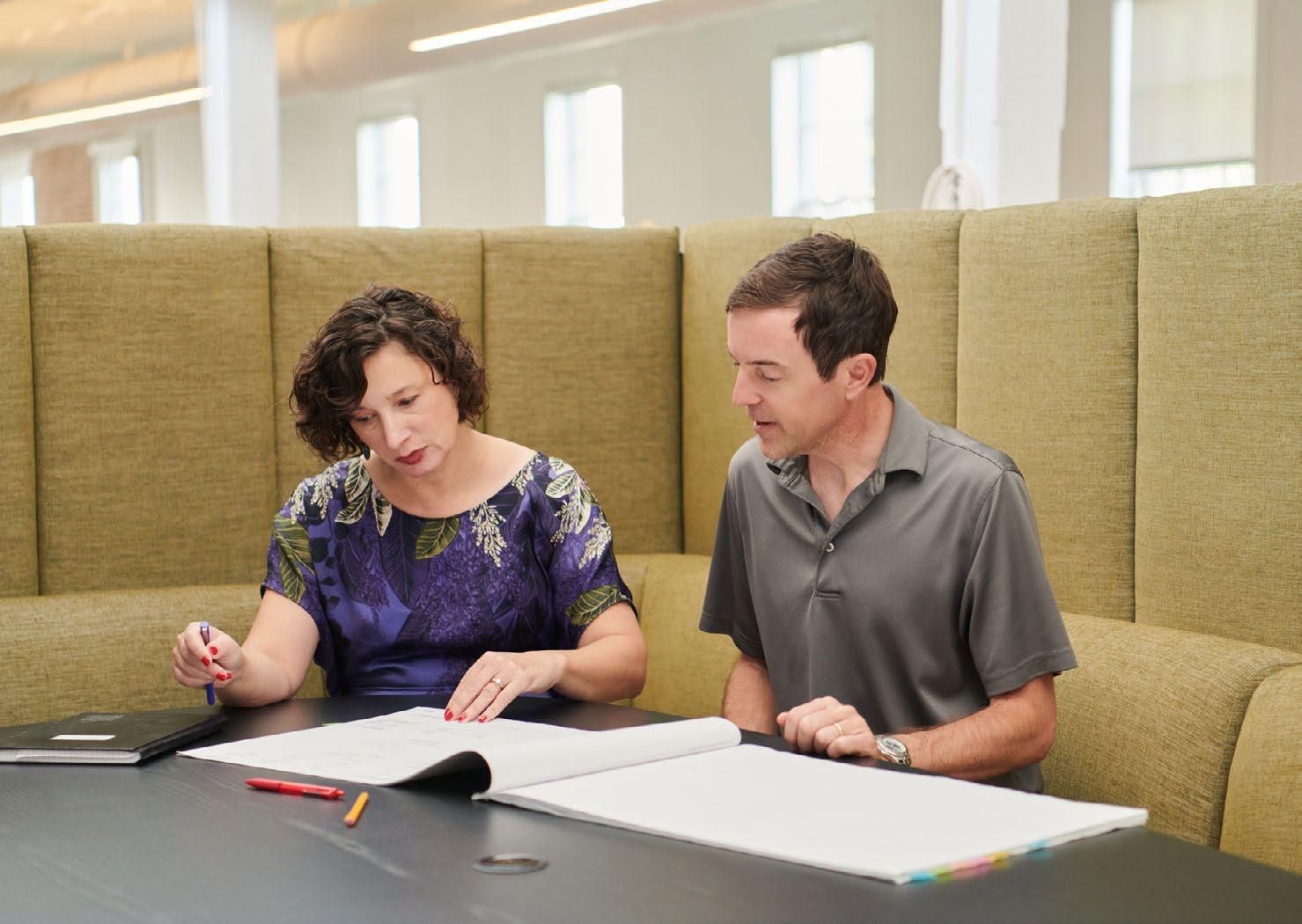
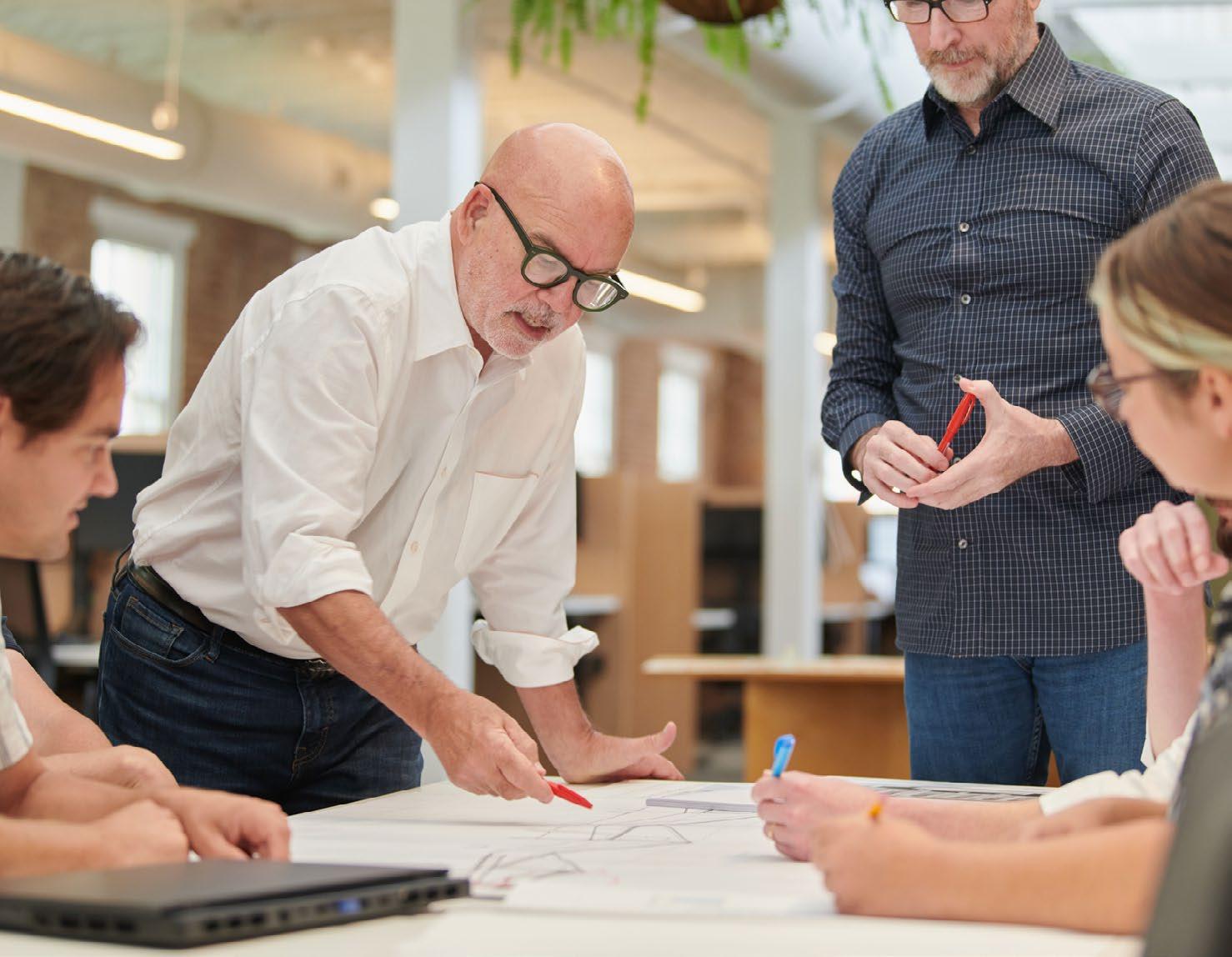
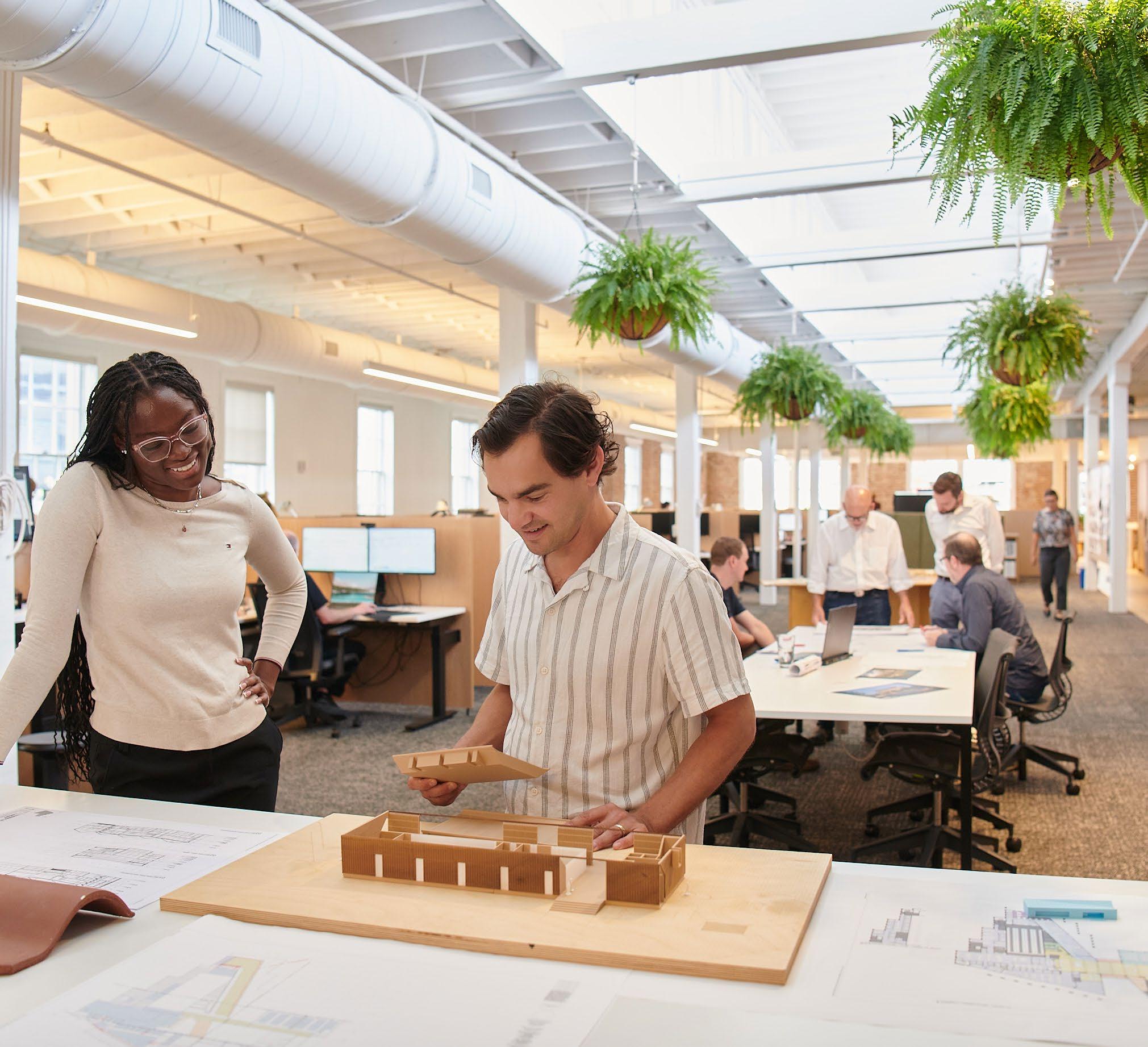
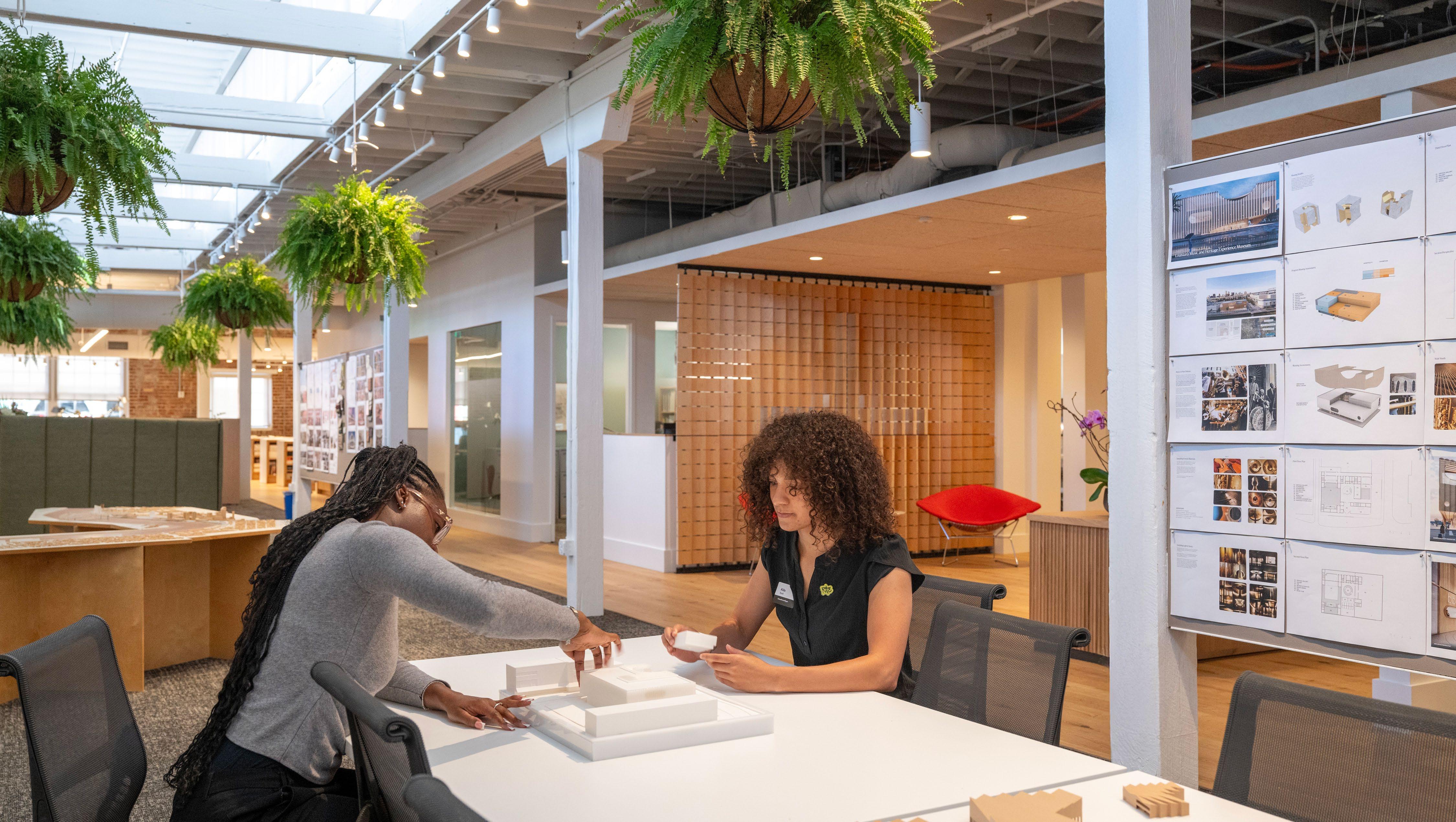
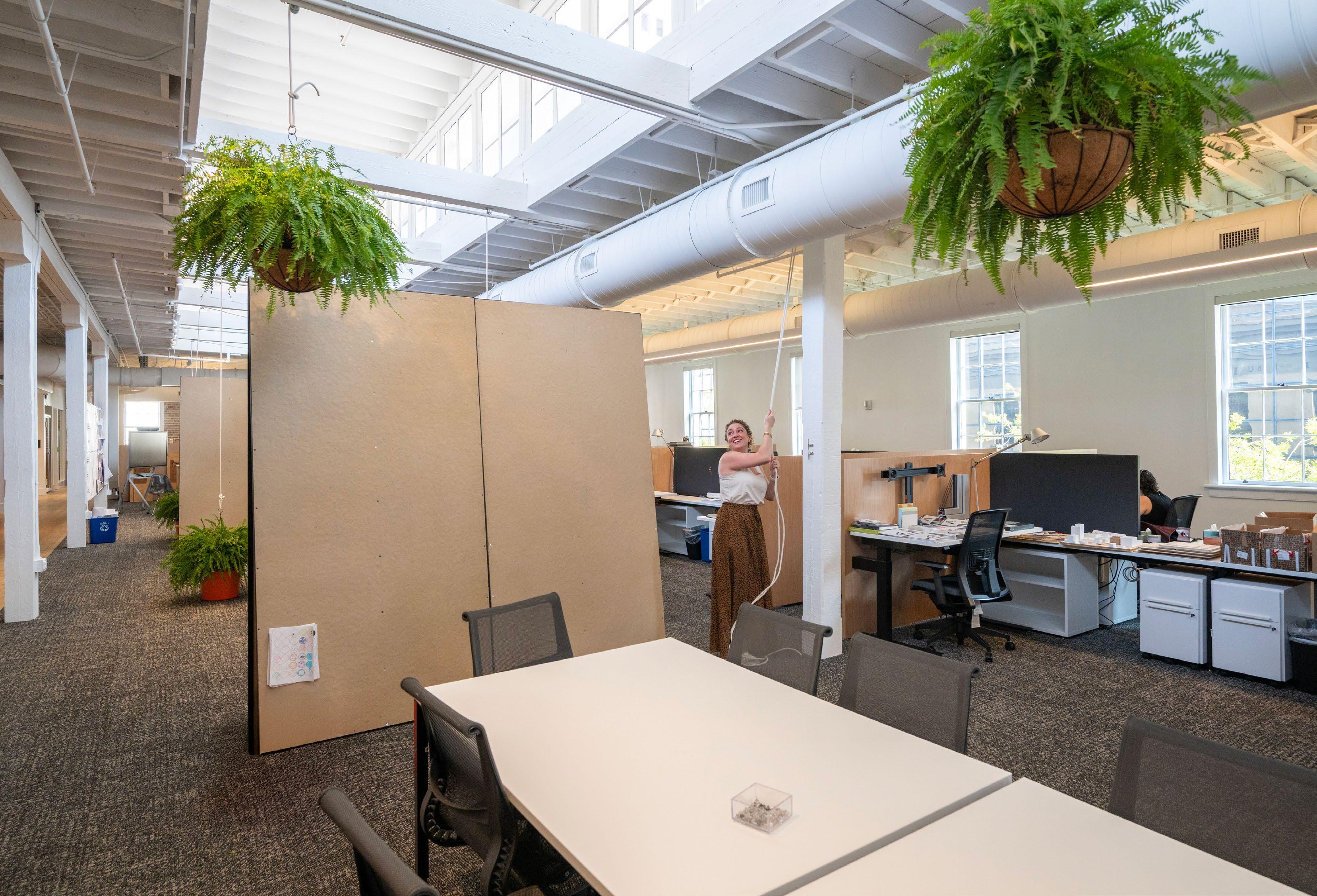
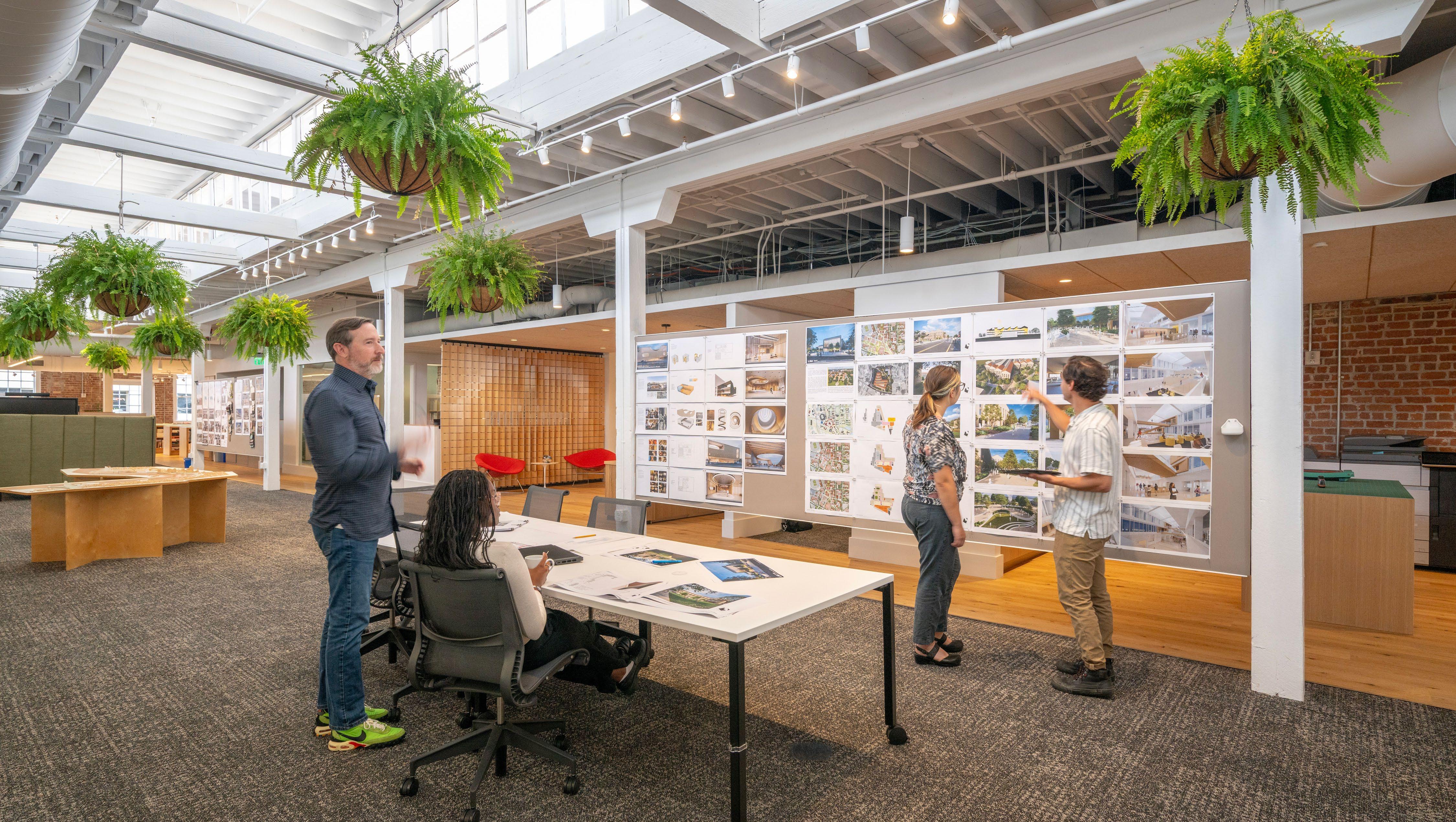
Our experience designing modern workplaces has deepened our understanding of the delicate balance between focus and collaboration. Today’s employees seek flexibility, connection, comfort, and variety—qualities that support both personal well-being and collective productivity. Access to natural light plays a vital role, enhancing alertness, mood, and overall wellness throughout the workday. Within our studio, a mix of collaborationfocused areas—such as meeting tables and pin-up walls—exists alongside quieter zones for individual concentration. This variety gives team members agency over how and where they work.
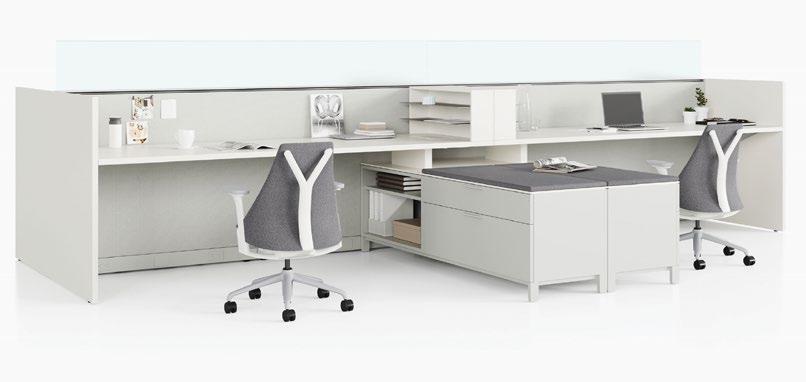
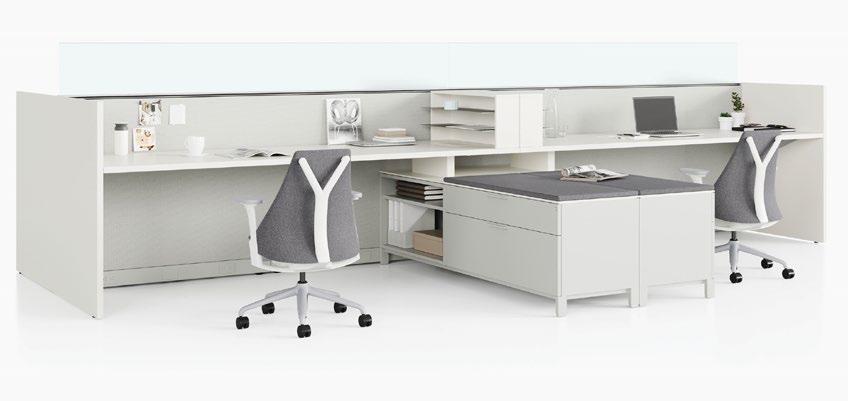
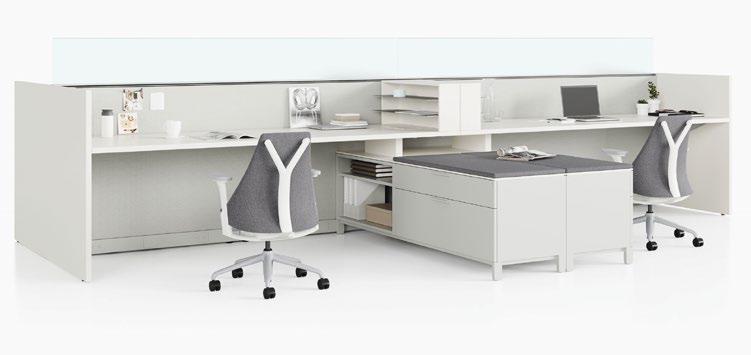
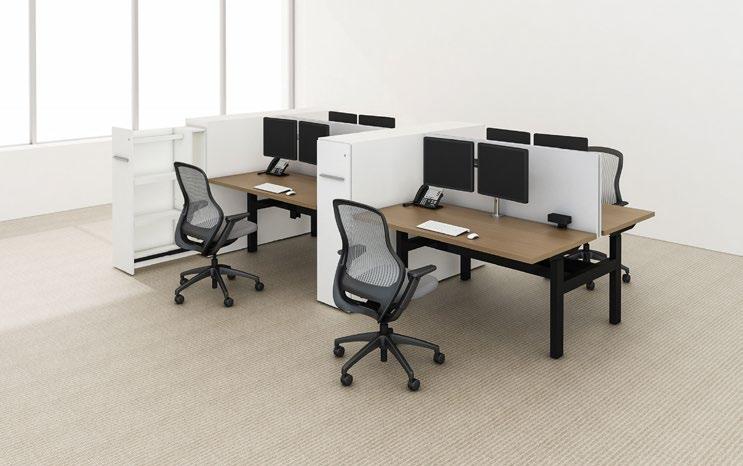
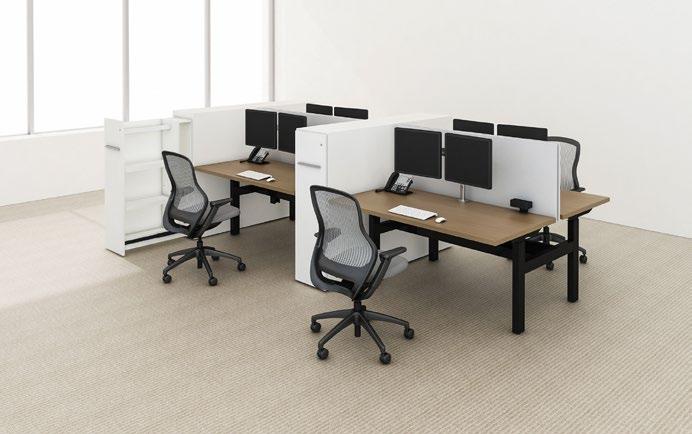
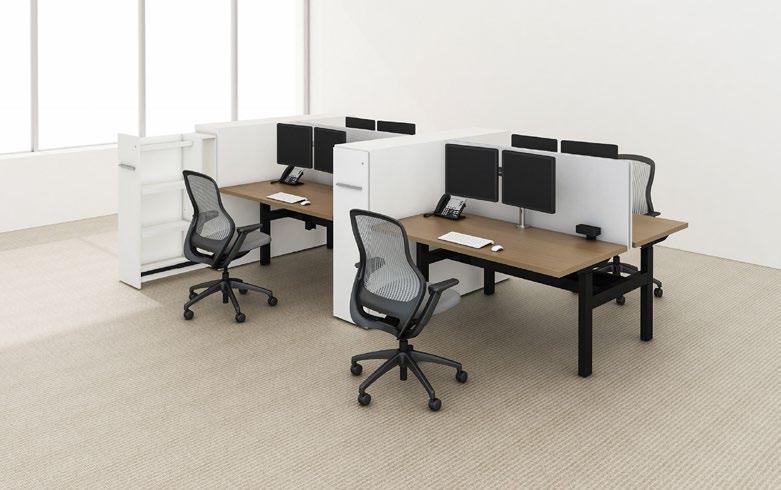
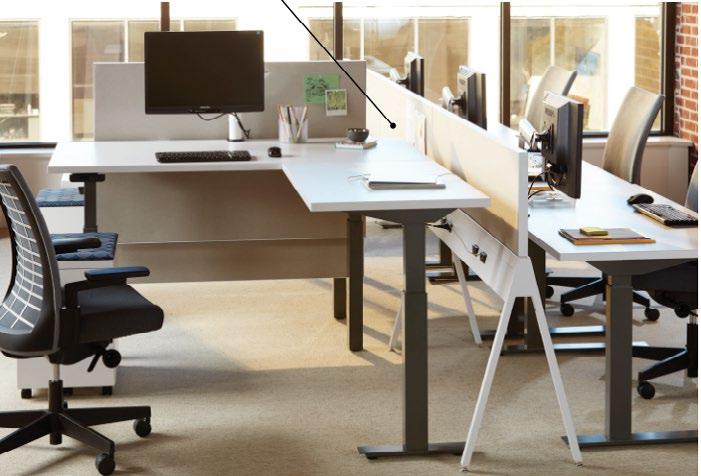
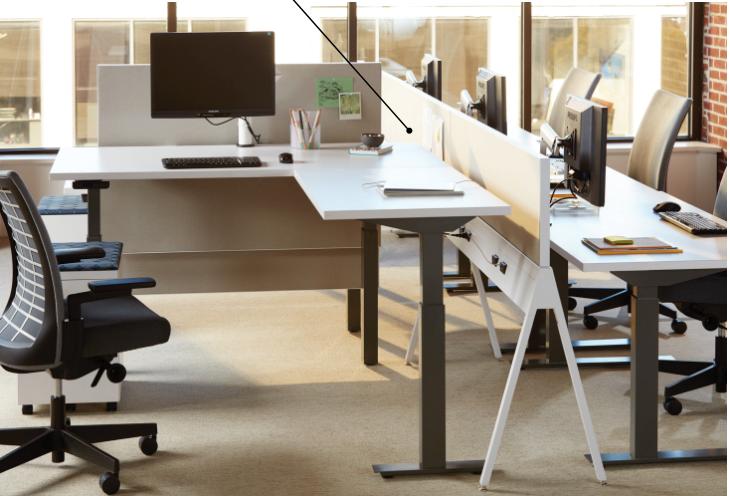
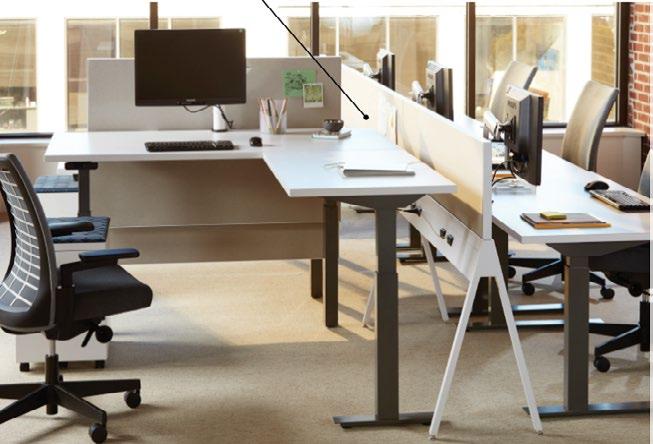
Each workstation in the studio is designed to support both comfort and adaptability. Operable standing desks, multiple monitors, and task chairs with customizable settings allow each person to tailor their setup for optimal performance. Personal storage, task lighting, and pin-up boards encourage organization and self-expression.
Thoughtful details—such as cord management, accessible power, and soundabsorbing materials—create meaningful daily comfort and reduce distractions. Smaller environmental considerations, including dividing the office into multiple HVAC zones, offer more precise temperature control and enhance overall comfort throughout the day.
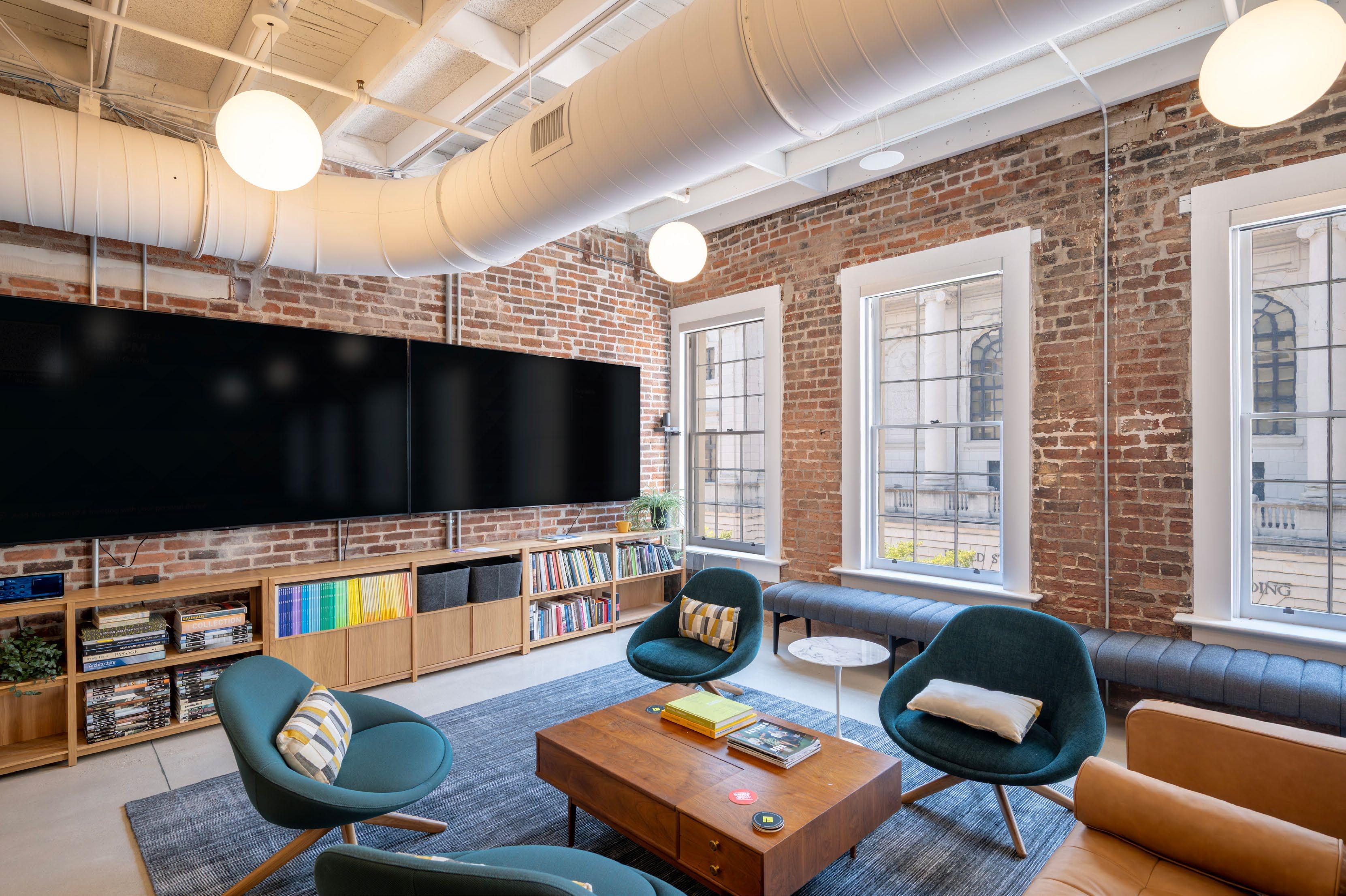
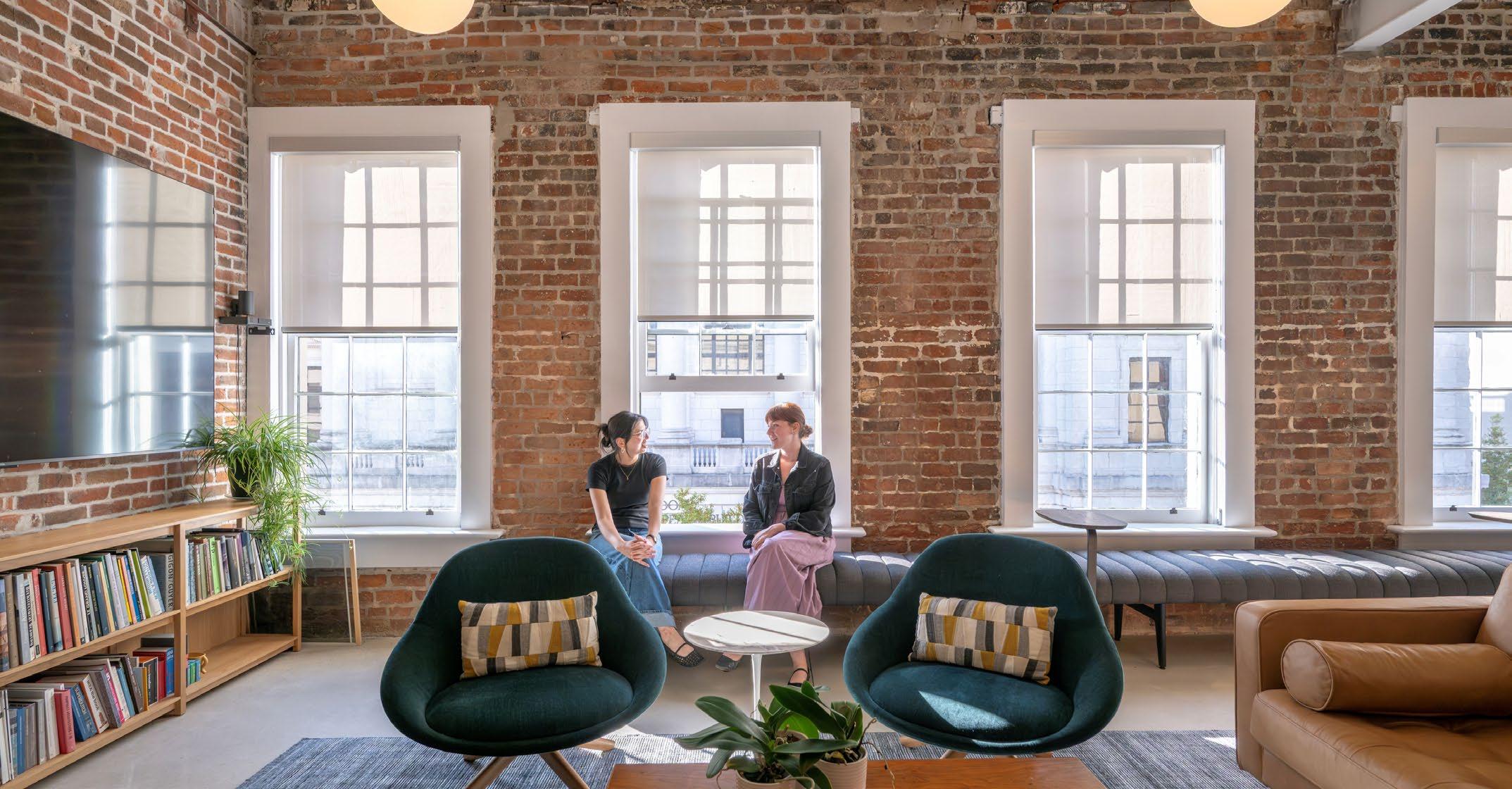
Named after the term New Orleanians use for the grassy median dividing city streets, the Neutral Ground embodies the same sense of shared space and community connection. At the heart of our studio, it serves as a flexible hub for everyday life, where people gather for lunch, meet over coffee, or take a quiet break with a book.
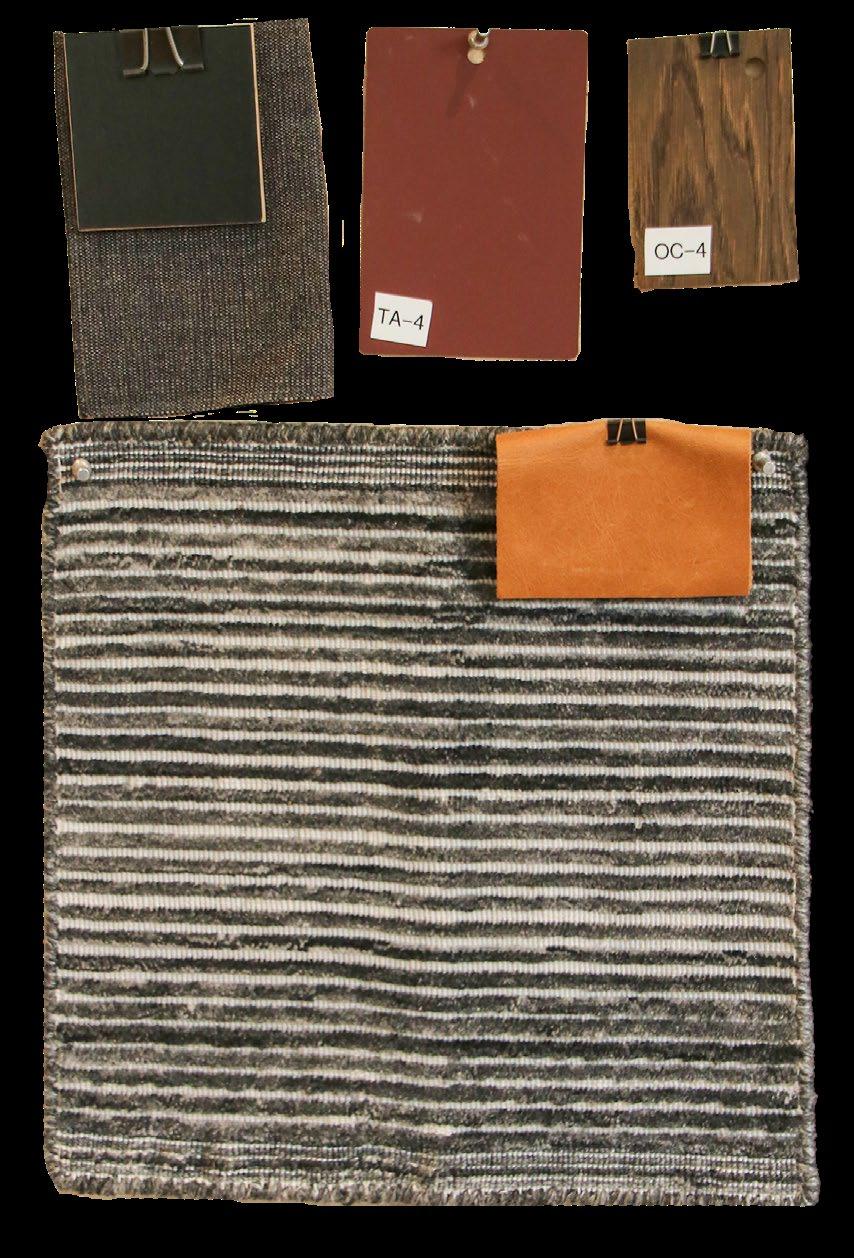
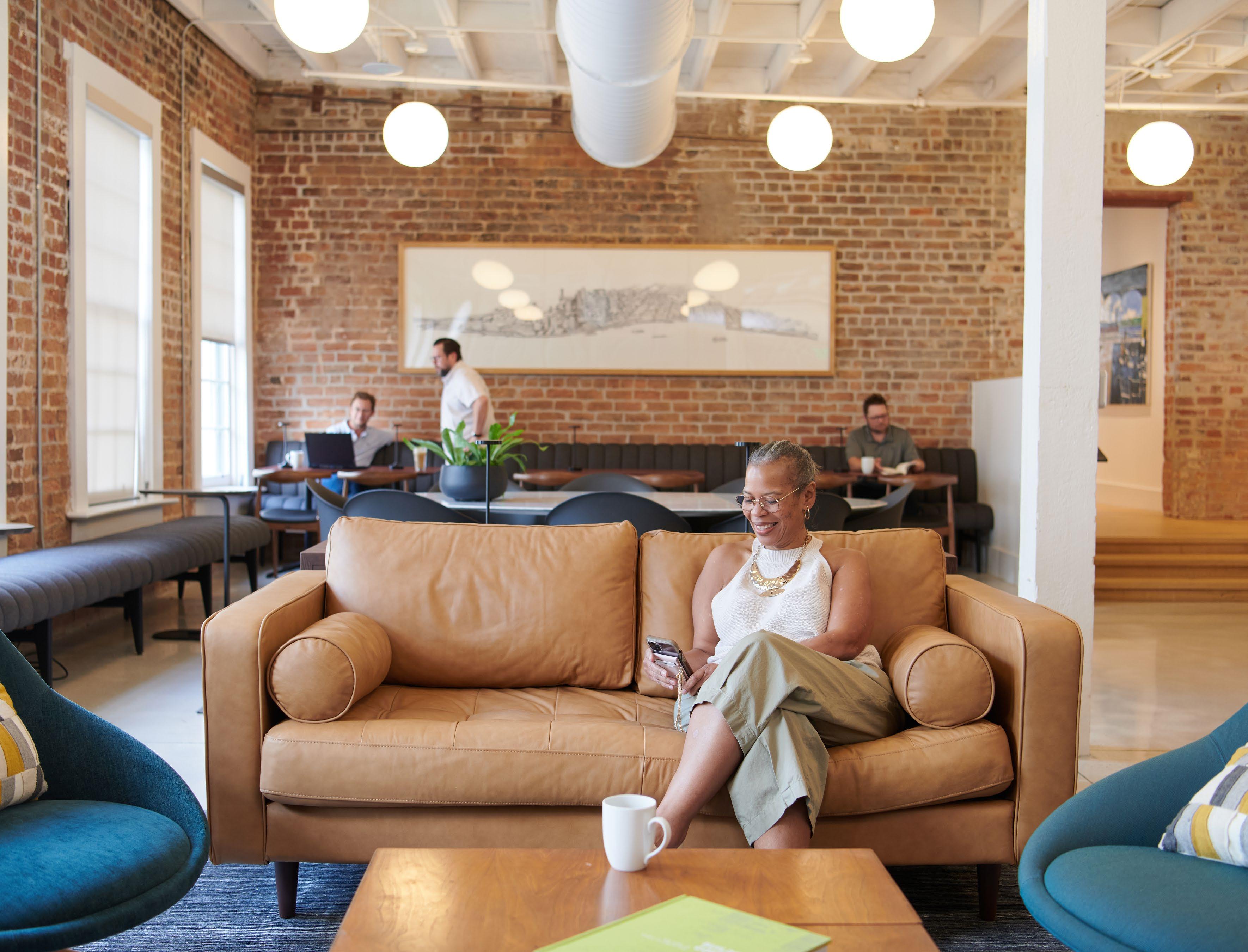
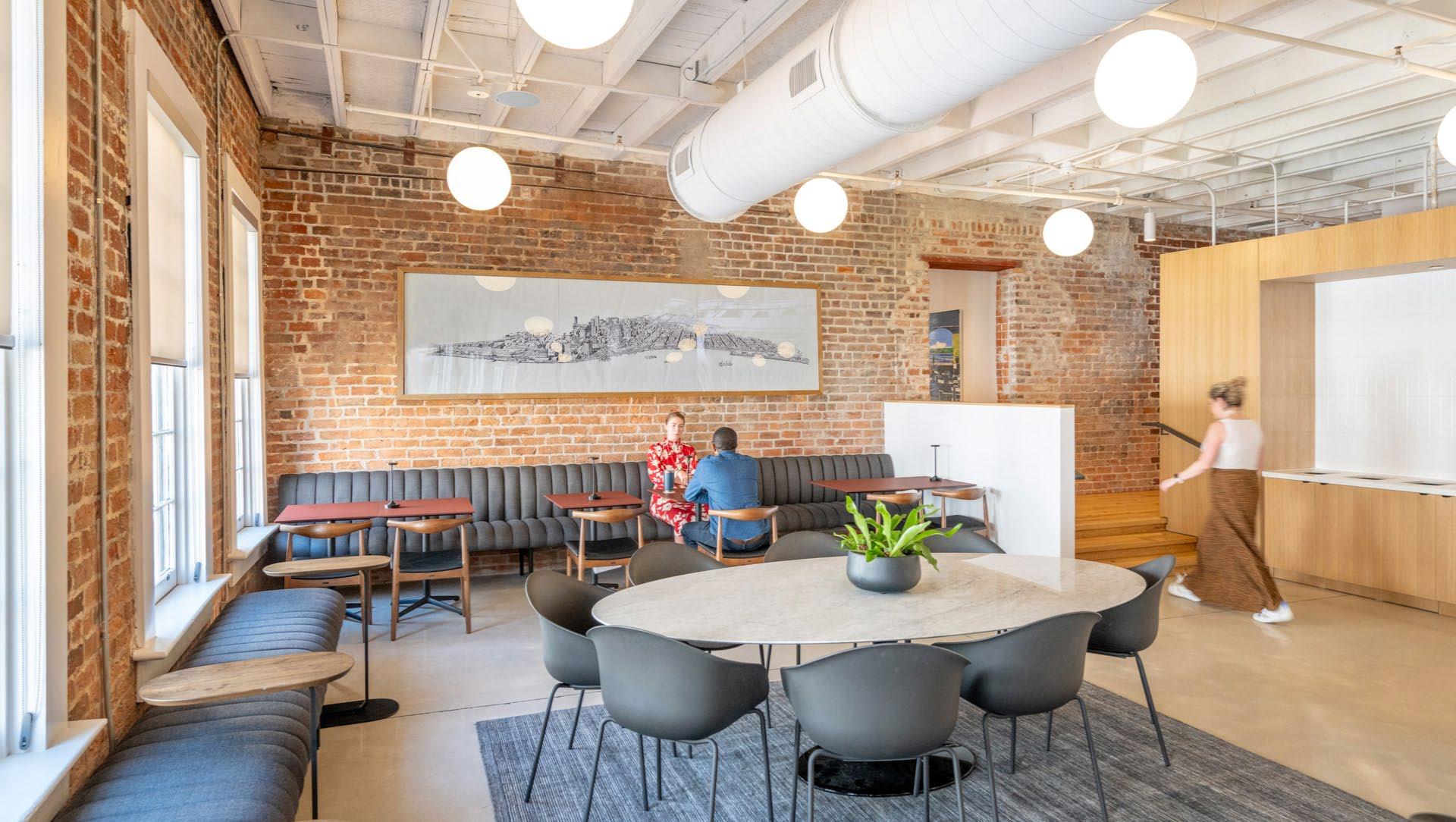
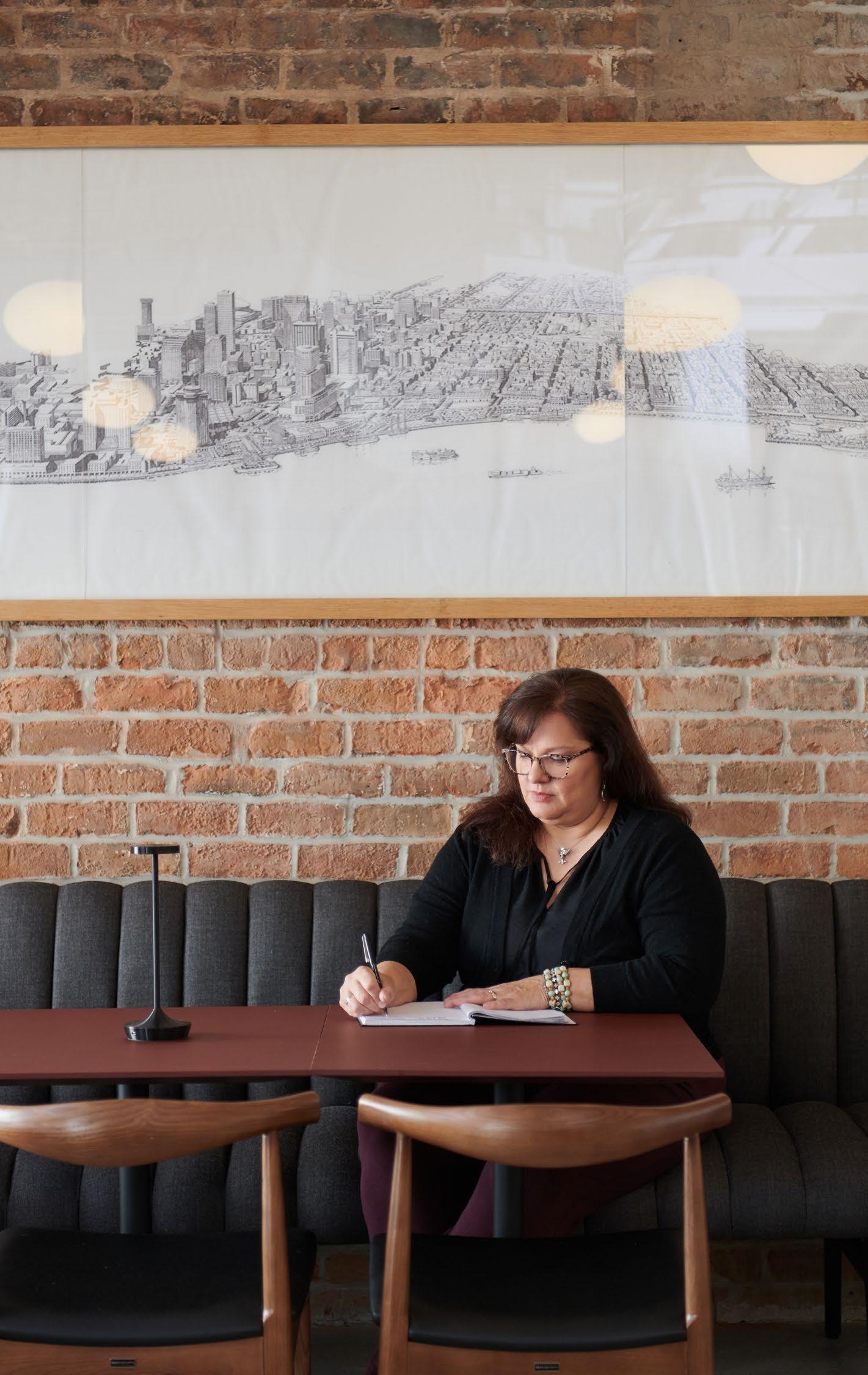
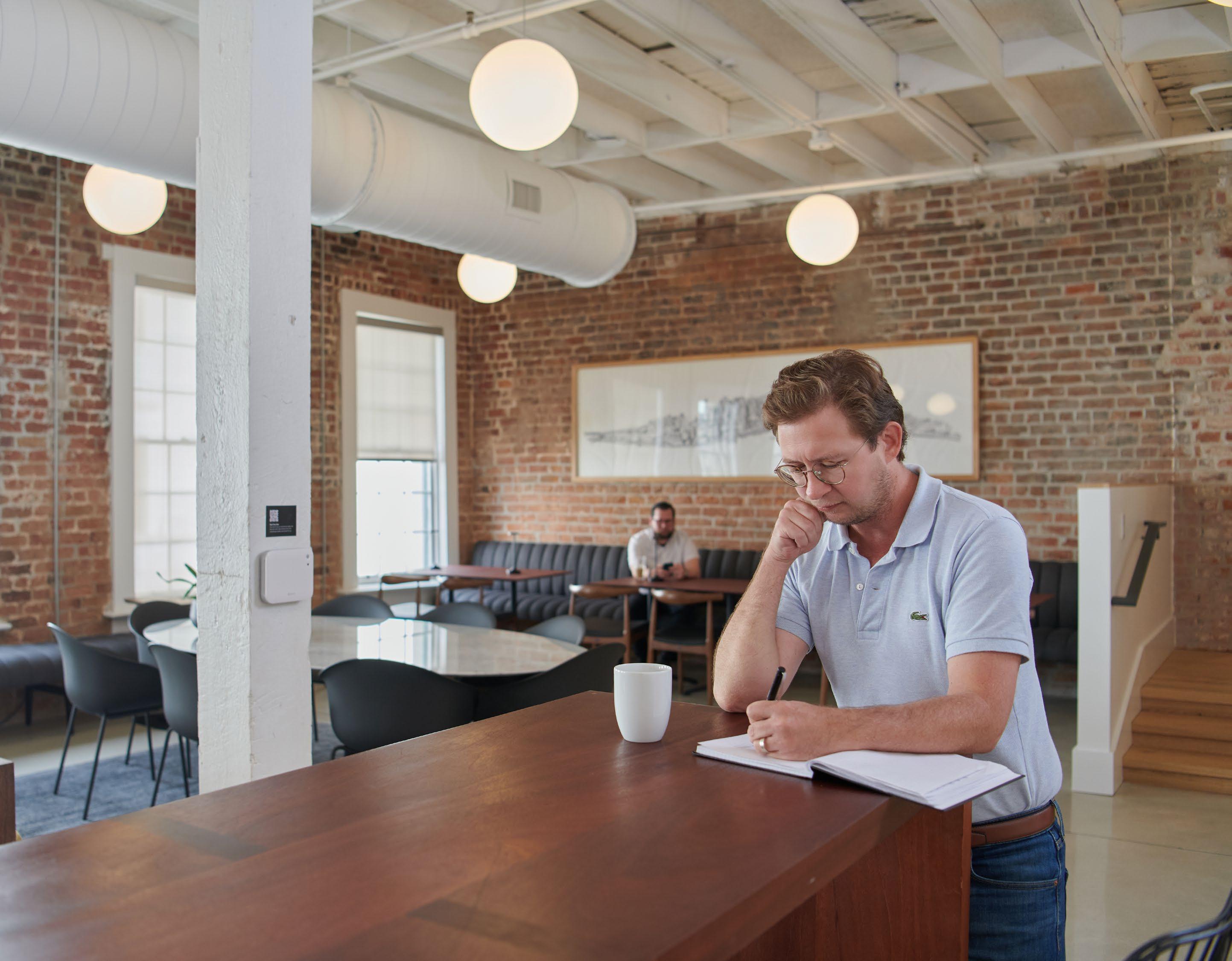
Blending hospitality and workplace design, the space balances warmth and utility.
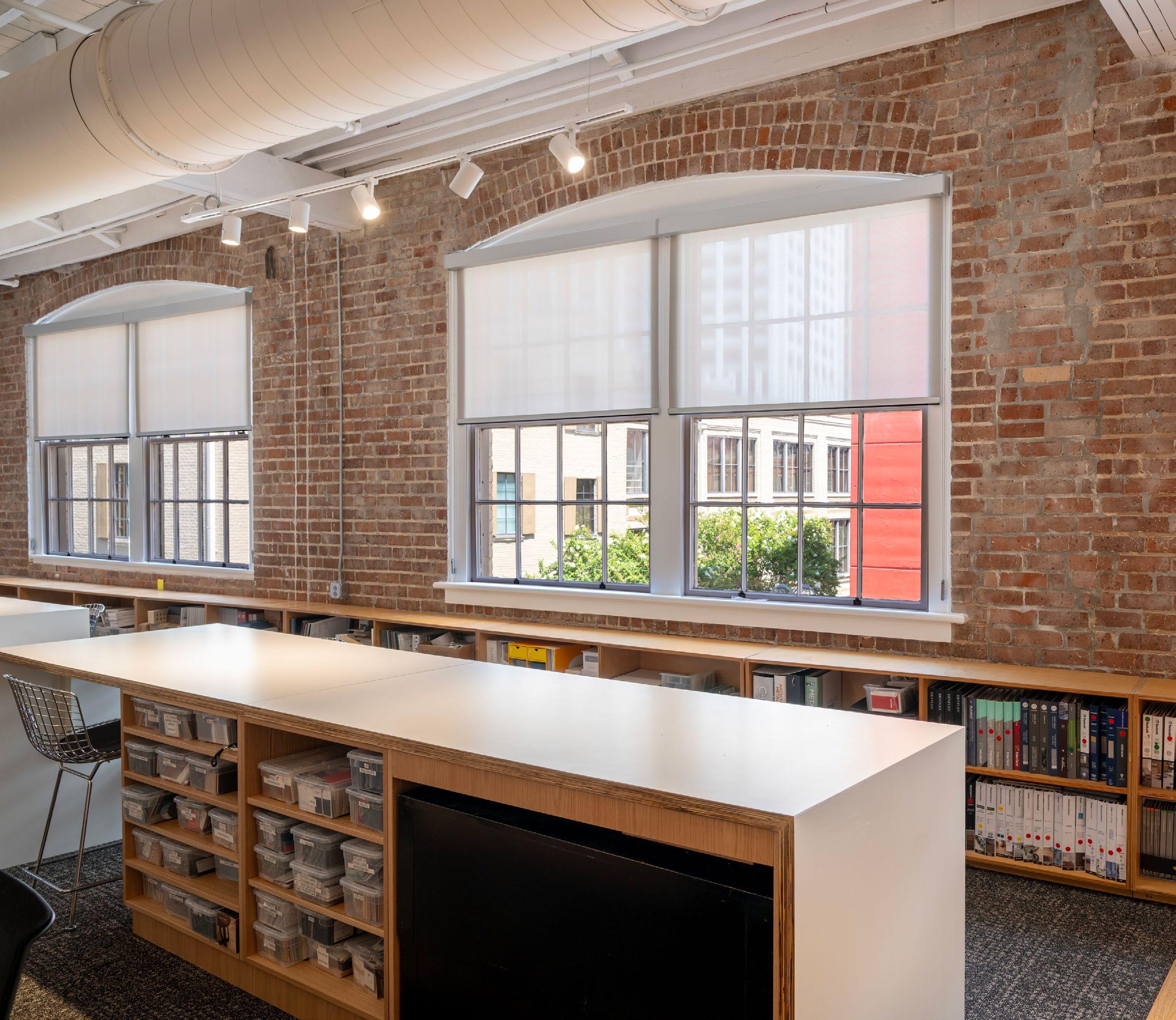
Large operable windows fill the room with natural light, while roller shades allow for comfort and control throughout the day.
A fully equipped galley kitchen with dual dishwashers, refrigerators, and generous storage supports daily use, alongside a dedicated coffee station and sustainable waste systems for recycling and composting.
Designed for both in-person and hybrid collaboration, the Neutral Ground is also equipped with integrated A/V and sound systems for seamless firm-wide meetings and events, a necessity to connect with our other studio members in DC and remotely.
Open, adaptable, and deeply inviting, the Neutral Ground is where the rhythms of studio life come together. It is our everyday “common ground” for connection, comfort, and celebration.
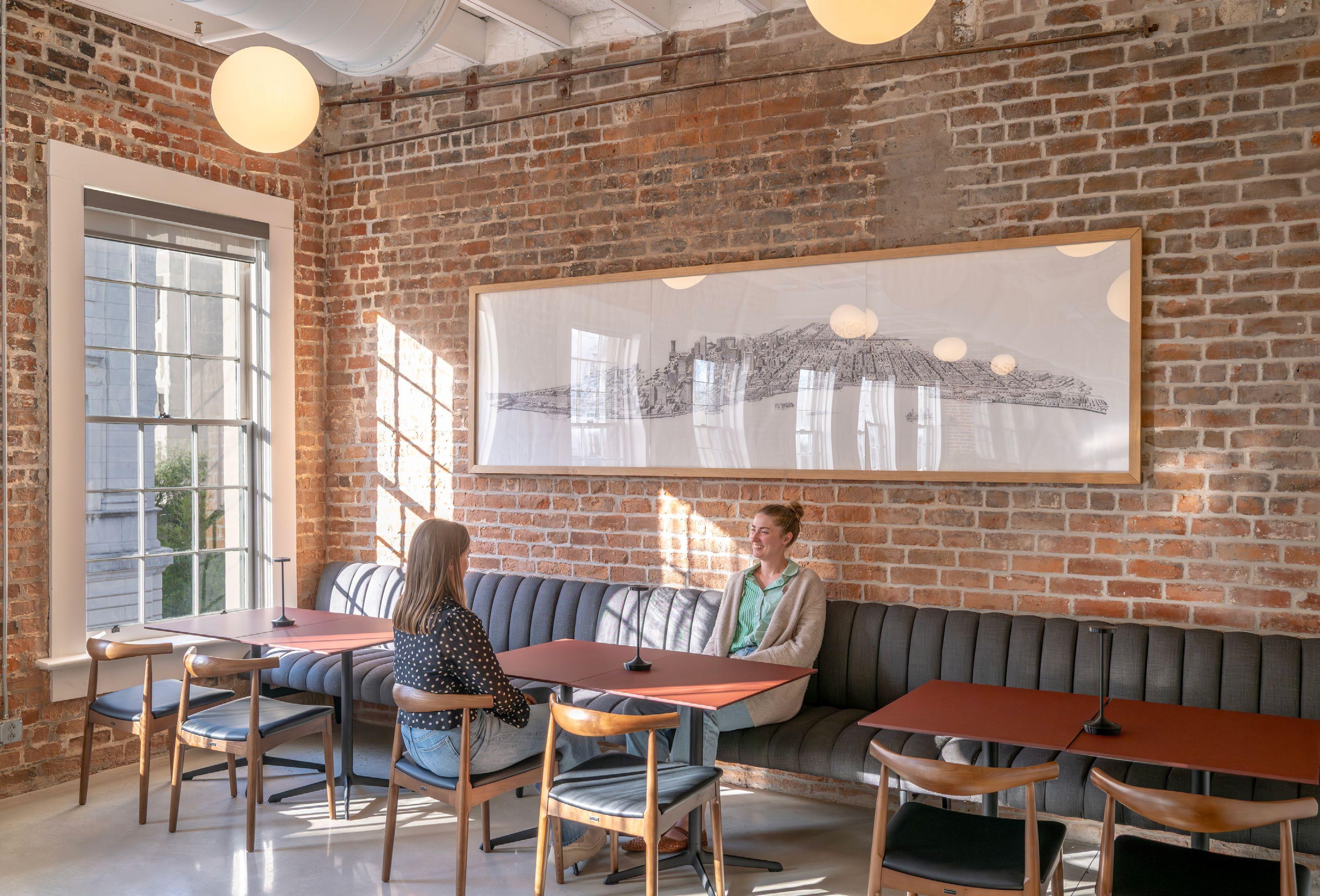
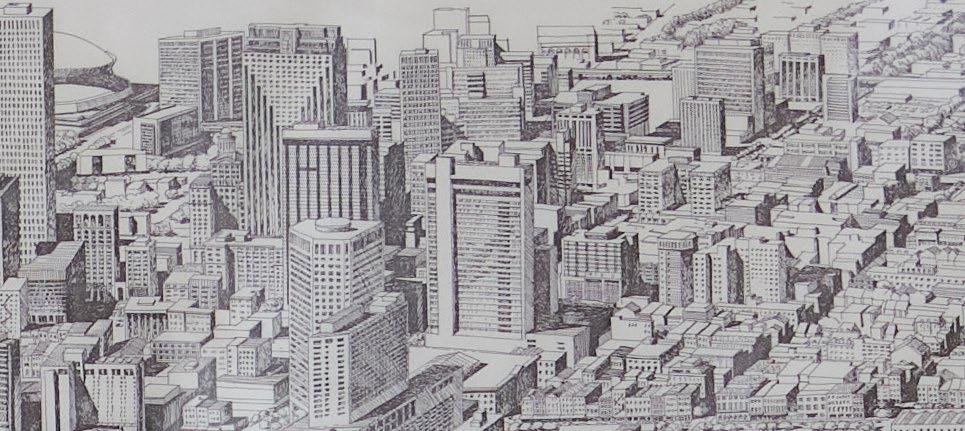
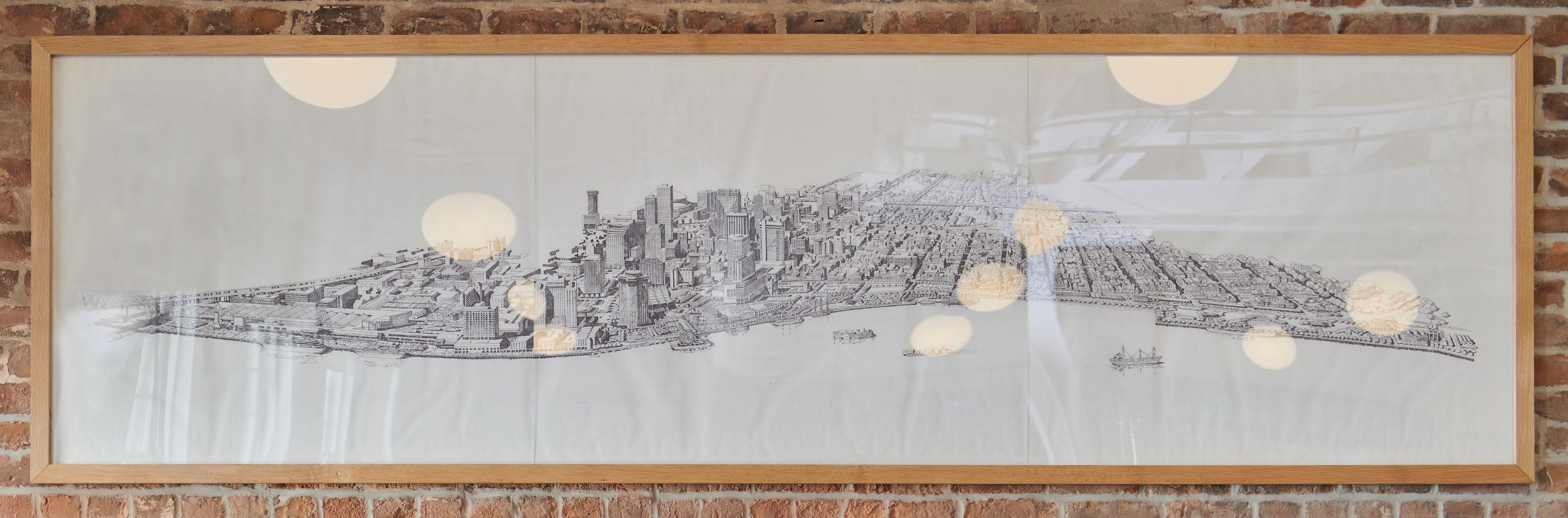
The large piece of art hanging in the Neutral Ground space is a framed, hand-drawn depiction of the city of New Orleans, discovered by the design team while cleaning out our former Canal Street office in preparation for the move. Drawn by H. Schultz, the team recognized it as a reflection of the creativity and craftsmanship that have long defined the firm’s history—and knew it deserved a prominent place in the new studio.
With final dimensions of 10’-10” x 3’-2”, the artwork is supported by a custom plywood subframe, designed much like a vierendeel truss, then clad with masonite. The drawing is mounted with linen tape and protected with acrylic. The frame itself is crafted from solid white oak, planed and laminated to achieve the required cross-section. All joinery is concealed using lamello biscuit joints and pocket-hole screws, allowing the entire piece to be fully disassembled, an intentional “design for disassembly” gesture that reflects our commitment to craft, reuse, and thoughtful detailing.
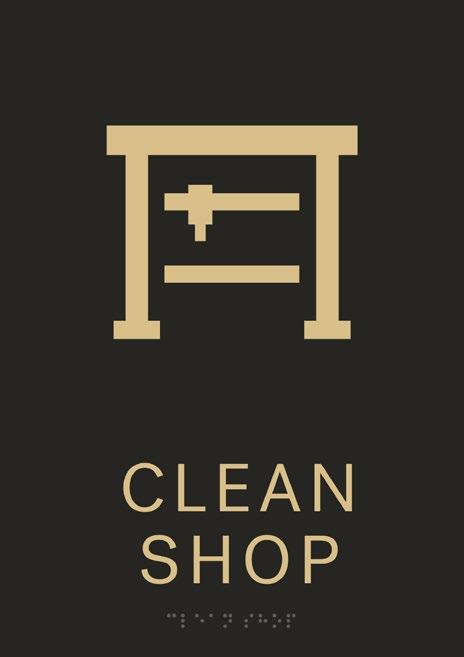
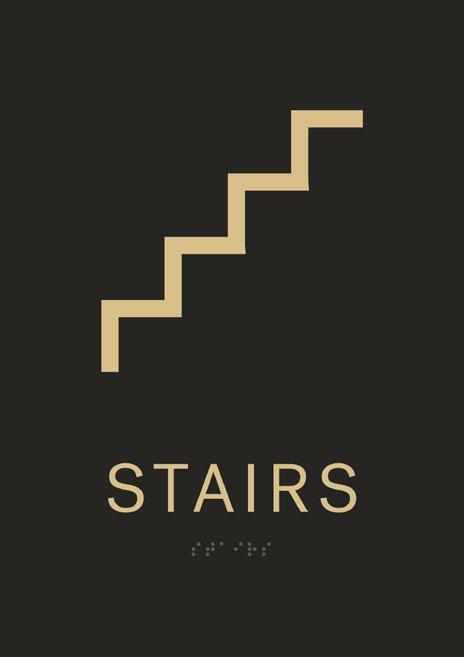
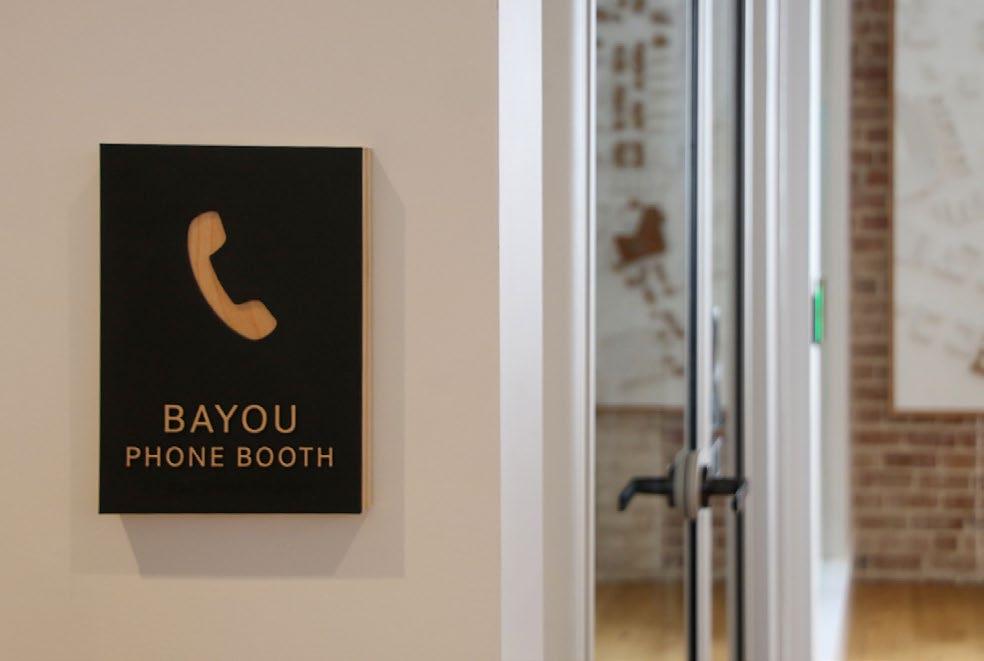
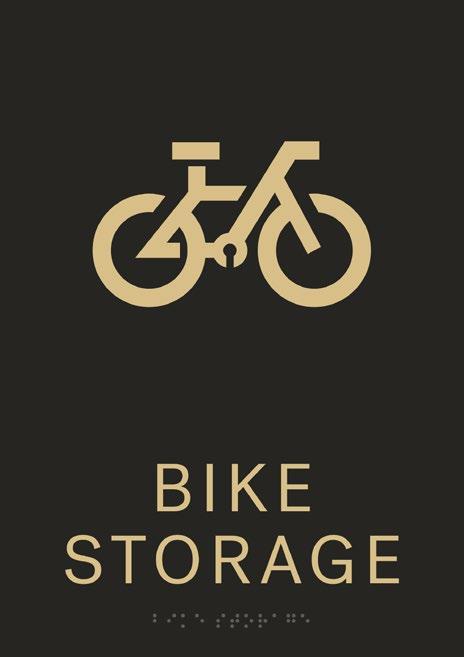

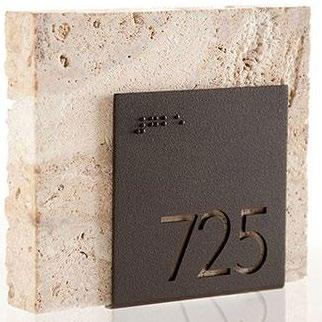
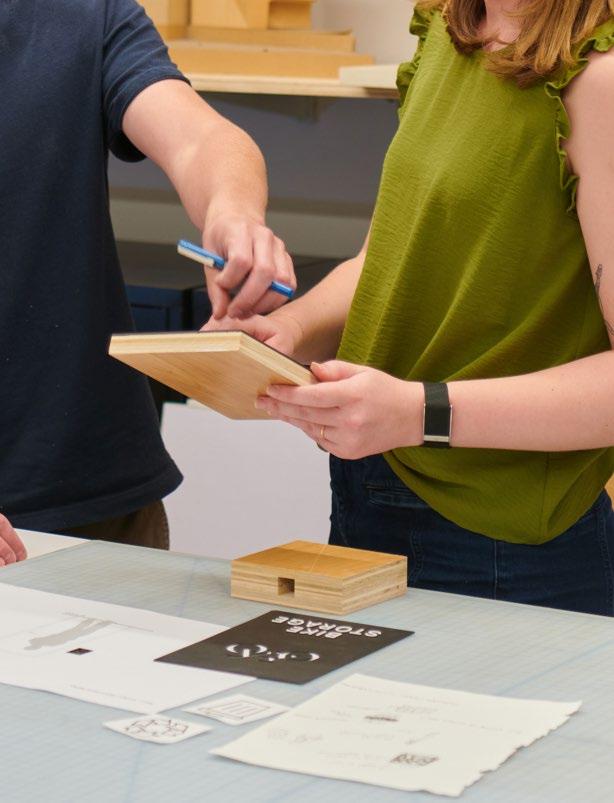
Extending our in-house fabrication efforts, the studio’s signage and wayfinding elements were designed and produced by firm members using reclaimed materials from our former office. Each sign employs a layered construction—a reclaimed wood backing crafted from old desks, paired with 3D-printed top layers that highlight icons and typography.
The resulting system not only provides clarity of navigation but also serves as a tangible link between our past and present studios. This handson approach reflects our design ethos: resourceful, collaborative, and deeply connected to craft.

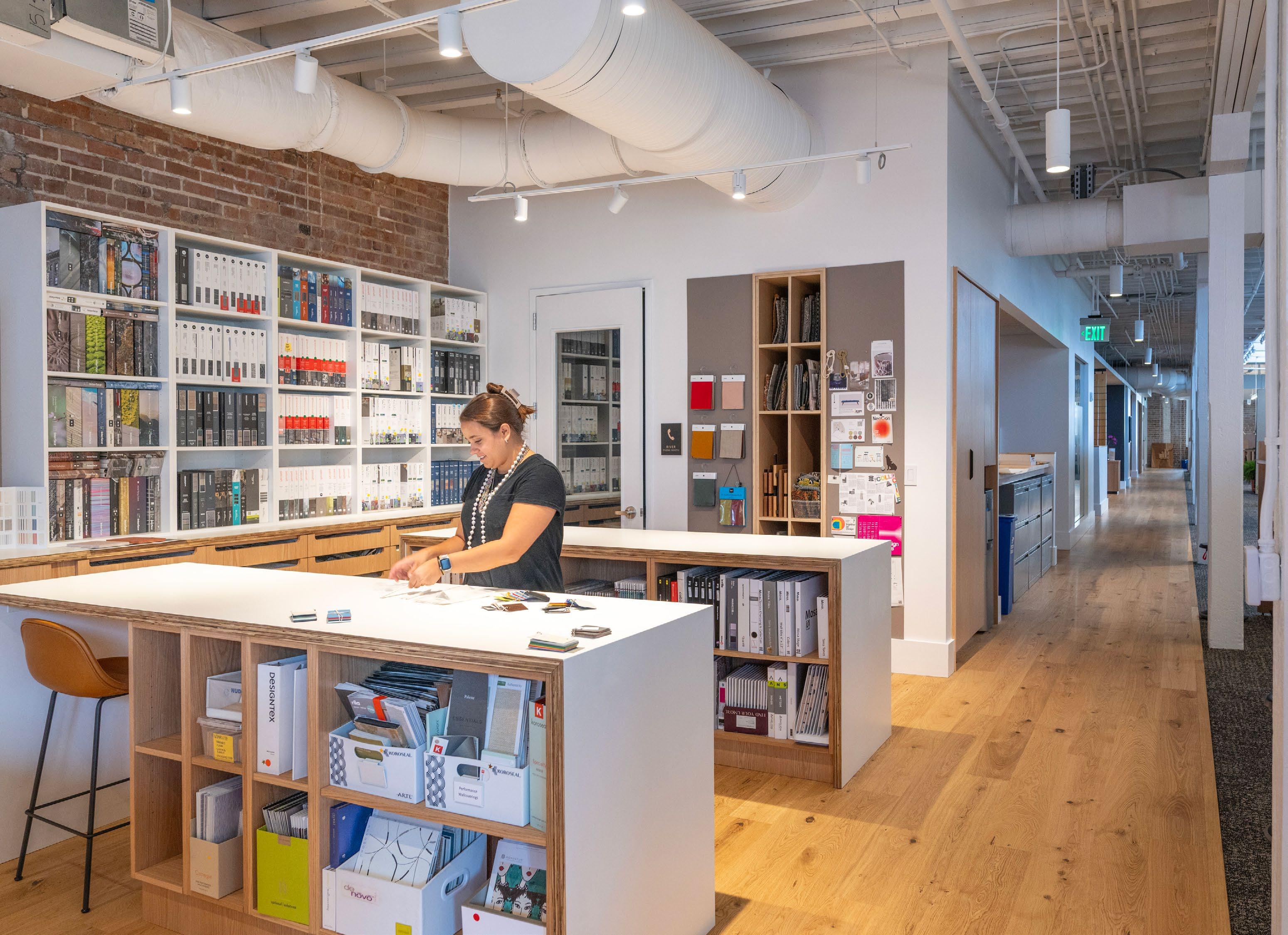
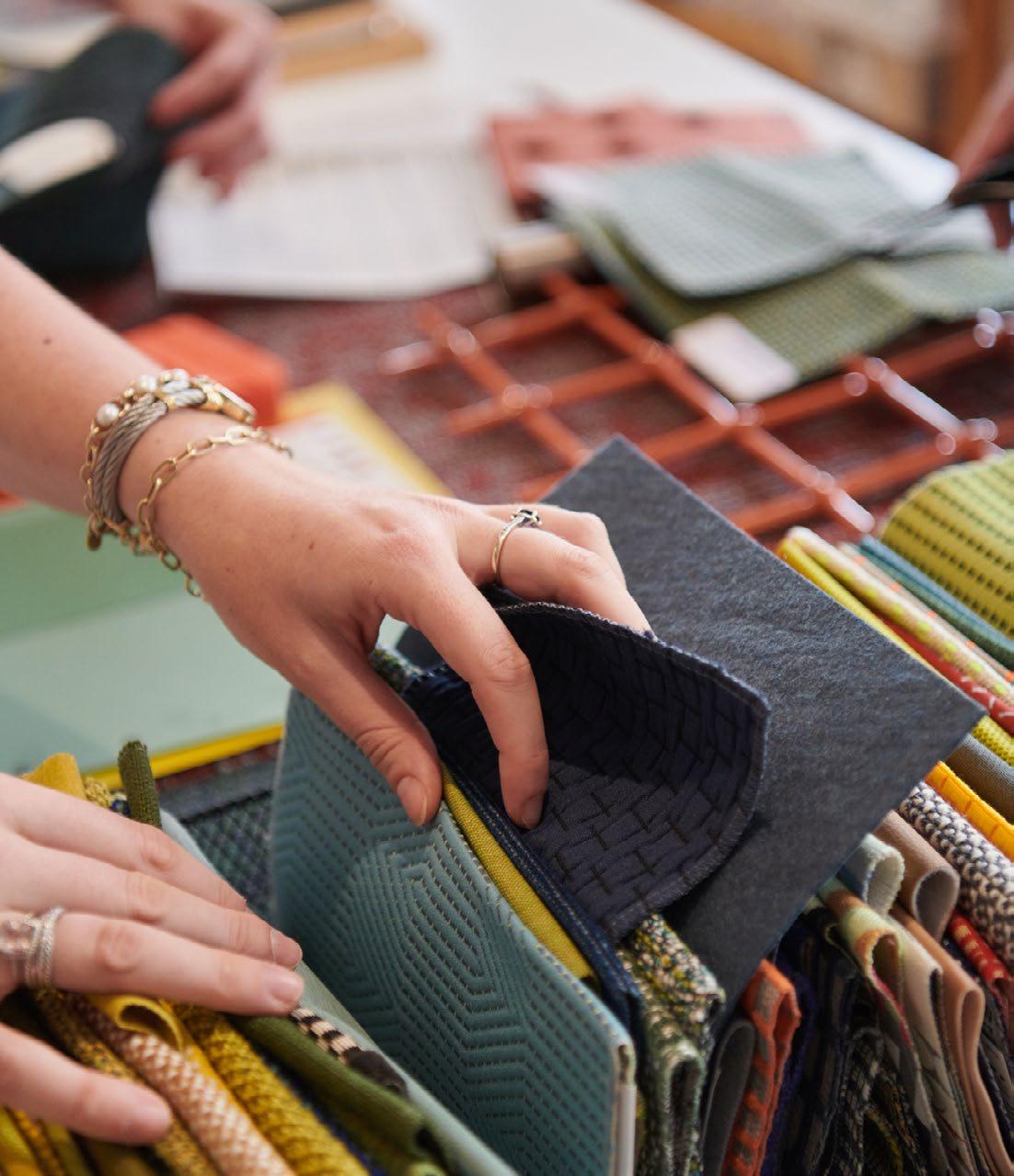
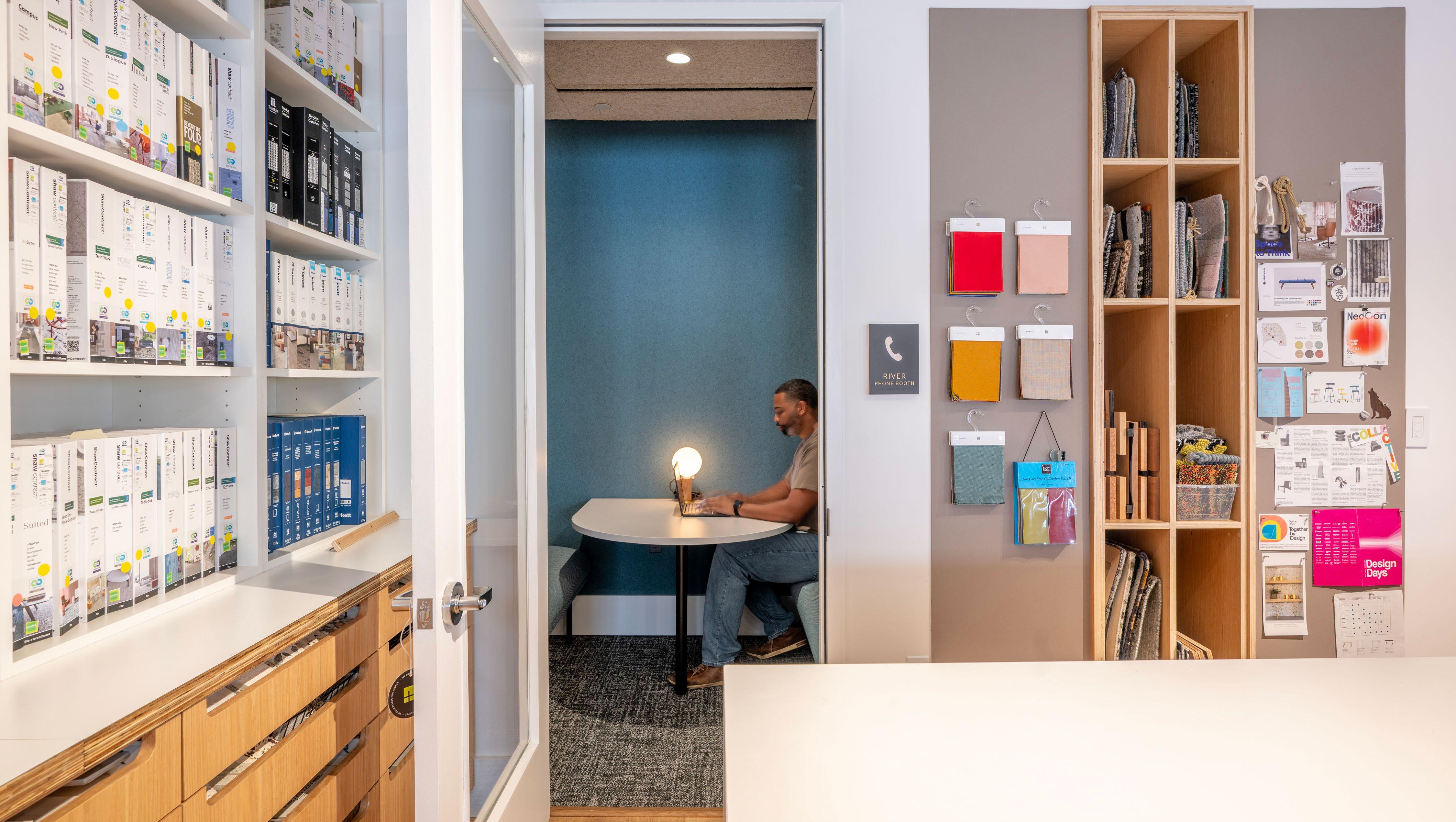
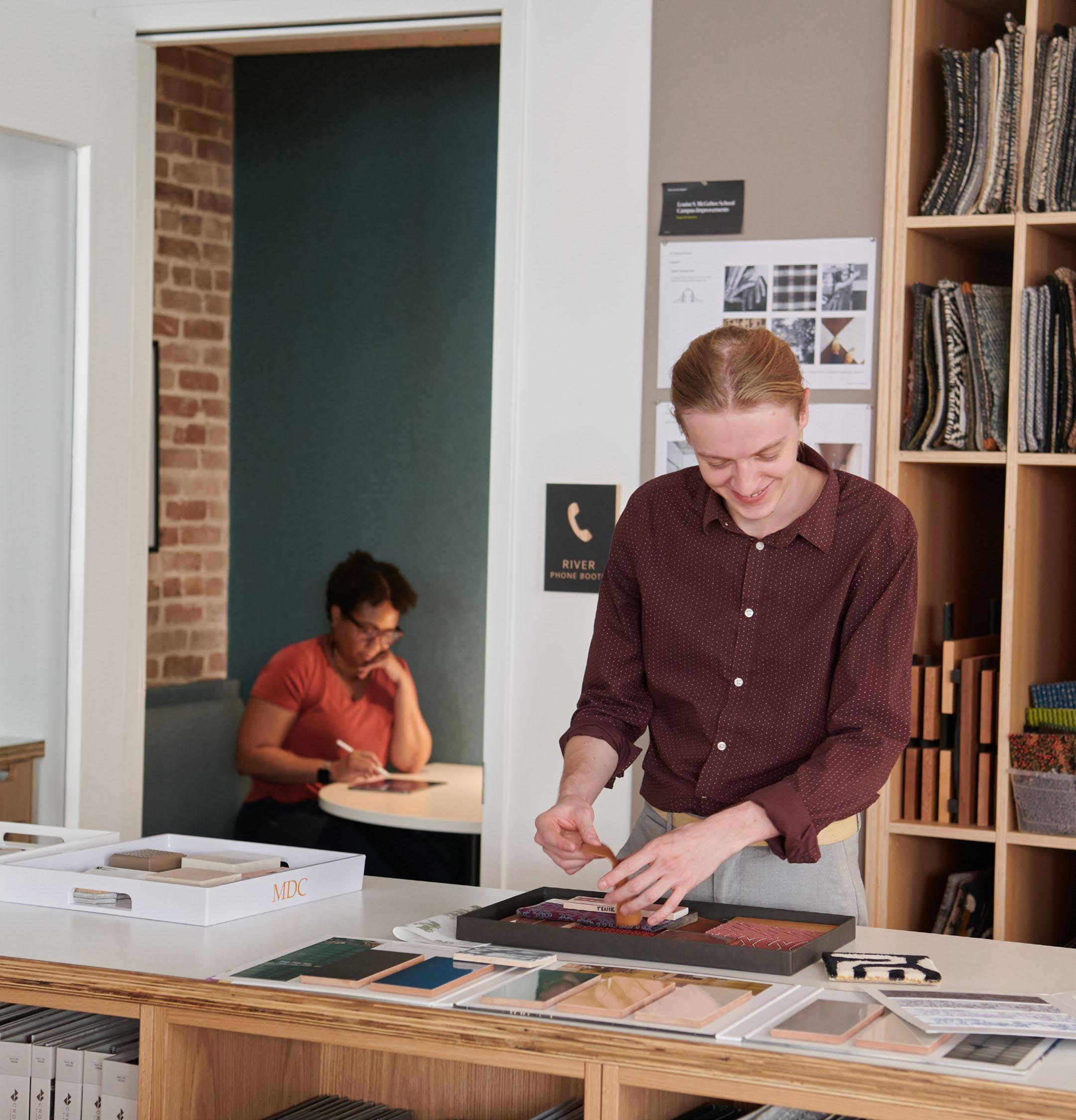
Integral to the success of our projects are the materials we design with. Our Materials Lab is woven directly into the studio environment—enhancing visibility, accessibility, and emphasizing the importance of healthy material choices. Every material is vetted using our Healthy Materials Toolkit, developed by a previous Research Fellowship. The system’s organization allows designers to easily store, update, and locate samples among nearly 20,000 options spanning both architecture and interiors, ensuring that thoughtful, responsible selections remain at the core of every project.
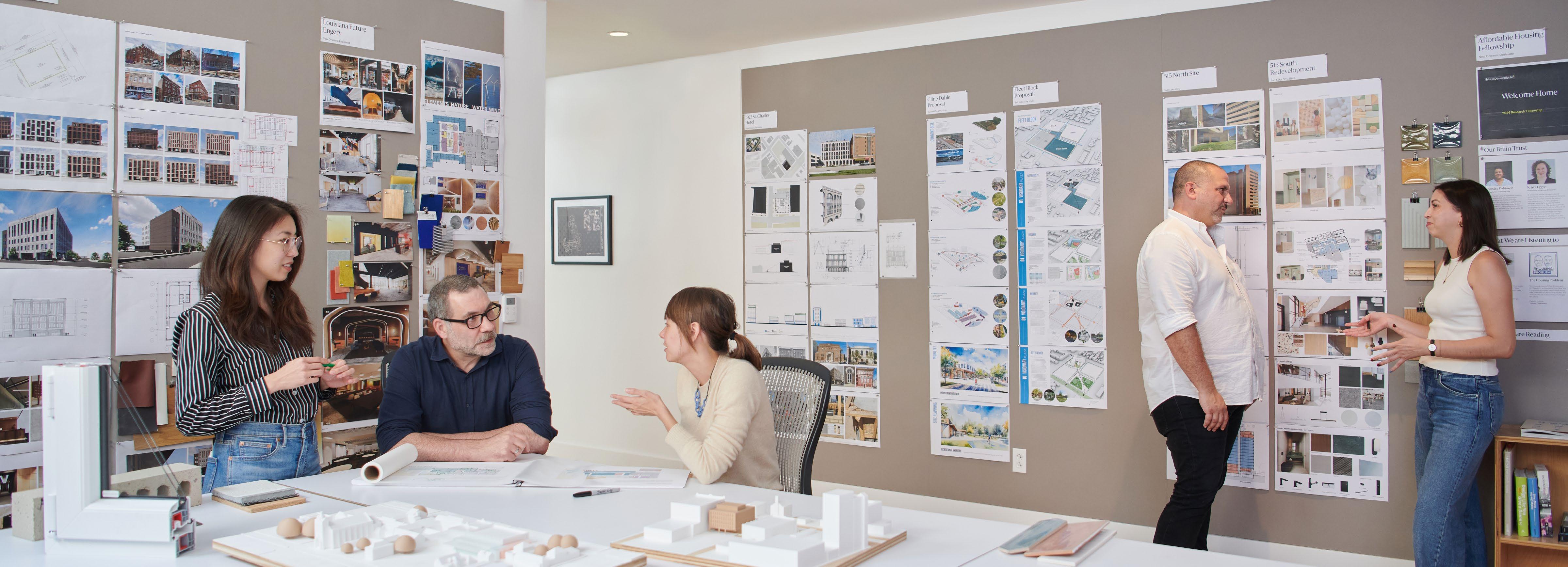
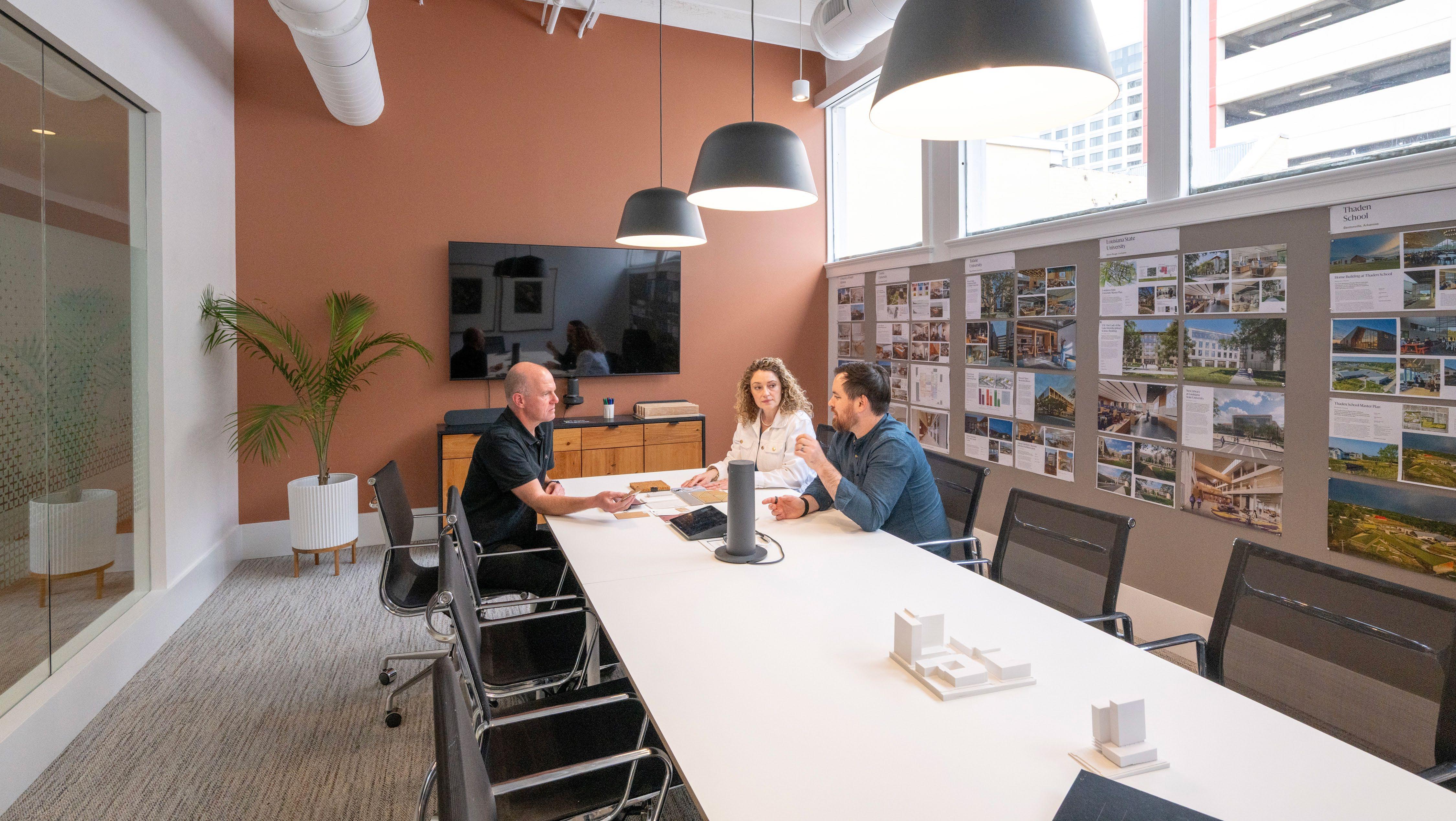
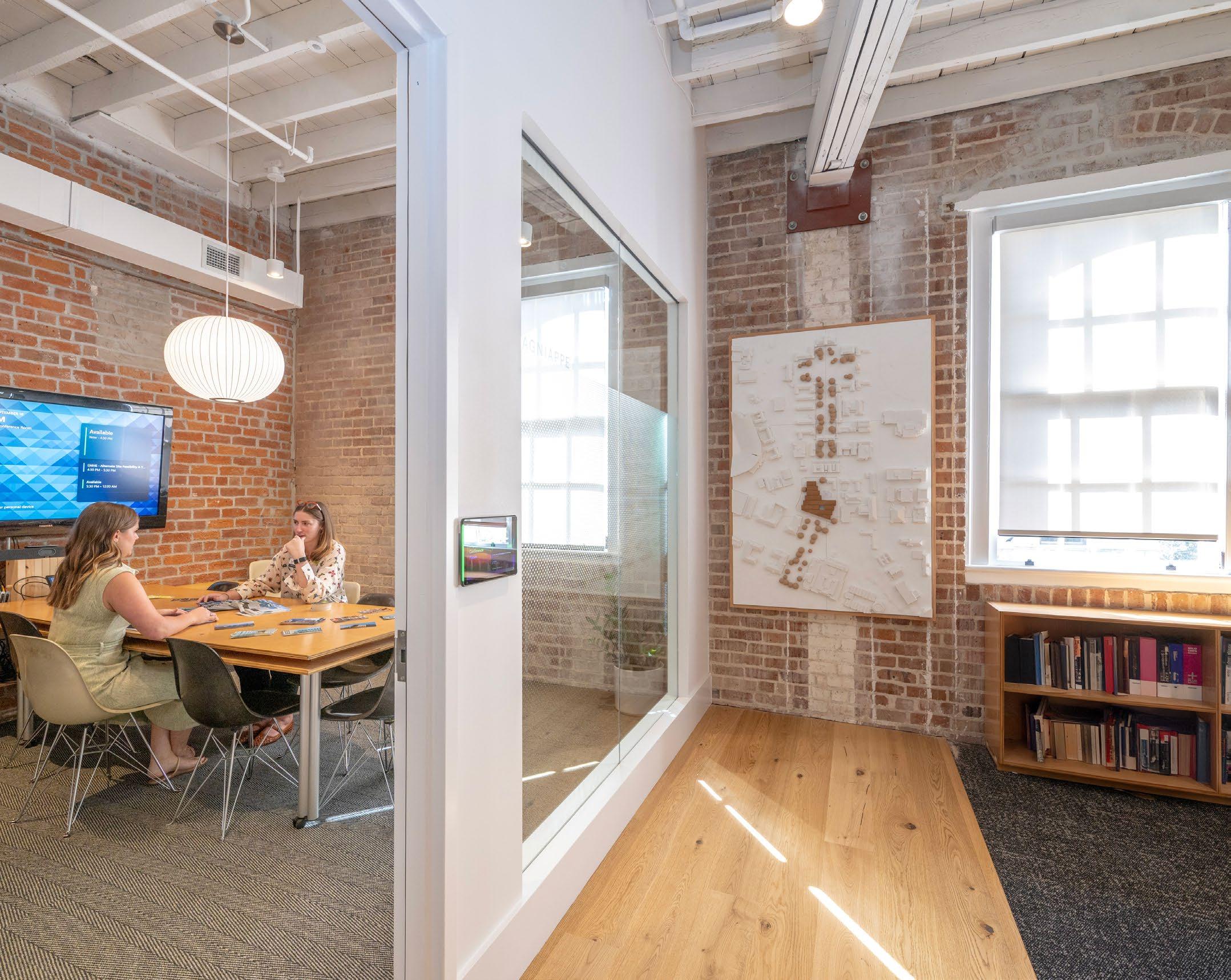
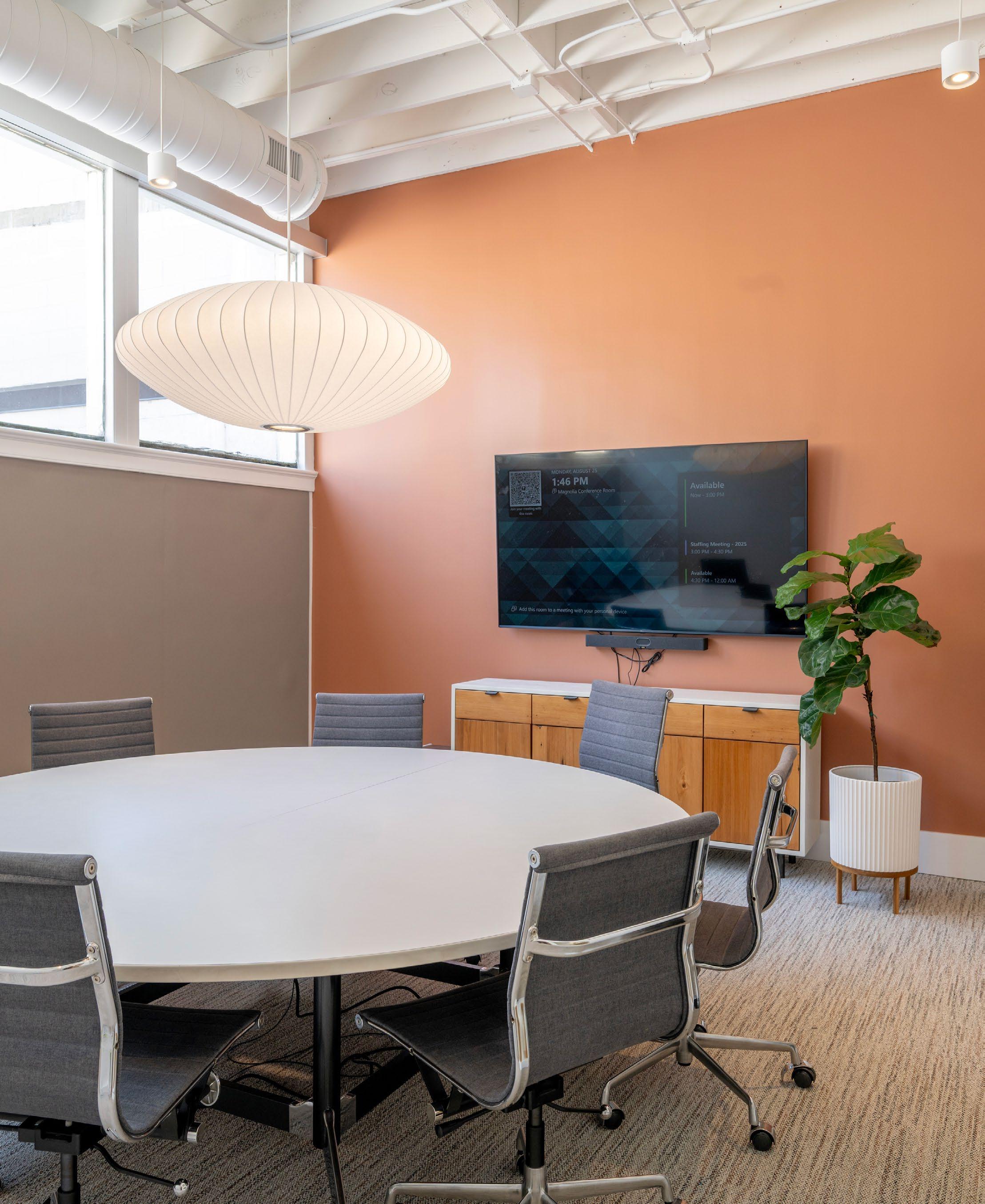
Designed to support both in-person and hybrid collaboration, our meeting spaces are equipped with technology and amenities that make communication effortless. Each room connects seamlessly to Microsoft Teams, with digital displays that show daily schedules and real-time availability for easy coordination.
To ensure smooth communication across locations, each space features advanced audio/visual systems calibrated for clarity of sound and image, allowing team members in our Washington, D.C. studio, external partners, and those working remotely to fully engage. Even in our largest gathering area, the Neutral Ground, which accommodates nearly fifty people, participants can be clearly seen and heard from anywhere in the room.
Comfort and environmental quality were equally prioritized. Operable shades and individual thermostats give users control over light and temperature. Ergonomic seating, layered with plantings cared for by our instudio Plant Squad, enhances comfort and well-being—creating meeting environments that are as pleasant as they are productive.
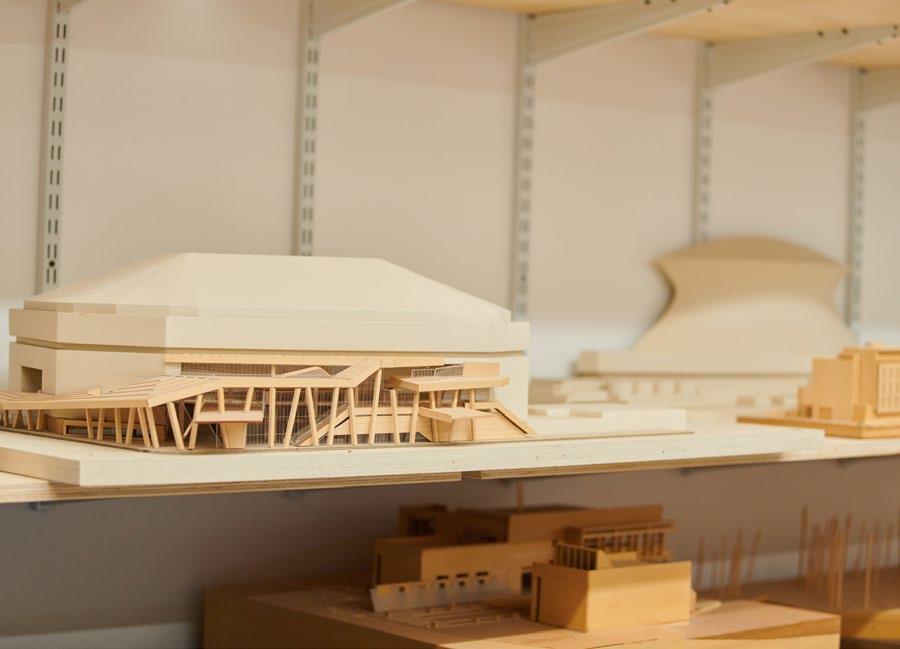
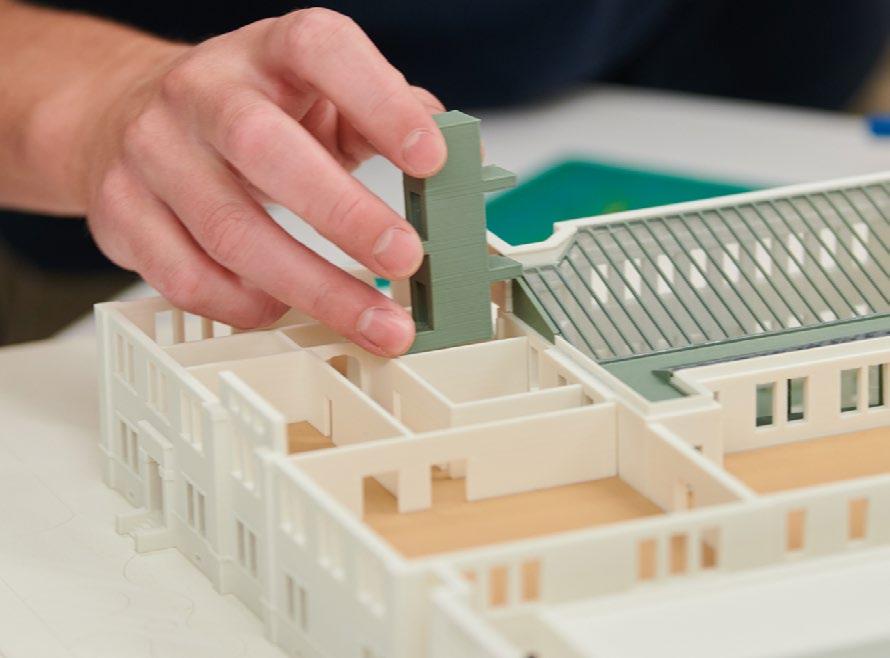
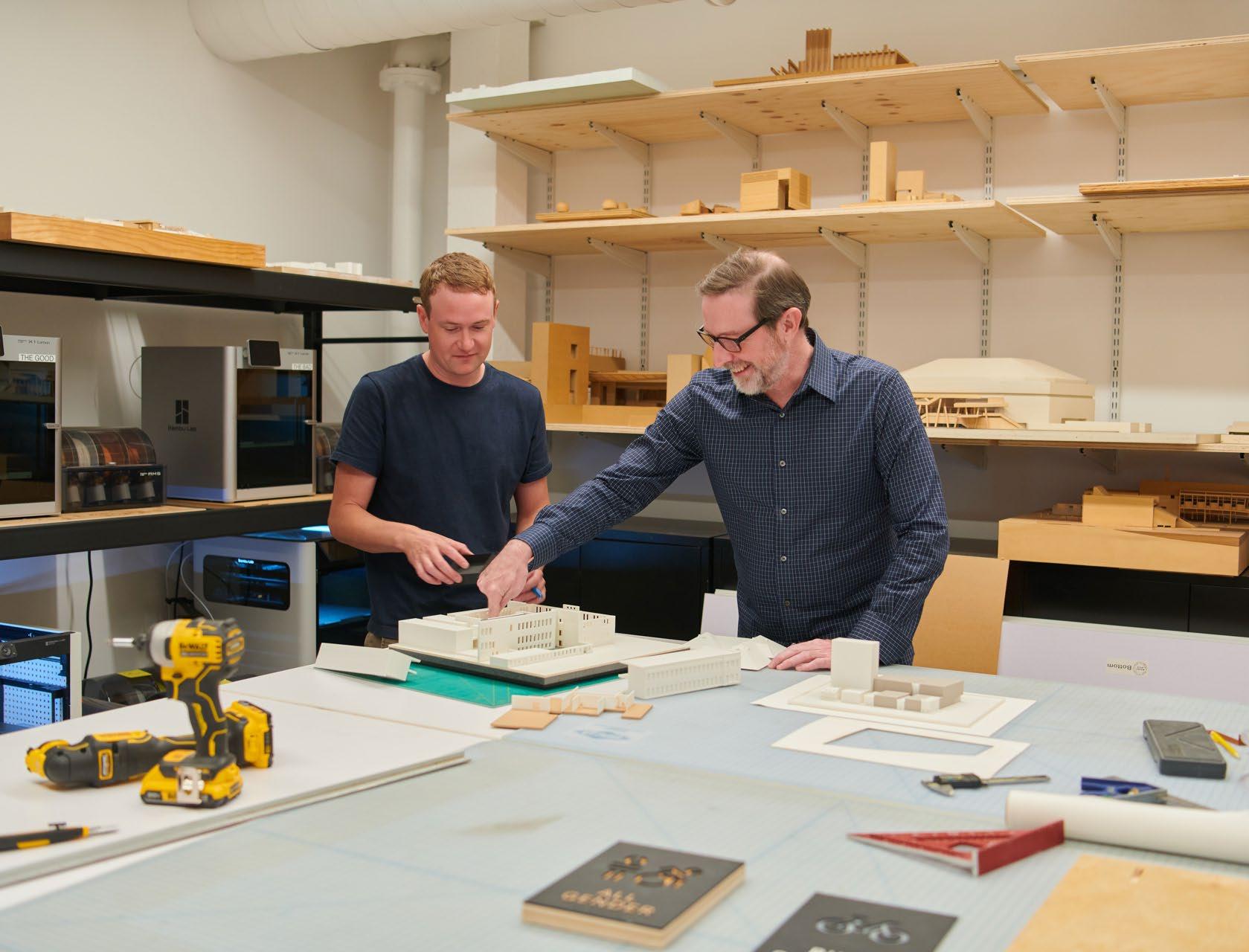
The expanded Fabrication Shop and Clean Shop support both hands-on model-making and digital fabrication, including 3D printing— underscoring our belief in blending traditional and contemporary methods of practice.
Our new studio was designed around the belief that a healthy environment supports creative, connected, and resilient people. Every decision, from daylight and acoustics to material selection and air quality, was guided by the principles of the WELL Building Standard, a framework for measuring how design directly impacts health and well-being. The result is a workplace that balances sustainability with comfort: abundant natural light, fresh air, healthy materials, and flexible spaces that support both movement and focus. Operable windows, plants, and views of the city bring daily connections to nature, while the Neutral Ground café, phone booths, and wellness rooms give people space to recharge. Through thoughtful choices, our studio not only meets rigorous wellness criteria but reflects the way we want to live and work—healthy, inclusive, and inspired.

High-performance filtration, lowVOC finishes, and continuous fresh air circulation ensure a healthier indoor environment.
Operable windows allow natural ventilation, while real-time air quality monitors keep conditions transparent and accountable.

Filtered, regularly tested drinking water stations are never more than 100 feet away.
Accessible hydration points and daily maintenance encourage clean, easy water access for all.


Our café supports wellness with fresh food access, dual refrigerators, dishwashers, and composting and recycling systems.
The setup encourages shared meals, breaks, and a culture of mindful nourishment.

Smart mechanical systems monitor and maintain temperature and humidity across zones.
Operable windows and personal comfort adjustments empower occupants to control their own environment.

Acoustic modeling and material selections minimize distractions across open work areas and phone booths.
Background noise levels are tested to meet healthy standards for concentration and collaboration.

Sustainability and health go hand in hand.
The studio uses Red List–free products, FSC-certified woods, low-VOC paints, and reclaimed materials like the desks that became our Screen Wall.
Over 90% of workstations receive natural daylight, reducing strain and improving mood.
Task lighting and automatic dimming controls allow each person to adjust brightness for comfort throughout the day.
Flexible sit-stand desks, a central stair, indoor bike storage, lockers, and showers promote active workdays and easy transitions between commuting and the workday.
An overview of the WELL Certification categories and the specific design decisions that helped our office achieve them.

Natural light, greenery, and flexible spaces support focus, creativity, and restoration—fostering balance and mental well-being throughout the day.

Firm-wide surveys and charettes shaped the studio’s design, giving every team member a voice.
Locally sourced materials, regional artwork, and a connection to the surrounding neighborhood reflect our deep ties to the New Orleans community.
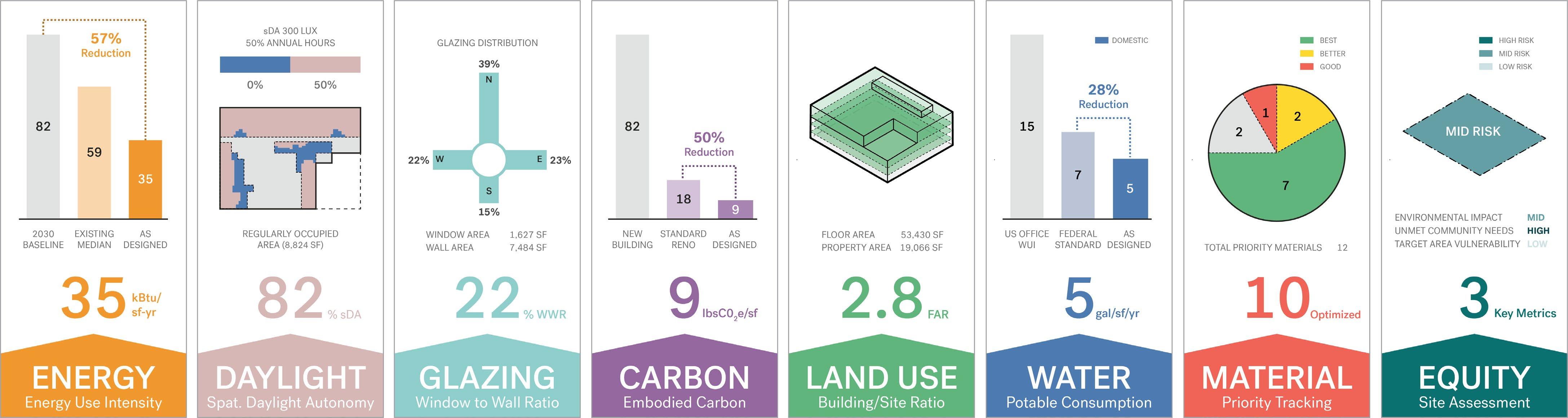
The design of our new studio reflects our commitment to measurable performance and environmental stewardship. The metrics shown here—our project’s own “Nutrition Label”—illustrate how design decisions translate into tangible results. Through targeted interventions, the studio achieved a 57% reduction in energy use intensity, far exceeding the 2030 baseline. Daylight autonomy of 82% ensures that nearly all regularly occupied spaces benefit from natural light throughout the workday, while a 22% window-to-wall ratio strikes a balance between daylight access and thermal performance.
We reduced embodied carbon by 50% compared to a standard new build through the adaptive reuse of the existing structure, efficient material selection, and low-impact finishes. Water use was also optimized, achieving a 28% reduction in potable consumption, while material tracking ensured transparency and health in our selections.
Beyond environmental metrics, our Equity Site Assessment reflects our studio’s integration into the surrounding urban fabric, enhancing accessibility, supporting local businesses, and reinforcing our commitment to a vibrant, connected downtown community.
Location
Size
Project Budget
Client
Design Team
Project Fact Sheet
New Orleans, Louisiana
15,298 SF
$2.8M
EskewDumezRipple
EskewDumezRipple - Architect & Interior Designer
Batture LLC - Structural Engineer
ENFRA - MEP Engineer
AOS Interior Environments - Desk, Shelving Systems, and Furniture Supplier
KV Workspace - Desk Chair Supplier
EskewDumezRipple
Project Team
Jill Traylor - Principal-in-Charge & Director of Interior Design
Andy Redmon - Project Manager & Construction Administrator
Ian O’Cain - Project Architect
Collyn Clark - Project Interior Designer
Mignon Antoine - Designer (Interiors)
Samantha Lindley - Designer (Architecture)
Tyler Guidroz - Screen Wall Design & Fabrication; Signage Fabrication
Rhiannon Hare - Wayfinding & Signage Design
Chris Pietsch & Mark Hash - Fabrication
Z Smith - Director of Sustainability & Building Performance
Aida Ayuk - Sustainable Design & WELL Certification
Contractor
Mayer Building Company
Property Manager
Corporate Realty, Inc.

EskewDumezRipple is a nationally honored architecture, interiors, and urban planning firm recognized for producing innovative projects grounded by a strong understanding of context, culture, and environment. With studios in New Orleans, Washington DC, and Salt Lake City, we build across the country and around the world, with the goal of integrating beauty and performance.
From its inception, the firm is driven by four enduring core values: Design Excellence, Environmental Responsibility, Community Outreach, and Client Commitment. Every aspect of the practice has been structured to support these ideals. The resulting body of work—ranging from intimate interiors to large urban planning projects with numerous stakeholders— reflects an aspiration to build community, regardless of project scale, budget, scope or complexity.