




Hamilton pilots real-time pressure zone monitoring system
How operators can deal with changing biosolids regulations
Managing submerged water infrastructure
Extra equipment needed to deal with co-digestion


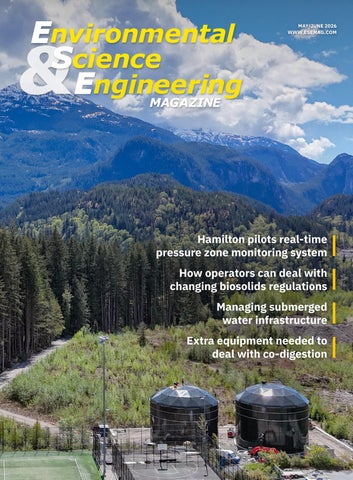
Hamilton pilots real-time pressure zone monitoring system
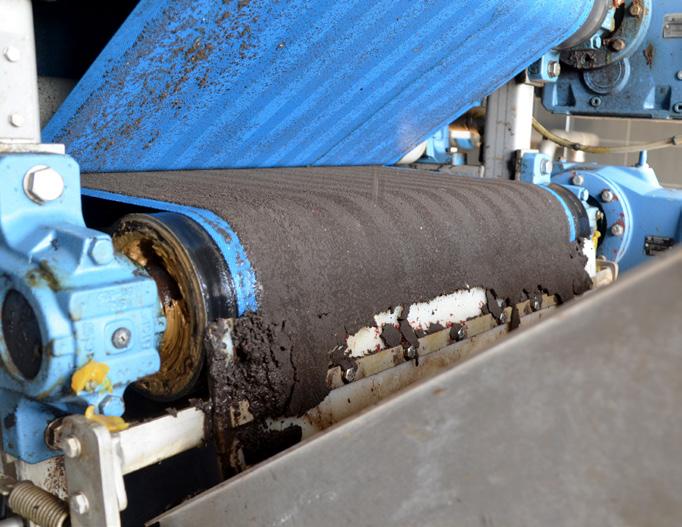
How operators can deal with changing biosolids regulations
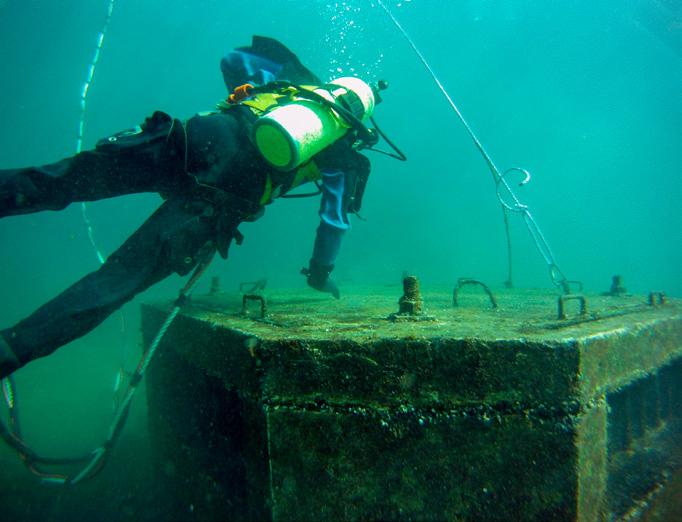
Managing submerged water infrastructure
Extra equipment needed to deal with co-digestion
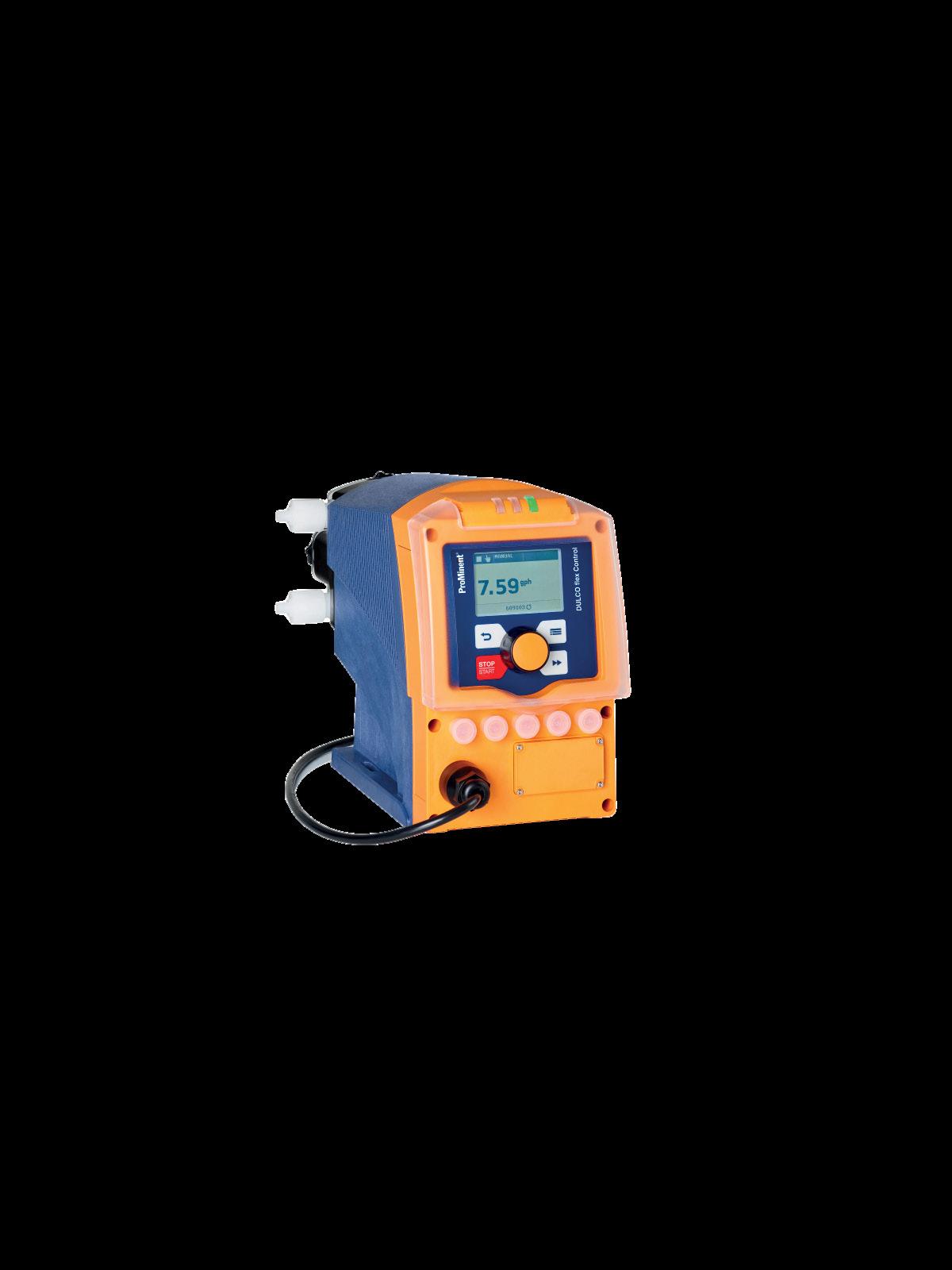
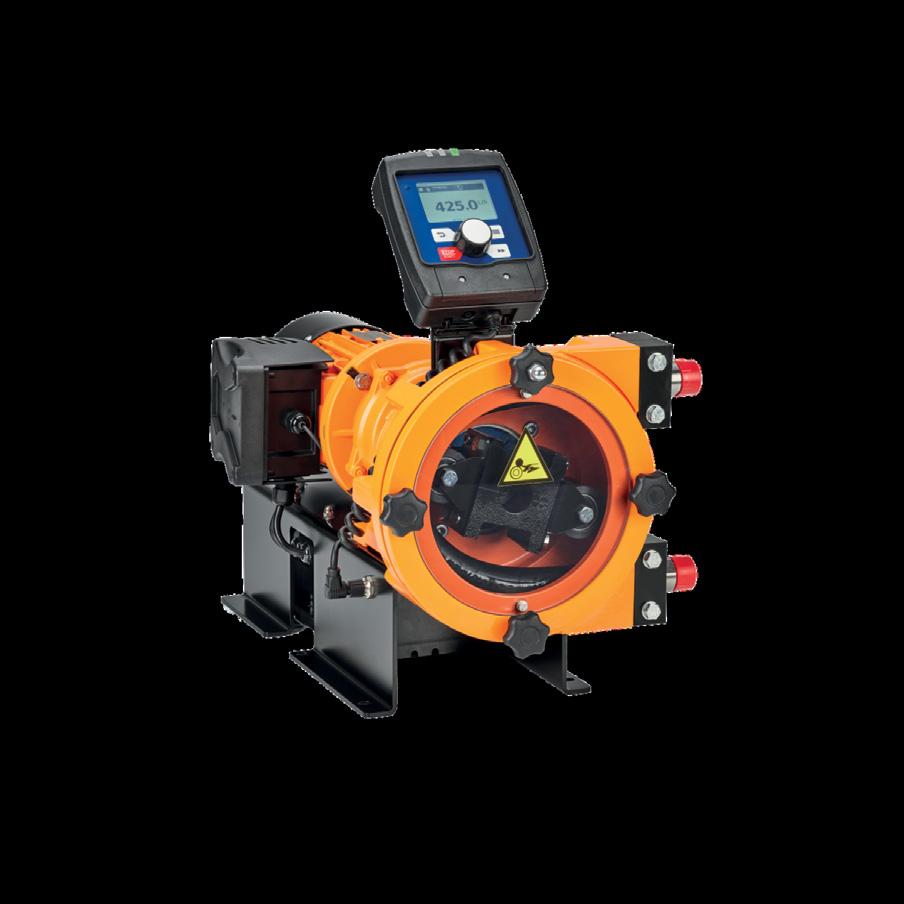
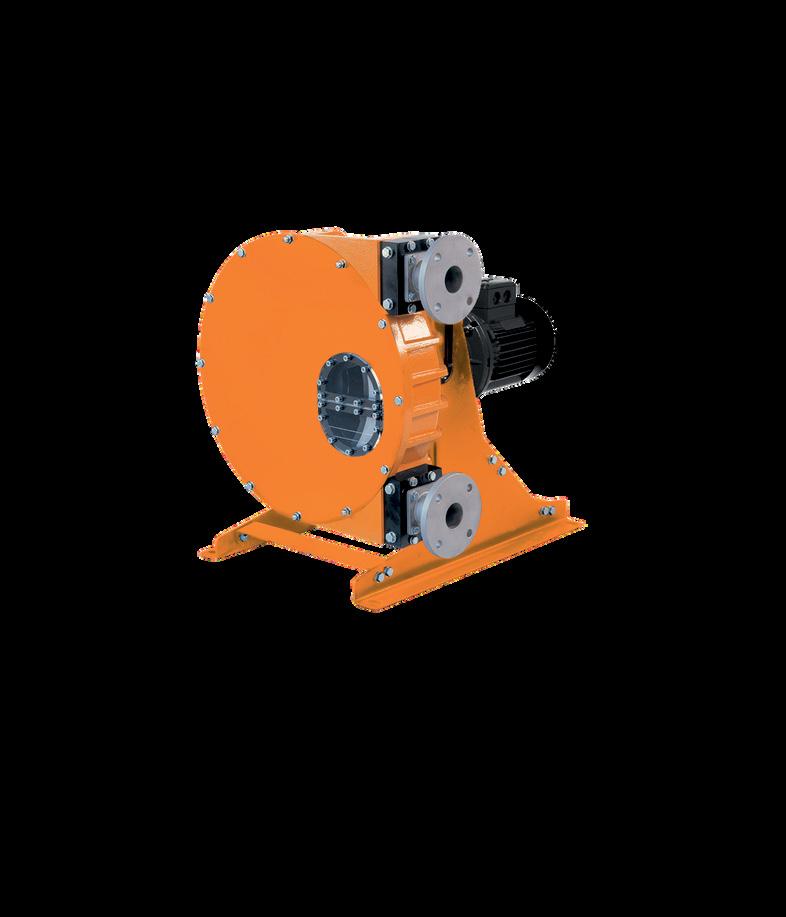
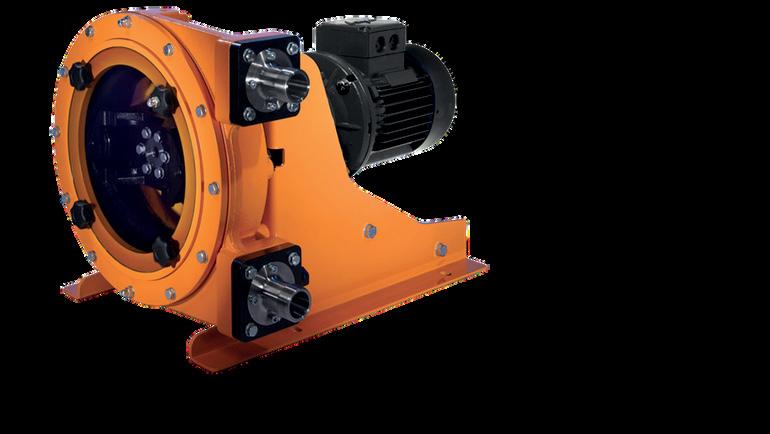
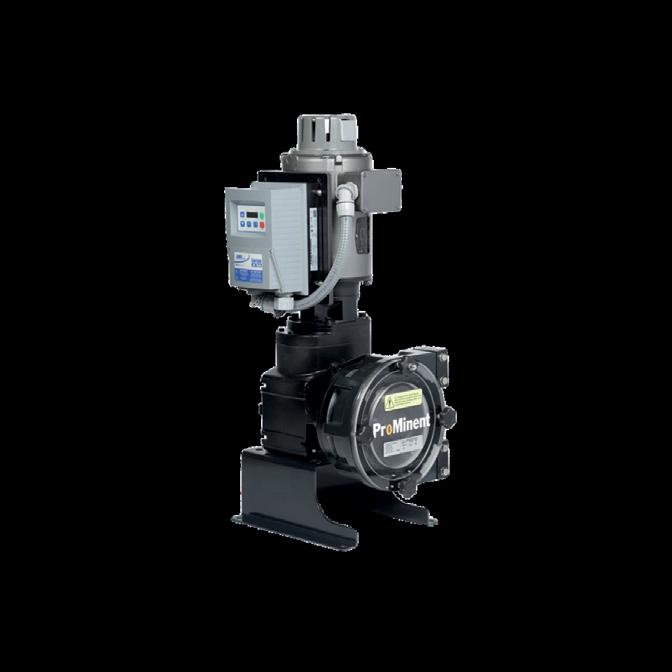
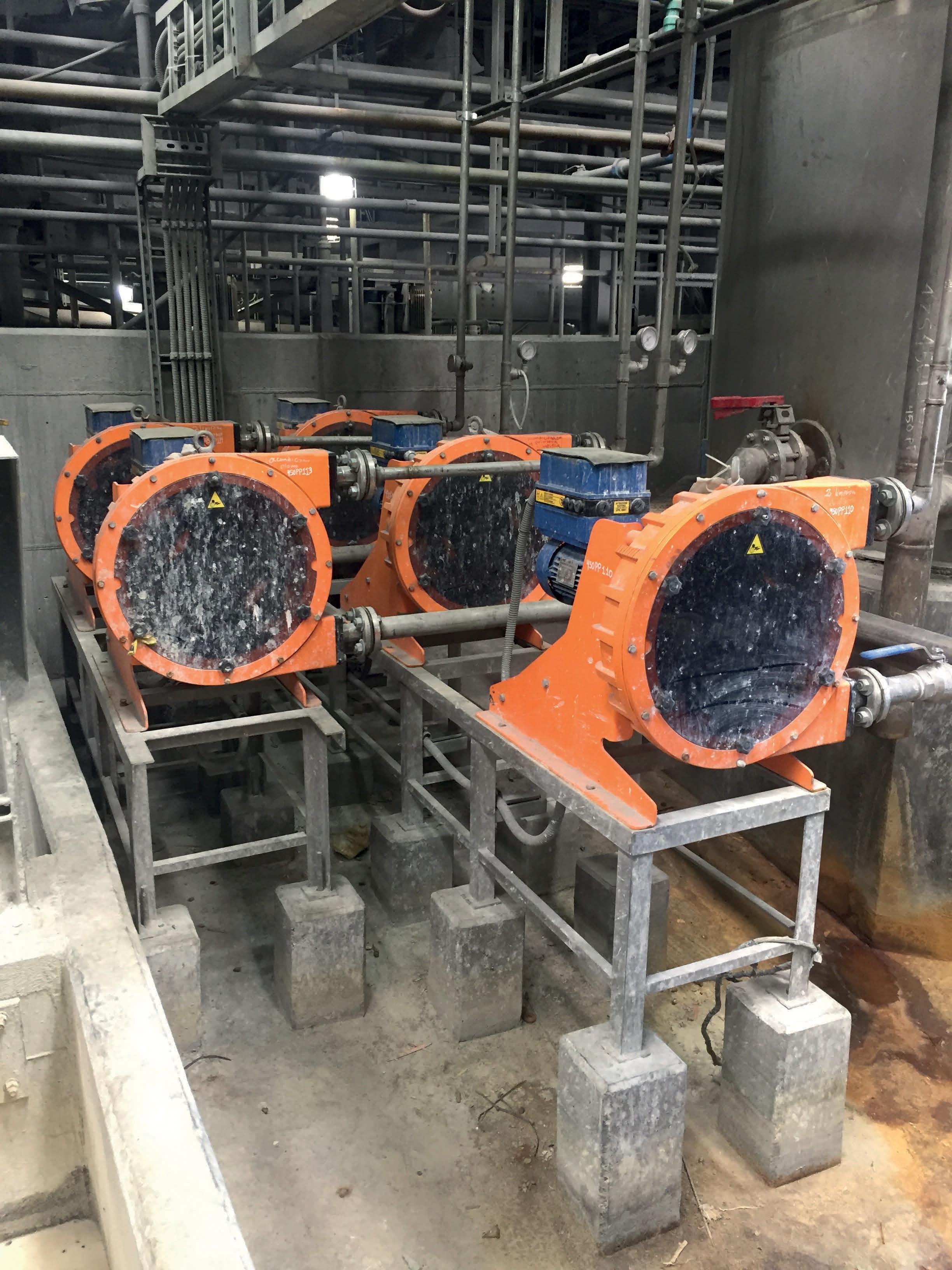
ProMinent DULCOFLEX Peristaltic Pumps are built for reliable performance
Process on the line?
The pump you choose matters.
Capacities from 10 ml/hr to 48,000 L/hr
Pressures up to 232 psi
Both shoe and roller technology
Integrated HMI controls on DFXa and DFYa
Corrosion protection coatings
Viscosities up to 200,000 cPs
Superior hose contruction for a variety of media types
LEARN MORE
Scan the QR code to explore our Peristaltic Metering Pumps.
UNIQUE ON THE MARKET

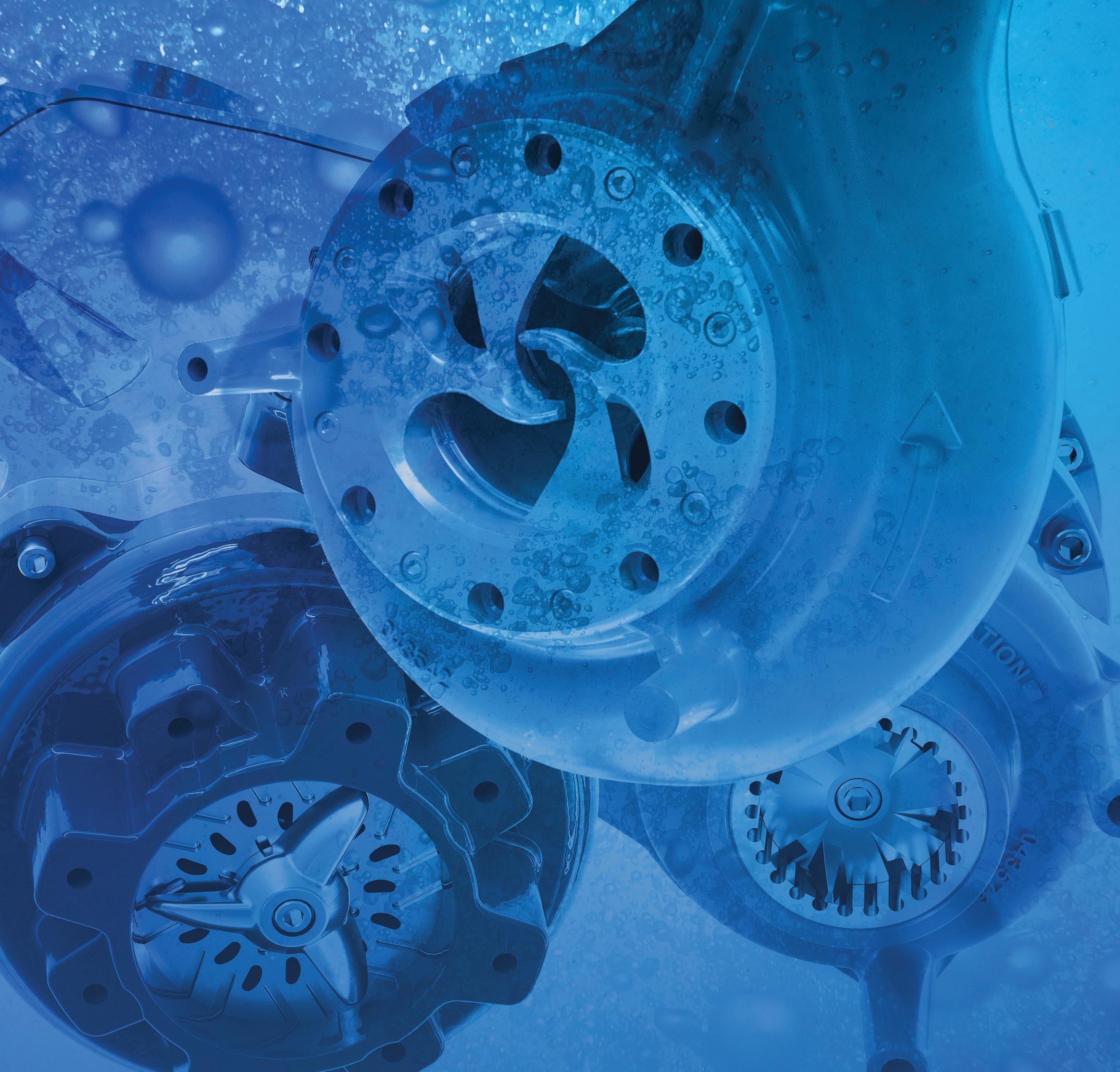
For over a century, engineers, contractors, builders, and developers have trusted Barnes wastewater pumps and pressure sewer systems for their reliability and durability. Offering everything from sump pumps to powerful grinder and chopper pumps, Barnes provides innovative, cost-effective solutions with industry-leading delivery times.

Editor and Publisher STEVE DAVEY steve@esemag.com
Managing Editor PETER DAVEY peter@esemag.com
Contributing Editor DAVID NESSETH david@esemag.com
Sales Director PENNY DAVEY penny@esemag.com
Sales Representative DENISE SIMPSON denise@esemag.com
Accounting SANDRA DAVEY sandra@esemag.com
Design & Production MIGUEL AGAWIN miguel@esemag.com
Circulation BRIAN GILLETT ese@mysubscription.ca
Archis Ambulkar, Toledo Technology Academy of Engineering
Patrick Coleman, Stantec
Bill De Angelis, Metrolinx
Mohammed Elenany, Urban Systems
William Fernandes, City of Toronto
Tony Petrucci, Black & Veatch
Environmental Science & Engineering is a bi‑monthly business publication of Environmental Science & Engineering Publications Inc. An all Canadian publication, ES&E provides authoritative editorial coverage of Canada’s municipal and industrial environmental control systems and drinking water treatment and distribution.
Readers include consulting engineers, industrial plant managers and engineers, key municipal, provincial and federal environmental officials, water and wastewater plant operators and contractors.
Information contained in ES&E has been compiled from sources believed to be correct. ES&E cannot be responsible for the accuracy of articles or other editorial matter. Articles in this magazine are intended to provide information rather than give legal or other professional advice.
Canadian Publications Mail Sales Second Class Mail
Product Agreement No. 40065446 Registration No. 7750
Subscription Changes?
Please email reader subscription changes to ese@mysubscription.ca, or call 705-502-0024
ADVERTISING
Penny Davey
Sales Director 416 807 3812 penny@esemag.com
6 We need more industry association volunteers to step forward — Editorial Comment
8 Hamilton pilots real-time pressure zone monitoring system
10 Artificial turf fields found to leach salmon-killing chemicals
12 Co-digestion is more complicated than simply feeding new material to the digesters
16 Vaughan stormwater pond project uses semi-passive dewatering system to cut costs and minimize disruption
18 Past activities have left a large contaminant footprint in Canada’s Arctic
21 Canadian company wins space challenge for lunar water purification technology
22 Asset management plan finds Lethbridge’s wastewater system at risk
24 Advanced oxidation of geosmin in surface water using ozonation and ozone-hydrogen peroxide
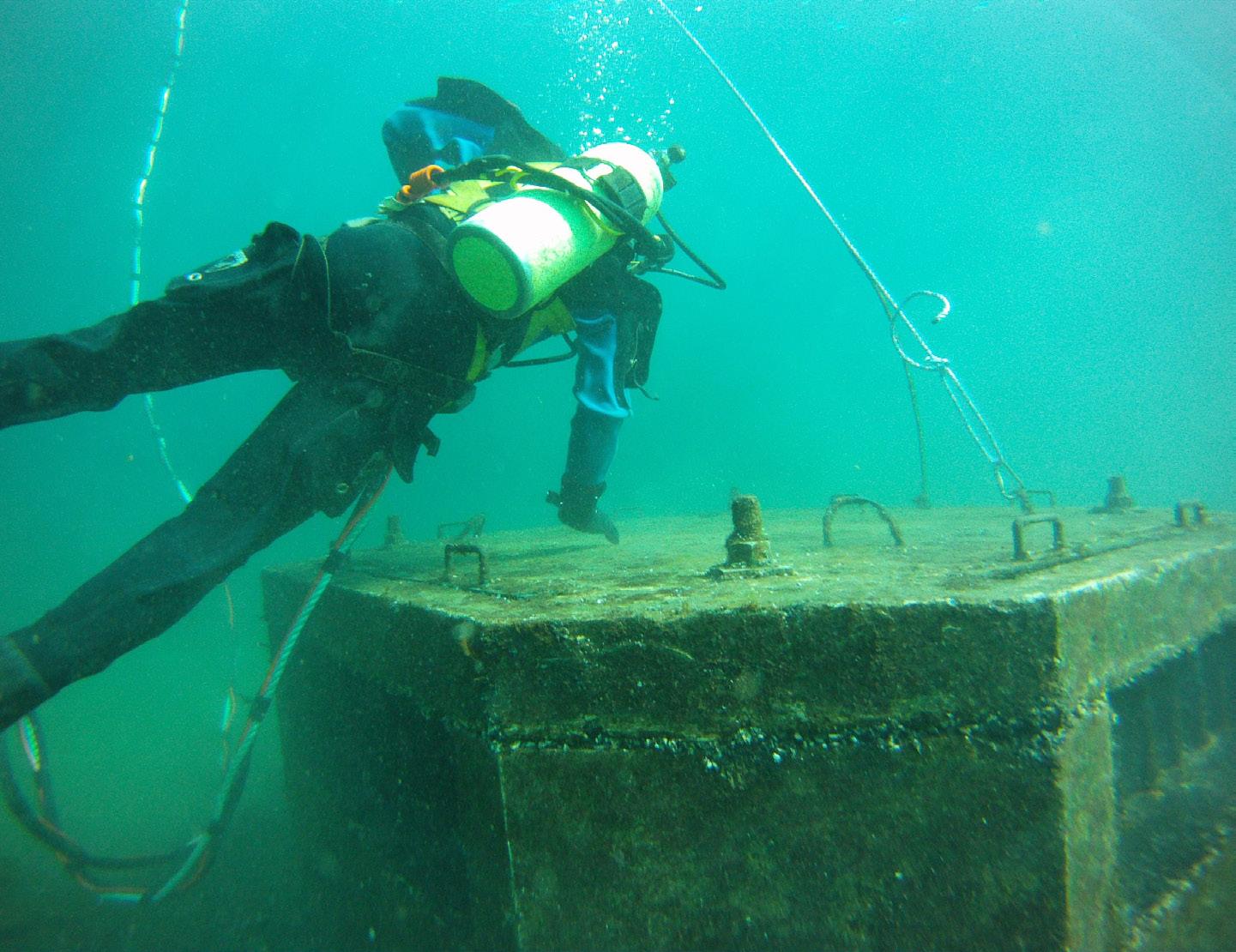
34 Managing submerged water infrastructure through comprehensive inspection and maintenance
38 PFAS property stigma drives new class actions against governments
41 Canada intercepts a record 1.2M kilograms of illegal hazardous waste exports
42 Rethinking aftermarket support for pumps to facilitate repairs and improve reliability
45 Canadian businesses boost environmental spending to $32B
46 Federal minister honours First Nations water operators for safeguarding community drinking water
48 PFAS exposure tied to weakened immunity, raising concerns over drinking water protection
52 Best practices for managing liability claims
Denise Simpson Sales Representative 905 960 4064 denise@esemag.com
Environmental Science & Engineering
220 Industrial Pkwy. S., Unit 30 Aurora, Ontario L4G 3V6
Tel: (905) 727 4666 www.esemag.com
26 How operators can deal with changing biosolids regulations and increased disposal costs
28 Upgrading a conventional septic system to meet total nitrogen limits
32 What 40 years of building critical infrastructure has taught us about Canada’s next challenge — Cover story
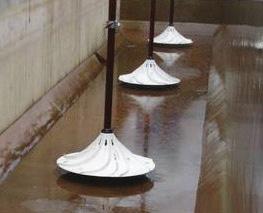
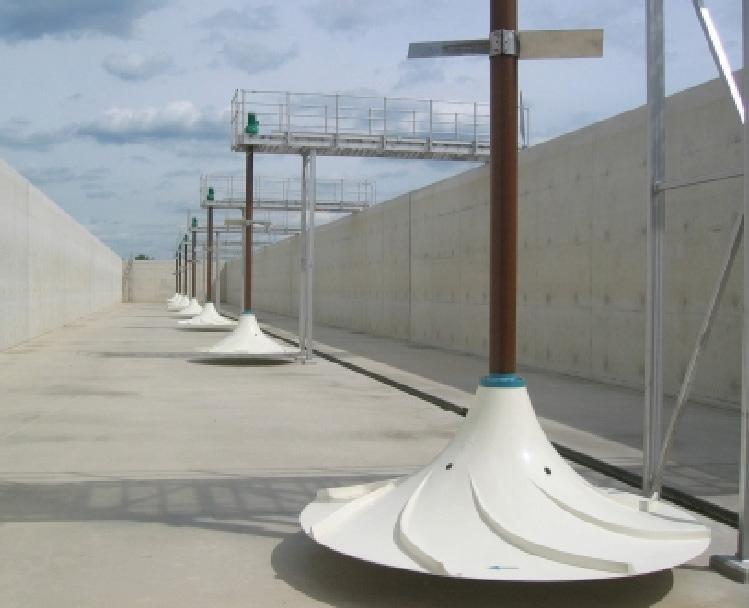
Pro Aq ua, In c. carries a complete ra nge of mar ket leading and inn ovati ve p rodu cts. Let us sh ow you








Providing treatment solutions for more than 30 years.
• Archimedes Screw Pumps

•
• Disinfection – UV, Ozone



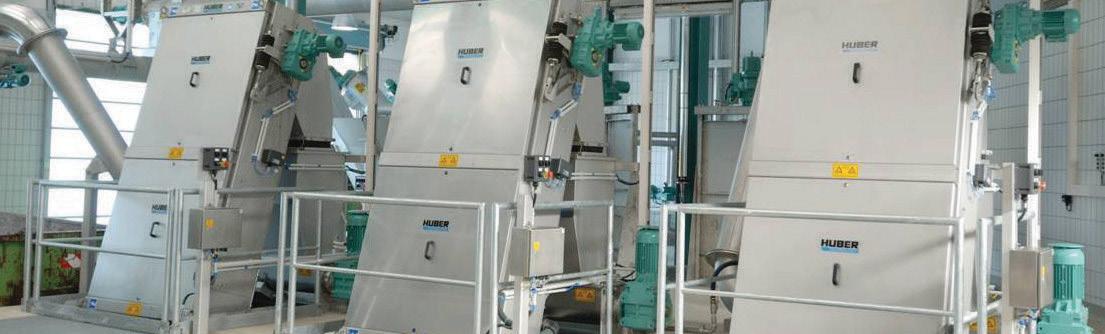
• Screens – Multi-Rake, Perf Plate, Drum, Travelling Band, Step, Climber, Ver tical Pump Station Screens, Screenings Washer /Compactors
• Grit Separation, Washing & Dewatering
• Tertiary Filters – Travelling Bridge, Disk, Membrane




• Conveyors – Shafted & Shaftless Screw, Belt










• Blowers – Rotary Screw, Rotary Lobe, Single Stage and Multistage Centrifugal, Turbo, Integrally Geared, Advance Control, Rebuilds
• Aeration – Sur face, Membrane & Ceramic, Fine & Coarse Bubble, Gas & Liquid Cleaning, DO Control, AlphaMeter

• Mixers – Anoxic & Swing Zones, Sludge Holding, Digester; Mechanical, Hydraulic and Gas Bubble
• Tank Components –Decanters, Swivel Joints, Telescoping Covers, Watertight Doors
• Primary & Secondary, Circular, Chain & Flight, Inclined Plate Settlers, Weir Washing
• Sludge Thickening & Dewatering –Disk Thickener, Gravity Thickener, Filter Press, Screw Press, Centrifuge
• Anaerobic Digesters – Sludge Conditioning, In-line Screening, Degritting, Membrane Gas Holders, Liquid Mixing, Nutrient Recovery
• Sludge Drying – Belt, Fluid Bed and Solar
• Septage Receiving – Screens, Dump Stations, Truck Access & ID, data gathering & equipment control
• Sludge Treatment, Transport & Storage – Cake Pumps, Silos, Sliding Frames, Live Bottom Hoppers, Push Floors, Truck Loading, Alkaline Stabilization
• Odour Control – Tank Covers, Chemical & Biological Treatment, Activated Carbon
• – snoitatS pmuP & retawmrotS ,OSC
Tipping Buckets, Bending Weirs, Flushing Gates, Flow Regulating, Vortex Valves, Storm Screens
• Biological – SBR, MBR, RBC, MBBR, MABR, Oxidation Ditch, BioMag, CoMag Polymer – Liquid and Dry Systems
• Rotary Lobe Pumps & Grinders
• Digester Gas – Gas Holders, Gas Conditioning: chilling; compressing; and removal of moisture, sulphur, carbon dioxide and siloxane, complete Co-Generation facilities
Those attending wastewater events will undoubtedly have seen fellow attendees wearing a gold shovel. This signifies that they are members of the Select Society of Sanitary Sludge Shovelers (5S). This organization dates back more than 85 years and was formed with the goal of encouraging association members to get involved. People cannot join the Society; they must be selected on the basis of merit.
The 5S had its beginnings in 1940 in the United States and since then, chapters have been formed around the world, including many states in the U.S., Canada, the United Kingdom, Australia, New Zealand, Japan, Brazil and the Netherlands.
The Ontario Chapter of 5S was founded by Geoff Scott at the April 1983 Water Environment Association of Ontario (WEAO) conference.
As part of its intention to encourage members to get involved, the Society recognizes those who have contributed to the betterment and well-being of their local wastewater association. Most chapters have developed their own rules, methods of operation and initiation ceremonies. The “Influent Integrator” (known as pH7) is recognized as the master of ceremonies at 5S member initiation events.
The official “badge” is the aforementioned small golden shovel, normally worn on the left breast pocket, as a lapel pin or tie clasp. Each member association will normally select an emblem to attach to the shovel, or engrave the shovel blade accordingly. For the Ontario Chapter, the trillium flower was selected as the emblem. In Atlantic Canada, the shovel is decorated with a lobster, and in Western Canada it is adorned with a sheaf of wheat.
ES&E Magazine’s Sandra Davey, Penny Davey and myself are all honoured to be long-time members of the 5S Ontario Chapter. We value the chance to meet with our fellow shovellers at the annual luncheon, many

In

of whom we have worked with on association activities for decades.
Sadly, however, many associations are struggling to attract new volunteers for committees, or boards of directors. Many younger professionals, it seems, are hesitant or unable to commit their time, possibly as a result of insufficient support from their employers or the challenges of balancing work and personal obligations. I was recently informed by the Executive Committee of the Board of Directors for Ride With Purpose, also known as The Water Buffalos, that it has made the difficult decision to dissolve the organization. They said that this determination was not reached lightly and reflects the ongoing challenges associated with sustaining the Association’s mission and operations.
Attracting new committee members was one of these challenges.
Founded in 2005, this charitable organization of water industry professionals organized motorcycle charity rides, which began from several locations across the U.S. and Canada and ended at numerous conferences, including the American Water Works Association’s Annual Conference & Expo. The group’s goal was to raise awareness and funds that went directly to supporting water and wastewater-related charities, including Water For People.
It is estimated that, in total, they raised US$1.4 million from sponsorships and donations. In its statement, the Water Buffalos Executive Committee encouraged its members to continue to support the work of Water For People directly as individuals or small groups.
The success of industry associations is dependent on paid staff and many member volunteers who serve on boards and committees, and who help organize events, public outreach activities, government and regulator relations, and more.
As I have written many times in the past, it is my sincere belief that stepping forward to volunteer in an industry association is a great way to learn about the sector you are working in, who the key players are and what issues are of concern. It is also key to building one’s professional network and will pay dividends over the course of your career, both to you and your employer.
I hope more organizations recommit to encouraging their staff members, especially younger ones, to get involved with industry associations. These individuals will become more well-rounded employees, and the associations they work with will continue to thrive.
Steve Davey is the editor and publisher of ES&E Magazine. Email: steve@esemag.com

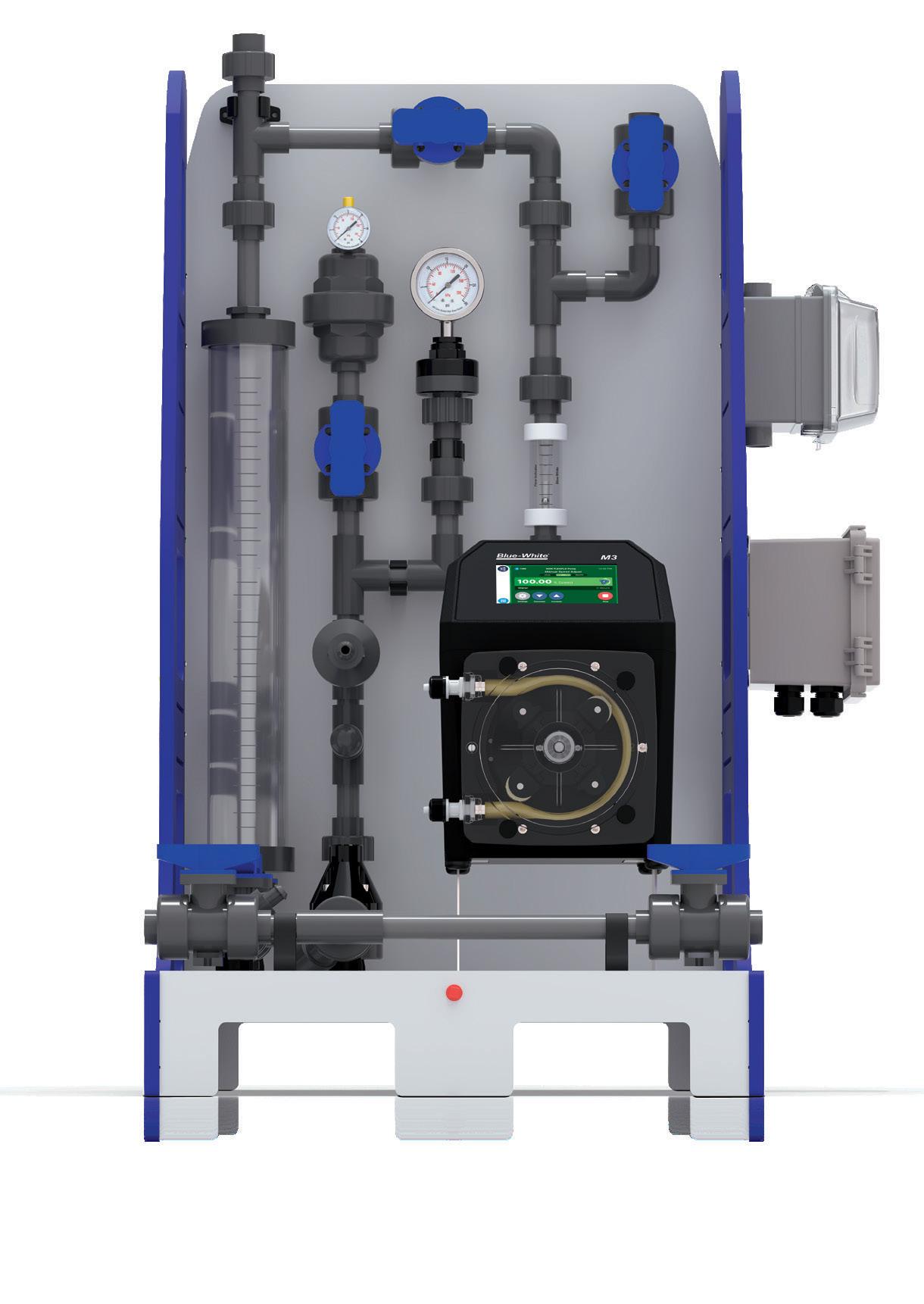
CHEM-FEED® COMPLETE METERING S YS TEMS
Fully equipped and assembled systems for drop in place install and fast startup. One, two or three pump models.
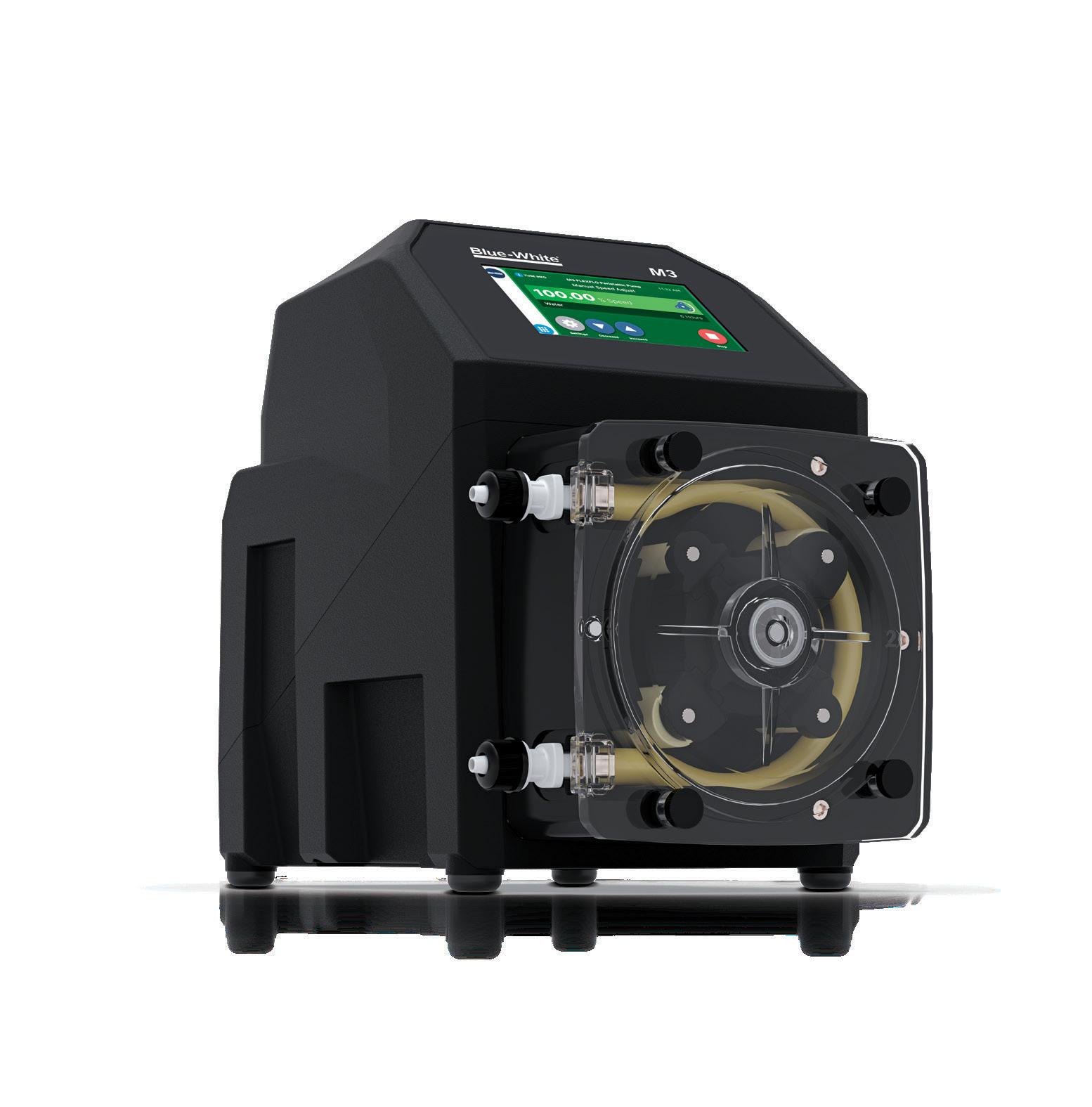
FLEXFLO® M3 PERISTALTIC METERING PUMP
Smooth, consistent chemical dosing with no vapour lock and no loss of prime.
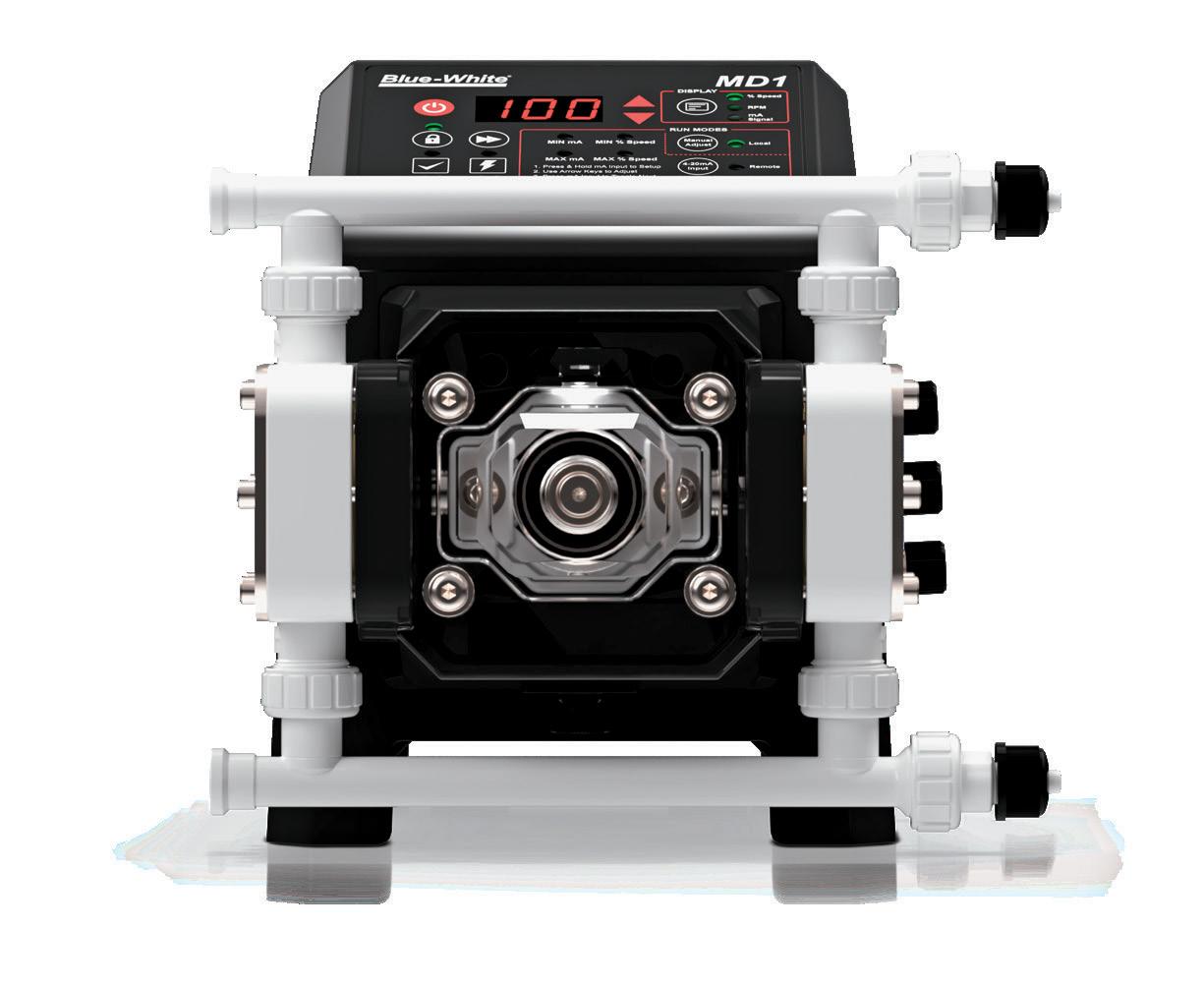
ENHANCED CHEM-FEED® MD1
Dual diaphragm design with hyper drive technology for unequalled performance. Pressure rating 12.4 Bar. Output capability 13.2 to 26.5 LPH.

The City of Hamilton’s municipal water distribution system is shaped by the escarpment, making it challenging to deliver water to some 590,000 residents. With an elevation change of approximately 89 to 100 metres between the lower city and the upper city, this Ontario city manages 25 pressure districts with an extensive network of pressure reducing valves (PRVs) to prevent over-pressurization and maintain consistent service levels.
These pressure districts each have unique characteristics with varying peak demands, fire flow requirements, and operating pressures. The city relies on periodic manual inspections and annual maintenance programs to check its PRVs, which provide snapshots of the system’s performance. This means that valve malfunctions, pressure anomalies, or developing leaks can go undetected between inspection cycles, particularly in a system where multiple PRVs operate hydraulically and in parallel.
Dave Alberton, Manager of Water Distribution for the City of Hamilton, said, “we wanted to pilot real-time pressure monitoring, so we chose to retrofit an existing valve with the Cla-Val XP2F monitoring system in one of our more complex pressure districts."
The city selected the Upper Paradise PRV station in Pressure District 5. It is one of the largest districts covering the front portion of the escarpment and has older infrastructure with high and variable user demand, and rocky soil. These factors mean leaks are less likely to surface.
In addition, there was a pattern of unusual nightly consumption pressure spikes. These make the district more vulnerable to leakage and main breaks. “We wanted to understand the reason for these nightly spikes and any indication of leaks that were not surfacing, so we needed more eyes in the system to gain a better understanding of where to look,” said Alberton.
The station’s configuration has two PRVs operating in parallel. The first is a 200-mm valve for high-demand periods and the second is a 100-mm valve for low-flow conditions. This dual valve arrangement is common in the city’s system, as it provides an alternate option for low flow or increased flow for fire. It also offers a level of redundancy for servicing and backup in case of failure.
This configuration is ideal for real-time monitoring as it provides an understanding of which valve is active, when, and
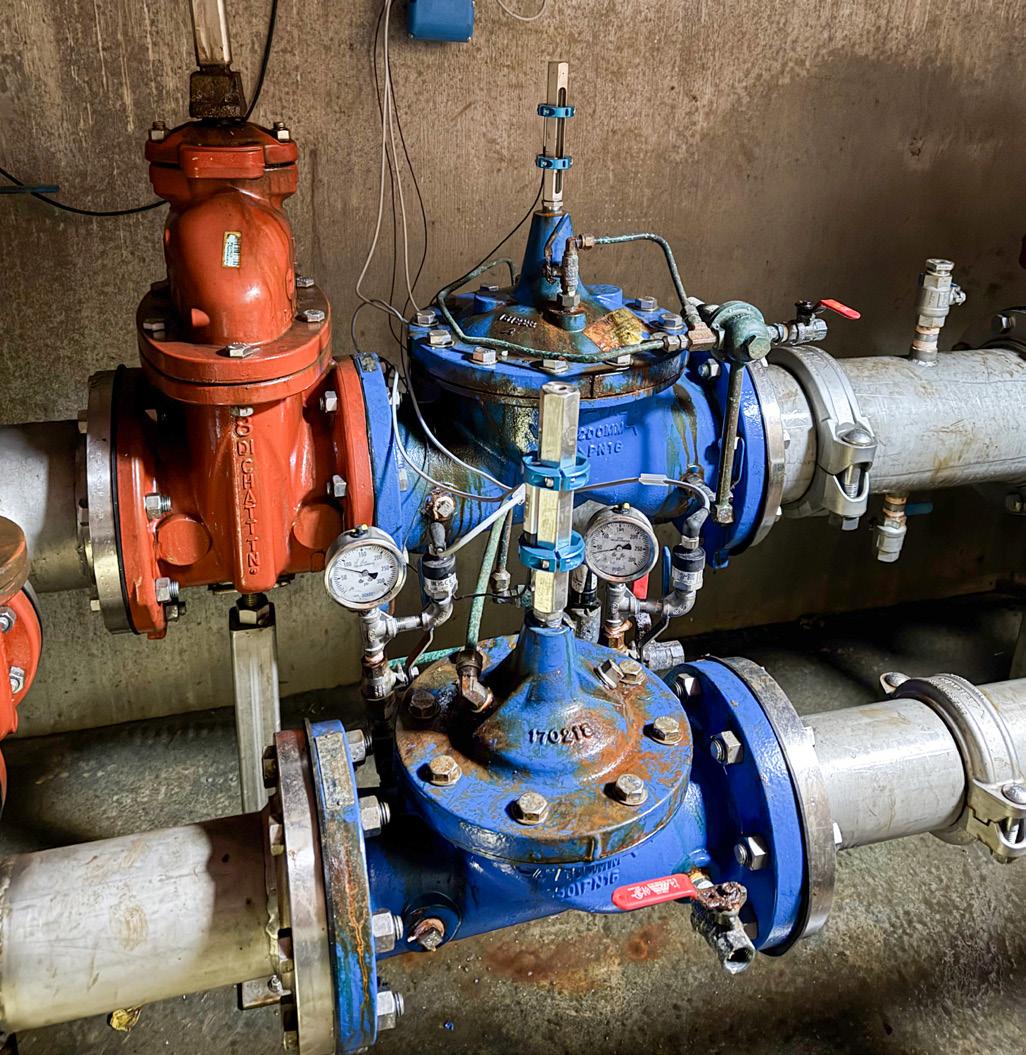
how transitions occur between the valves.
The station’s location on the north end of the escarpment places it where water transitions from a high-pressure feed to controlled pressure for the mountain communities. Alberton says, “as the water descends around 23 metres down a hill, static pressure increases by approximately 0.433 psi per foot of elevation drop. If our PRVs are not functioning properly, the downstream infrastructure would experience pressures exceeding design ratings, which can result in pipe stress leading to an increase in leak rates, and main breaks.”
Installation of the pressure monitoring system was completed with minimal difficulty and the entire process took two hours with two technicians. Pre-testing all components ahead of time ensured a smooth start. Pressure transmitters were added quickly to monitor supply and discharge pressures. Position transmitter installation required closing each downstream isolation valve for about twenty minutes, one at a time.
The controller was mounted directly onto the concrete wall, followed by a few simple wiring connections. Once in place, the system was powered up and accessed via Wi-Fi through a mobile app. This provided immediate visibility into instrument readings, calibration functions, and parameter settings. The chamber already had an antenna pole, so there was no need to run a cable to an above-ground antenna.
The chamber was equipped with a single XP2F unit. The equipment takes the pressure signals upstream and downstream of the PRV as well as the valve position. It then calculates the instantaneous flow through the valve by using the equation Flow (Q) = Sqrt (Dp – Differential Pressure) x Cv. The valve’s Cv (flow capacity) varies with how far open it is. Cla-Val has the valve’s Cv for each percent it is open.
The monitoring equipment has room for four analog inputs, but it only needs the three (upstream, downstream pressure and valve position). The 100-mm valve is set to deal with most daily flow requirements. If there is a larger demand, the 200-mm valve will open. Normally this valve is closed.
For this reason, the monitoring equipment is used to calculate the flow through the 100-mm valve. As there is a spare input, the city can also track the position of the 200-mm valve.
Calibration was straightforward. Pressure transmitter readings were verified by comparing Wi-Fi data against gauge readings, while valve position calibration involved checking signals at fully closed and fully open positions.
Monitoring data revealed that the 100 mm valve was opening fully, a condition indicating that the system required rebalancing. “With this information, we sent out a crew to fine-tune the PRV pilot chamber to prevent unnecessary pressure in the system. An issue like this, left undetected, can lead to a watermain break and an increase in water loss,” said Alberton.
Like other municipal water distribution systems, the city can experience as many as 100 pressure transients per day. This causes stress to its aging infrastructure, leading to leaks and pipe bursts. By capturing flow fluctuations, staff can see the impact of these events on the system.
Alberton adds, “a lot of these transient events are due to pumps going on or off, or valves needing maintenance beyond our planned schedule, due to a change in the system. If we can identify patterns of where and when these pressure and flow anomalies occur, we can investigate the problem. Sometimes it is a simple fix that we can do remotely, so having this

information is really valuable and allows us to measure improvements.”
Operators can now see how pump changes ripple through the distribution system, improving coordination across departments. The data can be used for
hydraulic model calibration to improve the accuracy for planning and design. Staff can export data into an Excel spreadsheet for detailed analysis and connect specific events, such as main breaks or flushing operations, with pressure and flow patterns.
Nighttime minimum flow analysis has established a baseline for consumption patterns and has also helped identify anomalies that indicate leaks and even unauthorized connections or water theft from hydrants. Remote alerts can be set for high-flow or high-pressure events, enabling a rapid response.
“We are really pleased with the consistency and accuracy of the data we are receiving from the new system,” said Alberton. The city hopes to expand the deployment of the XP2F technology to other pressure districts.
Peter Sucharda is with Devine & Associates. Mark Gimson is with Cla-Val Company. For more information, visit: www.devineassoc.com

By ES&E Staff
Arecent study from the University of British Columbia has found that artificial turf fields across Metro Vancouver are releasing 6PPD-quinone, a transformation product of a tire protectant known to be toxic to coho salmon, into municipal stormwater systems, with contamination persisting years after installation.
The research traced the pollution to crumb rubber infill made from recycled tires, which is a material commonly used in synthetic fields. According to the study, the infill consistently released 6PPD-quinone and other contaminants regardless of the field’s age.
“An average turf field contains about 125 tonnes of crumb rubber, roughly 20,000 tires,” said Katie Moloney, a PhD student in UBC’s Scholes Lab. “With fields typically lasting a decade or more, they can become long-term sources of tire-derived pollution entering stormwater pipes, and ultimately fish-bearing waterways — frequently without treatment.”
Artificial turf fields were introduced in the 1960s as resilient and low-maintenance sports surfaces, resulting in more than 19,000 artificial turf fields in the U.S. alone, the study says. There are approximately 600 to 750 new installations there annually.
The UBC project began in late 2023 after streamkeepers in North Vancouver reported crumb rubber washing off a nearby turf field, alongside dead coho salmon in a neighbouring stream.
“We already knew this chemical washes off tire debris on roads and can kill salmon,” Moloney said. “It made sense to ask whether fields using the same material might be doing something similar.”
Led by civil engineering assistant professor Rachel Scholes, the research team collected infill samples from 12 turf fields and analyzed the chemicals leach-

reduce 6PPD-quinone concentrations by roughly tenfold.
The study also found that alternative infill materials released fewer contaminants, though they tend to be more expensive. Some natural options, such as cork, may freeze in colder conditions, limiting year-round use. Phasing out crumb rubber also raises questions about managing the large volume of recycled tires currently used in artificial turf production.
ing into water. Drainage samples were also collected during three rainstorms from an active field.
The study found that drainage from one monitored field contained 6PPD-quinone concentrations exceeding levels lethal to juvenile coho salmon, even though the infill was more than six years old. While runoff is often diluted before reaching streams, researchers noted the risk may be higher in smaller watersheds, or where multiple fields drain into the same outlet.
In addition to 6PPD-quinone, testing revealed numerous other compounds not listed in regulatory inventories of tire ingredients, as well as heavy metals such as zinc and copper. Both of these are known to harm aquatic life.
“Every time it rains, these fields release a mix of chemicals into the drainage system,” Moloney said. “That needs to be taken seriously.”
Because artificial turf fields drain through fixed pipe systems, the researchers say stormwater treatment is a viable mitigation option. A 2023 study by the same UBC team found that passing runoff through a planted soil filter can
The findings come as regulators increase scrutiny of tire-derived pollution. The European Union has already moved to ban the sale of crumb rubber under broader microplastics regulations, initiating a phaseout.
In San Francisco, a ruling is also expected in the near future on a lawsuit filed by environmental groups representing fishing organizations against major tire manufacturers, including Bridgestone, Michelin and Goodyear. They argue that the companies are violating the Endangered Species Act by allowing the chemical to enter waterways through stormwater runoff.
In 2024, Environment and Climate Change Canada added 6PPD as a priority for assessment, the department’s minister told a group of environmental advocacy organizations lobbying for federal action on the chemical.
“Our research shows a clear need to address contaminant release from turf fields,” Scholes said. “These data can help guide decisions on field design and stormwater treatment to protect aquatic ecosystems.”
The research was supported by the BC Salmon Restoration and Innovation Fund.
For more information, email: editor@esemag.com
WE HAVE AN EASY
INSTALL A SWM SHIELD TO PRE-TREAT YOUR POND


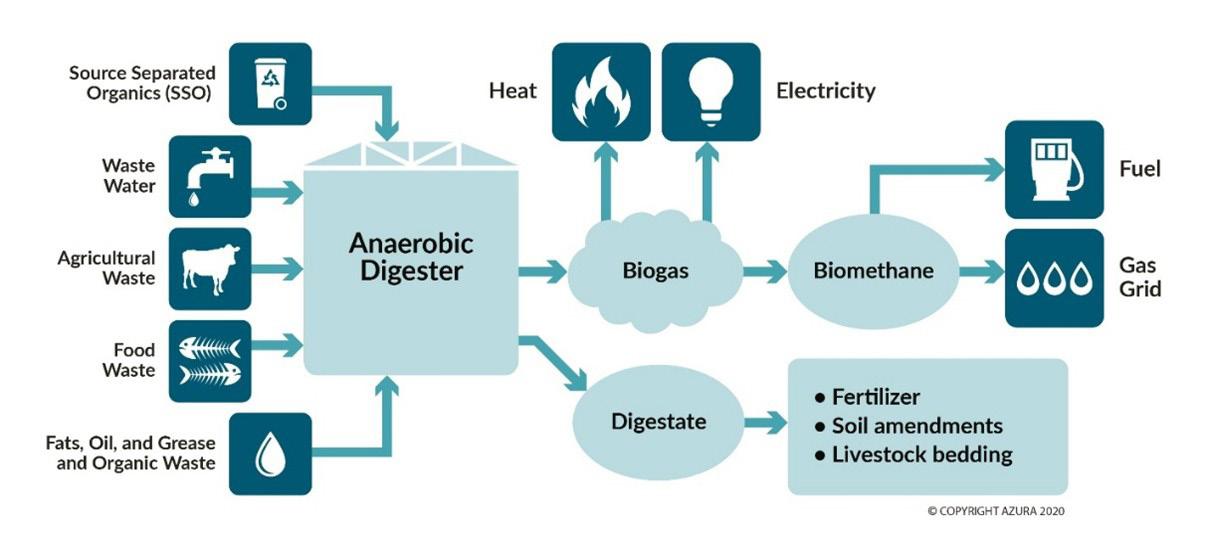
Anaerobic digestion (AD) is a biochemical process used to breakdown organic material into biogas, as well as stabilize organic waste and destroy pathogens in waste materials. AD has been used for decades in sewage treatment to treat organic sludge produced during mainstream wastewater treatment.
Co-digestion is a process that treats food waste and other organic waste, together with sewage sludge at wastewater treatment plants. As the need to divert organic waste from landfills grows, co-digestion is gaining traction. Municipalities can use the additional capacity in existing wastewater assets as a cost-effective strategy to preserve landfill capacity and mitigate greenhouse gas emissions.
However, co-digestion is more complicated than simply feeding new material to digesters. There are several ancillary equipment components required to make it practical, including systems for front-end feedstock receiving, biogas management and digestate management.
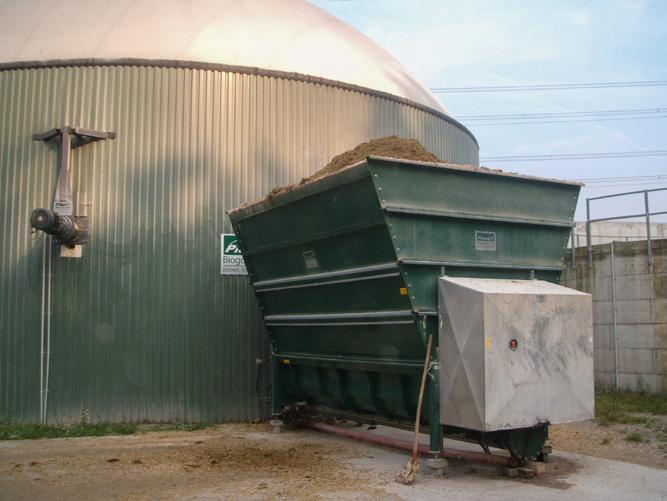
Flexibility in feedstocks accepted for co-digestion begins with the facility’s feedstock receiving equipment. The right equipment enables a facility to accept solids, sludges, and liquid feedstocks, as well as packaged food products.
While some food waste digesters have outdoor access to their receiving equipment, many new digester facilities are opting for covered buildings to contain their receiving equipment. This offers protection from the elements, as well as odour control.
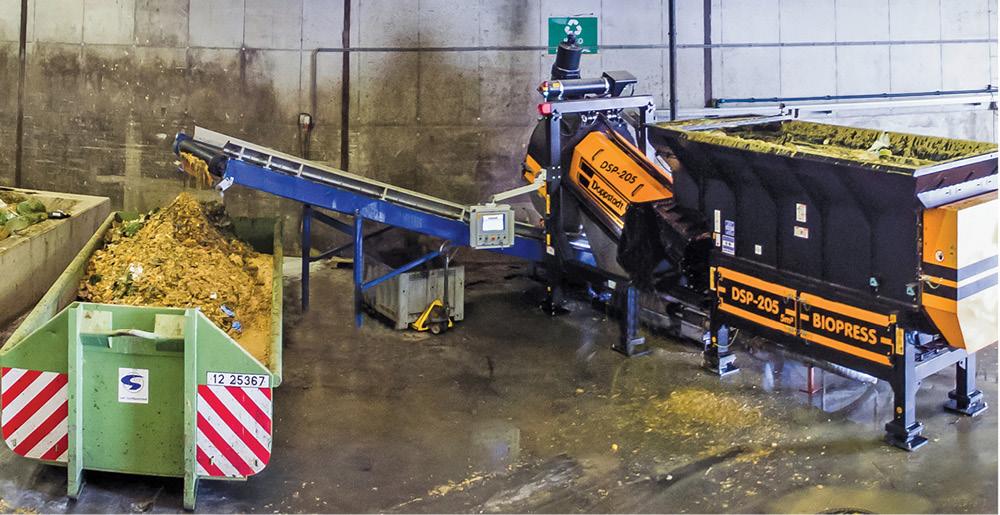
A hopper and screw augers in a solids receiving line can be used for any pliable
to non-flowable material, such as bulk fruits and vegetables, dry pack manure, agricultural residues, green bin materials, and sludge cakes. Liquid receiving typically involves a pump-driven line to pump feedstock directly out of the trucks, or a gravity-driven offload into an underground receiving pit or sump.
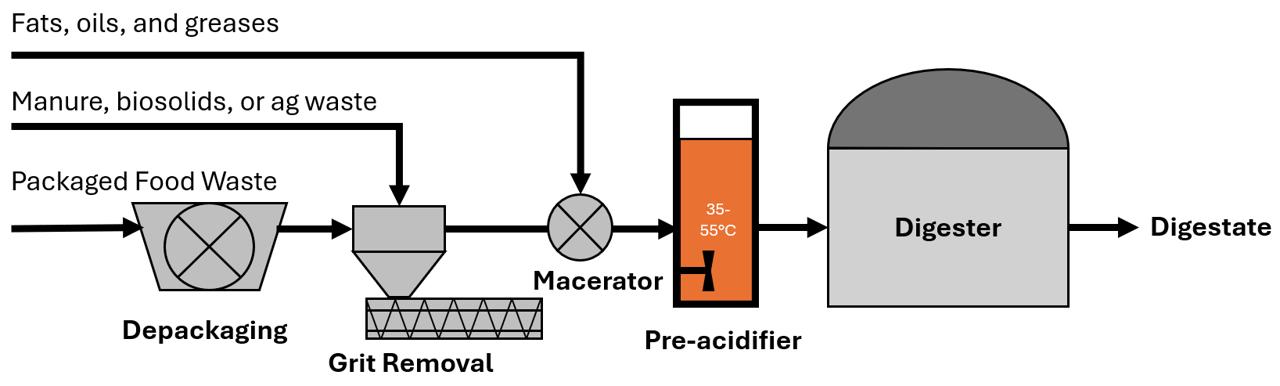
Any food waste arriving with packaging contamination will require a depackaging process to free the food inside containers and minimize packaging material that enters the digesters.
Many food waste digesters operate with a receiving bay dedicated exclusively to packaged food waste for process efficiency and to maximize the amount of packaged material they can receive.
Intermediate holding and storage vessels are used to blend incoming material and maintain a constant feed rate, even on days when less or no material is delivered. Storage and fermenta-
tion tanks help to meter in high energy feedstock, like fatty dissolved air flotation (DAF) sludge. This helps mitigate organic shock loads, that can upset the digester.
Odour control is critical to ensuring the success of any digester project. Unhappy neighbours lead to odour complaints, fines, and possibly forced closure or redesign.
In a covered receiving building, ventilation is installed to maintain negative pressure in the buildings and prevent odours from escaping. Receiving bay doors are closed during offloading and fresh air is drawn into the bay. All odour-impacted air is sent to a biofilter, or activated carbon scrubber.
Receiving tanks, pits or hoppers inside the receiving buildings are typically fitted with lids that remain closed when not in use. This provides an additional layer of odour control, which can
reduce the ventilation needs of the receiving building. Since co-digestion blends multiple types of feedstocks, interactions between them in receiving tanks, holding tanks, fermenter tanks, and the digester itself may cause operational issues, such as foaming or off-gassing. Due to the possible chemical interactions, it can be beneficial to have multiple feedstock receiving tanks to separate certain feedstocks prior to mixing in the digester.
Pre-treatment impacts feedstock flexibility, along with digester operations, specifically mixing, pumping, crust formation, and grit accumulation. Without adequate pre-treatment, some feedstocks may not be able to get into the digester, or may lead to chronic operational issues.
Depackaging systems typically include a method of breaking up glass, metal, and plastic and a method of separating the packaging pieces from the food waste. Some systems use digestate or process water to slurry feedstocks. There is a wide range of performance at removing contamination, water use, energy use, and organics recovery between different technologies.
Depackaging systems can be located at a wastewater treatment plant. However, it is sometimes preferred to collocate at a waste transfer station, or a dedicated depackaging station, to reduce truck traffic and operational complexity around the digester.
Long fibrous material can lead to crust accumulating on the surface of digesters, or tangling in spinning equipment, such as pumps and mixers. Shredding and chopping to reduce fibre size on the front-end helps to mitigate these issues and make the feedstock more pumpable and mixable.
Feedstocks that are chunkier also benefit from shredding and chopping by creating a homogenous feed slurry that is easier to pump, mix and faster to digest.
Many food wastes contain both inorganic grit (sand, rocks, glass, etc.) and organic grit (seeds, shells, pits, and woody stems) that reduce the digester’s working volume. It is necessary to either grind down, or remove as much grit as possible, to avoid accumulations. Without front-end grit removal, costly cleanout operations may need to be done every two to three years. However, adequate grit removal can extend that time up to a decade.
As some food wastes and residuals can contain harmful pathogens, it is often required to pasteurize either the feedstock or digestate. Pasteurization on the front-end can also help pre-heat feedstock prior to digestion and maintain a stable digester temperature.
Pre-fermentation (or pre-acidification) prior to digestion has become a more popular configuration in food waste digesters. The fermentation stage serves to biologically pretreat the feedstocks, emulsifying and hydrolyzing them. This makes the remaining methanogenesis stage occur quicker in the main digester.
This pre-treatment helps to both accelerate and stabilize the digester process, helping to avoid overfeeding upsets and effectively equalize variability in the feedstocks.
To make renewable natural gas or electricity from the additional biogas produced from co-digestion, the biogas handling train must be properly designed, accounting for parameters, such as moisture and impurities, that may corrode piping and handling equipment.
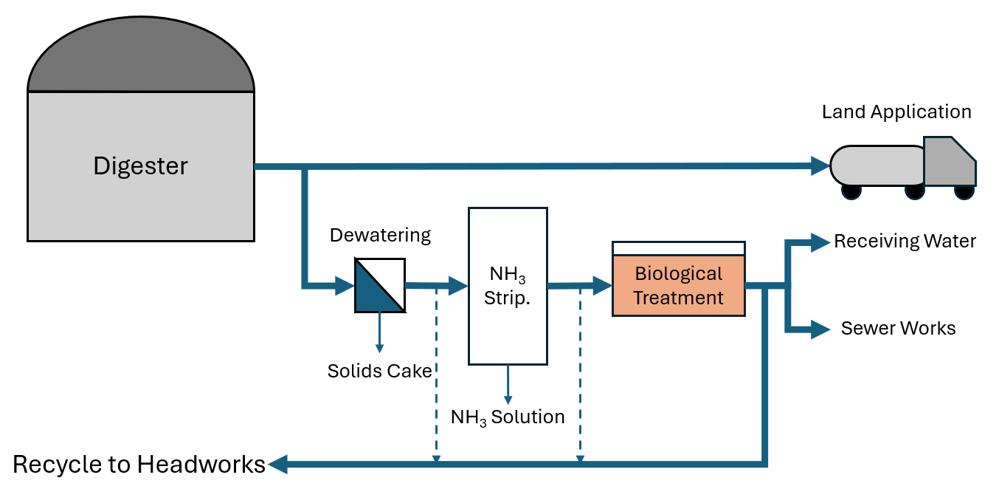
Moisture and humidity can damage digester equipment. In cold-climate digesters, moisture accumulation and freezing can block pipes, create leaks, as well as obstruct sampling points and inline analytical equipment. Bulk moisture may be removed and collected via cooling fields, condensate traps, and knockout drums. Collected moisture must also be managed, either by recycling the water back to the headworks, or discharging it through a separate treatment and disposal pathway.
High humidity can significantly impact the lifespan of biogas purification technologies, like membranes and activated carbon scrubbers, for renewable natural gas (RNG) applications. Reducing relative humidity requires chillers and compressors to condense the remaining moisture.
To remove trace impurities such as hydrogen sulfide (H2S) from the biogas prior to upgrading to RNG, biogas will commonly be put through a scrubber or adsorption column. Typically, this will be an activated carbon scrubber or regenerated adsorption media.
Biofilters see limited application in RNG applications, as they require the addition of oxygen for bacteria. Any residual continued overleaf…
oxygen and nitrogen would then need to be removed from the product RNG to meet pipeline quality specifications.
Biogas may be used to generate heat and/or electricity to use directly on-site or elsewhere. It may be used for steam generation or water heating, either on-site for digester heating and building heating, or for nearby residential and commercial heating. Heat is the least valuable use of biogas, but boilers are easily scalable and can make economic sense at almost any scale.
Biogas engines for producing electricity or combined heat-and-power (CHP) are used for producing renewable electricity using digester biogas. The renewable electricity may be used directly onsite, or it can be sold to the local utility to make revenue for the digester site.
Engines and CHP units come with a wide variety of sizes, making them costeffective for biogas use with small and large biogas volumes alike. All wastewater treatment plants use a lot of electricity, primarily for aeration. Generating a portion of that electricity on site can help the site meet its sustainability goals.
A growing trend is upgrading biogas to renewable natural gas (RNG) and injecting into the local natural gas grid. Producing RNG will help municipalities move towards achieving their climate goals either by generating credits under the clean fuel regulations, or by avoiding the purchase of fossil-based fuel for heating municipal buildings and fueling municipal fleets.
RNG upgraders are expensive systems, typically costing several million dollars for even the smallest systems, so very large volumes of biogas are required to make producing RNG economically viable.
Adding a co-digested feedstock to a digester will increase the digestate volume remaining that must be managed. The extent of treatment and other post-digestion processing of the digestate before final disposal, or beneficial reuse, depends on several factors:
• Compliance with foreign matter con-
tent regulations in biosolids.
• Nutrient application limits on agricultural land.
• Land application regulations regarding heavy metals, PFAS, and other regulated pollutants.
• Necessary trucking distance and cost to haul away digestate.
• Returned nutrient load to the wastewater plant headworks.
For biosolids to pass compost quality requirements foreign matter, such as packaging and fibres, must be removed. A fine screen in the 1–2 mm range size may be used to remove these materials. Most stand-alone food waste digesters in Canada opt to truck away whole digestate for land application. Digestate dewatering is standard practice at wastewater digesters, with the water fraction being recycled back to the headworks.
Dewatering is commonly performed using centrifuges, or presses, and the use of polymers to enhance solids capture. Co-digestion can improve solids capture because some fibrous material from the food pulp creates a natural plug in the press or the mass of large particles in the centrifuge helps capture smaller fine solids.
Following dewatering, the remaining cake solids may be further processed by drying and pelletizing to make the solids easier to store, more marketable as a soil amendment, and compatible with land application equipment used by farmers.
Due to the cost and minimal additional revenue generation, food waste digestate is very rarely dried and pelletized. Because the field application of biosolids is more restricted, these processes should be considered as part of co-digestion operations.
To recover ammonia for use as a fertilizer, ammonia scrubbers are becoming more commonplace. Struvite precipitation has also been used at a few facilities, but not adopted as widely or growing as quickly as ammonia recovery. The benefit of nutrient recovery for a co-digestion facility is the reduced cost of aerobic treatment of nutrients that are returned to wastewater treatment plant headworks. Unlike drying and pelletizing, nutrient recovery can generate a higher value fertilizer product, while simultaneously reducing operating costs. This makes their use more cost efficient and appealing to some digester projects.
If the ammonia load returned to the headworks is too high and land application regulations prevent land applying whole digestate, it may be necessary to use aerobic biological wastewater treatment to pretreat digestate, before it is returned to the headworks.
Side stream biological treatment may be appropriate in urban locations which are far from farmlands and face higher biosolids management costs, where existing aerobic treatment is at or near capacity, or where minimizing plant wide energy use outweighs capital costs.
Considering all the optional and/or required equipment needed for co-digestion, it is important to consider what feedstocks may be accepted at a co-digestion facility, what the fate of the additional digestate produced will be, and what scale of biogas volume will be generated to determine the best biogas use case.
Michael Nelson and David Ellis are with Azura Associates International Inc. For more information, visit: www.azuraassociates.com
By Tony Kobilnyk
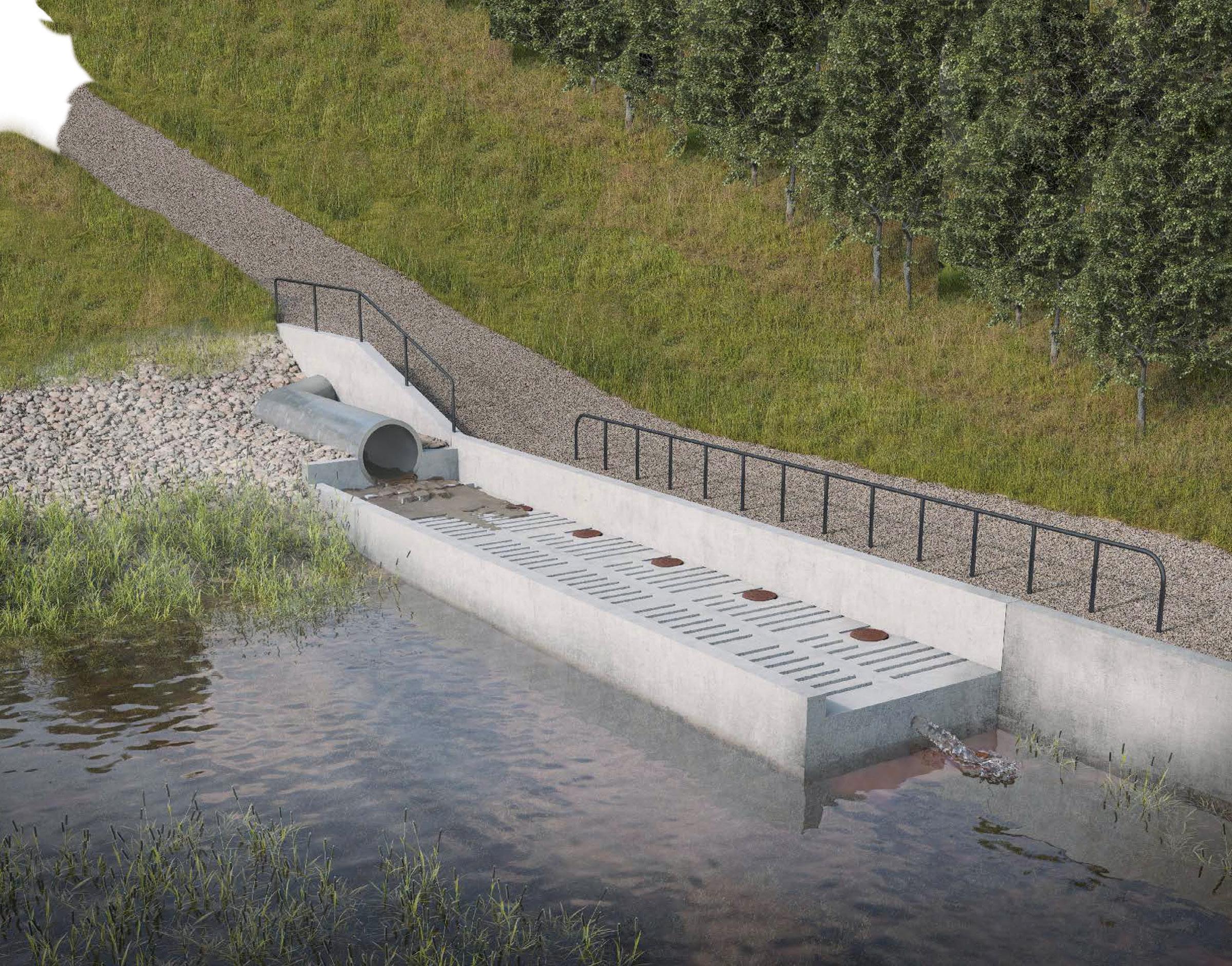
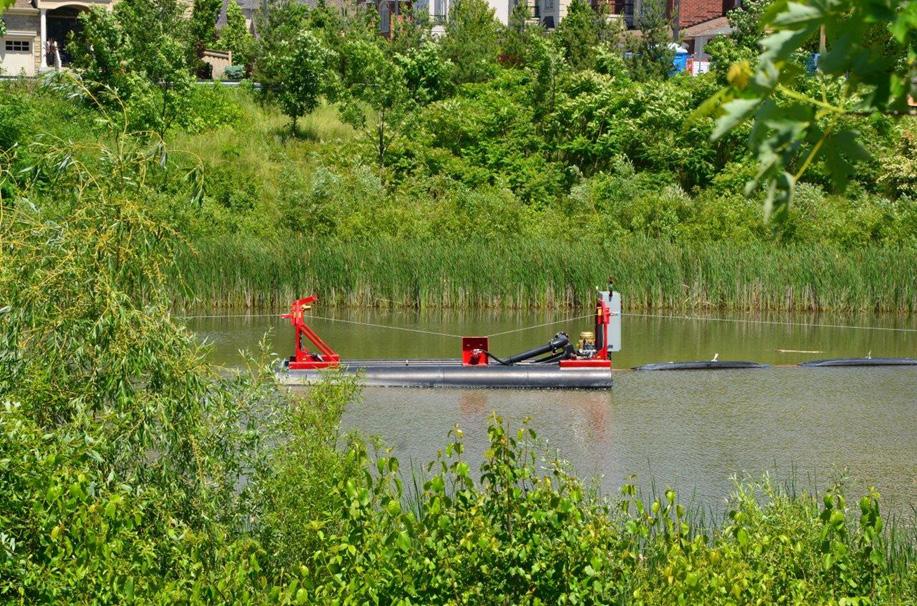
Traditional stormwater pond cleanouts often occur by draining overlying water, excavating sediment onto shore, then loading and trucking wet material to a disposal site. However, these methods can present challenges where project priorities require continuous operation of the stormwater pond, minimizing the volume of hauled material and limiting community disruption.
An alternative approach, used by Bishop Water in Vaughan, Ontario, combined hydraulic dredging with Geotube® geotextile containers to remove approximately 3,100 m³ of sediment and passively dewater it on-site to about 80% dry solids.
As the sediment was pumped, polymer was precisely dosed into the sludge feed line. Once the slurry entered the Geotube containers, gravity-based dewatering enabled water to be rapidly released and solids to consolidate over time.
Since the tightly woven polypropylene fabric also provides filtration, the sediment was dewatered without impacting downstream water courses, as flow volumes and turbidity levels remained unaf-
fected throughout the project.
This solution also minimized heavy vehicle traffic, which reduced carbon emissions for the project.
Sediment characterization showed solids concentrations of the in-situ sediments ranged from 9% to 22% within the three ponds, with higher-than-anticipated solids content observed in forebay areas.
Approximately 52% of the removed sediment was concentrated in forebays, underscoring the importance of targeted forebay maintenance in preserving long-term pond performance.
Since stormwater ponds are often surrounded by development, little space is available for stockpiling sediment, or building a single dewatering cell. In this

“GREAT VALVE SYSTEMS DON’T START IN THE FIELD.” THEY START HERE .
Design smarter. Specify with confidence. Cla-Tools.


case, the Geotubes were arranged around the perimeter of the ponds, enabling all sediment to be removed, dewatered and contained on-site.
After about one month of onsite dewatering, testing showed that the sediment had achieved about 80% dry solids, which significantly reduced the volume and weight of material to be hauled away.
Geotube dewatering offers an alternative that can simplify residuals handling while reducing infrastructure requirements. The process operates primarily by gravity, with electrical power required only for the dredge, sludge pumps and polymer dosing systems. This avoided the need for complex, energy-intensive mechanical dewatering, such as centrifuges.
The high-strength geotextile fabrics and polymers support consistent, high-rate dewatering and can also provide retention of some nutrients, metals, and other contaminants.
Since the system can be customized to site-specific requirements, containers can remain on-site for extended dewatering periods, including through winter freeze-thaw cycles. This allows for both long-term storage and additional solids reduction.
Projects such as Vaughan demonstrate how alternative sediment management approaches can support operational continuity while reducing project impacts.
Tony Kobilnyk is with Bishop Water Inc.
Email: tony@bishopwater.ca
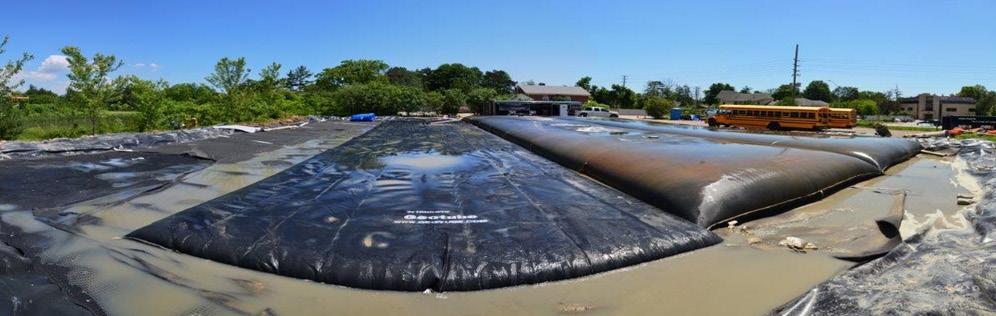
After about one month of onsite dewatering, testing showed that the sediment had achieved about 80% dry solids.







There are many sources of contaminants in the Arctic. These include legacy contamination from past activities, substances that are transported to the Arctic by air currents, and contaminants from local sources.
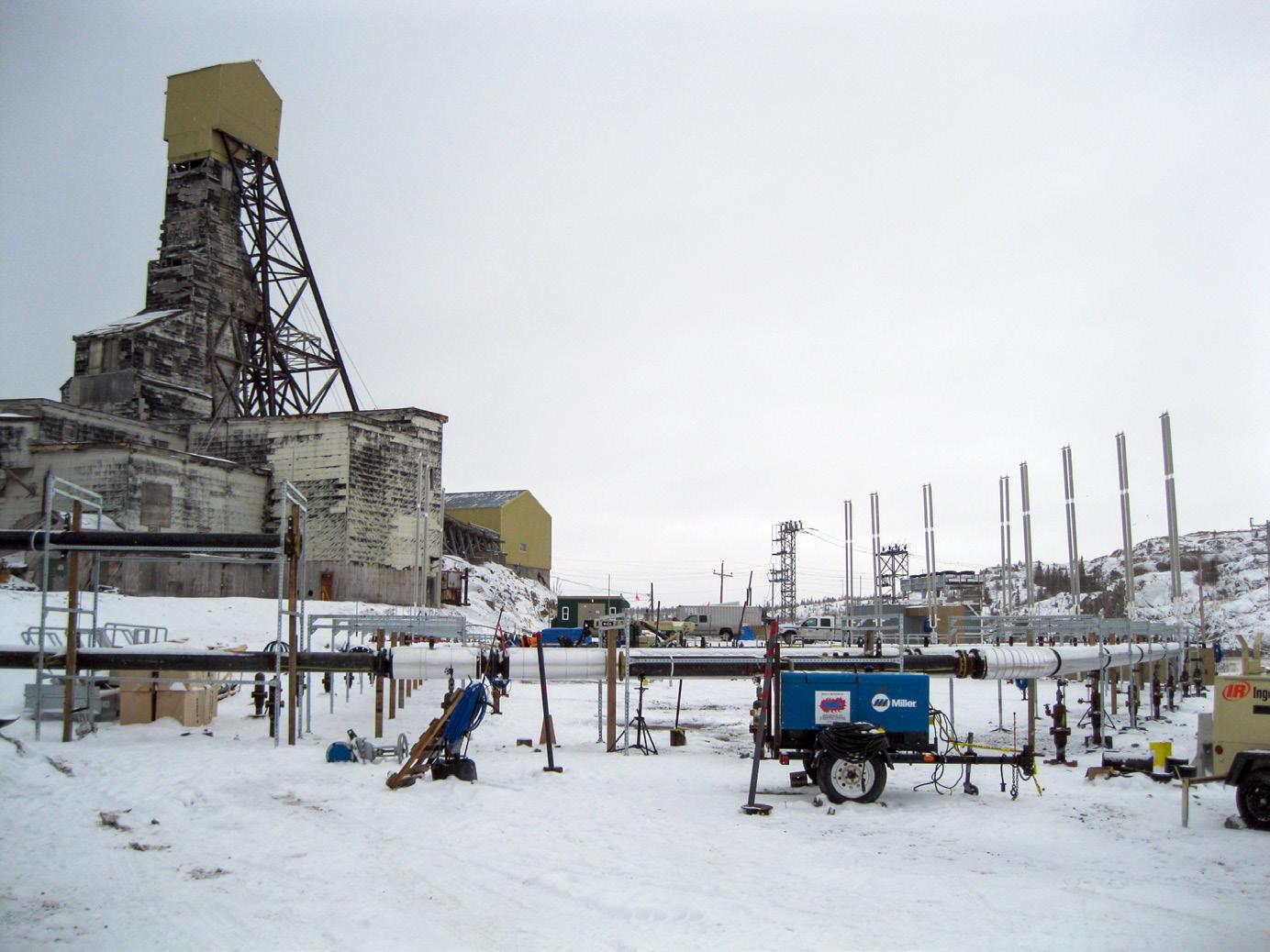
Past activities have left a large footprint in the Arctic, with various toxic substances left from mining, oil and gas exploration, and abandoned military installations. Examples of legacy mining sources of contaminants in the Northwest Territories (NWT) and Nunavut include arsenic at the Giant Mine, radioactive substances at the former Port Radium and Rayrock mines, as well as mercury from the Discovery Mine and elevated metals from closed or abandoned mines.
Historic military installations across the Arctic have also left behind hazardous materials, such as persistent organic pollutants, heavy metals, and hydrocarbons requiring cleanup.
We also see significant contamination from long-range atmospheric transport through global air circulation. These include persistent organic pollutants, mercury and hydrocarbons.
Many current or emerging contaminant issues are also being found across the Arctic. These include microplastics and plastic debris, PFAS in flame retardants and firefighting foams, and black carbon from combustion (soot).
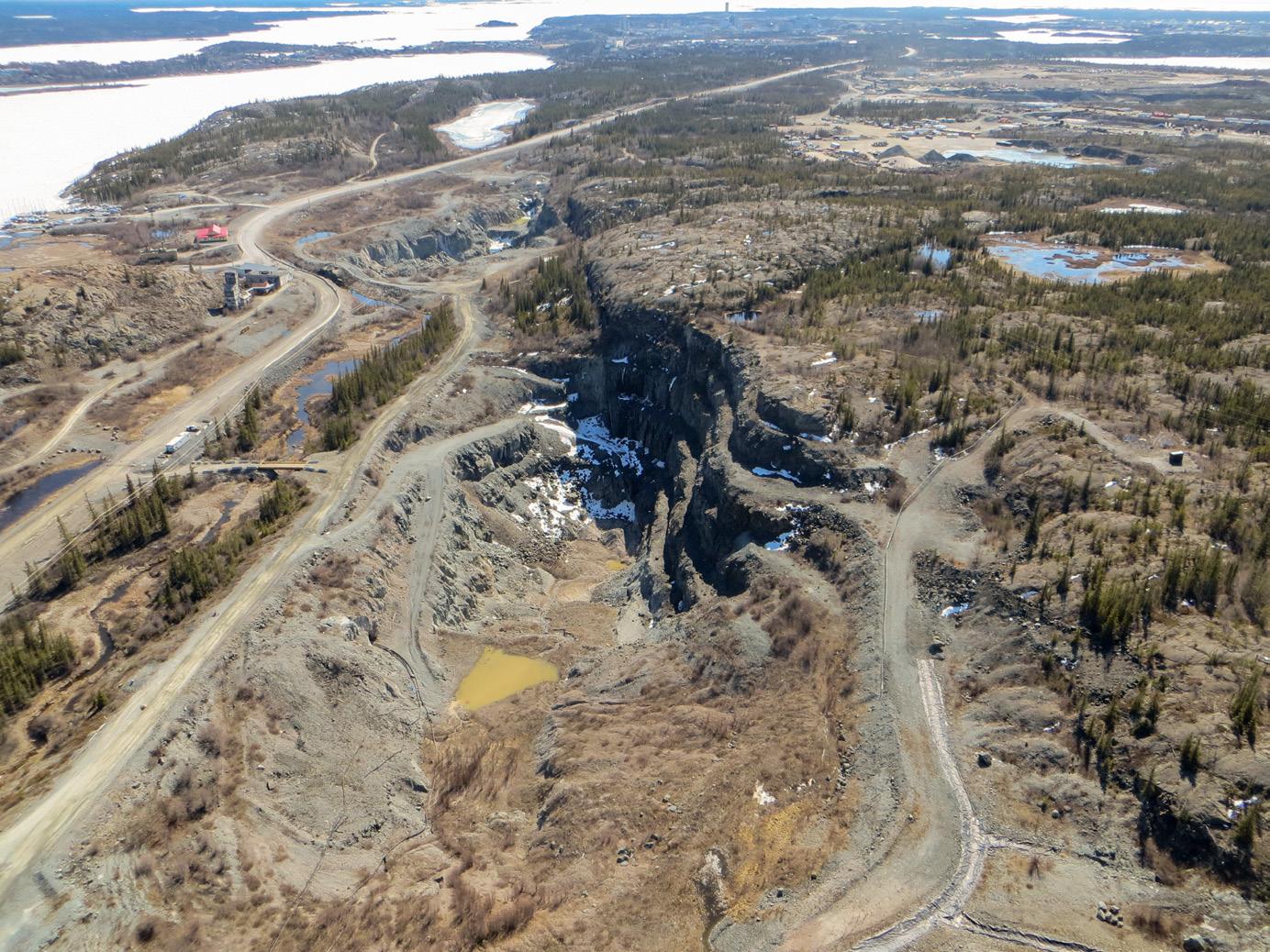
The Giant Mine, with the City of Yellowknife in the background, has a legacy of 237,000 tonnes of toxic arsenic trioxide dust stored underground, along with contaminated soil, tailings, and debris on the surface.
inants there are local sources of emerging contamination, such as pharmaceuticals in wastewater, migration of hazardous materials or wastes from landfills, toxic substances from open burning at landfills, and community fuel spills of various magnitudes.
Arsenic is a metalloid found naturally in the environment and can be released as rocks wear down, or by gold mining activities. Arsenic levels are naturally higher in some areas of the Territories compared to other regions of Canada, due to the geology.
Mercury is naturally occurring and can come from forest fires, volcanos, or burning of coal, from long distances away. Some mines historically used mercury to extract gold, and it can also be released from the rock and sediments.
Radionuclides are substances that release radiation. They can be naturally occurring (from the Earth’s crust or from cosmic radiation) or from manmade sources (such as nuclear accidents or uranium mining). Radionuclides can travel long distances from where they were released, because they are carried in the air.
Key radionuclides include cesium-137, plutonium-239, strontium-90, iodine-129 and uranium-238. Levels of man-made radioactivity are currently low and are either staying the same, or getting lower, as the radionuclides decay, and emissions have dropped.
Historic uranium or radium mines in the NWT have some residual radioactivity and still show elevated uranium, radium, and other metals in sediments and soils. These are undergoing further remediation.
Persistent organic pollutants are chemicals that are potentially transported by
Along with these larger-scale contam- continued overleaf…
Cadmium and lead are naturally-occurring heavy metals, released through weathering of rock, or by mining and smelting. Cadmium can be released by burning of fuel and garbage.












air and water over long distances and don’t break down in the environment. Many man-made chemicals fall into this category. Examples of these include perand polyfluoroalkyl substances, polychlorinated dibenzo-p-dioxins, polychlorinated dibenzofurans and polychlorinated biphenyls.
Plastic pollution is widespread in the Arctic and comes from both distant and local sources. Ocean currents, streams and wind carry plastics from far away sources, while solid waste sites and wastewater discharges from Arctic communities add their loadings.
Plastic pollution is often described by the size of the pieces, with macroplastics being larger than 5 millimetres (mm) and microplastics being less than or equal to 5 mm. Plastics are often treated with additives, which add contaminants.
Plastic pollution is found in all environmental components in the Arctic, including birds, marine animals, sediments, surface water, organisms, and even polar sea ice.
About 110 different substances have been found in the Arctic environment in water and animals, including various antibiotics, pain medicines, hormones, antiepileptics, stimulants, disinfectants, caffeine, and insect repellents. The primary sources are domestic and municipal wastes and sewage. Drugs disposed of in sinks or toilets end up in the wastewater and are eventually discharged to surface waters.
PPCPs which are put into the trash can end up in seepage coming out of landfills. These chemicals can be harmful to organisms, and the Arctic’s low water temperatures mean they don’t break down quickly.
Wildfires across the globe result in high levels of contaminants going into the air, and these can be transported to the Arctic. These include polycyclic aromatic hydrocarbons (PAH), several metals, volatile organic compounds, and very fine particulate matter. One example of
growing concern in the Arctic is increasing levels of benzo[a]pyrene, which is a PAH with high carcinogenicity.
Higher temperatures and precipitation in the Arctic are resulting in new pathways forming, which allow subsurface contaminants to spread from landfills and sumps. Permafrost melting allows more groundwater to move through the active layer and transport contaminants that were previously encapsulated.
Awareness has been growing about how black carbon in the air (soot) from burning fossil fuels is contributing to atmospheric warming. Soot landing on the land, or water surfaces, causes snow and ice to melt more quickly.
The extent and types of contaminants in the Arctic may seem overwhelming, and there is extensive research being done on substances that affect humans and the environment.
Programs supporting research include Canada’s Northern Contaminants Program, the Arctic Contaminants Action Program (international), and the NWT’s Cumulative Impacts Program.
Remediation and cleanup work across the territories is being done by the federal Northern Contaminated Sites Program. Equally important is the prevention of further releases of contaminants in the Arctic. Territorial regulators use water licences and land use permits containing conditions intended to protect the environment.
Individuals and municipalities can also do their part to reduce pollution through managing hazardous materials, preventing open burning at landfills, keeping plastics contained in landfills, and reducing waste generation.
Anne Wilson is a consulting environmental scientist. Ken Johnson is an Arctic engineer. Rob Osborne is an Arctic engineering technician. For more information, email: ken.johnson@exp.com, or rob.osborne@exp.com
By ES&E Staff
At the 2026 Space Symposium in Colorado Springs, Toronto-based Canadian Strategic Missions Corporation (CSMC) won the Aqualunar Challenge, earning a $400,000 grand prize for its LunaPure lunar water purification technology.
The challenge, led by the Canadian Space Agency in partnership with Impact Canada, called on Canadian innovators to develop systems capable of purifying water on the Moon. This capability is viewed as essential for longterm human exploration and future missions to Mars.
CSMC’s LunaPure system is designed as a compact, self-sustaining technology that converts contaminated lunar ice into drinkable water using heat generated from solar energy and a chemical purification process.
According to the company, the prototype is roughly the size of a “box of books” and was engineered to meet strict spaceflight requirements around mass, power consumption and autonomy, while requiring minimal maintenance.
“Winning the Aqualunar Challenge is a testament to the incredible talent and vision of the CSMC team,” said CEO and founder Daniel Sax in a statement. “This victory is a key part of our broader mission to build world-leading strategic capabilities for Canada and its allies, developing the critical infrastructure that will secure our leadership position both in orbit and here on Earth.”
The competition drew approximately 45 submissions, highlighting a wide range of approaches to lunar water extraction and purification.
As interest in lunar exploration accelerates globally, water has become a strategic resource for both sustaining astronauts and producing rocket fuel. Experts say purified lunar water could eventually support electrolysis systems

CSMC’s LunaPure system is designed as a compact, self-sustaining technology that converts contaminated lunar ice into drinkable water. Credit: Romolo Tavani, stock.adobe.com
that split water into hydrogen and oxygen for use as propellant.
Scientific understanding of lunar water has evolved significantly in recent years. Researchers now estimate the Moon may contain roughly 600 billion kilograms of water ice trapped in permanently shadowed craters near the lunar poles.
Future missions under NASA’s Artemis program are expected to focus on locating and sampling those deposits.
Technologies like LunaPure could play a key role in making sustained lunar habitation possible, though systems will still require testing in actual lunar conditions before operational deployment.
Beyond its space applications, CSMC said the technology may also have terrestrial uses, particularly in regions facing water scarcity.
The company added that the same engineering expertise behind LunaPure is also being applied to other dual-use technologies, including nuclear micro-
reactors aimed at supporting northern defense infrastructure and remote energy systems.
Founded in 2020 as Canadian Space Mining Corporation, CSMC develops technologies focused on energy, resource security and space infrastructure through its subsidiaries CSMC Nuclear and CSMC Labs.
Canada has committed to several lunar exploration initiatives as part of its participation in international Moon missions. This includes development of Canadarm3 for the planned Gateway lunar space station, along with lunar rover programs and other exploration technologies.
For more information, email: editor@esemag.com
By ES&E Staff
The City of Lethbridge, Alberta, is facing mounting pressure to upgrade its wastewater treatment system, as aging infrastructure and rising demand push the facility beyond its limits and threaten long-term reliability.
A newly completed Asset Management Plan presented to the Community Issues Committee outlines significant risks tied to deteriorating equipment, limited system redundancy and growing capacity constraints.
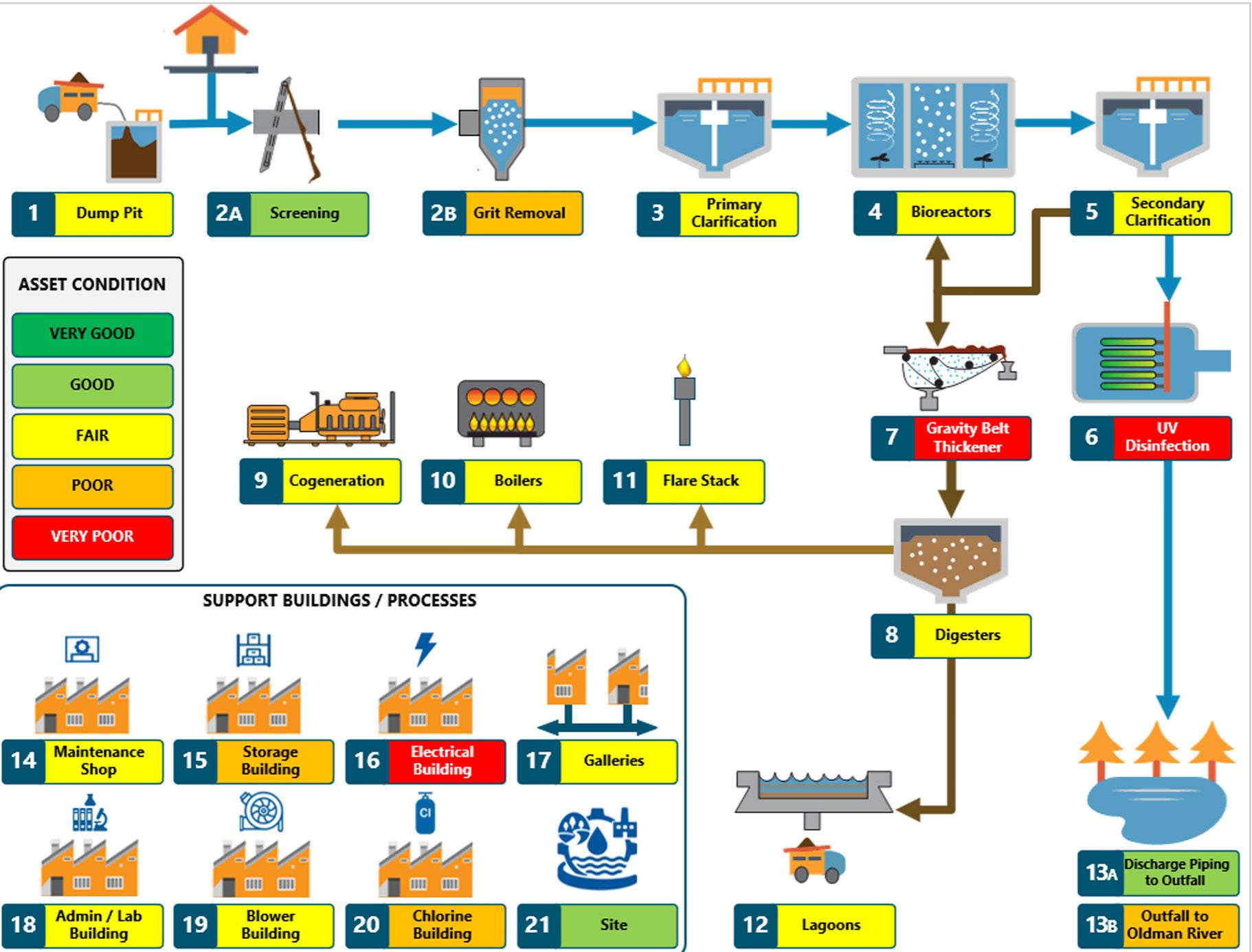
Originally expanded in the late 1980s, much of the plant’s infrastructure is now at, or beyond, its intended service life. Critical components, including the UV disinfection system, gravity belt thickener and electrical building, are in poor or very poor condition. This increases the likelihood of equipment failure and regulatory non-compliance.
“The wastewater treatment plant is one of the most important services we provide, but the facility is under real strain,” said Joel Sanchez, director of infrastructure services, in a statement from the city. “Many systems are old, and we no longer have backup options if something breaks. That puts the community at risk.”
The plant is currently designed to treat approximately 40 to 50 million litres of wastewater per day. However, it is already operating at or above that capacity under typical conditions, due to stronger-than-expected influent flows. This limits the city’s ability to support new residential, commercial and industrial development, Sanchez said.
According to the report, the lack of capacity and aging infrastructure together pose a dual risk, not only to regulatory compliance and environmental protection, but also to Lethbridge’s economic growth.
To address these pressures, the plan proposes a phased capital strategy, beginning with an expansion of the facility’s capacity
to roughly 60 million litres per day.
The estimated cost of upgrades and expansion ranges from $250 million to $350 million, reflecting the scale and complexity of the work required.
“This plan gives us a clear picture of what needs to happen,” Sanchez said. “The costs are significant. However, the risks of doing nothing are even greater.”
Phase two of the plan focuses on lifecycle renewal or replacement of existing assets not directly associated with the capacity expansion.
Phase three addresses growth subject to long-term demand, development of a new treatment train at the existing facility, or construction of a net new greenfield WWTP.
City officials warn that failing to invest could lead to serious consequences, including service disruptions, environmental impacts and potential regulatory penalties that could reach into the millions.
Additional capacity is required for the primary pump house, cogeneration, bioreactors, electrical building, blower building, secondary clarification, digester building, the flare stack, the UV building, and the outfall.
The next phase of the process will focus on identifying funding strategies and assessing potential impacts on utility rates.
The report emphasizes that while capacity expansion is the immediate priority, longer-term investments will also be required to replace aging assets and support future growth.
This will ensure the system can continue to protect public health and the environment for decades to come.
For more information, email: editor@esemag.com
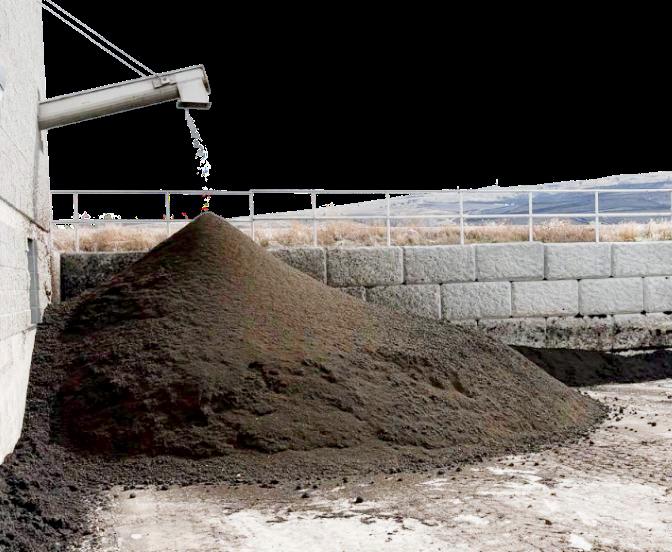
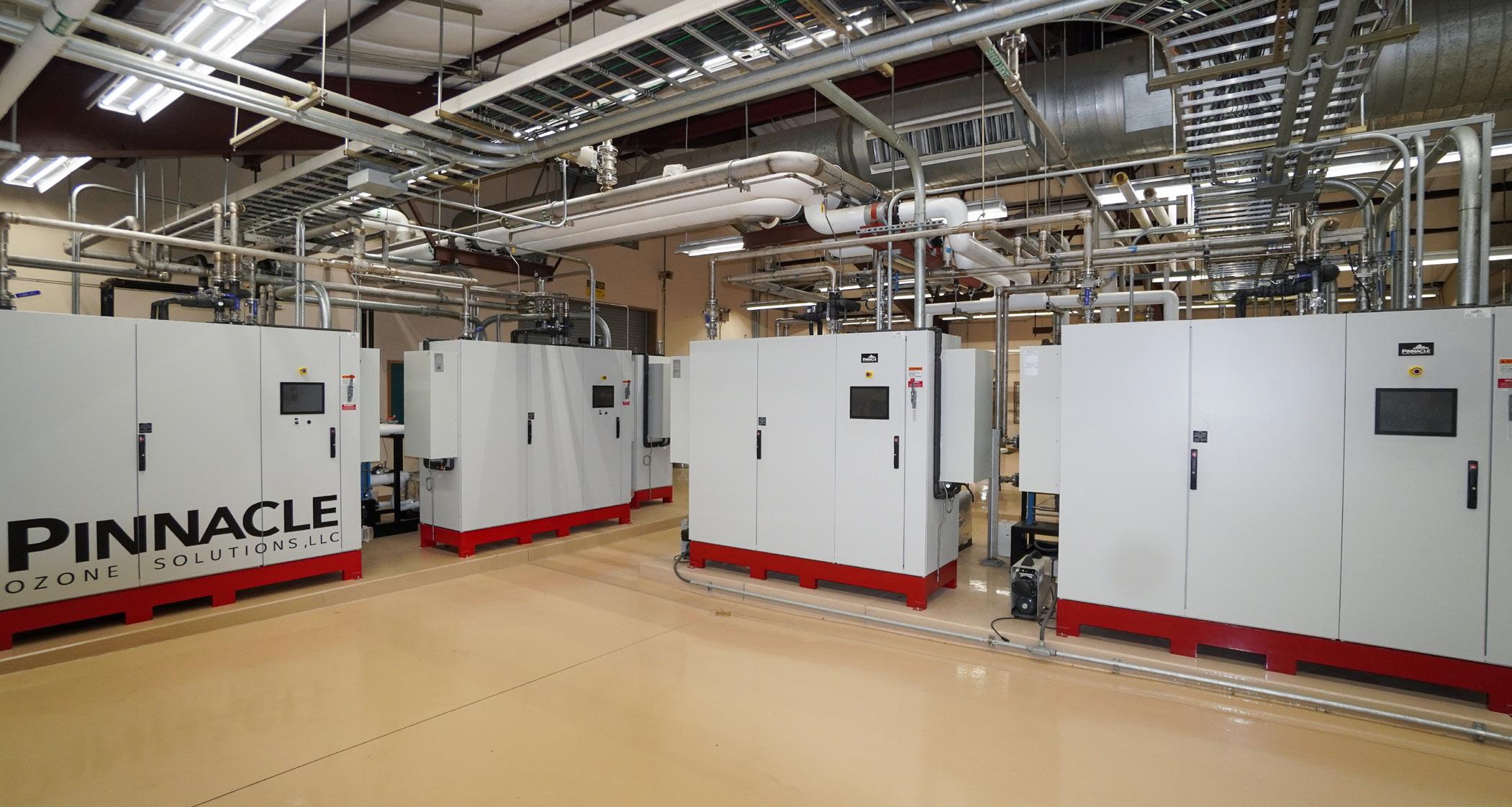
By Thoram Charanda and Sannel Patel
Astudy was recently done on the application of direct ozonation and ozone-hydrogen peroxide (PEROXONE) Advanced Oxidation Processes (AOP) for degrading geosmin, a common taste and odour compound found in surface water.
Controlled laboratory trials were performed on representative source water to quantify ozone demand and decay kinetics, assess bromate formation risk, and evaluate geosmin oxidation performance at varying transferred ozone doses (TOD). Results demonstrate that both ozone and AOP are highly effective at removing geosmin, with PEROXONE showing enhanced oxidation efficiency at higher contaminant concentrations. The data support ozone-based strategies for robust taste and odour control in water treatment.
Geosmin is produced by actinomy-
cetes and blue-green algae and it imparts earthy-musty tastes to water at concentrations as low as 5 ng/L. Due to its low sensory threshold and persistence, conventional treatment methods may be inadequate for effective removal during episodic blooms.
Ozonation, with or without peroxide enhancement, offers a highly reactive oxidative pathway that can degrade geosmin’s molecular structure through hydroxyl radical (*OH) mechanisms.
This study aimed to evaluate ozone demand and decay profiles of raw surface water, geosmin degradation across different TOD values, comparative performance of direct ozonation and PEROXONE AOP, as well as bromate formation potential under varying oxidative conditions. Source water was analyzed using standard methods. Key quality parameters are summarized in Table 1.
OZONE DEMAND & DECAY
High-concentration ozone stock solutions were dosed into 0.5 L water aliquots at target TODs of 1.5, 2.46, and 5.0 mg/L. Ozone residuals were tracked over time using the indigo colorimetric method. pH was stabilized at 7.0 ±0.04 prior to ozonation. (See Table 2.)
GEOSMIN OXIDATION
Water samples were spiked with geosmin to concentrations ranging from 72 ng/L to over 1,000 ng/L. They were then treated with either ozone alone, or in combination with hydrogen peroxide (H2O2), at a 0.4:1 mass ratio (H2O2:O3). Analytical geosmin concentrations were measured before and after treatment. (See Table 3.)
PEROXONE provided a measurable enhancement over ozone alone. At 277 ng/L it showed a 1.9% better removal rate. At 1,068 ng/L it achieved 9.8% better removal rate. These gains suggest PEROXONE is most beneficial when treating elevated contaminant loads, or in high non-purgeable organic carbon conditions.
Bromate was below 2.5 µg/L in nearly all tests. One exception (5.0 mg/L TOD
at low geosmin concentration) yielded 8.1 µg/L, indicating the importance of bromide monitoring at high ozone doses.
This study demonstrates that both ozone and PEROXONE are highly effective for degrading geosmin in surface water, with PEROXONE offering increased performance in high-contaminant scenarios. Direct ozonation removed >95% geosmin at TOD ≥3.5 mg/L. PEROXONE improved geosmin removal by 1.9–9.8% depending on concentration. Bromate formation remained below regulatory concern, except at elevated ozone exposure.
These results support ozone-based strategies, including AOP when necessary, for robust and flexible taste and odour control in drinking water treatment applications.
Thoram Charanda and Sannel Patel are with Pinnacle Ozone Solutions, who are represented in Canada by ACG-Envirocan. For more information, visit: www.acg-envirocan.ca
Rahim Ahmad,
P.Eng. Manager, Mechanical Saskatoon, SK
Associated Engineering is pleased to announce new appointments to our leadership group in Western Canada. Congratulations to Lewis, Quinn, and Rahim in their new roles. These changes reflect our continued commitment to serve our clients and communities across the country.
Lewis Macrae, P.Eng. Division Manager, Infrastructure Vancouver, BC

Quinn Crosina, P.Eng. Division Manager, Water Vancouver, BC

By Christina Rumbel
If you have spent any time in a water or wastewater treatment plant, you already know that treating the water is only half the job. The biosolids and residuals left behind is where things can get complicated, expensive, and sometimes controversial.
Right now, those challenges are growing. From emerging contaminants, like PFAS, to rising hauling costs and increased regulatory pressure, utilities are being asked to do more than ever with fewer resources. At the same time, public scrutiny is higher, and expectations around safety, sustainability, and transparency continue to rise.
These challenges are not unsolvable. But they do require a shift in how we think about process, chemical and risk control.
One of the biggest shifts I see happening right now is the focus on emerging contaminants, especially PFAS. These “forever chemicals” are persistent, mobile, and increasingly under regulatory scrutiny.
Canada has taken a strong stance by classifying PFAS as toxic. That decision is already influencing how biosolids are managed and perceived. Even if a treatment process is operating exactly as designed, PFAS can still end up in the biosolids.
That creates a difficult situation for utilities, as land applications become more complicated and public trust becomes harder. Operators are being asked “what is in your biosolids? Is it safe? Can you prove it?” Increasingly, simply answering “we think so” isn’t enough.
Unlike some countries with a single national framework, Canada operates with a mix of federal guidance and province-specific biosolids regulations. That means that what is acceptable in one province may not be in another.
Add in evolving rules around contaminants like PFAS, and utilities are dealing with a moving target. From an operator’s perspective, this creates real pressure. Documentation must be accurate, reporting must be defensible, and processes must be consistent. It’s no longer just about running the plant. It is about being able to prove how its being run.
If there’s one thing everyone agrees on it is that biosolids management is expensive. Transportation, dewatering, dis -
posal, and storage costs are all increasing. Most of those costs are driven by weight. The wetter the sludge, the heavier it is. The heavier it is, the more it costs to move and dispose of. This means even small improvements in dewatering efficiency can have a massive financial impact.
A plant can have a perfectly compliant process, but if it smells, or if the public doesn’t trust it, there will be a problem. Odour complaints, concerns about land application, and general skepticism around biosolids are still very real.
When public trust is lost, it’s hard to get back. That puts even more pressure on utilities to maintain stable processes, control odours effectively and communicate clearly and confidently.
However, a lot of these issues come
back to real, measurable and repeatable control. That starts with knowing exactly what is being fed into the process.
Every step of biosolids treatment depends on chemicals. Coagulants, polymers, lime, and odour control products, are what separates solids, stabilize sludge, improve dewatering and control odour.
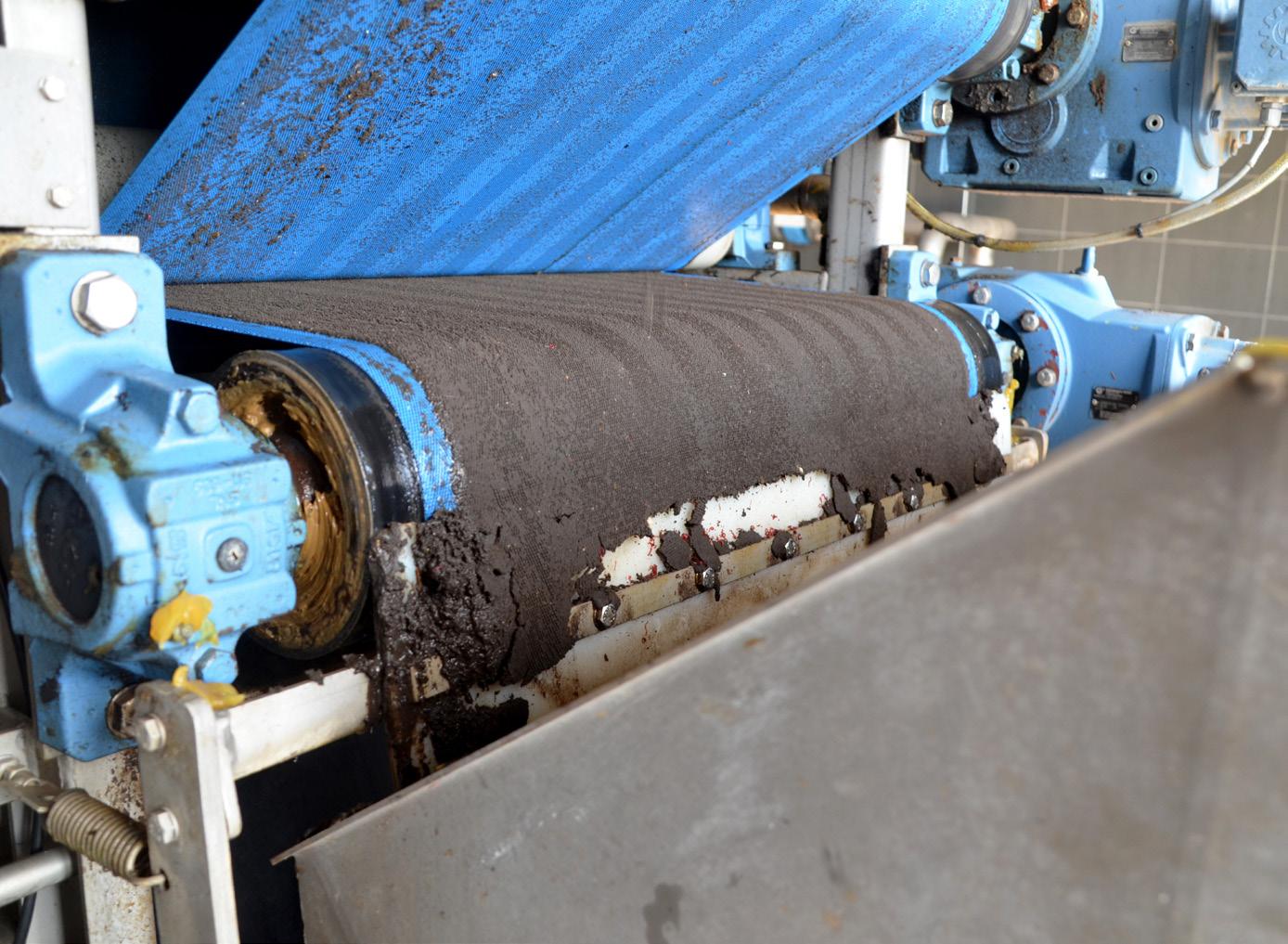
But here’s the problem I see often. Plants think they know how much chemical they are using, but they don’t actually have a precise way to measure it. They’re relying on stroke settings, pump curves and estimated flow rates. While those methods can get you close, that isn’t always good enough, especially in today’s environment.
If chemical feed is off, even slightly, it can lead to poor floc formation, inefficient dewatering, increased sludge volume, higher hauling costs, inconsistent treatment results and ultimately, more questions from regulators and the public.
This is where weight-based measurement comes into play. Instead of estimating how much chemical is being fed, it is actually measured by weight. That means no guessing, no assumptions, no dependence on tank shape, temperature, or specific gravity changes. You know exactly what’s going in, and when you know that, everything else gets easier to control.
Operators can dial in polymer dosing for optimal floc, avoid overfeeding expensive chemicals, improve dewatering performance and track chemical usage for reporting and compliance.
One of the misconceptions is that biosolids management starts at the dewatering equipment. In reality, it starts much earlier with how effectively the sludge is conditioned. If chemical feed is optimized, floc forms better, water separates more efficiently, cake solids increase and that leads directly to lower volume, lower weight and lower cost.
As new technologies are developed to address contaminants like PFAS, it is very clear that they require precision. Whether it’s advanced oxidation, adsorption, or other emerging processes, consistent chemical dosing is critical.
While measurement systems don’t
remove contaminants themselves, they play a key role in making sure treatment processes operate as intended. Even the best technology won’t perform well if it’s not fed correctly.
And finally, while we talk a lot about process and performance, we can’t forget about safety. Especially when it comes to chlorine, which is still widely used across Canada for disinfection and in various treatment processes.
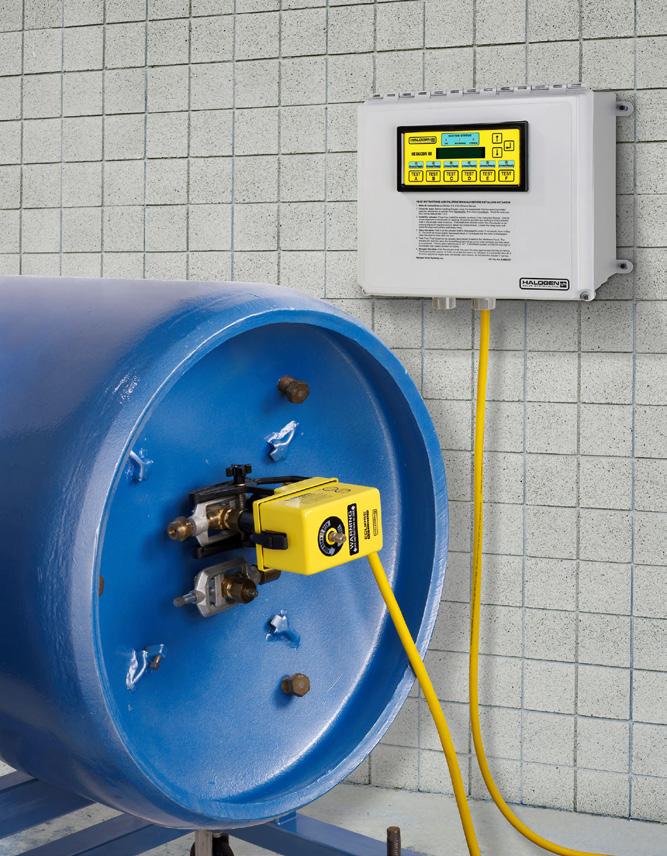
While it is effective, it also carries risk. A chlorine gas leak isn’t just a maintenance issue, it’s an emergency. That’s why having systems in place that can automatically shut off a leak at the valve is critical. It’s about protecting operators, facilities and surrounding communities.
Christina Rumbel is a project manager with Force Flow & Halogen Valve Systems Inc. Email: christina@forceflow.com
By Joe Chaffee
Nutrient management continues to drive regulatory evolution across North America. As concerns over groundwater contamination, eutrophication, and downstream ecological impacts intensify, wastewater discharge permits increasingly include stringent total nitrogen (TN) limits.
While advanced nutrient removal has long been associated with large municipal treatment facilities, smaller decentralized and onsite systems are now facing similar expectations.
For many facilities operating conventional septic systems, the introduction of TN limits presents a significant technical challenge. Systems originally designed for primary treatment and basic organic and solids load reduction typically lack the ability to effectively remove total nitrogen.
Recently, an existing septic tank treatment system was successfully converted into a two-tank sequencing batch reactor (SBR) to achieve compliance with newly imposed TN discharge limits. This project showed that strategic retrofitting can deliver advanced biological nutrient removal while preserving existing infrastructure.
This unique site had historically operated with a standard septic tank treatment system. The original design relied on gravity flow, solids settling, and anaerobic digestion to reduce biochemical oxygen demand (BOD) and total suspended solids (TSS). For years, the system performed adequately under its original permit conditions.
However, updated regulatory requirements introduced specific total nitrogen limits in the facility’s discharge permit. Subsequent sampling confirmed that the existing septic system could not consistently reduce TN.
These results were expected, as conventional septic tanks operate in an anaerobic environment that facilitate organic breakdown, but do not provide an aerobic environment necessary for nitrification. Moreover, without controlled anoxic phases and adequate alkalinity and carbon availability, denitrification cannot consistently occur. As a result, most conventional septic systems discharge effluent containing significant concentrations of ammonia and total nitrogen.
Faced with the challenge to achieve TN compliance, the facility evaluated whether to pursue a full system replacement, or explore retrofit options utilizing the existing tanks and equipment.
Effective total nitrogen removal requires two distinct biological pro-
cesses: nitrification and denitrification.
Nitrification is an aerobic process in which ammonia-oxidizing and nitrite-oxidizing bacteria convert ammonia (NH₃) to nitrate (NO₃). This process requires dissolved oxygen, sufficient solids retention time, adequate alkalinity, and stable environmental conditions. Nitrifying bacteria are particularly sensitive to temperature fluctuations and can be inhibited with cold water temperatures.
Denitrification, in contrast, occurs under anoxic conditions. Facultative heterotrophic bacteria use nitrate as an electron acceptor in the absence of oxygen, converting nitrate to nitrogen gas (N₂), which is released harmlessly to the atmosphere. This process requires both nitrates and a readily available carbon source.
Conventional septic tanks do not intentionally create or alternate between aerobic and anoxic environments. The process is largely passive, with limited mixing, no active aeration, and minimal operational control. Consequently, while organic nitrogen may be converted to ammonia, little to no overall nitrogen removal occurs.
continued overleaf…





7-131 Whitmore Road, Woodbridge ON, L4L 6E3
P: 905-856-1414
www.acg-envirocan.ca
In order to meet the new TN limits, the facility required a system capable of establishing and controlling both aerobic and anoxic treatment phases.
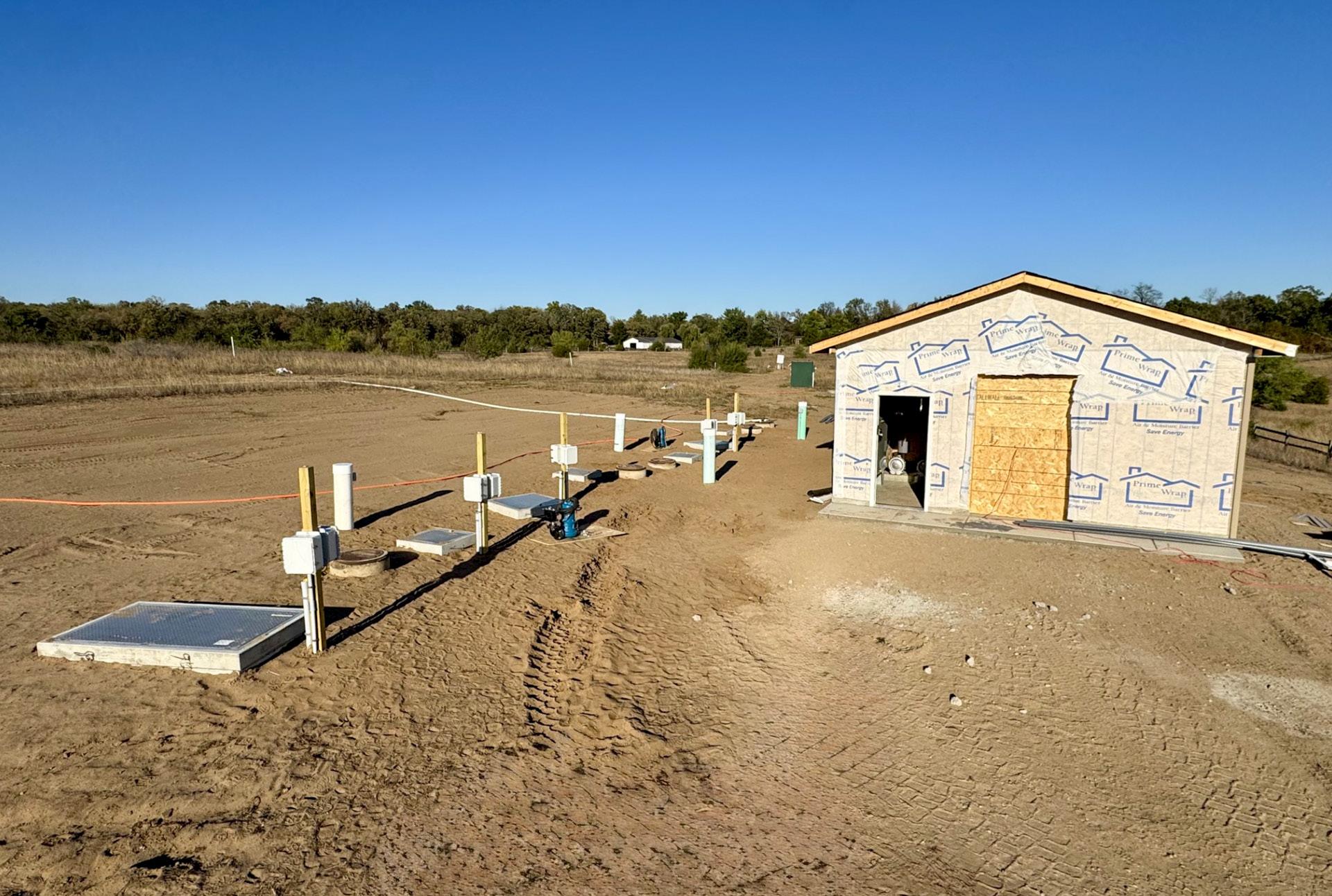
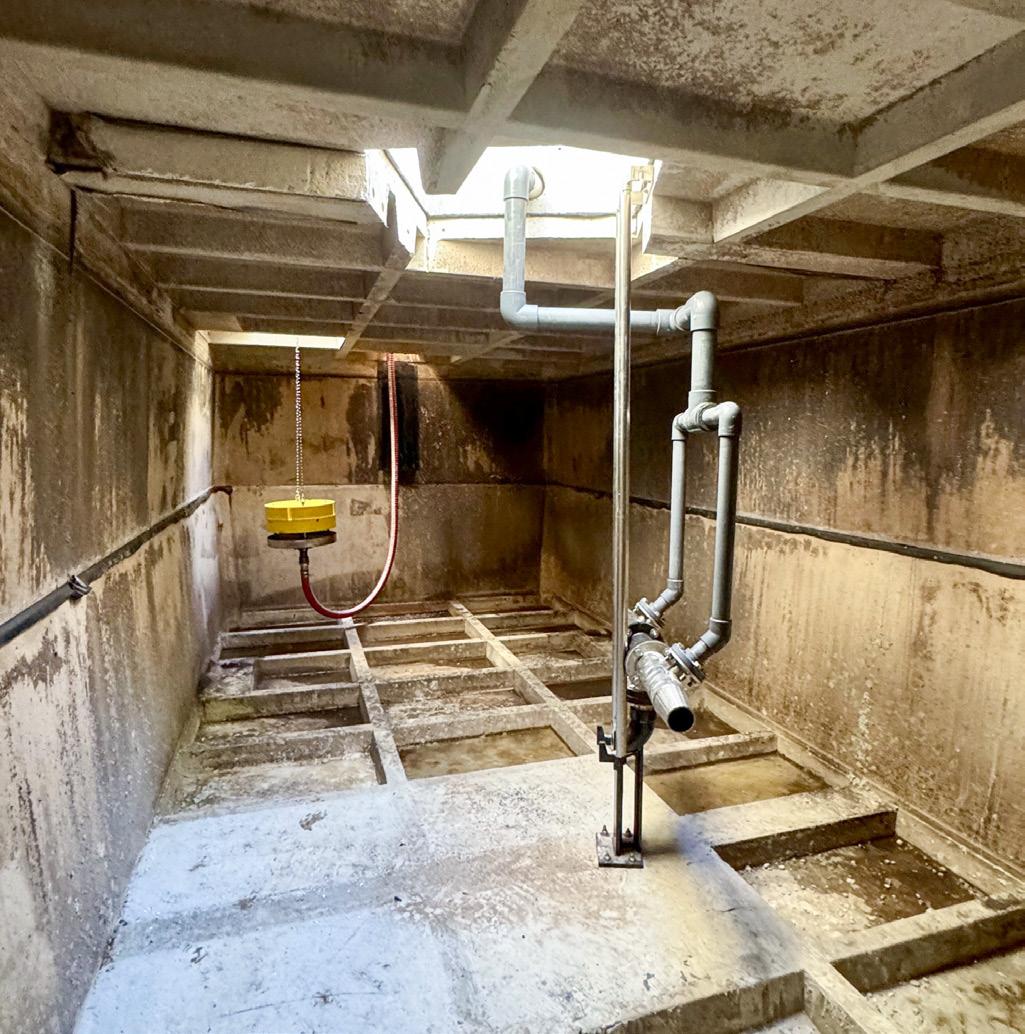
Rather than abandoning structurally sound tanks, the project team elected to retrofit the existing system by converting two of the existing septic tanks into sequencing batch reactors (SBRs).
Sequencing batch reactor technology treats wastewater in timed batches within a single reactor, by cycling through distinct treatment phases, typically including fill and react (aerobic and anoxic), settle, and decant. By precisely controlling aeration and mixing during these phases, SBR systems can facilitate both nitrification and denitrification within the same tank.
For this project, one of the existing septic tanks was retained as a primary treatment tank providing flow equalization, solids settling, and anaerobic digestion of solids. Two additional downstream tanks were modified to function as SBR basins.
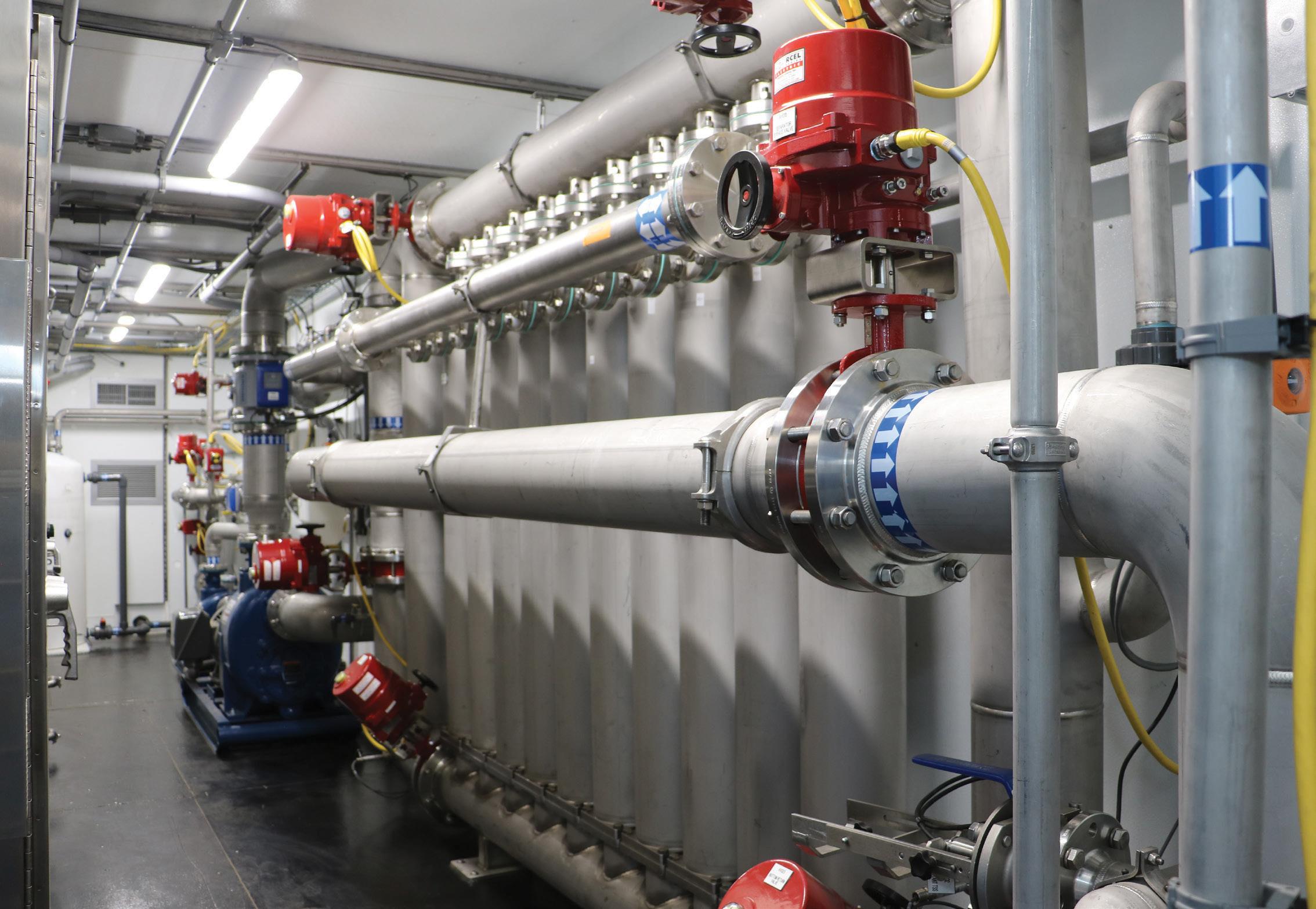
Aeration equipment, mixing and decant systems, and programmable controls were installed to manage cycle timing and dissolved oxygen levels. The two-tank SBR configuration provided operational redundancy and enhanced process stability. The retrofit approach minimized site modifications and reduced capital costs by utilizing existing tanks to create advanced biological treatment processes.
One of the most critical design considerations was the cold climate, where this project is located. Low temperatures significantly reduce the metabolic activity of nitrifying bacteria. In conventional systems exposed to ambient conditions, winter performance often deteriorates, leading to elevated ammonia concentrations.
To mitigate temperature-related impacts, the tanks were installed below grade, utilizing soil and insulation over the tanks to moderate seasonal fluctuations. Buried installations reduce exposure to extreme air temperatures and help maintain more stable biological conditions throughout the year.
In addition, blower modifications were implemented to prevent excessive cooling during winter months. Maintaining appropriate dissolved oxygen levels was essential to sustaining nitrifier populations, while avoiding unnecessary energy consumption.
Cycle times were optimized during commissioning to ensure sufficient reaction time for both nitrification and denitrification under the cold operating conditions.
Commissioning of biological nutrient removal systems requires careful monitoring and incremental adjustments. Establishing a stable nitrifying population can take several weeks, particularly in cold climates.
During startup, operators closely tracked ammonia, nitrate, and total nitrogen concentrations to evaluate system performance. Dissolved oxygen setpoints were adjusted to maintain effective nitrification without inhibiting subsequent denitrification phases. Anoxic periods were adjusted to ensure adequate nitrate reduction before settling and decanting phases.
The flexibility in SBR technology allowed process modifications through control programming, rather than physical alterations. This adaptability proved critical during the stabilization phase.
As microbial populations matured and process conditions were refined, effluent nitrogen concentrations steadily declined.
Post-startup monitoring demonstrated that the upgraded two-tank SBR system consistently achieved compliance with the newly imposed total nitrogen limits. Effluent ammonia concentrations were significantly reduced due to effective nitrification, and subsequent denitrification phases lowered overall TN to within permit requirements.
Beyond nitrogen removal, the plant upgrade also improved overall effluent quality. Enhanced aeration and controlled settling produced reductions in BOD and TSS, contributing to more stable discharge performance.
In addition, the plant upgrades achieved these results without full system replacement. By utilizing existing tank infrastructure, the facility reduced capital expenditures and avoided the environmental and logistical impacts associated with plant replacement, or major reconstruction.
The two-tank SBR plant upgrade also introduced operational flexibility. In the event of maintenance or unexpected load variations, treatment cycles can be adjusted or redistributed between tanks, providing resilience that was absent in the original passive system.
Joe Chaffee is Vice President of EarthTek. Email: joe@earthtek.com


By Jeff Rodger
Forty years in liquid storage infrastructure has given us perspective. It has taught us that technology changes, regulations evolve, safety standards improve and delivery expectations accelerate. It has also taught us something more important. Infrastructure challenges rarely get simpler. They just change shape.
As Greatario marks 40 years in business, we’ve spent time reflecting on how dramatically Canada’s infrastructure landscape has evolved, not simply as a company milestone, but as a lens through which to consider what municipalities and industry will face next.
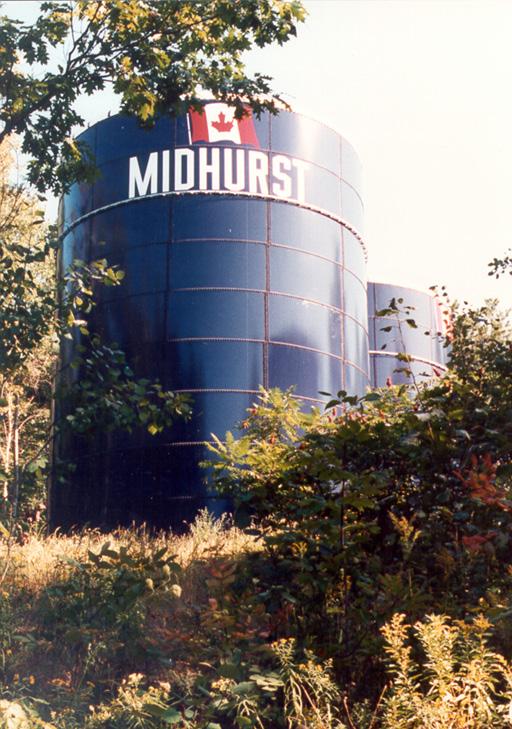
Greatario’s first design-build potable water storage tank, commissioned in Midhurst, Ontario, in 1987, looked very different from the infrastructure work we deliver today. But, in many ways, it established the principles that still guide our work.
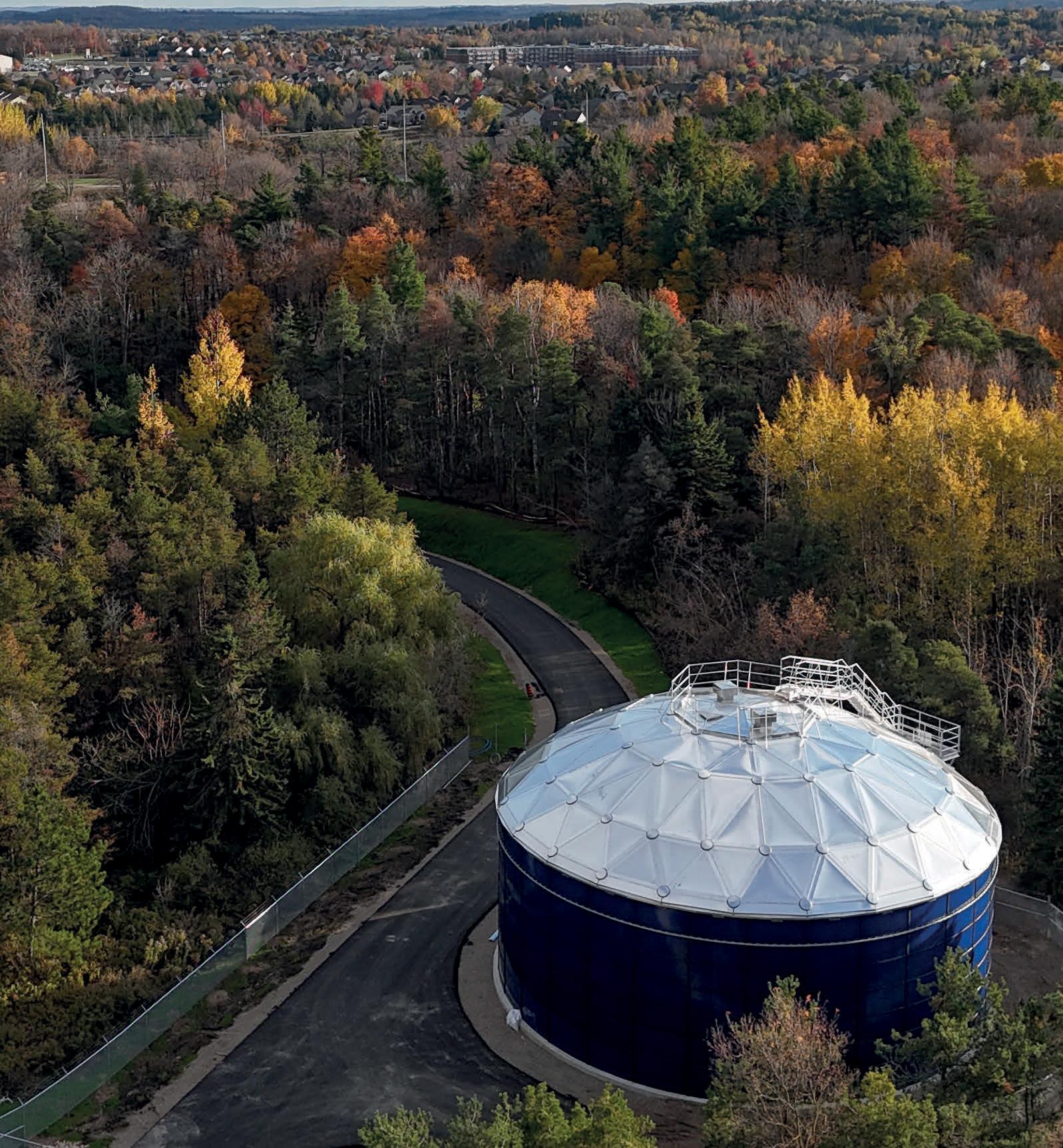
In 1986, Greatario introduced glass-fused-to-steel tank technology to the Canadian market, recognizing its potential to safely store clean drinking water over the long term. At the time, this represented a meaningful advancement in Canadian water infrastructure.
Construction began in the fall of 1986 on the 984 m³ Midhurst tank, and it was commissioned the following year. Nearly 40 years later, that same asset continues to provide clean, safe drinking water to the community.
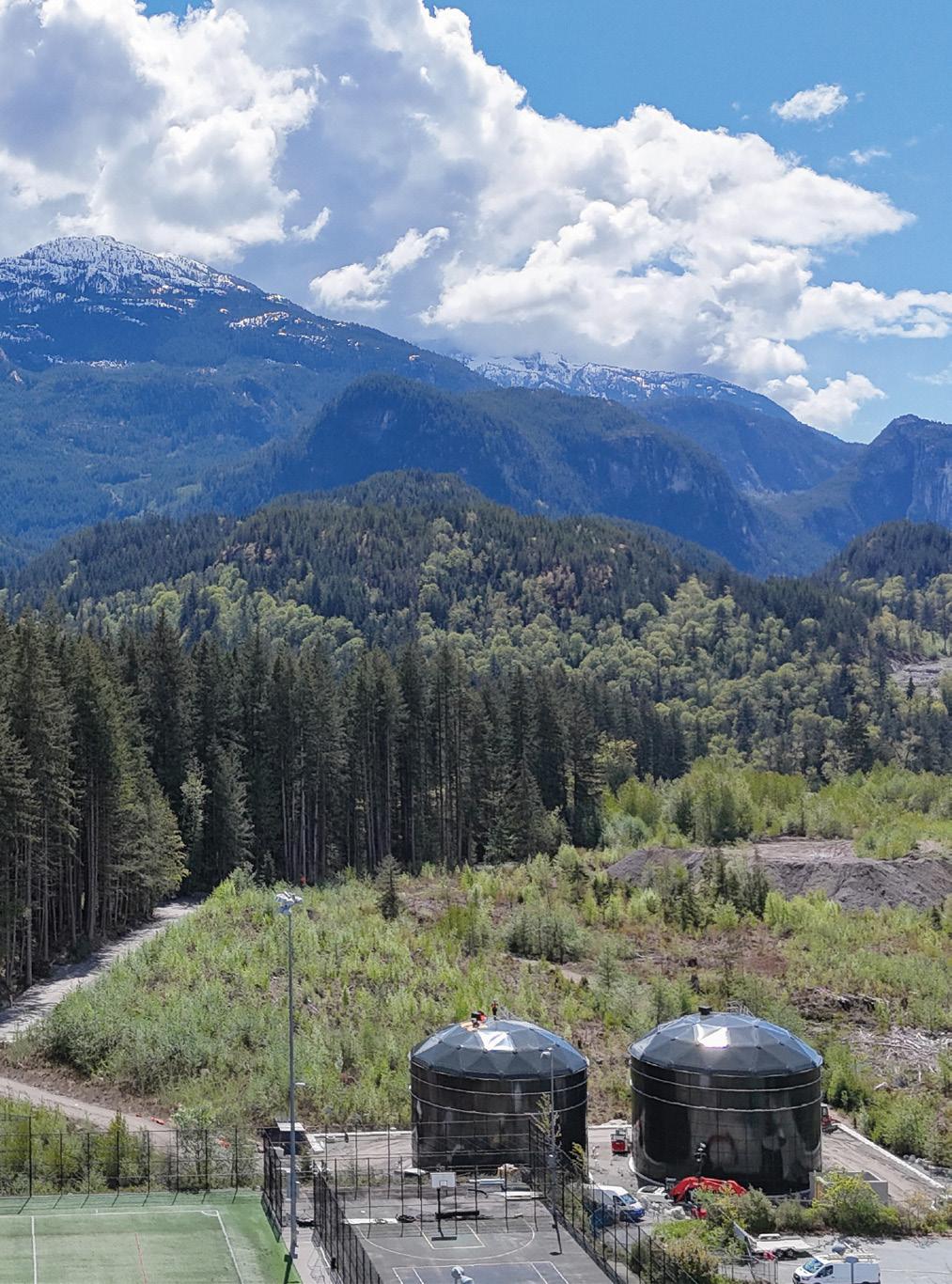
Long-term performance matters, but so too does how dramatically infrastructure expectations have evolved. A striking example is Greatario’s recent potable water infrastructure work in Squamish, British Columbia. If our first potable water project represented a breakthrough in durable infrastructure delivery, Squamish reflects how much broader the infrastructure conversation has become.
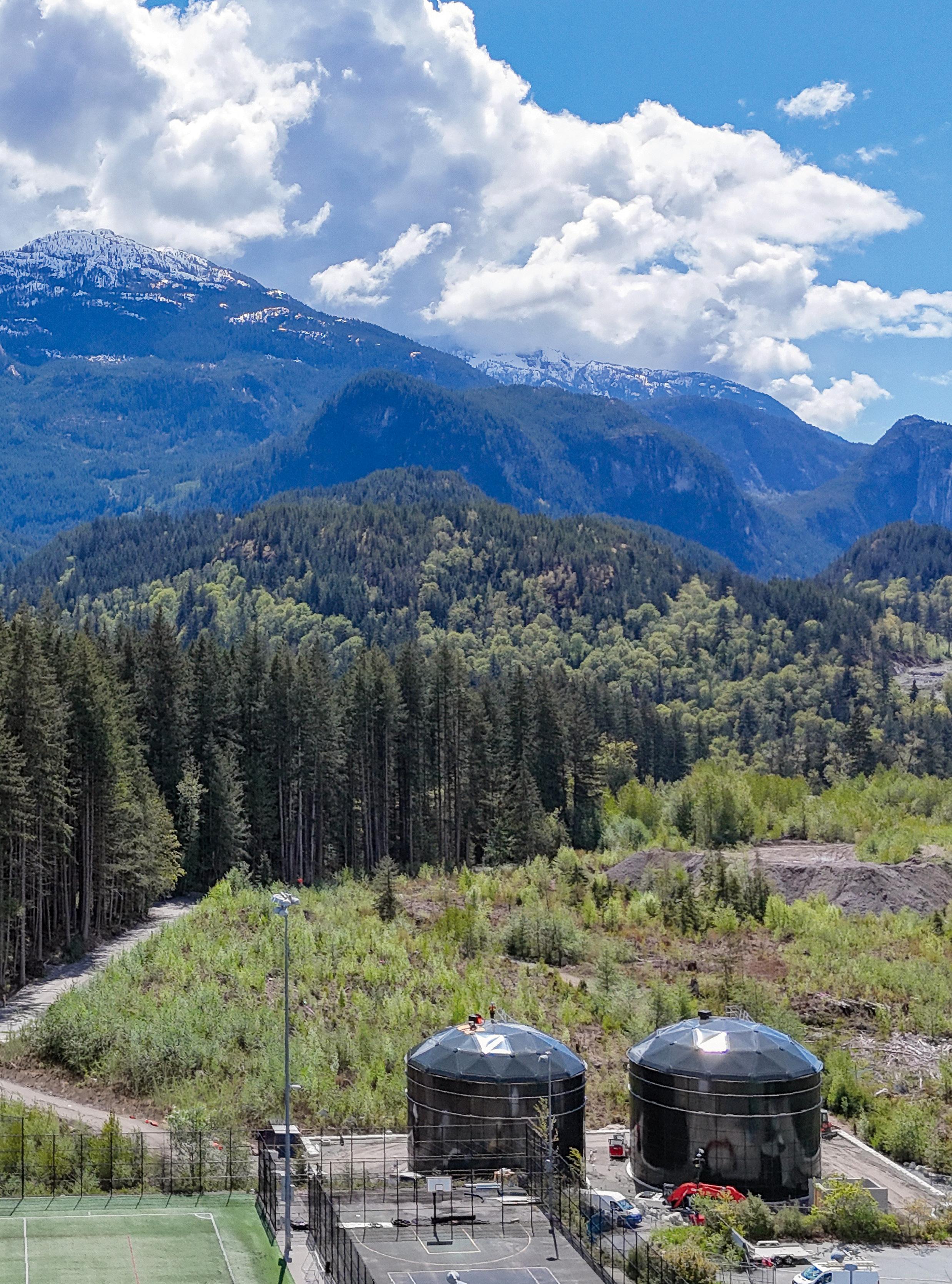
The project included two glass-fused-to-steel potable water storage tanks, with a combined capacity of 4,198.5 m³. This is critical infrastructure designed to support a growing community, while integrating thoughtfully into one of Canada’s most visually distinctive natural settings.
Complete with green factory-coated aluminum dome roofs, the tanks demonstrate how modern infrastructure must increasingly balance engineering performance, resilience, community expectations, and environmental integration.
That evolution says a great deal about where infra-
structure has gone. Today, communities expect performance, resilience, lifecycle value and, increasingly, thoughtful integration into the places where people live.
The contrast between Midhurst and Squamish tells an important story. Infrastructure is no longer judged solely by capacity or compliance. It is increasingly evaluated through the lens of resilience, lifecycle performance, community integration, and long-term stewardship.
Today, whether we are delivering potable water infrastructure for growing municipalities, industrial liquid storage systems, or specialized custom-engineered solutions in remote regions, the environment is fundamentally different.
Projects are more technically complex. Stakeholder
expectations are higher. Procurement environments are more demanding. Permitting timelines are longer and more complex. Schedules are tighter and environmental scrutiny is greater. Also, safety expectations have evolved dramatically, raising standards across our industry and fundamentally changing how infrastructure is planned and delivered.
For decades, much of Canada’s infrastructure conversation focused on renewal, replacing aging assets, expanding capacity and maintaining compliance. Those remain critical priorities, but they are no longer enough. Today’s infrastructure decisions are being shaped by a more volatile and demanding operating environment. Factors include:
• Aging systems are reaching their end-of-life.
• Population growth and shifting usage demands.
• Climate resilience requirements.
• Escalating material and construction costs.
• Evolving environmental regulations.
• Increased public and political scrutiny.
This changes the role infrastructure must play. A tank, a treatment asset, or a storage system can no longer be viewed simply as a capital project. It is part of a broader resilience strategy.
One reality often underappreciated in infrastructure planning is geography. Canada does not offer a uniform operating environment. As such, designing and delivering infrastructure in Southern Ontario presents very different realities than building in coastal conditions, industrial environments, or remote north-
ern regions with complex logistics and extreme weather considerations.
Over 40 years, Greatario has delivered projects across diverse geographies and operating conditions across the country. That matters because infrastructure performance is not determined solely on paper. Rather, it is shaped by site realities, environmental conditions, installation quality, long-term durability, and practical operational needs. Experience in those environments translates directly into smarter decisions.
Infrastructure innovation has accelerated significantly. Advanced materials, smarter engineering approaches, modular construction opportunities, and technologies, such as glass-fused-to-steel systems, are changing what owners can expect from modern infrastructure assets.
These innovations bring real benefits, including speed of delivery, corrosion resistance, lifecycle performance, reduced maintenance demands and adaptability for varied applications.
But technology alone is not the solution. The most advanced system still depends on thoughtful engineer-
ing, appropriate application, and experienced execution. Innovation without operational understanding creates risk. Infrastructure conversations often focus heavily on assets. Less attention is paid to expertise, and that may be a mistake.
One of the most significant pressures facing infrastructure delivery is the transfer of practical field knowledge. Long-tenured infrastructure professionals carry deep operational understanding. This includes how complex builds behave in real conditions, how unexpected issues emerge, and how solutions are adapted in the field.
As workforce transitions accelerate across industries, preserving and transferring that knowledge becomes increasingly important. Infrastructure is not simply built with materials. It is built with experience.
The next decade will place even greater pressure on municipalities and industry to make smarter infrastructure decisions. Not simply faster ones. The future will demand resilient asset planning, lifecycle thinking, adaptable infrastructure technologies, experienced execution partners and solutions built for realworld conditions, not ideal ones.
Forty years gives perspective. It also gives responsibility.
At Greatario, that means continuing to combine proven field expertise with evolving technology, custom-engineered solutions, and practical infrastructure experience to help municipalities and industry build smarter, more resilient systems for the future.
Change is already here. Our focus is helping municipalities and industry meet it with infrastructure built for the realities ahead, not the assumptions of the past.
Jeff Rodger is with the Greatario Group of Companies. Email: jrodger@greatario.com
By ASI Marine
Submerged beneath oceans, lakes, rivers, and reservoirs, water intake and outfall structures silently manage the flow of millions of litres of water each day. Yet, because they exist out of sight, they are frequently out of mind. This is until a failure forces an emergency response that disrupts service, strains budgets, and raises difficult questions about asset stewardship.
Across North America and globally, a growing proportion of water infrastructure is approaching or exceeding its originally designed service life. Submerged intake cribs, pipelines, tunnels, trash racks, and protective screening systems built in the mid-twentieth century were not designed with today’s operational demands or biological pressures in mind.
The convergence of aging infrastructure, invasive mussel colonization, and escalating regulatory requirements has made proactive submerged asset management not just a best practice, but a requisite to ensure reliability.
For decades, many submerged assets were managed on a reactive basis, responding to failures as they arose, rather than identifying and addressing deterioration before it became critical. This approach is understandable, since underwater inspection and maintenance are inherently complex.
Access is difficult, and the assets themselves are buried or submerged, giving no external indication of condition.
What cannot be easily seen is frequently forgotten, or rarely prioritized, in capital planning programs.
However, unplanned outages of submerged water assets can interrupt service to customers, trigger boil-water advisories and regulatory scrutiny, and force emergency procurement of repair services at a significant cost premium.
Structural failures in submerged concrete, steel, and wood, along with deposits of sediment, debris, and biofouling, can compromise hydraulic performance.
Coating failures on submerged metalwork accelerate corrosion and shorten asset service life dramatically.
Perhaps the most insidious deterioration mechanism facing freshwater utilities in temperate regions is biofouling. This includes the colonization of submerged structures by zebra, quagga and golden mussels. Once established, these colonies accumulate rapidly, restricting flow through intake screens.
They also add significant structural loading to submerged components, and accelerate the degradation of coatings and cathodic protection systems. Left unmanaged, biofouling can reduce intake capacity by 30 to 70% and will require increasingly aggressive and expensive intervention to remediate it.
The transition from reactive to condition-based asset management is rarely accomplished in a single step. Typically, the journey begins with a systematic underwater investigation designed to establish the current condition of submerged infrastructure and identify deterioration mechanisms already in progress.
This baseline becomes the foundation upon which a risk-informed maintenance program is developed.
Condition-based management shifts maintenance decisions from fixed schedules to data-driven triggers. Rather than performing the same level of intervention at the same interval, regardless of actual asset condition, operators use inspection data to prioritize maintenance expenditures where the risk of deterioration is highest and the consequence of failure is most significant.
Over time, this approach yields a more efficient allocation of maintenance
resources, reduces the frequency of emergency response, and supports defensible long-range capital planning.
Regulators are increasingly recognizing condition-based management as the expected standard of care for critical water infrastructure. Inspection records, maintenance logs, and documented condition assessments are becoming standard expectations in regulatory audits and renewal license applications.
Owners that have established inspection and maintenance programs are better positioned to demonstrate due diligence, negotiate favourable maintenance schedules, and avoid costly compliance orders.
Effective inspection of submerged water infrastructure requires a flexible approach, one that draws on the complementary strengths of remotely operated vehicles (ROVs) and commercial diving operations. The appropriate method of inspection is based on site conditions, access

constraints, and the specific data required. ROV-based inspection offers significant advantages in deep or high-velocity environments, where diver deployment presents unacceptable safety risk. At a minimum, modern inspection ROVs are equipped with high-definition camera systems and navigation sonar that provide real-time feedback to top-side operators and stakeholders. They can be equipped with various sonar technologies to make dimensional measurements, non-destructive testing (NDT) instruments to measure concrete and residual metal thickness, and leak detection systems.
ROV surveys are well-suited for rapid visual reconnaissance, condition mapping over large areas, and the collection of photographic and video documentation to support condition reports and regulatory submissions. Beyond inspection, ROVs can be outfitted with specialized tooling to perform a range of intervention tasks, including biofouling removal, cutting, component installa-
tion, and debris recovery. This enables in-situ maintenance, without disrupting system operations.
Commercial diver inspection remains the gold standard for close-tolerance assessment tasks. These include tactile evaluation of surface conditions, material thickness testing, weld inspection, or physical sampling.
Divers can conduct NDT procedures, including ultrasonic thickness measurement, cathodic protection potential surveys, and concrete hammer sounding. This can identify delamination and subsurface voids that camera systems cannot detect. Divers also perform hands-on cleaning, repair, and rehabilitation work.
In practice, some programs begin with an ROV reconnaissance investigation to review overall structure condition and identify areas of concern, followed by targeted diver inspection of specific locations requiring closer evaluation. This staged approach optimizes continued overleaf…



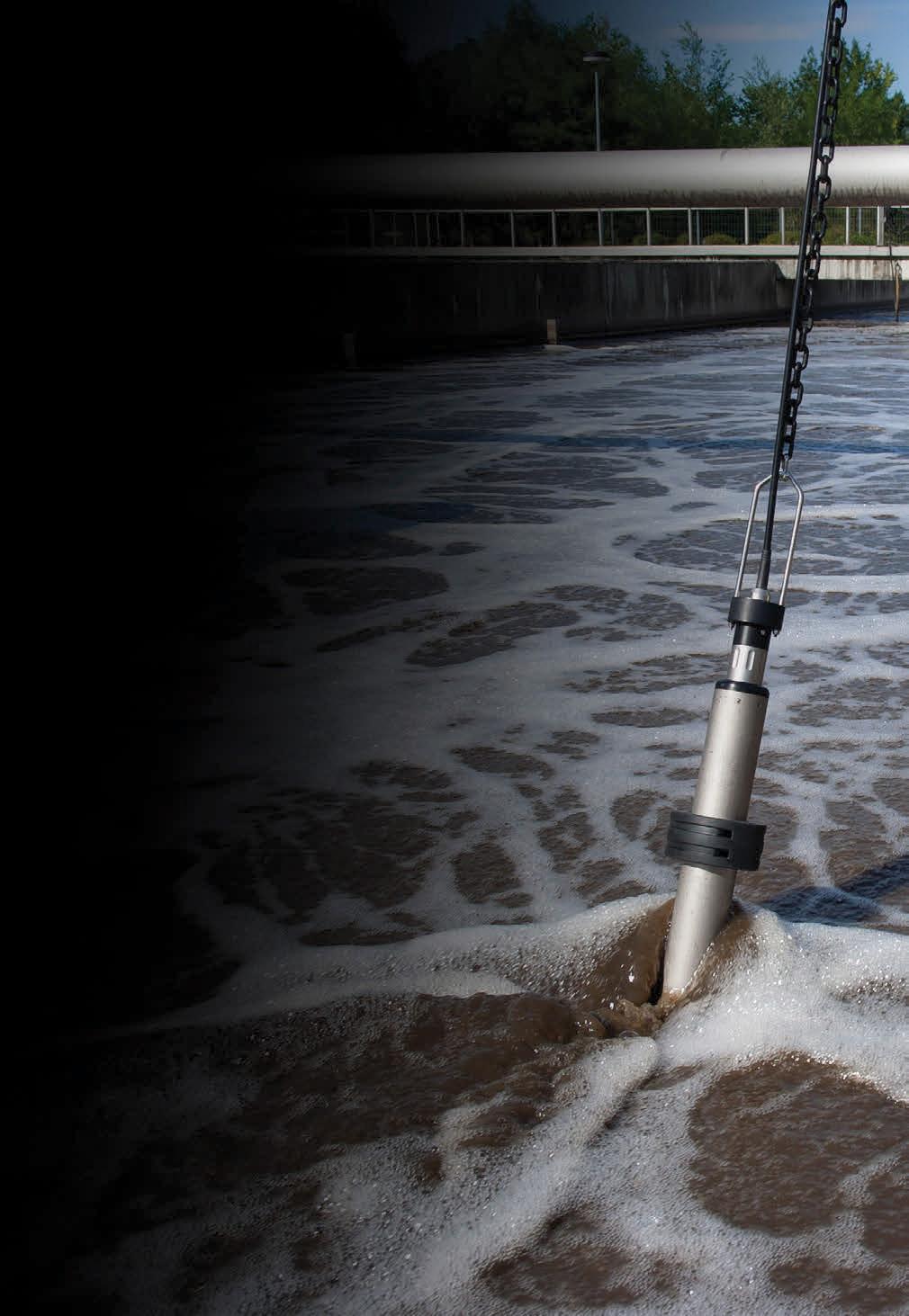

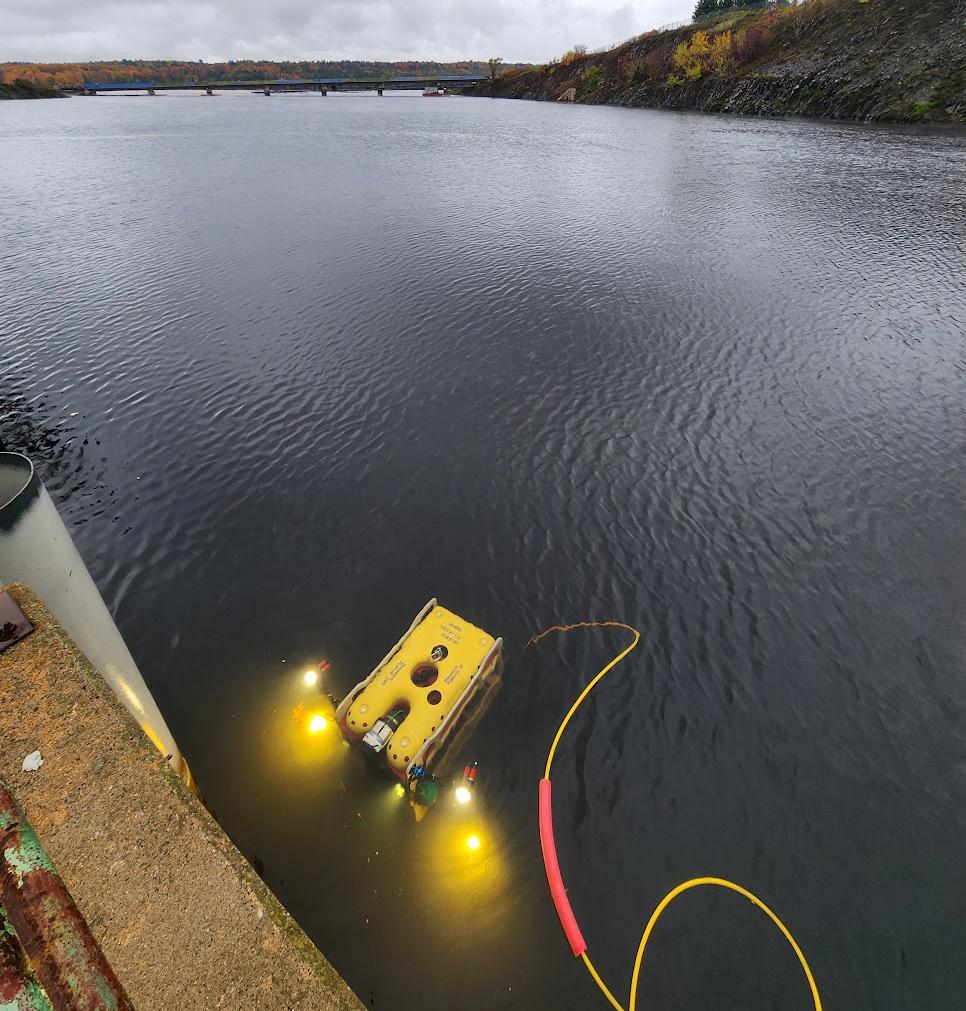
the use of diver resources, while ensuring that no significant deterioration is missed in the initial assessment phase.
Comprehensive submerged asset management programs must address the full spectrum of deterioration mechanisms simultaneously. The most pervasive challenges facing operators of water intake and outfall structures are biofouling, sediment and debris accumulation, concrete deterioration, coating failure, and corrosion. These do not occur in isolation. Each accelerates the others, meaning that operators who address only one challenge are not buying protection, they are only buying time.
Underwater cleaning of submerged intake structures is the most time-sensitive maintenance activity in a biofouling management program. Cleaning frequency must be calibrated to the colonization rate at each specific facility, which is influenced by water temperature, depth, current velocity, and the maturity of the local mussel population.
Effective cleaning programs deploy purpose-built hydraulic and pneumatic tooling designed for underwater use, with careful attention to the disposition of dislodged mussel material. This is necessary to avoid re-colonization of downstream components.
Where colonization pressure is severe, operators are increasingly evaluating continuous chemical dosing systems, substrate coatings with anti-fouling properties, and ultraviolet (UV) disinfection systems as supplementary control measures.
Submerged concrete deteriorates through a combination
of freeze-thaw cycling, hydraulic abrasion, alkali-silica reaction, and chloride-induced reinforcement corrosion. Inspection programs that include concrete condition assessment using hammer sounding, core sampling and cover depth measurement provide the data necessary to classify deterioration severity and select repair strategies.
Underwater concrete repair is a specialized discipline requiring materials formulated for placement and curing in a submerged environment, combined with delivery methods. This includes tremie placement, form-and-pump techniques, and injection grouting that achieves adequate consolidation, without displacing the surrounding water.
When executed correctly by experienced underwater construction teams, properly specified underwater concrete repairs achieve compressive strengths and bond performance comparable to above-water work.
Protective coatings on submerged metalwork provide the primary barrier against electrochemical corrosion. Coatings degrade through UV exposure in the splash zone, mechanical damage from debris impact, and the adhesion failure that occurs when biofouling colonies are periodically removed.
Regular coating condition inspections enable operators to identify disbondment, blistering, and pinhole corrosion, before substrate loss becomes structurally significant.
Cathodic protection (CP) systems provide a secondary line of defense against corrosion at locations where coating integrity has been compromised. CP potential surveys conducted during inspection dives provide a direct measure of protection effectiveness, identifying areas where anodes are depleted or current distribution is insufficient.
Anode replacement and CP system upgrades are among the highest-value maintenance interventions available to operators of aging metallic submerged infrastructure.
The value of an inspection program lies not in the inspection itself, but in the quality and utility of the data it produces. A well-structured inspection report does more than document observed conditions. It provides the analytical foundation for maintenance prioritization, capital budgeting, and risk communication to senior decision-makers and regulators.
Best-practice reporting for submerged infrastructure inspections includes annotated interpretations of photographic and sonar imagery, comparisons applied across past inspection cycles to enable trend analysis, identification and quantification of defects, sediment and debris, along with specific maintenance recommendations with prioritization based on risk consequence.
When inspection data is systematically aggregated over time, custodians transition from ad-hoc response to data-driven decisions. Inspection service providers are increasingly integrating geo-referenced condition mapping, three-dimensional modelling, and digital twin workflows into their reporting deliverables.
These technologies create persistent, spatially accurate records
of asset condition that support maintenance planning, engineering assessment, remaining service life estimation, and insurance valuation.
An effective program framework typically encompasses baseline condition assessment, risk-based inspection scheduling, integrated inspection and maintenance execution, data management and trend analysis and continuous program improvement.
Submerged assets that are systematically inspected, proactively maintained, and periodically rehabilitated will consistently outperform assets managed on a reactive basis, delivering longer service life, lower lifecycle costs, and fewer operational disruptions.
This article was prepared by the operations team at ASI Marine. For more information, visit: www.asi-group.com
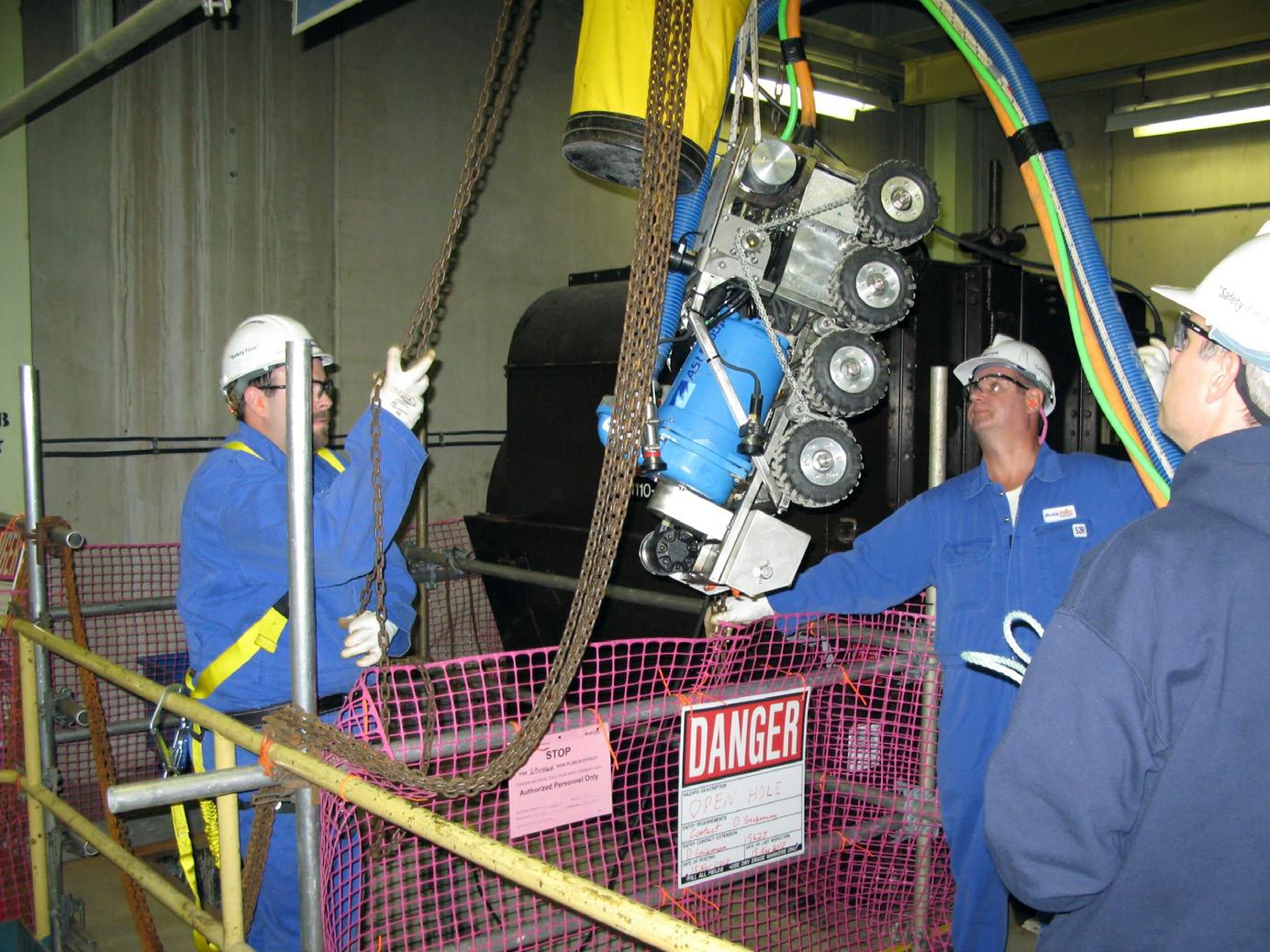


From firefighting foam to falling home values, residents say governments failed to act sooner
By David Nesseth
After years of governments leading legal battles against PFAS manufacturers, a growing wave of litigation is now turning scrutiny back on public agencies themselves.
Across Canada, residents are launching class action lawsuits alleging governments failed to prevent contamination, warn communities in time, protect drinking water, and address declining property values tied to PFAS exposure. Increasingly, those lawsuits are also arguing that “stigma” attached to contaminated areas has become a measurable financial harm in its own right.
That argument gained additional momentum in March 2026, when an Ontario court allowed punitive damages to proceed in a lawsuit involving alleged PFAS contamination near the National Research Council (NRC) fire-testing facil-
ity west of Ottawa. The court acknowledged allegations that residents in Mississippi Mills may not have been informed quickly enough about contamination concerns linked to per- and polyfluoroalkyl substances (PFAS).
The evolving legal landscape was a central topic at the April 2026 RemTech East conference in Ottawa, where lawyers from Mann Lawyers LLP discussed the growing number of PFAS-related class actions emerging across the country. Many are in communities where residents now rely on bottled water, or filtration systems.
For lawyer Michael Hebert, the concept of environmental stigma is hardly new. Hebert led one of Canada’s earliest cases recognizing stigma-related property losses in environmental contamination disputes. Speaking to delegates, he said public perception alone can sig-
nificantly alter a community’s real estate market and create red flags for buyers.
“Why would you want to go there when you can go half a kilometre down the road and buy a place that’s got no impacts?” Hebert asked.
The rise of online PFAS hotspot maps and sustained media attention has only intensified those concerns, according to Mann Lawyers attorney Nathan Adams. Even homes that do not test positive for contamination may suffer diminished value simply because they are located near a known PFAS site.
“We’re in the situation now, where the notoriety of this risk is really being exacerbated by media coverage,” Adams told delegates.
Precise figures on the impact of PFAS contamination on home values remain limited. However, a 2024 economic study, led in part by researchers at Vanderbilt University, examined the industrial suburb of Paulsboro in New Jersey following the public disclosure of PFAS contamination in local drinking water supplies.
The study found housing prices fell by roughly 31 to 42% after the contamination became public knowledge. Researchers concluded the financial losses exceeded the cost of installing whole-home filtration systems, and noted that property values did not recover after remediation efforts.
“Newspaper articles barraged residents with information about the presence of PFAS in their drinking water. They also pointed out that the contamination was initially discovered four years prior to public notification,” the study stated.
Stigma as a “damage” has been added to other PFAS contamination lawsuit grounds, such as negligence, nuisance, strict liability, and statutory liability.
For Hebert, he points to the 2002 case Tridan Developments Ltd. v. Shell Canada Products Ltd. as an early legal turning point. Although later reversed on appeal, the case marked the first time a Canadian court acknowledged that stigma alone, even after remediation to regulatory standards, could reduce a property’s fair market value.
The dispute stemmed from gasoline contamination that migrated from a Shell station onto an adjacent car dealership property.
Currently, Hebert and Adams are leading two major PFAS class actions connected to aqueous film-forming foam (AFFF), the firefighting foam long associated with PFAS contamination.
One lawsuit centres on the NRC’s fire-testing facility near Ottawa, while another targets contamination in the North Bay region of Ontario. The NRC case, valued at roughly $40 million, is expected to proceed to trial in 2026.
According to the lawsuit, the NRC operated a firefighting facility for approximately 25 years, where firefighters trained using PFAS-containing AFFF. Plaintiffs allege the activities contaminated nearby groundwater and diminished local property values.
For the 69 homeowners involved in the case, Justice Robert Smith’s March 9 decision allowing an additional $2 million in punitive damages represented a significant development.
The ruling suggested the NRC knew, or ought to have known, about PFAS-related risks in the area as early as March 2013. However, residents were not informed until December 2015.
Court filings referenced two earlier reports submitted to the NRC by environmental consulting firm Aqua Terre in 2004 and 2009 that raised “environmental concerns with the discharge of fire-fighting wastewater.”
Hebert says one of the central legal questions now involves determining the gap between a home’s theoretical fair market value and what buyers are actually willing to pay once PFAS contamination becomes publicly known.
He says home sales in the area have slowed further over the past year as PFAS coverage continues to dominate environmental headlines. “When there is a spill of this stuff, typically there’s been no containment, and that’s the problem,” says Hebert, who suggests AFFF has been used somewhat “indiscriminately” for several decades, primarily in firefighter training exercises.
AFFF is actually the primary focus in phase one of Canada’s risk management approach to reducing PFAS, given its high potential for environmental and human exposure. Some new regulation-
prohibiting AFFF will come into force on June 30, 2026.
A similar situation is unfolding in North Bay, Ontario, where more than 200 homes, most relying on private wells, are implicated in another proposed class action related to AFFF.
The lawsuit, launched in late 2025, seeks $105 million in damages, plus an additional $5 million in punitive damages. It names both the City of North Bay and the Department of National Defence.
Unlike the Ottawa-area case, the North Bay firefighting training grounds were transferred from the federal government to the municipality in 1995. This distinction complicates questions of accountability and responsibility for remediation efforts.
“The facilities are up a hill, so it’s kind of a worst-case scenario in terms of water migrating off site,” Adams explained.
The plaintiffs allege both the city and
the federal government were aware of possible contamination years before the issue became public.
As PFAS testing expands and public awareness increases, Adams says affected communities are already seeing consequences in local real estate markets.
“As testing increases and the issues are taken more seriously, there is a corresponding drop in people taking interest in purchasing property in these areas,” he said.
North Bay and DND have reached an agreement that could see up to $8.2 million for the design of treatment upgrades and a six-month pilot program to test PFAS treatment options at the North Bay Drinking Water Treatment Plant over a two-year term.
The water treatment plant funding comes as DND also announced an additional $100 million (following $20 million in 2021) for remediation of PFAS at the Jack Garland Airport near 22 Wing/ Canadian Forces Base (CFB) North Bay.


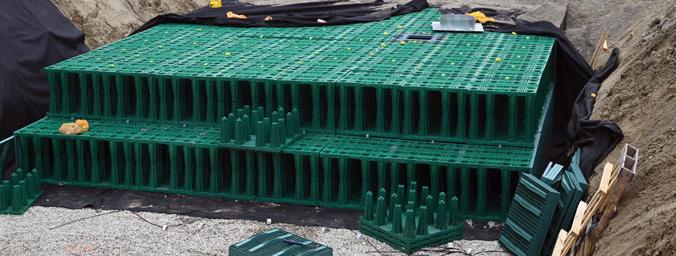
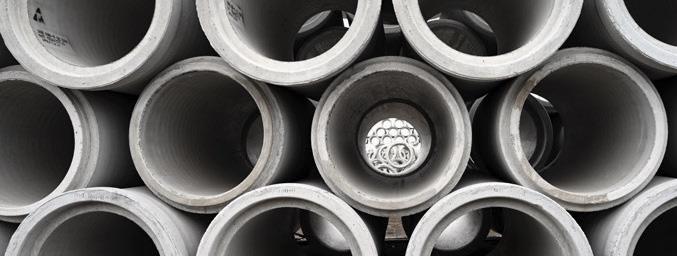


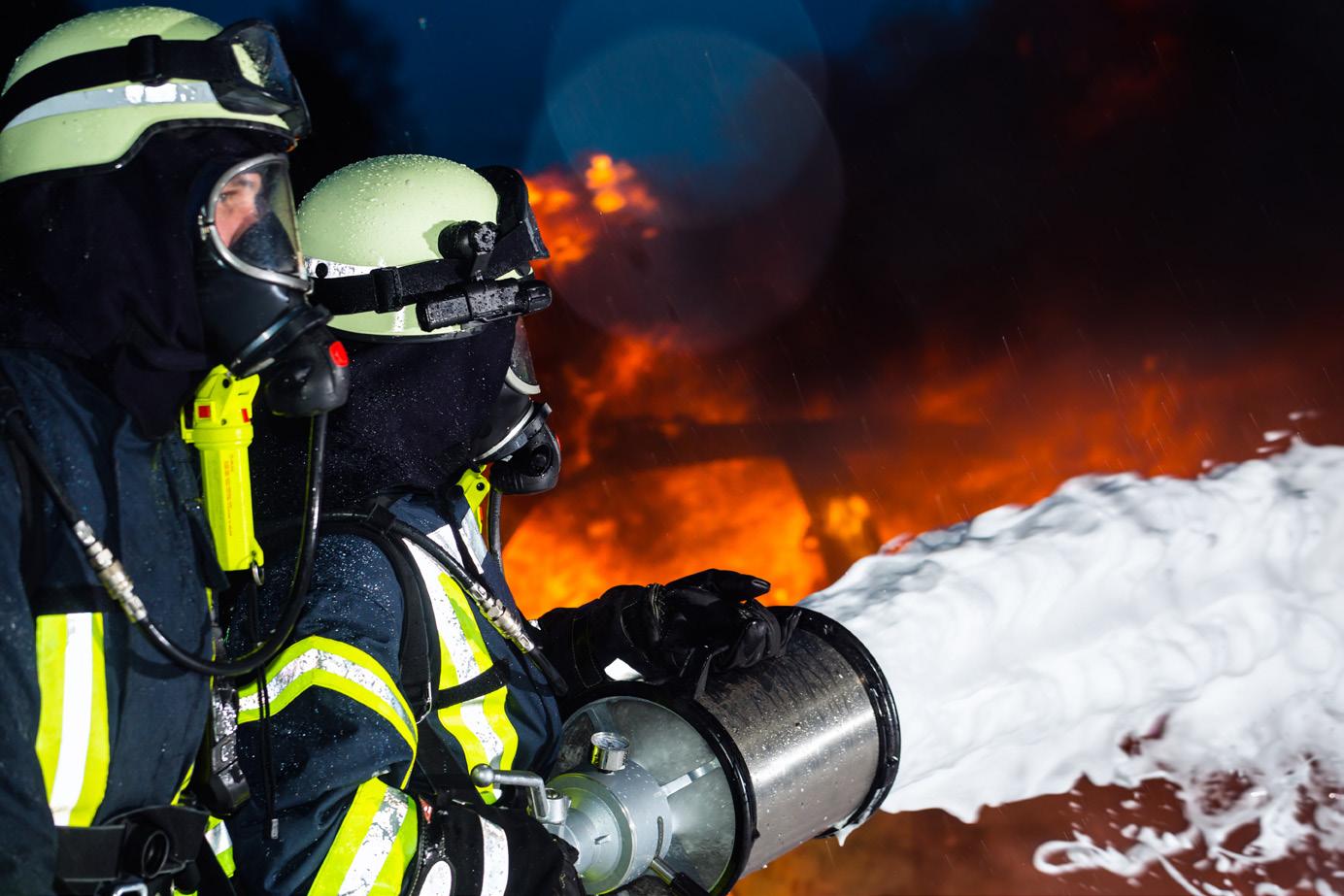
Aqueous film-forming foam (AFFF) is actually the primary focus in phase one of Canada’s risk management approach to reducing PFAS, given its high potential for environmental and human exposure. Credit: Kzenon, stock.adobe.com
The legal pressure is not confined to Ontario. In Newfoundland and Labrador, law firm McInnes Cooper launched a proposed PFAS class action in late 2024 involving alleged drinking water contamination in the Town of Torbay and the Town of Logy Bay–Middle Cove–Outer Cove.
The lawsuit also centres on federal firefighting training grounds, where AFFF was allegedly used under Transport Canada.
Residents of Hazelbrook, P.E.I., launched a lawsuit against the provincial government on May 27 alleging that longstanding failures in the regulation, monitoring and remediation of a former construction and demolition disposal site led to PFAS contamination of groundwater.
According to the claim issued by Phillips Barristers PC, the family was advised in January 2025 to stop using their well water after provincial testing detected PFAS levels exceeding Health Canada objectives. The lawsuit seeks damages for alleged personal injury, contamination of land and groundwater, diminished property value and ongoing remediation costs.
Meanwhile, Quebec-based litigation is beginning to focus more directly on
PFAS manufacturers themselves. Slater Vecchio LLP is preparing a class action aimed at representing private well owners affected by potential contamination.
In British Columbia, Koskie Minsky LLP and McKenzie Lake LLP are pursuing separate class actions against major chemical manufacturers over alleged widespread PFAS contamination in well water supplies.
The Mann Lawyers team says it is not relying heavily on shifting federal PFAS drinking water guidelines when advancing its litigation strategy.
Instead, the firm is approaching contamination cases using the ALARA principle, “as low as reasonably attainable”, as its benchmark for acceptable exposure levels.
“We don’t really subscribe to the guidelines that have been propounded from time to time simply because they are not scientifically backed, they are not law and not mandatory,” Hebert stated.
While governments are increasingly being drawn into PFAS litigation, experts say manufacturers remain exposed to
enormous long-term liability.
Speaking at a recent environmental webinar hosted through McGill University’s TISEDTalk series, Professor Kela Weber of the Royal Military College of Canada (RMC) said the scale of potential PFAS contamination in Canada is only beginning to emerge.
Weber, who serves as Director of the Environmental Sciences Group at the RMC, estimated there may be more than 1,500 likely PFAS manufacturing sources in Ontario alone.
His research team has also identified what he believes could be PFAS contamination at approximately 150 Canadian airports, though he suspects the true number may ultimately be far higher. Municipal firefighting sites, he added, remain largely unstudied.
Weber also warned that PFAS disposal methods themselves could become future sources of litigation, particularly as concerns grow over the long-term performance of landfill liners intended to contain contaminated waste.
“I see this as a potential source of litigation moving forward in Canada,” he said, adding that landfills are far from ideal solutions for handling PFAS.
Regulatory enforcement actions are also increasing. Earlier in 2026, courts issued penalties under the Canadian Environmental Protection Act (CEPA) against cosmetic companies accused of using PFAS in consumer products.
In January, an Ontario court fined Estée Lauder Cosmetics Ltd. $750,000 and Groupe Marcelle inc. was fined $500,000 in Quebec in 2024 for PFAS-related violations.
With class actions now targeting both manufacturers and public agencies, Canada’s PFAS litigation landscape appears poised for a new phase — one that could test how courts balance evolving science, delayed disclosures, regulatory uncertainty, and long-term economic harm.
David Nesseth is a contributing editor with Environmental Science & Engineering Magazine. Email: david@esemag.com
By ES&E Staff
Environment and Climate Change Canada enforcement officers, working alongside national and international partners, intercepted more than 1.2 million kilograms of hazardous waste destined for export, in what officials say is the country’s largest operation of its kind.
The seizures, announced in late February, were made during Operation Demeter XI. This is a global enforcement initiative led by the World Customs Organization aimed at curbing the illegal cross-border movement of hazardous waste regulated under the Basel Convention.
In the fall of 2025, joint inspections by Environment and Climate Change Canada and the Canada Border Services Agency resulted in the interception of 59 shipping containers. They were found to be carrying environmentally hazardous materials, according to a federal enforcement notification.
The intercepted shipments included
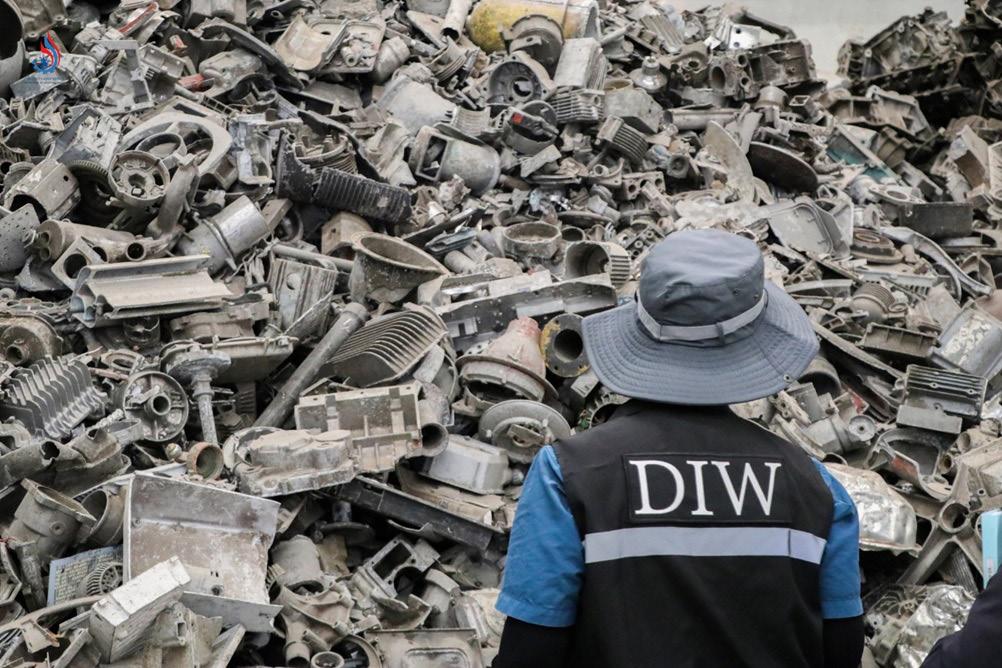
bly and to crack down on illegal exports. This marks the sixth time Canada has taken part in the annual operation, which brings together enforcement agencies from around the world.
Globally, Operation Demeter XI involved 120 customs administrations worldwide and resulted in the interception of more than 15 million kilograms of illegal waste shipments through 409 seizures. This reflects a significant increase in enforcement activity compared with previous years.
e-waste, used batteries, waste oil, hazardous scrap metal, polychlorinated biphenyls (PCBs), plastic waste and contaminated paper. These materials can pose significant risks to both environmental and human health if improperly handled. Officials say Canada’s participation in Operation Demeter underscores its commitment to international efforts to ensure hazardous waste is managed responsi-
In Canada, the movement of hazardous waste is governed by the Canadian Environmental Protection Act, 1999, along with regulations that require permits, tracking and environmentally sound handling of materials. Enforcement officers conduct inspections year-round to ensure compliance and to reduce risks associated with hazardous waste exports.
For more information, email: editor@esemag.com

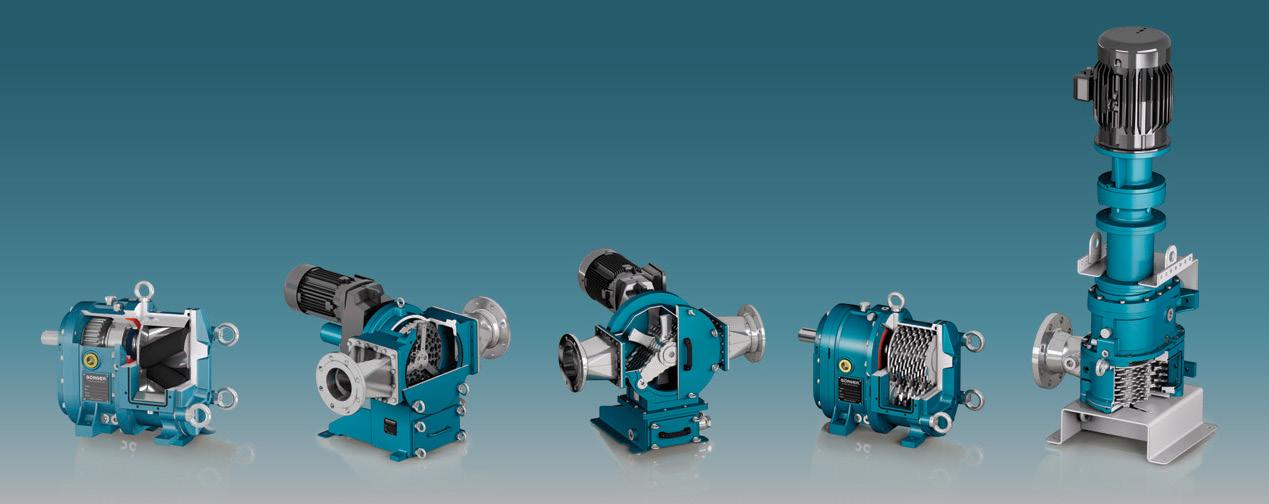




In many facilities, aftermarket service has long been viewed as a reactive function. A pump fails, a call is made, parts are ordered, and a technician is dispatched to “fix” the problem. Once the equipment is running again, service fades into the background, until the next failure.
That model no longer reflects reality, particularly in today’s industrial and municipal environments, where efficiency, lifecycle costs, and uptime pressures continue to intensify.
Across Canada’s expansive network of municipal wastewater facilities and resource-driven industries, expectations around equipment reliability have evolved. Plants are being asked to do more with aging infrastructure, leaner teams, and tighter compliance requirements. In this environment, reactive service models are not only inefficient, they are unsustainable.
Today’s service organizations increasingly function as reliability partners, supporting equipment long before and long after a failure occurs. In progressive cavity (PC) pumping applications, where operating conditions, materials, and installation details play an outsized role in performance, this shift is especially pronounced. Service teams are no longer just responding to breakdowns. They are educating operators, transferring knowledge, coordinating complex startups, and helping facilities protect long-term asset value.
PC pumps occupy a unique space in industrial and municipal pumping. Many technicians are very familiar with centrifugal pumps, but encounter PC pumps far less frequently. As a result,
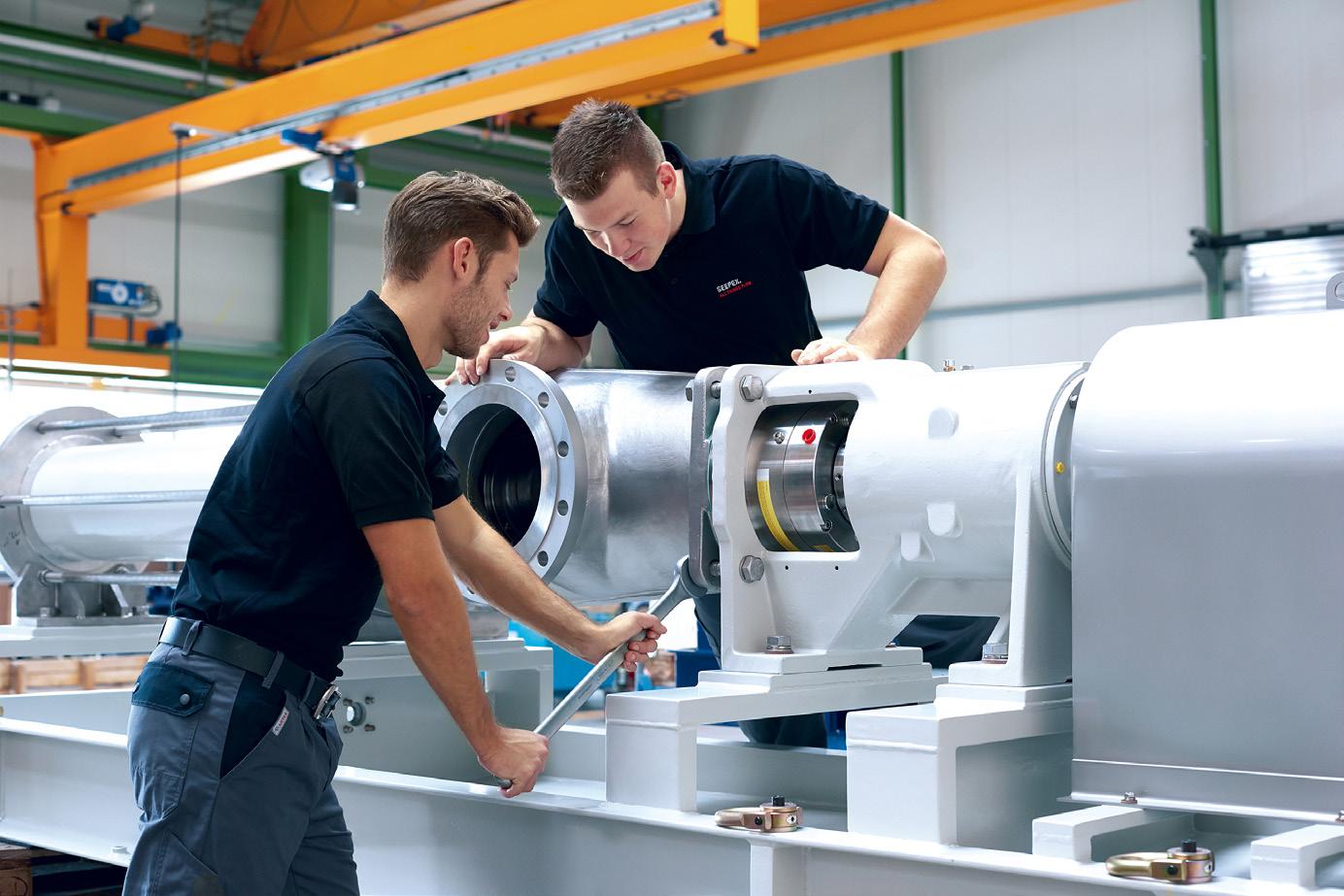
they may understand the basic operating principle, without fully appreciating the nuances that determine service life and reliability.
This knowledge gap is not unique to one region, but it can be especially pronounced in geographically dispersed areas such as Canada, where facilities may be separated by long travel distances and rely heavily on smaller, multiskilled maintenance teams.
A typical day often begins before the phones start ringing. Service technicians review overnight emails, assess in-house repair work, and prepare for scheduled startups or field visits. By mid-morning, calls begin coming in from facilities seeking help. Sometimes for mechanical issues, sometimes for controls questions, and often for troubleshooting problems that do not have a single obvious cause.
Rarely is a problem solved on a single phone call. Service teams may need to coordinate internally with engineering, review historical pump data, or walk operators through diagnostic steps in real time. In other cases, technicians must
travel to a customer site, often at short notice, to address complex or critical issues that cannot be resolved remotely.
In regions with remote or rural facilities, such as northern communities or resource extraction sites, this on-site support can be even more critical. Downtime in these environments often carries a higher operational impact due to limited redundancy and extended lead times for replacement equipment.
What is striking is how little of this work involves simply replacing a part. Instead, service personnel spend much of their time explaining why something failed, how it should operate, and what needs to change to prevent repeat issues. In this way, aftermarket service becomes less about fixing equipment and more about stabilizing systems.
One of the most common challenges service teams encounter is not catastrophic failure, but misunderstanding.
PC pumps, while robust, require specific operating and maintenance practices. When those practices are not understood, even well-intentioned adjustments can shorten pump life dramatically.
For example, packed sealing systems are designed to leak at a controlled rate to manage heat and friction. Operators unfamiliar with this design often attempt to eliminate leakage entirely, unintentionally accelerating wear and leading to premature failure. From the operator’s perspective, the pump failed unexpectedly. From the service perspective, the failure was predictable and preventable.
This dynamic plays out across many applications, from wastewater treatment plants dealing with variable solids content to industrial processes handling viscous or abrasive media. In colder climates, such as those experienced across much of Canada, additional factors like temperature-driven changes in viscosity or startup conditions can further influence pump performance and wear patterns.
Rather than waiting for equipment to fail, service teams increasingly focus on knowledge transfer, thus shifting from being reactive to being proactive. They explain how the pump is designed to operate, what warning signs matter, and which adjustments should and should not be made. These conversations often happen during troubleshooting calls, field visits, or structured training sessions.
Across the industry, facilities face a growing skills gap. Experienced technicians are retiring, taking decades of practical knowledge with them. Their replacements are often eager and capable, but lack hands-on exposure to specialized equipment like PC pumps.
This trend is particularly visible in Canada’s municipal sector, where workforce transitions are occurring alongside increasing regulatory pressures related to environmental performance and infrastructure reliability.
In response, aftermarket training now extends well beyond basic startup instructions. It may include:
• On-site operator and maintenance training during commissioning.
• In-depth workshops about assembly,
disassembly, and inspection.
• Factory-based training sessions where participants see pumps built and torn down.
• Informal mentoring during field service calls and troubleshooting sessions. These interactions help facilities operate their equipment correctly, and they empower technicians to make better decisions when problems arise. Rather than relying solely on trial and error, or defaulting to run-to-failure strategies, trained operators can identify issues early and take corrective action.
Modern pump installations frequently involve pump suppliers, control integrators, electrical contractors, and plant personnel. Misalignment between these groups can delay startups, complicate troubleshooting, and increase risk during commissioning.
Service technicians often act as translators, bridging the gap between mechanical
and electrical considerations and aligning installation practices with design intent. This ensures that everyone involved understands their role in achieving a successful outcome. This coordination may involve multiple meetings, documentation reviews, and on-site collaboration, long before the pump ever moves fluid.
While many PC pump applications include redundancy, some installations leave little margin for error. Large, custom pumps in industrial processes may be impossible to remove from service without major disruption. In these cases, aftermarket support becomes mission critical.
Rebuilding a large PC pump in place requires careful planning, specialized expertise, and close coordination with plant operations. Parts must be staged, timelines compressed, and work executed correctly the first time.
These situations highlight the full
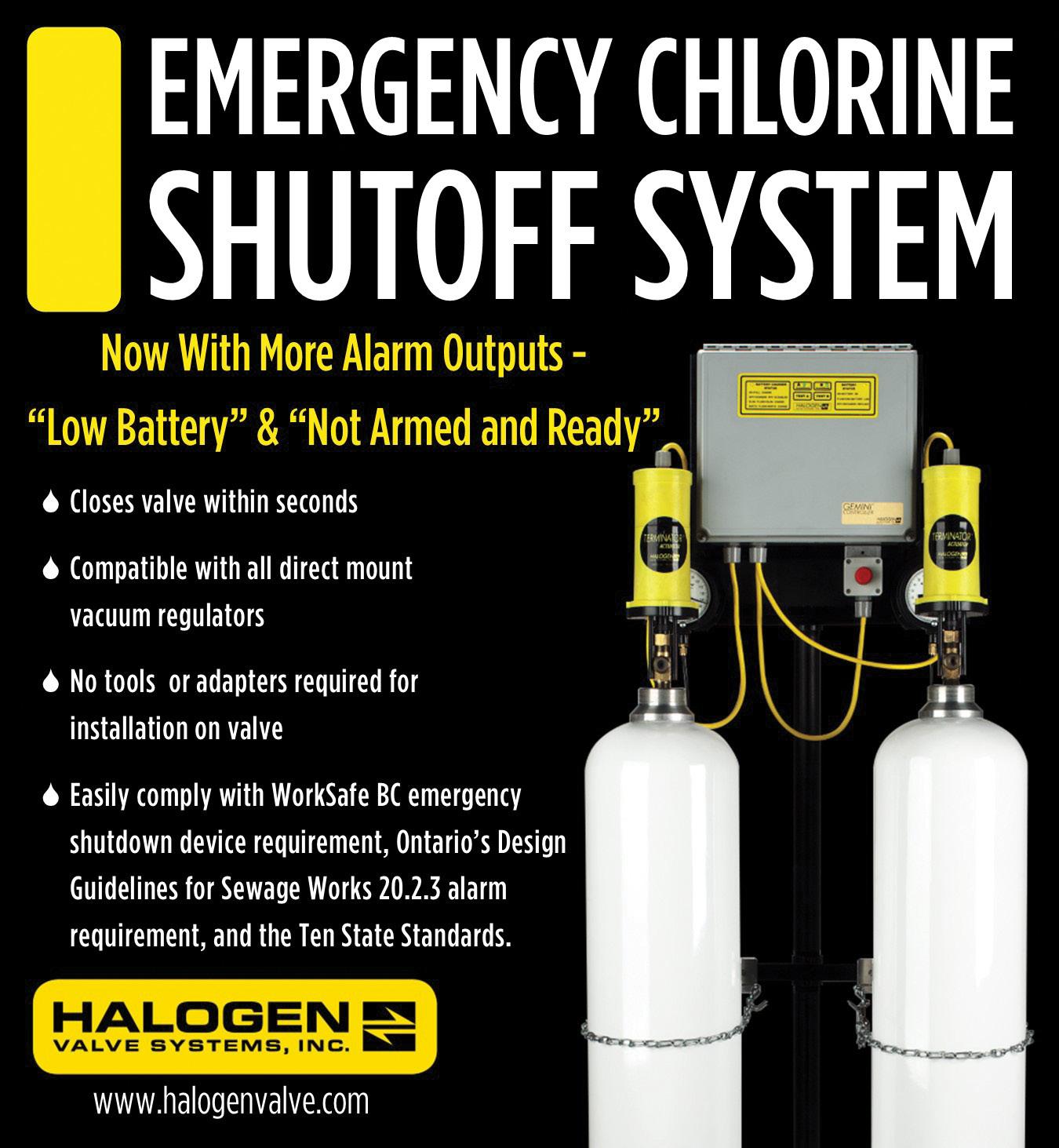
scope of aftermarket service. Facilities rely on service teams not just to restore operation, but to do so safely, efficiently, and within narrow production windows.
The evolution of aftermarket service is also shaped by workforce realities. Service teams often face recruiting and retention challenges. Skilled technicians are in short supply, and fewer young professionals enter the trades with prior exposure to rotating equipment.
This is a challenge with Canadian industries experiencing similar pressures in attracting and retaining technical talent, particularly in remote or specialized sectors. To address this, service organizations invest in internal training, mentorship, and documentation to ensure expertise is not lost. They also work closely with distributor partners, providing guidance and support so local teams can handle more service needs independently.
For younger professionals, the service side of the pump industry offers a com-
pelling career path. It combines hands-on technical work, problem solving, travel, and continuous learning, often with direct visibility into how equipment performs in real-world applications.
From the plant perspective, choosing a reliability partner means looking beyond parts availability. Effective aftermarket support involves timely access to knowledgeable technical support, deep understanding of equipment design and application, commitment to training operators, technicians, and partners, the ability to align stakeholders during installation and startup and ongoing support throughout the equipment lifecycle.
When these elements are in place, aftermarket service becomes a stabilizing force rather than a last resort.
Michael Rice and Alicia Kadar are with SEEPEX, Inc. For more information, email: alicia.kadar@irco.com






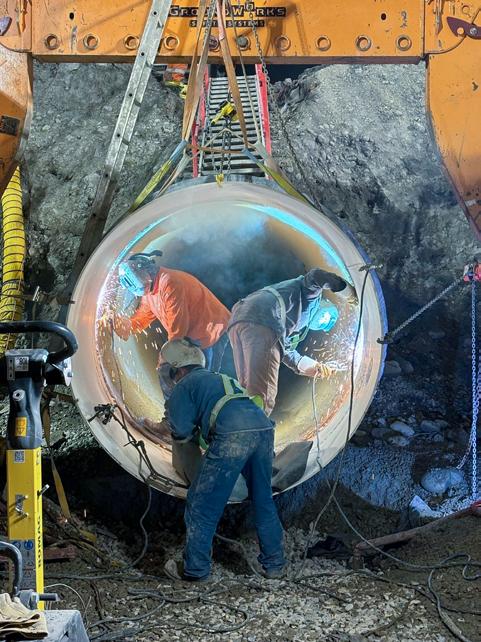
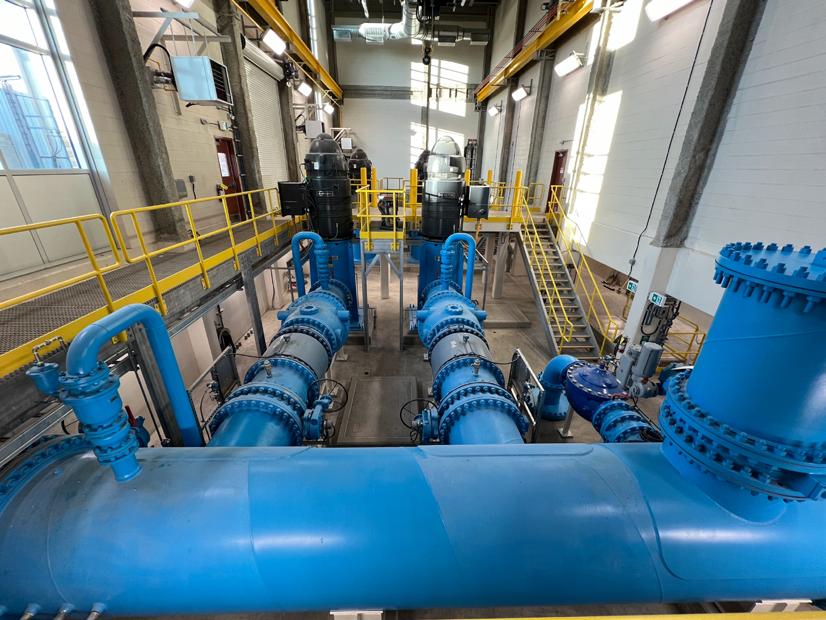



By ES&E Staff
Canadian businesses sharply increased their environmental spending in 2023, with new federal data showing billions flowing into clean energy and pollution control, even as industry and regional gaps persist.
Figures recently released by Statistics Canada show companies spent $32.2 billion on environmental activities in 2023, a 17.4% jump from 2022. The data are drawn from the 2023 Environmental Protection Expenditures Survey, conducted with around 6,000 establishments in selected primary industries.
The majority of that spending (63.1%) went toward resource management, including clean energy production, biomaterials, and energy efficiency. The remaining 36.9% targeted environmental protection measures such as waste, wastewater, and air pollution management, according to the Statistics Canada survey.
Energy production accounted for the largest share of spending, led by nuclear power at $8.3 billion, or just over a quarter of total environmental expenditures. Renewable energy followed closely at $8 billion.
Among environmental protection activities, the survey found that wastewater management came in first at $3.6 billion, followed by solid waste ($2.6 billion) and air pollution management ($2.3 billion), reinforcing their position as core areas of environmental investment.
The oil and gas extraction sector accounted for $4 billion, or roughly one-third of all such expenditures. Much of that funding (35.3%) was directed toward wastewater management.
Mining and quarrying ranked second, contributing $1.3 billion, or just over 10% of environmental protection spending.
More than half of all environmental spending in 2023 (55.9%) went toward operational costs, while 44.1% was tied to capital investments.
Businesses invested $14.2 billion in environmental capital assets, representing 4% of all non-residential tangible capital expenditures nationwide, according to the survey.
Spending was heavily concentrated in Western Canada, with Alberta businesses accounting for 38.9% of environmental protection expenditures, nearly double Ontario’s 19.5% share. Wastewater management made up the largest portion of Alberta’s spending.
By contrast, resource management investments were highest in Ontario, which accounted for 43.8% of such spending, followed by British Columbia at 32.3%, driven largely by clean energy projects.
When asked what prompted environmental investments, surveyed businesses most often pointed to internal corporate policies (10.4%), followed closely by return on investment (9.9%) and regulatory requirements (9.9%).
The data suggest that while regulatory pressure remains

important, financial and corporate considerations are nearly as influential in shaping environmental decision-making.
For more information, email: editor@esemag.com

Sienna Geodynamics www.sienna-geo.com
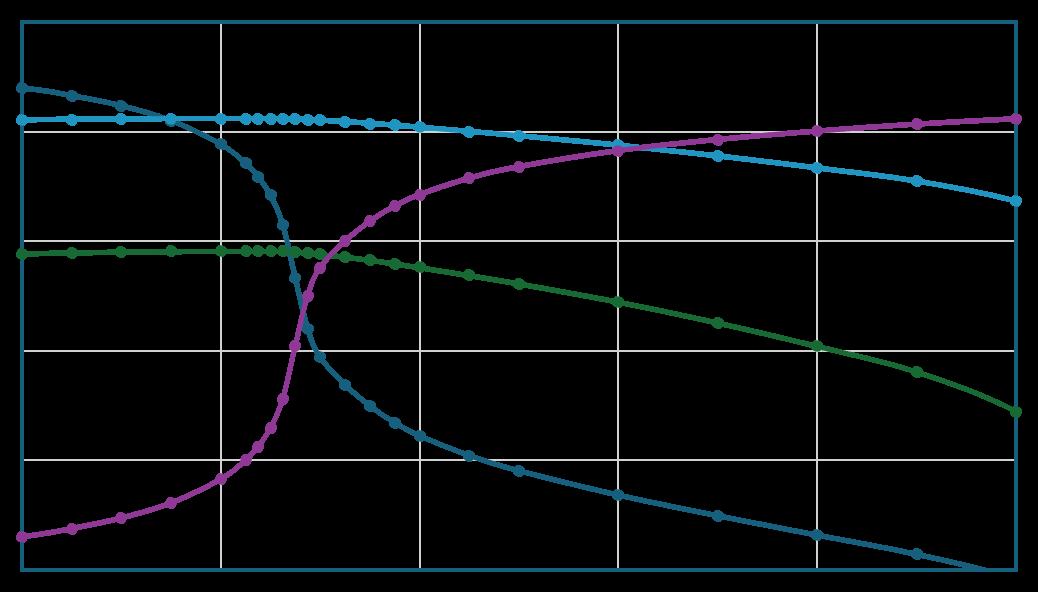

By ES&E Staff
Recently, Indigenous Services Canada announced that Monica McColman of Alberta’s Michel First Nation and the water treatment facility team from Ontario’s Walpole Island First Nation are this year’s individual and team award recipients.
The federal government recognized the recipients as part of the 2026 National First Nations Water Leadership Award, highlighting leadership and innovation in protecting drinking water in First Nations communities.


The announcement from Minister Mandy Gull-Masty coincided with
National Indigenous Water Operator Day. It recognizes the critical role water oper-



ators play in ensuring safe and reliable drinking water systems in First Nations communities and protecting public health.
McColman, chief operating officer at First Nations Technical Services Advisory Group, was honoured for her more than eight years of work supporting water system reliability and operator training across Alberta.
Through her involvement in the Circuit Rider Training Program, she helped eliminate long-term drinking water advisories and expand access to certification pathways for water operators.
Her work has also contributed to broader efforts in water governance, public awareness, and youth education.
“My journey with First Nations Technical Services Advisory Group Inc. and our Circuit Rider Training Program has opened doors I never imagined. It has allowed me to bring creativity into how we support, reach, and build capacity with our water operators and learners across many communities,” McColman said about the award.
“Through this work, I’ve had the privilege of being welcomed into First Nations and into rooms with true water heroes. These are individuals whose dedication, resilience, and knowledge I learn from each and every day,” she added.
The Walpole Island First Nation Water Treatment Facility Team, including Colin Peters, Joshua Schram, Jalen Fisher, Raven Kicknosway, Brooklin Sword and Brayden Sands, received the team award for their collaborative leadership and emergency response efforts.
In 2025, the team responded to two major incidents, including a hydrocarbon spill in the St. Clair River and a chemical spill caused by a train derailment.
They activated emergency protocols, increased water monitoring, and worked with regional partners to safeguard the community’s water supply.
Officials say the team’s use of advanced monitoring technology, proactive risk management, and clear communication helped maintain public confidence, while protecting community health.
The team issued a joint statement, noting, “as water operators, we share a purpose that runs deeper than the work itself. Together, we learn, grow, and depend on one another to overcome challenges that few will ever witness. Behind the scenes, our dedication and attention to detail quietly keep our community safe. It’s a privilege, and a responsibility we hold with pride, because safe water is one of the purest gifts we can give.”
According to Indigenous Services Canada, 84 nominations were submitted for the 2026 awards. Nominees included individuals, community leaders, and organizations working to advance water stewardship in First Nations communities.
In a statement, Gull-Masty said the awards recognize the “dedication, leadership and expertise” of Indigenous water operators, whose work is essential to building strong and resilient communities across the country.
For more information, email: editor@esemag.com
By ES&E Staff
New research is intensifying calls for stronger drinking water protections after scientists found that exposure to PFAS may weaken the immune system well into adulthood. The study, led by researchers at Michigan State University, found that adults with higher levels of PFAS in their blood produced fewer protective antibodies when exposed to a new virus. This is a key measure of how effectively the body responds to infection.
Per- and polyfluoroalkyl substances, or PFAS, are widely used in products ranging from nonstick cookware to firefighting foams. Known for their persistence, the chemicals accumulate in both the environment and the human body, with drinking water identified as one of the most significant sources of exposure.
“Antibodies act like tiny soldiers, helping the body recognize and fight off viruses,” said Courtney Carignan, the study’s senior author, in a statement from Michigan State University.
Reduced antibody production, she added, suggests the immune system may be less capable of defending against illness. “These results raise important concerns about how long-term exposure to PFAS reduces the body’s ability to respond to infections, even in adulthood,” Carignan stated.
Researchers highlighted perfluorohexanesulfonic acid (PFHxS), a PFAS compound that can remain in the body for nearly a decade, underscoring the longterm nature of exposure.
The findings add to growing evidence that PFAS can have lasting health impacts beyond childhood. The effect was most pronounced among older adults, men and people who are overweight. These groups of people often carry higher concentrations of the chemicals.
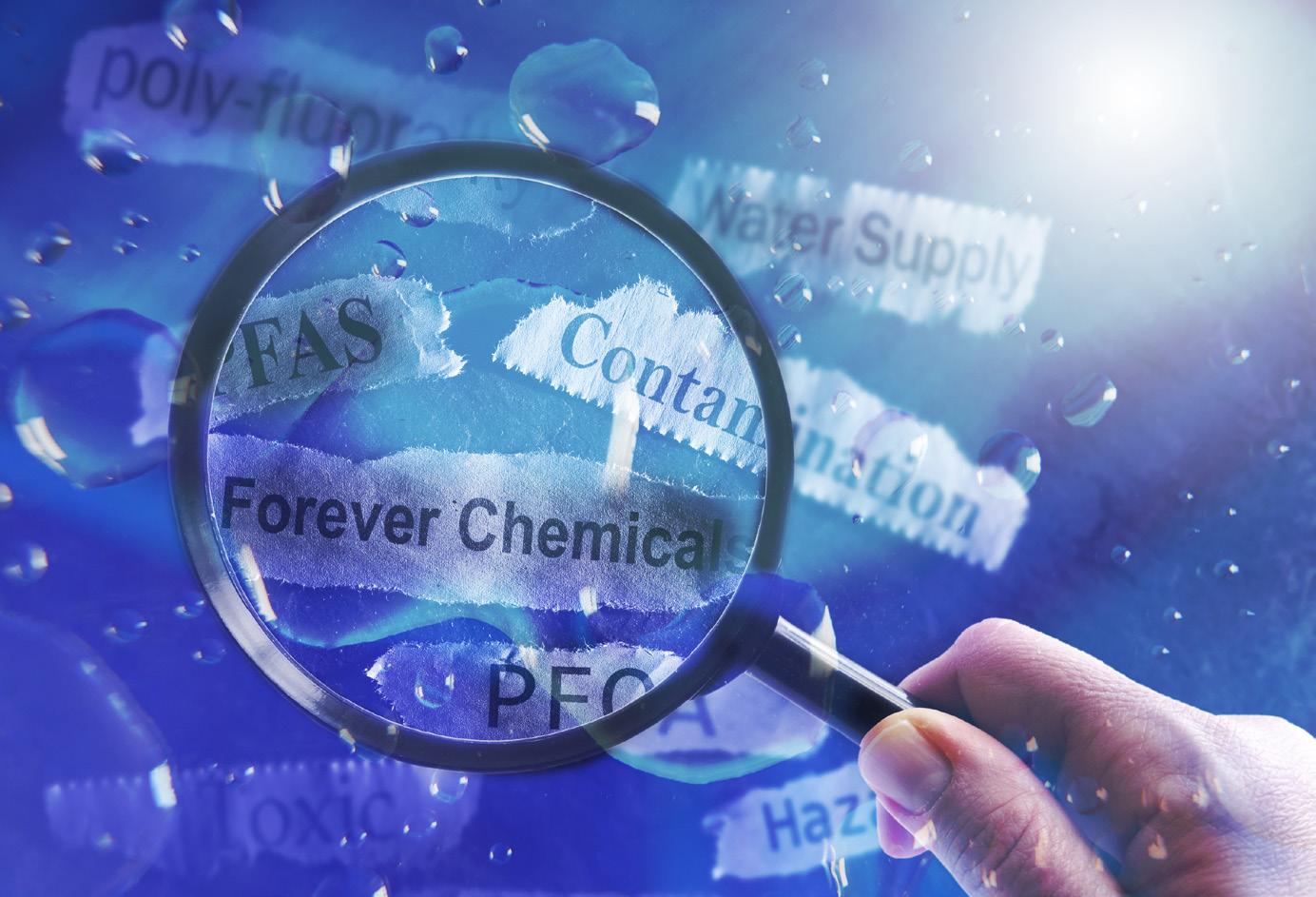
Researchers highlighted that perfluorohexanesulfonic acid, a PFAS compound that can remain in the body for nearly a decade, underscoring the long-term nature of exposure.
Credit: zimmytws, stock.adobe.com
The findings also come as the U.S. Environmental Protection Agency moves forward with new drinking water standards for certain PFAS chemicals, though questions remain about implementation and enforcement timelines.
Carignan said the results reinforce the need for stronger safeguards to limit exposure at its source. “Reducing levels in drinking water is one of the most effective ways to lower exposure and protect public health,” she said. The study’s contamination threshold was 1,600 ng/L for PFAS, which involved 74 participants. Of those, 39% were found to have elevated exposure to PFAS via drinking water.
Tobyn McNaughton, a Michigan mother whose family was affected by contaminated drinking water, connected with the researchers. She said her son’s childhood vaccines were less effective due to immune system impacts linked to PFAS exposure. McNaughton has since become a clean water advocate with the
Great Lakes PFAS Action Network.
Researchers also said the COVID-19 pandemic provided a rare opportunity to observe immune responses to a new virus, helping clarify how PFAS affects adults.
“Previous studies in adults have produced mixed results, in part because prior exposures and existing immunity can make responses difficult to isolate,” Carignan said. “The pandemic provided a rare opportunity to observe how the immune system responds to a new virus.” This allowed researchers to more clearly detect how PFAS exposure may influence antibody production, helping resolve long-standing uncertainty about its effects in adults.
PFAS contamination is prompting increasing pressure on governments to strengthen regulations and invest in longterm water treatment solutions.
For more information, email: editor@esemag.com















Thank you to everyone who participated in this year’s CANECT Environmental Compliance and Due Diligence Training Event.
We look forward to seeing you at CANECT 2027!




















Alliance Technical Group
Aureus Solutions Inc.
BlueFrog Environmental Consulting Inc.
Bureau Veritas
CM3 Environmental Inc.
Dragun Corporation
Envirosite
Golden Environmental Services Inc.






LimeGREEN Equipment Inc.
OACETT
PFAS-SOL (By Ivey International Inc.)
Royal Roads University




Testmark Laboratories Ltd.
Tri-Phase Group
Trinity Consultants Canada
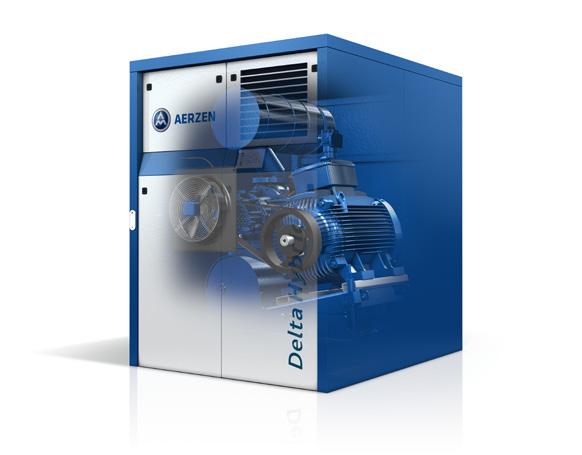
Optimize your facility’s carbon footprint with AERZEN’s Delta Hybrid. Engineered for wastewater treatment, its unique 3+4 rotor profile delivers up to 37% energy savings and 100% oil-free, PFAS-free air. This compact, belt-driven solution ensures maximum reliability and environmental compliance, significantly reducing lifecycle costs while providing a versatile pressure range for the most demanding industrial aeration environments.
AERZEN Canada Inc.
T: 450-424-3966 Montreal – East
T: 437-703-7630 Ancaster – Central
T: 587-316-0155 Calgary – West
E: sales-ca@aerzen.com
W: www.aerzen.com/canada
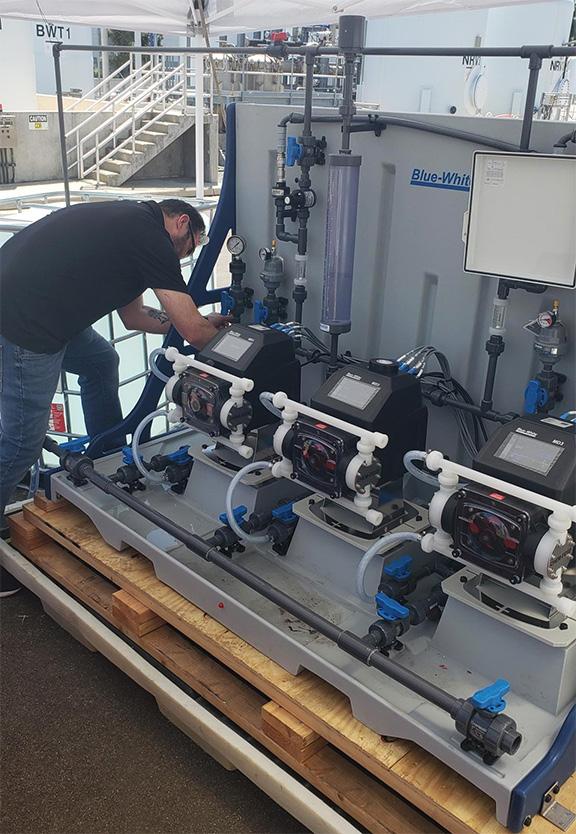
Want a complete metering system without sourcing every component? Our prefabricated, preassembled skid systems streamline installation and accelerate startup, cutting installation time and helping to control labour costs. Get the skid layout, materials, and performance you need with Blue-White’s help. Blue-White Industries
T: 714-893-8529
E: info@blue-white.com
W: www.blue-white.com
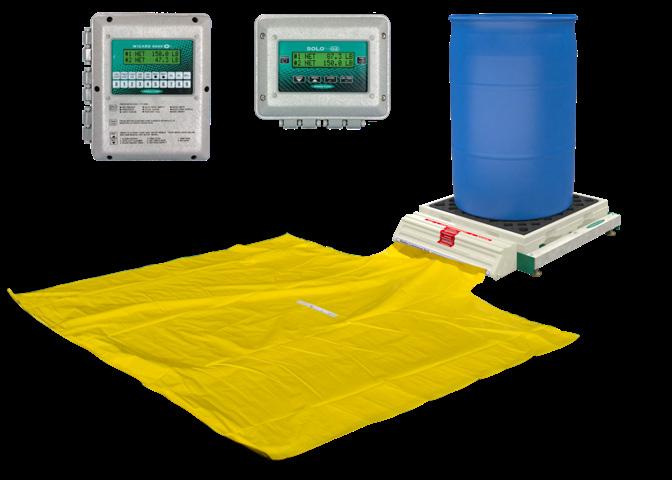
SpillSafe LX™ Drum Scale accurately monitors the amount of chemical used, remaining, and provides protection against uncontained chemical spills. An automatic deploying spill bladder keeps overall platform height to a minimum while allowing up to 250 liters of spill containment. The SpillSafe LX™ helps you comply with Environmental Canada spill containment requirements.
Force Flow
T: 925-686-6700, or 800-893-6723
E: info@forceflow.com
W: www.forceflowscales.com
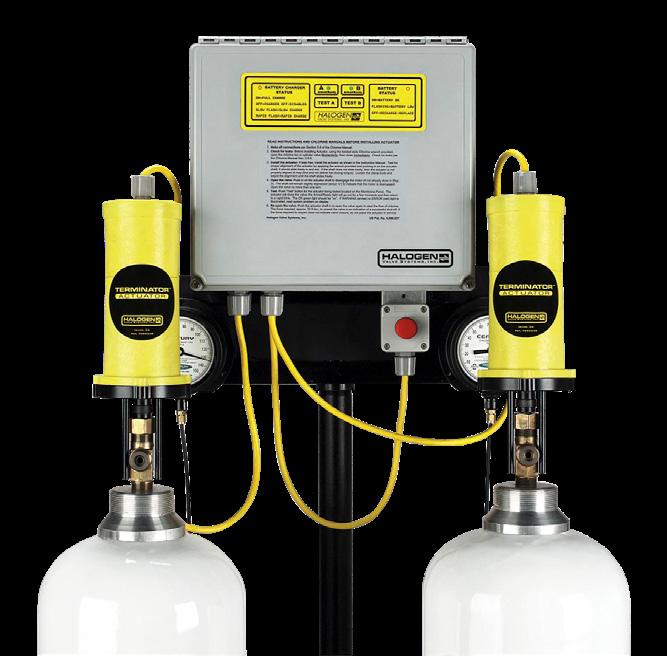
The Gemini™ Emergency Shutoff System adds a new level of safety to your gas chlorine feed system. Designed specifically for dual 150lb chlorine cylinder applications, the Gemini System, with its two Terminator™ actuators, stops a chlorine leak within seconds of detection by automatically closing the cylinder valves. The actuators are simply placed on top of the valves and protection begins.
Halogen Valve Systems
T: 949-261-5030
W: www.halogenvalve.com
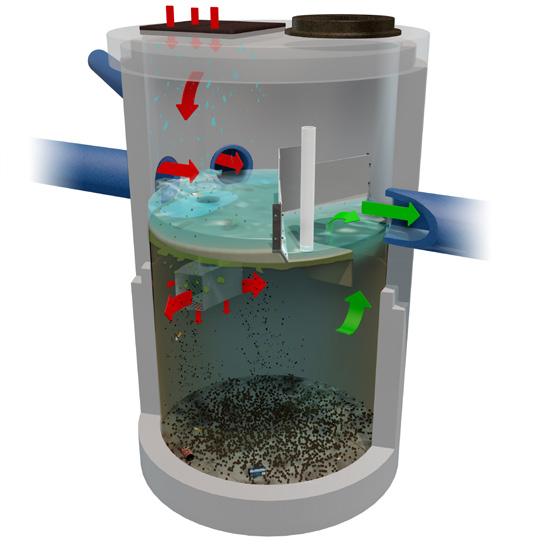
The new Stormceptor® EF is an oil grit separator (OGS)/hydrodynamic separator that effectively targets sediment (TSS), free oils, gross pollutants and other pollutants that attach to particles, such as nutrients and metals. The Stormceptor EF has been verified through the ISO 14034 Environmental Management – Environmental Technology Verification (ETV).
Imbrium Systems
T: 800-565-4801
E: info@imbriumsystems.com
W: www.imbriumsystems.com
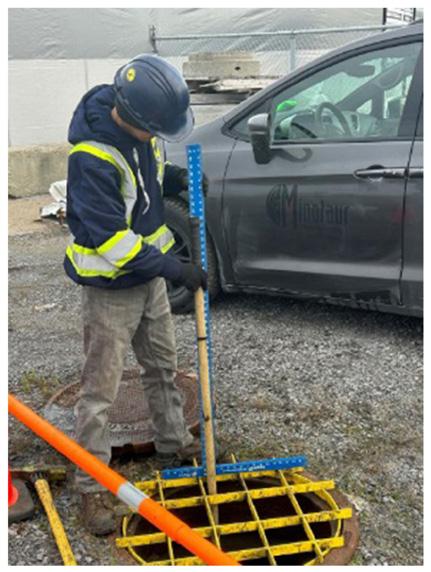
Inspection and maintenance are fundamental to the long-term performance of any stormwater quality treatment device. The Stormceptor EF/EFO design makes inspections and maintenance an easy and inexpensive process conducted at grade. Once serviced, the Stormceptor EF/EFO is functionally restored as designed, with full pollutant capture capacity. Learn more at: www.imbriumsystems.com
Imbrium Systems
T: 800-565-4801
E: info@imbriumsystems.com
W: www.imbriumsystems.com
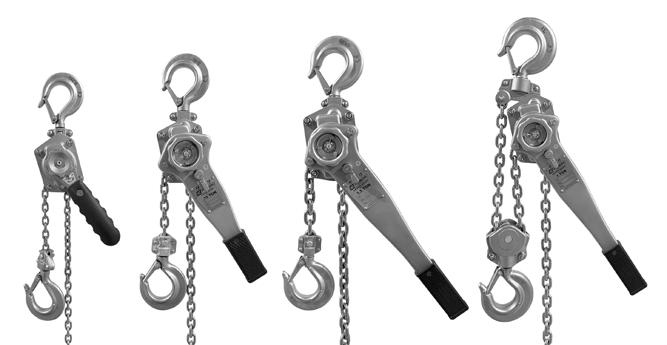
OZ Lifting Products has launched North America’s first stainless steel lever hoist that captures the many benefits of Type 304 stainless steel. Available in 0.25-, 0.75-, 1.5-, and 3-ton versions. Each one can be provided with 5 ft., 10 ft., 15 ft., and 20 ft. lengths of lift (custom rigging available). The hoists are lightweight and easy to operate.
OZ Lifting Products
T: 800-749-1064
E: sales@ozliftingproducts.com
W: www.ozliftingproducts.com
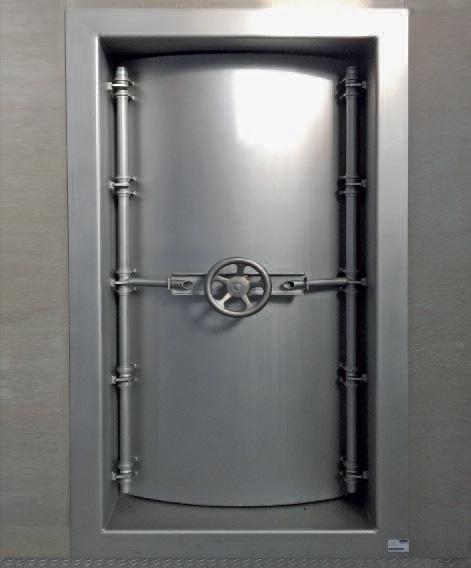
HUBER, a proven German manufacturer, now provides watertight doors that allow safe access to tanks for construction and/or maintenance. Doors can be provided as round or rectangular for installation onto existing concrete surfaces, or cast-in-place in new concrete. They can handle heads up to 30 m and hold pressure in seating and unseating directions. HUBER’s watertight doors can greatly reduce construction and maintenance costs and dramatically improve safety/access.
Pro Aqua, Inc.
T: 647-923-8244
E: aron@proaquasales.com
W: www.proaquasales.com
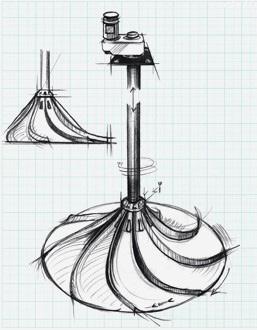
Invent Environment is the manufacturer of hyperboloid mixers, which have revolutionized anoxic and swing zone mixing. Invent provides low-shear, efficient mixers with no submerged motors or gear boxes for easy access for maintenance. They have now released the Hyperclassic Mixer Evo 7, which has increased the number of motion fins and adjusted the geometry of the mixer to maximize its efficiency, reducing operation costs even further.
Pro Aqua, Inc.
T: 647-923-8244
E: aron@proaquasales.com
W: www.proaquasales.com
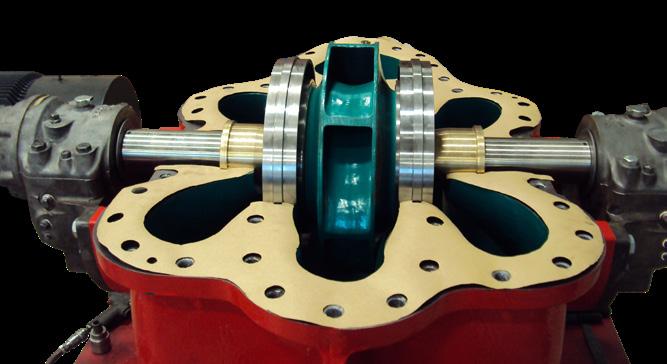
Advanced Pump Repair, a division of Summit Water, delivers specialized pump repair, refurbishment, and maintenance services for municipal and industrial systems. Backed by experienced technicians and precision equipment, we restore performance, extend asset life, and minimize downtime to keep critical water infrastructure operating efficiently and reliably.
Summit Water
T: 800-265-9355
E: sales@summitwater.ca
W: www.summitwater.ca
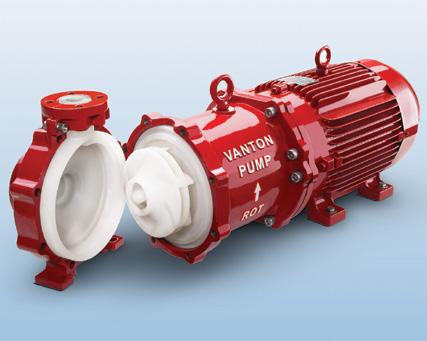
Vanton Chem-Gard CGM-ANSI magnetically driven end suction pumps are sealless, single-stage process pumps which meet ANSI B73.1 specifications and conform to Hydraulic Institute Standards. All wet-end components are homogenous, injection-molded polypropylene (PP) and polyvinylidene fluoride (PVDF), eliminating metal-to-fluid contact. This makes them ideally suited for handling corrosive, hazardous and ultrapure fluids. Flows to 450 GPM, heads to 180 ft, and temperatures to 225°F.
Vanton Pump & Equipment Corporation
T: 908-688-4216
F: 908-686-9314
E: mkt@vanton.com
W: www.vanton.com
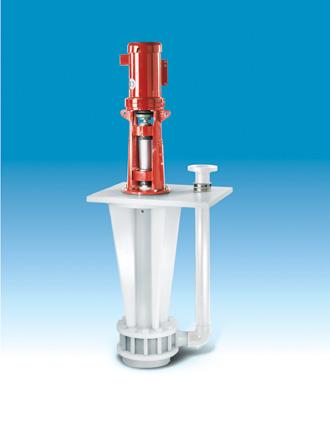
Vanton cantilevered vertical thermoplastic SGK pumps are engineered for the dependable handling of corrosive process fluids, plant effluents and wastewater, over broad pH ranges. Available in polypropylene, PVC, CPVC or PVDF, these rugged pumps are widely used across various manufacturing industries and water treatment facilities. Every Vanton pump is performance tested to the specified service condition intended.
Vanton Pump & Equipment Corporation
T: 908-688-4216
F: 908-686-9314
E: mkt@vanton.com
W: www.vanton.com
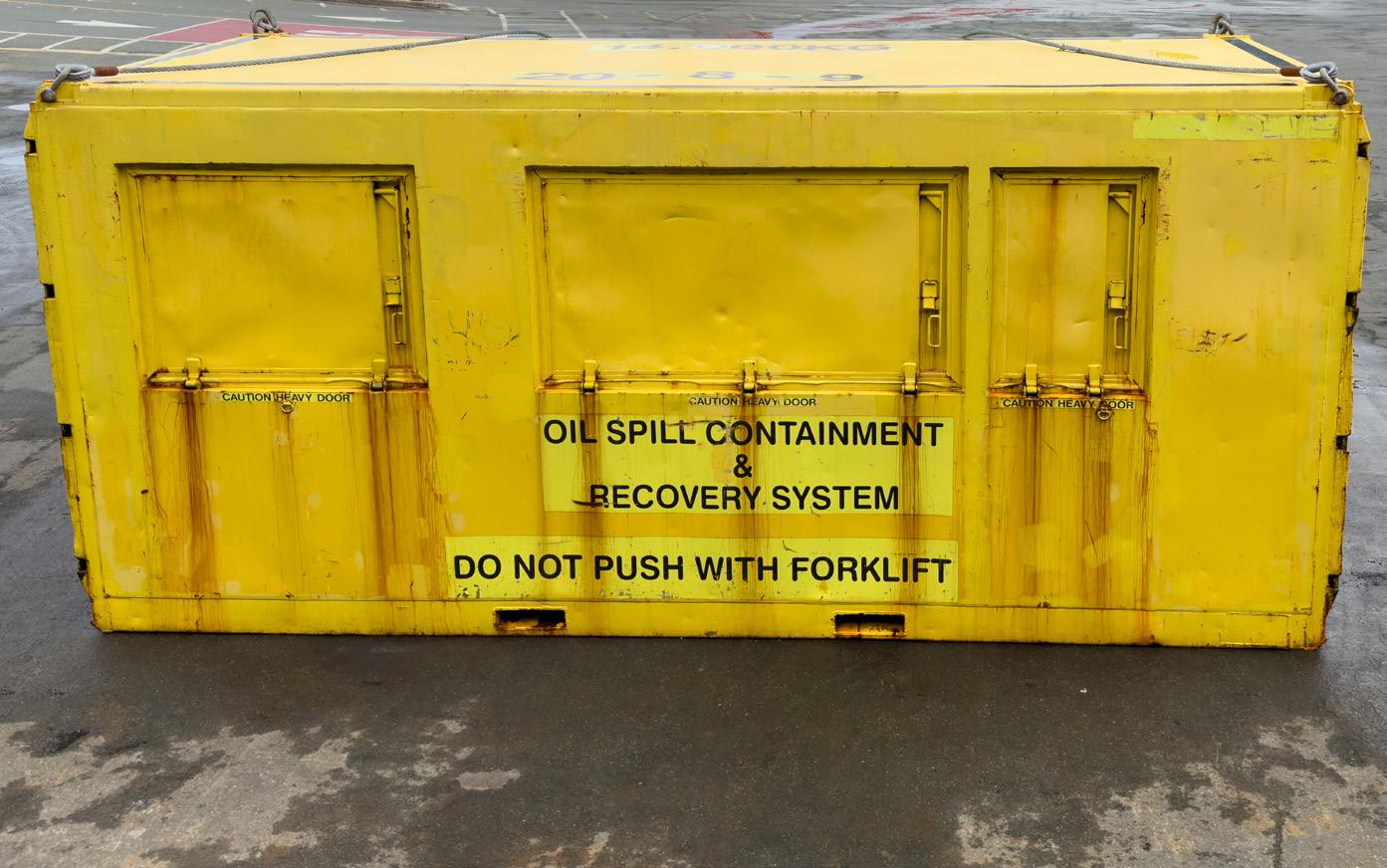

By Scott Belton
In Ontario alone, there are roughly 8,000 hazardous spills every year. Many come with long-term effects, injuring workers or local residents, killing plants and animals, and polluting air and water in the region. Similarly, a major cyber breach may also have an outsized effect, not only sharing information to those who intend harm, but also potentially causing regulatory issues and even bringing the business to a halt for a period of time.
No organization can afford the financial and reputational damage associated with either one of these scenarios. Whether it is the real expenses associated with cleaning up a spill and regaining control of the data or a more intangible effect, the organization could bear the stigma for years to come.
Thoughtful organizations understand
the importance of planning ahead to minimize the risk, whether to the organization, the employees, or the larger region. Plans to manage liability risk are critical to keeping the entire organization resilient. Also, with an increase in frequency and complexity of liability claims overall, it is important for businesses to consider making these changes sooner, rather than later.
A large liability lawsuit can cost an organization millions of dollars. While nothing can guarantee complete protection from a liability suit, there are ways to manage and minimize the effects. The following risk mitigation measures can help minimize liability risks and navigate the claims process with confidence.
The key is to understand your business. When you know what can go wrong, you are better positioned to do whatever it takes to avoid it. Beyond that, some claims can’t be managed well without advance preparation. When there is a spill, which can lead to severe injuries, significant third-party property damage or even regulatory issues, acting at
the right time and in the right way can actually minimize the damage. Similarly, a company can be hit by a cyber breach out of nowhere, and business leaders will have to make quick decisions on the spot, or risk losing everything.
Leaders that are able to identify these high-risk areas can create a response plan for each specific risk. It will include protocols around incident reporting and collecting documentation, as well as the right way to track the progression of the situation. Finally, the plan should include the right ways to leverage your insurer to minimize the financial impact and protect the organization’s reputation immediately.
Incidents should be reported as soon as practicable, as delays may impact eligibility for insurance coverage. Successful claims include complete documentation. Incident reports, statements and other supporting documents must be accessible and accurate. Claims are often denied because of missing or conflicting information. Documentation that is detailed and complete assists insurers in making informed decisions, helps to streamline claims processing and controls costs for everyone.
Projects today are complicated, with a growing number of stakeholders and risks that are new and ever-changing. As a result, insurance policies are changing and evolving too. Areas like cyber and environmental liability are seeing some of the biggest changes, driven by an increase in frequency and severity of claims.
Business leaders who understand these policy changes are better positioned to protect the organization through stronger risk management strategies and response preparation, well in advance of an incident. For example, because cyber threats have become more difficult to manage, many organizations are securing policies for both regular cyber coverage and cybercrime coverage to protect the organization from cyber liability. When it comes to environmental policies, some are structured not to kick in at all before a specific threshold is
met. In other cases, they may include both third-party and first-party coverages, such as property cleanup and crisis management. It is important to understand how these policies work in general, so you know what your organization will need.
Although the types of coverage have changed and evolved in recent years, understanding your own liability policies is critically important, especially when it comes to knowing the specific terms, coverage limits and exclusions.
Different insurance policies come with unique conditions, and insurers vary in how they handle these policies. For example, some liability policies cover you only when the incident happens within the policy period (occurrence-based), while others require the claim to be made during the policy term (claims made). Many policies specifically exclude certain scenarios, such as intentional misconduct, damage to owned property, or contract breaches.
Business needs change over time, and so do your exposures. It’s important to review your specific coverage regularly with your broker, or another trusted advisor, to ensure the coverage protects you from all relevant risks.
For many business leaders, liability claims are nothing more than a nuisance to deal with after disaster strikes. But those who follow these best practices can develop a culture of preparedness within the organization. This preparedness not only reduces
the likelihood of incidents occurring, it also streamlines the claims process when issues do arise, minimizing disruptions and potential costs. Ultimately, forward-thinking planning enhances an organization’s ability to respond swiftly and effectively to liability claims, protecting both its reputation and bottom line.
Scott Belton is with insurance brokerage Hub International, who have offices across Canada. Email: scott.belton@hubinternational.com





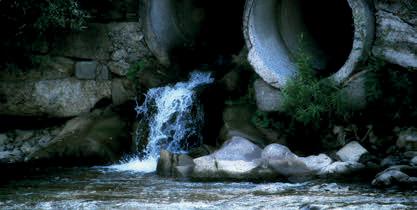
No organization can afford the financial and reputational damage associated with a hazardous spill, or cyber breach.
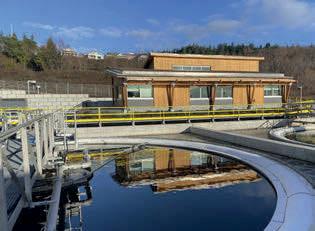
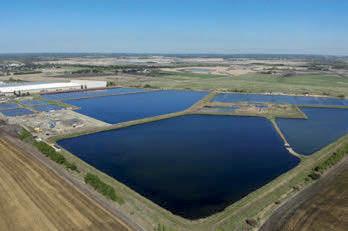



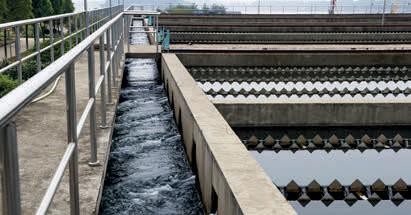


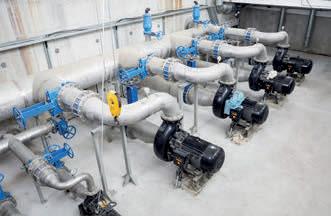
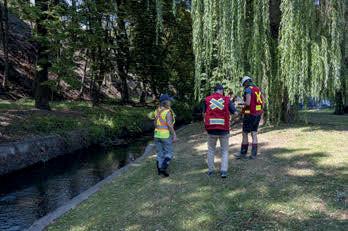
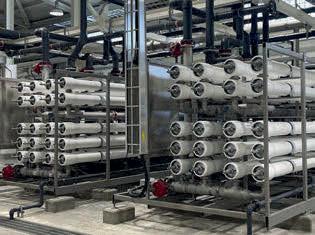
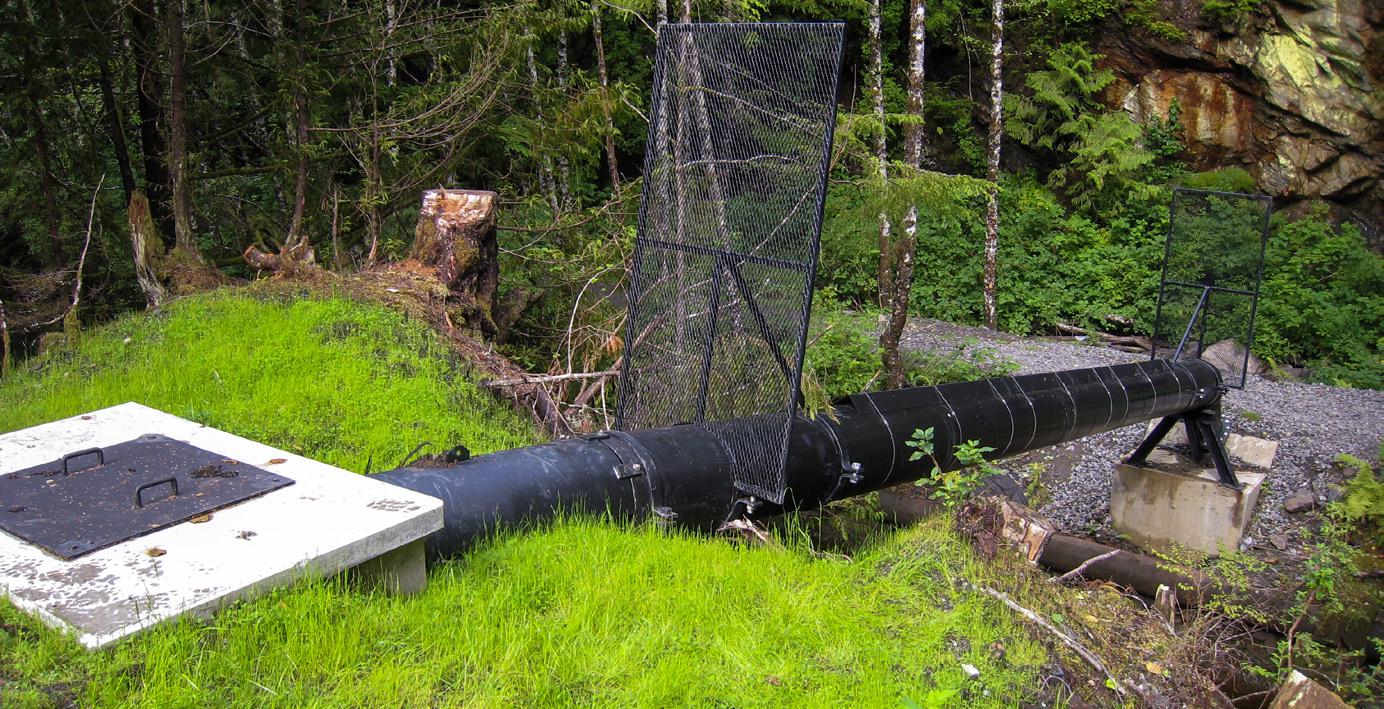
By Arash Masbough
For more than sixty years, Associated Engineering (AE) has worked with the City of Prince Rupert on the renewal, replacement, and upgrade of its water and wastewater systems, along with planning and designing new facilities, pipelines, transportation projects, and community buildings.
Currently, the British Columbia port city is undertaking a significant and much-needed upgrade of its water distribution system. This is necessary to resolve long-standing challenges and prepare for future growth.
When complete, these improvements will help ensure residents have a reliable, modern water system that supports Prince Rupert’s role as both a growing port city and an increasingly attractive tourism destination.
Prince Rupert’s water system sources water from Woodworth Lake and has a backup source in Shawatlan Lake. These two sources are of high quality with protected watersheds, but their steep terrain, exposure to landslides, and heavy rainfall events can lead to high turbidity and fluctuating raw water quality.
With climate change bringing more frequent and intense storms, tools for
reliably managing these challenges are becoming ever more important. Wildlife activity in the area adds another layer of complexity to the city’s water quality challenges.
AE is currently supporting several major initiatives for the city, including the Big Infrastructure Gap project. This work involves replacing aging water distribution pipes, valve chambers, and key underwater crossings that are critical to delivering safe, reliable water.
AE is also completing a Water Master Plan, which includes consideration for a water treatment facility program, upgrading SCADA systems, evaluating rechlorination options, and developing a new city-wide water model to support future planning.
To help the city move efficiently through this period of renewal, AE is acting as the Owner’s Engineer on several projects, including ones where they are the designer, and others where they are helping to manage the work of other design firms.
This collaborative approach helps streamline work, reduce costs, and maintain a consistent vision for the city’s longterm water infrastructure improvements.
Arash Masbough is with Associated Engineering. For more information, visit: www.ae.ca
Pinnacle Ozone Solutions’ patented modular quad-block design operates in a small footprint to eliminate odour, oxidize colour, and kill bacteria.
Pinnacle Ozone Solutions delivers technically superior, energy efficient, and reliable ozone systems which do not produce harmful by-products, such as THMs and HAAs, which can result from chlorine disinfection.
The modular design ozone cells offer seamless system integration for drinking water and wastewater treatment facilities, delivering rugged, service-free operation within a small footprint. All while lowering your energy cost 20-40% and total operating cost 35-50% versus conventional systems.
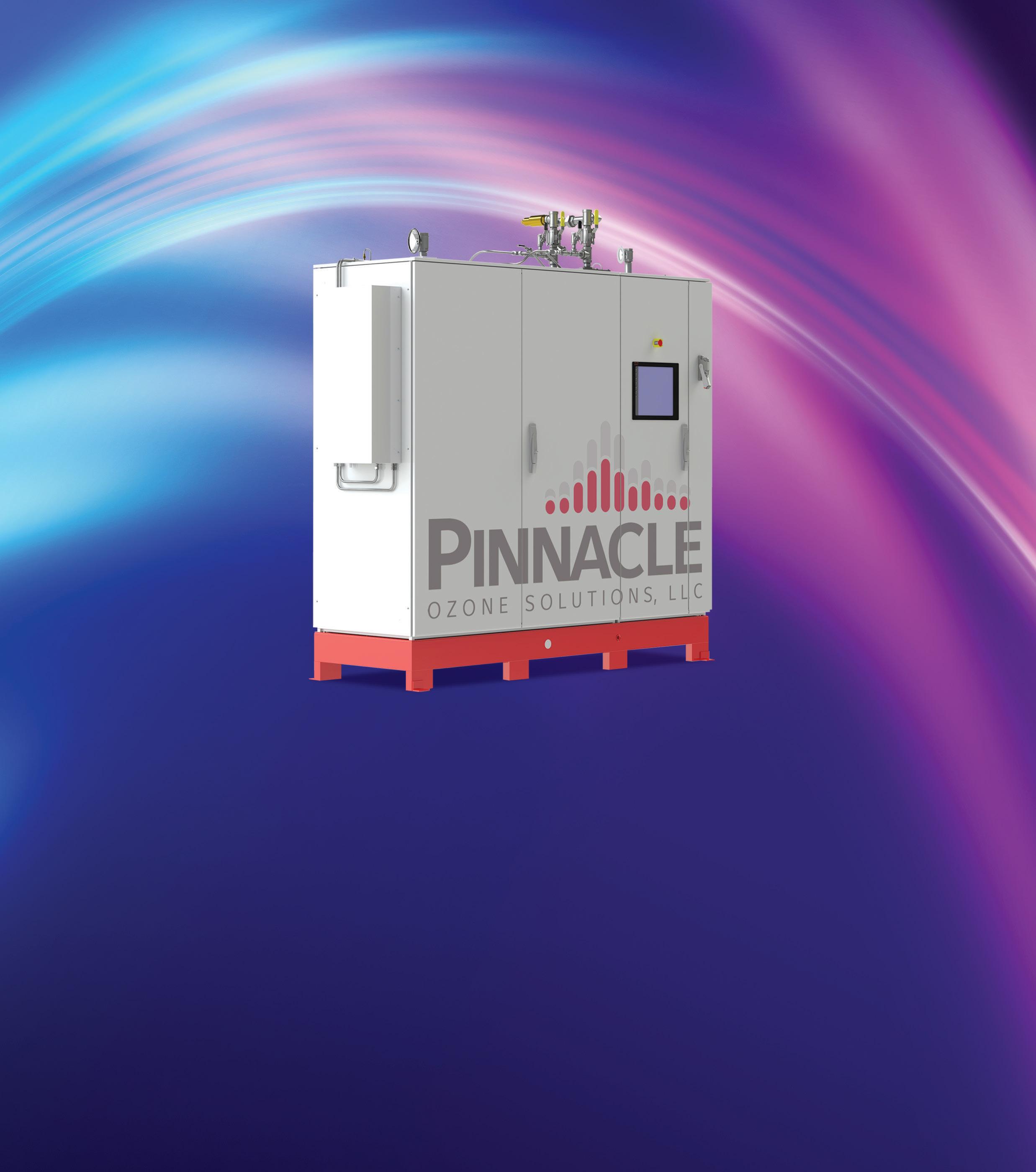
LOWER YOUR COSTS BY UP TO 50%
To discover the unparalleled advantages of Pinnacle Ozone Solutions for your application, contact ACG-Envirocan today.
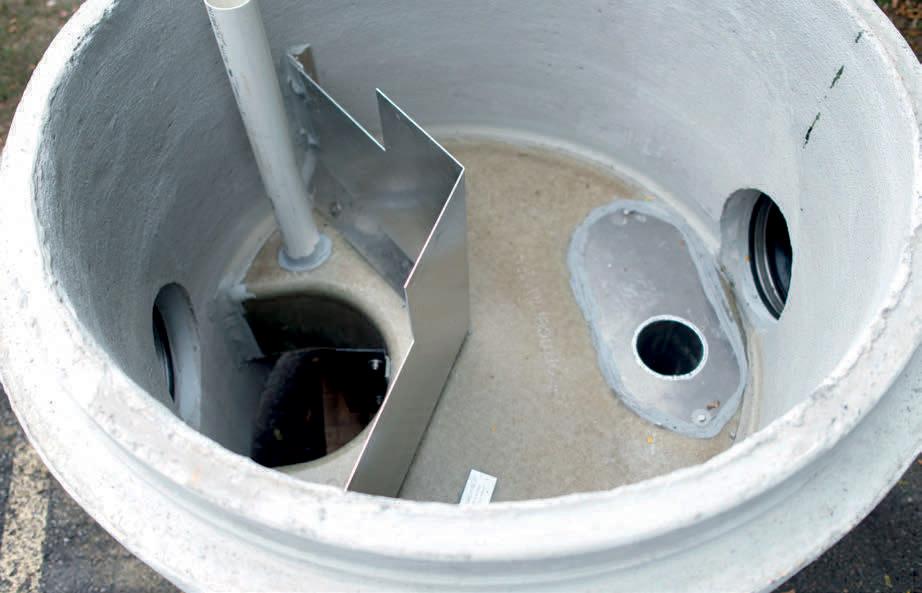
The most complete oil-grit separator on the market
• High flow sediment removal
• Scour prevention of collected sediment during high flow
• 99% oil/hydrocarbon retention during high flow
• Canada ISO 14034 Environmental Technology Verification (ETV)
PRODUCT RECOMMENDATIONS
SIZING & DESIGN ASSISTANCE
Imbrium® has been synonymous with stormwater treatment in Canada for decades. With the Stormceptor® EF oil-grit separator and the Jellyfish® Filter membrane filtration system, Imbrium® provides engineers and regulators options for all levels of stormwater treatment.
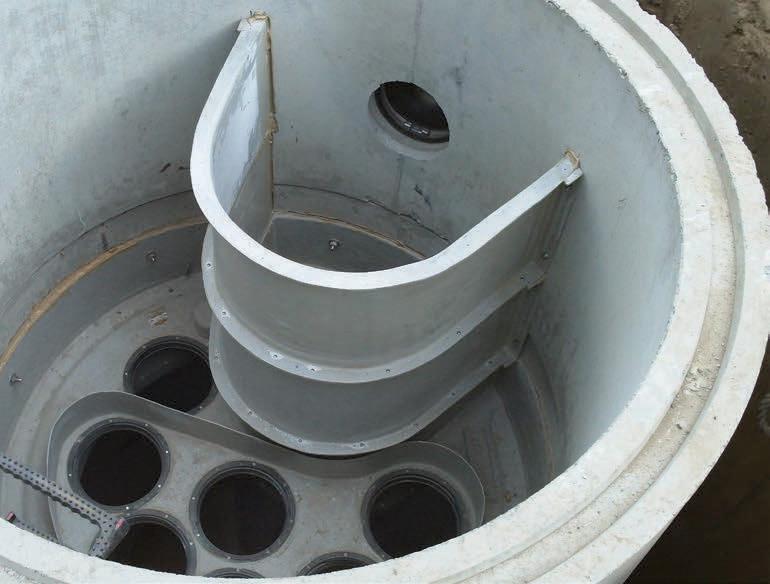
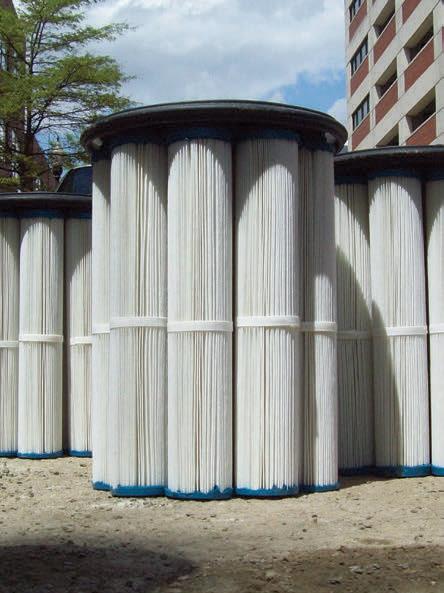
The highest level of sediment and nutrient removal using membrane filtration
• Removal of 90% TSS and 77% TP
• Low driving head of 457mm
• Lightweight, rinseable and reusable cartridges
• Canada ISO 14034 Environmental Technology Verification (ETV)